Category: Editorials

  • The World Cup is in Philadelphia. So far, the city is delivering. | Editorial

    The World Cup is in Philadelphia. So far, the city is delivering. | Editorial

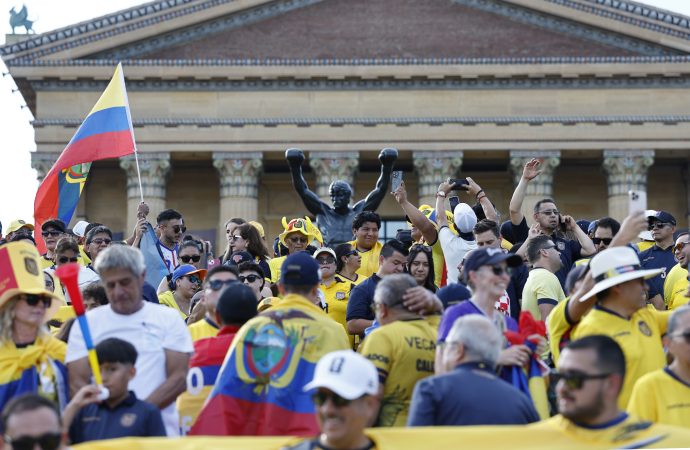
    After years of anticipation, the World Cup has finally come to Philadelphia, and the city is rising to the occasion.

    The FIFA Fan Festival, located at Lemon Hill in Fairmount Park, has free admission and is open daily. During Mexico’s 2-0 win over South Africa in the tournament’s opening match, Mayor Cherelle L. Parker watched and celebrated there alongside fans of El Tri.

    The city’s sizable contingent of Mexican Americans made the stretch of grass their own, but they weren’t the only ones. According to the Philadelphia Visitor Center, more than 100,000 people visited the fan festival over the four-day opening weekend. Attendees have given the experience positive reviews, with one notable exception: bike parking, which has been scarce despite officials urging visitors to leave their cars at home.

    Also, a success was opening night at Lincoln Financial Field, which has been renamed Philadelphia Stadium for the tournament. While fans of Ecuador left disappointed after their team’s 1-0 loss against Côte d’Ivoire, they could quickly make their way to one of the city’s bars — some of which won state approval to stay open until 4 a.m. during the World Cup — to drown their sorrows.

    Not so in places like Boston or New York City — two of the other 11 American cities selected to host tournament matches — where officials have resorted to closing major streets near transportation hubs to accommodate the crowds. Those cities have also dealt with extensive gridlock.
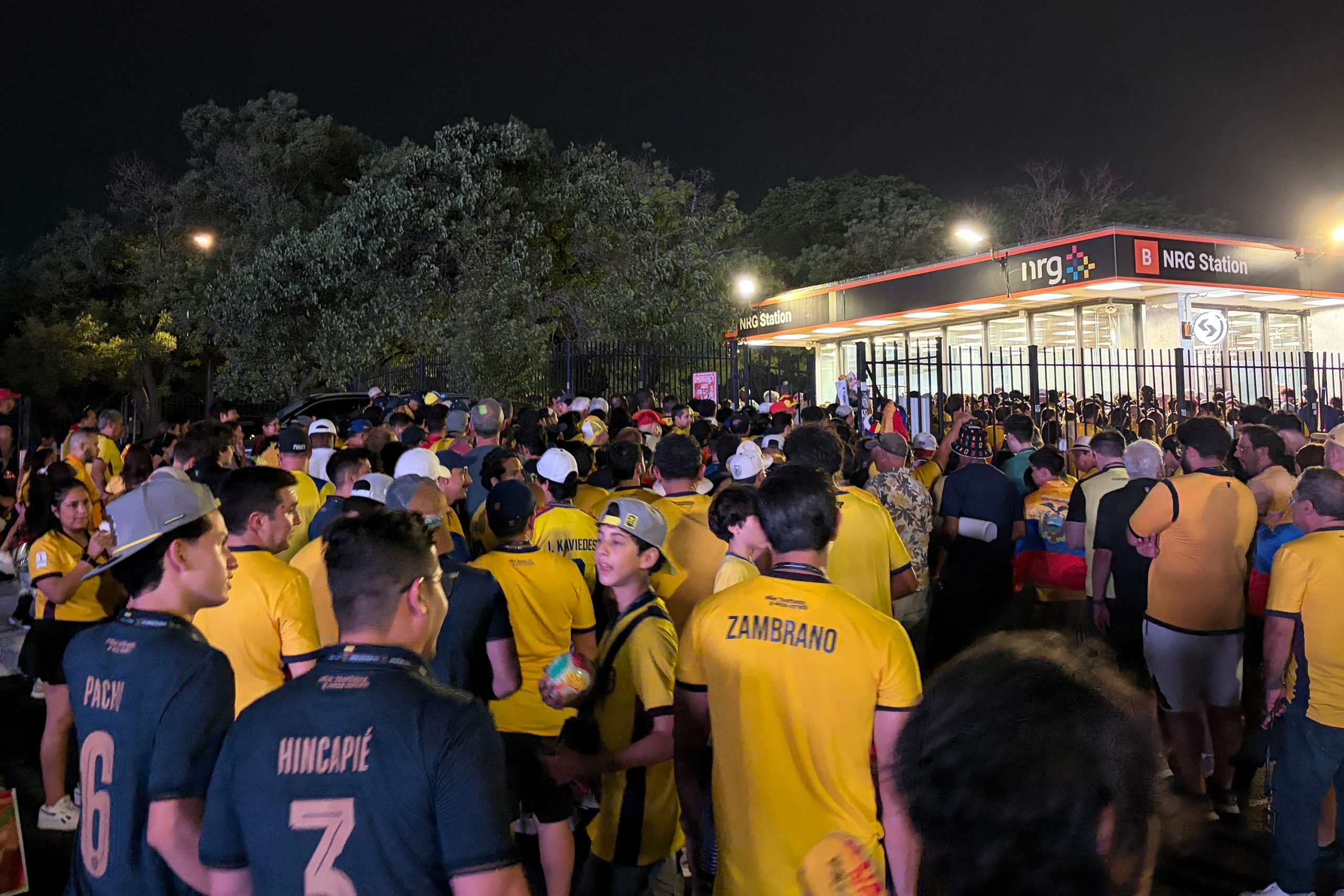
    Fans wait outside SEPTA’s NRG Station near the sports complex following Côte d’Ivoire’s victory over Ecuador Sunday.Michelle Myers

    The various efforts to fight North Jersey congestion still left some fans waiting for a ride home well after midnight. Spectators at other World Cup sites also faced steep costs for using mass transit, with New Jersey charging $98, and Massachusetts charging $80 for the train and $95 for the bus.

    In Philadelphia, however, costs are far lower for fans. Getting to a match via the Broad Street Line doesn’t require any charges beyond the system’s usual one-way fare — $2.90. And, thanks to a sponsorship agreement with Airbnb, rides back to Center City are free beginning at halftime and continuing until two hours after the match concludes.

    While SEPTA is operating additional service to support games at the sports complex and the fan festival, that has not come at the expense of trips for anyone else. Per SEPTA, roughly 19,000 people used NRG Station to get home from the game.

    National media outlets have taken note of Philadelphia’s moment — no small thing for a city accustomed to skepticism. The Washington Post praised the city as a model of affordability and access. Inquirer soccer writer Jonathan Tannenwald has detailed how Philadelphia became the envy of fans from across the country, thanks to a yearslong fundraising and organizing campaign.

    Given this effort and the city’s comparatively straightforward mass-transit situation, it is worth wondering why FIFA did not award more games to the Delaware Valley. There are just six matches scheduled in the city, as compared with nine in Dallas, and eight in Atlanta and New Jersey. All have experienced the kind of regional congestion woes we have so far avoided here in Philadelphia.
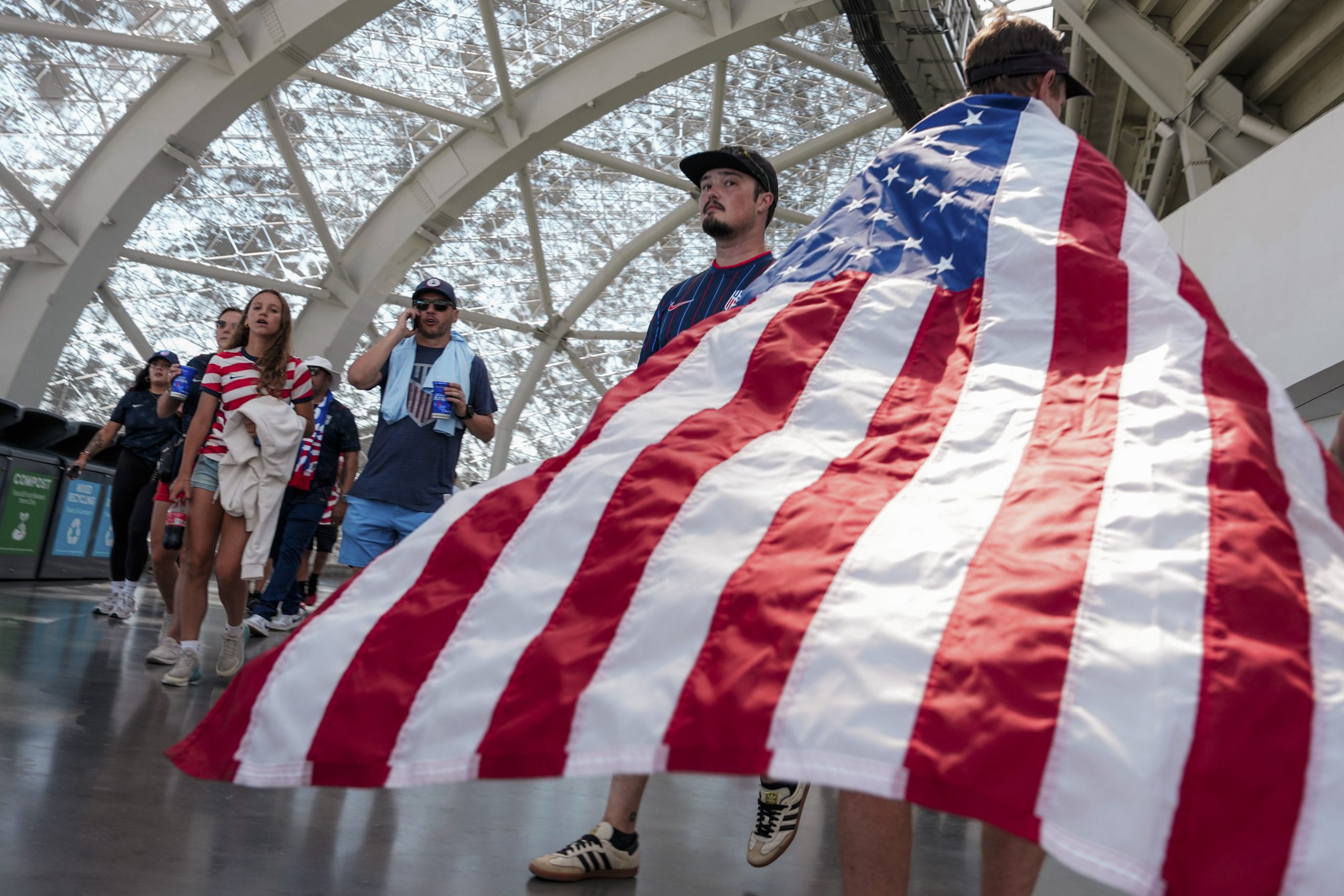
    A fan wrapped in an American flag ahead of the World Cup soccer match between the U.S. and Paraguay at Los Angeles Stadium in Los Angeles on Friday.GABRIELA BHASKAR

    That said, it hasn’t all been kudos. Those who live closest to the Fan Festival in Fairmount Park have borne the brunt of the match-day fallout during the festivities so far. Residents have complained about noise, traffic from road closures, dangerous motorists, and hiccups with the temporary parking permit system, with four vehicles mistakenly towed.

    With the festival running through July 19, city officials should work to mitigate these issues, perhaps by putting up sound barriers, installing no parking signs in the surrounding neighborhoods, and stationing police near streets that have seen an uptick in reckless driving.

    It is likely impossible to host a major event like the World Cup without any negative impacts, but Philadelphians can be proud that, so far, we’ve shown the world our best face.
  • Trump’s war of choice in Iran ends with humiliating concessions | Editorial

    Trump’s war of choice in Iran ends with humiliating concessions | Editorial

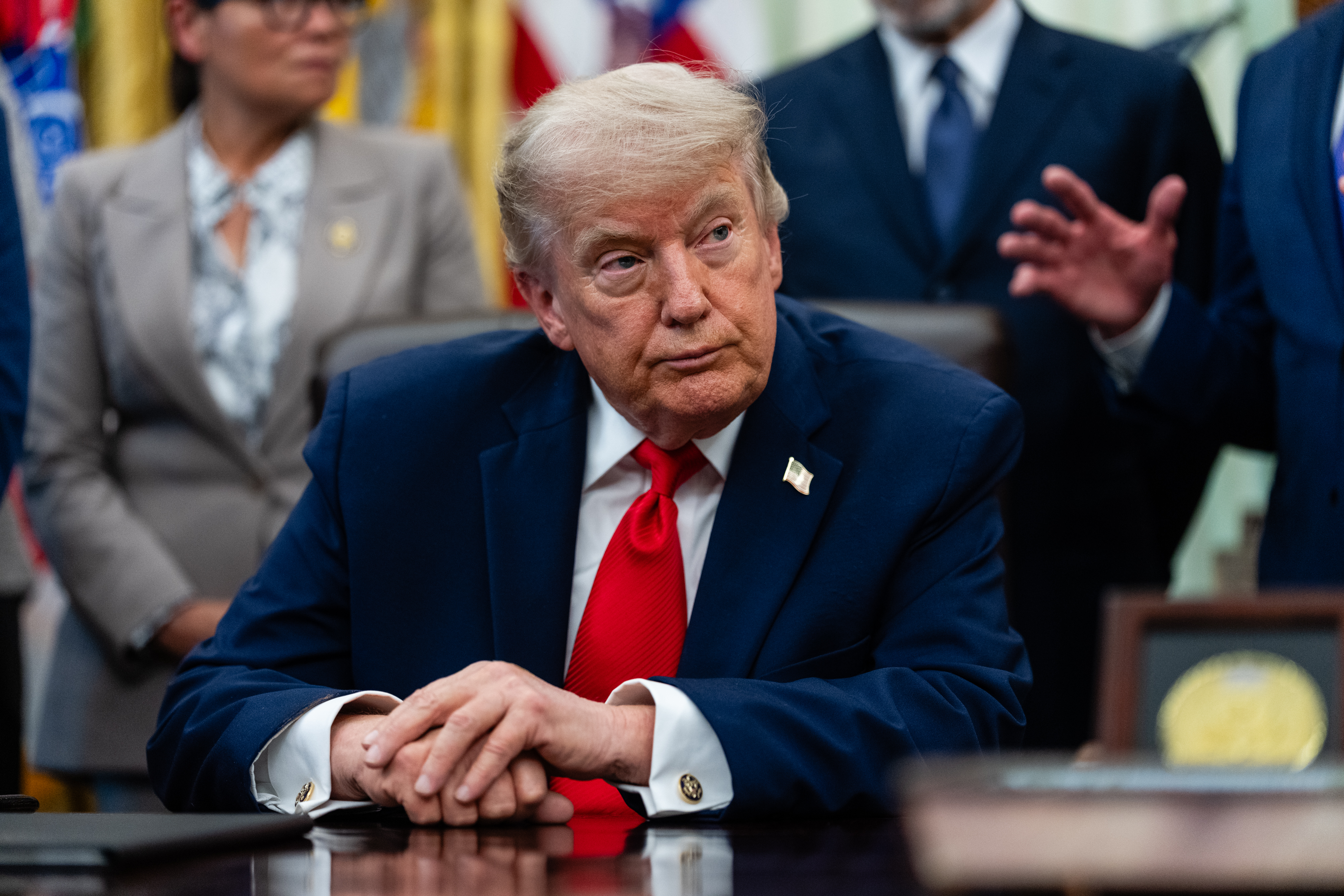
    Just before hosting a modern day gladiatorial bout on the White House lawn Sunday, Donald Trump announced a deal to end the needless war he started in Iran. But the terms of the deal made public so far underscore the epic blunder of his Middle East misadventure.

    None of the goals the president initially stated were attained: Iran did not offer the “unconditional surrender” Trump demanded. Its nuclear program was not abolished. The hard-line theocratic regime remains firmly in place. The people of Iran were not liberated. And Iran’s military, though damaged, is still intact.

    At best, the preliminary agreement is a fragile ceasefire that will reopen the Strait of Hormuz and end the costly U.S. bombing campaign. If all goes well, that will maybe get the world back to the way it was on Feb. 27 — the day before the war began.

    At worst, it is another humiliating defeat for the U.S. to go with the losses in Afghanistan and Vietnam. While the Iran war was much shorter, the damage was just as disgraceful, and perhaps even more unnecessary.

    In fact, the Middle East and the rest of the world is less stable today than before Trump started bombing Iran.

    If anything, Iran learned it can easily create a global economic crisis whenever it wants by putting a choke hold on the Strait of Hormuz with just a few drones and underwater mines. Iran can use that leverage as future deterrence against the U.S., Israel, or any other foe — which may be better than a nuclear weapon.

    Then there is the cost of Trump’s useless war.

    The military spent more than $25 billion just through the end of April. But the cost to the economy was estimated to be more than $1 trillion.

    Closing the strait meant cutting off passage for a fifth of the world’s oil supply, leading Americans to feel the financial pain at the gas pump and the grocery store. Farmers were hurt by higher fuel and fertilizer prices. Overall, the war sent inflation surging to a three-year high.

    Trump was unfazed by the pain he inflicted, claiming he “loved inflation,” and that gas prices were not very high and a cost everyone needs to endure to keep Iran from obtaining a nuclear bomb.

    As usual, Trump’s war spin was delusional, as he veered from dozens of claims that peace was just around the corner to psychotic threats to wipe out Iran’s civilization.

    Then there was the human cost.

    Fourteen U.S. service members died and hundreds more were injured. More than 3,000 Iranians were killed, including scores of children in a school that was bombed.

    How many hearts have turned cold toward America and its interests after the senseless killing and destruction of civilian sites in Iran and other parts of the Middle East bombed by Israel?

    Of course, the agreement did not resolve the main issue regarding Iran’s nuclear ambitions — which Trump oversold.

    Trump can’t even claim his deal is better than the Nuclear Non-Proliferation Treaty Iran signed in 1968, let alone the nuclear agreement negotiated by the Obama administration in 2015, whereby Iran agreed to do away with much of its nuclear program in exchange for sanctions relief.

    In 2018, Trump abandoned that deal, which was reached through nearly two years of discussions by seasoned diplomats, in contrast to the untrained negotiators Trump sent in — a group that included his son-in-law, Jared Kushner.

    Trump and his Republican allies for years railed about the $1.7 billion the Obama administration sent to Iran as part of the deal. But preliminary drafts of Trump’s plan include unfreezing $24 billion in Iranian assets, lifting oil sanctions, and implementing a massive reconstruction plan — or reparations — for Iran valued around $300 billion, according to Reuters.

    No wonder why the final terms of Trump’s deal remain secret while he tries to claim victory for a war he lost, while everyone else was stuck with the cost.

    All to end up — at best — back where we started.

    Mission accomplished!

  • Trump is losing in courts, Congress, and the polls. Be more worried, not less. | Editorial

    Donald Trump continues to inflict historic damage on the United States through his corruption, incompetence, and cruelty. But amid the daily chaos and nightly fury, Trump has suffered significant losses that should give citizens who support the Constitution and democracy a glimmer of hope.

    He’s lost in Congress, the court of public opinion, and courtrooms across the country. Even the Iran war has turned into a no-win situation. Adding to the indignity, Trump was roundly booed in his hometown by Knicks fans when he made an appearance at an NBA Finals game at New York’s Madison Square Garden on Monday.

    But here’s the thing about Trump: He’s never more dangerous than when he’s losing.

    He continues to dismantle democracy even as the country prepares to celebrate 250 years since the adoption of the Declaration of Independence. And he still wields immense power over his MAGA base.

    But fissures abound.

    Just look at Congress. After largely serving as lapdogs, (some) Republicans who control the House and Senate have begun to push back.

    The Senate shelved Trump’s brazen scheme to create a $1.8 billion fund to reward loyal lackeys prosecuted and convicted of crimes, including the Jan. 6, 2021, insurrection — but passed on reining in his tax audit chicanery.

    Senate Republicans also dropped $1 billion in security funding for Trump’s ballroom — an obscene waste of tax dollars that keeps growing in price and size as many Americans struggle to make ends meet.

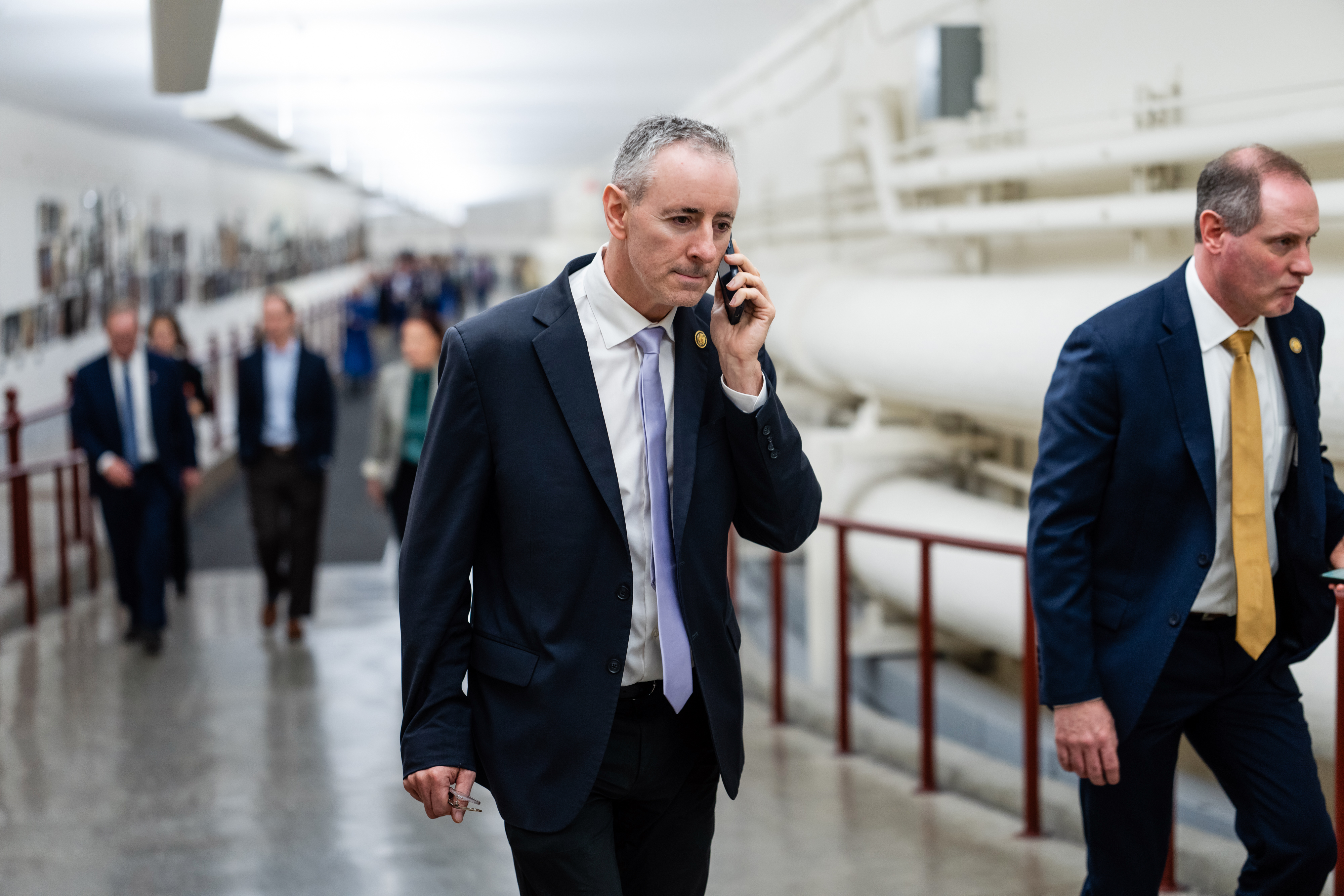
    In a rare rebuke, four GOP House members — including U.S. Rep. Brian Fitzpatrick (R., Pa.) — joined with Democratic lawmakers to pass a war powers resolution that called for ending the conflict in Iran that is costing taxpayers $2 billion a day and sent oil prices soaring.

    U.S. Rep. Brian Fitzpatrick (R., Pa.) was one of four GOP House members who joined with Democratic lawmakers to pass a war powers resolution.Eric Lee

    In defiance of Trump’s refusal to help Ukraine, 18 House Republicans joined Democrats to pass a measure to provide more than $1 billion in aid and impose new sanctions on Russia. (Recall how Trump repeatedly said he would end that war within 24 hours after returning to office.)

    U.S. Rep. Don Bacon (R., Neb.) called Trump’s continued deference to Russian leader Vladimir Putin a “moral blindness” that “communicates weakness.”

    The sudden turn against Trump by some GOP lawmakers is likely driven more by the looming midterm elections than any allegiance to their constitutional oath.

    Trump’s poll numbers are sinking. There are even cracks among white working-class voters without a college degree who now disapprove of the president’s handling of the economy. They could tolerate Trump’s lies, corruption, and incompetence, but not $5-a-gallon gasoline.

    At the same time, Trump — who has spent a lifetime litigating thousands of grievances — is losing in many courtrooms on issues big and small.

    On Monday, a judge voided “in its entirety” Trump’s scheme to impose $100,000 fees on employers seeking visas for skilled foreign workers — one in a series of misguided moves by the administration to target immigrants, which hurts all Americans.

    Earlier this year, the U.S. Supreme Court struck down Trump’s cockamamie plan to impose tariffs on countries in a way best described as willy-nilly. Beyond being fiscally stupid, the court found Trump’s signature economic policy was unconstitutional.

    The Supreme Court will soon rule on Trump’s signature immigration policy to end birthright citizenship for babies born in the U.S. to undocumented immigrants or those on temporary visas.

    Most legal experts believe Trump will lose this case because birthright citizenship is guaranteed under the 14th Amendment. Even Trump predicted the court would “probably rule against me.” As it should, since the law is not on his side.

    A federal judge ruled that Trump’s name must come off the John F. Kennedy Center for the Performing Arts. The judge said the law is “crystal clear,” and that only Congress can change the name.

    After beating four criminal indictments, Trump is still subject to the law.

    In fact, the Trump administration has lost 70% of the more than 600 lawsuits it has faced over the past year or so. The record of futility underscores Trump’s overreach, since the federal government traditionally prevails in court.

    Judges and grand juries have rejected many of the slapdash legal arguments from the Trump administration. The U.S. Department of Justice has parted ways with thousands of career prosecutors and is forfeiting its credibility with the bench.

    The losses are real. And they matter. But democracy doesn’t survive on court rulings and poll numbers alone — it survives because people keep showing up.

    Trump’s losing streak obscures the harder truth that he continues to trample the rule of law, attack countries, install lackeys, line his pockets, and upend the economy — moves that systematically weaken the U.S. at home and abroad.

    It is, after all, a reminder that the arc of the moral universe can bend toward justice — even in these “dark, disturbing, and dangerous times.” The bending, though, is up to us: follow the Constitution, hold wrongdoers accountable, and vote.

  • Bilal’s shake-up won’t fix what ails the sheriff’s office | Editorial

    Bilal’s shake-up won’t fix what ails the sheriff’s office | Editorial

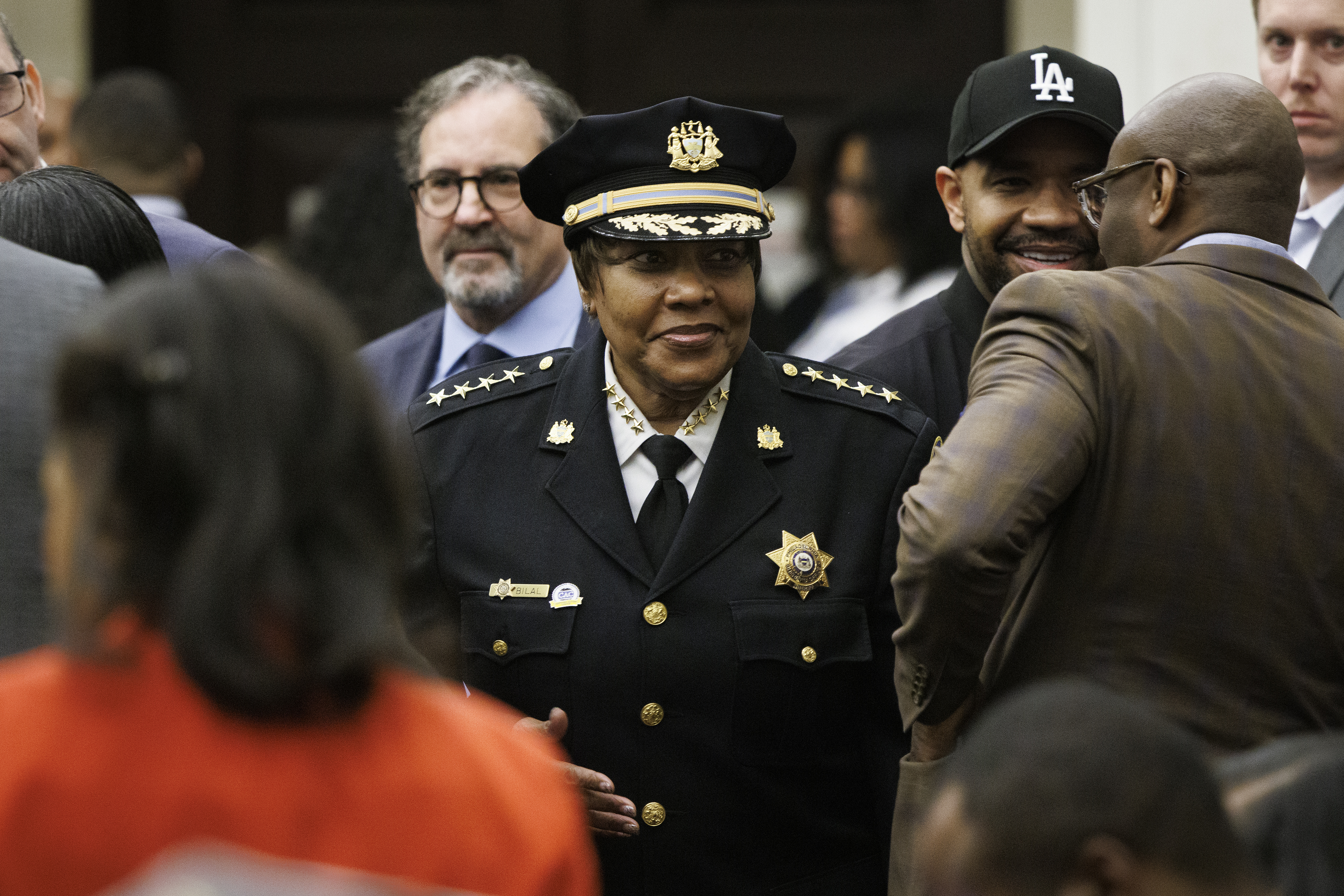
    After insisting for months that all is well in her office, Philadelphia Sheriff Rochelle Bilal has finally acknowledged that it isn’t.

    Bilal’s announcement of a shake-up in her department — which has been widely criticized for failing to properly execute some of its core duties, such as handling property auctions and providing courtroom security — was an important step forward for some long-overdue systemic changes.

    Her proposed restructuring, however, still falls short of what the city really needs: the abolition of the office itself.

    After all, troubles at the Philadelphia Sheriff’s Office are not new. The office has been plagued by a history of misconduct stretching back nearly 170 years.

    Once the city established a full-time police department in 1854, the sheriff’s office became a vestigial organ in the vast anatomy of Philadelphia municipal agencies. And, not unlike the evolutionary leftovers in the human body, such as an appendix or wisdom teeth, it’s mostly noticed these days for the discomfort it can cause.

    There’s good reason to doubt Bilal’s proposed restructuring will meaningfully improve outcomes. We’ve heard these promises from her before. When Bilal first ran for sheriff in 2019, she pledged to reform the office.

    Nevertheless, her critics say, she has spent her tenure engaged in the same tactics as her predecessors (she even hosted a “going to prison” party for one of them, former Sheriff John Green).

    Good government advocates say she’s used departmental revenue as a slush fund, struggled to collect firearms from accused domestic abusers, failed to process deeds in a timely fashion, left court officials exposed to dangerous conditions, lost dozens of guns under departmental control, fired whistleblowers, and has been admonished by the courts.

    All the while, she has insisted that complaints are unfounded and unfair.

    As Lauren Cristella, president and CEO of the Committee of Seventy, a municipal watchdog organization, said in a statement, the reorganization plan “should have been in place long ago.”

    Given that Bilal has been in power for six years, that is a legitimate complaint. Especially since the sheriff has insisted sales and deeds were being processed at “full blast” just weeks ago during budget hearings, only to be disproven by Inquirer reporting and reprimanded by the city’s courts.

    Bilal, for her part, responded by saying that changing an ancient office can’t happen overnight, and that she is operating with limited resources. Considering her time in office and penchant for, shall we say, unconventional spending, that argument is dubious.

    Bilal’s plan is also thin on some key details. While Tariq El-Shabazz, who has faced his own share of scrutiny in his role as Bilal’s deputy, is set to retire, Bilal has not confirmed the identity of a new undersheriff, or any of the other new staff positions that have been created to implement the plan.

    Additionally, there does not seem to be a written outline of her proposals. A request from this board to Bilal’s spokesperson for a copy of the plan had gone unanswered by Wednesday afternoon.

    One thing is clear: The courts must continue to press Bilal for improvements to her agency. It may still be necessary, for example, to appoint a court official to oversee deed issuance, particularly given the lack of transparency about how well those processes are functioning.

    Ultimately, the sheriff’s office overhaul the city should undertake is one that will eliminate the department altogether, alongside the similarly mismanaged and unnecessary Register of Wills. Until then, the bad news will keep on coming, restructuring plan or not.

  • City Hall failed the school district. Now Philly’s kids will pay for it. | Editorial

    City Hall failed the school district. Now Philly’s kids will pay for it. | Editorial

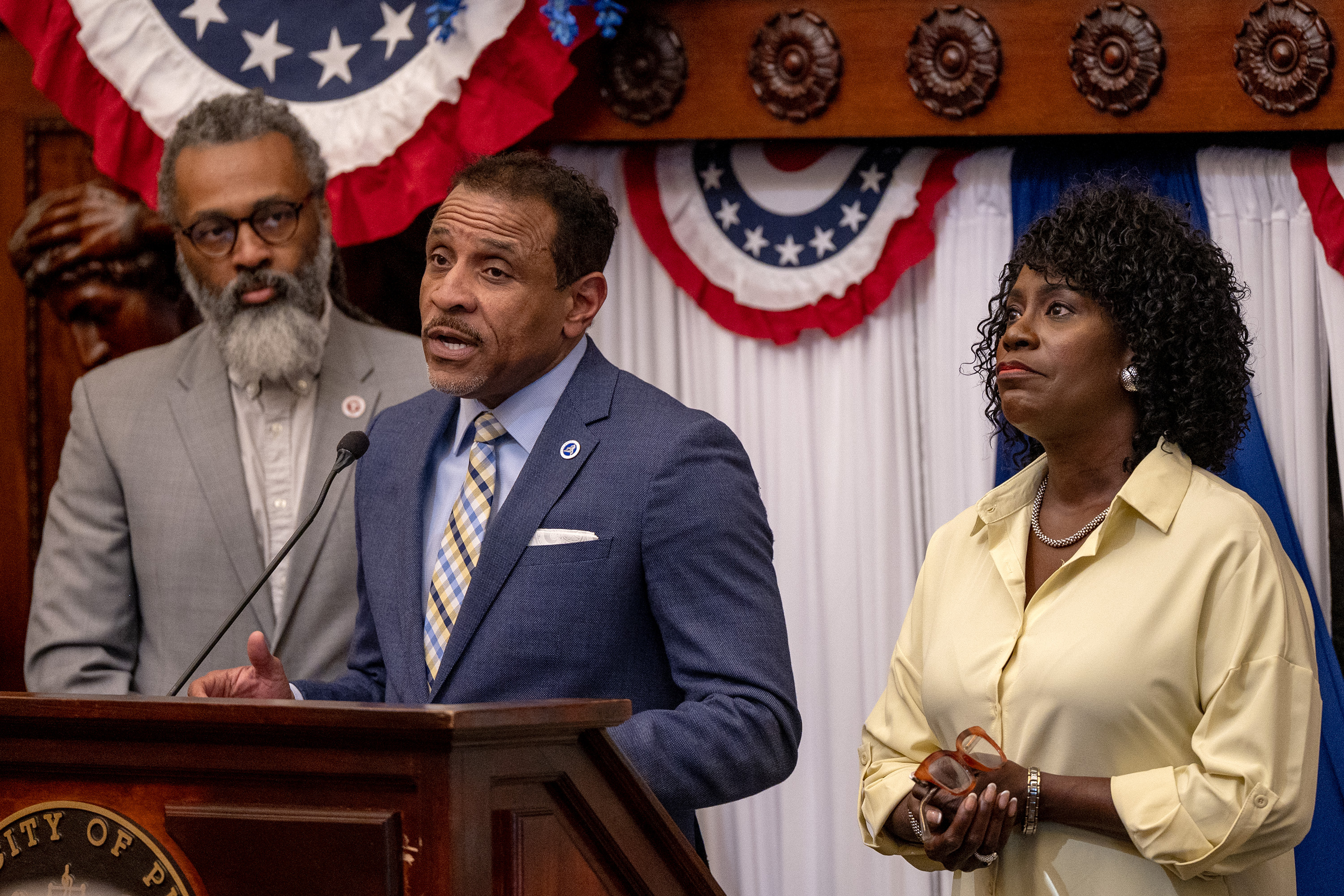
    Mayor Cherelle L. Parker and members of City Council could not agree on how to bridge the Philadelphia School District’s structural budget deficit. Now, students and staff will bear the brunt of a political failure.

    In some ways, the scope of the deficit seemed to catch policymakers off guard. The mayor’s initial budget proposal included a 20-cent per-trip tax on rideshare services, which then ballooned to $1 per ride. Neither figure came close to filling the $300 million hole in the district’s financial plan.

    While both the mayor and City Council have strong oversight powers when it comes to school spending, neither seemed to anticipate the size of that gap — even though Superintendent Tony B. Watlington Sr. had warned of a looming fiscal crisis during the last budget season.

    The ripple effects of the deficit are already clear. Principals and teachers have described this hiring season as chaotic. Some district employees whose positions are slated for elimination have begun looking for jobs in suburban school systems, many of which are facing their own budget issues.

    The cuts to Philadelphia’s schools come at a time when students are making progress, although pandemic-era declines have yet to be fully reversed. According to the Education Scorecard, the school district’s “learning rate” outpaces other big cities. That could be undermined by shedding hundreds of staff positions and shuffling teachers around to fill the gaps.

    Magnifying the impact of the staffing cuts is the scheduled closure of 17 schools across the city. The closure plan — which was finalized in April after a long and contentious process marked by City Council’s opposition — eroded support for the district with both residents and lawmakers. Council members did little to hide their fury over the inclusion of Paul Robeson and Lankenau High Schools on the district’s closure list, despite their efforts to preserve them.

    It did not help matters that some of the mayor’s plans seemed somewhat haphazard. Closing the gap between internet retailers and their brick-and-mortar competitors through online taxes makes a lot of sense, as does taxing delivery services in order to fix potholes. But many of Parker’s other proposals were unconventional.

    For example, most cities that tax rideshare services use the funds to support public transportation. That use of the revenue may feel more intuitive to taxpayers: If improved transit access allows current rideshare users to take more trips on SEPTA, they’ll save money overall. Instead, the proposal was to send money from the rideshare tax to the school district, and at a level that was still significantly below its needs.

    Whatever the details, the proposed tax did not pass. In a news conference last week, Parker said there were just three votes for the plan from the 17-member council. Instead, Council members approved a one-time payment of $50 million in an attempt to forestall the district’s job cuts.

    Despite the windfall, Watlington announced that the planned cuts would go through. He has spent weeks citing the need for a recurring source of revenue for the district, and the school system found itself facing the reality that a one-time payment of $50 million simply isn’t enough to stem a $300 million annual shortfall.

    This episode has lessons for everyone involved.

    For Parker, it is a sign that she must find a more effective way to work with Council. Mayors in Philadelphia tend to lose momentum over time, but she is still in her first term. If she’s already failing to “get to yes” with City Council over such relatively straightforward proposals, it may not bode well for the balance of her tenure.

    For Council, there must be a recognition that there is more to governing than just saying no. At some point, inaction is itself a choice. Philadelphia’s students cannot afford another year of this.

  • A court was right to stop the sale of its water system, but Chester still needs help | Editorial

    A court was right to stop the sale of its water system, but Chester still needs help | Editorial

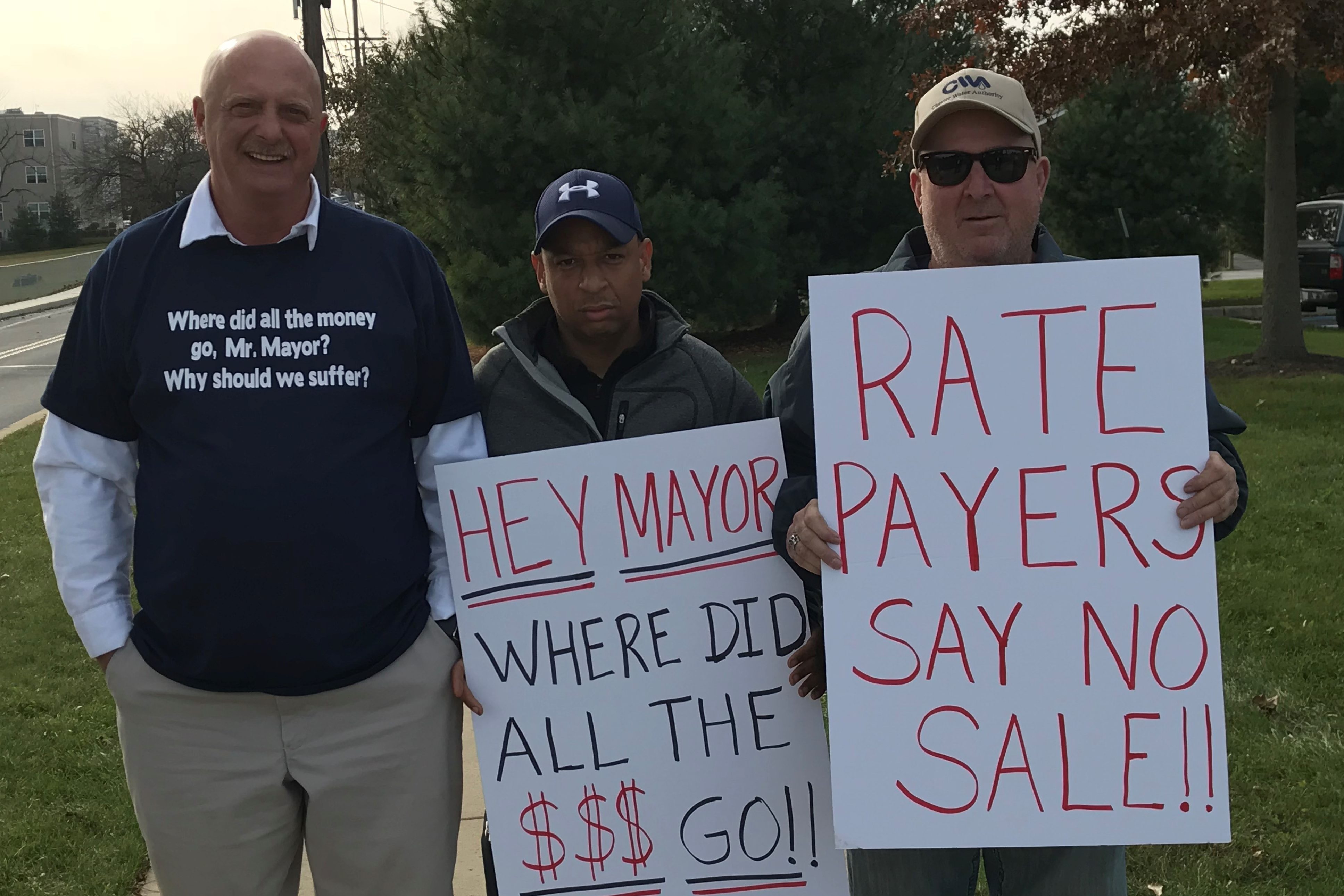
    The recent state Supreme Court ruling that a receiver can’t unilaterally sell the Chester Water Authority to a for-profit company was a big win for its customers. But it complicated a plan to use the sale to bail out the city of Chester.

    While the court ruling is the final word on the sale, there is more to be done to safeguard utility customers across the commonwealth and help the residents of Chester.

    The best way to protect all utility customers in Pennsylvania would be for the General Assembly to repeal Act 12. The misguided legislation, spearheaded by lobbyists, opened the door in 2016 for the sale of municipal water and sewer systems.

    The law was supposed to help distressed utility systems. Instead, for-profit companies have largely purchased well-run systems and massively and routinely increased the rates that customers pay.

    Since Aqua Pennsylvania purchased the sewer system in New Garden Township in Chester County in 2020, for example, residents have seen their rates increase 200%, according to a consumer group fighting the sales. Other cities and towns have seen their bills go up by 100% or more.

    In short, Act 12 has failed to accomplish what it was allegedly designed to do.

    To his credit, State Sen. John Kane, a Democrat who represents parts of Chester and Delaware Counties, has proposed repealing Act 12, but few lawmakers in Harrisburg are brave enough to stand up to the influential for-profit water companies.

    Short of a repeal, lawmakers must reform Act 12. At the very least, the law should be amended to require that the sale of any public utility be put to a vote. The residents who pay for the utility should decide whether to sell it, not the local politicians. If residents approve a sale, the utility should be put out to a public bid and not negotiated in private.

    Such reforms, while not perfect, would give residents some protection from local elected officials selling off public utilities for short-term gains without their input.

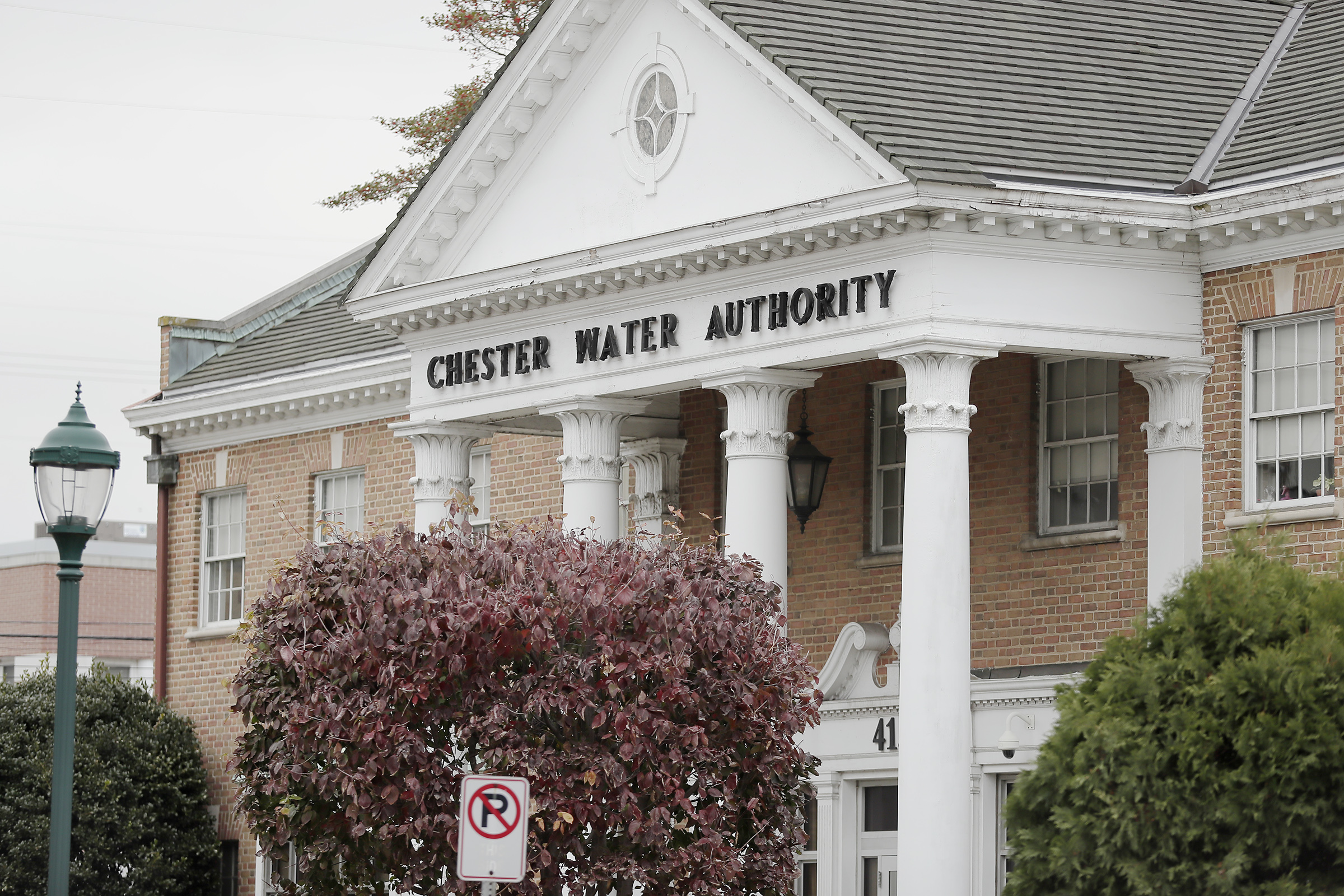
    The Chester City Council voted in 2021 to sell the Chester Water Authority to Aqua Pennsylvania for $410 million. In January, the state Supreme Court ruled the sale could not go through.Elizabeth Robertson / Staff Photographer

    The court was right to rule that the city of Chester could not sell the water authority. After all, the authority serves roughly 200,000 people in more than 30 municipalities across Chester and Delaware Counties.

    It is understandable that the city wanted to sell the water authority. The City of Chester, which has about 34,000 residents, filed for Chapter 9 bankruptcy in 2022.

    Aqua offered to buy the water authority in 2017 for $320 million. Two years later, the for-profit company increased its offer to $410 million.

    The board that oversees the water authority unanimously rejected the offer, but the city council in Chester viewed the sale as a way out of its financial problems.

    But any short-term gain for the city would likely have resulted in a sharp increase in water bills for customers. This would have put more financial stress on residents in Chester, which has a poverty rate of 30%, making it one of the poorest municipalities in the state.

    Residents in Chester and Delaware Counties would have also seen steep increases in their water bills. The water authority is already well run, so there is little to be gained by a sale.

    However, the court’s ruling leaves the city of Chester in a bind. There is a vehicle in place to help Chester. Act 47, known as the Municipalities Financial Recovery Act, supplies funding to help municipalities in financial distress.

    The city of Harrisburg, the city of Chester, and the borough of Newville are already part of the Act 47 program. State lawmakers should increase funding for Act 47 to help the commonwealth’s distressed municipalities.

    That is the best solution to a thorny problem. It also avoids the sale of public utilities that will only result in bigger bills coming due for ratepayers.

    Just ask the residents in New Garden and other towns whose local elected officials sold them out to for-profit companies.