Category: Obituaries

  • Duncan Sheik, who traded pop stardom for Broadway, dies at 56

    Duncan Sheik, who traded pop stardom for Broadway, dies at 56

    Duncan Sheik, an introspective singer-songwriter whose alt-pop hit “Barely Breathing” became a Generation X touchstone, but who squirmed under the label of MTV heartthrob and eventually decamped to Broadway, winning two Tonys for composing the smash musical Spring Awakening, died Thursday in Manhattan. He was 56.

    His death, in a hospital, was confirmed by his mother, Suzanne Sheik, who said that the cause was organ failure.

    Soft-spoken and cerebral — complete with a degree in semiotics from Brown University — Mr. Sheik seemed like a long shot for fame when he arrived in Los Angeles in 1992 with a demo tape and a deep unease with the spotlight.

    Though he had played guitar in a band with future hitmaker Lisa Loeb in college, he “could barely sing in public to save my life at that point,” he recalled in a 2011 interview with the site Pop Dose.

    Yet in just a few years, he was a rising star. In 1996, Rolling Stone called his first album, Duncan Sheik, a “defiant debut — beautiful and benevolent of spirit” and praised his “raw and articulate singing.”

    The single “Barely Breathing,” an unvarnished sketch of a dying relationship that was propelled by candy-sweet hooks, saturated the radio airwaves. It earned a Grammy nomination and rose to No. 16 on the Billboard Hot 100, remaining on the chart for 55 weeks — at the time, the fourth-longest run ever.

    In the decade of Nirvana and Soundgarden, Mr. Sheik intended his artfully crafted record “as a reaction against the existing alternative music,” he said in a 1997 interview with the Palm Beach Post, complaining that alt rock had become “this kind of monolithic distorted guitar chord.”

    With a grounding in classical composition, and influences as diverse as Joni Mitchell, the Cocteau Twins, and Estonian composer Arvo Pärt, Mr. Sheik mixed heart-rending melodies with lyrics that mined Buddhist philosophy and brimmed with existential angst.

    In a review of his second album, Humming (1998), in the New York Times, Stephen Holden wrote that Mr. Sheik’s “beautifully orchestrated meditations suggest that pop can still aspire to a lofty, searching classicism.”

    Fans embraced him as a tortured troubadour, like Jeff Buckley or Elliott Smith. Critics often noted his musical similarities to Nick Drake, the haunting and haunted British singer-songwriter of the late 1960s and early ’70s.

    But Mr. Sheik — with looks that called to mind the Gen X dreamboat John Cusack and a female-tilting fan base — was also cast in the news media as a sensitive, soulful sex symbol. The Palm Beach Post noted his “name straight out of a romance novel and the face of a GQ model.”

    “Don’t hate Duncan Sheik because he’s beautiful,” critic Ann Powers wrote in a review of a 1998 concert in the New York Times. “He is trying very hard to distance himself from that fact.”

    Duncan Scott Sheik was born Nov. 18, 1969, in Glen Ridge, N.J., to Jack and Suzanne (Tracy) Sheik. By the time he was 6, he was learning piano from his grandmother, who had studied at Juilliard. After his parents divorced, his mother moved to Hilton Head Island, S.C., where Duncan got his first electric guitar and played in a band that performed Def Leppard and Van Halen covers.

    After graduating from Phillips Academy in Andover, Mass., in 1988, he enrolled at Brown, where he holed up in the campus recording studio working on his own material, when he wasn’t playing with Loeb, a fellow student who in 1994 would hit No. 1 with “Stay (I Missed You).”

    It took a few years of living in Los Angeles after college for his career to take off — but once it did, he found fame to be at times overwhelming.

    “I was put in situations that I didn’t have the experience to handle,” he recalled in a 2003 interview with University Wire, adding that he had performed on David Letterman’s and Jay Leno’s late-night shows when he had “just made one album and I had played maybe 30 or 40 shows in my life. And I’m sure I sucked.”

    An adherent of Nichiren Buddhism, rooted in 13th century Japan, since he was 19, he found that daily chanting helped him to be “just a bit more positive about life in general,” he told the Palm Beach Post.

    Despite critical plaudits, Humming sold modestly. Sheik’s somber third album, Phantom Moon (2001) — a collaboration with the poet and playwright and his fellow Buddhist Steven Sater — was, according to Holden’s Times review, “the most entrancing collection of pop dream songs since Nick Drake’s 1969 album, Five Leaves Left.”

    That, Holden added, was “not to suggest that this hauntingly melancholy suite is poised to hurtle up the charts anytime soon.”

    By that point, Mr. Sheik said in a 2015 interview with HuffPost, “the ‘authenticity’ of the alt-rock era of the early and mid-90s was over and the music business took a hard right turn back toward artifice and the more overtly pop sound of Britney, Christina, ’N Sync, and Backstreet Boys.”

    He scored an unlikely dance hit in 2002 with the percolating “On a High,” from the album Daylight, but he was growing ever more weary of the industry hustle.

    “I thought, I’m not going to win in this game of trying to be Justin Timberlake,” he recalled in a 2022 interview with the Houston Chronicle. “Maybe I should try and do something different.”

    Mr. Sheik met Sater through the Buddhist association Soka Gakkai, and in 1999, Sater broached the idea of working together on a musical based on Spring Awakening, Frank Wedekind’s 1891 play exploring the tormented inner lives and flowering sexuality of a group of teenagers.

    After initial doubts, Mr. Sheik ended up feeling a kinship with the material. “Being a recording artist who tours and performs and who has never had a normal job or anything, I have never really evolved past my 17-year-old self,” he said in a 2014 interview with Broadway World.

    In development for years, the rock-meets-folk-meets-emo musical — striking for its raw treatment of topics such as abortion, abuse, and suicide — ran off-Broadway at the Atlantic Theater Company starting in spring 2006, before opening on Broadway that December.

    “It was really about ‘Can we make a musical score that sounds as cool as the music that any alternative rock kid is listening to on their iPod?’” Mr. Sheik recalled in a 2020 interview.

    Before the show premiered, he coached the cast — which included future stars like Lea Michele, Jonathan Groff, and John Gallagher Jr. — to steer clear of traditional Broadway bombast.

    “Imagine that you’re Thom Yorke,” he said he told them. “Imagine that you’re a young David Bowie. Imagine that you are Fiona Apple. And please forget about all the vocal training you’ve ever had.”

    In a rave review in the Times, critic Charles Isherwood praised Mr. Sheik’s “ravishing rock score,” calling the show a “brave new musical, haunting and electrifying by turns.”

    Spring Awakening won eight Tony Awards, including best musical, with Mr. Sheik taking home two, for the score — an honor he shared with Sater, who wrote the book and lyrics — and for his orchestrations. The show ran for over two years on Broadway, where it was revived in 2015; a new production opens off-Broadway in November.

    Mr. Sheik wrote the scores for several other musicals, including Alice by Heart, a version of “Alice’s Adventures in Wonderland” set in London during World War II, and American Psycho, an adaptation of the blood-soaked Bret Easton Ellis novel, which flopped on Broadway in 2016.

    He is survived by his parents; his wife, Nora Ariffin; their daughter, Ines Sheik; and his half siblings, Peter and Kacie.

    Along the way, Mr. Sheik continued to release nontheater albums, including a 2011 collection of covers of songs by British acts of the 1980s like Depeche Mode and Tears for Fears. His final album, Claptrap (2022), wove his trademark delicate melodies into an ambient electronic soundscape.

    In interviews over the years, his Buddhist outlook came through as he described fame, critical success, and even life itself as capricious and beyond anyone’s control.

    “I subscribe to the death-of-the-author theory,” he said in a 1997 interview with the Orange County Register, “that once a cultural product has been created and sent out into the world, it no longer has any attachment to its author.”

    This article originally appeared in the New York Times.
  • Mike Bowe, popular longtime radio disc jockey, has died at 76

    Mike Bowe, popular longtime radio disc jockey, has died at 76

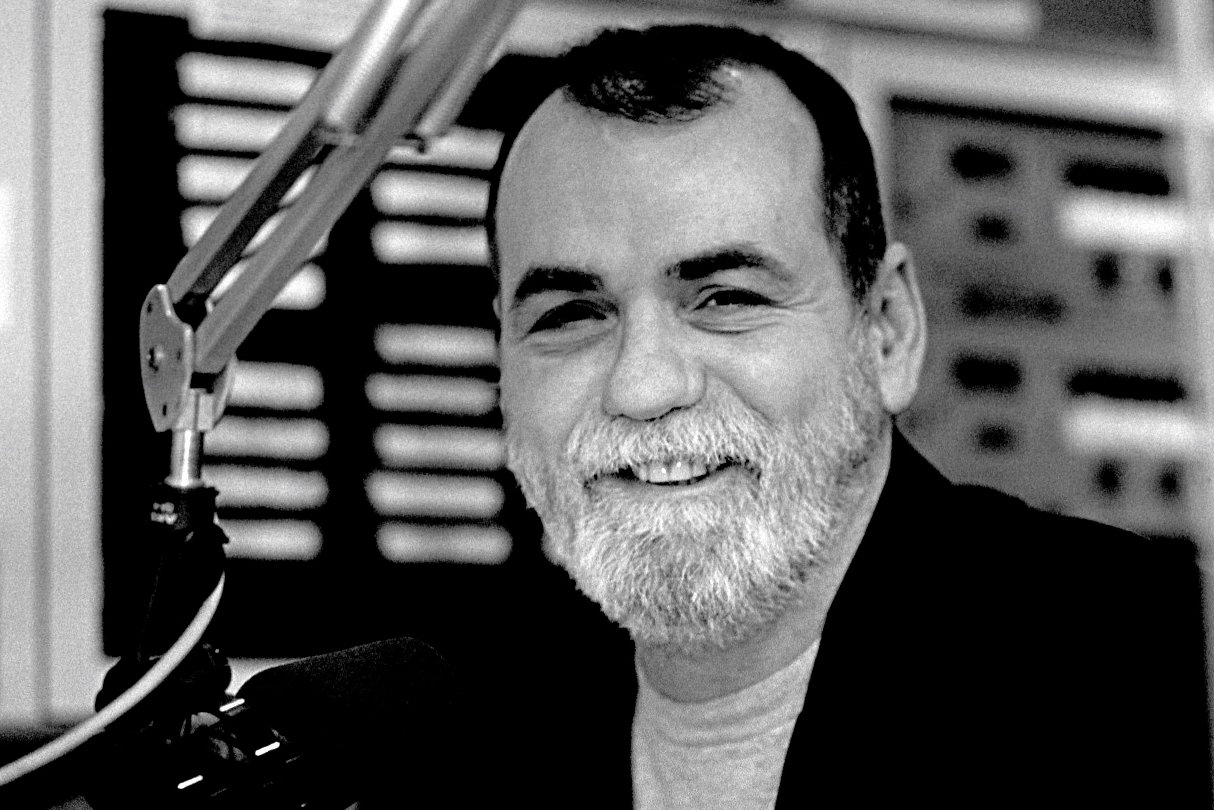
    Mike Bowe, 76, of Audubon, Camden County, longtime local disc jockey and popular radio show host at WMGK, WPEN, WHAT and other stations, Army veteran, devoted Phillies fan, and proud son of Gloucester City, died Monday, Sept. 14, of complications from cancer at his home.

    Mr. Bowe enjoyed music and socializing as a teen at Gloucester Catholic High School, and was skilled at chatting with people about their favorite songs and other interests. So he was a natural fit later as a radio show host and disc jockey for more than 40 years in studios and at remote appearances, dance parties, charitable fundraisers, and other events.

    “I like to think I communicate with people,” he told the Courier-Post in 1987. “I think I can relate the same way to somebody whether he’s on Ninth Street in South Philly or at a bank in Center City.”

    Fellow DJ Chris McCoy said. “He had something intangible. He made you feel like he knew you, and you knew him.”

    Using what his fans and colleagues described as a “calming and smooth voice” and “velvet intonations,” Mr. Bowe hosted music shows at WMGK from 1977 through the early 2000s, at KISS 100 in the 1990s, and at WPEN and WHAT between 2000 and 2011. Colleagues called him “loyal, dedicated, witty” in online tributes, and praised his “down to earth and friendly style.”

    They credited him with making WMGK’s Saturday Night ’70s show a hit in the mid-1990s. “He was the very foundation of that success,” McCoy said.

    Listeners called him “truly a master of this craft,” “one of the best ever,” and “a memorable radio legend.” He worked after 2011 at other local stations and iRadioPhilly.com.

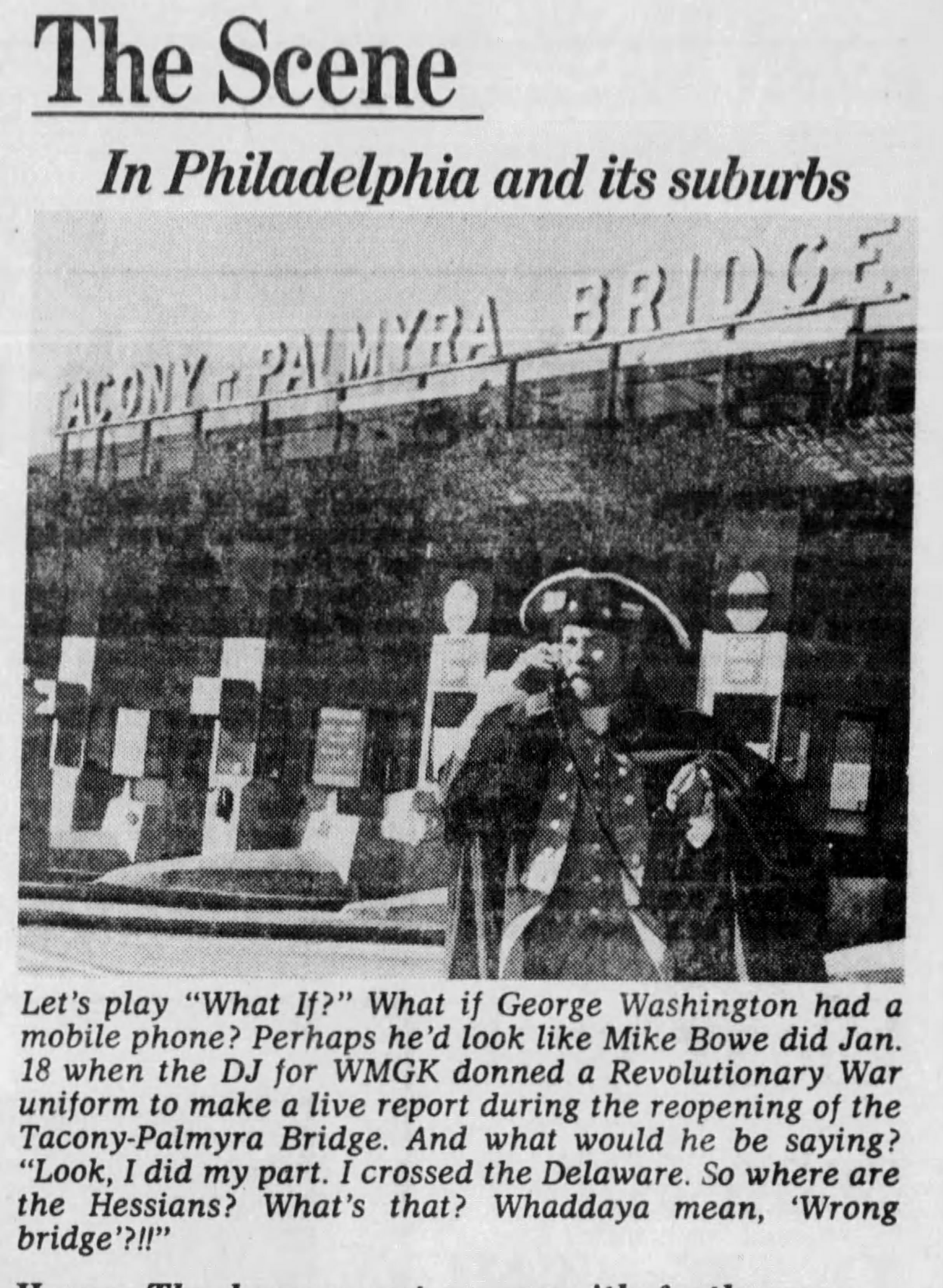
    He teamed up with other popular DJs on morning, afternoon, and evening shifts, interviewed performers, took phone calls from listeners, and broadcast from Phillies games and charitable benefits. In 1989, he dressed up as George Washington to cross the Delaware River when the Tacony-Palmyra Bridge was finally reopened after repairs.

    He liked to air remotely from his favorite clubs and pubs, and ride shuttle buses with listeners to concerts. He also worked DJ dance party gigs at nightclubs, holiday parades, and private events in Philadelphia and South Jersey.

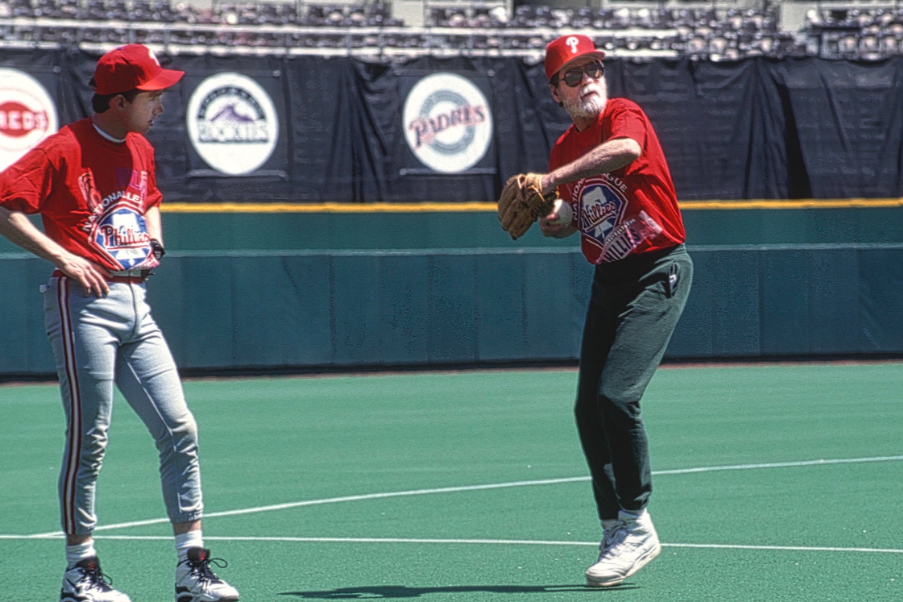
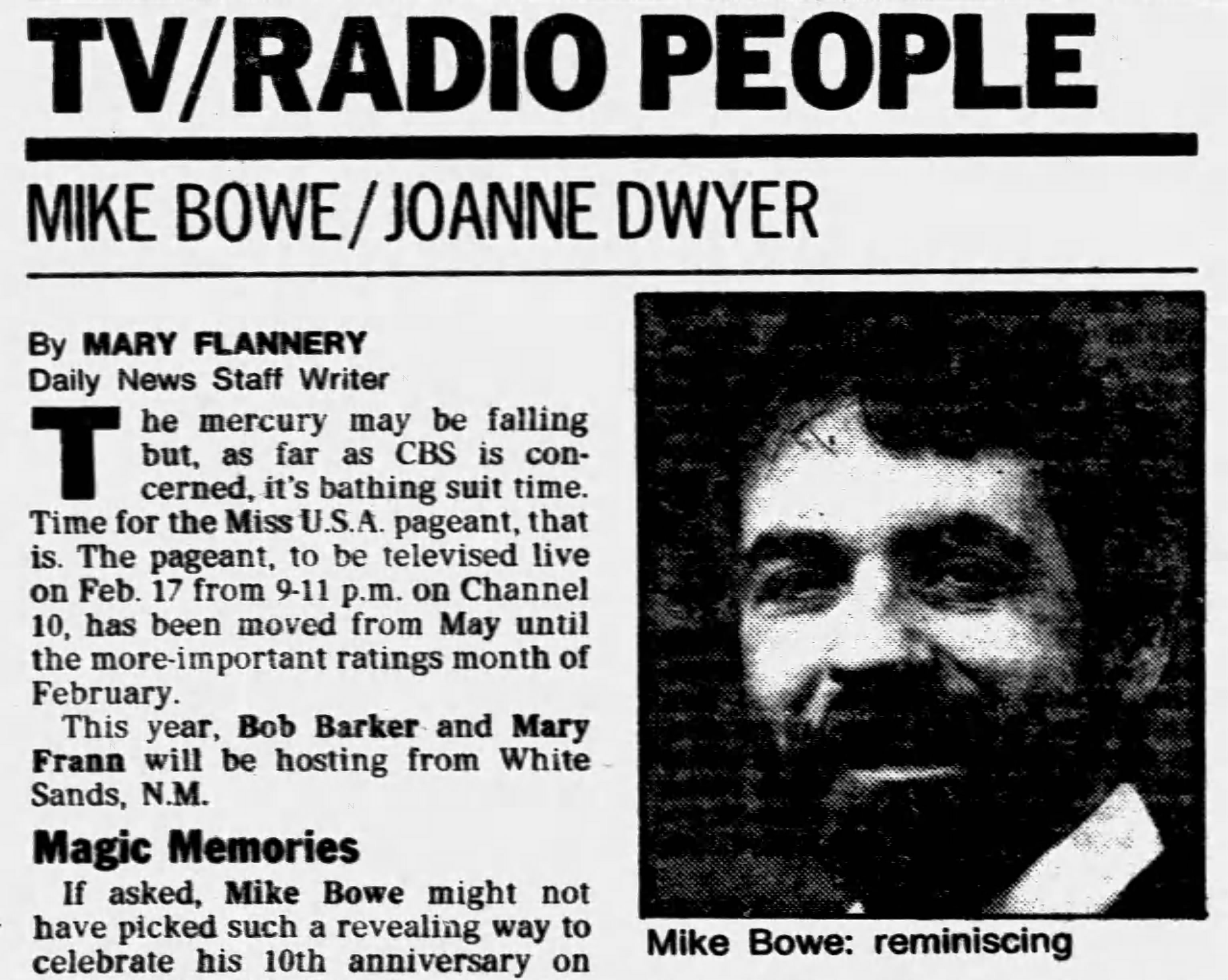
    Mr. Bowe appeared often in The Inquirer and Daily News, including in 1987 (above) and 1989 (below.)Newspapers.com

    His favorite song was “Ain’t No Woman (Like The One I’ve Got)” by his favorite group, the Four Tops. “He knew Philadelphia from A to Z,” McCoy said. “He brought a smile to your face.”

    Mr. Bowe served three years in the Army, 11 months and 11 days in Vietnam in 1968-69, and earned several medals and service stars, and an achievement badge. Fellow DJ Sue Serio said online that she enjoyed annual Veterans Day lunches with Mr. Bowe, “a treasured tradition that we never took for granted.”

    One day, a former WMGK colleague said online, Mr. Bowe took him to Mr. Bowe’s favorite three local landmarks: the Melrose Diner in South Philadelphia, Mel’s Italian restaurant in Bala Cynwyd, and the pool table at the VFW in Gloucester City.

    “Mike was a gift to Gloucester City and to the Delaware Valley professionally and as a man,” longtime friend Patrick Healey said. Longtime friend F. Emmett Fitzpatrick III said: “He prized honesty of character above all else.”

    Mr. Bowe, right above, was an avid Phillies fan. Below, he worked morning, afternoon, and evening shifts in the studio.F. Emmett Fitzpatrick III

    Mr. Bowe’s niece, Debra Ann Leblang, said: “He lived the ultimate American dream.”

    Michael Joseph Bowe was born Nov. 4, 1949, in Gloucester City. He graduated from Gloucester Catholic in 1967, studied broadcasting in Minnesota, and worked his way through the radio ranks in South Jersey and Philadelphia.

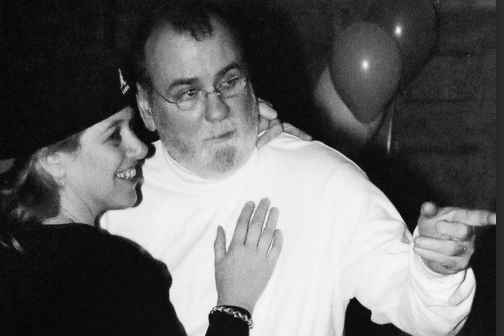
    He married Debbie Durso in 1985, and they lived in Audubon. Where one of them went, family and friends all said, the other followed.

    “They were partners, companions, and best friends,” his family said in a tribute. His wife died in June.

    Mr. Bowe and his wife, Debbie, married in 1985. Where one of them went, family and friends all said, the other followed. F. Emmett Fitzpatrick III

    Off the air, Mr. Bowe played softball and enjoyed visits to Atlantic City and Brigantine. He was a Sunday morning usher at St. Mary’s Catholic Church and belonged to the Townsend C. Young VFW post.

    He used to take dates to Jim’s Pizzeria in Gloucester City, and he told The Inquirer in 1994 that he enjoyed the place’s acerbic camaraderie. “Gloucester’s always been like that,” he said. “People love it. It’s a sarcastic, get-under-your-skin kind of thing. You don’t even get to order your own food.”

    His family said: “He was funny, quick-witted, sentimental, outspoken, and unforgettable. He carried his South Jersey roots with him wherever life took him.”

    In addition to his niece, Mr. Bowe is survived by a sister, a brother, and other relatives. Two brothers died earlier.

    Visitation with the family is to be from 8:45 to 9:45 a.m. Tuesday, Sept. 22, at the McCann-Healey Funeral Home, 851 Monmouth St., Gloucester City, N.J. 08030. Funeral services are to be at 11 a.m. at Brigadier General William C. Doyle Veterans Memorial Cemetery, 350 Province Line Rd., Wrightstown, N.J. 08562.

    Donations in his name may be made to the Wounded Warriors Project, Box 758516, Topeka, Kan. 66675; and St. Mary’s Roman Catholic Church, 426 Monmouth St., Gloucester City, N.J. 08030.

    Off the air, Mr. Bowe played softball and enjoyed visits to Atlantic City and Brigantine.F. Emmett Fitzpatrick III
  • Barbara Lippincott Martin, lifelong sailor and honorary commodore of the Riverton Yacht Club, has died at 96

    Barbara Lippincott Martin, lifelong sailor and honorary commodore of the Riverton Yacht Club, has died at 96

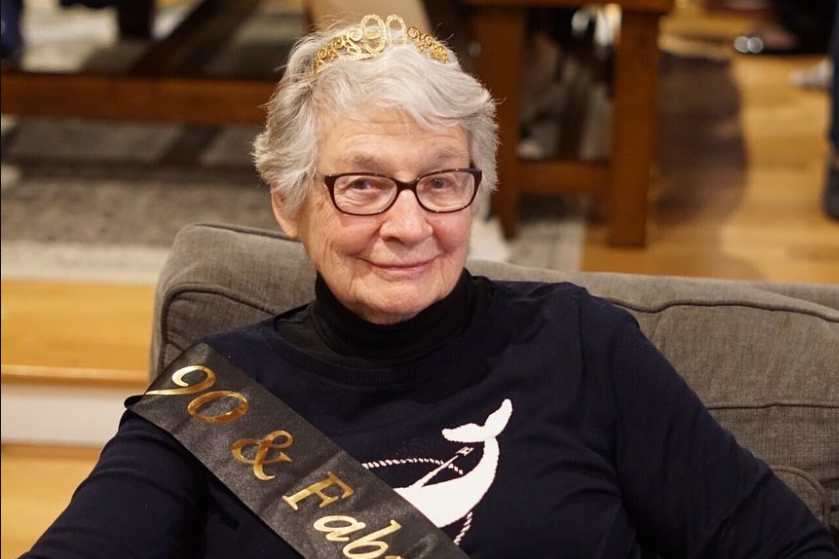
    Barbara Lippincott Martin, 96, of Riverton, Burlington County, lifelong sailor, honorary commodore of the Riverton Yacht Club, community volunteer, and Delaware River waterfront matriarch, died Friday, Sept. 4, of age-associated decline at her home.

    Born and reared in Palmyra, Burlington County, hard by the Delaware River, Mrs. Martin practically grew up on the water in the 1930s and ’40s. Her father, Howard Lippincott, was an avid sailor and head of what The Inquirer called the “famous Riverton sailing family.” He often navigated the family’s motor cruiser Pythagoras up and down the river, floating between the banks in South Jersey, Southeastern Pennsylvania, and Delaware to the Chesapeake Bay and back.

    Years later, in the 1960s and ’70s, Mrs. Martin and her family sailed those same waters in their schooner Walter Mitty, and her children, as she did before them, crabbed and swam and learned how to row and sail. She lived near the waterfront on Bank Avenue, adjacent to the Riverton Yacht Club, for 50 years and routinely opened her home and property to family and friends on holidays, sailors and spectators during regattas, and artists during weeklong local workshops.

    “The Delaware River shaped her childhood, her marriage, and her legacy,” her family said in a tribute.

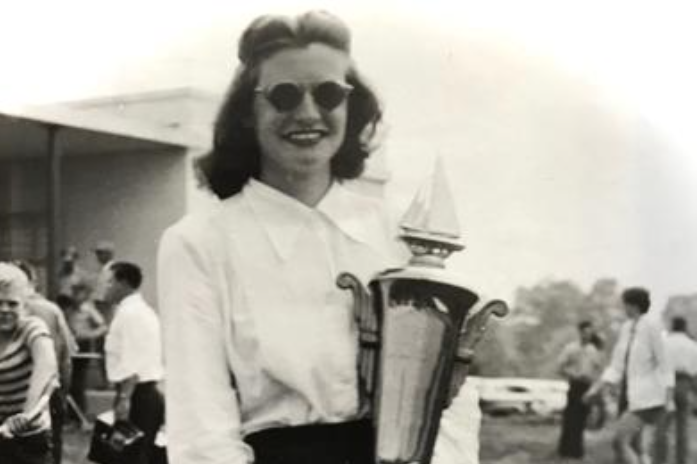
    Mrs. Martin won a room full of trophies and plaques over the years. Courtesy of the family

    Mrs. Martin served as secretary for the yacht club and gave it permanent access to the tidal zone on her Bank Avenue property. Club officials awarded her a lifetime membership, named her honorary commodore in 2022, and said in an online tribute: “There are certain people whose lives become so intertwined with a family, a club, and a community that their influence is difficult to measure. Barbara was one of those people.”

    In Facebook tributes, friends called her “a wonderful lady,” “an amazing person,” and the “Riverton Queen.”

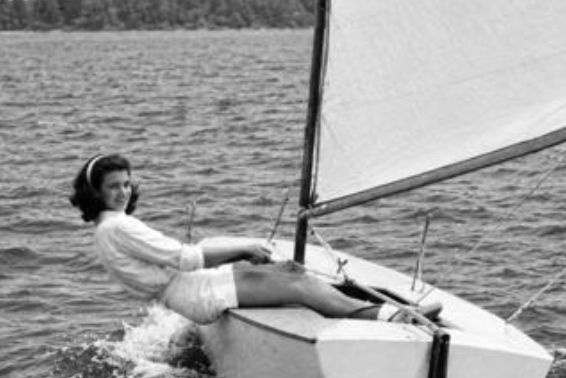
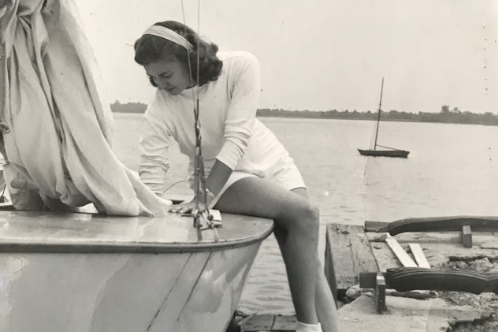
    As a young woman, Mrs. Martin, like her father, sister, and six brothers, embraced racing on the river. She finished sixth in a national race, placed first in many local regattas, and, in 1947, became the first woman to win the seasonal championship in the Duster class at the Riverton Yacht Club.

    She was often the only woman in a race, and her victories and near victories were reported frequently in The Inquirer in the 1940s. She even finished one race after her boat was struck by lightning.

    Mrs. Martin “became known throughout the region for her determination and skill,” her family said. Courtesy of the family

    Officials at the yacht club called her “a fearsome competitor.” Her family said she ”became known throughout the region for her determination and skill.”

    Her daughter, Barbara Smyth, said: “She made me realize that girls can compete with boys, and they can win.”

    Barbara May Lippincott was born Jan. 3, 1930, in her family home. The youngest of eight children, she graduated from Palmyra High School, learned to sail on a homemade dinghy named Snapper, and called her own championship Duster-class boat Tanny Boo.

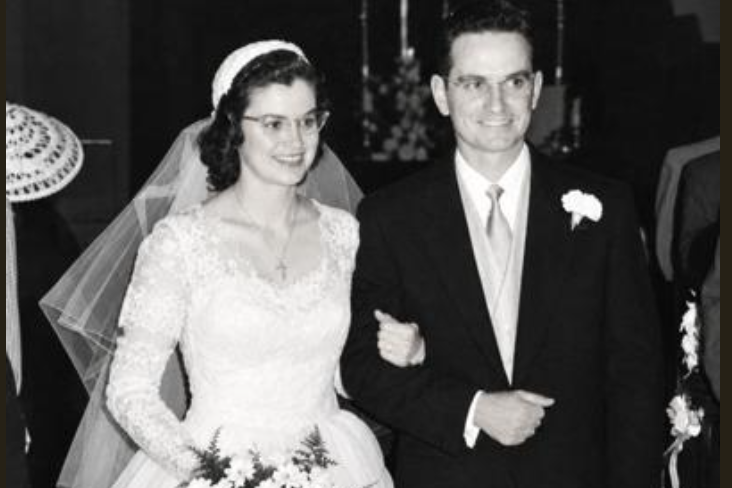
    She met fellow sailor John Martin at a regatta, and they married in 1952 and had daughters Barbara and Jane, and sons John, Richard, and Robert. Her children became sailors, too, and she and her husband spent many weekends at regattas with them. Her husband died in 1984.

    Mrs. Martin and her husband, John, were both longtime sailors.Courtesy of the family

    Mrs. Martin played tennis and listened to classical music. She sang in the choir and was active at Christ Church in Riverton. In 2022, she was named marshal for the Riverton Fourth of July parade.

    She volunteered at a seniors home in Cinnaminson Township and Zurbrugg Memorial Hospital in Riverside Township. She raised funds for the local library, hosted weddings at her home, and doted on her grandchildren and great-grandchildren.

    She worked for years as a stenographer and bookkeeper for her brothers and husband, and for her son, John, until she was 87. “She was bulletproof,” her son said. “She gave love without expecting any benefit to her. She was the happiest person I knew.”

    In addition to her children, Mrs. Martin is survived by 16 grandchildren, 10 great-grandchildren, and other relatives. Her sister and brothers died earlier.

    Her son John said Mrs. Martin “gave love without expecting any benefit to her.”Courtesy of the family

    Visitation with the family is to begin at 9:30 a.m. Saturday, Sept. 19, at Christ Church Riverton, 500 Fourth St., Riverton, N.J. 08077. A funeral service is to follow at 11.

    Donations in her name may be made to Christ Church Riverton, 500 Fourth St., Riverton, N.J. 08077; and the Riverton Steamboat Landing Foundation, Box 2911, Riverton, N.J. 08077.

  • Annie Dillard, Pulitzer-winning author of ‘Pilgrim at Tinker Creek,’ dies at 81

    Annie Dillard, Pulitzer-winning author of ‘Pilgrim at Tinker Creek,’ dies at 81

    Still in her 20s and possessed of a curious eye and sensitive spirit, Annie Dillard set out beneath the trees along Tinker Creek in southwestern Virginia and emerged with a best-selling book that made her one of the most honored and beloved writers of her time.

    Pilgrim at Tinker Creek, published in 1974, won the Pulitzer Prize and made Ms. Dillard something more than a literary celebrity: She was viewed as a bard of the environment, a 20th century Henry David Thoreau, a youthful sibyl of the wildwoods, a visionary whose shimmering prose offered glimpses of the eternal.

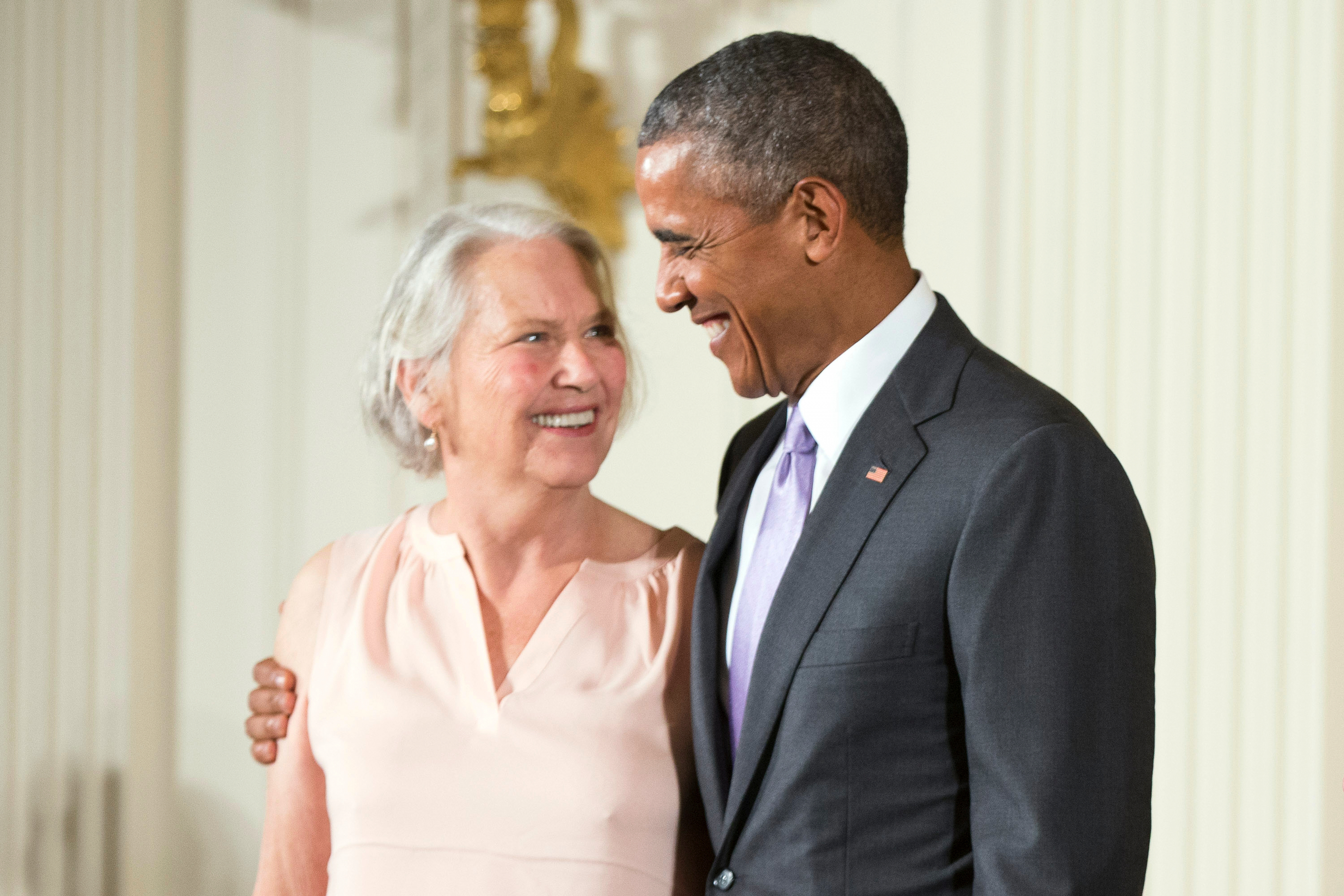
    Ms. Dillard, who went on to write well-received novels, memoirs, essays, and poems, and was awarded the National Humanities Medal in 2015, died Tuesday at her home in Wellfleet, Mass. She was 81. Her death was confirmed by writer Maggie Nelson, her literary executor.

    Pilgrim at Tinker Creek seemed to be an almost perfect embodiment of its times: an eager embrace of the natural world, a work of mystical, even sensuous prose, and the spiritual autobiography of a questing soul.

    “I am no scientist but a poet and a walker with a background in theology and a penchant for quirky facts,” Ms. Dillard wrote. “I walk out; I see some event that would otherwise be utterly missed and lost, or something sees me, some enormous power that brushes me with its clean wing, and I resound like a beaten bell.”

    Her model was Thoreau, who chronicled a year spent in a cabin in his 19th century literary classic Walden, which became a lodestar for students and nature lovers of the 1960s. Ms. Dillard similarly wrote about a single year — winter to winter — at Tinker Creek, giving the impression that she was isolated deep in the Blue Ridge Mountains of southwestern Virginia.

    In reality, Tinker Creek flowed through the suburbs of Roanoke, where Ms. Dillard lived at the time with her first husband. When she recorded her musings on nature, she was seldom out of range of houses, highways, and other fixtures of modern life.

    “I didn’t say, ‘I walked by the suburban brick houses,’” she told the Atlantic in 2015. “I didn’t obscure anything, I just left it out.”

    Yet her descriptions of the stones, trees, insects, and slippery creatures she found there — and her responses to them — suggested a pristine state leading to meditation, even prayer.

    “A reader’s heart must go out to a young writer with a sense of wonder so fearless and unbridled,” novelist Eudora Welty wrote in the New York Times. “There is an ambition about her book that I like, one that is deeper than the ambition to declare wonder aloud. It is the ambition to feel.”

    Ms. Dillard openly invoked a sense of the divine as she explored the world above her head and beneath her feet, but her depiction of nature went far deeper than sunshine and birdsong.

    “Evolution loves death more than it loves you or me,” she wrote in Pilgrim.

    In one of the book’s most celebrated passages, Ms. Dillard described the death of a Tinker Creek frog, attacked by a giant water bug:

    “As I looked at him, he slowly crumpled and began to sag. The spirit vanished from his eyes as if snuffed. His skin emptied and drooped; his very skull seemed to collapse and settle like a kicked tent … I gaped bewildered, appalled. An oval shadow hung in the water behind the drained frog; then the shadow glided away. The frog skin bag started to sink.”

    Earlier writers, including Aldo Leopold, Rachel Carson, and Henry Beston, had described the workings of nature with perception and skill, but Ms. Dillard brought a new sensibility to the art.

    She evoked the ecstasy of saints as she described her search “through the peach orchards of summer, in the forests of fall” for a tree burning with light. When she found such a tree, she described it almost as a moment of seduction: “It was less like seeing than like being for the first time seen, knocked breathless by a powerful glance.”

    Soon after winning the Pulitzer for nonfiction in 1975, Ms. Dillard moved from Virginia to an island in Puget Sound in Washington state. She published another slender meditation on nature and faith, Holy the Firm, in 1977. Two years later, she settled in Middletown, Conn., where she lived for many years while teaching at Wesleyan University.

    In the 1980s, she published Teaching a Stone to Talk, a collection of essays built around travel and science; Living by Fiction, a work of literary criticism; and Encounters With Chinese Writers, based in part on a visit to China with a cultural exchange program.

    Her acclaimed 1987 memoir, An American Childhood, described her Pittsburgh childhood, her intellectual and spiritual growth, her curiosity about the natural world, and her sometimes-strained relations with her socially prominent but idiosyncratic parents. Her father once quit his job to pilot a boat downriver to New Orleans to visit Dixieland jazz clubs. Her mother had a wicked gift for practical jokes, sometimes answering wrong numbers by handing the telephone to another person and giving the instruction, “Here, take this, your name is Cecile.”

    “Our family was on the lunatic fringe,” Ms. Dillard once said.

    From the time Pilgrim was published, her books were never out of print and were often collected in omnibus volumes. Other nonfiction writers of the 1970s and 1980s, including Tom Wolfe, Joan Didion, and Hunter S. Thompson, became renowned for their extravagant prose or personal styles, but their work relied primarily on the outward-looking conventions of journalism.

    Ms. Dillard’s vision, by contrast, was more internal. Like Wolfe and other writers first known for their nonfiction, she began to experiment with fiction and in 1992 published her first novel, The Living, a multigenerational saga about the 19th century settlement of the Northwest.

    She published a collection of essays, For the Time Being, in 1999. Another novel, The Maytrees, about the marital struggles of a couple on Cape Cod, appeared in 2007. Ms. Dillard then turned to painting and, except for a 2016 book of reprinted essays, fell silent as a writer.

    “One of the few things I know about writing,” she wrote in her 1989 book The Writing Life, “is this: spend it all, shoot it, play it, lose it, all, right away, every time. Do not hoard what seems good for a later place in the book, or for another book; give it, give it all, give it now. The impulse to save something good for a better place is the signal to spend it now.”

    Affluent upbringing

    The oldest of three daughters, she was born Meta Ann Doak in Pittsburgh on April 30, 1945. A great-great-grandfather had founded the bathroom-products company American Standard, and she grew up in affluent circumstances.

    She attended private schools, played baseball, and developed an early fascination with natural history. She also became a dedicated reader, documenting the thousands of books she read since 1964.

    An admitted rebel as a teenager, she was suspended from school for smoking. (She was a heavy smoker throughout her life, even when communing with nature.)

    Partly to “smooth off her rough edges,” her parents sent her to what is now Hollins University, a women’s college in southwestern Virginia. After her second year, she married her creative writing professor, poet Richard Dillard.

    After graduating in 1967, she received a master’s degree in English from Hollins in 1968, then stayed for several years in Roanoke, reading about nature and theology and exploring the nearby mountains and streams. She composed much of Pilgrim at Tinker Creek in the Hollins library.

    At first, Ms. Dillard wrote poetry, publishing her first collection, Tickets for a Prayer Wheel, in 1974, just before Pilgrim.

    “My poetry, unfortunately, is no good,” she told the Washington Post in 1987. “There’s nothing in the language that poetry can do that prose can’t do much better — discursive writing, reasoning, information as symbol, narrative — all those things that poetry has forbidden itself.”

    Her first marriage ended in divorce, as did her second, to anthropologist Gary Clevidence. In 1988, she married Robert D. Richardson, the author of biographies of Thoreau and Ralph Waldo Emerson. He died in 2020.

    Survivors include a child from her second marriage, Cody-Rose Clevidence; four stepdaughters, Carin and Shelly Clevidence, and Anne and Lissa Richardson; and two sisters.

    In later years, Ms. Dillard told interviewers she could not write any better than she had when she was younger. She spent her time painting and reading at her homes in Massachusetts and Key West, Fla.

    “Why are we reading,” she observed in The Writing Life, “if not in hope that the writer will magnify and dramatize our days, will illuminate and inspire us with wisdom, courage and the possibility of meaningfulness, and will press upon our minds the deepest mysteries, so we may feel again their majesty and power?”

  • William Johnson Jr., community-minded dentist and lifelong elite runner, has died at 95

    William Johnson Jr., community-minded dentist and lifelong elite runner, has died at 95

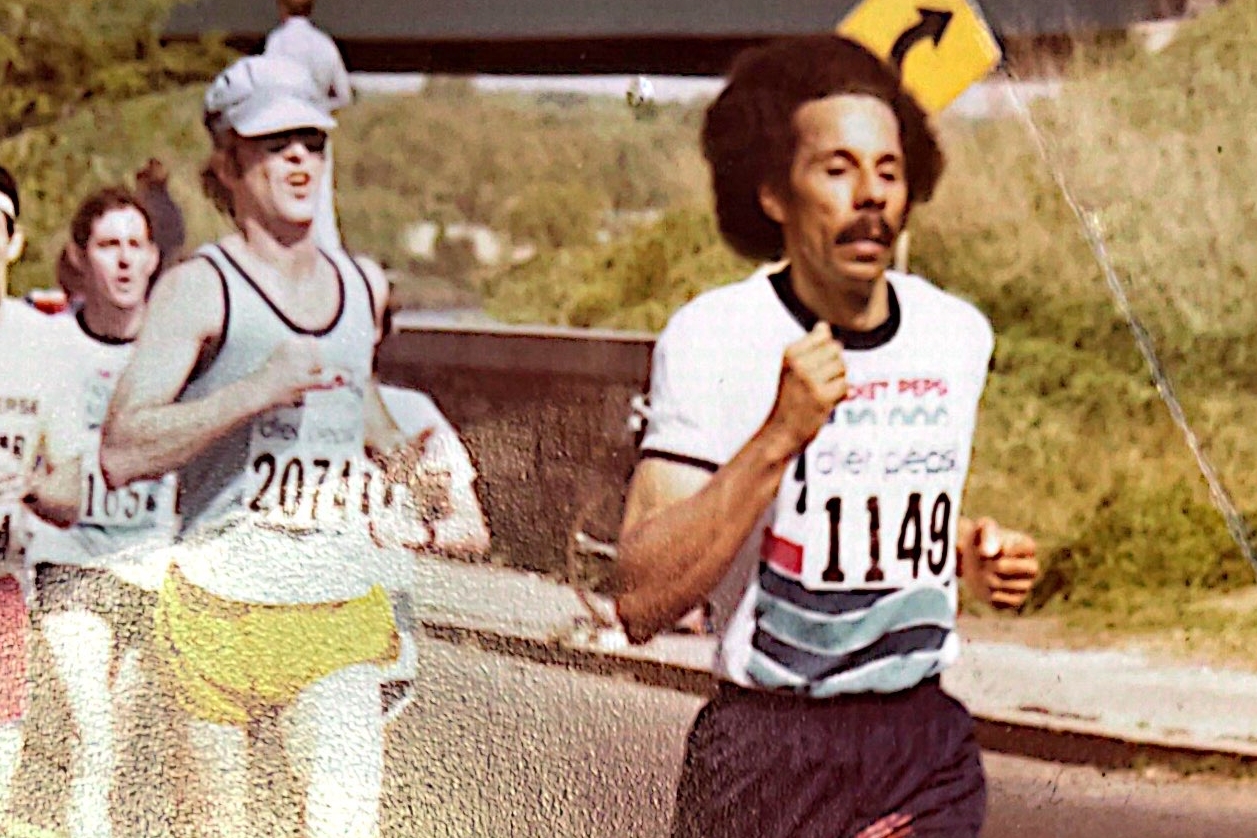
    William Johnson Jr., 95, of Philadelphia, a former Army dentist in France who later practiced for more than 40 years in Northwest Philadelphia, and a star distance runner at Norristown Area High School, the Penn Relays, and elsewhere, died Wednesday, Aug. 26, of congestive heart failure at his home near the Philadelphia Museum of Art.

    Dr. Johnson grew up in Norristown, was part of his high school’s meet-winning mile and two-mile relay teams, and enlisted in the Army after graduating from New York University in the 1950s. His mother, Mary, wanted him to be a doctor. So, after she died when he was 6, he went on to earn a dental degree at Meharry Medical College in Nashville.

    He spent five years as an Army dentist in France in the 1960s, reveled in the sophisticated social and cultural atmosphere in Paris at the time, and set up his own practice in the 1970s for what he saw were underserved communities around Chew Avenue and Slocum Street. He and his family lived above the first-floor office, and his son, Bill, and daughter, Jacqueline, both worked with him for a time.

    “When we were young, he would tell us to stop running when he had patients,” his daughter said. His son processed X-rays and did other chores in the back room. “On Saturdays,” he said, “the office would be full of people of color. That’s how much he was needed.”

    Dr. Johnson was an Army dentist in France. Courtesy of the family

    Dr. Johnson finally retired in 2014, at 83. Even then, his wife, Liz, said, “his loyal patients were reluctant to see him retire.”

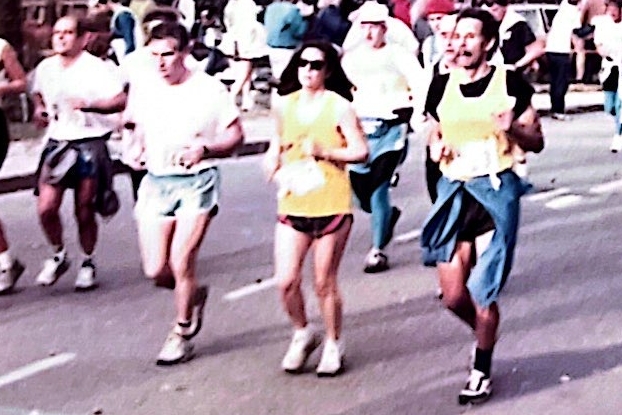
    Away from his patients, Dr. Johnson was a dedicated runner who rarely missed a daily workout. Wednesdays were half days at the office, so he saved his most grueling runs of the week for then.

    “He wore a ski mask sometimes when it was cold,” his son said, “and when he was done it would be covered with ice.”

    He won mile relay, two-mile relay, and other long distance races in high school in the 1940s, ran for the college team at NYU, and later finished first in masters division races at the Penn Relays. He was a longtime member of the Freedom Striders running club and most often ran in the lead pack in the Broad Street Run and other big road races.

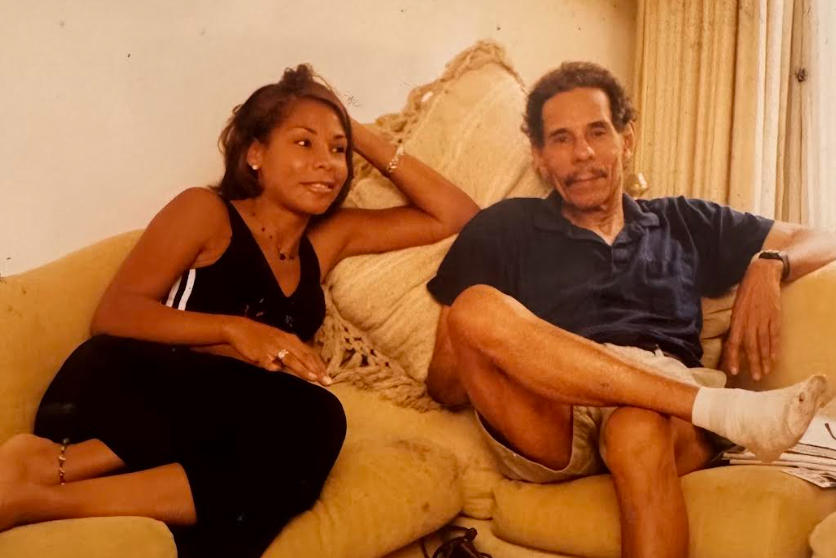
    Dr. Johnson (right) doted on his daughter, Jacqueline, and son, Bill.Courtesy of the family

    He was also an amateur historian who loved to hash over stories about the old days in Philadelphia and Norristown. “He was analytical and liked to laugh,” his son said. “He was a model for me about the value of hard work and being humble.”

    William Johnson Jr. was born Feb. 24, 1931, in Norristown. He lived with his father, William Sr., sister Jean, and brother Eddie after his mother died, and developed what his children called a “deep sense of family, independence, and faith.”

    He played football as well as track in high school, joined the Alpha Phi Alpha fraternity at NYU, and worked in the New York garment district to make money. He enlisted in the Army after graduation to attend dental school.

    He met Susie Jeffries in Tennessee while at Meharry, and they married, lived in Orléans, France, and moved to Philadelphia after he left the Army. They had two children. They divorced later.

    Dr. Johnson and his wife, Liz, were both dedicated runners. Courtesy of the family

    In the 1990s, Dr. Johnson moved to the Art Museum area and married Liz Goldberg, also a dedicated runner. He and his wife traveled the world together, and she called him “an exuberant and colorful spirit” who “brought energy and joy to those around him.”

    Dr. Johnson was interested in fashion, especially Ralph Lauren, and he and his daughter shopped together frequently. He liked music, French food, art shows, and gardening.

    “Everything he touched seemed to blossom in his strong and capable hands,” his wife said.

    He was curious about people and their lives, his children said. He followed current events, boxing, and the local sports teams closely.

    Dr. Johnson, right above and below, usually ran in the front of the pack. Courtesy of the family

    He read the newspaper practically every day and recently learned to play the cello. He talked with his son and daughter every Sunday.

    His daughter said: “He was a really smart, gentle, and kind person.”

    His son said: “A lot of people have told me: ‘Your dad was the best.’”

    In addition to his wife, children, and former wife, Dr. Johnson is survived by four grandchildren and other relatives. His sister and brother died earlier.

    Private services were held earlier.

    Donations in his name may be made to Meharry Medical College, 1005 Dr. D.B. Todd Jr. Blvd., Nashville, Tenn. 37208.

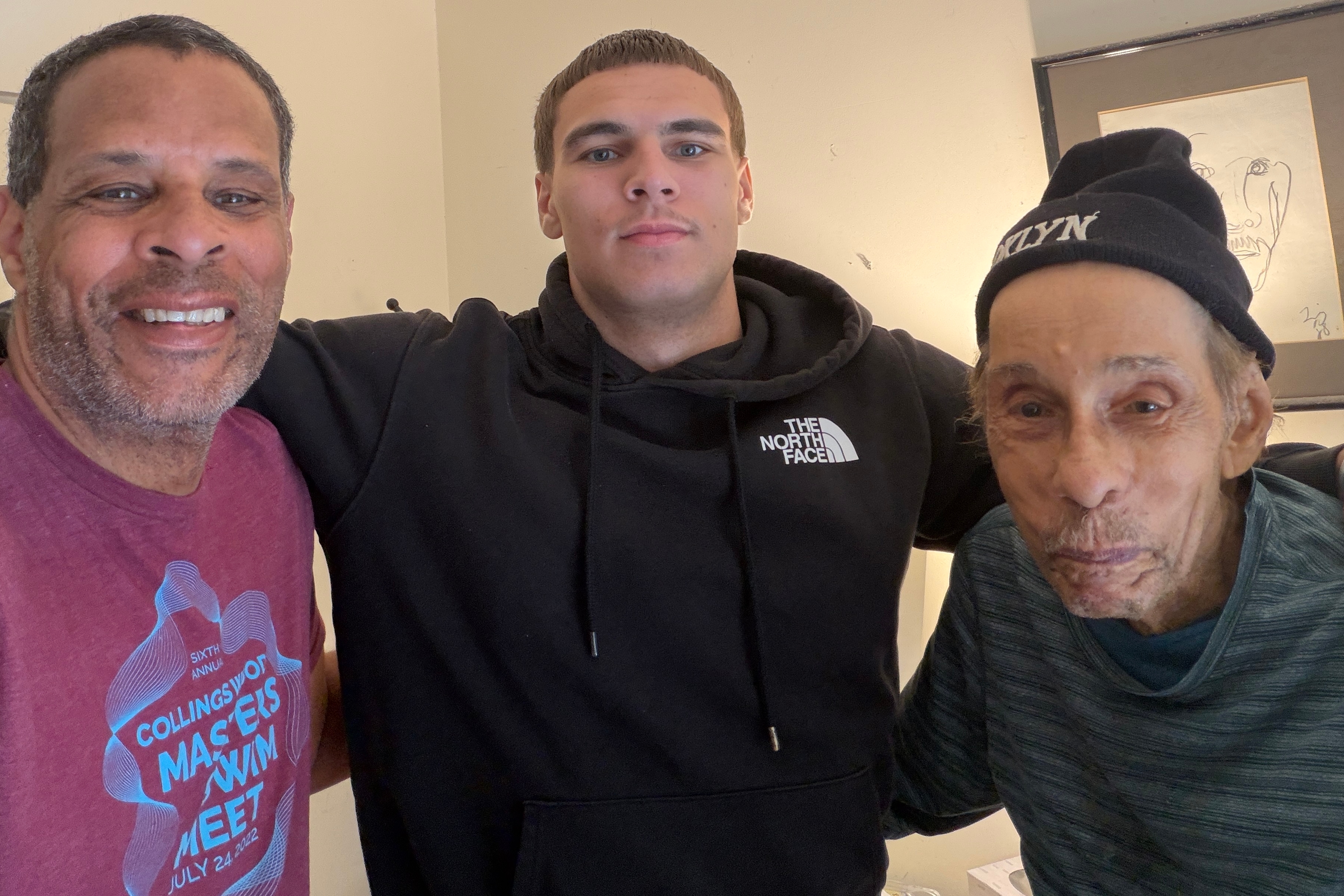
    Dr. Johnson, right above and below, enjoyed time with his family. Courtesy of the family
  • Peter D. Yeomans, innovative clinical psychologist at the VA Medical Center and backcountry adventurer, has died at 58

    Peter D. Yeomans, innovative clinical psychologist at the VA Medical Center and backcountry adventurer, has died at 58

    Peter D. Yeomans, 58, of Philadelphia, innovative clinical psychologist at the Corporal Michael J. Crescenz Department of Veterans Affairs Medical Center, founder of Cold Mountain Counseling LLC, worldwide mountaineer and backcountry adventurer, teacher, author, mentor, Quaker, and volunteer, died Friday, Aug. 28, of cardiac arrhythmia at the VA Medical Center in University City.

    Dr. Yeomans was an expert in trauma, substance use disorder, moral injury, and spiritually integrated healthcare. He joined the Philadelphia VA Medical Center as a staff psychologist in 2009 and became director of its innovative PTSD outpatient team program in 2019.

    He opened his own psychology practice, Cold Mountain Counseling, in 2021 and advised thousands of veterans, fellow backcountry adventurers, and other clients in need across the country. “He was instrumental in the healing process for so many veterans that it is hard to fathom the reach of his influence,” a VA colleague said in a tribute.

    R. Tyson Smith, a friend and colleague, said several veterans told him: “Peter Yeomans saved my life.”

    At the VA center, in addition to physical and mental ailments, Dr. Yeomans and others innovated a treatment for what are called “moral injuries” from military service. They connected therapists with VA chaplains to link emotional healing with faith rituals, and veterans in the program spoke appreciatively about shifting the guilt and shame of moral failures during war from soldiers in general to society at large.

    “These are stories to hear and also for the public to wrestle with,” Dr. Yeomans told The Inquirer in 2019. His wife, Kate O’Shea, said: “He was the most responsible person you could imagine, and he felt he had a responsibility to humanity.”

    Outside the medical center, Dr. Yeomans spent weeks at a time hiking, backpacking, packrafting, skiing, rock climbing, and mountain biking around the world. He reached summits in Alaska and Argentina, had to be rescued from a deep crevasse, and worked as a program supervisor and senior field instructor in the 1990s for the National Outdoor Leadership School in Alaska, Wyoming, Arizona, and Utah.

    Later, he cofounded the local Wilderness Outdoor Leadership Force for teens in Kensington. Talia Young, a longtime WOLF member, called him “genuine and earnest … and joyful with kids.”

    Dr. Yeomans was an avid cyclist.Bicycle Coalition of Greater Philadelphia

    Longtime colleague Rob Riman said he was a “consummate adventure partner and wildly inspired guide.” On his website, coldmountaincounseling.com, Dr. Yeomans said: “Many of the fondest memories of my life are from adventures in the mountains.”

    He earned a bachelor’s degree in psychology from Harvard University in 1991 and came to Philadelphia from Wyoming in 1997 to be with O’Shea. He earned a master’s degree in psychology from Lesley University in Massachusetts in 2001 and a doctorate in clinical psychology from Drexel University in 2008.

    Dr. Yeomans traveled to New Zealand, Rwanda, Burundi, and elsewhere to train other counselors. He worked in state correctional institutions in Philadelphia and Chester, and earlier for the American Red Cross in Germany.

    He wrote papers and articles about his research, and his book, Reclaiming Integrity After Moral Injury From War, is to be published in 2027. He organized workshops and panels, and was active with the Nationalities Services Center, the Association for Behavioral and Cognitive Therapies, and other groups.

    Dr. Yeomans and his wife, Kate, married in 2002 and had many adventures together. Courtesy of the family

    He taught classes on moral injuries at Germantown Friends School, the University of Pennsylvania, and elsewhere. Longtime friend William Anninger said: “He was particularly good at creating emotional sharing among men.”

    Friend Lila Berman said: “He exuded warmth and care for the people around him, and for the natural environment.”

    Peter Douglass Yeomans was born Aug. 27, 1968, in Berkeley, Calif. The family moved to Massachusetts when he started high school, and he graduated from Concord Academy in 1986.

    He met Kate O’Shea at an environmental ethics course in Utah in 1996, and they married in 2002 and lived in Germantown. He made her tea in the mornings and left love notes behind when he left the house first. They reared a daughter, Ada, and sons Josiah and Levi, and they all went on memorable adventures in Wissahickon Valley Park, across the country, and around the world.

    Dr. Yeomans, rear left on top and fourth from the left on bottom, enjoyed time with his family in the mountains and on stage. Courtesy of the family

    “They complemented each other perfectly,” their daughter said. “He taught us how to read a map, find a campsite, and most importantly bake cinnamon rolls in the backcountry.”

    Dr. Yeomans was a member of the Bicycle Coalition of Greater Philadelphia, and he rode his bike often from home in Germantown to work in University City. He went to Germantown Friends Meeting, played guitar, sang, and acted in theatrical shows in high school and later with community groups and his family.

    He was inclusive and encouraging, his brother, Ben, said, “drawing out capacities in me I wasn’t yet trusting.” His parents, Anne and Tom, said: “It has been a great privilege to have been Peter’s parents.”

    His mother-in-law, Margaret O’Shea, praised his “compassion, selflessness, nobility, and grace,” and his father-in-law, Dan O’Shea, said: “When our daughter met Peter she described him as ‘Mr. Perfect.’ Little did we know how perfect.”

    “It has been a great privilege to have been Peter’s parents,” his parents said.Courtesy of the family

    Kate O’Shea said: “Because of Peter, our world is a kinder, more generous, and more loving place.”

    In addition to his wife, children, parents, brother, and in-laws, Dr. Yeomans is survived by other relatives.

    A memorial service is to be held at 2 p.m. Saturday, Oct. 3, at Germantown Friends Meeting, 47 W. Coulter St., Philadelphia, Pa. 19144.

    Donations in his name may be made to Western Resource Advocates, c/o Elizabeth O’Connell, 1401 Walnut St., Suite 200, Boulder, Colo. 80302; Friends of the Wissahickon, 40 W. Evergreen Ave., No. 108, Philadelphia, Pa. 19118; and veterans programs at the Philadelphia Outward Bound School, 3401 Reservoir Dr., Philadelphia Pa. 19121.

  • Bob Mackie, designer who bedazzled Carol Burnett and Cher, dies at 87

    Bob Mackie, designer who bedazzled Carol Burnett and Cher, dies at 87

    Bob Mackie, the exuberant costume and fashion designer whose glittering, beaded, sequined, rhinestoned, feathered, and often winged creations bedecked, bedazzled and elevated performers like Carol Burnett, Diana Ross, Tina Turner, Bernadette Peters, Bette Midler, Mitzi Gaynor, Liza Minnelli, Elton John, RuPaul, and, most memorably and enduringly, Cher — as well as an 11.5-inch model named Barbie — died Monday in Palm Springs, Calif. He was 87.

    The death, at a hospital, was confirmed by Joe McFate, Mackie’s longtime design director.

    “He dressed every spangly woman in show business,” said Frank DeCaro, author of Unmistakably Mackie: The Fashion and Fantasy of Bob Mackie (1999). “You can mention some of the greatest names in fashion, and the average person won’t be able to conjure up, for example, a Giorgio Armani suit. But if you say to an American of a certain age, ‘What is a Bob Mackie?,’ they know exactly what you’re talking about.”

    Mr. Mackie got his start in Hollywood, dropping out of college to sketch for costume designers Jean Louis and Edith Head, but it was television that made his name. When Carol Burnett put together her variety show in 1967, she picked Mr. Mackie to design the costumes. At the time, he was in his late 20s — though he looked about 12, Burnett often said. Over the show’s 11 seasons, he created an average of 60 costumes a week for Burnett, Harvey Korman, Vicki Lawrence, Tim Conway, and Lyle Waggoner, as well as the show’s guest stars and supporting performers.

    The skits, of course, were comedic gold, and Burnett said that she frequently found her characters through Mr. Mackie’s designs. For Mrs. Wiggins — the dim and indifferent secretary whom “the IQ fairy never visited,” in Burnett’s words — he assembled a frosty blond wig, a pushup bra, and a tight black skirt that wasn’t quite tight enough for Burnett’s lanky frame. “Stick your behind back into it,” he instructed her, and the character’s mincing walk was born.

    The show was known for its zany movie parodies, and when it took on a scene from Gone With the Wind (renamed Went With the Wind) in which the main character, fallen on hard times, has a dress made out of her curtains, Mr. Mackie asked the prop department for a curtain rod so he could fashion his own version for Burnett as “Starlet O’Hara.” It was such an instant, irresistible sight gag that Burnett made sure to warn Korman, playing “Ratt Butler,” beforehand so he wouldn’t lose his composure onstage.

    “That gown is gorgeous,” Ratt exclaimed in the skit.

    “Thank you,” Starlet replied. “I saw it in the window, and I just couldn’t resist it.”

    Mr. Mackie’s curtain dress is now in the permanent collection of the Smithsonian National Museum of American History in Washington.

    Television variety shows were the closest thing to movie musicals, as Mr. Mackie liked to say, particularly in the 1970s; they were nightly extravaganzas that delivered high-wattage stars and over-the-top, glamorous fashion to America’s living rooms.

    Sonny Bono and Cher had veered from their folk roots and were playing Las Vegas when CBS hired them to do a weekly show. Mr. Mackie had seen photos of them, and as he told Vogue, which put together an oral history of the designer in 2019, “They were kind of like New Age cave people. There they were in their fur vests and funny pants and belts and just a whole look that nobody had had up until that time.”

    The producers, he added, didn’t know what to do with Cher, but Mr. Mackie did. (He noted that she was built just like Burnett, a perfect size 6 with no cleavage: a human clothes hanger.) Their collaboration, first on The Sonny and Cher Comedy Hour, which ran from 1971 to 1974, delighted television audiences and confounded the network’s censors, as Mr. Mackie bared more and more of Cher’s extraordinary physique in ever more outlandish getups.

    Mr. Mackie recalled a censor complaining of one outfit that revealed the undersides of Cher’s breasts. (The industry term was “underboob.”)

    “Well, if we stand her on her head,” he retorted, “it will just be cleavage.”

    Later, Cher became the first person allowed to show her belly button on television.

    “People can watch a show and see people stealing hubcaps, and then they can go out and steal hubcaps,” she told TV Guide, “but I don’t think my show will provoke anybody into stealing a belly button.”

    Reviewing Cher, her postdivorce variety show that ran for 11 months in 1975-76, Newsweek declared that the performer “played second banana to the show’s real star — a cool, hip, certifiably freaky costume designer named Bob Mackie. Television hasn’t shown so much glitter and flash since NBC did a special on Liberace’s closet.”

    As DeCaro observed, “He brought glamour to a sequin-starved America.”

    In the process, Mr. Mackie’s name became a gay touchstone. “For gay kids sitting at home like me or RuPaul, looking for a way out of our drab surroundings, Bob Mackie was the portal,” DeCaro said. “He made women look like drag queens, but in the best possible sense. He was a window into a glamorous, funny, inclusive glitter world. For me, the ultimate Mackie moment was when the first Cher special ended in a sea of white balloons, and it’s Bette Midler, Elton John, Flip Wilson, and Cher, all dripping with mirror tiles and looking like glamorous disco balls come to life.”

    And yet Mr. Mackie — preternaturally boyish, always soberly dressed in his uniform of button-down shirts and khaki pants, like he had stepped out of a Ralph Lauren ad — looked as if he would be allergic to sequins.

    Robert Gordon Mackie was born in Monterey Park, Calif., a bit east of downtown Los Angeles, on March 24, 1939. That was the year, he liked to say, that Gone With the Wind, The Women, and The Wizard of Oz came out.

    His father, Charles Robert Mackie, who worked at Bank of America, and his mother, Mildred Agnes (Smith) Mackie, a homemaker, divorced when he was young, and he was raised by his paternal grandmother, Bessie Ida Mackie, in Alhambra, Calif. Her house, he recalled, was on a busy highway with not much neighborhood, and he was often alone and lonely. He drew to entertain himself.

    “I was a weird kid,” he told Vogue in 1990. “But I was always pretty good with crayons.”

    His mother and his older sister would visit on weekends and take Bob to the movies — Technicolor musicals, mostly, that entranced him. “It didn’t look like that at my house, and I wanted to be part of that,” he said. He remembered being dazzled by the dance numbers in An American in Paris. When the credits rolled at the end, he discovered that costume design was a job.

    Mr. Mackie attended Pasadena City College and then the Chouinard Art Institute, now part of the California Institute of the Arts, before dropping out to work on movies, first with Fred Thompson, then Louis and Head. (Mr. Mackie sketched the skintight gown that Louis made for Marilyn Monroe when she sang “Happy Birthday” to President John F. Kennedy in 1962.)

    In 1963, he was hired by Ray Aghayan, an Iraqi-born designer who was working on Judy Garland’s television variety show. The two became business and romantic partners, sharing the first Emmy ever awarded for costume design, in 1967, for their work on Alice Through the Looking Glass, an eye-popping confection of a television movie.

    The pair received Oscar nominations for Lady Sings the Blues, the 1972 biopic of Billie Holiday starring Ross, and for Funny Lady, the 1975 sequel to Funny Girl. Mr. Mackie was nominated on his own for Pennies From Heaven, the 1981 film musical starring Steve Martin and Peters.

    He won an Emmy in 1999 for Cher’s costumes in Cher: Live in Concert From Los Angeles and again in 2003, for Cher: The Farewell Tour.

    A brief marriage to Marianne Nicholson, an actor whose stage name is Lulu Porter, ended in divorce in the early 1960s. Their son, Robert Gordon Mackie Jr., who was known as Robin and worked as a makeup artist, died of AIDS in 1993. Aghayan died in 2011. Mr. Mackie’s survivors include a granddaughter and two great-granddaughters.

    In the early 1980s, Mr. Mackie began designing ready-to-wear. A decade later, he created a line of clothing and home furnishings for QVC, the shopping channel. While critics enjoyed the high camp factor of his cinema-siren clothes and the theatricality of his fashion shows, he was often derided for being not an authentic fashion designer, although his clothes were meticulously made, like couture garments.

    “Subjecting Mr. Mackie to serious fashion criticism is a little like asking Ada Louise Huxtable to meditate on Malibu Barbie’s dream house,” Ginia Bellafante of the New York Times wrote, reviewing his 2002 fashion show.

    Yet Mr. Mackie was proud to design for that diminutive doll, which he began doing in 1982, creating outfits as exotic and outrageous as those he made for his human muse, Cher. Goddess of the Sun Barbie, out in 1995, has 11,000 sequins on her hand-sewn gown.

    “They called him Barnum Bob, the Raja of Rhinestones and the Sequined Sheik,” McFate said. “They thought of him as a Hollywood guy. It was hard for him to get a footing on Seventh Avenue.”

    In 2001, the Council of Fashion Designers of America gave Mr. Mackie an award for “fashion exuberance.” In 2019, he earned the organization’s lifetime achievement award. That same year, he won a Tony for the costumes in the Broadway musical The Cher Show, a dizzying, giddy paean to the performer and her style.

    As he told Vogue, “For a long time, everyone just thought all I knew how to do were Cher’s dresses, you know, with her tummy out and showing half her whatever.”

    He added, “I always just sort of pray in my life somebody will give me a nice 19th-century movie or a good 1930s Depression film.”

    This article originally appeared in the New York Times.
  • Jay Maisel, photographer of Miles Davis and much more, dies at 95

    Jay Maisel, photographer of Miles Davis and much more, dies at 95

    Jay Maisel, a masterly photographer whose dark and moody portrait of jazz great Miles Davis performing at the Apollo Theater appeared on the cover of his landmark 1959 album, Kind of Blue — Mr. Maisel’s best-known work in a long and varied career — died on Aug. 20 at his home in Brooklyn, N.Y. He was 95.

    His daughter, Amanda Maisel, said the cause was cancer.

    While not necessarily his best photograph — he wished it had been sharper — the Davis picture became part of a portfolio of remarkable depth that included coal miners silhouetted in an eerie glow a mile beneath the earth, the Statue of Liberty surrounded in a mist, and Sports Illustrated swimsuit models.

    Mr. Maisel was impossible to ignore: He was 6-foot-1, barrel-chested, charismatic, and profane, with a Brooklyn accent. He smoked cigars and collected stuff to the point of hoarding.

    And he spoke passionately — and practically — about his art. “The drama in light exists not only in what is in the light, but also in what is left dark,” he wrote in Light Gesture & Color, his 2015 book. “If the light is everywhere, the drama is gone. When I see light that moves me, that I cannot explain, I won’t leave until I figure it out.”

    More simply, he said, in a documentary: “I think that my entire motivation and execution and philosophy can be two words: ‘Hey, look.’”

    Mr. Maisel’s picture of Davis reveals him in a splash of light and shows his fingers moving in a blur on his trumpet. Mr. Maisel had taken it for himself; months later, Columbia Records asked if he had any photos of Davis that could be used for Kind of Blue, which music historian Ashley Kahn, writing in the New York Times in 1999, said “floats above jazz history in an ether all its own.”

    The Davis photo came early in Mr. Maisel’s color photography career, but he would go on to produce many memorable shots, like a man in a blue uniform, his face unseen, dragging a heavy white and purple rope, against a red wall in Singapore; and a shirtless New York City cabdriver, sunbathing from the open driver’s side door, as if he’d just let out a fare and stripped down.

    His many other shots included two men silhouetted against a red wall near the World Trade Center while a street sign says, “Don’t Walk,” and two doves, one white, one black, perched in different sections of a window frame, surrounded by a bright blue wall in Portugal.

    “I think of him as being extraordinarily versatile and visually restless,” said John Paul Caponigro, a visual artist and writer who taught in the same workshop programs with Mr. Maisel. “His work was a constellation of ideas,” he said, adding, “His books aren’t exactly how-to manuals. They’re about seeing.”

    Mr. Maisel was a freelancer who worked for magazines, advertising agencies, and corporations. He photographed the covers of New York magazine’s first two issues in 1968, including its inaugural skyline image, and five covers of Sports Illustrated’s swimsuit issue.

    He collected his photos in several books, including Bearing Witness (2011), pictures taken at ground zero two weeks after the World Trade Center was destroyed on Sept. 11, 2001. At the time, he lived and worked in a 19th-century, six-story, former bank building on the Bowery, not far from the towers.

    For American Barrick Resources (now Barrick Mining), a corporate client, Mr. Maisel descended a mile into a coal mine. Believing that the strobe lights he had in the mine would not produce quality photos, he found an alternative in the natural lighting of the miners’ headlamps. But first, he asked his client to fire up machines that raised as much dust as possible.

    The final image is of two silhouetted miners — backlit by two others behind them — surrounded by an aura of golden dust. The headlamps of the two miners in front emit crisscrossing beams of light. It appeared on the cover of the company’s 1987 annual report.

    “It took all of two minutes, we coughed our way out and that was the shot they used,” Mr. Maisel wrote in his 2014 book, It’s Not About the F-Stop.

    Mr. Maisel’s honors include the 1987 Infinity Award from the International Center of Photography and induction into the Art Directors Club Hall of Fame (now the Creative Hall of Fame) in 1995.

    Jay Nathan Maisel was born on Jan. 18, 1931, in Brooklyn. His father, Lester, was a clothing salesperson, and his mother, Eva (Levine) Maisel, managed the home.

    In high school he focused on graphic design and painting; during three years at Cooper Union in Manhattan, he also studied drawing and architectural design while pursuing photography on the side.

    At Yale, he studied color theory under painter Josef Albers and continued to pursue photography, which provided him with the immediate gratification that painting did not. He also worked with other students on geodesic structures with engineer and philosopher R. Buckminster Fuller.

    Although he graduated in 1953 with a bachelor of fine arts degree in painting, he decided that he wanted to be a photographer. He started shooting in black and white, mostly street scenes in New York City. He also captured a distant-looking Marilyn Monroe in close-up at the after-party for the film East of Eden, and evangelist Billy Graham preaching at night in Times Square in 1957 lit by a cluster of neon signs for Budweiser, Canadian Club whisky, and the Capitol Theater.

    In addition to the cover of Kind of Blue, Mr. Maisel shot the covers of albums by Harry Belafonte, Louis Armstrong, Ella Fitzgerald, Duke Ellington, Dave Brubeck, and Count Basie. But he was most enthralled by an assignment to photograph Indian sitar virtuoso Ravi Shankar.

    “He asked what I wanted him to do,” Mr. Maisel told the interviewer Dave Dye in 2018 for the advertising blog Stuff From the Loft. “I said, ‘Play.’ He played for two or three hours. I shot to my tapping feet’s delight.”

    For a dozen years, Mr. Maisel worked out of a studio at 122 Second Ave. Then his rent went up, prompting him to buy the abandoned Germania Bank building at 190 Bowery for $102,000 in 1966. Forty-nine years later, he sold it to a developer for $55 million.

    The 35,000-square foot building with 72 rooms was more than Mr. Maisel’s studio and home: It contained his gallery, his basketball court, his archives (he took about 4 million photos over the course of his career), his workshop, and a hoarder’s bounty that included gadgets, antique tools, rocks, mannequin body parts, bells, gears, screws, rocks, table legs, and pieces of wood.

    “He did a lot of dumpster diving,” Amanda Maisel said in an interview. “I didn’t want to walk home with him while he was pulling out pieces of wood and metal.”

    The ephemera — not much of which found its way into his photos — were part of her father’s “obsession with how things worked/the beauty of functional things and arranging them,” she added, in a text.

    In addition to his daughter, Mr. Maisel is survived by his wife, Linda (Adam) Maisel, whom he married in 1989. His marriages to Sarah Linder and Suzanne Housman ended in divorce.

    Mr. Maisel stopped commercial work in 1995 — when “the whole thing turned to crap,” he told Stuff From the Loft — and focused on teaching, personal photography, and his books.

    After he sold his building, he moved to a town house in Brooklyn he bought for $15.5 million. At the time, it was the highest price ever paid for a residence in the borough. Nearly all his stuff is now in a storage facility near his home.

    The move formed the narrative spine of Jay Myself, a 2018 documentary directed by photographer Stephen Wilkes, one of Mr. Maisel’s former associates.

    Near the end of the film, Mr. Maisel said: “There’s a quiz I give people. Do you like photographing or do you like photographs? Choose one. And you learn a lot about yourself by choosing one or the other. Some people like photographs. I like photographing.”

    He added: “The act of photographing is what it’s all about.”

    This article originally appeared in the New York Times.
  • Rachel Blau DuPlessis, experimental poet, literary scholar, and Temple professor emerita, has died at 84

    Rachel Blau DuPlessis, experimental poet, literary scholar, and Temple professor emerita, has died at 84

    Rachel Blau DuPlessis, 84, of Philadelphia, experimental poet and essayist, literary scholar and critic, Temple University professor of English and creative writing emerita, mentor, artist, and world traveler, died Wednesday, Sept. 2, of respiratory failure at Penn Presbyterian Medical Center.

    Professor DuPlessis was an eclectic experimental poet who grew up in New York, lived in Swarthmore and Philadelphia for more than 50 years, and taught a variety of writing and women’s studies classes at Temple from 1974 to her retirement in 2011. She wrote hundreds of poems — she called many of them “drafts” — about feminism, modernism, connectivity, imagery, and consciousness.

    She was an expert on cultural poetics and told The Inquirer in 2002 that her poems generally reflect her “awe at the universe, grief at the barbarity of modernism, and sense of how it was to be in the world.” She enjoyed poetic wordplay, reviewers said, and tinkered freely with conventional syntax, sound, tone, and form.

    “Reading her is an adventure,” reviewer Robert Long said in The Inquirer in 1997, “and poets this adventurous must be cherished.”

    Her poems were published in more than 30 books and in several languages, and also appeared in The Inquirer, other newspapers, magazines, journals, and anthologies. In tributes, fellow poets praised her “unique combination of erudition and exuberance” and her “generosity, brilliance, expansive thinking, and attention to so many possibilities of writing and art.”

    “From what I can tell, DuPlessis doesn’t write poems so much as build them,” reviewer Andrew Ervin said in The Inquirer in 2005. “The manner in which she does that is what makes the Temple professor one of the most exciting and inventive writers of our time.”

    She told the Oxonian Review in 2015 that “being a poet is not only writing poems. It is an address to the whole apparatus of and the traditions of poetic practice.”

    A book publisher said: “She brought such intelligence, generosity, and curiosity to everything she did.” Penn professor Al Filreis told Professor DuPlessis’ husband, Robert: “It’s hard to imagine the Philly poetry world without Rachel in it.”

    Professor DuPlessis read her poems to people around the world. Courtesy of the family

    At Temple, Professor DuPlessis helped establish women’s studies classes and the school’s graduate program in creative writing. She mentored students and other professors, and the English department’s DuPlessis Lecture in Poetry and Poetics is named in her honor.

    “She loved being a mentor to people, to encourage them,” her husband said. “She loved being a poet and an academic. She prepared incredibly for her classes and was connected and attentive to her students.”

    Earlier, she taught briefly at what is now the College of New Jersey and Rutgers and Columbia Universities. She spent several of her research and study leaves from Temple working with students and colleagues at universities in the Netherlands, France, Belgium, and elsewhere.

    She was named a resident poet and distinguished visitor in Italy and New Zealand. She and her husband, a professor emeritus at Swarthmore College, visited every continent except Antarctica, and she spoke French and Italian as well as English.

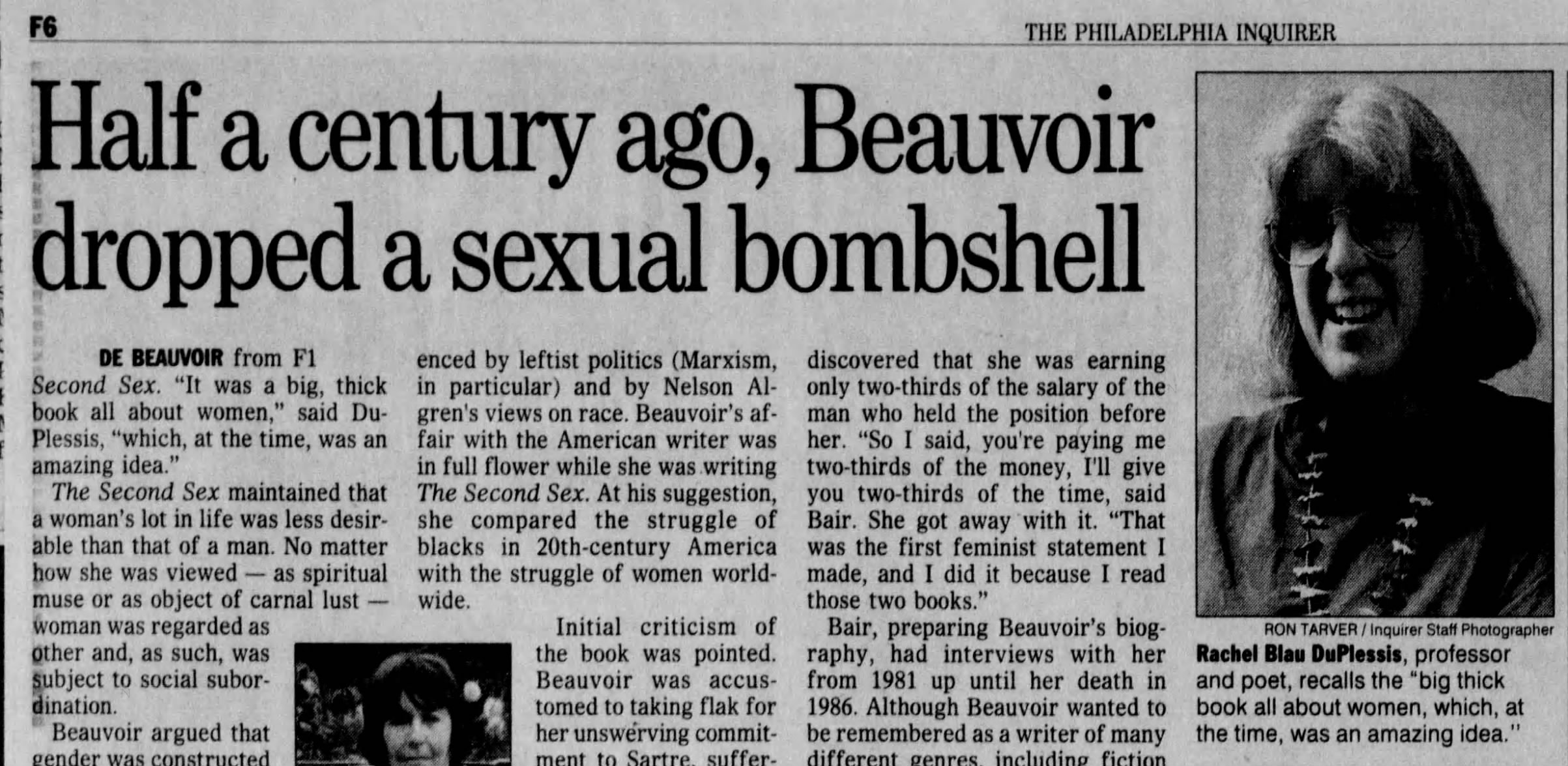
    This article featured Professor DuPlessis and appeared in The Inquirer in 1999.Newspapers.com

    She earned fellowships from the Pew Center, the Pennsylvania Council on the Arts, the National Humanities Center in North Carolina, and other groups. “She was constantly creating things,” her husband said. “She never stopped.”

    Professor DuPlessis also wrote and edited books and articles about writing and poetry, and she reviewed books for The Inquirer and other publications. She read her poems in public, was interviewed often, and earned achievement awards from Temple, the University of California in San Diego, the old Fund for Poetry, and other admirers.

    She created a comprehensive website, rachelblauduplessis.com, and made collage art that she augmented with poems. Thomas Devaney, a Philadelphia writer, called her “an important figure of American experimental poetry.”

    She told the Oxonian Review: “Poetry is an ethical practice as well as an aesthetic one. Just even thinking about what this means and how it is instantiated is a useful task.”

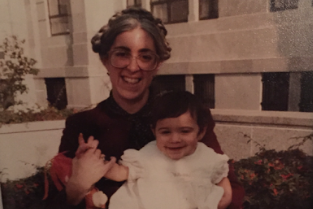
    Professor DuPlessis enjoyed time with her husband, Robert, and daughter, Kore.Courtesy of the family

    Rachel Maia Blau was born Dec. 14, 1941, in Brooklyn. She grew up in Queens and the Bronx, and earned a bachelor’s degree in English at Barnard College in New York in 1963 and a master’s degree and doctorate in English and comparative literature at Columbia in 1970.

    Her father was a professor, her mother a librarian. She met fellow Fulbright scholar Robert DuPlessis on a boat to France in 1966, and they married in 1968 and had a daughter, Kore.

    Professor DuPlessis enjoyed yoga, museums, art history, and long walks with her husband. They went to see and hear the orchestra, the opera, the ballet, and the theater.

    She doted on her daughter and grandchildren. “She always read me stories and sang me songs at night before bed,” her daughter said. “I would hold on to her leg because I didn’t want her to leave.”

    Professor DuPlessis started writing poems when she was 12, she said in an interview. “She was determined, hardworking, witty, and a lot of fun,” her husband said. “She was definitely intense.”

    Professor DuPlessis said she started writing poems when she was 12.Courtesy of the family

    In addition to her husband and daughter, Professor DuPlessis is survived by two grandchildren and other relatives. A sister died earlier.

    A memorial service is to be held from 1:30 to 3:30 p.m. Saturday, Oct. 17, at Temple University’s Charles Library, 1900 N. 13th St., First Floor, Philadelphia, Pa. 19122.

    Donations in her name may be made to Planned Parenthood, Online Services, Box 96771, Washington, D.C. 20090; Philabundance, 3616 S. Galloway St., Philadelphia, Pa. 19148; and the American Civil Liberties Union, 125 Broad St., 18th Floor, New York, N.Y. 10004.

  • Isao Harimoto, Hiroshima survivor and a baseball star in Japan, dies at 86

    Isao Harimoto, Hiroshima survivor and a baseball star in Japan, dies at 86

    Isao Harimoto, who survived the Hiroshima atomic bombing as a child and went on to have more hits than anyone else in the history of Japanese baseball, died Wednesday in Tokyo. He was 86.

    His death, in a hospital, was announced by the Meikyukai, or the Golden Players Club, one of Japan’s baseball halls of fame. No cause was given.

    Mr. Harimoto earned the nickname Hit Machine for collecting a record 3,085 of them in a long career than stretched from the late 1950s to the early ’80s. He won seven league batting titles.

    He was the only player to collect 3,000 hits in Japan. (Ichiro Suzuki had 4,367, but more than 3,000 came after he moved to the American major leagues.)

    But Mr. Harimoto was far from a slap hitter; 504 of those hits were home runs, putting him seventh on the all-time list for Japan. He also stole 319 bases, won an MVP award, and was an 18-time All Star.

    After his time as a player, he became an outspoken commentator on the game.

    Isao Harimoto was born on June 19, 1940, in Hiroshima, Japan, to Korean parents who had emigrated the year before. His Korean name was Jang Hun. His mother, Pak Sun Bun, was a cook and his father, Jang Sang Jeong, sold scrap metal and various secondhand items from a cart.

    Harimoto was 5 when the atomic bomb was dropped on the city, about a mile and a half from where he lived. “There was a flash and an enormous roar,” he told the Chugoku Shimbun newspaper in 2011. “The next thing I knew, my mother was shielding me and my sister, three years older, with her body, though her back was covered in blood due to flying shards of glass.”

    The event was not frequently discussed in his home. “My mother wanted to forget; I think she wanted to completely erase her memories of that day,” he told the Mainichi, a Japanese English-language newspaper, in 2020. He lost a sister, Jang Jeom Ja, in the bombing, and his mother burned all photographs of her, he said. He himself did not discuss the cataclysm publicly until well after his baseball career.

    He was proud of his Korean heritage despite being bullied for it as a child and facing prejudice during his career.

    “A lot of ethnic Koreans in Japan assimilate into Japanese society,” said Robert Whiting, author of You Gotta Have Wa (1989), the definitive book in English about Japanese baseball. “Harimoto did not. He talked about the fact that his mother never spoke Japanese in the house, and he was very proud of that fact.”

    Mr. Harimoto was also critical of other athletes in Japan with Korean backgrounds who hid their ethnicity. Only late in life did he become a Japanese citizen.

    He burned his right hand in an accident as a young child, an event that contributed to his becoming a left-handed hitter when he took up baseball in fifth grade. Despite his talent, he lost a few chances at places on top high school teams because of a reputation as a troublemaker, deserved or not.

    In 1958, he visited South Korea for the first time with a team of Korean Japanese high school students. He met his grandparents and later said he truly connected with his Korean roots for the first time.

    His rigorous, disciplined approach to batting, and an ability to consistently hit up the middle, soon brought him to the top leagues. In 1959, playing with the Tokyo-based Toei Flyers, he hit .275, good enough to be named rookie of the year. He got much better over the next two seasons, hitting .302, and then .336. He played left field, and fielding was not his strong suit, but as a hitter, he performed strongly and consistently for two decades.

    Many of the teams he played on were not among the elite in the Japan leagues. He was part of a Japan Series-winning team only once, in 1962, when his Flyers beat the Hanshin Tigers in seven games. That was also the year he was named the Pacific League’s most valuable player. (The Flyers adopted their current name, the Nippon Ham Fighters, during his time with the team.)
    Mr. Harimoto’s most spectacular season was 1970, when he hit .383 with 34 home runs and 100 RBI, all career highs.
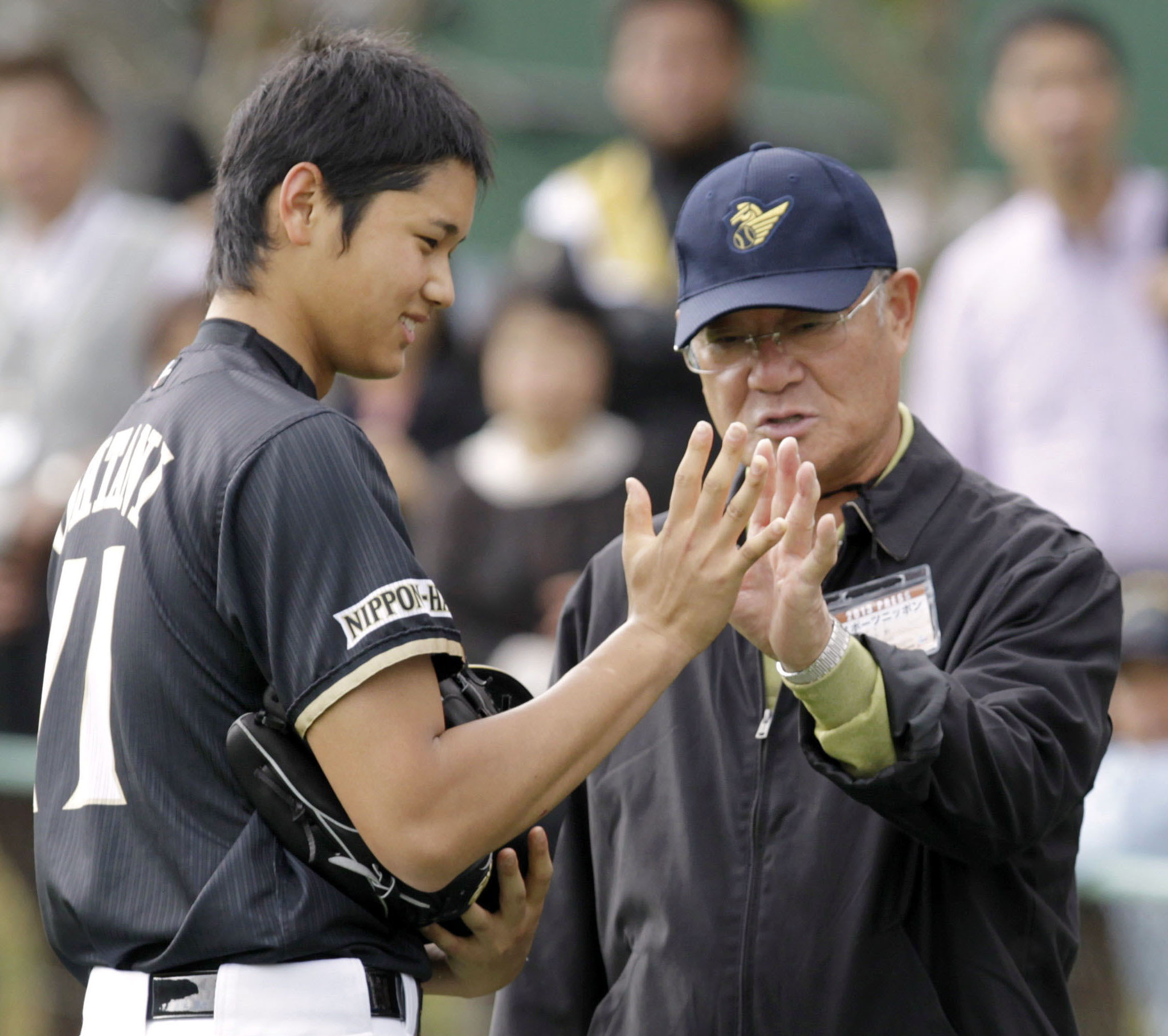
    He was a large player by the Japan leagues’ standards at the time, listed at 5 foot 11 and 187 pounds. And he was not afraid of players, American or Japanese, who were bigger still. “If there was a brawl on the field, he was always in the middle of it,” Whiting said. “He was a scary guy; no one wanted to fight him. He wasn’t afraid to show his temper and challenge people on the field.”

    Despite Mr. Harimoto’s batting success, he never could shake a reputation in Japan for being a bit of a bad boy. He enjoyed a drink and was involved in a few fights.

    He moved on to the Yomiuri Giants in 1976 and the Lotte Orions in 1980. He retired after the 1981 season at 41.

    After his playing days were over, Harimoto became a commentator on the game with a reputation for saying what he thought. “He didn’t seem to have a filter,” Whiting said. “He was very protective of the Japanese game and critical of players who went to the States to play, thinking they should be loyal to the Japan leagues.”

    Harimoto worked for the Korea Baseball Organization and helped establish that country’s national league in 1982, though he later split with the group over slights he believed he received.

    Speaking out against nuclear weapons was also a big part of his later life. “Which is more important: protecting human lives or holding on to nuclear weapons?” he asked in the Chugoku Shimbun in 2011. “These two things are poles apart. It’s inhuman to permit the existence of weapons that can annihilate people in an instant, when they’re just trying their best to live.”

    This article originally appeared in the New York Times.