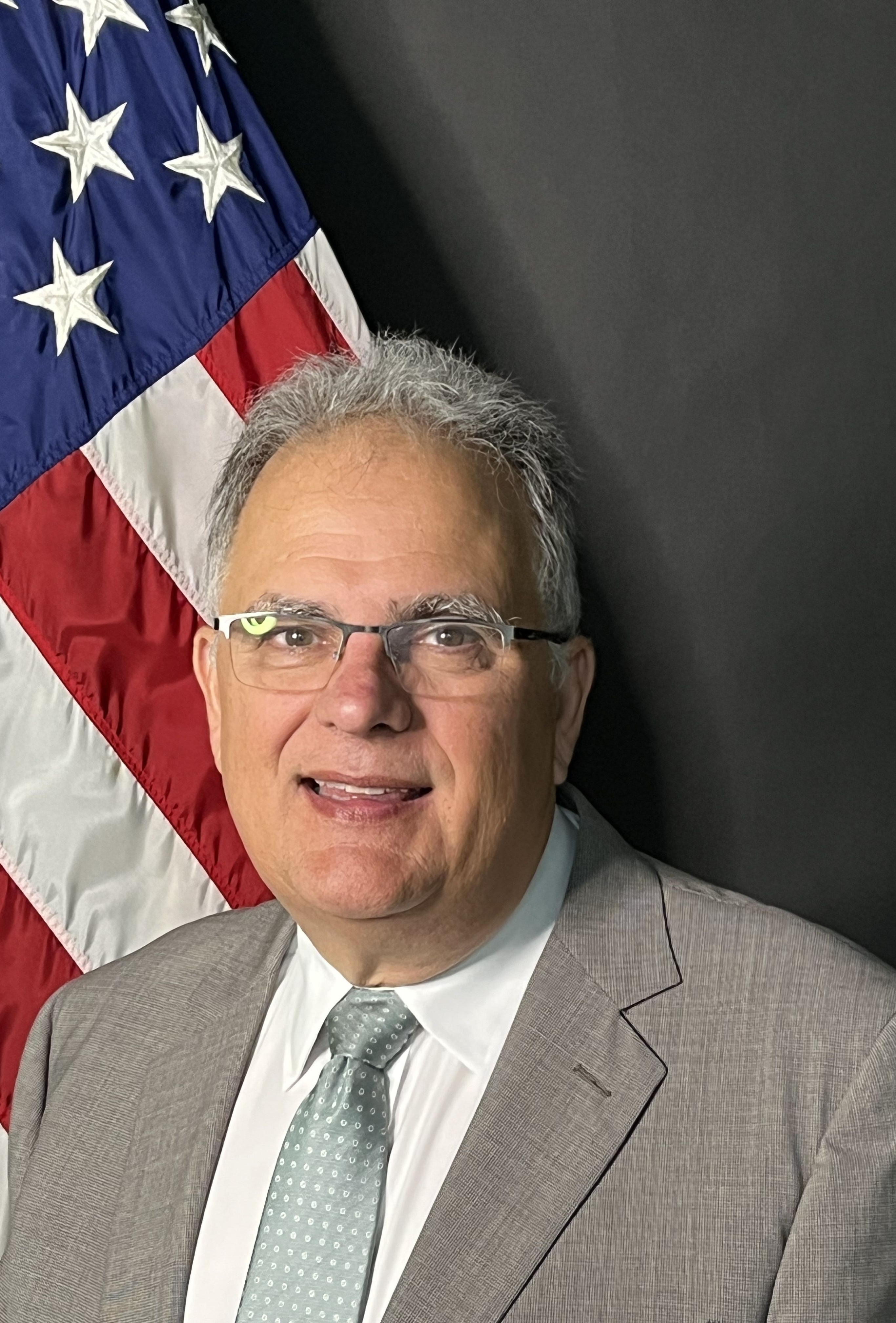
Welcome America Inc., the nonprofit behind Philly’s Wawa Welcome America festival, has named Philly public relations executive Nicole Cashman as its interim CEO.
The founder and CEO of communications firm Cashman & Associates, Cashman will follow Michael DelBene, who served as CEO since 2019 and grew the July Fourth festival and other large-scale events to new heights and a wider audience. DelBene left the organization earlier this year.
Cashman & Associates has worked with Welcome America Inc. for 25 years as its marketing and communications arm. This long-standing relationship and intimate knowledge of the organization led to the decision to name Cashman as the new CEO, officials said.
“Nicole has spent her career helping tell Philadelphia’s story and bringing people together around the experiences that make our city extraordinary,” said Mayor Cherelle L. Parker, who chairs the Welcome America board of directors. “Nicole understands the important role Welcome America plays in our city, creating moments that bring together our communities, welcome visitors, and showcase Philadelphia on a national and international stage.”
Fireworks over the Philadelphia Museum of Art and the statue of George Washington at Eakins Oval during the Wawa Welcome America Festival on July 4, 2023 following a free concert featuring Demi Lovato and Ludacris on the Benjamin Franklin Parkway.Charles Fox / Staff Photographer
Cashman founded her agency in 2001 and has accumulated a portfolio of some of the city’s high-profile agencies and events, including Comcast, Adventure Aquarium, and Philabundance. She has also served in leadership roles at Atlantic City Alliance and Visit Philadelphia.
The PR exec will join Welcome America as it transitions between CEOs and prepares for the coming year’s slate of celebrated civic events and cultural experiences. Welcome America is a public-private partnership that receives city and state funding as well as corporate sponsorships. Parker and City Councilmember Mark Squilla are board members.
“I have had the privilege of working alongside Welcome America for 25 years and have seen firsthand the extraordinary impact this organization has on Philadelphia and the region,” Cashman said. “… Welcome America means a great deal to me, and I’m excited to help guide it through this next chapter as we reimagine the organization for 2027 and beyond.”
Welcome America will look for a permanent CEO, Cashman said, as she will not fill the position long term, just during the period between DelBene and the nonprofit’s next executive leader.
“Michael set the bar high. He was great to work with and I have enormous respect for what he accomplished — I want to build on that success,” Cashman said.
Cashman could not say who would run 2027’s Fourth of July concert but did say Welcome America would surely be a part of the 16-day festival thrown each year.
Besides the Fourth of July festival, Welcome America also oversees the city’s official holiday tree in Dilworth Plaza. The 55-foot concolor firs, planted decades ago and brought into Philly each December, serve as a meeting place for holiday shopping and traditions, amid the Christmas Village and other attractions scattered around City Hall.
This holiday celebration is what Cashman and Welcome America are moving full steam ahead on, with planning already underway, she said.
“We know how important this level of programming around the holidays is to the city, our partners, the public, and visitors,” Cashman said. “So I’m really focusing on finalizing those plans, and that is our primary focus for the remainder of 2026.”
You say you want a revolution? That’s not quite what SEPTA’s proposing. This weekend, the region’s transit agency will roll out the first phase of its New Bus Network, the bus system’s first significant update since the agency was formed in the 1960s.
Sound familiar? Once dubbed Bus Revolution, the project began in 2021 after transit agencies around the country saw massive declines in ridership. SEPTA’s Bus Revolution was set to launch in 2025 but faced significant community pushback and coincided with the state funding crisis that halted many planned transit initiatives. It was officially shelved in November 2024.
Later phases of the plan, which will roll out in 2027, will impact other neighborhoods. The number of bus routes in SEPTA’s system will drop from the current 124 to 106 when all four phases are complete.
SEPTA says the changes are needed to modernize the system and make it easier to use.
To help you navigate the changes that will impact how you navigate the city, we’re here to breakdown down all 30 impacted routes.
This route remains the same but with reduced service.
Days
Times
Previous
Now
Weekdays
6 a.m. to 9 p.m.
Every 16-25 minutes
Every 30 minutes
Saturdays
8 a.m. to 9 p.m.
Every 22-25 minutes
Every 30 minutes
6
Cheltenham-Ogontz to Olney Transportation Center
On weekdays, route 6 will have increased service during peak hours, but a reduced service otherwise.
Days
Times
Previous
Now
Weekdays
6 a.m. to 9 p.m.
Every 11-13 minutes
Every 10 minutes
Weekdays
9 p.m. to midnight
Every 20 minutes
Every 30 minutes
Weekdays
midnight to 4 a.m.
Every 30-40 minutes
Every 60 minutes
SEPTA also rolled out new signage that identifies certain routes as “frequent red”, indicating a bus is scheduled to arrive within 15 minutes or less on weekdays from 6 a.m. to 9 p.m.
17
Front-Market to 20th-Johnston
Route 17 will be shortened and no longer operate on its old route from 20th Street and Johnston Street down to the stadium complex or the Navy Yard. SEPTA recommends Navy Yard commuters take route 45 instead.
This route will also operate with reduced service overnight.
Days
Times
Previous
Now
Weekdays
midnight to 5 a.m.
Every 30 minutes
Every 60 minutes
SEPTA also rolled out new signage that identifies certain routes as “frequent red”, indicating a bus is scheduled to arrive within 15 minutes or less on weekdays from 6 a.m. to 9 p.m.
25
Frankford Transportation Center to Front-Spring Garden
Route 25 is essentially being cut in half. The old route ran down Delaware Avenue to Columbus Commons. The new route will terminate at the Spring Garden Market-Frankford Line station. The old route from Spring Garden to Columbus Commons will be serviced by the new route 76.
Route 25 will now operate for 24 hours a day, as part of SEPTA’s late-night OWL network.
This route will also have increased service.
Days
Times
Previous
Now
Weekdays
6 a.m. to 9 p.m.
Every 20-30 minutes
Every 15 minutes
Weekends
6 a.m. to 9 p.m.
Every 30 minutes
Every 20 minutes
SEPTA also rolled out new signage that identifies certain routes as “frequent red”, indicating a bus is scheduled to arrive within 15 minutes or less on weekdays from 6 a.m. to 9 p.m.
32
Broad-Carpenter to Ridge-Lyceum
Route 32 will have slightly reduced service with fewer buses overall. All route 32 buses will terminate at Manayunk, as opposed to the previous schedule where half would terminate at 33rd Street and Cecil B. Moore Avenue. There’s also a slight route extension into Roxborough for school service.
35
Manayunk Roxborough Loop
Route 35 will be discontinued on Aug. 23. SEPTA recommends riders take route 61.
According to SEPTA’s operation statistics, route 35 is the seventh most expensive bus based on the average cost per passenger.
39
Richmond-Cumberland to 33rd-Dauphin
Route 39 will remain the same but with reduced service on weekdays and slightly increased service on Saturday evenings..
Days
Times
Previous
Now
Weekdays
6 a.m. to 9 p.m.
Every 20-30 minutes
Every 30 minutes
Saturday
5 p.m. to 9 p.m.
Every 40-60 minutes
Every 30 minutes
44
Front-Market to Ardmore
Route 44 will no longer run along its old route that would sometimes terminate at Gladwyne. Beginning Aug. 23, all 44 buses will run to Ardmore, with select trips stopping at Narberth.
This route will also have reduced service.
Days
Times
Previous
Now
Weekdays
9 a.m. to 3 p.m.
Every 15-30 minutes
Every 60 minutes
Weekends
6 a.m. to midnight
Every 30 minutes
Every 60 minutes
45
Navy Yard/Broad-Oregon to 12th-Noble
Route 45 will be extended to the Navy Yard to cover for the changes to route 17.
After 9 p.m. the route will have reduced service on weekdays.
Days
Times
Previous
Now
Weekdays
9 p.m. to midnight
Every 20 minutes
Every 30 minutes
46
58th-Baltimore to 63rd-Malvern
Route 46 will have increased service on weekdays.
Days
Times
Previous
Now
Saturdays
9 a.m. to 6 p.m.
Every 20 minutes
Every 15 minutes
Sundays
9 a.m. to 7 p.m.
Every 30 minutes
Every 20 minutes
SEPTA also rolled out new signage that identifies certain routes as “frequent red”, indicating a bus is scheduled to arrive within 15 minutes or less on weekdays from 6 a.m. to 9 p.m.
47
Whitman Plaza to 5th-Godfrey
Route 47 will merge with route 47M and have increased service.
Days
Times
Previous
Now
Weekdays
6 a.m. to 9 p.m.
Every 8-9 minutes
Every 7-8 minutes
All days
Midnight. to 5 a.m.
Every 45 minutes
Every 30 minutes
SEPTA also rolled out new signage that identifies certain routes as “frequent red”, indicating a bus is scheduled to arrive within 15 minutes or less on weekdays from 6 a.m. to 9 p.m.
47M
Whitman Plaza to 7th-Spring Garden via 9th
Route 47M has been discontinued and will now be served by a more frequent route 47.
The merger of these two routes includes a realignment so that the northbound 47 runs on Seventh Street, as opposed to Ninth Street. Southbound buses will still run on Eighth Street.
49
33rd-Dauphin to 40th-Baltimore
Route 49 will look very different from its old route. It will no longer serve Gray’s Ferry. SEPTA recommends riders take route 79 instead.
Route 49 will also operate on many different roads. The most notable change is taking 33rd Street instead of 29th Street. in Strawberry Mansion and Brewerytown.
These changes are paired with generally reduced service.
Days
Times
Previous
Now
Weekdays
8 a.m. to 3 p.m.
Every 18-22 minutes
Every 30 minutes
Saturdays
8 a.m. to 9 p.m.
Every 22 minutes
Every 30 minutes
Sundays
9 a.m. to 7 p.m.
Every 22 minutes
Every 30 minutes
52
49th-Woodland to Wissahickon Transportation Center/50th-Parkside
Route 52 will no longer follow its old route to Gladwyne. SEPTA cites low ridership and doesn’t offer an alternative route.
SEPTA also rolled out new signage that identifies certain routes as “frequent red”, indicating a bus is scheduled to arrive within 15 minutes or less on weekdays from 6 a.m. to 9 p.m.
53
Carpenter Station to Richmond-Westmoreland
Buses on route 53 will no longer follow the old route that terminated at Sedgwick Street and Wayne Avenue. Instead, service will end at Carpenter Regional Rail station. There are additionally a bunch of small differences across the route. For example, route 53 will now serve Roosevelt Boulevard. on the western side of Hunting Park.
The 53 will also continue past G Street and extend into Port Richmond.
54
Richmond-Cambria to 33rd-Dauphin
Buses on route 54 will have reduced service during weekdays and increased service during evenings.
Days
Times
Previous
Now
Weekdays
9 a.m. to 3 p.m.
Every 15-18 minutes
Every 20 minutes
All days
9 p.m. to midnight
Every 45 minutes
Every 30 minutes
57
Whitman Plaza to Fern Rock Transportation Center
The old route 57 occasionally would terminate at Packer Marine Terminal, that service will be discontinued.
During weekends the route 57 will run at a reduced service.
Days
Times
Previous
Now
Weekends
All day
Every 10-12 minutes
Every 15 minutes
Service along Crescentville and Cheltenham Avenues will be reduced to every hour.
SEPTA also rolled out new signage that identifies certain routes as “frequent red”, indicating a bus is scheduled to arrive within 15 minutes or less on weekdays from 6 a.m. to 9 p.m.
60
Wissahickon Transportation Center/35th-Allegheny to Richmond-Westmoreland
Most of route 60 will continue to go down Allegheny Avenue, but it will not follow its old route where some buses stopped on Delaware Avenue and Lewis Street.
The 60 will occasionally take an extended route and continue to the Wissahickon Transportation Center. The schedule is roughly split 50:50 whether a bus will continue to this new terminus or stop early at 35th Street and Allegheny Avenue.
Route 60 will also see increased service.
Days
Times
Previous
Now
Weekdays
6 a.m. to 6 p.m.
Every 10-15 minutes
Every 10 minutes
SEPTA also rolled out new signage that identifies certain routes as “frequent red”, indicating a bus is scheduled to arrive within 15 minutes or less on weekdays from 6 a.m. to 9 p.m.
61
9th-Market to Ridge-Summit
Route 61 will be extended to Upper Roxborough. This is primarily to cover for the discontinued route 35.
62
9th-Market to Andorra
Route 62 will be discontinued. SEPTA recommends riders take routes 9, 27, or 61 as an alternative. According to SEPTA, route 62 was the fourth most expensive route to operate, costing an average of $45 per passenger.
64
50th-Parkside to Pier 70
Previously, route 64 would occasionally terminate at 49th Street and Woodland Avenue. Under the new network, all trips will terminate at Parkside Loop. The 64 will also no longer take the old route’s detour into Grays Ferry.
Route 64 will operate at a increased service.
Days
Times
Previous
Now
All days
6 a.m. to 9 a.m.
Every 12-18 minutes
Every 12 minutes
All days
9 a.m. to 9 p.m.
Every 20 minutes
Every 15 minutes
SEPTA also rolled out new signage that identifies certain routes as “frequent red”, indicating a bus is scheduled to arrive within 15 minutes or less on weekdays from 6 a.m. to 9 p.m.
72
Cedarbrook Plaza to Frankford Transportation Center
72 is a brand new route that mostly operates on Cheltenham Avenue and will run every 30 minutes.
73
Frankford Transportation Center to Richmond-Westmoreland
Route 73 will now run at a reduced service from every 20-25 minutes to every 30 minutes.
Additionally the route 73 will no longer be part of the OWL network, ending 24-hour service on the line. SEPTA recommends riders take route 25 for overnight buses.
76
Rising Sun-Olney to Columbus Commons
Route 76 is a brand new route that will mostly run along Delaware and Frankford Avenues every 30 minutes. This route replaces service removed from the newly aligned route 25.
78
Express from Cornwells Heights to Center City
Route 78 will be discontinued due to lower ridership. SEPTA does not recommend an alternative bus.
According to SEPTA figures, the 78 was the most expensive bus to operate in their network. It has an average of 2.4 passengers per hour, costing the agency $394 per rider.
79
Columbus Commons to 29th-Snyder/40th-Market
Route 79 will occasionally be extended into West Philadelphia. Roughly every other bus will continue to 40th and Market Streets, instead of the current terminus of 29th Street and Synder Avenue.
SEPTA also rolled out new signage that identifies certain routes as “frequent red”, indicating a bus is scheduled to arrive within 15 minutes or less on weekdays from 6 a.m. to 9 p.m.
80
Express from Horsham to Olney Transit Center
Route 80 will be discontinued. SEPTA stated that “ridership has declined significantly since 2019 and the same connection can be made with a transfer on local routes 22, 51, and 310.”
According to SEPTA data, route 80 was the third most expensive route to run, costing the agency $50 per passenger.
89
Front-Dauphin to Arrott Transit Center
Route 89 will be discontinued. SEPTA says route 89 is “duplicative of other routes,” and offers “routes 3, 5, 25, 39, 41, 43, 53, 56, 75, 76, and K as alternatives.”
105
Paoli/Rosemont to 69th Street Transit Center
Route 105 will extend to Paoli for roughly every other bus, essentially merging with the now discontinued route 106.
The old route that serviced Suburban Square will no longer operate. There are also minor alignment changes in Overbrook.
Route 105 will operate at a increased service.
Days
Times
Previous
Now
Weekdays
All day
Every 30-60 minutes
Every 30 minutes
Weekends
All day
Every 60 minutes
Every 30 minutes
These changes will take effect on Aug. 24.
106
Paoli to 69th Street Transit Center
Route 106 will be discontinued on Aug. 24.
Do you still have questions about the changes to SEPTA’s bus network? Read our Q&A guide for details on how to contact SEPTA, information about future alterations in 2027, and much more.
Methodology
The animating buses on the diagram are an approximation of the number of buses active at 9 a.m. on a weekday schedule.
Old routes are accurate to SEPTA’s bus network on Aug. 4.
For simplicity, if a route can have different terminuses, we show all possible paths the bus operates on.
story continues after advertisement
Staff Contributors
Design, Development, and Data: Sam Morris
Reporting: Sam Morris and Erica Palan
Editing: Cynthia Henry
Subscribe to The Philadelphia Inquirer
Our reporting is directly supported by reader subscriptions. If you want more journalism like this story, please subscribe today
A 16-year-old was shot early Wednesday evening in the Kensington section of Philadelphia, and police said surveillance video recorded the teen also firing shots in a gun battle with an unseen shooter.
Around 5:45 p.m., police responded to the area of D Street and Indiana Avenue and found the teen with gunshot wounds to a leg and a foot, Chief Inspector Scott Small said.
Police took the teen to Temple University Hospital, where he was listed in stable condition.
Police found 18 spent shell casings at the scene, Small said.
Surveillance video captured the teen firing shots but not the person who shot the 16-year-old, Small said, adding that the teen will be held by police.
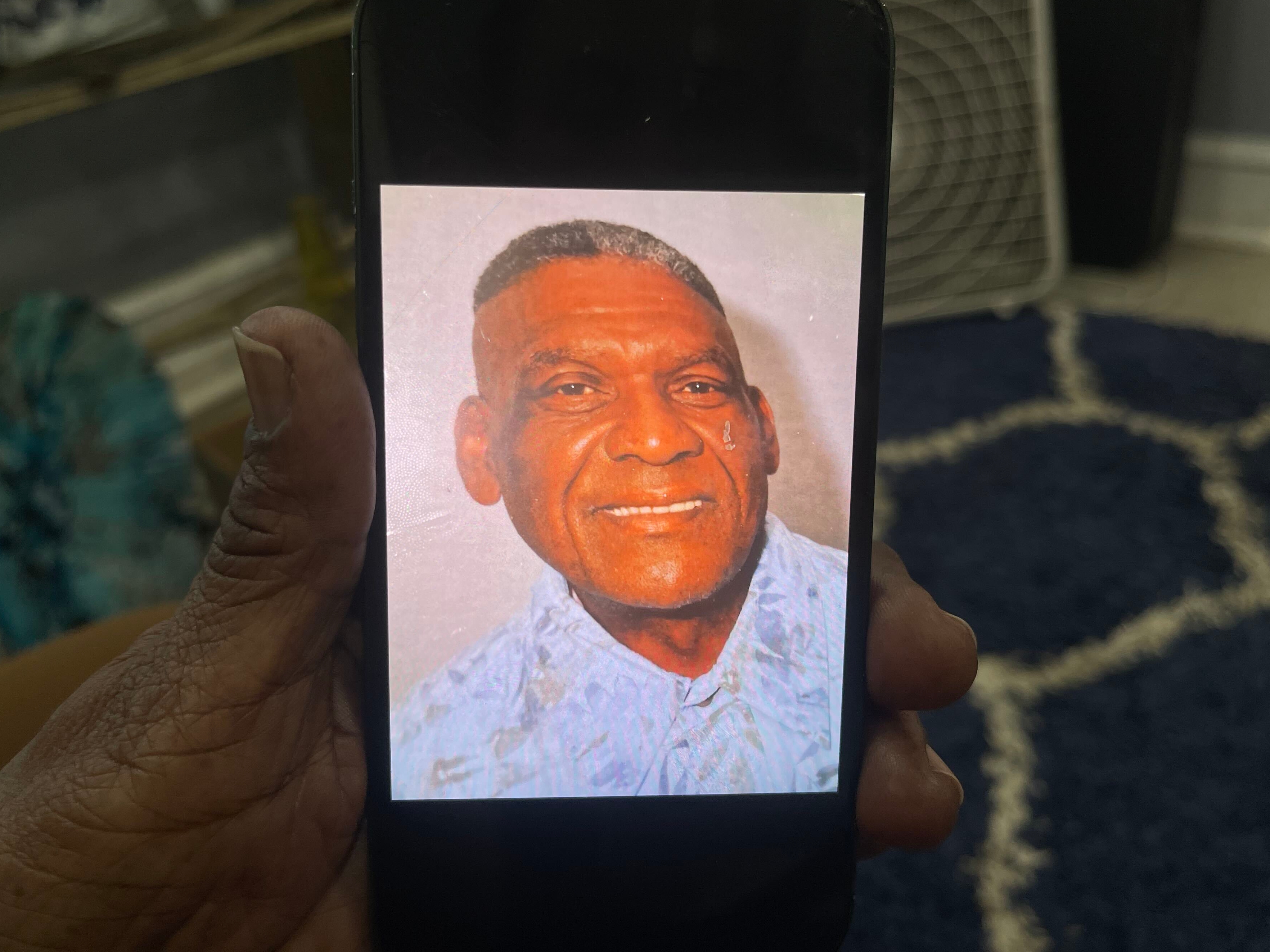
Two years ago, Steve Alexander “rang the bell” inside a Media hospital, celebrating the end of treatment for colon cancer.
On Tuesday afternoon, his life ended when a stray bullet struck him in the back in North Philadelphia. He was 78.
Police say that, shortly before 5 p.m. Tuesday, as the 2200 block of Ridge Avenue bustled with bystanders and cars during rush-hour traffic, a light-colored SUV pulled up and four gunmen fired more than 50 shots toward a group of young men on the sidewalk.
A 71-year-old and a 30-year-old were wounded by gunfire. Alexander was struck in the back, and died at Temple University Hospital shortly after.
No arrests have been made.
Alexander’s sister, Paulette Coles, said he was picking up cigarettes when the gunfire erupted.
Coles, 73, said in an interview from her Strawberry Mansion home on Wednesday that her brother was the eighth of 10 children, born in Mobile, Ala. Her mother, she said, brought her and her siblings to the Philadelphia area in 1960 to be closer to family.
A younger Steven Alexander, in a photo shared by his sister. Courtesy of Paulette Coles
Alexander lived in Lansing, Mich., for several years, working for General Motors, before returning to Philly in the 1970s, she said. He worked odd jobs through the remainder of his adult life and had two children who are now grown, she said.
“Anything you say goes with him. He was just a happy-go-lucky guy. He never argued with nobody,” Coles said.
“All he wanted for was a cigarette and a beer,” she said. “He was just happy.”
Happy, she said, even as he navigated life’s challenges. Cancer. Housing. He had spent the last year or so living at the Bethesda Project shelter, at 19th and Oxford Streets, but was on his way to living independently again.
He had just had an appointment with a housing specialist and visited an apartment in South Philadelphia last week, she said.
“He was going to be on his own again,” she said. “And then this happened.”
Staff and residents at the Bethesda Project facility on Wednesday said Alexander was always seated in a green lawn chair outside the building, cigarette in hand, greeting passersby and staff as they arrived each morning.
Tanya Cleveland said he was social and helped introduce new residents. He welcomed her each morning when she arrived to start her shift.
He took care of his appearance, she said, and often changed his clothes several times a day to make sure his shirts were crisp and clean.
Every morning, at 6:30 a.m., he would bring his outfits for the day down to the community room and iron them. He was the only one in the facility who used the iron, a staff member named Kelly joked.
On Wednesday, she said, her boss placed the ironing board in the basement. It was too painful to look at.
Investigators continue to search for the gunmen. Anyone with information is asked to submit tips to police at 215-686-TIPS (8477).
A 41-year-old man allegedly fleeing sex-assault charges in Maine was arrested Sunday at Philadelphia International Airport as he attempted to board a flight to Germany, authorities said.
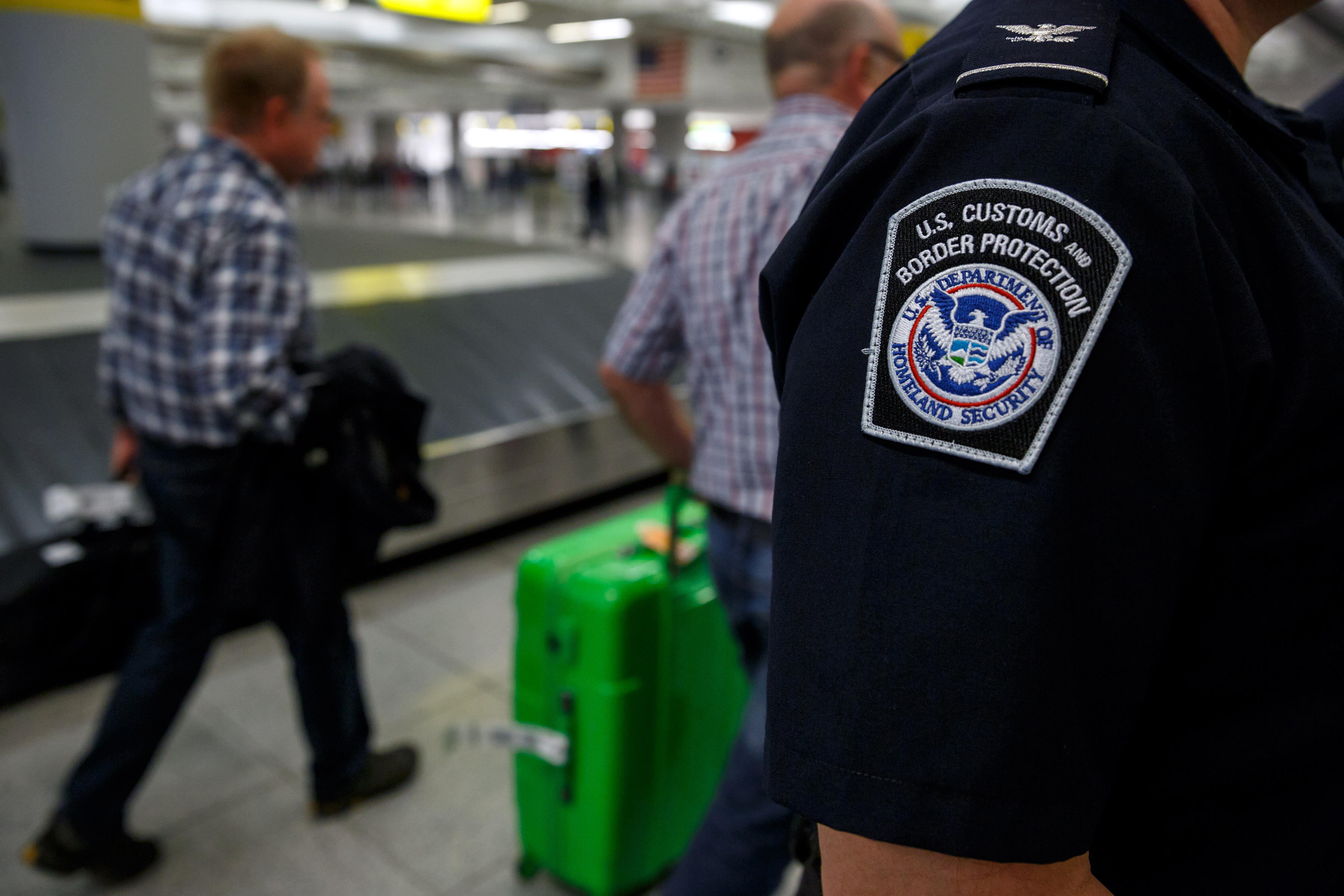
Matthew Thomas Cooley, of Solon, Maine, was stopped by U.S. Customs and Border Protection officers at the departure gate where he attempted to board a flight to Frankfurt on a one-way ticket, the federal law enforcement agency said Wednesday.
Cooley was transferred to the Tinicum Township Police Department to initiate extradition proceedings.
Court records show no attorney listed for Cooley, who was being held at the George W. Hill Correctional Facility in Delaware County.
In April, detectives from the Somerset County Sheriff’s Office in Maine went to Cooley’s home to arrest him in the sexual-assault case and Cooley allegedly pepper sprayed the detectives, CentralMaine.com reported.
Detectives began investigating Cooley after a 31-year-old woman alleged that Cooley sexually assaulted her twice last year, the news outlet reported. The woman also gave investigators videos and photos of multiple firearms and hundreds of boxes of ammunition kept in Cooley’s home.
Cooley was charged in Maine with two counts of gross sexual assault, one count of possession of a firearm by a prohibited person, and one count of domestic violence stalking. Cooley also was charged with two counts of assault on an officer, and one count of refusing to submit to arrest.
Elliott N. Ortiz, area port director in Philadelphia for Customs and Border protection, said in a statement: “Customs and Border Protection officers will always leverage our border security authority to help victims of sexual assault seek justice by capture dangerous fugitives attempting to flee the United States.”
Ortiz added: “Capturing dangerous fugitives is one way in which CBP works with our law enforcement partners to help keep our communities safe.”
A restaurant group in Idaho is determined to reclaim what it insists was theirs to begin with: a world record involving cheesesteaks.
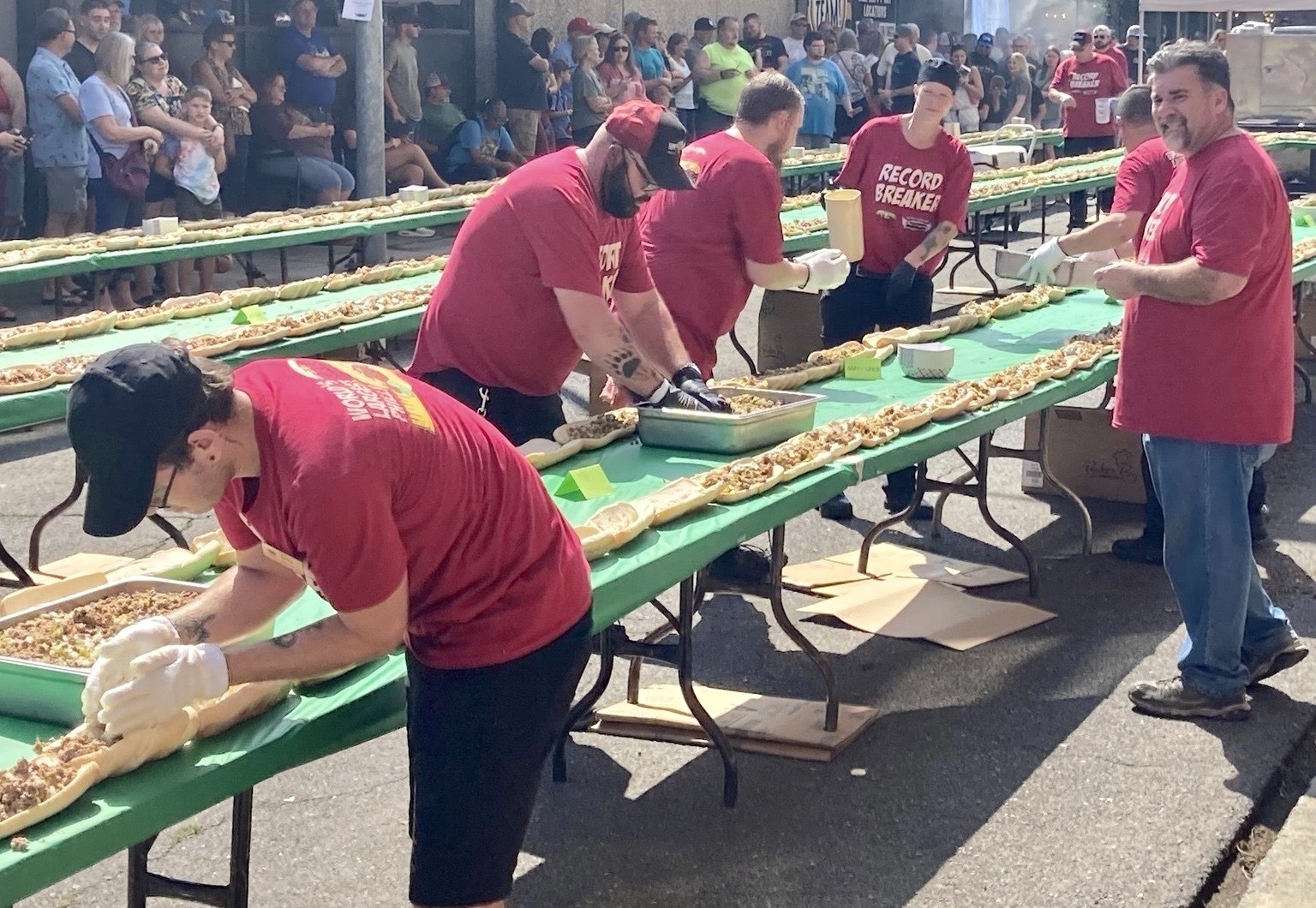
On Sunday, Happy Day Restaurants — a company with a slate of eateries across the Gem State — is hosting an event where they’ll attempt to assemble the longest cheesesteak.
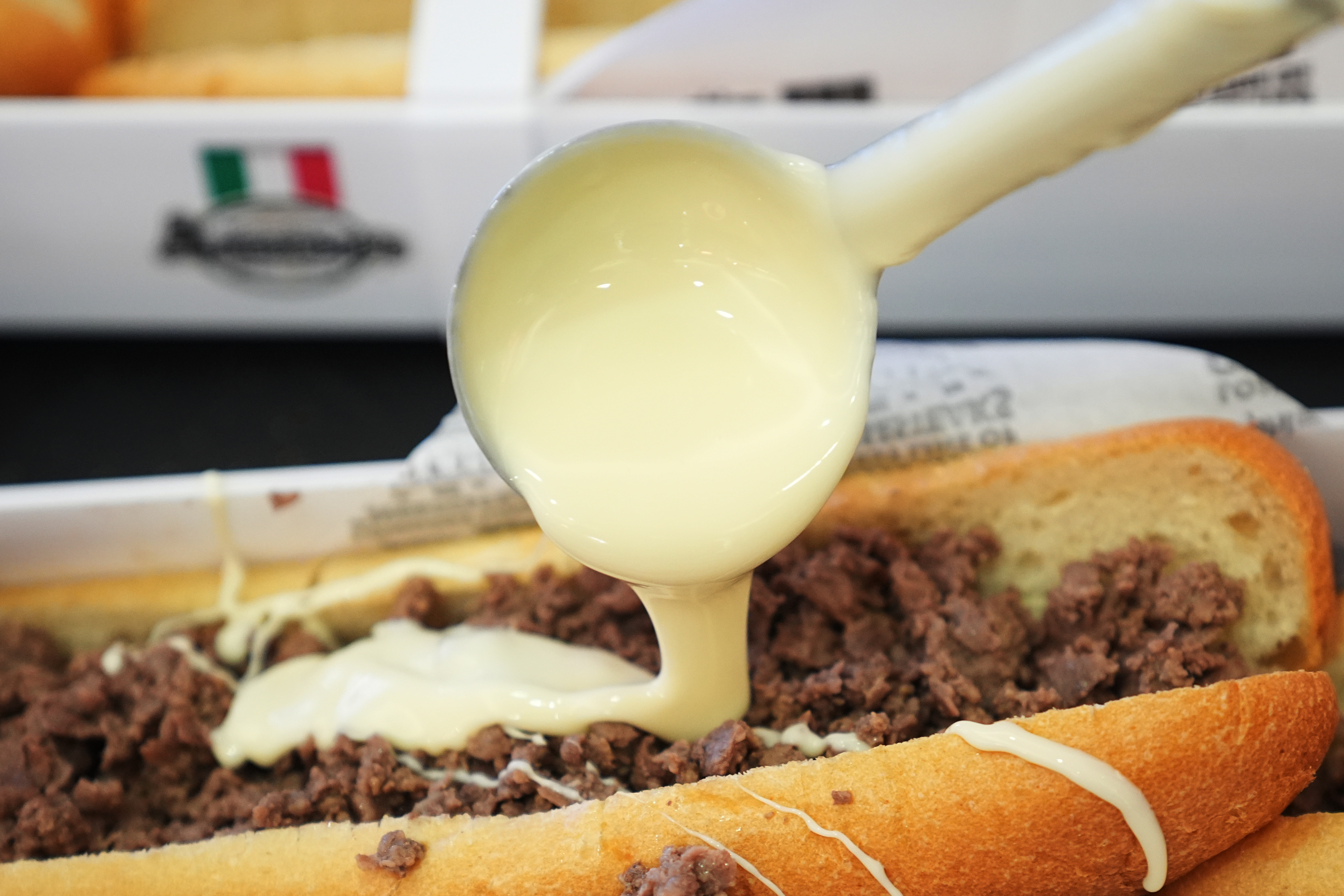
It was only earlier this year that Philadelphia claimed that record with a massive event at Philadelphia International Airport, piling nearly 1,000 pounds of rib-eye atop Amoroso rolls as far as the eye could see.
Philly ended up setting an official Guinness World Record that fateful March day, with about 1,291 cheesesteaks stretching out about 1,271 feet. It’s worth noting that Philly’s cheesesteak line was the inaugural record for that category, according to a Guinness World Records adjudicator who spoke with The Inquirer.
But, over the years, others have attempted unofficial cheesesteak records — including Idaho.
Main Street Grill in Lewiston, Idaho, made a 700-foot cheesesteak on August 26, 2023. Until March, it held the unofficial world record for the longest cheesesteak.Frank Webster
In 2023, the Main Street Grill in Lewiston, Idaho, (operated by Happy Day Restaurants) completed a 722-foot line of cheesesteaks as part of a fundraiser event for the regional Boys and Girls Club. Locals took bragging rights and observers (including The Inquirer) admitted at the time that the sandwich line appeared to be a record-holder. But it was all under “unofficial” terms.
Now, let’s fast-forward to this week.
The bad news: Lewiston, Idaho, is coming for Philly’s newly established “longest cheesesteak” world record. The good news: It’s still unofficial and the proceeds are going to charity — which is kind of hard to bash.
According to a statement from Happy Day Restaurants, participants are aiming to break Philly’s record with an attempt of a 1,350-foot Philadelphia cheesesteak (notably, not called an Idaho or Lewiston cheesesteak).
The event will again benefit the local Boys and Girls Club with $10 sandwich tickets. In 2023, the fundraiser raised more than $10,000 for the organization.
This year’s attempt is also an effort to showcase local agriculture and food production infrastructure.
All of the cheesesteak ingredients, from the beef and veggies (including — gasp — peppers!!!) to the rolls, are being sourced locally for Sunday’s installation.
“It’s a demonstration of what our local food system can do,” the restaurant group said in a statement. “The hardest part of farming isn’t always growing the food. For small and medium-sized farms, one of the biggest challenges isn’t necessarily production. It’s finding someone who will reliably buy what they grow.”
The Lewiston cheesesteak line will include:
1,350 rolls with regenerative grain from Cottonwood, Idaho.
720 pounds of beef processed at a local USDA butcher shop (a 50/50 blend of Idaho beef and supplemental supply, citing summer heat impacting processing capacity).
275-plus pounds of onions and peppers grown regionally in Lewis-Clark Valley.
64 gallons of “cheese sauce” (their words not ours).
From left: Clarence LeJeune, Dana Krawchuk, marketing and guest experience manager for Marketplace PHL, and Mel Hannah, vice president and general manager of Marketplace PHL, with the award from Guinness World Records for a record-setting cheesesteak assembled at Philadelphia International Airport on Tuesday, March 24, 2026.Alejandro A. Alvarez / Staff Photographer
Asked for comment on Lewiston’s attempt to break Philly’s record, PHL sends its regards.
“As the first and current official Guinness World Record holder for ‘Longest Line of Cheesesteaks,’ MarketPlace PHL and the 18 restaurants serving cheesesteaks at Philadelphia International Airport send our very best wishes to Lewiston, Idaho,” Dana Krawchuk, MarketPlace PHL’s marketing manager who organized the airport’s spring record-breaker, said. “In partnership with all the Philly purveyors who supplied ingredients for 2026’s National Cheesesteak Day celebration honoring TSA workers at PHL and making Philly history … We just gotta ask the people of Lewiston, wit or witout?”
A series of human and oversight failings is being eyed by federal investigators as possible contributors to the fatal crash of a medical jet in Northeast Philadelphia last year, according to documents filed by the National Transportation Safety Board.
The federal agency does not identify a cause of the Jan. 31, 2025, crash of the Mexican-owned medical transport that crashed near the Roosevelt Mall just after takeoff, killing all six people onboard and twoon the ground.
But among the factors it has found during a 1½-year probe are possibly fatigued pilots who had never flown in or out of the airport, an improper setting on the Learjet tail’s elevators, and a lack of Federal Aviation Administration safety checks on a workhorse foreign-owned carrier.
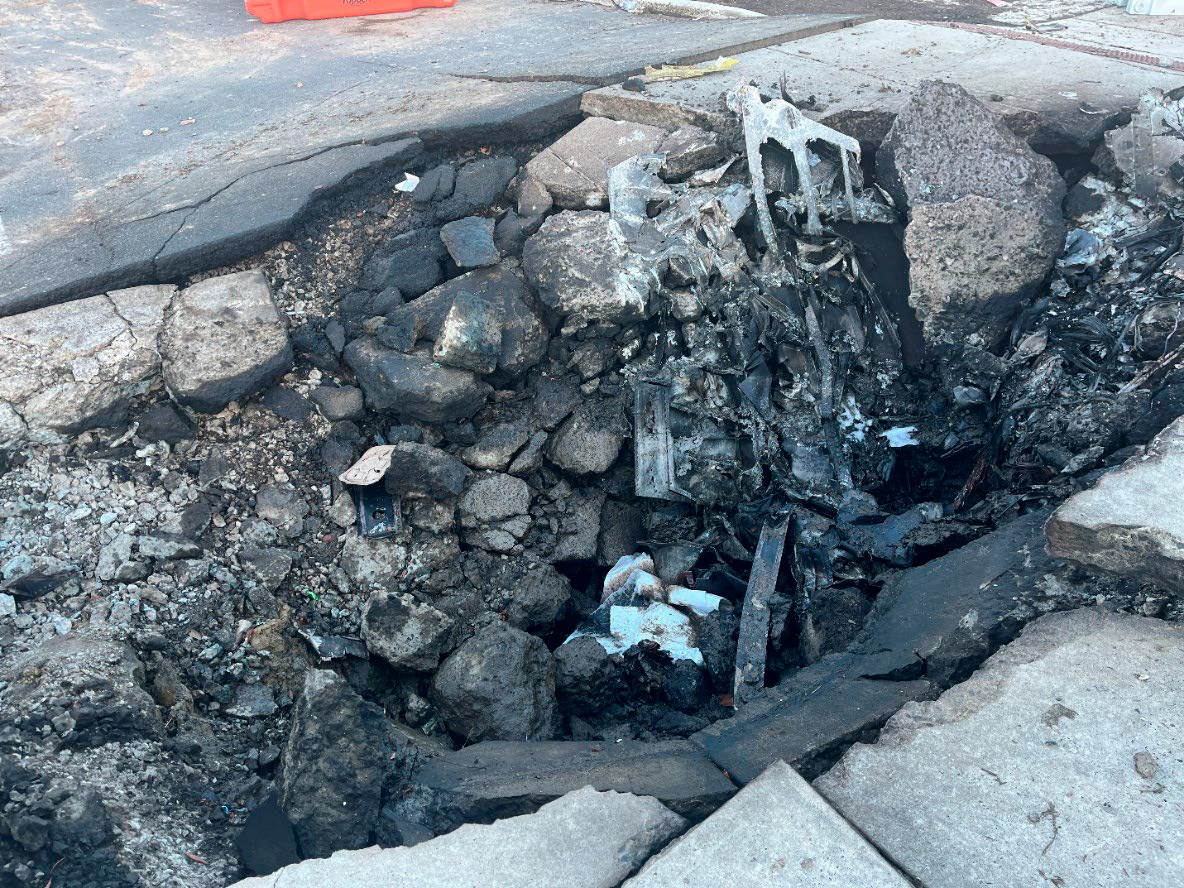
Images released by the NTSB as part of their investigation show the scene along Cottman Ave. where a medical plane that crashed, in Northeast Philadelphia on Jan 31, 2025.Courtesy of NTSB
Upon impact, the 1982 Learjet 55 erupted into flames that spread to homes and cars in the heavily populated area. At least 24 people were reported injured. The jet took off just after 6 p.m. that Friday and within a minute had begun a swift nosedive into the sidewalk near Cottman Avenue and Roosevelt Boulevard.
On board were 11-year-old Valentina Guzmán Murillo, who had just received care at Shriners Children’s Philadelphia before returning home to Mexico; her mother; a pilot; a copilot; a flight physician; and a paramedic.
Investigators going through the debris on Cottman Avenue Saturday, Feb. 1, 2025, in Philadelphia. A medical jet with six people on board crashed Friday evening near the Roosevelt Mall in Northeast Philadelphia.Charles Fox / Staff Photographer
Potentially fatigued pilots and potential training weaknesses
As investigators try to piece together what might have gone wrong in the cockpit, they are focused on the two pilots.
One factor that could have played a role was their workload in the days leading to the fatal crash. They had flown multi-leg trips all four days before the accident.
NTSB investigators also looked into the effects of “spatial disorientation,” a phenomenon pilots experience when their perception of motion and relation to the Earth’s surface becomes mismatched.
During the ascent from Northeast Philadelphia Airport, the pilots rolled the plane to the right by 12 degrees. Air traffic controllers then communicated with the pilots, and the pilots responded just as the plane began to rotate back to zero degrees. According to the NTSB, within 10 seconds of their last communication with the air traffic tower, the plane continued rolling to the left at a rapid speed until the plane stopped climbing.
“Pilots who are properly trained and current in instrument flying can normally use instrument information to overcome misleading sensations, however, even well-trained pilots experience sensory illusions from time to time,” NTSB investigators wrote.
When there is a delay, it can take a few seconds or more for a pilot to regain spatial awareness. But during that delay, a pilot may make inappropriate control inputs that place an airplane in “an unrecoverable trajectory.”
In interviews with the pilots’ most recent training instructors at Flight Safety International in Tucson, Ariz., the pilot in command demonstrated a “tendency to react before thinking through a problem,” the report says. The instructor noted that the same pilot would select modes of operation when the autopilot system was off, something the pilot in command is supposed to delegate to the second-in-command pilot.
“That allows the pilot to concentrate on actually flying the aircraft. So what happens is, if the autopilot’s off and the pilot flying goes to select modes of operation, it’s distracting him from flying the aircraft, which typically results in deviations of altitudes, speeds, and headings,” said the flight instructor, who was not identified in the report.
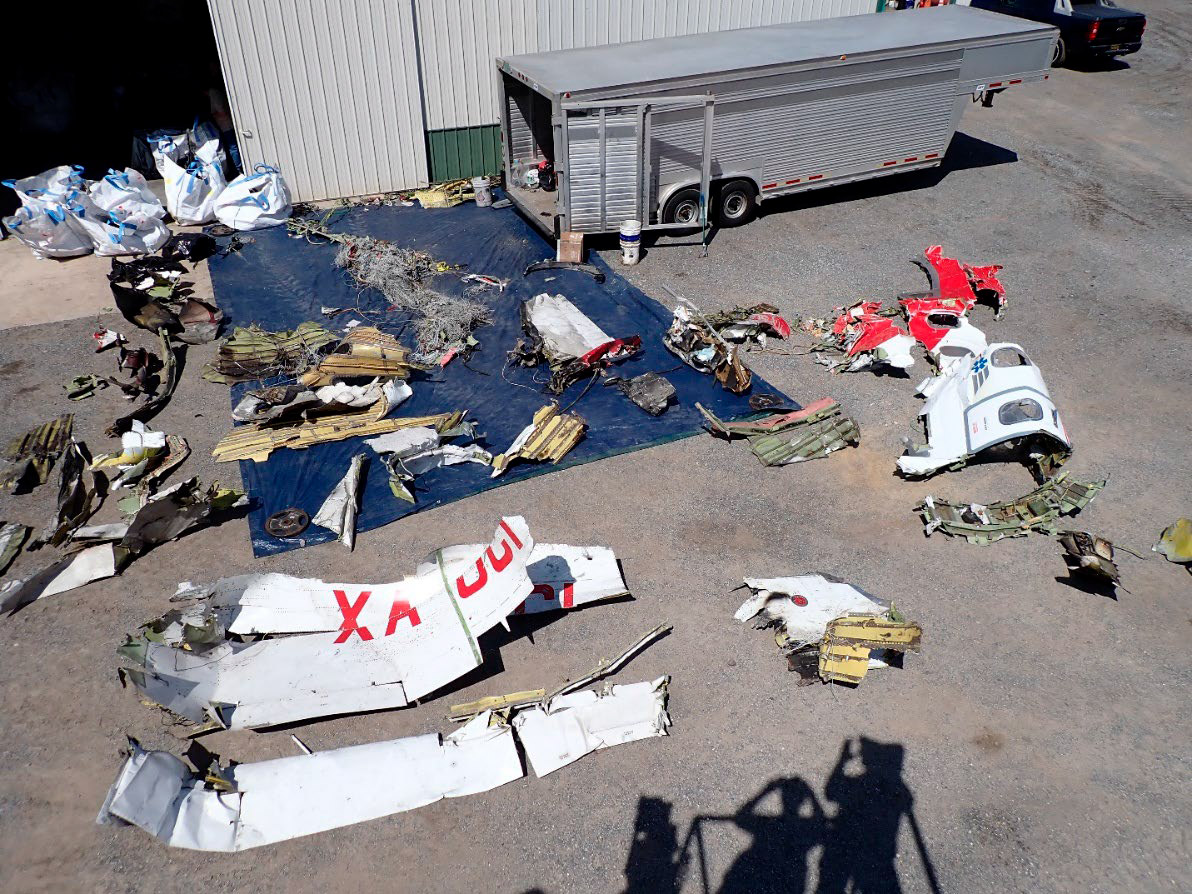
Images released by the NTSB as part of their investigation show the wreckage of a medical plane that crashed in Northeast Philadelphia on Jan 31, 2025.Courtesy of NTSB
The second-in-command pilot’s training report also showed that his lack of recent experience in flying a similar-model Learjet “was evident.”
A spokesperson for Jet Rescue Air Ambulance, the Learjet 55’s operator, could not be immediately reached Wednesday for comment on the new release of documents.
Jeff Guzzetti, a former NTSB investigator, wondered if the low visibility that night, made more hazardous by overcast and lightly choppy weather conditions, could have exacerbated a phenomenon called somatogravic illusion.
That happens when rapid acceleration or deceleration, or other changes in gravity, can cause pilots to falsely believe a plane is pitching up or down when it is not.
“When you look at those four things — the low cloud ceiling, nighttime conditions, high velocity descent, less than a minute after takeoff — that could be consistent with spatial disorientation,” he said. Add in other distractions, like changing radio frequencies, and even experienced pilots have lost their bearings while relying solely on their instruments to navigate, Guzzetti said.
Images released by the NTSB as part of their investigation show the medical plane that crashed in Northeast Philadelphia on Jan 31, 2025.Courtesy of NTSB
Investigators search the jet
The extreme impact, and a debris field scattered across more than a dozen city blocks and a shopping center, has hampered the investigation. Nearly all parts of the plane, from its engines to the mechanical and electrical systems that controlled the jet, were found in damaged condition.
Even so, the NTSB has reported that the jet’s pitch trim, which would have aided the angle of flight and airspeed, was not in optimal position. That meant the pilots would have had to exert up to 50 pounds of force against the controls during takeoff and 12 pounds for level flight, investigators said.
Arthur Alan Wolk, a Philadelphia-based aviation attorney and pilot, was dubious. “They blame the pilot for the trim,” he said. “I don’t think you can rely on that record” because the impact makes interpreting the damaged parts difficult.
Wolk also said the pilot could have corrected for this by hitting an electrical trim switch. “Could it have happened? Yes. Is it a factor? In my opinion, I don’t think so.”
The investigation devoted extensive research into tanks filled with oxygen and other gases the medical jet had on board, which could have led to a fire or impaired the flight crew. Investigators said cameras that caught the airplane’s descent did not show trailing smoke or any visible internal fire.
In all, 11 gas cylinders were recovered with various states of damage. In previous incidents, investigators noted, flight crews had become incapacitated by carbon dioxide exposure. The Learjet’s carbon dioxide tank was found with its valve stem fractured, though the NTSB did not say if it believed there had been a leak prior to the crash.
Jet Rescue Air Ambulancetold the NTSB that the company had no record of the raft for this jet and believed it was installed by a crew member without authorization.
Despite the NTSB stating in March 2025 that the cockpit voice recorder had not worked in years, investigators were able to repair its analog tape and listen to the audio. But the recordings were of a prior landing.
The report did not say why the device failed to record the final takeoff. This jet was not required to carry or maintain a cockpit voice recorder, though it was listed on the preflight checklist.
The NTSB also examined the Learjet’s logbooks and maintenance reports and found they were largely in order, though they could not determine if any new maintenance was done prior to the final flight.
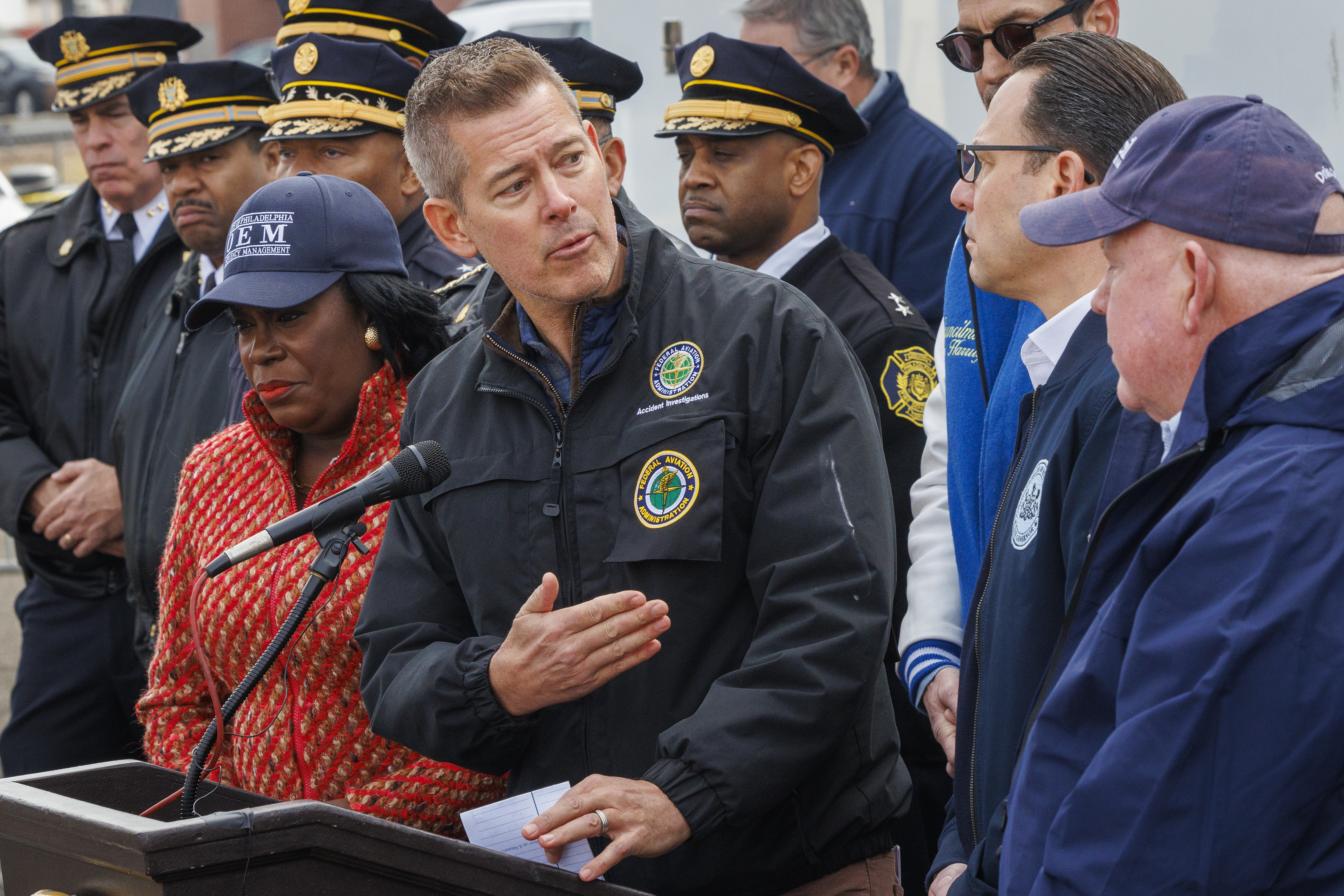
From left Philadelphia Mayor Cherelle Parker, Sean Patrick Duffy, United States Secretary of Transportation turning to acknowledge Pennsylvania Governor Josh Shapiro’s work at press conference. These three and others tour the scene of medical jet crash, Cottman Avenue on Monday, Feb. 3, 2025. The plane crashed Friday evening, Jan 31, 2025.Alejandro A. Alvarez / Staff Photographer
Lack of FAA oversight
A major piece of the investigation rests on the FAA’s Dallas International Field Office, which oversaw the U.S. operations of the medical jet operator.
Because the operator flew unscheduled, non-U.S. registered flights, FAA personnel said they were limited to performing “ramp checks,” or unannounced inspections of the aircraft and crew on the ground, as a safety measure. But when investigators searched the FAA’s safety assurance system for any record of ramp checks, they found none prior to the fatal crash.
Asked by NTSB investigators if there was a requirement to perform ramp checks or other surveillance on operators like Jet Rescue Air Ambulance, the primary inspector stated: “Oh, I’m not sure.”
The primary inspector continued that there was no surveillance plan in place before the time of the crash and that FAA staff in charge of Jet Rescue Air Ambulance’s operations had no knowledge of the operator’s previous crashes. The operator experienced a fatal accident in November 2012 in Fort Lauderdale, Fla., a nonfatal accident in February 2019 in Toluca, Mexico, and a fatal accident in November 2023 in Cuernavaca, Mexico.
Jet Rescue Air Ambulance was not on the FAA’s Heightened Surveillance List, which would have flagged the operator for additional inspections.
Unscheduled operators like Jet Rescue Air Ambulance are required to notify the Dallas FAA field office before operating in the United States, which the FAA would use todetermine when inspections are needed. But Jet Rescue Air Ambulance did not notify the office of its operations before the accident flight, according to the NTSB findings.
The NTSB release of evidence comes as federal probers complete their investigation phase and prepare their final report, followed by a review process that can take up to six months.
Loris Assadian, a French singer-songwriter and animal advocate known professionally known as Plumes, is globally recognized and celebrated for his distinctive sound and special connection with animals.
Videos of him playing his flamingo-pink guitar for farm and zoo animals have captivated millions of viewers worldwide, including former President Barack Obama, who talked about Assadian earlier this summer during the final month of The Late Show with Stephen Colbert.
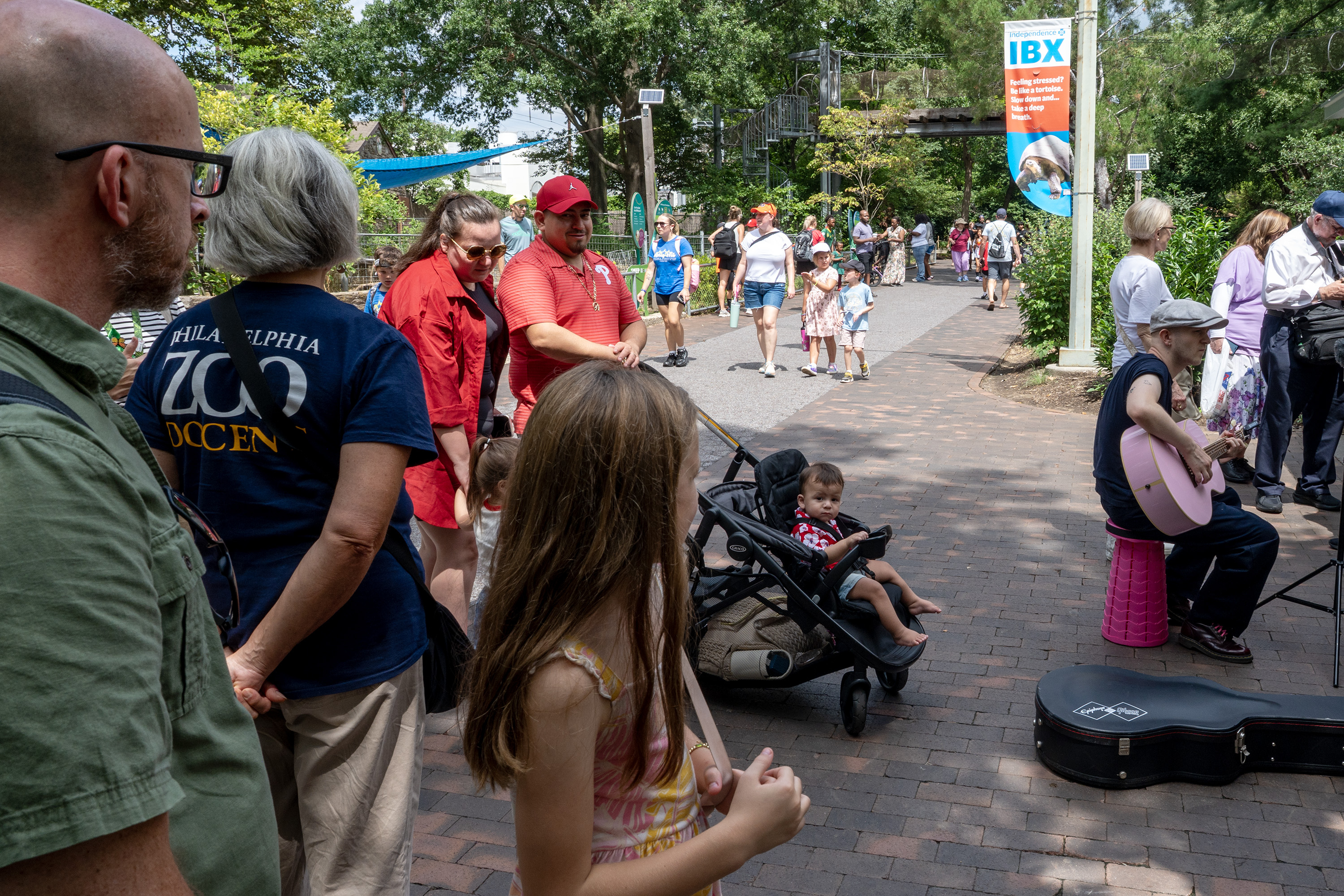
Also count Megan Paier, of Cherry Hill, among the many fans of his calming musical moments. A member and volunteer docent at the Philadelphia Zoo, she thought it would be great after watching his reels on Facebook if he came here. “The way animals respond to him just warms the heart,” she said.
Assadian warms up before stepping to the tortoise environment.Tom Gralish / Staff Photographer
So she reached out in March, DMing him. “What do I have to lose?”
He got back to her right away.
She asked how much it would cost, and he told her he didn’t accept any money, he just needed his expenses covered.
He visited the zoo Tuesday — after running up the Rocky steps — and serenaded the tortoises ahead of sessions on Thursday and Friday, when he will play for other animals. Most tickets are already sold out.
Assadian serenades Abrazzo, a Western Santa Cruz Galapagos tortoise estimated to be around 97 to 100 years old.Tom Gralish / Staff Photographer
Assadian began performing for animals three years ago in France when he played Beatles songs for some local cows.
His appearance in Philly is the first at any U.S. zoo, and only his second visit to the United States (he went to Alaska last month).
Elizabeth Gibbons and her 2-year-old daughter Opal watch as the tortoises listen.Tom Gralish / Staff Photographer
Elizabeth Gibbons, of Kennett Square, is an “oh my gosh, a huge fan” and was excited to see he was coming to Philadelphia but disappointed she wouldn’t be able to be there.
She was at the zoo on Tuesday with 2-year-old daughter Opal and a mothers group from West Chester when she saw him opening his guitar case and teared up.
Megan Paier, the docent, noticed and got Assadian to take a selfie with her.
Before he plays, Assadian always talks with the animals’ caretakers to learn about their personalities and behavior. He keeps his own body language neutral, avoids sudden movements, and doesn’t expect or force interaction.
Assadian’s mother, Valerie, his social media videographer, records him with Abrazzo, a Western Santa Cruz Galapagos tortoise estimated to be around 97 to 100 years old.Tom Gralish / Staff Photographer
Beyond social media popularity, Assadian’s acoustic sessions serve as genuine behavioral enrichment for animals. Last year, he partnered with the Université de Nanterre for a scientific study at the Branféré animal park to evaluate music’s direct impact on animal behavior.
Michella Crosby first noticed it a couple of years ago: The children surrounding her block in West Philadelphia were hungry — and a little bored — during the summer break.
Once a kid in need of a meal, often getting one at her local armory, Crosby decided to do something to make sure no child went unfed.
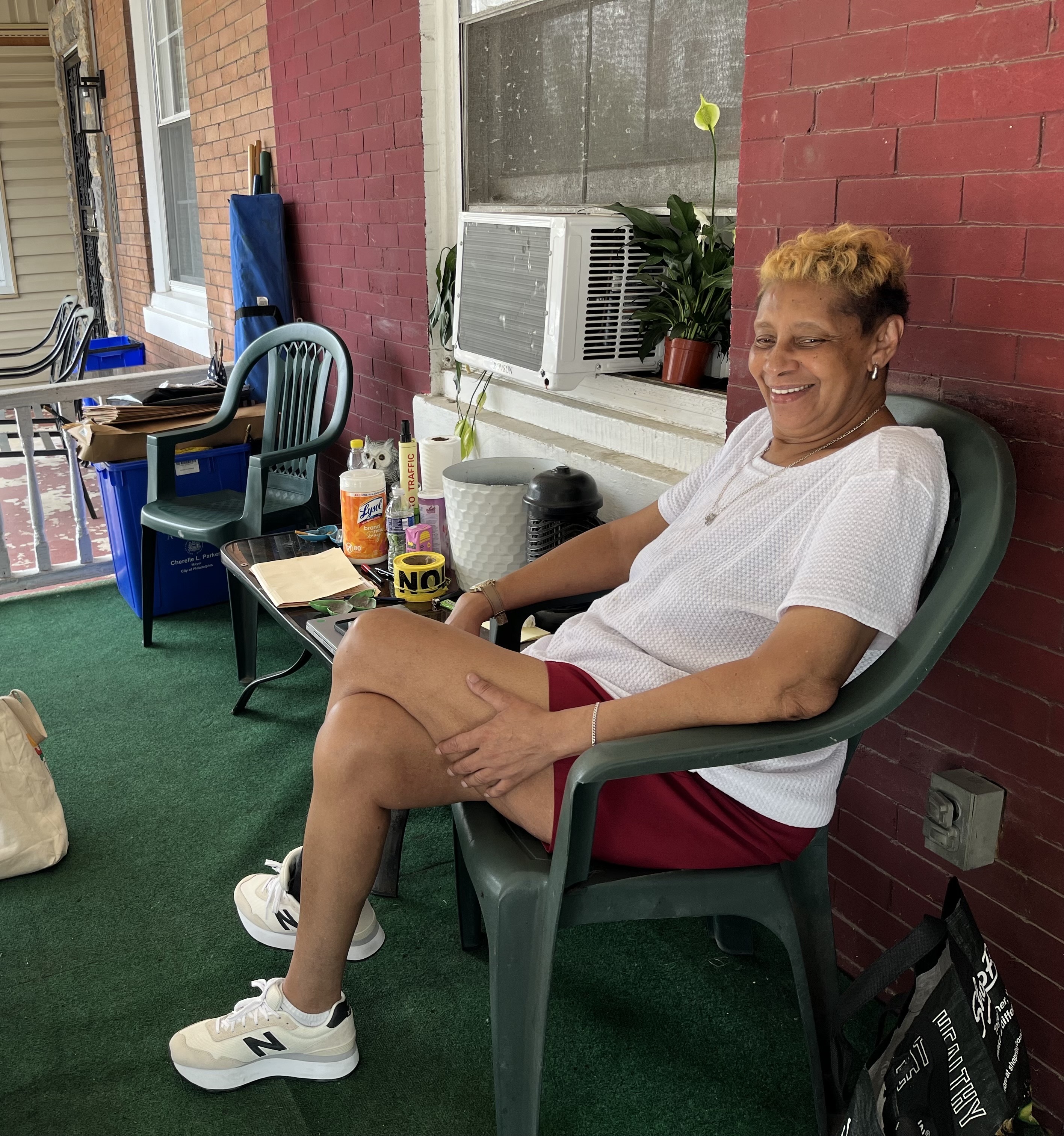
The 74-year-old block captain signed up to run a Playstreet last summer. Through the city-run Playstreets program, and with the support of neighbors, she closed off her block to traffic on weekdays and distributed free, nutritious lunches to children, no questions asked.
“This is survival,” Crosby said in her second summer running a Playstreet. “We have to live. We have to be able to take care of our children.”
Crosby is just one part of the more than 500 churches, camps, schools, recreation centers, and Playstreets in Philadelphia that offer children under 18 opportunities to do everything from crafting to sports and unstructured play during the summer. These sites have the added benefit of feeding children for free.
The meals were paid for through the Summer Food Service Program, a federal program with funds administered by Pennsylvania.
Providing children with a free, federally approved breakfast and lunch is a benefit many families only speak about in whispers, according to program operators. At many sites, all children are handed meals, even if they don’t need them or come with their own snacks. Coordinators say this method of meal distribution makes it so no one feels less-than for lining up during breakfast or lunch.
This summer, the city was projected to distribute more than a million meals. A final count of meal sites will not be available until the end of the year, according to the city.
The Inquirer visited several of these meal sites to get a glimpse of the many purposes these hubs serve and the people who make it all possible.
Holy Innocents School summer camp
The gymnasium is abuzz on a Tuesday with approximately 70 children ages 4 to 14.
The pre-K children are the first to boldly rush the plastic folding table featuring a spread of small cardboard boxes topped with pints of milk.
“There’s a line behind you,” an instructor gently reminds a little boy skipping past his classmates.
The child spins around, offering a sheepish grin, and joins the friends he had zoomed past, giggling with glee.
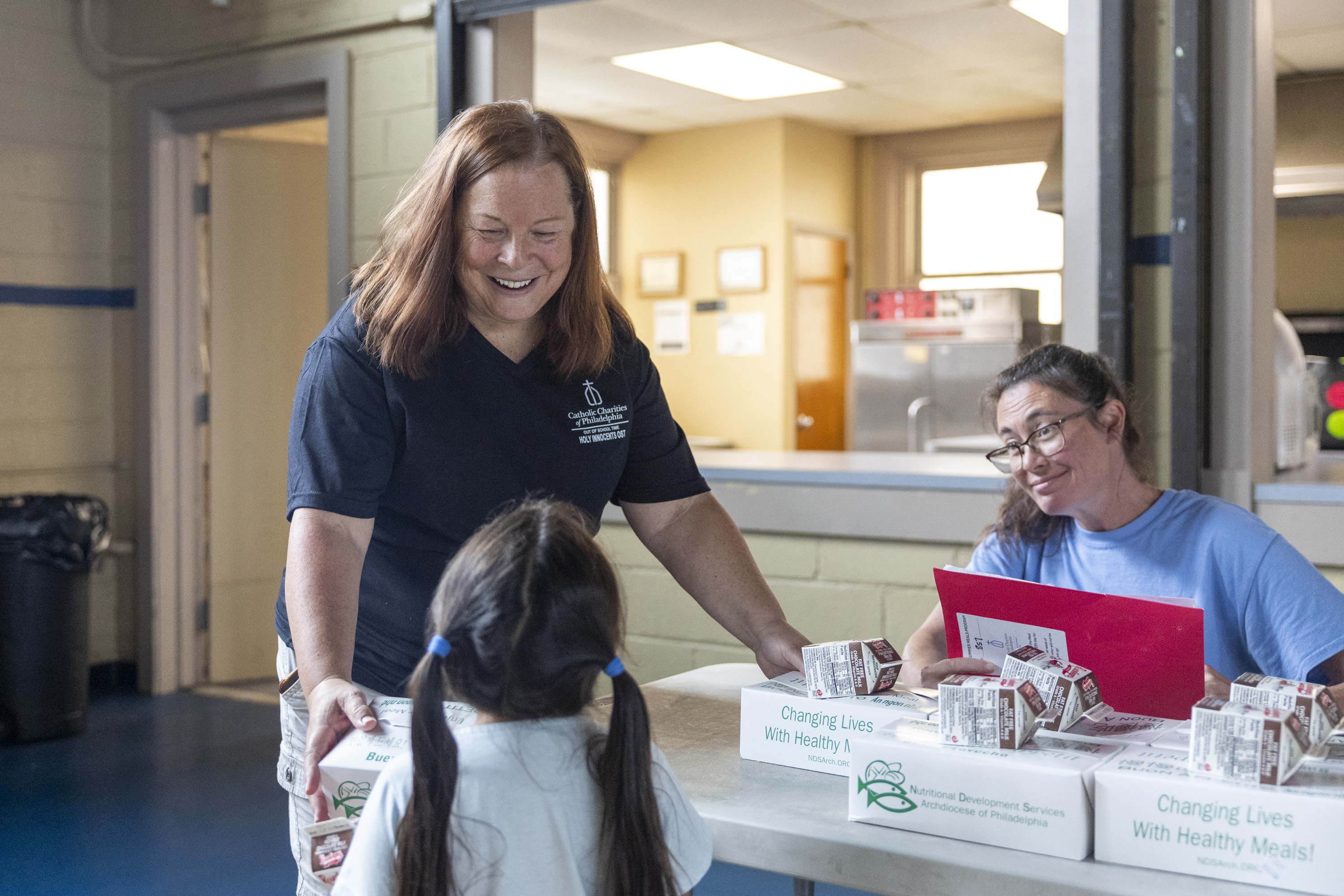
Almost every child in the room attends Holy Innocents School during the school year, said Dee D’Aulerio, director of the free all-day summer camp in Juniata Park.
A calendar of the meals made by Nutrition Development Services for about 150 kids at Holy Innocents Catholic Church in Philadelphia, Pa., on Tuesday, July 28, 2026.Tyger Williams / Staff Photographer
“Historically, they did have to pay a fee, but now that we’re free, it really eases the burden on the families who pay tuition to take something off their plate,” she said.
In rapid succession, D’Aulerio personally hands every child a box that includes a ham and cheese sandwich, celery sticks, and potato salad.
Most look past the celery, donating their untouched containers to the “share table,” where a milk crate is already overflowing with applesauce containers.
One of the middle school boys walks up to the share box and grabs a handful of sandwiches. He tosses one to a friend and keeps the rest.
“The kids can help themselves if they’re still hungry after eating; they’re also able to take things home with them, too,” no questions asked, D’Aulerio said. “That’s a big help, especially if there are multiple children in the family.”
100 block of Dewey Street
Michella Crosby won’t admit it, but she is kind of the linchpin of her block, according to her neighbors.
She had been block captain for a decade and a member of the nonprofit ACHIEVEability, which aims to break the “generational cycle of poverty,” for 16 years. She is the person neighbors go to for help applying to city programs that can lower their tax bills.
Michella Crosby waits for children to stop by mid-August to pick up a free meal.Ximena Conde
Last year, she started to tackle hunger in the neighborhood.
Two children run up to Crosby’s house around 2 p.m. on a Friday, cracking open a blue cooler full of chocolate milk and apple juice. They are not from the 100 block of North Dewey Street, but they are near-daily visitors.
“Got something to eat?” the boy asks, knowing the answer is yes.
“I want two juices!” the girl says, pointing at a doll she is swinging around. “It’s for the baby.”
“I got your applesauce,” Crosby says to the boy as he inspects the ham sandwich lunch. The boy is in a picky eating stage, Crosby notes.
There were no Playstreets when she was coming up, so Crosby would head to the local armory. She only wishes she could do more for the modern-day latchkey kids who live in neighboring blocks. This summer, she has gotten faint knocks on the weekend of kids asking for food. Playstreets, however, only runs during the week.
“As much as I would love to, I can’t give away my refrigerator,” she said, as a neighbor greets her from across the street.
Still, she considers this summer a success, grateful that children feel safe enough to come to her for food and a chat. Their continued presence has persuaded her to continue the program.
“As long as there’s a need for children to be fed, I’m going to do it,” she said.
Kingdom Restoration Ministries
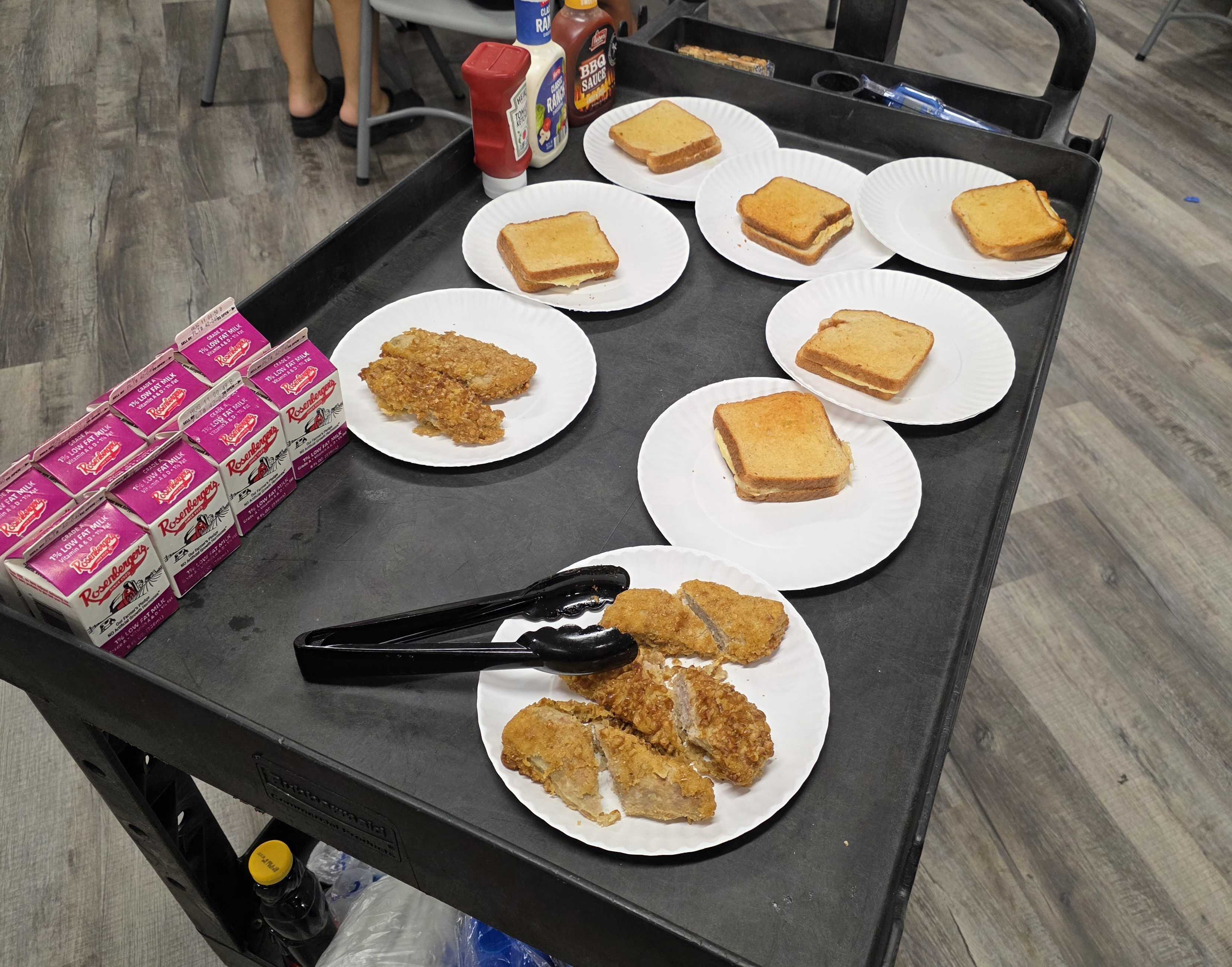
Eight children were already digging into crispy grilled cheese sandwiches, fried chicken, corn, and fruit cups when Peace McClain, 35, walked into Kingdom Restoration Ministries in Olney with two of his own.
A lunch of grilled cheese sandwiches and fried chicken is served at Kingdom Restoration Ministries in late July.Ximena Conde
McClain keeps his kids busy with beach trips and other activities during the summer breaks, but worries they are missing out on an experience he remembers fondly: hanging out with friends freely on his block.
“I remember summertime, going outside, and going to get free lunch from the block captain,” McClain said.
Still, safety concerns keep McClain from letting his children too far out of his sight.
The half-day camp he saw advertised on utility poles across the neighborhood felt like a good compromise.
“I wanted to give them the experience to come in and meet these people because they don’t get to walk around,” McClain said.
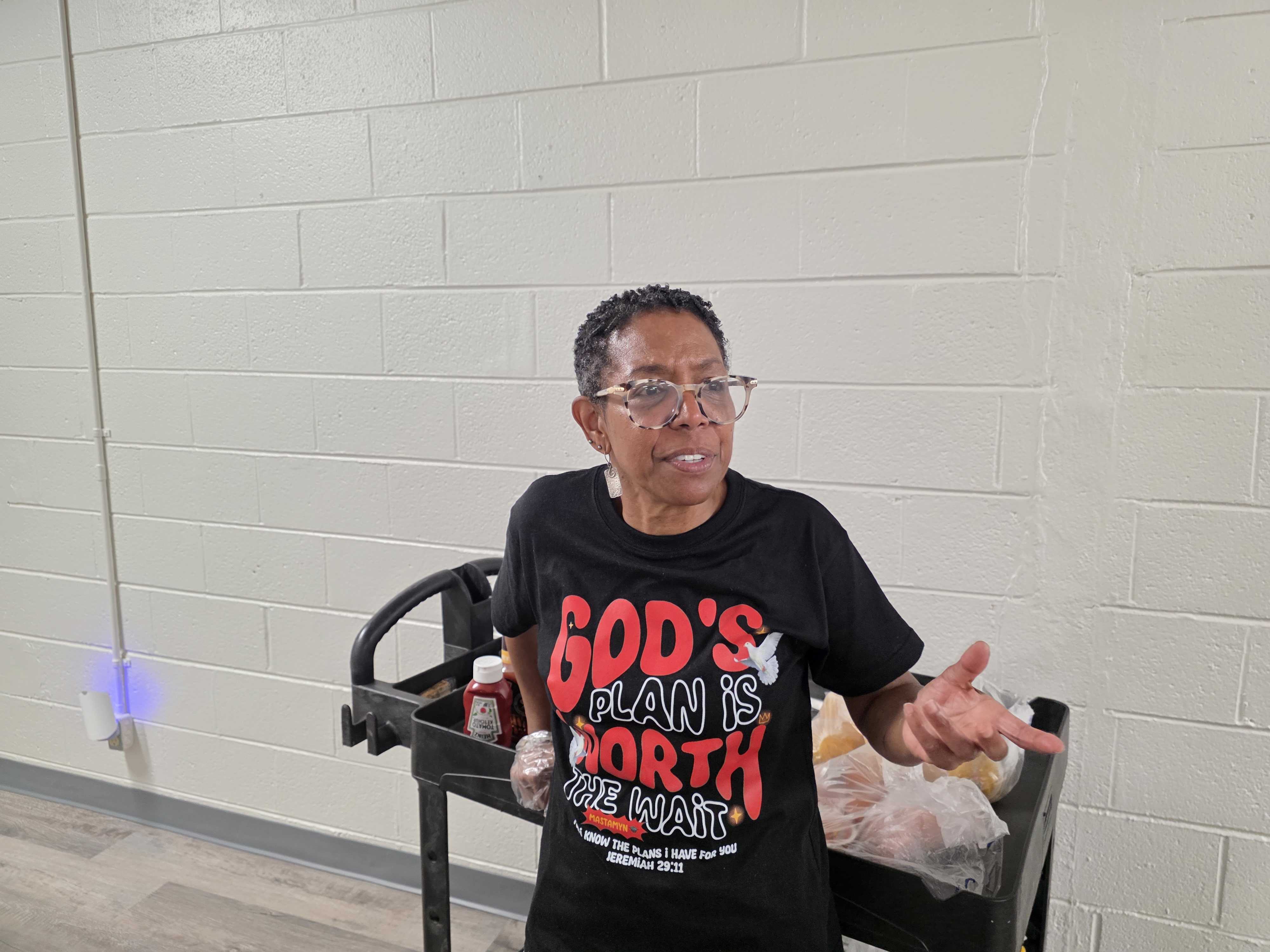
Velvet Howard gets ready to serve a lunch of grilled cheese sandwiches and fried chicken at Kingdom Restoration Ministries.Ximena Conde
Velvet Howard, 70, who is officially retired but is thecamp supervisor for the summer, tells McClain how the camp works.
In its first year, the camp offers half-day summer programming for children on Tuesdays and Wednesdays with breakfast and lunch included — all free. No preregistration is required, so the number of children in attendance fluctuates based on families’ summer plans. And while many of the children in attendance have some connection with the church, it is not required.
(Left to right) Peace McClain picks up his children, Peace and Payton, from Kingdom Restoration Ministries in late July. The family was drawn by the possibility of having the children mingle safely with neighborhood kids their age, and the nutritious lunch was a bonus.Ximena Conde
Lunchtime is almost over by the time Howard finishes answering McClain’s questions, but she encourages Peace, 10, and Payton, 8, to stick around, grab a bite, and mingle with the time left.
“The staff was super nice here and it was really fun,” Payton said when reporting back to her father, noting she would come back. “And they had really good food.”
The intersection of food insecurity and summer childcare
More than 100,000 Philadelphia youth experience food insecurity, according to Laura Crandall, Philadelphia’s director of food security initiatives. In addition, close to 87,000 children under 18 live below the poverty line, according to the most recent data from the U.S. Census Bureau.
An estimated 45,000 SNAP recipients in Philadelphia could see benefits cut this year, according to the Pennsylvania Department of Human Services.
As the social safety net tightens for families, summer camp enrollment has only grown more competitive.
“Prior to the pandemic, we were already seeing that the options for families during the summer was decreasing,” said Erinn Hill, director of child nutrition programs for Catholic Charities of Philadelphia’s Nutritional Development Services, which sponsored 192 meal sites in the city this summer.
“Camps and other programs were getting smaller, shorter, or closing. As of now, the number of sites is still not back to pre-pandemic levels.”
The nonprofit CBS Food Program, which provides meals to Kingdom Restoration Ministries, responded to the mounting interest by delivering food to 41 partner locations in Philadelphia, close to double the number of sites it worked with last summer.
Even so, some city partners worry food insecurity is only spreading amid the rising cost of groceries.
At least two site operators, who asked not to be named to avoid getting in trouble, said seniors in their communities are increasingly coming to summer meal sites for food, which they are supposed to save for kids. In areas where the kids do not want the meals, operators will sometimes look the other way and let seniors take the leftovers.
“We just can’t let our neighbors go hungry,” one site operator said.
A Philadelphia Veterans Affairs doctor is leading a national trial testing whether GLP-1 drugs could help patients with alcohol use disorder.
The treatments, which work by mimicking a natural hormone inthe body, have skyrocketed in popularity in recent years for diabetes and weight loss. People have also reported unexpected benefits for other conditions, from heart issues to kidney disease. GLP-1s may even help reduce cravings for addictive substances, including alcohol, opioids, and nicotine, early studies suggest.
While some of the additional health effects have been well-studied, others, like alcohol use disorder, still need a robust trial to assess safety and efficacy.
The upcoming trial will take place at 18 VA sites around the country, including Philadelphia, with the goal of recruiting 622 participants.
“The driving force has been really the groundswell of anecdotal and observational data from folks,” said David Oslin, the psychiatrist leading the national trial.
Recruitment for the trial starts this week and will likely take two years. Half of participants will be randomly selected to receive the treatment for six months, while the other half will receive a placebo with no active drug.
Participants will not know whether they received the intervention — a study design that’s considered the gold standard for medical research.
Alcohol use disorder affects roughly 28 million people nationwide. While there are many options to treat it — including psychosocial treatment, peer support groups, and medications — uptake is low.
Fewerthan 10% of people with alcohol use disorder receive any treatment in a given year. Oslin hopes GLP-1s, should they prove safe and effective, could improve that statistic.
“The impact is potentially very big in the sense that this is a drug that people seem comfortable prescribing and using,” he said.
He anticipates publishing the results in about three years.
The Inquirer spoke with Oslin, who also serves as the chief of behavioral health at the Philadelphia VA, about the trial in an interview lightly edited for length and clarity.
David Oslin serves as the chief of behavioral health at the Philadelphia VA Medical Center and a professor of psychiatry at the University of Pennsylvania. He is leading the national trial.Courtesy of the VA
What inspired the trial?
Anecdotally, folks that have been receiving the GLP-1s for something else — diabetes or weight loss — had noticed a decline in use of alcohol.
There have subsequently been three small clinical trials in the U.S. that have been published. They wouldn’t be sufficient to define efficacy from an FDA perspective, but they’re certainly encouraging.
Each of them have their own little pitfalls. One of them is small — 40 subjects — so we wouldn’t want to change clinical practice based on that. But they certainly point us in the direction that we need a large trial, and this trial was designed specifically with FDA requirements in mind.
How is this trial different?
Semaglutide is already FDA-approved. What you would want to be able to do is change the existing label to add the indication of alcohol use disorder.
The FDA has a number of requirements for trials in this domain for alcohol use disorder. One is that the duration be a minimum of six months, and we are doing that. The other is that it be a sufficient sample size to test a hypothesis. For our trial, we are hoping to enroll 622 veterans over the course of the next couple of years. That would be sufficient to answer the question of, ‘Is there efficacy and is there safety?’
What is the theory behind how GLP-1s could treat alcohol use disorder?
We know that GLP-1s have three main effects on the body.
One effect is to induce the pancreas to release more insulin. The second effect is that it slows down the stomach’s emptying when you eat. The third effect is on GLP-1 receptors in our brain. Those receptors actually respond to reward, and the natural effect of GLP-1s is to indicate that you’re full or that you don’t need any more to eat or drink.
These medicines will have the effect of reducing your desire to want to drink more. They don’t take away your pleasure or your ability to enjoy life, but they will reduce excessive eating and excessive drinking — that’s the hypothesis that is driving the study.
(function() { var l = function() { new pym.Parent( ‘he1ozempic__graphic’, ‘https://media.inquirer.com/storage/inquirer/ai2html/he1ozempic/index.html’); }; if(typeof(pym) === ‘undefined’) { var h = document.getElementsByTagName(‘head’)[0], s = document.createElement(‘script’); s.type = ‘text/javascript’; s.src = ‘https://pym.nprapps.org/pym.v1.min.js’; s.onload = l; h.appendChild(s); } else { l(); } })();
Who can participate in the study?
They have to be a veteran getting their healthcare through the VA. They have to be between 18 and 80. They have to be drinking sufficiently enough to meet criteria for moderate to severe alcohol use disorder. You also can’t be on insulin and can’t be taking another medication for diabetes.
The 18 sites would take any veteran and screen them, and if they’re not appropriate for the trial, we would get them into the right care for their needs.
How could having a GLP-1 as an option improve uptake?
A lot of folks that have alcohol use disorder will not seek treatment in a specialty care setting. They don’t think of their symptoms as being that severe. So they’ll talk to their primary care doctor.
We need treatments that primary care providers are comfortable delivering. The current medicines are not medicines that they often prescribe, so they’re not used to using them. Meanwhile, they’re prescribing GLP-1s for diabetes and weight loss, so they clearly are comfortable prescribing them.
There’s a lot of potential here that this could become a front-line treatment for folks, and we could reach many more people to get them in treatment. We need to establish the safety and efficacy first.
How big of an impact could that have?
The early clinical trials show that the effect of the treatment is actually larger than our current treatments, which would be really great if that’s replicated. It really could shepherd in a new era of being able to treat more people than we’ve been able to treat in the past.
Is there anything else you would like to share?
We want to really make sure that these compounds are safe in this population. I know that you can get these compounds pretty much anywhere these days, and I would discourage people from doing that when we don’t know that they’re safe and efficacious.
Alcohol use disorder is a devastating illness, and people should feel comfortable reaching out for help. Even if they can’t get into the study, the VA is here to assist them in that journey and try to find them a path to sobriety and a better life.
Veterans who need support can contact the Veterans Crisis Line 24/7. You don’t need to be in immediate crisis or enrolled in VA care to reach out. Dial 988 and press 1, visit VeteransCrisisLine.net/Chat, or text 838255 to connect with trained responders who can help with next steps.
Those interested in participating in the clinical trial in Philadelphia can call: 215-823-5800 extension 203404.