Category: Philadelphia News

  • Burlington Stores is moving its headquarters to Philadelphia

    Burlington Stores is moving its headquarters to Philadelphia

    Burlington Stores, the discount retailer named for its longtime South Jersey home, is spending millions on new corporate offices in Philadelphia, marking the first time in decades the city has welcomed the headquarters of a Fortune 500 company.

    The company is buying 3151 Market St., a more than 400,000-square-foot office building in Brandywine Realty Trust’s $3.5 billion Schuylkill Yards development in University City, for an undisclosed sum.

    In all, Burlington plans to spend $370 million on the move, and is set to receive another $30 million in state grants. The city is also providing a $7 million forgivable loan, a job-creation tax credit, and a $1 million investment that will give Burlington workers free SEPTA passes for a year.

    Burlington eventually plans to relocate 1,500 employees from New Jersey to the new Philly headquarters, a spokesperson said, and hire another 500. The company has no plans for layoffs.

    They plan to gradually move employees by team. The moves will begin no earlier than late 2028.

    Pennsylvania Gov. Josh Shapiro called the move “one of the largest corporate relocations ever in the commonwealth,” at an event Thursday in the lobby of Burlington’s new headquarters.
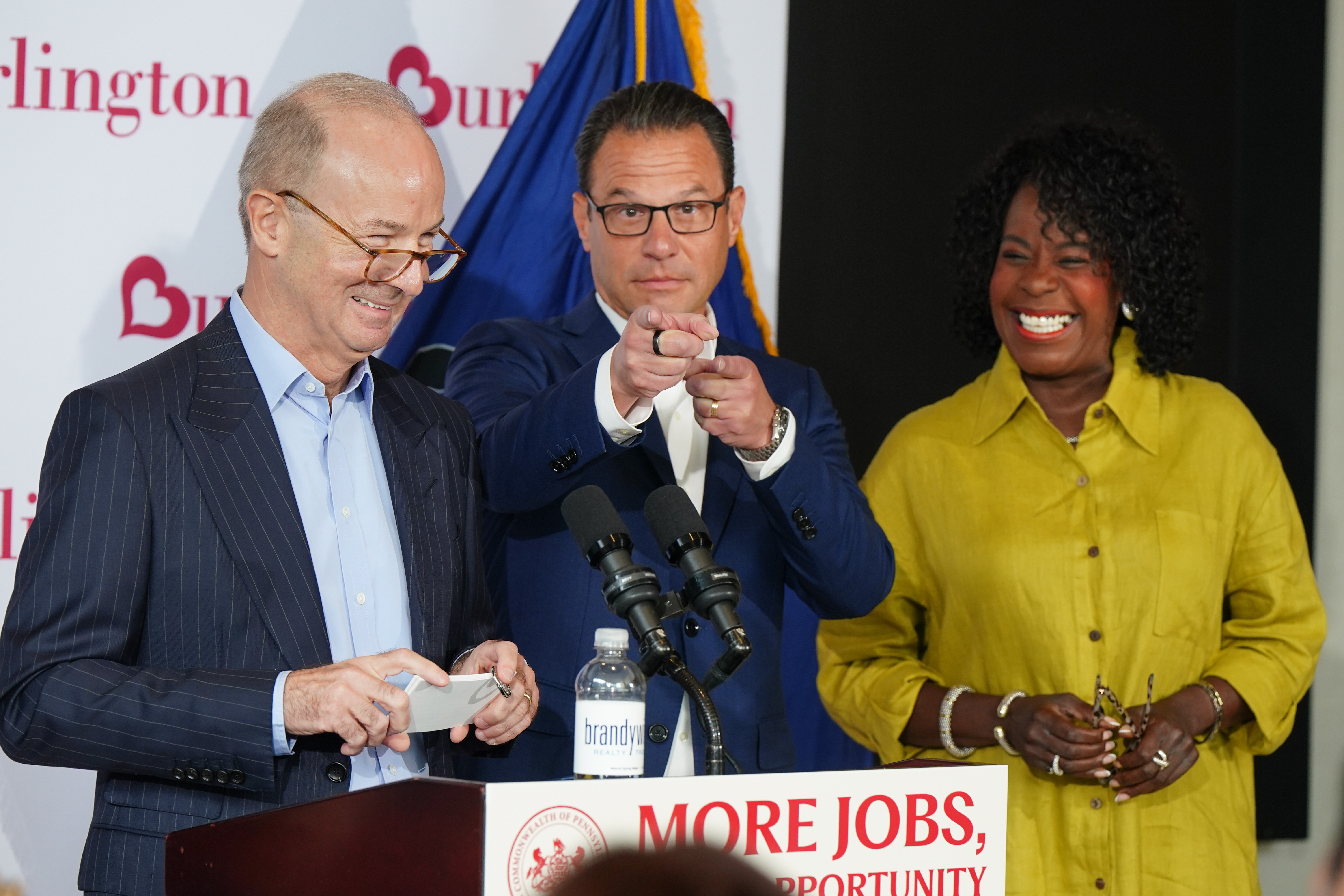
    Burlington CEO Michael O’Sullivan, Gov. Josh Shapiro, and Mayor Cherelle L. Parker announce the retailer’s forthcoming move to Philadelphia.Jessica Griffin / Staff Photographer

    “It’s going to put West Philly and our growing downtown district on the map as a premier spot for some of the largest companies in the world,” said the governor, who announced the news Thursday alongside Mayor Cherelle L. Parker, Burlington CEO Michael O’Sullivan, Brandywine Realty Trust CEO Jerry Sweeney, and other state and local officials.

    Burlington will join Comcast and Aramark, currently the only two Fortune 500 companies headquartered in Philadelphia.

    Philly’s gain comes at a loss for New Jersey: Burlington has been based in its namesake Burlington Township for more than half a century. It opened its first store there in 1972.

    New Jersey Gov. Mikie Sherrill’s office said in a statement that they were “disappointed by Burlington’s decision to relocate its headquarters.” But “the company will continue to maintain a significant presence and thousands of jobs here in New Jersey.”
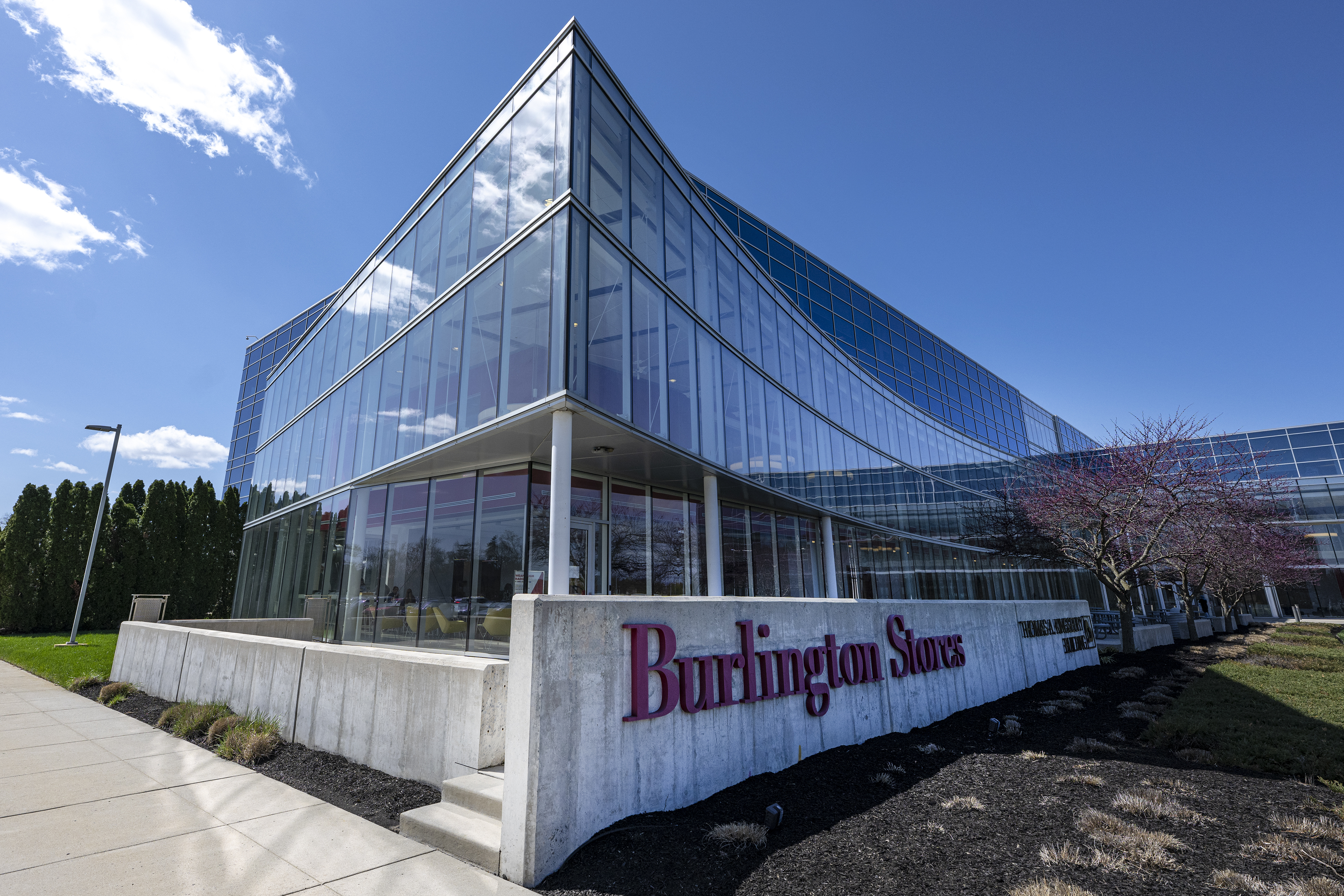
    Burlington Stores headquarters in Burlington, N.J., as seen in 2025.Jose F. Moreno / Staff Photographer

    About 4,700 people worked at Burlington’s corporate campus and warehouses in Burlington County as of last year, with 2,100 people employed in Philly-area stores. A company spokesperson said Thursday that the company employs 8,000 across New Jersey.

    As for its current headquarters on U.S. Route 130 North, Burlington intends to have it rezoned for warehouse space and turn some of the property into farmland. The company plans to keep its New Jersey warehouse and distribution centers in Burlington, Edgewater Park, Florence, and Logan Township.

    Burlington’s move is the latest win for Parker and Shapiro, who is up for reelection in November, as well as the governor’s Department of Community and Economic Development (DCED). Earlier this week, Shapiro’s administration announced $50 million in state grants and loans to help fund the yogurt company Chobani’s expansion into Allentown.

    “This is another day in what’s been just a monster week,” DCED Secretary Rick Siger said. “It’s another proof point of Pennsylvania’s strength as a business destination.”

    Burlington’s new home base will be part of Schuylkill Yards, a 14-acre project that Brandywine has undertaken with Drexel University. Its developers initially planned for the complex to include luxury housing, public space, and offices and labs.

    “What we’ve seen today is what can happen through a public-private partnership when leaders have a shared vision, a dedication to cause, and an unwavering commitment to the exciting future we can create by working together,” said Sweeney, Brandywine’s CEO, on Thursday.

    (function() { var l = function() { new pym.Parent( ‘burlington-move__graphic’, ‘https://media.inquirer.com/storage/inquirer/ai2html/burlington-move/index.html’); }; if(typeof(pym) === ‘undefined’) { var h = document.getElementsByTagName(‘head’)[0], s = document.createElement(‘script’); s.type = ‘text/javascript’; s.src = ‘https://pym.nprapps.org/pym.v1.min.js’; s.onload = l; h.appendChild(s); } else { l(); } })();

    Burlington was initially drawn to Philly because of the city’s history and culture, including its food scene, artistic institutions, and sports fandom, according to O’Sullivan. But the CEO said conversations with Shapiro and Parker “pushed this decision over the line.”

    “We found the vision that they laid out for the city and the state hugely compelling,” he said. “We were very impressed by their clear priorities and their focus on getting stuff done around economic development, education and training, public transportation, public safety, and fiscal responsibility.”

    Burlington has been expanding in recent years as more consumers, including higher-income shoppers, flock to discount retailers.
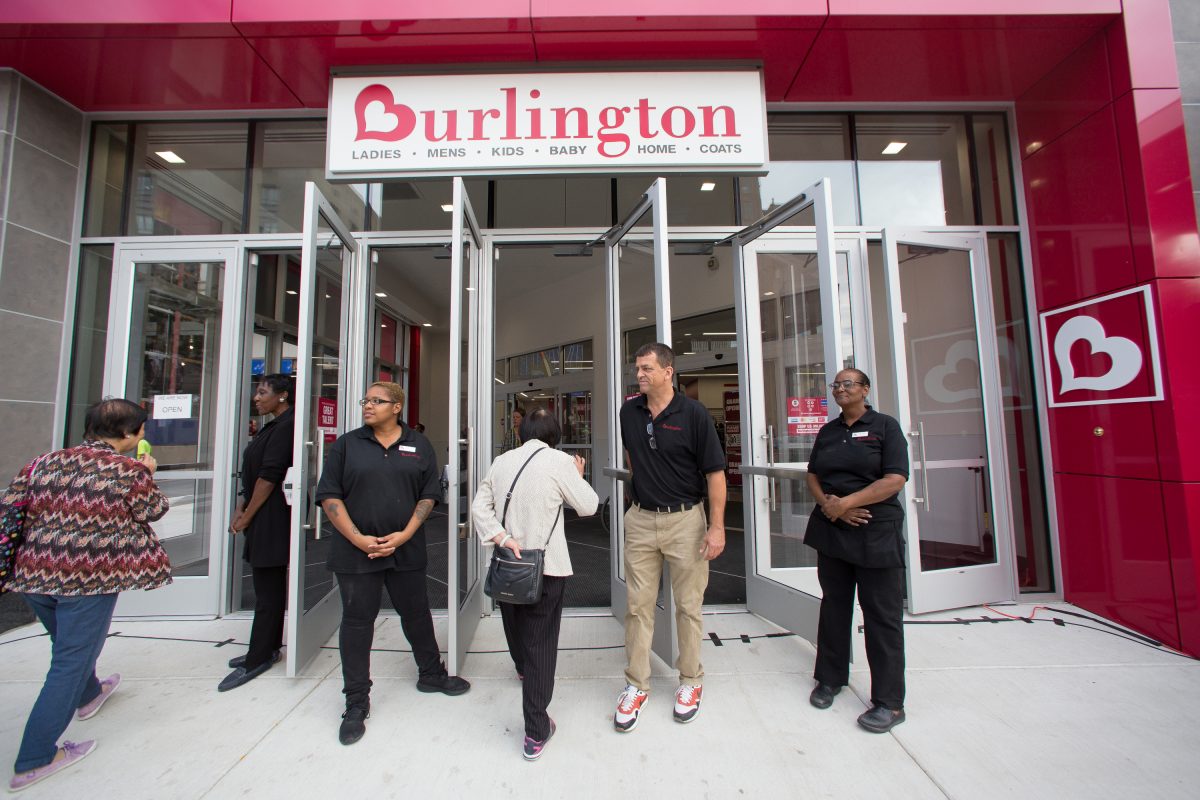
    Shoppers and employees at the Burlington Store at 833 Market St. in Philadelphia in 2018.Jessica Griffin / Staff Photographer

    As of August, the company operated 1,300 stores in 47 states, including eight in Philadelphia and dozens across the region. By the end of the year, the company plans to open another 115 stores and hire 5,000 more employees, O’Sullivan said Thursday.

    The chain’s growth has paid off, with a 21% increase in net income and a 9% jump in sales last year.

    In an earnings call, O’Sullivan attributed those numbers to the company’s tariff response, which included inventory reductions, price increases on certain items, and an aggressive cutting of expenses.

    Burlington has continued to report strong earnings in the first half of 2026, with a boost from $55 million in tariff refunds. O’Sullivan has said the company plans to put that money toward more markdowns for customers.

    Shapiro and Parker both said they had shopped at Burlington, with Shapiro patronizing the Jenkintown store and Parker frequenting the location at the former Cheltenham Mall in Wyncote.

    O’Sullivan said with a laugh: “The mayor and the governor got my full attention when they independently confirmed that they both exclusively wear clothes from Burlington.”
  • Peco upgrades in West Philly are paused after residents say trees will face ‘butchery’

    Peco upgrades in West Philly are paused after residents say trees will face ‘butchery’

    A Peco power project in West Philly that Councilmember Jamie Gauthier described as “critical” for the neighborhood has been delayed, after residents expressed outrage at the electric utility’s plans to trim their beloved tree canopy.

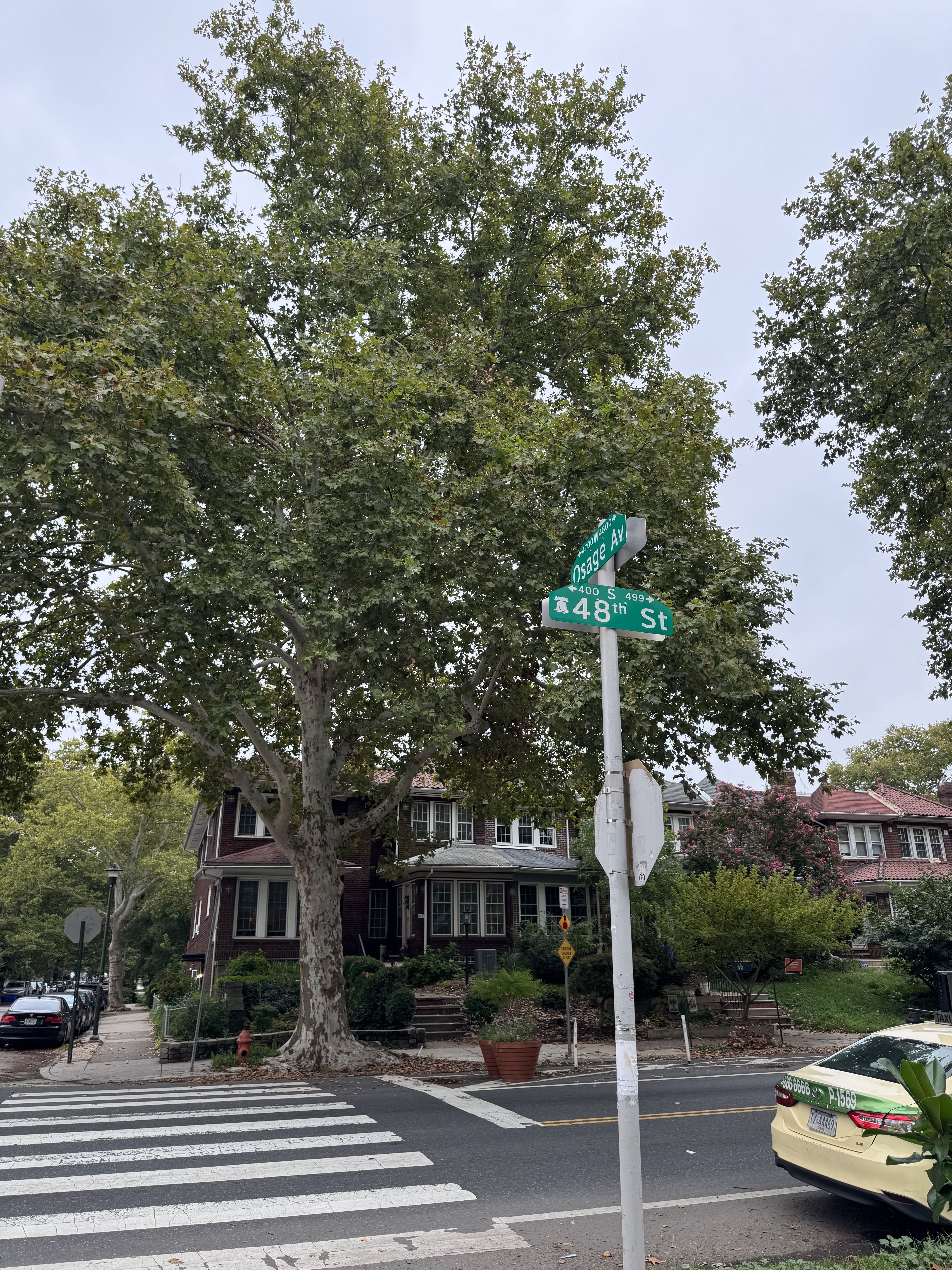
    Residents near the 400 block of South 48th Street received flyers from Peco in early August, explaining that the utility would soon begin a power infrastructure project involving the installation of electrical poles and wire, and trimming large trees draping over the street. It was the first they’d heard of the project, according to block captain Jonas Maciunas.

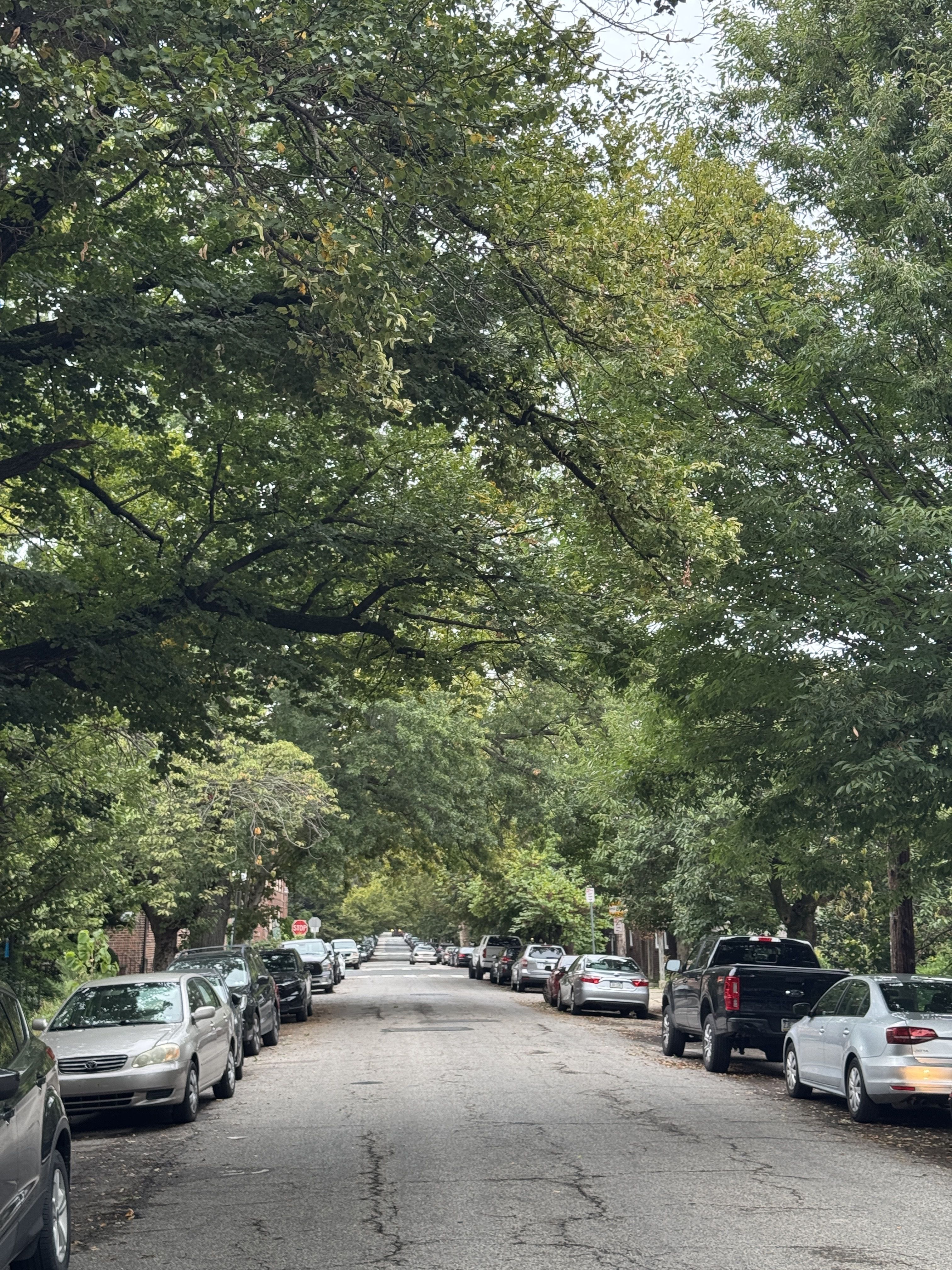
    “Right now the place that is our home, the creation that we’re taking care of, is being unilaterally changed against our will,” Maciunas, 42, said. The Garden Court street’s tree canopy is one of the draws for living in the neighborhood, and Maciunas said he believes that feature would be ruined by the project and ongoing maintenance.

    “That’s butchery … over time, this is a death sentence,” he said of the tree trimming.

    The tree canopy over Osage Avenue near South 48th Street.Nate File

    But residents are in dire need of the new infrastructure. Over the hottest days of this summer, Gauthier’s office began hearing from people living in apartments at 48th Street and Osage Avenue about extended power outages. For the better part of a year, they’d experienced several days-long outages in the summer and the coldest parts of the winter.

    Gauthier said it surprised her to learn Peco had not adequately communicated with these residents about the problems and why temporary fixes had continued to fail.

    Looking for answers

    The area near 48th Street and Osage Avenue is served by an aging, four-kilovolt infrastructure, according to Peco spokesperson Candice Womer. Peco’s modernization plan would transition residents to a modern 13-kilovolt distribution system, which is designed to be more resilient, more reliable, and reduce the frequency and impact of power outages.

    Gauthier said she contacted Peco after hearing about the outages, and learned the utility already had plans for a $15 million modernization plan that would improve power access for a large portion of West Philly. Those plans have been under development since at least 2023, but have yet to break ground. Gauthier implored Peco to accelerate the plan for a smaller portion that would cover these 48th and Osage residents, and it agreed.

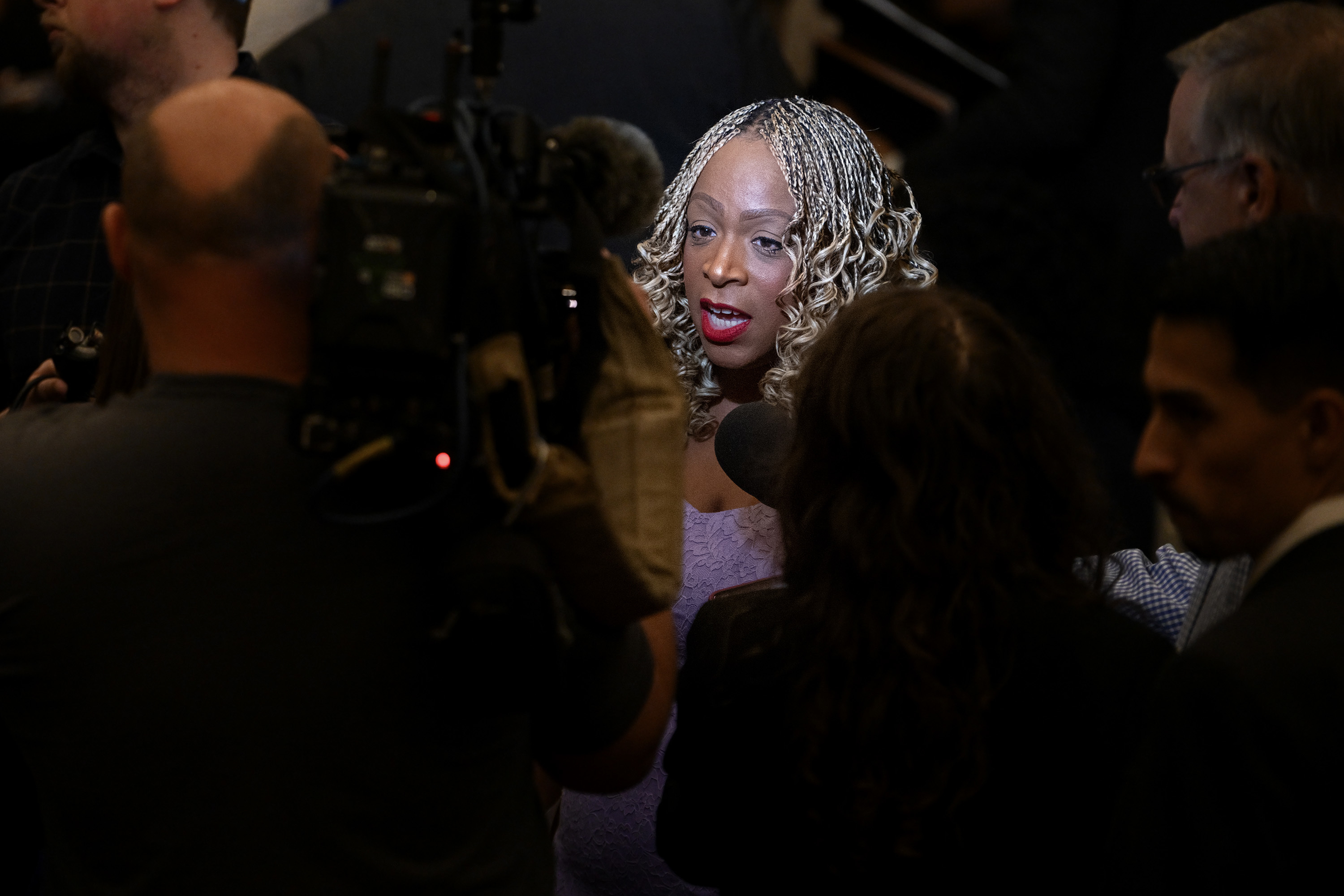
    Councilmember Jamie Gauthier talks with news media following a special session of City Council March 24, 2025.Tom Gralish / Staff Photographer

    The expedited plan, which will cover roughly 1,000 residents, involves installing or replacing 10 power poles, and installing 450 feet of new wire and related equipment along 48th Street. It’s unclear how many trees would be need to be trimmed to accommodate the new infrastructure, and how much wider the scope of the full plan is. Womer said the upgrades would better support future anticipated energy needs for electric vehicles, solar energy, and other electricity demands.

    After residents received the flyers from Peco stating installation would begin the following week, some contacted Gauthier’s office in confusion and anger. She asked Peco to pause its plans, and organized a community meeting last week with the utility so residents could learn and ask questions about the project. It did not go well, both Mathias and Gauthier said. Peco representatives provided little information, they said, and could not answer questions in a satisfactory manner.

    “I don’t understand Peco’s communication. I don’t understand their response, and I don’t understand the lack of ownership for allowing this to become such a big, urgent problem,” Gauthier said.

    Womer said Peco appreciated the feedback it has received from residents and community stakeholders, but noted that it does not include a public engagement process for every one of its projects.

    “While we welcome community feedback and consider it when evaluating project implementation, our responsibility is to ensure we continue providing safe and reliable electric service to our customers,” Womer said by email.

    In particular, Gauthier said she and residents did not receive an adequate explanation from Peco as to why the new power lines need to be built aboveground, when areas like Center City use underground power lines. Womer said Peco evaluated alternatives, but determined the underground system in the area had no capacity for the new lines and infrastructure without major construction.

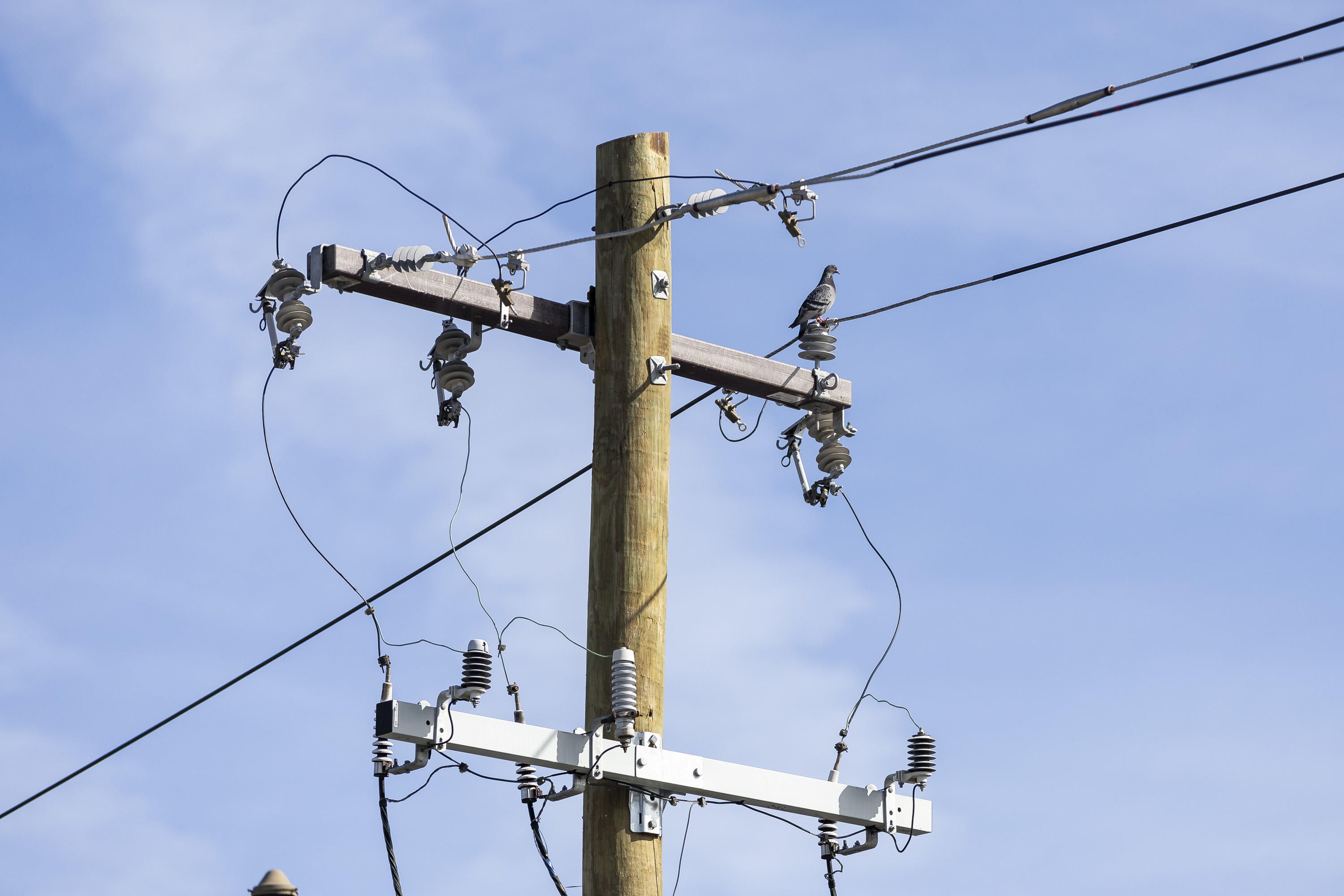
    A pigeon resting on electric pole in October.Tyger Williams / Staff Photographer

    “The aerial solution provides the most timely and cost-effective path to improving reliability while minimizing overall construction duration and disruption,” Womer said.

    Top priority

    Gauthier is attempting to thread the needle of satisfying all of her constituents. She said the concerns of the aesthetically concerned homeowners are valid. So too are those without power, some of whom asked Peco at the community meeting to reimburse them for food that has been spoiled as a result of the failing electricity.

    There is no precise timeline for the accelerated plan to resume. Gauthier is arranging for Peco to speak at another community meeting in the near future, where she expects them to have more answers for residents upset by the new infrastructure plan. But ultimately, she said the need for reliable power has to come first.

    “I understand the concerns around the trees,” she said, but ”we have to get this project done.”

  • Broad Street enforcement cameras have caught nearly 800,000 speeders, new report says

    Broad Street enforcement cameras have caught nearly 800,000 speeders, new report says

    Speed enforcement cameras along Broad Street seem to have nudged drivers to slow down. Violations have dropped 67% from October 2025 through March 2026, according to the first available data from the Philadelphia Parking Authority.

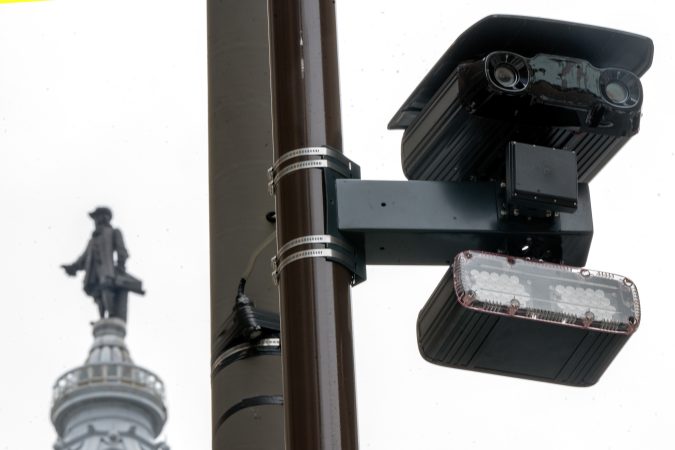
    Broad Street, also designated State Route 611, has 31 speed cameras spread over 13 miles between Philadelphia’s northern and southern city limits. They began operating last September.

    Since then, PPA has issued warnings or violations to nearly 800,000 speeders.

    In October 2025, the Broad Street cameras issued 213,057 formal warnings to people who drove 11 or more miles per hour above the 25 mph limit.

    Fines began the next month. In March, 70,498 fines were handed out based on speed-camera readings.

    (function(){function e(){window.addEventListener(`message`,function(e){if(e.data[`datawrapper-height`]!==void 0){var t=document.querySelectorAll(`iframe`);for(var n in e.data[`datawrapper-height`])for(var r=0,i;i=t[r];r++)if(i.contentWindow===e.source){var a=e.data[`datawrapper-height`][n]+`px`;i.style.height=a}}})}e()})();

    “Fewer people are speeding, and that means fewer people seriously injured or killed on Philadelphia roadways,” Gabe Roberts, interim executive director of the PPA, said in an interview.

    “That’s the goal and it’s how we measure the program’s success. We feel very good about where it stands today,“ Roberts said.

    Drivers who travel more than 11 mph over the posted speed limit will eventually be ticketed, with fines starting at $100 and rising to $150 for those driving more than 30 mph over.

    (function() {
    var l2 = function() {
    new pym.Parent(‘speed-camera-map2’,
    ‘https://media.inquirer.com/storage/inquirer/projects/innovation/arcgis_iframe/speed-camera-map2.html’);
    };
    if (typeof(pym) === ‘undefined’) {
    var h = document.getElementsByTagName(‘head’)[0],
    s = document.createElement(‘script’);
    s.type = ‘text/javascript’;
    s.src = ‘https://pym.nprapps.org/pym.v1.min.js’;
    s.onload = l2;
    h.appendChild(s);
    } else {
    l2();
    }
    })();

    When speed cameras were placed on Broad Street, some suburban commuters had concerns they were being targeted. PPA’s numbers found 59% of speeders lived in Philadelphia zip codes.

    Speed cameras were first installed on Roosevelt Boulevard in 2020 on a trial basis and more were added in the next two years.

    Speeding has dropped 95% on the roadway, based on the declining number of violations issued since the first month cameras were operating there, PPA said.

    A state law enacted in 2023 made the Roosevelt Boulevard speed cameras permanent and authorized Philadelphia to designate five more dangerous corridors on which to use the technology.

    The use of speed cameras continues to grow in Philadelphia.

    On Monday, people found speeding by newly installed cameras on portions of Route 13 began to receive formal warnings.

    The Route 13 corridor — identified by the city as a particularly dangerous stretch of road — spans Baltimore Avenue in West Philadelphia, Hunting Park Avenue in North Philadelphia, and Roosevelt Boulevard in the Northeast before leaving the city by way of Frankford Avenue.

    The first set of cameras along Route 13, in the Northeast, began issuing warnings in June, and there are not enough data to report from the corridor, officials said.

    PPA also operates cameras to enforce school-zone speed limits at five elementary schools in the city. Those were installed in the spring and by law had to be shut down in the summer when school was not in session. Roberts said that the school zones will be assessed more fully in next year’s annual report.

  • What’s open Labor Day? Grocery stores, SEPTA, trash pickup, and more.

    What’s open Labor Day? Grocery stores, SEPTA, trash pickup, and more.

    Labor Day, which falls on Monday, Sept. 7, marks the unofficial end of summer in Philly — one last long weekend to squeeze in a Shore trip, a park picnic, or a few errands before fall routines kick in. But holiday weekends also mean schedule shifts, closures, and crowded highways.

    This year, city services including trash collection will run on altered schedules, while government offices, banks, and other services will close for the day. Many businesses, stores, and attractions may also adjust their hours, so it pays to check before you head out.

    Whether you’re trying to avoid a surprise at the curb, plan a grocery run or figure out what’s open for some last-minute fun, here’s your guide to what’s open and closed in the Philadelphia region this Labor Day.

    Grocery stores

    Acme Markets

    ✅ Acme Markets locations will be open. Hours vary by location, so check your local store before heading out.

    Whole Foods

    ✅ Whole Foods stores will be open. Hours may vary by location, so check your local store before visiting.

    Giant Food Stores

    ✅ Giant locations will be open. Check your local store for hours.

    Sprouts Farmers Market

    ✅ Sprouts Farmers Market locations are expected to be open. Check your local store for holiday hours.

    Trader Joe’s

    ✅ Trader Joe’s stores are expected to be open. Check your local store for hours.

    Aldi

    ✅ Aldi stores will be open with limited hours on Labor Day. Check the store locator for your local store’s schedule.

    Reading Terminal Market

    ❌ Reading Terminal Market will be closed on Labor Day and will resume normal operating hours Tuesday, Sept. 8.

    Liquor stores

    Fine Wine & Good Spirits

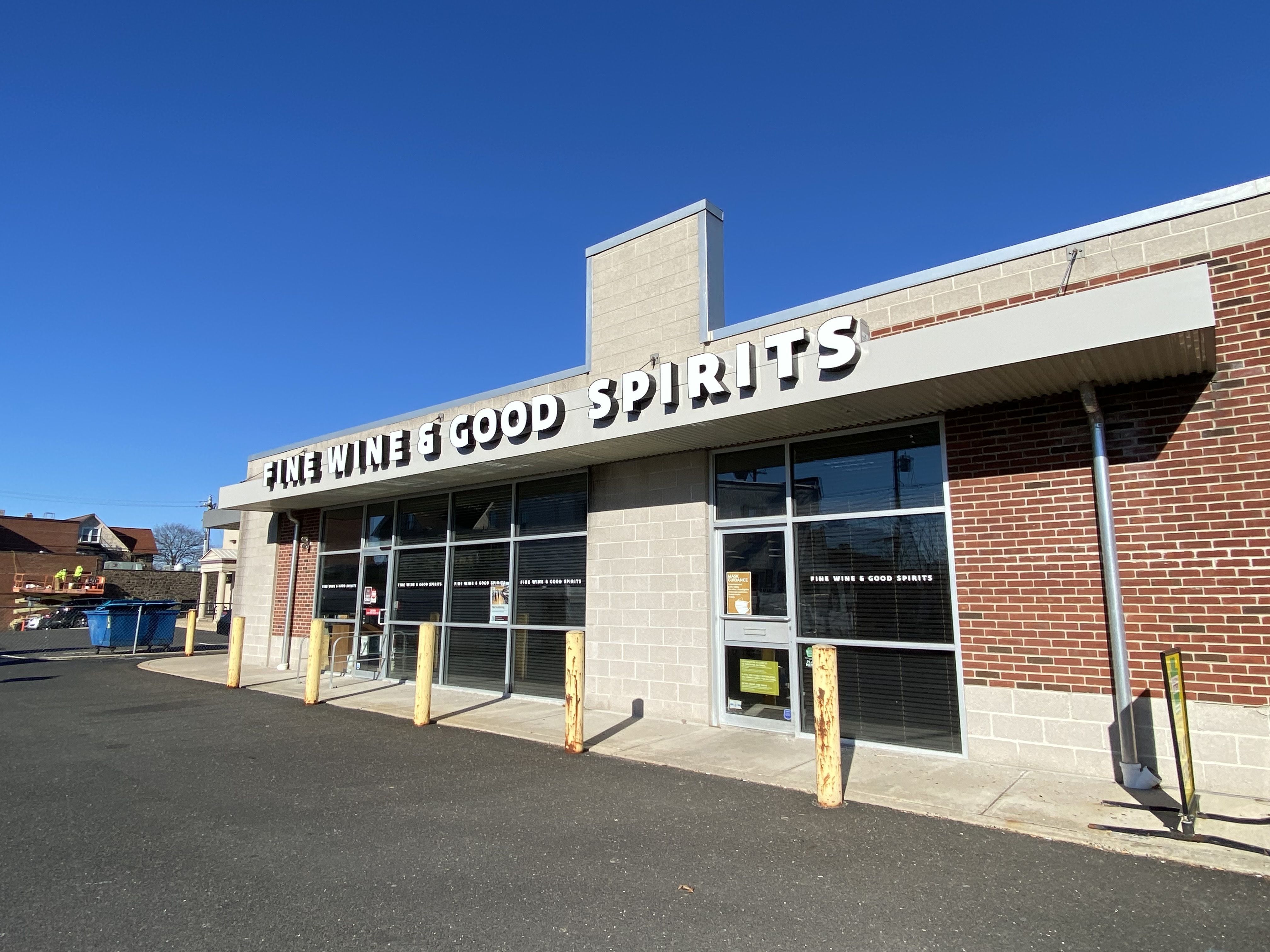
    ✅ Fine Wine & Good Spirits stores that are normally open on Mondays will operate on a modified schedule, opening at their regularly scheduled time and closing at 5 p.m. Check your local store for hours.

    Mail and packages

    U.S. Postal Service

    ❌ Post offices will be closed, and USPS will not deliver regular mail. Regular mail delivery and retail services will resume Tuesday, Sept. 8.

    UPS, FedEx, and DHL

    ❌ UPS will not offer regular pickup or delivery service. UPS Store locations may have modified hours or be closed.

    ❌ Most FedEx pickup and delivery services will be closed. FedEx Office locations will operate on modified hours.

    ⚠️ Check your local DHL location or service for its Labor Day schedule.

    Banks

    ❌ Labor Day is a federal holiday, so most banks, including TD Bank, Bank of America, Wells Fargo, and Chase Bank, will be closed. ATMs and online banking services will still be available.

    Transit

    SEPTA

    ✅ SEPTA buses, Metro, and Regional Rail will operate on a Sunday schedule on Labor Day. Routes that do not have Sunday schedules will not operate.

    Pharmacies

    CVS

    ✅ Most CVS stores will be open on Labor Day, though pharmacy and store hours may vary by location. Check your local store before visiting.

    Walgreens

    ✅ Most Walgreens stores will be open. Pharmacy and store hours may vary by location, so check before visiting.

    Trash collection

    ❌ Philadelphia trash and recycling will not be collected on Labor Day. Collections will be delayed by one day for the remainder of the week.

    Big-box retail

    Target

    ✅ Target stores are expected to be open. Hours may vary by location, so check your local store.

    Lowe’s

    ✅ Lowe’s stores are expected to be open. Check your local store for Labor Day hours.

    Home Depot

    ✅ Home Depot locations are expected to be open. Check your local store for hours.

    Shopping malls

    Mall and individual retailer hours can vary on Labor Day. Check with the Shops at Liberty Place, Cherry Hill Mall, Fashion District Philadelphia, and King of Prussia Mall before visiting.

  • ‘Consumed by anger’: Inside the 1985 psych profile of Raymond Horsch

    ‘Consumed by anger’: Inside the 1985 psych profile of Raymond Horsch

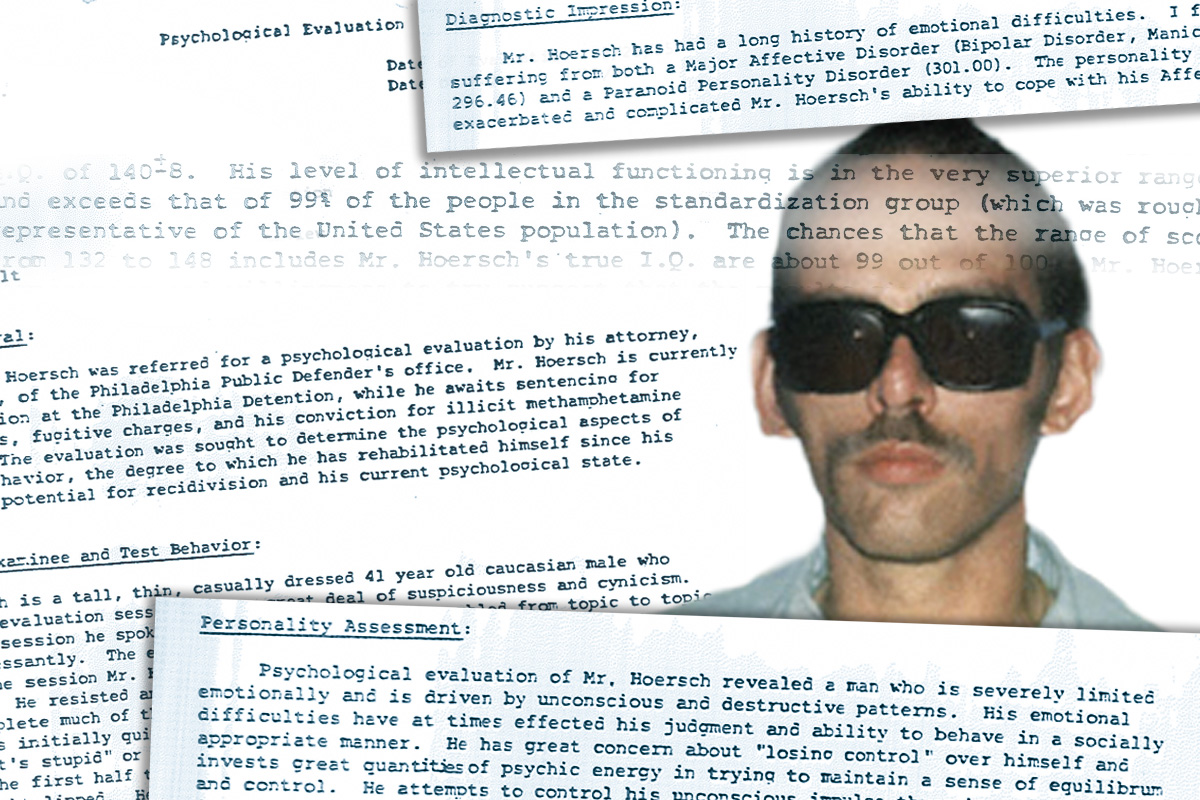
    Federal authorities learned four decades ago that Raymond “R.C.” Horsch — a man whose Olney home is now linked to five dead or missing women — was a manipulative criminal who was “consumed by anger,” according to a psychological profile obtained by The Inquirer.

    “He is grandiose, mistrustful, suspicious, and excessively controlling,” the psychologist, Don Seraydarian, wrote in 1985 as part of a federal drug manufacturing case.

    At the time of the exam, a wiry, 41-year-old Horsch had just been captured after spending several years on the run in New Zealand to escape criminal charges. Prior to absconding, he had spent the previous decade producing a mobster-backed pornographic film, counterfeiting cash, and running a meth lab.

    Ahead of his sentencing on the drug charges in Philadelphia, Horsch’s defense team commissioned the four-hour clinical assessment that concluded he likely suffered from bipolar and paranoid personality disorders. The report was filed along with a motion seeking lenient sentencing, with Seraydarian writing that prison time for Horsch would likely “increase his hostility and sense of alienation.”

    “He feels this unfocused rage was the source of his criminal behavior,” Seraydarian wrote.

    The full report, obtained by The Inquirer through a federal records request and not previously reported, is a window into the mind and early childhood of the criminal pornographer at the center of an expanding investigation into a series of missing women.

    The Inquirer reported last week that police believe a video recovered from Horsch’s Olney property shows him strangling a woman to death on camera, according to law enforcement sources. Police also said they recovered photos on Horsch’s hard drives that appeared to show two other women who went missing in the 2010s alive — and then dead — inside his Chew Avenue home.

    While Horsch was an established pornographer with a criminal record by 1985, he had never been charged with any violent offenses before he died in May 2025, at the age of 82. Still, the psychological report showing insight into Horsch’s unstable mental state was presented to law enforcement decades before he was linked to any disappearances.

    Court records show federal prosecutors reviewed the 1985 case file again during Horsch’s 2009 indictment in a separate drug manufacturing case. Seven years later, his ex-wife, Amy McHale, went missing after being last heard from at his Chew Avenue home. Another woman was reportedly last seen at the property in 2022.

    It is unclear whether police reviewed Horsch’s psychological profile as part of their ongoing investigation, or in these prior missing persons cases.

    Michael Yoder, a retired FBI special agent who spent nearly a decade as a criminal profiler in the Behavioral Analysis Unit, reviewed the exam notes at The Inquirer’s request. He said that it was unusual for such an exam to be conducted for a drug case, but that he saw overwhelming hallmarks of psychopathy in the description of Horsch, and said the report would have been a red flag for criminal profilers.

    “If you were to give me this report and I knew nothing about this person, and knew nothing about the crimes he committed, I would say you have a potential serial killer on your hands,” Yoder said.

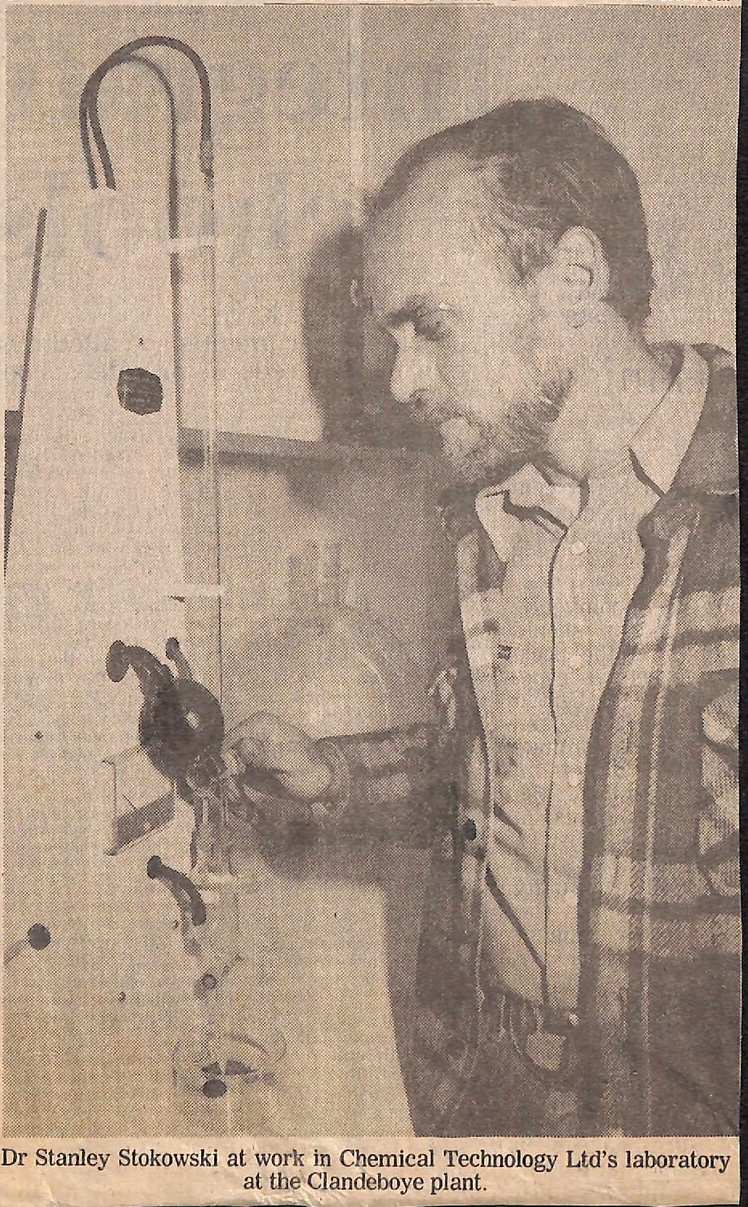
    A clipping from a 1982 news article in New Zealand, where Horsch found work at an ethanol plant under the stolen identity of “Stanley Stokowski.”Custom

    The report notes that during the interview, Horsch chain-smoked, dodged questions, and downplayed his crimes. He referred to himself in the third person when discussing his illegal activities, as if they were “events from someone else’s life.”

    He ultimately opened up to Seraydarian about his insecurities and resentments, describing himself as a social misfit. Money was not Horsch’s motivation for committing crimes, the psychologist determined.

    “He has great concern about ‘losing control’ over himself and invests great quantities of psychic energy in trying to maintain a sense of equilibrium and control,” Seraydarian wrote.

    Seraydarian, in an interview this week, confirmed he had written the notes but could recall only that Horsch was “very bright.”

    The report also offered insights into Horsch’s childhood.

    He described a pleasant early life — raised on a farm in Bucks County by a father he called “strict but fair” and a mother who was a “salt of the earth type.” But when he was 12 or 13, he said, he had a “philosophical split with his family” that affected their relationship. He then began to rebel in high school and was later expelled from two colleges.

    The report states that Horsch was an “extremely bright man” with a 140 IQ, and that he was a hard worker who could be rehabilitated as a productive member of society. It detailed an “erratic but prolific” life across the U.S. and New Zealand while he worked as a chemist, computer analyst, and photographer.

    “I go from job to job because once I learn something, I want to go to something else,” Horsch explained.

    And yet, the report noted, Horsch “has not been able to attain any financial success.”

    Horsch told the psychologist that he had never abused drugs or alcohol, in part because “I can’t stand being out of control.” He said he had no fears or phobias, but sometimes stayed awake for several days at a time.

    Seraydarian said Horsch was “very protective” of his wife and then-4-year-old son, Eugene. They were the “most important things in his life.” Horsch said he would never commit another crime because “now I’m hurting them as well as myself.”

    But his crimes continued.

    In the years that followed, Horsch was unabashed about his prolific career as a law breaker and a shock-seeking pornographer. He later sought to use the psychological report to cultivate his desired public image as a highly intelligent villain and psychopath, constructing a mythology around himself that blurred the line between his art and his life.

    In 2014, a Wikipedia user named “S.E. Stokowski” — which was Horsch’s alias while on the lam in New Zealand — created a page for the pornographer and made more than 150 edits over the years, according to the page’s public revision history. One entry referenced Horsch’s psychological exam as testament to his supposed intellect and sociopathic tendencies.

    As Horsch aged, he cast himself as an empathetic serial killer in his films and writings.

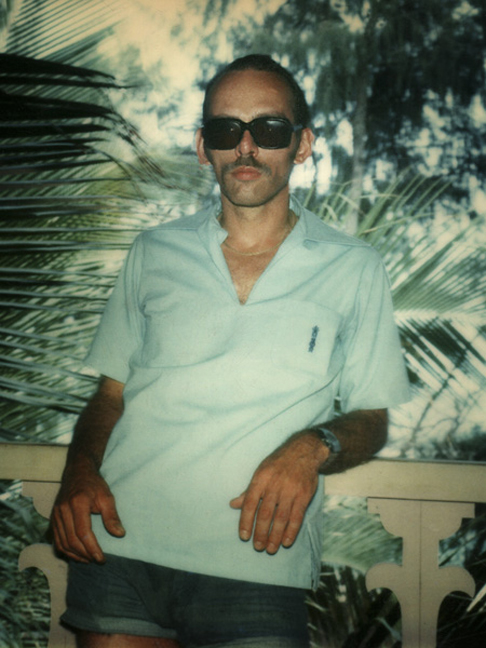
    Horsch at an unspecified location in the 1980s.Obtained by The Inquirer

    The 1985 psychological profile noted that Horsch’s only real friend or support system at that time was his then-wife, Anna Ferkuniak, who had a “therapeutic and rehabilitative effect” on him. He said his main wishes were to spend time with his family, live in a rural or isolated area so he could “deal with society as little as possible,” and have a better understanding of quantum physics.

    Ferkuniak died of a drug overdose in 1989, less than two years after Horsch was released from federal prison.

    Horsch later told an interviewer he was full of anger over her death, saying his wife “bailed out and left me with a kid to raise.” Following her death, he moved to the suburbs in Bucks County, co-opened a barbecue restaurant, and raised Eugene as a single father.

    There, Horsch pursued a pornographic career that mainly featured sexual violence toward women in addiction. In his photos, films, and self-published novels, he used these women as models for his psychosexual fantasies, often depicting their deaths by drowning, hanging, or strangulation.

    Federal and local law enforcement agencies are again assessing Horsch’s life after a June 19 car stop near Independence Hall involving his son, Eugene, turned up a fake ID in the name of a missing woman and led police on an extensive search of the Horsch home in Olney. Eugene Horsch is in federal custody, charged with possessing a gun, which is usually illegal for someone convicted of a felony.

    Police continue to sort through the hundreds of thousands of images, videos, and pages of writing on the hard drives recovered from the dilapidated and boarded-up twin where the father and son lived together.

    Investigators have so far recovered at least one video that appears to show Raymond Horsch killing a woman inside the property, sources said, as well as “dark and graphic” images of two other missing women — Maribel Fresses and Gabrielle Amarando — alive inside the home, and then dead. Law enforcement sources say the number of missing women connected to the home could grow as the investigation continues.

    Police have not publicly confirmed that either Raymond or Eugene Horsch is believed to have killed anyone, and they have not recovered any bodies.

    Raymond Horsch long maintained that the often gruesome violence in his films and photographs was staged. As an older man, however, he also professed that he was running out of boundaries to push.

    “The problem,” he said in a 2013 interview, ”is I have no fantasies left.”

    Inquirer reporters Max Marin and Ryan Briggs will host a Reddit AMA in the r/Philadelphia subreddit on Friday at 1 p.m. You can ask them questions there about the Olney investigation and the life of Raymond Horsch.

  • Man charged with attempted burglary at Saquon Barkley’s home in Chester County

    Man charged with attempted burglary at Saquon Barkley’s home in Chester County

    A 24-year-old man was charged with attempting to burglarize the Chester County home of Eagles running back Saquon Barkley and stealing jewelry worth nearly $800,000 from two other homes, authorities said Wednesday.

    Jabir Parker, of Philadelphia, was charged with multiple felonies related to the alleged crime spree through Chester and Montgomery Counties. Parker was being held at the Montgomery County Correctional Facility in lieu of $1 million cash bail until his next court appearance, scheduled for Sept. 10.

    In July, Tredyffrin Township police said an attempted burglary occurred at Barkley’s home, with at least one person getting inside. By the time police arrived, the burglars had fled. Barkley and his family were unharmed, police said.

    The forced-entry burglaries happened in the overnight hours between June 22 and July 18, Montgomery County District Attorney Kevin R. Steele said Wednesday.

    Steele did not name Barkley as one of the victims, but police already had confirmed the case in July.

    A spokesperson for the Eagles could not be reached for comment.

    Two of the burglaries happened in Lower Merion Township, Steele said. The residents were not at home when they occurred.

    In the first burglary, investigators found that 12 pieces of jewelry, with an estimated value of $106,700, were taken.

    In the second burglary, 28 items of jewelry worth an estimated $687,292 were stolen. A safe also was taken from the home.

    The attempted burglary at Barkley’s home happened on July 18.

    During the second burglary, Parker allegedly was captured by a nanny cam talking, presumably on his cell phone, Steele said.

    Parker allegedly used his cell phone to communicate with a getaway driver during the two burglaries and one attempted burglary.

    Parker allegedly used his cell phone and his Gmail accounts to Google phrases such as “gold presidential rolex,” “briony raymond new york,” asking how much a 1.5 carat diamond was worth, and other searches related to the stolen jewelry items, Steele said.

    Parker allegedly rented a white GMC Yukon Denali from a rental location in Philadelphia on July 16 and returned it on July 18 at 6:43 a.m., less than two hours after the attempted burglary at Barkley’s home.

    In July, Tredyffrin Township police released an image of a white SUV in connection with the attempted burglary.

  • Illegal speakeasy near where Philly cop was fatally shot must shut down, judge rules

    Illegal speakeasy near where Philly cop was fatally shot must shut down, judge rules

    The illegal speakeasy and hookah lounge near where a Philadelphia police officer was fatally shot last month must shut down, a city judge ordered Wednesday.

    On Aug. 16, the sidewalk outside the after-hours nightclub that was advertised as “Nipsey’s” on social media became the scene of the killing of 29-year-old Officer Alhassane Barry.

    Barry and another man had been arguing inside the Elmwood Avenue property in Southwest Philadelphia before the confrontation spilled outside, where the man opened fire on Barry, killing him and injuring another man, according to investigators.

    Immediately after the officer’s death, questions arose over Nipsey’s business practices. The property was not licensed to operate as a nightclub, city records show, and its owner had been handed a series of L&I violations in recent years.

    District Attorney Larry Krasner, speaking after Barry’s killing, vowed to shutter what he called a “nuisance business,” adding that investigators believe activity at Nipsey’s may have been connected to another death this summer.

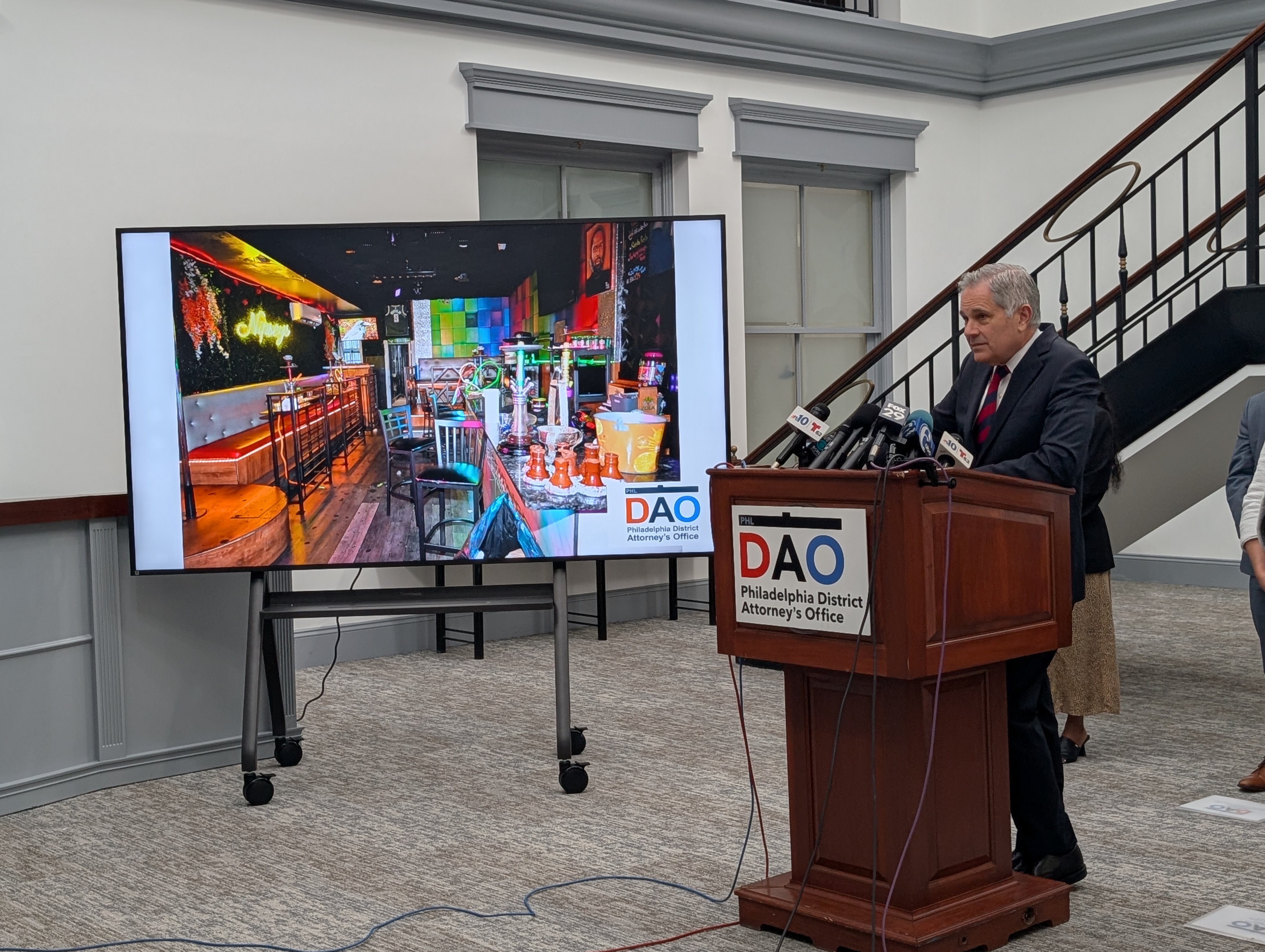
    District Attorney Larry Krasner presents images taken inside Nipsey’s Hookah Lounge, an illegal speakeasy where, outside the club, a Philadelphia police officer was killed.Jesse Bunch

    The matter was settled Wednesday in Common Pleas Court, when Judge Christopher R. Hall issued an injunction barring the property’s owner, Tran Yen, from conducting any commercial business there for one year. That includes any activity related to selling or offering alcohol, according to the ruling, which is enforceable by the Sheriff’s Office and city police.

    A spokesperson for the district attorney’s office, Solomon Leach, said the decision “effectively shuts down this illegal speakeasy.”

    “[W]hat we do know is that this establishment — and others like it — operated outside the law and was a problem waiting to happen,” the spokesperson said after the ruling.

    Thomas Kenney, a lawyer for the property’s owner, Tran Yen, of Newark, Del., said his client was “shocked as anyone else” about Barry’s killing.

    “We are cooperating with the Commonwealth to make sure there are no further nuisances,” he said. He declined to comment on the nature of the connection between Tran and those who operated Nipsey’s.

    Tran could not be reached for comment.

    In 2021 and 2024, Tran was issued violation notices from the city Department of Licenses and Inspections, violations that were filed anew after Barry’s death, city records show.

    In addition to being cited for operating as a nightclub without proper permitting, the property was cited for using extension cords rather than permanent electrical wiring, storing unsecured gas containers, and having combustible materials in a rear lot.

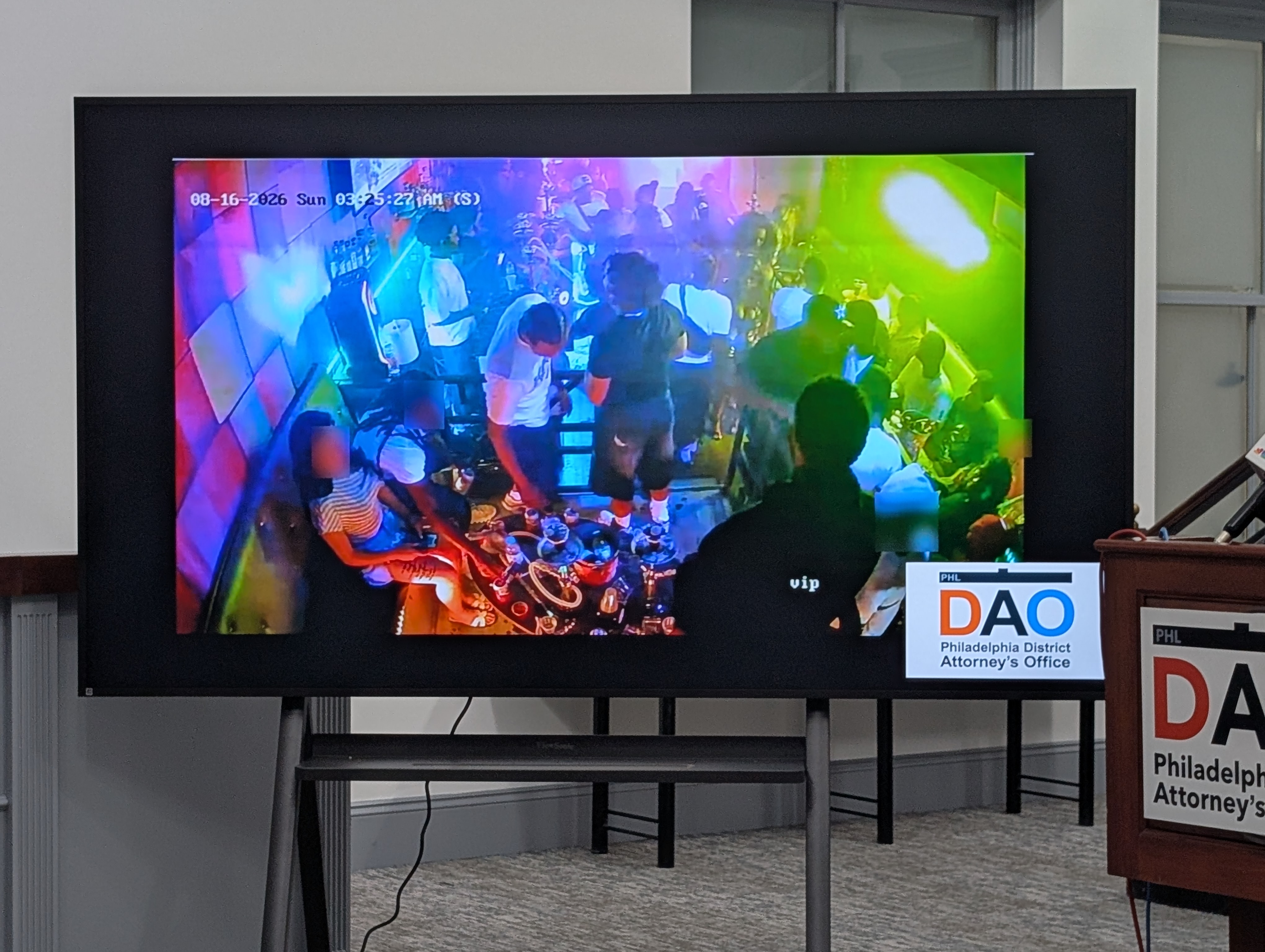
    Images investigators recovered from inside the lounge show patrons packed into the space amid brightly colored decorations and neon lights.

    Image from inside Nipsey’s Hookah Lounge presented by the Philadelphia District Attorney’s Office.Jesse Bunch

    The violations carried $3,200 in fines.

    Still, Krasner vowed to close Nipsey’s through court action.

    Wednesday’s order to do that came as the DA’s office continues to investigate the circumstances surrounding Barry’s death — including the possibility that the shooting was in self-defense.

    Investigators released images of the suspected shooter and prosecutors are having ongoing conversations with the man and his lawyer and are in possession of a firearm they believe he used to shoot Barry.

    They are also interviewing witnesses and analyzing footage from multiple surveillance camera angles that show portions of the shooting.

  • Joan E. Lynaugh, nursing trailblazer, historian, and professor emerita at Penn Nursing, has died at 90

    Joan E. Lynaugh, nursing trailblazer, historian, and professor emerita at Penn Nursing, has died at 90

    Joan E. Lynaugh, 90, of Gwynedd, Montgomery County, pioneering primary care nurse practitioner, award-winning professor emerita of nursing at the University of Pennsylvania, historian, mentor, author, birdwatcher, and “living legend,” died Friday, July 10, of age-associated decline at Foulkeways at Gwynedd retirement community.

    Reared on a dairy farm in the Finger Lakes region of upstate New York, Dr. Lynaugh became a pioneering international expert on primary care nursing and nurse practitioner policies, education, and history. For decades, from the early 1960s through her retirement in the late 1990s, she treated patients, taught students, researched history, and joined colleagues in defining and expanding the role of nurses in modern healthcare.

    During her career, the benefits of home care, the importance of critical care, and the need for nursing history education were hot topics in healthcare. “As a historian,” she told The Inquirer in 1997, “I take great interest in this shift from the intense emphasis on hospitals to the more balanced emphasis on other kinds of care.”

    Dr. Lynaugh joined Penn’s School of Nursing in 1980. She took charge of the school’s new primary care nursing unit and went on to be director of the Robert Wood Johnson Foundation primary care nurse practitioner program and associate director of the foundation’s teaching nursing home project.

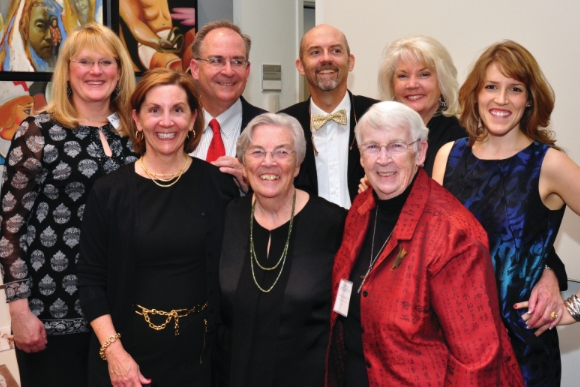
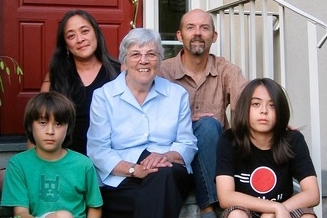
    Dr. Lynaugh (front center) and her family celebrate her 2005 award as a “living legend.”Courtesy of the family

    She was also the nursing school’s associate dean and director of graduate studies from 1993 to 1996, and chair of the nursing, history, and healthcare department from 1994 to 2000. In a tribute, colleagues at Penn Nursing said: “Dr. Lynaugh was a visionary leader, a prolific scholar, and a dedicated mentor whose extraordinary career left an indelible mark on Penn Nursing and the global nursing profession.”

    In 2000, she told writer Suzanne Gordon: “We know we can’t get into the hospital without a doctor. That’s no surprise. We are, however, surprised to discover that we can’t get out of the hospital without a nurse.”

    She was a founding director of Penn’s Barbara Bates Center for the Study of the History of Nursing in the mid-1980s, and her research focused on the origins of community hospitals and critical care units. In 2005, she was named a “living legend” by the American Academy of Nursing and earned a lifetime achievement award from the National Organization of Nurse Practitioner Faculties.

    Penn Nursing created the Joan Lynaugh Award for a graduating midwifery student for excellence in clinical practice, and the Bates Center features the Joan Lynaugh Founders Fund to support educational and archival activities, and the Joan Lynaugh Digitization Project Fund to preserve data and material from the Joan E. Lynaugh papers.

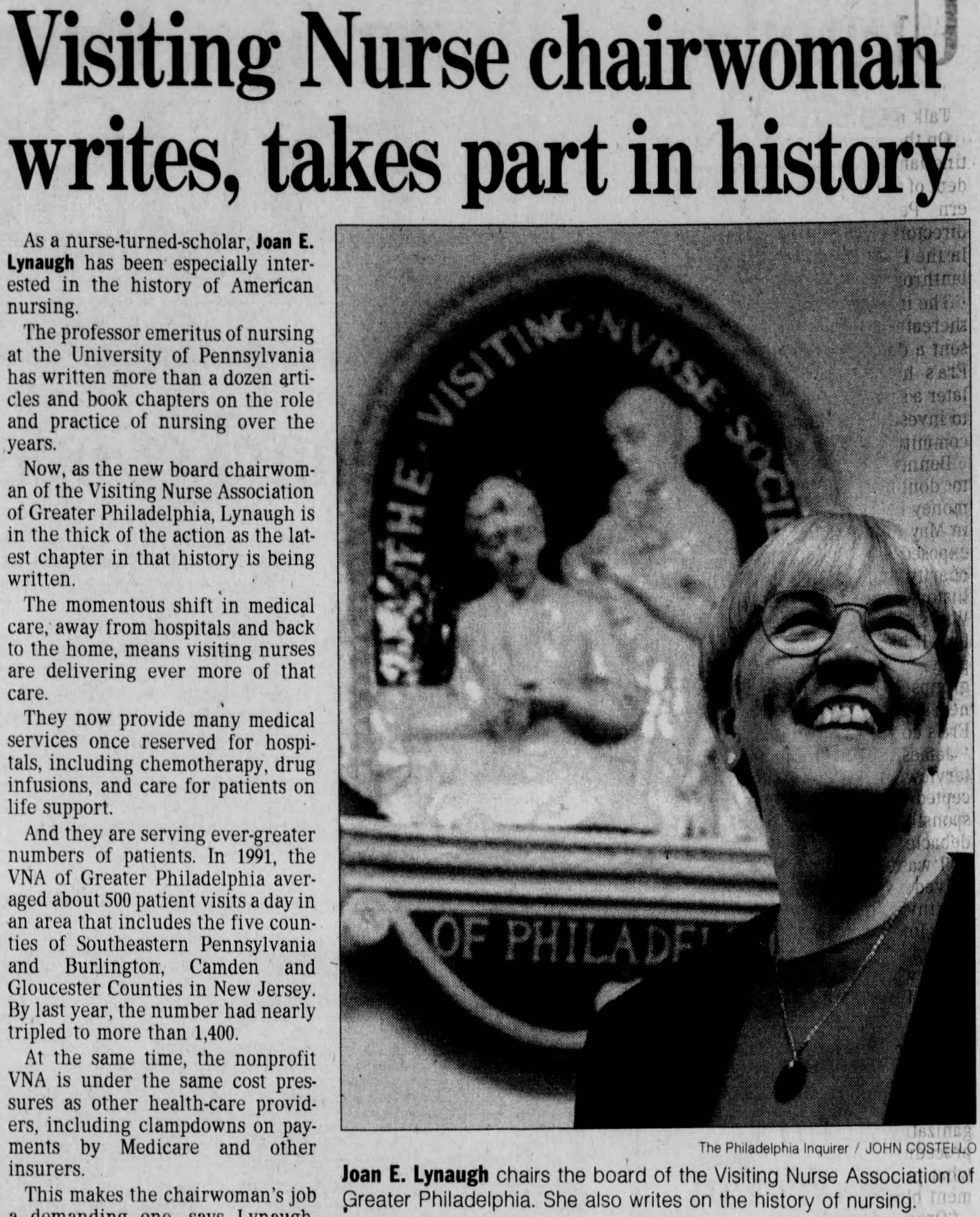
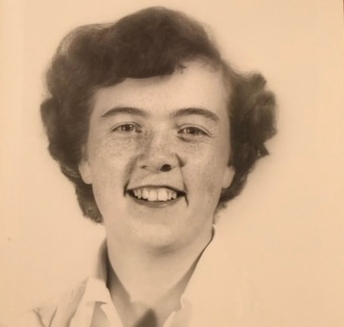
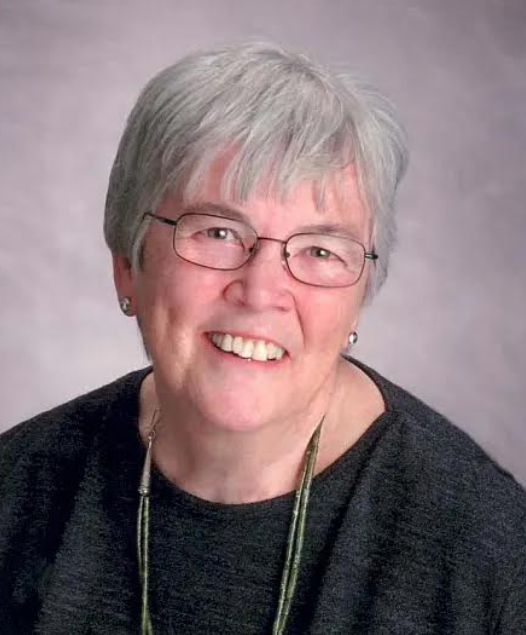
    This story and photo of Dr. Lynaugh appeared in The Inquirer in 1997.Newspapers.com

    In 2018, the center named its archives the Joan E. Lynaugh Archives and Special Collections. Before Penn, Dr. Lynaugh practiced and taught nursing at the University of Rochester and the old Providence Hospital in Washington, D.C.

    She was a fellow at the American Academy of Nursing, board chair of the Visiting Nurse Association of Greater Philadelphia, and active with the College of Physicians of Philadelphia, the American Association of Critical Care Nurses, and other groups. She cowrote Critical Care Nursing: A History with Penn colleague Julie Fairman in 1998, and coedited the award-winning textbook Enduring Issues in American Nursing in 2000.

    Colleagues at the American Association for the History of Nursing said in a tribute: “Joan’s intellectual curiosity, generosity as a mentor, commitment to excellence, and passion for nursing history left an indelible mark on the nursing profession worldwide.”

    A friend on Facebook called her “one of the smartest, kindest scholars I ever had the honor and pleasure to be mentored by.”

    Dr. Lynaugh (center) enjoyed time with her family.Courtesy of the family

    Joan Estelle Lynaugh was born Aug. 30, 1935, in Canandaigua, N.Y., about 28 miles southeast of Rochester. She studied nursing at St. Mary’s Hospital School of Nursing in Rochester and earned bachelor’s and master’s degrees in nursing at the University of Rochester, and a doctorate in history at the University of Kansas in 1982.

    Her whole life, she enjoyed traveling, bird-watching, camping, and hiking. She was an engaging host and liked to read mysteries and newspapers.

    She was a longtime colleague and personal partner of fellow medical professional Barbara Bates, and they lived in Bryn Mawr for years. Bates died in 2002, and Dr. Lynaugh moved to Gwynedd a few years later.

    “Joan will always be remembered for her generous spirit, wonderful sense of humor, persistent intellectual curiosity, and a sincere commitment to making the world a better place,” her family said in a tribute.

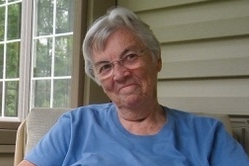
    Dr. Lynaugh grew up in the Finger Lakes region of upstate New York.Courtesy of the family

    Her niece Mary Clare Hamlin said: “She was understated, humble, practical, and scientifically minded. She always wanted to help others.”

    In addition to her niece, Dr. Lynaugh is survived by other relatives. Two brothers and a sister died earlier.

    A celebration of her life is to be held at 1 p.m. Friday, Oct. 23, at Penn’s Claire M. Fagin Hall, Room 316, Third Floor front, 418 Curie Blvd., Philadelphia, Pa. 19104.

    Donations in her name may be made to the Joan Lynaugh Founders Fund at Penn’s Barbara Bates Center for the Study of the History of Nursing, Office of Institutional Advancement, Claire M. Fagin Hall, 418 Curie Blvd., Suite 445, Philadelphia, Pa. 19104.

    Dr. Lynaugh “was understated, humble, practical, and scientifically minded,” her niece said. Courtesy of the family
  • 6abc lands a Philly native to lead ‘Action News’ after predecessor’s abrupt exit

    6abc lands a Philly native to lead ‘Action News’ after predecessor’s abrupt exit

    After more than five months, 6abc finally has a news director.

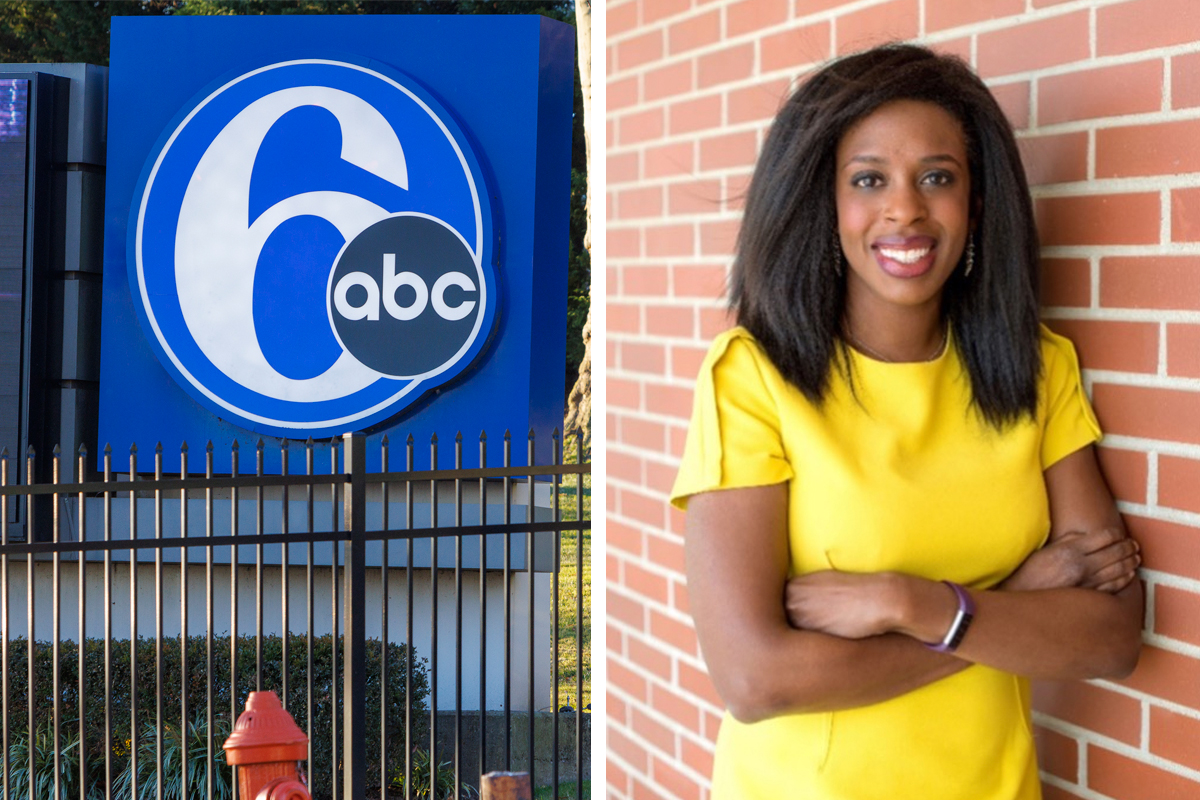
    The station announced Nneka Nwosu, a Philadelphia native serving as the vice president of marketing and local programming at sister-station WLS in Chicago, would take over running the Action News newsroom.

    6abc president John Morris announced the move to staff in an email Tuesday, noting that Nwosu is such a big Eagles fan “their 2018 Super Bowl win may have actually sent her into labor with one of her sons.”

    “Running the news department at the station I grew up watching is surreal!” Nwosu wrote on LinkedIn, adding she was “thrilled to be coming home.”

    Nwosu spent the past four years in Chicago, previously serving as one of the station’s assistant news directors. Prior to that, she spent eight years at Boston ABC affiliate WCVB.

    At 6abc, Nwosu is inheriting the city’s most-watched newscast dating back more than 40 years. Her first day in the newsroom will be Oct. 5, and among her first tasks will be overseeing a new chief meteorologist following the retirement of Cecily Tynan, who delivered her final forecast Monday after more than three decades at the station.

    Nwosu is filling the spot vacated by the sudden departure of Tom Davis, who abruptly left in March after more than two decades.

    In a note to staff, Chad Matthews, the president of ABC’s eight owned and operated TV stations, wrote Davis “made the decision to leave 6abc” and thanked him “for his years of service to the station.”

    Davis could not be reached for comment. He spent 15 years as news director, maintaining the station’s place as the region’s most-watched newscast. He also served as an assistant news director for seven years before that.

    In a separate move, Morris also announced Mike Amato had been promoted to the vice president of technology. The Drexel grad has been with the station since 2015, and prior to that he spent nine years at NBC Sports Philadelphia.

    6abc still threatened by Trump administration

    Nwosu and 6abc also face the threat of being taken off the air by President Donald Trump’s administration.

    ABC’s parent company, Disney, is locked in a legal fight as the Federal Communications Commission considers whether to take away the broadcast licenses for the company’s eight owned-and-operated stations in the wake of a Jimmy Kimmel joke involving first lady Melania Trump.

    The FCC contends the unusual early review of the licenses stems from an earlier investigation into diversity, equity, and inclusion initiatives at Disney, citing “the agency’s prohibition on unlawful discrimination.”

    It’s unclear if and when the government will take action. The FCC’s final deadline for public comments was Aug. 5, and respondents were overwhelmingly supportive of 6abc and the network’s other local stations.

    Trump also recently called on the FCC to punish NBC and Philly native Kristen Welker, the moderator of Meet the Press, over a TV segment in which she said the president had “mixed results” backing candidates this election cycle.

    The FCC is also investigating NBC and its parent company, Comcast, over the company’s DEI policies and how it handles its owned and operated affiliates, including NBC10.

    Anna Gomez, the only remaining FCC commissioner appointed by a Democrat, wrote “the FCC has no authority to punish journalists this administration doesn’t like.”

  • SEPTA gets $13.3 million from D.C. for new Silverliner Regional Rail train cars

    SEPTA gets $13.3 million from D.C. for new Silverliner Regional Rail train cars

    SEPTA is getting a $13.3 million federal grant to help the transit agency finance next-generation replacements for 223 Silverliner IV train cars that were pulled from service last year for safety inspections and repairs after several caught fire.

    Silverliner IVs, the workhorse of SEPTA’s electric-powered Regional Rail fleet, were built between 1974 and 1976 — 10 presidents ago.

    They were overdue for replacement, a process now underway.

    U.S. Rep. Brendan Boyle, a Philadelphia Democrat, announced the award of the grant on Monday. U.S. Secretary of Transportation Sean Duffy is expected to speak about the grant at SEPTA’s Overbrook Maintenance Facility on Wednesday afternoon.

    “The Silverliner IV cars have served our region for half a century, and this federal investment will help SEPTA move forward … with modern and accessible trains,” Boyle said in a statement.

    The $13.3 million comes from the Rail Vehicle Replacement Grant Program, which was funded by the bipartisan infrastructure law of 2021.

    SEPTA officials are reviewing bids from companies interested in building the new model, to be called the Silverliner VI, at an estimated cost of $2 billion.

    The order will be for 234 new cars, which have motors and also carry passengers, spokesperson Andrew Busch said. A contract to build them could be awarded sometime this fall, he said.

    The rest of the money has to be lined up. SEPTA officials say they intend to apply for a U.S. Department of Transportation loan program for part of the cost.

    Transit agency rail cars are bespoke, built to each customer’s specifications. SEPTA has said it could take about seven years before the first cars begin arriving in Philadelphia.

    SEPTA is renting 10 passenger coaches from Maryland’s commuter rail agency to bolster available trains. It also is buying 24 surplus Bombardier coaches from Montreal’s public-transit system, though they have not yet arrived.

    Five Silverliner IV cars caught fire in 2025, starting with the first car of a Wilmington-bound train on Feb. 6 as it pulled out of Crum Lynne Station in Delaware County.

    Passengers were evacuated in all five incidents, with minor injuries reported. No cause for the fires has yet been identified.

    In October 2025, the Federal Railroad Administration, which regulates commuter rail systems, ordered SEPTA to perform additional emergency mechanical inspections on each of the Silverliner IVs.

    The cars were built by General Electric.

    Pulling the 50-year-old workhorses offline forced SEPTA to cancel thousands of Regional Rail trips, shorten train lengths, and sometimes bypass stations due to passenger overcrowding.

    The chaos lasted for months.