Category: Pennsylvania News

  • The Norristown school board plans to hire Delaware’s Superintendent of the Year

    The Norristown school board plans to hire Delaware’s Superintendent of the Year

    The Norristown school board plans to vote Monday to hire Delaware’s Superintendent of the Year as the district’s next leader.

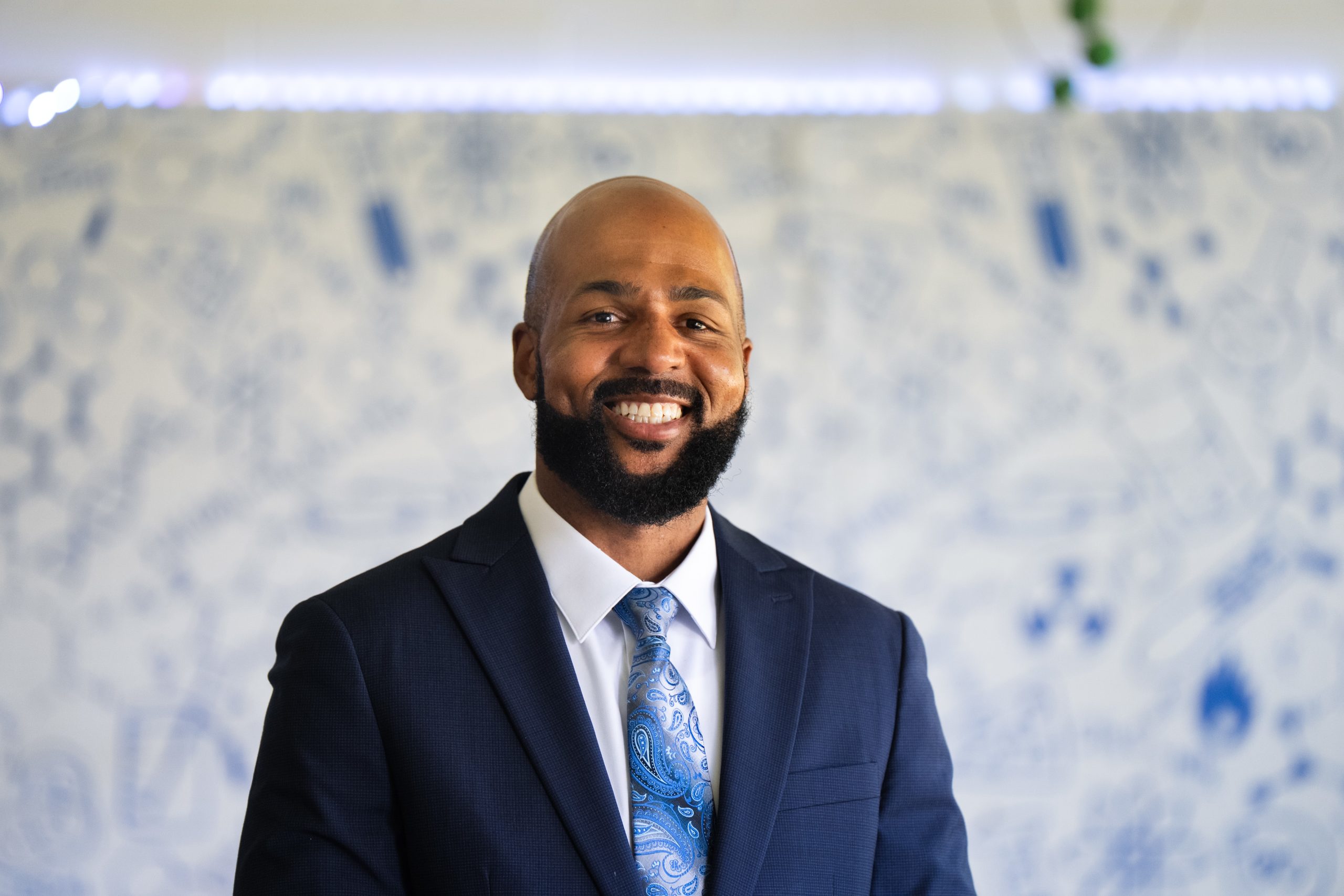
    The board announced Sunday that it had selected Dorrell Green, the superintendent of the Red Clay Consolidated School District in New Castle County as its pick for superintendent.

    Green is expected to start as superintendent in the Norristown Area School District on July 20, under a five-year term with an initial salary of $270,000, according to an agenda for Monday’s meeting.

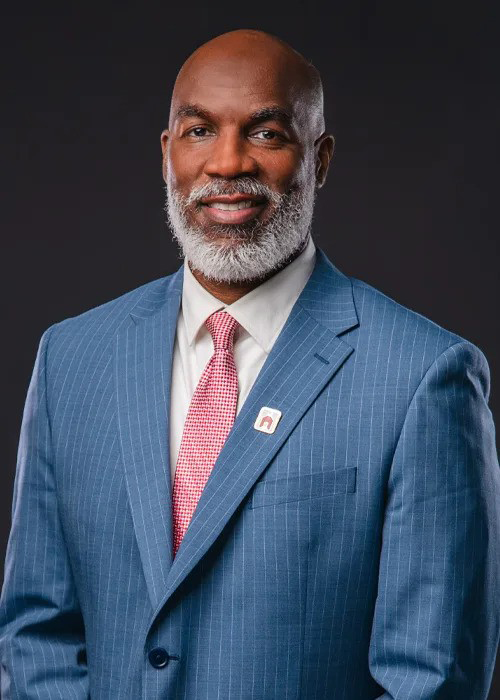
    Dorrell Green, the superintendent of the Red Clay Consolidated School District in New Castle County, Del., is to join Norristown Area School District as superintendent on July 20, 2026.Red Clay Consolidated School Dis

    Green’s selection comes after the board, which has a new majority after November’s school board elections, moved this spring to oust Superintendent Christopher Dormer, citing poor test scores. The board has since sparked controversy with other changes, including eliminating its DEI director.

    Throughout the superintendent search process, “our community made it clear that they were seeking a visionary leader who is committed to student achievement, educational excellence, and meaningful engagement with all stakeholders,” the board’s president, Jeremiah Lemke, said in a statement.

    He said Green’s “experience, leadership record, and commitment to serving diverse school communities” set him apart during a search process that was led by a consulting group and attracted 88 applicants.

    Green has worked in public education for more than 25 years, including as a teacher, principal, and assistant superintendent.

    In Red Clay, Delaware’s largest school district with 15,000 students, Green has served as superintendent since 2019. He expanded early childhood education during his tenure there and increased access to advanced course work, according to the Norristown board.

    Before that, Green was the first executive director of the Delaware Department of Education’s Office of Innovation and Improvement, an office created by former Delaware Gov. John Carney to support the state’s neediest schools.

    Green has a bachelor’s degree in elementary education and master’s degree in educational leadership from the University of Delaware. He has a doctoral degree in organizational leadership from Wilmington University.

  • The USA Table Tennis Pennsylvania Open is coming to Phoenixville this month, with rankings and cash prizes — and community — up for grabs

    The USA Table Tennis Pennsylvania Open is coming to Phoenixville this month, with rankings and cash prizes — and community — up for grabs

    For Deepak Gupta, playing Ping-Pong is something of living out a childhood dream for him.

    Later this month, he’ll be taking that dream to the next level, as he makes his tournament debut at the USA Table Tennis Pennsylvania Open in Phoenixville.

    “I’ve never met two people who play the same … they have a unique style of playing, and every player has strengths and weaknesses, the way they spin the ball, the way they serve,” he said. “I’m looking forward to playing against more people whom I’ve never met, so that’ll be challenging.”

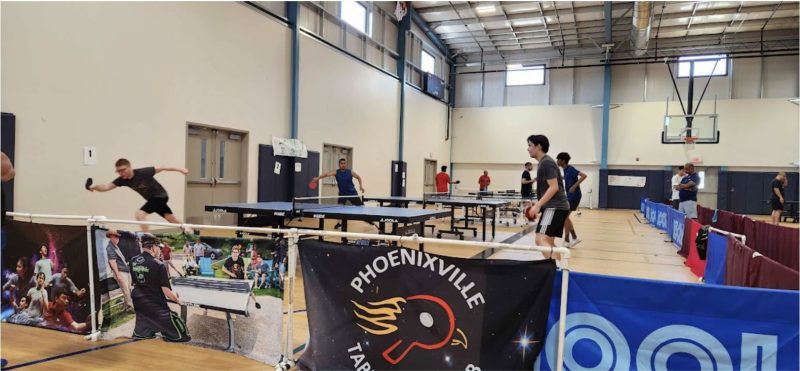
    Gupta, 52, will be among the 40 to 50 players from the region competing; the tournament has six events and will be held at the Phoenixville Recreation Center.

    Players will compete in women’s singles, juniors, over 40, the open, or skill-capped events. On the line: cash prizes, trophies, and national ratings points.

    It’s the fourth time the Phoenixville Table Tennis Club, established in 2009, is holding a USA Table Tennis tournament, and its second Pennsylvania Open.

    “We do have a lot of lower-level players participating in those events, and one, it gives them the opportunity to win trophy and money, but two, it gives them the opportunity to continue to compete … and get better in their games,” said Nick Flor, organizer and one of the founders of the Phoenixville club. “Say you come across your archnemesis that you play at the club in the tournament. … It’s going to give you that drive to learn to beat them, to learn to get better.”

    Gupta will be playing in the “under 1200″ event, for beginner to intermediate players whose rating is below 1200. A rating represents their skill level and determines where a player is seeded in an event. Low-level players would be rated around 900 or 1000, while high-level players approach 3000, Flor said. As players win matches and tournaments, up goes their rating. The tournament will have several events split by rating level.

    Players will also be competing for ranking points as part of the USA Table Tennis’ system. Depending on how many tournaments players win, they earn points. Top-point earners are considered for the Olympics, or the sport’s World Cup.

    Aside from rankings, players are drawn to the community the sport has given them.

    Serving up community

    Gupta loved the game passionately as a child, but it faded into the background after high school. Some 30 years later, he started playing against a couple of friends in the basement. He found out about the Phoenixville club, which meets twice a week at the recreation center, hosts a smattering of smaller tournaments and competitions, and provides support for new players. But it wasn’t enough; he ended up opening his own club in Exton, called Exton Table Tennis.

    The club is run by friends, for friends, he said. Before he started playing table tennis a few years ago, he had few of them. He met other parents in school groups, but those social interactions were limited to talking about their kids.

    “Once I started playing table tennis with some of the other dads, we started getting to know each other more as individuals and more as friends,” he said, “and then taking that spirit and … expanding it to a community.”

    Flor, 53, caught the bug in high school, when he’d play with his friends in the senior lounge. They started playing before and after school. They were “terrible,” Flor recalls. But they kept playing, deciding to enter a tournament. They got crushed and had the experience he’s seen in many players: the shock and awe at the level of gameplay, of technique, and skill it takes. The group began going to a club in Pottstown, getting tutelage from an older gentleman, and eventually opened their own club, he said.

    He’s seen the sport change over time, fluctuating in popularity. They see surges around the Olympics, and during the colder months. Marty Supreme drummed up excitement among players but didn’t seem to inspire a new generation. (Forrest Gump has probably done more for the sport, he noted.)

    A game for all

    Flor’s love of Ping-Pong has seeped into his marriage, as he slowly turned his wife, Janel Flor, into a convert. Now the two are evenly matched.

    It’s been a journey for Janel, whose first experience was in the place that makes or breaks anyone’s love of sport: gym class. It put her off table tennis for years. She was supportive of her husband but felt it was “kind of a dumb sport.” But, ever persistent, he coaxed her into a lesson. About a month later, she felt it sink in and sent the ball exactly where she wanted it to go. She was hooked.

    She was not very competitive until she was able to beat Nick. “Once I could do that,” she said, “I was like, you know what, I actually really like this game.”

    It’s been her goal to get more women into the game and to have fun doing it.

    “My goal is always to help build confidence and help get them playing, so that they’re not overthinking everything,” she said.

    Janel, 50, will compete in the women’s event in the upcoming tournament, against roughly six others. She has gotten over some of the initial fears of tournament play but said she still gets butterflies when she steps up to the table.

    Despite those butterflies, it’s often an encouraging, but still competitive, game, she said.

    For Gupta, it’s a game where people of all ages, genders, and abilities can thrive. The clubs welcome kids, whom they have watched level up over time.

    “Table tennis is one game where it evens everything out. It doesn’t matter,” he said. “If you have skills, you can become really good, that’s one thing that I really love about this game. … I think now I’m finally trying to live my childhood dream, and I hope other kids can enjoy the same passion that I had as a child.”

    This suburban content is produced with support from the Leslie Miller and Richard Worley Foundation and The Lenfest Institute for Journalism. Editorial content is created independently of the project donors. Gifts to support The Inquirer’s high-impact journalism can be made at inquirer.com/donate. A list of Lenfest Institute donors can be found at lenfestinstitute.org/supporters.
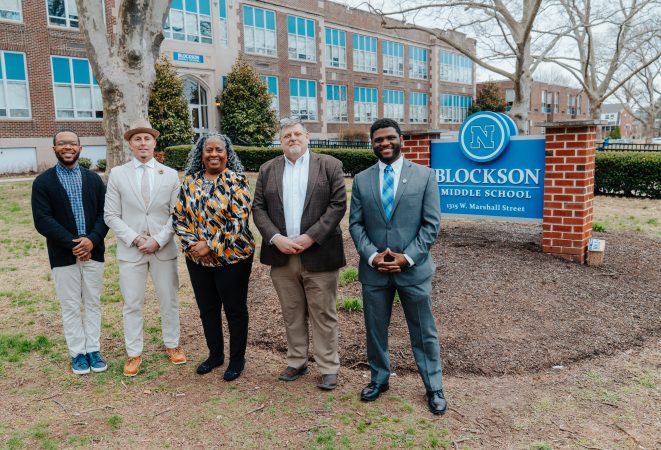
  • How Haverford High’s national teacher of the year is coaching aspiring teachers, on topics from racism to connecting with students

    How Haverford High’s national teacher of the year is coaching aspiring teachers, on topics from racism to connecting with students

    As the newly appointed National Teacher of the Year, Haverford High School’s Leon Smith has been celebrated on television: from CBS Mornings and Good Morning America to the Kelly Clarkson Show.

    But as the lone Black teacher when he started teaching at Haverford 25 years ago, Smith got a different reception. He experienced racism, he told a group of young people interested in teaching, and if it weren’t for a Black vice principal that listened and supported him, he might not still be teaching today.

    “She would just be very honest with me, and be like, ‘First of all, you’re an excellent educator. … Keep being you. Somebody calls and says something crazy, I’m just hanging up,’” Smith told teaching fellows gathered in Germantown on Wednesday with Breakthrough of Greater Philadelphia, a nonprofit that trains aspiring teachers to lead enrichment programs for middle-school students.

    The event, sponsored by the Equitable Foundation, was just one of many for Smith during his yearlong stint as Teacher of the Year, a platform he was awarded in April by the Council of Chief State School Officers. In that role, he’s spending the year traveling the country to advocate for the teaching profession and growing its ranks.

    Smith, who teaches Advanced Placement U.S. History and Advanced Placement African American Studies at Haverford, spoke passionately to the fellows Wednesday about his motivation to be the teacher he didn’t have growing up, and the immense impact teachers can have on students’ lives — presenting the profession as a deeply rewarding opportunity to help kids recognize their talents.

    But he was also honest about the challenges. Fielding questions about his career from fellows gathered in an auditorium on the Germantown Friends School campus, Smith said he had struggled to find his way as a new teacher, staying up too late trying to perfect lessons.

    He described the sometimes lonely experience of being his predominantly white high school’s only Black teacher, and how he developed strategies to respond to racism, including learning when to walk away and when to speak out.

    He told fellows to find supportive colleagues and to be selective when they considered job offers.

    “Do your research. Make sure it’s a space that’s going to take care of you,” he said.

    Smith also described feeling self-conscious when he was younger about some of his lessons — worrying that students would say, “‘Oh, all he does is talk about Black history,’” Smith said. But he began hearing from students about how grateful they were to have learned about subjects that hadn’t been covered in other classes; an audit later identified African American studies as a class community members wanted to see added.

    ‘My why’

    His comments resonated with the teaching fellows, some of whom said they’re committed to careers in education.

    Dominique Sidae, a 23-year-old rising senior at Florida A&M University, is planning to become a special-education teacher. She said she was inspired by her appreciation for a teacher who helped her younger brothers, who have autism.

    Sidae said she is often the only Black person in teaching spaces. “It feels good to know this isn’t only happening to me,” she said. “You don’t really learn that in college.”

    Dominique Sidae, 23, a fellow with the Breakthrough of Greater Philadelphia, listens to a talk by Leon Smith last week.Jessica Griffin / Staff Photographer

    Miles Baldwin, an 18-year-old graduate of Harriton High School in Lower Merion, isn’t sure he wants to become a teacher. But he enjoyed working with students last summer in the Breakthrough program — “a lot of kids came in hating it, and left wanting more,” he said — and Smith’s pitch about being a mentor was compelling to him.

    “Honestly, yeah,” he said, when asked if hearing from Smith made him more interested in teaching.

    That’s part of the goal of Smith’s role as Teacher of the Year, as a dwindling pipeline has challenged recruitment efforts.

    Smith’s agenda this summer includes attending the National PTA Convention in Pittsburgh and giving a keynote speech at the Smithsonian’s National Education Summit. He also will be joining other state teachers of the year at Space Camp in Alabama and participating in professional development.

    But addressing the Breakthrough teaching fellows Wednesday “reminds me of my why,” Smith said in a brief interview. He said the fellows’ eagerness to ask questions “shows they want to be the best they can be,” and reflects qualities of good teachers: “You have to be curious, sometimes silent … often humbled,” Smith said.

    Leon Smith, a teacher at Haverford High School, was named National Teacher of the Year this spring.Jessica Griffin / Staff Photographer

    Teaching students to lead

    In a model lesson after his talk, Smith put some of those skills on display. He started by gathering the 34 fellows in a circle, asking them each to share their name and a brief story about it; the group periodically broke into laughter at humorous anecdotes.

    Smith then outlined the objectives for his lesson about assessing the credibility of sources. He passed out copies of a photo, asking fellows to silently write and then discuss in small groups whether it provided strong evidence of the Fukushima power plant explosion.

    “I always tell my students, you want to be a leader,” Smith said, encouraging fellows to stand by their analyses, even if others disagreed. He then called on people, asking them to explain their thinking while challenging some of their points.

    Leon Smith talks to fellows at Breakthrough Collaborative last week.Jessica Griffin / Staff Photographer

    Matt Greenawalt, co-dean of faculty for the Breakthrough summer program and a teacher at Germantown Friends — which supports Breakthrough — was planning to breakdown Smith’s approach for the fellows after the lesson. He noted how Smith was walking through the room, engaging with the fellows as they talked, and Smith’s ability to affirm and redirect them when an answer wasn’t on point.

    Smith’s visit came on day three of a two-week orientation for the fellows, before they would begin teaching students during Breakthrough’s six-week free summer program.

    While access to academics is key for the program’s students, many of whom come from Germantown, “a big piece of it too is having role models,” Greenawalt said.

    Smith told fellows that when the students arrived, “they’re going to just admire you so much.”

    “You’re going to be able to see the light inside of them, and sometimes it just takes someone else to notice, right? … They’ll just kind of be doing their work, and then as you get to know them, you’ll notice certain characteristics and you’ll just pour into it.”

    What really helps make a connection with kids, Smith said, is “just you being yourself.”

    “You walking in there and walking in your own life, and bringing your passion and all the reasons why you wanted to become a teacher,” he said. “Your students are going to feel that.”

  • 150 years, 2 world wars, 32 mayors, and 28 presidents later, a store still thrives in a bankrupt city

    150 years, 2 world wars, 32 mayors, and 28 presidents later, a store still thrives in a bankrupt city

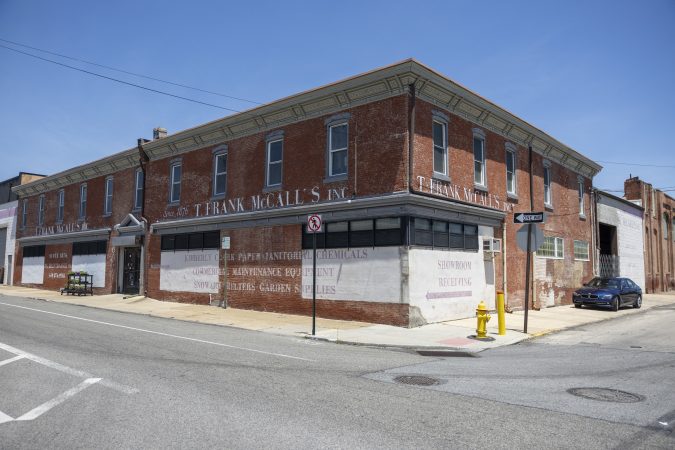
    Humans still answer the phones. The business is family-owned and run by women. But perhaps the most remarkable aspect of T. Frank McCall’s is the reality that the store is still there, next to the railroad tracks in the Delaware County riverfront city of Chester, where it has been since 1876.

    It has somehow survived through the administrations of 28 presidents, 32 governors, and 32 mayors; two world wars; the Great Depression; and the collapse of Chester’s economy that has climaxed with a rare municipal bankruptcy, By the time the Philadelphia Phillies played their first game in 1883, McCall’s had been in business for seven years at Sixth and Madison Streets.

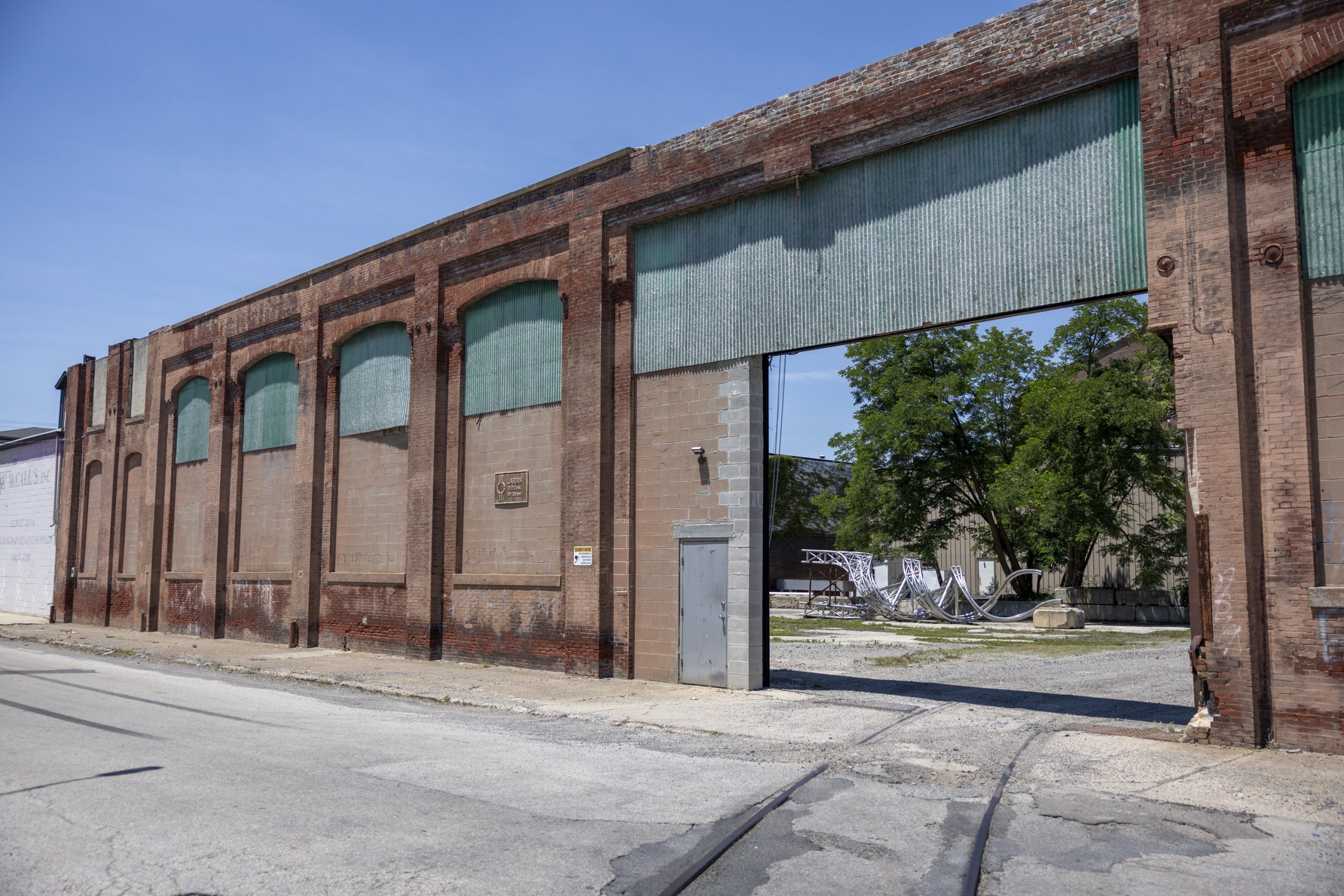
    The building has retained the faint odors of the company’s seed-and-grain roots. But these days the houses that had lined the streets are long gone. The nearest neighbor is a remnant of a factory that once was part of the city’s industrial might. The store’s owners are bemused by the unused bicycle lane on the other side of Madison Street, and the superfluous parking restrictions.

    The remnants of an abandoned factory building sit next to McCall’s.Tyger Williams / Staff Photographer

    McCall’s sells janitorial and cleaning supplies, but rather than a traditional “jan/san” business, it is more like a hybrid wholesale general store. That its website features a snowfall image is fitting: It made a killing selling ice-melters this winter to SEPTA, Philadelphia, and other customers.

    The assortment evidently continues to work; McCall’s generates about $10 million in annual revenue, said owner Lisa Witomski, whose father bought the company from the family of the original owners in 1957 in a decade when businesses were pulling out of Chester.

    What explains the staying power?

    In part, Witomski said, McCall’s sells things people have to have. “Nobody really wants to buy janitorial supplies, but if you have customers or employees, you need them.”

    Staying in the one location in Chester, even though only a tiny percentage of the revenue comes from in-store sales, has been an asset, Witomski said. Customers know where to find them, and the company owns the 50,000-square-foot facility outright; the mortgage was paid off in 1880.

    The county estimates the property’s value at about $850,000, and the company contributes about $17,000 annually to the city and the Chester-Upland School District in property taxes. It also pays a 6% sales tax to the city, and the 16 employees pay earned-income levies. The size of the workforce has not changed much through the years.

    Most of the building’s space, which includes a former stable for the horses that delivered the company’s goods in the wayback when Chester was transforming from a rural outpost to an industrial power, is devoted to warehousing. About 95% of the company’s business is shipped on McCall’s trucks, Witomski said, and the location has outstanding road access, close to I-95 and the Blue Route.

    When customers call during business hours, “a human being always answers the phone,” she said. “People are shocked when you say, ‘Hello,’ and they’re waiting for ‘press 1.’”

    Being a family business that has resisted corporate takeover has given McCall’s an edge with customers, said Witomski, who recalled playing hide-and-seek among the store’s galvanized trash cans as a kid.

    “Unlike almost all our competition, we haven’t sold out.”

    The original McCalls

    George McCall started his feed-and-grain business in 1876, when Chester’s population was growing rapidly. He eventually turned over the keys to his son Thomas, who later passed on the business to his sons under the name T. Frank McCall.

    A breakthrough came in the 1880s when nearby Scott Paper — on the Chester riverfront, the company that is believed to have been the first to market toilet paper on a roll and disposable paper towels — hired McCall’s as its distributor. (The plant now bears the Kimberly-Clark name, but the Scott brand name survives.)

    Along with Scott products, through the years it would sell and distribute a wide variety of janitorial and other products while remaining in the seed-and-grain business.

    The McCalls would run the company for 80 years.

    McCall’s today

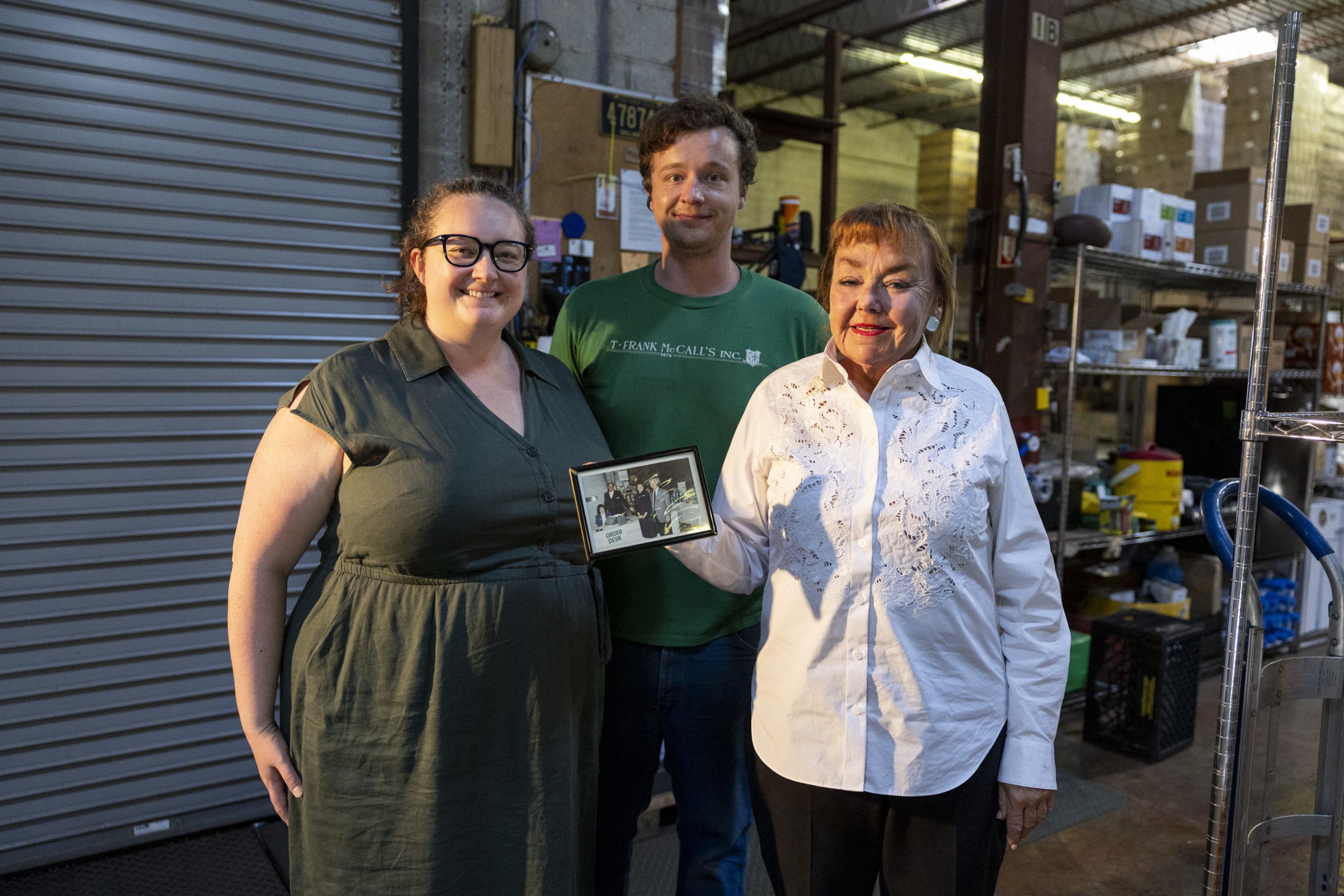
    Owner Lisa Witomski (right) with her niece Lisa Claire, McCall’s office manager, and nephew Chas Wiley, warehouse manager, inside the store. Tyger Williams / Staff Photographer

    They sold the company in 1957 at a time when Chester was entering a postwar decline: In the 1950s, the number of apparel and general merchandise stores in the city fell from 68 to 19, according to Chester Planning Commission documents.

    Brothers Edward and Charles Witomski purchased the business on the advice of a member of the legendary Pew family, founders of the Sun Oil empire. The brothers had owned a bar in Essington and were looking for an enterprise that would be more family-friendly, Lisa Witomski said.

    Like the McCalls, they continued the tradition of selling and distributing a wide variety of products, including paints and even baby chicks at Easter time. Eventually the business was passed on to Charles Witomski’s daughters, Marcie and Lisa, the company president. Marcie Witomski’s daughter, Lisa Claire, is the office manager; Marcie’s son Chas Wiley manages the warehouse.

    In recent years their regular customers have included casinos throughout the region that have needs for paper and enzyme cleaning products. (Gamblers have been known to make a mess.)

    And ice melter has been a source of considerable cold cash — this winter in particular.

    “It was a doozy,” Claire said. It wasn’t just the 30 inches of snow, but the subsequent Arctic freezes that locked in the snow-and-ice coverage. The result was the sale of mass quantities of calcium chloride melter.

    On occasion, a motorist along Madison Street, which is part of Route 320, stopped in to buy some melter, Lisa Witomski said, but the store never was heavily trafficked even when the neighborhood was well-occupied in the 1950s and ’60s.

    Save for a few incidents — one person tried to walk off with a lawn mower, another tried to make off with a 100-pound barrel that he couldn’t carry — crime has not been an issue, Lisa Witomski said, even when the city went through a period a decade ago when it had the nation’s highest per capita homicide rate.

    “We are not exactly in a populated area,” she said.

    Cars parked in front of the store these days are anomalies. “We think the two-hour parking is very funny,” she said.

    Said Michelle Cubler, the purchasing manager, “We’ve never seen them actually ticket on this street.”

  • York’s minor league team forfeits game over Pride Night jerseys, but celebrates anyway

    York’s minor league team forfeits game over Pride Night jerseys, but celebrates anyway

    There won’t be a Pride Night baseball game in York, Pa., but there was still a Pride Night at the ballpark.

    Hours before the minor league York Revolution’s annual Pride Night game was slated to take place Thursday night, the team announced it was forfeiting to the Southern Maryland Blue Crabs.

    The decision stemmed from a dispute among several Revolution players who refused to wear the team’s special Pride edition jerseys, according to team officials.

    “The club decided that hosting the event is more important than forcing players to wear jerseys they are not comfortable with and playing the game,” The Revolution said in a statement. The statement added that the event would pivot into a Pride Night celebration “out of respect for the Pride Community and the York community as a whole.”

    The team said it’s treating the game as a rainout and ticketholders can redeem their tickets for another game of their choice this season. York plays in the Atlantic League of Professional Baseball, an independent partner league of Major League Baseball.

    Thursday’s game would have marked the York Revolution’s 11th Pride Night. As part of the celebratory game, the team would wear white jerseys with rainbow sleeves and side panels, nodding to the Pride flag and “Pride” written in script on the back.

    According to NBC, the forfeit rose from “less than nine players” — the minimum number needed to fill a lineup card — on the 28-man roster being willing to play wearing Thursday’s Pride uniforms. The standoff led to an “unprecedented team meeting” where Revolution president and GM Ben Shipley told NBC he was unable to talk players into wearing the uniforms.

    “I’m disappointed that we’re at this point and I recognize the players’ plight and their unwillingness to cross their line. I also think tolerance is not acceptance,” Shipley said. “I was just asking for tolerance from the team and they were unwilling to navigate that with me.”

    In its statement, The Revolution added that the players’ action “is completely inconsistent with our vision as the Most Welcoming Place in York.” The team announced it would make a $10,000 donation to its local LGBTQ+ center, the Rainbow Rose Center, as a “small token of our regret” and show of continued support.

    York, about an hour-and-a-half outside of Philadelphia, has a historic Republican stronghold. In 2016, it gave President Donald Trump his biggest county-level win margin in Pennsylvania. There is a limited but growing LGBTQ+ scene. The first York County Pride celebration took place in 2022.

    The Human Rights Campaign, which releases Municipal Equality Index scores nationwide on cities’ LGBTQ+ support, does not have a score for York.

    The Revolution teammates’ refusal to wear Pride jerseys comes at a time when across the country, rights and recognition of the LGBTQ+ community remain a polarizing issue. More than 500 anti-LGBTQ+ bills have been introduced this year according to the ACLU, centering around topics including gender affirmation, sports participation bans, drag show bans, and overall LGBTQ+ erasure.

    According to the minor league team, while Thursday wouldn’t have a game, attendees could still take tours of WellSpan Park, enjoy music, batting practice, and other activities. The now 32 unworn Pride jerseys were also listed on the team’s site Thursday night for auction with proceeds benefiting the Rainbow Rose Center.

  • Man charged with threatening staff and disrupting office of Bucks County state legislator

    Man charged with threatening staff and disrupting office of Bucks County state legislator

    A 65-year-old man who allegedly threatened the staff of a Republican state legislator from Bucks County and attempted to trash her district office remained jailed Thursday after a judge ordered that his criminal case should proceed to trial.

    Donald F. Ambrose, of Bensalem Township, was unable to post 10% of his $200,000 bail and was being held at the Bucks County Correctional Facility on one count of terroristic threats and two counts each of disorderly conduct and harassment.

    On June 9, Ambrose allegedly entered the district office of State Rep. Kathleen “K.C.” Tomlinson in Bensalem Township “aggressively shouting about an ongoing medical malpractice issue,” the Bucks County District Attorney’s Office said.

    Ambrose allegedly had been to Tomlinson’s office before several times, “making outlandish comments before leaving,” the district attorney’s office said.

    “On this occasion, Ambrose became aggressive, grabbing paperwork off the desk of one of the employees and then scattering the papers while continuing to scream and yell. Ambrose was told by staff that law enforcement was being called, and he allegedly pointed at a staff member and stated, ‘you’re dead,’ before exiting the building,” the district attorney’s office said, citing the criminal complaint.

    “Once outside, Ambrose retrieved a gasoline can from his vehicle and began walking around the perimeter of the office building, causing employees inside to fear he intended to set the building on fire,” the district attorney’s office said.

    On Friday, Tomlinson posted a statement on social media acknowledging the incident, saying she was in Harrisburg when Ambrose allegedly “began trying to destroy the [Bensalem Township] office and then proceeded to threaten the life of a member of my staff.”

    Tomlinson added: “We live in a very unsettling time, especially as public servants. Unfortunately, this is not the first time we have experienced a hostile encounter in just a few short months which is completely unacceptable.”

    <iframe src="https://www.facebook.com/plugins/post.php?href=https%3A%2F%2Fwww.facebook.com%2FRepTomlinson%2Fposts%2Fpfbid0Sa6YhvakLuq546vLpHhjKxHroBLjenzoWxexCeM4F7ZdacSM6ZJWErueGjbf9eL9l&show_text=true&width=500" width="500" height="250" style="border:none;overflow:hidden" scrolling="no" frameborder="0" allowfullscreen="true" allow="autoplay; clipboard-write; encrypted-media; picture-in-picture; web-share"></iframe>

    Bucks County District Attorney Joe Khan said in a statement Thursday: “Public servants should never have to fear for their safety simply for doing their jobs. My office takes these actions incredibly seriously, and we will continue to hold accountable anyone who uses fear or threats to disrupt our community and target those who serve the public.”

    Tomlinson, 37, was elected in 2020 and is the daughter of former State Sen. Robert M. “Tommy” Tomlinson.

  • Pennsylvania and N.J. Turnpikes choose a design for a new $1.6 billion Delaware River bridge

    Pennsylvania and N.J. Turnpikes choose a design for a new $1.6 billion Delaware River bridge

    Officials of the Pennsylvania and New Jersey Turnpikes have chosen a design to replace the 70-year-old bridge over the Delaware River linking the toll roads: a six-lane span that would be built about 195 feet north of the existing one.

    Called a ”tied-arch” bridge, the $1.6 billion replacement would be cheaper than other styles considered and can be built fastest, said John Boyer, senior engineer for the Pennsylvania Turnpike Commission.

    “Shorter time frames mean less disruption to local businesses and daily life for the communities in this area,” said Boyer, the manager of the joint project.

    Because the new bridge would be farther from the existing Delaware River Bridge than alternatives, traffic can keep flowing as it’s built, he said.

    Planners for years have known that the region would need a new turnpike bridge because of exponential growth in traffic volume, especially trucks.

    Freight volumes nationally are projected to grow by 73% by 2050, with warehouses on both sides of the river relying on crossing.

    Before the nearby I-95/Pennsylvania Turnpike interchange opened in 2018, an average of 42,000 vehicles a day crossed the four-lane Delaware River Bridge. Now, that’s up to around 70,000. By 2050, projections say an average 93,000 vehicles will need to traverse the replacement.

    The surface of a tied-arch bridge provides tension to resist the horizontal forces pressing on either end of the arch, like the taut string that connects a bow. It requires less sturdy foundations than a bridge supported by cables.

    “You can be build those river piers while you’re building the arch structure off-site,” Boyer said. When the piers are ready, the arch can be brought in by barge and “you can essentially jack it and elevate it up into place,” he said.

    Federal authorities approved a new span in 2003, but the project was put on hold because of problems paying for it.

    In 2017, a crack was discovered in a truss supporting the existing bridge’s roadway, and it was closed for about two months.

    As congestion increased on the repaired bridge, more traffic capacity became imperative, officials said.

    Because the earlier federal approval was so old, officials had to start again with a new environmental impact statement and design studies. Last year, turnpike officials settled on two options.

    Now, they’re finishing up the environmental impact statement, with formal public hearings scheduled for the winter.

    Turnpike officials expect the Federal Highway Administration to make a decision on the project around April 2028.

    In March, Pennsylvania’s U.S. senators announced a $600 million federal grant for construction of the new bridge connecting Bristol, Pa., and Florence, N.J. New Jersey’s congressional delegation also worked on getting the grant.

    The two states’ turnpike agencies will finance the balance. Borrowing would be backed by toll revenue, but both say the bridge project won’t increase tolls for drivers.

  • A New York man stole the ashes of his ex-boss’ daughter and held them for ransom, Montco DA says

    A New York man stole the ashes of his ex-boss’ daughter and held them for ransom, Montco DA says

    Over a perceived debt of $8,000, a New York man stole an urn containing the ashes of his former employer’s daughter and attempted to hold the remains for ransom, according to Montgomery County prosecutors.

    Nuo Chen, 30, told the victim that if she did not pay him, he would dump the ashes and flee back to his home in Flushing, Queens, according to the affidavit of probable cause for his arrest.

    Chen happened to call the victim while she was being interviewed by Bensalem police about the theft, authorities said, and they were able to set up a meeting at the nail salon she owns under the guise of her paying him the money.

    Officers took Chen into custody June 12, and he was charged with burglary, theft, and related crimes. He remained in custody Thursday with bail set at $50,000.

    Montgomery County Deputy Chief Public Defender Michael Drossner, whose office is representing Chen, declined to comment on the case.

    The victim also declined to comment on the case or speak about her daughter when contacted by a reporter Thursday.

    Investigators say the woman told them Chen broke into her home June 12, using keys he had previously taken while staying there with her.

    Earlier that day, Chen had visited her at the nail salon, arguing with her about money he said she owed him, the affidavit said. During the argument, Chen threatened to “smash things in the store” and pushed the woman.

    She had fired Chen weeks earlier, police said, due to his erratic behavior.

    After the argument at the nail salon, Chen drove to the woman’s home in Willow Grove and was seen on surveillance footage carrying the urn containing her daughter’s ashes, according to the affidavit.

    He called the woman, telling her not to contact the police or she would never see the urn again, the affidavit said.

    Later, after Bensalem arrested Chen outside the nail salon, he admitted that he had entered her home without her permission, using the key he had previously taken, authorities said.

    Chen is scheduled to appear for a preliminary hearing on June 26.

  • The housing density debate comes to Narberth | Inquirer Lower Merion

    The housing density debate comes to Narberth | Inquirer Lower Merion

    Hi, Lower Merion! 👋

    As Narberth weighs zoning changes to up housing density, residents are divided on the pros and cons. Here’s what to know. Also this week, we get to know the local dads and granddads gaining internet fame for their a cappella stylings, a Villanova estate gets preserved, plus the iconic local sip you can find nearby.

    Have a question about town? Submit it to Curious Lower Merion and one of our reporters might track down the answer.

    If someone forwarded you this email, sign up for free here.

    Narberth residents are divided on proposed housing density changes

    Narberth is in the middle of a debate over zoning that has raised questions over affordability, neighborhood character, and how far the small borough should go in trying to solve the country’s acute housing shortage. Monica Herndon / Staff Photographer

    As housing costs continue to outpace affordability, a debate has sparked in Narberth about what, if anything, the borough should do to help combat the crisis.

    Narberth has become increasingly expensive, recording the highest median housing sales price in Montgomery County in 2024.

    Last year, borough council asked its planning commission to study possible zoning changes to increase affordable housing, and the commission came back with several suggestions. While nothing has been decided, and likely won’t be for months, residents have decidedly mixed feelings.

    Some say increasing housing density and incentivizing developers to include affordable units would help ease the burden on those otherwise priced out. Others worry it’s a misguided effort that could exacerbate parking woes and reshape the community’s identity without really addressing the problem.

    The Inquirer’s Denali Sagner spoke with residents about both the positives and negatives.

    Meet the Main Line dads and granddads taking the internet by storm

    The Tonics, a Philly-area a capella group made up largely of middle-aged men, rehearse in a member’s kitchen in Haverford on Thursday, May 28, 2026.Elizabeth Robertson / Staff Photographer

    A group of mostly middle-aged Main Line fathers and grandfathers are going viral for their harmonizing.

    Known as the Tonics, the a capella group has gained a global audience thanks to videos of their riffs circulating online. The group has even caught the attention of some big names, including Gigi Hadid and Michael Bublé.

    Most of the group’s 19 members hail from around the Main Line, including Bryn Mawr, Haverford, and Wayne.

    The Inquirer’s Dugan Arnett delves into their history and how they’ve charmed audiences worldwide.

    💡 Community News

    • Reminder for residents: There will be no trash or recycling pickup and the township offices will be closed tomorrow for Juneteenth. See how your pickup could be impacted here.
    • The township is hosting a capital improvement plan workshop Wednesday at 6 p.m. The meeting will also be streamed live and is accessible via Zoom.
    • The 13-acre Oakwell estate in Villanova is officially preserved after two nonprofits, Natural Lands and the Wyncote Foundation, purchased it in two parcels for a combined $13 million. Situated adjacent to Stoneleigh, the property will now be incorporated into the 42-acre public garden.
    • The average starter home in Villanova clocks in with a value of $1 million or more, according to new data from Zillow — about five times the national average. Villanova is the only community in the state to carry the distinction of having starter home pricing that high. The Inquirer’s Michaelle Bond explains the uptick.
    • The community is mourning the death of Bryn Mawr resident Bennett L. Aaron, who died earlier this month at the age of 92. Aaron was a longtime lawyer, honorary trustee of the Jewish Federation of Greater Philadelphia, and former president of the Federation of Jewish Agencies of Greater Philadelphia.
    • Gladwyne Fire Company is hosting a free car seat safety check event Tuesday from 9 a.m. to noon at the fire house. Advanced registration is required.

    🏫 Schools Briefing

    • The district’s school board voted to repeal its existing technology policy earlier this week, to the frustration of parents who don’t want their kids on district-issued devices. The move could mean the district is no longer required to accommodate families who don’t sign electronic device use agreements as many are pushing to limit school-related screen time for their kids.

    🍽️ On our Plate

    • Last week, The Inquirer dropped its list of the 76 most iconic dishes in the region and there’s a local tie among them. Ranking at No. 15 is La Colombe’s draft latte, a portable version of the “frothy, stylish cold coffee,” reporter Michael Klein says. You can get it in many area stores, as well as at La Colombe’s Bryn Mawr cafe.
    • After much anticipation, The Buttery is opening its newest outpost in Bryn Mawr this weekend. Located at 836 Lancaster Ave. in the former Kindred Collective space, The Buttery will host a grand opening Saturday complete with giveaways and a special pastry. The new location has seating for 82 people and will be open daily from 7 a.m. to 5 p.m.

    🎳 Things to Do

    🎶 Bryn Mawr Twilight Concerts: There are two shows this weekend, starting with indie pop singer/songwriter Marielle Kraft and songwriter Kevin Walkman on Friday. On Saturday, Livingston Taylor, who wrote Top-40 hits for his brother James Taylor, takes the stage. ⏰ Friday, June 19, 7 p.m., and Saturday, June 20, 7 p.m. 💵 $25.88, free for kids 12 and under 📍 Bryn Mawr Gazebo

    🍦 Father’s Day Ice Cream Social: Celebrate dad at Harriton House’s annual event, which includes yard games, crafts, and, of course, ice cream. ⏰ Sunday, June 21, 1-4 p.m. 💵 $6.98-$12.16, free for dads 📍 Harriton House

    🍛 Coconut and Turmeric Chickpea Curry with Mrs. Mayuri: Learn to the make this dish and then sample it. Registration is required. ⏰ Wednesday, June 24, 5-6:30 p.m. 💵 Free 📍 Ardmore Library

    🎵 Music in the Park: The next concert features country singer/songwriter Craig Bickhardt. ⏰ Wednesday, June 24, 7 p.m. 💵 Free 📍 Narberth Park gazebo

    🏡 On the Market

    A four-bedroom Penn Valley home with a basketball hoop

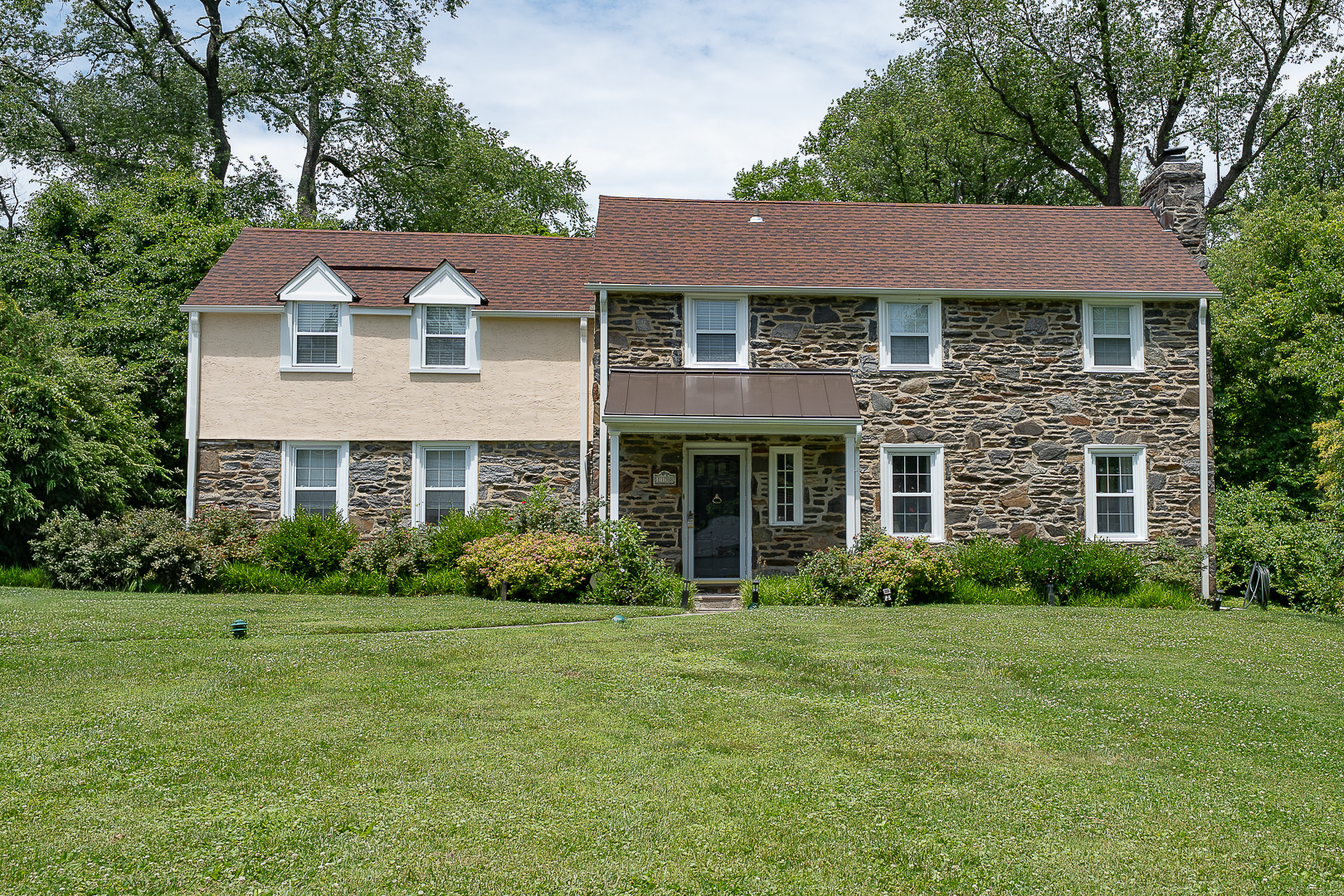
    The home spans just over 3,000 square feet.Dave Ocenas | Courtesy of Damon Michels/Keller Williams

    Built in 1948, this home gives a nod to the past thanks to its classic stone exterior, while the interior is contemporary. It has formal living and dining rooms, the latter with a cool chandelier, a den, a family room, a bonus room, and an eat-in kitchen. There are four bedrooms upstairs and additional living space in the finished basement. Outside, there’s a patio and a basketball hoop.

    See more photos of the home here.

    Price: $1.199M | Size: 3,074 SF | Acreage: 0.65

    🗞️ What other Lower Merion residents are reading this week:

    By submitting your written, visual, and/or audio contributions, you agree to The Inquirer’s Terms of Use, including the grant of rights in Section 10.

    This suburban content is produced with support from the Leslie Miller and Richard Worley Foundation and The Lenfest Institute for Journalism. Editorial content is created independently of the project donors. Gifts to support The Inquirer’s high-impact journalism can be made at inquirer.com/donate. A list of Lenfest Institute donors can be found at lenfestinstitute.org/supporters.
  • Media is home to this iconic dish | Inquirer Greater Media

    Media is home to this iconic dish | Inquirer Greater Media

    Hi, Greater Media! 👋

    Media is home to one of the most iconic dishes in the region, according to our food reporters. Here’s what makes the cut. Also this week, we investigate the Springfield High School alum accused of defrauding investors in his local startup, a Media restaurant was damaged in a fire, plus we peek inside a 19th-century farmhouse.

    Have a question about town? Submit it to Curious Greater Media and one of our reporters might track down the answer.

    If someone forwarded you this email, sign up for free here.

    Media is home to some of the region’s most iconic dishes

    Santucci’s is known for its “upside-down” square pies. Tim Tail / Staff Photographer

    Last week, The Inquirer dropped its list of the 76 most iconic dishes in the region, and there are several local ties.

    Ranking at No. 61 is Santucci’s upside-down pizza, a pie so distinctive reporter Michael Klein said it helps give the region its own pizza identity. You can snag your own slice of the square pie with its sauce on the top at the outpost on East Baltimore Avenue in Media.

    It’s followed at No. 60 by the junior hot fudge sundae at Franklin Fountain. While not in the area, the Old City Philadelphia staple is owned by Media natives and brothers Ryan and Eric Berley, according to reporter Beatrice Forman. Don’t miss the sundae served with a single scoop of ice cream topped with whipped cream, hot fudge, and a cherry.

    And clocking in at No. 11 is none other than a Wawa shorti. Sure, you can find it at any Wawa, but given the company is rooted here, we’ll claim this one, too.

    Check out the full list here. But be warned: You’ll be hungry after you finish reading it.

    💡 Community News

    • A Springfield High School alum who founded a West Chester tech startup is facing accusations of fraud, including misspending funds on Philadelphia sports stadium advertising deals and pocketing millions to pay for an extravagant lifestyle. Inquirer reporter Max Marin delves into how LifeBrand went from a $137 million valuation to being sold for pennies on the dollar.
    • PennDot released a draft of its Planning and Environmental Linkages study for its Routes 352 and 1 improvements project in Middletown Township. The goal of the project is to reduce congestion at the cloverleaf intersection and improve safety in the area. Community members can provide feedback and comments on the plans through July 17.
    • A 19th-century farmhouse-style Springfield home is The Inquirer’s “House of the Week.” The five-bedroom home is a seven-minute drive to Media and is on the market for $475,000. Take a peek inside.
    • A black bear was spotted in Media last week, marking the latest such sighting in the region. (6abc)
    • A movie paying homage to Delaware County is being released on DVD next week. Delco: The Movie premiered at the Media Theatre last January. The independent film follows three teens circa 2004 spending a day living “the Delco way.”

    🍽️ On our Plate

    • Peking Media Restaurant has been closed since Friday after a fire broke out in the 6 W. State St. eatery’s kitchen. It’s unclear what started the fire or when the restaurant will reopen. (Daily Times)

    🎳 Things to Do

    🎶 Rose Tree Summer Concert Festival: The upcoming lineup features performances from the Fabulous Greaseband tonight, Philly Gumbo tomorrow, the Rose Tree Pops on Saturday, and the Jersey Beach Boys on Sunday. ⏰ Thursday, June 18-Wednesday, June 24, 7:30 p.m. 💵 Free 📍 Rose Tree Park, Media

    🎵 Amped Up Outdoor Concert: Hear local ukulele orchestra Swukestra perform. ⏰ Thursday, June 18, 6-8 p.m. 💵 Free 📍 Swarthmore amphitheater

    🗓️ Juneteenth Celebration: Now in its fifth year, the county’s annual event will feature food trucks, vendors, performances, and student artwork. ⏰ Friday, June 19, 4-7 p.m. 💵 Free 📍 Rose Tree Park, Media

    🍔 Food Truck Frenzy: About two dozen food trucks will be at Linvilla Orchards over the course of two days, dishing up everything from burgers and barbecue to waffles and water ice. ⏰ Saturday, June 20 and Sunday, June 21, 11 a.m-5 p.m. 💵 Pay as you go 📍 Linvilla Orchards, Media

    🪶 Meet a Bird of Prey: Kids ages 6 and up can get up close to a hawk at this educational Audubon Society event. ⏰ Tuesday, June 23, 3-3:45 p.m. 💵 Free 📍 Swarthmore Public Library

    🏡 On the Market

    A Rose Valley home with a massive 19th century barn

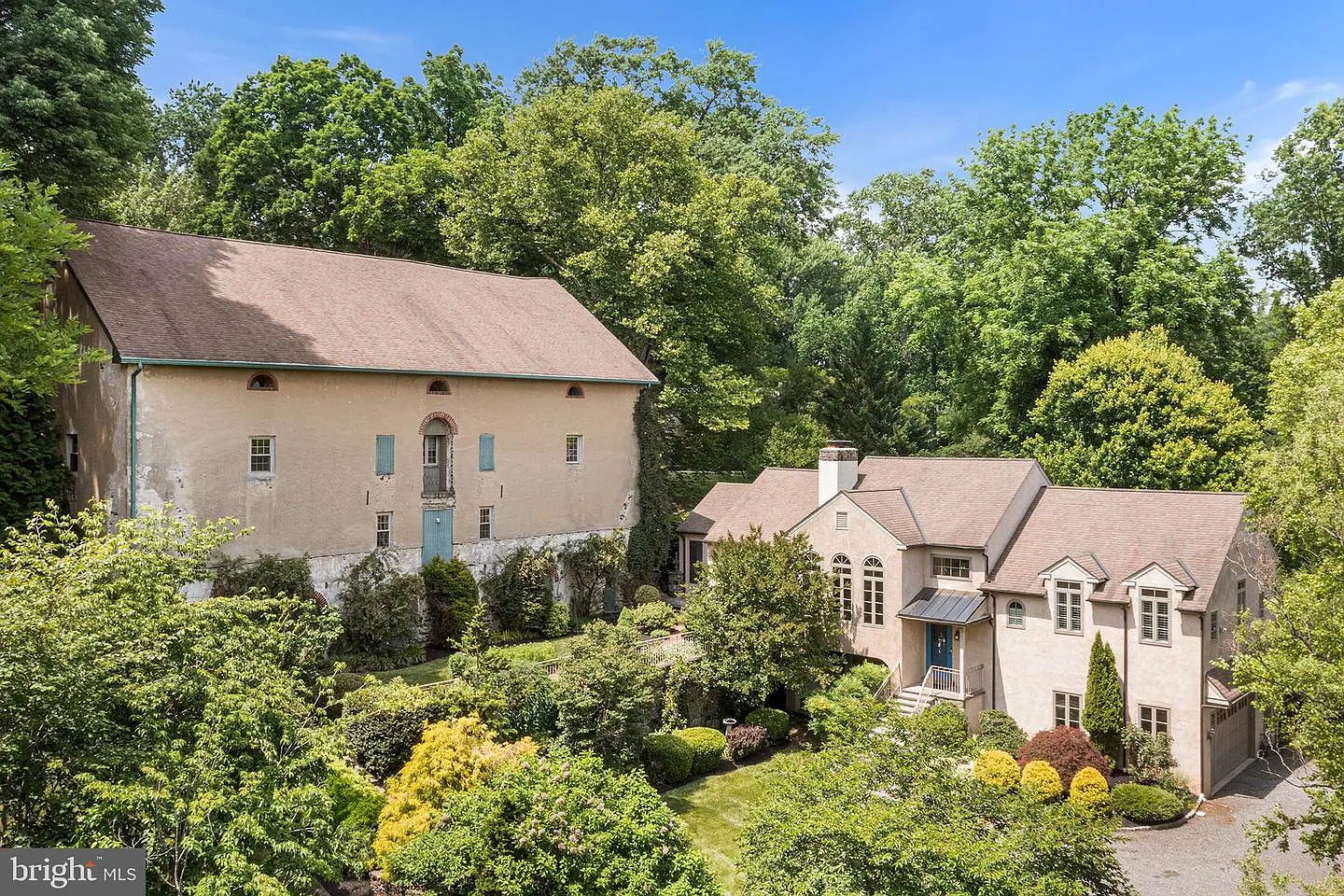
    The property includes a 21st-century home and a 19th-century bridge barn.Brenden Steiner | Courtesy of J. Scott Laughlin/Berkshire Hathaway HomeServices

    Situated on private lane in Rose Valley, this nearly one-acre property has a decidedly unique feature: a four-story bridge barn that dates back to 1872. The giant space, which could be converted into many uses, includes original stalls on the ground level, in addition to 2,700 square feet of storage space and a two-bedroom apartment. A new home was built on the property in 2003, in part of another barn’s ruins. It has three bedrooms, a three-season room, and a deck built within part of the original stone that looks out on the grounds.

    See more photos of the property here.

    Price: $1,279,900 | Size: 2,824 SF | Acreage: 0.99

    🗞️ What other Greater Media residents are reading this week:

    By submitting your written, visual, and/or audio contributions, you agree to The Inquirer’s Terms of Use, including the grant of rights in Section 10.

    This suburban content is produced with support from the Leslie Miller and Richard Worley Foundation and The Lenfest Institute for Journalism. Editorial content is created independently of the project donors. Gifts to support The Inquirer’s high-impact journalism can be made at inquirer.com/donate. A list of Lenfest Institute donors can be found at lenfestinstitute.org/supporters.