Category: News

  • More than 400,000 protest across France, challenging Macron as Paris clashes erupt

    More than 400,000 protest across France, challenging Macron as Paris clashes erupt

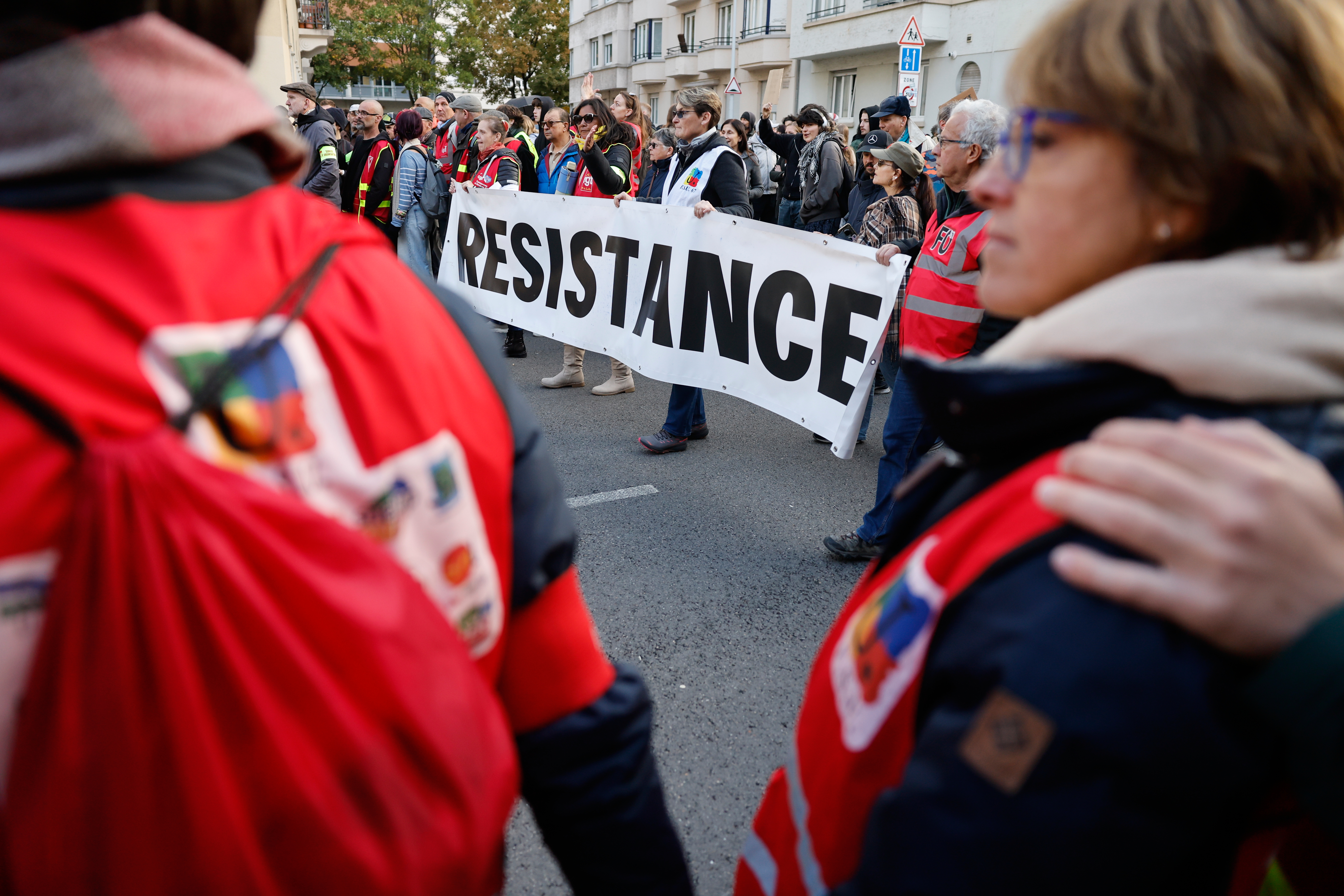
    PARIS — Clashes erupted in Paris as a mass march drew to a close Saturday, with more than 400,000 people rallying across France over school funding and soaring living costs in a fresh challenge to President Emmanuel Macron’s government.

    The Paris march began peacefully, a week after widespread rioting and looting during protests across the country. Near its endpoint at Porte de Vincennes, some protesters threw projectiles while police fired volleys of tear gas and used water cannons to disperse people.

    The Interior Ministry put nationwide turnout at 410,000, while the CGT union estimated nearly 800,000. The ministry’s estimate included 110,000 in Paris, where authorities had confined the march to the city’s southeastern edge, away from the center.

    Elsewhere in France, police used tear gas in Lyon, Clermont-Ferrand, and Strasbourg and water cannons in Nice and Nantes, French media reported. In Marseille, officers fired tear gas during clashes with several dozen people near the march’s endpoint.

    The Paris prosecutor’s office said 64 people had been arrested in connection with Saturday’s demonstration and 40 placed in police custody. Those arrested included six minors. Most arrests concerned suspected weapons offenses or participation in a group preparing violence or property damage, the office said.

    The unrest is testing Macron’s authority in the final months of his presidency before voters choose his successor in May. The stakes are high: The far-right National Rally has accused his government of failing to protect the public and urged people to channel their anger into votes for them.

    Interior Minister Laurent Nuñez had announced a nationwide deployment of up to 70,000 officers, backed by helicopters, armored vehicles, and water cannons.

    Trade unions led the procession, followed by protesters in raincoats carrying flags and handmade placards.

    Camille Chesnier, 27, said she had been unable to find work despite having an engineering degree and a master’s degree.

    “There are enormous numbers of people in the same situation as me but who aren’t privileged and who find themselves living on the streets and in squats and, frankly, it’s very tough,” she said.

    A small protest became a national movement

    What began last month as a protest over staff shortages at one high school southeast of Paris has spread nationwide, drawing students demanding better schools and workers seeking higher wages and pensions.

    In Paris, Bénédicte Pittion, a 46-year-old teacher, marched through steady rain with her 16-year-old daughter, Garance, a high school student. Both had supported the movement from the start, but this was their first protest together.

    “The young people who have been demonstrating have not been heard, and as a parent and as a teacher, I stand with them,” Pittion said.

    Garance said she had been “really scared” to attend after seeing images of last weekend’s violence, but argued that staying away would hand the government a victory.

    Public middle and high schools lost 15.4 million teaching hours in the 2024-25 school year because absent teachers were not replaced, according to Education Ministry figures. That amounted to 7.5% of scheduled teaching time.

    Macron met high school representatives Friday. They said he had promised to overhaul university admissions, but called for protests to continue until concrete measures are announced.

    Organizers from the “yellow vest” protest movement called for another day of rallies Oct. 31 to defend the right to demonstrate.

    Some protests were banned

    Soumaya Abed, a 58-year-old nurse wearing a red CGT union vest, said she had been joining protests for more than 30 years, but had never seen one start at Porte d’Italie, on the capital’s outskirts.

    “They are using what happened last week as an excuse to quiet protesters,” she said. “But it won’t stop the movement. It won’t stop students from demanding better conditions in schools.”

    In Marseille, police put attendance at 17,000, while the CGT union estimated 100,000. In the southwestern city of Toulouse, 26,500 people joined the protests, according to authorities. Authorities had banned rallies in cities including Lyon, Nice, and Montpellier.

    Trade unions have criticized the bans, calling them violations of freedom of expression, which is protected by the constitution.

    Thousands also marched Saturday in Orléans, south of Paris, in a separate peaceful protest against the far right as Marine Le Pen’s National Rally held a two-day congress in the city.

    Macron, a centrist, has entered the crisis in the final stretches of his term with his popularity at its lowest since he took office in 2017. He has said that the measures are needed to protect city centers, businesses, and public buildings.

    Nuñez acknowledged Monday that police had lost control in some cities during last weekend’s unrest, when more than half a million people took to the streets and some 3,000 shops across France were damaged or looted amid street violence not seen in years.

    He offered to resign, but Macron refused the offer.

    Shops board up and museums close

    Gendarmes stood guard Saturday beneath the Arc de Triomphe and shopkeepers boarded up storefronts across Paris. Near the Saint-Lazare train station Saturday, Akram Ahmed, a 34-year-old contractor, was boarding up an optician’s shop.

    “I got the call last night,” he said. “The owner seemed desperate. He said I was saving his life.”

    Major museums, including the Louvre, Orsay Museum, Picasso Museum, and Grand Palais — where a major Cézanne exhibit is on display — were shuttered Saturday.

    Art Basel, one of the world’s most prestigious contemporary art fairs, opened to the public Friday, but only for the day, with the threat of unrest prompting organizers to cancel the weekend program.

    Students and workers are angry

    Student groups want 250,000 more places in higher education and an end to selection through Parcoursup, the national admissions system.

    Their joint 10-point plan also calls for more teachers and repairs to schools and universities.

    They are also seeking help with everyday costs: an extra 200 euros ($224) a month in student grants and a rent freeze in public student housing.

    Energy prices in France were 21.3% higher in September than a year earlier, helping drive overall inflation to 3.1%, according to the national statistics agency, INSEE.

    Paris protester Louis Ledoux-Xatard voiced frustration over inequality.

    “Looking at countries like the United States, we don’t want to end up like them, where part of the population has everything and the others have nothing,” he said.

    “I never imagined that I’d be taking to the streets so much before my thirties.”

  • Musk says he was behind Starlink speed restriction after service in Ukraine is restored

    Musk says he was behind Starlink speed restriction after service in Ukraine is restored

    KYIV, Ukraine — Ukraine’s access to Starlink and Starshield satellite links has been restored to the speeds it had before restrictions that disrupted front-line operations for more than a week, Ukrainian President Volodymyr Zelensky said Saturday.

    “The speeds are now where they need to be,” Zelensky wrote on X, adding that restoration began overnight and was sufficient by Saturday morning, improving front-line logistics and defense against Russian jet-powered Shahed drones.

    Musk admits he was behind Starlink’s restriction

    After Ukraine said the services had been restored, Elon Musk spoke out on the speed restrictions that began last week. In a post Saturday on X, Musk acknowledged that his company SpaceX throttled the Starlink satellite internet service.

    “Using Starlink, a civilian commercial service, for offensive drone strikes to kill people has never been allowed, nor should it be,” Musk wrote. “Ukraine military violated Starlink terms of service and used it for offensive drone strikes to kill people. That loophole was closed last week.”

    But he maintained that the U.S. government controlled whatever changes happened with Starshield, the military-grade version of Starlink that is the backbone of Ukraine’s drone operations and communication. He also defended the role of SpaceX in bolstering Ukraine’s defenses since Russia’s full-scale invasion of Ukraine in February 2022.

    Restrictions imposed last week on Starshield alarmed the country’s military and government officials, with commanders reporting lost drones and disrupted missions.

    The restoration follows a new U.S. diplomatic push to end the war. Russia agreed Wednesday to resume three-way negotiations with Washington and Kyiv next month. On Friday, Kyiv and Moscow also agreed to a localized ceasefire brokered by first lady Melania Trump around Oleshky, a war-ravaged, Russian-occupied town in Ukraine’s southern Kherson region.

    Restriction led to tensions between Ukraine and U.S.

    The episode added to tensions between Kyiv and Washington, a relationship already strained by President Donald Trump’s reported deal with Moscow on Russian diesel imports, which Ukraine viewed as a betrayal.

    Ukraine’s Defense Minister Yevhenii Khmara credited “direct dialogue” and Zelensky’s diplomacy with Washington, adding that the outcome mattered most “for our front, for the military, the work of drones, logistics and communications.”

    Questions have persisted since last week about who ordered the interruptions to the Musk-made satellite internet system that Ukraine has relied on for years to counter Moscow’s attacks.

    Trump has maintained that he didn’t make the call, while also saying Musk should not be blamed. Vice President JD Vance has hinted at White House coordination with Musk, while Secretary of State Marco Rubio and Defense Secretary Pete Hegseth have denied any administration involvement.

    Russia and Ukraine have continued to target each other

    Meanwhile, a man was killed and two others wounded in a missile attack on the city of Lozova in Ukraine’s Kharkiv region, local officials said Saturday.

    Moscow-installed authorities in cities across Russia-occupied Crimea reported power blackouts Saturday following overnight Ukrainian attacks.

    Ukraine’s General Staff said Saturday that its forces hit a chemical plant in the Russian city of Tolyatti, which produces materials used in rocket fuel. Tolyatti Mayor Ilya Sukhikh said the overnight attack damaged industrial facilities in the city.

    Ukrainian forces also hit an electronics plant in the city of Oryol, Ukraine’s General Staff confirmed Saturday. Local officials in Oryol said Saturday that three people were killed in Friday’s attack. The General Staff said the plant makes components for the cruise and ballistic missiles Russia fires at Ukrainian cities.

    Ukrainian drones also reached Russia’s Omsk region in western Siberia, more than 1,242 miles from the border with Ukraine. Omsk regional Gov. Vitaly Khotsenko said drones “reached a northern industrial hub.”

    Online retailer Ozon said Saturday that its logistics center in Omsk has been attacked by a drone, but there were no casualties. Ozon is a competitor to Wildberries, whose facilities Ukraine has also targeted.

  • Israel launches crackdown in West Bank city after deadly attack

    Israel launches crackdown in West Bank city after deadly attack

    TEL AVIV, Israel — The Israeli military said it had launched a sweeping crackdown in the West Bank city of Hebron overnight after Palestinian gunmen killed two Israeli soldiers there and Prime Minister Benjamin Netanyahu vowed to retaliate days before a pivotal election.

    Residents of Hebron, the largest Palestinian city in the Israeli-occupied territory, said Saturday that Israeli troops had erected roadblocks and closed the main entrances and exits to the city.

    Israeli forces have started demolishing structures close to the scene of the attack, the military said, adding that the operation in the area would last for several days. Residents would be allowed to leave through designated checkpoints. An Israeli military spokesperson did not respond to a request for comment on whether they would be allowed to return home.

    The worsening violence in the West Bank came days before an important Israeli election, the first since the Hamas-led attacks of Oct. 7, 2023, that ignited the devastating war in the Gaza Strip. Netanyahu is fighting for his political life and has trailed his leading opponent, Gadi Eisenkot, a former military chief, in opinion polls throughout the campaign.

    On Friday, two Palestinians opened fire on Israeli troops near a checkpoint in Hebron, killing two soldiers before being shot dead, according to the Israeli military. Lt. Gen. Eyal Zamir, the Israeli military chief of staff, said in a statement that the soldiers had prevented “an even more serious attack.” The military said a large cache of ammunition was found in a vehicle used by the attackers.

    Netanyahu visited the scene of the attacks Friday and vowed a broad crackdown in the West Bank, including by imposing a security cordon around Hebron and a lockdown of the territory. Israeli forces would also search the homes of residents, he added.

    “We are acting, first of all, to destroy this place, to utterly change it,” Netanyahu said.

    Some Israeli analysts have expressed concern that the prime minister’s decision to start a major military operation might be influenced by the election. Netanyahu has sought to burnish his security credentials to Israeli voters rattled by three years of constant war.

    It was unclear whether the shooters acted alone or on behalf of a Palestinian militant group. Hamas, the Palestinian armed group based in Gaza, praised the attack but stopped short of claiming responsibility for it.

    The attacks took place against a backdrop of rising violence in the West Bank since the Oct. 7 attacks. In recent weeks, extremist Jewish settlers have initiated dozens of attacks against Palestinians during the annual olive harvest, a cultural touchstone for many Palestinians. Masked Israelis have assaulted Palestinian olive gatherers, beating them with clubs and hurling stones.

    Since early last year, the Israeli military has been conducting a wide crackdown, displacing tens of thousands of people and destroying roads and houses, in what it said was an effort to target militants.

    Last month, an Israeli man was shot dead in the West Bank, according to Israeli authorities, who said they had detained a Palestinian suspect in connection with the attack.

    This article originally appeared in the New York Times.

  • What to know as Brazilians choose between Lula and Flávio Bolsonaro today

    What to know as Brazilians choose between Lula and Flávio Bolsonaro today

    RIO DE JANEIRO — Brazil is on the cusp of granting leftist incumbent Luiz Inácio Lula da Silva a fourth presidential term or pivoting to the far right again by electing Sen. Flávio Bolsonaro, an ally of U.S. President Donald Trump.

    Lula, who at 80 is one of the world’s oldest heads of state, is Brazil’s 35th and 39th president, having served from 2003-2010 and again since 2023. Bolsonaro, 45, aims to return his family name to power while his father serves time for attempting a coup to prevent the end of his 2019-2022 presidency.

    The younger Bolsonaro bested Lula by more than 2.2 million votes in this month’s first round, but neither won an outright majority, setting up today’s runoff. Bolsonaro had 47% of the votes to Lula’s 45%, and surveys show the race remains tight as voters return to the polls.

    Here’s what to know about Brazil’s runoff vote.

    From union worker to thrice-elected president

    Lula, who got his start as a union worker, losing a pinky finger in a factory accident at 19, inspired cult-like devotion during his first and second terms in office as Brazil’s economy expanded with the help of a commodities boom and direct cash assistance that lifted millions of Brazilians out of poverty.

    He later spent more than a year in prison on corruption convictions that were eventually annulled before winning a third term in 2022.

    Former U.S. President Barack Obama once called Lula “the world’s most popular politician,” but his approval ratings have fallen as low as 24% this term as voters raise concerns about crime and the cost of living. He’s responded with promises to share the benefits from extracting Brazil’s rare minerals and other resources and has increased payments through his flagship Bolsa Familia program by 15%.

    Other steps Lula has taken to shore up support before the runoff include cutting fuel taxes, pardoning the government debts of 3.6 million small businesses, moving to block cell phone signals around prisons, and proposing to boost welfare payments to university students.

    And with just days to go before this vote, Brazil’s Senate approved rules backed by Lula’s administration to reduce the maximum workweek from 44 to 40 hours while enshrining two rest days without a salary cut.

    A lawyer following in a father’s footsteps

    Sen. Bolsonaro began his political career at 21, when he became Rio’s youngest elected state lawmaker.

    With former President Jair Bolsonaro barred from running as he serves a 27-year sentence under house detention, his eldest son has largely embraced his father’s ultra-conservative agenda while trying to moderate his communication style to attract centrist voters.

    His hard-line security policies have been a pillar of his campaign, and polls show these proposals are popular. The senator has pledged to fight criminal groups by building El Salvador-style megaprisons, to follow the Trump administration’s lead by designating transnational gangs as terrorist organizations, and to try defendants as young as 16 as adults.

    Brazil plays a vital role in mitigating global warming by protecting the Amazon rainforest, but deforestation hit a record high during Bolsonaro’s presidency, and his son has likewise denied human-caused climate change, committing only to stopping illegal deforestation.

    Sen. Bolsonaro’s admission that he accepted millions of dollars from disgraced banker Daniel Vorcaro to produce a film on his father’s life has cast a shadow over his campaign. He is under investigation for corruption, money laundering, and tax evasion in connection with the case.

    Trump looms large

    Lula has repeatedly warned the U.S. not to meddle in Brazil’s elections and has made defending Brazil’s sovereignty a key campaign issue. The Trump administration did not respond to a request for comment on whether it is seeking to influence the outcome, but he has repeatedly made gestures favoring his ally.

    Trump announced 50% tariffs on Brazilian goods last year, citing — among other reasons — the trial of Jair Bolsonaro. This year, he imposed a new round of U.S. tariffs, citing unfair trade practices despite running a U.S. surplus. Trump also classified Brazil’s biggest drug-trafficking groups as foreign terrorist organizations shortly after receiving Sen. Bolsonaro at the White House — a move Lula’s administration opposed as a pretext for intervention.

    A victory by Sen. Bolsonaro would add Brazil to a list of Latin American countries — including Argentina, Chile, Colombia, Costa Rica, and Peru — that have elected Trump-friendly governments in recent years.

    Voting in Brazil is mandatory

    Brazil also held its first round of voting for state and federal lawmakers on Oct. 4, and candidates who won more than 50% of valid votes, which exclude blank and spoiled ballots, were confirmed. Joining Lula and Bolsonaro on runoff ballots are governors in five states and the federal district.

    Voting in Brazil is mandatory, and almost 160 million Brazilians are called to the polls. But more than 33 million, or 21% of the electorate, did not vote earlier this month, and could face a small fine for failing to cast a ballot without justification. People who missed the first round can vote in the second.

    Brazilians cast ballots using electronic voting machines, punching in digits that correspond to their candidates. Results are reported within hours after polls close.

  • A man who Philadelphia police shot Friday has died

    A man who Philadelphia police shot Friday has died

    A man who was shot multiple times by Philadelphia police officers has died, police said Saturday.

    About 5:20 p.m. Friday, officers responded to a 911 call about a man with a gun in West Philadelphia, police said.

    When police arrived at the 5100 block of Funston Street in the Mill Creek section, they encountered a man holding a handgun to his head, Deputy Commissioner John Stanford said Friday at a news conference. Police secured the area while additional officers arrived.

    Police attempted to talk with the 37-year-old man for about 15 minutes, Stanford said. But when the man pointed his gun at them, seven officers, including three supervisors, shot at him.

    “Responding officers discharged their firearms, striking the male multiple times,” police said Saturday. The man was taken to Penn Presbyterian Medical Center, where he was pronounced dead.

    Police had responded earlier Friday to a domestic dispute involving the man and his significant other, Stanford said.

    Police did not release the man’s name.

    The responding officers will be placed on administrative duty while an internal investigation takes place, police said.

    Staff writer Robert Moran contributed to this article.

  • AI ad mocks Talarico as Bible-defacing radical. Democrats bet it will backfire.

    AI ad mocks Talarico as Bible-defacing radical. Democrats bet it will backfire.

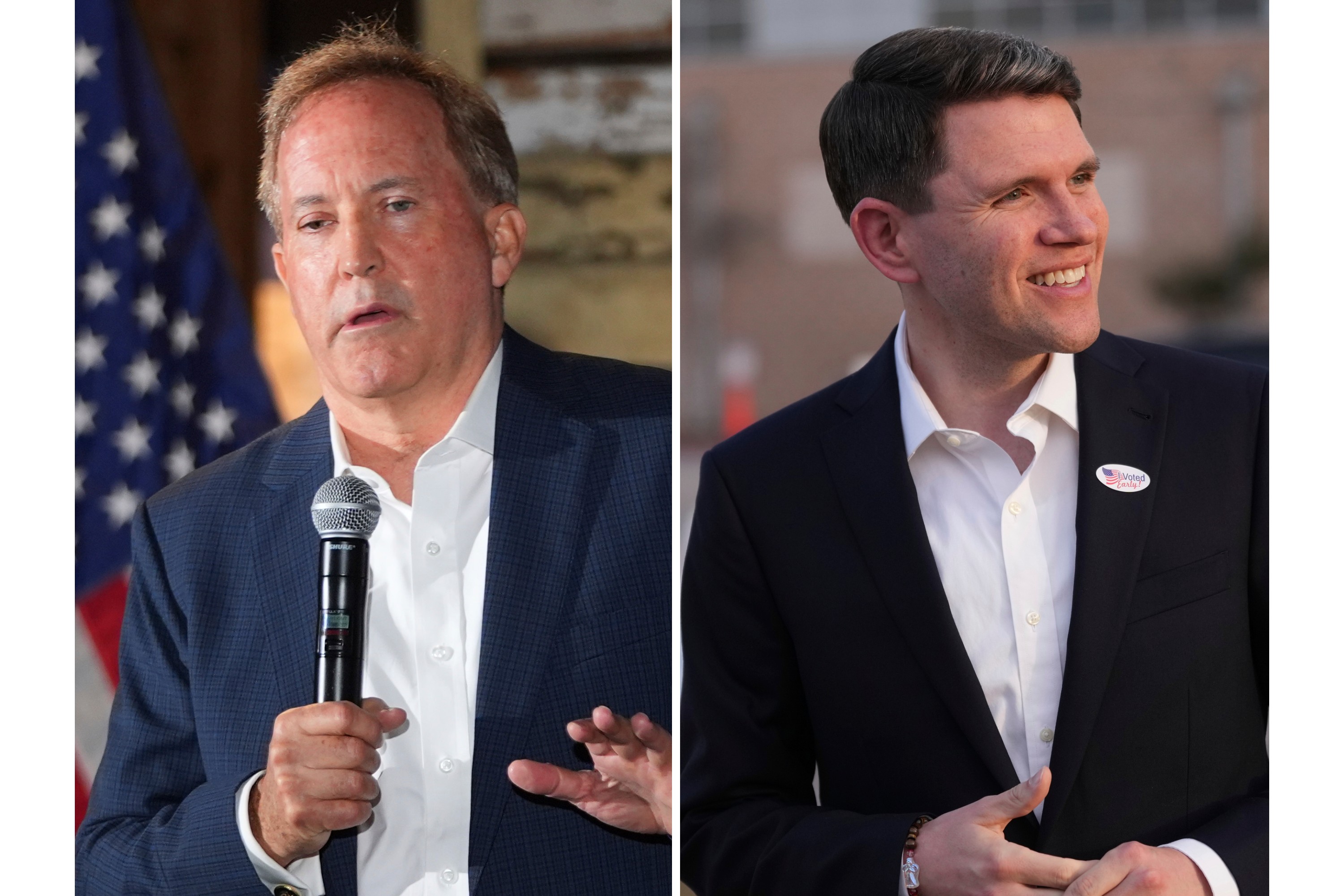
    Texas Senate candidate James Talarico strolls through a dimly lit warehouse with rows of television sets arrayed on the floor in a recent campaign ad.

    The TV sets are airing Republican attack ads that portray the Democratic candidate as a Bible-defacing radical who advocates for sex change surgery for minors.

    “No, I’m not a member of the Chinese Communist Party,” Talarico says as he faces the camera and walks around the room TED Talk style. “No, I don’t support sex change surgeries for kids.”

    Talarico blasts the AI-generated ads as an effort by GOP Senate nominee Ken Paxton and his allies to lie to voters about Talarico’s record.

    “I don’t have to use AI, because the truth about Ken Paxton is bad enough,” Talarico says in the ad.

    The Talarico spot highlights a clear trend in the ad wars of the 2026 midterm campaign cycle. Republicans are going all in on AI-generated ads. Democrats, meanwhile, are shunning them and trying to turn the tables on the GOP, suggesting the ad campaigns are emblematic of a party that doesn’t care about the truth and can’t be trusted.

    Another Talarico ad, for example, accuses Paxton of “selling off Texas” for the construction of data centers. It includes the disclaimer: “Made by humans, not AI.”

    The 2026 midterms offered the first real showcase of AI campaign ads. Campaigns spent over $137 million on ads generated or enhanced by AI this midterm cycle, up from $50,000 in the 2024 elections, according to an estimate from the Wesleyan Media Project, which analyzes political advertising.

    Republican candidates and groups have aired the overwhelming majority of those ads, accounting for 88% of spending, or around $120 million.

    Multiple Democratic strategists and campaign advisers told the Washington Post they believed voters’ concerns about cost of living, corporate power, and political authenticity outweighed the edge Republicans might gain from using synthetic video.

    “Right now, Democrats are focused on winning on our values, on affordability, on our issues, and delivering [that message] in a way that is true and honest, in the way the electorate can interpret it fairly now. Republicans just want to win,” said Kelly Dietrich, founder of the National Democratic Training Committee (NDTC), which offers tools and training aimed at helping Democratic candidates win elections.

    Dietrich’s group rolled out a course last year on “AI for Progressive Campaigns” that advises against creating fake videos of opponents, saying they undermine “democratic discourse and voter trust.” Dietrich said more than 1,000 people have taken the training, which was created with Higher Ground Institute and helps progressive groups tap into emerging technology.

    Valentina Perez, a senior vice president at the Democratic ad firm GMMB, said her firm advises clients to consider whether obvious AI use would undercut an ad’s intended message.

    “AI is part of the larger conversation about what we’re telling voters when we are asking for their vote, which is something I think should be held to a higher standard,” Perez said.

    Some voters might appreciate the restraint. Around 9 out of 10 likely general election voters in one recent poll said “using AI to create a video of an opponent saying something they never said” was “completely unacceptable,” regardless of whether the video included an AI disclosure. The survey, of 1,568 likely general election voters, was conducted by the AAPC Foundation, a nonprofit associated with the American Association of Political Consultants.

    In a campaign cycle focused on affordability issues, wariness of AI could also reflect broader anxiety about its influence on the economy, said Karthik Ganapathy, co-founder of the Democratic hybrid PAC Tomorrow Together, which advocates for guardrails on AI.

    Ganapathy said many Americans see themselves as being “on the losing side” of the technology, when it comes to its potential for eliminating jobs and uses such as automated denials of insurance claims.

    “I think everyday Americans want someone to stand up to Big Tech,” Ganapathy said. “They’re not against AI in absolute terms, but they’re nervous that if nothing is done, this tech will benefit just a small handful of billionaires and basically no one else.”

    How Democrats are using AI behind the scenes

    Democrats are employing AI for behind-the-scenes work, not eschewing it altogether.

    Take the tool CampSight, which keeps tabs on what chatbots might be telling voters who ask about candidates and offers guidance to campaigns on how to improve those results. The practice — called “answer engine optimization” or “generative engine optimization” — includes advice like ensuring that campaign websites have full, written policy proposals.

    Around 200 campaigns are using CampSight, from federal races down to school board candidates, according to Jordan Haines, chief technology officer of the progressive group Run for Something, whose advocacy arm — Run for Something Action Fund — operates the tool.

    Sometimes, the whims of AI bots can tempt candidates to reconsider their stances on issues.

    “I do think — I know — these answers are influencing the way that they not just write about their policies, but think about their stance on a policy, too,” he said. Haines compared campaigns’ monitoring of chatbot answers to how candidates have historically worked to shape press coverage.

    “Now, there’s just a new information domain where that contrast is taking place,” he said.

    Sometimes, the technology simply fails. Jonathan Barnes, CEO of the Democratic fundraising firm Authentic, described a test in which AI was used to create a synthetic group of small-dollar Democratic donors. The made-up donors were sent fundraising emails as the firm tried to gauge which pitches would be most successful.

    The tool was shelved after the AI-created donors resorted to stereotypes about “coastal folks and people of color,” Barnes recalled.

    Other AI uses have streamlined what used to be entirely human work, such as drafting new fundraising pitches in reaction to breaking news events.

    “Immediately, as soon as something breaks, it can have the email drafted,” Barnes said.

    And the technology is only getting better. The NDTC’s AI course was launched last summer. Just a year later, Dietrich said, AI tools can continually update themselves to match a candidate’s voice and reflect incoming data from the field.

    Last year’s training module suggested campaigns think about AI tools like “having a very capable intern.”

    Now, Dietrich said, “You’ve got a really good deputy.”

  • The police officer critically wounded in the West Philly shooting was released from the hospital after two weeks

    The police officer critically wounded in the West Philly shooting was released from the hospital after two weeks

    A police officer who was critically wounded by a gunman in West Philadelphia was released from the hospital on Saturday, two weeks after the shooting that killed his partner.

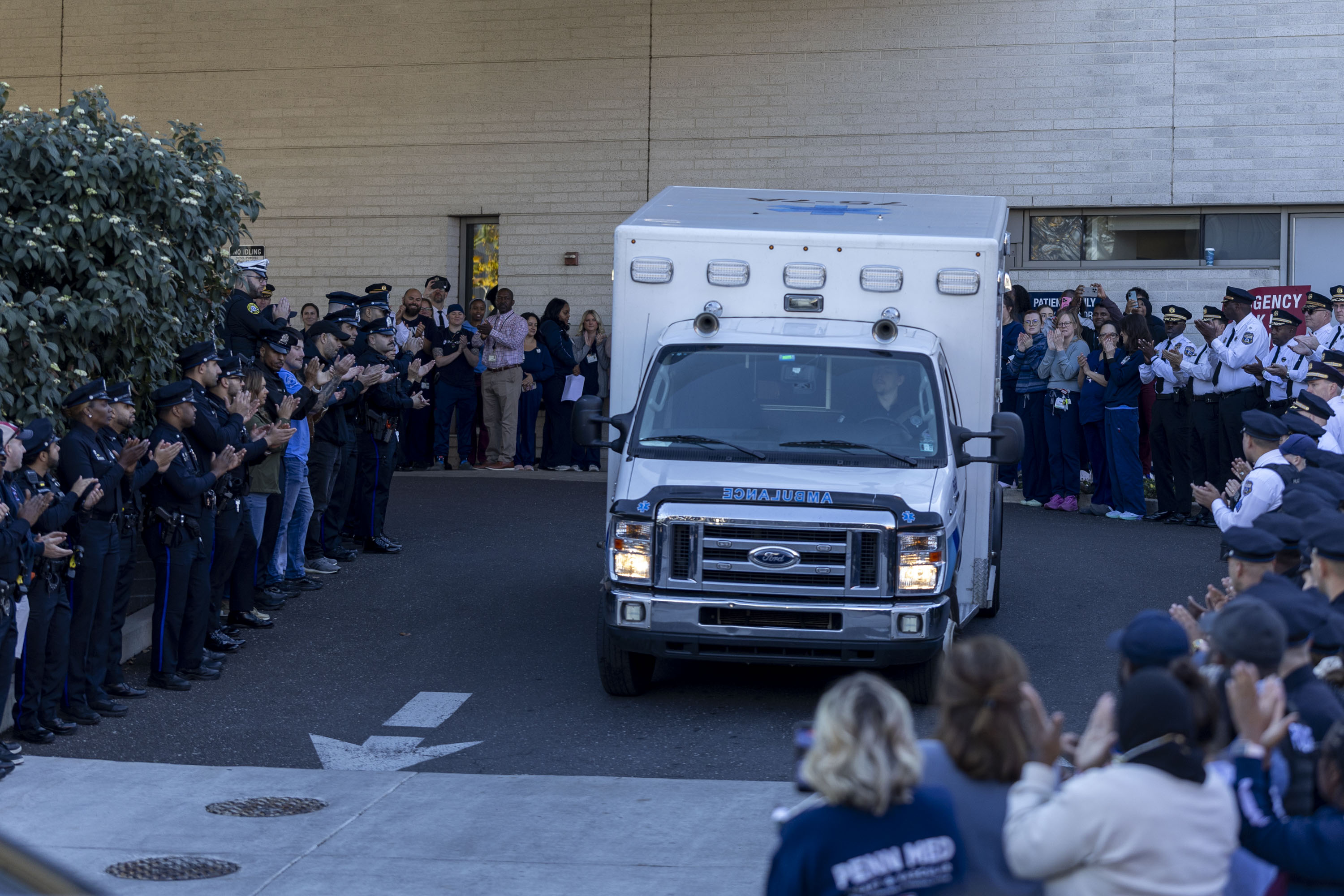
    Officer Hector Rodriguez III, who was shot 12 times during the Oct. 10 gunfire, was discharged from Penn Presbyterian Medical Center just after 11 a.m. More than a hundred fellow Philadelphia police officers saluted Rodriguez, a 33-year-old father of five, as he exited the hospital doors.

    Rodriguez, a nine-year veteran of the department, was emotional as he took in the show of support, First Deputy Commissioner John Stanford said. The officer placed a hand over his chest while the crowd, which included hospital staff, clapped and cheered.

    Philadelphia Police Officer Hector Rodriguez is applauded by Penn Presbyterian Medical Center staff and his fellow officers as he is released from the hospital after two weeks from being injured in a shooting on Saturday, Oct. 24, 2026, in Philadelphia, Pa.Tyger Williams / Staff Photographer

    “Great sadness brought us here,” Stanford said, “but you see great joy today.”

    Rodriguez and his partner, Officer Shane Seiber, were responding to an early-morning 911 call about a person with a gun when a man identified as Eric Lewis fired on them, police have said. Lewis, 35, then retreated into the shadowy alley behind the property, triggering a standoff with a swarm of responding officers before he surrendered, authorities said.

    Seiber, 40, was shot three times and died from his injuries. At his funeral on Tuesday — which Rodriguez left the hospital to attend — Seiber was remembered as a family man and a patriot who brightened rooms just by being in them.

    Stanford said Rodriguez was headed to the “next phase of recovery” as he left the hospital in a police-escorted ambulance.

    “It’s going to be a long road for him,” the deputy commissioner said. “We’re going to be behind him 100% as he goes through that process.”

    The alleged gunman, Lewis, is charged with murder, attempted murder, and related state crimes in connection with the shooting. This week, authorities also lodged federal firearm charges against Lewis.

    The shooting stunned the city’s law enforcement community, and revelations that Lewis had been acquitted in a prior murder case exacerbated tensions between police and District Attorney Larry Krasner.

    Meanwhile, Stanford thanked the city for its support of the department and asked people to pray for Rodriguez, Seiber, and their families.

    “It fills your heart with joy … to see that type of support,” Stanford said. “[Rodriguez] needs that, and it was good for him to see.

    “You feel that love that folks are giving you.”

  • A dam is removed, but the Brandywine’s battle against flooding may never end

    A dam is removed, but the Brandywine’s battle against flooding may never end

    The water was flowing peacefully, a solid 7 feet below flood stage, when Matt Collins checked the reading from the government flood gauge, housed in a wooden shed behind the building that is home to the Brandywine Museum of Art.

    The ivy on a brick wall had turned an autumnal shade of oxblood, and on a spectacular October afternoon in the heart of Wyeth country, it was hard to believe that Chadds Ford and towns from Honey Brook, Chester County, to Wilmington have been at war for decades with the storied stream from which the museum takes its name.

    And the battle of the Brandywine in a watershed that is home to 265,000 people, and expected to add 150,000 more by century’s end, has been escalating and shows no signs of ending. An Inquirer analysis determined the Brandywine has been the most flood-prone stream in the region.

    Earlier this month, an obstructive dam just upstream from the museum was dismantled, one of the recommendations in a comprehensive report coauthored by the Brandywine Conservancy — which operates the museum — on taming the flooding throughout the watershed.

    Equpiment removes the obsolete Hoffman’s Mill dam on the Brandywine Creek in Chadds Ford earlier this month.Brandywine Convservancy

    The watershed is still recovering from the ravages of Ida in 2021, its legacy powerfully evident at the museum, where Collins is the acting director of facilities. An arc of wooden benches along the erstwhile floor-to-ceiling windows near the main entrance now also serves as a flood barrier.

    A bench-like row suitable for sitting at the Brandywine Museum, in front of the erstwhile flood-to-ceiling windows, also is serving as a flood barrier. Staff / Anthony R. Wood

    What was once classroom and lecture space on the ground floor is now bunkered among pipes and sump pumps and other flood-fighting hardware.

    “This is all new,” Collins said. “We had to reroute everything.”

    The low ceilings, spartan interior, windowless walls, and labyrinth of metal evoke a submarine.

    And the hope is that it would be submarine-watertight if another Ida came along, said Nicole Kindbeiter, communications director for the conservancy.

    The museum flood-proofing, which Kindbeiter said required closing off about 12,000 square feet of what was publicly usable space in the lower levels, has taken five years and $30 million. A hefty portion came from federal and state disaster assistance.

    At long last, conservancy officials are confident that the work is near completion and that the building can withstand an assault similar to that of Ida, during which the river stage rose to 21 feet — 4 feet higher than the previous record crest.

    But the grand plan to tame the Brandywine Creek is just beginning, and it is unclear how much it is going to cost, where the money will come from, and when it might be completed.

    The Brandywine battle plan

    The study, compiled by the conservancy, the Chester County Water Resources Authority, and the University of Delaware Water Resources Center and released last year, looked at 300 sites in the watershed, which covers more than 20% of Chester County.

    Starting at an elevation of about 1,000 feet in the western end of the county, the East and West Branches of the creek form a jagged U shape before joining the main stem not far from Longwood Gardens, ultimately flowing into the Christina River near Wilmington.

    Through the years, it has caused floods of trouble. The watershed hosts nearly 150 “repetitive loss properties,” those that have suffered repeated flood losses, which have been a drain on the perennially cash-strapped National Flood Insurance Program.

    Thousands of properties reside in 100-year floodplains, areas in which a 100-year flood has a 1% chance of occurrence.

    Among its recommendations, the 2025 report called for the removal of four dams, two of which, including the one near the museum, are gone, and 10 bridge replacements.

    It targeted an area across the creek from the museum on land owned by the Brandywine Conservancy for “floodplain restoration,” more or less returning a property to a predevelopment state. The conservancy is seeking funding, said its director, Grant DeCosta.

    But a whole lot of land has headed in the other direction, the report noted. In the heart of the watershed along the Route 30 corridor, impervious cover — the hard surfaces that incite runoff — increased from 9% to as much as 15% between 2001 and 2021.

    The fact that so much land in the county was off-limits to development likely kept Ida’s flooding from being worse. A lot of the undeveloped acreage is either owned or held in conservation easements by the conservancy and other entities.

    That said, Ida was more than bad enough.

    Ida’s legacy and the area’s flood history

    By the time the museum opened in 1971 at the site of a closed flour mill, the building it occupied had endured more than 65 floods dating to 1912, according to National Weather Service records.

    By just a few years, the museum’s opening predated the era of federal flood mapping, which in all likelihood would have deemed the site unbuildable.

    Three months after it opened, a tremendous rainstorm blamed for 12 deaths and wiping out a 20-home development in nearby Chester city triggered the museum’s first major flood. Around the time of its first anniversary, the deadly remnants of Hurricane Agnes resulted in another major flood at the Brandywine.

    Agnes’ crest was topped in September 1999 by Floyd’s rains, but Ida was a once-in-800-years event that outdid Floyd’s crest by 4 feet.

    Ida was blamed for one death in Downingtown. The Chester County emergency center dealt with more than 4,000 calls and more than 300 storm-related rescues within 10 hours. Property damage throughout the watershed was immense.

    And at some point, officials say, they expect more troubles.

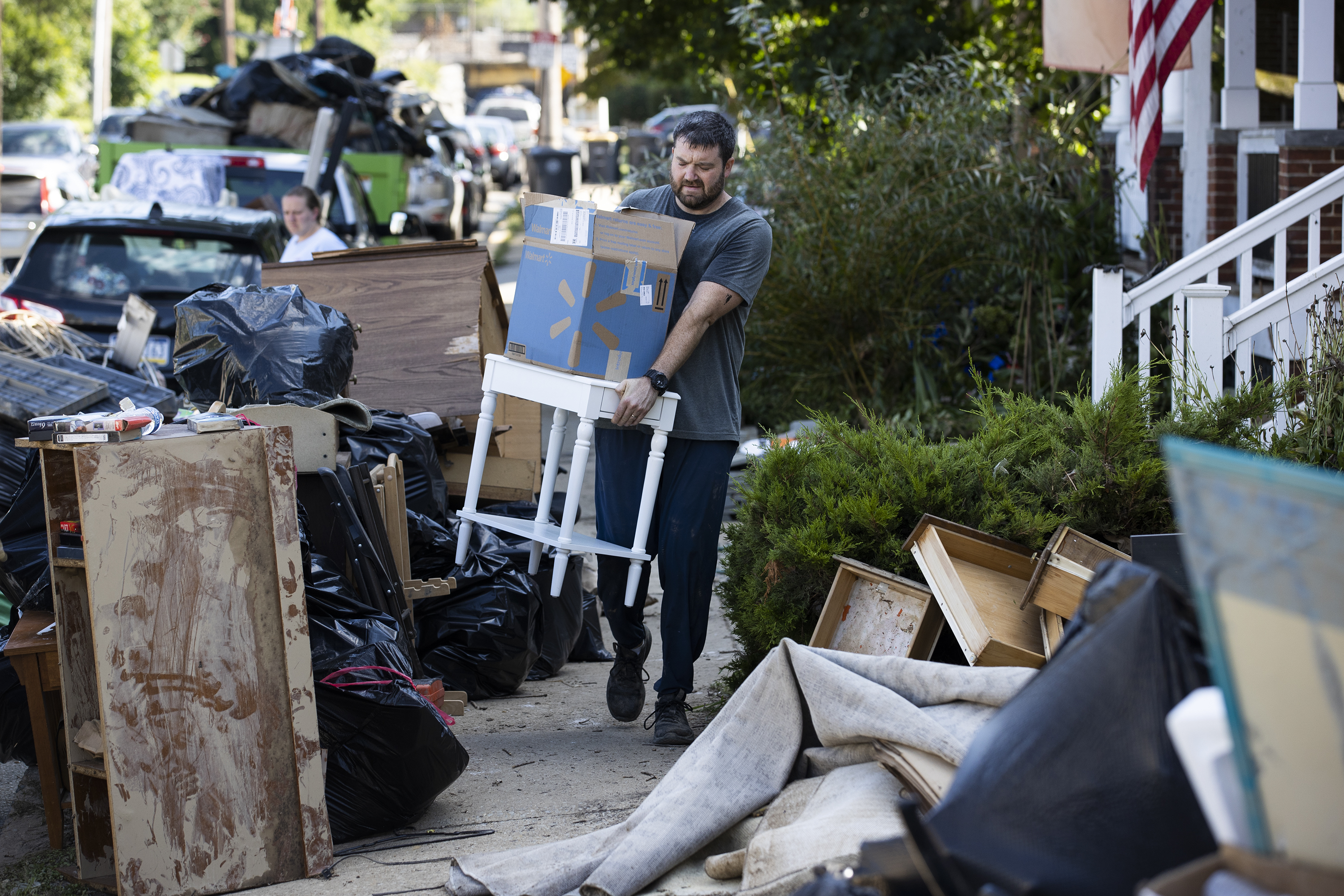
    Steve O’Connor carries some on the things he was able to salvage from his home on Brandywine Avenue in Downingtown in the wake of Ida in September 2021CHARLES FOX / Staff Photographer

    The future of the Brandywine

    Precipitation amounts have been creeping up in the region with the warming of the planet, and the Brandywine study assumed increased rains.

    But as the region learned repeatedly this summer, it would be all but impossible to predict where the heaviest rains will target their ferocity at any given time.

    The proposed Brandywine projects have no timetable, DeCosta said, “given the scale of the flooding challenges we have.”

    “It’s a roll of the dice,” said Gerald Kauffman, director of the University of Delaware Water Resources Center, an author of the study. A major factor in the timing is going to be money, Kauffman said, with federal funding drying up.

    As for the museum, the conservancy is adding a 40,000-square-foot building, to be ready in three years, as part of a $100 million expansion.

    This one will be on a hillside, about 60 feet higher than the one that survived Ida, and Floyd, and Agnes.

    Correction: This story has been updated to reflect that the museum’s flood-proofing plans required it to close off about 12,000 square feet of public space in the lower level.
  • Signs of fall are popping up around Philly

    Signs of fall are popping up around Philly

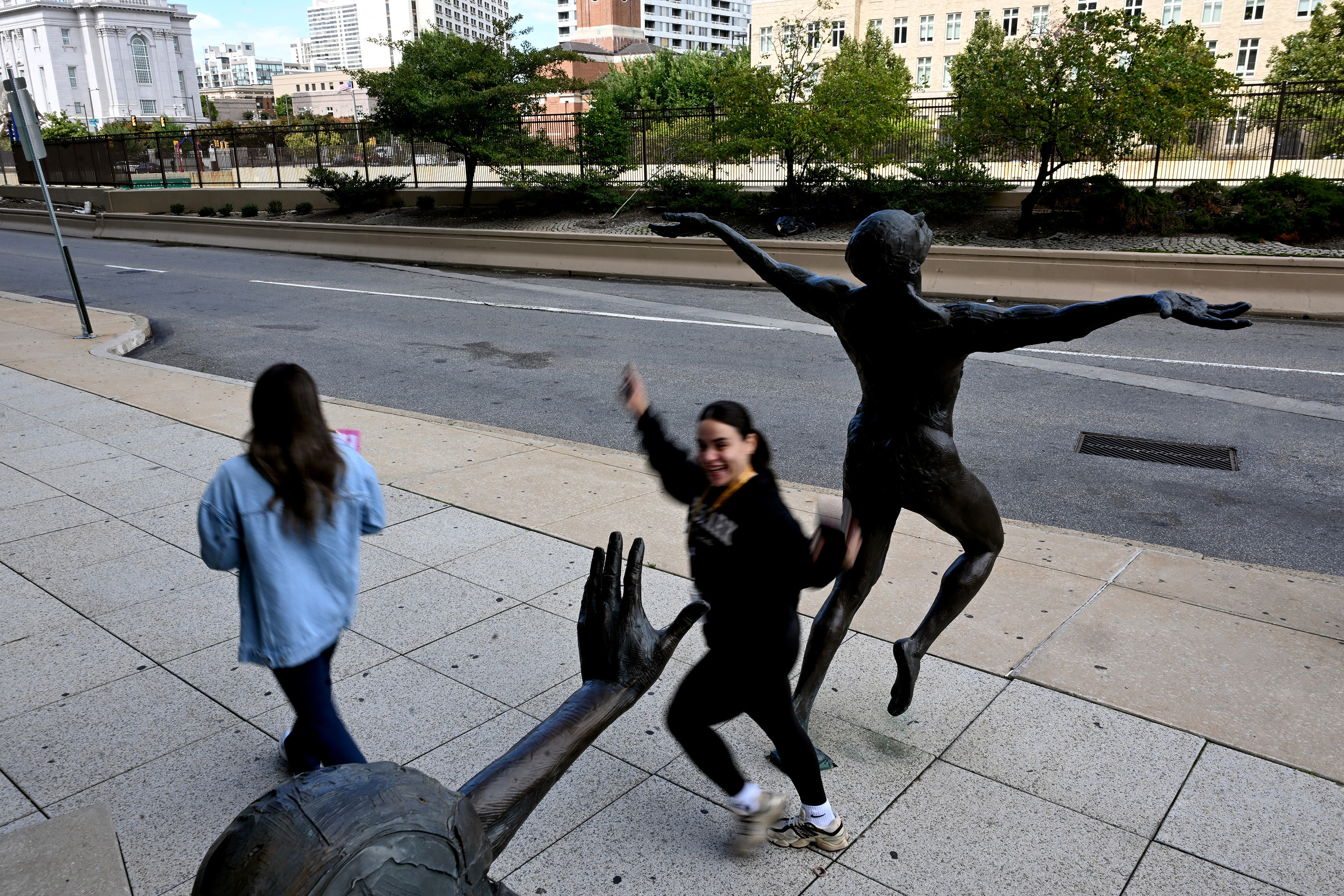
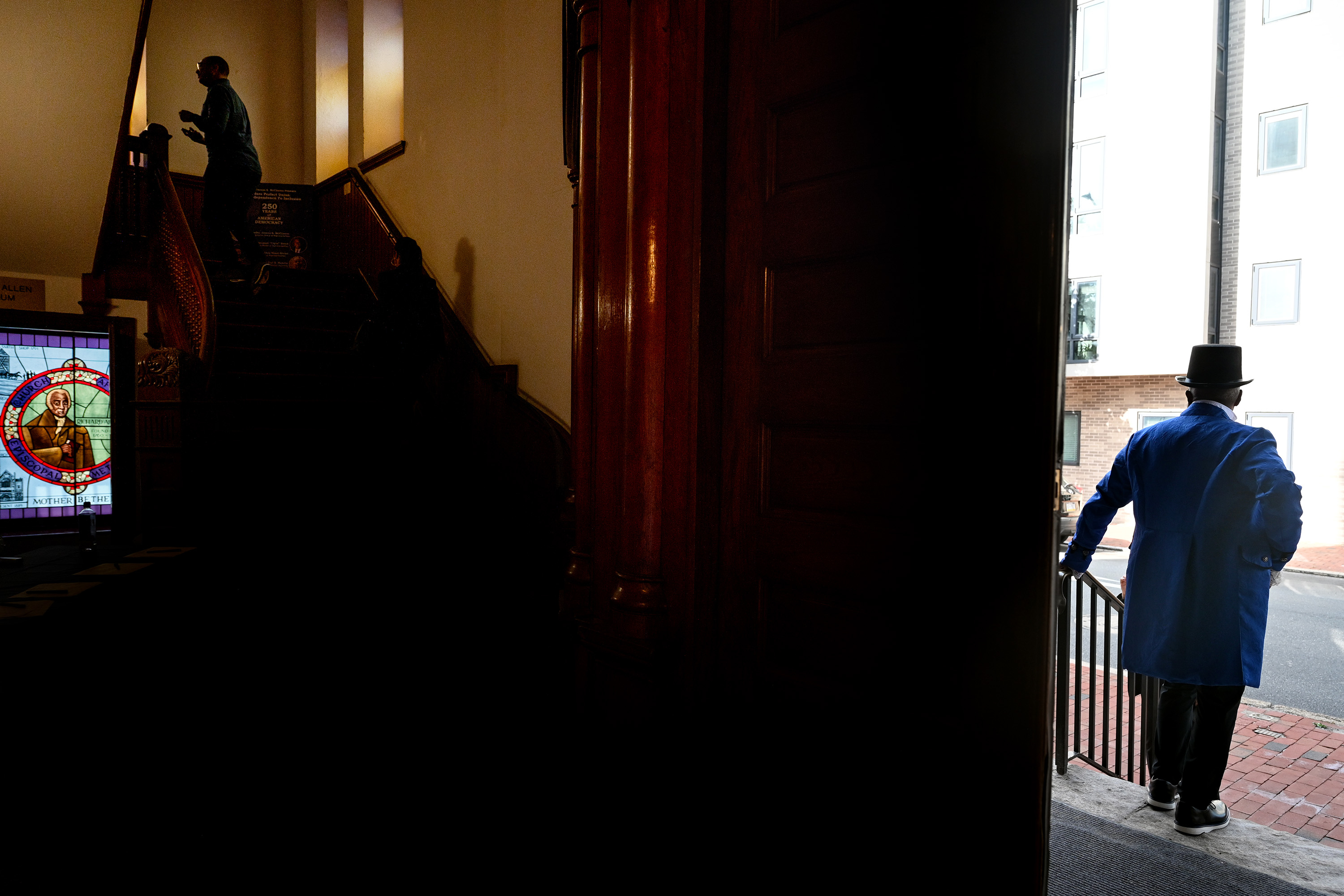
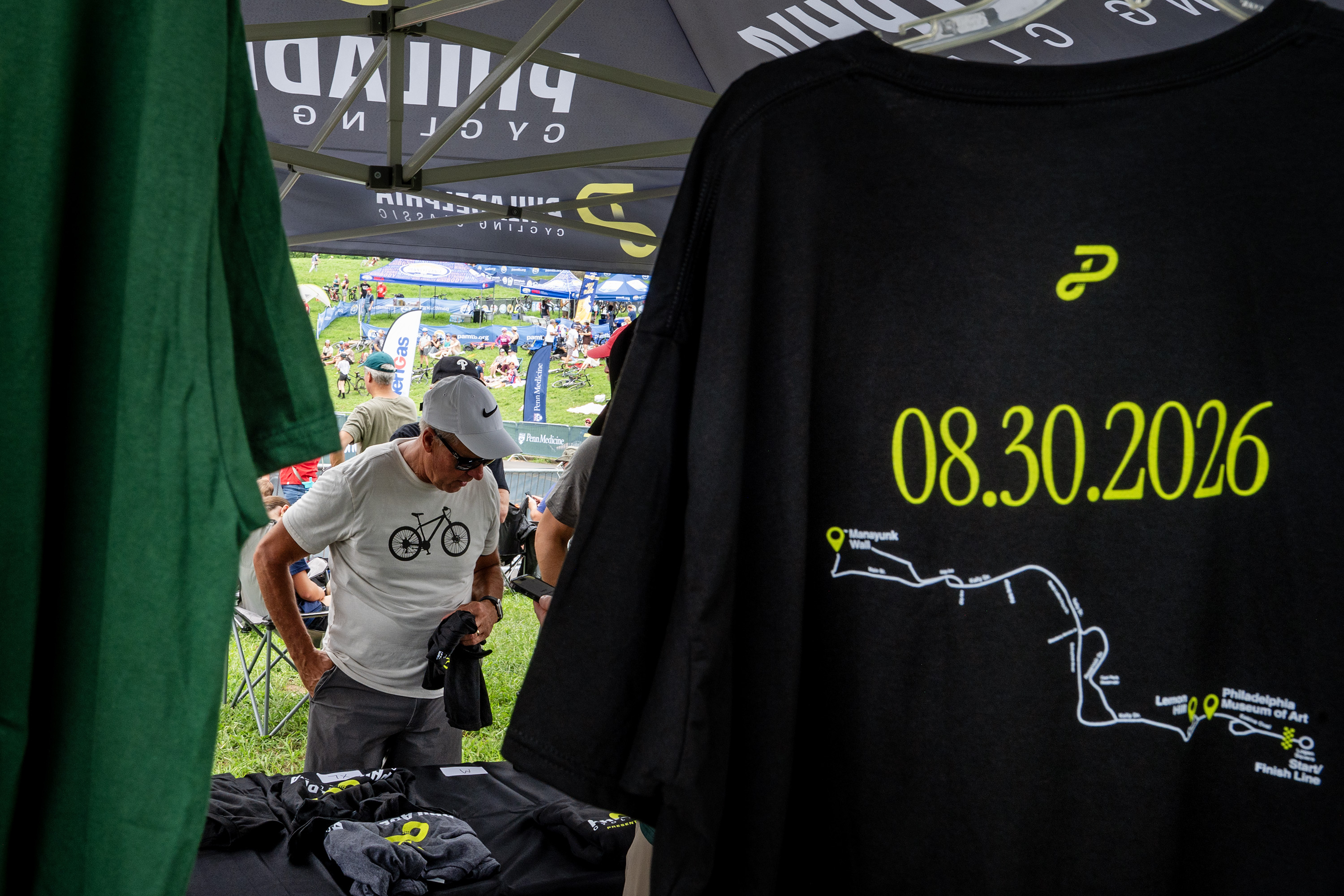
    As long as weather counts as news, and newspaper photographers have to cover it, I’m grateful to live in a place with four distinct seasons. It is a joy to be in a temperate climate zone and have something new to look forward to. At least four times a year.

    Trees in the city are just now starting to show their fall colors, and I thought about the changes that are coming while walking along Museum Row, on the Ben Franklin Parkway one night this week.

    Maybe it was just the artificial lighting, slightly warmer than the spotlights on the building, but the trees reflected in the Tabletop Fountain outside the Barnes Foundation were especially glowing.

    Fall foliage was on my mind as I drove between assignments, seeing a single red, yellow, or orange tree here or there, among others that were still green. Most were not in the best light for photos, or in a place I could safely pull over to make pictures.

    I did finally find an early autumn adopter that worked. But then it was more of the waiting I often talk about, for that one little “extra” element.

    And wait I did. In 1996, less than half the cars sold in the U.S. were white, black, gray, or silver. Today, grayscale colors account for 80.4% of the U.S. car market. And as if I needed a study to tell me, there aren’t as many red ones on the road anymore. In 1996 it was one of America’s dominant car colors, accounting for 20.1% of the market. By 2025, red’s share had fallen to just seven percent. (Yellow is an even rarer sight.)

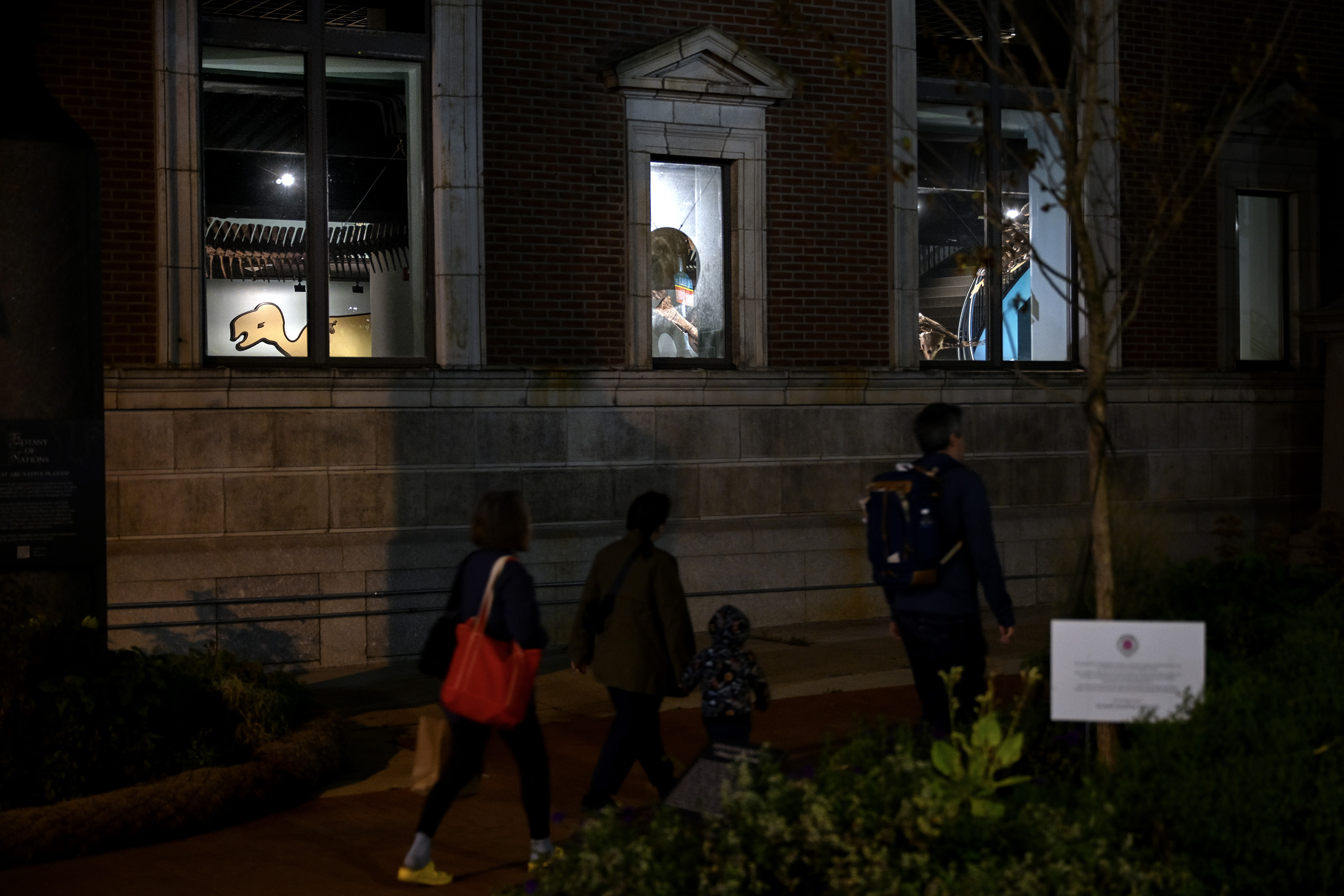
    Back to my walking at night, I paused outside the now-closed-to-the-public (even during the daytime) Academy of Natural Sciences of Drexel University.

    Through the window I could make out glimpses of bones, before I spotted the painting of my favorite Late Cretaceous Period creature: South Jersey’s own, and the state dinosaur of New Jersey, Hadrosaurus foulkii. It was unearthed in a marl pit in Haddonfield in 1858, the first nearly complete dinosaur skeleton to be discovered virtually intact anywhere in the world.

    This would’ve been the end of this week’s column.

    However…

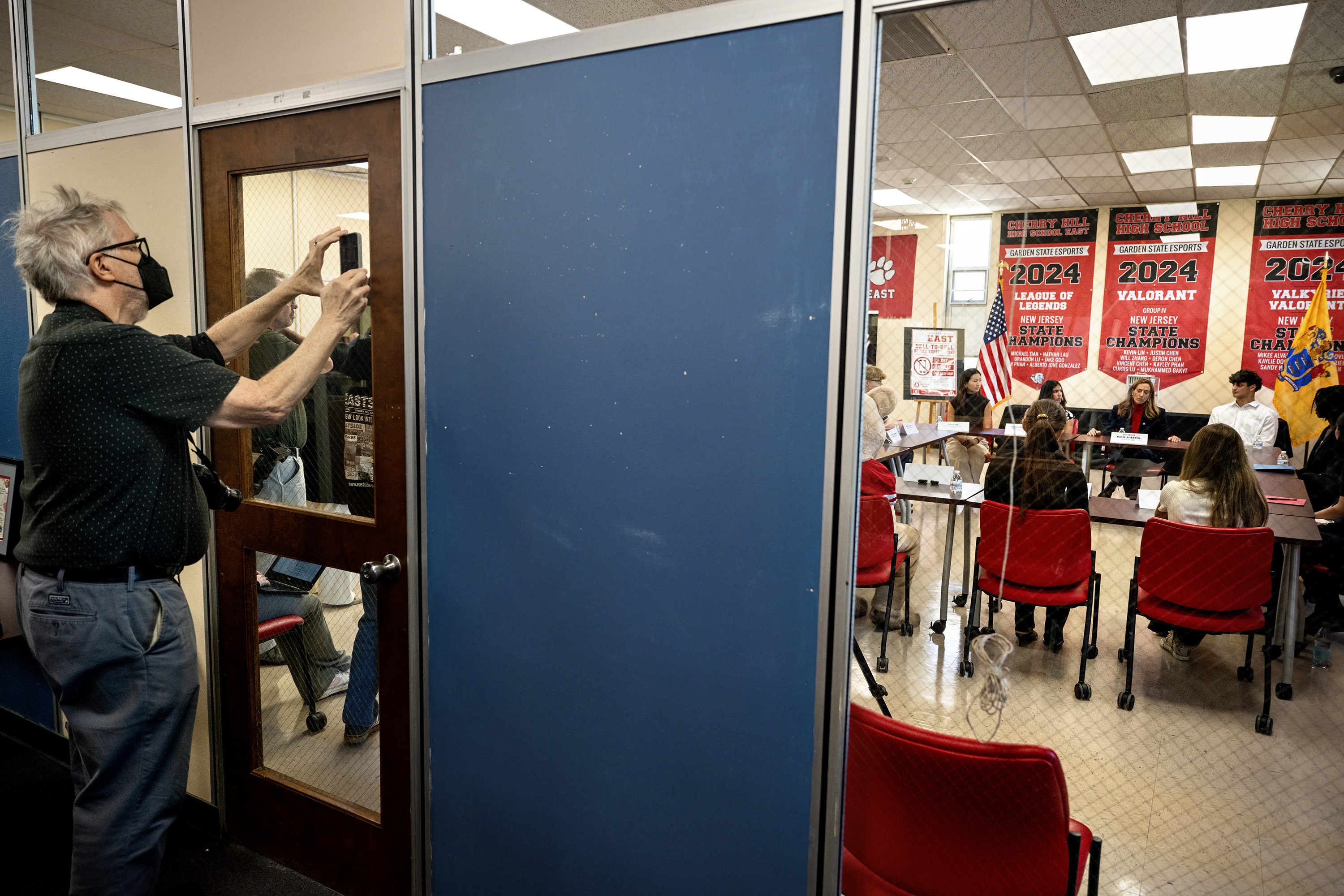
    On Thursday, New Jersey Gov. Mikie Sherrill visited high school students to talk about the state’s new bell-to-bell restrictions on cellphones, in a roundtable discussion — without the news media invited inside. She and education officials and a student would talk afterward at a press conference.

    Waiting outside the room for them to leave the closed meeting room, I saw longtime Cherry Hill Courier-Post reporter Jim Walsh go over to watch through a glass door. Good thinking, I said to myself, as I walked across the library to photograph the governor and students through a different window.

    It’s one thing to act on someone else’s idea, but I was certainly not going to take my pictures looking over Jim’s shoulder. However I did include him in one of my photos to show that we were outside, looking in.

    Cherry Hill Courier-Post reporter Jim Walsh records through the glass as Gov. Sherrill sits with students in the closed meeting room.Tom Gralish / Staff Photographer

    I have prided myself over the years on having a good eye, a way at looking at things differently. I arrive at events early and stay after they’re over. When other photographers have decided there’s nothing new happening, I look for unexpected angles and wait for unguarded moments.

    But this assignment didn’t produce any surprises. My “best” photo was pretty routine. A “podium shot” but at least I included the school’s Crimson Cougar mascot. Good enough, I figured; I’ve got the signs, the main players, the student representative, and even the locked safe the kids’ cellphones are stored in while they’re in school.

    At home later that evening I was scrolling through my social media, checking the groups I belong to (I like to tell myself it’s just to look for story ideas).

    Then I came across a totally original and amazing photograph from the very same event I’d covered earlier.

    When I first started taking pictures for my high school newspaper I didn’t know what I was doing. And I had no idea I would ever end up doing it for a living.

    As I grew in my newspaper career I made lots of mistakes that better photographers would never have made. But eventually I started making pictures that better photographers wished they’d thought of.

    Even though I have never had any illusions about being the most talented photographer in the room, I have come to feel secure that my years of experience have honed some pretty good instincts.

    That’s why it’s humbling now, even though I knew it would eventually happen.

    One day a photographer would come along with a fresh perspective. Someone who makes me feel like a beginner again. Someone who saw something I had not noticed or even considered. Something simple yet astonishing.

    A student journalist with the Cherry Hill High School East student newspaper “Eastside” (recognized as the #1 school newspaper in New Jersey for 17 consecutive years) documents a student roundtable with Gov. Sherrill – inside the closed-to-mainstream-media meeting room.Tom Gralish / Staff Photographer

    But ironically it isn’t the young photographer coming up behind me. On this day anyway, it was someone who has already been here.

    Oct. 22, 2026 Facebook post by Cherry Hill Courier-Post reporter Jim Walsh.Jim Walsh / Cherry Hill Courier-Post

    Since 1998 a black-and-white photo has appeared every Monday in staff photographer Tom Gralish’s “Scene Through the Lens” photo column in the print editions of The Inquirer’s local news section. Here are the most recent, in color:

    » SEE MORE: Archived columns and Twenty years of a photo column.

  • Philly’s rats need birth control, and FanDuel needs better ideas | Weekly Report Card

    Philly’s rats need birth control, and FanDuel needs better ideas | Weekly Report Card

    LeBron might actually save Philly sports: A+

    The Sixers are 2-0, LeBron James is wearing a Philadelphia jersey, and he and Tyrese Maxey are already doing cute little postgame handshakes.

    Are we allowed to be happy about sports again?

    With the Eagles’ season unraveling amid mounting injuries and Jalen Hurts potentially out for the year, another disappointing Phillies postseason, and the Flyers’ historically awful start, Philadelphia sports fans could really use something to celebrate.

    And Thursday night, the Sixers delivered. In LeBron’s first regular-season home game, they somehow turned a 29-point deficit against Cleveland into a 114-106 victory. The crowd went from cheering LeBron’s signature chalk toss to booing the team to absolutely losing its mind as the Sixers stormed back.

    Maxey scored 32, Jaylen Brown took over down the stretch, and LeBron looked right at home.

    But the handshake with Maxey might be the best part. We’re watching these guys develop routines like they’ve been teammates forever. And after years of wondering whether the Sixers could ever get it together, it’s pretty fun to see a team that already seems to enjoy playing together.

    Sure, falling behind by 29 points isn’t exactly a championship strategy. But after everything Philadelphia sports fans have endured lately, we’ll gladly take a little drama with our victories.

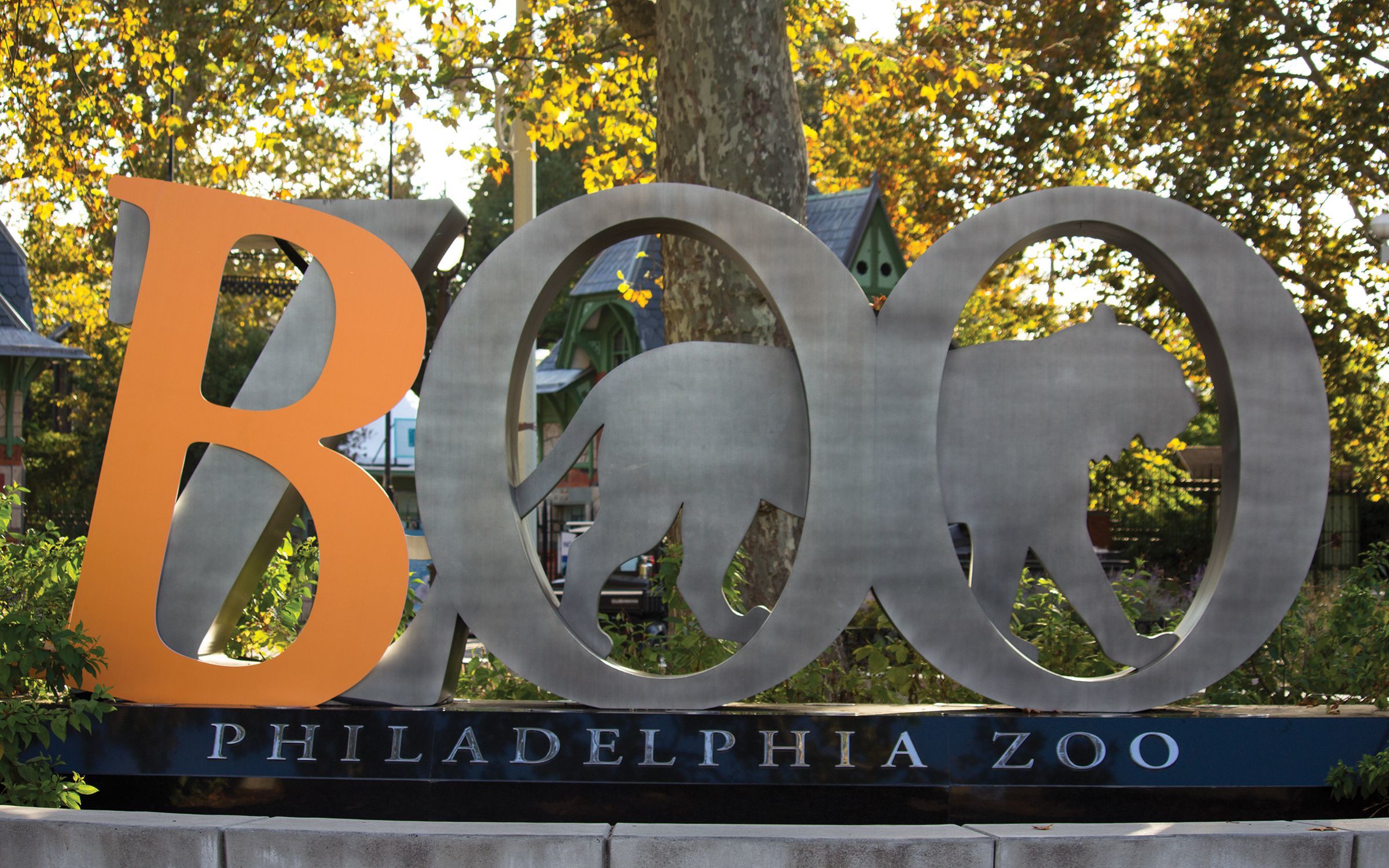
    Boo at the Zoo returns to the Philly Zoo for three weekend of spooktacular fun.Philadelphia Zoo

    FanDuel takes the kids to the zoo: F

    Apparently, losing money gambling now comes with a family outing.

    FanDuel thought it would be a great idea to reward its VIP bettors with a trip to the Philadelphia Zoo’s Boo at the Zoo festivities, complete with free parking, lunch, and admission for their kids.

    Because nothing says wholesome family fun quite like a sportsbook thanking you for all the money you’ve wagered.

    Don’t forget, FanDuel’s VIP programs have already drawn scrutiny over concerns about gambling addiction. Maybe bringing children into the rewards system wasn’t the smartest next move.

    After The Inquirer reported on the offer and state gambling regulators started asking questions, FanDuel canceled the event.

    Even the zoo had to clarify that this wasn’t a partnership or endorsement.

    The Philadelphia Zoo is a place to take your kids to see lions and giraffes. It shouldn’t be a loyalty perk for your gambling habit.

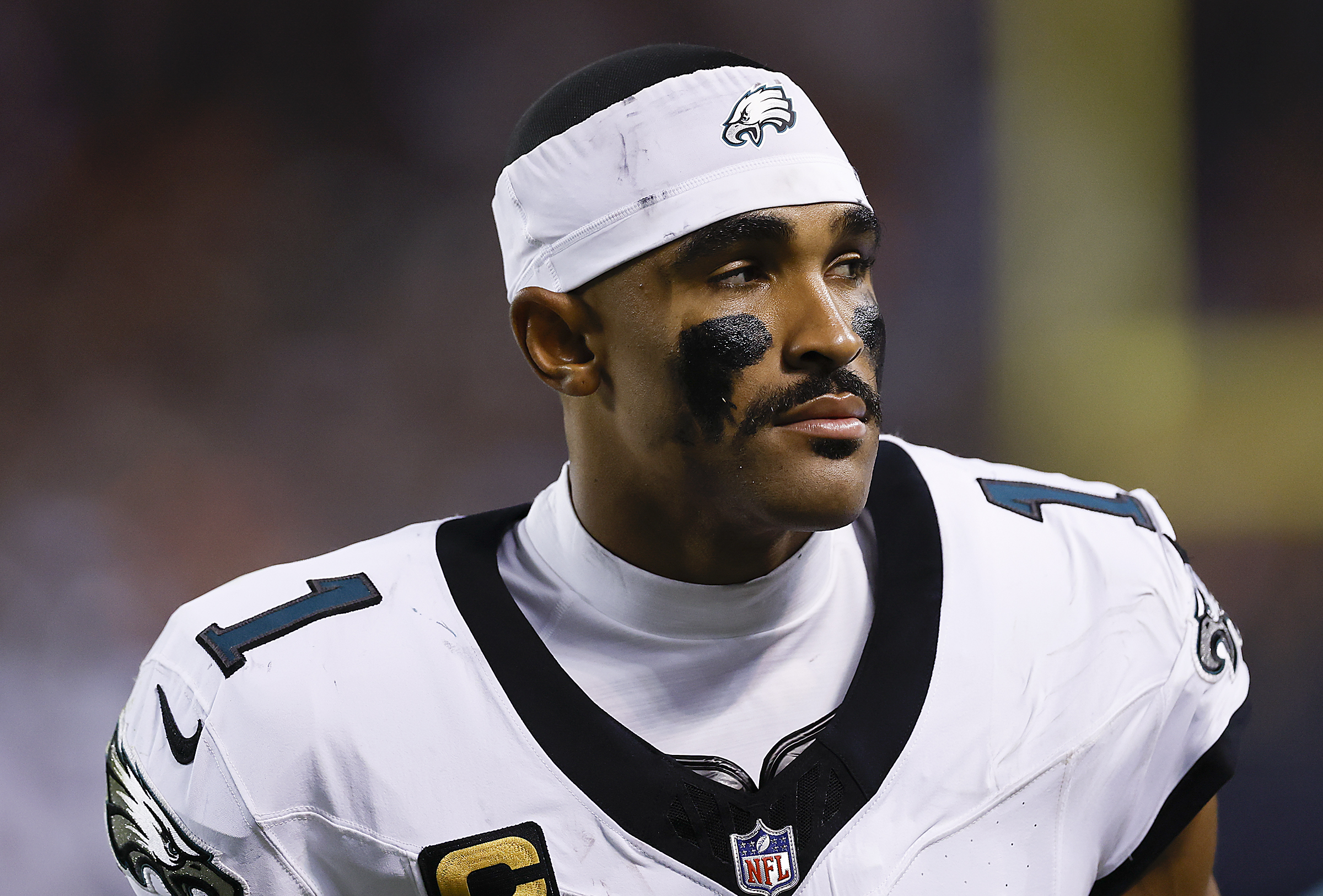
    Eagles quarterback Jalen Hurts during a game against the Chicago Bears at Soldier Field in Chicago, ILL., on Monday, Sept. 28, 2026.Yong Kim / Staff Photographer

    A much bigger concern than football: F

    Four straight losses suddenly feel like the least of the Eagles’ problems.

    Jalen Hurts is out indefinitely after doctors discovered multiple blood clots in his lungs. He could miss the rest of the season, but thankfully, his prognosis is good, and doctors expect him to make a full recovery.

    That’s the news worth celebrating … the rest is harder to make sense of.

    Hurts played in London after a clot was discovered in his calf, then flew home and practiced before further testing revealed the more serious condition. The NFL says medical protocols were followed. The players union wants an investigation. And the Eagles have offered little public explanation of the decisions involved.

    For once, the most important thing about the Eagles has absolutely nothing to do with winning.

    What makes a true Philly driver?Steve Madden

    Philly drivers, we need to talk: F

    Last week, Philadelphia was named the worst big city in America for drivers. This week, our own Stephanie Farr made a pretty convincing case that the ranking was deserved.

    Her list of eight terrible Philly driving habits includes the usual suspects: double-parking, ignoring turn signals, treating red lights as suggestions, and driving on Kelly Drive like you’re auditioning for Fast & Furious.

    But the real standout? An Uber driver watching videos of Vladimir Putin on a second phone while driving on the highway.

    And let’s discuss the people who double-park directly next to an empty parking space. That’s not a parking problem. That’s a personality problem.

    The worst part is how normal all of this has become. We barely react when someone makes an illegal U-turn across Broad Street, but seeing a driver actually use a turn signal feels like witnessing a random act of kindness.

    Give Cody back: F

    There are plenty of things to complain about in Philadelphia. But stealing someone’s dog? That’s a special kind of awful.

    Surveillance video captured two people taking Cody, a shih tzu, from outside a North Philadelphia corner store Sunday, reported NBC10. Cody belongs to Jamal, a man with cerebral palsy who has limited mobility and relies on his dog for companionship.

    His mother, Diane Newman, says Jamal keeps asking her the same heartbreaking question every time she comes home: “Did you bring my dog back yet?”

    How do you hear that and not feel absolutely sick?

    Whoever took Cody has the opportunity to do one decent thing here. Return him. No excuses, no questions. Somebody knows where Cody is. Let’s get him home to Jamal.

    A rat in Franklin Square.Tom Gralish / Staff Photographer

    Rats on birth control?: B+

    Philadelphia has a rat problem, and PETA has a solution. Put them on birth control.

    Yes, we’re discussing the reproductive rights of the rats living under our rowhouses.

    PETA sent Mayor Cherelle L. Parker a letter suggesting contraception instead of poison, along with a promise to send her a “Rats Have Rights” mug. Because obviously, that’s what was missing from the city’s rodent-control strategy, merchandise.

    And here’s the truly bizarre part: It might actually work.

    Other cities have tested rat contraceptives with promising results, including Boston, where one pilot program reported a 60% drop in rat activity. Philly’s health department isn’t convinced yet, and more research is needed.

    But we have to admit, the idea of a rat chewing through your car’s wiring in Oxford Circle and the city’s response being to offer it family planning services is pretty funny.

    We can’t get people to stop double-parking, but maybe we can convince the rats to stop reproducing.