Category: News

  • Bipartisan bill seeks to ban cellphones in schools nationwide

    Bipartisan bill seeks to ban cellphones in schools nationwide

    A new bipartisan effort could create a national ban on cellphones during the school day, the most sweeping attempt yet to keep screens out of classrooms.

    The bill, filed Wednesday by Sen. Mark Kelly (D-Arizona) and Sen. Tom Cotton (R-Arkansas), would send money to states that adopt policies barring students from using personal devices – including cellphones, smartwatches, tablets and similar technology – during the school day.

    If the legislation is approved by lawmakers, states would be able to use the funding to enforce device bans, including paying for lockers, lockboxes or pouches for students to store their devices. The legislation makes exceptions for children who need devices for special education or medical needs.

    “Arkansas kids deserve classrooms free of distractions,” Cotton said in a statement. “This bill would support Arkansas public schools that choose to tailor their classroom cellphone guidance to ensure students have the most productive school days possible.”

    Cellphone bans have become popular in recent years, with most states enacting policies designed to restrict cellphone use in schools. Students are often required to stow their devices in lockers or locked pouches during the school day.

    Supporters of these rules hoped keeping phones out of the classroom would help students focus, boost test scores and improve mental health. But the results have been mixed.

    While cellphone bans have reduced unauthorized usage in schools, there has been little academic benefit, according to research by the National Bureau of Economic Research.

    “There is clearly justifiable enthusiasm for school phone bans, but it’s important to recognize that building effective, phone-free learning environments does not appear to be a simple or quick fix,” according to Thomas Dee, a Stanford University professor and one of the authors of the report.

    “The very early experience schools have with phone bans is sobering, but there are also indicators that as schools adjust to phone-free policies, the benefits of these bans may be realized,” he said in an interview posted on a Stanford website.

    And, in some cases, teens reported using their phones more often at school, particularly at schools with lax enforcement, according to a Brookings Institution survey. Students in that survey also said cellphone bans had no impact on their happiness, stress or relationships with teachers.

    A spokesperson for Kelly said the measure is intended to give schools the resources to make phone bans work and enforce them consistently. While no single policy will solve every challenge in the classroom, reducing distractions can help, the spokesperson said.

    “Phones in schools have been a disaster for learning,” the senator said in a statement emailed to The Post. “Getting phones out of classrooms will mean fewer distractions and more time for kids to focus on their teachers and lessons. We’re giving schools the tools to make that happen.”

    Some advocates continue to link cellphone use with grades. Amid declining math and reading scores among teenagers, more than half of public school leaders say cellphone usage hurts a student’s academic performance, federal survey results show.

    The U.S. Surgeon General’s office has also warned that excessive screen use can lead to anxiety, depression, lower grades and weakened interpersonal relationships.

  • Most Americans blame Trump for high prices as midterms approach, a new AP-NORC poll finds

    Most Americans blame Trump for high prices as midterms approach, a new AP-NORC poll finds

    WASHINGTON — Americans are deeply frustrated with President Donald Trump’s handling of the economy and rising prices, with most panning his performance and blaming his policies as higher costs threaten his party’s chances in November.

    A new poll from The Associated Press-NORC Center for Public Affairs Research finds that only 17% of U.S. adults approve of the Republican president’s handling of the cost of living. Just 26% approve of his handling of the economy overall, marking a new low.

    A majority, 65%, of U.S. adults now blame Trump’s policies for persistently high costs more than factors outside of his control, signaling growing weariness over his aggressive use of tariffs and continued unhappiness with the war with Iran.

    The dismal numbers come just weeks before midterm elections that will determine whether Republicans maintain control of Congress and while Trump is hitting the campaign trail with an aggressive schedule of rallies. But Trump — who has asked voters to pretend that he is on the ballot as he tries to bolster turnout — remains deeply unpopular, with even many Republicans faulting him for failing to deliver on promised relief.

    “I was hoping it would be better or different, but it’s not really good,” said Robert Gault, 66, a retired factory worker from Bradford, Pennsylvania, who describes himself as a Republican.

    “Our president, I thought, was going to help the country, and so far he has not really seemed to have done that with the economy or in general. He’s not really done what I was hoping he would,” said Gault. ”He said, ‘Make America Great Again.’ And I have not seen him do that.”

    Costs drag on Trump as the economic pain keeps coming

    Over the last few months, Americans have grown more worried about being able to afford basics like groceries and gas. About half of U.S. adults now say they are “extremely” or “very” concerned about being able to fill their tanks, up from 39% in July. About half are also highly concerned about being able to afford food.

    Prices are “extremely exorbitant. Just the cost of everything is going up as a result of fuel,” said Pedro Sanchez, 52, of Perris, California, who voted for Trump and works in law enforcement. “I used to have a lot more disposable income. I don’t have that any more. It’s gotten eaten up because of all these increases in the cost of everything.”

    Trump’s current approval on the economy is a 14 percentage point drop from March 2025, just after he took office for the second time. His struggles on the issue mark a significant departure from his first term, when the economy was often a point of strength.

    Trump spent much of the 2024 campaign hammering President Joe Biden and Vice President Kamala Harris, Democrats, on inflation and promising to lower prices. Now, there’s widespread disappointment with his performance. About 7 in 10 Americans say Trump’s handling of the cost of living has been “worse than expected.” That includes roughly half of Republicans, who are also broadly concerned about being able to afford groceries and gas.

    “Groceries are just like kind of out of control. It seems like everything is going up,” said Bethany Lnenicka, 41, who operates a small farm in Fairfax, Iowa. “It’s just one thing and the next week it’s another thing. It’s just insane. And of course your income doesn’t go up.”

    A political independent who typically votes Republican and has voted for Trump three times, Lnenicka said she had hoped his second term would be more like his first.

    “I just do not feel like it has gotten a lot better,” she said.

    About 6 in 10 Republicans disapprove of Trump’s handling of the cost of living, according to the new poll, up from about half in April.

    “It definitely doesn’t feel like we have trended in the right direction,” agreed Kristen Slaven, 41, a mental health therapist who lives in Gluckstadt, Mississippi, and typically votes Republican. She said Trump is focused on the wrong things.

    “Obviously wars don’t help. When they’re necessary, I understand. But our focus on renaming bodies of water and pieces of land, that’s just stupid to me when people can’t feed their family,” she said.

    “I had hoped that it would be better,” Slaven added.

    Some Republicans are still willing to cut Trump some slack

    Despite their frustration, most Republicans, 67%, say factors outside of Trump’s control are more to blame for high prices.

    “I think inflation is a very difficult thing to tackle,” said Fred Naumann, 51, a Republican and longtime Trump supporter who lives in Green Bay, Wisconsin.

    Though he would like to see interest rates come down, Naumann, who works in the automotive industry, supports tariffs and the war with Iran, believing it was necessary.

    Overall, however, most Americans, 69%, continue to say the war has not been worth fighting, up slightly from 64% in July. Only 28% approve of how Trump is handling Iran.

    Americans are also unhappy with Trump’s trade wars. Only about 3 in 10 U.S. adults approve of how he is handling trade negotiations with other countries, down from about 4 in 10 in March. And 64% say he has “gone too far” on imposing new tariffs on other countries, up from 58% in January.

    Overall, the picture is not better. Only about 3 in 10 Americans approve of how Trump is handling his job as president. And about 6 in 10 say the country as a whole is “much” or “somewhat” worse off than when he began his second term.

    The issue on which Trump maintains relative strength is border security, with about half of Americans saying they approve of his performance.

    Trump faces more blame than Biden did

    Trump’s low grade on the economy rivals Biden’s 28% approval rating in June 2022, when there was record-high inflation during the COVID-19 pandemic.

    But Americans were less likely to blame Biden in the lead-up to that year’s midterm elections, a sharp contrast with the solid majority who hold Trump responsible now. In October 2022, 44% of Americans said Biden’s policies were responsible for high prices, while 55% blamed factors outside of his control.

    Sanchez, a Republican who voted for Trump, blames him, at least in part.

    “I think he has a lot to do with it. This war in Iran, the tariffs that he’s placing on other countries, obviously are affecting us. Those two things are things he’s been directly involved in that directly affect the economy,” he said. “I think with Biden, a lot of the stuff was outside of his control. It was all the COVID and how that affected everything else. I don’t think that there was much that he could have done.”

    He had high hopes for Trump’s return. Now, things seem worse than under Biden.

  • An Indian airline captain is hailed as a hero after a cockpit attack on a FlyDubai flight

    An Indian airline captain is hailed as a hero after a cockpit attack on a FlyDubai flight

    MUMBAI, India — An Indian airline captain who was at the controls of a FlyDubai flight when his copilot stabbed him in an apparent attempt to crash the plane has been hailed as a hero, with his actions to thwart the disaster drawing praise from world leaders and those who knew him.

    Capt. Smit Machchhar, who is from India’s financial hub of Mumbai, was seriously injured in Wednesday’s attack. Passengers described how the pilot still managed to open the cockpit door, allowing them to enter and restrain the attacker as the Boeing 737 descended sharply, according to witnesses and Israeli authorities.

    The attack forced the flight carrying 182 people from Dubai, United Arab Emirates, to Tel Aviv, Israel, to make an emergency landing in Tabuk in northwestern Saudi Arabia. FlyDubai said the aircraft was secured by on-duty crew “who diverted and landed the aircraft safely.”

    Machchhar was taken to a hospital in stable condition, the Indian Embassy in Riyadh, the Saudi capital, said late Wednesday. Embassy officials said Thursday that his family had been briefed on his recovery.

    India’s Modi lauds the pilot’s courage

    Indian Prime Minister Narendra Modi on Thursday called Machchhar a hero.

    “In the face of the gravest danger and despite being seriously injured, he showed immense courage and an unwavering resolve to protect the lives of others. His valor helped save hundreds of lives and avert a great tragedy,” Modi wrote on X.

    Modi also praised the captain for demonstrating ”patience, presence of mind and courage,” saying his “actions prevented another 9/11-like attack from happening.” He said he had spoken with Machchhar’s parents and wife and that the pilot was undergoing treatment.

    “Smit’s bravery fills every Indian with pride,” Modi said.

    The captain trained as a pilot in New Zealand

    According to Machchhar’s LinkedIn profile, he has worked for FlyDubai for about four years. Before joining the airline, he spent 11 years with SpiceJet, an Indian low-cost carrier, where he served as a senior commander and line training captain. He logged more than 9,750 flying hours with SpiceJet, according to the profile.

    SpiceJet, in a post on X, praised Machchhar’s “heroic courage” and “selfless actions.” “You are a hero to us all, Captain,” the airline wrote.

    Machchhar, who is married and has two children, trained as a pilot at Mainland Air in the New Zealand city of Dunedin for 18 months, beginning in 2008, the school’s head Philip Kean told 1News, a New Zealand television news channel.

    Kean said Machchhar “did very well” as a student and later returned to India, where he worked as a recruiter for the school.

    “We’re all very proud of him here and wish him a speedy recovery,” Kean said.

    The school, which opened in 1991, offers a range of certifications, from private pilots’ licenses to a diploma in aviation, and is popular with international students.

    A report published last year by the New Zealand Qualifications Authority found that 39 international students, all from India, were enrolled at the school at the time of its review, accounting for half of its total enrollment.

    The pilot had previously spoken about handling emergencies

    In a podcast interview last year, Machchhar recalled how nervous he was and how he made mistakes during his first commercial flight in India, and the lessons he learned from the experience.

    “At that stage, relaxing would have been the best option,” he told interviewer Zalak Mehta of the “Bona-Fide Banter” podcast.

    “Stressing is not going to help, at least … in this industry,” he added.

    Machchhar also described an onboard emergency when a pregnant woman went into premature labor, forcing the crew to divert the plane. He said he followed procedures carefully and ensured a safe landing on the first attempt.

    “It was methodical. It was quick. It was as quick as it should have been,” he said.

    Israel’s Netanyahu praises the pilot as do his neighbors in Mumbai

    Wednesday’s attack triggered a major security response in Israel, with authorities scrambling fighter jets in case of a possible hijacking.

    Israeli Prime Minister Benjamin Netanyahu said the attacker, an Omani national, was arrested in Saudi Arabia and was undergoing interrogation there.

    Netanyahu also praised Machchhar’s “extraordinary bravery” in a post on X, saying the wounded captain fought back after being stabbed, opened the cockpit door and helped passengers and crew overpower the attacker, preventing what Netanyahu described as a “catastrophic midair disaster.”

    Shota Musayev, a dentist and eyewitness, told The Associated Press how the wounded Machchhar managed to open the cockpit door to let them in before they grappled with the copilot.

    Musayev then treated Machchhar.

    “Poor pilot, he was just praying the whole time and was in contact with me, and I was afraid we would really lose him,” Musayev said.

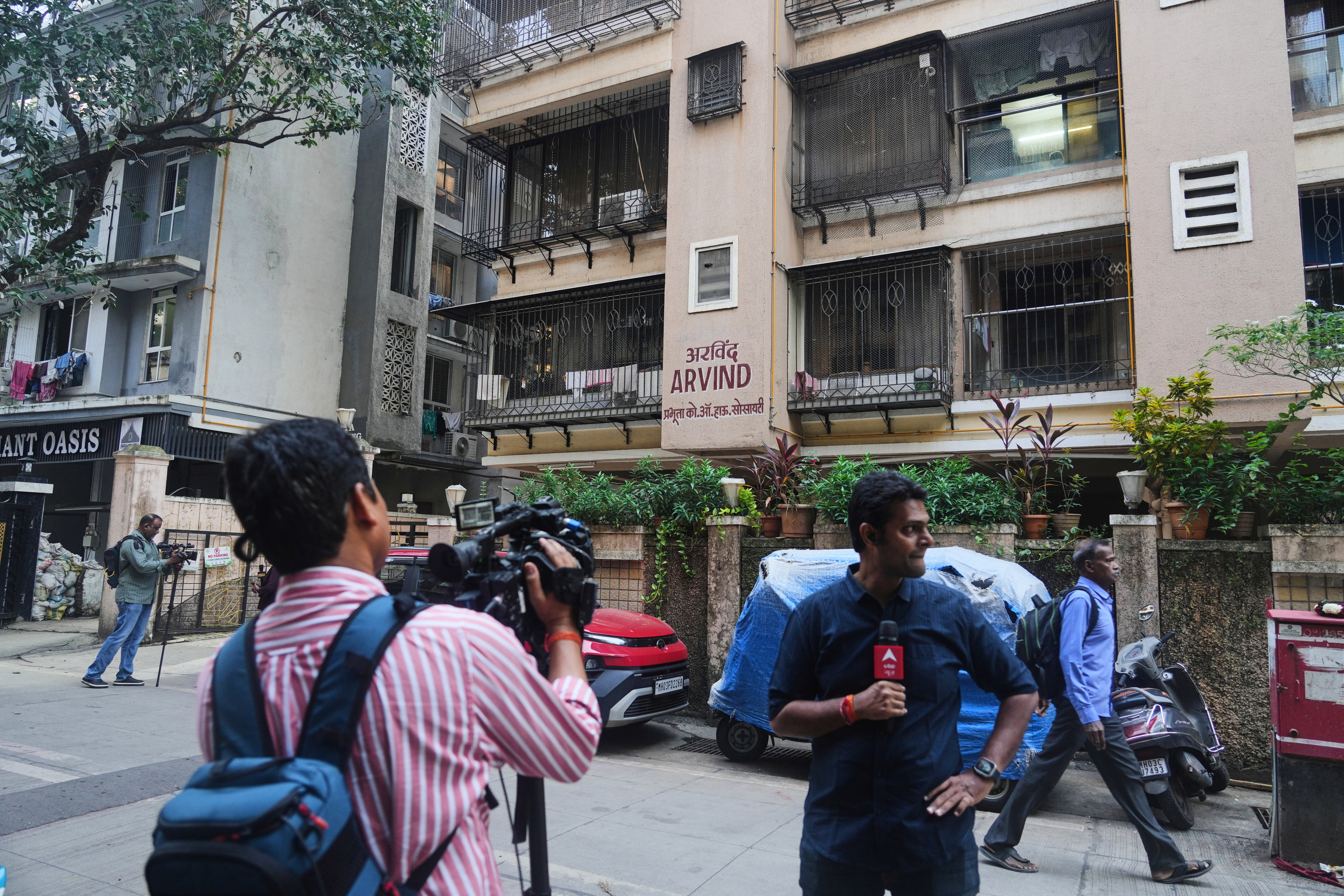
    In Ghatkopar East, the Mumbai suburb where Machchhar’s family lives, neighbors spoke of how easy-going he is and also lauded his courage.

    “He has a lot of bravery in him,” said Ami Sapani, a neighbor who knows the family. “God is with him.”

  • Hegseth talks tough as Republican doubts about his leadership grow

    Hegseth talks tough as Republican doubts about his leadership grow

    WASHINGTON — Defense Secretary Pete Hegseth has survived in office by projecting an image of strength.

    His combative style has won praise from President Donald Trump and support from the Republican base. “He loves war,” Trump said earlier this year, slapping Hegseth on the biceps.

    By many measures, though, Hegseth has never been weaker. He is leading the military through an unpopular war. Republicans in Congress complain privately — and increasingly in public — that he and his staff are dismissive of their questions and frequently unprepared for briefings.

    If Democrats win a majority in the House, Hegseth will likely face new calls for his impeachment.

    Hegseth’s firing and sidelining of senior military officers, often with no explanation, has fed mistrust and led many in the top ranks to question his leadership.

    How Hegseth manages the contradiction between his tough guy image and his growing vulnerabilities in Washington and around the world could determine whether Trump — the person Hegseth must ultimately please — keeps him in the job.

    Hegseth’s most immediate problems are in Iran, where the U.S. war shows no signs of ending, and on Capitol Hill. In the aftermath of the midterm elections, Hegseth will have to persuade a skeptical Congress to pass a $1.5 trillion defense budget and confirm nominees for key Pentagon posts. Several of his choices are being blocked by Republicans in the Senate.

    He will also have to persuade Congress to keep paying for the war, which the American people broadly oppose.

    On Wednesday, Hegseth focused on the part of the job that plays to his strengths. Onstage at a military base outside Washington, with a giant American flag behind him, he attacked the media and promoted his victories in the culture wars.

    “The complainers, the ideologues, and the poor performers are no longer in the driver’s seat. No more silly PowerPoint trainings or drag queen shows,” Hegseth said. “No more gender pronouns. No more identity months. Only the warrior ethos.”

    He also laid out an ambitious agenda that included building a massive military base and establishing a major new command focused on preparing the military for wars dominated by robots and artificial intelligence.

    Most of those initiatives will require support from lawmakers who view him with unease, if not disdain.

    A year ago, Hegseth stood on the same stage outside Washington and delivered a similar speech to a room full of more than 800 generals. He blamed them for acceding to overly restrictive rules of engagement intended to protect civilian lives. He bashed them for allowing liberal ideas, which he called “toxic ideological garbage,” to infect the force. And he accused them, without evidence, of lowering standards to accommodate women in the ranks.

    The senior officers sat stone-faced. Many said privately that they found Hegseth’s speech insulting.

    This time Hegseth’s audience included about 600 junior officers and enlisted leaders.

    Since taking office last year, Hegseth has overseen a purge of generals and admirals unlike anything the military has experienced in decades. He has fired or blocked the promotions of more than 80 generals and admirals.

    On Wednesday, Hegseth made clear that his work was not done.

    “The number-crunchers say we fired 10% of the generals and admirals across the force, and that number sounds about right,” said Hegseth, citing figures first tabulated by The New York Times. Almost half of those fired or removed were women or minority officers.

    Hegseth’s day began outside the Pentagon, where he led the 600 junior troops in pushups, stretching, and a morning run, just as he would have when he was an Army captain two decades earlier.

    To drive home Hegseth’s message of toughness and lethality, the service members traded in their military-issued workout gear for “This is War” T-shirts of the sort that Hegseth has recently modeled during his workouts, which his staff members regularly post on social media.

    But Hegseth is no longer a junior officer, and the biggest challenges he faces are not among the frontline formations.

    The war in Iran, which Trump started and Hegseth now leads, has drained the military’s stockpile of critical munitions that it needs to defend U.S. troops and allies in the Middle East, and to deter an even larger conflict with China or Russia. Replenishing those magazines could take two to three years, according to defense experts.

    The war is also creating economic problems at home. The average American could tune out the wars in Iraq and Afghanistan. “We’re at war; America’s at the mall,” U.S. troops fighting overseas often bitterly complained.

    By contrast, the war against Iran and the battle over the Strait of Hormuz have caused fuel and food prices to surge. Republican congressional candidates in Iowa, Nebraska, Ohio, and Michigan have increasingly questioned the rationale for continuing the conflict.

    “The war in Iran needs to end, and end quickly,” said Mike Rogers, the Republican Senate nominee in Michigan and an early supporter of the war.

    Hegseth’s stewardship of the military, particularly his firing of generals and admirals, has alienated Republican national security hawks in Washington.

    “It’s not the right way to treat people,” Rep. Don Bacon (R, Neb.) an Air Force veteran, said in a recent interview. “It’s not decent.”

    Hegseth’s clashes with lawmakers extend beyond the firings. Republicans in Congress have complained that he and his staff have misled or lied to them about recent decisions to pull Army brigades out of Poland and Romania.

    “We didn’t think we were treated honestly,” Bacon said.

    And lawmakers from both parties have said that they cannot get answers to basic questions about the conduct of the war in Iran, or about the Pentagon’s budget requests.

    “You want to sell people on your needs,” said Sen. Thom Tillis (R, N.C.), who cast a key vote in confirming Hegseth as defense secretary. “You want to sell people on your priorities. Then you have to engage.”

    He added: “I don’t think Hegseth has developed any productive relationships, even with Republican members.”

    The Pentagon’s recent $67 billion request to pay for operations in Iran was only seven pages, compared to the Iraq and Afghanistan spending bills, which typically ran more than 100 pages and included detailed accounting of the department’s needs.

    In his speech to the troops Wednesday, Hegseth answered some of his critics by suggesting, as he had previously, that the war against Iran had already been won.

    “Allow me to lay it out simply for the anti-American losers in our media,” he said. “These Americans, right here, and their peers, these have destroyed Iran’s navy, destroyed Iran’s air force, destroyed their air-defense systems, their leadership and their military industrial capacity, their entire defense base.”

    His analysis did not account for Iran’s large stockpile of missiles, which it continues to fire at its neighbors and oil tankers transiting the Strait of Hormuz. Nor is it likely to satisfy skeptics in Congress.

    “He’s not working with Democratic senators,” said Sen. Joni Ernst (R, Iowa). “He works very little with Republican senators.”

    Ernst added: “We need more transparency for the good of the Defense Department and the good of the nation.”

    The result is that many of Hegseth’s top priorities in Congress are going nowhere. Earlier this year, Hegseth fired or forced out the Army chief of staff, the Army secretary and the Navy secretary. Senators are refusing to confirm the leaders Hegseth has chosen as replacements.

    The defense secretary also has struggled to persuade lawmakers in the House and Senate to pay for any of the Pentagon’s spending bills. In the near term, the Pentagon will have to make do with last year’s budget of about $890 billion, or about 40% less than it is currently budgeting.

    The difference will force the Pentagon to reallocate money set aside to repair barracks, train troops and buy weapons to pay for more pressing needs, such as sustaining 50,000 troops in the Middle East. In the coming months, some of Trump’s top priorities, such as his proposed Golden Dome missile shield for the United States, will likely come to a halt.

    None of those setbacks seemed to dissuade Hegseth from sketching out an even more ambitious and costly agenda. He spoke of standing up a new autonomous weapons command led by a four-star general.

    He laid out a plan to make all U.S. military bases energy independent. “If an adversary takes down the grid by cyberattack, by sabotage, or by any means, our bases stay lit,” Hegseth said.

    He promised to launch a competition among all 50 states and governors for the new military base, which would house as many as 25,000 troops.

    “We’re talking hundreds of thousands of acres with organic power generation, modern air defenses and cutting-edge technology,” Hegseth said. “Think a fortress.”

    Hegseth barely spoke of the $1.5 trillion defense budget that the Trump administration sent to Congress earlier this year. It is a budget that even Republicans concede has little chance, in its current form, of passing.

    At some point Trump may have to make a choice.

    “Trump really likes Hegseth, and I think that’s based on style,” said Todd Harrison, a senior fellow focusing on defense at the American Enterprise Institute.

    Trump chose Hegseth in part for his bravado, which was on full display Wednesday. The question now is whether pressure from Republican lawmakers will force the president to find a leader for the Pentagon who is less politically combative and more eager to make peace with a frustrated Congress.

  • How a Cornell student went from shame to seeking justice

    How a Cornell student went from shame to seeking justice

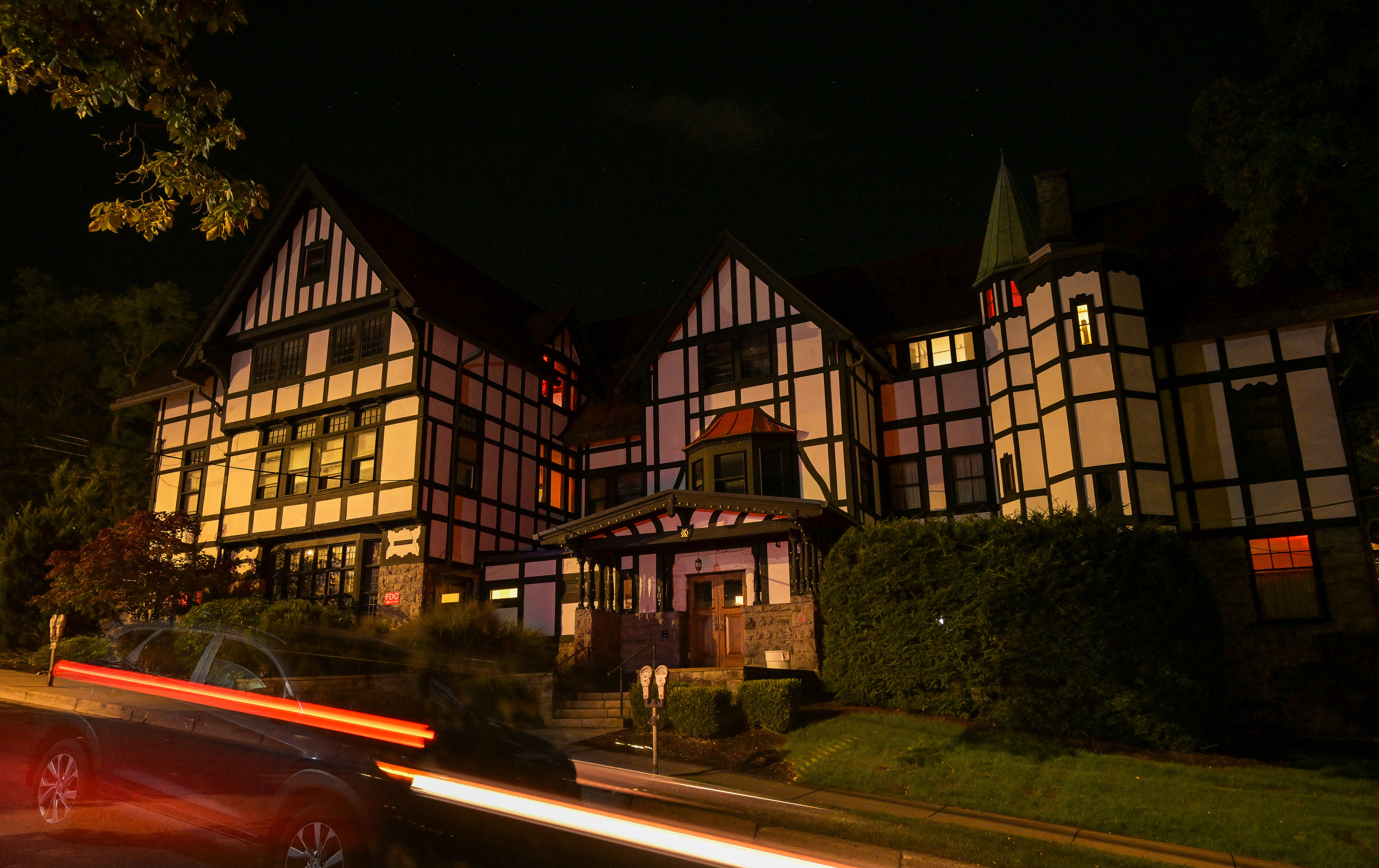
    In October 2024, about a week after a Chi Phi fraternity party at Cornell University, the sophomore who would come to be known as Jane Doe was milling around an online forum about Greek life when she encountered a post that stopped her cold.

    “Are Chi Phi brothers Crips or Bloods because I hear they have been doing hell Gang Banging?” someone had written.

    “They do drugs and gang r*ped a sophomore,” another user said. “Report them.”

    Since the evening that began Oct. 19, 2024, Jane Doe had recounted the night’s events to her roommates without identifying herself as a rape victim. She had exchanged friendly text messages with men she would later accuse of assault. She had heard uncharitable appraisals of herself from undergraduate gossips.

    Then she read the words.

    “That’s the first time I had ever heard the narrative change that I wasn’t a whore and that I was assaulted,” Jane Doe told investigators, according to documents from a university review of the accusations obtained by The New York Times.

    Those records, which have not been previously reported, help illuminate a case that has horrified the nation and plunged one of its elite institutions into crisis. They shed light on the crucial three-week period between the fraternity party and Jane Doe’s decision to take her story to the campus police, accusing multiple fraternity brothers of sexual assault and alleging that she was coerced into taking ketamine.

    The bare facts of what happened after she made her accusations are by now well known: The Tompkins County, New York, district attorney, Matthew Van Houten, reviewed her complaint and declined to bring criminal charges, saying there was not sufficient evidence to do so. Jane Doe filed a complaint that prompted at least a dozen hearings by the school’s Title IX committee, which is supposed to ensure compliance with federal civil rights laws.

    On Sept. 16, Jane Doe also filed a lawsuit against seven men, accusing them of sexual assault. Lawyers for at least three of the accused men have broadly denied criminal wrongdoing; others have not yet made public statements.

    What had not been known publicly, until now, were the detailed filings collected during the private Title IX proceedings — hundreds of pages of emails, text messages, photographs and interviews with Jane Doe, her friends and those she accused.

    Taken together, the raw materials sketch Jane Doe’s journey from an unknown sophomore to the embodiment of another searing national dialogue about sexual assault and consent. (Although Jane Doe is identified in the documents, the Times is withholding her name.)

    Some women around her, the documents show, were quick to say they viewed the events of the evening of Oct. 19 as sexual assault. But Jane Doe, the interviews and text messages reveal, first appeared to grapple with shame, humiliation and concerns about her reputation before she began to consider herself an assault victim.

    “I don’t really remember her ever kind of citing that she had said yes to anything that occurred,” one of her roommates had said of the first hours after Jane Doe returned home the morning of Oct. 20, according to the Title IX files, which were compiled as part of the school’s formal process for investigating allegations of sexual harassment and assault.

    On page upon page, the documents make for difficult reading, vacillating between the merry shorthand of college students — asides about the gym, Snapchat, Greek life — and the blunt-force details of an alleged gang assault that the victim appeared to be processing in real time.

    From the beginning, the case has seemed to double as a referendum on so many vexing questions about what it means to be a young woman on a college campus, even a campus as nominally esteemed as Cornell’s: Who is believed, and who is coddled? How much good can Title IX do? Has anything changed, really?

    For Jane Doe, the records suggest, the first task was to make sense of what had happened to her.

    ‘A traumatic way’

    At 3:05 a.m. on Oct. 20, 2024, one of Jane Doe’s roommates sent her a text.

    “Are you coming home tonight?” she asked.

    Four minutes later, Jane Doe texted back that she didn’t know.

    The roommate went to sleep, she would tell investigators. When she woke up at 11 a.m., she uploaded a photo of her empty room to Snapchat. “Only I made it back home,” she wrote on the post.

    Around 11:15 a.m., she said, Jane Doe arrived home, still in her “big boots and small dress” from the night before, according to the roommate. She had consumed ketamine and had sex with multiple men, she told her two roommates. One roommate told investigators that Jane Doe did not use the word “rape” or “assault” yet.

    It seemed like she was “in shock,” her other roommate later told investigators, “not really understanding the gravity of what she was saying.”

    The next day, on Oct. 21, Jane Doe went to her “big sister” — a woman designated as a mentor — at Cornell’s Tri Delta sorority and told her there were rumors circulating that she was a “slut.” The big sister, a junior at Cornell, told investigators that Jane Doe added with a laugh that “unfortunately they are true.”

    “I could tell that — just from personal experiences — that what she was going through is that she had not yet processed what had happened,” the big sister told investigators.

    That same day, Jane Doe received a text message from Jonathan Newell, one of the men she would go on to accuse of sexual assault.

    “I just wanted to apologize for how things went down the other night,” Newell wrote. He then said that he and Matthew Ingalls, another of the men she would later accuse of assault, both felt terrible for being too under the influence of drugs and alcohol to “shut it down and kick people out before it got way out of hand.”

    Jane Doe replied and reassured him.

    “At the end of the day non of the sexual stuff was illegal and honestly i really liked being w u and matt,” she wrote.

    A lawyer for Newell did not respond to requests for comment. A lawyer for Ingalls declined to comment.

    The next day, on Oct. 22, Jane Doe made an appointment at Cornell Health to see a doctor because she had contracted a urinary tract infection and wanted to be tested for sexually transmitted diseases. She told the doctor she contracted the UTI “in a traumatic way,” according to a transcript of her conversation with investigators.

    “She didn’t really follow up on that,” Jane Doe said of the doctor. “She just suggested I go to therapy.”

    ‘Say it didn’t happen’

    On Oct. 23, Jane Doe texted Ingalls.

    “Bro,” she wrote, “everyone knows.”

    She said the episode was “RUINING my life temporarily” and that her reputation had been destroyed. She said all she could do was “sleep and cry all day.”

    According to the documents, Ingalls assured her that it would all blow over soon, noting “how fast nonsense spreads at this school,” and said she did not have “anything to be ashamed of.”

    “You’re right,” Jane Doe wrote. “It’ll get better.”

    Jane Doe’s sorority big sister received a text that week: “Have you heard the rumor about your little?”

    In the meantime, Jane Doe had delivered strict instructions to one of her roommates: “If anyone asks about this,” she said, according to the roommate’s testimony, “say it didn’t happen.”

    The roommate was plainly concerned. Initially, she said, Jane Doe was “kind of recounting it as this sort of crazy thing that she had done.”

    “As the days went on,” the roommate continued, “I think she kind of came to realize that it was something bad. And that she didn’t really enjoy her time there.”

    On Oct. 25, Ingalls texted Jane Doe: “U good?”

    Jane Doe replied that Newell had “def told people.”

    Days later, she sent Ingalls an image of the forum post accusing Chi Phi of gang rape.

    “???” she wrote.

    “Ridiculous,” Ingalls wrote. “I’m gonna report that.”

    Uninvited from the party

    As Halloween approached, Jane Doe’s roommates told investigators, her understanding of what had happened to her appeared to have shifted.

    Around Oct. 28, Ingalls was on the phone with Jane Doe and, according to one of her roommates who said she overheard the conversation, he apologized to her. But rather than assure him everything was OK, Jane Doe took a different tone.

    “How could you let this happen?” the roommate recalled her saying.

    “I think she wanted it to be consensual,” the roommate told investigators, looking back on how Jane Doe had processed the alleged assault. The roommate told investigators that Jane Doe had been sexually assaulted before, which made it particularly hard for her to talk openly about what had happened.

    “I’d have conversations and she would describe a part of what happened and I would tell her that that is what could be classified as rape,” the roommate said.

    At Chi Phi, the fraternity was preparing for a Halloween party, and Jane Doe was eager to attend. Text messages included in the investigation show Ingalls assuring Jane Doe that he and other fraternity members wanted her to be there.

    “chi phi is your house and you are welcome here,” he wrote, relaying the views of the fraternity’s president, who was not among those accused of sexual assault.

    “thank u i really appreciate that,” Jane Doe responded. “<3 i’ll bring my cigs tomorrow”

    But then Jane Doe received a phone call from the fraternity’s president, according to the text messages.

    She was disinvited from the party. It was for her own good, he said.

    Jane Doe sent a biting text to Ingalls.

    “I knew this was going to happen,” she wrote. “The woman will always get the short end of the stick. Yall aren’t my friends. Yall are covering your asses.”

    By Nov. 3, Jane Doe appears to have concluded that she was assaulted at the October party. She sent a text to Newell.

    “let’s be clear that 90% of what happened that night was not consensual. i was given more key than i can remember,” she said, using a shorthand for ketamine, “and i know that i told u i felt uncomfortable and i didn’t know anyone in the room.”

    The text continued with her telling him that one of her only memories was doing ketamine off of his penis “in front of everyone like a sex doll/worker.”

    Four days later, on Nov. 7, according to the documents, Jane Doe went to an emergency room in Ithaca and requested a rape kit.

    This article originally appeared in The New York Times.

  • What it’s like to live by a data center | Inquirer South Jersey

    What it’s like to live by a data center | Inquirer South Jersey

    Good morning, South Jersey. Welcome to October. Hopefully, the sun will return and it won’t be as gloomy as September.

    Vineland residents who are some of the first in the Philly area to know what it’s like to live next to a massive AI data center share their experiences.

    And the Delaware Valley Regional Planning Commission wants to know where you’re headed every day — and how you get there.

    Plus, Clementon Park & Splash World is back up for auction, and more news of the day.

    — Taylor Allen (southjersey@inquirer.com)

    P.S. Submit a story idea via Curious South Jersey. Ask a question about the region, and the answer might just show up in a future article.

    If someone forwarded you this email, sign up for free here.

    When a data center is your neighbor

    Several South Jersey municipalities are considering or have already passed data center bans before any ground broke. Those include Cherry Hill, Collingswood, Medford, Millville, and Monroe Township.

    But a handful of local homeowners have the unique experience of seeing one from their houses — the DataOne facility in Vineland.

    They used to have more neighbors before the data center developers and associates bought several homes that now appear to be abandoned.

    Multiple residents commented on the excessive sound.

    “I think of a prison, and I’m the prisoner with the noise,” said a homeowner of more than 47 years. “You get up in the morning and you’re in a foul mood.”

    Follow along as The Inquirer’s Erin McCarthy visits some of the few in the region with firsthand knowledge of living near a data center.

    🚗 Tracking daily travels

    The DVRPC wants to know just about everything about people’s daily travel habits.

    No, this is not about surveillance. After 13 years, the commission needs an updated survey to help guide funding decisions for infrastructure projects and transportation plans for the nine counties it serves, which include Burlington, Camden, and Gloucester.

    Since January, it has been recruiting participants by mail to randomly selected households. Sorry, you can’t nominate yourself.

    Those who opt in will have to track their household trips for 24 hours using a phone app. It’ll also ask the household basics: size, age, income, etc.

    But how exactly will the experts use this information?

    Transportation reporter Thomas Fitzgerald has that answer and more.

    What to know today

    • Five years after Clementon Park & Splash World was purchased at a bankruptcy auction, the recently shuttered 119-year-old amusement and water park is going back to auction this month.
    • Researchers have found microplastic pollution in every one of the 22 stream and river segments along the Delaware River tested in New Jersey, Pennsylvania, Delaware, and New York. This includes Cooper River in Camden County.
    • Willingboro will unveil its new 570-seat Performing Arts Center on Saturday with its first concert.
    • New Jersey’s minimum wage will increase to $16.48 for most employees beginning in the new year.
    • Residents in Camden and Cherry Hill should be aware of possible detours and prepare to take alternative routes because of roadway projects scheduled for this week.
    • The Inquirer’s editorial board, which is separate from the newsroom, wrote that Gov. Mikie Sherrill’s call for now-former Lt. Gov. Dale Caldwell to resign set “an ethical example for a corrupt era.”

    🗓️ The best things to do this week

    🔮 Boos & Brews Witches Market: Check out this witch-themed market full of themed vendors and activities. Stick around for food trucks, a costume contest, performances, and a beer garden. ⏰ Friday, Oct. 2, 5-9 p.m. 💵 Pay as you go 📍 Rancocas Woods Events and Shops, Mount Laurel

    📚 Collingswood Book Festival: The 24th annual festival is back spanning six blocks of Haddon Avenue. Come to meet booksellers and stay for author and poetry readings, performances, and workshops. ⏰ Saturday, Oct. 3, 10 a.m.-4 p.m. 💵 Free 📍 Haddon Avenue, Collingswood

    🎨 Cranberry Fest: The 36th annual cranberry fest returns with live music, a food court, a beer garden, and more than 100 artisans. 💵 Pay as you go 📍 Farnsworth Avenue, Bordentown

    See more event listings here.

    🧠 Trivia time

    How many dispensaries were open on the day New Jersey first began recreational cannabis sales in 2022?

    A) 25

    B) 20

    C) 12

    D) 3

    Think you know? Check your answer.

    What we’re …

    🍿 Watching: Netflix’s reboot of A Different World.

    🐕 Finding: A quality groomer.

    📚 Choosing: My next read at Words Matter Bookstore in Pitman.

    And that’s all I have for you today. Expect more news tomorrow morning. ☀️

    By submitting your written, visual, and/or audio contributions, you agree to The Inquirer’s Terms of Use, including the grant of rights in Section 10.

  • What’s it like living in the shadow of an AI data center? These Vineland residents know.

    What’s it like living in the shadow of an AI data center? These Vineland residents know.

    When Amber Ayrer bought her Vineland home 25 years ago, she envisioned growing old there, enjoying lazy afternoons with the windows open and a view of farmland from her front door.

    After her adult daughter, Ally, suffered a traumatic brain injury, Amber made the rancher accessible, installing a ramp that aides use to push Ally’s wheelchair outside for her daily walks.

    The place had all the makings of a forever home, Amber Ayrer said — until a massive AI data center moved in across the street.

    Now, the 71-year-old looks out her front windows at the hulking DataOne facility, a windowless compound surrounded by walls and metal fences.

    In recent months, Ayrer said, the 2.4-million-square-foot complex has emitted a near-constant hum. She struggles to sleep, she said, and has suffered from headaches. She turns the TV on to mask the sound.

    Residents who live farther away have also complained about the noise, including in a recent lawsuit that was thrown out due to procedural issues. In the suit, residents said the Cumberland County Department of Health measured the hum as higher than 50 decibels a mile away in the middle of the night. A sound higher than 50 decibels is equal to a running refrigerator and is 10 times louder than a typical suburban area at night.

    Ayrer, who was not involved in the lawsuit, said she doesn’t want to move, even as she sees neighbors sell their homes to the data center developers.

    “In order to get another home, I’d have to get one built” to be accessible, Ayrer said, standing in her entryway. She shrugged, adding, “I need to be here for my daughter.”

    The noise had quieted, she noted, since around Sept. 22. That’s when the New Jersey DEP ordered the data center to pay a $1 million fine for running 62 gas generators without the required permits. She isn’t sure why the hum stopped, or whether it was related to the fine.

    By late Wednesday, the sound had returned, she said, and she worried it would be even louder when the center is fully operational.

    The Ayrers are some of the first Philly-area residents to live in the shadow of a massive AI data center. Only a handful of homeowners live within eyesight of DataOne’s South Lincoln Avenue complex in Vineland.

    They used to have more neighbors. But since 2025, DataOne Vineland and LJR Real Estate — which is registered to the address of Northeast Precast, a local company that has partnered with DataOne — have purchased at least five surrounding homes for a combined $3 million, according to online property records.

    DataOne and Northeast Precast did not respond to requests for comment about the acquisitions. Several former Vineland residents who sold their homes to these companies could not be reached or declined to comment.

    Asked about residents’ concerns, DataOne spokesperson Naomi Rice shared a previous statement, which said in part that the facility was “transitioning to low-emission, quiet fuel cells.” These generate energy through an electrochemical reaction rather than combustion, pistons, or rotating machinery.

    Nebius Group, which is operating the center’s internal AI infrastructure, says the fuel cells from Bloom Energy — a company expanding locally — and enhanced sound mitigation will make for a quieter environment than what residents experienced during construction, according to spokesperson Ava Iuliucci.

    Charles-Antoine Beyney, DataOne’s founder and chief executive officer, previously said the Vineland center would use “breakthrough” technology to reduce its environmental impact. He said the complex would be a good neighbor, promising a vertical farm — which uses technology to grow crops indoors — to help feed Vineland residents in need.

    “Most of the data centers that are being built today suck, big time,” Beyney said in January.

    “No freaking way am I going to do what the entire industry is doing … just killing our communities and killing our lungs to make money.”

    What it looks like near a South Jersey data center

    The Vineland DataOne center, as seen in June, could be finished by the end of the year, developers have said. Tom Gralish / Staff Photographer

    The dark exterior of DataOne abuts busy South Lincoln Avenue, towering above homes and farms on the outskirts of Vineland City. In spots, rows of crops extend to the data center’s walls.

    On a recent day, the data center appeared abuzz with activity, although residents said it was relatively quiet, as cars and yellow school buses drove in and out of its gated-off parking lot. Giant “no trespassing” signs are prominently displayed.

    While the front portion of the data center appeared complete, cranes farther back reached into the sky.

    Meanwhile, several large homes across from the entrance — purchased by the data center developers and associates — appeared abandoned, with recycling cans askew in the driveways, indoor and outdoor lights on in the middle of the day, and swing sets sitting empty in the backyards. No one answered the doors.

    At another home, a woman shook her head, saying she’d lived there forever and would never speak publicly about the development across the street.

    Who is behind the Vineland data center?

    Data centers like this one handle the cloud-storage and computing needs of increasingly sophisticated AI tools.

    DataOne, a French company that manages advanced data centers, is the owner, operator, and builder of the Vineland data center. Its client, Nebius Group, an Amsterdam-based AI-infrastructure company, operates the center’s internal technology, which fuels Microsoft’s AI tools.

    As demand for these facilities has surged, so has the controversy surrounding them. Across the country, proposed complexes have received fierce pushback from nearby residents concerned about environmental, noise, quality-of-life, and property-value impacts.

    The debate has intensified in recent weeks as some top AI executives urge a slowdown of the technology amid fears that it may eventually wipe out humanity.

    Several of these facilities have been proposed in the Philadelphia region, from King of Prussia to Limerick. But few plans have been approved.

    DataOne Vineland could become the region’s first hyperscale AI data center. The developers have said the complex is partially operational, and they expect it to be complete by the end of the year.

    Construction continued on the DataOne center as seen from a nearby home in June.Tom Gralish / Staff Photographer

    Theresa Lewis, who has owned her home for 47 years, said living by the data center has gotten worse in recent months.

    Stepping outside and seeing the building, “I think of a prison, and I’m the prisoner with the noise,” said Lewis, 74, who compares the sound to a tractor trailer idling outside her home all day and night.

    “You get up in the morning and you’re in a foul mood,” Lewis said.

    Both she and Ayrer said they have called the Cumberland County Department of Health to report excessive noise in the middle of the night, but doing so comes at a cost. They said they then have to get up, get dressed, turn the lights on, and wait for an official to come take a decibel reading, making for another sleepless night.

    Data centers are being built in different communities

    The view outside the Keystone Trade Center in Falls Township. Amazon is building a data center inside the private complex.Erin McCarthy/Staff

    The scene in Vineland is vastly different from the one outside Amazon’s 2-million-square-foot data center campus in Falls Township, Bucks County, the Philadelphia region’s other facility nearing completion.

    That data center sits deep inside the Keystone Trade Center, an industrial hub surrounded by water, with no homes in sight. On a recent day, tractor trailers whizzed by Keystone’s main entrance. Only the transmission wires overhead hinted at what may be inside the private property.

    Still, neighbors have pushed back against the complex, with more than 5,000 people signing a petition in favor of a data center moratorium in Falls Township.

    Elsewhere, data center plans proposed by developer Brian O’Neill have faced fierce opposition in King of Prussia and on the outskirts of Conshohocken. So have projects in East Whiteland, where data center construction recently began, and in East Vincent, where a center was proposed for the site of the former Pennhurst State School and Hospital.

    In Vineland, Lewis said she wishes she and her neighbors had a chance to push back against the data center before it was built. Residents were first asked to provide input about the project at a contentious town hall in January, more than a year after the project was approved by city council and months after construction started.

    “I don’t want to move — and who is going to pay what the house is worth with that right there?” Lewis said, motioning to the data center across the street. “But I wake up angry.”

    She added: “I can’t imagine living next to this for the rest of my life.”

    Editor’s Note: This story has been updated to reflect that the noise from the data center returned Wednesday, according to Ayrer.

  • How do you travel? Your regional planning commission wants to know

    How do you travel? Your regional planning commission wants to know

    The Delaware Valley Regional Planning Commission is collecting granular information about daily travel: Where did people go? Why? Did they drive, take transit, walk, bike, or use an electric mobility device?

    Planners working on the project aren’t nosy or trying to surveil anybody.

    They need real-time data to update DVRPC’s travel demand model for the nine-county Philadelphia area that will guide funding decisions about infrastructure projects and transportation plans for the next decade.

    “Compared to any other 10-year period that I can recall, there has just been so much transformation in how people travel,” said Mike Boyer, the agency’s director of regional planning.

    Information from a new household travel survey will show a clear picture of exactly how it changed and provide clues about where regional transportation might be headed. The last household survey was conducted in 2012 and 2013 and a final version was published in 2015.

    Typically, DVRPC conducts a travel survey every decade, but officials waited 13 years this time to allow transportation patterns to settle into a “new normal” after the massive disruptions of the pandemic.

    How do they find households to take the travel survey?

    Beginning in January, DVRPC has been recruiting participants by mailing postcard invitations to randomly selected households in South Jersey and Southeastern Pennsylvania. It has also used some social media posts.

    People cannot reach out to nominate themselves.

    Random invitations help ensure that respondents reflect the population of the region. Participants need to represent each of DVRPC’s nine counties, as well as a mix of households by income, size, number of workers, and other demographics.

    It is expected to take the rest of the year to get the 9,000 to 10,000 completed household surveys required for a good picture of the region’s habits, said Matt Gates, associate director of travel trends and forecasts for DVRPC.

    Based on typical response rates, it may take as many as 300,000 postcards to recruit enough participants, he said.

    Recruitment paused for the summer and started up again after Labor Day.

    DVRPC serves Burlington, Camden, Gloucester, and Mercer Counties in New Jersey as well as Bucks, Chester, Delaware, Montgomery, and Philadelphia Counties in Pennsylvania.

    Survey data will be held confidential and anonymized, used in the research but not attached to any specific household or phone number, Boyer said.

    “Data won’t be sold or used by any third party,” he said. “We want to be forthright about that.”

    What do participants do?

    Most will report household trips for one 24-hour period, starting around 2 a.m. or 3 a.m., using a smartphone app that runs in the background, tracking each trip via GPS.

    When it detects what might be a trip, it prompts the participant to confirm it and provide details such as the trip’s purpose and what type of transportation is used.

    “If you leave your house in the morning and go to work, and then you leave work and go somewhere for lunch, and then you go back to the office, and then, on the way home, you stop at the dry cleaner — all of those pieces of your daily travel are joined together,” said Gates, the chief travel modeler.

    That would be counted as a “tour,” broken into separate trips, each attached to a specific activity.

    The survey also asks for basic household information — size, ages, jobs, school attendance, income, and vehicles. E-bikes, e-scooters, personal mobility devices for people with disabilities, traditional pedal-powered bicycles, and walking will be counted as separate modes of travel.

    In the 2012-13 survey, walking and biking were separate options, but the travel model combined them in one category called “nonmotorized.” A catchall “other” category covered everything else.

    Participants who do not want to use the app can keep a paper travel diary and then either enter their trip information on a website or reach a call center, where a person will walk them through the questions and record the data.

    How will the information be used?

    After it is fed into the travel model, DVRPC will use it to help draft a Transportation Improvement Program (TIP). That is the federally mandated priority list for allocating federal and state funding of transportation, transit, and highway projects across the region.

    But that’s not all.

    Planners use it to decide on traffic safety projects, to chart where new recreational trails should go, and to test scenarios in response to events.

    Combining the data with information about the transportation network can provide insight into how people make decisions about, say, using a SEPTA train vs. driving between two points, Gates said. “Is it time? Is it cost? The number of vehicles available in a household?”

    A good travel demand model with those insights can help answer “what if” questions such as what effect a new train line or highway would have, or rising gas prices, transit fare increases, and service cuts, Gates said.

    It can help planners think about how the transportation network could accommodate a spurt of growth in Quakertown, Bucks County, for example, or Woolwich Township, Gloucester County.

    Last year DVRPC used existing data to project added motor vehicle traffic amid SEPTA service cuts, which began but were quickly rolled back.

    What trends are the experts looking for?

    • The extent to which hybrid work and e-commerce may be reducing trips per person or household. For example: How many shopping trips have been replaced by deliveries?
    • Transit changes: They want to understand SEPTA’s ridership recovery from COVID-19 and how often people are using transit for a mix of nonwork trips at different times, rather than just traditional commutes.
    • How are people using ride-hailing services like Uber and Lyft, which have mushroomed over the last decade?
    • How are micromobility options like e-scooters and e-bikes affecting traffic flow?
  • The businesses residents most want | Inquirer Haverford

    The businesses residents most want | Inquirer Haverford

    Hello, Haverford!

    Residents recently tallied a list of the businesses they’d most like to see open in the township. Here’s what those include. Also this week, a township native is gearing up to open a nearby general store, the county’s former emergency services director stands trial, plus students and alumni are urging Haverford College to protect free speech after it settled a recent lawsuit.

    In other news: Handel’s is finally opening and the township day is nearly here.

    — Lisa Dukart (haverford@inquirer.com)

    P.S. We want your feedback! Tell us what you think of the newsletter by taking our survey or emailing us back here.

    If someone forwarded you this email, sign up for free here.

    Residents want more communal spaces and safer streetscapes

    An indoor farmers market, a multi-vendor marketplace, a movie theater, and a bakery are among the businesses residents most want to see open in the township, according to the latest consumer survey conducted by Discover Haverford.

    The biannual survey also shows that residents want more family-friendly businesses, communal spaces, and revitalized streetscapes to make shopping more accessible.

    Discover Haverford uses the data to help recruit businesses and inform potential small business owners about what’s most in demand. That was the case with Moore Books, which opened two years ago on West Eagle Road.

    The Inquirer’s Denali Sagner digs into the data and what respondents said they most want right now.

    💡 Community news

    Jennifer Kurland is opening a general store nearby. Aidan T. Gallo / Staff Photographer

    🗺️ Other nearby news

    • A Penn Wynne man has been charged with securities and wire fraud after allegedly defrauding investors of $8.8 million through his cannabis start-up, KindManage, LLC, over the course of nearly a decade. Prosecutors say David Dinenberg, 54, allegedly used hundreds of thousands of dollars of company funds for personal use such as his sons’ college tuition, social club memberships, and a luxury home rental in California.
    • Longtime Delaware County resident Anthony “Tony” Oriente made it to the bonus round on an episode of Wheel of Fortune last week, ultimately winning over $25,000, as well as a trip to Vancouver Island. Oriente, who lives in Media, has previously appeared on The Price is Right and Deal or No Deal. Catch the episode here.

    🏫 Schools briefing

    • Haverford High School lands at No. 33 in the latest U.S. News & World Report rankings of the best public high schools in the state. Nationwide, the school ranks No. 926.

    🍽️ On our plate

    • The long-awaited Handel’s outpost at 13 W. Benedict Ave. is opening today at 11 a.m. The popular ice cream spot took over the former Al Pastor location, which shuttered early this year.
    • Village Cafe opened at 1422 Manoa Rd. last week. The new Wynnewood spot serves a selection of coffees and pastries.
    • Vintner’s Table opened its Ardmore outpost on Monday. Located at 24 Cricket Ave., the Italian-inspired wine bar has a salumeria and lifestyle boutique.
    • Bryn Mawr’s The Bakery House opened its second location over the weekend at 35 W. Lancaster Ave. in Paoli. It sells treats such as custom cakes, pastries, and pies, as well as the viral dot cakes.

    🎳 Things to do

    🗓️ Haverford Township Day: Now in its 31st year, the annual community celebration features a parade, vendors, multiple musical performances, food, and kids activities. There’s also a 5K Saturday morning. ⏰ Saturday, Oct. 3, 9 a.m.-4 p.m. (rain date: Oct. 4) 💵 Pay as you go 📍 Along Darby Road

    🎨 Delco Arts Week: The annual countywide event pays homage to the region’s varied art scene. ⏰ Saturday, Oct. 3-Sunday, Oct. 11, times vary 💵 Prices vary 📍 Throughout Delaware County

    🛍️ Clover Market: Browse a curated selection of over 90 vendors, hear live music, and grab a bite to eat from a food truck. ⏰ Sunday, Oct. 4, 10 a.m.-4 p.m. 💵 Pay as you go 📍 7 N. Bryn Mawr Ave., Bryn Mawr

    🍷 Wine and Wander: Explore Stoneleigh after hours while sampling four types of wines. ⏰ Thursday, Oct. 8, 5:30-7:30 p.m. 💵 $65-$75 📍 Stoneleigh

    🏡 On the market

    A fully updated Ardmore Colonial

    This 1945 stone Colonial has undergone a full renovation as well as a two-story expansion to bring it into the 21st century. The first floor features a living room, kitchen with stainless steel appliances and honed granite countertops, a dining area with a bay window, and the newly added family room. All four bedrooms are upstairs, including a new primary suite with a walk-in closet. The home also has a finished basement and a patio out back.

    See more photos of the home here.

    Price: $824,900 | Size: 2,192 SF | Acreage: 0.37

    Each week we feature an interesting local listing in or around the township. Have one we should consider? Email us at haverford@inquirer.com.

    🗞️ What other Haverford residents are reading this week:

    By submitting your written, visual, and/or audio contributions, you agree to The Inquirer’s Terms of Use, including the grant of rights in Section 10.

    This suburban content is produced with support from the Leslie Miller and Richard Worley Foundation and The Lenfest Institute for Journalism. Editorial content is created independently of the project donors. Gifts to support The Inquirer’s high-impact journalism can be made at inquirer.com/donate. A list of Lenfest Institute donors can be found at lenfestinstitute.org/supporters.

  • 8 new restaurants to know about | Inquirer Radnor

    8 new restaurants to know about | Inquirer Radnor

    Hello, Radnor!

    Over half a dozen new eateries are opening nearby in the coming months, part of a larger restaurant boom in the region. Here are the spots to know. Also this week, Villanova University’s mascot has scored an NIL deal, the county’s former emergency services director stands trial, plus we peek inside a nearby estate with a four-bedroom house, a waterfall, and a meditation garden.

    In other news: The township is sharing its vision for the next decade and A Taste of Britain is celebrating its 35th anniversary.

    — Lisa Dukart (radnor@inquirer.com)

    P.S. We want your feedback! Tell us what you think of the newsletter by taking our survey or emailing us at radnor@inquirer.com.

    If someone forwarded you this email, sign up for free here.

    8 new restaurants to put on your radar

    A rendering of Old Friend, opening in the Apartments at Wayne Station.Stokes Architecture & Design

    Dozens of new restaurants are opening throughout the region this fall and winter, including a handful in and around Radnor.

    Fearless Restaurants will grow its footprint in Wayne, adding 300-seat Southern Italian eatery Martini & Roz, which is taking over the former Bertucci’s space on Lancaster Avenue. And first-time restaurateurs Larry Kagan and Chas McFeely will open Old Friend, a contemporary American grill, in the Apartments at Wayne Station.

    Elsewhere nearby, the former La Jonquille and Shiraz spaces in Devon are expected to get new life, with Korean barbecue spot Salt opening on the ground floor in December, followed by sushi joint Yugo upstairs next year.

    Bryn Mawr will add Italian eatery Alessandro’s Enoteca, while Bala Cynwyd will get a new Southern Italian eatery in the former Aldar Bistro space. And in Ardmore, Taco Heart is expected to open this October, and Vintner’s Table just made its debut (more on that below).

    See all 60 new restaurants on tap in the region.

    💡 Community news

    • Villanova University’s mascot Will D. Cat has inked a name, image, and likeness deal with Friskies that will see the cat food brand donate meals to area pet shelters every time the Wildcats score during this football season.
    • Tim Boyce, the county’s former director of emergency services, stood trial this week for assaulting his executive assistant in 2024. Boyce was fired following the incident.
    • The township released its downtown master plan this week ahead of an Oct. 12 public hearing. “A Vision for Wayne,” which looks ahead to 2036, includes projects like a parklet on North Wayne Avenue, improved sidewalks and streetscapes, traffic calming measures on Lancaster Avenue, and connecting Wayne to the Radnor Trail. The township is also looking to support transit-accessible housing and the reopening of the Wayne Theater.
    • A Wayne man has been accused of working with a Mexican drug cartel to transport large amounts of cocaine from Mexico to the region. Edward Basley, 47, along with Gregory Jones of Philadelphia, has been charged with conspiracy to distribute five kilograms or more of cocaine and possession with intent to distribute five kilograms or more of cocaine.
    • Township police are warning residents about a scam where callers are impersonating Radnor officers.
    • Today, the township launched its “Pumpkin Patch Adventure” along the Radnor Trail, where participants can find 10 hidden pumpkins. The adventure runs through the end of the month, and two participants who send in photos to the Parks and Recreation department will win prizes.

    🗺️ Other nearby news

    • A “magical” 15-acre Malvern property with walking paths, a waterfall, a meditation garden, and a 6,050-square-foot fieldstone house is on the market for just under $7 million. Take a peek inside.
    • Delaware County resident and county employee Anthony “Tony” Oriente made it to the bonus round on an episode of Wheel of Fortune last week, ultimately winning over $25,000, as well as a trip to Vancouver Island. Oriente, who lives in Media, has previously appeared on The Price is Right and Deal or No Deal. Catch the episode here.

    🏫 Schools briefing

    • Nine local students have been named 2027 National Merit semifinalists. They are Radnor High School students Diana Dong, Nadia Doughery, Noah D. Engstrom, John Henofer, Natalie Merriam, Anthony Ramesh, Natalie Tyburski, and Alice Zeng, and Grayson School student Jacob Lee.

    🍽️ On our plate

    • Beloved Wayne tea room A Taste of Britain is marking its 35th anniversary this month with a $35, three-course prix fixe menu benefiting the Wayne Senior Center.
    • Village Cafe has soft opened at 1422 Manoa Rd. The new Wynnewood spot serves a selection of coffees and pastries.
    • Vintner’s Table opened its Ardmore outpost on Monday. Located at 24 Cricket Ave., the Italian-inspired wine bar has a salumeria and lifestyle boutique.
    • Bryn Mawr’s The Bakery House opened its second location over the weekend at 35 W. Lancaster Ave. in Paoli. It sells treats such as custom cakes, pastries, and pies, as well as the viral dot cakes.

    🎳 Things to do

    🎶 Weird Phishes: Catch a tribute to bands Radiohead and Phish. ⏰ Thursday, Oct. 1, 9:30 p.m. 💵 $20.75 📍 118 North

    🎨 Delco Arts Week: The annual countywide event pays homage to the region’s varied art scene. ⏰ Saturday, Oct. 3-Sunday, Oct. 11, times vary 💵 Prices vary 📍 Throughout Delaware County

    🎃 Fall Harvest and Great Pumpkin Patch: Pick a pumpkin, take a tractor ride, and enjoy live entertainment at the annual event. ⏰ Sunday, Oct. 4, noon-3 p.m. (rain date: Oct. 11) 💵 Pay as you go 📍 The Willows Park

    🍷 Wine and Wander: Explore Stoneleigh after hours while sampling four types of wines. ⏰ Thursday, Oct. 8, 5:30-7:30 p.m. 💵 $65-$75 📍 Stoneleigh

    🏡 On the market

    A six-bedroom Villanova home with a pool and spa

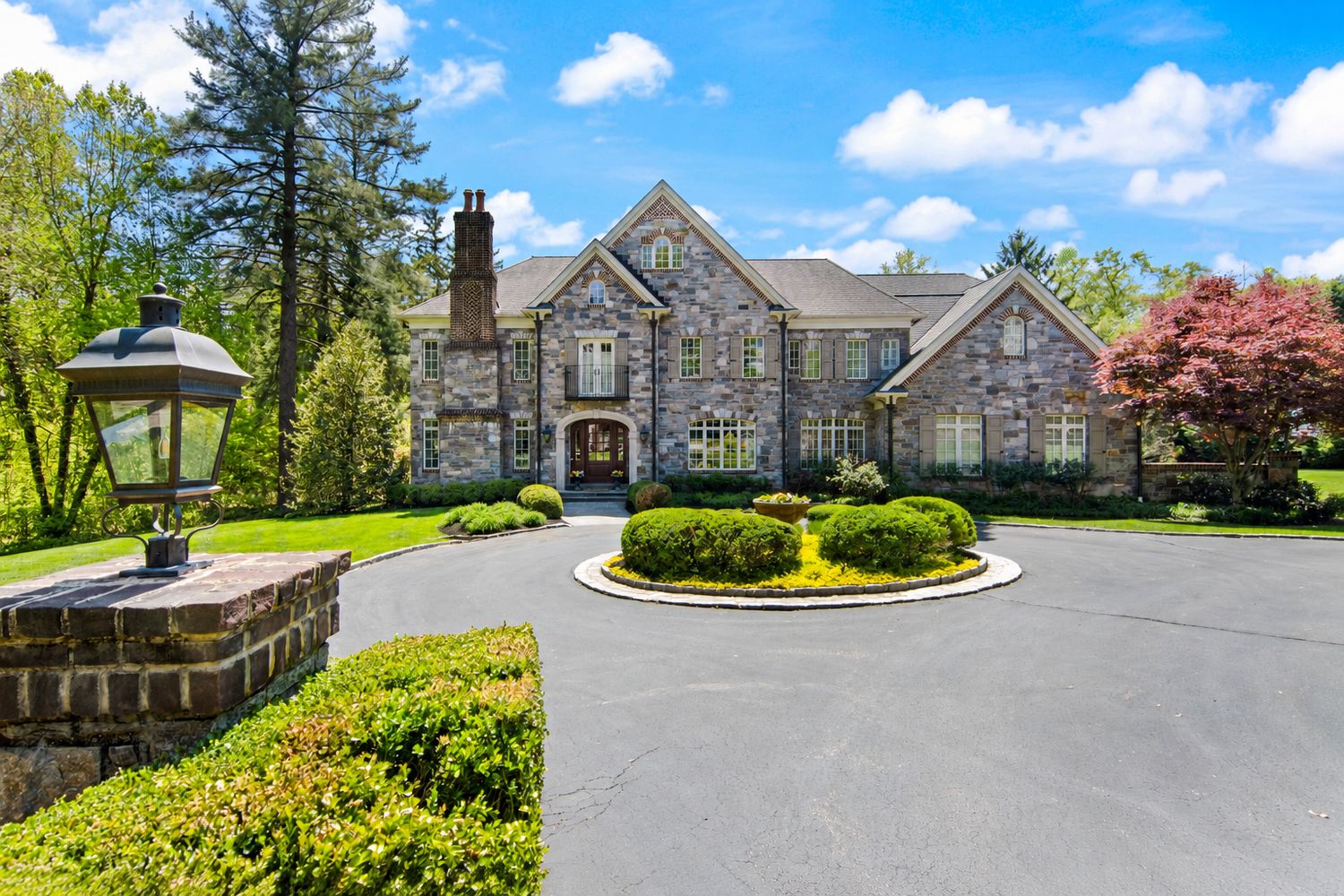
    Built in 2008, this stone Villanova home was designed for entertaining. It features a chef’s kitchen, complete with a butler’s pantry, that opens onto family and living rooms, each with their own fireplaces. The finished lower level has an additional family room with a bar, while outside, there’s a flagstone terrace with a built-in grill and seating that leads to a pool and spa. The home has six bedrooms, including a primary suite with its own fireplace, as well as two office spaces.

    See more photos of the property here.

    Price: $4.65M | Size: 8,075 SF | Acreage: 1.36

    Each week we feature an interesting local listing in or around the township. Have one we should consider? Email us at radnor@inquirer.com.

    🗞️ What other Radnor residents are reading this week:

    By submitting your written, visual, and/or audio contributions, you agree to The Inquirer’s Terms of Use, including the grant of rights in Section 10.

    This suburban content is produced with support from the Leslie Miller and Richard Worley Foundation and The Lenfest Institute for Journalism. Editorial content is created independently of the project donors. Gifts to support The Inquirer’s high-impact journalism can be made at inquirer.com/donate. A list of Lenfest Institute donors can be found at lenfestinstitute.org/supporters.