Category: Nation & World

  • Nvidia chair says board does not intend to reinstate Jensen Huang as CEO

    Nvidia chair says board does not intend to reinstate Jensen Huang as CEO

    Nvidia Chair Harvey Jones said Tuesday that the company’s board of directors does not intend to reinstate Jensen Huang as CEO, a statement that came hours after Huang said he would come back to lead the chipmaker if the board invited him.

    It was Huang’s first public statement since he abruptly left the company last week following revelations of an extramarital affair with an alleged Chinese spy.

    Huang said in a social media post that if the board decided that his return was in the best interest of shareholders, employees, the company, and the country, he would be “honored to answer these calls.” He acknowledged making “serious mistakes” in his personal life.

    Some tech industry figures, including SpaceX and Tesla CEO Elon Musk, have called for the reinstatement of Huang, a high-profile booster for the artificial intelligence industry who oversaw Nvidia’s development as the key provider of chips driving advanced AI models. President Donald Trump, a Huang ally who has spoken with him frequently, has also endorsed the comeback bid.

    Huang acknowledged making “serious mistakes” in his personal life but said that he’s received an “outpouring” of support from employees, investors, business partners, and customers for his return.

    Company’s earnings report made no mention of Huang

    In its third-quarter earnings statement released Tuesday, Nvidia did not mention Huang’s ouster or his possible return.

    The turmoil notwithstanding, Nvidia blew past Wall Street expectations for the quarter, pulling in more than $116 billion in revenue, double the level from a year ago. The company also posted net income of $2.70 per share, beating estimates of $2.48 per share.

    Santa Clara, Calif.-based Nvidia did not respond to an earlier AP request for comment on Huang’s statement.

    Nvidia Chief Financial Officer Colette Kress was expected to speak with Wall Street analysts on the earnings call for the first time since being named interim CEO.

    A “Stand with Jensen” petition set up last week has gathered momentum, gaining signatures from current and former Nvidia staff, investors, and other Silicon Valley supporters. The petition calls on the board to bring back Huang while an independent investigation proceeds or until there’s “compelling evidence” that his departure is in the company’s best interests.

    “We are concerned that Jensen was removed without meaningful due process,” the organizers said in an open letter. “We have not been shown evidence substantiating the allegation that the woman at the center of this controversy was a spy.”

    Trump suggested Monday that the ex-CEO could return, saying Huang “learned a big lesson” and that he “would certainly not mind” if he was reinstated.

    Huang resigned last week from Nvidia, apparently ousted by the board after revelations that he had extramarital affairs, both with a Chinese businesswoman suspected of being an intelligence asset for Beijing and with a senior executive who reported to him.

    The woman Huang was seeing who reportedly had links to Chinese intelligence was an executive at Singapore-based cloud computing firm Megaspeed International, a company being investigated by the U.S. for allegedly violating U.S. export controls by illegally diverting advanced Nvidia AI chips to Chinese companies.

    Huang faces questioning by Congress

    Also Tuesday, key House lawmakers said that Huang has voluntarily agreed to appear for transcribed interviews as the company faces intensifying national scrutiny over sales of its advanced computer chips.

    Huang will appear before congressional committees on Dec. 1, followed by the company’s general counsel, Tim Teter, on Dec. 2.

    “We look forward to hearing from Jensen Huang and Tim Teter on their roles in a potential breach of our national security,” said a statement from the chairs of three House committees with oversight of China and intelligence issues.

    “The American people need answers on Mr. Huang and Nvidia’s role in allowing dangerous PRC actors to access our most advanced chips, as well as the role of a potential Chinese intelligence asset in this scandal,” the lawmakers said, referring to the People’s Republic of China.

    Meanwhile, Nvidia said it’s creating a new board committee to oversee national security and global trade compliance following the revelations about Huang.

    In the statement detailing its August-to-October results, Nvidia said revenue in a key business segment — data centers — more than doubled to $107.6 billion. It also projected that revenue for the current quarter running through January would hit $130 billion, more than Wall Street had expected.

    Nvidia’s advanced chips are in high demand because they’re essential for cloud computing and data centers that underpin the AI boom, but they face restrictions on their sale to China. Trump said it was “good” that Nvidia had created the new oversight committee.

    “Yes, that’s a good idea. It’s a great company,” Trump said shortly after arriving Tuesday evening in the Philippine capital of Manila, where he participated in a photo opportunity with the leaders of Australia, India and Japan. “It’s a great idea.”
  • Nationwide emergency alert test: Timing, what to know

    Nationwide emergency alert test: Timing, what to know

    The Eagles season might be a disaster, but complaints about the Birds on Philly sports radio will be interrupted by what sounds like a real emergency Tuesday afternoon.

    Don’t worry. As the government explains, “This is only a test.”

    The Federal Emergency Management Agency will test its nationwide Emergency Alert System Tuesday afternoon at 2:20 p.m., interrupting radio and television shows across broadcast, cable, and satellite TV.

    The test will last about a minute.

    Thanks to a 2015 law, FEMA is required to test its public alert and warning systems at least once every three years. It last conducted a test in October 2023, so we were due for another one. This time around, the test won’t include smartphones and other wireless devices.

    In the event of an actual emergency or significant weather (such as last week’s tornado-hail combo in Delaware), the test will be postponed until Dec. 3.

    Nationwide test in the wake of multiple disruptions in the U.S.

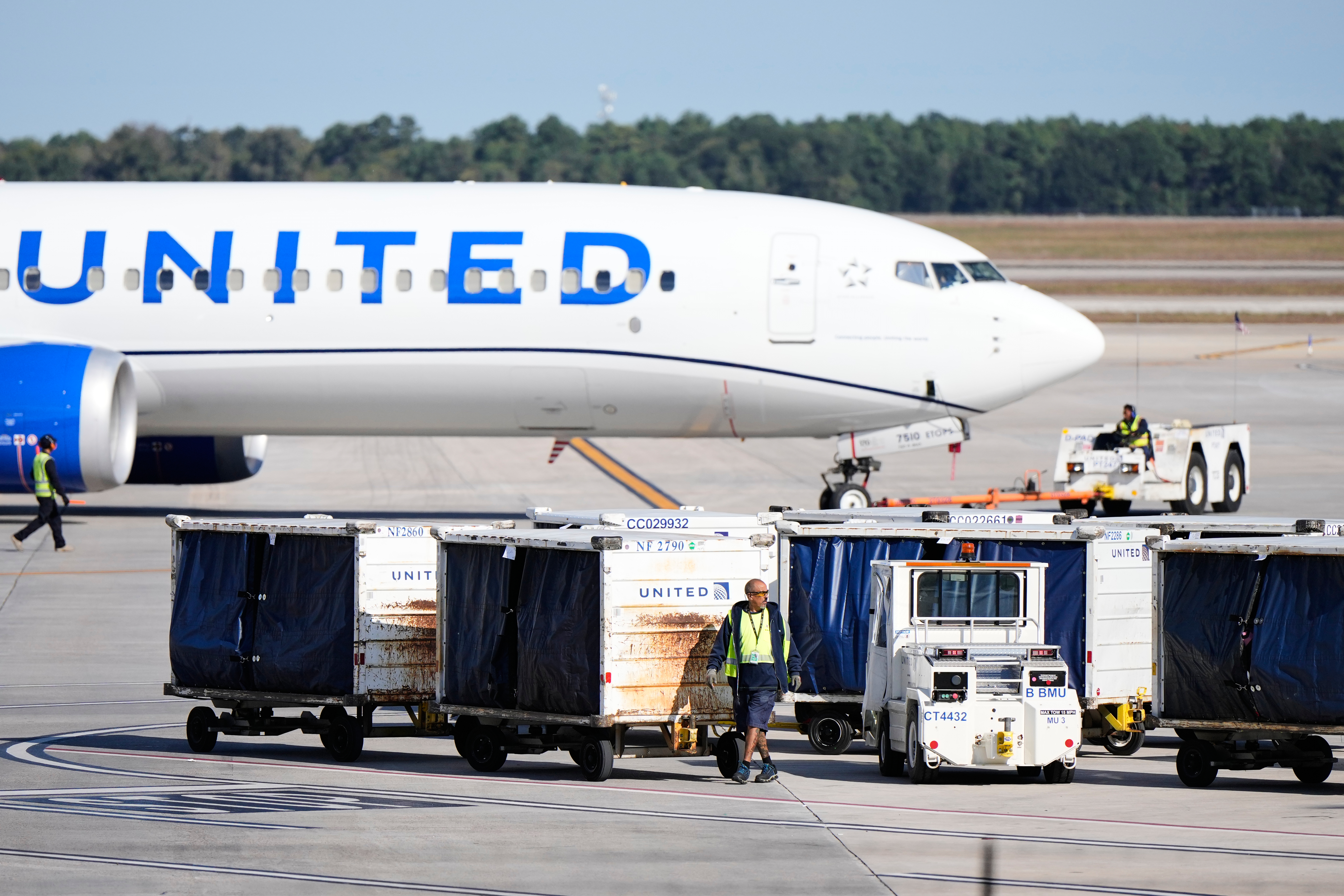
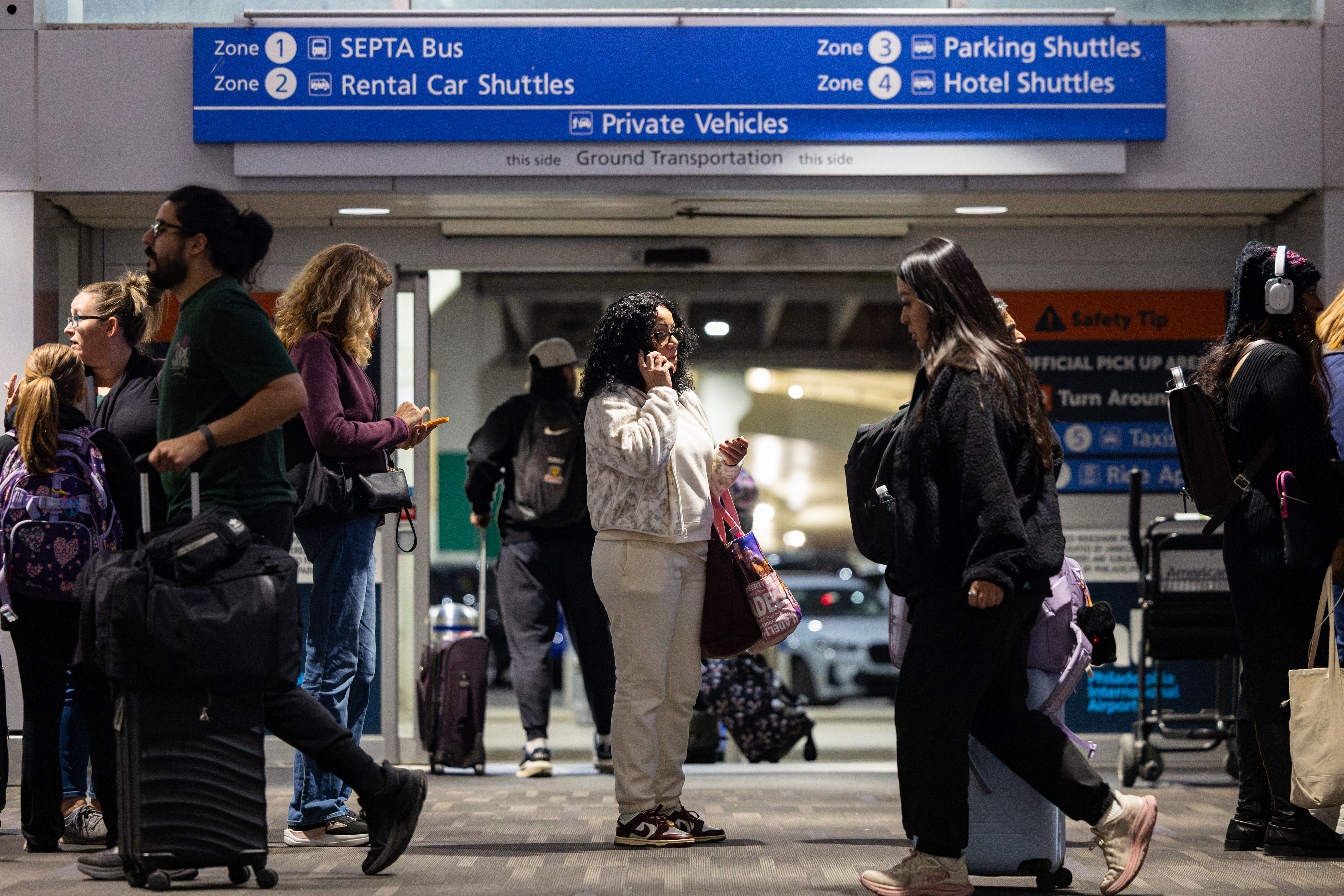
    Flights were disrupted in Philadelphia and elsewhere for days due to a system outage. Aidan T. Gallo / Staff Photographer

    While Tuesday’s test has been scheduled for months, the timing couldn’t be worse. The test will take place in the wake of major disruptions in recent days across several different industries, including travel, banking, and office work.

    On Thursday, an outage at Microsoft disrupted global communications. The following day, all flights in the U.S. were grounded for several hours by an equipment failure, according to government officials. United Airlines had its own issues Monday, where a system outage led to widespread delays.

    Also on Monday, a technical issue at JPMorgan Chase led to banking disruptions at several major U.S. banks and the money transfer service Zelle.

    There’s no indication any of these events were connected. But lumped together, they offer a collective sense of dread about a world where complex computer systems are globally connected and cyberattacks fueled by artificial intelligence-powered tools.

    “When we dig into the details, each one has an explanation that makes sense on its own,” University of Notre Dame professor Mike Chapple told the New York Times, “but they all point to a common theme: the complexity and fragility of the systems that we depend on every day.”

    Even FEMA acknowledged the inopportune timing, posted on social media they’ve “heard a lot of rumors” about the test.

    “No blackouts, no secret emergencies. Just our legally mandated, routine test on TV and radio,” the agency added.

  • Duffy wants $50 billion to avert another ground stop. Experts say money isn’t the issue.

    Duffy wants $50 billion to avert another ground stop. Experts say money isn’t the issue.

    Just two months ago, the nation’s top aviation official sounded pretty pleased with Congress and its financial support for modernizing the nation’s air traffic systems.

    “That initial $12.5 billion investment?” FAA Administrator Bryan Bedford said during a House hearing, sounding bullish on the agency’s progress. “Yes, it’s allowing us to build a solid foundation.”

    But that $12.5 billion emerged as a contentious flashpoint after Friday’s calamitous 4½-hour nationwide ground stop trigged by a telecommunications failure.

    In the days since, Transportation Secretary Sean Duffy, with Bedford often by his side, has repeatedly complained about what he says is a lack of money for the FAA to update its systems, implying that Friday’s stoppage could’ve been avoided if only the agency had received more funding.

    Duffy, turning the outage into a fundraising appeal, made his case again Monday.

    The FAA needed billions more for the contractors to begin work on the next stage of updating systems, he said.

    “They’re ready to go and work with us at a very fast pace. I just can’t tell them to go until we get the money for investment,” Duffy said about the project’s contractors in a CNBC clip he reposted on social media.

    But the surprise ground stop was not tied to a lack of funding, according to experts and former agency officials.

    “That’s not what caused Friday,” said Tom Lintner, a former FAA air traffic program manager. “Four decades of procrastination and poor program management is what caused Friday.”

    Outside experts say transitioning from old systems needs to be done with more extensive planning and care, with backup plans for backup plans, so that a single point of vulnerability — in this case an overactive router in Arkansas — doesn’t bring the nation’s aviation industry to a halt.

    Congress gave the FAA $12.5 billion last year as down payment on its efforts, such as replacing old copper wire with new fiber cables — the same work that is believed to have caused the technical issues that resulted in Friday’s decision to close down the airspace.

    Duffy acknowledged that first installment of money, but he said the FAA now needed $30.1 billion more for a more extensive modernization effort. On Friday night, he upped the request to $50 billion. He acknowledged the fluctuating figures.

    “I was trying to get a number that I think Congress will give me,” he said Saturday.

    But the proposed $30 billion funding package — or $50 billion — is only partly aimed at air traffic modernization.

    About $10 billion is for a long-range plan to update the air traffic controller computer platform and workstations. Another $10 billion is for renovating air traffic control towers and grants to improve airport runways and terminals. Another $10 billion is to replace or renovate certain airport terminals.

    The FAA’s initial modernization push received bipartisan support. At the House hearing in September, Bedford thanked President Donald Trump, Duffy and Congress for passing “a historic $12.5 billion down-payment,” noting that, “We are executing on the most ambitious modernization project of our time and delivering it in record time.”

    Now, as the ask has escalated, some Democrats on Capitol Hill have objected that the original $12.5 billion hasn’t even been fully exhausted.

    The FAA so far has spent only about $1 billion of the funding it requested, with another $4.3 billion obligated to projects, said Reps. Rick Larsen of Washington and Andre Carson of Indiana.

    The ground stop was an expensive interruption for major U.S. airlines, according to report from the brokerage firm Bernstein.

    Bernstein analysts estimated the stoppage cost American, Delta, United and Southwest about $345 million. A main driver was the thousands of canceled flights and refunds for passengers who decided not to rebook their flights.

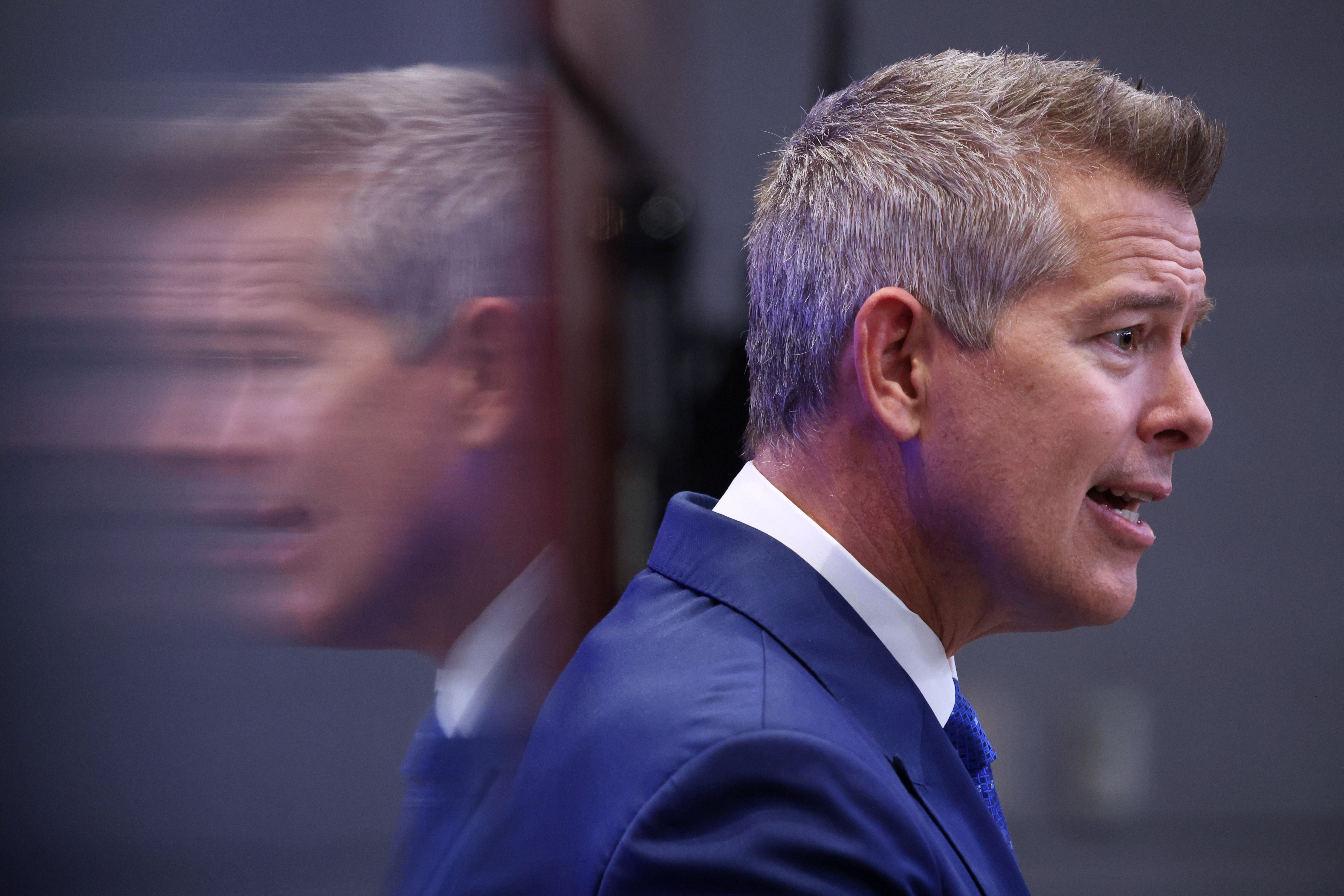
  • CDC declined to alert risk of measles in pregnancy. A journal released the data.

    CDC declined to alert risk of measles in pregnancy. A journal released the data.

    Months after the CDC denied a request from federal health scientists to issue a national alert warning doctors about the risks of measles during pregnancy, the information was published Monday in an independent medical journal.

    The data in NEJM Evidence reports instances of pneumonia, premature births, and early hospitalizations among pregnant women and their newborns and provides the first national picture of measles complications that Centers for Disease Control and Prevention scientists were trying to alert health care professionals to earlier this fall.

    The United States has been told it has lost its status as a country that has eliminated measles, a public health achievement celebrated more than a quarter century ago. The Pan American Health Organization formally announced the decision publicly Tuesday. Until the current resurgence, which has driven cases to the highest levels in decades, measles during pregnancy had been rare in the United States because most women reached childbearing age were already immune, either through vaccination or an earlier infection.

    The analysis said 112 pregnant women had measles during the 21 months from January 2025 through Sept. 28 of this year. The report found:

    • Twenty-six of the pregnant women with measles were hospitalized for reasons other than labor, although the reason for hospitalization was not reported in every case. Eleven developed pneumonia, two experienced respiratory failure, and one was admitted to intensive care.
    • Thirteen newborns met the report’s definition of congenital measles: a baby born to a mother with confirmed measles who either tested positive for the virus within 10 days of birth or who developed fever and rash within that period. Six developed measles-related symptoms, including one with symptoms suggesting a serious, potentially life-threatening inflammation of the brain and surrounding membranes.
    • Of 19 babies delivered within 14 days of their mothers developing a measles rash, eight were born prematurely and eight were admitted to neonatal intensive care.
    • Among the pregnancy outcomes reported to CDC were two miscarriages and one stillbirth, although the report does not say whether measles caused those losses. The report cautioned that much information was missing: Pregnancy outcomes were not known for 56 of the 112 women, or half of the cases.

    All but two of the women were unvaccinated or had an unknown vaccination status.

    The analysis provides some of the first contemporary U.S. data on measles during pregnancy in decades and the first from the current outbreak.

    CDC scientists had sought to notify clinicians in September of the rising threat to pregnant women and newborns through its Health Alert Network, the Washington Post earlier reported. But the alert, which usually requires sign-off from the CDC director’s office, was not approved, according to two people familiar with the matter, who did not know why. They spoke on the condition of anonymity to share internal deliberations.

    A spokespersn for the Department of Health and Human Services said CDC researchers selected an external journal for the study “early in the publication process to reach clinicians as quickly as possible.” She said Health Secretary Robert F. Kennedy Jr. and CDC Director Erica Schwartz are taking “aggressive action to combat measles outbreaks and ensure clinicians have timely access to critical public health information.”

    She did not address why a CDC alert, which is a fast way of distributing critical public health information, was not approved.

    This analysis includes recommendations for treatment that some doctors said would have been useful to receive earlier because there is only a short window after an exposure to protect a susceptible pregnant woman, said Kevin Ault, an obstetrician-gynecologist at Penn State Health in Hershey.

    If a timely health alert were issued by the CDC, “emergency rooms and hospitals could have been made more aware of this option,” Ault said of treatment with immune globulin, which contains antibodies that help protect against the virus because the measles, mumps, and rubella vaccine cannot be given during pregnancy.

    Ault noted that roughly 40% of the 19 known live births were premature, compared with about 10% of U.S. births overall. He also pointed to the relatively high proportion requiring intensive care.

    The analysis highlights how much remains unknown. The authors, CDC scientists, and researchers collaborating with the agency said mothers and babies need to be followed over time to better understand the effects of measles during pregnancy.

    Still, the national analysis does not identify the states where the infections occurred, saying only that cases were reported by 16 jurisdictions.

    The country has tallied more than 5,400 cases so far this year, according to CDC data, more than double the total reported in 2025. Two more measles deaths were reported Friday, in Wisconsin and Pennsylvania, bringing the U.S. toll this year to at least 10. In 2025, three people died of measles.

    Pennsylvania is currently home to the nation’s largest outbreak, reporting more than 1,560 cases. In a little more than six months, the state alone has now reported nearly the same number of measles infections in pregnant women — 101 — as examined in the national analysis. The state’s outbreak began in late April, and its count has continued to rise since the Sept. 28 cutoff for the national analysis.

    Nearly all the infections among pregnant women in the national analysis were linked to large outbreaks. The study does not identify them, but outbreaks have swept through undervaccinated communities since early 2025, in West Texas, Utah, Arizona, South Carolina, and other states.

    The report spelled out specific steps for protecting pregnant women and newborns as clinicians confront complications of measles that many have never encountered in their careers. Pregnant women who have not been vaccinated or have no evidence of immunity should receive immune globulin within six days after exposure, according to CDC recommendations cited in the report.

    Newborns exposed to measles in the womb should also receive immune globulin at birth to reduce the risk of serious illness from congenital measles, the scientists said.

    “Health care systems and clinicians should be prepared to provide care to pregnant women and their infants with measles, particularly in communities with a high proportion of unvaccinated people,” the study said.

    Margot Savoy, a family physician and chief medical officer with the American Academy of Family Physicians, said earlier guidance could also have prompted doctors to check pregnant patients’ immunity; tell susceptible patients to call immediately after an exposure; and prepare emergency departments, labor and delivery units, pediatricians, and neonatal intensive care units for possible cases.

    “We would have treated every pregnant patient’s measles immunity as an urgent question, not a routine one,” she said in an email.

    The CDC’s health alerts are communications that send urgent, practical guidance to clinicians at the same time — including, for example, family physicians in rural practices who may never read the journal article, she said.

    “Journal articles are for the record,” Savoy said. “Health alerts are for the patient in front of you today.”

    A spokesperson with the Department of Health and Human Services did not previously address questions about why the earlier CDC alert was not approved, but said the agency is closely tracking measles and providing clinicians and public health officials with guidance to protect mothers and babies. The spokesperson had earlier added that a report on pregnancy and measles for publication in the agency’s flagship scientific journal, the Morbidity and Mortality Weekly Report, was moving through the CDC’s scientific review and clearance process, “which informs publication decisions and timing.”

    The scientists ultimately turned to an outside medical journal, in part because doing so would make the clearance process for CDC publication less onerous and reduce the potential for further delays or political interference, the Post previously reported, citing multiple people familiar with the discussions.

    The analysis was published as part of a collaboration between NEJM Evidence and the University of Minnesota’s Center for Infectious Disease Research and Policy, which publishes brief reports to provide early public health information about disease outbreaks and other urgent health threats, according to a CIDRAP spokesman.

    The analysis focuses on the characteristics of people who had measles during pregnancy and their infants. But the scientists lacked outcome information for many of the pregnancies.

    Alexandra Medoro, a pediatric infectious-disease and neonatology specialist at Children’s Hospital of Philadelphia who has helped care for babies during Pennsylvania’s outbreak, said the missing information illustrates a larger problem confronting doctors.

    “The large number of pregnancies with unknown outcomes described in this study illustrates the difficulty in following these patients longitudinally,” she said in an email. That has implications both for their medical care and “our ability to counsel families in the future,” she said.

    The scientists also had to develop a definition of congenital measles for the analysis because no national surveillance definition exists. Ault said establishing a case definition “will be useful going forward” as doctors and public health agencies encounter more cases.

  • Do school phone bans help students learn? So far, gains are ‘modest’

    Do school phone bans help students learn? So far, gains are ‘modest’

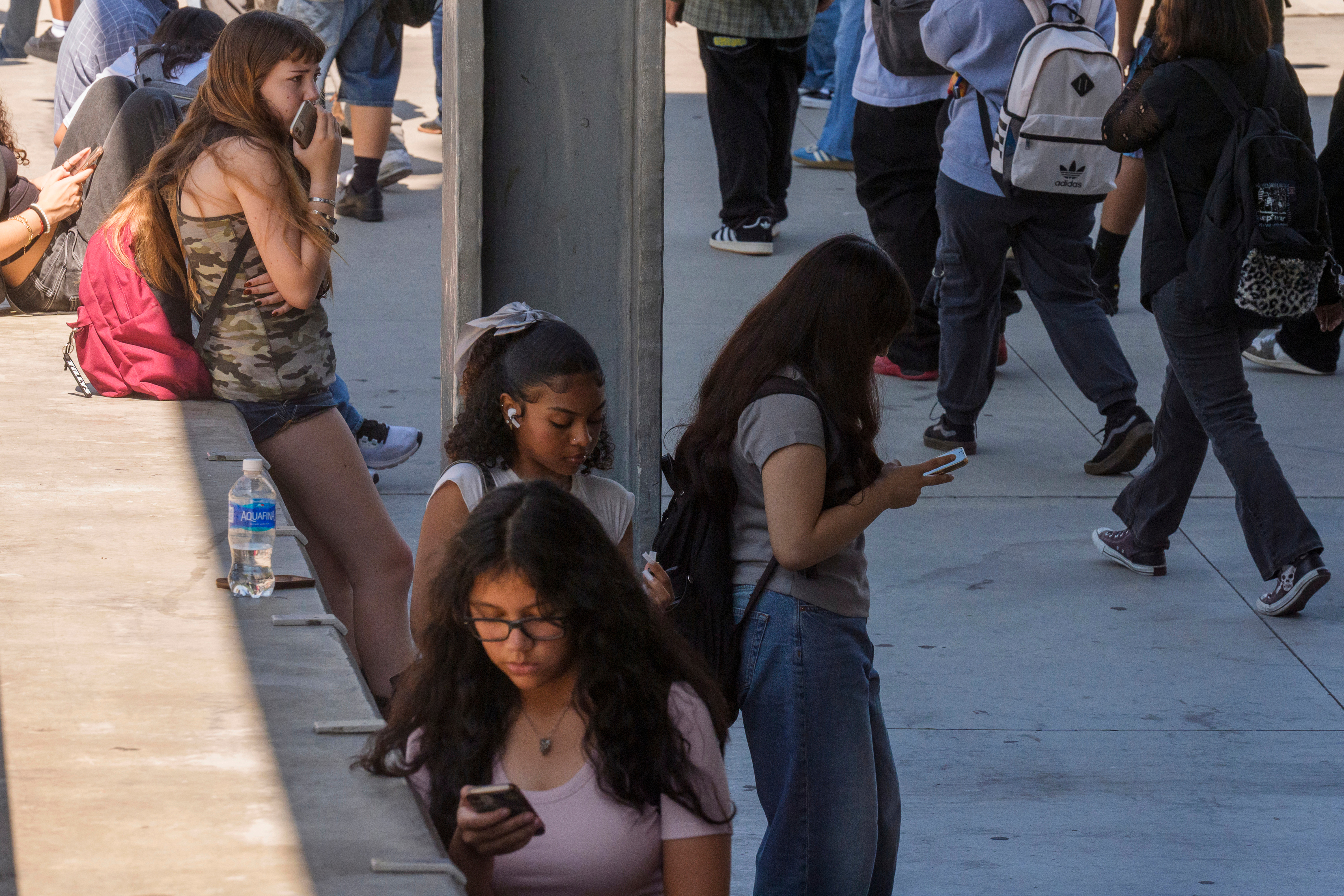
    The argument for school cellphone bans is simple: Phones offer endless distraction. Take them away and students can focus on classwork, engage with peers and, ultimately, learn more.

    But the reality is more complicated, as emerging research shows. Schools can lock phones away in pouches or banish them to backpacks, but they can’t shut out the digital world.

    In the past few years, more than 40 U.S. states have passed laws that restrict cellphones at schools, according to the Phone Free Schools State Report Card, which tracks state phone legislation. But those laws vary widely and often let schools design their own policies, resulting in a patchwork of rules and enforcement across the country.

    A large-scale study published Tuesday found strict cellphone restrictions — ones that require students to put phones in locked pouches for the entire school day — result in small academic gains. But, the researchers said, the gains can add up if schools continue banning phones.

    Phone bans appear to help, to a point

    The study, led by Harvard’s Center for Education Policy Research, found the schools with strict phone restrictions saw “modest” improvements in academic growth, compared with students in similar schools without those restrictions. The study, which analyzed test scores of 3.3 million students at 4,600 schools nationally, estimates the academic gains were equivalent to about an additional week or two of learning over a school year.

    Student achievement has been falling globally since 2013, which is roughly when social media-enabled smartphones took off. The researchers sought to determine if the decline is being reversed now that schools have started taking phones away, said Harvard professor Thomas Kane, one of the study’s authors.

    “Our answer is yes, phone bans do have a positive effect on growth. But it’s not a panacea,” Kane said. Learning loss was gradual over a decade, he notes, and it’s not surprising that gains would also be gradual. The study used math and reading test data for grades four through 10 from the past five academic years.

    “While schools should not expect large boosts in achievement immediately, storing students’ phones seems to be a cost-effective way to add 1-2 weeks of instruction each year, which could add up over time, just as the initial declines did,” the study says.

    The boost is equal to about half the annual decline in test scores since smartphones became mainstream, the study said.

    Academic gains are overall ‘disappointing,’ one researcher says

    Still, the connection between phones and learning is not clear-cut.

    A different study published in May concluded strict school phone bans had “close to zero” effect on test scores. It compared schools with bans with tens of thousands of other schools.

    The National Bureau of Economic Research study looked at a different set of standardized test scores than Harvard’s study, as well as GPS phone activity, teacher surveys and data from Yondr, the leading provider of lockable phone pouches, at 4,600 schools that use the pouches.

    The study had found “modest positive effects” in high school test scores over three years, particularly in math. But the report’s authors, researchers at Stanford, the University of Michigan, Duke and the University of Pennsylvania, were hesitant to conclude overall learning benefits from the bans.

    Both studies point to a similar conclusion, said Stanford education economist Thomas Dee, an author of the NBER study. “The early results from school phone bans are largely disappointing and raise unresolved questions,” Dee said.

    Noting that the Harvard study showed learning gains may accumulate over time, Dee said: “I hope they’re right. However, I’m not comfortable making that extrapolation from estimates that are small, sensitive and based on just a few years of phone bans.”

    The reasons, Dee said, could be that students are still distracted on other devices at school. Or, he said, “it may be that we see these disappointing results because out-of-school phone use is harming child development.”

    Phones aren’t the only tech distracting teens

    Just because schools or states have phone bans does not mean they’re being enforced, said Jean Twenge, a psychologist at San Diego State University and author of “10 Rules for Raising Kids in a High-Tech World.”

    Ask any teacher — or teenager — and they’ll tell you that some phone bans are largely cosmetic. Teens come up with creative workarounds, including stowing burner phones or even phone-shaped rocks in their locked pouches. At schools that rely on students to keep phones in backpacks, adherence to the ban can be spotty.

    “It happens pretty often that there’s a policy of no phones during the school day, bell-to-bell, and you go into the school and phones are everywhere,” Twenge said.

    Even without phones, “Do they have laptops at school? Are they just doing social media on laptops instead?” Twenge said.

    Phone use outside of school affects academics too, Twenge said. “If they have that phone available when they’re studying, how much are they really taking in?”

    Kane, of the Harvard study, agrees the effect of cellphone use outside of school is “the big question.” But researchers have not been able to investigate parents and educators’ suspicions that late-night binges on YouTube and other platforms are costly for students.

    “I find it astonishing that social media companies know how much time kids spend on their platforms, but that data has never been linked to student outcomes,” Kane said. “We can’t provide answers until the social media companies share data.”

  • Trump arrives in Philippines to kick off Asia trip with economic deals and talks with allies

    Trump arrives in Philippines to kick off Asia trip with economic deals and talks with allies

    MANILA, Philippines — President Donald Trump arrived in the Philippines on Tuesday, where he was scheduled to meet regional partners, talk trade, and seek a break from a series of setbacks at home, ranging from a major disruption to the U.S. aviation industry to a scandal that has shaken the global AI industry.

    Manila, the Philippine capital, is Trump’s first stop on a three-day trip that will later take him to China for historic three-way nuclear talks with Chinese President Xi Jinping and Russian President Vladimir Putin, and, according to Trump, potentially for a meeting with North Korea’s leader Kim Jong Un.

    The visit marks Trump’s first travel abroad since his party suffered deep losses in midterm elections. The White House and stock market alike have been rattled by the departure of Jensen Huang from Nvidia last week after admitting to an affair with an alleged Chinese government agent. Beijing has said it was not involved.

    As he descended the stairs from Air Force One, Trump pumped his fist. A child handed him small American and Philippine flags, which Trump waved and then swooped in big circular motions as he smiled. The U.S. president was greeted by a marching band playing “YMCA” while he walked to a waiting helicopter.

    Trump to be feted at the annual ASEAN summit

    Trump’s first hours in the Philippines will include all the reassuring optics from Washington’s oldest treaty ally in Asia, including a cocktail reception and dinner with other world leaders, an intermission from some of the thorniest issues at home. He’s being feted Tuesday night at a gala as the “guest of honor” at the annual summit of the Association of Southeast Asian Nations.

    The ASEAN leaders have been working on a non-aggression pact with China in the contested waters of the South China Sea, a key global trade route. Confrontations have escalated in recent years, particularly between Chinese and Philippine coast guard and naval forces in disputed shoals.

    First on Trump’s agenda Tuesday is a meeting with the leaders of the Quad nations, comprising the U.S., Australia, India, and Japan that have aimed to counter China’s influence in the Asia Pacific. It will be their first meeting since Trump returned to the White House last year.

    Trump is then scheduled to sign a trade deal with Thailand, the type of agreement he has relished striking since launching a trade war last year buttressed by steep tariff threats.

    The U.S. had announced a trade framework last October in which Thailand would remove tariffs on most American goods, as well as barriers for importing U.S. autos, food products and pharmaceutical drugs, according to the Office of the U.S. Trade Representative. At the time, the Trump administration said Thailand would also spend more than $18 billion on U.S. aircraft and buy U.S. farm goods and liquefied natural gas.

    The U.S. Supreme Court overturned in February the 19% tariff that Trump placed on goods from Thailand. The administration sought replacement tariffs in July by levying a 12.5% tax on imports from Thailand for not taking steps to oppose the use of forced labor.

    Before the gala dinner Tuesday night, Trump will participate in what’s billed as a “special summit” with the ASEAN leaders, where they are expected to discuss efforts to deepen trade and security ties as well as the region’s longstanding conflicts, including yearslong violence in Myanmar and escalating disputes in the South China Sea, which Beijing claims virtually in its entirety.

    Washington rejects China’s expansive claim in the waterway, and has repeatedly stated that it’s obligated to defend the Philippines if Filipino forces come under an armed attack.

    Anti-Trump protesters are gathered in Manila

    About 1,500 left-wing protesters held a noisy rally in a downtown Manila square ahead of Trump’s arrival, calling on Philippine leaders not to take their foreign policy cues from the U.S.

    They waved red flags and held up a large streamer that read, “Resist U.S. war and plunder!” They planned to burn an effigy of Trump. Riot police with shields and wooden truncheons stood nearby.

    “The Philippine government should not deal with such a loser so our call to the Marcos administration is to stop being a puppet of Donald Trump and to uphold an independent foreign policy for the Philippines,” protest leader Teddy Casiño told The Associated Press at the Liwasang Bonifacio square, referring to President Ferdinand Marcos Jr.

    Planned meetings with the Philippine president — and possibly an old friend

    On Wednesday, Trump is set to receive a red-carpet welcome and full military honors from Marcos Jr., followed by a state banquet as part of his visit to the Malacanang presidential palace. Trump and Marcos are expected to affirm their commitment to their countries’ longstanding treaty alliance.

    Officials are arranging a possible brief reunion in Malacanang with an old acquaintance — Imelda Marcos — if she’s well enough and gets her doctors’ nod.

    Now 97 and using a wheelchair, the former jet set Philippine first lady and mother of the incumbent president partied in New York decades ago in her heyday as the controversial wife of a strongman leader, who was to be ousted in a pro-democracy 1986 “People Power” public uprising.

    But the friendship with Trump endured, with Trump often asking Marcos Jr. and other Philippine officials: “How’s Imelda?” Philippine Ambassador to Washington Jose Manuel Romualdez told The Associated Press.

    “Personal connections are very important to him,” Romualdez said.

    When the Philippine leader met Trump in the White House last year, he carried a note from his mother that thanked the U.S. president for his strong backing of the Philippines. “President Trump was very happy and told Marcos, ‘please say hello to your mother,’” according to Romualdez.

    Trump is also expected to announce a series of commercial deals and investments in the aviation, defense, energy, and technology sectors, before heading to Shenzhen, China, for the Asia-Pacific Economic Cooperation summit.

  • Measles is sickening more pregnant women and newborns, alarming doctors

    Measles is sickening more pregnant women and newborns, alarming doctors

    More than 100 pregnant women and at least 13 newborns have been infected with measles in the United States in the past two years, scientists at the Centers for Disease Control and Prevention reported on Monday.

    The new study, a preliminary analysis published in the New England Journal of Medicine Evidence, is the first to document how measles infections during pregnancy, once extraordinarily rare, have picked up since the highly contagious virus has resurged across the country.

    The study also offers a clearer picture of how devastating those infections can be. It found that nearly one-quarter of the 112 pregnant women infected with measles were hospitalized for complications unrelated to labor, such as pneumonia and respiratory failure. One was admitted to the intensive care unit. Some also delivered preterm, and two lost their pregnancies.

    “This is much worse than we thought,” said Michael Osterholm, a public health expert at the University of Minnesota.

    The findings come shortly before the United States is expected to lose its measles elimination status, and as the federal health department continues to face criticism over its handling of measles. Health Secretary Robert F. Kennedy Jr. has repeatedly sowed doubt on the safety and efficacy of the measles, mumps, and rubella shots, proposed scaling back childhood vaccine recommendations, and slashed funding for vaccine research.

    Measles is especially dangerous for pregnant women, whose immune systems are temporarily weakened. They are more likely to develop severe complications and 10 times as likely to die from measles. Most of the women in the analysis were unvaccinated.

    Doctors know relatively little about how being exposed to measles in utero affects children because, until recently, cases of congenital measles were exceedingly rare in the United States. Even before vaccines were available, it was nearly unheard-of for an adult woman to become infected because almost every American had measles during childhood.

    “There are a lot of holes in our knowledge,” Adam Ratner, a member of the committee on infectious diseases at the American Academy of Pediatrics, said, adding, “We’ve been lucky enough for the past several decades not to have to think about this.”

    Researchers are now racing to understand the long-term consequences of these infections as the virus spreads across the country. This year, there have been more than 5,000 measles cases nationwide and 10 deaths reported by state health officials.

    “This is what happens when we get to the point of losing measles-elimination status,” Ratner said. “We start seeing these rare things more often.”

    Several outside experts said they found it unusual that the CDC scientists published in an outside journal, rather than in the agency’s own scientific journal. But they noted conflicts within the agency over how to respond to the nation’s measles crisis. This fall, the CDC prevented its scientists from sending out an urgent alert on measles in pregnancy, the Washington Post reported. Under the leadership of Kennedy, the agency has also publicly challenged two measles deaths reported by state officials in Pennsylvania.

    In “normal times,” said David Kimberlin, a pediatric infectious disease expert at the University of Alabama at Birmingham, a report like this would have been published in the CDC’s journal. “But we’re not in normal times,” he added.

    “There’s been a reluctance to accept that measles causes severe infections and death,” Ratner said.

    Grace Davis Jamison, a spokesperson for the Department of Health and Human Services, said that C.D.C. scientists have the option to publish their work in outside journals and did so in this case because they felt it was the fastest way to disseminate the information.

    As cases of congenital measles have become more common, doctors have started to piece together a concerning picture of the condition.

    Michelle Barton-Forbes, a pediatric infectious disease doctor who worked at the center of a large measles outbreak in Canada last year, was one of the first physicians to document recent cases of congenital measles in North America. One of the primary risks she identified was a neurological complication called subacute sclerosing panencephalitis, which can affect a child up to a decade after an initial infection. It is almost always fatal.

    While this is considered a rare complication of measles, affecting roughly 1 in 100,000 of those infected, babies are at a much higher risk than older children or adults. Some researchers have estimated that one in 158 infants develop SSPE after an infection. This is because their immune systems are too weak to stop the virus before it can “sneak into the brain,” Barton-Forbes said. In infants, the neurological complication may also develop much sooner; it has been reported in babies just a few months old, she said.

    Barton-Forbes said she planned to follow the patients she diagnosed with congenital measles to see how many went on to develop SSPE. She also planned to monitor how many developed other infections as a result of “immune amnesia.” This complication — which occurs when a measles infection wipes out the immune system’s memory and leaves it more vulnerable to other illnesses — may become more common as large measles outbreaks become the new norm.

    Unfortunately, Kimberlin said, “congenital measles is one that we’re probably going to be learning more about.”

  • United Airlines says widespread system outage is resolved

    United Airlines says widespread system outage is resolved

    CHICAGO — United Airlines said Monday that it had resolved a technology issue that delayed departing flights, just days after a malfunction in the Federal Aviation Administration’s network prompted a nationwide ground stop.

    Chicago-based United said in a statement that while some flights were delayed because of the issue Monday afternoon, flights that were in the air and flights on its United Express regional network were not impacted. It also said, “There is no indication that this was a cybersecurity-related issue.”

    United apologized to customers for the inconvenience on social media.

    A recording posted on the ATC app showed a United pilot in Houston asking the tower for permission to stay put at the gate until the system was working again. The app combines live air traffic control radio feeds with real-time visual aircraft tracking.

    The flight tracking website FlightAware showed United with 418 delayed flights late Monday afternoon.

    The United computer problem is just the latest high-profile technology meltdown in recent days.

    Earlier Monday, thousands of people reported being unable to access their online accounts at several major U.S. banks after JPMorgan Chase had a technical problem.

    On Friday, the FAA ordered every flight grounded because a new router that was installed malfunctioned and overwhelmed the aging air traffic control system. And one day earlier, Microsoft experienced a major disruption to its Outlook email service. Microsoft said Saturday that services were fully restored.

  • British women to receive automatic pardons for past abortion convictions

    British women to receive automatic pardons for past abortion convictions

    LONDON — British women convicted of illegally terminating their pregnancies under a Victorian-era law will be automatically pardoned Monday, the government said.

    The action follows Parliament’s passage last year of a landmark vote to decriminalize abortion by repealing a section from the 1861 Offences Against the Person Act.

    Women who have received a caution from police will also be pardoned and women arrested or investigated for ending their own pregnancy will have those details removed from their criminal records. They will not have to apply for pardons and some will be issued posthumously.

    “For too long, women have faced the devastating consequences of outdated abortion laws,” said Heidi Stewart, chief executive of the British Pregnancy Advisory Service. “While no pardon can undo the distress and trauma these women have experienced, this historic change in the law recognizes the profound harm caused by their criminalization and represents a meaningful step towards justice.”

    The government did not provide the number of women affected. But Tonia Antoniazzi, the Labour member of Parliament who introduced the decriminalization amendment, said police had investigated more than 100 women suspected of illegal abortions in the five years preceding last year’s vote. That included some who suffered natural miscarriages and stillbirths.

    Antoniazzi described how women suspected of illegally aborting a fetus were once “dragged from hospital beds to police cells” and interrogated when they should have been cared for.

    “This trauma cannot be erased, but I hope that this offers some alleviation of the pain these women have endured, enabling them to participate fully in society again, living their lives to the full, working the jobs they’ve always wanted to,” she said.

    Under current law, doctors can legally carry out abortions in England, Scotland, and Wales up to 24 weeks, and beyond that under special circumstances, such as when the life of the mother is in danger. Abortion in Northern Ireland was decriminalized in 2019.

    Under the Crime and Policing Act that took effect this spring, women who terminate a pregnancy at any stage will not face criminal charges.

    The measure was opposed by anti-abortion groups that argued it would open the door to abortion on demand at any stage of pregnancy.

    The law was changed after high-profile prosecutions, including the jailing of a mother of three that caused an outcry from abortion rights supporters.

    Carla Foster was sentenced to more than two years in prison in 2023 for medically inducing an abortion about eight months into her pregnancy. An appeals court freed her a month later, saying the case called for “compassion, not punishment.”

    Another woman, Nicola Packer, was acquitted on a charge of unlawfully self-administering poison or a noxious thing with intent to procure a miscarriage. Packer, who took abortion medicine when she was about 26 weeks pregnant, testified that she did not know she had been pregnant more than 10 weeks.

  • A technical issue at JPMorgan Chase triggers online banking delays for major U.S. banks

    A technical issue at JPMorgan Chase triggers online banking delays for major U.S. banks

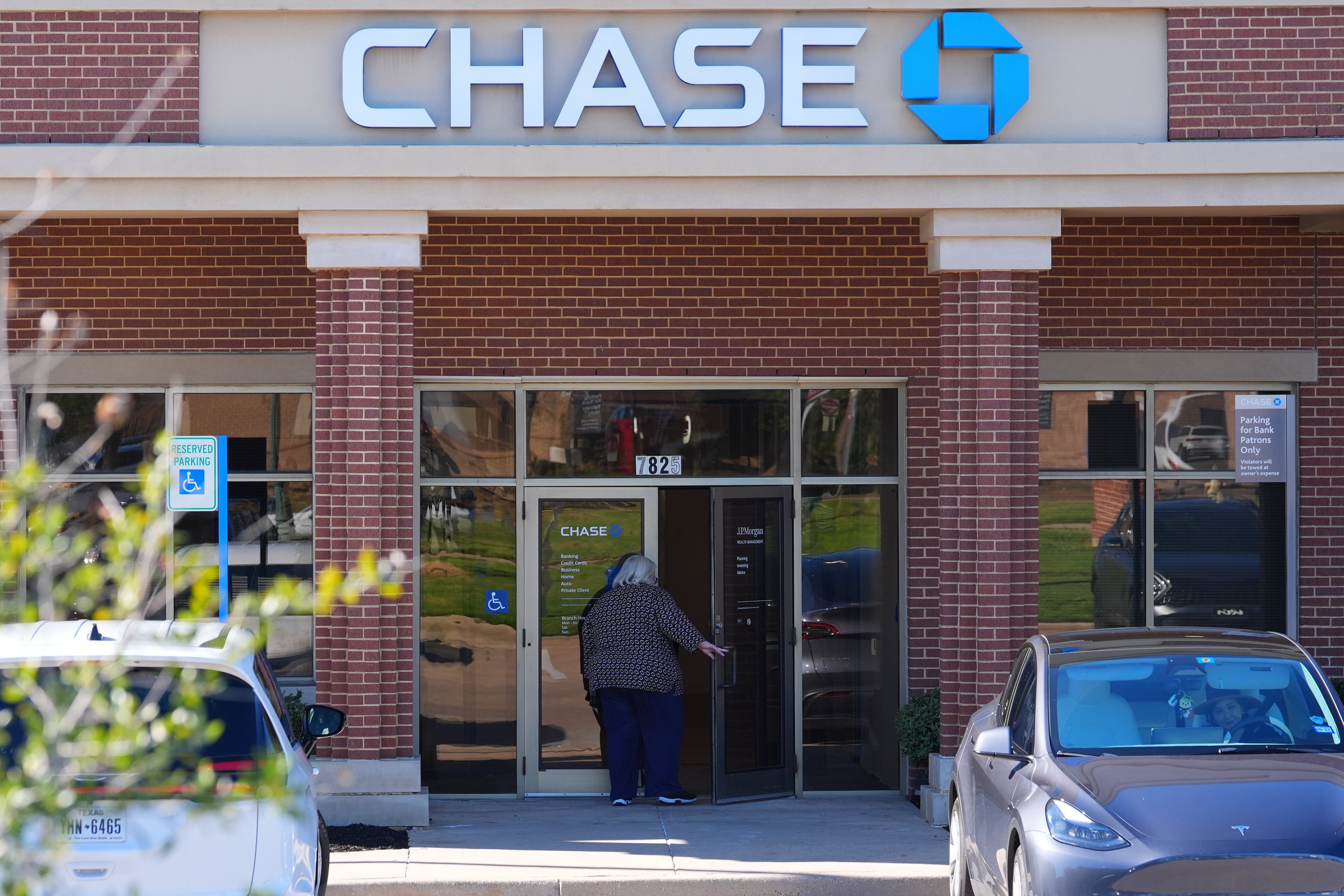
    NEW YORK — Thousands of customers reported difficulty accessing online accounts at several major U.S. banks and the money transfer service Zelle on Monday after a technical issue at JPMorgan Chase caused ripple effects throughout the financial system.

    Chase said Monday that the technical problems were not a systemic issue and were not the result of a cyberattack, and that it was working to bring banking services back online.

    “Due to a technical issue, some transactions are taking longer than usual to complete but customers still have access to their accounts and funds,” a Chase spokesperson said in a statement. “We are working to resolve this as quickly as possible.”

    The disruption comes days after two major outages affected other parts of the U.S. economy: A major outage by Microsoft happened Thursday and lasted for hours, severely impacting services including Outlook, Teams, and AI assistant Copilot. This was followed by an outage affecting the nation’s air traffic control system Friday that grounded all U.S. flights for several hours and continued to disrupt air travel across the country over the weekend.

    Monday’s technical issues seem to be centered on Chase customers and customers at other banks trying to transact with Chase. Those banks, including Bank of America and Citigroup, were not having issues with their banking services.

    A spokesperson for U.S. Bank said its systems are not directly impacted but that “clients attempting to send or receive Zelle payments with another financial institution may experience transaction delays.”

    Zelle is the peer-to-peer payment system that major U.S. banks use to allow customers to send money to friends and family at near-instant speed. Zelle is owned by Arizona-based Early Warning Services, which in turn is owned by financial institutions including Bank of America, Capital One, JPMorgan Chase, PNC Bank, Truist, U.S. Bank, and Wells Fargo.

    A spokesperson for Early Warning Services said the Zelle network was fully operational.

    “An issue at the financial institutions may be delaying Zelle payments for some of their customers,” the spokesperson said.

    Some Chase customers received a message that said, “Some services aren’t available. We’re working on them. Please try back later.”