Category: Nation & World

  • Luigi Mangione expected to plead guilty in federal case in UnitedHealthcare killing, AP source says

    Luigi Mangione expected to plead guilty in federal case in UnitedHealthcare killing, AP source says

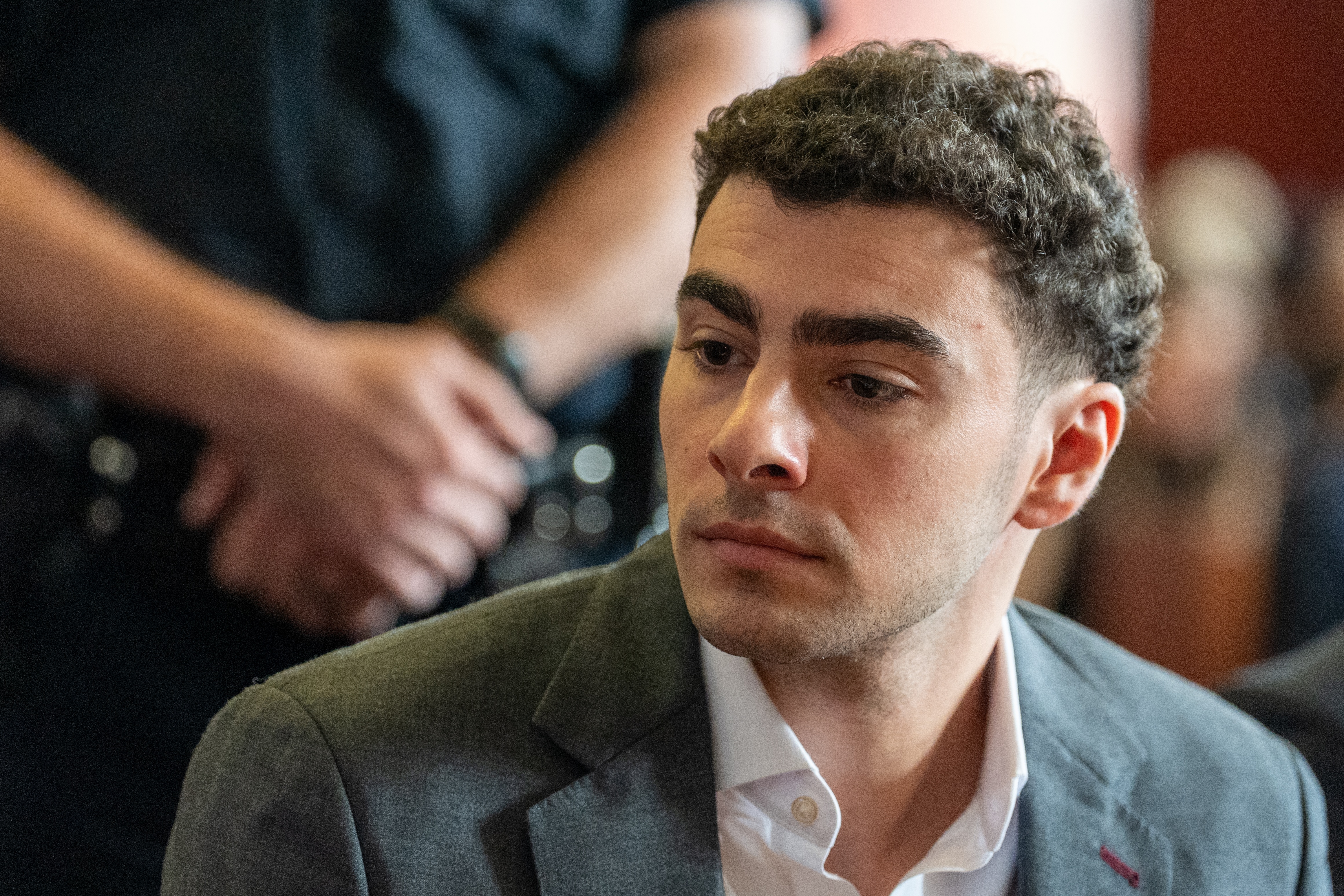
    NEW YORK — Luigi Mangione is expected to plead guilty as early as Friday in the federal case accusing him of stalking and killing UnitedHealthcare CEO Brian Thompson, according to a person familiar with the matter.

    The person, who was not authorized to talk publicly about the case and spoke to the Associated Press on the condition of anonymity, cautioned that Mangione could change his mind. If he follows through, it would be a stunning development in a case that rattled business leaders while galvanizing their critics.

    Mangione’s lawyers, and spokespeople for the Justice Department and Manhattan federal prosecutors, declined to comment.

    Mangione is accused of traveling to New York City to ambush Thompson, 50, then shooting him outside a Manhattan hotel on Dec. 4, 2024, as the executive walked to UnitedHealth Group’s annual investor conference.

    Mangione is due in court on Friday for a hastily scheduled hearing in the federal case, which involves two counts of stalking. It wasn’t clear what charge or charges Mangione is expected to plead guilty to. The hearing, in Manhattan federal court, comes as his lawyers have been talking with federal prosecutors about a possible resolution to one of two criminal cases against Mangione in Thompson’s death. Previous talks in June broke down.

    Mangione, 28, has been charged in both federal and state court in New York and still faces the possibility of a trial in his unresolved state case. Mangione’s state murder trial is set to begin Sept. 8. Both sets of charges carried the possibility of a life sentence.

    Mangione has pleaded not guilty and has spoken out publicly against the prospect of two trials, telling a judge in February: “It’s the same trial twice. One plus one is two. Double jeopardy by any commonsense definition.”

    Under New York law, a state prosecution could be barred if the federal case is resolved first, but it isn’t automatic.

    The state’s double jeopardy protections kick in if a jury has been sworn in a prior prosecution, such as a federal case, or if that prosecution ends in a guilty plea. Mangione’s cases involve different charges arising from the same course of conduct.

    Once Mangione pleads guilty, his lawyers could then ask the judge in the state case to throw out those charges on double jeopardy grounds. State prosecutors argue their case is distinct and double jeopardy shouldn’t apply.

    Mangione’s federal charges allege that he traveled across state lines by bus to stalk and kill Thompson and that he used means such as a cell phone, the internet, interstate highways, and staying at a hostel that serves out-of-state customers while planning and carrying out the attack. The state charges pertain to the killing itself, as well as firearms offenses.

    In a letter last month, state prosecutors objected to the possibility of a guilty plea in the federal case wiping out the state case.

    “Obviously, any guilty pleas in these matters must account for the seriousness of defendant’s offenses, the loss of an innocent life, the impact of those crimes on the victim’s family, and the other state interests that are implicated, including the sanctity of life principle that underpins the state homicide charges,” Seidemann wrote.

    Mangione’s apparent decision to plead guilty comes after a series of setbacks for his defense.

    In January, U.S. District Judge Margaret Garnett took the death penalty off the table but ruled that prosecutors could use items collected from Mangione’s backpack during his arrest as evidence against him.

    They included a 3D-printed pistol that investigators said matched the one used to kill Thompson and a notebook in which authorities say Mangione described his intent to kill an insurance executive.

    In June, Mangione’s lawyers said they would pursue a psychiatric defense in the state case but reversed course a day later. The defense, involving claims that he was suffering from extreme emotional disturbance at the time of the killing, isn’t allowed in federal court.

    Surveillance video of the killing showed a masked gunman shooting Thompson from behind. Police say “delay,” “deny,” and “depose” were written on the ammunition, mimicking a phrase used to describe how insurers avoid paying claims.

    Mangione, an Ivy League graduate from a wealthy Maryland family, was arrested five days later at a McDonald’s in Altoona, Pa., about 230 miles west of Manhattan.

    He has become a cause célèbre for people upset with the health insurance industry.

    An online fundraiser for his legal defense fund raised more than $1.5 million, and several dozen supporters have shown up to his court appearances, some wearing green clothing — the color worn by the Mario Bros. video game character Luigi — and “FREE LUIGI” T-shirts.

  • Philadelphia’s Colombian community rallies to help earthquake victims

    Philadelphia’s Colombian community rallies to help earthquake victims

    Joy Huertas, 33, woke up Monday morning in her Philadelphia home to multiple messages in her family’s WhatsApp group: Her parents were nowhere to be found.

    A 7.4-magnitude earthquake had struck her hometown of Pereira, Colombia, as well as other areas of the country, leaving more than 200 people dead and thousands missing.

    Huertas knew her father had a doctor’s appointment in the center of the city that morning before heading to the airport for a flight to Bogota.

    A quick look on social media showed her that Pereira’s airport had a half-collapsed roof and that the building in which the doctor worked had been reduced to rubble.

    “I started to panic,” Huertas said.

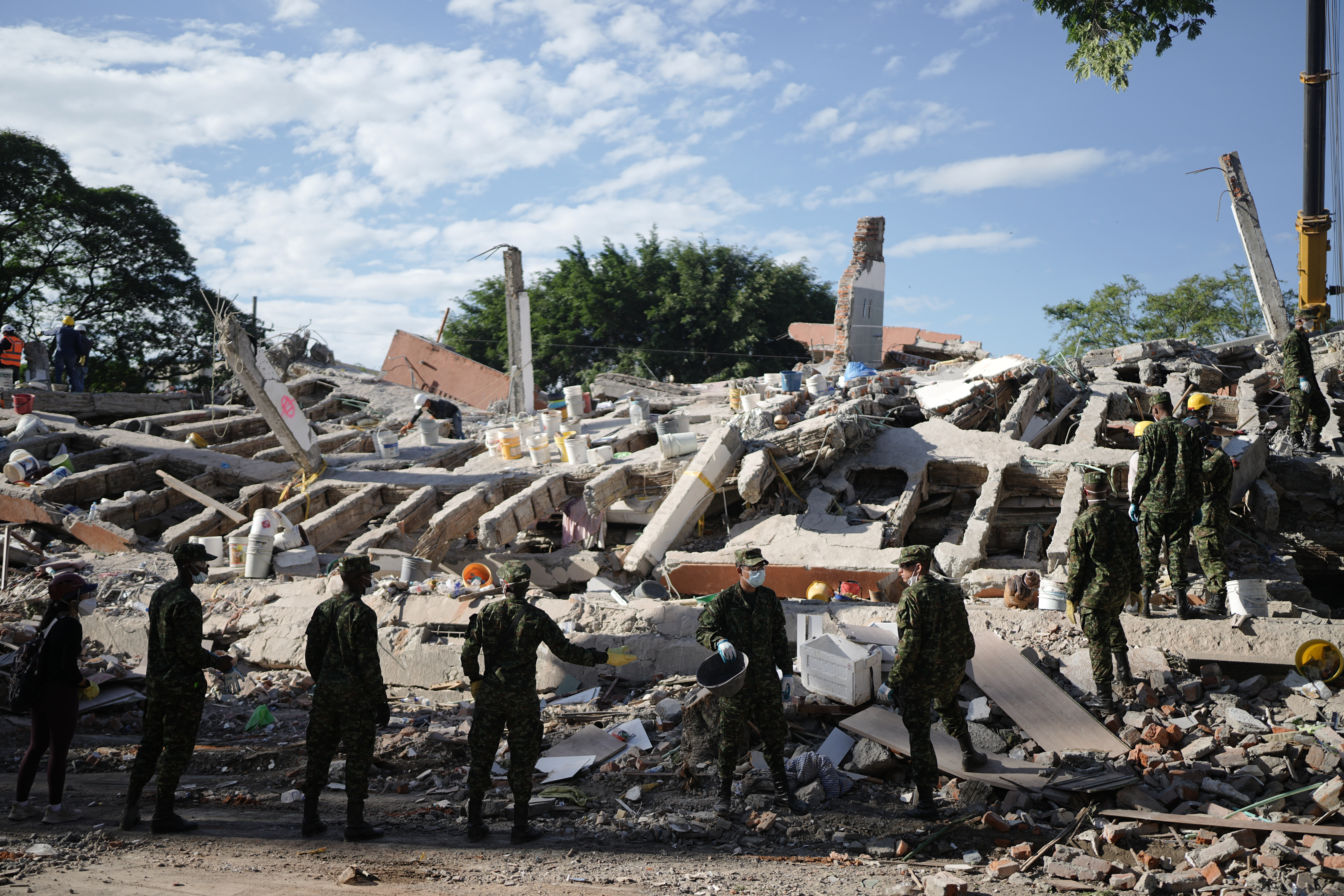
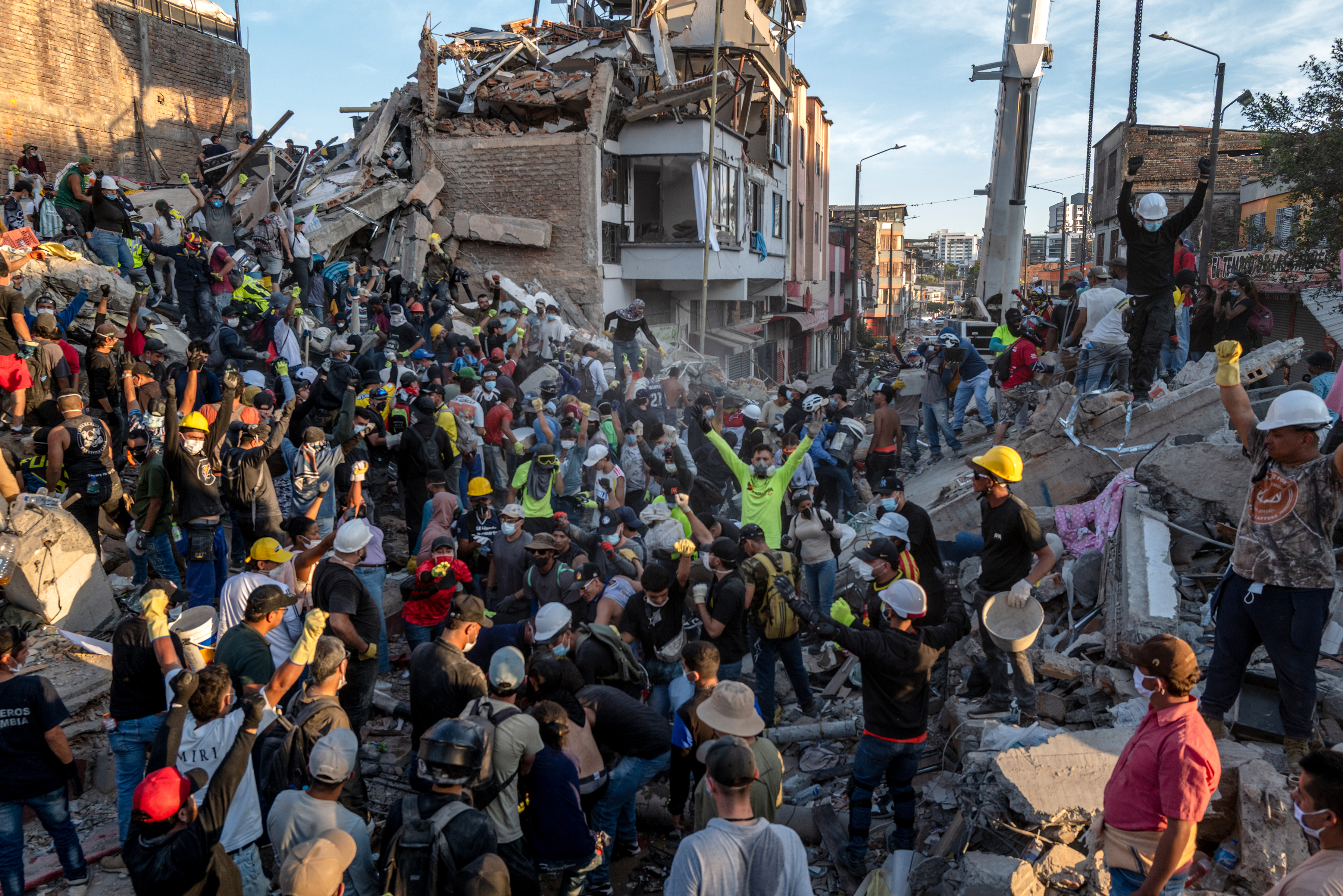
    Volunteers and rescue workers search for survivors at the site of a collapsed building, one of several destroyed during Monday’s 7.4-magnitude earthquake in Pereira, Colombia, on Tuesday.JUAN ARREDONDO

    An hour later, she managed to get hold of her brother. Her parents were safe.

    Fortunately, her father’s doctor had rescheduled his appointment to an earlier time, before the earthquake. But, with the power out and the internet connection spotty, she had not been able to contact any family members until well past noon.

    “My mom said that it felt like the land had turned into the sea, and that it went on for so long, everything around them was shaking,” Huertas said, holding back tears. “She said everyone was so scared to go back inside.”

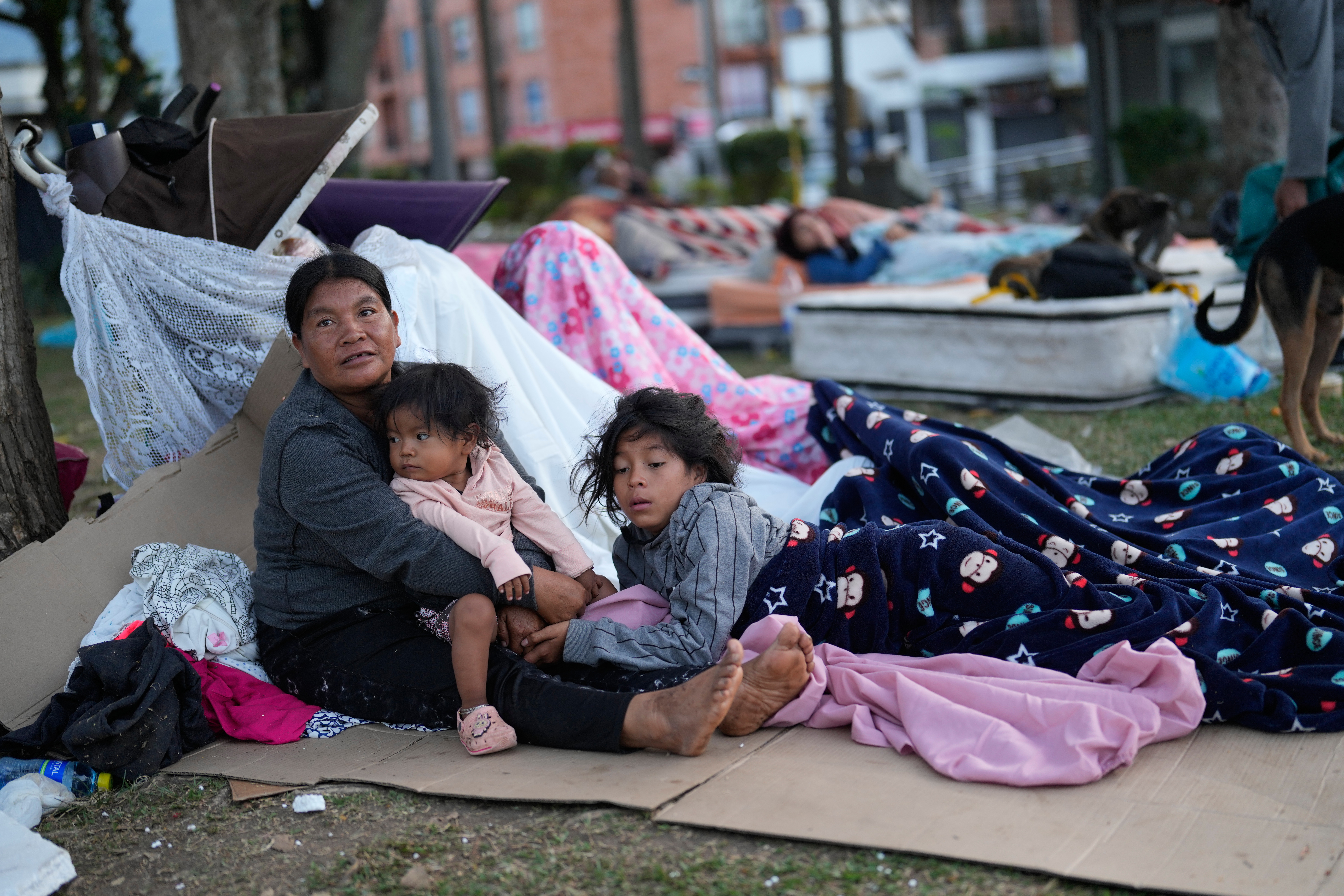
    By Tuesday, conditions had not improved. The aftershocks had Huertas’ Pereira neighbors dragging mattresses out and sleeping in front of their homes.

    People camp out in a park on Wednesday, after after an earthquake damaged their homes.Fernando Vergara

    “Mom said it feels like being back in the pandemic because the lines to buy supplies are so long, and when your turn comes mostly everything is gone,” Huertas said. “They have no water, people are running out of food, and the trucks with supplies can’t access the area to put food back in the grocery stores.”

    Still with a heavy heart, Huertas found solace in a Wednesday night vigil organized by Acción Colombia. The Philly community nonprofit provides resources, coordinates events, and serves as a cultural bridge for the more than 8,000 Colombian nationals living in Philadelphia, as well as folks in New Jersey and Delaware.

    Dozens of people, many with Colombian flags, gathered outside City Hall to hold one another through the sense of loss. Through live music and a moment of silence to pay respect to the dead, one thing was clear: The community wanted to help.

    “We’ve come to give Colombia a hug and show our solidarity so that people find the strength to rebuild after such a catastrophic event,” said Leity Rodriguez Largo, director of Acción Colombia.

    Moved by how many people in Philadelphia reached out to the group looking to help people back home, Acción Colombia began organizing to send resources to the earthquake-affected areas.

    “Philadelphians have been wonderful. They need to know that every ounce of help counts and is appreciated,” Rodriguez Largo said.

    On Saturday and Sunday, Acción Colombia will be holding multiple events in and around Philly to collect donations. Here is how to help:

    Resources needed

    Before donating, make sure perishable items have not expired and other items have not been opened.

    • Food: Canned goods such as chicken, tuna, sardines, beans, vegetables, and fruit. Also: rice, cereal, pet food, and powdered hydration drinks.
    • Hygiene and baby products: Diapers (for all ages), baby wipes, formula, feminine hygiene products, soap, shampoo, toothpaste, toothbrushes, and deodorant.
    • Emergency equipment: First aid supplies, flashlights, batteries, work gloves, helmets, and face masks.
    • Packing tools: Scissors, packing tape, and medium boxes.

    What not to bring

    According to Rodriguez Largo, water bottles are not being accepted because they are hard to transport and can be found in areas not affected by the earthquake. Clothing items will not be accepted, either.

    Where to donate in Philadelphia

    Acción Colombia will be at these locations both Saturday and Sunday:

    5 a.m. to 3 p.m.: Amigo’s Colombian Bakery, 6216 Bustleton Ave., Oxford Circle.

    3 to 8 p.m.: Lighthouse Field/Oblea Fusion, 101 E. Erie Ave., North Philadelphia.

    Where to donate outside Philadelphia

    Donations will be collected in Malvern on Saturday, between noon and 8 p.m., near Mi Pais restaurant, 477 Lancaster Ave.

    How to volunteer

    Philadelphians who would like to volunteer to pack and classify the items are welcome to text Acción Colombia at 267-423-9020, Rodriguez Largo said.

    For monetary donations

    Rodriguez Largo recommends directly supporting groups already on the ground in Colombia. She advises monetary donations go to Manos Visibles, a nongovernmental organization helping people in the most affected areas.

    A firefighter working on rescue efforts holds a Colombian flag amid the rubble on Thursday.Ivan Valencia
  • Rescuers call for silence around earthquake rubble as window for survival narrows in Colombia

    Rescuers call for silence around earthquake rubble as window for survival narrows in Colombia

    CALI, Colombia — With arms raised and fists clenched, rescuers in Colombia called for silence Thursday as they listened for signs of life in the rubble left by a deadly earthquake that has killed more than 270 people and left hundreds more missing.

    The call for quiet was part of last-ditch efforts to find survivors in the aftermath of the 7.4-magnitude quake that struck the South American country Monday. Aid agencies consider the first two to three days after a quake to be the prime window for retrieving survivors. But that time frame can be extended if those trapped have access to food and water.

    “There might be two more people alive here, and I’m hopeful,” rescuer Daiana Rojas, 25, told the Associated Press. “We have been hearing sounds since 2:30 a.m., so our hope remains.”

    Rojas and her family were unharmed by the quake, the most powerful to hit Colombia in this century. She has been working as a volunteer to help search for survivors in Cali, one of the most affected cities, along with Pereira, Manizales, and Quibdó.

    “I thought that was going to be my last moment alive,” she said, recalling the terror of the quake. “Seeing this situation in my city breaks my heart.”

    Rojas has witnessed two people being pulled alive from the debris, as well as the recovery of bodies.

    “They are not a relative or a friend of mine, but it feels as they were,” she said of the survivors who have been found. “Whenever rescuers ask for silence, everyone stays still and tries not to move, speak, or whisper. But when signs of life are found, all the teams start to applaud.”

    The mayor of Cali, Alejandro Eder, told reporters Wednesday that rescue teams continue to find signs of life under the rubble and race to save anyone within reach. “The next 20 hours are the most critical to find and rescue people alive,” he said.

    But authorities recognize that the rescue effort is entering a grim phase as search teams begin shifting toward recovering bodies.

    “The removal of debris begins now; more than 72 hours have passed,” Milton Castrillón, who works in the Cali mayor’s office, told AP, adding that the teams now lean on “miracles from God to find survivors.”

    The death toll rose Thursday to 273, authorities said.

    Over 3,800 people were reported injured, with nearly 12,600 homes destroyed and more than 74,800 homes damaged, according to David Santiago Tamayo, director of the National Unit for Disaster Risk Management.

    The devastation has tested Colombia’s new president, Abelardo de la Espriella, and his government as they scramble to respond while aid groups seek to help the most heavily damaged communities.

    De la Espriella said Wednesday that nearly 500 people were reported missing, though civilian-run databases put that number at more than 4,200. In total, more than 25,800 families have been affected, de la Espriella said.

    Meanwhile, Colombia received more international aid from around the world.

    A group of rescuers from the Los Angeles County Fire Department arrived Thursday to help with search efforts and structural engineering assessments. Other countries, including Peru, El Salvador, Mexico, and Brazil, have also offered assistance.

    De la Espriella announced on X that Colombia will receive a $10 million donation from the United Arab Emirates.

    The South American Football Confederation and the Colombian Football Federation also jointly announced a $1 million donation to support reconstruction efforts.

    “Soccer transcends the pitch and remains close to its people, especially in the most difficult times,” they said in a joint statement.

    The Colombia disaster unfolded less than two months after neighboring Venezuela endured back-to-back earthquakes, and the contrast between the two countries’ responses was stark.

    In Venezuela, acting President Delcy Rodríguez waited nearly four hours before addressing the nation. In Colombia, de la Espriella announced an emergency command post to oversee rescue efforts barely an hour after the earthquake. For weeks, Venezuelan civilians were clawing through rubble by hand. Hours after the earthquake in Colombia, rescue teams were searching for survivors with cranes and excavators.

    The contrast was a reminder of the differences between the nations — their political systems, resources, and the strength of their institutions — and a demonstration of how those can take on life-or-death importance.

  • We’ll soon get a glimpse of future temperatures, thanks to this record El Niño

    We’ll soon get a glimpse of future temperatures, thanks to this record El Niño

    This year’s record-smashing El Niño will do more than just shift and enhance patterns of heat, extreme rainfall, and drought around the world.

    It will also give the planet a preview of the late 2030s.

    That’s because this El Niño will act like a climate time machine, temporarily pushing global temperatures to levels that might not otherwise be reached for another decade or so.

    According to an analysis by climate scientist Zeke Hausfather that was shared with the Washington Post, there’s around a 95% chance that 2027 will become Earth’s hottest year on record — soaring past the last record in 2024 — because the combination of El Niño and climate change could spike global temperatures to around 3.17 degrees Fahrenheit above preindustrial averages.

    Described as “stunning” by Hausfather, who researches and analyzes the climate for Stripe, Carbon Brief, and Berkeley Earth, this value would be so far above the warming trend of the past decade that it could bring global temperatures to levels not otherwise expected under that trend until around 2037.

    “I’m not sure folks have realized just how crazy the second half of 2026 and 2027 will be for global temperatures — on the back of a record-smashing El Niño event,” wrote Hausfather on X.

    It’s currently close to a coin flip whether 2026 would become the warmest year on record, according to Hausfather’s analysis, which considers the average of several different temperature data sets. It’s possible that 2026 sets a record in some, but not all, of these data sets.

    Jim Hansen, director of the Program on Climate Science, Awareness, and Solutions at Columbia University, said he expects 2026 to become the warmest year, but to hold that crown only until 2027 exceeds it.

    There is a much stronger signal for record warmth in 2027 because increasing air temperatures caused by El Niño lag slightly behind increasing ocean temperatures.

    A global temperature of 1.76 degrees Celsius above preindustrial levels in 2027 would be about 0.29 degrees Celsius higher than what’s expected based on the warming trend of the past decade.

    According to Hausfather’s temperature predictions for next year, the middle 50% of forecasts range from 1.67 degrees Celsius to 1.85 degrees Celsius above the preindustrial average.

    At the high end of that range, global temperatures in 2027 would jump roughly 13 years ahead of the recent warming trend, reaching levels that might otherwise become typical around 2040. The low end would represent a 7-year boost, to around 2034.

    Hausfather said that this El Niño event is happening on top of a “strong acceleration in the rate of warming associated with continued emissions of greenhouse gases.”

    Both Hausfather and Hansen also mentioned that decreasing atmospheric aerosols — which have historically offset some warming — are contributing to the acceleration in warming.

    Although Hausfather expects 2028 to be cooler than 2027, he added that “human emissions are adding a permanent El Niño worth of heat to the climate system each decade.”

    In other words, global temperatures in 2027 will take a big but temporary upward stairstep, and they are unlikely to permanently continue at or above those levels for now.

    These temperature increases will also have consequences for atmospheric water vapor. Because the water vapor-carrying capacity of air increases at a rate of 7% per degree Celsius, it’s possible — if not likely — that 2027 also sets a new global moisture record, surpassing 2024. In 2025, the Post mapped the planet’s rising moisture zones and showed how they are closely connected to an increasing risk for rainfall extremes.

    The role of El Niño

    During El Niño, huge stores of ocean heat from the western Pacific spread eastward, eventually reaching the west coast of South America. Thunderstorm activity shifts with that warmth, transferring heat from the ocean and pumping it high into the atmosphere. Winds and atmospheric circulation then redistribute that heat beyond the tropical Pacific and around the globe, raising global temperatures.

    That’s why strong El Niño events often appear as an upward stairstep in long-term plots of global temperatures.

    But this El Niño isn’t just going to be strong. Boosted by the planet’s long-term warming trend, it’s probably going to dwarf the six strongest that came before it in 2015, 1997, 1982, 1972, 1888, and 1877 — the latter contributing to a global famine that caused 3% to 4% of the global population to perish.

    Ocean temperatures in the central equatorial Pacific, where El Niño’s strength is measured, have already broken records for 75 days straight.

    That streak isn’t expected to end anytime soon.

    Temperatures in the equatorial Pacific Ocean may surge more than 7.2 degrees F above average by December, breaking the previous record.

    Those weather effects will vary from place to place.

    But the temperature spike will briefly push the entire planet into its warmer future.

  • Trump’s vaccine plan would require millions of individual shots last used decades ago

    Trump’s vaccine plan would require millions of individual shots last used decades ago

    WASHINGTON — Public health experts have been quick to condemn an executive order from President Donald Trump aimed at upending childhood vaccinations in the U.S., but the biggest obstacles may be the unprecedented financial and logistical challenges it would impose on parents, health providers, and drugmakers.

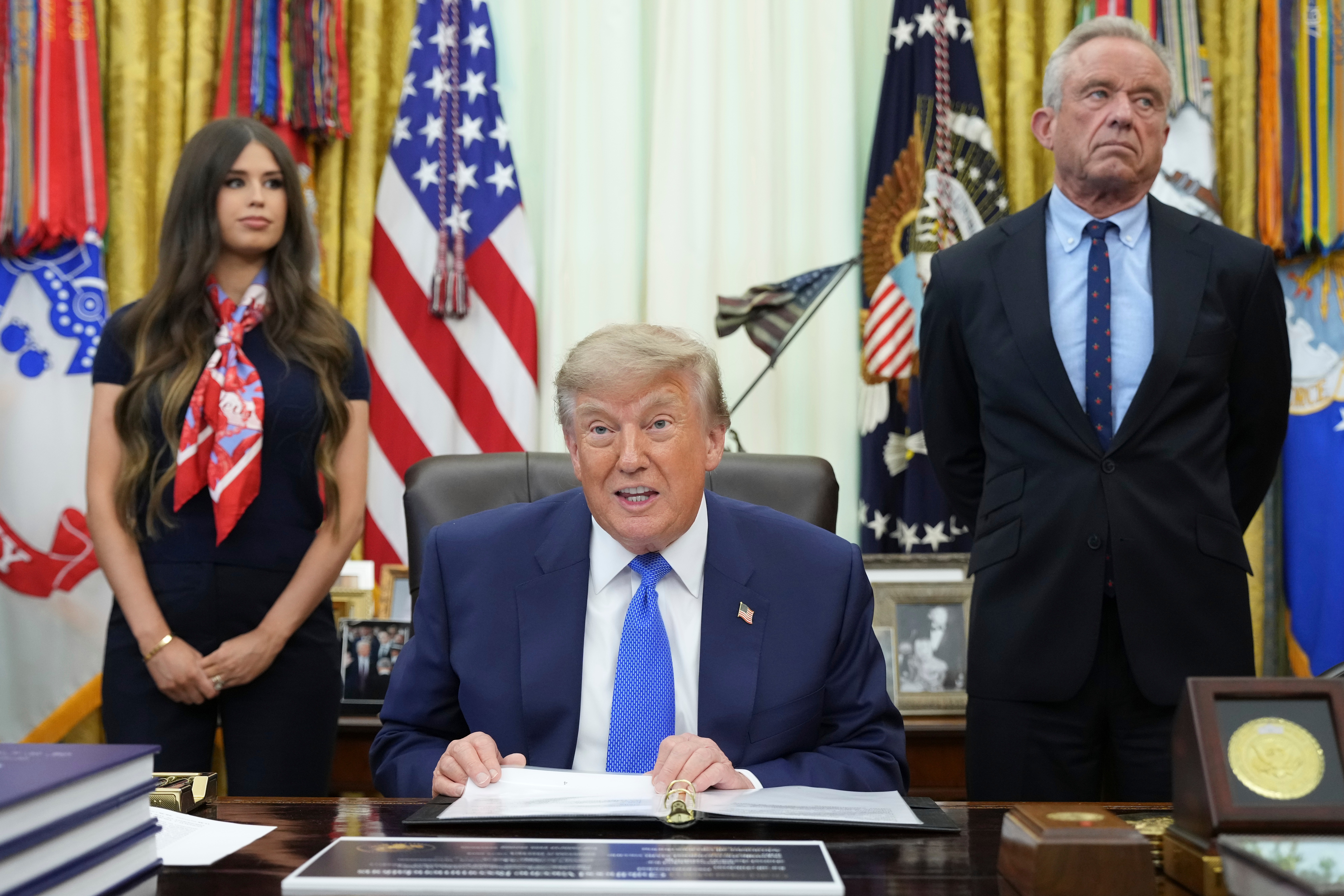
    Monday’s announcement by the Republican president calls for separating combination shots — including the measles, mumps, and rubella, or MMR, vaccine — into separate injections. Appointments for that and other vaccinations should be spaced out whenever possible, the order states.

    To accomplish that, drugmakers would need to revive a slate of individual vaccines that have not been marketed separately in the U.S. for decades. They would also have to build new manufacturing plants capable of producing millions more vaccine doses than the nation currently uses.

    For parents, unbundling the MMR vaccine and spacing out the shots would mean returning to the doctor’s office many more times than is currently needed. Those appointments could also strain pediatricians who typically administer the shots, while driving up costs tied to syringes and other medical supplies.

    Studies in the U.S. and other countries have shown that combination vaccines increase the likelihood that children will be fully protected from infectious diseases before starting school.

    Health experts say there is no scientific basis for changing course.

    “We do things that are less convenient and more expensive if there’s a good reason to do it,” said Anna Durbin, of the Johns Hopkins Bloomberg School of Public Health. “There is no good justification for this. I think it’s very bad public health policy.”

    Trump’s plan would require vaccine manufacturing overhaul

    Under Trump’s executive order, federal officials are instructed to develop within 90 days plans for breaking up the MMR shot and spacing out other vaccines.

    But pharmaceutical scientists and former regulators say those changes would likely take years and require drugmakers to spend tens of millions of dollars on new studies and manufacturing facilities.

    Currently, there are no individual vaccines in the U.S. for measles, mumps, or rubella. All the vaccines approved for those viruses by the Food and Drug Administration are combination shots. That three-in-one approach has been the standard in the U.S. since the early 1970s.

    Jesse Goodman, a former FDA vaccine chief, said companies would have to conduct large studies showing new individual shots produced immune system-boosting reactions in children similar to the current versions.

    Companies might also have to demonstrate the safety of new manufacturing facilities and procedures, given that individual measles shots haven’t been widely produced in the U.S. for roughly a half-century.

    “The question is how much has changed since then and how comfortable will the FDA and the companies be relying on those comparisons?” said Goodman, who is now a professor at Georgetown University.

    Designing, constructing, and getting federal sign-off for new vaccine plants typically takes about five years, according to industry experts.

    Additionally, Goodman said, the FDA would have to review and license each unbundled vaccine separately, a process with no precedent.

    “I don’t think there’s any comparable example of removing hugely effective public health measures that protect babies for no documented scientific reason,” he said.

    Individual shots for measles and related diseases tend to be used by lower-income countries that can’t afford the MMR shot. Merck, GSK, and the handful of other companies that supply U.S. childhood vaccines make only the combination shot.

    In separate statements, Merck and GSK said they stand by the safety and effectiveness of their products. Neither discussed plans to unbundle their shots.

    “To date, there has been no published scientific evidence that shows any benefit in separating the combination MMR vaccine into three individual shots,” Merck said in an emailed statement.

    Many more trips to the doctor

    The MMR shot is currently delivered in two doses — the first at the age of 1 and the second dose after age 4. Splitting up the shot into its three separate components would mean six office visits. Spacing out other shots for pertussis and other infectious diseases could multiply the number of visits many more times.

    As the number of visits goes up, parents are more likely to miss appointments or stop making them, according to Durbin.

    “It’s going to be less convenient, more expensive, and you’re going to have fewer people getting vaccinated,” she said.

    Since last year, Trump has repeatedly expressed concern about the number of vaccinations U.S. children are receiving and called on Health Secretary Robert F. Kennedy Jr. to reduce the number. Kennedy and other officials have pointed to smaller countries, such as Denmark, that recommended slightly fewer vaccines than the U.S.

    But breaking up combination shots will result in kids receiving many more individual shots than other comparable nations, Durbin notes.

    White House spokesperson Kush Desai said the Trump administration’s efforts on the MMR vaccine “will give parents more options on timing and frequency for their children, which ultimately will increase vaccination rates for all three diseases.”

    Vaccine order is not legally binding

    Despite the precedent-breaking nature of Trump’s order, some experts are skeptical it will result in meaningful changes.

    Neither the White House nor the FDA can compel drugmakers to develop and seek approval for new vaccines. And from a business perspective, companies have little incentive to develop individual versions of vaccines they already sell in combination shots.

    “They’d be competing against themselves, and there’s no reason to do that,” said Paul Offit, a Children’s Hospital of Philadelphia vaccine researcher and former government adviser.

    While Trump’s order calls for more federal research and recommendations, only state governments have the legal authority to require vaccinations for schoolchildren. The order simply advises states to consider updating their laws to reflect the Trump administration’s approach.

    “I think states will ignore this,” Offit said. “I think that bottom line is that we don’t need to look to Donald Trump for our medical advice.”

  • U.S. military has lost roughly 25% of its Reaper drones as Iran war depletes arsenal

    U.S. military has lost roughly 25% of its Reaper drones as Iran war depletes arsenal

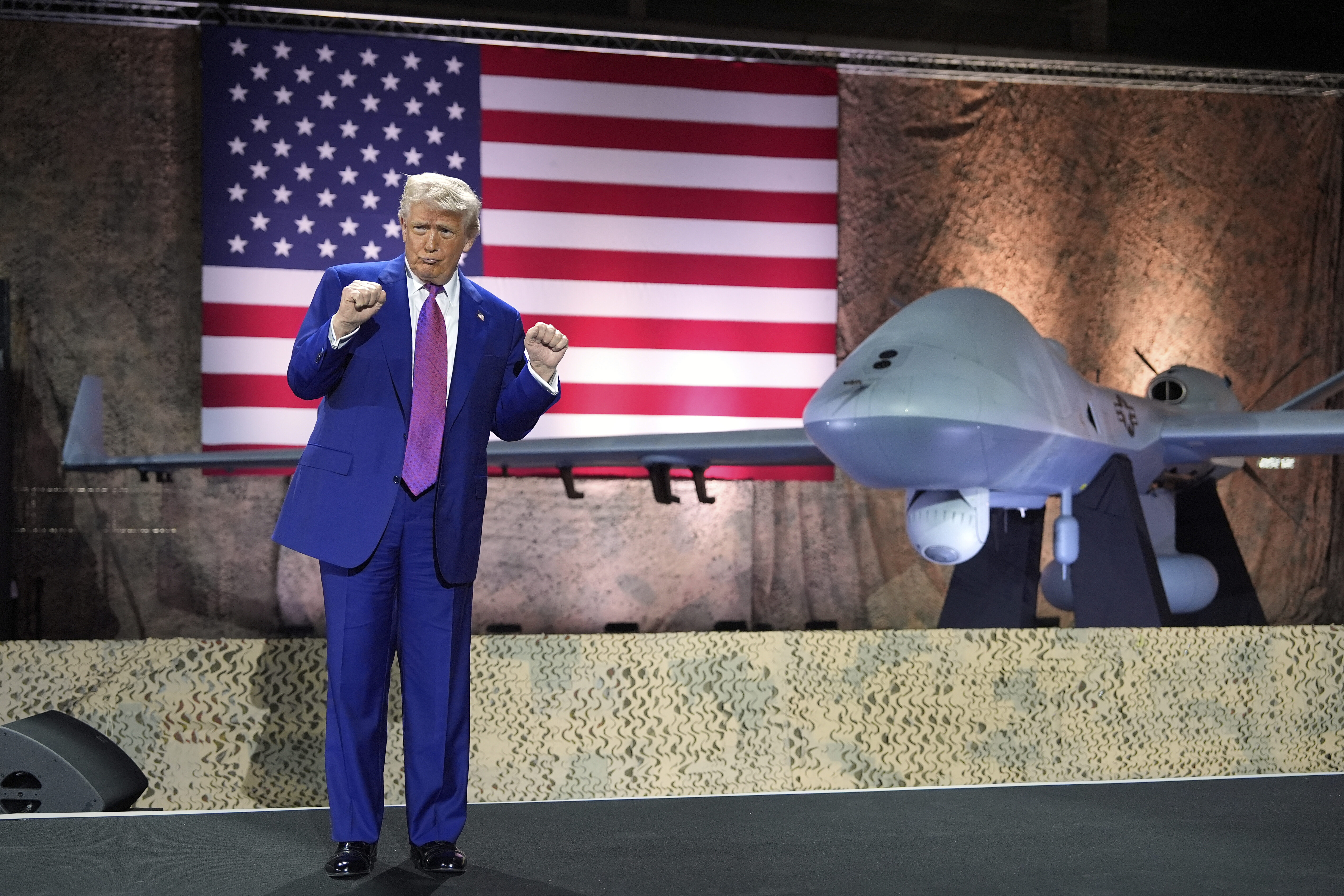
    The U.S. military has lost at least 45 MQ-9 Reaper drones during the war with Iran, or roughly 25% of its fleet, according to three U.S. officials familiar with the matter.

    The Reaper is used to conduct surveillance and targeted strikes, and it can cost between $30 million to $50 million depending on the type of sensors and weapons it carries, according to the Air Force. The potential taxpayer cost of recent losses is over $1.3 billion for that weapon system alone.

    The aircraft have seen heavy use around the Strait of Hormuz, the vital shipping route that has become a major flash point in the conflict — and a key obstacle to negotiating a lasting peace deal. But the drones fly slowly and often at low altitudes, making them relatively easy targets for Iran’s military and its regional proxies in Yemen and Iraq.

    A fourth U.S. official, who like the others spoke on the condition of anonymity to discuss Pentagon data, said that not all of the lost Reapers were shot down. An unspecified number crashed after their operators’ communications link to the drones failed, the official said.

    The Reaper joins a growing list of U.S. weapons and munitions that have been drained by the Iran war and years of American military support for Ukraine in its conflict with Russia. As the Washington Post and others have reported, the shortages have constrained President Donald Trump’s military options as tensions with Iran remain high.

    The Pentagon, which declined to comment for this article, has consistently denied reports that its weapons stockpiles are running low. At the same time, the Trump administration has asked Congress for tens of billions of dollars in funding to offset costs incurred by the Iran war and to replenish supplies.

    As the Post reported last week, Trump confronted Defense Secretary Pete Hegseth about the state of the U.S. stockpile. The encounter occurred July 31, on the sidelines of a cabinet meeting at Camp David, the presidential retreat in Maryland.

    The shortages have appeared to embolden Iran, which has intensified its demands for control of the Strait of Hormuz and reparations for damage the country has sustained since Trump ordered the start of hostilities on Feb. 28.

    There were approximately 185 Reapers in the U.S. military fleet — 165 in the Air Force and 20 in the Marine Corps — before the conflict began, according to public budget data and the services. That figure does not include Reapers operated by U.S. intelligence agencies. To date, none of the Marines’ Reapers have been lost, a spokesperson, Lt. Col. Joshua Benson, said in a statement. Those operate primarily in the Asia-Pacific.

    In May, Lt. Gen. David Tabor, a senior Air Force officer at the Pentagon, told the Senate that the number of remaining drones had fallen to about 135. At the time, Tabor told lawmakers he was “concerned” about the losses and that the Air Force was exploring how to quickly replenish its fleet.

    The Pentagon is phasing out the General Atomics-produced Reaper and envisions a replacement fleet of less expensive armed surveillance drones that can swarm their targets.

    Meanwhile, the Trump administration is trying to shore up lawmaker support for a $67 billion Iran war supplemental budget that it says is vital to restocking the Pentagon’s arsenal. Even if Congress approves the funding, it will be years before stockpiles depleted by the conflict in Iran and the munitions sent to Ukraine are reconstituted.

    Hegseth told the Senate in July that the Pentagon would have to curtail military trainings without a quick infusion of additional funding as the Iran war strains the defense budget. He estimated that the conflict would cost $37.5 billion through the end of September, though that total does not include the cost of rebuilding U.S. bases in the Middle East damaged by Iranian strikes.

    Republicans in Congress are divided on the best strategy to secure the war-related funding and have left Washington for their August recess.

    This week, the right-leaning American Enterprise Institute think tank released a report examining the military’s effort to increase production of critical munitions. It found that in some cases the Pentagon’s plans have “key dependencies,” including a significant expansion of the defense industry’s factory output.

    For example, it could take years to replenish Terminal High Altitude Area Defense (THAAD) interceptors used throughout the war, the report found. The missile defends against incoming ballistic missiles and, as the Post reported previously, U.S. forces have used hundreds of them during the conflict.

    The U.S. Missile Defense Agency’s maximum production rate is 96 a year — but the Pentagon seeks 857 of them in next year’s defense budget, and almost 2,600 total over the next five years. At current production rates, it would require “approximately 27 years” to the fulfill the request, AEI found.

    It takes almost three years to manufacture a single THAAD interceptor, said AEI senior fellow Todd Harrison, the report’s author.

    “Even if you ordered them today, delivery wouldn’t be until President Trump leaves office,” Harrison said.

    Other U.S. munitions reviewed by AEI had similar timelines, the report showed.

    Although Hegseth has met with many of the companies responsible for building key munitions, and secured what the Pentagon calls framework agreements to increase production, there are no contracts or funding yet for those firms to move forward.

  • Earthquake response strains Colombia’s new government and rescuers as they race against the clock

    Earthquake response strains Colombia’s new government and rescuers as they race against the clock

    PEREIRA, Colombia — Tons of aid from regional partners began to roll into Colombia on Wednesday, as the search for survivors in the rubble of powerful earthquake grew more desperate after the temblor razed buildings, buckled roads, and crushed cars.

    The devastation has tested Colombia’s new president, Abelardo de la Espriella, and his government as it scrambles to respond to the disaster and civil society as it pushes to provide aid to the most affected communities.

    Colombian forensics authorities said Wednesday that more than 227 people died in the 7.4 magnitude earthquake that struck the country’s west on Monday. The government has been slow to provide updated tolls, and the true number is likely higher.

    De la Espriella said Tuesday that at least 181 people died and 2,595 more were injured. Local and federal authorities have reported hundreds missing, while civilian-run databases put that number at more than 4,100.

    Teams continued to pick through the rubble in the hardest-hit cities of Cali, Pereira, Manizales, and Quibdo, as time ticked away for victims to be found — and rescued — alive. Aid agencies consider the first 48 to 72 hours crucial for retrieving survivors, though that threshold can be extended if those trapped have access to food and water.

    On Wednesday afternoon, Alejandro Eder, the mayor of Cali, told reporters that rescue teams continue to find signs of people alive under the rubble and are racing to save them.

    “The next 20 hours are the most critical to find and rescue people alive,” he said. “Every minute is vital.”

    Survival takes many forms in hard-hit areas

    In Pereira, rescuers pulled Daniela Largo alive from the rubble late Tuesday, capping a complex 12-hour rescue in which crews carved a small opening in the debris to free her pinned arm and a doctor administered IV fluids to stabilize her. Wrapped in a blue blanket, the young woman was carried to an ambulance as firefighters embraced and onlookers cheered.

    Another moment was marked by mourning, as a man was pulled from a building in the same city, lifeless and covered in a white blanket.

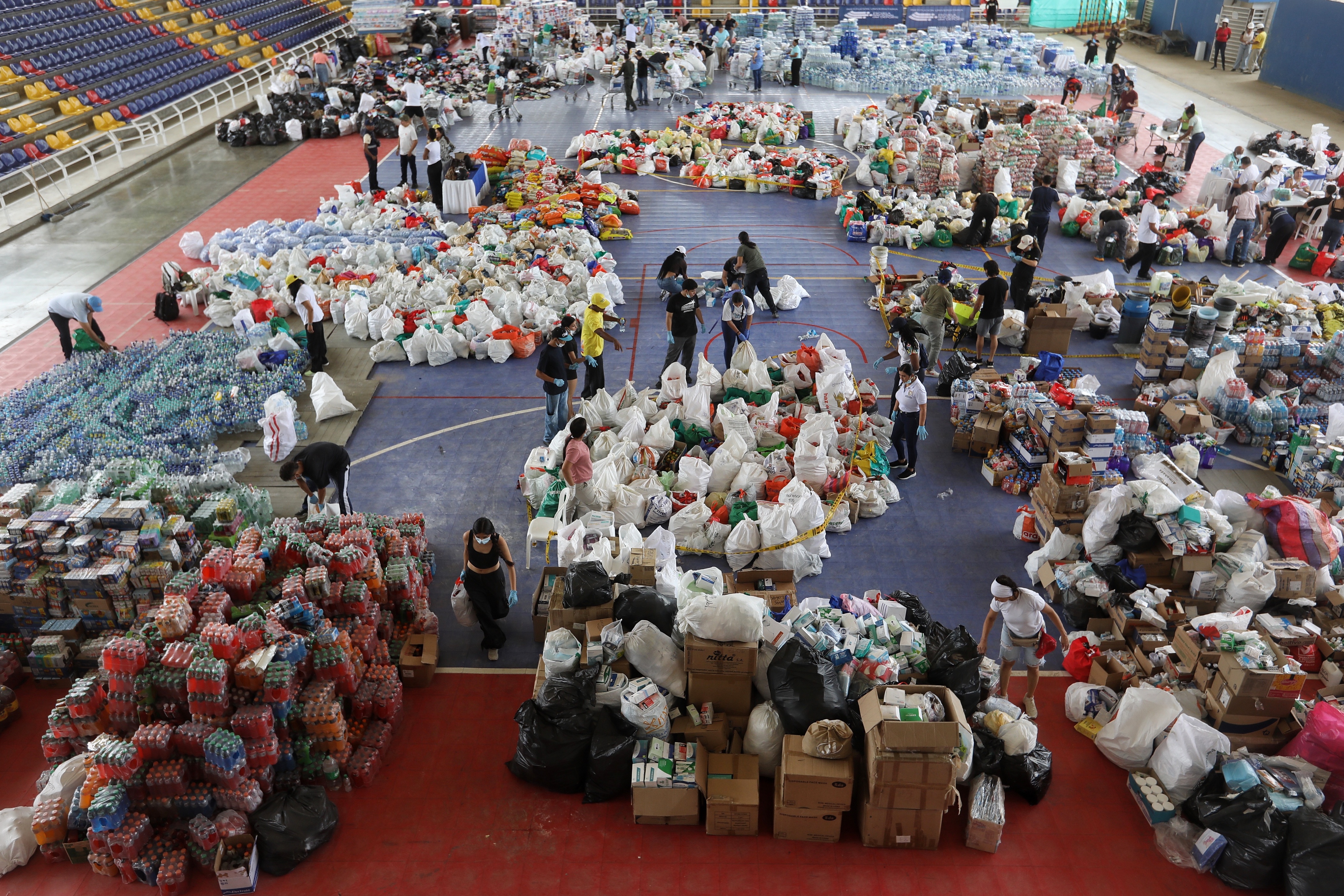
    Across the coffee-growing region, among the areas worst affected by the quake, authorities have converted sports arenas, schools, and other public buildings into shelters for thousands of displaced Colombians.

    Ebert Jonathan Morales, a Cali resident, said his family lost everything in the earthquake.

    “My house was completely destroyed. We can’t live there,” Morales said. “It collapsed. The floor collapsed, the walls cracked. The roof came down.”

    In Pereira and Cali, families have been sleeping in parks — some fearing aftershocks or the collapse of their damaged homes, others without homes to return to.

    Colombia’s geological service has documented 130 aftershocks since the quake.

    “We have the most important things: a roof over our heads, food, water and, in my case, medical care,” said Edith Penagos, 48, who was staying with her teenage son in one of the white tents set up in a Pereira park.

    Rodrigo León Loya, a seismologist and geosciences professor at the University of the Andes, said the probability of an earthquake of a similar magnitude occurring in the same area is low but he would not rule out more seismic activity.

    “Let’s remember that Colombia is full of active fault lines,” he said. “The question isn’t whether it can happen again. The question is rather when an earthquake of similar magnitude will occur at another of Colombia’s seismic sources.”

    Aid groups provide humanitarian relief

    In many areas, including the epicenter of the quake Choco, the official response to the disaster has been complicated by the ongoing crises of deep poverty and civil warfare that has created waves of forced displacement for decades. The true impact of the earthquake in the jungled northwest remained largely unknown because cell service has been lost and many of the likely affected communities are remote, accessible only by river.

    “This earthquake compounds an already severe humanitarian situation, and there is a need for increased support for the humanitarian response,” said Giovanni Rizzo, Colombia director for the Norwegian Refugee Council.

    Many aid organizations were already on the ground in Choco supporting a 2016 peace accord between the government and leftist rebels, and responding to violence in the region involving other armed groups that has persisted since then.

    Those humanitarian workers were able to quickly pivot to disaster relief, said María José Torres, the U.N. resident coordinator in Colombia.

    “We have a presence on the ground. Therefore, our ability to be there, present with the people, I think, has increased exponentially,” Torres said in a statement Tuesday.

    Regional partners promise to help

    At the same time, aid from other countries and nonprofits abroad continued to roll in.

    The State Department posted on its website that disaster response teams started to arrive in Colombia on Monday. The U.S. has also offered over $15 million in aid.

    Mexico meanwhile said it had sent two military aircraft carrying 19.5 tons of nonperishable food and 19 members of Mexican security forces to Pereira, and it plans to send another 39 tons of aid in the coming days. A further 255 military specialists and 20 dogs are on standby to be sent to Colombia if needed.

    Salvadoran President Nayib Bukele offered to send two planes loaded with 100 tons of aid.

    On Wednesday, Pope Leo XIV thanked those contributing to recovery efforts, and said he is praying for those killed, injured, or otherwise affected by the earthquake.

    “I want to express my solidarity with my Colombian sisters and brothers who have suffered the effects of the recent earthquake,” he said.

  • CIA had ‘low confidence’ in Iranian threat before Trump switched planes in Turkey

    CIA had ‘low confidence’ in Iranian threat before Trump switched planes in Turkey

    U.S. intelligence officials were skeptical of an Iranian assassination threat against President Donald Trump that was relayed by Israel and prompted an extraordinary clandestine maneuver that saw him secretly fly out of Turkey in an alternate military aircraft, current and former U.S. officials familiar with the intelligence said.

    The assassination threat was relayed by the Israeli government to the CIA, where analysts did not view the intelligence as compelling and conveyed that skepticism to Trump administration officials, one of the officials said.

    Another official called the reports of threats against Trump’s life “Israeli-derived, not U.S.-generated, and viewed as low confidence.”

    The doubts in some quarters about an imminent threat to the president add a new element to the White House’s decision last month, first reported by the Washington Post, to shield Trump’s whereabouts as he departed a NATO summit in Ankara, Turkey, on July 8.

    As the Post first reported this week, after concerns arose about whether the new 747-8 plane gifted by Qatar had sufficient security measures to transport the president out of a potentially hostile environment, Trump boarded a legacy Air Force One in Ankara. But he secretly left that aircraft and was shuttled in an airport catering truck to a third plane, an Air Force C-32A, that flew him and a few key aides to Britain.

    The White House on Wednesday did not directly answer questions about the intelligence the United States received or how it was perceived by U.S. officials.

    “As the President has said, he has faced numerous threats on his life, including ones from Iran, and every measure is taken to ensure his safety,” a U.S. official said in a statement, speaking, like others in this report, on the condition of anonymity because of the sensitivity of the issue. “The United States Secret Service’s core mission is protecting the President, which they achieved.”

    The CIA declined to comment. The Israeli Embassy in Washington did not immediately respond to a request for details.

    Ultimately, the White House and the Secret Service appear to have decided they could take no chances.

    The Iranian threat to kill Trump and other senior U.S. officials has been a major concern since the 2020 U.S. assassination of Qasem Soleimani, the head of Iran’s Quds Force. Those worries have only grown since the killing of Iran’s supreme leader in February along with scores of other top officials at the start of the Iran war.

    Trump has survived three known assassination plots dating back to his 2024 presidential campaign, although there is no known link between any of the suspects in those instances and Iran.

    Despite questions about the Israeli intelligence, the elaborate plan enacted by the Secret Service in Ankara was done out of an abundance of caution, the first U.S. official said. “The Secret Service has had three near misses with this president, so they’re not taking any chances,” the official said. “They did what they had to do.”

    The Wall Street Journal first reported last month that Israel had shared intelligence with the U.S. government on the Iranian threat.

    The aircraft that ferried Trump from Ankara to Britain’s Mildenhall air base was escorted by F-16 fighter jets, according to two U.S. officials and other material reviewed by the Post.

    Trump, in his first public comments on the clandestine operation, said Tuesday night that the decision for him to take an alternate airplane was made by the Secret Service.

    “It’s really just up to Secret Service. I just follow what they like to do,” Trump told reporters. “They wanted me to go on a different flight, a different plane, equal safety. … I do what they say.”

    Some U.S. intelligence officials saw Israel’s sharing of the warning about threats to Trump’s life as designed less to inform than to influence the president’s decision-making and U.S. policy in the region, a current and a former U.S. official said.

    Israel views Iran as by far its most urgent near-term threat. But it views Turkey as a medium- to long-term threat and is anxious about warming ties between Washington and Ankara, bolstered by the personal rapport between Trump and Turkish President Recep Tayyip Erdogan, the current official said.

    It “fit a broader pattern of Israeli intelligence reporting that some officials see as designed as much to shape presidential decision-making as to inform it,” the former official familiar with the matter said.

    This person said he understood that Secretary of State Marco Rubio was briefed on the Israeli threat intelligence, as well as the subterfuge planned by the Secret Service, and nonetheless opted to board the legacy Air Force One, which presumably would have been a target for Iran.

    Another U.S. official familiar with the security discussions also questioned the seriousness of the threat, noting that tens of thousands of Turkish security personnel were incorporated into the NATO summit.

    Democrats have pushed the administration to provide more clarity on the extraordinary deception operation.

    “I am very curious about the extent to which the Israeli-provided intelligence was not only credible but independently verifiable,” Sen. Chris Van Hollen (D., Md.) told the Post. “I have no doubt that Iran would like to see the president gone, but this all seems a little fantastical.”

  • Top editor at Forbes magazine fired after taking undisclosed $6 million payment

    Top editor at Forbes magazine fired after taking undisclosed $6 million payment

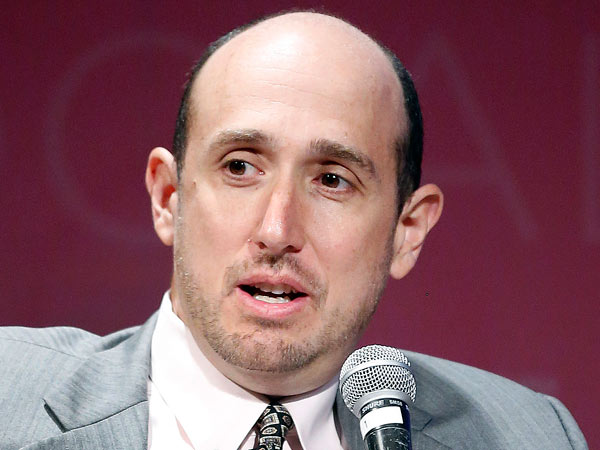
    The chief content officer at Forbes magazine was fired from his top editorial position after the company learned he had received around $6 million as an undisclosed payment from a man that does business with the publication, the New York Times reported Wednesday.

    Randall Lane was fired last month, the Times reported.

    In an unrelated connection to Philadelphia, Lane was the cowriter of a musical, The Sound of America, that debuted this summer at FringeArts.

    The Times, citing unnamed sources, reported that Lane was paid by RJ Shook, the founder of Shook Research, which has partnered with the magazine for about a decade to publish rankings of wealth advisers.

    Shook made the payment after he sold a majority stake in Shook Research to a private equity firm last August, the Times reported.

    To avoid the appearance of a conflict of interest, newsrooms often prohibit payments from sources or other people who have a financial incentive to curry favor with a journalist.

    The Times said it was unclear why Shook paid Lane, though at least one unnamed source said Lane considered the money as a gift for advice he had provided to Shook over the years.

    The 58-year-old Lane, in a statement to the Times, said: “I made a mistake, and I take responsibility for it.”

    He added: “I should have disclosed the gift, and failing to was a serious error in judgment. I deeply regret that and I lost the job and team I love because of it. None of this changes how I feel about Forbes and the amazing people there.”

    A Forbes spokesperson confirmed to the Times that Lane was no longer with the magazine, but declined to talk about the payment. The Times reported that Shook did not respond to requests for comment.

    The Sound of America, the musical that Lane co-wrote, was promoted on the Forbes website and the magazine’s YouTube channel.

    The musical imagines Franklin as a young rock star who finds fame after discovering electric rock and roll from the power of a lightning strike.

    The musical ended its run at FringeArts on Aug. 1.

  • White House press secretary Karoline Leavitt, youngest person to hold role, to leave at month’s end

    White House press secretary Karoline Leavitt, youngest person to hold role, to leave at month’s end

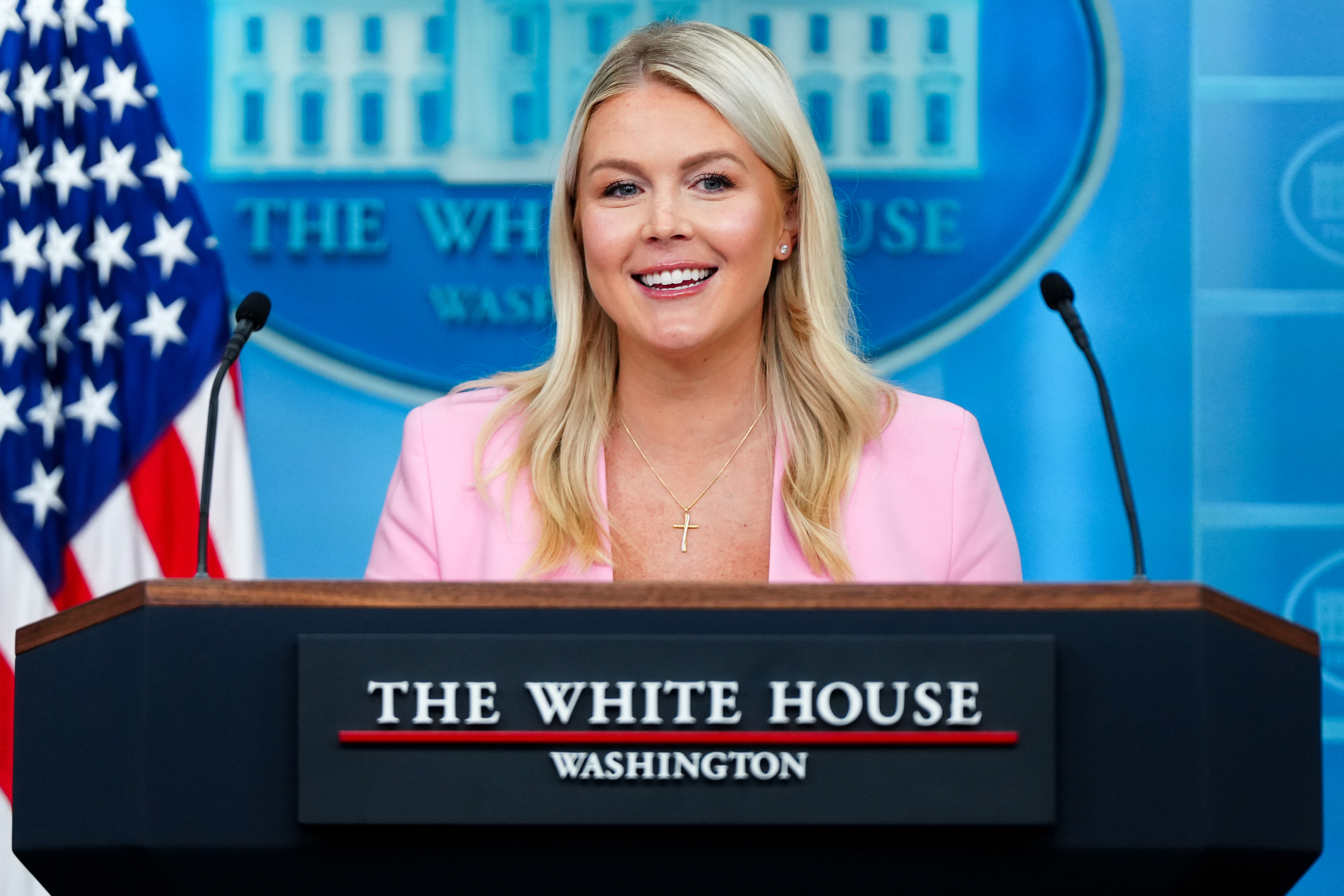
    WASHINGTON — White House press secretary Karoline Leavitt, the youngest person to hold the role, will leave at month’s end, President Donald Trump announced Wednesday.

    Leavitt, 28, just recently returned to the White House after taking a brief leave for the birth of her second child in May.

    Leavitt has been one of the most visible advocates of Trump’s “Make America Great Again” movement. The Republican president described her as one of his “most trusted aides” in a social media post announcing her departure.

    He said Leavitt “will be departing her role at the end of the month so she can spend more time with her beautiful young children and family, a decision I totally understand and respect! Karoline will now be one of my top outside advisors, and an influential voice within the Republican Party, as we work to defy History, and conclusively win the Midterm Elections.”

    Leavitt recently returned to work after taking leave following the birth of her second child, a daughter, in May. She also has a 2-year-old son.

    “The truth is since returning to the White House after the birth of my daughter, I have felt in my heart that I cannot be the best mom my two young children deserve while devoting the constant time, energy, and attention required of the White House Press Secretary — and that is why I have ultimately made the bittersweet decision to depart the White House and embark on a new chapter in my life,” Leavitt said in a social media post.

    Trump did not outline plans for who might replace her in the high-profile role.

    She worked as a spokesperson for MAGA Inc., a super PAC supporting Trump, before joining his 2024 campaign. In 2022, she ran for Congress in New Hampshire, winning a 10-way Republican primary before losing to incumbent Democratic Rep. Chris Pappas.

    During Trump’s first term in office, Leavitt worked as a press aide in the White House press office. She then became communications director for New York Republican Rep. Elise Stefanik.

    Leavitt briefed from the White House press room less frequently than some of her recent predecessors. Trump, who regularly engages with reporters during White House events and during his travels, primarily deployed Leavitt to Fox News and other conservative news outlets to trumpet his agenda and take shots at Democrats and the mainstream media.

    Trump’s first-term press secretaries were Sean Spicer and Sarah Huckabee Sanders, who were known for quarreling with reporters. Another, Stephanie Grisham, never held a briefing. Her successor, Kayleigh McEnany, often lectured the news media during her appearances in the press briefing room.