Category: Nation & World

  • Washington grapples with a National Guard deployment extended until 2029

    Washington grapples with a National Guard deployment extended until 2029

    WASHINGTON — It’s been 12 months since President Donald Trump announced a crime emergency in Washington, pledging to make the city “safe and beautiful” and deploying the National Guard.

    But a mission that seemed temporary has been extended through January 2029. Residents and a new cadre of local officials see in it an unacceptable attempt by the federal government to restrict the heavily Democratic city’s autonomy and, a year in, still question why having troops on the streets of the nation’s capital is necessary.

    “There’s a deep irony that here we are in the capital of the free world, and our president is treating it like a police state,” said Scott Michelman, legal director of the ACLU of the District of Columbia. “D.C. residents have lived with our National Guard troops in our neighborhoods for about a year, despite the absence of any genuine emergency and really any reason for them to be here.”

    The continued deployment will be a major test for a new batch of political candidates expected to take office after the midterms this fall. Residents will look to them to push back on the Republican president’s encroachment into the city’s affairs — although they’re limited in what they can do to counter it.

    Temporary deployment goes on and on

    On Aug. 11, 2025, Trump announced he was launching a federal law enforcement surge in Washington aimed at fighting crime. As of Aug. 4, more than 4,600 military personnel from D.C. and 24 states and territories were still deployed alongside unknown numbers of less visible federal law enforcement officers. Some are expected to be withdrawn toward the end of the summer.

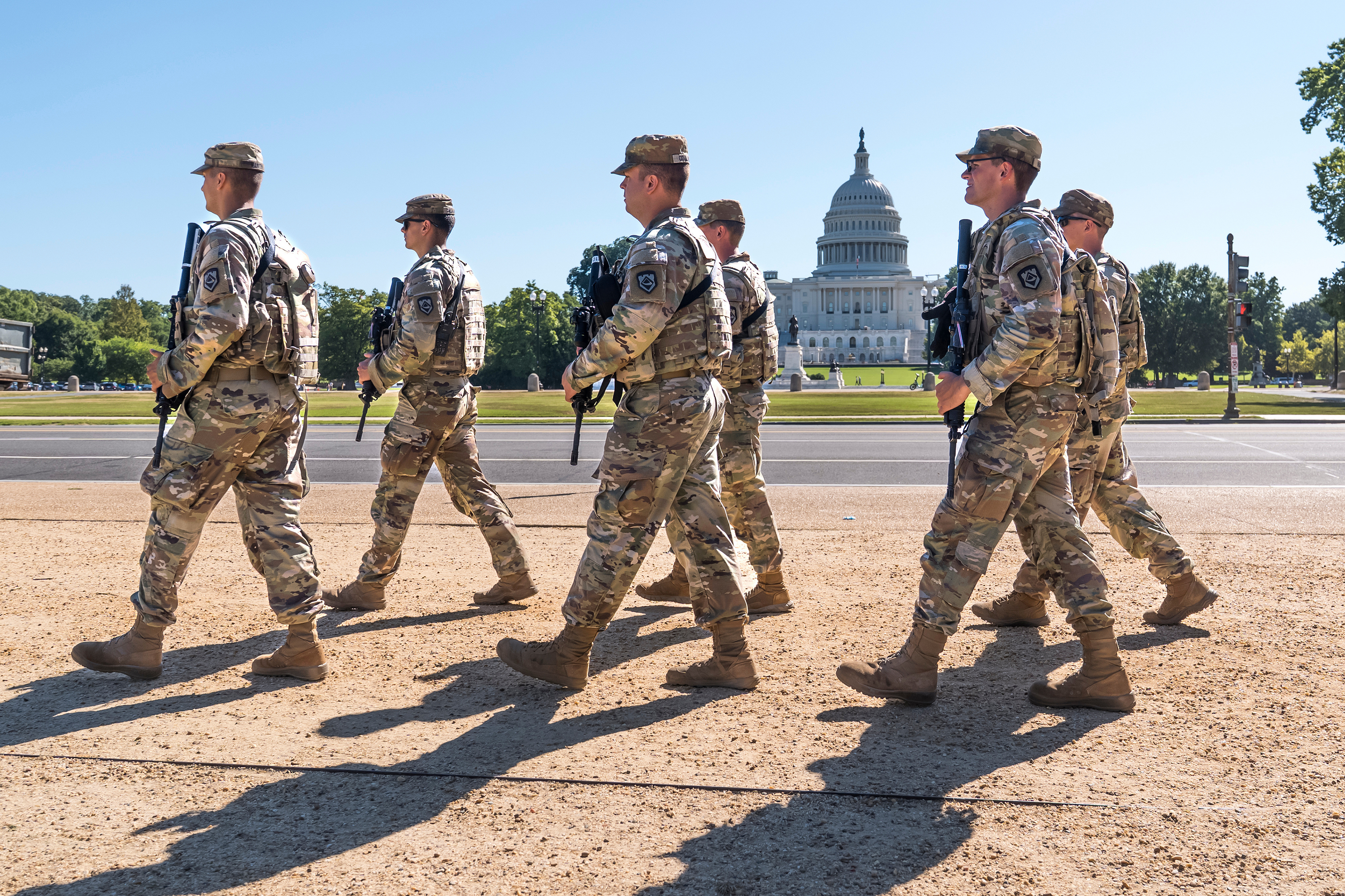
    Small groups of armed guard members have become a routine presence on the streets. They have supported arrest operations but are also seen patrolling tourist areas, such as along the Tidal Basin during the Cherry Blossom Festival and in neighborhoods such as Georgetown where violent crimes are rare. They’ve helped with medical emergencies, snow removal, and beautification projects — initiatives that have received support from some residents.

    Extending the deployment into 2029 will cost about $1.4 billion, the Defense Department estimates. Exact figures on what’s been spent so far are unavailable, but the Congressional Budget Office projected in a report earlier this year the total cost for the first year of the deployment would be around $660 million, based on a monthly troop level of about 2,900, a figure that’s fluctuated throughout the mission.

    “President Trump has transformed D.C. from a crime-ridden city into a safe and beautiful haven for residents and visitors alike,” White House spokesperson Abigail Jackson said in an email.

    Figures released Monday by the U.S. Marshals Service showed over 16,000 arrests have been made since the surge began, including 35 homicide suspects and 3,200 narcotics arrests. Authorities also have seized nearly 2,000 illegal firearms.

    Attorney General Todd Blanche said in a statement that the arrests and weapons seizures “mean safer neighborhoods and lives protected.”

    Crime, which was falling before the surge began, continues to drop. Metropolitan Police Department statistics show overall crime was down 20% through Friday, compared with the same period in 2025. That includes a 32% drop in homicides, from 97 to 66.

    But there’s a debate over how much of that success is owed to Trump’s mission or to yearslong local efforts to chip away at the crime rate.

    What’s certain is locals feel the weight of the deployment and don’t see a clear way to push back against it. National Guard deployments to other cities have been blocked by courts, and a lawsuit challenging the deployment is pending, but critics of the surge aren’t hopeful.

    “The fact that we still have the National Guard walking our streets a year later with no end in sight is really demoralizing,” city council member Brianne K. Nadeau said.

    Autonomy is a top priority for newly elected candidates

    Because Washington is a congressionally established federal district, Trump has much greater influence over the police and D.C. National Guard, which he controls directly, including its commander.

    The Home Rule Act, passed in 1973, allows residents to vote for local leaders, including the mayor and council members. Congress has oversight over the local budget and review authority of all laws passed and the ability to summon district officials to the Capitol routinely to explain themselves. The D.C. delegate to Congress is a nonvoting position.

    The city’s governmental structure under home rule made it easy for Trump to do what he has done, Nadeau said.

    “There isn’t really any political liability for national leaders to mess with D.C. because nobody really cares,” outside of those directly impacted, she said.

    The law enforcement surge played a major role in Democratic primary elections in June, which elevated candidates who have made Washington’s autonomy and statehood top priorities.

    Janeese Lewis George, a democratic socialist who in the overwhelmingly Democratic city is likely to be its next mayor, has already rankled Trump. He threatened to put the city under federal control if she wins.

    Robert White Jr., another pro-statehood candidate, won the Democratic primary for the city’s seat in Congress.

    And while they are hamstrung by the city’s status, both hope they have strategies that can help fight back against the president and the deployment.

    White told the Associated Press he plans to build “an army of residents” and allies to target swing districts and work at “un-electing” people critical of the district and “electing those who do support D.C.”

    The action is similar to one a former D.C. congressional delegate, Walter Fauntroy, successfully pursued in 1972, mobilizing Black voters and allies against a South Carolina Congress member who had long opposed D.C.’s independence.

    “He didn’t deploy that strategy a bunch of times, but it sent a signal to people to lay off of D.C.,” White said.

    The city’s outgoing mayor, Muriel Bowser, avoided the kind of biting rhetoric and personal attacks typical of other high-profile Democratic leaders, despite the unprecedented intervention into her city. A major part of that was to avoid raising Trump’s ire and threaten what independence the city has.

    An emailed statement from Bowser’s office said that despite challenges to its independence the city has progressed in achieving its goals. “The safety and well-being of everyone in our city remains our top priority and protecting home rule remains our North Star,” the statement said.

    “We’re more than monuments and politics,” Bowser said in a 48-second video pinned to her X account.

    She said the city is made up of more than 700,00 taxpaying Americans who serve in the military, run businesses, and raise families and “we don’t have voting representation in Congress. We don’t control the D.C. National Guard, and we don’t have full access to full American democracy.”

    Concerns over troops in the city during elections

    Donna Powell, who is living part time in the city, said she and her husband walk and metro everywhere. “We’re already safe and beautiful,” she said. “We don’t need all these National Guard here.”

    The money could be better spent “on healthcare and food for families that need it.”

    The National Guard deployment has raised concerns among some over what the upcoming midterms and the 2028 presidential election will look like with troops on the streets.

    “The last time this president was supposed to come out of power, Jan. 6 happened,” said Alex Dodds, co-founder of FreeDC, an activist group that has protested the deployment by following and filming National Guard troops in quiet areas of the city far away from crime concerns. ”Imagine if that happens again but this time he has 5,000 troops standing at the ready to be part of that situation. You know, that’s our worry.”


    WASHINGTON — It’s been 12 months since President Donald Trump announced a crime emergency in Washington, pledging to make the city “safe and beautiful” and deploying the National Guard.

    But a mission that seemed temporary has been extended through January 2029. Residents and a new cadre of local officials see in it an unacceptable attempt by the federal government to restrict the heavily Democratic city’s autonomy and, a year in, still question why having troops on the streets of the nation’s capital is necessary.

    “There’s a deep irony that here we are in the capital of the free world, and our president is treating it like a police state,” said Scott Michelman, legal director of the ACLU of the District of Columbia. “D.C. residents have lived with our National Guard troops in our neighborhoods for about a year, despite the absence of any genuine emergency and really any reason for them to be here.”

    The continued deployment will be a major test for a new batch of political candidates expected to take office after the midterms this fall. Residents will look to them to push back on the Republican president’s encroachment into the city’s affairs — although they are limited in what they can do to counter it.

    A temporary deployment goes on and on

    On Aug. 11, 2025, Trump announced that he was launching a federal law enforcement surge in Washington aimed at fighting crime. As of Aug. 4, more than 4,600 military personnel from D.C. and 24 states and territories were still deployed alongside unknown numbers of less visible federal law enforcement officers. Some are expected to be withdrawn toward the end of the summer.

    Small groups of armed guard members have become a routine presence on the streets of Washington. They have supported arrest operations but are also seen patrolling tourist areas, such as along the Tidal Basin during the Cherry Blossom Festival and in neighborhoods such as Georgetown where violent crimes are rare. They have helped with medical emergencies, snow removal and beautification projects — initiatives that have received support from some residents.

    Extending the deployment into 2029 will cost about $1.4 billion, according to a Defense Department estimate.

    “President Trump has transformed D.C. from a crime-ridden city into a safe and beautiful haven for residents and visitors alike,” White House spokeswoman Abigail Jackson said in an email.

    Figures posted to the U.S. attorney’s office for the District of Columbia credit the surge with more than 13,000 arrests.

    Crime, which was falling before the surge began, continues to drop. Metropolitan Police Department statistics show overall crime was down 20% through Aug. 7, compared with the same period in 2025. That includes a 32% drop in homicides, from 97 to 66.

    But there’s a debate over how much of that success is owed to Trump’s mission or to yearslong local efforts to chip away at the crime rate.

    What is certain is that locals feel the weight of the deployment and do not see a clear way to push back against it. National Guard deployments to other cities have been blocked by courts, and a lawsuit challenging the deployment is pending, but critics of the surge are not hopeful.

    “The fact that we still have the National Guard walking our streets a year later with no end in sight is really demoralizing,” city council member Brianne K. Nadeau said.

    Autonomy is a top priority for newly elected candidates

    Because Washington is a congressionally established federal district, Trump has much greater influence over the police and D.C. National Guard, which he controls directly, including its commander.

    The Home Rule Act, passed in 1973, allows residents to vote for local leaders, including the mayor and council members. Congress has oversight over the local budget and review authority of all laws passed and the ability to summon district officials to the Capitol routinely to explain themselves. The D.C. delegate to Congress is a nonvoting position.

    The city’s governmental structure under home rule made it easy for Trump to do what he has done, Nadeau said.

    “There isn’t really any political liability for national leaders to mess with D.C. because nobody really cares,” outside of those directly impacted, she said.

    The law enforcement surge played a major role in Democratic primary elections in June, which elevated candidates who have made Washington’s autonomy and statehood top priorities.

    Janeese Lewis George, a democratic socialist who in the overwhelmingly Democratic city is likely to be its next mayor, has already rankled Trump. He threatened to put the city under federal control if she wins.

    Robert White Jr., another pro-statehood candidate, won the Democratic primary for the city’s seat in Congress.

    And while they are hamstrung by the city’s status, both hope they have strategies that can help fight back against the president and the deployment.

    White told The Associated Press he plans to build “an army of residents” and allies to target swing districts and work at “un-electing” people critical of the district and “electing those who do support D.C.”

    The action is similar to one a former D.C. congressional delegate, Walter Fauntroy, successfully pursued in 1972, mobilizing Black voters and allies against a South Carolina Congress member who had long opposed D.C.’s independence.

    “He didn’t deploy that strategy a bunch of times, but it sent a signal to people to lay off of D.C.,” White said.

    The city’s outgoing mayor, Muriel Bowser, avoided the kind of biting rhetoric and personal attacks typical of other high-profile Democratic leaders, despite the unprecedented intervention into her city. A major part of that was to avoid raising Trump’s ire and threaten what independence the city has.

    An emailed statement from Bowser’s office said that despite challenges to its independence the city has progressed in achieving its goals. “The safety and well-being of everyone in our city remains our top priority and protecting home rule remains our North Star,” the statement said.

    “We’re more than monuments and politics,” Bowser said in a 48-second video pinned to her X account.

    She said the city is made up of more than 700,00 taxpaying Americans who serve in the military, run businesses and raise families and “we don’t have voting representation in Congress. We don’t control the D.C. National Guard, and we don’t have full access to full American democracy.”

    Concerns over troops in the city during elections

    Donna Powell, who is living part time in the city, said she and her husband walk and metro everywhere. “We’re already safe and beautiful,” she said. “We don’t need all these National Guard here.”

    The money could be better spent “on healthcare and food for families that need it.”

    The National Guard deployment has raised concerns among some over what the upcoming midterms and the 2028 presidential election will look like with troops on the streets.

    “The last time this president was supposed to come out of power, Jan. 6 happened,” said Alex Dodds, co-founder of FreeDC, an activist group that has protested the deployment by following and filming National Guard troops in quiet areas of the city far away from crime concerns. ”Imagine if that happens again but this time he has 5,000 troops standing at the ready to be part of that situation. You know, that’s our worry.”

  • Zuckerberg spokesperson says his yacht did not hear call for maritime assist

    Zuckerberg spokesperson says his yacht did not hear call for maritime assist

    The crew of a yacht owned by Mark Zuckerberg did not hear a radio call for a maritime assist from a small skiff that ran out of fuel off the coast of Alaska, and by the time it did, another nearby ship had already rendered assistance, a spokesperson for the Meta CEO said.

    The Alaska Beacon reported that the skiff had issued a call for assistance through the U.S. Coast Guard last week and a nearby small cruise ship, the Wilderness Legacy, towed it into nearby Farragut Bay in Southeast Alaska and refueled it.

    Although it was closer, Zuckerberg’s yacht, called Launchpad, had not responded to the call.

    “I’m on a small-ship Alaska cruise with my son,” Michael Love, a passenger who said he was on the Wilderness Legacy cruise ship, wrote on Bluesky on Aug. 5.

    “Our boat rescued a stranded vessel last night and apparently we did that after the Coast Guard radioed Mark Zuckerberg’s yacht — which was closer — and they repeatedly refused to respond. (There was near unanimous booing when the captain announced this),” he said.

    The Alaska Beacon reported that the spokesperson told them via email on Sunday that the yacht Launchpad did not initially hear the call for assistance.

    “Mark and his family were not on board at the time of the incident. As the Coast Guard noted, the boat was not in distress, and by the time the crew reviewed the Coast Guard contact on a different radio channel from the one they were operating on, the assist was already underway. We’re grateful all parties are safe,” the email to the Alaska Beacon said.

  • Water systems are ripe for cyberattacks, experts warn after suspected Iranian hacks

    Water systems are ripe for cyberattacks, experts warn after suspected Iranian hacks

    In late 2022, Microsoft detected the hack of a water system in Guam that U.S. intelligence agencies in the following months determined was orchestrated by China. The idea wasn’t new. The spy agencies had long watched as Iran targeted Israeli water systems.

    “That another nation state was doing it to us — that was unsettling,” recalled one former U.S. official, who, like several others interviewed for this story, spoke on the condition of anonymity because of the matter’s sensitivity.

    Senior U.S. officials were concerned that such intrusions could affect military bases on Guam, but also civilian water supplies, many of which were poorly protected against hacks.

    The Biden administration, alarmed by the spring 2021 ransomware attack on Colonial Pipeline, had already moved to regulate pipelines and then railroads.

    Now it wanted to move on water.

    In March 2023, the Environmental Protection Agency issued a memo to require that states work with local officials to spot weaknesses in water systems that hackers could exploit, and then develop plans to remediate them. Municipalities could apply for federal grants to help defray costs.

    But attorneys general in three Republican-led states — Arkansas, Iowa, and Missouri — sued, arguing that the memo exceeded the EPA’s authority, failed to provide for public comment, and was a financial burden on small towns. The federal appeals court for that region, seen as among the most conservative, halted the rule change. The EPA withdrew it.

    Late last month, a water utility in the western part of Arkansas, one of the states that sued, was hit with a cyberattack, part of a spate of intrusions into municipal water systems that U.S. spy agencies believe is the work of Iranian regime hackers. The campaign comes as a U.S.-launched war with Iran moves into its sixth month, with Tehran showing no sign of backing down.

    Had the EPA rule been in place, some experts say, the Arkansas utility or others like it might have been spared.

    “Shooting it down set us back,” said Gus Serino, president of I&C Secure Inc., a cybersecurity consultant on control systems, and a former engineer at the Massachusetts Water Resources Authority. “The level of effort and expense to fix these systems is not that much. It wouldn’t remove all the risk, but would certainly remove most of the low-hanging fruit.”

    The number of states affected has expanded to at least a dozen, say officials familiar with the matter, with at least 30 systems affected in Minnesota alone.

    Iran’s targeting of water systems, a trend that federal authorities first warned of months ago, and a history of failed efforts to boost water utility cybersecurity has lit a fire under some members of Congress.

    Sen. Adam Schiff (D., Calif.), the top Democrat on the water panel of the Environmental and Public Works Committee, unveiled a bill Monday explicitly authorizing the EPA to regulate water sector cybersecurity. The measure would enshrine in law what the agency tried to do by executive action three years ago: require water utilities to conduct cybersecurity assessments and require corrective actions when significant vulnerabilities are identified.

    Days before Iran began its recent campaign of hacks into water utilities, the Senate EPW committee unanimously passed a bipartisan measure that would help rural water systems mitigate cybersecurity risk.

    Industry representatives are now saying that voluntary efforts are not enough.

    The largest group representing water utilities is urging passage of a bill, sponsored by Rep. Rick Crawford (R., Ark.), that would establish an independent nongovernmental body to develop minimum cybersecurity requirements for the water sector overseen by the EPA.

    “We need minimum requirements,” said Kevin Morley, federal relations manager at the American Water Works Association (AWWA). “It’s time to step up the game.”

    The flurry of activity comes as the administration has slashed cyber specialists at the Department of Homeland Security and has not sought to renew funding for cybersecurity grants to states.

    President Donald Trump has blamed the states for the hacks, criticizing Minnesota Gov. Tim Walz (D) for a rash of attacks there, adding that he didn’t think Iran was the culprit.

    U.S. intelligence agencies are confident that Iran’s Islamic Revolutionary Guard Corps is behind the campaign, but have not made a formal attribution, in part because there is still some debate about which group within the IRGC carried out the attacks, according to two people familiar with the matter. One of the people added that there may be a reluctance to make an attribution that contradicts the president’s public remarks.

    The FBI declined to comment.

    The state of cybersecurity varies across the nation’s more than 150,000 water systems. Some municipalities, such as Cedar Rapids, Iowa, were largely insulated against the recent hacks because their systems are air-gapped, or not connected to the internet.

    “We have had multiple people recommend we tie our system to the outside world,” said Roy Hesemann, utilities director for Cedar Rapids, whose water system serves about 135,000 people and whose state was among those that sued EPA. “I’ve been adamant going back to 9/11, knowing that people were occasionally getting hacked — no, we’re not doing it.’’

    At least three states have recent laws requiring cybersecurity risk assessments for water systems: Indiana, Maryland, and New York. Authorities are unaware of any water system hacks related to the recent campaign in these three states.

    A political third rail

    The prospect of cybersecurity regulation has been a political third rail in Congress for over a decade. A major bipartisan push to enact mandatory standards for critical infrastructure in 2010 and again in 2012 blew up in the face of fierce opposition from the industry.

    Instead, voluntary frameworks and sector-specific initiatives were established, all by executive action.

    Then, in May 2021, a Russian-speaking ransomware group attacked Colonial Pipeline, forcing a multiday shutdown of one the nation’s largest fuel pipelines, causing shortages on the East Coast and panic-buying of gasoline. Ransomware cyberattacks — once considered a criminal nuisance — became a matter of national security, leading then-President Joe Biden to raise the issue with Russian President Vladimir Putin at a summit in Geneva.

    The pipeline scare spurred regulations on key sectors of critical infrastructure. Working with the Transportation Security Administration and the Coast Guard, the Biden administration added cyber requirements to existing authorities that mandate physical security of infrastructure.

    Anne Neuberger, Biden’s deputy national security adviser, convened meetings in the White House with industry executives to share threat intelligence and drive home the need for cybersecurity not just in pipelines, but airports, ports, and railroads.

    “It was a pretty sobering assessment of the bad actors and their aim to potentially disrupt critical infrastructure,” said Todd Hauptli, CEO of the American Association of Airport Executives, who attended a September 2022 meeting. “It softened the ground up for those who would react instinctively against increased regulatory efforts.”

    The approach, recalled then-TSA Administrator David Pekoske, was “providing a framework and then saying to the critical sector, ‘you come back to us with a plan,’” which was reviewed annually.

    The pipelines balked at their initial proposed rule as overly prescriptive. But a revised rule, crafted with industry feedback, allowed more flexibility to synchronize requirements across multiple agencies.

    A sign the rules are working, some experts say, is that Trump, who issued an order to slash regulations in his first month back in office, has retained the existing rules put in place by his predecessor.

    Signs of a softening

    But the U.S. water sector remained impervious to Biden’s rule push. In March 2023, the three states and industry representatives balked when the EPA issued the memo calling for cyber assessments to be added to periodic surveys of the physical security of water systems.

    “The 2023 approach was a little bit of a one-size-fits-all, top-down, no real substantive involvement from the community as to what made sense,” said Morley, of AWWA, one of the groups that sued the EPA.

    Today, there are signs of a softening.

    Iran’s recent attacks, despite the relatively low level of damage inflicted, have raised the level of urgency.

    On Wednesday, AWWA sent a letter urging lawmakers to create training programs, provide funding for cybersecurity, and support Crawford’s bill. It also wants the federal government to expand a program that dispatches technicians free to rural towns to help set up water systems and manage cybersecurity.

    Chris Harris, CEO of the nonprofit Arkansas Rural Water Association, said his group has been trying for years to educate operators on best cybersecurity practices. After news of the breaches broke last month, his group urged members to take any internet-exposed control-switch devices offline, but he is unsure how many did so.

    “A lot of people don’t take it serious until it happens to them,” Harris said. “Most people think that ‘[we’re] this little bitty 300-population town — why would Iran be concerned with us?’ They don’t realize that they’re attacking whatever they can.’’

  • This may be one of the most mysterious parts of a total eclipse

    This may be one of the most mysterious parts of a total eclipse

    On Wednesday, a total solar eclipse will plunge a swath of Greenland, Iceland, and Spain into a sudden midafternoon darkness. A deep twilight azure will descend over the landscape. Venus will shine as daylight disappears.

    But the most stunning spectacle will be as scientifically valuable as it is visually scintillating: the corona, or the sun’s atmosphere.

    The corona is the outermost part of the sun’s atmosphere. It’s normally obscured by the sun’s brightness. It’s never visible from Earth unless the sun’s light is somehow extinguished. That can happen only during a total solar eclipse. (The northern portion of the United States, from Alaska to North Carolina, will see only a partial eclipse.)

    The corona is beautiful. It radiates millions of miles into space, appearing as hairlike silver tendrils blowing away from the sun. The light is sculpted by the sun’s ever-evolving magnetic field; it traces currents of the solar wind. Witnessing it is magical.

    But despite advances in science, the corona remains mysterious. Heliophysicists, or scientists who study the sun, still aren’t sure why it’s so hot. The visible surface of the sun, known as the photosphere, is about 10,000 degrees Fahrenheit. But the corona? About 1.8 million to 5.4 million degrees.

    “It’s a fundamental question that we’re still working on,” said Jon Linker, a heliophysicist and the president of Predictive Science, a group that models the sun’s magnetic field. “It’s called the coronal heating problem. I think to a large extent that we know that heating is coming from the solar magnetic field itself, and that also ties into how the solar wind is accelerated.”

    The solar wind carries high-energy particles and magnetic energy toward Earth. That can have implications for terrestrial navigation systems, satellites and aviation.

    “On a very large scale, [magnetic fields] get twisted up, and we see flares and coronal mass ejections,” Linker said. Coronal mass ejections, sometimes nicknamed “solar storms,” are akin to shock waves in the solar wind. Strong coronal mass ejections interact with Earth’s magnetic field, often producing widespread displays of the aurora.

    But on the small scale, Linker said, contortions in the sun’s magnetic field help to dissipate heat, potentially making the corona hotter.

    “The field is also getting braided and twisted and things, and that leads to current sheets that can then dissipate heat,” he said.

    That’s why scientists are anxiously awaiting this latest eclipse, eager to get a glimpse of — and document — the intricacies of the corona. In the meantime, Linker’s team has built an ultracomplex model to predict what the corona will look like.

    After all, as the sun’s magnetic field changes, so does the shape of the corona.

    “We model that with what are called the magnetohydrodynamic equations,” Linker explained, likening the process to how meteorologists use weather models. “But [solar magnetism] equations are actually far more complex, and have more surprises and difficulties.”

    The sun’s magnetic field is most complicated every 11 years, at the peak of the solar cycle. During what’s known as solar maximum, the sun is blotted in sunspots, or bruiselike discolorations that spew magnetism. The more sunspots, the more chaotic the magnetic field and the wonkier the corona.

    The last solar maximum was in late 2024. We’re now in the descending phase of the solar cycle, but there are still lots of sunspots.

    “We’re still in a phase of the sun that is very active” Linker said. “I think it’ll probably still have more of a structure … with perhaps some [streamers] that are a little bit more pronounced.”

    That’s exactly what Linker’s model depicts — the north and south poles of the sun’s magnetic field are visible, but lots of loops and hairlike streamers fan out in all directions. That should make Wednesday’s eclipse memorable.

    In the meantime, Linker is looking forward to watching the eclipse in — of all places — the town of A Coruña, Spain. That’s where a cosmology, or solar physics, conference will be running from Monday to Friday.

    A Coruña translates to crown, or corona, and the town is in the heart of the path of totality.

  • Scientists race to save Florida’s coral reef as El Niño heats the ocean

    Scientists race to save Florida’s coral reef as El Niño heats the ocean

    The waters off the coast of South Florida were already growing warm by late June — ominously warm to Ken Nedimyer and other scientists and conservationists still scarred by a devastating 2023 marine heat wave that led to the worst mass coral bleaching event on record in the state.

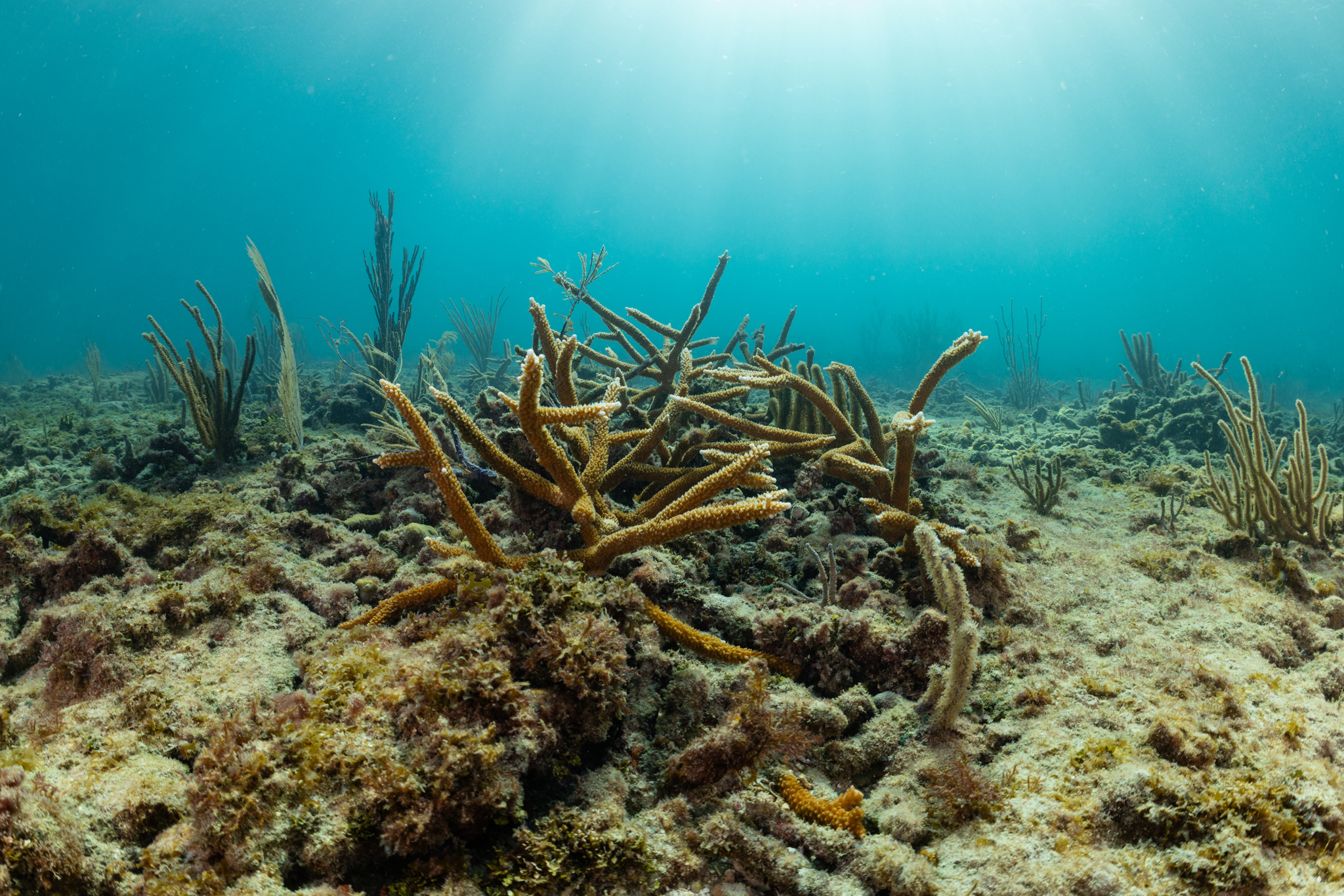
    Nedimyer, technical director for the nonprofit Reef Renewal USA, and other colleagues kicked into gear. They moved dozens of vulnerable elkhorn and staghorn corals from offshore nurseries into deeper, cooler water. They took other specimens to onshore labs, where temperature-controlled systems will offer refuge until ocean temperatures return to safer levels.

    “It was like Noah’s ark,” Nedimyer, weary from a late night spent off Key Largo, monitoring corals during their annual spawning, said of the recent effort. “Keeping them alive is our main focus right now.”

    Three years after a blistering marine heat wave created a full-blown emergency along the only living coral barrier reef in the continental United States, researchers determined to protect coral species from extinction are taking steps to be better prepared as another potentially scorching summer unfolds.

    The National Oceanic and Atmospheric Administration has warned that the most intense El Niño event in 150 years is contributing to exceptionally warm waters. Already, the agency has issued an “alert level 2” for parts of the Florida Keys, meaning there is a risk for reef-wide bleaching and mortality, particularly among heat-sensitive corals. An even higher alert level could soon follow.

    Climate models predict that perilously warm seas could linger into fall, and the stress on corals could continue.

    “The temperatures we are seeing right now are basically mimicking what we saw at this same time in 2023,” said Cynthia Lewis, director of the Florida Institute of Oceanography’s Keys Marine Laboratory. “It’s the calm before the storm.”

    For Lewis and others who work on coral conservation, the memory of that catastrophic marine heat wave and the damage it inflicted on Florida’s roughly 360-mile-long reef — the third largest on the planet — looms large.

    “It was traumatic. It was horrible. I’ve never seen anything like it in my life,” Lewis said, recalling the monthslong frenzy to rescue and rehabilitate as many stressed corals as possible in land-based labs around the state.

    Coral bleaching is a stress response. It occurs when heat upends a coral’s metabolism, causing it to turn white as it expels the symbiotic algae that provide it with nutrients and color. Prolonged bleaching, which scientists say rising sea temperatures is making more frequent and severe around the globe, can lead to mortality.

    That is what happened along much of Florida’s reef in 2023, one of multiple bleaching events the region has faced in the past decade. Underwater temperatures reached 93 degrees in some spots, more than five degrees above normal.

    A NOAA-led study published last year found that around the Florida Keys and Dry Tortugas, the event left ecologically critical elkhorn and staghorn corals functionally extinct — at least 98% of their colonies died. Along southeastern Florida where cooler sea temperatures remained, mortality was lower but still nearly 40%.

    Derek Manzello, coordinator of NOAA’s Coral Reef Watch program, later described the episode as “unprecedented,” saying it “started earlier, lasted longer, and was more severe than any previous event in that region.”

    The ripple effects are shaping how scientists around the state are responding.

    “Everybody who experienced that in 2023 has a little PTSD from it,” Lewis said. But, she added, “I think we are better prepared mentally and physically, as well as structurally.”

    At her laboratory on Long Key, that preparation has meant the recent completion of a new temperature-controlled system, which added 20 more seawater tables to support coral restoration. Each is equipped with the machinery needed to keep rescued corals thriving until they can be returned to the reef.

    “It’s keeping them as happy as possible, keeping them growing so they can propagate,” Lewis said.

    Meanwhile, a group of 11 of the state’s leading coral conservation and restoration organizations recently announced an effort to team up during what could prove to be another record-breaking summer for ocean temperatures.

    In recent days, dive teams from the groups have headed out repeatedly into the waters near Key Largo to collect coral eggs and sperm before transporting them to a temporary laboratory set up by Mote Marine Laboratory at nearby John Pennekamp Coral Reef State Park.

    The effort is part of a NOAA-funded partnership to collect, fertilize, and grow a more resilient generation of elkhorn and staghorn corals. Many of the corals selected for the effort survived the crippling 2023 heat wave, making them among the most heat-tolerant in Florida’s waters.

    “We have the parents of the corals of the future, if we just take care of them,” Nedimyer said.

    Katey Lesneski, research and monitoring coordinator for a NOAA program created to restore iconic reefs throughout the Keys, said other scientists will soon experiment with a different approach, placing shading structures above corals off Big Pine Key to try to reduce the sunlight and heat they receive.

    “This is the first real field trial during an actual bleaching event,” she said. “This is a perfect opportunity to test this new intervention.”

    The approaches unfolding all along the reef matter more than ever, say advocates who are intent on preventing another disaster like the one in 2023.

    “Nobody is giving up,” said Lewis, because so much is at stake.

    The sprawling reef, she said, protects the state’s coastline against hurricane-fueled storm surges. It attracts tourists that boost the economy and supports fisheries. The reefs are also “are an incredibly diverse ecosystem of all kinds of plants and animals and fish,” she said.

    For all those reasons, Nedimyer said, the long days and significant investment he and many others have put in to prepare is worth it.

    “The outcome if we do nothing,” he said, “is pretty clear.”

  • Pilots of helicopter that crashed while fighting wildfire in Utah are dead, officials say

    Pilots of helicopter that crashed while fighting wildfire in Utah are dead, officials say

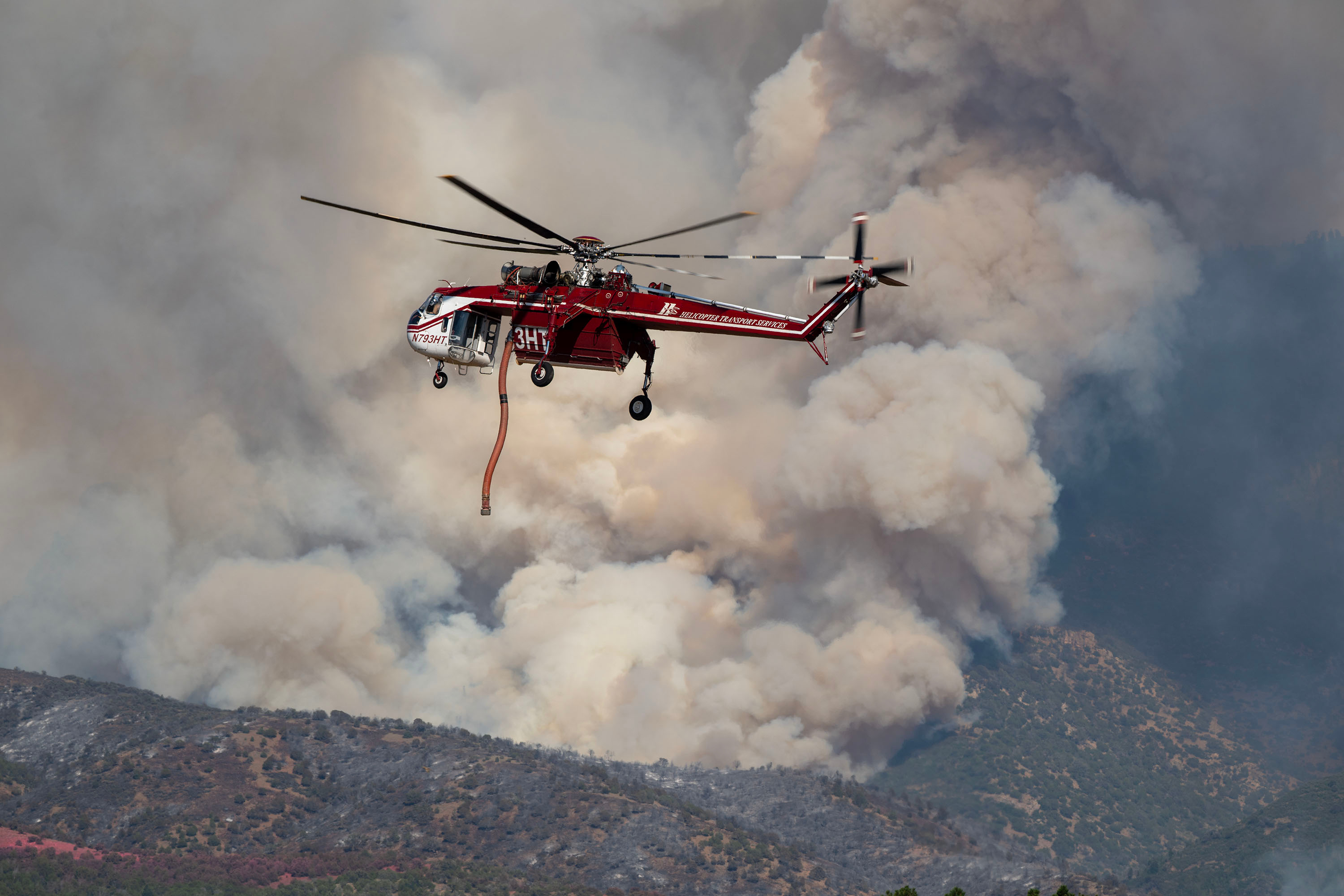
    Two helicopter pilots who crashed while they were fighting a wildfire in Utah are dead, officials confirmed Saturday.

    The pilots were killed when their Sikorsky Skycrane helicopter went down Friday morning, according to the Sevier County Sheriff.

    The helicopter was among those fighting a fire in the Fishlake National Forest. The crash ignited a new fire that spread to connect with the existing blaze, which has now scorched nearly 174 square miles.

    Officials did not identify the pilots but said they were employed by Helicopter Transport Services, which was contracted by the U.S. Forest Service.

    Initially officials said they were unable to reach the crash site because of the fire. Then, on Saturday, crews were able to enter the area and confirmed the deaths, according to the Sevier County sheriff and coroner.

    The National Transportation Safety Board will investigate once its team can examine the wreckage. It will likely take the NTSB a year or more to determine the cause.

    Numerous fires also were burning in other parts of the West, including one that closed part of Mount Rainier National Park in Washington.

    The National Park Service shut down access to the Sunrise and White River areas of the park after a new wildfire burned less than a third of a square mile. Firefighters were working to gain control of it.

    Larger fires near Spokane, Wash., have now burned more than 15.6 square miles, but firefighters constructed more than 75 miles of containment line to help control those flames.

    Elsewhere in Oregon, hot and dry conditions helped an uncontrolled fire spread beyond 30 square miles.

    Firefighters were still trying to identify the best places to set up containment lines around the Wrights Spring fire as they mourned the death of 47-year-old Jason Ensign, who was killed while operating a bulldozer for a timber company. The blaze grew rapidly Thursday and cut off Ensign’s escape route.

    And north of the border in British Columbia, more than 20,000 people had to evacuate ahead of another fast-moving wildfire.

  • Boat capsizes in New York Harbor, woman and 5-month-old baby die

    Boat capsizes in New York Harbor, woman and 5-month-old baby die

    NEW YORK — The operator of a boat that capsized in New York Harbor, killing a mother and her infant daughter, is facing criminal charges and authorities are investigating whether the vessel was an illegal charter, the U.S. Coast Guard said Sunday.

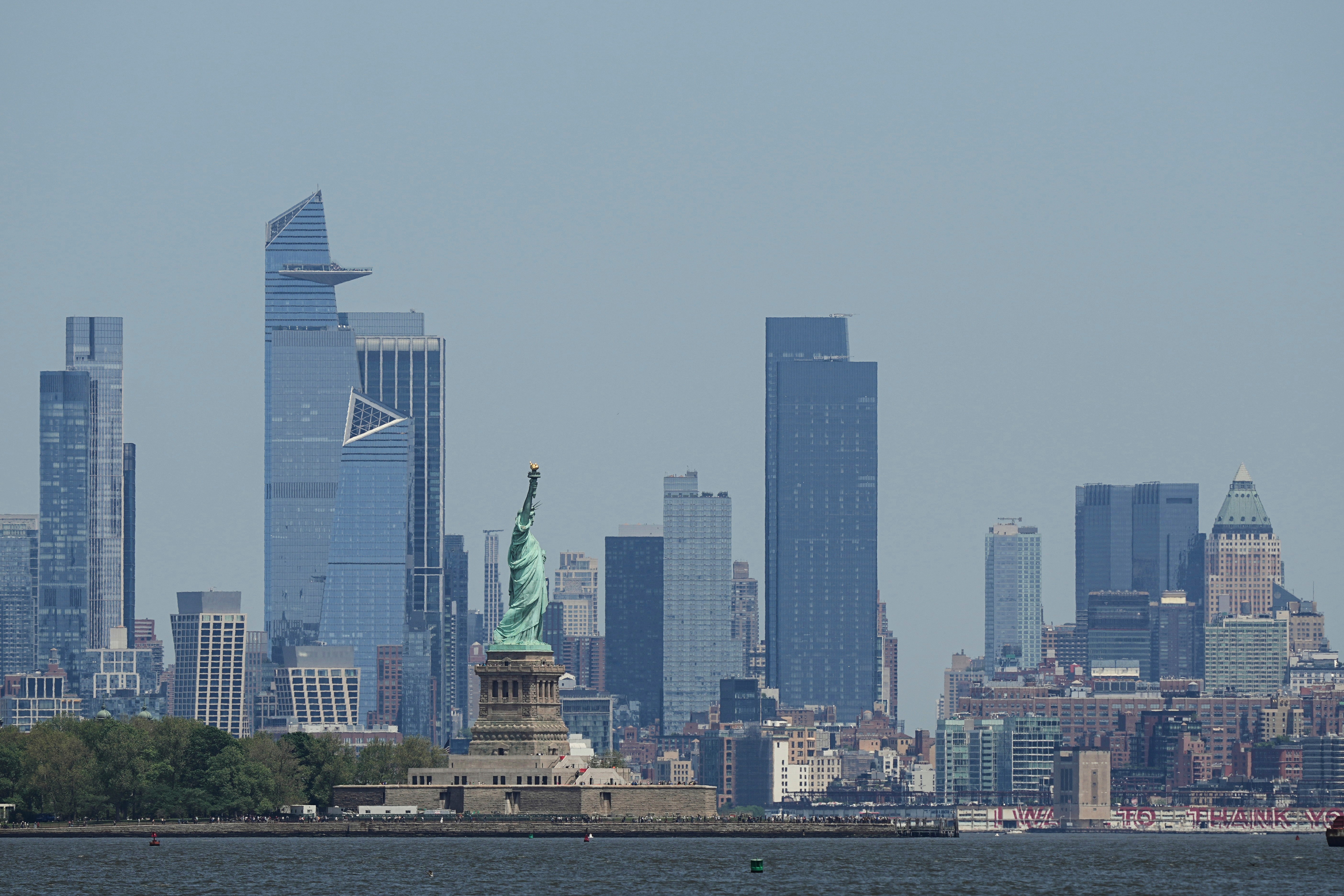
    The 22-foot Bayliner speedboat overturned around 10:25 p.m. Saturday near Liberty Island, home to the Statue of Liberty, the U.S. Coast Guard said.

    Twelve people were rescued from the water before police arrived, and police divers later located the 27-year-old woman and 5-month-old girl in the water. Both were taken to a hospital where they were pronounced dead. According to the Coast Guard, the others were in stable condition.

    “We are deeply saddened by the tragic loss of life last night, and our thoughts are with the victims’ family and loved ones during this incredibly difficult time,” said Captain Doreen McCarthy, the Coast Guard Sector New York Commander. “We are extremely grateful for the heroic, swift actions of our partner agencies and Good Samaritan vessel who assisted in rescuing survivors from the water.”

    Manuel Hernandez, 46, of New York, has been charged with 13 counts of reckless endangerment, police said. No phone number for him could be found Sunday, and the case had not yet been entered into online court records.

    The victims’ identities have not been released pending notification of family, police said Sunday.

    McCarthy said Coast Guard investigators are working with police to investigate and are committed to holding lawbreakers accountable. According to the Coast Guard, an illegal charter is any passenger-for-hire vessel operation that lacks Coast Guard credentials, safety equipment, and inspection certificates.

  • Many immigrants face deportation without a lawyer at their side in court. This program tries to help

    Many immigrants face deportation without a lawyer at their side in court. This program tries to help

    SACRAMENTO, Calif. — Lawyer Kamalpreet Chohan ran her finger down a list of 57 names of people scheduled to appear during a morning of hearings at the immigration court in California’s capital and pointed out one glaring absence.

    “None of these folks are represented,” she said.

    Chohan is the coordinator of a program that sends volunteer lawyers to immigration courts to assist people without representation and help them navigate the complicated legal system where the stakes are a future in America or deportation.

    Appearing without a lawyer opens up even greater risk under the second Trump administration, with the courts playing a key role in its mass deportation agenda. Courts are increasingly denying asylum, deportation officers have arrested immigrants in court hallways, the administration has packed courtrooms to cut backlogs, and reduced lead time on hearings, prompting people to miss them.

    Data shows that legal representation can be vital to winning in court but many immigrants, unable to pay for a private lawyer or find a pro bono one, navigate the system without an attorney at their side.

    “Folks go into immigration court not knowing what’s happening. They come out not knowing what’s happening. And when there’s an attorney present,” Chohan said, “it’s just so helpful.”

    Immigrants aren’t provided an attorney but legal help makes a difference

    Unlike criminal court, there is no guaranteed lawyer in immigration courts.

    Immigrants have to hire one at a cost of thousands of dollars or hope to get represented by one of the nonprofit organizations assisting low-income immigrants. But waitlists with those organizations are long, and many parts of the country just do not have that many immigration attorneys.

    Of the roughly 3.2 million pending deportation cases currently in U.S. immigration courts, people in 52% of those cases do not have a lawyer, according to an analysis of immigration court data by the Vera Institute of Justice, a think tank.

    A Congressional Research Service study from 2024 found that only 19% of people who did not have a lawyer won asylum or another avenue to stay in the United States. Among those who did have a lawyer, 47% were successful.

    “Having an attorney is just super critical to be able to navigate the system successfully,” said Adriel Orozco of the advocacy group American Immigration Council.

    Chohan said she frequently runs into people who have been scammed by lawyers or people posing as lawyers who take their money but do nothing for their case.

    “I will give him a list of attorneys who are free and we have vetted,” she told one man who said he was scammed. “They have long waitlists but he should still ask.”

    Speaking later to the Associated Press, the man described how he left Guatemala after being threatened by gangs and came to the U.S. in 2024 seeking asylum. Ever since, he said, he has done everything that has been asked of him while he tries to make ends meet, occasionally painting houses. He spent $4,500 on a lawyer who in the end did nothing to help him, he said.

    “He turned out to be a scammer,” said the man, who did not want to be identified for fear of endangering his case. He is worried about what comes next in court after being warned by the judge that he could be deported. “I don’t know what I’m going to do,” he said.

    A nonstop day of consulting with clients

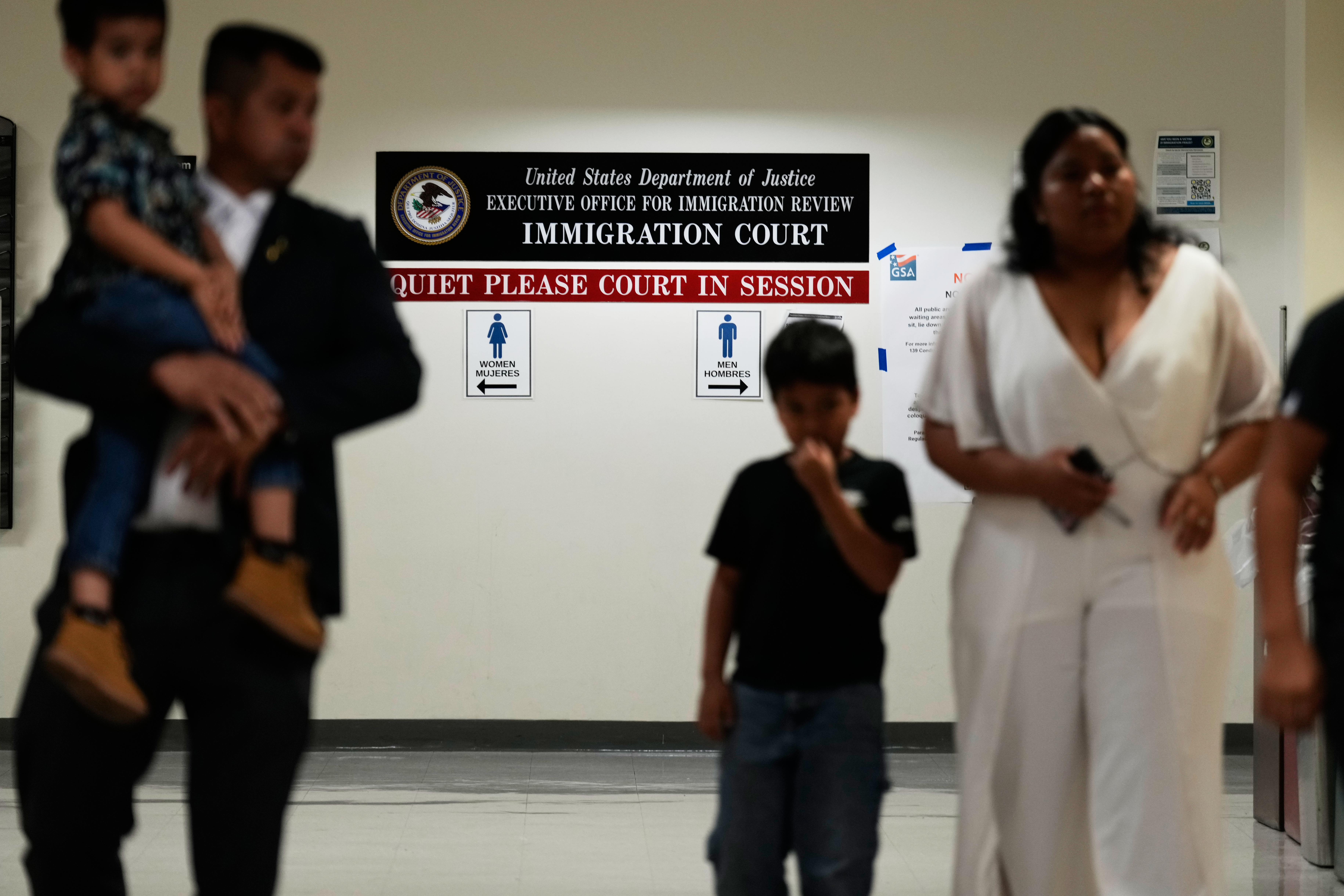
    Outside the Sacramento building where the court is housed is a long line of immigrants waiting for appointments with U.S. Immigration and Customs Enforcement, which is in the same building. Volunteers with a local anti-ICE resistance group stand ready to help.

    Upstairs, two immigration judges are on the bench. One hears the in-depth individual cases of immigrants who are pursuing their claim of asylum.

    The other judge has the master calendar docket, where dozens of immigrants will appear in brief hearings geared to making sure their case is ready to go to the next step.

    Signs taped to the wall remind people not to videotape or record inside the court complex. A security guard makes sure no one loiters in the hallways. Most people clutch stacks of papers documenting their cases.

    After immigrants file into the courtroom for their hearings, Judge Susan Phan introduces Chohan and describes the services her organization offers.

    “You are not required to meet with her but it is a rare opportunity that we have someone volunteering their time,” Phan said before launching into the day’s work.

    The need for a detailed asylum application

    Chohan, who works with the California Immigration Project, starts each hearing in the courtroom. She has a clipboard to take notes, extra copies of forms, and a crate of books for restless children attending court with their parents. She spends the bulk of her time in the waiting room, talking to immigrants after their hearings and scanning their documents to flesh out what else they need.

    Speaking to one young man from Mexico, she asks to see his asylum application, noting that the judge had pointed out that it was not that detailed.

    “Sometimes judges can deny a claim if there isn’t enough detail,” she said through one of the organization’s volunteer translators.

    The organization frequently has clinics to help immigrants fill out their asylum application. Chohan said she will alert him to the next one.

    Another woman holding a stack of documents is there with her son and wanted to make sure her children could come with her if she is deported. Chohan also briefed her on what to expect at her upcoming asylum hearing and said the organization will send her an asylum filing guide.

    Chohan highlighted places on forms where people need to give answers or answer in more detail. It’s OK to write “none” but she advises them to not leave boxes blank.

    Everything submitted in Spanish must be accompanied by a translation into English that must be done by a person, not an automatic online translator. Copies of every single page of a passport must be submitted. Documents must be sent in two weeks before the applicant’s hearing so the judge can review them.

    Over and over, Chohan reminds immigrants to download their receipt showing they paid the $102 asylum application fee so they can submit it to the court.

    Chohan said a lot of these procedures and forms are discussed in court but it happens so fast that, with immigrants listening through a translator, they do not always understand what is happening.

    “A lot of times when they go into court, they’re just happy that they’re out of court and they’re not being arrested,” she said.

    A changing immigration court system

    Chohan has witnessed the upheaval in the immigration courts during Republican President Donald Trump’s second term.

    She was in the court hallways last summer when ICE officers waited to arrest immigrants after their hearings. Earlier this summer she watched as the administration started holding “mega masters,” hearings with dozens of respondents at a time that are meant to clear a backlog but have created chaos.

    Chohan said there are not enough pro bono lawyers in the Sacramento area to help everyone who needs one so the “Attorney of the Day” program is often the next best thing. She believes everyone should have access to a lawyer.

    Until that day, she said, the program “helps bridge that gap.”

  • Inside school investigations frozen under Trump: Racial slurs, sexual harassment, and more

    Inside school investigations frozen under Trump: Racial slurs, sexual harassment, and more

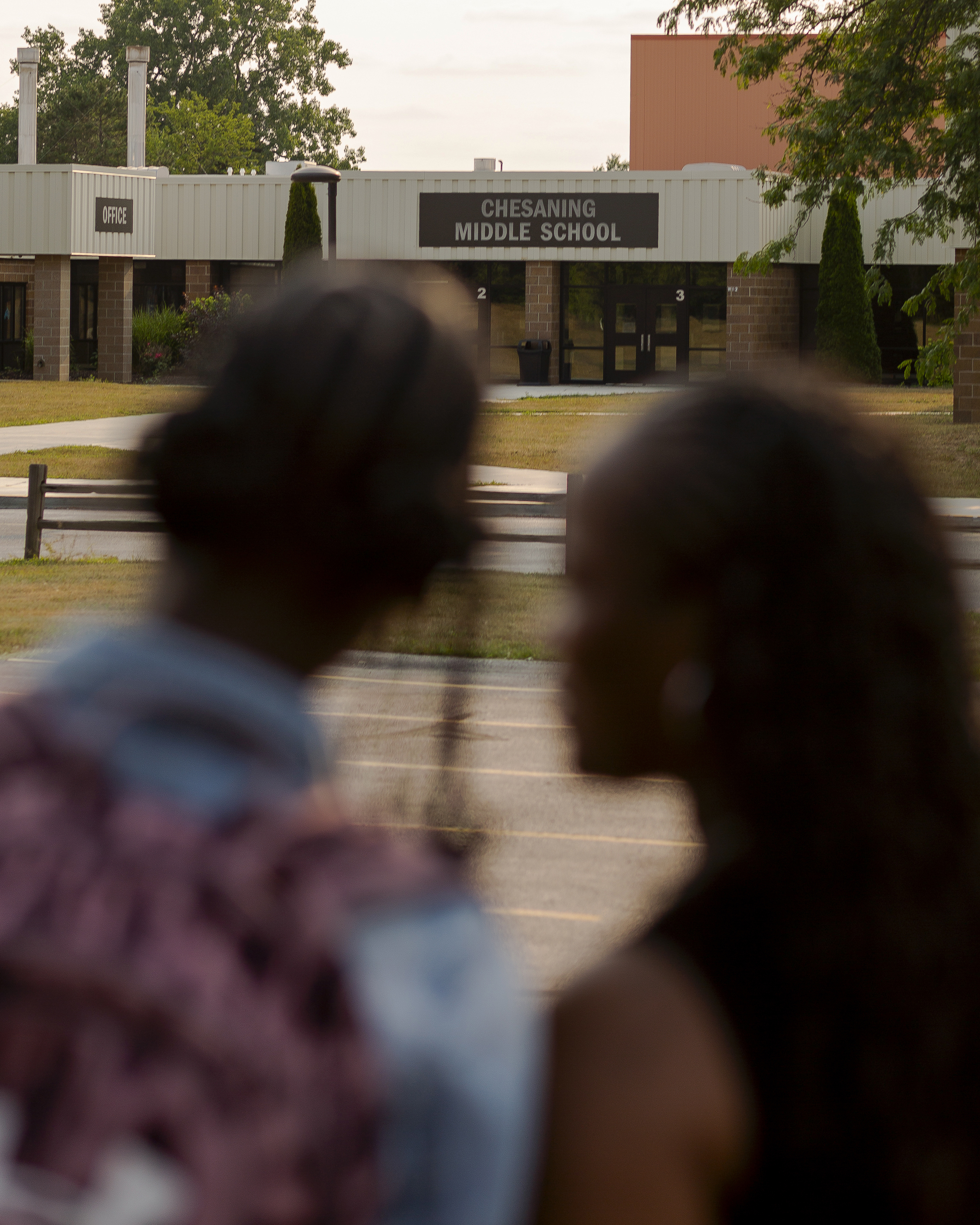
    By the time Black History Month arrived at Chesaning Middle School in central Michigan in 2024, the only Black girl in the fifth grade had already endured a string of racial slurs. On the bus, she was called a “monkey,” she said. Students hurled the n-word at her and said her skin was “burnt like a piece of chicken.”

    Then, apparently inspired by a February lesson about slavery, a white boy asked her, “Hey slave, where are your tools so you can get back to working?”

    School officials told the girl’s mom that they were dealing with the situation, but the harassment continued, the mother and daughter said in an interview. Frustrated and angry, the mother picked up her iPhone one day, searched for “civil rights” and landed on a federal website.

    She found a complaint form and filled it out.

    “She’s being bullied to where she can’t even focus on schoolwork,” the mother wrote. She detailed racial harassment and said her daughter had been mentally and emotionally scarred. “I have to get my child help.”

    Her complaint was forwarded to the Education Department’s Office for Civil Rights, the office responsible for ensuring that students can attend school free of racial harassment and that for decades has investigated discrimination claims in schools across the country. Originally created to enforce the Civil Rights Act of 1964, the office pressured Southern schools to dismantle segregation and later was tasked with investigating discrimination in schools based on sex, disability, and other factors, in addition to race.

    In June 2024, the office launched an investigation of Chesaning Union Schools. By that fall, investigators had documented the allegations of harassment and expressed their concern that the district had failed to properly respond, according to an investigative document obtained by the Washington Post and two people familiar with the situation. In early January 2025, federal officials opened negotiations with the district on an improvement plan that would settle the case.

    What happened next marked a break with decades of federal practice. Instead of resolving such investigations, the Trump administration indefinitely froze them, according to eight current and former employees, who, like others, spoke on the condition of anonymity because they were not authorized to speak about their work publicly. The administration gutted the Office for Civil Rights and prioritized investigations into transgender athletes and other conservative priorities.

    More than three dozen investigations were complete, including this one in Michigan, and at the final stage — negotiations that could have required remedies such as training, better accountability systems, and, in some cases, compensation for students.

    But those agreements were never finalized, school district officials and other people familiar with the matter said. When President Donald Trump’s second term began, there were thousands of pending investigations. In the 18 months since then, the civil rights office has completed only three settlements, known as resolution agreements, involving racial harassment and no agreements regarding sexual harassment or violence, according to the department’s online database. By contrast, in 2024, the office completed 25 resolution agreements related to racial harassment and 47 related to sexual harassment or violence.

    The details of pending investigations are typically cloaked in secrecy. But documents and interviews with current and former officials offer a rare look at allegations that are pending inside the agency.

    Among them: Black students were called the n-word, “monkey,” and other racial slurs. Children from the Middle East were called terrorists. Video of a sexual encounter between students was dropped into a group chat without consent. And a principal was accused of inappropriately touching girls.

    Because of the inaction, there have been no federally mandated protections for students, consequences or accountability for the schools involved.

    “The Department of Education’s role is literally to ensure that students don’t experience discrimination at school so they can access their education. What you have here is the Department of Education saying, ‘We won’t do that,’” said Michael Pillera, who worked for a decade at the Office for Civil Rights.

    In a statement, Assistant Secretary for Civil Rights Kimberly Richey pointed to a backlog of about 19,000 cases inherited from the Biden administration and said that former President Joe Biden had failed students.

    “Any implication that there was a purposeful decision to allow important cases to linger is dishonest,” she said in an emailed statement. “We are utilizing every tool at our disposal to resolve the backlog and return common-sense to our schools.”

    But several current and former staffers said they were barred from working on certain types of cases. One former official, who spoke on the condition of anonymity for fear of reprisals directed at his new employer, said his office was close to wrapping up two cases of serious racial harassment in the final days of the Biden administration only to see the cases ignored after Trump arrived and changed the office’s priorities.

    “There are real people and real lives at the end of these cases,” he said. “There are consequences for people emotionally, educationally. That story has somehow got lost.”

    In response to the Michigan case, Erin H. Walz, an attorney for Chesaning Union Schools, said in an email that the district “categorically denies” the alleged harassment as described by the Post but declined to say what was inaccurate, citing student privacy laws.

    Mike McGough, Chesaning’s superintendent, expressed frustration with the Office for Civil Rights.

    “The diminished capacity of OCR serves neither party,” he said in an interview. “Complainants haven’t been able to get their claims heard. We don’t get to defend ourselves. We would have continued the process and I believe would have reached a fair and equitable resolution.”

    Two months after Trump returned to the White House, the Cleveland office overseeing the Chesaning case was closed. Meanwhile, the racial harassment would only grow worse for one Black girl trying to survive middle school.

    A change in priorities

    The inaction on racial and sexual harassment cases stems from two decisions by the Trump administration: It cut the staff at the Office for Civil Rights by more than half and closed seven of 12 regional offices, overwhelming the remaining staff. (Some workers who were terminated returned following litigation.)

    The administration also has prioritized investigating other types of cases, such as schools that allow transgender girls to compete on girls’ sports teams, antisemitism on college campuses, and colleges that promote race- or gender-based scholarships. Executive orders issued on the day Trump returned to office took aim at diversity, equity, and inclusion programs and policies that help transgender students.

    In 2026, the office reached 31 resolution agreements enforcing Title VI, the federal law that bars discrimination based on race. All of them involved university partnerships with the PhD Project, which sought to recruit Black and Hispanic students to business school. The Education Department said these partnerships discriminated against people of other races.

    Meantime, it was virtually impossible to get the go-ahead for the type of racial and sexual harassment cases that once made up some of the agency’s highest-profile work, several current and former employees said.

    At the start of the Trump administration, work on all civil rights cases was halted, as is typical with a new administration, they said. But while some work was eventually unfrozen, they said cases that were pending from the Biden administration were not. Although staffers are officially allowed to work on new racial and sexual harassment cases, they need approval from headquarters to proceed with them. And that’s difficult if not impossible to get, partly because there is such a backlog, those people said.

    There’s “no point” in working on these racial or sexual harassment cases because they won’t advance, said one of the staffers in the civil rights office who spoke on the condition of anonymity. “My team leader is just like, `No. We’re letting it sit.’”

    That’s what happened in eight cases of racial or sexual harassment examined by the Post. Each case has been ignored for the past 18 months, according to people familiar with the cases.

    In Ludlow, Mass., a draft letter of findings noted widespread reports of racial harassment at the middle school between 2021 and 2024. White students reportedly called Black students the n-word and “monkeys,” remarked negatively on their hair or skin color, and more.

    In January 2025, an attorney with the Office for Civil Rights informed Ludlow Public Schools that the agency had concluded that the district failed to appropriately respond to harassment of one student and had concerns about treatment of others, emails obtained from the district through a public records request show. The parties opened negotiations toward a voluntary agreement that would close the case.

    The district tentatively agreed to take a range of steps including paying tuition for a student who left the district, conducting mandatory trainings for all district employees on racial discrimination law, and retaining a consultant to help the district implement “inclusive policies and procedures.”

    They were close to an agreement on Jan. 21, 2025. Then the government stopped communicating with the district, and the case has been dormant since, people familiar with the case said.

    Becky Bouchard, the district’s legal compliance officer, told the Post that Ludlow has taken some steps on its own, including providing guidance and support to students and staff and addressing concerns “as they arise.” She said the district takes all reports of discrimination and harassment seriously, investigates concerns consistent with law and policy, and is committed to providing students with a “safe, respectful and inclusive” environment.

    There has also been no action since early 2025 in Grand Junction, Colo., where the civil rights office found that two students of Middle Eastern descent were bullied on the playground, in the hallways, and in bathrooms. Other students allegedly called them “camel humpers” and “terrorists,” advised them to “go back to where you’re from,” and said “you’re the reason my sister can’t sleep at night,” an investigation document shows.

    A spokesperson for the school system, Mesa County Valley School District 51, said that not all of the allegations are accurate but declined to specify what she believed to be inaccurate, citing laws that protect student privacy. She said the district aims to make decisions based on all available facts and to ensure the process is “fair for everyone involved.”

    And at Phoenix Union High School in Arizona, an investigation into racial harassment of a pair of Black siblings showed that the academic performance and mental health of one sibling declined, while the other missed class and felt unable to communicate with teachers as a result. Schools may be in violation of the law if they fail to adequately respond to harassment that is so severe that it denies a student’s ability to benefit from their education. It is unclear whether this case was determined to have reached that level of severity.

    Federal officials were negotiating a resolution with the school system in late December 2024 and early January 2025. Then the federal government stopped communicating, a district official said. A spokesperson added, “We remain committed to creating welcoming environments that provide respectful treatment” for all.

    Stalled sexual harassment cases detailed in documents obtained by the Post include allegations that a student in Arizona climbed over a bathroom wall to record other students, then shared the photos and videos with others; that a principal in Texas touched a student in a way that made her uncomfortable, commented on the attractiveness of cheerleading uniforms, and chest-bumped a cheerleader during a football game; and that a Louisiana college student secretly taped himself having sex with a woman and then shared the video with his fraternity brothers.

    In each case, negotiations over resolutions were abruptly curtailed in early 2025 and remain unresolved, according to officials at each school.

    Now the future of the Office for Civil Rights is uncertain.

    The Trump administration announced in June that it would transfer much of the office’s work to the Justice Department, part of its effort to hollow out the Education Department in hopes of eventually shutting it down. Staffers at the Education Department say they have not been told how investigations will be conducted after the change takes effect.

    At the Education Department, the civil rights office is obligated to look into every complaint filed. But at the Justice Department, attorneys pick and choose their cases.

    ‘Hey slave’

    The harassment of the Black girl in Michigan persisted long after the complaint was filed and long after it was shelved, according to the mother and daughter, with mounting educational and emotional consequences.

    The mother’s younger siblings had attended Chesaning schools without experiencing harassment, and her older children did not have problems either, she said. It was different for her youngest.

    It began in fall 2023, when the girl entered the fifth grade, the mother and daughter said in interviews. Many of the allegations are also detailed in an investigative document, and others allegedly occurred after the civil rights office stopped engaging on the case. The mother spoke on the condition of anonymity because of concerns that telling her story could impact her job. She is legally the girl’s guardian and also her godmother, and they refer to each other as mother and daughter.

    Students harassed the girl all over campus, she said: Sometimes she was insulted on the bus. Sometimes students would push her in the hallways and mutter the n-word under their breath. Once, a classmate told her she could not play with her group on the playground because she was Black. Naturally quiet and shy, she didn’t argue back.

    During Black History Month, her class watched a documentary about the civil rights movement. When a protester in the film recounted a racist police officer using the n-word, it seemed to the girl that everyone in class snapped their heads to look at her. The girl asked her teacher for permission to sit in the hallway and begged her mother to let her stay home altogether.

    Both said no.

    “I scooched down in my chair because I didn’t want to be there,” the girl said in an interview.

    She was in line for lunch in the cafeteria when she heard a white boy say “hey slave,” she recalled.

    “Go get digging,” he continued, “I need some cotton.”

    She felt herself starting to cry. The girl went to see the lunch monitor, who told her to go to the office, where she was asked why she didn’t tell the lunch monitor. The school said it would handle the matter, though the mother said officials would not tell her what punishment the boy received.

    McGough, the superintendent, said he could not comment on this specific case due to privacy laws but, in general, cases of persistent harassment are dealt with using significant and progressive discipline.

    Over winter and spring 2024, the mother documented her frustration and complaints in a long Facebook post and in emails sent to school and federal officials and reviewed by the Post.

    In one example, another student called the girl a “Black monkey.” When called out by a school police officer, he defended himself this way: “I said ‘Black monkey,’ but I didn’t say it to her.’” The officer made him apologize, according to an email her mother sent to the federal official investigating the case.

    By fall 2024, the federal investigation was complete. Officials concluded that the district knew about the harassment, according to a draft letter of findings reviewed by the Post.

    The evidence “raises compliance concerns that the District did not consistently take prompt and effective steps to determine if the harassing conduct was occurring, remedy its effects, and prevent recurrence,” the letter said.

    A proposed resolution agreement was sent to the school district in January 2025. It would have required Chesaning to better track incidents of harassment; train teachers, staff, and students about racial harassment; conduct a climate survey to gauge the presence and impact of racial harassment; and provide counseling and tutoring to the girl who was harassed. The agreement also proposed that the district develop a plan so the girl would not be subjected to future harassment.

    But the district and the government never reached an agreement, and the attorney working on the case was laid off from the agency.

    Walz, the district’s attorney, declined to say whether Chesaning has taken any steps to address school climate.

    The harassment continued, and, according to the family, school officials knew it.

    Once, the girl reported use of the n-word to officials in the school office, she said, and they asked her whether she thought that was an accurate word to describe her. When the girl said no, a school official replied, “If you don’t think you’re that, why are you coming down here and complaining about it?” she recalled.

    “They were trying to put the blame on me,” she said.

    In May of this year, the mother found a boxcutter that belonged in the laundry room in her daughter’s room and questioned her about it. The girl confessed that the bullying was too much to handle and that she had considered hurting herself.

    A meeting at the school left the mother unsatisfied that things would improve. She began considering other school districts for eighth grade. The girl is still traumatized, her mother said, and is in counseling.

    For a time, the mother had felt sure the government would address the harassment. She believes the lawyer working on the case cared. “I could hear it in her voice,” she said.

    But it’s been so long since she heard from the lawyer. More than a year since she heard from anyone at the Office for Civil Rights.

    She no longer expects them to help.

  • Russia, Ukraine exchange overnight strikes that leave 7 dead, many injured

    Russia, Ukraine exchange overnight strikes that leave 7 dead, many injured

    KYIV, Ukraine — Russia and Ukraine exchanged strikes overnight that killed civilians and injured many others on both sides, local authorities reported.

    Large-scale Russian missile strikes on Ukrainian cities have become almost routine in recent weeks, with Moscow exploiting Ukraine’s critical shortage of interceptors for the U.S.-made Patriot systems — the sole air defense weapon in its arsenal able to shoot down ballistic missiles.

    In the latest attacks, Ukrainian drones killed five people and injured two dozen others, including a 4-year-old boy, in Russia’s border region of Belgorod, according to the regional administration.

    In Kharkiv, Ukraine’s second-largest city, Russian missiles struck a high-rise apartment block in the Saltivskyi district, killing two people and injuring 13, according to regional head Oleh Syniehubov. Eight more people were injured in Ukraine’s Black Sea port of Odesa after “dozens of missiles and drones” struck the city and surrounding region, according to local administration head Oleh Kiper.

    Ukraine’s President Volodymyr Zelensky has for months lobbied other countries, especially the U.S., to send Ukraine more Patriot systems made scarcer by the Iran war, arguing they are crucial for defending civilians.

    Failing that, Zelensky wants to make Patriot ammunition in Ukraine or get approval from Elon Musk to use his Starlink satellite communications system to guide strikes inside Russia that can hit its missile launchers.

    Meanwhile, Kyiv has kept up long-range drone strikes against Russian energy infrastructure, as well as the country’s largest online retailer, Wildberries, and other targets deep inside Russia, sparking a fuel crisis.

    Russia’s defense ministry on Sunday claimed its overnight strikes hit drone warehouses in the Kharkiv region, as well as fuel depots and stores of other materiel belonging to Ukraine’s armed forces at the port of Odesa.

    It said its forces had shot down 153 Ukrainian drones during the night, including over Russian-occupied Crimea and the Black and Azov seas.

    In Russia’s Belgorod region, authorities said Ukrainian drone strikes damaged 29 apartment blocks and five private houses, as well as administrative buildings and unspecified “commercial facilities.”

    Debris from Ukrainian drones also fell on two enterprises and a private home in the Russian city of Novorossiysk, Mayor Andrey Kravchenko said on Sunday. He did not specify what the commercial sites were. Regional authorities later said falling debris had injured one person, damaged two private houses, and blew out a window in an apartment block.

    A major fuel terminal is located at Novorossiysk that links Kazakhstan’s oil fields to markets around the world, and which has previously been a target for Ukrainian strikes.

    Moldova says blast near Ukraine border caused by drone

    A “powerful explosion” believed to be from a combat drone was reported in the village of Crocmaz, in southeast Moldova near the border with Ukraine, local police said Sunday.

    No one was injured by the impact, which caused a vegetation fire in the Stefan Voda district, police said, adding that “fragments of a combat drone were found at the scene” and would be examined by specialists. Police did not specify the origin of the drone.

    Multiple drones have violated Moldovan airspace since Russia launched its full-scale war in neighboring Ukraine.

    Bulgaria summons Ukrainian ambassador over drone incident

    Bulgaria has summoned Ukraine’s ambassador after a drone entered Bulgarian airspace, the country’s public broadcaster BNT reported on Sunday.

    The drone exploded on Saturday close to an international gas pipeline shortly after crossing the border from Romania. No casualties or damage were reported.

    Bulgaria’s defense ministry said the drone appeared to be the type used by Ukrainian armed forces, and that the incident was likely accidental.

    Ukrainian Foreign Ministry spokesperson Heorhii Tykhyi said the incident was being examined, but that it did not deliberately target Bulgaria. Ukraine and Bulgaria were in “close contact” to clarify what had happened, he added.

    ——

    AP writer Stephen McGrath contributed from Leamington Spa, England.