DEAR ABBY: I have a complex issue. I was recently diagnosed with dementia, and I have not told my mother yet. She is 91. She is in good health, and her mind is sharp, but over the past five years she has lost two children to cancer. I’m torn about telling her, but sooner or later, she’s going to notice. I’ve been seeing a therapist, who tells me only I can make that decision. I don’t know what to do. Please help me.
— UNSURE SON
DEAR SON: I’m sorry to learn of this difficult chapter in your life. As you mentioned, your mother is going to notice eventually. Wouldn’t it be better if you told her yourself, on your own terms, instead of waiting until some awkward incident forces you (or some other loved one) to explain it to her? As a mother, chances are, she will want to be there for her son in his time of need, no matter how old the two of you may be.
** ** **
DEAR ABBY: I married my husband 30 years ago. His parents have never introduced me to their friends. My husband does the same rude thing when we see old friends of his who don’t know me, and it hurts my feelings. Am I being sensitive, or am I being left out on purpose? It’s like if they don’t acknowledge me, I’ll go away. I stand there awkwardly, waiting to be introduced. Should I introduce myself? If so, what should I say?
— NOT IMPORTANT IN THE EAST
DEAR NOT IMPORTANT: The reason for your husband’s lack of manners may be that he never learned them from his parents, who appear to be ignorant of the social graces. The next time you’re in this uncomfortable situation, speak up. Smile and say, “I’m their daughter-in-law (or his wife), ‘Vivian.’ Nice to meet you!”
** ** **
DEAR ABBY: My sister’s daughter is going to be a first-time mom, and I’m not happy about this. It means I’ll never see my sister again. Anytime someone in my family becomes a parent, they always lie to me, assuring me things won’t change, but things do change and not for the better. The new parents become impossible to talk to, and I just know this holiday season will be chaos. My wife and I have no children nor the desire to have any. Should I just avoid all family gatherings? I doubt my absence would be noticed anyway.
— UNHAPPY UNCLE
DEAR UNCLE: Given the attitude on display in your letter, I don’t think parenthood is the main reason your relatives stop talking to you. I advise you to knock that chip off your shoulder and accept that your niece didn’t get pregnant to spite you. Put on your biggest smile and congratulate the new mom. When the next family gathering comes around, you may attend with a cheerful demeanor, embrace the chaos and get to know the kids; or you may stay home alone and pout. I can’t make that decision for you.
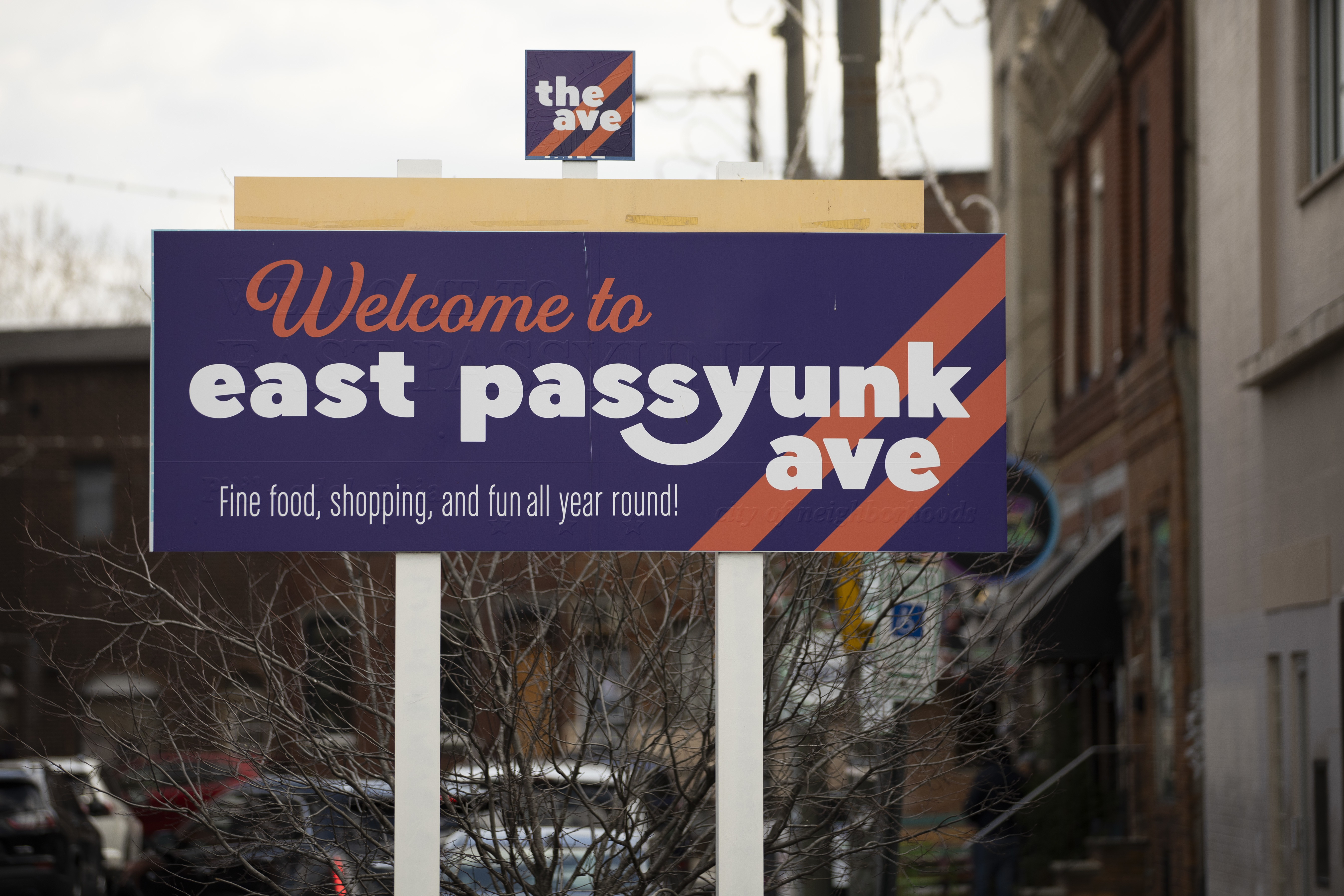
The coolest street in America runs diagonally through South Philly.
East Passyunk Avenue has earned the top U.S. spot on Time Out’s annual ranking of the world’s coolest streets, released Tuesday. It placed 12th internationally, sandwiched between a pedestrian alley in Rio de Janeiro and a historic shopping street in Kyoto, Japan.
The travel and culture publication ranked 28 streets around the world, judging them on everything from restaurants and nightlife to shopping, community life, and independently owned businesses.
East Passyunk won praise for its mix of offbeat shops, neighborhood watering holes, and acclaimed restaurants, which Time Out described as offering “quality eats with South Philly grit.”
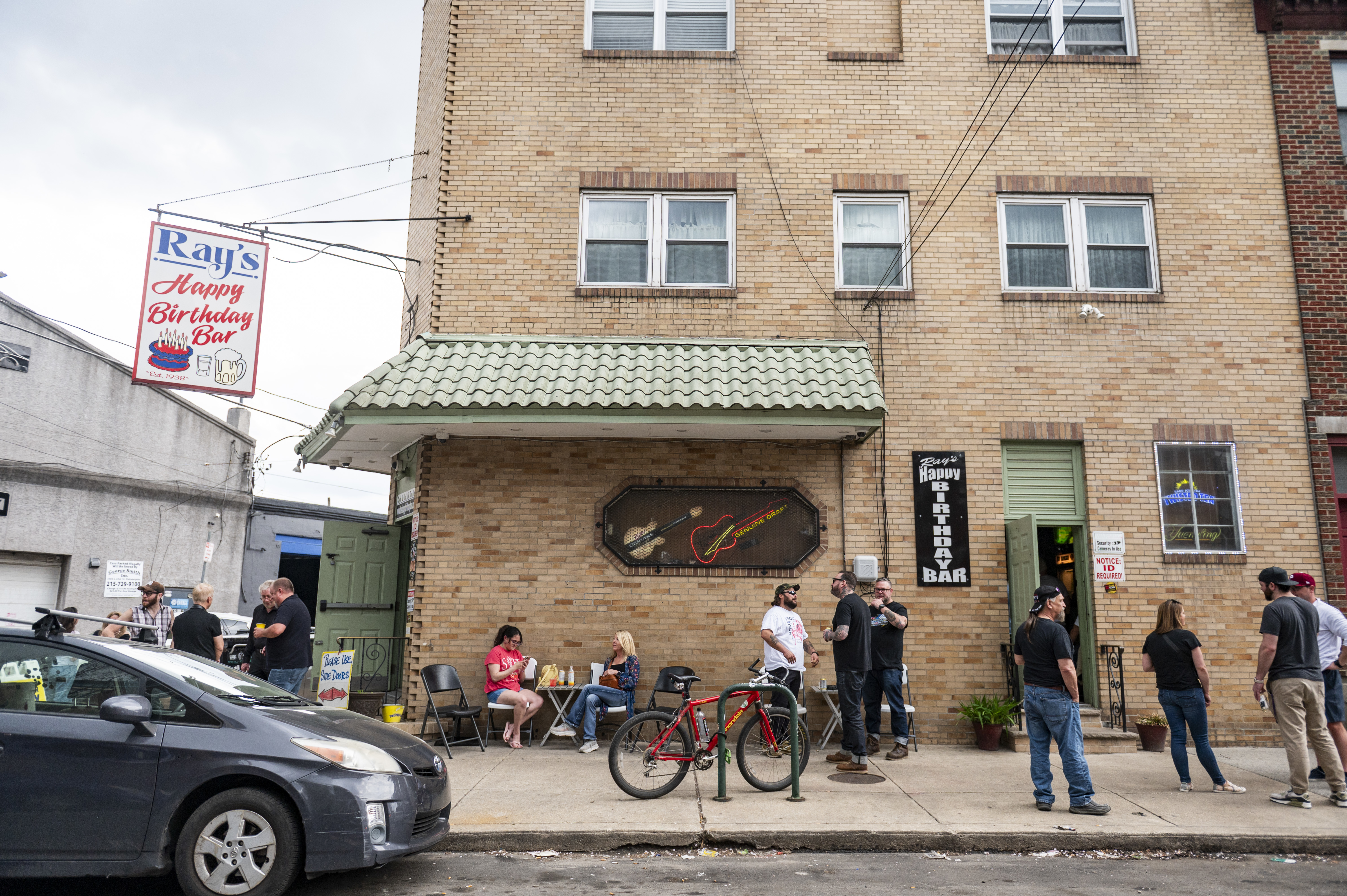
Among the attractions singled out were El Chingon, known for its Mexican cuisine, and Mish Mish, a contemporary Mediterranean restaurant. But the avenue’s less glamorous pleasures also got their due: the $4 Citywide special at Ray’s Happy Birthday Bar, free happy hour pizza at the Dive, and the hundreds of restored vintage machines at Philly Typewriter.
Time Out also recommended a stop at the Singing Fountain, the mermaid-topped neighborhood landmark at 11th Street, along with a visit to Urban Jungle’s sprawling plant nursery.
The avenue’s history stretches back long before its transformation into a dining destination. Its diagonal route is believed to follow an ancient Lenape trading path that predates Philadelphia by centuries. Even its name has Lenape roots: pahsayunk means “in the valley.”
As the city developed, the route connected trading posts, ferries, and farms along the Schuylkill. Generations of Swedish, Irish, Eastern European, and Italian immigrants later established businesses along the avenue, transforming it into a bustling neighborhood commercial corridor.
Patrons stand outside of Ray’s Happy Birthday Bar, in South Philadelphia Allie Ippolito / For The Inquirer
Rose Capozzoli, 80, who owns Ray’s Happy Birthday Bar, was surprised to hear that East Passyunk had been named the coolest street in America. Her family’s bar has been on the avenue since 1938, and she remembers a time when children’s clothing stores and dress shops dominated the corridor, with longtime Italian restaurant Marra’s among the relatively few places to eat.
“East Passyunk Avenue has been around for a long time, and it’s finally taken off,” she said.
Capozzoli credits the avenue’s transformation to a younger generation of leaders at the local business association, who pushed to bring in more restaurants and attract more visitors. “It got cool in the last 10 years,” she said.
That tradition of independent commerce continues today. According to Visit Philadelphia, roughly three-quarters of businesses along the stretch between Broad and Federal Streets are independently owned, and 60% are owned by women.
As for the competition, Bangkok’s Song Wat Road took the world’s top spot, followed by Golborne Road in London and Fernández de Enciso in Buenos Aires. The only other U.S. streets on the list were Wilshire Boulevard in Los Angeles, at No. 14, and Atlantic Avenue in Brooklyn, at No. 17.
DEAR ABBY: My immediate family consists only of my brother (75, same age as me) and a sister who’s four years older than us. My sister, “Marilyn,” is divorced with no children. She has a long-term diagnosis of depression and remains under the care of a psychiatrist, who has her on several medications.
Marilyn has a shopping addiction and an issue with money. She purchased a condominium for some $20,000 in the 1970s. Now she owes about $80,000 on it. Whenever she needed money for a large purchase, such as a car, she took out another mortgage, dipping into its equity. She loves jewelry and has piles of it all over her home. Her income is $80,000 per year, but she’s been through bankruptcy for debts and a foreclosure for failure to pay condo fees. We’ve tried for years to get her rein in her spending.
Marilyn is in failing health, and her home is a hoarder nightmare, requiring one to climb over items just to get to the bathroom. Should she need assisted living or a nursing home, she has no ability to pay for it. My brother and I are adamant that we won’t assist her financially, but we worry. Marilyn won’t help us by signing a financial power of attorney, a will or a transfer-on-death deed for her condo. She has managed to maintain herself, albeit chaotically and on the edge, so guardianship would not be appropriate. I have no wish to be her guardian anyway. What advice do you have about this situation?
— BELEAGUERED BROTHER
DEAR BROTHER: You can’t force Marylin to stop shopping or spending money she doesn’t have, but you can help ensure that she’s not a physical danger to herself. Because she is already under the care of a psychiatrist, it’s time to inform that caregiver about Marilyn’s hoarding and her shopping addiction.
You can bet Marilyn hasn’t brought them up! Be aware that the doctor’s office won’t inform you of her progress and may not even confirm that she is a patient, but they should at least listen to your concerns.
The state of her condo sounds like it poses a health risk, so a call to Adult Protective Services is in order. They can come to her home, assess the risk and put her in contact with someone who can help her get it under control.
** ** **
DEAR ABBY: We gave our good friends a gift and a card for their special anniversary. When our anniversary arrived a few months later, all they gave us was a card. I know they can afford a gift, so why didn’t they reciprocate? I thought we were good friends. We are feeling hurt, though we know we should get over it. Can you offer some advice?
— GOLDEN COUPLE IN MAINE
DEAR GOLDEN COUPLE: Your friends appear to be less invested (literally and figuratively) in anniversaries than you are. Friendships should not be measured by whether gifts are exchanged. Perhaps your friends were trying to tell you it’s time to cut back on the gift-giving at this point in your lives. Whatever the reason, don’t let this spoil a meaningful friendship.
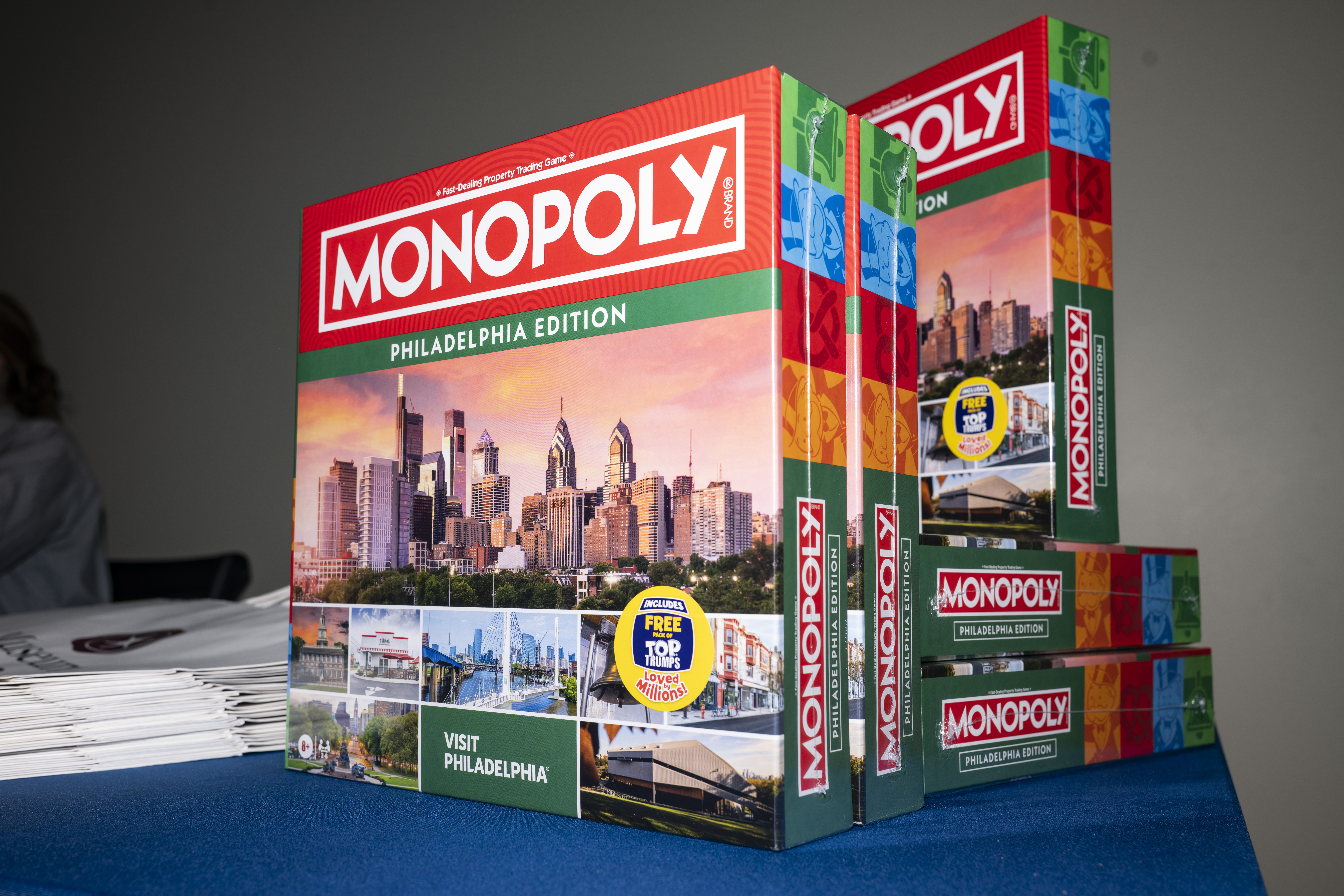
The makers of the new Philadelphia edition of Monopoly noticed something unusual during the five months nominations were open to the public for people to submit their ideas of which Philly things should be included on the board.
One agency kept coming up again and again — the Philadelphia Parking Authority (PPA) — but folks seemed to be submitting it as a joke, said Tim Barney, game manager for the Top Trumps company, which manufactures the board game.
“The PPA nominations started out like this: ‘Wouldn’t it be funny if the PPA was Free Parking because they’re not actually free parking?’” Barney said. “We started to get more and more nominations. We were like ‘Goodness, these guys are getting mentioned so much we should put them in.’ So we put them in.”
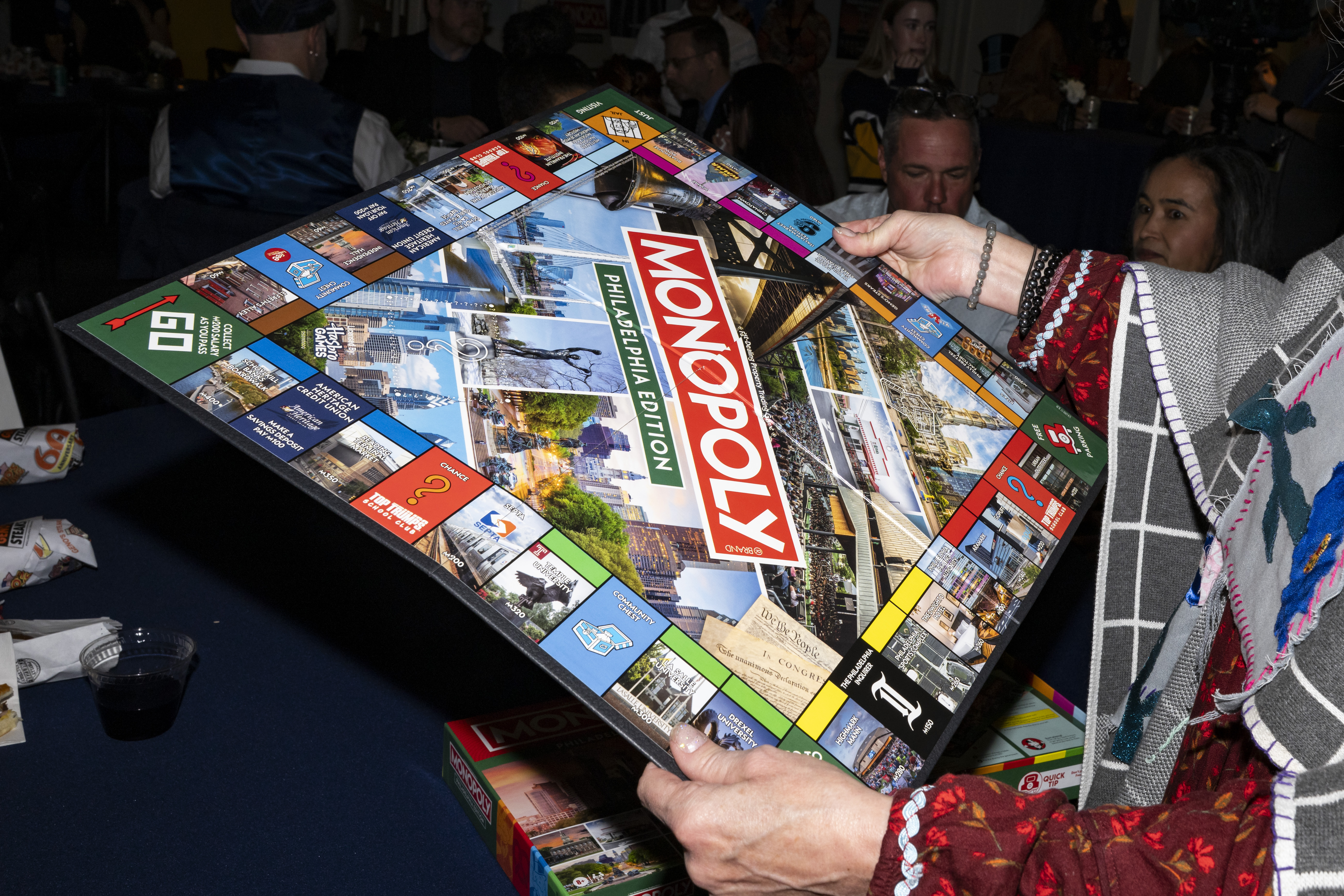
A person holds up the new board for Monopoly: Philadelphia Edition at a launch party at the Museum of the American Revolution on Wednesday.Allie Ippolito / For The Inquirer
As the leading global licensee of Hasbro games, which owns Monopoly, Top Trumps must keep the four corner squares of the board — Go, Free Parking, Go to Jail, and Just Visiting — the same as they are in the original Monopoly, which was based on Atlantic City streets. So they couldn’t exactly grant Philadelphians’ PPA wishes (alas, this also means that “Go” has not been changed to “Go Birds”).
But what they did do was put the PPA in the transportation category, which also includes SEPTA, William H. Gray III 30th Street Station, and the Schuylkill Banks Cable-Stayed Bridge. Those four things have replaced the railroads on the original board. That means Reading Terminal Market has not, as logic might suggest, replaced Reading Railroad, but don’t worry, it’s on there.
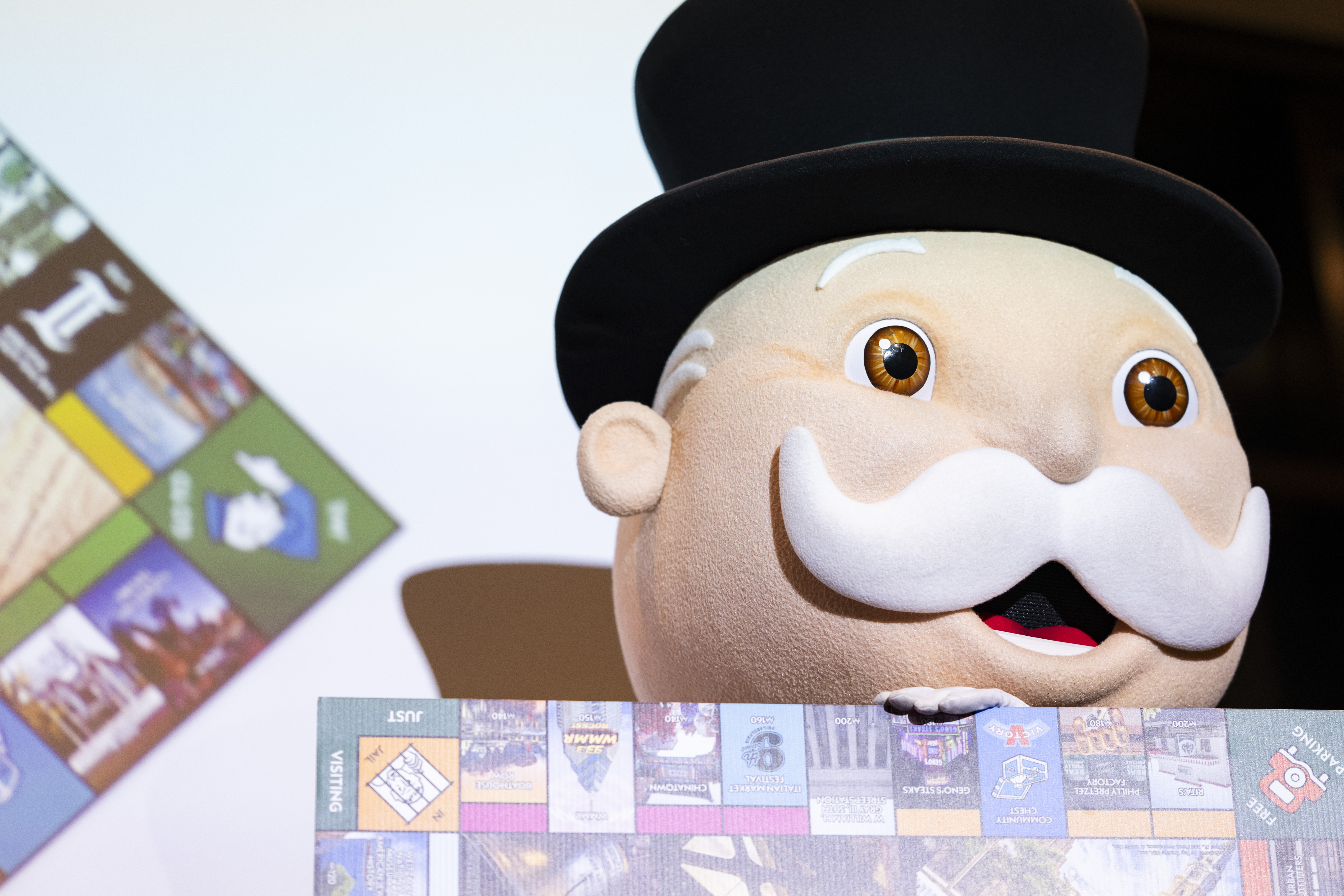
Monopoly: Philadelphia Edition was unveiled Wednesday night at a release party at the Museum of the American Revolution that was attended by none other than Mr. Monopoly himself, or at least an actor in a mascot costume that looked like the ol’ cartoon moneybags.
The event was emceed by Barney and WMMR DJ and 76ers public address announcer Matt Cord. The G-Force Drumline and Steppers from the Highmark Mann Center kicked off the celebrations and a historical interpreter in colonial garb read a proclamation announcing the new Philly board. Representatives from the businesses and institutions on the board were then called to the stage one by one to accept oversized game cards and get their photo with Mr. Monopoly.
Members of the Philadelphia Parking Authority gather for a photo with their Monopoly space during the launch party for Monopoly: Philadelphia Edition at the Museum of the American Revolution on Wednesday.Allie Ippolito / For The Inquirer
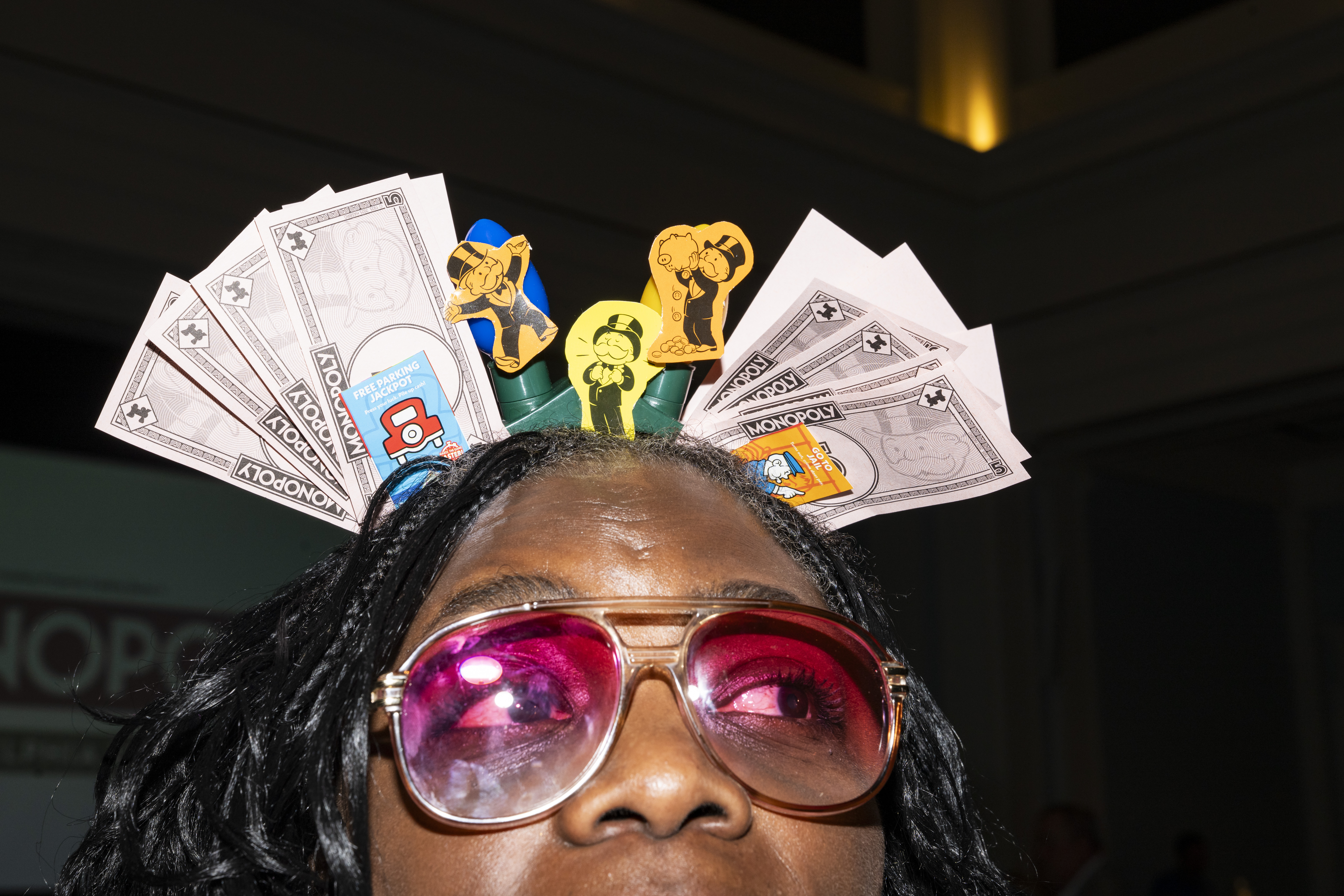
Several folks from the PPA came in flashy Monopoly headbands made by Sue Cornell, director of public and employee engagement. She said it was “really exciting” to have the agency represented on the board.
“The PPA is an icon in Philly. How could you have Philly Monopoly without the PPA?” she said. “We have to be included, whether you like us or not.”
Top Trumps announced its intention to create a Philly edition of the game in September 2025 and left open its call for nominations from the public through the end of February.
While other Monopoly-esque games, like Philadelphia-Opoly, already exist, most aren’t officially licensed editions, Barney said. Top Trumps began its community Monopoly boards in 2019 and has made more than 50 already.
So how did Pittsburgh and Wichita get their editions before Philly?
Monopoly: Philadelphia Edition was officially released at a launch party at the Museum of the American Revolution on Wednesday.Allie Ippolito / For The Inquirer
Barney said the team picks a mix of cities and small towns and tries not to release multiple games in a region or state consecutively, to allow some breathing room.
“Other kinds of factors that we want to consider are major historical anniversaries, like the 250th this year,” he said.
While public nominations for landmarks, businesses, and institutions are taken into consideration, it’s not a voting system. Many other factors go into who gets a spot, including longevity, credibility, reviews, and community engagement, Barney said.
“Finally, just that they are excited about this. It’s a super-fun project and this is a great opportunity to be immortalized in a civic artifact,” he said.
Sue Cornell, director of public employee engagement at the Philadelphia Parking Authority, glances at Monopoly: The Philadelphia Edition during a launch party at the Museum of the American Revolution on Wednesday.Allie Ippolito / For The Inquirer
But businesses and institutions do pay to be a part of the game, too. Barney declined to discuss the cost of contracts, noting that they are on a “case-by-case” basis and all contain nondisclosure agreements.
“It’s not as simple as who can or cannot buy their way into the game,” he said. “Money is not the determining factor. They first have to be authentic.”
The team also tries to diversify the types of things included to cover a wide range of categories, from cultural institutions to food.
It’s that last category, which takes up the three orange property squares, that may be the most contentious among locals. Those squares include the Philly Pretzel Factory, Rita’s Water Ice, and Geno’s Steaks.
Geno Vento, president of Geno’s Steaks, with the company’s Monopoly space during the launch party for Monopoly: Philadelphia Edition at the Museum of the American Revolution on Wednesday.Allie Ippolito / For The Inquirer
Geno’s is often considered a cheesesteak tourist trap by locals, many of whom have not forgotten the controversial sign in the shop window from 2006 to 2016 that read: “This is America, when ordering, please speak English.”
So why was it included?
“I say why not Geno’s? They seemed really excited to be a part of the game, but we knew we couldn’t represent every single cheesesteak place,” Barney said. “At the end of the day, we had to choose one, and it’s a challenging decision. … Geno’s felt like the right pick.”
Taking the place of the public utilities spaces are two media organizations, The Inquirer (well, shucks!) and WMMR (great day in the morning!).
Matt Cord, WMMR host and Sixers public address announcer, with WMMR’s Monopoly space during the launch party for Monopoly: Philadelphia Edition.Allie Ippolito / For The Inquirer
“You both have a really strong voice in your community and you were both nominated quite a lot,” Barney said.
The two high-value dark blue properties are now Reading Terminal Market and the Schuylkill Banks Boardwalk, and the three green properties go to higher education institutions: Temple University, La Salle University, and Drexel University.
Noticeably absent: the University of Pennsylvania.
“There is a small number of selections for any given sector, at most we only feature three or four universities, and Temple, La Salle, and Drexel were really excited to be involved in the game,” Barney said.
Shaundria Smith, executive administrative assistant at the Philadelphia Parking Authority, sporting a Monopoly money headband at the launch party for Monopoly: Philadelphia Edition.Allie Ippolito / For The Inquirer
Enthusiasm and limited space are also why you’ll see the Franklin Institute, the Weitzman National Museum of American Jewish History, and the Museum of the American Revolution in the light blue spaces, but not the Philadelphia Museum of Art, according to Barney.
Chinatown, Boathouse Row, and the South 9th Street Italian Market Festival are on the magenta spaces; the company headquarters of Urban Outfitters, Aramark, and Gopuff are the red squares; the Highmark Mann, Philadelphia sports complex, and Dwight D Hotel are the yellow properties; and Independence Hall and Elfreth’s Alley get the brown spaces.
Squares to pay your loan and make a deposit to American Heritage Credit Union replace the income and luxury taxes, and the credit union’s name is on the money, too.
Player tokens like the top hat and Scottie dog remain the same, but the Community Chest and Chance cards are personalized to Philly and include references to various nonprofits like Sharing Excess, Joe Frazier’s Gym & Community Center, Mural Arts Philadelphia, and Habitat for Humanity, Barney said.
Kelly Richards, president and director of the Free Library of Philadelphia, with the library’s Monopoly space at the launch party for Monopoly: Philadelphia Edition.Allie Ippolito / For The Inquirer
The names of the Free Library and Victory Brewing appear on Community Chest spaces, obviously because both played a role in helping you win second prize in that beauty contest.
Monopoly: Philadelphia Edition retails for $39.99 and is available at local retailers and online at Top Trumps, Barnes and Noble, and Amazon.
When the Flyers last visited Ottawa in October, Oliver Bonk was still two games away from a call-up.
In the month since, he’s established himself as an NHL regular, winning a job on the blue line and earning tough defensive assignments.
On Thursday, the 21-year-old will play his first NHL game in his hometown rink, where his dad, Radek Bonk, played for 10 seasons with the Ottawa Senators (1994-2004). In 689 games with the Sens, the elder Bonk racked up 152 goals and 399 points.
“It’s exciting,” Bonk said. “It’s going to be good to go home, get a home-cooked meal.”
Bonk said he didn’t expect to have a huge crowd at the game, just his mom, dad, and siblings. His family made the trip down to see him play earlier this year, driving nearly eight hours from Ottawa to make it to Philly in time.
He’s played in big games at the Canadian Tire Centre before, at the 2025 World Juniors for Canada, which might be part of why it feels like just another game.
“The old Ottawa teams that I watched, there’s really no one left,” Bonk said. “That would have been cool, to play against some players that I watched growing up, but I mean, it’s still very cool to go to the Canadian Tire Center and play a game.”
Bonk was a healthy scratch on Sunday, which Rick Tocchet said was to give him a breath after weeks of heavy minutes. The next step, Bonk said, is for him to establish more consistency. He’s played a few excellent games, and a few he described as average or below average.
“You’ve got to try to be a plus every game, or at least just break even and not get scored on,” Bonk said. “I think that’s a big one to kind of start on as a base layer for, just great defense and lock it down defensively. Be smothering, be relentless, and just lock down plays, and then you can build from that.”
Bonk checked one of those boxes on Tuesday night in his return to the lineup, as he finished with an even rating and was not on the ice for a goal against in 16 minutes, 55 seconds of ice time against the Sabres. He has one goal and six assists in 18 games for the season.
While Oliver Bonk has had his ups and downs as a rookie in the NHL, Rick Tocchet believes his arrow is going up. Paul Sancya
Bonk was pretty calm about the prospect of playing in his hometown, but Tocchet said when he went back to Toronto for his own first hometown game in the NHL, he was “jacked up,” but also a bit nervous.
“You can’t worry about the distractions,” Tocchet said. “That’s the hard part, but you also want to enjoy it too. It’s your hometown. You have to have fun with it, don’t be so nervous about it. But I do think less distractions are better when you go back to your hometown.”
Boston College will retire Johnny Gaudreau’s No. 13 jersey on Feb. 12, 2027. The Salem County native won the Hobey Baker in his junior year at BC and a national title in his freshman season as the team’s second-leading scorer.
Boston College is proud to announce the retirement of Johnny Gaudreau’s No. 13 on February 12, 2027.
Buzz Bissinger is tired of the stigma associated with leather jackets — regardless of whether the wearer is a best-selling author or a scandal-plagued, recently ousted tech mogul.
He let those thoughts be known in his Wall Street Journal essay “In Defense of Middle-Aged Men in Leather Jackets,” which explores Nvidia CEO Jensen Huang’s signature look. Bissinger is, of course, no stranger to the subject.
The Friday Night Lights author and Philadelphia Inquirer alum became an early internet main character for sharing similar enthusiasm for leather more than a decade ago.
Huang, the entrepreneur who built an empire as a leader in the AI revolution before getting caught up in a personal and national security scandal and forced to resign, is well known for regularly wearing leather jackets.
As Huang made headlines for his extramarital dalliances, the New York Times covered his jacket-wearing at length, likening his signature item choice to Steve Jobs’ turtlenecks or Mark Zuckerberg’s T-shirts. The Times also explored the leather jacket’s potential negative implications, cautioning that as details unfold about Huang’s affair with a Chinese businessperson and his second extramarital relationship with an Nvidia executive, that the jacket has gone from feeling “rebellious” to “reckless.”
That’s where Bissinger comes in.
Thirteen years ago, the Pulitzer Prize-winning author dropped a lengthy essay for GQ magazine about his self-proclaimed “Gucci addiction.”
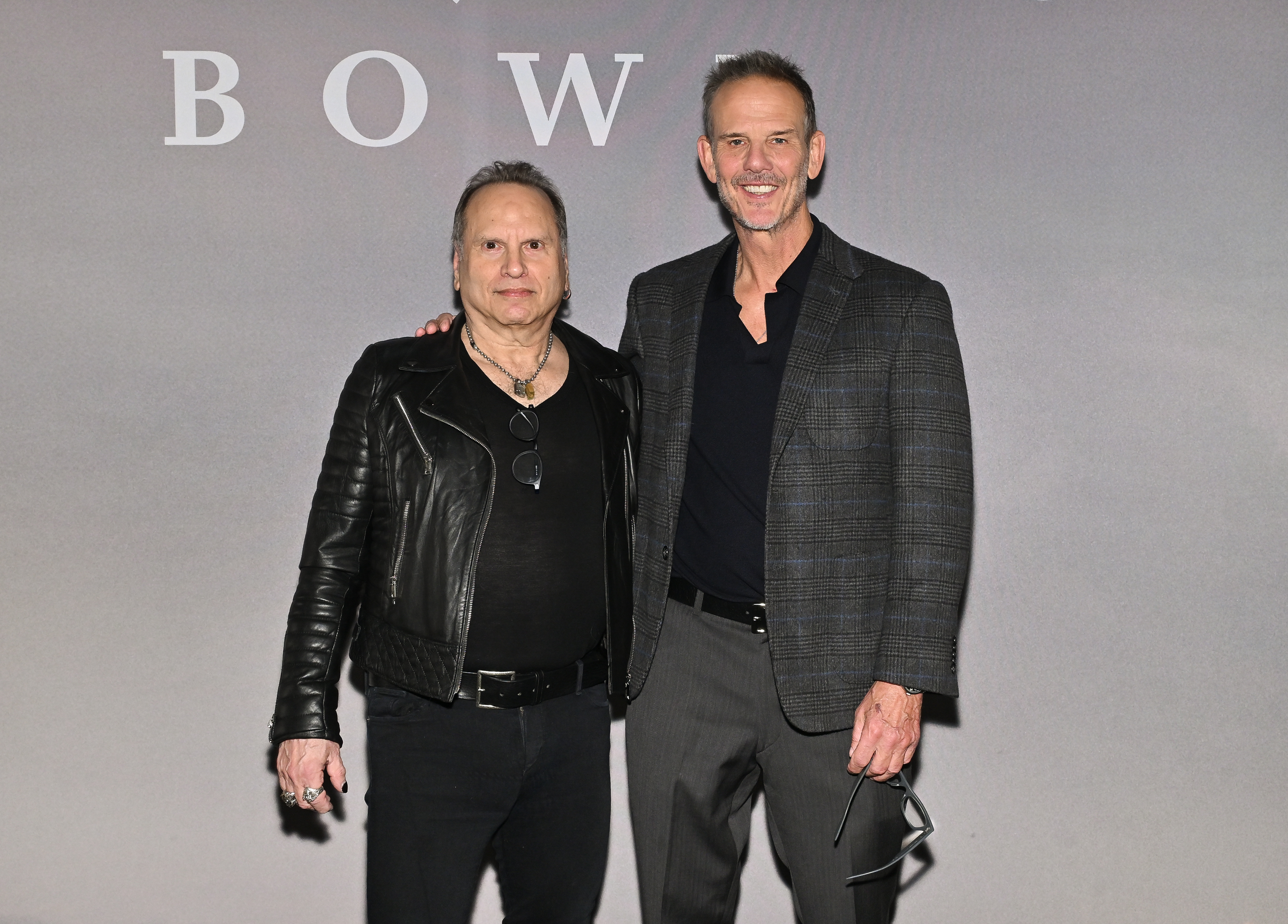
Buzz Bissinger (left) and Peter Berg participate in a photo call for “The Mosquito Bowl” at the Whitby Hotel last month in New York.Evan Agostini / Invision / AP
“In the past few years, I’ve bought 81 leather jackets. Dozens of boots and leather gloves. I’ve purchased pants that cost $5,000. I own a $22,000 coat,” Bissinger wrote at the time. “My name is Buzz Bissinger … And I am a shopaholic.”
The 2013 confessional was both lauded and mocked, but it started a conversation that stuck with people about shopping, public image, luxury items, and aging.
“The self-expression feels glorious, an indispensable part of me,” Bissinger wrote in the essay. “As a stranger said after admiring my look in a Gucci burgundy jacquard velvet jacket and a Burberry black patent leather trench, ‘You don’t give a f—.’”
As Emily Gould of New York magazine recalled on X about the essay, “Obama is in office. Glossy magazines are still a going concern, and they publish epic, glorious stories about being addicted to buying leather jackets.”
Bissinger documented over thousands of words how he’d spent more than $600,000 in a few years on luxury clothing, primarily leather jackets, putting his personal life and health at risk.
The mix of his vulnerability — revealing intimate details about his marriage and fatherhood alongside his flashiness, flexing on readers with his $14,000 ostrich skin jacket and his trips to Milan for exclusive access to Gucci showrooms — made for a perfect internet storm, becoming a talker that stuck with readers for years.
“I felt it was important to write,” Bissinger told The Inquirer about his GQ essay. “I felt proud that I’m able to wear what I want and don’t feel self-conscious or silly, and I refuse to be influenced by the parochialism of others.” Bissinger eventually went to rehab for addiction and compulsive disorder.
When Huang’s own penchant for leather jackets became an item of interest all this time later, some mused that there was only one appropriate subject matter expert prepared to dive into it all. The Wall Street Journal put out a call to the foremost leather jacket aficionado.
“[The] Wall Street Journal came to me because of my openness in the past,” Bissinger said. “I was happy to write it because I’m tired of the stigma that leather creates. It’s a piece of clothing, and it’s fun to wear, and no one should be judged for it.”
In his piece for the Journal, Bissinger calls himself “the world’s leading authority on all things leather,” citing his GQ essay. “It is only fitting that I pass final judgment on the sartorial choices of Jensen Huang,” he wrote.
In his opinion, Huang could actually go further on his leather journey.
“Much has been made of the fact he owns 30 to 40 leather jackets. It might seem excessive unless you are a leather fetishist. Then it’s child’s play,” Bissinger wrote. “Huang did not go far enough.”
Much like what happened 13 years ago, Bissinger’s new essay about leather also had a field day on the internet, garnering hundreds of thousands of views across social media platforms.
“FINALLY the most qualified person alive on this issue has weighed in,” Dennis Young at Front Office Sports tweeted. “Can’t remember the last time I clicked on something so fast,” Laura J. Nelson at the Wall Street Journal wrote.
FINALLY the most qualified person alive on this issue has weighed in https://t.co/iQSXcsfuez
So, what does Bissinger think about being “the guy” when it comes to leather?
“I gave myself the title, but I figure when you have spent as much money as I have on leather, I deserve it,” he said. “At the peak of my compulsive spending, I did have an exquisite collection that I’m pretty sure few could match. Since then, I’ve given much away. I could no longer justify it, much less afford it. But I still have my favorite babies.”
DEAR ABBY: I was in a relationship with a married man for more than 20 years. A year ago, I found out he was cheating on me, so I ended the relationship. We have four children under the age of 18, and our relationship has caused them nothing but heartache because he chose his wife over them.
I was so blinded by having the family I yearned for that I didn’t see how toxic the relationship was to everyone. I’m working toward building a better relationship with my children, but I think it’s hard for them to trust me because of my previous refusal to end my involvement with him. Do you have any suggestions besides time to bring us closer?
— BLINDED BY HIM IN THE NORTH
DEAR BLINDED: Did you really tell your children that your lover had chosen his wife over them? If you did, it was heartless. They had nothing to do with his unwillingness to commit to you, and for the sake of their self-esteem you should make that clear.
Family counseling might help bring you closer to your children. It may also help you come to terms with the fact that you wasted so many years on this man — and understand why you did it — so you can move on. If you can manage that, there’s hope that they can, too.
** ** **
DEAR ABBY: We recently did a favor for a young couple who work for us. We were happy to do it and did not expect or want any type of repayment. They decided to thank us with a nice gift of tickets to an event that takes place on a day when we are unavailable. In addition, it is three hours away from us, and, due to my mobility issues, we cannot take a long trip in the car. It’s also not something we would normally be interested in.
It seems strange and random that someone would give us such a gift, not knowing if we’re available, interested or able. I graciously thanked them for the gift and told them that we’re not going to be able to use it and why. I suggested that they try to give it to somebody else who can use the tickets. They were not cheap! I’m feeling bad now for rejecting the gift. But if we had accepted it and pretended we were going to like and use it, it would have been a lie. Did I do the right thing?
— RETHINKING REJECTION
DEAR RETHINKING: When you receive a material gift in a reasonable price range, it’s usually best to accept it politely and not explain why you can’t or won’t use it. However, because these were pricey tickets to an event, and accepting would have deprived someone else of the ability to attend, you did exactly the right thing. The key is to be prompt and polite in your refusal, which you were. Imagine the awkwardness if you had lied and they later asked whether you had enjoyed yourselves at the event!
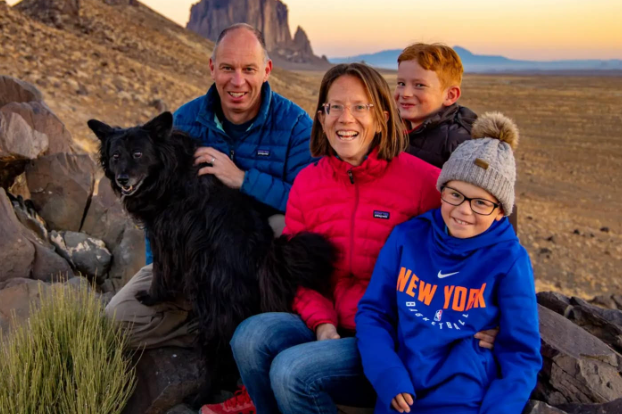
Heather Kovich, 49, formerly of Philadelphia, pioneering physician in rural family medicine, founding director of the first family medicine residency for the federal Indian Health Service, clinical assistant professor of community and family medicine for Dartmouth College, writer, and athlete, died Saturday, Oct. 31, of injuries after an incident that occurred while she was running near her home in Shiprock, N.M. The incident is under investigation by the FBI and other law enforcement agencies.
Reared in West Philadelphia and a graduate of Central High School and the Temple University Lewis Katz School of Medicine, Dr. Kovich joined the Northern Navajo Medical Center in Shiprock in 2009. She served as the center’s chief of staff for four years, mentored colleagues, treated patients, oversaw clinics and other service programs, and trained visiting residents from the University of New Mexico, Dartmouth, and elsewhere.
Dr. Kovich was an expert in population health, substance abuse treatment, musculoskeletal medicine, hospital procedures, and other topics. She raised funds and earned grants that benefited patient care, medical education, public health outreach, and other programs at Northern Navajo Medical Center.
Colleagues praised her “unwavering stamina,” “compassionate care,” and “incredible dedication” in tributes. They said she “touched so many lives” and was “a caring, compassionate physician who was deeply committed to her Native patients.”
Her patients called her “a very caring wonderful doctor” and “a great lady in every way” in tributes. A friend said: “She embraced our people, valued our culture, and became part of our family and our community.”
In 2021, to improve medical care for the Navajo Nation in New Mexico, Dr. Kovich helped establish the Indian Health Service’s first family medicine residency program. Residents spend their first year working in Albuquerque with the University of New Mexico School of Medicine and the next two years at the Northern Navajo Medical Center in Shiprock.
Dr. Kovich was remembered by colleagues on the Ellsworth LLC website.Ellsworth LLC
“Residents work in our inpatient and outpatient settings, and out in our community,” Dr. Kovich said in the ACGME interview. “The community teaches the residents how to be excellent physicians and also how to butcher a sheep.”
Dr. Kovich earned a bachelor’s degree in religious studies at Williams College in Massachusetts in 1999 and her medical degree at Temple in 2005. She served a residency at the University of Washington in Seattle and was drawn to New Mexico, she said, for its natural wonders and healthcare needs.
She sat on panels and spoke at conferences, and her articles about the Navajo Nation, population density, disease distribution, and other issues appeared in the New England Journal of Medicine, Family Practice, American Family Physician, and other publications.
Away from work, Dr. Kovich was an avid runner and bicyclist. She ran in the New York City and Boston Marathons, cycled with her family across Europe, and worked on the Appalachian Mountain Club trail crew.
She rowed for the Williams crew team in college and coached University of Vermont teams at the Dad Vail Regatta on the Schuylkill. “She was determined and self-motivated,” her mother said. “She worked hard and played hard. She liked adventure.”
Born March 7, 1977, Heather Clare Kovich grew up with her parents, Peggy and Todd, and younger sister Emily. She played bassoon in the Philadelphia Youth Orchestra and the school orchestra at Central, and the piano at home.
She also played field hockey in high school and won science fair competitions. She even appeared on a quiz show when she was 10 and won a TV set. “She was all in on life,” her sister said.
She met writer Andrew Weber in Seattle, and they married in 2008 and had sons Bennett and Russell. Even in New Mexico, she continued to cheer for the Eagles and the Phillies.
Dr. Kovich ran in many marathons and other races, and enjoyed time with her family.Courtesy of the family
She liked to quote Taylor Swift song lyrics and often said: “I can do hard things.” Her father said: “She was intense. She wasn’t put off by whatever it took to get things done. She cared.”
Her husband said: “Beyond her professional life, she was an amazing wife and mother to our family.”
In addition to her husband, sons, parents, and sister, Dr. Kovich is survived by other relatives.
A celebration of her life was held earlier and another is to be held later.
DEAR ABBY: I’ve been friends with a married couple for over 40 years and knew them both before they knew each other. She’s popular, has a great sense of humor and is an excellent wife, mother, grandmother, neighbor, etc. I actually became “friends” with the husband first (quotes because he basically forced his friendship on me).
Recently, I realized I like her more than I like him, and I know she likes me. (She mentioned it to him before they married.) He has some character issues and has cheated on her in the past. It’s my belief that if I were to continue being friends with them, there would be an affair. (These things tend to sneak up on people.) I’m semi-retired and ready to move to a warmer climate, and I want to have closure in our friendship to avoid a future awkward moment. I think the best way is to explain to them at the same time that the reason for my avoidance is because I am fonder of her than him. How do you recommend I address this issue?
— CHARACTER WINS ESTEEM
DEAR CHARACTER: This type of “closure” would serve no constructive purpose. His infidelity is none of your business, and it’s not your place to teach him a lesson about character. Instead of hurting your friend’s feelings at the moment you exit his life, bid him and his wife a fond farewell, thanking them both for all the good memories you share. Do not maintain contact with the wife after you move. An affair can’t “sneak up” on you unless you leave the door open.
** ** **
DEAR ABBY: I’m a first-time grandma. I’d like to move back to Texas to be closer to my grandbabies. My family all lives here in California, including my mom. My adult kids have amazing jobs where they are. It would just be easier for my husband and me to move back so I can be with them.
My brother and all his children and grandchildren live close to where Mom is living, so she won’t be left alone. I would like for her to come meet her great-grandkids as she has done with my brother’s grandkids, but she doesn’t want to do it because she feels her great-grandchildren here wouldn’t know her. I am asking only for her to come live with me a few months to get to see the little ones. Am I a bad person for wanting to have my time now with all my kids?
— PLANNING A MOVE
DEAR PLANNING: You are not a “bad person” for wanting to establish a relationship with your grandchildren. There is a defined role that grandparents can play in a child’s life. However, due to the complications of age, great-grandparents can be forgiven for not wanting to play a similar role. If your mother is up there in age and reluctant to travel, don’t force it. Go, enjoy your time with your grandchildren, visit your mother as often as is feasible and bring pictures and videos for her to enjoy.
DEAR ABBY: My family gathers for holidays like so many. I love making different treats, including desserts or fruit soaked in brandy. Everyone loves them, and they’re kept well out of children’s reach. One person is objecting to this and asking that I not bring it. They say their kids are asking why they can’t have the brandied fruit, and they’re uncomfortable explaining. They feel nothing should be off-limits.
I don’t understand this. When I was growing up, there was always adult punch and other things we kids couldn’t have. I feel the explanation is simple: Some things are for grown-ups. The hosts are afraid of causing a rift. Should we go along and let the kids be in charge, or should this be a teaching moment?
— ADULTS ONLY
DEAR ADULTS ONLY: The simplest solution would be to make a nonalcoholic version of your dish and serve that to any minors — or abstaining adults — who express an interest. (For the record, if this parent is uncomfortable explaining the rules of modern society to their kids, I think you’d be an excellent candidate for the job.)
** ** **
DEAR ABBY: I have been happily married for 32 years. Unfortunately, my wife’s two sisters and her mother have rejected me. Two of the three have said so. I don’t believe I have done anything wrong and have asked them why, which they refuse to reveal. They are nasty to me and falsely accuse me of being a “controlling husband” who does not let my wife go out with girlfriends. They ask my wife to choose between me and them, and they weaponize my son’s hospitalization by intentionally not showing any caring.
Eight years ago, at the age of 52, I was formally diagnosed by my therapist as having autism. The in-laws said, “Had we known you were autistic, things would have been different.” This was painful for me, as I don’t believe in wearing medical issues or disabilities as a badge, and I think it elicits prejudice.
I believe (but cannot prove) that the reason they have rejected me is because I am not of their ethnicity, I have an introverted personality and am on the autism spectrum, or some combination. I have concluded this because my ex-brother-in-law was treated similarly. He chose a divorce and another partner with whom to move forward. I am not interested in that solution, but I am miserable.
My wife and son agree with my assessment and are supportive, but I can’t find a way to move forward. Can you help?
— MISERABLE IN PENNSYLVANIA
DEAR MISERABLE: I can try. Rather than make yourself miserable because your wife’s family refuses to accept you, quit trying. A way to move forward that has worked for many other people is to start forming a “chosen” family and expose yourself as little as possible to your in-laws. A chosen family is comprised of people who like and respect you and your wife, and whose company you can enjoy without feeling judged. You may be introverted, but you do not have to be isolated.