Category: Health

  • 3 ways GLP-1 drugs could be getting better

    3 ways GLP-1 drugs could be getting better

    The enormous popularity of new weight-loss drugs often eclipses the downsides: the burden of weekly injections, rough gastrointestinal side effects, muscle and bone loss.

    That is shaping a race among drug manufacturers vying to roll out better options.

    Eli Lilly, which makes Zepbound and Mounjaro, and Novo Nordisk, which makes Ozempic and Wegovy, have the vast market for branded drugs to themselves and are steadily reaping billions of dollars. But pharmaceutical giants Pfizer, Roche, Boehringer Ingelheim, and Amgen are among competitors planning to bring improved drugs to the market.

    Simply touting an eye-popping weight-loss number, such as Zepbound’s 21% body-weight reduction, won’t be enough, drug company executives and researchers said. It’s not just how much weight you lose but how you get there. Companies recently touted their progress on the next generation of drugs at the American Diabetes Association conference.

    The goal is to make it more likely people will stay on the drugs and avoid an obesity rebound.

    “Lowering the weight alone is the beginning. Quality of weight loss is important,” said James List, Pfizer’s chief internal medicine officer.

    Reducing shots

    Pfizer is testing a monthly injection GLP-1 drug to improve a patient’s experience by reducing the number of shots someone needs per year from the current 52 weekly (with existing drugs) to as few as 13 (which includes a ramp-up dose). That will eliminate a barrier for patients who find it unpleasant to regularly jab themselves in the abdomen, thigh, or arm.

    Pfizer plans to test its GLP-1 drug in more than 20 trials during 2026, including combining it with amylin, a natural hormone, in a bid to boost its weight-loss effects and reduce side effects. Although it would be entering the marketplace late, the company sees plenty of room to develop weight-loss products that are distinct from the current crop.

    “The differentiation has to be clinically meaningful, and it has to fill a gap, and we think there are tons of gaps right now,” List said.

    Amgen is testing a GLP-1 drug in combination with a monoclonal antibody that it says could reduce injections to four to six times a year.

    “Weight loss is incredibly important, but on top of that is living long-term with this disease and finding easy ways for patients to maintain their weight,” said Susan Sweeney, Amgen’s executive vice president for obesity.

    GLP-1s have revolutionized obesity care in just a few years. First rolled out to treat diabetes, they mimic a natural gut hormone that makes a person feel full, reducing appetite. They also are showing benefits for cardiovascular health, inflammatory diseases, and even cancer.

    But getting people to stay on the drugs has been difficult. About 50% of people who start a GLP-1 stop taking it within a year, putting themselves at risk of regaining their weight. That relates in part to cost, because many insurers still don’t cover the drugs. But poor adherence also is associated with the inconvenience of shots, as well as serious side effects such as nausea, diarrhea, and constipation.

    Novo Nordisk and Eli Lilly have already introduced daily tablets to make dosing easier.

    Sidelining side effects

    To reduce side effects, companies are tinkering with dosing strategies, starting with a smaller dose to reduce the impact of a sudden change to gut chemistry and then increasing it over time as a patient’s body adapts.

    But an even better option for reducing side effects may be emerging in the form of amylin, another natural hormone that is produced in the pancreas.

    Genentech, which is part of Roche, is among multiple companies ― including Eli Lilly and Novo Nordisk ― developing amylin weight-loss drugs as part of the effort to reduce gastrointestinal side effects. This year, Genentech expects to begin human trials testing it in a combination injection with its GLP-1.

    The amylin does not slow down stomach-emptying like GLP-1, which in turn reduces nausea symptoms, said Manu Chakravarthy, a senior vice president at Roche-Genentech. Avoiding that stomach slowdown may ease other gastrointestinal side effects, as well, he said.

    “It gives you a feeling of satiation ― satisfaction with your meal. It doesn’t give you an aversion to eating your meal,” he said. “It’s a subtle but very important difference.”

    Eli Lilly and Novo Nordisk, working to protect their dominance, are both working on amylin drugs. Novo Nordisk applied in December for Food and Drug Administration approval of a GLP-1 drug that combines it with amylin.

    Saving muscle

    Protecting muscle while targeting fat more precisely is another key priority.

    That will be especially important after Medicare, government health insurance for the elderly and disabled, starts covering the drugs in July. Loss of muscle naturally accelerates in people over 60.

    Boehringer Ingelheim released phase 3 clinical trial results last week that showed patients on its experimental GLP-1 drug — which combines it with glucagon, a naturally occurring hormone that regulates blood sugar — lost an average of 16.6% of their body weight over the 72-week trial period.

    Of the weight lost, 10.8% was lean mass, including muscle. That would indicate better preservation of lean mass than current offerings, which have been shown to cause losses in the range of 25 to 40%. The result indicated that “weight loss was primarily driven by reductions in fat mass,” the company said. At the highest dose, however, 20% of patients stopped taking the drug due to side effects.

    Neerja Balachander, Boehringer Ingelheim’s vice president of U.S. clinical development, said a key finding was that 34% of the weight loss was “visceral” fat, which is in the abdomen and can damage organs. Additionally, liver fat was reduced to normal levels in 6 out of 10 patients who had metabolic fatty liver disease.

    These are the types of findings that patients and doctors will need to sift through as the next wave of drugs is approved in coming years.

    “We continue to believe this is going to be a big tent,” Balachander said.

  • It may feel like 100 degrees in Philly on Thursday and Friday. The early heat could pay off.

    It may feel like 100 degrees in Philly on Thursday and Friday. The early heat could pay off.

    With the summer solstice still two weekends away, already the temperature has reached 90 degrees or higher in Philly nine times.

    And while the sequence of 90s has been extraordinarily premature, the early experience may come in handy this week as the region could experience triple-digit heat indexes.

    “It will definitely feel different,” said Ray Martin, lead meteorologist with the National Weather Service office in Mount Holly, as the humidity and dew point, the measure of absolute moisture in the air, reach their highest levels of the year to date.

    Any 100-plus heat indexes may present challenges to some older residents, and those with heart and other health issues. The weather service Wednesday morning issued an advisory for indexes of up to 103 Thursday and Friday.

    But the heat the region has experienced, starting in mid-April, could be viewed as a sort of spring training for the discomforts to come, said Samuel Eldrich, director of the Temple Health-Chestnut Hill Hospital Emergency Department.

    “It’s all about adaptability,” he said. And it’s not just physiological, he said.

    In addition, a juicier atmosphere may squeeze out some much-needed rain.

    The regional forecast for the next several days

    Showers are possible Wednesday morning and late in the day, Martin said, with highs in the mid-80s. However, it might not get cooler than 70 degrees early Thursday, a sign that mugginess is on the increase.

    A moist air mass inhibits daytime heating from escaping into space, and the heat and humidity build for real on Thursday.

    “It’s not going to feel nice out there,” said Tom Kines, senior meteorologist with AccuWeather Inc.

    Shower chances are in the forecast Wednesday through Friday, and at times the atmosphere will be highly energized, Martin said. The Storm Prediction Center in Norman, Okla., has outside chances for severe thunderstorms for the entire region Thursday and Friday. Isolated flooding downpours are not out of the question, Martin said.

    The heat and storm threats should back down some by the weekend, when Philadelphia hosts the World Cup match between Ecuador and the Ivory Coast, with a high about 90, the air less muggy, and rain looking unlikely.

    How hot has it been in Philly so far?

    Philly has logged four daily highs of 90 degrees or more so far this month, and nine since April — including four record highs — almost a third of the average for an entire year.

    Whether that is a harbinger of a punitive summer is beyond the realm of reliable forecasting, but the early heat is likely to have some positive effects, Eldrich said.

    Far more dangerous are hot spells that come abruptly after the weather has been relatively cool and comfortable for a period, he said.

    Early heat, which typically is short-lived, can make a difference in terms of how we respond to subsequent hot spells. “You’re more accustomed” to the heat, Eldrich said. “You’ve adapted to the lifestyle. You sweat more quickly, more easily.”

    People are more likely to stay inside, and stay hydrated.

    “It’s both the physiological and the cultural factors,” he said. “In the South, you don’t hear about heat exhaustion or heat emergencies. It’s something they deal with three-quarters of the year rather than a quarter of the year.”

    Drought conditions persist, but more rain may be coming

    The longer-range outlooks favor above-normal temperatures for the rest of the month, but they also see the odds tilted toward above-normal rainfall.

    That would be a switch. Philadelphia’s precipitation has been below normal for 10 consecutive months.

    “We could certainly use the rain,” Martin said. The interagency U.S. Drought Monitor has most of the region under “severe drought” conditions. State-declared drought emergencies remain in effect in New Jersey and Chester County.

    Any showers would mean temporary breaks in the heat Wednesday and Thursday, and the heat wave is not expected to survive the weekend, in keeping with a trend.

    Even though average summer temperatures have been rising, the hot spells this century have not lasted as long as some of those of the 1990s.

    “Let’s hope that streak continues,” Martin said.

    Whether it is related to heat-wave durations or the city’s responses to hot-weather emergencies, heat mortality is way down in Philadelphia.

    From 1991 through 2000, 227 heat-related deaths were recorded in the city. In the last 10 years, there were 37.

  • 160,000 people drop Pennie health plans following price hikes

    160,000 people drop Pennie health plans following price hikes

    One in three Pennsylvania residents who bought an Affordable Care Act health plan last year has dropped coverage for 2026, after costs more than doubled on average when a critical financial incentive program expired.

    A total of 160,000 people who bought a health plan through Pennie, the state’s ACA marketplace, last year had canceled their coverage as of the end of May. That includes just under 55,000 people in the five-county Philadelphia region, figures released Tuesday show.

    Many of those 160,000 will become uninsured, marketplace leaders expect, though some may enroll in private health insurance through a new job, or transition to government coverage through Medicaid or Medicare.

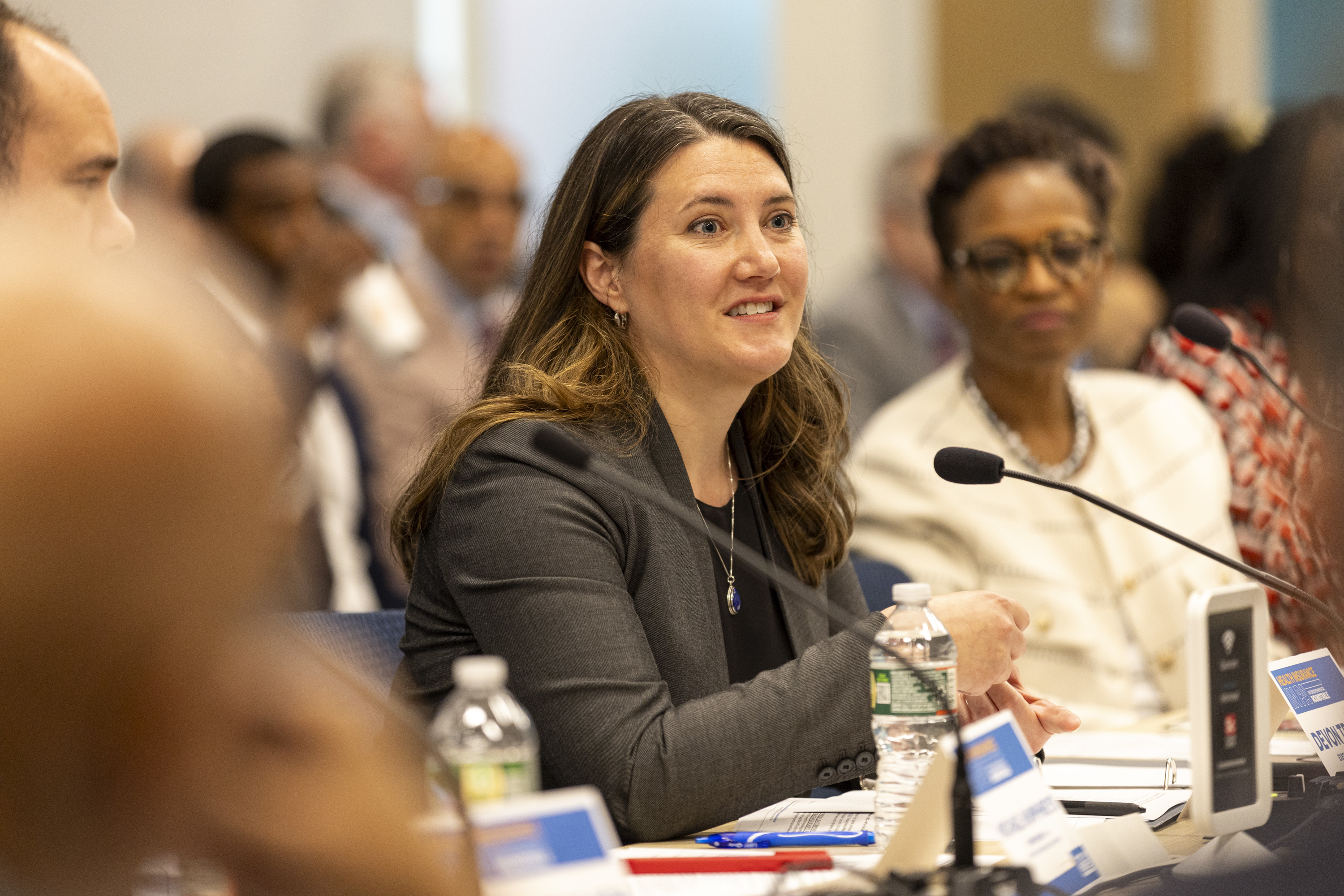
    Cost was the most common reason people cited for dropping their plans, said Devon Trolley, Pennie’s executive director.

    “People want to have coverage, they see the value and the protection it provides,” Trolley said. “And when they can afford it, they enroll.”

    Pennie leaders were bracing for dropouts on this scale after Congress failed to renew for this year a financial incentive program that ensured no one paid more than 8.5% of their salary for health coverage.

    The so-called enhanced premium tax credits became a major sticking point in federal budget discussions last fall that led to a Democrat-forced government shutdown. Republicans had refused to include the tax credits without significant restrictions.

    The tax credits introduced in 2021 had helped to drive Pennie enrollment to a record 497,000 enrollees last year. Just over 443,000 people were enrolled in Pennie as of June, with new enrollees partially offsetting the losses.

    In New Jersey, nearly 69,000 people dropped out of their ACA plans between the end of January and April, according to the state’s Department of Banking and Insurance. The figures it released tracked drops only since the end of the state’s open enrollment Jan. 31.

    (function(){function e(){window.addEventListener(`message`,function(e){if(e.data[`datawrapper-height`]!==void 0){var t=document.querySelectorAll(`iframe`);for(var n in e.data[`datawrapper-height`])for(var r=0,i;i=t[r];r++)if(i.contentWindow===e.source){var a=e.data[`datawrapper-height`][n]+`px`;i.style.height=a}}})}e()})();

    Dropping coverage over high cost

    Many people were able to keep health coverage by switching to a less expensive plan.

    In New Jersey, thousands of people opted for less expensive plans, instead of canceling their coverage entirely.

    The most popular mid-level Silver plans accounted for 68% of New Jersey marketplace enrollments, down from 83% the year before. Many switched to Bronze plans, which have cheaper monthly premiums but higher out-of-pocket expenses and deductibles.

    In Pennsylvania, Trolley said that marketplace leaders have “heard from people who tried to make it work” but a few months into the new year, decided they couldn’t afford to keep their plan.

    Even less-expensive plans have become unaffordable, said Antoinette Kraus, executive director of Pennsylvania Health Access Network, which helps people enroll in coverage.

    “It means that people are going to go uninsured,” Kraus said. “They’ll delay getting care, get sicker, and end up in the emergency department with conditions that could have been prevented.”

    In Pennsylvania, dropouts have been highest among people age 55 and older, who are nearing Medicare eligibility and who pay more for coverage than younger people.

    By income level, dropouts have been greatest among people with incomes between 150-200% of the federal poverty rate. That’s an annual income of between $23,475 and $31,300 for an individual. For a family of four, the equivalent income range would be $48,225 to $64,300.

    Income-based tax credits for lower-income individuals and families are still available because they were written into law under the ACA.

    Ongoing ACA challenges

    Marketplace leaders predicted that people would continue to drop plans through the spring, when the grace period for overdue premiums passed. People who qualify for a tax credit have 90 days to pay their premium before losing coverage; everyone else has 30 days.

    Dropouts may now level off, but new challenges are looming for the ACA marketplaces. Last year’s federal spending package included new rules that would save billions of dollars through cuts to the ACA marketplaces and Medicaid, the publicly funded health program for low-income families and people with disabilities.

    Beginning this fall, open enrollment will start earlier and be cut short by about two weeks, running Oct. 15 through Dec. 15. In the past, people have had until at least mid-January to sign up.

    Also beginning this fall, certain groups of people who legally immigrated to the United States will not be able to enroll in marketplace plans, Medicaid, or Medicare.

    In 2027, new enrollment rules will prevent marketplaces from automatically renewing plans, requiring individuals to resubmit and verify their eligibility annually.

  • Three Philly hospitals among 500 warned by Trump administration to provide more price information or face fines

    WASHINGTON — The Trump administration has warned more than 500 hospitals that they are failing to provide the public with basic pricing information — arguing that the lack of disclosure is keeping healthcare costs higher than they should be.

    The Associated Press obtained exclusively the list of hospitals that since April have either received letters of warning or requests to submit plans to provide transparent pricing. Failing to comply with the warnings comes with penalties as high as $2 million annually for each recipient that doesn’t create a plan to post clear pricing data.

    The letters are meant to fix a fundamental problem that patients, employers and insurers might not know ahead of time the cost of blood work, an imaging test or another form of treatment, and as a result pay more than they should have. AP has posted the list of hospitals that have received letters.

    The list includes three hospitals in Philadelphia: Fox Chase Cancer Center, Friends Hospital, and St. Christopher’s Hospital for Children. Other hospitals in the region that received letters were Phoenixville Hospital, Pottstown Hospital, and Reading Hospital, all owned by Tower Health, which also is a joint owner of St. Christopher’s children’s hospital.

    Christiana Hospital in former President Joe Biden’s home state of Delaware received a warning letter. Rockford Center in Newark, Del., was also on the list.

    A senior administration official who requested anonymity to provide the list said that President Donald Trump plans to tighten enforcement of price transparency standards made possible by a 2019 executive order signed by Trump. More hospitals are likely to receive letters regarding the absence of pricing data, the official said.

    The warnings are the latest example of Trump leaning into the message that his administration is fixing the problem of healthcare expenses that can drain a family budget. It’s a calculated pitch ahead of the November midterms at a time when affordability is a top concern for voters. But Trump is also vulnerable on this particular issue, as his administration allowed subsidies to lapse for people buying insurance through the 2010 Affordable Care Act, widely known as Obamacare.

    Just 29% of U.S. adults approved of Trump’s healthcare policies according to the most recent survey on the issue by The Associated Press-NORC Center for Public Affairs Research. The president fared slightly worse on that issue in the December survey than on the economy, immigration or his management of the federal government.

    The push for price transparency could have a particular impact on Republican strongholds like Texas, Florida, Indiana, Alabama and Louisiana, which are among the states with the highest count of hospitals that have not provided adequate information on the costs of medical services.

    Texas had 42 hospitals that received warnings, more than any other state. Baptist Medical Center in San Antonio, Texas, among the state’s largest hospitals with 1,585 beds, received a letter, as did the University of Texas MD Anderson Cancer Center in Houston.

    Missouri-based Ascension, one of the country’s largest hospital systems, had 13 hospitals in multiple states that received letters. The Republican state of Indiana had 34 hospitals that received letters, nearly as many as the 38 in Democratic-led California, even though California has five times more people than Indiana.

    The letters reflect two competing philosophies between Republicans and Democrats over how to handle the ballooning expense of healthcare, which is also a growing risk for the federal government’s own balance sheet.

    Biden’s team put more emphasis on record enrollment in Obamacare programs that increased the percentage of people with health insurance. Biden also signed a bill that allowed the government to begin negotiating prices for some Medicare drugs directly with pharmaceutical companies. That program, which has continued into Trump’s second administration, has helped knock down the list prices of some of Medicare’s costliest drugs.

    The Trump administration, by contrast, has focused more on trying to find ways to provide details on pricing — such as promoting the TrumpRx site for prescription drugs — betting that doing so will lead to better and more efficient spending on healthcare as the data gets crunched.

    Critics have said Trump’s negotiated prices on prescription drugs might not produce genuine savings for many Americans with insurance, while the administration has estimated savings in excess of $500 billion over 10 years.

    With the various lists of hospital prices, the administration wants providers to make it easier to access the files and to ensure the information in them is legitimate, instead of being based on estimates or omitting numbers for key procedures.

    The House Committee on Energy and Commerce has a hearing planned for Wednesday on price transparency.

    “Transparency is the foundation of a healthcare system that rewards competition based on cost and quality,” Shawn Gremminger, CEO of the National Alliance of Healthcare Purchaser Coalitions, plans to say in his prepared remarks.

  • FIFA World Cup players who hit their heads too hard will see this Temple neurologist

    FIFA World Cup players who hit their heads too hard will see this Temple neurologist

    Daniel Feinberg can’t recall ever holding a soccer ball, but he’s ready to aid the pros playing this month at the FIFA World Cup games in Philadelphia — should one take a hard hit to the head.

    Feinberg, a neurologist and concussion specialist at Temple University Hospital, is part of a team of doctors on call to help injured players, coaches, and others in town for the games.

    The Inquirer spoke to Feinberg, who also serves as chief medical officer for Temple University Hospital Inc., in an interview lightly edited for length and clarity about his upcoming role, and what people should know about concussions.

    How did you get involved with FIFA?

    When the World Cup [medical team] was being put together, it was done under the guidance of Dr. PJ Brennan, the chief medical officer of University of Pennsylvania Health System. I was the chief medical officer of Pennsylvania Hospital until mid-March, and then I transitioned to Temple on April 1. PJ, who is my mentor and friend, said we’d still like you to be part of the medical consultative group for the World Cup coverage.

    What is your background in neurology for athletes?

    When I came to Philadelphia, I practiced at Pennsylvania Hospital for many years, and they had a large sports medicine presence. I was on the medical staff of the Flyers and the Eagles for many years. I was never on the sidelines watching all the games, but I was the one seeing them the day after. In very rare situations, I would have to meet them in an emergency room setting. I also took care of players’ families and friends, if someone had another neurological problem.

    What will your role be during the World Cup?

    I will be available to consult with trainers on the field, team physicians who are accompanying the groups, and I will see patients as necessary. Dr. Brennan will call me and say, “Dan, I need you to see player X for this problem.“ It will likely be a concussion or concussion-type symptoms, but it could be other neurological symptoms. I would see them at Temple University Hospital.

    What happens when you get a concussion?

    The brain is inside of the skull, and it’s floating in the skull — it’s not actually packed into the skull. Around the brain is fluid that communicates from around the brain all the way down the spine to the tailbone. It serves as a buffer for the brain and the spinal cord to make sure that they don’t literally push up against the bone.

    What happens when someone has a concussion is the brain actually shifts — whether it’s a neck movement, like whiplash, or a direct head hit — and the brain literally will push up against the bone or smack up against the bone.

    The severity of that impact will dictate how severe the concussion is. If there’s not much movement of the brain in the skull, it’ll produce mild symptoms, headaches, nausea, light sensitivity, sound sensitivity, maybe some balance trouble.

    If it smacks up against the skull harder, that’s when people have word-finding difficulty, memory trouble, concentration trouble, along with those other things that happen with the milder concussions.

    What do you want people to know about concussion treatment?

    People are very nervous — the parents of the high school athletes, particularly, and maybe even the college athletes — when they come in with their kids to these visits.

    They ask questions like, is my kid going to get Alzheimer’s disease earlier? Is my kid going to get a neurodegenerative disease earlier? And there’s no real proof that’s the case. A lot of what I do in these visits, especially when I’m seeing someone for the first time, is alleviating anxiety and putting to rest some of the myths.

    The vast majority of concussions only have symptoms for a few hours to a few weeks with proper guidance — which is usually rest, avoiding screen time, and staying really well hydrated. When kids or adult athletes are less symptomatic or asymptomatic, they can resume physical activity slowly.

    Is it bad to fall asleep after a concussion, or is that a myth?

    That concern comes from the idea that if someone falls asleep, they could be unconscious. And that could be a sign that a bad thing is happening, that there is bleeding in the brain, or pressure in the brain — and you wouldn’t want to miss something like that.

    The other danger signs that would go along [with risk of unconsciousness] are things you would go to an emergency room for — a bad headache, sick to their stomach, a lot of light or sound sensitivity. Those things would make me say get evaluated at an emergency room.

    When bad things happen, they’re going to happen in the first few hours. When I talk about getting a good night’s sleep, I’m talking about after they’ve been cleared.

  • Health risks of alcohol accelerate after one drink a day, study finds

    Health risks of alcohol accelerate after one drink a day, study finds

    A government alcohol study published Tuesday concluded that the health risks of alcohol start at a single drink a day. The report was caught up in controversy after drawing the ire of the alcohol industry.

    At one drink a day, the researchers found, there was an increased risk of premature death from an illness or injury directly attributable to alcohol, though it was small — 1 in 1,000 people. But the risk of premature death jumped to 1 in 25 for those who had two drinks a day, a level long considered safe for men, according to the study, which was published in the Journal of Studies on Alcohol and Drugs.

    The Alcohol Intake and Health Study was one of two reports commissioned during the Biden administration to inform an update to the U.S. dietary guidelines.

    The second report, from a panel appointed by the National Academies of Sciences, Engineering and Medicine, or NASEM, came to very different conclusions. It suggested that moderate drinking (up to two drinks a day for men and one for women) was healthier than not drinking at all, although it noted that moderate drinking was also linked to a higher breast cancer risk. Some of the panelists behind that report had financial ties to the alcohol industry.

    The second report’s finding was more palatable to the alcohol industry, which had called the Alcohol Intake and Health Study ideologically driven and scientifically flawed, and said it had communicated its concerns repeatedly to government officials over a period of several years.

    When the Trump administration finally issued the new dietary guidelines in January, they advised Americans to drink less for better health but omitted any recommendation for daily limits, in a departure from previous years.

    “The new dietary guidelines say that consuming less is better for your health, but don’t say what consuming less means,” said Priscilla Martinez-Matyszczyk, one of the authors of the new paper and the deputy scientific director of the alcohol research group at the nonprofit Public Health Institute. “This paper does, and it says that having no more than one drink a day is best for health, and that drinking above that comes with significant risks.”

    A standard drink is defined as 12 fluid ounces of regular beer, 5 ounces of wine or 1.5 ounces of distilled spirits.

    In an editorial accompanying the new paper, Robert M. Vincent, the former government official who commissioned the study, said he believed he was fired because the report produced evidence “at odds with commercial interests.” Vincent lost his job as associate administrator for alcohol prevention and treatment policy at the Substance Abuse and Mental Health Services Administration during a reduction in force last year.

    “It was going to cost the alcohol industry money,” Vincent said. “They didn’t like going from two to one for men, and they didn’t like the mention of cancer.”

    A spokesperson for the Department of Health and Human Services did not respond to a request for comment about Vincent’s statement.

    The new study, which relied exclusively on U.S. health data, assessed relationships between average alcohol consumption and the risk of disease or death from causes that were directly attributed to drinking.

    Women who had one drink a day were more likely to die of liver cancer or breast cancer than women who did not drink. And at one drink a day, both men and women were at increased risk of dying from liver cirrhosis, oral and esophageal cancers, and injuries, the paper found. The risks continued to climb with higher levels of consumption.

    Consuming more than one drink per occasion was associated with progressively higher risks of breast cancer, cardiovascular disease and injury.

    The report did find that one drink a day was associated with a lower risk of diabetes for women and a lowered risk of stroke for both men and women. However, occasional heavy drinking nullified the protective effects against stroke.

    One reason the studies reached such different conclusions is that while the new study examined deaths from causes directly attributable to alcohol, the NASEM report commissioned by Congress looked at overall death rates of moderate drinkers, including deaths not causally related to alcohol.

    Critics of the NASEM report say that people who drink in moderation often have other healthy lifestyle habits that contribute to their longevity. The moderate drinking group also included many people who consumed less than two drinks a day. Both of these factors could make the health effects of moderate drinking look less significant than they might be.

    Dr. Ned Calonge, an epidemiologist at the University of Colorado Anschutz Medical Campus who led the NASEM study, said he stood by its conclusions.

    “Alcohol research is complex and I am not surprised by different methods producing different results,” Calonge said, adding that modeling studies like the Alcohol Intake and Health Study, which use data to estimate the lifetime risk of diseases and deaths caused by alcohol, also come with potential biases.

    At the same time, he added, “I don’t believe anyone should start drinking for health reasons.”

    This article originally appeared in The New York Times.

  • Main Line Health, UnitedHealthcare contract dispute could leave 32,000 patients out of network later this month

    Main Line Health, UnitedHealthcare contract dispute could leave 32,000 patients out of network later this month

    Chris Feaster sees Main Line Health clinicians for mammograms, breast MRIs, and other preventive screenings required due to her high risk of breast cancer.

    The 61-year-old Montgomery County resident has been panicked in recent weeks after Main Line sent patients a letter warning that the nonprofit health system’s contract with her insurer, UnitedHealthcare, may end later this month.

    Main Line is a leading provider of care across Philadelphia’s western suburbs, where it has four hospitals. Feaster has relied on its facilities for care for 40 years.

    “They know me,” she said of her Main Line providers in an interview. “I have been getting monitored there since the time I was in my early 30s.”

    Feaster, who lives in Trooper, has already experienced a healthcare disruption caused by another insurance dispute. Two years ago, Axia Women’s Health and United failed to reach adeal. That forced Feaster to find a new gynecologist after 40 years.

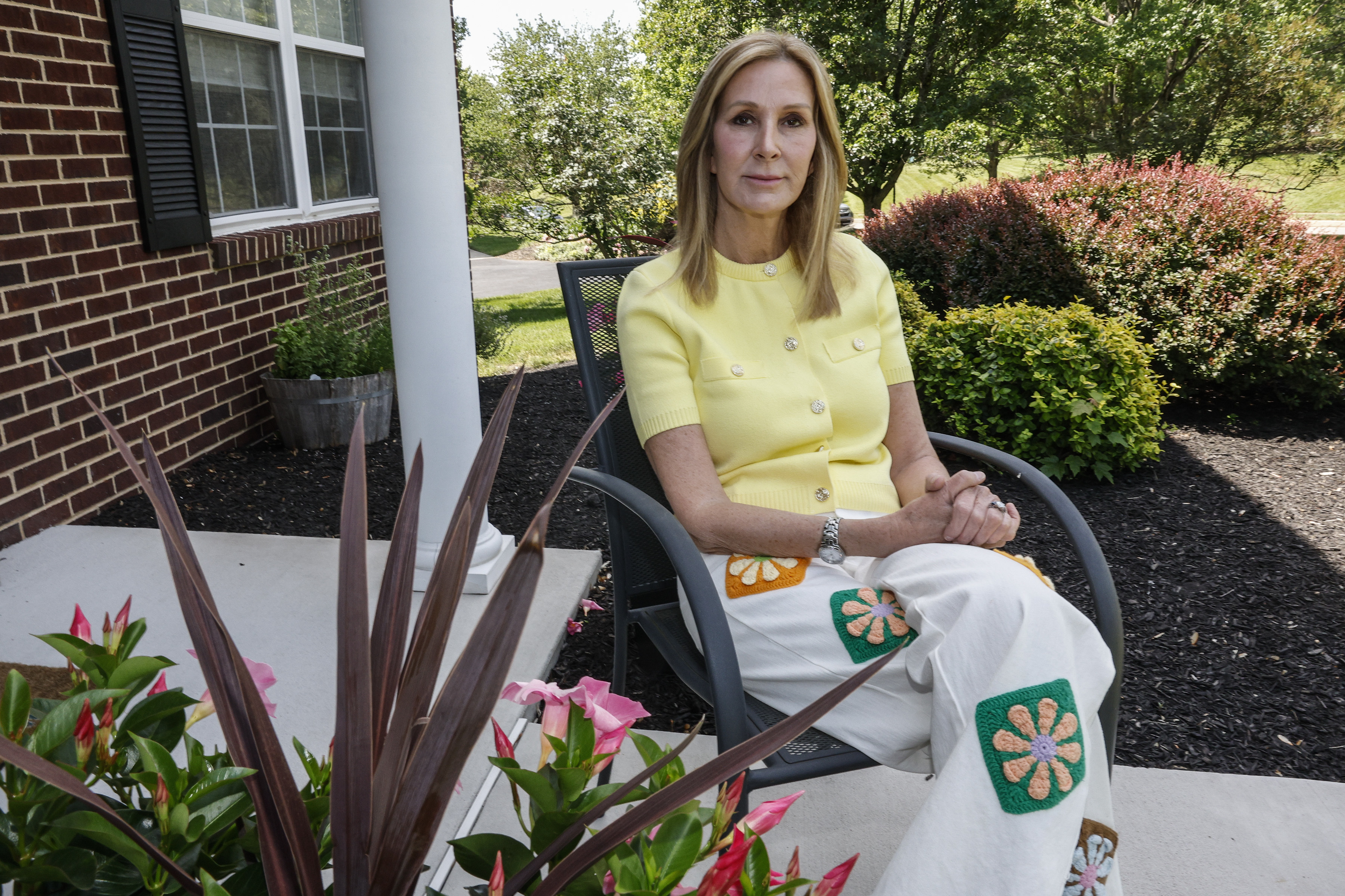
    Chris Feaster is among thousands of Main Line Health patients worried about the prospect of Main Line Health going out of network with UnitedHealthcare at the end of this month.Steven M. Falk / For The Inquirer

    If no deal is reached by June 30, Feaster could be facing a repeat. She is among 32,000 affected Main Line patients who have United insurance through Medicare Advantage plans and commercial insurance from employers.

    It’s not unusual for health systems and insurers to go down to the wire when negotiating contracts, but Axia’s failure to reach a deal — and the decision by Jefferson Health’s Lehigh Valley Health Network to go out of network with United — has people on edge.

    Main Line Health said that United had been engaging more meaningfully in negotiations in recent weeks. “We are hopeful that momentum continues. We remain committed to reaching a resolution before June 30,” its statement said.

    For Main Line, which is far less profitable than it was before the pandemic, the dispute is not just about rate increases. The nonprofit health system also wants to reduce claim denials, prior authorization delays, and excessive audits.

    UnitedHealthcare focused on prices in a statement, and the impact high costs have on employers who pay for health benefits.

    “Main Line Health is seeking price hikes that would significantly increase costs for families and employers,” UnitedHealthcare said.

    United added that self-insured companies would absorb the biggest hit ”impacting the money they have to grow their business and compensate their employees.”

    Worries about maternity care

    Jessica Geida, a Newtown Square resident and an ob/gyn who is not currently practicing, is particularly worried about access to maternity care in Delaware County, given that Axia is already out of network with United.

    Main Line operates the only practice that delivers babies at Riddle Hospital for people with UnitedHealthcare (UHC), said Gaida, who has worked at Axia and Main Line. “If they drop UHC, there would be no access to care in the Delaware County,” she said.

    Maternity care has been under pressure in Delaware County since the maternity unit closed at Delaware County Memorial Hospital in early 2022, followed by the shutdown of Crozer-Chester Medical Center a year ago as part of the Prospect Medical Holdings bankruptcy.

    Mercy Fitzgerald Hospital in Darby closed its labor and delivery unit more than 20 years ago.

    If Main Line and United fail to reach a deal, UnitedHealthcare patients might have to go to Penn Medicine’s Chester County Hospital in West Chester, which is already busy.

    Patients who get into Penn’s ob/gyn practice at Penn Medicine Radnor deliver babies at the Hospital of the University of Pennsylvania in Philadelphia, according to that group’s web site.

    A disappointing call

    Feaster said a call from UnitedHealthcare Friday left her feeling very uncertain about her care.

    Feaster grew up in Wayne and kept seeing Main Line doctors when she moved to Trooper, which is north of King of Prussia.

    Feaster would have to specially request a continuation of care to keep seeing each of her Main Line doctors at in-network prices, the UnitedHealthcare representative told her.

    The temporary stopgap is designed to help people who have significant needs — including cancer patients in the middle of treatment — avoid gaps in care while they switch to doctors who accept their insurance.

    Feaster would have to fill out part of the form, and her doctors would have to complete another part. She’d also have to take the same steps for Main Line providers of her regular mammograms, breast MRIs, and DEXA bone density scans.

    UnitedHealthcare would then review each request to determine whether to approve.

    “I’m really worried,” she said.

  • The power of prevention: How to reduce accidental poisonings in Philadelphia | Expert opinion

    The power of prevention: How to reduce accidental poisonings in Philadelphia | Expert opinion

    As a family physician who treats patients from birth through old age, a new trend in household decor has me worried. People increasingly are decanting or transferring household products, such as detergent, into decorative jars or containers, the American Cleaning Institute says.

    I can appreciate the aesthetic appeal, but I fear that many don’t realize the potential hazard created by removing important safety features such as child-resistant closures.

    In Philadelphia alone, 84 children under the age of 5 were hospitalized for poisoning in 2024, the latest available data show.

    The statistics from the Poison Control Center and the Children’s Hospital of Philadelphia do not include details on how these incidents happened. Still, reporting shows that everyday household items that are stored improperly commonly expose children under five to poison.

    These numbers track with a slight increase in poison center calls seen across Pennsylvania related to cleaning products in recent years, even as national exposure rates have held steady.

    From cleaning solutions to medications and even small batteries, many items essential to daily life require thoughtful storage and proper use, especially in households with young children who are naturally curious. Many don’t recognize the difference between a toy and something that could be harmful. Within seconds, a colorful object left within their reach can become an unintentional hazard.

    These situations often start with products left within their reach, such as cleaners stored under sinks without safety locks or outside of their original packaging. But small, intentional changes at home can make a difference.

    If you are not sure where to start, I often recommend taking a moment to review your home from your child’s perspective. Get down on the ground and look up. What can they reach? What might catch their attention?

    From there, a few practical steps can significantly reduce risk:

    1. Store products up, away, and out of sight. Keep cleaning supplies and other potentially hazardous items in high cabinets or secured spaces, and never within easy reach.
    2. Always keep products in their original packaging. Original containers are designed with safety features and labels that help prevent misuse and confusion.
    3. Focus on high-risk areas. Laundry spaces, undersink cabinets, and utility closets should be secured or reorganized with safety in mind.
    4. Build safe habits into daily routines. Putting products away immediately after use, even during quick tasks, can prevent a momentary lapse from becoming an emergency.
    5. Be prepared. The Poison Help number is 1-800-222-1222. Keep it saved on your phone, so you can act quickly if needed.

    These recommendations reflect guidance from the American Cleaning Institute and other safety organizations. A comprehensive home safety guide developed by Safe Kids Worldwide — available at PacketsUp.com — can also help families reduce risk in high-traffic areas like laundry rooms and undersink cabinets.

    As a family physician, I have seen how quickly a child’s curiosity can turn into a scary situation, and how preventable many of these incidents are. I urge Philadelphia families to prioritize safe storage at home. It could make all the difference in reducing the number of young children hospitalized here each year for accidental poisonings.

    Libby Wetterer is a family physician and assistant professor of family medicine at Penn Medicine who provides care with a focus on reproductive health and family-centered primary care.

  • Chester City agrees to five-year emergency medical services contract with VMSC

    Chester City agrees to five-year emergency medical services contract with VMSC

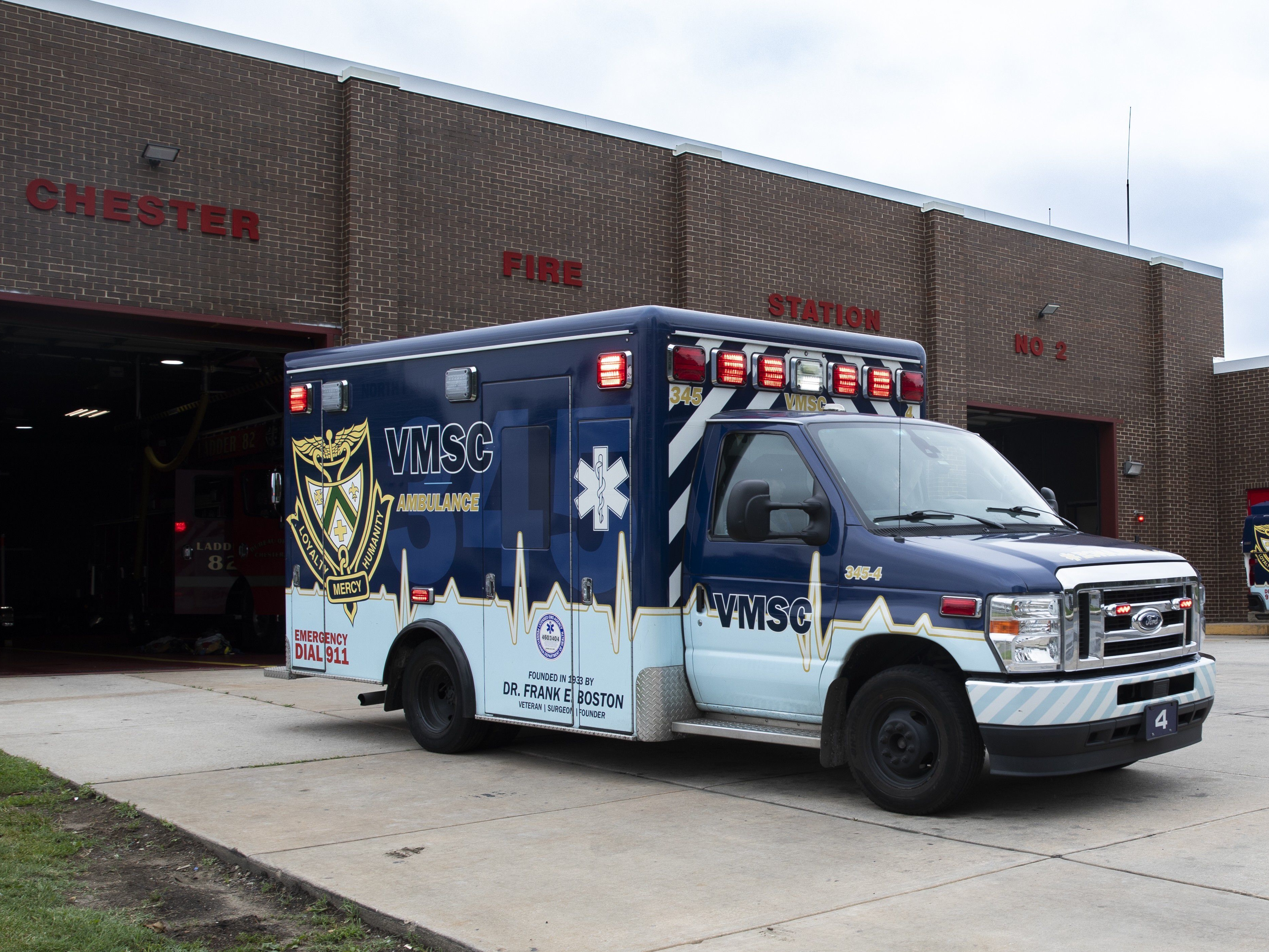
    Chester City agreed to a five-year, $2.8 million contract with VMSC Emergency Medical Services, a nonprofit that started providing ambulance services in the community after the closure of bankrupt Crozer Heath a year ago, the city and VMSC announced Monday.

    During VMSC’s first year in Chester, the Lansdale organization had a $470,000 shortfall, chief executive Shane Wheeler said. The $2.8 million is expected to support operation of the services — including the cost of serving uninsured patients — and pay for equipment needs.

    The ambulance company has responded to 8,324 calls since May 2, but 35% did not require transport to a hospital, Wheeler said. In many cases, the ambulance crew fulfills the function of primary care for residents.

    “We’re assessing blood pressure or helping someone with their medication, helping people get up” from a fall, Wheeler said.

    VMSC’s accomplishments in the first year reducing ambulance response time to about 5½ minutes from more than 12 minutes, according to Wheeler.

    The contract requires VMSC to assign at least three basic ambulances to serve Chester and its direct neighbors, with two staffed 24 hours a day. The organization also must provide at least one commander with training in more advanced treatment.

    “This agreement is about stability, reliability, and protecting the health and safety of our residents,” Chester Mayor Stefan Roots said in Monday’s announcement of the contract. “This is a critical investment in public safety and in the overall well-being of our city.”

  • How realistic is new owner’s ‘aspirational’ plan for Crozer-Chester Medical Center campus?

    How realistic is new owner’s ‘aspirational’ plan for Crozer-Chester Medical Center campus?

    The new owner of the shuttered Crozer-Chester Medical Center in Delaware County shared what he called an “aspirational” plan to restore healthcare services to the Upland facility at a town hall meeting Tuesday in Chester.

    The vision includes reopening of the emergency department, creating a small hospital above the ED, and developing outpatient services — all operated by one or more local nonprofit health systems, Yoel Polack told a standing-room-only crowd of more than 200 at Widener University.

    Polack is CEO of Chariot Allaire, the for-profit partnership that paid $10 million for Crozer in January. His group has been talking to all the regional health systems for months and expects soon to begin “a study process with two and hopefully three of the major academic medical centers in the region,” he said.

    That is expected to last up to 90 days, he said, “and hopefully at the end of that period, we’re going to be having some outline of partnership with the system.” Polack described his anticipated partner as an institution “you know and trust.”

    The entire process could take two or three years after a partnership is formed, he said Polack, whose company is registered in Lakewood, N.J.

    He provided no details on how much Chariot Allaire would be willing to invest to attract a health system to the site, where state-led efforts previously failed to save a major safety-net provider for Delaware County that closed last May amid the bankruptcy of its California-based owner, Prospect Medical Holdings Inc.

    Chariot Allaire paid relatively little for the 64-acre campus, which gives the company a low cost basis for owning the site. But that doesn’t mean it will be easy to attract a partner at a time of thin to nonexistent profit margins for the region’s health systems.

    “It does not seem like there’s an easy and obvious candidate,” said Dan Grauman, managing director at VMG Health, a national healthcare consulting firm.

    “There’s no question there’s need for care and for services, said Grauman, who has decades of familiarity with the Philadelphia region’s healthcare market.

    A welcome public meeting

    During an hourlong question and answer session, residents expressed gratitude for the meeting with Polack and his senior medical adviser, Arthur Klein, a pediatric cardiologist who spent decades as an executive at nonprofit health systems in New York.

    A town hall meeting Tuesday in Chester about plans for the former Crozer-Chester Medical Center drew a large crowd.Monica Herndon / Staff Photographer

    “Many times things happen in our community, and we are the last to know, so you started off very, very well,” said Zulene Mayfield, chairperson of Chester Residents Concerned for Quality Living, a community group known for the fight to close a large trash incinerator in the city.

    Some residents pushed back against Polack and Klein’s plans for a much smaller hospital than the more than 400 beds Crozer-Chester Medical Center had at its peak. During a March interview with The Inquirer, Klein suggested the new hospital could have 80 beds.

    “You don’t want a hospital of the 1990s,” Klein said Tuesday.

    The current hospital structure encompasses 750,000 square feet — now completely empty. Crozer’s shuttered ED took up 30,000 of the square feet. Chariot Allaire contemplates opening a hospital a tenth of the size of the old hospital.

    Operating that hospital cost way too much, Polack said. ”It also doesn’t meet the way medical care is done today, which is mainly on the outpatient side,” said Polack, who has worked in healthcare real estate development in New York.

    Simone Development Cos., where Polack worked before striking out on his own, often collaborated on real estate deals with Montefiore, a health system in the Bronx that serves many patients with Medicaid insurance, Grauman said.

    That experience is relevant to the effort here, he said, given that Crozer also served large numbers of people with Medicaid, which pays significantly lower rates than private insurers.

    The role of local health systems

    Before Prospect’s bankruptcy filing in January 2025, a few local health systems explored establishing a new nonprofit to take over Crozer-Chester Medical Center. Those talks continued during the bankruptcy, but failed to produce a solution.

    The University of Pennsylvania Health System said it remains at the table.

    “We continue to work with committed partners to restore crucial healthcare services for Delaware County residents,” Penn said in a statement. “It’s important that any new models for the former Crozer-Chester site are built to be sustainable amid a rapidly changing healthcare landscape and persistent financial challenges.”

    ChristianaCare, which plans to open a micro-hospital in Aston in June, is not in discussions with Chariot Allaire, it said, but supports “their efforts to expand access to quality heath care in Delaware County.”

    Arthur Klein, senior medical adviser (left), and Yoel Polack, CEO of Chariot Allaire, greet attendees during a town hall in Chester on Tuesday.Monica Herndon / Staff Photographer

    While Chariot Allaire is wooing health systems, the new owners of two other closed Crozer Health hospitals, Taylor and Springfield, are doing the same thing. Local investors paid $1 million each for those hospitals. Those low prices could allow the owners to offer below market rate leases to attract tenants.

    Polack noted that if no local systems want to bring services to the Crozer site, he would look farther afield.

    “We don’t control hospital systems and operators, but we are doing everything that we can to put the pieces together to illustrate the opportunity that we see here to those hospital systems,” he said.