Category: Restaurants

  • The best ice cream sundaes in Philadelphia right now

    The best ice cream sundaes in Philadelphia right now

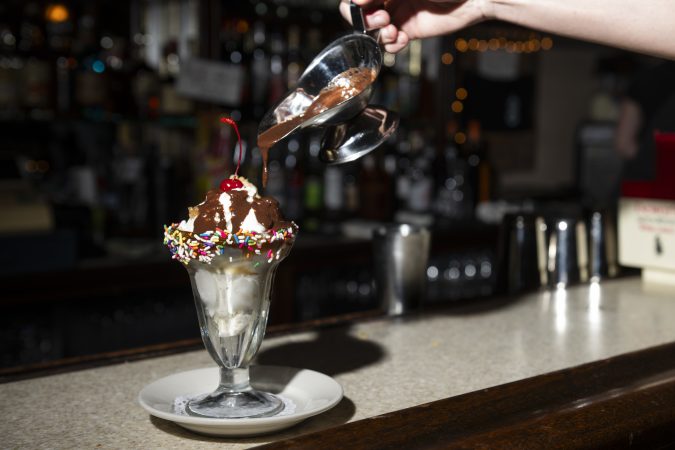
    Scoops of ice cream swirled with chocolate fudge and sprinkles, all topped by a cherry, can be a portal to childhood, a perfect treat at the end of the meal, or just a good way to end a long Wednesday. In Philadelphia, there are many excellent ice cream shops that serve traditional sundaes, but the city’s restaurant scene delivers exciting riffs that are so much more than a banana split.

    These seven places will convince you Philly’s restaurants take their sundaes just as seriously as you do.
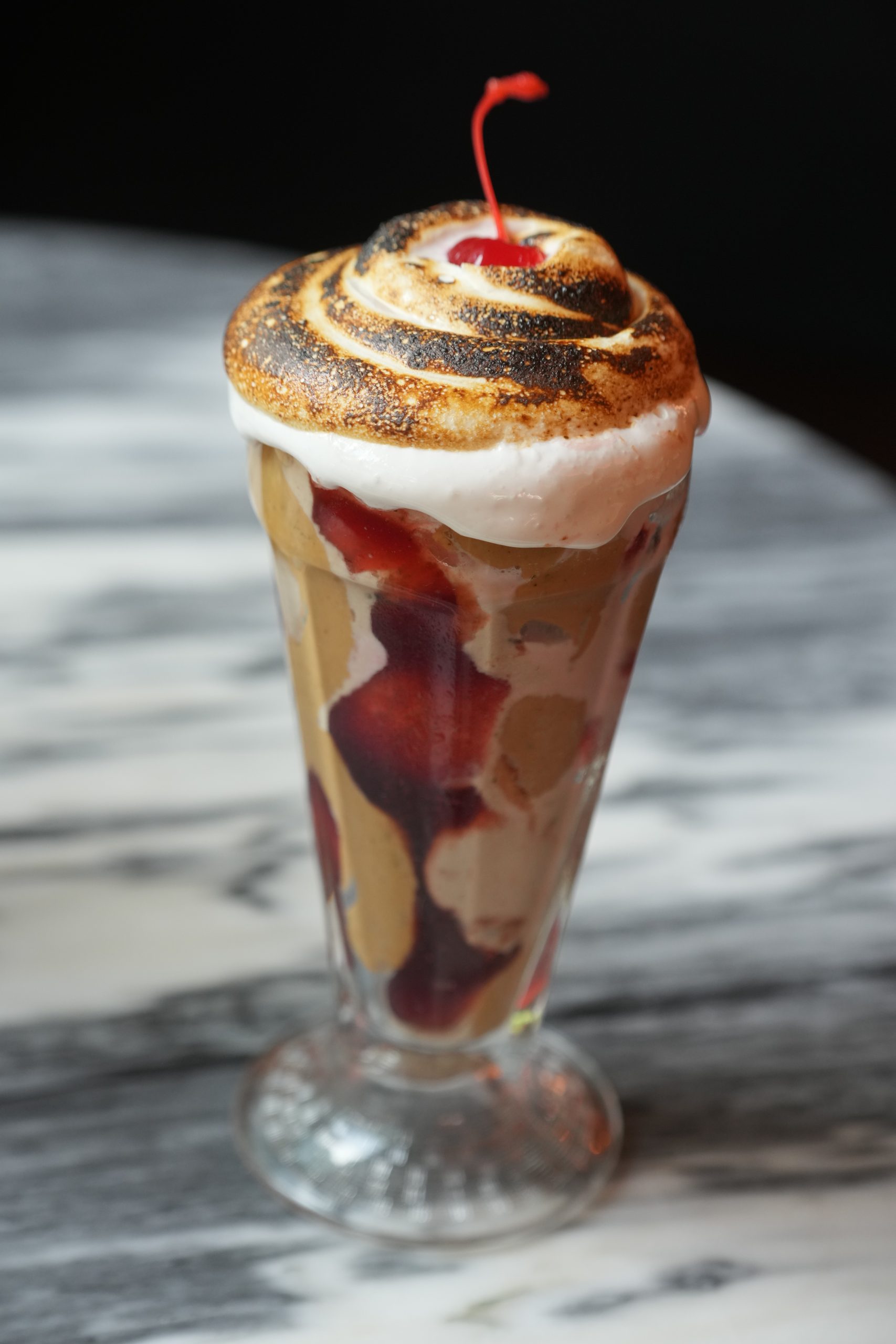
    An ice cream sundae at Percy, 1700 N. Front St., in Philadelphia, July 15, 2026.Jessica Griffin / Staff Photographer

    Percy

    If you’re seeking childhood nostalgia, head to Front Street for the After School Sundae at Percy, Kensington’s playful all-day diner. A tall milkshake glass overflows with layers of peanut butter-and-strawberry swirl ice cream, strawberry preserves, creamy peanut butter, and a fat cloud of brûléed marshmallow fluff, which slips out onto the sides of the glass with each spoonful. The flavors transport me back to middle school lunches, when PB&J sandwiches were the best part of my day.

    1700 N. Front St.; 215-975-0020; percyphl.com
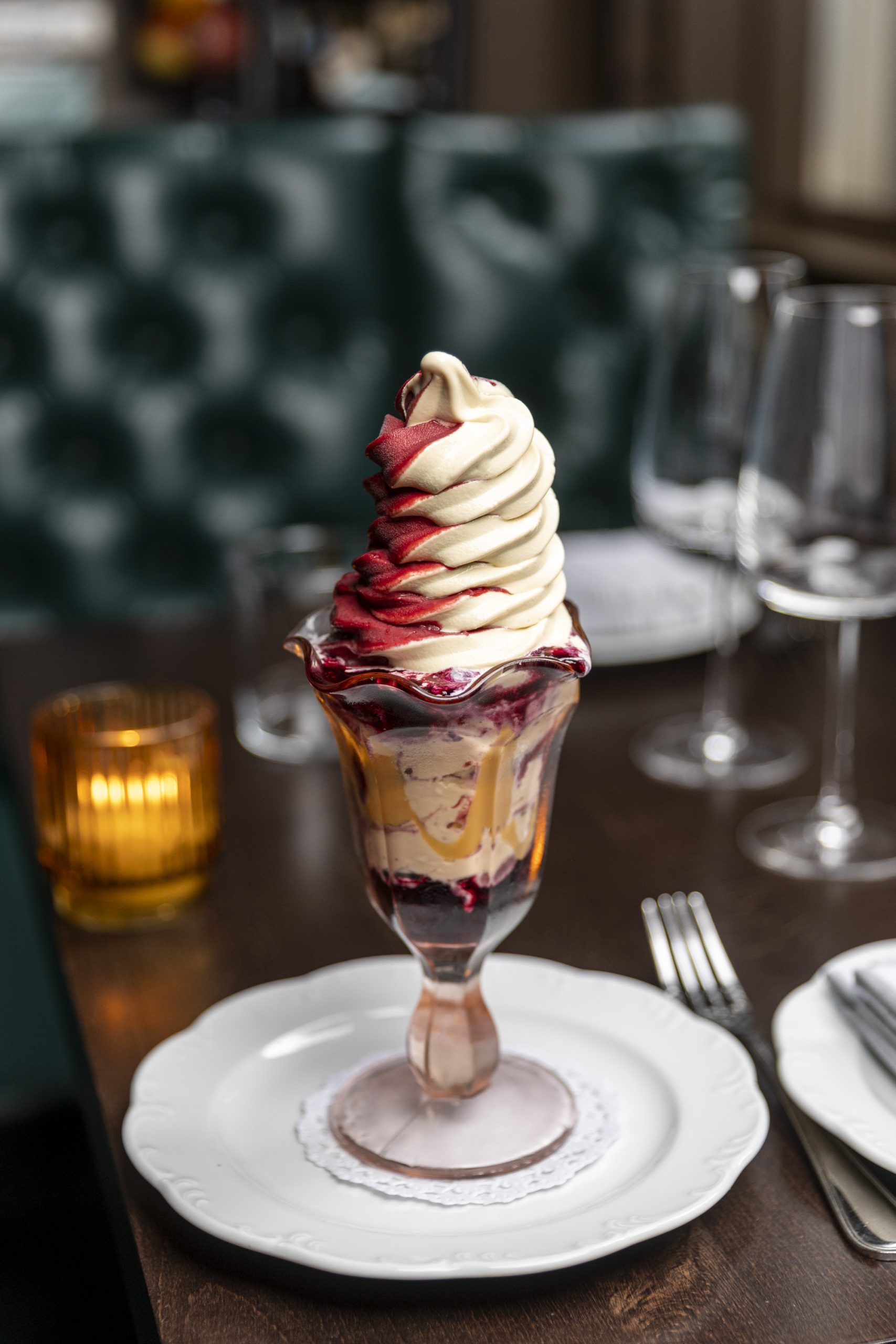
    A soft-serve sundae at My Loup in Philadelphia, on Aug., 3, 2023.Tyger Williams / Staff Photographer

    My Loup

    At Alex Kemp and Amanda Shulman’s Rittenhouse restaurant, you’ll find a seasonal delight on the dessert menu: a house-spun soft-serve sundae. Recently, there was a raspberry sorbet with a butterscotch-esque soft serve. But in April, the lemony vanilla and rhubarb sundae was the answer to all my spring swirl fantasies. No matter the season, you can always skip right to dessert and order the sundae at the bar. The ingredients change every month.

    2005 Walnut St.; 267-239-5925; myloupphl.com
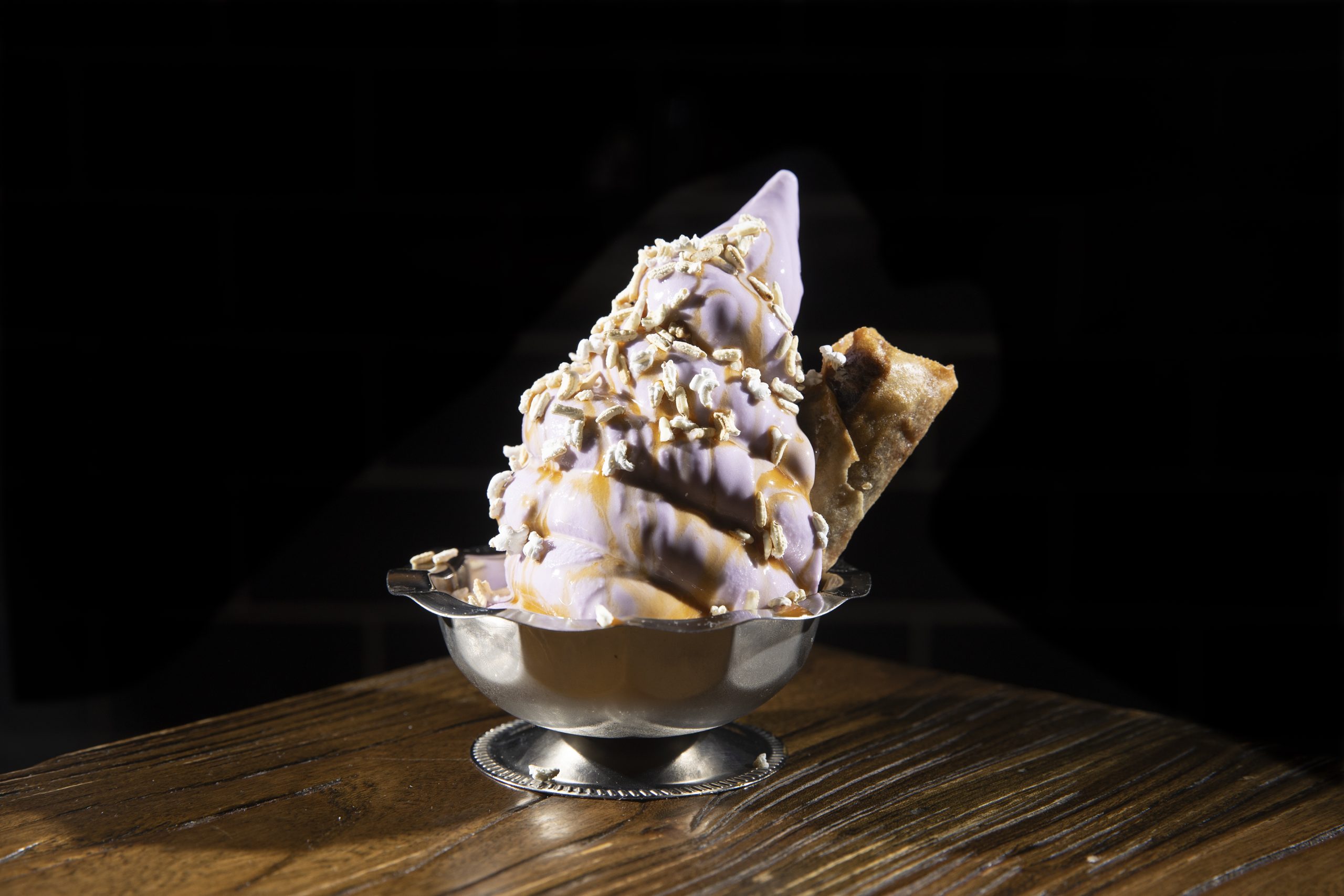
    The ube sundae (purple yam ice cream, coconut caramel, puffed rice) at Tabachoy, 932 S. 10th St. on Feb. 15, 2023.Charles Fox / Staff Photographer

    Tabachoy

    There aren’t many places one can find a sundae in Philly that showcases the beauty of purple yams like Tabachoy. The ube sundae, which has been on the menu since 2022, is many diners’ favorite way to end the night at the Bella Vista restaurant. On a recent visit, my friend and I marveled at the pale purple hue of the creamy soft serve. Tasting its sweet, earthy flavor, paired with the crunch of puffed rice and gooey coconut-caramel drizzle, had us dancing in our seats. I recommend setting the spoon aside and scooping up bites with the crispy banana spring roll that’s served as a sidecar.

    932 S. 10th St.; 215-315-8720; tabachoyphilly.com
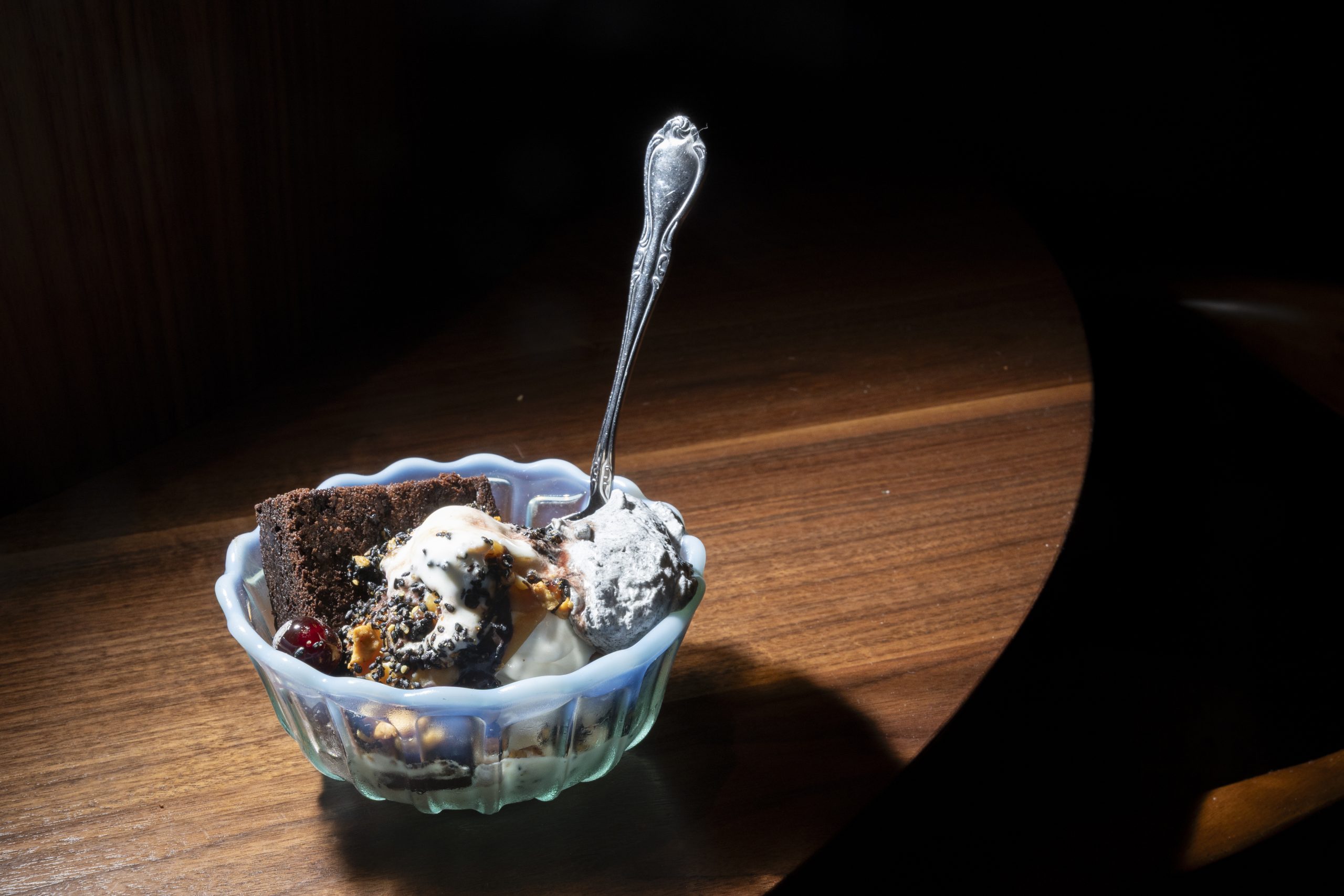
    The black sesame brownie sundae at dancerobot in Center City, on Tuesday, July 14, 2026. Hot fudge, salted caramel, whipped cream, and peanuts are added on top.Aidan T. Gallo / Staff Photographer

    Dancerobot

    The black sesame brownie sundae at this Center City hot spot just might be the answer to all your late-night dessert desires. It’s chock full of rich components that somehow meld with a surprisingly delicate sweetness: fudgy black sesame chocolate brownie, velvety soft serve made with imported Hokkaido milk powder, hot fudge, salted caramel drizzle, toasted peanuts, candied black sesame seeds, and a dollop of black sesame whipped cream. For a fruity option, the restaurant has partnered with Oishii, a Japanese-branded strawberry farm, to offer a sundae with a warm and flaky butter biscuit, strawberry liqueur, sweet cream, and tons of fresh strawberries — available on the menu for early August.

    1710 Sansom St.; 215-419-5202; dancerobotphl.com
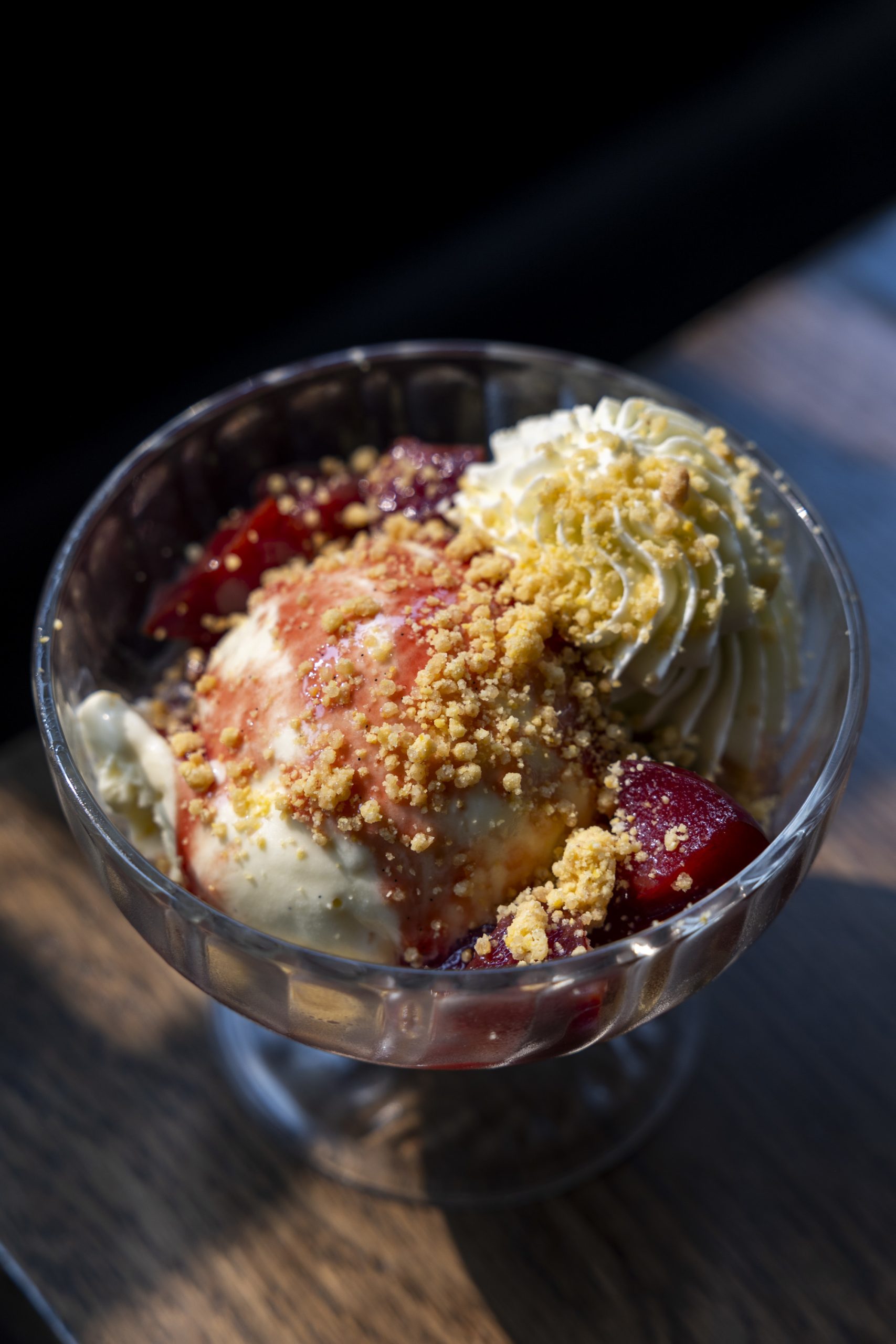
    The sundae at High Street in Philadelphia on July 14, 2026.Tyger Williams / Staff Photographer

    High Street

    A memorable meal ends on a sweet note — and at High Street, that’s a creamy seasonal sundae created by the restaurant’s pastry team. Recently, there was a goat’s milk and olive oil ice cream with plum-chamomile compote, fig leaf whipped cream, and cornmeal crumb on the menu. But in May, I shared spoonfuls of strawberry-rose geranium sherbet with a date. We fought over the tiny pieces of toasted angel food cake and jammy white pepper-laced strawberries layered inside the tiny coupe glass.

    101 S. Ninth St.; 215-625-0988; highstreetonmarket.com

    Bomb Bomb Bar

    By the end of Bomb Bomb Bar’s hearty seafood feast, it’s likely you would leave South Philly satiated. But catching sight of a vanilla ice cream sundae making its way to the neighboring table, your stomach might get a mind of its own. The sundae arrives in a tall, frosted parfait glass with a rainbow-sprinkle and brown butter caramel rim, three hefty scoops of Bassetts vanilla bean topped with a fried banana, a large swirl of whipped cream, and a bright red cherry. Hidden within the scoops are drizzles of a syrup made of roasted walnuts simmered in simple syrup with orange zest. Be patient as Bomb Bomb’s friendly servers pour on the best part: silky smooth house-made chocolate sauce.

    1026 Wolf St.; bombbombbar.com
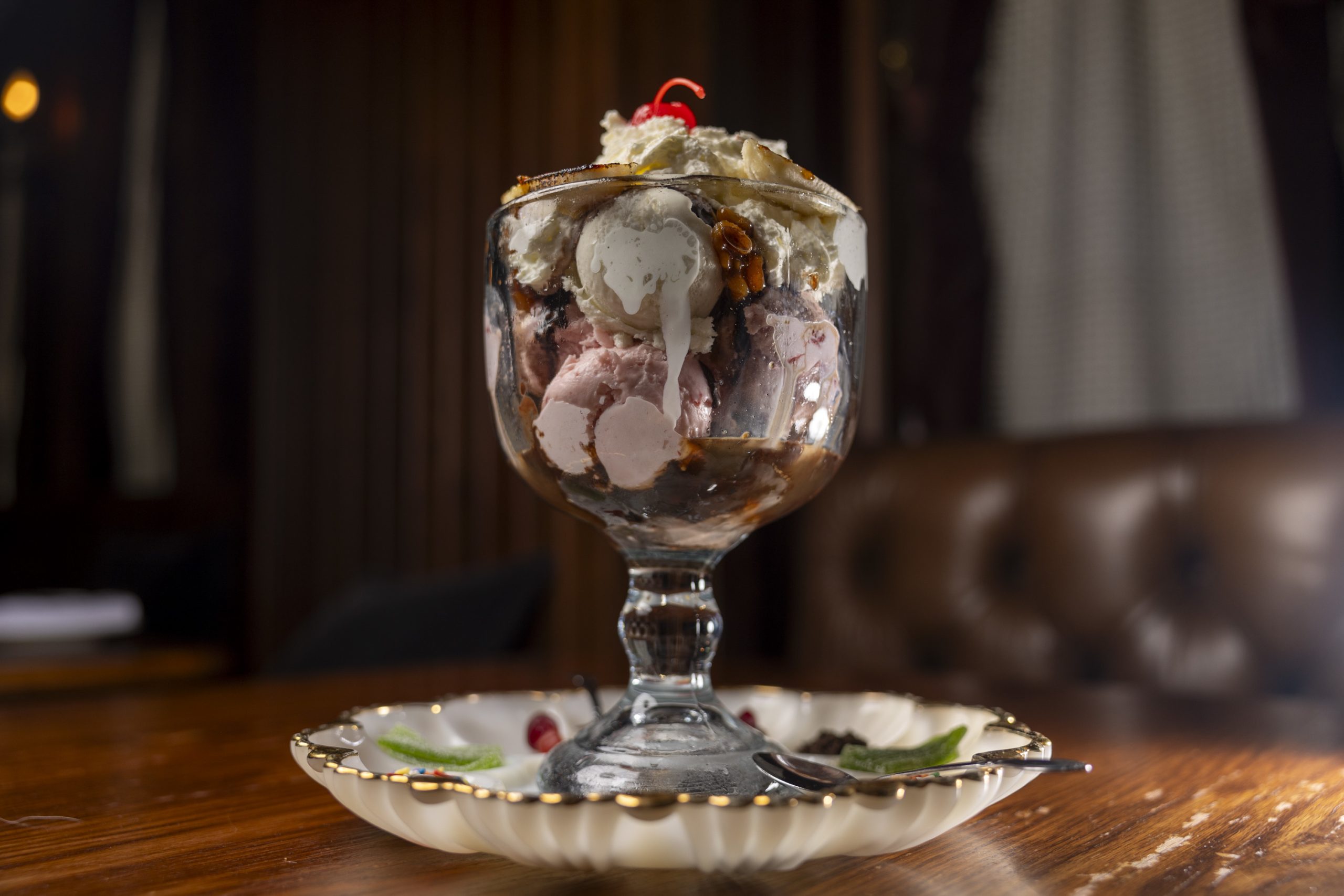
    The nine-scoop ice cream sundae at Alpen Rose in Philadelphia on Wednesday, July 15, 2026.Tyger Williams / Staff Photographer

    Alpen Rose

    Sure, Michael Schulson’s Center City steakhouse can serve up a rosy beef Wellington and fluffy clover rolls, but who says an ice cream sundae can’t be the star of the meal? Alpen Rose honors ice cream lovers with a massive goblet loaded with nine scoops of creamy vanilla, chocolate, and strawberry. The sundae is served on an ornate plate with plenty of colorful jelly beans and rainbow sprinkles to add on top of the bananas and whipped cream. The behemoth dessert is hard to finish, even for a party of two. But eating just half of it is worth the $22 price tag.

    116 S. 13th St.; 215-600-0709; alpenrosephl.com
  • Lights, cameras, recipes: Philly’s home cooks are creating the menu for a new Center City restaurant

    Lights, cameras, recipes: Philly’s home cooks are creating the menu for a new Center City restaurant

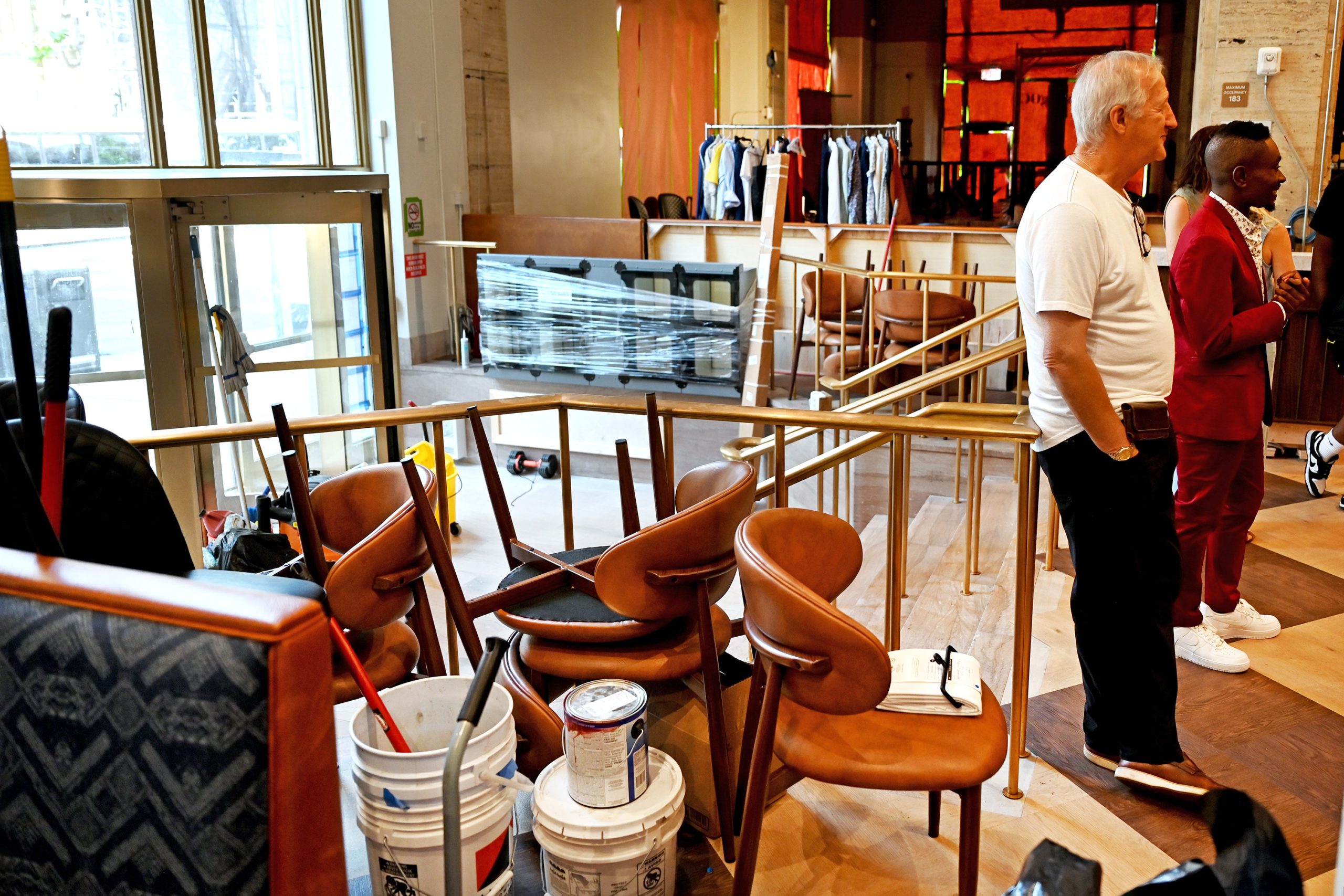
    It’s three weeks before Recipe Philly’s opening day. The kitchen is finished, most of the 100 workers have been hired, and the dining room is a jumble of chairs, tables, and unfinished walls. But instead of construction crews applying finishing touches, cameras and lights have taken over.

    Opening a restaurant has been likened to putting on a show, and Recipe Philly — on the site of the long-ago McDonald’s at Broad and Arch Streets — is exactly that.

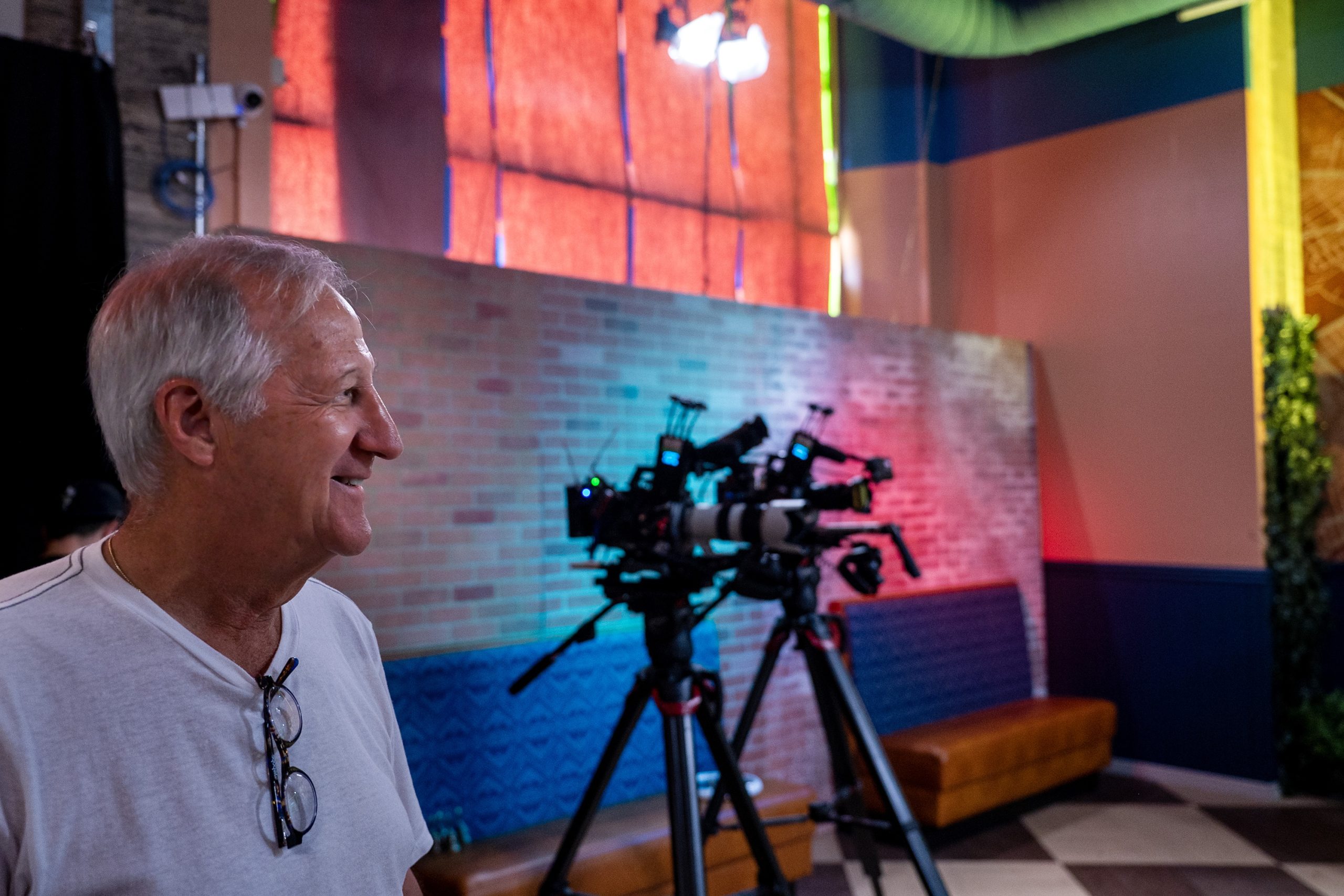
    Ed Baumstein, who dreamed up the Recipe Philly restaurant and reality series, on the set before contestants arrive.Tom Gralish / Staff Photographer

    Its creator, retired corporate executive Ed Baumstein, decided to turn the making of the restaurant into a reality show. When Recipe Philly opens in mid-August, customers won’t be ordering entrees created by an executive chef. They’ll be eating dishes developed by home cooks across the Philadelphia region whose recipes survived months of auditions, judging, recipe testing, and filming for an eight-episode series that Baumstein is shopping around.

    Everything is under wraps. The producers are keeping the outcome secret, declining to identify contestants or winning recipes.

    Recipe Philly’s roots date to the 2008 recession, when Baumstein was running SolomonEdwards, the Philadelphia consulting firm he founded in 1999. As businesses tightened spending, his chief financial officer suggested canceling the company’s annual holiday party.

    Instead, Baumstein invited employees to his suburban home for a potluck dinner.

    “I was just blown away by the enthusiasm that our colleagues brought to the Christmas party,” Baumstein said. “They were super-excited about making their dishes. They watched the buffet table to see who was eating their dishes. We gave out little prizes, and just getting that three minutes of fame was unbelievable.”

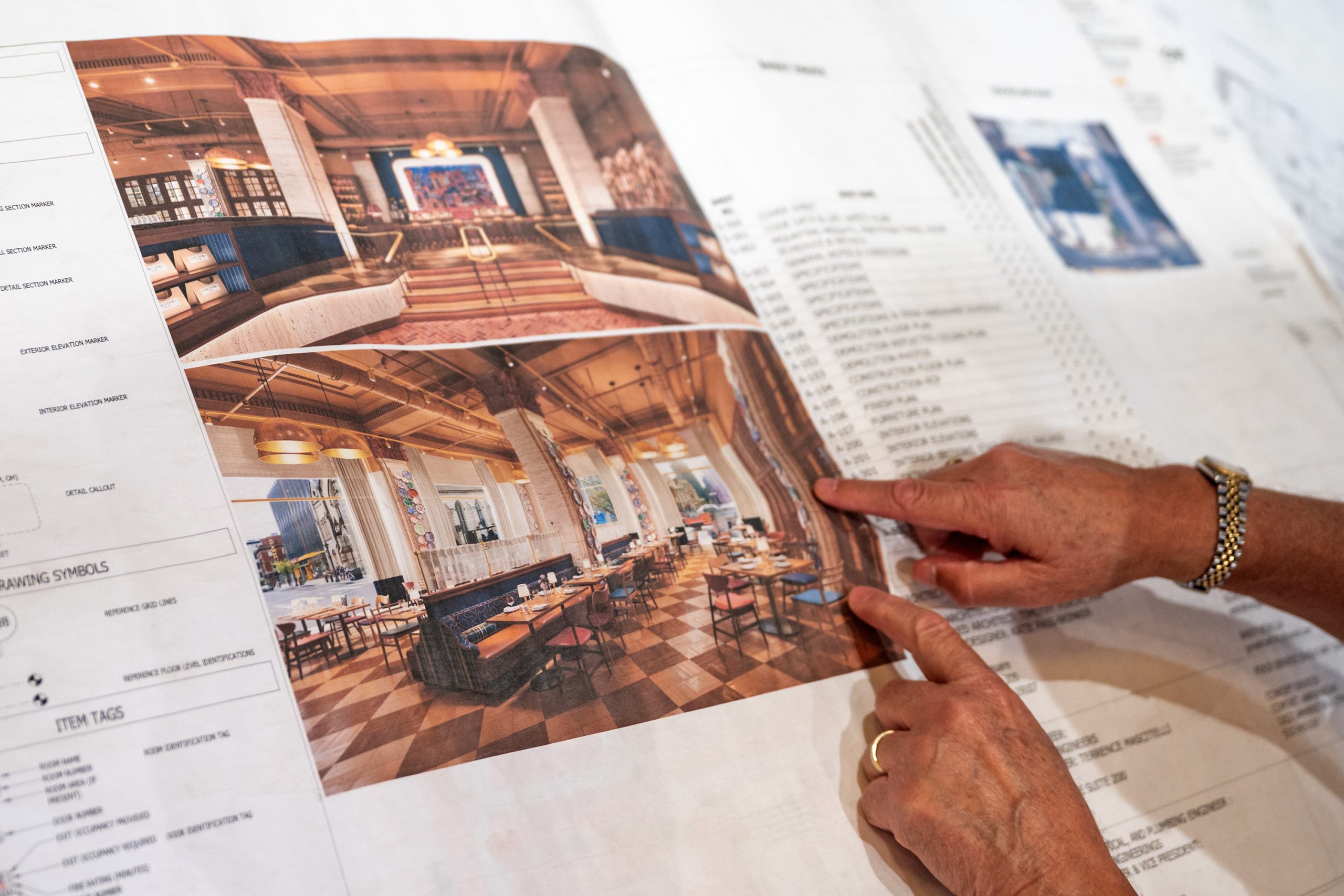
    Ed Baumstein looks over plans for Recipe Philly, which is expected to open in mid-August.Tom Gralish / Staff Photographer

    When Baumstein, 70, sold his company and retired nearly four years ago, he decided to turn that idea into Recipe Philly — a $3.8 million investment and his first restaurant. At 150 seats in the dining room and 22 at the bar, “we decided to go big,” Baumstein said.

    He announced the project last November with a casting call inside the Convention Center’s Broad Street atrium, where more than 1,000 people showed up to fill out recipe cards and share stories behind their dishes. Producers narrowed the field to 100 contestants, then further winnowed the competition to roughly 60 who advanced to the filmed cooking round.

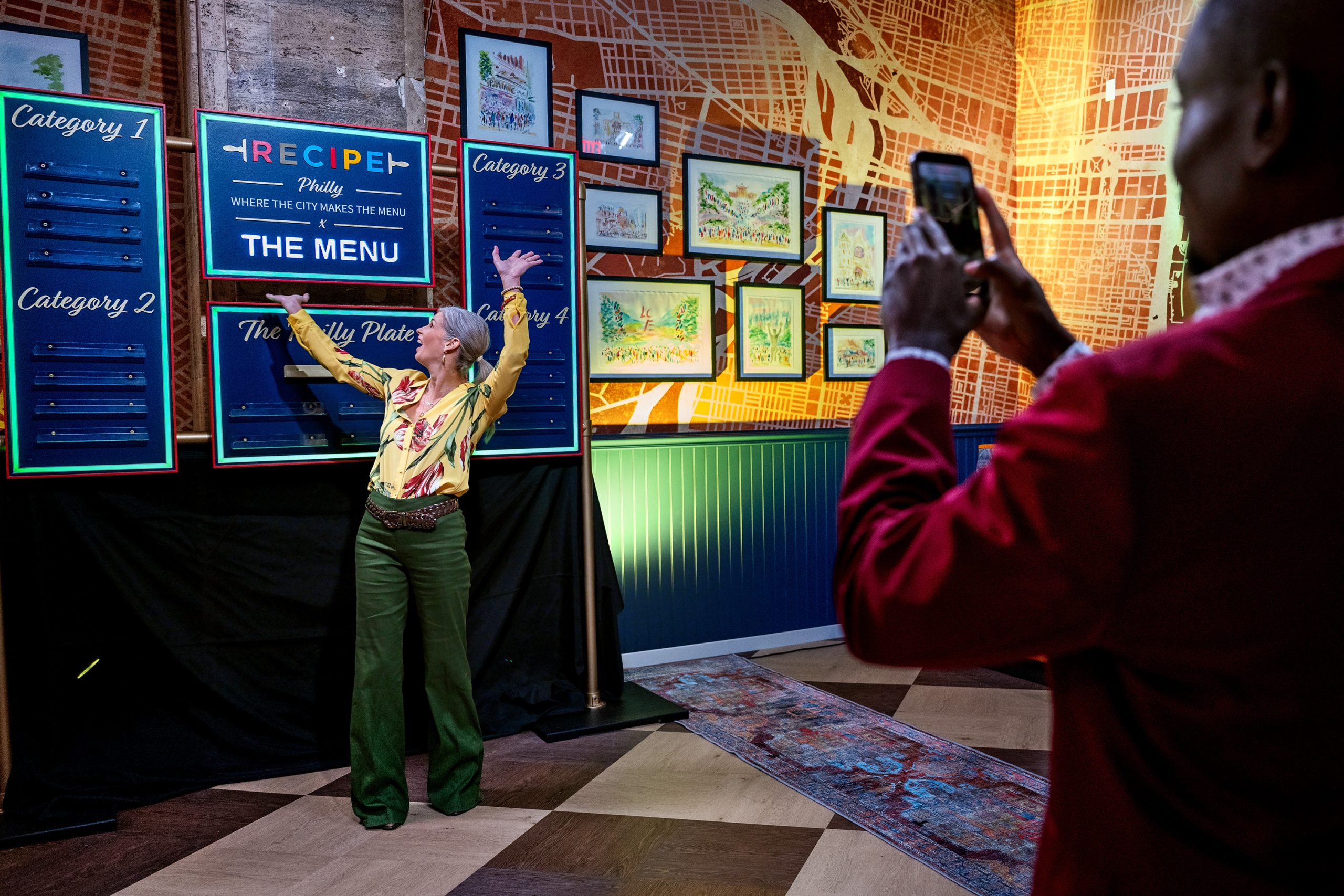
    Josh Moore (right) photographs fellow judge Jennifer Carroll on the set of Recipe Philly.Tom Gralish / Staff Photographer

    Contestants competed in categories including appetizers, soups and salads, poultry, seafood, pasta, meat entrées, desserts, and an “other” category for creative outliers. The process ultimately yielded 31 recipes that will appear on the restaurant’s opening menu.

    The competition didn’t end there. The remaining episodes being filmed this month have shifted from building the menu to crowning a champion.

    Sixteen contestants earned “silver spoons” from the judges and advanced into semifinal rounds devoted to particular categories. Those winners will compete for $70,000 in prize money — including one winner of $10,000. But regardless of who wins, the original 31 recipes will be served opening night.

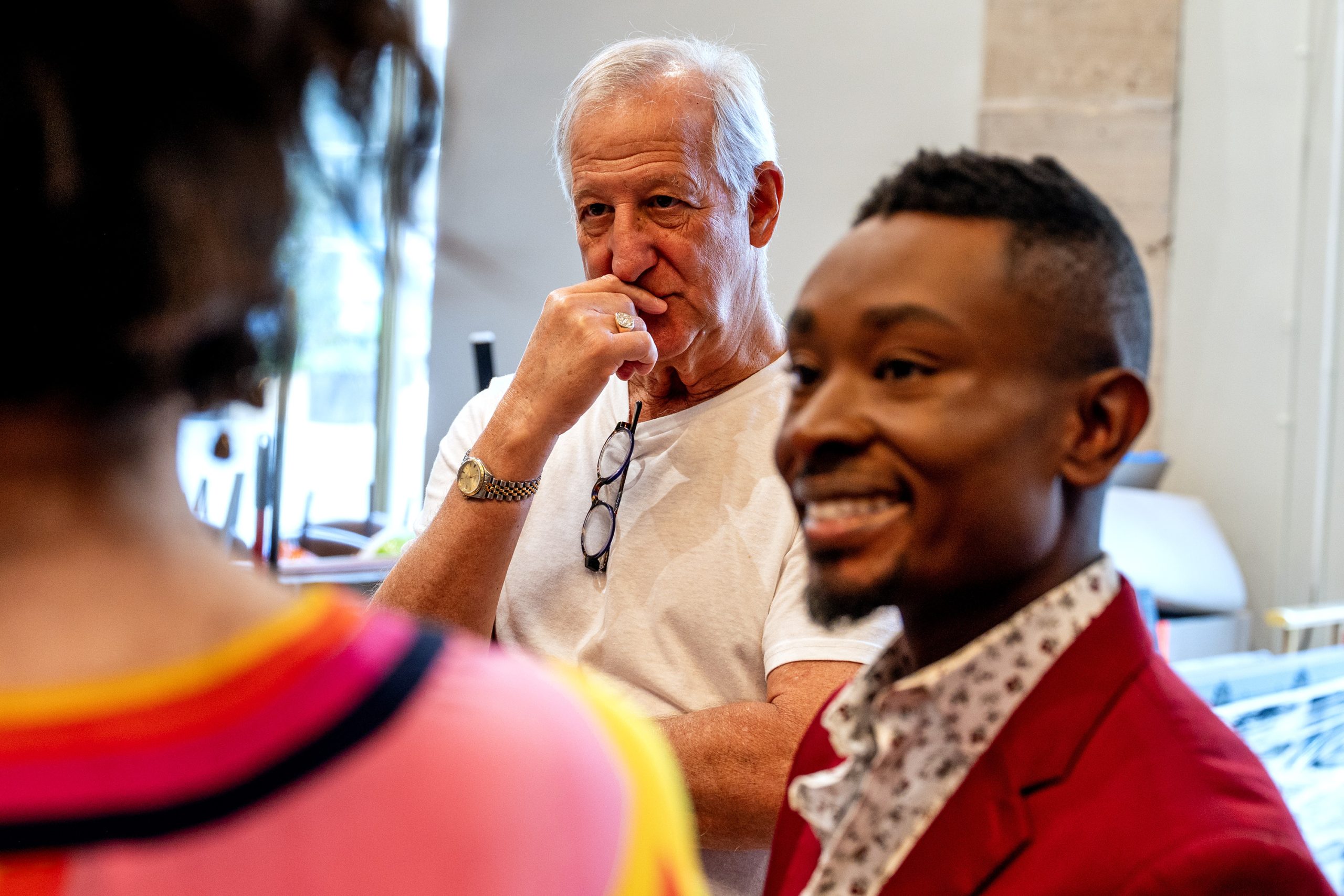
    Ed Baumstein (center) chats with Recipe Philly judges Clara Park (left) and Josh Moore.Tom Gralish / Staff Photographer

    “The city is building the menu,” said Josh Randall, a veteran casting producer for American Idol who is the show’s host and one of its producers. “These aren’t celebrity chefs. They’re neighbors, friends, brothers, sisters, parents — people who ordinarily wouldn’t have an opportunity to be on television.”

    Randall said that distinction attracted him to the project. When Baumstein first approached him, the concept was still evolving.

    “As a documentary, maybe it’s a 90-minute film,” Randall said. “As a competition, I thought it could sustain eight episodes.”

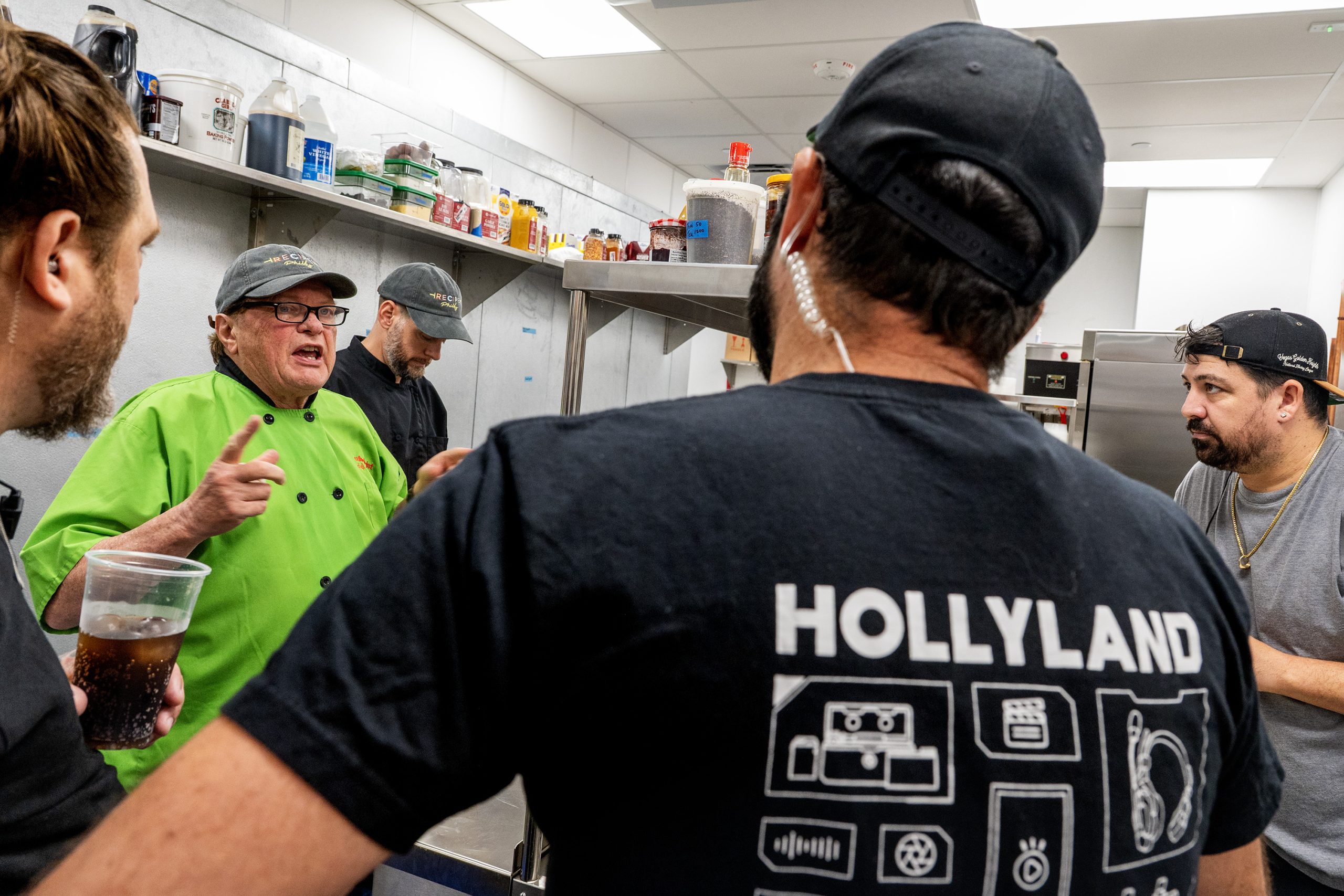
    Chef Andy Revella (left) talks the production staff in the kitchen at Recipe Philly. At right is supervising producer Jon Espinoza.Tom Gralish / Staff Photographer

    But he insisted that the show avoid the drama that dominates many reality competitions.

    “A lot of reality television is cutthroat,” Randall said. “I was drawn to the chance to create something lighter that celebrates people rather than tearing them down.”

    This might be the friendliest reality series ever. The judges — Jennifer Carroll, a veteran of Top Chef; Clara Park, a Chopped champion; and influencer Josh Moore, who goes by @josheatsphilly — say they’ve cried multiple times while hearing the stories. “You end up rooting for everyone,” Park said.

    Carroll said nearly every contestant arrived with more than a recipe.

    Ed Baumstein (left) in the still-unfinished Recipe Philly restaurant.Tom Gralish / Staff Photographer

    “Every contestant has a personal story behind the dish,” she said. “Some recipes have been passed down through generations. Others are completely original.”

    She said the judges make a point of talking with contestants after judging because rejection can sting.

    “This show is the opposite of a lot of competitive cooking shows,” Carroll said. “It’s not about tearing people down or humiliating them. It’s about lifting them up.”

    Moore conceded that he expected more sentimental cooking than exceptional cooking.

    “I wondered whether someone might show up with something very simple,” he said. “Instead, people have really brought their best.”

    For Park, one of the biggest surprises has been watching Philadelphia’s diversity emerge through its food.

    “You literally see all the different neighborhoods and ethnic communities of Philadelphia come to life through these dishes,” she said. “There are dishes I’ve never seen before that are emblematic of certain cultures.”

    Behind the scenes, another challenge awaited. Home recipes are scaled to the dinner table. Some require elaborate preparation. Many rely on instinct rather than measurements.

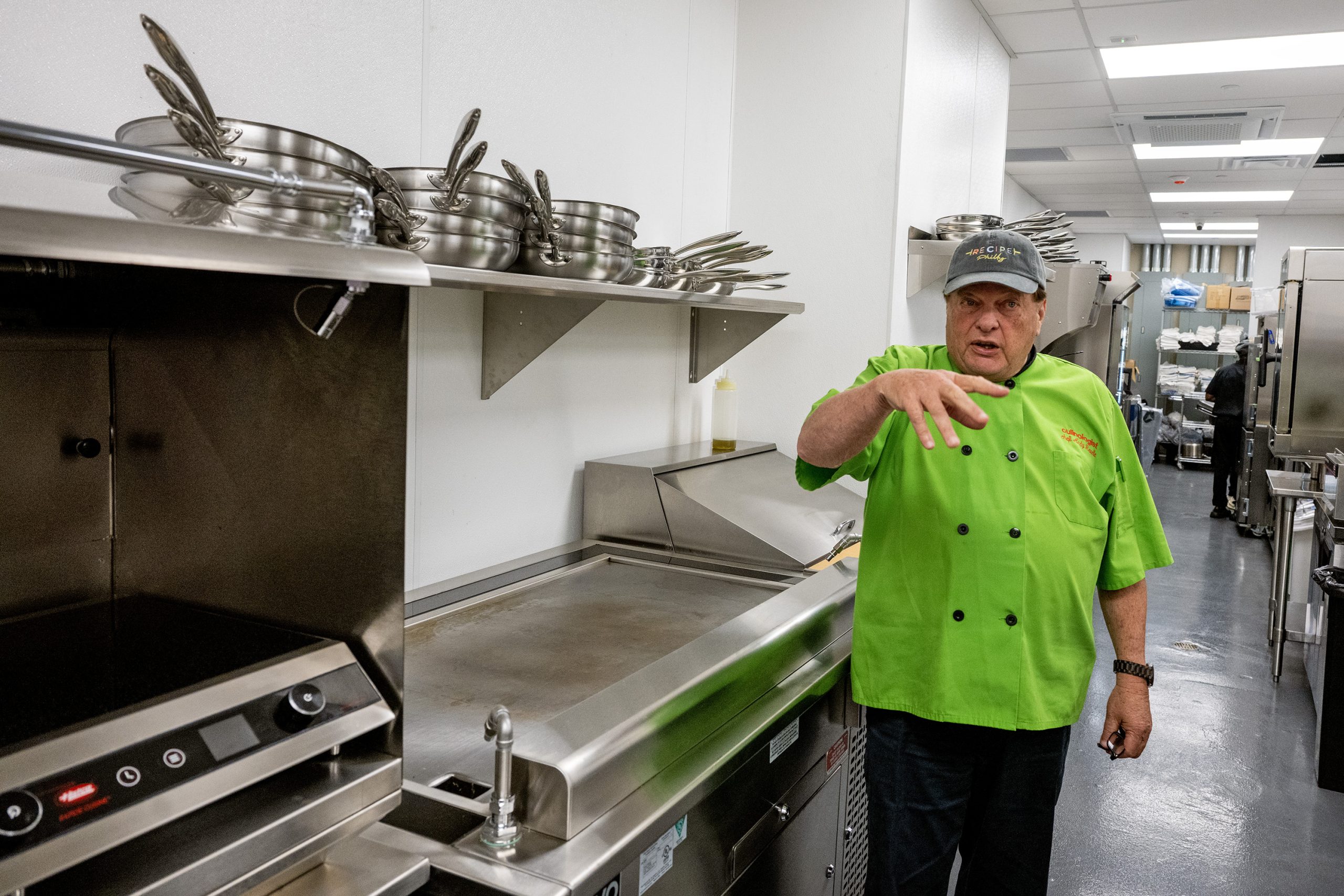
    Chef Andy Revella in the kitchen, which has hoodless venting, at Recipe Philly.Tom Gralish / Staff Photographer

    That work fell to chef Andy Revella, 74, the restaurant’s operating partner, whose resume includes Bennigan’s, Steak & Ale, Rainforest Cafe, and Harrah’s restaurants worldwide. Jarrett O’Hara, formerly culinary director of Federal Donuts, is vice president of culinary operations.

    “We’re just going to take their recipe and say, ‘Here’s how we’d do it in a restaurant,’” Revella said. “The flavor, the taste, and the look stay the same. The process is different.”

    The judges also had to consider labor, food costs, consistency, and whether recipes could realistically be reproduced hundreds of times.

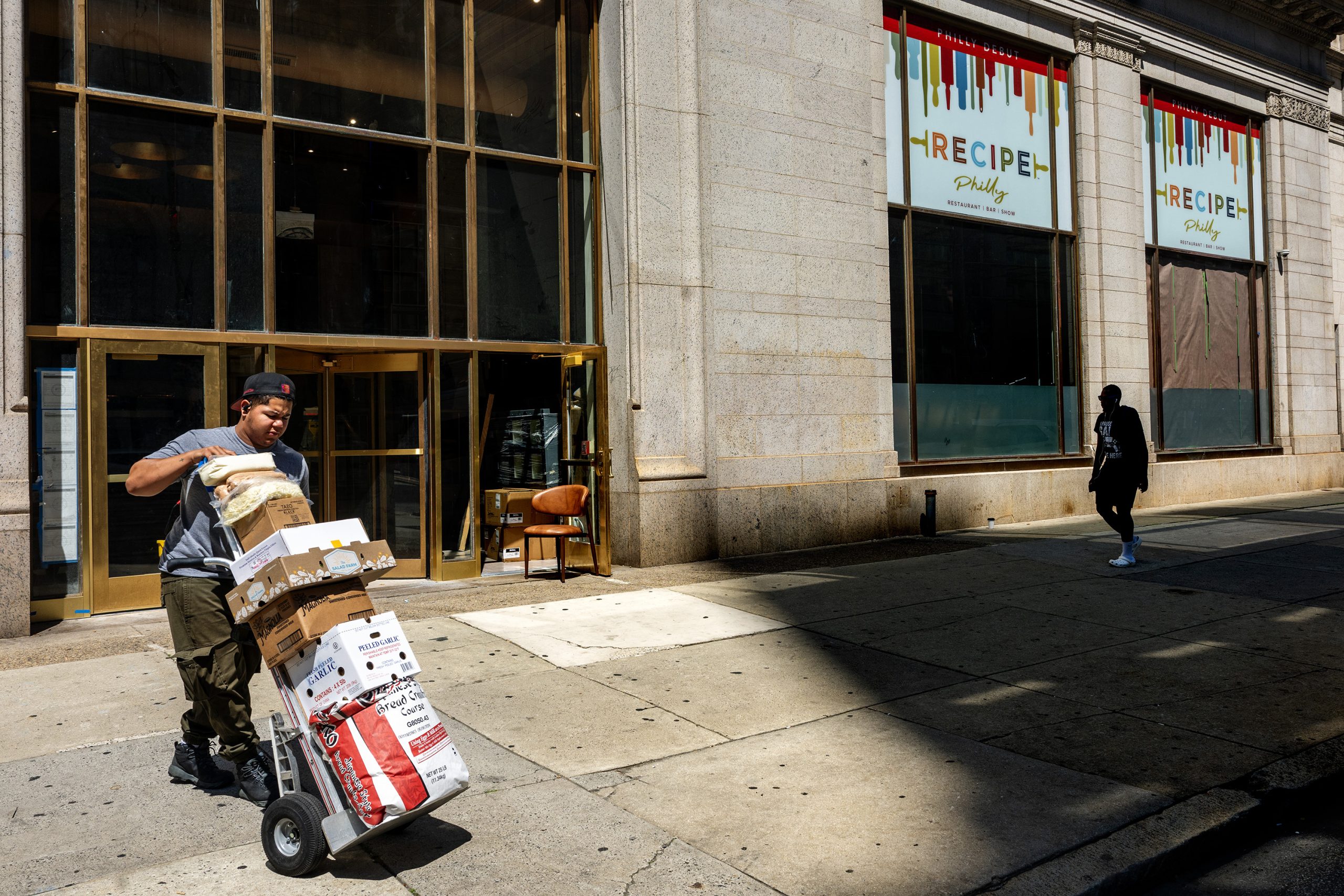
    Food is delivered to Recipe Philly for the filming.Tom Gralish / Staff Photographer

    “What one person can prepare at home is very different from what a restaurant can consistently reproduce for hundreds of guests,” Park said.

    Even the kitchen itself departs from convention.

    Revella has set up all-electric kitchen featuring self-contained filtration systems, advanced grease interception, and other technology designed to improve indoor air quality while reducing wastewater.

    “When we talk about a green kitchen, the first thing you’ll notice is there are no traditional exhaust hoods,” Revella said. “We don’t put grease into the air.”

    The flat-top griddle, which ordinarily would sit beneath a hood, is equipped with a device that traps grease and smoke.

    Baumstein said the environmental approach mattered as much as the technology.

    “I grew up with Earth Day and environmental awareness,” he said. “Doing something positive for the environment has always mattered to me.”

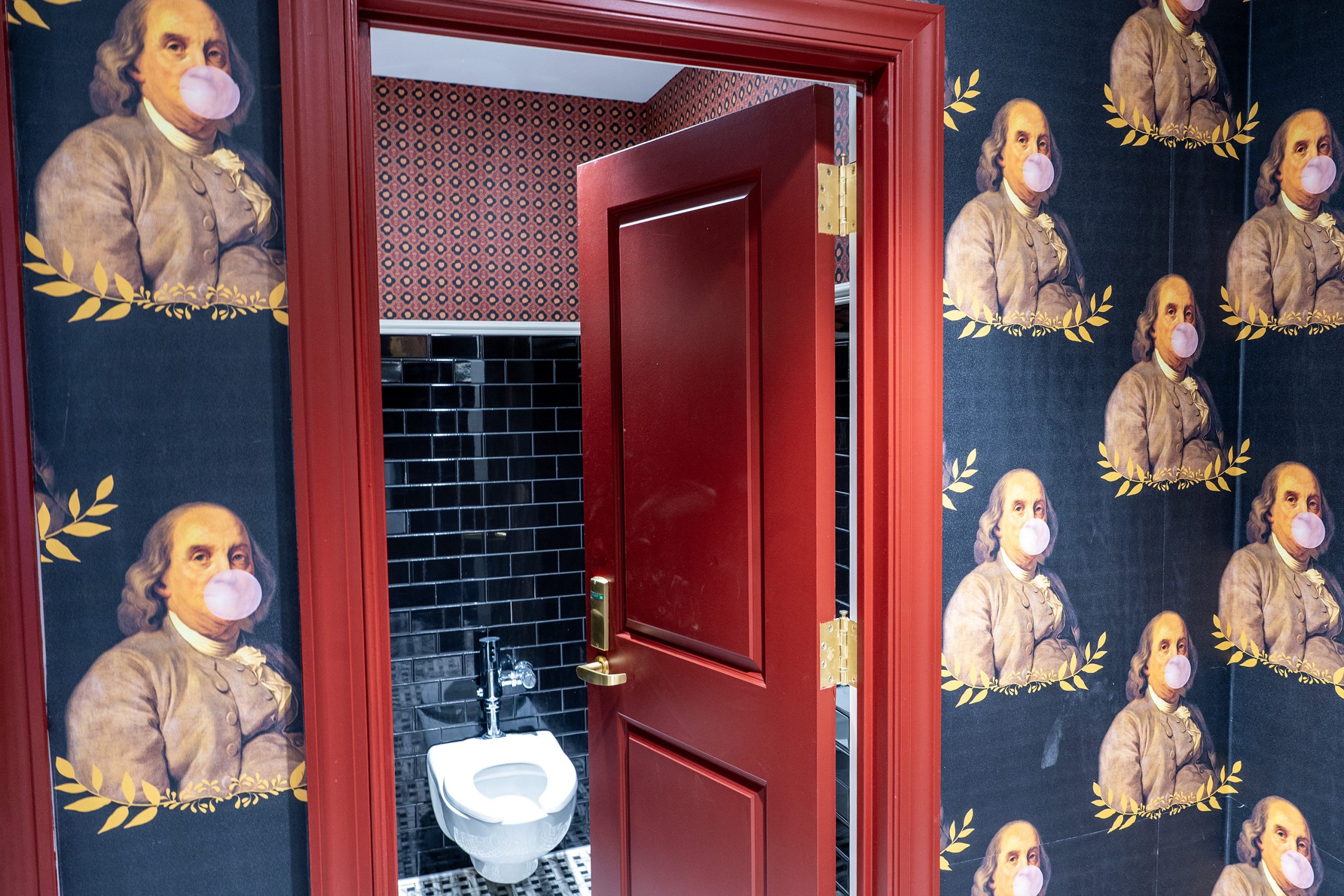
    The restaurant, designed by Nelson Worldwide, aims to feel more like someone’s home than a television set. Warm wood tones, intentionally mismatched plateware, a mural of the Italian Market behind the bar, a wall of vintage rolling pins, and a 40-seat private dining room reinforce the idea that the menu began in home kitchens. The look is whimsical in the restrooms, with wallpaper depicting Ben Franklin blowing a bubblegum bubble.

    Restrooms at Recipe Philly.Tom Gralish / Staff Photographer

    “We wanted people to feel like they were walking into someone’s home kitchen,” Baumstein said. “Since the restaurant is built around home cooks, we wanted every aspect of the design to reflect that idea.”

    Recipe Philly will serve lunch and dinner. Baumstein said entrees will be priced from $25 to $35.

    Randall hopes diners eventually see past the television-production aspect and recognize something more enduring.

    “I fell in love with the heart of the project,” he said. “Then I met the people from the city and realized they had stories that deserved to be told in a fun way.”

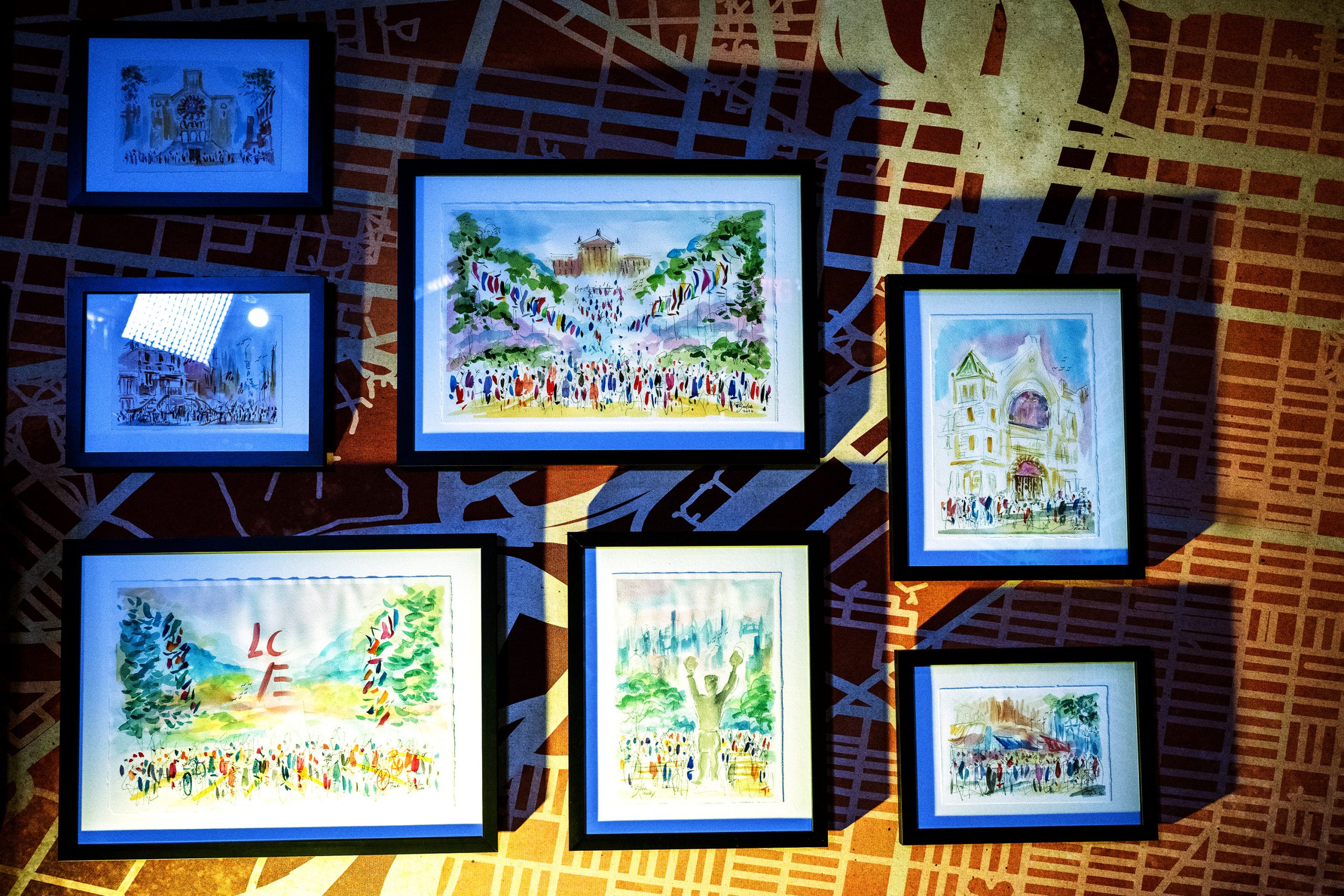
    Watercolors by Philadelphia artist Joe Barker decorate the set of Recipe Philly.Tom Gralish / Staff Photographer
  • River Twice is expanding next door, bringing more Mother Rucker burgers, more seating, and a bar

    River Twice is expanding next door, bringing more Mother Rucker burgers, more seating, and a bar

    To everyone who has hankered for a Mother Rucker burger at River Twice on a day other than a Monday, Amanda Rucker and chef Randy Rucker have a solution.

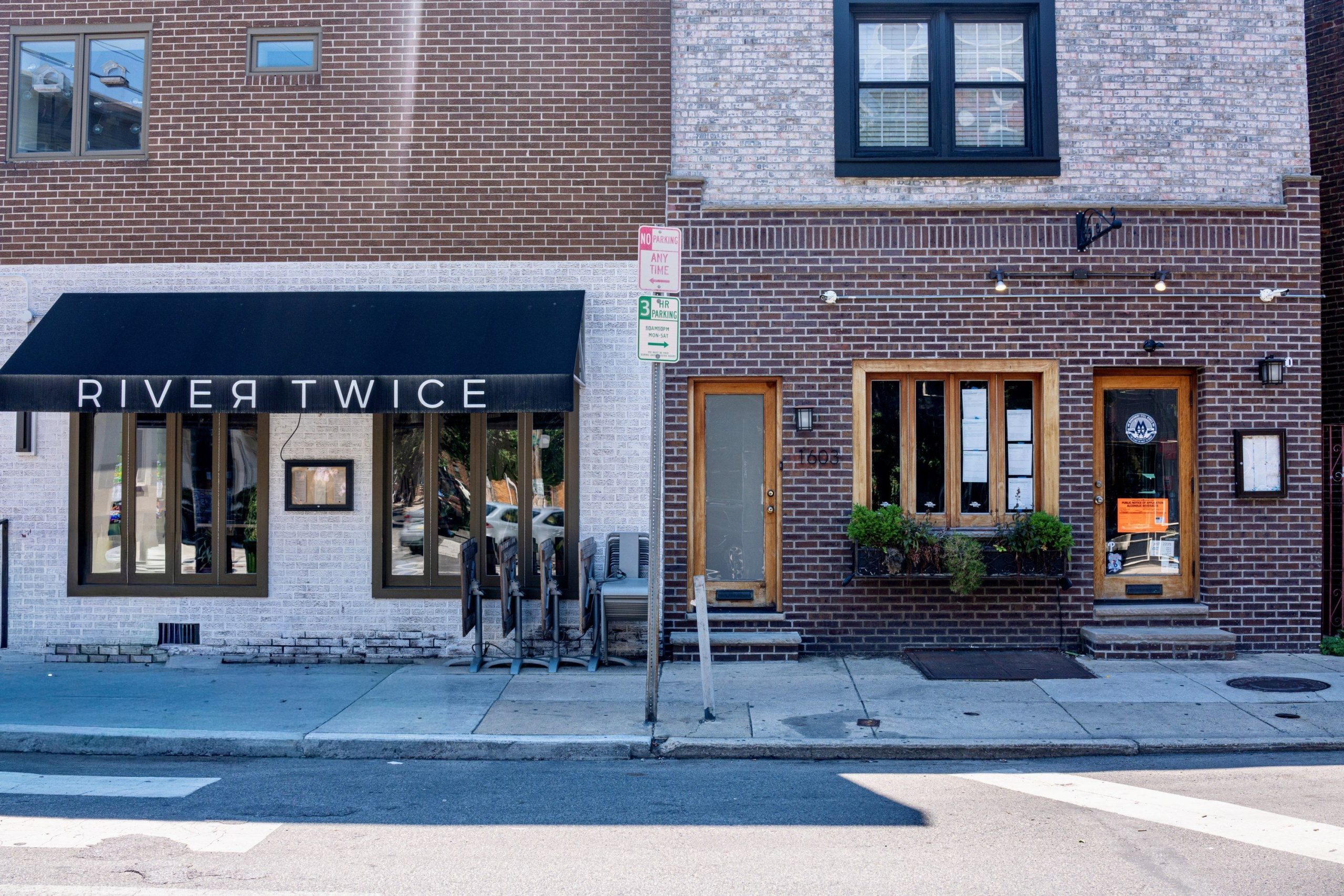
    River Twice will expand this fall into the former Manatawny Still Works space next door, adding a full-service bar to the dining room and chef’s counter at Tasker Street and East Passyunk Avenue.

    River Twice is expanding next door into 1603 E. Passyunk Ave., the former Manatawny Still Works.Mike Prince

    The Ruckers are targeting a September debut for the space at 1603 E. Passyunk Ave., which connects to the Michelin-recommended restaurant by a passageway. Though the renovation will eliminate a few seats in the existing dining room, the project will add 24 seats overall, including a 13-seat bar, a standing drink rail, a temperature-controlled wine display, and a second restroom.

    After Manatawny announced last summer that it was closing its tasting rooms, the landlord Passyunk Avenue Revitalization Corp. approached the Ruckers about taking over. “We live in the neighborhood with our kids, and it felt like a chance to plant even deeper roots here,” Amanda Rucker said.

    For Randy Rucker, the biggest attraction was the opportunity to broaden the restaurant’s appeal.

    River Twice owners Randy and Amanda Rucker (center, with children Ruby and Stiles), with Jhazmyn Wallace, Jeff McConnell, Autumn Impalli, and Bret Whartenby.Mike Prince

    “River Twice has always been a commitment,” he said. “People come in for a multicourse dining experience. Having a dedicated bar program lets us serve people who just want to stop in for a drink and a snack without committing to the tasting menu.”

    The addition will remain part of River Twice, not a separate concept. It will have its own cocktail program and an à la carte menu, while guests seated at the bar will also be able to order the tasting menu.

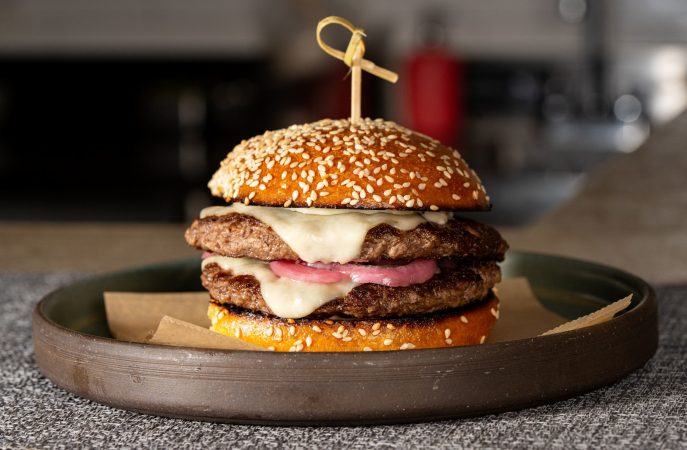
    Besides the Mother Rucker burger — two quarter-pound patties from Allen Bros. with American cheese, everything-spiced mayo, and pickled onions on a seeded Mighty Bread Co. bun, offered now only on Mondays — the bar menu will include shrimp toast with uni, ricotta beignets, nightly oyster crudo, and rotating cheese selections from the Farm at Doe Run. General manager/beverage director Jhazmyn Wallace will oversee the cocktail program.

    River Twice’s tasting menu will also expand from four to five courses, beginning with canapés.

    The project gives Amanda Rucker her largest artistic canvas yet. After designing the interiors of both River Twice and their second restaurant, Rittenhouse’s Little Water, she is painting a mural that will span the entire south wall of the new bar.

    The bar is expected to operate Thursday through Monday beginning at 5 p.m.

  • Northern Liberties’ new steakhouse is solid, but in need of a soul

    Northern Liberties’ new steakhouse is solid, but in need of a soul

    My Uber driver could be forgiven for becoming a tad disoriented as we gingerly approached Terra Grill. After all, this newly cobbled stretch of Germantown Avenue in Northern Liberties has not appeared on a Philadelphia map since the 19th century, when the massive Schmidt’s Brewery rose here in 1860 on 14-plus acres east of North Second Street.

    The legendary brewery is long gone, closed in 1987, demolished in 2000, and replaced in 2007 by developer Bart Blatstein’s original Piazza project, which supercharged gentrification of this once-industrial neighborhood. The mixed-use development quickly sputtered after an ownership change in 2013, just as nearby Fishtown and Kensington began to thrive.

    Can Terra Grill help revive the Piazza dream? I’m not convinced a steakhouse alone will do the trick, even if it’s something different for Northern Liberties. (Remember the short-lived “vibe dining” of meat-forward SIN?)

    But the development’s current owners, Post Brothers, clearly hope this modern American grill will help restore at least some of the neighborhood’s shine. It’s a $6 million anchor for the Piazza Alta, a new 1,100-unit high-rise complex targeted to families, not just the “frat boys in backwards trucker hats” that Post CEO Michael Pestronk said occupied the Piazza during its decline under their predecessor, Kushner Cos., whose tenure saw falling rents and shuttered retail storefronts.

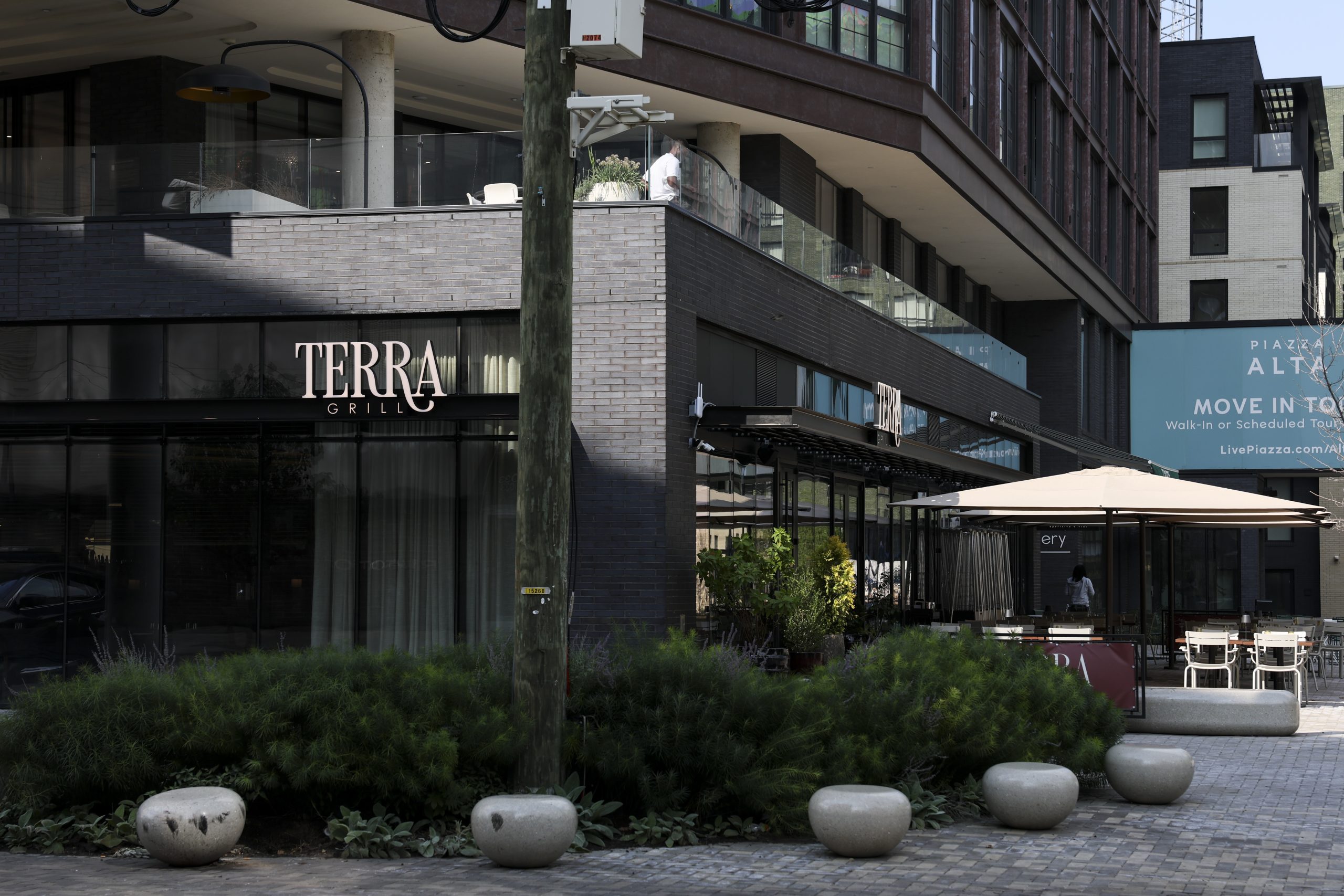
    The exterior of Terra Grill on July 9 in Philadelphia.Monica Herndon / Staff Photographer

    The fact that there are people blithely wandering across our car’s path as we approach Terra Grill’s landscaped facade is both confusing and deliberate. Post Brothers has resisted adding road striping to the avenue (a technically private stretch now open to the public) to “prevent it from becoming a speedway.” The unmarked stones are meant to foster a street-facing, Euro-style pedestrian plaza.

    Recruiting a nationally known chef for this project in Laurent Tourondel is also part of the strategy to give the neighborhood an upscale, Center City-esque aura — signaling that this once-edgy neighborhood has a new polish on top of its existing gastropubs (Standard Tap, North Third), cutting-edge vegan cooking (Pietramala), brunch spots (Honey’s Sit ‘N Eat, Cafe La Maude) and standout BYOBs (Pera, Apricot Stone). With an apartment boom bringing thousands of new residents and median incomes skyrocketing over the last decade, the affluence and density is suddenly there to potentially support something fancy like Terra Grill, whose entrees hover in the mid-$30s before you even touch the $50-plus prime steaks.

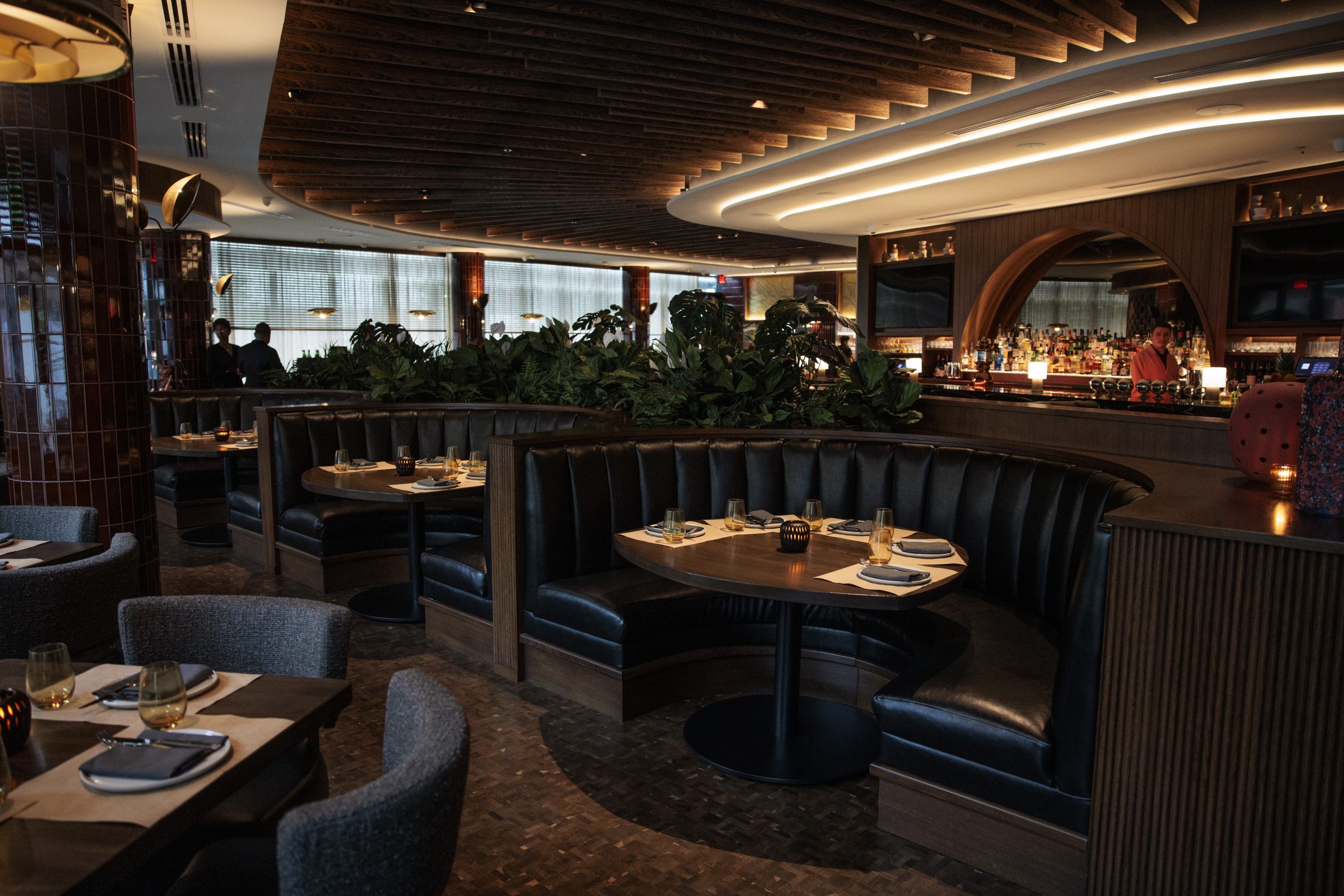
    The interior of Terra Grill on July 9 in Philadelphia.Monica Herndon / Staff Photographer

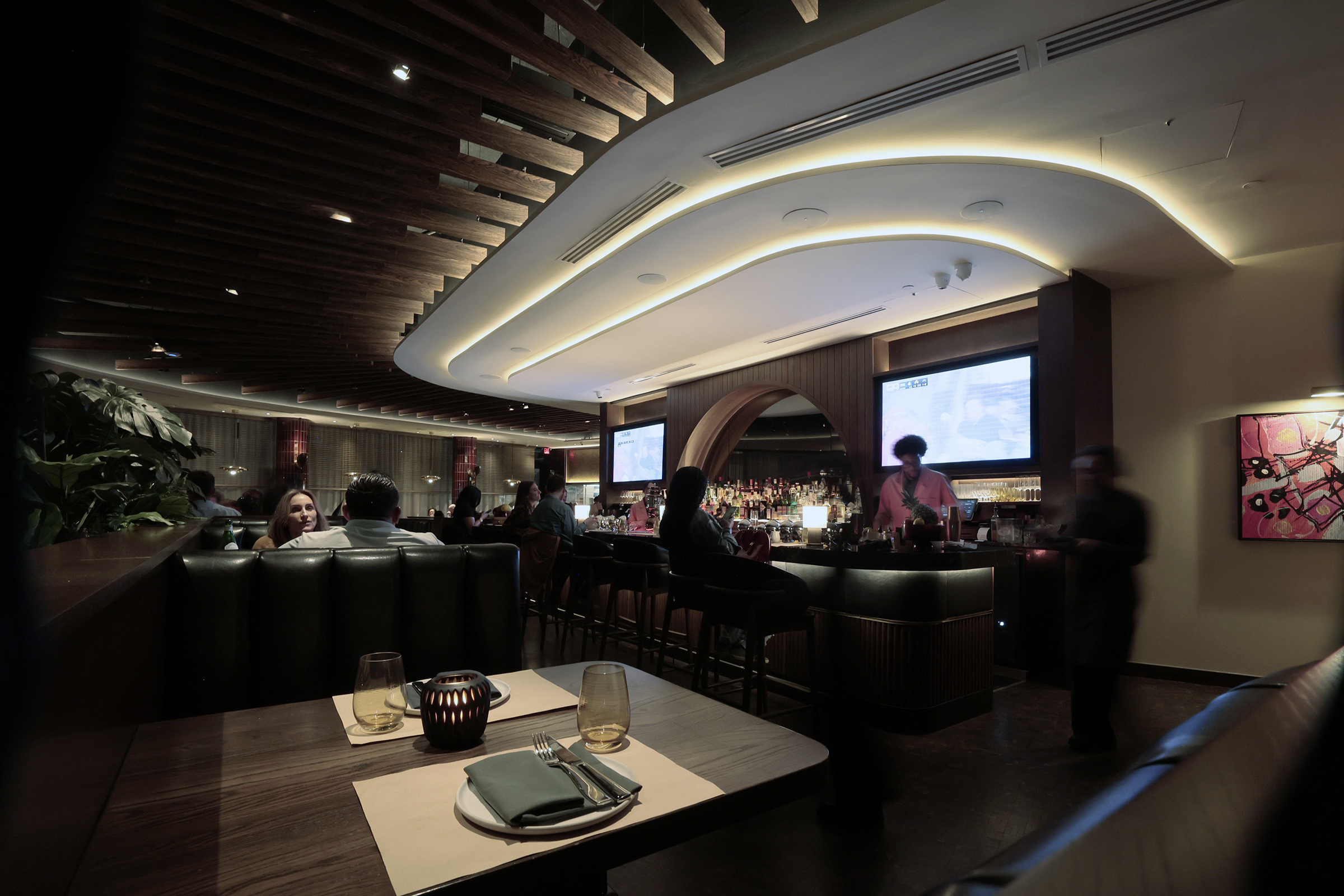
    Is it a particularly adventurous place to dine? Not especially. But that may not matter. The restaurant exudes a textbook chophouse vibe, with circular booths clad in cushy black leather, a marble-topped bar, dark wood accents, walls of wine bottles, and hot pans of fresh, salt-speckled Parker House rolls served with little crocks of whipped miso-garlic butter.

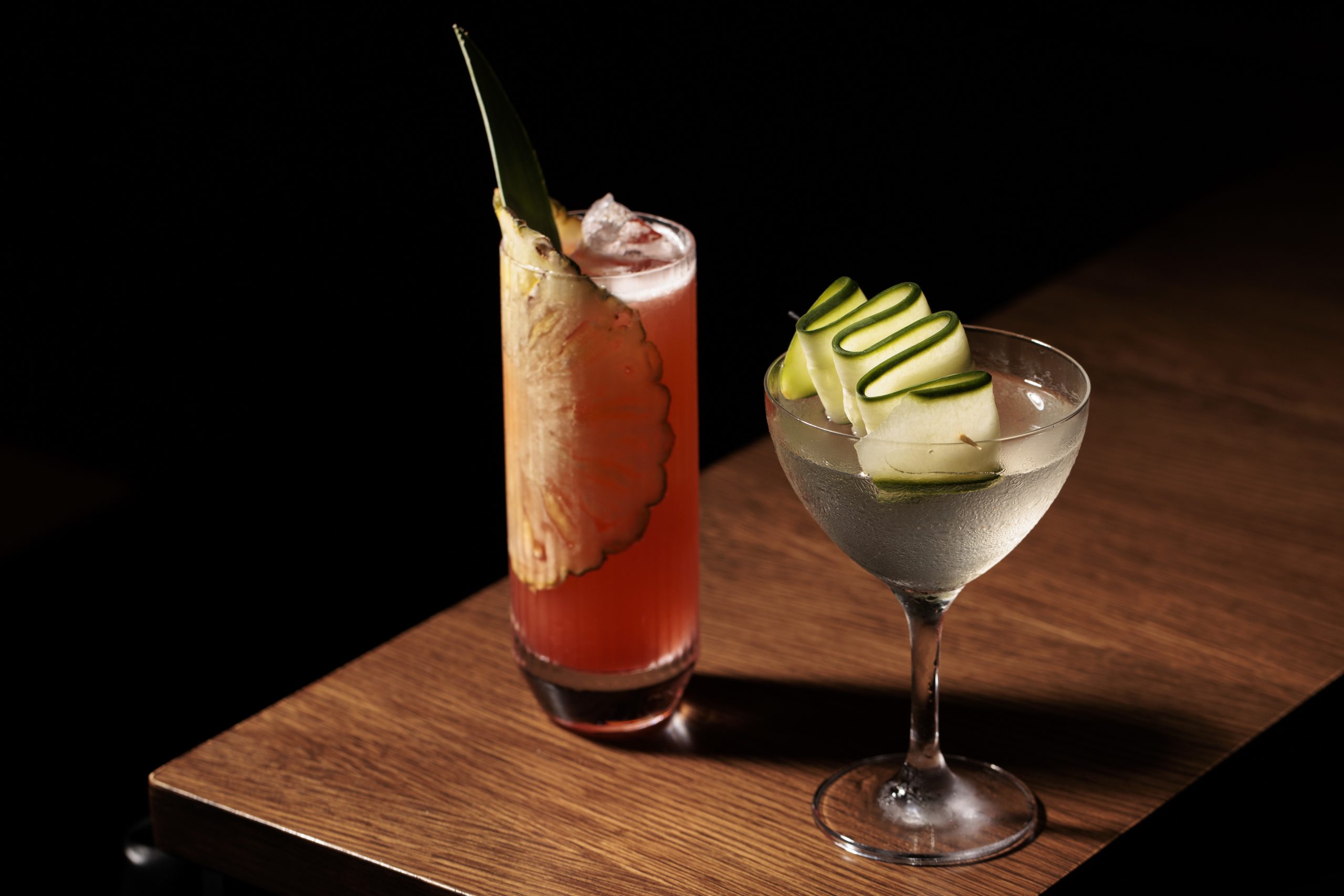
    There are culinary twists on classic cocktails to spark the meal, like the Quick & Dirty, an entry-level dirty martini washed with tzatziki yogurt and piqued with giardiniera brine, or the Golden Hour white Negroni, infused with red and golden raspberries as a nod to Philly’s Clover Club.

    The Crazy Bird and Quick & Dirty cocktails at Terra Grill on July 9.Monica Herndon / Staff Photographer

    It’s the bar program’s nod to the kitchen ethos of the French-born Tourondel, a respected chef based out of New York best known for BLT Steak (which he no longer owns) and BLT Fish, which briefly held one Michelin star and is now closed. Tourondel has since evolved into a management chef for hire, having opened 58 restaurants, from Kazakhstan to Panama, over the course of his career. He now operates 12 locations under his company, from Manhattan (L’Amico) to South Beach, where we recently dined on a delicious and stylish rendition of steak and eggs for brunch at LT Steak & Seafood.

    Terra Grill is large, with 139 seats inside and 50 on the patio, alongside the chef’s cozier and more casual Roman-inspired Scusi Pizza. But the menu is essentially straight off the Tourondel rack: quality ingredients in familiar dishes treated with a thoughtful flourish or a seasonal touch. In other words, something for everyone.

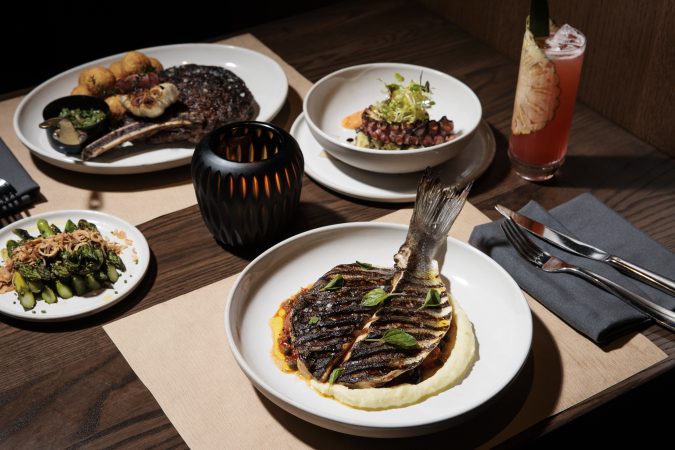
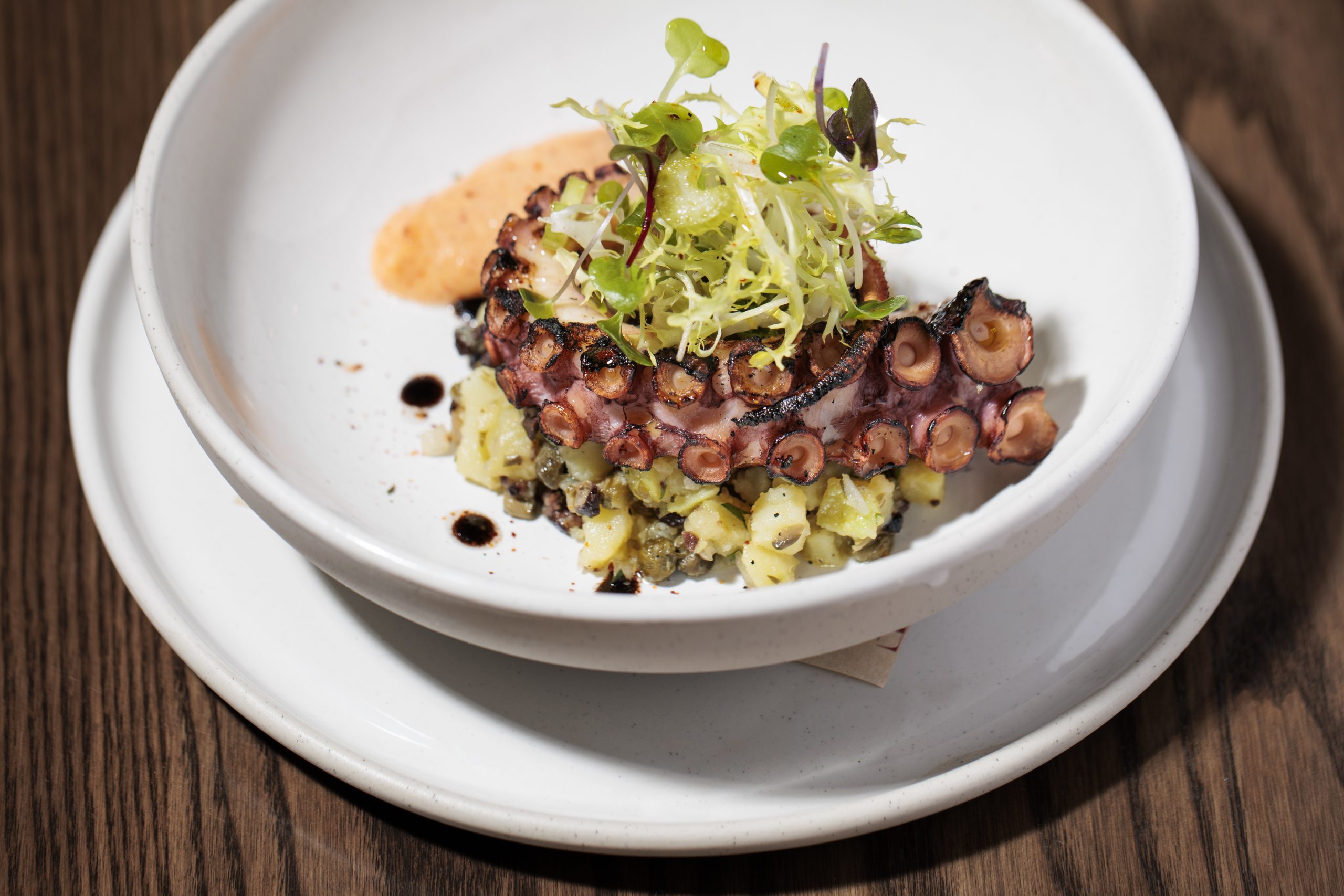
    The grilled octopus at Terra Grill.Monica Herndon / Staff Photographer

    I especially enjoyed Tourondel’s octopus starter, coiled into a thick ring with its tentacles pointing out over a hash of crushed fingerling potatoes bright with lemon, olive oil, espelette aioli, and black dots of cured-olive purée. A baked crab cake is meaty and fresh, and fun to eat from the shell that it’s been stuffed back into.

    Beside such successes, though, there are some fusion dishes that felt off-key, like the fried calamari with sweet chili dip, or the chimichurri-dabbed short ribs wrapped in bao buns whose puffy hinges had gone stale. A luxe hot dog encased in puff pastry with Gruyère and sauerkraut would have been delicious had its Wagyu dog not been so dense and rubbery. (Just as with burgers, a Wagyu pedigree does not make a hot dog better.) A tuna tartare stuffed into a flower-like bloom of shaved watermelon radishes beneath an avocado dome was flavorful and satisfying. But a mizuna salad draped with yuzu-dipped slices of yellowtail was awkward to eat and a waste of good fish.

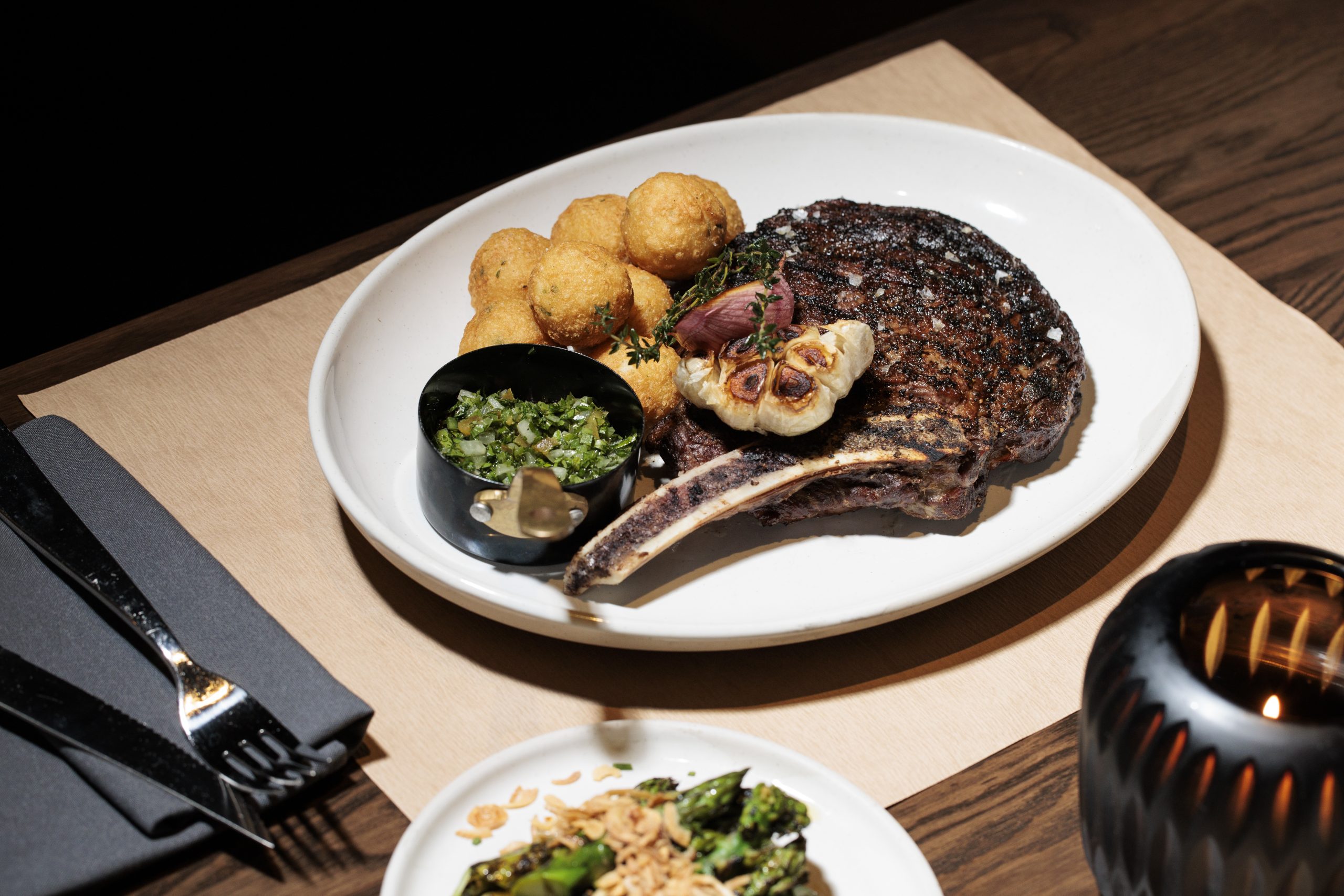
    The prime rib eye with dauphine potato puffs and grilled asparagus at Terra Grill.Monica Herndon / Staff Photographer

    The entrees are naturally headlined by the steaks — all high-quality prime grade (except for the Angus filet mignon) and properly cooked over the live flames of a hardwood grill, served simply with the sauce and side of your choice. The 22-ounce rib eye was the ultimate beefy cut of the four options, and also the most expensive at $98. The entry-level skirt steak wasn’t huge for $52 (and oddly, more expensive than the signature dish at Tourondel’s Skirt Steak in Midtown Manhattan), but the 10-ounce flap of black garlic-marinated beef glazed in hoisin was delicious, especially with crispy croquettes of dauphine potato puffs on the side.

    The bar at Terra Grill restaurant, 1099 Germantown Ave.Elizabeth Robertson / Staff Photographer

    Considering designer Olya Volkova’s attention to fostering the clubby comforts of a swank dining room, it’s a shame the mood is so often squashed by the glaring flash of big TVs behind the central bar. It speaks to a personality conflict this fledgling restaurant is still trying to resolve: Is Terra Grill a special-occasion destination, or a chic weekly hangout for neighbors to watch the Phillies over a $28 burger?

    I’d actually come back for that prime beef burger encrusted with seven different kinds of peppercorns and topped with molten raclette cheese — if only they manage not to overcook it next time.

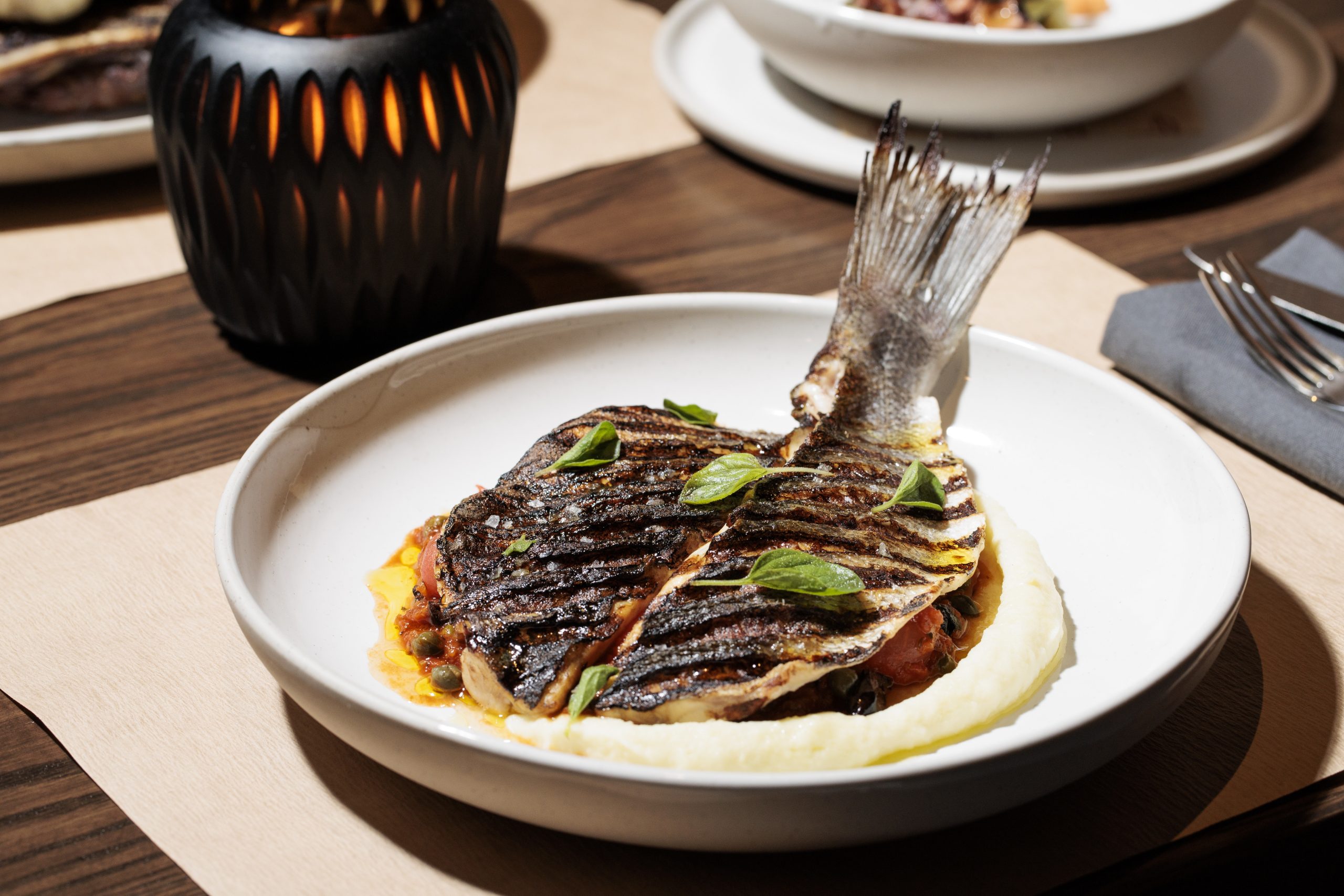
    I can also see returning for the excellent branzino, which gets butterflied and crisped skin-side down over the wood fire and served with a seasonal garnish — a lemon-soy salsa verde in spring, and now a summery puttanesca of blistered tomatoes with capers and olives. That fish is a fair deal at $36. However, even the chef conceded the entree of head-on red shrimp was “a little small” when I sent him a picture of my plate with three crustaceans for $36.

    The grilled branzino puttanesca at Terra Grill.Monica Herndon / Staff Photographer

    The rigatoni in lamb Bolognese is understandably popular with Terra’s regulars, both hearty and flavorful for $28. But it also feels random on a menu that has few other Italian flourishes — even if Tourondel’s adjacent pizzeria, Scusi, is right next door.

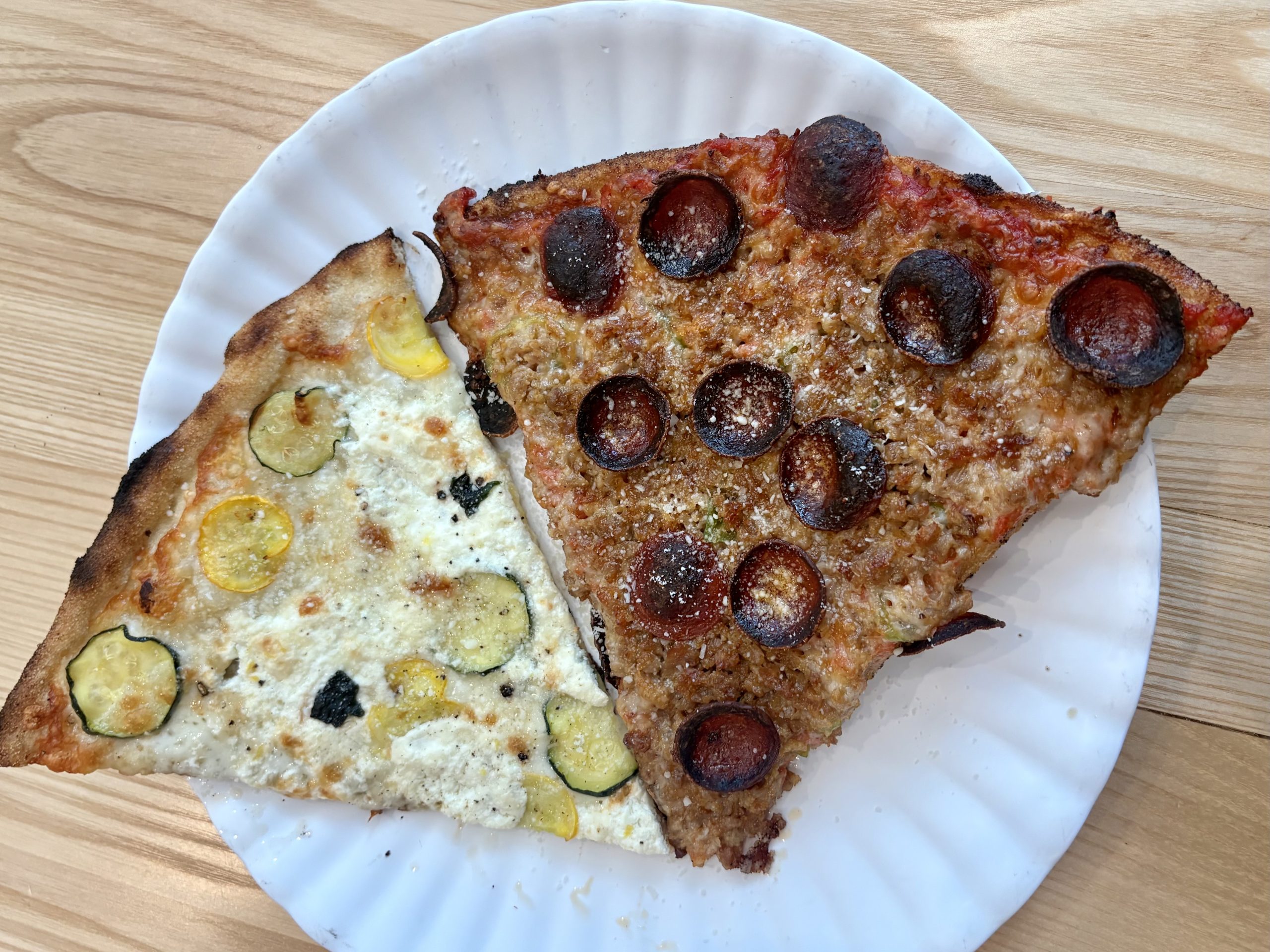
    With its blond wood, aperitivo hour, and appealing menu of salads and pies (many available by the slice), Scusi could very well be just the affordable counterpart Terra needs. But its thin-crusted Roman pies were so strangely heavy from a blend of grains, including bran, that the dough was leaden and tough. My weighty slice of sausage and pepperoni was also incinerated.

    Two slices of pizza at Scusi, located in the Piazza Alta in Northern Liberties.Craig LaBan / Staff
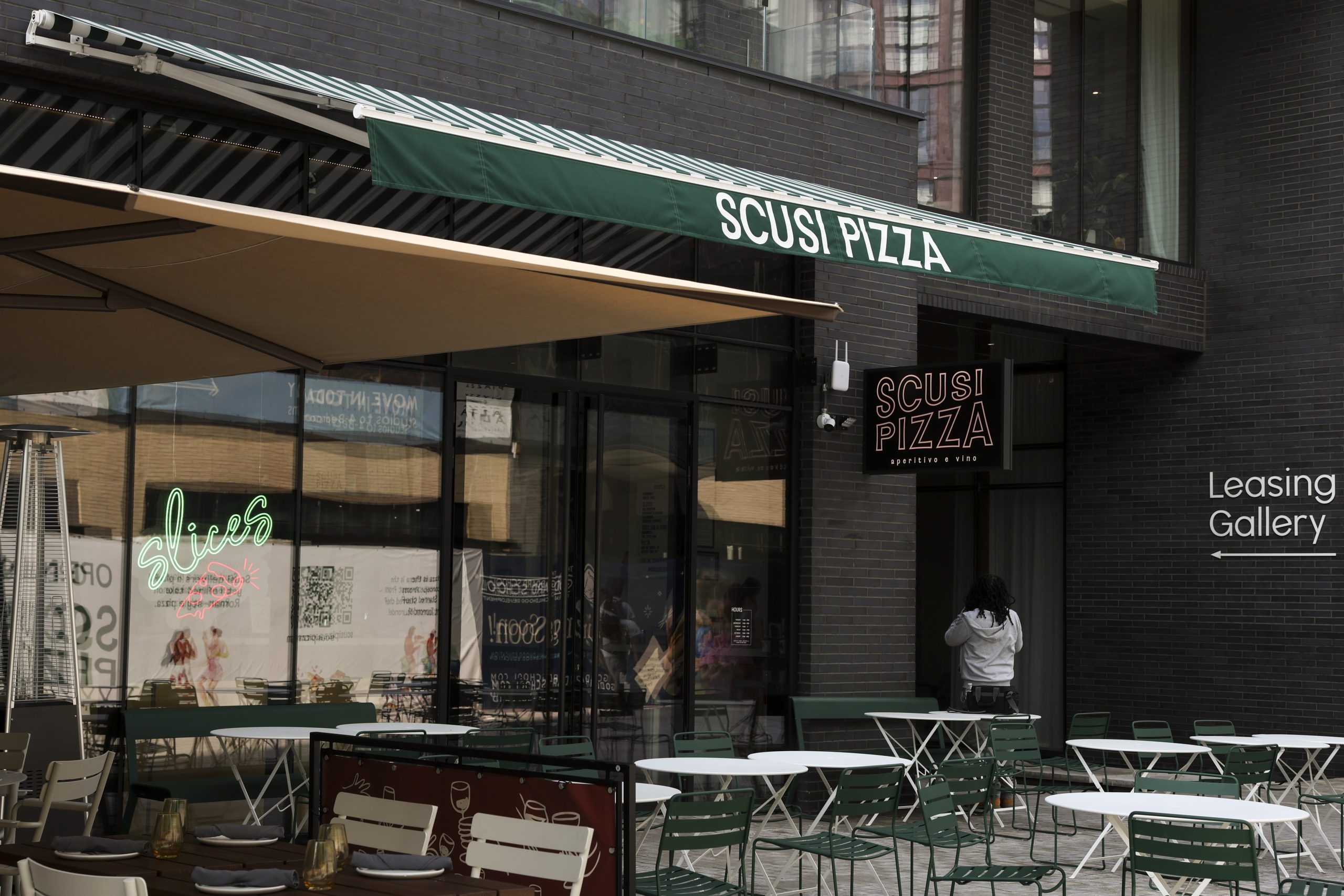
    Scusi Pizza next door to Terra Grill.Monica Herndon / Staff Photographer

    Having previously enjoyed Tourondel’s Neapolitan-style Sag Pizza in the Hamptons, I know he’s capable of good pies. But Scusi’s troubled crusts reflect one of the perils of having a remote-control chef conducting from out of state.

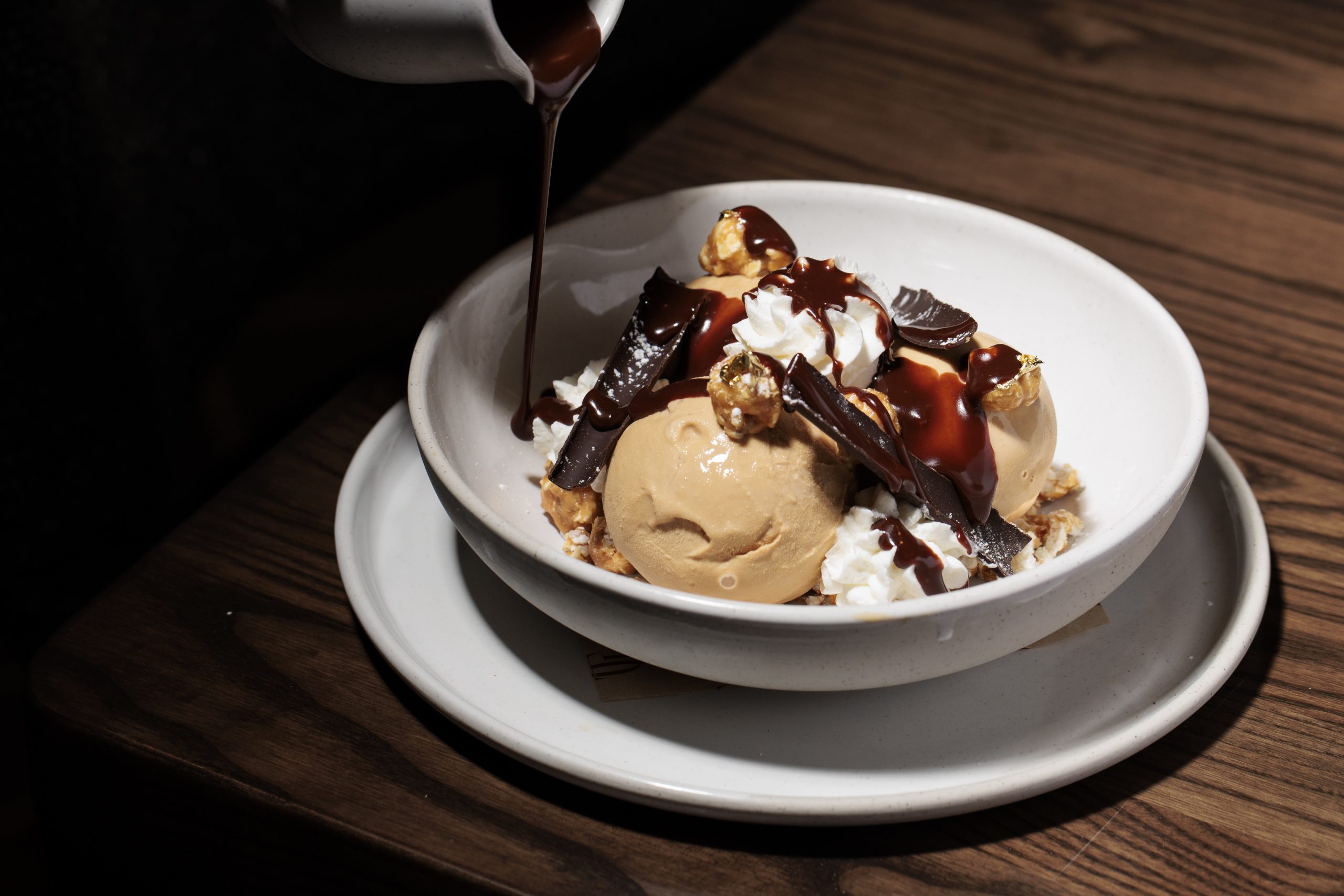
    Even more difficult than executing recipes, though, is finding the soul of a cookie-cutter concept, such that it feels like it fits the fabric of a place. Of course, in a literal blank slate like the Piazza Alta, the right restaurant can help set that tone. I did enjoy much of my food here, including the whimsical finale of a caramel popcorn sundae with a tableside chocolate sauce drizzle.

    There are good ingredients in place. And the service is friendly enough (despite some rushed pacing with the starters). But there is still a paint-by-numbers corporate energy to Terra Grill.

    The caramel popcorn sundae at Terra Grill.Monica Herndon / Staff Photographer

    Maybe its stride will come with more customers: The restaurant was less than half full during my visits. Perhaps they will materialize if the neighborhood gains the kind of momentum its developers hope to conjure — including the promise of an undisclosed local star chef slated to take a prime space across from Terra. Tourondel’s restaurants alone do not carry the gravity to fully animate this recently revived stretch of Germantown Avenue, but Terra could complement a broader scene. Just like the chaotic, slow-motion traffic patterns outside the restaurant’s doors, it feels like a work in progress.


    Terra Grill

    1099 Germantown Ave., 267-962-0011, terragrillrestaurant.com
    Dinner 5 to 9 p.m. Sunday, Wednesday, and Thursday; until 10 p.m. Friday and Saturday. Brunch 11 a.m. to 3 p.m Saturday and Sunday.

    Entrees, $28-$98.

    Wheelchair accessible.

    A little over half the menu items are gluten-free, with several others being easily modified with care to avoid cross contamination. Fried items are not available.

    Menu Highlights: Parker House rolls; fried calamari; lemon chicken parm sandos; grilled octopus; stuffed crab cake; grilled branzino; Terra burger; prime steaks (skirt; strip, rib eye); potato puff dauphine; caramel popcorn sundae.

    Drinks: Creative takes on classic cocktails with culinary twists are front and center, including a tzatziki-washed riff on a dirty martini and the rummy Crazy Bird tinged with bitter Campari. The sub-50 label wine list covers multiple styles with a balance of big names (Whispering Angel, Jordan) and lesser-known options (Decibel, Txakoli rosé). There are solid choices by the glass at $20 and under.

    The interior of Terra Grill on Thursday, July 9, 2026 in Philadelphia.Monica Herndon / Staff Photographer
  • Chibanos, a Chinese-Cuban sandwich shop built on family recipes, opens in Washington Square West

    Chibanos, a Chinese-Cuban sandwich shop built on family recipes, opens in Washington Square West

    Washington Square West’s latest restaurant brings Chinese flavors to Cuban classics, from pressed sandwiches and fried yuca to flan and croquetas.
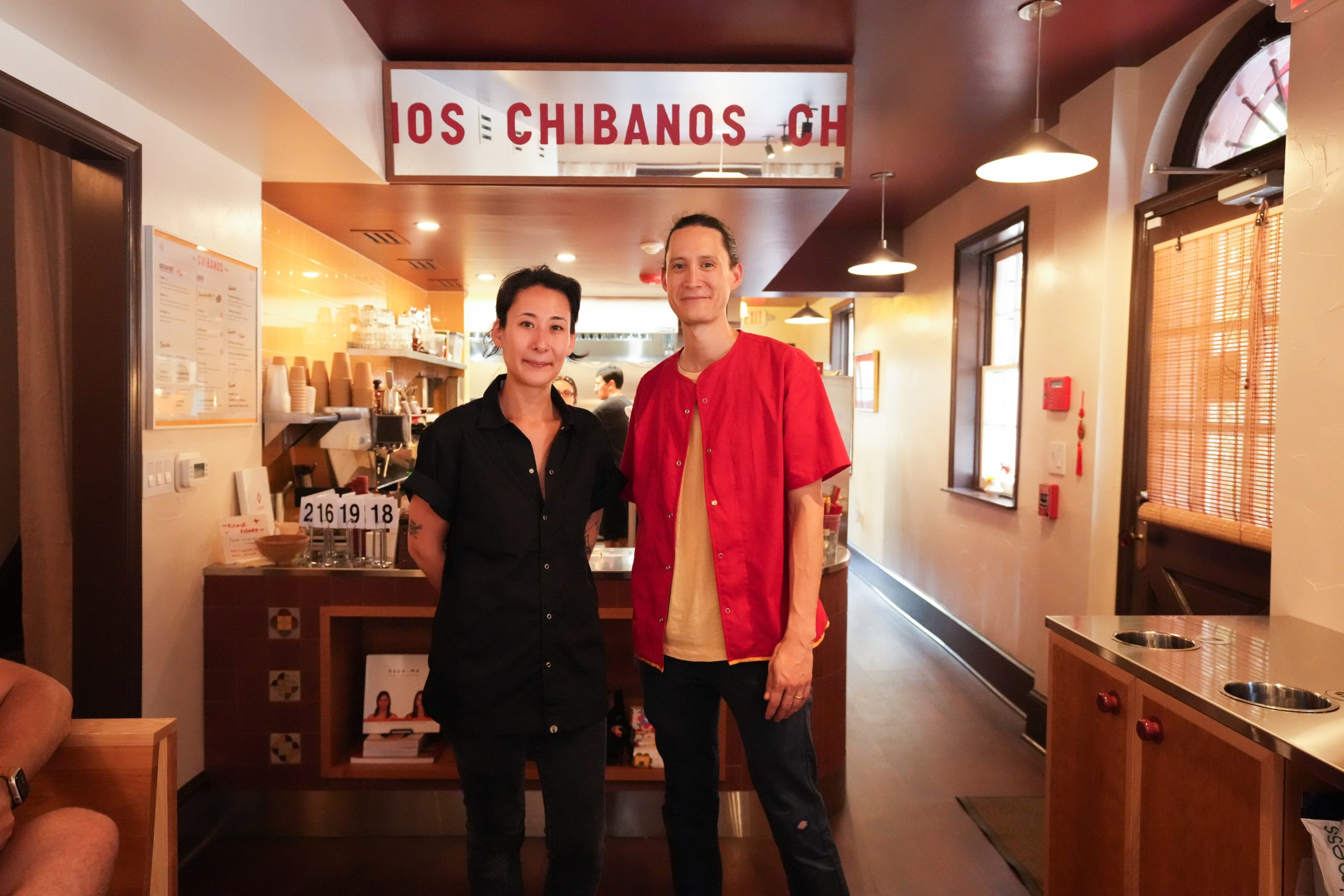
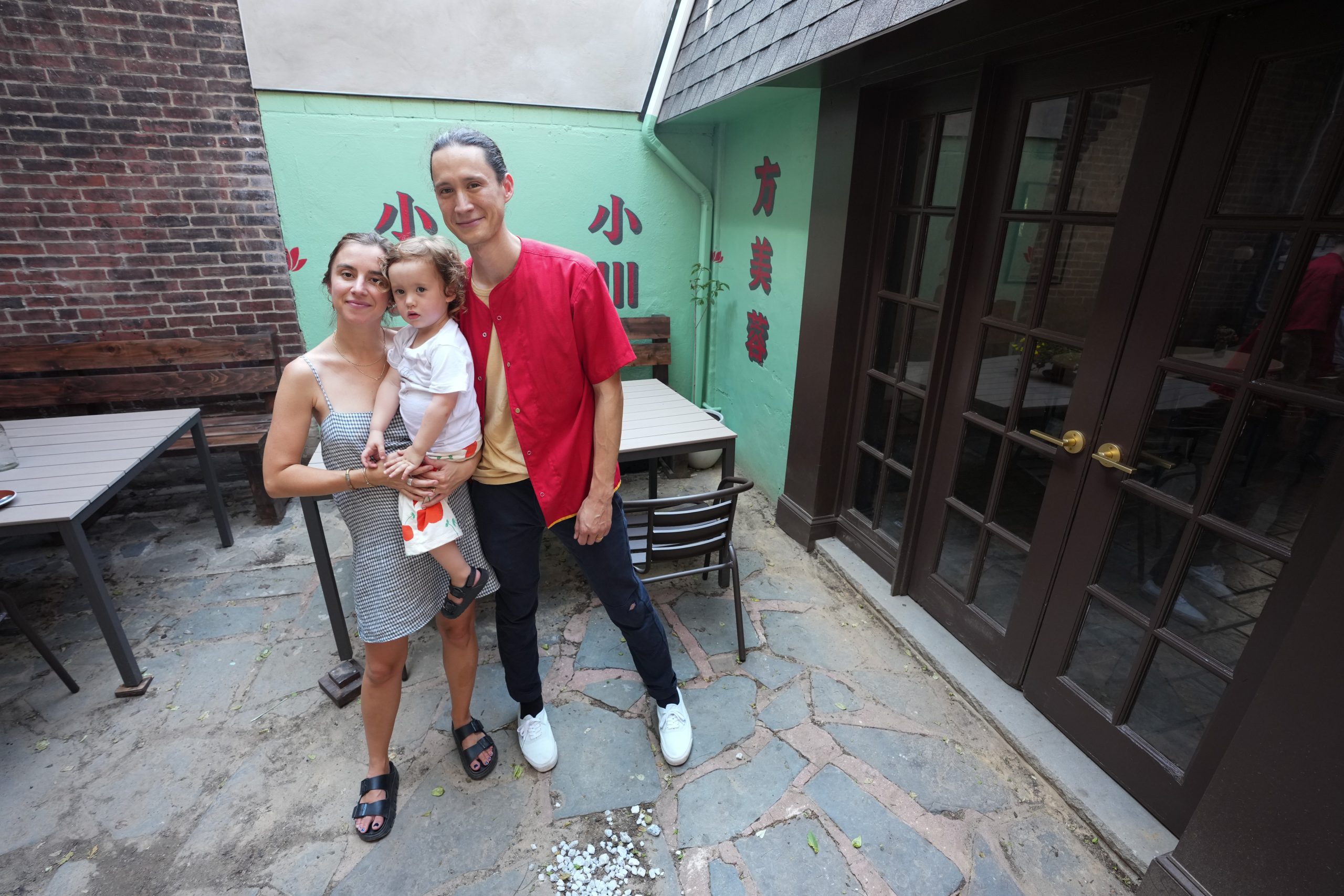
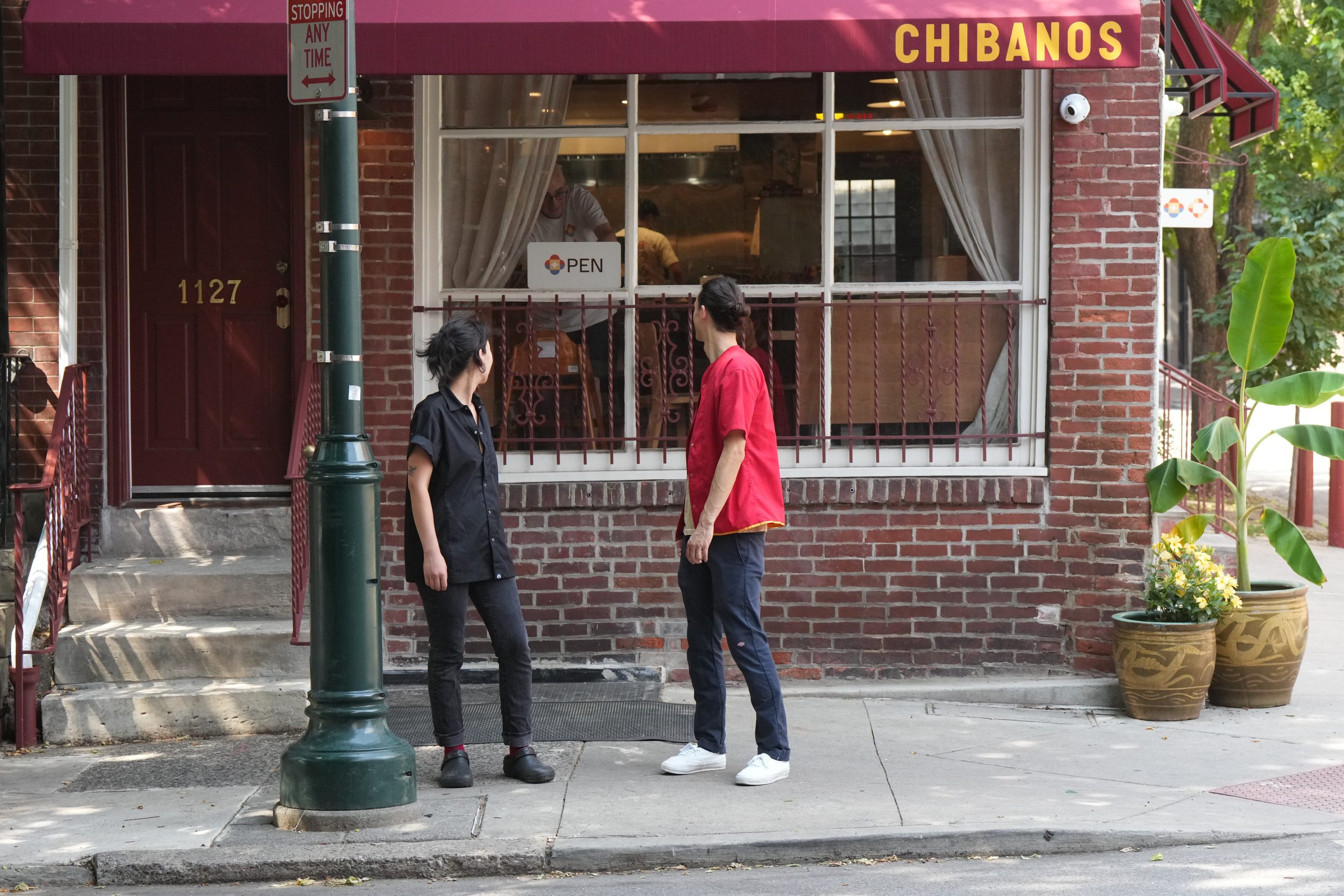
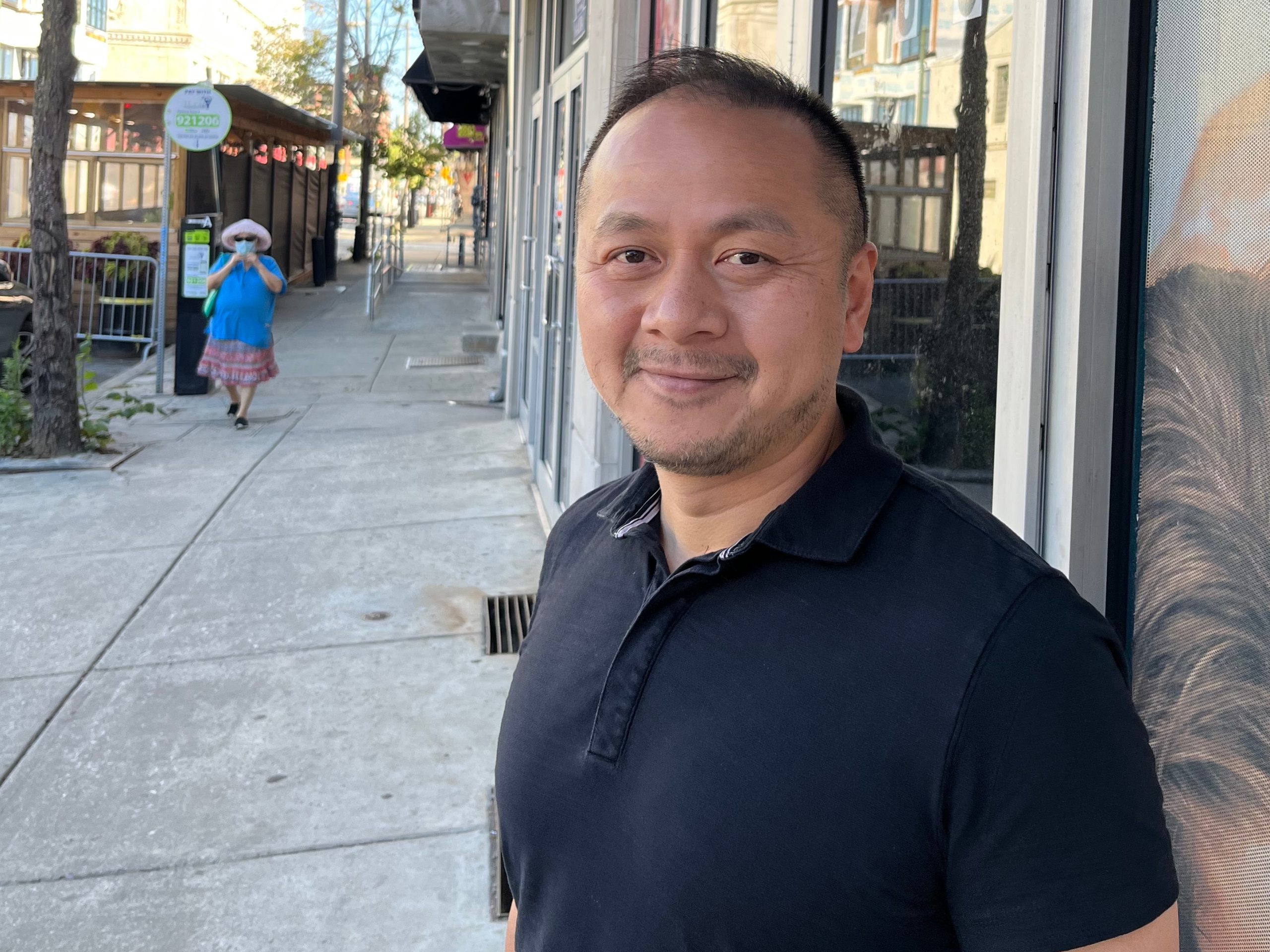
    Chibanos opened July 1 at 1127 Pine St., formerly Effie’s, with a menu that’s an ode to the food owner Evan Fong Jaroff grew up eating as a third-culture kid in the Philly suburbs. The restaurant’s name is shorthand for what Jaroff’s mother’s family were called growing up: “Chino Cubanos,” or Chinese Cubans.

    Jaroff’s mom, Ana, immigrated to the United States from Cuba in the 1960s after the Cuban Revolution. Food helped Jaroff make sense of and learn to appreciate his background as a mixed-race kid, he said.
    At their home in Lansdowne, the Jaroffs used “soy sauce like salt,” he said, and ate traditional Southeast Chinese fish dishes alongside rice and beans, yuca, plantains, and minced beef picadillo. On Nochebuena (aka Christmas Eve), his mom would present a plate of lechón, or slow-roasted pork, coated in a secret marinade. Leftovers would be used for sandwiches.

    Aya Iwatani (left) and Evan Jaroff inside Chibanos, their Cuban-Chinese sandwich shop that opened on July 1 at 1127 Pine St.Jessica Griffin / Staff Photographer

    “When you’re mixed race, you’re always compared to one or the other. When I lived on the East Coast, I was just Asian. When I lived on the West Coast, I was just white,” Jaroff, 39, said. “But I’m a whole person.”

    Reckoning with his racial identity was the catalyst for Chibanos, which Jaroff started as a pop-up in 2022 after leaving his finance career in London and moving back to Philly. Lacking culinary experience, he enlisted the help of chef Aya Iwatani, a Honeysuckle Provisions alum, to reinterpret his childhood memories into a set of sandwiches that felt authentically Chinese and Cuban, such as a Cubano stuffed with his mom’s famous pork and salted Chinese mustard greens, or jackfruit and tofu seasoned with a garlicky mojo.

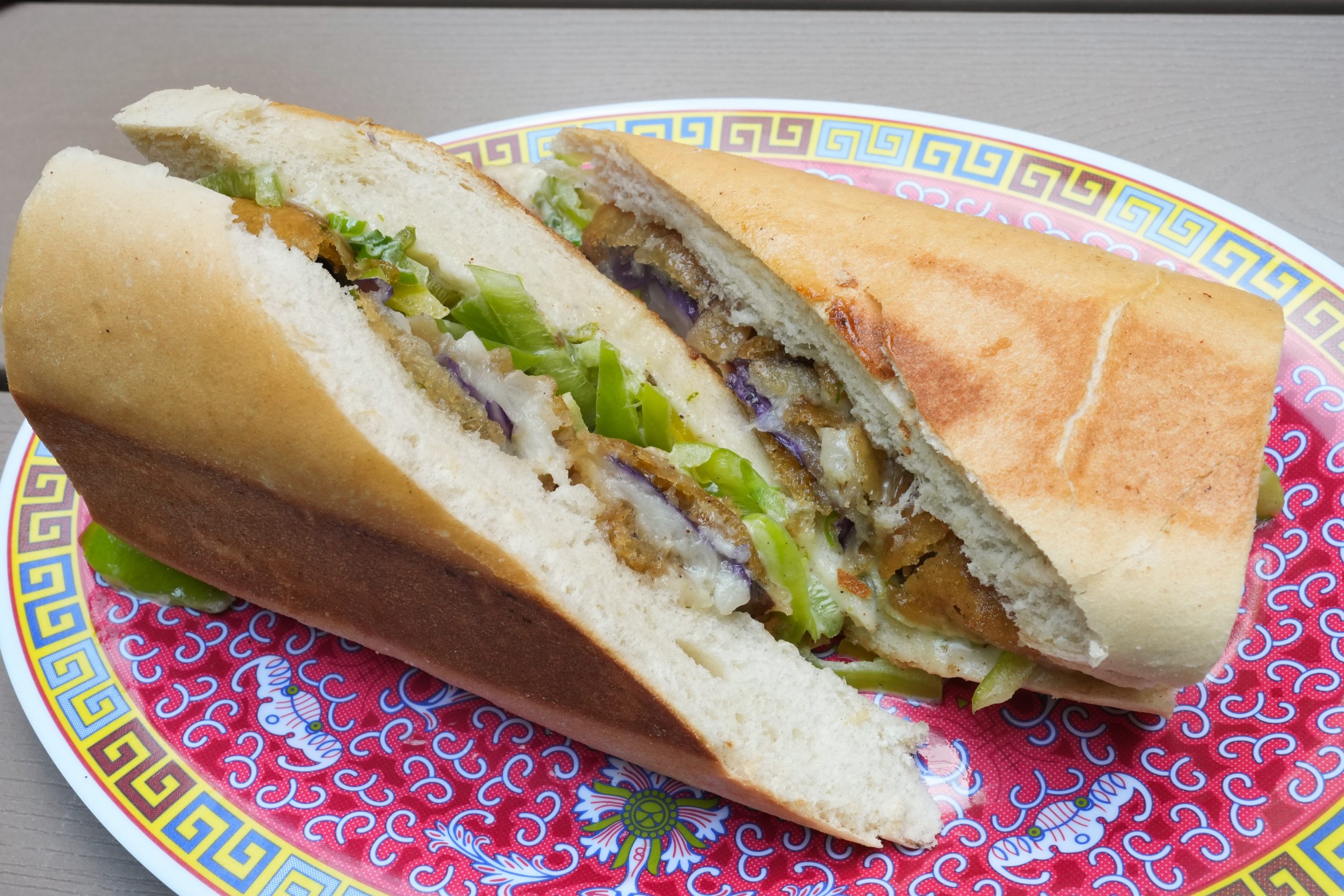
    The eggplant empanizado sandwich on a LeBus Bakery Cuban roll at Chibanos, owner Evan Jaroff’s Chinese-Cuban sandwich shop in Washington Square West.Jessica Griffin / Staff Photographer

    Successful takeovers at Solar Myth, Jiggy Coffee, and Forin were enough for Jaroff to go all-in on a brick and mortar. He purchased the building — once home to Effie’s, the beloved Greek BYOB that closed after 27 years — in August 2024.

    Jaroff said he was drawn to the 200-year-old rowhouse because its history gave it a lived-in feel.

    “I want people to say, ‘Oh, Chibanos? That place looks like it’s been there for 10 years,’” he said.

    Nearly two years after the sale, the 1,725-square-foot restaurant is now a casual sandwich shop-meets-cafe, with a revamped courtyard, communal seating, and a fresh paint job. The patio’s turquoise walls bear the names of Jaroff, his brother, and mom, spelled in Chinese characters.

    The space flows seamlessly from the counter-service storefront to the courtyard and a rear dining area that looks like a minimalistic tea room — all dark wood and conversational seating. Jaroff said the indoor-outdoor vibe is a nod to Cuba and Southern China, which have the same latitude and thus similar climates.

    Owner Evan Jaroff with his wife and son at Chibanos, his Chinese-Cuban sandwich shop. The menu pulls from recipes from Jaroff’s mom, a Chinese woman who was raised in Cuba.Jessica Griffin / Staff Photographer

    Chinese food done the Cuban way

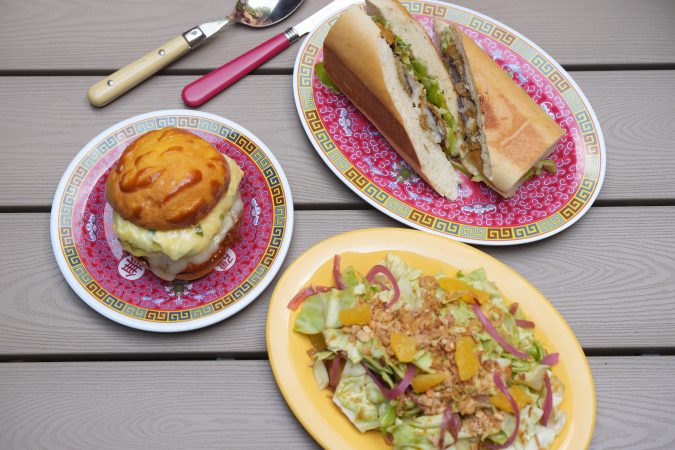
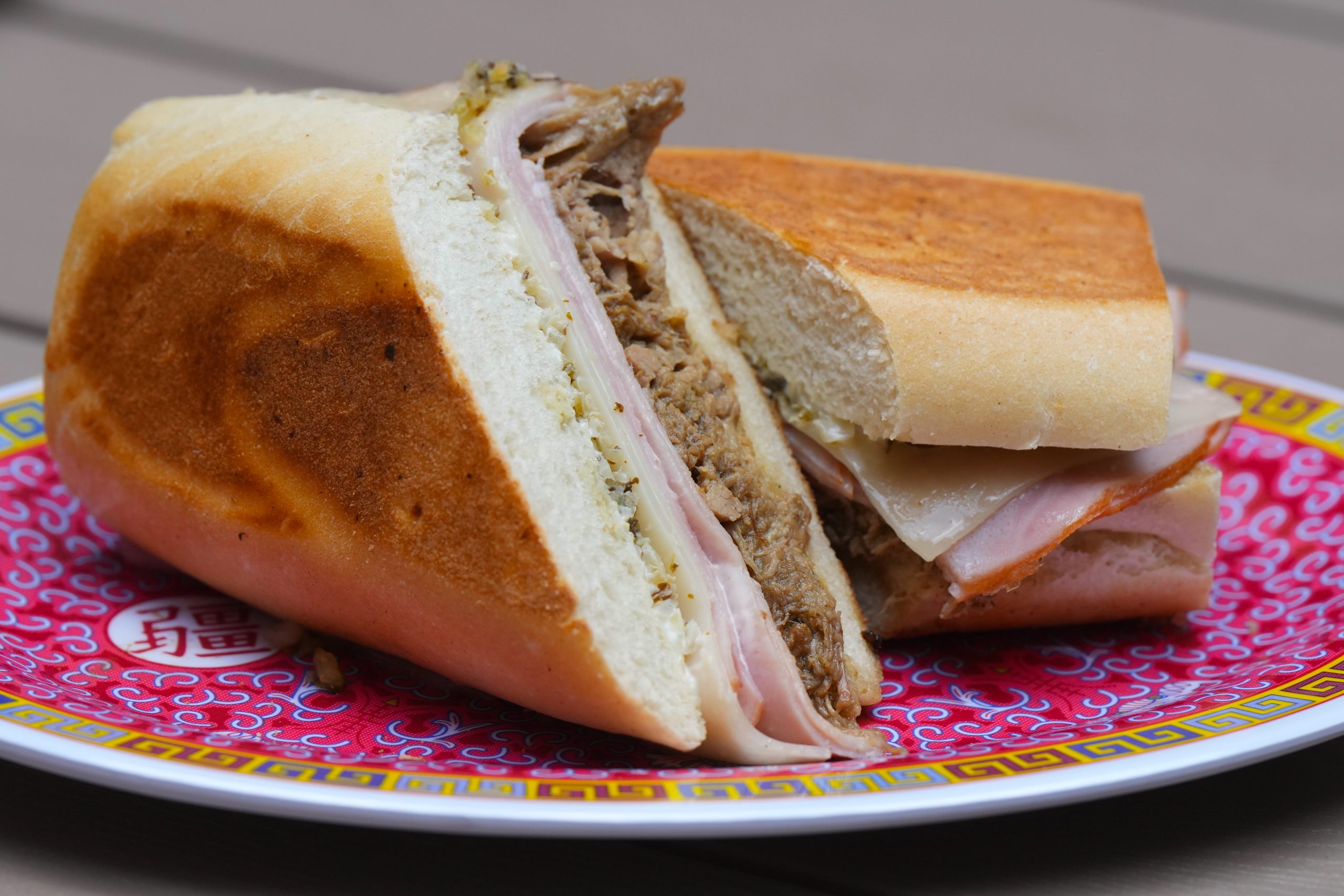
    The centerpiece of Chibanos’ menu is a lineup of six pressed sandwiches on LeBus’ Cuban loaves, which Iwatani — now Chibanos’ head chef — and Jaroff chose for its just-dense-enough texture after auditioning an array of ciabattas and hoagie rolls. The eggplant empanizado — layered with salt-and-pepper eggplant, pickled serrano peppers, and cubanelle scallion slaw — is a standout. So is the chibano, the restaurant’s namesake riff on a Cubano that uses Jaroff’s mom’s pork recipe.

    The chibano, Chibanos’ version of a Cubano sandwich with roast pork, ham, Swiss cheese, mustard greens, and mayo.Jessica Griffin / Staff Photographer

    The key, Iwatani said, is the marinade, which took several tries to get Ana’s stamp of approval. “The first time, she was like, ‘It’s pretty good, but not quite there,’” Iwatani said. “You have to use sherry.”

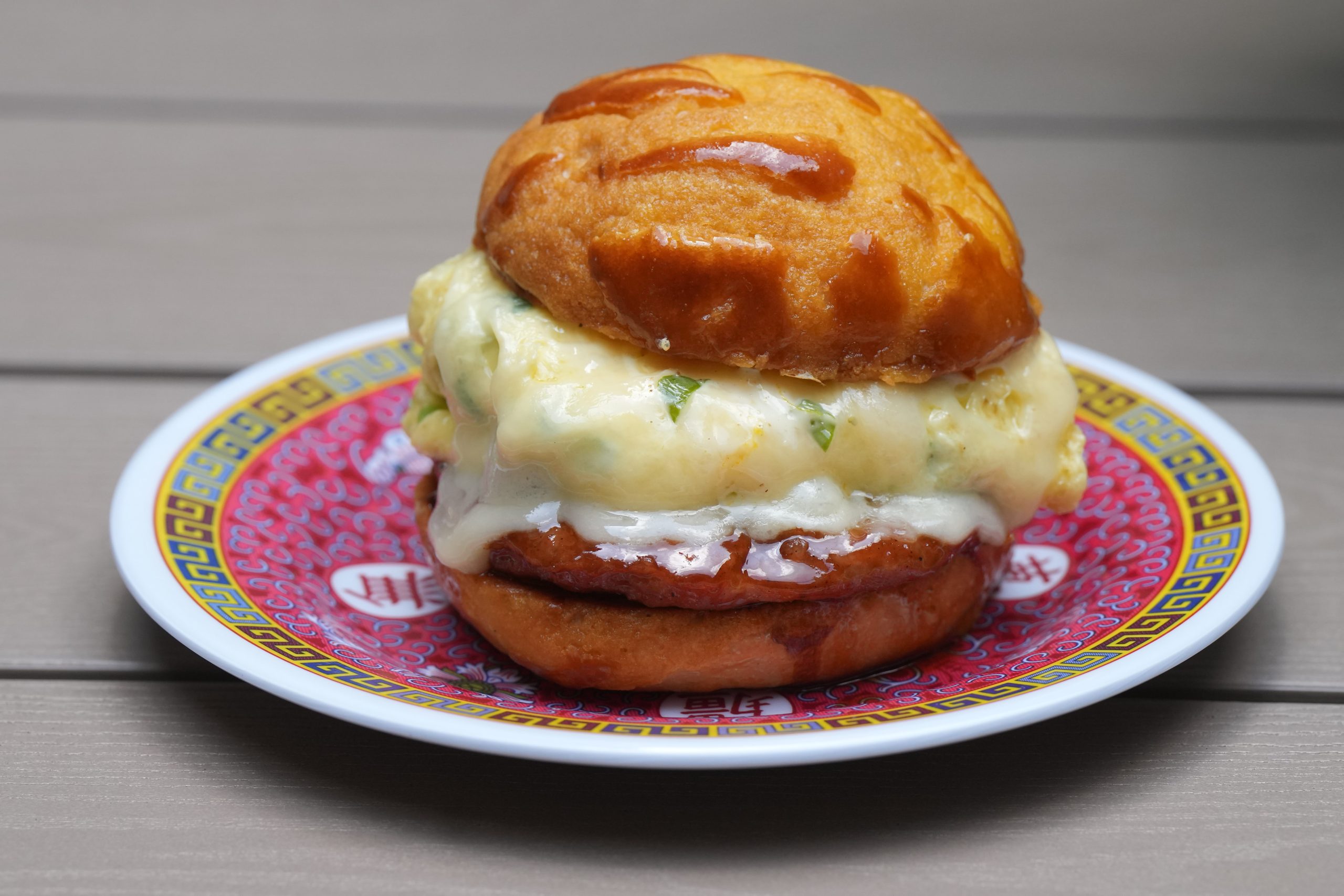
    The rest of Chibanos’ menu was developed after its pop-up run. Hits include croquetas stuffed with slightly sweet Chinese sausage, fried yuca made for dipping in a sofrito-spiced ranch, and a surprisingly light jasmine tea-infused flan. There’s also the sweet-savory-salty Chino breakfast sandwich: Fluffy eggs and char siu-style sausage are stuffed between a mayo-slicked Dodo Bakery bolo bao. The buns allude to the custard-filled rolls from Chinatown Jaroff grew up eating for breakfast.

    The Chino breakfast sandwich on a Dodo Bakery bolo bao at Chibanos, a Chinese-Cuban sandwich shop at 1127 Pine St.Jessica Griffin / Staff Photographer

    Chibanos joins the dying tradition of Chino Latino cuisine, a genre that dominated New York City from the 1970s to 1990s as Chinese immigrants from Latin America settled in the U.S. to escape political instability. Chinese (lo mein, spare ribs, etc.) and Latin American (ropa vieja, pernil, etc.) staples sit column A-column B style on menus optimized for pairings at iconic restaurants like La Dinastia and the now-closed Caridad 78.

    Cuba historically had a vibrant Chinese culture. One of Latin America’s oldest Chinatowns was established in Havana in the 1920s by Chinese migrants and former indentured servants who opened restaurants that incorporated Caribbean ingredients into traditional Chinese recipes.

    Aya Iwatani (left) and Evan Jaroff outside Chibanos, their Cuban-Chinese sandwich shop that opened on July 1 at 1127 Pine St.Jessica Griffin / Staff Photographer

    Jaroff doesn’t view Chibanos as fusion but rather a tribute to the unique style of cooking he learned from his mom.

    “I don’t think of us as a Cuban restaurant. I don’t think of us as a Chinese restaurant,” he said. “Don’t put us in a box … We’re our own thing.”

    Chibanos, 1127 Pine St., chibanos.com. Hours: 8 a.m. to 3 p.m. Wednesday through Sunday.

  • The Eagles and Phillies boost business more than the World Cup did, Philly bar owners say

    The Eagles and Phillies boost business more than the World Cup did, Philly bar owners say

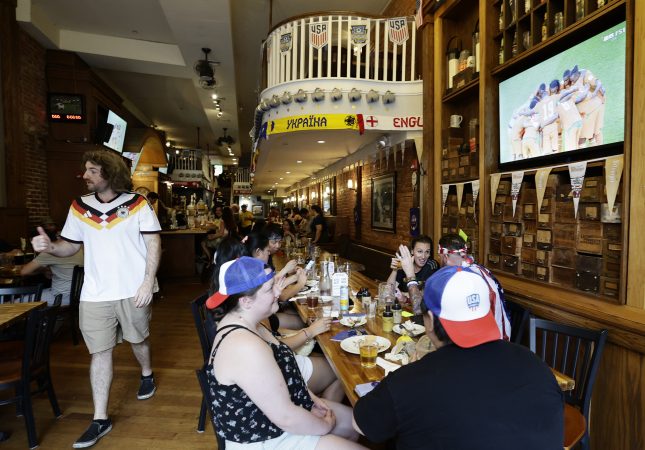
    Philadelphia has been flush with tourists flocking here for the World Cup and the nation’s 250th, patronizing local restaurants, bars, and stadiums.

    And in the aftermath, bar owners are weighing the exact size of any World Cup sales boom, how it compares to an Eagles’ Super Bowl run, and whether Philadelphia truly is a 4 a.m. bar town as the state allowed some establishments to stay open later.

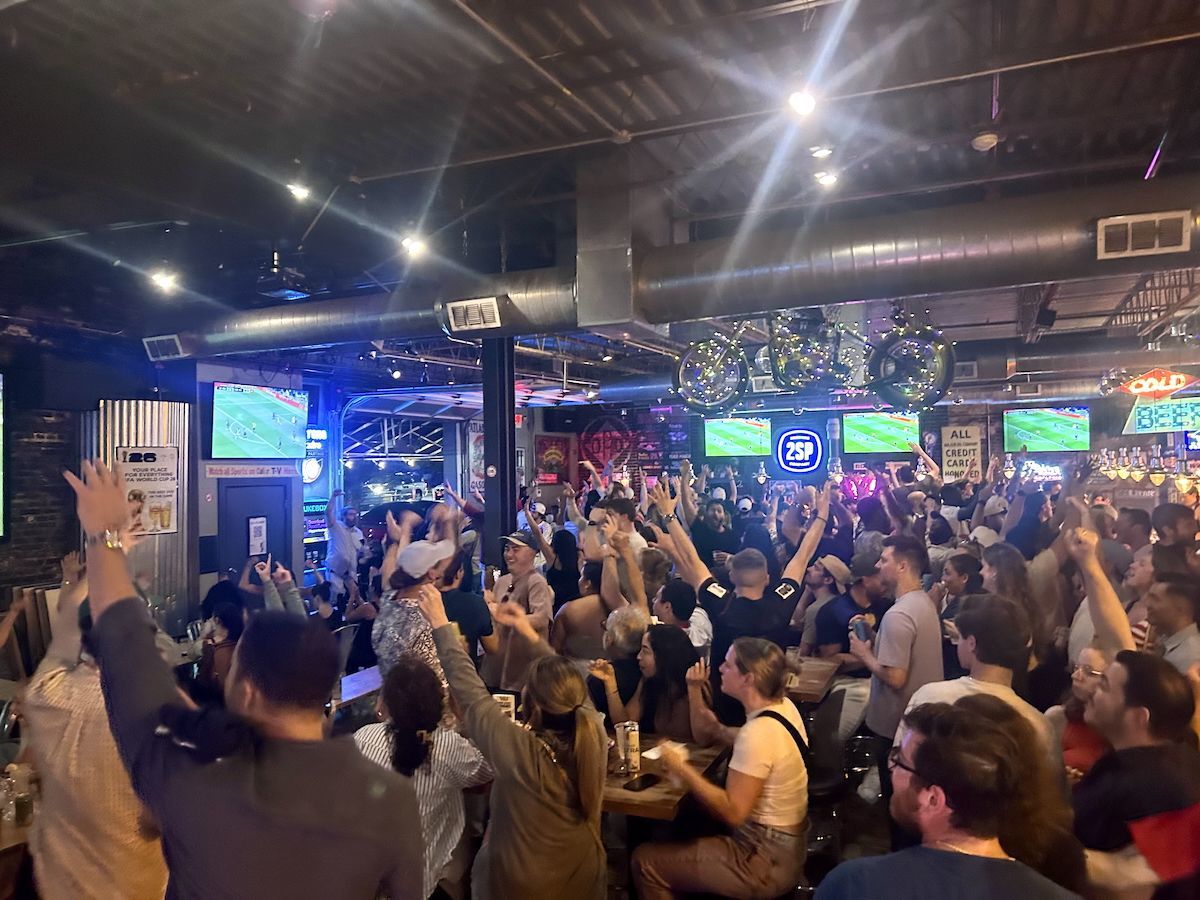
    One thing is clear: If the bar had TVs playing World Cup games, it had a chance at cashing in on fans eager to experience the game with others.

    Sports bars and tourism hot spots made out well

    Jason Evenchik’s Garage bars in Fishtown, Passyunk, and Rittenhouse saw “a nice bump in sales” throughout the World Cup, driving business up 30% to 40%, he said. Evenchik said the TV bars fared better than usual during what’s typically a summertime lull — and much better than when World Cup games were being broadcast from Qatar in 2022.

    Lucy’s Rittenhouse, a sports bar from FCM Hospitality’s Avram Hornik, also did well during the afternoon and evening games, especially when Team USA played, Hornik said. And it attracted patrons during its 2 a.m. to 4 a.m. shift, thanks to a Philadelphia 250 Permit, a temporary license that allows eligible bars to serve alcohol two hours past the city’s usual 2 a.m. closing time.

    “I don’t think it could have gone better,” Hornik said. FCM also operates the Center City nightclub Concourse, the family-friendly taproom Craft Hall, and riverside deck Morgan’s Pier, among other bars.

    “It was a mix of tourists. A lot of South Americans stayed out later because they’re used to places open late. Europeans we found like to camp out at a bar and stay for a while. There was also just a lot of Philadelphians who were happy to have some place to go and experience this moment,” Hornik said.

    Even bars without TVs like the decades-old Fergie’s Pub, nestled smack dab in Center City’s bar scene, saw a tourism boom, said owner Fergie Carey, attracting tourists to its authentic Irish experience. Carey even decided to open for the Fourth of July, when the bar usually closes, because there was so much foot traffic. But having no TVs can have repercussions.

    “The most people I’ve ever seen leave our pub because there are no TVs was on the Fourth of July,” Carey quipped.

    Evenchik and Hornik also saw lower engagement at some of their bars with little to no TVs or sports vibe, such as Evenchik’s Vintage wine bar, which he said suffered a 30% decline in sales during World Cup weeks. Hornik’s neighborhood restaurant and bars like Rosy’s Taco Bar or Harper’s Garden didn’t necessarily take a sales hit, but their private dinner party business “almost disappeared during the time of World Cup,” he said.

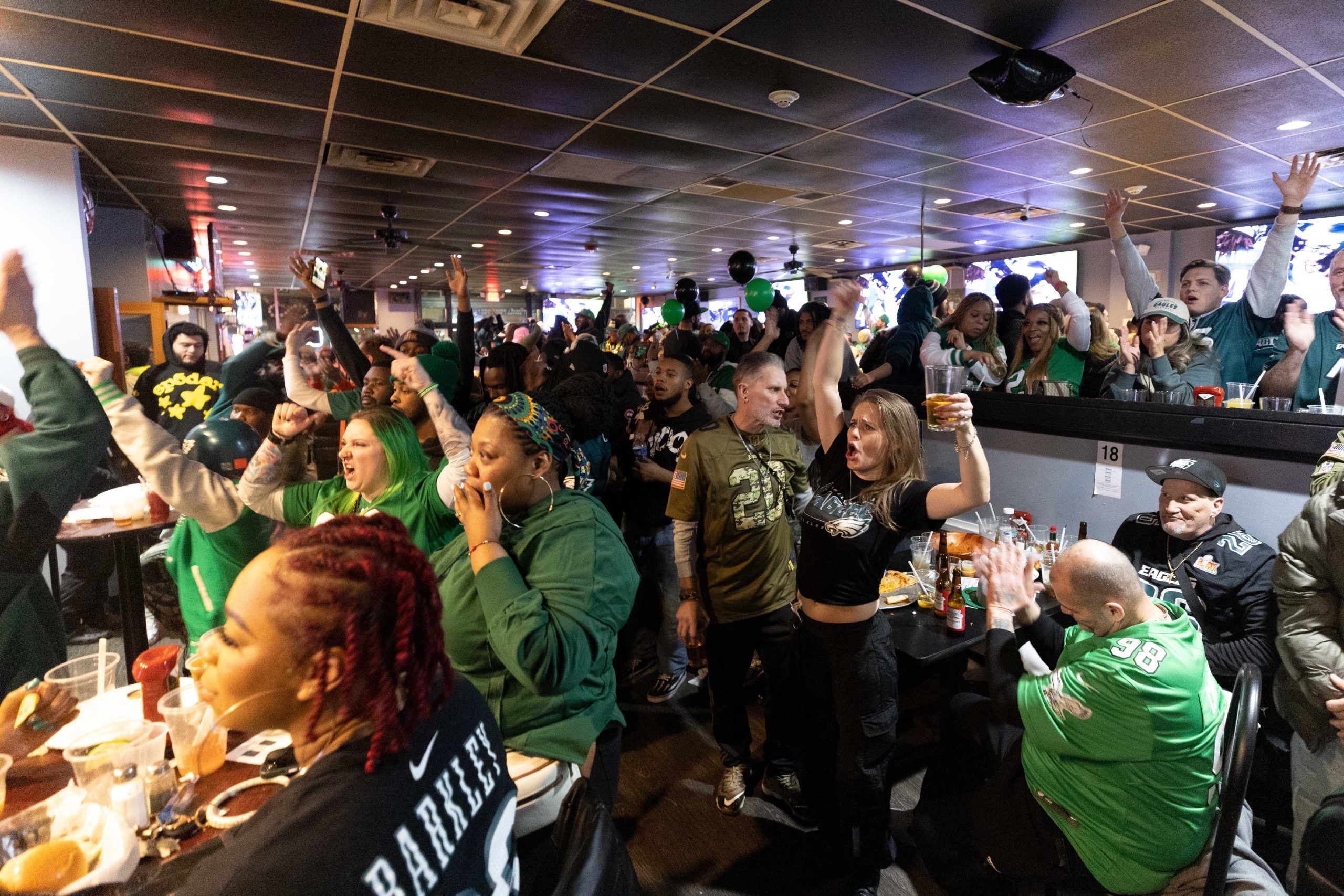
    Fans react to the Eagles play the Chiefs in the NFL Super Bowl LIX, in a bar near Frankford and Cottman Aves., Saturday, Feb. 8, 2025, in Philadelphia.Tyger Willliams / Staff Photographer

    The World Cup pales in comparison to a Super Bowl at Philly bars

    While the sports bars and hotter tourism areas saw a World Cup sales bump, bar owners say it was nothing compared to the revenue brought in from the Eagles going on a playoff-to-Super Bowl run, or the Phillies in the World Series.

    “I don’t think there’s anything that compares to Philly sports fans and their loyalty to our Philadelphia teams when they do well,” Hornik said.

    When a Philly sports team is doing well, Evenchik said, people seem more willing to go out and celebrate on the town.

    “In those times we see a bump in the sports bars, but also everywhere else, including restaurants, because everyone’s so joyous,” Evenchik said. “The World Cup doesn’t really get close to the Super Bowl madness.”

    At Philly’s oldest craft and woman-owned brewery, Dock Street, bartender Jessica Head and assistant general manager Abby Stover said they’ve been relishing the fervor of World Cup fans for every game, regardless of who is playing.

    “The World Cup finals are truly similar to us Philadelphia sports fans in their passion and how much they are willing to ride for their teams, but nothing can beat a good Eagles playoff run,” Stover said.

    “With an Eagles playoff run, we get the bursts during the games once a week, and the energy is undeniable. But the World Cup is really something so special,” Head said. “We’re so lucky we get to see that excitement every single day during the tournament.”

    Fans watch a Team USA match at the Fishtown sports bar, Garage, during the 2026 World Cup.(Courtesy of Jason Evenchik)

    4 a.m. bars in Philly aren’t as popular as believed

    Hornik applied for the Philadelphia 250 Permit at several of his bars.

    But only Lucy’s really enjoyed the benefits of 4 a.m. closing times. FCM’s other nightlife-oriented locations generally didn’t take advantage of their permits, Hornik said.

    While Hornik found success at Lucy’s, others have said the 4 a.m. party culture in Philadelphia just didn’t materialize.

    “I’ve spoken to a couple people who are involved in some of the bars that had a 4 a.m. license, and everyone kind of universally agreed that it cost a bit more than it was worth,” Evenchik said.

    The permit itself cost $500 to apply for, and another $250 for safety training from the city.

    Additionally, only a handful of the 104 World Cup matches were broadcast close to times near Philadelphia’s usual 2 a.m. closing time. “It didn’t really make sense because none of the games were really that late,” Evenchik said.

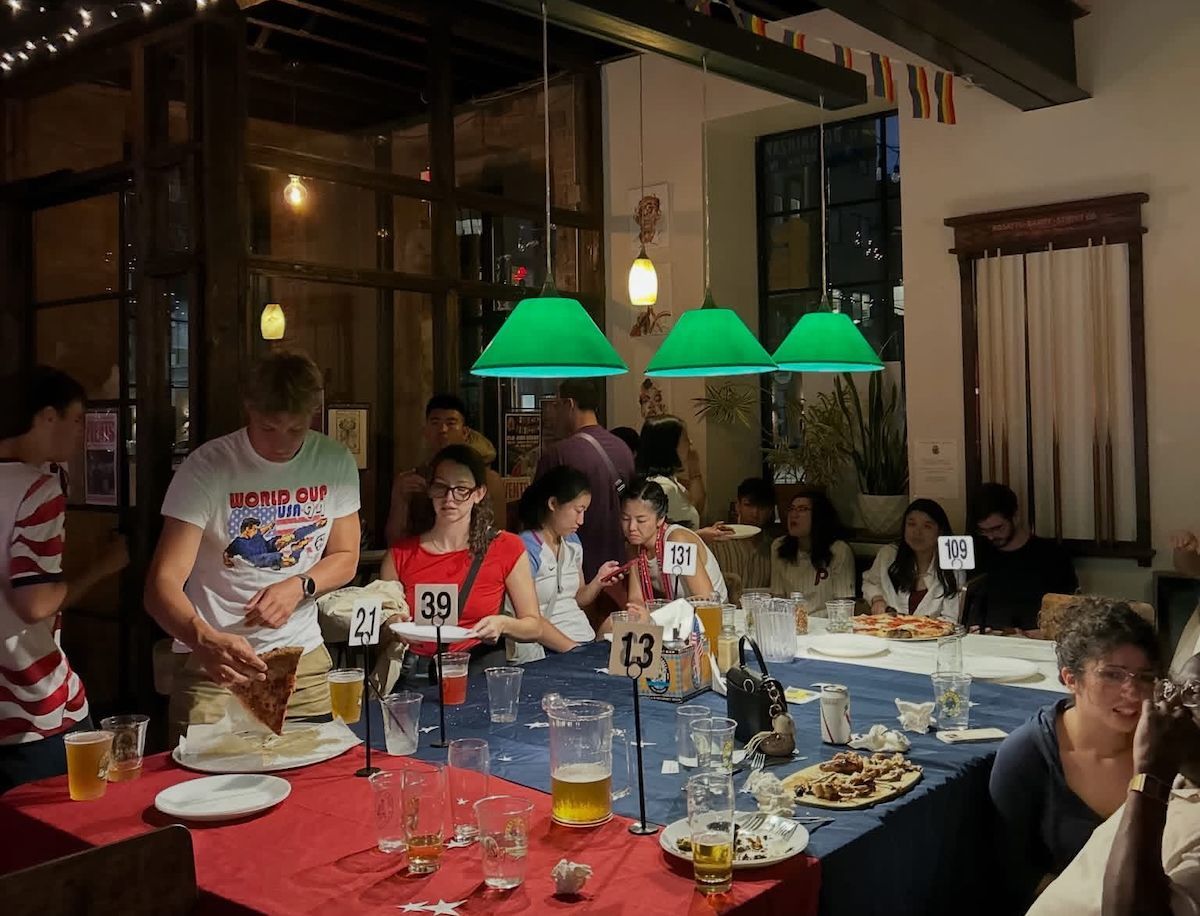
    World Cup fans share pizza and beer while watching matches at Dock Street South on Washington Avenue in South Philadelphia during the 2026 World Cup.(Courtesy of Renata Vesey)

    What lasts is the cultural exchange

    Neighborhood bars largely didn’t see a boom like Center City and established sports bars, but the World Cup did bring more business and, occasionally, international tourists, said Renata Vesey, creative director at Dock Street, which operates a brewery along Washington Avenue and a taproom in Fishtown.

    “When Côte d’Ivoire played, we got a big crew of Ivorians of all ages,” Vesey said. “It happened to be on a Sunday that we were also hosting a line-dancing event, so it was just such a random, cool mix of people and interests and vibes.”

    Bars were livelier and more crowded than usual, and Dock Street opened for a few games on Mondays, when it is normally closed, she said.

    Hornik’s neighborhood bars and restaurants like Rosy’s continued to draw their usual crowds as well. But what stands out to him is the role that Philadelphia bars and restaurants played in making the city one of the more memorable places to watch the World Cup, he said.

    “It’s not just our job to entertain them for one night, but to make them want to come back here,” Hornik said. “I think that Philadelphia did a great job of showing how great a city Philadelphia is.”

  • EMei owner leases Bookbinder’s space in Old City, his fourth landmark restaurant acquisition in a year

    EMei owner leases Bookbinder’s space in Old City, his fourth landmark restaurant acquisition in a year

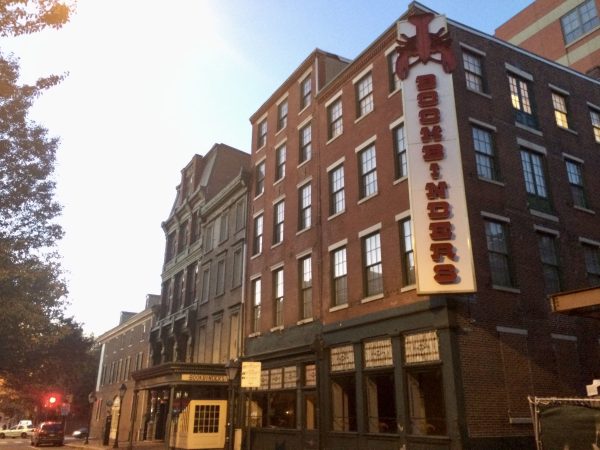
    Dan Tsao, the owner of the Chinatown Sichuan restaurant EMei, has leased the former Olde Bar at Second and Walnut Streets in Old City. It’s the fourth landmark restaurant property he has taken on in the Philadelphia area in the last year.

    The building, home to Old Original Bookbinder’s for generations before becoming Olde Bar in 2015, joins the former John Henry’s Pub in Ardmore, Marra’s in South Philadelphia, and Irish Pub in Rittenhouse in Tsao’s portfolio.

    Tsao said this deal marks the end of an expansion plan driven by the long lines and limited capacity of the basement kitchen at his restaurant at 915 Arch St. EMei is one of Philadelphia’s most acclaimed Chinese dining rooms, earning a spot on The Inquirer’s 76 list of essential restaurants in 2024.

    “People see Bookbinder’s as another restaurant,” Tsao said. “I see it as the large production kitchen we’ve been dreaming about. We’ve insisted on making everything from scratch — our chili oil, dumplings, egg rolls, scallion pancakes, sauces — you name it. We’ve never wanted to cut corners. This gives us the space to keep doing things the way we’ve always believed they should be done.”

    Dan Tsao, publisher of Metro Chinese News and other publications, and owner of EMei, in 2022.Joseph N. DiStefano

    “From the outside, it may look like we’ve been on an acquisition spree, but that really wasn’t the goal,” Tsao told The Inquirer. “Our focus now is opening these locations one at a time and making sure each one succeeds before we think about anything else.”

    Each property will have a different role, Tsao said. The former John Henry’s, on Cricket Avenue, and Marra’s, on East Passyunk Avenue, are both destined to become future EMei restaurants. Old City will first serve as a commissary kitchen before adding a dining room, bar, and event venue, while the former Irish Pub — a mixed-use building spanning 2007-11 Walnut St. — is being developed as a broader hospitality concept rather than another EMei location.

    Tsao, who emigrated from China in the 1990s and graduated from Pennsylvania State University in 1999, owns EMei and nearby TingTing’s Cafe, along with New Mainstream Press, publisher of Metro Chinese Weekly and Metro Viet News. His mother-in-law, Jinwen Yu, and chef Yongcheng Zhao opened EMei in 2011; Tsao and his wife, TingTing, took over the business in 2019. (Zhao is still the chef.)

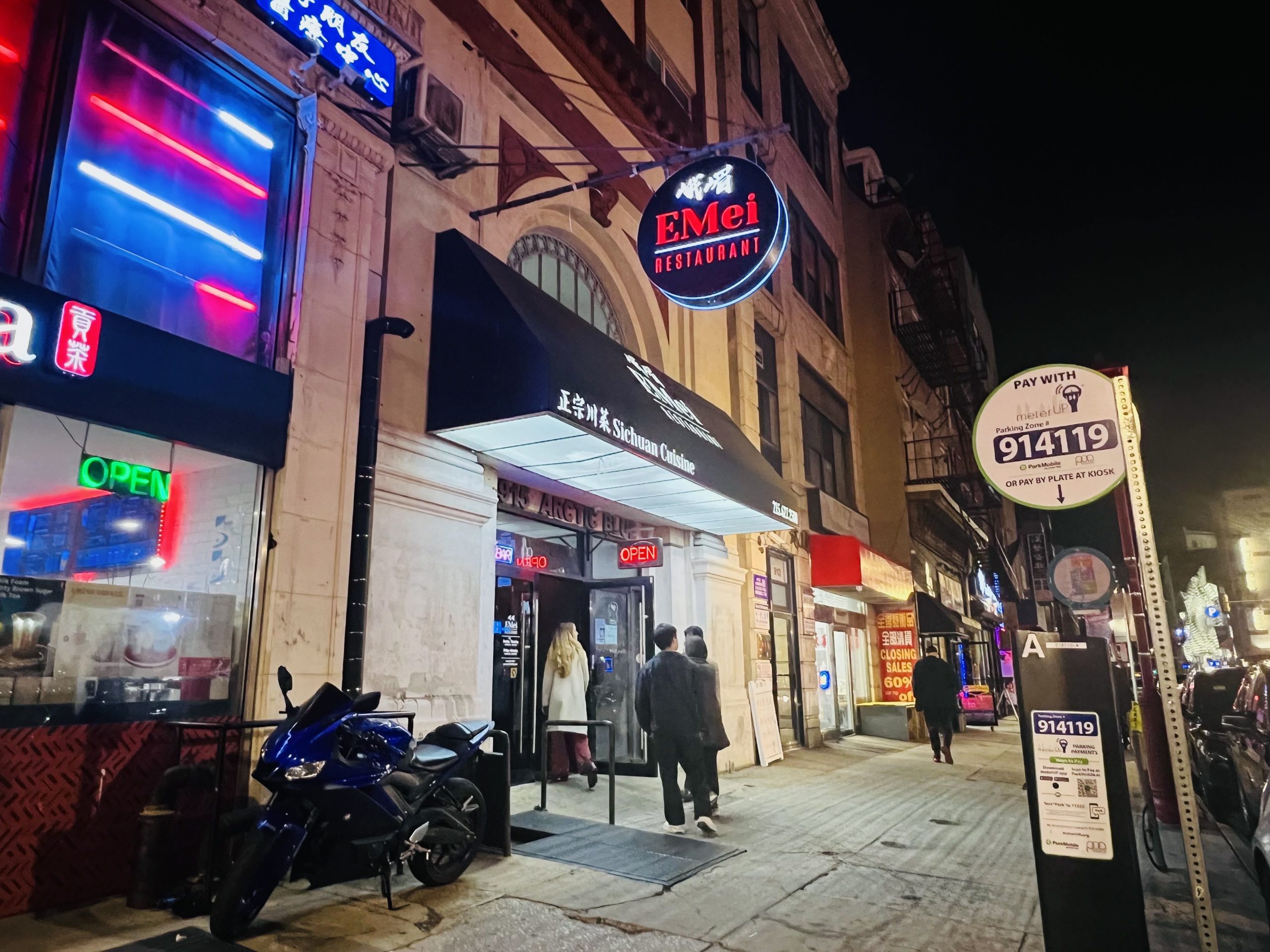
    Dan Tsao’s restaurant EMei at 915 Arch St. in Chinatown in 2025.Michael Klein

    Tsao said the acquisitions were never intended to happen simultaneously — several independent opportunities simply surfaced within a short period. “It may look like we’re expanding quickly, but internally we’re actually slowing down,” he said.

    “The way I look at these projects is that I’m buying them partly as a long-term real estate investor and partly as an owner-operator,” he said. “That gives us the flexibility to move at our own pace, take the time to figure out each space, and make sure we do it the right way instead of rushing to open.”

    A kitchen too good to pass up

    The Olde Bar/Bookbinder’s property is different from the others: Rather than purchase the condominium space outright, Tsao signed a lease with an option to buy. The Philadelphia Business Journal first reported EMei’s application for a liquor license at the address.

    The biggest draw wasn’t the stained glass and landmark dining rooms, decked out in late-19th-century furnishings — it was the kitchen. Spanning nearly half the ground floor, it includes five walk-in refrigerators and freezers and two 32-foot cooking lines beneath exhaust hoods, allowing Tsao to begin operations without the extensive demolition and rebuilding required at his other properties.

    “If not for the kitchen space, I would not consider it,” Tsao said. “It is very hard to find such a large kitchen in Center City.”

    The property, at 125 Walnut St., includes about 13,000 square feet on the ground floor, plus 5,000 square feet of basement storage. The first phase will be largely behind the scenes: Tsao plans to use the building as a commissary kitchen to relieve pressure on the Chinatown restaurant, while also running takeout and delivery as EMei Old City. Later, he expects to open a roughly 60-seat dining room and bar, followed by an event venue. He’s considering calling the overall complex the Bindery and the bar the Publisher Bar — nods to both the building’s Bookbinder heritage and his own nearly two decades in publishing.

    The vertical neon Bookbinder’s sign on the east corner of the property “has to stay,” Tsao said.

    Work has begun at all four properties, but Tsao said they will open one at a time. Because the kitchen is largely intact, the Old City site may be the first of the new locations to begin limited operations, with dining and event spaces to follow as renovations continue in Ardmore, on Passyunk, and in Rittenhouse.

    A building with many lives

    Old Original Bookbinder’s traces its roots to an oyster saloon that Samuel Bookbinder opened in 1893 at 525 S. Fifth St. before moving to 125 Walnut St. in 1898. Over the next century, it became one of Philadelphia’s signature restaurants, drawing presidents, politicians, celebrities, and generations of diners for oysters, lobster, and its famed snapper soup. For many, it was their first ritzy dining experience in the days when people dressed up for dinner.

    It also spawned a crosstown rival after a family split. Bookbinders Seafood House opened in 1935 at 215 S. 15th St. and closed in 2003. It was later an Applebee’s, which ran from 2005 to 2020, and is now a music bar called Vinyl.

    After a major renovation and condominium conversion in the early 2000s, Bookbinder’s struggled financially and closed in 2009 amid bankruptcy. The Taxin family, who bought the original Bookbinder’s in 1945, still owns an Old Original Bookbinder’s restaurant in Richmond, Va., which opened in 1999.

    Chef Jose Garces revived the landmark in 2015 as the Olde Bar, preserving much of the historic architecture while reimagining it as a contemporary oyster house and cocktail bar.

    The restaurant filed for Chapter 11 bankruptcy protection in 2018 and later was acquired by investors. The restaurant closed for public dining in 2024 but continued as an events venue and served as headquarters for Garces Events, the catering company founded by Garces and owned by Compass Group USA. Compass closed both Garces Events and the Olde Bar last year.

  • South Philly’s newest cafe has a home-run breakfast sandwich and lines out the door

    South Philly’s newest cafe has a home-run breakfast sandwich and lines out the door

    All Jeremy Asch and Abby Armstrong wanted was a good breakfast sandwich close to their Point Breeze home.

    “At some point, you say, ‘Screw it, I’ll do it myself,’” Asch said. “If we want it, I’m sure somebody else wants it, too.”

    The result is Schmaltz, a new breakfast-and-lunch café at 18th and Wharton Streets serving a deliberately tight menu of latkes, blintzes, and egg sandwiches on house-baked English muffins. Since opening earlier this month, it has drawn lines during its Friday-through-Monday service.

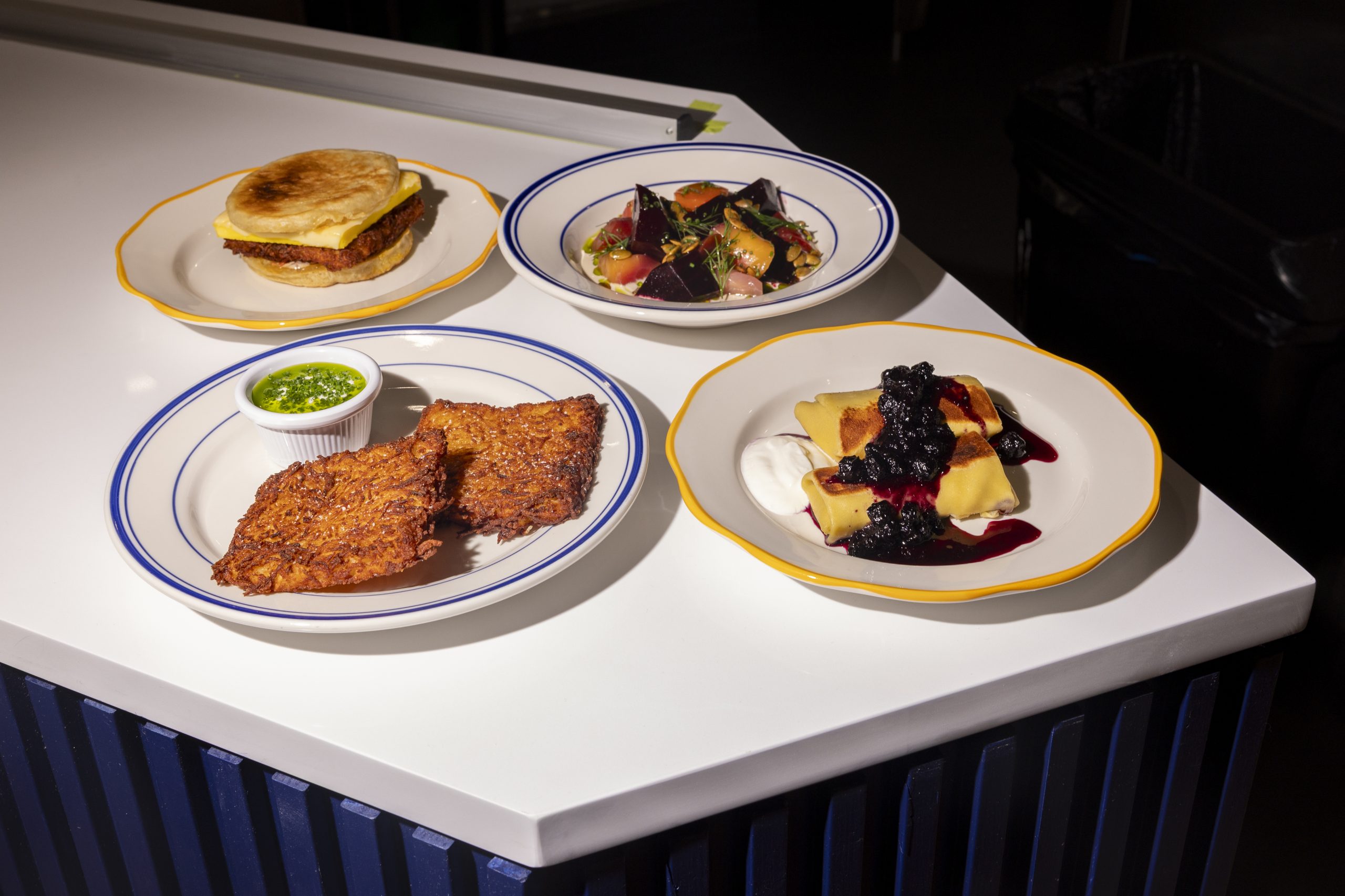
    Cheese blintzes, latkes, beet salad, and breakfast sandwich make up most of Schmaltz’s menu.Aidan T. Gallo / Staff Photographer

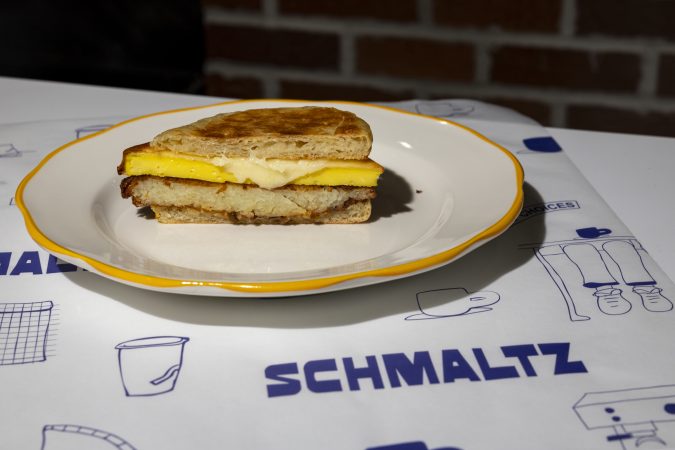
    The sandwich that Asch and chef Sam Chertock devised satisfies that craving with an oniony potato pancake perched atop a slow-baked egg, whose firm texture helps the sandwich hold together. Tallarico’s hoagie spread, blended with seasoned mayo, supplies a Philadelphia accent.

    “Are we breaking culinary boundaries? No,” Asch said. “It’s a latke on an egg-and-cheese sandwich.” Customers can also add gribenes — chicken-skin cracklings — and have the English muffin slathered with schmaltz, or rendered chicken fat.

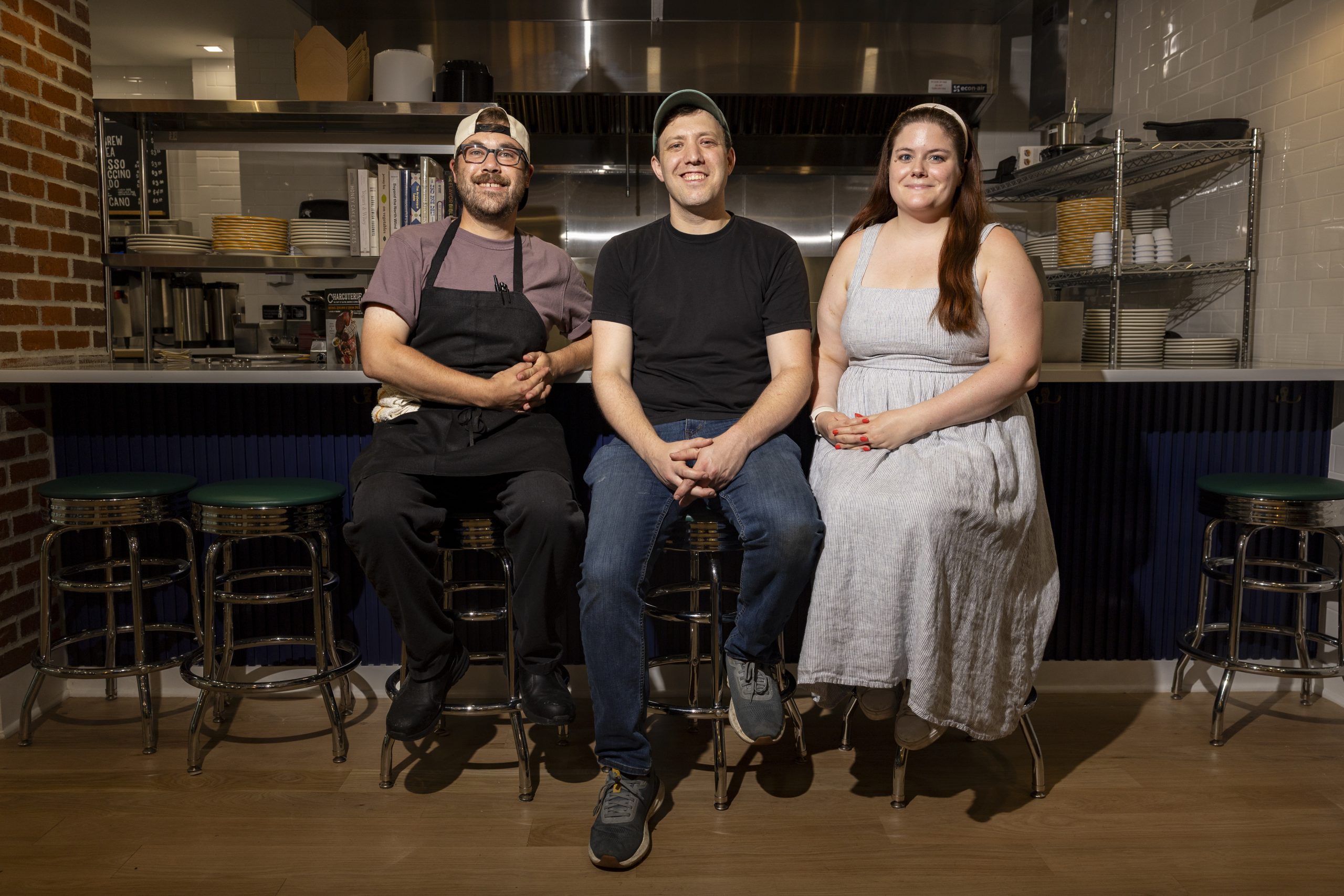
    Chef Sam Chertock (left) and owners Jeremy Asch and Abby Armstrong at Schmaltz’s kitchen counter.Aidan T. Gallo / Staff Photographer

    Schmaltz joins newer neighborhood arrivals including Little Susie’s Coffee & Pie and Hannah K Cafe. American Sardine Bar, which opened in 2011, is about two blocks north.

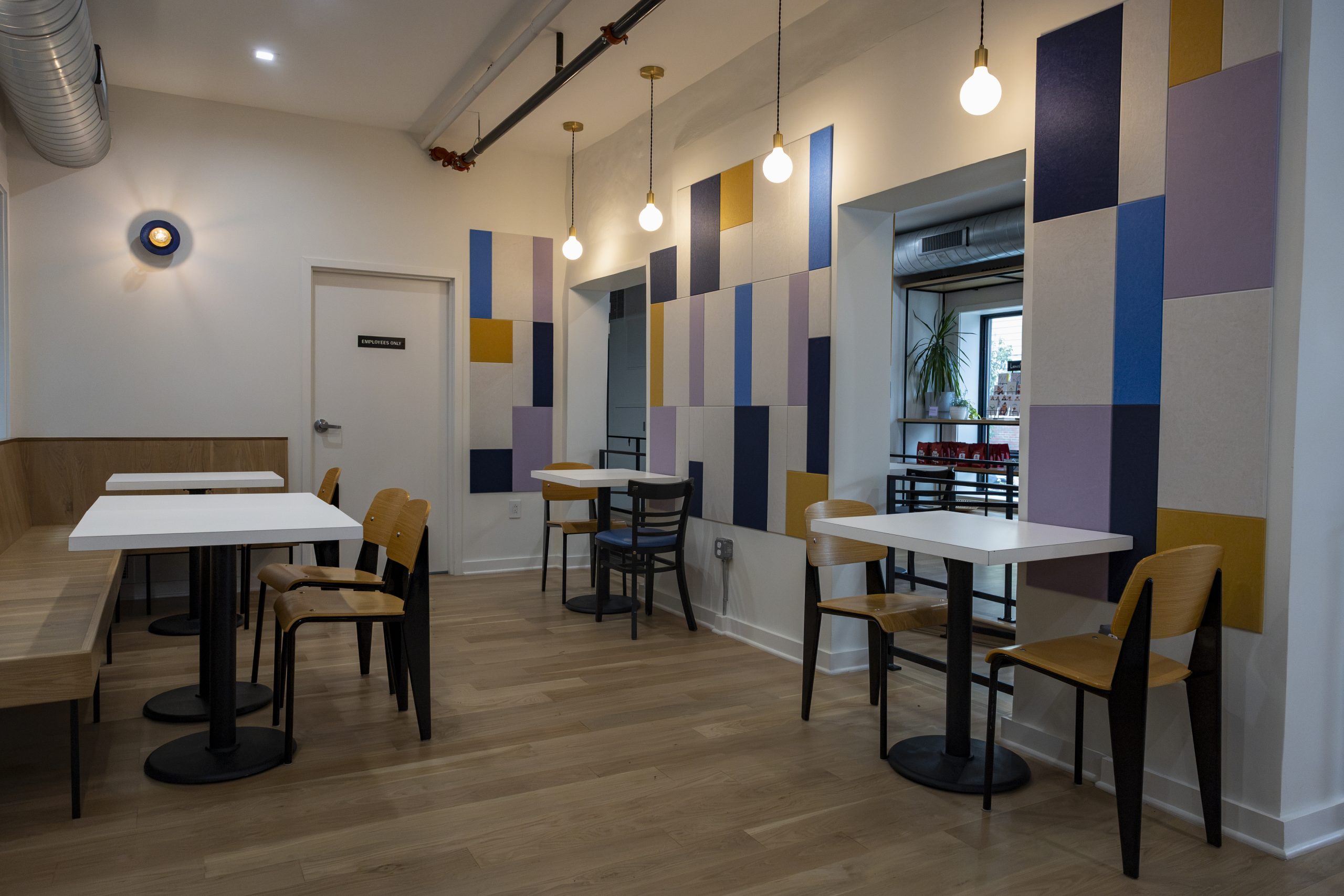
    The couple bought the building at 1300 S. 18th St. in 2023, creating a wide-open room with an espresso station and order counter, six stools facing the kitchen, six more along the window, table seating, and a small merchandise counter. The couple built a ramp leading toward the rear of the dining room, which toddlers have happily treated as a runway while their parents wait for food.

    The building previously housed the Pharmacy, a DIY music venue, art gallery, and coffee shop. Before that, it was the medical practice of Walter Lomax Jr., a pioneering Black physician.

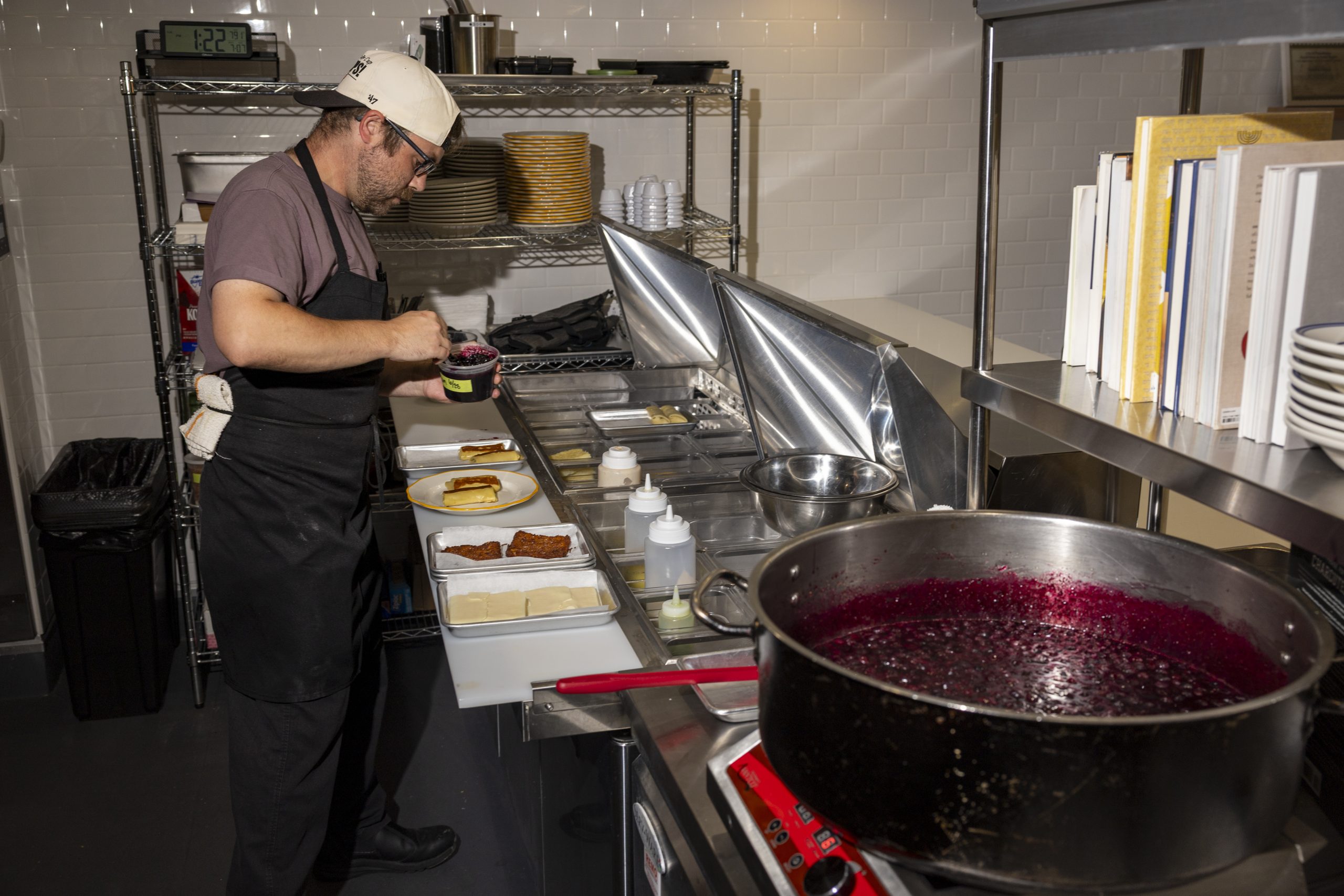
    Chef Sam Chertock works at Schmaltz. A pot of jam is on the stove as a side for the blintzes. Aidan T. Gallo / Staff Photographer

    That neighborhood accessibility is central to Schmaltz’s approach.

    It’s a casual counter, not a full-scale Jewish restaurant or deli, Asch said. The opening menu is deliberately small. Besides the signature sandwich, cheese blintzes, and latkes, there’s a roasted beet salad and a shawarma-spiced chicken salad sandwich on rye, plus coffee, cold brew, espresso drinks, teas, and soda.

    But no bagels.

    “I will die on this hill,” Asch said. “There’s a lot more to Jewish restaurants than the bagel.”

    Selling bagels, he said, can quickly define a restaurant, requiring staff and equipment to produce large quantities while pushing the rest of the menu into supporting roles. Schmaltz may eventually serve a locally made bagel as part of a specific dish, but Asch does not want it to become a bagel shop.

    Table seating at Schmaltz.Aidan T. Gallo / Staff Photographer

    Instead, the cooking draws broadly from the Ashkenazi and Eastern European food Asch and Chertock grew up eating. The blintzes, made from Asch’s recipe, are filled with lightly sweetened farmer’s cheese and served with Chertock’s jam.

    Asch, who grew up in Bryn Mawr and attended Episcopal Academy, did not initially plan a restaurant career. After graduating from Brandeis University, he returned to Philadelphia in 2015 and spent several years working in clinical research at Penn Medicine.

    Around the start of the pandemic, he left research and began cooking professionally, first at Grace Tavern. He later worked at Baology with Judy Ni and Andy Tessier before joining a.kitchen.

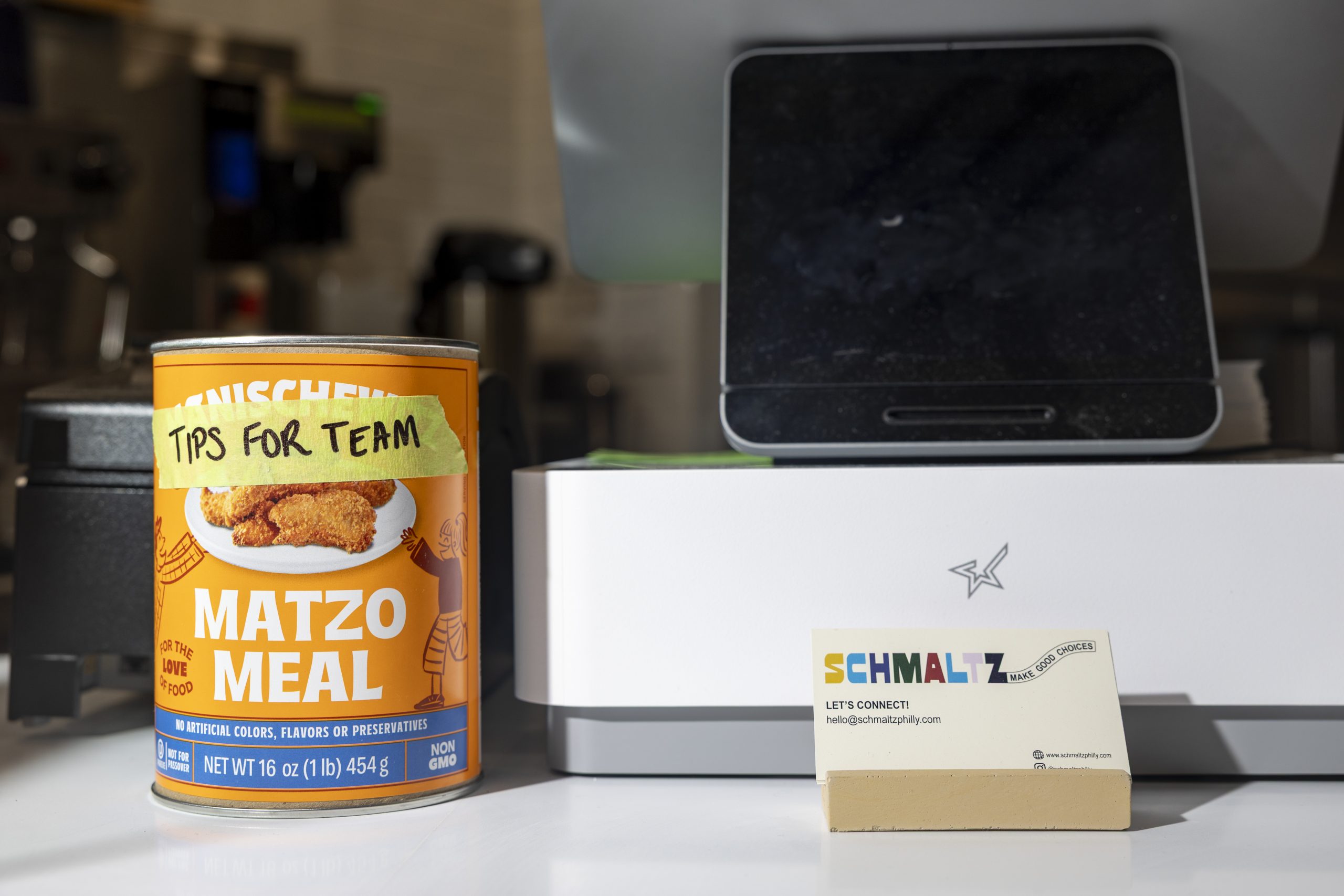
    The tip jar and business cards at Schmaltz.Aidan T. Gallo / Staff Photographer

    Ni and Tessier became mentors as Asch and Armstrong navigated zoning, vendors, construction, and the operational details that cannot be learned on the line.

    “They took a huge weight off my shoulders of that knowledge burden,” Asch said. “They’re the reason we were able to do this.”

    Armstrong, who grew up in Portland, Maine, studied theater at Brandeis before moving into investment and wealth management. She later earned an MBA at the Wharton School. Her work included chief-of-staff and operations roles, experience she likens to staging a complicated production.

    “How do we make this whole orchestra, this whole production, work?” she said.

    Chertock brings the deepest restaurant résumé of the trio. Trained as an architect at Syracuse University, he worked at a Lambertville firm while cooking nights at Charcoal BYOB in Yardley, his home town. He later joined the opening team at K’Far Cafe, worked his way up to sous chef, and went on to Zahav and Vernick Food & Drink.

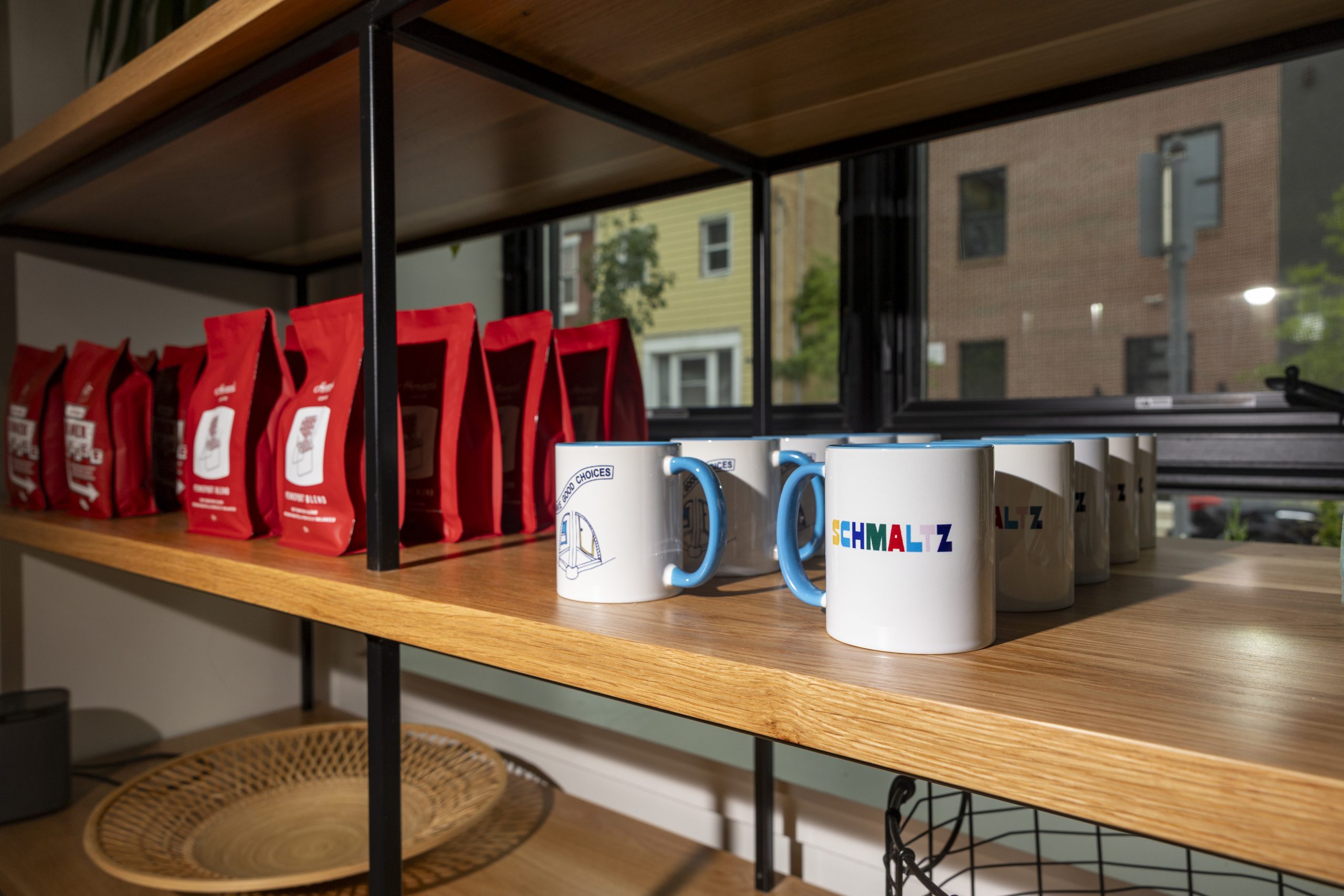
    Schmaltz merchandise has its own counter.Aidan T. Gallo / Staff Photographer

    He found Schmaltz almost by accident. Chertock, who once lived nearby, was biking through South Philadelphia when he noticed the restaurant name on the freshly painted building.

    “‘Schmaltz’ immediately caught my attention,” he said.

    Despite the term’s cultural focus, Asch said Schmaltz is neither kosher nor intended as a political statement. Asch said his parents worried that openly identifying the restaurant as Jewish might invite problems, but he said the response has been overwhelmingly supportive.

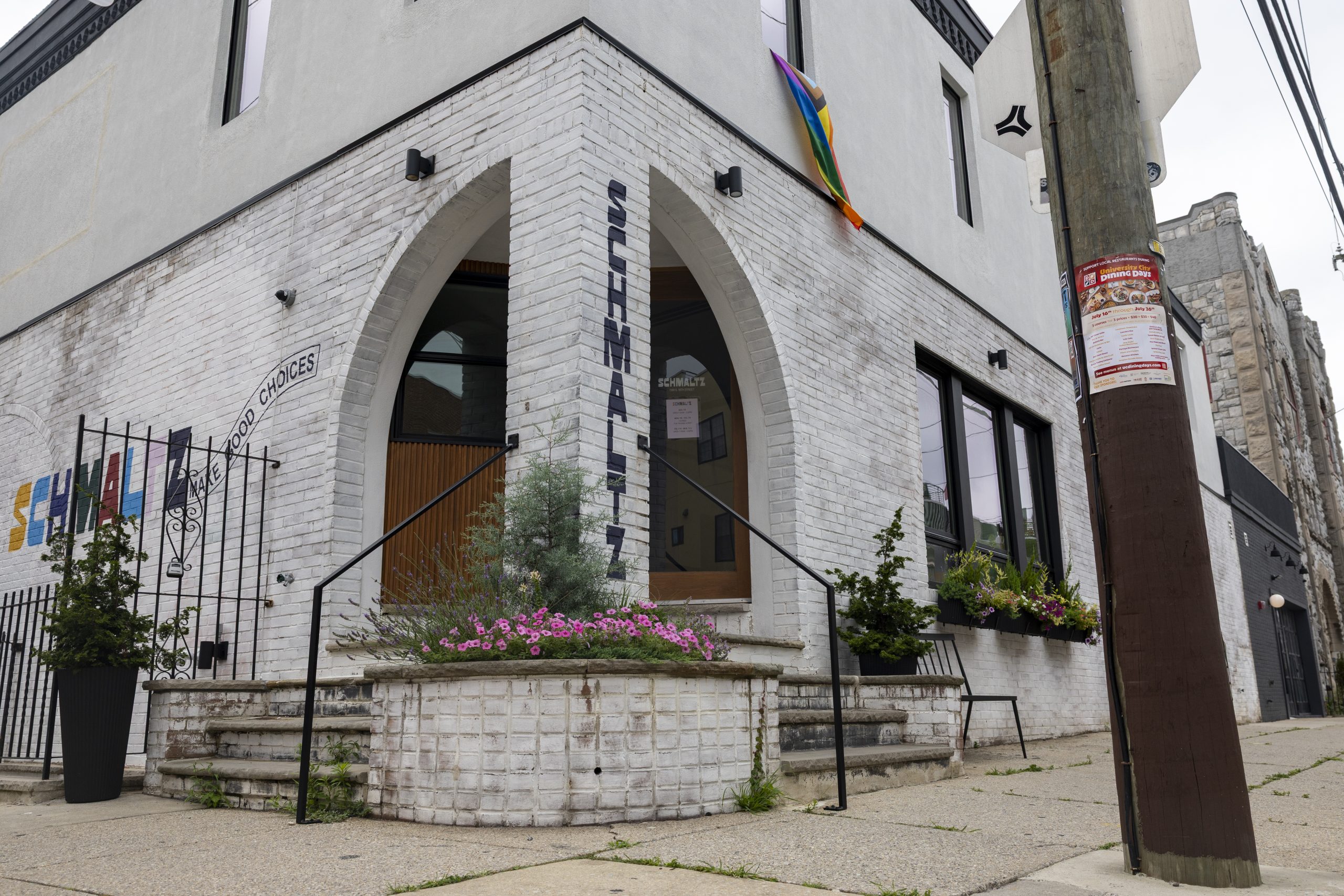
    Schmaltz at 18th and Wharton Streets.Aidan T. Gallo / Staff Photographer

    “We make food,” Asch said. “Maybe calling it Schmaltz is in itself a statement, but we can’t live in fear about what might happen.”

    For now, the more immediate challenge is keeping up with the crowd outside. Asch expects most regulars to come from within a few blocks rather than from Center City.

    That suits the couple, who bought the building with the idea of investing in the neighborhood where they live.

    “We want to nourish it,” Armstrong said. “We want to be a part of it.”

    Schmaltz, 1300 S. 18th St., schmaltzphilly.com. Opening hours: 7 a.m. to 2 p.m. Friday to Monday.

    A previous version of this article incorrectly described the ramp in the restaurant. The owners added it to comply with ADA requirements.

  • The internet’s toughest food critic loves Philly cheesesteaks

    The internet’s toughest food critic loves Philly cheesesteaks

    Few content creators have turned food criticism into entertainment quite like @ChefReactions.

    Instead of cooking on camera, the chef dissects viral recipe videos with professional-kitchen know-how, dry sarcasm, and the occasional compliment. His split-screen reactions have attracted more than 6 million followers across TikTok, Instagram, and YouTube over the last four years.

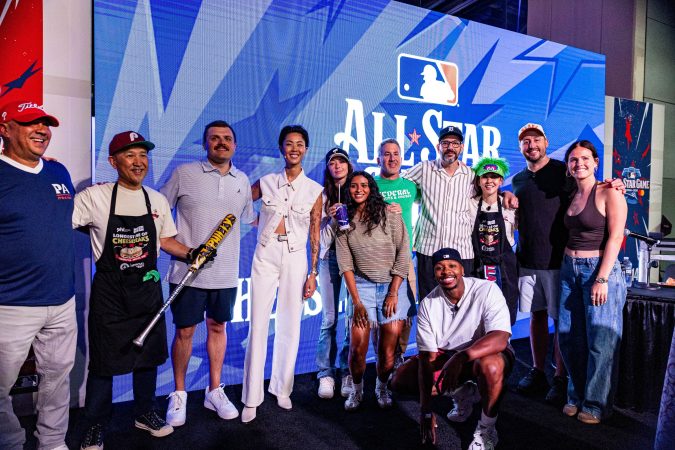
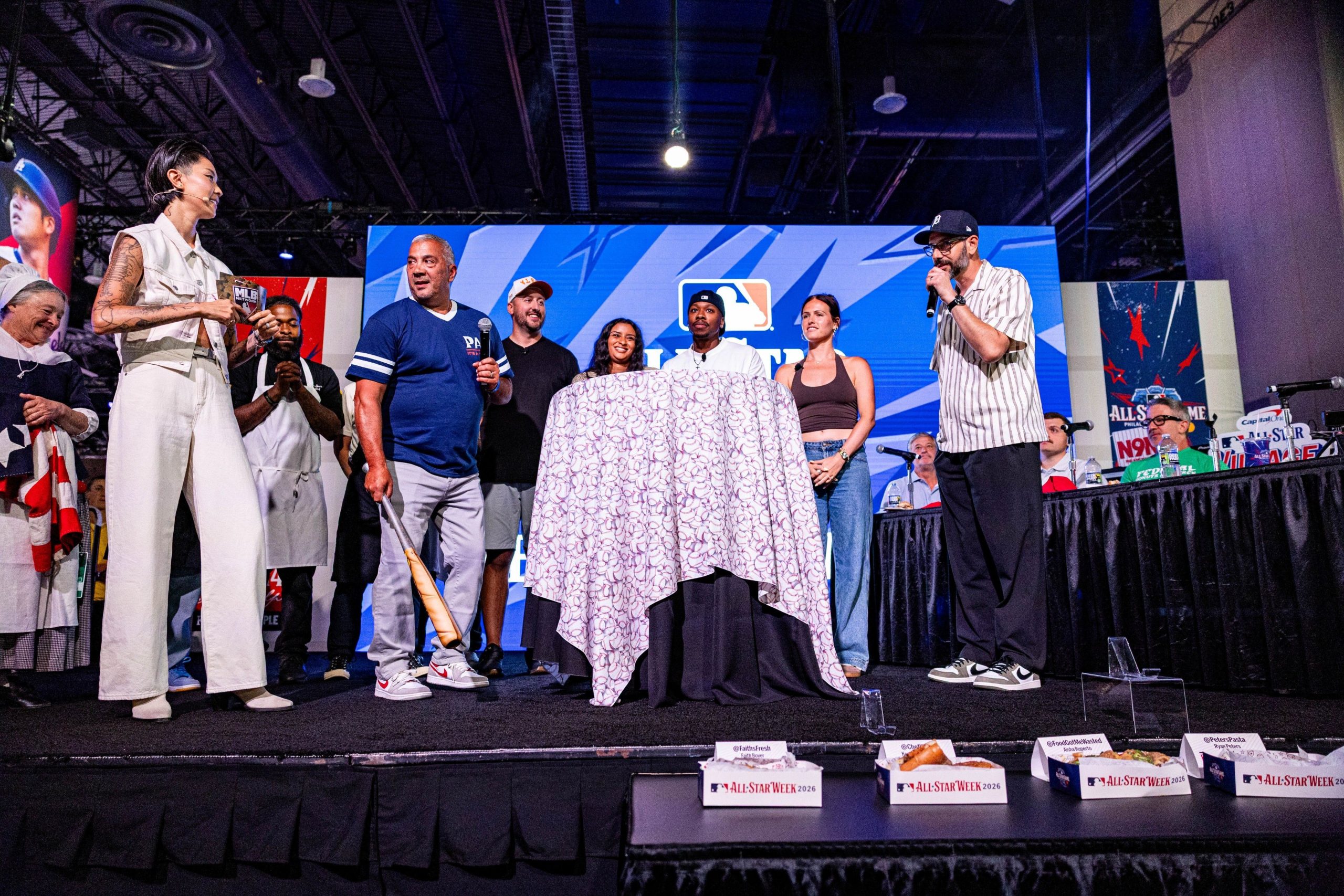
    Chefreactions (right) is introduced by host Kristen Kish (left) at the Cheesesteak Challenge on July 12, 2026, at All-Star Village.Courtesy of MLB

    This week, ChefReactions brought his famously deadpan commentary to Philadelphia, where Major League Baseball enlisted him to judge a cheesesteak competition during All-Star festivities.

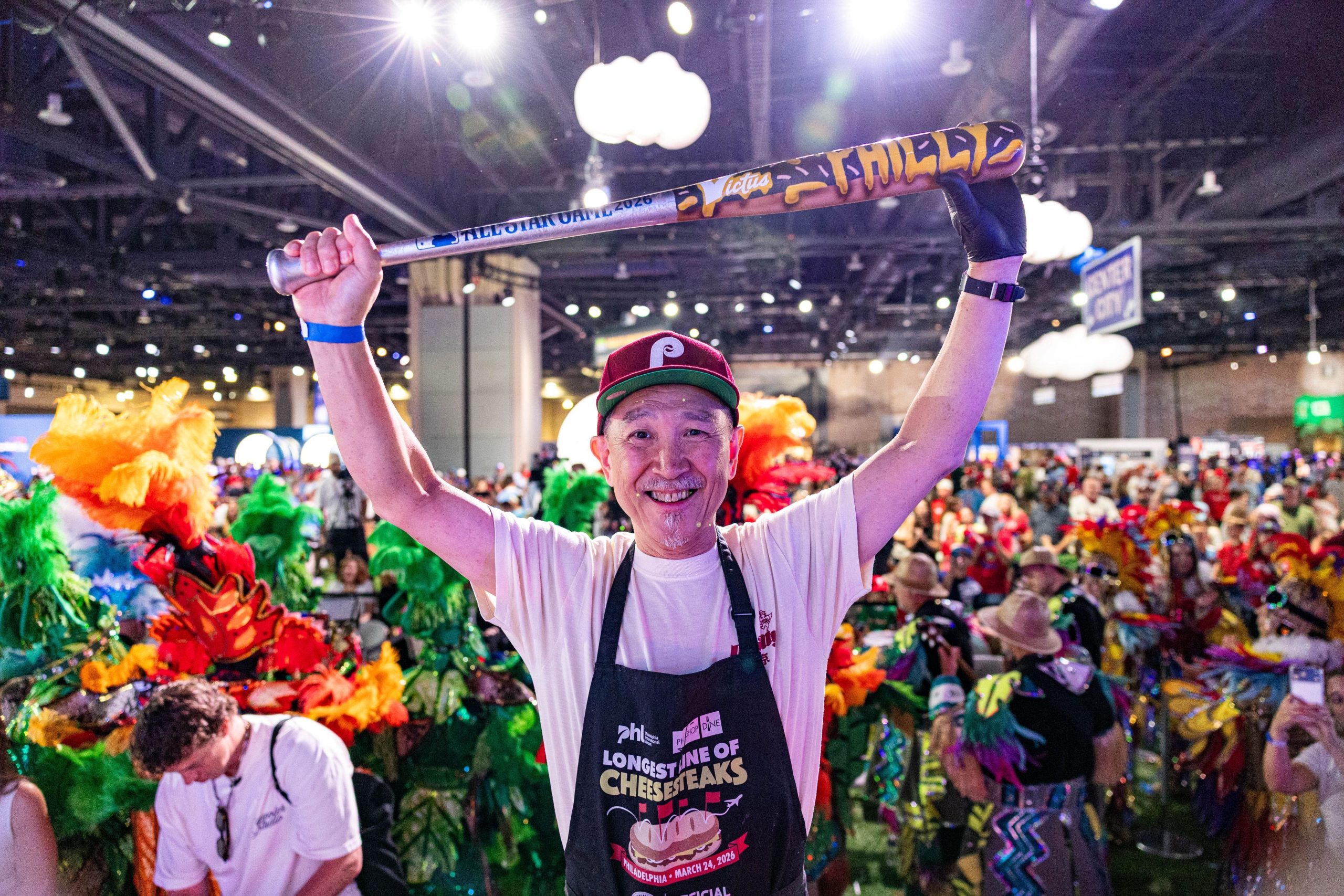
    ChefReactions joined chef Michael Solomonov, former Phillies pitcher Jamie Moyer, and fellow TikTok stars Dylan Reese of @shelbanddyl and chef Olivia Tiedemann of @livforpasta in awarding top honors to Kosuke Chujo, co-owner of Nihonbashi Philly in Tokyo, whose cheesesteaks have earned acclaim from Inquirer critic Craig LaBan.

    Chujo’s prize: a cheesesteak-shaped Victus bat.

    ChefReactions, who started making videos during his work breaks as a way to blow off steam, guards his real name about as closely as Coca-Cola guards its formula.

    Nihonbashi Philly owner Kosuke Chujo exults as the winner of the Cheesesteak Challenge at All-Star Village on July 12, 2026.Courtesy of MLB

    But he was game to answer a few questions about his obsession with baseball, his impressions of Philadelphia’s food scene, and whether he felt any pressure critiquing one of the city’s most iconic foods.

    Tell me about your new-found love of baseball. What started it?

    I liked baseball as a kid but it was never really my thing. As an adult, I worked in kitchens, mostly between the hours of 12 p.m. and whatever o’clock a.m. Midday double headers meant something different in my world. Fast-forward to me making videos on the internet, leaving the restaurants and caring for my grandma full-time and actually having some free time to figure out what I like that wasn’t in a restaurant.

    A year ago, I was on a plane to Iowa to shoot some content and I randomly decided to watch a baseball documentary on Netflix. Then another. When I got to my hotel room? Field of Dreams.

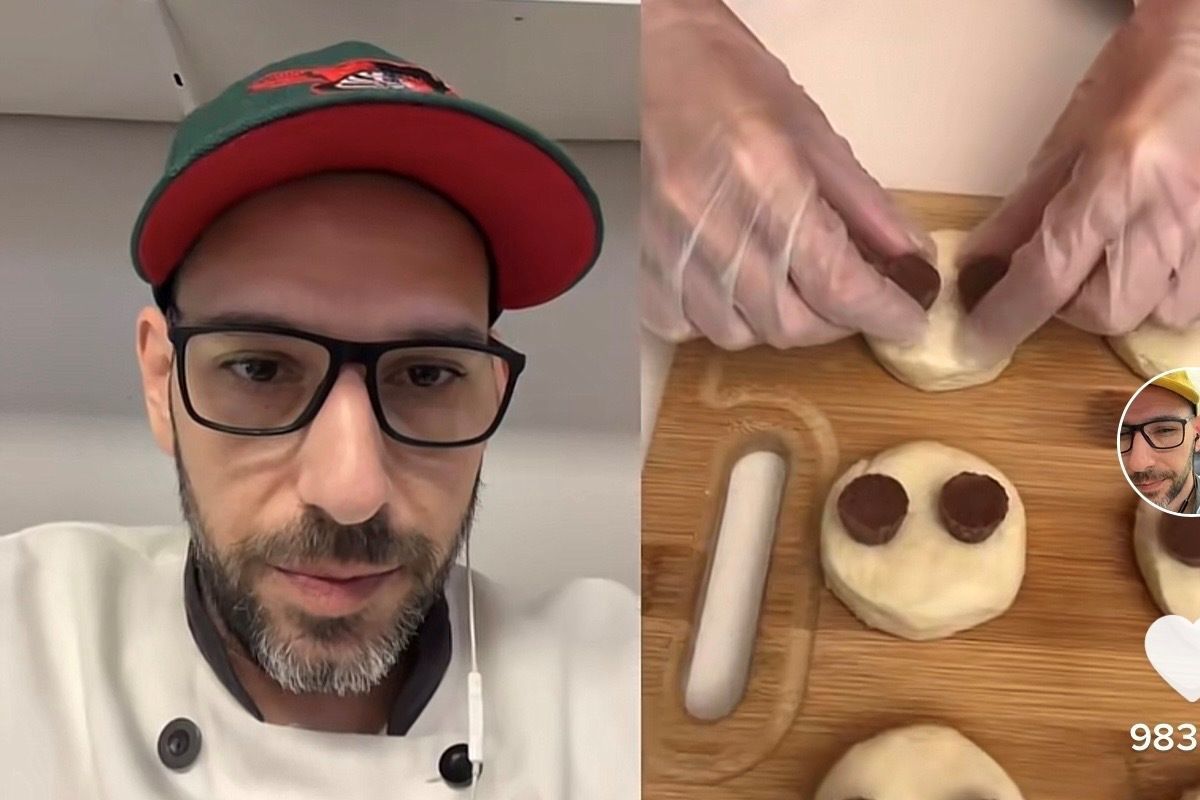
    The chef who calls himself @chefreactions, as he narrates a duet with a food video.Screenshot via TikTok

    During that trip, I met someone who had the literal Field of Dreams built in their backyard. It was serendipitous. I had also quit smoking cigs six months prior, so maybe I was looking for a new addiction.

    A year later, I’ve been to six ballparks (itching to see more), watched Ken Burns’ Baseball four times (not exaggerating), and consume baseball every day. It’s a big part of what little personality I have. I truly love it.

    What were the high points of your trip to Philly?

    The people, and the food.

    People that watch my videos online and meet me in public are usually very nice because they (typically) like my videos. I’m very lucky for that, and it wasn’t any different in Philly.

    What stood out to me was that it wasn’t just the people that recognized me as that guy from the internet [who were nice] — everyone was friendly, pleasantly sarcastic, and funny, and very proud of their city.

    @chefreactions #duet with @Li’l Judy Fun Fun nacho, nacho man #chef #chefreactions #fyp ♬ Civil and Ann – Li’l Judy Fun Fun

    It was cool to experience as a guest.

    The food is made with the same pride, and it shows through the flavors and vibrancy of the food culture. Everyone talks about cheesesteaks (which are fantastic, obviously) but Philly has a diverse and underrated food scene that I can’t wait to explore more of when I come back.

    You’ve built a huge following by giving honest reactions. Did you worry about criticizing an iconic regional food like the cheesesteak?

    I think the goal of MLB’s Cheesesteak Challenge was to allow creators to pay homage to the icon that is the cheesesteak by having some fun and cooking their interpretation of a Philly classic. To that end, I think they all did a great job of showcasing their food and their personalities. Cooking competitions are hard work. The judges had it easy. We just had to eat.

    I’ve gotten the impression that, in Philly, honesty earns you respect, and I’m very much the same way. I call it like I see it, and so does Philly.

    Also, what’s there to criticize about a cheesesteak?

    It’s got beef, cheese, bread and, in my case (wit) onions. It’s perfect. 10/10. I kinda want one right now.

  • Bagel chain Call Your Mother signs a third Philly location before the first two have opened

    Bagel chain Call Your Mother signs a third Philly location before the first two have opened

    Call Your Mother, the Washington, D.C.-based bagel sandwich shop, has signed for a third Philadelphia location, before its first two have spread a single schmear.

    The chain, founded eight years ago by husband-and-wife team Andrew Dana and chef Daniela Moreira, will open at the Jessup House apartment building at 12th and Sansom Streets in Washington Square West. The new shop will join under-construction locations in the former Metropolitan Bakery space at 262 S. 19th St. near Rittenhouse Square, and in a new building at 1500 Frankford Ave., across from El Chingón Fishtown.

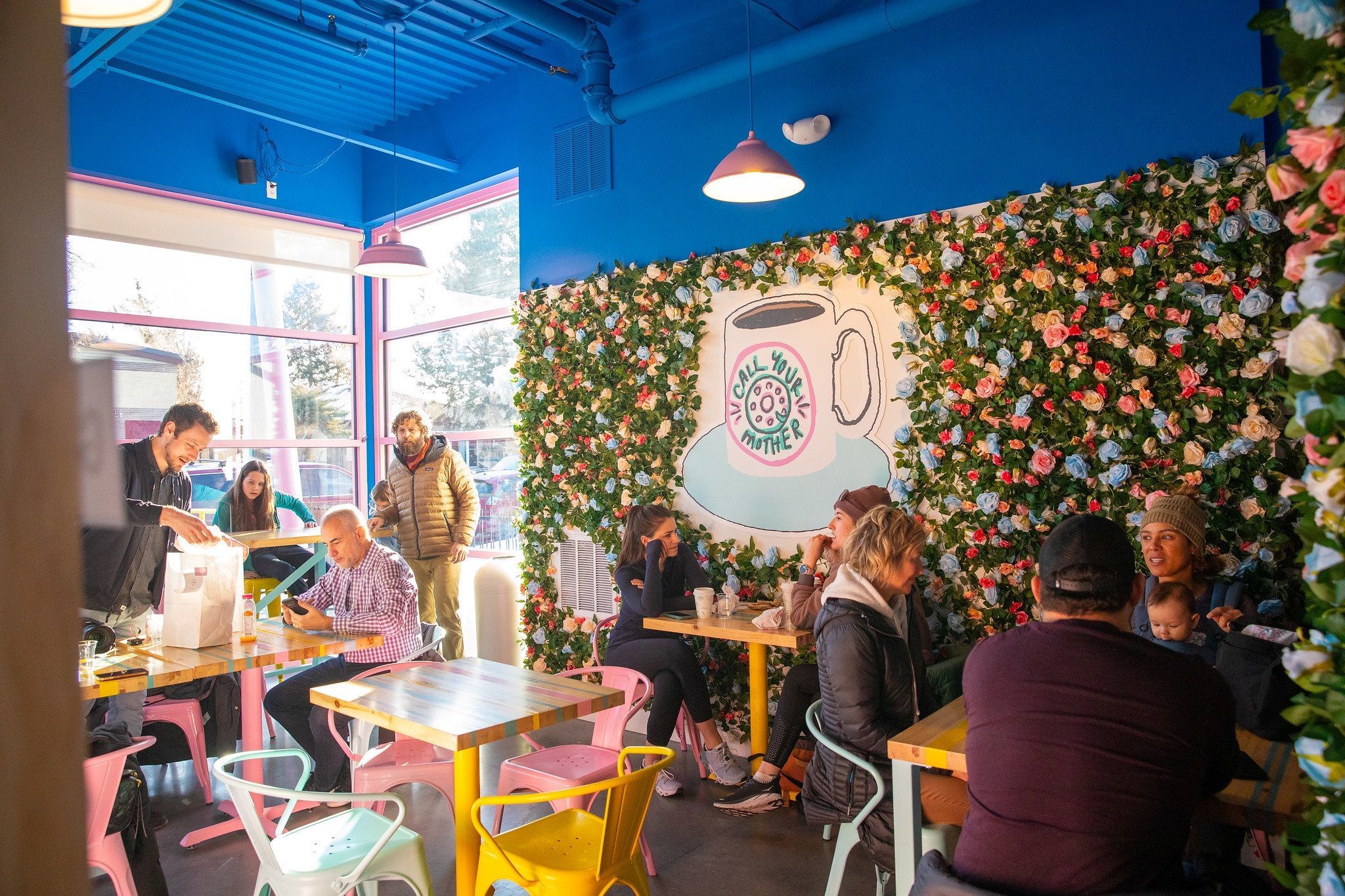
    Call Your Mother bagel sandwich shops have a subtropical feel.Courtesy of Call Your Mother

    Fishtown is expected to open first, around Aug. 31, followed just weeks later by Rittenhouse Square, Dana said. Washington Square West likely will open in early 2027.

    Dana told The Inquirer that Call Your Mother committed to a third Philadelphia location before opening the first two because of “simple math” and confidence in the market.

    Three locations in one city would justify hiring an area manager to oversee general managers at each shop. Just as important, he said, is the company’s belief that Philadelphia will embrace the concept. “We’re just that bullish on Philadelphia,” he said. The strategy echoes that of other fast-growing regional chains entering the market, including New York-based 7th Street Burger, which has signed four Philadelphia-area leases before opening its first restaurant.

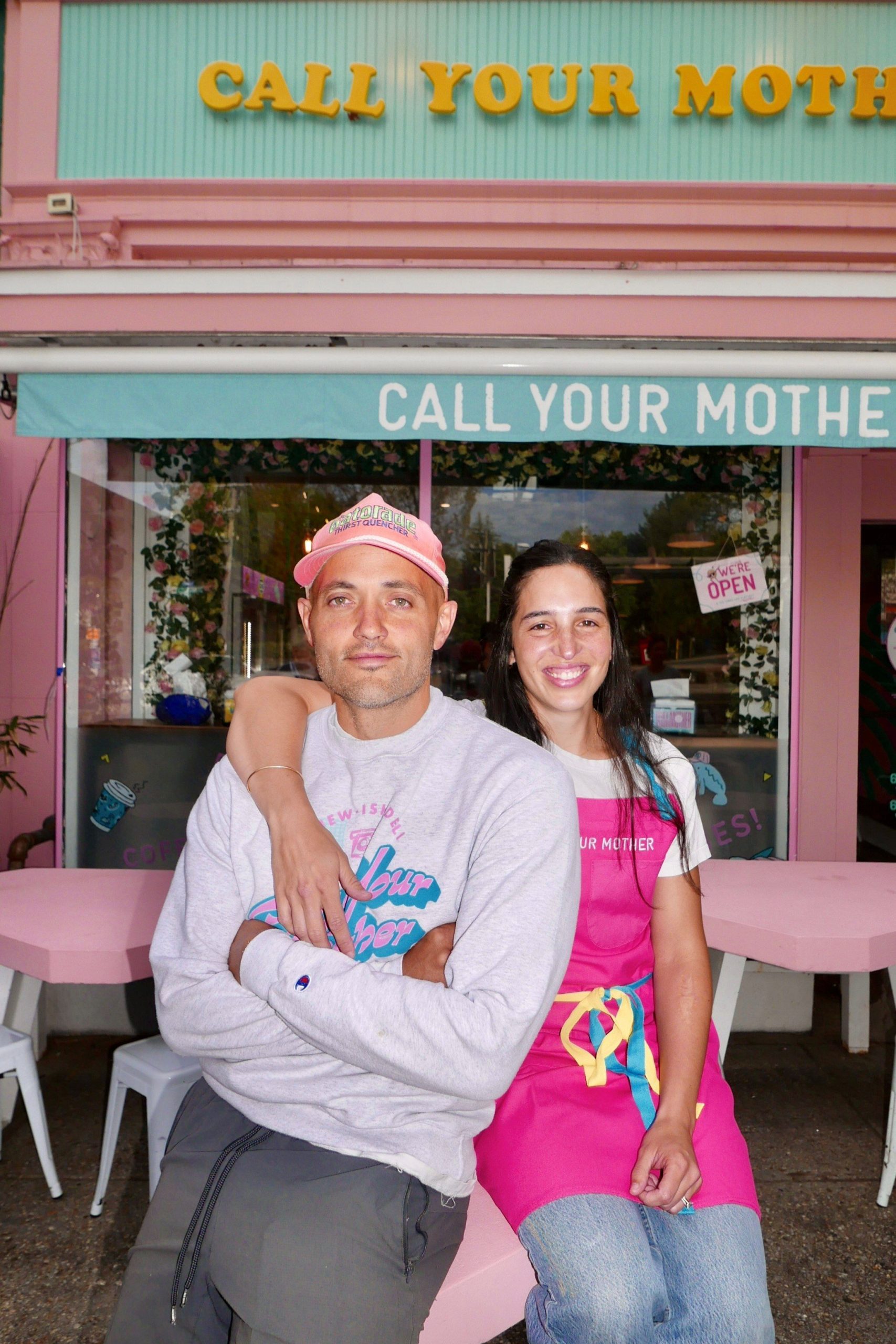
    Andrew Dana and Daniela Moreira founded Call Your Mother in 2018.Courtesy of Call Your Mother

    The chain has grown rapidly since Dana, a former pizza food-truck operator whose mother grew up in Germantown, and Moreira, an Argentine-born chef, opened the original Call Your Mother in Washington in October 2018. The couple met while haggling over the last carton of eggs at a Washington farmer’s market. They eventually became business partners before marrying.

    The restaurant’s name came after months of brainstorming. Looking for something that captured the playful spirit of Jewish deli culture, Dana asked friends, “What’s something funny our Jewish moms or grandmothers would say?” The answer “was like fireworks went off in my brain,” Dana said. “I said, ‘Oh my God, that’s it.’”

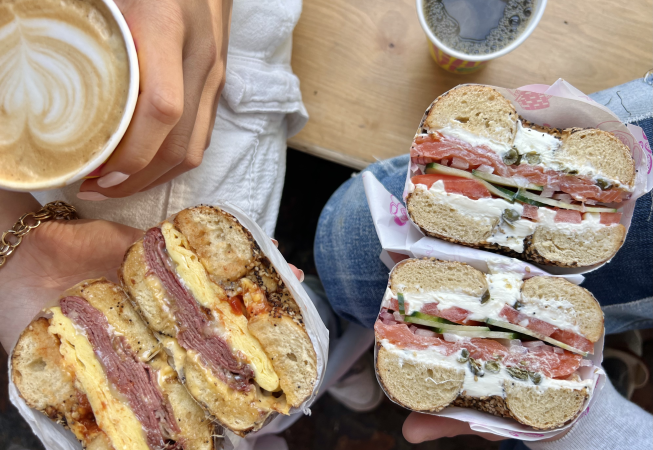
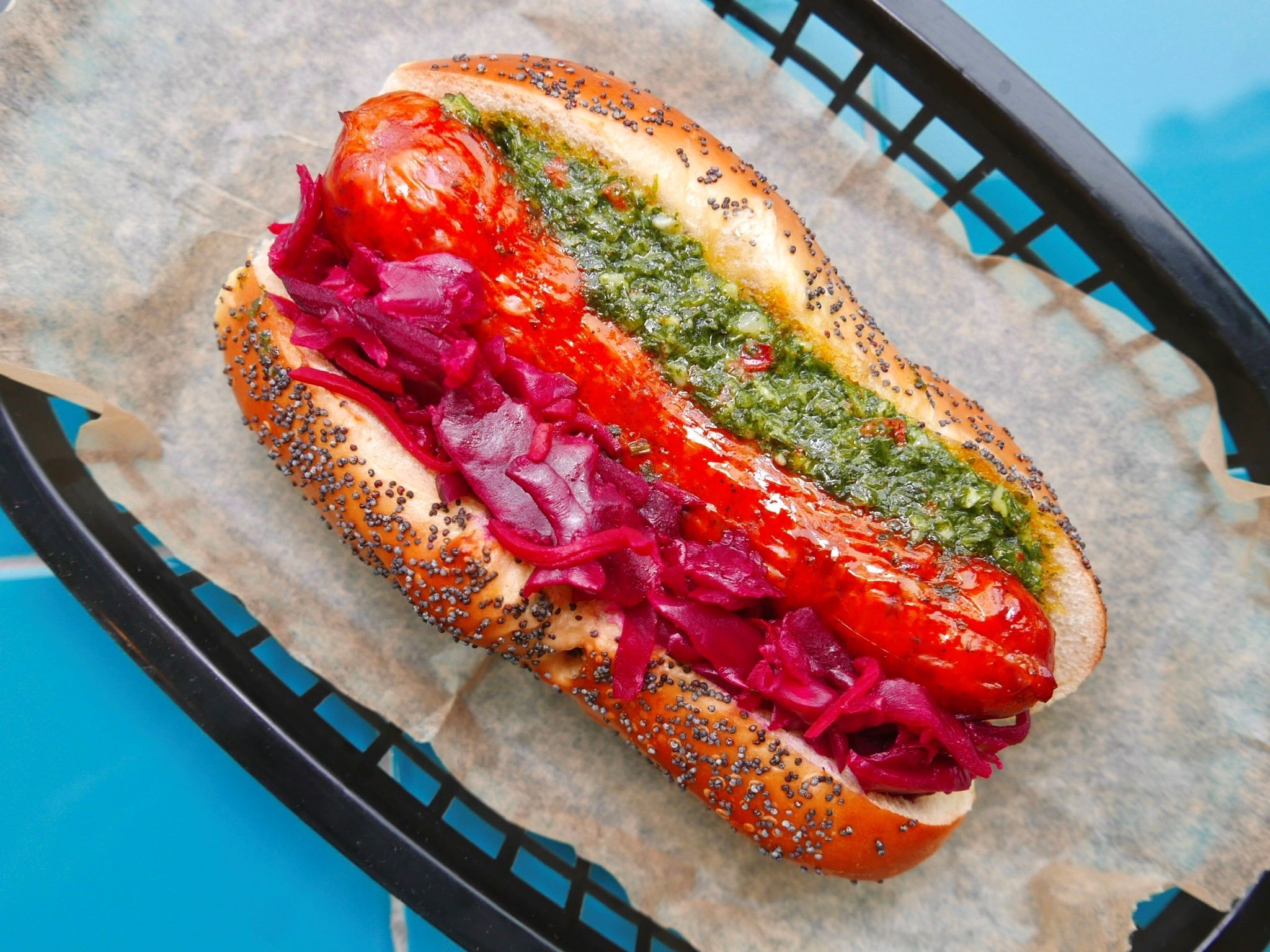
    Dana envisioned a brand inspired by the bright colors and easygoing vibe of the South Florida delis he visited while spending time with his grandparents in Boca Raton. Moreira’s upbringing in Argentina brought a fresh perspective to the menu, which pairs hand-rolled bagels with inventive sandwiches and toppings. (Example: the Alta Gracia Choripán, which layers smoked Argentine chorizo, chimichurri, and pickled vegetables on a poppy seed Hawaiian bagel bun.)

    Call Your Mother’s Alta Gracia Choripan is an Argentine-inspired sandwich featuring a smoked Argentine chorizo, chimichurri, and pickled vegetables on a poppy seed Hawaiian bagel bun.Courtesy of Call Your Mother

    Today, Call Your Mother operates 23 locations, with an additional six to eight in development, including the three in Philadelphia. Beyond Philadelphia, new stores are planned for the Washington suburbs, Colorado, and Chicago.

    The company’s expansion accelerated after it sold a majority stake in January 2025 to New York investment firm Invus, an early investor in Cava. Dana said the deal was less about fueling rapid expansion than finding a long-term partner that would provide additional resources while allowing the founders to continue running the business.

    “We didn’t need outside capital, so we were only going to do it if we found the right partner,” Dana said. “There’s no mandate that says we have to open a certain number of stores. If food quality or the guest experience starts slipping, we can take our foot off the gas and strengthen the foundation.”

    The 12th Street shop will occupy ground-floor space in Jessup House, whose other commercial tenants include Rival Bros Coffee and Solidcore. Dana expects it to seat about 20 people. Like the chain’s other locations, it will offer counter service for dine-in and takeout.

    Dana said the neighborhood appealed because it has a dense residential population, strong daytime foot traffic, and nearby hospitals, creating the kind of all-day customer base the company enjoys at several Washington-area stores.

    The restaurants, open from 6:30 a.m. to 2 p.m. on weekdays and until 3 p.m. on weekends, position themselves as bagel sandwich shops rather than breakfast restaurants. Breakfast and lunch draw roughly equal business, though sandwiches account for the bulk of sales, Dana said.

    Philadelphia has become a hot bagel market, but Dana welcomes the competition.

    “We’re big believers that all boats rise with the tide,” he said. “We’re always looking for ways to create great bagel sandwiches, and we think Philadelphia is the kind of city that appreciates that.”