Category: Restaurants

  • A bagel boom or a bagel bubble: How many shops does Philadelphia really need?

    A bagel boom or a bagel bubble: How many shops does Philadelphia really need?

    Philadelphia, apparently, needs more bagels.

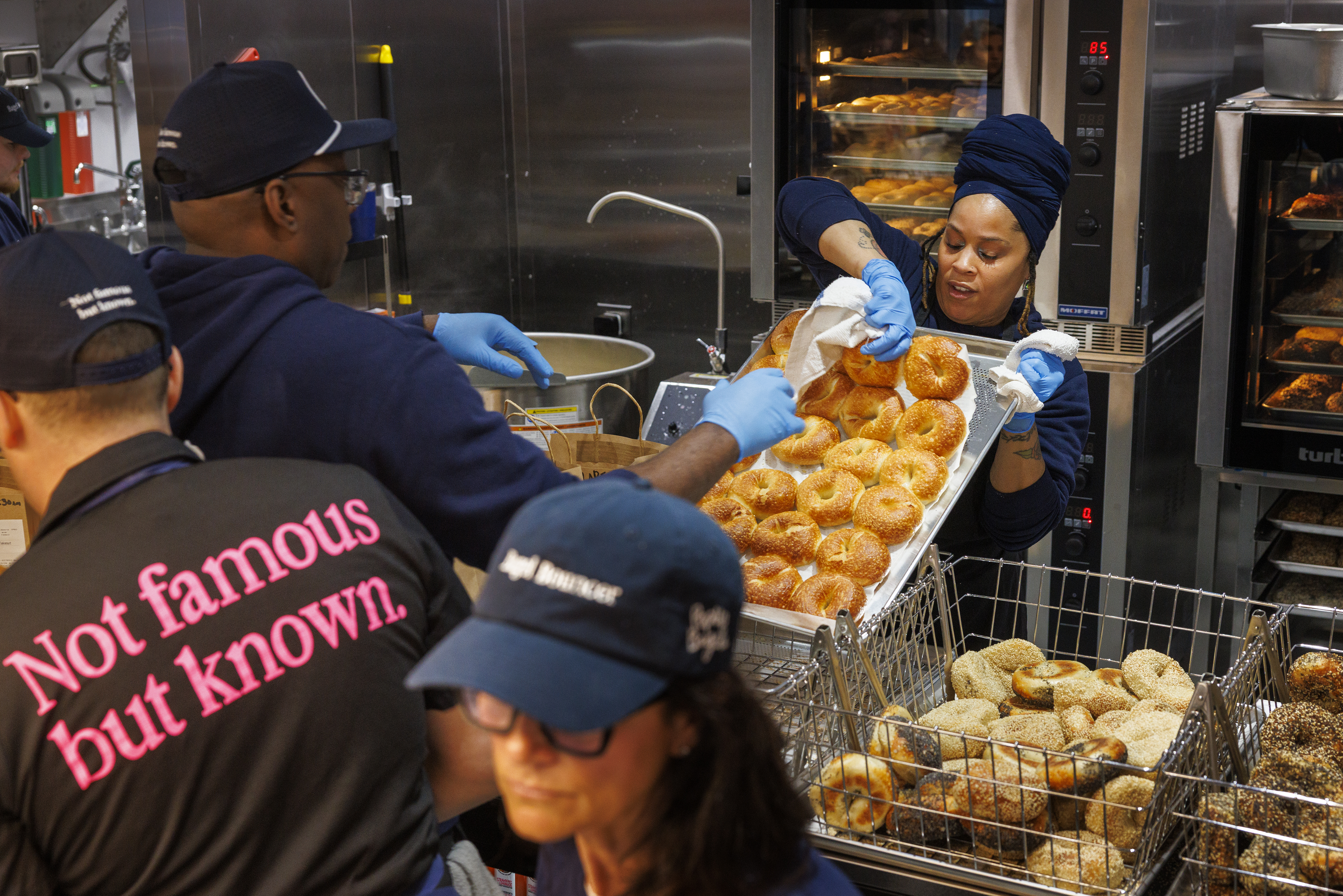
    Since the beginning of 2025, nearly a dozen bagel shops have opened or leased space in Philadelphia and its suburbs, bringing new locations from local operators as well as fast-growing out-of-town brands that see the region as fertile ground for expansion.
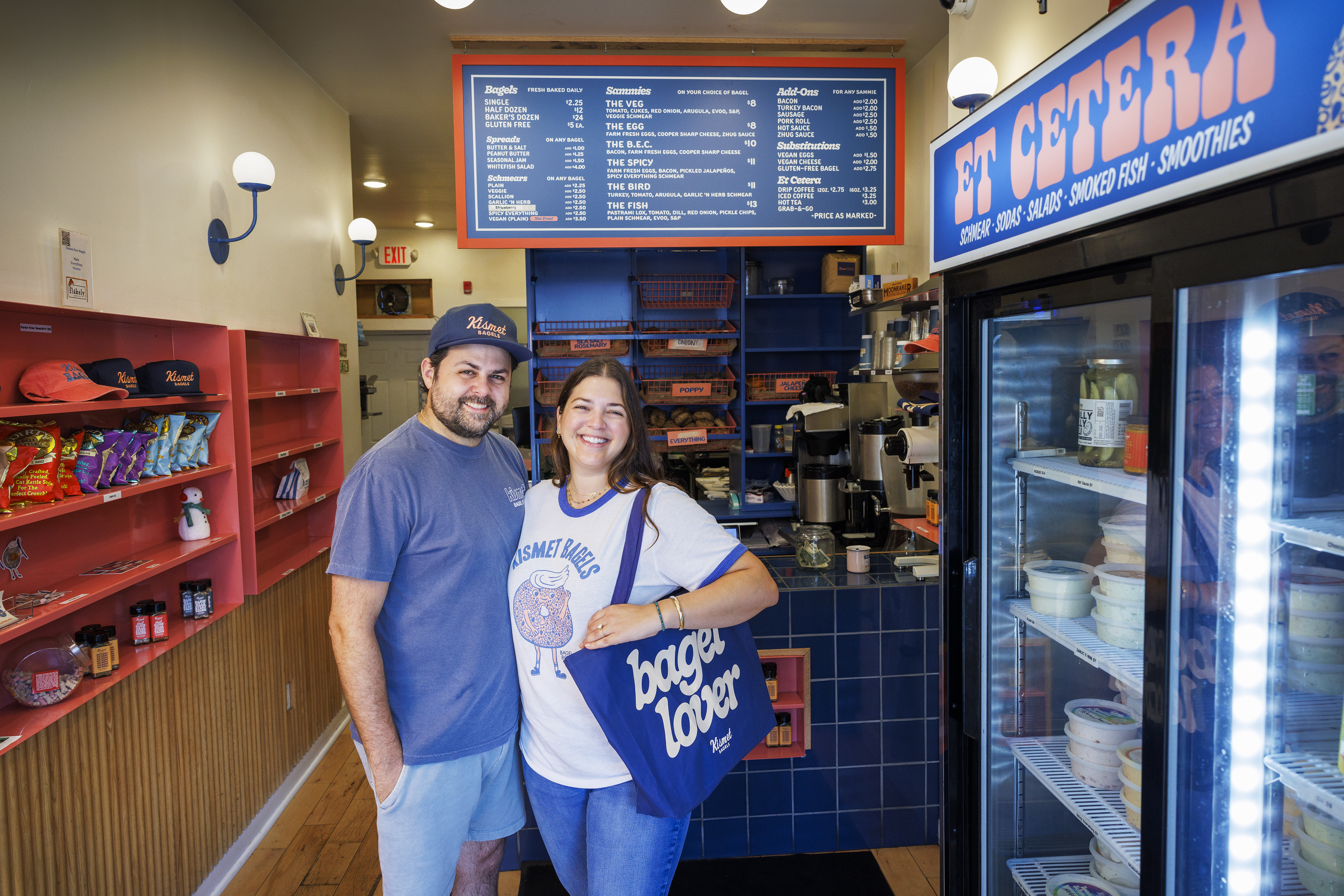
    Jacob and Alexandra Cohen, owners of Kismet Bagels, at their location on Girard Avenue in Fishtown in 2024.Alejandro A. Alvarez / Staff Photographer

    Kismet Bagels has opened its fourth and fifth shops, in Manayunk and Collingswood. Bart’s Bagels, which has shops in West Philadelphia and Bella Vista, recently expanded to the founders’ hometown of Bala Cynwyd. PopUp Bagels, the Connecticut-born chain that built a following on social media, made its local debut in Ardmore this spring and has signed a lease for a Rittenhouse shop as part of a larger regional expansion.

    And Washington, D.C.-based Call Your Mother is preparing three soon-to-open Philadelphia locations — in Fishtown (due first), Rittenhouse, and Washington Square West — committing to all three before serving its first Philadelphia bagel.
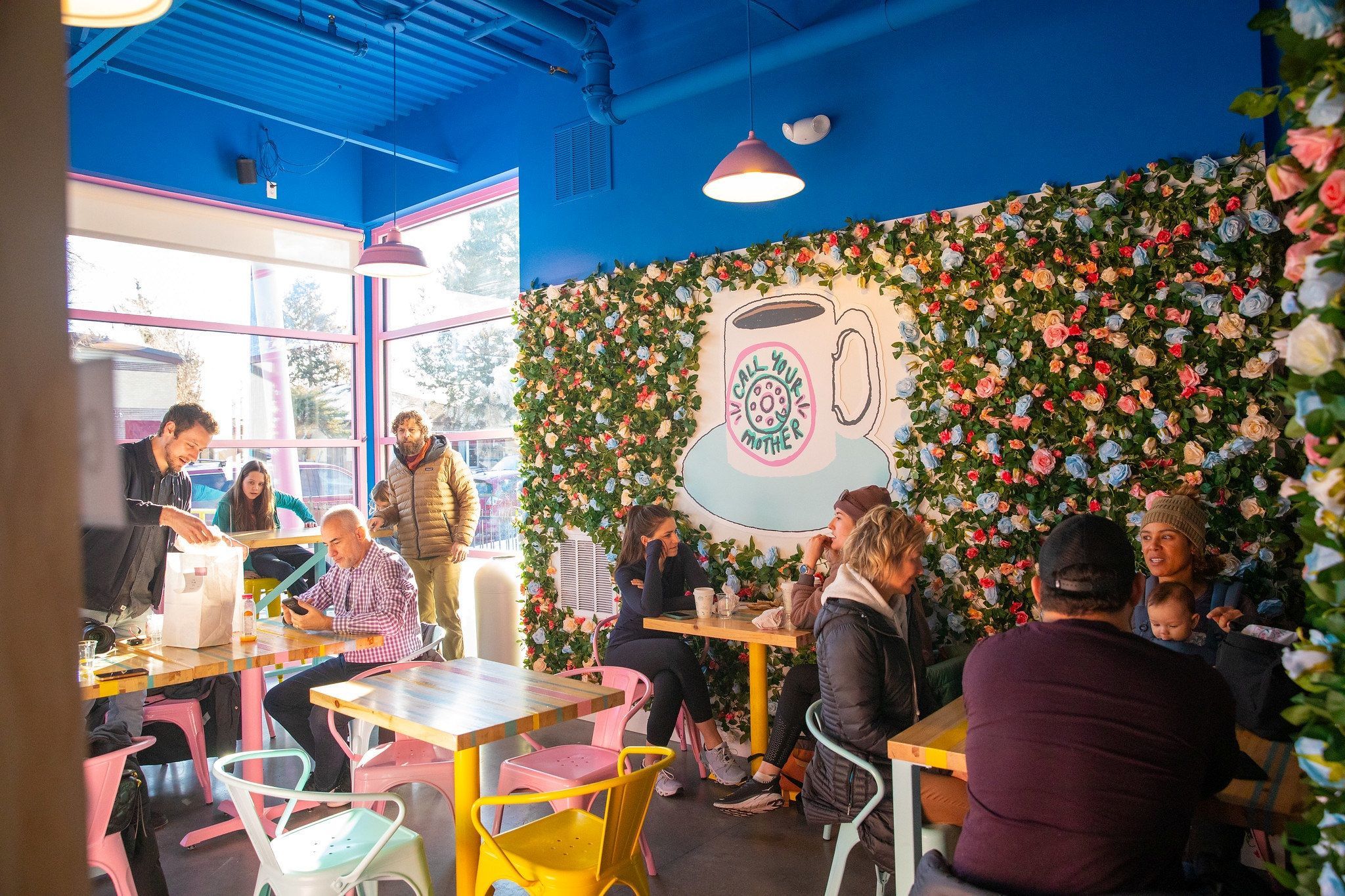
    Call Your Mother bagel sandwich shops have a subtropical feel.

    That tally doesn’t include all of the stores that could follow. Florida-based Jeff’s Bagel Run has announced a 10-unit development agreement for Eastern and South Central Pennsylvania, while PopUp franchisee Brian Harrington is scouting additional territory in the Philadelphia suburbs.

    All this raises an obvious question: How many bagels can Philadelphia eat?

    Plenty, apparently — at least for now.

    Jacob Cohen, who started Kismet six years ago with his wife, Alexandra, said the company has seen sales increase even as new bagel shops have entered the market. “I don’t think they’re just dividing the same customer base, because we’ve already had new shops open in Philadelphia and we haven’t seen a decrease in sales,” Cohen said.

    But Cohen, who rapidly expanded Kismet before putting the brakes on growth earlier this year, also sees a limit. “More is not always better,” he said. “I obviously don’t have a crystal ball, but I have a feeling that some of these private-equity bagel companies coming are going to learn that the hard way.”

    Bagels are having a moment

    Philadelphia is part of a much broader bagel boom. The U.S. bagel market generated an estimated $3.17 billion in revenue in 2025 and is projected to reach $4.51 billion by 2033, according to Grand View Research, a market-research firm. That represents annual growth of about 4.6%. Worldwide, the firm values the bagel market at $5.8 billion in 2025 and projects it will reach $8.6 billion by 2033.
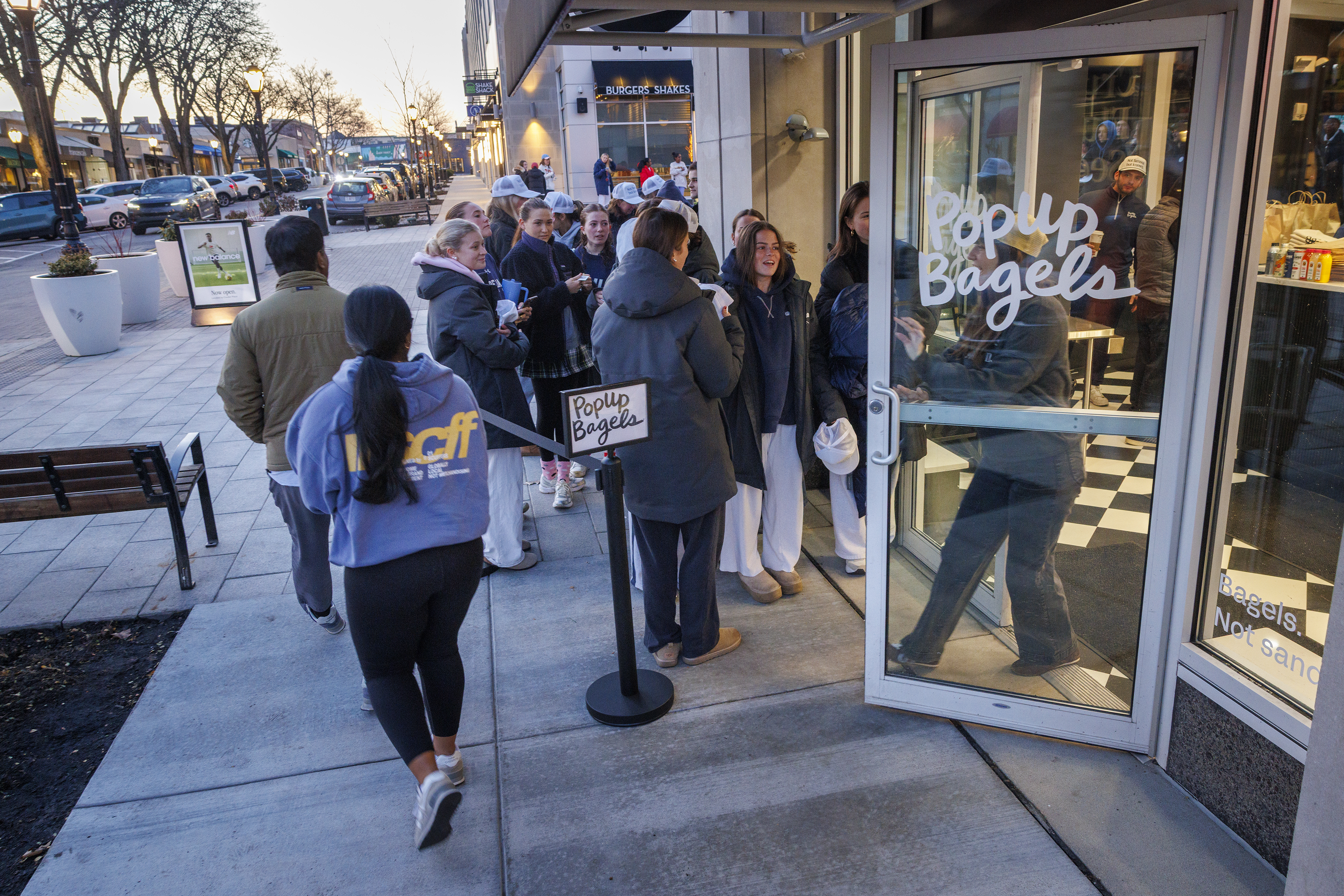
    Customers lining up for the grand opening of PopUp Bagels in Ardmore in March.Alejandro A. Alvarez / Staff Photographer

    Mike Kostyo, vice president of Menu Matters, a Vermont-based food-industry consulting firm, sees the current surge as the convergence of several trends rather than the sudden discovery of a new food. Artisan baked goods have been rising in popularity for years, he said, after the pandemic produced a generation of home bakers and pop-ups experimenting with sourdough and bagels. At the same time, café culture and the rise of the “little treat” have made consumers more willing to spend on premium versions of everyday foods.

    “At its core, the bagel has always been a blank canvas for lots of flavors and toppings,” Kostyo said. “But now, instead of sesame seeds, you see them topped with Flamin’ Hot Cheetos.”

    The traditional formula — bagels by the dozen, cream cheese, lox, and coffee — also has evolved into something closer to a breakfast-and-lunch fast-casual restaurant.
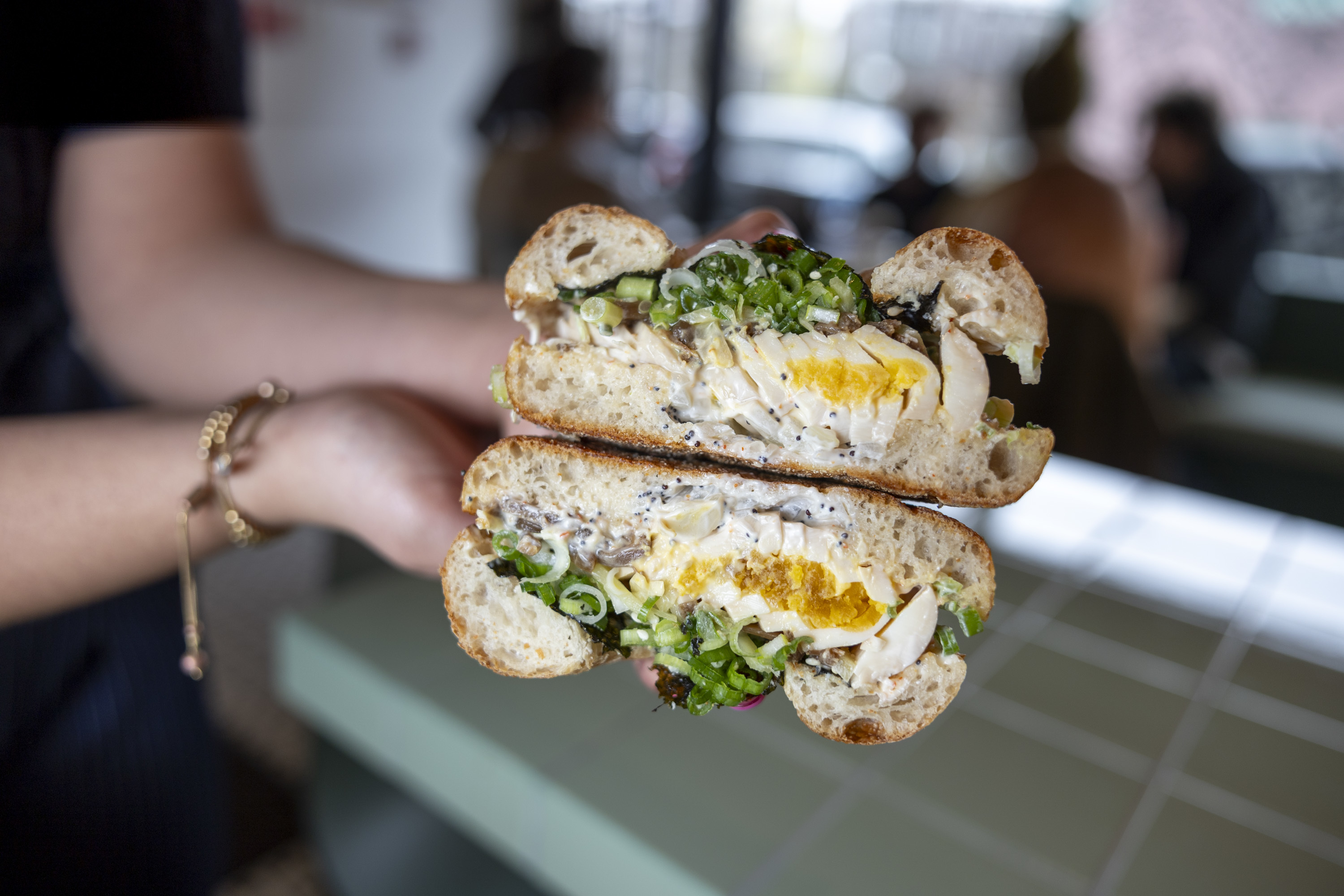
    The Ramen Thing bagel sandwich from Cleo Bagels in West Philadelphia.Tyger Williams / Staff Photographer

    Bagels become vehicles for egg sandwiches, smoked salmon, avocado, specialty cream cheeses, and elaborate combinations that can command substantially more than a plain bagel and schmear. And operators increasingly are looking beyond breakfast.

    “The sandwich factor is so important,” Kostyo said. “You need something that you can sell across multiple occasions, not just to commuters in the morning.”

    That versatility helps explain why investors have noticed.

    “Investors are always looking for that next category that could blow up,” Kostyo said. “They want Call Your Mother or PopUp Bagels to be the next 7 Brew or Dutch Bros.”

    From pandemic project to expansion vehicle

    Some of the brands now expanding grew directly out of the pandemic.

    The Cohens started Kismet as a pandemic project before turning it into a brick-and-mortar business and eventually growing to five locations — down from seven after the company shuttered a stand at Reading Terminal Market in 2025 and closed a shop in Ventnor earlier this year.
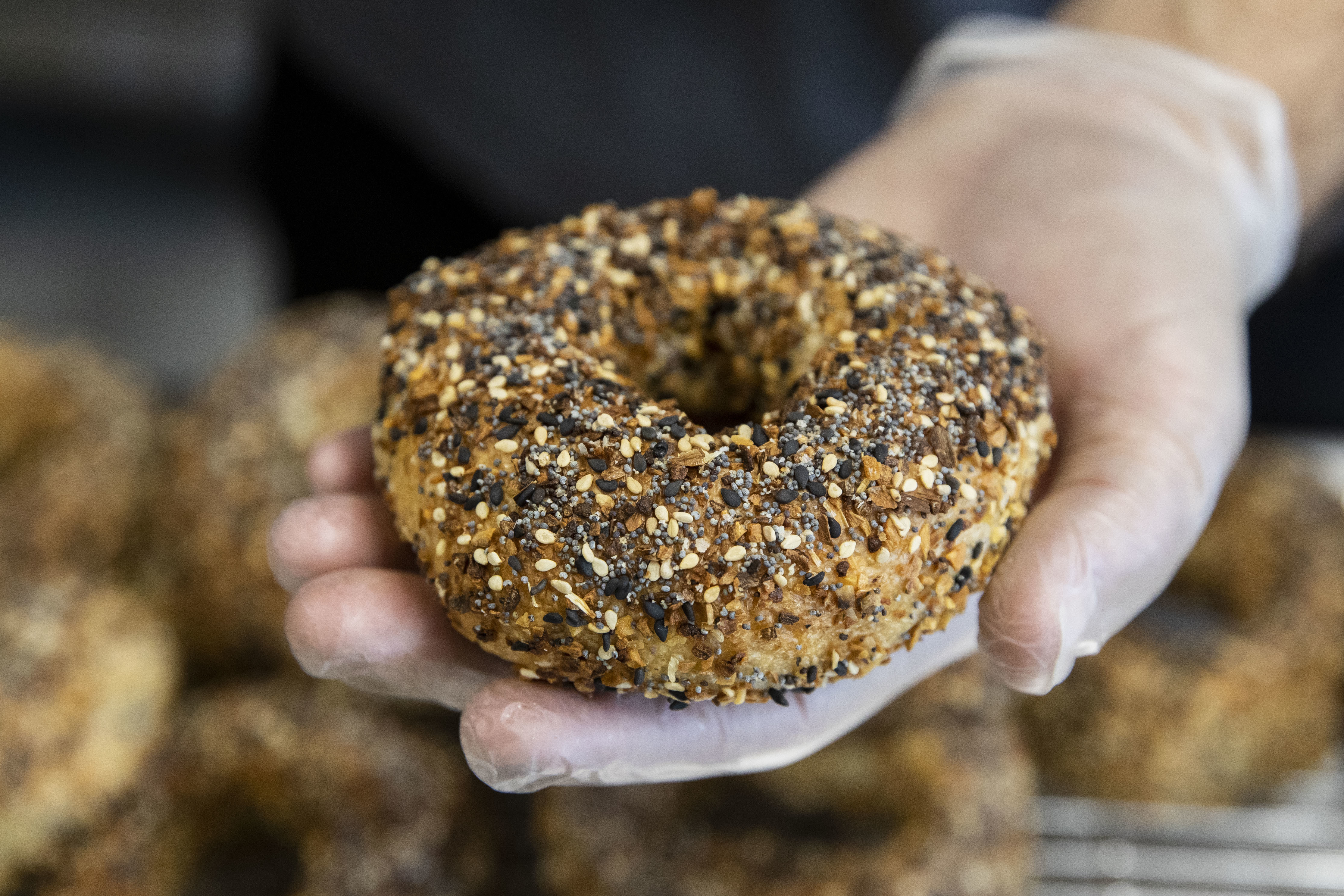
    Jacob Cohen of Kismet Bagels holds an everything bagel.MONICA HERNDON / Staff Photographer

    PopUp followed a similar trajectory. Founder Adam Goldberg began baking bagels at home during the pandemic and developed the idea into a business built around an unusually stripped-down concept: hot bagels and schmears, rather than the sprawling sandwich menus associated with many modern bagel shops.

    Customers are encouraged to “grip, rip, and dip,” tearing apart the bagels and dipping them into containers of cream cheese.

    The company’s first Philadelphia-area shop opened in the spring in Suburban Square in Ardmore. Harrington, the franchisee developing PopUp in this region, said sales have remained strong even through the summer.

    “We anticipated a little bit of pullback with a lot of our core [teen] clientele getting jobs in Avalon and down the Shore, and with vacations and things like that,” Harrington said. “But it’s been very, very steady.”

    In more than 25 years in the restaurant business, Harrington said, he has typically seen sales soften in late June, July, and early August. “We’ve not seen that,” he said.

    PopUp has signed for the former Starbucks at 1709 Chestnut St. in Rittenhouse, as reported by the Philadelphia Business Journal. Harrington said he has a deal for a location in Lawrence Township, N.J., near Princeton, that is awaiting its permits. Another South Jersey deal is close, he said, and he sees additional potential in Montgomery County.

    Despite the influx of bagel shops, Harrington said he believes PopUp occupies a somewhat different niche.

    “We’re not making sandwiches,” he said. “So far, people have found us and enjoyed the way that we do it, and it doesn’t preclude them from going and getting a bacon, egg, and cheese somewhere else.”

    Three stores before the first bagel

    Call Your Mother is making an even larger initial bet on Philadelphia. Founded in Washington in 2018 by Andrew Dana and his wife, chef Daniela Moreira, the self-described “Jew-ish” deli has expanded beyond the Washington area as New York investment firm Invus acquired a majority stake in the company in January 2025.

    Call Your Mother has signed three Philadelphia leases: 1500 Frankford Ave. in Fishtown, the former Metropolitan Bakery at 262 S. 19th St. near Rittenhouse Square, and 12th and Sansom Streets in Washington Square West. Dana said the decision to enter Philadelphia was considerably less scientific than the three-store commitment might suggest.

    “My mom grew up there, my grandparents lived there, and I’ve been there so much visiting my friends,” Dana said. “I’ve been in Fishtown on a Sunday when it’s popping, and I’ve been in Rittenhouse Square when it’s super-crowded on the weekend and the market’s going. A lot of it is just gut and feel.”

    Dana does not believe Philadelphia lacks good bagels. On a recent trip, he tried Bart’s and came away impressed.

    “I think a lot of people are doing a great product in Philadelphia,” he said, “but there’s always room for a different bagel shop. At least I hope so.”

    Dana also rejects the idea that taking investment inevitably leads to runaway growth or declining quality.

    He described Invus as “patient capital” and said the investment agreement carries no requirement that Call Your Mother open a prescribed number of stores.

    “We’re going to do what we can do while still keeping the quality of the food and the service top-notch,” Dana said. “And if that ever slips, we have the ability to hit the pause button.”

    Local operators dig in

    For some Philadelphia bagel operators, however, the arrival of heavily financed brands is cause for skepticism.

    Cohen, at Kismet, is particularly wary.

    “I think it’s the rare exception when private equity marries itself to a food brand and they continue to do good things,” he said. “I’d like to keep private equity out of bagels.”

    He stressed that Kismet remains owned solely by him and Alexandra, financed through bank loans rather than outside investors.

    David Fine, owner of Schmear Bagel Parlor, is also watching the expansion. Fine entered the business in 2013 with his Schmear It food truck and has since acquired the shops owned by Philly Bagels, giving the company eight locations in Philadelphia.
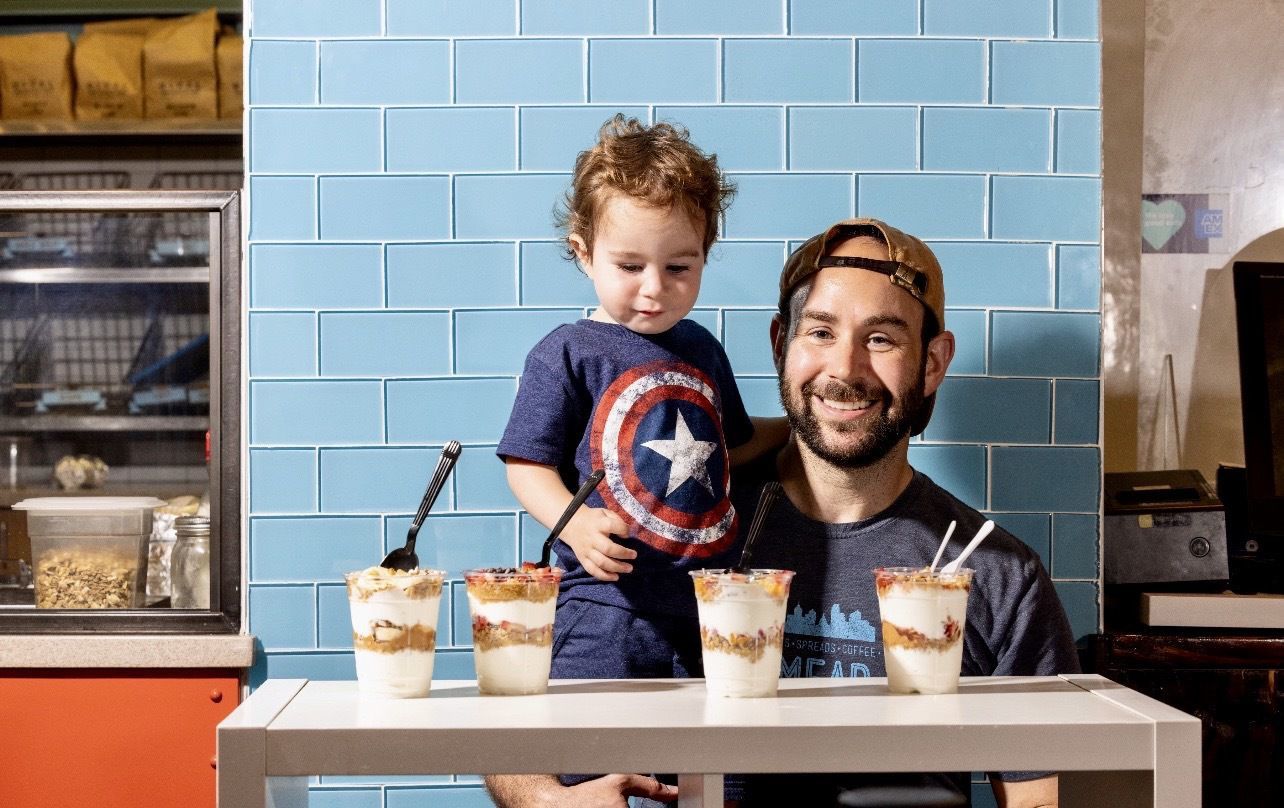
    David Fine of Schmear with his son.Courtesy of David Fine

    Fine said those stores have not appeared to steal business from one another.

    He thinks part of the bagel’s appeal is almost mundane: It is familiar, relatively accessible, portable, and infinitely customizable.

    “They’re comfort food at their very core, and they can really appeal to such a wide variety of customers,” he said.

    He is less certain about the economics behind the rapid expansion of some competitors.

    “The buildouts are expensive,” Fine said. “You have to be quite profitable for quite some time just to recoup that investment.”

    Schmear is expanding, too, Fine said, renovating its original brick-and-mortar location at 36th and Market Streets. But he believes that being local gives the company an advantage as more national and regional shops arrive.

    “There’s a keen allegiance to local brands,” Fine said.

    Built for the feed

    Bagels also have another quality particularly suited to the moment: They look good on a phone.

    Kostyo points to the now-familiar image of a bagel sandwich sliced in half and held toward the camera, its fillings and schmear exposed.

    “The visual factor is also so important in today’s social media age,” he said. “That picture … is the type of indulgent food that people go out of their way for today.”

    The lines themselves become part of the marketing. A crowd outside a shop signals that the food is worth leaving home for, he said, while arguments over the proper density, crust, schmear, toppings, and even whether a respectable bagel can be made outside New York keep the category in the conversation.

    “In the end, it’s all advertising and marketing,” Kostyo said.

    But social media enthusiasm is fickle — witness the rise and fall of cookies and cupcakes — and Kostyo sees the flood of investment and expansion as carrying the seeds of an eventual shakeout.

    “This is a pretty classic bubble where some of these brands that are doing a great job and really resonate with people will survive, but a lot will overexpand and shut down in the next few years,” he said.

    Cohen, meanwhile, has decided not to test Kismet’s limits.

    After years of opening shops, Kismet entered 2026 determined to improve what it already has rather than add more locations. The company is focusing on consistency, profitability, new products, employees, and customers, he said.

    He is happy to see Philadelphia’s bagel culture growing and says he does not regard every new shop as a competitor. Years ago, Cohen recalled, Inquirer restaurant critic Craig LaBan told him that Philadelphia did not have enough bagels per capita.

    “We might be starting to get there now,” Cohen said.
  • Where to get the best hot dogs in Philly

    Where to get the best hot dogs in Philly

    Summer may be nearing its end, but hot dogs aren’t going anywhere. Philly is deep in the throes of a hot dog era. Our inveterate cheesesteak-and-hoagie city has been through them before, but what sets apart the current boom is that it’s not so much about standalone hot dog joints. Instead, dogs have nosed their way onto many menus where they once might have been out of place.

    That’s a double-edged sword: Hot dog purists may want to avert their eyes. This list, which is focused on Philly proper, has some natural-casing-centric sweet spots for them, but we’ve also included spots that are bucking strict hot dog norms with croissant buns, bonito flakes, carrot salad, and pineapple salsa. Some even deploy the most divisive condiment of all: ketchup. — Jenn Ladd

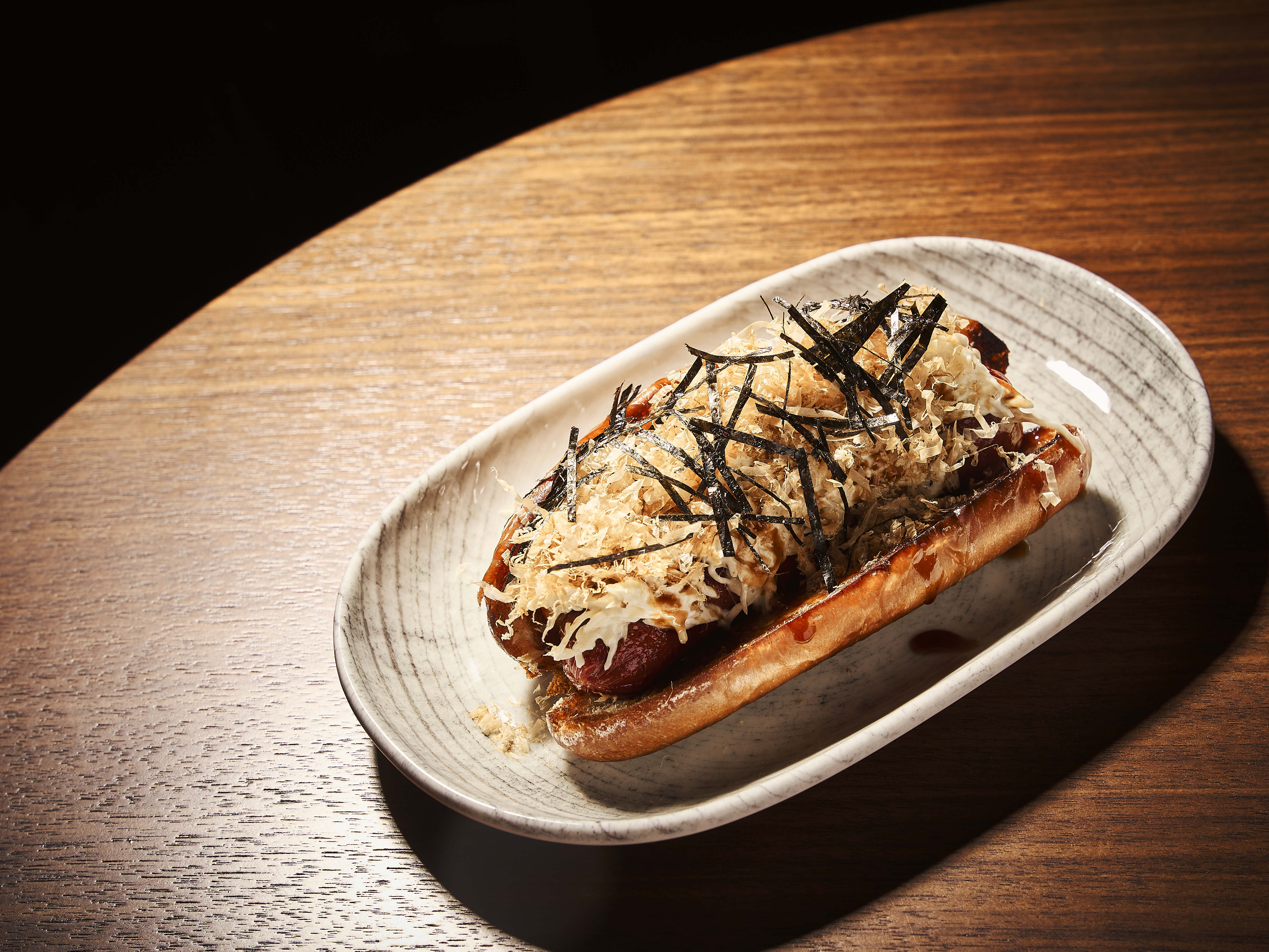
    The Wagyu hot dog at Almanac in Old City, topped with tonkatsu sauce, Japanese slaw, bonito flakes, and nori.Stephen Recchia

    Almanac

    There’s something delightfully incongruous about pairing Almanac’s hot dog with one or two of its painstakingly crafted cocktails, often made from foraged ingredients and house-fermented elixirs. As bar snacks go, the Wagyu hot dog is a bit of an indulgence, but it hits all the notes of salty, fatty, sweet, and umami — the hallmarks of snacks you’d get at a konbini, or Japanese convenience store. The juicy sausage is tucked into a run-of-the-mill yet perfect split-top bun and topped with house-made tonkatsu sauce, a crunchy cabbage slaw, strips of nori, and bonito flakes. It’s a feat of layered textures and contrasting flavors, just as one would expect from one of Philly’s finest omakase chefs. — Kiki Aranita

    Almanac, 310 Market St., Second Floor, 215-238-5757, almanacphilly.com

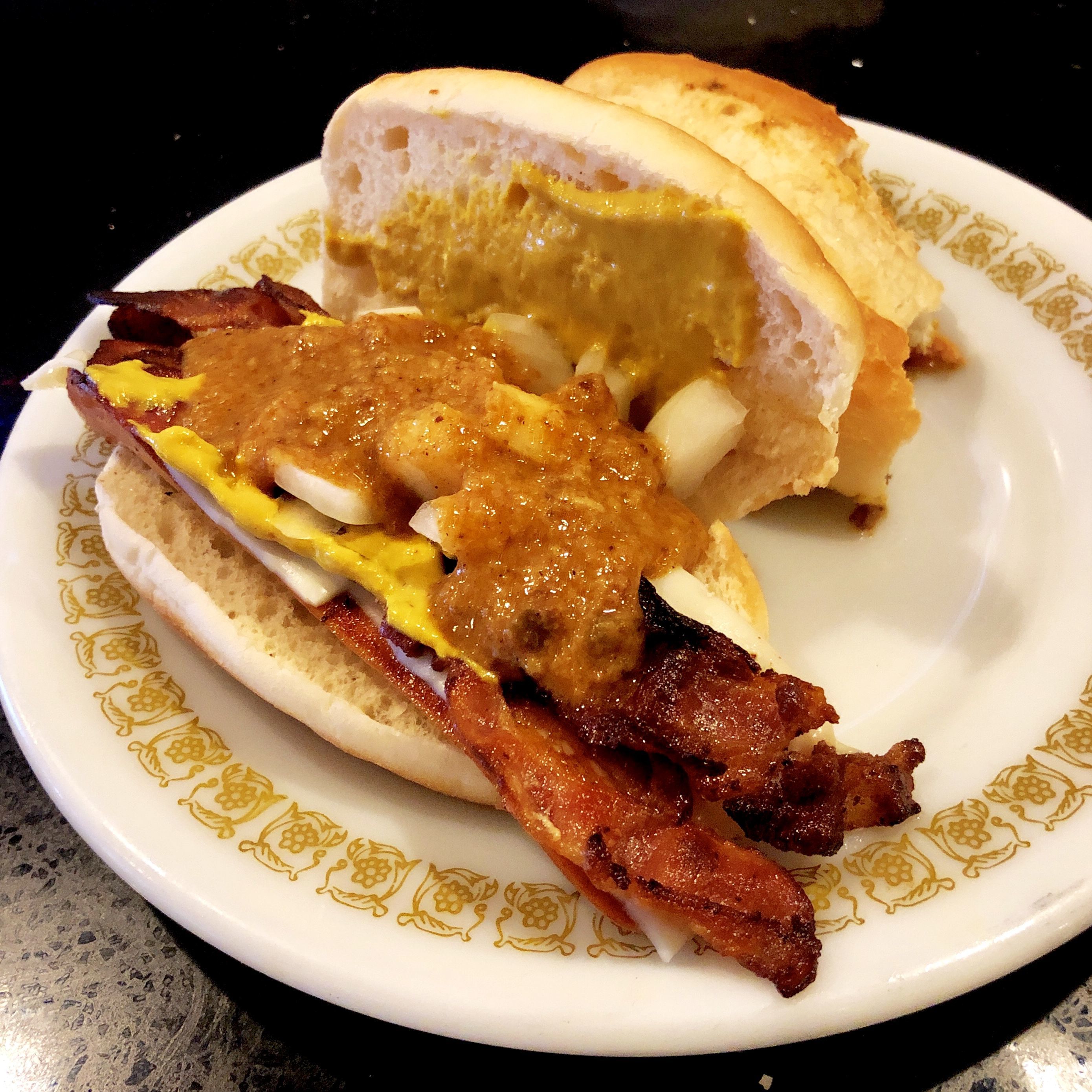
    Texas Tommy from A.P.J. Texas Weiner (47 N. 13th St.)Craig LaBan

    A.P.J. Texas Weiner

    Time has largely forgotten A.P.J. Texas Weiner, a no-frills, old-school luncheonette squished between a bail bondsman’s office and an omakase restaurant on 13th Street just off Filbert, across from the Criminal Justice Center. Greek immigrants Andrew Kanakis, Paul Vasiliades, and John Halkedis opened the joint a century ago, joining an early-20th-century rush of so-called Texas wiener (as it’s usually spelled) joints around town. The “Texas” in a Texas wiener refers to the thin, mild chili perfumed by cinnamon and allspice that the cook spoons onto the grilled, split 5-to-a-pound beef hot dog before adding yellow mustard and chopped onions. In sum: the best $3 snack in Center City. You can dine in, though it’s primarily call-ahead (no apps!) or grab-and-go (from the sweetest counter woman, who won’t skimp on the napkins). — Michael Klein

    47 N. 13th St., 215-665-8081

    Café Tinto Fishtown

    Café Tinto’s hot dogs are only available from 3 to 6 p.m. on weekdays at its buzzy new Fishtown location. The scarcity only adds to the mystique of chef Daniela Garcia’s Colombian-style beef hot dogs, which are all about perfecting the golden ratio of sweet, spicy, and crunchy. Served in soft, buttery house-baked rolls, Café Tinto’s happy hour dogs come topped with Garcia’s tangy pineapple salsa and a layer of crushed classic Lays potato chips. There’s something deeply satisfying and oddly nostalgic about the crunch, which reminds me of when I’d stuff Doritos inside my salami sandwich on white bread in elementary school. Chips really do make everything better. — Beatrice Forman

    1701 N. Front St., instagram.com/cafetinto.fishtown

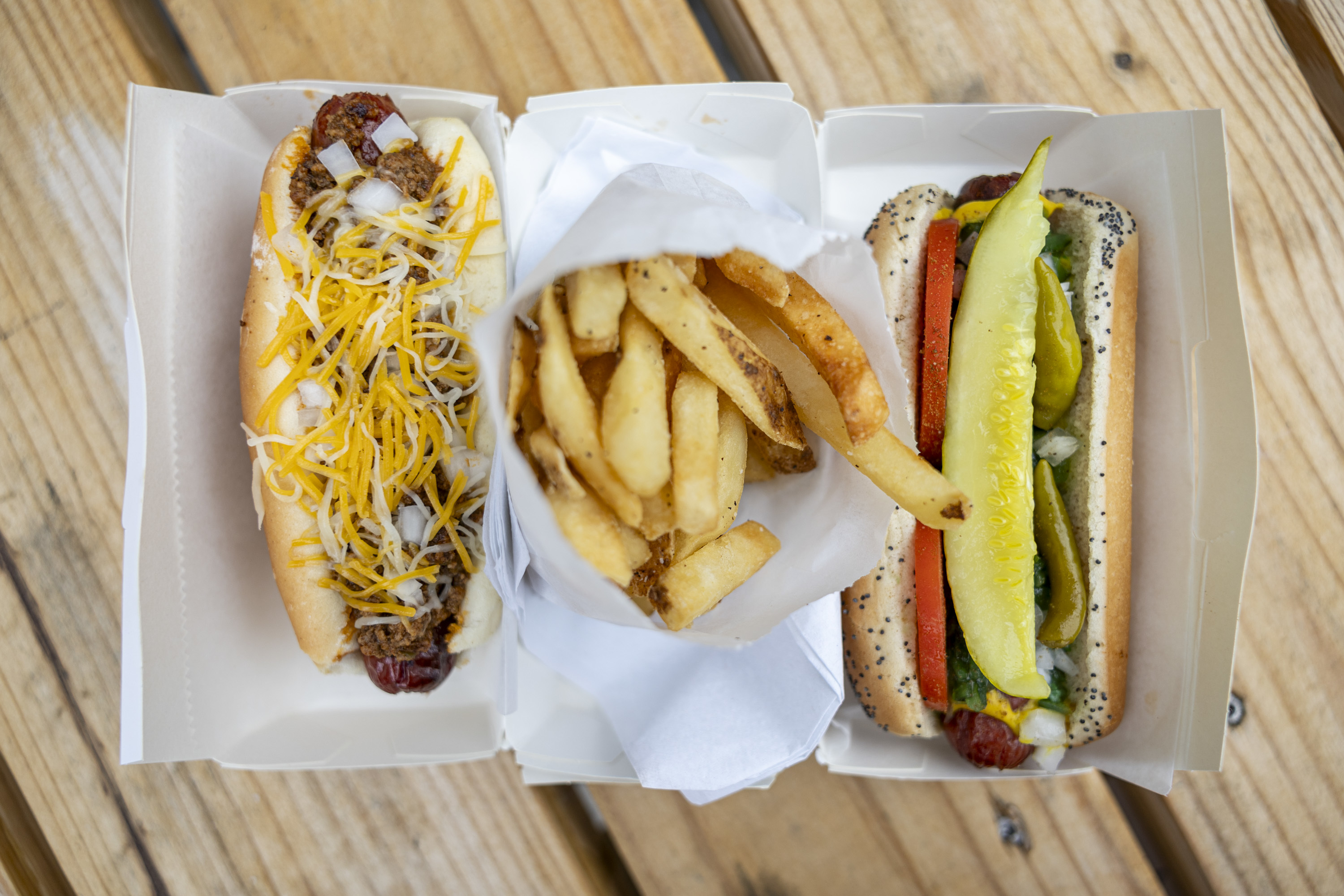
    A Chili Cheese Dog and a Chicago Dog with a side of fries from Bad Nina’s grand opening outside Attic Brewing in Philadelphia on Wednesday, July 16, 2025.Tyger Williams / Staff Photographer

    Bad Nina’s

    In 2025, Attic Brewing owner and Chicago native Laura Lacy decided to capitalize on one of the most intuitive food pairings there is: beer and hot dogs. Lacy and her husband/co-owner, Todd, decked out a vibrant yellow-and-teal food truck that operates noon to dinnertime Friday through Sunday, serving up at least 12 dog variations, including a jalapeño popper dog, a cheeseburger dog, and a classic Chicago-style dog (mustard, relish, chopped white onion, sliced tomatoes, a dill pickle spear, celery salt, and pickled peppers). Bad Nina’s go-tos are Vienna Beef brand hot dogs and Cacia’s Bakery rolls, but there are also Impossible vegan dogs and gluten-free buns (and bratwurst if you’re dogged out). — Jenn Ladd

    137 Berkley St., badninas.com

    Doom

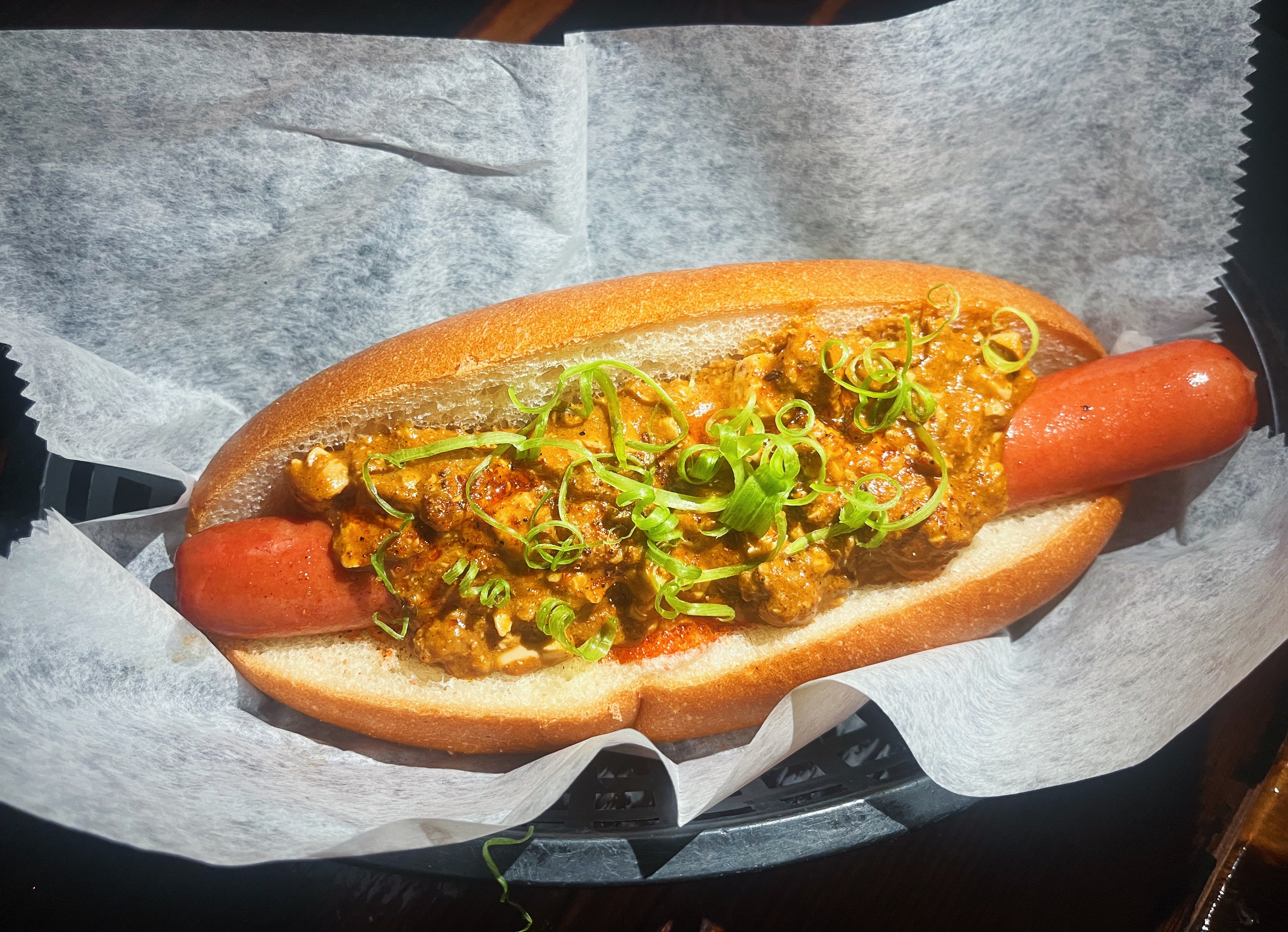
    What’s more rock ’n‘ roll than a dive bar hot dog? A dive bar chili dog. Doom technically isn’t a dive, but it is a heavy metal bar with a just-messy-enough hot dog that some dare to call the best in Philly. Doom’s dog starts with a deep-fried, ripper-style beef frank in a split-top bun. Then, it gets topped with a tofu-and-pork Bolognese inspired by mapo tofu, the spicy Sichuan classic. Doom’s version is milder and smokier, transforming the sandwich into something akin to a sloppy joe with a touch of class. Not a drop of chili is to be wasted. We recommend scooping up the inevitable spillage with a side of fries. — B.F.

    421 N. Seventh St., doom.bar

    The mapo chili dog from Doom, a heavy metal bar at 421 N. Seventh St., is inspired by the popular Sichuan dish.Beatrice Forman / Staff

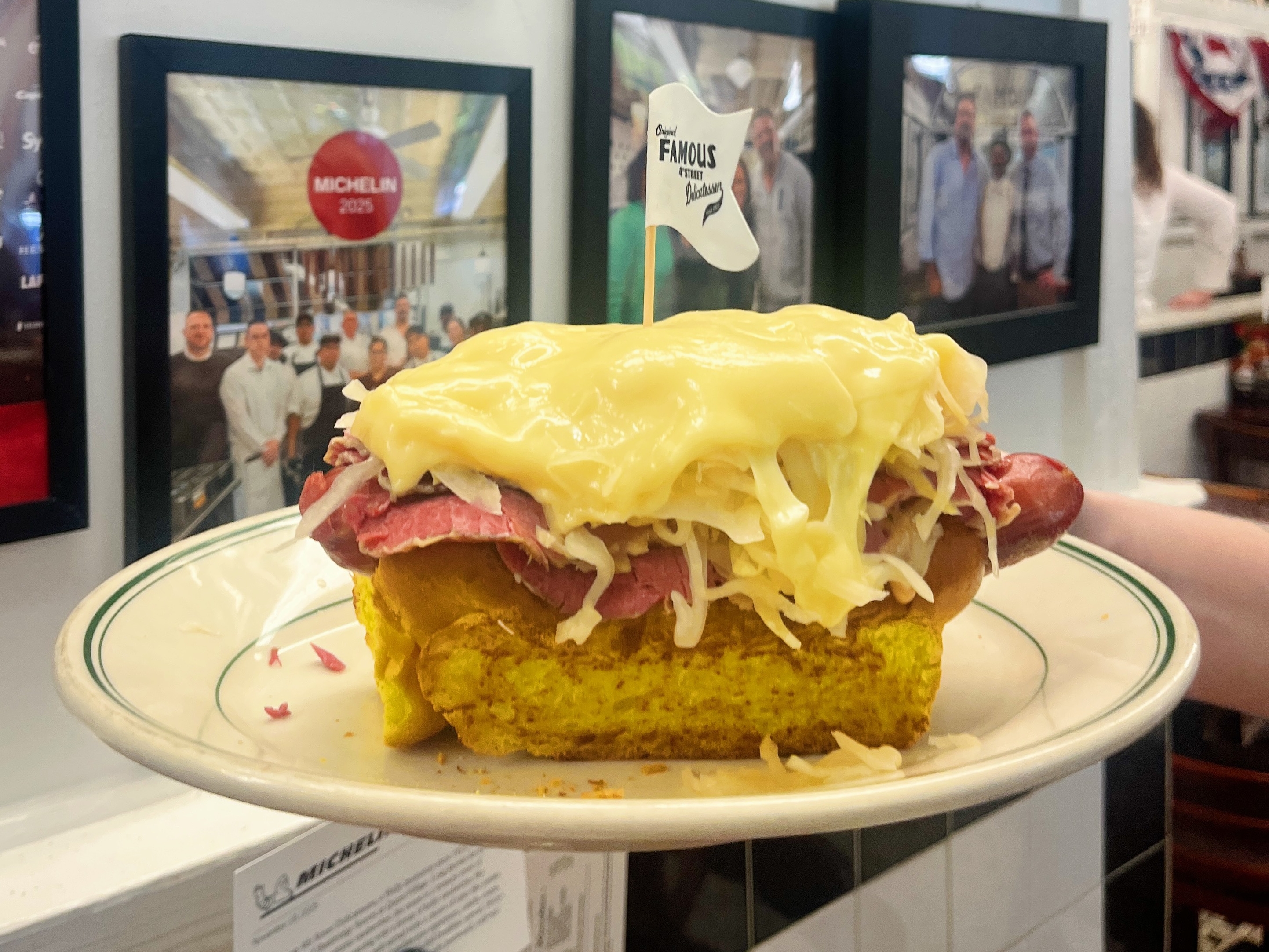
    Famous 4th Street Delicatessen

    Famous 4th Street’s hot dogs are just how deli magnate Russ Cowan left them when he sold the joint in 2024 to Connecticut-based restaurateur Al Gamble: big and beefy. The Queen Village institution still uses all-beef sausages for its traditional hot dogs and oversized pigs-in-a-blanket, and it still makes its challah buns in house. The only difference? The buns are now buttered and lightly toasted to mimic a Connecticut-style lobster roll, a change that Gamble said “tastes like childhood.” The deli’s classic hot dog is its bestseller, but the true showstopper is the hulking Reuben dog, which piles thin-cut pastrami, hot sauerkraut, and Russian dressing atop a 7-inch frankfurter. It’s just as filling as the sandwich it’s based on — and nearly half the price. — B.F.

    700 S. Fourth St., 215-922-3274, famous4thstreetdelicatessen.com

    The Reuben Dog at Famous 4th Street Delicatessen, 700 S. Fourth St.Beatrice Forman / Staff

    Fox & Son

    Reading Terminal Market has a certain “state fair” feel anyway, but a stop at this stand will make your day seem even more festive. Rebecca Foxman’s signature, crunchy hand-dipped corn dogs are made with corn batter, a boon to those who are sensitive to gluten. Choose pork-and-beef, all-beef, turkey, spicy pork, or a Beyond veggie dog, then stick with the classic or go fancy. Variations include chili-cheese-scallion, cheddar-jalapeño, and sweet-potato batter with chorizo and cilantro-lime sour cream. For a more lavish version, choose the Korean-style dog with mozzarella, sugar, ketchup, and mustard. — Michael Klein

    Reading Terminal Market, 1136 Arch St., 215-372-7935, foxandsonphilly.com

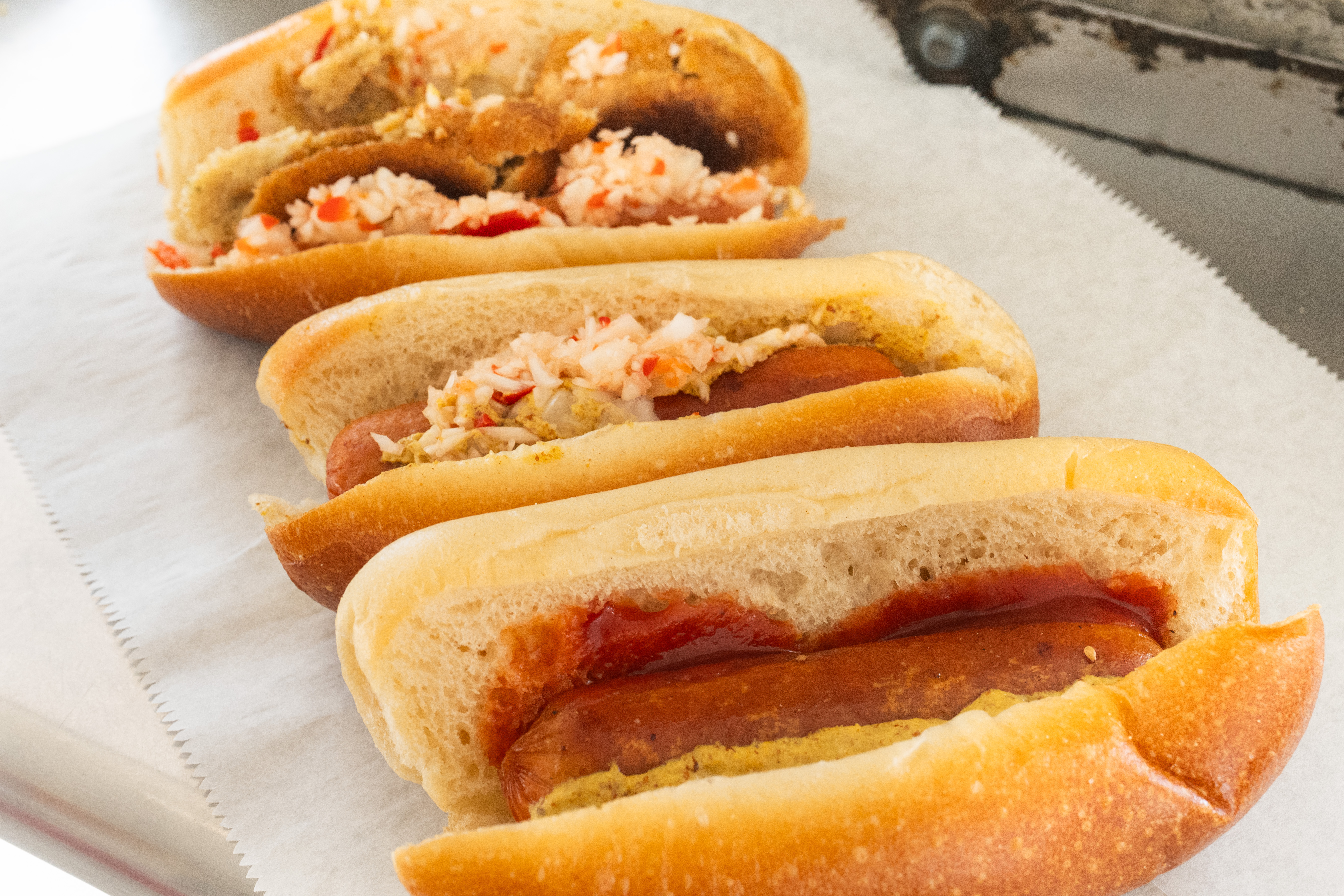
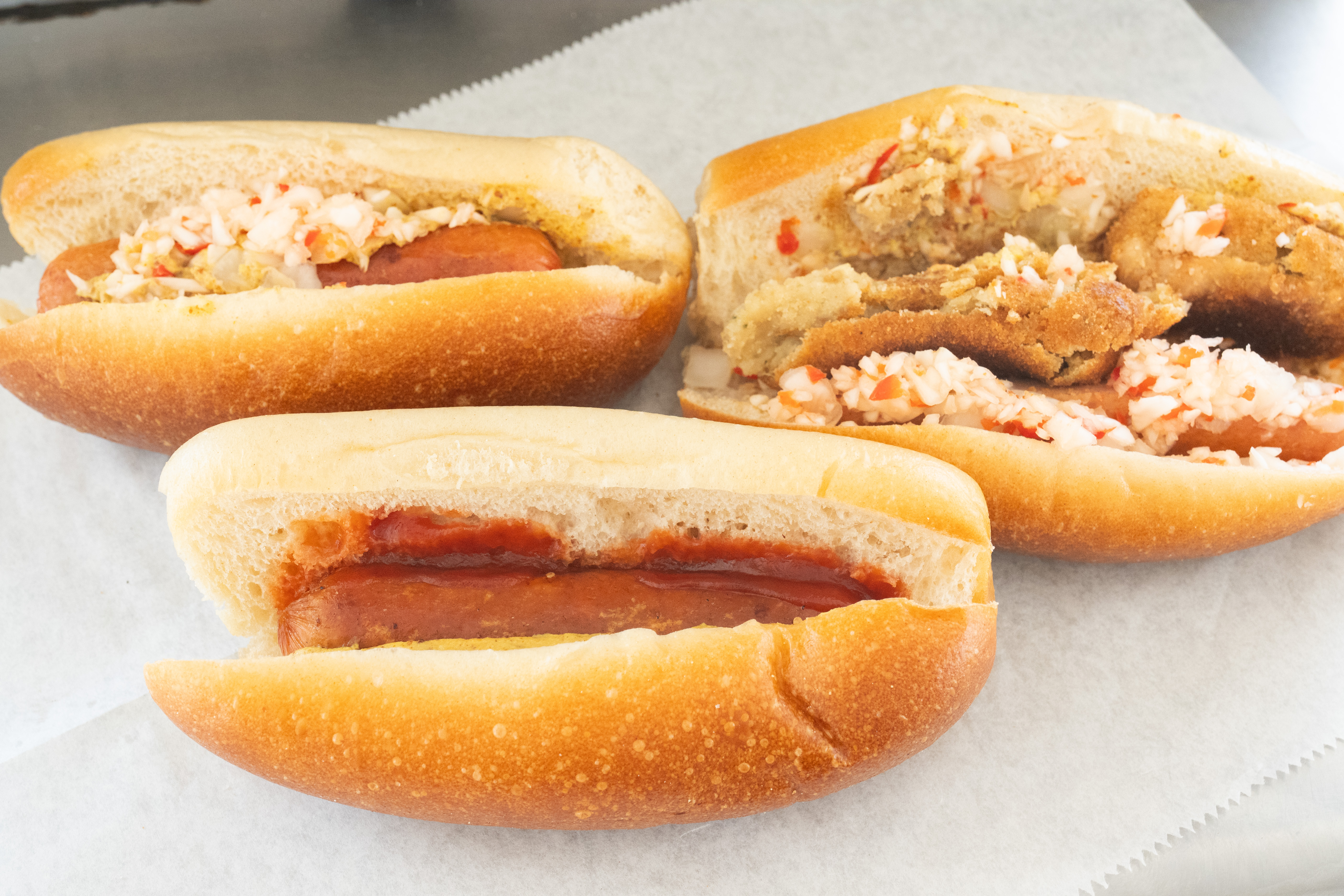
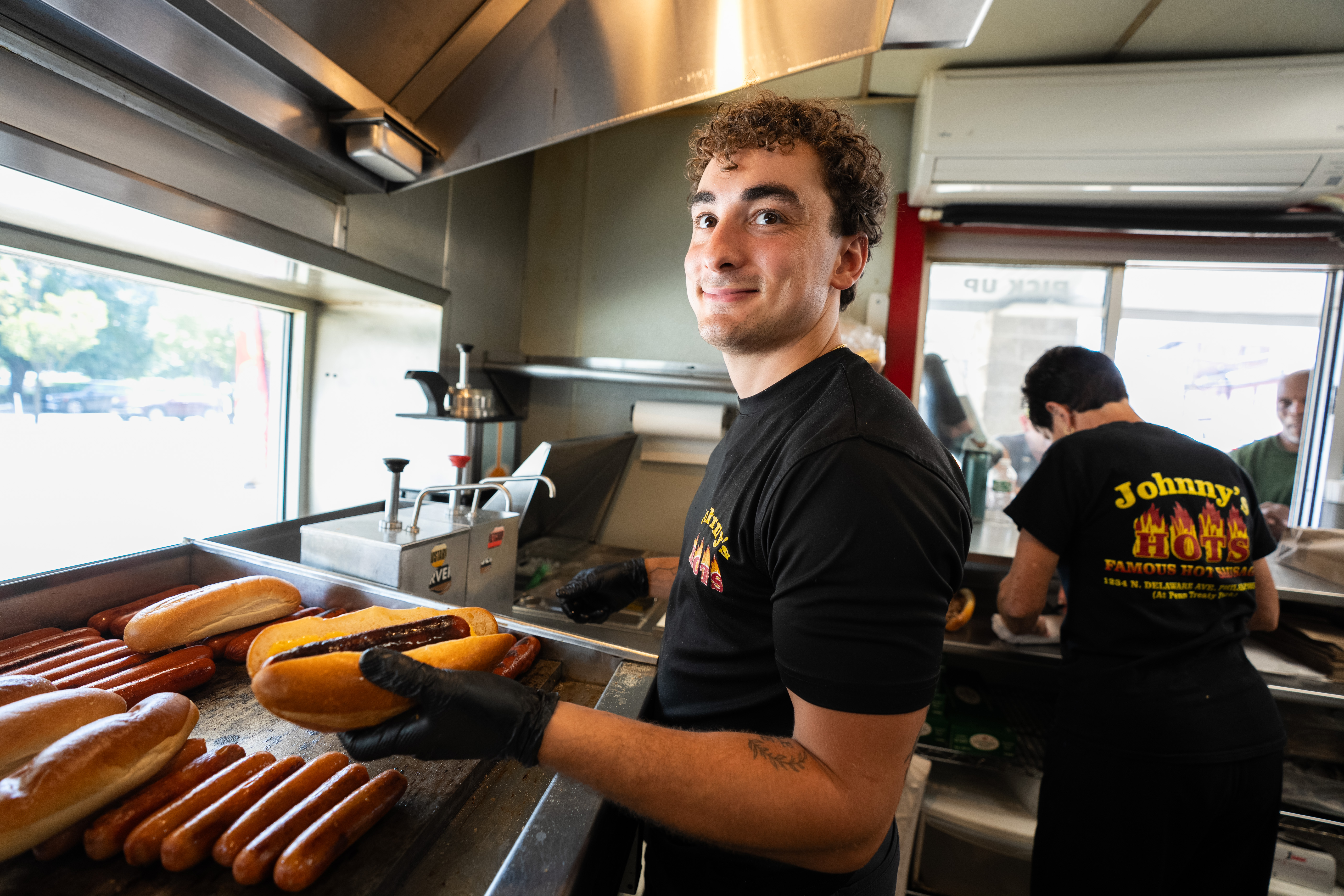
    Standard hot dog with ketchup and mustard front, hot dog with pepper hash back, and hot dog with fish cake and pepper hash at Johnny’s Hots, in Philadelphia, Aug. 17, 2026.Jessica Griffin / Staff Photographer

    Johnny’s Hots

    At 5:45 every weekday morning (and at 7:15 on Saturday), the window rolls up at this cash-only stand across from Penn Treaty Park. Ride-share drivers, truckers, and other hungry early birds start pulling up for grilled hot dogs and especially that old-time Philly combo of hot dogs and fish cakes, on soft buns. Johnny’s traces its roots to the 1950s, when Nunzio “John” Danze started serving waterfront workers from a lunch truck. The business later operated from a pier-side shack before moving to its current location on Delaware Avenue. The power move is the namesake spicy sausage, though the menu includes breakfast sandwiches as well as roast pork and cheesesteaks. — Michael Klein

    1234 N. Delaware Ave., 215-423-2280, instagram.com/johnnys_hots

    The standard hot dog with ketchup and mustard, hot dog with pepper hash, and hot dog with fish cake and pepper hash at Johnny’s Hots on Aug. 17.Jessica Griffin / Staff Photographer

    Juana Tamale

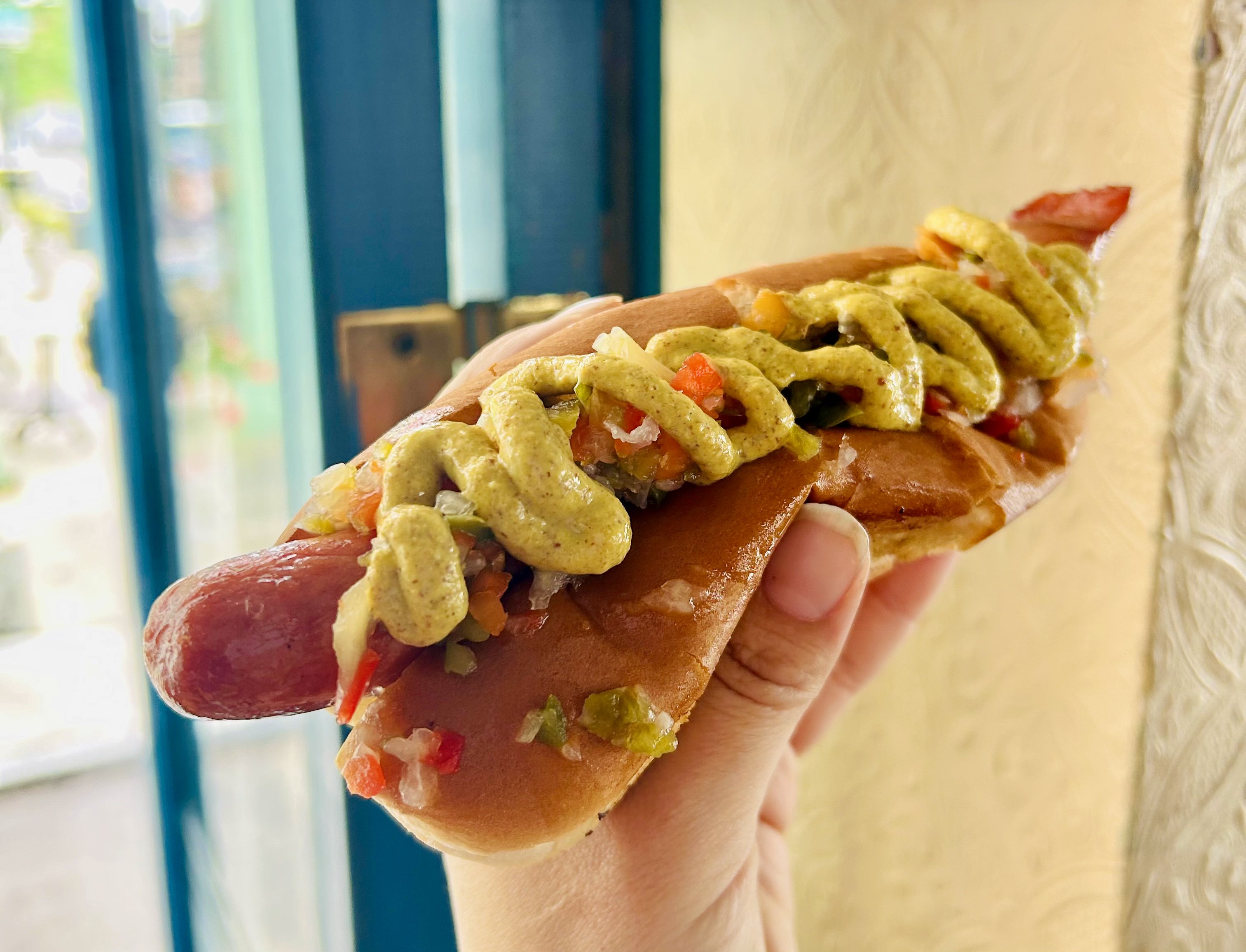
    The only thing better than one hot dog is two hot dogs. Juana Tamale’s Jen Zavala serves her Sonoran-style hot dogs in pairs for $8, and prepares them just like they do in Northwest Mexico, where the street food originated before becoming Arizona’s glizzy of choice. A Sonoran dog comes wrapped in bacon and topped with refried pinto beans, Hatch chiles, red and green salsas, mustard, and mayo. Zavala’s one departure from a traditional Sonoran: She uses Amoroso’s Italian rolls instead of fluffy bolillo bread. The two have nearly the same texture, she said, and the Amoroso’s roll adds a touch of Philadelphia to a hot dog steeped in Southwestern spice. The Sonoran dog’s excess was a hard sell at first in Philly, Zavala said, but now, her East Passyunk Avenue Mexican restaurant sells between 200 and 300 a week. The more-is-more approach hits just right for those of us who view the hot dog as a prime vessel for toppings. — B.F.

    1941 Passyunk Ave., 267-273-0894, juana-tamale.square.site

    Lucky Duck

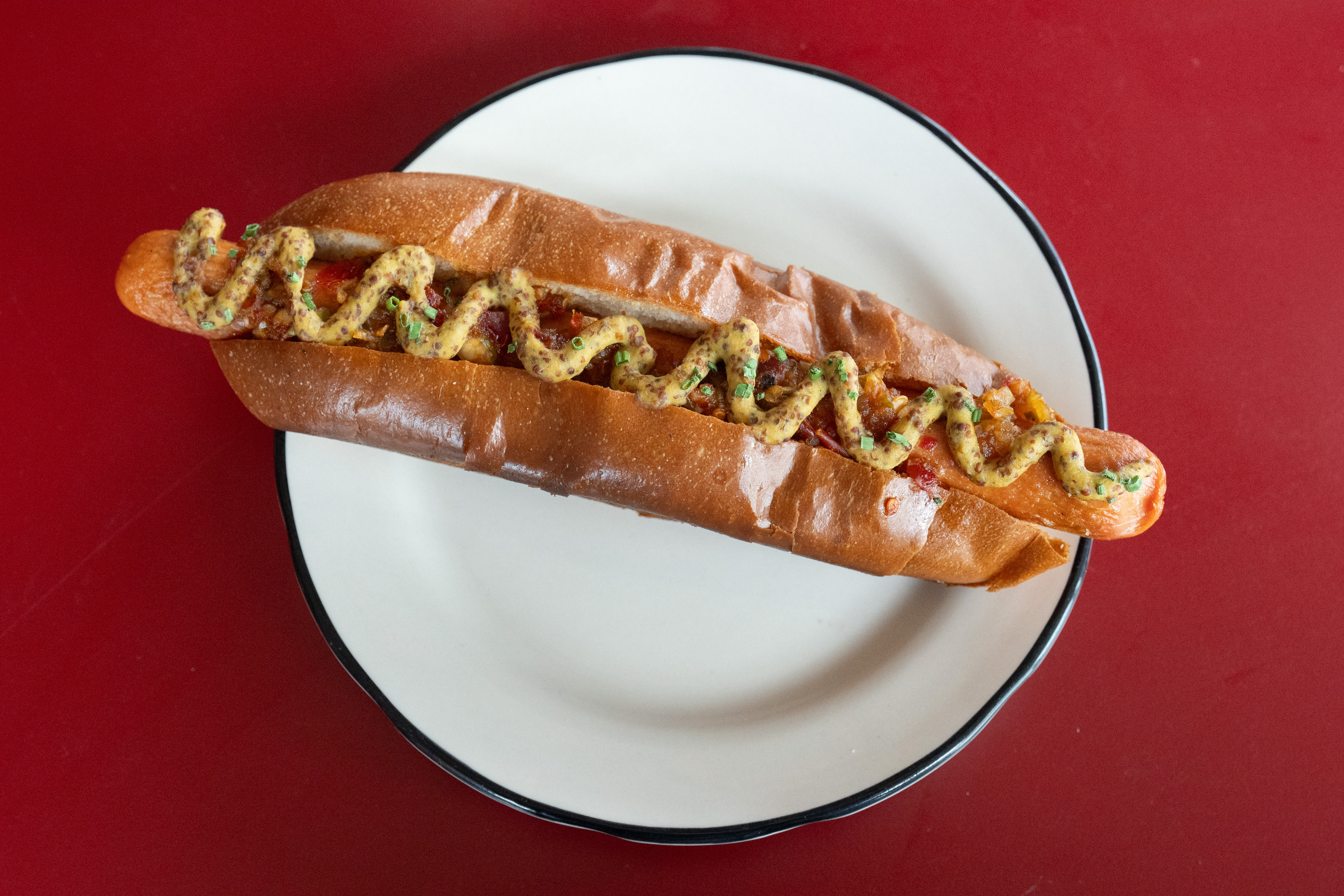
    Size matters at Columbus Boulevard’s newest waterfront tavern. Lucky Duck co-chef Sanil Shah claims the bar’s 10-inch wiener is likely the largest you can find in Philly — it pokes comically out the ends of its 6-inch Baker Street Bread roll. The tavern uses a smoky beef-and-pork blend from Reading-based Berks Packing Co. that has an audible snap with every bite. The toppings are simple — just brown mustard and a house-made hot honey-pepper relish that Shah said is loosely inspired by the packets of duck sauce that come with Chinese takeout. Bonus: Lucky Duck’s dogs are available until 1 a.m. on Fridays and Saturdays, just in case a late-night glizzy craving hits. — B.F.

    501 N. Christopher Columbus Blvd., Suite 2003, 215-964-9345, luckyduckphl.com

    A hot dog at Lucky Duck, Aug. 17.Jessica Griffin / Staff Photographer

    Lucky’s Last Chance

    When Chris Barnes added hot dogs to the Lucky’s Last Chance burger-centric menu six months after it opened its first location in Manayunk in 2011, he hoped to sell “maybe 50 hot dogs a week.” Now, Barnes estimates the shop goes through between 5,000 and 6,000 franks weekly across its four locations, in Queen Village, Manayunk, East Falls, and Ambler. At Lucky’s, Deitz and Watson franks (or Light Life veggie dogs) are the base for 12 variations that push the limits of the “is a hot dog a sandwich” debate. Take the Voodoo, layered with shredded chicken, American cheese, and onion strings. Feels like a sandwich to me. The bacon bits and BBQ sauce-topped Deadwood? A very meaty hot dog. The 1Up, with sautéed mushrooms, provolone, and garlic aioli, is somehow a secret third thing — a hot dog crossed with a French dip. Rich and warm, it resonates even in winter. — B.F.

    848 S. Second St., 267-519-2080; 4421 Main St., 215-509-6005; 5154 Ridge Ave., 216-842-5836; 15 S. Ridge Ave., Ambler, 215-367-5881; luckyslastchance.com

    Lucky’s Last Chance uses Dietz & Watson dogs and New England-style split-top rolls.Marisa DiSalvatore

    Miller’s Twist

    Lines often wrap around the edges of this legendary Reading Terminal Market vendor, whose tawny, traditionally knotted Amish-style pretzels are irresistible in their own right. So what’s not to love about that same supple, salt-studded dough wrapped around a hot dog, then baked to juicy perfection? Costco customers will be particularly enthused: The Miller family uses Kirkland brand for their regular and jumbo dogs. (Dietz & Watson supplies their spicy beef and jalapeño dogs.) Buy one with or without cheese, and be sure to spring for a dipping sauce, especially the hot-sweet mustard made by the owner’s Lancaster-based in-laws. (Note that Miller’s does not make Philly soft pretzels; for better or worse, ours are not buttery. If you want a hot dog wrapped in Philly pretzel dough, head to one of three Bernie’s Pretzels in Delco.) — J.L.

    51 N. 12th St., 215-923-1723, millerstwist.com

    Manong

    Chef Chance Anies’ Filipino riff on Outback Steakhouse is a great place to go for happy hour, and particularly welcoming to kids. One of the draws is the Jollidog: an all-beef dog with mayonnaise mixed with bangus (umami-rich tinned milkfish), sandwiched in a soft bun, and topped with atchara, or pickled green papaya. It’s a perfect snack with a glass of wine, or a great meal for a toddler. Mine ate it up and clamored for another, which we happily ordered. The hot dog is on the regular menu, too, and comes with fries for only a few bucks more at happy hour. — Margaret Eby

    1833 Fairmount Ave., 445-223-2141, manongphilly.com

    Nifty Fifty’s

    When we kids were extra-good and my mom was feeling extra-rich, my mom would buy bacon and American cheese for our usual hot dog nights. She’d pull out the stovetop griddle, split the dogs, wrap them in bacon, and make us each a Texas Tommy — draping a thin slice of American cheese over everything to melt on contact. For me, the smoky, crispy Tommy at the Nifty Fifty’s chain is the perfect throwback to ’60s indulgence, even if the cheese of choice for the pork-and-beef dogs here is Whiz. Get yours topped with chili and eat it with a knife and fork, and don’t forget to use your napkin, as the old luncheonette lady would have reminded you. — M.K.

    2491 Grant Ave., 215-676-1950; 2700 S. 10th St., 267-719-1950; 2431 Aramingo Ave., 267-771-1950; 1140 Old York Rd., Abington, 267-833-1950; 503 S. Oxford Valley Rd., Fairless Hills, 267-571-1950; 1900 MacDade Blvd., Folsom, 610-583-1950; 3524 West Chester Pike, Newtown Square, 484-992-1950; 684 York Road, Warminster, 267-802-1950; 1365 Marrows Rd, Newark, Del., 302-742-1950; 4670 Route 42, Turnersville, 856-875-1950; niftyfiftys.com

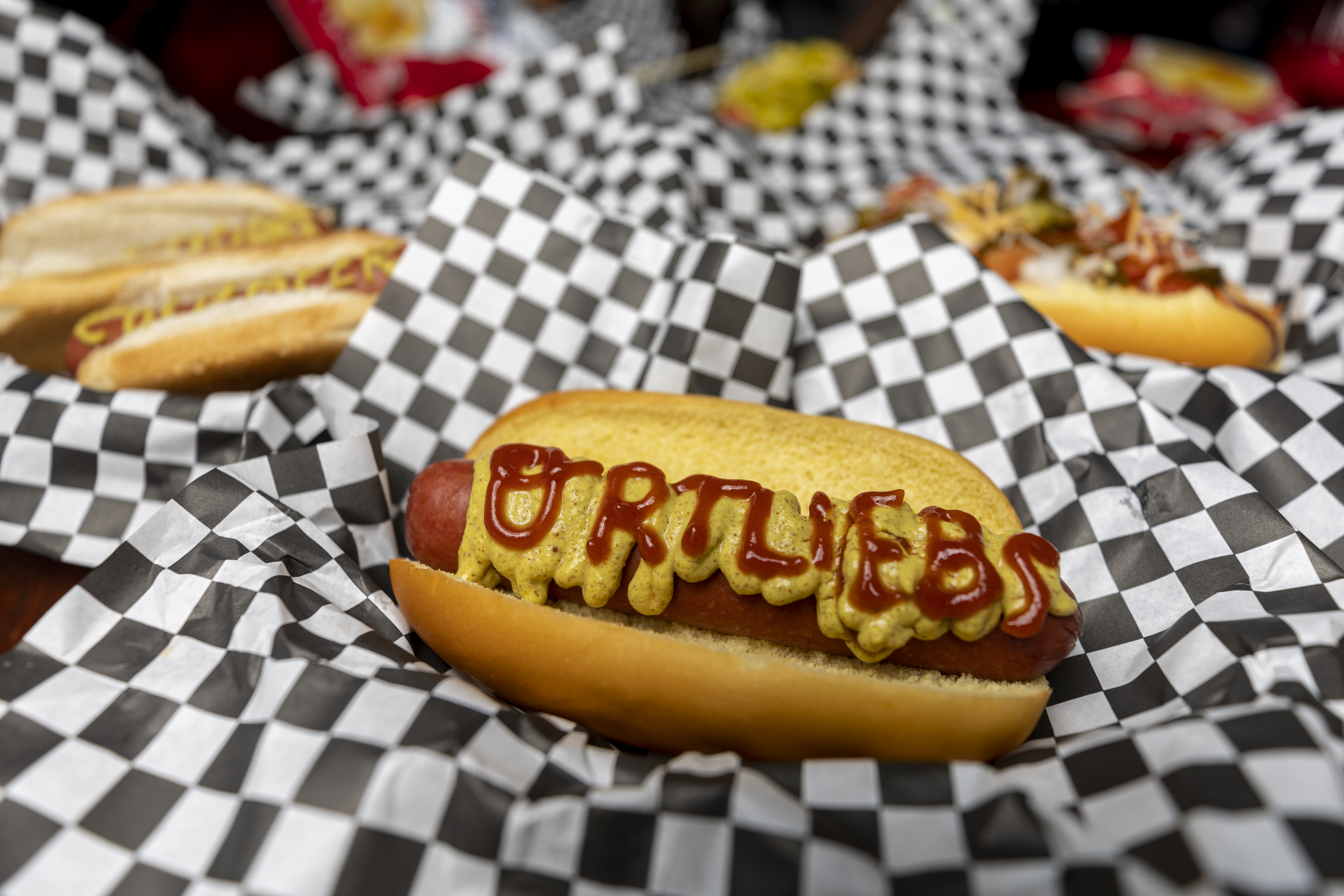
    A classic hot dog with Ortlieb’s written on it with mustard and ketchup, in Philadelphia on July 20, 2024.Tyger Williams / Staff Photographer
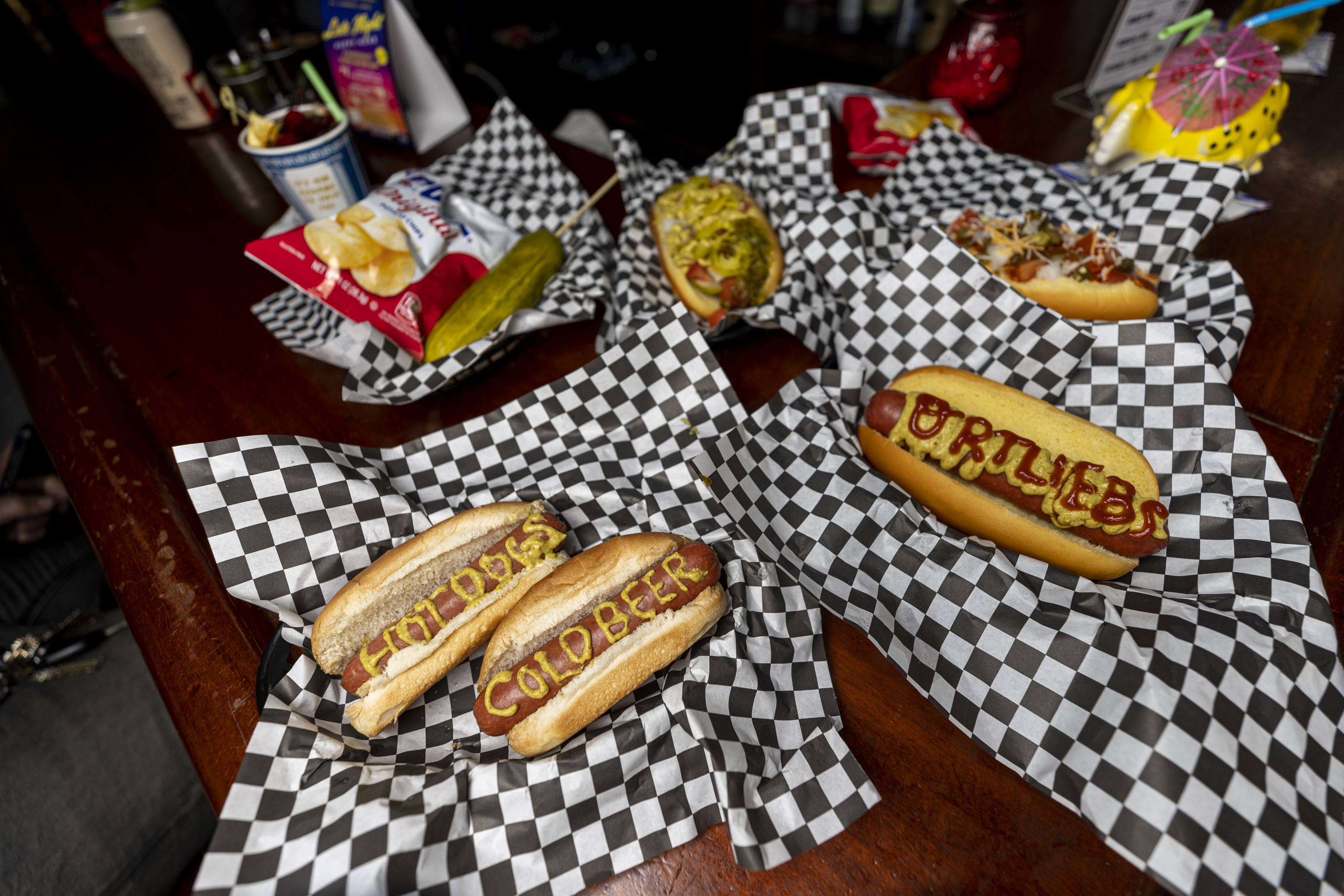
    An assortment of classic hot dogs with mustard and ketchup writing, Ortileb’s taco dog, a Chicago dog, and a pickle on a stick, at Ortlieb’s on July 20, 2024.Tyger Williams / Staff Photographer

    Ortlieb’s

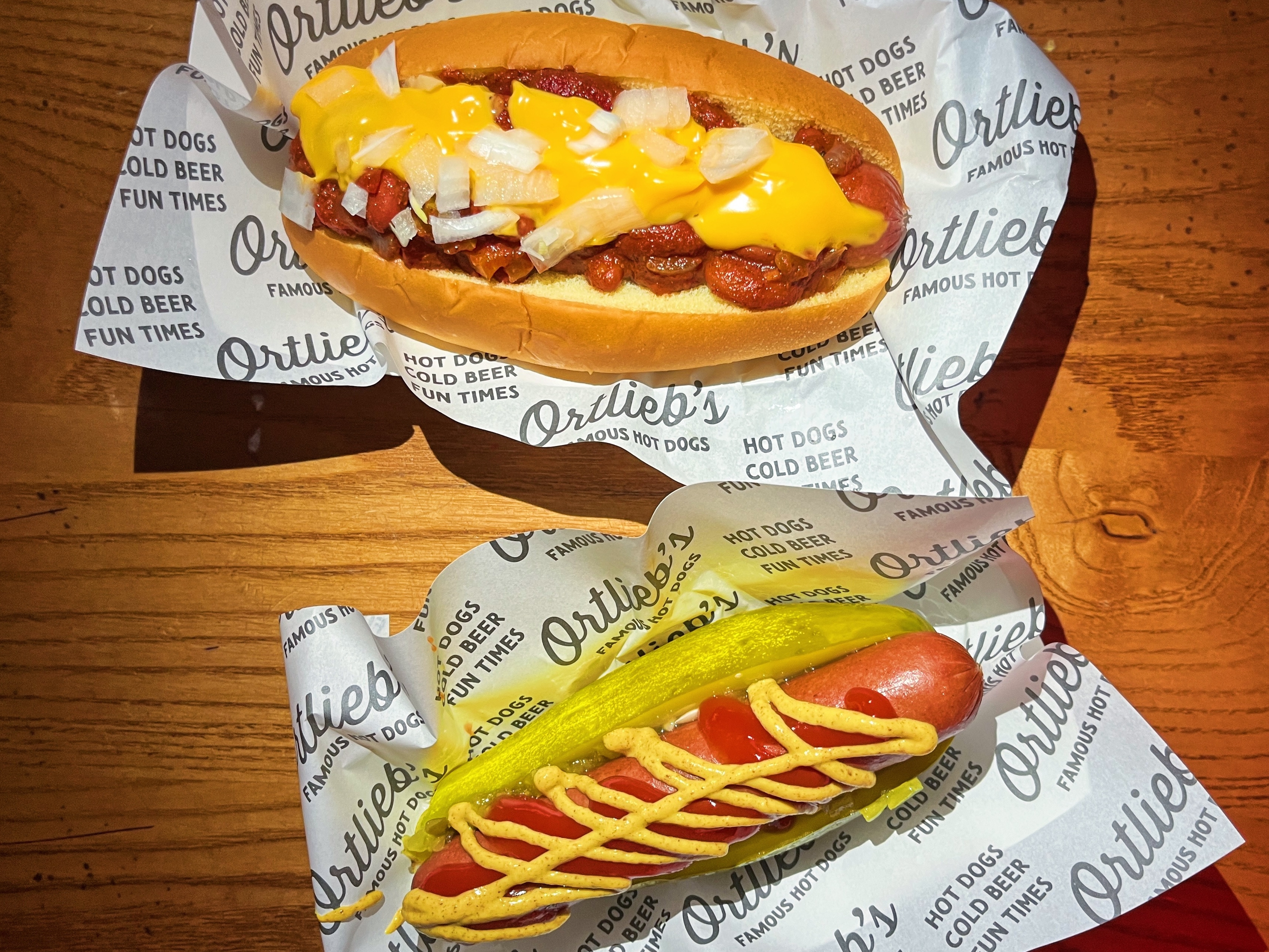
    When Kyle Costill dedicated his Northern Liberties bar to the humble hot dog in 2024, “people were laughing at us,” Costill said. “Now, it’s like everybody is doing them.” Since then, Ortlieb’s has built a tiny empire out of no-frills dogs. Costill estimates the bar has sold 30,000 in the past two years thanks to a partnership with music venue Union Transfer and Port Richmond’s Green Rock Tavern, which sells Ortlieb’s-branded steamers behind the bar. The secret to their success is the wiener, a maple wood-smoked beef frank from Nevada-based brand Snap-o-Razzo, whose natural casing is so taut, the dog pops with each bite. (That feeling has inspired Costill to work on a proprietary Ortlieb’s dog that he intends to launch by the end of 2027.) Ortlieb’s has something for everyone: You can swap out a Snap-o-Razzos for a veggie dog, or top either with a vegan three-bean chili, courtesy of chef Alan Lichtestein of Haddonfield’s Little Hen. And pickle lovers will find a new obsession in the bar’s pickle dog, a hot dog cradled in an oddly sturdy half-sour spear. — B.F.

    847 N. Third St., 267-324-3348, ortliebsphilly.com

    The chili cheese dog (top) and pickle dog (bottom) at Ortlieb’s in Northern Liberties are offered in both meat and vegan versions.Beatrice Forman / Staff

    Perfect Together Restaurant & Cafe

    Dilbar Nurivinova, the chef at this Bella Vista halal restaurant, grew up eating Uzbek super hot dogs at street food stands across her native Bukhara. So after nearly two decades living abroad, she was eager to recreate this overloaded wiener tribute to home at Perfect Together, the restaurant she opened last year on South Street with a menu that features foods from Uzbekistan and the Czech Republic, her previous place of residence. Nurivinova’s super dog begins with a smoky pink halal beef hot dog, then is piled high with so many fixings — garlicky shredded carrots, tangy beet salad, rice noodles, a hard-boiled egg, Nurivinova’s special sauce (a ketchup zingy with cumin and paprika), and copious gobs of mayo — that it is essentially an entire Uzbek picnic on a bun. Perhaps even better is the kofta variation she makes with a well-spiced kabob of minced beef. There are several other intriguing variations to be found in Uzbek Northeast Philly. — Craig LaBan

    738 South St., 215-413-5802, perfecttogetherrestaurant.com

    Rieker’s Prime Meats

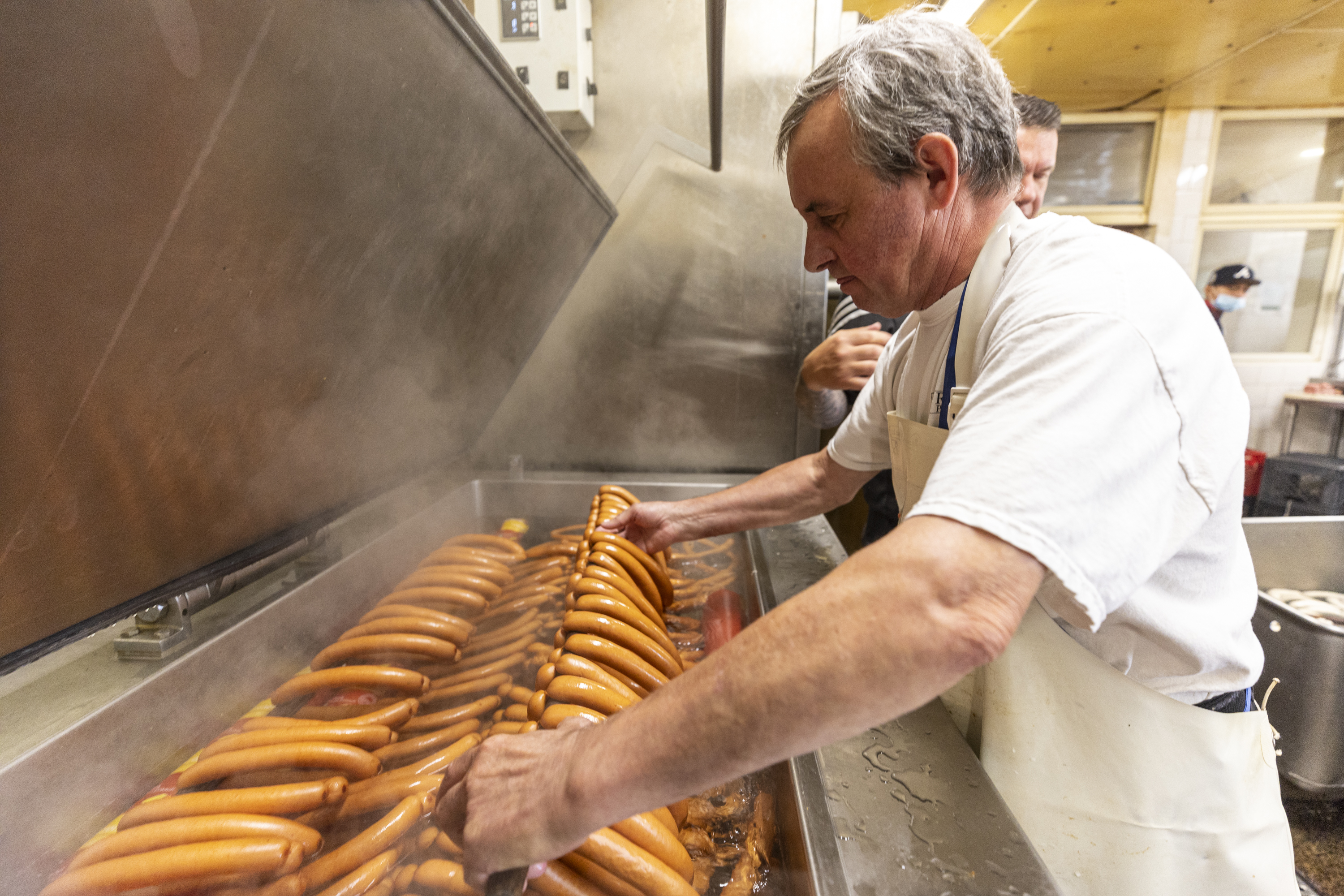
    Don’t go to this 54-year-old Fox Chase institution expecting to walk out with a griddled hot dog on a bun. Rieker’s is a market — “German-food wonderland” is probably more accurate — and, particularly, a sausage specialist. The traditional wieners here are handmade in the back, where the staff grinds bull meat with a blend of beef trimmings, pork butt, granulated onion, paprika, and garlic powder, then makes long links that go into the smokehouse for a hickory-scented steam. You can buy the skinny, snappy wieners by the pound, along with well over a dozen other sausage varieties, plus German potato salad, dried egg noodles, and much more. — J.L.

    7979 Oxford Ave., 215-745-3114, riekersmeats.com

    Alex Naumenko, a sausage maker, pulls wieners from a water bath at Rieker’s Meats in Philadelphia, on July 16, 2024.Tyger Williams / Staff Photographer

    Second Daughter

    Is there an ordinary treat that Rhonda Saltzman can’t transform into a work of art? The creative genius behind Second Daughter bakes all-beef Nathan’s dogs in ultra-flaky, sesame-seeded croissant shells that give faint crunch to each savory bite. The Second Daughter crew tops the dogs with ketchup and spicy brown mustard squiggles and house-made pickle chips for tangy contrast. The only drawback: The dogs are so popular at both the fourth-floor Bok Building bakery and its Rittenhouse Farmers’ Market stand, they’ve been selling out around noon. On the bright side, Saltzman says they’re not going anywhere, even after summer ends. (Look out for specials like a sloppy joe dog and a baked bean-topped dog.) — J.L.

    1901 S. Ninth St., Unit 403; 215-350-2207; helloseconddaughter.com

    Smalls’ Provisions

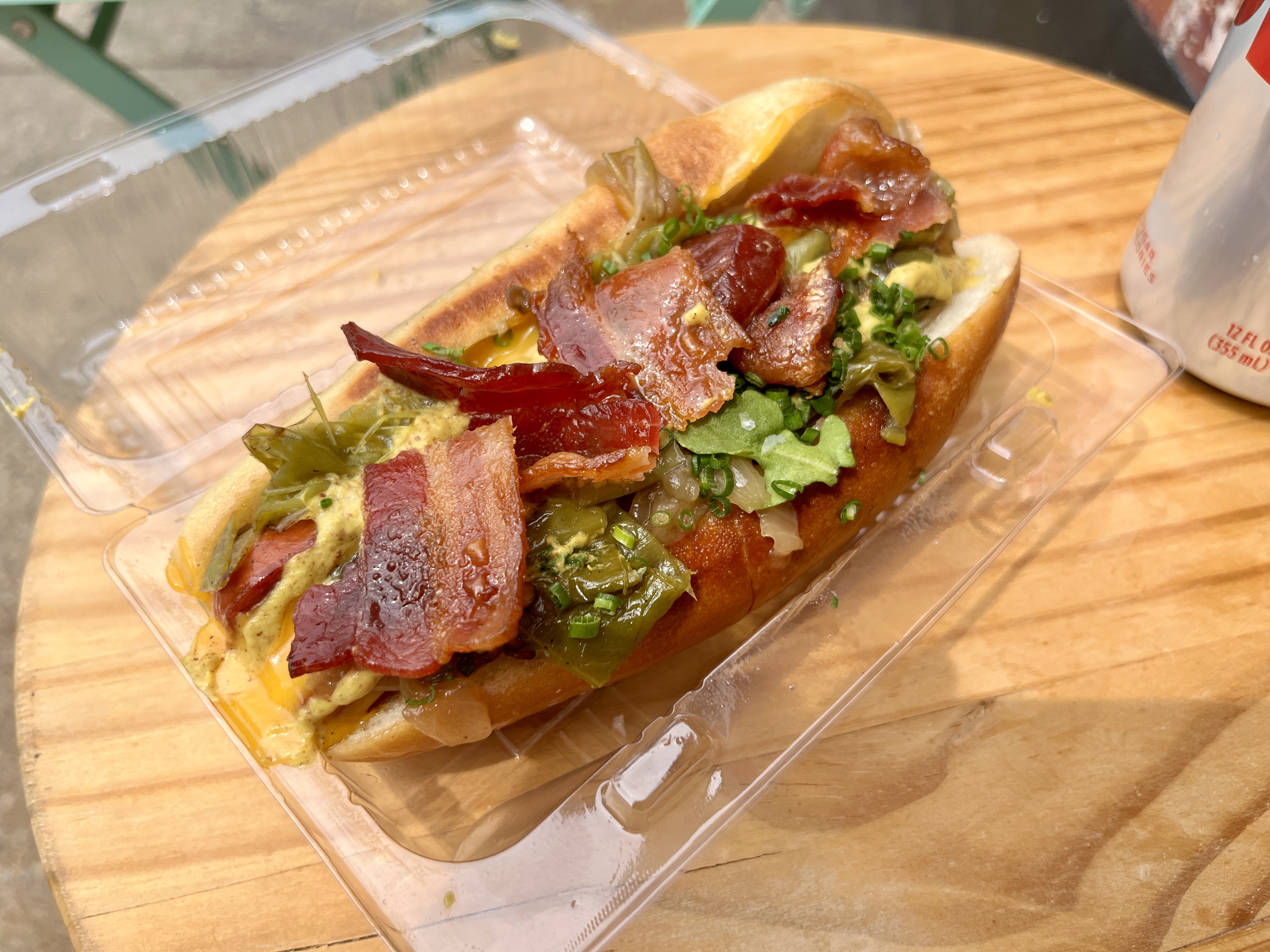
    Essington native and Starr Restaurants alum Mark Gears runs a bustling breakfast and lunch takeout trade from this Kensington corner store, which has some bodega trappings, too. Need paper towels, dish soap, sugar, and spaghetti sauce? Gears has it. That pragmatic mindset led him to add hot dogs to his menu when he opened the shop in October. “Preopening, I went to Cacia’s [Bakery] to talk bread and saw these beautiful little fresh hot dog rolls. Said, how the hell can’t that be tasty,” Gears said. Smalls’ plump griddled all-beef hot dog, served on buns delivered fresh daily, will cost you less than a fiver, but it’s well worth springing for caramelized onions, roasted long hots, and crispy bacon toppings. — J.L.

    2441 Memphis St., 215-425-3686, smallsprovisions.com

    A loaded hot dog (with roasted long hots, cheddar, bacon, spicy brown mustard, and caramelized onions) at Smalls’ Provisions in Kensington.Jenn Ladd / Staff

    Sonnys Cocktail Joint

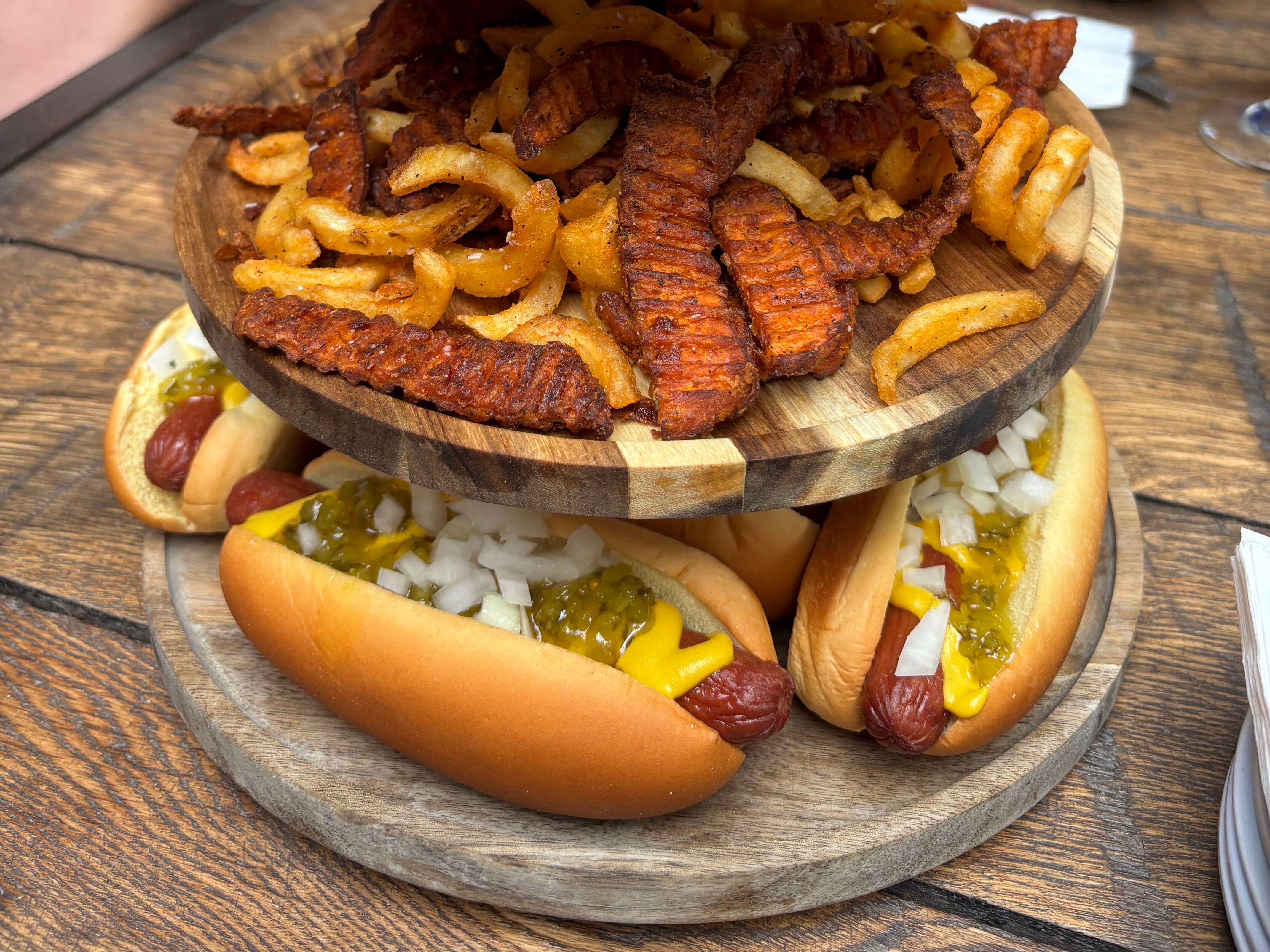
    A single hot dog isn’t ideal for sharing. But at Sonnys Cocktail Joint, they’ve solved that particular issue with a hot dog tower, an inspired play on the seafood tower, that replaces oysters and shrimp with hot dogs, french fries (regular and sweet potato), and a top tier filled with little cups of ketchup, ranch, and a peperoncini aioli. A small tower comes with six hot dogs, a large fits 12. The hot dogs aren’t anything fancy — a standard-issue wiener with an array of condiments — but the format is whimsical, and it’s a perfect accompaniment for a couple of cocktails. — M.E.

    1508 South St., sonnyscocktailjoint.com

    The hot dog tower at Sonnys Cocktail Joint on South Street.Margaret Eby / Staff
  • Manayunk landmark restaurant Jake’s will close this fall after nearly 40 years

    Manayunk landmark restaurant Jake’s will close this fall after nearly 40 years

    Restaurateur Bruce Cooper is big on dates. He opened Jake’s in Manayunk on Oct. 19, 1987 — Black Monday, the day the stock market crashed.

    He’ll close it on Oct. 19, 2026, the start of its 40th year on Main Street.

    In between was another financial crisis, an expansion that reflected changing tastes, a devastating flood, a pandemic — and nearly four decades in which Jake’s evolved along with Manayunk itself.

    Cooper, 72, is selling the side-by-side Main Street properties that house what is now Jake’s & Cooper’s Wine Bar. Before the final night, he plans to turn the wind-down into a reunion. Past employees will get a 50% discount on Sundays and Mondays, and the restaurant will extend its September restaurant week (Sept. 14-20) pricing through the final day. On Oct. 19, a party will empty the bar and kitchen, with proceeds going to a local charity.

    “I just wanted to get to [the start of] 40 years,” said Cooper. “I wanted to get out two years ago.”

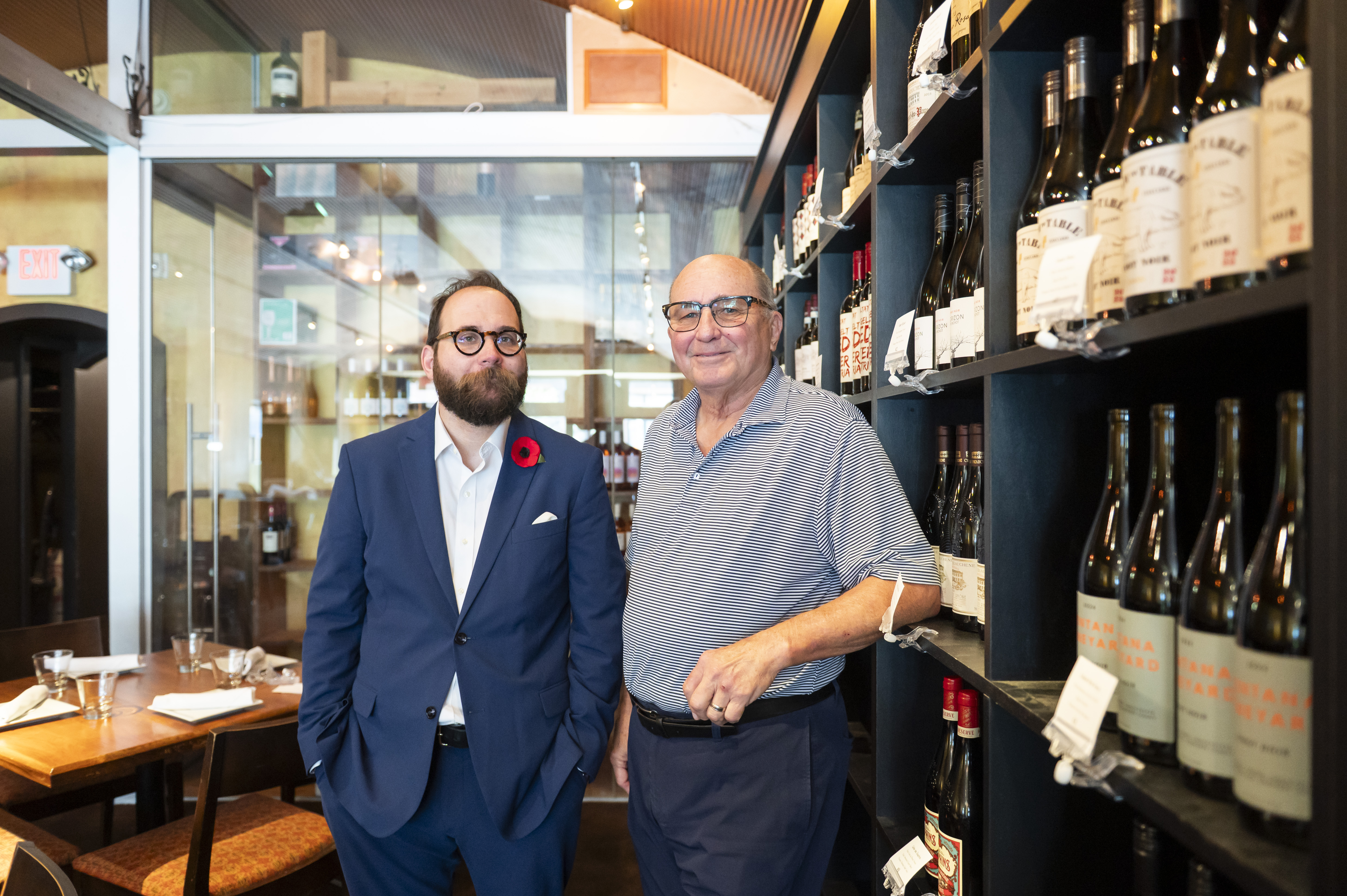
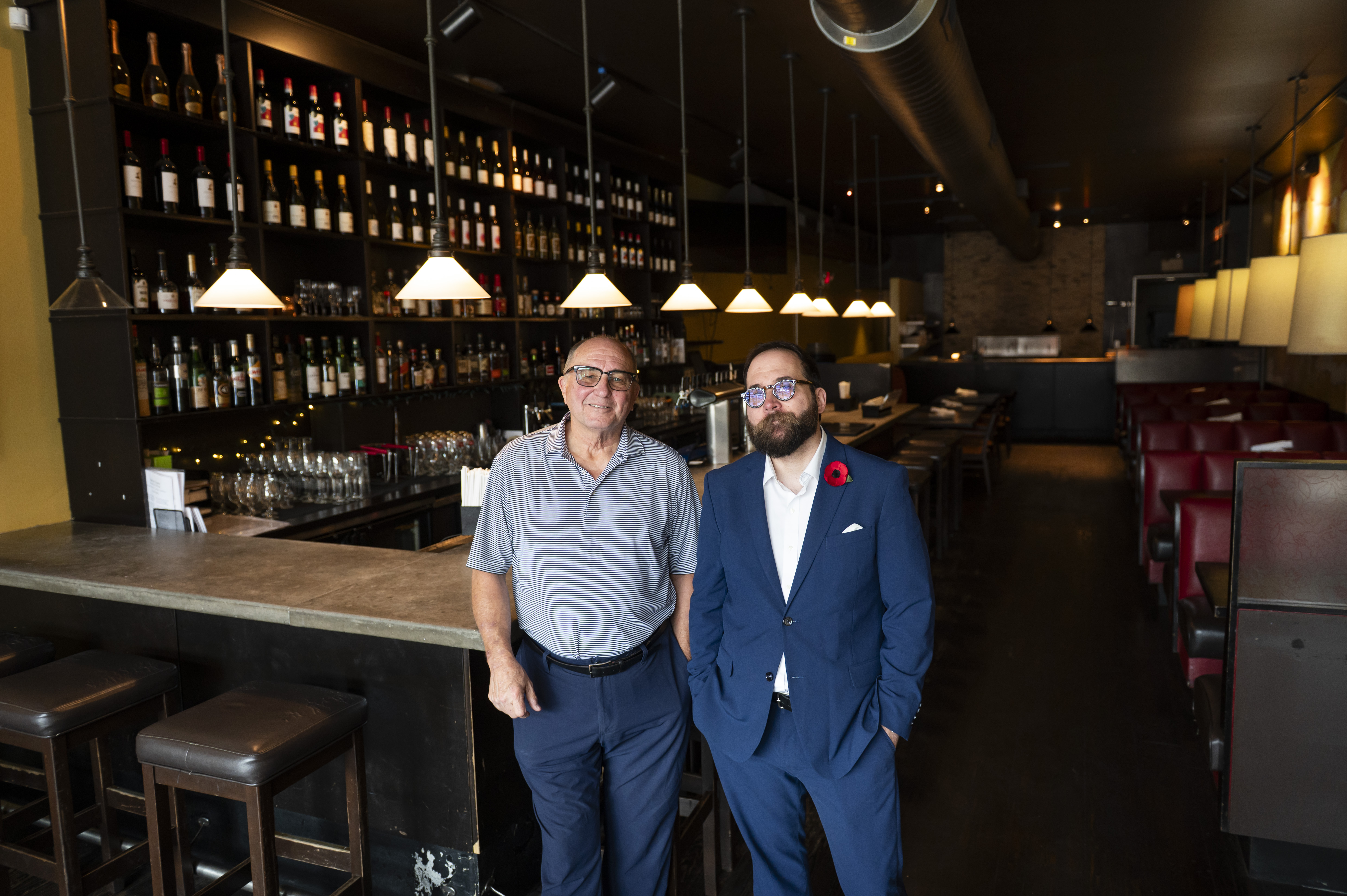
    Bruce Cooper with his son, Bruce Joseph Cooper II, inside the wine bar at Jake’s & Cooper’s Wine Bar.Allie Ippolito / For The Inquirer

    When Cooper arrived in Manayunk, Main Street hardly looked like the retail and restaurant district it would become.

    Cooper, a Culinary Institute of America graduate from Upstate New York, had spent a decade as executive chef at Lankenau Hospital before deciding that he wanted a restaurant of his own. He took business courses at Community College of Philadelphia and St. Joseph’s University and spent years looking at properties before a real estate agent showed him a former print shop in Manayunk in early 1987.

    Cooper didn’t commission traffic studies. While walking along Main Street, he noticed Jaguars and other expensive cars rolling up to a posh restaurant called Jamey’s, which had opened a year and a half before. Otherwise, as he remembers it, “there were practically tumbleweeds floating down the street. You could find parking on a Saturday.”

    That spring, Cooper bought 4365 Main St. and assembled a group of investors to open Jake’s, his then-wife Helena’s nickname.

    Jake’s was conspicuously ambitious: white tablecloths, contemporary artwork, an extensive wine list, and Cooper’s refined cooking, including pastas from scratch. Dishes included crab cakes with raspberry butter, scallops with red pepper and papaya sauces, and duck breast with tangerine sauce.

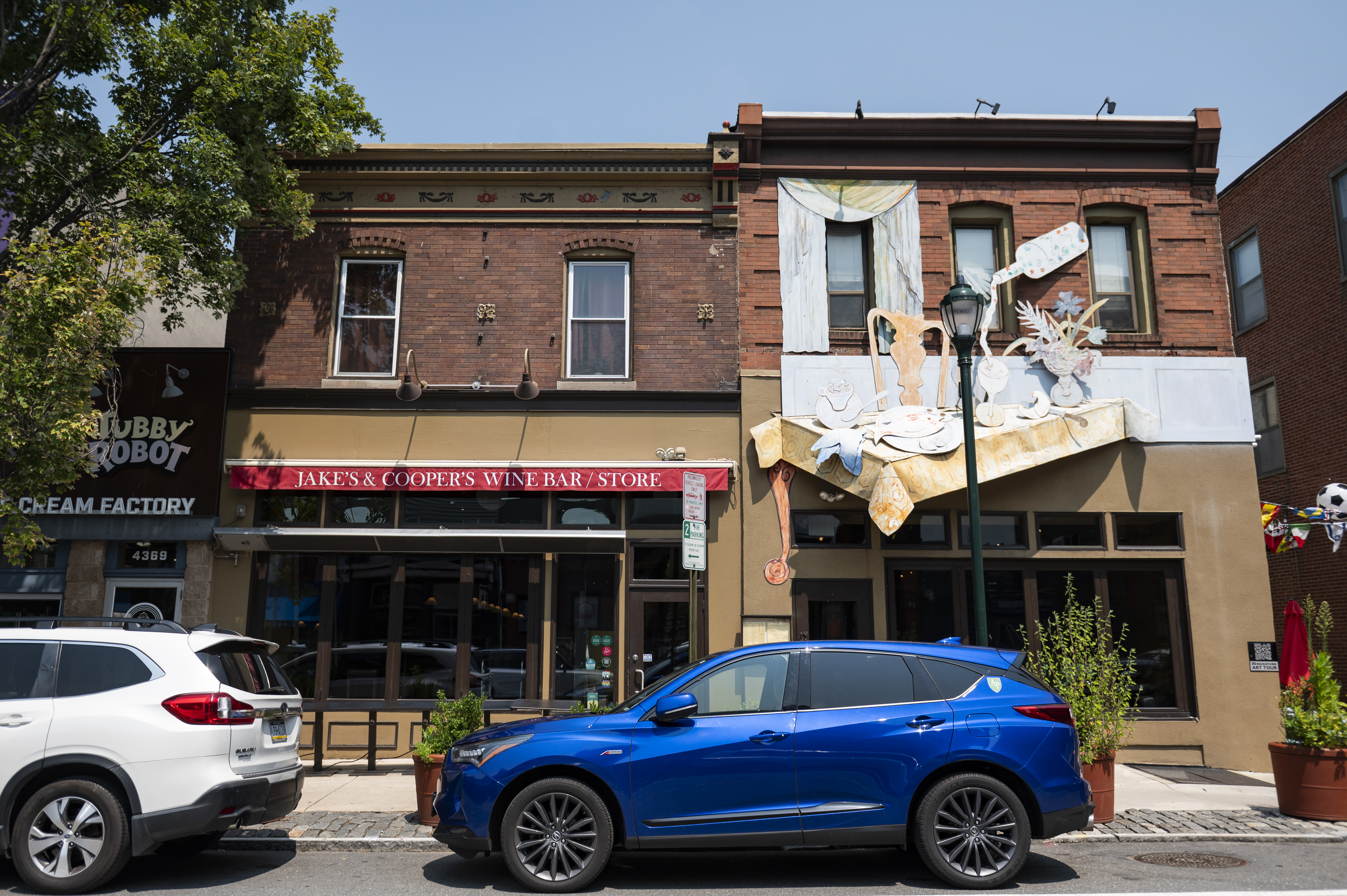
    The restaurant’s whimsical facade depicted an oversize table setting, with food spilling from a plate and wine pouring into a glass, surrounded by flowers, flatware, linen, and crystal — designed to suggest both fine dining and a sense of fun.

    The exterior of Jake’s & Cooper’s Wine Bar in Manayunk on Monday, Aug. 10, 2026. The bar is closing after 39 years.Allie Ippolito / For The Inquirer

    Many early customers came from the Main Line, crossing the Schuylkill over the Green Lane Bridge into the former mill town.

    Business grew quickly. When Cooper had put together his business plan, his accountant told him his projected sales were impossible for a 65-seat restaurant. Jake’s reached the projection in its second year, Cooper said.

    By the 1990s, Main Street was crowded with boutiques and similarly high-aiming restaurants like Sonoma and Kansas City Prime.

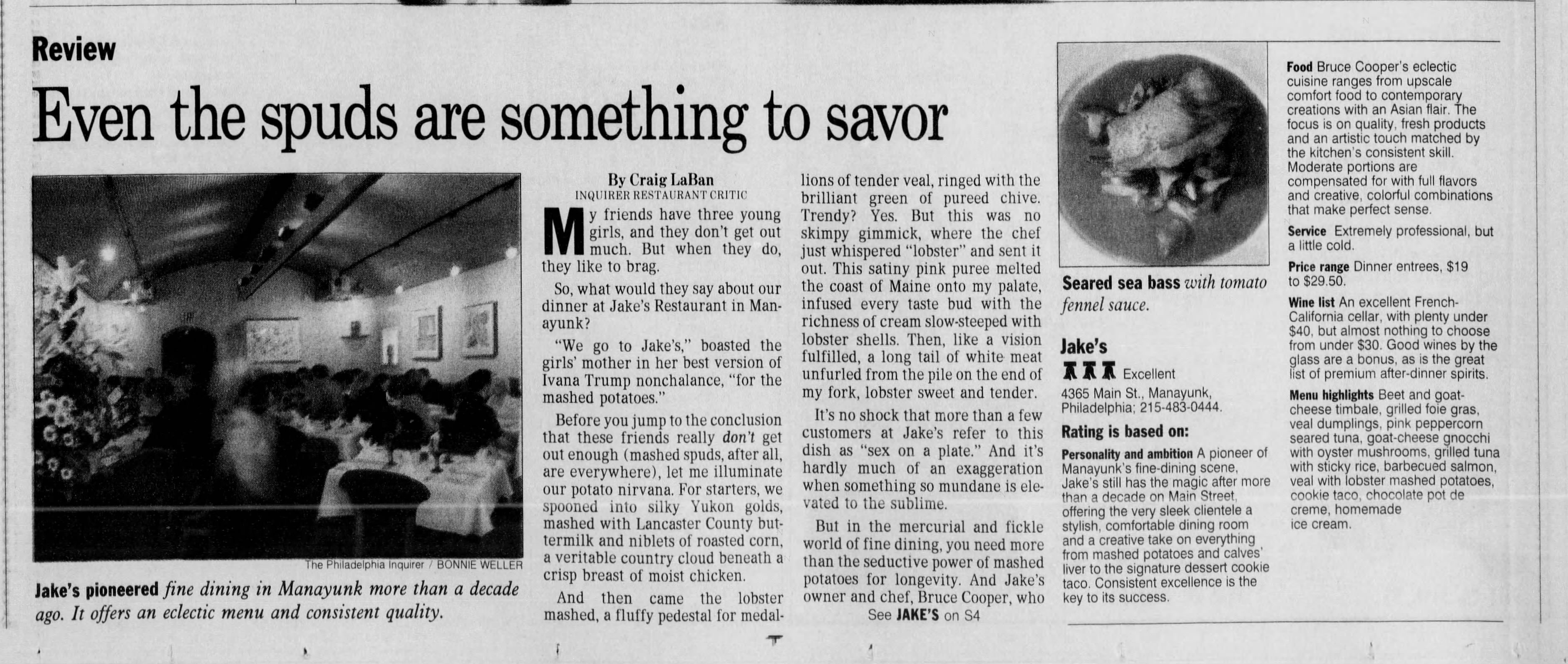
    In a 1998 review, Inquirer restaurant critic Craig LaBan described a room of cushioned banquettes, contemporary design, and a stylish but unstuffy clientele. He called out the veal dumplings with caramelized ginger, seared tuna with sticky rice, foie gras with grilled mango, and the barbecued salmon — a signature.

    Craig LaBan’s first review of Jake’s, from July 1998.Newspapers.com

    And then there were the mashed potatoes. One version paired Yukon gold potatoes with buttermilk and roasted corn. Another, served beneath medallions of veal, was infused with lobster and cream. Patrons, LaBan reported, had taken to calling the latter “sex on a plate.”

    LaBan awarded Jake’s three out of four Liberty Bells, the rating system he used at the time. “That’s when it really started to take off,” Cooper said.

    Manayunk’s overall success brought its own problems. Friction between residents and the expanding restaurant and bar scene in the late 1990s led then-City Councilmember Michael Nutter to push for a five-year moratorium on new restaurants in the district.

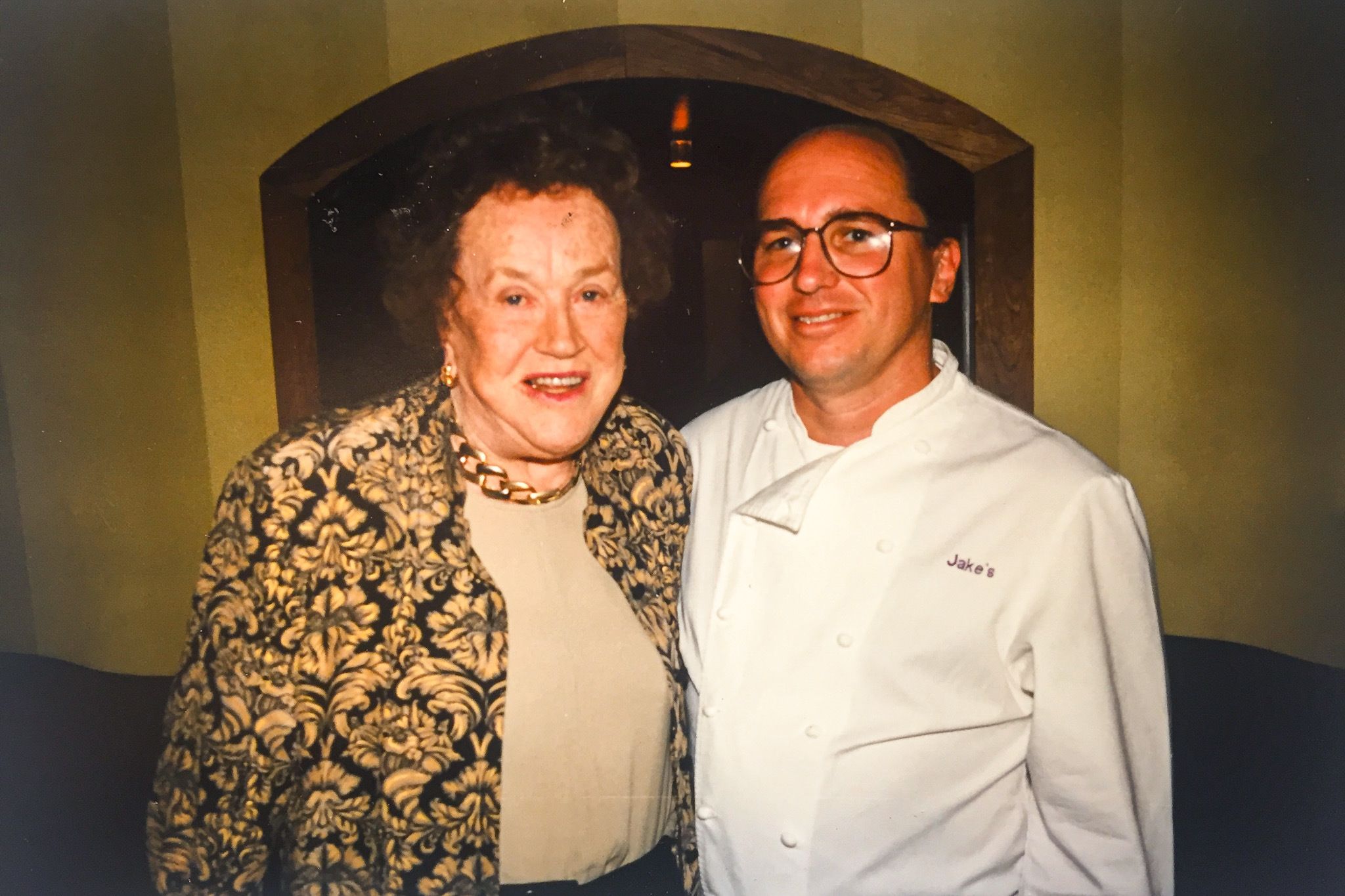
    Julia Child with Bruce Cooper at an event in 1996.Courtesy of Bruce Cooper

    Cooper, who later served as president of the Manayunk Development Corp., believes that the moratorium lasted too long and helped push Main Street toward nightlife. He later helped develop agreements among restaurateurs, landlords, the business association, and neighborhood groups that placed operating restrictions on new restaurants.

    Meanwhile, the style of dining that had made Jake’s successful was changing. White tablecloths were giving way to small-plate menus.

    Which leads to another consequential date: March 14, 2008, on the eve of another financial crisis, when Cooper bought the former clothing store next door at 4367 Main St. and opened Cooper’s Brick Oven Wine Bar. Cooper’s is a markedly different restaurant, drawing a younger crowd and serving pizza, small plates, craft beer, and less expensive wines.

    The dividing line quickly blurred, Cooper said. Customers at Cooper’s wanted food from Jake’s, and Jake’s customers wanted dishes from Cooper’s. The restaurants shared a kitchen, and Cooper eventually merged their menus and identities as Jake’s & Cooper’s Wine Bar.

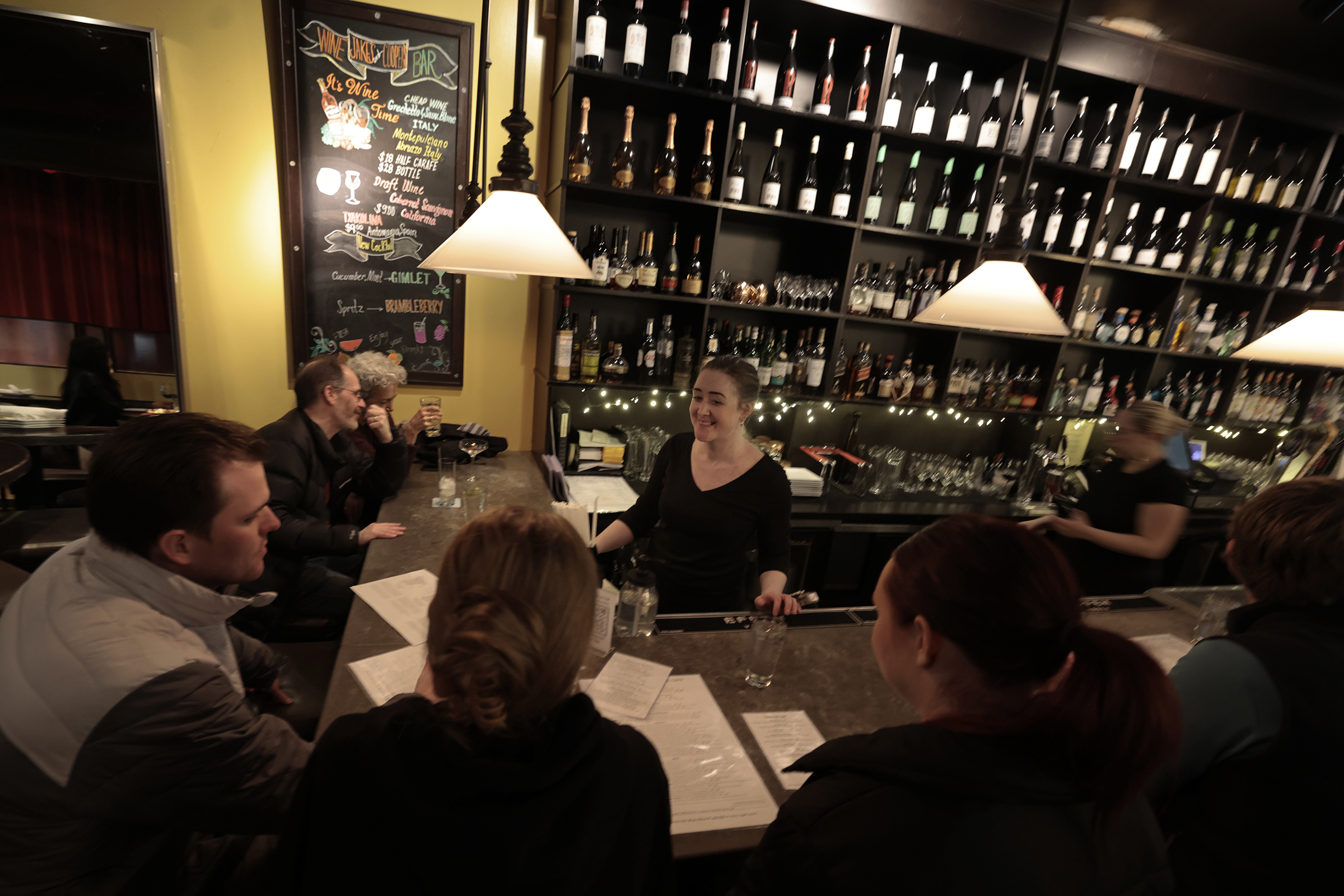
    Head bartender Carrie Hice chatting with patrons at Cooper’s Wine Bar in 2023.Elizabeth Robertson / Staff Photographer

    Then came July 17, 2016.

    Cooper got a middle-of-the-night phone call that a city water main had ruptured outside the restaurant, sending water through the building and destroying the kitchen and the apartments above. He gutted and rebuilt, with business-interruption insurance helping carry the restaurant through a six-month closure.

    The experience changed the way Cooper thought about the business.

    “When you stop a business and then restart it, there are people who had been coming every week, and then they stopped,” he said. “They got into another routine. They went elsewhere.”

    Even months after Jake’s reopened, Cooper said, customers would walk in surprised to discover it had reopened. “That’s when I started looking at things differently,” he said.

    Cooper considered selling, but a real estate adviser urged him to wait as residential development accelerated in Manayunk and Roxborough. Three years later came the pandemic. His extended time at home spoiled him, he said.

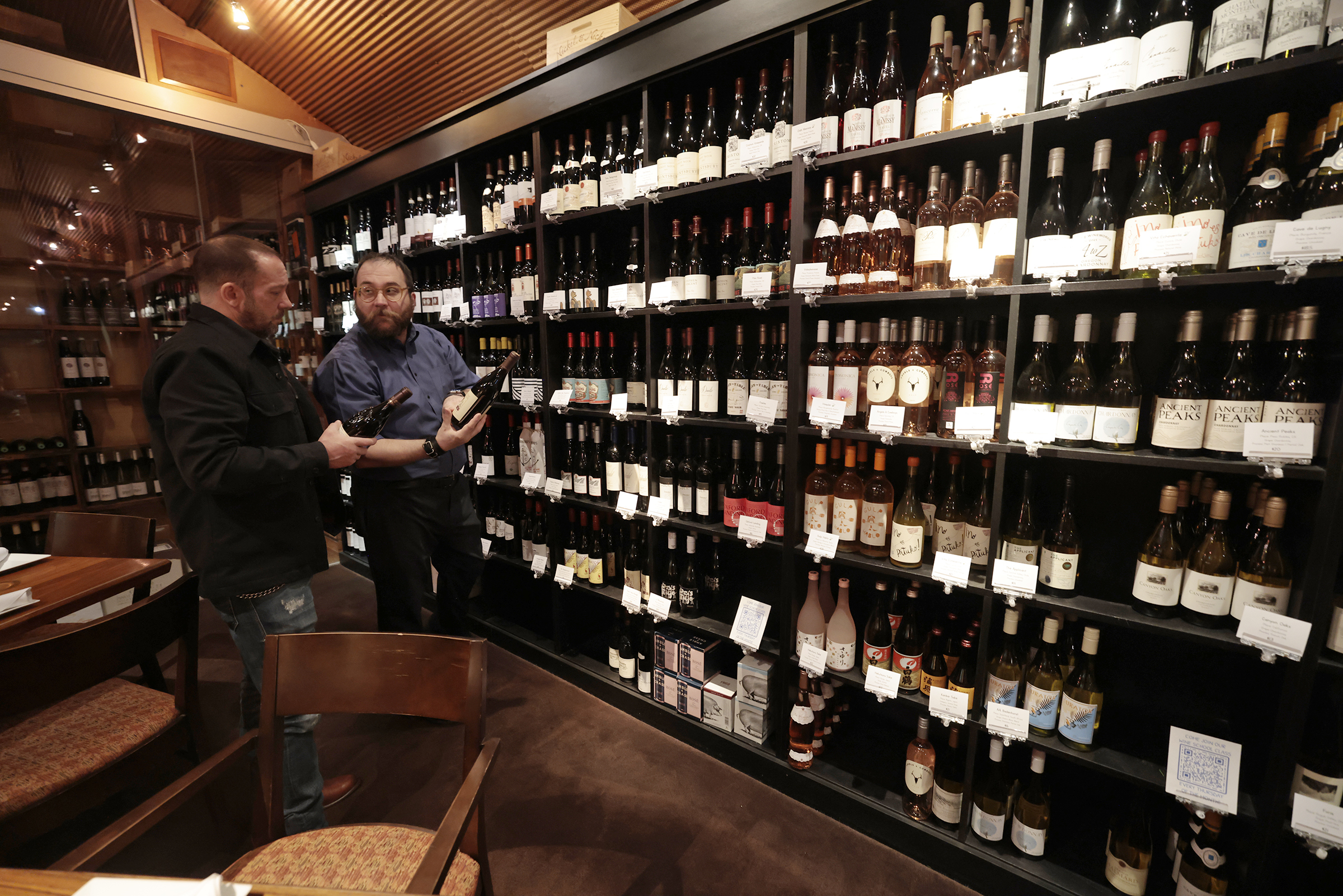
    Chris Campana (left), with help from Bruce Joseph Cooper II, choosing a wine from the wall in 2023.Elizabeth Robertson / Staff Photographer

    Three years ago, Cooper moved to Delaware. His son, Bruce Joseph Cooper II, 37, now manages the restaurant day to day, while the senior Cooper comes north once or twice a week to handle scheduling, wine orders, and other duties.

    In June, Cooper put the properties, including four upper-level apartments, on the market for an undisclosed asking price. Cooper said he wants a clean break rather than passing the restaurant to his son, though neither rules out working together on another project someday.

    The closing will end one of the longest remaining restaurant runs from the era that transformed Manayunk. Pitchers Pub (1987) and Zesty’s (1993) are still at it; U.S. Hotel Bar & Grill has been open irregularly since Bill Green, the former mayor and congressman, reopened it in 1986.

    For Cooper, that history encompasses more than the people who ate there. “When you look back, you think about the generations of customers — in a lot of cases, we’re talking about three generations,” he said. “But it’s not just the customers. It’s all the people behind the scenes: the banker, the produce person, all those people who helped you get through things.”

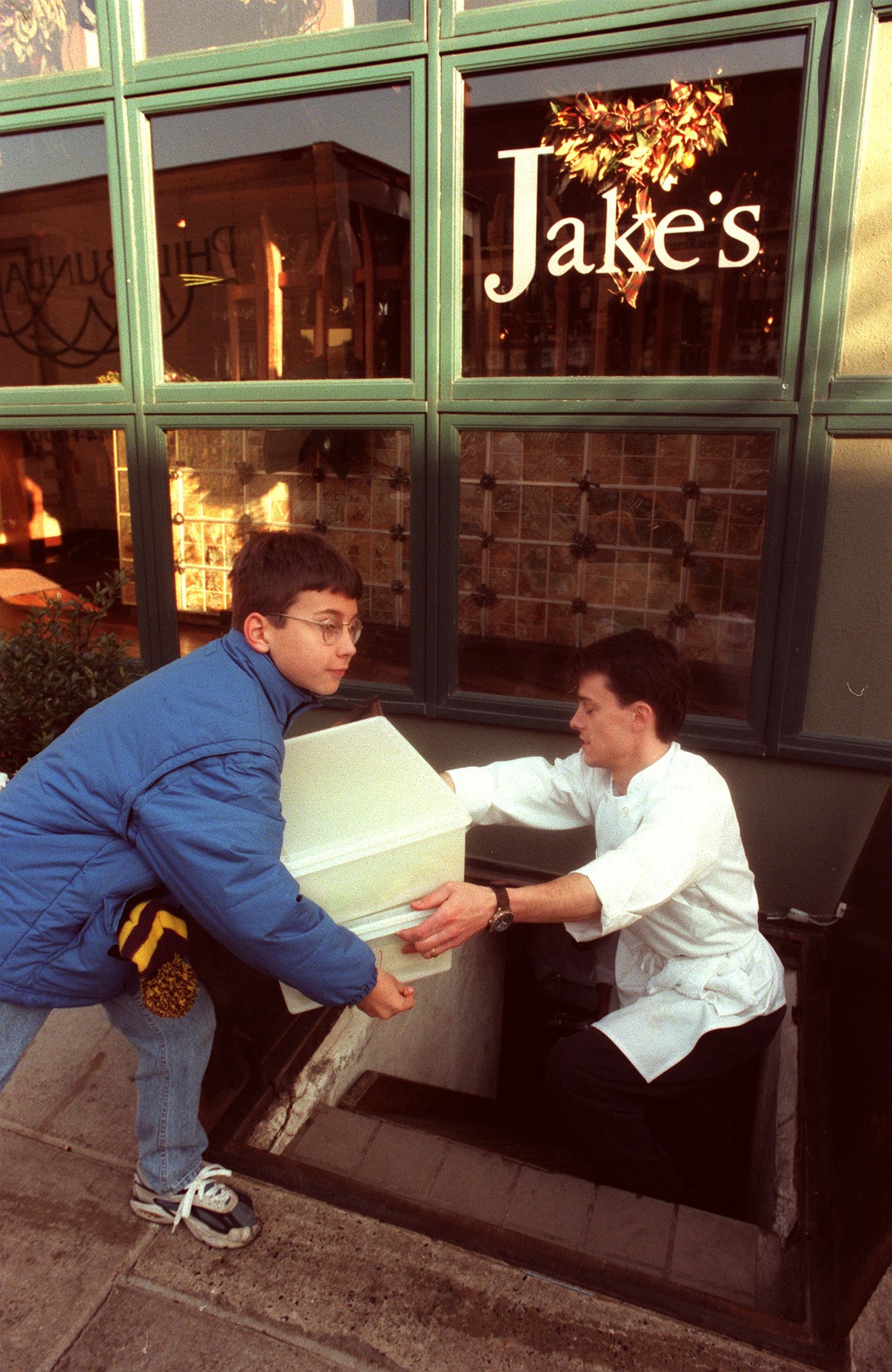
    Bruce Joseph Cooper II, then 11, helps chef Bill Murphy carry food from Jake’s basement to be loaded into a truck for a 1999 holiday dinner by Philabundance. Vicki Valerio / Staff Photographer

    Cooper’s son grew up at Jake’s, handing out cookies at holiday meals his father helped organize through North Light Community Center. He joined the restaurant full-time during the pandemic, starting as a food runner and eventually taking over management.

    Purveyors and other restaurateurs have approached Cooper Jr. with potential job offers, he said, and he would consider working with whoever buys the properties. He once imagined taking over Jake’s himself but is no longer certain that is what he wants.

    His father understands.

    The restaurant business, the senior Cooper said, demands long hours and constant attention. One lesson he would give a new restaurateur is the one that helped him survive both the flood and the pandemic: Own the real estate if you can.

    “If I didn’t own this real estate during COVID, I would have owed the landlord,” he said.

    Cooper has begun informally advising other restaurateurs about the economics of getting into, staying in, and getting out of the business. After nearly four decades, he said, he is ready to find out what comes next.

    His son thinks about Jake’s in more personal terms.

    “Even in my almost five years working as a manager here, I’ve seen kids go from being in the womb to toddlers, and they know me as Uncle Bruce,” the younger Cooper said. “That’s one of the greatest feelings in the world — being able to say, ‘I knew you before you were born, little one.’”

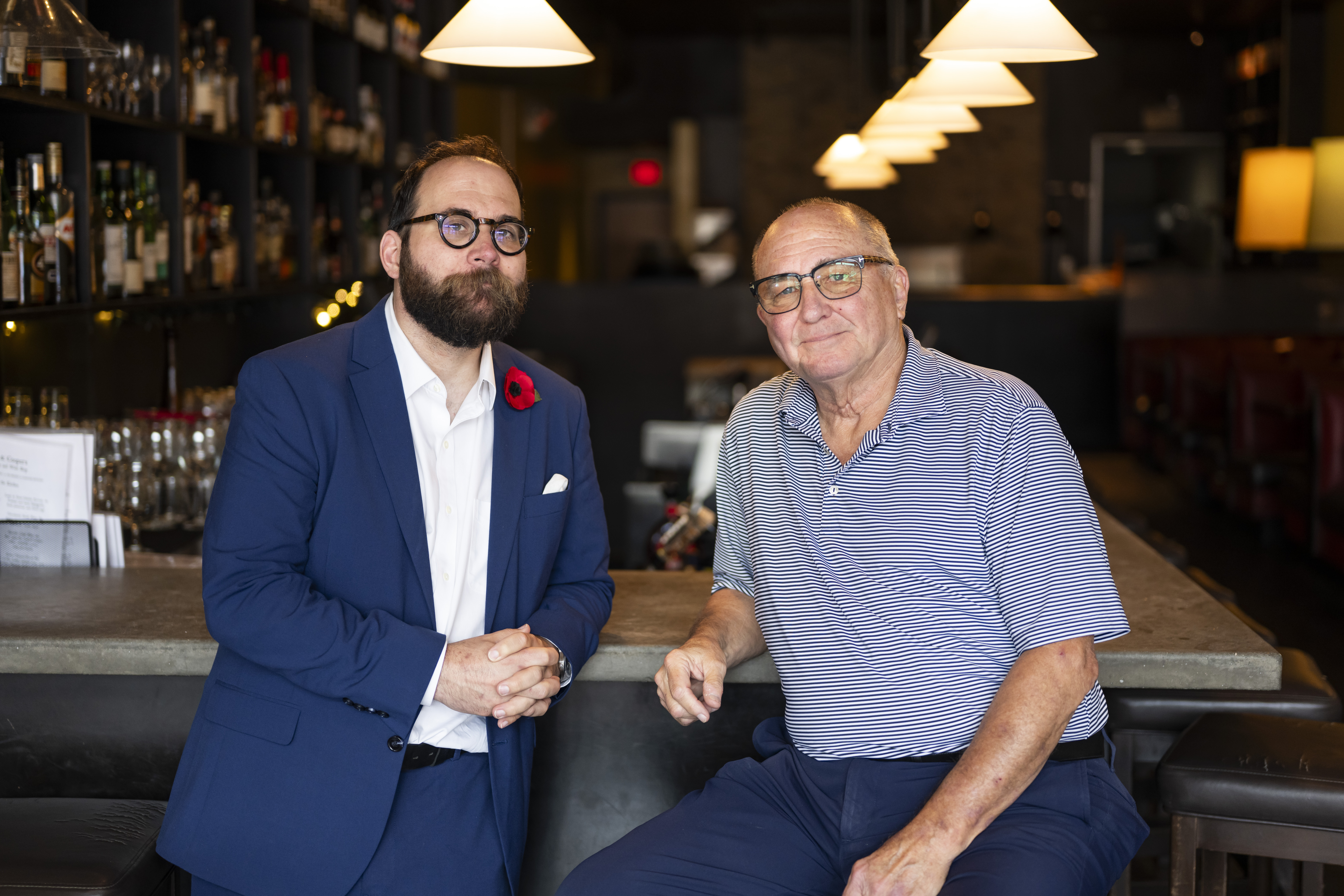
    Bruce Joseph Cooper II (left), general manager, and Bruce Cooper (right), owner, inside Jake’s & Cooper’s Wine Bar in Manayunk.Allie Ippolito / For The Inquirer
  • From New Jersey to Massachusetts, ‘Tony’ explores Anthony Bourdain’s parts unknown — and makes up a few

    From New Jersey to Massachusetts, ‘Tony’ explores Anthony Bourdain’s parts unknown — and makes up a few

    Anthony Bourdain spent much of his career telling audiences that the best way to understand a place was to resist the easy story about it.

    Tony, the new movie about his formative summers in Provincetown, Mass., might have taken that advice.

    Director Matt Johnson’s film is an affectionate, funny, atmospheric, and beautifully acted origin story about the future chef, writer, and television personality. Its smartest decision is to avoid trying to encompass Bourdain’s entire life, which ended with his suicide in 2018 at age 61.

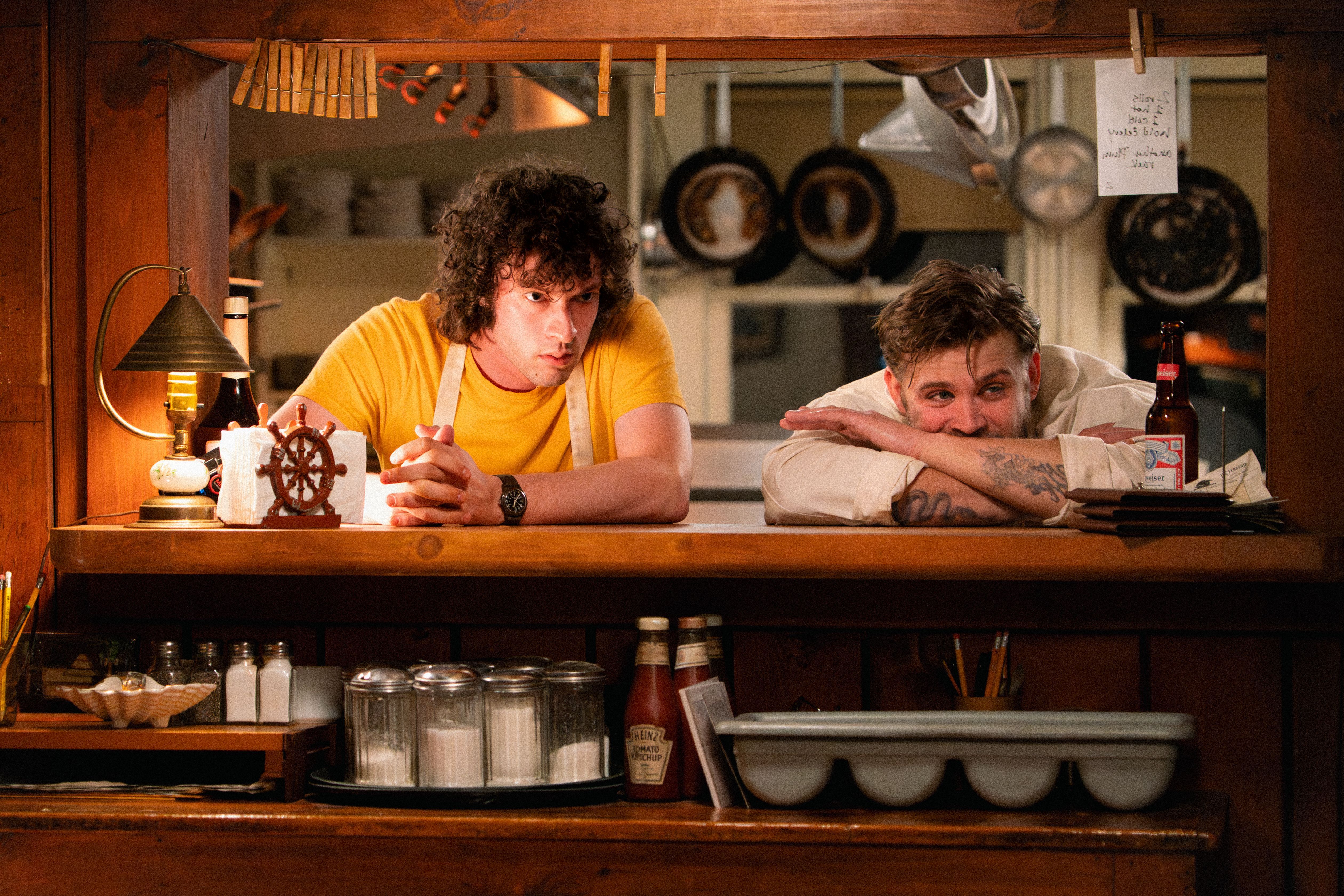
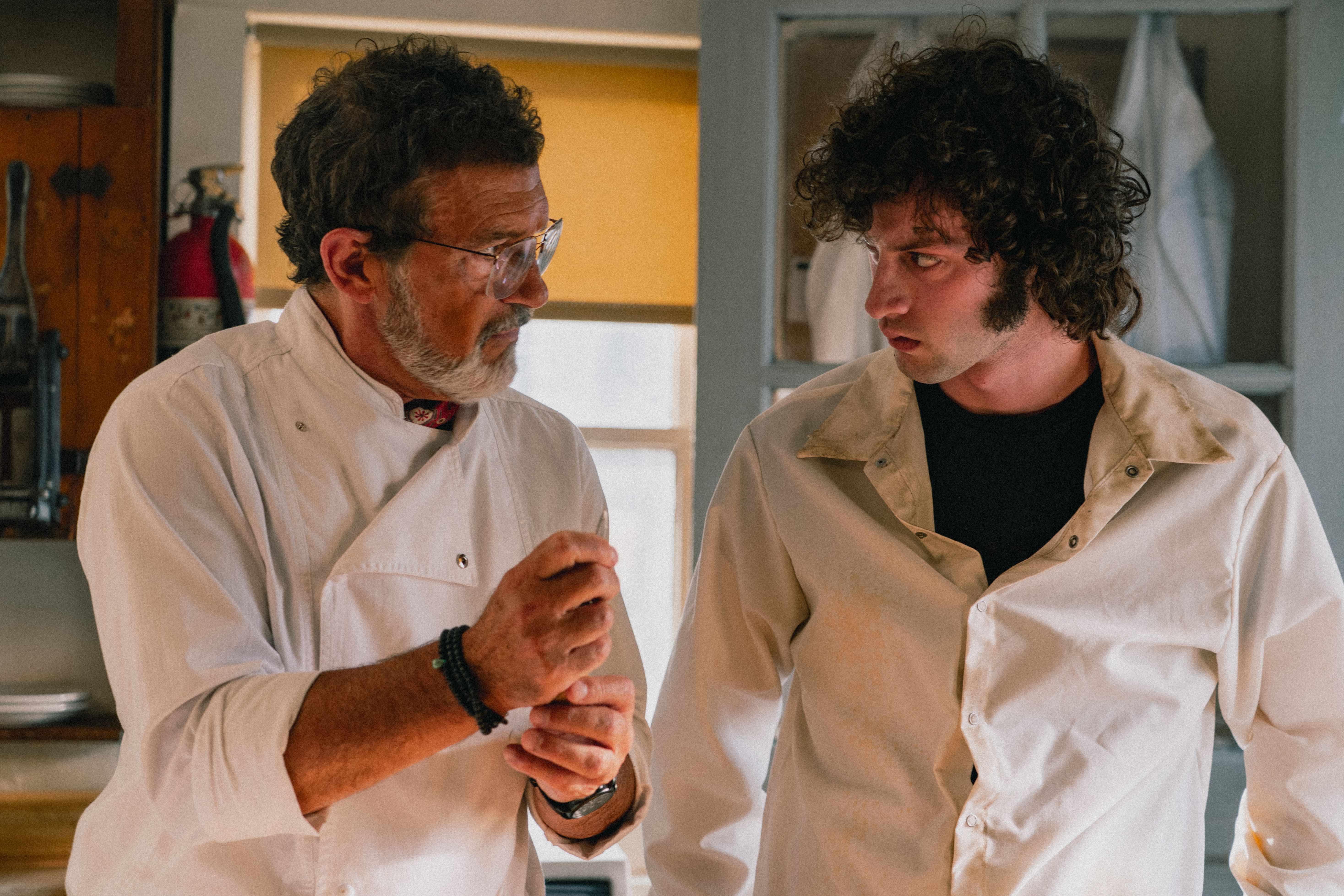
    Antonio Banderas (left) as a chef-mentor with Cherry Hill native Dominic Sessa as Anthony Bourdain in “Tony.”A24

    Instead, Tony concentrates on the period when a privileged, unhappy teenager from New Jersey stumbled into a restaurant kitchen and discovered a world more exciting than his own.

    The historical outline is true. The story Tony builds around it is considerably less so.

    Cherry Hill native Dominic Sessa, who made an impression in The Holdovers, plays Bourdain at 19: a Vassar student, would-be writer, romantic, poseur, and world-class pain in the a—. He arrives in Provincetown chasing both an idea of himself and Nancy Putkoski (Emilia Jones), his girlfriend and eventual first wife.

    Sessa wisely avoids a Bourdain impersonation. Rather than reproduce the familiar television cadence or Parts Unknown mannerisms, he gives us a young man who has not yet earned the persona he is trying on.

    Bourdain later described his younger self as spoiled, narcissistic, miserable, and self-destructive. Tony takes him at his word. This Tony is clever but not nearly as clever as he thinks, hungry for experience but desperate for other people to notice him having it.

    The movie becomes much more interesting once he lands a job washing dishes at the Flagship, a waterfront seafood restaurant in Provincetown that Bourdain renamed the Dreadnaught in Kitchen Confidential.

    Here Johnson has something unusually valuable for a biopic: Bourdain’s own account of being seduced by the restaurant life.

    He remembered the Flagship cooks as pirates and gods, former hippies, drifters, and hard-living professionals who drank, swore, stole, screwed, and seemed afraid of nothing. To a sheltered young man searching for an identity, they represented an intoxicating alternative to his comfortable world.

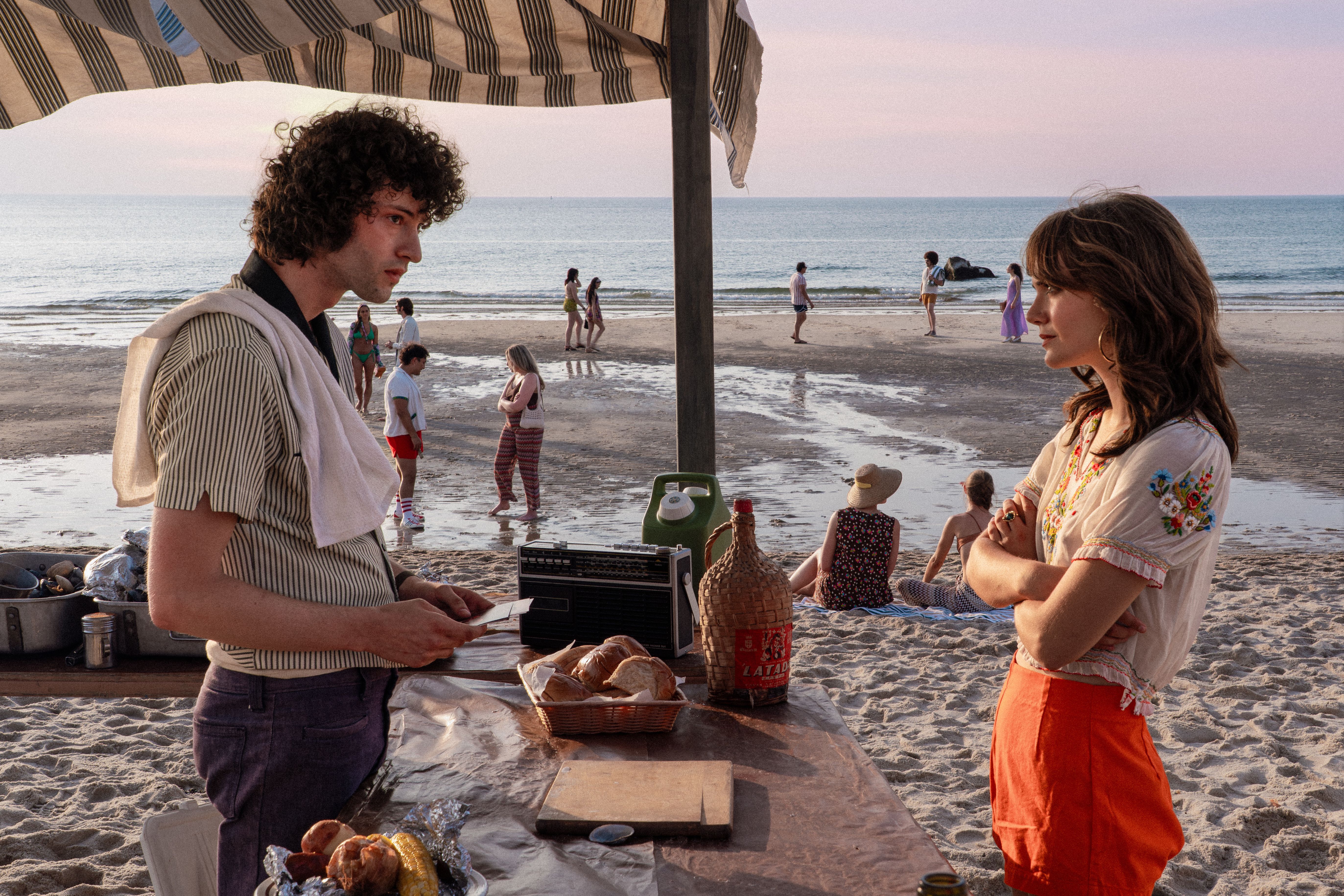
    Cherry Hill native Dominic Sessa as Anthony Bourdain with Emilia Jones as Nancy, his girlfriend, in “Tony.”A24

    Tony is at its best capturing that attraction.

    The kitchen is hot, filthy, profane, sexually charged, and physically punishing. The cooks haze newcomer Tony, who starts in the dish pit and discovers he likes being useful, gradually working his way toward cooking.

    Sessa is especially good at conveying Tony’s fascination with people who seem more authentic than he feels.

    Leo Woodall plays Sal, a charismatic cook with the confidence, appetites, and recklessness Tony envies. Antonio Banderas supplies the opposite influence as Ciro, the restaurant’s chef-owner, a disciplined professional who sees something worth cultivating in the callow teenager.

    Both are effective characters. But neither should be mistaken for straightforward biography.

    That is the complication at the center of Tony.

    The movie draws from the opening sections of Bourdain’s 2000 memoir, Kitchen Confidential, and his later recollections in a 2014 Parts Unknown episode. With thin source material, Johnson and his cowriters have filled the gaps aggressively.

    Johnson has acknowledged that he compressed Bourdain’s several formative summers in Provincetown into one, set in 1975. Nancy was real and worked at Spiritus Pizza, a gathering place in Bourdain’s Provincetown years. The Flagship was real, and Bourdain began there as a dishwasher. His fascination with its swaggering cooks comes directly from his writing.

    Much of the rest is interpretation. Relationships are reshaped and characters are combined. Experiences Bourdain described retrospectively become revelations occurring in real time.

    That is hardly unusual for a biopic, and some of the inventions work.

    Nancy is not merely the girlfriend waiting to recognize the greatness everyone in the audience knows is coming. She is often the person least impressed by Tony’s performance of himself, and Jones gives her enough intelligence and independence to puncture his pretensions.

    Banderas brings a quiet dignity to a movie otherwise swimming in adolescent testosterone. But Ciro appears largely to be a composite created to give Bourdain something his own account of Provincetown did not provide so neatly: a moral mentor.

    Sal serves the opposite function. He represents the seductive outlaw kitchen culture Bourdain embraced — drugs, sex, appetite, danger — and its costs.

    The arrangement is dramatically efficient: two models of the man Tony might become.

    It is also awfully tidy.

    Bourdain’s relationship with restaurant culture was more complicated. The same world that gave him purpose also gave him permission to indulge some of his most destructive instincts. He understood that contradiction particularly well in middle age, when he returned to Provincetown for Parts Unknown and discussed his past with considerably less nostalgia.

    Tony occasionally seems reluctant to live with that ambiguity.

    Johnson, cinematographer Michael Bauman, and production designer Ryan Warren Smith compensate with a Provincetown rendered in a hazy mid-1970s glow. The movie moves languidly between the restaurant, Nancy, parties, beaches, and the community around him. At its best, it feels less like a conventional biopic than a memory of a summer whose significance became clear only later.

    Some of Bourdain’s later literary observations are handed to his teenage self, a familiar biopic trick that makes young geniuses sound suspiciously like their accomplished older selves.

    That is unfortunate because one of the interesting things about Bourdain’s story is how long it took him to become Anthony Bourdain.

    He did not emerge from Provincetown as the finished article. He still had the Culinary Institute of America, decades of restaurant work, addiction, failure, writing, celebrity, television, travel, and reinvention ahead of him.

    What Provincetown gave him was simpler: restaurants.

    Bourdain found satisfaction in washing dishes and learning to cook. He discovered a tribe whose confidence and camaraderie fascinated him and people whose lives bore little resemblance to his cushy upbringing. Eventually he recognized that cooking might offer something writing had not yet provided — a place to belong.

    Those facts are compelling enough without forcing them into a neat transformation.

    That is why Tony succeeds when it stops trying to show us the instant Anthony Bourdain became Anthony Bourdain. The more it simply observes a confused young man falling in love with restaurant life, the closer it gets to the truth.

    “Tony” is playing in theaters across the country.

  • End of a restaurant era | Let’s Eat

    End of a restaurant era | Let’s Eat

    Nothing lasts forever, friends. Including your favorite restaurants.

    Also in this edition:

    — Mike Klein and Kiki Aranita

    If someone forwarded you this email, sign up for free here.

    End of a restaurant era

    Nothing is forever, especially restaurants. This summer, a rash of restaurants are hitting the market or closing altogether, including some longtime favorites. Here’s what’s going on.

    💔 Northeast Philly will lose its last Jewish deli this weekend. We visited Steve Stein’s Famous Deli for a final slice or two of corned beef.

    🍝 After being closed for six years, Mamma Maria’s is on the market, with its three adjoining buildings on East Passyunk Avenue and Jessup Street listed separately.

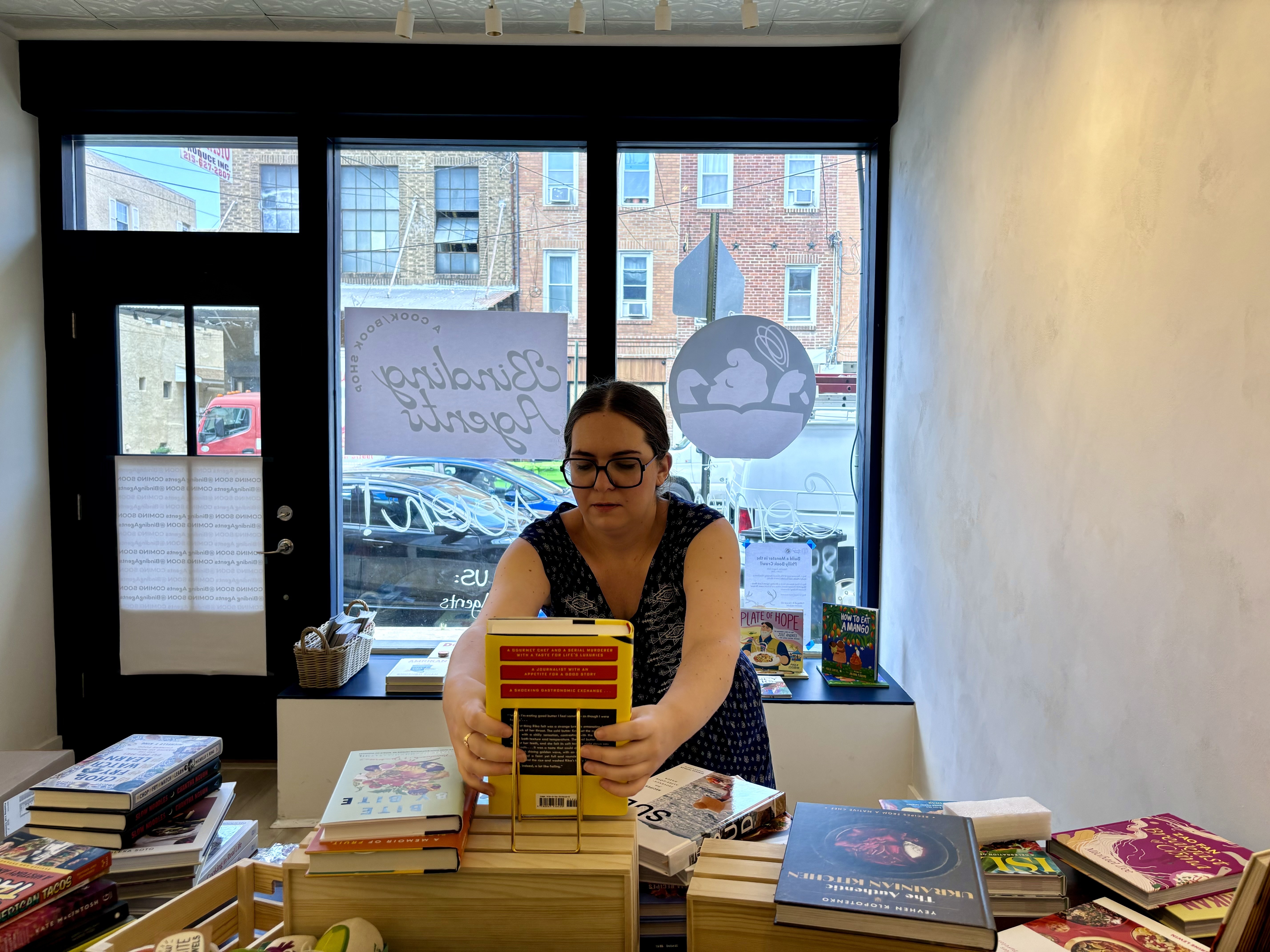
    A perfect day with Philly’s cookbook maven

    An ideal day for Binding Agents owner Catie Gainor involves pastries, pilates, happy hour, and of course, cookbooks.

    Wawa debuts a Phanatic smoothie

    And interestingly, it’s not green. Stephanie Farr investigates the limited-edition Phanatic Caramel Curveball Cream Smoothie.

    Any cheesesteak will do, within reason

    Stephanie Farr and cheesesteak connoisseur Tommy Rowan debate where to take a visitor for a true Philly cheesesteak.

    The best thing Mike ate last week

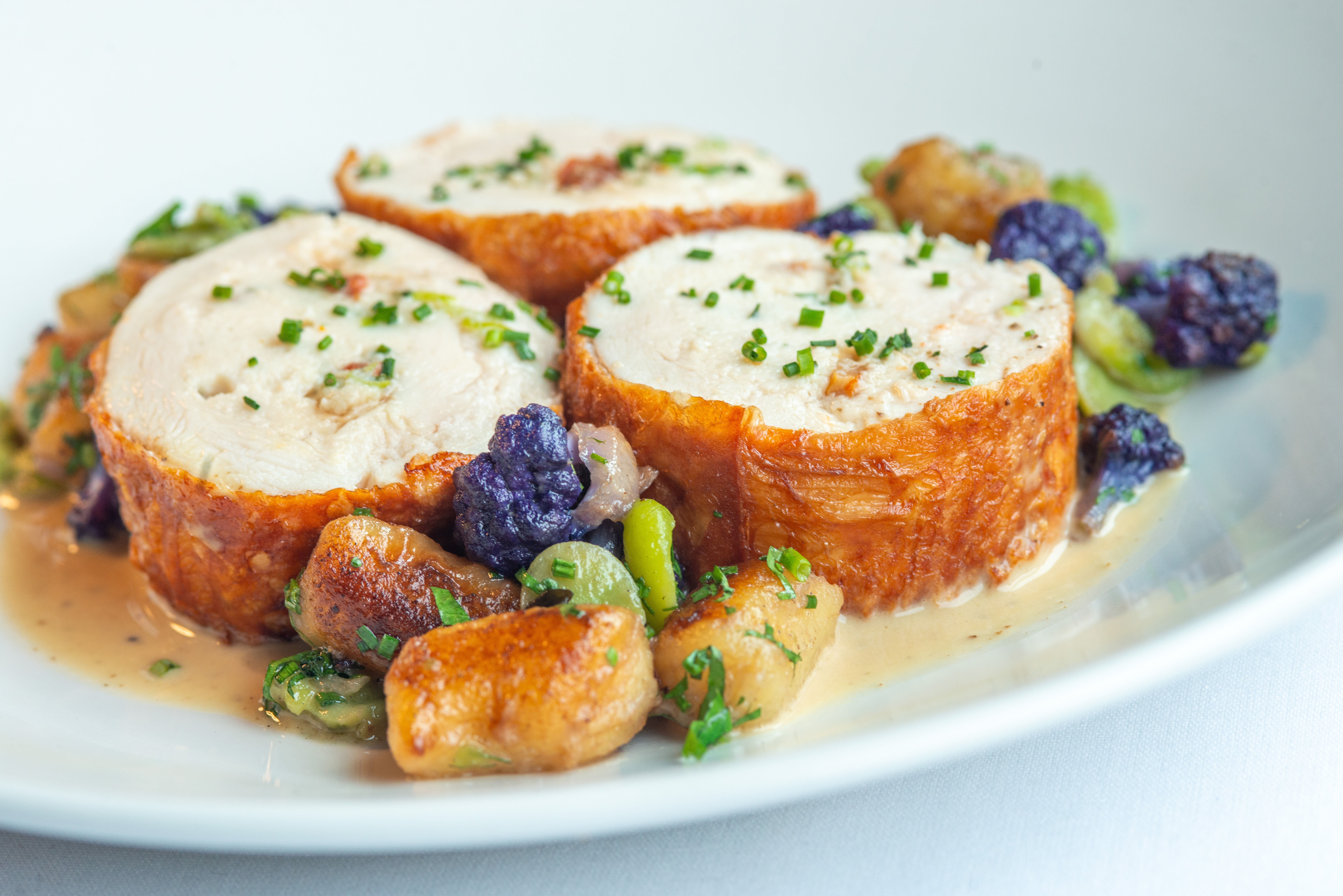
    Chicken from a restaurant that turns out steaks, chops, and house-made pasta? At Academy Grill, chef Jeffrey Power turns out a roulade that’s a throwback to his Le Bec-Fin days.

    Scoop

    Fairmount’s London Grill, which has sat dark at 23rd Street and Fairmount Avenue since closing in May 2019, is being readied for a new tenant, building owner Jack McDavid told Mike this week. The concept, bearing a new name, has not been nailed down. McDavid, who with a partner bought the property from longtime owners Michael McNally and Terry Berch McNally in 2019, said he was overseeing a rehab. There’s no timeline. In 1991, the McNallys took over the mid-19th-century building — then known simply as London — and helped turn Fairmount into a dining destination. McDavid himself is a Fairmount pioneer, as he founded Jack’s Firehouse down the street in 1989, two years after he opened Down Home Diner at Reading Terminal Market.

    Restaurant report

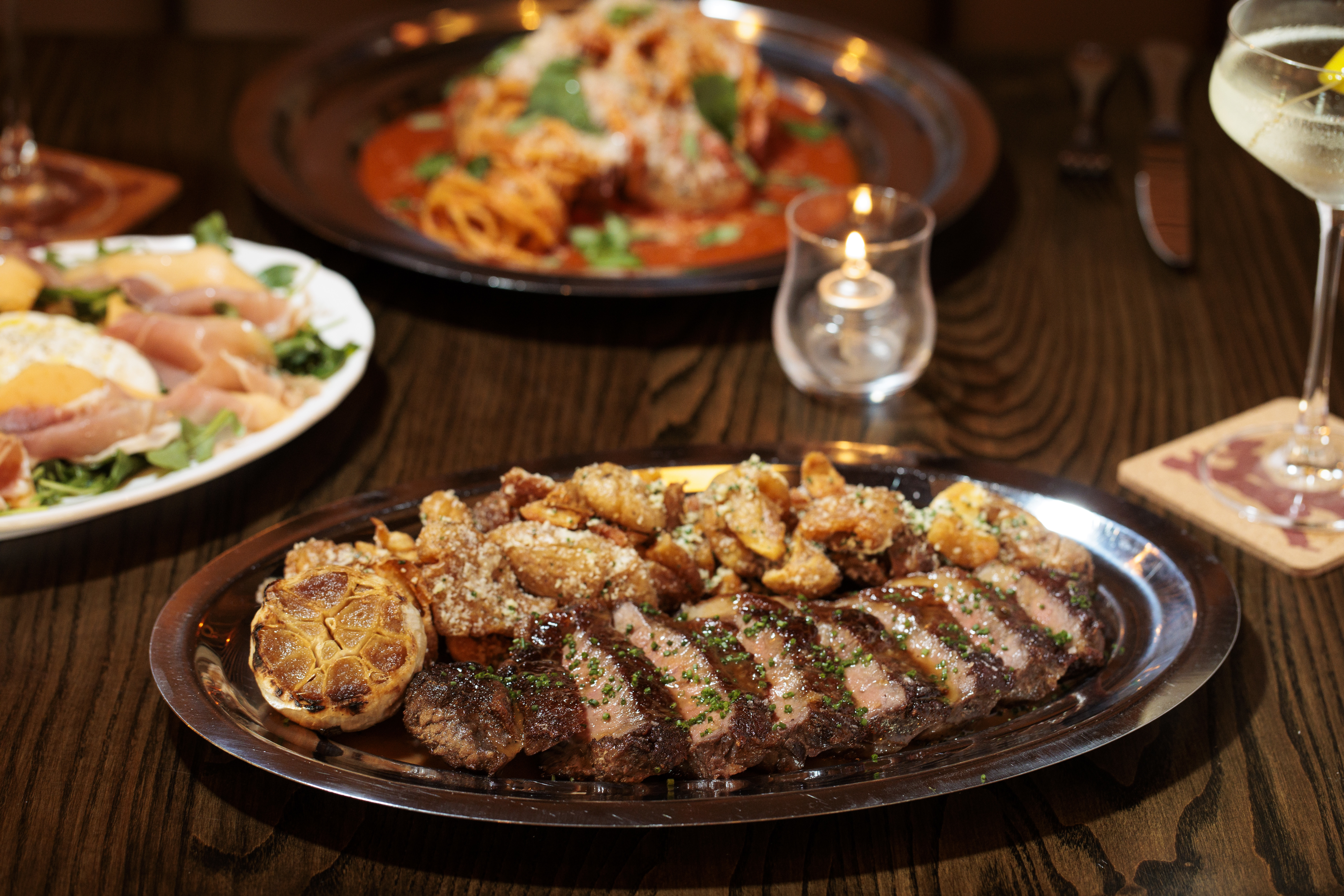
    What’s new can feel old. Craig LaBan finds South Philly nostalgia at Waltz, which opened five months ago at 2351 S. Front St. The menu was designed by Eric Leveillee, formerly of Lacroix at the Rittenhouse, and hits the right notes with sourdough pizzas, bouncy pastas, and a 14-ounce strip steak.

    Read Craig’s review of Waltz here.

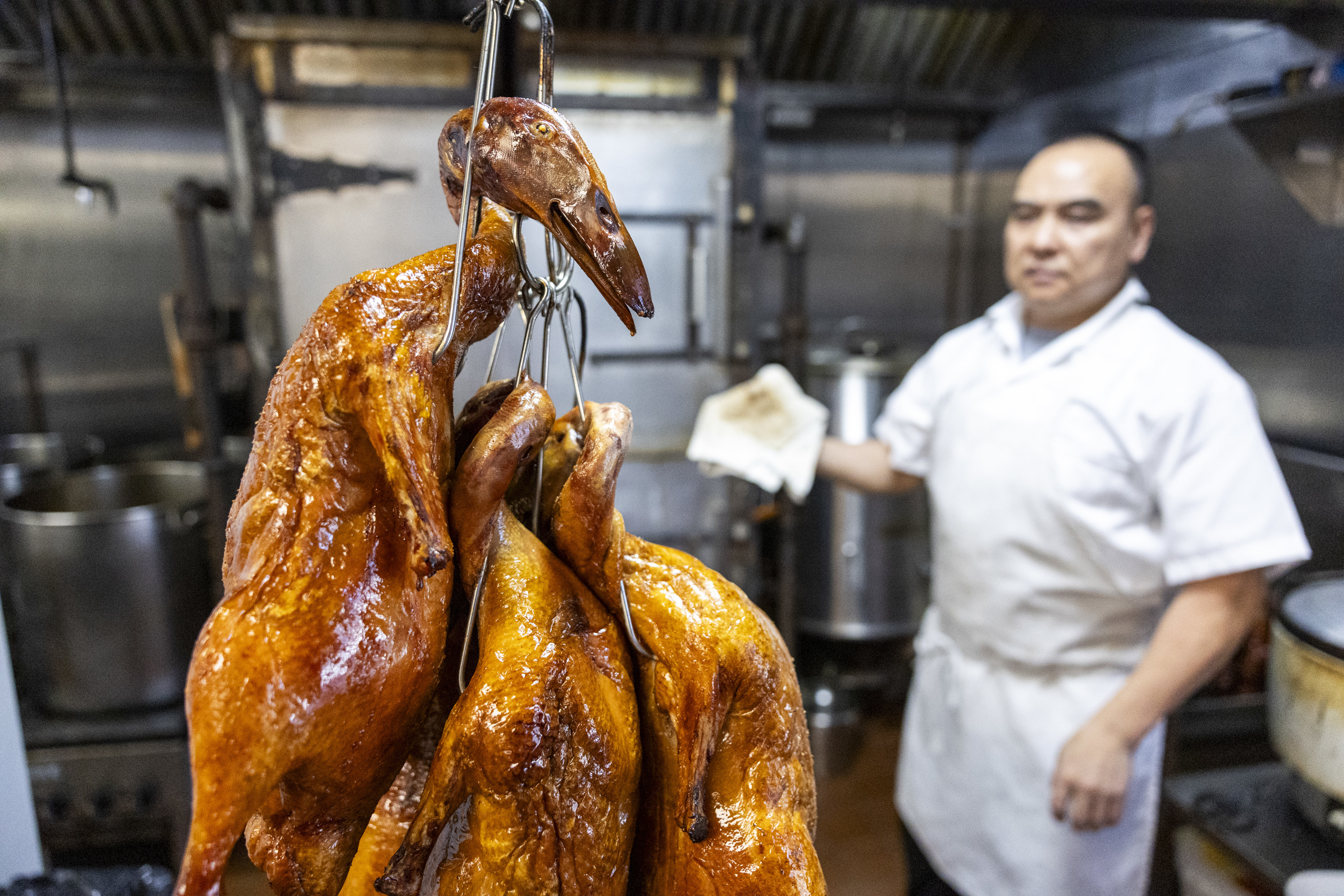
    Craig also found delicious nostalgia of a different sort at Chinatown’s Lau Kee, a specialist in both Peking- and Cantonese-style roast ducks. The owners hail from Fujian, a completely different province than that of their succulent ducks.

    Read Craig’s review of Lau Kee here.

    Briefly noted

    Bridget Foy’s will turn Headhouse Plaza (Second Street north of South) into four pickleball courts Thursday for its third annual tournament, timed to National Pickleball Day. The 4-to-8 p.m. event includes a hospitality-industry tournament, free open play, a live DJ, pickled snacks, prizes for the best-dressed duo, and cocktails. Day-of registration at Bridget Foy’s, 200 South St. Rain date: Aug. 27.

    Philadelphia Zoo’s Summer Ale Festival, postponed due to severe weather, returns Aug. 22 with more than 100 beers, ciders, seltzers, meads, spirits, nonalcoholic drinks, food trucks, and live music. Early admission is 6 to 10 p.m.; general admission is 7 to 10 p.m. Taps close at 9:30. Tickets, which include zoo admission, are $75-$99 for early admission, $65-$85 for general admission, $45 for nondrinkers. Tickets must be purchased in advance through the zoo; the event is rain or shine and 21-plus.

    Honeysuckle, the North Philadelphia restaurant from James Beard finalist chef couple Omar Tate and Cybille St.Aude-Tate and a regular on The 76, will launch Honeysuckle Midday on Sept. 17, offering a pay-what-you-can, three-course lunch service Wednesday through Friday, from 11 a.m. to 3 p.m. Diners can choose to pay $20, $35, or $55 for a menu that includes Blackcaesar salad, epis-roasted chicken, BBQ sweet potato, escovitch mussels, and beef and broccoli, followed by bean pie or water ice. Honeysuckle favorites including the Goat Bun, Fish Hoagie, and McDonald’s Money burger will be available for an additional charge. Tables are up on OpenTable.

    Cannonball Club, a sort of members-only car museum, will have food and a bar when it opens next month in Fishtown. Our auto columnist, Scott Sturgis, takes you inside.

    ❓Pop quiz

    Kiki says she has found the best chicken sandwich in Philly. Where is it from?

    A) Raising Cane’s

    B) Jollibee

    C) Dave’s Hot Chicken

    D) a corner store with a mysterious name

    Find out if you know the answer.

    📮 Have a question about food in Philly? Email your questions to Mike at mklein@inquirer.com for a chance to be featured in the newsletter.

    By submitting your written, visual, and/or audio contributions, you agree to The Inquirer’s Terms of Use, including the grant of rights in Section 10.

  • Some of Philly’s oldest restaurants are closing or changing hands. What’s going on?

    Some of Philly’s oldest restaurants are closing or changing hands. What’s going on?

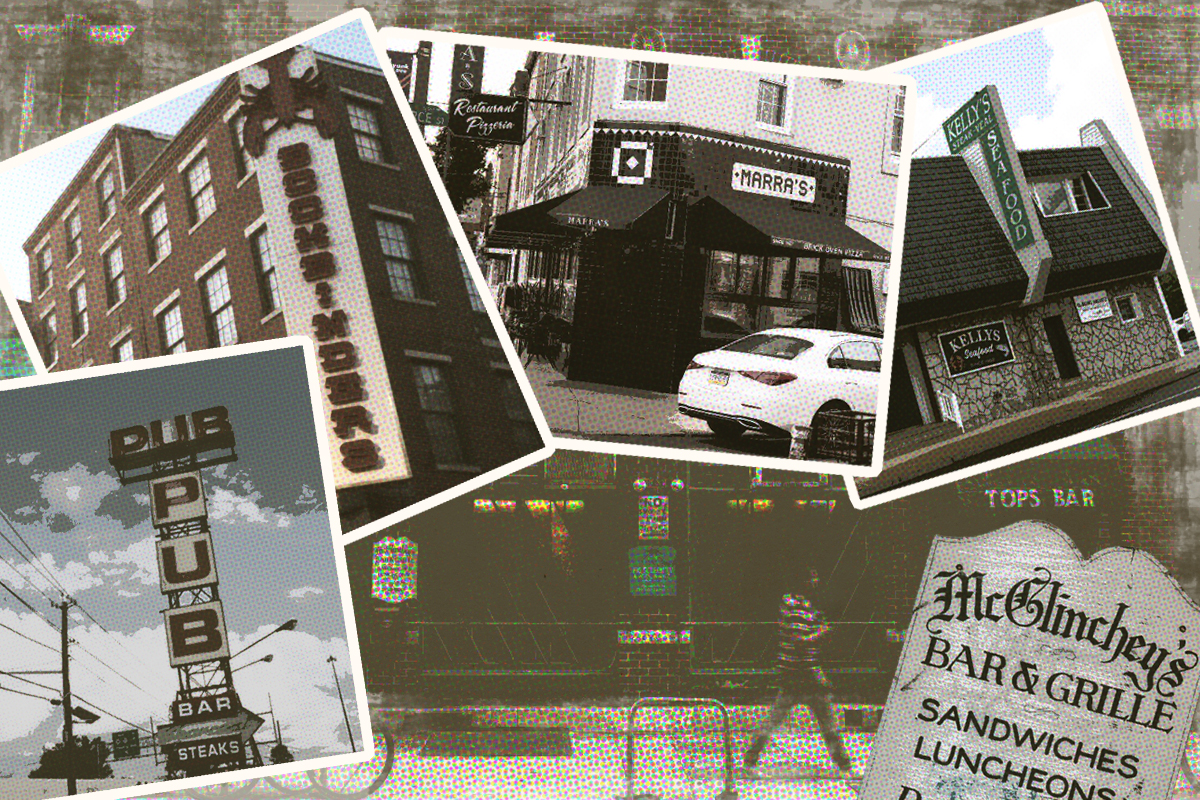
    An unusually visible collection of Philadelphia-area restaurant institutions is reaching a turning point at the same time — with some closing for good and others seeking buyers as a generation of longtime owners reaches retirement age.

    At Kelly’s Seafood, the end is definite. The Northeast Philadelphia restaurant will close this month as its owners retire, ending a run spanning three generations of the Kelly family. So will Steve Stein’s Famous Deli, whose history in the Northeast also reaches back nearly 70 years.

    Elsewhere, the outcomes are less certain.

    Cherry Street Tavern has been around for a century at 22nd and Arch Streets.Tyger Williams / Staff Photographer

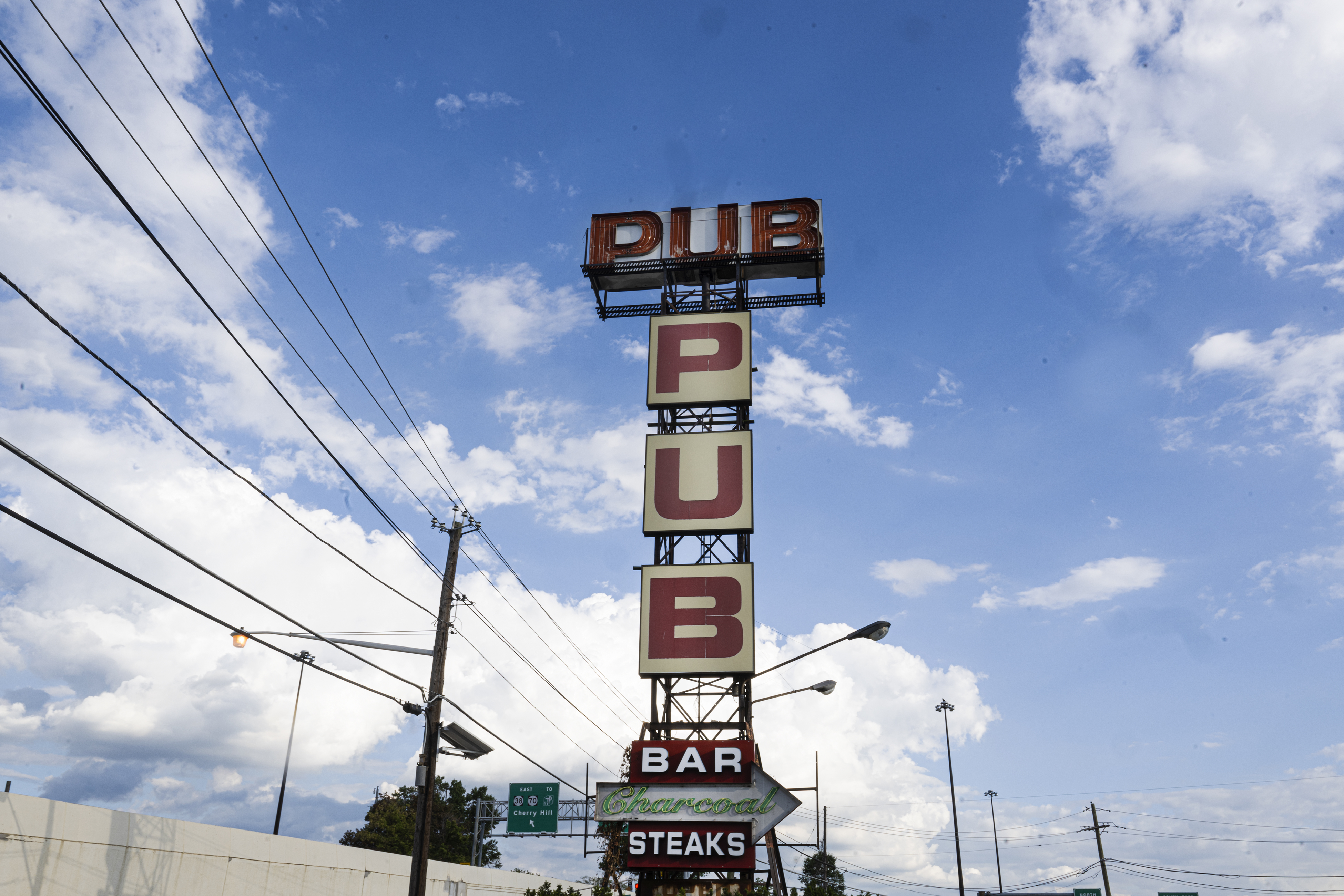
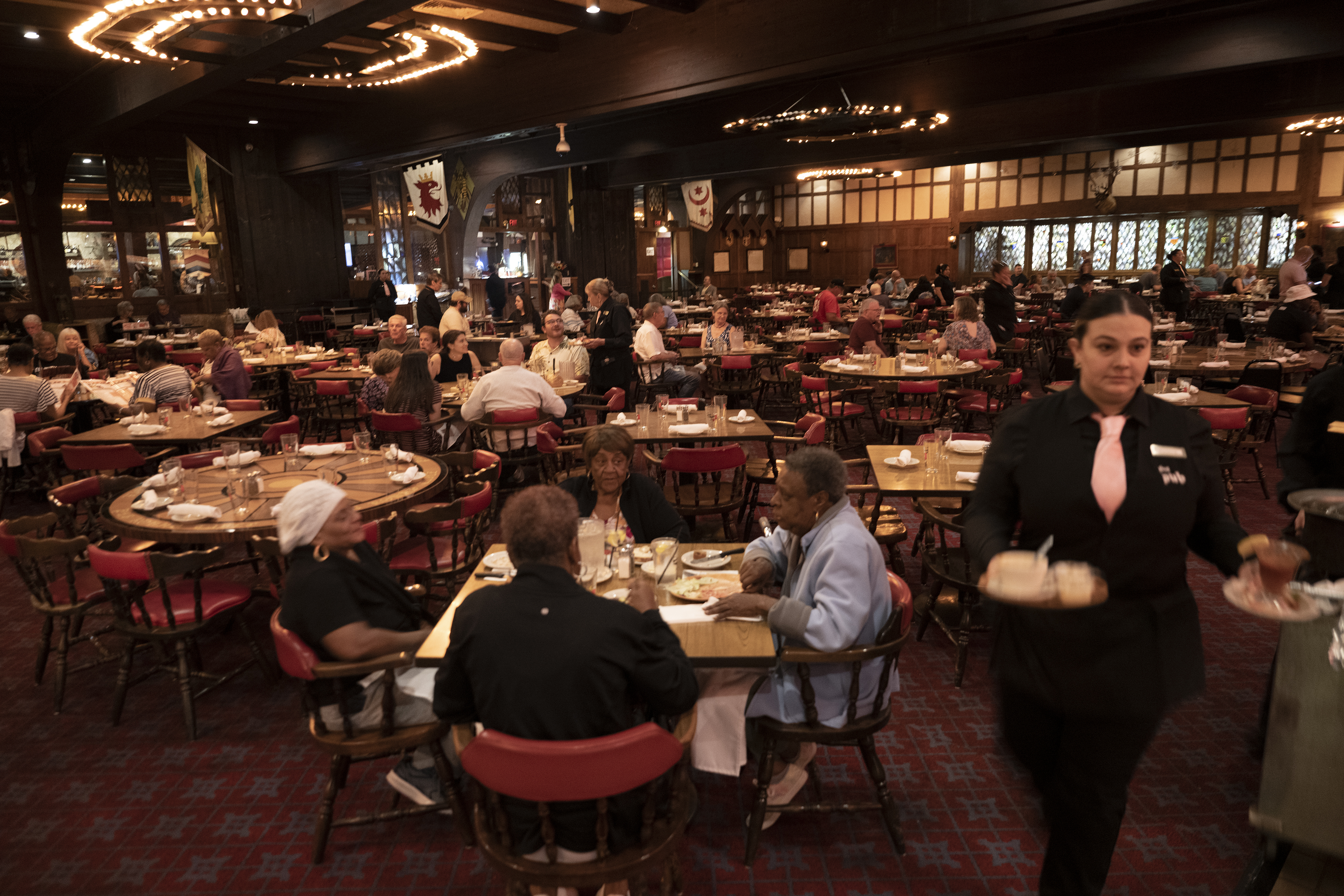
    The Pub, the sprawling Pennsauken steakhouse known for its open hearth, medieval decor, and thousand-plus seats, is on the market. The restaurant, which dates to 1951, is not closing: It is on its customary summer break and is scheduled to reopen Sept. 18.

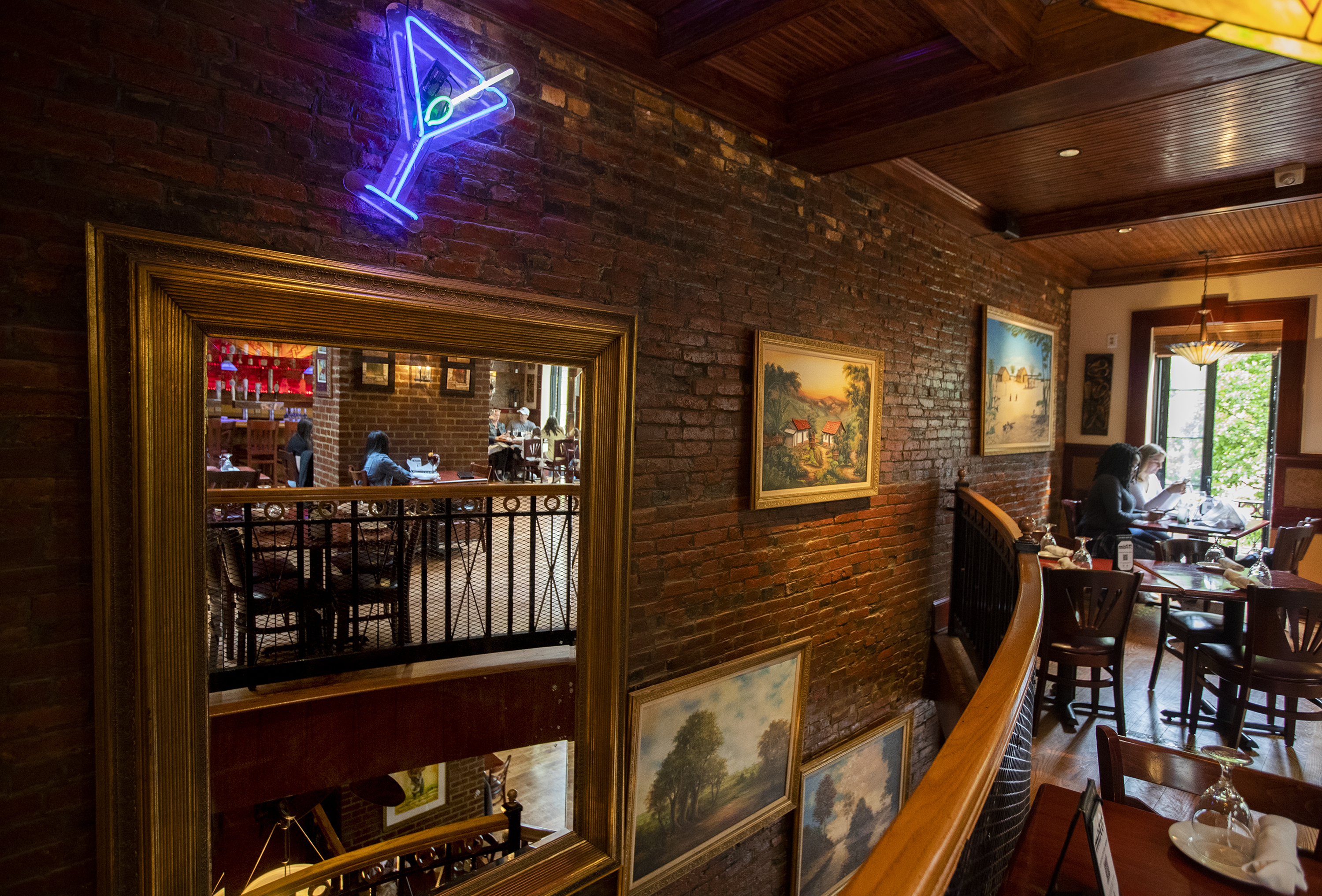
    The owners of Cherry Street Tavern, the Logan Square bar that has operated for more than a century, are looking for a buyer after 50 years of stewardship by the Loughery family. The buildings that housed Mamma Maria’s, the East Passyunk Italian restaurant that opened in 1992, went up for sale this month. Aldar Bistro in Bala Cynwyd has been sold after 34 years and will give way to an Italian restaurant called Bruzi.

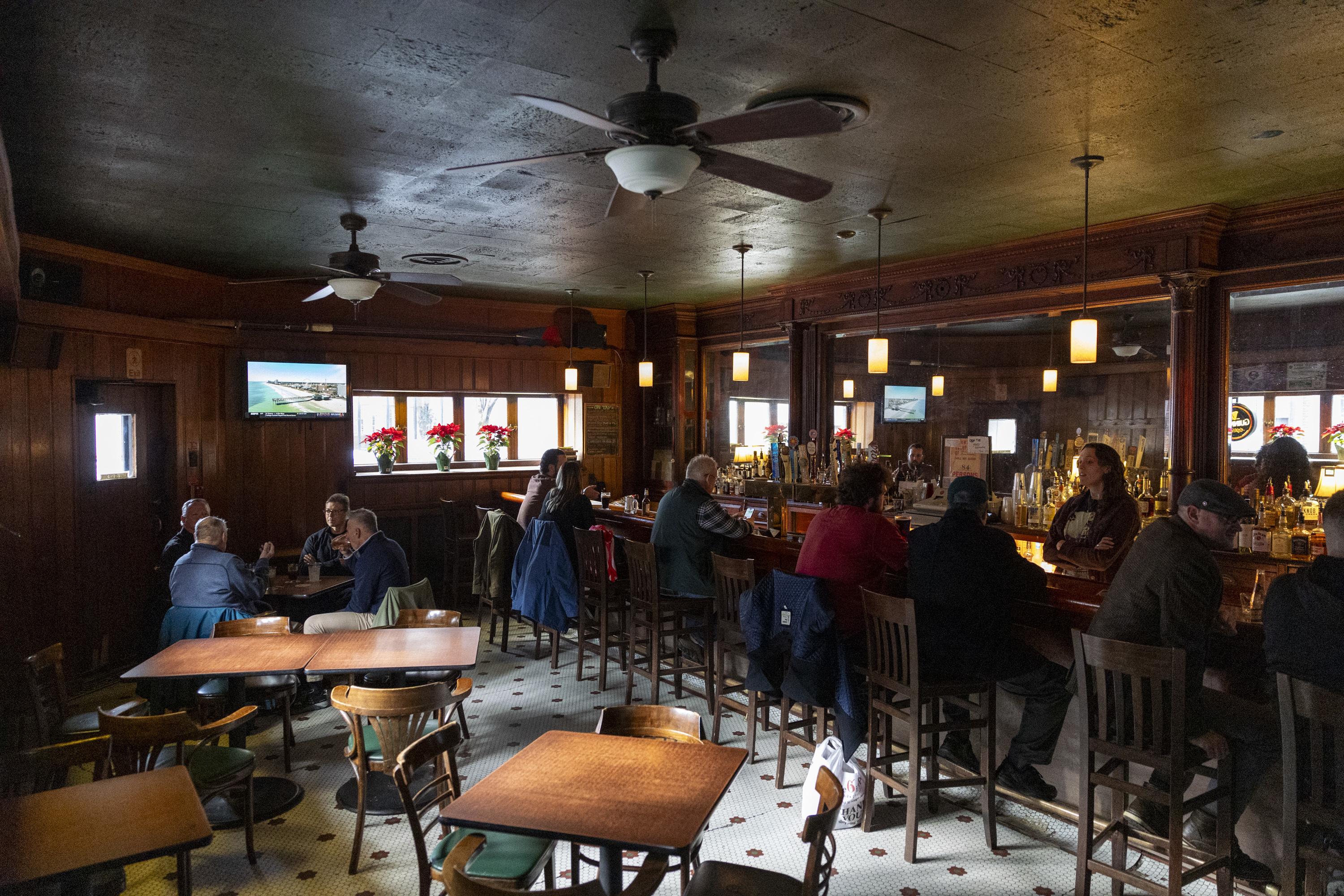
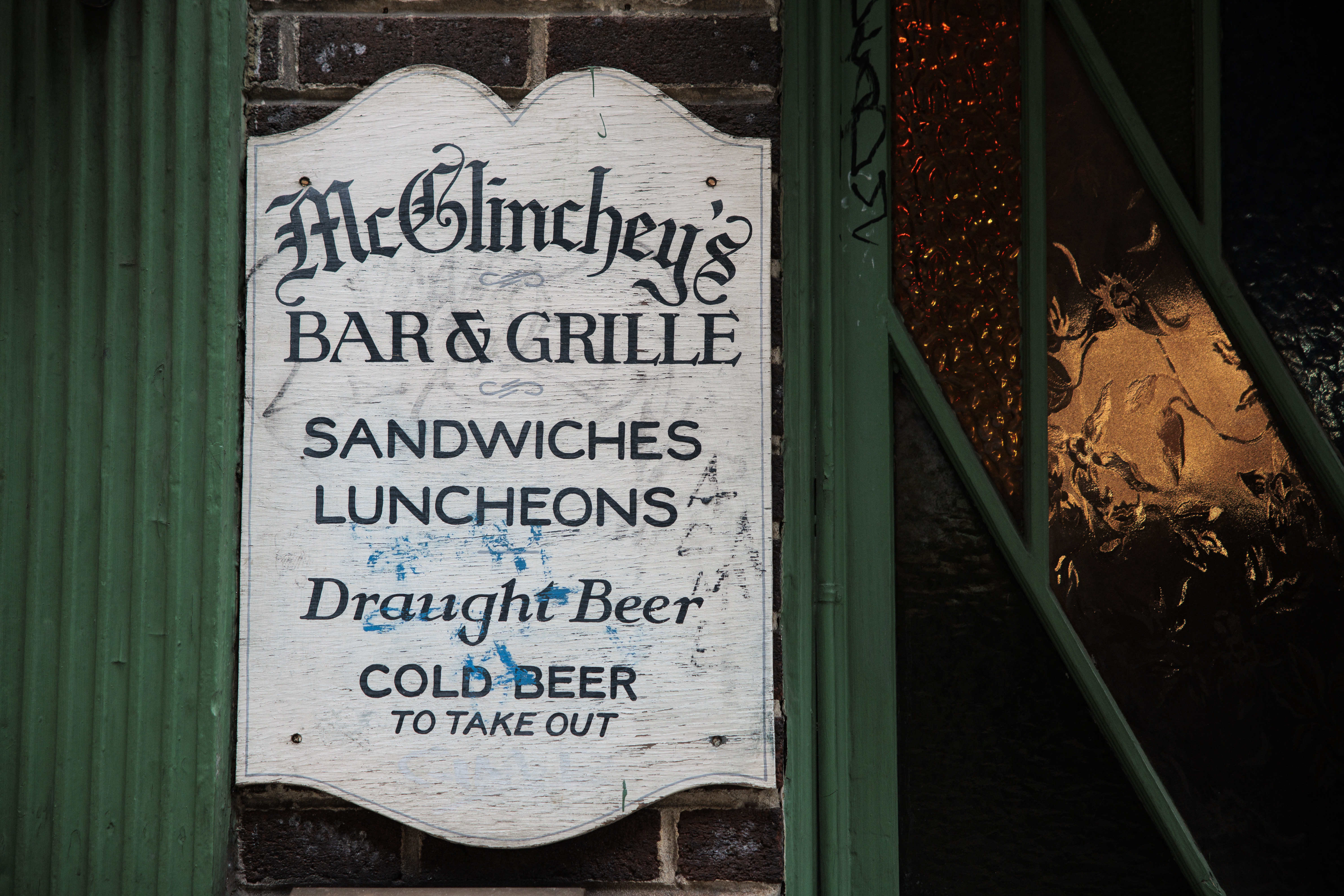
    McGlinchey’s, the Center City dive that closed last year after nearly 90 years, is back on the market after a prospective buyer walked away from a deal for the building.

    McGlinchey’s, at 259 S. 15th St., after its closing in August 2025.Monica Herndon / Staff Photographer

    And the nearly 40-year-old Jake’s & Cooper’s Wine Bar in Manayunk is being marketed for sale as owner Bruce Cooper looks toward retirement.

    Restaurants have always turned over, and the recent activity does not appear to reflect a restaurant market in retreat. The Inquirer counted 86 Philadelphia-area restaurant closings in 2025, while more than 100 new restaurants and bars were on the drawing board for 2026. What distinguishes many of the businesses now closing or being sold is their longevity: They survived for decades, weathering the pandemic and recent increases in food and labor costs, before their owners reached retirement.

    ‘The gray wave’

    People in the restaurant, liquor, and real estate businesses say the turnover is part of a broader generational transition among small businesses as longtime owners reach retirement without children interested in taking over.

    Jim Creed, handling Jake’s listing, calls it the “gray wave.”

    “You’ve got operators who have been in business 40 or 50 years, and they don’t have heirs who want to take over the business,” said Creed, a senior vice president with CBRE.

    His father, also Jim Creed, knows the issue from the other side. He opened Creed’s Seafood & Steaks in King of Prussia in 1982 and, at 78, has no immediate plans to sell. “I go to the restaurant every night,” he said. “It’s actually fun.” But when he does decide to close, he said, his children don’t want to take over.

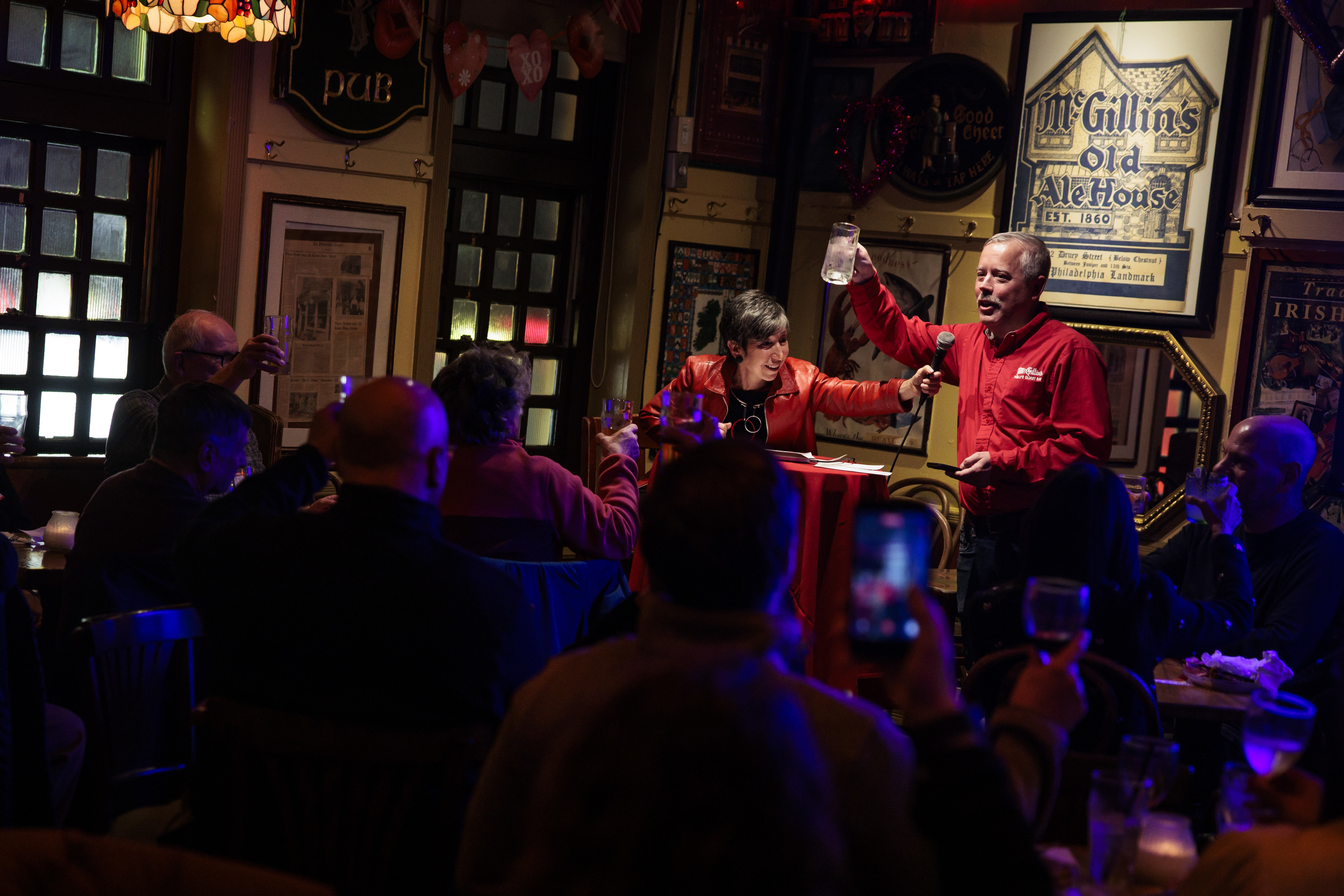
    For the counterexample, consider McGillin’s Olde Ale House in Center City. Open since 1860, it has survived through generations of owners; the Spaniak family has run it since 1958, with Chris Mullins Jr. now the third generation involved. There are no plans to sell. “It’s part of my DNA, part of our customers’ DNA, part of our staff’s DNA,” Mullins told The Inquirer this year.

    Irene Levy Baker and Chris Mullins Jr. lead a toast at McGillin’s on Tuesday, Feb. 3, 2026 in Philadelphia. Attendees gathered for a book talk on “Cheers to McGillin’s: Philly’s Oldest Tavern” on Tuesday.Monica Herndon / Staff Photographer

    Ed Taraskus has watched generations of restaurant and bar owners come and go over 50 years of practicing liquor licensing law. He could not say whether the current number of sales and closings constitutes a statistical trend, but said the succession problem is familiar.

    “The parents retire and the children don’t want to get into the business — because it’s a hard business,” he said.

    Taraskus said the hours can be punishing for small family operators. His clients also complain about finding employees willing to work nights and weekends. Drinking habits have changed, he said, and some businesses are still feeling the effects of the pandemic.

    Taraskus knows the succession question personally. His South Philadelphia family owned a small restaurant and tavern, but his father discouraged him from entering the business. When his parents retired in the 1960s, they sold.

    Real estate on the line

    Retirement can present a second question for operators who own their buildings: What, exactly, are they selling?

    A restaurant may have value as a going business, but decades of appreciation can make the underlying real estate a substantial part of an owner’s nest egg. Sometimes the economics favor a different restaurant — or an entirely different use.

    Douglas Green, a principal at commercial real estate brokerage MSC, said the value of restaurant real estate is closely tied to the sales a location can support and, consequently, the rent an operator can afford.

    “The more volume they do, the more rent they can pay,” Green said.
    That means a location can be worth more to another restaurateur if the existing operator is underperforming. And in some cases, Green said, a restaurant may no longer be the property’s most valuable use at all.

    “At some point, perhaps the building becomes obsolete,” Green said. “Perhaps the highest and best use of the real estate is no longer a restaurant.”
    Those possibilities are playing out among the region’s longtime establishments.

    The Pub restaurant near the former Airport Circle in Pennsauken in 2024.Jose F. Moreno / Staff Photographer

    At the Pub, the Gelman family is seeking a buyer for the restaurant and its roughly 6.3 acres on Kaighns Avenue near the former Airport Circle. The family has operated it since Marc Gelman bought it in 2000.

    “I don’t think there’s one thing in general why we’re selling, but it’s time for a new steward — if you will — of the business, or the property,” Marc’s son David Gelman said.
    At Cherry Street Tavern, at 22nd and Arch Streets, the Loughery family hopes to find a buyer who understands what generations of regulars value about the place.

    McGlinchey’s illustrates the other possibility. Its nearly 5,000-square-foot property at 259 S. 15th St. is listed for $2.45 million, including the liquor license, bars, and McGlinchey’s name, as either a turnkey bar and restaurant or a redevelopment opportunity.

    Decisions for buyers

    Creed said longevity itself can tell a prospective buyer something about a restaurant property.

    “Anytime you have operating longevity, that speaks to the real estate,” he said. “When you have a concept that has been in operation for 40 years, clearly the real estate has something to do with that, too.”
    The retirement of one operator does not necessarily mean the end of restaurant use.

    The former Mixto space is set to become the revival of South Philadelphia bar Toll Man Joe’s.Charles Fox / Staff Photographer

    Mixto closed July 12 after nearly 24 years at 1141 Pine St. Within weeks, restaurateur Lori Penrose bought the property and announced plans to revive her former South Philadelphia sports bar, Toll Man Joe’s, there.

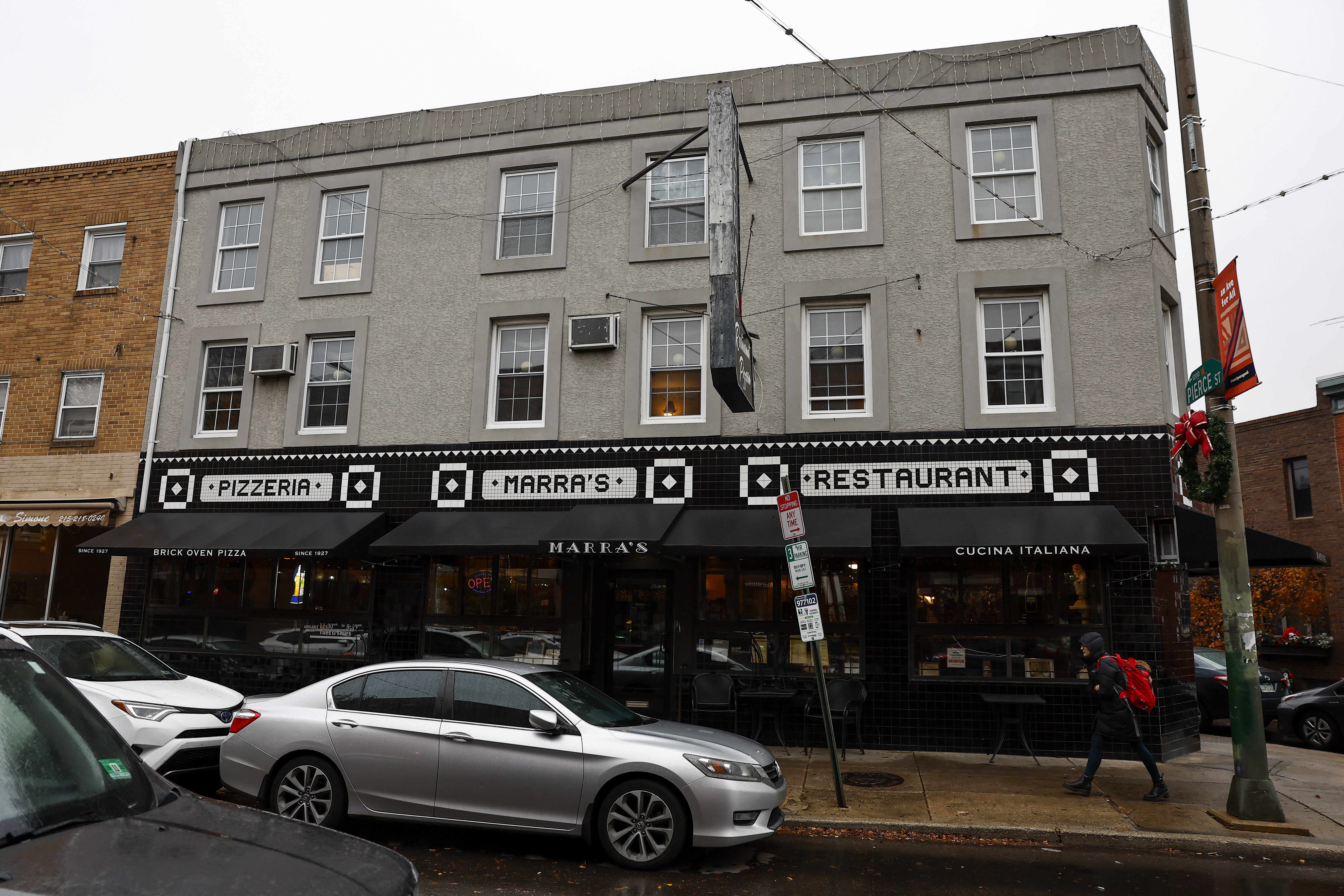
    Emei owner Dan Tsao has pursued that strategy on a larger scale. Over roughly a year, he acquired or leased four landmark restaurant properties: the former John Henry’s Pub in Ardmore, Marra’s on East Passyunk Avenue, the former Irish Pub in Rittenhouse, and the Old Original Bookbinder’s/Olde Bar property in Old City. All four are intended to remain in hospitality use.

    The exterior of Marra’s Restaurant on East Passyunk Avenue is due to become a branch of Dan Tsao’s burgeoning restaurant group. Monica Herndon / Staff Photographer

    “There are pros and cons to both,” Tsao said of taking over an existing restaurant rather than starting with a new space. “But with an existing restaurant space, especially a legacy restaurant, it already has a place in the neighborhood, and a place in the memories and hearts of generations of customers.”

    Such properties may also have much of the expensive infrastructure required to operate a restaurant.

    But for Tsao, the attraction isn’t purely economic.

    “I also like the idea of preserving some of that history,” he said, “while giving the space a new chapter.”

  • South Philly’s Tex-Mex mecca Taco Heart is expanding to Ardmore

    South Philly’s Tex-Mex mecca Taco Heart is expanding to Ardmore

    Taco Heart, South Philly’s hub for Texas-style breakfast tacos, is set to open in the Ardmore Farmers Market in October, bringing its fresh flour tortillas and Tex-Mex fare to the Main Line.

    Nano Wheedan, Taco Heart’s owner, said coming to Ardmore “seemed like the perfect next step for us” as the restaurant navigates its first expansion beyond South Philadelphia.

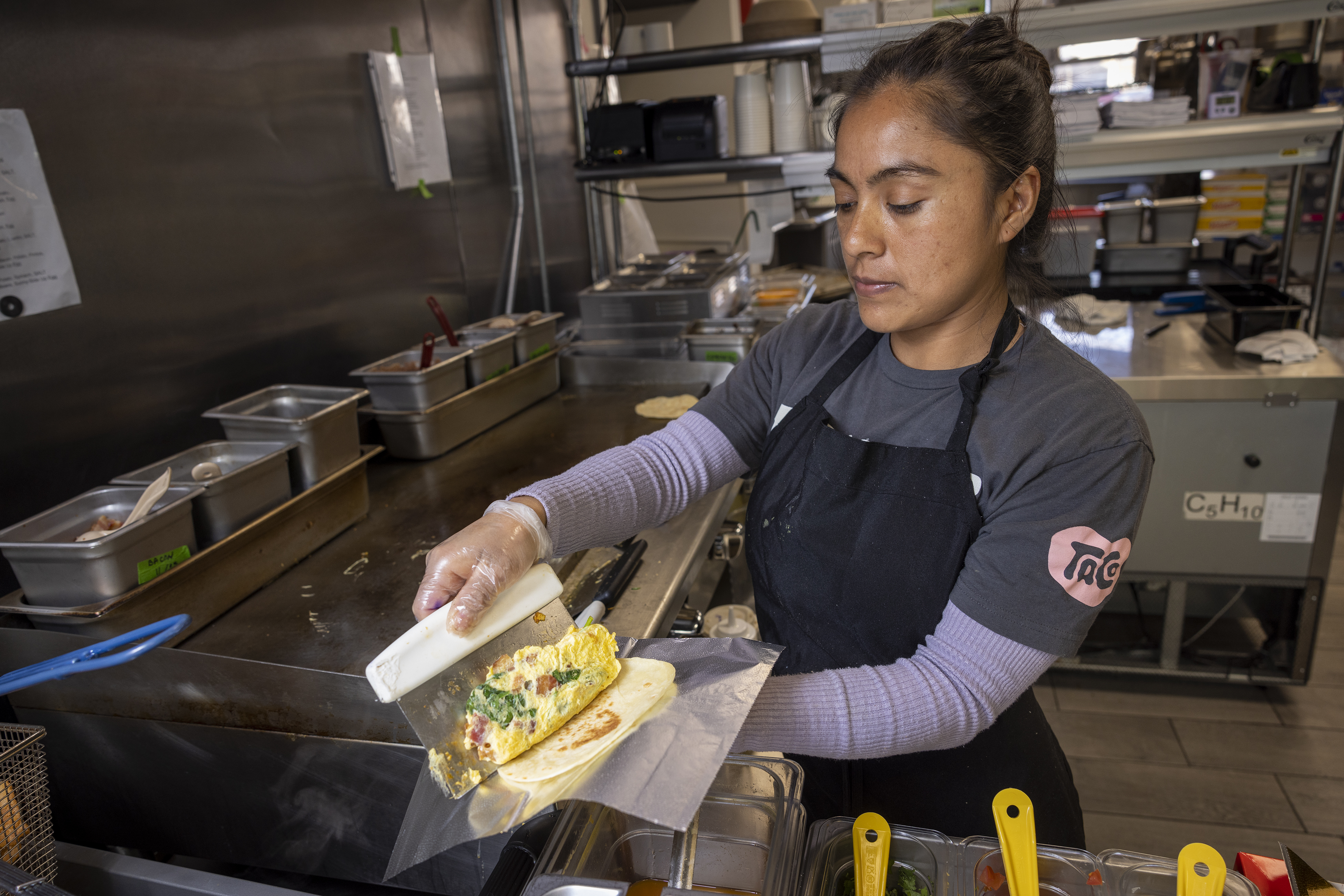
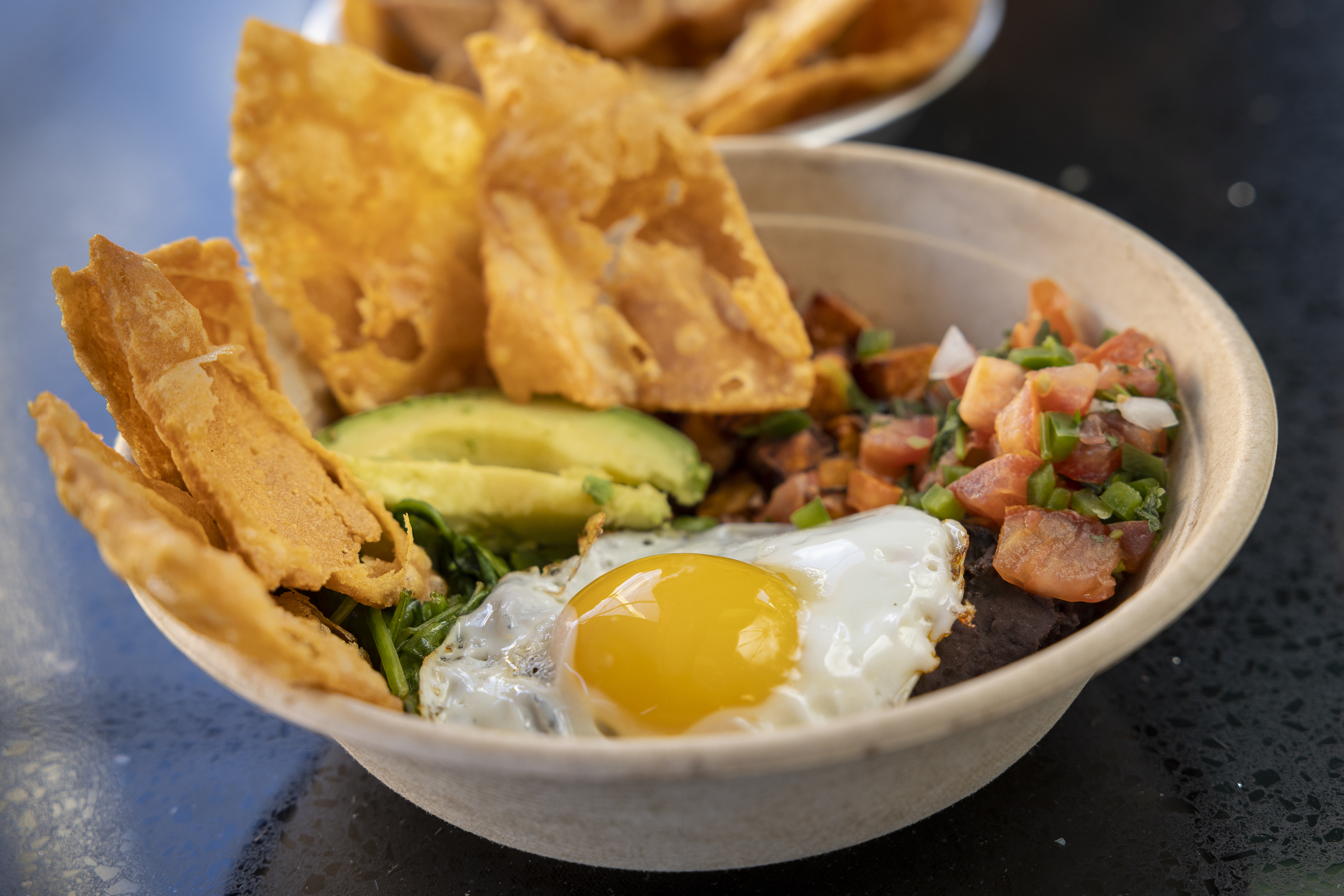
    Taco Heart’s menu is anchored by the tastes and textures familiar to anyone who’s stepped into a Texas-style taco restaurant before: egg, cheese, avocado, jalapeño, queso, refried beans, pico de gallo, steak, brisket. In addition to tacos, customers can order bowls served with house-made chips, quesadillas, sides of queso, desserts, and beverages, such as cucumber limeade and cold-pressed juice.

    Wheedan is a Philly native and Penn Charter grad who got schooled in breakfast taco culture during a 15-year stint living and working in Austin, Texas. There, he played music and was director of operations at Home Slice Pizza, where he befriended Philly bagel master Philip Korshak.

    Wheedan and his wife, Carinne, a Texas native, relocated to Philly during the pandemic. It was during the height of lockdowns that Wheedan set up a stand outside of his South Philly home, hawking breakfast tacos to neighbors. The ad hoc taco project later got the name Nano’s Tortillas, and Wheedan found a spot in the Bok Building, where he could cook and serve pickup orders. During this time, Wheedan also became an investor and business manager at Korshak’s namesake bagel joint, Korshak Bagels. (Korshak is now working on building Korshak Picnic Provisions, a corner shop built around hot dogs and house-made sourdough biscuits.)

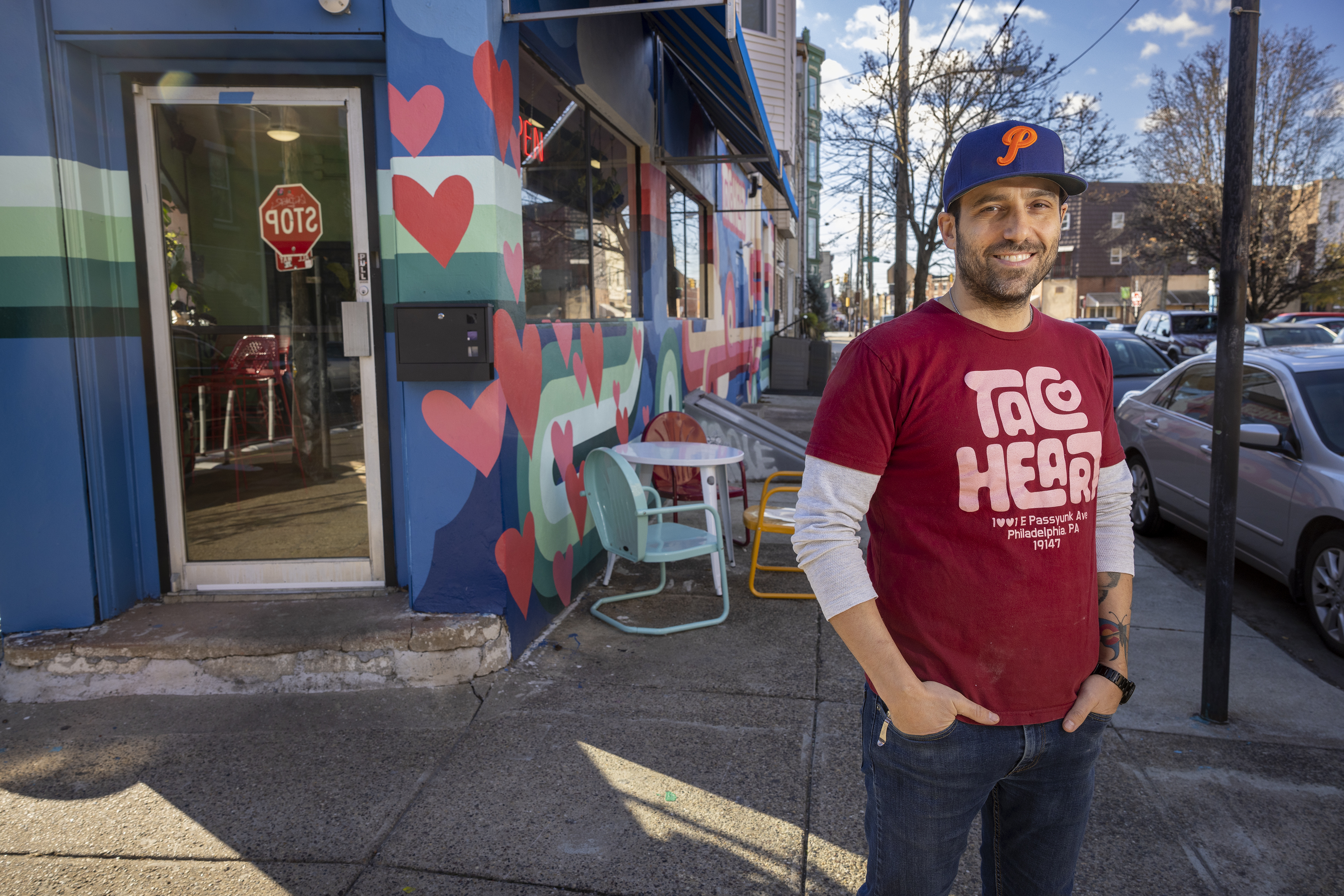
    In 2022, Taco Heart opened its doors in a polychromatic corner building on Seventh Street and Passyunk Avenue.

    Nano Wheedan, owner/chef Taco Heart, in 2022. Alejandro A. Alvarez / Staff Photographer

    For Wheedan, introducing Philadelphians to the Texas-style breakfast taco has been a tall task, but he’s been heartened by the reception, both from Philly locals and transplants from the Lone Star State, or “Tex-pats,” as he calls them.

    “There’s so many people with a connection to this food who have been missing it, and I am so grateful and moved when Texans tell me that they’ve finally found a piece of home at Taco Heart,” he said.
    It was in the last year that Wheedan felt Taco Heart finally “had its feet under itself,” and he began to think about what it would mean if he “took advantage of economies of scale” and opened a second location, using Taco Heart’s South Philly flagship as a prep kitchen at night. He was looking into opening his next location in the River Wards when the Ardmore Farmers Market approached him. The market offered a fully-functional kitchen setup, a solid base of foot traffic, and exciting culinary neighbors. He signed on.

    Taco Heart’s Morning Bowl. Alejandro A. Alvarez / Staff Photographer

    Large swaths of the market, located at Suburban Square, were left vacant earlier this year after Di Bruno Brothers shuttered multiple locations, including its outpost in Ardmore.

    Wheedan is planning to serve most of the same items in Ardmore as he does in South Philly. While some items like salsas, quesos, and refried beans may be prepared in South Philly and transported to Ardmore, Taco Heart’s signature flour tortillas will still be made fresh.

    Wheedan also hopes the expansion will allow Taco Heart to move into the world of catering: In Austin, getting breakfast tacos for the office is the equivalent of the East Coast bagel breakfast, he says.

    Taco Heart is set to open Oct. 5 at the Ardmore Farmers Market (120 Coulter Ave.).

    This suburban content is produced with support from the Leslie Miller and Richard Worley Foundation and The Lenfest Institute for Journalism. Editorial content is created independently of the project donors. Gifts to support The Inquirer’s high-impact journalism can be made at inquirer.com/donate. A list of Lenfest Institute donors can be found at lenfestinstitute.org/supporters.

  • Northeast Philadelphia is losing its last traditional Jewish deli

    Northeast Philadelphia is losing its last traditional Jewish deli

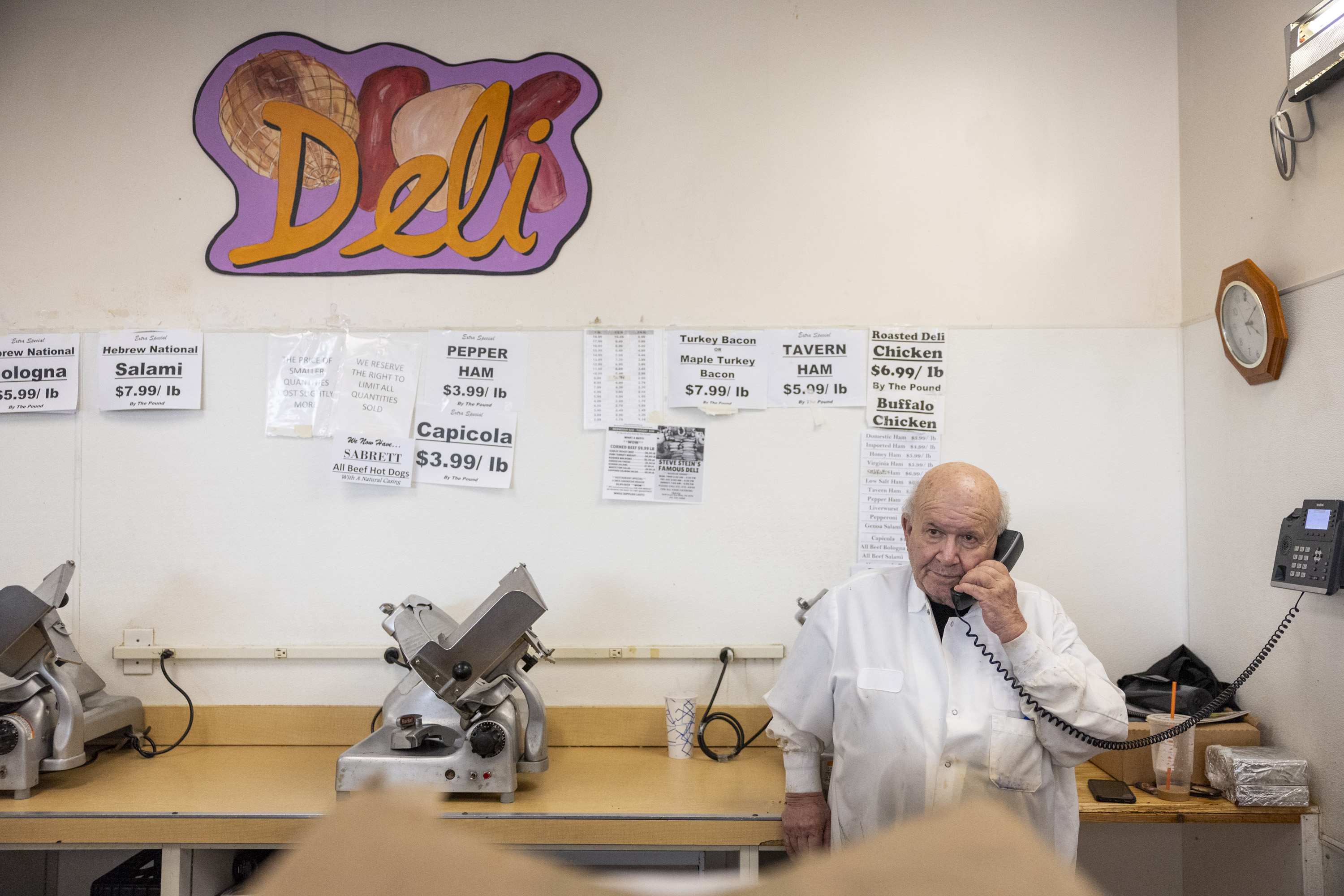
    Northeast Philadelphia’s last traditional Jewish delicatessen will close this weekend, ending a chapter in a food culture that for decades seemed inseparable from the area itself.

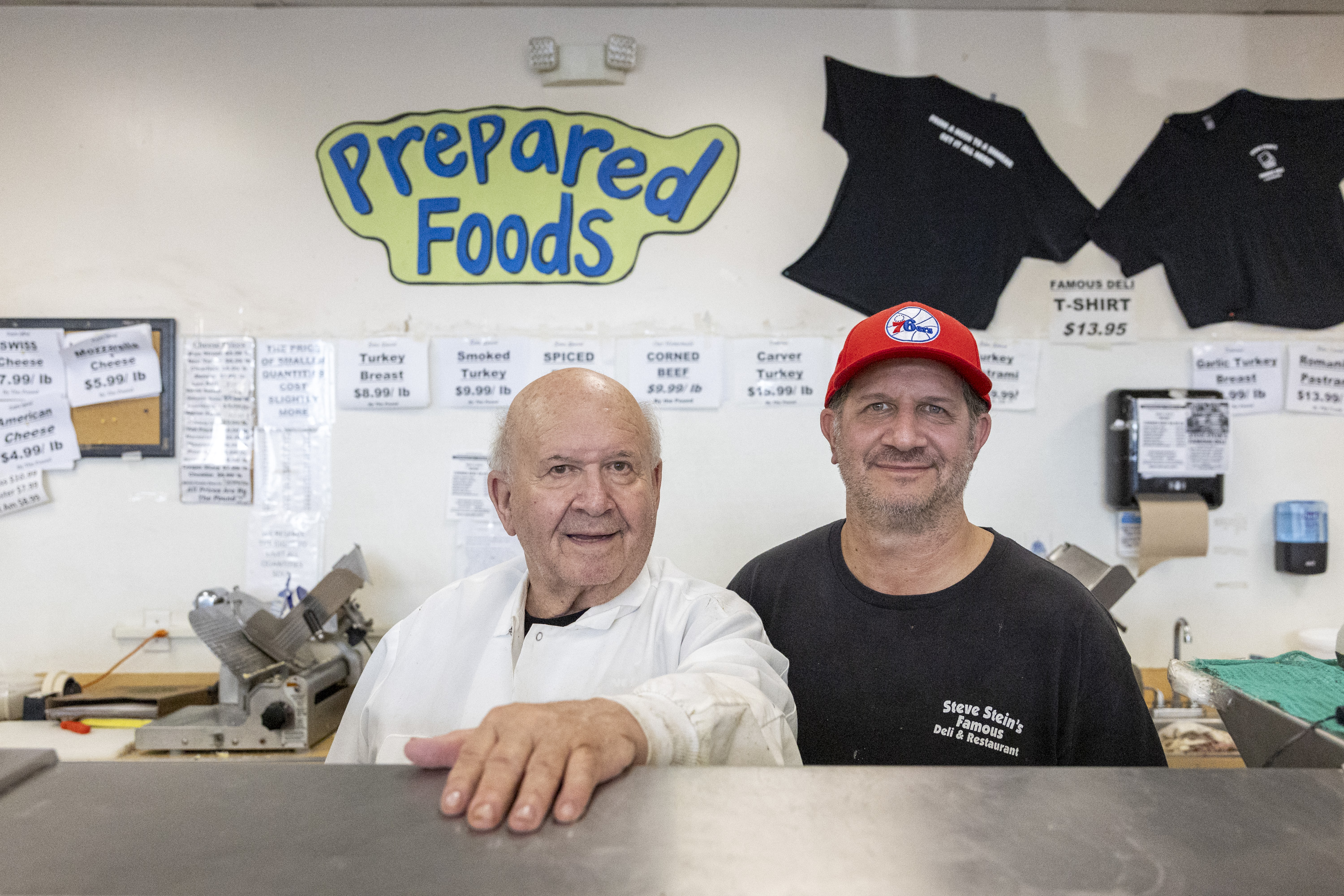
    Steve Stein’s Famous Deli, in Bustleton’s Grant Plaza, outlasted a food landscape once crowded with Jewish delis, bakeries, butchers, and other specialty shops. Its closing Sunday comes more than nine years after the finale of Jack’s Deli in Bell’s Corner, the Northeast’s penultimate deli. Like Stein’s, Jack’s combined a retail counter with a restaurant.

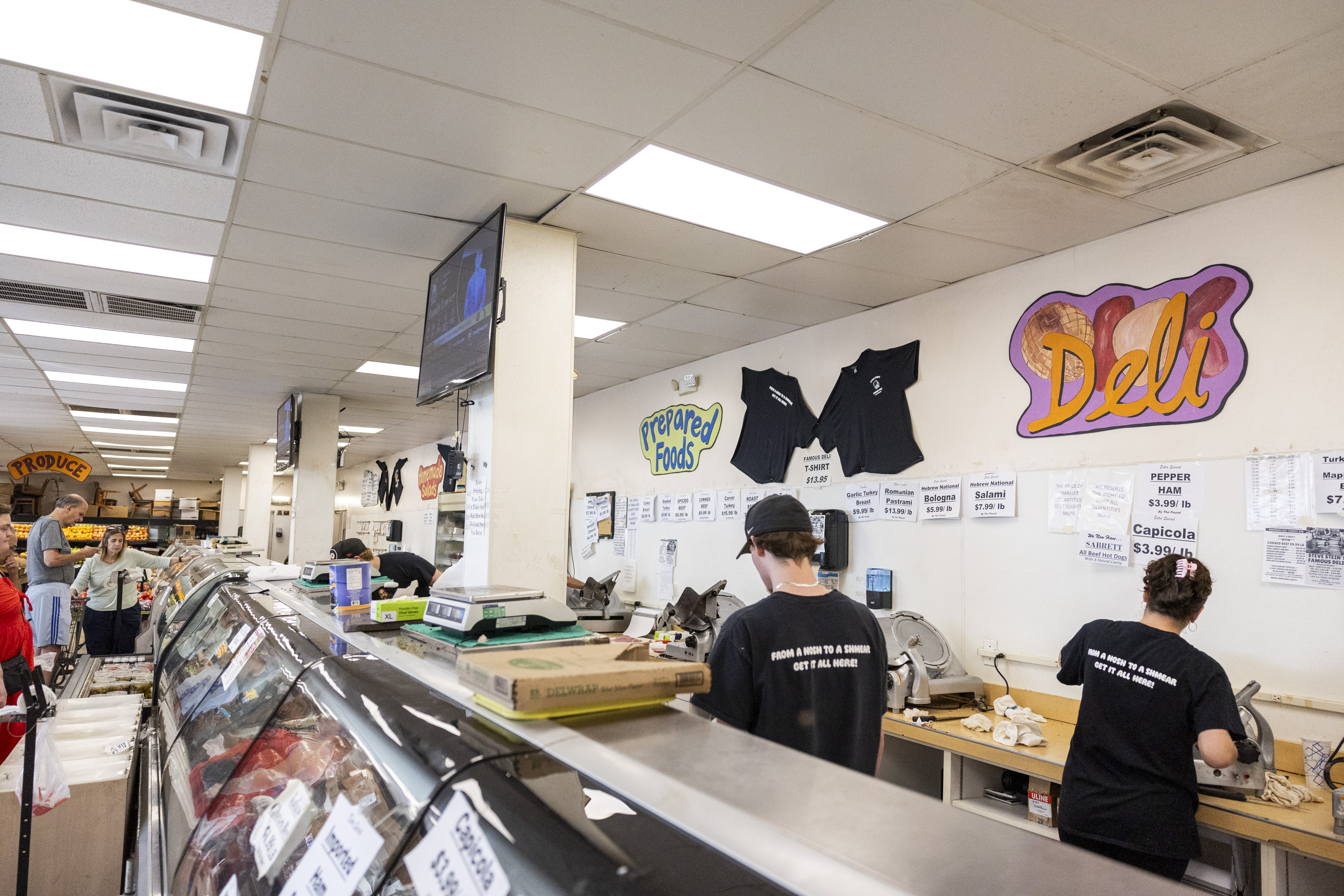
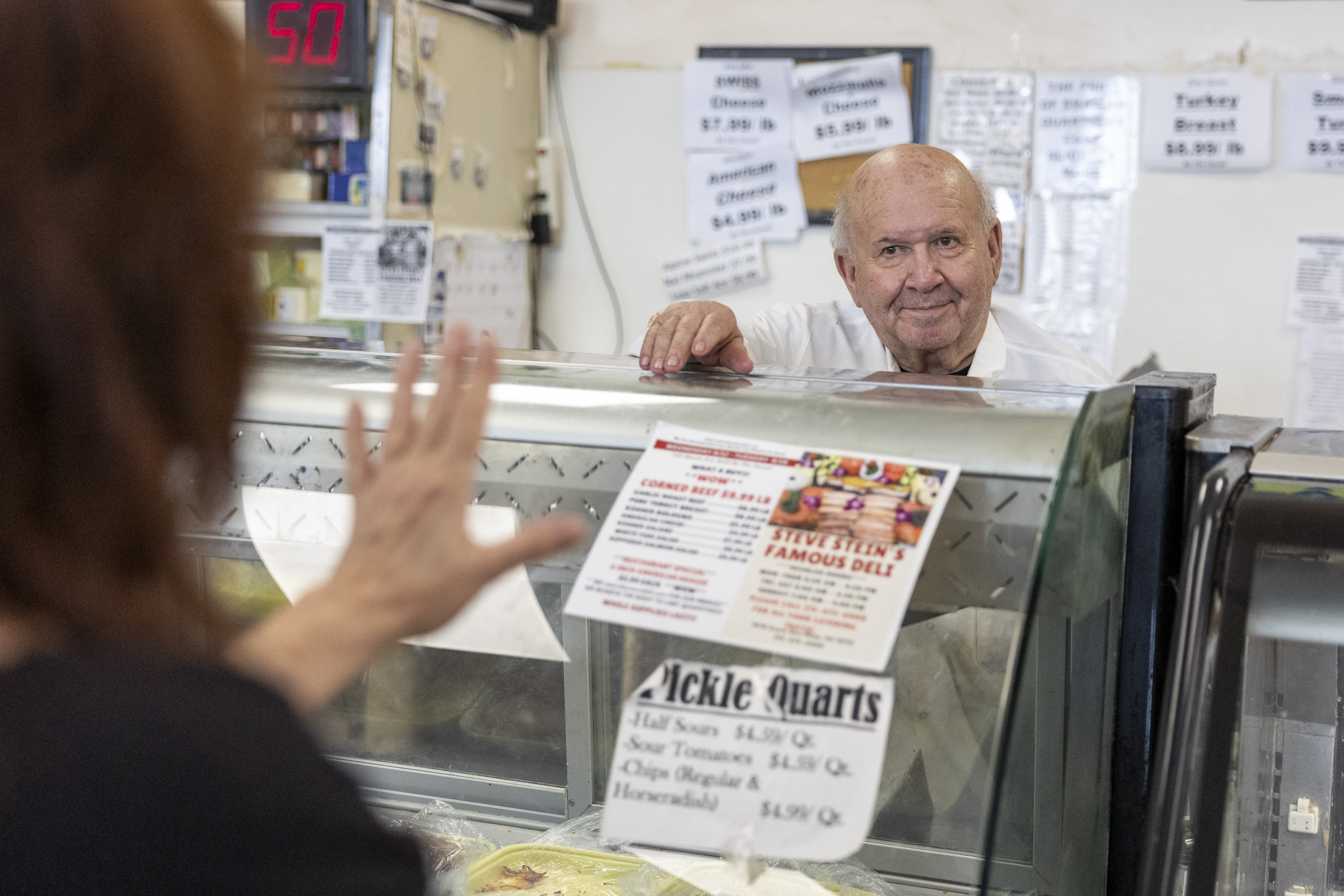
    The deli counter at Steve Stein’s Famous Deli on Aug. 14, 2026.Tyger Williams / Staff Photographer

    For Steve Stein, 83, the closing will end a family business whose roots stretch back to the late 1950s, when his family became involved with the Famous Deli location at 6826 Bustleton Ave. in Castor Gardens.

    Famous was part of an older Philadelphia deli dynasty. Beginning in the 1920s, the Auspitz brothers launched a string of delis around the city, including the flagship at Fourth and Bainbridge Streets in Queen Village, now owned by Al Gamble.

    Around 1960, Stein said, the Auspitzes sold the Bustleton Avenue Famous to Stein’s father, Mike, his brother Arnold, and his cousin Jack. The boys had run the produce concession there. Steve and Arnie, who died in 2010, later ran it side by side. Steve now runs the place with his son, Lee, now 57.

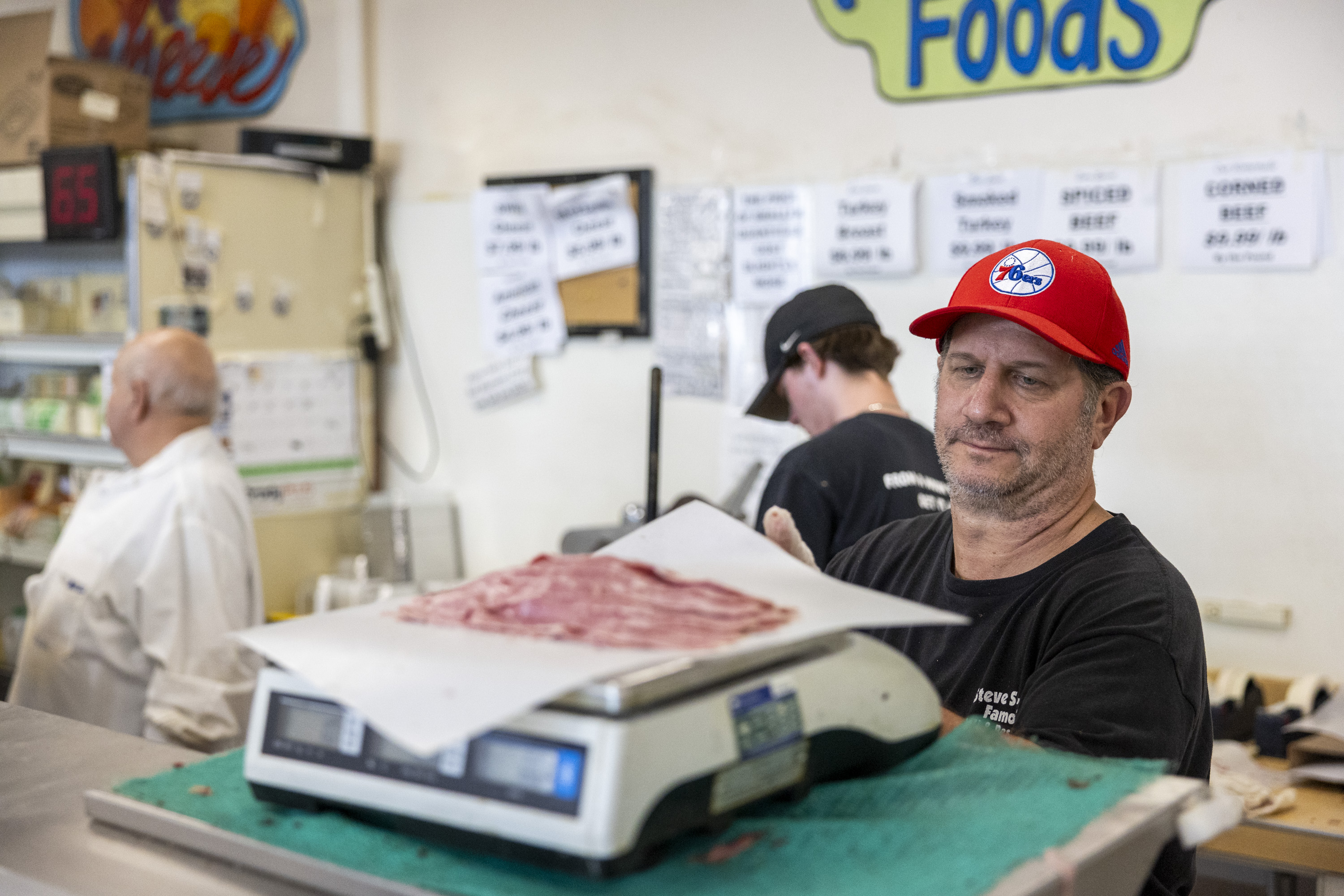
    Lee Stein weighs corned beef at his father’s deli on Aug. 14, 2026.Tyger Williams / Staff Photographer

    Since Stein announced the closing, customers have been stocking up on corned beef, smoked fish, rye bread, and other foods they fear they will not easily replace. Stein has cut prices as he tries to move inventory.

    “Nobody’s charging $9.99 a pound for house-cured corned beef,” Lee Stein said.
    On Friday, Tracey Lynn of Fox Chase ordered two pounds of corned beef while plucking garlic-perfumed sour tomatoes from a barrel, telling Stein that she planned to freeze some of the meat.

    Lynn said she and her husband have been customers since 1993. She is not sure where she will shop next. “I don’t want whitefish salad from BJ’s or from Costco,” she said.
    The closing is partly a retirement story. Stein said problems with his legs have made it increasingly difficult to work.
    But it is also about labor costs, food prices, succession, and a neighborhood whose demographics have changed dramatically over the life of the business.

    As Jewish families moved farther into the Northeast, Famous followed: first, in the mid-1970s, to Krewstown Road (where it had two locations) and, 14 years ago, to Grant Avenue. Stein, who later also had a short-lived store in Holland, Bucks County, sold the Bustleton Avenue store in the mid-1970s.

    In that sense, the history of Famous tracks the movement of Jewish Philadelphia itself.

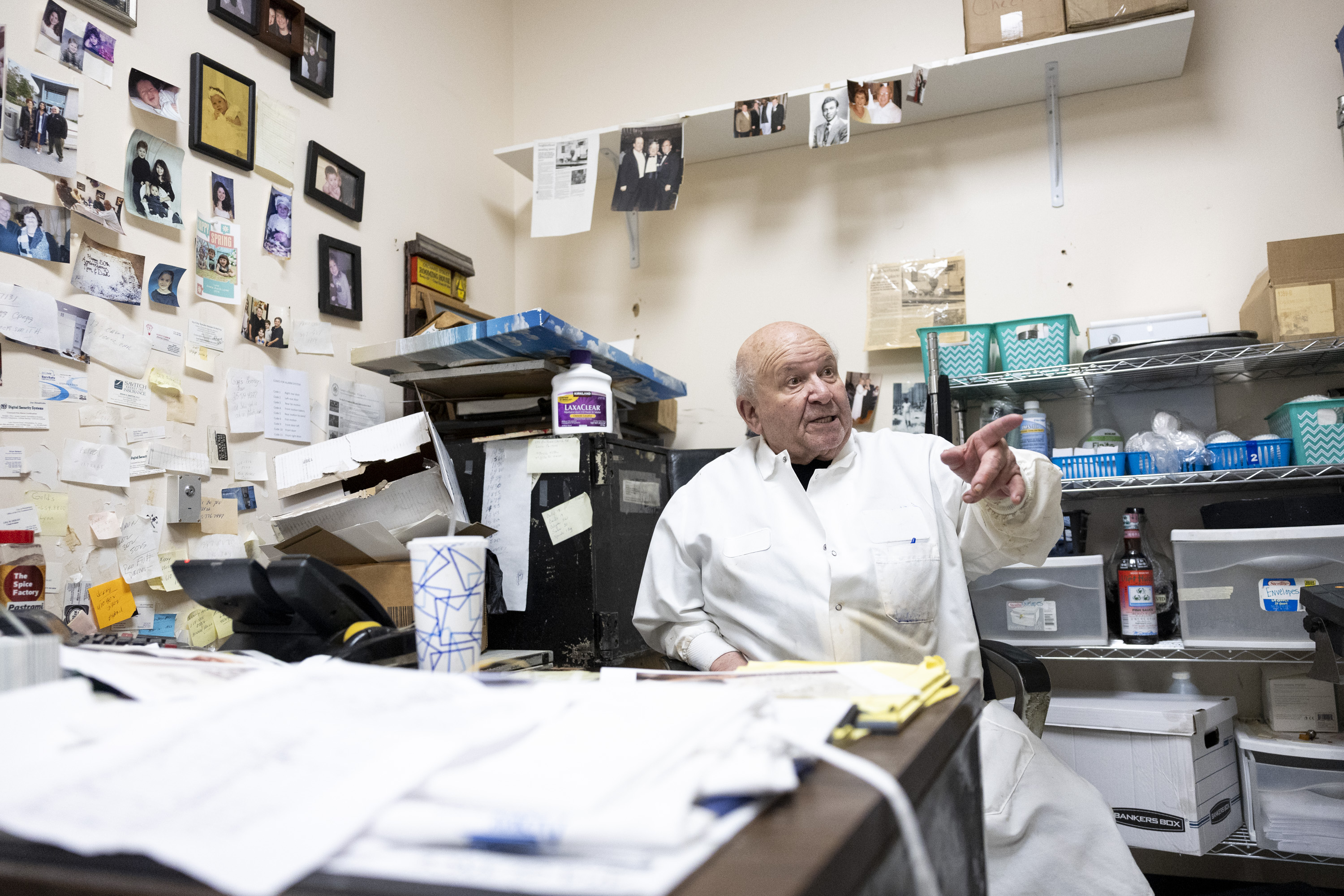
    Steve Stein, owner of Steve Stein’s Famous Deli, takes a break in his office.Tyger Williams / Staff Photographer

    A suburban diaspora

    After World War II, thousands of Jewish families left older Philadelphia neighborhoods such as Strawberry Mansion, Queen Village, and Wynnefield for Oxford Circle, Castor Gardens, Rhawnhurst, and Bustleton in the rapidly developing Northeast. Others moved to Lower Merion and Cherry Hill, which developed large Jewish communities and deli cultures of their own that remain.

    By 1970, demographer Ira Rosenwaike estimated, using Census data on Yiddish as a mother tongue, that more than 68,000 Jewish adults 25 and older lived in the Near and Far Northeast.

    That population supported an extraordinary density of Jewish food businesses: Abe’s Appetizers, Castor Deli, R&W, Stern’s, Paul’s, Four Lads, Dave’s, Casino, the Nasherei, four Barson-Overbrook locations.

    Steve Stein (left), owner of Steve Stein’s Famous Deli, behind the counter with his son, Lee.Tyger Williams / Staff Photographer

    To Hasia Diner, a historian and New York University professor who specializes in American Jewish history, the significance of delis was precisely their ordinariness. They were not institutions created to preserve Jewish culture. They were where neighborhood life happened.

    “On the one hand, [delis] seem so everyday,” Diner said in an interview. “They’re not great synagogues where religion was expounded, or places where great ideas were pronounced. But they were places where life was lived.”

    Some were kosher and others were not. What mattered, Diner said, was that the deli offered a secular Jewish space, rooted as much in neighborhood and food as in religious observance.

    By the 1980s, however, those neighborhoods were changing. In a 1987 Inquirer article, Bruce Isakoff of Paul’s Deli, on Castor Avenue near Brighton Street, said his business was doing more lunchtime trade as Jews left the neighborhood and it became a more generic deli. By then, Four Lads, on Castor Avenue at Creston Street in Oxford Circle, had stopped carrying smoked fish and pastrami. Both are long gone.

    A ‘kind of shrine’

    Many Jewish households moved farther north and into Bucks and Montgomery Counties. A 1996-97 Jewish Federation study found that Philadelphia accounted for 41% of the region’s population living in Jewish households, down from 54% in 1984, while Bucks County’s share had nearly doubled.

    The studies used different definitions and geographic boundaries, but the direction was unmistakable: The dense Jewish population that once sustained neighborhood delis had dispersed.

    Steve Stein, owner of Steve Stein’s Famous Deli, taking a deli order on Aug. 14, 2026.Tyger Williams / Staff Photographer

    The movement itself was nothing new, Diner said. American Jewish communities repeatedly established themselves in neighborhoods and moved elsewhere. What changed was the role of the old neighborhood — and of the deli within it.

    “The deli was often the kind of shrine to which they went back,” she said.

    The old delis offered something beyond nostalgia. In their heyday, Diner said, they were overwhelmingly Jewish spaces where customers did not have to explain themselves or worry about how they appeared to outsiders.

    “These places were so rich with a kind of embeddedness, of comfort and security and, again, letting your hair down,” she said.

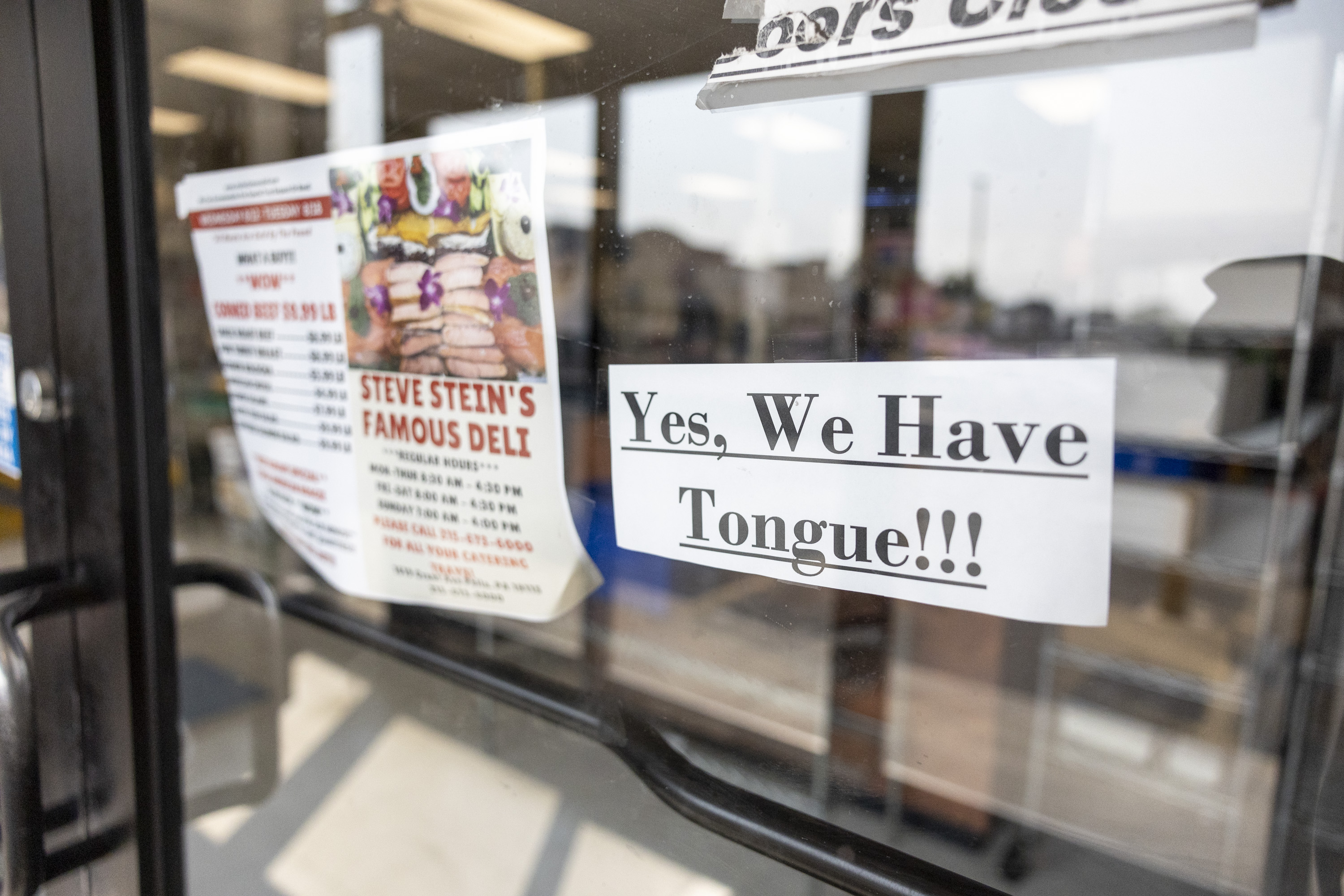
    A sign proclaiming, “Yes, We Have Tongue!!!” at the entrance at Steve Stein’s Famous Deli.Tyger Williams / Staff Photographer

    Population was only part of the story. Supermarkets increasingly stock foods that once sent customers to specialty counters: corned beef, pastrami, smoked fish, whitefish salad, herring, rye bread, bagels, pickles, and knishes. But not everything. Signs at Famous proclaim, “Yes, We Have Tongue!!!” Not many others do.

    More important, Diner said, is what cannot be sold at a supermarket: the deli as a secular gathering place, where being Jewish required neither religious observance nor agreement about politics. “A pastrami sandwich is a pastrami sandwich,” she said.

    Costly ingredients

    The traditional deli model itself is expensive and labor-intensive, built around extensive preparation and a sprawling inventory. Famous still cures its corned beef and makes its own turkey, pastrami, whitefish salad, and spice beef.

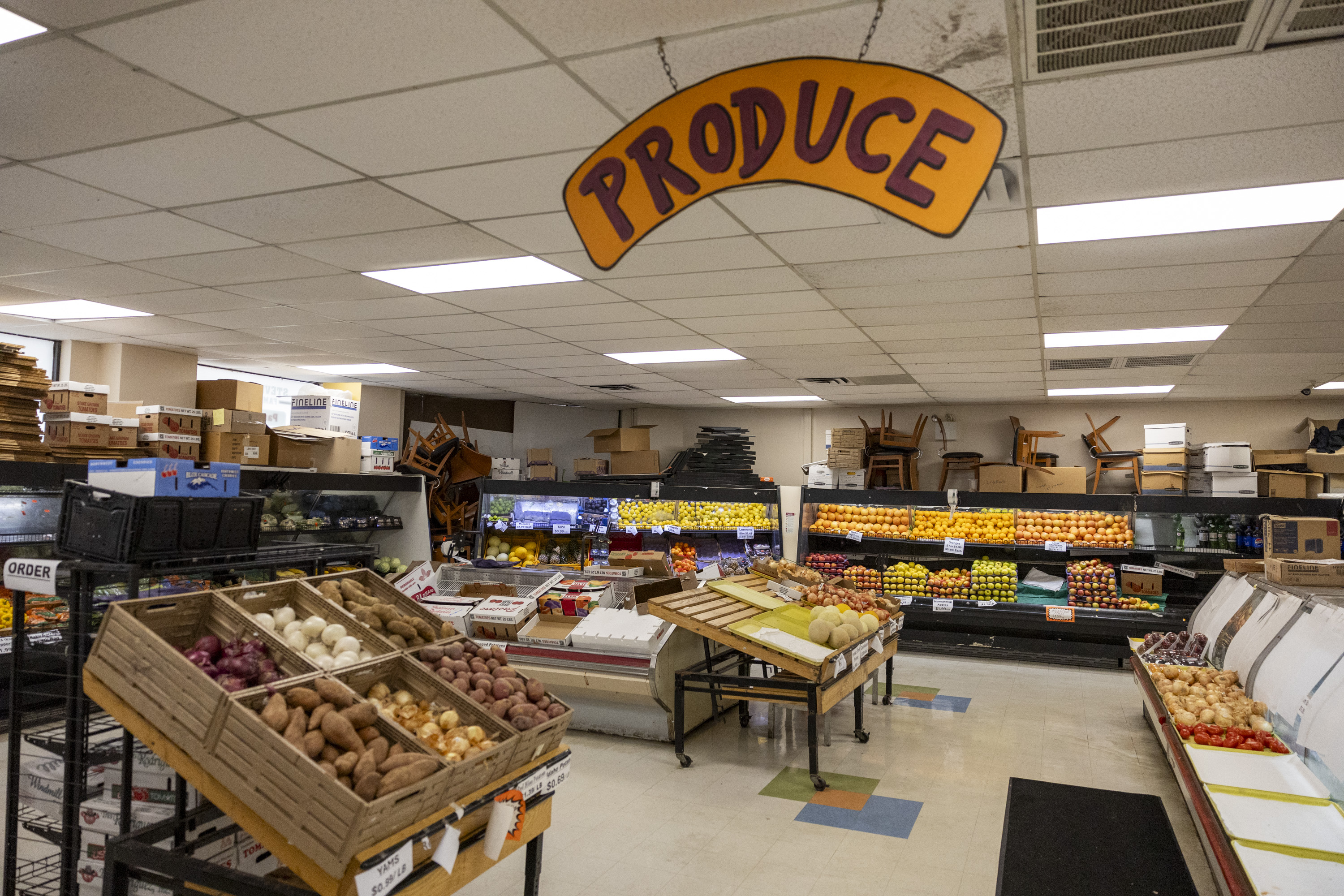
    Steve Stein’s Famous Deli is equal parts market, deli counter, and restaurant.Tyger Williams / Staff Photographer

    Steve Stein said finding employees has become increasingly difficult. Lee Stein said prospective workers have easier options, such as driving for Uber or making deliveries for Grubhub.

    The deli has about 35 employees, many part-time. Some are placed through SPIN, the Philadelphia nonprofit that supports people with intellectual, developmental, and autism spectrum disabilities.

    Survival has also required adapting to the customer base, increasingly non-Jewish. Lee said he remembers when Famous carried a single canned ham, hidden behind the counter. Though few Jewish delis are kosher, pork traditionally has been another matter.

    “Nobody was allowed to say the word ham,” he said.

    Today, their case holds about a dozen varieties.

    Rob Woloshin, 40, owner of Manny’s Deli Stop in Willow Grove, grew up going to Stein’s Famous with his father. His deli represents a leaner version of the old model: counter service, a few tables, online ordering, and delivery, with traditional deli sandwiches alongside chicken cutlets, wraps, and other contemporary offerings.

    Cashier Linda DiNenno, who has worked at Steve Stein’s Famous for about 13 years, checks out a customer.Tyger Williams / Staff Photographer

    “We’ve kind of modernized, I guess, as much as the Jewish deli can be modernized,” Woloshin said.

    Famous may yet have an afterlife. Lee Stein said he is talking with the landlord about a deal that could keep him in the space, under another name, in time for the Jewish High Holy Days, which begin Sept. 11. If not, he might offer catering from a synagogue kitchen.

    For longtime cashier Linda DiNenno, the closing is less about corned beef than the people around the counter. She said she will miss the family atmosphere among employees and customers who have been calling to say goodbye.

    “I’ve got customers calling on the phone, like, ‘Oh my God, I’m gonna miss you, Linda,’” she said.

  • At tiny Lau Kee, Chinatown’s most experienced duck chef delivers reliable excellence

    At tiny Lau Kee, Chinatown’s most experienced duck chef delivers reliable excellence

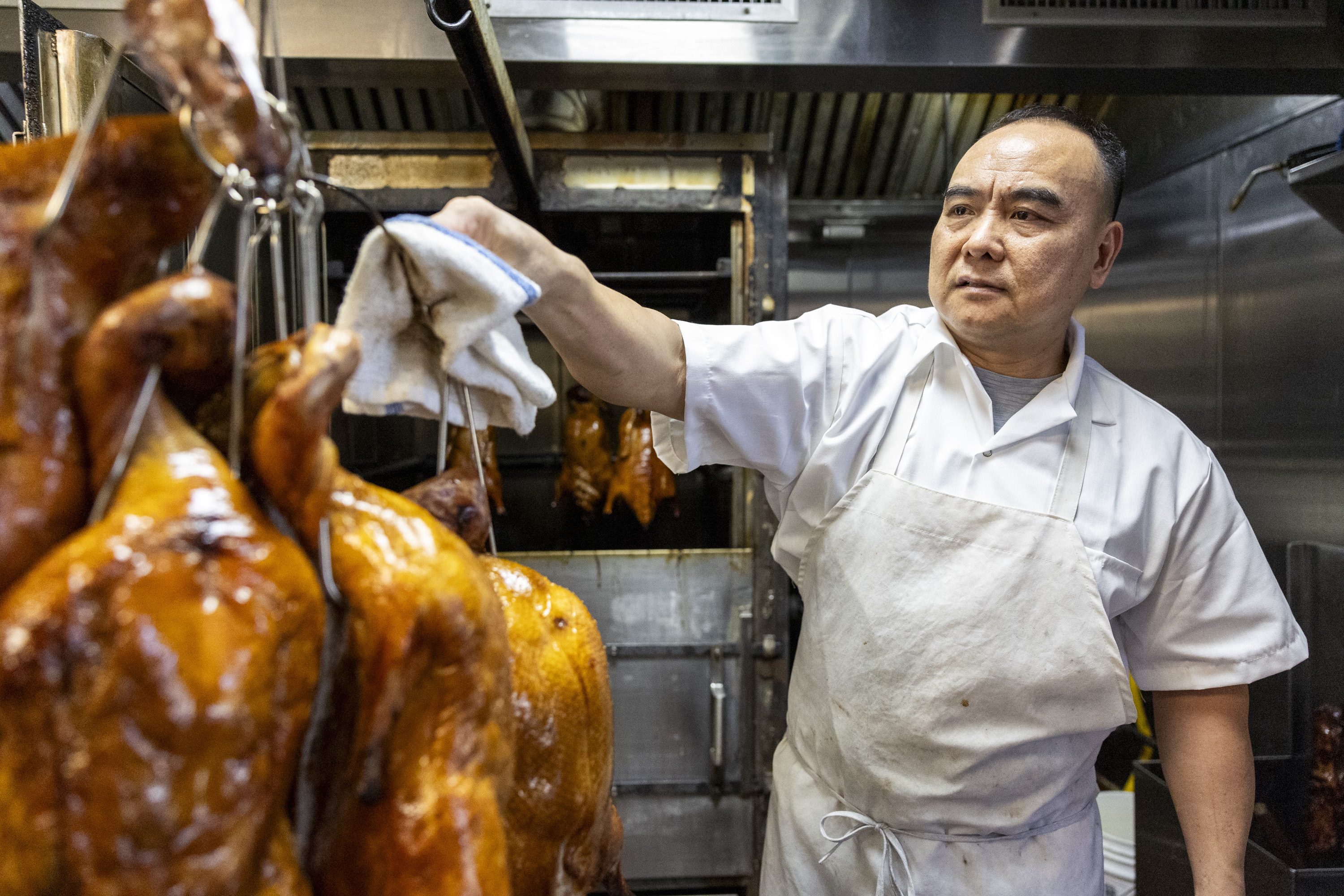
    Chinatown’s Wizard of Ducks did not come from poultry royalty. Chuien Liu was born to a long line of Fujianese fishermen on a rural island beside the East China Sea.

    “Going out every day to catch fish, shrimp, and crabs? That was a necessity,” says his son, Kenneth Liu, translating for his father. “But making duck was his passion, mostly because he liked to eat it.”

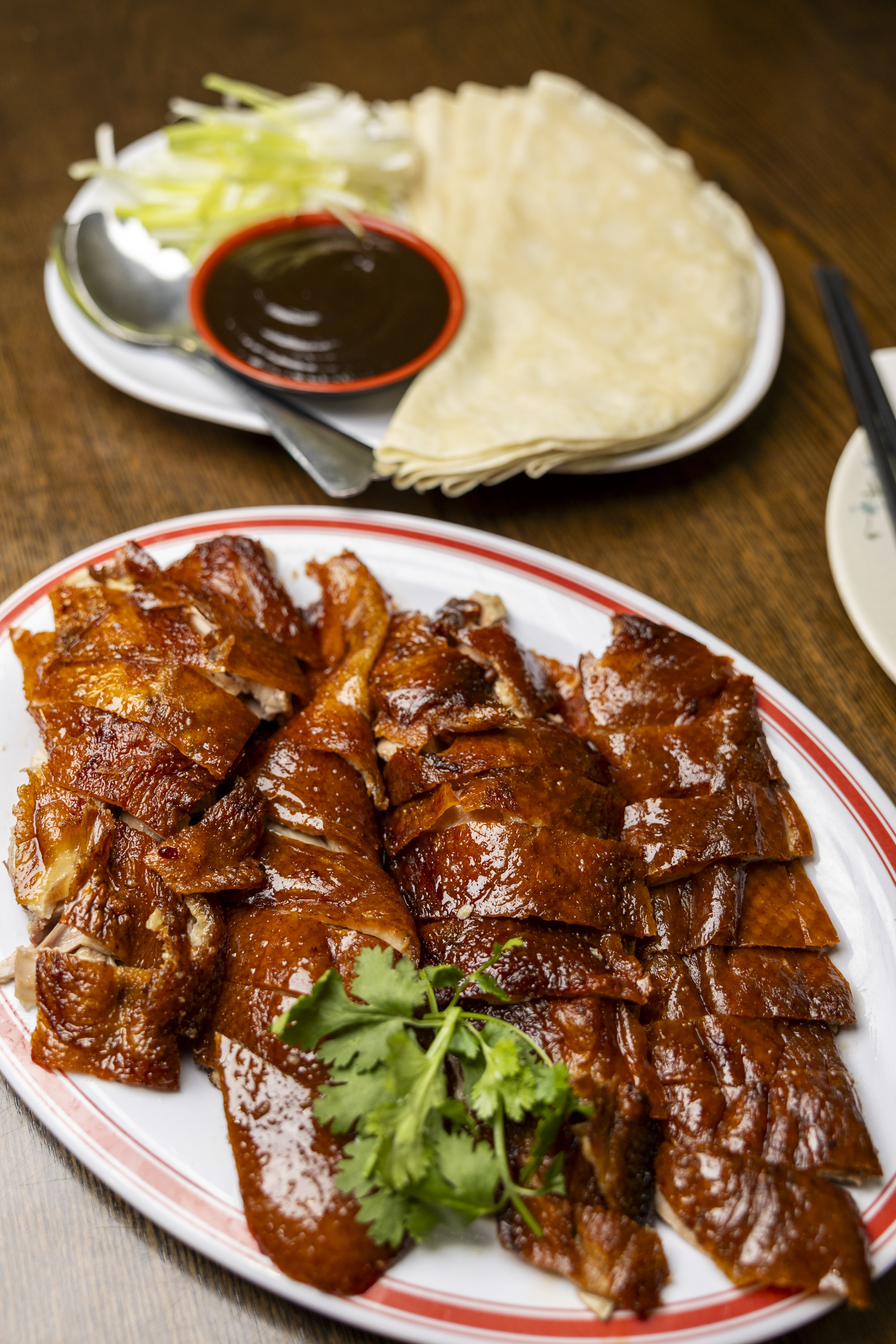
    In that respect, Chuien Liu scored big-time when he came to Philadelphia in the mid-1990s, following a wave of immigration from Fujian Province, on China’s southeastern coast, to the United States. He landed a spot beside the roasting oven at Chinatown’s iconic Sang Kee Peking Duck House, and he remained there as the master of ducks, soy sauce chicken, and crispy pig for 25 years.

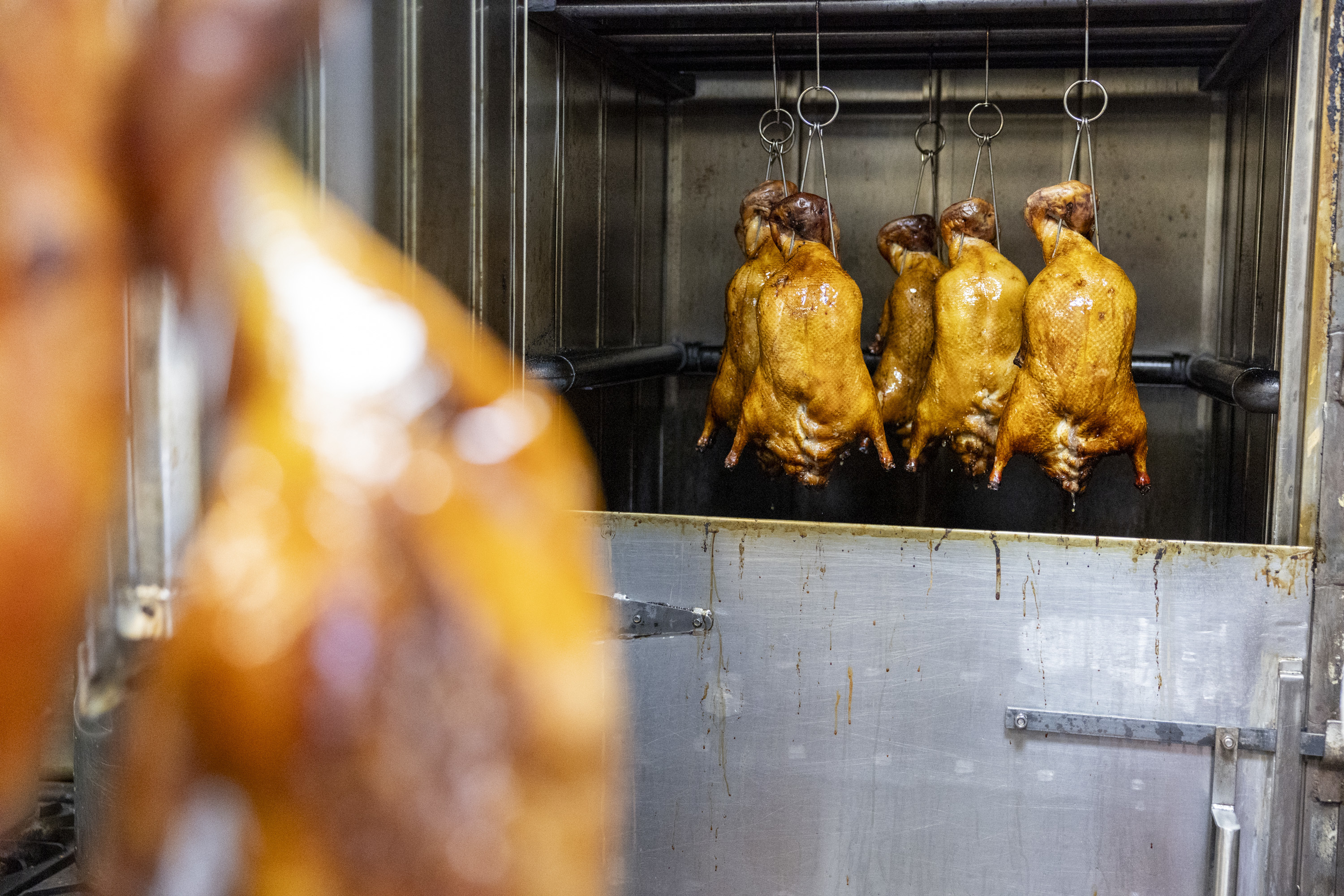
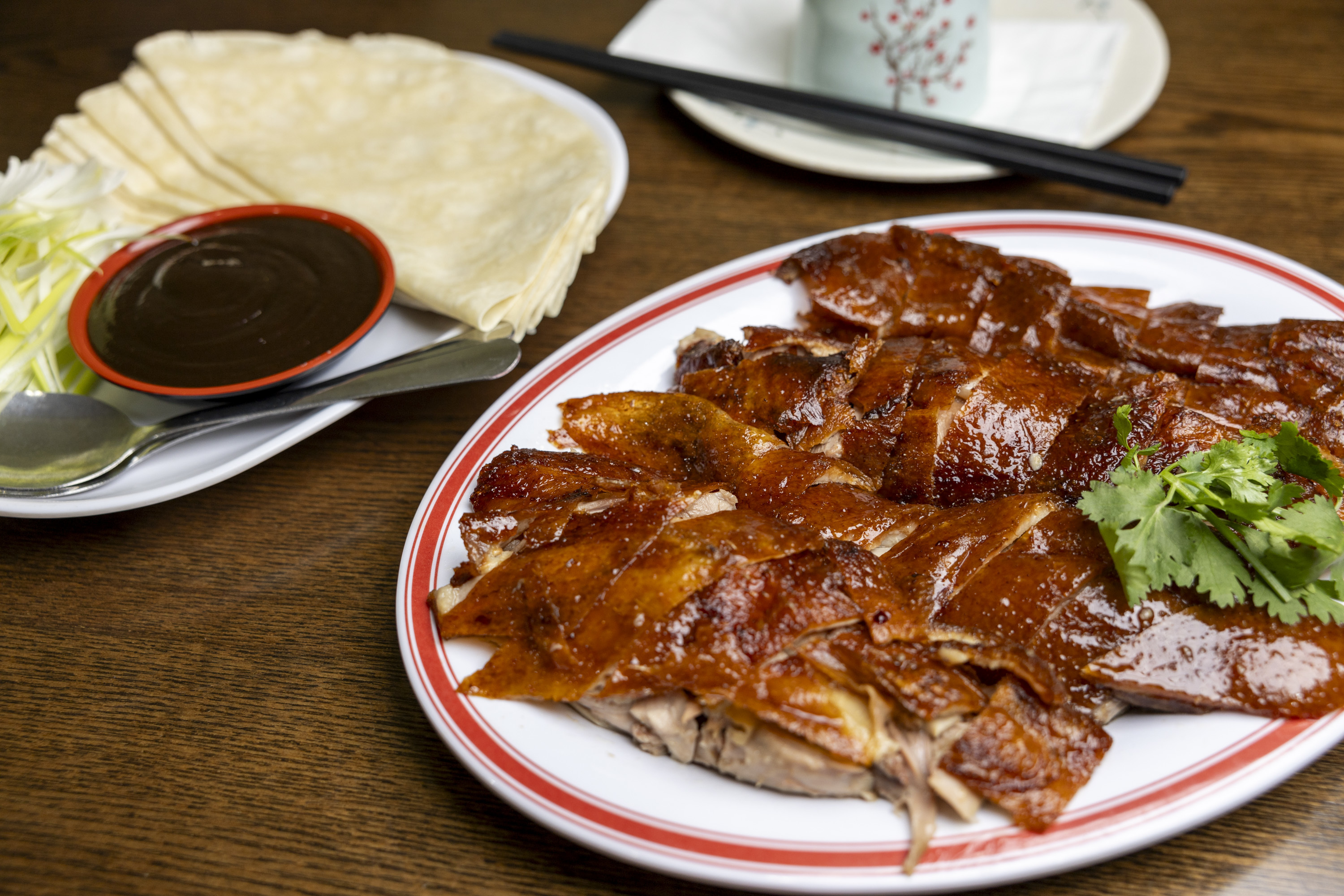
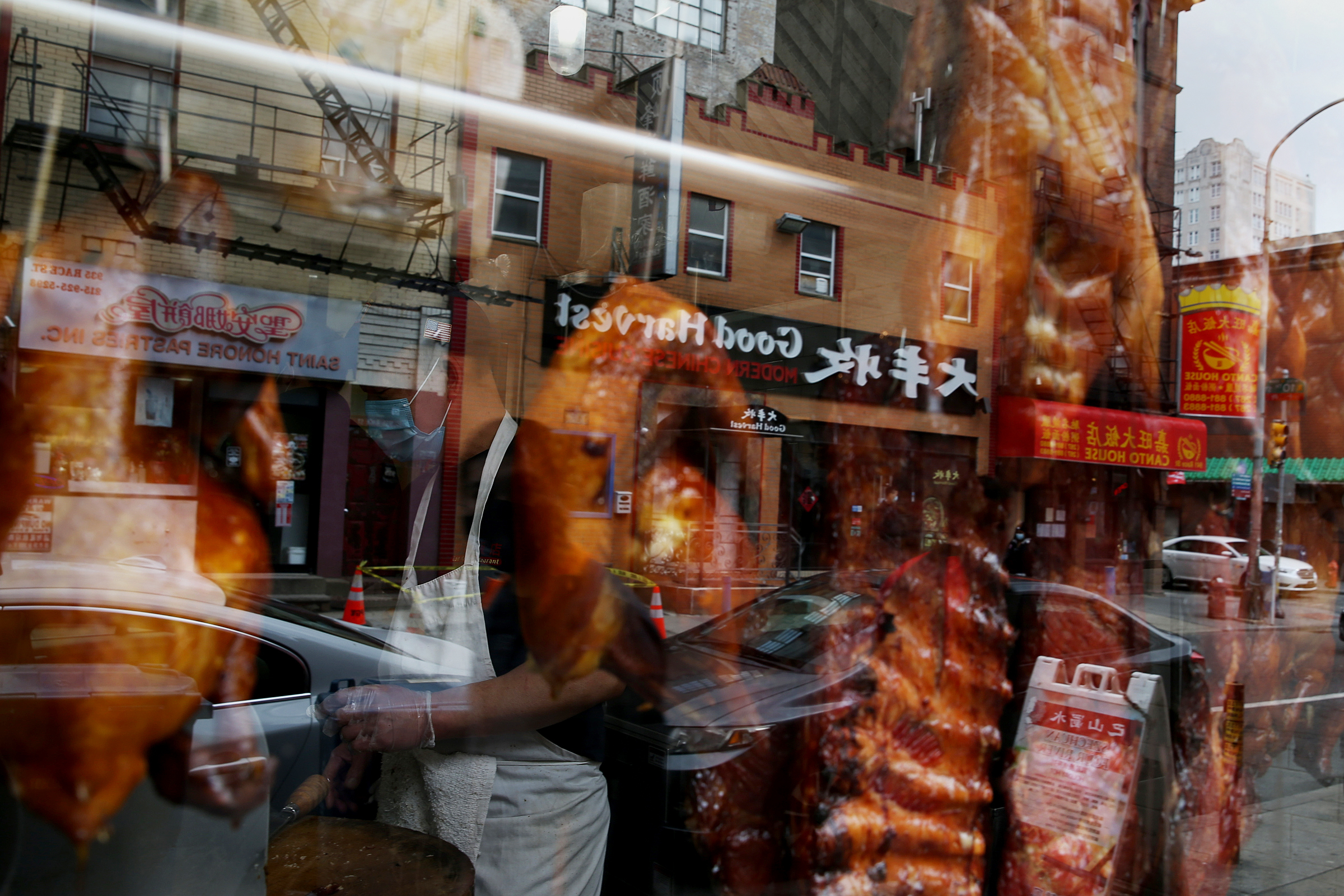
    And then we, the voracious duck eaters of Philadelphia, became the lucky ones. Liu and his family went independent in 2019 to claim their own little slice of Chinatown at Lau Kee, a cozy 20-seater with no decorations on the walls, but an absolute masterpiece display of Cantonese-style roasted meats hanging in the spotless front window.

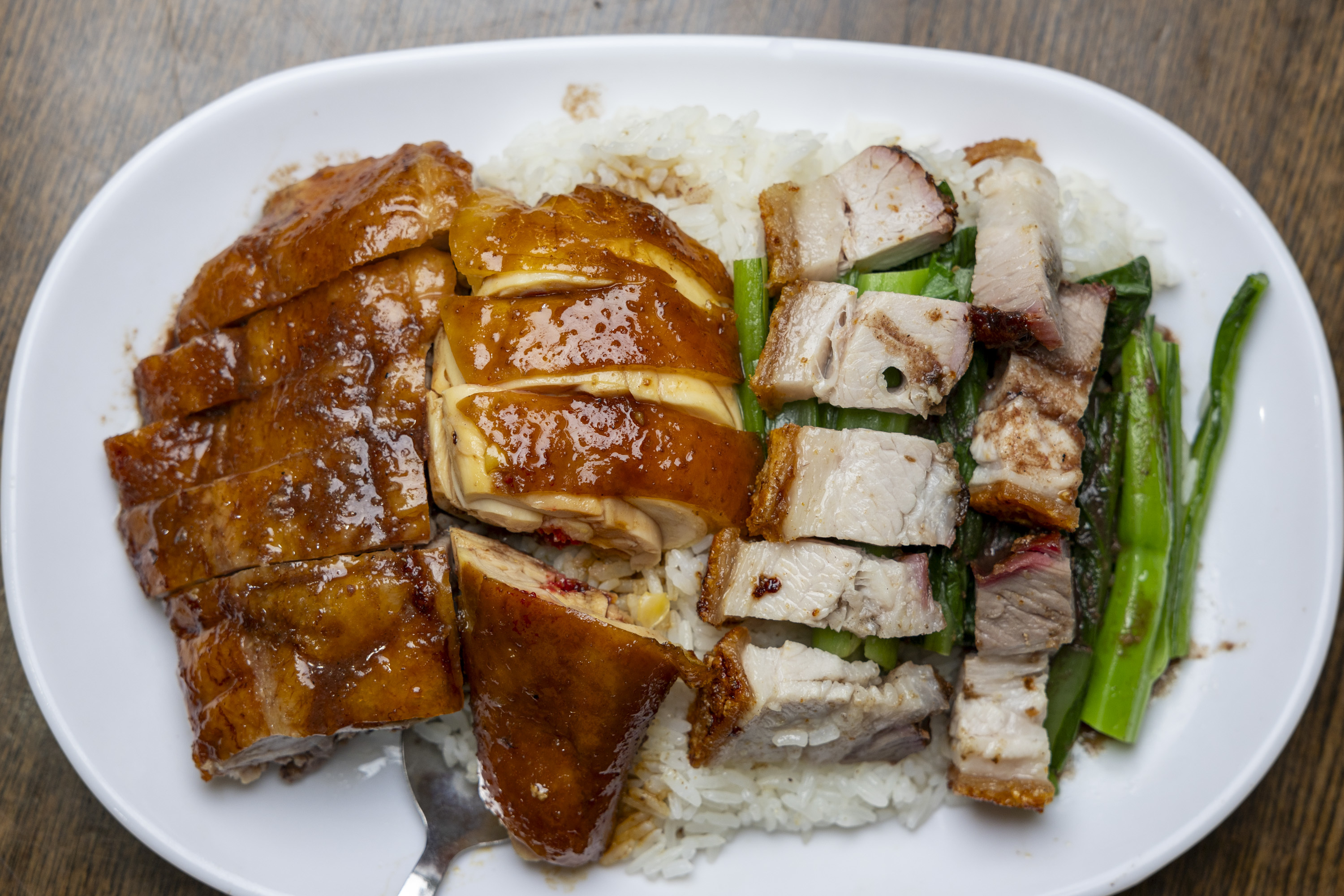
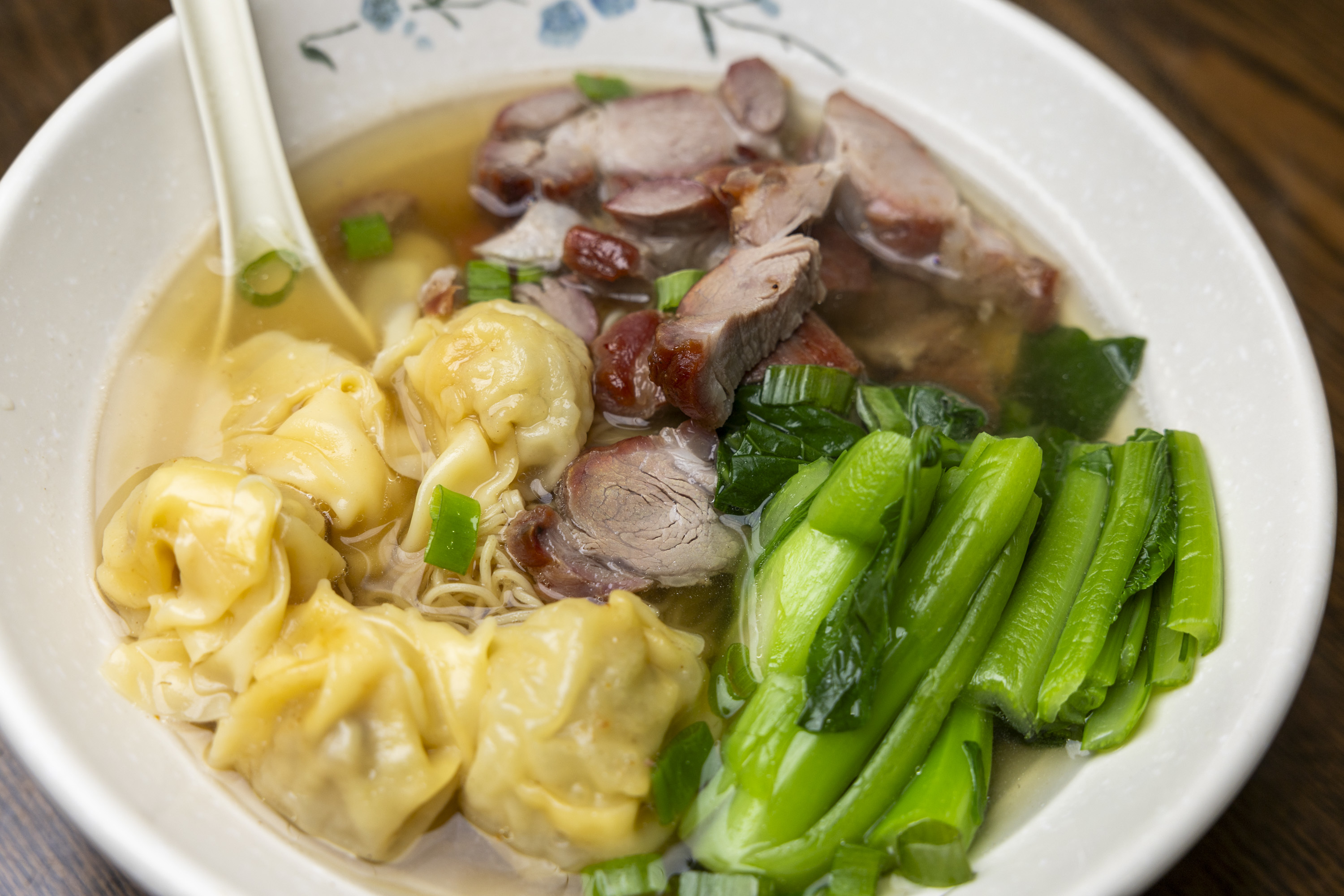
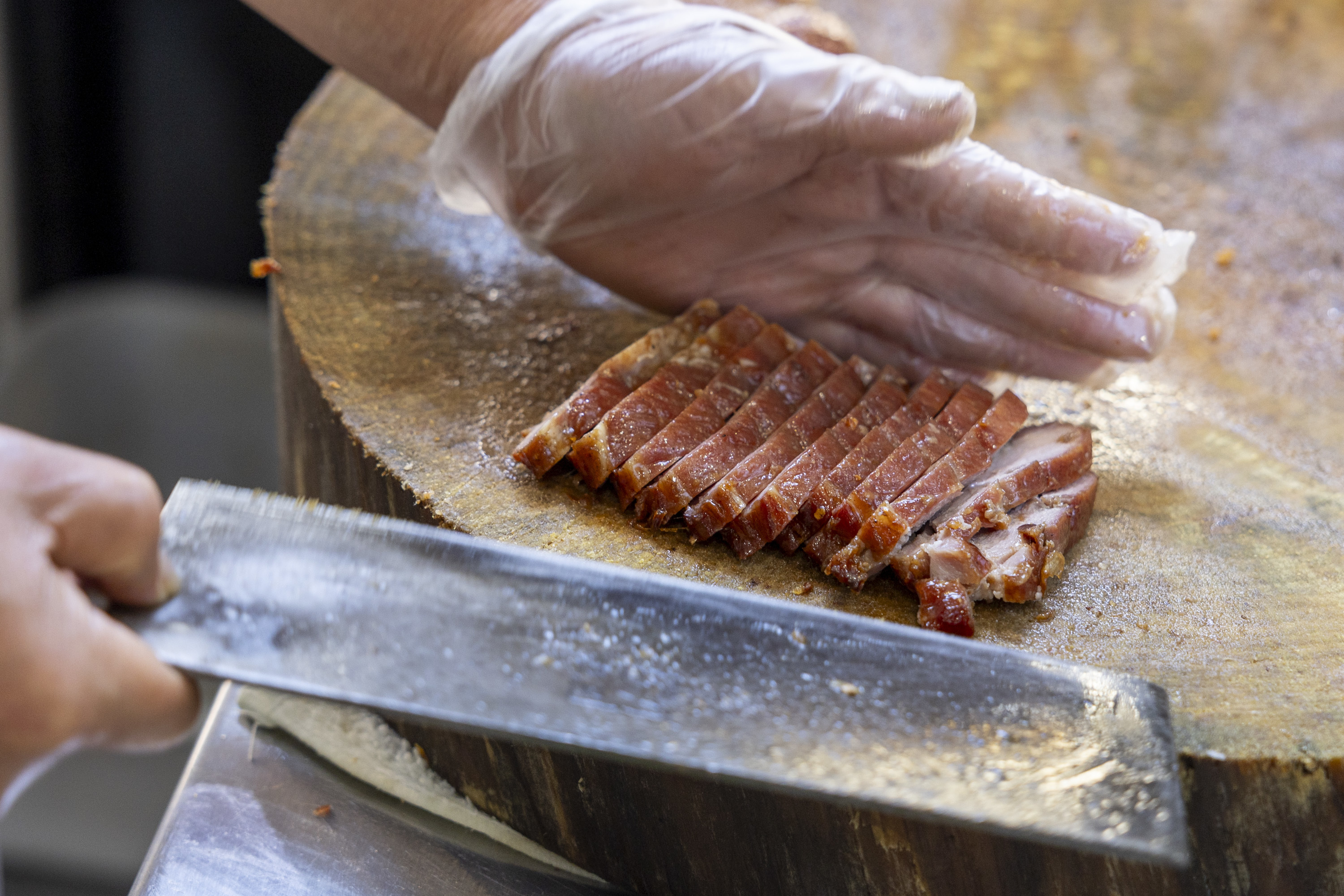
    Lacquered brown ducks dangle temptingly from hooks beside paper-wrapped bundles of whole chickens, pink-edged hunks of sweet char siu pork shoulder, and tawny sheets of pork belly, whose slow-rendered layers of pale meat, pearly fat, and cracker-crisp skin are simultaneously so moist, tender, and shatteringly crunchy, taking merely one bite is not an option.

    The three meat platter over rice at Lau Kee, in Philadelphia, Pa., on Friday, Aug. 7, 2026.Tyger Williams / Staff Photographer
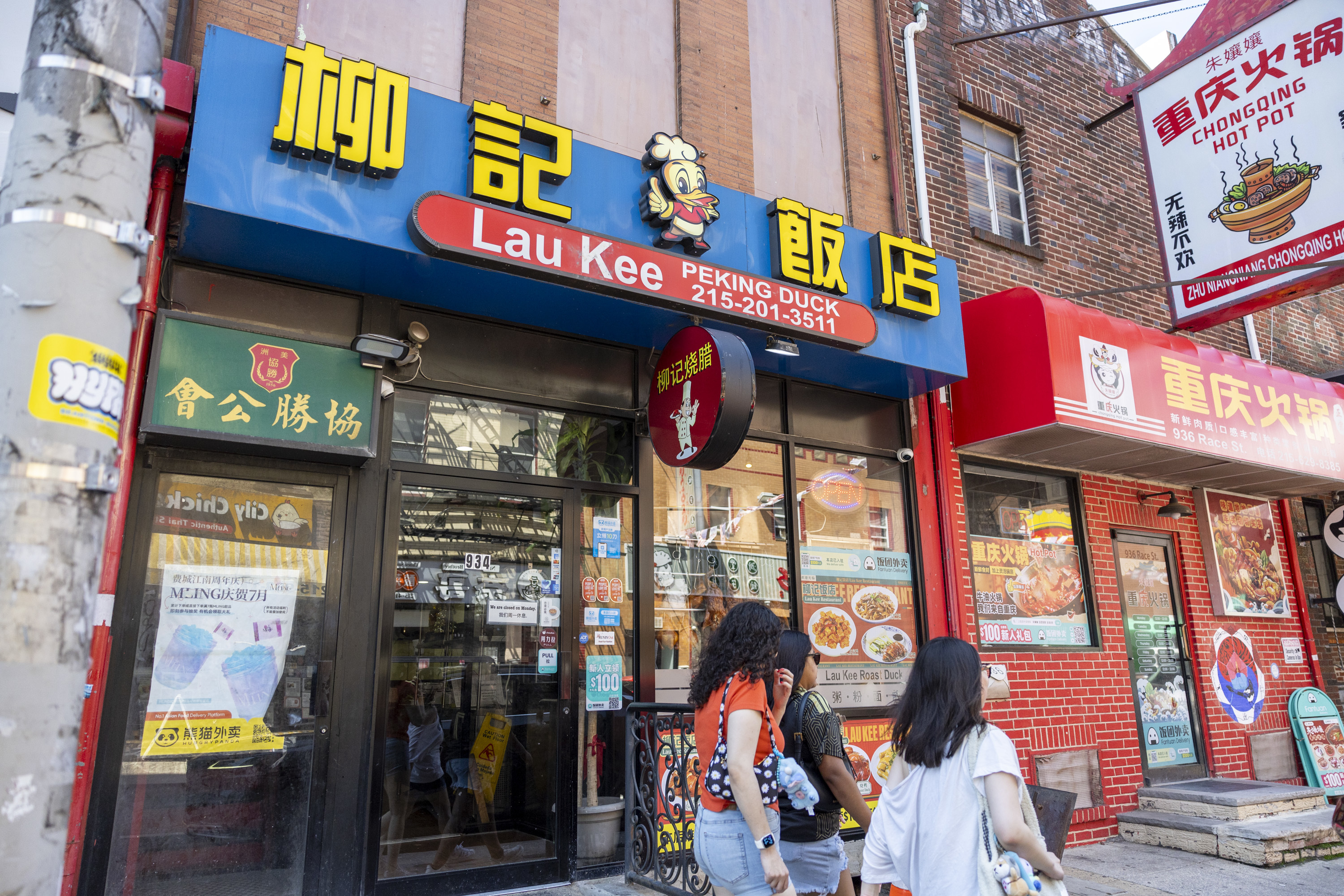
    Outside street view of Lau Kee, in Philadelphia, Pa., on Friday, Aug. 7, 2026.Tyger Williams / Staff Photographer

    There are other, larger, better-known duck houses in Chinatown with long-established and devoted patrons, from Ting Wong to M Kee, takeout-only Siu Kee, and, of course, Liu’s alma mater, Sang Kee.

    But with more than 31 years of experience and nearly half a million birds beneath his cleaver, Liu, now 55, is currently Chinatown’s longest-tenured duck chef — and also my vote for Philly’s best. As one of the very few chef-owners in the neighborhood, there is also an exceptional consistency in his insistence on doing things right.

    Just preparing the ducks is a laborious, dayslong process, beginning with inflating them with air to separate the meat from the skin. A gingery marinade with chee hou sauce (a fermented bean paste that’s less sweet than hoisin) comes next, followed by a hot water bath to open the skin’s pores, then a dunk in a vinegar-sugar glaze that dries overnight. The following day, the ducks are hung in a vertical oven over an open flame to roast low and slow as juices collect below for a final basting. And that’s just for the Hong Kong-style roasted duck, which always comes chopped on the bone.

    Chuien Liu, Owner of Lau Kee, is taking out the cooked ducks from the oven in Philadelphia, Pa., on Friday, Aug. 7, 2026.Tyger Williams / Staff Photographer
    A platter of Peking duck at Lau Kee, in Philadelphia, Pa., on Friday, Aug. 7, 2026.Tyger Williams / Staff Photographer

    The Peking-style duck is yet another process, involving a slightly sweeter marinade with a more pronounced five-spice savor plus a longer roast time to give that skin a delicate snap. At $30 for a half duck or $47 a whole bird, the sliced meat, served boneless alongside pancakes and scallions, is a delicious centerpiece for a sharing meal.

    If that’s too much of a commitment, Lau Kee makes appetizer-size duck rolls out of its copious duck trim — the perfect balance of tender meat, crunchy scallions, and dark hoisin — folded inside a soft pancake. A generous helping of shredded duck also stars in a stir-fry of snappy green beans tossed with ground pork and XO sauce. The earthiness of sliced duck and the roasted flavor of its skin also fully infuse the bowls of congee, whose rice porridge is regularly beaten to a snowy white mist and refreshed throughout the day so its texture remains airy and light. (“It’s almost fluffy,” opined my Inquirer colleague, Kiki Aranita, a noted congee scholar.)

    The shredded duck with string beans is pictured at Lau Kee in Philadelphia’s Chinatown on Thursday, April 1, 2021.TIM TAI / Staff Photographer
    The salt-baked chicken wings at Lau Kee are juicy, crisp and crackling with spice.Craig LaBan / Staff

    Other popular congee combinations contain thousand-year egg and pork, or sliced flounder mingled with ginger threads and scallion — options that are standard at a dozen other Cantonese kitchens across Chinatown.

    But it’s the subtle details of execution that make the difference in Lau Kee’s various soups, dumplings, stir-fries, and crispy delights. The battered crust on its salt-and-pepper shrimp in five-spice flavor might look heavy, but it’s as airy and crisp as tempura. Lau Kee’s juicy “salt-baked” chicken wings — which are actually perfectly fried — crackle with the spice of a crust infused with turmeric, cooking wine, and chili oil and easily rank among the city’s best.

    The broth in Lau Kee’s wonton noodle soup is crystalline gold yet complex, drawing subtle smoky depth from a lightly charred salt fish that steeps for five hours with chicken bones. The poached yu choy greens that bolster the soup are snappy yet toothsome, and Lau Kee’s wontons, made by Liu’s wife, Fannie Qiu, are special. The addition of mushroom adds tenderness to a shrimp-and-pork stuffing that elsewhere can become overly bouncy. Top the soup with any of the meats, but char siu is my favorite, the star anise sweetness of the pork’s glaze adding even more layers to the brew.

    Wonton soup with greens and roast pork at Lau Kee.Tyger Williams / Staff Photographer

    Those wontons are also perfect splashed with the vibrant orange house chili oil, defined more by its fragrance of dried chilies than numbing Szechuan peppercorns.

    Lau Kee’s shrimp dumplings are memorable, reminiscent of Sang Kee’s but softer, thanks to the addition of bamboo, and more fragrant from a pinch of curry. The West Lake beef soup is also one of my favorites, its hearty pairing of ground beef and silky tofu batons bobbing in broth sparkling with white pepper, delicate egg drop ribbons, and crunchy cilantro greens.

    Lau Kee’s dry noodle dishes are solid, though less exciting. The minimalist scallion noodles, bright with shredded fresh ginger, is one of my two picks. The sesame oil-laced crispy noodle basket topped with morsels of flounder is another, notable for its delicacy and dual-textured noodles, both crunchy around the edges and soft in the middle from a velvety white gravy. Other noodle standbys were fine but forgettable: a serviceable Singapore noodles, and a beef chow fun that lacked the smoky singe of wok hei.

    Fresh cut char siu pork shoulder at Lau Kee, in Philadelphia, Pa., on Friday, Aug. 7, 2026.Tyger Williams / Staff Photographer
    The Mongolian beef from Lau Kee in Chinatown.Craig LaBan / Staff

    That whiff of caramelized char was absolutely present on the Mongolian beef, whose frizzled onion laces and dried chile heat added umami and sneaky spice to the sweet hoisin. It’s a specialty that traveled well by takeout, along with some good Americanized classics, including General Tso’s chicken, whose tender nuggets were glazed in a sweet sauce that also flickered with chili oil.

    As a small business that needs every order (beyond the 250 ducks Chuien Liu sells each week), Lau Kee caters to the demands of a broad audience, and, to my mind, does many familiar dishes better than most.

    But there’s an uncommon specialty on this vast menu that points to a niche of Fujianese specialties I wish Lau Kee would embrace more fully. Liu’s wife has mastered the Fujianese art of fermenting Qinghong, a wine made from sticky rice laced with red rice yeast.

    The red vinasse before processing to turn it into sauce at Lau Kee, in Philadelphia, Pa., on Friday, Aug. 7, 2026.Tyger Williams / Staff Photographer

    As Kenneth Liu notes only half-jokingly, “My dad does not share his wine.” But the leftover lees, a crimson paste noted on the menu as “red vinasse,” is a valuable condiment that carries a fruity, fermented note and yeasty tang. It’s a transformative addition to Lau Kee’s stir-fry of chopped pig stomach with bamboo shoots. (The squeamish can order it instead with shredded pork meat.) There’s a toothy-yet-tender snap to the offal and an earthy undertone that harmonizes with the lightly boozy lees for a far more rewarding dish.

    The pig stomach with red vinasse at Lau Kee, in Philadelphia, Pa., on Friday, Aug. 7, 2026.Tyger Williams / Staff Photographer

    Considering the sizable community of Fujianese entrepreneurs who’ve moved to this region over the past two decades and opened everything from Americanized Chinese takeout windows to sushi restaurants and, yes, excellent Cantonese duck houses, there are precious few places showcasing traditional Fujianese food, an underrated regional cuisine. Since the closure of both Ming River Side Walk House and my other longtime 10th Street favorite, simply called “Chinese Restaurant” (aka Tai Jiang), I can no longer find delicate noodles in peanut sauce, fried taro cakes studded with pork, wok-fried baby oyster omelets, and Fujianese wonton soup with tiny dumplings no larger than a penny.

    Lau Kee doesn’t make them either, sadly, and even recently dropped another Fujianese specialty, drunken ribs, when Qiu’s brother retired from their kitchen. “[Fujianese cuisine] is not the fanciest food, and not everyone is willing to try,” says Kenneth Liu.

    Businesses are reflected in a window in front of roasted ducks at Lau Kee in Philadelphia’s Chinatown on Thursday, April 1, 2021.Tim Tai / Staff Photographer

    And yet, perhaps Philly’s diners would try if only they knew more of Lau Kee’s abilities to so beautifully represent their home region? My own enthusiasm was at least genuine enough to convince chef Liu to share a sample of his Qinghong wine stash.

    “Don’t drink it all at once — it’s strong!” he warned, showing me the small bowl from which he sips a chilled cup of Qinghong daily.

    I took a sniff. It was tart like crushed red berries. I took a taste: a fruity tang but also dry and pleasantly funky, not unlike a refreshing sherry. I took another sip, and one more. And I understood. No matter what Lau Kee’s menu says, or how many perfect ducks Chuien Liu roasts for his adopted hometown of Philadelphia, this descendant of Fujianese fishermen will never forget the taste of home.

    Qinghong, a Chinese wine made from fermented red rice, is made by Fannie Qiu for her husband, Chuien Liu, the chef-owner of Lau Kee in Chinatown, who used the leftover solids from the process to make Fujianese-style stir-fries.Craig LaBan / Staff

    Lau Kee

    934 Race St., 215-201-3511. Menu is posted on delivery apps.

    Open 9 a.m. to 8 p.m. Tuesday through Sunday for dine-in; until 9 p.m. for takeout.

    Wheelchair accessible via a small portable ramp.

    Not ideal for gluten-free diners. A small portion of the menu can be made gluten-free, but none of the roasted meats.

    BYOB

    Menu highlights: Roasted meats: Hong Kong-style roast duck, (boneless) Peking duck, char siu pork, crispy pig, soy sauce chicken; Peking duck rolls; sliced beef in scallion pancake roll; wonton noodle soup with roast pork; shrimp dumpling noodle soup; West Lake beef soup; congee with roast duck; ginger-scallion noodles; shredded duck with string beans and XO sauce; Mongolian beef; pig stomach with red vinasse; salt-baked chicken wings.

    The platter of Peking duck at Lau Kee, in Philadelphia, Pa., on Friday, Aug. 7, 2026.Tyger Williams / Staff Photographer
  • Another fixture of East Passyunk’s Italian dining legacy is on the market

    Another fixture of East Passyunk’s Italian dining legacy is on the market

    The tables at Mamma Maria’s have not been pushed aside for dancing in years, but the disco ball still hangs overhead.

    Still there, too, are the kitchen where Santa Maria “Mamma Maria” Chiavatti turned out feather-light gnocchi, the dining room where waiters carried trays of flaming sambuca, and the upstairs studio where Chiavatti taped a TV cooking show whose first guest in 1999 was Mayor Ed Rendell.

    Santa Maria Chiavatti and family enjoyed a 28-year run at Mamma Maria’s.Tyger Williams / Staff Photographer

    Now the collection of buildings that housed the East Passyunk restaurant for nearly three decades is for sale, marking the end of one of the Avenue’s more colorful links to its ′90s/’00s Italian-restaurant resurgence.

    The former restaurant, closed for six years, is spread across three adjoining buildings on Passyunk Avenue and Jessup Street, all with apartments above. The asking price for 1637 E. Passyunk Ave., which houses one of the dining rooms, and 1632 S. Jessup St., which contains the kitchen, is $1.5 million. The building housing the other dining room, at 1639 E. Passyunk Ave., is offered for $2 million.

    “The kitchen is still set up,” said Albert Perry of Century 21 Advantage Gold, who has the listing with Dave Lombardo. “When we went to the property for the listing appointment, I was sent home with food.”

    A portrait of Claudio and “Mamma Maria” Chiavatti hangs in the shuttered restaurant.Tyger Williams / Staff Photographer

    Mamma Maria’s, which opened in 1992 and expanded into the adjoining property the following year, closed in 2020. But the Chiavattis said they couldn’t bring themselves to sell until now.

    “We want to give somebody the chance to have what we had, but with their vision,” said Maria’s daughter Paola Chiavatti. “Our era is ending, and a new era can begin.”

    A ‘vacation’ stop in Philadelphia

    The Chiavattis’ Philadelphia era began almost by accident.

    Maria and her husband, Claudio, came to the United States from Italy in 1992 for what their children believed was a vacation. The couple had already spent years in the restaurant business in Italy and Canada, and the family thought they had retired.

    Maria Chiavatti serving food outside of the East Passyunk Avenue restaurant in 2012. Glamorosi

    Then, while visiting relatives in Philadelphia, Claudio spotted a closed restaurant on East Passyunk Avenue and noticed the municipal parking lot across the street.

    “I said, ‘Yes, but it isn’t your parking lot,’” Maria recalled.

    Claudio’s answer was simple: “But it is there.”

    The couple rented the building and opened Mamma Maria’s. Three months later, Claudio questioned why they were paying rent when they could buy it.

    “That’s exactly what we did,” Maria said. “We bought it and made it beautiful.”

    Photos of Santa Maria Chiavatti and her daughter Paola on the mantel at Mamma Maria’s.Tyger Williams / Staff Photographer

    They built the menu around the food Maria knew from Abruzzo.

    Paola, meanwhile, was still in Italy, working as an interpreter and language teacher. Her sister, Myrna, and brother, Gianni, came to visit their parents. Before long, everyone in the immediate family was in Philadelphia, except Paola.

    That same year, her parents invited her over, ostensibly for a relative’s birthday party. Claudio picked her up at the airport and drove her to East Passyunk Avenue. She walked into the restaurant and saw a banner: “Welcome, Paola, to Mamma Maria’s.”

    Mamma Maria’s memorabilia in the restaurant.Tyger Williams / Staff Photographer

    Claudio told her that he and Maria had fallen in love with the neighborhood and the city. The restaurant, he said, would be something for their old age.

    Paola said she understood what was expected of her. Arrivederci, Italy.

    “Thirty-four years later, here I am,” she said.

    The rise of Mamma Maria’s

    Mamma Maria’s was a family operation in the most literal sense. Maria cooked. Claudio hosted, baked, prepped, and made sauces. Paola and Myrna worked the dining room.

    For much of its run, Mamma Maria’s was known for an enormous fixed-price meal: antipasto, soup, multiple pastas, meat and seafood entrees, salad, vegetables, potatoes, and a dessert cart loaded with cakes, cannoli, and other sweets.

    Wine was complimentary. So, at first, was flaming sambuca, served while an accordion player named Mario circulated among the tables.

    “You sat down and you felt like you were having Christmas dinner or New Year’s Eve dinner at your house,” said Lilla Amico-Carlomango, Maria’s oldest granddaughter, who worked at the restaurant with sisters Dalia and Chiara Amico. “The staff, the clients, everybody was so happy to be here that it created one big family.”

    Shortly after it opened, Inquirer food critic Elaine Tait described the cooking as “homey, not haute, cuisine, the likes of which you might find cooked by someone’s talented Italian mom.”

    The column by Jim Quinn in The Inquirer’s Sunday magazine on Aug. 9, 1992, that helped launch Mamma Maria’s.Newspapers.com

    Inquirer columnist Jim Quinn was similarly enthusiastic. Maria didn’t know Quinn from Adam when someone told her there was a man from the newspaper in the dining room. “I said, ‘So what?’” she recalled.

    After he returned three days in a row, she finally approached him.

    “Sir, you really love my place,” she told him.

    In 1997, an electrical fire forced the restaurant to close for eight months.

    “In the restaurant industry, eight months is murder,” Paola said.

    Mamma Maria’s reopened with a fundraiser for the Leukemia Society of America.

    Santa Maria Chiavatti in September 1999 on the set of her food show during its launch party. The show aired throughout the Philadelphia region. Michael S. Wirtz / Staff Photographer

    But one tradition did not return. The blaze was unrelated to the drinks, but Paola had lost her enthusiasm for open flames in the dining room, and the flaming sambuca was 86ed.

    Two years later, Mamma Maria’s expanded to television. In 1999, the family bought a weekly half-hour slot on the Food Network for a self-produced program, Cooking With Mamma, Old World Secrets.

    The show was taped in a studio kitchen above the dining room, with Rendell as Maria’s first guest. Maria used her maiden name, Di Marco, because the family thought it would be easier for viewers to pronounce.

    A video of “Mamma Maria’s” cooking show, featuring Mayor Ed Rendell, was televised during the 1999 launch party at the restaurant.Michael S. Wirtz / Staff Photographer

    Back at the restaurant, the fixed-price format endured. Claudio’s death in 2005 hit the family hard, as did the recession in 2008. In 2010, after 18 years of belt-stretching meals, Mamma Maria’s began allowing à la carte dining Monday through Thursday.

    Life after the restaurant

    Then the pandemic arrived.

    Mamma Maria’s closed in 2020, along with the family’s food-truck operation. By the time restrictions had eased enough for the family to consider reopening, Maria’s health had become the priority.

    Paola faced a choice: return to the all-consuming work of running a restaurant or help care for her mother.

    “Restaurants, we’ve had many in our lives,” she said. “Mother, you only have one.”

    The family hosted private events in the meantime. Now 79 and feeling fine, Maria is preparing to sell the property and, with her family, take Mamma Maria’s into another form.

    Santa Maria Chiavatti (right) with three generations (from left): Great-granddaughter Paolina Carlomango, granddaughter Lilla Amico-Carlomango, and daughter Paola Chiavatti in the restaurant on Aug. 5, 2026.Tyger Williams / Staff Photographer

    She has boxes of handwritten recipes, including dishes passed through the family for generations. She is working on an Italian-language cookbook, while Paola and Lilla are helping to translate, organize, and photograph the recipes. They envision a series of cookbooks and possibly a line of pasta, sauces, and Maria’s homemade limoncello.

    That last item would be a particularly natural extension of Mamma Maria’s, Perry said.

    “When you went to Mamma Maria’s, you were drinking limoncello whether you intended to or not — and usually you wanted to.”

    For Maria, selling the buildings means giving up the restaurant, not the work that grew out of it.

    “Just because the restaurant is finished,” she said, “doesn’t mean I’m finished.”

    “Just because the restaurant is finished doesn’t mean I’m finished,” says Santa Maria “Mamma Maria” Chiavatti.Tyger Williams / Staff Photographer