If you spent the summer out of town (or off the grid), you may have missed a busy few months on the restaurant scene. Philadelphia-area newcomers include a Milan-inspired aperitivo bar in Rittenhouse, Japanese barbecue on the Main Line, and two corner bars in Point Breeze.
Here are 12 noteworthy restaurants that opened in the last few months.
Academy Grill (424 S. Bethlehem Pike, Fort Washington): This white-tablecloth restaurant in the former Cantina Feliz near Germantown Academy serves house-made pastas, seafood, steaks, and contemporary American dishes in a polished, decidedly grown-up setting.
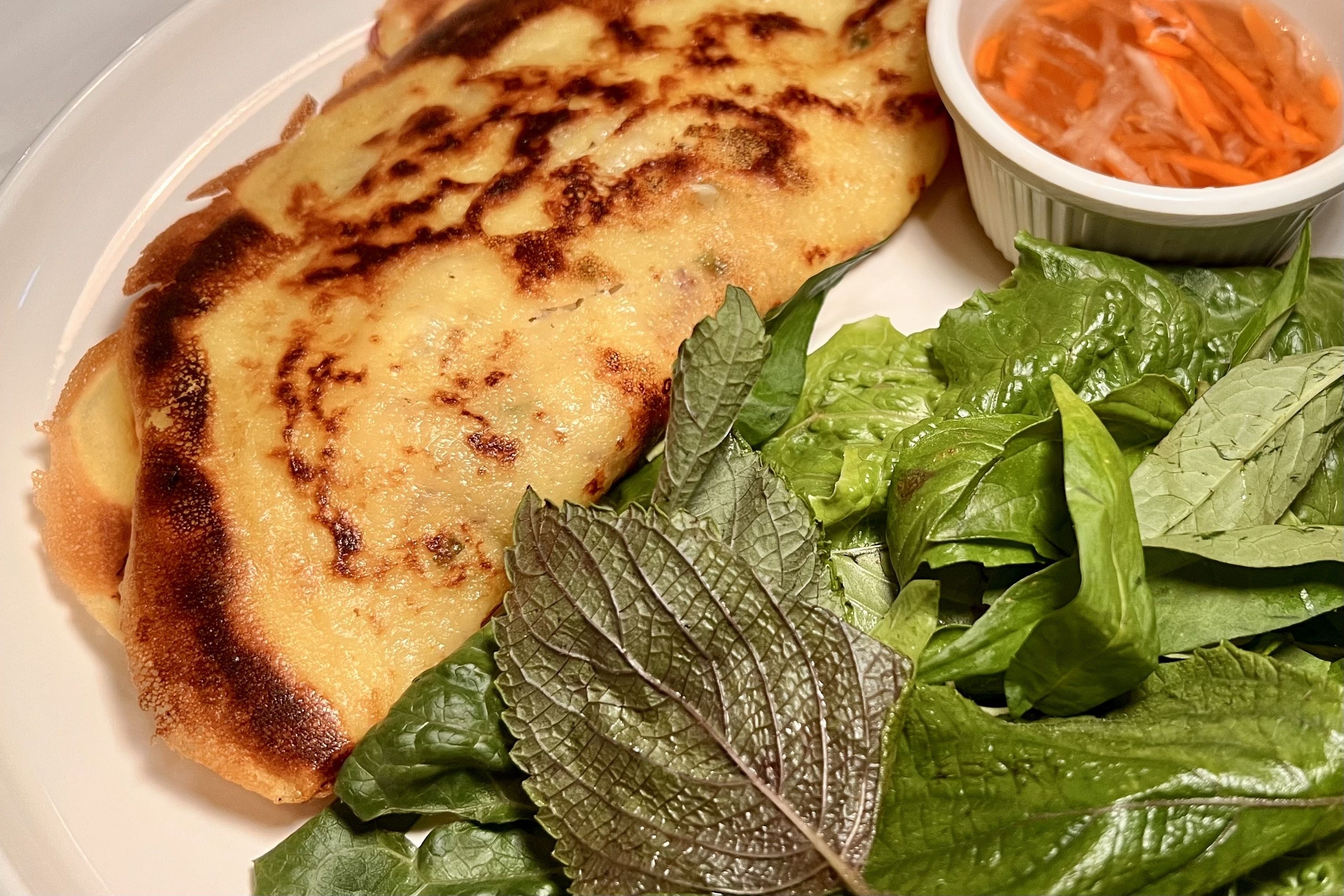
Bánh xèo at Anh Em, 1252 S. 21st St.Michael Klein / Staff
Anh Em (1252 S. 21st St.): Pho, bánh xèo, and 24 local beers meet at Anh Em, a Vietnamese bar-restaurant at 21st and Titan Streets in Point Breeze from Victor Nguyen and Anna Huynh. Nguyen draws on dishes the husband-and-wife team grew up eating, while the 20-seat bar gives the neighborhood spot an unusually deep commitment to locally brewed beer.
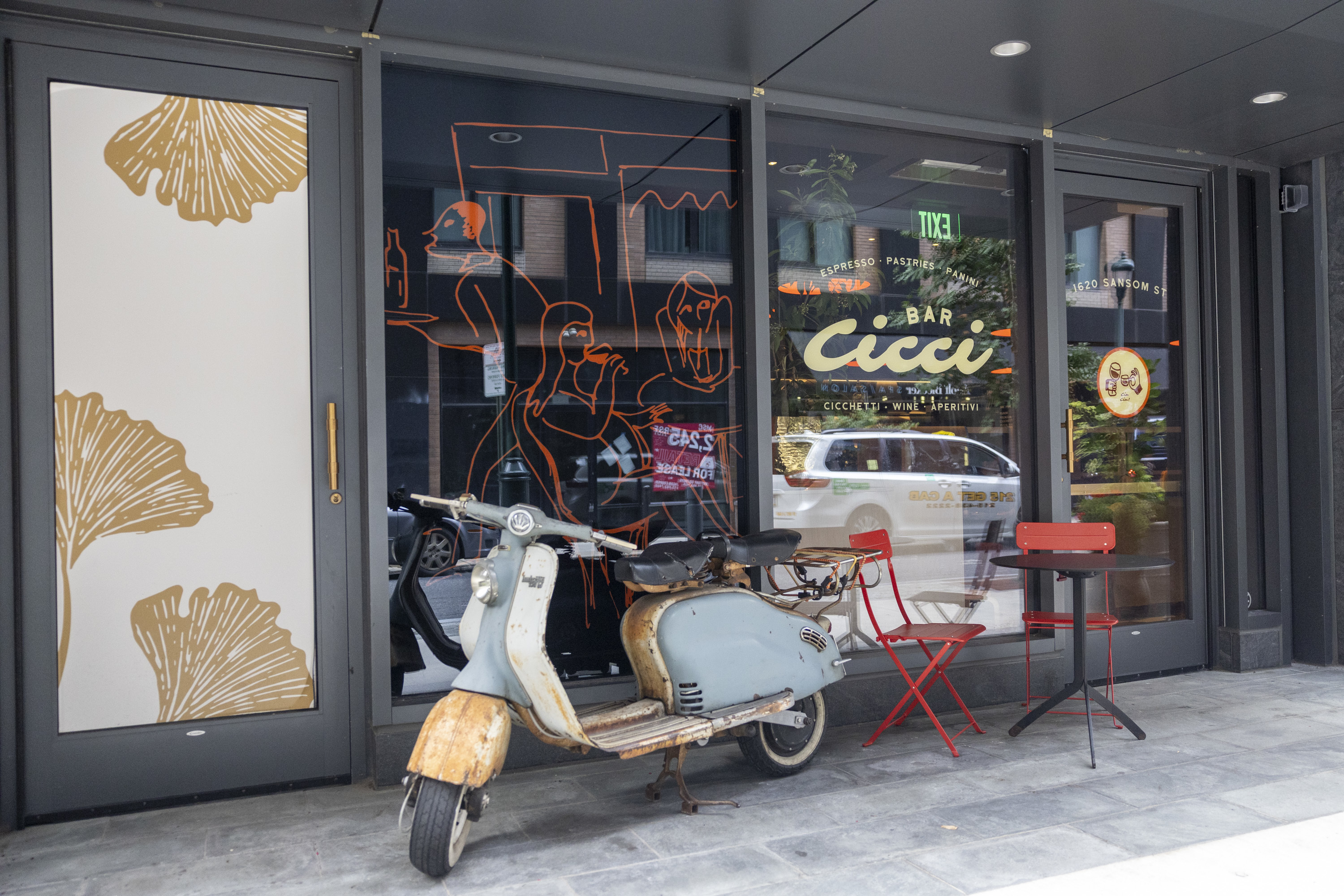
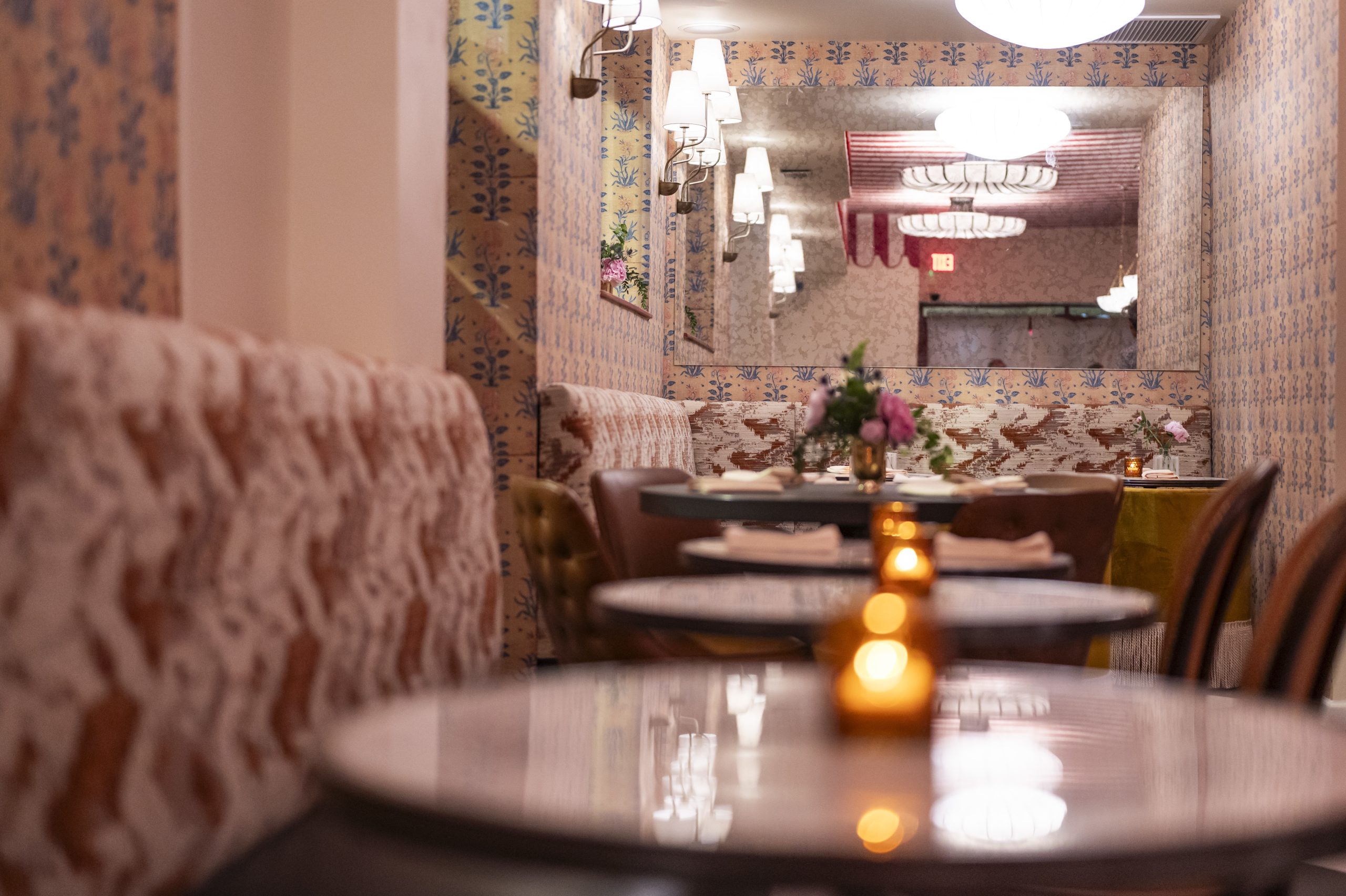
Bar Cicci (1620 Sansom St.): Ellen Yin’s 30-seat, Milan-inspired spot starts with espresso and Italian pastries, moves into sandwiches at lunch, then shifts to spritzes, wine, cicchetti, and small plates at night. The Rittenhouse newcomer is High Street Hospitality’s take on northern Italy’s all-day aperitivo culture.
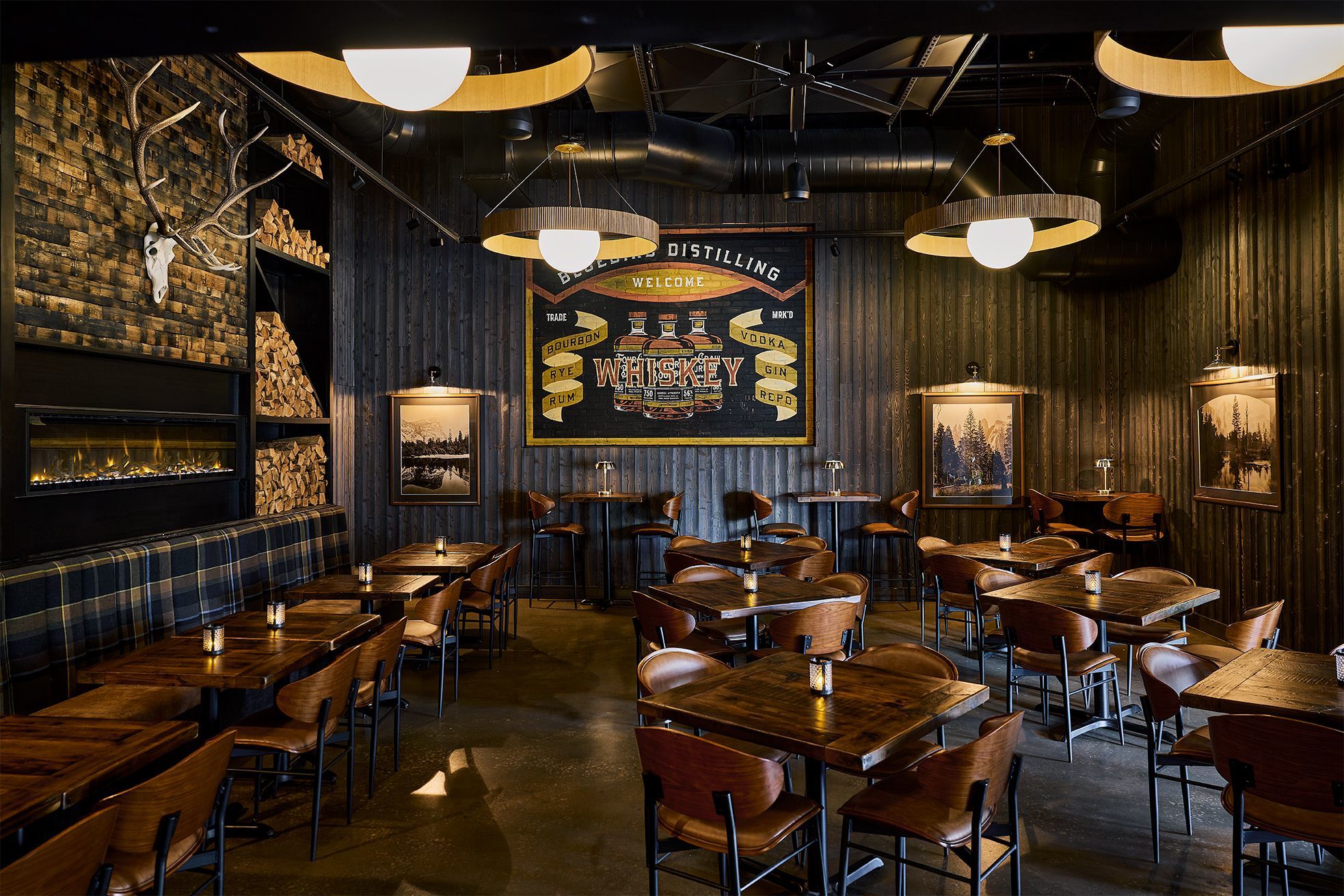
Bluebird Distilling in Phoenixville.Photos courtesy of Ed Newton
Bluebird Distilling & Dough House (100 Bridge St., Phoenixville): A $2.2 million investment turned Bluebird’s Bridge Street distillery into a full-fledged restaurant. Executive chef Devon Migeot, whose resumé includes Zahav and Laser Wolf, centers the expanded food program on naturally fermented neo-Neapolitan pizzas, house-baked breads, shareable plates, and, naturally, Bluebird cocktails.
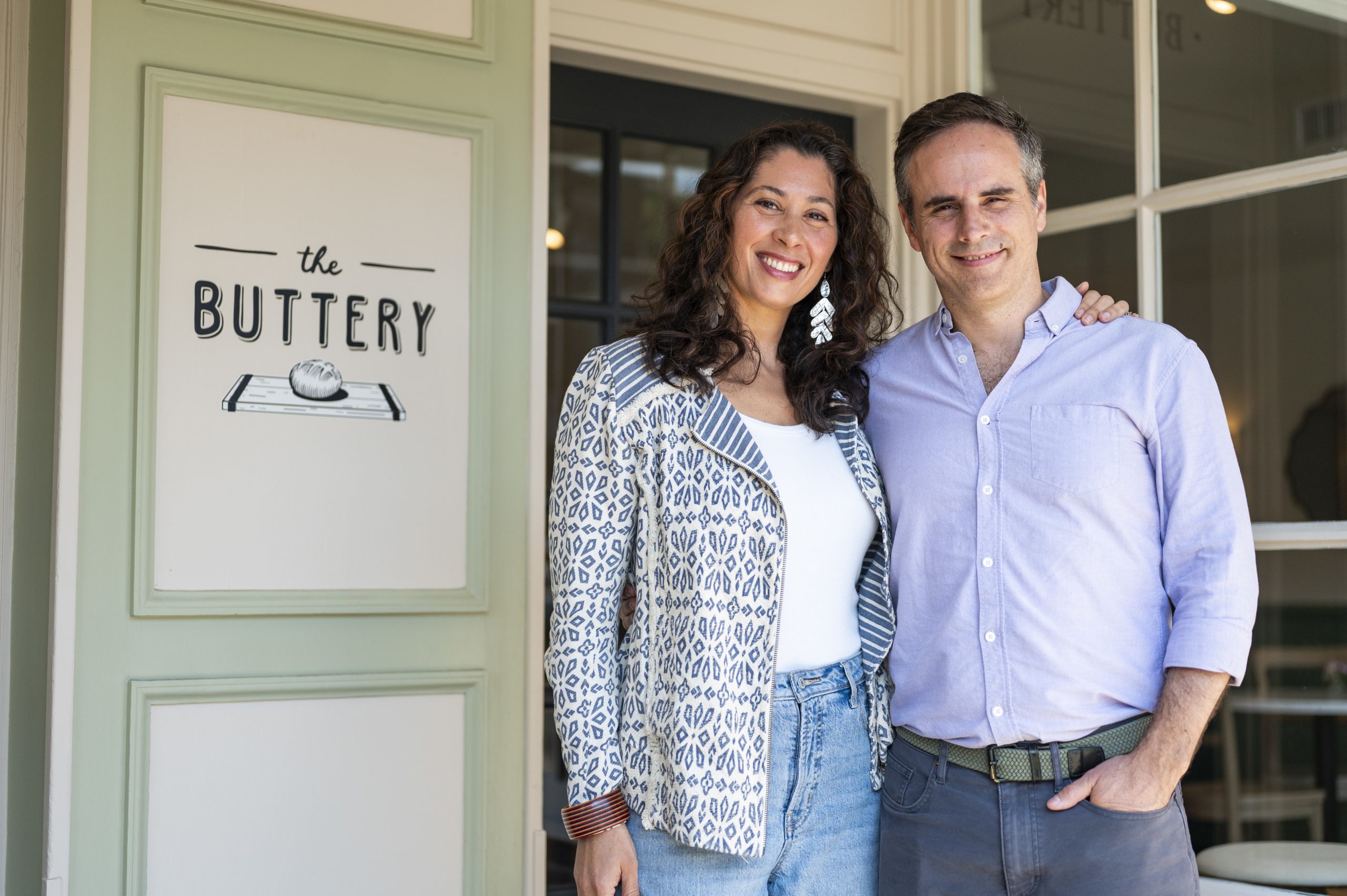
Silenia and John Rhoads, owners of the Buttery in Bryn Mawr.
The Buttery (836 W. Lancaster Ave., Bryn Mawr): John and Silenia Rhoads’ third location is an 82-seat bakery-cafe on Lancaster Avenue, where the Malvern-incepted operation’s sourdough breads and house-made pastries share the menu with breakfast dishes, sandwiches, and seasonal fare from its all-day scratch kitchen.
Known Associates at 10th and Spruce Streets.
Known Associates ( 941 Spruce St.): Chef Christopher Kearse’s Washington Square West cocktail bar does not treat the food as an afterthought. The former Varga Bar at 10th and Spruce is a 40-seat room where cocktails accompany a concise, European-influenced menu of a dozen savory dishes.
Lillian’s at 19th and Mifflin Streets.Monica Herndon / Staff Photographer
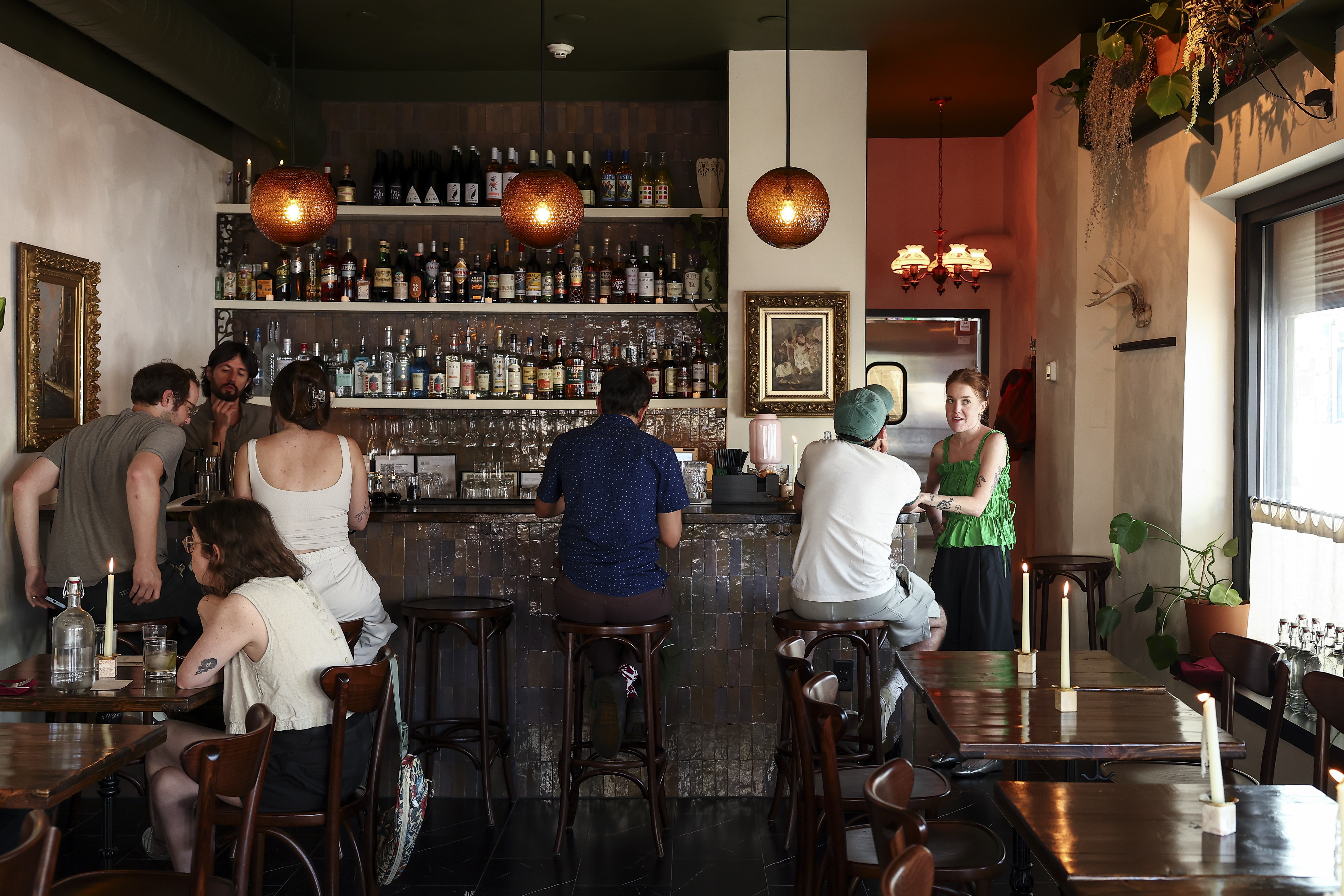
Lillian’s (1900 S. 19th St.): Even the chef isn’t permanent at Sam Ahern’s parlorlike cocktail bar/bistro at 19th and Mifflin Streets, whose kitchen rotates among guest chefs. The residency model gives each cook a temporary restaurant within the restaurant — and gives this Point Breeze newcomer an ever-changing menu.
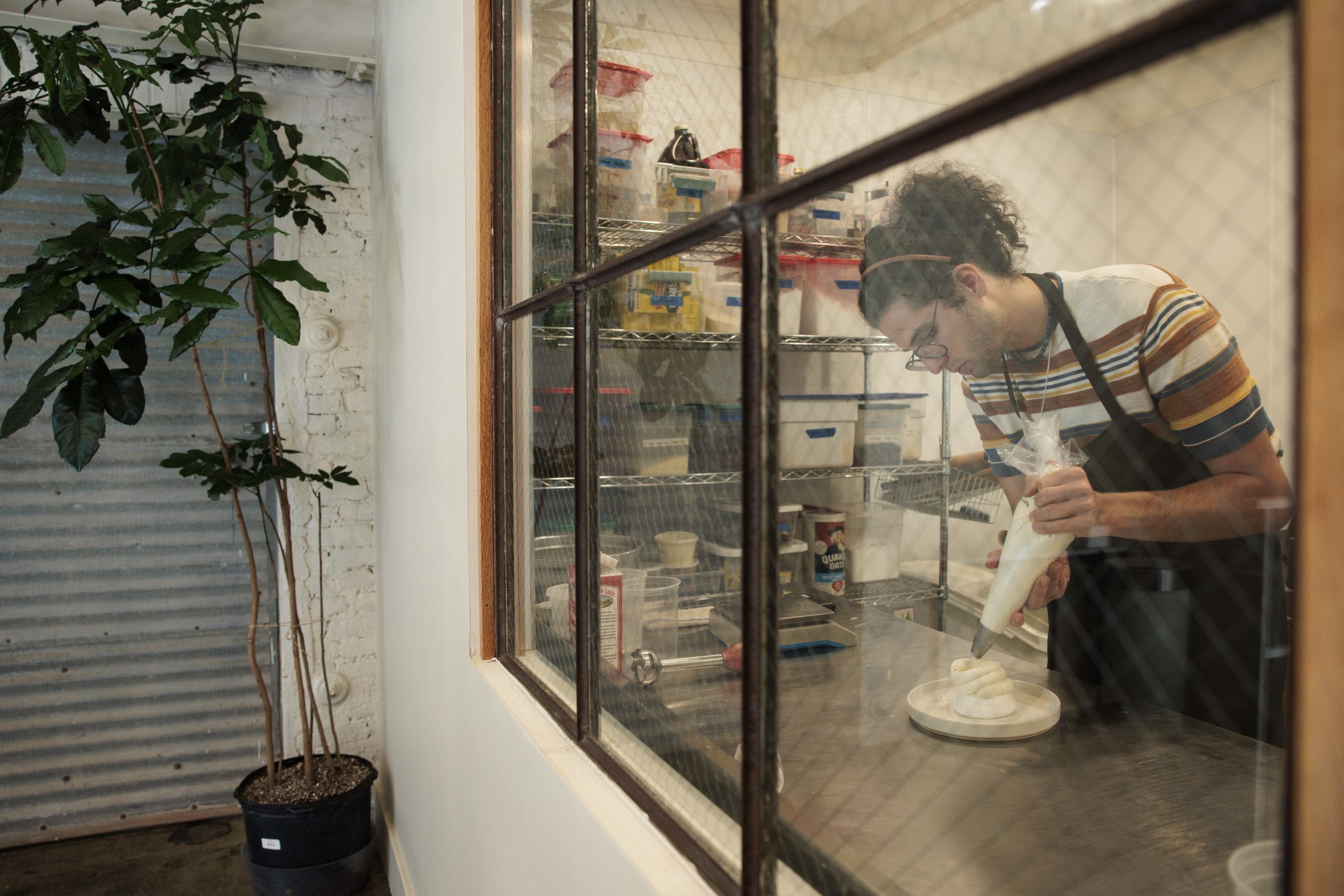
Saif Manna works on a pavlova at Manna Bakery.Monica Herndon / Staff Photographer
Manna Bakery (110 W. Berks St.): Five years and countless farmers market appearances later, Saif Manna’s Temple dorm room project has moved into the former Essen Bakery in Kensington. Manna draws on his Palestinian heritage for Levantine pastries and savory dishes in a comfy cafe setting.
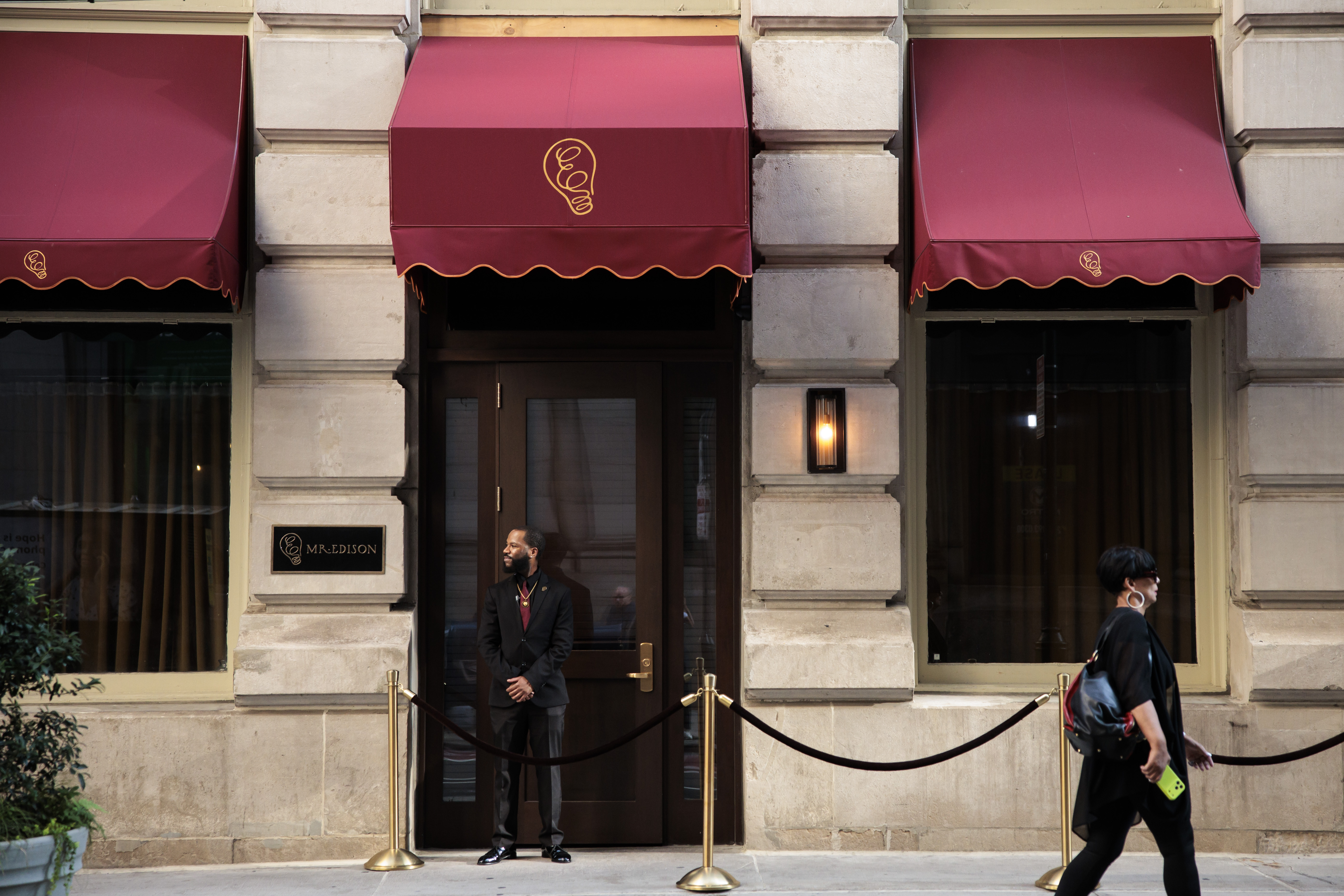
Mr. Edison in the Bellevue Hotel.Monica Herndon / Staff Photographer
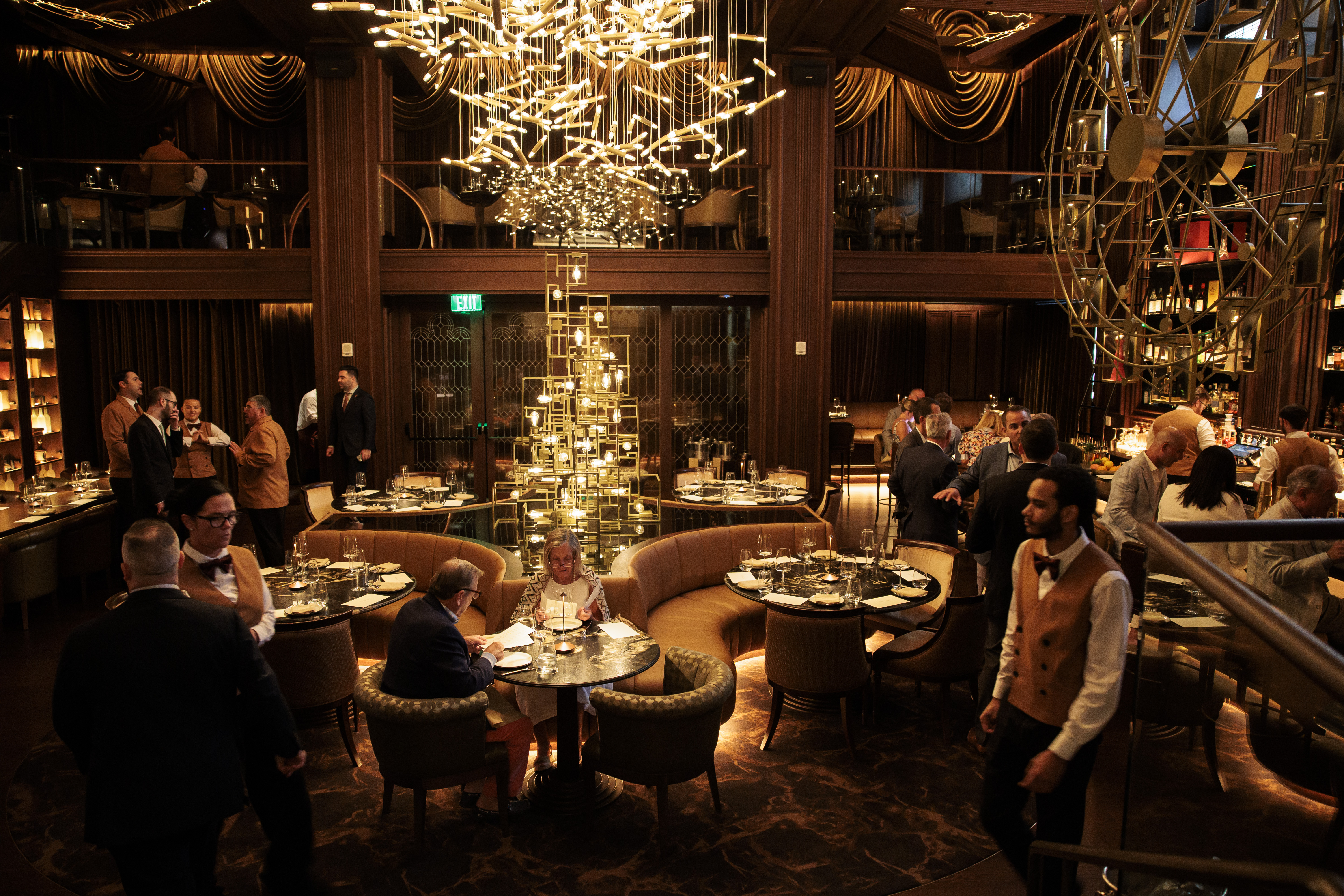
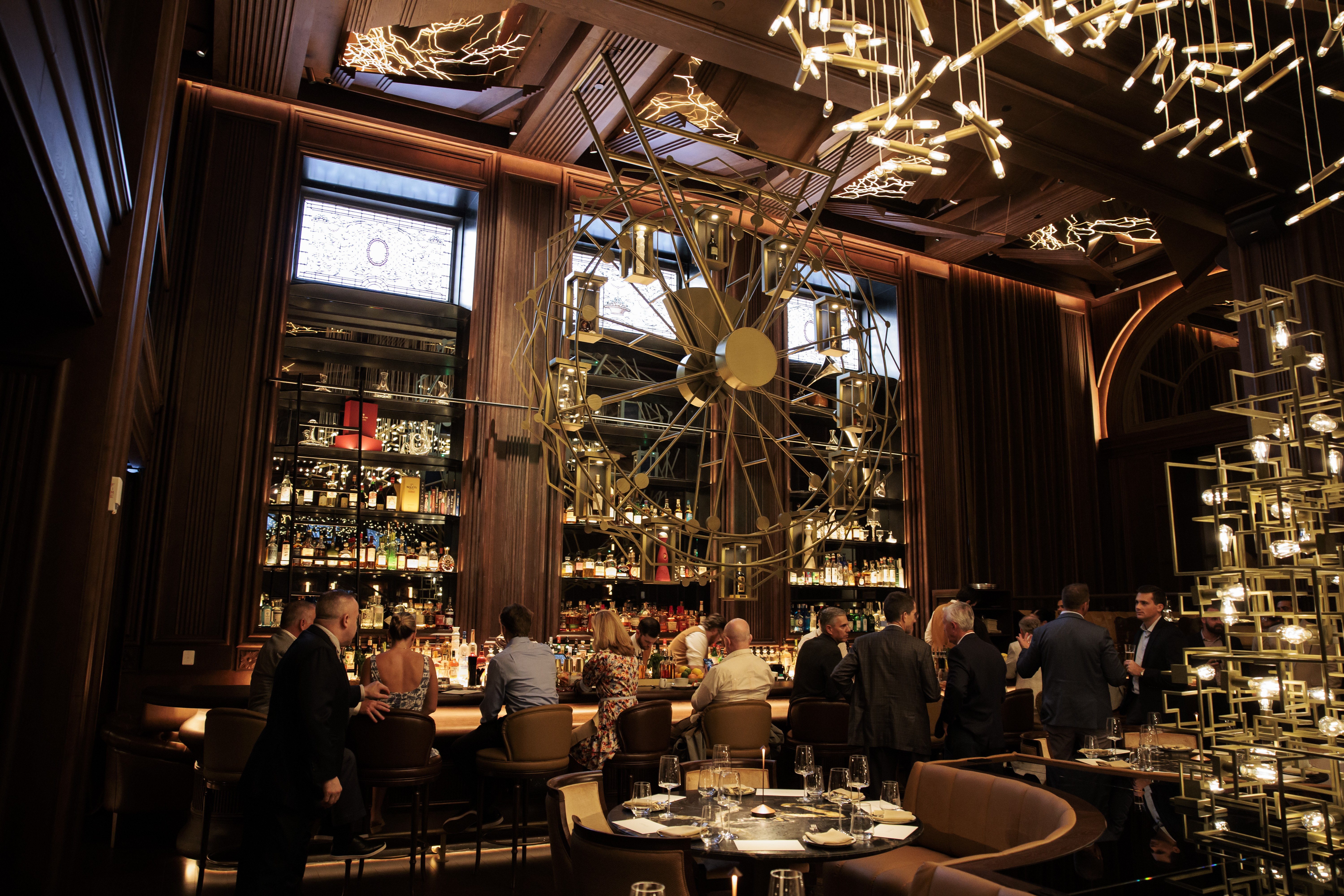
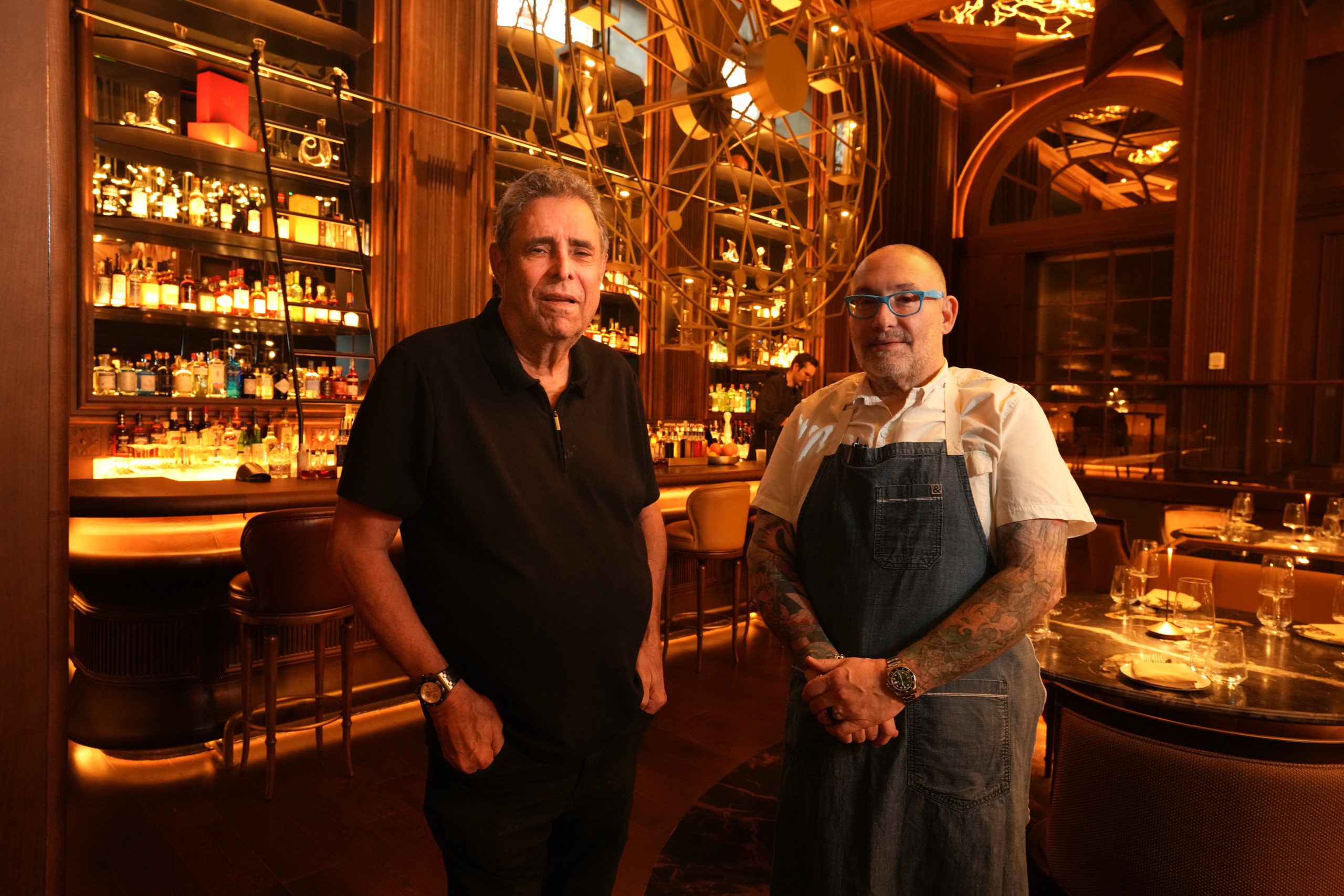
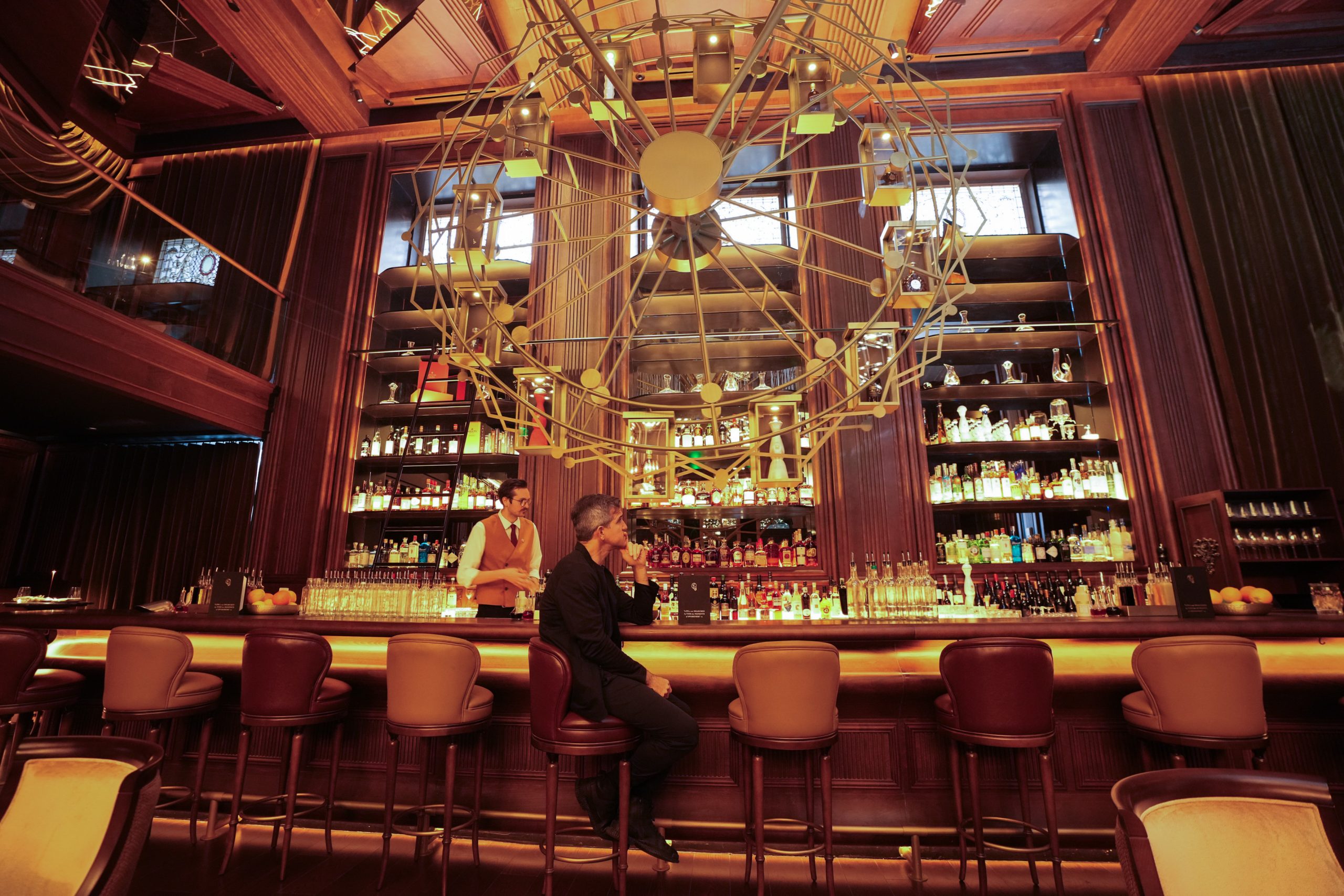
Mr. Edison (1400 Walnut St.): There’s a Ferris wheel carrying liquor behind the bar at Mr. Edison, which gives some idea of the production. Veteran restaurateur Jeffrey Chodorow’s Philadelphia debut is a theatrical Bellevue supper club where chef Matt Levin’s cooking shares a two-story room with live music, dramatic lighting, and plenty of visual spectacle.
Ogyu Japanese BBQ in Ardmore.
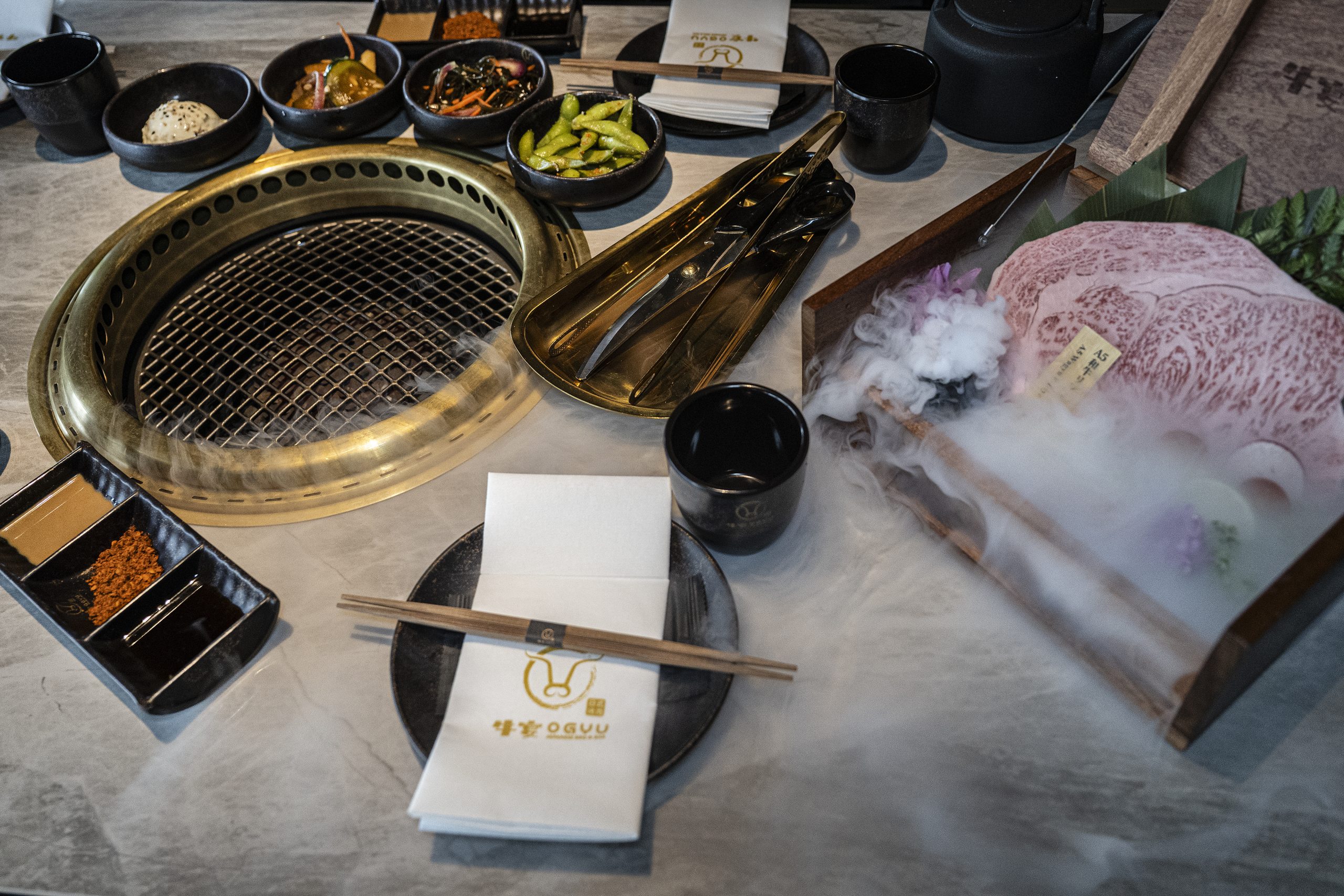
Ogyu Japanese BBQ (60 Greenfield Ave., Ardmore): Sam Li turned Ardmore’s former Iron Hill Brewery into a sprawling yakiniku restaurant built around the grill at each table. Diners cook wagyu and other meats themselves — or enlist a server — choosing among fixed-price packages and à la carte options in a dramatically remodeled space with private dining rooms and a full bar.
The latke, egg, and cheese sandwich at Schmaltz.
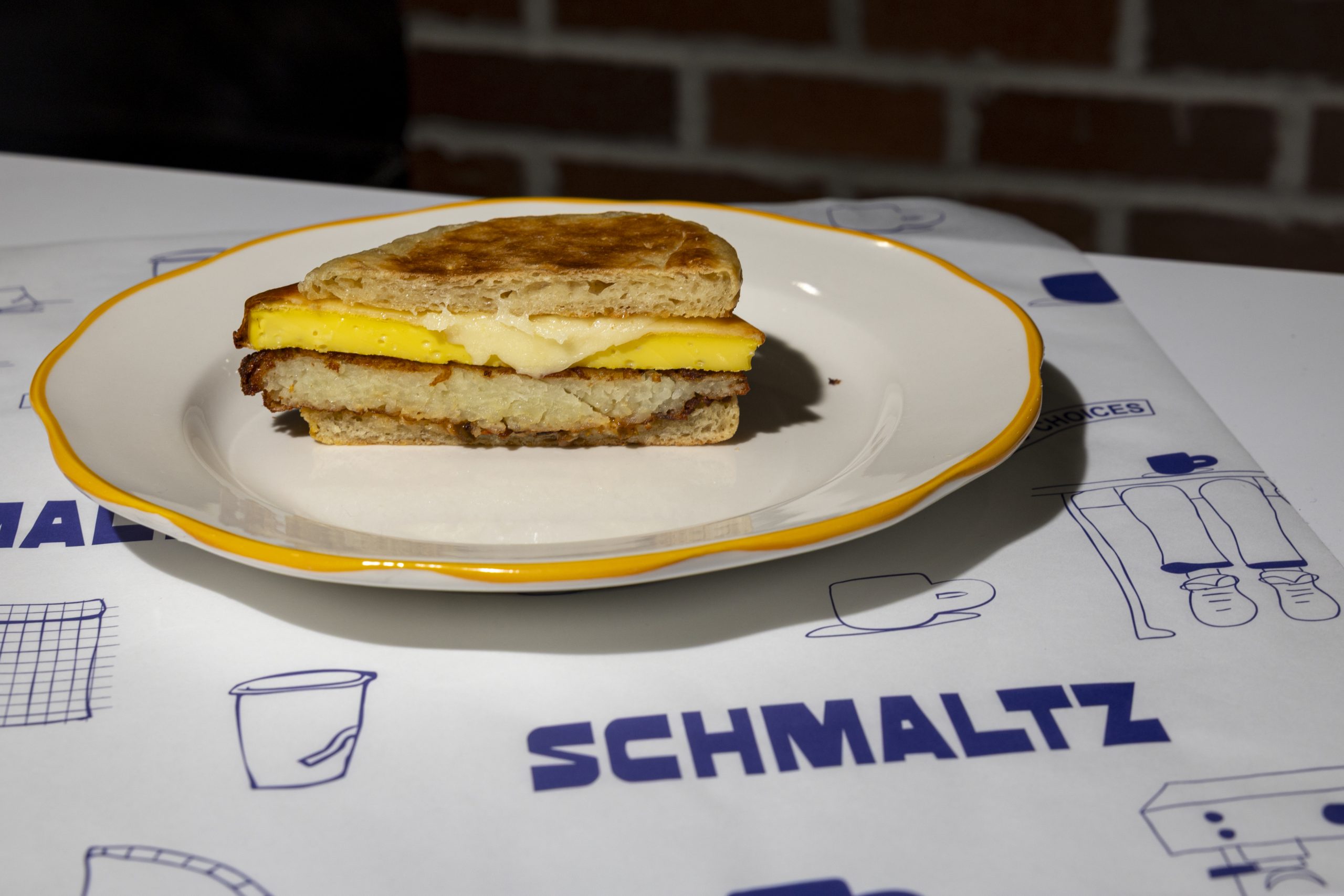
Schmaltz (1300 S. 18th St.): This Jewish-inspired breakfast-and-lunch cafe serves latkes, cheese blintzes, egg sandwiches — and no bagels. Jeremy Asch and Abby Armstrong opened the Point Breeze corner spot with chef Sam Chertock, whose deliberately compact menu includes latke, egg, and cheese sandwiches on house-baked English muffins.
Outdoor dining at Soufiane at the Morris.Elizabeth Robertson / Staff Photographer
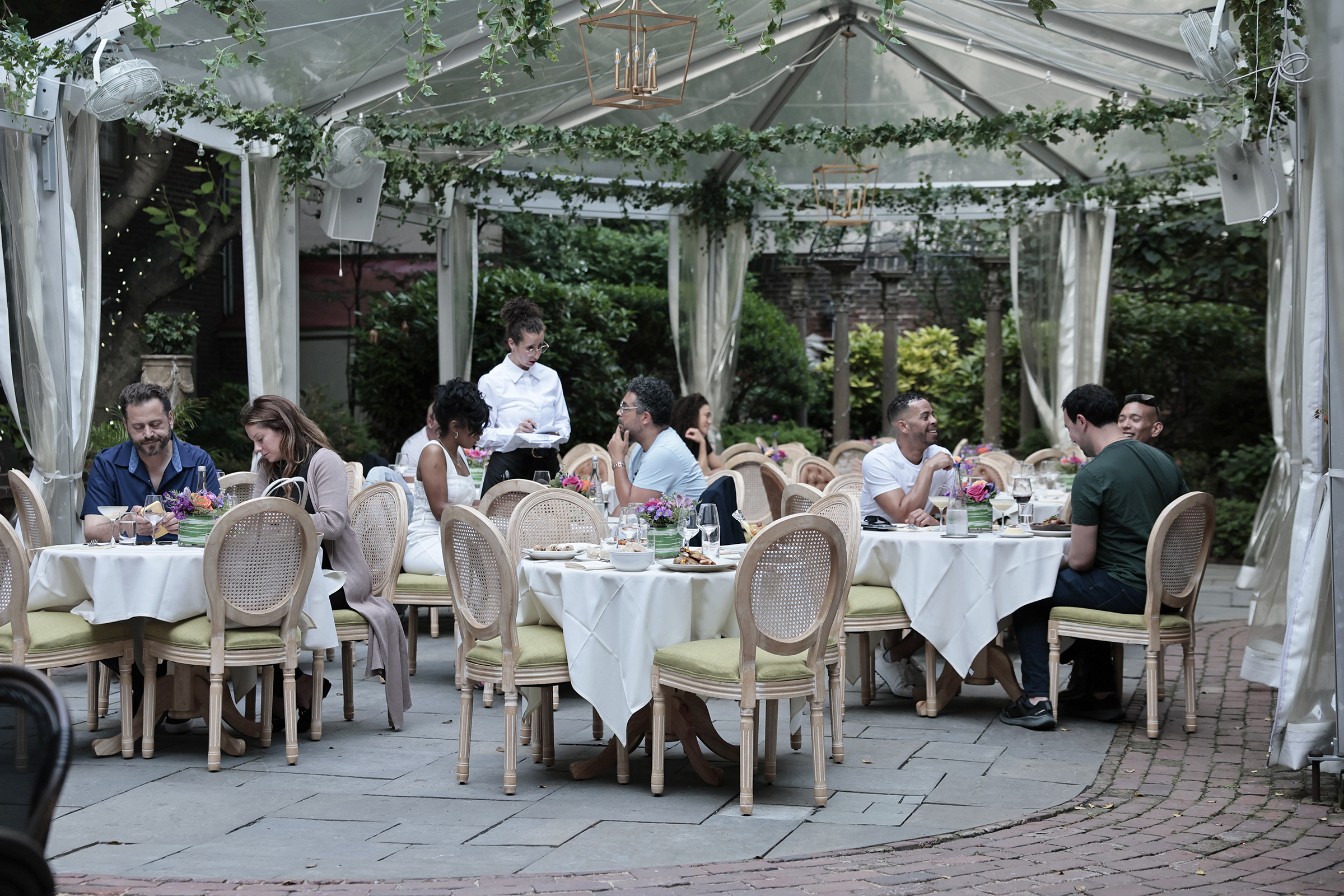
Soufiane at the Morris (225 S. Eighth St.): The 1787 Morris House provides a peaceful backdrop for Soufiane Boutliliss’ French-Moroccan cooking, served in a secluded stone courtyard shaded by magnolias and dogwoods in Washington Square West. This is the second restaurant from the Moroccan-raised Boutliliss and husband Christophe Mathon of Sofi Corner Cafe.
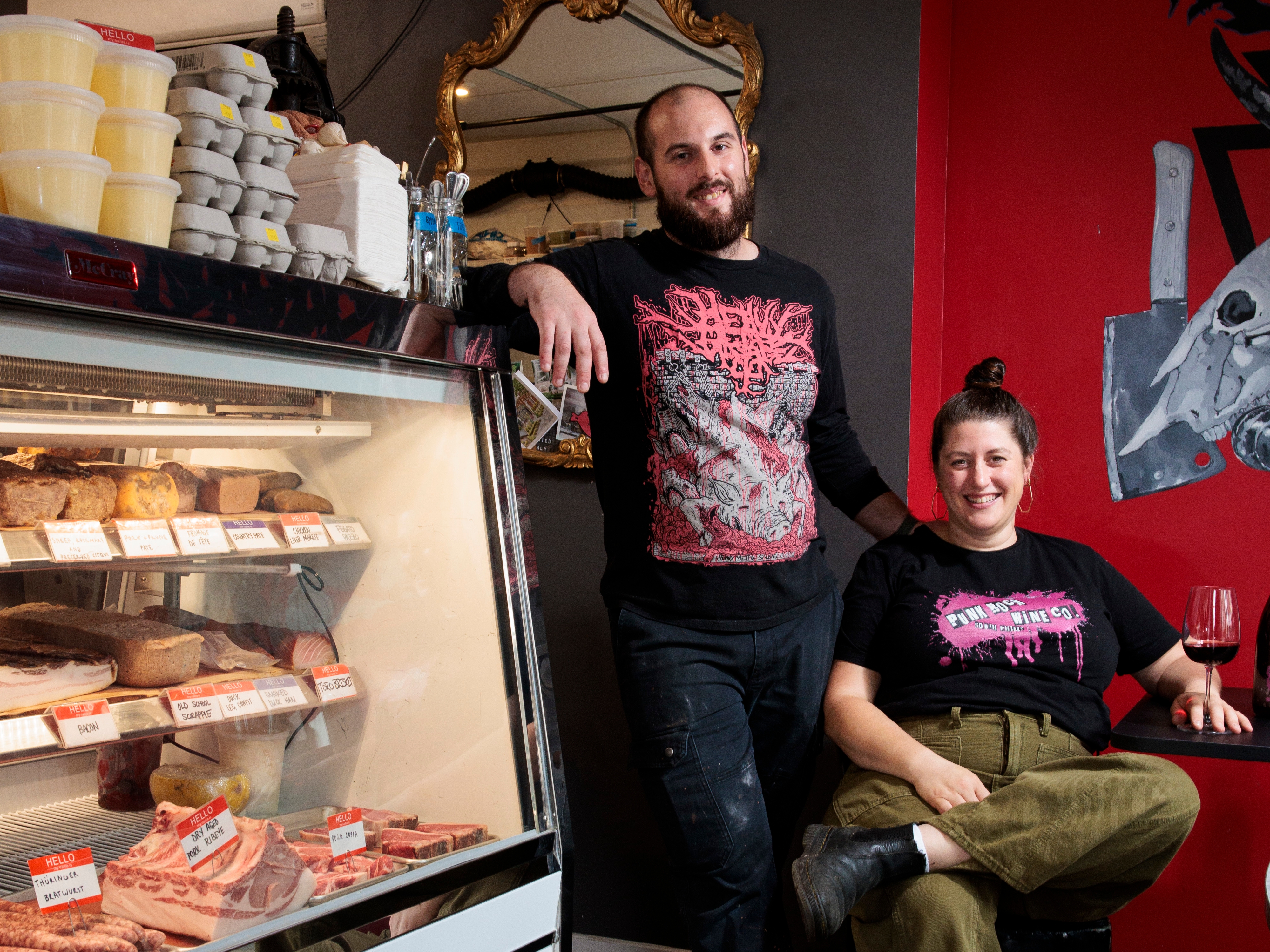
South Philly butcher shop Heavy Metal Sausage Co. indefinitely paused its after-hours Italian dinners last weekfollowing a failed health inspection that ordered the shop to removeall indoor seating. Co-owners Patrick Alfiero andMelissa Pellegrino say the resulting loss of revenuecould close the business.
An inspector with Philadelphia’s Department of Public Health ordered the shop to remove itseightseats and cease all food prep in the basement on Aug. 21. The inspection found Heavy Metal’s setup did not align with the restaurant’s plan review, a document detailing operating procedures that all restaurants must submit to the health department in order to receive a food license.
Among the three-hour inspection’s other findings: flies, mouse dropping, and unauthorized kitchen equipment, plus evidence that Heavy Metal was canning foods and dry-aging meat without an FDA-mandated food safety plan.
The most consequential violation on the report, however, is that “the food facility does not have a handwash sink conveniently located in the customer dining area” because “access to the toilet room is located through the kitchen.”
The location of Heavy Metal’s bathroom renders the space unsuitable for indoor dining, according to the health department. The recent determination — which came four years into Heavy Metal’s run as a hybrid butcher-restaurant — could cost Heavy Metal thousands of dollars in renovations and lost revenue, Pellegrino said.
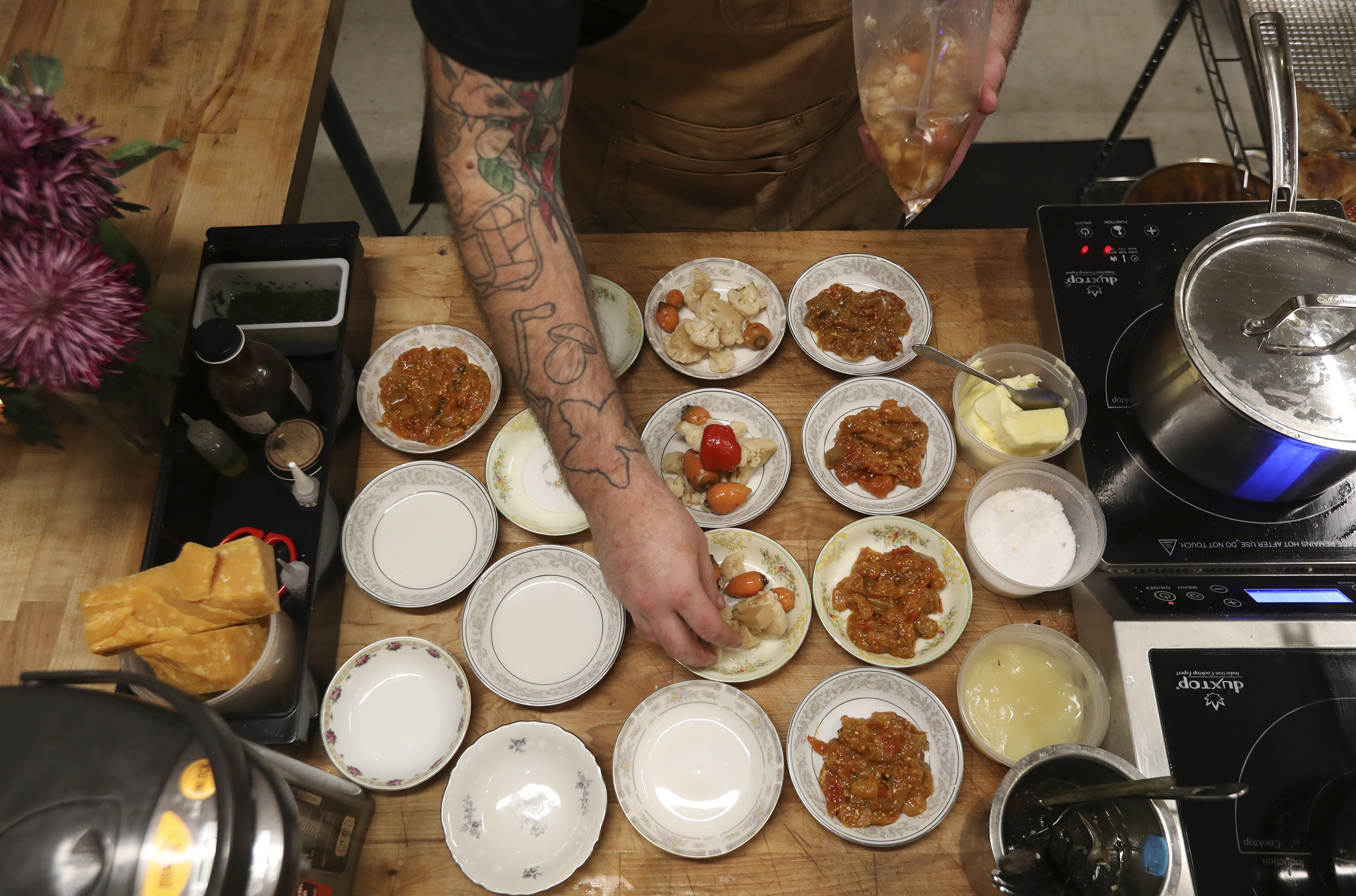
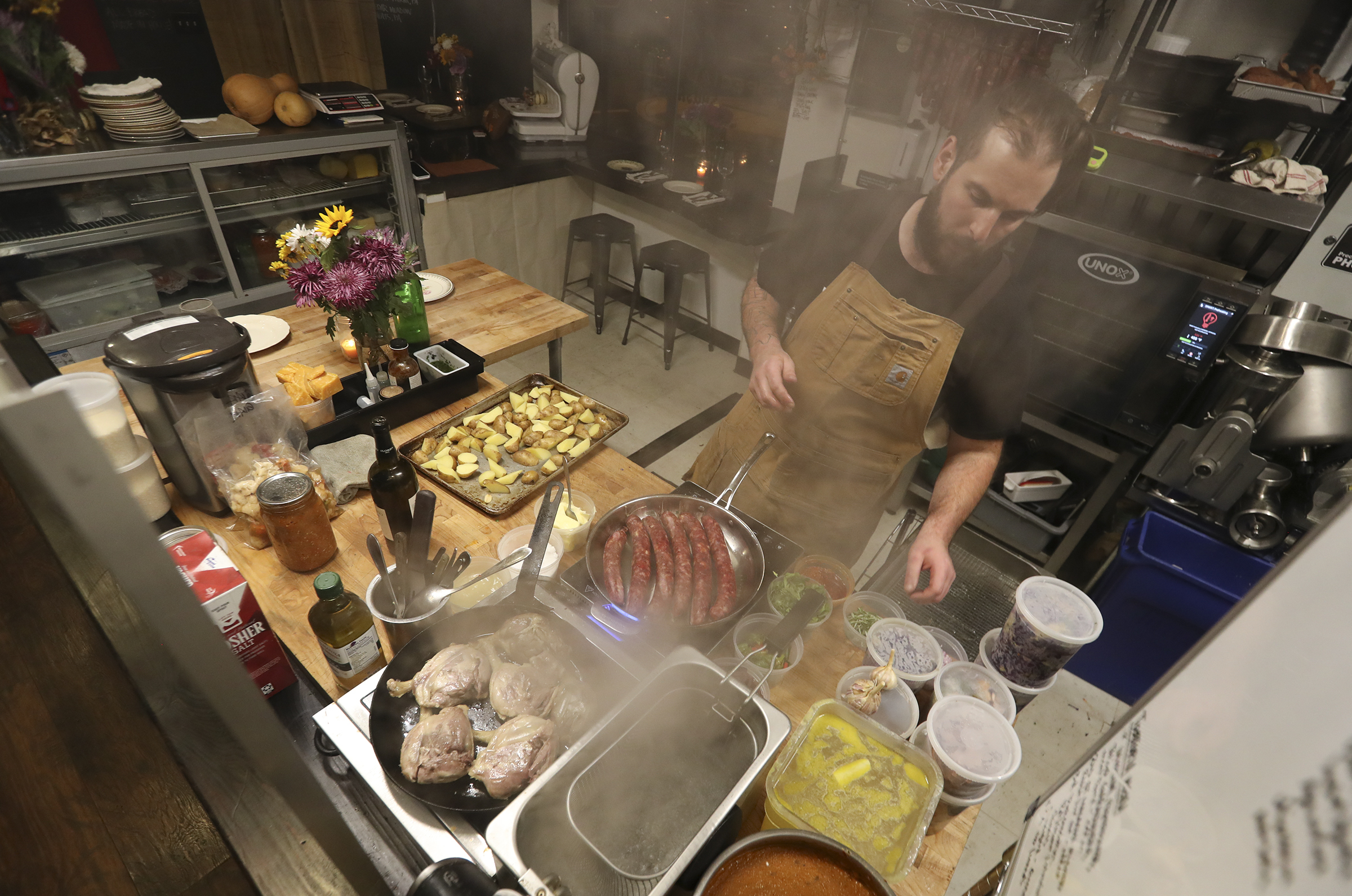
Alfiero and Pellegrino opened Heavy Metal Sausage Co. at 1527 W. Porter St.in 2022. By day, it’s a deli where Alfiero uses local ingredients and artisanal cured meats to create hearty, inventive sandwiches. By night Thursday through Sunday, the 500-square-foot space transforms into an intimate trattoria. Tables are pressed against deli cases and seats are tucked into empty corners, lending a vaguely illicit, punk-rock aura to what’s otherwise a traditional prix fixe meal.
The$98 dinners are also a moneymaker, accounting for well over half of Heavy Metal’s revenue, Pellegrino said. Without them, the duo have already had to lay off a cook and a server.
“When the [health inspector] asked if we could stop dinner, I told him we might not be here in six weeks to be reinspected,” Alfiero said. “I was just like, ‘How are we going to survive this?’”
Heavy Metal Sausage Co. chef/co-owner Patrick Alfiero prepares the antipasto course during the trattoria dinner on Nov. 17, 2022.Yong Kim / Staff Photographer
Same setup, new violation
Pellegrino and Alfiero told The Inquirer that they were blindsided by the findings in August’s health inspection. Heavy Metal has never hidden how it operates.
The couple started offering the after-hours dinners just six months after opening as a way to offset the costs of running a niche butcher shop, which has never been profitable.
A copy of the business’ plan review, reviewed by The Inquirer last week, shows that some form of indoor seating has been always accounted for. It also showsthat the deli’s bathroom is accessible to customers via a hallway that runs parallel to the kitchen.
The issue is brand-new despite Heavy Metal’s layout remaining static for months, according to a review of city records. The business has had an active food preparation and serving license since 2022. Heavy Metal has also passed all previous health inspections, including one in April 2026, whose report makes no mention of unauthorized seating, kitchen equipment, or food prep. It also doesn’t touch on sink or bathroom access.
Heavy Metal Sausage Co. chef/co-owner Patrick Alfiero preps food before a trattoria dinner on Nov. 17, 2022.Yong Kim / Staff Photographer
Health inspections are considered “snapshots in time” that may not necessarily be indicative of day-to-day operations, department spokesperson Jason Brooks said over email. During Heavy Metal Sausage’s prior inspections, inspectors only noted a basement storage space, “indicating that no food prep activities were taking place there — at that time,” Brooks wrote.
“In April, our inspector did not observe any seating for indoor dining. Inspectors are investigating what they can physically observe and document during the inspection,” he wrote. “During this most recent inspection, our inspector observed, in real time, food preparation in an unapproved space and unapproved indoor dining. For this, the food business was cited for violations of its approved plan.”
Pellegrino disputes the idea that Heavy Metal’s seating is a new development. “We were inspected four months ago, and we have done absolutely nothing different in those four months,” Pellegrino said. “Not a single thing has changed.”
The deli’s inspection comes amid other notablehealth department shutdowns.
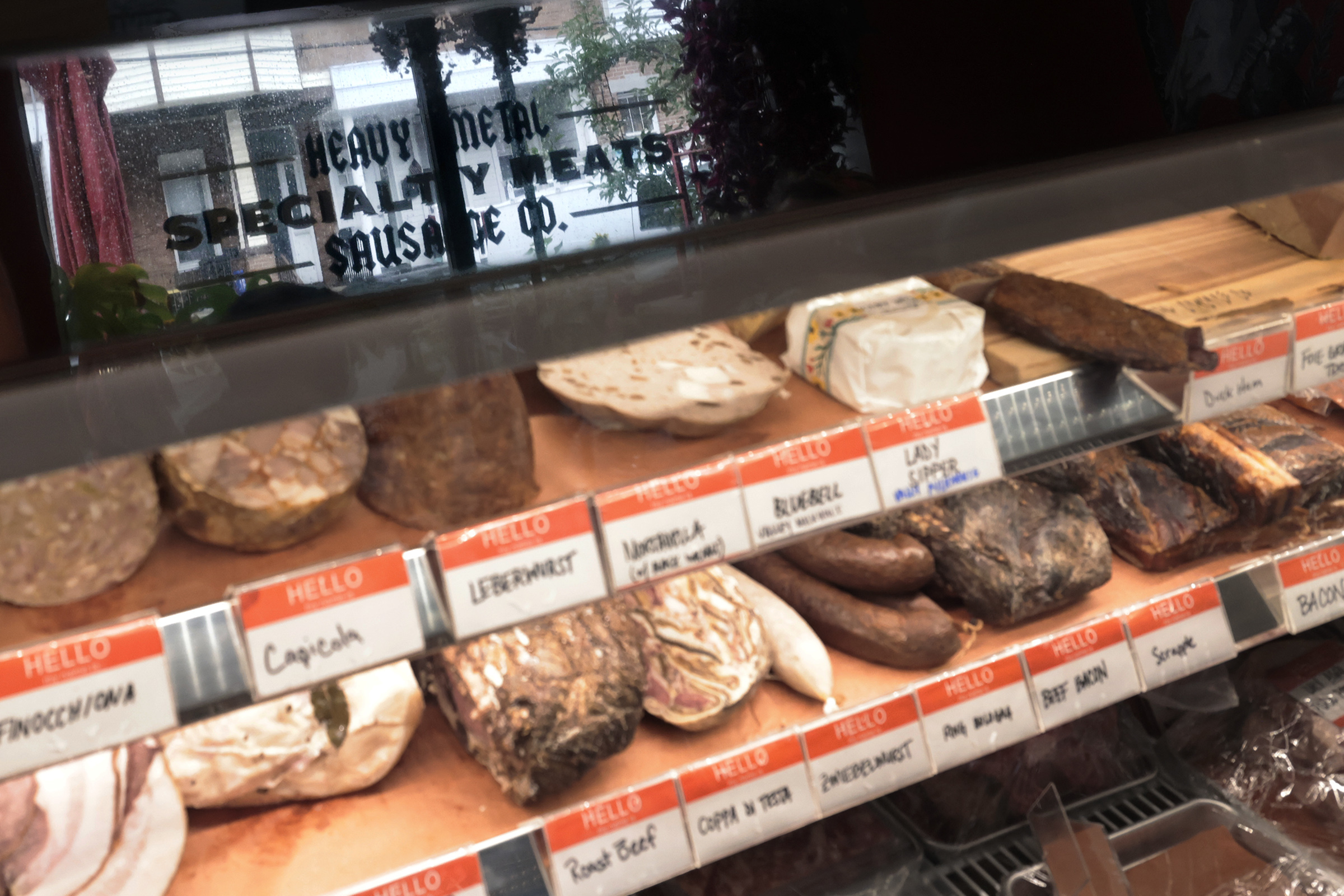
The front window is reflected in the top of the meat case inside of the Heavy Metal Sausage Co., 1527 W. Porter St. in Philadelphia, on Aug. 9, 2024.Elizabeth Robertson / Staff Photographer
Last week, Victory Brewing Co.’s three-level taproom on the Benjamin Franklin Parkway was ordered to temporarily cease operations after an inspector documented 26 health code violations that included live roaches, mice, and flies. And in mid-August, the health department failed Stargazy over “two unapproved countertop deep fryers without adequate mechanical ventilation,” a violation that has forced the East Passyunk Avenue restaurant to stop serving fish and chips.
How can Heavy Metal fix this?
Since Heavy Metal’s violations didn’t pose an imminent health hazard, the restaurant is allowed to remain open without indoor dining, Brooks confirmed.
The butcher and deli counters are still open during normal daytime hours (11 a.m. to 4 p.m. Thursday through Saturday, 11 a.m. to 3 p.m. Sunday) for takeout only. Pellegrino and Afiero said they’ve addressed most of the violations by creating the required food safety plans and limiting the basement to storage only.
The only hitch: What to do about the sink?
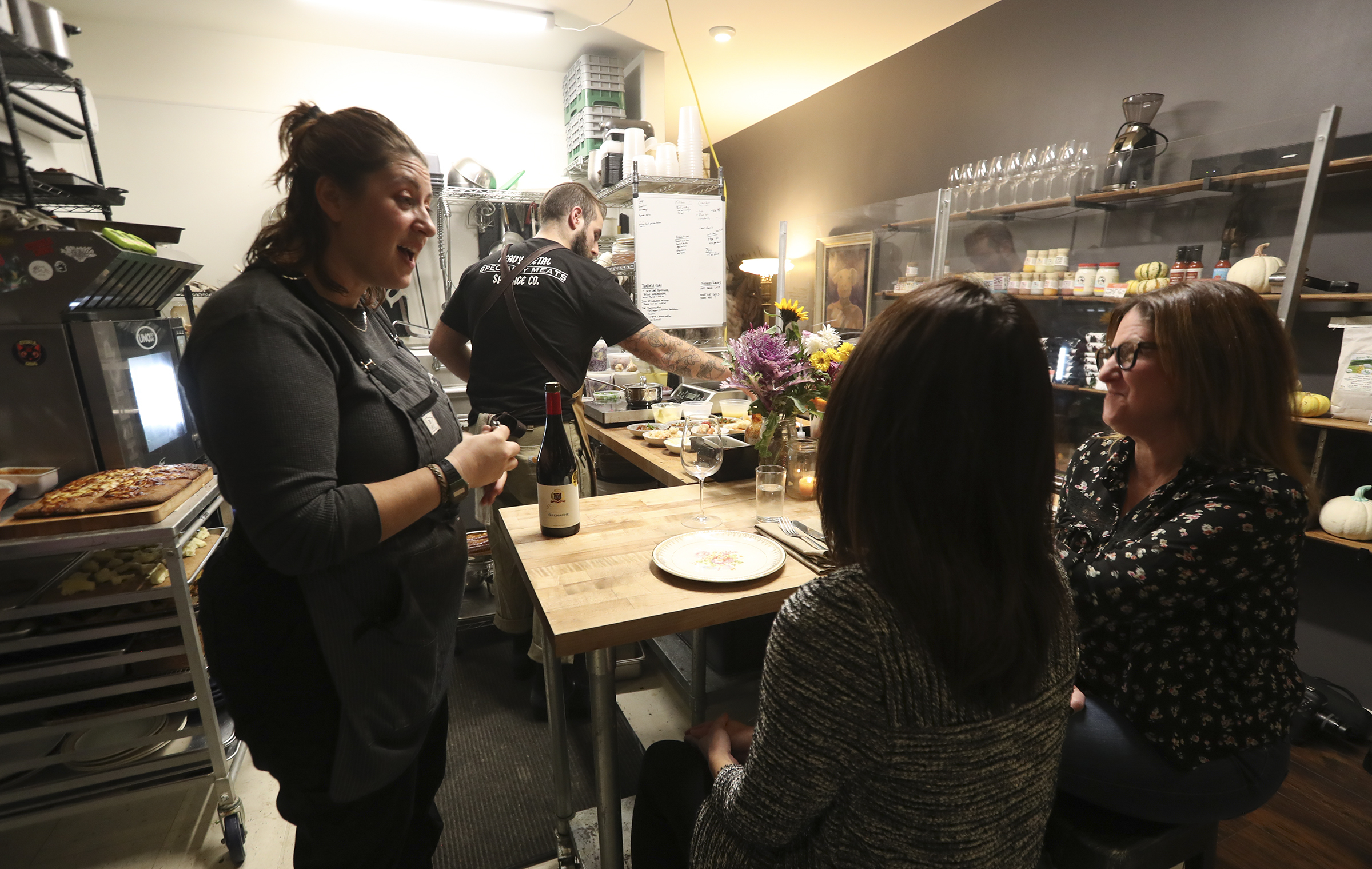
Heavy Metal Sausage Co. co-owner Melissa Pellegrino (left) greets diners Jeannette Armstrong (center) and Liz Rissover as chef/owner Patrick Alfiero prepares meals in the kitchen during the trattoria dinner on Nov. 17, 2022.Yong Kim / Staff Photographer
Heavy Metal must submit a new plan of review to the health department for approval. If the plan is approved and the restaurant passes reinspection, Brooks said, they will be allowed to restart indoor dining.
But to do so, Pellegrino said the health department recommended Heavy Metal install a customers-only sink at the front of the restaurant, a change that would require a separate, weeks-long permitting process and a contractor. When Pellegrino asked the health department if she could add curtains or room dividers to more clearly separate the bathroom hallway from the kitchen — which she considers a more cost-effective solution — she said they didn’t respond.
“All of these things take time and money,” Pellegrino said, “and we will have to make a calculus of what’s worth doing.”
After eight years, several production spaces, and many tons of cucumbers, Fishtown Pickle Project is putting down permanent roots.
But it’s still not in Fishtown.
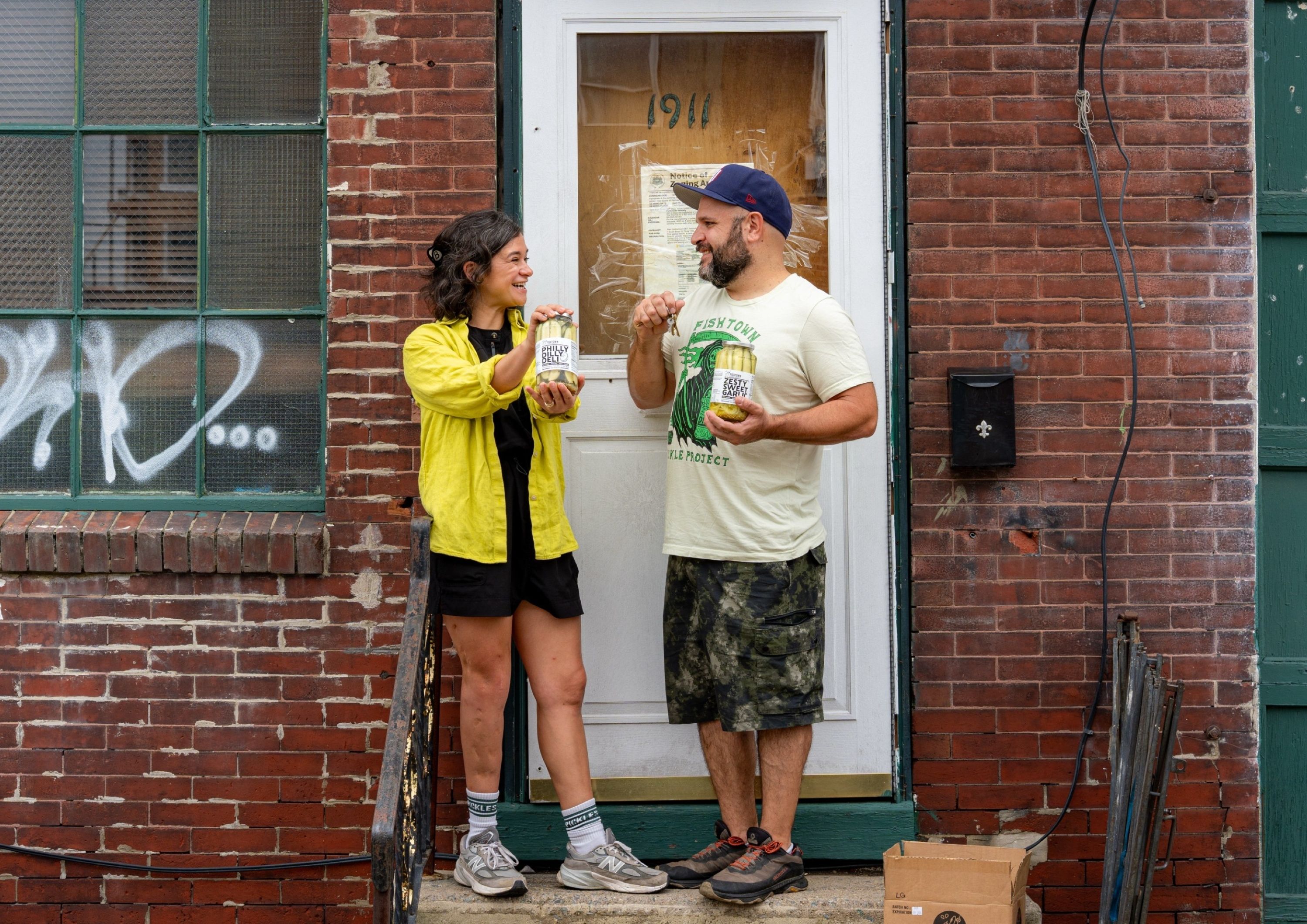
Last month, Niki Toscani and Mike Sicinski, the husband-and-wife team behind the pickle company, bought a 6,200-square-foot building at 1911-13 N. Second St., just north of Berks Street near Norris Square in Kensington. There, they plan to triple production and, for the first time, invite customers into their briny world.
The move from Globe Dye Works in Frankford will allow them to combine production with a storefront.
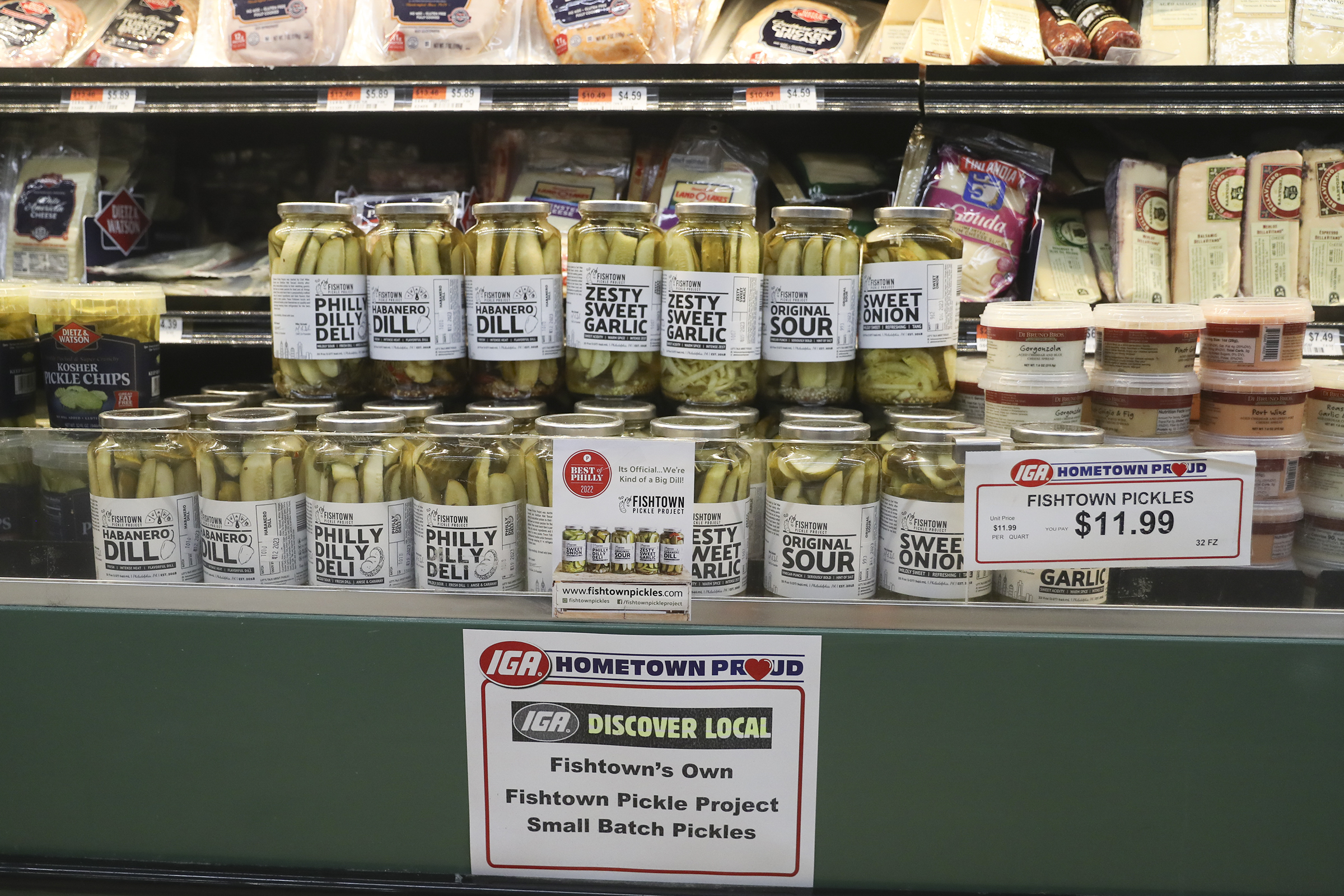
The Richmond Shops IGA grocery store at Fishtown Crossing was an early customer of Fishtown Pickle Project.Heather Khalifa / Staff Photographer
The centerpiece will be a 500-square-foot pickle tasting room, where customers can sample varieties, buy pickles by the pound or jar, shop for pickle-themed merchandise, and eventually take classes and production tours. They are aiming for a summer 2027 opening.
A pickle tasting room? Think brewery, only with cucumbers. Toscani said customers will be able to sample the goods while watching production. She calls the concept a “brinery.”
Most of the building will be devoted to manufacturing, storage, offices, and events. Fishtown Pickle Project now processes about 3,500 pounds of cucumbers a week, a figure Toscani expects to triple by the end of 2028.
The couple said they remained at Globe Dye Works because of its affordable rent and highway access, but eventually ran out of room. Their search for a larger property with manufacturing and retail space, plus a driveway and loading area, led them to Norris Square. Finding that combination in Fishtown was difficult, Toscani said, “especially for a bootstrapped small business.”
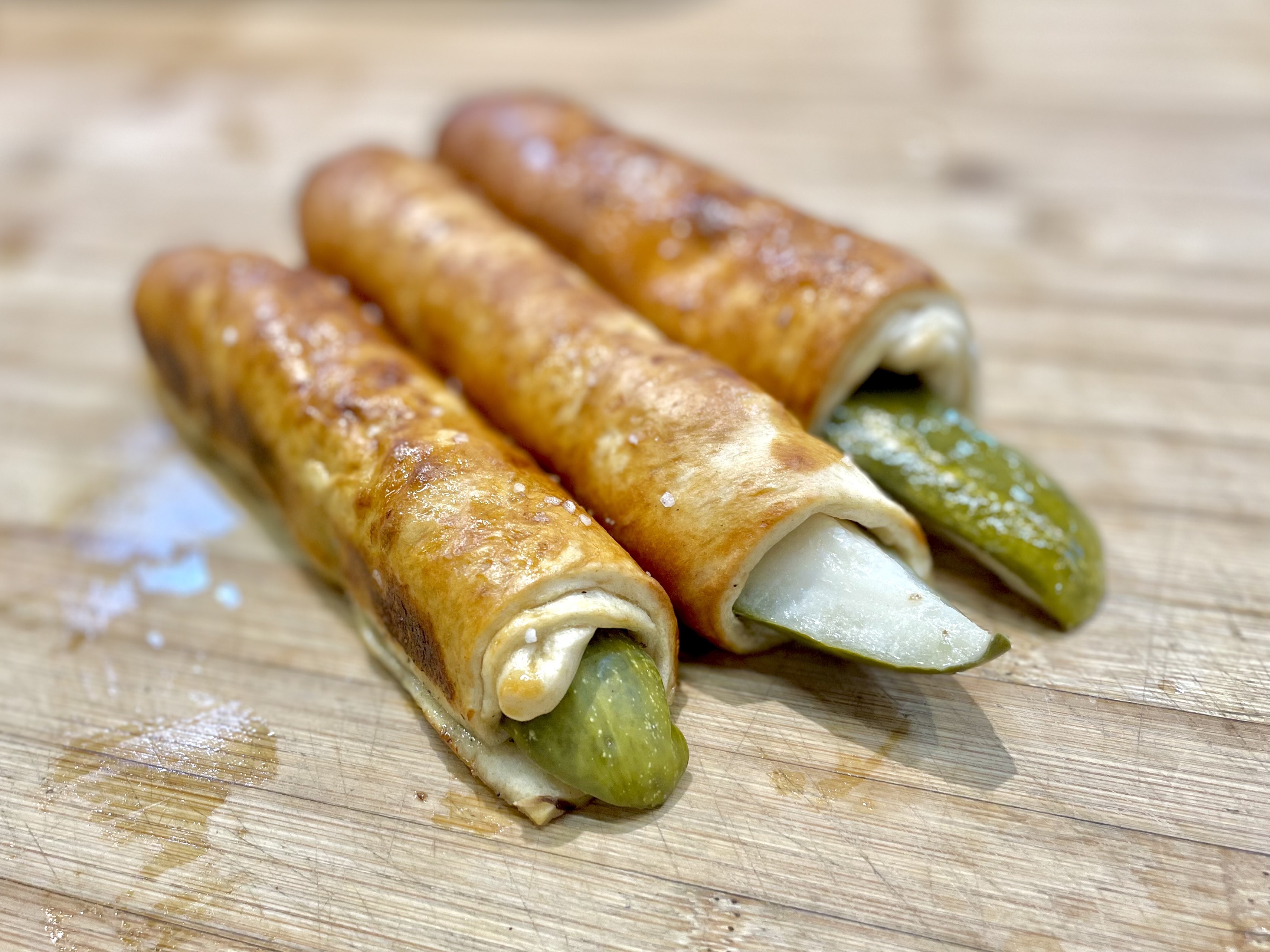
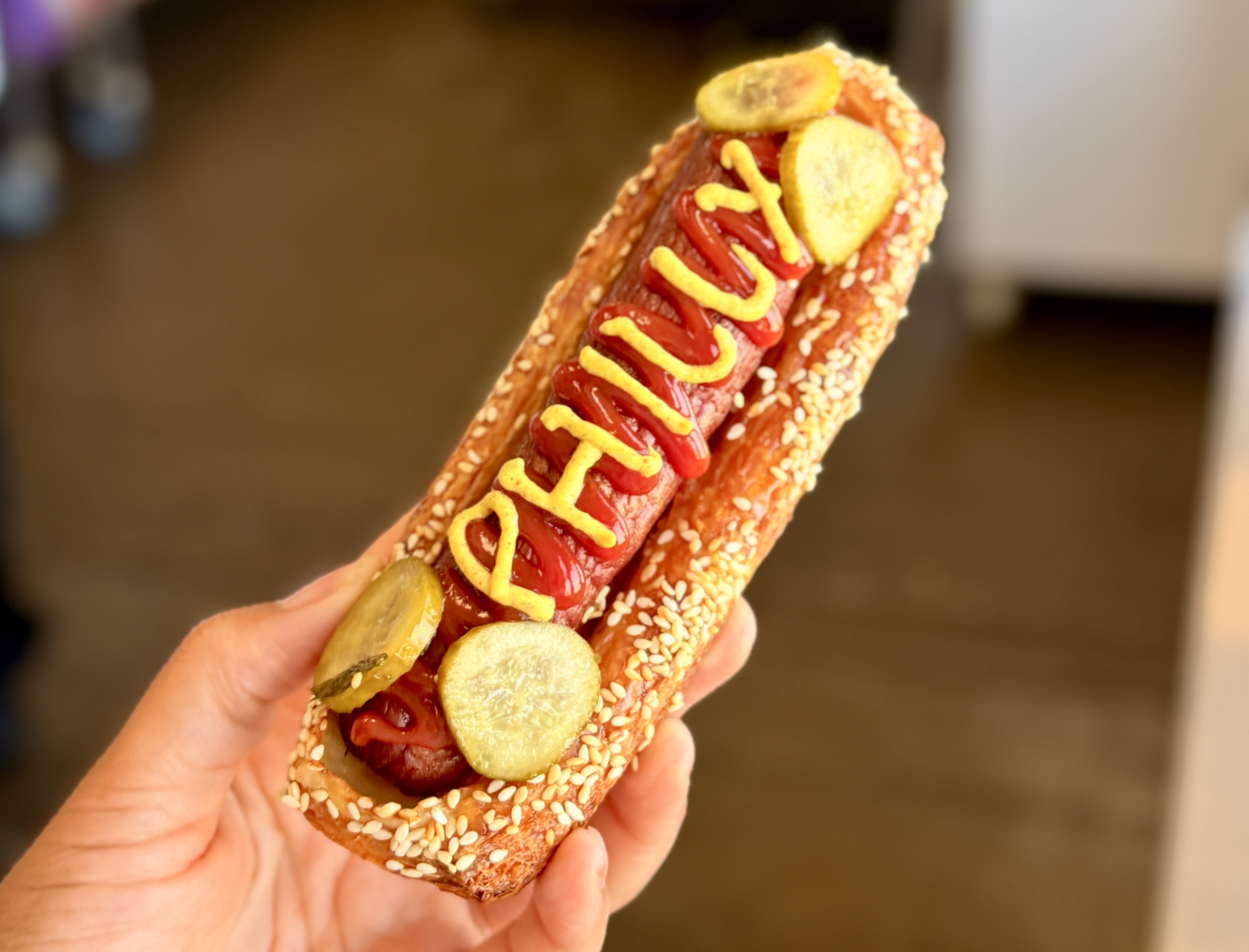
A 2025 collaboration between Fishtown Pickle Project and Miller’s Twist in Reading Terminal Market resulted in Philly Dilly spears wrapped in a soft, sweet pretzel dough.Craig LaBan / Staff
The Second Street property should also make deliveries easier. “When we’re getting trailers delivered with glass jars, it helps to have a garage and a street for them to deliver at without tons of traffic,” Sicinski said.
Wholesale growth is driving much of the expansion. Toscani said revenue from buckets of pickles sold to restaurants, delis, and retailers increased 200% from 2024 to 2025. Some customers use them to stock pickle bars.
The company sells through about 30 ShopRite stores, 11 Wegmans locations, and the Kimberton Whole Foods and McCaffrey’s Market chains. Toscani and Sicinski make their products and handle distribution themselves.
“It allows us to grow responsibly without taking on more business than we can handle,” Toscani said.
The company has the equivalent of about six full-time employees, which Toscani expects to double to about 12 by the end of 2028.
As for the Fishtown in the name, that goes back to the company’s beginnings in 2018. Toscani and Sicinski lived in the neighborhood, and some of their first customers were Fishtown retailers, including Bottle Bar East (now closed), IGA, and Riverwards.
The pickles themselves have always been made elsewhere. Sicinski, a chef who was then a food-service director for a New Jersey school district, first made them in his work kitchen. The couple — Toscani is a dietitian — also made pickles as wedding favors, helping turn the hobby into a business. Production later moved to Bridesburg Commissary (now Culinary Collective) and then to Globe Dye Works, where the company eventually moved into a larger space within the complex.
The passion project became a livelihood after Sicinski was furloughed at the start of the pandemic. The lineup now includes the flagship Philly Dilly Deli, Sweet Onion, and Habanero varieties, and limited releases such as Bloody Mary and Ginger Lemonade pickle chips.
The Norris Square project is their largest investment yet. They paid $550,000 for the building Aug. 6 and said they expect to spend about $700,000 on construction and outfitting. A $1.6 million Small Business Administration loan is helping finance the project, and they are seeking about $250,000 in grants for equipment and hiring. Toscani puts the overall investment at close to $2 million.
The couple have no outside equity investors.
Toscani sees no contradiction in taking the Fishtown name with them to Norris Square.
“We still consider the neighboring neighborhoods our neighbors,” she said. “Despite the fact that we’re not in Fishtown proper, we feel like the opportunity to have roots in Norris Square actually fits our mission quite a bit.”
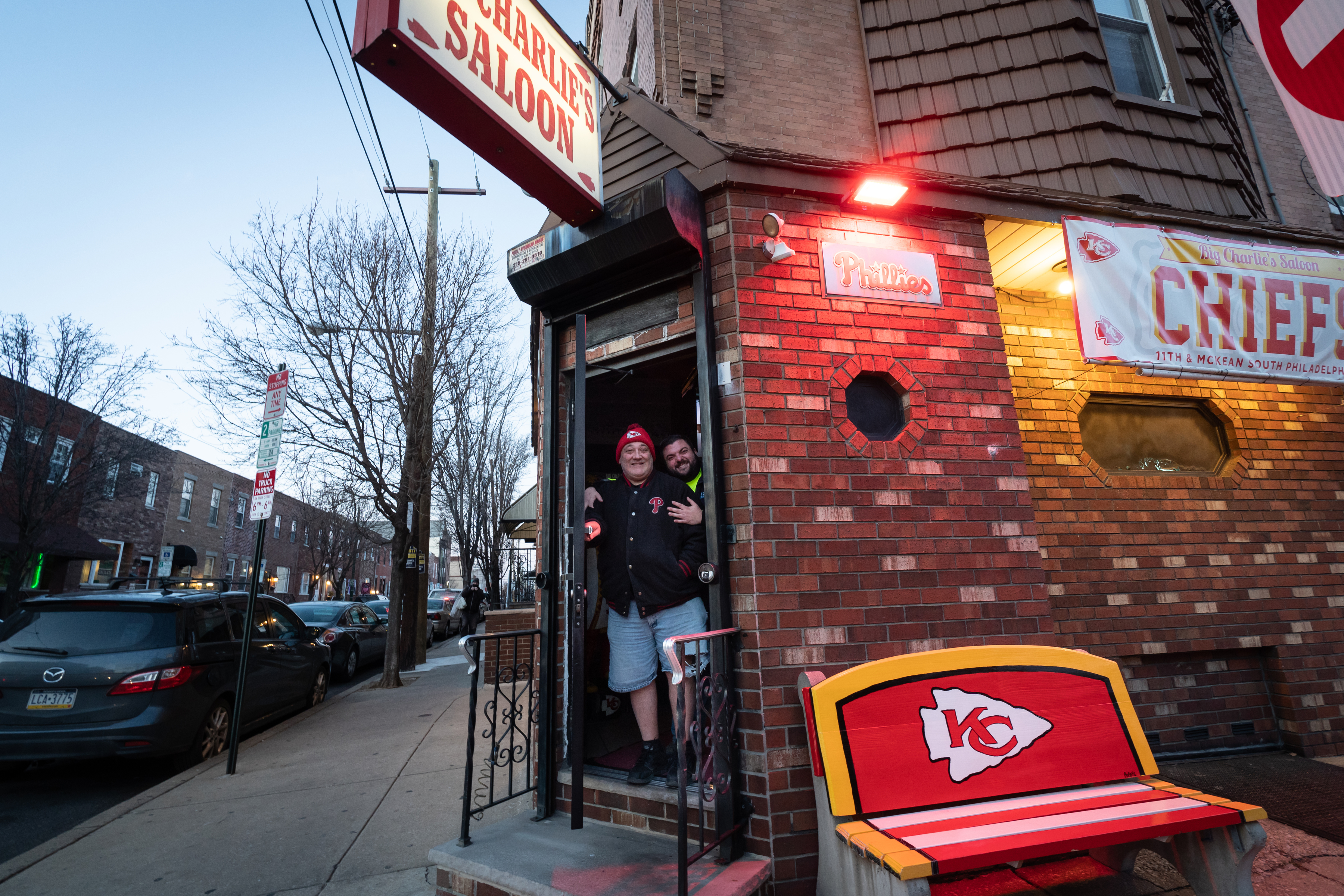
Big Charlie’s Saloon, the South Philadelphia corner bar known nationally for its unlikely devotion to the Kansas City Chiefs, is getting a new playbook.
DiTomo and Jacobsen say they plan to turn it into Sweets, a neighborhood bar. DiTomo said that he would remain at Meetinghouse and that his business partners there have no stake whatsoever in Sweets.
Sweets will have no Chiefs memorabilia — or sports theme of any kind, for that matter. DiTomo said they’re thinking low-key. “I’m not a big concept guy,” he said. “I’m going to stay true to what that neighborhood deserves out of a neighborhood bar, and that’s about it.” The partners started an Instagram account to float photos that inspire them.
DiTomo said he and Jacobsen are working through due diligence for the purchase of the building, which had been listed at $1.1 million and includes apartments upstairs. A liquor license transfer is also pending.
They are aiming for a winter opening, though that timing is tentative. “If we could capture the holiday season, that would be beyond fantastic,” DiTomo said. “But we’re both realists. We’ll see how it goes.”
Its allegiance dated to Super Bowl IV in January 1970, when Staico’s father, Charlie, bet on Kansas City to beat the Minnesota Vikings and promised his young son a bicycle if the Chiefs won. They did, Paul got the bike, and a lifelong allegiance began.
After taking over the bar following his father’s death in 1983, Staico bought a satellite dish in 1986 so he and friends could watch Chiefs games that rarely appeared on Philadelphia television. Over the decades, the bar became known as “Arrowhead East,” its wood-paneled rooms covered with signed helmets, pennants, bobbleheads, street signs, and other Chiefs memorabilia.
But Big Charlie’s was also a neighborhood bar, and that is the aspect of the property that DiTomo intends to preserve — rather than its sports identity. He and Jacobsen both live in South Philadelphia.
“I’ve always admired neighborhood bars,” he said. “I grew up in neighborhood bars, so I want it to be true to form — just the classics, done well.”
That philosophy will extend to the drinks. DiTomo said the bar will pour Meetinghouse beer, along with a straightforward selection of beer, wine, and cocktails built around classics.
Sweet’s food will be simple, he said, because of the tiny kitchen.
DiTomo, a Culinary Institute of America graduate who rose to prominence a decade ago in the Marc Vetri organization at Amis, was a chef consultant on M. Night Shyamalan’s series Servant on Apple TV+ when Meetinghouse opened in 2023.
DiTomo and Jacobsen have been friends for about five years. DiTomo said Jacobsen had long been interested in doing a project together, but nothing had clicked until the Big Charlie’s building became available. “This building spoke to him, so he jumped on it,” DiTomo said.
Stickball, Jacobsen’s shop, specializes in vintage clothing, art, and objects. GQ included it on its 2024 list of 30 notable vintage menswear stores in the United States.
DiTomo said the Sweets name came from a running list he has kept over the years. He associates the word with several of his uncles, who used it as a term of affection. “I always liked the feeling of it,” he said. “It sounds nice, and it’s timeless. It feels good for the neighborhood, too.”
You can order 10 different margaritas, a tequila-spiked rendition of a Clover Club, and whole barbecued dorade for the table at East Kensington’s newest bar.
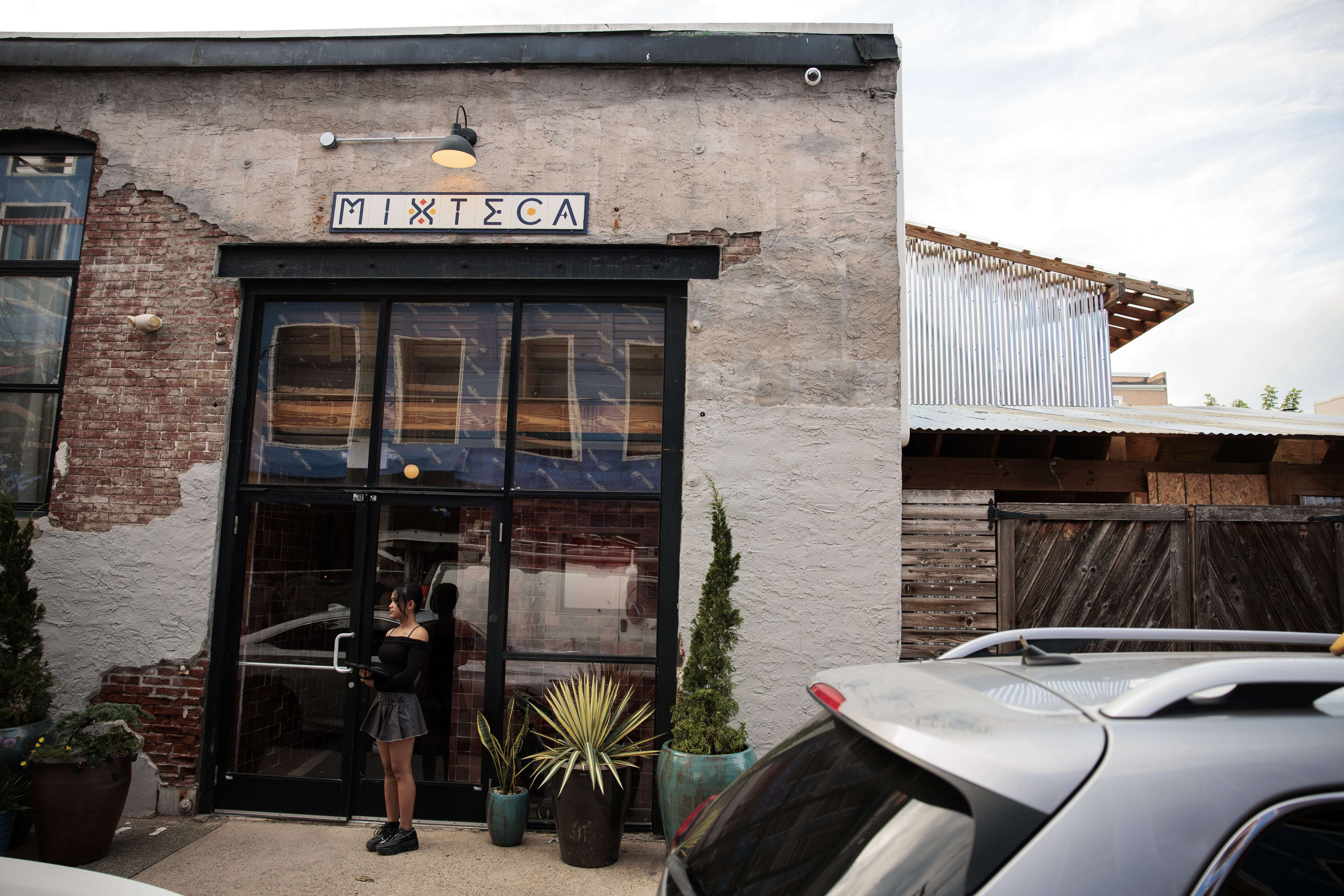
Mixteca — an agave-focused coctelería from two James Beard Award-winning bartenders — opened at 2113 E. York St. in late August, breathing new life into the space formerly occupied by the acclaimed neighborhood barMartha.
Mixteca — named after the artisan-rich region of central Mexico — is as much a tribute to Lopez’s heritage as it is an outgrowth of Lopez and Bell’s relationship. Bell worked his way up at PDT from Lopez’s barback to lead bartender and eventually owner, after buying the speakeasy and its brand from co-founder Brian Shebairo.
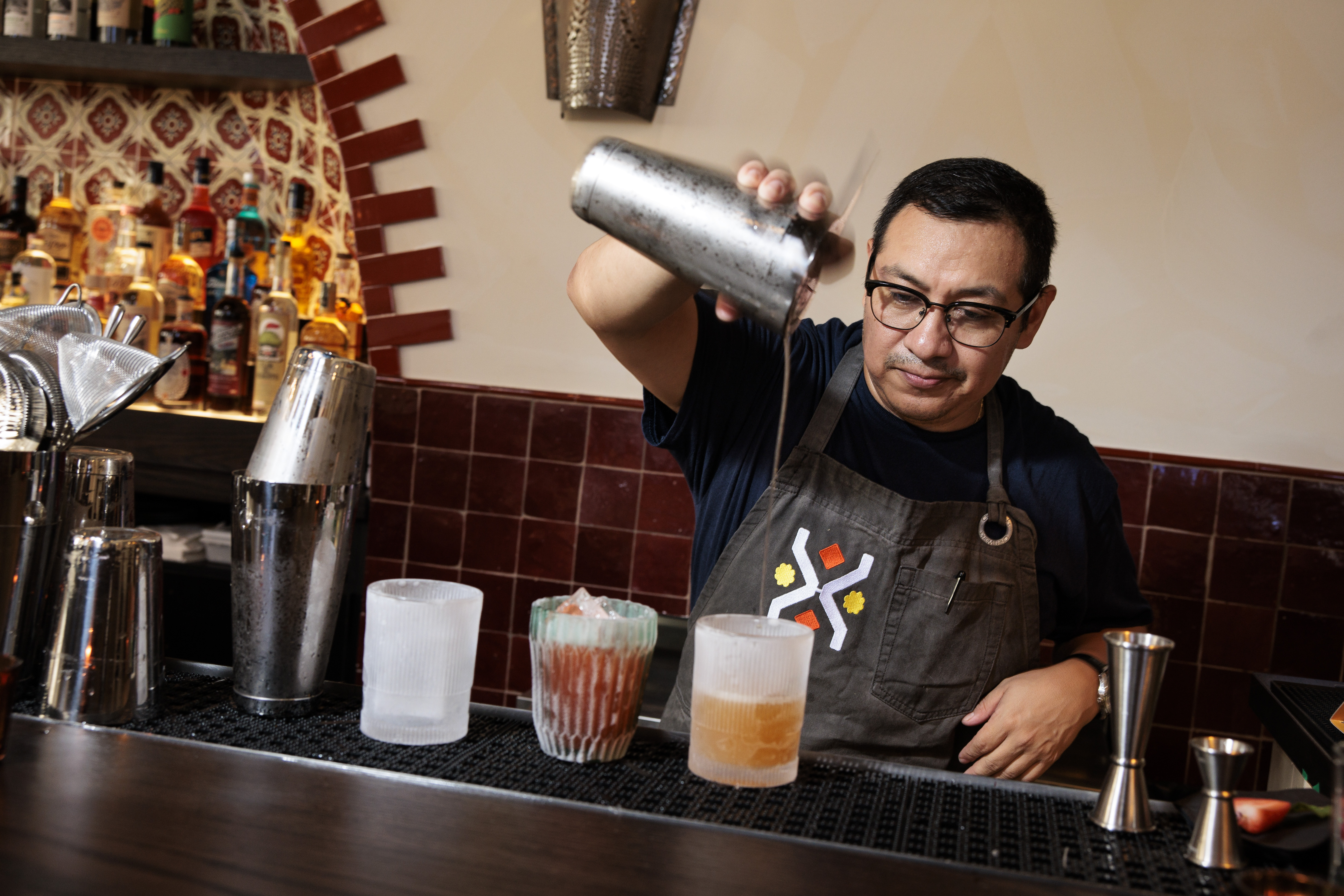
Victor Lopez pours cocktails at Mixteca in East Kensington.Monica Herndon / Staff Photographer
Lopez “is one of the best cocktail makers I’d ever worked with,” Bell said. “We’d play these games with him back in the day at PDT where we’d make him a drink, and he’d correctly guess the components.”
In New York, Mixteca is a bar first, with an extensive drink list of inventive takes on classic cocktails prepared with Latin American flavors, like a tomatillo gin and tonic or a Negroni infused with palo santo, a wood used for spiritual cleansing across Latin America. In lieu of a full food menu, Lopez and Bell partnered with Los Angeles-based Tacos 1986 to serve a handful of tacos and quesadillas.
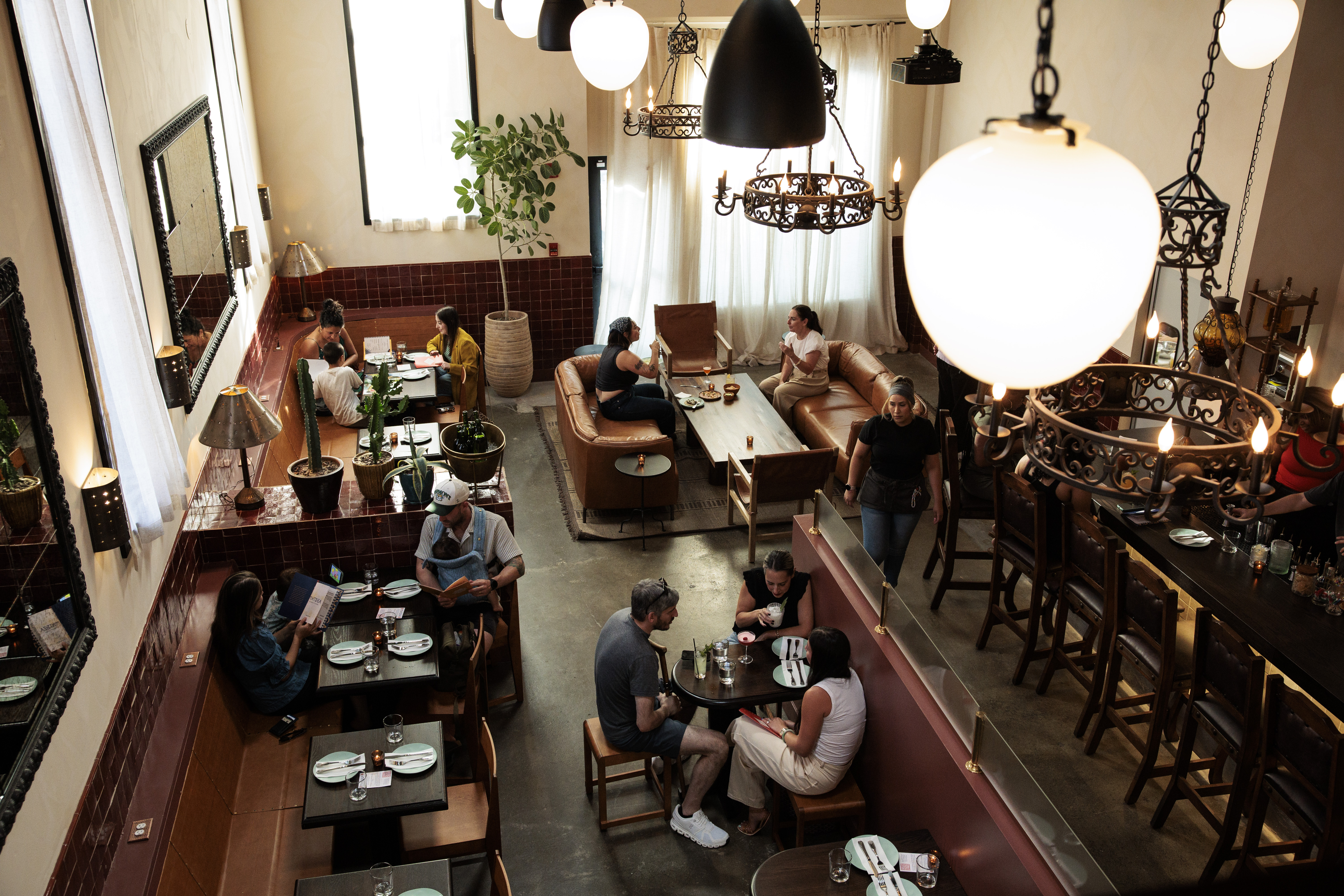
The dining room at Mixteca on a friends and family night Aug. 26.Monica Herndon / Staff Photographer
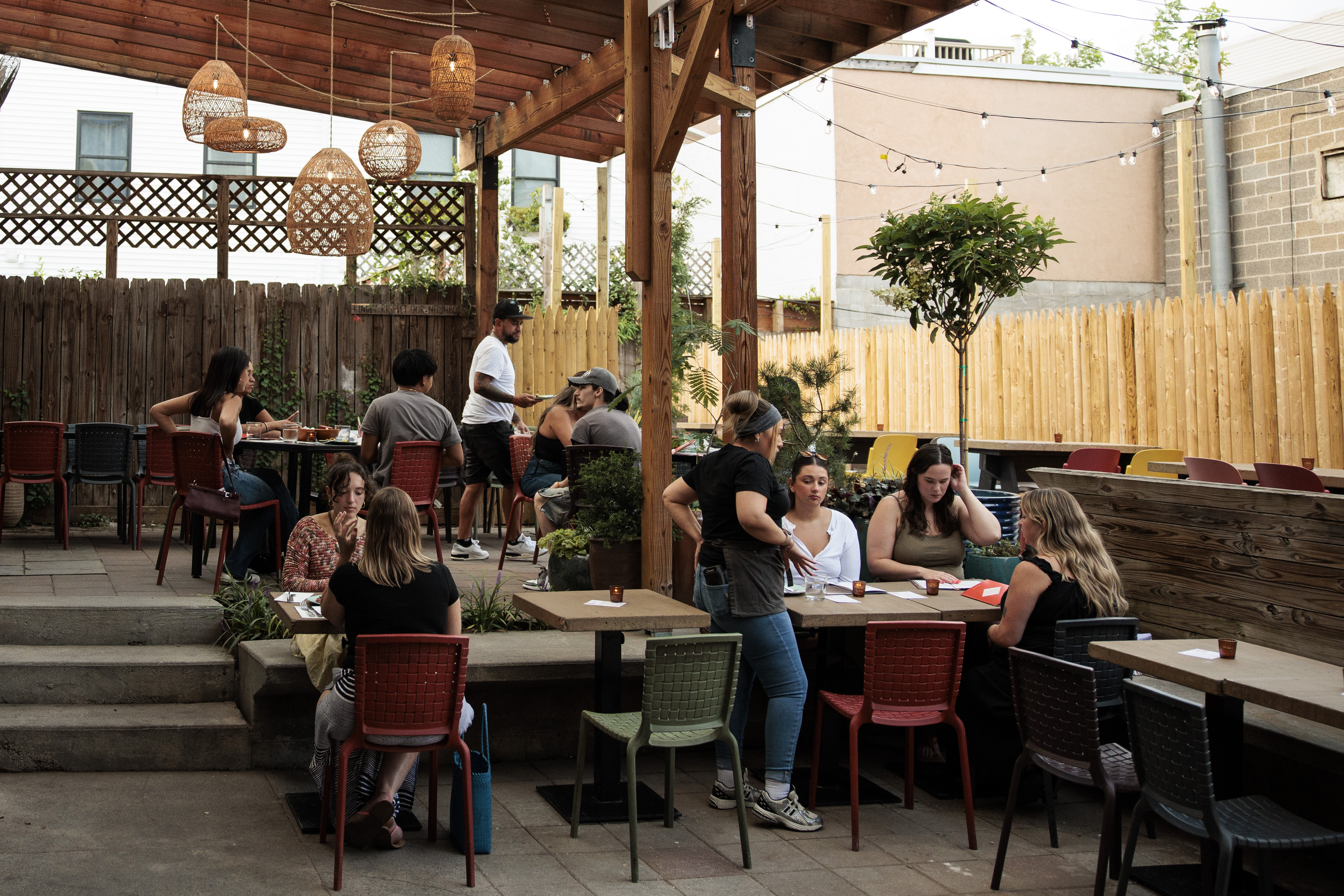
Mixteca in Philly, meanwhile, is equal parts bar and restaurant, with a full-fledged food menu of Poblano-inspired share plates and nearly double the number of cocktails. The space seats 100 people across its airy, bench-lined main dining room, dimly lit mezzanine, and large patio outfitted with string lights and rainbow-colored chairs. The restaurant has an eye-catching centerpiece: a large arch over the center bar made of intricate ceramic Talavera tiles imported from Puebla. They almost create a halo over the shelves upon shelves of alcohol.
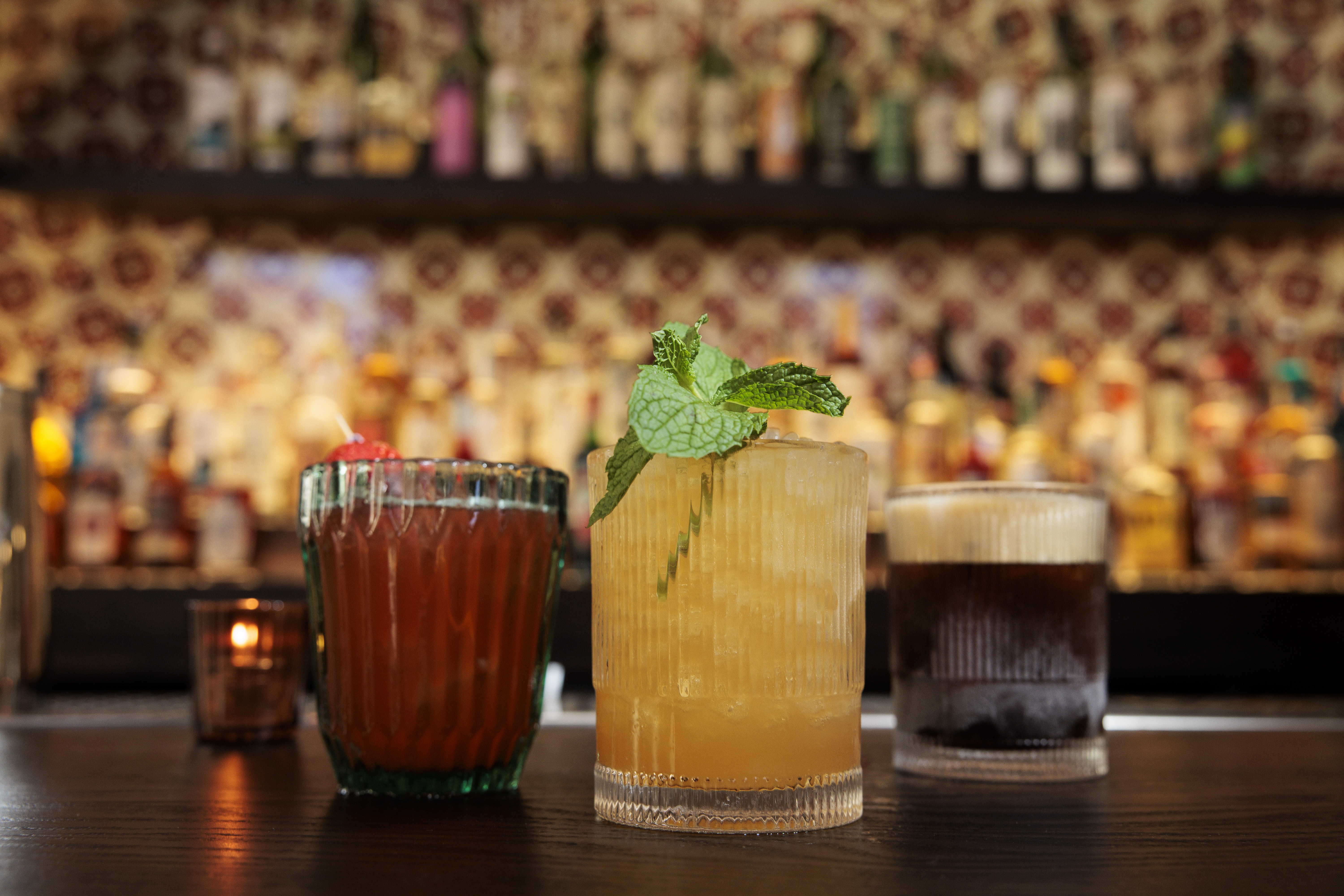
The strawberry margarita, Fish House Punch, and carajillo cocktails at Mixteca.Monica Herndon / Staff Photographer
“The high ceilings, the exterior, the energy of the neighborhood … it was perfect,” Bell said. “There’s a chaos to New York that can be exhausting, and I don’t see that in Philly.”
Lopez needed even less convincing: “I told Jeff, ‘I’ll probably move to Philly because I love it.’”
Classic cocktails with an agave twist
Mixteca’s Philly menu uses the New York location’s as a starting point for an array of drinks that draw deep on mezcal and tequila.
The restaurant has the same house margaritas on the menu — classic, made with Cointreau; and spicy, made with wasabi, cucumber, and hot honey — plus seven new flavored options, such as guava and blackberry, made with fruit juice.
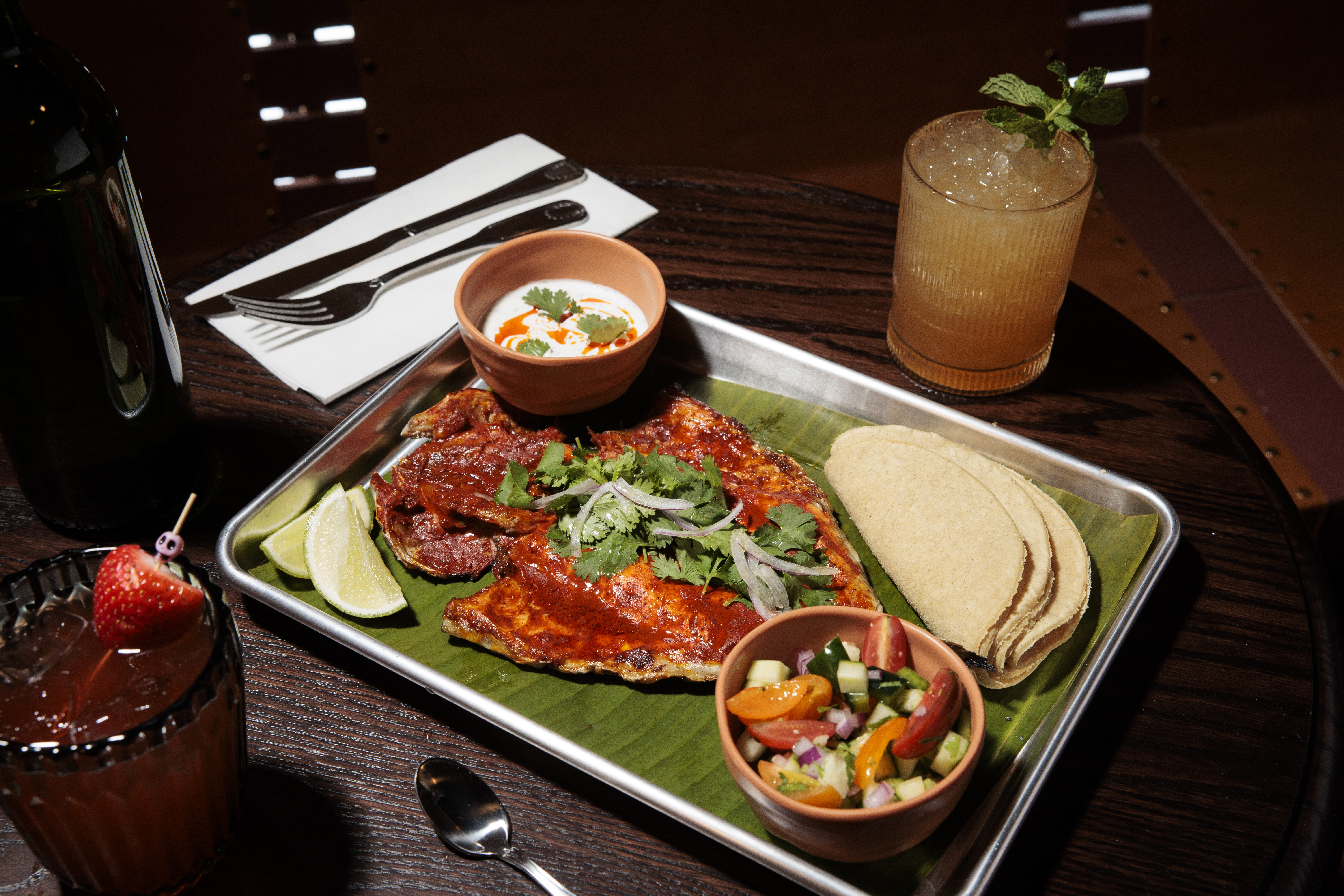
The aorade asado at Mixteca. The Philly location is equal parts bar and restaurant, with a full-fledged food menu of Poblano-inspired share plates.Monica Herndon / Staff Photographer
The Philly location’s 18 signature cocktails include classics like rye whiskey Manhattans and espresso martinis as well as agave-centric counterparts, like the aptly named Puebla York (made with reposado tequila, mezcal, Cynar amaro, and cassis) and a cold brew carajillo, the popular Mexican cocktail made with tequila and vanilla-forward Licor 43.
Lopez also created versions of two timeless local cocktails: a mellower, peach-infused Fish House Punch that swaps brandy for reposado and Oaxacan rum, and a foamy raspberry Clover Club that uses white tequila instead of gin. Both go down easy.
The patio at Mixteca on a friends and family night Aug. 26.Monica Herndon / Staff Photographer
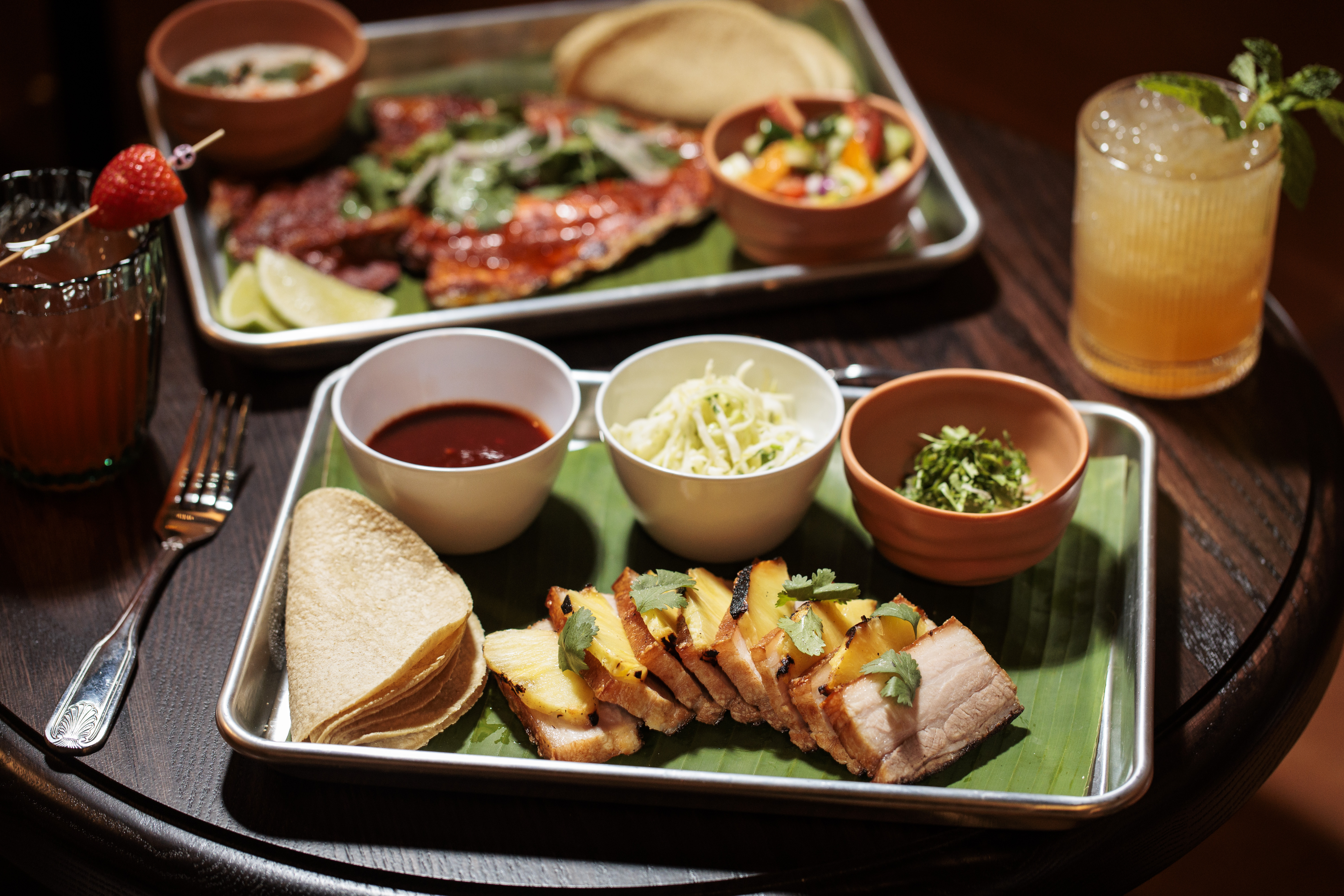
Though no executive chef heads up Mixteca’s kitchen in Philadelphia, the food menu got the stamp of approval from Lopez, who said the flavors were “the closest” to what he grew up eating as a kid in Mexico. Highlights include a bright hamachi and yellowtail ceviche; steak, mushroom, and chicken tacos served on made-to-order corn tortillas; and a whole dorade asado designed for sharing. Served with warm tortillas, white salsa, and a crisp tomato-cucumber salad, the fish sits at the center of a table like a prized catch of the day.
“We’re showing up to a party that’s already happening. We’re not the hosts,” said Bell. “We want to ingratiate ourselves.”
The exterior of Mixteca, in the former Martha space in East Kensington. Monica Herndon / Staff Photographer
Mixteca, 2113 E. York St., 215-714-3148, cocteleriamixteca.com. Hours: 4 p.m. to midnight Monday through Wednesday; 4 p.m. to 2 a.m. Thursday to Friday; noon to 2 a.m. Saturday; noon to 10 p.m. Sunday.
A distinctive stretch of 15th Street in Center City has lost both of its longtime bars within a year.
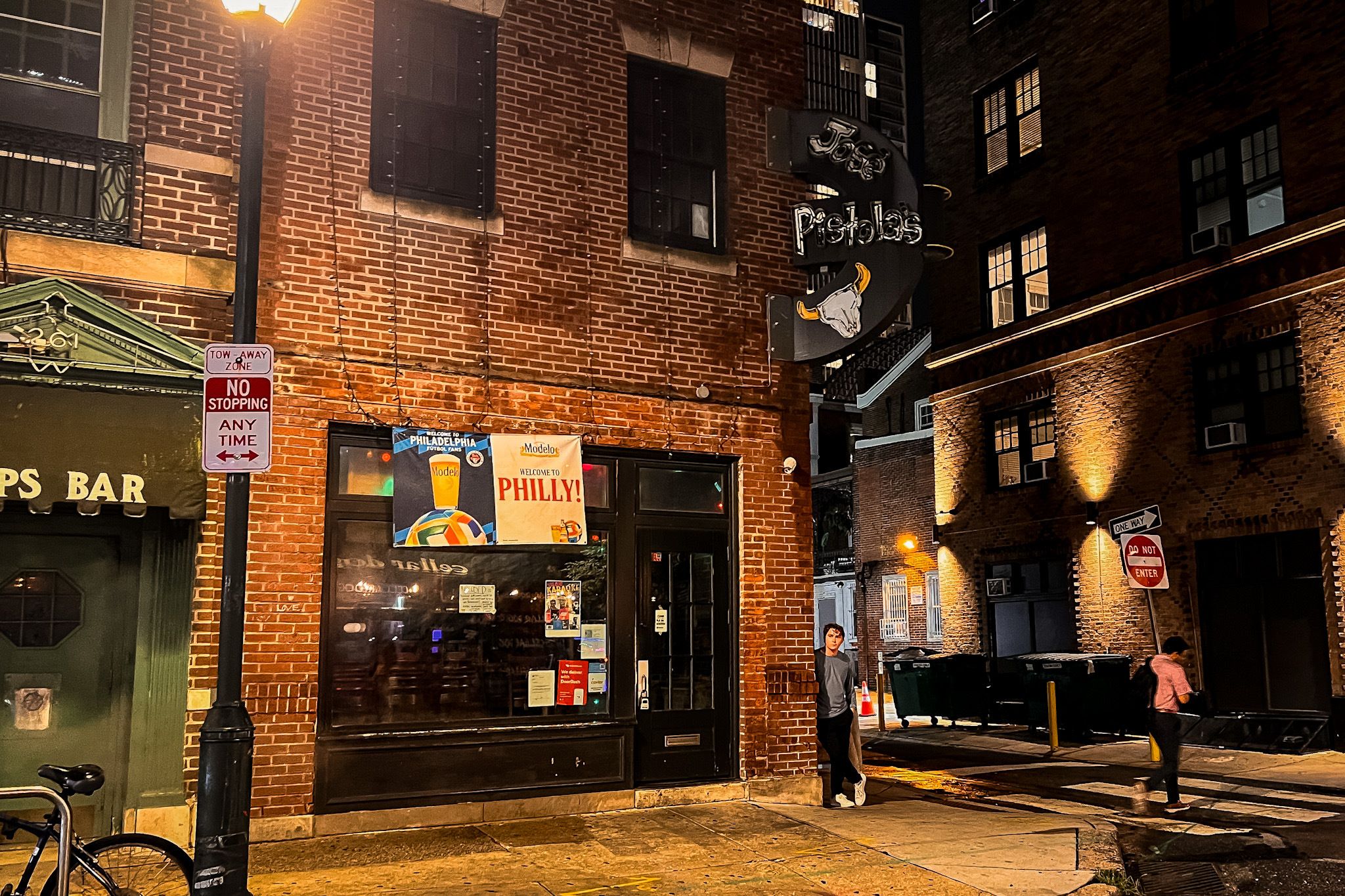
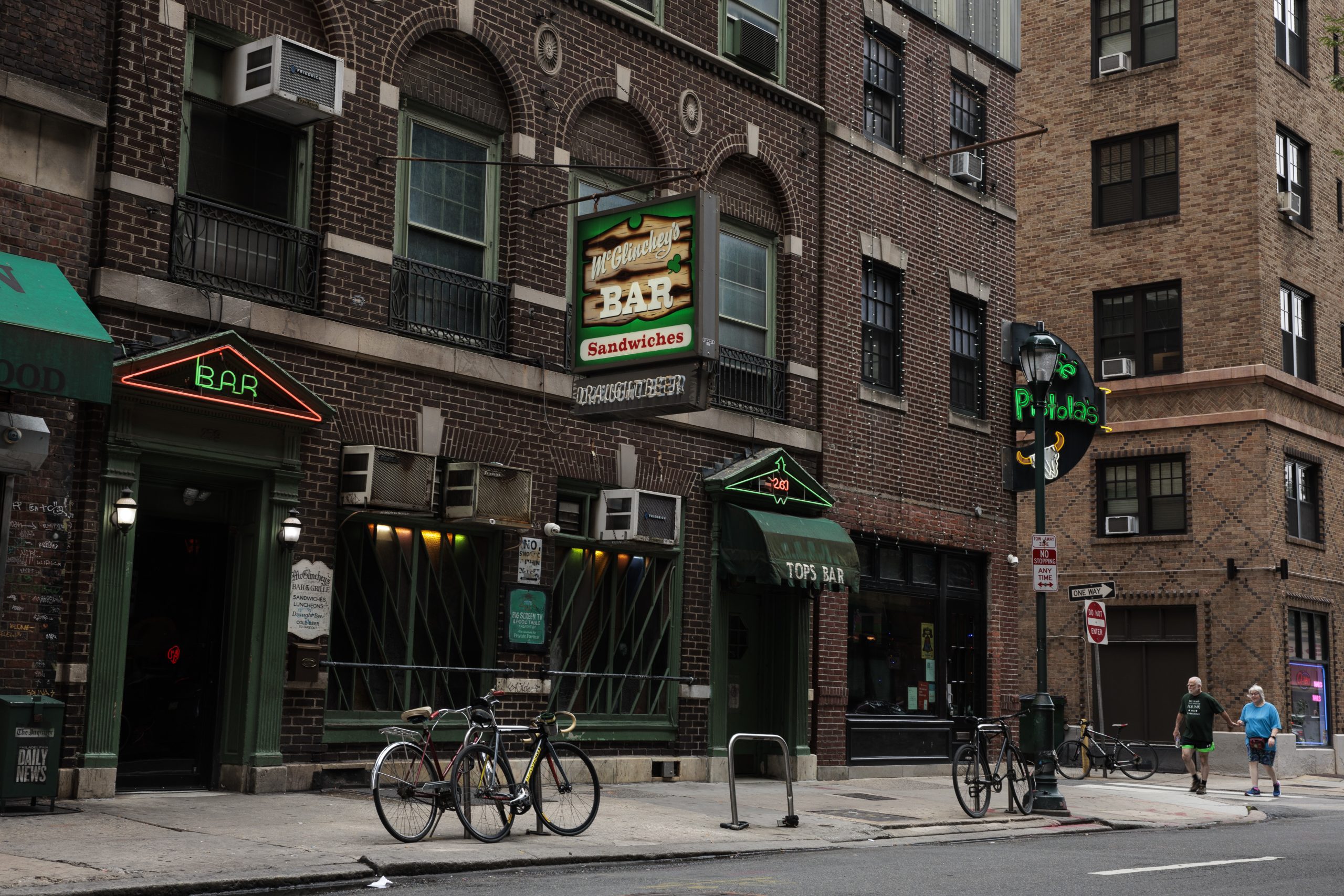
Jose Pistola’s, the Mexican-inspired craft beer bar at 263 S. 15th St., has closed after 19 years, following last August’s closing of its next-door neighbor, McGlinchey’s.
The closing of Jose Pistola’s came abruptly Tuesday amid a number of factors, including the Philadelphia Gas Works’ cutoff of its gas service. Although co-owner Joe Gunn said the business had made payments and was trying to resolve the issue, he said PGW would not restore service for three more days. . “That was the straw that broke the camel’s back,” Gunn said.
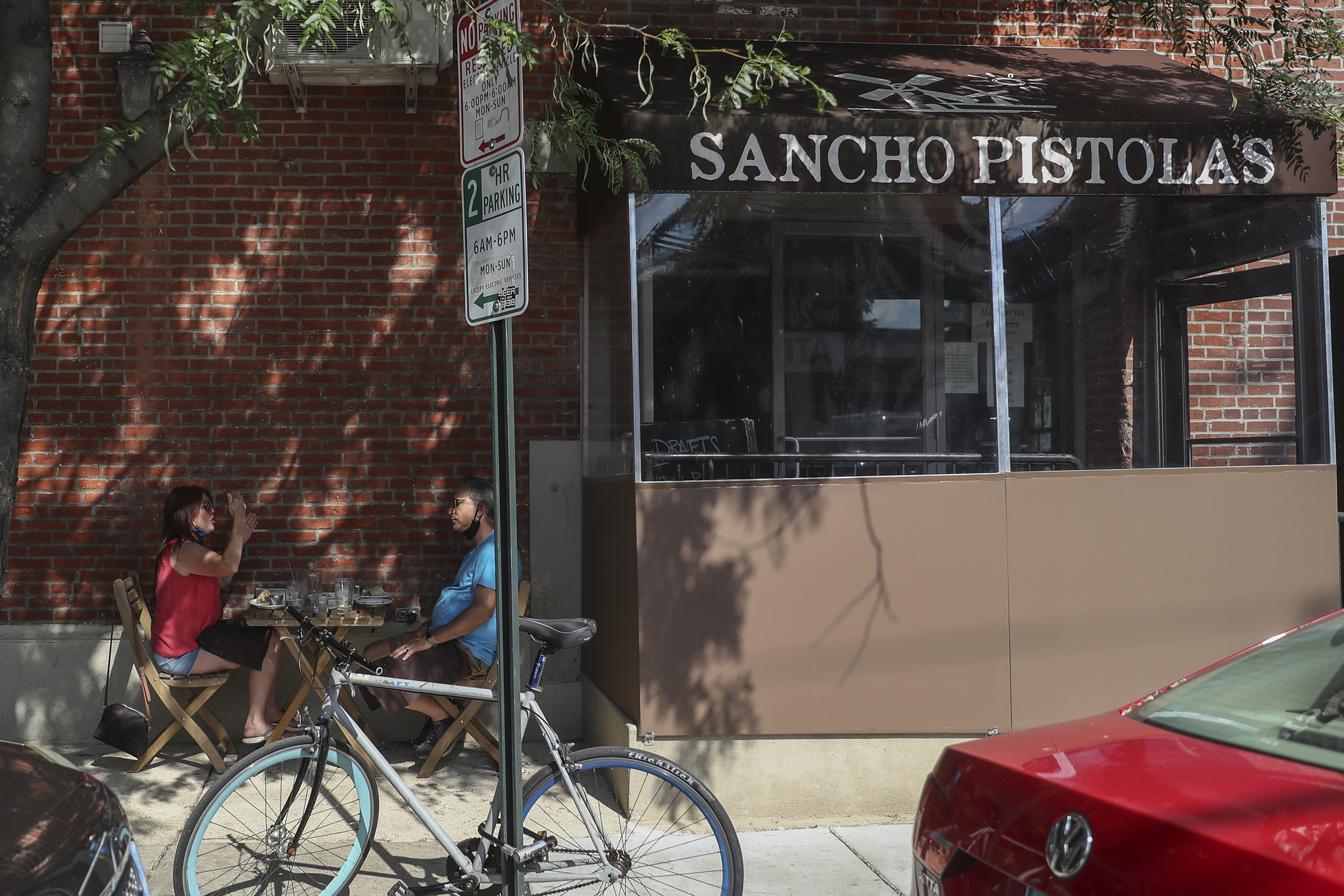
Sancho Pistola’s in Fishtown, which opened in 2014, is not affected by the Center City closing.Heather Khalifa / Staff Photographer
The closing does not affect Sancho Pistola’s on Girard Avenue in Fishtown, which opened in 2014, or Pistola’s Del Sur on East Passyunk Avenue in South Philadelphia, which opened in 2017. They are doing well, Gunn said. “They’re in no danger of going anywhere.”
In 2009, court records show, the City of Philadelphia, which owns PGW, obtained a judgment of nearly $48,000 against Jose Pistola’s. According to a 2025 court docket entry, the judgment was never satisfied. A PGW spokesperson on Friday declined to comment, saying it does not share information about individual accounts.
Gunn, saying that he did not want to blame PGW, said the interruption forced a decision that he and business partner Casey Parker had already been contemplating.
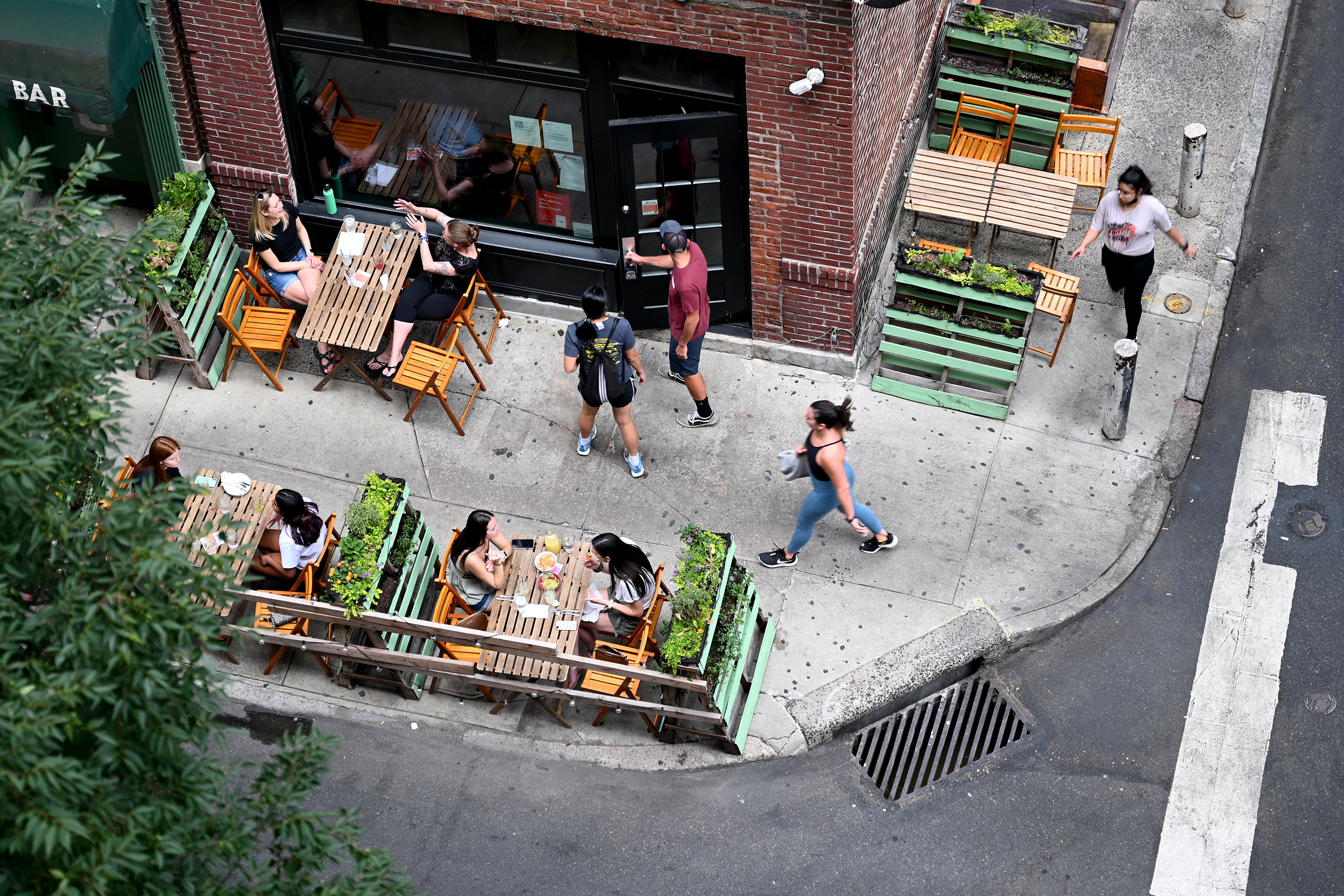
A view of Jose Pistola’s pandemic-era outdoor seating at 15th and Manning Streets in 2021. Tom Gralish / Staff Photographer
Gunn said they had about a year remaining on their lease and had been discussing a five-year renewal with their landlord. But with both Gunn and Parker now 51 and their children getting older, he said another long commitment seemed increasingly daunting. “It takes a lot of energy to play that game,” Gunn said.
The numbers were difficult, too. As other bar and restaurant owners have lamented, higher food and operating costs had squeezed the business, while the late-night trade that once helped sustain bars like Pistola’s has diminished.
“Frankly, [the bar] just never fully recovered from COVID,” Gunn said. “Coming out of COVID, the world was a different place — the price of goods, the cost of everything, and people don’t go out as much late. These younger generations are too smart to drink their life away.”
“It’s always been tight, but everything changed,” Gunn said. “And then people just don’t drink as much.”
About 25 people worked at Jose Pistola’s. Gunn said they had little warning because the owners themselves had not decided to close until the last minute. He said he and Parker are trying to place employees at their other restaurants or with friends in the industry.
“We’ll absorb what we can, obviously, in the other two places,” Gunn said. “We have a lot of friends in the business, so we’re aggressively trying to help them.”
Jose Pistola’s bar, as decorated in 2019 for its annual Jose Pistola’s Christmas Smackdown Bar Crawl.Tom Gralish / Staff Photographer
Jose Pistola’s — its name a loosely licensed Spanish rendering of Gunn’s first and last names — opened Aug. 29, 2007, taking over the longtime Copa, Too! space. Gunn and Parker were both veterans of Fergie’s Pub; Gunn had worked there for about seven years before leaving to open Pistola’s, while Parker had moved on by then.
The bar quickly established itself through its combination of craft beer, Mexican-inspired food, and an irreverent neighborhood-bar atmosphere. It became particularly associated with Philadelphia’s burgeoning craft beer movement and the early years of Philly Beer Week.
Its food grew more ambitious after Puebla-born chef Adán Trinidad joined the operation and eventually became a partner. Trinidad, whose resumé included El Vez and Alma de Cuba, brought to the menu such dishes as tortilla soup, goat sopes, carnitas-filled steamed buns, and Brussels sprout tacos that caught the attention of Inquirer critic Craig LaBan.
The partners later expanded the Pistola’s name to Fishtown and East Passyunk. Trinidad died after a fall in October 2021 at age 39.
Adán Trinidad was chef-partner until his death in an accidental fall in 2021.Rachel Delsurdo / Courtesy of Jose Pistola's
For most of Jose Pistola’s run, its next-door neighbor offered a study in contrasts.
McGlinchey’s — now on the market — was a cash-only dive bar known for low prices, dim lighting, smoke in the air, and an eclectic clientele. It endured by barely changing, while Jose Pistola’s brought craft beer and more ambitious food to an equally unpretentious neighborhood-bar sensibility.
The two businesses were nevertheless close.
“We had a great relationship with them,” Gunn said. “We loved them because of how funny they were. They were just kind of cranky, and they put up with us.”
McGlinchey’s, as seen in August 2025, was next door to Jose Pistola’s.
Gunn said the McGlinchey’s closure was part of a broader change he has watched on this stretch of 15th Street between Locust and Spruce Streets.
“The whole corridor used to be more vibrant,” he said. “I think COVID wiped out a lot of those places. It changed everything for us.” The block is also home to Cellar Dog and Garage Rittenhouse.
As recently as Thursday, Gunn said, he and Parker were “still fighting to figure out a way to [save] it. But it just, I think, ran out of steam.”
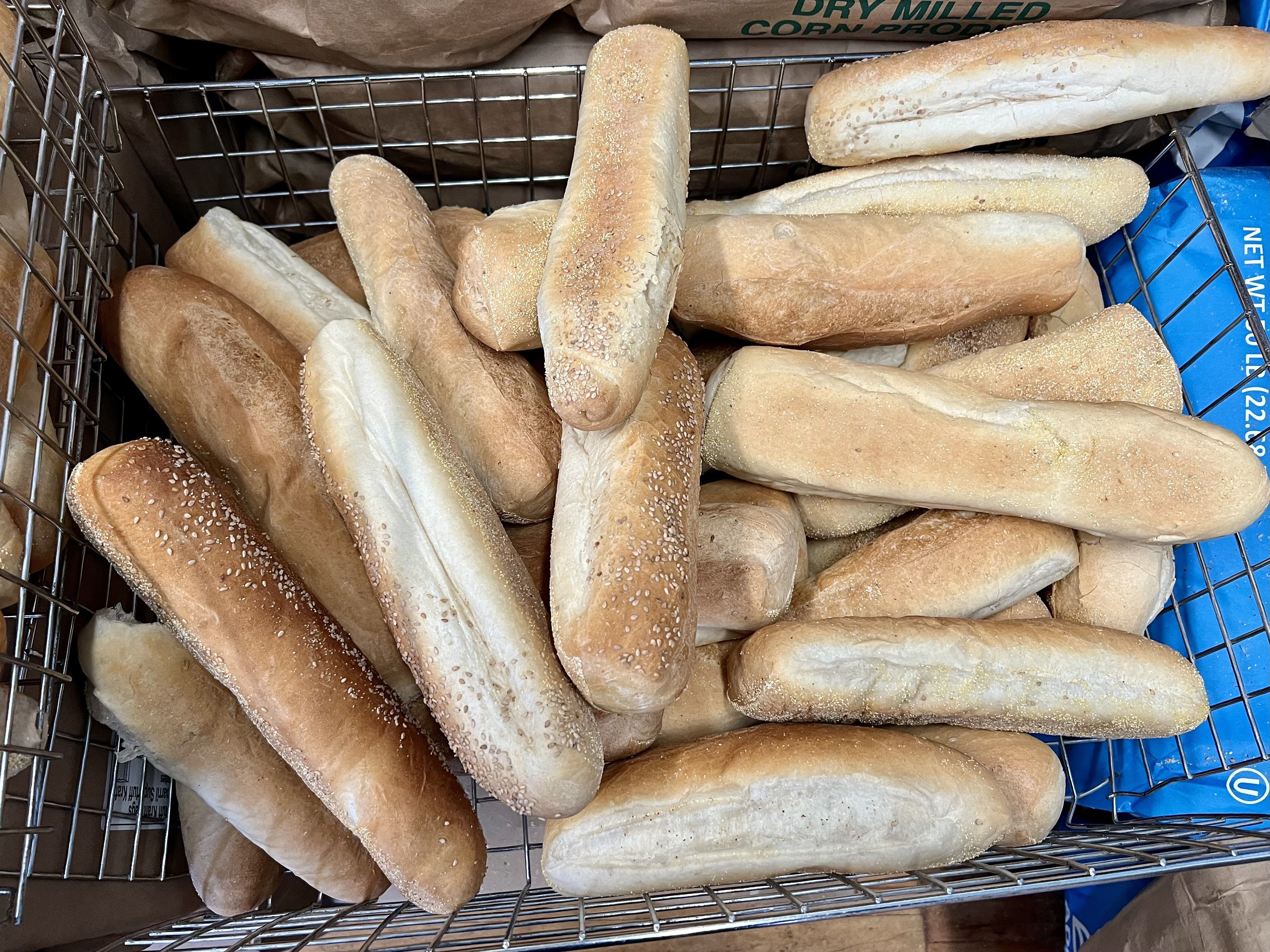
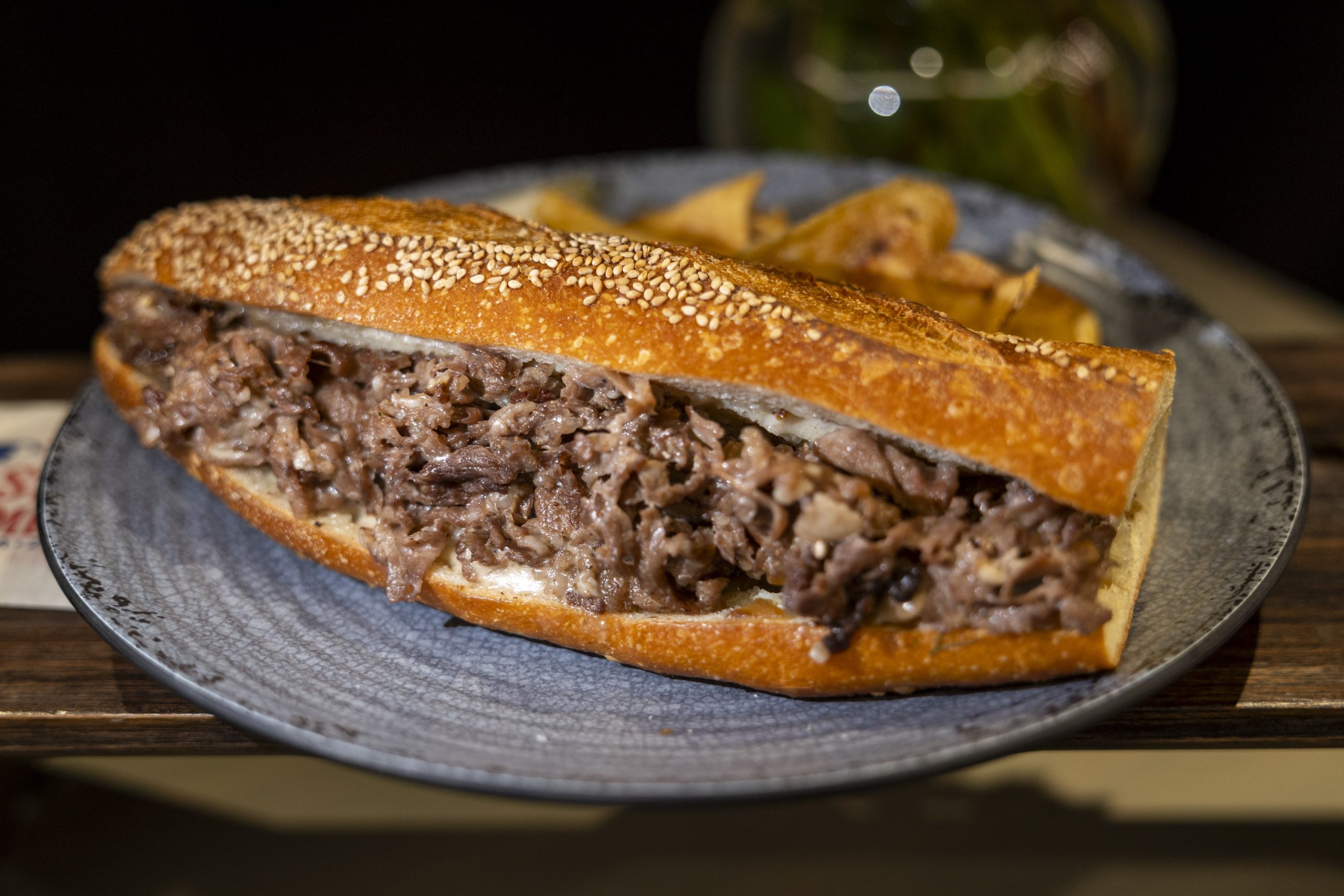
The seeded roll is a staple of Sarcone’s Bakery.Michael Klein / Staff
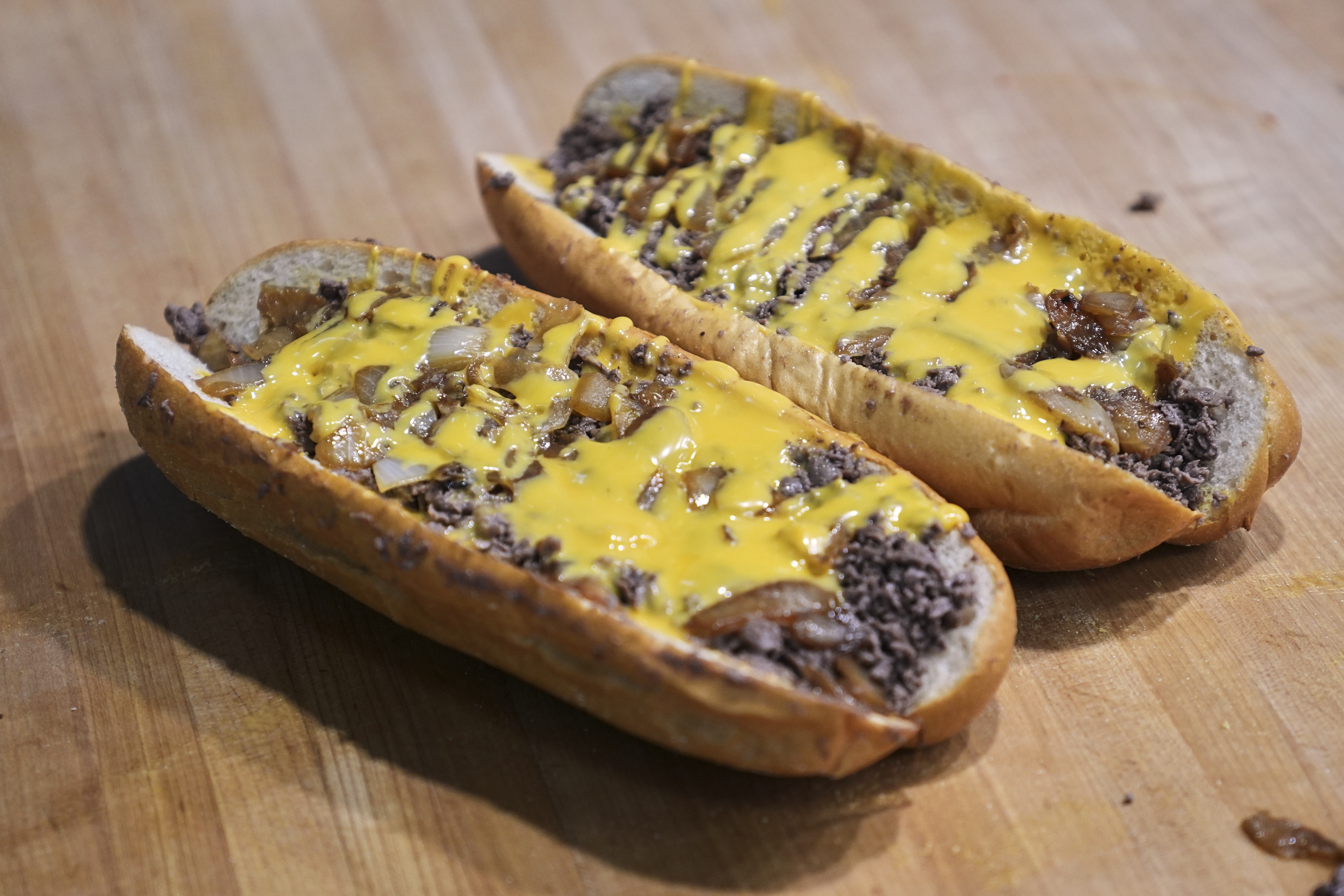
The seeded-roll question is part of the crowded field of never-settled cheesesteak disputes: Which cheese is correct? How finely should the beef be chopped? Should the onions be diced, sliced, or chopped?
Tourists vs. locals
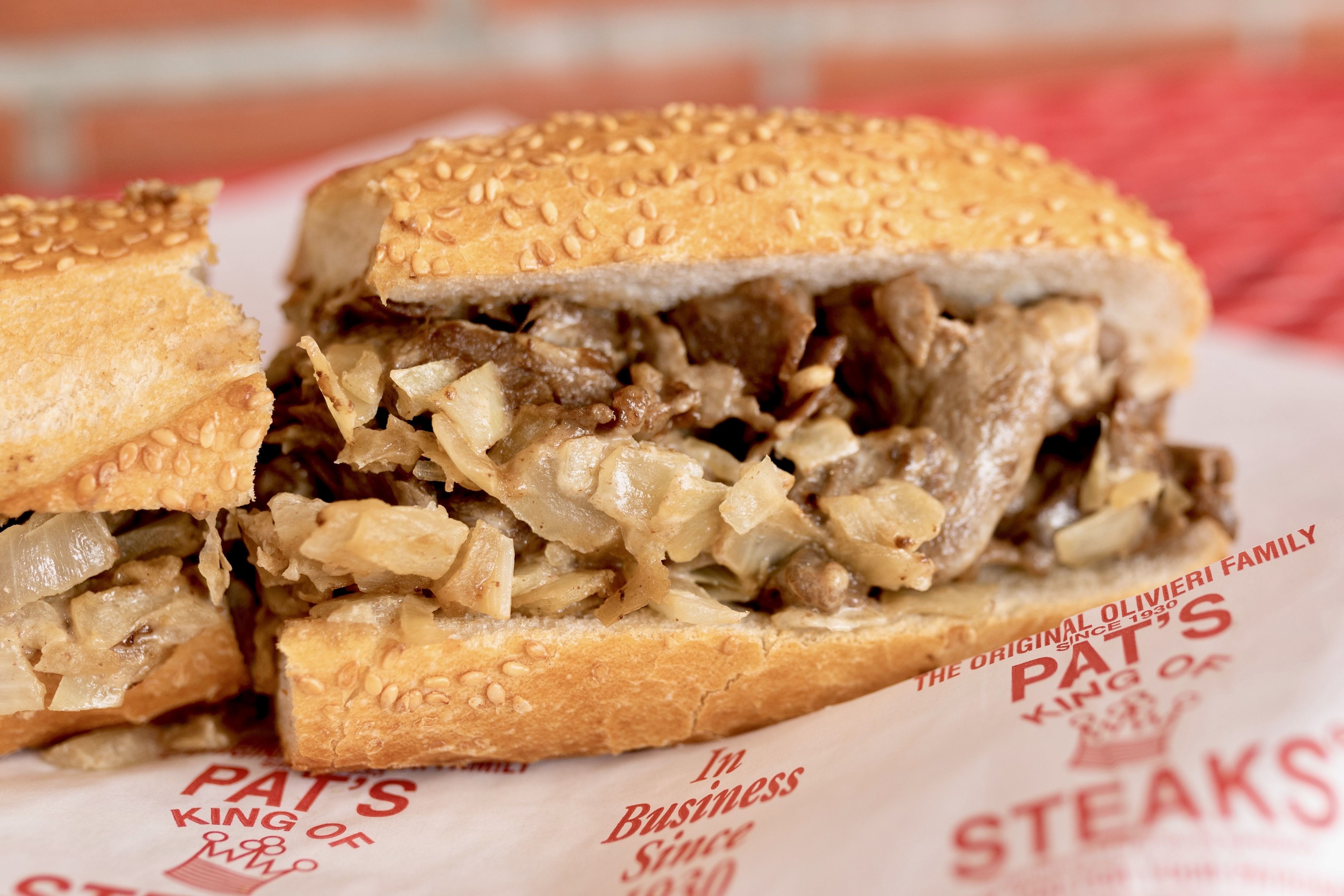
Earlier this month, Jim’s began offering seeded rolls as an option for the first time since it opened in 1976. Pat’s, which made news in February when it began offering them after 96 years of plain rolls, abandoned the experiment after only a few weeks.
Seeded rolls tend to be crustier, and the toasted sesame adds a faintly nutty flavor. Plain rolls are generally softer and milder, putting more emphasis on the beef and cheese.
At Jim’s, owner Ken Silver said he added seeded rolls to his Liscio’s bread order to give customers a choice. “For the most part, it’s a tourist thing,” Silver said. “Our local base is almost all plain.”
Silver said Jim’s made the change “for the same reason we added chicken and Cooper Sharp [cheese]. People expect it from what they see on social media.” Overall so far, he said, seeded is outselling unseeded, 6 to 1.
At Pat’s, those expectations did not translate into sales.
A cheesesteak on an unseeded roll at Jim’s South Street.Matt Rourke
Owner Frank Olivieri began offering seeded rolls in February, shortly after the death of his father, Frank P. Olivieri, who had resisted changes. The younger Olivieri initially said the limited-time offering would likely be permanent.
It lasted a month.
“If I got in 400 [seeded rolls] a day, by the end of the day, I was throwing out 390 of them,” Olivieri said. “Not that I’m the barometer to judge everybody else by or what influencers think you should eat, [but] not everybody who comes to Pat’s Steaks wants the [seeded] rolls.”
How the old guard rolls
Pat’s recently switched its bread supplier from Aversa to Corropolese, and offers plain rolls only now.
Geno’s Steaks, across Passyunk Avenue, also has been firmly seedless since Joey Vento opened the shop in 1966. “It’s never crossed my mind,” said Geno Vento, who took over after his father’s passing in 2011. “We have our customer base, and I don’t feel that we need to change the roll [baked by Liscio]. I feel like it’s more of a trend right now. And they might put [cheesesteaks] on rye bread next. You never know.”
Geno’s concession to the new generation is Cooper Sharp, which the shop buys in sauce form and heats up — as an option.
At the old-school Dalessandro’s in Roxborough, owner Steve Kotridis said he began offering seeded rolls a few years ago “when it became a fad,” though he estimated that only 3% of customers order them. Dalessandro’s uses a softer Amoroso roll for cheesesteaks and a sturdier, seeded Aversa for hoagies, both with and without seeds.
For newer cheesesteak shops, however, the seeded roll has become all but de rigueur — a style that predates social media but has been amplified by it. Famously, Donkey’s Place in Camden has served its distinctive cheesesteaks on poppy-seeded round rolls for more than 80 years.
Louis Sarcone Jr. at the century-old Sarcone’s Bakery credits Bobby Toner of the now-closed JR’s Deli with helping establish seeded bread as a hoagie standard in the 1980s, after Toner began buying Sarcone’s seeded loaves.
Sarcone said Primo Hoagies, founded in South Philadelphia in 1992, spread the style widely as it expanded into a 120-unit chain. Sarcone supplied Primo for years before it started using parbaked rolls supplied by another bakery.
By 2024, Sarcone said, 90% of the rolls he baked were seeded, up from 75% a decade earlier.
John Bucci Jr. said John’s Roast Pork began serving cheesesteaks on seeded rolls in 1987, after its supplier, Vilotti, went out of business. Bucci’s father, who was terminally ill, left the choice of a new bakery to his son. “JR’s had started making their hoagies on seeded bread, so, I figured, why not try [it] on a cheesesteak?” Bucci said.
John’s initially bought its seeded rolls from Carangi and later switched to Sarcone’s.
Now a cheesesteak roll
The seeded roll’s rise as a defining feature of the modern Philadelphia cheesesteak came later, accelerated by Angelo’s Pizzeria.
Owner Danny DiGiampietro, whose wife is Louis Sarcone’s niece, used Sarcone’s seeded rolls when he opened the first Angelo’s in Haddonfield in 2013. After moving Angelo’s to Ninth and Fitzwater in 2019, DiGiampietro began baking his own bread.
As Angelo’s fame grew, its crusty, sesame-seeded rolls — an image widely broadcast on social media and emulated by other shops — helped define the newer-generation cheesesteak.
Del Rossi’s cheesesteak is served on a house-baked seeded roll.
At Del Rossi’s, owner Nish Patel said cheesesteak orders were roughly split between plain and seeded rolls when he took over in 2020. Since he began baking his own rolls in 2024, virtually all have gone out on seeded bread.
“We barely get any requests for unseeded,” Patel said.
The contrast with Pat’s could hardly be sharper. There, Olivieri said, almost nobody wanted the seeded option.
Jim’s now finds itself somewhere in between — offering the roll that has come to signify a Philadelphia cheesesteak to many, while continuing to sell mostly plain rolls to its longtime clientele.
“People expect it from what they see on social media,” Silver said.
One of the year’s more closely watched Main Line restaurant projects now has a name, a chef, and a clearer identity.
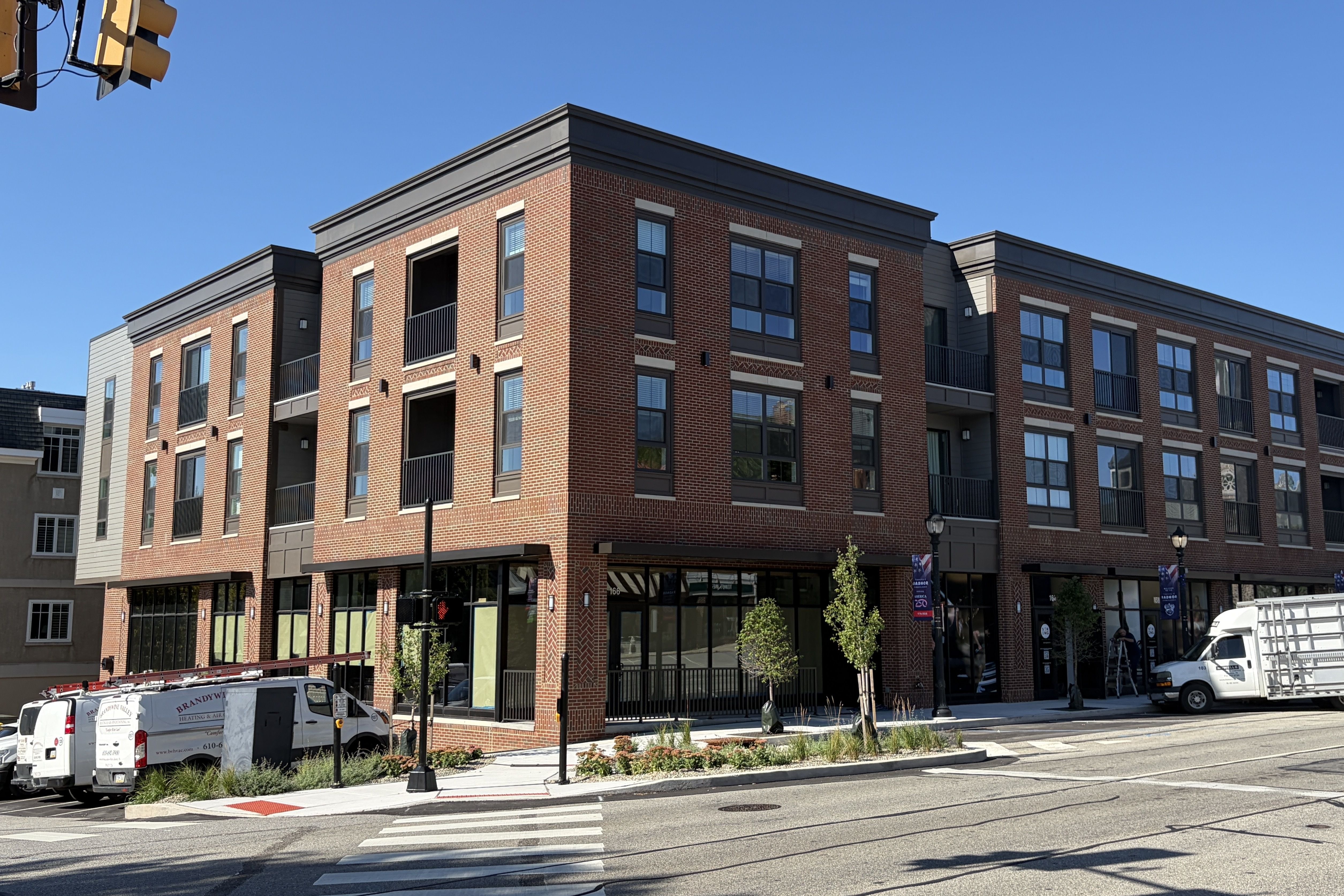
Old Friend, a contemporary American grill built around live-fire cooking, is targeting a late-fall opening in downtown Wayne with former Fork executive chef Sam Henzy leading the kitchen.
The 86-seat restaurant — 78 in the dining room and eight at the bar — will be at 166 E. Lancaster Ave., in a newly constructed ground-floor retail space at Lancaster and Louella Avenues that is part of the Apartments at Wayne Station. It is amid Wayne’s restaurant row, across from Maison Lotus and Rosalie, and just a few blocks from At the Table, White Dog Cafe, and the North Wayne Avenue dining strip.
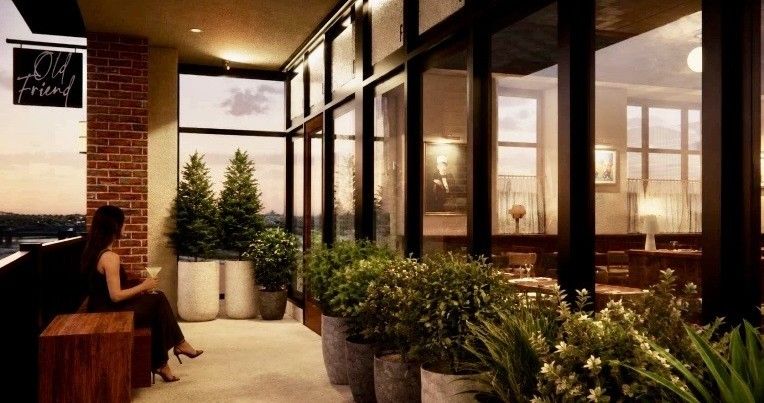
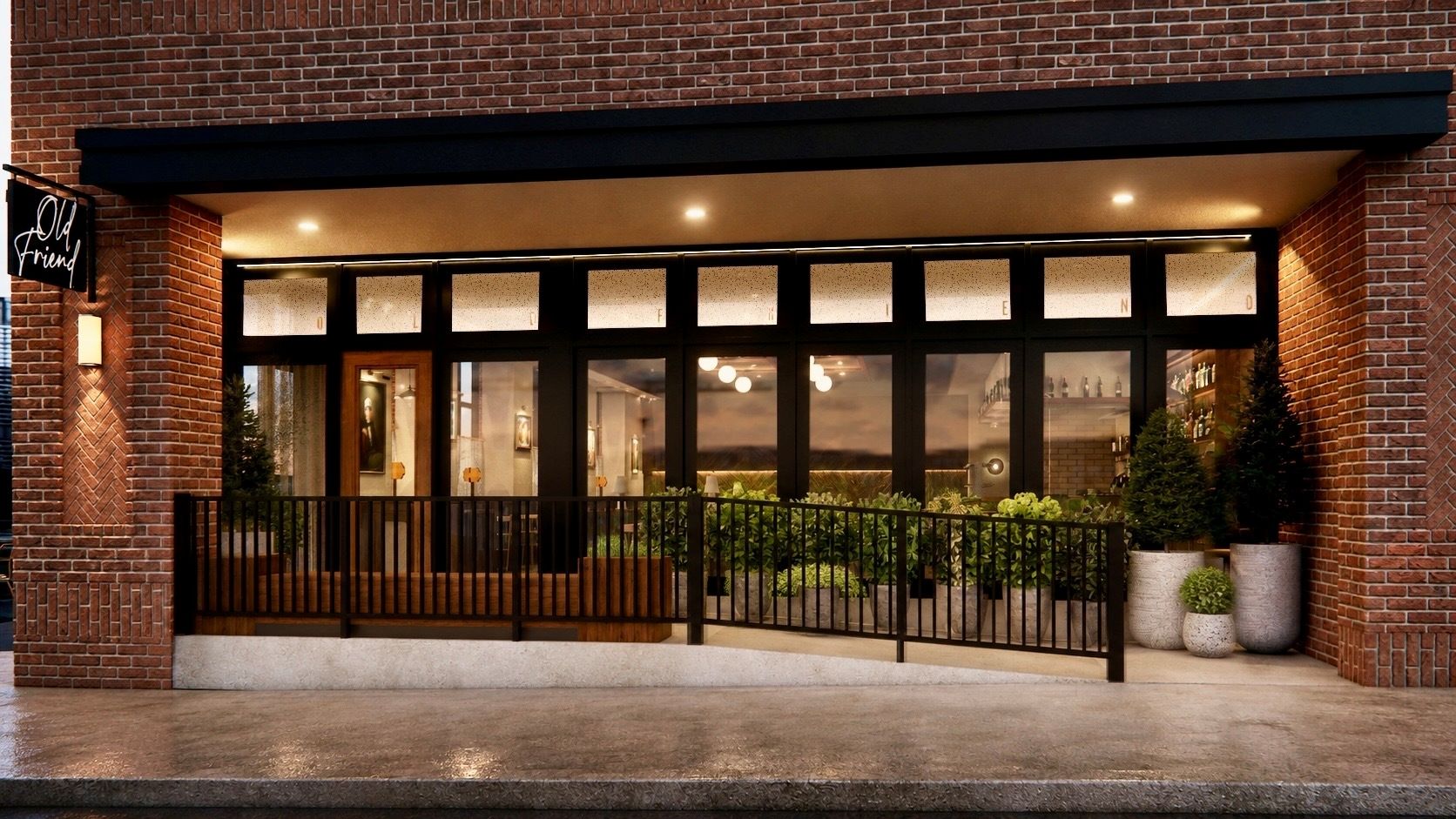
Rendering of Old Friend, 166 E. Lancaster Ave., Wayne.Stokes Architecture & DesignArchitectural rendering of the facade of Old Friend, 166 E. Lancaster Ave., Wayne.Stokes Architecture & Design
Old Friend is the creation of Larry Kagan and Chas McFeely, who met in 1984 at Welsh Valley Middle School and later attended Harriton High. McFeely, an advertising copywriter who lives in Alameda, Calif., has family ties to the Main Line and returns frequently.
Kagan, who works in financial services and is a partner in the Campus sports complex in Downingtown, offered the first public outline of the project at a March Radnor Township Board of Commissioners hearing for its liquor-license transfer, describing an unnamed grill restaurant “that’s going to have the soul of a steakhouse.”
Kagan told The Inquirer this week that the name “old friend” describes his relationship with McFeely: “It’s someone between friend and family — someone you can pick up at any time, you can be yourself.” The name, he said, also reflects the sort of relationship they hope to develop with customers.
Kagan acknowledges that neither he nor McFeely is a restaurateur. They brought in Stove & Co. chef-owner Joe Monnich as a consultant to develop the concept and assemble the operating team. Monnich will remain in a leadership role while continuing at Stove & Co., whose holdings include Stove & Tap and Joey Chops.
Sam Henzy in 2025, when he joined Fork as executive chef.Courtesy of Fork
The connection to Henzy came through Monnich. The two met at Morimoto when Henzy was about 20 and, as he puts it, “green as grass.”
“Joe was the first chef who pushed me really hard, but he did that great older-brother thing of pushing somebody while being there to answer questions,” Henzy said. “He really took me under his wing.”
They remained friends as Henzy built his career. He did not know the name of the Wayne restaurant until he recently visited the space with Monnich and the owners.
“When they told me it was going to be called Old Friend, it just made me smile,” Henzy said, “because that’s how I think of Joe.”
Henzy, who grew up in Delaware, is best known locally for his two years as executive chef at Fork in Old City. His resumé also includes Middle Child Clubhouse, Vernick Food & Drink, Noma in Copenhagen, and Quince and Angler in San Francisco.
Henzy’s experience with live-fire cooking began during a six-month internship at Noma. He remembers touring the cutting-edge restaurant and encountering a Josper charcoal grill set up in a makeshift shack out back.
“In that moment, I was like, ‘Oh, I’m taking that station,’” Henzy said.
He eventually did, spending the final three months of his internship on the Josper. Later, he sought out Vernick Food & Drink in part for its wood-burning oven. His most intensive live-fire experience came at Angler, where he was executive sous chef and the cooking line had no conventional stoves.
“It’s just fires,” Henzy said. “It’s fires everywhere you look.”
Old Friend will bring him back to that style of cooking. Its open kitchen will center on a charcoal-fired Josper combination grill and oven, which Kagan calls the restaurant’s “engine.”
Designed by Stokes Architecture & Design, the restaurant will feature reclaimed mushroom wood, an oak bar, and an open, firebrick-lined hearth that will put the Josper in view of the dining room.
Kagan calls Old Friend a contemporary American grill. The developing à la carte menu will move from small and medium plates to larger-format proteins intended for sharing. The wine list will be compact and closely matched to the food.
Fish — including some dry-aged fish — as well as poultry and other proteins will be cooked on the Josper. Henzy gained experience dry-aging fish at Angler and wants to explore the technique further at Old Friend.
“I think dry-aging fish is both an underused and a misunderstood technique,” he said.
Old Friend also represents a move away from what became Henzy’s signature at Fork. Pasta may appear on the menu, but it will not be a focus. At Fork, he said, its popularity “took on a life of its own,” sometimes overshadowing the rest of the menu.
“I’m really big on never resting on my laurels and taking on new challenges,” Henzy said.
After years away froma live fire-fueled kitchen, Henzy said, “I’ve really been itching to get back into the flames.”
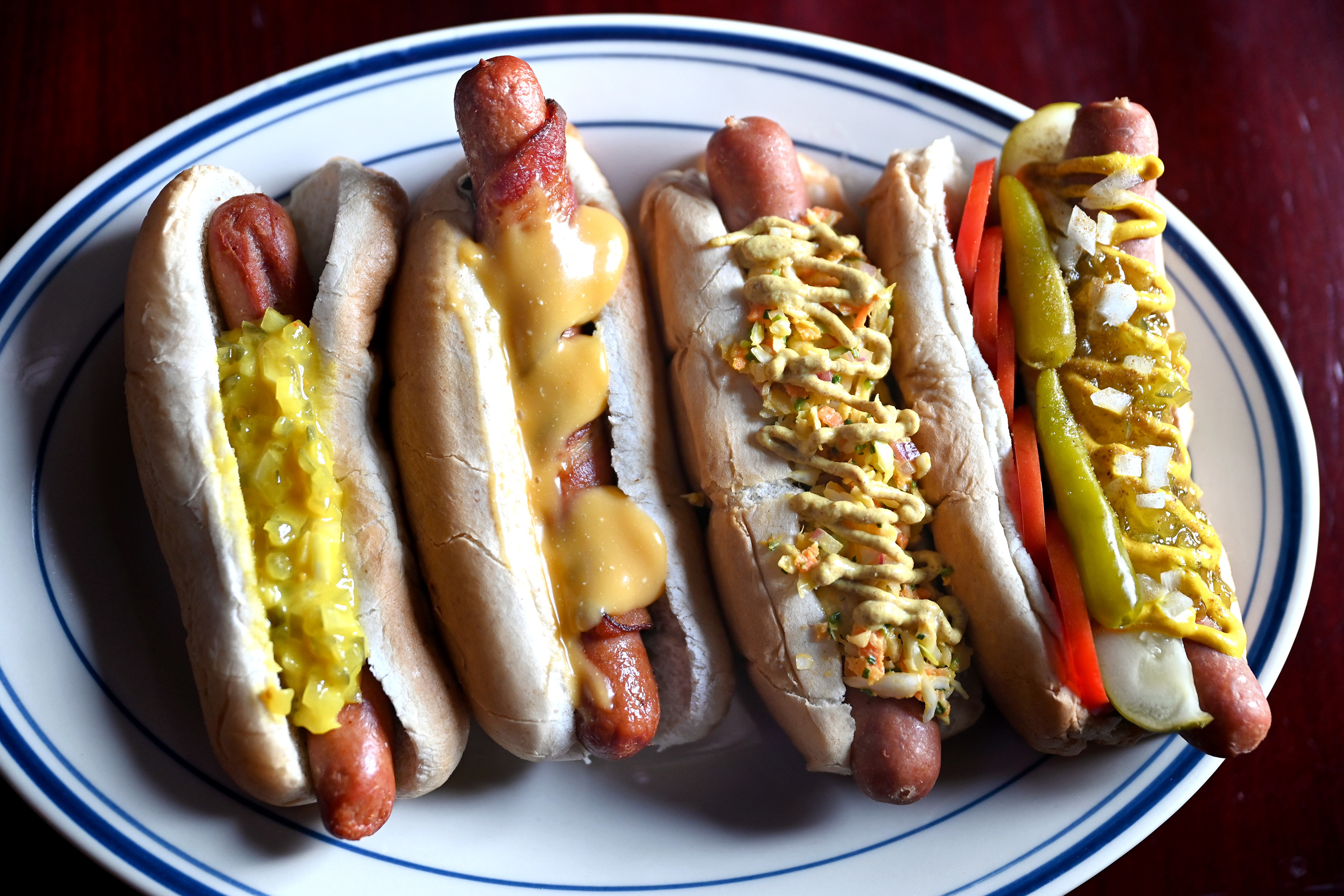
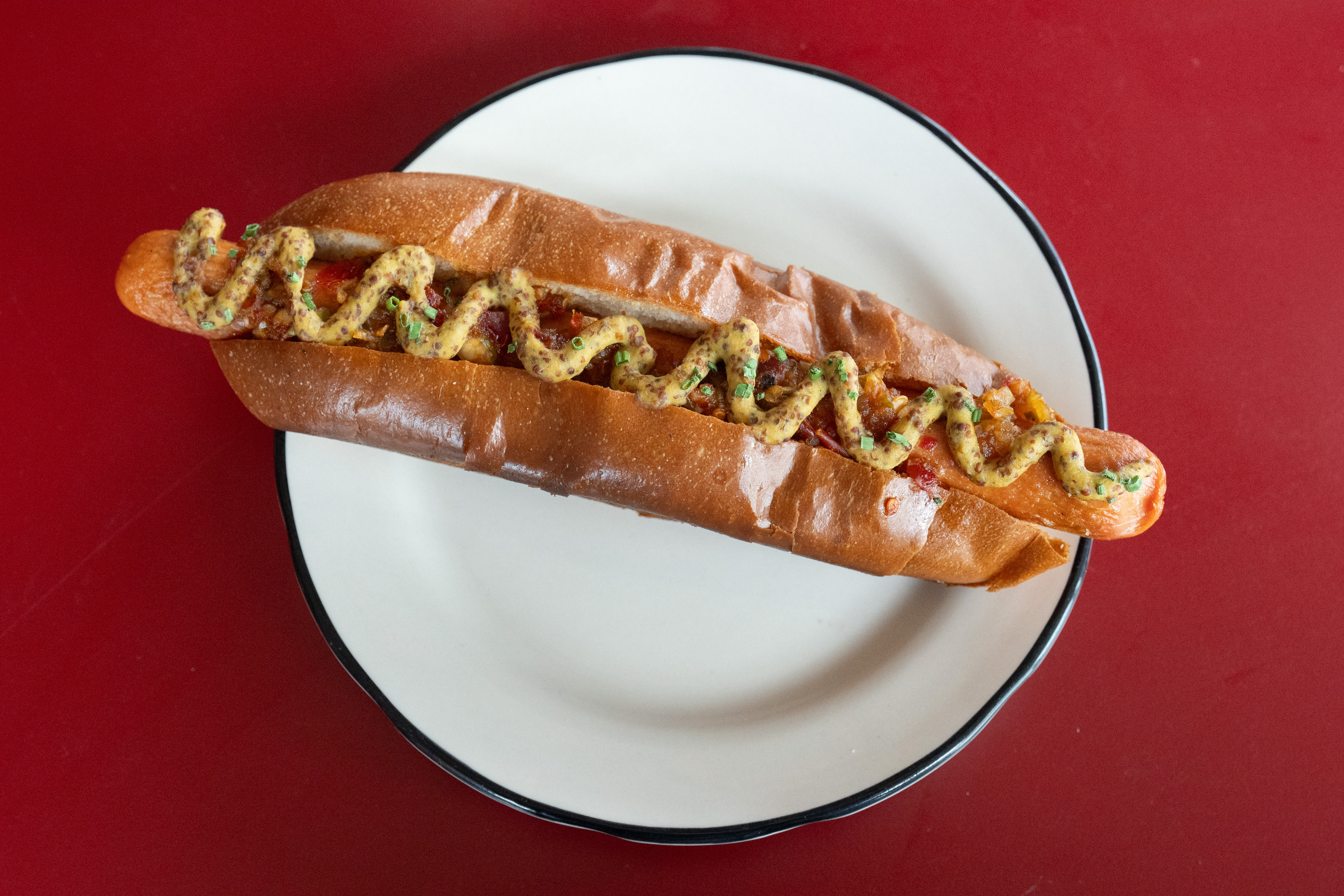
Expand your horizons beyond beef franks with mustard: We scoured the city for the best dogs, whether served on a traditional buns or topped with bonito flakes and carrot salad. Check out our map of Philly’s tastiest hot dogs.
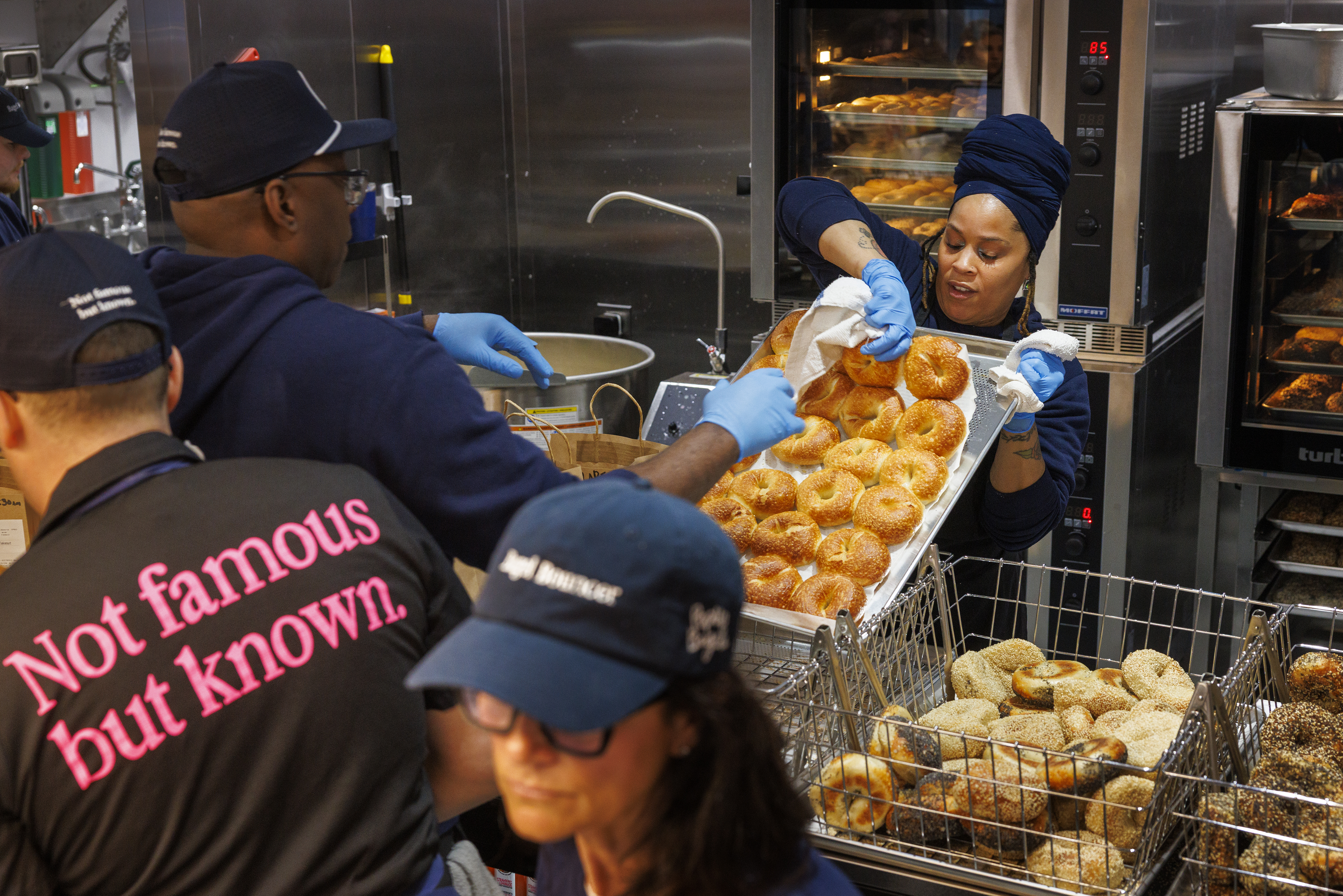
As a bevy of bagel shops — some locally launched, others private equity-backed — makes plan in the region, Mike talked to the experts about an obvious question: How many bagels can Philadelphia eat?
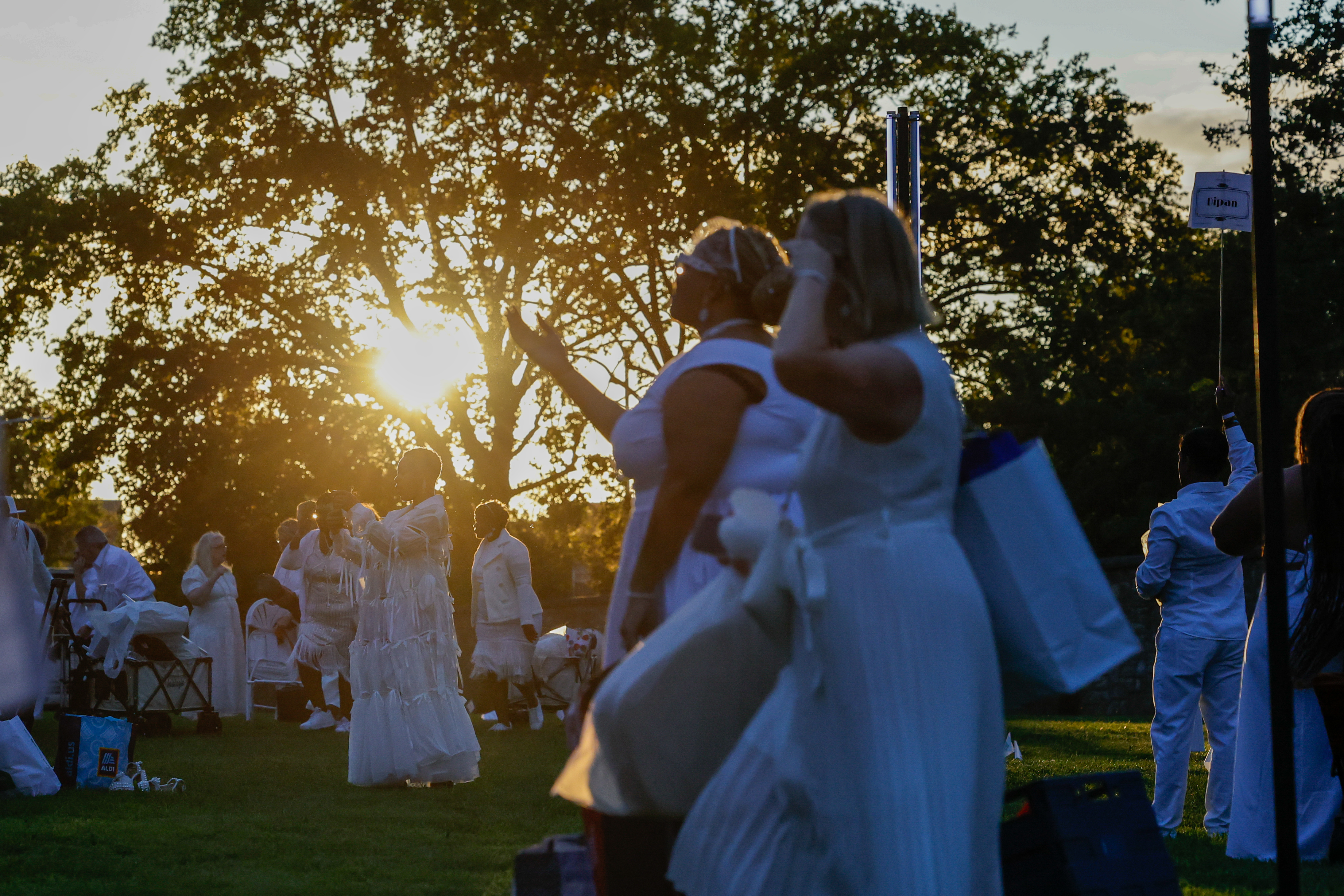
Thousands of would-be Dîner en Blanc participants did not get to haul their tables, chairs, and picnics to a secret location this year as it literally rained on their parade. They made the most of things, dining en blanc at homes, restaurants, and even a cigar bar.
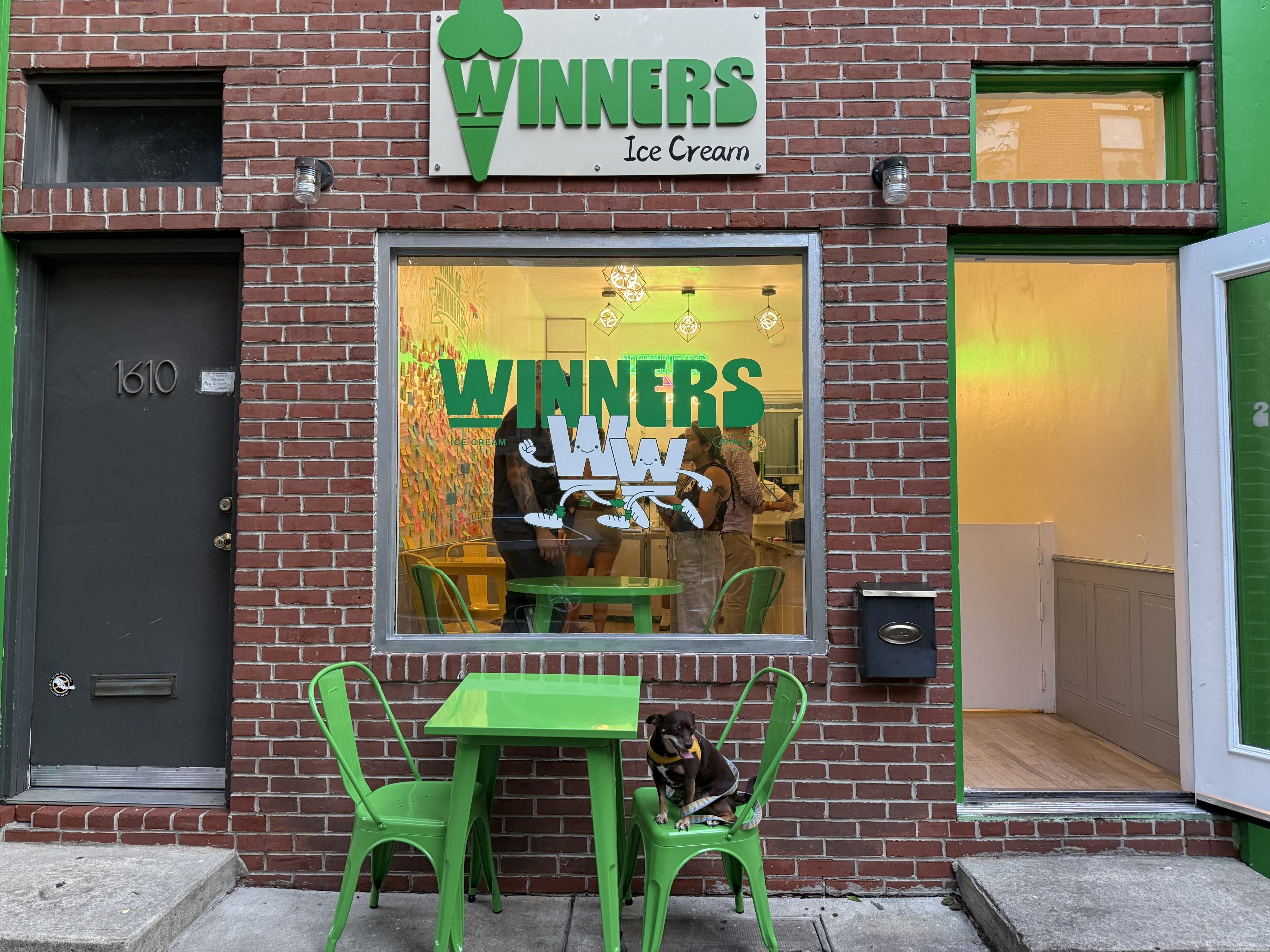
For years, Graduate Hospital residents had to dip into Rittenhouse or head south for treats, but a new wave of neighborhood businesses are selling everything from loaded baked potatoes and ice cream to matcha lattes and mousse cakes.
👩🍳 Graduate Hospital’s first restaurant week runs through Sunday, with participating restaurants offering three-course prix-fixe menus for $30 or $45 while continuing to serve regular menus. The lineup includes Banshee, L’Anima, Say She Ate, Chick’s, Château Rouge, La Sera Italiana, Old Towne & Sanna’s, Saigon Grace Cafe, and Sidecar Bar & Grille. Details/menus are here.
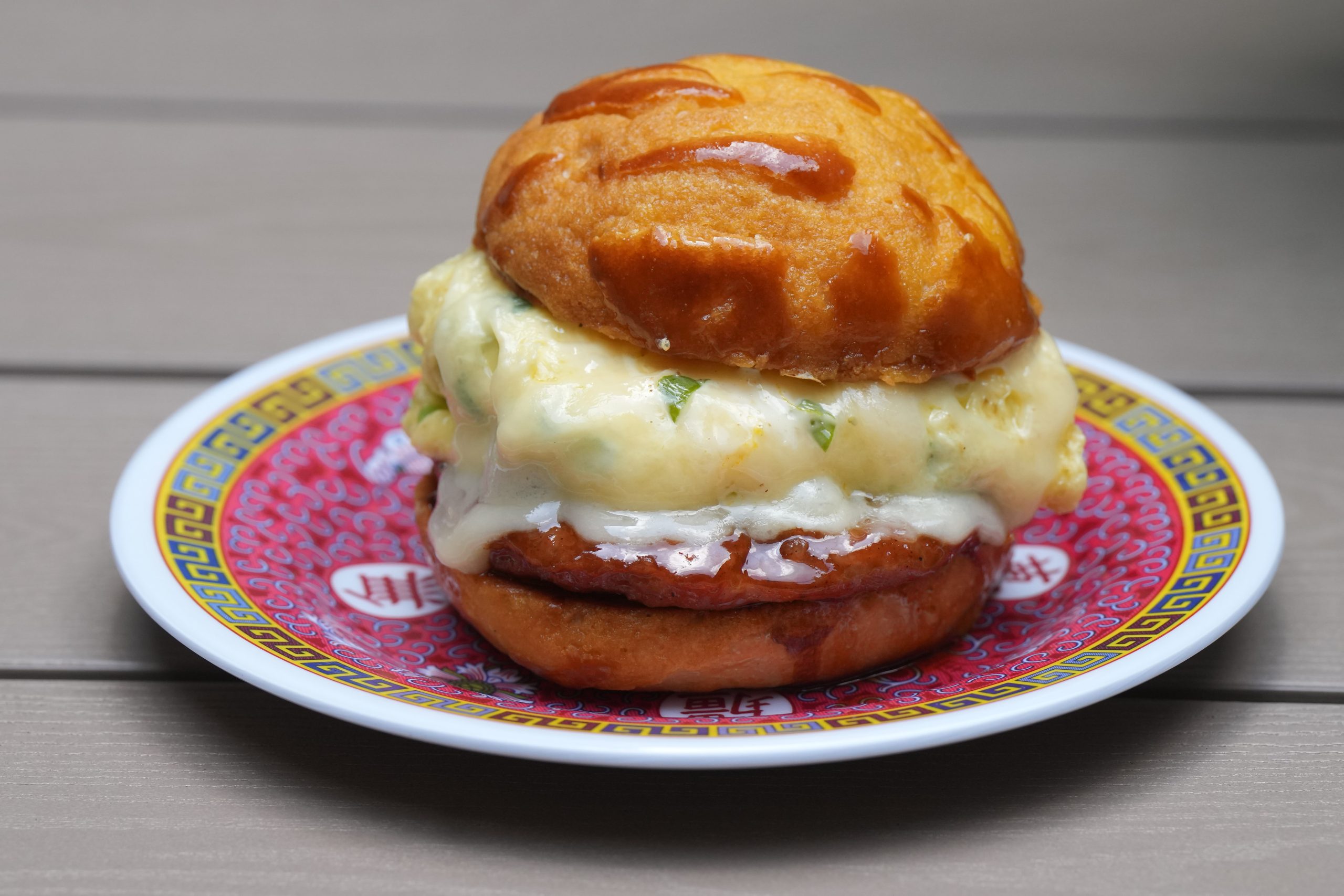
Beatrice Forman, a breakfast sandwich connoisseur, gets the warm and fuzzies from Chibanos’ Chino, which uses a Dodo Bakery bo lo bao as its bun. “It’s funny how a single sandwich can take me to so many places,” she wrote of its fluffy eggs, Swiss cheese, and char siu-style sausage patty.
Cantina La Martina is set to return to Kensington and debut in Brewerytown next month as it doubles down on its relationship with Human Robot Brewery, which is parting ways with sandwich maker N.A. Poe. The vendor shakeup, Beatrice reports, was precipitated in part by some untoward social media posts.
Scoops
Ms. Tootsie’s former building at 1312 South St., shuttered since the 2021 death of restaurateur KeVen Parker, will become the home of Nippy’s on South. Nikia Peterson, a nurse who frequented the swank soul-food destination, has bought the building and is installing what she said will be a polished spot offering an eclectic menu, with seafood towers, steaks, Asian and Caribbean dishes, and a full bar emphasizing happy hour and weekend brunch. “Nippy” was her late grandmother; a late-September opening is planned.
Mezzanine 1909 and the Slider Co. are moving toward spring openings at 2043 Frankford Ave., now that longstanding zoning issues have been settled. Will Johnson, partnered with Anesha Garrett, tells me that they envision a quick-service burger shop on the first floor, and — accessible through a “secret” door — a speakeasy-style, 40-seat cocktail bar upstairs serving nine small plates and nine cocktails with “intentional” service. It also will be a hub for their catering. Slider & Co. had two popups nearby last summer.
Briefly noted
Testa Rossa, the casual Italian-American concept from Fearless Restaurants, closed Sunday after 20 months in the Shoppes at Brinton Lake on Baltimore Pike in Glen Mills. “It never really resonated with the neighborhood,” said Fearless owner Marty Grims, adding that the company has offered Testa Rossa employees jobs at its other restaurants, including the White Dog Cafes and Rosalie. Fearless’ next project, a Southern Italian restaurant called Martini & Roz, is due to open in late fall at 523 W. Lancaster Ave. in Wayne.
❓Pop quiz
Which two restaurants made it onto Bon Appétit’s best new restaurants list?
There are ghosts rumbling through the rafters at Mr. Edison. And I’m not sure they’re happy.
So much energy — both living and remembered —pulses through this dramatic two-story restaurant inside the landmark Bellevue hotel that, as we follow a hostess in what looks like silk pajamas up the long staircase to our table on the mezzanine, the ceiling panels appear to explode with a mirrored tableau of reflected lightning bolts. A chandelier of suspended Edison bulbs showers the plush booths below in a cascade of frozen sparks while a 12-foot brass Ferris wheel nearby cycles slowly over the bar, dangling some of the world’s most extravagant bottles of booze in its hydraulic glass cages.
Am I the target audience for a $350 pour of the Louis XIII “on rotation”? Definitely not. But Mr. Edison has obviously found them, given its guests supposedly go through a bottle a week of the famed cognac (which retails in Pennsylvania for $5,300).
The bar at Mr. Edison in the Bellevue Hotel on Tuesday, Aug. 18, 2026 in Philadelphia.Monica Herndon / Staff Photographer
This carnival of pomp and perpetual motion is overwhelming to take in all at once, along with a live jazz band playing to a crowd tightly cinched into formalwear and glittering jewels. The spirit of Thomas Edison, who in 1904 helped electrify this grand old hotel, would no doubt be moved by this namesake tribute from owner Jeffrey Chodorow, the pioneering restaurateur with a hand in more 60 restaurants, including China Grill and Asia de Cuba.
While those two stars of late 20th-century dining in New York (and Miami) were trendsetters for the eater-tainment fusion movement, Mr. Edison is a decidedly nostalgic throwback to a 1940s-style supper club. It’s built around updates to classic Philly foods, from fried oysters and chicken salad zapped with kimchi to more dutiful re-creations of cakes from Old Original Bookbinder’s and Frog.
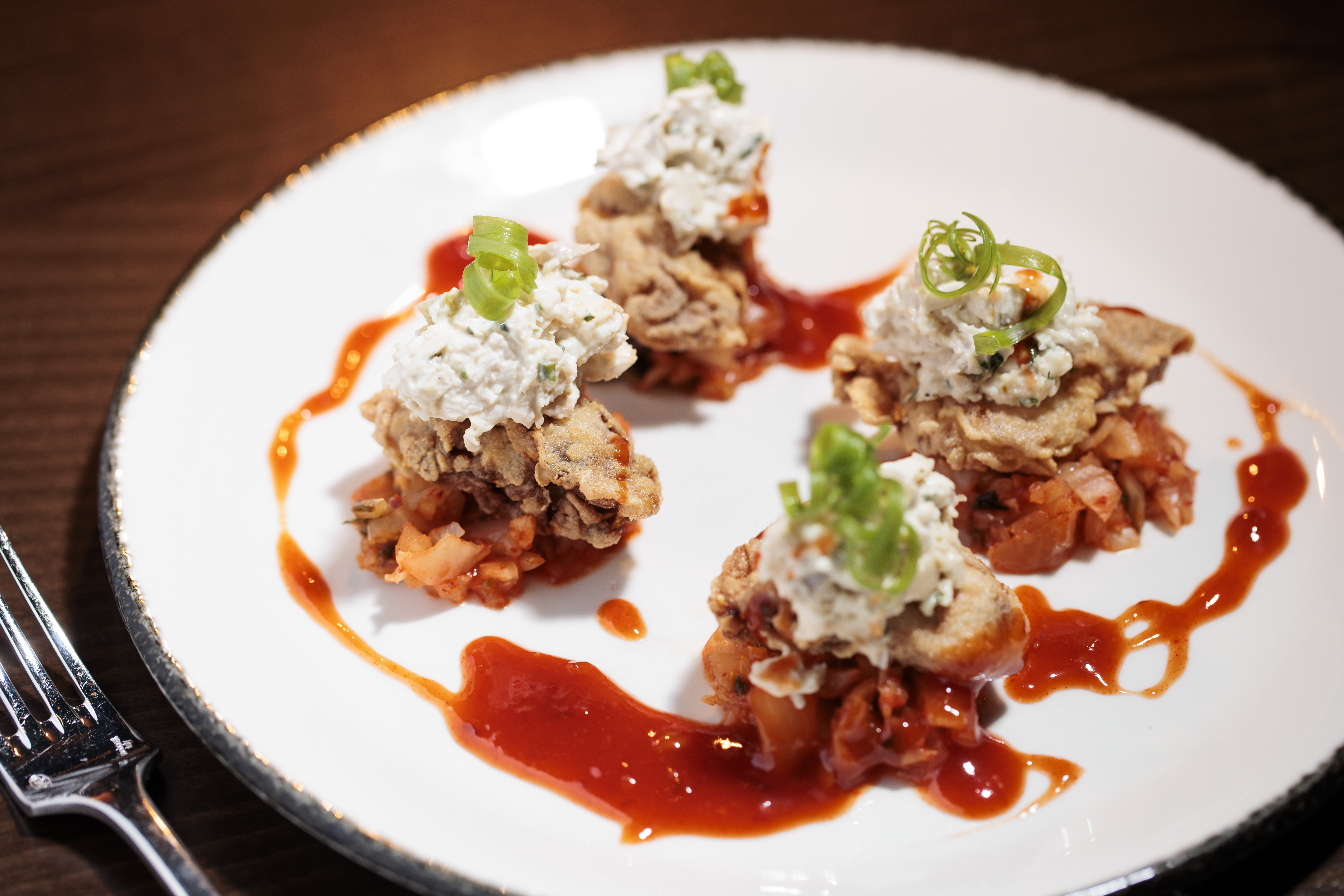
The Korean fried oysters at Mr. Edison in the Bellevue Hotel on Tuesday, Aug. 18, 2026 in Philadelphia.Monica Herndon / Staff Photographer
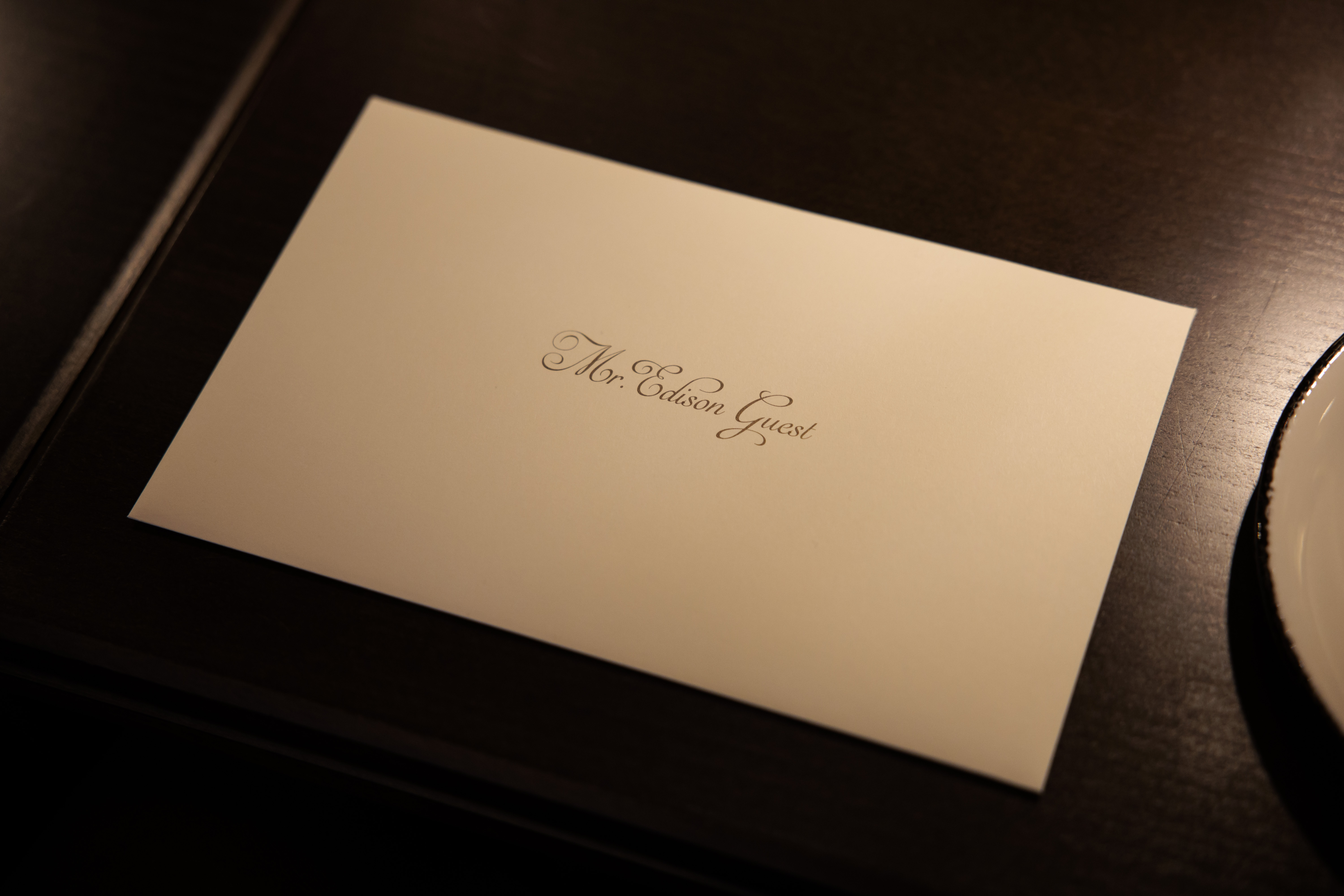
For Chodorow, 76, who studied at Wharton, Mr. Edison’s food is a love letter to legends of the 1970s restaurant renaissance, whichhe enjoyed while practicing law here in the early 1980s. Names like Le Bec-Fin, Le Panetière, and Jimmy’s Milan are invoked like wishful spells across the menus, which arrive tucked inside a souvenir envelope like wedding invitations. (Chodorow, not coincidentally, threw an elaborate engagement party for his wife at the Bellevue in 1982.)
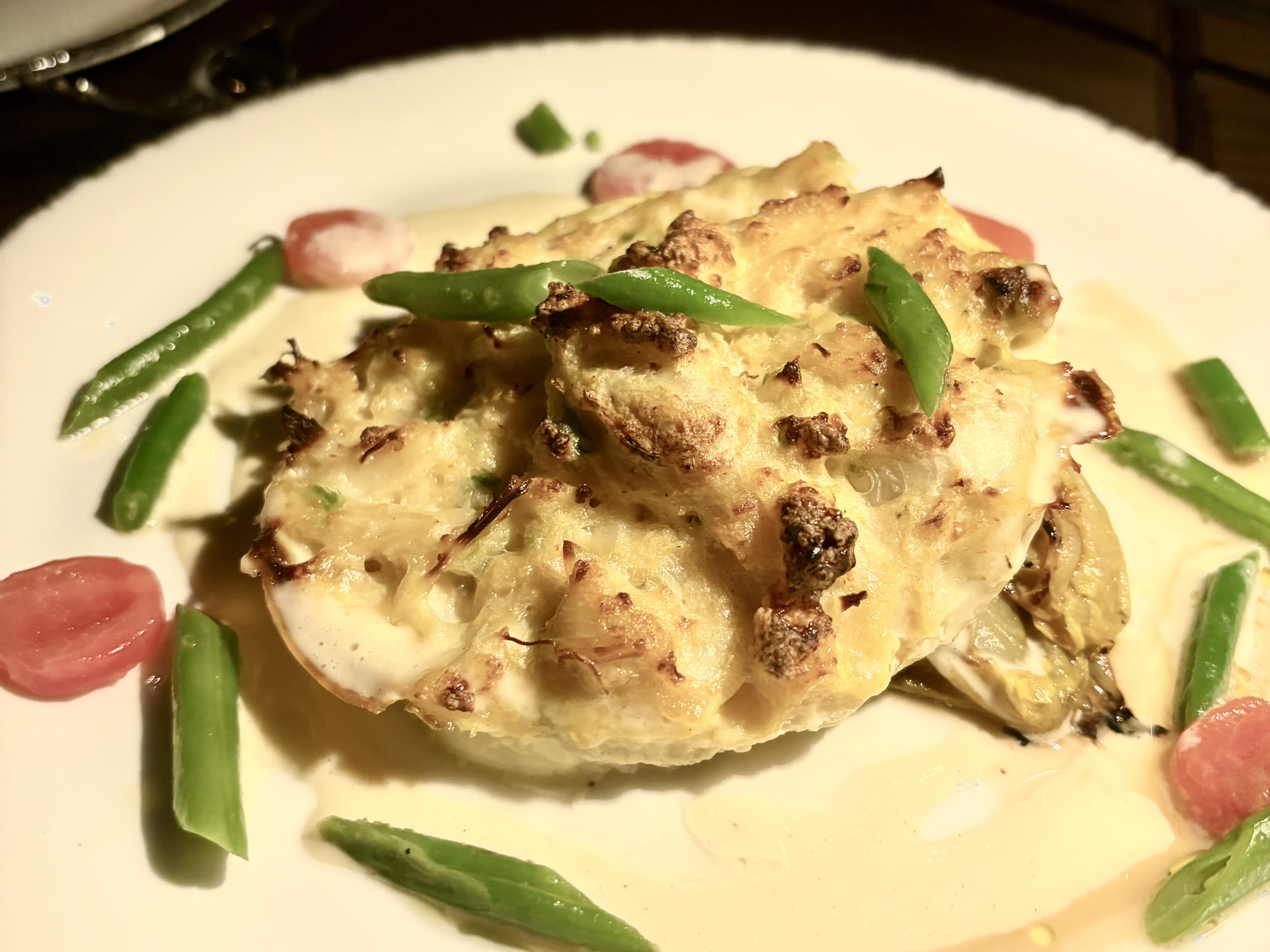
If the Ghosts of Philly Restaurants Past have indeed answered their summons, they might be frowning down on these plates with dismay. The galette de crabe “Le Bec-Fin,” known for its use of seafood mousse to produce a delicately puffy soufflé jeweled with sweet crab, arrived here so deflated and overcooked it tasted like a fishy frittata.
“Chef [Georges Perrier] would probably lock the doors and burn the place down,” replied one of Le Bec’s longtime former chefs after I texted him a picture of my gruesome galette.
Mr. Edison’s rendition of Le Bec-Fin’s crab galette is a far cry from the original.Craig LaBan / Staff
In fact, Mr. Edison’s culinary director, Matt Levin, 53, also cooked at Le Bec-Fin early in his career, which subsequently saw him burst onto the scene in the early 2000s at New Hope’s Moonlight and Lacroix at the Rittenhouse before going solo with Adsum and Square Peg, then eventually landing in the catering world. Most recently, he cooked at the Pineville Tavern in central Bucks County. While his recipe might be the same, Levin’s decision to jettison Perrier’s ring mold for a shallow panwas a fateful miscue. The galette evolved by my second meal into a soggy sponge, still not ideal for $45.
Fewer diners today recall Le Panetière, where Chodorow remembers first tasting Perrier’s food in the late 1960s. But anyone would realize upon one bite of this duck à l’orange tribute that the meaty breast, although still medium-rare, was inexplicably dry and as tough as a chew toy.
Jeffrey Chodorow (left) and chef Matt Levin, at Mr. Edison, the new restaurant at the Bellevue, in Philadelphia, on June 23, 2026.
If only I could have found the frequently absent captain overseeing our table on the mezzanine before the two-hour-plus mark of our glacially slow meal, when he finally asked us, too late and far too smugly, “Did that hit the spot?”
“Not very well,” I replied honestly with a detailed report, noting we’d hardly eaten this $90 sharing splurge as a result. He shrugged a faint reply, then handed us our bill with not even the slightest gesture of apology, though I was not surprised. He’d also forgotten so much as a candle for our dessert after we told him upon arrival (after he asked) that we were celebrating a birthday.
An envelope at each seat holds the menus at Mr. Edison in the Bellevue Hotel on Tuesday, Aug. 18, 2026 in Philadelphia.Monica Herndon / Staff PhotographerThe exterior of Mr. Edison in the Bellevue Hotel on Tuesday, Aug. 18, 2026 in Philadelphia.Monica Herndon / Staff Photographer
As a restaurant romantic, I value grand ambitions such as those that shaped Mr. Edison, a $10 million makeover of the former Polo store that recalls the showplace splendorof Walnut Street’s Restaurant Row in the late 1990s (Striped Bass, Susanna Foo, Brasserie Perrier) more than the DIY quirkiness of the restaurant renaissance that preceded it. It’s far preferable to the cookie-cutter chains that otherwise populate South Broad Street. But executing that ideal in a 133-seat room in 2026 — when, as chef Levin noted, people can make more working for food-delivery apps than actually cooking the food — is a challenge. With check averages of $120 (before tip and tax), no customer wants to hear excuses.
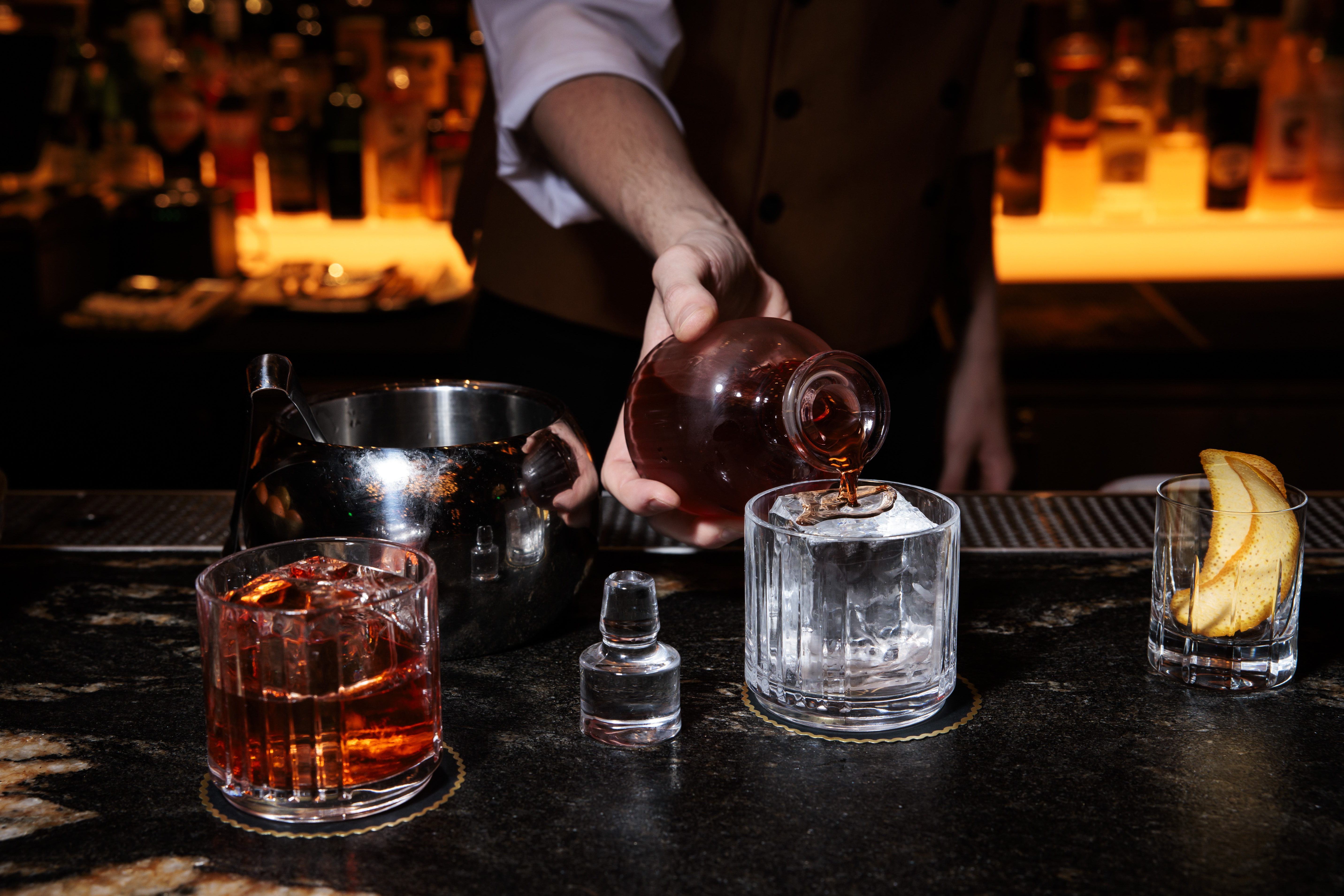
Improvement is within reach. We were seated at my following visit on the daisy wheel banquette that anchors the downstairs dining room, and the service there was much sharper. We had a perfect vantage to hear Drew Nugent & the Midnight Society swing onstage and to drink this bar’s outstanding cocktails, including the large carafe of a superb Negroni (this variation blending Cocchi di Torino and Punt e Mes) poured tableside over giant ice cubes. At $57 for the equivalent of three-plus cocktails, it’s one of Mr. Edison’s best values.
Bartender Michael Chukinas pours the tableside house Negroni at Mr. Edison in the Bellevue Hotel on Tuesday, Aug. 18, 2026 in Philadelphia.Monica Herndon / Staff Photographer
I’d definitely return for a seat at the titanium granite bar to enjoy the well-curated lineup of live music, sip other cocktail hits (the white coffee-infused Wizard or tropical 30 Minute Nap), and graze on some of the small plates.
The Korean fried oysters with kimchi and chicken salad was an intriguing riff on one of my favorite historical Philly food oddities, the spice and fermented funk of the cabbage cutting through the clubby richness. Waffle chips to scoop paddlefish caviar from fancy French onion dip was an accessible alternative to the far pricier sturgeon caviar service. The quail yolk-dotted beef tartare ringed by fried beef tendon puffs was irresistible, while a petite portion of seared filet mignon fanned over a creamy au poivre sauce with morels tapped another red-meat craving without the steakhouse clichés.
The Jimmy’s Milan salad — essentially crunchy lettuce tossed with bacon, big shrimp, hard-boiled eggs, and a zesty Russian-Italian hybrid dressing — is proof that some vintage pleasures don’t need to be reinvented to be appreciated. The restaurant’s $48 baked potato, stuffed with nearly half a pound of sweet lump crab au gratin, was the most memorable thing I ate at Mr. Edison, a super spud splurge that could hit yet another level with a $40 “blackout” addition of caviar.
A couple of the small plates fell short. A meaty flap of tuna carpaccio was not pounded thin enough. The corn-encrusted soft-shell crabs over mole verde were not soft enough, leaving me with a mouthful of shells.
Updating classics is a tricky prospect, and often Levin’s contemporary reworking drifted too far afield for its own good. The baked “Edison meets Rockefeller” oysters were so underdressed, with splashes of Mornay and fines herbes butter replacing the typically lush green puree, it lacked the indulgence to suit its name, even with a crispy nugget of guanciale. A $110 rendition of lobster Thermidor was not simply unrecognizable; without the full shell, into which it is typically stuffed and gratinéed, it was one-dimensional and boring.
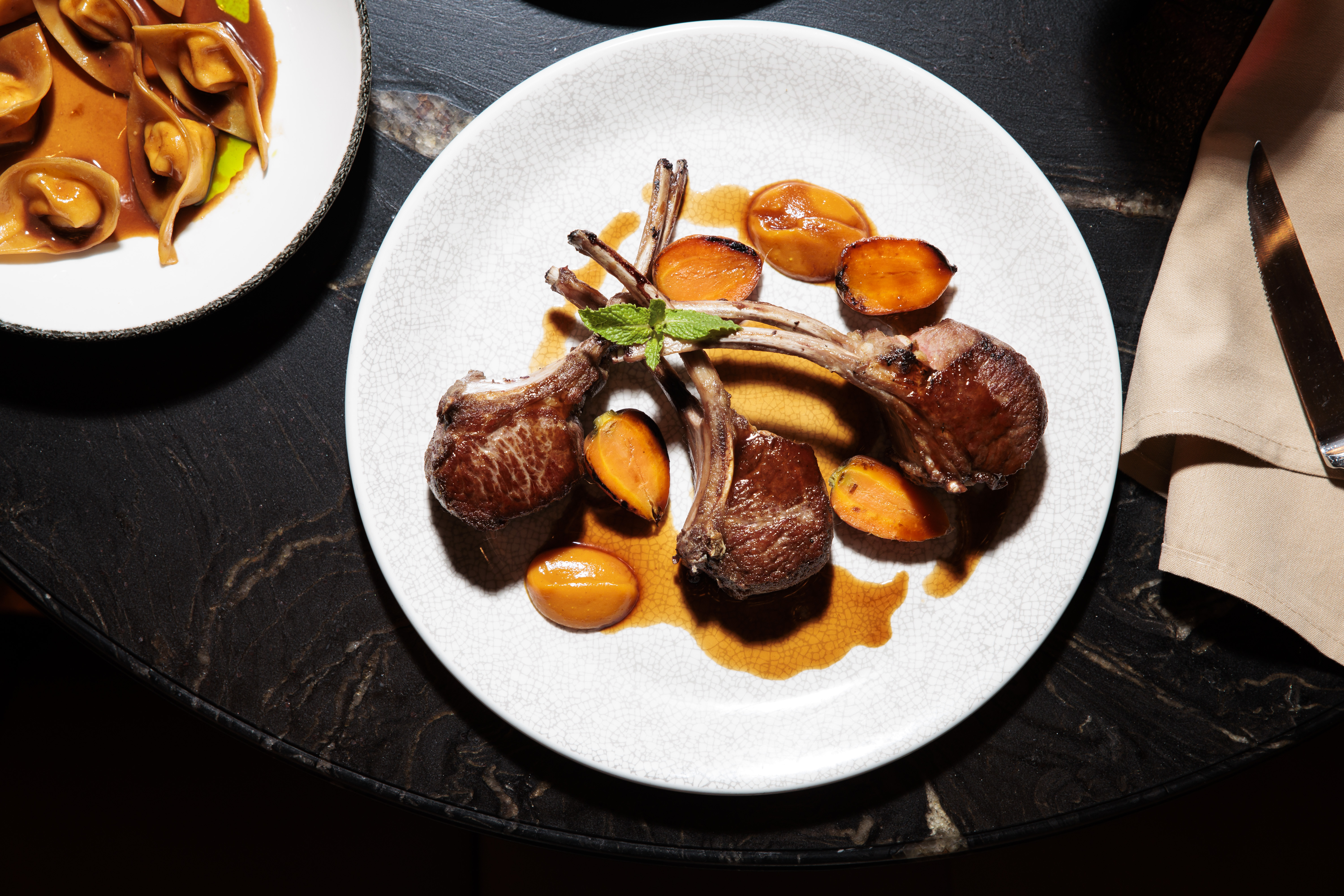
The grilled lamb chops spiced with vadouvan curry with Thumbelina carrots were the most satisfying of the “Grand Plates” for two, while the butterflied whole dorade over chimichurri and the buffalo milk ricotta ravioli were safe bets for the unadventurous.
The lamb chops at Mr. Edison in the Bellevue Hotel on Tuesday, Aug. 18, 2026 in Philadelphia.Monica Herndon / Staff Photographer
Too many other big dishes stumbled over the basics of seasoning — like a veal chop Milanese that cradled a handful of flaky salt atop its breaded crust. The brick chicken was so salty that my gums ached until the end of the meal.
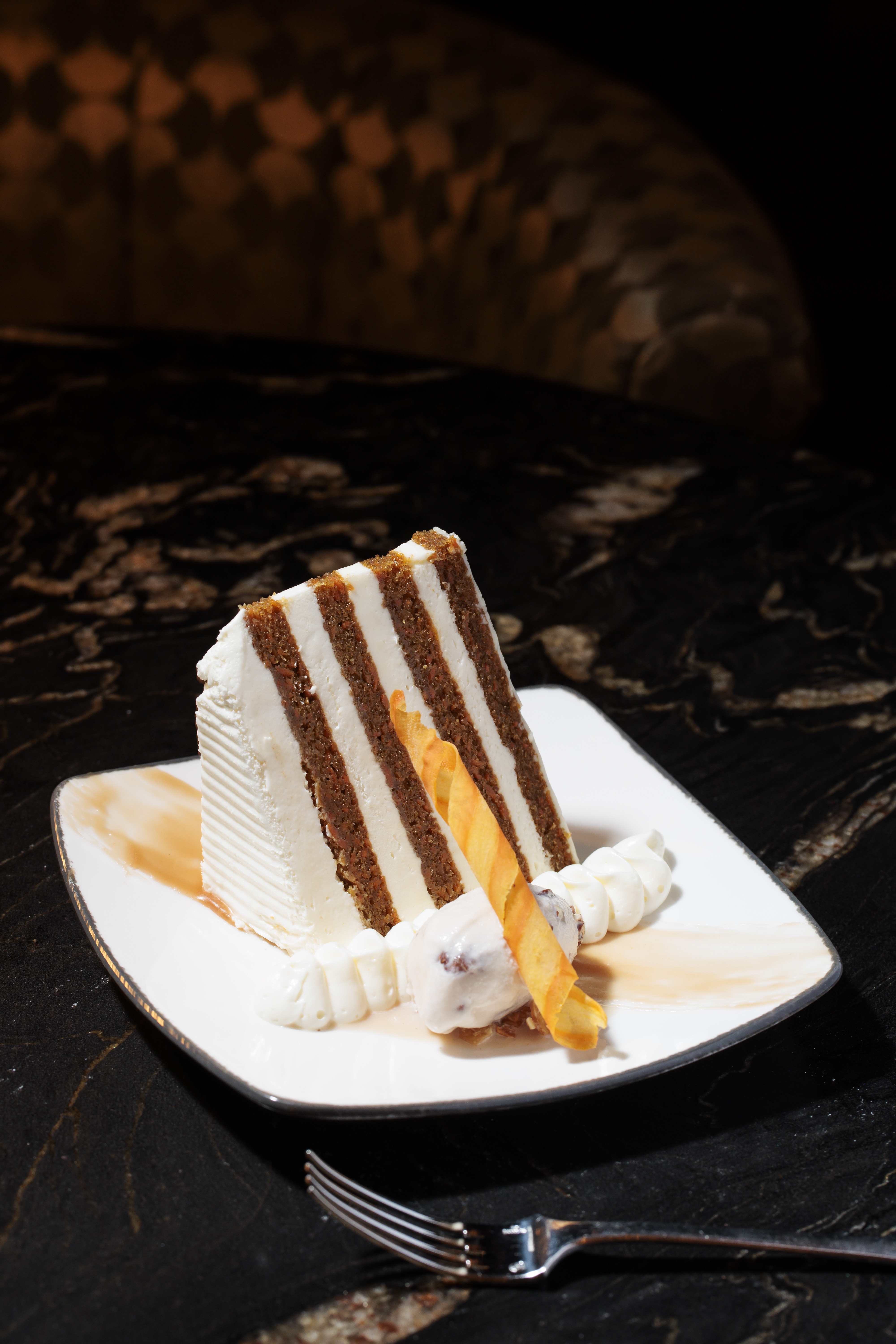
Tucked into the stuffiest far corner of the mezzanine behind the bar for this final visit, I’d hoped an old-fashioned dessert would offer enough sweetness to counter that salty bird. I considered one of the winners I’d already enjoyed at previous visits: a re-creation of the coconut cake from Old Original Bookbinder’s, a tasty nod to Frog’s legendary carrot cake with butter pecan ice cream, or the dense chocolate-and-peanut-butter tart.
I opted for the crème brûlée to keep it easy, only to find its caramel crust — ideally torched to order and still warm — was cold by the time it ascended to our second-floor perch beneath the lightning-bolt rafters. I looked down toward the bar’s Ferris wheel as it cycled up toward us and couldn’t help but imagine the Ghosts of Philly Restaurants Past riding along with those glass cages, so hopeful for their comeback moment. Rising then falling, again and again, they sent shrugs of disappointment in my direction as they rolled away.
The carrot cake at Mr. Edison at the Bellevue Hotel on Tuesday, Aug. 18, 2026 in Philadelphia.Monica Herndon / Staff Photographer
Mr. Edison
Dinner Sunday through Thursday, 5 to 11 p.m.; Friday and Saturday, until midnight.
Small plates, $19-$45; Sharing plates for two, $58-$115.
Fully wheelchair accessible to all parts of the restaurant, including two wheelchair accessible seats at the bar.
Gluten-free: At least half the menu is either gluten-free or can be modified, including items cooked in a gluten-free fryer.
Menu highlights: Caviar dip; Jimmy’s Milan salad; Korean fried oysters; filet au poivre; baked potato with crab gratin; buffalo ricotta ravioli; lamb chops; carrot cake.
Beverage program: Don’t let the ostentatious bling bottles on the Ferris wheel fool you. The bar is Mr. Edison’s strong suit, with well-crafted and thoughtful updates to classic ideas using modern techniques and quality ingredients. The tableside Negroni towers are worth it, along with other cocktail highlights. The wine list is more predictable.
Mr. Edison, the new restaurant at the Bellevue from Jeffrey Chodorow, in Philadelphia, June 23, 2026.