Category: Food

  • Some of Philly’s oldest restaurants are closing or changing hands. What’s going on?

    Some of Philly’s oldest restaurants are closing or changing hands. What’s going on?

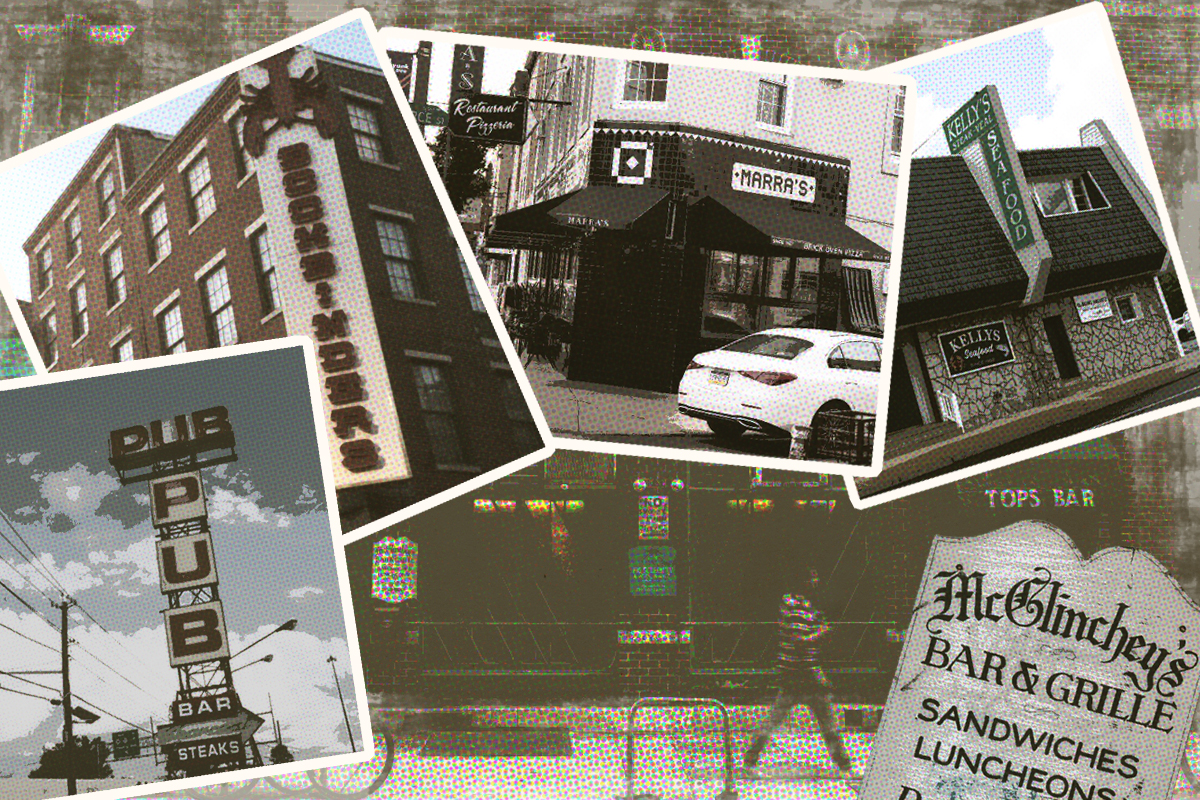
    An unusually visible collection of Philadelphia-area restaurant institutions is reaching a turning point at the same time — with some closing for good and others seeking buyers as a generation of longtime owners reaches retirement age.

    At Kelly’s Seafood, the end is definite. The Northeast Philadelphia restaurant will close this month as its owners retire, ending a run spanning three generations of the Kelly family. So will Steve Stein’s Famous Deli, whose history in the Northeast also reaches back nearly 70 years.

    Elsewhere, the outcomes are less certain.
    Cherry Street Tavern has been around for a century at 22nd and Arch Streets.Tyger Williams / Staff Photographer

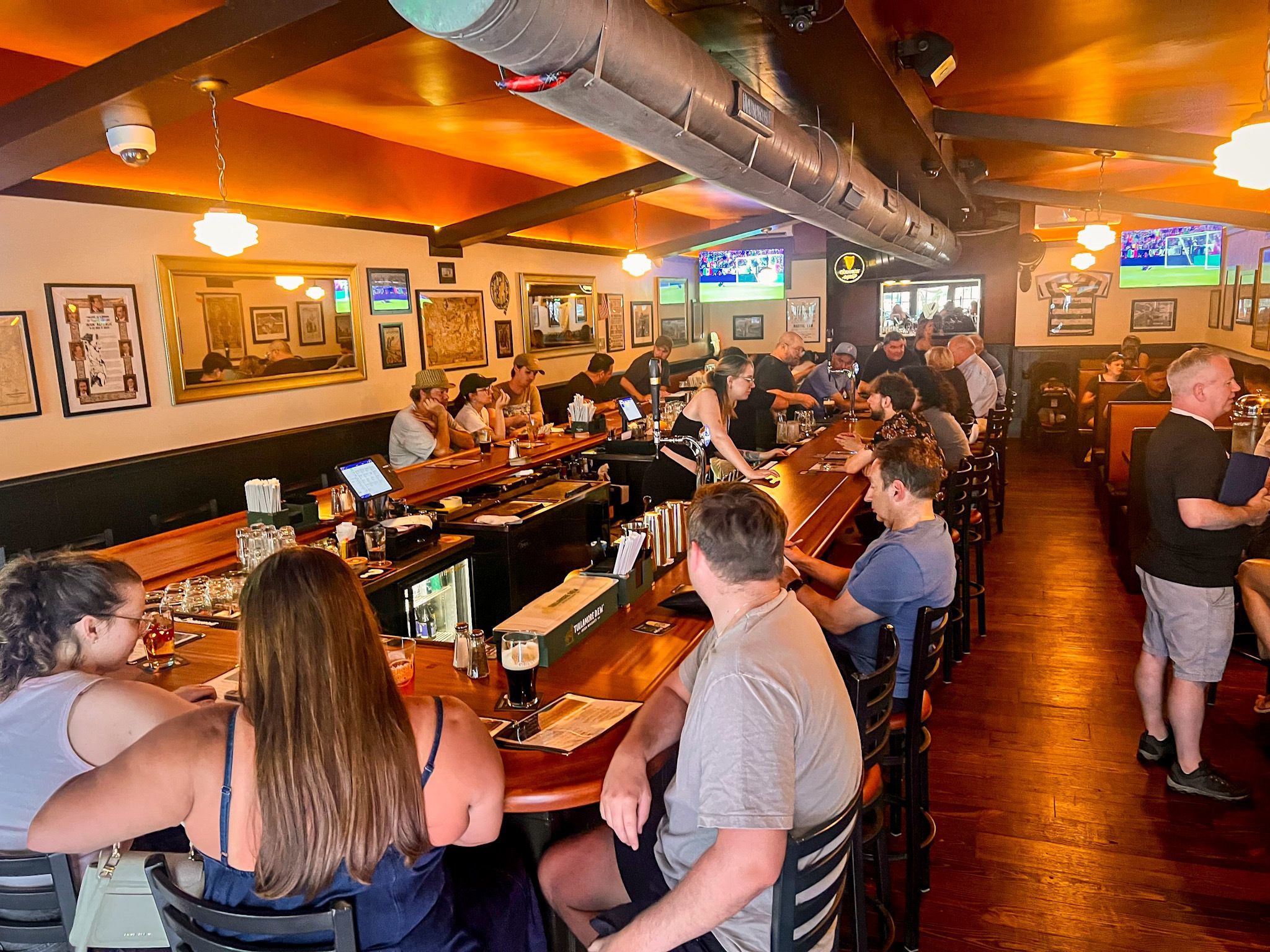
    The Pub, the sprawling Pennsauken steakhouse known for its open hearth, medieval decor, and thousand-plus seats, is on the market. The restaurant, which dates to 1951, is not closing: It is on its customary summer break and is scheduled to reopen Sept. 18.

    The owners of Cherry Street Tavern, the Logan Square bar that has operated for more than a century, are looking for a buyer after 50 years of stewardship by the Loughery family. The buildings that housed Mamma Maria’s, the East Passyunk Italian restaurant that opened in 1992, went up for sale this month. Aldar Bistro in Bala Cynwyd has been sold after 34 years and will give way to an Italian restaurant called Bruzi.

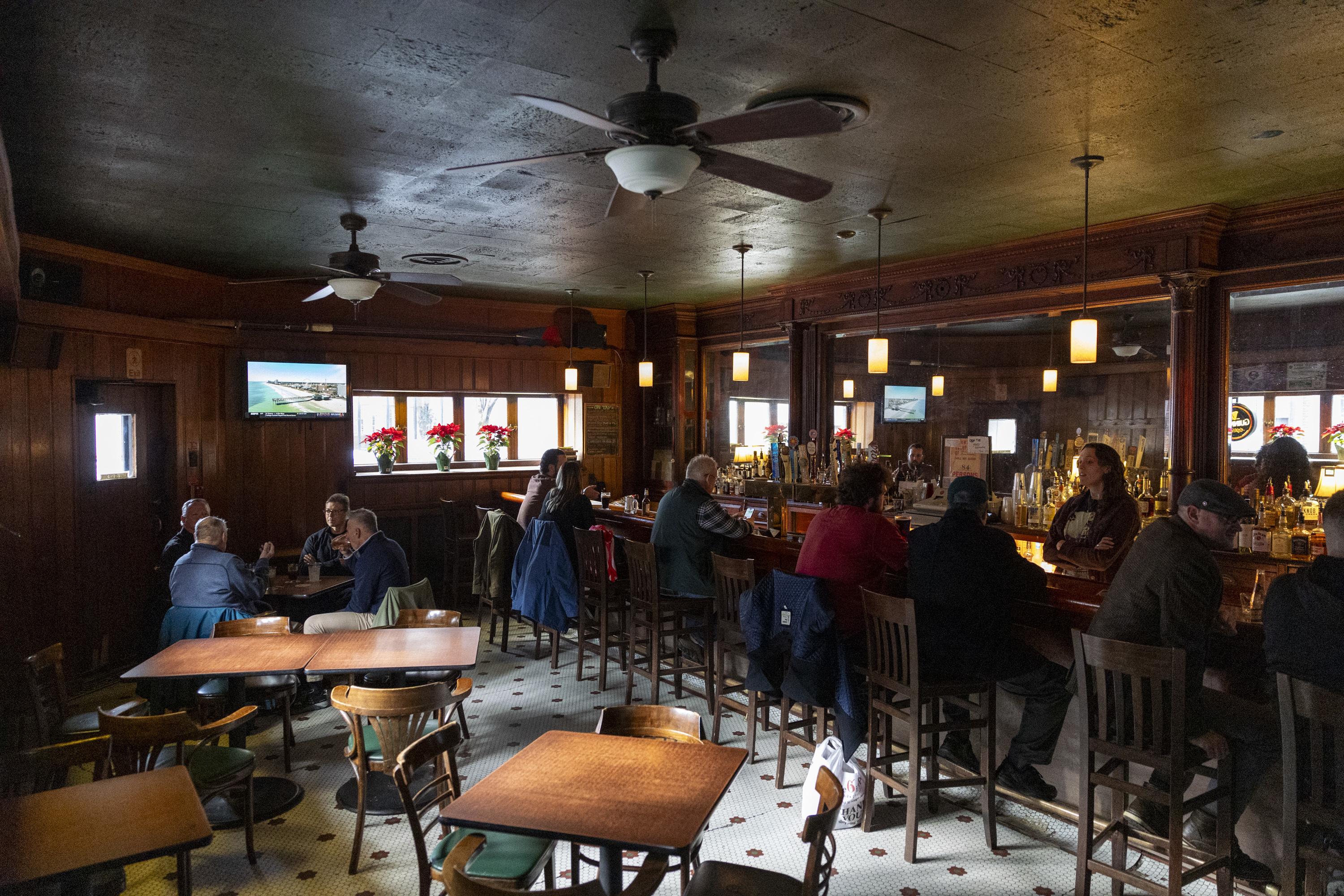
    McGlinchey’s, the Center City dive that closed last year after nearly 90 years, is back on the market after a prospective buyer walked away from a deal for the building.
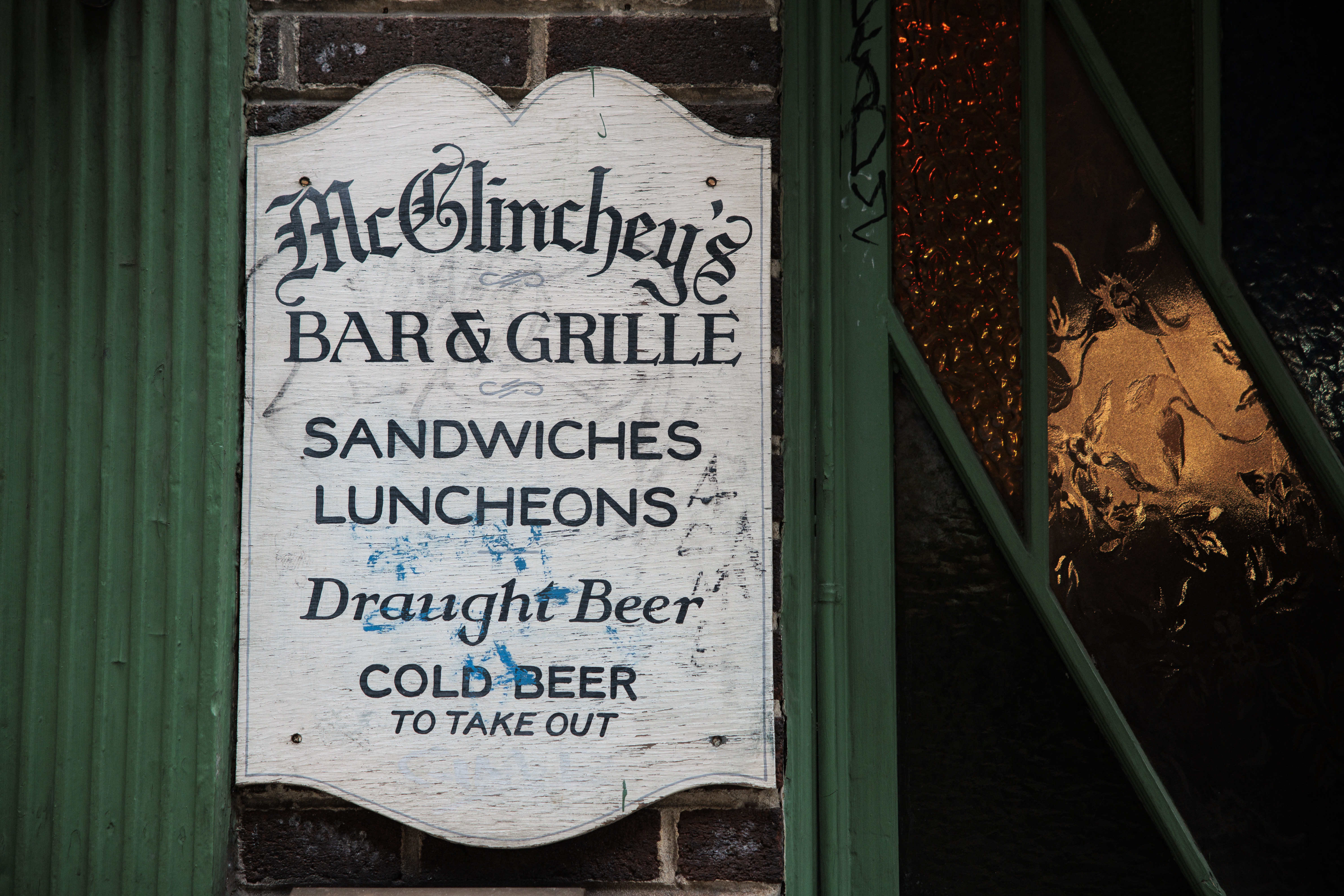
    McGlinchey’s, at 259 S. 15th St., after its closing in August 2025.Monica Herndon / Staff Photographer

    And the nearly 40-year-old Jake’s & Cooper’s Wine Bar in Manayunk is being marketed for sale as owner Bruce Cooper looks toward retirement.

    Restaurants have always turned over, and the recent activity does not appear to reflect a restaurant market in retreat. The Inquirer counted 86 Philadelphia-area restaurant closings in 2025, while more than 100 new restaurants and bars were on the drawing board for 2026. What distinguishes many of the businesses now closing or being sold is their longevity: They survived for decades, weathering the pandemic and recent increases in food and labor costs, before their owners reached retirement.

    ‘The gray wave’

    People in the restaurant, liquor, and real estate businesses say the turnover is part of a broader generational transition among small businesses as longtime owners reach retirement without children interested in taking over.

    Jim Creed, handling Jake’s listing, calls it the “gray wave.”

    “You’ve got operators who have been in business 40 or 50 years, and they don’t have heirs who want to take over the business,” said Creed, a senior vice president with CBRE.

    His father, also Jim Creed, knows the issue from the other side. He opened Creed’s Seafood & Steaks in King of Prussia in 1982 and, at 78, has no immediate plans to sell. “I go to the restaurant every night,” he said. “It’s actually fun.” But when he does decide to close, he said, his children don’t want to take over.

    For the counterexample, consider McGillin’s Olde Ale House in Center City. Open since 1860, it has survived through generations of owners; the Spaniak family has run it since 1958, with Chris Mullins Jr. now the third generation involved. There are no plans to sell. “It’s part of my DNA, part of our customers’ DNA, part of our staff’s DNA,” Mullins told The Inquirer this year.
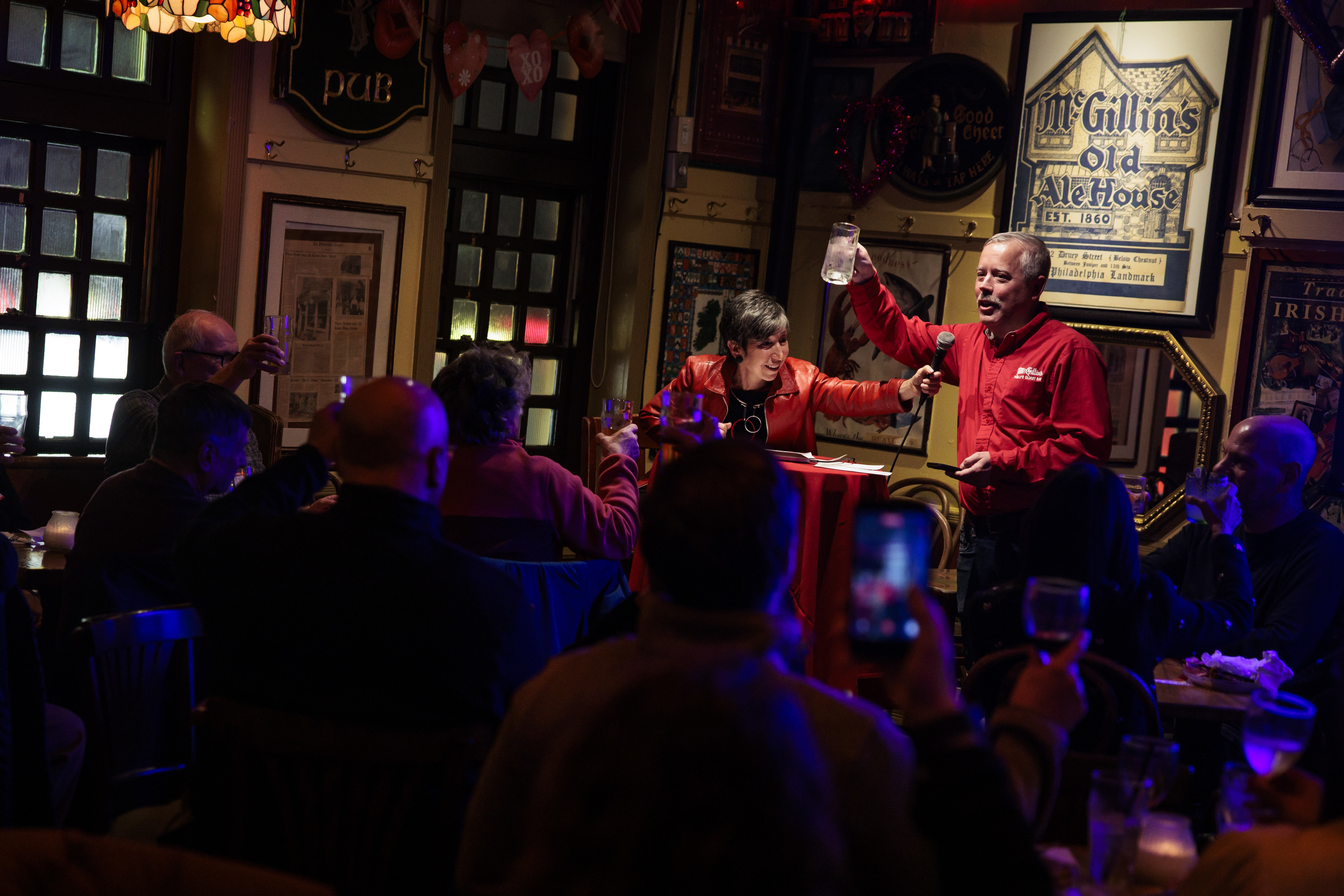
    Irene Levy Baker and Chris Mullins Jr. lead a toast at McGillin’s on Tuesday, Feb. 3, 2026 in Philadelphia. Attendees gathered for a book talk on “Cheers to McGillin’s: Philly’s Oldest Tavern” on Tuesday.Monica Herndon / Staff Photographer

    Ed Taraskus has watched generations of restaurant and bar owners come and go over 50 years of practicing liquor licensing law. He could not say whether the current number of sales and closings constitutes a statistical trend, but said the succession problem is familiar.

    “The parents retire and the children don’t want to get into the business — because it’s a hard business,” he said.

    Taraskus said the hours can be punishing for small family operators. His clients also complain about finding employees willing to work nights and weekends. Drinking habits have changed, he said, and some businesses are still feeling the effects of the pandemic.

    Taraskus knows the succession question personally. His South Philadelphia family owned a small restaurant and tavern, but his father discouraged him from entering the business. When his parents retired in the 1960s, they sold.

    Real estate on the line

    Retirement can present a second question for operators who own their buildings: What, exactly, are they selling?

    A restaurant may have value as a going business, but decades of appreciation can make the underlying real estate a substantial part of an owner’s nest egg. Sometimes the economics favor a different restaurant — or an entirely different use.

    Douglas Green, a principal at commercial real estate brokerage MSC, said the value of restaurant real estate is closely tied to the sales a location can support and, consequently, the rent an operator can afford.

    “The more volume they do, the more rent they can pay,” Green said.

    That means a location can be worth more to another restaurateur if the existing operator is underperforming. And in some cases, Green said, a restaurant may no longer be the property’s most valuable use at all.

    “At some point, perhaps the building becomes obsolete,” Green said. “Perhaps the highest and best use of the real estate is no longer a restaurant.”

    Those possibilities are playing out among the region’s longtime establishments.
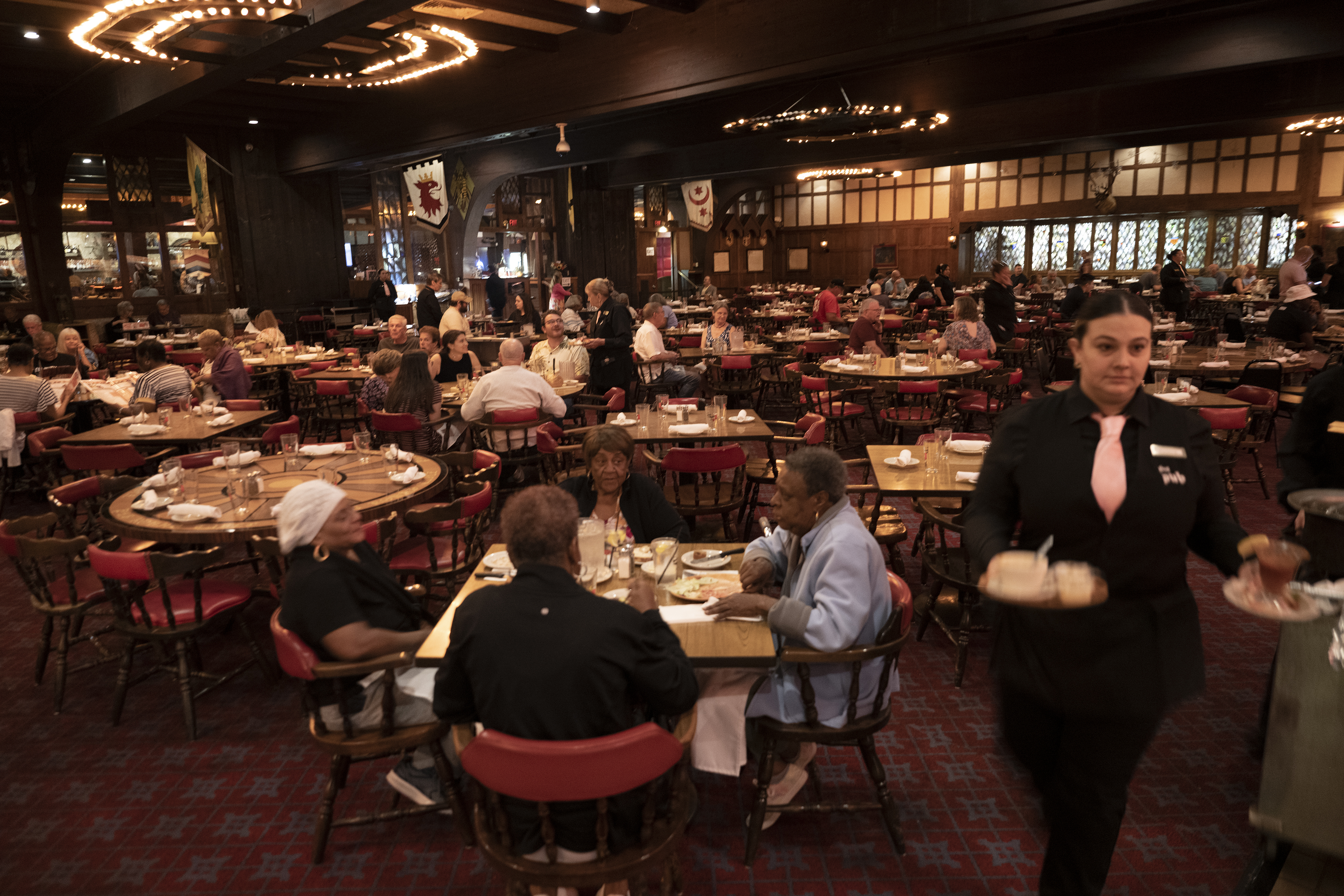
    The Pub restaurant near the former Airport Circle in Pennsauken in 2024.Jose F. Moreno / Staff Photographer

    At the Pub, the Gelman family is seeking a buyer for the restaurant and its roughly 6.3 acres on Kaighns Avenue near the former Airport Circle. The family has operated it since Marc Gelman bought it in 2000.

    “I don’t think there’s one thing in general why we’re selling, but it’s time for a new steward — if you will — of the business, or the property,” Marc’s son David Gelman said.

    At Cherry Street Tavern, at 22nd and Arch Streets, the Loughery family hopes to find a buyer who understands what generations of regulars value about the place.

    McGlinchey’s illustrates the other possibility. Its nearly 5,000-square-foot property at 259 S. 15th St. is listed for $2.45 million, including the liquor license, bars, and McGlinchey’s name, as either a turnkey bar and restaurant or a redevelopment opportunity.

    Decisions for buyers

    Creed said longevity itself can tell a prospective buyer something about a restaurant property.

    “Anytime you have operating longevity, that speaks to the real estate,” he said. “When you have a concept that has been in operation for 40 years, clearly the real estate has something to do with that, too.”

    The retirement of one operator does not necessarily mean the end of restaurant use.
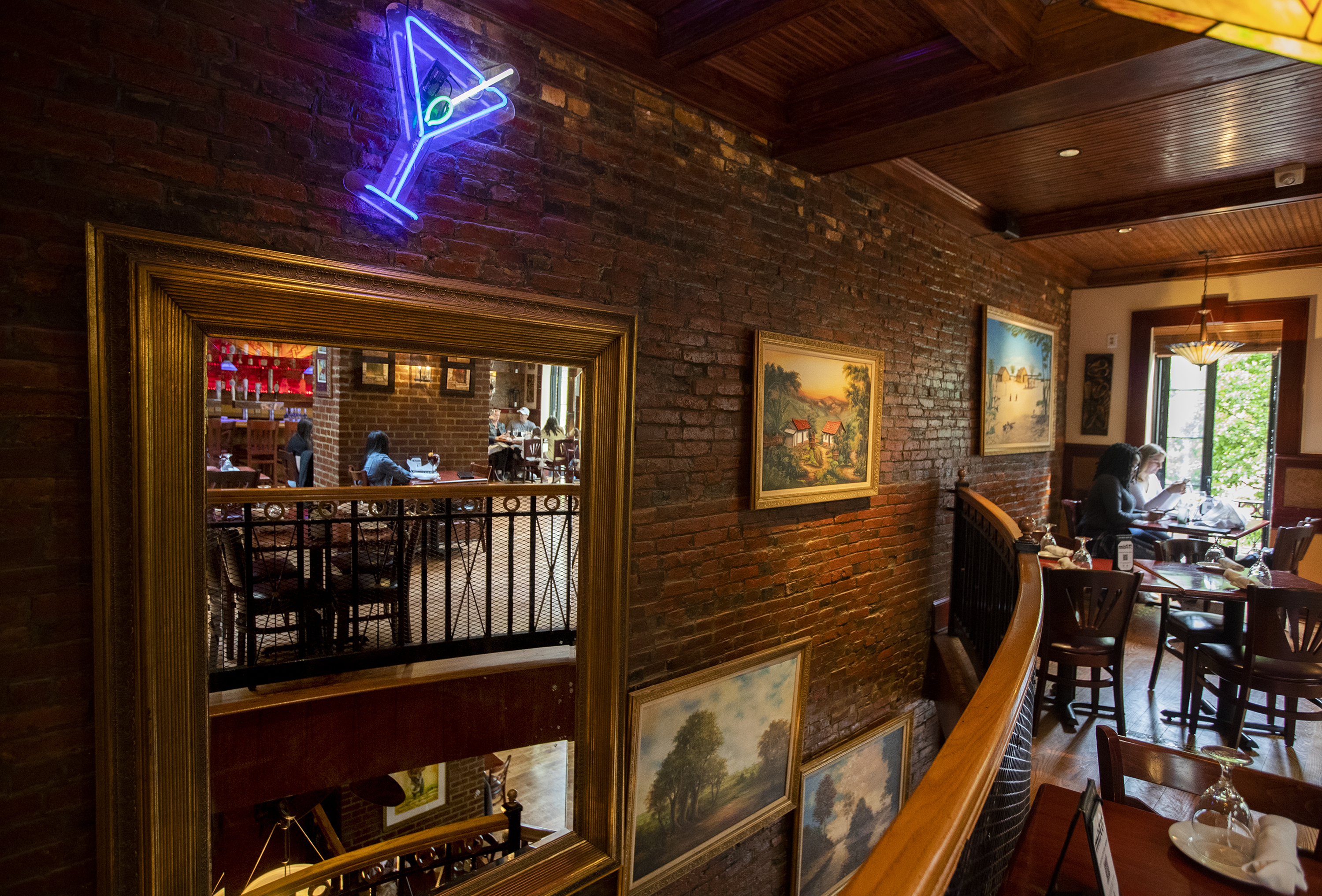
    The former Mixto space is set to become the revival of South Philadelphia bar Toll Man Joe’s.Charles Fox / Staff Photographer

    Mixto closed July 12 after nearly 24 years at 1141 Pine St. Within weeks, restaurateur Lori Penrose bought the property and announced plans to revive her former South Philadelphia sports bar, Toll Man Joe’s, there.

    Emei owner Dan Tsao has pursued that strategy on a larger scale. Over roughly a year, he acquired or leased four landmark restaurant properties: the former John Henry’s Pub in Ardmore, Marra’s on East Passyunk Avenue, the former Irish Pub in Rittenhouse, and the Old Original Bookbinder’s/Olde Bar property in Old City. All four are intended to remain in hospitality use.
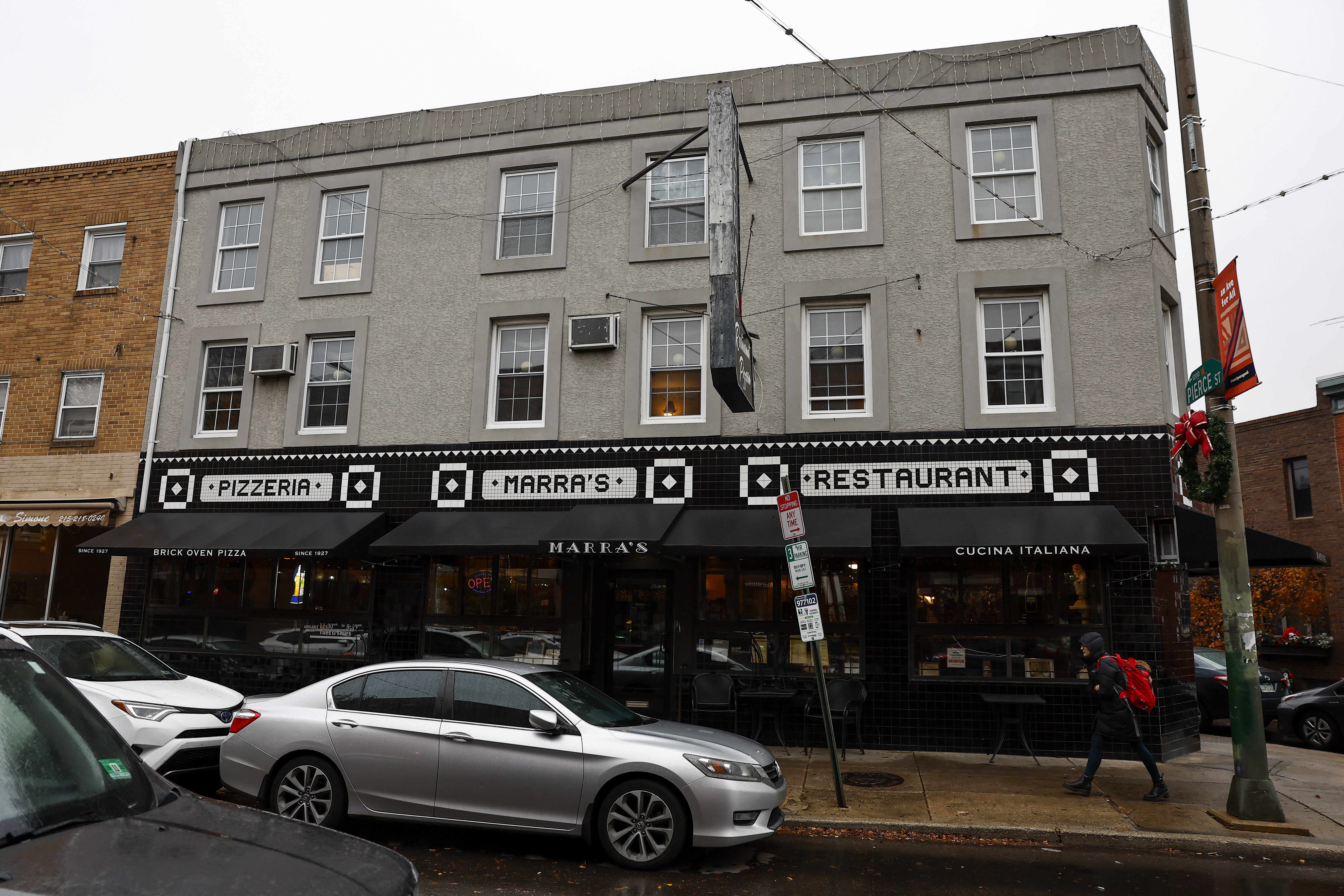
    The exterior of Marra’s Restaurant on East Passyunk Avenue is due to become a branch of Dan Tsao’s burgeoning restaurant group. Monica Herndon / Staff Photographer

    “There are pros and cons to both,” Tsao said of taking over an existing restaurant rather than starting with a new space. “But with an existing restaurant space, especially a legacy restaurant, it already has a place in the neighborhood, and a place in the memories and hearts of generations of customers.”

    Such properties may also have much of the expensive infrastructure required to operate a restaurant.

    But for Tsao, the attraction isn’t purely economic.

    “I also like the idea of preserving some of that history,” he said, “while giving the space a new chapter.”
  • Sandwich split: After N.A. Poe’s dramatic exit, new food vendors coming to Human Robot and the Monto

    Sandwich split: After N.A. Poe’s dramatic exit, new food vendors coming to Human Robot and the Monto

    One bar is finally firing up its kitchen and another is switching food vendors as irreverent sandwich maker N.A. Poe parts ways with his second business partner in three months.

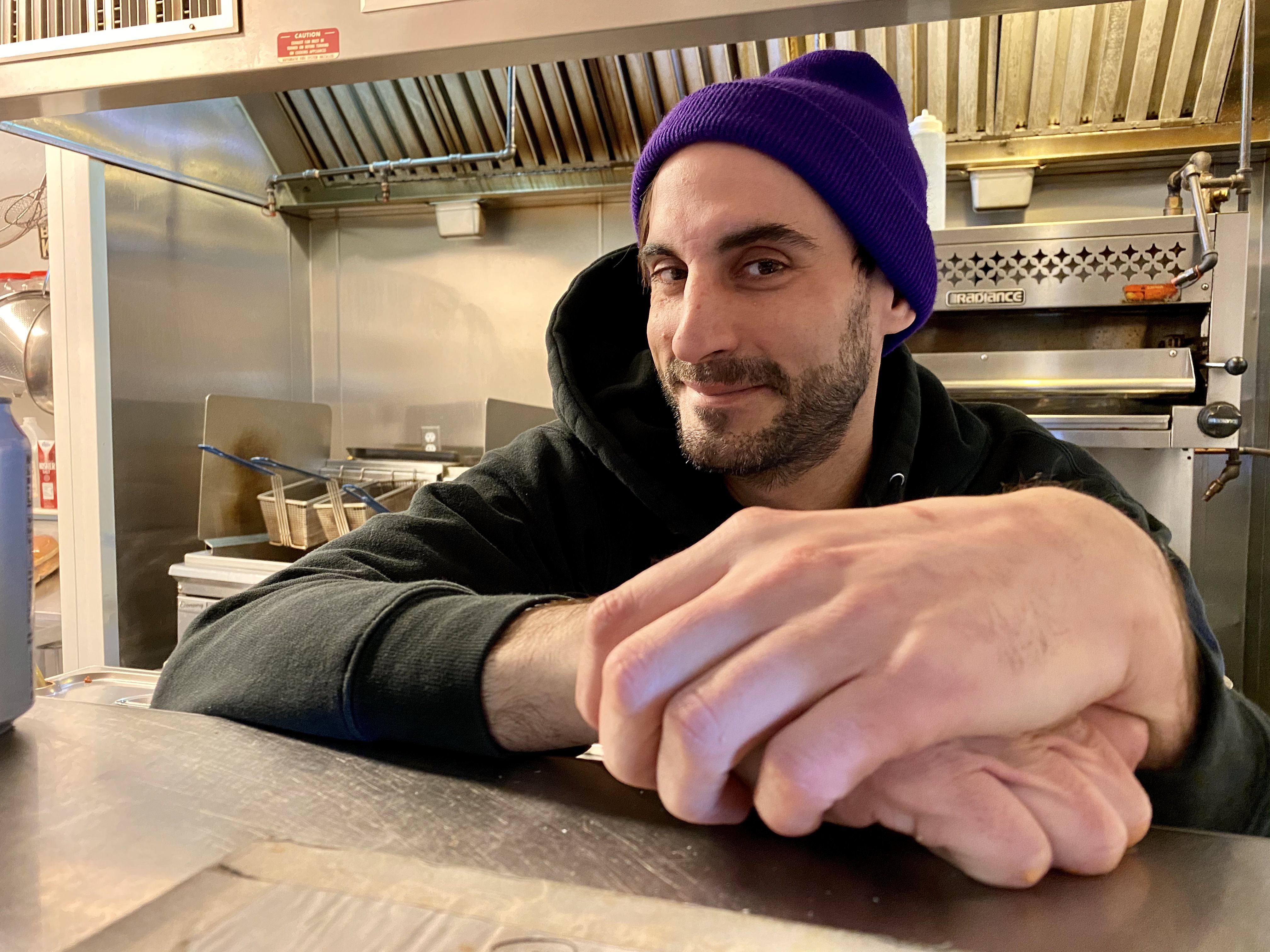
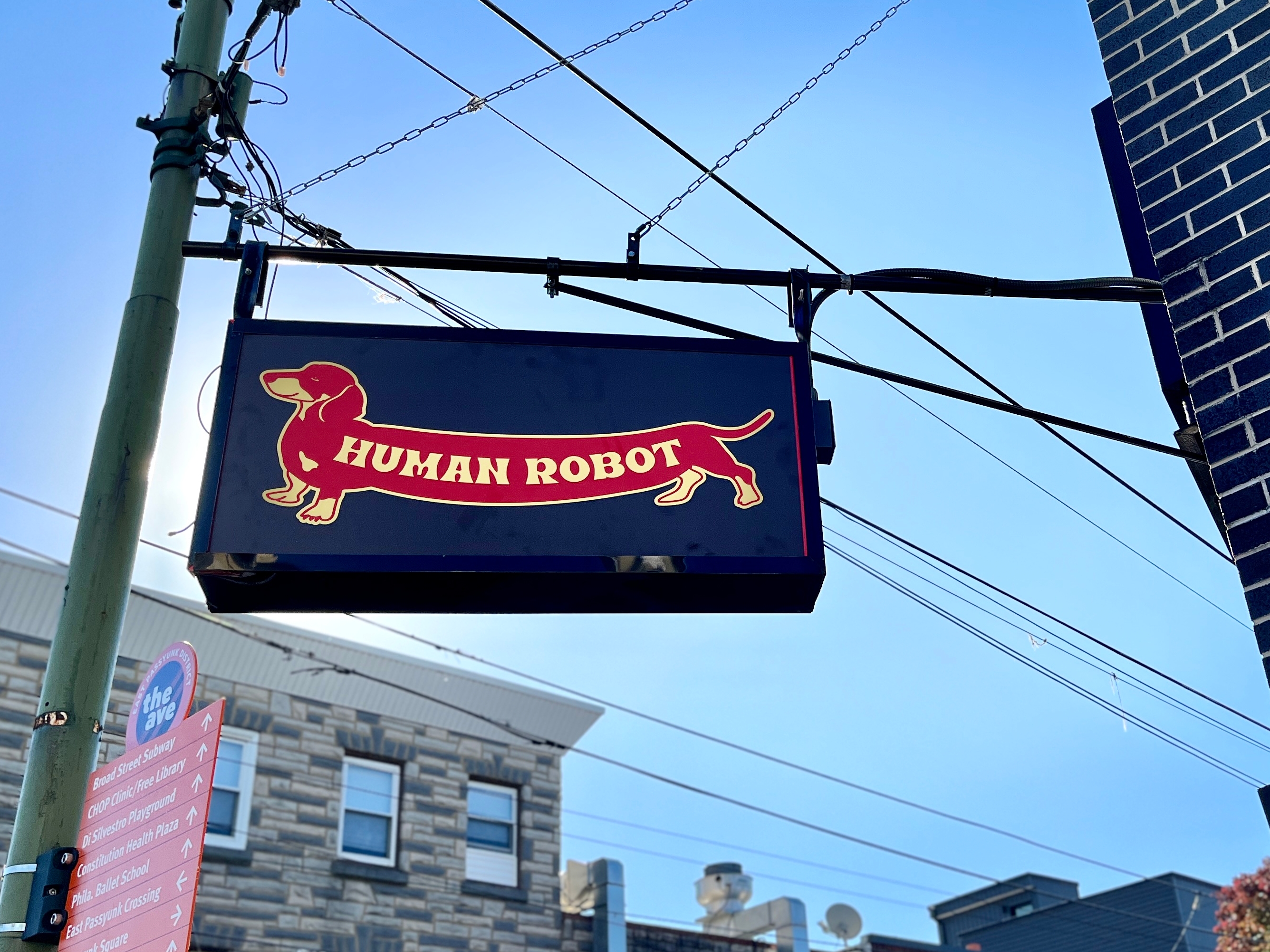
    Poe’s Sandwich Joint is out as the food vendor at Human Robot after seven years at the original Olde Kensington brewery, and a little over a year at its Brewerytown outpost. His last day at both locations is Sept. 3, Poe — whose real name is Richard Tamaccio — confirmed to The Inquirer.

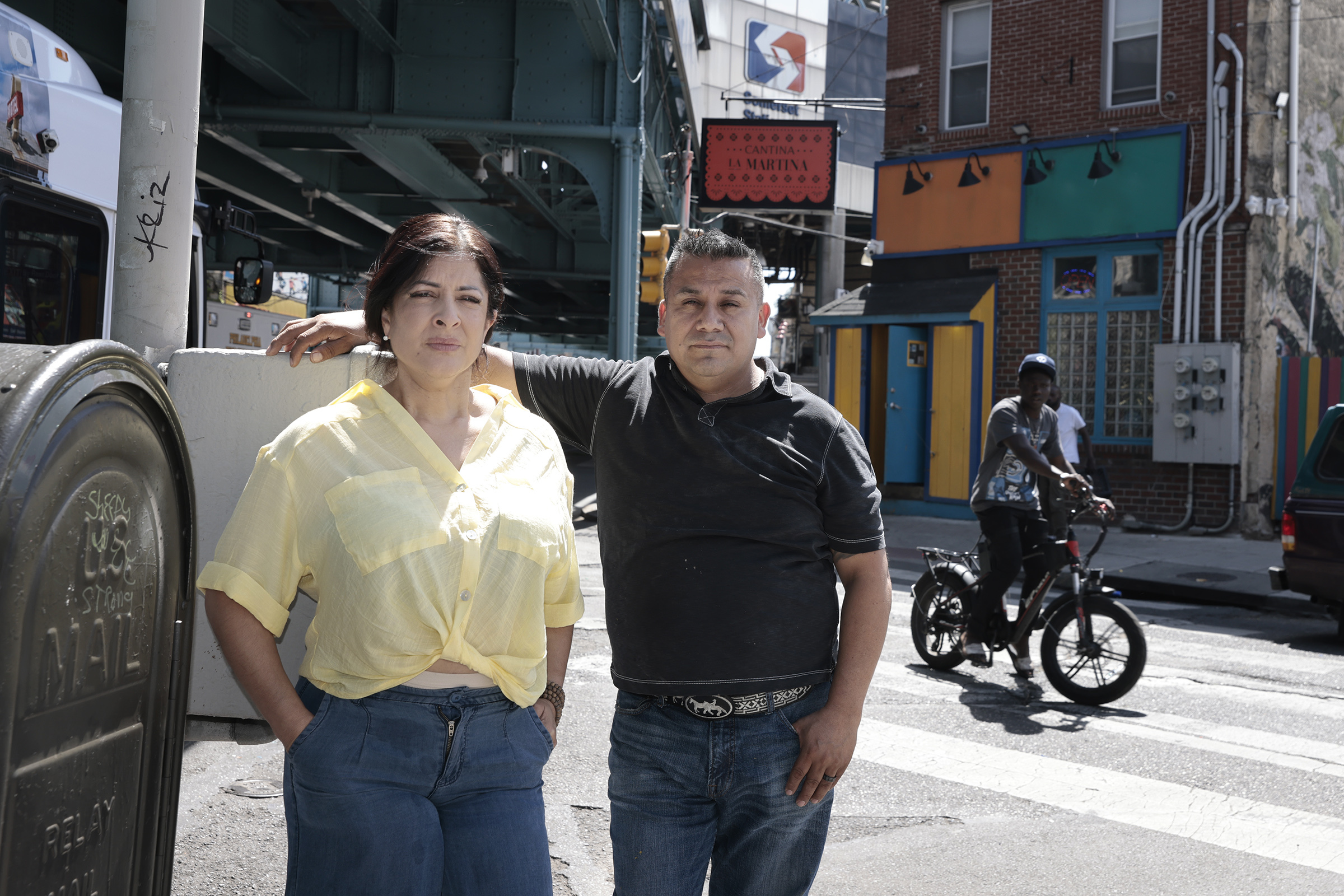
    Tamaccio’s menu of chicken cutlet hoagies and loaded fries will be replaced by Cantina La Martina, the acclaimed Mexican restaurant from James Beard-nominated chef Dionicio Jimenez and his wife, Mariangeli Alicea Saez. The move is a both an expansion of the couple’s relationship with Human Robot — Cantina La Martina has been serving brunch, tacos, and enchiladas at the brewer’s Jenkintown location since 2024 — and a homecoming.

    Jimenez and Saez opened Cantina La Martina in 2022 at the corner of D Street and Kensington Avenue, where the restaurant was hailed as one of Philly’s “most thrilling” Mexican eateries and a pillar of the community for its festivals and fundraising efforts. When the pair announced they were closing the restaurant in November 2025 over mounting safety concerns, they said they wouldn’t abandon Kensington.

    Cantina La Martina owners Mariangeli Alicea Saez (left) and her husband chef, Dionicio Jiménez, in front of their former Kensington Avenue restaurant. Starting Sept. 13, the couple will be Human Robot’s new food vendors in Olde Kensington and Brewerytown.Elizabeth Robertson / Staff Photographer

    “We really wanted to be back” in the neighborhood, Saez told The Inquirer. “We built really strong relationships with the community and lifetime friendships” while on Kensington Avenue.

    Cantina La Martina’s menu at 1710 N. Fifth St. will include a mix of burritos, tacos, wings, and nachos, plus the return of its popular weekday happy hour, which featured $1 tacos alongside $2 wings, ribs, and empanadas. At 2711 W. Girard Ave. in Brewerytown, Cantina La Martina will run a burrito bar.

    Both locations will have a grand opening Sept. 13.

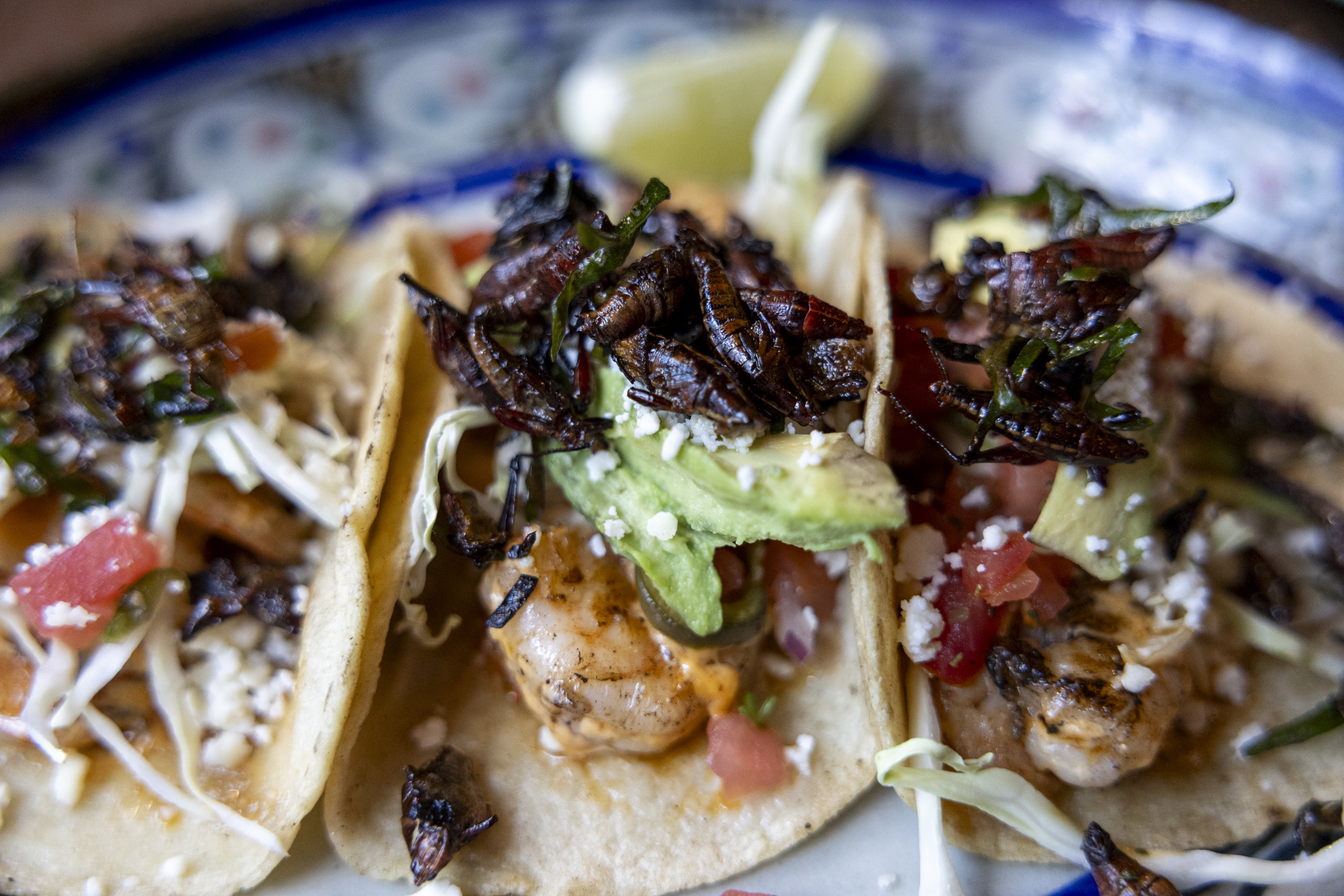
    Shrimp and chapulines tacos at Cantina La Martina. At Human Robot’s Olde Kensington location, the menu will feature a mix of tacos, nachos, burritos, and wings.Tyger Williams / Staff Photographer

    Poe’s exit from Human Robot coincides with a switch-up at the Monto, Fergus Carey’s new Irish pub in Old City. Tamaccio was supposed to run the kitchen before quitting after just two days of business.

    Starting Sept. 1, chef Jake Bukowski will reopen the kitchen at the Monto with a menu that Carey described as “modern Irish food”: Think black pudding sliders, cheesy chicken fillet rolls, and spice bags, the viral Irish-Chinese takeout staple popular in Dublin.

    Bukowski is a Temple grad who previously worked at the long-closed Belgian Cafe (also owned by Carey) and, most recently, as the culinary director of the Havertown gastropub Brick & Brew. Bukowski was best-known for the Galley, the residency he ran for six years from a window inside Garage Fishtown, where he served handmade pierogis alongside wings and burgers.

    The Monto, 226 Market St., in June.

    Why is Poe’s leaving Human Robot?

    Tamaccio’s abrupt split with Human Robot played out publicly over Instagram, when the brewery announced that it had renewed its lease in Olde Kensington. Poe’s would not be staying on, however.

    “We are thrilled to kick off this new chapter with a brand-new food partner at both our 5th St & Girard locations,” the brewery captioned their post. “Before we look ahead, we want to send a massive thank you to Poe’s Sandwich Joint for being our food partner for nearly 7 years. Thank you, Poe and team, for slinging some amazing sandos and even better memories.”
    The same day, Tamaccio posted a video on his Instagram account, where he continues to digest the messy breakup.

    “I guess we’re looking for a new home,” Tamaccio says, while puffing on a joint. “Poe’s is getting booted from Human Robot.”
    In the video, Tamaccio explains that Human Robot’s lawyers sent him a letter earlier this month that said the brewery was terminating its contract with Poe’s “immediately” over his behavior on social media.

    Human Robot co-owner Ken Correll told The Inquirer that the decision to part ways was precipitated by an Aug. 3 meeting to discuss concerns about Tamaccio’s behavior, to which Tamaccio showed up “late and alone” instead of with his investors, as discussed. “Given the lack of an active lease with Poe’s and his failure to uphold previous promises, we decided to move on,” Correll said.

    In an interview Monday, Tamaccio told The Inquirer that the termination letter, sent Aug. 4, centered on a series of Instagram stories he posted in July after leaving the Monto. They included, among other things, an antisemitic quote from The Sopranos, a homophobic slur, and an AI-generated image of Carey engaging in indecent acts with a phallic potato.

    “I was very angry at the time,” Tomaccio said, adding that he sees himself as a provocateur. “Comedy has always been the way that I process or deal with anything … I know what I’m doing, I crossed the line, and this is the result.”

    N.A. Poe at the sandwich window inside Human Robot’s Olde Kensington location in 2020. His last day there is Sept. 3.Michael Klein / Staff

    Before gaining a reputation for his cult-favorite hoagies, Tamaccio, 47, was known for well-documented marijuana activism under his pseudonym. In 2017, he organized a warehouse party in Northeast Philadelphia that ended in the arrest of 22 people. Instead of jail time, Tamaccio took a plea deal in 2018.

    Later that year, he opened the first iteration of Poe’s Sandwich Joint at 1429 Marlborough St. It closed months later in 2019 due to what Tamaccio characterized as a dubious business loan. He resurrected the business at Human Robot that fall, when the brewery first opened.

    Tamaccio has long used social media to promote his sandwiches alongside a near-constant stream of controversial memes on his Instagram story that ranged from 9/11 conspiracies to off-color jokes about politicians. Most of his content, he said, doesn’t reflect his actual beliefs.

    “Everything I’m saying is a joke. I’m not a serious man,” Tamaccio said.

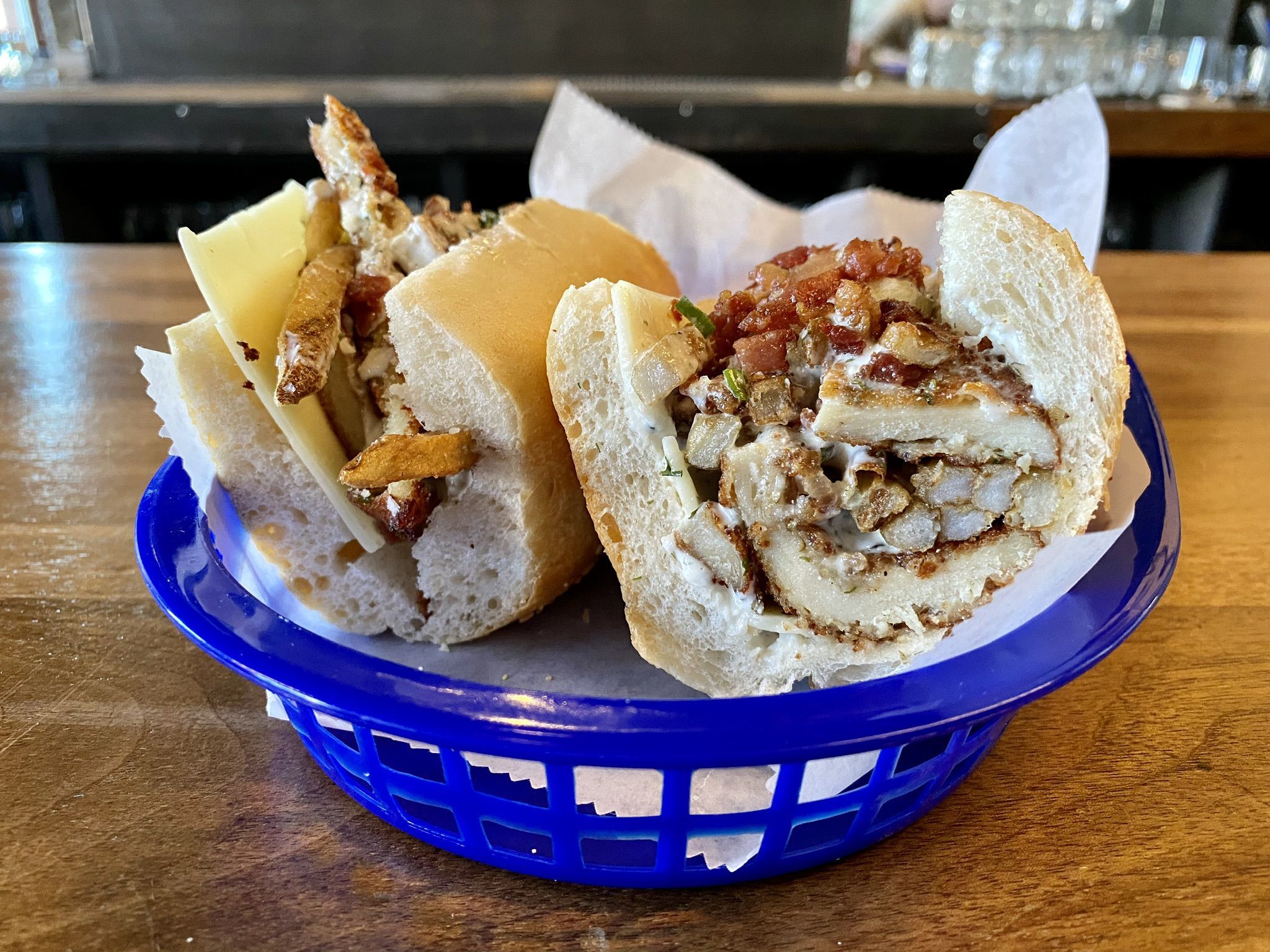
    The Hamilton sandwich, served at Poe’s Sandwich Joint inside Human Robot, has chicken cutlet, Cooper sharp cheese, fries, house ranch dressing, and crumbles of bacon.Michael Klein / Staff

    The sandwich maker said he felt blindsided and “gaslit” by Human’s Robot decision, which he worries will impact his 10 employees across the Brewerytown and Olde Kensington locations.

    Poe’s kitchen staff at both Human Robot outposts have been offered jobs with Cantina La Martina, a representative for the restaurant said.

    What happened at the Monto?

    This is Tamaccio’s second business partnership to dissolve this summer.

    In February, Carey and Tamaccio announced they were going into business together at the Monto, an Irish pub at 226 Market St. There, Tamaccio would serve a mix of Poe’s signature sandwiches alongside more traditional pub fare like shepherd’s pie.

    But just two days after the Monto’s June opening, Tamaccio resigned. “I was very excited about the project,” Tamaccio said. “But when it came down to the actual execution in a high-pressure environment, I just couldn’t do it.”

    Sandwich specialist N.A. Poe (right) with Monto co-owner Fergus Carey.N.A. Poe

    Tamaccio said he decided to leave the Monto after working without a contract, a claim that Carey disputes: “He quit after preparing for six months. That’s totally on him.”

    Carey — who never saw the image of himself with the potato — said that Tamaccio has since apologized for the post. He’s choosing to look at the humor of it all.

    “I think it’s the funniest twist to the story you could imagine,” said Carey. “One of my partners said, ‘Karma didn’t take very long this time.’ I don’t feel like that at all. I wish him well.”

    Tamaccio believes Poe’s Sandwich Joint has a future, either with a new partner or in a storefront of its own, where he can “do and say” whatever he wants.

    “Maybe I went too far,” he said. “But what is happening to free speech? Most people don’t even get in a position to be able to own their own business, and then when you do, you just need to shut up to make money.”

  • South Philly’s Tex-Mex mecca Taco Heart is expanding to Ardmore

    South Philly’s Tex-Mex mecca Taco Heart is expanding to Ardmore

    Taco Heart, South Philly’s hub for Texas-style breakfast tacos, is set to open in the Ardmore Farmers Market in October, bringing its fresh flour tortillas and Tex-Mex fare to the Main Line.

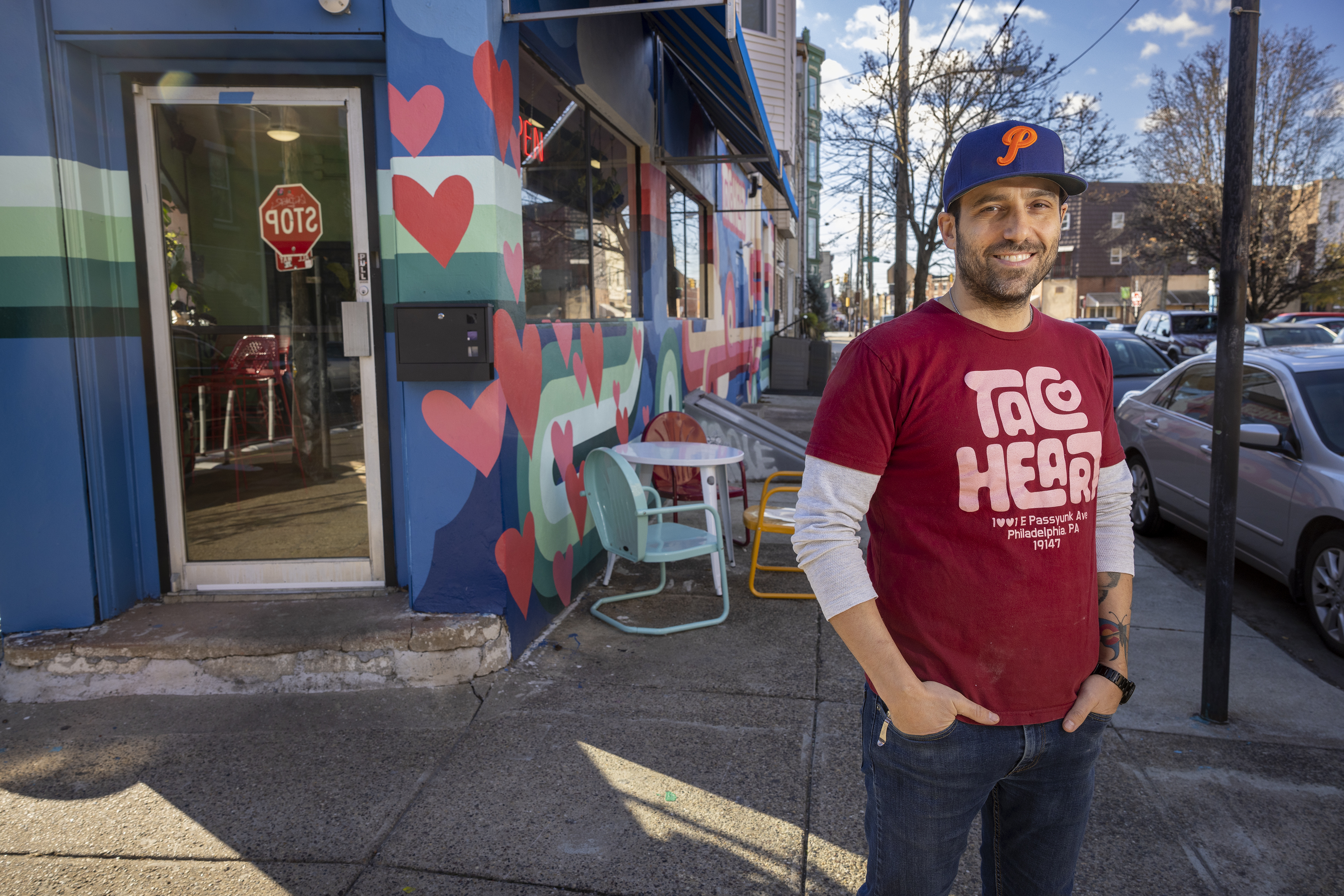
    Nano Wheedan, Taco Heart’s owner, said coming to Ardmore “seemed like the perfect next step for us” as the restaurant navigates its first expansion beyond South Philadelphia.

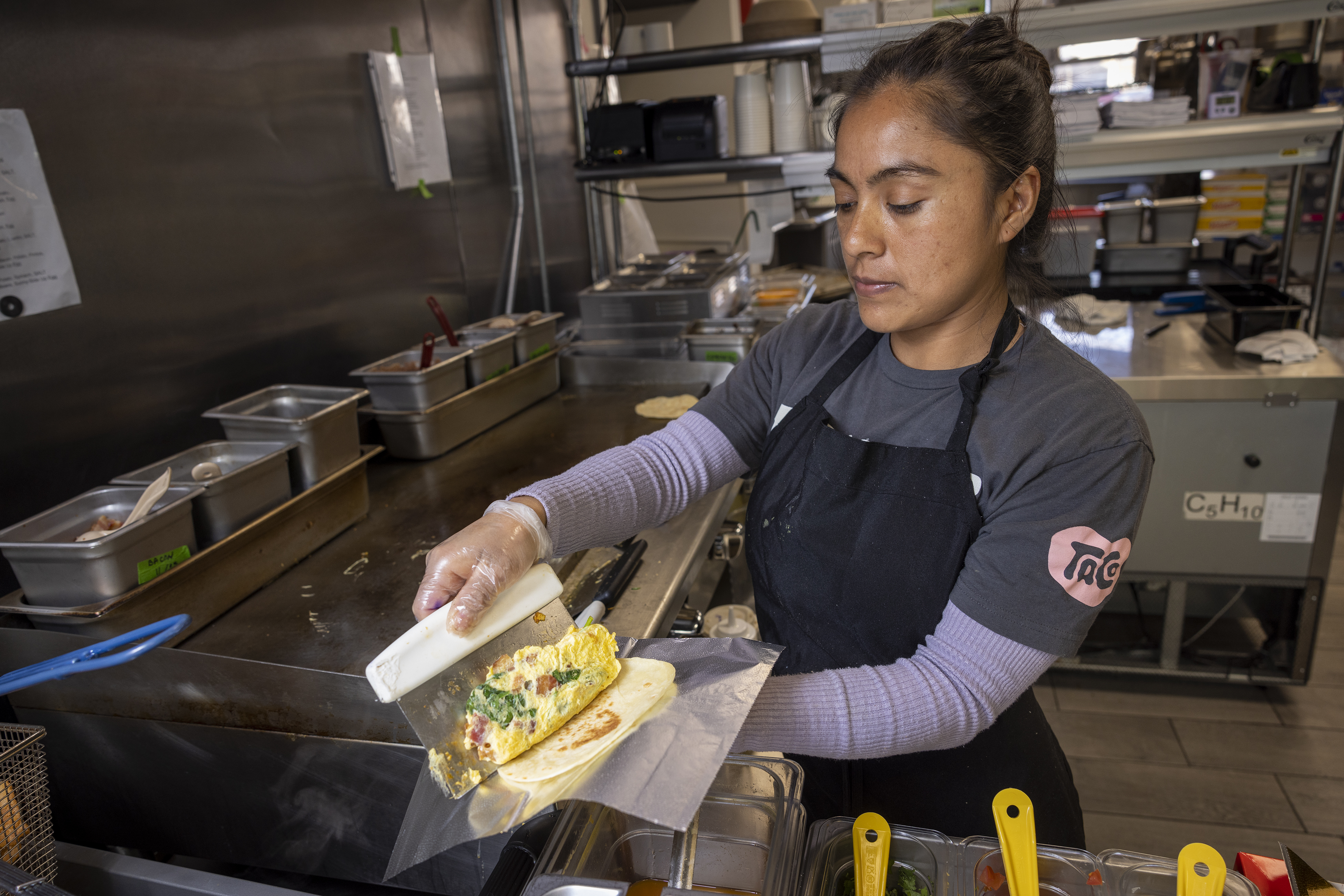
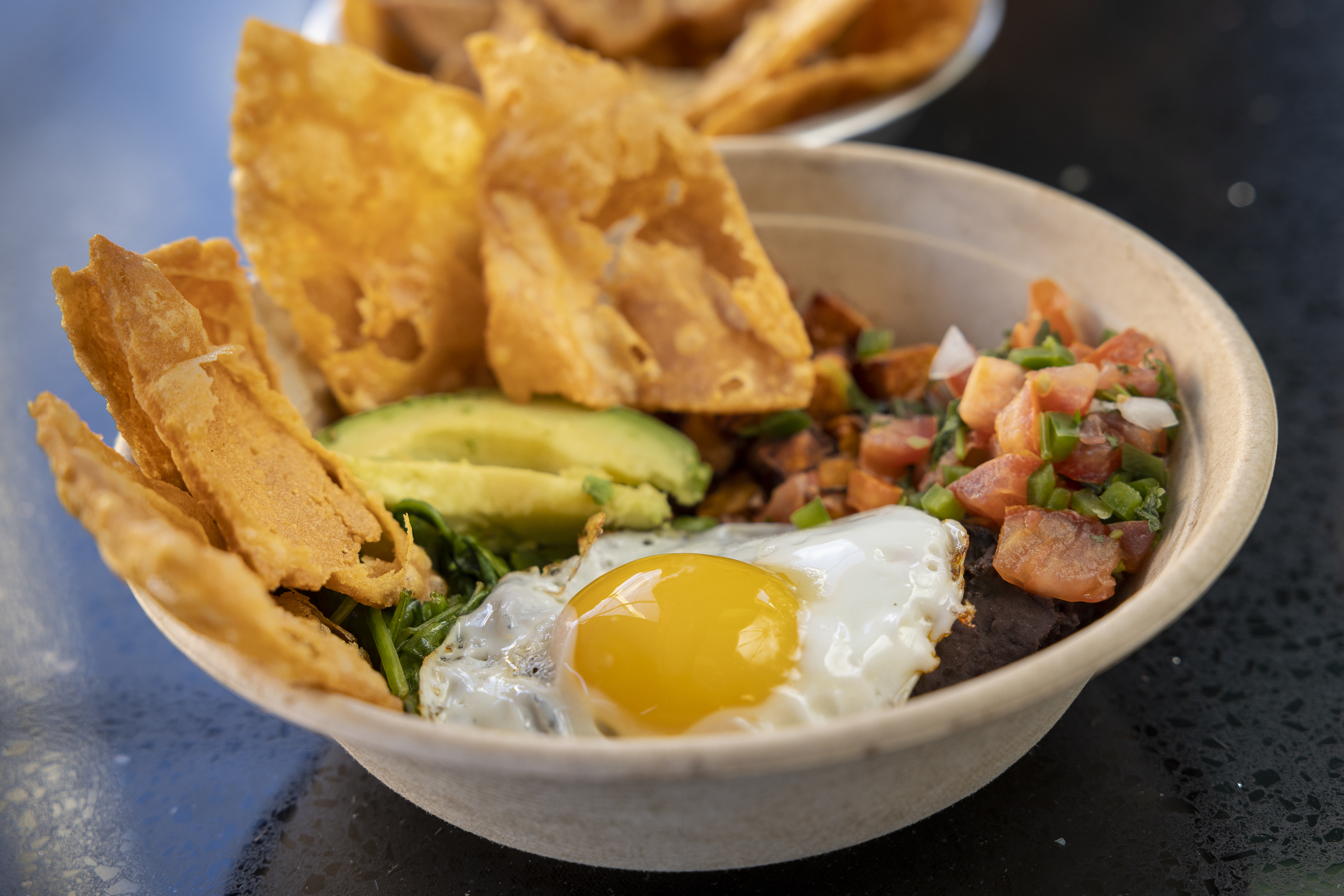
    Taco Heart’s menu is anchored by the tastes and textures familiar to anyone who’s stepped into a Texas-style taco restaurant before: egg, cheese, avocado, jalapeño, queso, refried beans, pico de gallo, steak, brisket. In addition to tacos, customers can order bowls served with house-made chips, quesadillas, sides of queso, desserts, and beverages, such as cucumber limeade and cold-pressed juice.

    Wheedan is a Philly native and Penn Charter grad who got schooled in breakfast taco culture during a 15-year stint living and working in Austin, Texas. There, he played music and was director of operations at Home Slice Pizza, where he befriended Philly bagel master Philip Korshak.

    Wheedan and his wife, Carinne, a Texas native, relocated to Philly during the pandemic. It was during the height of lockdowns that Wheedan set up a stand outside of his South Philly home, hawking breakfast tacos to neighbors. The ad hoc taco project later got the name Nano’s Tortillas, and Wheedan found a spot in the Bok Building, where he could cook and serve pickup orders. During this time, Wheedan also became an investor and business manager at Korshak’s namesake bagel joint, Korshak Bagels. (Korshak is now working on building Korshak Picnic Provisions, a corner shop built around hot dogs and house-made sourdough biscuits.)

    In 2022, Taco Heart opened its doors in a polychromatic corner building on Seventh Street and Passyunk Avenue.

    Nano Wheedan, owner/chef Taco Heart, in 2022. Alejandro A. Alvarez / Staff Photographer

    For Wheedan, introducing Philadelphians to the Texas-style breakfast taco has been a tall task, but he’s been heartened by the reception, both from Philly locals and transplants from the Lone Star State, or “Tex-pats,” as he calls them.

    “There’s so many people with a connection to this food who have been missing it, and I am so grateful and moved when Texans tell me that they’ve finally found a piece of home at Taco Heart,” he said.

    It was in the last year that Wheedan felt Taco Heart finally “had its feet under itself,” and he began to think about what it would mean if he “took advantage of economies of scale” and opened a second location, using Taco Heart’s South Philly flagship as a prep kitchen at night. He was looking into opening his next location in the River Wards when the Ardmore Farmers Market approached him. The market offered a fully-functional kitchen setup, a solid base of foot traffic, and exciting culinary neighbors. He signed on.

    Taco Heart’s Morning Bowl. Alejandro A. Alvarez / Staff Photographer

    Large swaths of the market, located at Suburban Square, were left vacant earlier this year after Di Bruno Brothers shuttered multiple locations, including its outpost in Ardmore.

    Wheedan is planning to serve most of the same items in Ardmore as he does in South Philly. While some items like salsas, quesos, and refried beans may be prepared in South Philly and transported to Ardmore, Taco Heart’s signature flour tortillas will still be made fresh.

    Wheedan also hopes the expansion will allow Taco Heart to move into the world of catering: In Austin, getting breakfast tacos for the office is the equivalent of the East Coast bagel breakfast, he says.

    Taco Heart is set to open Oct. 5 at the Ardmore Farmers Market (120 Coulter Ave.).

    This suburban content is produced with support from the Leslie Miller and Richard Worley Foundation and The Lenfest Institute for Journalism. Editorial content is created independently of the project donors. Gifts to support The Inquirer’s high-impact journalism can be made at inquirer.com/donate. A list of Lenfest Institute donors can be found at lenfestinstitute.org/supporters.

  • Northeast Philadelphia is losing its last traditional Jewish deli

    Northeast Philadelphia is losing its last traditional Jewish deli

    Northeast Philadelphia’s last traditional Jewish delicatessen will close this weekend, ending a chapter in a food culture that for decades seemed inseparable from the area itself.

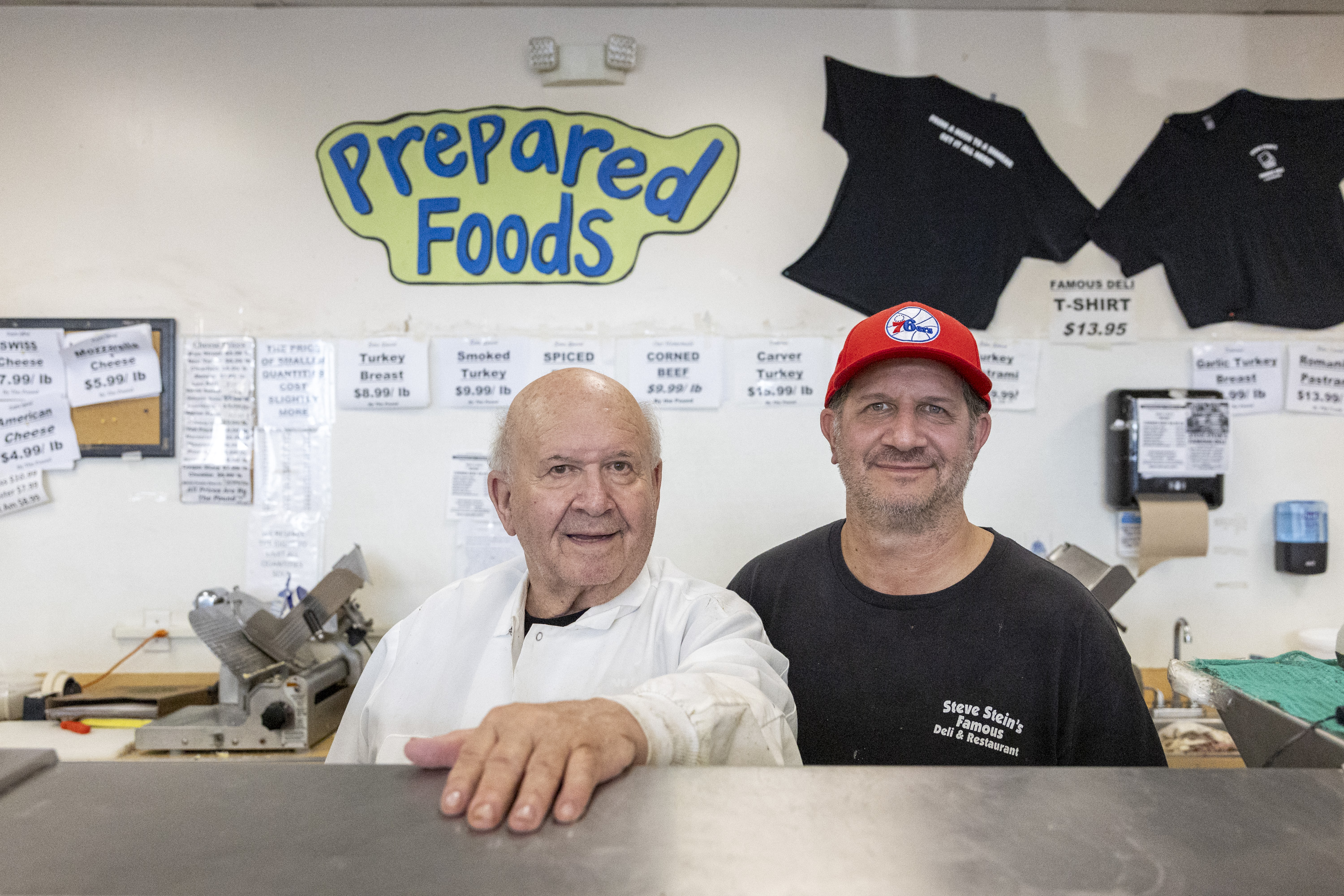
    Steve Stein’s Famous Deli, in Bustleton’s Grant Plaza, outlasted a food landscape once crowded with Jewish delis, bakeries, butchers, and other specialty shops. Its closing Sunday comes more than nine years after the finale of Jack’s Deli in Bell’s Corner, the Northeast’s penultimate deli. Like Stein’s, Jack’s combined a retail counter with a restaurant.

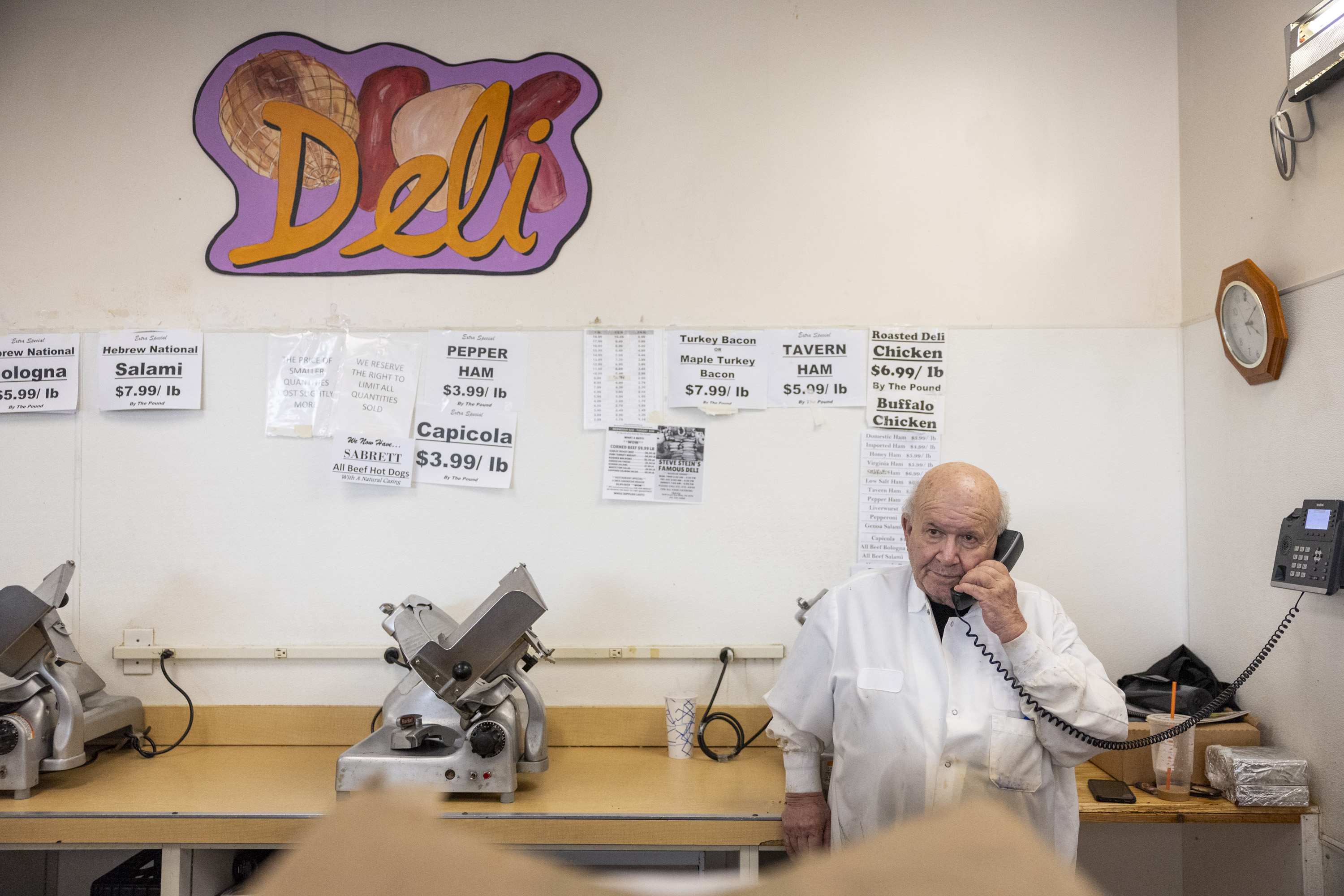
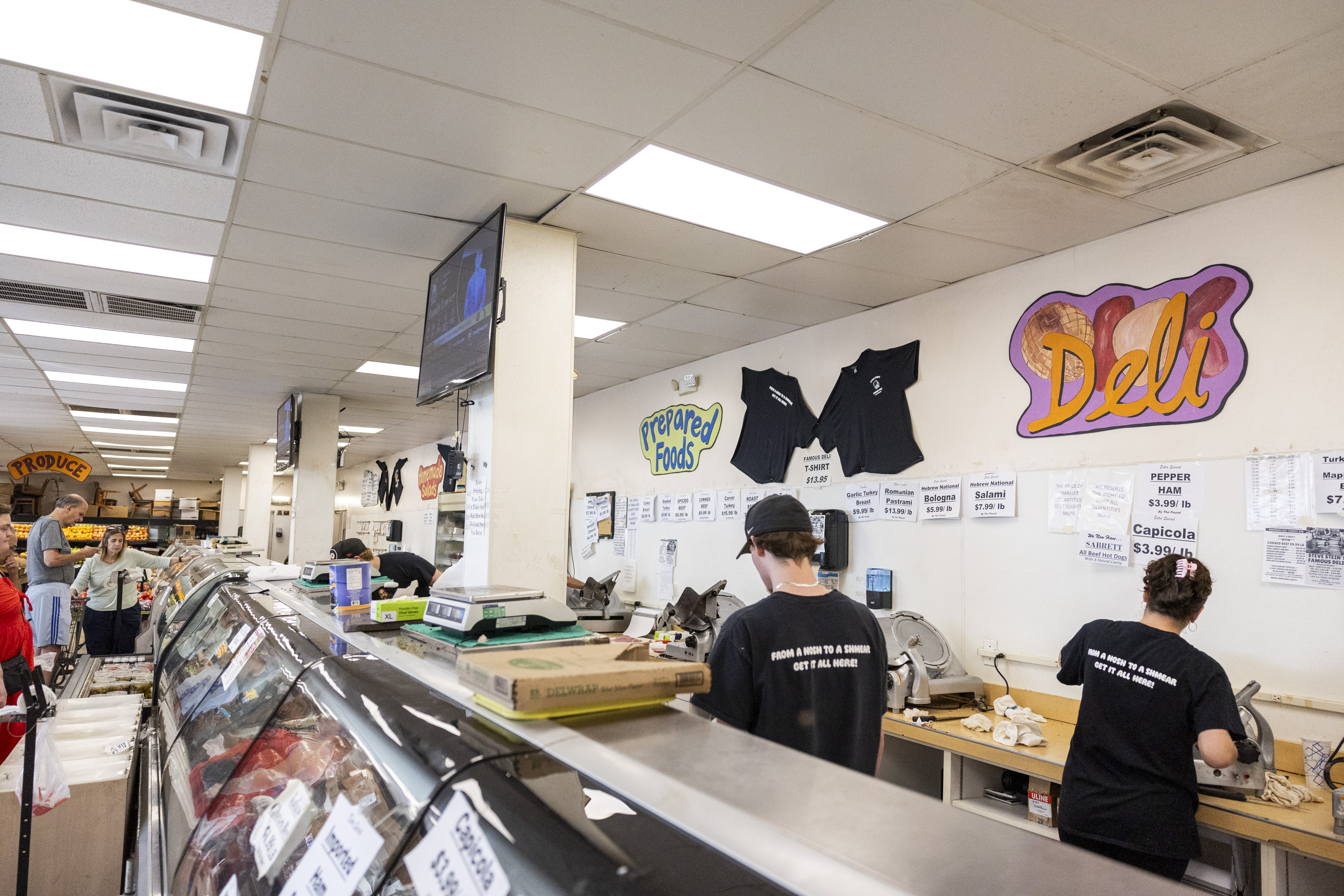
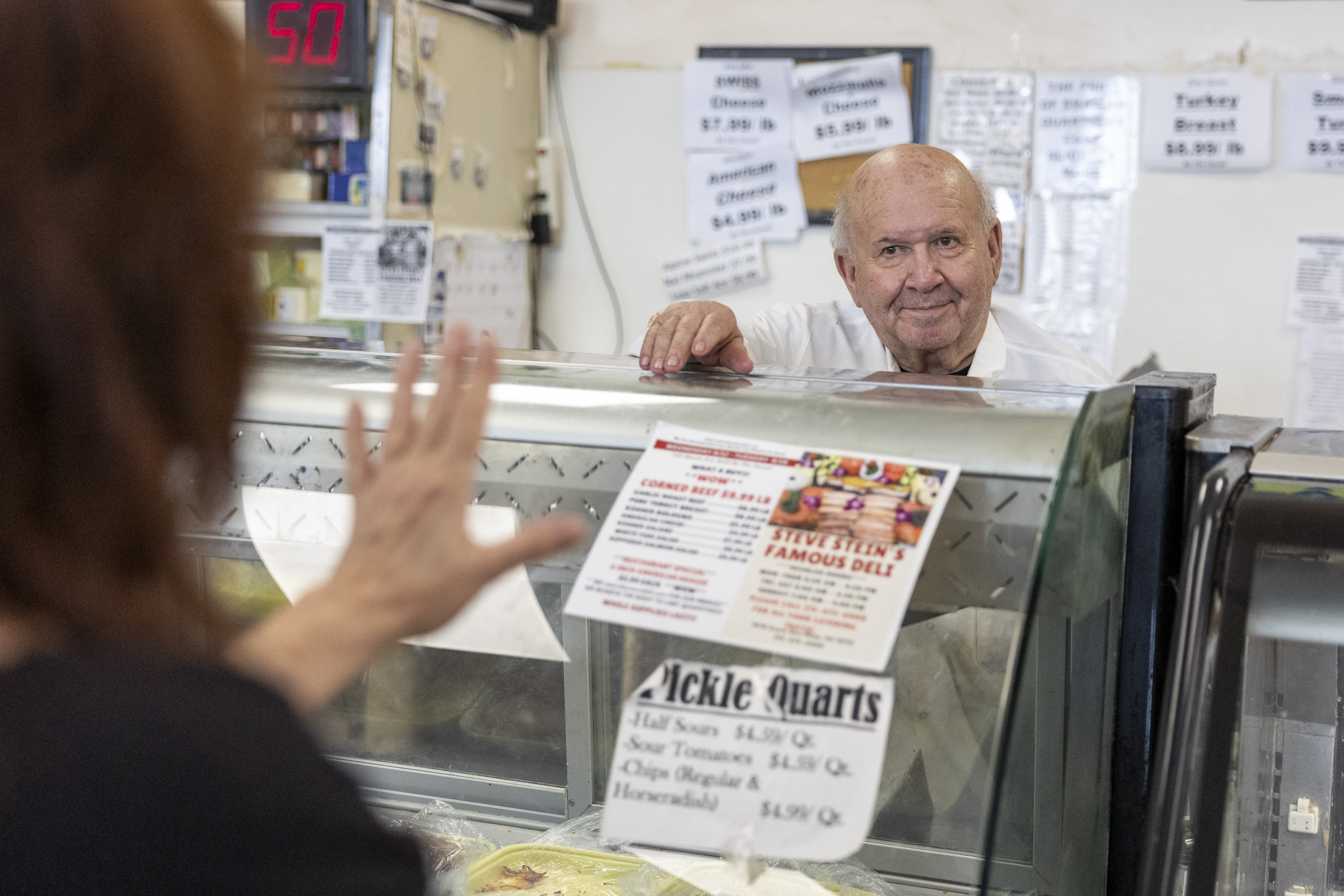
    The deli counter at Steve Stein’s Famous Deli on Aug. 14, 2026.Tyger Williams / Staff Photographer

    For Steve Stein, 83, the closing will end a family business whose roots stretch back to the late 1950s, when his family became involved with the Famous Deli location at 6826 Bustleton Ave. in Castor Gardens.

    Famous was part of an older Philadelphia deli dynasty. Beginning in the 1920s, the Auspitz brothers launched a string of delis around the city, including the flagship at Fourth and Bainbridge Streets in Queen Village, now owned by Al Gamble.

    Around 1960, Stein said, the Auspitzes sold the Bustleton Avenue Famous to Stein’s father, Mike, his brother Arnold, and his cousin Jack. The boys had run the produce concession there. Steve and Arnie, who died in 2010, later ran it side by side. Steve now runs the place with his son, Lee, now 57.

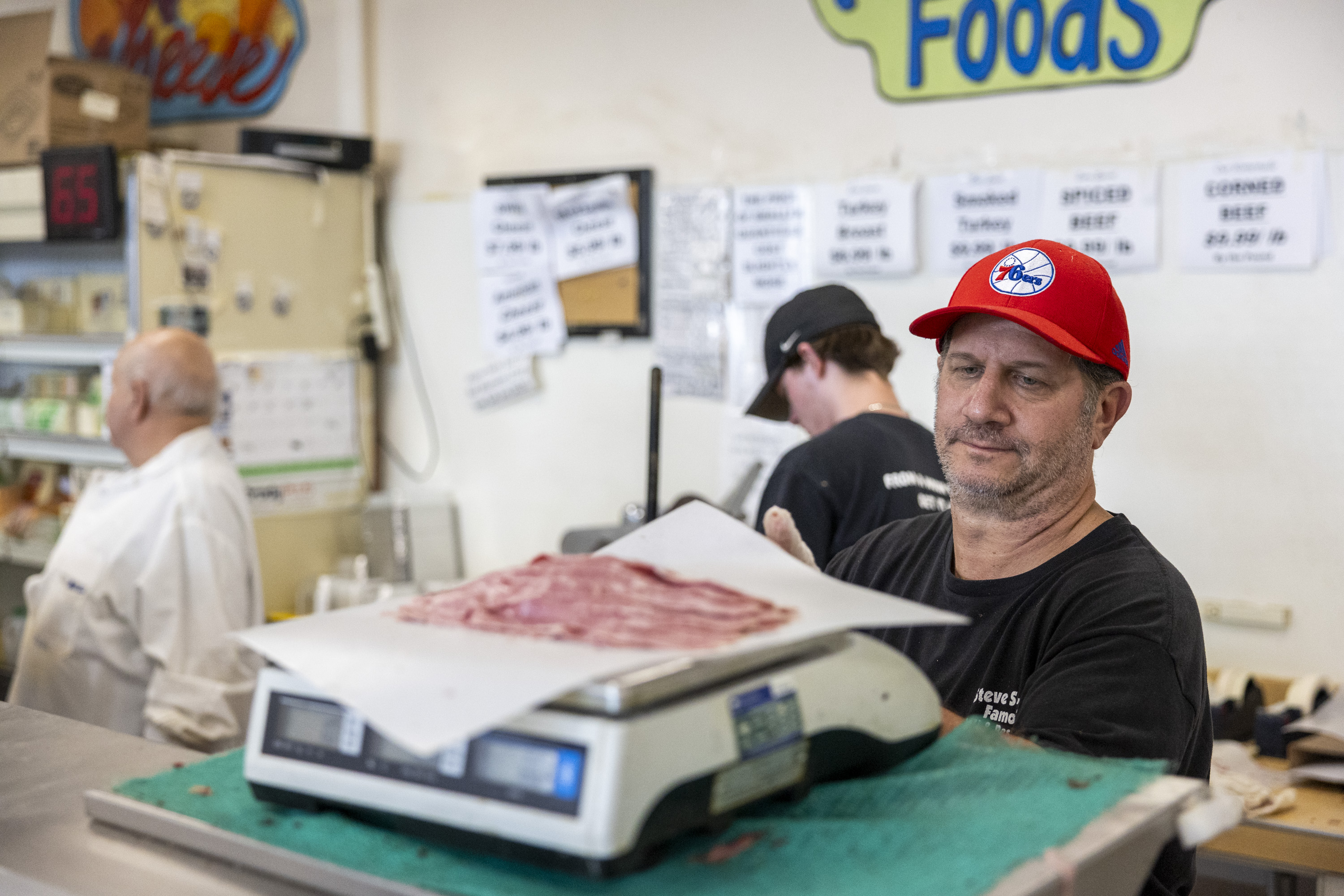
    Lee Stein weighs corned beef at his father’s deli on Aug. 14, 2026.Tyger Williams / Staff Photographer

    Since Stein announced the closing, customers have been stocking up on corned beef, smoked fish, rye bread, and other foods they fear they will not easily replace. Stein has cut prices as he tries to move inventory.

    “Nobody’s charging $9.99 a pound for house-cured corned beef,” Lee Stein said.

    On Friday, Tracey Lynn of Fox Chase ordered two pounds of corned beef while plucking garlic-perfumed sour tomatoes from a barrel, telling Stein that she planned to freeze some of the meat.

    Lynn said she and her husband have been customers since 1993. She is not sure where she will shop next. “I don’t want whitefish salad from BJ’s or from Costco,” she said.

    The closing is partly a retirement story. Stein said problems with his legs have made it increasingly difficult to work.

    But it is also about labor costs, food prices, succession, and a neighborhood whose demographics have changed dramatically over the life of the business.

    As Jewish families moved farther into the Northeast, Famous followed: first, in the mid-1970s, to Krewstown Road (where it had two locations) and, 14 years ago, to Grant Avenue. Stein, who later also had a short-lived store in Holland, Bucks County, sold the Bustleton Avenue store in the mid-1970s.

    In that sense, the history of Famous tracks the movement of Jewish Philadelphia itself.

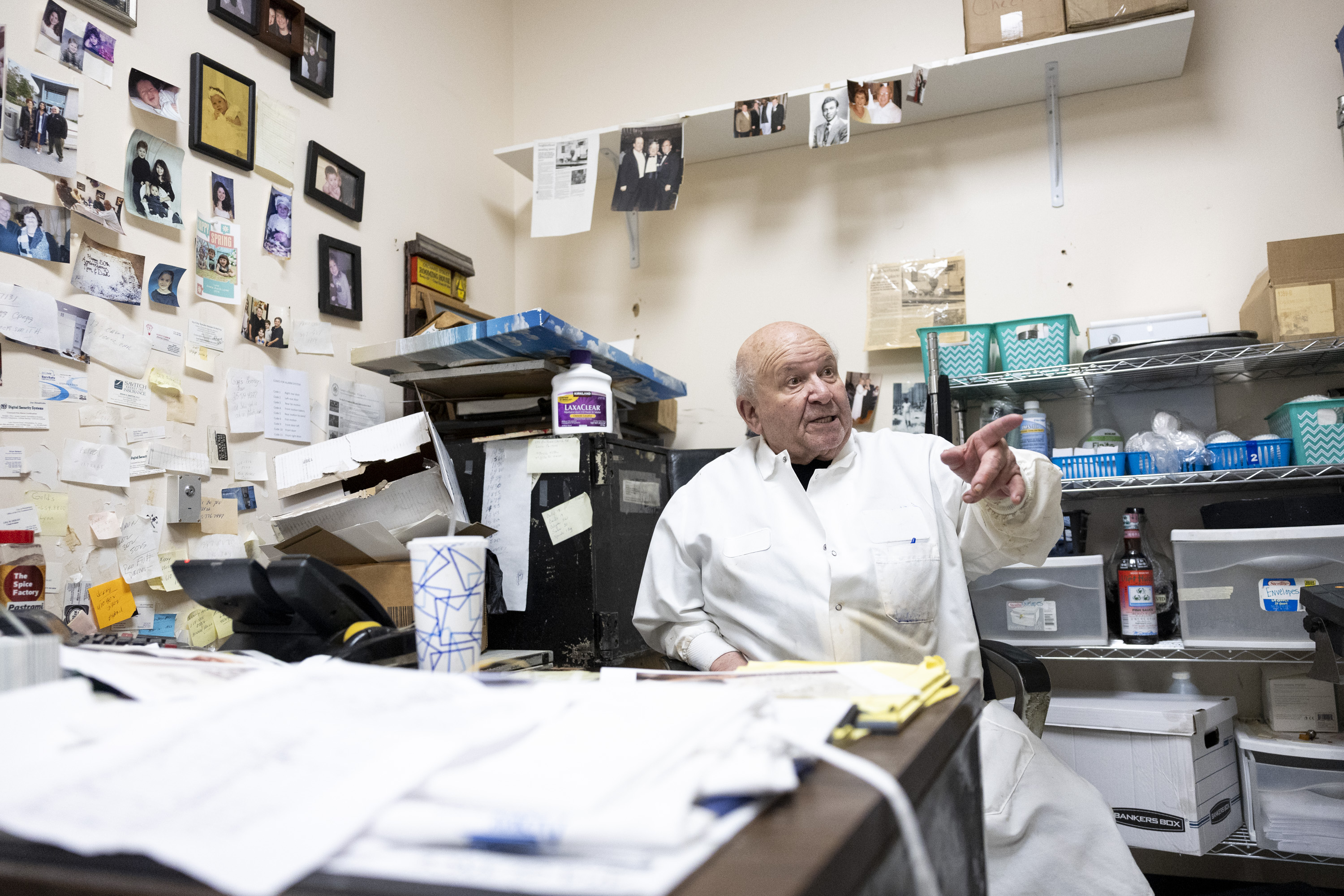
    Steve Stein, owner of Steve Stein’s Famous Deli, takes a break in his office.Tyger Williams / Staff Photographer

    A suburban diaspora

    After World War II, thousands of Jewish families left older Philadelphia neighborhoods such as Strawberry Mansion, Queen Village, and Wynnefield for Oxford Circle, Castor Gardens, Rhawnhurst, and Bustleton in the rapidly developing Northeast. Others moved to Lower Merion and Cherry Hill, which developed large Jewish communities and deli cultures of their own that remain.

    By 1970, demographer Ira Rosenwaike estimated, using Census data on Yiddish as a mother tongue, that more than 68,000 Jewish adults 25 and older lived in the Near and Far Northeast.

    That population supported an extraordinary density of Jewish food businesses: Abe’s Appetizers, Castor Deli, R&W, Stern’s, Paul’s, Four Lads, Dave’s, Casino, the Nasherei, four Barson-Overbrook locations.

    Steve Stein (left), owner of Steve Stein’s Famous Deli, behind the counter with his son, Lee.Tyger Williams / Staff Photographer

    To Hasia Diner, a historian and New York University professor who specializes in American Jewish history, the significance of delis was precisely their ordinariness. They were not institutions created to preserve Jewish culture. They were where neighborhood life happened.

    “On the one hand, [delis] seem so everyday,” Diner said in an interview. “They’re not great synagogues where religion was expounded, or places where great ideas were pronounced. But they were places where life was lived.”

    Some were kosher and others were not. What mattered, Diner said, was that the deli offered a secular Jewish space, rooted as much in neighborhood and food as in religious observance.

    By the 1980s, however, those neighborhoods were changing. In a 1987 Inquirer article, Bruce Isakoff of Paul’s Deli, on Castor Avenue near Brighton Street, said his business was doing more lunchtime trade as Jews left the neighborhood and it became a more generic deli. By then, Four Lads, on Castor Avenue at Creston Street in Oxford Circle, had stopped carrying smoked fish and pastrami. Both are long gone.

    A ‘kind of shrine’

    Many Jewish households moved farther north and into Bucks and Montgomery Counties. A 1996-97 Jewish Federation study found that Philadelphia accounted for 41% of the region’s population living in Jewish households, down from 54% in 1984, while Bucks County’s share had nearly doubled.

    The studies used different definitions and geographic boundaries, but the direction was unmistakable: The dense Jewish population that once sustained neighborhood delis had dispersed.

    Steve Stein, owner of Steve Stein’s Famous Deli, taking a deli order on Aug. 14, 2026.Tyger Williams / Staff Photographer

    The movement itself was nothing new, Diner said. American Jewish communities repeatedly established themselves in neighborhoods and moved elsewhere. What changed was the role of the old neighborhood — and of the deli within it.

    “The deli was often the kind of shrine to which they went back,” she said.

    The old delis offered something beyond nostalgia. In their heyday, Diner said, they were overwhelmingly Jewish spaces where customers did not have to explain themselves or worry about how they appeared to outsiders.

    “These places were so rich with a kind of embeddedness, of comfort and security and, again, letting your hair down,” she said.

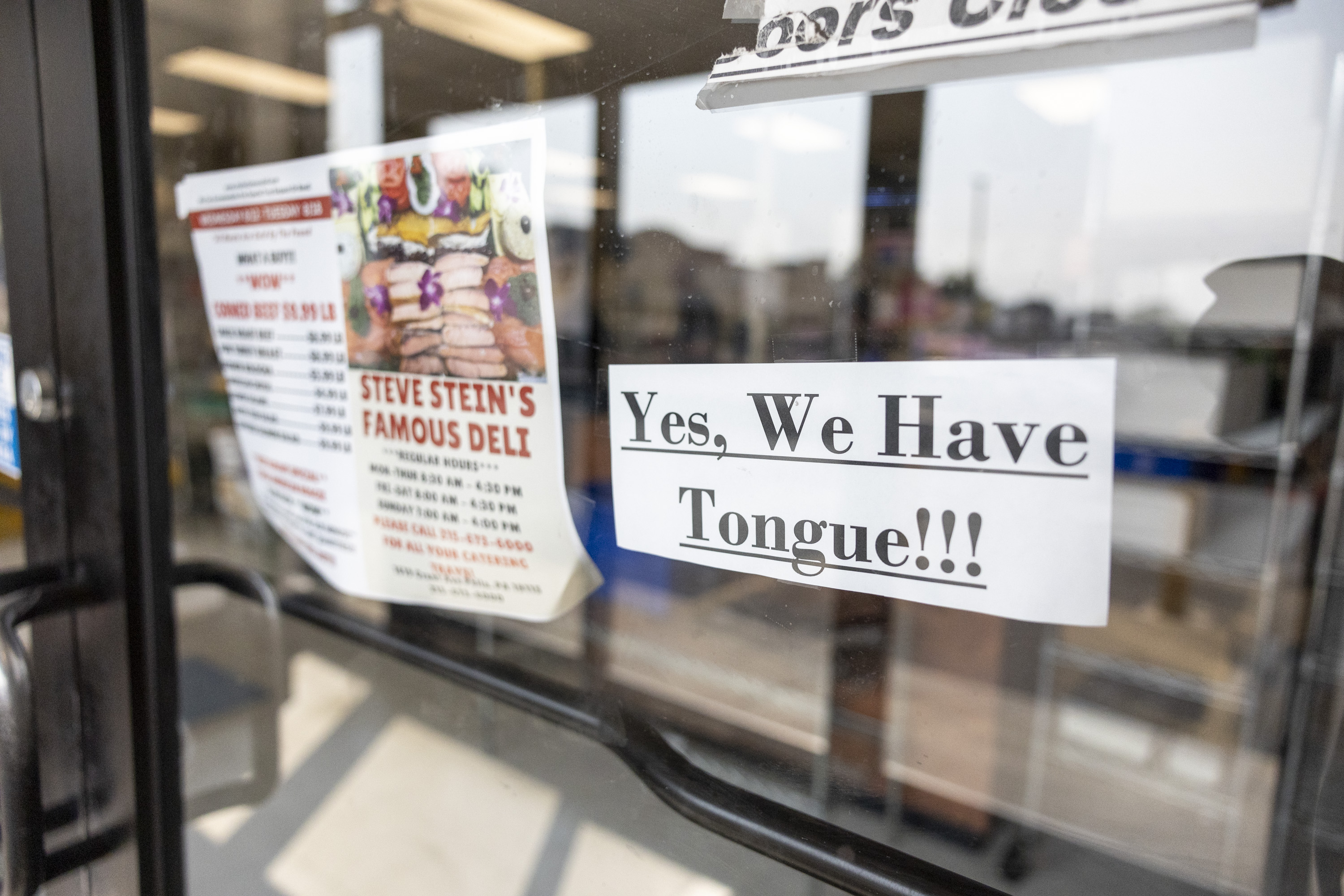
    A sign proclaiming, “Yes, We Have Tongue!!!” at the entrance at Steve Stein’s Famous Deli.Tyger Williams / Staff Photographer

    Population was only part of the story. Supermarkets increasingly stock foods that once sent customers to specialty counters: corned beef, pastrami, smoked fish, whitefish salad, herring, rye bread, bagels, pickles, and knishes. But not everything. Signs at Famous proclaim, “Yes, We Have Tongue!!!” Not many others do.

    More important, Diner said, is what cannot be sold at a supermarket: the deli as a secular gathering place, where being Jewish required neither religious observance nor agreement about politics. “A pastrami sandwich is a pastrami sandwich,” she said.

    Costly ingredients

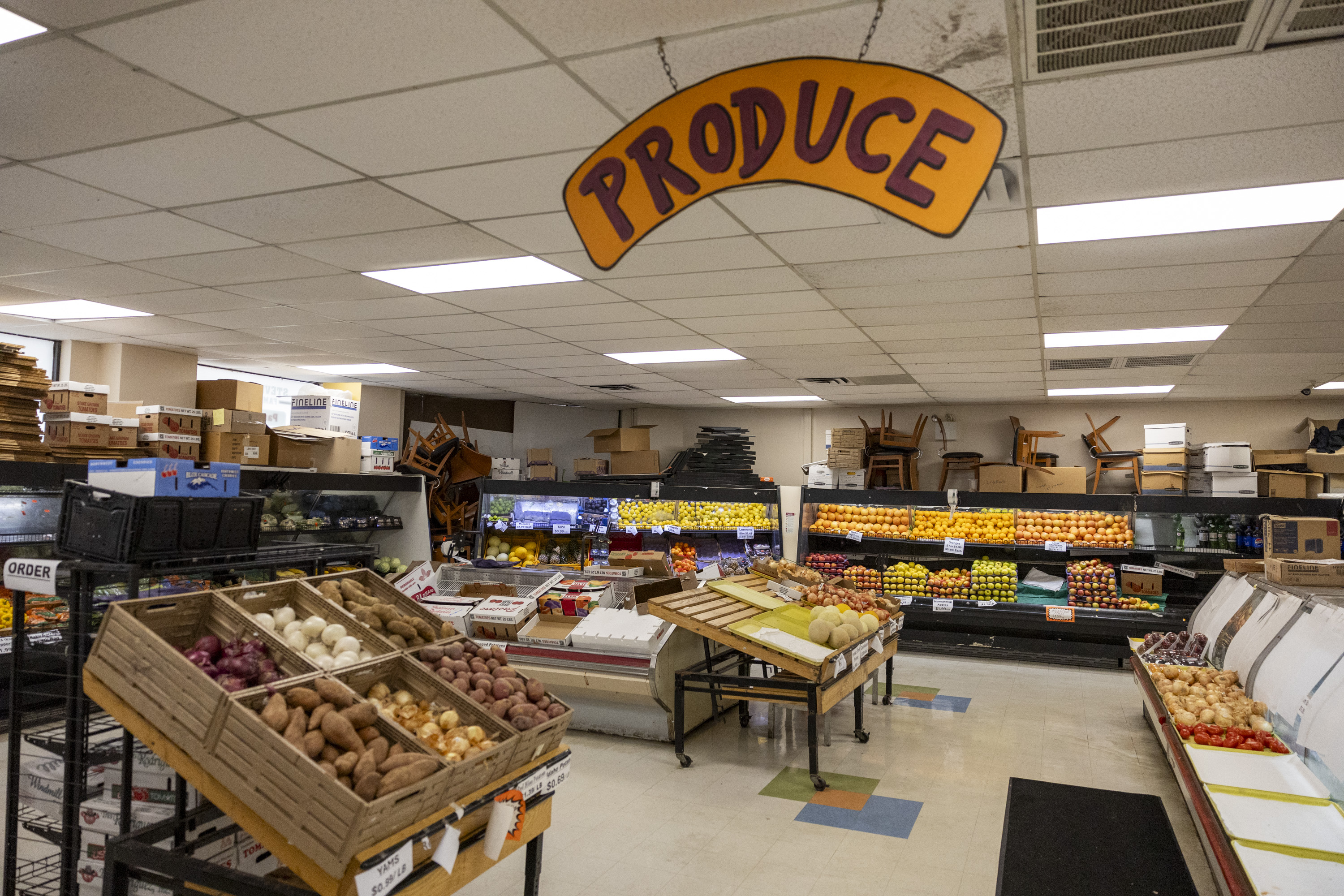
    The traditional deli model itself is expensive and labor-intensive, built around extensive preparation and a sprawling inventory. Famous still cures its corned beef and makes its own turkey, pastrami, whitefish salad, and spice beef.

    Steve Stein’s Famous Deli is equal parts market, deli counter, and restaurant.Tyger Williams / Staff Photographer

    Steve Stein said finding employees has become increasingly difficult. Lee Stein said prospective workers have easier options, such as driving for Uber or making deliveries for Grubhub.

    The deli has about 35 employees, many part-time. Some are placed through SPIN, the Philadelphia nonprofit that supports people with intellectual, developmental, and autism spectrum disabilities.

    Survival has also required adapting to the customer base, increasingly non-Jewish. Lee said he remembers when Famous carried a single canned ham, hidden behind the counter. Though few Jewish delis are kosher, pork traditionally has been another matter.

    “Nobody was allowed to say the word ham,” he said.

    Today, their case holds about a dozen varieties.

    Rob Woloshin, 40, owner of Manny’s Deli Stop in Willow Grove, grew up going to Stein’s Famous with his father. His deli represents a leaner version of the old model: counter service, a few tables, online ordering, and delivery, with traditional deli sandwiches alongside chicken cutlets, wraps, and other contemporary offerings.

    Cashier Linda DiNenno, who has worked at Steve Stein’s Famous for about 13 years, checks out a customer.Tyger Williams / Staff Photographer

    “We’ve kind of modernized, I guess, as much as the Jewish deli can be modernized,” Woloshin said.

    Famous may yet have an afterlife. Lee Stein said he is talking with the landlord about a deal that could keep him in the space, under another name, in time for the Jewish High Holy Days, which begin Sept. 11. If not, he might offer catering from a synagogue kitchen.

    For longtime cashier Linda DiNenno, the closing is less about corned beef than the people around the counter. She said she will miss the family atmosphere among employees and customers who have been calling to say goodbye.

    “I’ve got customers calling on the phone, like, ‘Oh my God, I’m gonna miss you, Linda,’” she said.

  • At tiny Lau Kee, Chinatown’s most experienced duck chef delivers reliable excellence

    At tiny Lau Kee, Chinatown’s most experienced duck chef delivers reliable excellence

    Chinatown’s Wizard of Ducks did not come from poultry royalty. Chuien Liu was born to a long line of Fujianese fishermen on a rural island beside the East China Sea.

    “Going out every day to catch fish, shrimp, and crabs? That was a necessity,” says his son, Kenneth Liu, translating for his father. “But making duck was his passion, mostly because he liked to eat it.”

    In that respect, Chuien Liu scored big-time when he came to Philadelphia in the mid-1990s, following a wave of immigration from Fujian Province, on China’s southeastern coast, to the United States. He landed a spot beside the roasting oven at Chinatown’s iconic Sang Kee Peking Duck House, and he remained there as the master of ducks, soy sauce chicken, and crispy pig for 25 years.

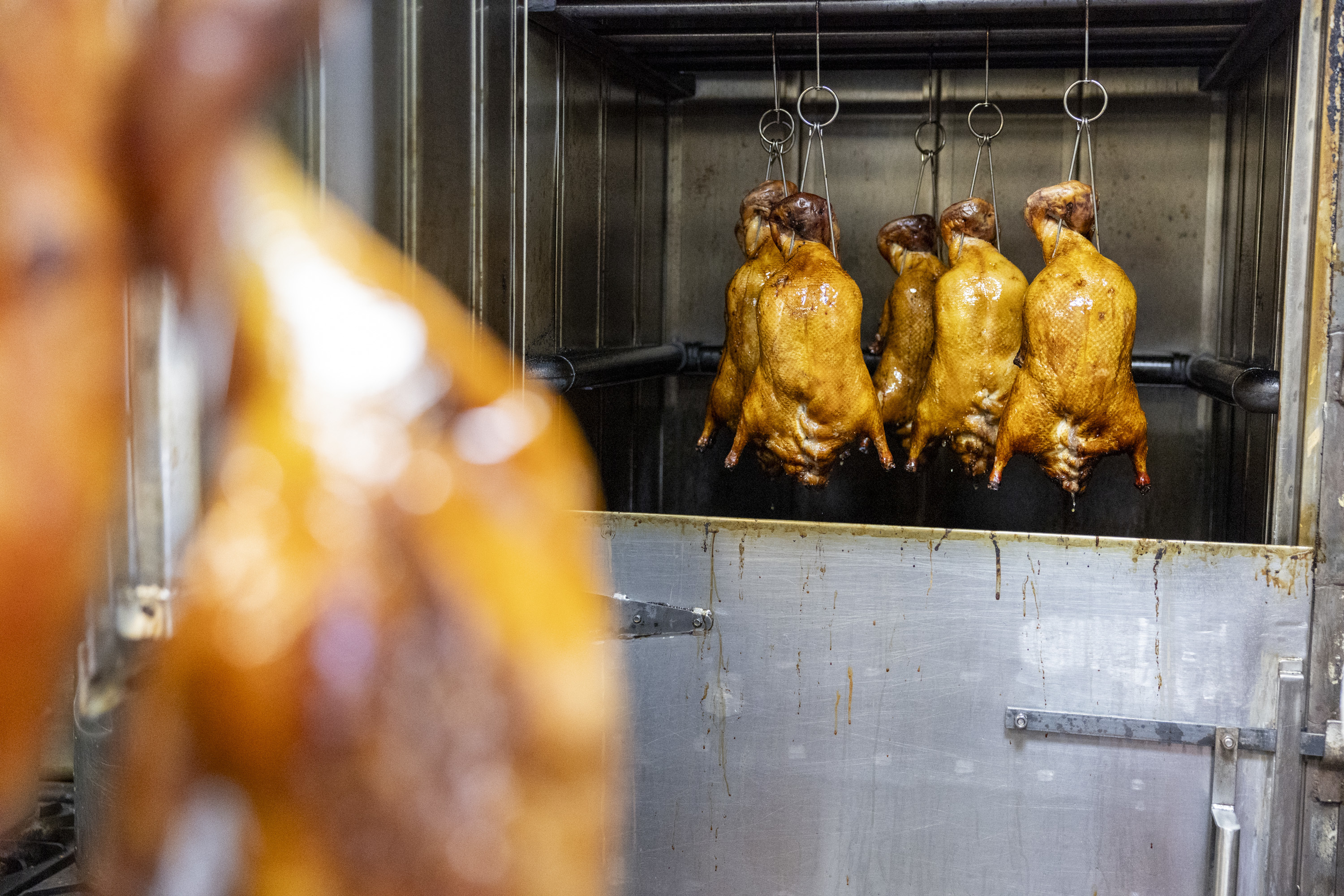
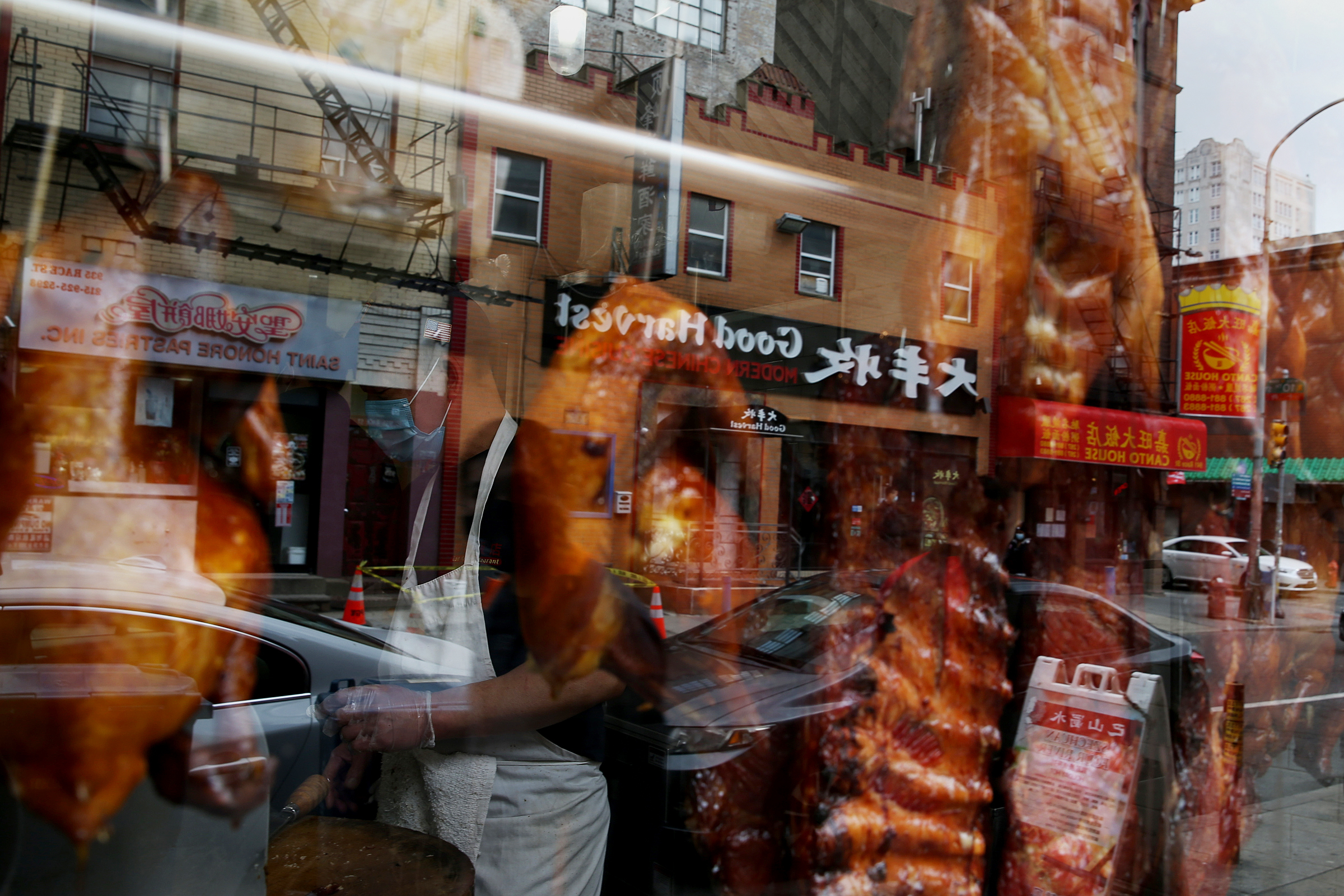
    And then we, the voracious duck eaters of Philadelphia, became the lucky ones. Liu and his family went independent in 2019 to claim their own little slice of Chinatown at Lau Kee, a cozy 20-seater with no decorations on the walls, but an absolute masterpiece display of Cantonese-style roasted meats hanging in the spotless front window.

    Lacquered brown ducks dangle temptingly from hooks beside paper-wrapped bundles of whole chickens, pink-edged hunks of sweet char siu pork shoulder, and tawny sheets of pork belly, whose slow-rendered layers of pale meat, pearly fat, and cracker-crisp skin are simultaneously so moist, tender, and shatteringly crunchy, taking merely one bite is not an option.

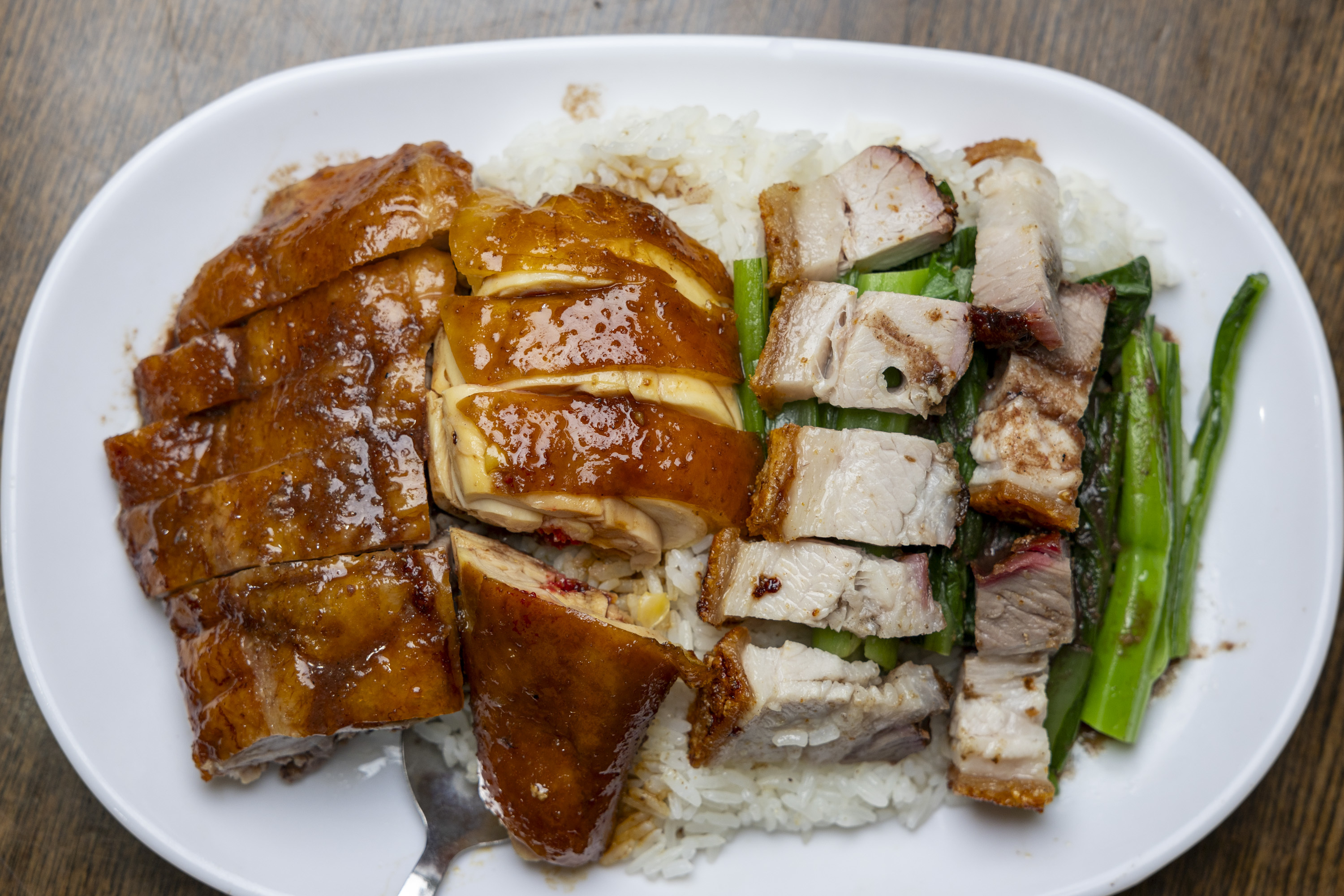
    The three meat platter over rice at Lau Kee, in Philadelphia, Pa., on Friday, Aug. 7, 2026.Tyger Williams / Staff Photographer
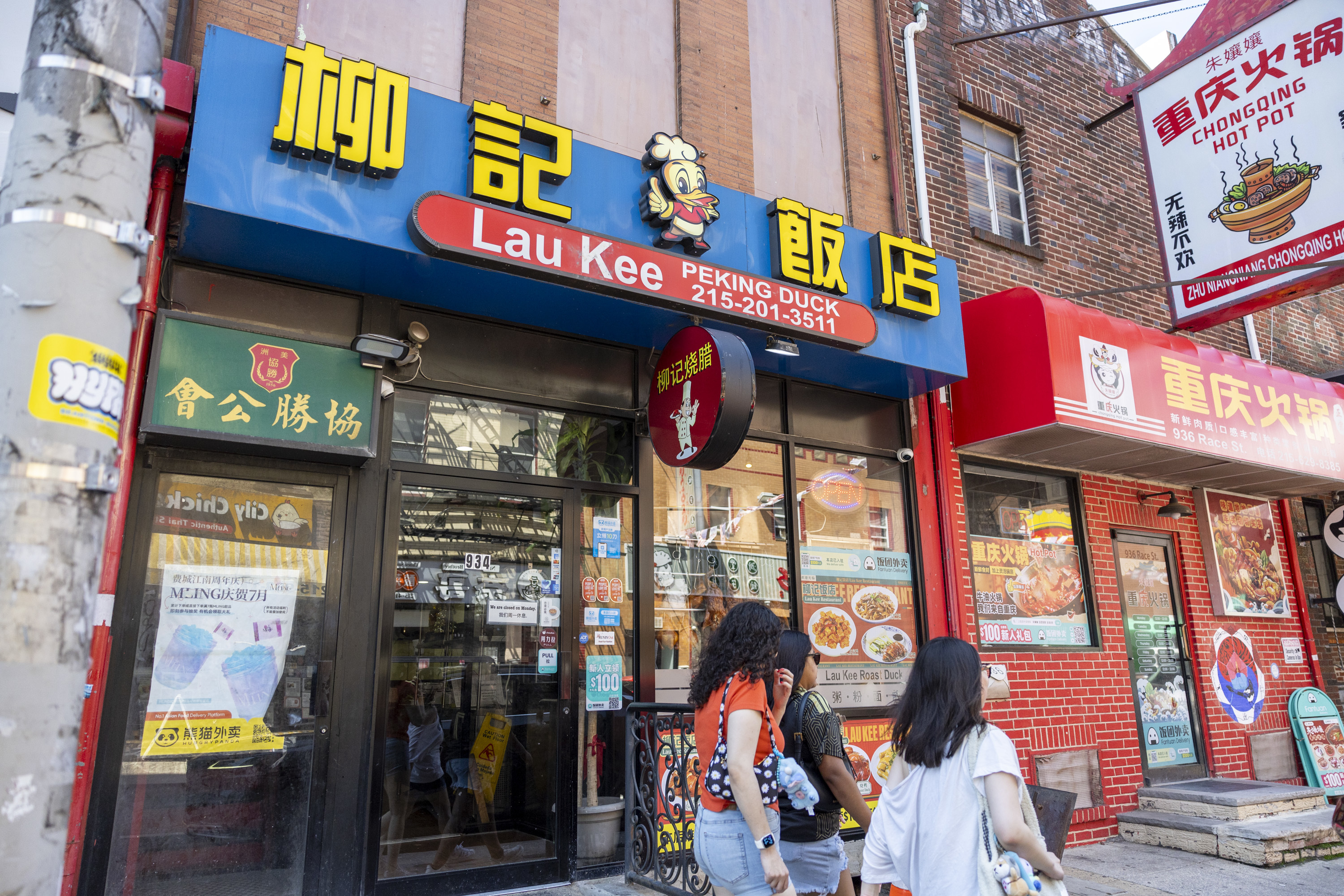
    Outside street view of Lau Kee, in Philadelphia, Pa., on Friday, Aug. 7, 2026.Tyger Williams / Staff Photographer

    There are other, larger, better-known duck houses in Chinatown with long-established and devoted patrons, from Ting Wong to M Kee, takeout-only Siu Kee, and, of course, Liu’s alma mater, Sang Kee.

    But with more than 31 years of experience and nearly half a million birds beneath his cleaver, Liu, now 55, is currently Chinatown’s longest-tenured duck chef — and also my vote for Philly’s best. As one of the very few chef-owners in the neighborhood, there is also an exceptional consistency in his insistence on doing things right.

    Just preparing the ducks is a laborious, dayslong process, beginning with inflating them with air to separate the meat from the skin. A gingery marinade with chee hou sauce (a fermented bean paste that’s less sweet than hoisin) comes next, followed by a hot water bath to open the skin’s pores, then a dunk in a vinegar-sugar glaze that dries overnight. The following day, the ducks are hung in a vertical oven over an open flame to roast low and slow as juices collect below for a final basting. And that’s just for the Hong Kong-style roasted duck, which always comes chopped on the bone.

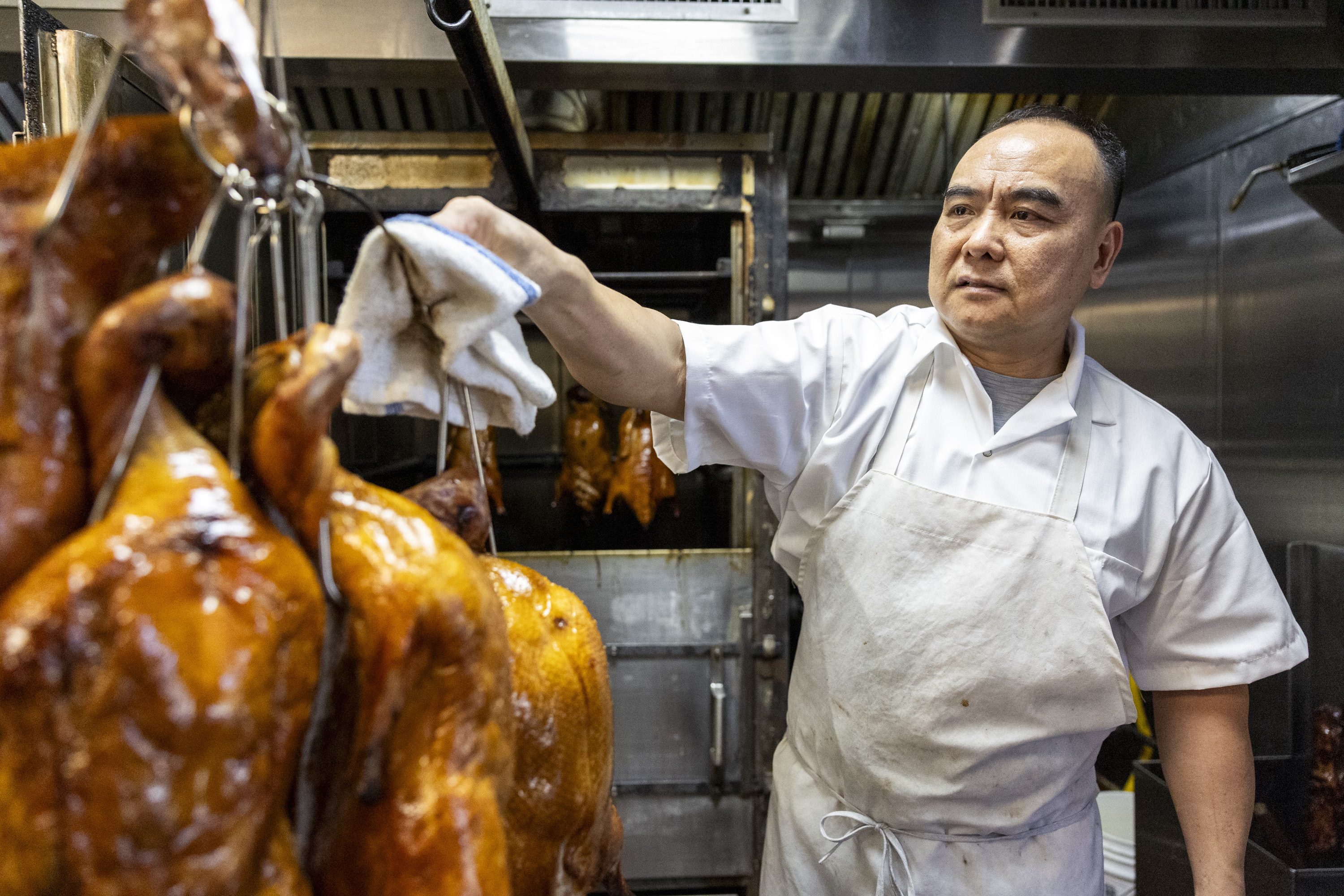
    Chuien Liu, Owner of Lau Kee, is taking out the cooked ducks from the oven in Philadelphia, Pa., on Friday, Aug. 7, 2026.Tyger Williams / Staff Photographer
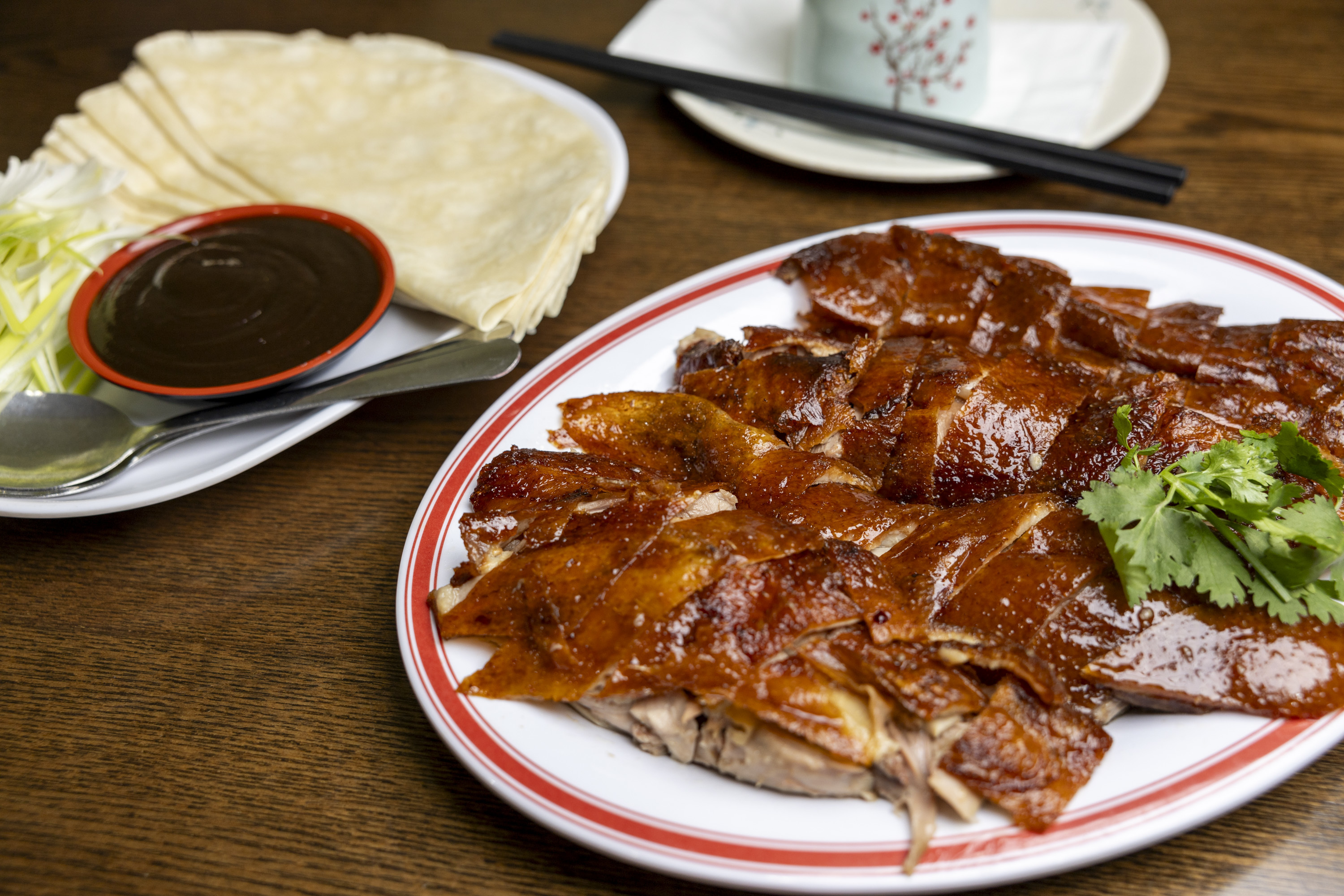
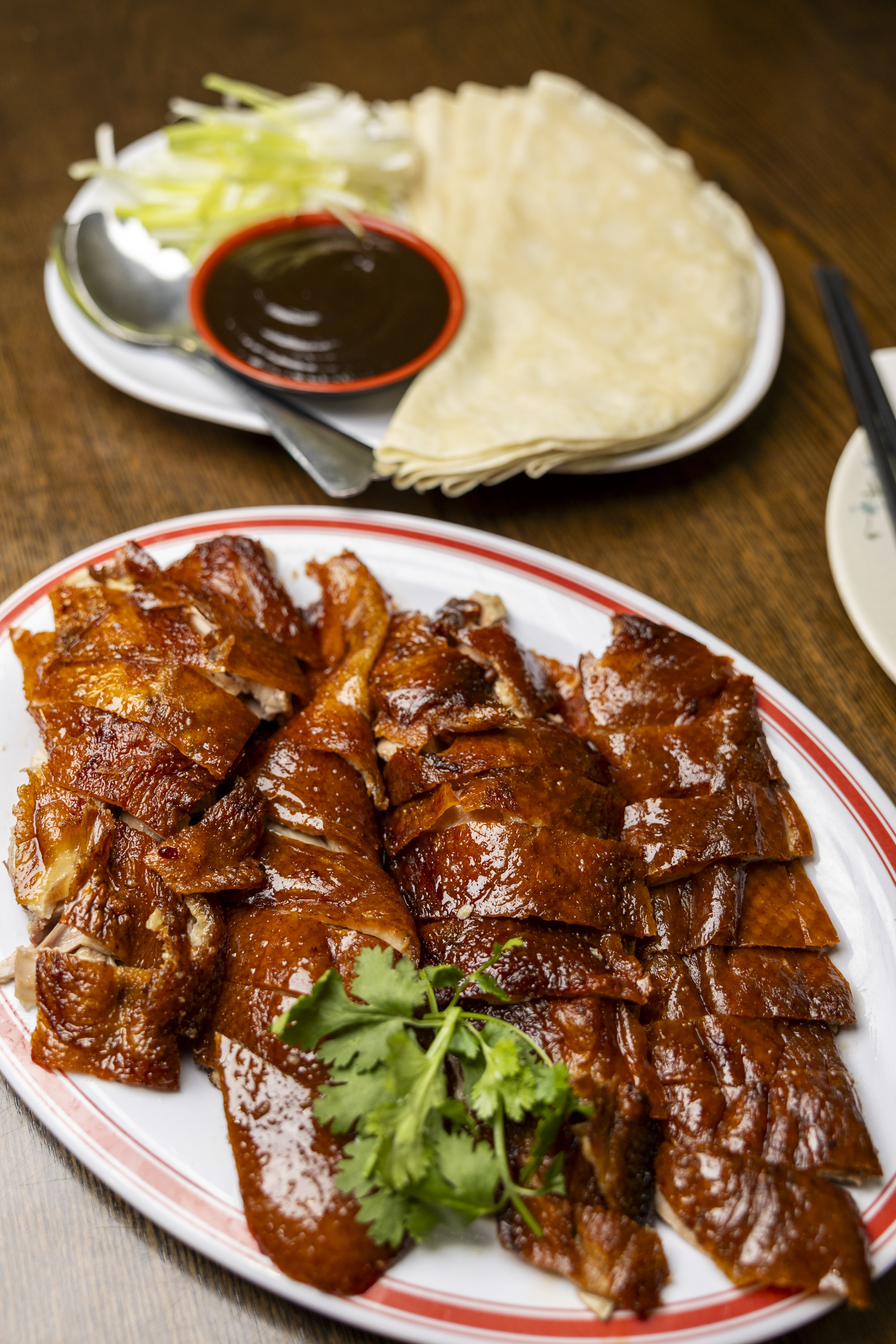
    A platter of Peking duck at Lau Kee, in Philadelphia, Pa., on Friday, Aug. 7, 2026.Tyger Williams / Staff Photographer

    The Peking-style duck is yet another process, involving a slightly sweeter marinade with a more pronounced five-spice savor plus a longer roast time to give that skin a delicate snap. At $30 for a half duck or $47 a whole bird, the sliced meat, served boneless alongside pancakes and scallions, is a delicious centerpiece for a sharing meal.

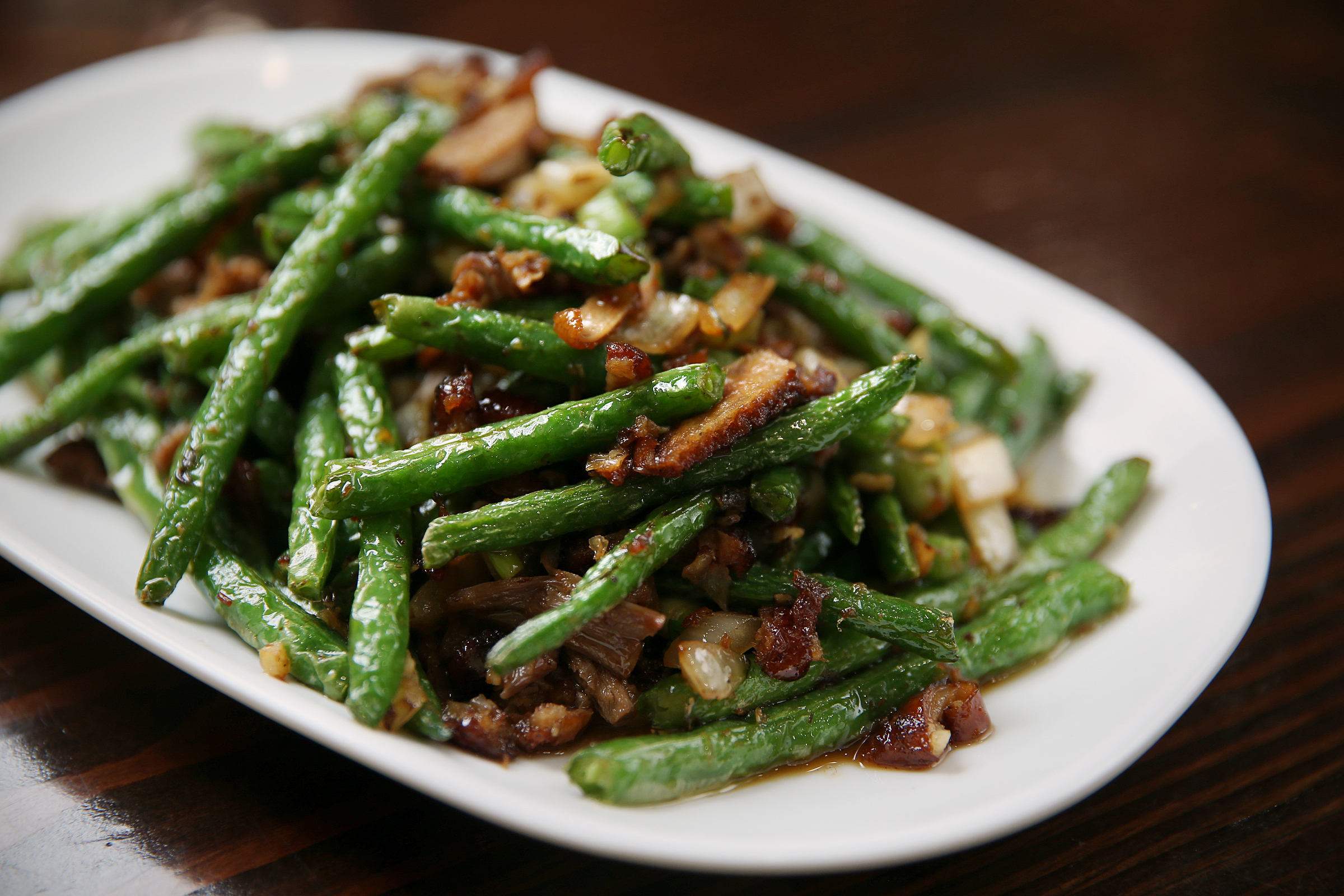
    If that’s too much of a commitment, Lau Kee makes appetizer-size duck rolls out of its copious duck trim — the perfect balance of tender meat, crunchy scallions, and dark hoisin — folded inside a soft pancake. A generous helping of shredded duck also stars in a stir-fry of snappy green beans tossed with ground pork and XO sauce. The earthiness of sliced duck and the roasted flavor of its skin also fully infuse the bowls of congee, whose rice porridge is regularly beaten to a snowy white mist and refreshed throughout the day so its texture remains airy and light. (“It’s almost fluffy,” opined my Inquirer colleague, Kiki Aranita, a noted congee scholar.)

    The shredded duck with string beans is pictured at Lau Kee in Philadelphia’s Chinatown on Thursday, April 1, 2021.TIM TAI / Staff Photographer
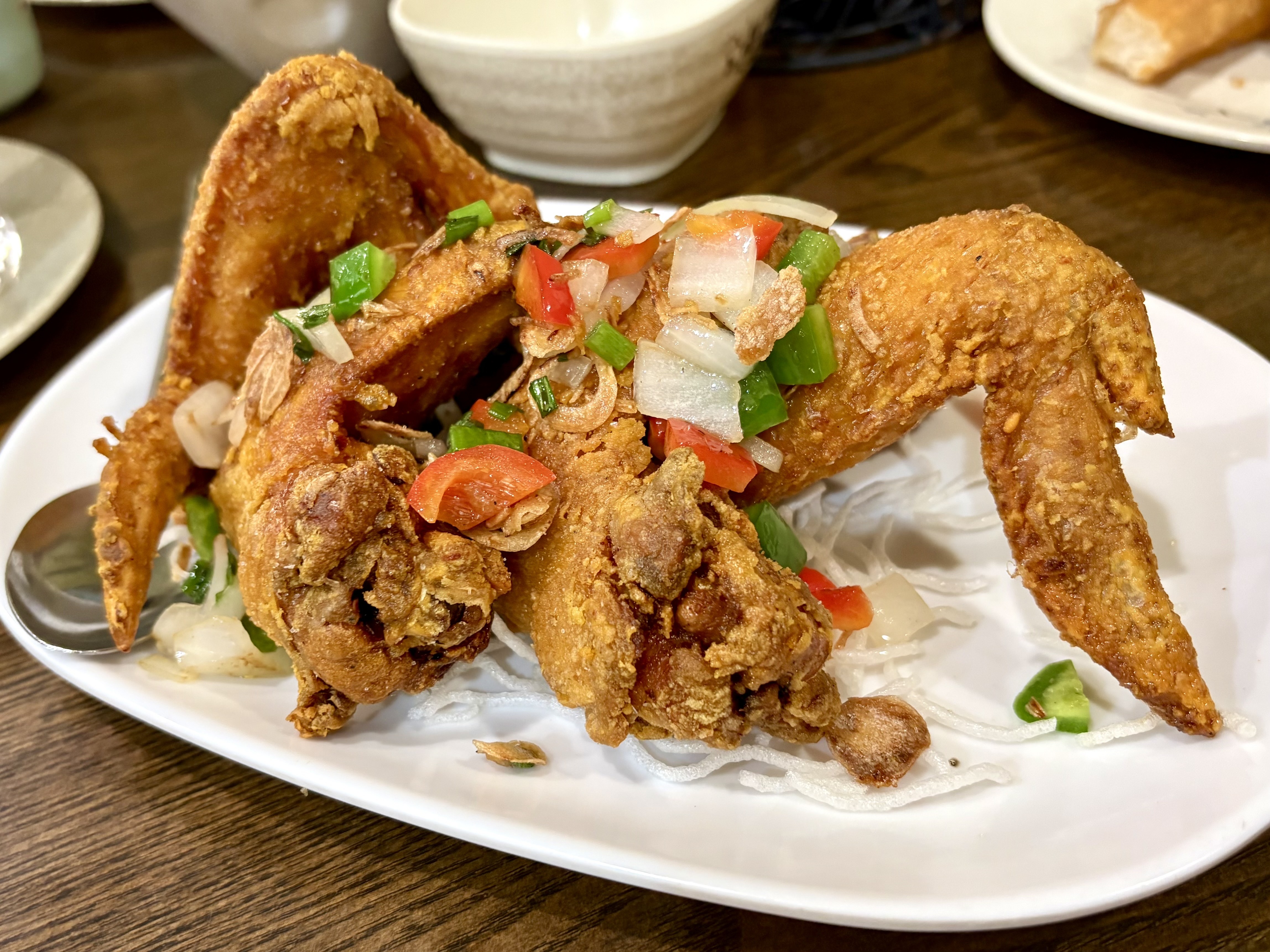
    The salt-baked chicken wings at Lau Kee are juicy, crisp and crackling with spice.Craig LaBan / Staff

    Other popular congee combinations contain thousand-year egg and pork, or sliced flounder mingled with ginger threads and scallion — options that are standard at a dozen other Cantonese kitchens across Chinatown.

    But it’s the subtle details of execution that make the difference in Lau Kee’s various soups, dumplings, stir-fries, and crispy delights. The battered crust on its salt-and-pepper shrimp in five-spice flavor might look heavy, but it’s as airy and crisp as tempura. Lau Kee’s juicy “salt-baked” chicken wings — which are actually perfectly fried — crackle with the spice of a crust infused with turmeric, cooking wine, and chili oil and easily rank among the city’s best.

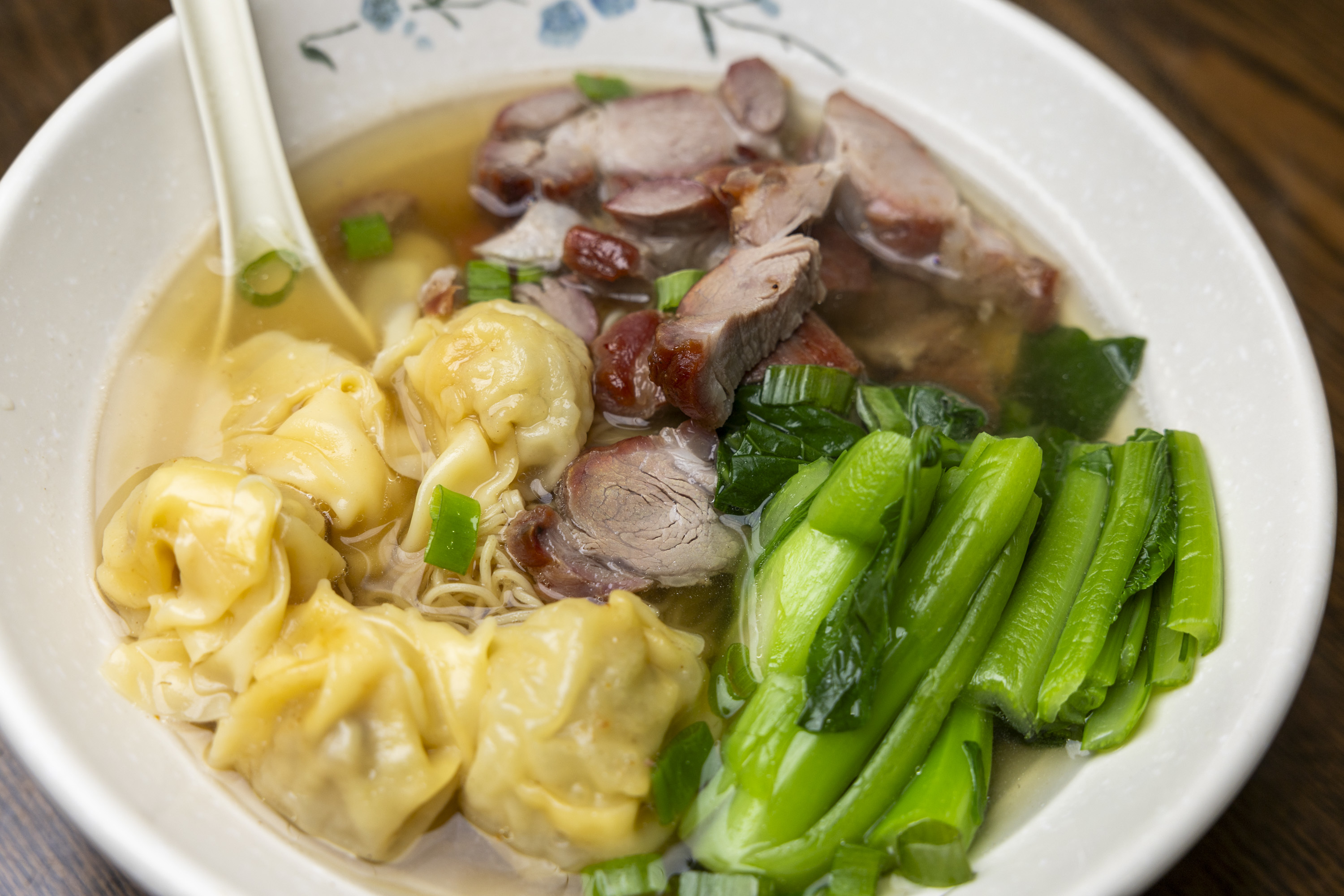
    The broth in Lau Kee’s wonton noodle soup is crystalline gold yet complex, drawing subtle smoky depth from a lightly charred salt fish that steeps for five hours with chicken bones. The poached yu choy greens that bolster the soup are snappy yet toothsome, and Lau Kee’s wontons, made by Liu’s wife, Fannie Qiu, are special. The addition of mushroom adds tenderness to a shrimp-and-pork stuffing that elsewhere can become overly bouncy. Top the soup with any of the meats, but char siu is my favorite, the star anise sweetness of the pork’s glaze adding even more layers to the brew.

    Wonton soup with greens and roast pork at Lau Kee.Tyger Williams / Staff Photographer

    Those wontons are also perfect splashed with the vibrant orange house chili oil, defined more by its fragrance of dried chilies than numbing Szechuan peppercorns.

    Lau Kee’s shrimp dumplings are memorable, reminiscent of Sang Kee’s but softer, thanks to the addition of bamboo, and more fragrant from a pinch of curry. The West Lake beef soup is also one of my favorites, its hearty pairing of ground beef and silky tofu batons bobbing in broth sparkling with white pepper, delicate egg drop ribbons, and crunchy cilantro greens.

    Lau Kee’s dry noodle dishes are solid, though less exciting. The minimalist scallion noodles, bright with shredded fresh ginger, is one of my two picks. The sesame oil-laced crispy noodle basket topped with morsels of flounder is another, notable for its delicacy and dual-textured noodles, both crunchy around the edges and soft in the middle from a velvety white gravy. Other noodle standbys were fine but forgettable: a serviceable Singapore noodles, and a beef chow fun that lacked the smoky singe of wok hei.

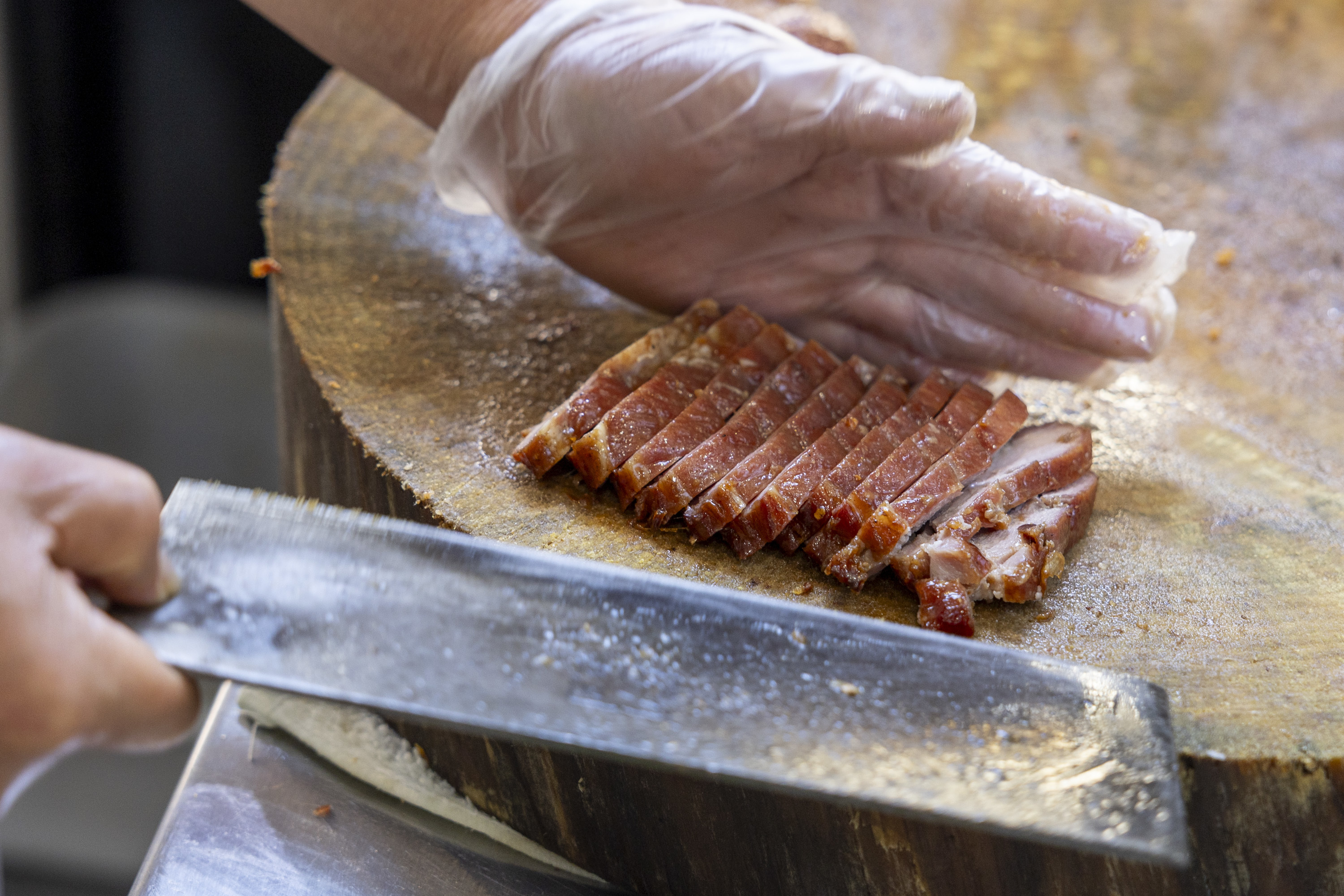
    Fresh cut char siu pork shoulder at Lau Kee, in Philadelphia, Pa., on Friday, Aug. 7, 2026.Tyger Williams / Staff Photographer
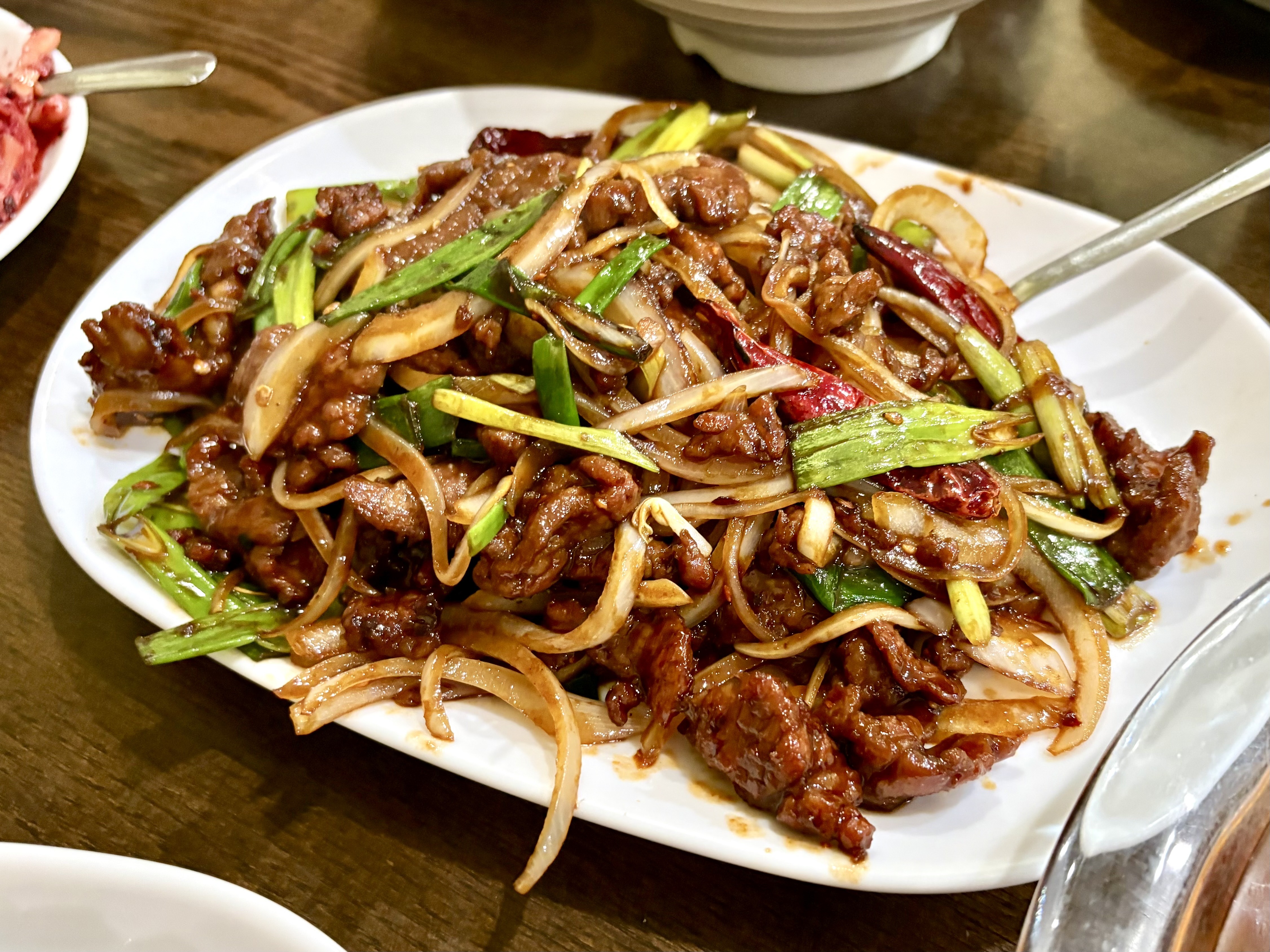
    The Mongolian beef from Lau Kee in Chinatown.Craig LaBan / Staff

    That whiff of caramelized char was absolutely present on the Mongolian beef, whose frizzled onion laces and dried chile heat added umami and sneaky spice to the sweet hoisin. It’s a specialty that traveled well by takeout, along with some good Americanized classics, including General Tso’s chicken, whose tender nuggets were glazed in a sweet sauce that also flickered with chili oil.

    As a small business that needs every order (beyond the 250 ducks Chuien Liu sells each week), Lau Kee caters to the demands of a broad audience, and, to my mind, does many familiar dishes better than most.

    But there’s an uncommon specialty on this vast menu that points to a niche of Fujianese specialties I wish Lau Kee would embrace more fully. Liu’s wife has mastered the Fujianese art of fermenting Qinghong, a wine made from sticky rice laced with red rice yeast.

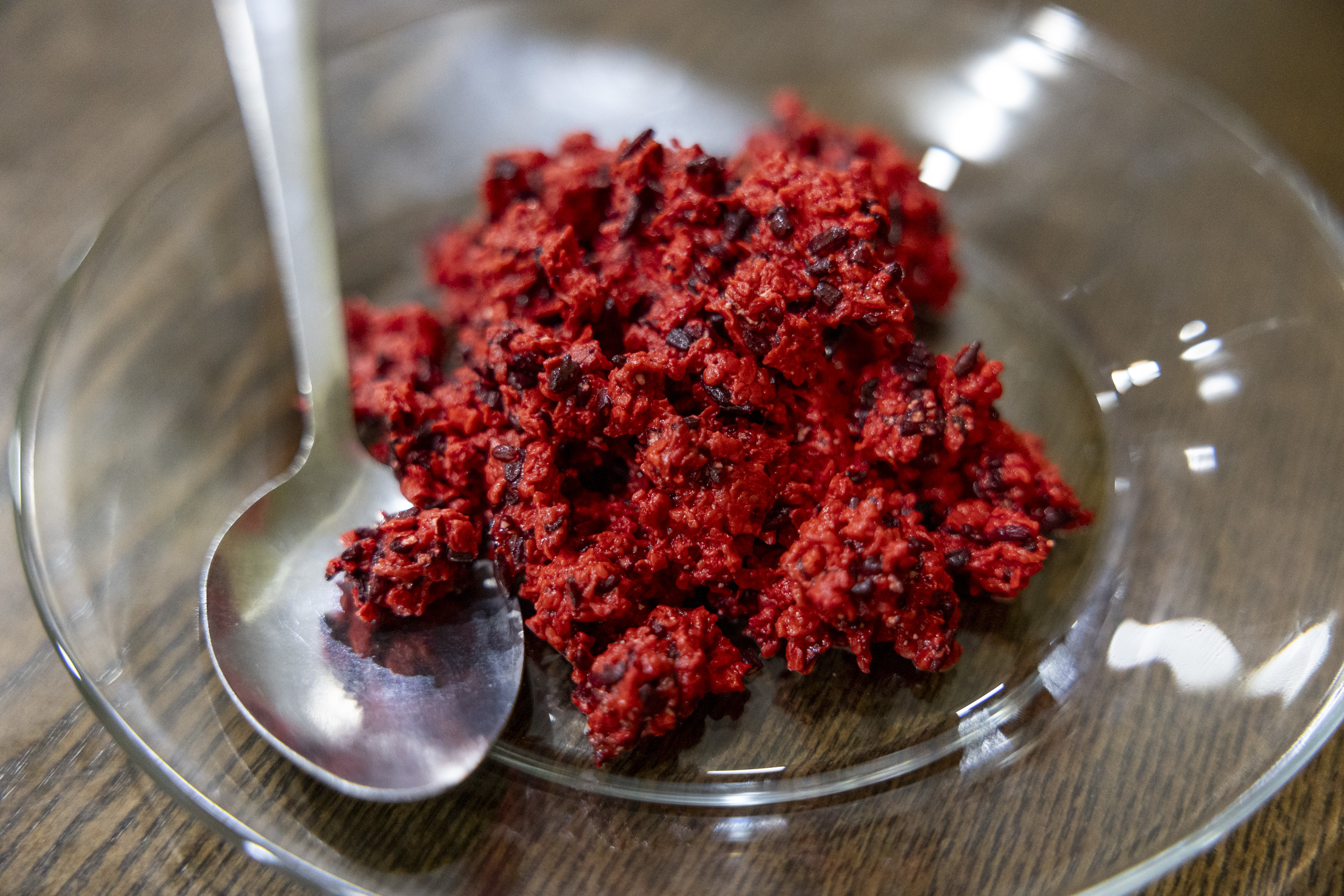
    The red vinasse before processing to turn it into sauce at Lau Kee, in Philadelphia, Pa., on Friday, Aug. 7, 2026.Tyger Williams / Staff Photographer

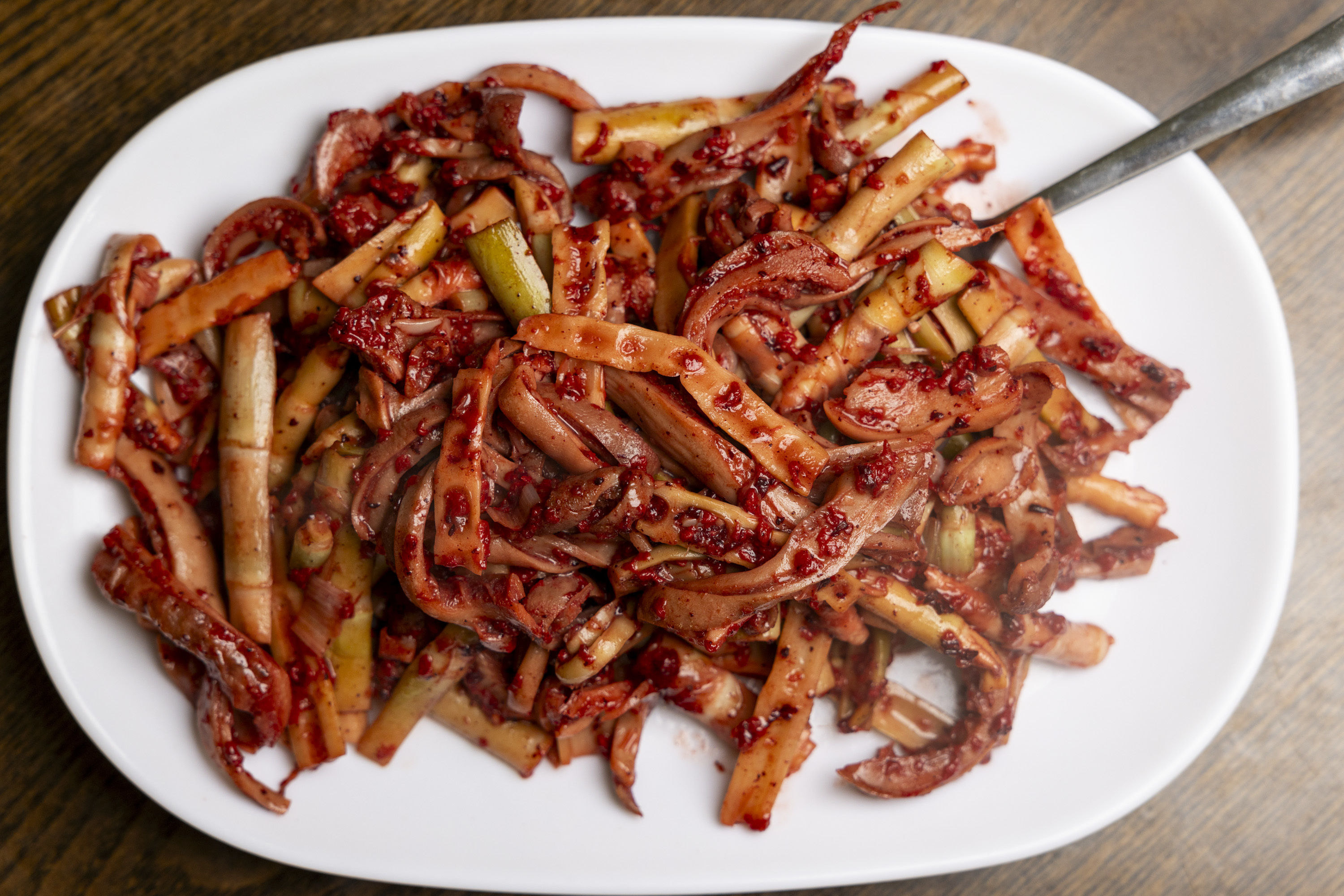
    As Kenneth Liu notes only half-jokingly, “My dad does not share his wine.” But the leftover lees, a crimson paste noted on the menu as “red vinasse,” is a valuable condiment that carries a fruity, fermented note and yeasty tang. It’s a transformative addition to Lau Kee’s stir-fry of chopped pig stomach with bamboo shoots. (The squeamish can order it instead with shredded pork meat.) There’s a toothy-yet-tender snap to the offal and an earthy undertone that harmonizes with the lightly boozy lees for a far more rewarding dish.

    The pig stomach with red vinasse at Lau Kee, in Philadelphia, Pa., on Friday, Aug. 7, 2026.Tyger Williams / Staff Photographer

    Considering the sizable community of Fujianese entrepreneurs who’ve moved to this region over the past two decades and opened everything from Americanized Chinese takeout windows to sushi restaurants and, yes, excellent Cantonese duck houses, there are precious few places showcasing traditional Fujianese food, an underrated regional cuisine. Since the closure of both Ming River Side Walk House and my other longtime 10th Street favorite, simply called “Chinese Restaurant” (aka Tai Jiang), I can no longer find delicate noodles in peanut sauce, fried taro cakes studded with pork, wok-fried baby oyster omelets, and Fujianese wonton soup with tiny dumplings no larger than a penny.

    Lau Kee doesn’t make them either, sadly, and even recently dropped another Fujianese specialty, drunken ribs, when Qiu’s brother retired from their kitchen. “[Fujianese cuisine] is not the fanciest food, and not everyone is willing to try,” says Kenneth Liu.

    Businesses are reflected in a window in front of roasted ducks at Lau Kee in Philadelphia’s Chinatown on Thursday, April 1, 2021.Tim Tai / Staff Photographer

    And yet, perhaps Philly’s diners would try if only they knew more of Lau Kee’s abilities to so beautifully represent their home region? My own enthusiasm was at least genuine enough to convince chef Liu to share a sample of his Qinghong wine stash.

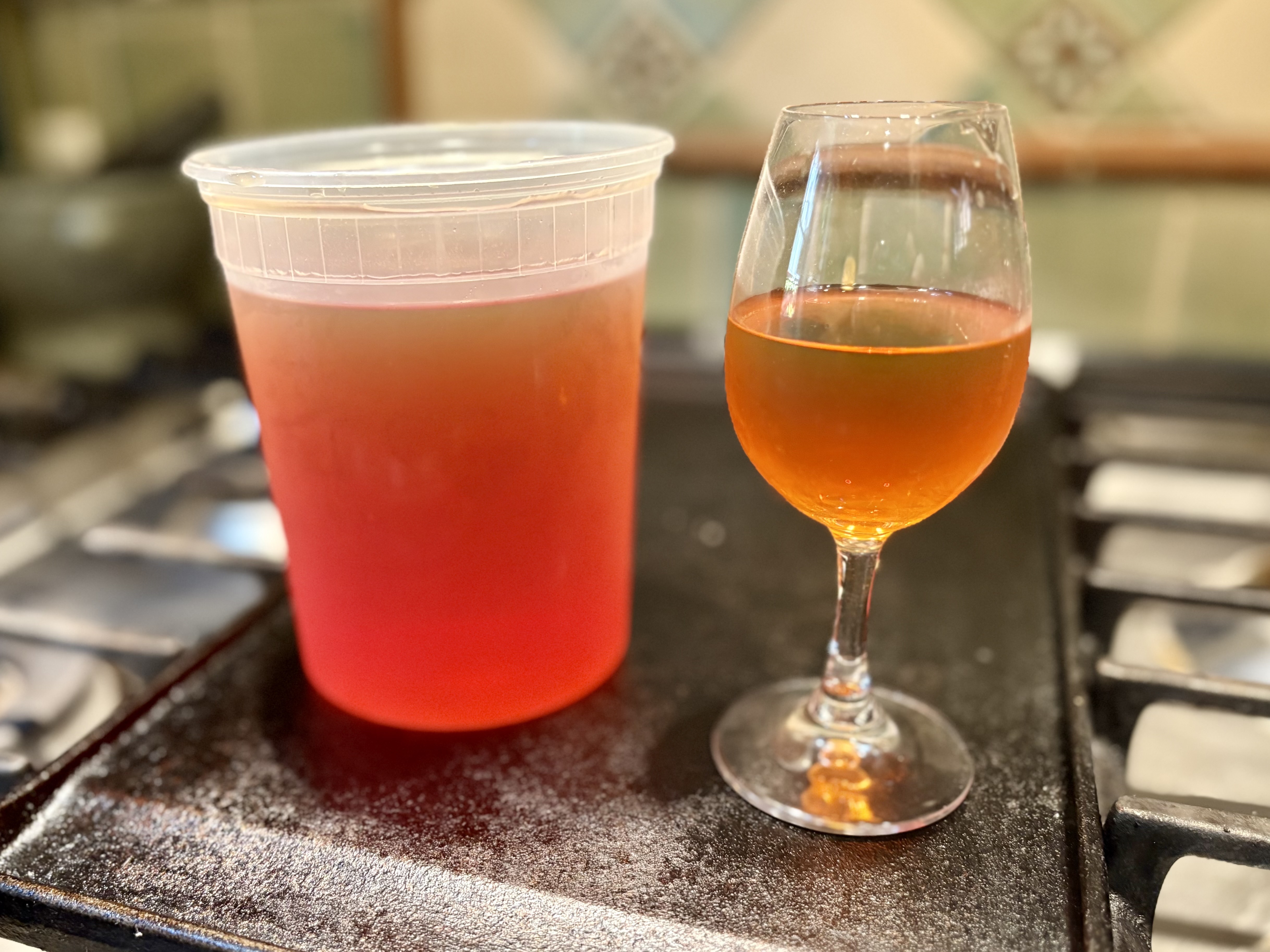
    “Don’t drink it all at once — it’s strong!” he warned, showing me the small bowl from which he sips a chilled cup of Qinghong daily.

    I took a sniff. It was tart like crushed red berries. I took a taste: a fruity tang but also dry and pleasantly funky, not unlike a refreshing sherry. I took another sip, and one more. And I understood. No matter what Lau Kee’s menu says, or how many perfect ducks Chuien Liu roasts for his adopted hometown of Philadelphia, this descendant of Fujianese fishermen will never forget the taste of home.

    Qinghong, a Chinese wine made from fermented red rice, is made by Fannie Qiu for her husband, Chuien Liu, the chef-owner of Lau Kee in Chinatown, who used the leftover solids from the process to make Fujianese-style stir-fries.Craig LaBan / Staff

    Lau Kee

    934 Race St., 215-201-3511. Menu is posted on delivery apps.

    Open 9 a.m. to 8 p.m. Tuesday through Sunday for dine-in; until 9 p.m. for takeout.

    Wheelchair accessible via a small portable ramp.

    Not ideal for gluten-free diners. A small portion of the menu can be made gluten-free, but none of the roasted meats.

    BYOB

    Menu highlights: Roasted meats: Hong Kong-style roast duck, (boneless) Peking duck, char siu pork, crispy pig, soy sauce chicken; Peking duck rolls; sliced beef in scallion pancake roll; wonton noodle soup with roast pork; shrimp dumpling noodle soup; West Lake beef soup; congee with roast duck; ginger-scallion noodles; shredded duck with string beans and XO sauce; Mongolian beef; pig stomach with red vinasse; salt-baked chicken wings.

    The platter of Peking duck at Lau Kee, in Philadelphia, Pa., on Friday, Aug. 7, 2026.Tyger Williams / Staff Photographer
  • Wawa’s new Phanatic smoothie tastes like a ‘World Series win with a sprinkling of Mets tears’

    Wawa’s new Phanatic smoothie tastes like a ‘World Series win with a sprinkling of Mets tears’

    As Philly guys go, the Phanatic is one suave dude. His gyrating belly, chameleonlike tongue, and ability to burn our opponents without uttering a single word have charmed generations of Philadelphians.

    Now, this smoothie operator has a smoothie all his own and it tastes like the tears of our rivals — sweet, salty, and delicious.

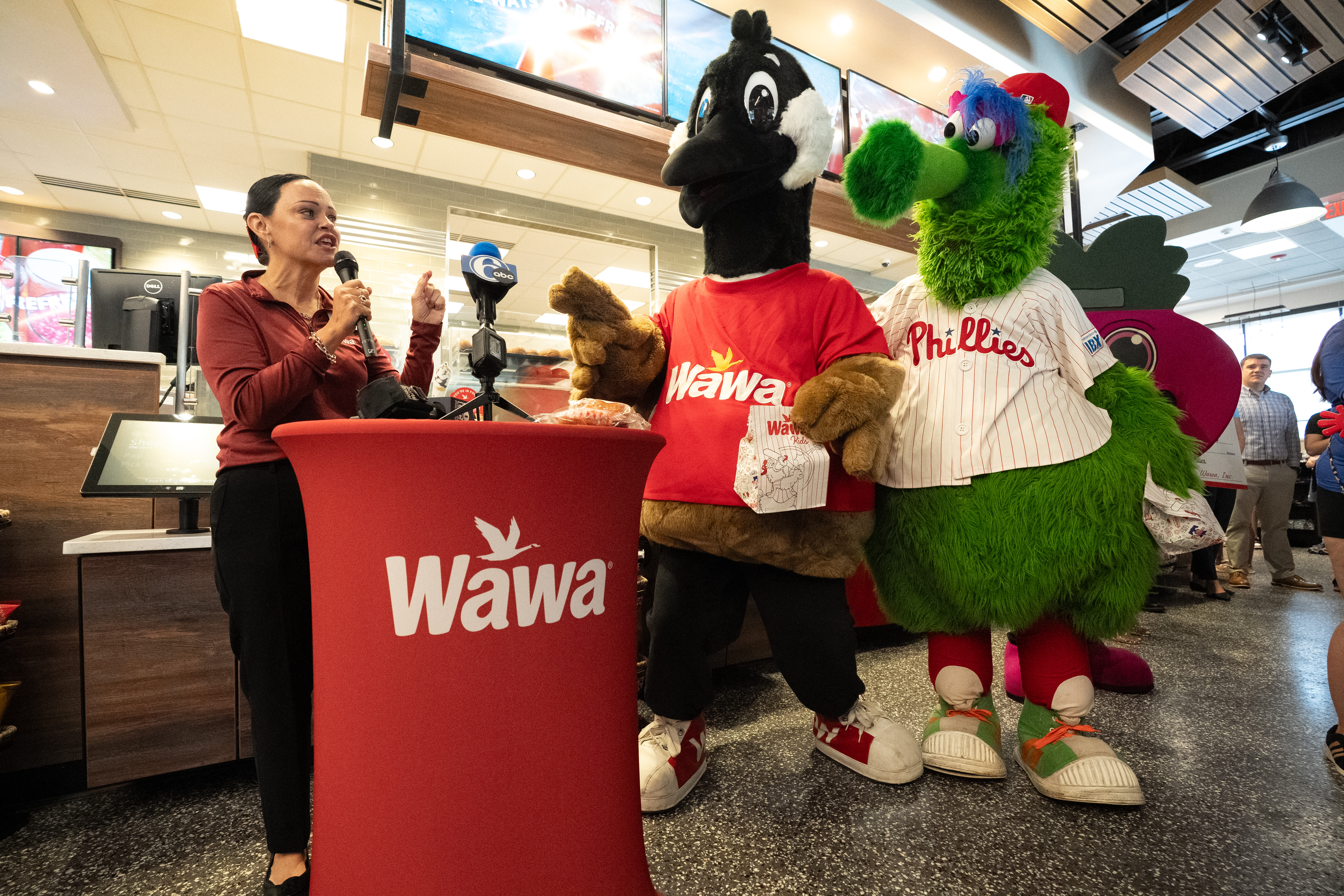
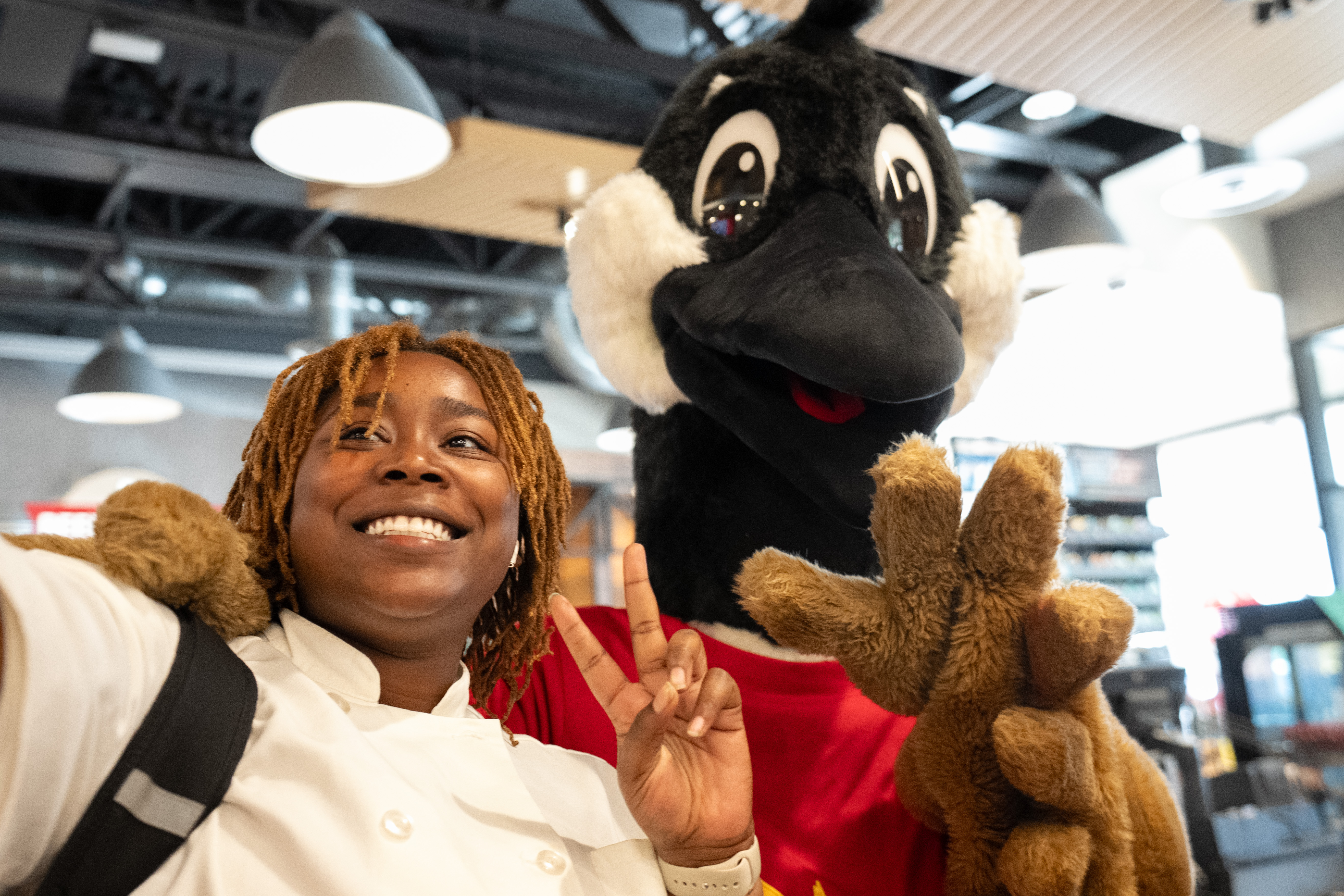
    Kim Rodriguez, Wawa manager, along with the Wawa mascot Wally Goose and the Phillie Phanatic in Philadelphia on Aug. 17, 2026.Jessica Griffin / Staff Photographer

    Wawa debuted its new, limited-edition Phanatic Caramel Curveball Cream Smoothie during an event at the chain’s Penrose Avenue store Monday that was part news conference, part pep rally, and perfectly preposterous.

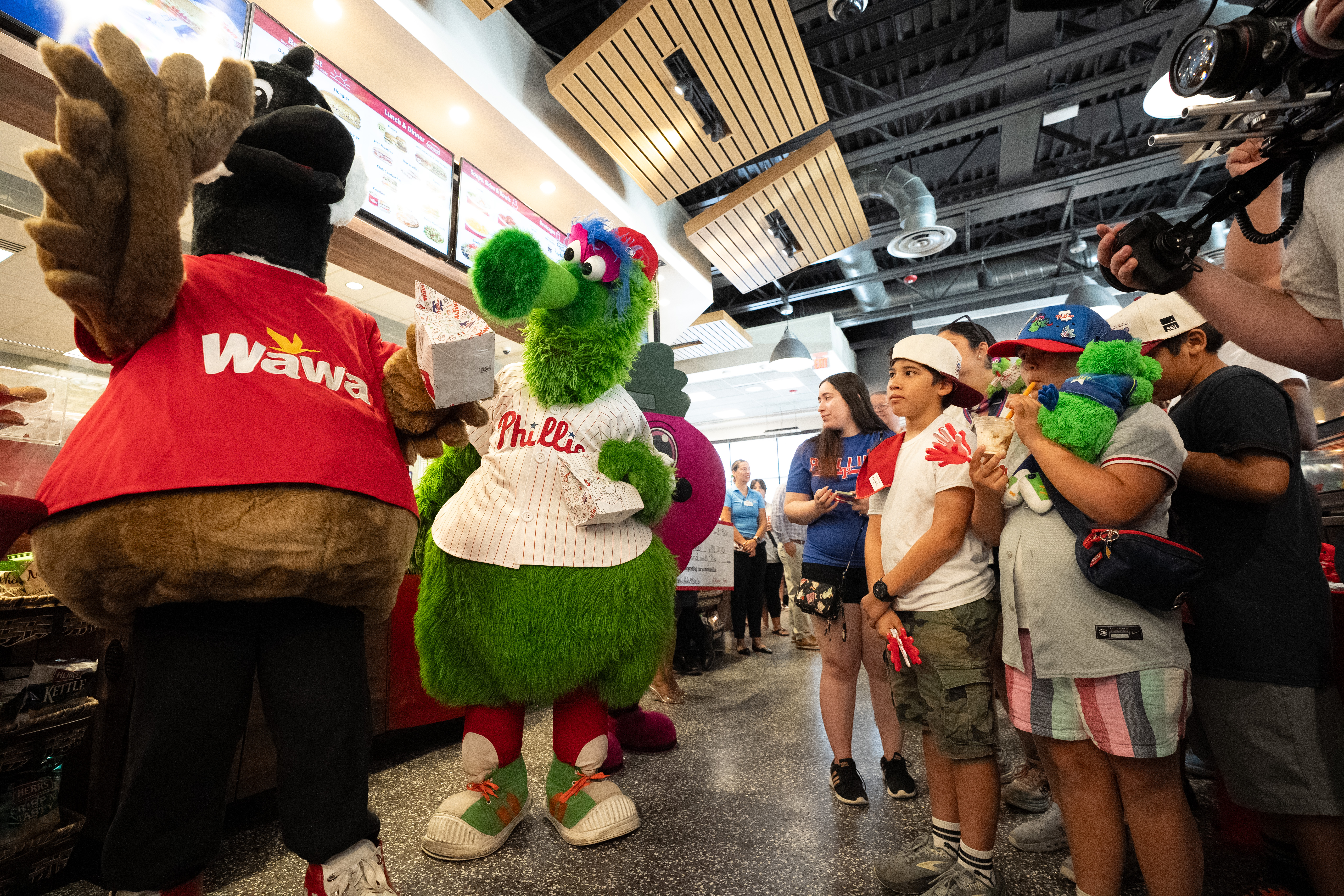
    Fans packed the store — for what, they weren’t exactly sure — they just knew it would be a chance to “hang with the Phillie Phanatic and Wally Goose,” according to Wawa’s Facebook page for the event.

    The two-birds-one-store offer was enough to bring out a flock of more than 75 people dressed in Phillies, Phanatic, and Wawa gear, including sisters Elizabeth and Jennifer Bertolet of Doylestown. They arrived 90 minutes before the event and decided that whatever was about to happen, it was “going to be awesome.”

    “Wally is going to be here and the Phanatic is going to be here. Why wouldn’t we be here?” Elizabeth Bertolet said.

    Maggie McNulty, who is dressed as Wally Goose, and her father, Glenn McNulty, attend an event at Wawa’s Penrose Avenue store celebrating the partnership between the Phillies and Wawa. Jessica Griffin / Staff Photographer

    Justin Tichy, chief operations officer for Wawa, announced during his remarks that the smoothie is part of a new partnership between Philly’s hometown baseball team and its hometown convenience store.

    Fans at Friday’s Phillies’ game against the St. Louis Cardinals will receive a Wawa Kyle Schwarber bobblehead, samples of the Phanatic smoothie, and a chance to see Wally Goose throw out the first ceremonial pitch.

    When asked how he’s feeling about taking the mound, Wally shuddered with nervous energy then practiced his pitching wing.

    She Willians, of Job Corps culinary, and the Wawa mascot Wally Goose at Wawa’s Penrose Avenue store Monday. Jessica Griffin / Staff Photographer

    Perhaps he’ll throw a curveball like Wawa did by not making its Phanatic smoothie green. A source said it’s because the Phanatic is unlikely to put anything green in his smoothie, which 100% tracks. You don’t get that bouncy belly by drinking kale.

    When asked what he thought about the new drink bearing his name, the Phanatic raised his arms overhead then circled his belly around in approval.

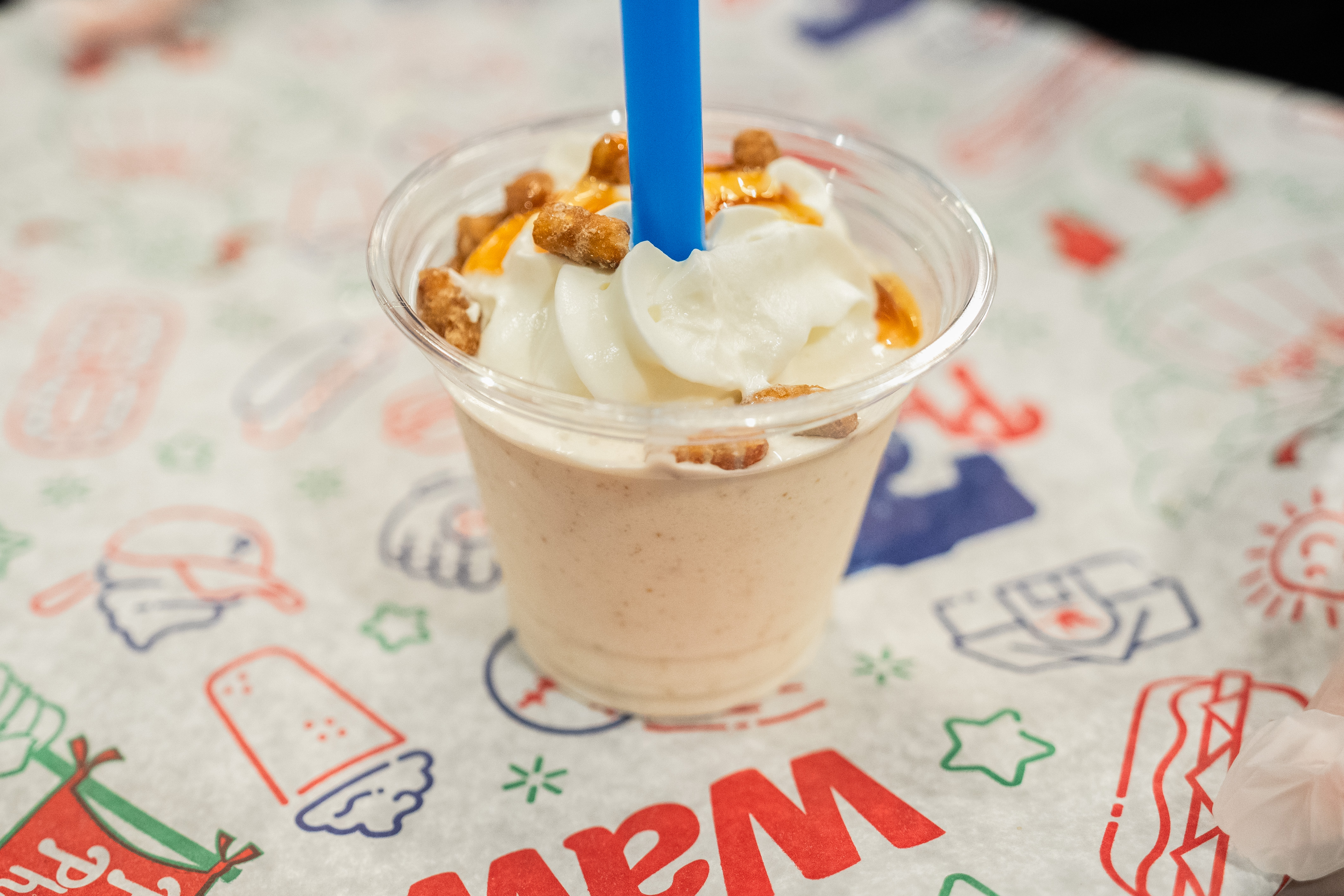
    The smoothie is made with vanilla ice cream, caramel sauce, whipped cream, salted caramel syrup, and sea salt pretzel pieces. It comes in a limited-edition cup featuring the Phanatic’s eyes and the tip of his snout and it only comes in one size — phanatically large — clocking in at 970 calories.

    The new Phanatic smoothie

    [image or embed]

    — Stephanie Farr (@farfarraway.bsky.social) August 17, 2026 at 1:39 PM

    Zack Sminkey of Woodstown, N.J., who wore a matching red shirt-and-shorts combo featuring repeating patterns of the Phanatic, brought his 7-year-old daughter Zoe to the event. Both approved of the new smoothie in the big green guy’s honor.

    “It’s really good. It’s very ballpark-tasting,” Sminkey said. “I almost feel like it tastes like Cracker Jacks. It’s delicious.”

    Jennifer Bertolet described it another way as she and her sister toasted their free samples of smoothie.

    “It tastes like World Series win with a sprinkling of Mets tears,” she said.

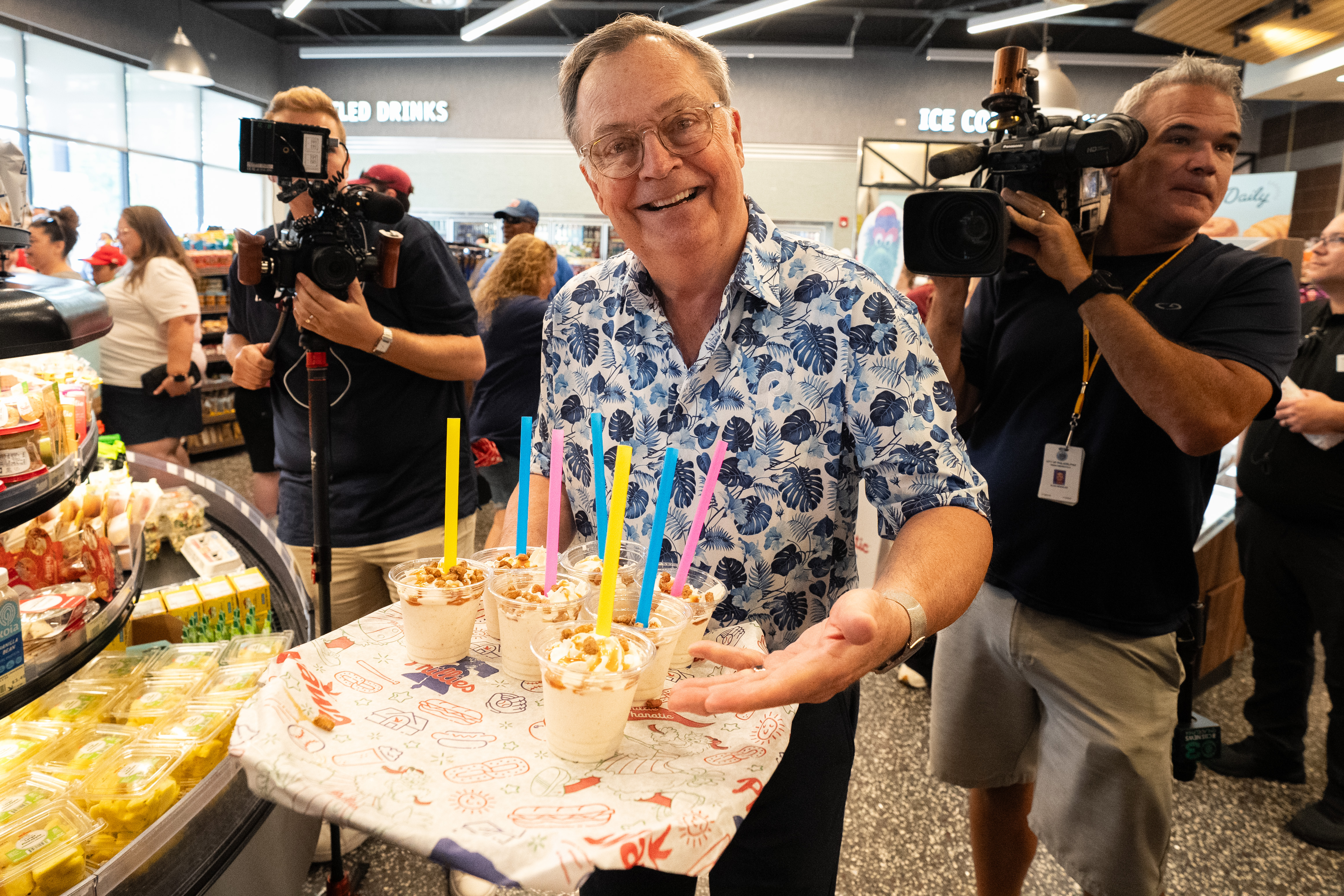
    Phillies ambassador Scott Palmer with a tray of new Wawa limited-edition Phanatic Caramel Curveball Cream Smoothies.Jessica Griffin / Staff Photographer

    When Wawa released a limited-edition Gritty Smoothie in the spring in honor of Philly’s prince of chaos, it was only a matter of time before the OG mascot king got one of his own, too.

    The partnership between Wawa and the Phillies solidified Wawa as the team’s official hoagie in June. Wawa hoagies now come wrapped in Phillies-themed paper, and the chain is selling red-and-white striped Phillies doughnuts and Phillies-themed kids meals, which come with stickers of the Phanatic and Wally Goose. A portion of the proceeds from the kids meals go to Philabundance.

    In turn, Wawa has an increased presence at Citizens Bank Park with new advertising and ballpark activations.

    Wally Goose and the Phillie Phanatic represent Wawa and the Phillies at a news conference on Monday about their recently-announced partnership. Jessica Griffin / Staff Photographer

    But the Phillies and Wawa were in a situationship long before they made things official this summer. Whenever the Phillies make the playoffs, Wawa brings back its Kyle Schwarber-themed Schwarberfest, a Hoagiefest spinoff featuring discounted hoagies. And in 2024, Bryce Harper was fined by MLB for showing his love for the chain by wearing custom-made Wawa cleats and a headband during a game.

    The Phillies and Wawa collaborations, including the Phanatic smoothie, will be available at stores in the region through Sept. 28.

    No word on if the offers will be extended in the event of a Red October.

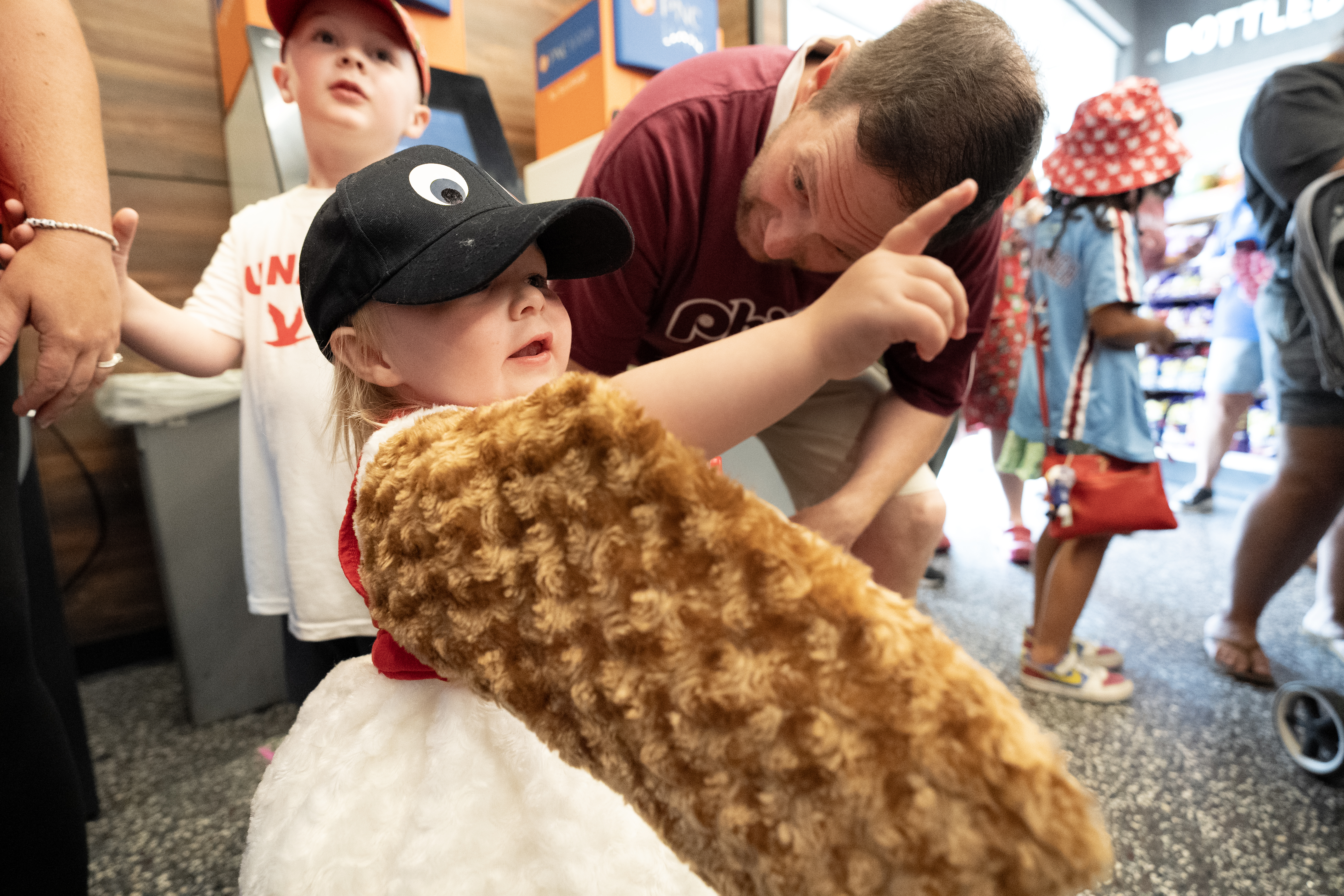
    Today while interviewing a woman inside of a Wawa whose baby was dressed like Wally Goose, I was surprise-attacked from behind by the Phanatic, who put me inside of his shirt.

    That is a sentence only a Philly journalist could write – and believe and live through.

    [image or embed]

    — Stephanie Farr (@farfarraway.bsky.social) August 17, 2026 at 1:26 PM

  • Avalon will allow outdoor live music one hour later at Gully’s

    Avalon will allow outdoor live music one hour later at Gully’s

    Avalon has changed its tune.

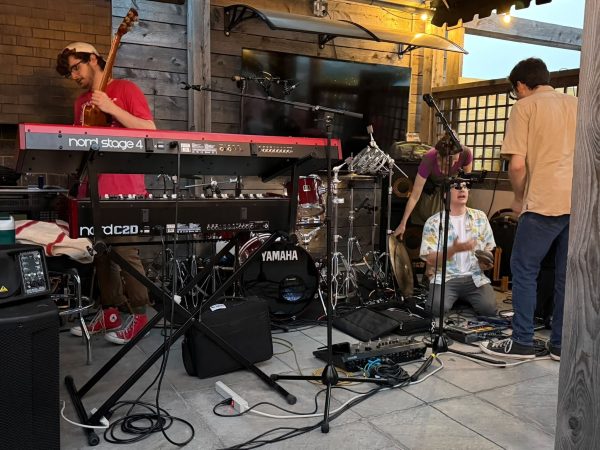
    Over objections from nearby residents, the affluent Cape May County shore town voted to soften liquor license restrictions for the popular new bar Gully’s, allowing one more hour of outdoor music, until 9 p.m.

    The vote followed an outcry from the town’s locals, old-timers, and music lovers after the band Three and One was told to stop playing at 8 p.m. July 17, two hours earlier than advertised, after complaints from neighbors and a visit from Avalon police.

    The 8 p.m. cutoff for outdoor music was a special condition included in the liquor licenses of Gully’s and other bars in town.

    But at its August council meeting last Wednesday, the council adopted new restrictions on Gully’s that gives the bar one more hour for outdoor live music.

    Gully’s had been appealing those conditions to the state’s Division of Alcohol Beverage Control before the resolution’s adoption.

    Councilman Jamie McDermott downplayed the consequences of extending the music one more hour, and said the noise was “part of living within the two blocks of the commercial business district.”

    “It’s a summer disruption,” he said. “We’re talking about eight Saturday nights that are going to go until nine o’clock.

    “For me, for a summer town, that’s not Sea Isle, that’s the seashore at its best,” he said.

    According to the resolution, Gully’s has retained a sound engineer to help with noise volume from its bands.

    “Each band will be given the sound engineer’s phone number so that the engineer can approve the band’s system before it is set up,” the resolution states.

    In addition, “bands will be warned that they will be cut off and not paid if they do not keep the volume reasonable.”

    The council noted that Gully’s space is mostly outdoors, unlike other bars in town with bigger indoor footprints for music, and that the borough itself has outdoor music until 9 p.m. at its public concerts.

    The extension to 9 p.m. was characterized as a temporary solution for the rest of the summer. The issue will be revisited before next summer.

    Gully’s has agreed to withdraw its appeal, for now, Nicole Curio, the municipal solicitor, told the council.

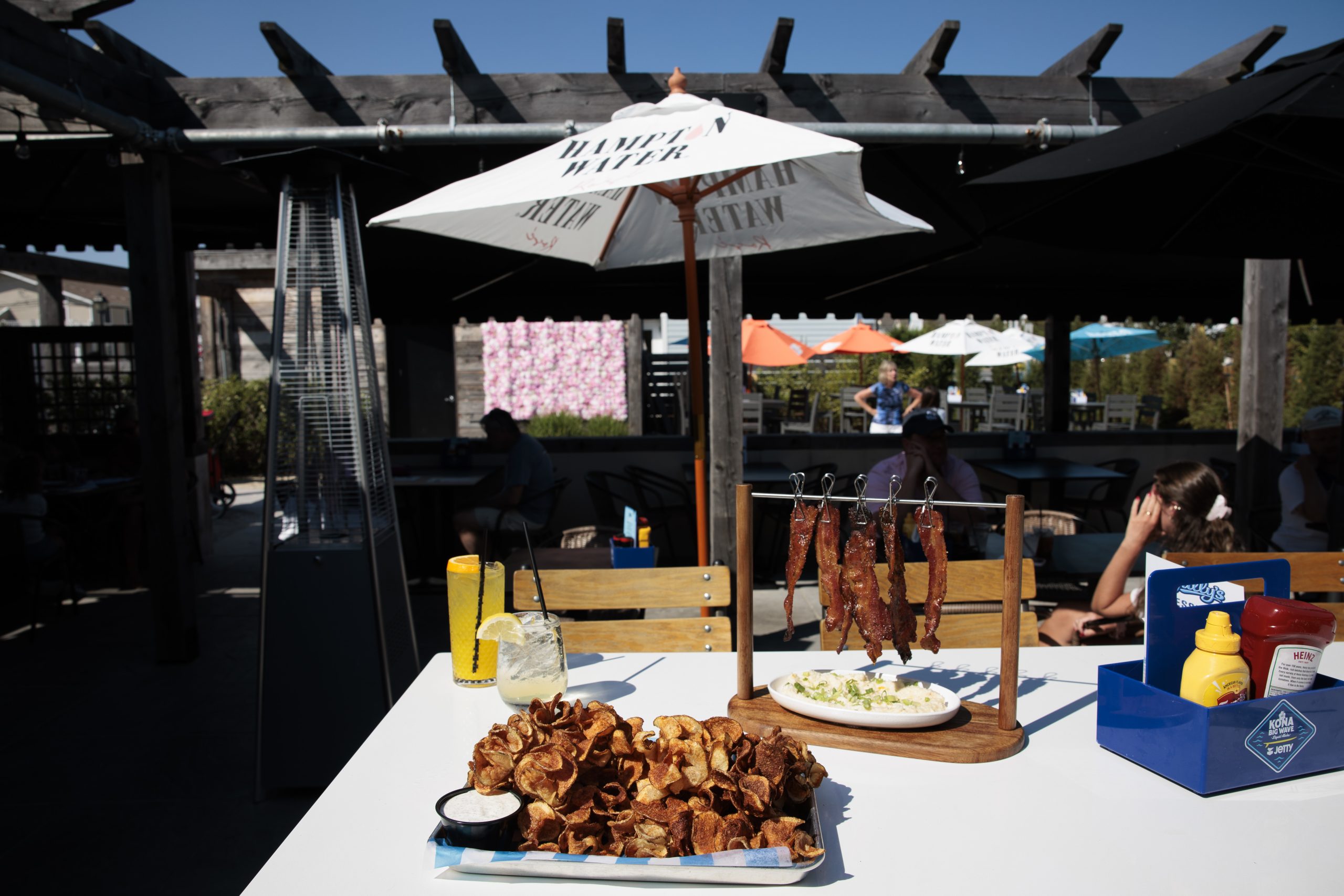
    The hanging candied bacon served over grits and Gully’s blooming potato at Gully’s on Wednesday, June 17, 2026, in Avalon, NJ.

    The resolution requires Gully’s bands to have smaller sound systems, no 18-inch or larger bass speakers, and to monitor their volume. The restaurant announced the change on its Facebook page.

    The resolution also states that concerned neighbors will be given a number to text if they have issues with the volume.

    Gully’s has also agreed to reposition the stage so that bands are facing the building rather than the neighborhood, the resolution states.

    City Council President Greg “Chet” Johnson said at the meeting that the town needed to ensure that all the new people investing in summer homes had places to go once they arrived in Avalon.

    “The town has changed,” Johnson said, addressing residents who had objected to the new regulation. “It’s a more affluent community that’s coming here. You’ve had great appreciation in your property. This is going to continue to grow and boom. People that come down now, they’re not bringing their groceries. They want to go to restaurants. They want entertainment.”

    The popularity of Gully’s, in a space where a previous business had not flourished, showed that it was something the town as a whole supported, he said.

    Larry Hayes, a neighbor who lives about 500 yards away and has complained about the noise, said he was opposed to the new regulations. Others said Avalon was caving to Gully’s.

    Council Vice President Sam Wierman said it was unrealistic for neighbors near Avalon’s commercial district to want “everything shut off” at 8 p.m.

    “That’s the reality of living,” he said. “I don’t think 9 p.m. is unreasonable. It’s a middle ground.”

    Curio, the solicitor, noted that the resolution did not address other events at Gully’s, like its amplified Monday minnow races, which were also receiving attention from PETA, the animal rights group.

    Resident Jody Kyle, meanwhile, noted a noise issue she thought was worse than Gully’s: The noise from the nearby Wawa, which she said went on until midnight or 2 a.m. some nights.

    “It’s underaged kids who belong at home,” she told council.

  • A newly formed nonprofit is trying to shut down a Gayborhood bar, claiming it’s a ‘public nuisance’

    A newly formed nonprofit is trying to shut down a Gayborhood bar, claiming it’s a ‘public nuisance’

    Editor’s note: This story was updated to include information from an interview conducted with Michael van der Veen and William Brennan after the story was published. van der Veen, Brennan, and their attorney, George Bochetto, did not responded to multiple interview requests in the days leading up to publication.

    A newly formed local group sued the Gayborhood’s Bar X this month, alleging it is a public nuisance. The group wants to shutter the decade-old business, whose clientele is largely Black.

    The lawsuit asks a Philadelphia Common Pleas Court judge to order the Camac Street bar to cease operations. It arrives at a time of increased police presence on the nightlife strip and heightened tension between the city’s Black LGBTQ+ community and police.

    Bar X has “repeatedly generated excessive noise, disorderly conduct, disturbances, violence, public intoxication” and requires a constant police presence, the complaint says. It also claimed neighbors have observed “public displays of drunkenness and sexual activity” outside the bar.

    The city failed by maintaining the establishment’s business license, the suit says, urging a judge to revoke it.

    Behind the lawsuit is Michael van der Veen, a 62-year-old high-profile Center City lawyer whose office is in the building across from Bar X on Camac Street.

    The bar has been using the office’s parking spot for years, van der Veen said, despite repeated requests to remain off the lawyer’s private property.

    But things escalated in July when, according to van der Veen, he was assaulted while leaving his office around 9 p.m. at night.

    “When I got jumped from behind and got coldcocked, I was done,” he said.

    Days later, veteran criminal defense lawyer William Brennan incorporated Save Our Neighborhood for Tomorrow Inc., the group that filed the lawsuit against “the dive bar of the Gayborhood,” as Bar X pitches itself.

    “This changed when passive-aggressive behavior became assaultive-aggressive behavior,” Brennan said. “It can’t be tolerated.”

    Brennan and van der Veen have previously worked on high-profile cases together, including on President Donald Trump’s defense team during his second impeachment in 2021.

    The duo also represented the Trump Organization in a 2022 tax-fraud trial in New York City.

    Save Our Neighborhood for Tomorrow does not appear to have a website or social media presence.

    Defense attorneys Michael van der Veen, left, and William Brennan arrive to criminal court in New York in 2022 for Trump’s tax fraud case. Seth Wenig

    George Bochetto, the attorney who filed the lawsuit on behalf of the newly formed group, did not respond to repeated requests for an interview. Bochetto is also representing a different group of Pine Street and Spruce Street residents who won an injunction to pause safety upgrades to bike lanes.

    The lawsuit against Bar X names owner Tony Tsang, business entities associated with the bar, the city, and the commissioner of the Philadelphia Department of Licenses and Inspections, Bridget Collins-Greenwald. The city did not respond to requests for comment.

    Tsang disputed the allegations of public drunkenness and sexual activity and said the bar is a longtime fixture of the block.

    “You don’t like it, you like it quieter, how come you don’t move out of the city?” Tsang, 59, said in a recent interview at the bar. “One block, three bars, how come they’re only complaining about us?”

    A ‘very homey’ gay bar

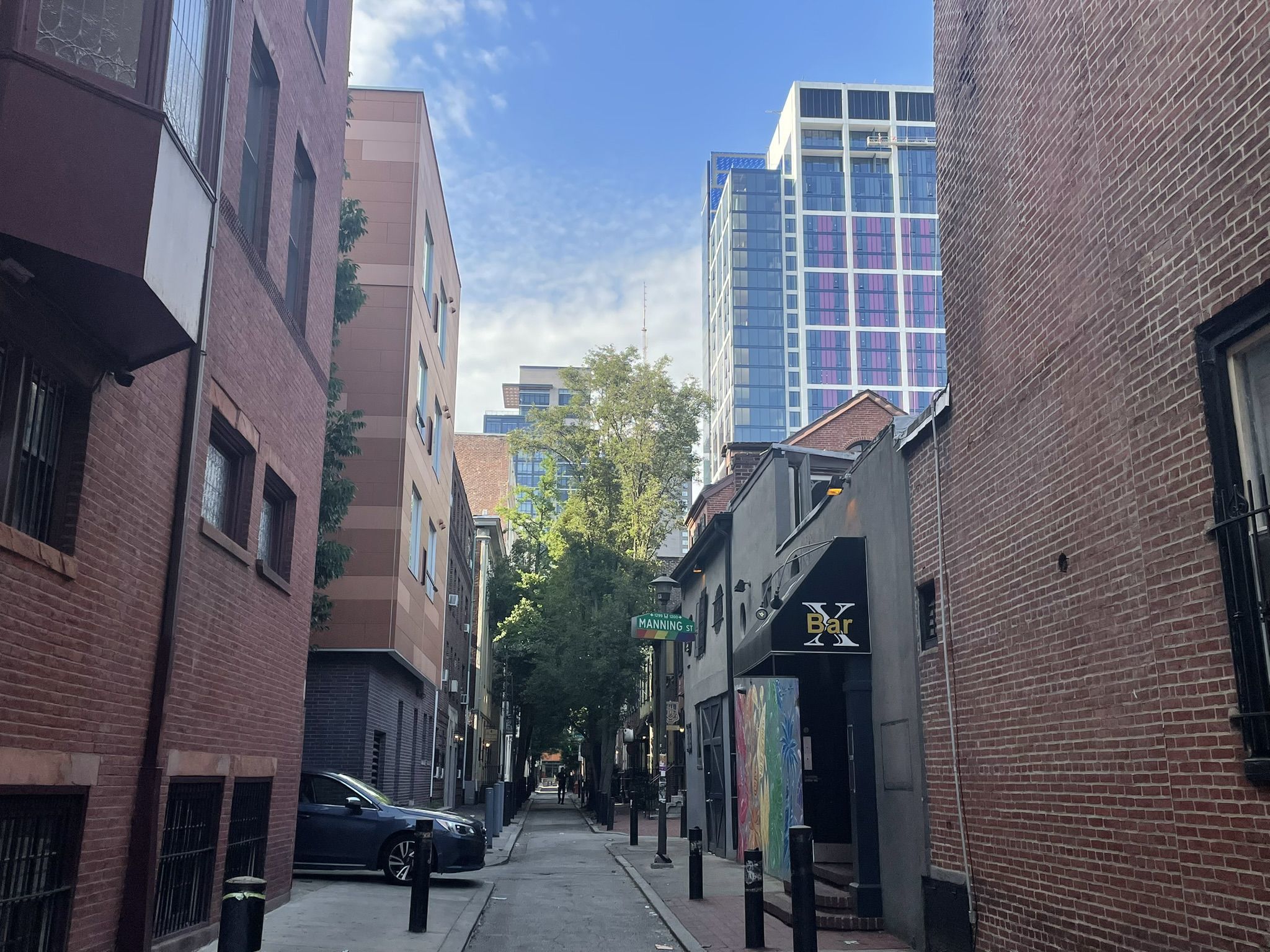
    Bar X sits between Locust and Spruce on Camac, a narrow, 200-year-old street that is home to two other gay bars, Tavern on Camac and UBar. It is also around the corner from the bar 254, which replaced Tabu. Those three bars are all owned by the Tavern Group.

    Tsang said the majority of his clientele is Black and suggested that the lawsuit had more to do with his identity and that of his patrons than the noise or disturbance allegations.

    “To me, it’s the color. I’m Asian. My English isn’t too good. They want to play a game with me,” Tsang said.

    Tsang opened his bar in 2016, naming it Bar X so it would be easy for people to remember. The bar’s exterior features a rainbow mural of tropical leaves; inside Tsang hung Ikea posters of Audrey Hepburn and James Dean. He said he stocks the bar himself, buying whatever club soda is on sale at the supermarket.

    The bar has a large dance floor and a DJ booth that abuts the alley.

    Bar X occupies the former location of the Venture Inn, a landmark institution that opened in the 1930s and transformed over the decades from a gay-friendly bar to a gay bar in the 1970s. The property was sold in late 2015 and the Venture Inn closed.

    Joseph Ward, a part-time bartender at Bar X who also runs its social media and marketing, said the bar stands out because it’s “very homey,” with Taco Tuesdays and twice-weekly karaoke. (There’s also a male revue every Thursday night.)

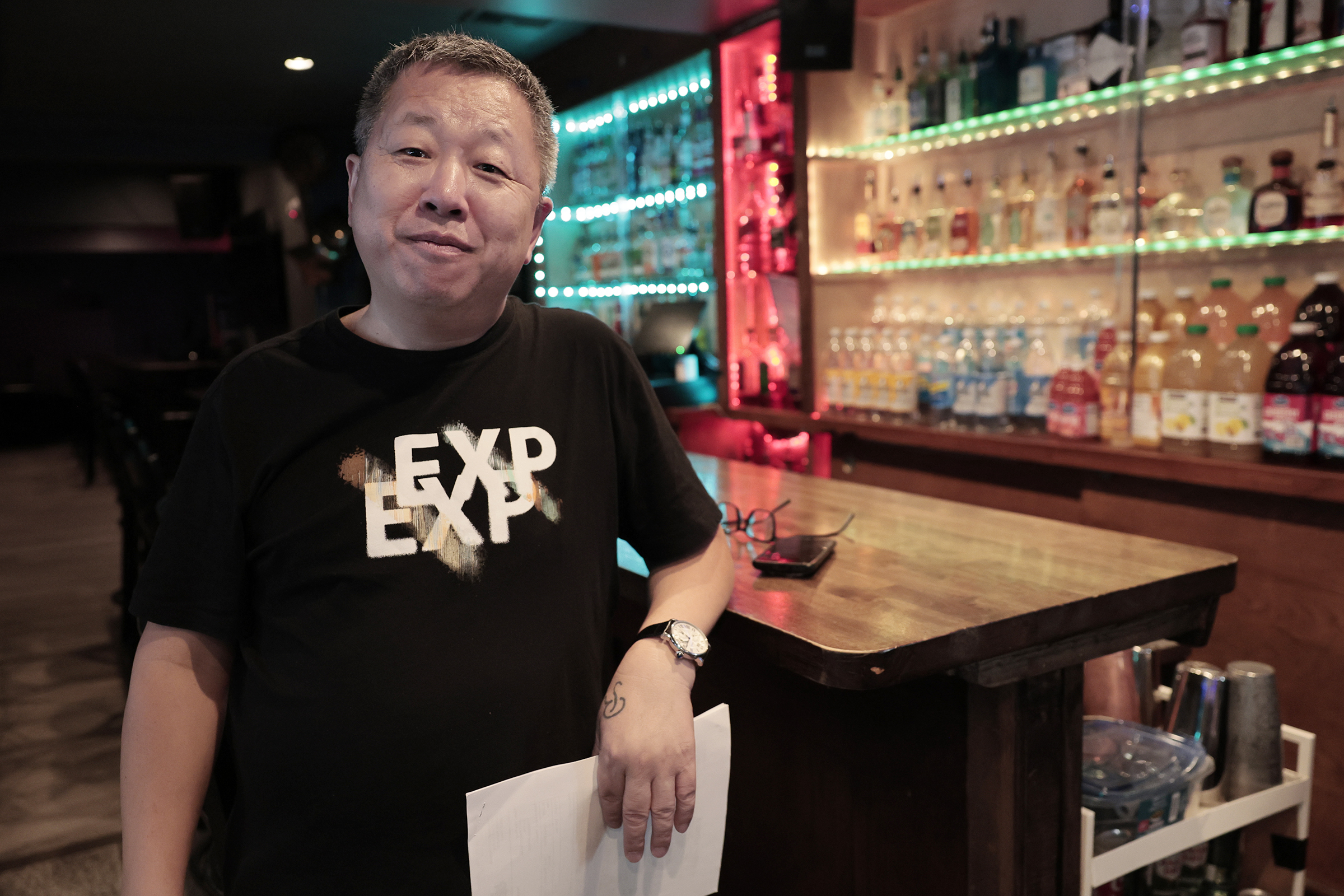
    Bar X owner Tony Tsang said he stocks the bar himself with whatever club soda is on sale at the supermarket.Elizabeth Robertson / Staff Photographer

    “You [can] just chill and not have to worry about the hustle and bustle of a nightclub,” Ward, 36, said. He said the bar is one of the last minority-owned clubs in the Gayborhood and hosts a largely nonwhite crowd.

    The lawsuit cites negative Google reviews from people purporting to be Bar X customers, including accounts of stolen phones and allegations that a bartender gave patrons drinks containing sedatives.

    The remedy to the situation, the suit says, is for the city to shut down the bar.

    Ward said that rumors of drugged drinks at the bar had gained traction online earlier this year, but that staff had not been able to verify any crimes, despite reaching out to those making the accusations. In response, the bar ordered covers for customers’ drinks.

    “We take pride in it being a safe place in the Gayborhood,” Ward said, “so we obviously want to keep it that way.”

    A new police deployment

    Bar X’s block has seen an increase in crime incidents this year, according to Philadelphia Police Department public data.

    The lawsuit claims that since last summer there have been nearly 70 crime incidents at the property, including “multiple reports of a person with weapons, assaults, robbery, and disorderly conduct.”

    <iframe title="Crime Incidents On Bar X's Block" aria-label="Column Chart" id="datawrapper-chart-LCiYX" src="https://datawrapper.dwcdn.net/LCiYX/1/" scrolling="no" frameborder="0" style="width: 0; min-width: 100% !important; border: none;" height="477" data-external="1"></iframe><script type="text/javascript">(function(){function e(){window.addEventListener(`message`,function(e){if(e.data[`datawrapper-height`]!==void 0){var t=document.querySelectorAll(`iframe`);for(var n in e.data[`datawrapper-height`])for(var r=0,i;i=t[r];r++)if(i.contentWindow===e.source){var a=e.data[`datawrapper-height`][n]+`px`;i.style.height=a}}})}e()})();</script>

    In April, the Washington Square West Civic Association hosted a meeting with residents, city officials, and Tsang in an attempt to address neighborhood complaints. Councilmember Mark Squilla, who represents the area and attended the meeting, estimated that more than 40 people attended.

    In response, the city experimented with one-off street cleanings of Camac to address litter, Squilla said. Police also began clearing the street of people on weekend nights after 2 a.m., when the bar closes.

    “We’ll continue to work on compliance and whatever else is needed there,” Squilla said.

    A Philadelphia Police Department spokesperson confirmed there is currently a “bar/nightclub” deployment in the bar’s general area. The department has used similar deployments throughout the city for decades to respond to community concerns and public safety needs, Sgt. Eric Gripp said in a statement.

    Allegations of aggressive crowd control

    The enhanced law enforcement presence there comes at a time of high tension between the city’s LGBTQ+ community and police. Earlier this month, City Council members grilled Police Commissioner Kevin Bethel over the department’s response during Pride festivities in June. Pride attendees testified at the hearing that the most aggressive crowd-control tactics were used on crowds of Black celebrators.

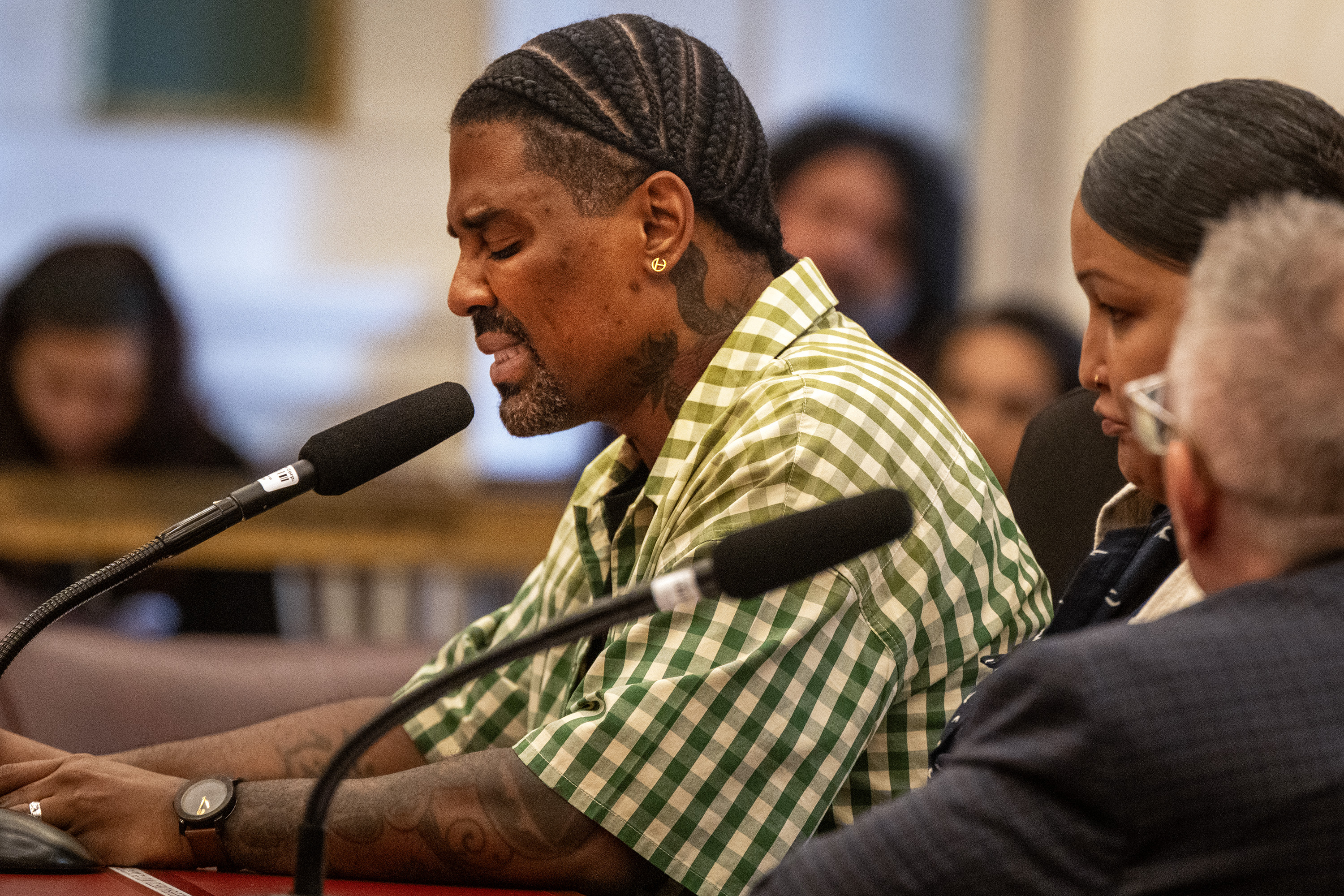
    Jacen Bowman, president of Philly Black Pride, testified earlier this month at a City Council Committee on Legislative Oversight hearing into the Philadelphia Police tactics used during Pride celebrations in June.Tom Gralish / Staff Photographer

    “Black and brown LGBTQ+ people are watched differently. We are approached differently. We are policed differently,” Jacen Bowman of Philly Black Pride said at the hearing. “Too often we are made to feel like visitors in a neighborhood that is promoted as the heart of Philadelphia’s LGBTQ+ community.”

  • I have family visiting and they want an ‘authentic Philly cheesesteak.’ Can I just order takeout from our local pizza place?

    I have family visiting and they want an ‘authentic Philly cheesesteak.’ Can I just order takeout from our local pizza place?

    This week’s question (Have your own? Submit it here.):

    I have family visiting and they want an “authentic Philly cheesesteak.” Should I take the entire day, battle traffic and parking, and shuttle them down to South Philly? Or can I order takeout from our local pizza place in the burbs? Is there that much difference?

    Stephanie Farr, features columnist

    I don’t want to start any beef, but I’m a big believer that wherever you get your cheesesteak (as long as the shop is in Philly, the burbs, or from certain portions of South Jersey) it’s probably just fine for an authentic Philly cheesesteak meal to an outsider.

    Now, if they want the authentic Philly cheesesteak experience — standing in a ridiculous line, overhearing people argue, seriously pondering whether they want liquid cheese ladled onto something they will consume, now that is a different story. What do you think, Tommy?

    Tommy Rowan, programming editor and cheesesteak connoisseur

    That’s totally cool! You can find good sandwiches anywhere. But I’m a snob, and I want a certain type of roll, and a certain type of cut of meat, and certain cheese options. So I’m the kind of person who would brave the traffic and parking to get something that tastes as authentic as possible.

    Stephanie Farr

    Great, now I feel terrible that I just ordered my dad a cheesesteak from our local pizza shop when he came to visit last year! Missteaks were made, obviously.

    Tommy Rowan

    You should not feel terrible! If he enjoyed it, that’s all that matters!

    Stephanie Farr

    Let me ask, if your out-of-town guest wants an authentic cheesesteak experience and requests to go to Pat’s or Geno’s, as a cheesesteak snob, would you take them or try to convince them to let you take them somewhere else (and, if so, where)?

    Tommy Rowan

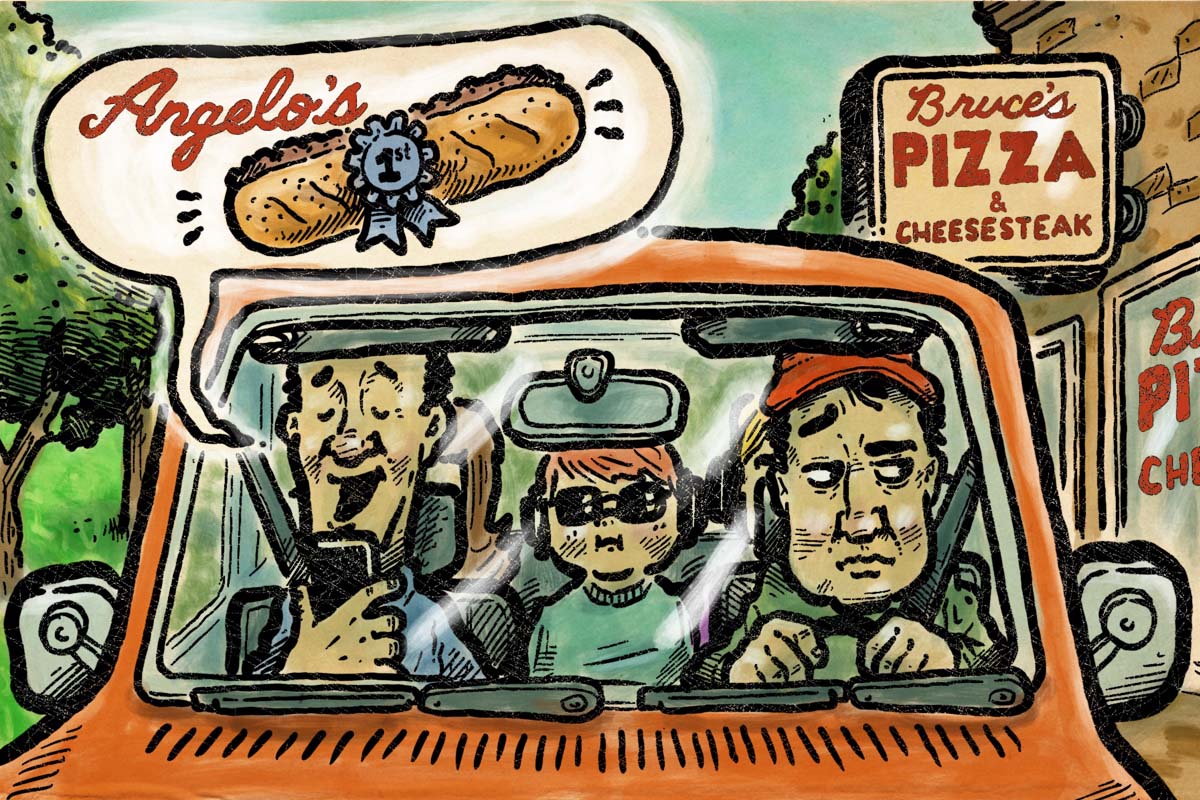
    I would absolutely convince them to go otherwise. At its best, cheesesteaks from John’s Roast Pork, Angelo’s, or Shay’s offer an authentic taste of home: a fresh-baked roll worth its salt, tender meat with taste, and cheese that doesn’t soak the whole thing into submission. And, to your excellent point, all three offer an interesting experience. All three are in uniquely Philadelphia buildings, in uniquely Philadelphia spots, and you can pick them up on the way to the ballgame. And the people you meet will add to the experience of eating an authentic sandwich.

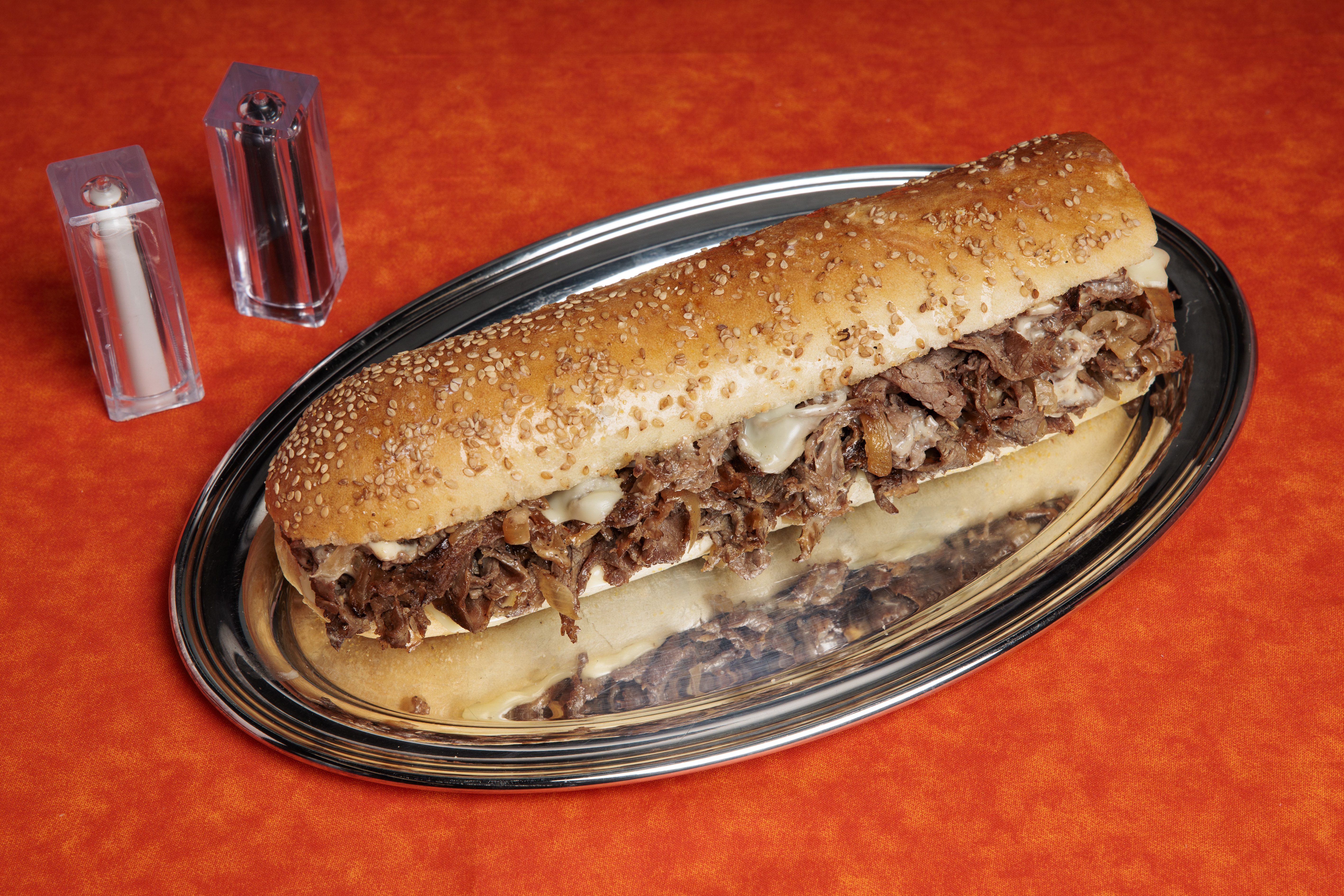
    John’s Roast Pork cheesesteak at the Inquirer studio on March 5, 2025. Food styling by Emilie Fosnocht.Monica Herndon / Staff Photographer

    Stephanie Farr

    I fully support your last point. The people you meet when ordering a cheesesteak in Philly definitely flavor the experience.

    Would you feel the same way if this reader was asking about another of Philadelphia’s gastronomical delights: Is the hoagie from your local pizza shop the same as one from say a Cut Above Deli or Fink’s or Paesano’s?

    Tommy Rowan

    Absolutely!

    But again, I’m picky with these things. And variety is what makes life great. What is your favorite spot to get a steak, Steph?

    Stephanie Farr

    My local pizza shop! I’m really not very picky about my steaks and I don’t eat them often, maybe once or twice a season (is eight cheesesteaks a year a lot? When I write it out it sounds like it, but I feel like I’m below average).

    Now hoagies on the other hand, I do think it matters where you get those if you’re trying to impress someone with the local culture. I find serious hoagie shops seriously impressive. I’ve definitely called some hoagies works of art before, but I can’t recall ever doing the same for a cheesesteak.

    As a cheesesteak snob, do you go for taste or presentation when trying to impress an out-of-town guest? I feel like a lot of folks I’ve taken for cheesesteaks don’t find them as aesthetically pleasing as they’d imagine (where I come from cheese is usually placed on top of the steak and toasted, not mixed all up in it).

    Tommy Rowan

    I get it! I think cheesesteaks are to me what hoagies are to you. If you are passionate about something, you have rules.

    The cheesesteak is a heavy sandwich, but there is definitely an art to the composition. And the best places keep an eye on both taste and look. The key is making sure it’s not a soggy mess.

    Stephanie Farr

    I feel like the key to cheesesteaks, hoagies, and life is to make sure it’s not a soggy mess!

    Tommy Rowan

    Amen!!!

    Stephanie Farr

    Out here in Delco, I love the hoagies at A Cut Above in Newtown Square and Pagano’s in Drexel Hill, but this conversation has made me realize I need to try some new places — both for cheesesteaks and hoagies. I’m a creature of habit, so I tend to find a place I like and stick with it, but there are so many options in the region and so many I haven’t tried yet it’s embarrassing!

    Tommy Rowan

    We may have to do a part II. I’ll go with you to a few hoagie places and you come with me to a few cheesesteak places and we can compare notes!

    Stephanie Farr

    Oh, I am so in! Lettuce proceed on this noble quest before us!

  • How to have a perfect Philly day, according to Binding Agents cookbook shop owner Catie Gainor

    How to have a perfect Philly day, according to Binding Agents cookbook shop owner Catie Gainor

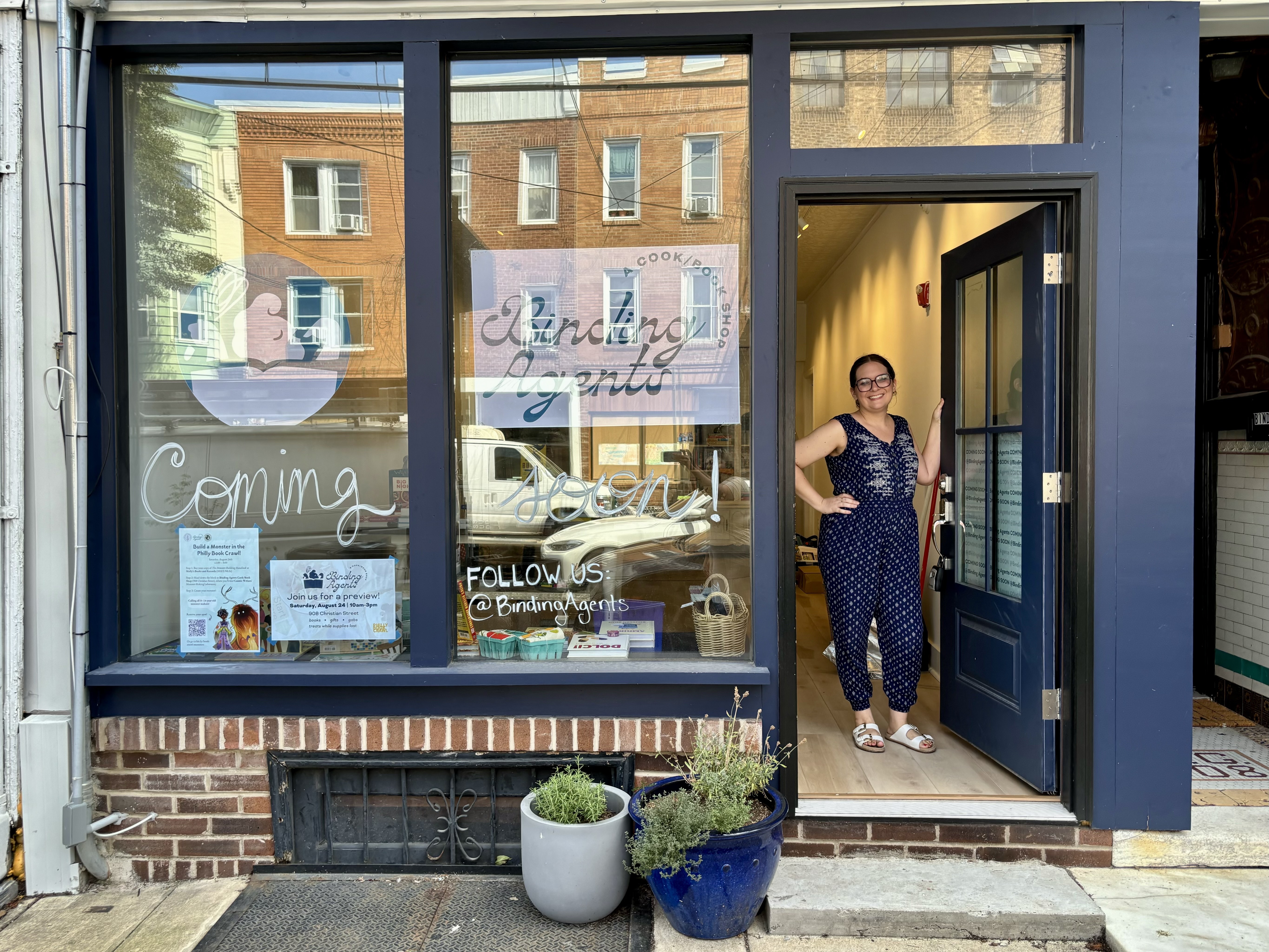
    Catie Gainor conceived the idea of a bookstore dedicated to cookbooks in a “fever dream” four years ago. Today, her 350-square-foot shop Binding Agents has become a destination for home cooks, chefs, and authors in the Italian Market neighborhood.

    “I really envision myself being a stop on the path in the Italian Market — pick up things on your way up and down Ninth Street and step in to [Binding Agents] to grab a book, whether it’s a beach read or a cookbook to plan your holiday,” she previously told The Inquirer.

    The shop has also become a community gathering space where Gainor hosts a monthly cookbook club and every guest brings a dish from a featured cookbook.

    On her perfect Philly day, Gainor loves basking in the abundance of the Italian Market. She makes quintessential stops, often running into her customers along the way, and ending the day by cooking an omelet.

    7 a.m.

    I am not a morning person, but I have a 3 year old, so I usually start clawing my way out of sleep when she wakes up. This is a perfect day, so it’s a Saturday. My daughter is jumping into bed with me for a snuggle and a chat before my husband, Matt — an early riser— takes over the morning routine. I’ll remain horizontal and half awake until about 8 a.m.

    8 a.m.

    I get up, get dressed, and trundle down the stairs. My husband and daughter have wandered up the street to Mug Coffee & Clay, so I step out to meet them. I love their iced coffee — but since we’re sitting in, I get a cortado. Matt and my daughter have been bringing in pastries from Rougarou Baking on the weekends. [It’s] a gorgeous apricot tart [today]. By the time I sit down, my child is completely covered in croissant crumbs and asking me the names of clay-shaping tools I’ve never seen before — bliss.

    9 a.m.

    We head over to Gold Star Park to enjoy the perfect weather for a bit. Miraculously, I remembered to bring lawn chairs. So, my husband and I set them up and I pull out a book. I usually have multiple books going, one we carry in the shop and one (or two) we don’t. A recent in-store fave was What I Made for Dinner by former Philly resident Krys Malcolm Belc. Another summer release I loved was Rainbow Rowell’s Cherry Baby — not at all culinary, but I liked it so much that I stocked it in the shop anyway.

    10:30 a.m.

    Then, I’ll walk my family back home and head up to the store. I feel connected to the neighborhood — and the city, really — in a way I never did before. I say, ‘Hi’ to some local customers and market pals as I make my way up Ninth Street. It’s the best.

    11 a.m.

    I arrive at the shop and flip the shop sign — and I’m holding back from hollering, “Cookbooks! Cookbooks for sale!” like some kind of deranged Eliza Doolittle. Folks slowly wander in. I love seeing coffee cups from all over, giant bags of Isgro’s Pastries, and hearing reports about the lunch lines at Angelo’s and Mawn. On a perfect day, I’m flinging book recommendations left and right, and everyone’s kitchen problems or gift-giving conundrums are solved.

    1 p.m.

    My best friend Kate arrives to help for the afternoon after her morning class at Movement Source Pilates (which I also love). She brings me a lavender lemonade from Gleaners and a tofu banh mi from Pho Skyline. I eat my sandwich in the back and eavesdrop while she beautifies the shelves and chats with customers. Someone’s going home with a copy of Dinner Changing the Game by Melissa Clark.

    3 p.m.

    Later, I’m leaving Kate behind at the store so I can run up to Kin Boutique. Whenever I need a clothing item for any reason/occasion, that’s where I’m starting. It feels like entering Cheers, and I immediately have a Diet Coke in hand and 12 things to try in the dressing room. Everyone in the store celebrates my grand sartorial successes. I love them.

    4 p.m.

    Shopping took less time than I thought, so I text Matt and a bunch of friends that I’m assembling snacks for a Di Bruno Bros. Piazza happy hour. I gather all my favorite things from Biederman’s, Claudio’s, Di Bruno’s, and Tortilleria San Roman, then raid Binding Agents for some cutlery, cups, and napkins. While I’m back at the shop, I grab an upcoming cookbook off the shelf of advance copies to take home — I’ll see if I can use it for meal planning next week.

    5 p.m.

    The shop closes and my crew descends on the Piazza. My kid gives me a full account of her day before becoming engrossed in the giant Connect 4. I pour Gulp Hablo Orange into cups. I am one with the universe.

    7 p.m.

    The party breaks up as my friends head off for evening plans about town. My family and I head to John’s Water Ice for a slouching-off-to-toddler-bedtime treat. Many years ago, Matt discovered the gelati combo of lemon water ice with raspberry chocolate chip ice cream. The ice cream has teeny tiny little chocolate cups with a dot of raspberry jam inside each one. It is transcendent, and that’s what I get.

    8:30 p.m.

    My daughter’s book selection is — unsurprisingly — very food focused. Lately Thank You, Omu [by Oge Mora] has been on repeat at bedtime. I love this one because I get to do lots of voices, and the lyrical repetition is so lovely.

    Once she’s down, I’m not truly hungry but I am a little peckish — and I am realizing I haven’t cooked today. Turning on the stove sounds good. I grab a half loaf of Mighty Bread Co. sourdough from the counter, pull some vegetable odds-and-ends out of the fridge, and make a French-ish omelet. I am not good at rolling them but enjoy both the process and the eating, so I keep trying. I assemble plates — and Matt and I dig in.