Category: Entertainment

  • A new voice and different channel for Eagles final preseason game

    A new voice and different channel for Eagles final preseason game

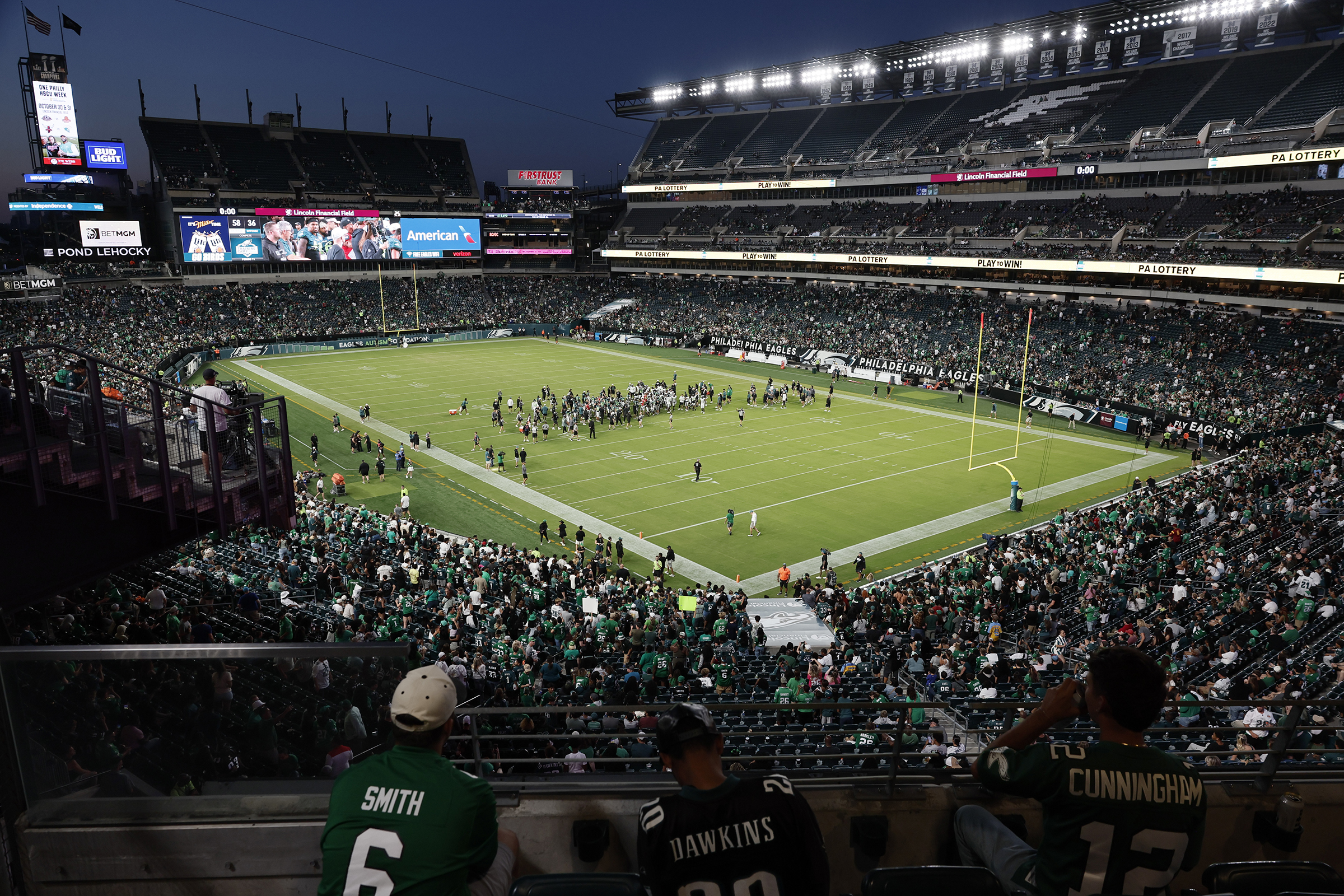
    The Eagles will take the field for their final preseason game Friday night, but the broadcast will look and feel different for Birds fans.

    For starters, the game isn’t airing on NBC10, which has broadcast Eagles preseason games since 2015. Instead, the game will air nationally on CBS, with veteran play-by-player Andrew Catalon calling the action.

    In theory, that means Birds fans won’t get a hometown TV broadcast and will also hear about backup Cincinnati Bengals players all night. But Catalon, who also calls Buffalo Bills preseason games, will be joined in the booth by regular Eagles preseason announcer Ross Tucker, so expect a fair amount of focus on the Birds’ backups.

    “Doing Bills preseason games for as long as I have, I don’t really focus on the other teams,” Catalon said. “But that’s why I think having Ross is a huge plus for us … You’ll have someone who’s been at Eagles practice every day.”
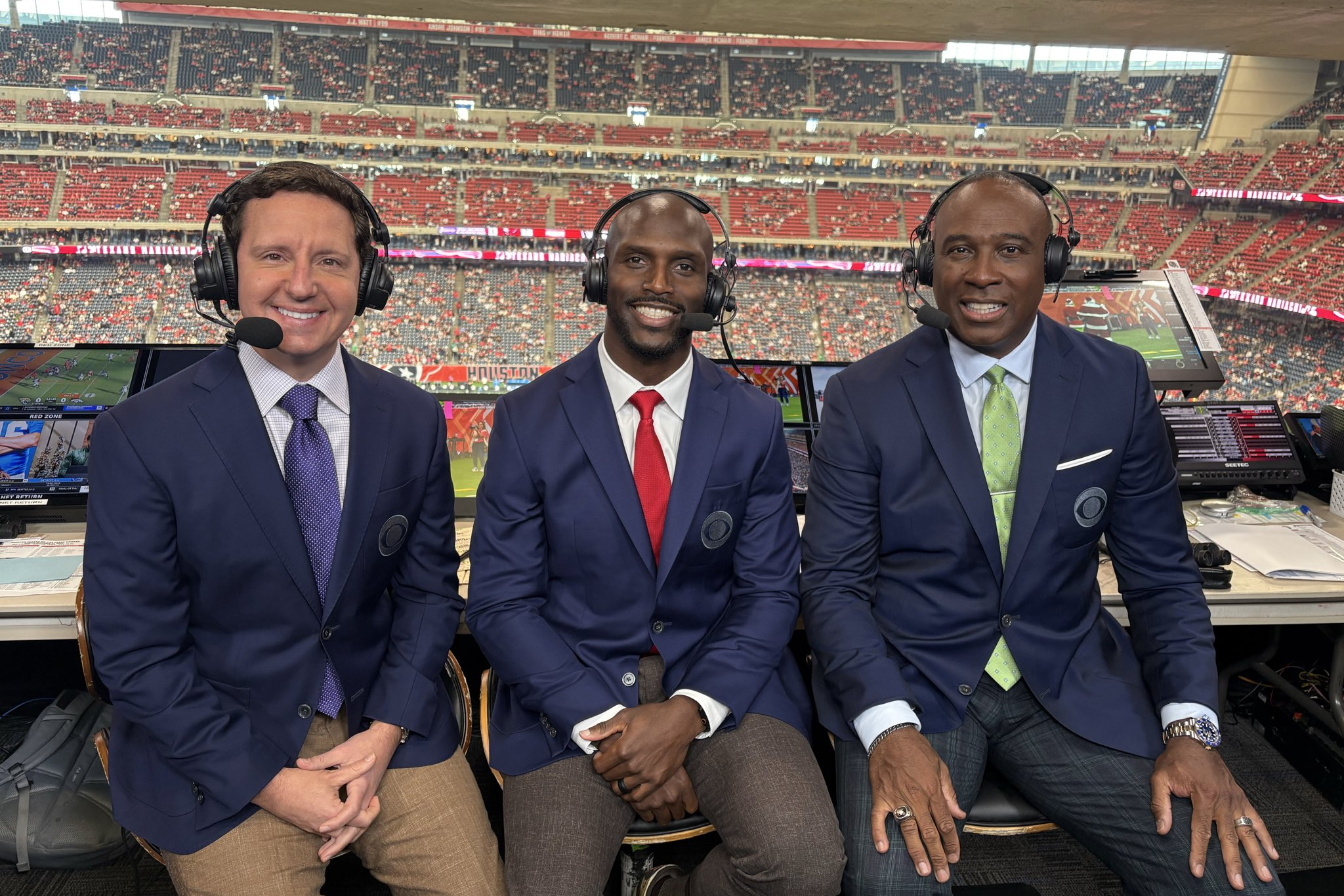
    Andrew Catalon (left) called NFL games last season on CBS alongside Jason McCourty and Charles Davis.CBS

    That’s not to say Catalon hasn’t done his research. The New Jersey native can normally fit the names and information on all the players on a manilla folder, front and back. For Friday’s game, which could see more than 160 players take the field, Catalon will be walking into the booth with a giant poster board with information.

    Like everyone else, Catalon is most interested to see rookie defenders Uar Bernard and Joshua Weru, dubbed by defensive coordinator Vic Fangio as the Birds’ “foreign exchange students,” because of how new they are to football.

    Their first game was just a few weeks ago against the Baltimore Ravens. Now both hope to land a coveted spot on the Birds’ 53-man roster.

    “They’re both tremendous stories,” Catalon said. “I’m fascinated after the game how Howie Roseman’s going to deal with them. Do you expose them to waivers or not?”

    Catalon isn’t stressed about the game or working with Tucker for the first time — Catalon has had five different broadcast partners the last six seasons, so he’s used to a shuffling crew. What he’s most worried about is getting from Buffalo to Philadelphia on Friday without major delays.

    “I don’t typically travel the day of the game,” Catalon said, “but [sideline reporter] AJ Ross and I will be doing that because we got the Bills-Steelers game Thursday night.”

    While Catalon has only ever called a handful of Eagles games, he’s been around Philly a lot the past few months to call the PGA Championship at Aronimink Golf Club and some men’s NCAA championship games at Xfinity Mobile Arena alongside Steve Lappas. He’s also not trekking too far away following the game.

    “My parents live down in Point Pleasant,” Catalon said. “So I’ll be at the Shore not too long after that final horn sounds.”

    Eagles-Bengals preseason TV and radio details

    • When: Friday, Aug. 28
    • Where: Lincoln Financial Field
    • Time: 8 p.m.
    • TV: CBS (Andrew Catalon, Ross Tucker, AJ Ross)
    • Radio: 94.1 WIP (Merrill Reese, Mike Quick)

    Where can I stream the Eagles-Bengals preseason game?

    Friday’s game will be free to stream on the Eagles app and PhiladelphiaEagles.com if you live in the Philadelphia or Cincinnati TV market.

    The game will also stream on any so-called skinny bundle that carries CBS, including YouTube TV and Hulu + Live TV. Most offer a free trial. You can also stream it on Paramount+, the network’s subscription streaming service.

    CBS3 is also available for free in and around Philadelphia using a digital antenna.

    Fans can also stream the game on NFL+, the league streaming service. It’ll set you back $6.99 a month, though there is a free seven-day trial.

    Live Eagles coverage from The Inquirer

    Staff writers Jeff McLane, Olivia Reiner, Ryan Novozinsky, and Jeff Neiburg will be covering the action live on GameDay Central. Notes and observations about the game will be at Inquirer.com/Eagles. Don’t forget to subscribe to our free Sports Daily newsletter.

    Next up for the Eagles? Roster cuts.
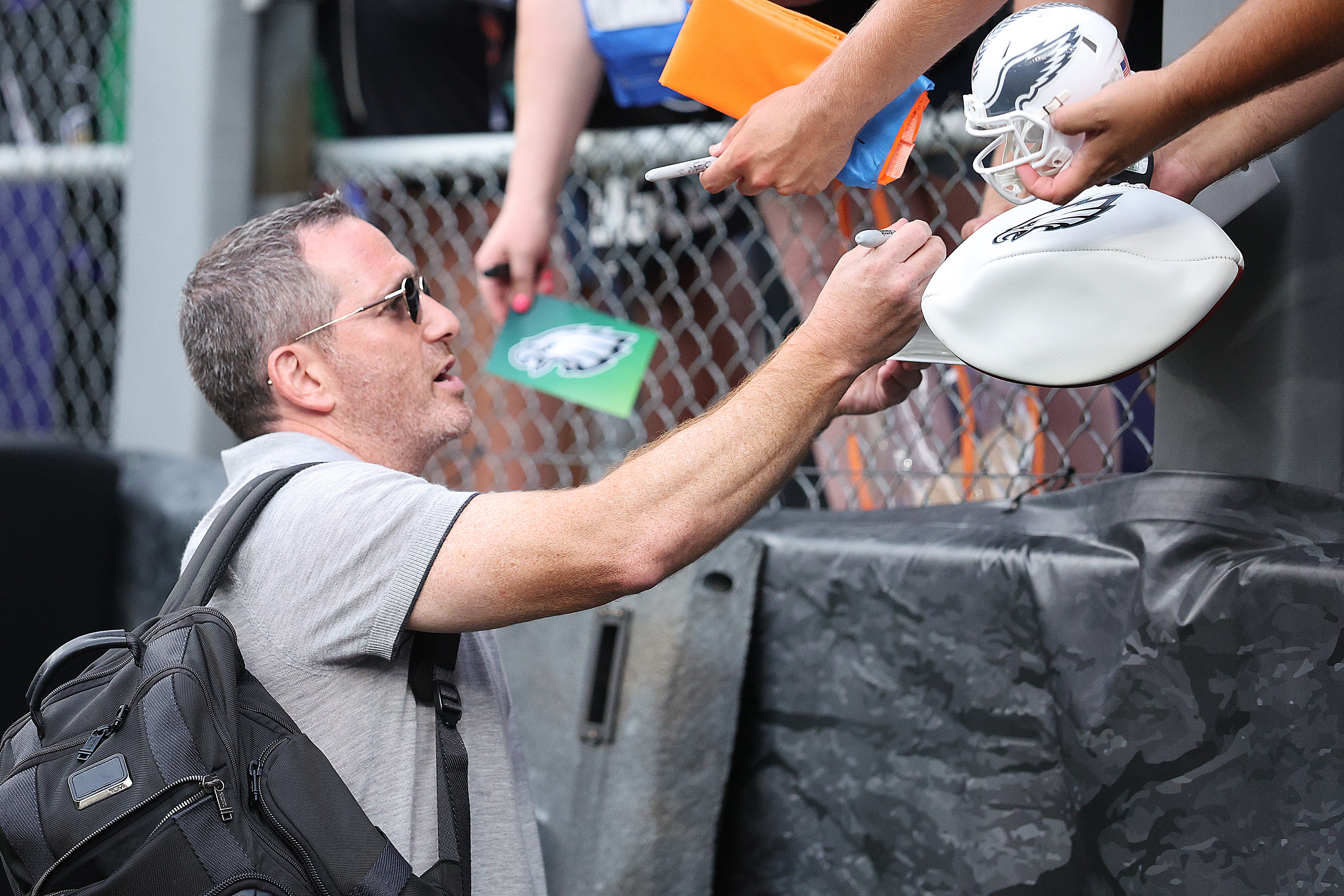
    Eagles GM Howie Roseman signs autographs before the team’s first preseason game.David Maialetti / Staff Photographer

    NFL teams have been able to keep their rosters at 90 players throughout the preseason. But that will end Sunday, with the Eagles and every other team must cut their rosters down to 53-players.

    In addition to the 53-man active roster, the Eagles will be able to carry up to 16 players on their practice squad.

    Eagles news

    The Eagles took tight end Eli Stowers in the second-round of this year’s draft. Jose F. Moreno / Staff Photographer

    Eagles preseason schedule

    • Aug. 28: Final preseason game, Bengals at Eagles, 8 p.m. (CBS)
    • Aug. 30: Rosters must be cut down to 53 players by 4 p.m.

    Eagles 2026 TV schedule

    • Week 1: Commanders at Eagles — Sunday, Sept. 13, 4:25 p.m. (Fox)
    • Week 2: Eagles at Titans — Sunday, Sept. 20, 1 p.m. (Fox)
    • Week 3: Eagles at Bears — Monday, Sept. 28, 8:15 p.m. (ABC, ESPN)
    • Week 4: Rams at Eagles — Sunday, Oct. 4, 1 p.m. (Fox)
    • Week 5: Eagles at Jaguars (London) — Sunday, Oct. 11, 9:30 a.m. (NFL Network)
    • Week 6: Panthers at Eagles — Sunday, Oct. 18, 1 p.m. (CBS)
    • Week 7: Cowboys at Eagles — Monday, Oct. 26, 8:15 p.m. (ABC, ESPN)
    • Week 8: Eagles at Commanders — Sunday, Nov. 1, 8:20 p.m. (NBC)
    • Week 9: Giants at Eagles — Sunday, Nov. 8, 1 p.m. (Fox)
    • Week 10: Bye week
    • Week 11: Steelers at Eagles — Sunday, Nov. 22, 4:25 p.m. (CBS)
    • Week 12: Eagles at Cowboys — Thursday, Nov. 26, 4:30 p.m. (Fox)
    • Week 13: Eagles at Cardinals — Sunday, Dec. 6, 4:05 p.m. (Fox)
    • Week 14: Colts at Eagles — Sunday, Dec. 13, 1 p.m. (Fox)
    • Week 15: Seahawks at Eagles — Saturday, Dec. 19, 5 p.m. (Fox)
    • Week 16: Texans at Eagles — Thursday, Dec. 24, 8:15 p.m. (Prime Video)
    • Week 17: Eagles at 49ers — Sunday, Jan. 3, 8:20 p.m. (NBC)
    • Week 18: Eagles at Giants — TBD (TBD)

  • Artistic greatness can’t guarantee stability for orchestras

    Artistic greatness can’t guarantee stability for orchestras

    Five and a half weeks before its opening concert of the fall season — months later than usual — the National Symphony Orchestra (NSO) announced that it will perform at six venues in and around Washington, D.C. while the Kennedy Center is closed for a planned two-year refurbishment.
    While President Donald Trump’s role in the Kennedy Center renovations has sparked political debate and division, from the standpoint of the NSO, the issue is less about the president’s involvement and more about the risks of not having a permanent home. Concert halls have long been instruments of cultural power — places that determine who will be heard, who will be seen and which musicians or institutions will be able to claim prestige.

    This issue has a history that stretches from the 19th century to the 21st, which was when Philadelphians confronted these risks, witnessing the Philadelphia Orchestra battle bankruptcy, and later, the Philadelphia Pops lose its home at the Kimmel Center, with serious ramifications for its survival.

    The lesson of this history is that artistic prestige and institutional security are not the same thing. Even a great orchestra depends on physical, financial and social infrastructure to survive.

    Long before purpose-built concert halls became symbols of civic prestige, musical life in 19th-century Europe revolved around drawing rooms, salons and subscription concerts. They brought together professionals and accomplished amateurs in spaces where conversation, performance and social interaction were deliberately interwoven.

    The career of the Polish pianist and composer Maria Szymanowska illustrated how this culture functioned. Szymanowska performed before audiences across Europe before settling in St. Petersburg, where she became part of a musical scene in which domestic social life and professional activity were closely intertwined.

    Szymanowska was one of three salon pianists, alongside Maria Kalergis-Mukhanov and Marcelina Czartoryska, who dominated a network that stretched from Warsaw and St. Petersburg to Vienna, Paris and London. All three gave public concerts, but their salons also provided access to international artistic and social circles that were beyond the reach of many musicians. Szymanowska’s acquaintances included some of the most distinguished cultural figures of her generation, including pianist and composer John Field, poet Adam Mickiewicz and author and playwright Johann Wolfgang von Goethe.

    Such connections were not merely a sign of social prestige. They could lead to recommendations, invitations and access to wider cultural networks. In a profession where reputation and patronage were closely intertwined, gaining entry into these circles could open up opportunities that were unattainable through musical talent alone.

    However, this system also had an obvious drawback for musicians. The opportunities offered by the salon depended on access to the host, their home and their social network. Unlike a permanent musical institution, this infrastructure could disappear if the host withdrew from the scene, moved away or died.

    In other words, cultural prestige did not always guarantee the institutional stability necessary to thrive musically.

    As public concert culture expanded during the 19th century, some musical authority shifted from private hosts to permanent organizations and concert halls that served as stable venues around which audiences could organize their musical lives. The concert hall became not merely a place where music was performed, but also part of an orchestra’s institutional identity. The development of American symphony orchestras made this transformation particularly visible.

    When financier Henry Lee Higginson founded the Boston Symphony Orchestra in 1881, he aimed to establish a permanent ensemble. For nearly two decades, it performed at the Boston Music Hall before moving to the purpose-built Symphony Hall in 1900, making a permanent home part of the institution. Today, the Boston Symphony describes this hall as a public “temple of music.”

    The shift to concert halls transformed the scale of musical life but did not alter its dependence on infrastructure and wealthy patrons. Orchestras now required administrators, sponsors and long-term planning. Stability became part of the promise an organization made — but fulfilling that promise required an increasingly complex infrastructure.

    The management challenges faced by Philadelphia’s orchestras in the 21st century have illustrated the opportunities and risks associated with this structure.

    Made By History sponsors. FOR USE ON MADE BY HISTORY STORIES ONLY.Inquirer Staff

    Founded in 1900, the Philadelphia Orchestra became one of the country’s most renowned ensembles, and in 2001, it moved to the newly opened Kimmel Center. However, its prestigious reputation and state-of-the-art venue did not guarantee financial stability. Even in the first few years after the move, the orchestra was operating at a loss. An initial increase in ticket sale revenue was insufficient to offset rising costs and longer-term financial pressures.

    In 2005, the Philadelphia Orchestra Association and Encore Series Inc., the nonprofit organization behind the Philly Pops merged many of their administrative and operational functions. This arrangement was designed to improve efficiency, particularly in ticket sales and fundraising, while enabling the Pops ensemble to draw on the administrative resources of the larger orchestra.

    Both organizations retained their artistic independence, with separate boards of directors and subscription seasons. However, this agreement nevertheless linked the Pops more closely to the institutional infrastructure of the Philadelphia Orchestra.

    The merger, however, could not prevent continued declines in attendance and revenue. In 2011, the Philadelphia Orchestra filed for Chapter 11 bankruptcy. The crisis laid bare a contradiction that seemingly permanent institutions are meant to overcome: the orchestra could enjoy exceptional cultural prestige without possessing institutional stability.

    Among the organizations caught up in the crisis was the Philly Pops. When the Philadelphia Orchestra Association filed for bankruptcy, Encore Series Inc. followed suit. By that point, the relationship between the two musical ensembles had deteriorated. Ultimately, the organizations went their separate ways, and the Pops received $1.25 million in compensation.

    The Orchestra emerged from bankruptcy in 2012 following restructuring, a new collective bargaining agreement, lease concessions and a fundraising campaign that raised nearly $36 million from 1, 500 donors.

    These changes helped to restore the orchestra’s financial and institutional stability, but the Pops was not so fortunate. In January 2023, the group lost access to the Kimmel Center due to a dispute over unpaid fees. Concerts were suspended, and by March, the Pops was left without a permanent venue and had postponed further performances.

    The dispute subsequently moved to federal court, where the Pops filed an antitrust lawsuit against the Philadelphia Orchestra and the Kimmel Center, alleging that they had attempted to drive it out of the market. The defendants contested the Pops’ version of events and later moved to have the case dismissed.

    The original Pops organization eventually ceased performing, but many of its musicians came together to form the “No Name Pops” ensemble, which in 2025 adopted the historic “Philly Pops” name and resumed performing at a variety of venues.

    This history helps explain the implications of the NSO’s current relocation. While the orchestra will have a 2026—2027 season, the six venues hosting concerts all have smaller capacities than the Kennedy Center Concert Hall. Music Director Gianandrea Noseda has described this year as a period during which the NSO will effectively function as a “regional touring orchestra.”

    The experiences of 19th-century salon musicians and 21st century Philadelphia orchestras were vastly different. Yet, they reveal the same underlying vulnerability, which now confronts the NSO.

    Salon musicians were able to build prestigious careers thanks to networks centered on specific hosts and their homes. However, these opportunities remained dependent on constant access to those spaces. Modern orchestras have replaced the salon with a far more complex institutional infrastructure. But the principle remains remarkably similar: artistic success depends not only on the musicians themselves, but also on the concert halls, patrons, administrators and audiences that support them.

    The Philadelphia Orchestra’s 2011 bankruptcy did not mean that it suddenly lost its artistic excellence or international reputation. What became unstable was the institutional structure upon which its artistic reputation rested.

    The Philadelphia Orchestra demonstrated that an orchestra can survive such institutional problems. Yet, the experience of the Philly Pops shows just how serious the consequences of losing an institutional foundation can be.

    This history illuminates why the NSO’s loss of its home is significant — even if it is supposed to be temporary.

    Cultural significance and institutional stability are not the same. Even the most renowned orchestras depend on funding, infrastructure, audiences and collective bargaining agreements. When they lose elements of this institutional backbone, it can imperil even the strongest orchestra.

    Stacy Olive Jarvis is a musicologist and researcher at the University of Birmingham, specializing in 19th-century musical culture, musical networks and the social history of classical music.

    Made by History takes readers beyond the headlines with articles written and edited by professional historians. Opinions expressed do not necessarily reflect the views of The Inquirer.

  • Summer’s not over yet! Bruno Mars, Chris Stapleton, and Wu-Tang Clan headline a busy Philly music week

    Summer’s not over yet! Bruno Mars, Chris Stapleton, and Wu-Tang Clan headline a busy Philly music week

    Summer’s not over yet, at least when it comes to music schedules in and around Philadelphia. This is one of the busiest music weeks of the season, with big Bruno Mars and Chris Stapleton tours coming through, and Rufus Del Soul, Wu-Tang Clan, Squeeze, and Demi Lovato down the Shore.

    Thursday Aug. 27

    Swervedriver

    Indie bands with a fuzzy guitar sound that embrace the shoegaze label have proliferated this decade. Swervedriver is among the 1990s originators of the style, and the members of the British band are celebrating the 35th anniversary of their debut album, Raise. 8 p.m., Underground Arts, 1200 Callowhill St., undergroundarts.org

    Pinkshift

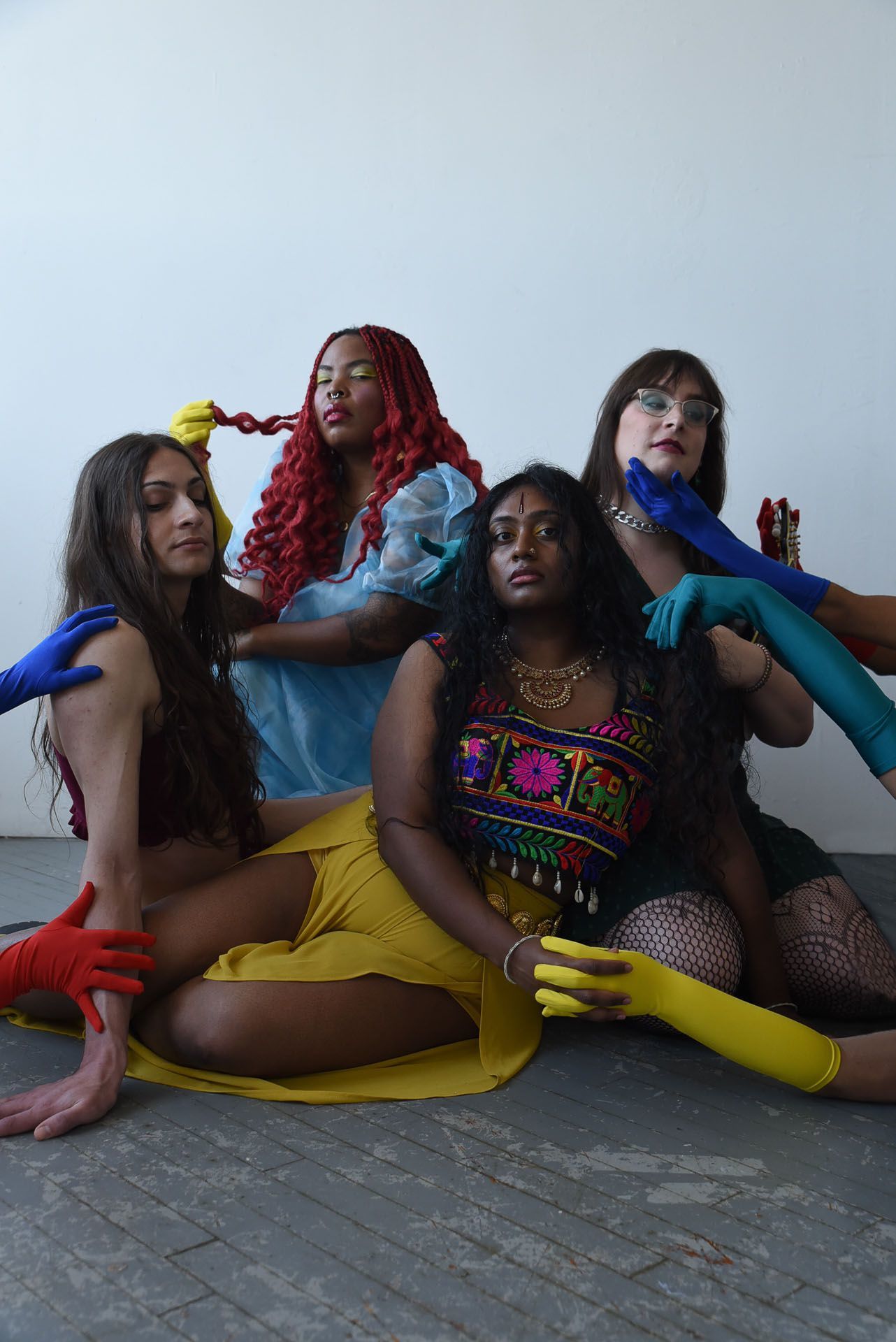
    Pinkshift, the hard-hitting Baltimore punk band fronted by Ashrita Kumar, is celebrating an expanded version of their 2021 debut EP Saccharine. Two Philly bands will join them: Kulfi Girls, the foursome fronted by Abi Natesh that mixes hard rock with Indian classical influences, and Nicolle Maroulis’ emo outfit Hit Like a Girl. 8 p.m., Ukie Club, 847 N. Franklin St., 4333Collective.net

    Kulfi Girls play the Ukie Club on Thursday, Aug. 27.Philly Music Fest

    Good Flying Birds

    Three winsome indie pop bands are on this free Live & Local show. Good Flying Birds, whose charming Talulah’s Tape came out in 2025, is a band of Midwesterners, who will be joined by two promising Philly quartets in Smarthearts and Heatloaf. Free. 6 p.m., Spruce Street Harbor Park, 301 S. Christopher Columbus Blvd., 4333Collective.net

    Friday Aug. 28

    Jerry Garcia Symphonic Celebration

    The Grateful Dead guitarist would have turned 84 this month, and his family organized this tour in his honor. Together with the Philly Pops, the lineup includes Jerry Garcia Band veterans Melvin Seals on organ and Jacklyn Branch on vocals, Philly guitarist Tom Hamilton, Phil Lesh’s son Grahame Lesh on bass, drummer John Morgan Kimock, and singer Kanika Moore. 8 p.m., TD Pavilion at Highmark Mann, 5201 Parkside Ave, highmarkmann.org

    Wu-Tang Clan’s Method Man performs at the Wells Fargo Center in Philadelphia on July 18, 2025. The Staten Island hip-hop crew is in Atlantic City on Friday.Kaiden J. Yu / Staff Photographer

    Wu-Tang Clan

    Remember the “Wu-Tang Forever” tour, which had its grand finale in South Philly last summer? Shockingly, that farewell didn’t last very long. Just over a year later, the RZA, Method Man, Ghostface Killah, and their brethren are playing Atlantic City. 8 p.m., Hard Rock Live at Etess Arena, 1000 Boardwalk, casino.hardrock.com/atlantic-city

    Squeeze

    Before the band went on a run with albums like Argybargy in 1980 and Sweets From a Stranger in 1982, Squeeze songsmiths Chris Difford and Glenn Tilbrook wrote Trixies, a song cycle about a nightclub that was never recorded. Now 50 years on, they have released it as a full-length album produced by the band’s bass player, Owen Biddle, who is a former member of The Roots. Adam Ant and Haircut 100 are also on the bill. 8 p.m., Borgata Event Center, One Borgata Way, Atlantic City, borgata.mgmresorts.com

    Demi Lovato

    Former Disney child actress and pop singer Demi Lovato has pivoted from the punk-pop of the 2022 album Holy F— to return to a more dance pop sound on the new It’s Not That Deep. 8 p.m., Ovation Hall, the Ocean resort, 500 Boardwalk, Atlantic City, theoceanac.com

    Chris Stapleton brings his All-American Road Show to the Freedom Mortgage Pavilion in Camden for two nights this weekend.Becky Fluke

    Friday and Saturday Aug. 28-29

    Chris Stapleton

    Eleven-time Grammy winner Chris Stapleton has built himself a huge audience with his brand of beardy, rugged country-soul that’s rarely as slick as the manicured Nashville acts he rubs elbows with on the country charts. For this year’s two-night Camden stop on his “All-American Road Show,” he’s supported by North Carolina-born “Sex, Drugs and Country Music” singer Carter Faith. 8 p.m. Freedom Mortgage Pavilion, 1 Harbour Bvld., Camden, freedommortgagepavilion.com

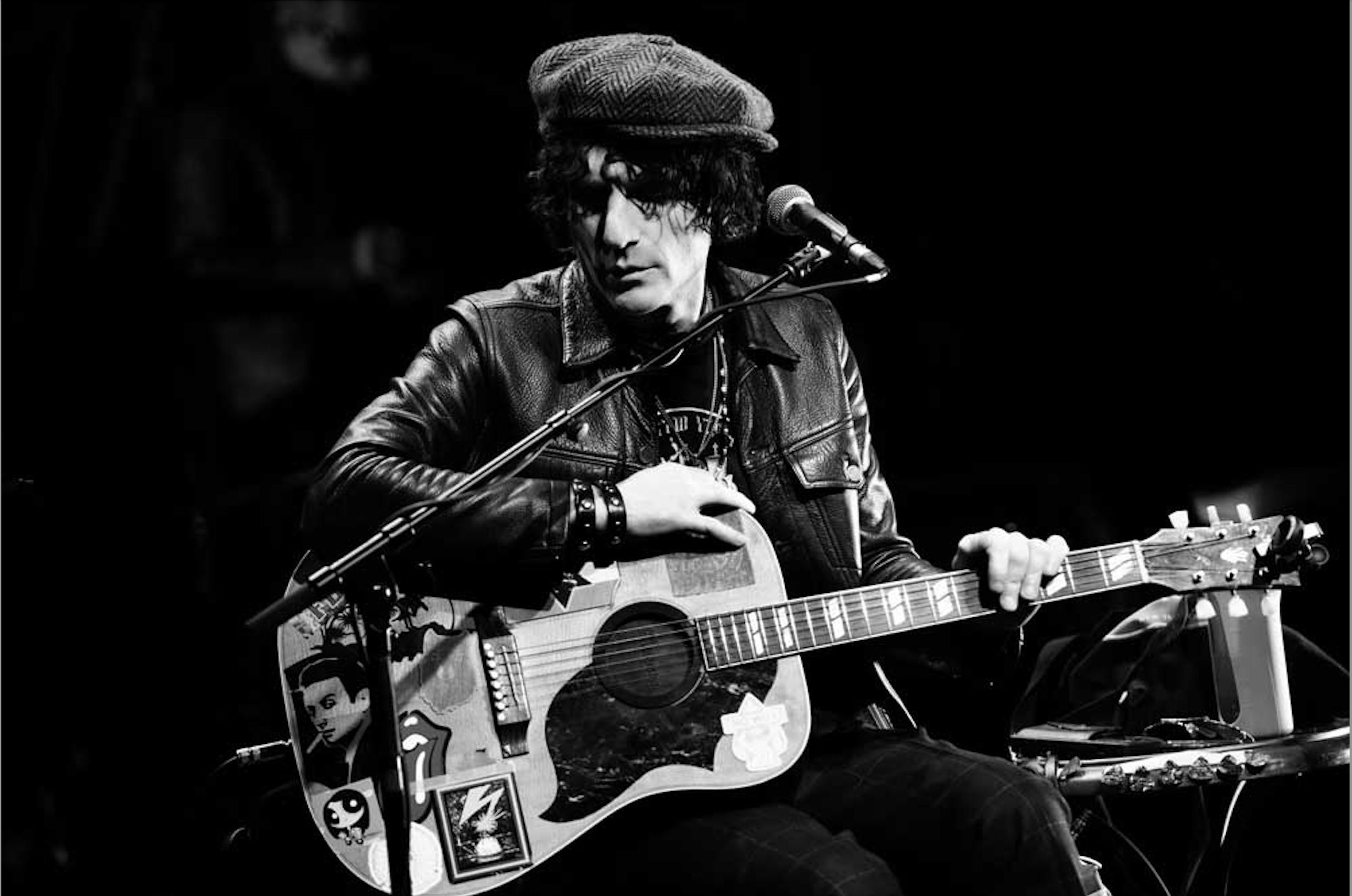
    Jesse Malin will headline the Queen Jeans Ball in Wilmington on Saturday, Aug. 29. with Craig Finn and Tommy Stinson opening.Vivian Wang

    Saturday Aug. 29

    Queen Jeans Ball with Jesse Malin

    New York songwriter Jesse Malin has always been a rock and roll true believer, dating back to his hardcore band Heart Attack (which he founded when he was 12). Then came D Generation and nine solo albums, including 2019’s Sunset Kids, which was produced by Lucinda Williams.

    In 2023, Malin suffered a rare spinal stroke that left him paralyzed from the waist down. The next year, he was the subject of a tribute that featured Bruce Springsteen and Billie Joe Armstrong, among others. Now, he’s returned to the stage with his Silver Manhattan musical and is back to touring with his band.

    Malin is headlining the annual Queen Jeans Ball in Wilmington, which benefits the nonprofit Donate Delaware. Craig Finn of the Hold Steady and Tommy Stinson will also perform and undoubtedly join Malin on stage. 8 p.m., the Queen, 500 N. Market St., Wilmington, thequeenwilmington.com

    Australian electronic dance music act Rüfüs Du Sol will perform on the Atlantic City beach on Saturday, Aug. 29.Boaz Kroon

    Rüfüs Du Sol

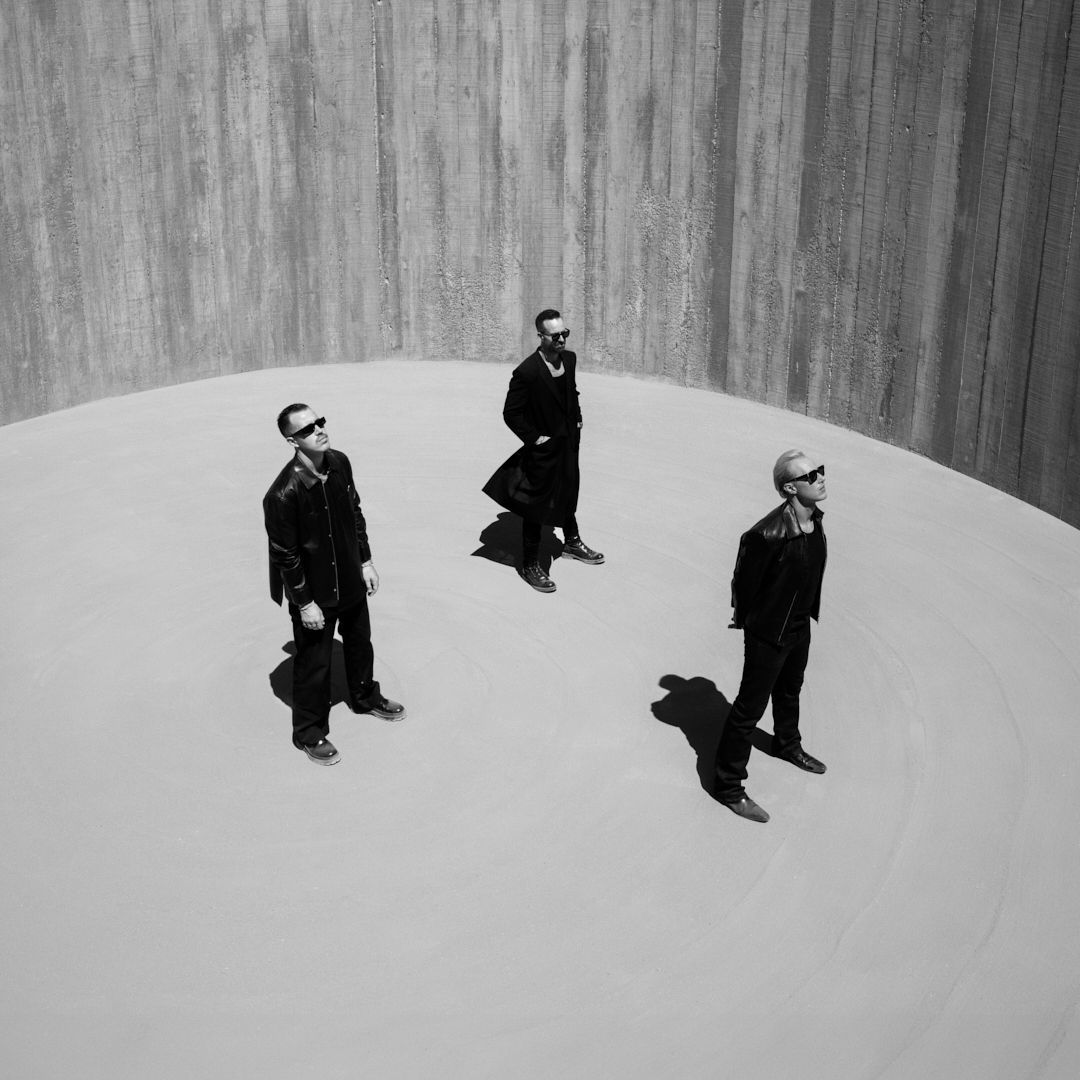
    Dance music arrives on the Atlantic City beach with Rüfüs Du Soul, the Australian alt-pop band who mix live instrumentation and electronic beats. The band fronted by singer Tyrone Lindqvist is touring stadiums for its 2024 album Inhale / Exhale. The show marks a return to Live Nation booking toes-in-the-sand shows in tandem with Visit Atlantic City for the first time since 2023. Ben Bohmer opens. visitatlanticcity.com

    Zac Brown Band

    The official name of this tour is “Love & Fear Tour presented by Margaritaville at Sea.” So it’s safe to say the Georgia country-rock singer who sang the national anthem at the UFC Freedom 250 cage fight at the White House in June, will be giving Jimmy Buffett vibes. His album Love & Fear features Snoop Dogg, Marcus King, and the late great Dolly Parton. Grace Potter, who also plays Free at Noon on Friday, opens. 7 p.m., TD Pavilion at Highmark Mann, 5201 Parkside Ave, highmarkmann.org

    Sam Sodomsky is The Bird Calls. He plays Young American Cider in Germantown on Sunday.Jake Fromm

    Sunday Aug. 30

    Cloud Nothings / Knifeplay

    Cleveland-born indie band Cloud Nothings, fronted by now Philly-based guitarist-songwriter Dylan Baldi, released its eighth album, Final Summer, in 2024. Sharp-edged Philly band Knifeplay open. 7 p.m., Ruba Club, 416 Green St., 4333Collective.net

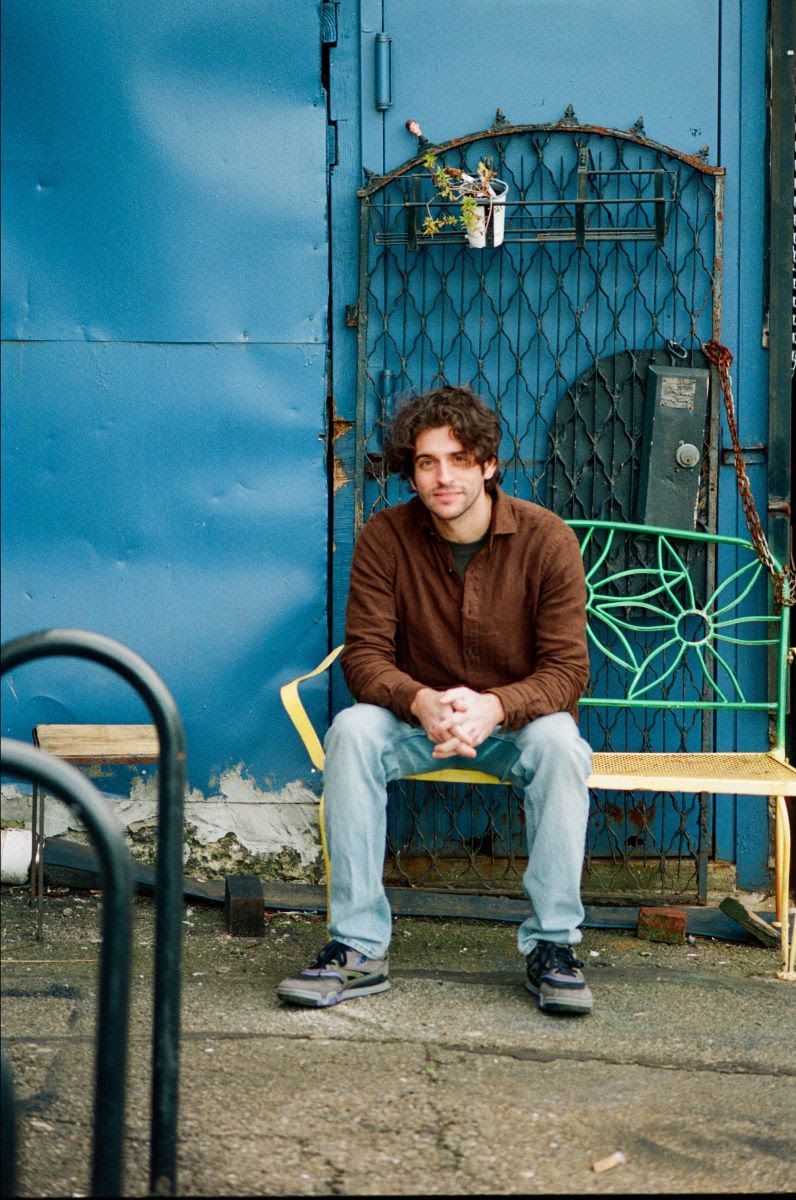
    The Bird Calls

    The Bird Calls is Sam Sodomsky, a Brooklyn songwriter raised in Philly whose new album, Take Leave, is due Friday. Sodomsky, also a contributing editor at Pitchfork, makes homespun, open-hearted folk rock about trying to find a place in the world with songs like “Clockwork” and “Ethan Frome” that linger in the imagination. He’s playing a hard cider tasting room in Germantown. Kristin Daelynn and Adeline Hotel open. 7 p.m., Young American, 6350 Germantown Ave., youngamericancider.com

    Monday Aug. 31

    Arlo Parks

    The British singer and poet born Anaïs Oluwatoyin Estelle Marinho vaulted into stardom in the UK with her Collapsed Into Sunbeams debut, which won the prestigious Mercury Prize. Her third album, Ambiguous Desire, is a pleasant soul-searching work shaped by club culture, though it’s more likely to be heard by coffee shop latte sippers than dance floor denizens. 8 p.m., Union Transfer, 1026 Spring Garden St., utphilly.com

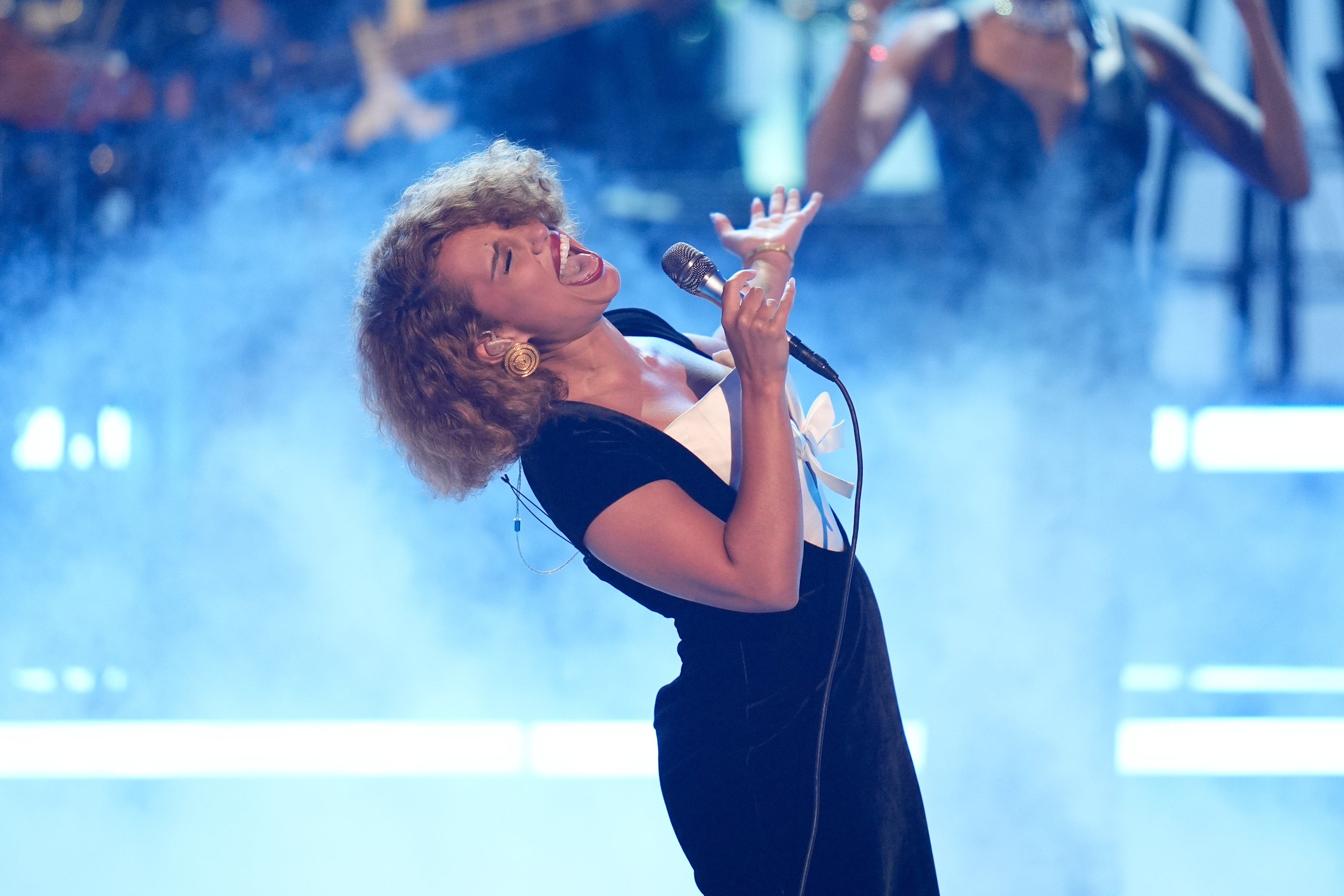
    Raye performs at the BET Awards on June 28, 2026, at the Peacock Theater in Los Angeles. She opens for Bruno Mars on Tuesday and Wednesday, Sept. 1 and 2, at the Linc. (AP Photo/John Locher)John Locher

    Tuesday and Wednesday Sept. 1-2

    Bruno Mars & Raye

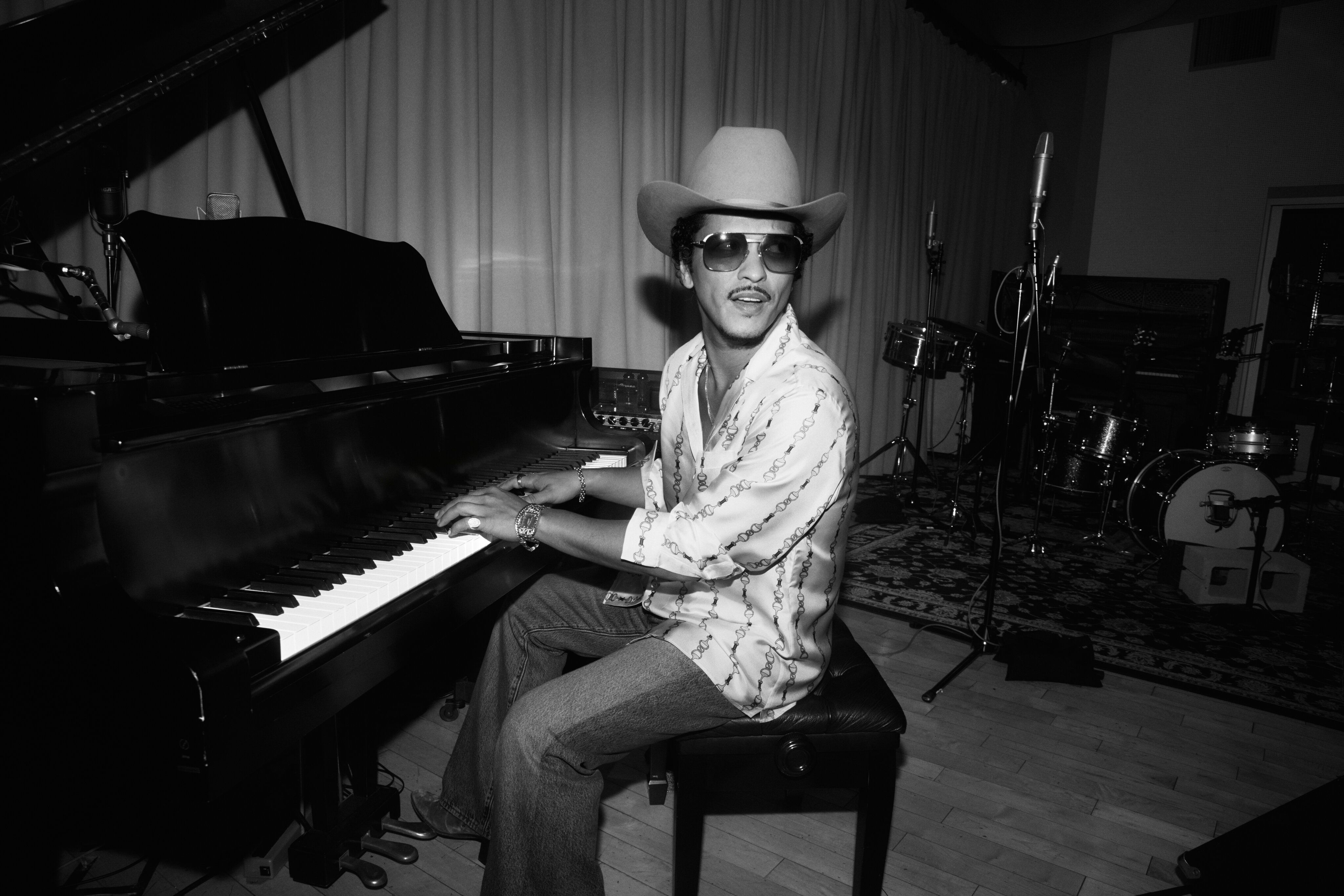
    Bruno Mars has been making hits nonstop since his 2010 Doo-Wops & Hooligans debut. His 2024 chart toppers “Die With a Smile” and “APT.” — with Lady Gaga and Rosé, respectively — and this year’s “I Just Might,” from his new album Romantic are the most recent examples. Raye, the British singer who has a knockout stage show, opens. Things get going with DJ Pee. Wee, who is Mars’ Silk Sonic bandmate Anderson .Paak in disguise. Shopper alert: There will be a Bruno Mars x Hello Kitty pop-up at the Fashion District from Aug. 31-Sept. 2. 7 p.m., Lincoln Financial Field, One Lincoln Financial Way, lincolnfinancialfield.com

  • Olivia Li is one of the Curtis Institute’s most promising new students. She’s 7 years old.

    Olivia Li is one of the Curtis Institute’s most promising new students. She’s 7 years old.

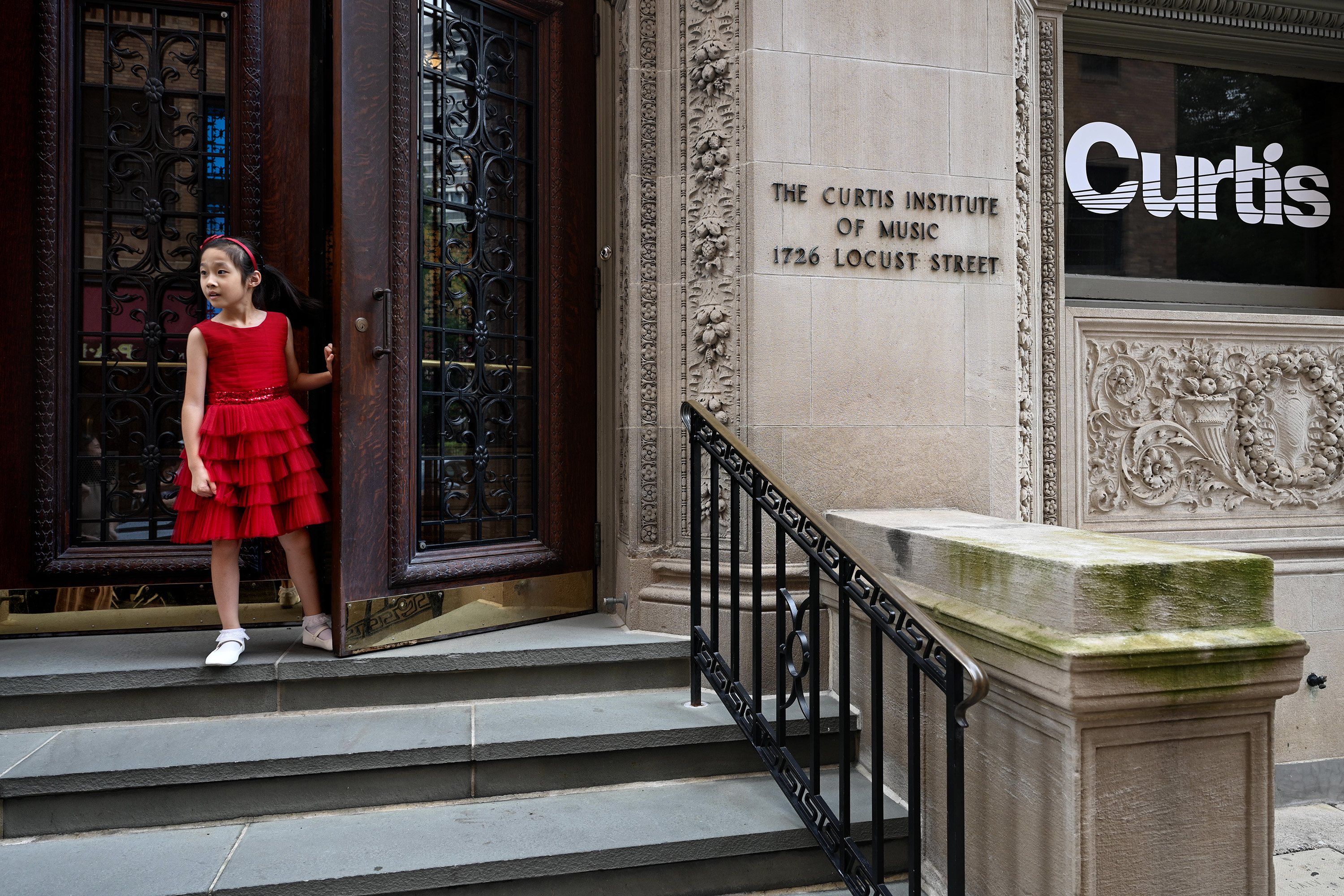
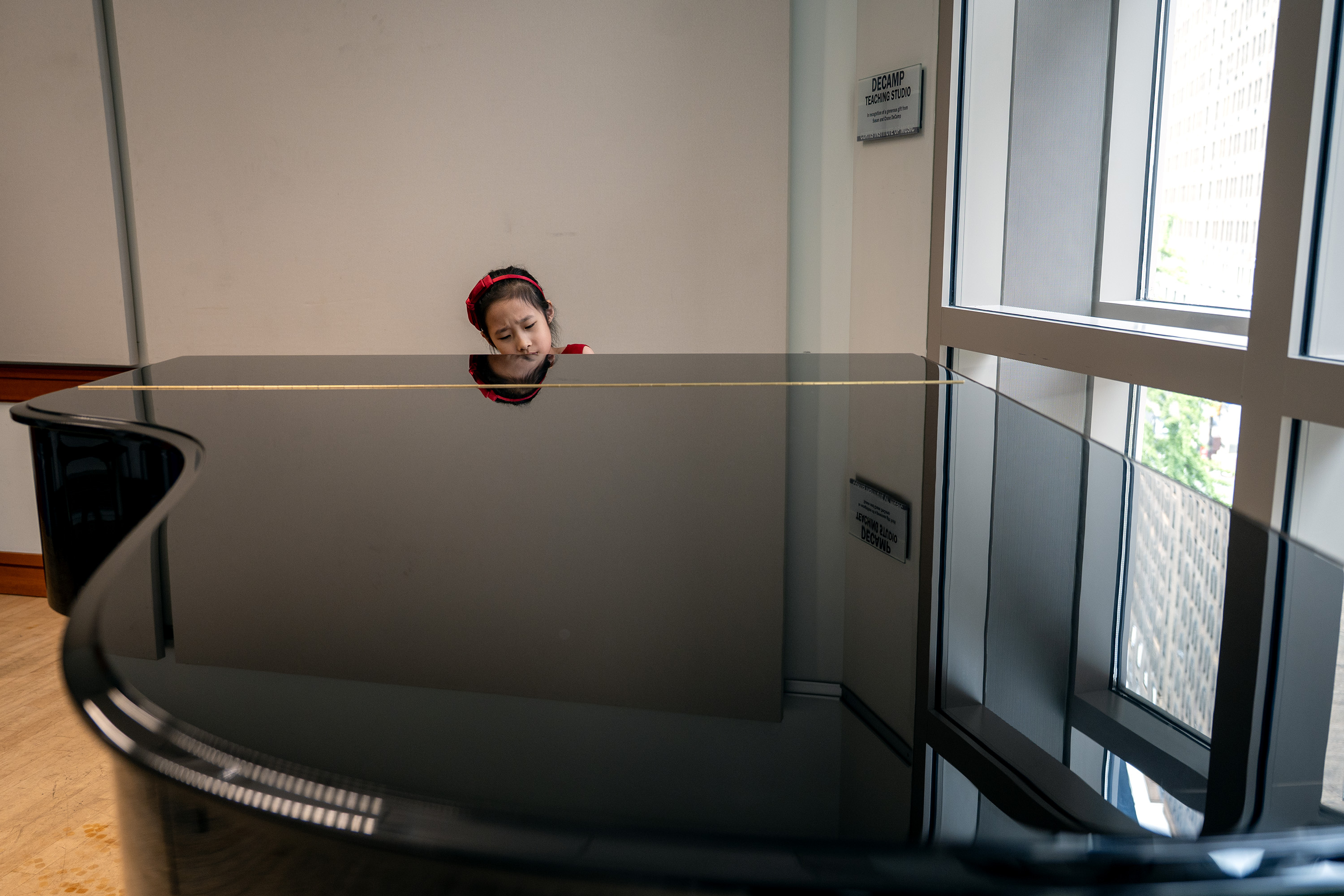
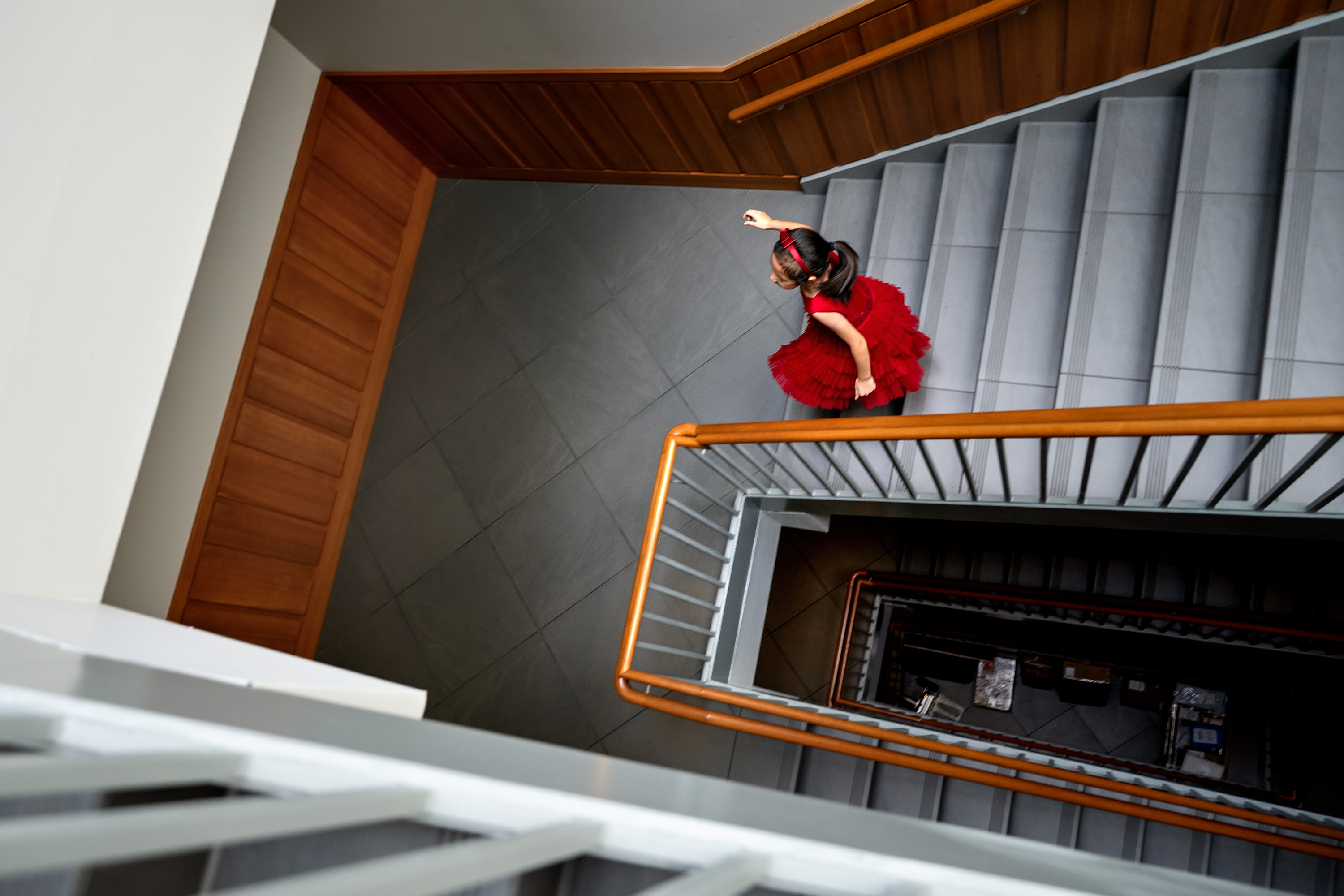
    In the lobby of the Curtis Institute of Music’s Lenfest Hall, Olivia Li, in a frilly-sparkly red dress, is running back and forth through a turnstile. A few minutes later, she is at the piano transformed — playing Chopin eyes closed, a countenance most serious, and seemingly a decade more mature.

    If her legs aren’t long enough for her feet to reach the piano’s pedals without an extender, give her time. She is 7 years old.

    Olivia is one of nearly four dozen new students now arriving at Curtis for the fall term. The school on Rittenhouse Square, one of the world’s top music conservatories, has always had its share of young talent. This year it will have 13 musicians entering school under the age of 18.

    But even at a place known for prodigies, Olivia is unusual. She is believed to be the youngest student to study at Curtis since 1950, when 6-year-old violinist Diana Halprin matriculated.

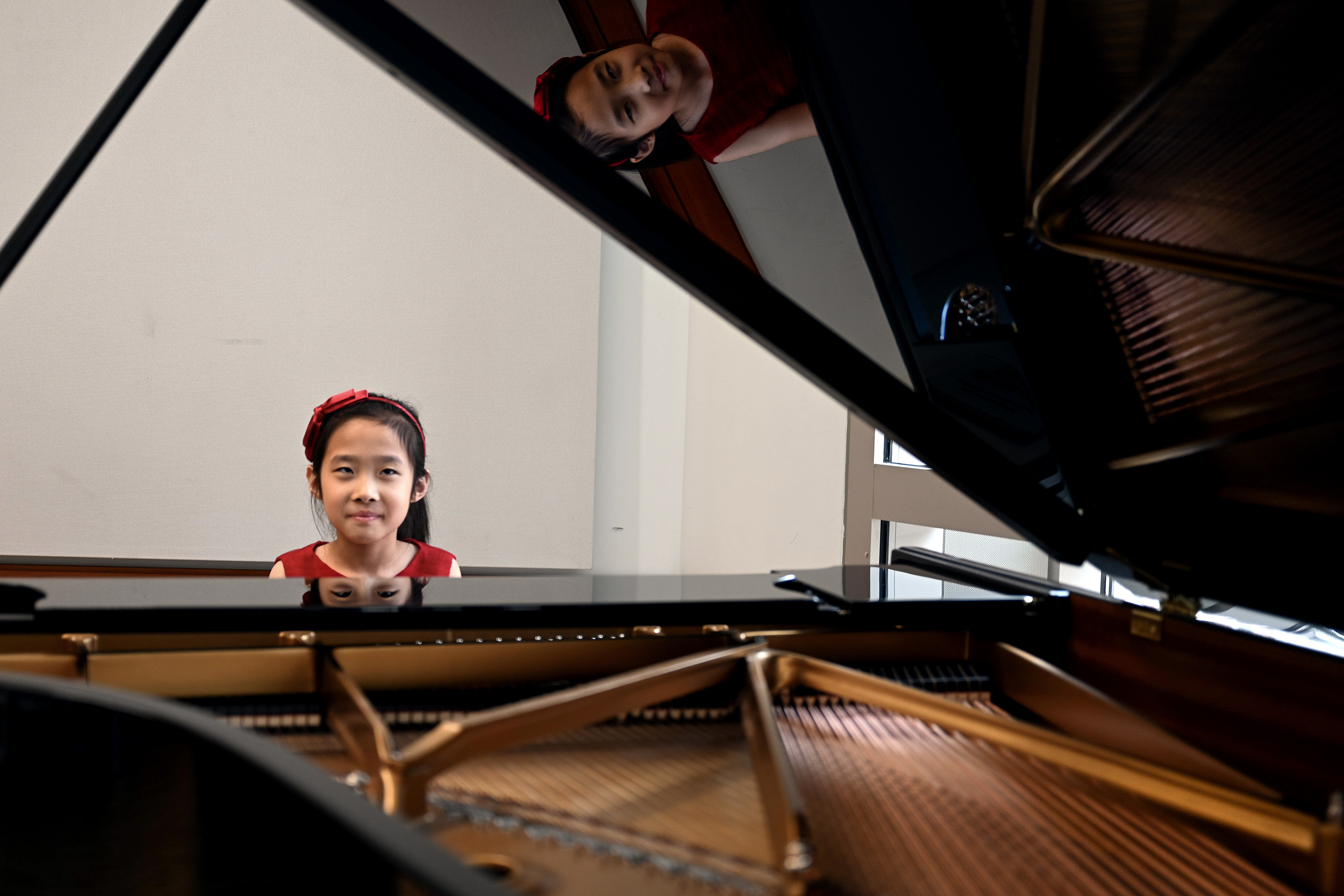
    Olivia Li, 7, plays the piano in a rehearsal room at Lenfest Hall at the Curtis Institute of Music.Tom Gralish / Staff Photographer

    “I was actually preparing for Juilliard,” Olivia said, “but my teacher said I could try for Curtis, and I just did. I didn’t expect I would get in.”

    She got in. Juilliard, too.

    Asked why she chose Curtis, she said, simply, “I just like Curtis better than Juilliard.”

    Michelle Cann, one of two professors with whom Olivia will study at Curtis (the other is Ignat Solzhenitsyn), says that the young pianist has “phenomenal fingers.” Then again, so did others who tried out for the school and did not get in.

    (function(){function e(){window.addEventListener(`message`,function(e){if(e.data[`datawrapper-height`]!==void 0){var t=document.querySelectorAll(`iframe`);for(var n in e.data[`datawrapper-height`])for(var r=0,i;i=t[r];r++)if(i.contentWindow===e.source){var a=e.data[`datawrapper-height`][n]+`px`;i.style.height=a}}})}e()})();

    For the current school year, Curtis received 154 applications to the piano department, a spokesperson said. Sixty-three of those auditioned live in the first round and 15 advanced to the finals. Four were eventually accepted.

    What set Olivia apart in her audition, Cann said, was “how musical she was and how much personality and character about the music-making she had that you don’t expect to see in a 7-year-old. It just stood out so much.”

    Seven-year-old pianist Olivia Li rushes down the stairs of Lenfest Hall at the Curtis Institute of Music on Monday, Aug. 17, 2026. She began studying the piano at age 4 and will receive a full-tuition scholarship to the prestigious institution.Tom Gralish / Staff Photographer

    The sole criterion for admission at Curtis is artistic promise, said provost and dean Nick DiBerardino. “It’s rare for someone as young as Olivia to have won a place at Curtis,” he said, “but it does happen, and when it does, it’s because there was something really special happening at the piano.”

    Curtis has had students younger than Olivia. The school is still in the process of reviewing its records, but to the best of its knowledge the youngest was pianist Ruth Slenczynska, who was 5 years and 2 months old when she arrived in April 1930. She stayed just a few weeks.

    The youngest to come and stay was Sol Kaplan, who was 5 years, 7 months when he began studies in 1924, the year Curtis was founded; he went on to compose music for episodes of the original Star Trek TV series and a slew of movie scores.

    Olivia Li is one of the youngest students to study at the Curtis Institute of Music.Tom Gralish / Staff Photographer

    Olivia is in exceedingly rare company. More than 4,000 composers, conductors, vocalists, pianists, and other instrumentalists have graduated from Curtis in its century-plus existence. Only 13 other students were under the age of 10.

    She comes to Curtis from East Williston, Long Island, N.Y. No one in her family is particularly musically inclined, said her mother, Yanan Zhang, who did study piano as a child and continued to play a bit on a digital piano the family had at home.

    “She just naturally started,” said Zhang of Olivia’s attraction to piano. “She saw me playing, and we hired a teacher to come to home once a week to teach her. So initially it was just for fun.”

    Olivia started studying with a teacher — a Yale and Juilliard graduate — who gave her “very systematic training. So from that time, we took the learning seriously,” Zhang said.

    The teacher told Zhang that Olivia learned fast and had strong fingers.

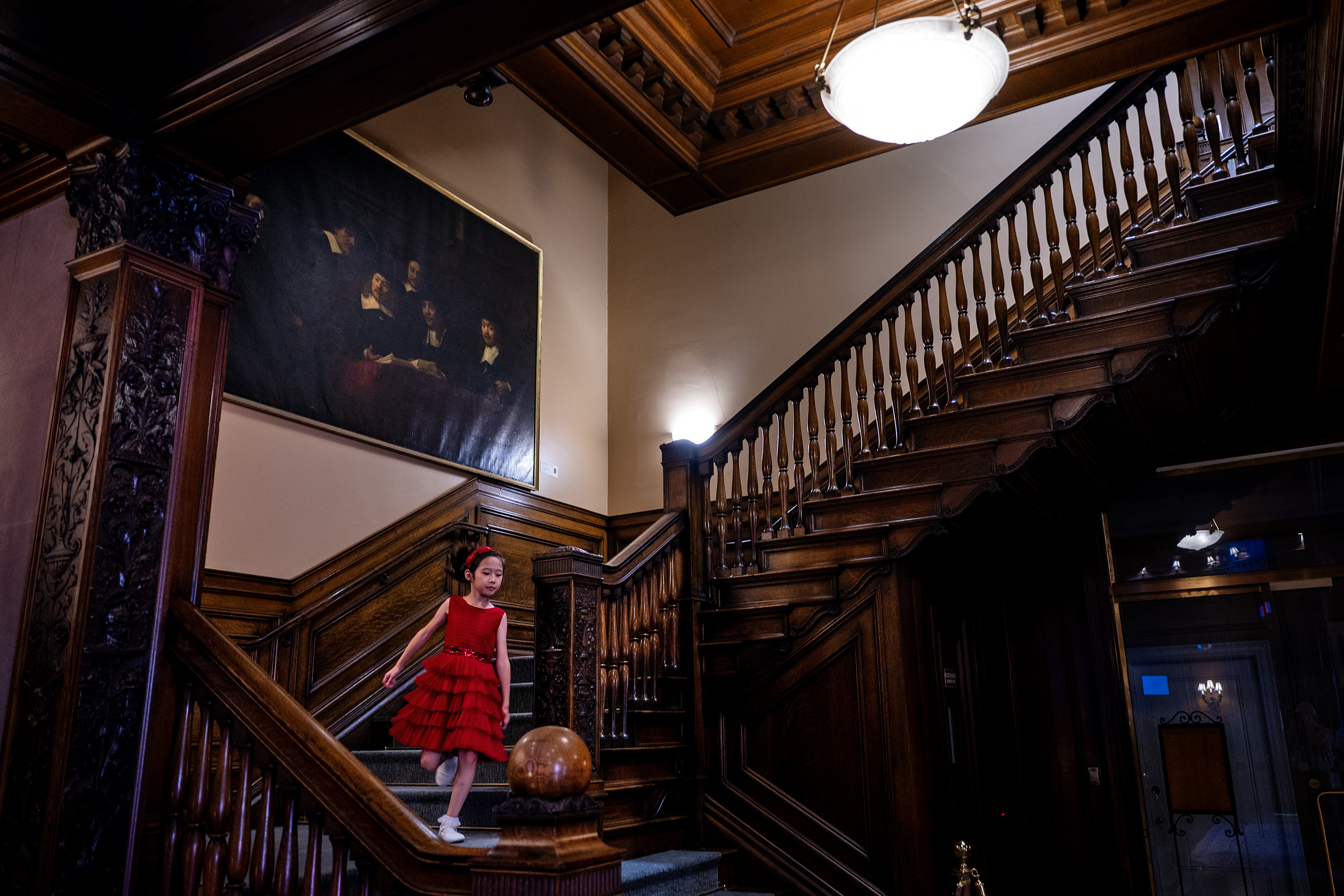
    Seven-year-old pianist Olivia Li in the lobby of the historic 1726 Locust St. mansion at the Curtis Institute of Music on Monday, Aug. 17, 2026. She began studying the piano at age 4 and will receive a full-tuition scholarship to the prestigious institution.Tom Gralish / Staff Photographer

    “I think he told me several times that she is outstanding, but I didn’t really take it seriously. I thought it’s just encouragement from teachers — that’s how they encourage kids, encourage parents.”

    Olivia was 4 when she started piano, and despite her quick progress, it did not occur to Zhang for a while that there was anything unusual about her daughter.

    “I just thought maybe that’s how all kids do.”

    Olivia, of course, is not like other children, and she won’t be like her fellow students at Curtis, either.

    While students are taking coursework during the day covering music theory and history, Olivia will be attending third grade at Germantown Friends School. After her normal elementary school day, she will go to Curtis for two hours of piano lessons per week and receive individualized instruction in other areas like ear-training, music history, and repertoire studies.

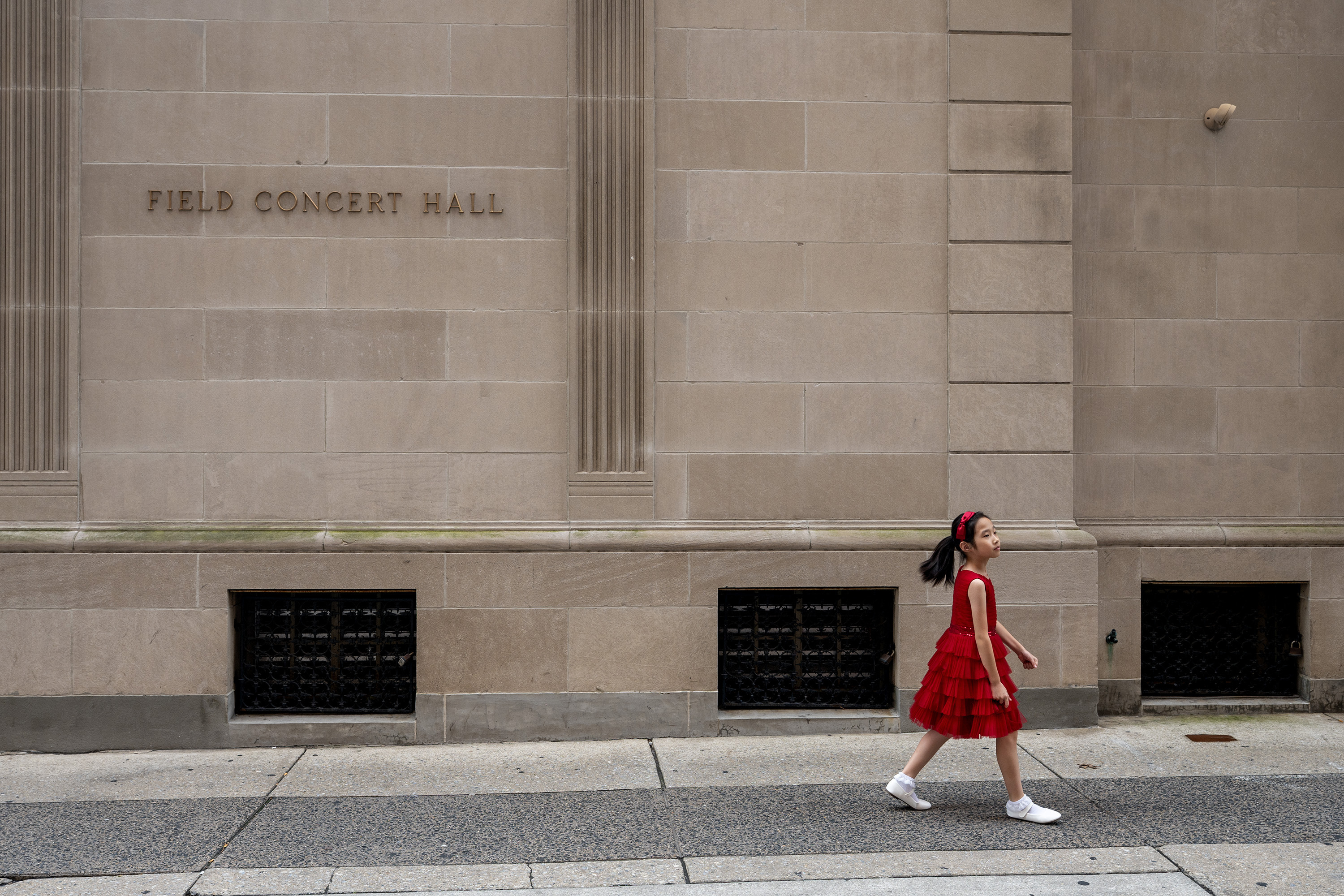
    Olivia Li walks toward the entrance to 1726 Locust St., the one-time mansion that is home to the Curtis Institute of Music.Tom Gralish / Staff Photographer

    Curtis requires students under the age of 18 to live with a parent or guardian, and so Zhang, who works remotely for a bank in risk management, has moved to Philadelphia and set up house locally. Olivia has a younger brother, who loves music but has not yet taken up an instrument.

    How does a 7-year-old integrate socially at a school where some students will be three times her age?

    “We haven’t had a 7-year-old [recently],” DiBerardino said, “but our undergraduate students are very accustomed to playing music with younger people and making a deliberate effort to make them feel welcome.”

    Olivia LiTom Gralish / Staff Photographer

    Some socializing will happen organically, DiBerardino said, but “we do have some structures in place to try to help with that process. We have a dedicated work study program for our undergraduate students who are trained by our student services team to be mentors or big brothers or big sisters. And we regularly check in on students like Olivia. So Olivia definitely would have that support.”

    Outside of practicing, Olivia likes drawing, writing, math, and swimming.

    “When she’s not practicing, she reads a lot,” Zhang said. “She holds a book when she is brushing her teeth.”

    “I like to read fiction,” Olivia said.

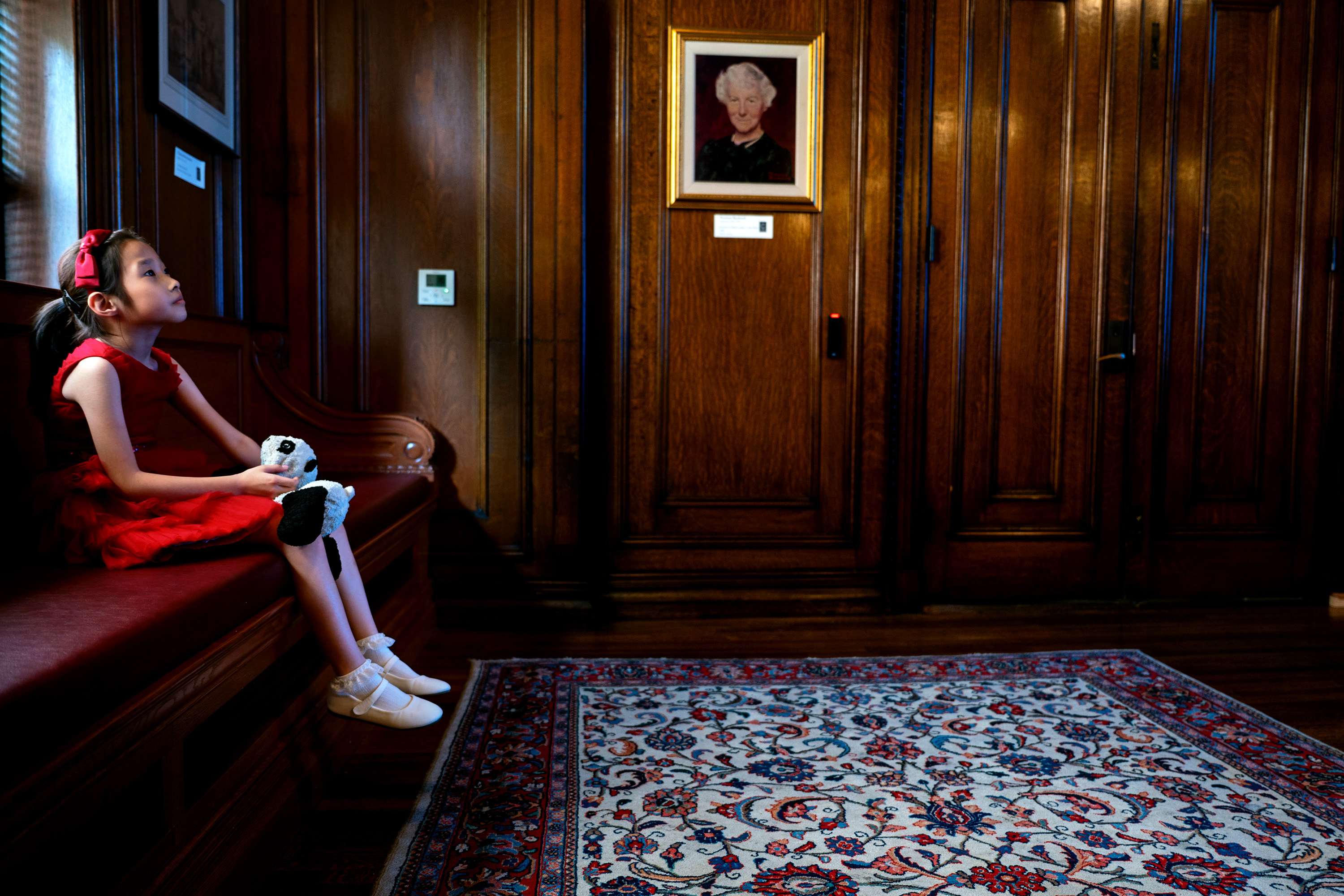
    With a Norman Rockwell portrait of Curtis founder Mary Louise Curtis Bok Zimbalist nearby, 7-year-old pianist Olivia Li sits with her stuffed panda.Tom Gralish / Staff Photographer

    Curtis does not have a separate precollege program the way some other music conservatoires do. Olivia won’t be enrolled in a bachelor’s program, but, rather, a diploma program.

    Several forks in the road lie ahead. She could end up continuing at Curtis post-high school, enrolling in the bachelor’s degree program. That means she could end up being at Curtis well over a decade, a prospect that has some Curtis professors joking that they will be retired by the time she graduates.

    Olivia could also decide at some point that she has gotten what she needed from Curtis and move on to another conservatory or music school.

    Asked whether she would like to be a professional pianist, Olivia said she doesn’t know yet. She is also interested in conducting, “because you get to, like, conduct a whole orchestra.”

    Olivia could also decide that music isn’t where she wants to end up. “We don’t know if at some point she’ll say, ‘I don’t want to do this with my life.’ Who is supposed to know that at 7?” Cann said.

    Zhang said she doesn’t have any thoughts on the matter.

    For now, the artist herself seems content to let the endgame play out. She has plenty to do in the meantime. Of what she wants from a Curtis education, she said:

    “I hope that I can play piano really good and learn a lot of pieces and share my music with the world.”

  • A strip club scene was cut from ‘National Treasure’ and other insights from Philly’s celebration of the film

    A strip club scene was cut from ‘National Treasure’ and other insights from Philly’s celebration of the film

    I’ve watched National Treasure more times than I can count and if I could count how many times I’ve seen it, I wouldn’t admit it to you.

    It’s a confluence of things that keep me coming back — the scenes filmed in Philly, Nic Cage taking an absurd plot line very seriously, and the fact that this movie always seems to be on TV. Plus, there’s a quick cameo of my favorite stand in Reading Terminal Market, which closed in 2016, that always makes me nostalgic (RIP Salumeria).

    On Friday, I got to geek out with other fans of the film and its sequel, National Treasure: Book of Secrets, during a ticketed talk with the director of the franchise, Jon Turteltaub, at the Independence Visitor Center. Turteltaub’s other films include Cool Runnings, While You Were Sleeping, and The Meg, which tracks.

    In the audience were a self-proclaimed “real-life treasure hunter,” several Freemasons, and Philly tour guide Stephen Pierce of Havertown. Pierce came dressed in his finest colonial garb and told me the movie, which came out when he was 9, was “definitely a huge inspiration for me growing up.”

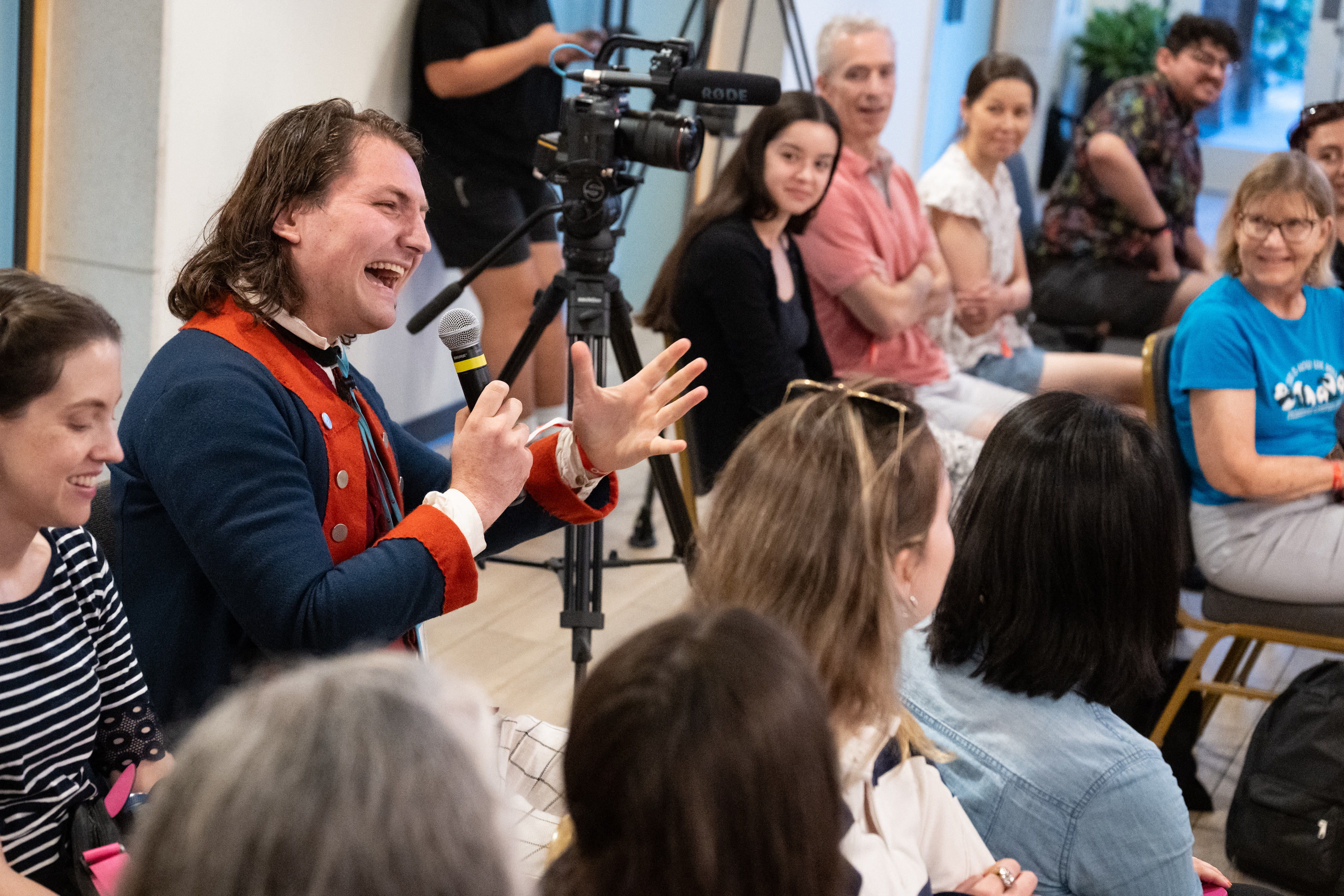
    Stephen Pierce, a local tour guide with America’s Rising Son Tours, asks a question while wearing colonial-era clothing during a live recording of the “National Treasure Hunt” podcast at the Independence Visitor Center in Philadelphia on Friday, Aug. 21, 2026.Erin Blewett / For The Inquirer

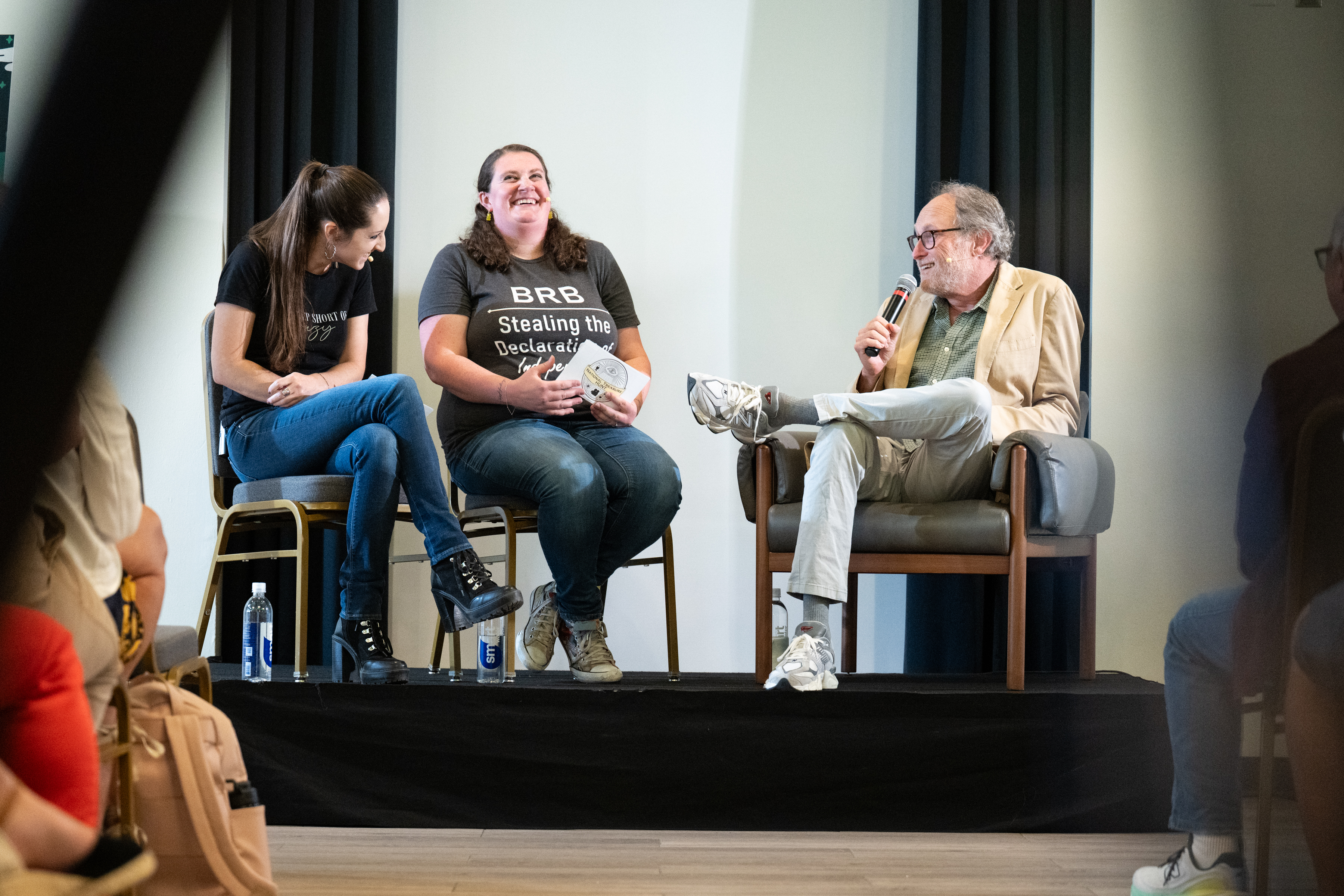
    But there were no bigger fans in attendance than the cohosts and moderators for the evening, Aubrey Paris and Emily Black, creators of the National Treasure Hunt podcast, who helped curate Philly’s first National Treasure Weekend of events in conjunction with the Philadelphia Visitor Center.

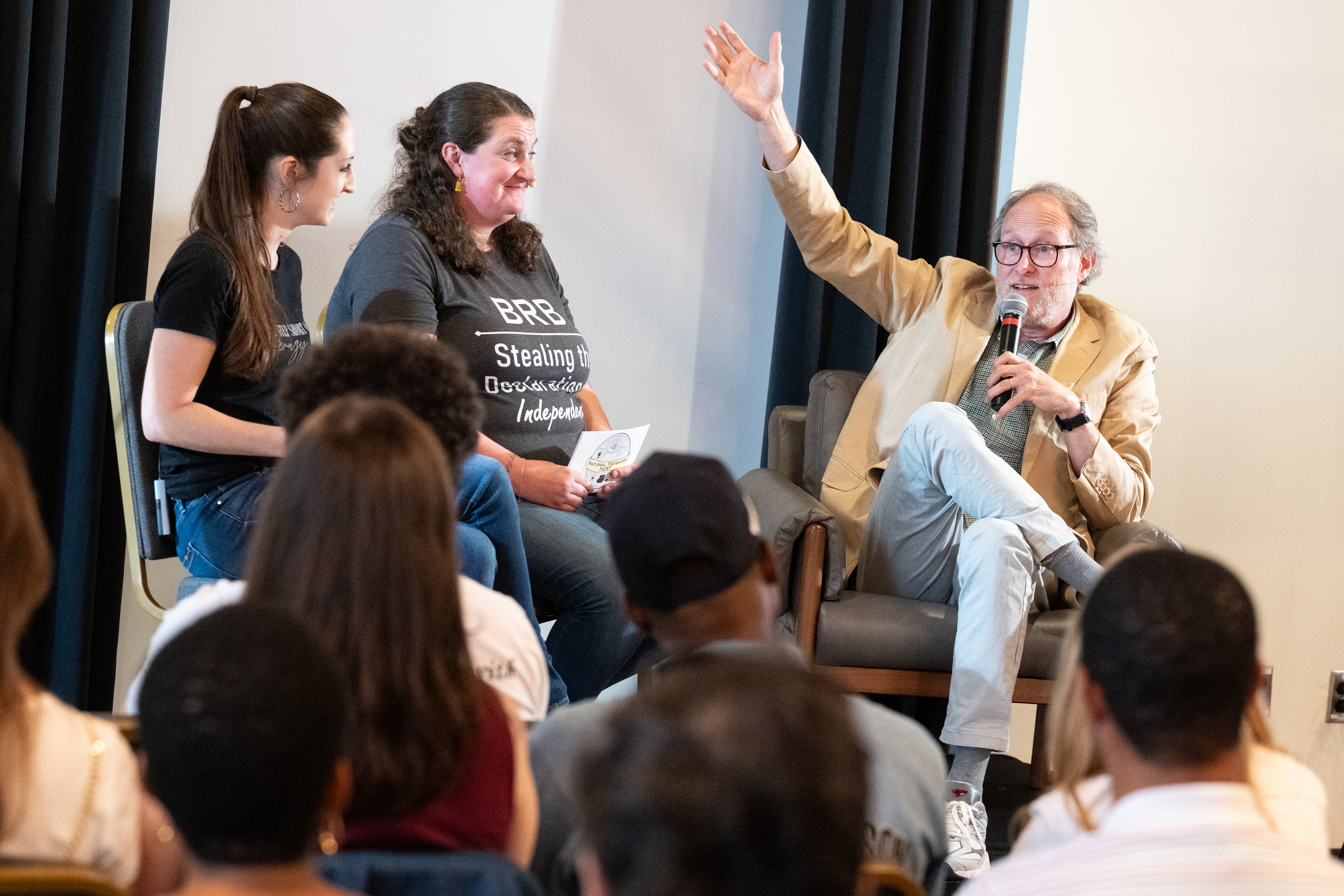
    Aubrey Paris (left) and Emily Black (center), creators and hosts of the “National Treasure Hunt” podcast, speak with “National Treasure” director Jon Turteltaub during a live recording at the Independence Visitor Center in Philadelphia on Friday, Aug. 21, 2026.Erin Blewett / For The Inquirer

    Their palpable joy while interviewing Turteltaub for their podcast was only exceeded by the shock and excitement that washed over their faces when the director gave them the scoop that National Treasure 3 is “finally real.”

    That wasn’t the only gem Turteltaub dropped during their talk, though. Here are five other nuggets and behind-the-scenes stories the director shared about one of the best and most ridiculous films ever partially filmed in Philly.

    All up in Independence Hall

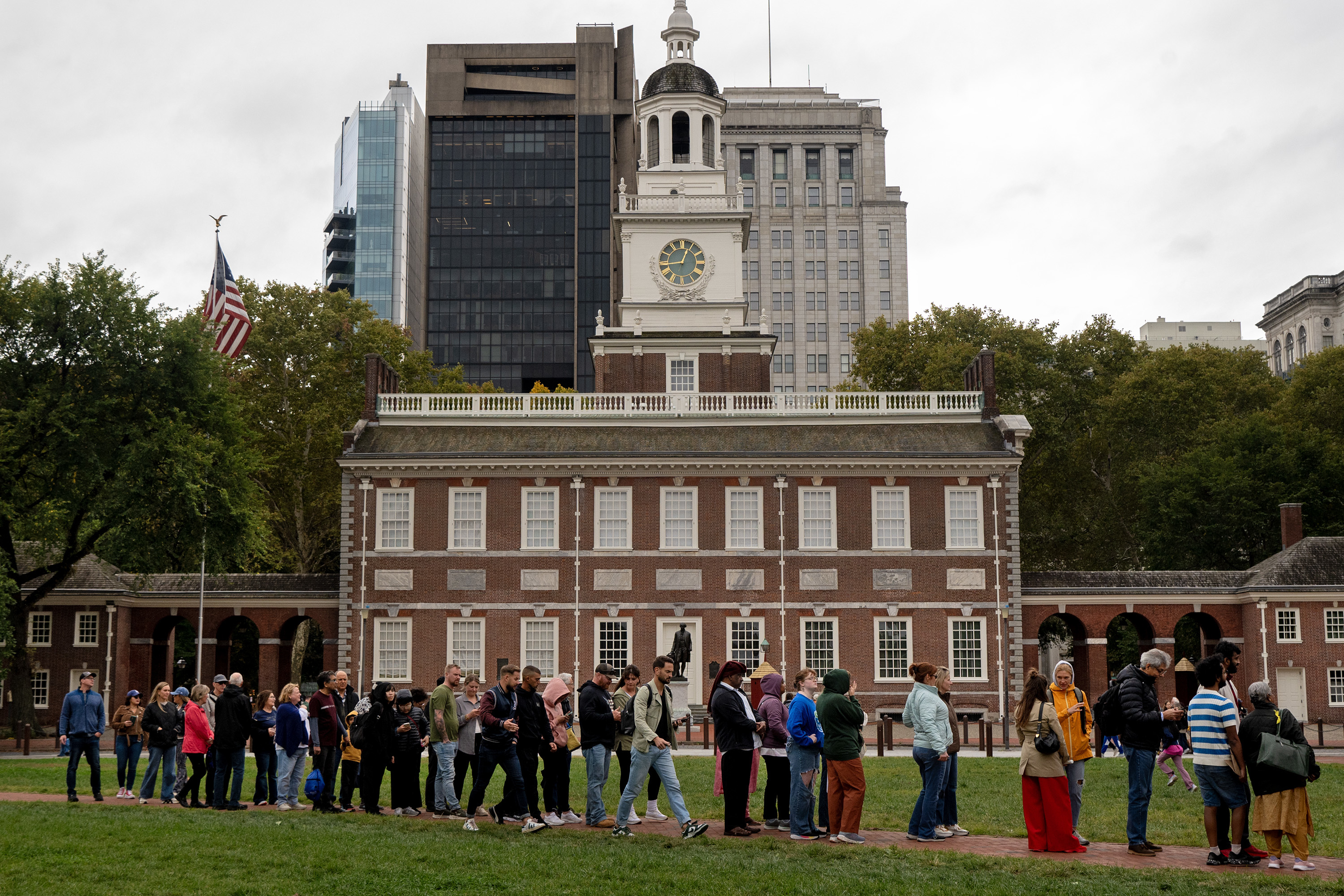
    Turteltaub said he was surprised that the National Park Service let the cast and crew climb up Independence Hall’s bell tower to film.

    “That was special. Being next to the Centennial Bell — amazing. More interesting was being behind the clock, coming up those stairs and seeing how that works was like ‘Wow, this is why I want to be in the movie business,’” he said. “It’s not art. You just get treated better than other people.”

    Visitors stand in a long line on Oct. 12, 2025, in front of Independence Hall waiting to view the nearby Liberty Bell.Tom Gralish / Staff Photographer

    But the NPS didn’t allow filming at the doors or inside the building because it would have impeded visitors’ experience, Turteltaub said. And it was at this point in the conversation I learned there’s a replica of Independence Hall at Knott’s Berry Farm in Buena Park, Calif., which is where the interior scenes of the film were shot.

    So I either need to make a movie or go to California to live out my dream of climbing the bell tower. Duly noted.

    A meaty role

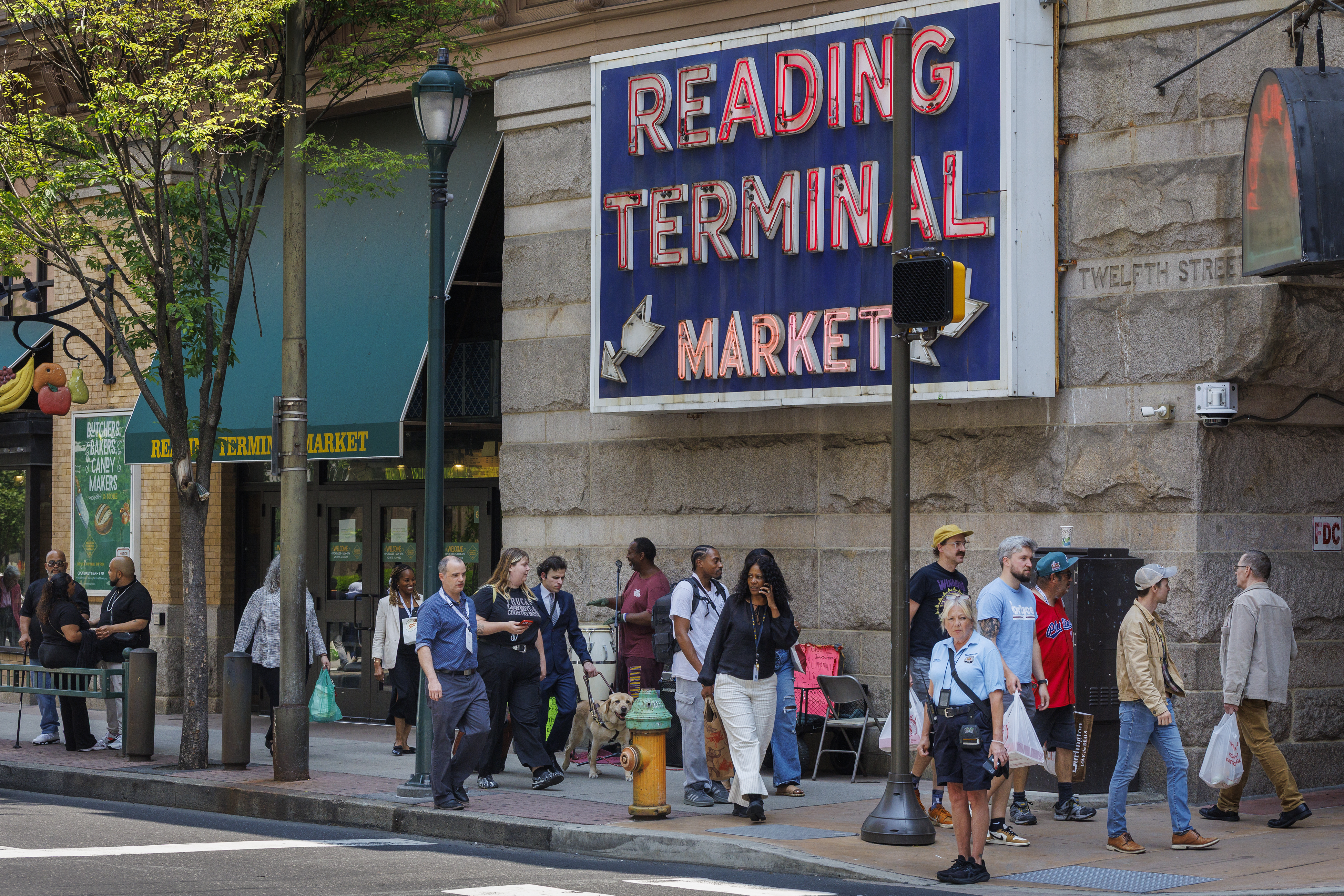
    During the chase scene that winds through Reading Terminal Market, Abigail (played by Diane Kruger) ducks into a butcher stand while clutching the Declaration of Independence. The woman running the counter initially says in the most unenthusiastic, Philly way possible: “If you’re not a steak, you don’t belong here.”

    But when Abigail tells the woman she’s running from her “ex-husband” (who’s actually a bad guy), the woman says: “Honey, stay as long as you like.”

    Pedestrians fill the sidewalk outside Reading Terminal Market in Center City on June 3, 2025.Alejandro A. Alvarez / Staff Photographer

    Paris said that the butcher has become “a favorite non-named character.” Some have even called her “the real national treasure.”

    “It’s a huge cult thing,” Paris said.

    Mark another win for Philly’s notoriously kind-but-not-nice attitude.

    Stripped down

    Turteltaub revealed that the first version of the original film was four hours long, so many scenes had to be left on the cutting room floor, including the original ending.

    “The original ending scene, they were back at the National Archives looking at the Declaration back where it belonged. We thought the world needed to know that,” Turteltaub said. “Everyone’s feeling good and then they get started talking about a different treasure and they go off like, ‘Oh no, I’m not doing that!’ It’s like the end of a Gilligan’s Island episode.”

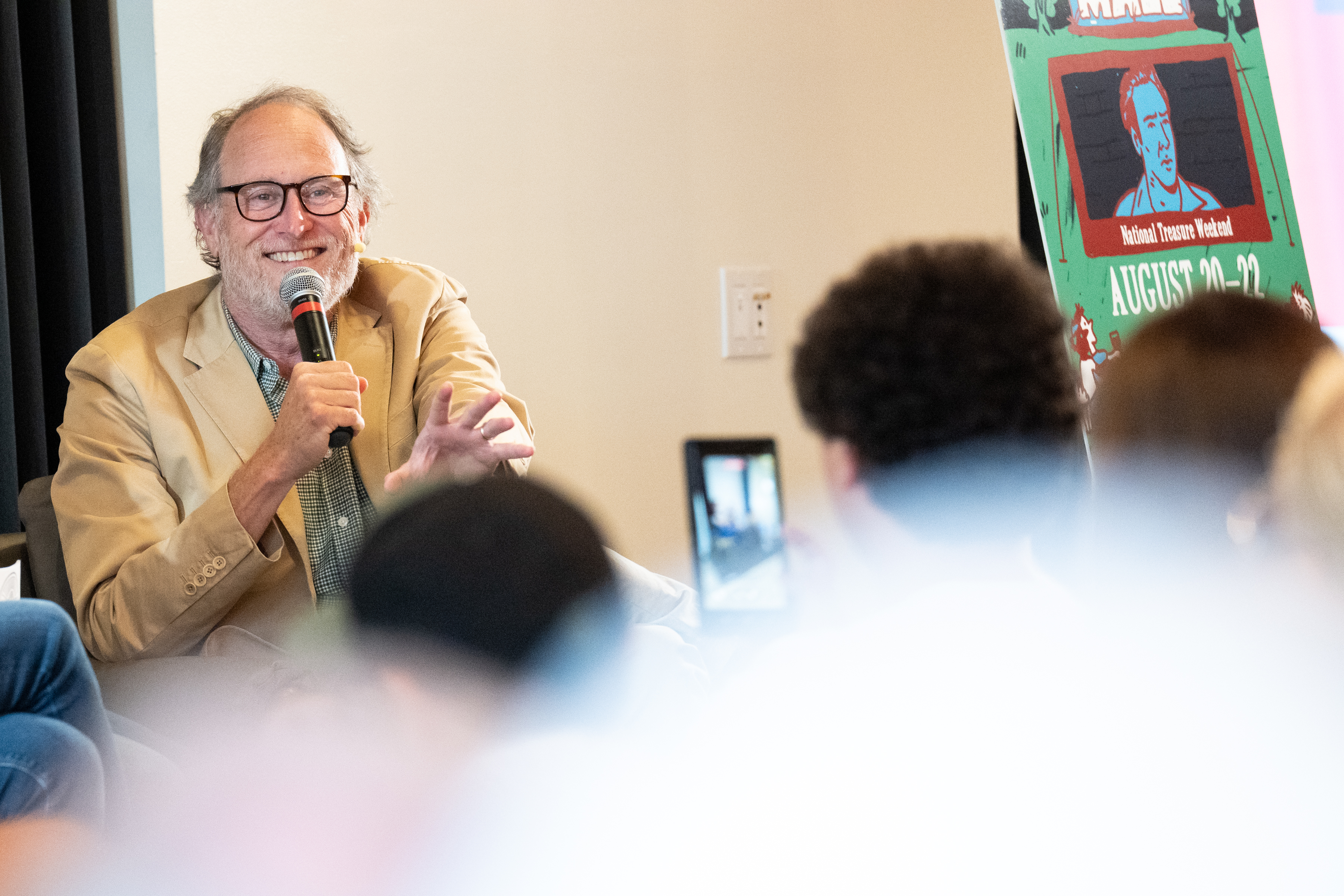
    Jon Turteltaub, director of the 2004 film “National Treasure,” speaks during a live recording of the “National Treasure Hunt” podcast at the Independence Visitor Center in Philadelphia on Friday, Aug. 21, 2026.Erin Blewett / For The Inquirer

    Another scene that was stripped from the film took place when Abigail and Riley (played by Justin Bartha) are chased through Center City.

    “As Riley’s being chased, he cuts into a strip club and he runs through the strip club to get away,” Turteltaub said. “So my idea was he runs in and no one’s in there and it’s just some guy vacuuming and [Riley] says, ‘Well, that was disappointing,’ and keeps going.”

    I’m disappointed the cleanest scene ever filmed in a strip club didn’t make the cut.

    High school reunion

    Turteltaub and Cage attended Beverly Hills High School together and the director said the two were friends.

    “He’s kind of a great, nonconforming, march-to-his-own drum guy, which in high school is not easy,” Turteltaub said. “I was desperate to fit in and be liked by every single person ever. He didn’t care.”

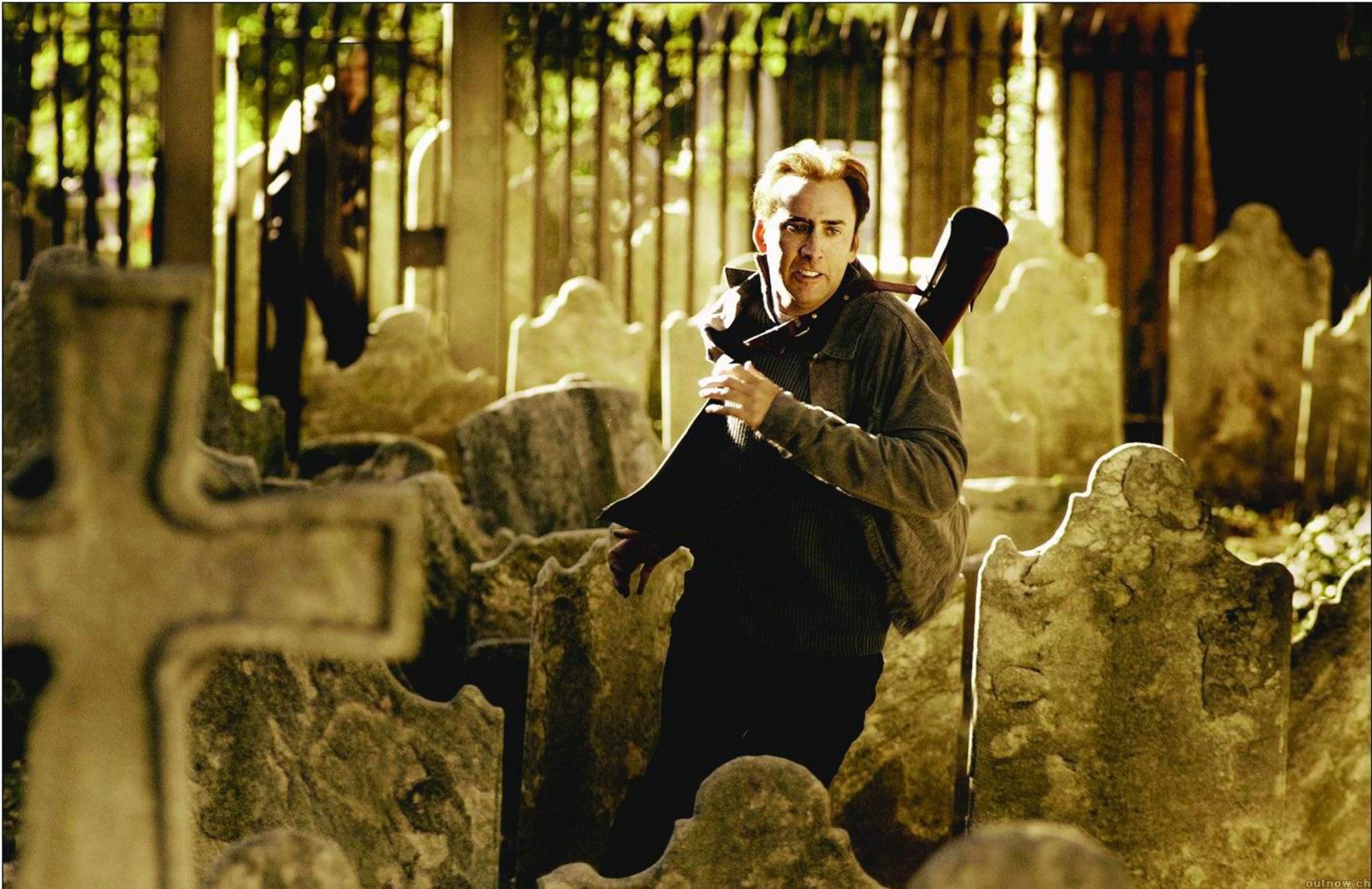
    Nicolas Cage runs through the Old Pine Street Presbyterian Church cemetery in a scene from “National Treasure.”Alamy Stock Photo

    The director said he sold the actor on taking the part of Benjamin Franklin Gates in National Treasure when he described the character to Cage with one word: audacity.

    “Nic is audacious and that was that connection. Nic never has a superficial connection to a character. He goes and finds the person,” Turteltaub said. “Sometimes that’s insane stuff and craziness and awesomeness and unpredictability and sometimes it just makes somebody very, very real.”

    Page turner

    During audience questions at the end of the talk, a child of no more than 6 asked Turteltaub: “What’s on page 47?” to thunderous applause from the crowd.

    The question referred to the end of the sequel film, when the President of the United States asks Gates what he thinks of what’s on page 47 of the book of secrets handed down from president to president. Gates calls what’s contained on the page “life-altering,” but its contents are never revealed to the audience.

    It may not be a secret for much longer, though.

    “The worst thing, to make it interesting, was we added the line at the last second — ‘life-changing, life-altering’ so now we have to come up with something that’s ‘life-altering,’” Turteltaub said. “If I said ‘I don’t know,’ everyone will hate me. If I said ‘I do know,’ you’ll hate me for not telling you, but I don’t think we can make the third movie without at least helping people out.”

    Aubrey Paris (left) and Emily Black (center), creators and hosts of the “National Treasure Hunt” podcast, speak with “National Treasure” director Jon Turteltaub during a live recording at the Independence Visitor Center in Philadelphia on Friday, Aug. 21, 2026. The event was part of Philadelphia’s first National Treasure Weekend.Erin Blewett / For The Inquirer
  • The Slinky became a toy craze in 1945 and has sold millions of pieces. It all started in Philadelphia.

    The Slinky became a toy craze in 1945 and has sold millions of pieces. It all started in Philadelphia.

    Philadelphia Navy Yard mechanical engineer Richard James was experimenting with a torsion spring in 1943 when the coil tumbled from his desk and landed on a stack of books.

    The spring didn’t just sit there. The top coil flipped over onto the next book. Then the back coil flipped over to the next book. Before he knew it, this newfangled thing was taking the hardcovers like stairs.

    Fascinated, James went home and showed the new toy to his wife, Betty.

    She was enthralled and named the metal thingamajig a Slinky because of its wavy, stealthy movement.

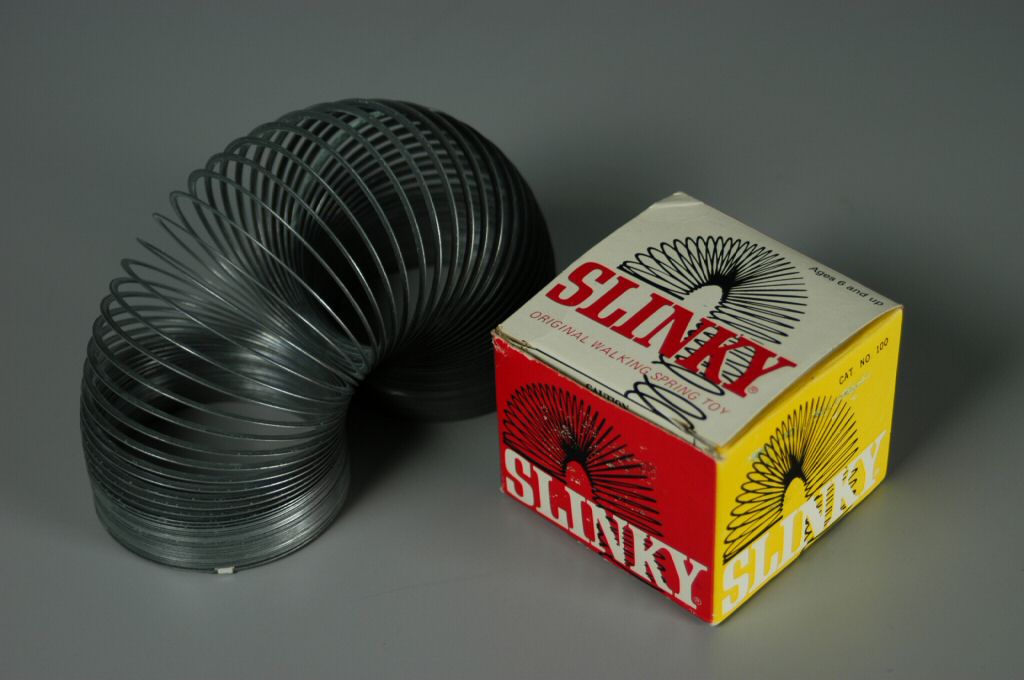
    A vintage Slinky display.

    James finagled with the metal spring for about two years, perfecting its flip-flop down-the-stack movement. Finally, on Nov. 27, 1945, the Jameses brought 400 Slinkies to Gimbels at Eighth and Market Streets, debuting them to shoppers. The whole lot sold out in 90 minutes for $1 a piece.

    A toy craze was born.

    This Saturday, the Philadelphia Historic District will host a “Firstival” to fete the Slinky at the American Philosophical Society from 11 a.m. to 1 p.m. The society’s archives house the 1953 study “On Slinky: The Dynamics of a Loose, Heavy Spring” by British mathematician and oceanographer Michael Longuest-Higgens.

    Firstivals are weekly day parties celebrating America’s 250th birthday. This week’s Firstival is the 35th.

    After the roaring success at Gimbels, Richard James quit his $50-a-week gig at the Navy Yard and founded James Industries, manufacturing Slinkies from a Germantown warehouse. Each Slinky was made from 80 feet of steel on a machine that James invented. It took 10 seconds to make each Slinky.

    Jen Procacci’s No. 1 features the original blueprints of the Slinky design, commemorating one of America’s most-beloved toys.Jenn Procacci for Colibrí Workshop

    Slinkies, considered the first toy craze, predating Cabbage Patch Kids, Tickle Me Elmo, and Beanie Babies, were so popular in the 1940s that Macy’s stopped selling them for a bit because the swarming crowds created a fire hazard.

    In the early 1950s, published reports said the Jameses were making more than $1 million a year. James denied those reports in a 1950 Inquirer article but admitted to making “solid profits.” By the end of the decade, the Jameses’ Slinky operation had moved to manufacturing facilities in Clifton Heights and Paoli.

    The couple divorced in 1961.

    Richard James became a missionary in Bolivia, leaving his wife to manage the business and their six children. Betty James moved her children closer to family in Hollidaysburg, Pa., and commuted to the Philadelphia area for three years before moving the company closer to home in 1964.

    In 1962, Betty James launched an aggressive television campaign to build awareness and increase Slinky sales. Songwriters Homer Fesperman and Charles Weagley wrote the unforgettable, now-iconic Slinky jingle.

    “It’s Slinky, it’s Slinky. For fun it’s a wonderful toy.

    It’s Slinky, it’s Slinky. It’s fun for a girl or a boy.

    It’s fun for a girl or boy!”

    The Slinky dog became a party trick. People wore Slinky glasses. Plastic Slinkies were introduced to the market.

    The Slinky was everywhere.

    “During the Vietnam War, soldiers used Slinkies as portable radio antennas,” said Zach Delphais, the public relations manager for Just Play Products, the Bucks County-based brand that owns Slinky today.

    Betty James sold Slinky to Michigan-based Poof Industries in 1999.

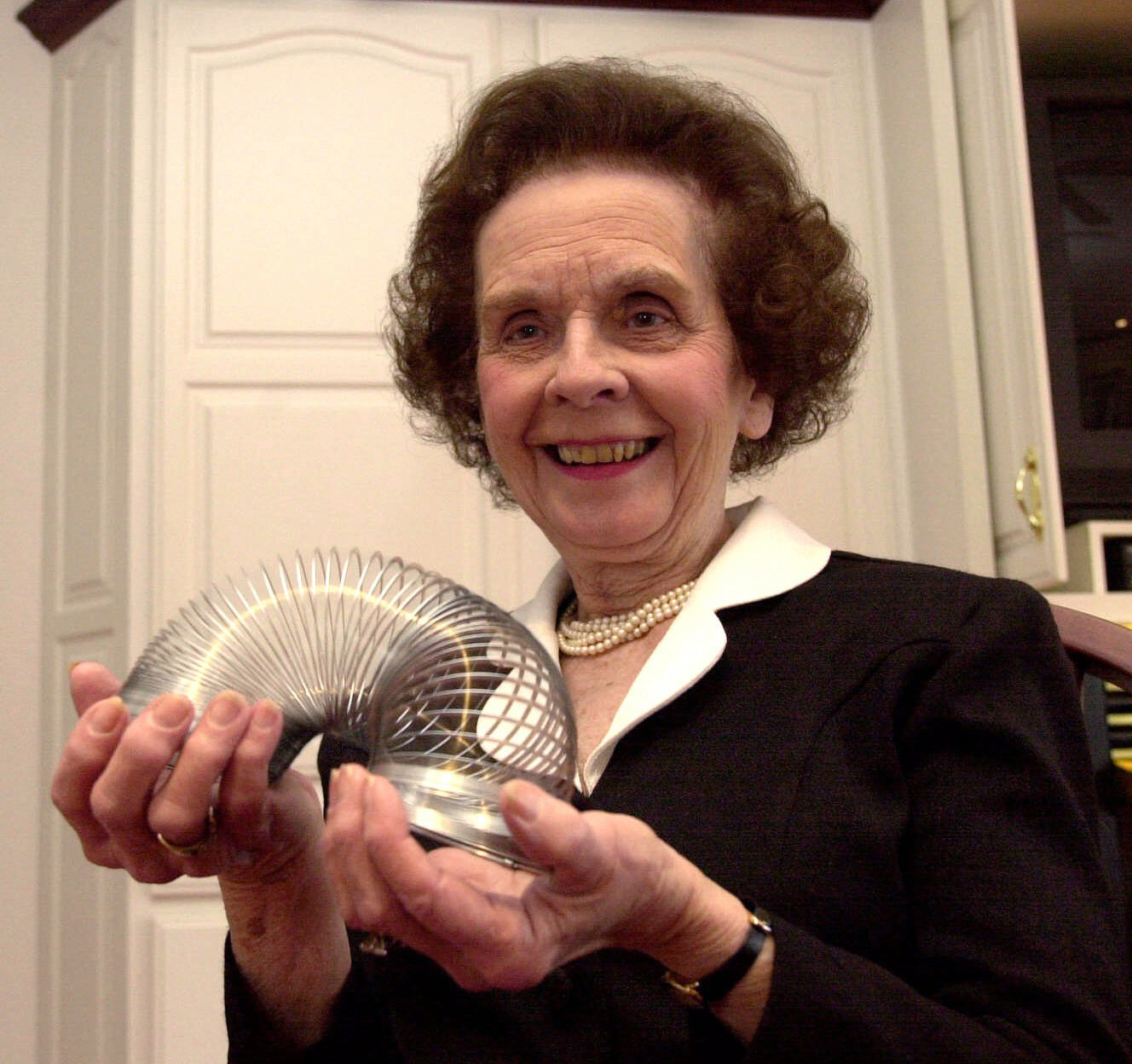
    In this Jan. 18, 2001, photo, Betty James, retired president of James Industries, plays with a Slinky. She died in 2008.AP

    In 2001, Betty James, then 84, was inducted into the Toy Industry Hall of Fame. At that time, more than 250 million Slinkies had been manufactured from hundreds of thousands of tons of steel.

    Betty James died in 2008 at age 90.

    In 2020, Just Play acquired Slinky at auction.

    Today, Just Play makes about 3 million metal Slinkies a year. They sell between $3 and $4 a piece.

    “Slinky has lasted because it’s simple, it’s iconic, and every generation has connected with it,” Delphais said. “It started right here in Philadelphia. That makes it all the more meaningful.”

    This week’s Firstival is Saturday, Aug. 29, from 11 a.m.-1 p.m., at the American Philosophical Society, 104 S. Fifth St.

    Each week, The Inquirer is highlighting a “first” from the Philadelphia Historic District’s 52 Weeks of Firsts. A “52 Weeks of Firsts” podcast, produced by All That’s Good Productions, drops every Tuesday.

  • Frank Spagnuola, original ‘American Bandstand’ dancer and longtime interior designer, has died at 85

    Frank Spagnuola, original ‘American Bandstand’ dancer and longtime interior designer, has died at 85

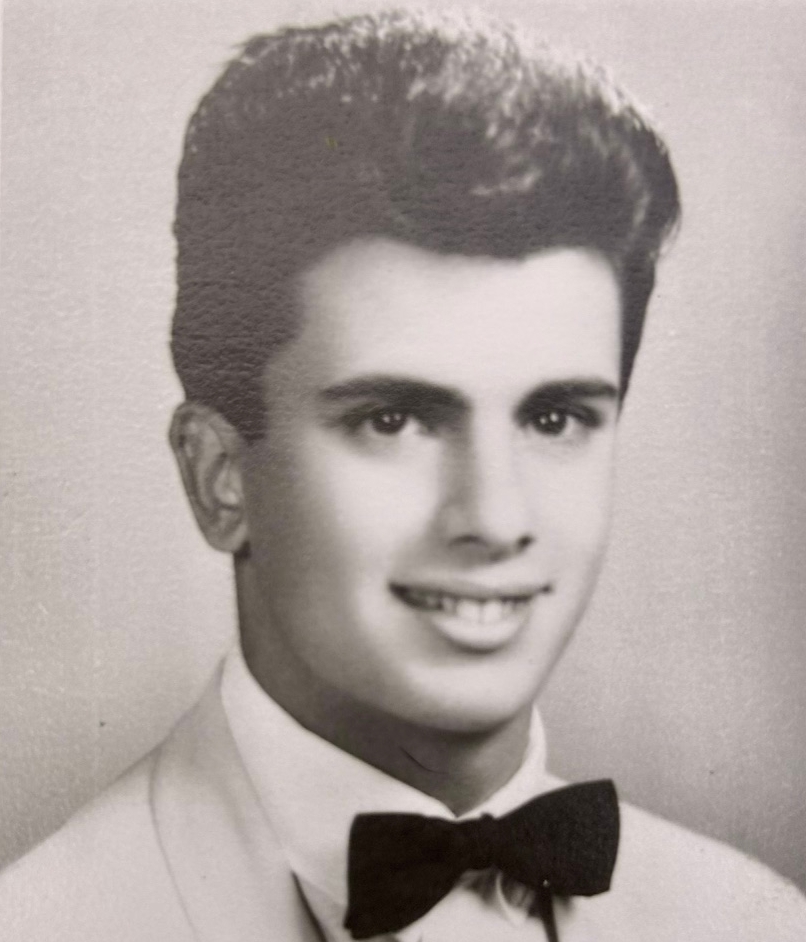
    Frank Spagnuola, 85, formerly of Philadelphia, one of the original American Bandstand dancers, 1957 Chalypso dance champion, longtime interior designer, and gourmet home cook, died Monday, Aug. 17, of congestive heart failure at the Complete Care at Court House nursing center in Cape May Court House.

    Born and reared in South Philadelphia, Mr. Spagnuola was lifelong friends with performers Bobby Rydell, Frankie Avalon, Fabian Forte, James Darren, and Jerry Blavat, and dozens of other singers, dancers, musicians, and disc jockeys from the neighborhood. He enjoyed socializing as well as music and dancing, and, at 15, became one of the original dancers when the old WFIL-TV station hosted Bandstand and then American Bandstand in the 1950s and ’60s.

    The TV station invited local teens to dance to the latest hits in its Studio B on Market Street in West Philadelphia, and Mr. Spagnuola did just that on many afternoons from 1955 to 1963. In 1957, he and partner Dottie Horner finished first in American Bandstand’s first Chalypso contest, spotlighting an original Philly dance that combines the cha-cha and the calypso.

    “We would cut classes” to dance on Bandstand, Mr. Spagnuola, a graduate of the old Bishop Neumann High School, said in a 2017 video interview. “We had eight or nine classes, and we would leave, like, the sixth class. Father would say, ‘Where are you going?’ Well, you know where we’re going, Father. The priests watched the show. I mean, everybody watched the show.”

    Mr. Spagnuola graduated from the old Bishop Neumann High School in 1958.Courtesy of the family

    It was downstairs at Studio B, Mr. Spagnuola said, that he encountered Bandstand guest stars Pat Boone, Bobby Darin, and Sal Mineo. As a teen in the neighborhood, he performed in local skit shows with Rydell and played football and double-dated with Fabian.

    On Facebook, Fabian called Mr. Spagnuola “a gentleman and talented dancer,” and said: “Frank Spagnuola was one of the most popular and beloved regular dancers on Dick Clark’s American Bandstand during the show’s iconic Philadelphia era.”

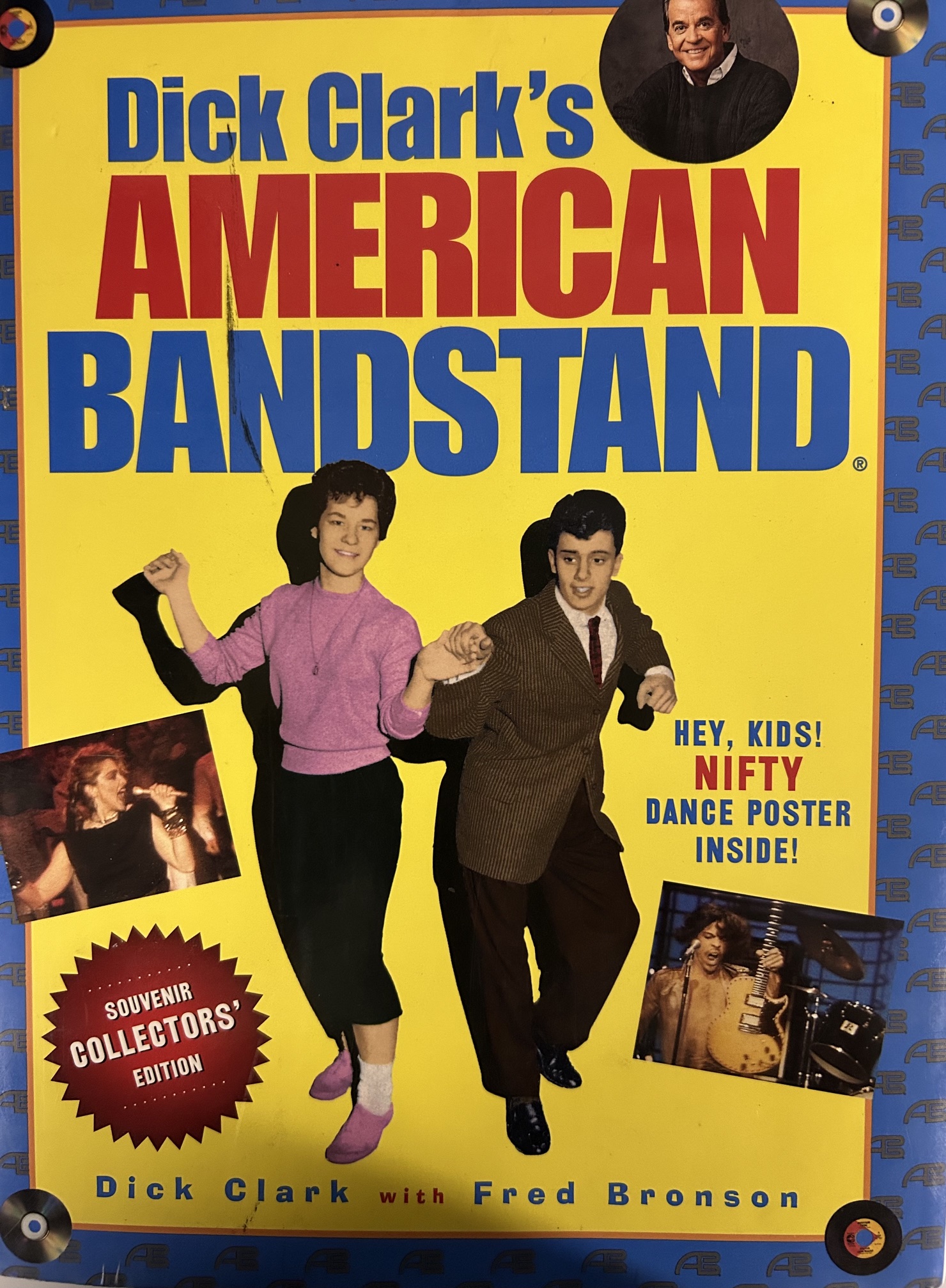
    Mr. Spagnuola is profiled at history-of-rock.com and bandstand.cafex.biz, and he and Dottie Horner are on the cover of the 1997 Dick Clark’s American Bandstand souvenir collectors’ magazine. He is featured in the 1997 New Jersey Network documentary Bandstand Days and called the show “part of American history.”

    Over the years, as Bandstand’s popularity ebbed and flowed, he routinely reconnected with other original dancers — they were called the Bandstand Regulars — at reunions, public events, and celebrations in the region. American Bandstand went off the air in 1989.

    Mr. Spagnuola and his dance partner, Dottie Horner, were on the cover of this 1997 souvenir collectors’ magazine. Courtesy of the family

    “Everybody loved Frank,” said longtime disc jockey and music director Tommy McCarthy. “He had an infectious smile. He was a guy you just liked.”

    Friends on Facebook called Mr. Spagnuola “movie star handsome,” “a rock & roll soldier,” “a Bandstand pioneer,” and “one of the nicest gentleman you could ever meet.” One said: “Wonderful dancer, wonderful person, wonderful friend.”

    After graduating from Bishop Neumann in 1958, Mr. Spagnuola worked in a high-end carpet store, studied interior design, and earned an associate’s degree at the old Philadelphia College of the Arts. He became an interior designer, worked for Sears at the Moorestown Mall for 25 years, and was active with the American Society of Interior Designers.

    On his own, he did private design work for Muhammad Ali, former Eagles assistant coach Jon Gruden, and other local notables. “He cultivated an eye for beauty and design,” his family said in a tribute, “shaping spaces with elegance and functionality.”

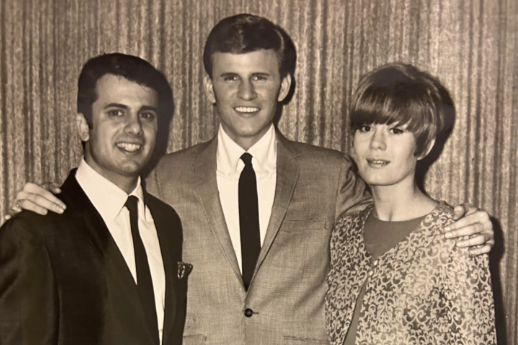
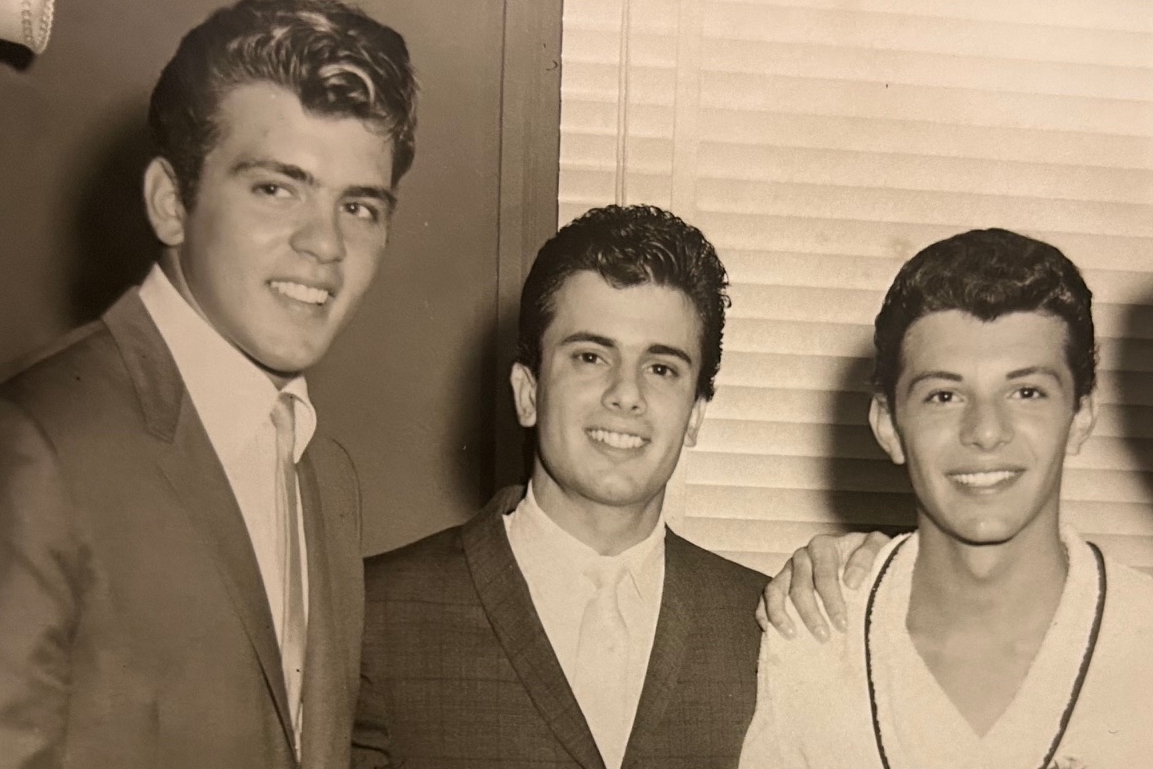
    Mr. Spagnuola (left above) stands with his wife, Janet, and Bobby Rydell. Below, he is flanked by Fabian (left) and Frankie Avalon.Courtesy of the family

    Francis Michael Spagnuola was born Nov. 2, 1940. The oldest of three brothers, he liked to hang out at the Jersey Shore and dine on Italian food.

    He married Janet Moretti, and they had a son, Stephen, and a daughter, Carrie, and lived in South Philadelphia and Center City. His wife died in 2005.

    Mr. Spagnuola moved to Cape May later, became an accomplished home cook, and was known for his crab salad dip. He was passionate, upbeat, and funny, everyone said, and his children called him “a steadfast anchor and a lifelong source of support.”

    His family said: “He leaves behind a memory as warm and enduring as the summer shore and the Wildwood days he so dearly cherished.”

    Mr. Spagnuola enjoyed time with his children (above) and grandchildren (below).Courtesy of the family

    His son said: “He loved life. He loved people. He loved characters.”

    In addition to his children, Mr. Spagnuola is survived by three grandchildren and other relatives. Two brothers died earlier.

    Services were held earlier.

    Donations in his name may be made to the American Heart Association, Box 840692, Dallas, Texas 75284.

    Mr. Spagnuola “loved life. He loved people. He loved characters,” his son said.Courtesy of the family
  • ‘Task’ reportedly spotted filming second season in Center City

    ‘Task’ reportedly spotted filming second season in Center City

    The HBO crime drama Task was reportedly spotted filming in Center City on Tuesday, according to users on Reddit. Onlookers captured a photo of a film crew on Market Street between 17th and 18th Streets and identified the production.

    Task has been shooting its second season throughout the Philadelphia region this summer, from Manayunk to Wissahickon Valley Park. The show from Mare of Easttown creator Brad Ingelsby, who grew up and lives in Berwyn, stars Mark Ruffalo as a tenderhearted FBI agent leading a task force.

    The first season saw him investigate a string of robberies led by trash collector Robbie Prendergrast (Ozark actor Tom Pelphrey) while this season pits him against Eddie Barnes, a potentially shady DEA agent played by Mahershala Ali, the Oscar winner behind Moonlight, Green Book, and season 3 of True Detective.

    Next, it appears the production will film in Upper Darby on Aug. 31 and Sept. 1, according to the Upper Darby Township’s Facebook page. The post details temporary parking restrictions in the area as the crew will reportedly shoot in and around the Llanerch Diner.

    Ruffalo and Ali have been seen around Philly this summer with one attentive fan capturing Ali jumping rope in Manayunk. The Delco-set series prides itself on filming locally, with season 1 locations spanning Pennsylvania, from Ralph’s Italian Restaurant in South Philly to Bangor Quarry in Northampton County.

    Though few details have emerged about the plot, Task will crossover with Mare of Easttown, with actor Julianne Nicholson reprising her role as Lori Ross, who played the best friend to Kate Winslet’s Mare. Other new faces cast in season 2 include Edgar Ramirez (The Assassination of Gianni Versace), Jharrel Jerome (When They See Us), Henry Melling (Pillion), Tim Blake Nelson (Watchmen), Aminah Nieves (1923), and Kevin Dunn (Veep).

    This fall, Task is up for six Emmys at the awards ceremony in September across various categories, including cinematography, picture editing, directing (for Salli Richardson Whitfield), and writing (recognizing Ingelsby). Ruffalo — a two-time Emmy winner — received a nod for his lead performance and Pelphrey was nominated as a supporting actor.

  • Landmark Ritz Five is closed after failing city inspections

    Landmark Ritz Five is closed after failing city inspections

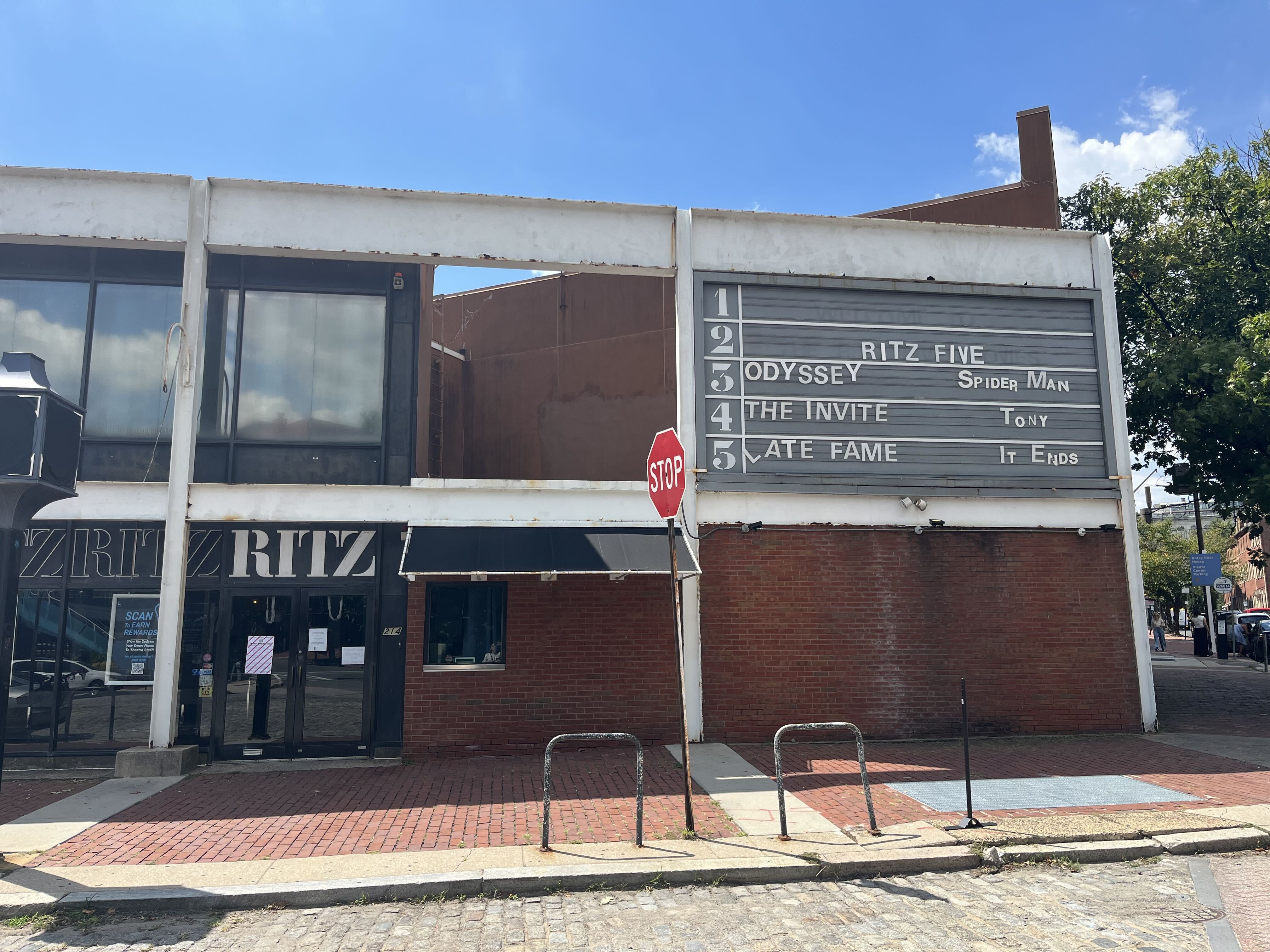
    Landmark Ritz Five movie theater is closed after failing inspections by the city’s Department of Licenses and Inspections.

    On Wednesday morning, the theater’s website posted that the location was temporarily closed “due to administrative issues.”

    The theater at 214 Walnut St. was found in violation of several city codes in March, and the theater failed a follow-up inspection on Aug. 11, according to a city online portal.

    March’s violations include failure to: obtain a permit to install a fire alarm system, share documentation that fabrics are flame retardant, ensure that exit doors fully “self-close and latch,” and certify emergency lighting. The theater was also found to be missing a valid food license. In total, the theater was issued seven violations in March.

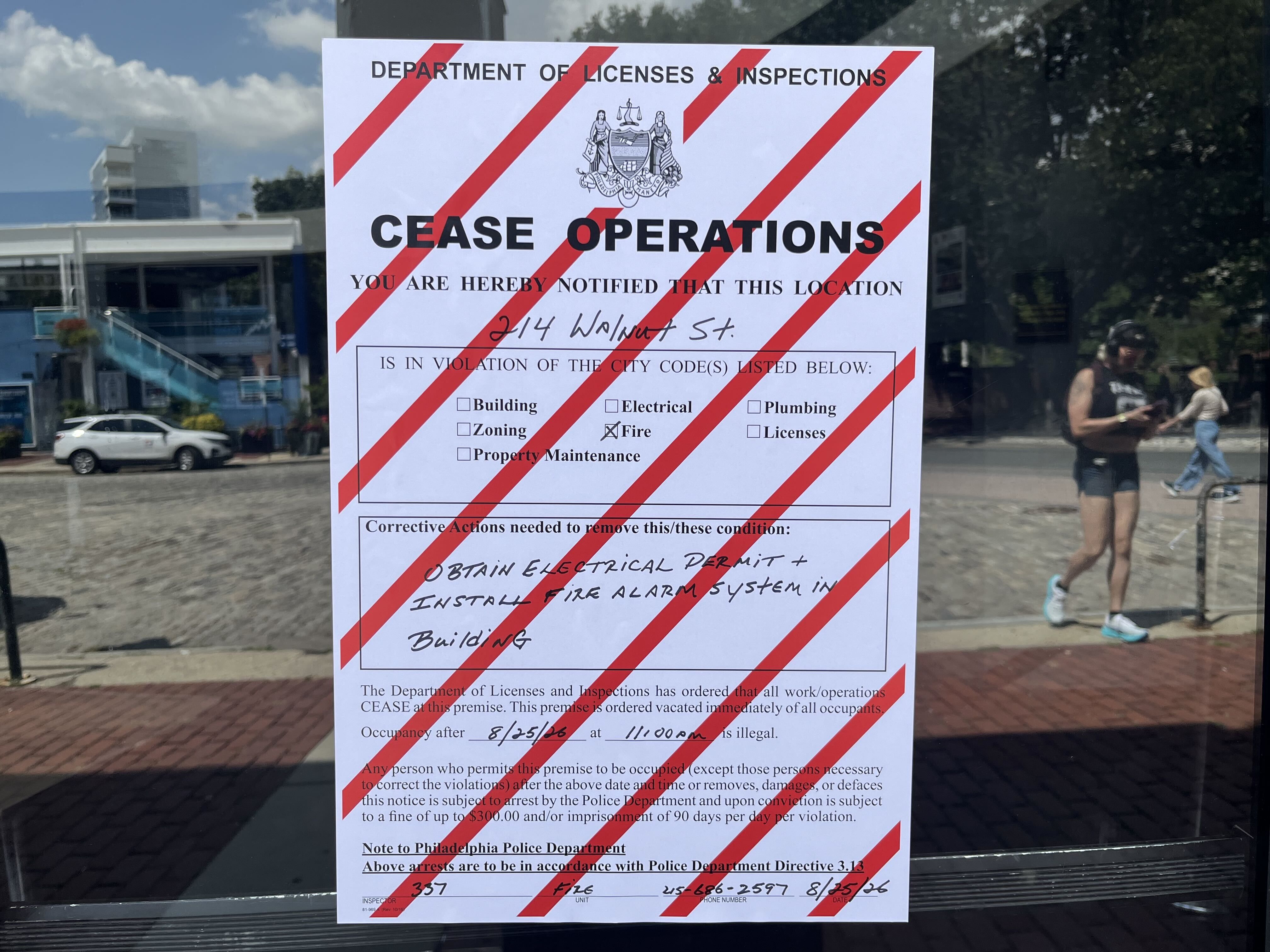
    A city notice posted to the theater doors on Wednesday said the theater needed to obtain an electrical permit and install a fire alarm system.

    The inspections were prompted by the department receiving “several complaints regarding the Ritz Five Theater,” an L&I spokesperson said.

    The Landmark Ritz Five movie theater was closed on Wed. Aug. 26, 2026, after failing two city inspections. A cease-operations notice was posted to the theater doors on Wednesday.Ariana Perez-Castells

    A representative for Landmark Theatres did not immediately share a comment on the closure and inspections on Wednesday.

    When the Philadelphia theater was inspected in March, it was ordered to remedy the violations by April 22 or face fines. The violations each carry their own fines, totaling $2,800. The department charges the code violation fines on a daily basis. The theater can also be ordered to pay additional fines related to the violations.

    However, on Wednesday, an L&I spokesperson said “there are no fines associated with the violations. Should this matter be progressed to court, then fines may begin to accumulate.”

    The roughly 13,0000-square-foot theater was founded in 1976 with three screens, according to the theater’s website. Today, it has five projection screens.

    Philadelphia was once home to three Landmark Ritz theaters, known for showing independent and documentary films alongside mainstream releases. But the theaters at the Bourse and East are now operated by the Philadelphia Film Society while only Ritz Five remains under Landmark’s umbrella.

    No showtimes were listed for Wednesday on the theater’s website. As of Wednesday morning, tickets could still be purchased online for Thursday viewings of The Odyssey, Spider-Man: Brand New Day, and Tony, among other movies.

    Landmark Theatres was purchased by Cohen Media Group in 2018. The Landmark Theatres brand has several locations across the country, including theaters in Arizona, California, and Florida.

  • Dolly Parton had the voice, and concerns, of an earth angel

    Dolly Parton had the voice, and concerns, of an earth angel

    Usually when we say someone has the voice of an angel, we mean that they don’t quite sound human — that they have an airy, clarion, pristine falsetto hovering far above mortal concerns. Dolly Parton, who died Tuesday at age 80, had the voice of an earth angel. She knew all about the dirt and the muck and the ugliness, the shame of poverty, the chill of sorrow, the burning throb of a jealous heart. That meant she also knew precisely how best to soothe those pains in song, composing her own homemade balms for whatever ailed.

    Her voice was angelic not because it possessed some kind of divine perfection or unattainable beauty, but because it seemed to be personally invested in the well-being of anyone and everyone who listened to it, illuminated from within with an almost otherworldly benevolence. How many singers in the history of popular music have told us some variation of “everything’s gonna be all right / it’s gonna be OK”? When Dolly did it, though, as on her soaring 1977 single “Light of a Clear Blue Morning,” the sentiment somehow transcended cliche. Dolly made you believe.

    To speak of her in the past tense still feels wrong. Dolly Parton was an American icon who seemed taller than death itself, a Paul Bunyan in a beehive wig and rhinestone stilettos. That stature came in part because she wrote her legend over and over, wittily but with a savvy control over her own image, in the so-called Dollyisms that she peppered throughout interviews, stage banter and public appearances.

    And so we know from her own lips that her parents were so poor that they paid the doctor who delivered her in cornmeal, and that their one-room cabin in the Great Smoky Mountains had “running water, if you were willing to run and get it.” We know, too, that if she had it her way she would have lived well past 80. Once, when she was asked how she’d like to be remembered in 100 years, Parton quipped, “I want ’em to say, ‘God, don’t she look good for her age!’”

    The most enduring parts of Parton’s legend were the ones she captured in song. Some of her most beloved compositions elevate key scenes from her life into modern-day folk tales, animated in vivid, almost cinematic detail. “Coat of Many Colors,” from 1971, recalls a time in her youth when her mother stitched rags together to make a coat that the other schoolchildren mocked: “I couldn’t understand it,” the adult Parton sings, still aching, “for I felt I was rich.” The beautiful redheaded bank teller who flirted with her husband lives on in infamy in “Jolene,” a lyric and vocal performance that combine to create one of popular music’s most wrenching (and oft-covered) confessions of neediness and insecurity.

    Parton forever dramatized her decision to go solo in “I Will Always Love You,” a tenderhearted goodbye to her boss and former duet partner Porter Wagoner that kick-started a country-to-pop crossover. That unapologetic ambition to become something more than the so-called “girl singer” on Wagoner’s television show paved the way for women of subsequent generations (Reba, Shania and Taylor, to name just a trio) to follow in her path. The song also gave Parton an opportunity to flex her savvy as an entrepreneur: She refused to sell half of its publishing rights to one of her idols, Elvis Presley, when he wanted to cover it. “Everybody’s going to use you if they can,” Parton reflected decades later. “These are my songs — they’re like my children.”

    The ’80s — a decade she kicked off in grand fashion with the working woman’s anthem “9 to 5” — brought Parton some of her greatest mainstream success, but the climate of the times also conspired to reduce her to a punchline and a caricature: The self-made country-pop queen who had pulled herself up by her bra straps. She played along, as an act of self-preservation, but it is a consolation to know that she lived long enough for her reputation as a songwriter to rise considerably in the 21st century. The work of her Dollywood Foundation, and especially her Imagination Library’s focus on child literacy, also cemented her status as a dedicated philanthropist.

    In the third act of her impossibly long career, Parton became a creature who by all other accounts had gone extinct: a celebrity just about everybody likes. The volume and variety of tributes pouring in after her death attest to that — it is difficult to imagine another person who inspires kind words from both President Donald Trump and Parton’s “9 to 5” co-star Jane Fonda. But the universal goodwill Parton engenders also makes her death sting more sharply, because we mourn the loss of something even greater than one of the most beloved singer-songwriters of our lifetimes. We also mourn the concepts she embodied with grace right until the very end: compassion, good-humored joy, a genuine wish for the well-being of her neighbors. All that and a bone-deep belief that everything’s gonna be all right, gonna be OK.

    This article originally appeared in The New York Times.