Category: Education

  • Penn and Community College of Philadelphia launch an academy for West Philadelphia businesses

    Penn and Community College of Philadelphia launch an academy for West Philadelphia businesses

    A new, free educational program for West Philly small businesses is launching this fall, giving them access to faculty from the University of Pennsylvania, through a partnership with the Community College of Philadelphia.

    The deadline to apply is fast approaching, with instruction starting next month.

    Students of the Penn-CCP Entrepreneurship Academy will learn from Penn faculty, other entrepreneurs, and business advisers in three-hour weekly classes, as well as coaching sessions and office hours.

    The initiative aims to increase the opportunity for businesses that are connected to the West Philadelphia area. Participants should be registered in the neighborhood, have operations there, or its owner can live there.

    But the rules seem flexible: Because the program’s priority and focus is to help Philadelphia-based businesses, including nonprofits, interested owners are encouraged to apply even if they do not live in Philadelphia. Even businesses with no revenues can apply, but priority will be given to those generating revenue.

    West Philadelphia has “no shortage” of entrepreneurial talent, said Franne McNeal, executive director of the academy, but what it lacks most is resources.

    “Business owners here have less access to strategy, legal fluency, capital networks, and the kind of advice that turns a small business into a bigger one,” McNeal said. “The biggest gap I see is the owner with four employees who cannot figure out how to get to 14.”

    The academy’s curriculum is divided into four stages: build the foundation, strengthen the structure, prepare for growth, and put the plan into action.

    Students will learn about creating a business strategy, the right structure for their company, branding, and protecting intellectual property. Instruction will also cover financial literacy, workforce management, marketing and sales, and how to present to a potential investor.

    “We’re going to cover the foundational elements of growing a business,” faculty director Praveen Kosuri said. “Everything from business planning and strategy to structuring and branding.

    Besides learning how to build a business, participants are expected to gain confidence in identifying business risks, asking the right questions, and knowing when to seek specialized advice. The program is also intended to foster meaningful relationships between founders, faculty, practitioners, and members of Philadelphia’s entrepreneurial community.

    Each business owner will submit a business plan and pitch, along with a 90-day action plan, for faculty feedback.

    “They’ll have a funder-ready plan, the financial fluency to defend it, and practitioners in the room helping who know the Philadelphia capital landscape,” she said.

    While the academy is tuition-free, McNeal and Kosuri noted that participants will have to put in significant time.

    The 10 weekly sessions in West Philadelphia will take place from 6-9 p.m. beginning in late October through January.

    “Participants need to show up each week to learn, to work on their businesses, and to support the others in the class,” said Kosuri. “We hope it sets them on a path that continues to lead them to their goals.”

    Although start-up businesses can apply, the program seems more geared toward already established companies, whose owners want to take their companies to the next level.

    Unlike other programs I’ve seen, the academy is establishing a specific measurable goal that will hold both its leaders and students accountable: getting the businesses involved to achieve between $1 million to $10 million in revenues within three years.

    McNeal says the program is a pilot and its success will be measured by participants’ success.

    “Attendance and satisfaction scores are easy to report but revenue and employment are slower and harder, and they are the only numbers that mean anything, so those are the ones we are building the tracking for,” she said.

    “We will be judged on whether we come back,” she said.

    Applicants can apply online.

    The priority deadline is Oct. 1, but applications submitted later will be reviewed on a rolling basis if space remains.
  • What happens when kids who witness gun violence go to school? This Philly program aims to help.

    What happens when kids who witness gun violence go to school? This Philly program aims to help.

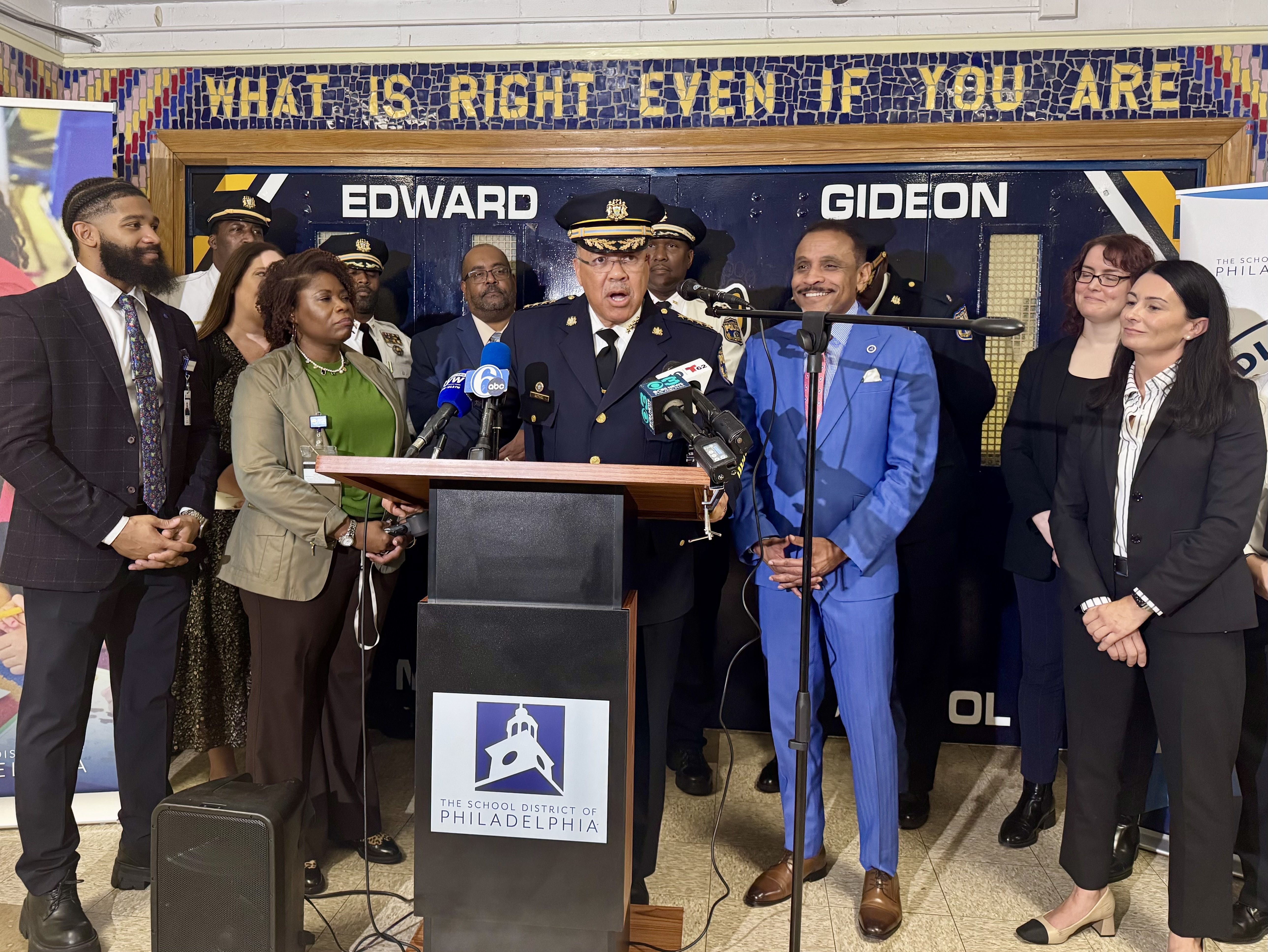
    In the past, principal Shauneille Taylor had no way of knowing when one of the children at Edward Gideon Elementary School had witnessed a shooting, or an incidence of domestic violence, or seen a parent arrested.

    The child might walk into the North Philadelphia school the next day and act aggressively, or appear withdrawn, or shut down, and adults would wonder why — sometimes, they might even assign disciplinary consequences for acting out.

    That changed with an initiative piloted at Gideon and 14 other city schools, now going districtwide, Philadelphia Police Commissioner Kevin Bethel and Superintendent Tony B. Watlington Sr. announced Monday.

    The “Handle With Care” program allows officers to make referrals to schools attended by child witnesses to crimes. Schools are then alerted that one of their children may need extra attention, with staff trained in trauma-informed practices and poised to offer more support.

    “Having that heads up has made a profound difference for our school,” Taylor said at a news conference in a Gideon hallway Monday.

    The program is the brainchild of Bethel, a former district safety chief and longtime city officer, who dreamed for years about figuring out a way to better care for kids who witnessed traumatic events.

    In 2024, the district used a $1 million federal grant to launch a “Handle With Care” pilot in 15 schools in North Philadelphia. That money paid for training and a dedicated staffer.

    A $200,000 state grant will fund the staffer’s work going forward, officials said.

    Officials “didn’t want to assume that everyone understands trauma, how to identify the warning signs, and how to provide that support,” Bethel said. “So we had the opportunity to provide training to Philadelphia police officers and school-based staff, not only on how to understand trauma, but on how to provide meaningful support. Through this pilot, we were able to provide that support to more than 70 students who may otherwise have walked into school carrying the weight of what they experienced without anyone knowing that they just needed a little extra care.”

    It’s certainly a shift from years ago, Bethel said, when “the word trauma wasn’t really part of our vocabulary in policing or frankly, much of the conversations around children and their experiences.”

    “But we understand today more than we do ever what young people experience and how those experiences affect their behavior, their ability to learn, their relationships, and their development. Our young people are exposed to significant levels of trauma,” he said.

    When children witness traumatic events, officers have the ability to trigger Handle With Care alerts. A point person at the child’s school will then be alerted — not with the details of the incident, just that this student needs extra support because of an event.

    It “gives the school an opportunity to intervene … rather than waiting until a child’s trauma manifests its way into a disciplinary action or academic, emotional problems,” Bethel said. “Early recognition creates an opportunity for early intervention.”

  • Cinnaminson voters approve $57.7 million school bond referendum by nine votes

    Cinnaminson voters approve $57.7 million school bond referendum by nine votes

    Voters in Cinnaminson narrowly approved a $57.7 million school bond referendum, according to the latest unofficial results.

    The Sept. 15 election was too early to call in preliminary results, and district officials were anxiously awaiting the outcome after mail and provisional ballots were counted and verified, according to township spokesperson Lori Perlow. A final certification by county election officials is pending.

    The referendum was approved by nine votes, 1,744 to 1,735, according to the district. Results for a second question were previously announced with voters rejecting a $18.3 million spending proposal 1,927 to 1,536.

    The bond proposal was the largest in the history of the South Jersey school system. The first question had to pass for voters to consider the second question.

    “We are deeply humbled by our community’s trust and investment in our schools,” Superintendent Stephen Cappello said in a statement. “Waiting for every mail-in ballot to be counted was an inspiring reminder of civics in action and proof that every single vote truly matters.”

    The district plans to use the funds for improvement projects, classroom additions, HVAC upgrades, new water fountains, and renovated bathrooms.

    The plan will add about $399 annually in taxes on a home assessed at the township average of $236,538, according to officials. The state will contribute $16.8 million.

    Cappello said the approval will allow the district to address critical infrastructure needs and relieve crowded classrooms. Bidding timelines and construction plans will be finalized in the coming months, he said.

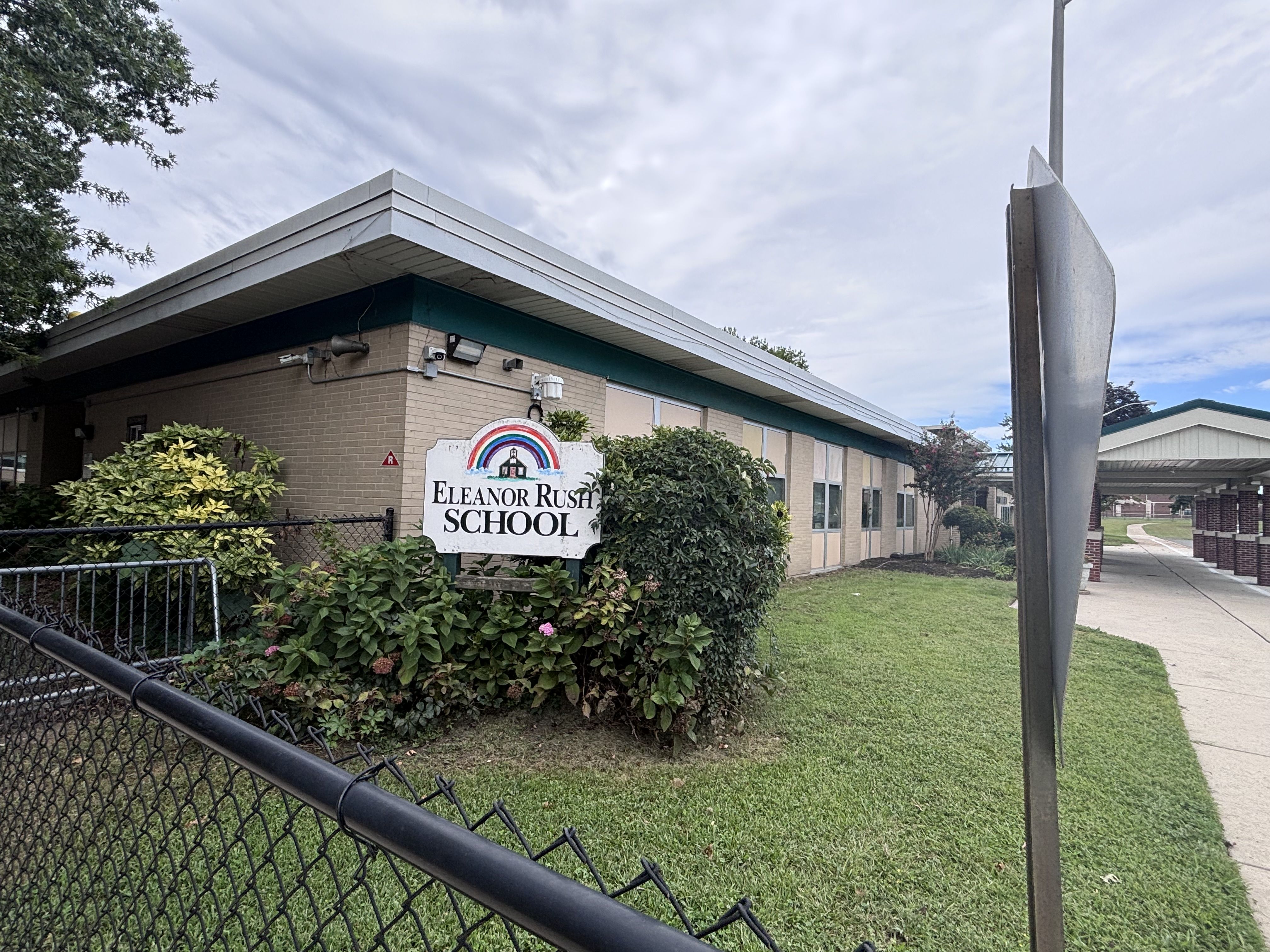
    Question 2 would have generated funds to add classrooms at Memorial School, a new gym at Eleanor Rush Elementary, and a new synthetic stadium field at Cinnaminson High School.

    Voters in Clementon overwhelmingly rejected a $13.5 million school bond question in the Sept. 15 special election that would have added about $243 annually to the tax bill for a home assessed at the borough average of $115,178. The funds would have been used to build an early childhood center for preschoolers.

    The election was one of five times during the year that school boards may ask voters to approve a bond issue or special question. They are typically used to pay for projects districts cannot readily fund through their annual general operating budgets.

    So far, Collingswood Public Schools and Bordentown Regional School District have announced bond questions for the next special election, which coincides with the general election on Nov. 3.

  • The Pennsbury School District hid a student’s gender identity from parents, a Christian legal group alleges

    The Pennsbury School District hid a student’s gender identity from parents, a Christian legal group alleges

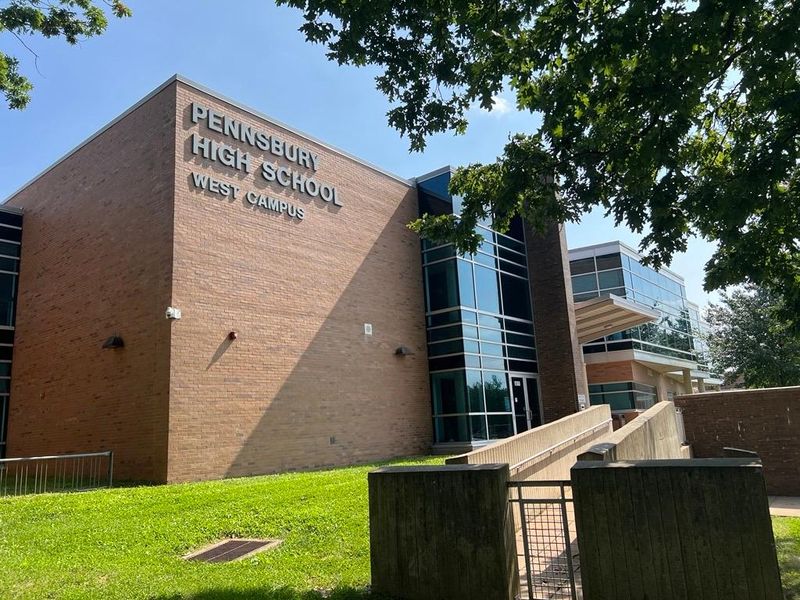
    A conservative Christian legal group is asking the U.S. Department of Education to investigate the Pennsbury School District, after a mother and father said the district violated their rights by hiding their child’s use of a different name and pronouns for nearly three school years.

    After parents confronted the Bucks County district last year, it agreed to use the student’s given name at graduation, but did not change its policy to require that parents be notified of a student’s name change, according to the complaint filed last week by the Orlando-based Liberty Counsel.

    “Parents have the right to know when their child is struggling with an issue, and are the first line of defense for their child,” said Richard Mast, a staff attorney with Liberty Counsel, which has brought cases favoring religious liberty and opposing LGBTQ+ rights.

    A Pennsbury spokesperson declined to comment Monday. The K-12 district enrolls about 9,400 students from Yardley Borough, Lower Makefield Township, Falls Township, and Tullytown Borough.

    The complaint comes as President Donald Trump’s administration has escalated pressure on school districts over policies protecting transgender students. The U.S. Department of Justice earlier this month sued the Kansas City, Kan., school district, alleging it violated parents’ rights by facilitating “gender transitions” for students without informing their parents.

    The Education Department also this month opened an investigation into a Massachusetts school district for using a male name and pronouns for a student without parents’ knowledge.

    Conservative legal groups are also taking aim at schools: The Chester County Intermediate Unit this month rescinded a policy that barred staff from disclosing a student’s transgender status to parents without the student’s permission after receiving a letter from the Alliance Defending Freedom and the Harrisburg-based Independence Law Center, the groups said Monday. A spokesperson for the intermediate unit said it recommended the policy’s repeal “as part of its ongoing review of board policies and in recognition of the evolving legal landscape regarding transgender students.”

    “There is absolutely a targeted attempt by the administration, and those aligned, to try to erase trans students from our schools and elsewhere from our culture,” said Kristina Moon, a senior attorney with the Education Law Center, a Philadelphia-based group that advocates for LGBTQ+ students. The Education Department earlier this year opened an investigation into the Great Valley School District in Chester County for a policy allowing transgender girls to participate in girls’ sports teams.

    Students “need to feel safe and be able to be themselves in school,” Moon said, adding that she worries schools are getting a “very harmful message … that if you care about trans students having a sense of belonging, then you too will be targeted by the Trump administration.”

    Name changes and ‘a right to privacy’

    The complaint filed Sept. 21 by Liberty Counsel against Pennsbury alleges that the mother and father did not learn until the end of their child’s junior year that Pennsbury High School staff had been calling the student by a male name and pronouns since ninth grade. The complaint does not identify the student, who has since graduated, or the parents.

    The district used a “false male name” and pronouns for the student in both personal interactions and electronic information systems, according to the complaint.

    In one handwritten note included in the complaint, a coach wrote to the student in October 2025: “My son! My boy! It’s finally senior night! … Your high school years may not have always been like you dreamt it would be, but it’s okay! … I could not be more grateful and honored to be your coach/mom.”

    While the student’s mother had heard other students referring to her child by the name during sophomore year, the student brushed it off, saying, “‘It’s just a silly name,’” Mast said in an interview Monday. The mother “didn’t pry further,” Mast said.

    But when the student brought home a memory book during junior year, the mother saw a male name was used for her child, Mast said. She then went back and reviewed other memory books and saw they also used the name.

    Had the parents known sooner, “they would have helped the child get the counseling she needed to be comfortable with her natal sex,” said Mast, who said the parents’ relationship with their child has suffered. “No girl should be made to feel like she is born in the wrong body.”

    On Nov. 17, the parents demanded that Pennsbury use their child’s given name and female pronouns, according to the complaint. After a Dec. 1 meeting, the district said it would do so going forward, the complaint said.

    But it did not fulfill all of the parents’ requests, leading Liberty Counsel to issue a demand letter on March 6, according to the complaint.

    The district agreed to use the student’s given name at graduation and on the student’s diploma, but said it could not control what appeared in the memory books, because those were issued by a booster club, the complaint said.

    And it has not updated its policy related to transgender students, according to the complaint. The parents had asked the district to require principals to communicate with parents before a student could be called by a different name.

    The district’s policy says it will accept a student’s asserted gender identity, and “all persons, including students, have a right to privacy. This includes the right to keep private one’s transgender status or gender expansive presentation at school.”

    The policy also includes a section about “parental consent” that says that if a parent or student requests a name change without proof the name has been changed legally, “the parent/guardian and student will be provided” with a form. That did not happen in this case, according to the Liberty Counsel complaint.

    Pennsbury is ‘not unique’

    Pennsbury’s policy is “not unique” among Philadelphia-area districts, said Jeffrey Sultanik, a solicitor for numerous districts in the region.

    Lower Merion’s policy, for instance, says “school personnel should not disclose information about a (transgender or gender diverse) student’s gender identity and expression to others, including the student’s parents/guardians and/or other school personnel, unless legally required to do so or unless the student has authorized such disclosure.”

    The Pennsbury complaint “may dictate what other school districts end up doing,” depending on how the Education Department responds, Sultanik said.

    The complaint alleges violations of the Family Educational Rights and Privacy Act, a federal law protecting the privacy of student educational records.

    The law “prohibits a federally funded school district from maintaining a policy that denies or effectively prevents a parent from inspecting and reviewing a minor child’s education records,” according to the complaint, which also alleges violations of the Protection of Pupil Rights Amendment — a federal law governing surveys administered to students on sensitive topics — and Title IX.

    Moon, of the Education Law Center, said “there is currently no law that schools have to notify parents about students sharing to their counselor, or a trusted teacher, that they identity as transgender.”

    In cases Moon is familiar with, she said, school counselors ask students if they have told their parents about their gender identity.

    “I really don’t think in the vast majority of cases, this is anything like teachers trying to avoid, or counseling students to avoid, conversations with their families,” Moon said.

  • Lenora D. Wolfgang, French professor emeritus at Lehigh University and literary scholar, has died at 91

    Lenora D. Wolfgang, French professor emeritus at Lehigh University and literary scholar, has died at 91

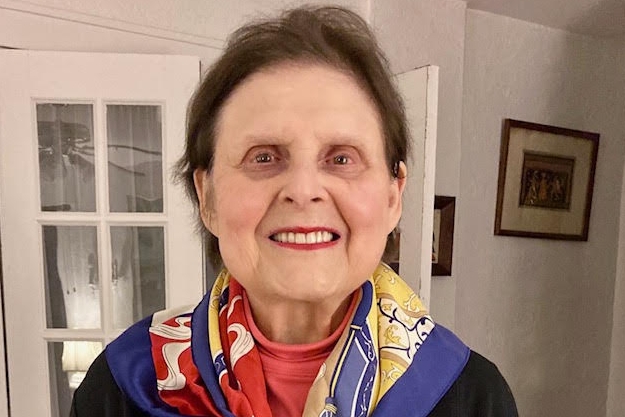
    Lenora D. Wolfgang, 91, of Philadelphia, French professor emeritus at Lehigh University, literary researcher, author, teacher, mentor, and artist, died Thursday, May 14, of heart failure at her home near the Philadelphia Museum of Art.

    Professor Wolfgang, or, as many of her Lehigh students and colleagues called her, Madame Wolfgang, planned to study art in Paris after high school and live as a painter. But, she told her family, she became so enthralled by the French language at Philadelphia High School for Girls that she curbed her art aspirations, earned three degrees in French at the University of Pennsylvania, and taught French and French literature at Lehigh for 26 years.

    Inspired by professors at Penn, she became an expert in medieval French language and literature, and her doctoral dissertation and first book were an analysis of an 800-verse prologue to a 13th-century French poem. She studied in France on a Fulbright Scholarship in 1956 and ’57, and in Spain on a grant from the American Council of Learned Societies in 1978.

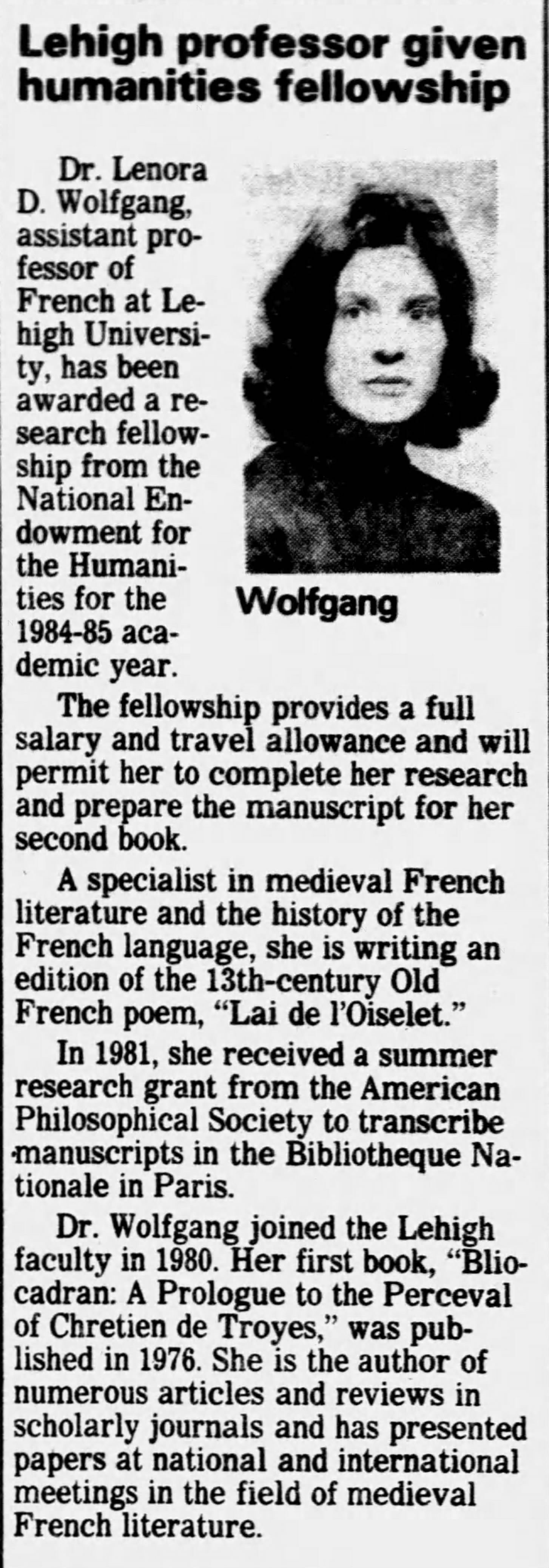
    She wrote two books on French poetry, served research fellowships with the National Endowment for the Humanities in the 1980s and ’90s, and earned a grant from the American Philosophical Society in 1981 to transcribe manuscripts at the National Library in Paris. In 1990, reviewers at Penn’s French Forum journal said her second book, also on 13th-century French poetry, “provides the modern scholar with a standard text and thorough apparatus that will serve current and future generations well.”

    This photo and story about Professor Wolfgang appeared in the Morning Call of Allentown in 1984.Newspapers.com

    She belonged to many academic language and literature organizations, and was a student adviser and faculty committee member at Lehigh. In tributes, former colleagues called her “a true mentor” and “a real mensch.” One said: “It was clear that I had an ally in Lenora and that she wanted me to succeed.”

    A former student said she was “a good friend and sounding board” in a 2025 interview with the Lehigh alumni relations department. “She was always ready to help, share her knowledge,” a former colleague said, “and always did it with tact and unselfishness.”

    Professor Wolfgang earned bachelor’s and master’s degrees, and a doctorate in French at Penn. She taught French classes at Temple and Rutgers Universities, Penn, and high schools in Philadelphia before joining Lehigh’s Department of Modern Languages and Literature in 1980.

    She commuted three hours round trip to Lehigh, in Bethlehem, Pa., from West Philadelphia three days a week and was promoted from assistant professor to associate professor in 1986, then to full professor in 1989. She retired from Lehigh in 2006.

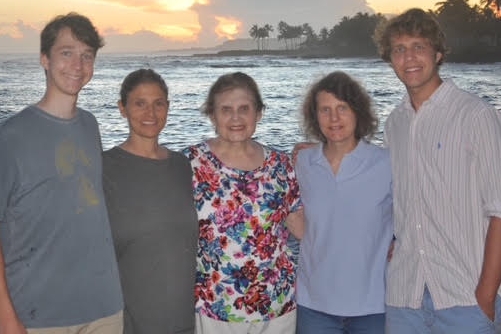
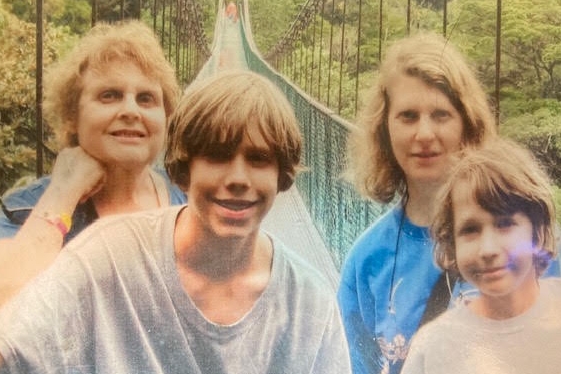
    Professor Wolfgang (center) traveled the world and enjoyed hosting dinner parties with family, friends, and academic colleagues. Courtesy of the family

    After Lehigh, Professor Wolfgang taught continuing education classes about French playwright Molière and other topics to adults at the Osher Lifelong Learning Institute at Temple. After the COVID-19 pandemic lockdown ended, she returned to the institute briefly as a student.

    Professor Wolfgang was adept at painting as a girl in West Philadelphia and won several art competitions, and later showed her photography at Penn’s Faculty Club. “She was a natural talent,” her family said in a tribute.

    Lenora Divida Poden was born Sept. 25, 1934, in Philadelphia. Her parents emigrated from Poland and Romania, and her mother left the family when Professor Wolfgang was in junior high school.

    She and her father had to hide their Jewish heritage and alter their last name to minimize antisemitic attacks. “Yet Lenora overcame these challenges,” her family said, “excelled academically, and rose to the top of her academic field.”

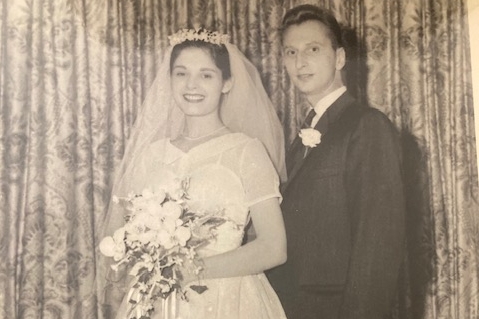
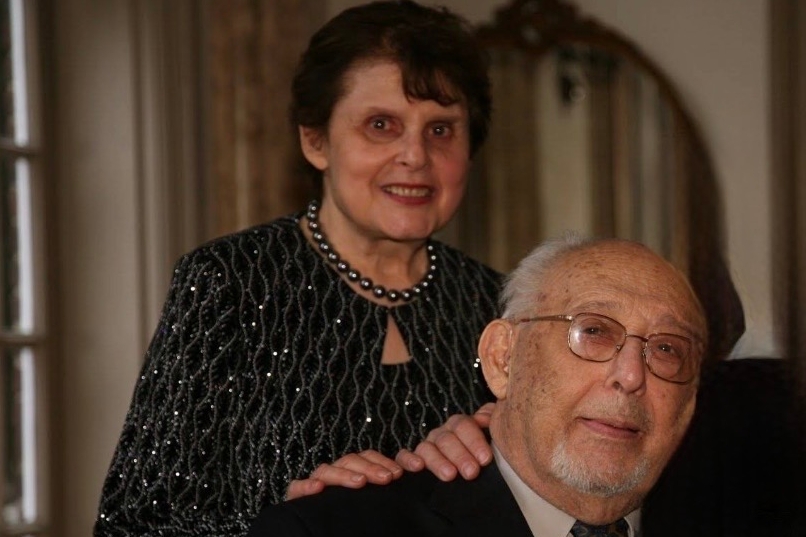
    Professor Wolfgang married her first husband, Marvin Wolfgang (above), in 1957, and her second husband, Leon Salganicoff (below), in 2010.Courtesy of the family

    An exceptional student, she was valedictorian of both her 1952 senior high school class at Girls’ High and her 1956 senior undergraduate class at Penn’s College for Women. She married Marvin Wolfgang, a professor at Penn, in 1957, and they had daughters Karen and Nina, and lived in University City.

    In 1977, The Inquirer featured their house in a photo spread about its French-inspired Gothic style of architecture. Professor Wolfgang said: “Perhaps that is one reason I feel so very much at home.”

    After her husband died in 1998, she married Leon Salganicoff, a professor emeritus at Temple, in 2010. He died in 2011.

    Professor Wolfgang was an avid reader. She traveled the world, listened to classical music, and enjoyed hosting dinner parties with friends and academic colleagues.

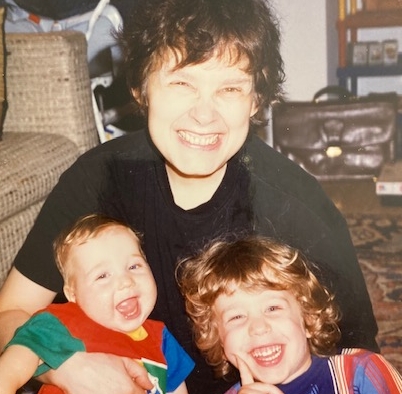
    Professor Wolfgang (left) doted on her family and sent personalized birthday cards. Courtesy of the family

    She almost went to law school in the 1970s before gaining her full-time teaching position at Lehigh. She doted on her family, sent personalized birthday cards, and kept in touch with teachers, colleagues, former students, and friends even after they parted.

    “She was brilliant,” a longtime friend said in a tribute, “and she was fun.” Her family said: “Everyone loved her.”

    In addition to her daughters, Professor Wolfgang is survived by two grandsons, a great-grandson, and other relatives. A brother died earlier.

    A private celebration of her life was held earlier.

    Donations in her name may be made to the Philadelphia Yearly Meeting of the Religious Society of Friends, Box 72077, Philadelphia, Pa. 19176.

    Professor Wolfgang “was brilliant,” a longtime friend said in a tribute, “and she was fun.”Courtesy of the family
  • NYT writer practiced her principles with her daughter’s schooling

    NYT writer practiced her principles with her daughter’s schooling

    My parents were big supporters of public education.

    Teaching was their life’s work. They spent almost their entire careers in the District of Columbia Public Schools system. However, they chose to send my four siblings and me to Catholic schools through grade 12. They sacrificed almost everything to do it. Many of their educator friends made similar choices.

    My husband’s mother made a similar pick. He still recalls how out of place he felt after his mom — also a schoolteacher — enrolled him in an expensive, predominantly white boarding school in New England when he was just 11. Last year, during one of his school reunions, I walked around and marveled at the beauty of the campus.

    At the same time, though, the thought of him dressed in his little blazer and being so far away in Massachusetts makes my heart ache for the adolescent version of him. Not that he regrets it. It put him on the path to Princeton University.

    Like many other middle-class families, our parents faced a difficult decision: send us to our neighborhood schools with all of their problems, or identify the best possible educational opportunity for us elsewhere.

    Add in a bunch of other variables that Black students in predominantly white private schools often still face — including social isolation and subtle discrimination — and the decision becomes even more difficult.

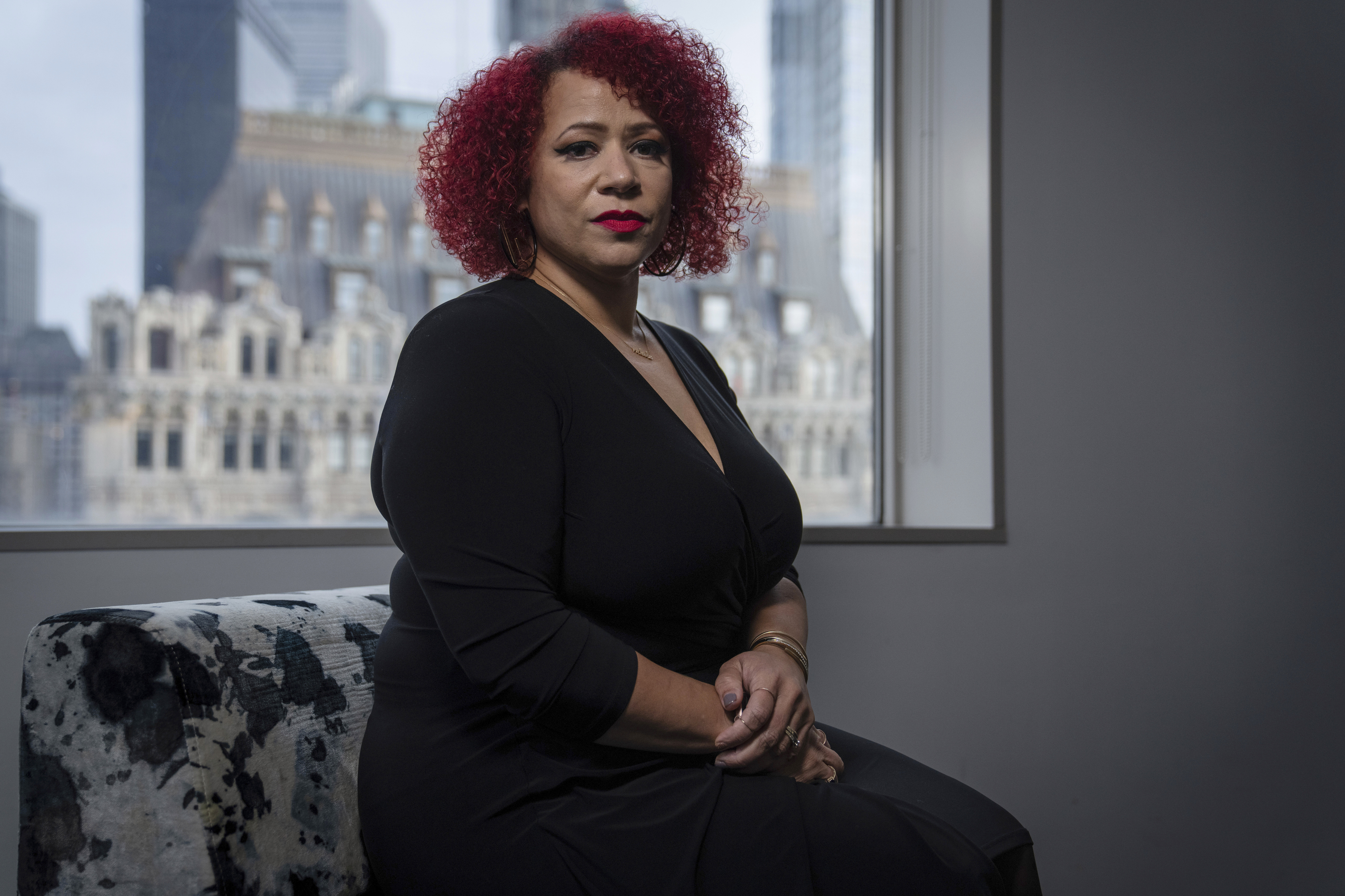
    I’ve been thinking a lot about the choices Black parents have to make for their children after reading Nikole Hannah-Jones’ essay in the New York Times about what her family went through getting her daughter educated in New York City public schools.

    The Pulitzer Prize winner, who founded the 1619 Project, could have afforded to send her daughter to the most exclusive school in the city. Instead, she enrolled her only child in a segregated, high-poverty public elementary school in Brooklyn across from a public-housing project.

    Because she and her husband were well-off financially, Hannah-Jones naively thought they could use their resources and networks to help the school thrive. It was a decision based “on the collective good and not just our individual advantage,” she wrote.

    She acknowledged that her decision returned to haunt her years later when her daughter was in middle school and confronted her, saying, “So you had money to send me to one of the best schools, and you chose not to?”

    Gulp.

    As Hannah-Jones noted in a response to a reader comment about the article, teenagers have a way of humbling us.

    In the piece, Hannah-Jones delves deep into why she made the choice that, she eventually concludes, was a mistake.

    “Najya deserved better. They all did. But she was mine. This girl, my only child, looked to me to protect her, to give her what she needed to thrive. And I had not chosen her.”

    It was a stunning admission.

    Not to mention brave.

    When it comes to choosing schools, there aren’t always suitable options, especially for socially conscious Black parents like Hannah-Jones. People sometimes find themselves having to make a no-win choice the way she did.

    “Which struggle are we asking our children to bear? Stay in the neighborhood school and risk being underserved; leave for a more selective or whiter school and risk isolation, racism, and the message that the children left behind are not worth saving,” Sharif El-Mekki, CEO of the Philly-based Center for Black Educator Development, told me in an email.

    Hannah-Jones’ daughter, Najya, now attends a selective, predominantly white and Asian public high school. Hannah-Jones wrote she is better off academically, but racism is a factor. “My daughter had never been part of a minority in a school, and now she sat in classrooms where some classmates casually tossed around racial slurs as if it were cool.”

    Najya also has regular homework assignments, which was something she wasn’t used to. She hadn’t learned to study on her own. Her grades faltered. Her parents hired an algebra tutor and learned that their student “had huge gaps in many of the building blocks of math that she should have learned in elementary school, like mastery of long division and fractions.”

    Eventually, Najya was able to get her footing and started getting A’s and B’s again.

    I reached out to Shanée Garner, executive director of Lift Every Voice Philly, a grassroots, Black-led parent organization, who pointed out, “The most heartbreaking aspect of [her] story is how clearly it reveals a trap any of us can fall into: Believing that being right, or having access and influence, is enough.”

    She added, “There is no perch high enough and no argument brilliant enough to produce the seismic and enduring shifts our public systems require.”

    Public education needs widespread systemic reforms to better serve diverse populations.

    That’s where critics should be directing their outrage — not at Hannah-Jones for the choice she made about schooling her daughter, a decision that was rooted, as others have noted, in an attempt to live out her principles. Some people are mad at the wrong things. As Hannah-Jones noted, Najya will be fine. She “has learned resilience,” her mother told a reader online.

    But what about all of the children enrolled in schools that don’t adequately serve them? They must not be ignored. Their schooling matters, too.

    When it comes to those often-forgotten students, we already know where Hannah-Jones stands on the principles of equity, fairness, and equal educational opportunities. What about the rest of us?

  • These 32 Philadelphia middle school students just got their white coats, on a path to becoming doctors someday

    These 32 Philadelphia middle school students just got their white coats, on a path to becoming doctors someday

    When Martha Glasco was growing up in North Philadelphia, she said, her opportunities were limited.

    So when a teacher told Glasco — now an adult with a bright child of her own — about a new program that aimed to give promising Philadelphia kids six years of medical-school education with an eye toward careers in healthcare, Glasco was thrilled.

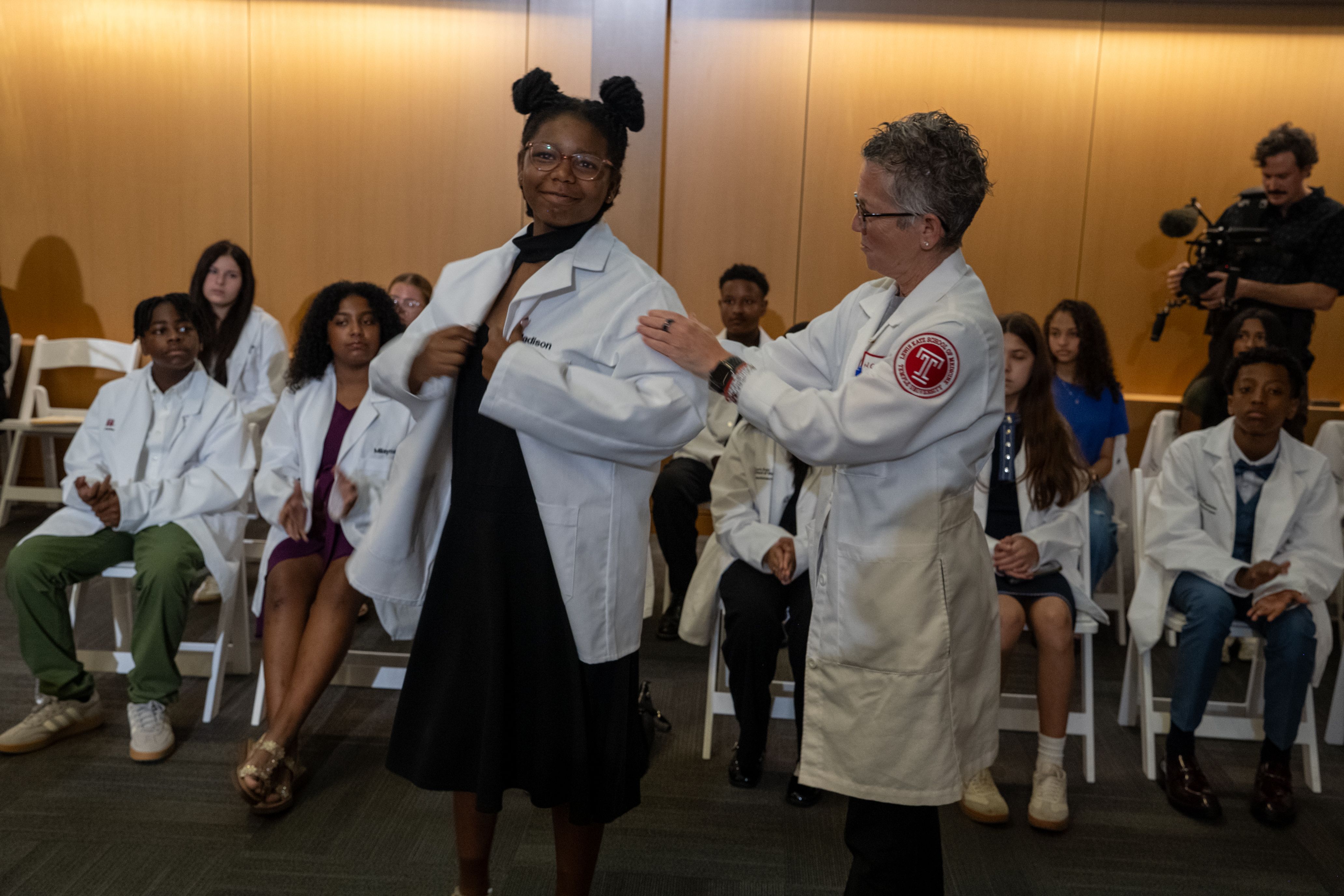
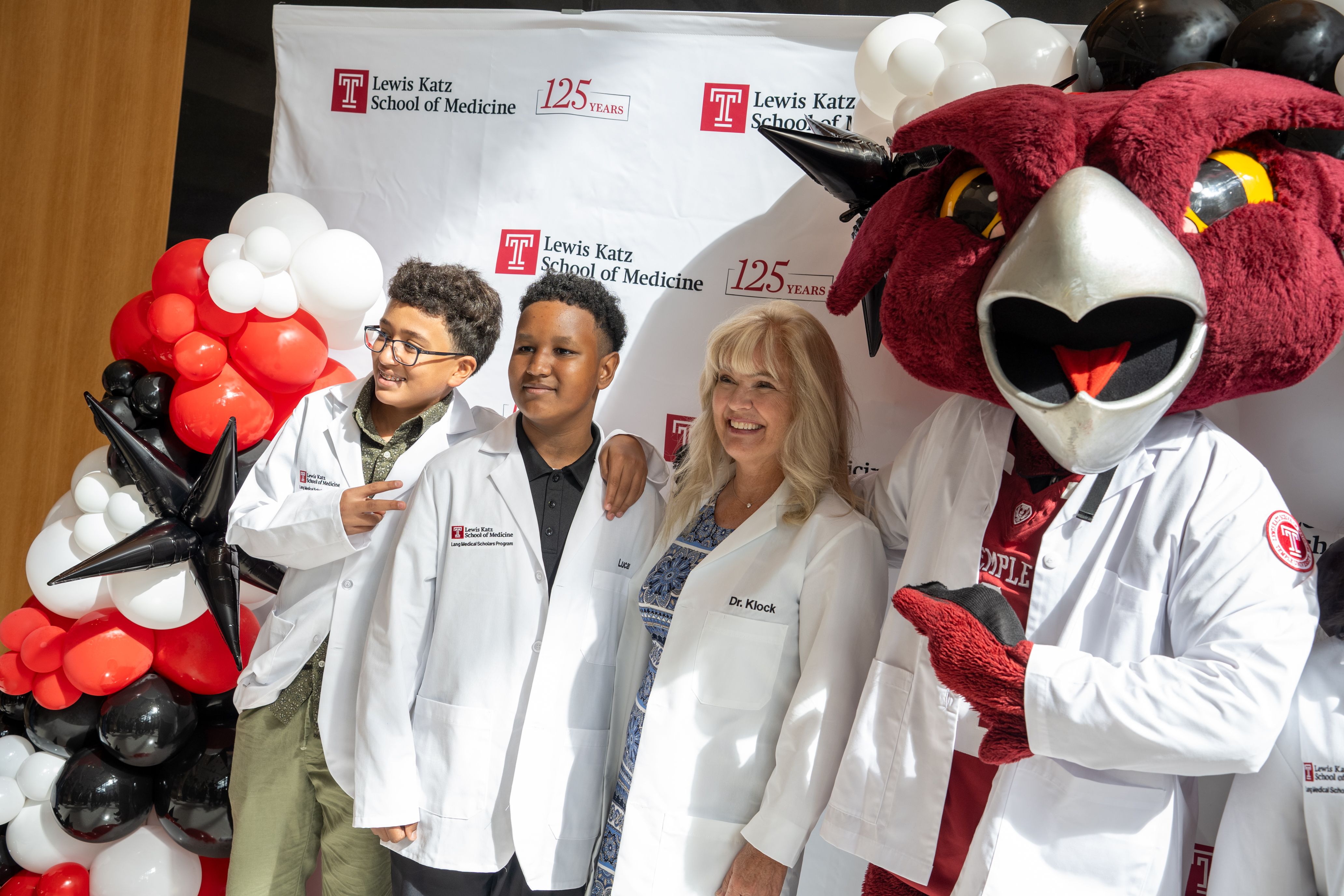
    This month, Glasco’s daughter Madison Miller slipped a white coat over her shoulders, one of 32 Philadelphia seventh graders chosen for the initial class of Temple University’s Lang Medical Scholars Program. The 12-year-old, a student at E.W. Rhodes Elementary at 22nd and Clearfield Streets, will spend weekends and summers learning about systems of the body, completing internships, and engaging in rigorous college prep.

    Seventh graders in Temple University Medical School’s Lang Scholars program prepare to get their white coats. The new program identifies promising students and gives them six years of pre-medical school education.Courtesy of Temple University

    “This is a big deal,” said Glasco, who dreams of buying Madison scrubs and a stethoscope, tangible evidence of her place in Lang Scholars and the doors it could open.

    “The passion around this, the mission is just — talent abounds and opportunity does not, right?” said Barbara Klock, the program director and its architect. Lang, she said, aims to change that for its students.

    A long-held vision

    Klock carried the idea of the Lang Scholars around for years, through a career as a Children’s Hospital of Philadelphia pediatrician and the Philadelphia School District’s chief medical officer.

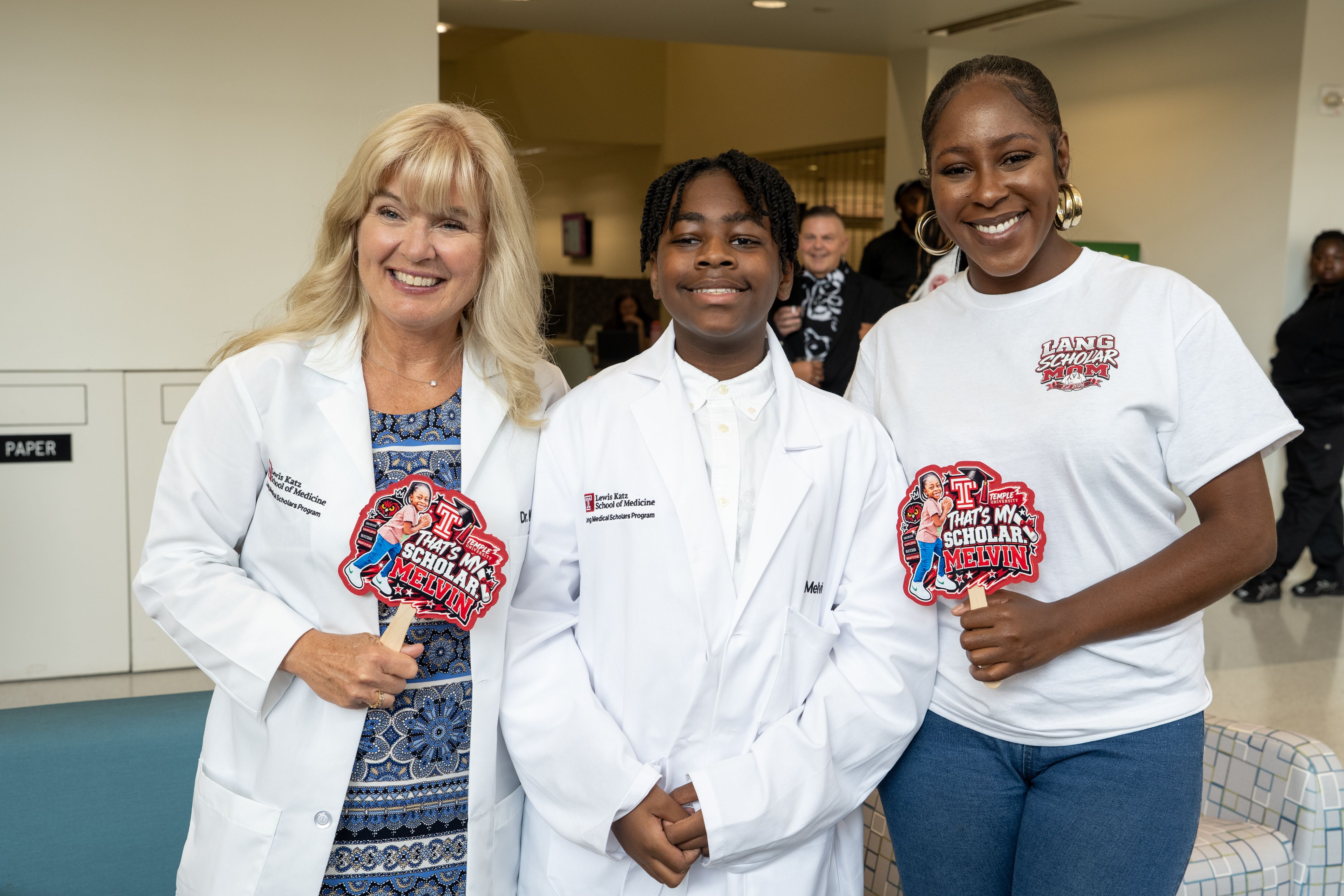
    Melvin Poulson IV, a student at Hope Partnership School, and his mother, Allison Agee, pose with Barbara Klock, director of the Lang Scholars program.Courtesy of Temple University

    Klock, who grew up in Philadelphia’s working-class Juniata Park section, was mentored by Eugene Lang at Swarthmore College. Lang, a businessperson and philanthropist, famously promised a class of Harlem sixth graders that he would pay for their college educations if they graduated from high school.

    Lang and Klock kept in touch after her Swarthmore graduation, and on one chance encounter at 30th Street Station in the 1990s, Lang mentioned to Klock that he was launching something he was really excited about.

    “He said, ‘I have this idea for a program, but the kids start really young.’ He was always, ‘If you’re going to do something, it’s got to be the best,’ and for him, the best would be going to medical school,” Klock said.

    That program, the Lang Youth Medical Program, has been thriving in New York for decades. Klock admired it from afar, and, sometimes, up close.

    “I would go on Saturdays and see the program with the dream of bringing it to Philadelphia,” she said.

    Klock decided it was time to go for her own version of that program in 2024. She reached out to Mitchell Morgan, chair of Temple’s board of trustees, via e-mail.

    “I said, ‘I have this program. I would love to bring it to Temple,’” Klock said. “I wanted to do this with Temple because of where Temple is located, Temple’s mission and vision, and they really do what they say they do.”

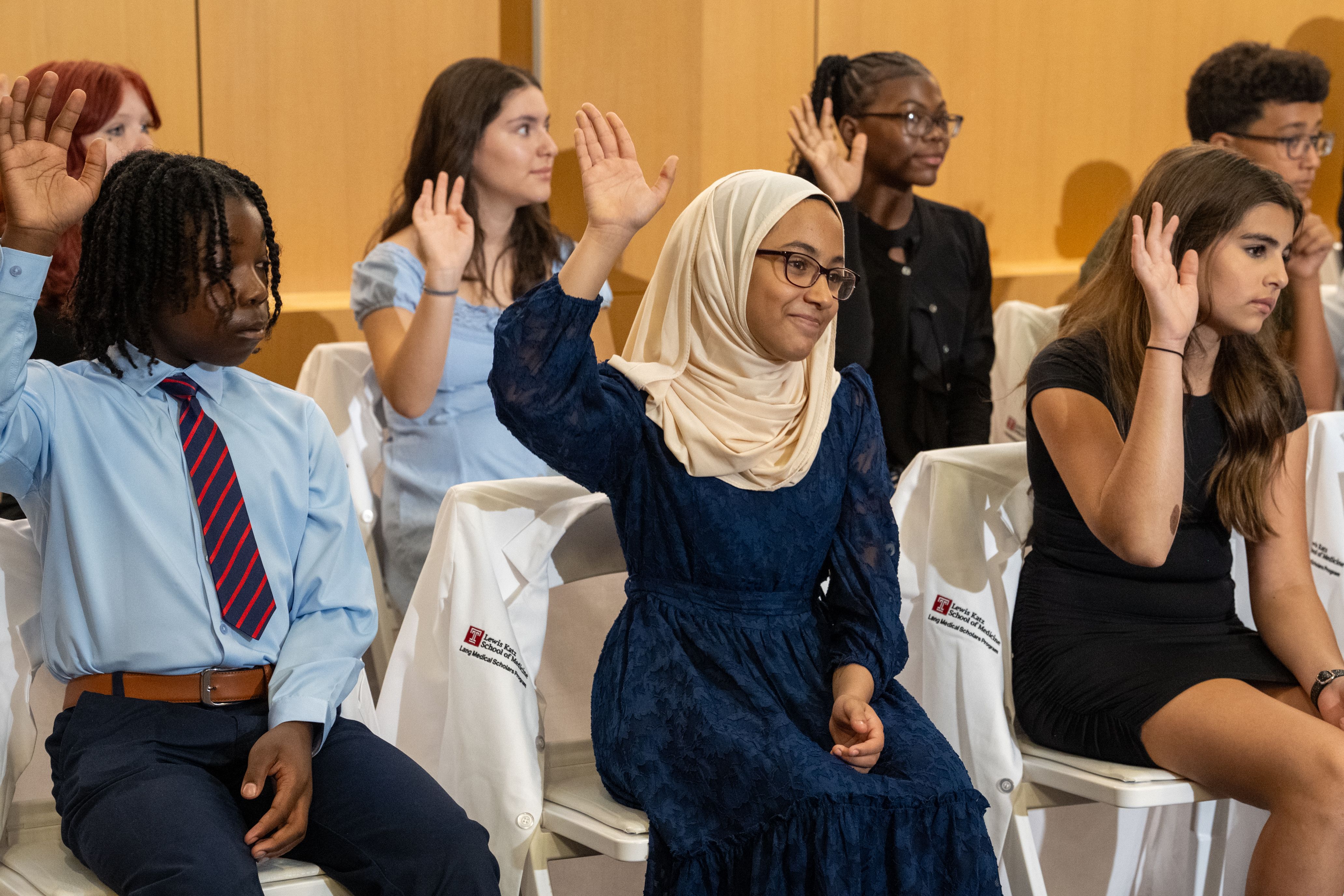
    Temple University Lang Scholars white coat ceremony.Courtesy of Temple University

    She expected she might hear from Morgan within three weeks. Instead, she had a response, and a connection to Lewis Katz School of Medicine dean Amy Goldberg, by the end of that day.

    In short order, the program was off and running, with Temple’s backing and philanthropic support, including some funding from Lang’s private foundation.

    Klock pounded the pavement in the 2025-26 school year, reaching out to every Philadelphia school she could connect with — district, charter, private — to ask: Can I come talk to your sixth graders about an idea? Thirty-five schools opened the door for Klock to make presentations.

    She didn’t ask counselors to recommend kids; she feared she would get only straight-A students and student council presidents. Those were fine, but she also wanted the bright-but-bored kids, the ones who were curious about science and life but maybe had hit a few bumps along the way.

    Klock hoped to bring in 20 Lang scholars for the inaugural class. Nearly 14 times that number applied, and those who made it to the interview round flat-out wowed her, Klock said. She ended up getting permission to build a class of 32 — 22 girls and 10 boys — and will grow a grade every year.

    The program’s aim is not to produce a class full of doctors. It is to produce a class full of curious and confident learners grounded in an academic medical setting. If some enter the medical field, Klock would be delighted, but that is not the main objective.

    “These are kids who are so eager to learn,” Klock said. “They want to be with other students who are eager to learn. They are incredibly curious. They ask, ‘why?’ and ‘what if?’ What I want to do is give them the chance to continue to ask, ‘why?’ and ‘what if?,’ no matter what.”

    ‘This is serious’

    Glasco was tipped off about the program by a teacher friend.

    Madison first expressed her desire to become a doctor at age 3. Her preschool teacher has a photo of Madison holding a sign stating her career goal.

    “She wants to be in the medical field, and I used to be in the medical field, so it’s actually perfect,” said Glasco, who used to work as an EMT and a medical assistant and is now a paraprofessional in a suburban school district.

    It’s not far from her North Philadelphia house to Temple’s medical school, Madison said, but walking into the Medical Education and Research Building on North Broad Street felt like a different world in some ways.

    Going to the interview was “very exciting,” Madison said, “but I was also very nervous. There were a lot of windows, and I could see everyone.”

    When she got the word that she was a Lang Scholar, Madison was thrilled.

    “My teacher was really excited, too, because he knew I was going to be in the medical field soon — kind of in medical school, like college,” Madison said. “My friends were really excited because they knew they were going to have a medical friend.”

    Madison and the other Lang Scholars received their professional white coats to kick off the program on Sept. 19. They will begin their studies Oct. 3. Klock will teach the biweekly courses on the human body, health equity, public health, and more.

    Over the years, the students will take trips, work at paid internships, sit in SAT prep courses, and receive help with college applications — all for free. They will dive into the health issues facing their communities, and have access to the same labs and facilities as Temple medical students.

    Glasco cannot wait to drop Madison off for her first day of class as a Lang Scholar.

    “I’m going to be on her really hard about this, because this is serious,” Glasco said. “I want her to get all the knowledge she can, and maintain it, so she can go further in whatever medical field she decides to do in the future.”

  • Hannah Gann’s deceit makes the work of Black and brown justice activists harder

    Hannah Gann’s deceit makes the work of Black and brown justice activists harder

    A few months ago, I attended a Black history workshop in the city with educator-activists from around the country. That’s where I met Hannah Gann. At the workshop, she shared with some and reiterated to others that she was Palestinian. She also claimed to be Black.

    No one questioned her. Even if one had doubts — and I did — it never crossed my mind that someone would lie about that.

    We’ve since learned she did, and has been telling falsehoods about her identity to her friends, family, fellow activists, and — worst of all — the students and families she taught at the Workshop School, a project-based Philadelphia School District high school.

    There will be some who’ll say Black and Palestinian activists should have known better. That they should have done their “research” on Gann to confirm who she said she was.

    It’s natural to wonder and ask why this happened, and where we, as a community of Black people, Palestinian people, and justice activists, go from here. It’s undeniable that the social justice issue of our day is the genocide taking place in occupied Palestine. That it is a genocide has been confirmed by numerous scholars of genocide as well as Israeli human rights organizations.

    Likewise, it is one of the most divisive issues of our day in this country. Not because calling it out is a lie. Rather, because naming it a genocide can be perilous, especially for the people Gann pretended to be a part of: Black and Palestinian communities.

    People have rallied around Macklemore after he was cut from musician Ed Sheeran’s tour for expressing his support for Palestinians in Gaza, but the numerous members of Black, Palestinian, and Muslim communities who have lost jobs or had their reputations ruined haven’t experienced the same kind of support.

    Gann’s deceit makes the work of Black and brown activists and truth-tellers even harder. She should have known that.

    If Gann had truly been committed to the justice movement, she would have known the troubling history of white infiltrators in Black organizations who attempted to sabotage the struggle for freedom. The most famous of these efforts was COINTELPRO. The response of the Racial Justice Organizing Committee and Philly Educators for Palestine, in their joint statement, is to consider her just such an infiltrator, and they’ve cut ties with her.

    Gann’s actions going forward will determine whether she can redeem herself. But it is not our responsibility to do that work for her. We shouldn’t even put her at the center of our discussions about this going forward. The individuals, the activist groups, and the students she’s betrayed belong at the center.

    We should ask how to support social justice activists and the work they do on behalf of oppressed and marginalized communities.

    We should ask how we can support the many students who’ve come through the doors of Gann’s classroom.

    We should ask how it is wrong to call for an end to the murdering of innocent people in the name of retribution.

    We should ask whether there is room for redemption in America for those who boldly declare that injustice anywhere is a threat to justice everywhere — just as there is for the perpetrators of injustice.

    As for white allies who wish to fight for justice, be like Ms. Rachel, not like Ms. Gann.

    Then maybe there’ll be enough room for redemption for the rest of us, persecuted simply for being true to ourselves, our people, and our native land.

    Rann Miller is an educator and freelance writer based in South Jersey. His “Urban Education Mixtape” blog supports urban educators and parents of children attending urban schools. urbanedmixtape.com @UrbanEdDJ

  • Jenkintown changes homecoming plans after canceling football season

    Jenkintown changes homecoming plans after canceling football season

    Jenkintown School District will hold homecoming festivities around a coed varsity soccer team game next week after ending the football season early over low participation.

    School leaders announced a new homecoming schedule on Friday, days after the football season cancellation.

    The homecoming soccer game will start at 11 a.m. on Oct. 3 at the Jenkintown stadium, and homecoming court celebrations will be at halftime. Snack shack proceeds will benefit the senior class.

    This coming week will be spirit week for Jenkintown’s upper grades, principal Tom Roller wrote in the announcement to families, ending in a pep rally on Friday.

    The teams postponed the match originally planned for Tuesday, according to the charter school’s soccer schedule.

    “We appreciate [MaST] Community Charter agreeing to change our game with them so that we could play a Homecoming match,” Roller wrote. “We hope that our community comes out to support our Homecoming court and our Varsity Soccer squad.”

    This suburban content is produced with support from the Leslie Miller and Richard Worley Foundation and The Lenfest Institute for Journalism. Editorial content is created independently of the project donors. Gifts to support The Inquirer’s high-impact journalism can be made at inquirer.com/donate. A list of Lenfest Institute donors can be found at lenfestinstitute.org/supporters.

  • AI and the illusions of college teaching

    AI and the illusions of college teaching

    How will artificial intelligence affect student learning on college campuses?

    We don’t know. And here’s the worst part: We don’t want to know.

    That’s because we have never taken teaching — or learning — seriously. We don’t prepare future professors for the classroom. And have no real systems for evaluating and rewarding their instruction.

    Dire warnings aren’t new

    So we also don’t have good ways to evaluate the gee-whiz rhetoric from the AI industry, which assures us the tool will “revolutionize” learning. We’ve heard that song before. In 1913, Thomas Edison forecast that books would “soon be obsolete” in schools, and that “every branch of human knowledge” would be taught via film.

    Like today’s AI barons, Edison had a vested interest in that outcome: He helped invent motion pictures and started a company to market them in schools. But none of his predictions came true. Ditto for the futurists who said radio, television, and personal computers would transform teaching and learning forever.

    But AI is different, its enthusiasts tell us, because it interacts with us. In the brave new world to come, everyone will be taught by a robot tailored to their individual interests, skills, and goals. It will help students “build agency,” “learn continuously,” and “solve hard problems,” declares the largest provider, OpenAI.

    The initial research suggests the opposite: Students forsake their agency to the bot when challenges arise. As a recent report by an AI committee at the Massachusetts Institute of Technology (MIT) warned, AI creates “the illusion of learning” for students who use it “at the first hint of struggle.”

    But in higher education, we’ve been fostering the illusion of learning for a very long time. Over the past half century, we have assigned less work and awarded higher grades. And there’s no evidence — none — that our students are learning more.

    Nor have we made a sustained effort to incentivize teaching. At every type of institution, from small community colleges to huge private universities, professors who spend more of their time on research make more money. Those who devote themselves to teaching make less.

    And nobody is really minding the classroom itself. I have been teaching at the University of Pennsylvania for 10 years, and I have never been observed by someone with supervisory authority. I could be doing anything. Or nothing.

    Sure, my students submit evaluations of my courses. But the results have never figured into my rank or salary. And a good review from your students doesn’t mean you did a good job teaching them.

    Indeed, it might mean the inverse. In a 2010 study at the Air Force Academy, where everyone takes the same courses, professors who got high marks from their students gave out higher grades — and their students did worse in subsequent classes. Professors who were harder graders got lower student evaluations, but their students performed better later on.

    Let’s teach teaching

    If we really valued teaching, we would evaluate it the same way we judge each other’s research: via peer review. When I wrote a history of college teaching, I didn’t submit it to a group of 19-year-olds to decide if I had something important to say. It was vetted by specialists in my field.

    We would also give future professors sustained instruction in how to teach. To obtain a doctorate at Penn, you have to spend six to nine years reading in your field and conducting research that contributes to it. To become a teaching assistant, by contrast, you receive a three-day training.

    That’s why I called my book The Amateur Hour — not because all college teaching is terrible (some of it is terrific), but because we never professionalized it. We don’t hold each other to best practices, and we don’t have good data about who is doing what.

    That’s the biggest scandal in higher education we talk the least about. And AI has shone a bright light on it.

    Dozens of institutions — including Penn — have released policies and statements about proper and improper uses of AI. We want AI to “enhance student learning,” not inhibit it. But we never bothered to figure out how much students were learning in the first place. So we’re in no position to judge how the bot is affecting them.

    Every institution providing Claude or ChatGPT to its students should also commit to researching their learning. It won’t be easy or cheap. But it’s the only way to see our way out of this mess. Without real knowledge, we’ll be flying blind.

    I’ve heard colleagues say teaching and learning are too subtle and complicated to evaluate in a meaningful way. Please. Scholars at Penn have examined hugely complex forms of human behavior, from consumer choices to sexual decision-making. If we wanted to do the same for what happens in our classrooms, we could.

    Will we?

    Jonathan Zimmerman teaches history and education at the University of Pennsylvania. He is the author of “The Amateur Hour: A History of College Teaching” (Johns Hopkins University Press).