This week’s column covers the ongoing Washington West Historical District saga, a 1,000 mayoral days, a City Council member who should retire, and an NFL coach who is a secret urban planning enthusiast.
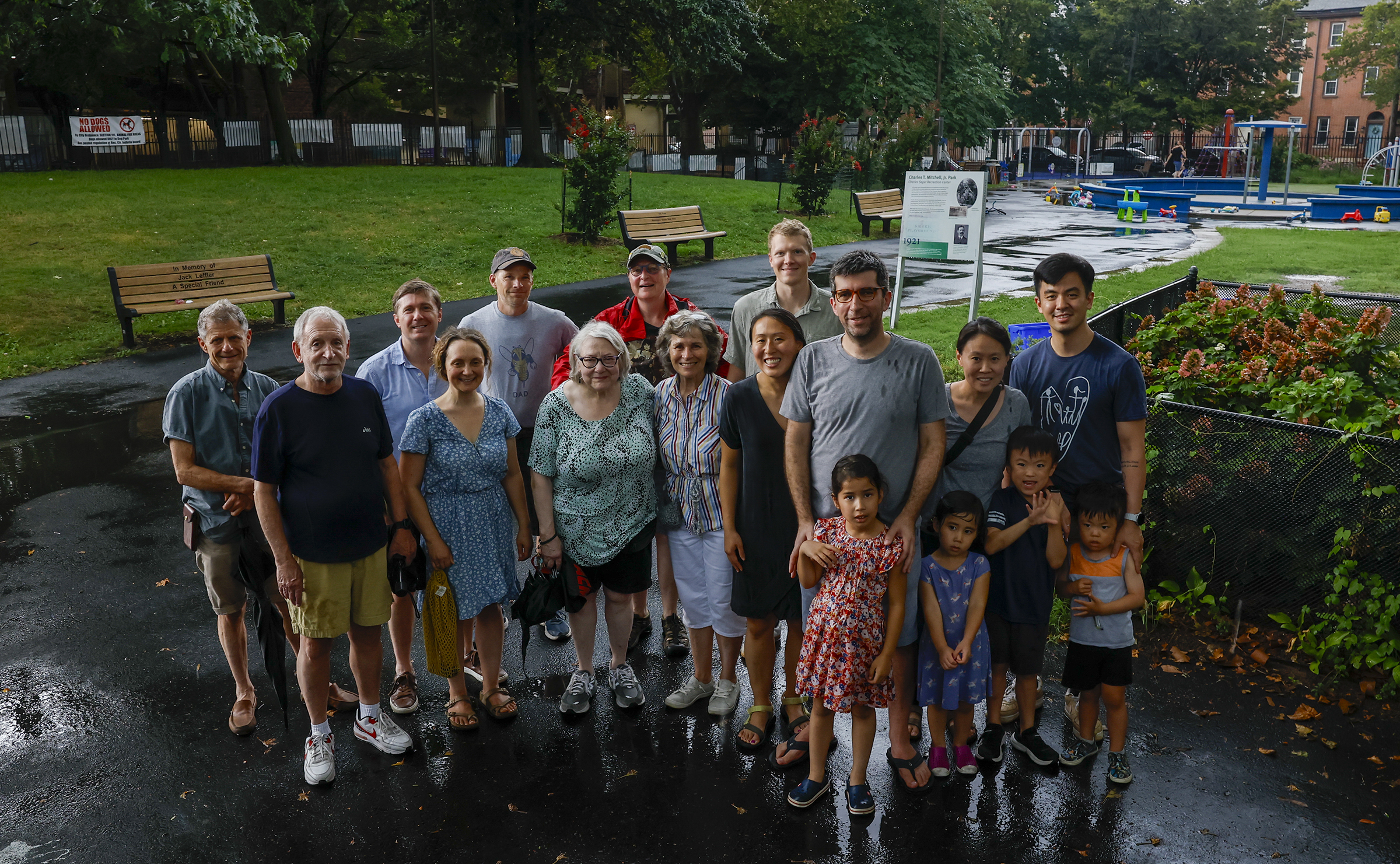
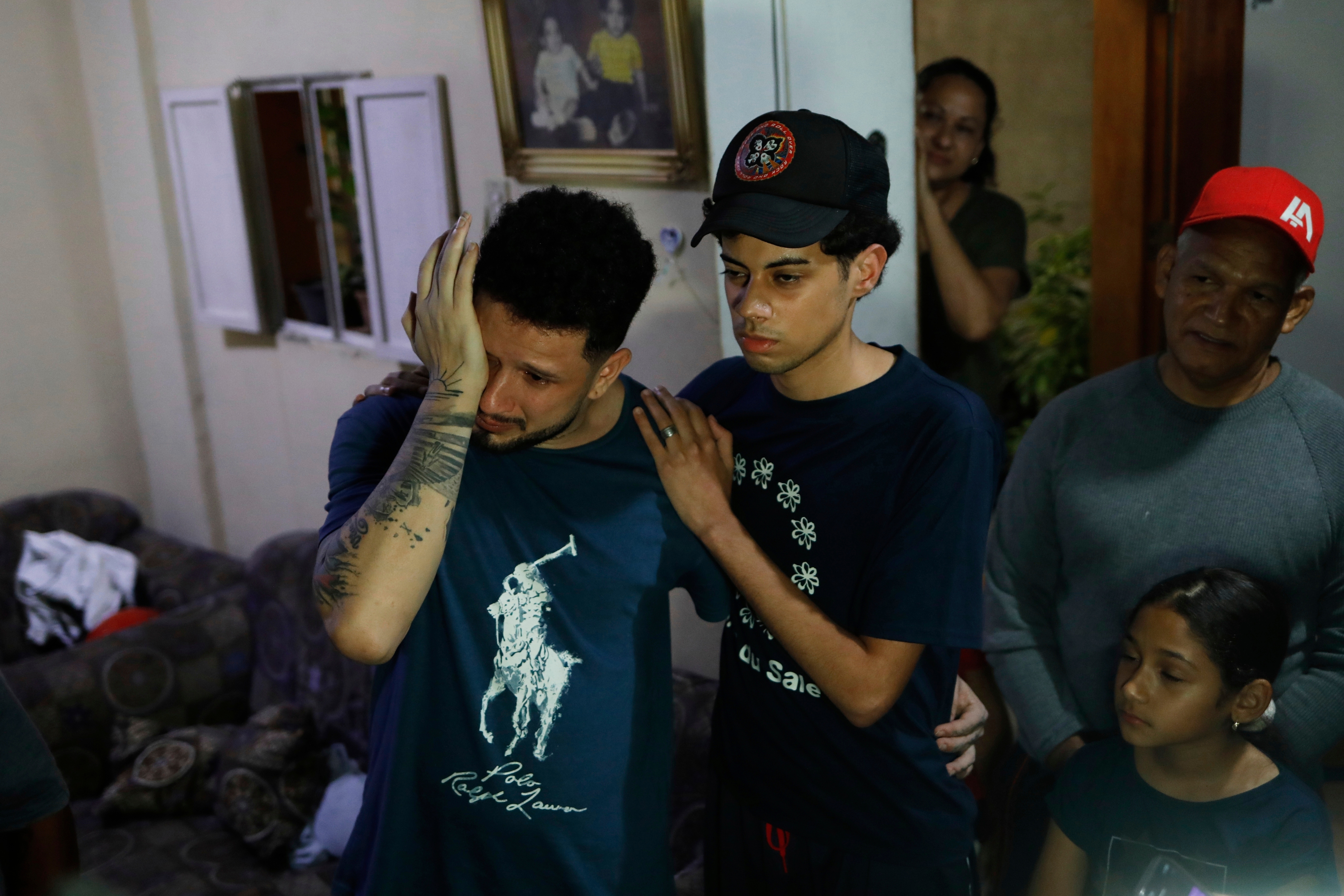
Members of the Philadelphians for Rational Preservation gather at Seger Park in the Washington Square West neighborhood in July 2025. The group opposes the Washington Square West Historic District designation.Yong Kim / Staff Photographer
People vs. preservation
In a City Hall courtroom, lawyers for the city and the preservation alliance sought to defend the designation of the Washington West Historic District against a coalition of homeowners who have claimed the decision has cost them time and money. The outcome could have significant ramifications for such districts across Philadelphia.
Dan Auerbach, a lawyer for the homeowners, says the district was created without sufficient evidence, and that a historic commissioner’s participation in drafting the document represents a conflict of interest. Attorneys Leonard Reuter and Paul Toner, who represented the defendants, took a different approach.
When Common Pleas Court Judge Christopher Hall repeatedly asked for evidence, beyond the nomination itself, for the district’s historic significance, Toner replied, “I don’t need to.” The commission’s decision to approve is apparently all that’s required. They also argued that historic designation does not impose significant costs on homeowners.
Hall seemed to take a skeptical view of these claims. As Auerbach pointed out, most pages of that document simply inventory the existing properties. Often, newly designated homes have no specific justification at all, or just a few words.
Personally, I also find the dismissal of the real costs imposed on homeowners to be unconvincing. According to evidence supplied by Philadelphians for Rational Preservation, the group that formed in opposition to the district, homeowners who have been added to the district are already seeing adverse impacts. Door and window replacements now require permits, for example, and homeowners must spend considerably more to acquire historically accurate versions. This costs real time and real money.
It may be that this district is simply too large and too broad. The period of significance covers nearly the entire history of Philadelphia, and many of the newly designated buildings are frankly unremarkable. While the city and the preservation alliance may feel the urge to appeal the matter to the Commonwealth Court, my suggestion is that they don’t.
While I am skeptical of this particular nomination, I do think historic districts have a role to play in our city. Many of them are popular with residents, or have existed for so long that most homeowners were aware of the restrictions before purchasing.
In the case of Washington West, however, the commission may simply have been too ambitious. The geographic range is just too large, the period of significance too extensive, and the residents themselves too strongly opposed.
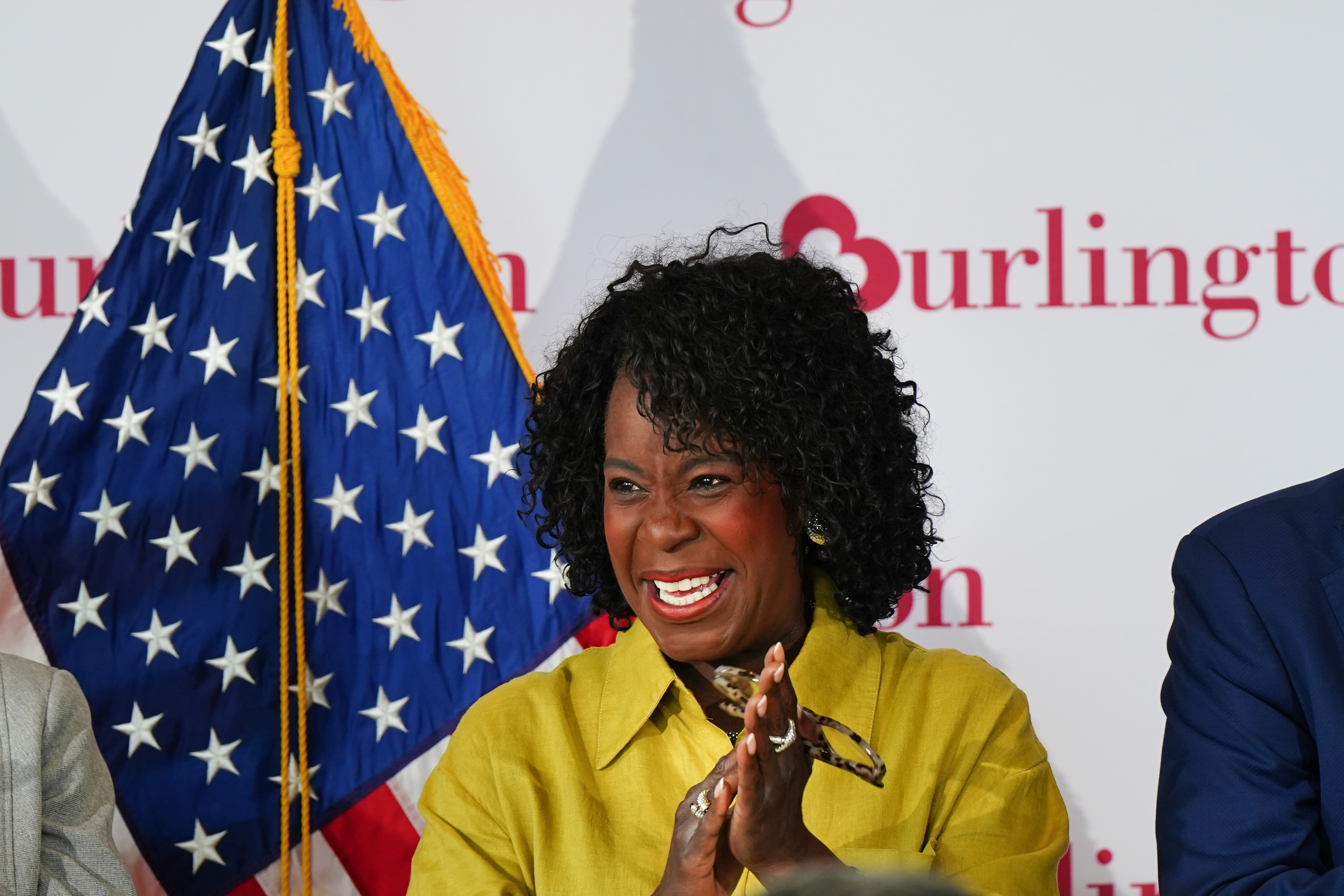
Mayor Cherelle L. Parker at a news conference in September.Jessica Griffin / Staff Photographer
Mayoral milestone
Mayor Cherelle L. Parker celebrated her 1,000th day in office earlier this week at McPherson Square Library in Kensington, which is set to receive a $21.7 million renovation. Parker has made investing in Kensington a priority in her administration, although some of her priorities have been contested.
She’s added police patrols to the neighborhood, sought to dismantle the drug market, and increased cleaning and greening efforts. She’s also come under fire from harm reduction advocates for eliminating funding for the nonprofit Prevention Point and city efforts to rein in a network of services built to alleviate the struggles of addiction, which some residents have blamed for the drug market’s continuing presence in their community.
In many ways, Kensington is a microcosm of Parker’s tenure.
Her administration has made genuine progress. Violent crime is at historic lows, with decreases in the city’s most dangerous neighborhoods driving the decline. Surveys suggest residents believe the city has gotten cleaner under her leadership. Yet discontent, some legitimate and some not, continues. Parker’s approval rating sits at 44%, a number that is likely high enough for reelection next year, but isn’t strong enough to give her the political capital she needs to take on and win fights with City Council.
The biggest factors in whether residents approve or disapprove of the mayor seem to be their age and race. Among Philadelphians of color and those older than 45, Parker is popular. For those under 45 and white voters, she’s not.
It is easy to say this divide is based on style. As Parker herself has said, she’s unapologetic about who she is and where she came from. To residents who may be fans of New York’s Zohran Mamdani, Parker may seem old-fashioned and unexciting. Of course, Mamdani also has a municipal budget of $126 billion at his disposal, while Parker makes do with just $7 billion.
But a lot of it has to do with substance. Small-business owners have lost a crucial tax exemption; her vaunted ability to work across the aisle has not resulted in sustainable transit funding or enabled the school district to avoid closing 17 schools; and Parker has shied away from the ambitious civic reformer causes embraced by predecessors like Michael Nutter.
If the mayor intends to reach 2,000 days in office without becoming yet another tired and unpopular chief executive, she’ll have to step up her game.
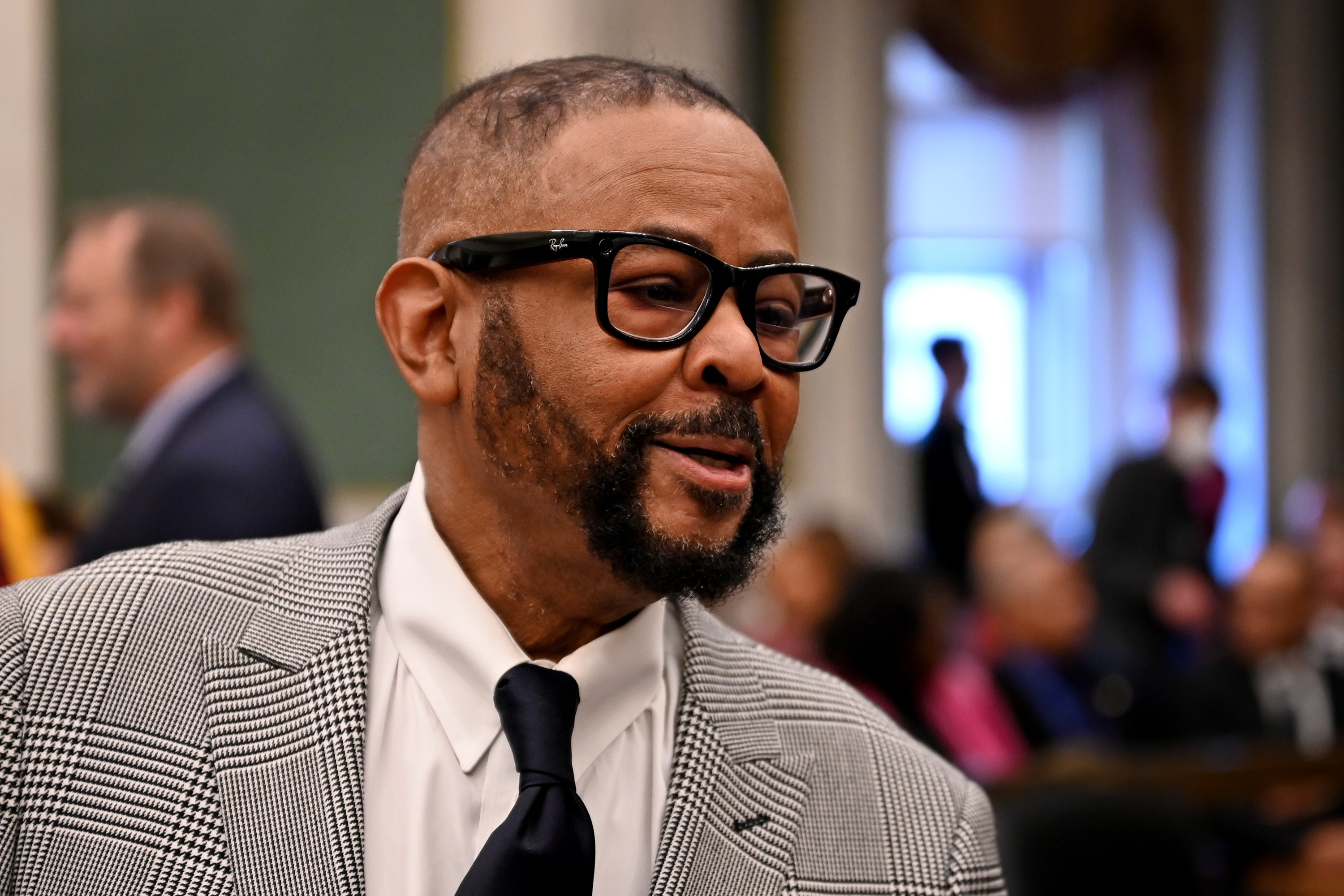
Councilmember Curtis Jones Jr. in chambers as City Council meets in December.Tom Gralish / Staff Photographer
Jonesing to stay
Fourth District Councilmember Curtis Jones Jr. has had a long and often laudatory career in public service. But it is now time for it to end.
Jones cited his ongoing health issues as justification to The Inquirer, saying he needed the money to pay for treatment. I certainly sympathize with anyone struggling to maintain their health. However, Jones represents a city where the median household income is just over $60,000. At 69 years old, he is also eligible for Medicare.
Retirement would also give Jones a chance to relax and focus on staying healthy. For his sake and ours, he should listen to his friends.
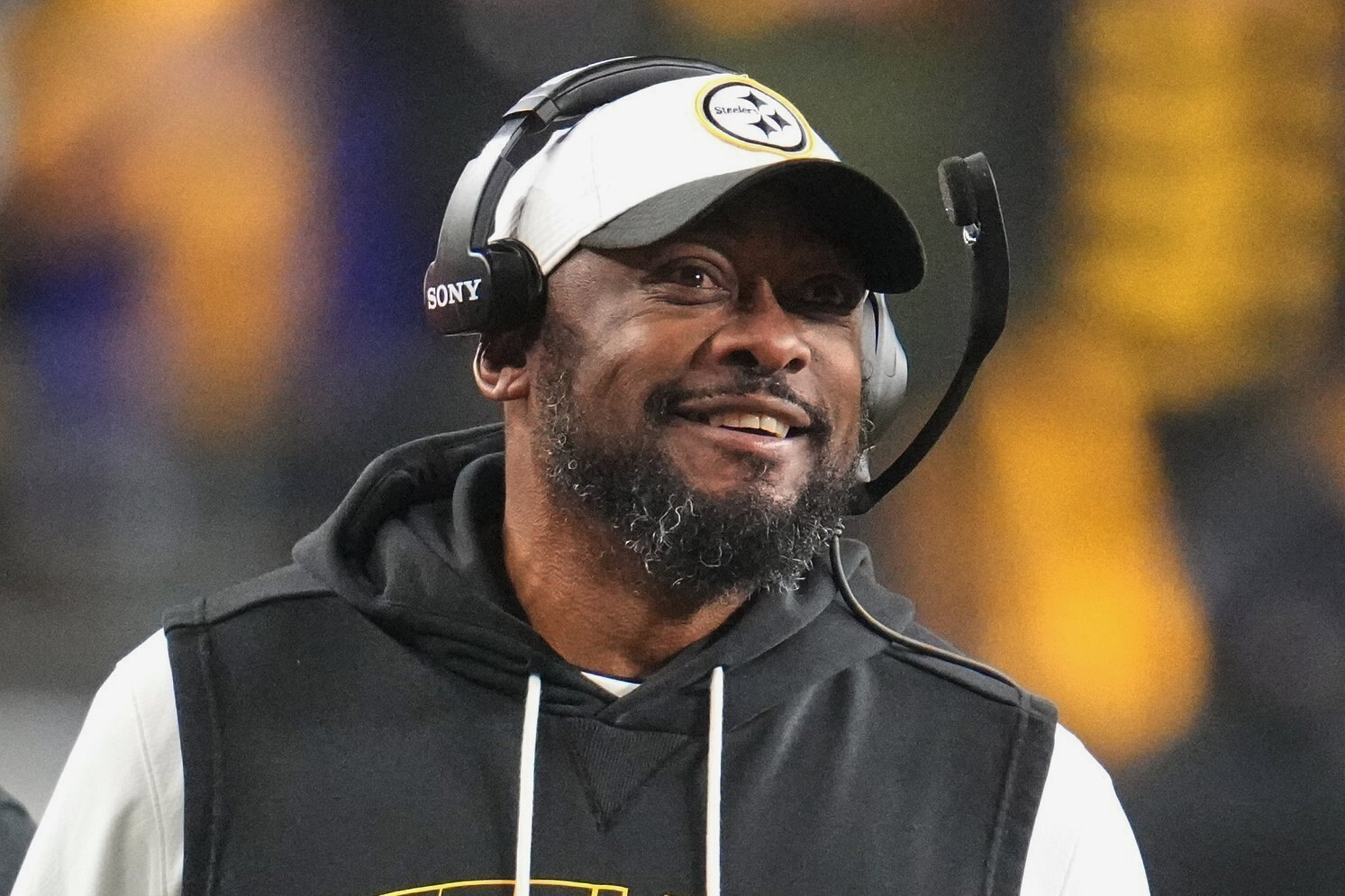
Pittsburgh Steelers head coach Mike Tomlin stands on the sidelines during the second half of an NFL football game against the Baltimore Ravens in Pittsburgh in January.Gene J. Puskar
Tomlintown
When you write frequently about transit and housing, you tend to hear from the small cadre of people who are extraordinarily enthusiastic about these issues. This week, I found out about a surprising member of their ranks: former Pittsburgh Steelers head coach Mike Tomlin.
Famous for his uncanny resemblance to actor Omar Epps and being the second Black NFL coach to win a Super Bowl, Tomlin used the game Minecraft to build his own fantasy city — a project that took place over a dozen years. He’s now giving the public a tour of his work.
Tomlin said he wanted densely populated buildings because of his interest in architecture, and went as far as creating interiors for each of his creations. His work is remarkably cognizant of genuine urban questions like lighting and viewsheds.
Like many gamers, he said his habit helped him “detach from the realities and the pressures of life.” We all need a way to unplug sometimes, but Tomlin’s impressive urban planning side project may have turned him into an unlikely urbanist hero.
Orifice the Awebot rolled down the sidewalk across from the Betsy Ross House last Friday, striking joy, confusion, and mild terror in those who unexpectedly encountered her — and nobody expects to encounter a two-foot-tall, pink, potato-shaped robot with a dangling tongue, blue eyes, and a shock of blond hair.
As I trailed behind the little bot, I could hear people whisper and scream.
“Oh that’s adorable!”
“What did I just see?”
“It’s terrifying!”
Tourists on top of a double decker bus pointed at her. Philadelphians who didn’t have time for whatever this nonsense was steered clear. But after the initial shock of seeing Orifice wore off, most people smiled and laughed, like Justin Lutz of California.
Orifice the AwebotJessica Griffin / Staff Photographer
Lutz had already seen the Uber Eats robots on our sidewalks while visiting Philly and he immediately recognized that Orifice, despite being approximately the same size, was something quite different.
“I bet you Betsy Ross never thought a little robot would be scooting around in front of her house,” he said. “I love the personality and it’s super cool. We don’t even have these in California.”
I wanted to tell Lutz there’s a lot of great things we have in Philly they don’t have in California, like all four seasons and Gritty and the Phanatic, but I stopped short.
“Have a great time in our city,” I said, instead. “It’s just this weird here all the time!”
I was invited to follow Orifice around Old City with some folks from the Ministry of Awe (MoA), the interactive and immersive art installation created by Philly muralist Meg Saligman that’s housed in a 19th-century Old City bank.
The “Awebot” was born out of one of MoA’s community Co-Creation Nights as people were bouncing around ideas and discussing the Uber Eats robots that have become ubiquitous in Philly since they descended upon our city in March.
“We thought what if [robots] didn’t just bring things, what if they were used for purposes other than just delivery and business and commerce. Would that somehow let us reflect in a different way?” Saligman said.
Artist Madison Polidoro (aka 10 Ton Fetus), a sculptor and metal fabricator whose human-animal-hybrid creatures like “Skin Horse” inhabit the bathrooms at MoA, brought Orifice to life. She’s affectionately known as the robot’s “mommy.”
“Skin Horse” is one of the sculptures from artist Madison Polidoro that inhabits the bathrooms at the Ministry of Awe. Tyger Williams / Staff Photographer
“What I find interesting about the Uber Eats robots is that they do create this kind of horror, this dystopian feeling in a lot of people,” Polidoro said. “So I was excited about the idea of making my own robot creature to sort of do an opposite thing where it could inspire something lighthearted and silly and fun and kind of magical.”
Polidoro fabricated Orifice’s base out of aluminum and left an empty vessel in the center, so it can carry things. She made the skin out of weatherproof urethane rubber and included an orifice on the robot’s rear end, which is where it gets its name.
Orifice is driven via a wireless remote but the range of the controller is quite far (at least half a city block), so the driver can remain pretty inconspicuous. The Awebot’s large blue eyes blink independently at intervals, but they can also be controlled by the operator. The dangling tongue, however, remains permanently out.
Artist Madison Polidoro with her creation, Orifice the Awebot.Jessica Griffin / Staff Photographer
“She’s a sweetie pie who’s curious and likes to explore and try new things. And she loves attention. She’s kind of like a dog,” Polidoro said of her creation.
‘They’re gonna fight!’
As a team of folks from MoA, including Saligman and Polidoro, set out with Orifice in Old City last Friday, they didn’t even get a few hundred feet down the block before people stopped to pet the Awebot and ask questions.
“Is this a good hair day or a bad day for it?” a man in an Eagles jersey asked.
“Does it poop?” another guy wondered.
He was assured it did not.
This yellow Labrador retriever was very dubious of Orifice the Awebot. Jessica Griffin / Staff Photographer
As Orifice rolled down the sidewalk, she scared a few dogs, people pulled over their cars to see her, and others ran across the street to take her picture.
An Xfinity van driver sitting in his vehicle looked stunned as we passed. Then we made eye contact, he shook his head, I shrugged my shoulders, and were shared an “only in Philly” laugh.
At one point, Saligman spotted an Uber Eats robot down the sidewalk and ran to stand in front of it and stop it so Orifice could meet it face-to-face.
“They’re gonna fight!” Polidoro said.
Alas, the meeting did not result in a new kind of BattleBots, but it was clear that at one point, a human must have taken control of the Uber Eats robot, because it skillfully maneuvered its way around Orifice and Saligman. I can only imagine what the person on the other end of that camera thought.
An Uber Eats robot rudely ignores Orifice the Awebot on the sidewalks of Old City. Jessica Griffin / Staff Photographer
All the while, MoA staffer Jordan Rampulla — who served as Orifice’s “conduit to humanity” — encouraged people to interact with the robot, handed them fliers for the MoA, and told them to click a QR code on an MoA flag attached to the robot, which leads to a landing page about the creation on the MoA website.
Orifice is not just MoA’s creative response to the dystopian Uber Eats robots, it’s also a inventive marketing tactic. While some people we met had heard of MoA, others had not, and they seemed interested in learning more about the experience after meeting its Awebot ambassador.
‘Bringing delight and surprise’
As the little pink robot passed by the little pink Tarte’s Pastry Shop on Arch Street near Second, owner Teresa Wall popped outside of her business, stunned by what she saw.
“It’s hysterical! We need more of that. I love it,” Wall said. “Any of this in today’s climate is great, any joy and laughter, we need it more.”
When Stephanie Gentle, who was out walking her French bulldog, Frank, first saw Orifice, she worried it might be a new kind of delivery bot. She was relieved to learn it was a creation of the MoA.
“I would much rather have this on the streets than an Uber Eats robot. It’s much less scary and much less evil,” Gentle said. “I’m so happy I ran into this. This made my day.”
A passerby takes a photo of Orifice the Awebot as she roams the streets of Old City. Jessica Griffin / Staff Photographer
I too would rather have Orifice wandering around Philly than those Uber Eats robots any day. She’s the rare kind of robot that connects humans with each other and illustrates the creativity of humanity in a unique way.
“When people see a lot of my creatures they intuitively connect with them through these anchoring points of the eyes and the skin and the hair and the orifices. Those are things that sort of force you to engage with another person when you look at them and meet them,” Polidoro said.
“They also force you to engage with my work in a very specific way, and I think that that’s something that I’ve really been leaning into and enjoying lately in a time of food-delivery-robot-dystopian-level technology that’s sort of separating us all from those very basic, but fundamental, important human connections.”
Polidoro and Saligman have big dreams for Orifice’s future. They’d like to take her to an Eagles tailgate and maybe out to lunch at Parc one day. If it doesn’t rain this Friday, they’re planning on bringing her to Elfreth’s Alley for the 11th anniversary celebration of the destruction of hitchBOT.
Orifice will make special appearances at MoA and her upcoming public appearances around the city will be announced on MoA’s social media channels, though she could pop up anywhere, unannounced, any day.
“She’s part of our bringing delight and surprise and letting it ripple through the city,” Saligman said.
Artist Madison Polidoro with her creation, Orifice the Awebot. Jessica Griffin / Staff Photographer
Just when you are tempted to assign sole blame for our growing reputation as human rights abusers to President Donald Trump and his misbegotten administration, up steps the Supreme Court of the United States.
The ruling, which was not signed by the justices, does not make a determination onthe legality of the process itself — the court will begin hearing arguments on that question in December. Nevertheless, it was, according to the New York Times, being celebrated as a victory by the Trump administration, which has deported more than 25,000 migrants to 29 “third countries.”
Yet, for those of us who look to our judicial system as a means to ensure this White House doesn’t get away with every human and civil rights violation it can think of, the court’s decision is deeply troubling.
Sarah H. Paoletti, the director of the Transnational Legal Clinic at the University of Pennsylvania Carey Law School, says the order is “yet one more example of the Supreme Court majority ceding exceptional deference to the Executive.”
“In granting the stay, the court has cleared the way for [the U.S. Department of Homeland Security] to disappear individuals overnight and transport them to countries without notice, and without the opportunity to be heard on their fear-based claims as to those countries, with callous disregard to the grievous rights violations they are likely to face,” Paoletti said via email.
Paoletti noted that the court’s ruling came on the same day 20 independent human rights experts appointed as U.N. Special Rapporteurs and a Special Rapporteur of the African Commission on Human and Peoples’ Rights condemned the practice of third-country removals.
Malka Older — writer, sociologist, aid worker, and executive director of Global Voices, the international newsroom made up of writers and human rights activists — sees the harms as part of a pattern of unethical national choices.
“The Supreme Court allowing the government to continue removing immigrants to third countries — countries where they know no one, have no safety net, no connections, no assistance, and may be under active threat for their identity or convictions — is allowing irreparable harm to continue being done to those people,” Older told me via Facebook. “This kind of deportation rips apart people’s lives, leaving them stranded, and it demonstrates the moral vacuity of U.S. policy, pushing people off somewhere else as though that absolves us of all responsibility.”
“It is the same dynamic that sees the U.S. export plastic waste, dangerous industrial byproducts, unappealing jobs, and increasingly data centers, hoping that if people can’t see the harm they’ll pretend it isn’t happening but in this case, the harm is happening very directly to human beings, to our neighbors.”
But anecdotally, and through the work of journalistshere at The Inquirer and at other media organizations, we know that most of those being detained for deportation — even to third countries — are mostly just ordinary human beings.
“There are people who have lived in this country for upwards of 30 years who are being deported because they lack residency,” Guatemalan-born and Brooklyn-based author and translator David Unger said via Facebook.
A deportee from the United States who was sent to Liberia stands on the balcony of a hotel in Marshall, Liberia, in August.CARIELLE DOE
“My daughter, an immigration lawyer, had a Jamaican client who was deported to Eswatini in Africa and held incommunicado for three months before finally being sent to Jamaica, where he has no living relatives,” he added. “Guatemala has accepted 2,000 deportees originally from Mexico. Who knows what danger they may be in when they finally reach their birth land. This is simply cruel and, possibly, lethal to them.”
Trump is fond of repeating that our nation is the hottest country in the world right now, but what I see is that we’re radioactive. Our ranking in the Human Rights Measurement Initiative rights tracker, which compares us with our peer high-income countries and fellow members of the Organization for Economic Co-operation and Development (OECD), is pretty terrible: 3.7 out of 10. And a number of the categories in which we are dead-last — “freedom from torture and ill-treatment,” “freedom from arbitrary arrest,” and “freedom from forced disappearance” — are tied directly to the administration’s mass deportation plan.
You know what to do. Thirty-three days from now, get yourself to a polling place and elect people willing to limit the executive branch’s morally disgraceful inclinations. And come December, pray the Supreme Court is willing to limit it, too.
The reboot of A Different World on Netflix is a welcome distraction from ruminating about the upcoming midterm elections and worrying about whether AI will kill us all.
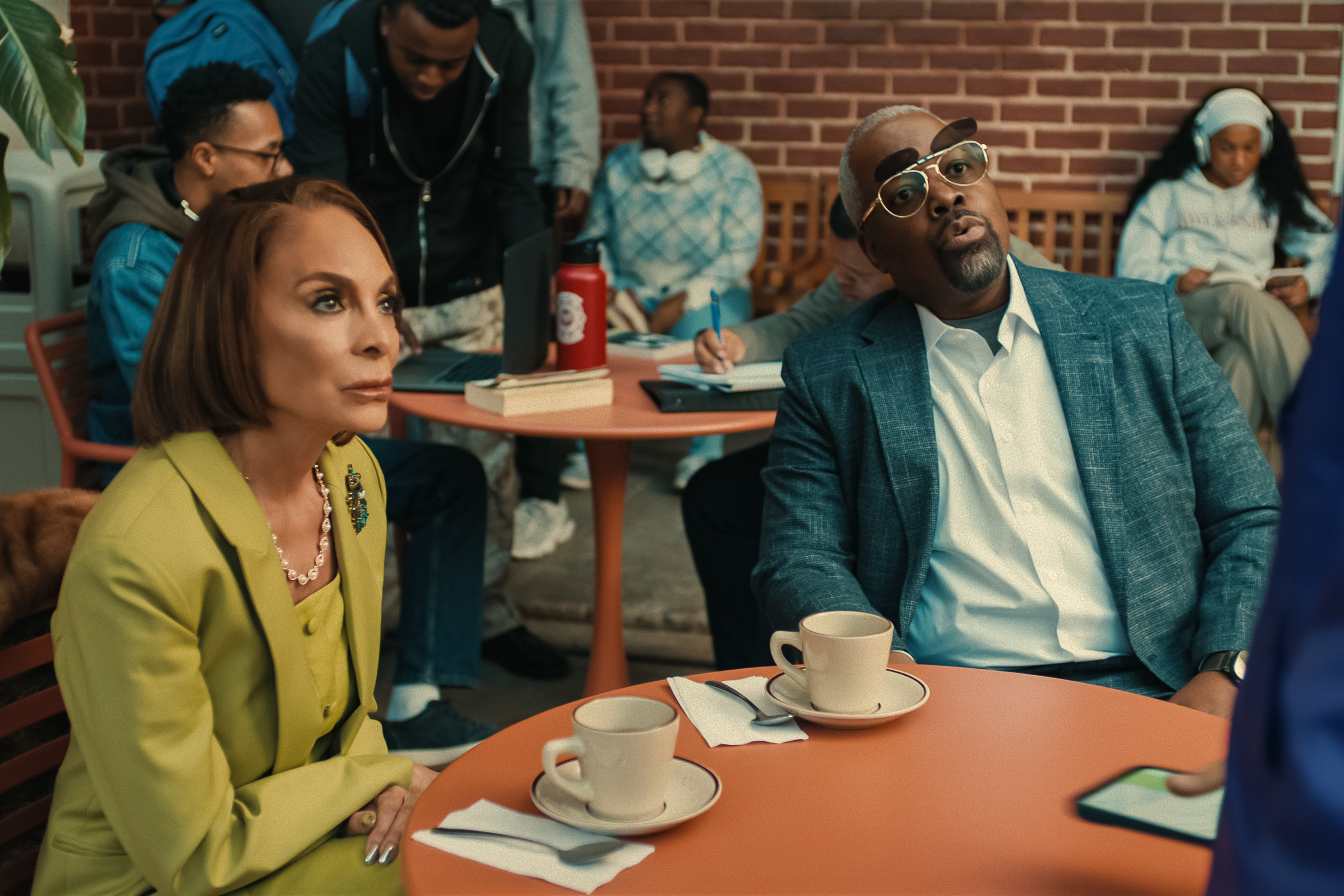
I’ve enjoyed getting reacquainted with the characters from The Cosby Show spinoff, which originally debuted in 1987 and is set on the campus of the fictitious HBCU Hillman College. The show’s leads, Whitley Gilbert, played by Jasmine Guy, and Dwayne Wayne, played by Kadeem Hardison, have gone from being undergraduates to serving as the president and first lady of Hillman. They both look considerably older, and therein lies the proverbial rub.
Hardison, who was a skinny kid with flip-up glasses during his days on the show, is heavier now and has gray hair. Guy, who in our modern vernacular would have been considered a WCW back in the day, has visibly matured, too. At age 64, she’s refined, elegant, graceful, and still attractive, but she doesn’t look 25 anymore and — despite the vitriol she’s getting on social media — that’s completely natural and not a bad thing.
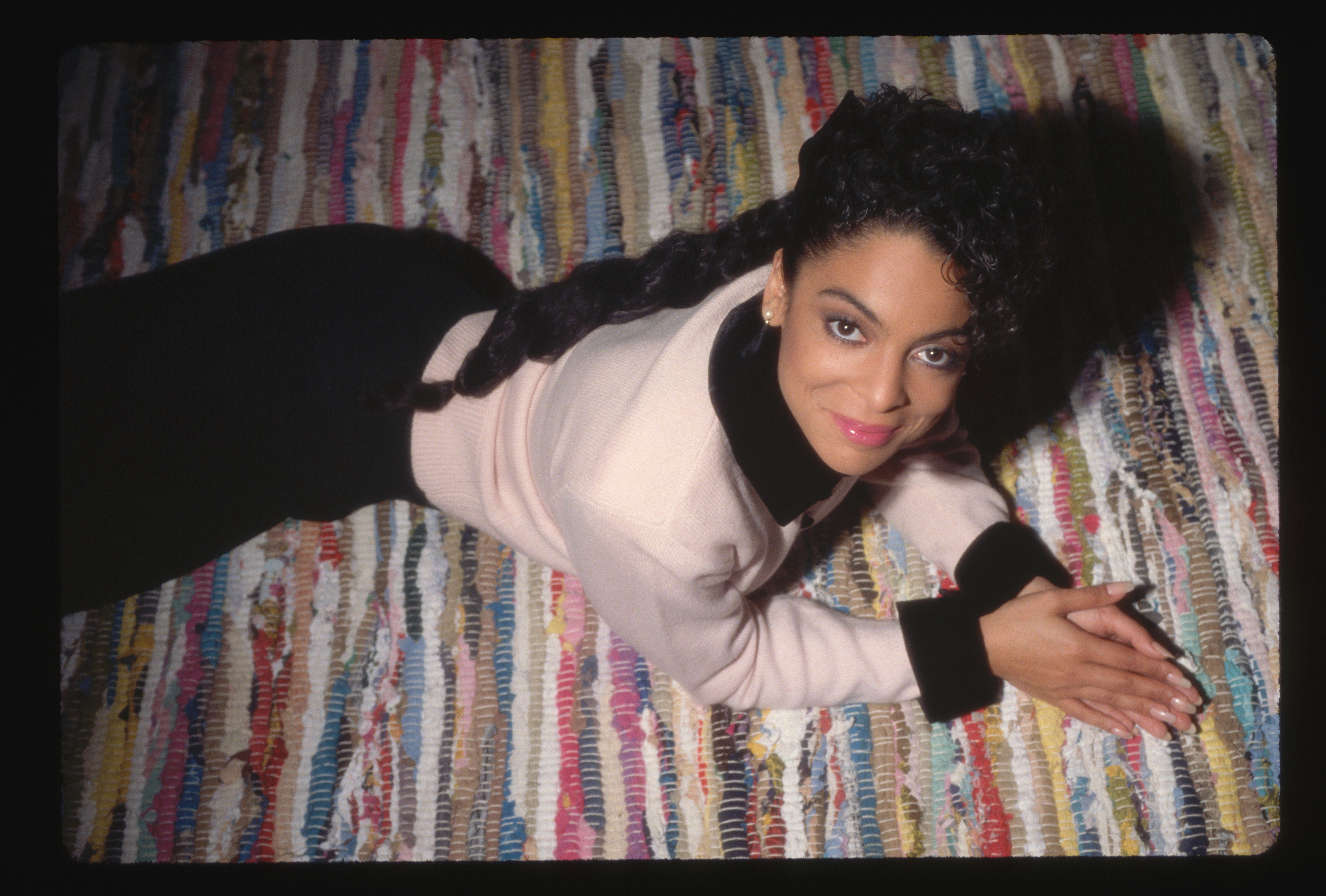
The actress Jasmine Guy in 1988 when she was 26 years old.Lynn Goldsmith / Getty Images
This shouldn’t be a big deal. Maturing — emotionally and physically —is part of life. But from the way some commenters have criticized Guy for looking older, you’d think she was the only one on the show who has been touched by the hands of Father Time.
I take umbrage at some of the online vitriol. I was a young woman myself when the show first aired and have gotten older right along with the cast members. An awful lot has happened since the show ended in 1993.
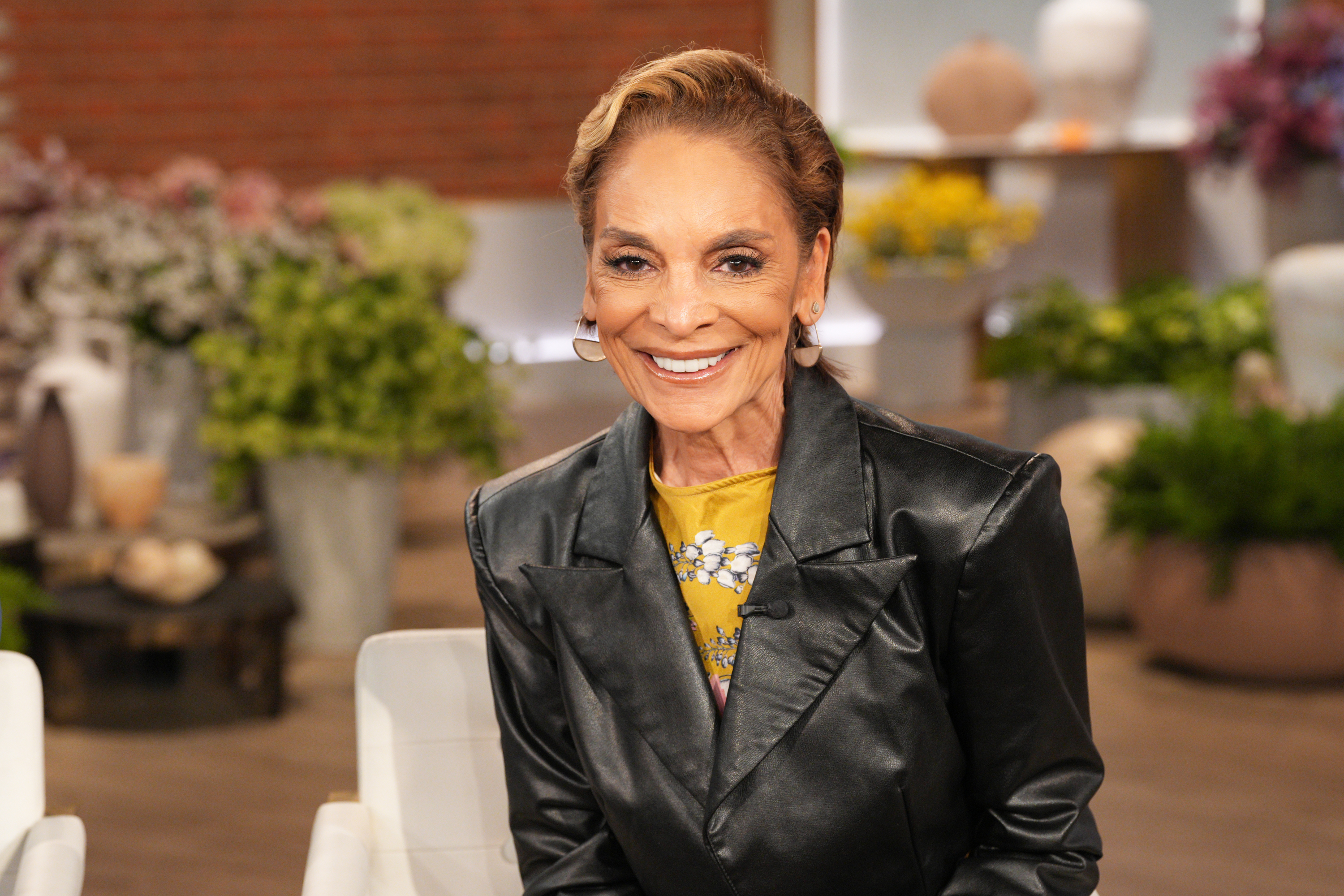
Guy, 64, during an appearance on “The Jennifer Hudson Show” last month.Chris Haston /WBTV via Getty Images
Guy must have read some of the terrible things people have been saying online about her appearance because on Monday, she addressed them by posting on social media: “The internet can be brutal to women as we grow older. It asks us to celebrate life while criticizing every sign that we’ve lived it.”
Some national cultures venerate older people, but that’s not so here in the United States. We are obsessed with beauty and youth, which is why TikTok filters and AI-generated “de-aging” photos proliferate. Older women in all walks of life don’t always get the respect they deserve. It irritates some people when older females refuse to fade quietly into the sunset. An estimated two out of three female workers over 50 regularly face ageism, according to a survey by AARP.
Former Secretary of State Hillary Clinton experienced this when she ran for president in 2016. Instead of being praised for launching a presidential bid when she was 68, she faced questions about her age. Donald Trump, who happens to be two years Clinton’s senior, publicly mocked her after she contractedpneumonia on the campaign trail and claimed she lacked the stamina to be president. Trump also accused her of not looking presidential enough for the job.
Democratic presidential nominee Hillary Clinton speaks as Republican presidential nominee Donald Trump listens during a presidential debate in St. Louis in October 2016.Rick T. Wilking
You’d think female Republicans would have automatically disqualified him for that. Instead, many nodded right along with his ageist, sexist rhetoric and most voted for him. This is one reason why America is in the situation it is today, with a narcissistic megalomaniac running the country.
Deep-seated bias against older women might also be what keeps America from electing a female president during our lifetime. I respect former CNN anchor Don Lemon and his work as an independent journalist. But Lemon uttered what a lot of voters thought when he said on air in 2023 that then-GOP presidential candidate Nikki Haley, who was 51, “isn’t in her prime.” He went on to say, “If you google when is a woman in her prime, it will say 20s and 30s and 40s.”
Meanwhile, white male politicians don’t have to waste inordinate amounts of time convincing skeptics that their advanced age doesn’t automatically disqualify them from holding elected office. Female candidates shouldn’t have to, either. The same should apply to women in other walks of life, as well.
It’s A Different World,all right. But when it comes to ageist bias against women, some things haven’t changed a bit.
Netflix’sA Different World, a reboot of the 1987 NBC original, is what I thought Bel-Air would be. It remains true to the original show’s characters: Whitley (Jasmine Guy) is still an entitled snob, Dwayne (Kadeem Hardison) remains as thoughtful as he is brilliant.
And Dwayne and Whitley’s daughter, Deborah (Maleah Joi Moon), is a delightful blend of her mom’s sense of bougieness and her dad’s altruism. It’s a stone-cold gas that her favorite accessory are flip glasses just like Dwayne Wayne. (It made me want to dig mine out.)
The obvious Philly connection is North Philly’s own Bill Cosby, who created the show in 1987 as spinoff to the immensely popular The Cosby Show. Cosby starred as Huxtable patriarch Cliff Huxtable and father to Denise Huxtable (Lisa Bonet). In the original A Different World, Denise attended her parents’ alma mater, the storied fictional Virginia-based historically Black school Hillman College.
Alijah Kai Haggins as Rashida Duvall in “A Different World.”Netflix
But there is another more subtle Philly association in Netflix’s version in actress Alijah Kai Haggins, who plays Rashida Duvall, Deborah’s roommate. Rashida’s mother (on the show and in real life) is Tichina Arnold (Martin and The Neighborhood) and, though Haggins grew up in Los Angeles, her dad is Carvin Haggins, the Grammy-award-winning Philly-area producer who has worked with Jill Scott, Jazmine Sullivan, Chris Brown, and Justin Timberlake. Haggins also happens to be Scott’s cousin.
See? Without Philadelphia, we wouldn’t have A Different World — the original or its highly anticipated reboot.
I blew through all 10 episodes of the Different World reboot this weekend and cheered at the return of familiar faces: Whitley, Dwayne, Freddie Brooks (Cree Summer), Jaleesa (Dawnn Lewis), Ron (Darryl M. Bell), and Col. Taylor (Glynn Turman).
I swooned at a few new characters, like Coach Bryce Coles (Cliff “Method Man” Smith), a total shout-out to Gen Xers who came of age with the show. It cracks me up to think that during the original show’s run, Smith was in the New York City streets rapping about how dope it was to be M-E-T-H-O-D Man as a star member of the Wu-Tang Clan.
(From left) Dawnn Lewis as Jaleesa Vinson-Taylor, Glynn Turman as Col. Bradford Taylor, Kadeem Hardison as Dwayne in “A Different World.”Netflix
For a few hours, I was back in my New York bedroom as a teenager inspired by my television role models to go to college.
Where did all the time go?
Much like the original A Different World, produced by Debbie Allen— who reprises her role as the school psychologist and like her character of yesteryear, urges students to “relax, relate, and release” — Netflix’s version deals with timely issues.
Allen and showrunner Felicia Pride (Bel-Air and Gray’s Anatomy) deftly handle the current presidential administration’s attack on Black history, rampant mismanagement of funding by university administrators, and what it’s like for this generation of college students to engage with professors and each other after almost two years of COVID-19 lockdown.
This image released by Netflix shows Debbie Allen in a scene from “A Different World.” Uncredited
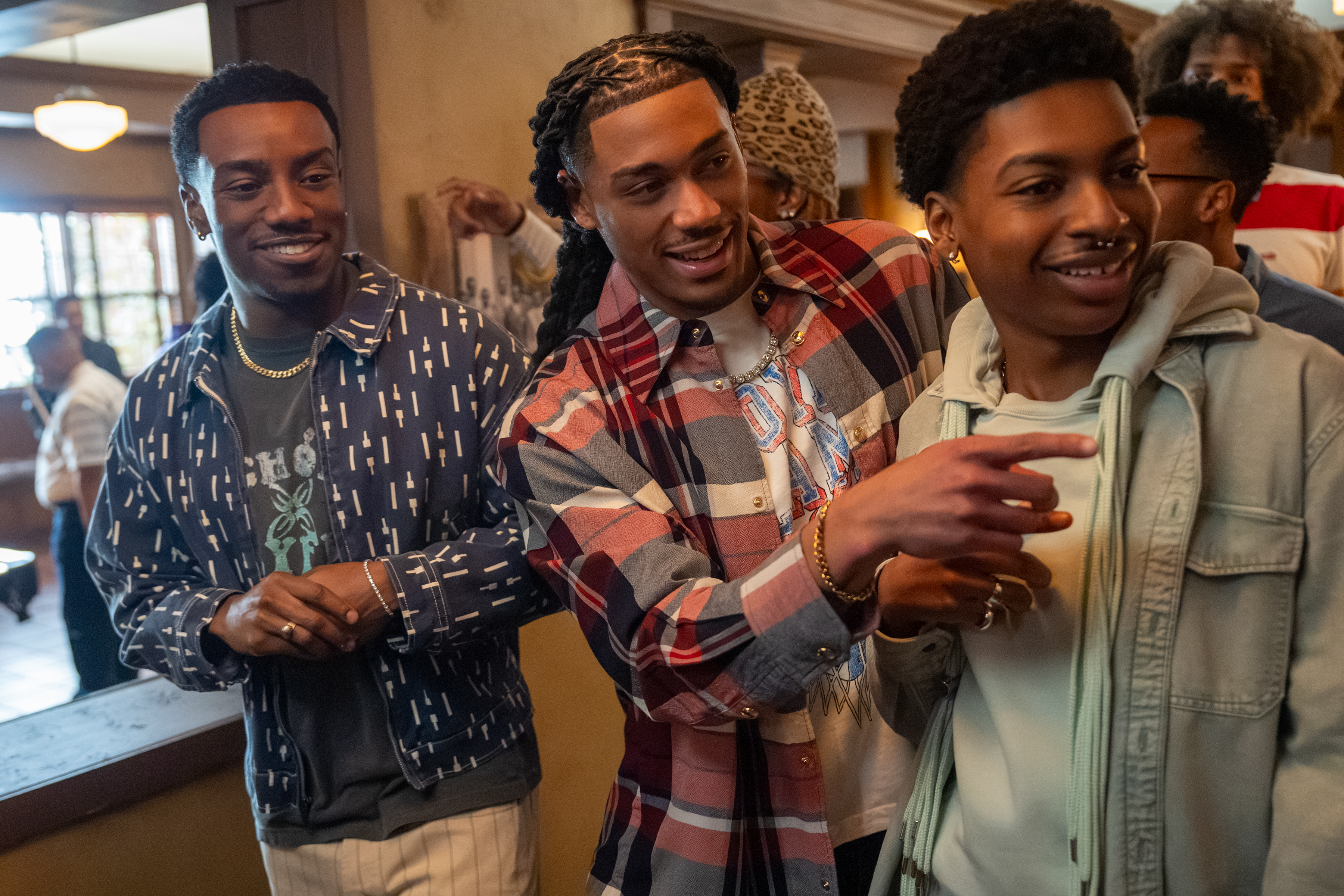
The three male leads — Cornel Young IV (Shaquille Johnson), Amir Rodale (Jordan Aaron Hall), and Chibuikem Uche (Kojo Achebe) — are much more open about their emotions and sexuality than my peers ever were.
Men who were young in the ’90s — now in their late 40s and 50s — might learn a thing or two from them. For example, Amir is a gay man who is open and honest about his sexuality. If we had such nuanced queer characters in the ’90s, perhaps men wouldn’t have felt the need to hide their sexuality and be on the “down low” and risk their partner’s lives by exposing them to HIV.
Today’s A Different World even addresses Gen Z church girls who are firm in their faith without judging friends who may have different relationships with God. Hazel Henry (Kennedi Reece) is as empathetic as she is passionate about religion.
This image released by Netflix shows Chibuikem Uche, from left, Cornell Young IV, and Jordan Aaron Hall in a scene from “A Different World.” Quantrell Colbert
It’s a great reboot. Despite the rude internet chitchat on how Guy and Summer look older — Duh, they are nearly 60 now — the Philly associations stand out the most to me.
Among others:
Hillman is based off an historically Black college of which Cheyney University is the first in the nation. Again, no Philly, no Hillman, no A Different World.
Jada Pinkett Smith, back in her breakthrough role as the rambunctious Lena James from Baltimore, is a much more sophisticated version of her militant younger self. (No spoilers here.) Smith starred in A Different World years before she made the ultimate West Philly partnership, her marriage to Will Smith.
Maleah Joi Moon as Deborah and Vincent Jamal Hooper as Ellington in “A Different World,” the Netflix reboot.Netflix
My greatest wish is that at some point in Season 2, Patti LaBelle returns as Adele Wayne, Dwayne Wayne’s mother and Deborah’s grandmother. I wonder if Deborah will have replaced Dwayne as her favorite little “chipmunk.”
Let’s start with the easy part: Philadelphia teacher Hannah Gann should not have pretended to be Black and Palestinian. I cannot — and will not — excuse that.
But I think I can explain it.
Gann seems to have believed the biggest myth of modern America: that identity is destiny. Your race and ethnicity determine how you think and act. So your membership in a given group gives you a special kind of insight that outsiders can never share.
That echoes the fallacy of white racists, the original practitioners of American identity politics. You can find traces of it in Vice President JD Vance’s tributes to “Heritage Americans,” or in the recent rants against Black and brown football fans by a Texas political candidate. We got here first, the argument goes, and our experiences make us more legitimately American than anyone else.
Never mind that Native Americans lived on these shores for centuries before any white person arrived. Our race is our truth, the white-identity crowd says. You are not us, so you cannot contest it.
We hear the same claims from people of every background now. Whether you’re Black or Asian — or Jewish or Muslim — you claim a special understanding of your own group. It’s your identity, after all.
That also means people outside the group can’t really understand it. So much for the ancient ideal that “nothing human is alien to me,” as the Roman playwright Terence wrote in 163 B.C. Identity politics imagines the opposite: Everyone is alien to you except people like you.
Most of all, they can’t comprehend any oppression or harm you have faced. And “marginalization becomes a form of social currency,” as one observer posted about the Gann saga. The highest status goes to the group that has suffered the most.
That’s probably why Gann — a white Jewish woman — disguised her background. A teacher in Philadelphia public schools and a vocal anti-Israel activist, she thought she would gain more credibility — and more clicks — if she presented as Black or Palestinian.
And that’s on us. We like to think we evaluate people based on their behavior, not their race. But Gann knew better. By altering her skin tone with fake tans and makeup, she got more people to rally behind her.
Those people are now like jilted lovers who crave revenge. Blasting Gann on social media, critics noted she taught “predominantly Black youth” and “gained the trust of young people on the basis of a sense of shared oppression.” They also called on the school district to “hold Hannah accountable for the harm she caused.”
Meanwhile, Gann released a proof-of-life-style video expressing “shame and sorrow and regret” for her deceptions about race. But here’s what she didn’t say: Race itself is a deception. It tricks us into thinking that our differences are immutable, and that some Americans have more insight into them because of a shared identity.
That condescends to people, all in the guise of elevating them. I once heard a prominent Black historian of African American politics say he resented the idea that his race gave him more understanding of his topic. Just like any other scholar, he painstakingly gathered pieces of evidence and wove them together. His identity had nothing to do with it.
Sadly, Gann isn’t the only white educator who has faked her race in recent years. In 2020, historian Jessica Krug — who, like Gann, is white and Jewish — admitted that she had pretended to be North African, Caribbean, and Afro-Latina. And in 2023, anthropologist Elizabeth Hoover — a scholar of Native American culture — acknowledged that she had falsely identified as Native American herself.
In each case, social media exploded with vitriol. Both women were frauds, the critics said, and their scholarship wasn’t any good.
But their work received loads of praise before their identity hoax was uncovered. Put simply, we evaluated them more highly when we believed they weren’t white. Remember the phrase “don’t judge a book by its cover”? We judged their books by the authors’ colors.
That kind of distortion is inevitable when we prize identity over everything else. To repeat, Gann should not have lied about her race. But we should not have given her more attention — and more trust — because we believed the lie. We exposed her racial fraud. And she exposed ours.
Jonathan Zimmerman teaches history and education at the University of Pennsylvania. He is the author of “Schooling Citizens: How Education Can Save Our Democracy,” which will be published in the spring by the American Philosophical Society Press.
In 1964, I was a) only 5 years old and b) living in the New York suburbs, so while I’ve been hearing all my life about the notorious collapse of the Phillies that September, I didn’t get to experience that feeling of existential dread in real time. But I was almost there last week, as the 2026 Phillies nearly became the first team to blow a four-game playoff lead with five games to play. Almost. Sunday’s 7-3 win over Tampa Bay sent my beloved/cursed midlife baseball team back to the playoffs for the fifth straight year. The chill of the offseason has been delayed for at least two more sure-to-be-heart-attack-inducing games in Atlanta. ‘Woke 1.0′
The only thing wrong with ‘Woke 1.0’ was that it wasn’t implemented
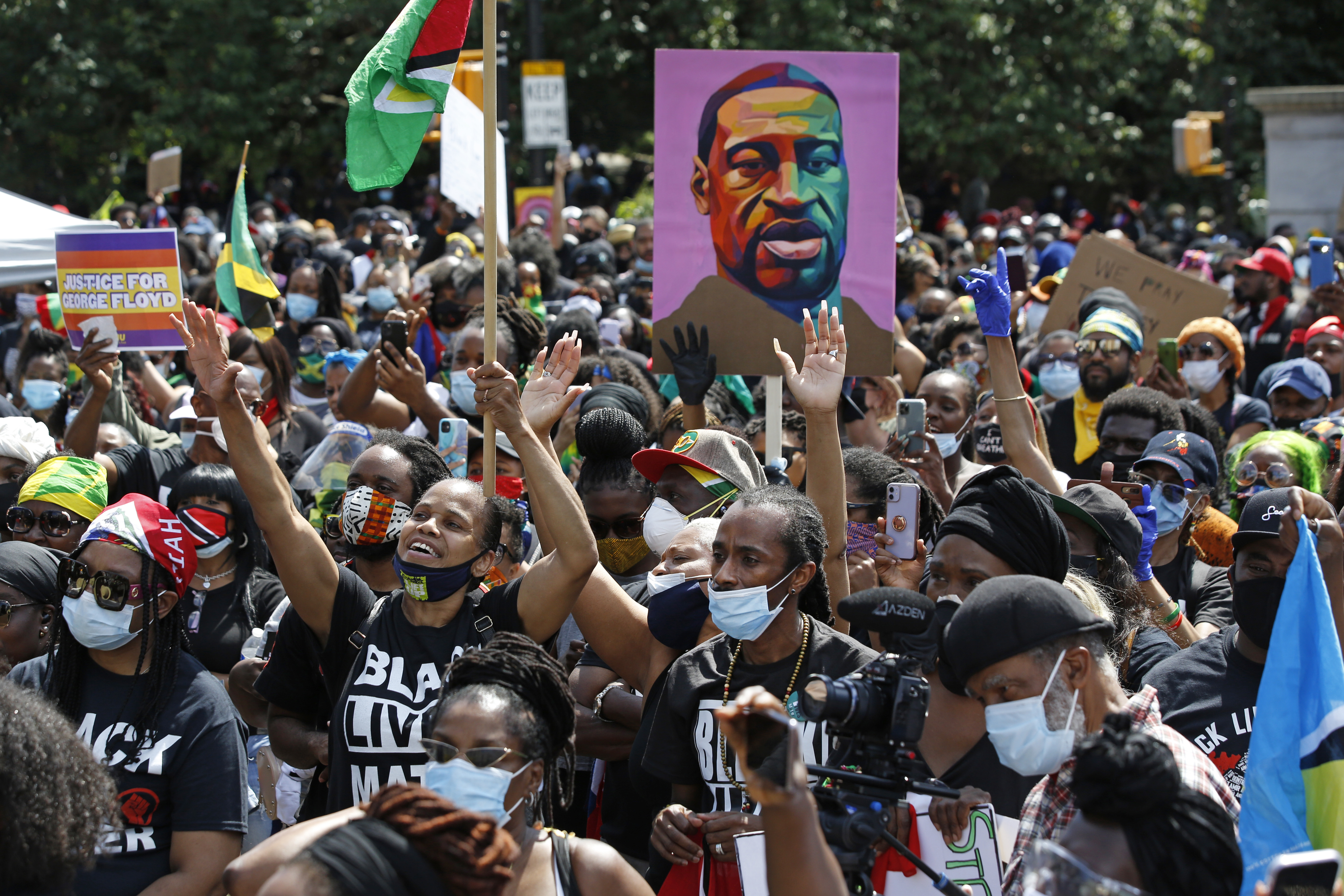
People participate in a Caribbean-led Black Lives Matter rally in June 2020 at Brooklyn’s Grand Army Plaza in New York. Kathy Willens
It’s a war almost nobody wanted, and yet it never, ever seems to end. Just thisweekend there was yet another spontaneous incident that caused the conflict to flare back up again, as an entire platoon of keyboard commandos mobilized for action.
Yes, the utterly ridiculous “war on woke” is back on again. The equally senseless fighting in Iran is almost certain to end sooner than this boondoggle.
The flashpoint was something appropriately trivial enough for this war of distraction: a decision by the Boston Globe to report on the, yes, somewhat silly fight consuming a western Massachusetts lesbian tavern called the Last Ditch Bar and Arts Venue. The hangout continues to require all patrons to wear COVID-era KN95 masks, as a gesture that everyone is welcome at all times, including the immunocompromised.
The fracas that broke out when the owners of the Last Ditch sought to make just one night a week “mask-optional” in a bid to boost business didn’t just make for a widely read Globe scoop (supposedly it brought in several thousand new subscribers). It also spread great joy among the nattering nabobs who continue to see COVID-19 overreaction as the avatar of a far-left conspiracy to make America ungreat.
Suzy Weiss, writing for the Free Press founded by her sister and now CBS News honcho, Bari Weiss, emailed with glee that “what happened at Last Ditch shows that Woke 1.0 never ended in some parts of America. It just got crazier.” The Washington Post’s Megan McArdle — who can thank her colleague Kathleen “Donald Trump Will Be a Normal President” Parker for not having the worst columnist batting average of all time — declared that, groan, “The Great Awokening Is Over.”
This nonsense rekindled a fire that’s been smoldering since the summer among a certain crowd — six-figure-salaried pundits who call Trump “uncouth” and pat themselves on the back for their brave liberalism before picking up their kids at the Dalton School and catching the last train for the Hamptons — who insist America’s downfall didn’t peak with the 2016 election of a demagogue with dictatorial ambition.
No, the real crisis hit in 2020 when, in their telling, our great Fortune 500 companies were blackmailed into tweeting “Black Lives Matter,” when someone at the far edge of a protest march carried a sign that read “Defund the Police,” and when some tripping-on-idealism sophomore at Oberlin complained that serving bahn mi in the cafeteria was “cultural appropriation.”
Trump might be uncouth, they argue, but America will never be whole without a Truth and Reconciliation Commission and a public apology for the crimes against humanity of the “woke era.”
The accelerant, if not the trigger, for this insanity was possibly the most unlikely of sources:U.S. Rep. Alexandria Ocasio-Cortez of New York, heir apparent to the progressive movement, whom many would like to see run for president in 2028. Like her allies on the left, AOC has been undergoing a kind of Spanish Inquisition from journalists demanding an explanation for why — at a time when millions were marching against U.S. cops killing more citizens than anywhere else in the developed world — some folks on the far-left wanted to abolish not just the police but maybe Thanksgiving.
Ocasio-Cortez laughed off the question by quoting another New York progressive that “Woke 1 was crazy” and arguing that the madness of monthslong COVID lockdowns caused some people to voice extreme ideas they shouldn’t be judged upon six years later.
To say AOC’s comments were a mistake would be an understatement. She gave the critics an inch, and they’ve taken about 87 miles and counting. It gave a boost to a bevy of “both sides” columnists who’ve been dying to say the left and the right are equally to blame for everything that’s wrong with America.
“Restitution, if only in the form of honest contrition and perhaps even a public apology, is in order,” demanded conservative New York Times columnist Bret Stephens, who may have been referring toa few other journalists or professors who today blame “Woke 1.0” for their career setbacks, although he also may have been thinking about his own epic fight with the college professor who called him “a bedbug.”
Look, we all can laugh at the worst foibles of the far-left; that’s why Portlandia was such a popular show, even among liberals. We should cringe when some professor calls people “folx,” and get mad at more serious illiberal crimes against free speech, like stealing student newspapers or shutting down campus speakers over their politics.
But it’s a massive false equivalence to compare these offenses by low-wattage college students and a few professors to the high crimes and misdemeanors of an American fascist movement that includes the president,big chunks of Congress, and the U.S. Supreme Court. What’s more, the people making these comparisons want to make you forget what the upheavals that peaked in 2020 were actually about, which was upending the status quo of which they are card-carrying members.
They want you to remember that “Defund the Police” placard so you’ll forget that millions marched in the streets in 2020 because George Floyd was just one of more than 1,000 Americans killed by the police that year — or that at least 1,000 people have died the same way in every year since then.
They want you to get mad about the “bahn mi kids” at Oberlin, so you won’t get angry at the gross unfairness of an educational system that’s tilted toward the kids of those writers and politicians demanding apologies for “wokeness” — the privilege that gives their pampered offspring SAT prep and legacy admissions while the rabble attends lousy public schools.
They have ridiculed, mocked, and called for the police suppression of every social movement from Occupy Wall Street to No Kings — maybe because they don’t want a higher marginal tax rate, but definitely because they are terrified that a more equal society for everyone means less status for them. Heck, some plebe might call them a “bedbug” and get away with it this time.
AOC got it totally wrong. “Woke 1″ wasn’t crazy. Its biggest problem was that the heart and soul of the movement — no more militarized police, better wages and health insurance, billionaires paying their fair share of taxes, and colleges that are accessible and affordable — was never implemented. The bad guys won, and the good guys gave up too easily.
No one needs to apologize for saying that maybe we should improve society somewhat. But meanwhile, hey, look over there — it’s a crazy lesbian bar!
Yo, do this!
Over the years, as I’ve called on my love of American history to try and explain what went right and then went terribly wrong in the 80-plus years since World War II, there is one place that keeps popping up again and again: the University of California, especially its flagship Berkeley campus. In a time of free tuition and rising postwar optimism, the UC system was the crown jewel of U.S. public higher education, only to become ground zero for 1960s protests and the rise of Ronald Reagan, followed by fights over affirmative action, rising college costs, and much more. My good friend and former Newsday mentor Miriam Pawel has just published a much-needed chronicle of all this — California Dreams: The Making and Remaking of the University of California — that just now was enthusiastically downloaded by me.
The crisis of press freedom in the United States has recently become a front-page story, with Donald Trump’s stunning and typically ham-handed efforts to ban news organizations he personally doesn’t like — CNN, MS NOW, and Politico — from the White House. At the same time, I chronicled the growing threats and harassment as well as actual violence against U.S. journalists that is endangering the First Amendment. I am asking you today to make a contribution to The Philadelphia Inquirer High-Impact Journalism Fund. Your gift ensures we have the resources to not only execute deep, investigative reporting that holds the powerful accountable, but to do so while keeping our journalists safe from the escalating legal and physical threats that have become a daily reality in this business.
Ask me anything
Question: How can Article I [of the U.S. Constitution] reassert itself when Article III seems intent on creating a unitary executive with vast, uncheckable powers? — Jackie Gardina (@jackiegardina.bsky.social) via Bluesky
Answer: Jackie, that’s a good question — what you’re basically asking is how can Congress (the subject of Article I) undo the power-grabbing role of the judiciary, and specifically the U.S. Supreme Court, that was created in Article III? No doubt, Donald Trump’s dictatorial ambitions have been fueled by a series of high court rulings that have placed the president above the law and expanded White House powers. But America’s founders clearly gave Congress the tools to reassert control, if only they would use them. Lawmakers have the authority to expand the Supreme Court, impose term limits on justices, mandate a code of ethics, and take other measures to bring this star chamber back to reality. And I believe a majority of voters are more than ready to sign off on such radical changes.
What you’re saying about …
There was pretty much unanimity among responders to last week’s question about Donald Trump banning reporters from his least favorite news outlets from the White House — an action that was quickly (and predictably) overturned by a (Trump-appointed) federal judge. Readers thought the entire press corps should walk out in solidarity, with no need to hurry back and record the president’s every utterance. “Not only should the White House press corps walk out in solidarity, but they should also start standing up for their colleagues when the president insults them,” wrote emailer David (full names, please!). “A few white guys saying, ‘Mr. President, that is not acceptable’ might actually register with Trump and his advisors.” Added Stephen R. Rourke, “Moreover, it would deprive Trump of the only thing he cares about: visibility.”
📮 This week’s question: Major League Baseball has scored TV ratings wins with games in unlikely settings, such as the Iowa cornfield that hosts the Field of Dreams game. Now MLB has approached the good people of the Trump regime with a new idea: a baseball field in anational park, possibly Wyoming’s Grand Teton. Brilliant marketing, or another crime against Mother Nature? Please email me your answer and put the exact phrase “National Park baseball” in the subject line.
Backstory on the Christian wealth scam with ties to the Eagles
Brandon Graham, Nick Sirianni, and Saquon Barkley are among the Eagles past and present scheduled to speak at Life Surge on Saturday.Staff Photographs
It was already a bad look in May 2025 when some of the brightest lights of the then-Super Bowl-titlist Philadelphia Eagles — including head coach Nick Sirianni and star running back Saquon Barkley — pocketed large appearance fees to talk about football and God at an event at the now-named Xfinity Mobile Arena called Champions of Faith. The rally, as reported at the time by The Inquirer and other news outlets, existed to promote a Christian wealth scheme called Life Surge whose founder had left behind a trail of deception and fraud allegations. My colleagues Olivia Reiner and Ryan W. Briggs reported growing allegations that Life Surge “exploits the Christian faith and the allure of the famous speakers as a cover for ‘bait and switch’ sales tactics pitching a series of weekend investing seminars.”
The Eagles-laden event — which also featured speeches and a chance to meet stalwarts such as Brandon Graham, Cooper DeJean, and retired Hall of Famer Brian Dawkins — went ahead despite the negative coverage, but you could already sense the Life Surge saga was not going to end well. Last week, a scathing exposé led by podcaster Pablo Torre, who was just awarded a Pulitzer Prize for his investigative reporting that led to a massive fine against the NBA’s Los Angeles Clippers, turned Life Surge’s dodgy practices and the deep involvement of Heisman Trophy-winning retired quarterback Tim Tebow into a national scandal.
The joint project by Torre and Mother Jones investigative reporter Kiera Butler reported that “hundreds of attendees swap stories of high-pressure sales tactics infused with Christian messaging” on a large Facebook group of unhappy Life Surge customers, Reddit threads, and elsewhere. Some said they withdrew retirement funds or went deep into credit card debt to pay for “SurgeU” classes in wealth management that can cost as much as $40,000.
The story, boosted by Torre’s podcasting clout and the focus on Tebow’s role as a frequent featured speaker who’s earned an estimated $2 million to $4 million from his involvement, garnered immediate results. Tebow has already announced he is pausing any future involvement with Life Surge, noting “the allegations are extremely serious.” It’s doubtful any of the Eagles will face any consequences for their one-day fling with Life Surge, and yet maybe this scandal will finally convince Philly athletes to stop saying anything for another fistful of dollars.
It was stunning to see that the newest and arguably brightest star in the city’s sports firmament, the new 76er LeBron James, signed a $15 million deal — far more than the reduced salary he accepted to help the Sixers finally win another title — with the online prediction market Polymarket. This despite the fact that New York state (where James is apparently living, by the way) and others have accused Polymarket of running an unlicensed gambling operation, in an era when betting addictions are wrecking far too many lives.
James’ new ads for Polymarket dropped just weeks after The Inquirer reported that the Phillies’ highest-paid slugger, Bryce Harper, who has a 13-year, $330 million contract, was paid to film a personalized Cameo video that the sports-betting company FanDuel then sent to a gambler who was racking up $1.5 million in debt.
Harper said FanDuel slapped its logo on the video with neither his knowledge nor permission. Meanwhile, Eagles legend Dawkins, one of last year’s Life Surge speakers, found himself embroiled in controversy this week when Donald Trump’s Department of Homeland Security lifted a hype video of the footballer to promote its mass deportation efforts. The use of the video without Dawkins’ permission was an outrage, but then it’s easy to fool the public when our sporting heroes won’t stop running their mouths to inflate their already bloated bank balance.
What I wrote on this date in 2020
Thursday will mark the 56th anniversary of the night that forever defined Philly “attytood”: The Phillies’ final home game at iconic Connie Mack Stadium in 1970, which prompted fans of the team that still has the most losses in major-league history to rip everything — even the toilets — out of the rusted ballpark before rioting on the field. I wrote on the 50th anniversary six years ago that the chaos was “a pivot point in how the nation would see Philadelphia — no longer either the place of history-class field trips or boring Quaker blue laws but now the U.S. capital of blue-collar attytood, with sports fans who were in your face, with a wooden slat if someone was dumb enough to hand them one.”
Only one column this week, as I also toiled on my latest investigative reporting project on what’s really happening with immigration arrests in Pennsylvania. In that column, I looked at Donald Trump’s increasingly erratic and outlandish public statements and argued that — instead of news coverage that soberly looks at every bat-guano crazy outburst or rambling speech — it’s time for the media to start seriously questioning the president’s mental health. The moment for real talk about Trump’s disordered mind — and whatever remedy is possible — is now, before the crisis implodes.
Speaking of Donald Trump, one defining feature of his second presidency has been the fearfulness of newspaper editorial boards — including many that had called for Richard Nixon or even Bill Clinton to resign back in the day — to aggressively challenge the current POTUS even as he flagrantly violates both laws and common decency. I’m proud to work with the exception: the award-winning editorial board of The Philadelphia Inquirer. Spearheaded by my friend and colleague Paul Davies, The Inquirer this week has been publishing the latest in a six-part series of major indictments of Trump’s massive wrongdoing called “The Art of the Steal.” The recent broadsides included “It’s all about him,” which digs into Trump’s obsession with wasteful Washington, D.C., vanity projects, and “The family that grifts together,” which aims to chronicle the endless parade of crypto scams, defense contracts, and other financial schemes that have made billions of dollars for the president’s kin. These outstanding works of opinion journalism are just the latest example of how a newsroom funded not by billionaires but by a nonprofit foundation created in the public interest can’t be bought off or cowed by a corrupt government. You can support this important work — and enjoy reading it — when you subscribe to The Inquirer.
By submitting your written, visual, and/or audio contributions, you agree to The Inquirer’s Terms of Use, including the grant of rights in Section 10.
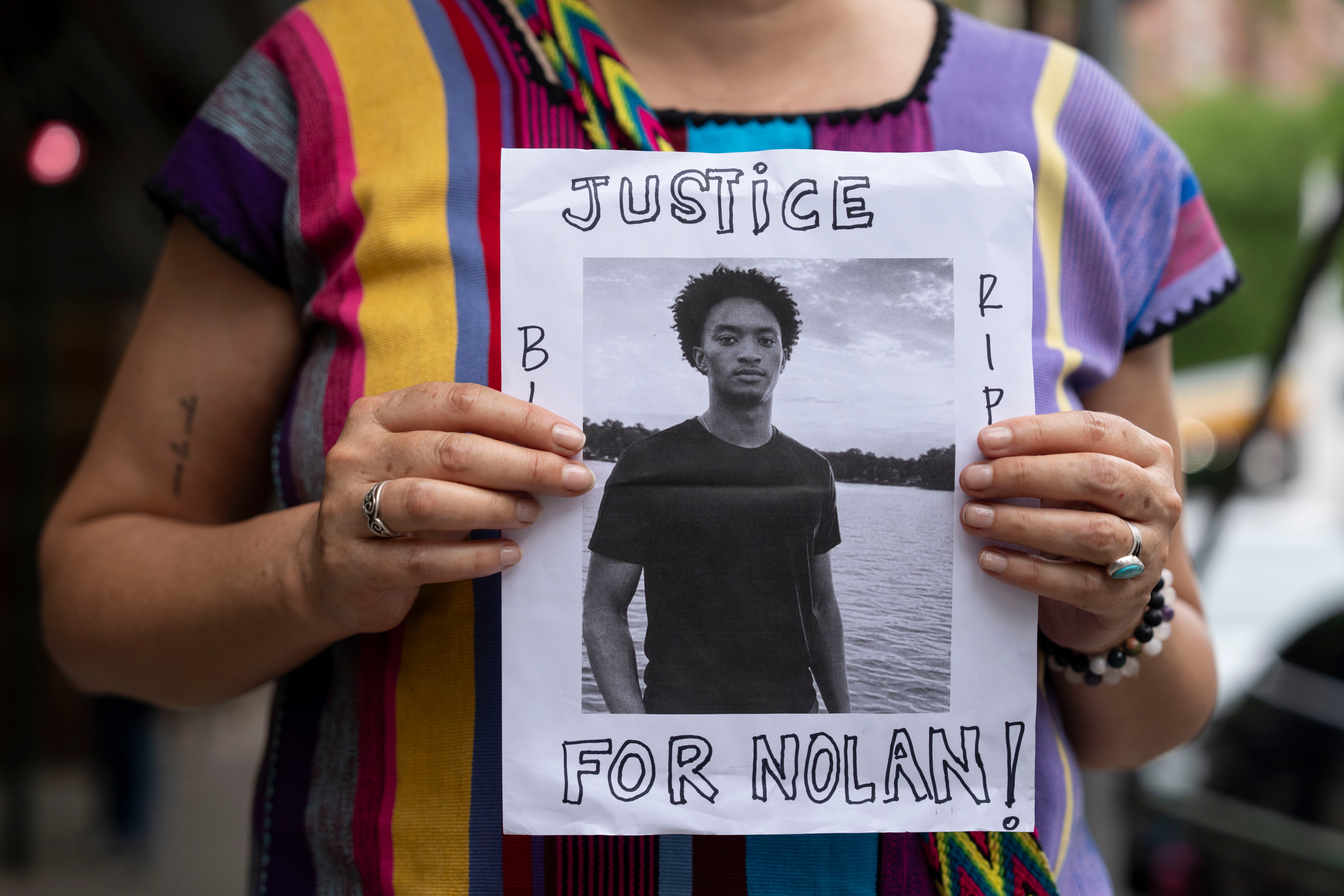
I was angry when I learned that a grand jury found no cause for criminal charges in the death of Nolan Wells, a Black teenager who died after a July 4 boat trip to an island in Mississippi with a group of white friends.
The facts surrounding the case were strange from the time Wells went missing. His friends said the 18-year-old wanted to stay on Horn Island to talk to a girl, so they left without him, and Wells left his phone on the boat. Days later, when Wells’ body was found floating in the waters off the island, Jackson County sheriff officials declared that no foul play was suspected.
Then, just days after the grand jury concluded Wells’ death was “consistent with drowning,” Wells’ family released details from the official autopsy report from the Mississippi medical examiner. The autopsy indicated that there was no water in the lungs, stomach, or throat of Wells, which begs the question: How does one drown without ingesting water?
That troubling question, along with a history that includes countless lynchings, the murder of Emmett Till, and the murder of voting rights activist Medgar Evers, demands a deeper investigation. Yet I know, in that secret place where my ancestral memory lives, that the investigation might never take place.
Wells’ family did all they could to find the truth. They hired attorney Benjamin Crump, sued social media companies for cell phone records, and hired an independent pathologist to conduct a second autopsy after the Mississippi medical examiner performed the initial postmortem. Wells’ friends were mostly silent, but the internet was not. Observers retreated to their familiar corners — left and right, progressive and conservative, bigoted and anti-racist. Our opinions of the case tended to be shaped by our long-held views and lived experience.
Perhaps that’s why, when Jackson County District Attorney Angel Myers McIlrath promised to conduct a fair and thorough investigation, I was skeptical. Then, when she announced that she would convene a grand jury, I was hopeless.
Because grand juries operate in secret and only view the evidence presented to them by the prosecutor, the outcome is heavily influenced by the prosecutor. I believe that’s why we don’t see criminal charges in cases like the tragic death of Nolan Wells.
Just as my ancestral memory calls out to me and screams for racial justice, the history of Mississippi calls out to the current power structure and demands white supremacy.
It’s why the district attorney could release a redacted grand jury report, never share all the evidence, and scold the public for questioning whether race played a role in Wells’ death.
“What I cannot accept, what I cannot ignore, is that false narratives that Nolan’s death was somehow racially motivated, and that this is a case of another young Black man denied justice by a racist, corrupt system, were perpetuated and allowed to spread,” McIlrath said in a video explaining the grand jury’s decision. “There is not a shred of evidence to support these narratives.”
Perhaps the DA can’t accept what she framed as false narratives, but how can we know they’re false? The grand jury operated in secret, then released a report with some of the details blacked out. There was no preliminary hearing, no public airing of evidence, and no real attempt to answer the family’s ongoing questions about what happened to their son.
There is only one thing that I know to be true in the death of Nolan Wells, and his mother, Christine Wonsley, gave voice to it in the wake of the grand jury’s findings.
“Last night was a reminder that our son’s life does not matter to those who hold positions that are supposed to serve and protect the public,” Wonsley said.
It breaks my heart that she’s right.
Editor’s note: An earlier version of this column misstated the location of the island that had been visited by Nolan Wells; it was Horn Island. It also incorrectly noted that Wells’ organs were removed before his body was released to his family; the organs were included with the rest of his remains.
My parents were big supporters of public education.
Teaching was their life’s work. They spent almost their entire careers in the District of Columbia Public Schools system. However, they chose to send my four siblings and me to Catholic schools through grade 12. They sacrificed almost everything to do it. Many of their educator friends made similar choices.
My husband’s mother made a similar pick. He still recalls how out of place he felt after his mom — also a schoolteacher — enrolled him in an expensive, predominantly white boarding school in New England when he was just 11. Last year, during one of his school reunions, I walked around and marveled at the beauty of the campus.
At the same time, though, the thought of him dressed in his little blazer and being so far away in Massachusetts makes my heart ache for the adolescent version ofhim. Not that he regrets it. It put him on the path to Princeton University.
Like many other middle-class families, our parents faced a difficult decision: send us to our neighborhood schools with all of their problems, or identify the best possible educational opportunity for us elsewhere.
Add in a bunch of other variables that Black students in predominantly white private schools often still face — including social isolation and subtle discrimination — and the decision becomes even more difficult.
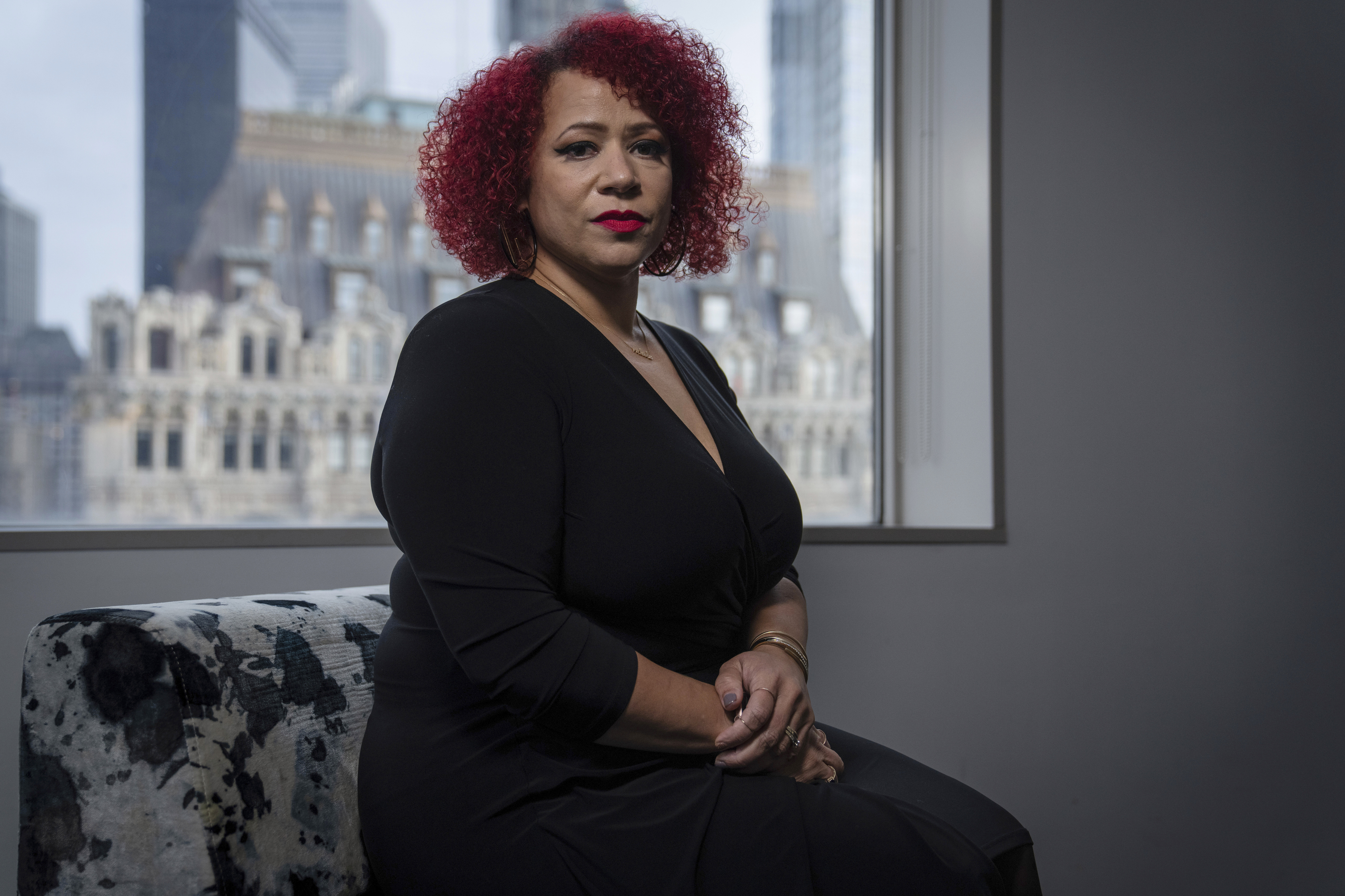
I’ve been thinking a lot about the choices Black parents have to make for their children after reading Nikole Hannah-Jones’ essay in the New York Times about what her family went through getting her daughter educated in New York City public schools.
The Pulitzer Prize winner, who founded the 1619 Project, could have afforded to send her daughter to the most exclusive school in the city. Instead, she enrolled her only child in a segregated, high-poverty public elementary school in Brooklyn across from a public-housing project.
Because she and her husband were well-off financially, Hannah-Jones naively thought they could use their resources and networks to help the school thrive. It was a decision based “on the collective good and not just our individual advantage,” she wrote.
She acknowledged that her decisionreturned to haunt her years later when her daughter was in middle school and confronted her, saying, “So you had money to send me to one of the best schools, and you chose not to?”
In the piece, Hannah-Jones delves deep into why she made the choice that, she eventually concludes, was a mistake.
“Najya deserved better. They all did. But she was mine. This girl, my only child, looked to me to protect her, to give her what she needed to thrive. And I had not chosen her.”
It was a stunning admission.
Not to mention brave.
When it comes to choosing schools, there aren’t always suitable options, especially for socially conscious Black parents like Hannah-Jones. People sometimes find themselves having to make a no-win choice the way she did.
“Which struggle are we asking our children to bear? Stay in the neighborhood school and risk being underserved; leave for a more selective or whiter school and risk isolation, racism, and the message that the children left behind are not worth saving,” Sharif El-Mekki, CEO of the Philly-based Center for Black Educator Development, told me in an email.
Hannah-Jones’ daughter, Najya, now attends a selective, predominantly white and Asian public high school. Hannah-Jones wrote she is better off academically, but racism is a factor. “My daughter had never been part of a minority in a school, and now she sat in classrooms where some classmates casually tossed around racial slurs as if it were cool.”
Najya also has regular homework assignments, which was something she wasn’t used to. She hadn’t learned to study on her own. Her grades faltered. Her parents hired an algebra tutor and learned that their student “had huge gaps in many of the building blocks of math that she should have learned in elementary school, like mastery of long division and fractions.”
Eventually, Najya was able to get her footing and started getting A’s and B’s again.
I reached out to Shanée Garner, executive director ofLift Every Voice Philly, a grassroots, Black-led parent organization, who pointed out, “The most heartbreaking aspect of [her] story is how clearly it reveals a trap any of us can fall into: Believing that being right, or having access and influence, is enough.”
She added, “There is no perch high enough and no argument brilliant enough to produce the seismic and enduring shifts our public systems require.”
Public education needs widespread systemic reforms to better serve diverse populations.
That’s where critics should be directing their outrage — not at Hannah-Jones for the choice she made about schooling her daughter, a decision that was rooted, as others have noted, in an attempt to live out her principles. Some people are mad at the wrong things. As Hannah-Jones noted, Najya will be fine. She “has learned resilience,” her mother told a reader online.
But what about all of the children enrolled in schools that don’t adequately serve them? They must not be ignored. Their schooling matters, too.
When it comes to those often-forgotten students, we already know where Hannah-Jones stands on the principles of equity, fairness, and equal educational opportunities. What about the rest of us?
Newspaper readers on Earth 2 woke up this week to a shocking headline in the Bizarro New York Times: “President’s Mental Health Crisis Spirals Downward Again in Stunning and Senseless Speech to UN.”
The article began: “BIZARRO NEW YORK — In a rambling and at times incoherent 40-minute speech to the United Nations General Assembly that shocked delegates from around the alternative planet, President Donald Trump made up his own new name for artificial intelligence, lied about his regime’s murderous attacks on boats in the Caribbean, and threatened a nuclear Armageddon in Iran.
“The speech from a hoarse and occasionally confused Bizarro American president sparked a rushed press conference on Capitol Hill from rattled Democrats calling for Mr. Trump’s immediate removal under the 25th Amendment, an outcome also urged by three major U.S. newspapers in front-page editorials.”
Meanwhile, here in the polluted reality-based atmosphere of Earth 1, Trump’s mashugana speech to the U.N. was more or less “sanewashed” by the media and by Congress — just like everything else from 21st-century Caligula, like his 2 a.m. AI-fueled posting sprees on social media, his growing obsession with renaming lakes and whatnot, or the more serious unconstitutional power grabs.
The actual not-bizarro New York Times did mention the Iran annihilation threat in its headline, but explained that Trump had laid out his “Winner-Takes-All Vision” of geopolitics, which also presumably would have been the paper of record’s 1938 sanewashing of a certain German dictator’s foreign policy.
It’s not the first time a vision of journalistic objectivity that was forged in a very different mid-20th-century America has failed the public. I say that as someone who began an evolution from “straight” news reporter to opinion journalist when conventional reporting failed to call out the obvious lies when the U.S. invaded Iraq in 2003.
But what was a big problem a generation ago now looms as a once-in-a-lifetime catastrophe: A demagogue who hijacked American democracy, just as the nation’s founders feared would happen, is devolving into a mad king before our eyes.
Less than halfway through Trump’s second term, a buck-naked monarch is parading down Fifth Avenue atop a horse he just appointed to his cabinet, holding nothing but a .38-caliber pistol he occasionally fires into a stunned paradegoer, just to prove he can still get away with it. Somewhere in New York or Washington, D.C., a headline writer is hailing a president’s “One-of-a-Kind Approach to Diplomacy.”
The United States is in a world of trouble right now — losing a totally pointless war in which insane prices at the gas station are collateral damage, committing crimes against humanity from the waters off South America to the meatpacking plants of Dodge City, Kan. — but there is no more pressing crisis than the mental state of a president who believes the only limits on his power are “my own morality, my own mind.”
The salary of both the elite Beltway media and our corporate-sponsored members of Congress depends very much on not understanding the seriousness or nature of this crisis, and so both occupations cower at the thought of making the hard moral choices required by even a child’s understanding of our mad emperor’s new clothes.
There are some eyes-wide-open scribes out there like indie journalist Dan Froomkin, formerly of the Washington Post, who’s long been crusading against the news media’s sanewashing of Trump and wrote in a recent piece that “his idiocy is intertwined with his derangement. And yes, it’s compounded by the lack of anyone inside his bubble willing to correct him. But it’s not so much correction that he lacks. It’s a functional brain.”
A mockup of President Donald Trump’s proposed triumphal arch stands at the Great American State Fair on the National Mall in June.Jen Golbeck
I try not to write a “hot take” column every time the president utters something completely irrational, because that would be at least five or six times a week and there’d be no time to write about all the other bad things happening in our country right now.
I did find myself baffled by the coverage of what I thought was maybe the most bat-guano crazy thing to come out of Trump’s unhinged Truth Social feed: his “announcement” that his 250-foot “triumphal arch” in the nation’s capital will now become a sniper’s nest stockpiling live ammo and lethal drones.
What read like a plea for a 302 involuntary commitment police call for 1600 Pennsylvania Avenue was instead treated by too many journalists as a serious news story, followed up by thumb-sucking pieces about Trump’s new penchant for invoking “national security” to silence critics of his many vanity projects. Fellow journalists: We need fewer “think pieces” and more “this man cannot think” articles.
The U.S. Supreme Court, with its three Trump-appointed justices, has made it clear that the president will never be punished in a courtroom for his multiple high crimes and misdemeanors. But if another trial did somehow take place, I believe Trump could have grounds for an insanity defense, because he certainly appears to lack an ability to understand how politically toxic his shtick has become.
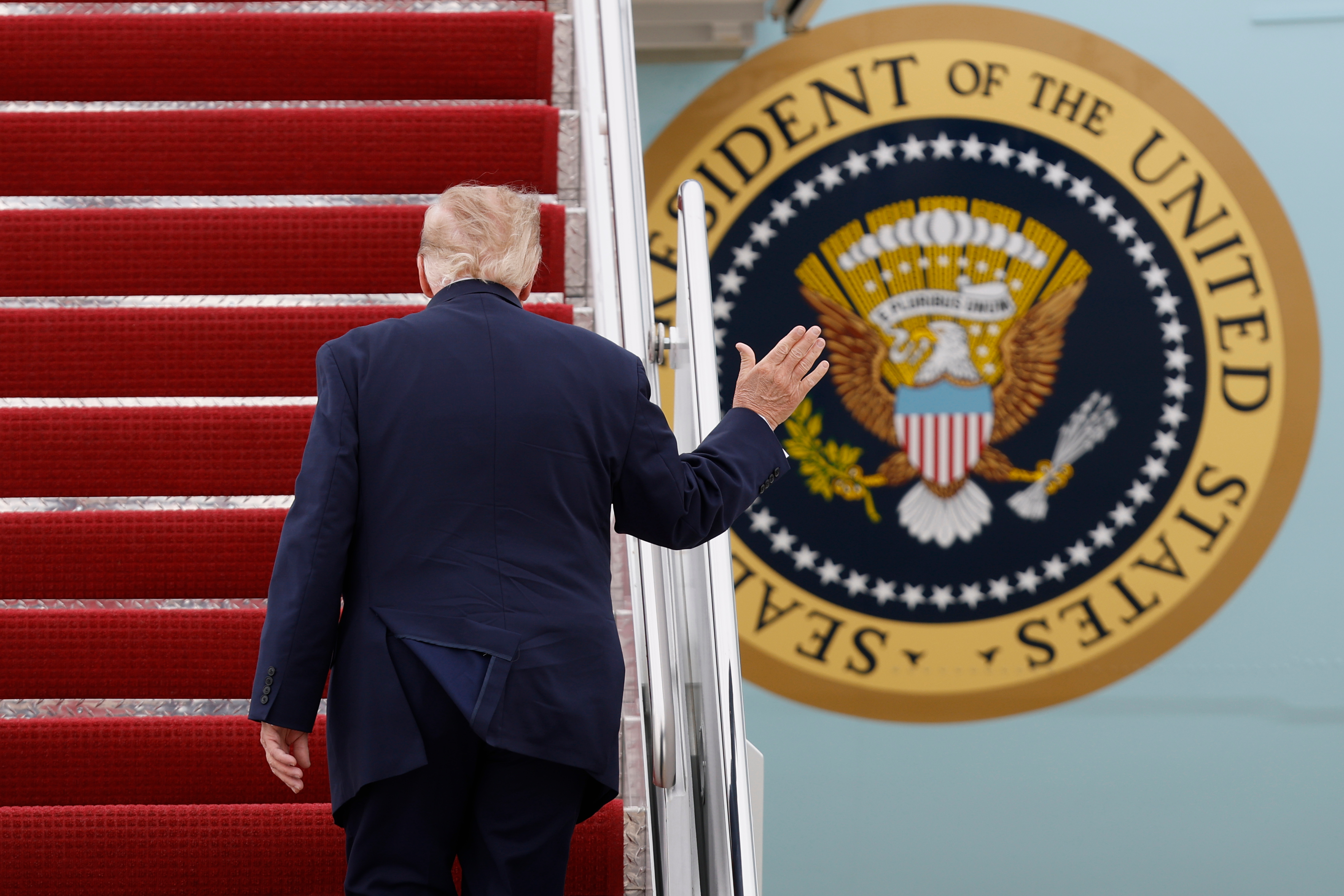
This week, with some polls showing Trump’s approval rating plunging to Richard Nixon pre-resignation levels, the president commandeered Air Force One to fly to yet another college football stadium’sluxury box, with his blonde Rasputin, Natalie Harp, right by his side. This came after a week dominated by a gaudy three-day summit with Chinese dictator Xi Jinping, where tuxedoed guests gorged on sesame-crusted sea bass while nothing was done about the planet’s many pressing problems.
President Donald Trump toasts with Peng Liyuan, the wife of China’s President Xi Jinping, during a state dinner in the East Room of the White House Thursday.Alex Brandon
It was Trump’s close aide and social media guru Dan Scavino who put an exclamation point on the “let them eat cake” mindset by posting an AI video of him getting pushed through the aftermath of the Xi dinner on a cart spraying a bottle of Champagne, with two attractive women at his side. But can you truly “own the libs” with a 29% approval rating? Or do they just not care, and if so, why not?
In a broken country that now runs on the “mind” and the “morality” of its weakened strongman leader, there are three explanations the media needs to discuss, but for the most part won’t:
The oldest man ever elected president in American history is gradually succumbing to dementia, much like his own landlord father whose employees created a desk full of fake work for him in his final years, and his yes-sir Oval Office aides refuse to confront the problem.
Trump has always been like this — an out-of-control, unrepentant narcissist — and he is determined to spend his last three years of power achieving only the things that matter to him, which are building giant monuments to himself as well as the infrastructure to make sure no one from his family goes to prison. In such a world, his approval rating, or your vote in November, matters not.
The scariest of the three: Trump is crazy … like a fox. In other words, all the insane pronouncements about his power to change the names of things like AI or Lake Ontario are really just numbing the public to the idea that he can do anything he wants, including somehow nullifying the upcoming election with the Democrats looking likely to win both houses.
If no one is blocking Trump from these fairly serious violations, who will try to stop him when he sends troops or immigration agents to polling places, seizes huge numbers of ballots, or conspires with Republicans on Capitol Hill to not seat Democratic election winners? And then ignores judicial orders to cease and desist?
This is exactly why the time to sound the alarm is now, and not Nov. 10 or Jan. 3, when undoing irrational and unlawful moves by the White House will be much, much harder. Look, TV punditry and newspaper analyses that stop pretending the president is a well man, or newspaper editorials calling for his resignation, or leaders in Congress backing impeachment won’t end the crisis … today.
But calling attention now to Trump’s gross unfitness to hold office will set the stage for the battles to come — moving the Overton window on what can be done to restore democracy and helping any sensible Republicans understand there’s still a way to save both themselves and the country before it’s too late.
The right words matter, a lot. We need to start urgently looking for them.