Danny’s Guitar Shop, an independent guitar store and lesson center run by musician Dan Gold, closed its doors after 17 years in downtown Narberth.
Over nearly two decades, Gold forged connections along the Main Line, sold guitars to celebrities, brought outdoor music to Narberth’s streets, and, briefly, starred in a TV show that drew on his talents as a self-proclaimed “kibitzer.”
Gold, 72, said retirement was already on his mind when his landlord raised the rent beyond what Gold could pay. Danny’s officially closed at the end of May. As Gold prepares for the next chapter, which will be filled with swimming, traveling, and playing bassin Broken Arrow, his Neil Young cover band, he said his time in Narberth was “just perfect.”
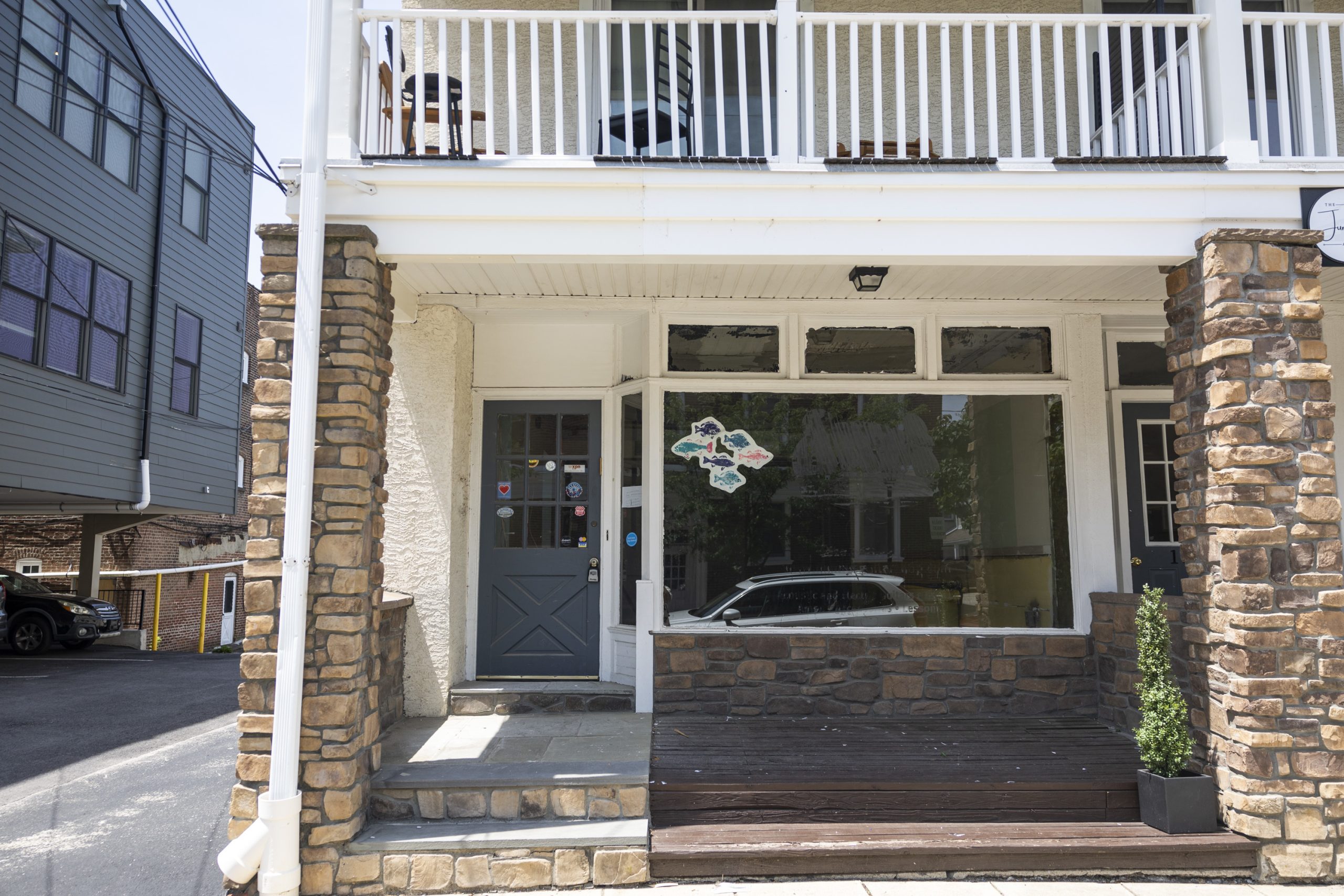
The former storefront of Danny’s Guitar Shop in Narberth. Tyger Williams / Staff Photographer
Gold opened Danny’s Guitar Shop in June 2009, right as the country had begun to dig itself out of the Great Recession. Guitar store Medley Music of Bryn Mawr had closed the year prior, and Center City’s 8th Street Music had moved across the bridge to New Jersey, leaving a vacuum for guitar lovers in Philly’s western suburbs.
Gold, a Newtown Square resident, grew up in Havertown and graduated from Haverford High School and Temple University. He started his career as a schoolteacher before taking a gig as a district sales manager for Fender Guitars, traveling across the region, from rural Pennsylvania to North Jersey, selling instruments and accoutrements.
Though it was risky to open a brick-and-mortar store at the heels of the financial crisis, Gold was bullish on the prospect. His mentors told him that as long as he ran guitar lessons, he’d be able to pay the rent. Gold had always loved Narberth’s “very distinct, charming personality” and was smitten with the Forrest Avenue storefront right away, with its ample natural light and welcoming front porch.
When Danny’s opened in 2009, the Main Line Times described it as having promptly “established itself as that rare kind of clubhouse — the kind where everybody’s allowed in.”
Over the years, the storefront’s shaded porch became the site of dozens of guitar recitals and summer evening jam sessions. Narberth residents gathered outside of Danny’s to talk about the news and the neighborhood gossip, and Gold always had treats for local dogs. Gold helped bring live music to Narberth during First Fridays and the annual July Fourth celebration. Ahead of a recital last fall, Gold posted on Facebook: “Students playin’ on the porch this Sunday 3:00! Bring a chair and come hang out!”
“Danny is loved around here and for good reason,” said Ed Ridgway, president of the Narberth Business Association, who took guitar lessons at Danny’s.
Ridgway described Danny’s as resembling an“old-timey barbershop.” If you asked Ridgway to make a list of 10 things that define Narberth’s downtown, he said Danny‘swould be on the list.
“He was just such a good presence in Narberth,” said Tracy Tumolo, owner of Narberth art and gift shop Sweet Mabel Store.
“This place,” Gold said. “It just fit me like a glove.”
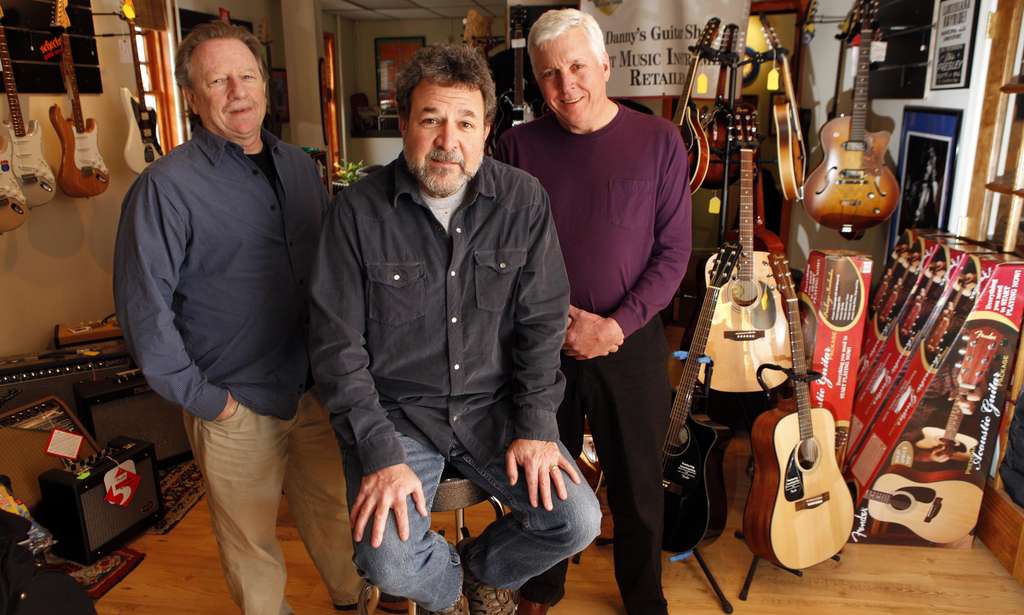
Danny Gold (center) pictured at Danny’s Guitar Shop in Narberth in 2018 with partners Larry Freedman (left) and Ron Stanford. LAURENCE KESTERSON / Staff Photographer
Every once in a while, a star or two would stop into Danny’s Guitar Shop while visiting the area or prepping for a show at Ardmore Music Hall. The Eagles’ Timothy B. Schmit bought a few guitars and gave Gold backstage passes when the band played Atlantic City. Wilco’s John Stirratt stopped by, as did Dweezil Zappa, Frank Zappa’s son. Tumolo said Gold always encouraged them to shop at Narberth’s other businesses.
In 2014, Gold starred in a 13-episode series on WHYY-TV’s YArts cable channel, which aimed “to do for guitars what Anthony Bourdain has done” for international cuisine or ”Mike Rowe for the art of cleaning septic tanks,” according to an Inquirer story from the time. In the series, Gold explored the origins of Klezmer music, interviewed the scholar who wrote the definitive book on the history of the accordion, and spent quality time with electric guitar giant Paul Reed Smith.
Lessons were the biggest part of Gold’s business model at Danny’s, as his mentors predicted. He did a large consignment and secondhand business, as well, as he was mostly selling to first-time and beginner players.
“The lessons made me a destination store. It’s never like I carried away wheelbarrows full of money, but we were able to make a modest living and enjoy doing what we were doing,” Gold said.
Like many brick-and-mortar merchants, Gold said it became more difficult over time to keep up with the ubiquitous online marketplace. Consumers can now buy any model of guitar, in any color, at any time. Music stores across the countryhave shuttered in recent years, pointing to online shopping as a factor in their decline.
On one hand, Gold feels somewhat liberated from the day-to-day responsibilities of running his namesake storefront. On the other hand, there’s a lot he’ll miss — the people, the borough, watching the neighborhood kids grow up.
At the end of the day, Gold said, “It’s been a great run.”
This suburban content is produced with support from the Leslie Miller and Richard Worley Foundation and The Lenfest Institute for Journalism. Editorial content is created independently of the project donors. Gifts to support The Inquirer’s high-impact journalism can be made at inquirer.com/donate. A list of Lenfest Institute donors can be found at lenfestinstitute.org/supporters.
When it comes to office software, people generally think first of Microsoft. But the reality is that Google Workspace is used by over 11 million paying organizations and boasts more than 3 billion monthly active users globally.
Many of my small-business clients use Google Workspace to send emails, create documents and spreadsheets, host meetings, and store files. And yet most are only scratching the surface. It’s often frustrating to witness so many businesses not taking advantage of all the capabilities of Google Workspace, even though they’re paying for it. That’s a waste of money.
If used the right way, Google Workspace can scale right along with the growth of your business, provide excellent collaboration features, and can be cost-effectively managed and secured without requiring expensive IT firms.
For starters, centralize everything.
If you’re going to use an office platform like Google Workspace, it’s best to lean into it fully. Mollie Plotkin, who runs a successful talent and speaker agency in Philadelphia, says Google Workspace is the “shared backbone” of her company. She uses Google Meet, Calendar, Chat, and Drive to “create an ecosystem” so that everything is in one place.
“Work is much more manageable when everyone had equal access to the same systems regardless of where they were working,” she said. “Instead of relying on multiple versions of files being e-mailed around, our teams work from one live document at a time, which dramatically reduces confusion and duplication.”
Plotkin also says that her internal team saves time on searching and improves efficiencies by consolidating all files and data in one place.
“Important information lives in shared spaces instead of individual inboxes, which makes collaboration faster and prevents bottlenecks,” she said. “We use shared templates, collaborative planning documents, and centralized project tracking so our team can move quickly without reinventing processes each time.”
Cheryl Friedenberg, a founder of High Key Impact, a digital marketing firm in Blue Bell, says that sharing calendars has significantly reduced “all the back and forth” for scheduling client calls and managing deadlines.
“Google Drive and Docs make sharing files simple, without endless email chains,” she said. “There’s no confusion about versions or missing attachments.”
Friedenberg always tells her clients to go the extra yard and make sure to also use Gmail within their own website domain and not as just a Gmail address.
“Using a generic @gmail.com address on proposals, invoices, or your website can make your business look less professional,” she said.
Automate everywhere
Once your team is using Google Workspace as a primary office management tool, it’s important to start automating tasks wherever possible.
Milan Baria, who runs Blueclone Networks, an IT services firm in Princeton, says that with Google Workspace you don’t need a developer to automate repetitive tasks. “We use simple scripts to bridge the gap between Google Sheets and Gmail to automate client follow-ups.”
Andy Williamson, one of the founders of Wilmington-based training firm ONLC, says that Google Workspace Studio, with Apps Script, lets a non-technical user describe a workflow in plain English and have it built.
“The new agents can read the email that came in, decide what kind of request it is, draft the reply, pull the right doc, and only come back to you when something actually needs a person,” he said.
Williamson says that it’s not difficult to create automation so that a company’s data power dashboards or other applications.
“Apps Script used to be just for programmers, but this has been changing recently,” he said. “Everyone in the business is becoming an agent builder, not just the developers.”
Leverage AI
Even if you’re not ready to automate with agents, Google Workspace comes with many AI features right out of the box.
Friedenberg says that by leveraging AI, a user can turn a simple prompt into a fully designed presentation in minutes.
“You’re starting with something polished instead of a blank page,” she said.
In addition, and instead of hiring a videographer, Friedenberg encourages her clients to use Google Workspace to make short professional-looking video.
“You can make a spokesperson-style video without being on camera,” she said. “The voice-overs sound natural enough that most viewers wouldn’t know they were AI-generated. Many small-business owners don’t realize it’s already included in a tool they’re probably already paying for.”
Joe Henderson, a Philadelphia-based expert with Google premier partner Promevo, says that another underused application is Google’s Notebook LM, a premium feature with many paid Google Workspace plans.
“Notebook LM is an AI research assistant that analyzes your documents, then generates summaries, answers questions, creates study guides, timelines, podcasts, and other content based solely on your uploaded sources,” he said. “Our clients use it to input raw documents, industry articles, vendor videos, and automatically turn that chaotic information into easy-to-understand explainer videos, short audio podcasts, quizzes, and custom study guides. It’s like a proactive operational brain sitting within Google Workspace.”
Finally, lean into Workspace’s IT management tools
Baria says that most owners don’t realize that they easily can restrict Workspace access based on the user’s location or device security status like any experienced IT professional.
“High-level security isn’t just for enterprises,” he said. “Small businesses can set up simple rules that prevent employees from accidentally emailing out sensitive information, and use Workspace’s license and user management tools to eliminate unnecessary applications and archive user accounts to save hundreds, even thousands, of dollars a year.”
Plotkin agrees.
“You don’t need a massive IT department or expensive infrastructure,” she said. “Workspace allowed us to add team members, improve collaboration, and manage more clients without drastically changing our operational structure.”
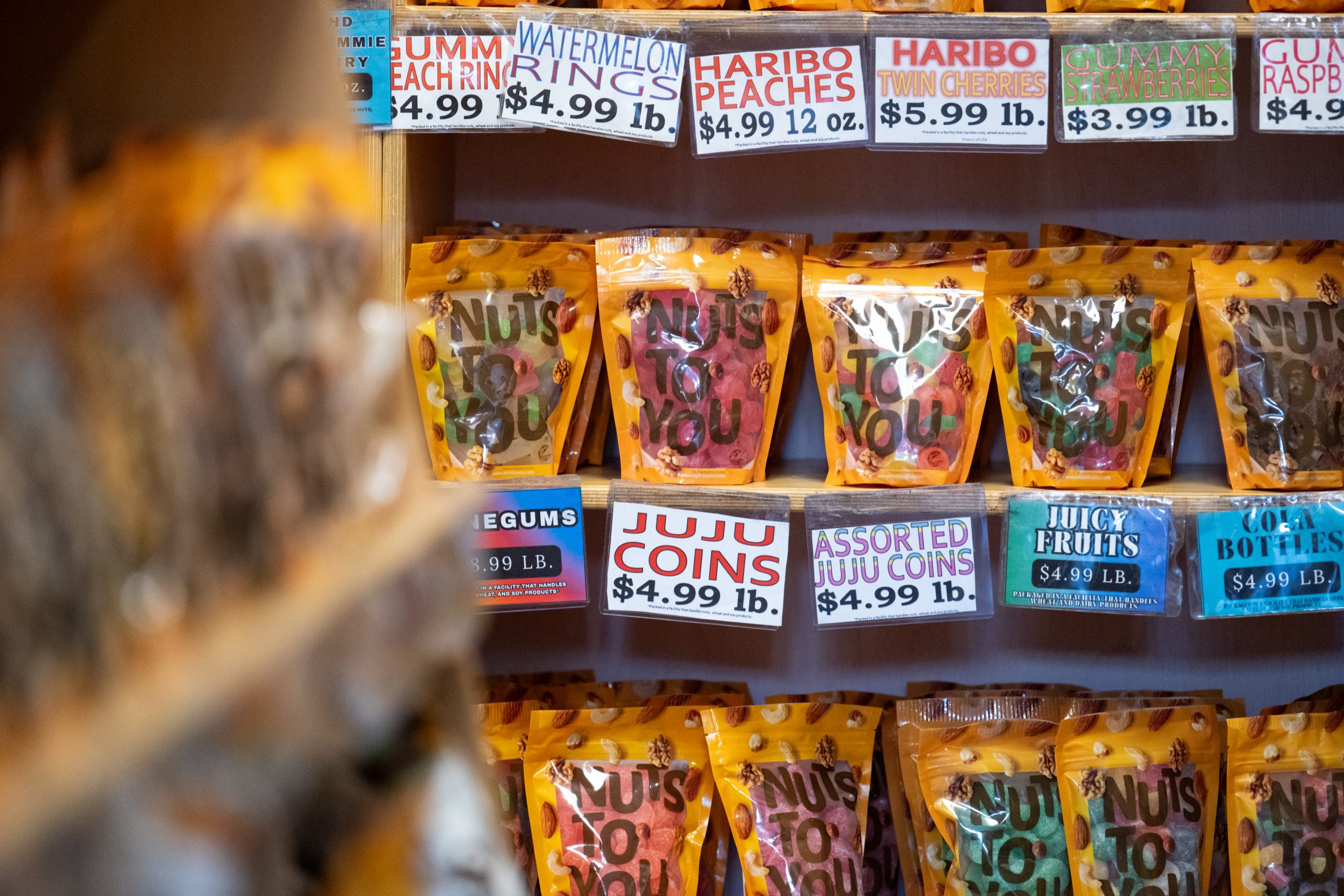
On 20th Street between Market and Chestnut, much has changed in the past 50 years. One tenant that hasn’t: Nuts To You. The snack shop, wrapped in yellow wallpaper speckled with walnuts, remains packed with shelves of nuts, candy, and dried fruit galore.
Nuts To You, a snack haven owned by the same family for three generations, is celebrating 50 years in Center City. Since its first location opened in 1976, Nuts To You has survived the rise of the internet, and the emptying of the business district in a post-pandemic Philadelphia, building decades-long customer relationships on the way.
Pulling off such a feat is “rare, and it’s really hard,” according to Erika Tapp Duran, director of Temple University’s Small Business Development Center.
Nuts To You freshly roasts their nut products at a warehouse in Frankford. Over the years they have broadened their inventory to include freshly popped popcorn (also made in-house), as well as chocolates, candy, dried fruit, and almost anything else one could find in a kitchen pantry.
Gummy candies sold at Nuts To You, a family-owned and operated snack store.Erin Blewett / For The Inquirer
They sell those products out of three city storefronts: on 20th Street near Rittenhouse Square, 16th and Market Streets on the ground floor of Centre Square; and Seventh and Walnut Streets in Washington Square West.
But the brick-and-mortar business has changed. In 2018, Nuts To You had six physical stores, and its leaders were considering expanding into Washington, D.C.
“We used to have lines during lunch rush,” said Justin Bernstein, who co-owns the business with his father, Howard Bernstein. “That just doesn’t exist anymore.”
The location beneath Centre Square has a front-row seat to the evolution. At the end of 2025, the office building had the highest vacancy rate in Center City. Developers are now planning to convert it into a mixed-use complex with apartments and luxury hotel rooms. With three years left on that lease, Nuts To You is uncertain about the 16th and Market store’s future.
But for now, “We’re still here,” said Justin, who has spent most of his life as part of Nuts To You. “We’re still going.”
Fewer walk-ins and a digital pivot
James Troutman, 77, a regular at the Seventh and Walnut Street location, piled bags of rolled oats, cashews, peanuts, walnuts, and sunflower seeds into his gray backpack as he left the store on a Tuesday morning. He’ll later combine those ingredients into his daily homemade cereal, which he has been making from Nuts To You products for decades.
“That’s why I’m so young looking!” Troutman joked.
Employees said this location, the company’s most popular, draws an estimated 100 customers a day. But Nuts To You is not immune to the struggles facing brick-and-mortar businesses. In-person sales are down 30% to 40% from pre-pandemic levels, which the owners attribute to less foot traffic as more people have remote or hybrid work arrangements.
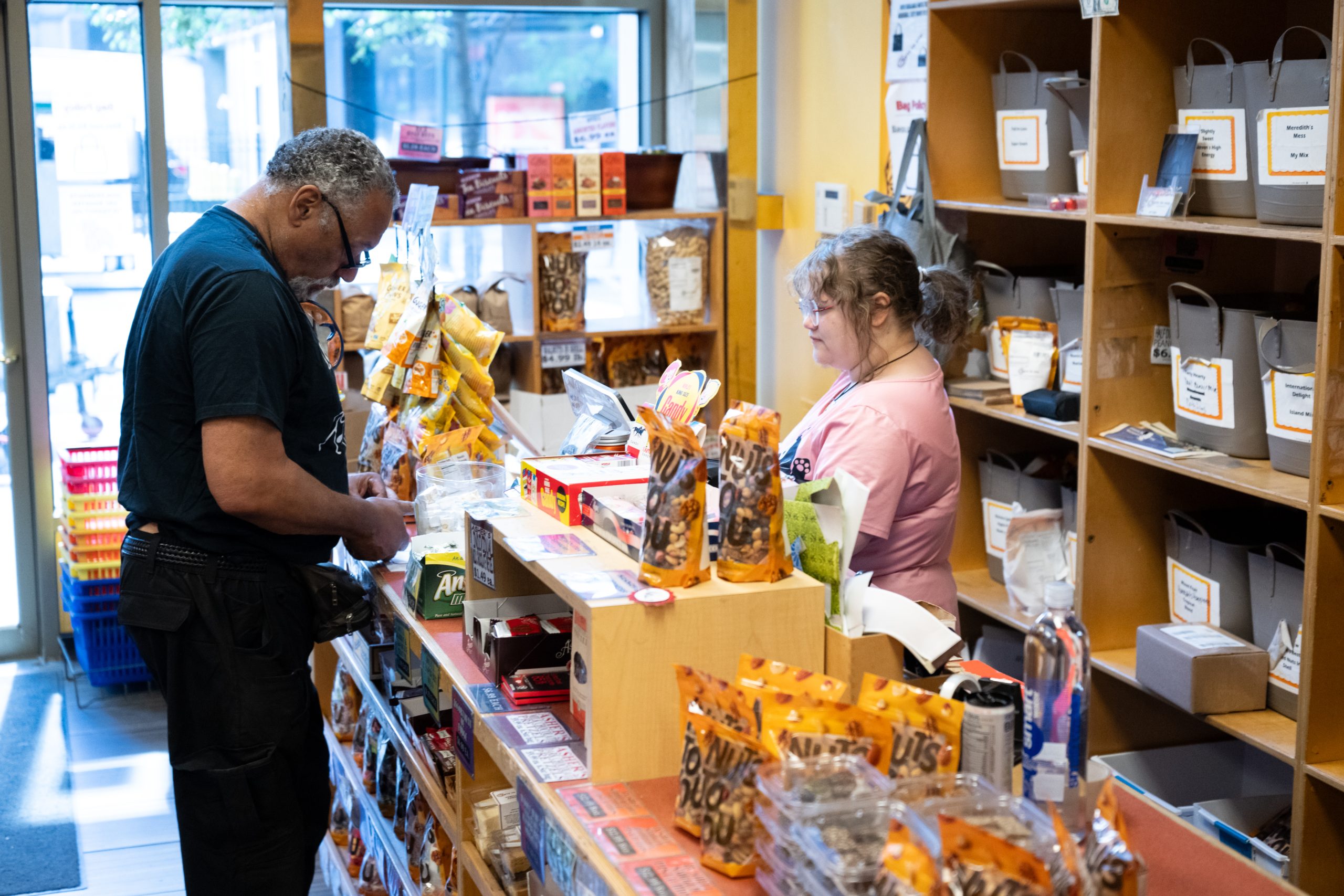
Anthony Feaster (left) makes a purchase with the help of employee Brianna Boyko at the 16th and Market Streets Nuts To You.Erin Blewett / For The Inquirer
The entry of big retail competitors into Center City has also changed the business.
“Fifty years ago, there was nobody selling this product,” said Howard. “CVS and all those drug stores didn’t have full lines of nuts and candy.”
For Nuts To You, the decline in foot traffic has been offset by an increase in online sales. The company launched its website in 2010, but was only making about $100 to $200 a day online before the pandemic. Within two days of COVID-19-related lockdowns taking effect, sales increased to $3,000 a day.
Now, 40% of Nuts To You’s sales come from its website, and the company has forayed into selling on TikTok. As of June, only about 1% of their sales come from TikTok Shop, but Justin said that’s already more than expected.
In lieu of the nuts and oats that traditional walk-in customers buy, online customers tend to purchase sugar-free products or nostalgic novelties like wax bottles or Sugar Daddies.
“Think about all the things that have changed for consumers in the last five or six years, and then multiply that out over 50 years,” said Temple’s Tapp Duran. “You have to be able to pivot.”
Howard says that Nuts To You’s popularity has stemmed from its business strategy, which he defines as “largest variety, lowest prices, highest quality.” This may have been true for many years. Though, with larger retailers’ entry into Center City — Justin cited Trader Joe’s in 2003 and Target in 2016 — it has been difficult to beat corporate giants on prices.
However, the owners say what they can still ensure is quality — “That’s what our customers expect,” Justin said. They source their walnuts and pistachios from small growers in California, with whom they’ve maintained yearslong connections.
“We don’t want to switch to another brand, even though I could save a dollar,” said Howard. “Most customers appreciate that.”
In addition to greater competition and a changing retail landscape, Nuts To You has faced challenges common among small businesses in 2026.
Within the past few months, they’ve joined the ranks of small businesses who were sued for violating the Americans With Disabilities Act, based on allegations that the Nuts To You website relied on a visual interface that was inaccessible to individuals who are blind or use screen readers. Another lawsuit came out of a Proposition 65 claim — a law that requires products sold in California to warn consumers for potential exposure to dangerous chemicals — leading Nuts To You to adopt a disclaimer on its website.
“You think you’re OK, we’re running smooth, we know our expenses, then all of a sudden you get served papers,” said Justin. “And it’s like, what?”
Generations of work
For years, Basheer Ali, 65, has been traveling from Southwest Philly to the Center City Nuts To You stores for his fresh nuts and candy. Employees there have helped him navigate a diabetic diet, introducing him to sugar-free chocolate pretzels.
“The people need these kinds of stores,” Ali said.
The company sees very little employee turnover, Justin said. At least half its 19 employees worked at the company for more than a decade.
Regina DeLeon, manager of the Washington Square West location, has been with the company for 26 years. When prompted by a customer, she recalled Nuts To You’s founder and first-generation owner, Manny Radbill.
Radbill predicted in 1975 that nuts were going to be the next health craze. He wasn’t wrong: In 1992, a study found an association between nut consumption and a lower risk of coronary heart disease, which kicked off decades of research on the health benefits of eating nuts.
With the help of Radbill’s daughter, Caryn, and her then-husband Howard, they opened that first store on South 20th Street, which is still in operation today.
Justin first entered the family business when he was 2 years old, pushing buttons on the cash register. Howard required him to gain outside experience first, but Justin said, “I always kind of knew this is what I wanted to do.”
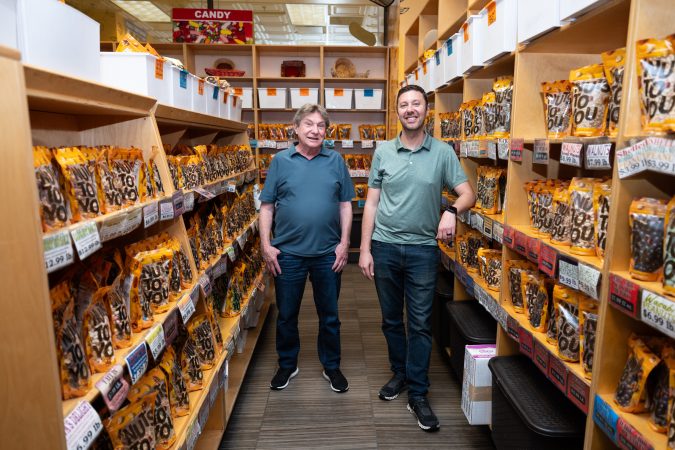
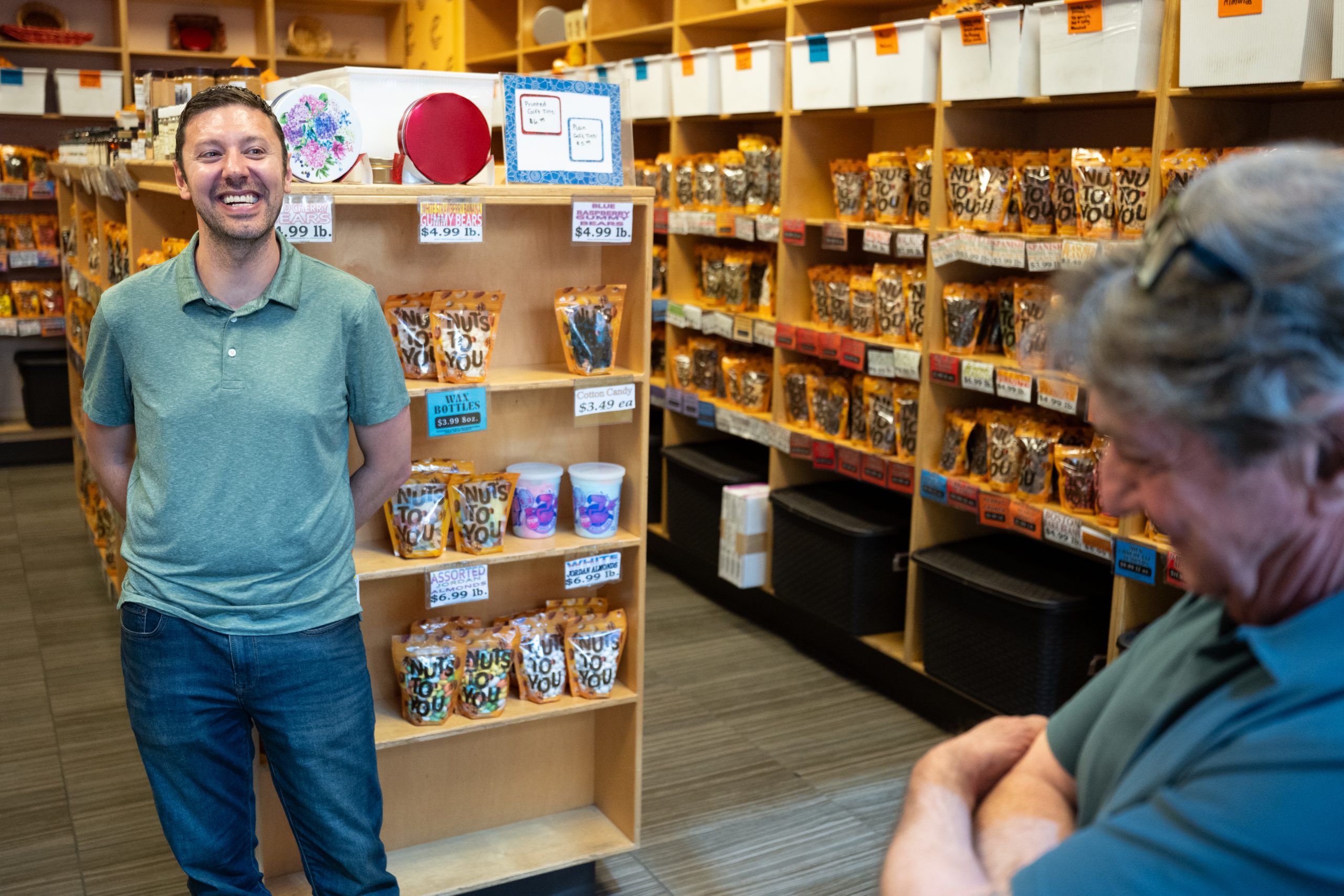
Justin Bernstein smiles at his father, Howard Bernstein, inside one of their three Center City Nuts To You stores.Erin Blewett / For The Inquirer
So, after his college graduation and a brief stint at Boscov’s, about 20 years ago Justin joined Nuts To You and has since become co-owner.
As iconic family businesses like Di Bruno Bros. have been acquired, buyers have approached the Bernsteins, but Howard and Justin decided against it. They entertained one offer, but the deal-breaker was a requirement to close all of the physical stores — the owners refused to put their staff out of jobs.
Over their 50 years in business, Justin said he is most proud of staying family owned.
“We’ll see what happens, what the future holds,” said Justin. “At least another 20 years, call it.”
One of the biggest mistakes small business owners make is waiting too long to get legal advice. The problem is that many start-ups and entrepreneurs simply can’t afford it.
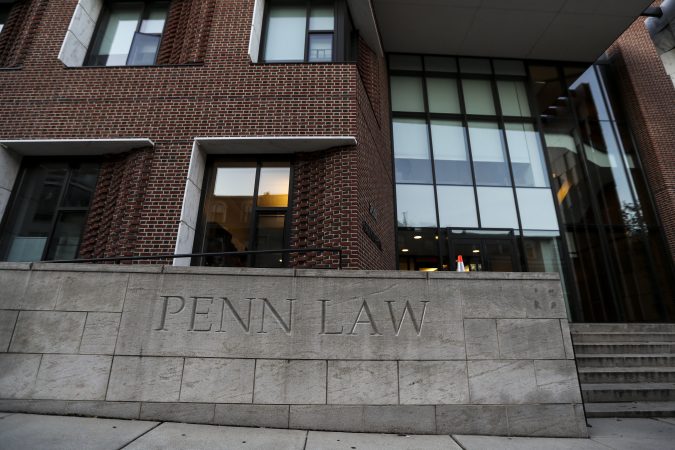
Two clinics at the University of Pennsylvania can help business owners overcome that challenge — and may be one of Philadelphia’s best-kept business resources.
One clinic offers help with general business issues, while the other is focused on intellectual property (IP) matters. Both offer their services at no charge for Philadelphia-area entrepreneurs and businesses. Services are delivered by Penn Carey Law students working under the supervision of experienced attorneys and professors and may not be the same level of service you would expect from a full-service law firm.
Admission to either program is competitive, with each clinic seeking businesses that create positive social and economic impact in Philadelphia communities. Applications are generally reviewed in August and December for the following fall and spring terms.
General legal help for Philly-area businesses
The Penn Carey Law Entrepreneurship Legal Clinic helps small-business owners by reviewing and creating formation documents, customer contracts, and governance documents, as well as vendor, operating, and employment agreements.
This clinic focuses on underresourced entrepreneurs who are “close to achieving something significant” but lack the legal support needed to move forward, said clinic director Praveen Kosuri.
His team gets involved with many early-stage businesses to help them decide on the right business structure and determine what kind of structure — partnership, corporation, etc. — is right for the long term.
“Choosing the right entity structure, ownership arrangement, and governance framework early can prevent significant problems later involving taxes, control, financing, and succession planning,” he said. “We spend a lot of time helping entrepreneurs think through that to build the architecture that will let them grow the way that they want to grow.”
As a company grows it will likely need employees. And with this comes a new set of legal challenges. Many business owners aren’t prepared for the responsibilities of being employers, Kosuri noted.
“Most entrepreneurs understand how to be workers but not how to manage employees, comply with employment laws, and build appropriate workplace policies,” he said. “We talk a lot about the responsibilities of being an owner and an employer.”
The clinic’s lawyers work with business owners from start-up through growth with all the general legal issues that support expansion.
But many business owners have more technical concerns around their intellectual property.
An IP legal clinic for Philadelphia-area businesses
This clinic helps small-business clients protect and monetize trademarks, copyrights, patents, licensing, and technology agreements. Lawyers at this clinic can perform most services related to IP, which includes preparing licensing, nondisclosure, and consulting agreements, as well as filing patent applications and drafting or reviewing specific software or artificial intelligence technology contracts and creating governance policies.
“Business owners should ensure their name, logo, and branding can be legally protected and are not infringing on someone else’s rights,” said Cynthia Dahl, the director of the clinic.
“Unfortunately, many businesses inadvertently expose themselves to risk by using copyrighted content, adopting a conflicting brand name, or failing to secure ownership rights from contractors and employees,” Dahl noted. “We help founders identify and protect these assets before they become vulnerable.”
Dahl says her clients are often “incredibly underresourced, but on a precipice to do something really great — and if they only could afford the legal help, they could get over that hump.”
Dahl’s clinic helps create and implement an IP strategy, which includes knowing when not to pursue legal protection. Dahl’s attorneys provide that advice too.
“Many entrepreneurs assume they need patents but don’t understand the cost, complexity, or business value,” Dahl said. “Our clinic helps them determine whether patent protection is worthwhile.”
Both Kosuri and Dahl have a long list of success stories with entrepreneurs in the area.
For example, Kosuri’s clinic helped a nonprofit purchase a long-vacant grocery store in West Philadelphia and convert it into a food incubator.
“Over a five-year period of time we helped them negotiate to acquire the property, get zoning approvals, draft architecture contracts, create kitchen and customer rental agreements, and with other general business and governance matters,” he said.
Kosuri has also worked with companies on the other end of the life cycle with succession planning, ownership transitions, and best strategies for selling their businesses.
Dahl’s clinic has helped small businesses ranging from an educational curriculum company to a nonprofit that specialized in jazz recordings.
“For that client we helped document the rightful owners of more than 15 years of archived recordings, resolved inconsistent artist contracts, answered copyright ownership questions, and assisted in the plans to release a composition album,” she said.
“If a business owner or entrepreneur doesn’t have a lawyer in their life for even simple questions, both clinics can be a very valuable resource,” Dahl said.
Employing foreign workers is more difficult than ever. But it’s not impossible.
A Philadelphia employer can potentially secure a Canadian engineer in a matter of years. But hiring a similarly qualified worker from India could take decades.
“It’s not easy for business owners to recruit or target these individuals that they deem essential to their operations because of current immigration policy,” said Alex Isbell, an immigration attorney at Palladino, Isbell & Casazza LLC in Philadelphia. “If a company wants to hire someone from overseas, they’re going to have to overcome some pretty big challenges.”
The Trump administration wants American companies to hire more home-grown workers. And the rules have changed to encourage this.
H-1B
Until recently, the best way to bring in workers from overseas has been the H-1B visa, a temporary U.S. work visa program that allows American employers to sponsor and hire foreign professionals in specialty occupations and jobs that typically require at least a bachelor’s degree in a specific field. The federal government has historically issued tens of thousands of these three-year visas annually through a lottery for companies that could prove technical need.
But last year the Trump administration began clamping down on these visas by instituting a $100,000 fee on companies applying. And recently the administration announced a higher wage barrier for companies looking to hire foreign workers.
As a result, applications for these visas have dropped 27% in the past year.
Last week a federal judge stayed the fee as unconstitutional, but the administration plans to appeal this decision. Natalia Gouz, an attorney with Philadelphia-based Klasko Immigration Law Partners LLP, is hoping to see the fee reduced or eliminated.
“Most of our clients are not really able to invest that kind of money, because that could be more than a salary,” she said. “The fee makes things much more challenging to hire someone from overseas.”
TN and E-3
There are other options for employers who want to avoid the H-1B process. That’s because current U.S. immigration policies favor the hiring of employees from some countries over others.
Hiring a Canadian worker vs. hiring someone from India can be a dramatically different process, said Jonathan Grode, U.S. managing partner at Green & Spiegel in Philadelphia.
Citizens of Canada, Mexico, and Australia may qualify for special TN and E-3 visa programs tied to existing trade agreements that are generally faster and less expensive than traditional employment visas, he said. Chile and Singapore are also good places to look for workers because of favorable trade agreements.
“The process is much easier for these countries,” Grode said. “For a Canadian with a bachelor’s degree, if I was to apply for a green card today, the full start-to-finish wait time would take about three years. But unfortunately, if you’re an Indian national, the same process is estimated right now to be 40 years.”
No, that’s not a typo. According to Grode, because India lacks the trade and investment treaties that benefit some other countries, employers often face fewer visa options and extremely long green-card backlogs.
O-1 and EB-1
But there are still more options.
The O-1 visa is reserved for individuals with “extraordinary abilities’” and is not subject to annual lotteries. The EB-1 is a permanent residency (green card) category for those workers, which also includes “outstanding” professors and researchers or multinational executives and managers.
“Those are not subject to quotas, availability, or the $100,000 fee,” Isbell said. “But they’re difficult to receive.”
To get one of these visas, Isbell said, “A person has to be, as the regulation says, one of the very few in their field who’s risen to the top. You have to be a very high achiever, and you have to have been a very high achiever for a long period of time.”
OPT
One overlooked source of talent is international students already studying in the United States.
According to Gouz, these students may be eligible for an Optional Practical Training (OPT) work authorization and can begin working immediately once they have it. Employers can hire an OPT worker without the H-1B lottery process. Most graduates receive 12 months of OPT, and many STEM graduates can receive an additional 24-month extension, providing up to 36 months of work authorization.
“Employers still have obligations, including signing off on the worker’s responsibilities, as well as reporting responsibilities,” she said.
Compliance
It sounds daunting, and yes, the process has become much more difficult for employers. But immigration attorneys like Gouz say not to assume that hiring a foreign worker will be impossible. And — just as importantly — once a foreign worker is hired, it’s critical to stay up to date on compliance in order to keep that worker.
Gouz recommends investing in an experienced immigration attorney and maintaining complete employment documentation including the I-9 Employment Eligibility Verification form, maintaining proper records, and training staff responsible for verifying employment. Using the federal E-Verify platform — a free, internet-based system operated by the U.S. government that allows businesses to electronically confirm the legal employment eligibility of their worker — is helpful, but not a substitute.
“If somebody is presenting documents that don’t belong to them, E-Verify is not necessarily going to catch that,” Gouz said.
It’s important to keep up-to-date I-9 forms for all employees, Gouz noted. And employers must make sure that each worker’s occupation lines up with the approved jobs for their type of visa and continues to qualify for that program.
“The system is really hard to navigate right now,” Grode said. “You can really step in it if you’re not careful.”
At a grand-reopening celebration at Stateside Live!, Stateside Vodka president Matt Quigley’s wife, Megan, grabbed his arm and beckoned to the crowd around them in disbelief.
“It was just such a prideful moment of like … we’re here to stay,” Quigley said.
Just a couple years earlier, fellow cofounder and CEO Clement “Clem” Pappas looked around Citizens Bank Park to see as many Surfsides as Miller Lites in the hands of Phillies fans: “Holy s —, this is happening,” Pappas recalled thinking at the time.
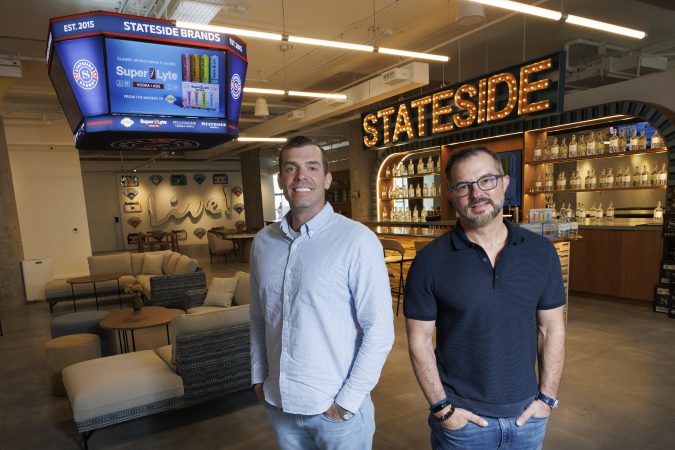
At their massive new Center City headquarters last week, Pappas and Quigley said Surfside’s astronomical rise still feels surreal.
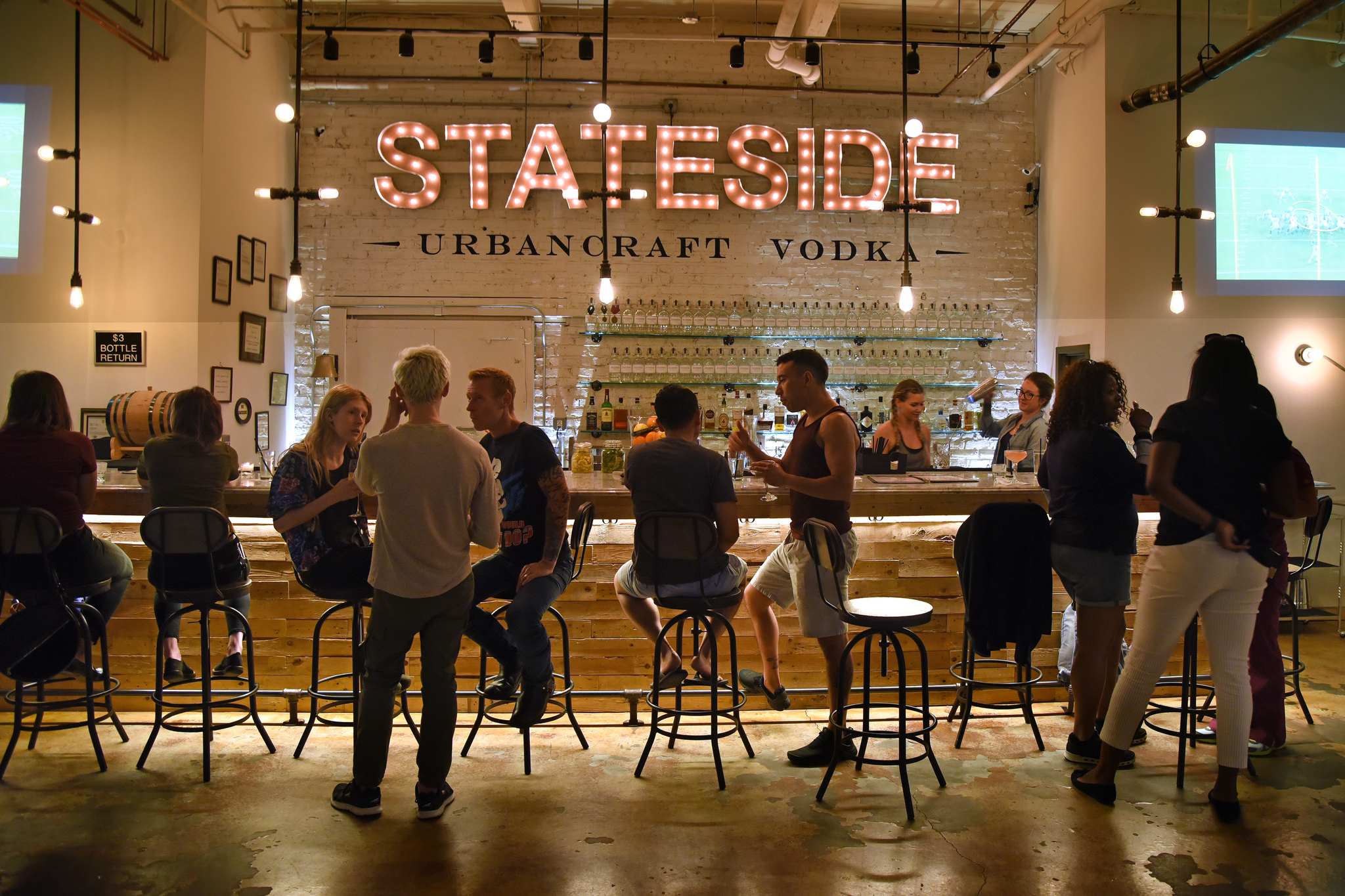
In 2015, the area natives founded Stateside Vodka in a distillery near Kensington with their brothers, Zach Pappas and Bryan Quigley. The company started selling canned vodka sodas in 2021. But they launched into a different stratosphere when they debuted their spiked teas and lemonades in 2022.
Stateside Vodka’s taproom near Kensington is pictured in 2017, when it was called Federal Distilling. TOM GRALISH / Staff Photographer
Branded as lower-calorie, better-for-you booze, the Surfside cans took off. The cofounders said they sold 200,000 cases in the first year, then 1.3 million in 2023, nearly 5 million in 2024, and a whopping 11.1 million cases last year.
The “slammable” 4.5% ABV cans, as Matt Quigley describes them, are particularly popular in the summertime, a three-month period that accounts for about half the beverage company’s retail sales.
So far this year, Stateside is on track for 70% growth in overall sales, and a 65% growth in Surfside sales, according to the company. That comes after a record year in which the company recorded 111% overall sales growth.
(function(){function e(){window.addEventListener(`message`,function(e){if(e.data[`datawrapper-height`]!==void 0){var t=document.querySelectorAll(`iframe`);for(var n in e.data[`datawrapper-height`])for(var r=0,i;i=t[r];r++)if(i.contentWindow===e.source){var a=e.data[`datawrapper-height`][n]+`px`;i.style.height=a}}})}e()})();
As a private company, Stateside does not have to publicly disclose earnings, and executives declined to share specific sales figures.
While Surfside has accounted for about 90% of sales in the past year, the top executives are bullish on their latest invention, a sports-drink-inspired canned cocktail called Super Lyte. They said the new beverage had sold nearly 400,000 cases in three months, meaning it could outpace Surfside’s early growth.
“The initial response is way beyond our expectation,” Clem Pappas said. “It feels like another hit.”
The company has achieved this success without the backing of an alcohol giant like Anheuser-Busch InBev or Molson Coors, which together manufactures hundreds of brands.
Quigley, 42, and Pappas, 52, said they’ve been approached by nearly every big beverage company, but they have no interest in selling anytime soon.
“As long as you’re still having fun, I see no reason to hang up the metaphorical cleats,” Quigley said.
“I don’t want to sit on the bench. I want to be in the game,” Pappas said. “We still think it’s early days.”
Stateside keeps Philly at its heart amid national growth
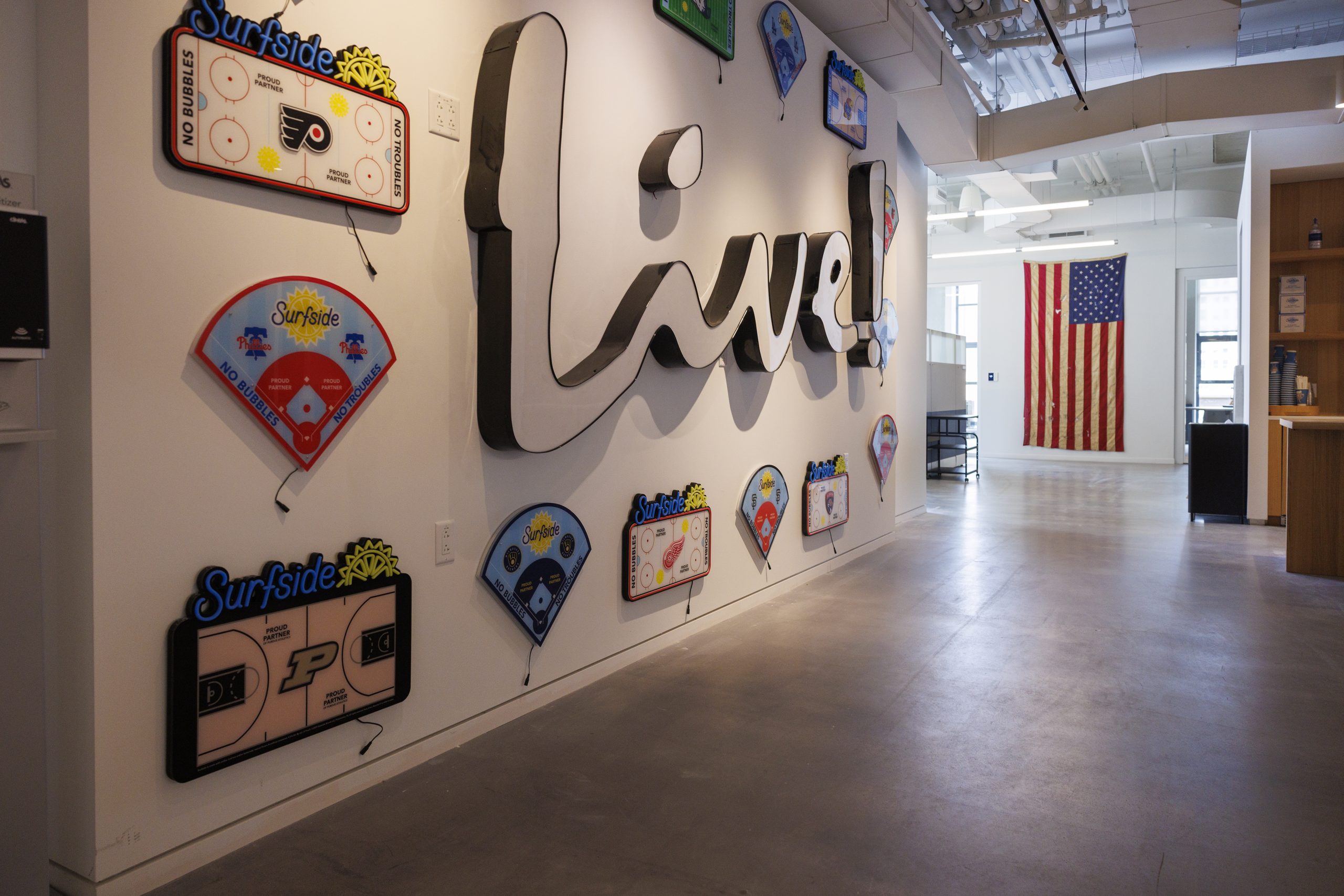
A wall at Stateside Vodka’s new Center City headquarters shows a handful of Surfside’s 170 partnerships.Alejandro A. Alvarez / Staff Photographer
In Stateside’s earliest days, Quigley recalled confiding in Pappas about a pipe dream: “If we ever get super successful, I want a sick office in a high-rise in Center City.”
More than a decade later, they have moved from a temporary office in Feasterville-Trevose, Bucks County, to a chic new headquarters at 11th and Ludlow Streets in Market East.
The company plans to stay put for at least 10 years, the cofounders said. For now, about 80 employees work there four days a week with room to grow.
On a recent day, the office was humming during a new-hire orientation. While everyday operations include the same mundane tasks required of any business, the top bosses pride themselves on keeping the vibes light. “We’re not selling, like, car insurance,” Quigley said.
The bright industrial-style space occupies 34,200 square feet across two floors. It is centered around a long bar with a backlit Stateside marquee, a replica of the one at the tasting room. Nearby, there’s an open lounge with couches, underneath a miniature Jumbotron. Ads for Surfside, Super Lyte, and Stateside rotate on the screens.
Office happy hours are a given.
“That’s part of the special sauce,” Pappas said. “We’re in the drinks business.”
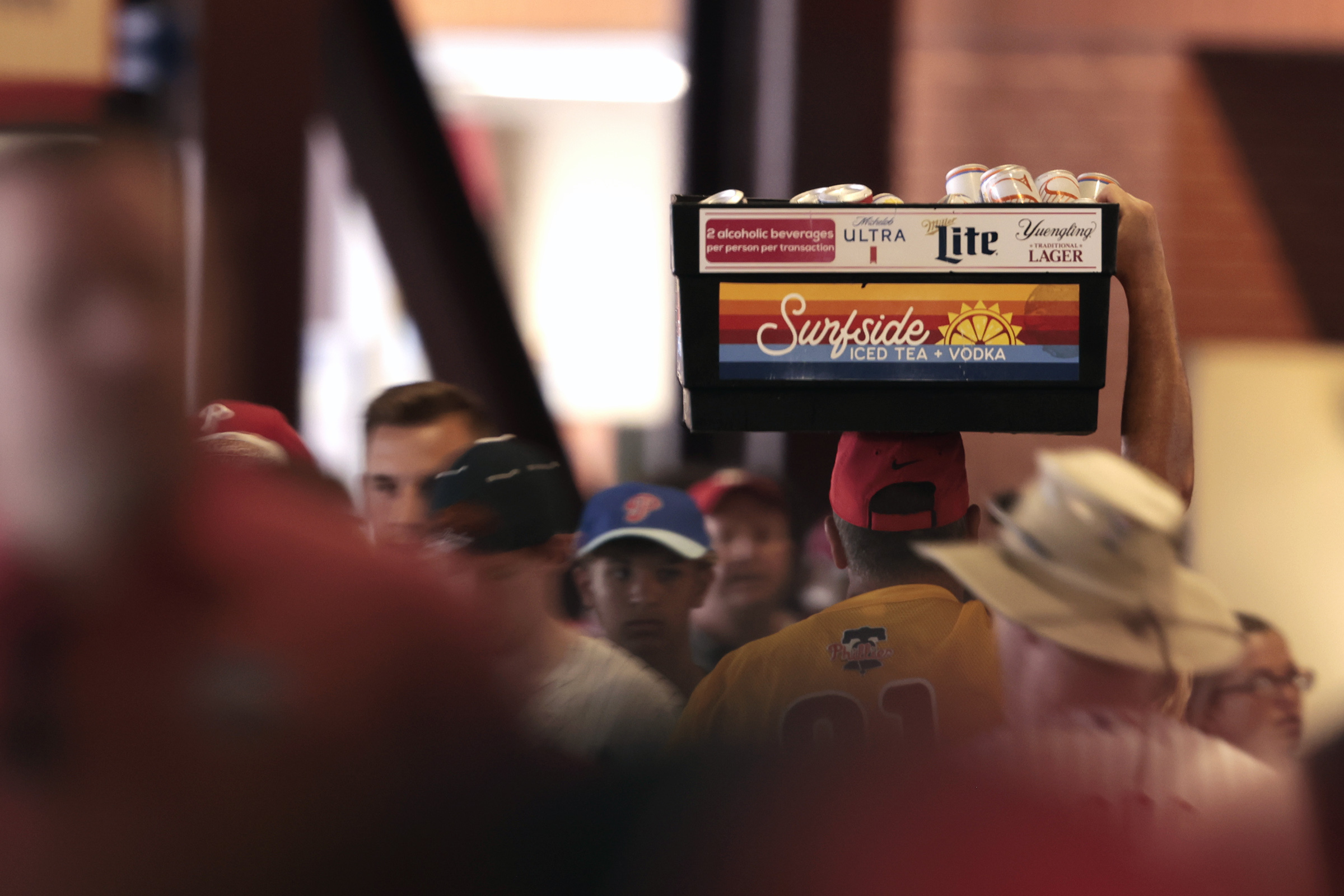
Philadelphia has always been at the heart of the company. It’s where they landed their first partnership with the Phillies, which fueled Surfside’s rise. At Citizens Bank Park, the cans have been the top-selling spirit since 2023, according to Stateside executives, citing figures from concessions provider Aramark.
Across the city, the cofounders still run the 7,500-square-foot Kensington-area tasting room and distillery, the latter of which they hope to turn into an event venue.
The distillery has been outgrowing its space for a while. But the need intensified in the past year as the vodka’s retail sales increased 120%.
They attribute the boost in part to greater name recognition thanks to Stateside Live! They said they hope to move vodka production to a larger facility somewhere in the Northeast.
Sales of the original Stateside Vodka, displayed at the company’s office bar, have grown 120% year over year.Alejandro A. Alvarez / Staff Photographer
The cofounders have also stayed local: Quigley, a Fort Washington native, lives in Kensington, and Pappas, originally of Vineland, is in Haddonfield.
Stateside’s reach, meanwhile, has expanded far beyond the region. The company employs about 340 nationwide, up from around 30 in 2022, executives said, and they sell in all 50 states through a network of more than 200 distributors.
Across the country, Surfside has racked up 170 partnerships, including with MLB teams, music festivals, and colleges. Super Lyte has already acquired more than a dozen partnerships, too, including at Penn State, where they said it will be sold at Beaver Stadium this fall.
A hawker carries drinks, including Surfsides, around the concourse at Citizens Bank Park in 2024. The brand now has 170 partnerships at venues nationwide.Elizabeth Robertson / Staff Photographer
In many ways, the cofounders said, they’re trying to replicate the strategy that proved successful with Surfside at Citizens Bank Park: Connect with consumers somewhere where it feels only natural to grab a refreshing, familiar-tasting beverage.
“You’re at a hot baseball game,” Pappas said. “You got a hot dog. You got a soft pretzel. You got an iced tea” — or, rather, a Surfside.
Compared to seeing a new canned cocktail at a beer distributor, he added, “It’s more of an authentic, emotional connection.”
A beverage hawker sells Surfside cans during a Phillies game at Citizens Bank Park in 2024. Surfside has been the stadium’s top-selling spirit since 2023.Elizabeth Robertson / Staff Photographer
Surfside succeeds with familiar tastes
When customers first sip a Surfside or Super Lyte, the taste is likely familiar, perhaps even comforting. It’s similar to iced tea, lemonade, tea cooler, or Gatorade, drinks that for many have been staples since childhood.
That’s intentional, Pappas and Quigley said, and is one of the reasons they think their products have become so popular.
“If you remember your first beer, it was like, ‘Oh God, who wants that?’ It’s bitter. It’s foreign,” Pappas said. “It’s an acquired taste.”
But when it comes to these canned cocktails, “these are not acquired tastes,” he added. “They’re light. They’re easy.”
Quigley said he got the idea for Super Lyte after years of mixing vodka into Gatorade and throwing the bottles into beach bags on summer vacations. He recalled thinking: “I can’t be the only person in America that’s been doing that for a long time.”
The initial uptake of Super Lyte confirmed that, he said.
Super Lyte launched in March with four flavors: fruit punch, orange, lemon-lime, and blue chill.
Surfside now has 16 variations of iced tea, lemonade, iced tea-lemonade, and green tea. A 12-ounce Surfside contains 100 calories, 2 grams of sugar, and no carbonation, while a 12-oz Super Lyte contains 90 calories, no sugar, and no carbonation.
Stateside Vodka’s new product line, Super Lyte, is displayed at the company’s new Center City headquarters.Alejandro A. Alvarez / Staff Photographer
In the alcohol industry, “we’re meeting what was previously an unmet demand,” he said. It’s “all the convenience and the alcohol level of [a light] beer, where you can drink a few of them and you’re not getting sloshed.”
Even younger consumers — who are least likely to drink alcohol, according to recent surveys — are gravitating toward Stateside products, with high sales in some college towns.
Pappas and Quigley said they don’t see drinking rates declining much farther. Instead, they predict an evolution in the market, with an even greater focus on ready-to-drink cocktails.
Matt Quigley (left), Stateside’s president and cofounder, talks about the company’s products with fellow cofounder and CEO Clement Pappas.Alejandro A. Alvarez / Staff Photographer
So Stateside’s leaders plan to keep crafting new products, they said, which is one of the reasons they have turned down acquisition offers.
“Big, publicly traded multinational companies just aren’t great at innovating,” Pappas said.
Stateside has now established “enough of the back-end capabilities to really compete pretty effectively,” he said, without losing “that entrepreneurial spirit” and the drive “to innovate and disrupt.”
At the moment, he said, they are working on several beverage ideas, none of which are ready for publication.
But it seems unlikely they’ll dabble in nonalcoholic drinks. As Quigley noted, “then it would just be iced tea.”
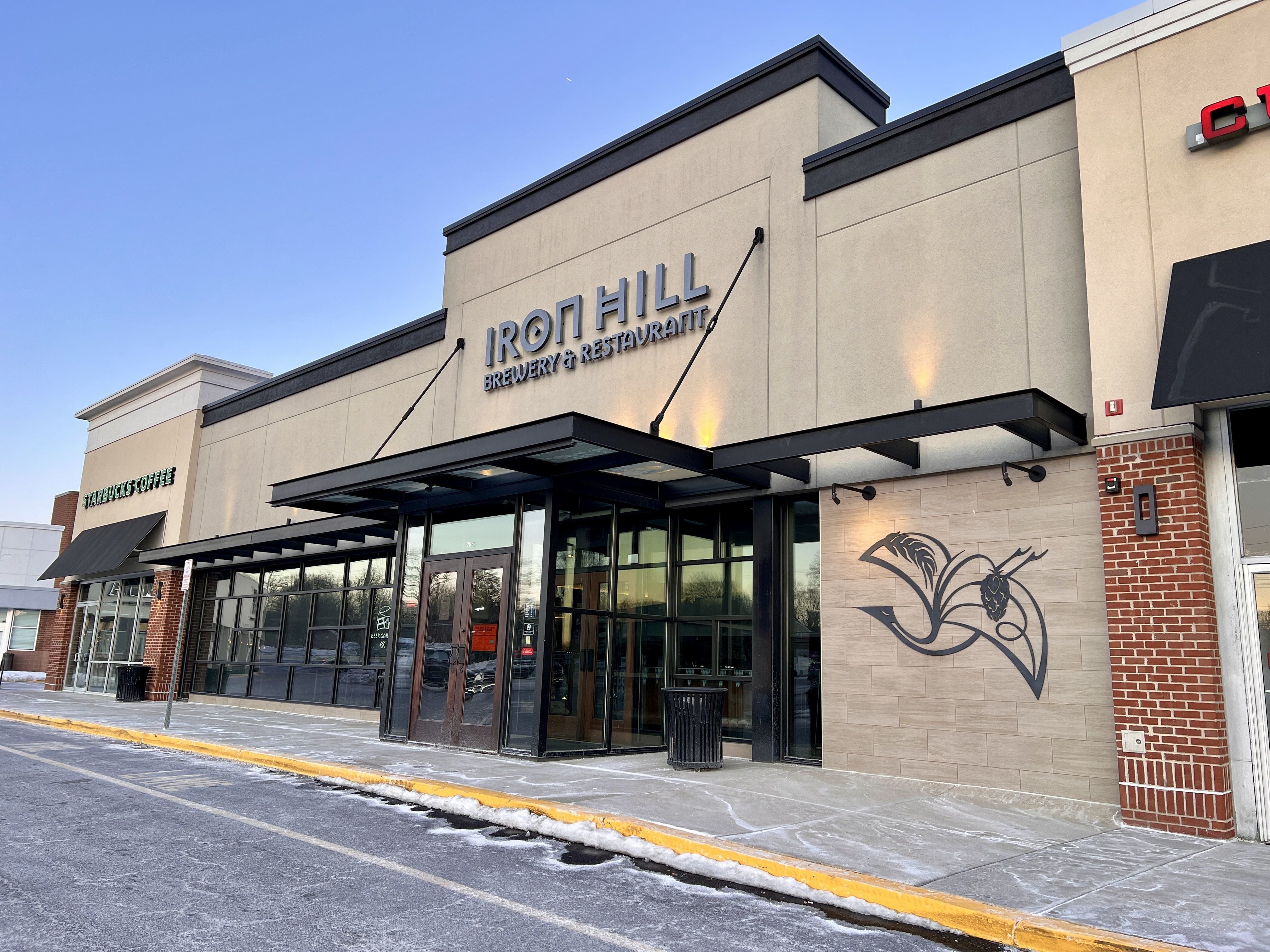
Another Iron Hill Brewery is set to reopen next week.
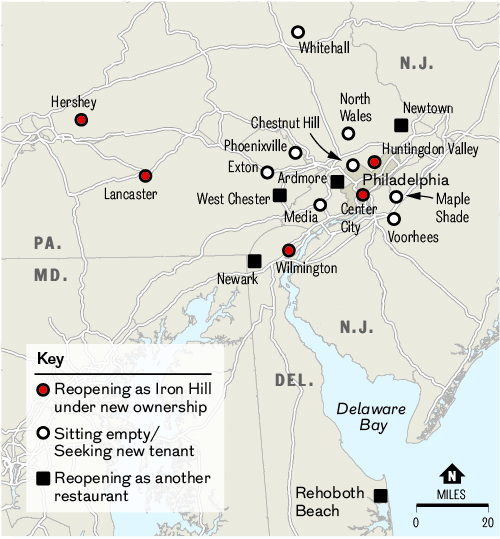
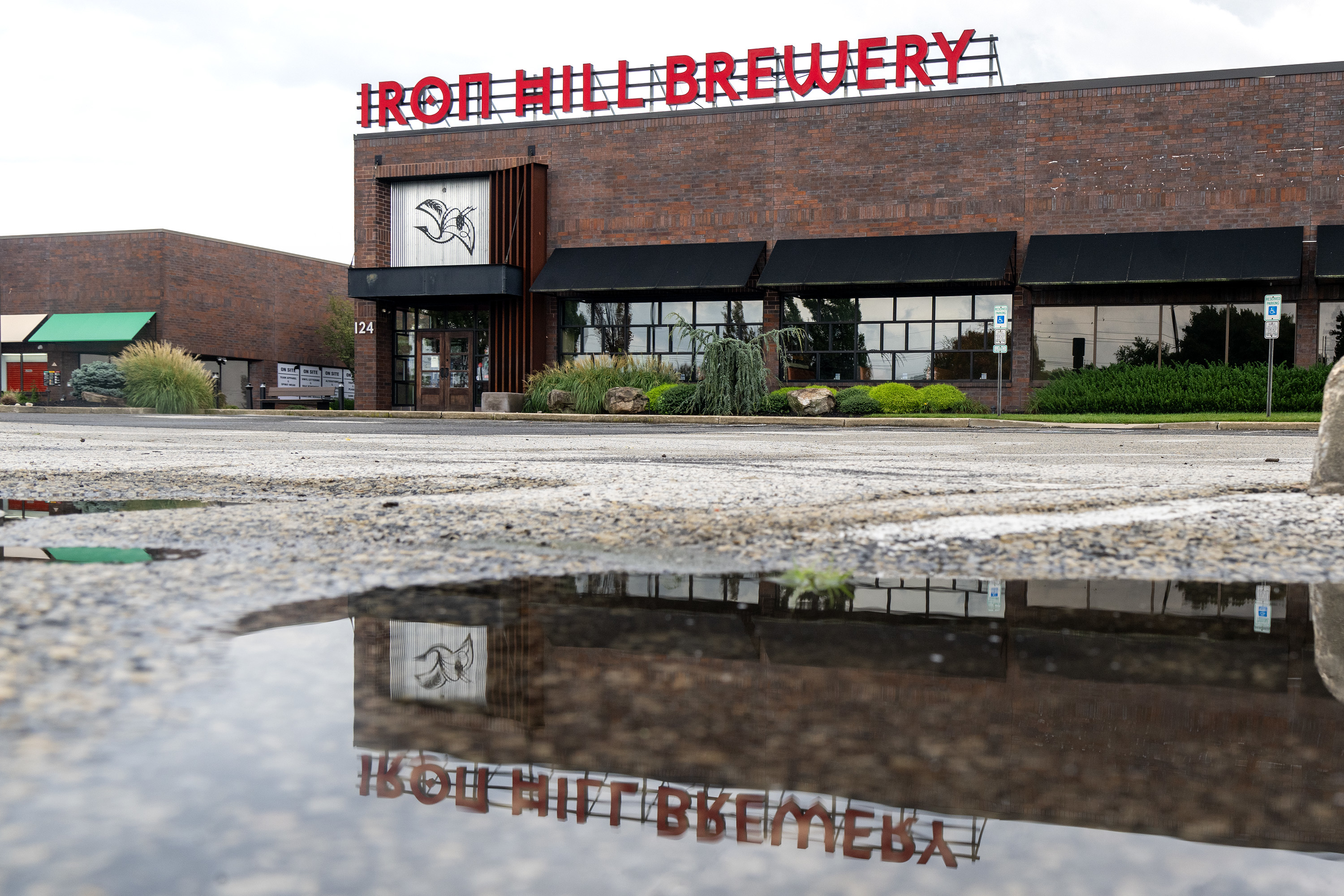
The Huntingdon Valley restaurant will be back in business Monday, June 22, according to the restaurant’s new ownership group. It will mark Iron Hill’s fourth post-bankruptcy revival and the only one in the Philadelphia suburbs.
Amid the reopenings, the new owners have launched a fresh loyalty program and special offers, including a free beer and free appetizer for customers with prebankruptcy gift cards that are no longer usable.
While Iron Hill had a suburban-Philly focus before bankruptcy, the Huntingdon Valley Shopping Center location is the only one set to be resurrected in the collar counties or South Jersey.
Bartenders there will be pouring a new IPA, Hop Chase, brewed exclusively for Huntingdon Valley, according to the new owners. They said patrons can sit inside or outside at the restaurant’s beer garden, which was the chain’s first when it opened in 2016.
“We’re creating a true neighborhood place for the guests we call family, somewhere the community can come together over laughter, great food and award-winning beer,” Naomi Yared, general manager of the Huntingdon Valley Iron Hill, said in a statement.
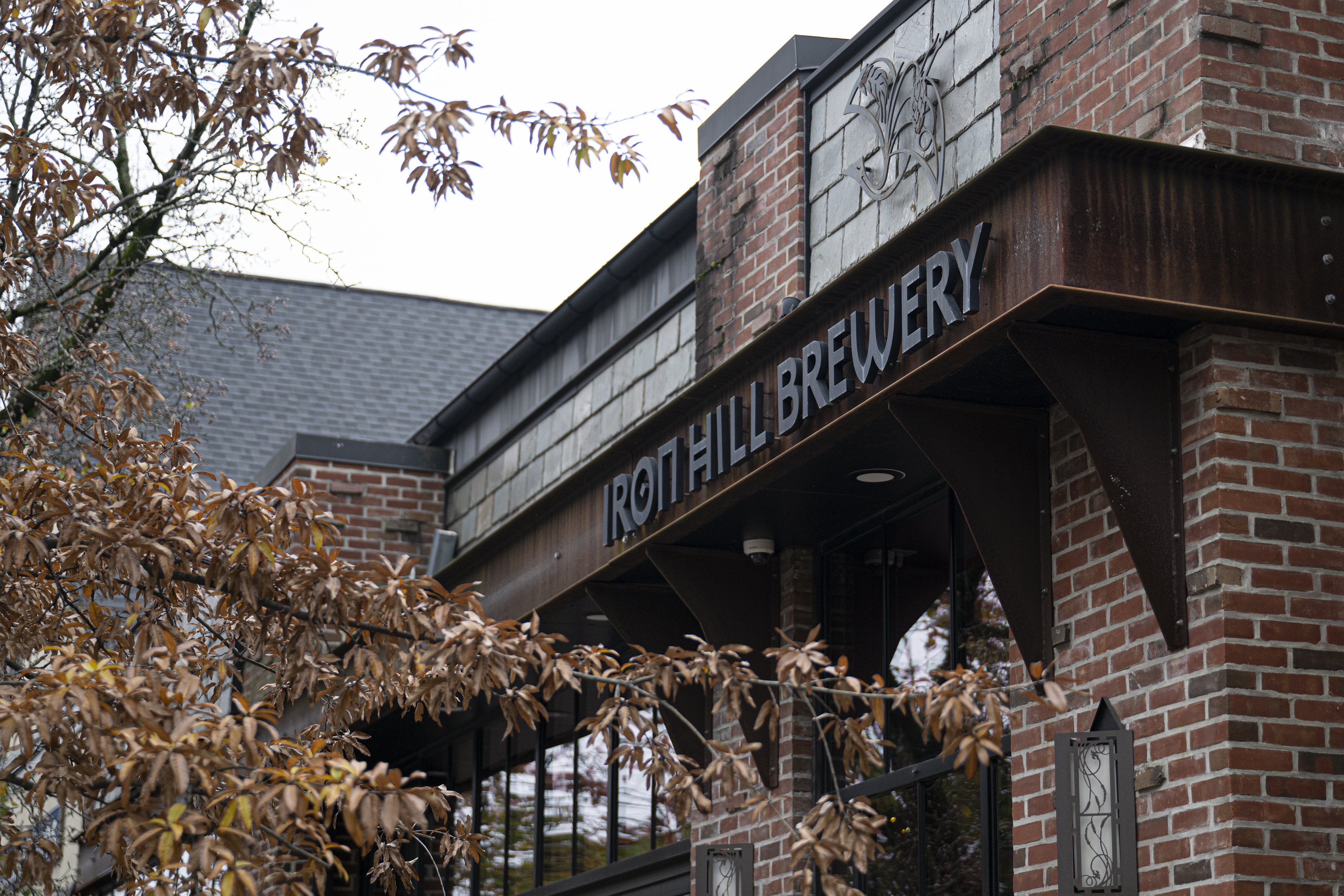
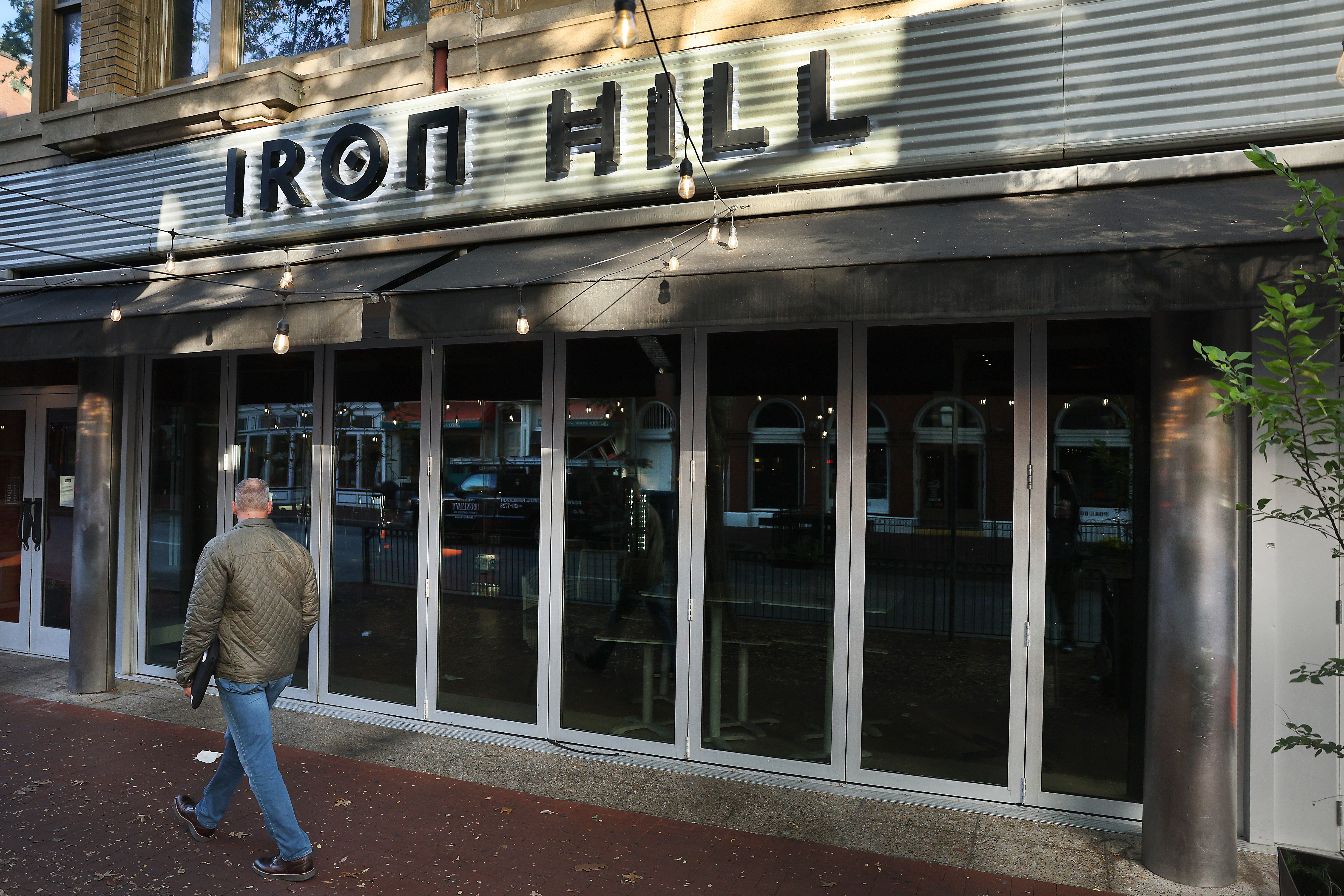
The former Iron Hill Brewery in Chestnut Hill sat empty in November. Property owners are still marketing the space for lease.Jose F. Moreno / Staff Photographer
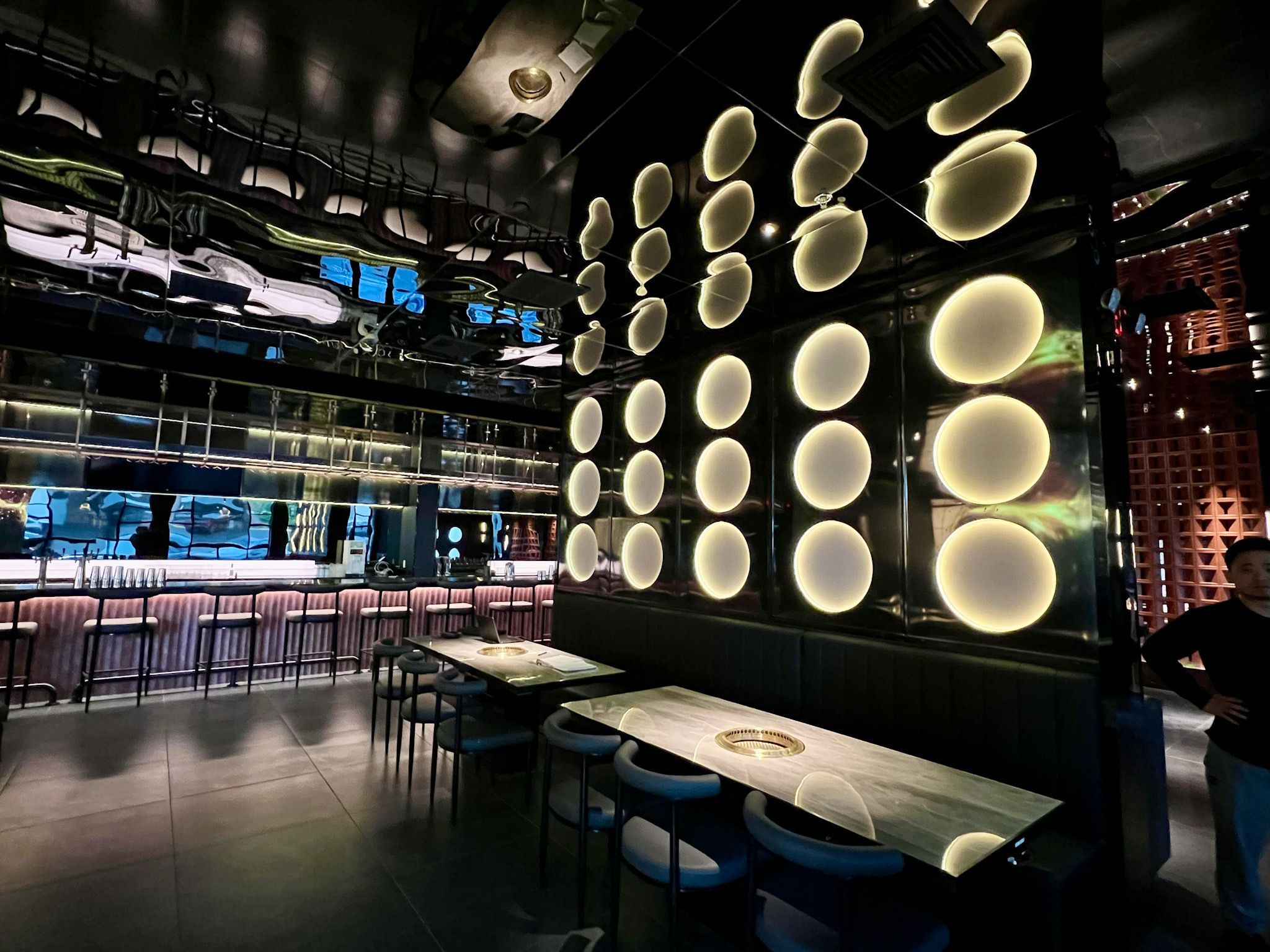
Here’s what we know about these local Iron Hill Breweries as of publication time June 15:
A pedestrian walked by the closed Iron Hill Brewery in West Chester in October. Magerk’s Pub & Grill is now taking over the space.David Maialetti / Staff Photographer
To Ed Grose, the FIFA World Cup is not looking like a bust for Philly-area hotels.
Yet the president of the Greater Philadelphia Hotel Association said the matches, which start Sunday and end July 4, have not brought booming business.
“It hasn’t delivered what we thought it would in terms of hotel rooms,” Grose said Monday.
Some of Center City’s 14,500 hotel rooms remain available on game days and game-day eves, he said, though he declined to provide an estimated occupancy rate.
Grose’s assessment — based on conversations with local hoteliers, he said — exemplifies the tourism uncertainty that remains just days before kickoff.
Philadelphia has raised about $140 million in public and private funding to host the World Cup, according to Front Office Sports, and officials are heavily marketing the six South Philly games and other fan events across the city.
A FIFA World Cup banner hangs from an entrance of Philadelphia City Hall, as seen on June 3.Jose F. Moreno / Staff Photographer
The Wall Street Journal reported Monday that every U.S. host city except San Francisco was seeing hotel occupancy of 40% or less, citing a recent CoStar report. Host cities in Mexico and Canada saw slightly better hotel occupancy, though still under 50%, according to the Journal.
In Philadelphia, Google Travel searches show abundant hotel vacancies at prices under $300 or even $200 a night on some match days.
The region’s short-term rental market has seen some last-minute demand, with about 60% of local Airbnbs and Vrbos set to be occupied on game days and game-day eves, according to AirDNA, which analyzes the platforms’ booking data. In early May, fewer than half available rentals were booked on those days.
The inside of a South Philadelphia Airbnb was shown in early May, as its owner waited for last-minute World Cup bookings.Joe Lamberti / For The Inquirer
As of Monday, World Cup demand has helped drive a 15% year-over-year increase in the number of Philly-area bookings and an 8% increase in occupancy on game days and game-day eves, said Bram Gallagher, AirDNA’s director of economics and forecasting.
Those figures place Philly “right in the middle” of the World Cup markets, he said.
“Some places are doing very, very well and some places are seeing marginal benefits,” Gallagher said, noting that Mexican markets are doubling demand. “In Philly, Boston, Atlanta, we’re seeing respectable gains.”
Airbnb, which has partnered with FIFA, is still predicting that the World Cup will be “the biggest hosting event in Airbnb’s history — surpassing the 2024 Olympic and Paralympic Games in Paris,” according to a company statement, which noted “meaningful excitement for the tournament,” including among first-time guests.
Some Philly Airbnb hosts still wait for World Cup guests
Jenica Jones outside her South Philly Airbnb in early May. As of Tuesday, she said she has only gotten two World Cup bookings for a total of three nights.Joe Lamberti / For The Inquirer
A guest from the Dominican Republican reserved Jones’ South Philly rowhouse for two nights in June, Jones said, and the host was hopeful that World Cup demand would finally pick up.
It hasn’t.
The 42-year-old said she got just one other booking for a single night.
Her Airbnb has a perfect 5-star rating, sleeps seven people, and is less than three miles from Lincoln Financial Field, the site of Philly’s six World Cup matches.
The app’s dynamic-pricing tool had initially suggested she list the property for about $900 a night during the World Cup. Since then, she has dropped prices and offered discounts on some nights to entice soccer fans, she said.
“I was predicting being full the entire month of June,” Jones said Tuesday. “They’re just not coming in as I expected.”
Can World Cup fans get last-minute deals in Philly?
The Live! Casino Hotel Philadelphia (at left) is located in the stadium complex. As of Tuesday, it still had rooms available at high prices for some World Cup matches.Elizabeth Robertson / Staff Photographer
Despite the sluggish demand, last-minute planners shouldn’t count on scoring World Cup deals in the Philly region, according to hotel and short-term-rental experts.
Gallagher, of AirDNA, said the most affordable Airbnb and Vrbo properties were the first ones to book up during the tournament. But individual hosts like Jones may choose to lower prices if their homes remain unbooked.
Grose, of the Greater Philadelphia Hotel Association, said guests will pay higher rates on average during the World Cup than they would on a normal summer day.
Yet on Sunday and three of the other five match days, many Center City hotels appeared to have rooms available for about $300 or less per night, as of Tuesday, according to Google Travel. Prices skewed higher and availability seemed more limited on the holiday nights of Friday, June 19, and Saturday, July 4, though rooms were still available across the city, including at the few hotels near the stadiums in South Philly.
Grose said he remains optimistic about the coming weeks, which includes not only the World Cup and America’s 250th birthday celebration, but also the MLB All-Star Game in July.
“Overall, the summer is still going to be a good summer for us,” he said.
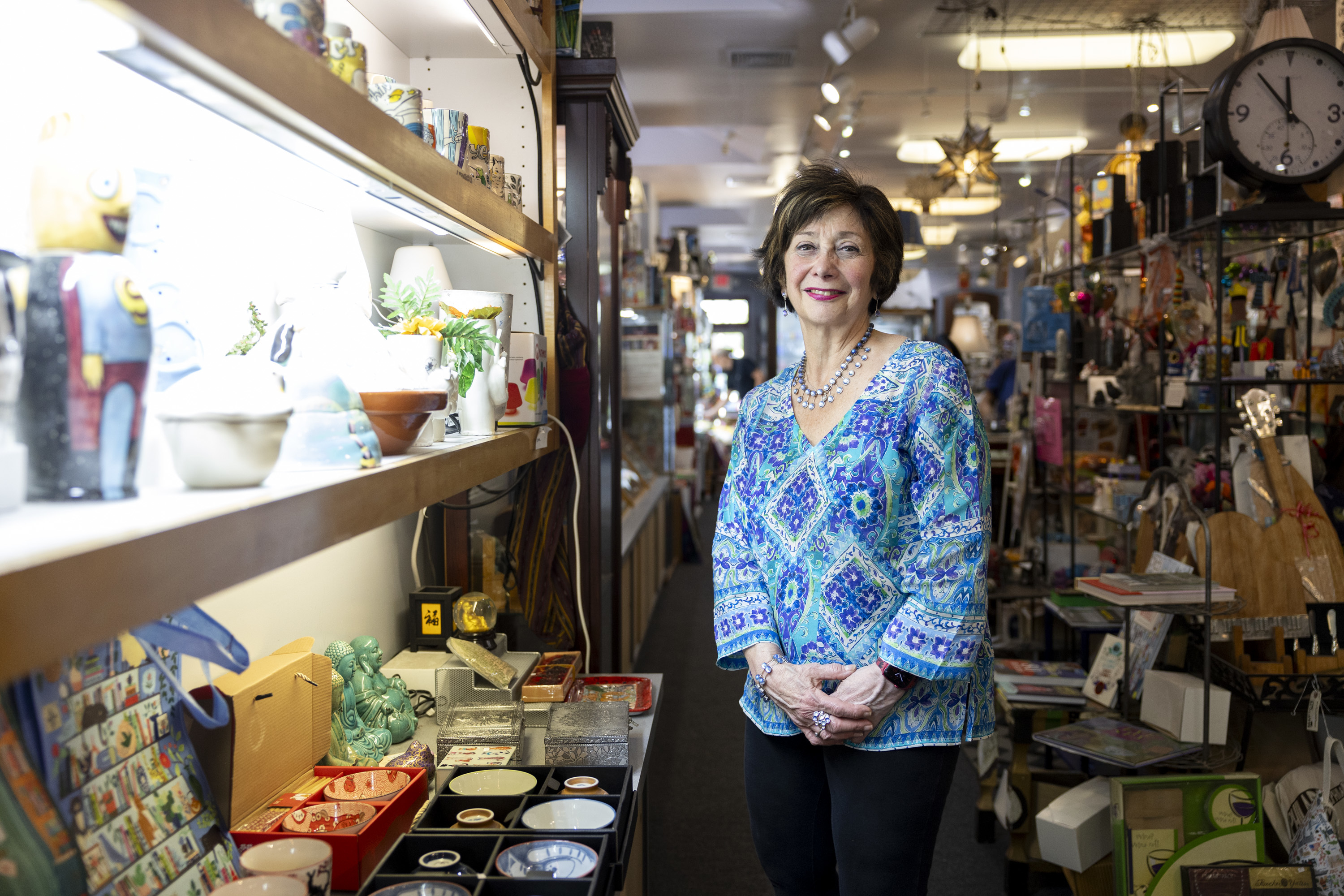
The interior of Past Present Future, downtown Ardmore’s beloved gift and craft store,is unmistakable. Each wall is adorned with art and collectors’ items, from hand-beaded necklaces to fruit-shaped bowls and ceramic tropical fish. Cases of jewelry sit under hanging lanterns and mobiles, and trinket boxes share shelves with colorful purses and glass figurines.
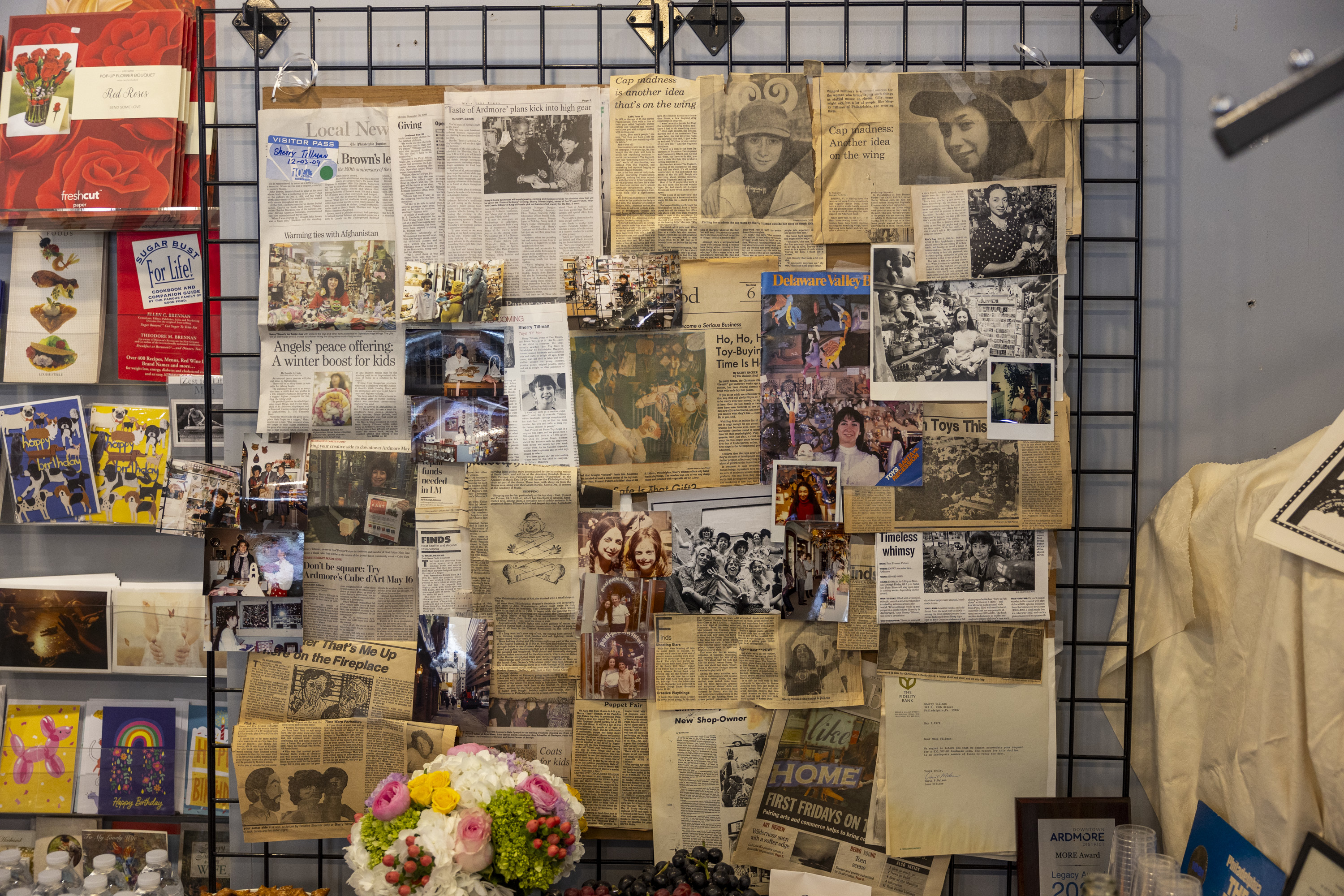
Past Present Future, located at 15 Lancaster Ave.,is the 50-year work of owner Sherry Tillman, who first opened the store in Center City in 1976 as a young graduate of the Philadelphia College of Art, before moving to Ardmore in the mid-1990s. Tillman calls the shop “part gift store, part mini-museum,” and prides herself on grouping items, from lamps to clocks to mirrors, in “ways that maximize their funky diversity.”
Now, five decades, four storefronts, and thousands of customers later, Past Present Future is officially closing, marking the end of a chapter that Tillman says has been defined by eclectic art, changing times, and deep community ties. While Tillman is “gutted” to close up shop, in her words: “It’s time.”
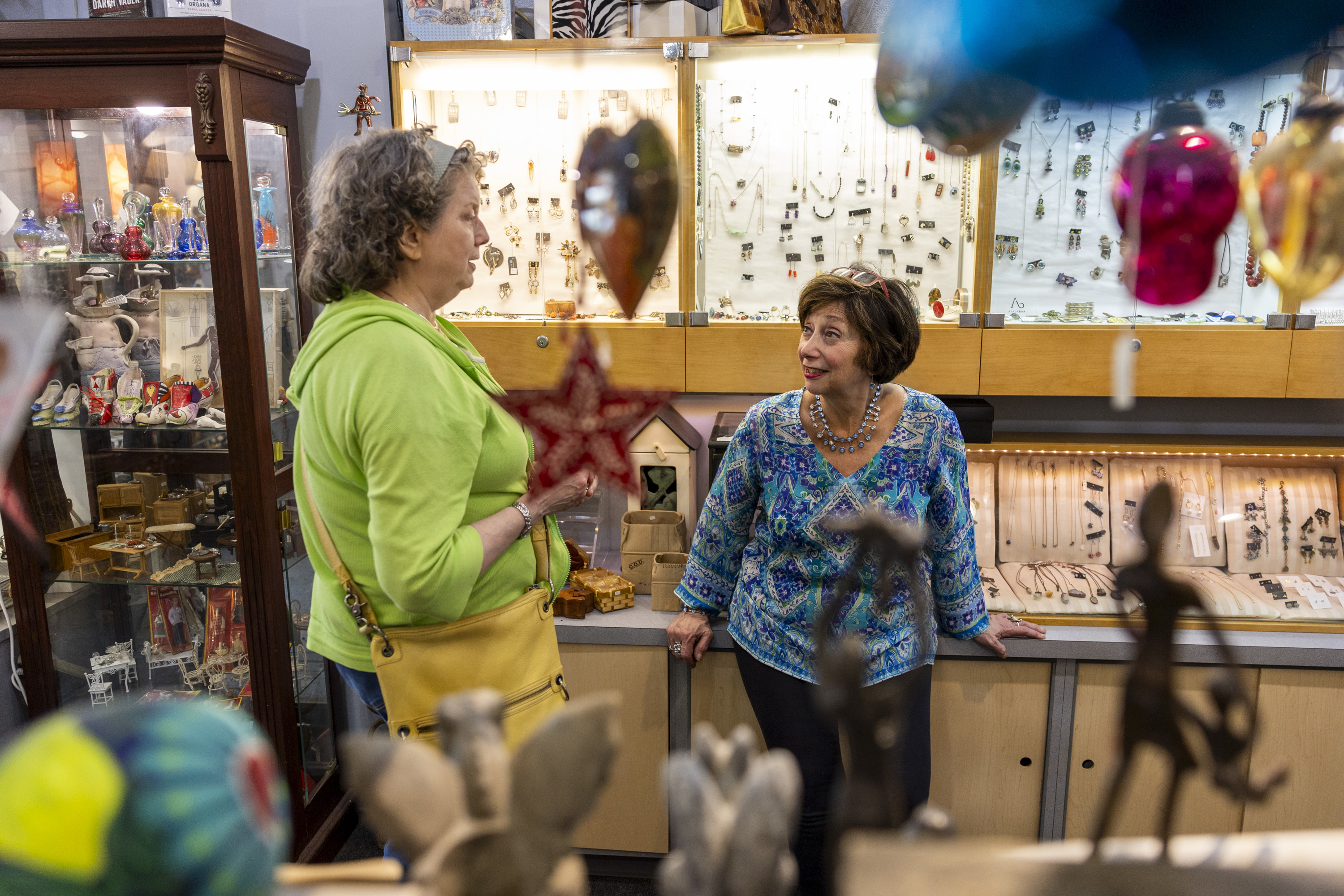
Sherry Tillman, owner of Past Present Future, chats with Ellen Balze, of West Philadelphia, a regular for many years, during Tillman’s party for friends and long-time customers in Ardmore, Pa., on Friday, June 5, 2026.Tyger Williams / Staff Photographer
Tillman first opened Past Present Future as a toy store on the corner of 13th and Pine Streets in Center City, next to a friend’s science-fiction bookstore. The Philadelphia Daily News in 1979 called Tillman’s store “one of the wonders of the city,” a “throwback to the age of handcrafted wooden playthings, one-of-a-kind soft toys and sculptures, old-fashioned balance toys and Rube Goldberg-ish do-nothing machines.” Tillman, then a 20-something artist, took orders from customers and handcrafted toys from her workshop.
After three years, Tillman left the Gayborhood and moved to 17th and Locust Streets, where the scope of Past Present Future began to shift, bringing in more crafts and jewelry. Four years later, Tillman moved to 18th Street between Market and Chestnut Streets. She had 2½ floors of a four-story building and, according to a 1990 Inquirer story, stocked “zingy jewelry, kaleidoscopes, cards, clocks, handmade ceramic diners that light up” and hada “top-floor gallery devoted to fun-and-funky craft items for adults.”
By the mid-1990s, much of Tillman’s customer base had moved out to the suburbs, and the confounding pressures of crime, high taxes, and a lack of parking, plus raisingher own growing family in Ardmore, spurred her to pack up her Center City store and move to the Main Line. She opened on Lancaster Avenue in 1996.
“The fact that my business could be where my home is was so important to me,” Tillman said, reflecting on her move to Ardmore. “To be embraced and connected to this community is also important to me.”
Sherry Tillman, owner of Past Present Future, made a board of all her articles and photos of her for her small party for friends and regular customers in Ardmore, Pa., on Friday, June 5, 2026.Tyger Williams / Staff Photographer
Tillman’s store quickly became a magnet for artsy types, window shoppers, gift givers, touring musicians, and spiritually minded Main Line residents.
“It’s incredible,” she said. “People come in and we talk, other people come in and they join the conversation. It’s a place where people just feel so comfortable.”
Lorig Buckley, otherwise known as Mystic Lor at Mystic of the Main Line, said she thinks of Past Present Future as “a staple” in Ardmore.
When people strolled into Past Present Future looking for a palm reading, Tillman would send them down the block to Mystic of the Main Line. When clients of Buckley’s needed to shop for a gift, she’d pass them along to Past Present Future.
“My heart sank when I saw that she was closing, because it really brought a different spirit to the area,” Buckley said.
Shannon Gallagher, a business coach who lives in Ardmore, always bought her clients gifts from Tillman’s shop, from crystals to wooden boxes with tarot cards. When she first moved to Ardmore four years ago, Tillman gave her the lowdown on all of the locals’ favorite spots.
“She just made it feel so comfortable for us,” Gallagher said.
Sherry Tillman, featured in the Philadelphia Daily News in 1982, holding a teddy bear at Past Present Future, back when it was located at 243 S. 17th St. in Center City. Tillman has operated the toy and art store for 50 years, first in Philadelphia and, for the last three decades, in Ardmore.Sam Psoras / Staff Photographer
In addition to running Past Present Future, Tillman organized First Friday Main Line, a monthly arts crawl that brought music and art to the streets of Ardmore. Alongside Broomall surgeon Lt. Col. Kenneth Marx, Tillman helped create Operation Angel Wings, a donation drive that sent clothes and toys to children in Afghanistan. Most recently, she spearheaded a contest to paint a mural on the side of her storefront. The first of five winning murals will be up by July 1.
Tillman said Ardmore has “blossomed a lot” in the years since she moved to town. Street art, interesting shops, and live music sprawl across downtown, from the newly painted Schauffele Plaza to Ardmore Music Hall (many of the traveling performers stop into Past Present Future before their shows, Tillman said).
“There’s expressions of art around us,” Tillman said.
Tillman doesn’t have an exact closing date yet. Past Present Future has marked down its merchandise by 20%, and Tillman said she’ll be open until there’s nothing left (“hopefully”). Tillman plans to sell the 15 Lancaster Ave. building, which she has owned for years.
“It’s really hard,” she said, “when you think that your entire life has been this one thing, to say goodbye.”
This suburban content is produced with support from the Leslie Miller and Richard Worley Foundation and The Lenfest Institute for Journalism. Editorial content is created independently of the project donors. Gifts to support The Inquirer’s high-impact journalism can be made at inquirer.com/donate. A list of Lenfest Institute donors can be found at lenfestinstitute.org/supporters.
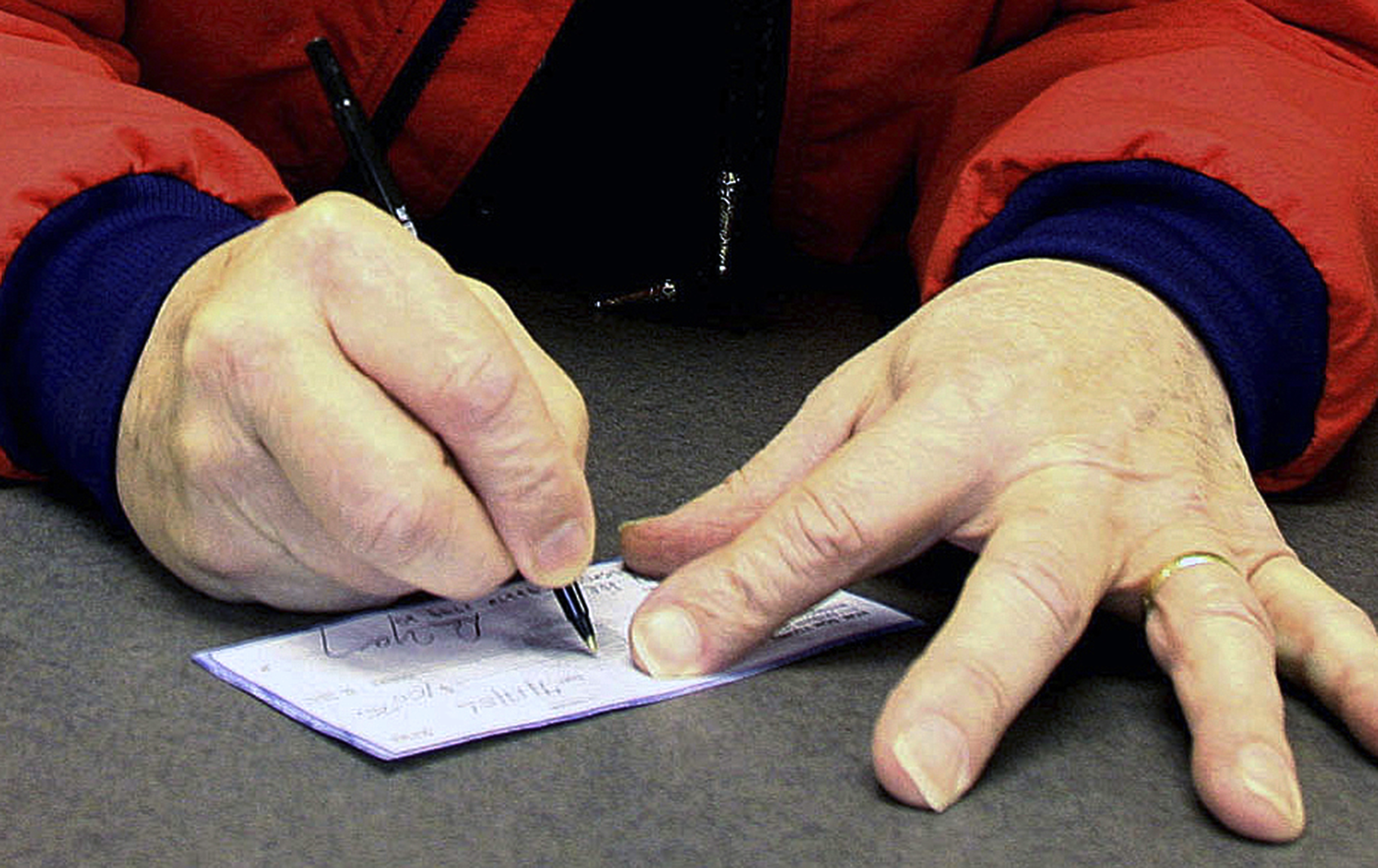
A client of mine had a check they mailed stolen before it reached their supplier. The check was altered for a different payee and amount and then cashed. Another client said someone got a copy of one of his company’s checks and created counterfeit versions using AI.
Countless clients have reported unauthorized electronic check requests made to their bank accounts, with more than a few finding out after their money had disappeared.
Check fraud is real, and it’s bad.
“Check fraud remains a major threat, and businesses are becoming much more aware of it,” said Janet Miller, senior vice president at Fulton Bank in Philadelphia. “Fraud has become so prevalent. Five years ago I’d have conversations about fraud protection with my clients, and there was a resistance to it. But now it’s like, yes, we need to protect ourselves!”
A 2025 study from the Association for Financial Professionals found that 79% of organizations experienced attempted or actual payments fraud in the past year, with 63% representing attempted or actual check fraud.
Checks, which the study says are still used by 91% of businesses, remain the single most-targeted payment method, but, according to the study, wire transfer fraud was reported by 63% of respondents, up from 39% in the previous survey, and ACH (Automated Clearing House) credits fraud was reported by 50%.
“Fraud is something that only expands,” said Tom Gregory, head of Treasury Management, Merchant and Government Banking at TD Bank. “New technologies like AI and spoofing, key logging, and social engineering are always creating new ways of perpetrating crime.”
Ask any accountant, and we’ll say that there are certainly internal controls that should be implemented at your company to help reduce the risk of check fraud. These would include multilevel approvals, better security over physical checks, segregation of duties among financial people, mandated vacations, and cross training.
But one of the best defenses growing in popularity is called Positive Pay, a banking service that helps prevent check and payment fraud. I’ve been urging all of my clients to subscribe to this service, which is offered by most banks.
Melissa Jetland, a senior vice president at Fulton Bank, says Positive Pay is a powerful risk management tool for your company’s cash.
“Think of it as the simplest way to put a gate in front of your money,” she said.
Positive Pay works in two ways. For regular paper check payments, your company electronically sends your bank a list of the checks (which includes payee, purpose, amount, date), and the bank then matches that list against the actual check payment request made by the payee. If the payment request doesn’t exactly match all the data on the list, it gets rejected.
Positive Pay also works with ACH payments. In this manner you tell the bank which vendors are allowed to make debits to your account. Any request that doesn’t have an authorized vendor will be rejected.
“If you don’t do that, the bank is obligated to post every debit that comes because in an ACH system, the originating bank warrants their validity — even if the payment hasn’t been authorized by you,” Gregory said.
Why wouldn’t most small businesses sign up for Positive Pay? According to recent market research of U.S. financial institutions, only 29% of banks and credit unions are satisfied with their current Positive Pay adoption rates. Other industry reports estimate that only about 35% of eligible business customers currently use the service, despite the recent surge in check fraud.
Yes, there is an additional cost (generally $25 to $100 per month for basic Check Positive Pay), but Fulton’s Jetland believes one of the biggest barriers isn’t cost. It’s the belief that Positive Pay is cumbersome.
“It really is lack of education,” she said. “Some owners worry that uploading check files and reviewing exceptions will be difficult and time consuming, but that’s usually not the case.”
According to research by a financial technology provider, more than 75% of banks expect Check Positive Pay adoption to increase over the next two years.
It’s effective. One study from last year by a fraud prevention services company found that 77% of users with Positive Pay reported fewer check fraud attempts or losses.
Subscribing to Positive Pay doesn’t completely protect you from fraud. Gregory says that things like daily account monitoring, setting up check and ACH blocking on your bank accounts that are never used for disbursing money is also important.
“Understand that fraud prevention requires multiple layers of defense,” he said. “There’s really no 100% ironclad fail-safe system. But layers of control and being mindful will reduce your risk.”
As an accountant, I’ve learned that fraud prevention isn’t about finding one perfect solution. It’s about building layers of protection. Positive Pay may not stop every criminal, but it has become one of the easiest and least expensive layers a small business can add.
Miller says that Positive Pay is a good insurance policy for every company’s cash.
“It’s a very manageable cost and the protection it provides is worth it,” she said.