Category: Small Business

  • Meldoria Miles, award-winning cosmetologist and retired salon owner, has died at 88

    Meldoria Miles, award-winning cosmetologist and retired salon owner, has died at 88

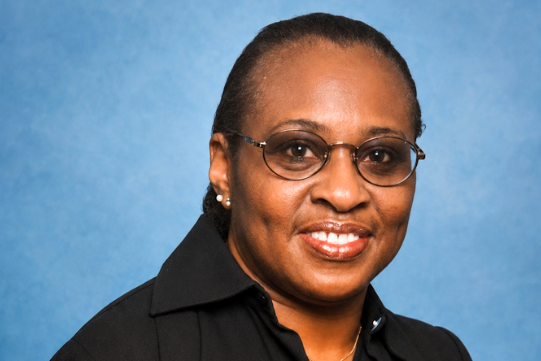
    Meldoria Miles, 88, of Philadelphia, award-winning cosmetologist, longtime beauty school instructor, retired salon owner, mentor, and big sister extraordinaire, died Wednesday, Aug. 26, of heart and lung disease at Jefferson Abington Hospital.

    The oldest of 11 children, Ms. Miles grew up in a two-room farm house in rural Mercer County, Kentucky. Naturally affable and supportive, she not only helped her mother with the household chores, she mentored her younger siblings, giving good advice, styling their hair, and generally making life more pleasant.

    “She always helped people,” her sister, Maureen Meaux, said. “She listened to people. She was beautiful inside and out.”

    After high school, Ms. Miles moved to Louisville, went to beauty school, and styled hair for clients at a salon and privately in her home. She left for Philadelphia in 1971 to work for Luster Products Inc. and became so proficient at developing, testing, selling, and demonstrating personal care products that Luster sent her to workshops, demonstrations, competitions, trade shows, and conventions across the country and around the world.
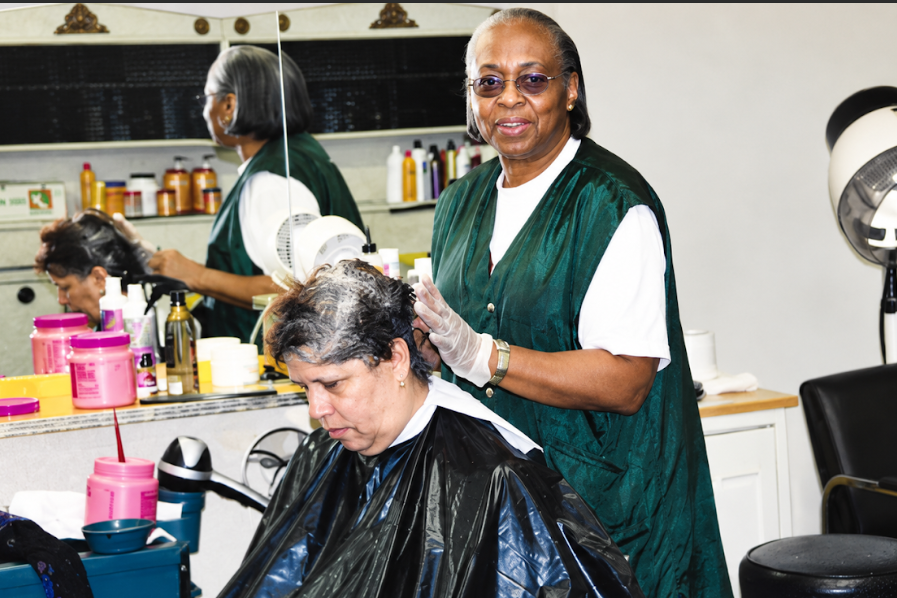
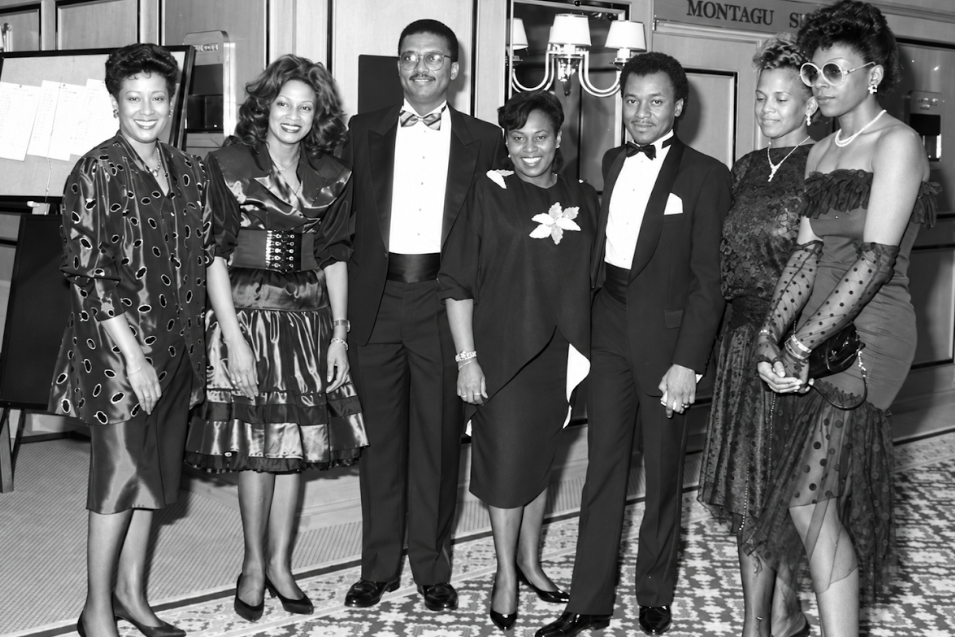
    Ms. Miles was at home in her shop, El Salon, (above) and at personal care product events (center below).Courtesy of the family

    She was especially skilled at matching colors with style, and anticipating ever-changing cosmetic trends. In 1971, she was named dean of technicians at Luster. She helped develop its groundbreaking hair relaxing formula in the 1980s and was named educational director in 1991.

    For decades, Ms. Miles, often with her sister Maureen along as her model, traveled to cosmetology events in Canada, Europe, the Caribbean, Africa, and elsewhere. She was dynamic in front of crowds, her family said, and won competitions for her use of cosmetics and wigs, and awards for her innovation.

    In 1996, she was named Philadelphia’s hair dresser of the year by the Affirm hair care line.

    Ms. Miles opened her own five-seat shop, El Salon, in 1973 on East Washington Lane in West Oak Lane and managed it for 37 years. Before Philadelphia, she worked in sales and product development for two companies in Louisville.
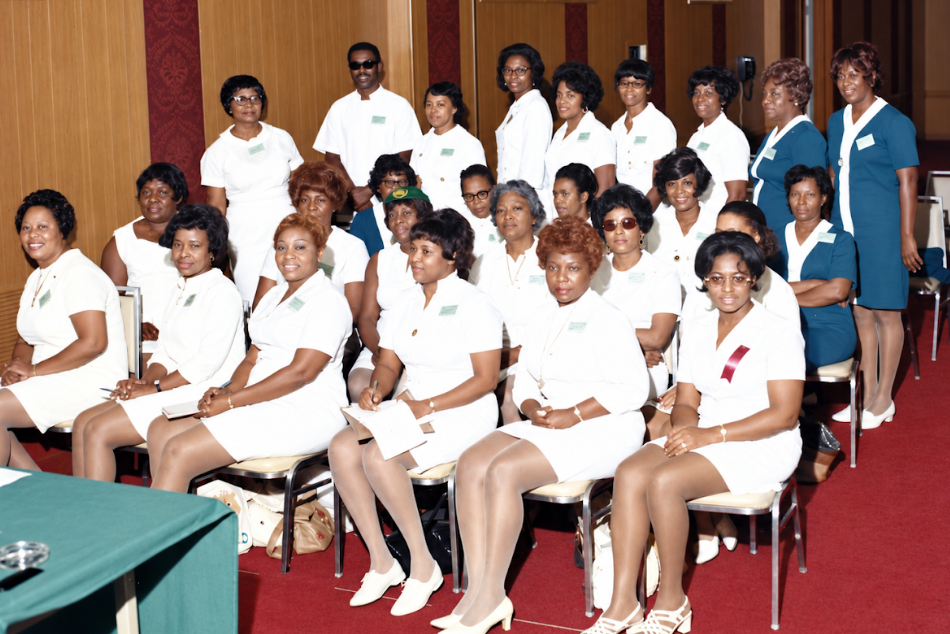
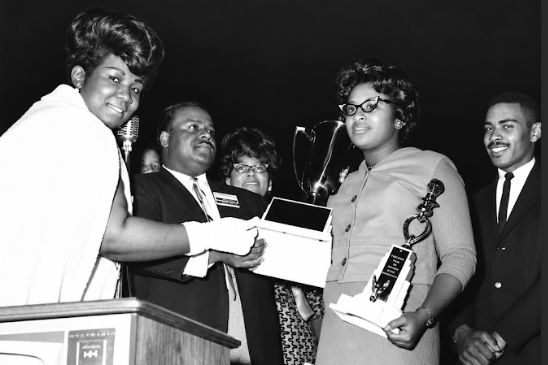
    Above, Ms. Miles (front right) attended several beauty schools. Below, she (right) won several competitions for personal care skills.Courtesy of the family

    In 1974, Ms. Miles earned her teaching certification at the old Wilfred Academy of Hair and Beauty in Philadelphia. She went on to teach chemical hair relaxing, manicuring, and other personal care skills for decades at Wilfred, Devine, Pearson VUE, and Gordon Phillips beauty schools in Philadelphia, the National Beauty Culture League in Washington D.C., Clairol in New York, and Pivot Point Academy in Chicago.

    In addition to Wilfred, she studied at the National Beauty Culture League, Pivot Point, and Vidal Sassoon in Paris. In 1980, she took business management classes at the University of Colorado.

    She was good at everything, her sister said, but “she dedicated herself to hair.”

    Meldoria Louise Meaux was born Sept. 12, 1937. She moved to Louisville after high school and spent a year at the old Tucker’s Beauty & Barber School.
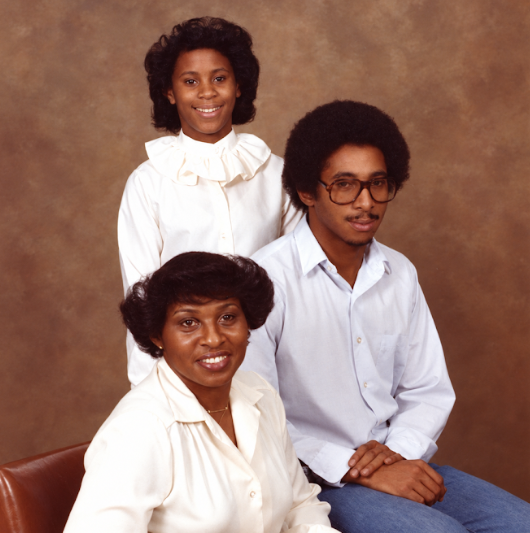
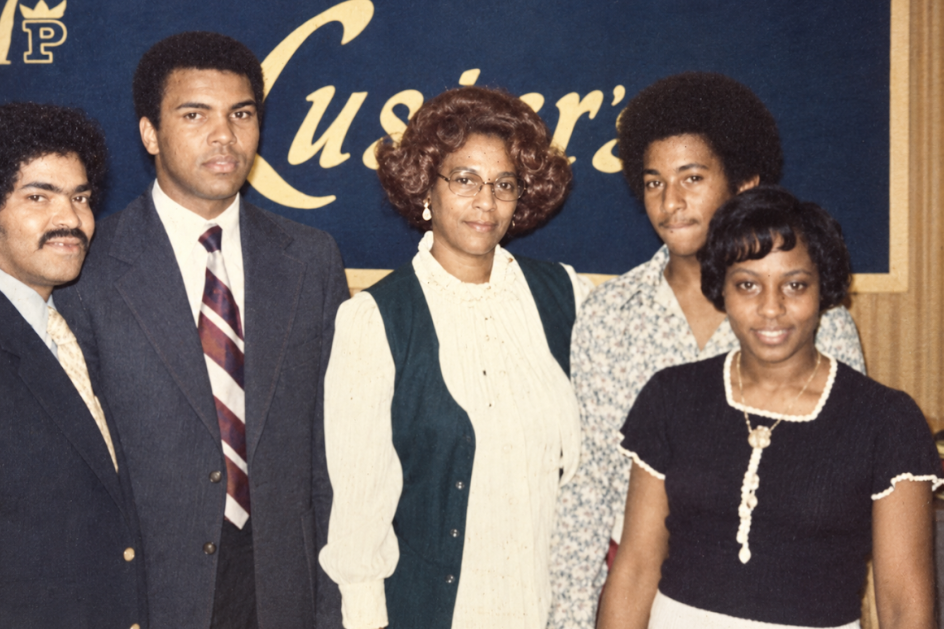
    Above, Ms. Miles sits with her children. Below, she (right) stands with Muhammad Ali (second from left) and others. Courtesy of the family

    She married James Miles, and they had a daughter, Lamarr, and a son, Gary. She and her husband divorced later. She married Jerome Wortham, and they divorced later.

    Ms. Miles lived in West Philadelphia and Mount Airy. She was active at church, taught Sunday School, and doted on her family. “She built a life of purpose, service, and faith,” her family said in a tribute.

    A friend said: “Mel was my teacher, mentor, friend, and I will miss our monthly visits and conversations.” Her daughter said: “She was the most caring, giving, positive, beautiful soul. She was effervescent. Her smile lit up the room.”

    In addition to her children, Ms. Miles is survived by four grandchildren, six siblings, and other relatives. Her first husband died earlier.

    Memorial services were held earlier.

    Ms. Miles “built a life of purpose, service, and faith,” her family said in a tribute.Courtesy of the family
  • Penn and Community College of Philadelphia launch an academy for West Philadelphia businesses

    Penn and Community College of Philadelphia launch an academy for West Philadelphia businesses

    A new, free educational program for West Philly small businesses is launching this fall, giving them access to faculty from the University of Pennsylvania, through a partnership with the Community College of Philadelphia.

    The deadline to apply is fast approaching, with instruction starting next month.

    Students of the Penn-CCP Entrepreneurship Academy will learn from Penn faculty, other entrepreneurs, and business advisers in three-hour weekly classes, as well as coaching sessions and office hours.

    The initiative aims to increase the opportunity for businesses that are connected to the West Philadelphia area. Participants should be registered in the neighborhood, have operations there, or its owner can live there.

    But the rules seem flexible: Because the program’s priority and focus is to help Philadelphia-based businesses, including nonprofits, interested owners are encouraged to apply even if they do not live in Philadelphia. Even businesses with no revenues can apply, but priority will be given to those generating revenue.

    West Philadelphia has “no shortage” of entrepreneurial talent, said Franne McNeal, executive director of the academy, but what it lacks most is resources.

    “Business owners here have less access to strategy, legal fluency, capital networks, and the kind of advice that turns a small business into a bigger one,” McNeal said. “The biggest gap I see is the owner with four employees who cannot figure out how to get to 14.”

    The academy’s curriculum is divided into four stages: build the foundation, strengthen the structure, prepare for growth, and put the plan into action.

    Students will learn about creating a business strategy, the right structure for their company, branding, and protecting intellectual property. Instruction will also cover financial literacy, workforce management, marketing and sales, and how to present to a potential investor.

    “We’re going to cover the foundational elements of growing a business,” faculty director Praveen Kosuri said. “Everything from business planning and strategy to structuring and branding.

    Besides learning how to build a business, participants are expected to gain confidence in identifying business risks, asking the right questions, and knowing when to seek specialized advice. The program is also intended to foster meaningful relationships between founders, faculty, practitioners, and members of Philadelphia’s entrepreneurial community.

    Each business owner will submit a business plan and pitch, along with a 90-day action plan, for faculty feedback.

    “They’ll have a funder-ready plan, the financial fluency to defend it, and practitioners in the room helping who know the Philadelphia capital landscape,” she said.

    While the academy is tuition-free, McNeal and Kosuri noted that participants will have to put in significant time.

    The 10 weekly sessions in West Philadelphia will take place from 6-9 p.m. beginning in late October through January.

    “Participants need to show up each week to learn, to work on their businesses, and to support the others in the class,” said Kosuri. “We hope it sets them on a path that continues to lead them to their goals.”

    Although start-up businesses can apply, the program seems more geared toward already established companies, whose owners want to take their companies to the next level.

    Unlike other programs I’ve seen, the academy is establishing a specific measurable goal that will hold both its leaders and students accountable: getting the businesses involved to achieve between $1 million to $10 million in revenues within three years.

    McNeal says the program is a pilot and its success will be measured by participants’ success.

    “Attendance and satisfaction scores are easy to report but revenue and employment are slower and harder, and they are the only numbers that mean anything, so those are the ones we are building the tracking for,” she said.

    “We will be judged on whether we come back,” she said.

    Applicants can apply online.

    The priority deadline is Oct. 1, but applications submitted later will be reviewed on a rolling basis if space remains.

  • Former Kibitz Room owner files for bankruptcy as he tries to repay debts from shuttered King of Prussia restaurant

    Former Kibitz Room owner files for bankruptcy as he tries to repay debts from shuttered King of Prussia restaurant

    Brandon Parish, former owner of the Kibitz Room in King of Prussia and deli manager at the original Cherry Hill location, has filed for personal bankruptcy, months after his Montgomery County restaurant closed amid mounting debts.

    Parish owes creditors nearly $1.8 million, including $1.2 million to Hanover Community Bank for a small-business loan, and has about $15,500 in assets, according to documents filed in U.S. Bankruptcy Court for the Eastern District of Pennsylvania.

    The 33-year-old King of Prussia resident filed for bankruptcy in early September, five months after he and his father, Neil, were evicted from their storefront in the Valley Forge Center on U.S. Route 202. Their landlord won a judgment for more than $194,000 in rent and fees.

    The restaurant was in business for a year.

    Brandon Parish sits at a table at the now-closed Kibitz Room in King of Prussia in April 2025.Kriston Jae Bethel / For The Inquirer

    The restaurant also owed more than $135,000 to distributor Foods Galore, a debt listed in Parish’s personal bankruptcy filing alongside more than $140,000 owed to other business vendors and related services.

    The King of Prussia location’s debts are “going to take some work to clean up,” Brandon Parish said in April, noting the expansive full-service restaurant strayed too far from its over-the-counter roots. “Obviously, it’s been a disaster since day one. Nothing went as planned. But we’ll have to figure all that out.”

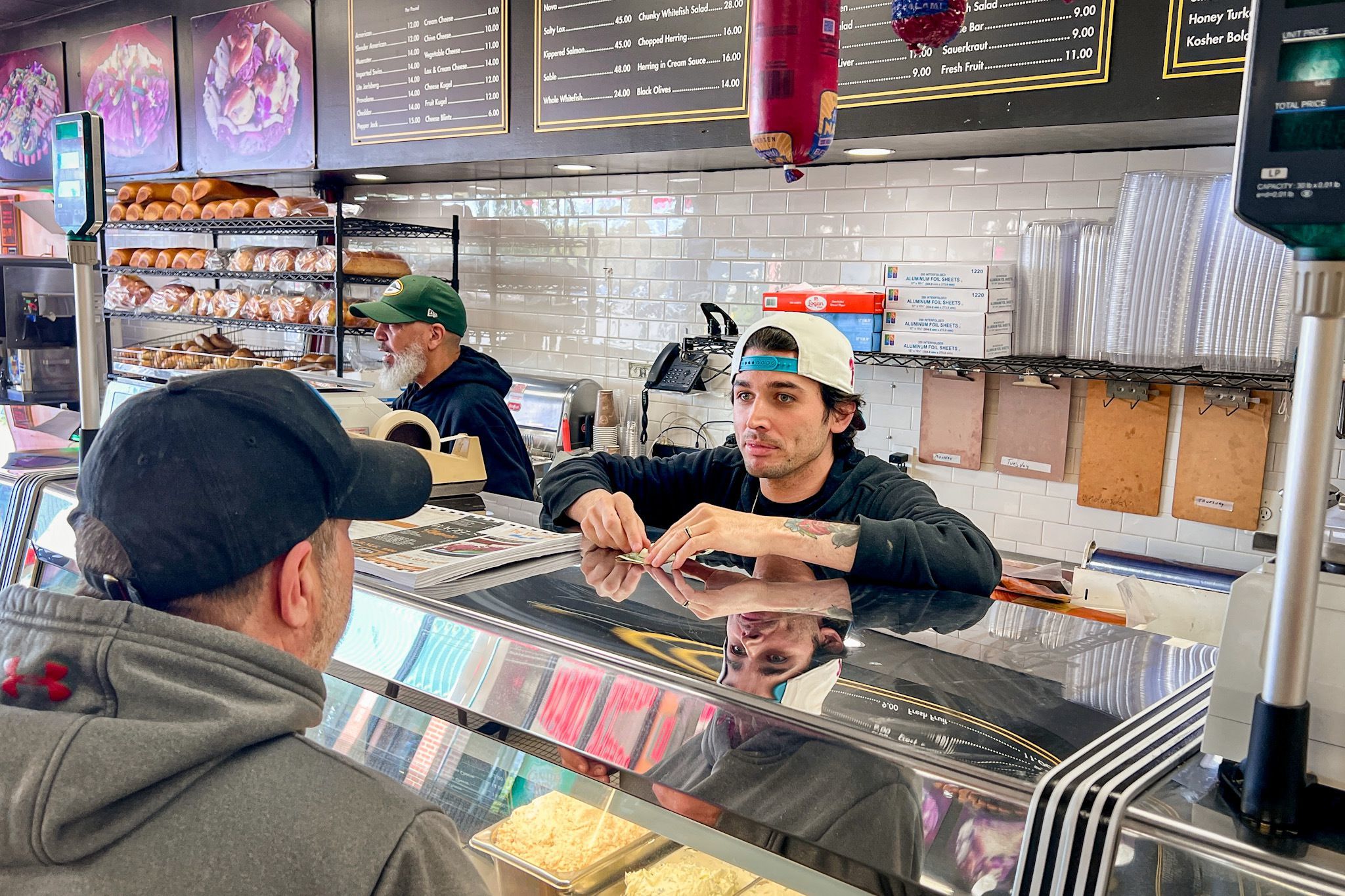
    Meanwhile, the Cherry Hill Kibitz Room — a separate business that had been owned by Brandon Parish’s mother, Sandy — abruptly closed and filed for bankruptcy earlier this year. Neil and Brandon Parish, backed by outside investors, negotiated a deal in bankruptcy court to buy the Cherry Hill equipment and sign a new lease there, though neither Parish would be an owner. The Springdale Road deli reopened in May, with the Parish men behind the counter.

    Brandon Parish (right) waits on a customer at the Kibitz Room in Cherry Hill on May 1. Michael Klein / Staff

    Brandon Parish’s personal bankruptcy case will not impact operations at the Cherry Hill deli since he is only an employee, according to a spokesperson.

    The Kibitz Room has been part of the Parish family for more than two decades.

    In 2003, Neil Parish purchased the Cherry Hill spot from Russ Cowan, who had given the deli its name, a loose translation of the Yiddish chitchat. Cowan, a local legend, owned Philly’s Famous 4th Street Deli for 18 years and now owns Radin’s Deli in Cherry Hill.

    Brandon grew up at Kibitz, standing on milk crates to wash dishes for his father. Ever since he was a kid, delis were his “comfort zone,” Brandon said in 2025.

    A pastrami sandwich at the now-closed Kibitz Room in King of Prussia. Kriston Jae Bethel / For The Inquirer

    After Brandon’s mother and father split about a decade ago, his dad moved back to the Baltimore area, and Brandon continued to run the Cherry Hill restaurant with his mom. But he was itching to open his own place, he said.

    In 2025, Brandon left his post in Cherry Hill to open a Kibitz Room in the former Michael’s Deli in King of Prussia. The business was an independent venture with his father, who had returned to the Philly area from Baltimore. The senior Parish was in charge of the menu, but his son was the boss: “This is Brandon’s store,” Neil said at the time.

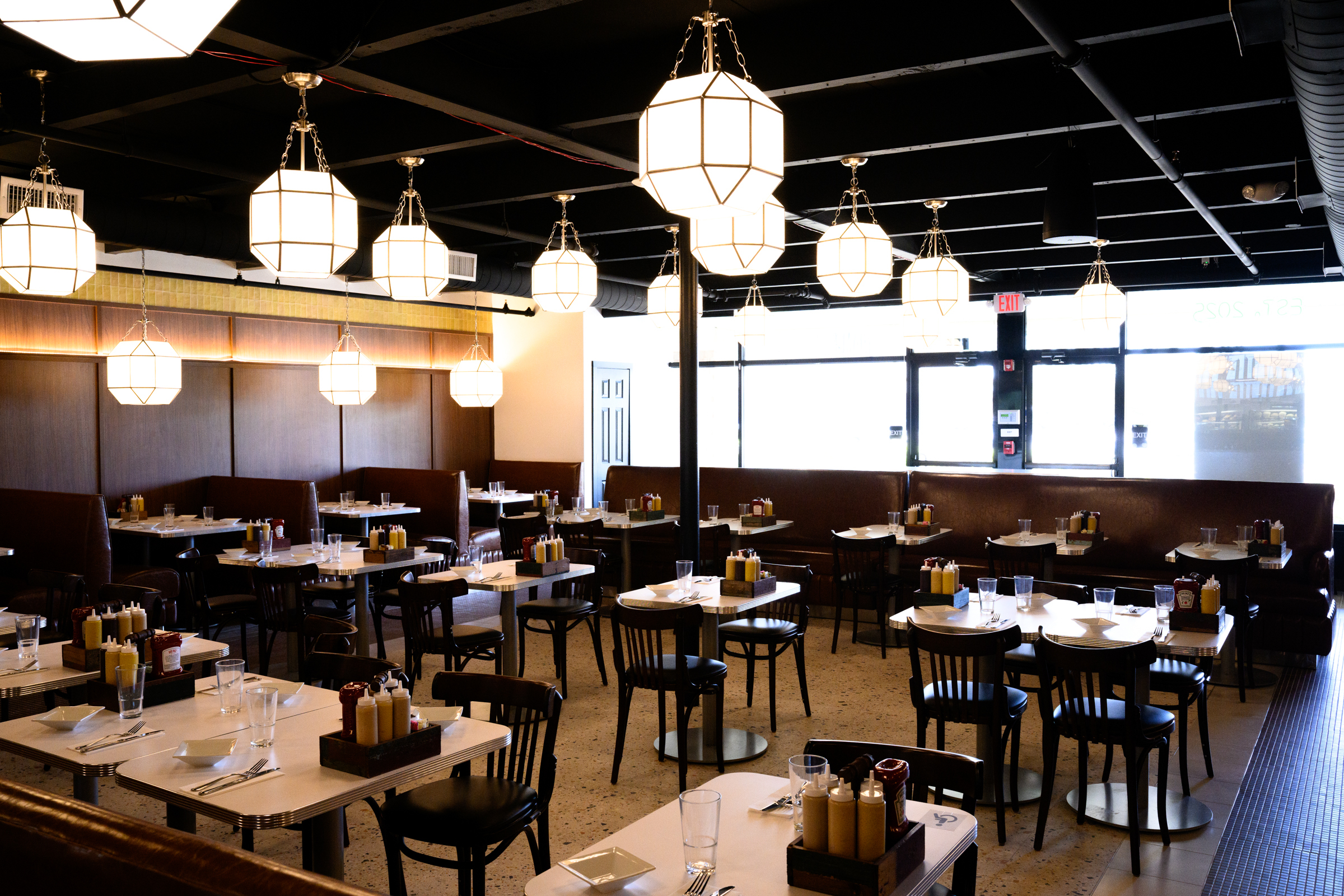
    The pair said they were excited to open a full-service restaurant that was about four times the size of the Cherry Hill deli and could seat 200 people.

    The Kibitz Room in King of Prussia was about four times the size of the original deli in Cherry Hill, a separate business not owned by Brandon Parish. Kriston Jae Bethel / For The Inquirer

    They created a giant menu full of staples like corned beef and pastrami sandwiches, matzo ball soup, knishes, and chicken pot pies, as well as elevated items like garlicky flank steak. They planned tableside chopped liver service.

    “I feel like this really encapsulates the Jewish deli as a whole experience,” Brandon Parish said at the time. “The old, the new, the vibe, the aesthetic, the personality, the quality, the menu mix.”

    And he scoffed at occasional reports that Jewish delis were going out of style: “I think if you do it well, then you never have to worry about failure.”

  • When an employee requests a religious accommodation, here’s what employers should do

    When an employee requests a religious accommodation, here’s what employers should do

    Federal law requires many private employers to accommodate employees’ sincerely held religious beliefs, unless doing so would impose a substantial burden on the business. How to do this properly is among the many questions small-business owners face each day.

    Recent federal guidance provides a useful framework.

    In 2025 the Department of Labor offered internal guidelines for federal employees which “encouraged” agencies to adopt a “generous approach” to approving religious accommodations and to balance prioritizing employee needs “while maintaining operational efficiency.”

    Although the rules are primarily for federal workers, they still impact many businesses, particularly ones with federal contracts or that otherwise do business with the government. The Justice Department followed this summer with broader guidance directing federal agencies on how to apply religious-liberty protections when enforcing laws and administering grants and contracts.

    In my opinion as an employer, these rules are worth incorporating as policies for any business.

    Two local lawyers I spoke with agreed. But they both stressed that their clients’ policies on religious accommodation in the workplace should be as flexible as possible, presume sincerity, and be well documented.

    Be flexible

    Employers should engage in genuine, documented efforts to find workable solutions before concluding that an accommodation is impossible, said Lisa Gingeleskie, of Lindabury, McCormick, Estabrook & Cooper in New Providence. Solutions might include offering flexible scheduling, voluntary shift swaps, floating holidays, vacation time, and unpaid leave.

    “Employers must consider all available accommodation options, not merely assess whether one particular option is feasible,” Gingeleskie said. “But the accommodation obligation does not require them to provide the employee’s preferred accommodation if a reasonable alternative exists.”

    Employers should look at each employee and situation individually, said Katharine Fogarty, a partner at Kaufman Dolowich in Philadelphia.

    “It’s important to go back and look at your policies to ensure that they comply, and that you don’t just have a blanket policy that won’t allow for any sort of accommodations,” Fogarty said. When a specific accommodation can’t be made, she said, “that doesn’t mean that we just say no and shut down the process.”

    Assume sincerity

    As business owners, we’re not religious experts. It’s important to presume that your employee is being sincere in their request and that their religious belief is genuine.

    “The fact that a belief may be unfamiliar, uncommon, or not formally recognized even by a religious organization does not mean it’s not protected,” Fogarty said.

    To that end, it’s usually not a good idea to demand proof or to challenge an employee’s sincerity without a genuine, objective basis for doubt.

    “Demanding official clergy letters or other formal religious documentation may be problematic, as courts have found that an employee’s own written explanation may be sufficient,” Gingeleskie said.

    That doesn’t mean that you, as an employer, shouldn’t have a healthy degree of skepticism.

    Warning signs as to the legitimacy of a request could include behavior that contradicts their stated beliefs — for instance, their faith prevents them from working on Sundays, but they work Sundays when premium pay is available. Another sign could be the request for a particularly desirable benefit that may have a secular motivation, such as permanent remote work over and above what someone’s religion may require.

    Even informal requests need to be taken seriously, Gingeleskie said, and an employee “does not need to use any particular words or invoke a statute by name.” She also warns against automatically denying requests because of staffing needs, costs, and coworker objections. And it’s important not to get too personal.

    “The appropriate response is to only ask the employee to explain the religious nature of the practice and how it conflicts with the work requirement,” she said.

    Fogarty adds that employers should avoid requiring disclosure of religious beliefs or accommodation needs during the hiring process.

    “When they’re hired, it’s not [information] they’re required to provide,” she said. “The employee can also raise it at any time during their employment.”

    Document requests, discussions, and decisions

    Employers should carefully log the entire religious-accommodation process and not merely the final decision, Gingeleskie and Fogarty agree.

    Gingeleskie recommends documenting the employee’s request and the religious-work conflict, any discussions and communications with the employee, each accommodation considered, why particular options were workable or unworkable, the facts and costs supporting any undue-hardship conclusion, and the accommodation offered or reason for denial.

    “Inadequate documentation of the employer’s accommodation efforts, communications with the employee, and undue hardship analysis can be fatal to an employer’s defense if a lawsuit is brought down the road,” she said.

    If an employer fails to engage on a good-faith basis in the process to reasonably accommodate an employee’s religious belief, they could expose themselves to significant liability, both lawyers warned.

    For example, Blue Cross Blue Shield of Michigan had to pay more than $12 million to an employee in 2024 for not allowing her to exempt herself from vaccinations due to her Catholic beliefs. A nonprofit organization faced a $1.8 million verdict in federal court this year after terminating a Muslim employee for refusing to remove her niqab while teaching.

    “You can’t just outright say no because you think that it’s going to create an issue or it’s going to create more work for you,” Fogarty said.

  • Charles P. Baker III, celebrated cofounder of Baker Industries for the ‘least employable,’ has died at 101

    Charles P. Baker III, celebrated cofounder of Baker Industries for the ‘least employable,’ has died at 101

    Charles P. Baker III, 101, formerly of Radnor, celebrated cofounder of Baker Industries, longtime workplace for the “least employable,” former owner of the C.P. Baker & Co. chemical firm, Army veteran, national squash champion, mentor, and volunteer, died Wednesday, Sept. 16, of congestive heart failure at HarborChase assisted living community in Wilmington.

    Born in Philadelphia, Mr. Baker grew up in the old Colonial Hotel at 11th and Spruce Streets in Washington Square West. He and his wife, Louise, founded Baker Industries in 1980, and the workforce development nonprofit has hired, trained, and mentored more than 12,500 workers with physical and intellectual disabilities, substance use disorders, recent periods of incarceration, and housing insecurity who could not find jobs elsewhere.

    Their own son, Justin, lives with epilepsy and, when he could not find suitable employment years ago, Mr. Baker and his wife started their own two-person mail order packaging firm in their Strafford garage. Their son was their first hire.

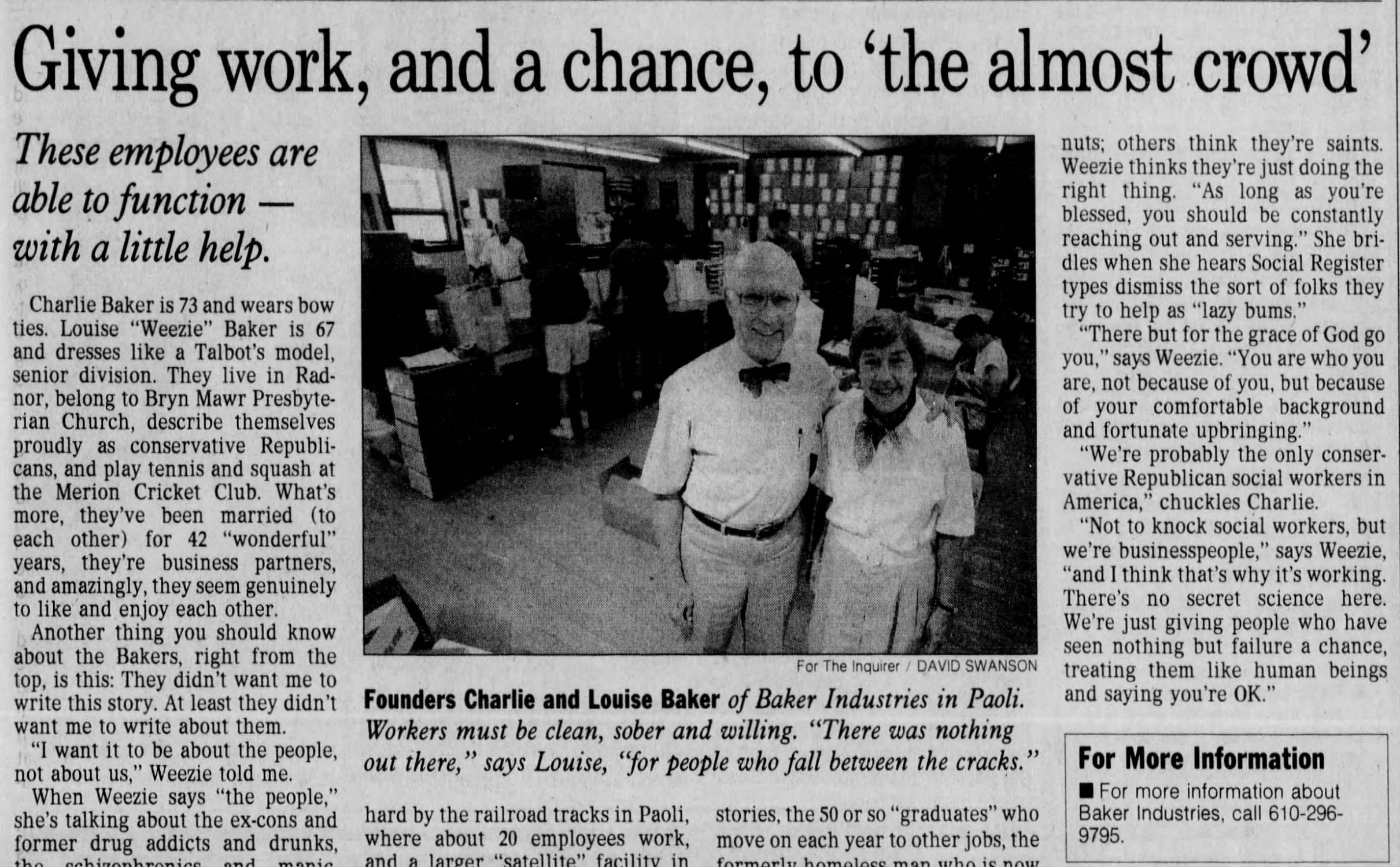
    “We decided, if we’re going to start something like this, let’s go for the people who need it the most,” Mr. Baker told The Inquirer in 1998, “the ones who are least employable.”

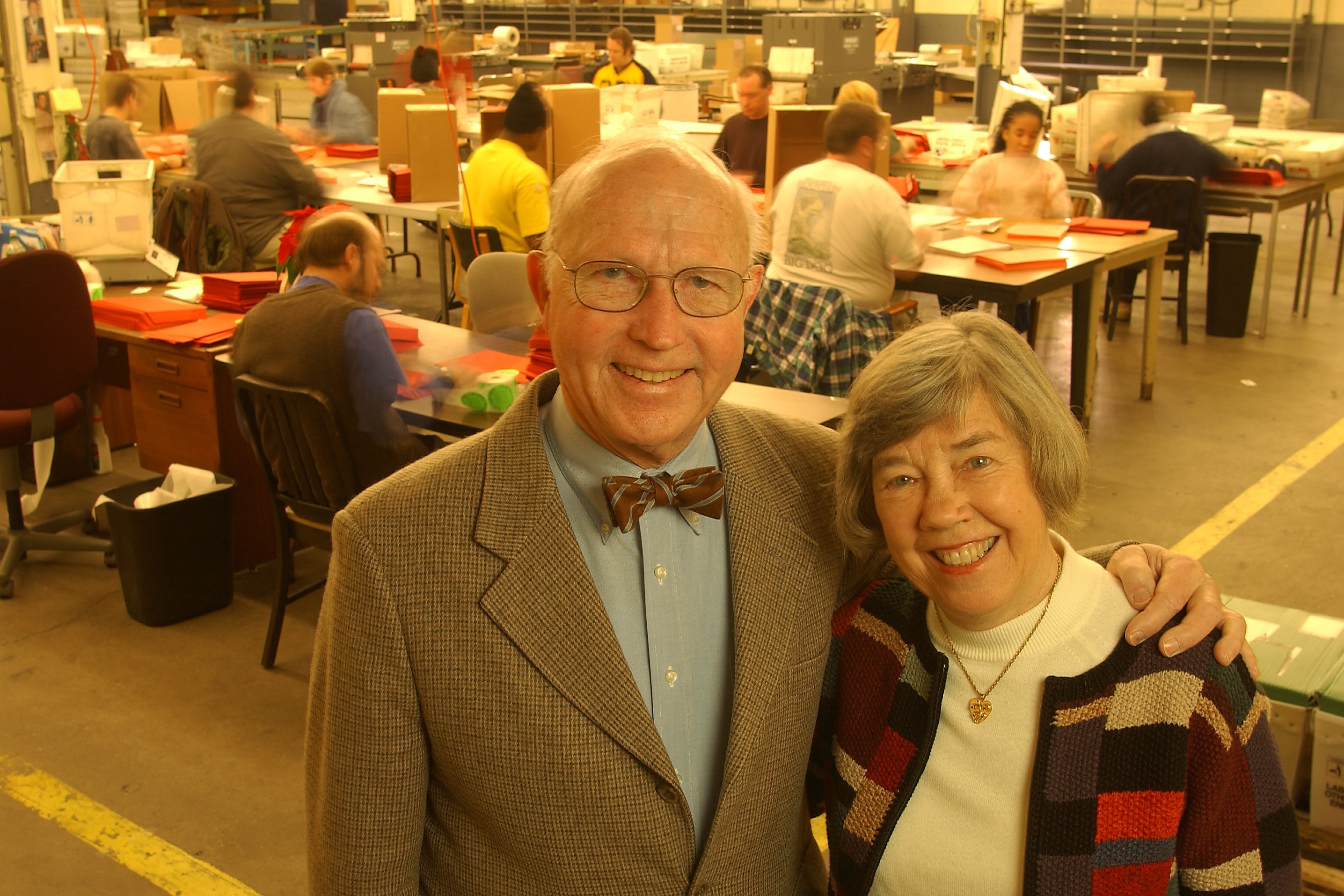
    Mr. Baker and his wife, Louise, stand inside their Baker Industries building in Malvern in 2003. Michael Bryant / Staff Photographer

    For nearly five decades, Baker Industries has contracted light industrial and office work from hundreds of businesses, and operated facilities in Philadelphia, Malvern, and elsewhere. Employees are paid an hourly wage, offered additional training, and encouraged to attend workshops, social events, and support group meetings.

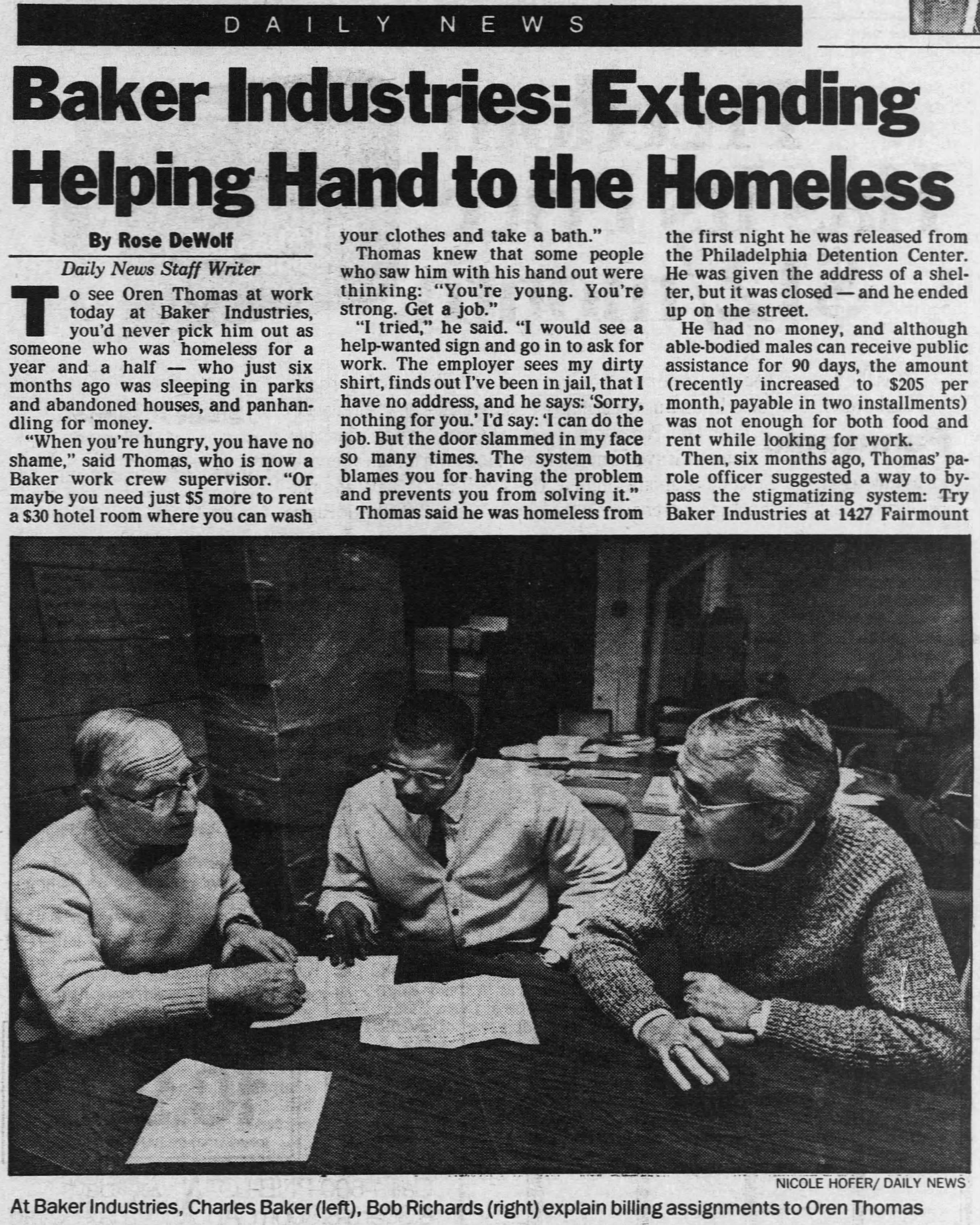
    The company motto is “providing a steppingstone to regular employment,” and many workers have moved on to higher-paying jobs elsewhere. “We have a philosophy of work as rehabilitation,” Mr. Baker told the Daily News in 1988. “The goal is to show these people they can do a whale of a lot more than they think they can do.”

    Mr. Baker served as the unpaid president at Baker Industries until 2002 and then on the board of directors. In the 1950s, he assumed control of his family’s small chemical company, C.P. Baker & Co., and he expanded it before selling it in 1980.

    “Charlie and Weezie Baker believed there is healing in work,” colleagues at Baker Industries said in a Facebook tribute on his 101st birthday in June. “Not just jobs. Work. Showing up. Being part of something. Contributing alongside others.”

    Mr. Baker played many roles at Baker Industries.Baker Industries

    Turk Thacher, vice board chair at Baker Industries, said: “Charlie was beloved. He was kind to everybody.”

    Mr. Baker, his wife, and their company were featured often on TV shows, and in The Inquirer, the Daily News, and other publications. They won many awards for their community service and innovative business model.

    “I was grateful to have their guidance,” Nic Watson, president of Baker Industries, said, “and we will follow their example for years to come.”

    In 1991, the company was named an inspirational Point of Light by President George H.W. Bush. In 2004, Mr. Baker and his wife earned the legacy award for “community generosity” from the Chester County Community Foundation.

    “They went above and beyond their own self-interest,” a foundation official told The Inquirer then.

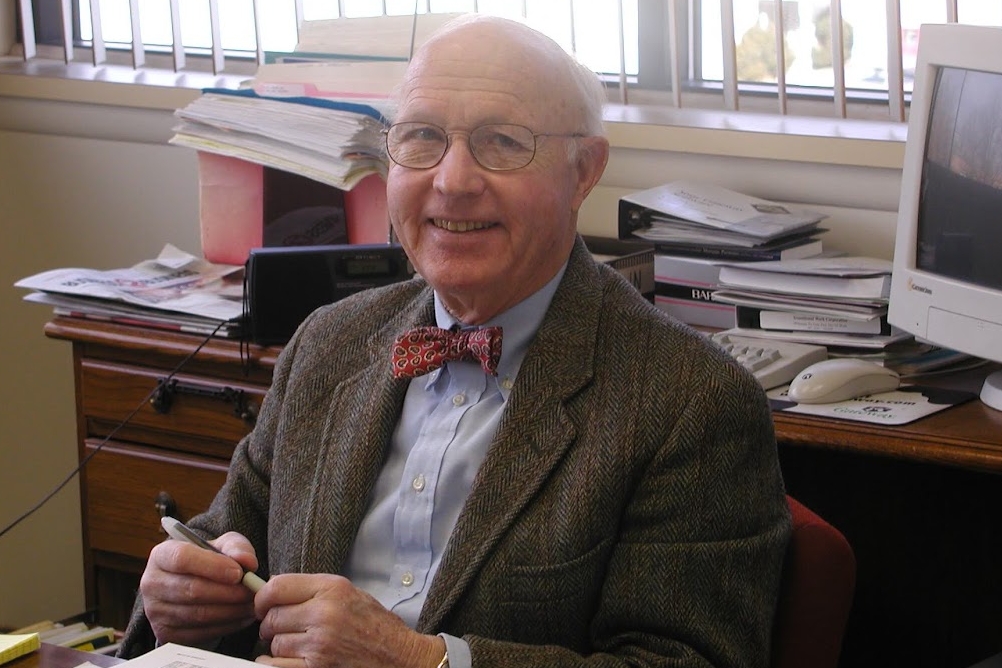
    This photo and article about Mr. Baker were published in The Inquirer in 1998.Newspapers.com

    Away from work, Mr. Baker was an avid squash player, skier, and sailor. He won the U.S. national hardball singles squash championship six times in the 80-and-older division from 2006 to 2016, skied into his 70s, sailed into his 80s, and played squash and tennis at the Merion Cricket Club until recently.

    He graduated from the U.S. Military Academy in 1946 and served more than seven years in the Army. He was stationed in Europe and rose to captain. His family called him a “relentlessly joyful spirit” in a tribute and said: “The world was a better place for his presence.”

    Charles Pitman Baker III was born June 24, 1925, in Philadelphia. His father, Charles Jr., was manager at the old Colonial Hotel, and Mr. Baker told stories of dropping water balloons on passing pedestrians from windows when he was very young and spending summers at the beach and on boats with the Ocean City Yacht Club.

    He was a star squash player at the Haverford School and known by classmates as “the Arm,” his 1943 senior yearbook said, “because of the vicious way he wields a racket.” His mother died when he was 11.

    This photo and article about Mr. Baker (left) appeared in the Daily News in 1990.Newspapers.,com

    He met Louise Wilhelm while water-skiing in Ocean City, and they married in 1955, and had sons Charles IV and Justin and a daughter, Sandra. His wife died in 2025.

    Mr. Baker and his wife attended Wayne Presbyterian Church, and he was known for his bow ties and wide smiles. He was funny, his daughter said, and liked to sing show tunes anytime anywhere, and write corny poems on birthday cards.

    “He was a wonderful dad who loved his family,” his daughter said. His family said in a tribute: “His legacy of service, humor, and kindness will live on for many generations to come.”

    His wife told The Inquirer in 2004: “Charlie has a kind heart.”

    Mr. Baker (front left) celebrated his 100st birthday in June 2025 with his family.Courtesy of the family

    In addition to his children, Mr. Baker is survived by four grandchildren, five great-grandchildren, and other relatives. Two sisters died earlier.
    Visitation with the family is to be from 10 to 11 a.m. Saturday, Oct. 17, at Wayne Presbyterian Church, 125 E. Lancaster Ave., Wayne, Pa. 19087. A celebration of his life is to follow. Bow ties are optional but encouraged, the family said.

    Donations in his name may be made to Baker Industries, 184 Pennsylvania Ave., Malvern, Pa. 19355.

    His wife told The Inquirer in 2004: “Charlie has a kind heart.”Baker Industries
  • A 1920s Glenside bowling alley gets a new lease on life as a bustling micro-mall

    A 1920s Glenside bowling alley gets a new lease on life as a bustling micro-mall

    A sprawling brick Glenside building that last held an optometrist’s office is returning to its roots as developer Kevin Burke looks to build community hubs around his native Glenside.

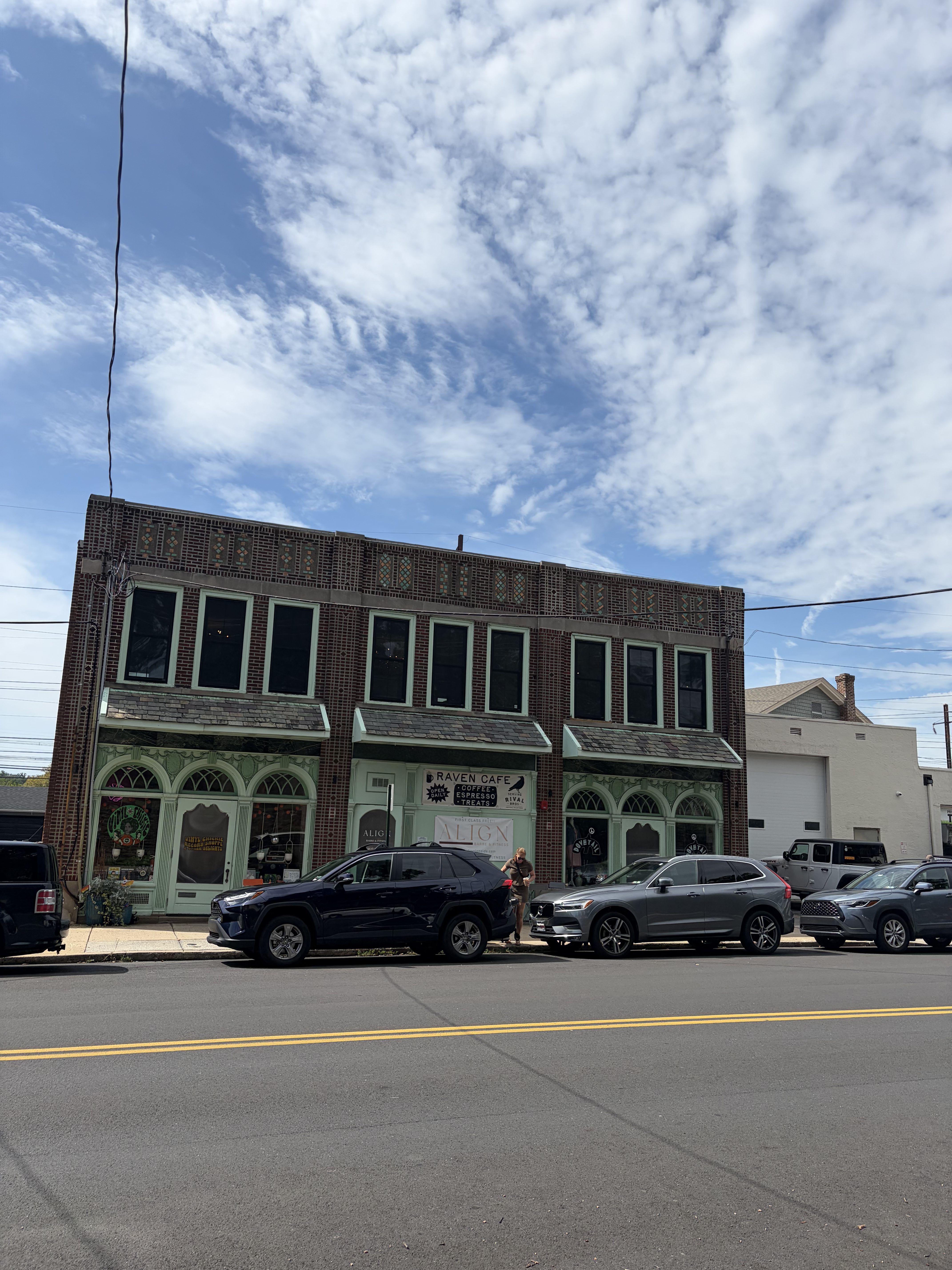
    The building at 2256 Mt. Carmel Ave. was once home to a bowling alley and billiards hall. The alley closed in 1971, and a family of eye specialists ran a glasses store there for decades.

    Burke bought the 1920s structure, dubbed Glenside Lanes, in 2024. The micro-mall, which officially opened in May 2025, is now home to a barre and yoga studio, a coffee shop, a record store, and a gift shop, with plans for a music venue in the back.

    Like the newly bustling Yorkway Place in Jenkintown, Glenside Lanes balances traditional retail with experiential businesses. The Montgomery County venues are part of a national trend, as investors look to fill commercial space hollowed out by online shopping and post-pandemic consumer shifts.

    “I think it’s the way to keep a brick-and-mortar going,” said Rhiannon Punzo, a Glenside Lanes tenant. “It’s like your community mall where you’re coming to one building that you can walk to, that isn’t corporate.”

    Burke is preserving most of the bowling lane flooring — including lane guides and the alternating wooden plank style demarcating the gutters — in the back of the building, which will serve as a concert and event space as early as November. He plans to develop a similar multiuse site in Wyndmoor.

    The lanes from a former bowling alley are still visible in a section of Glenside Lanes under construction on Sept. 3, 2026.Jess Rohan

    But to make Glenside Lanes a success, Burke needed the right business partners.

    First, he found Punzo, who runs the Dovetail shop of local artist-made gifts, and cofounded the art events company CO Lab.

    Punzo connected with longtime music photographer Lisa Schaffer, who had planned to open a record store in about five years. Within months, Schaffer was opening Vinyl Chickie at Glenside Lanes.

    “I want you to speed up your retirement plan,” Punzo recalls telling Schaffer.

    Former professional ballet dancer Alyson Pray Ward used to park outside the building and walk down the street to her barre and yoga business, Align Studio.

    “I would always look up to the second floor and think, ‘That would make a gorgeous ballet studio,’” Pray Ward said. She moved Align into Glenside Lanes last year.

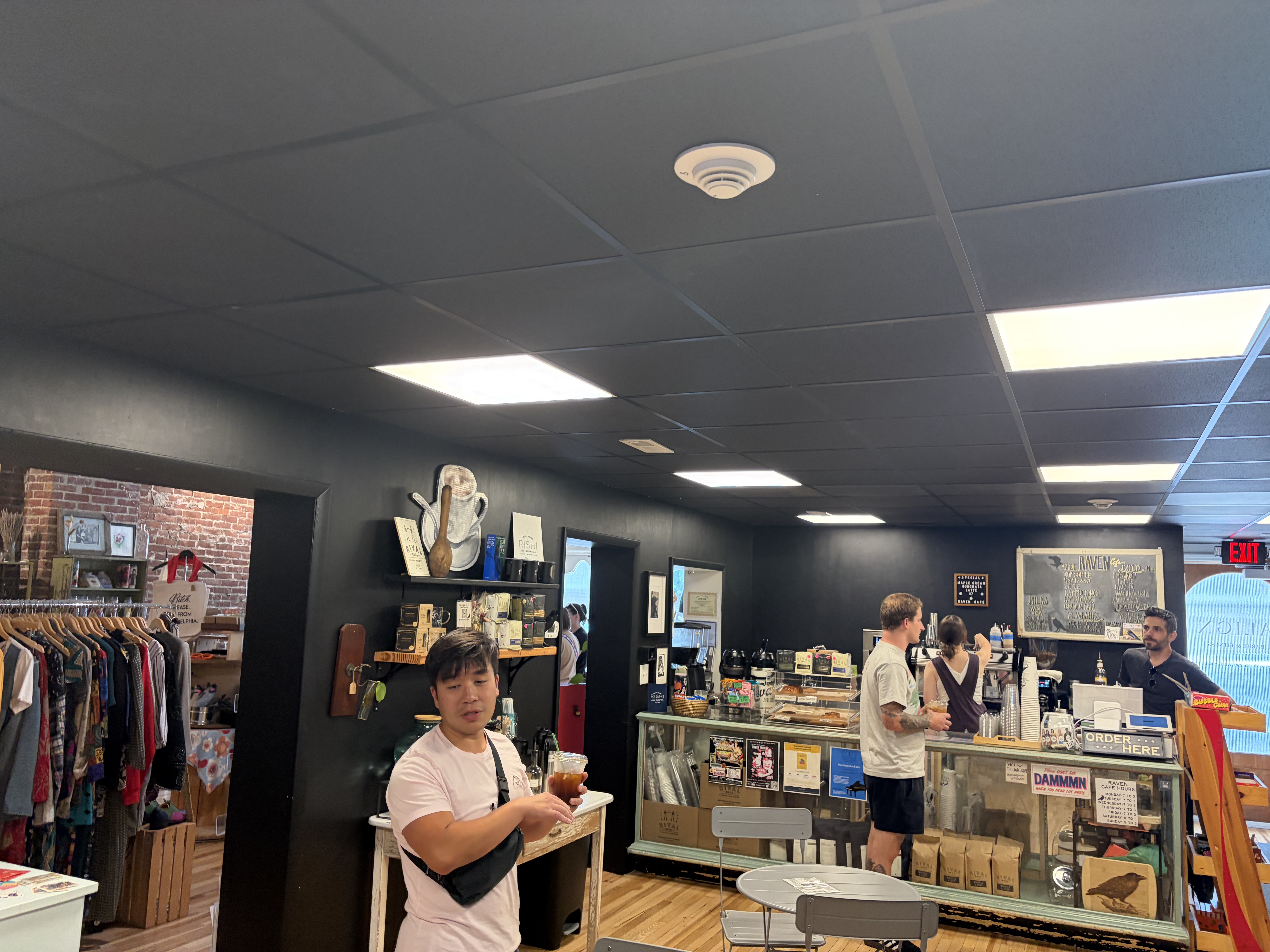
    This summer, Raven Cafe began serving Rival Bros. Coffee on the ground floor between Punzo and Schaffer’s stores. The stores flow into one another, making it easier to linger, owners and workers said: Yogis might pick up a teacher gift downstairs at the Dovetail after class, and music lovers grab coffee at Raven before browsing vinyl.

    Raven Cafe opens into the Dovetail gift shop at Glenside Lanes. The stores flow into one another, making it easier for customers to linger, owners and workers said.Jess Rohan

    “People can honestly show up and see familiar faces,” said Christine Collins, who teaches at Align. “I’m meeting adult friends there.”

    The clutch of complementary businesses is exactly what Burke had hoped for.

    The goal “was definitely to bring in different businesses that would help the community,” Burke said. “I always thought the bowling alley would be a perfect spot for that, and now we’re almost there.”

    The final business partner Glenside Lanes needed, Punzo said, was Glenside itself.

    “The community said, ‘We want this, if you build more we’ll come,’” Punzo said. “They could’ve been just talking, but everyone who said it showed up.”

    Correction: This story has been updated to reflect where developer Kevin Burke may plan a future micro-mall.

    This suburban content is produced with support from the Leslie Miller and Richard Worley Foundation and The Lenfest Institute for Journalism. Editorial content is created independently of the project donors. Gifts to support The Inquirer’s high-impact journalism can be made at inquirer.com/donate. A list of Lenfest Institute donors can be found at lenfestinstitute.org/supporters.

  • As tailors disappear, this Upper Bucks shop looks to a fifth generation

    As tailors disappear, this Upper Bucks shop looks to a fifth generation

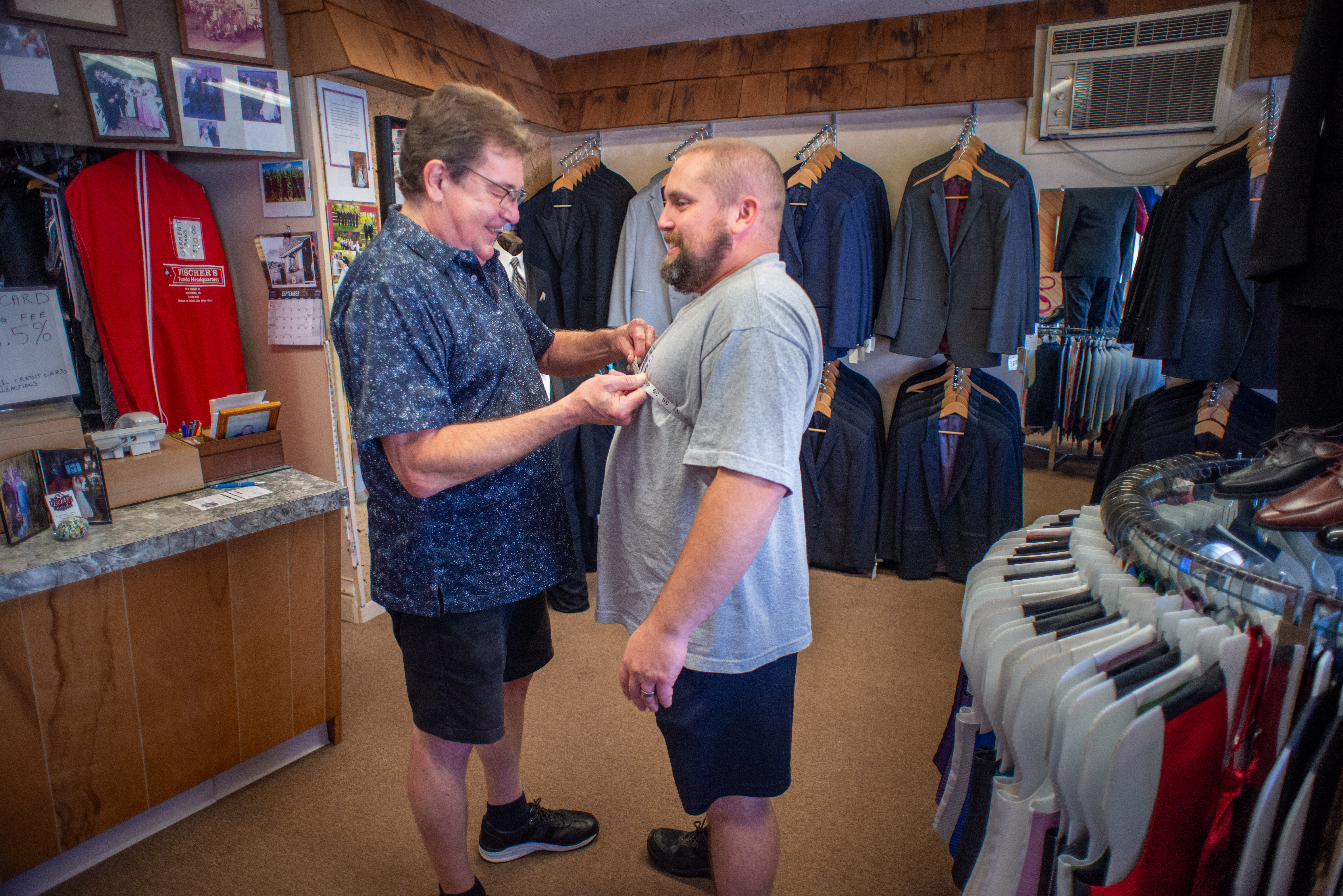
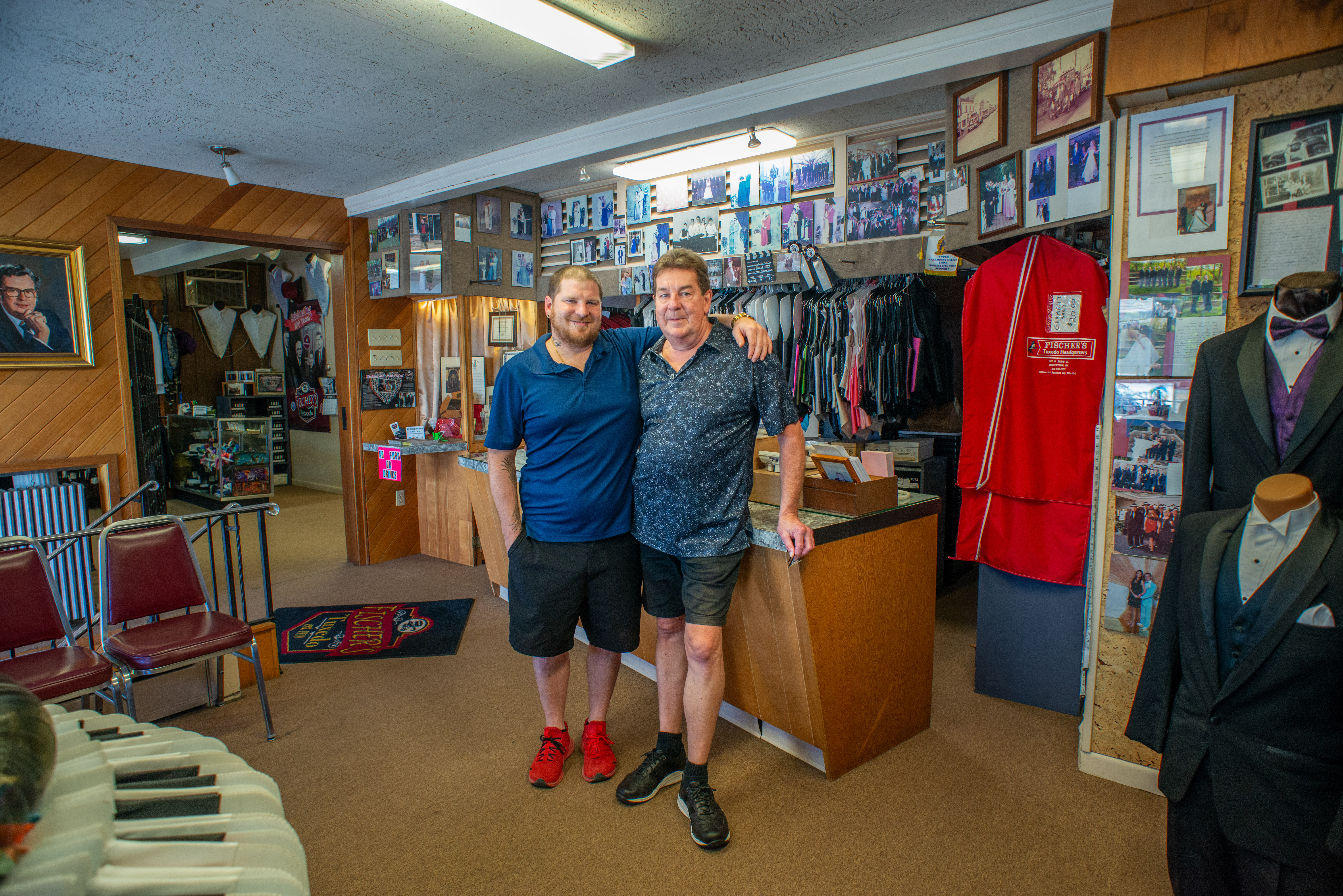
    Brett Fischer of Fischer’s Tuxedo in Quakertown learned tailoring as a kid, when his dad owned the store. Now, Brett runs the tailor and dry cleaning business with son Dustin, who learned from Brett.

    Dustin started out “shining shoes in the back, and then you know, little by little … sew a button on, shorten sleeves, just easy things,” Brett said.

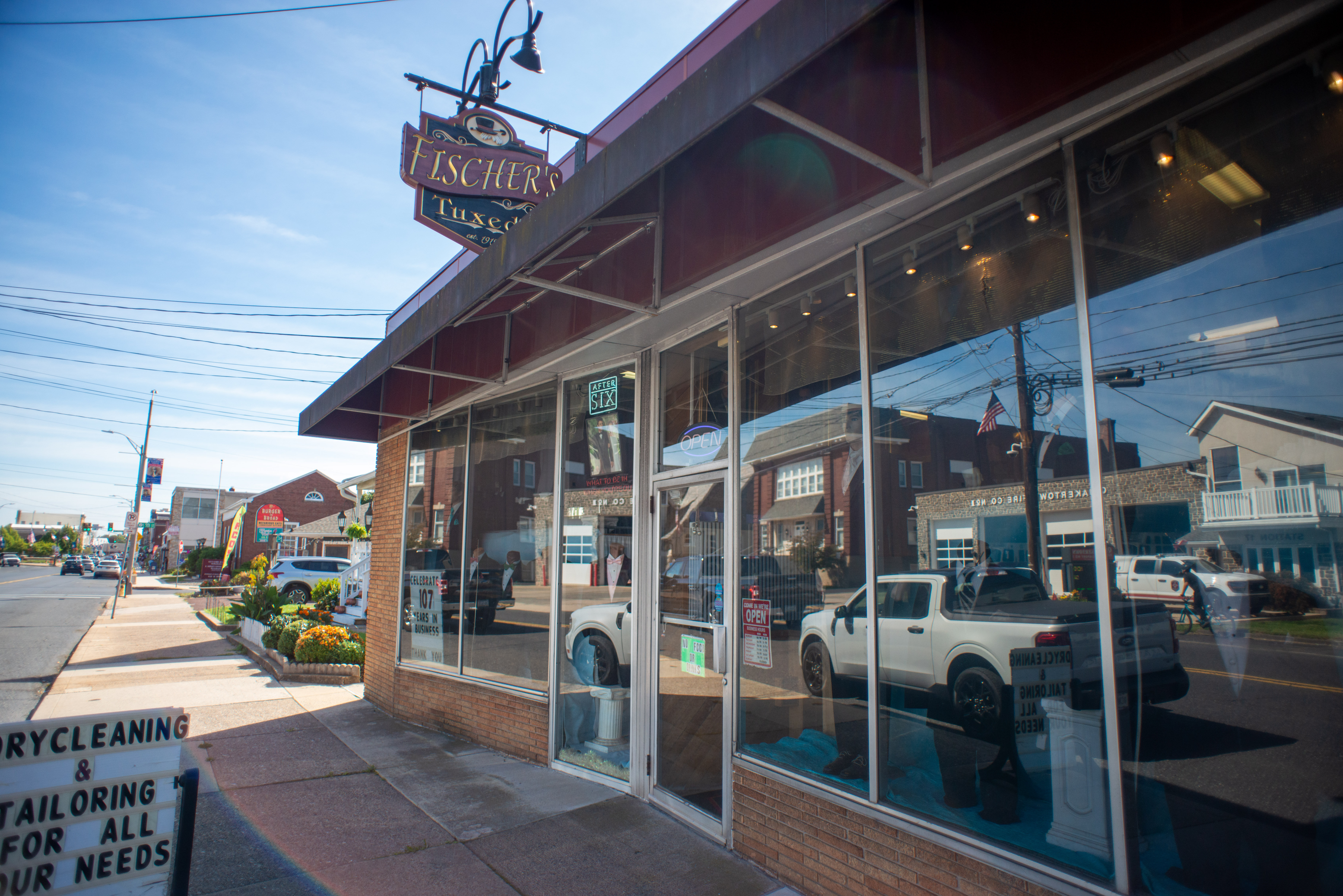
    Dustin is the fifth generation to run Fischer’s, started over a century ago by his German-Romanian great-great-grandfather in the same Broad Street location the family operates today.

    Owner Brett Fischer (right) and son Dustin Fischer pose for a photo in their store Saturday, Sept. 19, 2026, at Fischer’s Tuxedo in Quakertown. Tailors are disappearing, but this Upper Bucks shop is set to pass to a fifth generation.William Thomas Cain / For The Inquirer

    That’s “extraordinarily uncommon,” said Cindi Husbands, CEO of the American Tailors and Sewing Association.

    Across the country, tailors are disappearing as business owners reach retirement without anyone to replace them.

    Fischer’s offerings have changed over time. Services once included seasonal clothing storage because many home closets were too small to hold them, Brett said. His grandfather used to send clothes on the train to Philadelphia for dry cleaning, before he brought that service in-house.

    Fischer’s Tuxedo is seen Saturday, Sept. 19, 2026, in Quakertown, Tailors are disappearing, but this Upper Bucks shop is set to pass to a fifth generation.William Thomas Cain / For The Inquirer

    The store grew with it.

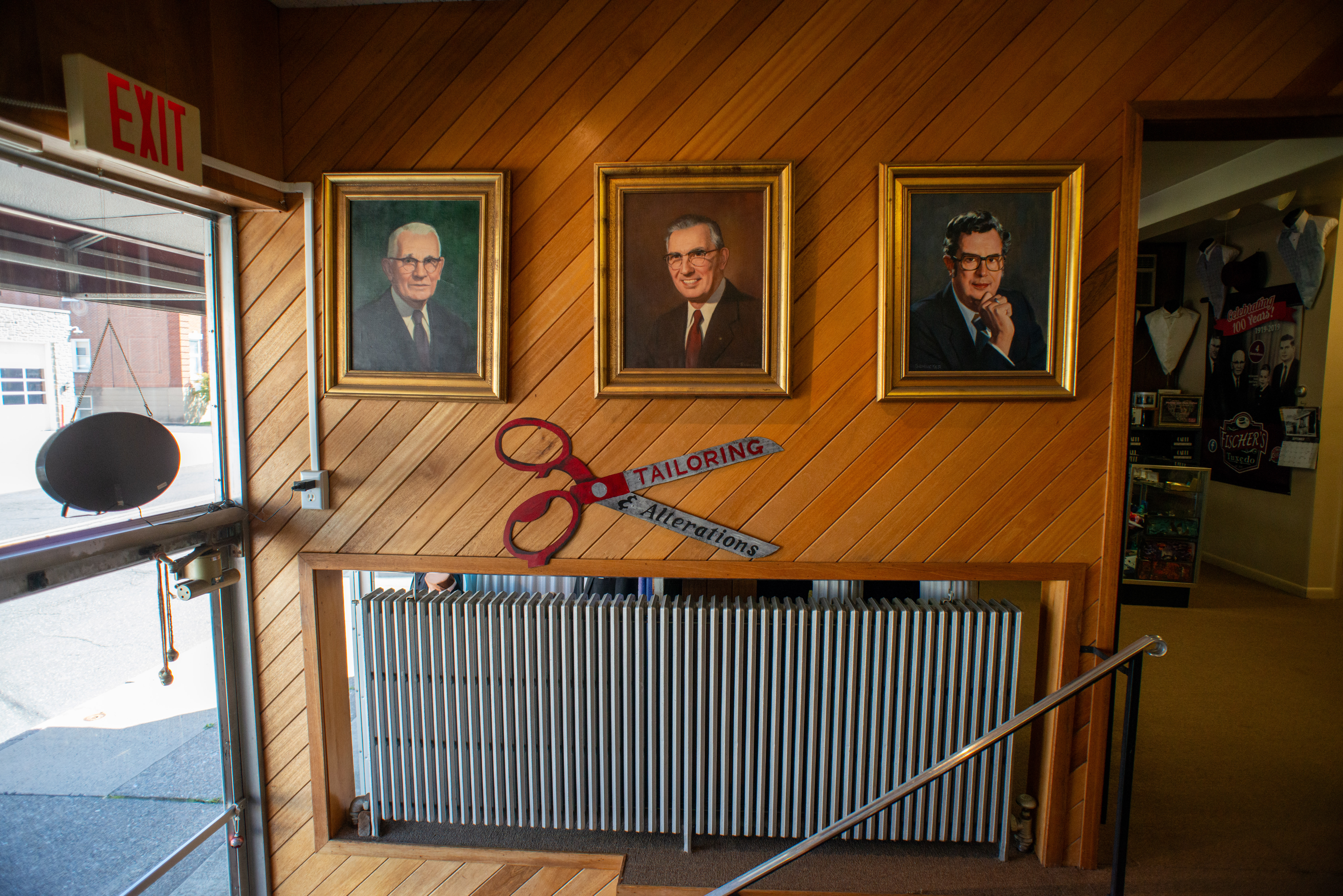
    Originally built as a twin home, the front porch is now an indoor reception area. The upstairs apartments became storage. On the wall by the entrance hang painted portraits of Brett’s father, grandfather, and great-grandfather.

    The generational wall of portraits is seen Saturday, Sept. 19, 2026, at Fischer’s Tuxedo in Quakertown, Pa. Tailors are disappearing, but this Upper Bucks shop is set to pass to a fifth generation.William Thomas Cain / For The Inquirer

    Today, weddings and other formal events are the heart of the business. There are 10,000 suits stored in the 5,900-square-foot shop, Dustin said. But, weddings are smaller than they used to be, he said, and people buy less formal clothing in general.

    “It’s a very dressed-down society. … They just wear what we’re wearing,” Dustin added, pointing to his blue polo shirt. “You can wash it in your laundry machine.”

    In towns without tailors, other businesses like bridal shops have absorbed some of the demand, Husbands from the trade association said, but it’s difficult to replace the skills and experience of a professional, full-service tailor.

    Her organization, along with major retailers like Nordstorm, are investing in tailor training programs to rebuild the workforce.

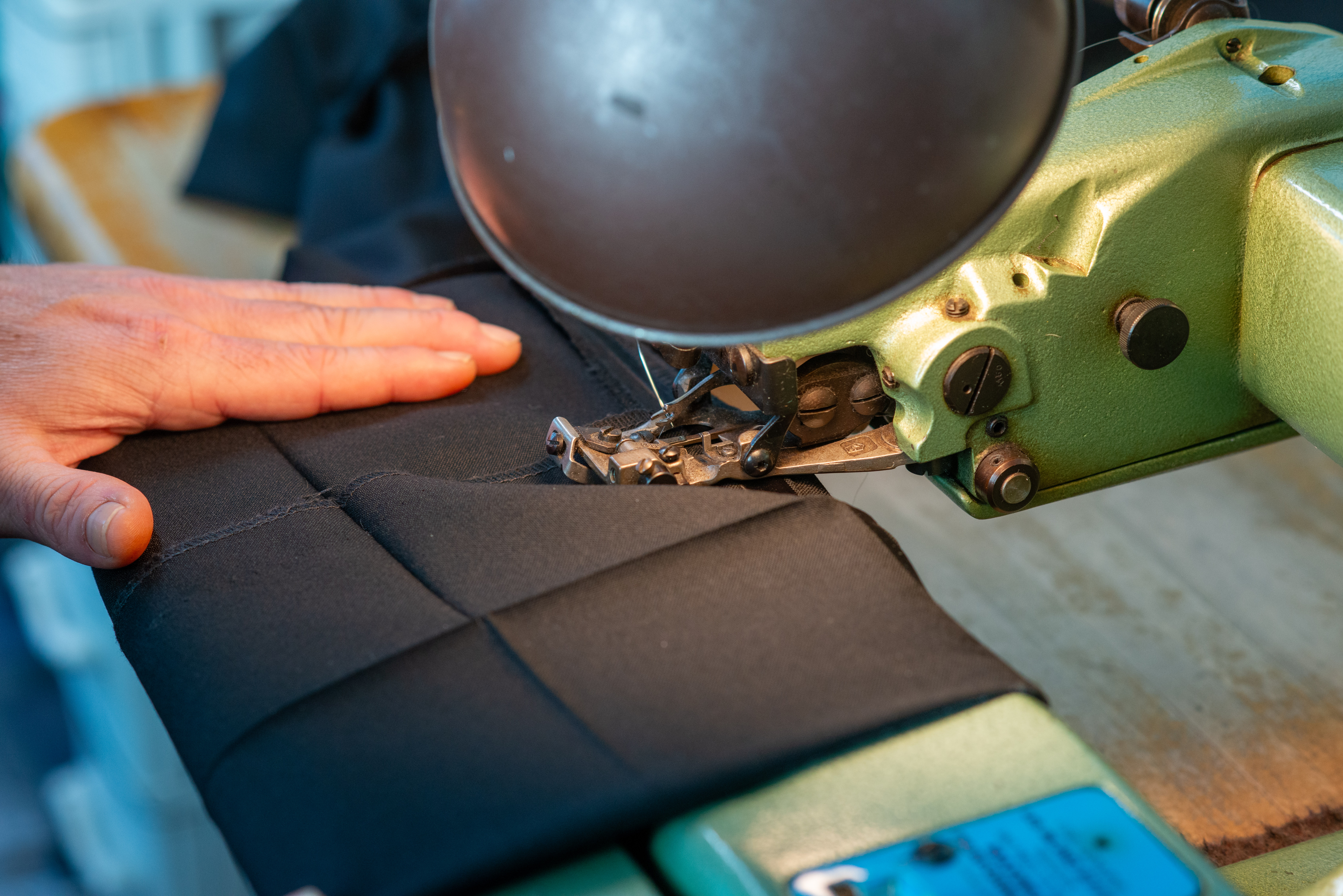
    Dustin Fischer hems pants Saturday, Sept. 19, 2026, at Fischer’s Tuxedo in Quakertown. Tailors are disappearing, but this Upper Bucks shop is set to pass to a fifth generation.William Thomas Cain / For The Inquirer

    With fewer tailors, Dustin expects to see higher costs and lengthier pants.

    “They’re going to charge you an arm and a leg for a simple job,” he said. “Or you just won’t get it done. You’re going to wear your pants, and they’re going to be nice and long.”

    Brett attributes his family’s long success to word of mouth, good customer service, and providing “a great product at an extremely fair price.”

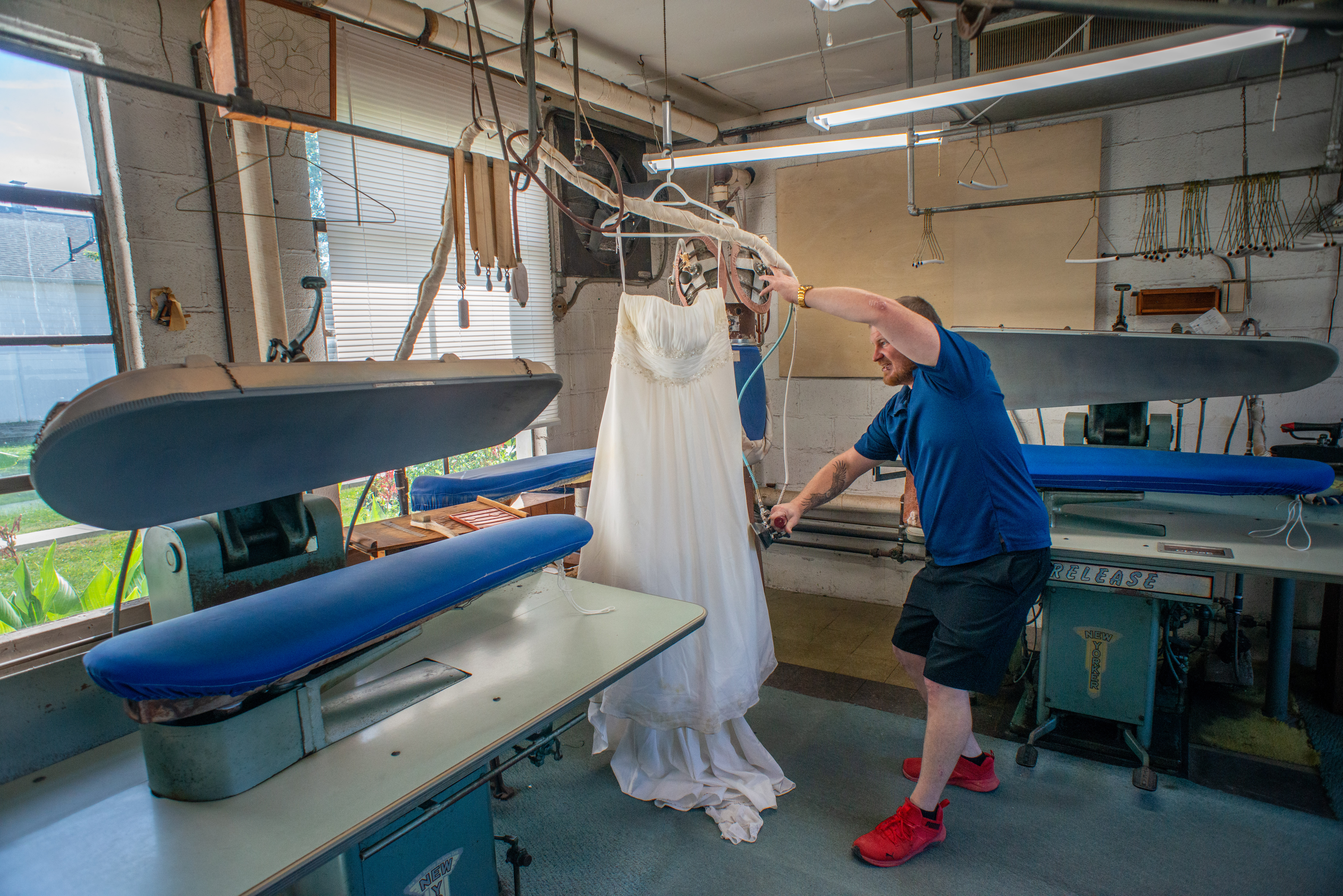
    Dustin Fischer sews, irons, and presses clothing Saturday, Sept. 19, 2026, at Fischer’s Tuxedo in Quakertown. Tailors are disappearing, but this Upper Bucks shop is set to pass to a fifth generation. William Thomas Cain / For The Inquirer

    Father and son both worked other jobs before joining the family business full time. Brett made office furniture, and Dustin worked in restaurants, a car wash, and a chocolate factory.

    After 34 years at the helm, Brett is not sure when he’ll retire: “I’m probably gonna wake up one day and say ‘I’m just done.’”

    And Dustin doesn’t know yet whether he’ll keep the store running himself, though he expects someone in the family will.

    “But you never know,” he added. “Life’s weird.”

    This suburban content is produced with support from the Leslie Miller and Richard Worley Foundation and The Lenfest Institute for Journalism. Editorial content is created independently of the project donors. Gifts to support The Inquirer’s high-impact journalism can be made at inquirer.com/donate. A list of Lenfest Institute donors can be found at lenfestinstitute.org/supporters.

  • Jeneral Store is set to bring fresh flowers, curated goods, and craft activities to downtown Narberth

    Jeneral Store is set to bring fresh flowers, curated goods, and craft activities to downtown Narberth

    Jen Kurland wants to bring people together.

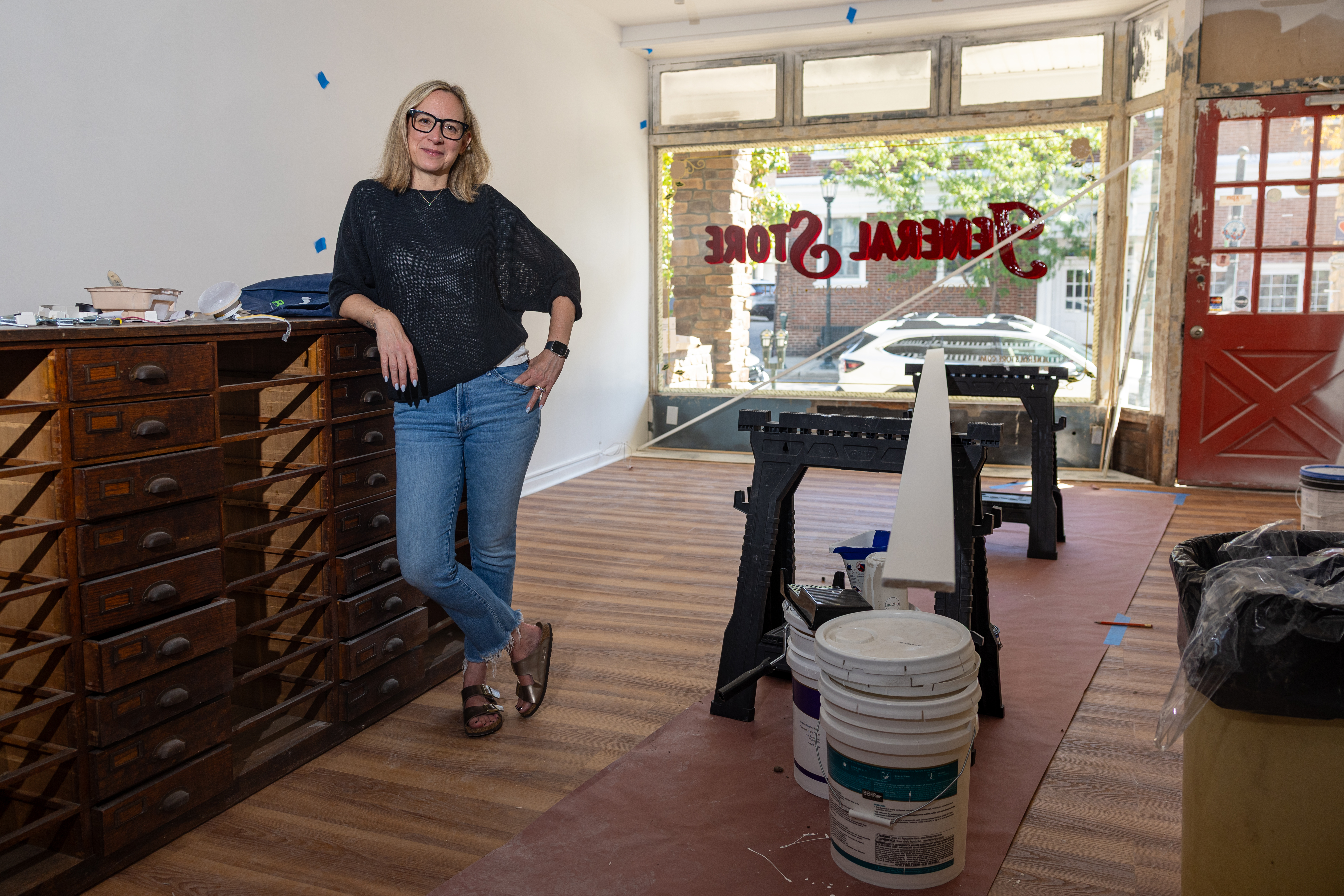
    Standing among paint cans and plywood at 102 Forrest Ave., the Narberth storefront soon to become a bespoke retail and gathering space, Kurland laid out her vision for a hub grounded in crafts, community, and whimsy.

    “People want a place to hang out,” said Kurland, a Narberth resident and former corporate events leader. “They want just a different energy and something to do.”

    Kurland, 52, is preparing to open Jeneral Store, a shop modeled after an old-style general store that will stock fresh flowers, art supplies, curated home goods, and penny candy. Jeneral Store will also be a space for people to craft, commune, and in Kurland’s words, “hang out.” The shop, set to open in October, is moving into the former home of Danny’s Guitar Shop, an independent guitar store and lesson center that closed in May after 17 years.

    Jeneral Store will have a craft counter modeled like a deli counter, where shoppers will be able to order craft supplies à la carte, and will stock what Kurland calls “everyday special” goods, including curated vintage and new household items and pick-your-own flower bouquets in upcycled vases.

    “It’s a little bit of everything,” Kurland said.

    All net proceeds will be donated to organizations that support LGBTQ+ individuals, according to Kurland, who said it’s important for her to help make everyone feel “safe and welcome and thriving.” Kurland has been meeting with organizations but has not yet finalized a list of groups Jeneral Store will be donating to, she said.

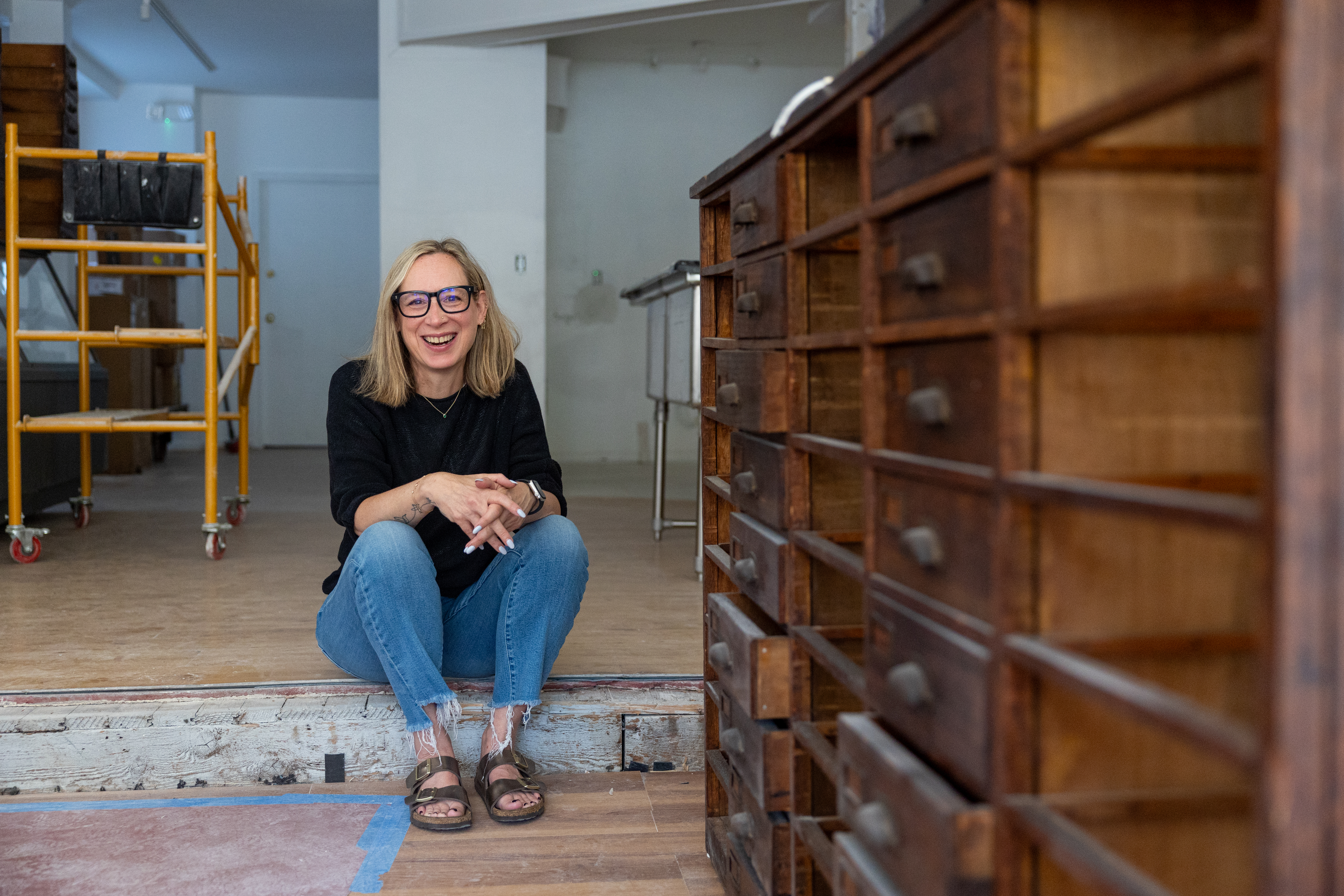
    Jen Kurland is set to open Jeneral Store next month. Aidan T. Gallo / Staff Photographer

    Kurland grew up in Havertown (coincidentally a half block from the childhood home of Dan Gold of Danny’s Guitar Shop). After graduating from the University of Delaware, she moved to New York City, where she spent the next 30 years building a career in events and brand strategy. In the summer of 2024, she and her family moved “home” to the Philadelphia area, landing in Narberth last summer.

    With the move to the Main Line, Kurland took a step back from her corporate career and found quickly that she was seeking a creative outlet and a way to give back. When Gold announced he was closing up shop, Kurland saw an opening.

    While launching Jeneral Store is a novel venture, Kurland said three decades in the world of events and marketing has prepared her to introduce a new community space to town. In addition to the retail component of Jeneral Store, Kurland hopes to host craft nights, workshops, and other events, depending on what the community has an appetite for. She said she recognizes the growing desire for “third spaces” — places where people can gather and commune, outside of work or the home.

    “My core of what I’ve always done is bringing people together,” she said.

    This suburban content is produced with support from the Leslie Miller and Richard Worley Foundation and The Lenfest Institute for Journalism. Editorial content is created independently of the project donors. Gifts to support The Inquirer’s high-impact journalism can be made at inquirer.com/donate. A list of Lenfest Institute donors can be found at lenfestinstitute.org/supporters.

  • Reading Terminal Market reports nearly 6 million annual visitors, who spend $1.2 billion in Philly

    Reading Terminal Market reports nearly 6 million annual visitors, who spend $1.2 billion in Philly

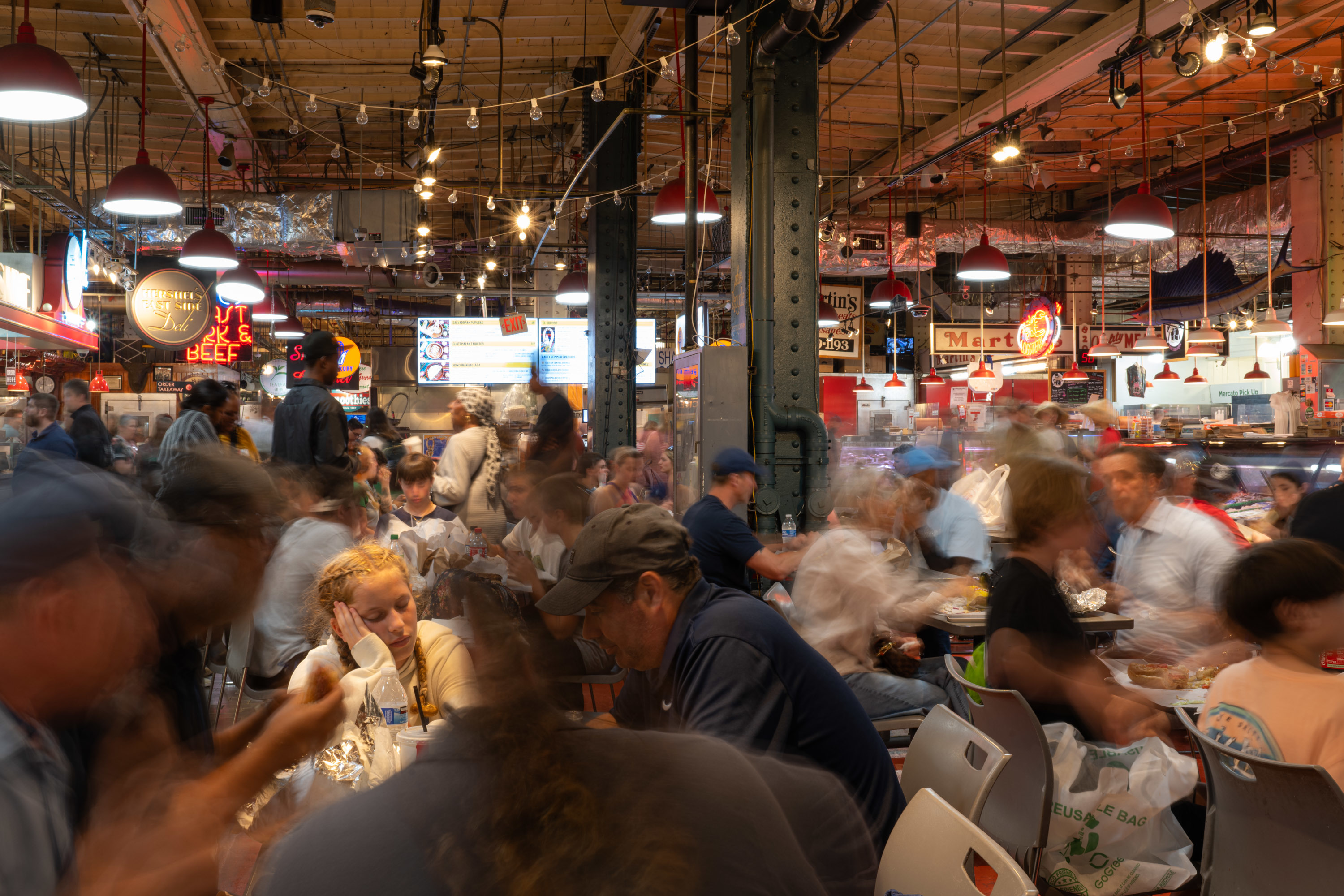
    Nearly 6 million Reading Terminal Market visitors, a mix of locals and tourists, spent $1.2 billion in Philadelphia last year, according to a new study on the economic impact of the historic Center City market.

    It’s the first time the nonprofit Reading Terminal Market Corp. has commissioned such a report, and the stats solidify the market’s status as “a beloved civic institution, and a powerful and vital economic engine for Philadelphia and Pennsylvania,” said Annie Allman, CEO and general manager. With the report, Allman said she is encouraging “continued investment in the market, its merchants, and its infrastructure.”

    It highlighted the market’s importance to lower-income residents, with 18 Reading Terminal merchants accepting SNAP and EBT benefits. This accounts for about 55% of the Center City merchants who accept food-assistance programs, according to the report. Reading Terminal Market is considered the largest EBT- and SNAP- redemption location in Pennsylvania.

    “Every dollar spent here is a dollar invested in Philadelphia — in our merchants, our hospitality industry, our neighbors, and our future,” Allman said in a statement.

    The “Feeding the City, Fueling the Economy” report — released Tuesday and conducted by the Philadelphia firm Econsult Solutions at Reading Terminal Market Corp.’s request — found that the market has contributed about $126 million worth of annual economic activity to the city of Philadelphia and $146 million to the Commonwealth of Pennsylvania. These figures include direct spending at the market’s more than 75 vendors, as well as the subsequent spending by those vendors and the employees they pay.

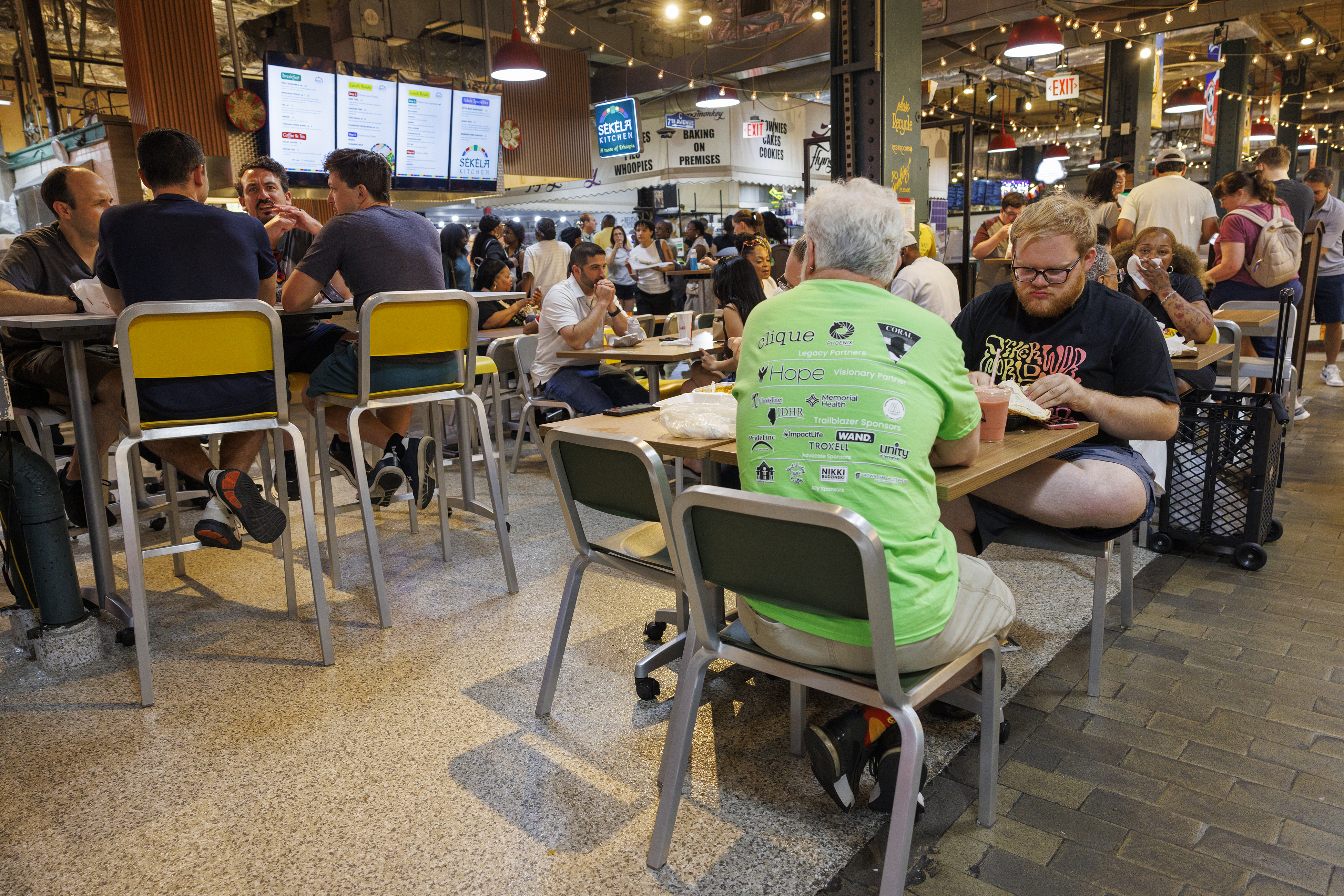
    Diners at the Reading Terminal Market in June.Alejandro A. Alvarez / Staff Photographer

    The study also cited national accolades, noting that Reading Terminal was recently named the No. 1 public market in America by USA Today travel experts.

    The new report found just over half of the market’s visitors last year, 3.1 million customers, were visitors staying overnight in the region, while the rest were Philly-area residents.

    Some Reading Terminal customers may have first heard of the market online, on a podcast, or on TV and streaming programs: The report found that Reading Terminal reached 10.8 billion people through these kinds of media mentions, equaling $81 million in “publicity value.”

    People enjoy the pop-up outdoor area on Filbert Street at Reading Terminal Market in July. Tom Gralish / Staff Photographer

    Between the market’s merchants and the corporation that runs it, Reading Terminal pays nearly 700 full-time-equivalent employees a combined $39 million a year, according to the report.

    And market partners spend about $6.1 million a year on capital improvements, which include mechanical, plumbing, and electrical upgrades, as well as larger undertakings like the 2022 Filbert Street Project that added 15,000 square feet of pedestrian-friendly outdoor space.

    Founded in 1893, Reading Terminal is one of the country’s oldest continuously operating markets. Spanning nearly 80,000 square feet along 12th Street, between Arch and Filbert Streets, the market sells everything from fresh produce and seafood to meats and homemade baked goods.

    At its quick-service restaurants, customers can find Caribbean cuisine, Asian street food, Filipino-fusion eats, Thai food, falafel, cheesesteaks, and vegan bites.

    Allman, CEO and general manager, said 2026 “brought unprecedented global attention” to Philadelphia. This summer, the city hosted the World Cup, America’s 250th birthday celebrations, and the MLB All-Star Game. Any economic impact those events had on Reading Terminal Market, however, would be reflected in next year’s report.

    Correction: This story has been updated to reflect that $1.2 billion is the estimated total spend by Reading Terminal Market visitors in Philadelphia, not in the market alone. It also reflects how much market partners spent on capital improvements.

  • How Philly-area businesses use employee bonuses to reward performance

    How Philly-area businesses use employee bonuses to reward performance

    As we enter the last quarter of this calendar year, many businesses are budgeting for pay raises in 2027. Most of my clients — and many other small businesses — also offer bonuses, which can provide extra financial incentives to employees.

    According to HR consulting firm Korn Ferry, the average pay raise is expected to be about 3.3% next year. Professional services firm Marsh says raises should be about 3.5%.

    Given the current rate of inflation, this may barely seem enough to cover the cost of living. But base pay isn’t everything, and bonuses can be a great motivator.

    Here is how several area businesses use this tool.

    Employees ‘write their own ticket’

    At the Pest Rangers, a pest control company based in Hanover Township, CEO Jeff King utilizes several bonus and incentive plans, all with the aim of rewarding workers for reliability, customer service, and sales.

    “Our technicians receive baseline bonuses for punctuality, weekly truck inspections, and avoiding customer complaints,” he said. “Employees who sell recurring pest-control plans share a monthly bonus pool based on their portion of total sales.”

    The company also offers sales commissions and production bonuses with no cap on earnings, he said.

    The company’s “raving customers” program rewards employees who receive exceptional customer feedback, King added. The company paid more than $18,000 in these bonuses in 2025, including more than $6,000 to its top technician.

    “This method we’ve formulated allows the employee to write their own ticket. If you want to go above and beyond, you’re being recognized for that behavior,” he said. “We put money directly into the employees’ pockets, rather than spending on traditional marketing.”

    Lowering costs while paying good managers what they’re worth

    Chickie’s & Pete’s, the popular Philadelphia-based restaurant chain, offers several bonus programs, but focuses its rewards primarily on managers and supervisors.

    “We award managers for things like developing hourly employees into supervisors and managers, training incoming managers at designated training locations, and keeping labor and food costs within quarterly budget targets without hurting customer service,” said vice president of operations Peter “Pete” Ciarrocchi III.

    “Our plans were designed to help retain the staff that we have and also providing consistent quality services to our families,” he added.

    Bonus plans have helped to reduce the company’s labor costs, Ciarrocchi said, but managers make 20% more on average since the restaurants started giving bonuses.

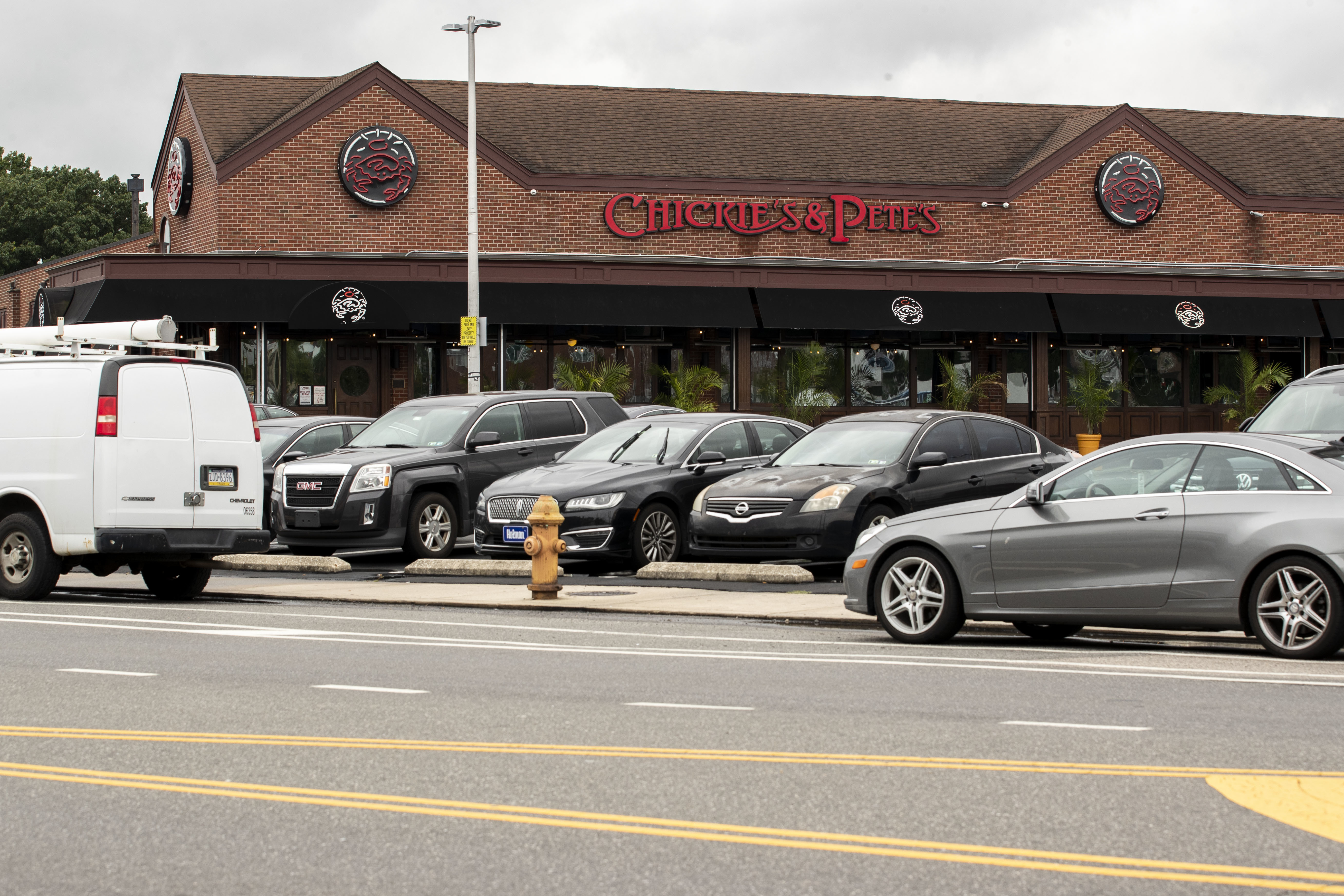
    Chickie’s & Pete’s restaurant in South Philadelphia.MONICA HERNDON / Staff Photographer

    Bonuses rewarding consistency

    Werner Bus Lines in Phoenixville uses targeted bonus programs that are tied directly to the results or behaviors the company wants from each department.

    For example, sales employees get paid based on bookings and mechanics get a bonus for punctuality.

    “I tried to think about the systems I could design where my employees and the company are happy,” Werner’s president Heath Ochroch said. ”I asked what was the actual behavior that I wanted to see more of in each of these departments and that would be the common thread.”

    Jamie Turner, founder and president of Acclaim Autism, focuses bonus programs on the people providing services.

    Acclaim Autism’s “frontline workers,” who help provide behavior analysis and therapy, among other services, can earn up to $300 in bonuses per month, Turner said.

    “Their bonuses are primarily based on consistently completing scheduled patient-facing hours, maintaining continuity and routine for patients, and meeting quality and compliance standards,” he said.

    Turner said it’s critical for their employees to be incentivized to provide consistency in their patient-facing hours, “which our patients need on a regular routine basis.”

    Using discretion to reward less quantifiable contributions

    Many firms I know like to pay once-a-year bonuses based on management’s discretion.

    Employees at PayUSA, a King of Prussia-based payroll processing firm, receive an annual year-end bonus based primarily on their individual performance. President and CEO Christian Hoyt said most established employees receive a bonus equal to at least one week’s salary, with a larger multiple for stronger performers. The largest bonuses are up to 2.5 times the employee’s weekly pay.

    “The basic idea is to recognize a full year of hard work with an additional week or more of compensation,” he said. “If an employee worked really hard for 50 weeks, let’s pay them for 53.”

    At Newtown-based JS Benefits Group, an employee benefits consulting firm, all 26 employees are eligible for discretionary bonuses, which can be as much as 5% of their salary, or about 2.5 weeks’ pay. Founder and CEO Jennifer Schaefer said there is no fixed formula.

    “We generally consider three principal factors: the company’s overall performance, the employee’s individual contribution, and the employee’s years of service,” she said.

    Schaefer deliberately keeps the bonuses discretionary because conventional productivity measures do not capture every valuable contribution. She considers how employees serve clients, support colleagues, solve problems, and strengthen the company’s culture.

    “A formula can measure revenue, but it can’t always measure the employee who quietly solves problems, earns a client’s trust, or makes the entire team better,” she said.