Category: Small Business

  • The Small Business Administration is offering new grants and up to $10 million in financing

    The Small Business Administration is offering new grants and up to $10 million in financing

    Despite a significant reduction in its staffing, the Small Business Administration (SBA) has been sharply focused this year on reorganizing internally, going after COVID fraud, and — of high importance to many small businesses — providing more financial resources, particularly grants, guarantees, and loans.

    For example, the agency is offering new supply chain grants. Launched last week, these grants — a total of 20 for up to $500,000 each — are targeted at helping small businesses address supply chain constraints and increase production.

    Companies and nonprofits can apply if they are eligible in a variety of industries that deliver technical assistance, industry engagement, supplier development, or similar services so that small businesses can reshore more of their purchasing or manufacturing.

    The deadline for proposal submissions is Aug. 7.

    Increased loan availability to $10 million

    The SBA offers various loan and loan guarantee options, with its two most popular being the Section 7(a) and Section 504 programs. These programs can help fund equipment, property, and other capital costs — including the purchase of a business — through guaranteed loans made available by their network of qualified financial institutions.

    Each program allows a maximum of $5 million in financing, but this month the agency announced it will allow qualified borrowers to combine the programs to create a maximum $10 million in potential financing.

    Sherwood Robbins, who runs Seedcopa, a firm specializing in SBA financing that has offices in Exton and Wilmington, says he’s very optimistic about the program.

    “Just about any business or industry can benefit from this new way to combine the SBA 504 and SBA 7(a) loan programs,” he said. “When used correctly and for the right projects, small businesses now get access to larger loan limits across the two SBA loan programs for their growth and expansion.”

    Grocery and manufacturing guarantee loans

    In March, the SBA said that it was making a special effort to provide financing for small businesses that produce, process, distribute, and sell food by increasing the loan guarantee they offer to their member banks issuing loans for up to 90% from the current 75% level.

    That same month, the agency said that it would provide the same additional guarantees for small manufacturers to help them expand facilities, hire workers, and increase production.

    In addition, the SBA recently expanded its International Trade Loan eligibility to include small businesses across the food supply chain, including those in the agriculture, production, and logistics industries.

    “Being able to do 90% financing versus 80% or 75% financing lets businesses hold on to that critical cash so that they can invest in other parts of their business,” said Tom Pretty, head of SBA Lending at TD Bank, which has dozens of locations in the area. “Because of the SBA guarantee, a lender may be able to lend more aggressively against accounts receivable, inventory or other assets and provide a larger line to help a customer grow more quickly.”

    Manufacturing grants

    In May, the agency announced the availability of up to $50 million in grants to as many as 10 eligible applicant organizations. The grants could go toward training, technical assistance, and support “they need to grow, reshore critical supply chains, and help secure America’s position as a global manufacturing powerhouse for generations to come,” said SBA administrator Kelly Loeffler.

    Under this program, eligible U.S. small businesses in industries such as aerospace, industrial machinery and equipment, construction equipment, metal fabrication, and robotics would get access to free business courses, hands-on training, and one-on-one consulting. The deadline for this year’s program was June, but the program will likely be back, so watch for opportunities to apply.

    New working capital loans

    The agency announced last year that it would provide new working capital loans to eligible companies under its existing 7(a) program that could be used for financing receivables and other working capital needs beyond the program’s traditional objective of financing equipment and property.

    The working capital loans come at a higher interest rate than a traditional 7(a) loan but are still much lower than what most credit cards and private lenders charge. In February the agency announced that $150 million in credit was extended under the new program.

    Pretty advises his customers to use these loans when borrowing needs fluctuate or they are taking on large contracts where funding can help with payroll, inventory, and other costs.

    “Unlike a standard 7(a) term loan, the working-capital program revolves, so the business draws funds as needed and pays interest only on the amount being used,” he said. “It’s like having a credit-card limit without remaining fully borrowed all the time.”

    Your business may be eligible for these programs, so it’s important to discuss with people who are familiar with what would best for you. This can include an SBA banker, an expert from SCORE, or a local Small Business Development Center office.

    “When used correctly for the right projects, small businesses can really benefit by getting access to these programs for their growth and expansion,” Robbins said.
  • Philadelphia shoe retailer Sherman Brothers is moving to the Main Line after 73 years in Center City

    Philadelphia shoe retailer Sherman Brothers is moving to the Main Line after 73 years in Center City

    A wood placard mounted behind the register at Sherman Brothers Shoes in Center City is inscribed with the following message: “The BITTERNESS of Poor Quality Remains Long After the Sweetness of Low Price is FORGOTTEN.”

    The saying is commonly attributed to Benjamin Franklin, making it a fitting aphorism for a shoe store that has served Philadelphia’s men for 73 years, outfitting them with pristine suede loafers and stitched leather boots, ranging in hues from auburn and chestnut to sienna and camel.

    After seven decades in Center City, Sherman Brothers is moving from 1520 Sansom St. to the Main Line this summer. The men’s footwear retailer will take over 42 Greenfield Ave. in Ardmore, formerly home to consignment store Clothes Mentor, and will aim to open by Labor Day. The move will reestablish Sherman Brothers in the Philly suburbs, where it once had multiple storefronts, and will mark a new chapter for the storied family business.

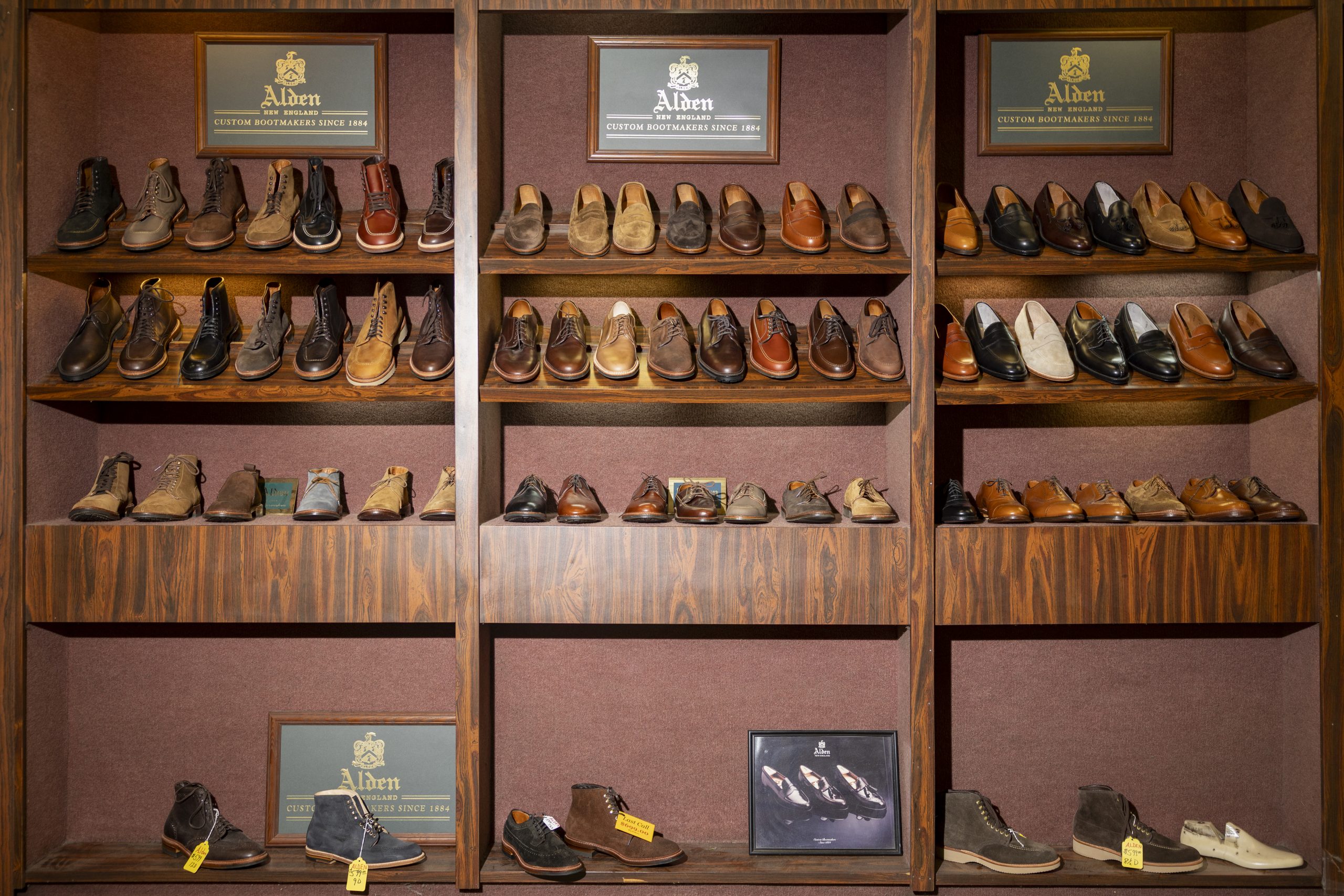
    Alden boots and loafers line the walls of Sherman Brothers in Center City.Aidan T. Gallo / Staff Photographer

    Sherman Brothers was founded in 1953 by brothers Herbert and Edwin Sherman. The two purchased a small shoe store on Mole Street in Center City from their Uncle Lou, using a $5,000 loan from their father. Herbert and Edwin would take long road trips up to New England to visit shoe factories, stocking up with closeout and clearance shoes from brands like E.T. Wright, Bates, and Alden. Because they were buying clearance shoes, they often returned to Philadelphia with extra small and large sizes, making Sherman Brothers a favorite store for men with hard-to-fit feet.

    In 1967, the brothers moved to the Sansom Street location. By then, the store had become a destination for mayors and council members, athletes and entertainers, turning to standing room only during its busiest hours. At one point, Sherman Brothers had three suburban outposts in addition to the Sansom Street store, all of which eventually closed. Now, the shoe store does more than half of its business online, shipping to buyers everywhere from Mississippi to Nebraska.

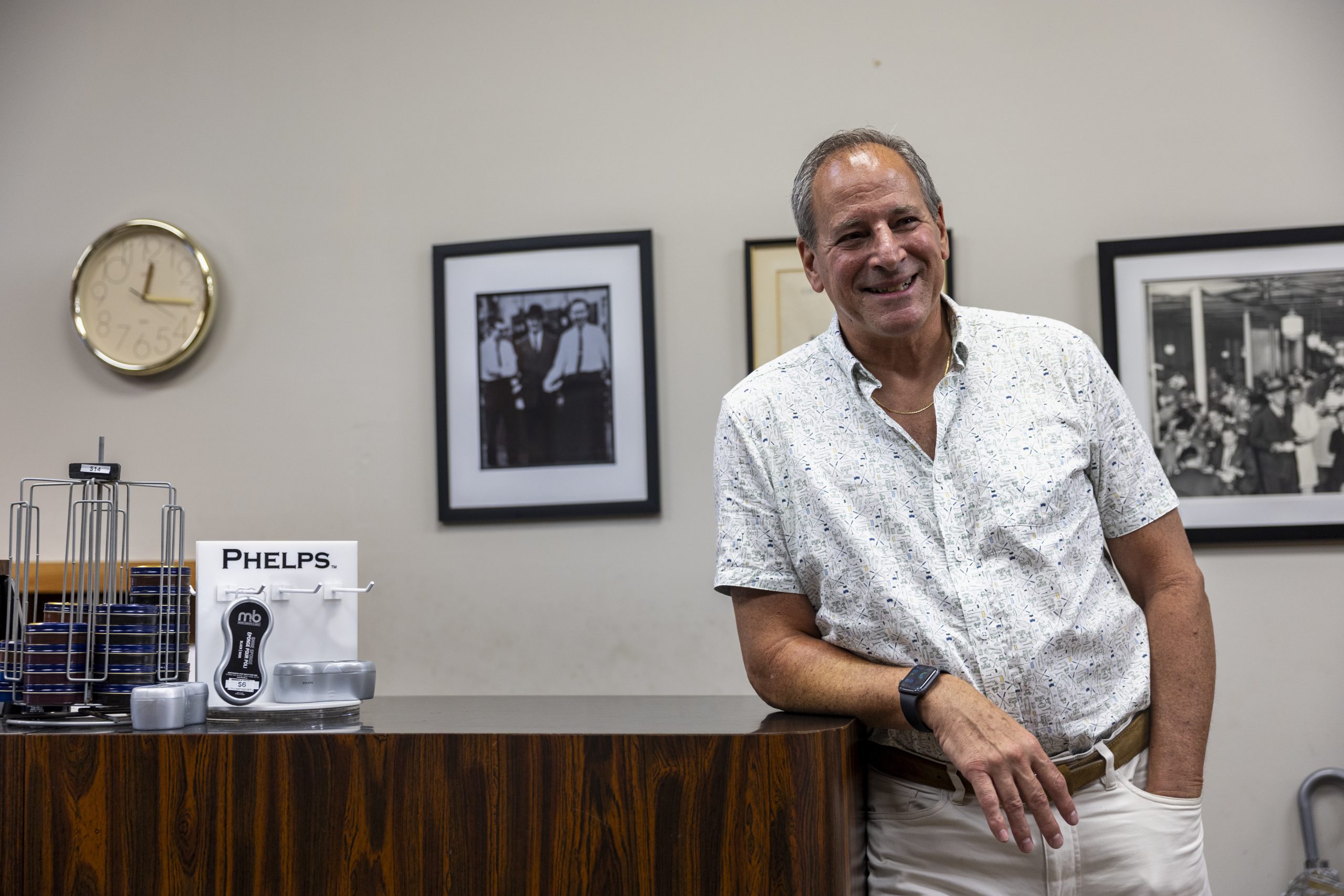
    Ken Sherman, 66, Herbert’s son, has “been doing this all my life.”

    Ken, along with his cousin Jeffrey, make up the second generation of Sherman Brothers ownership. Ken worked in the shoe store in high school, then after class as a student at Temple University. He’s always loved key components of the business: schmoozing with customers, visiting factories, learning the art of bending leather into footwear. He says he can size up a person’s foot just by looking at a picture.

    “This business is a passion of mine,” Ken said, sitting in the store on a Tuesday morning.

    As he moved through the store, Ken helped a patron pick out a pair of wedding shoes and pointed out a favorite shoe brand of Gov. Josh Shapiro, who’s known for pairing suits with upscale sneakers.

    “I love the customers,” he said. “I love what we do. I love just engaging in conversation.”

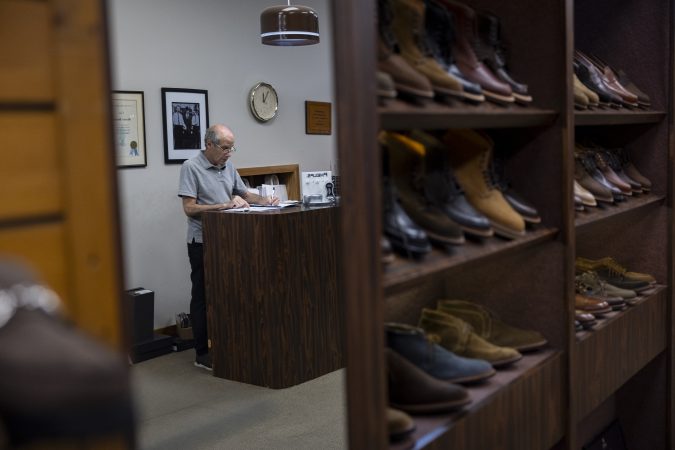
    Ken Sherman stands at the register of Sherman Brothers. Ken marks the second generation of ownership for the family business. Aidan T. Gallo / Staff Photographer

    The reasons for moving Sherman Brothers to Ardmore are manifold, said Ken.

    The block of Sansom Street where the store is located has become a restaurant hub — Sherman Brothers is flanked by 1518 Bar & Grill, Mission Taqueria, Oscar’s Tavern, and Bagels & Co., among other bars and eateries. The shoe store is one of the last retailers on the block. For years, Ken said, stakeholders made offers to bring something new into the Sherman Brothers space. Ultimately, a restaurant made an offer that the Shermans decided to take (the Shermans own the buildings at 1518 and 1520 Sansom Street and lease space to multiple tenants). Ken declined to share any details about the new restaurant, which will be called Silver Shaker.

    Another reason to leave Center City: Parking. For years, Sherman Brothers employees and patrons have complained of parking tickets and the high prices of lots. The Ardmore store will have ample free parking.

    Ken said he’ll miss the city — the Sansom Street storefront holds memories of celebrity patrons, family milestones, and now-funny mishaps. He hopes his Philadelphia customers will make the trek out to Ardmore to visit with him. But he’s ready to bring Sherman Brothers back to the Main Line.

    “We’re still Sherman Brothers. Our legacy is what it is, and I’m proud of that, proud of what we’ve done for the city,” Ken said.

    “We’re gonna do exactly what we do, just in a different location.”

    This suburban content is produced with support from the Leslie Miller and Richard Worley Foundation and The Lenfest Institute for Journalism. Editorial content is created independently of the project donors. Gifts to support The Inquirer’s high-impact journalism can be made at inquirer.com/donate. A list of Lenfest Institute donors can be found at lenfestinstitute.org/supporters.

  • Utz, the Pa. snack maker, is going private again as part of $2.9 billion deal

    Utz, the Pa. snack maker, is going private again as part of $2.9 billion deal

    Six years after going public, Utz Brands, the Pennsylvania producer of potato chips, pretzels, and other snacks, is set to become a private company again in a $2.9 billion deal with a German acquirer.

    When the latest deal is done, Utz’s founding families, the Rices and Lissettes, will own 50% of the company, and Intersnack Group, a snack maker in Europe and the Pacific, will own the other half, according to a Tuesday news release.

    “Intersnack shares our vision for Utz, and their marketing, manufacturing, and technology capabilities will be invaluable as we continue to invest in our brands,” Utz CEO Howard Friedman said in a statement.

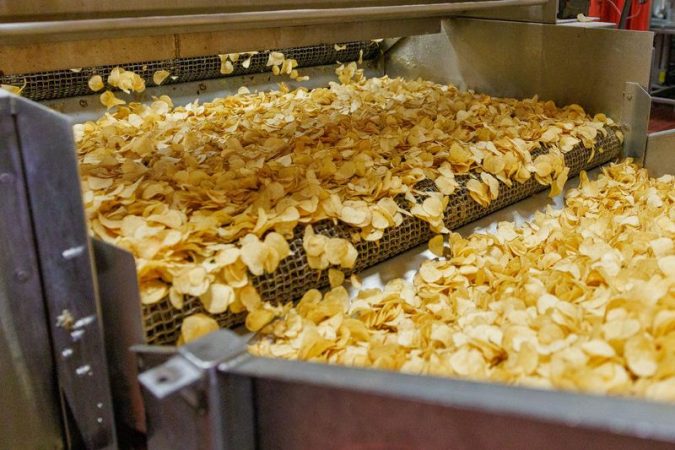
    Since 1921, Utz has produced its trademark chips and other snacks from Hanover, York County, about 120 miles west of Philadelphia. Today, Utz also makes Zapp’s kettle chips, Jax cheese curls, On The Border tortilla chips and dips, and TGI Fridays bagged snacks.

    Utz still makes chips at its original Hanover plant, as well as at a network of facilities nationwide. Its snacks are distributed to grocery stories, convenience stores, and restaurants across the country.

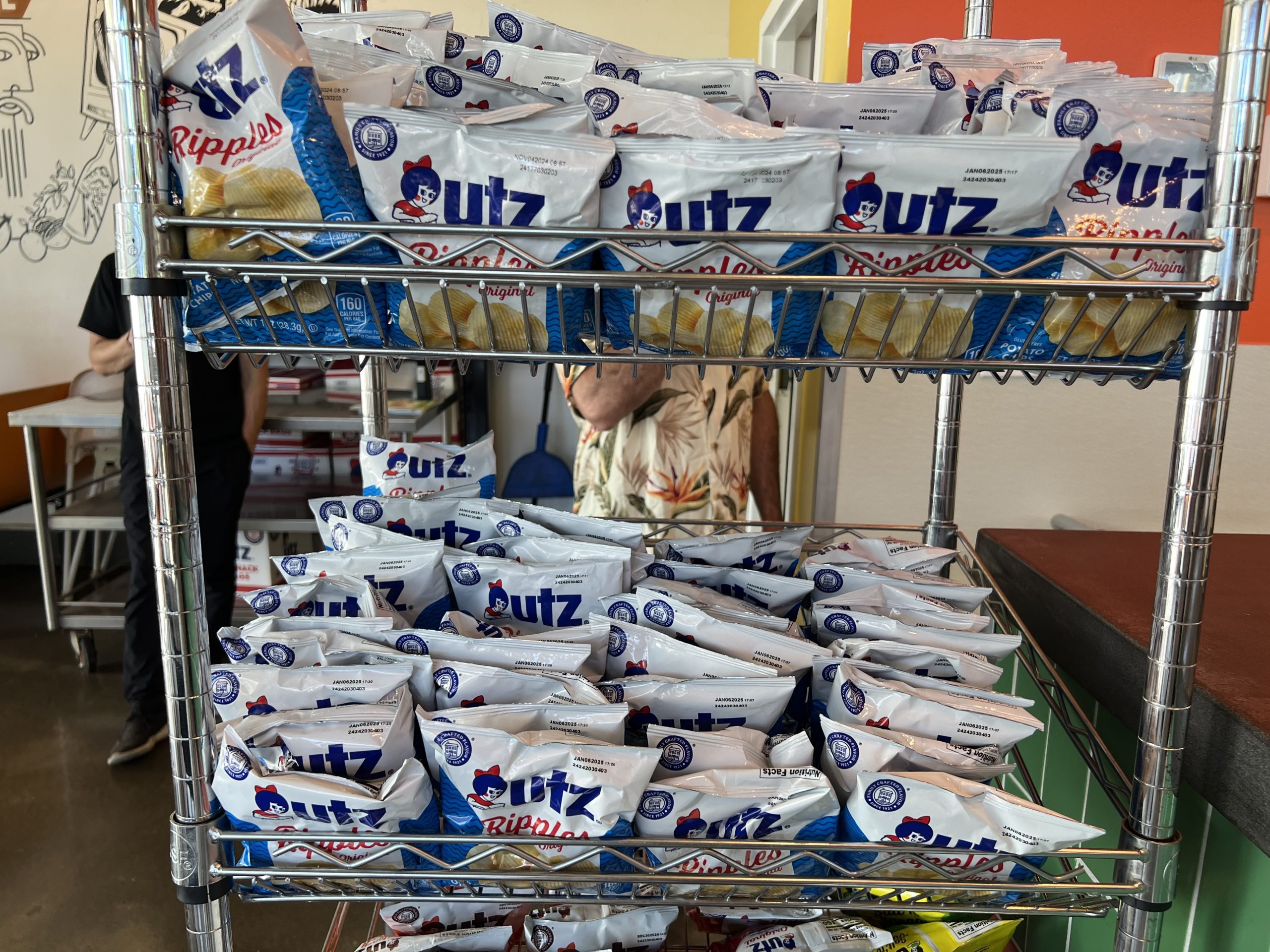
    A display of Utz chip packets at Earl’s in Kaimuki, Hawaii.Kiki Aranita

    The company generated about $1.4 billion in net sales in 2025, a slight increase from the prior year, according to earnings reports.

    Intersnack plans to pay $14.25 per share in cash for all publicly traded Utz stock, according to the release, and to finance the deal with a combination of cash, financing, and rollover and reinvestment from the Rice and Lissette families. Utz stock surged after the deal was announced Tuesday.

    “We have long admired Utz’s brands, its heritage and the strength of its team,” Johan van Winkel, executive chairman of Intersnack Group, said in a statement. “We see a tremendous opportunity to partner and build on Utz’s strong foundation and help shape the future of snacking in North America.”

    The transaction is expected to close later this year, according to Tuesday’s news release. When it does, Dylan Lissette, who married into the Utz family, would become Utz executive chair.

    The deal would take Utz off the New York Stock Exchange and make it no longer required to publicly disclose its earnings.

    Utz became a publicly traded company in 2020 in a merger that valued the company at more than $1 billion.

    By going private again, Utz would join its longtime competitor, Herr’s, a fellow family-owned snack-maker based in Nottingham, Chester County.

  • Philadelphia offers forgivable $50,000 loans to help small businesses expand | Expert Opinion

    Philadelphia offers forgivable $50,000 loans to help small businesses expand | Expert Opinion

    Want $50K for your business, along with coaching and advice to help it grow? The City of Philadelphia has a program to provide just that.

    Since 2021, the city has been offering forgivable loans of up to $50,000 for businesses through its annual Boost Your Business program. Applications for this year’s program opened in June and will close Aug. 31. Up to 20 businesses will be selected.

    To be eligible, your business must be independently owned (this includes some franchises), located in Philadelphia, in operation for at least two years, and have at least $350,000 in annual revenue. Businesses also must be paid up or have an approved payment plan for all local, state, and federal taxes. And they must have all necessary licenses and permits, including an active Philadelphia commercial activity license.

    Applicants must provide a budget and growth plan, as well current financial statements and two years of federal business tax returns. Any debt must be disclosed and anyone with more than a 20% interest in your business must provide authorization. Eligible businesses that are seeking city contracts are encouraged to apply.

    The growth plan is a key document. That’s because businesses selected for the program are facing “unique barriers in accessing critical funding and resources that are needed to help their business grow,” according to the city’s Department of Commerce and its partner in the program, the Philadelphia Industrial Development Corp. (PIDC). The awards are made in the form of a loan, which can be forgiven assuming the business meets its stated growth goals.

    “Applications are scored for feasibility of the growth plan and whether and how this $50K will enable the business to achieve that growth,” said Miaya Darby, a senior manager of small business resources at the city’s Department of Commerce.

    The department looks at businesses’ plans to create jobs or compete for projects, Darby added. Favor is given to those who “can show how their business is integral to the success of other Philadelphia businesses and how their business gives back to the community.”

    Darby emphasized that the program is designed not only to help businesses grow, but also to support entrepreneurial development.

    “Through funding, business support services, and one-on-one coaching, participants gain the tools, knowledge, and resources needed to strengthen their leadership, build sustainable business practices, and position their businesses for long-term success,” she said.

    The application process takes time. Rolanda Robinson, a 2024 winner who owns Carefully Caring Home Care Agency in Mount Airy, said applicants should be careful with their due diligence and think ahead about how they’re going use the funds.

    “Just make sure whatever you want to add to your business is feasible and attainable,” she said. “It’s a loan that is forgiven and turned into a grant, so you don’t want to mess that up.”

    The program aims to help businesses obtain new contracts, increase revenue, and create jobs for Philadelphians.

    Winning applicants get one-on-one and monthly coaching sessions, peer networking, and other shared learning resources. They will also have access to experts in tax, human resources, finance, and operations through workshops and presentations. Previous recipients consistently said the coaching and peer network proved as valuable as the funding itself.

    Marc Coleman, who owns The Tactile Group in Center City, said the coaching, peer learning, and access to outside experts are just as valuable as the loan.

    “It’s not only the money; it’s the support,” said Coleman, whose software development company got the loan in 2024. “The professional development, that’s something that cannot be downplayed.”

    Mentorship and coaching was also most valuable for Ian Smith, who runs an architecture, planning, and interior design services firm in Fishtown and won his award in 2024.

    “The $50,000 is nice, but in the grand scheme of things, that money goes quick,” he said. “One of the best things about the program is that you’re there with a bunch of different types of business owners, experts, and advisers, and when you’re in a room of people that are cheerleaders, it’s invaluable.”

    When you own a business, Smith noted, “it’s a lonely space. You’re dealing with problems and you need to vent.”

    Coleman said the PIDC’s guidance helped his company “refine our plan” and move the business forward “in ways that we wouldn’t have come up with by ourselves.”

    Darby says the program’s real impact on past participants is reflected by receiving loan forgiveness each year.

    “Their achievement speaks to the hard work, growth, and dedication,” she said. “Not only have their businesses grown, but they have also grown as business owners throughout the process.”

    Interested business owners can learn more at the next Boost Your Business information session online and in-person Aug. 10.

  • Selling your business? Consider these two strategies to defer or reduce your taxes | Expert Opinion

    Selling your business? Consider these two strategies to defer or reduce your taxes | Expert Opinion

    You’ve built up your business over years. Now it’s time to sell. You’ve found a buyer. You’ve negotiated a good price. You close the deal.

    And then comes the hard part: paying taxes on your gain.

    It could be a big number. But there are a number of ways to potentially defer — or even reduce — this cost.

    Here are two strategies that have grown in popularity.

    Structured installment sale

    Using this approach, you don’t take the money up front from the buyer. Instead, a third-party assignment company assumes the buyer’s obligation to make future payments to you.

    In many structured installment sales, that obligation is funded by an annuity.

    An annuity is an investment vehicle that makes a fixed payment to you over a number of years — even your entire lifetime — in exchange for a lump-sum payment up front, which would be made directly by the buyer of your company. These are usually sold by insurance companies or other large financial services firms.

    People like annuities because they protect their principal and offer longer-term financial security. Because many fixed annuities offer a guaranteed payment that covers your expenses, they can also potentially minimize the risk of you outliving your savings.

    A structured installment sale defers the capital gains tax on the sale of your company into the future because you only owe the tax in the year when you receive your annuity payment. Interest earned on the annuity is taxed at your ordinary rate as you receive the payment. If your total income declines in the future, this tax could decrease.

    “A lot of owners have put everything they had into building the business,” said Wade Martin, a financial adviser with RBC Wealth Management in Princeton. “They don’t have a pension, they haven’t focused on their own financial planning, and they don’t want to take stock market risk. For someone like that, a fixed monthly payment can let them sleep at night.”

    There are downsides to annuities.

    You lose control over your investment decisions and forego potentially higher gains if you had invested the money on your own. Each installment payment may include a return of basis (part of the money originally put in), capital gain taxed at capital gains rates, and an interest component taxed as ordinary income. Depending on your circumstances, that interest income — or the tax treatment of any remaining annuity value inherited by your beneficiaries — could result in a higher overall tax bill than taking the proceeds up front. You’ll incur fees and you’d likely be susceptible to surrender charges if you withdraw your money early.

    “You could theoretically invest the money elsewhere and earn a better return than the annuity’s guaranteed rate,” said Bejan Shirvani, head of structured settlements at MetLife. “However, a good annuity can offer guaranteed payments and professional management.”

    Dianne Stewart sold her New Jersey-based auto repair business, Kingston Garage, in 2024. At first she was dubious about a structured installment sale. But then she saw the benefits.

    “I asked myself: Do you really need all the cash up front? What are you going to do with it?” she said. “I soon realized that it would be stupid to sell the business outright and lose about 30% to taxes, so for me it’s like a tax-deferred pension.”

    But this arrangement may not be for everyone, Stewart acknowledges.

    “If you need the money to buy another business or make another investment, it may not fit,” she said. “But if you’re retiring, I think it’s geared toward people who want income instead of one big check, and who want to spread out their tax bill over a longer period of time.”

    Donor-advised funds (DAFs)

    Setting up donor-advised funds with a wealth adviser allows you to make charitable contributions each year, and then take a tax deduction (subject to some limitations) without actually giving the money away immediately. The fund grows tax-free and you can decide in the future where you want the savings to go. It’s a great way to take advantage of the charitable deduction without committing to a specific charity.

    DAFs can also be used to reduce your taxes when you sell your business. The trick here is to make sure your DAF owns a minority shareholder interest in your company before the sale. That way when you sell the company, cash goes to the DAF based on its ownership percentage without generally incurring capital gains taxes because it is a charitable organization.

    “A donor-advised fund gives you an immediate tax deduction, tax-free growth inside the account, and the flexibility to decide later which charities will ultimately receive the money,” said Jesse Wideman, a financial adviser with Zenith Wealth Partners in Philadelphia. “Many of my clients have unusually high-income years, often because they’re selling a business. A donor-advised fund lets them capture the charitable deduction in that high-tax year while distributing the money to charities over many years.”

    If a business owner is charitably inclined a DAF should be seriously considered, Wideman says, but it’s also important to make sure it’s part of your overall financial plan.

    Martin noted that any of these approaches requires thought and long-term planning.

    “It’s a holistic viewpoint,” Martin said. “you have to look at estate planning, income taxes, risk tolerance, and what helps someone sleep at night. It’s important to bring in your accountant, attorney, and financial adviser together before making a decision.”

  • Collingswood’s vibrant downtown needs a weekday evening boost, business owners say

    Collingswood’s vibrant downtown needs a weekday evening boost, business owners say

    Nab a table at Collingswood’s Sabrina’s Cafe at 11 a.m. on a Sunday without a wait? Good luck with that.

    A dinnertime walk-in at one of the town’s many vaunted restaurants might be easier. On a weekday, you’ll practically be a shoo-in.

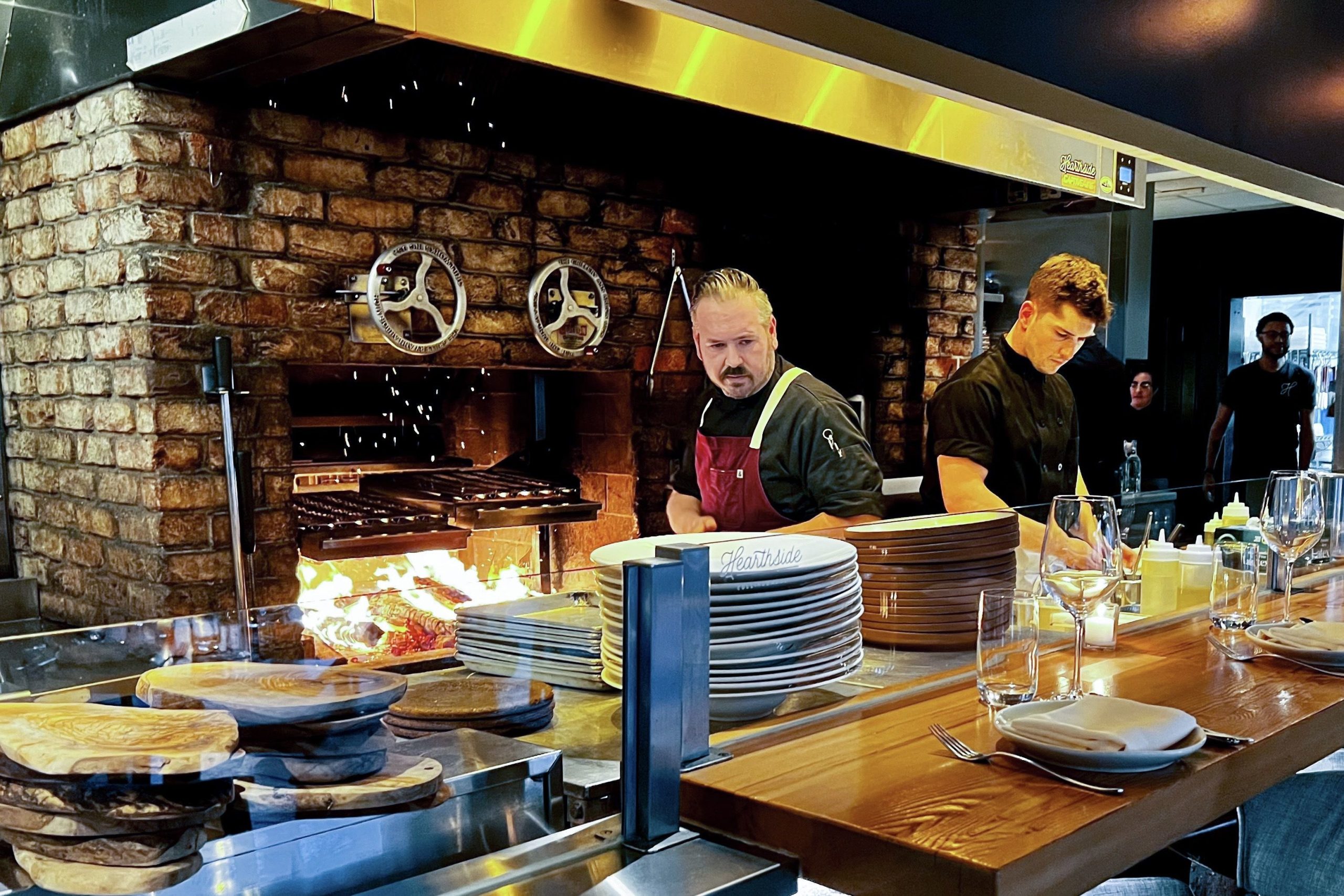
    Despite its reputation as a South Jersey dinner destination — owing to longtime red-sauce staples like Villa Barone and Il Fiore and newer fine-dining joints like Hearthside and June BYOB — restaurant owners on Collingswood’s popular Haddon Avenue say business isn’t booming on weeknights.

    With thinner margins brought on by the higher costs of food, supplies such as to-go containers, and labor, it’s getting harder for some of these spots to get by.

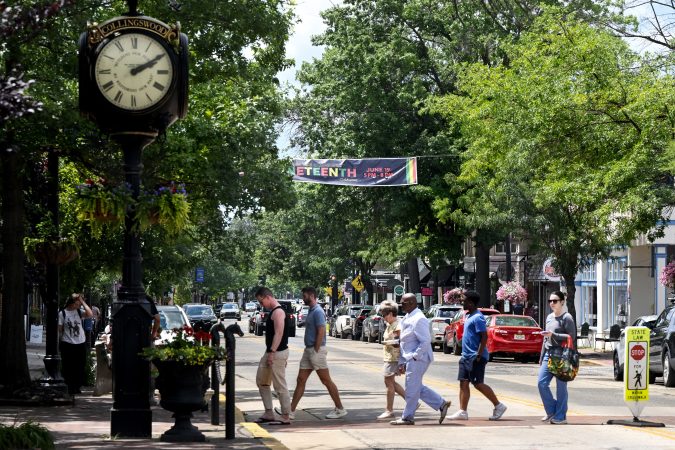
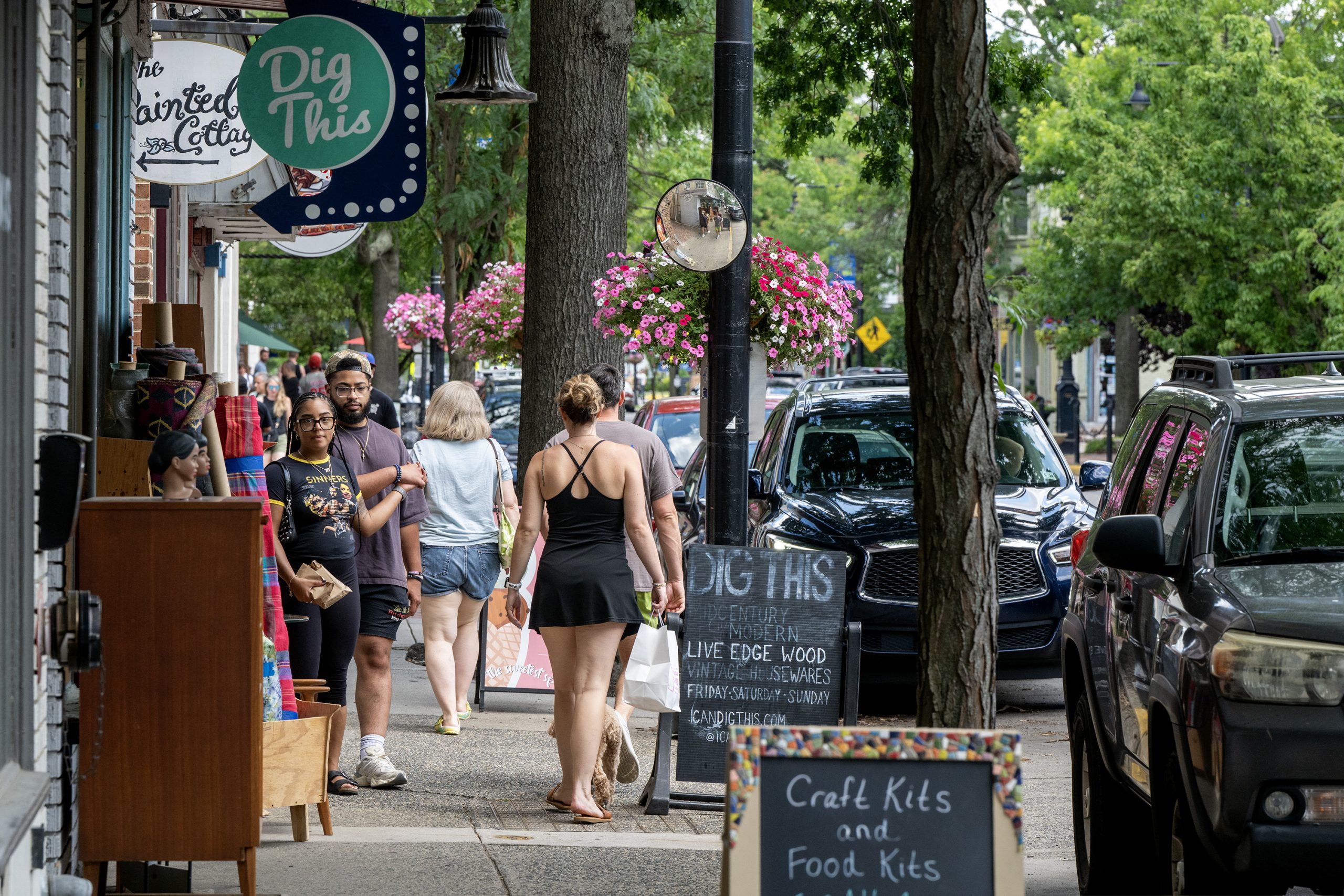
    The Camden County town of 14,000 is hopping with energy on weekend days thanks to the beloved Saturday morning farmer’s market, a bevy of city-organized events, and Collingswood’s variety of stores. But the energy on Haddon Avenue often fizzles come evening.

    Business owners of all types point to one main reason: Collingswood is dry.

    “During the day on Saturday when we’re prepping, there are people walking around everywhere, but on the weekdays after 5 o’clock, there’s just nobody walking around,” said Dominic Piperno, chef and owner of Hearthside, which opened on Haddon Avenue in 2017.

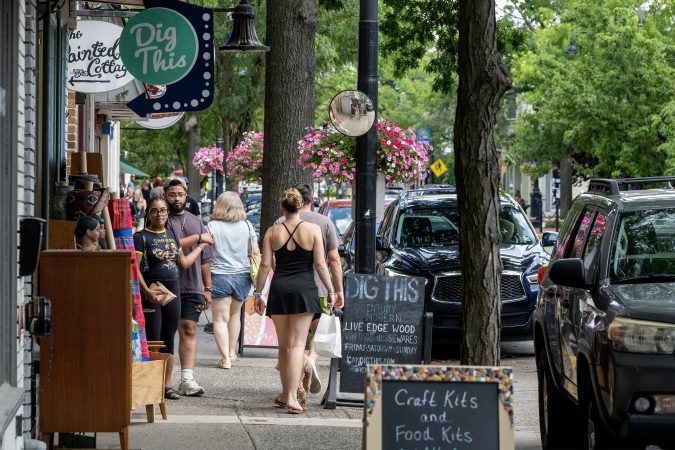
    People walk along Haddon Avenue in Collingswood. Elected officials and business owners say the town needs more experiential businesses.Tom Gralish / Staff Photographer

    Piperno said weekday evenings have become increasingly quiet in the past few years. There was a boom just after COVID-19 restrictions lifted, when folks were happy to get out of their homes, but it didn’t last. He and other Haddon Avenue restaurant owners say inflation and the rising cost of living are partly to blame, with disposable income for many out the window.

    Giovanni Barone, whose family has owned and operated Haddon Avenue Italian restaurant Villa Barone for 32 years, thinks the town could make some changes to support restaurants. He motioned toward nearby Haddon Township, which has long allowed alcohol sales and on-site consumption.

    There, “on a weekday night — Wednesday or Thursday, for example — I drive down the street and it’s packed,” Barone said. “We’re losing a bit of that piece of the pie.”

    A thriving daytime scene

    Yet amid the challenges, Collingswood’s share of Haddon Avenue is experiencing a wave of new businesses filling long-vacant storefronts and injecting fresh daytime activity.

    Kaival Patel of John’s Friendly Market in nearby Haddon Heights is preparing to open a convenience store-like concept in Collingswood with a deli case and prepared foods in the former Wawa space, likely this summer.

    The business was courted by Collingswood Commissioner and Deputy Mayor Amy Henderson Riley. She campaigned with Mayor Daniela Solano-Ward on the promise of ensuring downtown continued to welcome diverse business owners and shoppers of various income levels. James Maley, a commissioner since 1989 and Collingwood’s mayor from 1997 until Solano-Ward took office, continues to serve as a commissioner.

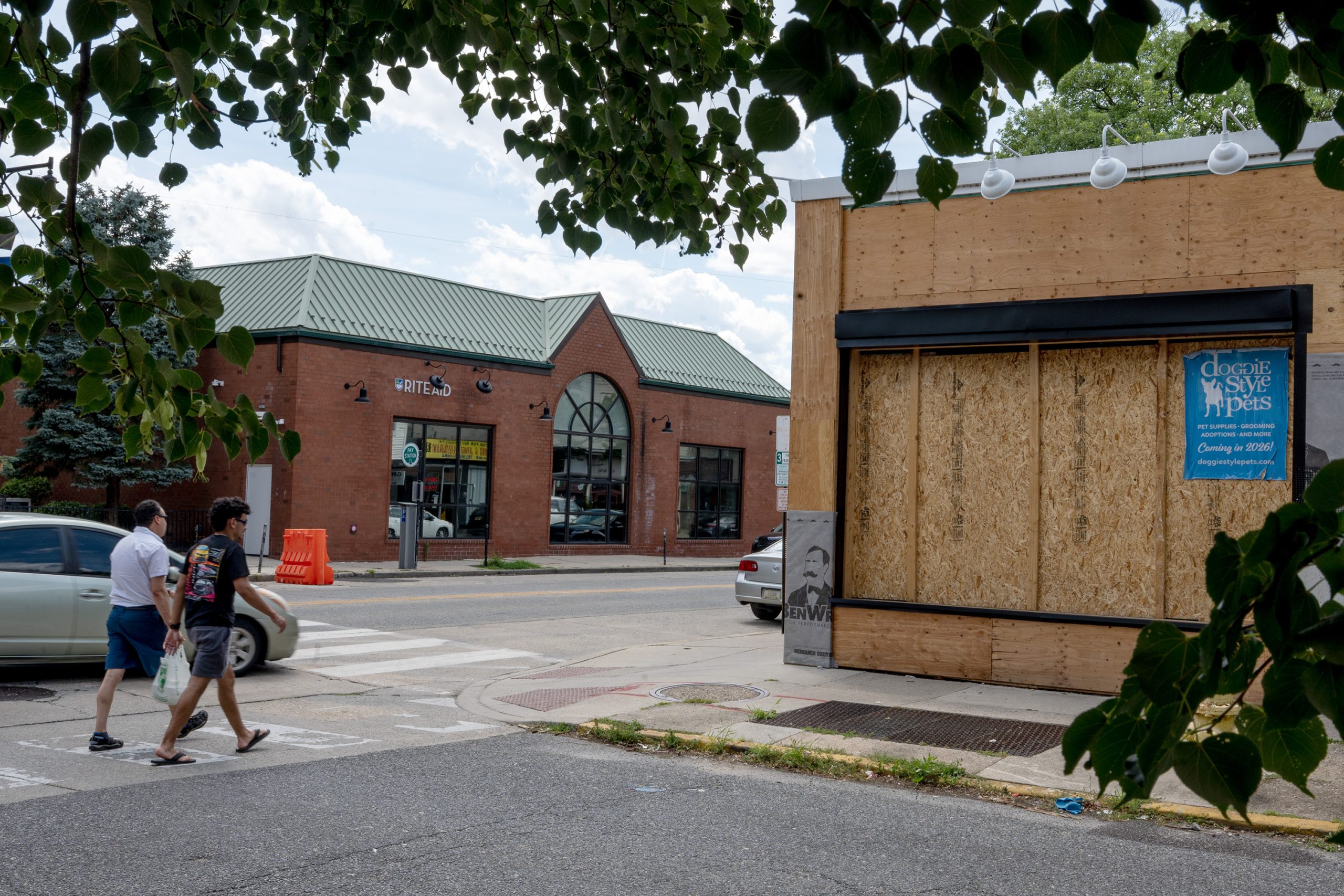
    “We’re replacing Wawa in our own way,” Patel said. “We’ve heard that people used to get their groceries from Rite Aid next door that closed, too, so we’re going to try to add groceries as much as possible.”

    Nearby, a bank that has sat empty for years is primed for a new life as a three-storefront building topped with condos, said Keller Williams real estate agent Pat Ciervo. The parking lot will become public parking, Ciervo said — a perk for that end of downtown.

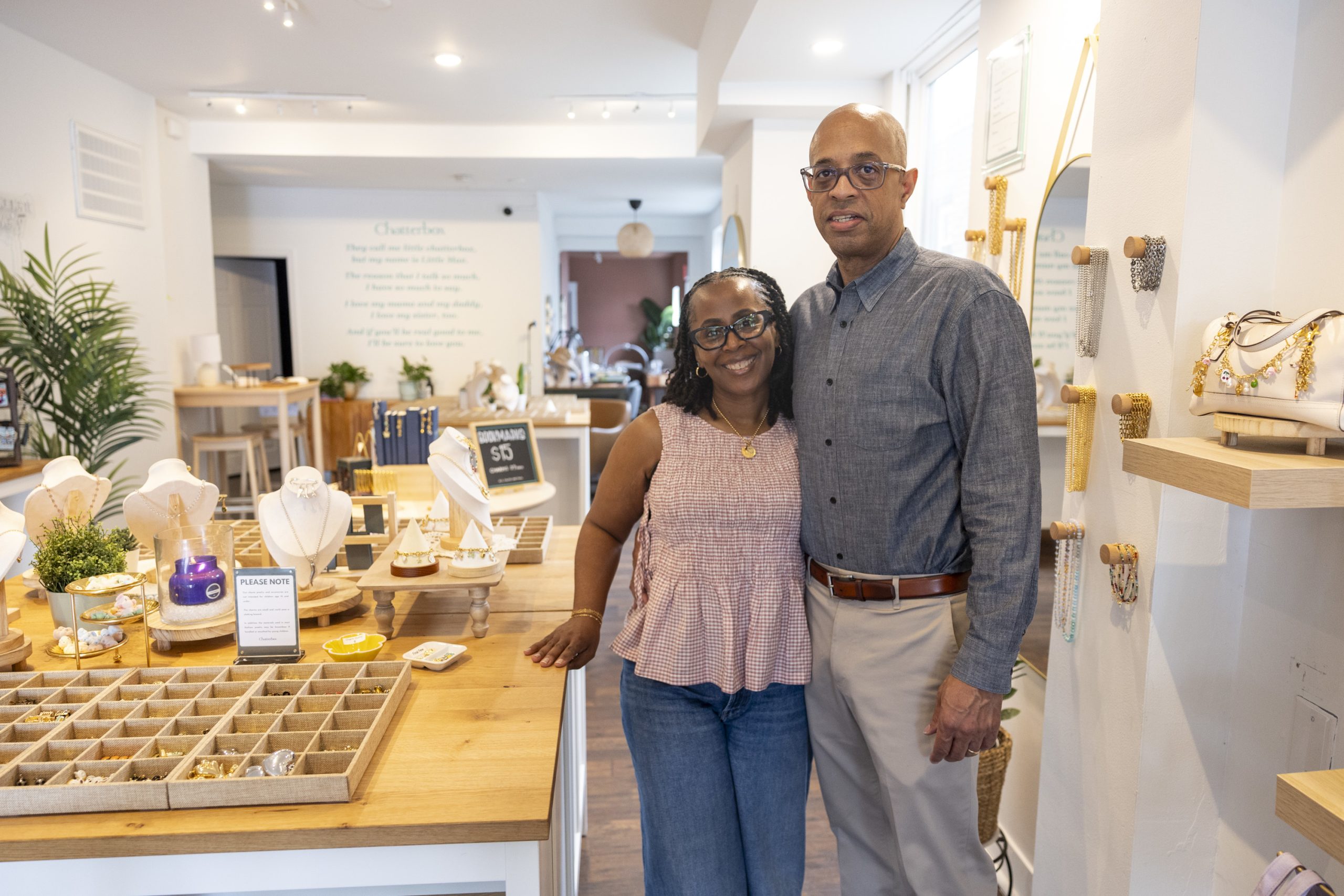
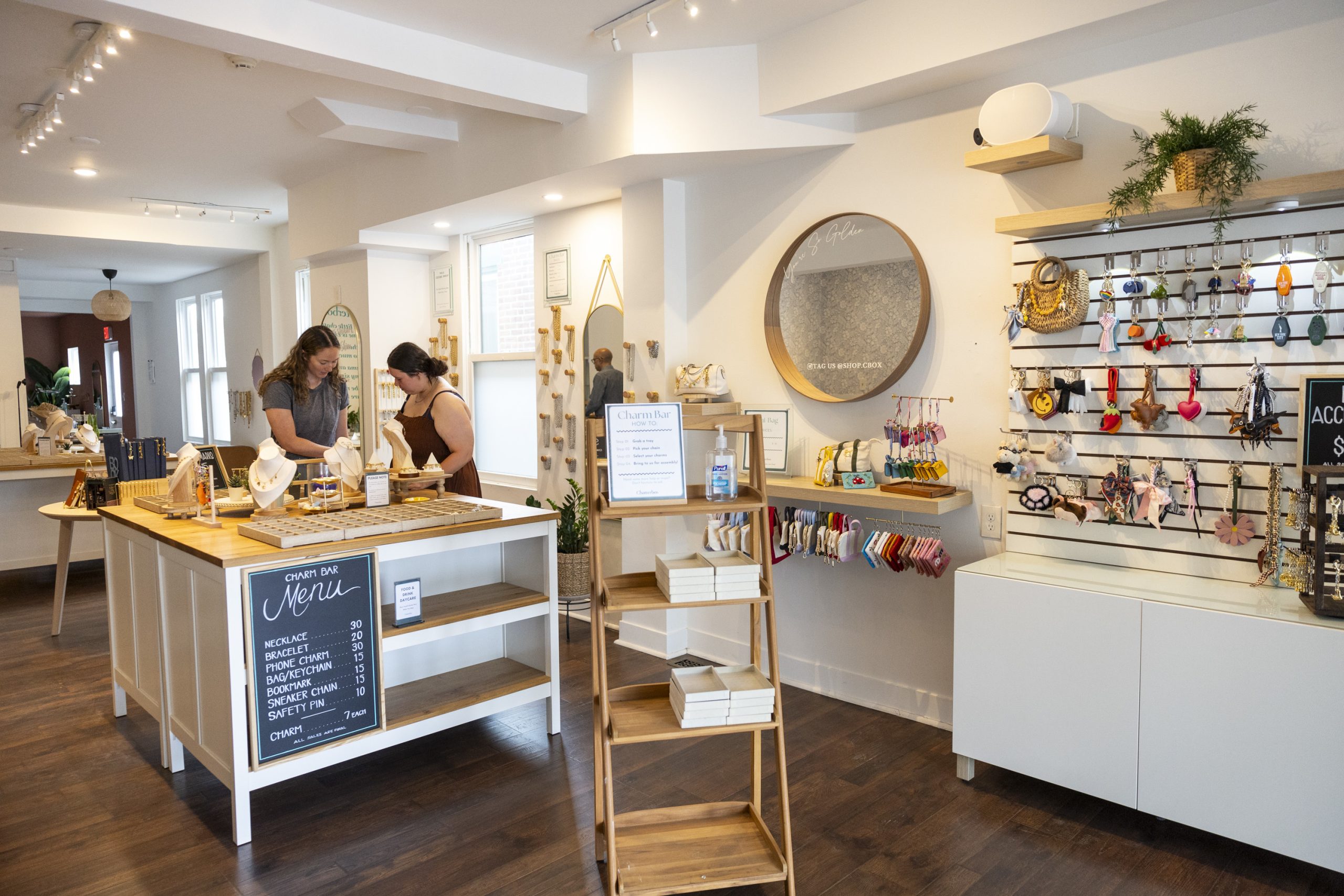
    Charm bar and permanent jewelry studio Chatterbox celebrated its first anniversary July 4. Business has been good for owners Douglas and Nikki Coleman. People are eager to support a Black- and family-owned business, Douglas Coleman said.

    Douglas and Nikki Coleman at their business Chatterbox in Collingswood.Tyger Williams / Staff Photographer

    “Weekends have been very steady for us,” he said. Weekday business fluctuates, “but this has become a destination for people, just the store in itself. We’ve had people come from Boston and Virginia.”

    Lindsey Ferguson, Collingswood’s director of business and community development, praised the store.

    “We have loved the addition of Chatterbox because, simply, their business model includes waiting for your jewelry, so people then walk around and shop” at other businesses on the avenue like suburban birding store House Finch or Occasionette gift shop, she said.

    Ferguson would like to see more so-called experiential businesses like Chatterbox and nearby pottery-painting studio All Fired Up! And she’d like to add nighttime businesses “that can kind of lift everybody up.”

    Ends of the Earth, a cigar lounge that recently debuted in Collingswood’s former fire station, is open until 7 p.m. on Thursday, Friday, and Saturday — a welcome evening addition, according to Ferguson.

    Ferguson said the chasm between daytime and nighttime foot traffic along Haddon Avenue dates to the pandemic years, when some businesses began closing earlier.

    But that lack of deep overlap between so-called daytime and nighttime businesses has left Collingswood’s restaurant scene in the lurch.

    The inside of Douglas and Nikki Coleman’s business Chatterbox in Collingswood.Tyger Williams / Staff Photographer

    ‘Let’s not mess this up’

    Liquor was prohibited by ordinance in Collingswood in the 19th century, dating back to its Quaker roots.

    Now Collingswood’s three-person Board of Commissioners, which includes Henderson Riley and Solano-Ward, is considering a resolution to put liquor sales on the ballot in November.

    “It’s a conversation we need to keep having as a community,” Henderson Riley said. “It would be an influx of cash into the town that would be up to voters to decide.”

    In 2015, Collingswood voted to allow craft breweries, and now Raccoon Taproom operates on Haddon Avenue under a state-issued limited brewery license. The license allows operator Swedesboro Brewing to serve beer in the taproom.

    Chef-owner Dominic Piperno (left) with line cook Christopher Ross at Hearthside in Collingswood in 2023.Michael Klein / Staff

    Henderson Riley said officials are concerned about how to equitably distribute the restaurant and retail liquor licenses. Collingswood would receive up to four, based on its population, which isn’t enough for all of its dinner-serving establishments. And if they are auctioned to the highest bidder, Ferguson noted, out-of-town restaurant groups could come in and create even more competition for licenses.

    “We want to keep restaurants open. We want to keep our downtown thriving,” Henderson Riley said. “We see neighboring towns that are open a little later than us, and the main reason is liquor.”

    And as a result, Henderson Riley said, the restaurants in those neighboring towns have a lower price point for their food.

    Nearby Haddonfield is also a dry town but allows businesses to operate under state-issued manufacturing licenses — not just for beer — and is now home to a brewery, a winery tasting room, and a distillery. Piperno, of Hearthside, sees how these businesses help feed the area’s restaurants, even if the restaurants can’t sell alcohol.

    “My wife and kids and I will walk Haddonfield at night, and like on a Monday, Tuesday, it’s jamming,” Piperno said. “It just has helped that downtown a lot, especially with younger families.”

    Piperno said Fridays and Saturdays at Hearthside are still “jammed,” but “it’s really hard to survive this industry with just two really busy nights.” The restaurant plans to relocate to Haddon Township in 2027, where it will have a liquor license.

    “It’s a bittersweet thing for us because we love Collingswood,” Piperno said, “but something has to change.”

    Still, for Collingswood, much already has. Former Mayor Maley is owed much of the credit, says Henderson Riley, the deputy mayor.

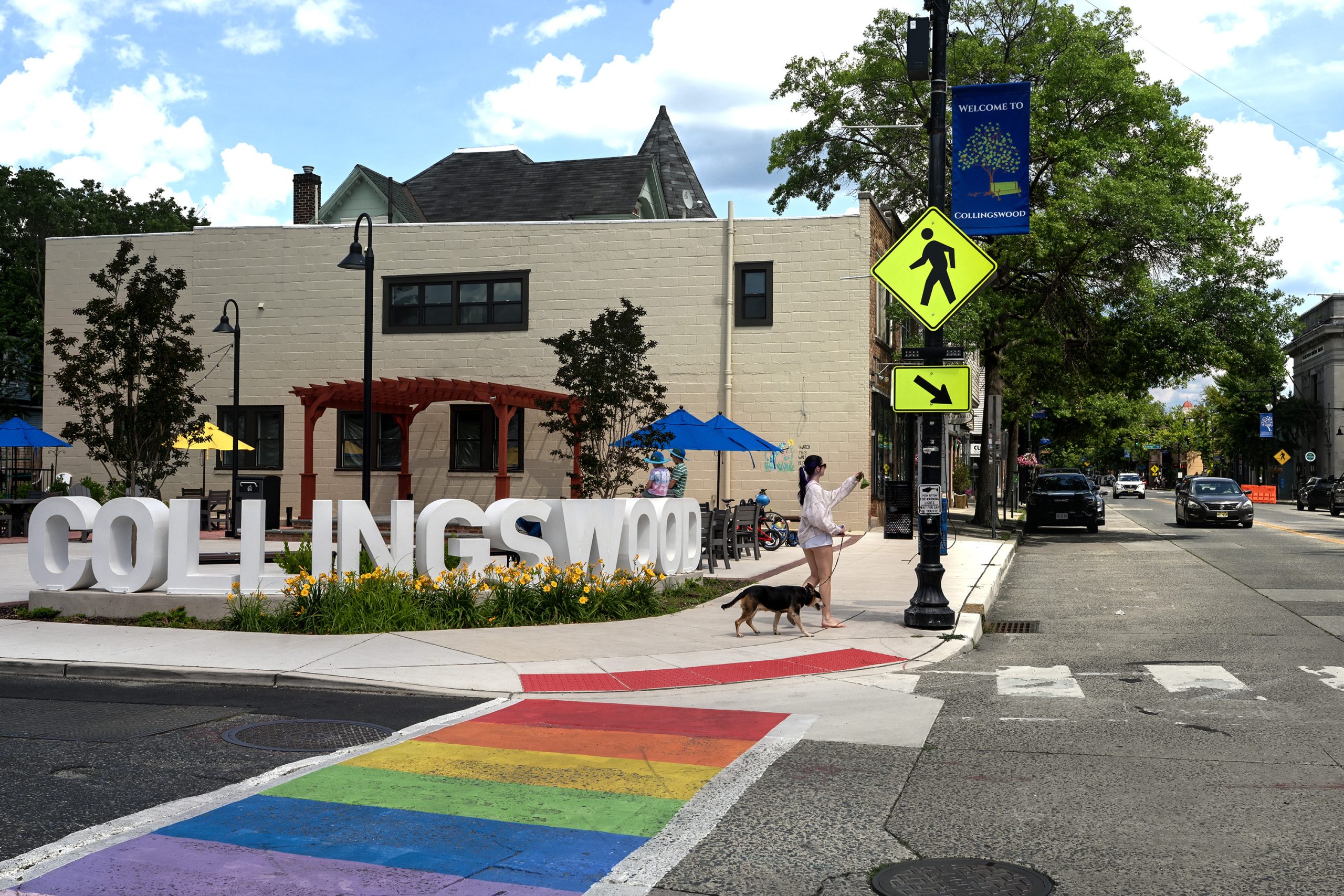
    The downtown pocket park with a “Collingswood” sign.Tom Gralish / Staff Photographer

    Henderson Riley recalled Maley’s efforts to attract new homeowners by incentivizing converting former duplexes into single-family homes, and appeals to Philadelphia’s LGBTQ+ population to move across the bridge.

    “Part of what drew us here was what he used to call the Collingswood story,” Henderson Riley, who has lived there for 15 years, said. The businesses and restaurants that germinated from it are the basis of Haddon Avenue’s reputation today.

    Nikki Coleman, of Chatterbox, grew up in Cherry Hill and has watched throughout her life as Collingswood’s downtown transformed from a dingy strip into a robust retail scene. She has shared her observances with her husband.

    “This has been a great case study for how to take a town and really bring a certain dynamic to it that I think a lot of other small towns wish they had,” Douglas Coleman said. “I don’t know if we’re doing anything wrong, but it’s more of a ‘Let’s not mess this up.’”

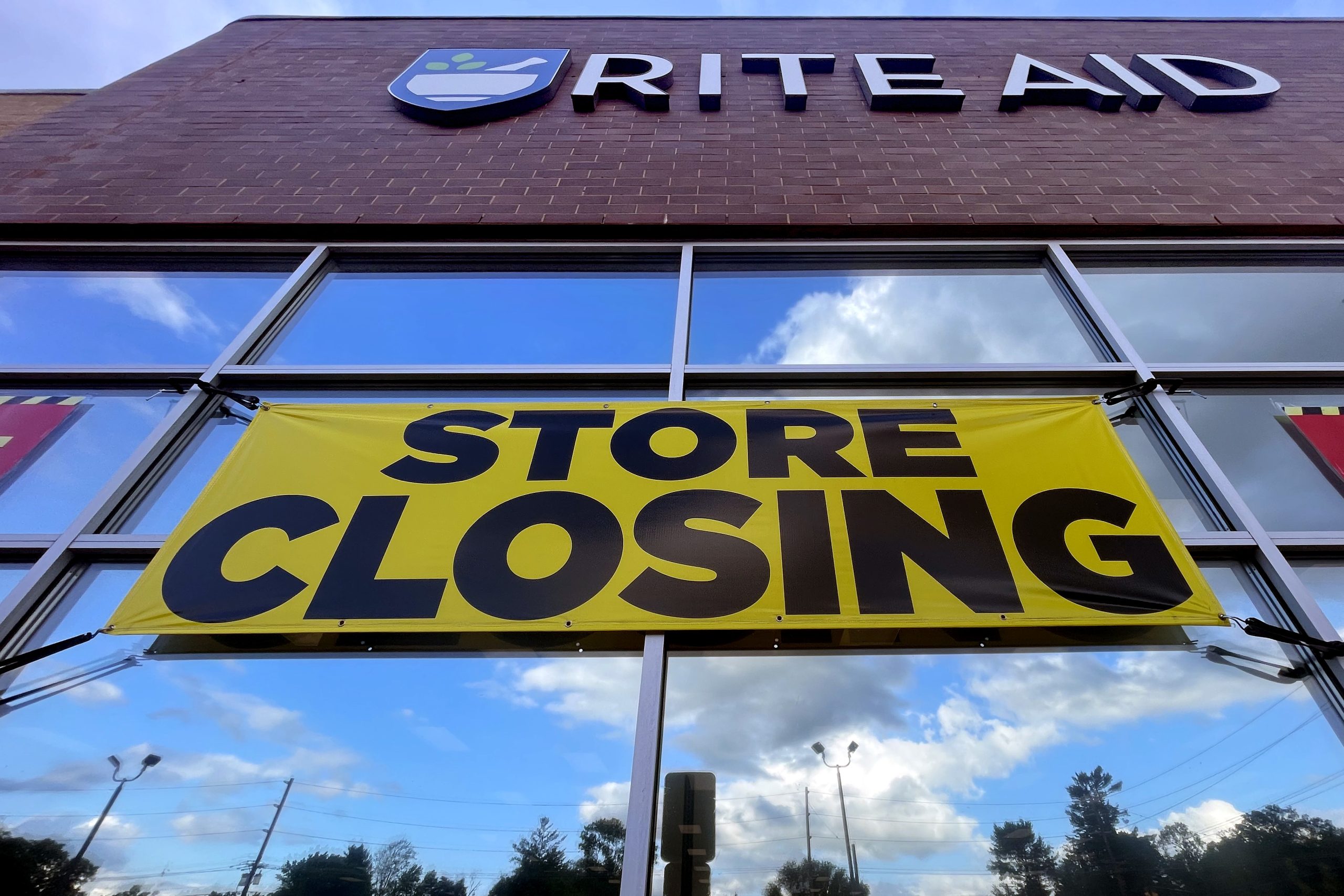
  • Rite Aid is gone. Its shells remain, with some becoming gyms and car washes.

    Rite Aid is gone. Its shells remain, with some becoming gyms and car washes.

    It’s been almost a year since the last Philly-area Rite Aids closed their doors for good after years of financial trouble.

    But the pharmacy chain’s distinct facade still dots the landscape — in suburban shopping centers, on the corners of congested intersections, sometimes even smack dab in the middle of city blocks.

    Some of these buildings are still vacant, surrounded by overgrown grass and empty parking lots. Others are getting new life as dollar stores, medical clinics, daycares, Spirit Halloweens, and a Rally House sports retailer.

    A former Rite Aid (left, rear) and former Wawa (right) sat empty in Collingswood in June. Tom Gralish / Staff Photographer

    The 8,000- to 16,000-square-foot shells are ideal for only so many tenants, real estate experts have said, and it is not unusual for these kinds of properties to take several months or more to lease.

    Here is a look at what’s happening at a few local zombie Rite Aids:

    South Jersey Rite Aids are becoming fitness centers

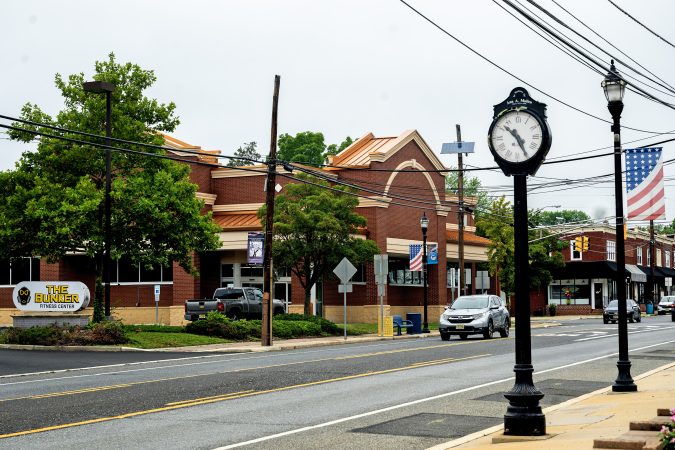
    A former Rite Aid in Blackwood, Camden County, has been a gym for more than a year, and its owners soon plan to open a second location at another old Rite Aid in Cherry Hill.

    Nick Bennett, CEO of the Bunker Fitness Center, said the owner of the Blackwood Rite Aid building approached him after seeing the gym’s content on TikTok. At the time, Bennett said, the gym was outgrowing its 3,000-square-foot space in Franklinville, Gloucester County.

    When he went to see the 13,000-square-foot former Rite Aid in Blackwood, he said, it had already been demolished inside.

    “It was just wide open,” Bennett said. “That floor plan works for our business model because gyms are open. You don’t really need to put up walls.”

    Steve Cristelli works out at the Bunker Fitness Center in Blackwood. Tom Gralish / Staff Photographer

    Another plus, he said: Pharmacies have rows of refrigerators, which require electrical outlets, and the Bunker crew could use those outlets to plug in workout equipment.

    The old Rite Aid on Black Horse Pike needed “very little” work, just paint and rubber floors, Bennett said, and was easily transformed into the exercise and recovery space he had envisioned. The gym opened in 2025.

    “We’re smashing it,” Bennett said, with thousands of members who pay between $49 and $59 a month for the 24/7 gym, which has cardio and strength machines, weights, a sauna, and a cold plunge. He declined to provide specific sales or membership figures for competitive reasons.

    The Bunker Fitness Center operates inside a former Rite Aid in Blackwood.Tom Gralish / Staff Photographer

    But Bennett said the business is doing so well that it is expanding into another former Rite Aid, 12 miles away in Cherry Hill with franchisee Jack Prendergast.

    That 10,000-square-foot pharmacy shell at Brace and Kresson Roads closed more recently and needs a bit more work inside, Bennett said. When they signed the lease, he said, it “looked like a Rite Aid.”

    Bennett said he and Prendergast are demolishing the interior, aiming for a September opening.

    In Delco, a Rite Aid could become a township’s first car wash

    The former Rite Aid in Newtown Square may get new life as a car wash.

    The store at West Chester Pike and St. Alban’s Circle closed last year. In February El Car Wash, a Florida-based chain looking to expand into Pennsylvania, New Jersey, and Maryland, applied to open there, said Newtown Township Solicitor Rich Sokorai.

    On its website, El Car Wash lists several other Philly-area locations as “coming soon,” including Cherry Hill, Drexel Hill, Feasterville, and Maple Shade.

    The Newtown Square Rite Aid operated a drive-through, Sokorai said, and drive-throughs are permitted in that commercial zone. After a June meeting, the township zoning hearing board is considering whether to permit the car wash, with a decision expected in the coming weeks.

    A Rite Aid with a “store closing” sign last summer.Tom Gralish / Staff Photographer

    If approved, it would be the only car wash in Newtown Township, the solicitor said.

    Residents of the neighborhood behind the old Rite Aid have expressed concerns to local officials, Sokorai said, “because they fear traffic.”

    Others have said they are looking forward to a new business moving into the vacant space on a prime corner, Sokorai said. Even before the Rite Aid closed last summer, its shelves were often empty, the solicitor said, and “it was dying a slow death.”

    Temple University buys another old Rite Aid

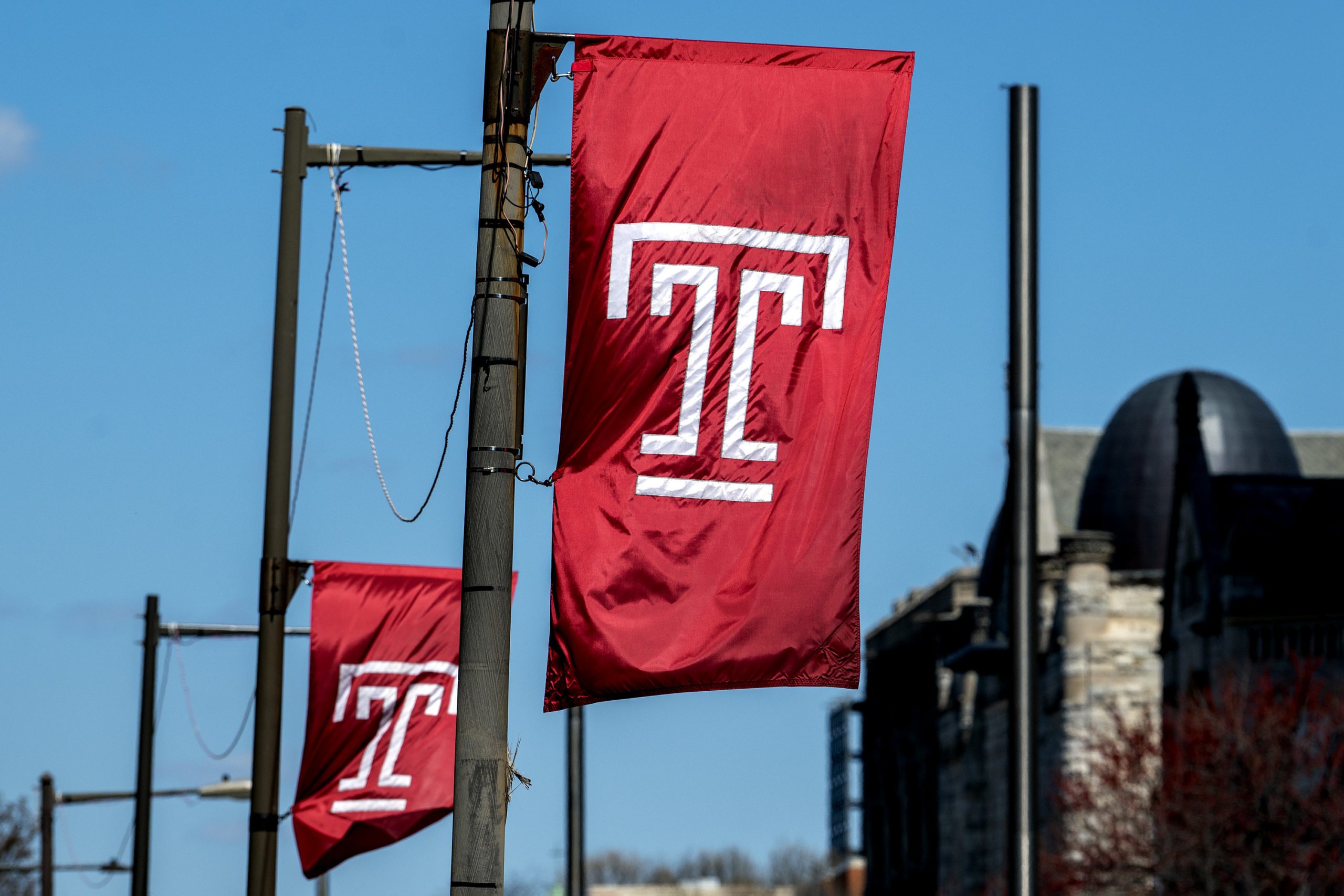
    Temple “T” flags fly on North Broad Street.Tom Gralish / Staff Photographer

    Temple University recently bought a second former Rite Aid on North Broad Street.

    The school recently closed on the old Rite Aid building on the 2100 block of North Broad for $9.25 million, according to spokesperson Stephen Orbanek. He said ArchWell Health, which operates a primary-care clinic for seniors there, will remain the tenant.

    “This property’s location, directly across the street from James S. White Residence Hall, supports the priorities of our campus safety and physical environment plan,” Orbanek said.

    This latest Rite Aid acquisition comes two years after Temple bought a Rite Aid and its surrounding shopping center near Temple University Hospital for $8.2 million. The Rite Aid is being converted into Temple Health neurology offices.

    The moves are part of a broader expansion of the university’s footprint on Broad Street, which includes the January acquisition of a vacant property at the site of a former McDonald’s for $8 million.

    Editor’s Note: This story has been updated to indicate that Temple Health plans to open neurology offices at the previously acquired Rite Aid building.

  • Main Street is doing better than the headlines suggest | Expert Opinion

    Main Street is doing better than the headlines suggest | Expert Opinion

    Wars. Inflation. Tariffs. Labor shortages. High interest rates. Political uncertainty. If you only read the headlines, you’d think America’s small businesses are on life support. They’re not.

    The sentiment I’ve been hearing and seeing from dozens of industry groups and clients about this year is “so far, so good.” This comes from businesses that do everything from distributing industrial equipment to installing commercial doors. With few exceptions, most have not only been holding their own in 2026, but they’ve been growing.

    Anecdotal? Hardly. The data supports these claims.

    Manufacturing in the U.S. has expanded for the past five months, reaching its highest level since 2022, according to the closely watched Purchasing Managers Index from the Institute for Supply Management. Service industry companies, according to a similar index, have seen expansion since 2024.

    In June, small-business revenue increased in 11 of 12 sectors and in all eight U.S. regions, according to a small-business index published monthly and based on real-life data from hundreds of thousands of customers using Intuit QuickBooks. Payment processing firm Fiserv found that small-business sales showed steady short-term expansion in June, with both nominal sales and transaction volume increasing. Last quarter’s national GDP was just revised from 1.6% to 2.1%.

    The U.S. Census Bureau reported that new business applications continue to come in at all-time highs. Even LinkedIn said that there’s been a 69% year-over-year increase in the number of U.S. members adding founder to their profile.

    Want more proof?

    Despite lower levels of optimism, over half of Main Street owners rated the health of their business as “excellent or good,” the National Federation of Independent Business reported this month. A recent survey from financing firm OnDeck said 93% of small businesses expect growth in 2026, and marketing firm Vistaprint said this month that 84% of small-business owners report being happy operating their businesses, despite ongoing economic and operational challenges.

    Bank of America’s June 2026 Small Business Checkpoint said the small-business sector remains “financially healthy and operationally resilient.” MetLife and the U.S. Chamber of Commerce found strong confidence in business health, cash flow, and future growth prospects despite ongoing concerns about inflation, labor costs, and economic uncertainty.

    Three out of four U.S. small-business owners expressed “high confidence” in their business’ future, according to new research from Capital One. TD Bank’s recent survey said that small-business owners also remained highly optimistic about future growth.

    Economist Mark Zandi recently wrote that among the 25 largest metropolitan areas in the country with populations of more than 3 million, Philly enjoyed the strongest job growth last year. Payroll firm ADP reported that the private businesses in the U.S. added 122,000 jobs in May and 98,000 in June. HR giant Paychex said small-business hiring increased over the past four months.

    Job openings among small businesses are rising, an indicator of demand for employees.

    “Main Street job openings in New Jersey and nationwide are starting to pick up after a decline in May,” National Federation of Independent Business New Jersey state director Eileen Kean told ROI-NJ.

    Center City, which represents 42% of all Philadelphia employment, has seen office leasing activity reach its highest level in six years, according to Center City District’s State of Center City 2026 report. The report also highlighted development projects topping $2 billion; projected Convention Center attendance exceeding 1 million in 2026; and retail, restaurants, and cultural institutions that “continue to rebound strongly.”

    There are always news reports about how this business is “struggling” and that business is “barely holding on.” There’s no denying that this happens. How could it not? There are more than 34 million small businesses in the United States operating in hundreds of different industries and localities. Some are bound to be doing better than others.

    But other things happening right now are underscoring small-business growth and optimism.

    Tariffs (that aren’t being refunded) may have increased costs for some, but many manufacturers are reporting increased domestic demand as global firms move more operations here.

    Inflation is sticky, but at less than 3% excluding energy, most business owners have found ways to pass these costs down to their customers or find other savings internally.

    Labor shortages persist but most company owners are getting their work done regardless.

    And consumer spending is strong, according to recent data from the National Retail Federation.

    Oil prices are now back down to prewar levels.

    Many owners are also benefiting from a lighter federal regulatory environment and friendlier tax policies. Capital is more expensive than in years past, but available for those who can measure return on investment. The stock market is up over 20% over the past year, providing more financial security. And for entrepreneurs and small-business owners, government aid and other resources, education, tools, and support proliferate like never before.

    Small businesses employ half of the country’s workers and make up half of our GDP. Their success is critical for the U.S. economy.

    They aren’t ignoring the challenges. They’re simply finding ways around them. And that’s why, despite all the doom and gloom, many are having a surprisingly good year.

  • Dot cake went from TikTok trend to Philly bakeries. Here’s how 3 small businesses jumped on the bandwagon.

    Dot cake went from TikTok trend to Philly bakeries. Here’s how 3 small businesses jumped on the bandwagon.

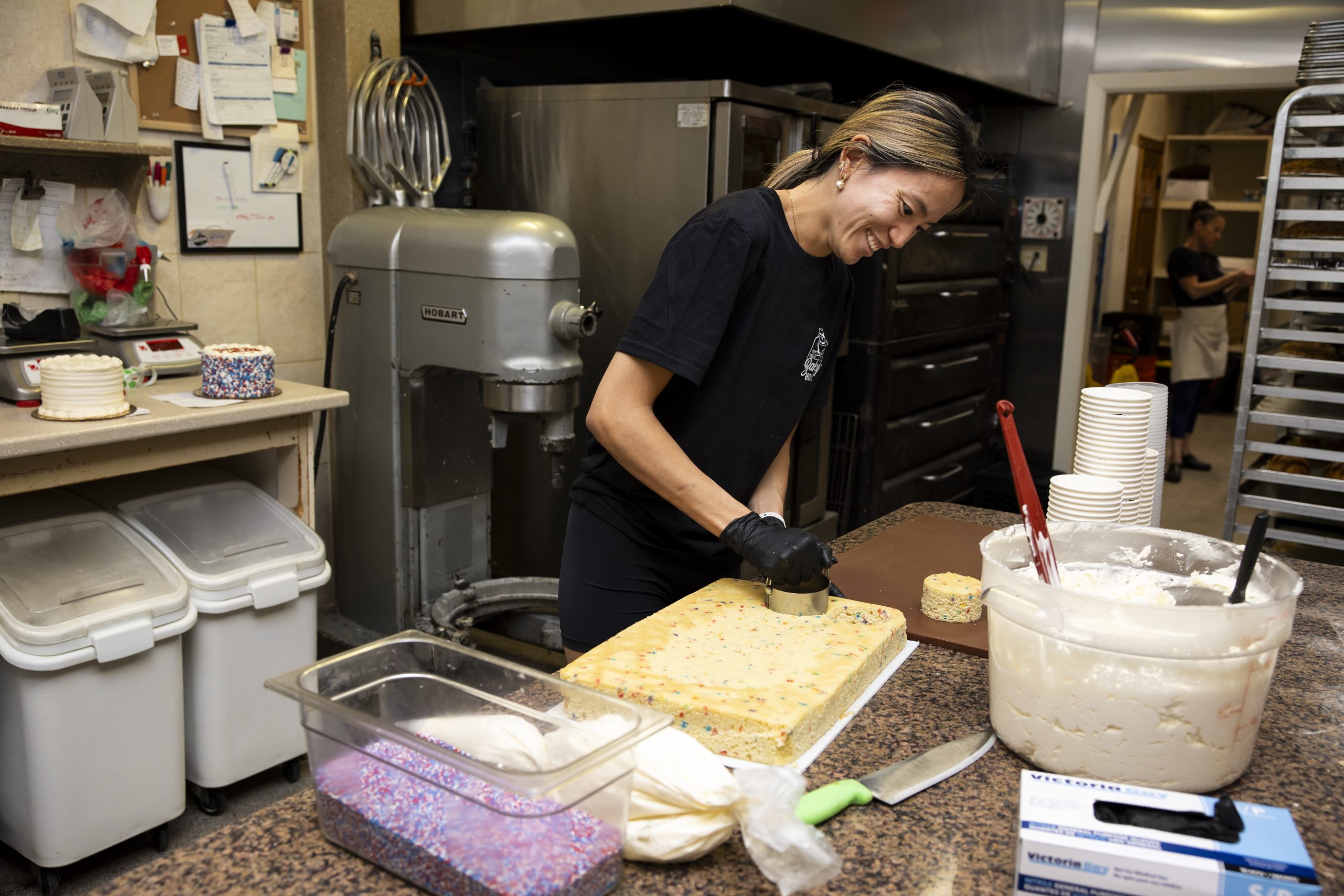
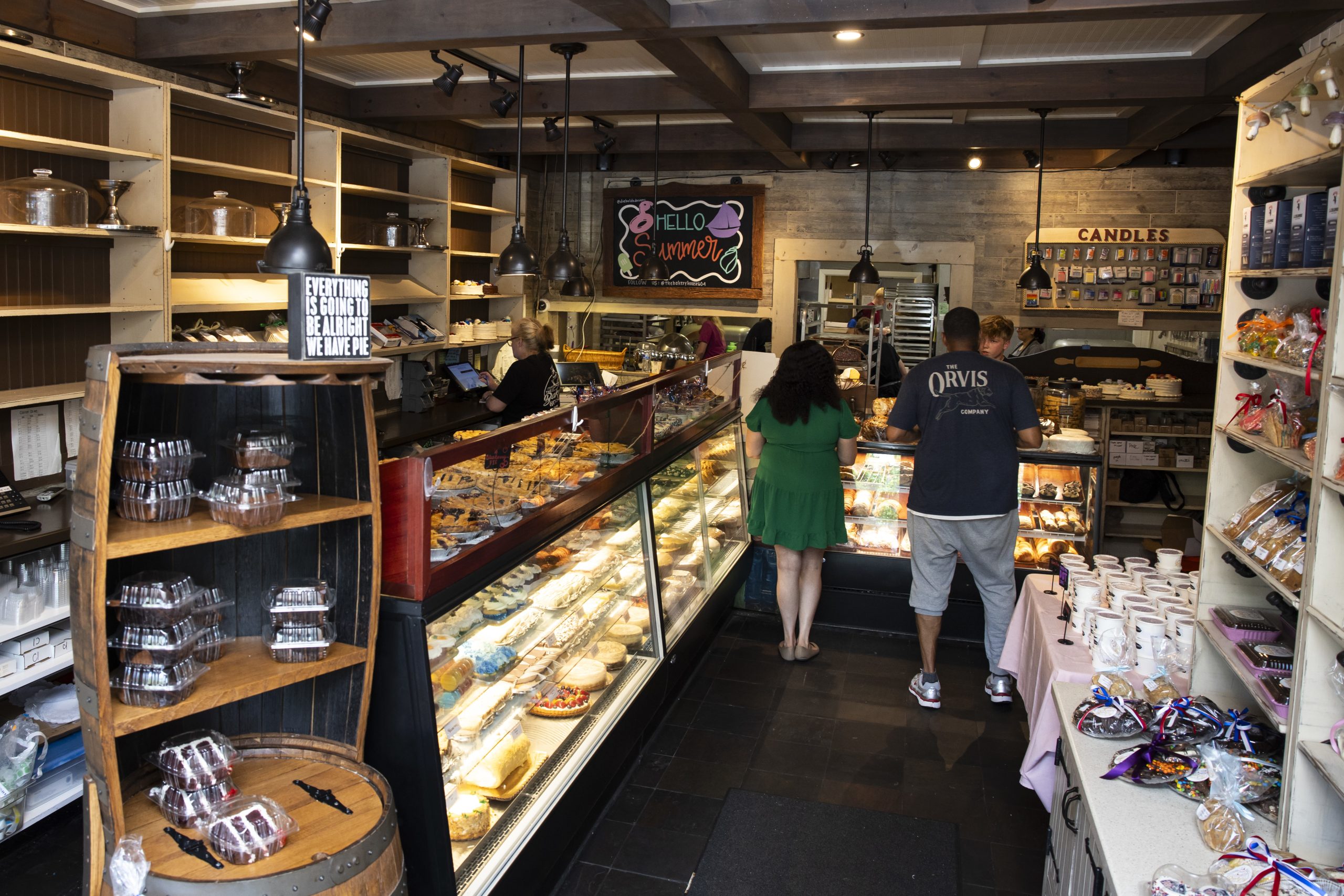
    Michael Ibrahim, general manager of the Bakery House in Bryn Mawr, said custom orders for dot cakes, the latest viral TikTok food trend, started trickling in at the end of May. By June 1, the Bakery House posted the new menu addition on Instagram and Facebook.

    Within 15 minutes, they were sold out.

    “We ordered more material, made more the next week, and then we made sure to never run out of it again,” Ibrahim said.

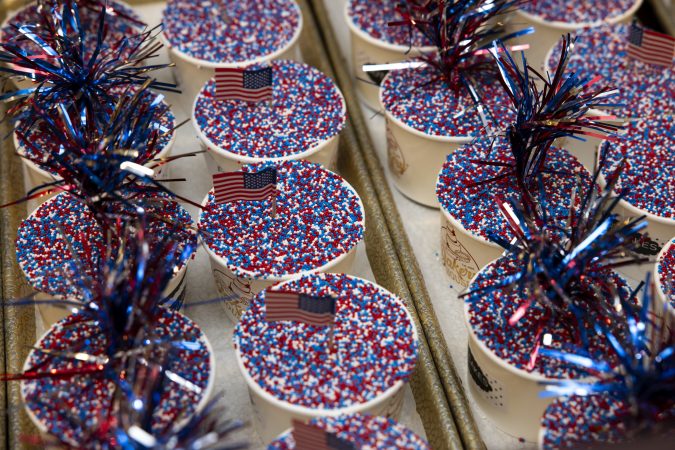
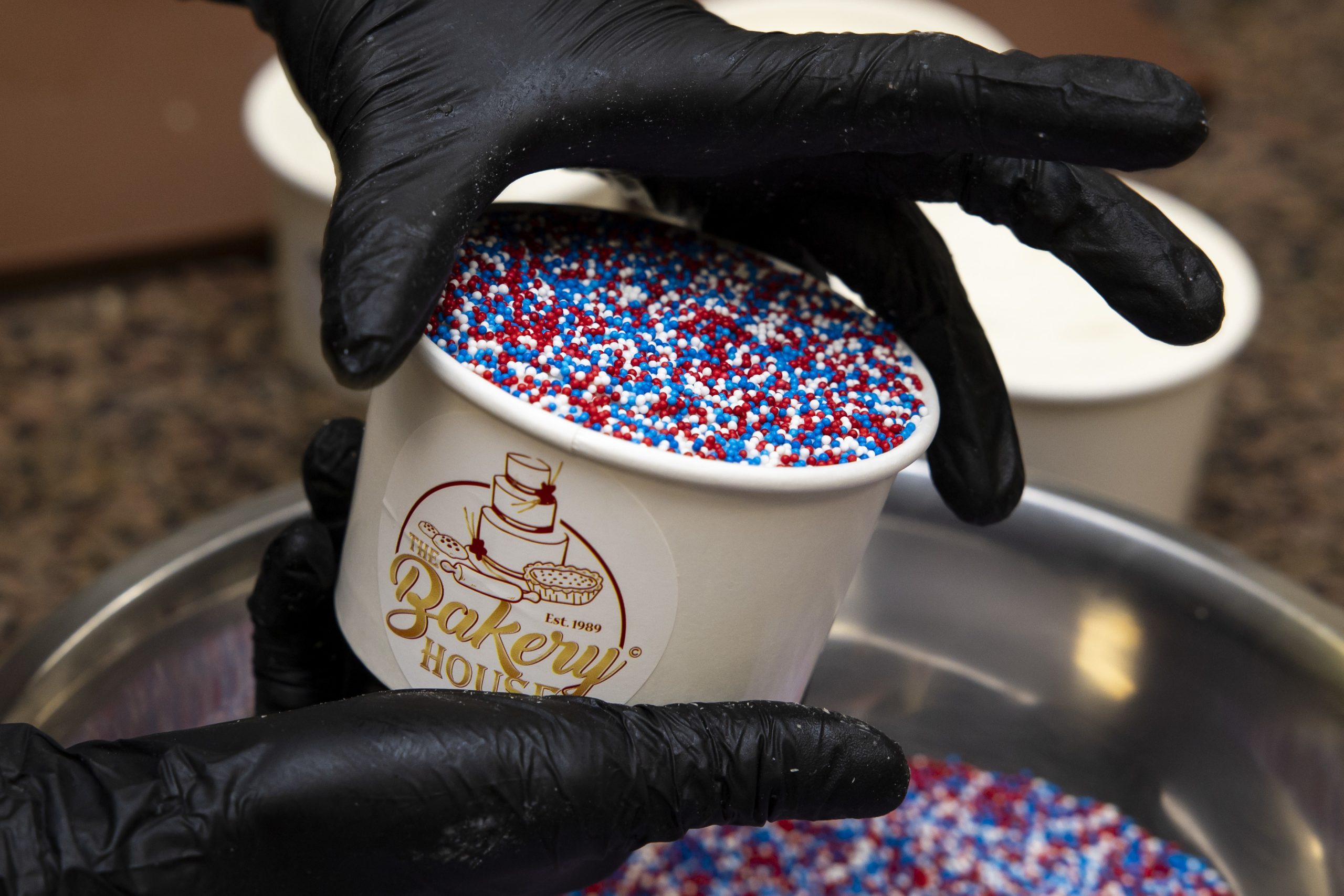
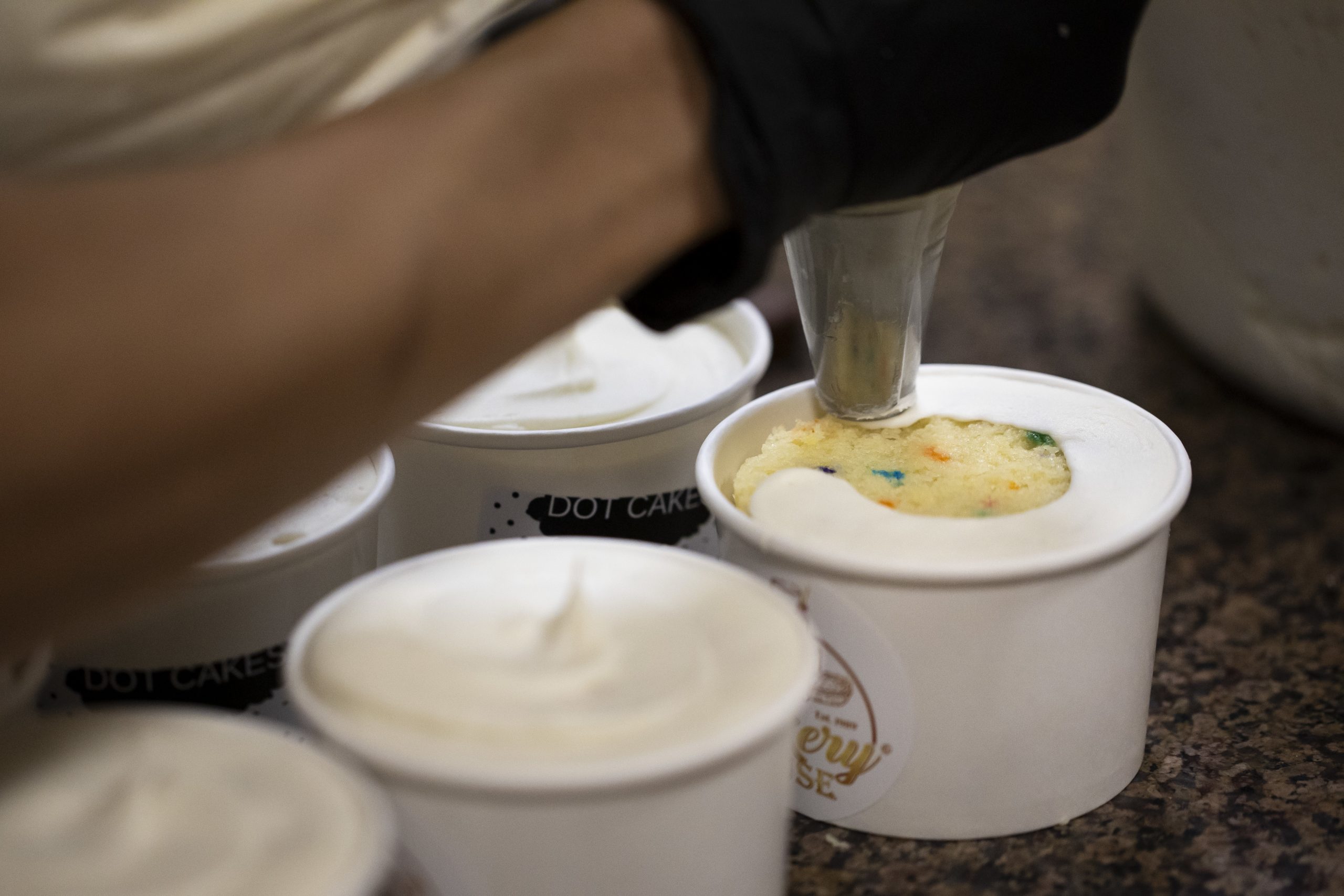
    The dessert — a layered cake in a cup coated in nonpareil sprinkles — was created in 2017 by mother-daughter duo Alex and Sondra Posner of the Dot Cakes in Roslyn, N.Y. It reached national audiences this past May when influencers began reviewing the bakery’s dot cakes sold in New York City’s Butterfield Market. In June, the New York Times Style section reported people standing in line at 6 a.m. for a taste of the sweet treat.

    Elizabeth Aversa, owner of the Margate location of Aversa’s Italian Bakery, said her shop is now regarded as “cool” after introducing dot cakes.

    “I’m getting these new, trendy people that we were never getting before,” Aversa said. “Before, we were just like a mom-and-pop, old-school store … but now they come to us.”

    With viral trends appearing and fading almost as fast as they arrive — remember crookies and butter boards? — deciding which fad to hop on can be a challenge for small businesses.

    Ray Sheehan, founder of Old City Media, said businesses have to identify when viral trends will stick around long enough to be worth the investment. That most often occurs when they cut across several consumer demographics.

    “When things take off like this, it’s almost like pop music,” Sheehan said. “It just speaks to so many different people.”

    Lily Diebold assembles dot cakes at the Bakery House. Monica Herndon / Staff Photographer

    ‘Everybody started calling’

    When the Bakery House got its first order for dot cake, Ibrahim thought it was an easy request. The bakery already had everything needed to prepare the dessert: cake ingredients, frosting, and nonpareil sprinkles

    “Then, the customers told each other, and then everybody started calling,” Ibrahim said. “All of a sudden, we had about 60 custom orders for dot cake.”

    Ibrahim said that the team usually avoids bending to the whims of social media trends — notably, they skipped the “crookie” despite offering both croissants and cookies on their menu.

    “We didn’t do it in the store because we didn’t feel that anybody was asking for it,” Ibrahim said.

    Dot cake, however, was so popular among customers that the Bakery House decided to put it on the menu permanently.

    According to Sheehan, adapting to a viral trend is one of the best ways for businesses to show consumers that they are relevant.

    “If I’m a customer, it feels like this bakery is in tune and that they’re talking to me,” Sheehan said. “I’m resonating with their brand because they understand me, and that this thing is so popular.”

    Dot cakes have been around for years, but only recently became popular nationwide due to TikTok. Monica Herndon / Staff Photographer

    Ibrahim said the bakery now has two employees dedicated to making dot cakes all day, and the fervent demand has caused a dip in sales for traditional cupcakes.

    Though, he says, it’s a net gain. Ibrahim estimated that for every loss of 100 cupcakes, 200 dot cakes are sold. On top of that, dot cakes are priced about $5 more than the bakery’s most basic cupcake, generating greater revenue.

    A middle schooler’s suggestion

    At Aversa’s bakery, the decision to start making dot cakes was a family affair.

    Aversa’s 14-year-old son, Ralph, saw the viral dessert on TikTok and he asked his mother to make dot cakes for a school party.

    It was a popular choice: ”He was a rock star at the party,” Aversa said.

    Ralph wanted to bring dot cakes to the bakery. His mother let him go for it, thinking it would be a fun summer activity.

    Then they flew off the shelves.

    “We put 20 out; they sold out. Then 40, then 50,” Aversa said. “Now we’re selling almost 100 a day.”

    Aversa said that dot cake sales are not replacing regular items but rather bringing in new customers. The younger demographic, drawn in by the dot cakes, may bring their parents, who then come across Aversa’s chicken salad or Caesar salad wraps.

    “Some people maybe never would have come to Aversa’s if it wasn’t for the dot cakes,” she said.

    Dot cakes get a layer of icing and then a crunchy topping of nonpareil sprinkles. Monica Herndon / Staff Photographer

    Influencer tips

    At Sweet Box Bakery on South 13th Street, owner Gretchen Fantini said a well-known social media personality who frequents the shop tipped her off to dot cakes.

    Destiny Deniz, a Philly-based creator with nearly 177,000 followers on TikTok, told Fantini that the dessert was blowing up in New York, and Sweet Box should hop on the trend. At first Fantini was reluctant, but then she started seeing it all over her feed.

    “We have everything here,” Fantini said she thought at the time. “We should just do this.”

    Since the business — and local influencers — started advertising Sweet Box’s dot cakes, Fantini said their Instagram has grown by almost 1,000 followers.

    Sweet Box’s feed features collaborative posts with local food Instagrammers showcasing the viral dot cakes, including @josheatsphilly (197,000 followers), @phlfoodstagram (42,900 followers), and @phillyfoodies (135,000 followers).

    Fantini said the bakery’s influencer relationships are built organically. Creators may pop into the shop, and she’ll give them a taste of her baked goods for free, but she has not done a paid partnership so far.

    Customers line up at the Bakery House in Bryn Mawr, which recently starting selling more dot cakes than cupcakes each day.Monica Herndon / Staff Photographer

    “I’m Italian, so if you come into my bakery and I’m baking something, I’m going to give it to you to try,” Fantini said.

    Dot cakes are hit at Sweet Box, but so far sales have not surpassed cupcakes, the bakery’s specialty. On a day where the bakery sells 500 cupcakes, Fantini said they typically sell about 250 dot cakes.

    This isn’t the first time Sweet Box has adopted social media-fueled food trends. In 2017, the bakery introduced edible cookie dough, which was a breakout dessert of the year.

    “I want to make my customers happy,” Fantini said. “If I can stay true to what I’m making, and if it’s something that they want, I’m going to make it.”

  • Business owners near the FIFA Fan Festival prepared for crowds. Not all saw them.

    Business owners near the FIFA Fan Festival prepared for crowds. Not all saw them.

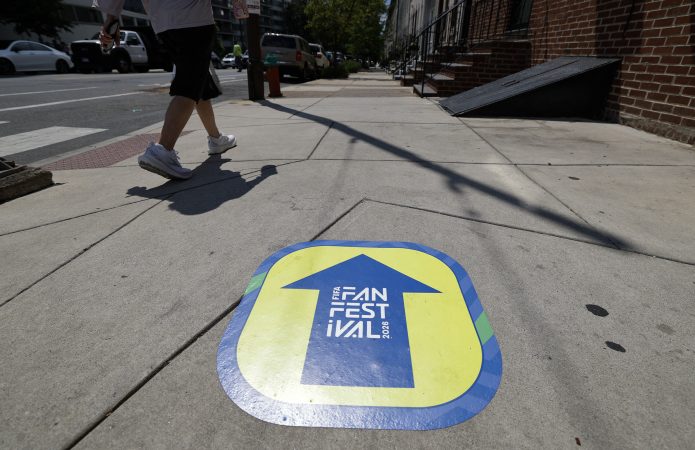
    Yolanda Welch, owner of All Day Hoagies, walked down West Girard Avenue to grab lunch. It was just a couple hours before the start of another World Cup match in Philly, but near the FIFA Fan Festival, Brewerytown’s main drag was nearly empty.

    “Normally, I’m not able to do this,” Welch said, as the lunchtime rush usually keeps her too busy to leave her post.

    She had free time on Thursday, she said, because the regular midday crowd had thinned ever since the FIFA Fan Festival arrived at Lemon Hill, about a half-mile away.

    City officials have estimated that hundreds of thousands of people have flocked to the monthlong World Cup watch party, which started in mid-June and is set to run through mid-July. But last week some Brewerytown business owners said they had yet to reap the benefits.

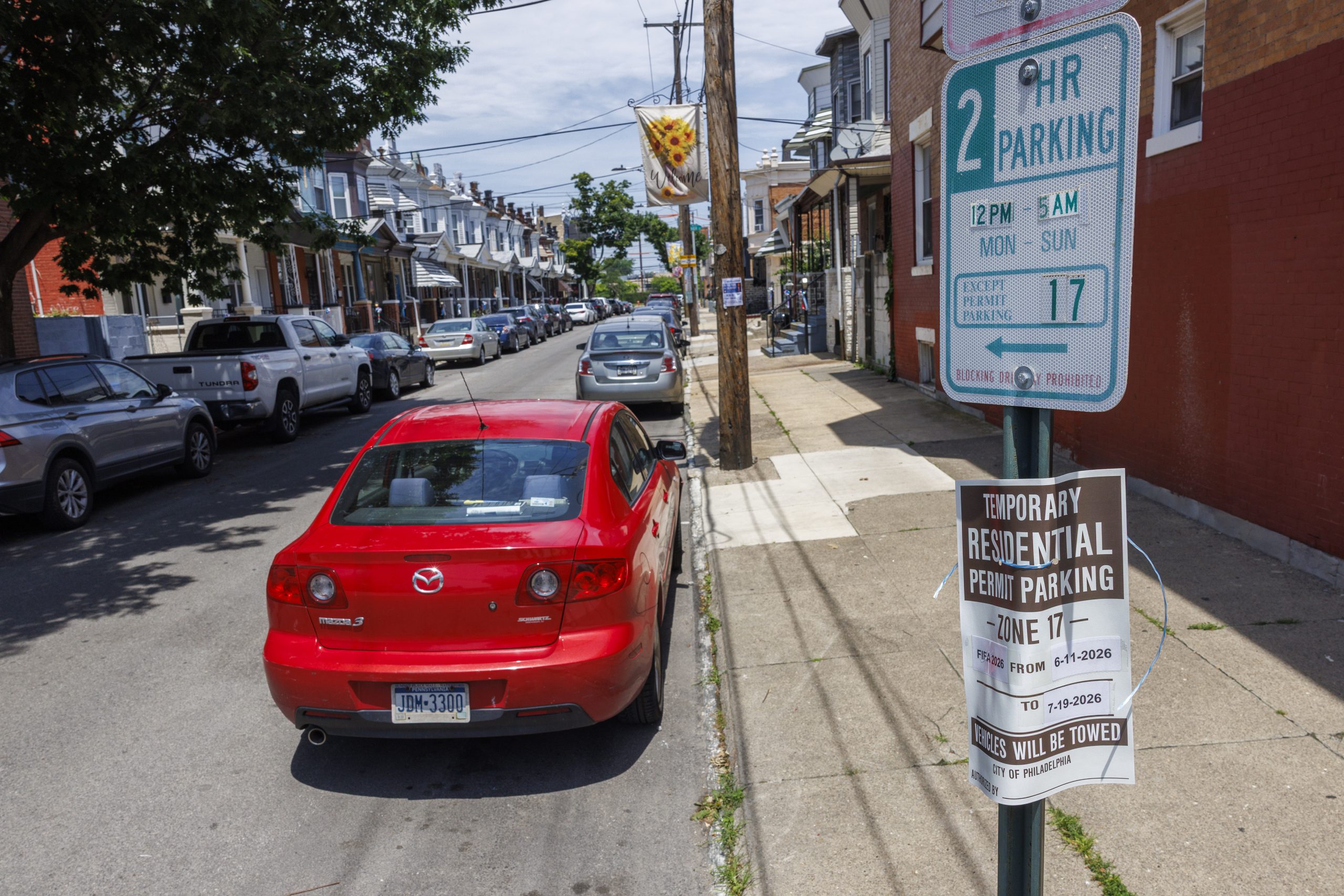
    In nearby Fairmount, some bar managers said they had seen a soccer-fueled boost in business. But several other neighborhood shop owners said they were only breaking even, with the slight increase in tourist traffic offset by a sharp drop in regular customers. Parking restrictions and street closures have kept many locals away, business owners said.

    Temporary parking restrictions near the FIFA Fan Festival are keeping some customers away, said local business owners.Alejandro A. Alvarez / Staff Photographer

    A World Cup let-down for some in Brewerytown

    Many Philadelphia business owners said they had high expectations for the World Cup: Some near the Fan Festival stocked up on inventory and even hired extra staff.

    “I ordered all kinds of soccer stuff to put in ice cream,” said Welch, who owns the hoagie shop and I Scream for Ice Cream. “I bought a whole [World Cup] banner.”

    As of Thursday, Welch said she hadn’t seen enough soccer fans to justify putting out the merchandise or unfurling the banner, which still sat in her car.

    Business is down precipitously at All Day Hoagies, which usually goes through 200 rolls a day. Since the World Cup began, the number has dropped to 125 or fewer.

    Across the street, AJ Kim, front-of-house manager at Baby’s Kusina + Market, hired two extra employees to run food ahead of the festival.

    “We were prepared for a huge crowd,” Kim said. “But it wasn’t much at all.”

    Like other business owners, Kim said the temporary parking rules have confused regular customers, and stories of residents being ticketed and towed are scaring many patrons away. According to Kim, a Baby’s chef was among those erroneously ticketed by the Philadelphia Parking Authority, despite displaying the required temporary permits.

    Every night, a handful of people cancel their Baby’s reservations, saying they are worried about parking, Kim said. Staff has tried to dispel misinformation on social media, and lends temporary parking passes to diners, but uncertainty remains.

    Some spots see steady business

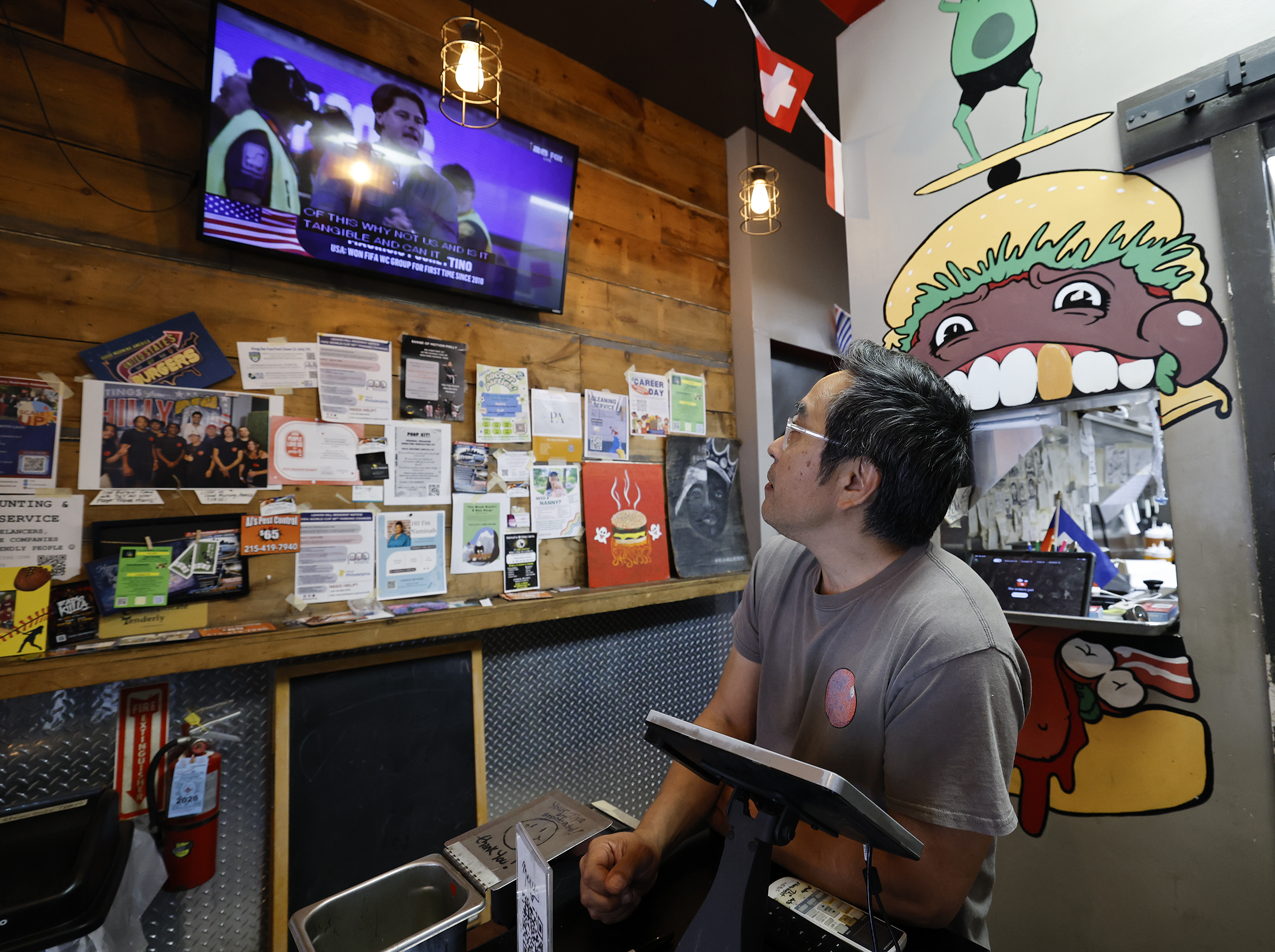
    Josh Kim, owner of Spot Gourmet Burgers, watches World Cup programming from his Brewerytown burger joint. Yong Kim / Staff Photographer

    Some businesses are faring better than others, even if they aren’t seeing crowds of soccer fans every day.

    Josh Kim, owner of Spot Gourmet Burgers in Brewerytown, said international tourists have made special trips to his restaurant for one thing: American cuisine.

    “When people go to Italy, they want pasta and pizza,” Josh Kim said. “When they come to America, they want burgers.”

    June 19 was a particularly busy day for him: After the Brazil-Haiti match in South Philly, Spot’s sold 200 burgers in less than an hour, he said.

    But no other recent days have been as lucrative, and Josh Kim said he worries it could take a while for regular customers to return to Girard Avenue once the World Cup games — and the restrictions — are over.

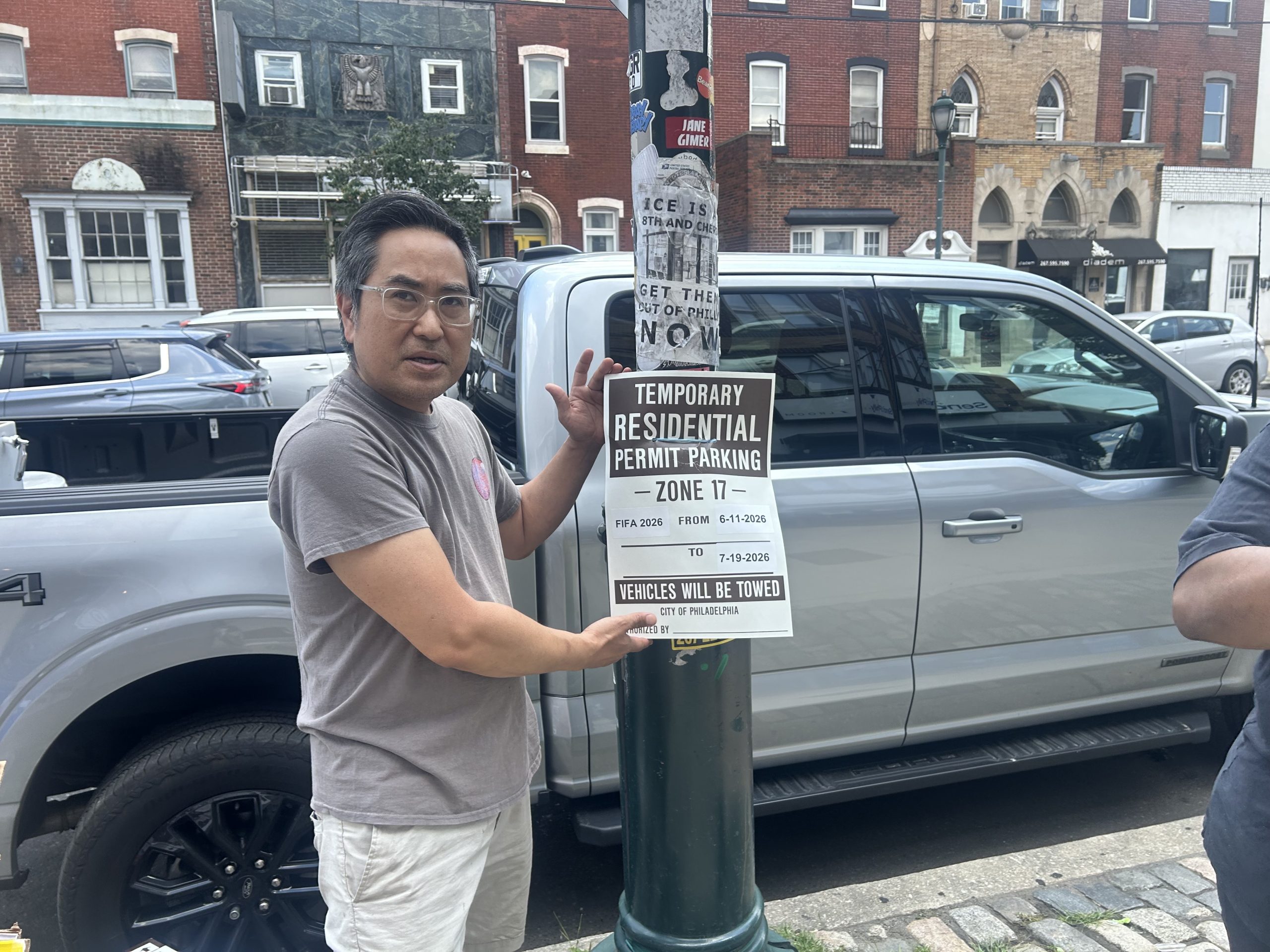
    Josh Kim, owner of Spot Gourmet Burgers, points out a temporary residential parking permit sign on Girard Avenue. He said parking confusion has hurt business in the neighborhood during the FIFA Fan Festival.Erin McCarthy/Staff

    “Consumers are habitual,” Josh Kim said. “If [they] break that habit, they no longer think about going to Girard Avenue. … They’ll go up Ridge.”

    On Boathouse Row, across the street from the Fan Festival, Cosmic Café and Ciderhouse has seen steady business, manager Sachael Sciarretta said. About 30% of the cafe’s regulars drive there, and he said he hasn’t seen them since the festival began. But business from soccer fans has made up for the loss.

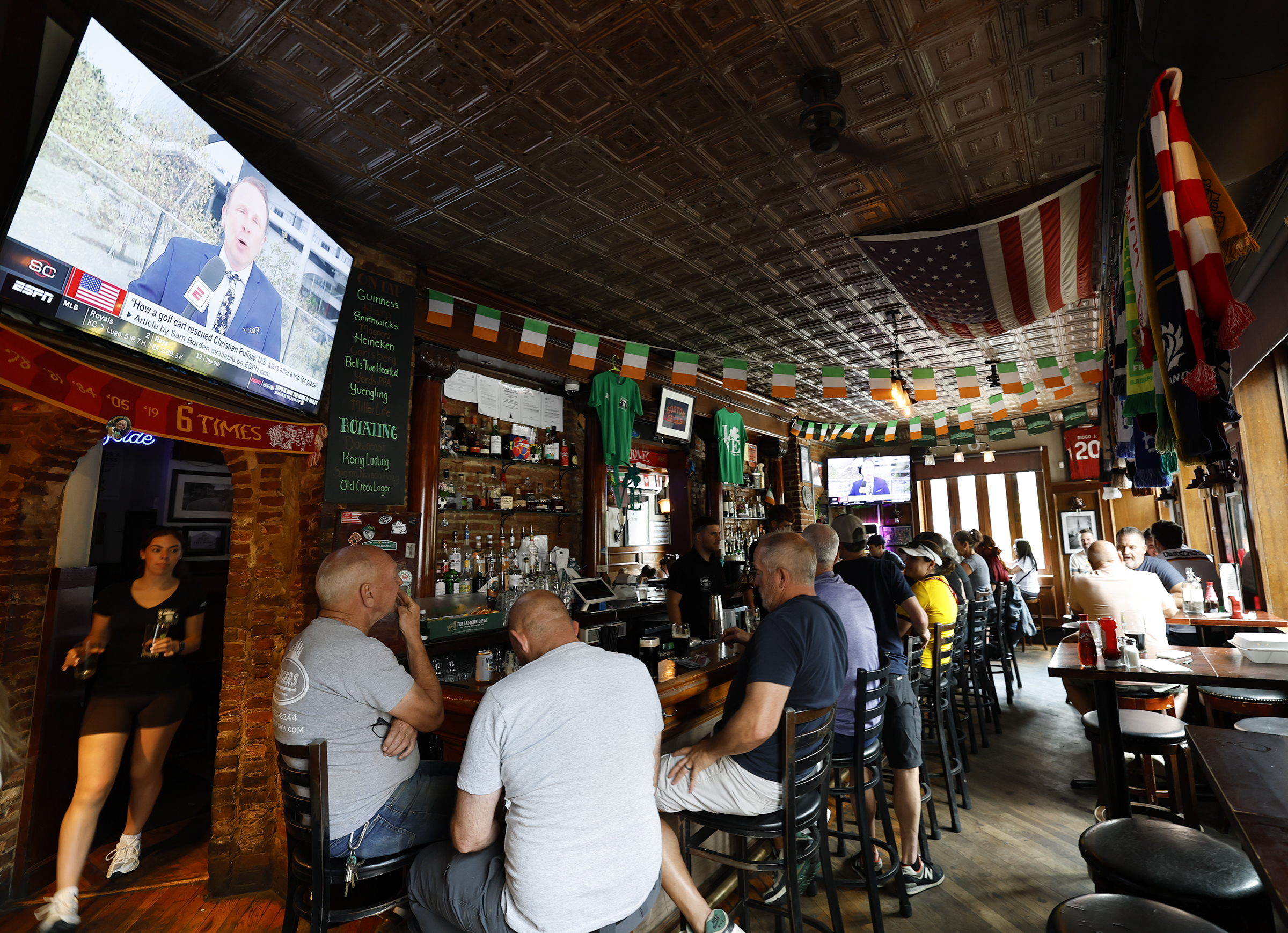
    Fairmount bars and restaurants seem to have been among the biggest World Cup winners. On Thursday afternoon at the Black Taxi, an Irish pub a few blocks from the festival, almost every seat was filled — several by customers donning soccer jerseys.

    Regulars and soccer fans eat and drink at the Black Taxi Irish Pub in Fairmount on Thursday, June 25.Yong Kim / Staff Photographer

    “Foot traffic has been great, and the neighborhood is buzzing,” said manager Neil McKernan, who estimated that sales are up 30%.

    In the dining room, the Trainor family enjoyed a meal before walking to the Fan Festival to watch the 4 p.m. match between Curacao and Ivory Coast.

    It was the first time that Kelly Trainor, 42, of Glenside, had been to the Fairmount watering hole, and she brought along her three young children.

    “We can’t afford tickets to the game,” Trainor said. “So this is the next best thing.”

    The Trainor family, of Glenside, enjoyed refreshments at the Black Taxi before attending the FIFA Fan Festival.Yong Kim / Staff Photographer

    Back in Brewerytown, where the business corridor was quiet, some owners said they wished they could have been more involved in the festivities. Josh Kim, of Spot Gourmet Burgers, said perhaps organizers could have allowed local restaurateurs to sell from food trucks outside the fan entrance.

    “If we were able to activate this corridor, it would have been a lot different,” Kim said.

    “Why didn’t they work with the local businesses so we could make the money?” added Welch, of All Day Hoagies. “Because we ain’t making none.”