Category: Small Business

  • Businesses are eyeing Germantown opportunities. The neighborhood is proceeding with caution.

    Businesses are eyeing Germantown opportunities. The neighborhood is proceeding with caution.

    The story that’s told about Germantown’s downtown is often one of disinvestment, but a small contingent of community stakeholders and business owners are hoping to spin a new yarn.

    The northwest Philadelphia neighborhood that centers around Germantown Avenue from West Johnson to Berkley Streets has seen controversies in the past decade, from the dismantling of the Germantown Special Services District, to the changing stewardship of Germantown Settlement’s residential properties. Some residents say disengagement from elected officials hasn’t helped.

    But forces big and small are working to revitalize the community: Germantown United, the neighborhood’s community development corporation (CDC), recently completed a plan to make Germantown’s business district more walkable. Historic Germantown, the neighborhood’s historical society, in July unveiled its new visitors center that aims to connect Philadelphians and visitors to the area’s deep history. And buzzy storefronts including Uncle Bobbie’s Coffee & Books, Salam Cafe, Weavers Way Co-op, Cupbearer Coffee, and Attic Brewing bring much-needed services and third spaces to the neighborhood.
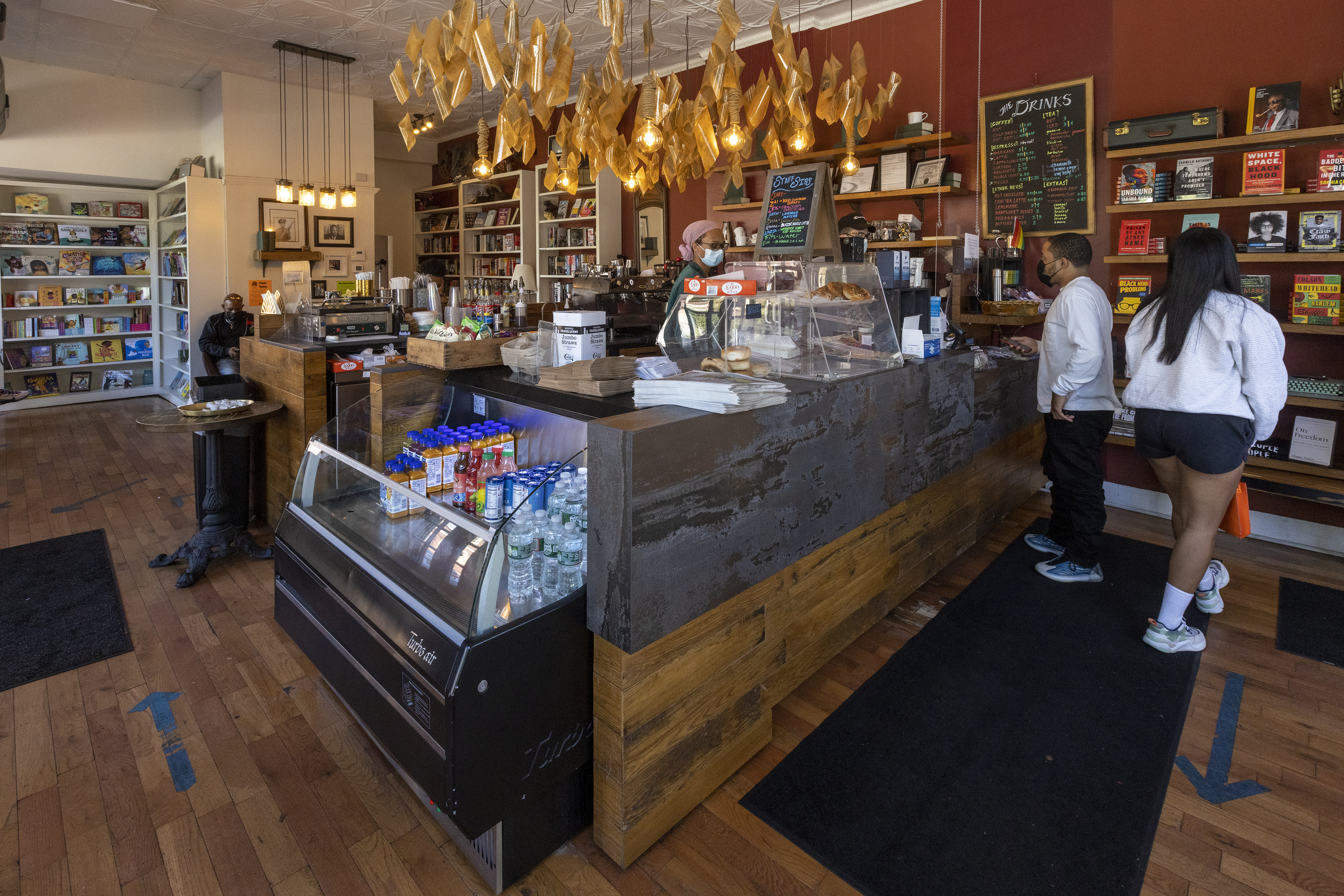
    Interior of Uncle Bobbie’s Coffee & Books, 5445 Germantown Ave. Alejandro A. Alvarez / Staff Photographer

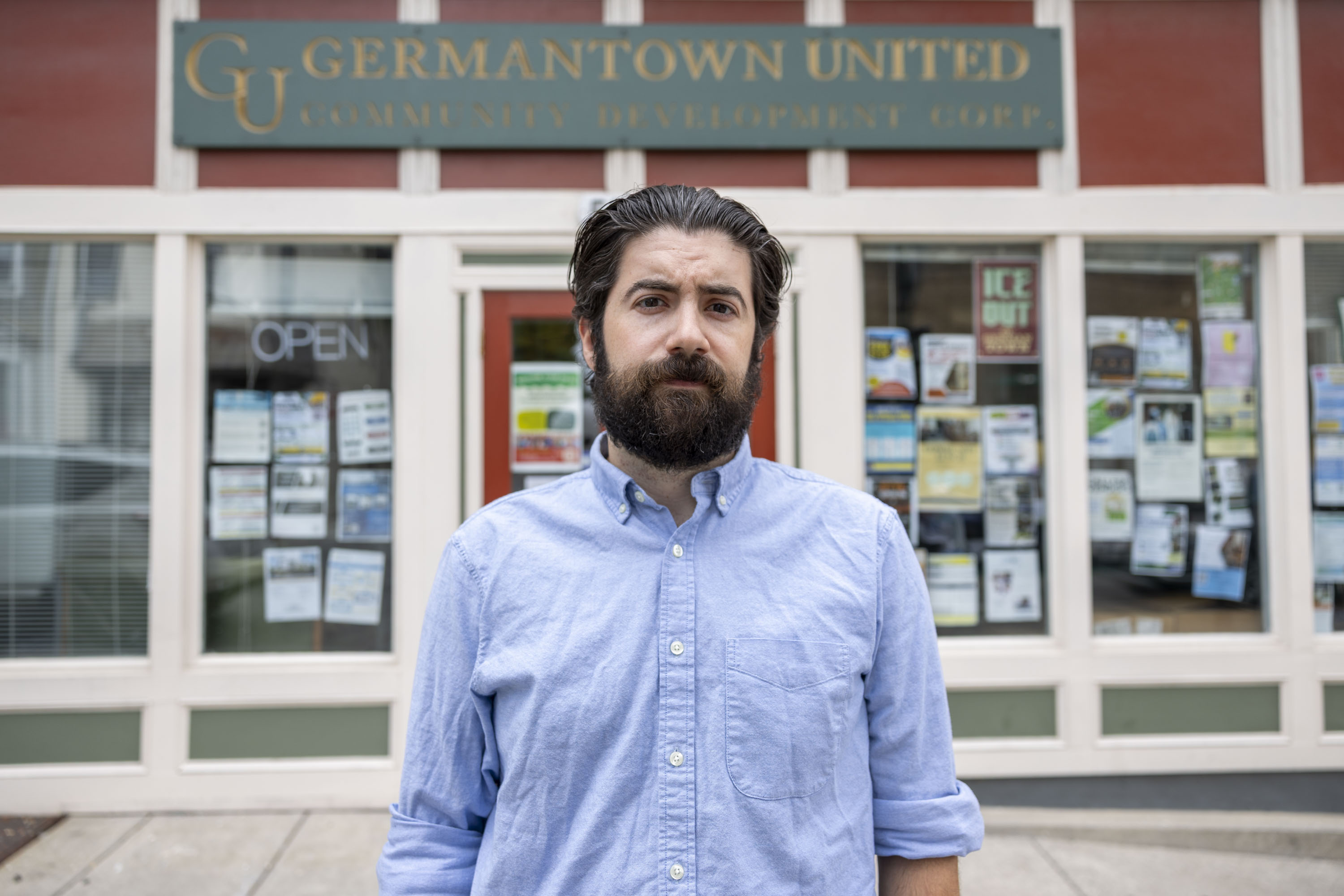
    Leo Dillinger IV, the executive director of Germantown United, said new businesses have been reaching out to the CDC, the first step to lifting the business district up, “but with everything, it takes time.”

    “We don’t want the corridor to change like a light switch and all of a sudden it’s actively populated with a bunch of businesses that aren’t offering affordable goods and services,” Dillinger said. “That leads into the fears of gentrification and displacement that are a major concern for the Germantown community.”

    Connecting corridors in Germantown

    While it has the CDC, Germantown lacks a business improvement district to fund and oversee improvements to the area. And with the 2019 disbanding of the Germantown Special Services District, after accusations of mismanagement and misappropriation of funds, the neighborhood lost a body tasked with keeping its main business corridors clean.

    “We lack structure in order to have a commercial district that is thriving,” said Patrick Jones, a Germantown resident who has organized community members around efforts to redevelop its public spaces and city-owned large vacant properties. “A lot of us feel as though Germantown is a forgotten community in the 8th Council District.”

    Jones said residents would like to see Germantown bring in a selection of sit-down restaurants and middle-class big box stores like Target or Giant. Dillinger said the CDC gets similar feedback.

    “Right now if you want to sit down and have a nice meal, you have to go outside of Germantown to do that,” Jones said. The addition of Uncle Bobbie’s and its cafe in 2017 “started moving us in the right direction, but we want to see an actual restaurant in Germantown, and it’s just difficult to do that with the way things are right now.”
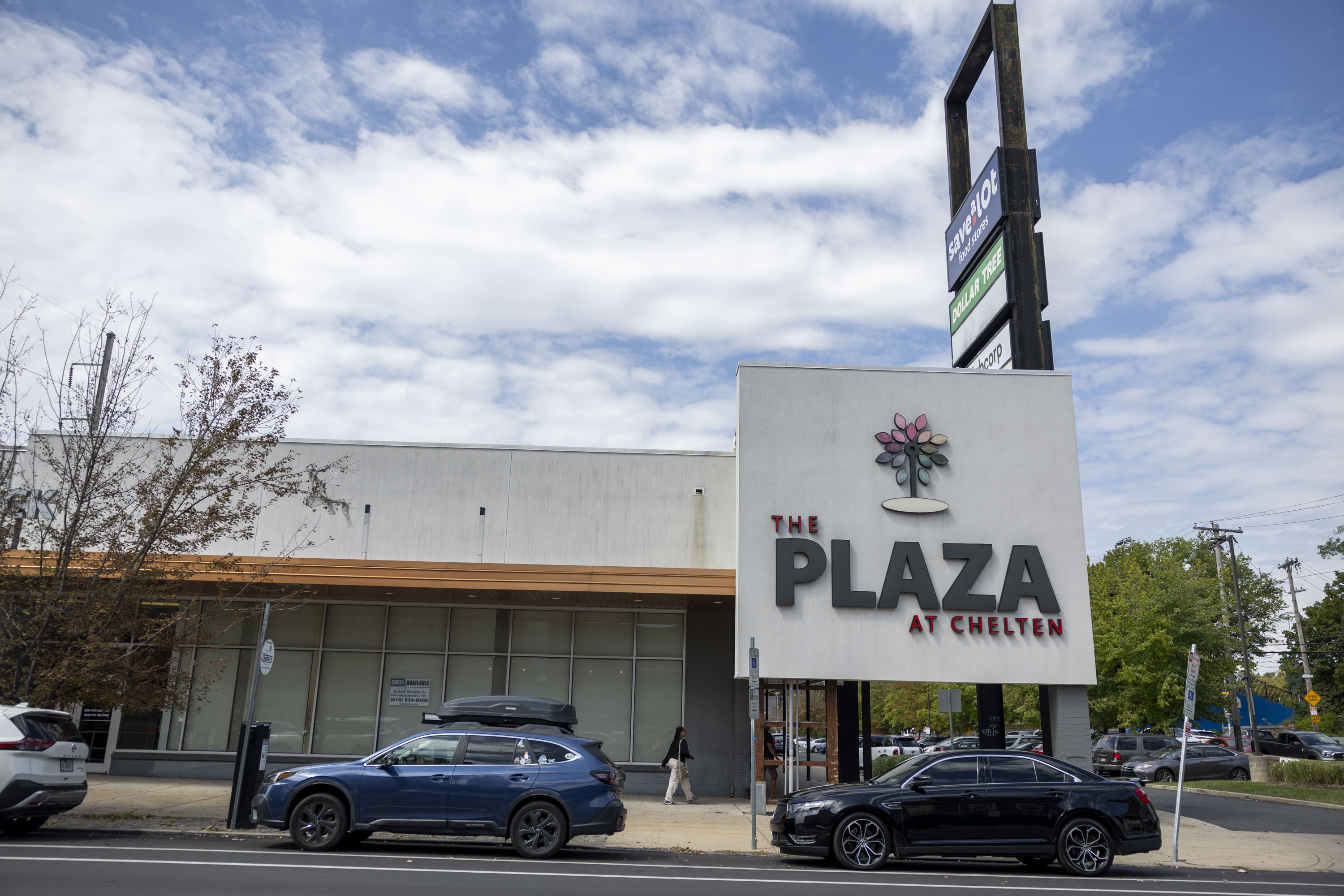
    The outside of the Plaza at Chelten in Germantown.Tyger Williams / Staff Photographer

    Having more organizational support beyond the CDC might allow that, he says.

    “We’re lacking the resources to put attention towards advocating for ourselves,” said Laura Lacy, co-owner of Attic Brewing Co., near Wayne Junction. “You can immediately see the change when you’re driving [out of Germantown]. As you get into Mount Airy, you start to see hanging flower baskets and landscaping on corners and trash cans.”

    The neighborhood’s existing business hubs also feel disconnected. That’s an issue that Germantown United is addressing with a five-year plan to better connect West Chelten Avenue, Maplewood Mall, and Market Square for pedestrians. They’re pushing for better overhead lighting, connecting business owners with the Department of Commerce’s business security camera program, and addressing cleanliness and improving greenery.

    The plan also includes connecting with absentee landlords to discuss how their properties can better serve the community, Dillinger said. These landlords are at the heart of the problem, locals say.

    “There’s just a lot of commercial property owners who don’t care,” Dillinger said. “There are some who do and are invested in their properties and making sure that their tenants succeed. There are also commercial properties that are sitting in a portfolio of developers’ and, as a result, they just start to deteriorate.”
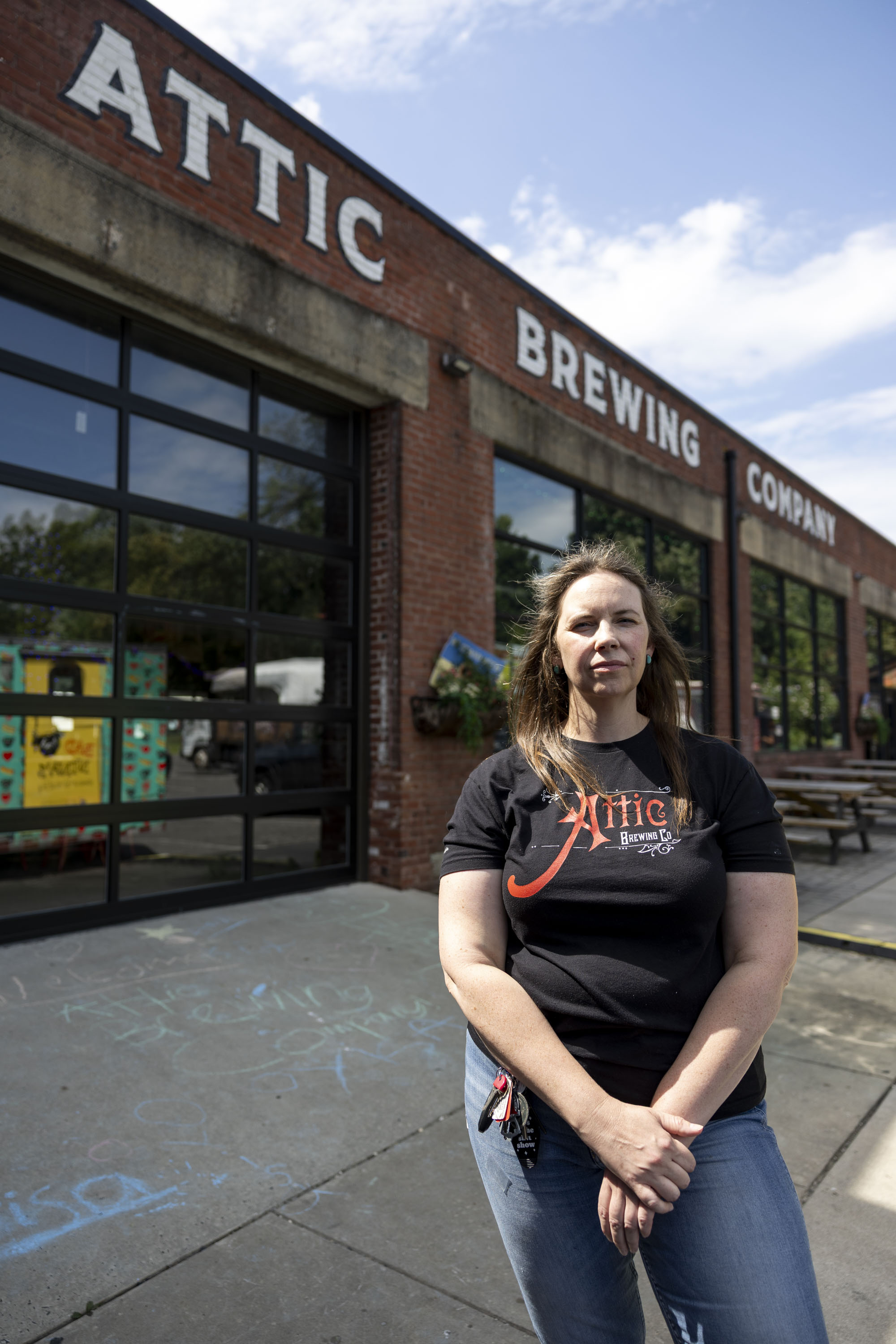
    Laura Lacy, co-owner of Attic Brewing Co., outside the business in September.Tyger Williams / Staff Photographer

    Street safety is also a major community concern after a spate of hit-and-run fatalities. This is a significant challenge for Attic Brewing, Lacy said.

    Its location near Wayne Junction removes it from the commercial heart of the neighborhood, and her landlord’s promises to develop surrounding lots into complementary businesses never panned out. It all amounts to less visibility and awareness of pedestrians in the area.

    “We’re talking about the safety of our team members. … We’re talking about the safety of our customers,” Lacy said.

    Also of concern are the two vacant lots near Attic, which were part of a development plan years ago, Lacy said. “At what point does the city take it back? At what point does it become like you can’t just let this sit abandoned like this?”

    Councilmember Cindy Bass, who represents the area, declined to comment for this story.

    Signs of new life

    Still, business activity is underway in Germantown.

    Indego, Philadelphia’s bike share program, will enter Germantown this fall with 10 to 12 stations.

    Kaila Temple, curator of collections at Historic Germantown, and Tuomi Forrest, executive director. The new Historic Germantown Visitor Center opened in July.Jessica Griffin / Staff Photographer

    Historic Germantown’s Visitor Center opened in July. It’s a jumping-off point to access the neighborhood’s vast cache of historic cultural sites, which drive about 125,000 visits from the public and 25,000 from staff and volunteers annually who spend about $10 million in and around Germantown, according to Tuomi Forrest, Historic Germantown’s executive director.

    “Our goal is that people get so interested and excited that they want to come back or expand their visits here,” Forrest said.

    A few new businesses on West Chelten Avenue are invigorating the area. Weavers Way Co-op’s Germantown store, which opened in May 2024, has “exceeded projections since day one, and our membership in Germantown has continued to grow,” said general manager Jon Roesser. The co-op is open to the public, but its roughly 2,400 Germantown members get discounts and other benefits.
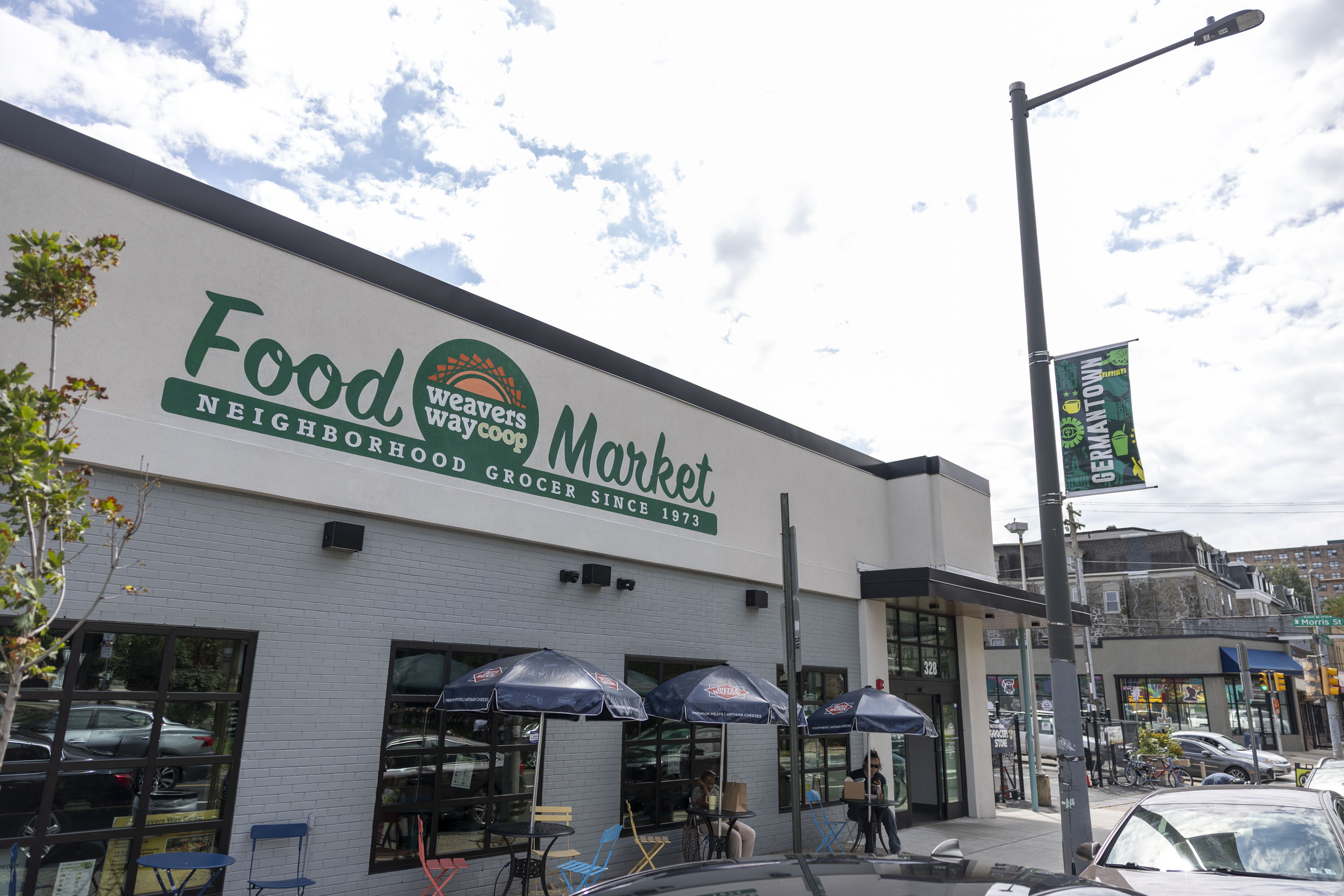
    The outside of Weavers Way Co-op.Tyger Williams / Staff Photographer

    “We bring a lot of foot traffic to the avenue; we have about 1,000 transactions a day,” Roesser said. “That’s 1,000 people a day coming to the corner of Chelten and Morris that previously was exactly zero because the building was abandoned.”

    Complementary businesses have popped up nearby, including Cupbearer Coffee, Das Good Cafe, and Nutrition & Herbs Center.

    Uncle Bobbie’s Cafe & Books is expanding its neighborhood footprint this fall and moving up Germantown Avenue from its current location at Church Lane into a 3,000-square-foot spot at the intersection of Washington Lane.

    “We are excited to be in a position to grow, bring people together, and read great books,” Justin Moore, the bookstore’s general manager, told The Inquirer in April. “Most importantly, we are excited to further and deepen our ties in Germantown as a community hub.”
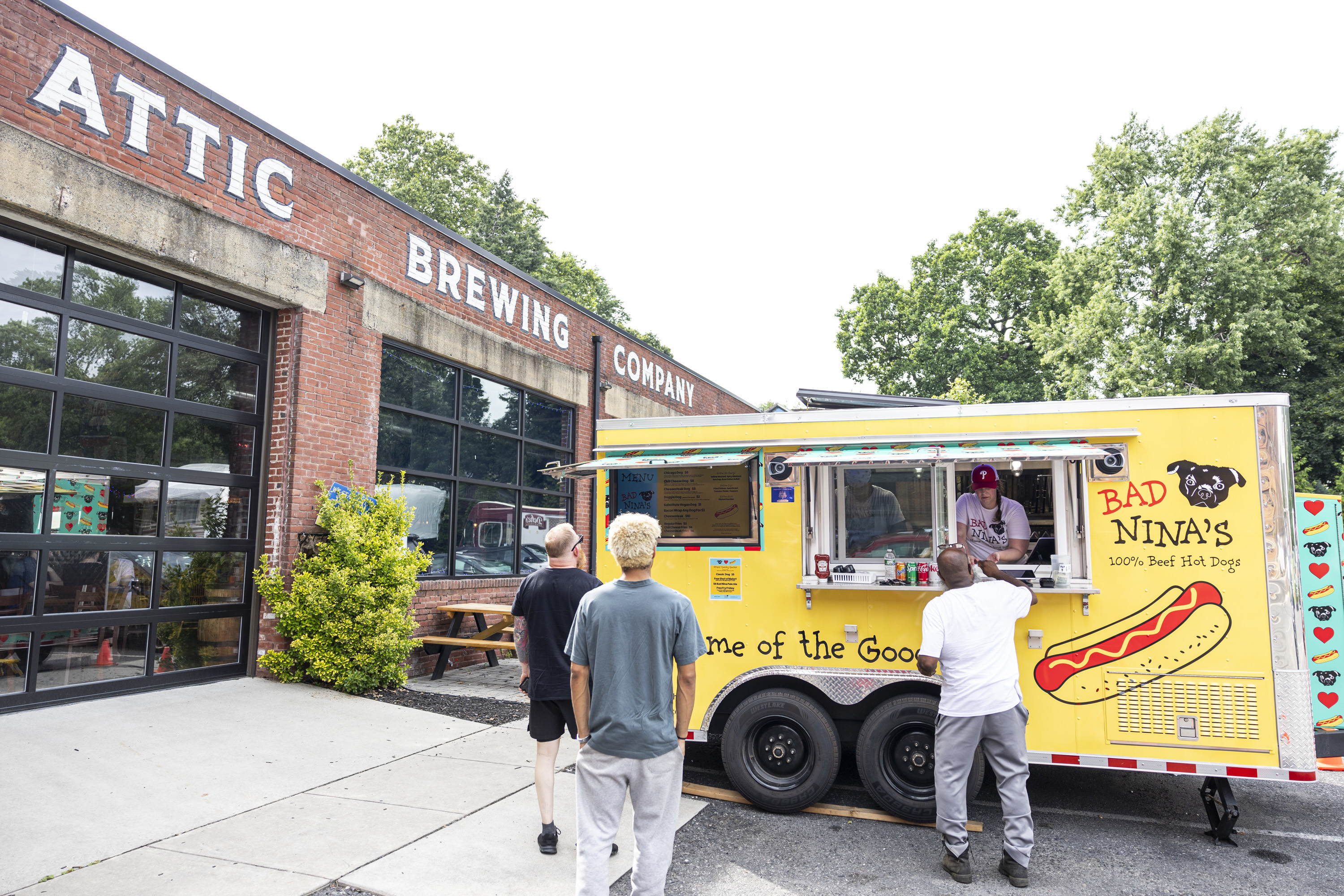
    Customers line up to order hot dogs at the grand opening of Bad Nina’s outside Attic Brewing. Lacy said the hot dog stand opened because other companies did not want to bring their food trucks to the brewery.Tyger Williams / Staff Photographer

    And Attic Brewing Co. took gold at the World Beer Cup in May for its international dark lager, Common Nightjar.

    “One of the best beers in the world is brewed here in Germantown,” Lacy said. At the same time, from a financial standpoint “our business is in the worst spot it’s ever been in in six-and-a-half years.”

    Attic needs to “exponentially increase the number of people” coming into the tap room to be viable, Lacy said. Getting other restaurants into the area could help. Lacy said Attic started Bad Nina’s gourmet hot dog cart because food trucks wouldn’t come to the neighborhood and the area lacks sit-down restaurant options for their patrons.

    “We know that our product, our service, our space is one of the best in the city,” she said, so as the business struggles, “we start to wonder if maybe we picked the wrong location.”
  • No tax on tips is here. What employers need to know for 2026 | Expert Opinion

    No tax on tips is here. What employers need to know for 2026 | Expert Opinion

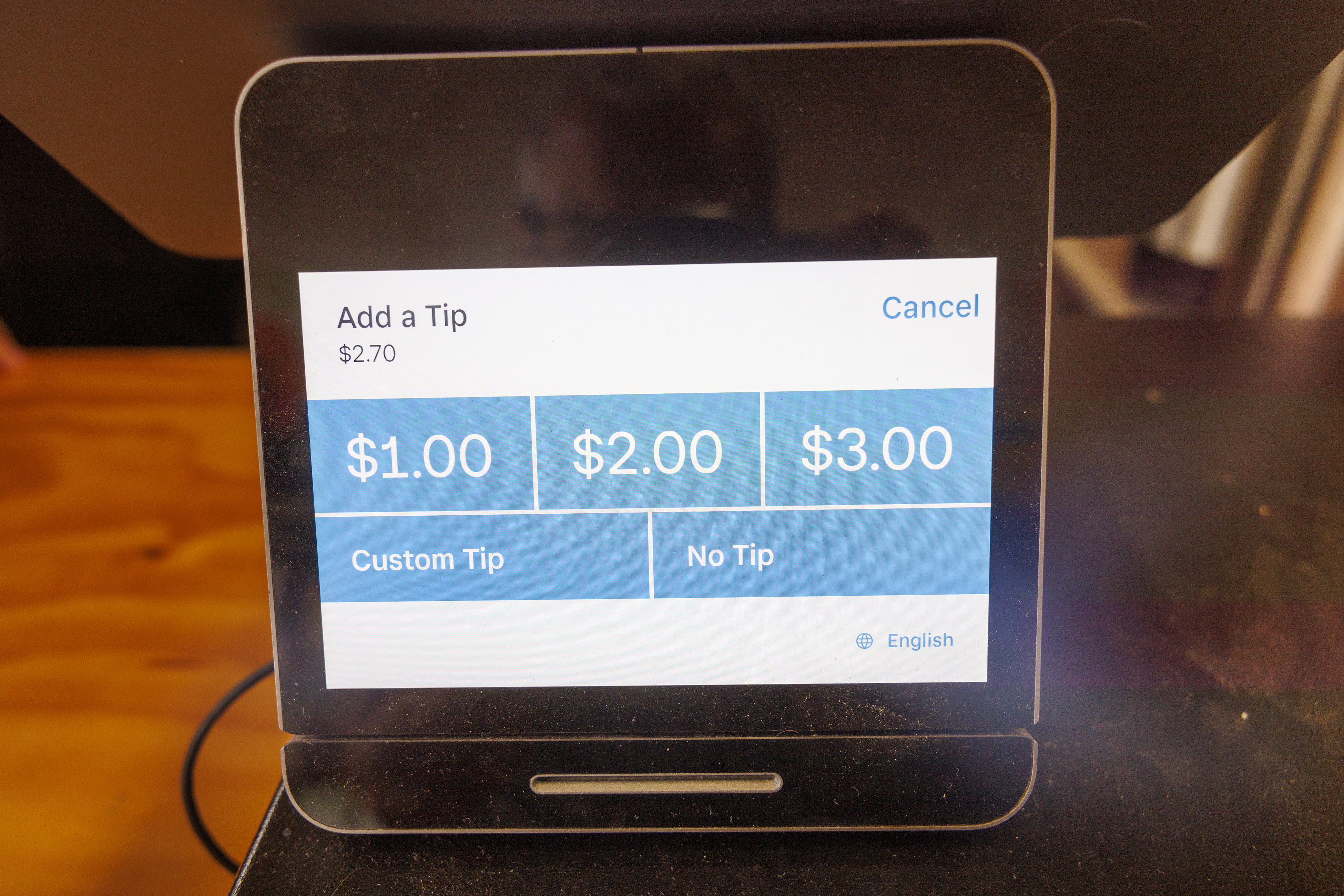
    “No tax on tips” sounds simple. For employers, it isn’t.

    Starting in 2025, employees who received tipped income can now take a deduction for this amount on their individual tax returns, which reduces their taxable income and taxes owed.

    The benefits are obvious, but some of the rules are less so. Here’s what to know.

    Cap on tips deduction

    The deduction is capped at $25,000 per return, even for married couples filing jointly. It phases out for joint filers with $300,000 or more annual income and $150,000 for other taxpayers.

    No deduction for mandatory service fees

    Tips claimed must be voluntary. If you’re charging your customers a mandatory “service charge” and then disbursing the amount collected to your employees, that amount is not eligible as tipped income for purposes of the tax deduction.

    Put simply, a mandatory service charge and a voluntary tip are not interchangeable, said Shanita Jones, a certified public accountant in Philadelphia.

    “Calling a charge a gratuity on the receipt doesn’t automatically make it a tip for tax purposes,” she said. “Owners should verify that their point-of-sale system, bookkeeping records, and payroll system distinguish voluntary tips from mandatory charges.”

    Specific jobs qualify for tip deduction

    Eligible employees must work in one of the more than 70 occupations the IRS has designated as traditionally tipped. These include servers, bartenders, hairstylists, makeup artists, hotel workers, rideshare drivers, and personal trainers. Occupations such as accountants, tax preparers, and most legal professionals aren’t on the IRS list.

    Self-employed workers can also take advantage of the tips deduction, but the deduction can’t exceed the net income of their trade or business.

    States still tax tipped income

    The “no tax on tips” deduction is applied only at the federal level. Neither Pennsylvania nor New Jersey makes this deduction available when calculating state income taxes owed.

    The two states do have a reciprocal agreement so that if a worker who lives in Pennsylvania earns tipped income at their job in New Jersey, they’re still taxed at Pennsylvania rates.

    Other taxes that still apply to tips

    Also, tips are not exempt from all kinds of federal taxes. Employees must still pay the taxes for Social Security and Medicare.

    “Before telling employees their tips are tax-free, make sure you can answer: free from which tax?” Jones said. “The distinction matters because employees may make spending decisions based on what they believe they will keep.”

    Employers must also match the FICA and Medicare payments.

    But restaurants and certain food service businesses may qualify for the federal FICA Tip Credit, said Adrienne Straccione, a partner at accounting and advisory firm Wouch Maloney in Philadelphia.

    This credit is different from the employee tip deduction. It was expanded as part of last year’s tax legislation to include qualifying barbering, hair care, nail care, esthetics, and body and spa treatment businesses. The credit is not a deduction — it is taken against taxes owed and if it exceeds what’s owed it can generally be carried back one year and forward up to 20 years.

    “This expansion can potentially provide a valuable tax benefit on certain employer-related taxes for more employers with tipped workers,” she said.

    Employers must keep accurate tip records

    If you’re an employer, you need to be familiar with the reporting required, Jones said, because no tax on tips does not mean “no reporting of tips.”

    “A tax break for an employee does not erase an employer’s responsibilities,” she said. “Business owners should not stop recording tips or change their payroll practices simply because they hear the phrase “tax-free.”

    For 2025, employers received transition relief because Forms W-2 and 1099 had not yet been redesigned to separately report the information needed for the new deduction. That’s different for 2026. Employers now report cash tips on Form W-2 using Box 12, Code TP, and identify the worker’s qualifying occupation in Box 14b.

    Employers should expect “greater scrutiny of how tips are tracked,” categorized, and reported, Straccione said.

    “Businesses need to understand what code section your employees fall under for the Treasury Tipped Occupation Codes,” she said. “Failure to comply with the new W-2 reporting standards can result in penalties.”

    It’s important that your employees take advantage of the deduction during the course of the year by reducing the amount of federal taxes they’re having withheld from their paychecks. We’ve been recommending to our clients that they help their employees revise their W-4 withholding form to reduce the amount of tax taken from their paycheck. This will leave them with more money left over throughout the year, rather than waiting for a refund from the government.

    Both Jones and Straccione are advising clients to establish written processes for reporting all tips, documenting the distributions, and getting that information into their payroll systems.

    “Cash tips should not disappear from the records simply because they never passed through the business’s card processor,” Jones said. She advises that businesses review their process with their accountant and payroll provider, confirm the applicable year’s reporting requirements, and reconcile records regularly.

    “Tax season should not be the first time you discover that your sales system, payroll records, and books tell three different stories.”

    The no-tax-on-tips deduction is good for both employees and employers. Obviously, the employee gets to save money. But the employer, because their workers are effectively getting paid a little more by the tax savings, may feel less pressure to increase wages this year.

    The deduction won’t last forever. It’s scheduled to expire after the 2028 tax year, unless Congress extends it.

  • Permanent paid family leave is a boon for employees and employers | Expert opinion

    Permanent paid family leave is a boon for employees and employers | Expert opinion

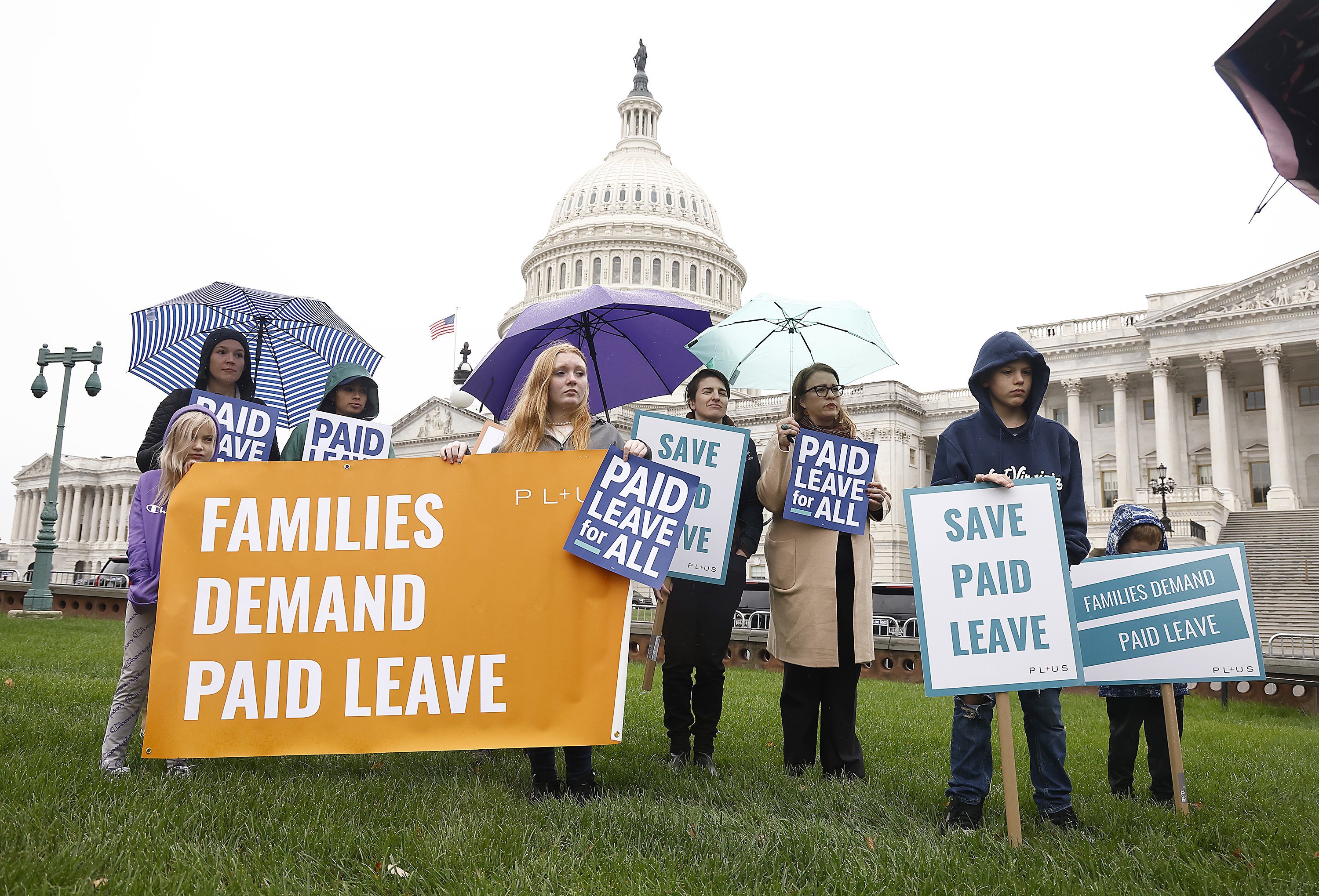
    Emily Wielk, a senior policy analyst for working families at the Bipartisan Policy Center, says that she “hears consistently” that paid family and medical leave is a benefit that workers want and need to continue working.

    “It is also a benefit that many businesses want to offer, but they are trying to determine the best way to manage the financial, compliance and administrative burdens,” she said.

    It doesn’t matter how big or small your business is. Providing this benefit has become increasingly important for recruiting and retaining talent. The good news is that the federal government can help, and thanks to 2025’s One Big Beautiful Bill Act, more support is available.

    Employer tax credit

    Since 2018 there has been a generous tax credit available for employers who want to voluntarily provide some sort of compensation to their employees taking leave. It’s called the Employer Credit for Paid Family and Medical Leave under Internal Revenue Code Section 45S.

    As long as you pay your employee a minimum of 50% of their normal wages while they are on leave, you can take a 12.5% tax credit on what you pay. The credit then increases by 0.25% for each additional percentage point of wages paid.

    “If you offer the leave, you have greater certainty that the employee is coming back, and you can determine how to manage the gap in the interim,” said Wielk. “If you lose the worker, you will spend more time, money, and energy recruiting and trying to replace that employee.”

    For example, if an employee normally earns $15,000 over 12 weeks and you pay the employee $7,500 while on qualifying leave, your business may receive a federal income-tax credit of $937.50. The more of the employee’s normal wages you replace, the larger the potential credit — up to 25% of the qualifying wages paid. So if you paid the full $15,000, your credit would be $3,750.

    To claim the credit, you must have a written policy and provide two weeks of paid leave (not vacation or sick time).

    If you own a pass-through business, like an S corporation or partnership, you can still claim the credit against the taxes you owe. If the credit is larger than the taxes you owe, you can carry it forward for up to 20 years. Highly compensated employees — those making $96,000 or more per year — are excluded.

    “One specific thing the Section 45S credit does is encourage businesses to offer the benefit specifically to lower- and moderate-wage workers — not just necessarily to their C-suite or higher-wage earners,” said Wielk. “It is designed to ensure that workers who typically don’t have access to the benefit are getting access.”

    Updated guidance

    Earlier this month, the Treasury Department and Internal Revenue Service provided interim guidance on the expanded credit (more comprehensive proposed regulations are expected.)

    Among these changes: Employers who purchase insurance providing paid family and medical leave benefits may now calculate the credit using qualifying premiums rather than wages actually paid during leave. It also potentially allows certain employers to use the credit where leave is required by a state or local government (such as New Jersey and soon in Delaware).

    Previously, only wages paid to employees who worked for a company for a year were eligible, but that requirement was relaxed to six months. For 2026, employees who earned more than $96,000 are excluded. Most importantly, the credit has now been made permanent. Previously it came up for renewal every few years.

    Stability promises

    Wielk says that for Section 45S in particular, the fact that it was a pilot program created uncertainty. She believes that even when businesses knew the credit existed, they couldn’t be sure it would still be there four, five, or six years down the road.

    “Many businesses were hesitant to use it for a few years and then have to assume the entire financial burden if the credit expired,” she said. “I think that uncertainty deterred some businesses from utilizing the credit.”

    According to Wielk, the data “is very clear” that when workers have access to paid family leave, it boosts employee morale and increases loyalty to the business.

    “It allows employees to take the time they genuinely need away from work with the knowledge and security that they can come back,” she said. “That has ripple effects on their ability to return and be productive.”

  • This secluded, charming Jenkintown alleyway is having a moment

    This secluded, charming Jenkintown alleyway is having a moment

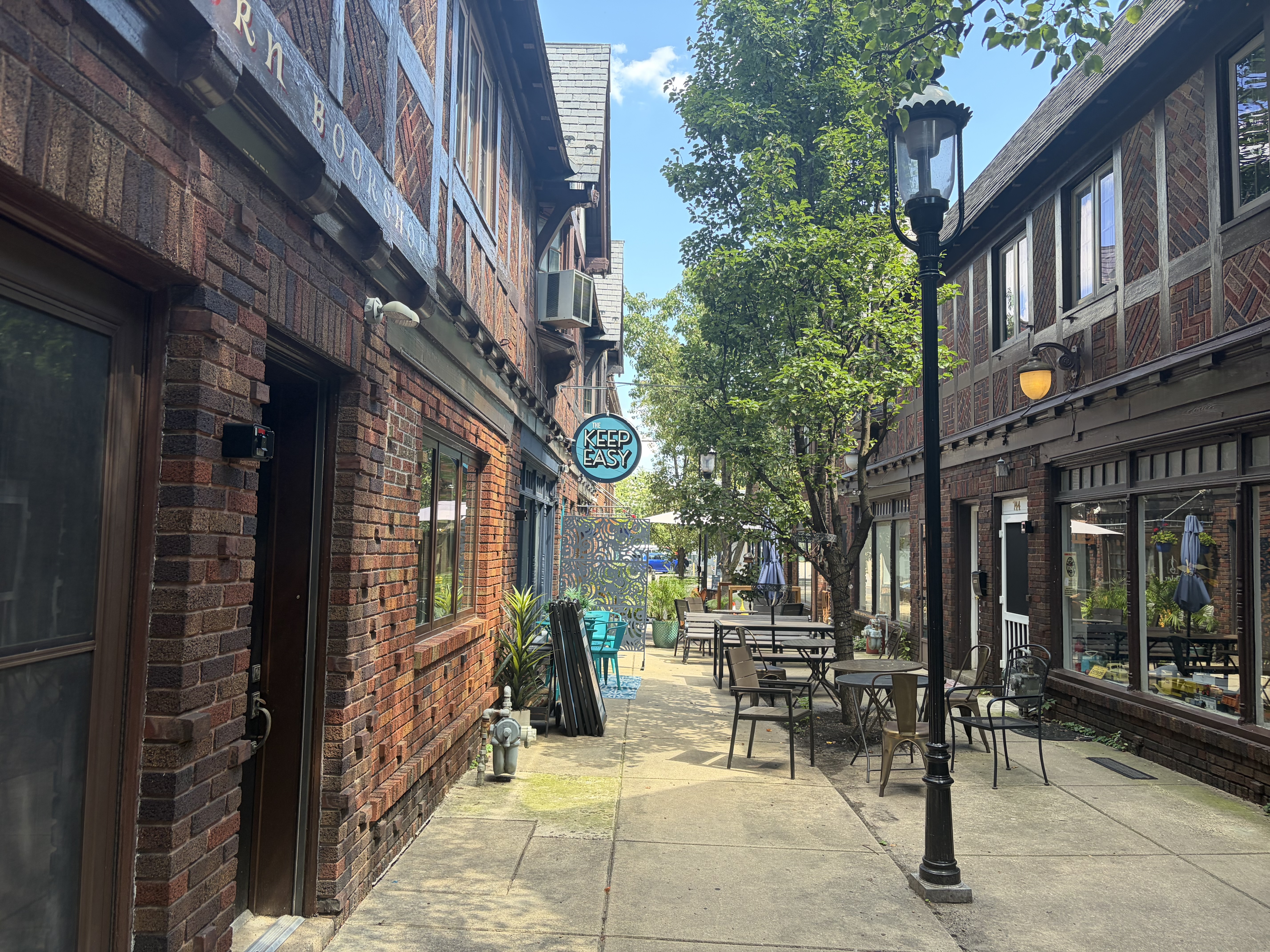
    It looks like a street that belongs in its namesake English city, but the secluded, bricked Yorkway Place instead sits near the heart of Jenkintown, Pa.

    For years, locals say, the pedestrian walkway drew few pedestrians: Offices and empty storefronts offered little reason to stroll along the 1930s Tudor-lined path, which runs into Route 611.

    “I still meet people today who don’t even realize it’s there,” said Ross Abel, a Jenkintown resident who bought a Yorkway Place building this year that now hosts a cafe.

    Unusual bar concept sparks alley renaissance

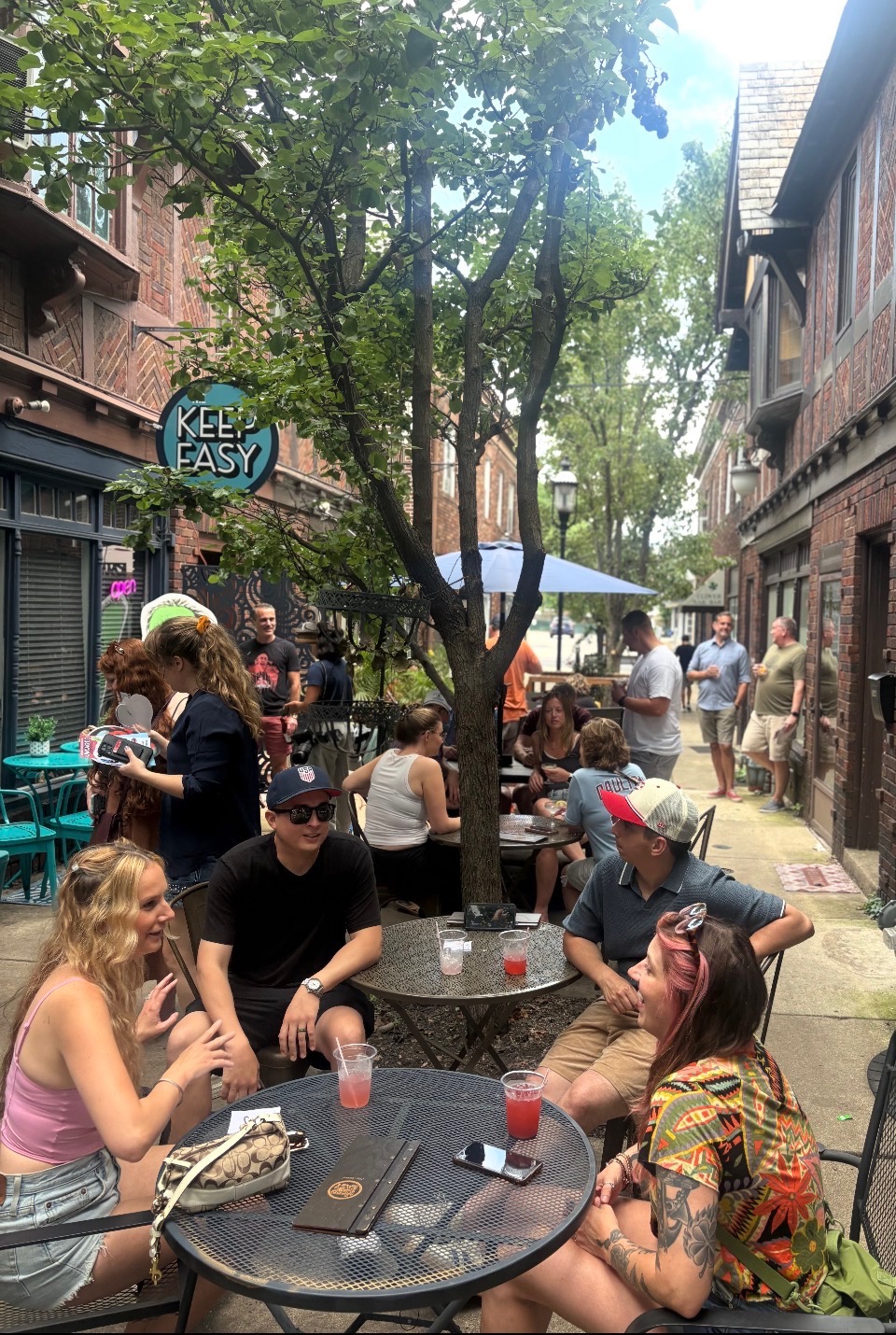
    The tide began turning in 2023 when Melissa Hager turned her herb and tea store into a meadery, the Keep Easy, with her partner, Mike O’Donnell. While the Herb Shop had struggled, the bar took off.

    Yorkway Place in Jenkintown, June 2026.Mel Hager

    “That might’ve been the catalyst,” said Borough Manager George Locke. “The secret was getting that foot traffic in there.”

    After the Keep Easy came Carminati Creamery, a gelato shop from Glenside, bringing a kid-friendly option to the alley.

    The ice cream store “is the first thing that drew us in,” said Jenkintown Mayor Gabe Lerman, who has school-aged children. “Whatever we do for dinner, we can just walk up to Carminati’s.”

    The Lore Café, an upscale, all-day coffee shop, added morning visitors to the scene. That’s what gave Jackie Botto the confidence to move Capricorn Books into Yorkway Place.

    “We took a gamble,” Botto said. “I did not plan for it to be so busy.”

    A custom jeweler and haberdashery and a nail salon round out the alley’s shops.

    Themed events have attracted more newcomers, from a Nic Cage bar crawl to Jenkintown Festivus. Capricorn participated in the annual Philadelphia Bookstore Crawl, typically the store’s biggest day of the year, at their new Yorkway Place location for the first time this past weekend.

    Vicky Hutz and Mike Hutz, of Huntington Valley, speak with a reporter at the Keep Easy during the Nic Cage cocktail crawl on Sunday, June 28, 2026, in Jenkintown, Pa. Participants gathered to celebrate actor Nicolas Cage with Cage-themed cocktails, movie screenings, and “Cage matches.”Monica Herndon / Staff Photographer

    Personalized support helped local businesses

    Personalized, direct support has helped bring more small businesses to Jenkintown, locals say.

    The borough started helping owners secure sewer permits from the state several years ago, Locke said. Each permit is “20 to 40 hours of my time.”

    “It’s a tough process,” he said.

    As for filling Yorkway Place, “It’s been Mel,” Botto said, who’s been reaching out to potential owners about vacancies.

    “I was texting everyone I know,” Hager, the meaderist, said.

    Lerman said Jenkintown also recently added free 20-minute parking spots, which helped stores throughout the town.

    And many of Yorkway Place’s business owners live in the borough, the mayor said: “They’re all invested in being good stewards and in having a place you can feel good about sending your kids with a few bucks to get a gelato, or a book.”

    Jenkintown alley to see new stores in 2026

    Several more businesses are set to arrive in Yorkway Place in the coming months.

    In September, insect taxidermist Kat Smith is opening an art supply, stationery, and craft cafe.

    A game room and bottle bar is slated to open above Keep Easy in October.

    And a record store, Smelly’s Vinyl Vibes, is also coming this fall.

    “This is such a cool little street,” Abel said. “All these new shops are helping people to discover it.”

    This suburban content is produced with support from the Leslie Miller and Richard Worley Foundation and The Lenfest Institute for Journalism. Editorial content is created independently of the project donors. Gifts to support The Inquirer’s high-impact journalism can be made at inquirer.com/donate. A list of Lenfest Institute donors can be found at lenfestinstitute.org/supporters.

  • ICE workplace enforcement is increasing. Here’s what Philadelphia employers should do | Expert Opinion

    ICE workplace enforcement is increasing. Here’s what Philadelphia employers should do | Expert Opinion

    Border czar Tom Homan is putting employers on notice: Expect significantly more scrutiny of who you’re employing and whether your paperwork is in order.

    Homan, in a recent conversation with the Center for Immigration Studies, talked about his intention to expand employment verification inspections that would “dramatically increase” worksite enforcement.

    “We want to hold employers who circumvent the law responsible,” he said.

    This statement is in addition to a number of changes recently made to the Form I-9, Employment Eligibility Verification, which is required by the U.S. Citizenship and Immigration Services (USCIS) within the Department of Homeland Security and which employers generally must complete and retain for employees to verify their identity and authorization to work in the United States.

    The bottom line is that immigration enforcement activity is, and will be, of increased concern for employers, and if your company is not in compliance, you could not only face fines but potential civil and criminal charges.

    Here is what employers should do.

    Audit your employees’ I-9s

    “For businesses, the biggest mistake is having no plan at all,” said immigration attorney Kristofer C. Kaufmann of Philadelphia-based Kaufmann & Associates.

    Kaufmann encourages his clients to conduct a privileged internal I-9 audit under the guidance of immigration counsel and then create a one-page response protocol that every manager knows.

    “The audit tells you what is actually in the files and what needs fixing before the government ever asks, and the protocol tells your people exactly who to call, what to say, and what not to do if agents appear,” he said. “Most small businesses that get into serious trouble do so because they had neither.”

    When auditing I-9s, businesses should not try to hide problems, said attorney Zachary Gold, from New Jersey law firm Cruz Gold & Associates, which serves clients in the Philadelphia area.

    “Correct mistakes in the open: line through the error, enter the correction, then initial and date it,” Gold said. “Never backdate, which turns a compliance problem into fraud. Good compliance is a folder you can hand an auditor in five minutes.”

    He says to keep I-9 records organized and separate enough that they can be produced quickly. Employers should include former employees as they can also be subject to a review, Gold said.

    “Run the audit the same way for everyone, and do not start demanding new or different documents based on how a worker looks or sounds, because that trades an I-9 problem for a discrimination claim,” Gold said.

    Ricky A. Palladino, an immigration attorney in Philadelphia, recommends going one step further by using E-Verify, an online system that compares an employee’s Form I-9 with records from the Department of Homeland Security and the Social Security Administration.

    This step “gives an immediate answer on whether a person is authorized to work and provides electronic updates on when forms need to be updated,” he said.

    Create an ICE response plan

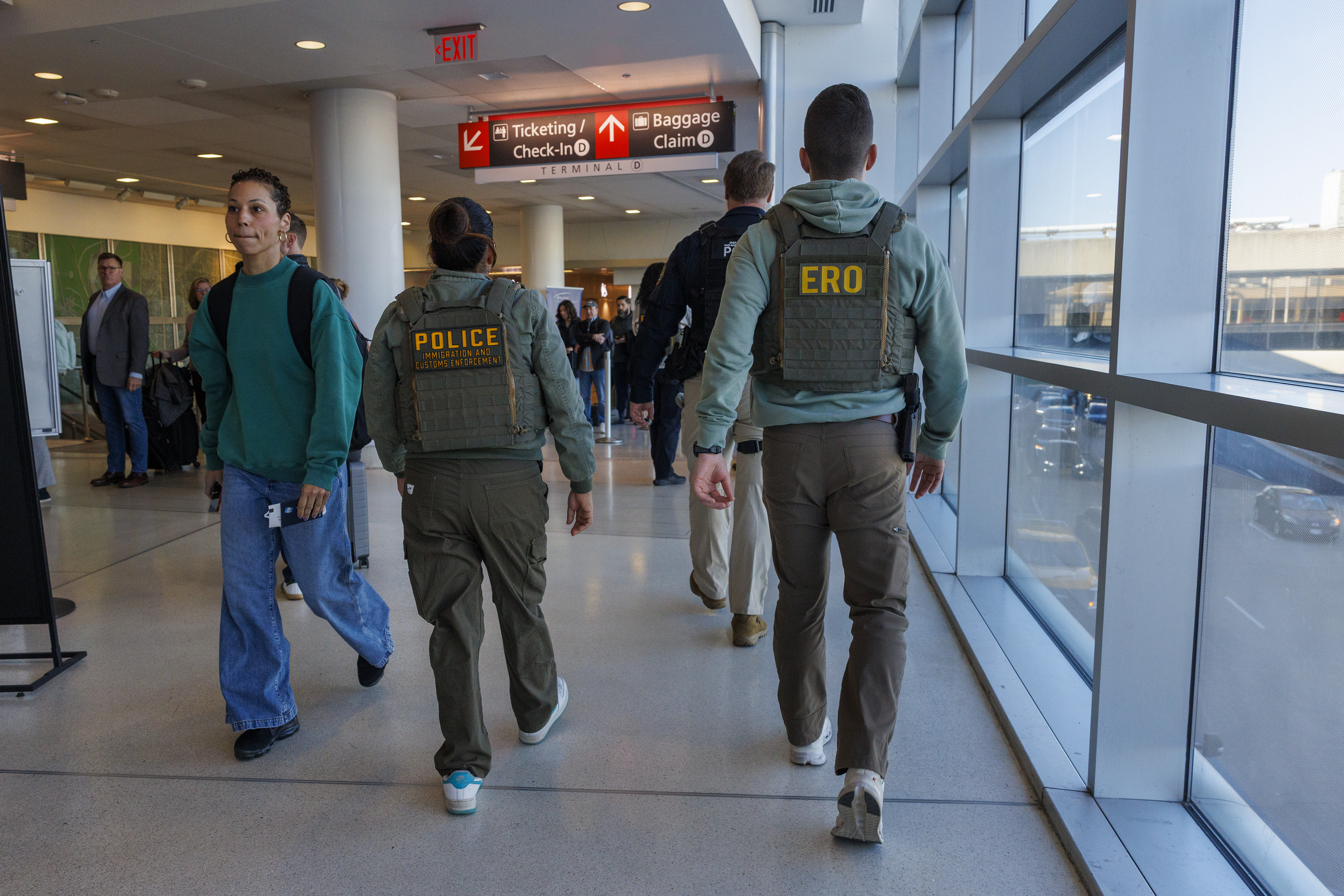
    So what happens if Immigration and Customs Enforcement shows up at your company’s door? The most important thing is to stay calm, professional, and cooperative but have some guardrails. And the first thing to know is that there’s a difference between an I-9 audit and a raid.

    “An I-9 audit, sometimes called a ‘silent raid,’ begins with a Notice of Inspection,” Kaufmann said. “By regulation, ICE must give the employer at least three business days to produce the Forms I-9 and related documents.”

    A raid, or unannounced worksite enforcement action, Kaufmann said, “usually involves a judicial search warrant. There is no advance notice.”

    Kaufmann advises his clients to designate one or two people in advance to handle any ICE interaction, preferably the company owner or a senior manager. Requesting and verifying each agent’s identification card is also important.

    When ICE agents arrive, employers should ask the purpose of their visit and then document all interactions either in writing or video in case questions later arise about what the agents requested, where they went, or what was produced, said Nadine C. Atkinson-Flowers, a Philadelphia-based attorney with experience in U.S. and Jamaican immigration law.

    “If things get testy, try to de-escalate tensions so that you and your employees are safe,” she said. “Don’t become hostile. Don’t refuse lawful orders like a request to see compliance documents. Don’t allow ICE to go through private spaces.”

    Palladino also warned against giving ICE access to nonpublic areas. “Employers should always ask to see a warrant and review it to determine which part of their premises ICE can examine,” he said.

    Gold also recommends understanding the different types of warrants.

    “A judicial warrant is signed by a judge and lets agents into the areas it lists,” he said. ”An administrative warrant is signed by an ICE officer, and it does not reach your nonpublic areas without your consent.”

    If ICE presses in their search, Gold recommends telling them that you are not consenting and documenting that, too.

    “Then, call your attorney,” he said.

    Palladino is urging his clients to prepare.

    “It’s clear that DHS intends to dramatically increase the number of audits moving forward,” Palladino said. “We’re telling our clients to get ready now. Businesses can be fined for both technical and substantive violations.”

  • Manayunk is embarking on another new era after decades of evolution

    Manayunk is embarking on another new era after decades of evolution

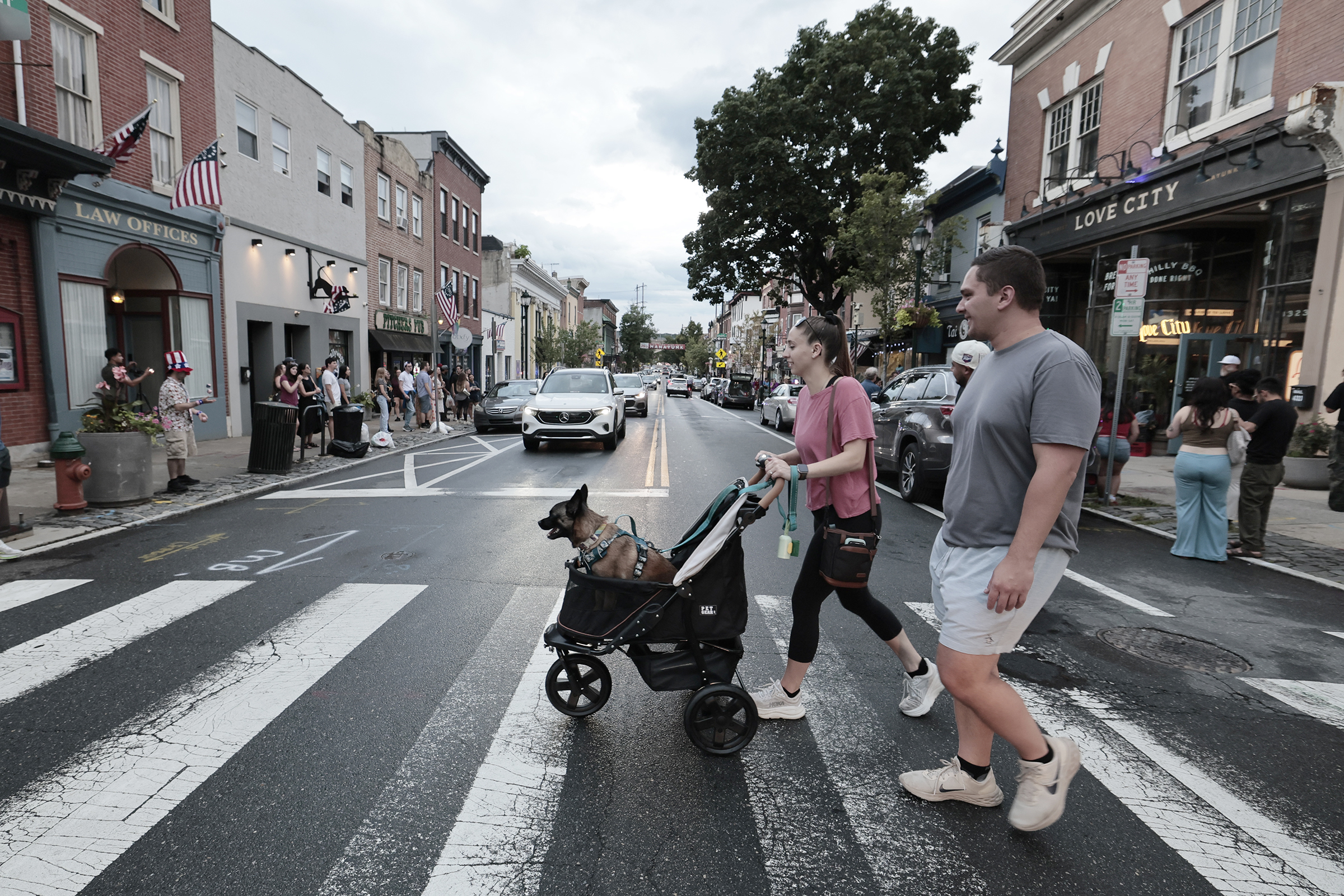
    On the last Thursday of July, during Manayunk’s summertime Stroll After Hours event, throngs of young families pushing strollers and couples walking dogs roamed the business corridor.

    Some stopped at art vendors with frames sprawled across the sidewalk, while others meandered down Grape Street to grab a bite from a food truck or claim a seat at the outdoor screening of Toy Story.

    On such an evening, Main Street Manayunk’s evolution is on full display.

    The riverside neighborhood in Northwest Philadelphia has seen many eras, from textile mills in the 19th century to chain retailers in the 1990s, to today’s collection of local upstarts.

    “It’s the best it’s ever been,” said Jen Wankoff, 51, of Roxborough, who turned out to Stroll After Hours with her friend, Jen Filip, 50.

    “It used to be a lot more commercial. There was a Banana Republic, a Pottery Barn, but then once one left, they all left,” said Filip, who has lived in Roxborough since the early 2000s. “Now it’s all small businesses.”

    More changes are coming to Manayunk. Even as apartment development has slowed in much of Philadelphia, over 1,800 new residential units are proposed along or adjacent to Main Street. All that additional population stokes neighborhood anxiety about traffic and parking, but retailers expect it will be good for business.

    Kim Albanowski of Philadelphia pushes her dog, Koda, across Main Street in “his chariot” as Jason Pepin looks on.Elizabeth Robertson / Staff Photographer

    “There’s probably going to be 1,600 new people living in those units, and they’re all going to come to Main Street to shop and eat,” said Dan Neducsin, 83, who has long been the largest property owner on Main Street and helped shape the identity of the corridor.

    “The restaurant scene has been strong [since the 1990s], and now I think it’s even going to get stronger,” said Neducsin, who has sold 12 of his properties in recent years to long-term tenants and small-business owners like Tim Spinner, owner of Taqueria Amor.

    “I just want to see the people who I have in there now do well, and my tenants have welcomed the opportunity,” said Neducsin, who emphasized that his company is not closing or selling all its holdings. But “it does make sense now for some new people to come in and take advantage of what’s here.”

    Manayunk’s Main Street appeal

    In the past two years, 12 new businesses opened along Main Street.

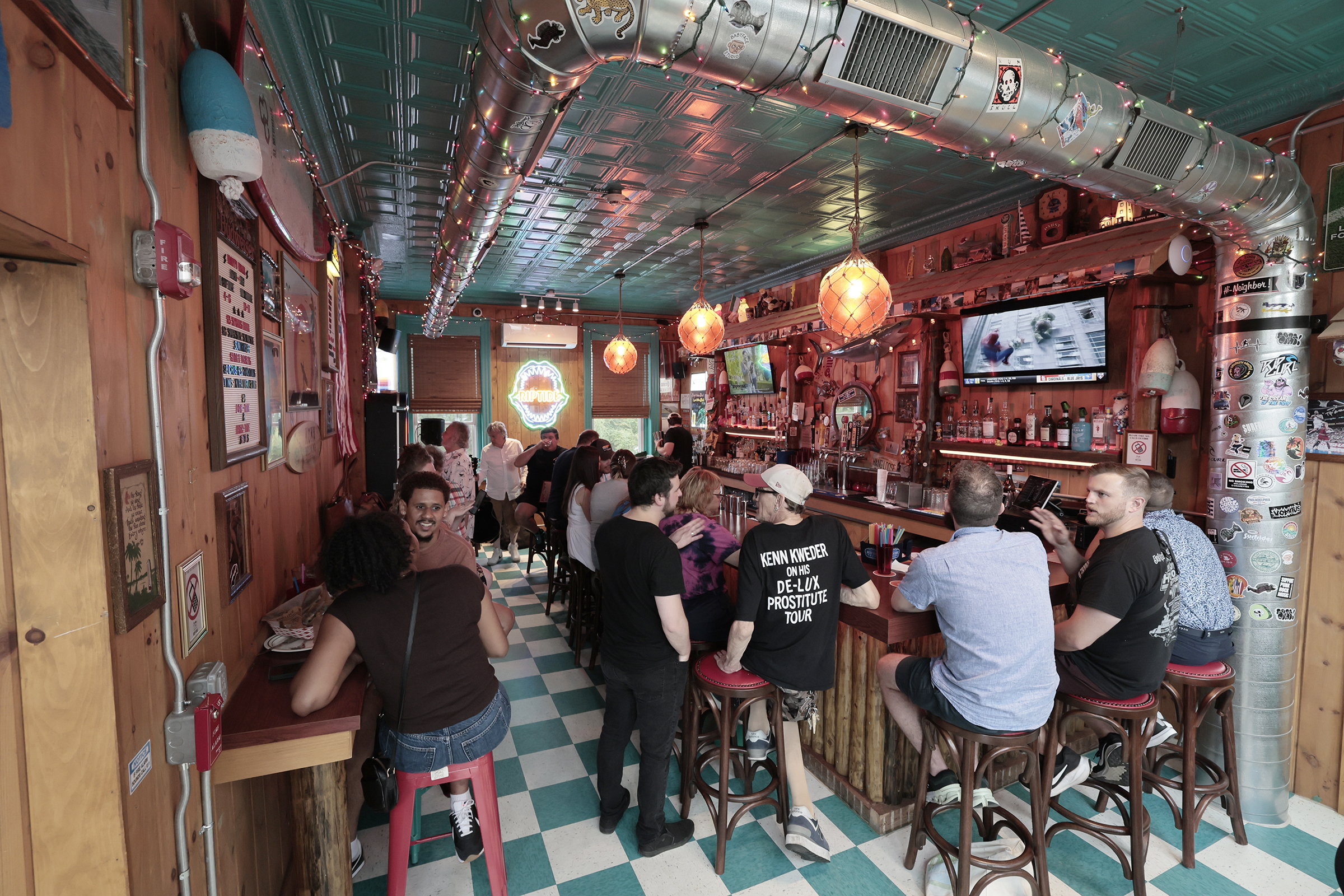
    One of them is Riptide Tavern, opened in June by Spinner, who also owns Taqueria Amor next door.

    Spinner said he wanted to open a neighborhood bar with creative cocktails and a cheap beer menu — much like a dream restaurant he conceived for a culinary school project years ago.

    “I wanted to be in the Caribbean or down the Shore, but along the Schuylkill River with the canal back there is close enough,” Spinner said.

    The Riptide Tavern in Manayunk is packed on a Thursday during Stroll After Hours.Elizabeth Robertson / Staff Photographer

    Eleanor’s Consignment is set to open on Main Street in October. Owner Emily Mannix, a former paralegal who has lived in Manayunk for two years, named the consignment store after her late mother, who died in 2023. They shared a love of secondhand-shopping.

    “This has been something that has been on my mind for the past four years,” Mannix said. “Life is short, and I might as well jump in and try.”

    It’s not a bad place to do that. Realtor Christine Ertz notes that while rent is not low, it’s more affordable than in areas like South Street and Queen Village.

    “Manayunk has the demographic businesses want,” said Ertz. “It has the younger folks, but also the more mature folks that have expendable income, and we’ve got the 27-to-35-year-olds that really enjoy the niche, smaller stores.”

    The apartment boom in Manayunk promises to add even more. Many of the new developments have smaller units, which are likely to attract single people or younger couples. The price points of the new rentals, while lower than Center City or Northern Liberties, also suggest that tenants will have disposable income.

    Those changes haven’t been without controversy. The Manayunk Neighborhood Council has pushed back against development it deems as out of scale with the community, and that’s often lacking new commercial space, affordable housing, and parking while being weighted to small apartments.

    John Hunter, an architect and zoning chair of the Manayunk Neighborhood Council, says few of the new buildings have commercial space to add to the neighborhood’s daytime vitality. He disagrees with the idea that the apartment boom will boost local businesses.

    “We have heard that misrepresentation for years now — that new apartments will generate pedestrian traffic along Main Street,” Hunter said. “Fifteen years of those promises has proved that is not the case.”

    But some neighborhood observers see the development interest along Main Street as a concrete example of the area’s ability to attract people and investors.

    “We’re seeing a diverse group of experienced, well-regarded developers all making independent decisions to put their capital and time into Manayunk,” said Veronica Blum, a retail broker with MPN Realty who has been working with Neduscin on leasing and sales.

    “When that many smart people come to the same conclusion about a neighborhood, it says a lot,” said Blum. “It’s a real vote of confidence in Manayunk’s future, and I think we’re just beginning to see what’s possible.”

    Nervous Nikki and the Chill Pills perform during the Stroll After Hours event on July 30.Elizabeth Robertson / Staff Photographer

    The cost of staying open

    Still, the commercial corridor has seen turnover and closures.

    Pizza Jawn closed and Kismet Bagels came in its place — Pizza Jawn’s owner bought the former Manayunk Tavern down the street, which became Bar Jawn. Smiley’s closed and Blu Zone Cafe moved in; and Iron Works Fitness opened up in the former Kismet Cowork.

    A large restaurant space sat empty for months after Winnie’s closed last November. But, two Roxborough natives recently leased the space for a new “punk French” restaurant, planned to open in late fall.

    Joan Boroff Denenberg, who does marketing and retail strategy for the Manayunk Development Corp. (MDC), said a few storefronts remain empty because the property owners aren’t local and are backed up with other projects throughout the country.

    Neduscin says he isn’t struck by an unusual number of vacancies along Main Street. But maybe that’s because when he began buying properties there in the late 1980s, much of the commercial strip was vacant to the southeast of Cotton Street.

    “Anytime I saw a property that was available in Manayunk I ended up buying it because I thought if I owned enough properties, I could kind of set the direction of the street,” Neduscin said. “I got to handpick who my potential tenants would be. I tried to bring tenants that I thought would bring additional people here.”

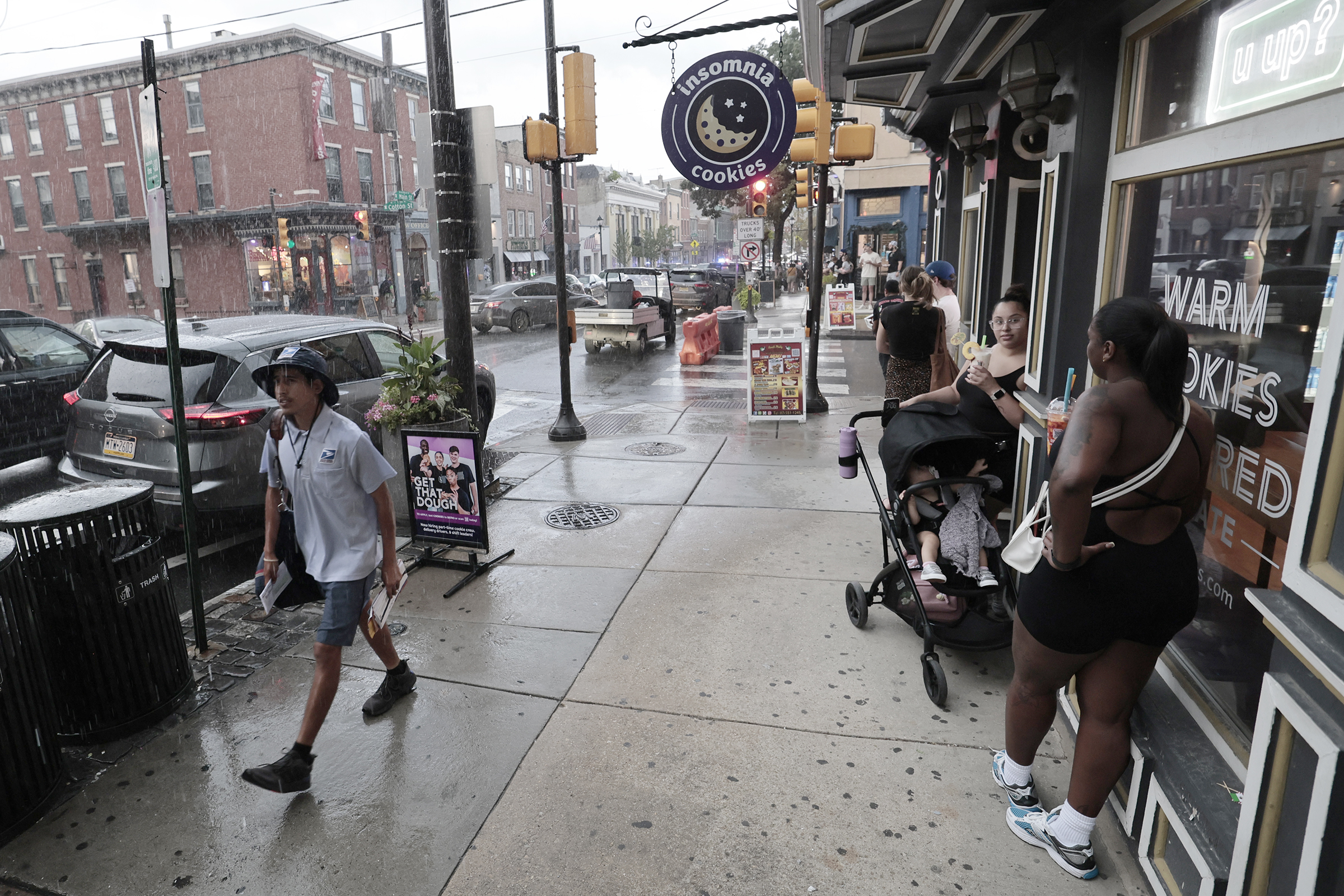
    Insomnia Cookies is one of the few remaining chains with a presence on Main Street in Manayunk.Elizabeth Robertson / Staff Photographer

    The bustle of Main Street now extends all the way down to Shurs Lane, roughly double its occupied length when he started.

    Neduscin also says he really tried to find independent entrepreneurs to lease to — “I didn’t want a McDonald’s on Main Street” — and those restaurateurs and small-business owners gave Main Street a unique identity.

    More than 30 years later, that’s why he wanted to sell some properties to one-time tenants like Spinner.

    Still, business owners say myriad challenges remain. The permitting process is notoriously slow, especially if a trip to the Zoning Board of Adjustment is necessitated. That can leave business owners paying rent without being able to open their doors as they wait for permission.

    “When it takes longer, you have to have deeper pockets, and I think that does scare some prospective businesses,” Neduscin said.

    Further, owners on Main Street face the macro challenges affecting small businesses throughout the region. Brandy Deieso, who opened the gift boutique the Little Apple in 2010, said the cost of goods has increased due to tariffs, shipping costs, and rising gas prices.

    “Being a street full of locally owned small businesses is great,” said Melissa Walter, co-owner of Love City Brewing, which just opened a second location in Manayunk. “But as we all know, running a small business is really hard.”

    Building a business community

    The bubblegum pink Cupid’s Bookshop storefront has built a following and even attracted customers from Baltimore and New York since opening last year. Now, it’s upgrading to a bigger location on Main Street.

    “The growth we’ve had, it’s been amazing,” said owner Tina Long.

    Cupid’s capitalized on the insatiable demand for bodice rippers and love stories, and Long says the bookshop benefited immensely from the MDC’s incubator program. Cupid’s was the first participant.

    The program allowed Long to lease a storefront at 106 Grape St., owned by the business association, for a below-market monthly rent of $1,000 for up to three years, and the MDC provided guidance and support. With her new storefront opening in August and a five-year lease, she’s graduating from the incubator space early.

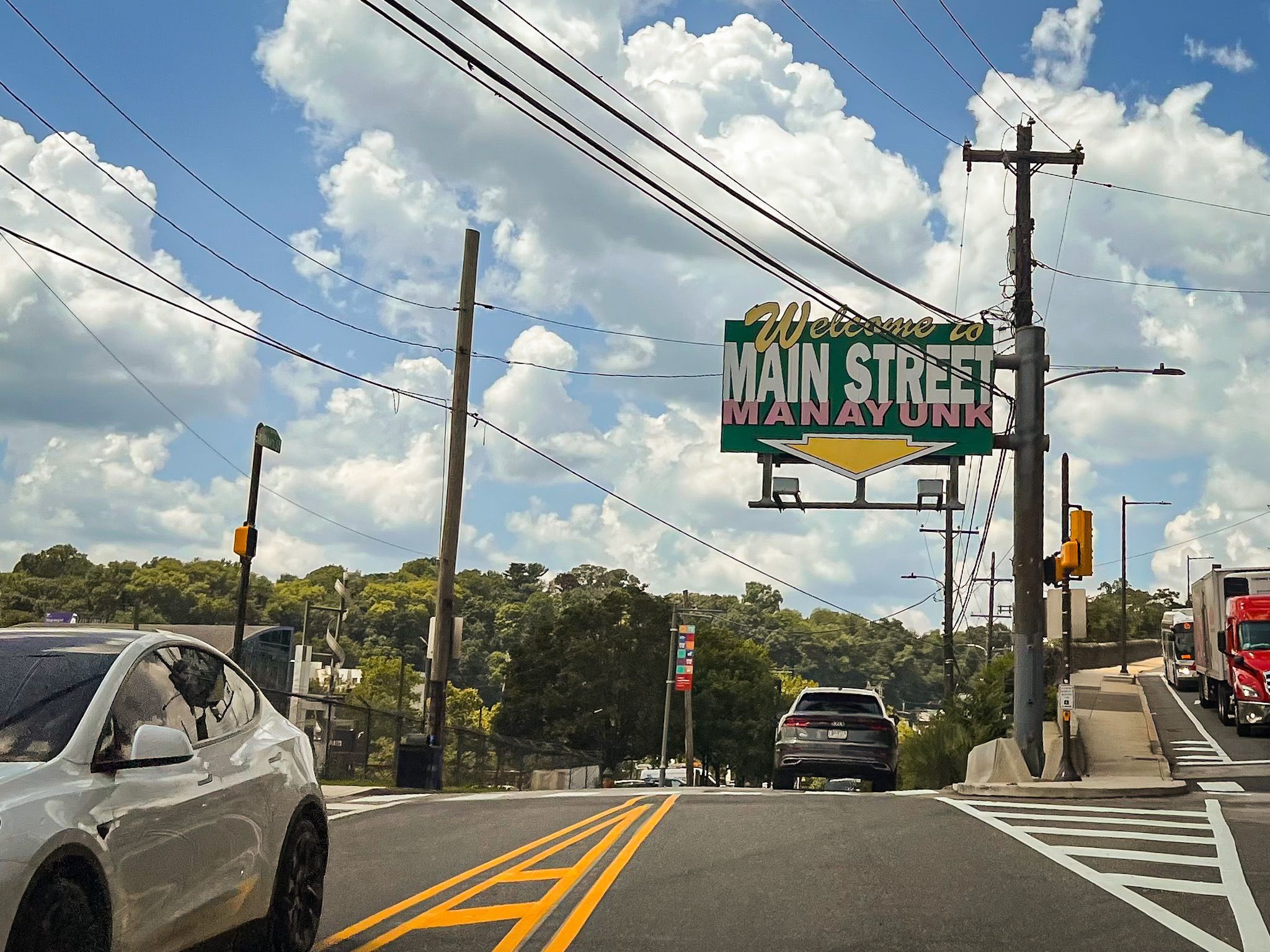
    The “Welcome to Main Street” sign hangs over Main Street at Ridge Avenue in Manayunk.Michael Klein / Staff

    “We loved the idea, but it turned out beyond our wildest dreams,” MDC executive director Gwen Mccauley said. “She’s now becoming part of the fabric of our district.”

    Baby Face Studio also ended up on Main Street in part because of the MDC.

    Artist and owner Kim Canefield in 2022 applied for the MDC’s emerging artist tent at the Manayunk Arts Festival, where she could set up shop for $100 instead of operating a $500 tent on Main Street. The festival draws over 300 artists and 150,000 visitors each June, McCauley said.

    She set up a full-time vendor tent at the next three Arts Festivals. Each time, she was stationed in front of an art gallery, not knowing that the same space would eventually become Baby Face Studio.

    “I just kept looking at it, and peeking through the window,” Canefield said. “The whole time I was staring at the future of what the studio was going to be.”

    Love City Brewing already has a foothold in Callowhill, but saw Manayunk as a place to grow. Its second spot opened in the former Fat Lady Brewing. When searching for a new location, co-owner Walter was attracted to Main Street’s critical mass of small, independent businesses.

    “Seeing them succeed, we thought: ‘Oh, we’re a small, local Philly business too,’” Walter said. “We can make it work there.”

  • How local contractors and construction companies are leaning into AI | Expert opinion

    How local contractors and construction companies are leaning into AI | Expert opinion

    Painters? Windows installers? Flooring specialists?

    These may not be the first people that come to mind when you think of AI. But many local companies in construction and contracting are struggling with a very tight labor supply and higher costs, so every dollar they save through automation can make a big difference.

    This is why AI is producing a measurable business impact for approximately 38% of contractors, according to a 2026 survey of 1,000 companies by field service management software company ServiceTitan. That’s up from just 17% in 2025.

    Takeoffs

    Construction professionals know how important it is to get their estimates right. AI is quickly becoming integral to the process, beginning with the initial “takeoff” phase.

    A takeoff is the process of reviewing construction plans to identify and measure the materials, surfaces, and fixtures needed to prepare an accurate project estimate or bid. AI is helping to improve speed and accuracy during this process.

    AI is used in construction applications like Togai, Stack and On Center to read specification sheets, analyze photos, flag revisions, verify measurements and then set up estimates, produce reports, and recommend construction documents.

    “When we receive a set of drawings, our team will upload the plans into our AI takeoff platform, which automatically identifies walls, ceilings, substrates, finish areas, and other relevant surfaces for painting or wall covering,” said James Geisel, a project manager at Philadelphia-based Hispanic Ventures, which does painting and wall covering. The AI tool “calculates square footage, linear footage, and quantities with a very high accuracy rate.”

    AI does the “time-consuming measurement work,” Geisel said, while his estimators still apply their judgment to labor pricing, logistics, risk, and competitiveness.

    Commercial flooring contractor Seamless Flooring Systems in Somerdale, Camden County, also relies heavily on AI for project takeoffs, said president Chris McDermott.

    “It has really streamlined our production rate and has eliminated a ton of human error,” he said.

    Estimating and bidding

    In construction, after a takeoff comes estimating and bidding.

    Applications like Procore, Autodesk, and Stack can advise an estimator on square footage and linear footage, material quantities, and cost-related inputs to draw up project estimates and determine pricing and bid preparation.

    An application like this is “essential,” said Matt Biedekapp, a sales manager with Pella Windows & Doors in Scranton. It’s used when bidding on both residential and commercial construction projects because it helps with measurements, cost analysis, and timing of installation.

    On the residential side, Biedekapp said his company uses AI tools to help with window measurements and hard-to-reach places, as well as overall quality assurance. For commercial customers with very large plans, they use AI software to identify, filter, and tag windows and doors for better accuracy and efficiency.

    “Along with quickly getting window counts, we can also provide more accurate material lists using built-in formulas or even creating our own formulas,” he said. “Our AI-assisted measurements provide another layer of quality assurance and help us reduce remeasuring or reordering of materials, which can be costly.”

    Geisel said AI also helps his team create standardized cost assemblies and recognize patterns from previous jobs.

    “It recommends labor or material benchmarks based on similar projects,” he said. “It allows us to provide tighter, more accurate bids with less administrative work.”

    Office automation

    Like many of my clients, all three construction companies said they’re using AI in the office to help draft emails and proposals, summarize long email threads, prepare responses to requests for information, produce scope letters, and turn estimating data into professional reports.

    Geisel said his team uses Microsoft Copilot.

    “Copilot also helps turn raw estimating data into clean, professional reports that can be sent to clients,” Geisel said. “Instead of spending an hour formatting a scope breakdown or executive summary, you can generate a polished version in minutes and then refine it to your needs.”

    Reporting and analysis

    After projects are completed, companies can use AI to analyze and report on job performance in comparison to the estimates and evaluate overall profitability.

    “Thanks to AI, we have been able to reduce our ‘recoveries’ significantly, which in our industry boils down to time,” Biedekapp said. “It helps us save the time spent to remeasure, reorder windows, parts, pieces, as well as the time spent tying up our project coordinators and carpenters.”

    That translates to money saved too, he said, “but as a small business, the time is most valuable.”

    As for staffing, McDermott said AI won’t be replacing any employees. But it will allow them to work better. “It will just give them a way to redirect their skills to strengthen on a different task and be more productive.”

  • Jhoan Duran’s walkout, the Phillies pitch clock, and the scoreboard are sponsored. Why local companies invest in the ads.

    Jhoan Duran’s walkout, the Phillies pitch clock, and the scoreboard are sponsored. Why local companies invest in the ads.

    After Jhoan Duran was traded to the Phillies last summer, Robert Miller learned some fans were complaining that the closer’s “Durantula” walk-out wasn’t going to be shown on every broadcast.

    For Miller, managing partner at Wapner Newman law firm, it sparked an idea.

    He connected with NBC Sports Philadelphia and made his pitch: Wapner Newman could pay to sponsor the closer’s walk-out and get the firm’s branding on a viral moment. And fans at home would be able to experience Duran’s intro — complete with images of spiders crawling through fire on the outfield walls — during every home game.

    The lawyers figured “it’d be a fun thing for everybody that’s watching the game,” Miller recalled during a recent interview in his Center City office. And “we can help make this happen.”

    A deal was inked, with terms Miller declined to disclose, and for nearly a year, Wapner Newman has enjoyed greater name recognition.

    Potential clients sometimes mention the ads when they call the firm, Miller said, and occasionally, strangers on the street recognize him from the company’s midgame commercials. Miller said he is most heartened by the fact that more Philly fans now know about the personal-injury firm if they ever need legal help.

    Robert Miller, managing partner at Wapner Newman, appears in the law firm’s ads that run on NBC Sports Philadelphia during Phillies games.Courtesy Wapner Newman

    Brands “want moments of exclusivity, and that was the highest-profile opportunity,” said Bo Koelle, vice president of sales for NBCUniversal Local, which includes NBC Sports Philadelphia. “Everybody’s looking at when [Duran] is coming out” — and seeing Wapner Newman’s name on the screen next to him.

    The Phillies own 25% of NBC Sports Philadelphia, with NBC’s parent company, Comcast, owning the rest. But the Phillies and the regional sports network do not share all advertising partners.

    For dozens of local companies, advertising with the Phillies at Citizens Bank Park or with NBC Sports Philadelphia provides almost-unparalleled visibility in a rabid sports town like Philadelphia.

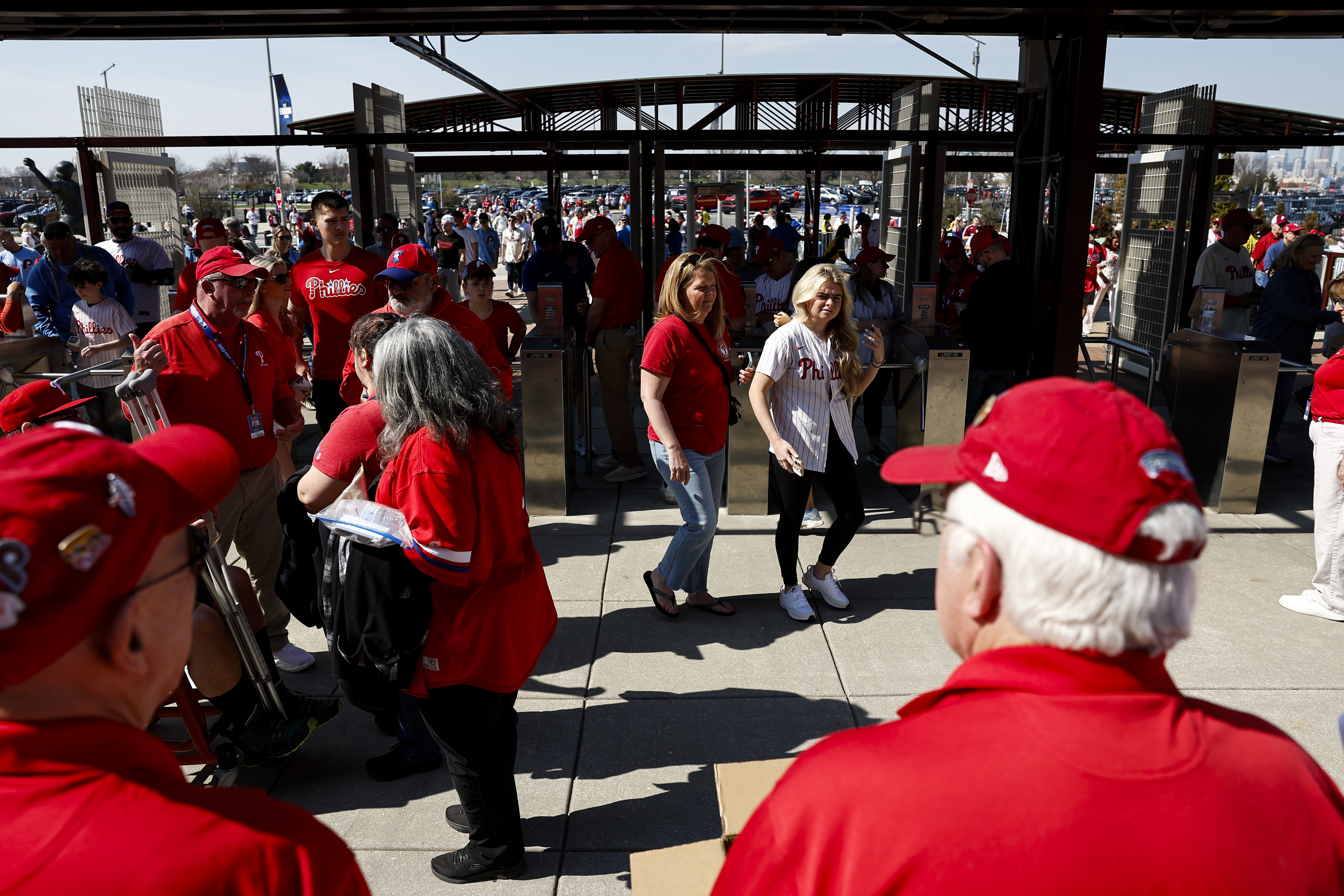
    Phillies fans arrive at Citizens Bank Park for opening day in March.Monica Herndon / Staff Photographer

    So how much does this visibility cost? Anywhere from $100,000 to several million dollars, according to executives from the Phillies and NBC Sports Philadelphia.

    That range includes advertising in the ballpark, on social media, or on TV, where hundreds of thousands of fans tune into each game. All Phillies sponsors with whom The Inquirer spoke declined to discuss how much they paid for their advertisements, citing the terms of their contracts.

    This year, in-stadium ad visibility was even higher because Philly hosted the All-Star Game, which drew more than 8.7 million viewers nationwide.

    The MLB All-Star Game at Citizens Bank Park drew 8.7 million viewers.Yong Kim / Staff Photographer

    But even in a normal year, the Phillies play many more home games than the city’s other pro sports teams.

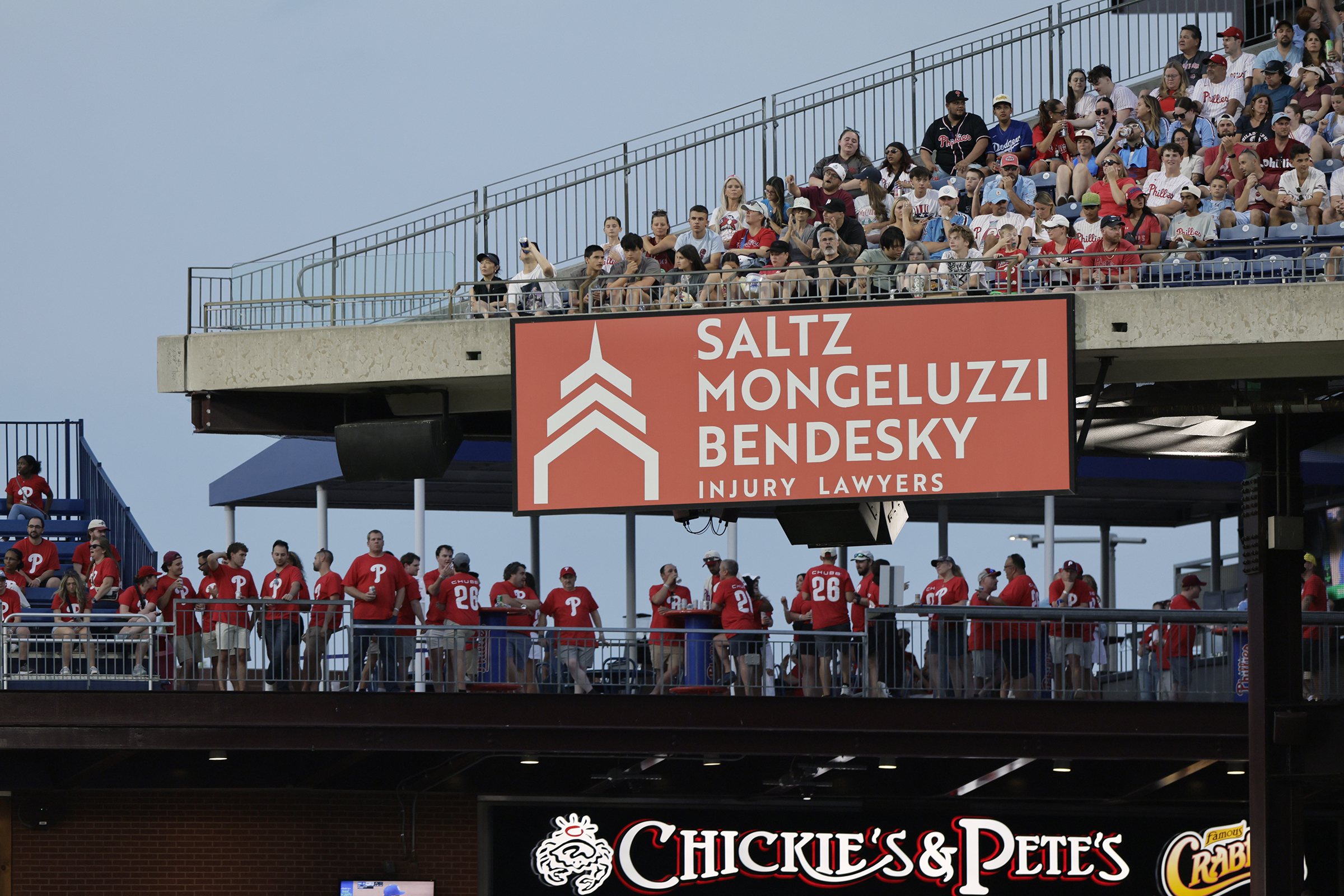
    “We’ve concentrated on the Phillies because they have 81 home games and for our in-park advertising we thought we’d rather be seen more frequently,” said Bob Mongeluzzi, founding partner at Saltz Mongeluzzi Bendesky, which has several stadium ads including at the top of the scoreboard.

    “I don’t think someone particularly chose us over any other lawyer just because we had an ad on the scoreboard,” Mongeluzzi said, “but it clearly reinforces our brand and keeps our name out there.”

    Another Saltz Mongeluzzi Bendesky ad is pictured in right field at a July game.Elizabeth Robertson / Staff Photographer

    Unique Phillies sponsorships drive revenue

    Each season, the Phillies have between 75 and 100 sponsors who advertise everywhere — the ballpark’s giant scoreboard, the outfield walls, the premium seating sections — according to Brian Fling, the Phillies’ vice president of corporate partnerships. He said ad sponsors serve as a major revenue driver, supporting player payroll and ballpark upgrades.

    “From Citizens [Bank] with their name on the building to Independence Blue Cross with their logo on the Phillies uniform, we work with a wide variety of companies looking to stand out in the Greater Philadelphia area,” Fling said in a statement.

    The blue Independence Blue Cross (IBX) sponsorship patch is seen on the arm of Kyle Schwarber during a June game.Yong Kim / Staff Photographer

    One recent ad deal stood out due to controversy. In March, Eileen Kalas, widow of legendary Phillies broadcaster Harry Kalas, said the organization “betrayed” her husband by selling the naming rights of Harry The K’s to Ghost Energy. The eatery under the scoreboard had been named for her husband since the ballpark opened in 2004.

    At the time, Ghost Energy founder and West Chester native Ryan Hughes responded to fan criticism, saying, “We’re hoping to bring some new energy to the space while also never forgetting Harry Kalas and the legacy that he left.”

    Ghost Energy did not return a request for comment for this article.

    Fans at the Ghost Energy Deck, formerly Harry The K’s, during a March Phillies gameYong Kim / Staff Photographer

    Whether a Phillies advertiser is a longtime sponsor dating to the Veterans Stadium days or a newer partner, they “align with the team’s goal — championship-level baseball in a first-class ballpark where everyone feels welcome,” Fling said.

    Some advertisements are tailored.

    Doc Bresler’s Cavity Busters, a Philly-area chain of pediatric dental practices, has sponsored the ballpark’s “smile cam” and a nursing mothers’ lounge.

    An ad for Doc Bresler’s Cavity Busters and the Xfinity pitch speed clock light up the ballpark behind Phillies closer Jhoan Duran.Elizabeth Robertson / Staff Photographer

    King Swings, a Chester County swing set and playhouse company, recently built a playground for pint-sized fans inside the first-base gate.

    Comcast, the Center City-based telecom giant and Phillies sponsor since 2010, is behind the digital Xfinity Mobile pitch speed clock in the ballpark.

    “Pitch speed is one of the most closely watched real-time statistics in baseball, making it a strong fit for Xfinity’s focus on delivering fast, reliable connectivity for our customers,” Matt Lederer, Comcast’s vice president of brand partnership, said in a statement.

    Executives with several Phillies advertisers said the goal is not necessarily to gain customers on the spot. Instead, they said, they want to increase brand awareness and get fans to associate their company with a beloved hometown franchise.

    Some have seen tangible signs that this is happening. Philadelphia Insurance recorded a nearly 50% increase in website traffic since it started sponsoring the premium seating club, formerly known as the diamond club, earlier this season, said Brian O’Reilly, chief marketing officer for Philadelphia Insurance Cos. (PHLY).

    As part of the partnership, the company’s name and Liberty Bell logo are emblazoned on the blue headrests behind home plate.

    “It was amazing how many people texted and called me and said, ‘I saw Philadelphia Insurance during the Home Run Derby or All-Star Game,’” O’Reilly said.

    The headrests in the Philadelphia Insurance Club behind home plate bear the company’s logo and the name of its website. Elizabeth Robertson / Staff Photographer

    Philly sports ads create consumer ‘trust’

    Some Philly companies sponsor multiple local pro teams.

    Independence Blue Cross (IBX), the locally based health insurer, has been advertising with the Phillies for decades and has partnerships with all of the city’s major pro sports teams, many of the college teams, and NBC Sports Philadelphia, said IBX chief marketing officer Koleen Cavanaugh.

    In addition to advertising, this also gets IBX the ability to host events at stadiums, offer ticket and merchandise discounts to IBX members, and collaborate on philanthropic partnerships, such as a back-to-school supply drive with the Jesús Luzardo Family Foundation last week.

    Other Phillies sponsors are considering expanding their sports advertising portfolio, especially with the recent news of superstar LeBron James coming to the Sixers.

    The team “already reached out to us about season tickets and advertising,” said O’Reilly, of Philadelphia Insurance. “We were doing some business with them anyway, but maybe we’ll even do some more.”

    At NBC Sports Philadelphia, conversations about Sixers ad partnerships are now underway, earlier than usual, Koelle said. As soon as James news broke, the value of Sixers TV ads increased exponentially, Koelle said.

    Comcast, NBC Sports Philadelphia’s parent company, has a minority ownership stake in the Sixers, and recently acquired the naming rights of the team’s home stadium, now called Xfinity Mobile Arena.

    A challenge for the sports network now, Koelle said: Remaining loyal to companies who’ve sponsored Sixers broadcasts since the team’s rebuilding years — and not jack up those partners’ advertising rates.

    ”But for those that are new, they’ll certainly have to pay the new value,” Koelle said.

    Usually, it’s not hard to convince local companies of the value of advertising with any Philly team, he said.

    “If [advertisers] want to truly reach people — and reach them in a pipeline that is direct and meaningful — it’s professional sports in Philadelphia,” Koelle said. “If you want people to trust your brand immediately, it’s a great way of doing it.”

  • Kepple’s Carpet Inc., a family-owned company in Camden County, has filed for bankruptcy

    Kepple’s Carpet Inc., a family-owned company in Camden County, has filed for bankruptcy

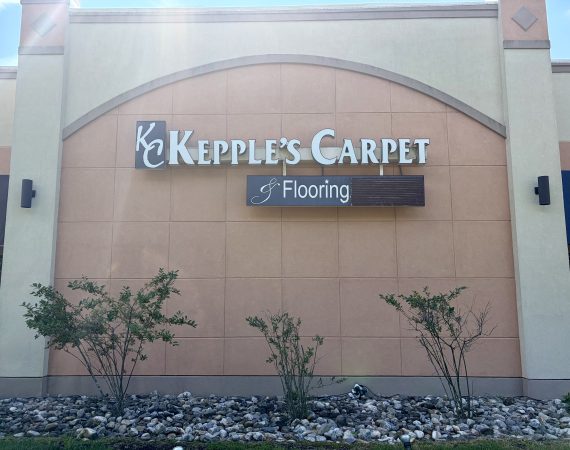
    Family-owned Kepple’s Carpet Inc., which has served the South Jersey region for more than 30 years, has filed for Chapter 11 bankruptcy protection.

    The West Berlin-based company reported less than $50,000 in assets in its bankruptcy petition filed on July 22. The company could owe up to $500,000 in unsecured creditor claims, the filing shows.

    Some of Kepple’s largest outstanding debts include $138,000 across three financing firms, more than $60,000 in state taxes, and over $50,000 owed to Comcast Business, the filing shows.

    The company also owes its landlord $29,000 for their sprawling Cushman Avenue showroom featuring floor-to-ceiling carpet and flooring samples.

    Chapter 11 allows the company to continue operating under court supervision while it restructures its finances and develops a plan to repay the debt over time.

    Neither Kepple’s Carpet nor the company’s bankruptcy attorney returned multiple requests for comment. The large showroom was open for browsing Tuesday morning as signs indicated staff were away on a consultation.

    Kepple’s filing comes as the American flooring industry grapples with inflation and tariffs.

    About 70 independent flooring retailers closed their doors in 2025, industry publication Floor Focus reports.

    After tariffs were put in place early last year, prices of imported goods rose by about 6.2% relative to the levels predicted by pre-tariff trends, and domestic goods increased by 3.6% between March and October, according to research from the Harvard Business School Pricing Lab.

    The price of carpets and other floor coverings increased the most of any industry, data showed, with prices surging by as much as 54.6% for imports.

  • Employers are grappling with their cannabis policies | Expert opinion

    Employers are grappling with their cannabis policies | Expert opinion

    Cannabis is seemingly everywhere. Is it in the workplace?

    More than 64 million Americans over the age of 12 used marijuana in 2024, a 19% increase since 2021, according to a recent report from the U.S. Department of Health. And while cannabis is restricted to medical use in Pennsylvania, customers can now easily purchase these products over the bridge at more than 300 shops in New Jersey, where state law allows recreational use.

    Currently, cannabis is classified as a Schedule I controlled substance by the federal government. But an active effort to move it to the less restricted Schedule III classification is underway. If that happens, cannabis use will likely become even more common.

    All of this is having an impact on employers’ drug policies. Given its widespread use, and predicted growth in popularity, should cannabis be included in the testing and screening of employees at all?

    Should employment drug screens include cannabis?

    Some experts, like Marissa Mastroianni, an employment attorney at Cole Schotz in Hackensack, think not.

    “In most cases I recommend clients drop cannabis from their testing and screening in light of the employment protections being passed for cannabis users across the country and particularly New Jersey,” she said.

    New Jersey’s Cannabis Regulatory, Enforcement Assistance, and Marketplace Modernization (CREAMM) Act passed in 2021 and provides employment protections for workers as a result of the state’s legalization of adult-use cannabis.

    “I see many employers simply dropping cannabis from their standard drug testing panels unless federal law, industry rules, or a safety-sensitive job requires it,” Mastroianni said. One of the big reasons, she points out, is that cannabis, unlike alcohol, can remain in your bloodstream for many days after it’s been consumed.

    “In both Pennsylvania and New Jersey, the old blanket zero-tolerance approach just doesn’t work anymore,” she said. “The focus has shifted — it is no longer about whether someone uses cannabis at all, but whether they are actually impaired at work.”

    A changing process for drug testing

    Drug testing, depending on the company and its industry, is still very common, and for good reason. But the process is changing.

    “Reasonable-suspicion testing, where a supervisor sees actual signs of impairment, is really the most defensible and practical approach right now,” said Mastroianni. ”Random testing is best saved for safety-sensitive positions or jobs where federal regulations require it, like Department of Transportation-regulated roles.”

    Employers must be careful when requiring testing, said Marjorie Obod, co-chair of the labor and employment practice at Philadelphia law firm Dilworth Paxson.

    “Because Pennsylvania recognizes medical marijuana, it prohibits employers from discriminating against somebody based on its use,” she said. Occupational Health and Safety Administration (OSHA) rules say employers “can’t just go drug test everybody.”

    So, Obod said, “if there’s an incident, you’ve got to have some proof that the drug abuse had something to do with the incident.”

    To minimize potential discrepancies, Obod recommends that a company’s screening and testing policies include “at least two people, not just one person claiming that the person needs to get tested.”

    Reporting incidents

    A good policy must also address how to handle drug-related incidents. I learned this recently when visiting a manufacturing client, where one employee arrived at work under the influence of opiates and had a violent reaction on the factory floor. Luckily, the client had a medical kit on hand that included the drug Narcan.

    The employee was ultimately fine. My client, having seen this before, had a strict protocol. He said keeping medical supplies handy and providing training for all workers on how to identify and address a potential substance-abuse issue has been important.

    “All employees should be on the lookout for suspected drug or alcohol impairments,” Mastroianni said. “When an incident occurs it should be documented in writing with all reports going to a designated point of contact — like an HR professional or safety officer — and grounded in what someone actually observed like slurred speech, or unsteady body movements.”

    Obod said it’s important to have “a clear, written reporting protocol” so employees can flag suspected impairment without worrying about retaliation.

    “If there’s an incident, you’ve got to have some proof that the drug abuse had something to do with the incident,” she said.

    Your cannabis policy is your policy

    Some businesses, particularly those that handle hazardous materials or are engaged in higher-risk work, will create drug policies in keeping with stringent regulatory rules.

    But for the most part, as long as you’re in compliance with both federal law and state laws, which differ in Pennsylvania or New Jersey, you’ll be free to determine the extent of cannabis testing and screening requirements you want to include. Considering the changing complexity of this issue, it’s critical to have an expert, such as an HR professional or employment attorney, perform regular reviews of your company’s drug policies.

    “You have OSHA, you have the Americans With Disabilities Act, you have privacy issues, you have governmental, federal law, state, you have all of these things,” said Obod. “If you’re not talking to a lawyer, you may not recognize that your drug policies are not in compliance.”