Category: Business

  • The colonial policing roots of today’s data politics

    The colonial policing roots of today’s data politics

    Data is at the top of everyone’s mind this year: how it’s collected, where it’s stored, who can access it and how it’s used.

    The Electronic Frontier Foundation, a data rights NGO, warns in a new report that law enforcement agencies have been partnering with tech companies to collect large swaths of data on private citizens without warrants under the guise of “fighting crime” or “reducing lawlessness.” Police have been using facial recognition software, audio recording devices, automatic license-plate readers and other “dragnet” technologies to aggregate huge databases on the habits of everyday Americans.

    Watchdog organizations like the ACLU have sounded the alarm that these databases have already been weaponized against the public by organizations such as U.S. Immigration and Customs Enforcement and the U.S. Department of Homeland Security.

    One might be tempted to conclude that this is unprecedented, an outgrowth of the panopticism of the Information Age. But debates about privacy, free speech and data governance have been ongoing for centuries. These debates were especially fraught in the colonial context, where individual rights, national security and public interest were often in conflict.

    The British first established police forces in India in the late 1800s, after nearly two centuries of bloody succession conflicts. In 1857, a great rebellion almost dislodged the British from the subcontinent entirely. Initially disgruntled Indian East India Company soldiers led the rebellion against their white commanding officers in a mutiny. However, the conflict quickly spread across the subcontinent, uniting competing segments of Indian society against the British establishment. Though this rebellion didn’t succeed, it left a lasting political and psychological impact. British accounts describe a sense of helpless horror, a feeling for the first time that their place in the world was no longer secure.

    The British establishment in India believed that the rebellion occurred due to a failure of British intelligence. They had erred by trusting their Indian allies and intermediaries too freely and missed obvious rumblings of disorder. The crown took direct control of India from the East India Company and began to build a new system of governance from scratch.

    The British Raj established its first official police departments in India in 1859, modeled on the Royal Irish Constabulary. The police understood that their job was to maintain order rather than to serve the public. Most departments’ first project was to assemble official statistics and compile them into annual reports. This data, aggregated and synthesized, became the lifeblood of the Empire.

    Nowhere was this development more apparent than in the use of crime statistics. In the 1860s police forces in Northern India reported a supposed explosion in crime, perpetrated by wandering gangs, “criminal tribes” who were criminals by birth. Unlike the “ordinary” criminals of Europe who fell into crime by chance, the criminals of India were born into their “professions.”

    Officials felt that by bringing quantitative data to policing — counting and tracking crimes, where they occurred, and who committed them — allowed them to more fairly and effectively allocate resources. In truth, though, police and other officials used data to reinforce existing biases, arguing that the numbers showed that race, caste and other “biological traits” could be used to predict criminality. Hyper-policing of certain populations produced even more data “proving” that these populations committed more crimes. This decontextualized data gave the government the veneer of objectivity, while serving as the basis for many harmful and discriminatory policies.

    In 1871, the legislative assemblies of three provinces passed the Criminal Tribes Act into law. The Act defined a “criminal tribe” as a “wandering gang, community, or group of persons addicted to the commission of non-bailable offences,” a definition that targeted groups already socially disadvantaged by the caste system.

    In truth, “criminal tribes” as described by British administrators probably never existed. Instead, nomadic and semi-nomadic merchants or artisans, groups of religious mendicants, highway men (usually unemployed former soldiers), pastoralists and any other group who did not fit were all folded into the “criminal tribe” label. Unlike settled agriculturists within the dominant caste order, these groups were difficult to control due to their mobility and lack of social or economic capital. Under the law, they were criminalized and subject to extremely intrusive regimes of surveillance. The police tracked the most minute details of the lives of targeted groups: their fingerprints, their bodily measurements, their habits and their preferences.

    The impact of the state’s surveillance campaigns was that these communities lived in a state of hypervisibility. Communities complained that they were unable to live, work or travel without being disproportionately targeted by police. The increase in police interactions eventually led to a corresponding increase in arrests—which, in turn, was used to justify further surveillance and policing.

    One police officer recounted in the early 1900s that he recommended a whole nomadic community be criminalized under the Act and forcibly settled. The reason? They were reportedly adorned in silver finery while living in weatherworn tents with sparse and shabby furnishings. The only reasonable explanation, he claimed, was that the jewelry was stolen loot.

    Data gave the government the visibility and the leverage required to recruit collaborators. Police relied upon wealthy and landed (“trustworthy”) communities to identify “criminal tribes,” and recruited officers from their ranks. In return, the police offered elites protections against peasant uprisings or labor disputes. Data ownership was thus not just a privilege but a favor, doled out by the state to its allies in exchange for “good behavior.”

    Data collection and policing transformed everyday life. Community and family spaces—town squares, local government offices, playgrounds, parks, schools, shops, even streets—went from being “private” spaces, governed by the people who inhabited them, to “public” spaces subject to the control and surveillance of the state. Regular community events like food festivals, religious processions and public gatherings often felt distinctly different in the presence of police. People knew they were being watched.

    Disputes at street processions and festivities frequently became highly publicized court cases, written about in the newspapers and read aloud in coffee shops and tea stalls. In turn, groups began to use processions to garner such publicity and “make a point” in the first decades of the 20th century: “cow protection” parades by Hindu extremists to intimidate religious minorities, festivals commemorating anti-British war heroes like the Maratha King Shivaji, even protest marches by Muslims against the dissolution of the Ottoman Empire after WWI. Divisive political processions came to replace weddings, funerals and naming ceremonies that had been common in the 19th century.

    At a time when it was considered both scientifically sound and fashionable among the Western-educated class to believe that Indians were too loud and disorderly to govern themselves, public gatherings became performances to authority rather than community events. As debates raged about whether India was ready for independence in the 1920s and 1930s, communities policed themselves and each other, critiquing rituals and expressions that were too loud, too emotional, too rowdy.

    Where there were multiple communities in conflict over public spaces, police involvement caused small disagreements to escalate. In March 1925, a small fight during a religious procession in Delhi sparked communal riots across Northern India that lasted periodically until late September, causing dozens of casualties and at least six deaths.

    Made By History sponsors. FOR USE ON MADE BY HISTORY STORIES ONLY.Inquirer Staff

    Class, caste and religious divisions hardened throughout the 1930s and 1940s, leading to the segregation of formerly integrated spaces. In these ways, the British used information to divide and rule communities, to target the vulnerable, and to suppress dissent. These efforts prolonged the British presence in India for decades, until its hasty exit in 1947 after overseeing a violent and bloody partition of the subcontinent. The ghost of the Empire continues to haunt the region today.

    One critical lesson the Indian public learned during this era was that the collection of information is never neutral. Power shapes how information is collected, stored and interpreted, and information can be used and abused to protect those in power.

    Today every app, website and device contains a back door to collect and sell our information. Companies and officials tell us that these capabilities are benign, used to improve our lives and make us safer—and we believe them at our own peril.

    Niveditha (Nive) Senthilvel is a 2026-27 Fulbright-Nehru scholar and PhD Candidate in South Asian History at Boston University.

    Made by History takes readers beyond the headlines with articles written and edited by professional historians. Opinions expressed do not necessarily reflect the views of The Inquirer.
  • A death raises questions about why a group home operator is still in business after Pa. revoked its owner’s license

    A death raises questions about why a group home operator is still in business after Pa. revoked its owner’s license

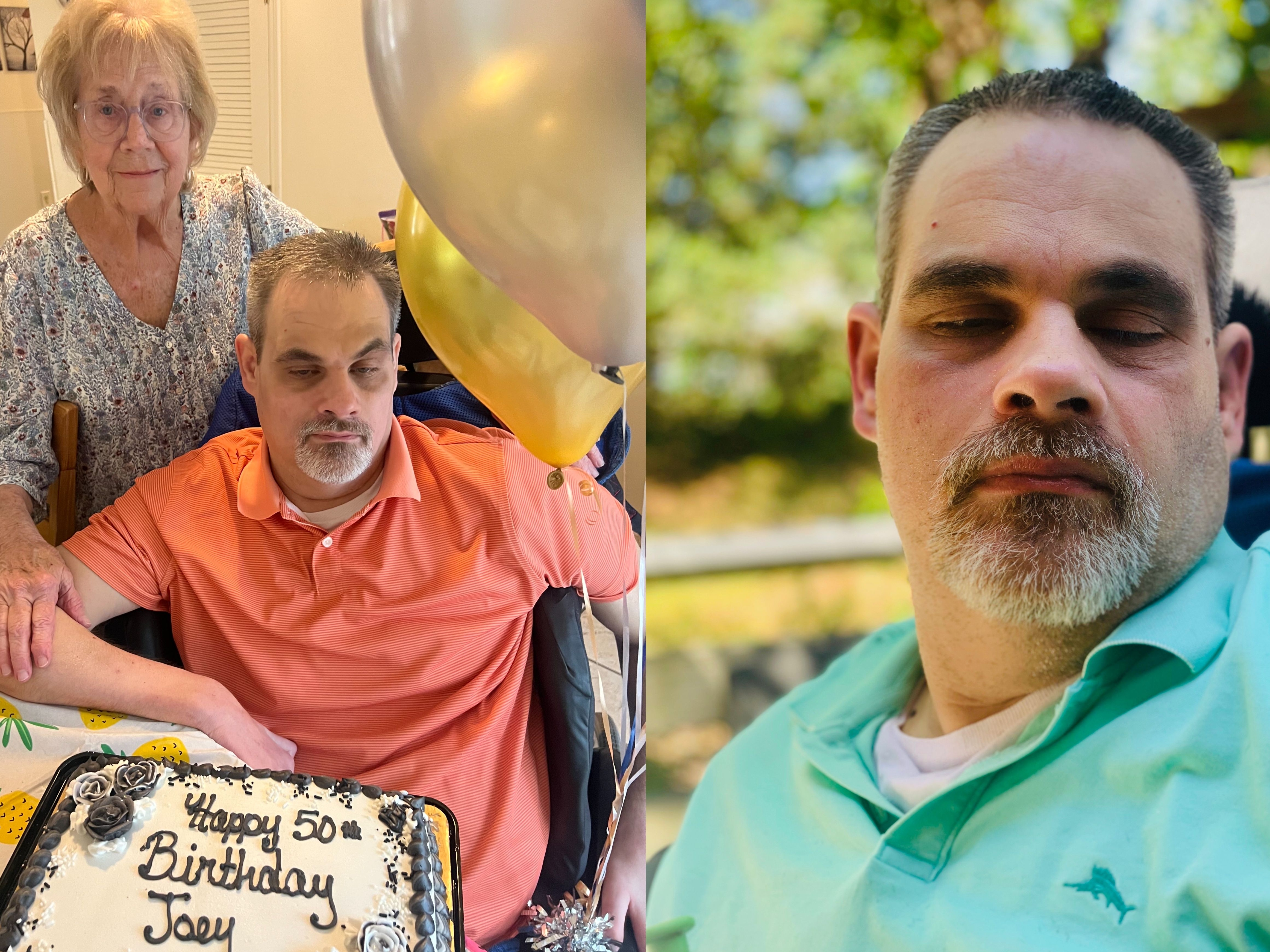
    Joey Shevenock suffered repeated urinary tract infections, kidney stones, partially amputated toes, and a broken hip during his last years living in a Reading-area group home for people with intellectual disabilities.

    Then, on July 2, the 52-year-old with a history of swallowing difficulties choked and breathed in rice while he was being fed. That led to cardiac arrest. Shevenock died three days later at Reading Hospital.

    The Shevenock family has hired a lawyer and plans to file a lawsuit claiming that negligence led to his death, which came 15 months after state regulators had revoked the license of the operator of his Exeter Township group home, Supportive Concepts for Families.

    State law allows the nonprofit owned by Inperium Inc. to continue operating while it appeals the revocation, which followed at least four deaths, 11 abuse incidents, and dozens of cases of neglect at Supportive Concepts’ homes in the year ended February 2025.

    The license revocation covered 103 of its group homes across northeastern Pennsylvania, including those in Berks County.

    Joey Shevenock’s brother, Jeff, questions why state law gives Supportive Concepts so much time.

    “I’m a chef, and they’ll shut a restaurant down for X, Y, or Z, and they don’t let you reopen until you correct whatever the violations are,” he said.

    “It just blows me away that they know this is going on, but they’re like, well, we’re going to give you six months, a year, whatever, to work on it,” he said.

    Supportive Concepts CEO Colleen Miller declined to comment, citing privacy laws. “We remain committed to the health, safety, and well-being of the individuals we serve,” she said in an email Wednesday.

    Inperium did not respond to questions about the license revocation.

    Homes like the one where Joey Shevenock lived for more than 20 years are regulated by the Pennsylvania Department of Human Services, which said it “cannot comment on specific incidents or investigations, and we cannot comment on pending appeals.”

    Like many states, Pennsylvania gives operators time to correct deficiencies, with no set timeline on how long an appeal can go on. “It’s not unusual to allow them to continue operating,” said Mark Davis, CEO of Pennsylvania Advocates and Resources for Autism and Intellectual Disabilities, a Harrisburg trade association for service providers.

    During appeals, providers are subject to more frequent, unannounced inspections.

    The death at Supportive Concepts reflects a bigger problem in Pennsylvania’s system of care for adults with autism and intellectual disabilities, said Dee Coccia, cofounder of Vision for Equality, a Philadelphia nonprofit advocacy group for these individuals and their families.

    Shevenock’s death, detailed to The Inquirer by his family, follows 25 choking-related deaths reported in Pennsylvania group homes for intellectually disabled individuals in the last 3½ years through June 30, according to state data.

    “You wouldn’t stand for it if you were taking care of animals,” Coccia said.

    Deteriorating conditions for Joey Shevenock

    Cyndi Shevenock, Jeff’s wife, started closely monitoring Joey’s care about eight years ago, after her in-laws moved to South Carolina.

    Joey was blind, had cerebral palsy, and needed a wheelchair to get around. He required support for most daily living activities, including dressing, eating, and getting into bed.

    After the July Fourth holiday weekend in 2025, a Supportive Concepts staffer took Joey to the hospital with a urinary tract infection, Cyndi recalled.

    Cyndi said a nurse called while she and Jeff were driving from their home near Baltimore to the hospital and told her that Joey’s urine had become a concerningly dark iced tea-like color.

    The nurse also shared that, according to the aide who brought Joey to the hospital, his urine had started smelling three or four days earlier.

    Cyndi said “by the time they took him in, the infection was so bad” that the nurse advised the family to report the incident to Adult Protective Services. The investigator found no signs of neglect, Cyndi said.

    Cyndi subsequently reviewed 1,448 pages of Joey’s medical records and found a half dozen urinary tract infections in the last couple years, two choking incidents that he survived, and 26 hospitalizations between January 2020 and his death.

    Joey was prone to urinary tract infections and kidney stones because he was incontinent and spent all his time either in his wheelchair or lying down.

    He sat in wet diapers far too long before being changed, Cyndi said, and almost always had sores in that area. Regulators consider bed sores a sign of poor care, often found in nursing homes.

    In Cyndi’s view, the lack of dignity in his care extended beyond medical needs.

    Every visit, she would check his clothes, to make sure they were clean. She invariably found that they “were just shoved into drawers, inside out, wrinkled, shoved in any drawer,” she said. “Sometimes, the clothes weren’t even his.”

    Ongoing troubles at Supportive Concepts

    A week after Joey’s death, Inperium announced its founding CEO Ryan Smith had returned to Supportive Concepts as acting president.

    Smith had started at Supportive Concepts in 1993, rising to CEO in 2000. He remained in that position until 2018, according to his LinkedIn profile.

    He continues to serve as CEO and chairman of Inperium, a nonprofit also based in Reading, which Smith founded a decade ago to acquire Supportive Concepts — and since then dozens of other typically financially struggling nonprofits.

    After acquiring a nonprofit, Inperium consolidates back-office and other business functions in a subsidiary called Apis Management Services to save money.

    For example, Inperium told investors recently that Apis saved $8 million at Philadelphia-based Resources for Human Development, which it acquired in 2024.

    The main entrance to Resources for Human Development on Wissahickon Avenue in Philadelphia. It was acquired by Inperium Inc., a Reading nonprofit that has grown rapidly through acquisitions since its founding in 2016.Harold Brubaker / Staff

    Smith’s return to Supportive Concepts has not ended its license revocation affecting operations in 15 northeastern Pennsylvania counties, including Berks. Under the terms of the revocation, the organization cannot open any new homes or accept new clients in existing properties.

    State regulators have also found significant violations of care standards at Supportive Concept group homes in Western Pennsylvania. Since February, 17 facilities have been operating under provisional license, Inperium disclosed in a recent bond offering statement. The provisional status requires them to implement a correction plan.

    The sanctions have led to sharply lower profits for the Supportive Concepts, according to Inperium’s bond statement.

    Last year, Pennsylvania revoked the license of another Inperium subsidiary, Abraxas Academy, to operate a secure detention facility for youth in New Morgan, Berks County, citing “gross incompetence, negligence, and misconduct in operating the facility.” The facility is operating under a provisional license after reaching a two-year settlement with the state in April that requires close monitoring.

    The state sanctions haven’t stopped Inperium from making additional acquisitions in Pennsylvania as Smith aims to build a $1 billion enterprise. (Inperium reached $819 million in revenue for the 12 months that ended June 30.)

    Inperium’s most recent sizable acquisition brought into its portfolio KidsPeace, a financially troubled provider of youth mental health services based in Lehigh County.

    Inperium’s track record is troubling, said Leonard G. Villari, a Philadelphia lawyer hired by the Shevenock family to represent them in a lawsuit against Joey’s death. He pointed to its ability to keep growing a business largely funded with Medicaid through acquisitions with little state intervention.

    “This looks like a very concerning company to me,” he said. “It’s only getting bigger, and they’re aggressive. They’re bolder.”

    Bright spots for Joey

    Before his choking death, Joey had some memorable relationships with Supportive Concepts staff, the family recalled.

    A part-time caregiver would go to Joey’s house on Sundays, give him a fresh shave, make sure he had a nice shirt on, and take him to church with her. After church, they would go out to lunch, Cyndi said, noting the visits ended when the woman stopped working at Supportive Concepts.

    In an Instagram comment to a family post about Joey’s death, another former caregiver recalled how much they loved listening to oldies music like Johnny Cash and Elvis Presley. Joey knew every word of Wizard of Oz and Home Alone, she wrote.

    “We’d sit outside together and he was always interested in what the birds and squirrels doing. He’d laugh at the cutest stuff,” she wrote.

    The Fourth of July was a significant holiday for Joey and their father, Jeff said. Even though he couldn’t see the fireworks, he loved the sound.

    Jeff was so saddened by the thought of his brother dying on that day that the family waited to end his life support the next day.

  • Businesses are eyeing Germantown opportunities. The neighborhood is proceeding with caution.

    Businesses are eyeing Germantown opportunities. The neighborhood is proceeding with caution.

    The story that’s told about Germantown’s downtown is often one of disinvestment, but a small contingent of community stakeholders and business owners are hoping to spin a new yarn.

    The northwest Philadelphia neighborhood that centers around Germantown Avenue from West Johnson to Berkley Streets has seen controversies in the past decade, from the dismantling of the Germantown Special Services District, to the changing stewardship of Germantown Settlement’s residential properties. Some residents say disengagement from elected officials hasn’t helped.

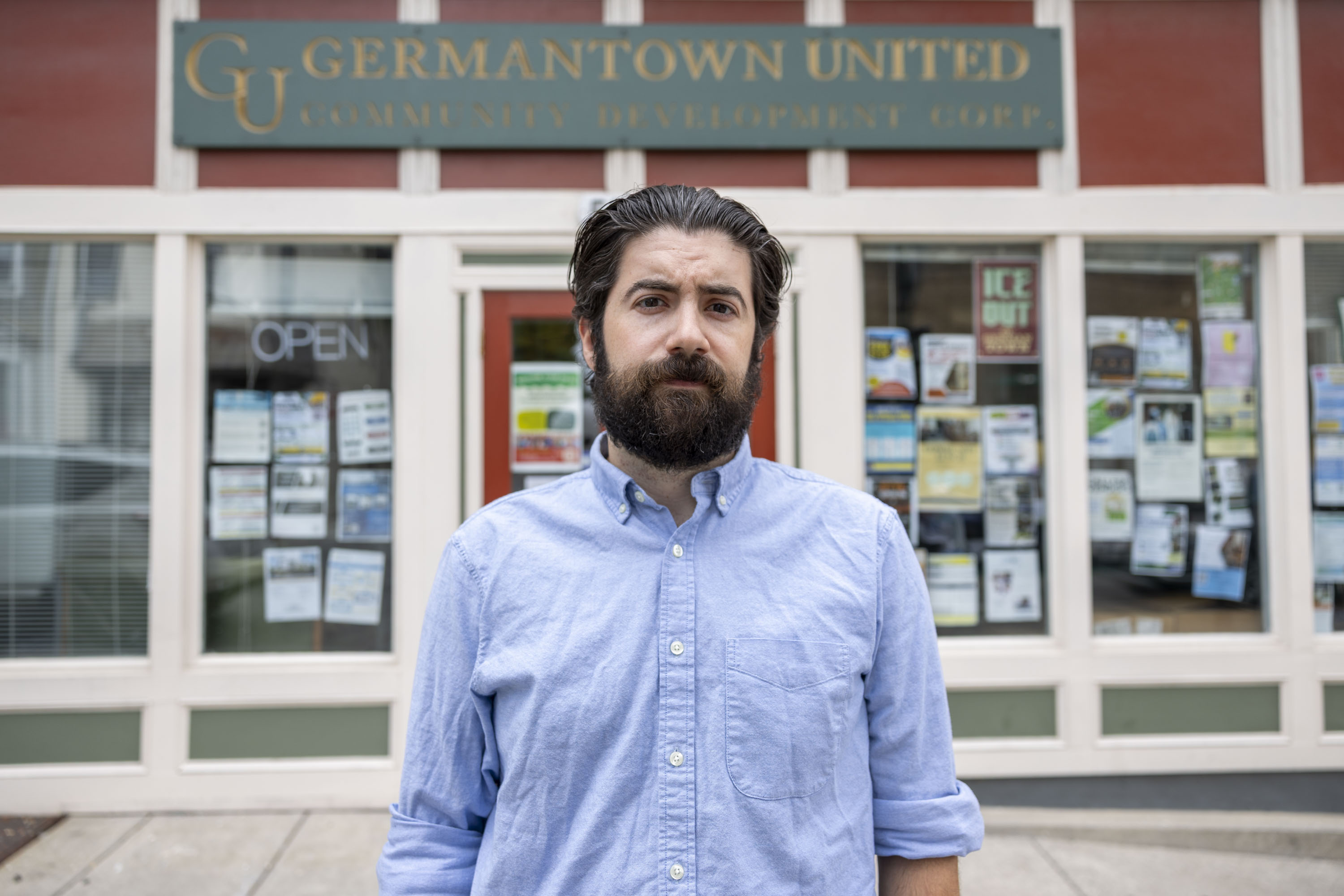
    But forces big and small are working to revitalize the community: Germantown United, the neighborhood’s community development corporation (CDC), recently completed a plan to make Germantown’s business district more walkable. Historic Germantown, the neighborhood’s historical society, in July unveiled its new visitors center that aims to connect Philadelphians and visitors to the area’s deep history. And buzzy storefronts including Uncle Bobbie’s Coffee & Books, Salam Cafe, Weavers Way Co-op, Cupbearer Coffee, and Attic Brewing bring much-needed services and third spaces to the neighborhood.

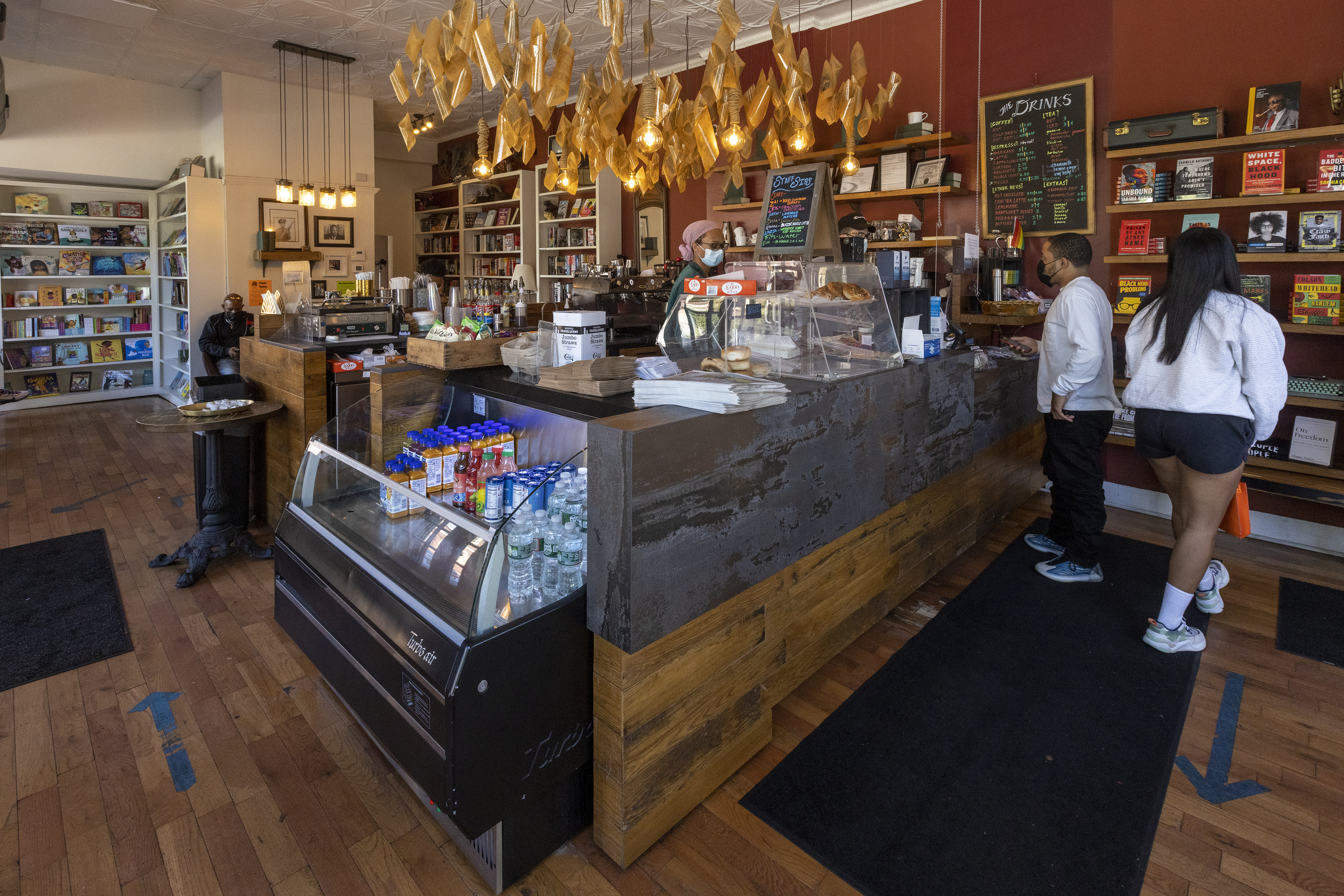
    Interior of Uncle Bobbie’s Coffee & Books, 5445 Germantown Ave. Alejandro A. Alvarez / Staff Photographer

    Leo Dillinger IV, the executive director of Germantown United, said new businesses have been reaching out to the CDC, the first step to lifting the business district up, “but with everything, it takes time.”

    “We don’t want the corridor to change like a light switch and all of a sudden it’s actively populated with a bunch of businesses that aren’t offering affordable goods and services,” Dillinger said. “That leads into the fears of gentrification and displacement that are a major concern for the Germantown community.”

    Connecting corridors in Germantown

    While it has the CDC, Germantown lacks a business improvement district to fund and oversee improvements to the area. And with the 2019 disbanding of the Germantown Special Services District, after accusations of mismanagement and misappropriation of funds, the neighborhood lost a body tasked with keeping its main business corridors clean.

    “We lack structure in order to have a commercial district that is thriving,” said Patrick Jones, a Germantown resident who has organized community members around efforts to redevelop its public spaces and city-owned large vacant properties. “A lot of us feel as though Germantown is a forgotten community in the 8th Council District.”

    Jones said residents would like to see Germantown bring in a selection of sit-down restaurants and middle-class big box stores like Target or Giant. Dillinger said the CDC gets similar feedback.

    “Right now if you want to sit down and have a nice meal, you have to go outside of Germantown to do that,” Jones said. The addition of Uncle Bobbie’s and its cafe in 2017 “started moving us in the right direction, but we want to see an actual restaurant in Germantown, and it’s just difficult to do that with the way things are right now.”

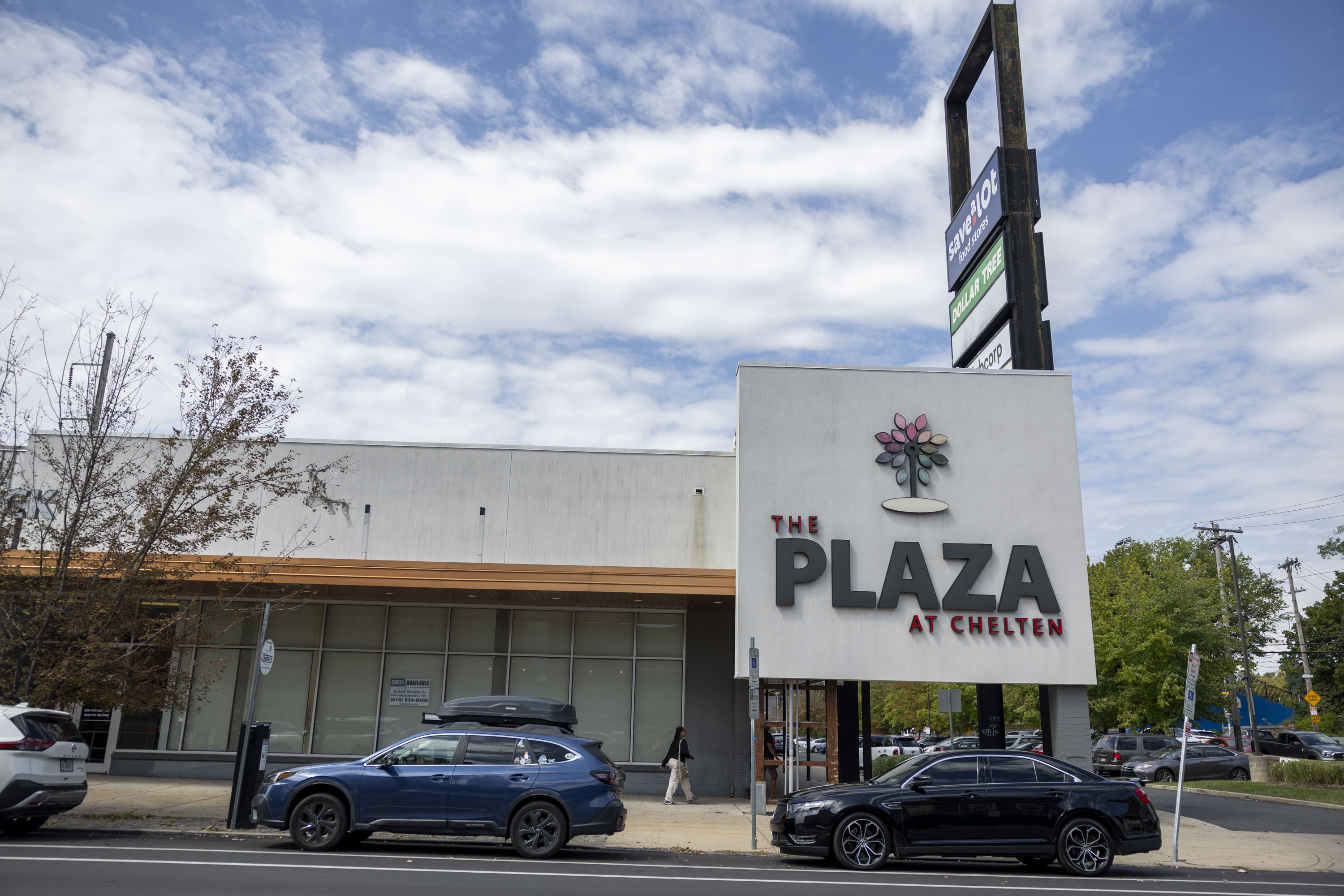
    The outside of the Plaza at Chelten in Germantown.Tyger Williams / Staff Photographer

    Having more organizational support beyond the CDC might allow that, he says.

    “We’re lacking the resources to put attention towards advocating for ourselves,” said Laura Lacy, co-owner of Attic Brewing Co., near Wayne Junction. “You can immediately see the change when you’re driving [out of Germantown]. As you get into Mount Airy, you start to see hanging flower baskets and landscaping on corners and trash cans.”

    The neighborhood’s existing business hubs also feel disconnected. That’s an issue that Germantown United is addressing with a five-year plan to better connect West Chelten Avenue, Maplewood Mall, and Market Square for pedestrians. They’re pushing for better overhead lighting, connecting business owners with the Department of Commerce’s business security camera program, and addressing cleanliness and improving greenery.

    The plan also includes connecting with absentee landlords to discuss how their properties can better serve the community, Dillinger said. These landlords are at the heart of the problem, locals say.

    “There’s just a lot of commercial property owners who don’t care,” Dillinger said. “There are some who do and are invested in their properties and making sure that their tenants succeed. There are also commercial properties that are sitting in a portfolio of developers’ and, as a result, they just start to deteriorate.”

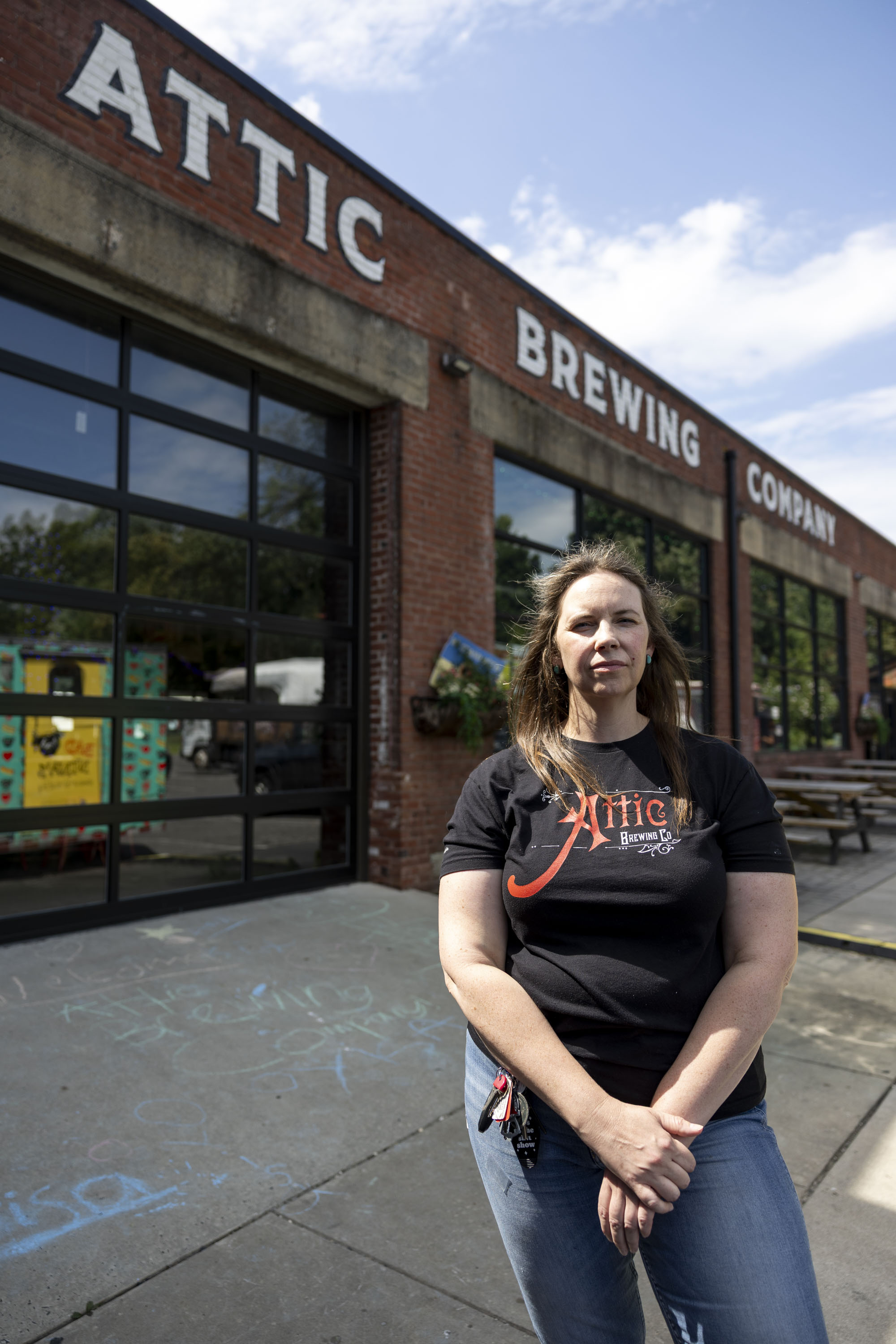
    Laura Lacy, co-owner of Attic Brewing Co., outside the business in September.Tyger Williams / Staff Photographer

    Street safety is also a major community concern after a spate of hit-and-run fatalities. This is a significant challenge for Attic Brewing, Lacy said.

    Its location near Wayne Junction removes it from the commercial heart of the neighborhood, and her landlord’s promises to develop surrounding lots into complementary businesses never panned out. It all amounts to less visibility and awareness of pedestrians in the area.

    “We’re talking about the safety of our team members. … We’re talking about the safety of our customers,” Lacy said.

    Also of concern are the two vacant lots near Attic, which were part of a development plan years ago, Lacy said. “At what point does the city take it back? At what point does it become like you can’t just let this sit abandoned like this?”

    Councilmember Cindy Bass, who represents the area, declined to comment for this story.

    Signs of new life

    Still, business activity is underway in Germantown.

    Indego, Philadelphia’s bike share program, will enter Germantown this fall with 10 to 12 stations.

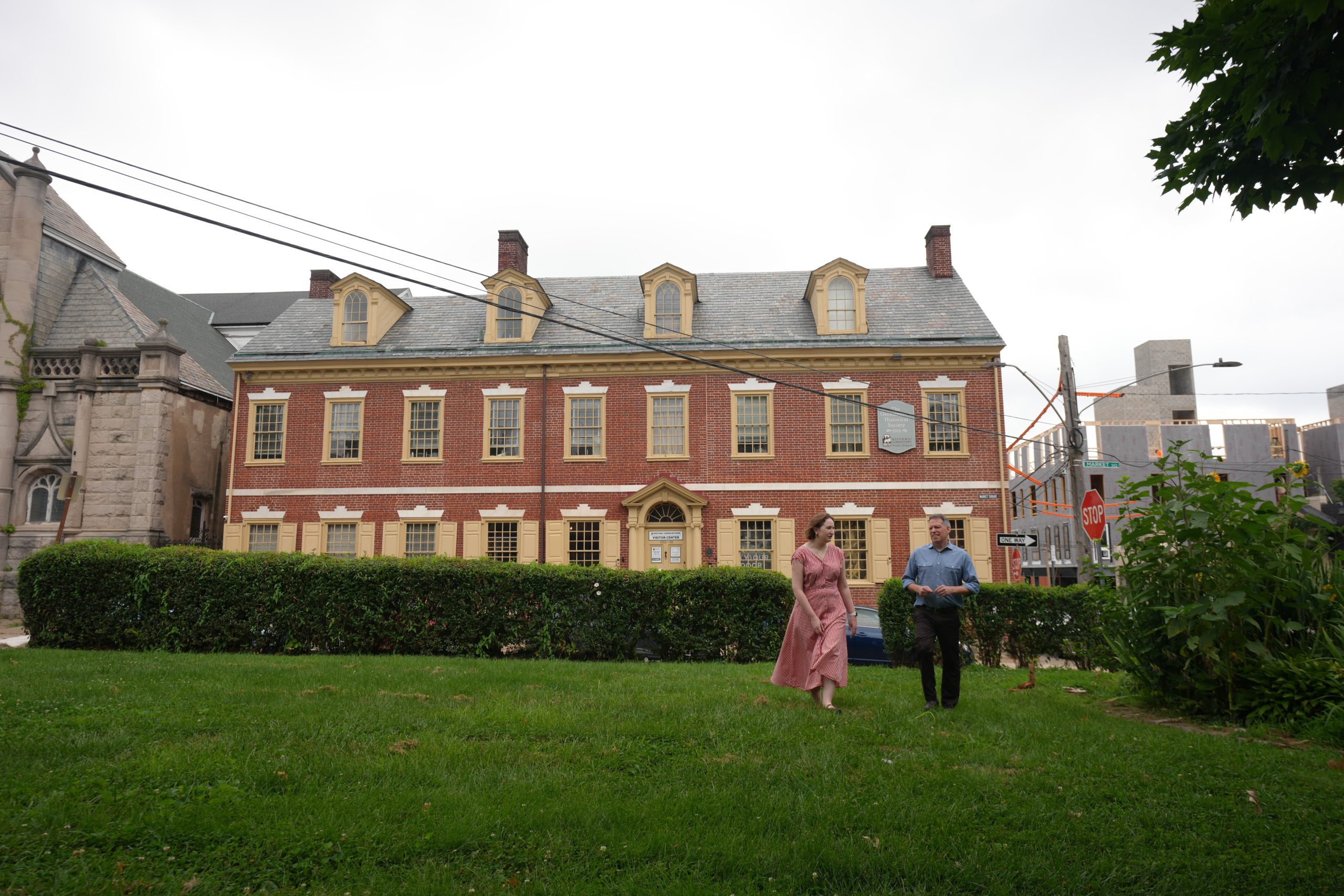
    Kaila Temple, curator of collections at Historic Germantown, and Tuomi Forrest, executive director. The new Historic Germantown Visitor Center opened in July.Jessica Griffin / Staff Photographer

    Historic Germantown’s Visitor Center opened in July. It’s a jumping-off point to access the neighborhood’s vast cache of historic cultural sites, which drive about 125,000 visits from the public and 25,000 from staff and volunteers annually who spend about $10 million in and around Germantown, according to Tuomi Forrest, Historic Germantown’s executive director.

    “Our goal is that people get so interested and excited that they want to come back or expand their visits here,” Forrest said.

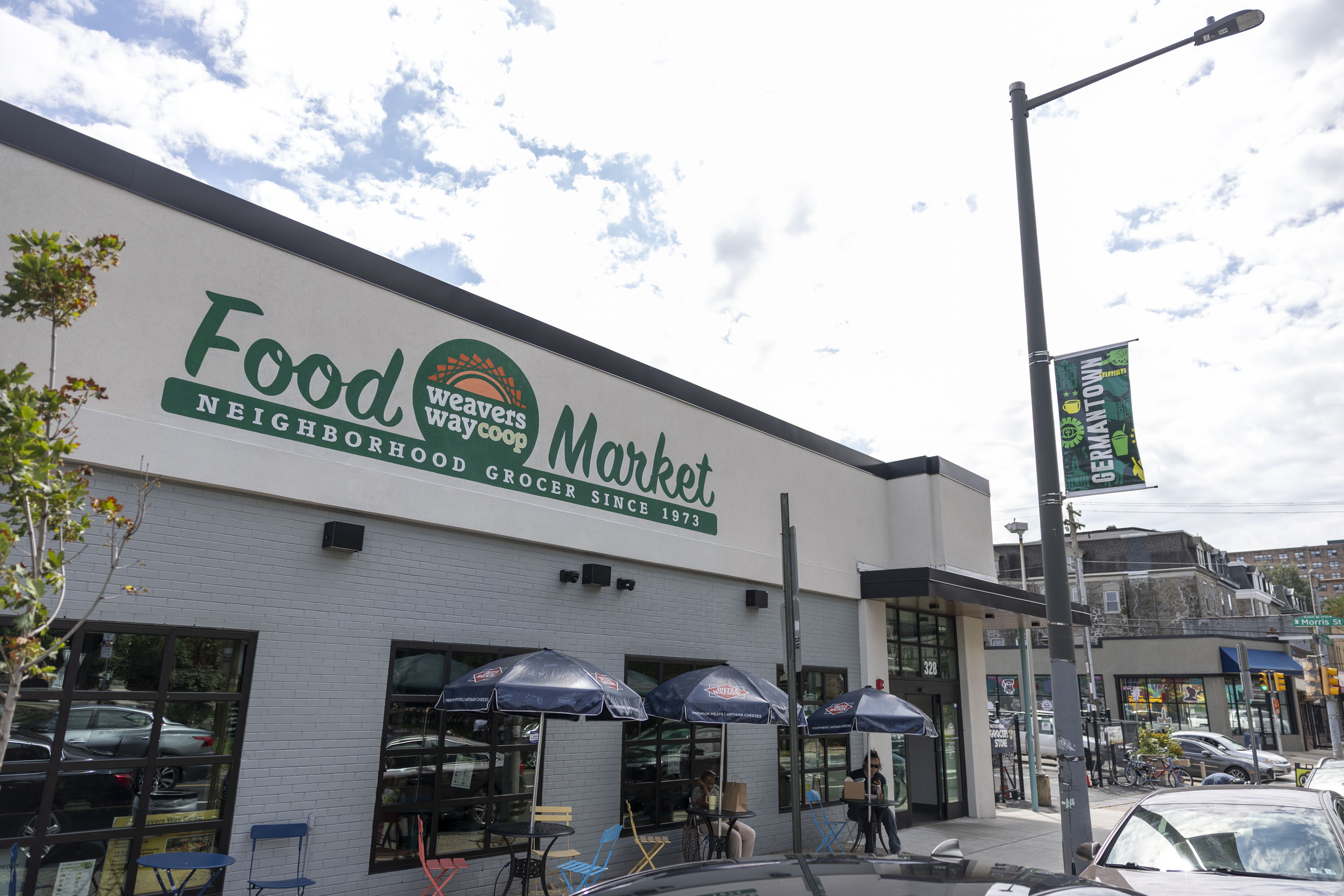
    A few new businesses on West Chelten Avenue are invigorating the area. Weavers Way Co-op’s Germantown store, which opened in May 2024, has “exceeded projections since day one, and our membership in Germantown has continued to grow,” said general manager Jon Roesser. The co-op is open to the public, but its roughly 2,400 Germantown members get discounts and other benefits.

    The outside of Weavers Way Co-op.Tyger Williams / Staff Photographer

    “We bring a lot of foot traffic to the avenue; we have about 1,000 transactions a day,” Roesser said. “That’s 1,000 people a day coming to the corner of Chelten and Morris that previously was exactly zero because the building was abandoned.”

    Complementary businesses have popped up nearby, including Cupbearer Coffee, Das Good Cafe, and Nutrition & Herbs Center.

    Uncle Bobbie’s Cafe & Books is expanding its neighborhood footprint this fall and moving up Germantown Avenue from its current location at Church Lane into a 3,000-square-foot spot at the intersection of Washington Lane.

    “We are excited to be in a position to grow, bring people together, and read great books,” Justin Moore, the bookstore’s general manager, told The Inquirer in April. “Most importantly, we are excited to further and deepen our ties in Germantown as a community hub.”

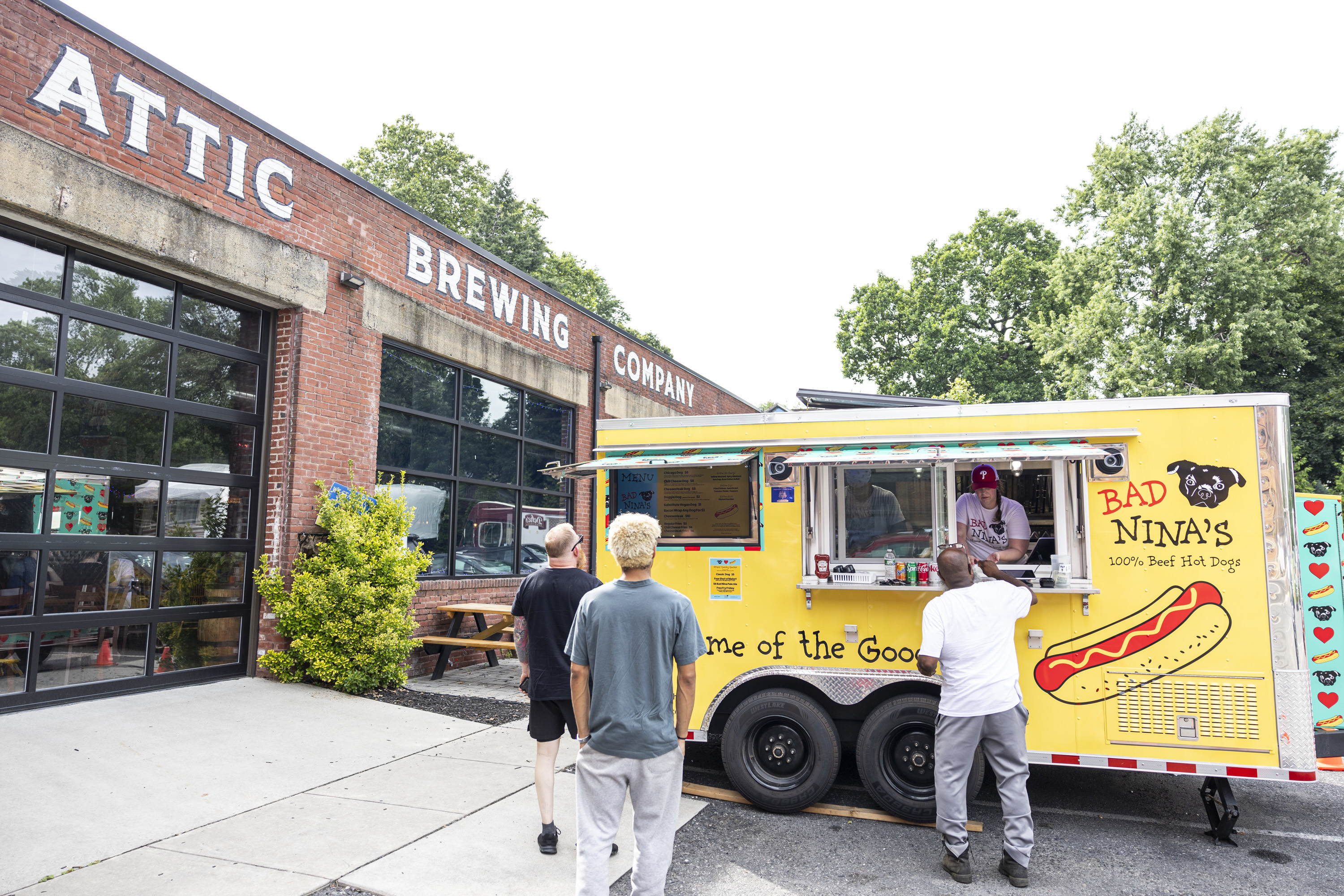
    Customers line up to order hot dogs at the grand opening of Bad Nina’s outside Attic Brewing. Lacy said the hot dog stand opened because other companies did not want to bring their food trucks to the brewery.Tyger Williams / Staff Photographer

    And Attic Brewing Co. took gold at the World Beer Cup in May for its international dark lager, Common Nightjar.

    “One of the best beers in the world is brewed here in Germantown,” Lacy said. At the same time, from a financial standpoint “our business is in the worst spot it’s ever been in in six-and-a-half years.”

    Attic needs to “exponentially increase the number of people” coming into the tap room to be viable, Lacy said. Getting other restaurants into the area could help. Lacy said Attic started Bad Nina’s gourmet hot dog cart because food trucks wouldn’t come to the neighborhood and the area lacks sit-down restaurant options for their patrons.

    “We know that our product, our service, our space is one of the best in the city,” she said, so as the business struggles, “we start to wonder if maybe we picked the wrong location.”

  • Could EVs be on the rebound after the post-rebate cliff?

    Could EVs be on the rebound after the post-rebate cliff?

    Followers of automotive industry news would think the end of electric vehicles is at hand.

    Honda has dropped its Prologue and taken a huge hit financially. Hyundai, Kia, and Volvo have also dropped models or EV trim levels from their lineups.

    The cancellation of $7,500 federal tax credits and the subsequent nosedive in sales last October made the automakers’ choices and the conventional wisdom seem sound.

    But even in the darkness, some glimmers of hope shine through for EVs: Sales have rebounded slightly; two popular brands have added models; used EV prices are experiencing a surprising change, and the largest retail chain in the U.S. is adding more EV chargers across many locations.

    “Now we’re starting to see the demand pick back up,” said Sam Fiorani, vice president of global vehicle forecasting for AutoForecast Solutions in Chester Springs. Shoppers are “finding the prices aren’t going to be that much different than they were even with the incentives a year ago.”

    ‘Underlying demand’ for electric cars

    EVs numbered just under a quarter-million units in the second quarter of 2026, according to Kelley Blue Book, compared to 3.5 million or so combustion-engine cars and hybrids.

    EV sales volume was down 20.5% year-over-year. But second-quarter sales rose 14.7% over the first quarter.

    Even working with small numbers, that’s a hefty rise in demand.

    (function(){function e(){window.addEventListener(`message`,function(e){if(e.data[`datawrapper-height`]!==void 0){var t=document.querySelectorAll(`iframe`);for(var n in e.data[`datawrapper-height`])for(var r=0,i;i=t[r];r++)if(i.contentWindow===e.source){var a=e.data[`datawrapper-height`][n]+`px`;i.style.height=a}}})}e()})();

    “There’s still an underlying demand for EVs,” Fiorani said. “It’s just that we pulled ahead six months’ worth of sales [right before rebates ended] and now the market is right-sizing itself and balancing out in the post-incentive world.”

    In the Philadelphia region, EV sales dropped 28% from the first half of 2025 to the first half of 2026, mimicking the national trend. The market share of EVs went from 5.2% in the first quarter of 2026 to 6.3% in the second. But that’s down from a high of 9% in Q3 2025.

    “The driving force now behind electric vehicles is more economy,” said Mike Gempp, executive director of the Auto Dealers Association of Greater Philadelphia. “Whenever gas prices get high, people start to look at alternatives to try to not tap into the pump as much.”

    Stephanie Valdez Streaty of Cox Automotive said she expects 2026 to end with a 6% national market share for EVs.

    “The next phase of EV growth will likely be driven not only by advances in the technology itself, but by how effectively automakers translate those advances into products that meet consumer expectations for affordability, utility, performance, and ownership experience,” Valdez Streaty, a director of industry insights, wrote in a recent Cox report.

    Add in rising prices at the pump after the Iran war started in February, and consumers are starting to consider alternative modes of power.

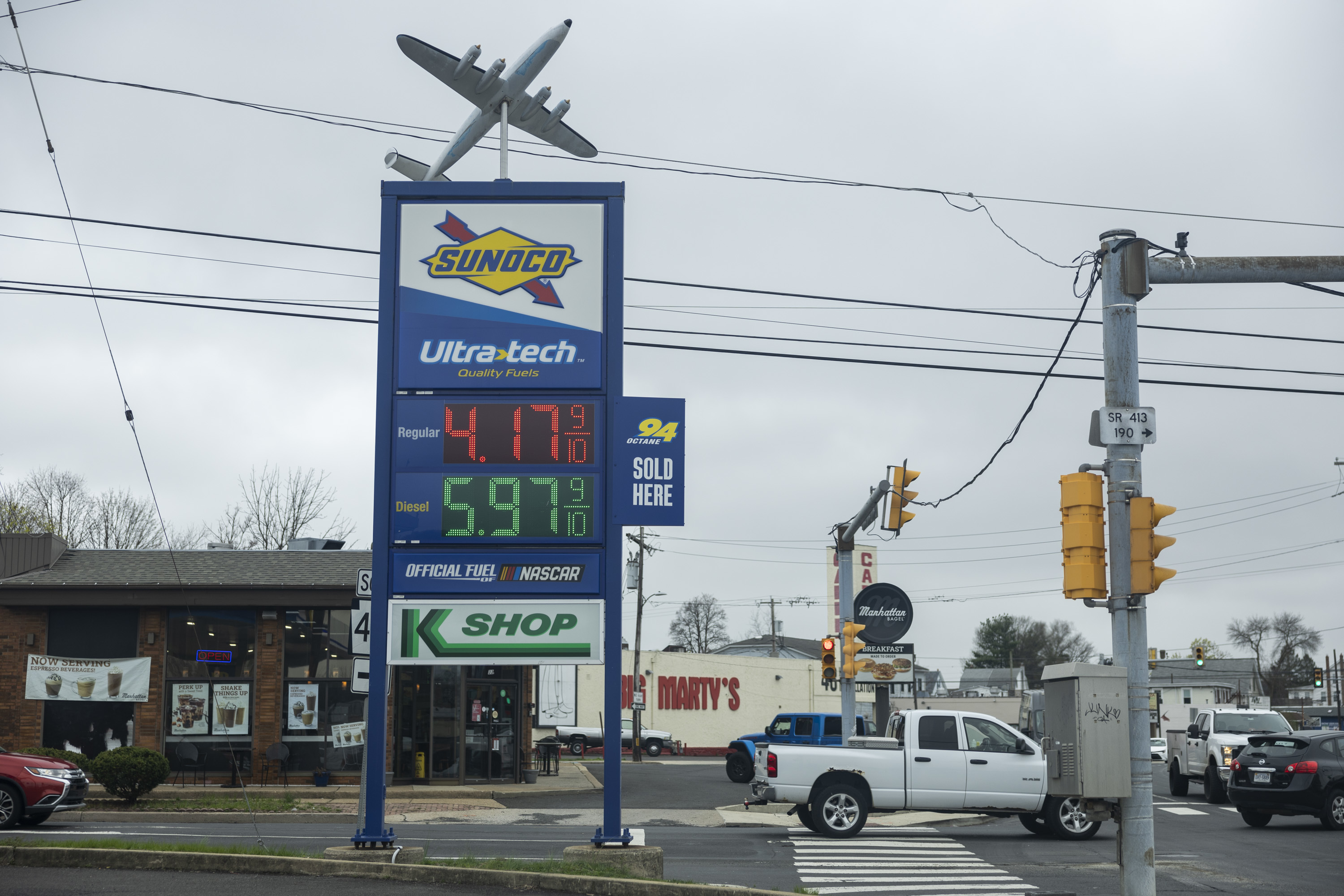
    The price of regular gas had already hit $4.17 at this Bucks County gas station by April. Prices remain high as the war on Iran continues.Tyger Williams / Staff Photographer

    Gasoline prices in Pennsylvania averaged $4.45 per gallon on Sept. 10 and $4.36 per gallon in New Jersey, AAA reports. That’s up from $3.36 and $3.17, respectively, one year ago.

    Which hybrids and EVs are drivers buying?

    Analysts agree and the numbers show that people have been turning more toward hybrids these days.

    Hybrid vehicles, which feature a battery and motor recharged and powered by the engine, regenerative braking, and other features, can stretch gasoline usage by 20% or more.

    In the Philadelphia region, hybrid sales were up 13% in the first half of 2026, comprising 18.1% of new vehicles sold, according to Gempp.

    But EVs have another factor going for them in 2026: Two of the most trusted brands have gotten into the EV market in a big way this year.

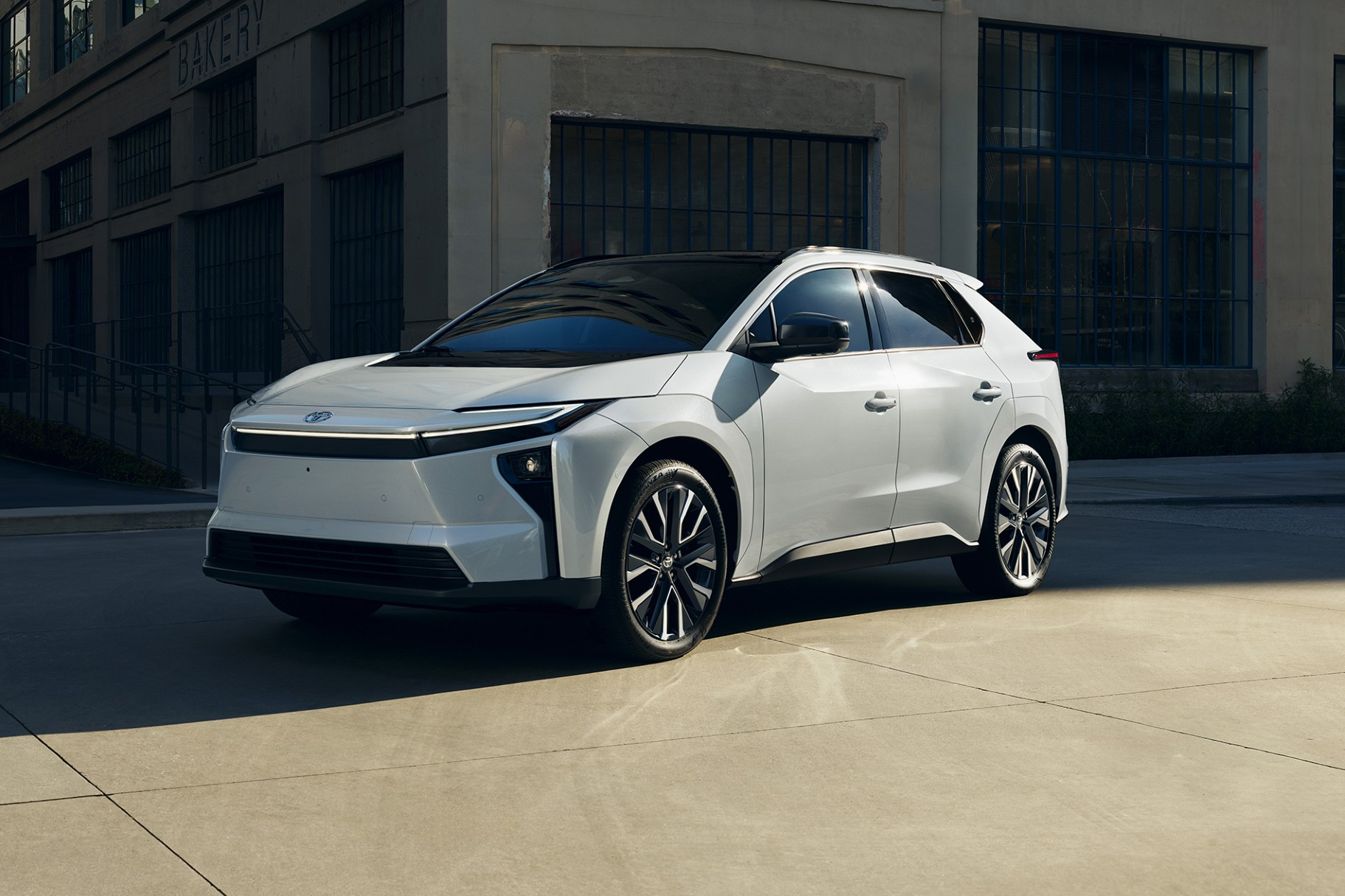
    This photo provided by Toyota shows the 2026 bZ. The 2026 Toyota bZ isn’t flashy, but a comfortable cabin and intuitive tech make it a great daily driver.Uncredited

    Toyota and Subaru have teamed up to make four shared EVs for each brand. The small Toyota CH-R and Subaru Uncharted; midsize Toyota bZ, Subaru Solterra, and Lexus RZ; and Toyota bZ Woodland and Subaru Trailseeker SUVs are on showroom floors now. The three-row Toyota Highlander and Subaru Getaway SUVs are scheduled to arrive in the fall.

    This shows through in market share, Valdez Streaty points out: Toyota’s EV sales are up 124% year over year.

    Toyota and its luxury marquee, Lexus, have been showing up as the most reliable brands in surveys for years. Toyota also has a lot of experience in electrification with hybrids, as a pioneer when it brought the Prius to the United States in 2000.

    Subaru has developed its own niche among outdoorsy, eco-conscious buyers (with a fondness for dogs) and reached number two on a recent Consumer Reports reliability survey of new vehicle brands, between Lexus and Toyota.

    “Subaru has a standard clientele that would be very easily added to the EV market,” Fiorani said. “They’re typically a little more eco-friendly. They like the idea of going outdoors but not rock crawling, but the products that Subaru and Toyota have come out with fit into that mold perfectly.”

    Subaru dealers are seeing that interest in EVs and hybrids.

    “Although we are seeing a very slight uptick in EV interest with Subaru, I don’t necessarily credit that to increased market demand for EV as a whole,” said Jeff Glanzmann, general manager of Glanzmann Subaru in Willow Grove.

    The real surge in demand has been for the new Subaru hybrid models, now offered in the Forester and Crosstrek, Glanzmann said.

    Yet more evidence of the interest is reflected in used EV prices.

    Used EV prices — which generally experience a horrendous depreciation over new prices — are up 7% for the year through mid-July, CNBC reports.

    Increasing convenience for EV drivers

    And in a final piece of the EV positive news puzzle, charging may get a little more reliable outside of metro areas.

    In Pennsylvania, Gov. Josh Shapiro’s administration announced this week that $11 million of federal funding through the National Electric Vehicle Infrastructure (NEVI) program will be used to add EV chargers in the central region of the state, filling in a real gap for EV drivers. The state has already built 50 chargers under the NEVI program, more than twice any other state, and has 41 more under construction, according to the Pennsylvania Department of Transportation.

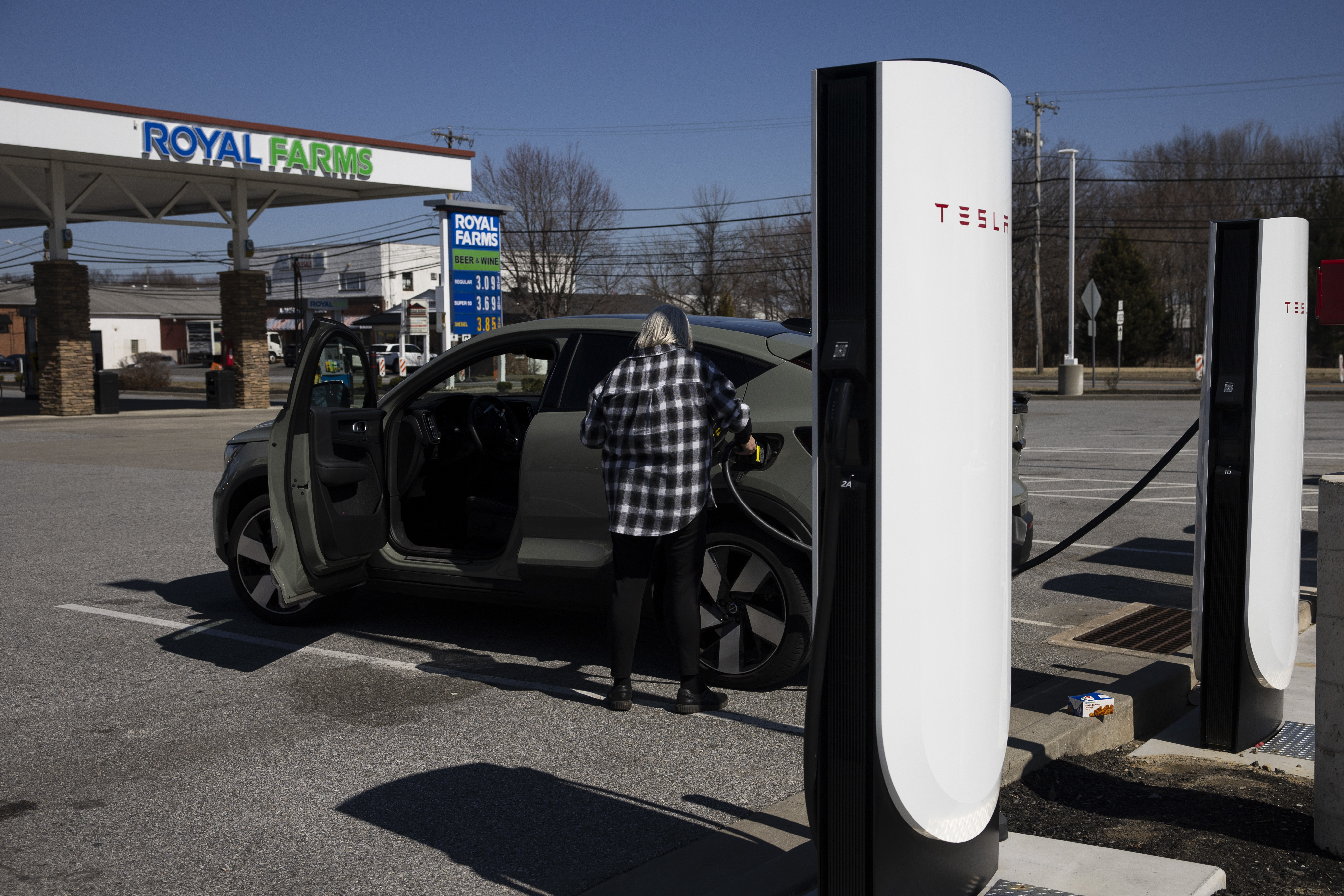
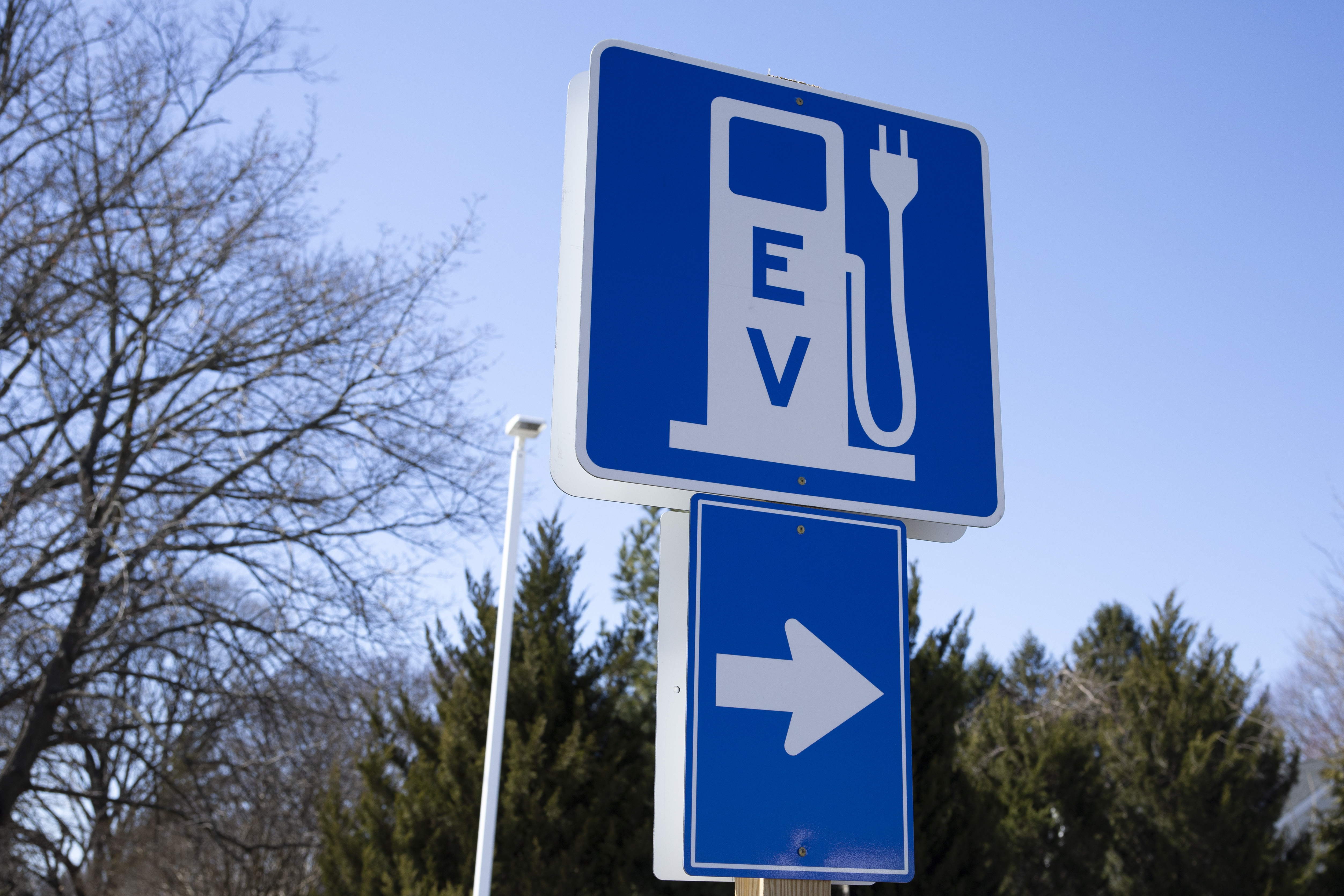
    Signage points to the EV charging station at the Royal Farms in Upper Chichester, Pa.Monica Herndon / Staff Photographer

    Other charger changes are also afoot. While Tesla has long been the charging leader in the U.S., Walmart is now number two, according to Bloomberg. Between January and June, Walmart added 46 public charging stations with 380 plugs.

    A Walmart spokesperson said via email that it has chargers at more than 75 stores and plans to continue expanding, noting that many sites will feature eight to 16 fast-charging stalls.

    Though Walmart declined to elaborate on its plans, automotive industry publication Jalopnik reports 145 new charging locations are coming soon. The greatest expansion will be in Texas with 37 new locations, Florida with 15, Illinois with 14, and North Carolina with 13.

    Currently, the only Walmart in Pennsylvania with charging is in Cranberry Township, outside Pittsburgh. In New Jersey, the sole location is in Freehold.

    Gempp sees how charging speeds — usually requiring 20 minutes to an hour depending on the charger and the vehicle — could be a win-win for consumers an Walmart, though he wondered if the company had outlined its EV charging strategy when more EVs were selling.

    “Inherently it’s a smart idea, but the investment to get those charging stations installed in a market that is shrinking or has shrunk is one that I’m sure that Walmart is reassessing,” Gempp said.

    But on a planet where 25% of new car sales are EVs, the United States’ 5% is an outlier.

    Fiorani is not an EV owner but is a fan, having tested so many in his role as reviewer for AutoForecast Solutions that he has installed a 240-volt charger in his garage.

    “The more experience people get with an electric vehicle, the more they’re going to realize that it fits into their lifestyle and that it’s not that inconvenient for them,” Fiorani said. “The conveniences outweigh the inconveniences by a long margin.”

  • Local brewery admits to late paychecks, pays nearly $583,000 to workers

    Local brewery admits to late paychecks, pays nearly $583,000 to workers

    State regulators on Thursday announced that Bald Birds Brewing Co. violated state wage law at its Montgomery County and Lycoming County locations, and that the state recovered what amounted to several thousand dollars per worker.

    But the brewery is taking issue with that description, contending that it voluntarily paid back staff after a payroll delay.

    Gov. Josh Shapiro’s administration says it recovered more than $500,000 in wages and an additional more than $64,000 in damages for Bald Birds workers through an investigation by the Pennsylvania Department of Labor & Industry.

    Brewery owner Joey Feerrar said the business made those payments without “any enforcement action,” and “calculated the penalties itself.” Feerrar says the department “did not recover anything.”

    All this took place during what seems to have been a time of change for Bald Birds. The company closed its taprooms in Audubon and King of Prussia over the summer, as it refocuses on manufacturing and distribution, according to the website Breweries in Pennsylvania. That work is done through a partnership with Yards Brewing Co. and Connecticut’s Two Roads, called B3 Beverage Co.

    “There was no agreement. No settlement, order, or payment plan was ever proposed or signed,” Feerrar said in a statement.

    State regulators said they started receiving complaints from Bald Birds workers in January. They directed the company to pay the late wages in August and the company did so a few days later, a department statement said.

    “After reviewing the complaints and conducting an audit of the employer’s records, L&I determined Bald Birds Brewery failed over the course of several months to pay employees on time,” the statement reads.

    The total paid was nearly $583,000 to 124 workers including wages and damages. Under the state’s wage law “liquidated damages may be assessed when wages remain unpaid for more than 30 days beyond a regularly scheduled payday,” according to L&I.

    The state said many workers went five weeks without paychecks.

    A state announcement Thursday put the total at nearly $650,000, but the Department of Labor & Industry corrected its own statement Friday.

    “The Department’s irresponsible description of these events has had an immediate and significant impact on the company, including jeopardizing the livelihood of every employee they claim to be championing,” Feerrar said in a statement.

    “We worked in good faith and transparency with the Department, striving to do the right thing in a difficult situation, and that diligence was erased in a few keystrokes,” Feerrar said

    Bald Birds Brewing Company got its start in 2018 with a location in Audubon. Owner Feerrar joined the B3 partnership with Yards last year.

  • New iPhones arrive, but you can keep your old phone longer by caring for it

    New iPhones arrive, but you can keep your old phone longer by caring for it

    Apple’s latest iPhones, unveiled this week, come with new features, better cameras, and hefty price tags — including a folding model with a starting price of $1,999. If you’re planning to splurge on a new iPhone 18, you will want to take care of it to make it last as long as possible.

    Or save money by holding on to your current device, whether it is Apple or Android, to get the most life out of it.

    As smartphone technology has matured and innovations have become more incremental, people have stopped buying into the idea that they need to upgrade to the newest phone. There is also an environmental push to keep old phones out of landfills as electronic waste becomes a larger sustainability issue. Modern smartphones are also just sturdier and better able to survive dunks and drops.

    The typical smartphone replacement cycle is now four years, according to Counterpoint Research. Some device owners boast in online forums that they have had phones last more than seven years.

    Here are some pointers on extending your phone’s life:

    Take care of your phone’s battery

    The biggest factor in a phone’s longevity is the battery. A rechargeable battery’s life span is related to its “chemical age,” which is based not only on the manufacturing date but also on factors including “temperature history and charging pattern,” according to Apple. The company says that as lithium-ion batteries chemically age, they hold less charge, which results in “reduced peak performance.”

    Samsung warns against running a lithium-ion battery down completely, because that could shorten its life.

    “The battery is absolutely often the first thing to go in most people’s phones,” said Elizabeth Chamberlain, director of sustainability at the device-repair website iFixit.

    Lithium-ion batteries typically last about 300 to 500 charging cycles before degrading noticeably to the point that they can’t last a day without needing a charge, she said. “Many people will hit 500 cycles in two years. Heavy users will get there faster.”

    Batteries get stressed if they are completely drained or fully charged, Chamberlain said.

    So avoid letting your battery die, and also avoid charging it all the way to 100%, “unless you really need a full charge,” she said. “Aim to keep the battery between 20% and 80% charged.”

    If you are in the habit of plugging in your phone when you go to bed, Apple and Samsung both have charging optimization technology that improves battery life by delaying a full charge based on your daily routine.

    This feature, which is on by default in iOS, pauses charging at 80% and then charges to 100% just before you wake up.

    Phone batteries shouldn’t get too hot or cold

    Device makers warn against exposing phones to extreme heat or cold, both of which can damage batteries.

    Apple says batteries warm up as they charge, which can shorten their life span. It warns against using your phone or charging it in very hot temperatures, above 95 degrees.

    Samsung says you shouldn’t leave your phone in, for example, a car’s glove box when it is very hot or cold. And don’t put it in a freezer either — it’s a myth that it can prolong battery life.

    Google, which makes the Android operating system and Pixel phones, says hot batteries drain faster, even when they are not in use, and that can damage the battery.

    Adjust your phone’s power options to boost battery life

    Tweak your device settings so apps or features use less power, which extends your battery’s daily life and the time between charging cycles.

    You can turn down your phone’s screen brightness, turn on the dark theme and reduce the time for the screen to power off. Enable the auto-brightness feature, which adjusts screen brightness according to the level of ambient light. Also check battery usage in your settings to see if there are any power-hungry apps you can switch off or uninstall.

    If the power level dips below 10%, iPhone users can turn on low power mode to stretch their battery’s life before it needs recharging. Samsung’s Android phones have a similar “power saving mode.” You can also leave it on all the time, but it might affect your phone’s performance.

    Phone cases and screens are essential protection

    Phones are sleek capsules with glossy surfaces, meaning they can easily slip from your hand. A sturdy protective case is essential to help cushion the blow from accidental drops.

    However, beware that some phone cases can retain heat, so your phone might stay hot even if it seems cool, Chamberlain warns.

    Don’t forget a screen protector. Plastic versions are cheap but can scuff easily, according to iFixit, which recommends TPU film or tempered glass because they offer better protection against scratches and drops.

    Keep your device clean

    Keeping your phone in your pocket or purse means ports and sockets collect debris that needs to be cleaned out.

    Chamberlain said that when a phone stops charging, often the problem is simply that the charging port is jammed with lint, preventing the cable from connecting.

    You can buy kits with brushes, picks, swabs and dust blowers to give your phone’s ports, speaker and microphone grilles a thorough cleaning. But in a pinch, use a toothpick and a clean toothbrush.

    Update the software regularly

    Software is another important factor in a phone’s life span. Experts advise keeping your operating system and apps up to date so they have the latest privacy, security and battery management features.

    That will be easier to do as your phone ages because some device makers have been extending the time limit for providing updates.

    Google has pledged to provide Pixel 8 and newer phones with seven years of Android and security updates, compared with four to five years for older models. Samsung pledged in 2024 to extend its operating system updates to seven years.

    Apple said Wednesday that iOS 27 will be available on Sept. 14 and the oldest phone with which it will be compatible is iPhone 11, released in 2019.

    Some phones are designed to be easily repaired

    Sometimes your phone will have a problem that can only be solved by repairing it, usually involving paying someone else to fix it.

    But there are device makers that are making it easier to repair phones yourself. Netherlands-based Fairphone makes phones it says are designed for longevity, which come with a stripped-down version of Android and can be easily disassembled using a mini screwdriver. Replacement batteries, screens and other spare parts can be ordered online.

    Fairphone’s Chief Technical Officer Chandler Hatton said the company aims to have its devices last at least five years.

    “What we’re trying to do is to support people to be able to use their device for longer,” Hatton said.

  • Oil prices leap to their highest since May and drag Wall Street lower

    Oil prices leap to their highest since May and drag Wall Street lower

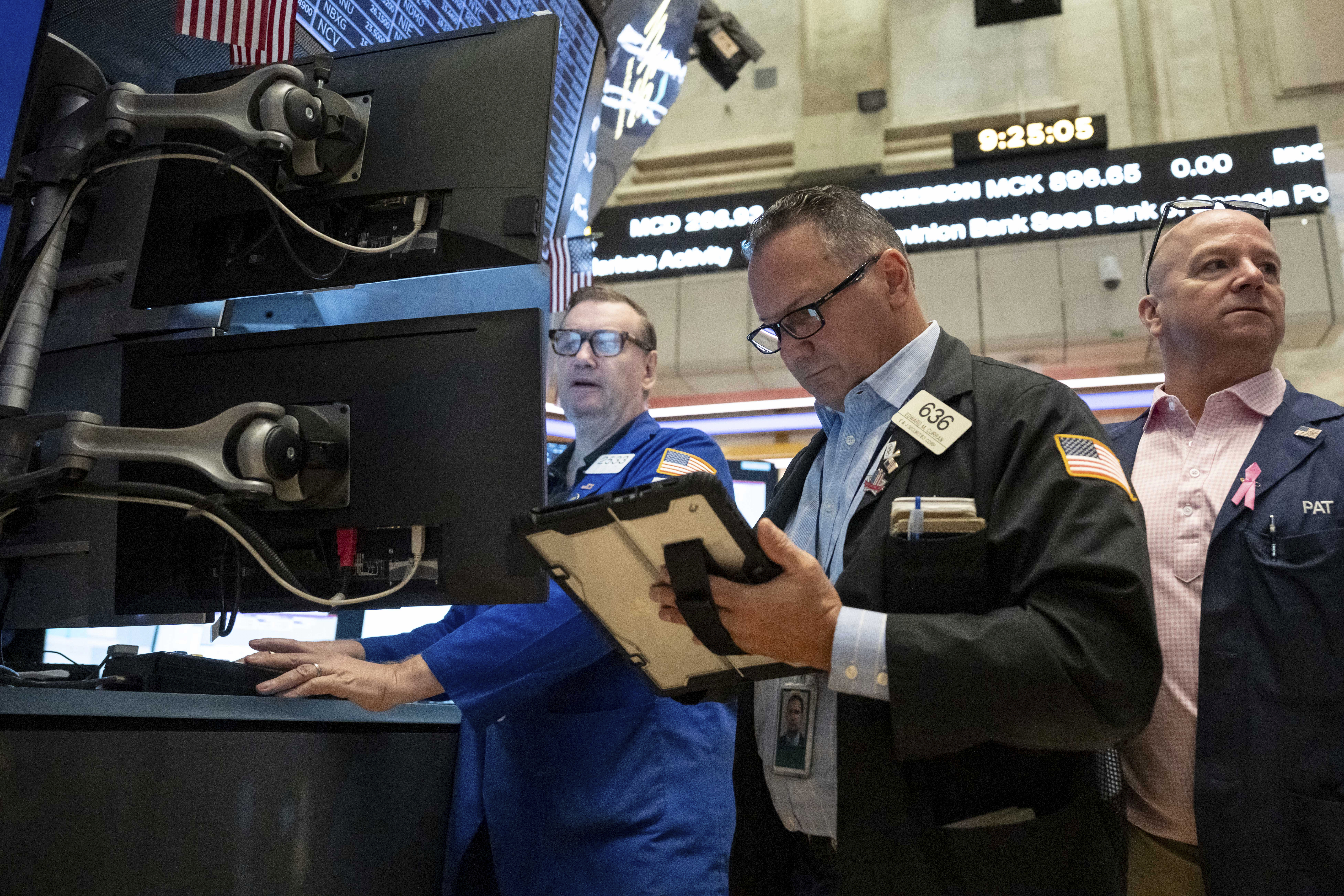
    NEW YORK — Oil prices keep climbing as the war with Iran keeps clogging the global flow of crude, and they leaped Thursday to their highest levels since before the summer. That worsened worries about inflation and cranked up pressure within the bond market, helping to send stocks lower again on Wall Street.

    The S&P 500 fell 0.6% for a fourth straight loss, its longest such streak since June, though it’s not far from its all-time high set last month. The Dow Jones Industrial Average dropped 316 points, or 0.6%, and the Nasdaq composite sank 0.7%.

    Stocks sank under the weight of rising oil prices. Brent crude, the international standard, climbed another 6.3% and briefly topped $108 per barrel for the first time since May before settling at $107.63.

    It’s jumped from less than $72 in early July as hopes fade that the war with Iran will allow oil to flow freely again from the Middle East anytime soon. President Donald Trump said on Wednesday that oil prices likely won’t come down until after the U.S. midterm elections in November.

    The jump has vaulted the price for a gallon of regular gasoline to an average of nearly $4.28 across the United States, according to AAA. That’s up nearly 34% from a year earlier and is not only costing people more at the pump but also through higher prices for all kinds of products that move by truck to store shelves.

    A report on Thursday said inflation at the U.S. wholesale level accelerated to 5.4% last month from 4.8% in July, and retailers could eventually pass such increases in prices onto shoppers. A report is coming on Friday that will show how much inflation U.S. consumers are feeling.

    The typical move to rein in high inflation is for the Federal Reserve to raise its main interest rate, the federal funds rate. Such a move then filters out through the rest of the bond market, makes it more expensive for U.S. households and businesses to borrow money, slows the overall economy, and undercuts prices for investments. That hopefully would remove some of inflation’s fuel.

    A report on Thursday suggested the U.S. job market may remain solid, with fewer workers applying for unemployment benefits last week. That could give the Fed more confidence that the economy could withstand higher interest rates.

    Following Thursday’s reports, traders see a roughly 73% chance the Fed will raise the federal funds rate at its meeting next week. That’s up from the 61% probability seen the day before, according to data from CME Group. That’s also despite Trump’s consistent lobbying for interest rates to go lower rather than higher.

    The Fed’s counterpart in Europe, the European Central Bank, raised its own interest rates on Thursday in hopes of getting inflation in check. It cited “the conflict in the Middle East” and how it “continues to generate inflation pressures.”

    It all pushed the yield on the 10-year Treasury up to 4.95% from 4.83% late Wednesday, which is a significant move for the bond market.

    It’s up from just 3.97% before the war with Iran began and is back to where it was in the autumn of 2023. That was after the Fed cranked the federal funds rate higher to get super-high inflation coming out of the COVID pandemic under better control.

    Higher yields mean investors can make more money putting their money into bonds, which can in turn make investors less willing to pay high prices for stocks and other investments that are riskier than bonds.

    Some investors see a 5% yield on the 10-year Treasury as the next potential flashpoint. But strategists at Bank of America’s Research Investment Committee suggest 7% may be the more important threshold, pointing to peaks for expensive stocks around that point in the past.

    In the meantime, the rising 10-year Treasury yield is making mortgages more expensive and hurting the housing industry. One report on Thursday said the average long-term U.S. mortgage rate hit its highest level in over 14 months, while a second one said sales of previously occupied U.S. homes fell in August to their slowest pace in more than a year.

    The benchmark 30-year fixed rate mortgage rose to 6.76% from 6.71% last week, mortgage buyer Freddie Mac said Thursday. One year ago, the average rate was 6.35%.

    That helped sent stocks of homebuilders lower, including drops of 3.5% for Lennar and 2.4% for D.R. Horton.

    Elsewhere on Wall Street, Macy’s fell 4.7% even though the retailer reported stronger profit and revenue for the latest quarter than analysts expected. While raising its forecast for earnings this fiscal year, it warned that “there are macroeconomic and geopolitical factors that could influence” how much its customers feel comfortable spending.

    Macy’s said it received $116 million in tariff refunds from the government — $98 million during the quarter and another $18 million after the quarter ended. Macy’s CEO Tony Spring told the Associated Press Thursday that it’s using some of the proceeds to lower prices on certain items like furniture and other big-ticket purchases.

    All told, the S&P 500 fell 44.66 points to 7,591.70. The Dow Jones Industrial Average dropped 316.56 to 52,064.10, and the Nasdaq composite sank 171.62 to 26,081.72.

    In stock markets abroad, indexes slipped across much of Europe and Asia. Hong Kong’s Hang Seng dropped 1.3% for one of the world’s biggest moves.

  • Kelly N. Moore, award-winning clinical psychologist, Rutgers professor, and mental health activist, has died at 46

    Kelly N. Moore, award-winning clinical psychologist, Rutgers professor, and mental health activist, has died at 46

    Kelly N. Moore, 46, of Burlington Township, award-winning clinical psychologist, founder of Moore Wellness LLC, director of the Center for Psychological Services at Rutgers University, graduate school clinical associate professor, former fellow at the University of Pennsylvania’s Center for the Treatment and Study of Anxiety, mentor, author, mental health activist, volunteer, and 2026 Willingboro High School Hall of Fame inductee, died Thursday, Aug. 20, of kidney cancer at Virtua Voorhees Hospital.

    Adept at treating anxiety, depression, trauma, and perinatal disorders, Dr. Moore became director of the Rutgers Center for Psychological Services and a clinical associate professor in the Graduate School of Applied and Professional Psychology in 2020. As CPS director, she mentored hundreds of doctoral students regarding academic requirements and clinical procedures, and supervised the center’s community mental health clinic.

    She significantly expanded the center’s services and outreach, Rutgers colleagues said in a Facebook tribute, and forged important partnerships on campus and in the community. Colleagues said: “Her warm demeanor, melodic voice, vibrant spirit, and calming presence made all who met, and were fortunate enough to know her, feel seen, welcomed, and heard.”

    Earlier, Dr. Moore was program manager for the Rutgers Children’s Center for Resilience and Trauma Recovery. She also taught in the school’s juvenile justice and youth development programs.

    She spent two years as a fellow at Penn’s Center for the Treatment and Study of Anxiety after earning her doctorate in clinical psychology at Rutgers in 2011. During the COVID-19 pandemic, she founded Moore Wellness LLC and focused on helping women, children, and clients of color.

    “Wellness does not mean you will never experience challenges,” Dr. Moore said in an online profile for Psychology Today magazine. “Rather, it means having the tools to manage the challenges when faced with them.”

    Dr. Moore was an outspoken activist for mental health education and services. She spoke with groups often, organized workshops, and was featured in newspapers and magazines and on TV and podcasts. “Just trying to get people to understand as much as they can about the impact their mental health and well being have on their day-to-day lives,” she said in a 2026 podcast interview with the Multicultural Counseling Institute.

    She blogged about mental health on her website, moorewellnessllc.com, and contributed pages to academic texts. In 2025, she cowrote Racial Trauma in Black Clients: Effective Practice for Clinicians.

    She belonged to the American Psychological Association and the New Jersey chapter of the Association of Black Psychologists. She was active with the Therapy for Black Girls podcast and the Leadership Institute for Women in Psychology.

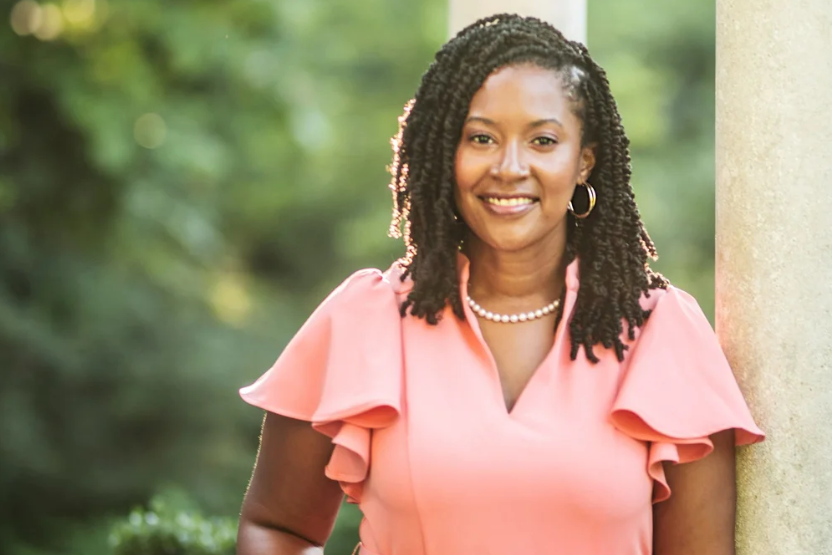
    Dr. Moore was a cheerleader and lacrosse player, and graduated from Cornell University in 2002.Courtesy of the family

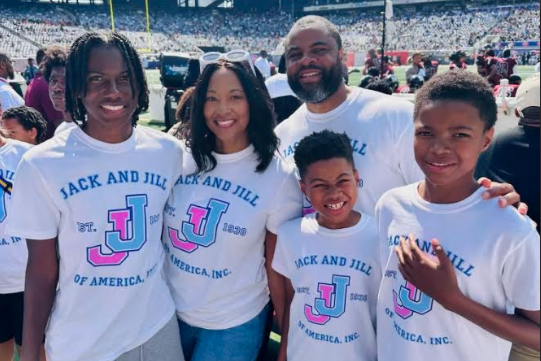
    She earned leadership and achievement awards from the New Jersey Psychological Association, the National Council of Schools and Programs of Professional Psychology, and other groups. She was president and a board member of the Burlington County chapter of Jack and Jill of America Inc. Colleagues there called her “a beautiful example of leadership, service, grace, and love.”

    Kelly Nicole Walker was born Aug. 20, 1980, in Philadelphia. Her family moved to Willingboro when she was 2, and she graduated from Willingboro High School in 1998.

    She was a cheerleader and played lacrosse and viola as a teenager. Her mother, Diana, was a social worker, and she showed Dr. Moore up close how one person could impact their community.

    “I was just fascinated by this concept,” Dr. Moore told the Multicultural Counseling Institute in the podcast interview. “It was already set at a young age that this was the kind of work I should be doing.”

    She earned a bachelor’s degree in human development at Cornell University in 2002 and a master’s degree in education at Penn in 2003.

    She met Melvin Moore through friends, and they married in 2004 and had sons Miles, Mason, and Matthew. They lived in Marlton and Delanco, and, since 2015, in Burlington Township.

    Dr. Moore was a longtime member and dance choreographer at the Gospel Tabernacle Church. She joined Alpha Kappa Alpha Sorority Inc. at Cornell in 2000 and was on the executive board of its Pi Mu Omega chapter in Willingboro.

    Friends noted her “warmth, generosity, and kindness,” and called her “genuine” and “quietly brilliant” in online tributes. One friend said: “She sure made me proud to be from Willingboro.”

    Dr. Moore and her husband, Melvin, married in 2004 and had three sons. Courtesy of the family

    Dr. Moore doted on her sons and called them her “M & M’s.” She was an avid reader and led several book clubs.

    She liked to garden, play piano, take photos, cook, and crochet. She was diagnosed with renal medullary carcinoma about a year ago and was determined, her husband said, to reach her 46th birthday. She did it.

    “She always led with purpose and intention,” her sister, Kim Hayes, said. “She was such an amazing person.”

    Dr. Moore’s husband said: “Kelly exemplified unmatched strength in how she lived, how she loved, and how she led. She loved helping other people.”

    In addition to her husband, sons, and sister, Dr. Moore is survived by her father, Michael, her brother, Ahmeen, and other relatives.

    A celebration of her life was held earlier.

    Donations in her name may be made to the Chris “CJ” Johnson Foundation, Box 292, Sugar Land, Texas 77487.

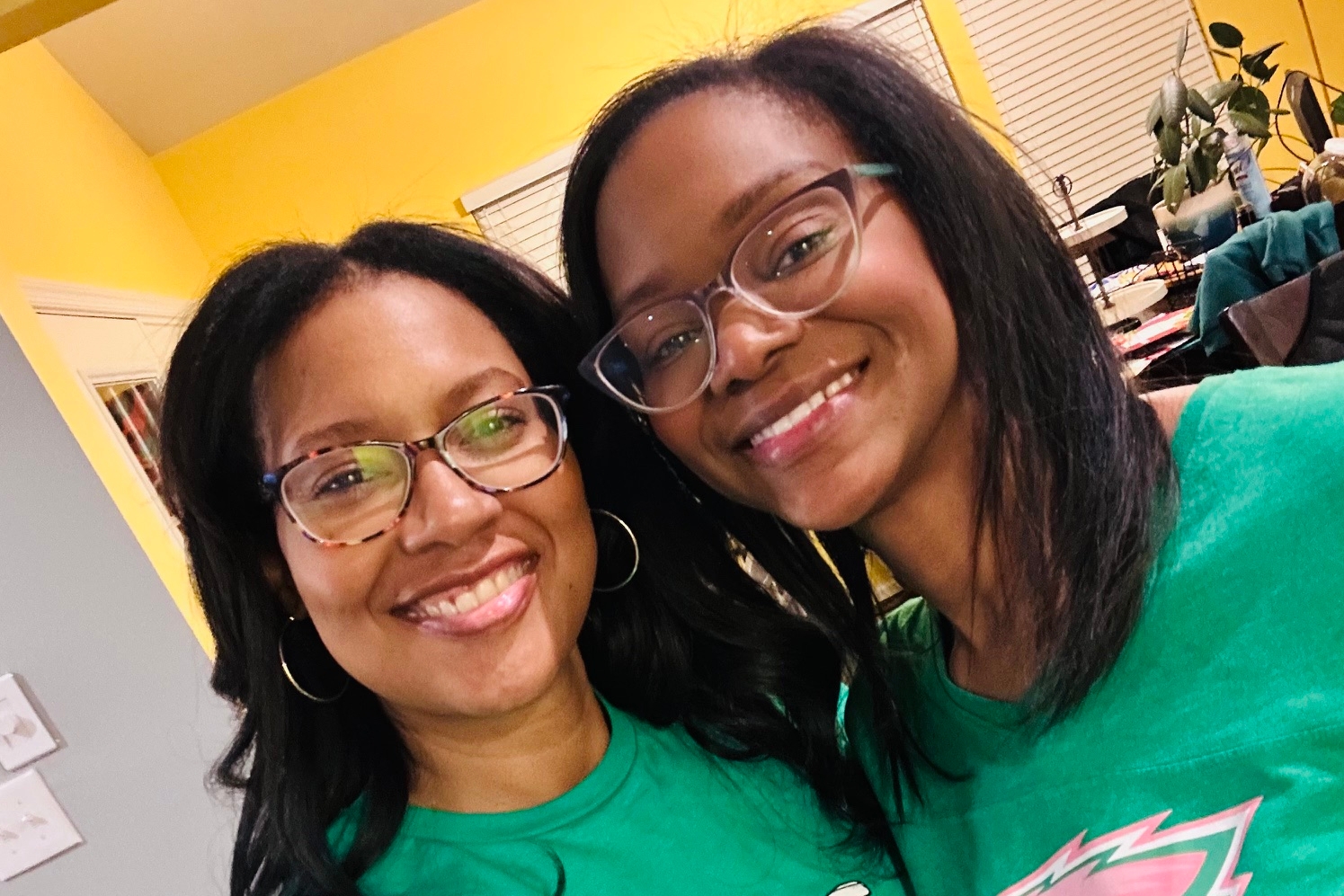
    Dr. Moore (left above) was close with her sister, Kim. Below, she celebrated when her book was published in 2025.Courtesy of the family
  • How ‘hypermilers’ are trying to beat high gas prices

    How ‘hypermilers’ are trying to beat high gas prices

    When a traffic light turns green, Dan Kroushl is unlikely to be the first driver out of the gate. He won’t floor the gas pedal, and he never drives over the speed limit.

    Instead, he eases forward by lightly pressing the accelerator, and the moment he sees a yellow light, he gently taps the brakes.

    These techniques and others make Kroushl, 61, a so-called hypermiler, a driver who squeezes as many miles as possible out of each gallon of gas. And after a summer of soaring gas prices driven by the war in Iran, hypermilers like Kroushl say their strategies can help drivers who are feeling pinched at the pump make the most of every gallon.

    “People think when they are pumping gas: I can’t do anything about it,” Bradlee Fons, 74, a fellow hypermiler, said of the increased gas prices. “I tell them, ‘You’re in total control.’ People can control their fuel costs.”

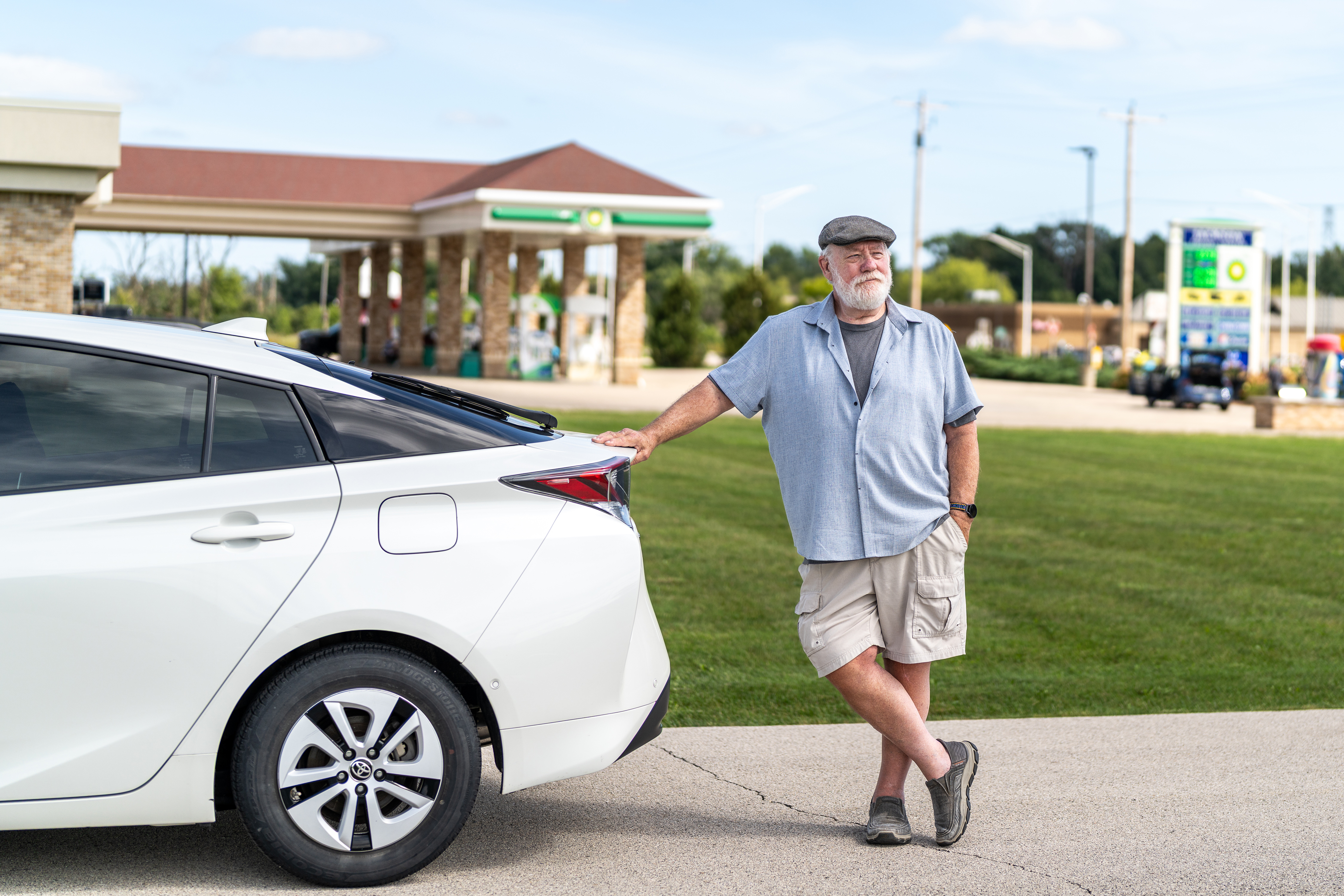
    Bradlee Fons, 74, a self-proclaimed hypermiler, stands next to his 2017 Toyota Prius parked near a gas station in Jackson, Wis., on Sept. 6.Sara Stathas

    Hypermilers mostly aim to maximize fuel efficiency by driving smoothly, without hard stops or starts. But sometimes they employ more extreme measures, like not using air-conditioning or removing a vehicle’s interior door panels to reduce its weight.

    It’s both a lifestyle choice and a way to reduce greenhouse gas emissions, the hypermilers say, but they think some of their strategies could be useful to regular, everyday drivers looking to save on fill-ups.

    Gas prices have risen sharply since the United States and Israel attacked Iran on Feb. 28, freezing the flow of energy from the Persian Gulf. As fighting in Iran intensified last week, diesel fuel prices hit a record high in the United States, with gas prices up nearly 34%, according to AAA.

    As of Thursday, regular gas costs an average of $4.27 per gallon, though prices vary in different states. The average in Pennsylvania was $4.45 a gallon for regular gas and $4.36 in New Jersey, according to AAA.

    With a few tweaks, Fons said, drivers can easily save 30% or more on their gas bill.

    “Drivers do not have to be at the mercy of the government, the high gas prices or anything else,” he said. “They have options.”

    The 2017 Toyota Prius that Fons drives in his home in Jackson, Wis., just north of Milwaukee, is estimated to achieve 52 mpg, according to its official EPA rating. But, Fons said, he gets 83.2 mpg by driving with fuel economy in mind.

    Fons, who started a nonprofit organization called Drive Smart Wisconsin, keeps a list of simple techniques that he said any driver can use to save money on gas. At the top of the list is “nonaggressive driving,” which he defined as moving smoothly and purposefully. Other strategies include completing multiple errands in one trip so the car does not use extra fuel to warm up, and keeping up with vehicle maintenance.

    Most cars are at peak fuel efficiency between 45 and 65 mph. Hypermilers recommend staying in that range and not going over the speed limit on the highway. Driving faster causes the vehicle’s drag to increase, reducing fuel mileage at an exponential rate.

    Hypermilers also avoid unnecessary braking, which eats up fuel, and they accelerate slowly when starting from a complete stop. They anticipate slowdowns ahead.

    “You work the gas so you’re barely holding the speed you want to hold,” explained Bruce Gregersen, 79, a hypermiler who lives in St. Cloud, Minn. “It takes a little more concentration, but once you get used to it, you’ll do it automatically.”

    Hybrid cars, which combine a traditional gasoline-powered engine with one or more electric motors and a battery pack, offer greater fuel efficiency and are the vehicle of choice for many hypermilers.

    Bob Winger, 71, of Williamsburg, Va., is part of a group of hypermile enthusiasts who have set multiple world records for fuel efficiency, including one for the lowest consumption of fuel in a non-hybrid vehicle driving through all 48 contiguous states. Winger said they had set that record by using techniques such as “ridge riding,” in which the passenger-side wheel moves along the white paint stripe on a highway because the friction is lower there than on the asphalt.

    Such extremes are not necessary unless one is trying to set a world record, Winger said. Instead, he said, drivers can achieve greater mileage by doing simple things like making sure their tires are properly inflated, which helps decrease resistance. Using full synthetic oil reduces friction within the engine, he added.

    “You don’t have to do crazy stuff,” he said. “Just driving conservatively, you can save without really pulling out all the tools in the toolbox.”

    This article originally appeared in The New York Times.

  • Bankrupt Chester City is getting nearly $100 million in state and private funding

    Bankrupt Chester City is getting nearly $100 million in state and private funding

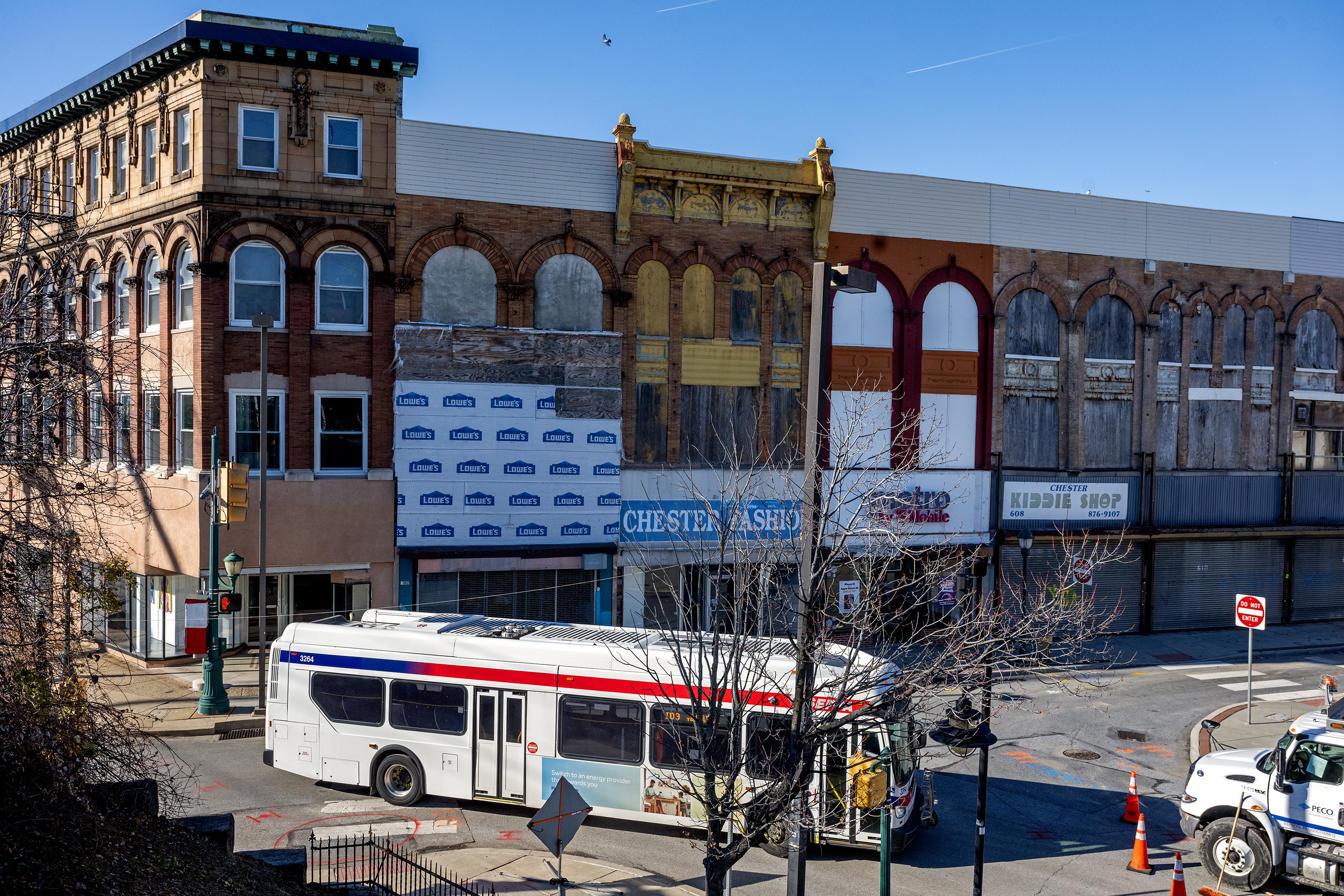
    Approaching the fourth anniversary of its rare and historic bankruptcy, the City of Chester is about to get $97.1 million in public and private investments, Gov. Josh Shapiro announced Thursday.

    “I might just be the happiest mayor in America,” said Chester Mayor Stefan Roots, among those who joined Shapiro for the announcement in Delaware County’s only city.

    Shapiro, noting that the resolution of the protracted and often acrimonious bankruptcy “would take far longer than I’d like,” said “the time to invest in Chester is now.”

    Roots said the money would go toward beautifying neighborhoods and dealing with blighted properties in the city of 33,000. “We’re going to be repairing homes. … We’re going to be improving roads and sidewalks,” he said.

    The majority of the funding, $52.6 million, will go to “revamp and redesign” a section of Route 291/U.S. 13, part of the old “Industrial Highway,” which separates the riverfront from the city neighborhoods. The bulk of that money would come from the Pennsylvania Department of Transportation and the Delaware Valley Regional Planning Council.

    The highway has long been a serious safety hazard for motorists and people who live along it, Roots said in an interview after the event. Speeding has been a major issue, he added.

    PennDot also would be putting up $7.3 million for new sidewalks and walkways to Widener University, at the north end of town, in an effort to integrate the campus with the rest of the city.

    “How do you be a city with a college, and not be a college town?” Roots said.

    He said major efforts would be made to spruce up the Avenue of the States, which is a thoroughfare from City Hall to the campus about 10 blocks away.

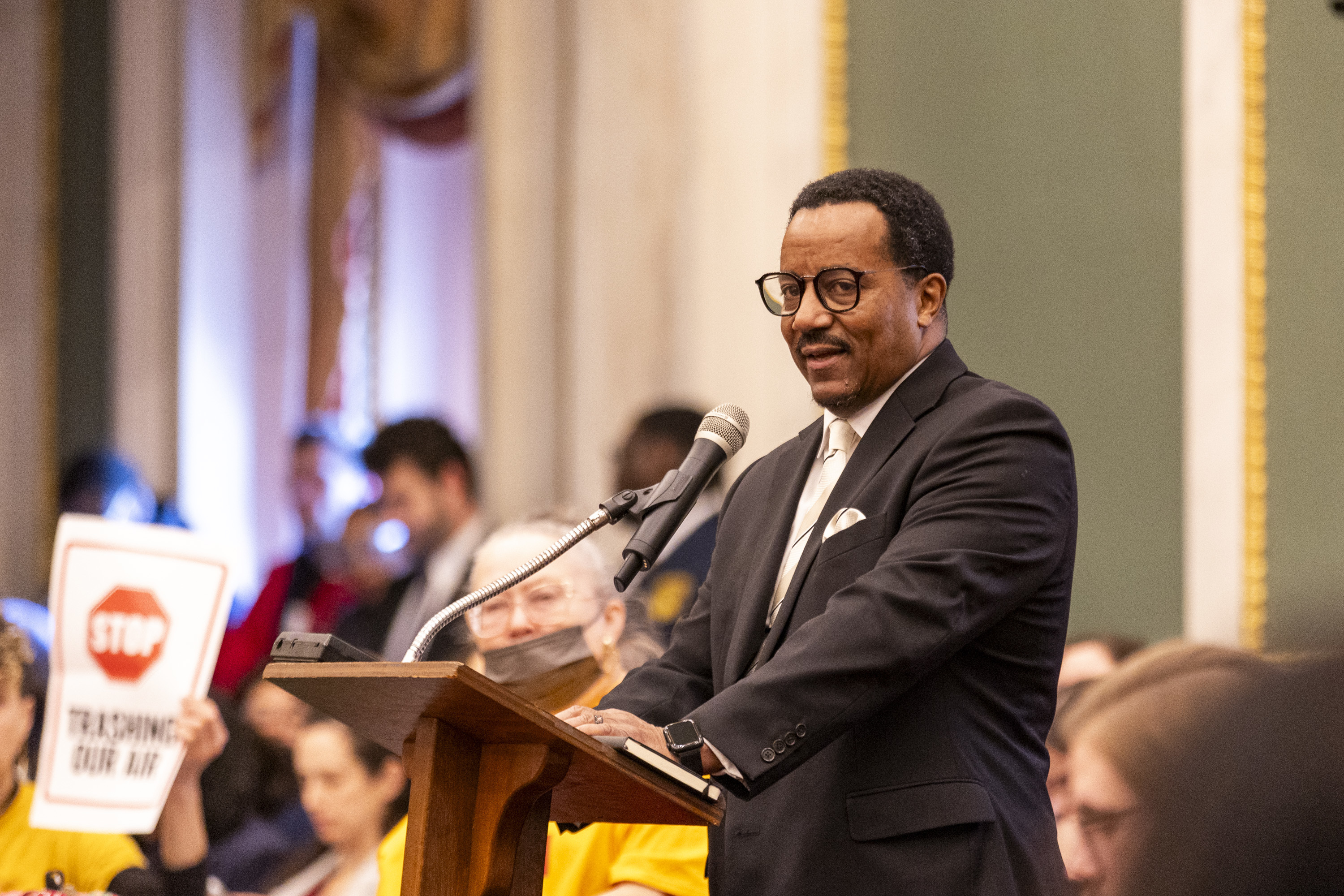
    Mayor of Chester Stefan Roots speaks at a Philadelphia City Council meeting in January regarding the incinerator, which has been an important source of Chester’s revenue and a source of protests. Tyger Williams / Staff Photographer

    The state and the Philadelphia Union soccer team are putting up $27.5 million to build “new outdoor fields, a 100,000-square-foot field house, indoor courts, academy space, and a performance center to expand youth programs and support school and community sports” at the riverfront Sportsplex in the city’s West End, according to a state news release.

    Wawa, Essential Utilities Inc., Power Home Remodeling, and Delaware County are contributing $2 million for demolition work and to acquire 10 lots and two buildings, along with fixing up 25 other structures.

    Shapiro said that Chester was now an “enterprise zone,” a Pennsylvania Department of Community and Economic Development program in which tax breaks and grant money would be made available to investors.

    The department is overseeing the city’s bankruptcy process, which began in fall 2022, in part due to several years of missed pension payments.

    But the city’s financial distress has been about 70 years in the making, as it has struggled to pay bills with the loss of businesses and its once-formidable industrial base. Among its prime sources of revenue today are an incinerator and a casino.

    Among the nation’s more than 35,000 municipalities, only about 30 have filed for bankruptcy.

    Neither Shapiro nor Roots made any mention of the bankruptcy beyond the governor’s opening comments.

    State-appointed bankruptcy receiver Vijay Kapoor said in a statement: “We are very grateful for the commonwealth’s and the private sector’s investment in the City of Chester’s future.”