Author: Aubrey Whelan

  • Measles cases in Pennsylvania top 200 as experts worry about back-to-school spread

    Measles cases in Pennsylvania top 200 as experts worry about back-to-school spread

    Before this year, many physicians at Lancaster General Hospital had only read about measles in textbooks.

    But now, as they treat pneumonia and brain swelling in patients infected with measles during Pennsylvania’s worst outbreak in three decades, they’re rapidly becoming experts on a disease once considered eradicated in the United States.

    “It feels surreal,” said physician Jeffrey Martin, the chair of the Department of Family and Community Medicine at Lancaster General Heath, which is affiliated with Penn Medicine. “You’re treating something you probably never saw before.”

    Pennsylvania’s measles outbreak continues to spread across the state, with 18 counties affected as of Monday and 232 cases reported this year, including more than two dozen in the Philadelphia region. Thirty-eight people have been hospitalized. In the last week alone, state health officials recorded 57 cases.

    At the center of the outbreak, Lancaster County has reported 133 measles cases this year — 125 of them since April. At Lancaster General, physicians are treating mostly adults, including pregnant women.

    About 35% of the state’s cases this year have been diagnosed in children, who are among the most vulnerable to serious complications. And many experts fear the risk of infection will rise when schools open beginning at the end of August.

    Lancaster County has among the lowest vaccination rates in the state, with just 87.6% of kindergartners and 83.3% of 7th graders vaccinated against measles, well below the 95% immunization threshold required to prevent community spread of a disease so contagious that up to 90% of unvaccinated people exposed will become ill.

    “I don’t want to be alarmist, but I don’t think we should be minimizing the risk,” said Lancaster County Commissioner Alice Yoder, a nurse who formerly worked as a Lancaster General administrator. “There will be a large number of children coming together every day, and measles is just extraordinarily contagious.”

    Back-to-school this year is “a very scary time,” she said.

    Cases outside Lancaster

    The outbreak increasingly poses a threat outside Lancaster, with several counties in central Pennsylvania reporting their first cases last week.

    Suburban Philadelphia’s Chester County, which borders Lancaster County to the east, has seen 22 cases of measles so far this year. And local cases are higher than reported, officials there say, adding that some residents with measles have refused to cooperate with the health department’s efforts to trace their contacts.

    Lancaster officials, too, say the outbreak has spread more widely than case counts indicate. “Every case we have, we know there’s another 10 or 20 behind it,” Yoder said.
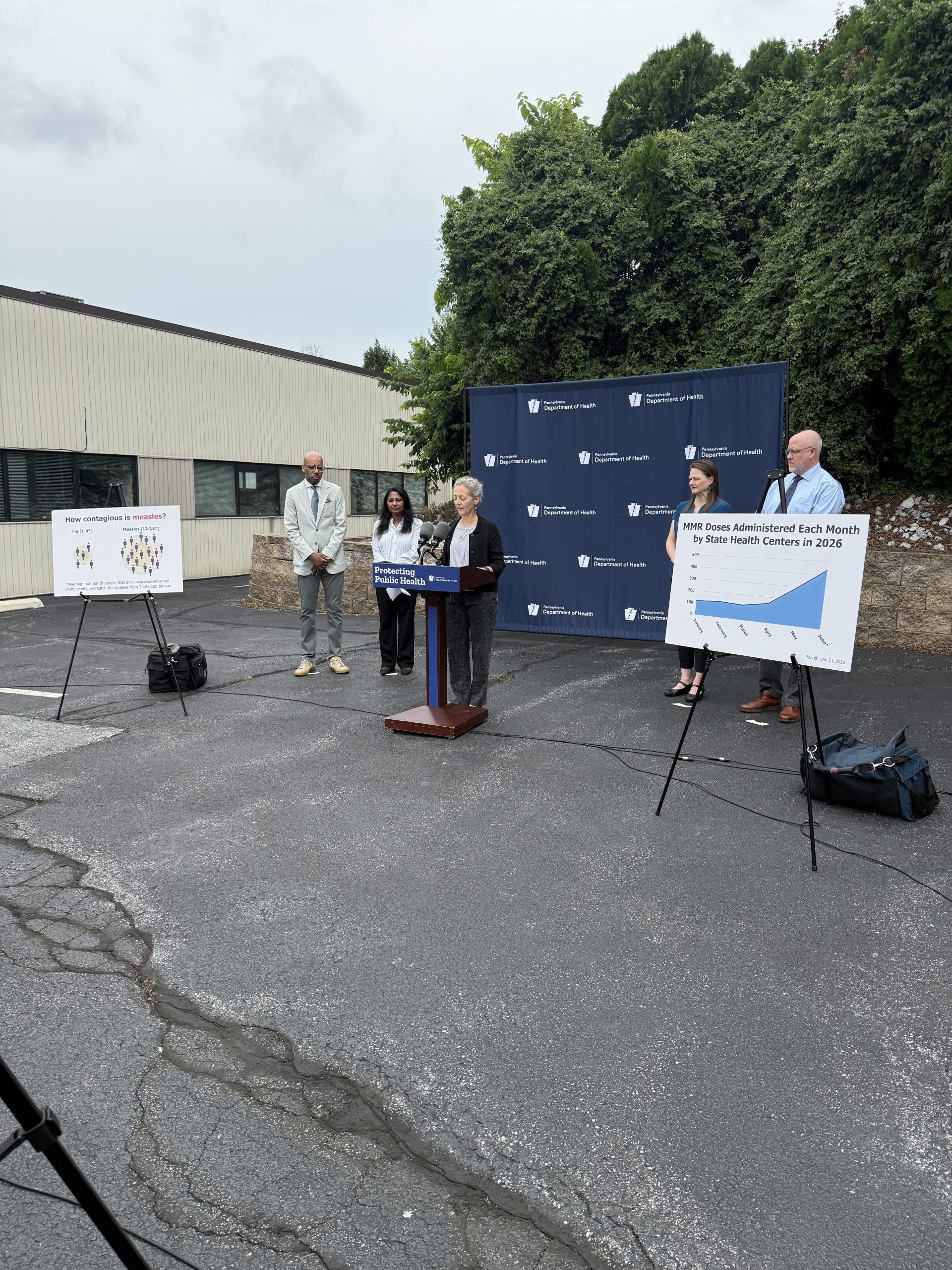
    Pennsylvania health secretary Debra Bogen speaks to the media at a press conference on the state’s measles response earlier this summer in Lancaster.Dana Munro

    New infections may also be coming from other places. Lehigh County reported its first two cases in two siblings last week, according to St. Luke’s University Health Network.

    The children, whose parents had opted against vaccinating them, had recently traveled internationally, St. Luke’s pediatrics chair Jennifer Janco said.

    St. Luke’s doctors first saw the children on video to avoid exposing other patients at a clinic and worked with state health department staff to test them for measles at home.

    “We don’t want someone with measles in a doctor’s office or urgent care waiting room,” Janco said.

    Eventually, one of the children was hospitalized at another area health system after becoming dehydrated, Janco said. “They became weak and sick to the point of dehydration — they couldn’t take enough fluids by mouth,” she said.

    Like Yoder, she is concerned about the threat to Pennsylvania children with the school year about to start.

    “The risk is real. This isn’t measles halfway across the country,” Janco said. “And measles doesn’t care about county lines.”

    ‘Do it for your neighbor’

    State officials for months have recommended accelerating the schedule for routine childhood measles vaccinations, giving infants their first measles, mumps, and rubella shot as early as six months.

    State health officials say their staff have administered more than 2,000 doses of the MMR vaccine this year, with more than 1,300 provided in June and July alone.

    At Lancaster General, Martin says he’s seen increased interest in vaccination from some parents who had previously refused MMR shots for their children.

    “There does seem to be a message that resonates here, and that is, if not for yourself, do it for your neighbor. Get the immunization to protect the most vulnerable,” he said.

    Still, he said, many county residents who are not connected to healthcare settings “vaguely hear there’s something going on with measles, but don’t fully understand we’re in an outbreak status.”

    And information about the measles from county government officials has been scarce.

    Yoder, a Democrat, said she has been unable to convince her fellow county commissioners, both Republicans, to publish more information about the outbreak and the importance of vaccination on the county website.

    Josh Parsons, one of the Republican commissioners, did not return a call for comment on the outbreak.
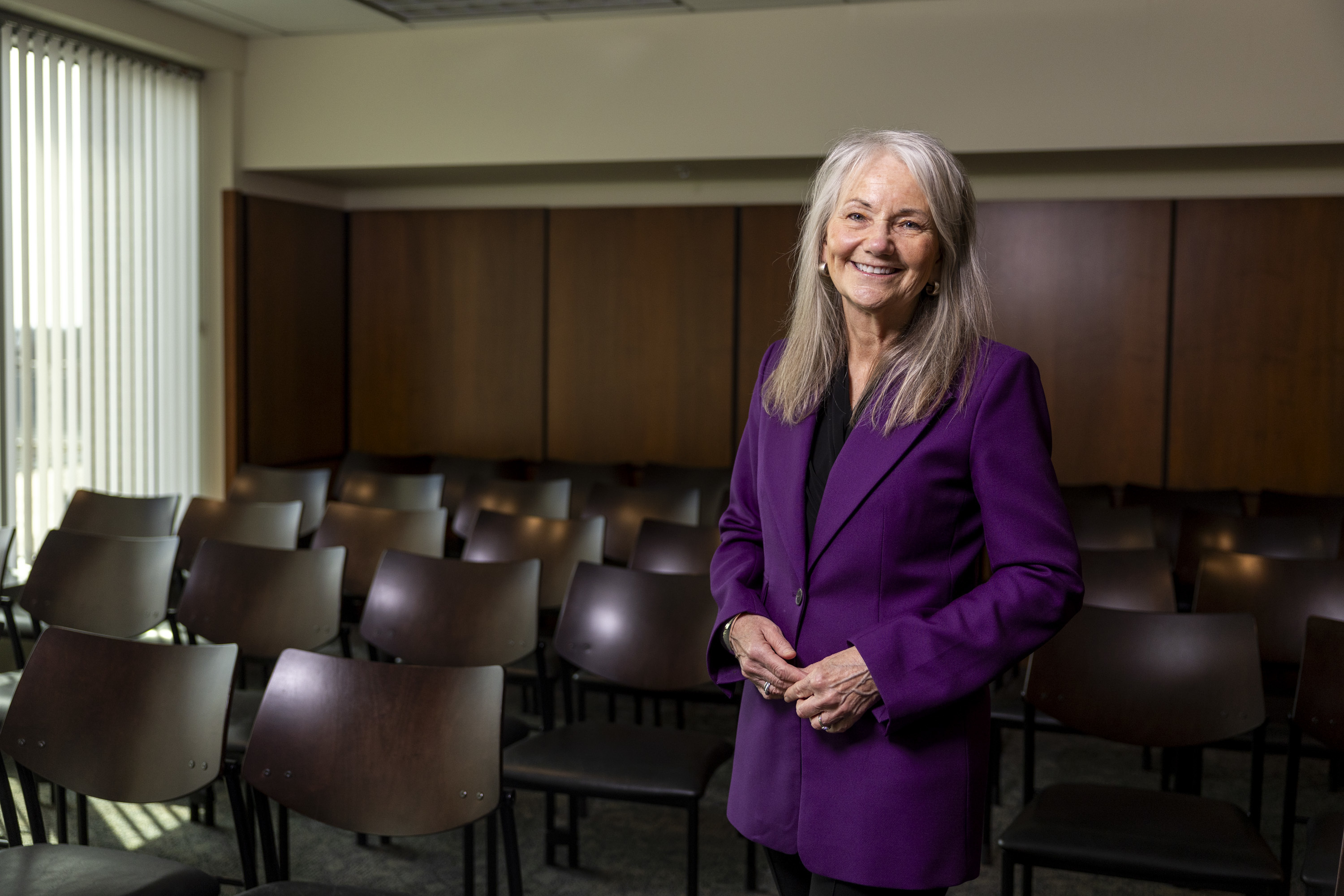
    Lancaster County Commissioner Alice Yoder has proposed forming a local health department to combat a growing measles outbreak in the area.Tyger Williams / Staff Photographer

    And the county health advisory council, which makes non-binding health recommendations for the county, did not discuss the outbreak at its meeting last month, said Martin, who serves on the council.

    State officials handling the outbreak have done “a fantastic job,” Martin said, but he believes stronger local health leadership could help combat the outbreak with a better understanding of the “complexity and diversity” of the county and its attitudes toward public health.

    Yoder says the county must do more to reach out to residents about the outbreak and has been advocating for Lancaster County to form a local health department.

    “The local government is typically a trusted place for people to go to. It would be so important and beneficial for us to come out stronger about the importance of vaccination,” Yoder said.
  • Pa. health officials release new data on measles vaccinations, showing slight drops in the Philly area

    Pa. health officials release new data on measles vaccinations, showing slight drops in the Philly area

    Pennsylvania officials on Monday released a new interactive tool where parents can look up vaccination rates at their children’s schools for the 2025-26 academic year.

    The tool’s release comes after months of reporting from The Inquirer and the Pittsburgh Post-Gazette showed falling vaccination rates over the last several years in counties and individual schools around Pennsylvania.

    “At a time when misinformation and conspiracy theories are sowing distrust in longstanding medical guidance, and reversing decades of science-backed progress, it’s more important than ever that [the state health department] provide Pennsylvanians with as much accurate information as possible,” state officials said in a statement.

    The tool was launched amid an ongoing measles outbreak in Pennsylvania. So far this year, the state has seen 176 measles cases in 14 counties, with 35 new cases reported in the last week. Nearly three dozen people have been hospitalized. None were fully vaccinated against the highly contagious virus, which can infect 9 in 10 unvaccinated people exposed to it.

    In all of 2025, the state reported 16 measles cases.

    Philadelphia-area vaccination rates

    The latest data on measles, mumps, and rubella vaccination coverage in the Philadelphia area show that vaccination rates for kindergartners dropped slightly, by less than 1%, in Philadelphia and three of four suburban counties between the 2024 and 2025 school years.

    (function(){function e(){window.addEventListener(`message`,function(e){if(e.data[`datawrapper-height`]!==void 0){var t=document.querySelectorAll(`iframe`);for(var n in e.data[`datawrapper-height`])for(var r=0,i;i=t[r];r++)if(i.contentWindow===e.source){var a=e.data[`datawrapper-height`][n]+`px`;i.style.height=a}}})}e()})();

    On the county level, no Philadelphia-area counties reported vaccination rates at or above 95% for kindergartners.

    That is the “herd immunity” threshold, the rate scientists say is necessary to prevent the spread of the virus.

    Bucks County had the lowest MMR vaccination rate for kindergartners, at 93.7%, down from 94.3% the year before.

    In Chester County, vaccination rates for kindergartners held steady at 94.5% for both 2024 and 2025. Chester has confirmed 20 measles cases this year and is the only Philadelphia-area county to report cases in the current outbreak, which began in April.

    Some counties saw slight rises in vaccination rates for seventh or 12th graders, but Delaware County saw slight drops in vaccination rates across grade levels.

    The newly released data also show more parents are using exemptions to opt out of vaccination. Pennsylvania has among the most permissive vaccination exemption provisions in the country; parents can opt not to vaccinate for religious, philosophical, or medical reasons.

    Medical exemptions decreased by 7% in the Philadelphia region between 2024 and 2025, but religious exemptions jumped by 14% and philosophical exemptions increased by 19%.

    Statewide vaccination rates

    Schools are required by state law to report their vaccination rates for kindergarten, seventh, and 12th grades; more than 90% of schools complied, state officials said.

    According to the new dashboard, schools reported vaccination data from 5,943 grades. The dashboard obscures data from grades with enrollment below 20 students to protect privacy.

    Statewide, more than half of reporting kindergartens had MMR vaccination rates above the herd immunity threshold, state officials said.

    Seventh- and 12th-grade classes were more likely to report vaccination rates at or above 95%, with 74% of seventh-grade classes and 83% of 12th-grade classes reaching herd immunity, officials said.

    Staff writer Sarah Gantz contributed to this article.

  • Federal officials abruptly cut funding for a teen pregnancy prevention program in Philadelphia

    Federal officials abruptly cut funding for a teen pregnancy prevention program in Philadelphia

    Federal health officials last month abruptly cut funding for a teen pregnancy prevention program in Philadelphia — despite approving the program’s curriculum last year, its leaders said.

    AccessMatters, the reproductive health nonprofit that ran the program for more than 1,200 students in charter schools across the city, had a five-year grant, about $1 million per year, to teach students about pregnancy prevention.

    But, in a June letter, federal officials terminated funding two years early, saying the program was “normalizing adolescent sexual activity,” said Ayana Bradshaw, AccessMatters’ president and CEO.

    AccessMatters was one of dozens of organizations around the country that had received funding under a federal teen pregnancy prevention grant program. Nearly all have now been informed that they are losing their funding, Bradshaw said.

    Representatives of the U.S. Department of Health and Human Services did not respond to a request for comment.

    Staff at AccessMatters are still figuring out their next steps in the wake of the funding cuts.

    Federal officials took issue with a portion of the program’s curriculum about using condoms, said India Blunt, AccessMatters’ director of training and capacity building.

    But, she said, that curriculum had already undergone a rigorous approval process from the Trump administration.

    In April 2025, HHS officials had asked AccessMatters to review its curriculum and programming and edit it to align with the new administration’s priorities. The curriculum was approved, AccessMatters staff said, only to have the funding pulled just over a year later.

    “[The cuts were] shocking largely because we were using approved curriculum,” Blunt said. “We made adaptations to the curriculum to be in alignment. We were following the procedures, protocol, and program expectations to a T.”

    Blunt said the program provides students with medically accurate information about HIV and other sexually transmitted infections, good hygiene practices, and puberty. Program staff also discuss healthy relationships, communication, and consent with students.

    The curriculum is aimed at delaying teenagers from having sex, and includes tactics for how to refuse a partner, Blunt said.

    But in Philadelphia, which has a teen pregnancy rate twice that of the state average, it is crucial to provide teenagers with accurate sex education, AccessMatters staff said, including discussion of all options to prevent pregnancy.

    Surveys conducted at 32 Philadelphia public high schools in 2025 showed that just under a third of surveyed students reported that they had had sex. About 40% reported using a condom during their last sexual intercourse. Fewer than one in five reported that they had been tested for sexually transmitted infections.

    “I don’t know how you talk about pregnancy prevention and not talk about condoms. You need to understand what the actions are — there are many, from abstinence to how to use a condom,” Bradshaw said.

    “These are not programs meant to promote sexual activity, but programs that are meant for youth to understand what actions are available for them to prevent pregnancy.”

    The administration is now soliciting new grant proposals for teen pregnancy programming that must emphasize abstinence as the only way to prevent pregnancy, stressing “the importance of marriage and procreation” and “[instructing] young people how to safeguard their fertility,” the New York Times reported earlier this month.

    Several programs that lost funding have filed lawsuits to block the cuts.

    The abrupt funding cuts have put jobs at AccessMatters at stake, officials there say.

    “It has a disastrous impact on AccessMatters program staff, as well as community partners,” Bradshaw said. “Of course, most of all, it’s a devastating loss for adolescents in Philly.”

    President Donald Trump’s administration has targeted funding at AccessMatters in the past. The nonprofit oversees Title X funding in the Philadelphia region, helping people without sufficient health insurance to access contraceptives, sexually transmitted infection testing, cancer screenings, and vaccinations.

    The administration froze funds for four months last year for AccessMatters and hundreds of other organizations while it investigated compliance with the administration’s directives on immigration and diversity, equity, and inclusion.

    Trump has argued that DEI programs discriminate against white people, and his administration has targeted federal grants that support research on health equity and threatened universities with funding cuts based on their DEI policies.

    AccessMatters’ Title X funding was eventually restored late last summer, without the nonprofit having to change its policies. But the clinics it funded were hit hard by the freeze, in some cases laying off staff, shouldering extra costs, and helping patients find affordable medication elsewhere.

    “We’re still assessing the overall impact to the organization,” Bradshaw said of the June funding cuts. “There was no notice, no time to even plan for this.”

  • Temple and Jefferson resident physicians have ratified union contracts

    Temple and Jefferson resident physicians have ratified union contracts

    Resident physicians at Temple University Health System and Thomas Jefferson University Hospitals have ratified their first contracts with their health systems after having voted to unionize last year.

    The 2,200 Temple and Jefferson residents organized with the Committee of Interns and Residents, affiliated with the Service Employees International Union, and are among the 86% of Philadelphia resident physicians who have joined a union in the last several years.

    The contracts were ratified July 1 and announced Thursday.

    The new contracts include “substantial” raises and “greater investment in resident education,” the union said Thursday in a news release.

    In addition, residents at different hospitals in the same health systems will now receive similar salaries, the union said.

    Residents at Jefferson Einstein Hospital will be paid the same as other Jefferson residents, and those at Temple’s Chestnut Hill Hospital will “achieve near pay parity” with residents at Temple University Hospital and Fox Chase Cancer Center by the second year of their contract, the union said.

    Resident physicians and fellows have completed their medical degrees and spend three to seven years training in a clinical specialty, working up to 80-hour weeks for, on average, $61,000 a year. That’s a lower salary than other professionals who require special training, like flight attendants and electricians.

    Union members said their new contracts would help them afford living expenses as they train. Many live paycheck to paycheck, and some take on debt to get by, Linda Li, a resident physician at Chestnut Hill Hospital, said in a statement.

    “I’m incredibly proud that we stood together and won a contract that will make a material difference in our lives and for residents who come after us,” she said.

    In a statement, a Jefferson spokesperson said: “We look forward to moving ahead together in support of the patients we serve.”

    A Temple spokesperson said the contract “appropriately supports our residents and Temple Health and preserves our ability to provide our patients with the high-quality care they deserve.”

    “We take great pride in the skill and compassion our Residents and Fellows demonstrate in caring for our patients, and in their tireless dedication to the pursuit of knowledge,” the spokesperson wrote in an email. “We remain committed to a positive working relationship which supports the finest and most rewarding physician training experience for them.”

    Philadelphia-area physicians have been part of a wave of unionization efforts for years. Residents at Penn Medicine signed their first contract in 2024, just before roughly 3,000 residents at Temple, Jefferson, Children’s Hospital of Philadelphia, and Delaware’s ChristianaCare began a unionization push. ChristianaCare’s attending physicians are also unionized and signed their first contract earlier this summer.

    Adrian Kase, a resident physician in physical medicine and rehabilitation at Jefferson, said in a statement that she and fellow residents were inspired by unionization efforts at Penn.

    “We saw how residents at Penn were able to raise the bar for physician training and patient care by organizing and winning their first contract, and we’re thrilled to build on what they achieved,” Kase said.

    While CHOP’s medical residents ultimately voted against unionizing, residents at the other health systems opted to organize with the Committee of Interns and Residents. ChristianaCare residents are still negotiating their first contract.

  • What is the ‘dose zero’? Here’s what you need to know about Pa.’s new recommendations for early measles vaccination

    What is the ‘dose zero’? Here’s what you need to know about Pa.’s new recommendations for early measles vaccination

    As Pennsylvania grapples with a measles outbreak that has sickened 130 residents, state health officials are recommending some parents vaccinate young children early to provide extra protection against the highly contagious disease.

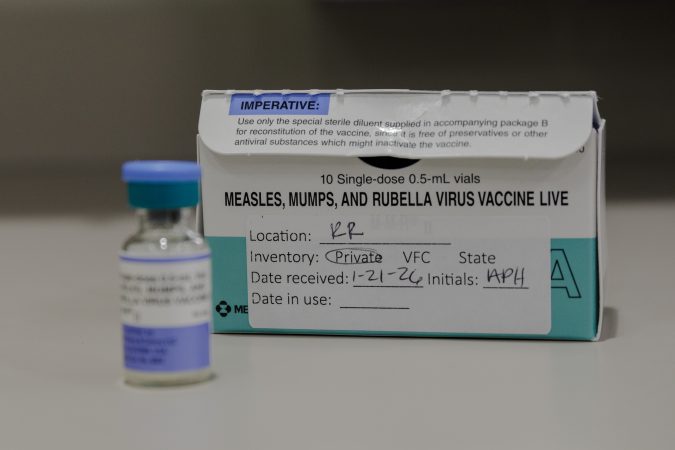
    Children as young as 6 months who live in or whose parents plan travel to affected counties should get a “dose zero” of the measles, mumps, and rubella shot, health officials said last month. Typically, children get their first measles shot at a year old.

    Measles infects up to 90% of unvaccinated people who are exposed to it, and complications can be particularly serious for young children.

    Here’s what you need to know about the “dose zero.”

    What is the dose zero?

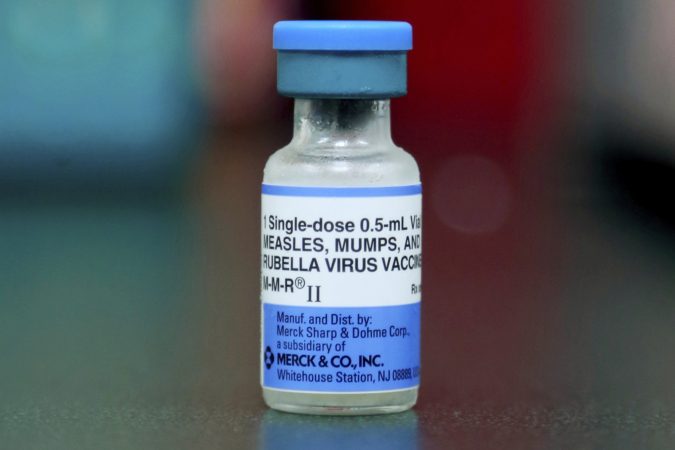
    A “dose zero” MMR shot is an early vaccine given at 6 months old. Usually, a child receives the first MMR dose at 12 months old, then again between 4 and 6 years old.

    Babies receive some antibodies from their mothers that can interfere with vaccines that contain weakened versions of a live virus, including the MMR vaccine, said Katie Lockwood, a Children’s Hospital of Philadelphia pediatrician.

    Those antibodies mean that an MMR shot given before 12 months old can be slightly less effective at providing lasting immunity.

    But a “dose zero” can still provide babies with some protection that’s especially crucial in an outbreak.

    “What we see from that dose zero MMR is that you have some short-term protection that we believe will protect you during that period when you’re traveling to an outbreak area or internationally,” Lockwood said. (It’s long been recommended that parents opt for a dose zero if they’re planning to travel internationally with an infant.)

    “But it’s not generating the same long-term immune response that we see when we give the routine vaccine at age 12 months.”

    What happens after a dose zero?

    Babies still need a second dose of the MMR vaccine at 12 months old to provide lasting protection against measles, Lockwood said.

    Normally, kids then get their last MMR dose at around 4 to 6 years old. That dose is timed to protect children who may not have gotten vaccinated as babies — in school, they’re more at risk of contracting an infectious disease, Lockwood said.

    But in an outbreak, the state health department recommends that children get their second dose earlier as well — as soon as 28 days after their first dose.

    CHOP is now routinely recommending that children receive their final MMR dose at 15 months old. With 13 measles cases reported in Chester County since April, and 75 cases reported just to the west in Lancaster County, Philadelphia-area parents are close enough to the outbreak that many are opting in, she said.

    “It’s still the parents’ decision. But there’s not really a downside to giving it early,” Lockwood said. “Especially with all of these cases, a lot of parents are reporting that it makes them feel more comfortable, knowing that their child is fully protected.”

    How are area families reacting to the new recommendations?

    Lockwood, who practices in Flourtown, Montgomery County, said she’s fielded “really thoughtful” questions from parents as they decide whether to vaccinate early.

    “[They ask], ‘Why wasn’t this the standard the whole time?’” she said. “I always explain that it’s because measles wasn’t really around so we didn’t have to worry about it the way that we’re worrying about it now. Measles wasn’t a real threat to most children in their daily lives in the United States.”

    Lockwood said that some parents who had opted to delay or forego MMR vaccinations have changed their minds in light of the outbreak.

    “Chester County is really not very far away from most of my patients,” she said. “It does make it feel much more of a realistic threat to their child.”

    Lockwood also tries to reassure parents who are still hesitant about vaccination.

    “The MMR vaccine, because of some of the misinformation that has circulated around it for years, is one of the most studied vaccines,” she said. “For anyone who is worried about vaccine safety, this is really one with a wealth of safety data available. It’s been proven so many times to be safe and effective.”

    Where can Pennsylvanians get vaccinated against measles?

    MMR vaccines are generally available at doctors’ offices, urgent-care centers, federally funded health centers, and pharmacies. Philadelphia residents can get a free MMR vaccine at any city health center by calling 215-685-2933. Outside the city, county and municipal health departments and state health centers also offer the vaccine.

    It’s recommended that residents call ahead to clinics to check on availability.

  • Cyclosporiasis cases in Pennsylvania linked to recalled Taylor Farms lettuce at Taco Bell

    Cyclosporiasis cases in Pennsylvania linked to recalled Taylor Farms lettuce at Taco Bell

    Cyclosporiasis cases in Pennsylvania have been linked to a multistate outbreak of the intestinal illness spread by a parasite that causes “explosive” diarrhea, state and federal health officials said Friday.

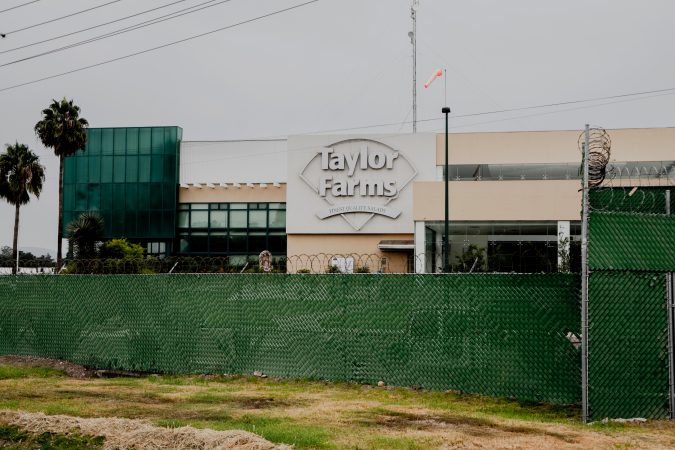
    Earlier this month, the Centers for Disease Control and Prevention linked cyclosporiasis cases in five states to lettuce grown by Taylor Farms and sold at Taco Bell. Now, investigators say they’ve identified illnesses in nine states in people who ate at Taco Bell and later became sick.

    Cyclosporiasis is caused by a single-celled parasite, Cyclospora cayetanensis, that spreads through fecal material. It can infect a person’s gut after consuming food or water contaminated by feces, and in the past has spread through fresh produce like leafy greens.

    The CDC has identified 1,947 people in Illinois, Indiana, Kansas, Kentucky, Michigan, Ohio, Oklahoma, Pennsylvania, and West Virginia who were infected with Cyclospora and reported eating at Taco Bell. At least 98 people have been hospitalized, the Food and Drug Administration said.

    It’s likely that case counts are much higher than reported, the CDC says, because many people recover from cyclosporiasis without seeking medical care or getting tested.

    Nationwide, the agency is tracking 4,173 confirmed cases of the illness and another 7,400 cases that haven’t been confirmed by lab testing, including many cases in Michigan and Ohio.

    Pennsylvania health officials said they have confirmed 45 cases in the state so far this year and are monitoring three additional suspected cases. In all of 2025, the state saw 40 cyclosporiasis cases; Pennsylvania reported 87 cases in 2024.

    State officials said “several” of this year’s cases have been linked to the multistate outbreak, but added their investigation is ongoing.

    In New Jersey, health officials recorded 46 cases between May 1 and July 16. Cases typically rise in the late spring and summer months, and officials said last week that this year’s are in line with a typical year’s case count.

    Both Pennsylvania and New Jersey were among the 27 states affected by a recall of lettuce sold by the California-based Taylor Farms.

    Last weekend, a sample of Taylor Farms lettuce that wasn’t part of the recall, taken from a shipment at the U.S.’s southern border with Mexico, tested positive for Cyclospora. The results turned out to be a false positive.

    Still, the Food and Drug Administration tweeted, there is “overwhelming epidemiological data supporting the current voluntary recall” from Taylor Farms.

    The FDA has listed products affected in the recall on its website. People who bought affected lettuce should throw it out immediately and not eat it, the CDC says.

    They should wash items and surfaces that might have touched the lettuce with hot, soapy water, and avoid recalled lettuce at Taco Bell or other restaurants. Customers should ask restaurants about the source of their lettuce before ordering it.

  • As measles cases in Pennsylvania rise, officials scramble to track cases

    As measles cases in Pennsylvania rise, officials scramble to track cases

    Pennsylvania tallied more than two dozen new cases of measles in the last week, including several in the Philadelphia region.

    In Chester County, health officials confirmed 13 cases in the suburban Philadelphia county since April, with seven identified since Monday.

    The rising counts come as the Centers for Disease Control and Prevention reported Friday that measles cases nationwide had surpassed all cases reported in 2025, the highest case count in 35 years.

    One of the most contagious diseases, measles has made a resurgence as rising numbers of people are refusing the highly effective vaccine that prevents its spread.

    In a growing Pennsylvania outbreak centered in Lancaster County, state health officials confirmed 14 new cases in the last week. The county has been at the center of two separate outbreaks this year and has reported 75 cases since April, when the current outbreak began.

    So far this year, Pennsylvania has reported 139 cases of measles, more than eight times the number reported in 2025 and the highest case count in three decades. Twenty-five people have been hospitalized.

    Delaware on Wednesday declared a measles outbreak, with four cases reported. New Jersey has seen one case so far in 2026.

    (function() {
    var l2 = function() {
    new pym.Parent(‘HE_MEASLES9.html’,
    ‘https://media.inquirer.com/storage/inquirer/projects/innovation/arcgis_iframe/HE_MEASLES9.html’);
    };
    if (typeof(pym) === ‘undefined’) {
    var h = document.getElementsByTagName(‘head’)[0],
    s = document.createElement(‘script’);
    s.type = ‘text/javascript’;
    s.src = ‘https://pym.nprapps.org/pym.v1.min.js’;
    s.onload = l2;
    h.appendChild(s);
    } else {
    l2();
    }
    })();

    Working to track cases

    In Chester County, the local health department has struggled to track cases in part because some exposed residents have refused to provide contact tracers with detailed information, said Jeanne Franklin, the county health director.

    Some residents have not answered calls from the department, or have spoken to health workers only about their own family, not other contacts they might have had in the community. Others have simply hung up the phone, Franklin said.

    “It does not allow us to paint the true picture. If they’re not talking to us, we’re assuming there’s a lot of cases unreported,” she said.

    Public health workers ask residents who are reluctant to reveal information about their contacts to, at least, inform friends and relatives that they may have been exposed to measles, Franklin said.

    She said Chester County residents who have tested positive for measles have mostly sought care in Lancaster County, which borders Chester County to the west.

    But most measles patients are seeking treatment only when they become seriously ill, she said, and milder cases are likely going unreported.

    “People aren’t going to freely get tested. They’re getting tested when their health has declined so much that they need medical assistance,” Franklin said.

    Unvaccinated people in Plain communities, Christian denominations like the Amish and Mennonites, have been affected more than others in the county, but the outbreak is not contained to these communities, Franklin said.

    Some members of Plain communities oppose vaccination, but opinions vary, and doctors in Lancaster, where Plain communities are heavily concentrated, have stressed that cases there are centered among unvaccinated people in general, not Plain residents.

    No major religion expressly forbids vaccines. Yet the spread of misinformation about vaccine safety, rising for years, is increasingly amplified in federal policy discussions under Health and Human Services Secretary Robert F. Kennedy Jr., a longtime anti-vaccine activist.

    Every measles case in the state this year was diagnosed in people who were not fully vaccinated against the highly contagious disease, which can infect up to 90% of unvaccinated people exposed to it.

    The Pennsylvania Department of Health has administered nearly 2,000 measles vaccines in the last year.

    Franklin said Chester County health workers are among those also stepping up vaccination efforts. Besides offering vaccinations at the county’s health clinics and working with community groups to host pop-up vaccine clinics, staffers are traveling to residents’ homes to vaccinate them, she said.

    The department is seeing renewed interest in measles vaccination as the outbreak continues, Franklin added.

    “If you decided or your parents decided a while ago not to get vaccinated for measles, that might have been OK then because the risk was low. In today’s situation, you should reassess your decision,” she said.

  • Delaware confirms its first measles case in more than 10 years while cases rise in Pa.

    Delaware confirms its first measles case in more than 10 years while cases rise in Pa.

    Delaware reported on Monday the state’s first case of measles in more than 10 years.

    The case was identified in an unvaccinated man in Kent County in central Delaware, health officials said in a news release.

    Officials said they were conducting contact tracing to determine whether anyone else had been exposed to the highly contagious disease, which can linger in the air for up to two hours and infect up to 90% of unvaccinated people who come into contact with it.

    They encouraged Delawareans to ensure they are vaccinated against measles. People who have received two doses of the measles, mumps, and rubella (MMR) vaccine are considered protected from the virus, as well as those born before 1957, or who have a lab test confirming they are immune to measles.

    People who do not know their vaccination status can check with their primary care doctor or visit the DelVAX Public Portal to check their vaccination records. Vaccines are typically available at primary care providers, pharmacies, and public health clinics, though health officials encouraged residents to call ahead to ensure a provider has the vaccine.

    People with measles symptoms — a fever, cough, runny nose, or pink eye, followed by a rash — should call their primary care doctor. Those with severe symptoms should visit an emergency room; in serious cases, the virus can cause pneumonia, brain inflammation, and death. Patients should call providers before visiting to let them know they were exposed to measles.

    Cases spread in Pennsylvania

    The positive test comes as Pennsylvania grapples with its biggest measles outbreak in 30 years, with 102 people sickened and 20 hospitalized since April.

    On Monday, health officials reported that cases had spread to two new counties, with one case each confirmed in Indiana and Snyder Counties.

    Indiana County is in Western Pennsylvania. Snyder County, in central Pennsylvania, borders Northumberland County, where six cases had already been reported.

    It was unclear whether those cases were connected. The bulk of cases have been detected in Lancaster County, where 61 people have contracted measles since April.

    In the Philadelphia region, six cases have been reported in Chester County.

  • Taylor Farms recalls lettuce in Pa. and N.J.; FDA says consumers should avoid it despite false positive Cyclospora test

    Taylor Farms recalls lettuce in Pa. and N.J.; FDA says consumers should avoid it despite false positive Cyclospora test

    Pennsylvania and New Jersey are among the 27 states seeing recalls of shredded lettuce products sourced to Taylor Farms, the produce company at the center of a food safety investigation into an outbreak of “explosive” diarrhea caused by the parasite Cyclospora cayetanensis.

    Federal officials announced over the weekend that a sample of lettuce taken from a Taylor Farms shipment at the U.S.’s southern border with Mexico tested positive for Cyclospora.

    The test involved lettuce that wasn’t affected by the California-based produce company’s recall.

    The results turned out to be a false positive. As of Sunday, federal officials said, they had not found a positive test for Cyclospora in a produce sample.

    Still, the Food and Drug Administration tweeted Monday, there is “overwhelming epidemiological data supporting the current voluntary recall” from Taylor Farms.

    Officials notified the public because it was “actionable public health information,” acting Deputy Commissioner for Food Donald Prater said in a press call Monday.

    Thousands of people have been sickened in a cyclosporiasis outbreak, with cases reported across Indiana, Kentucky, Michigan, Ohio, and West Virginia.

    Investigators at the Centers for Disease Control and Prevention found more than 1,600 people in those states became ill after they ate iceberg lettuce from Taco Bell, which sourced lettuce from Taylor Farms.

    Taylor Farms did not immediately return a request for comment.

    Cases in Pa. and N.J.

    Cases of cyclosporiasis have been reported in 34 states, including Pennsylvania, though case counts here were low as of last week, affecting 28 people since the beginning of the year, including 14 in Southeastern Pennsylvania.

    New Jersey health officials said the state had recorded 46 cases between May 1 and July 16. Cases typically rise in the late spring and summer months, and this year’s are in line with a typical year’s case count.

    It’s unclear whether anyone in Pennsylvania or New Jersey was sickened after eating Taylor Farms products. The CDC said it was also investigating outbreaks and other cases that are not connected to the Michigan outbreak.

    National lettuce product recall

    The FDA has listed products affected in the recall on its website. People who bought affected lettuce should throw it out immediately and not eat it, the CDC says.

    They should wash items and surfaces that might have touched the lettuce with hot, soapy water, and avoid recalled lettuce at Taco Bell or other restaurants. Customers should ask restaurants about the source of their lettuce before ordering it.

    Cyclosporiasis is caused by a single-celled parasite that spreads through fecal material. It can infect a person’s gut after they consume food or water contaminated by feces. Common symptoms include watery diarrhea, a loss of appetite, cramping, nausea, and fatigue.

  • Two measles cases reported in Chester County as officials reveal more data on Pa.’s outbreak

    Two measles cases reported in Chester County as officials reveal more data on Pa.’s outbreak

    Nineteen people have been hospitalized for measles since April in Pennsylvania, state health officials reported in a new online data dashboard launched this week to track the spread of the highly contagious disease.

    Since April, an outbreak centered in Lancaster County has sickened 98 people — about a third of whom were under 18.

    The virus is also circulating in western Chester County, on the border between the Philadelphia area’s suburbs and Lancaster in central Pennsylvania. The county reported two additional cases this week, bringing its total to six since the outbreak began.

    The state has seen 110 cases this year, nearly seven times the caseload in 2025 and the largest case count in three decades. None of the patients sickened this year were fully vaccinated against the disease, state health officials said.

    On the new dashboard, officials also highlighted ongoing vaccination efforts in affected counties, noting that this year state health workers have given out more than 600 doses of measles, mumps, and rubella vaccine in Lancaster County alone — more than three times the doses administered there in all of 2025.

    Secretary of Health Debra Bogen said in a statement that the measles dashboard launched as part of ongoing efforts to “boost public access to information and provide transparency in our work to protect public health.”

    After The Inquirer and the Pittsburgh Post-Gazette earlier this year published analyses on school-level vaccination data that were not readily available to the public, the state committed to publishing that information on its website. The data will be available by August, officials said.

    New cases near Philadelphia

    Lancaster County has been a particular hot spot for measles, with 59 cases reported since April.

    Last month, Chester County became the first in the Philadelphia region to identify measles cases since the current outbreak began.

    As of Thursday, six people in the county had been diagnosed, county officials said. A seventh case was reported earlier this year during a separate outbreak.

    All of the cases in Chester County were identified after patients sought medical care, but none have been hospitalized, said Nancy Sullivan, supervisor of the county’s disease investigation and surveillance program.

    Most of the patients in Chester County contracted measles — which can infect up to 90% of unvaccinated people exposed to the disease — because they lived with another measles patient, Sullivan said.

    “Individuals in the household are incredibly high risk; it’s not surprising to me that most [cases] are household contacts,” Sullivan said.

    The county has not identified cases contracted through “community transmission,” when a person in a public place like a library or supermarket exposes others to the disease.

    Still, physicians working in Lancaster have said they believe the true number of measles cases in Pennsylvania is higher than reported.

    With cases circulating in the western part of Chester County, on the border with Lancaster County, Sullivan also suspects more cases are going unreported.

    “We’re looking for community transmission and trying to stop that as quickly as possible,” she said.

    County officials have encouraged residents to ensure they are up-to-date on measles vaccinations, directing locals to clinics hosted by the state health department.

    If they are not able to attend those, Sullivan said, health workers will point them to Chester County’s own vaccination clinic, or even drive to residents’ homes to vaccinate them.

    The county is also in daily communication with Philadelphia regional health officials, who have been closely monitoring infectious diseases amid a full slate of high-profile summer events in the area.