During his extensive travels to Europe, 19th-century doctor and Philadelphia socialite William Camac was impressed with the vast zoological parks he visited, especially the one in London.
He soon convinced his well-to-do cronies in the Union League, the Pennsylvania Academy of the Fine Arts, and the Franklin Institute to open a zoological garden in Philadelphia. And on March 21, 1859, the Pennsylvania state legislature passed a charter establishing the Zoological Society of Philadelphia.
Its purpose: to purchase and collect living and wild animals for public exhibition.
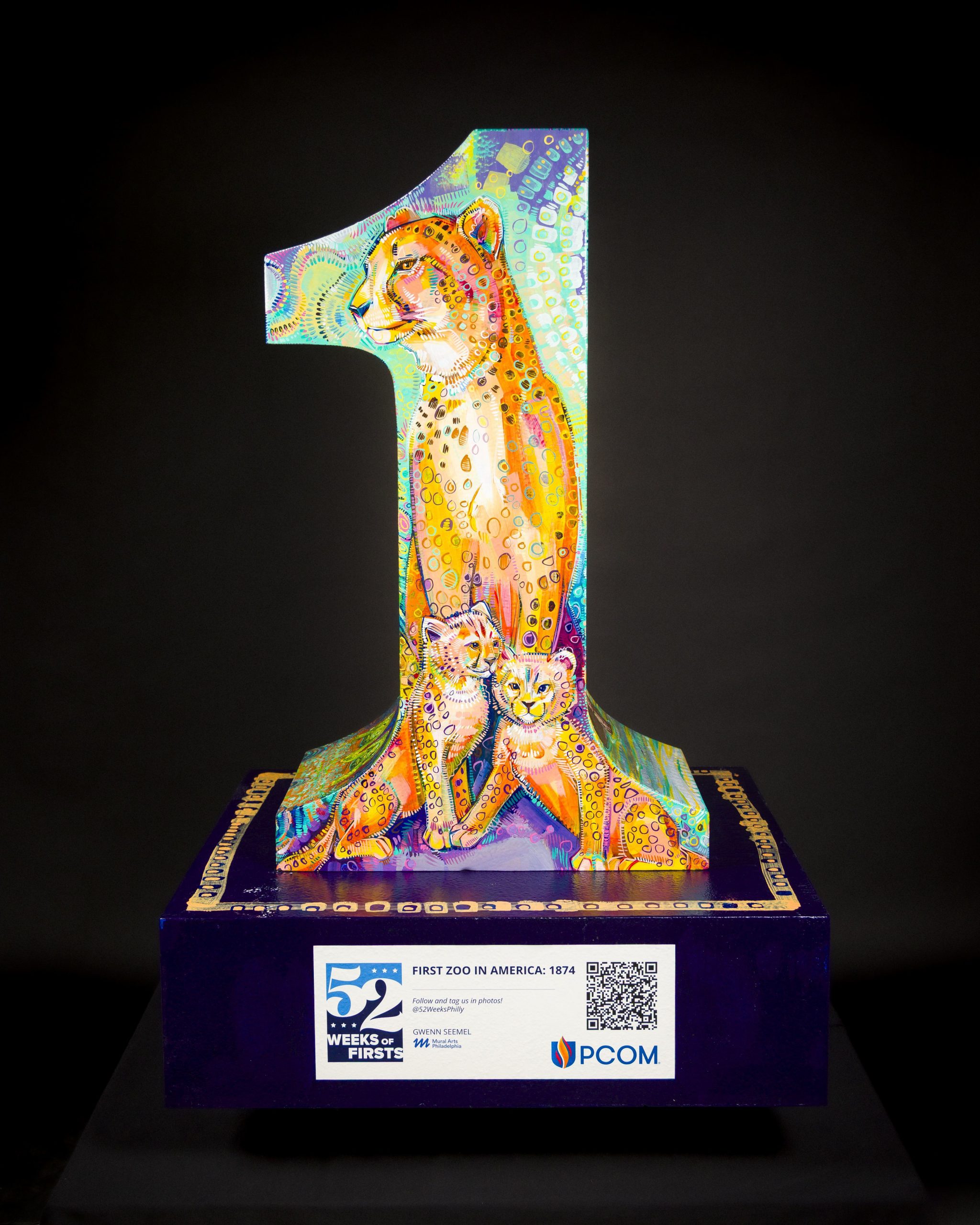
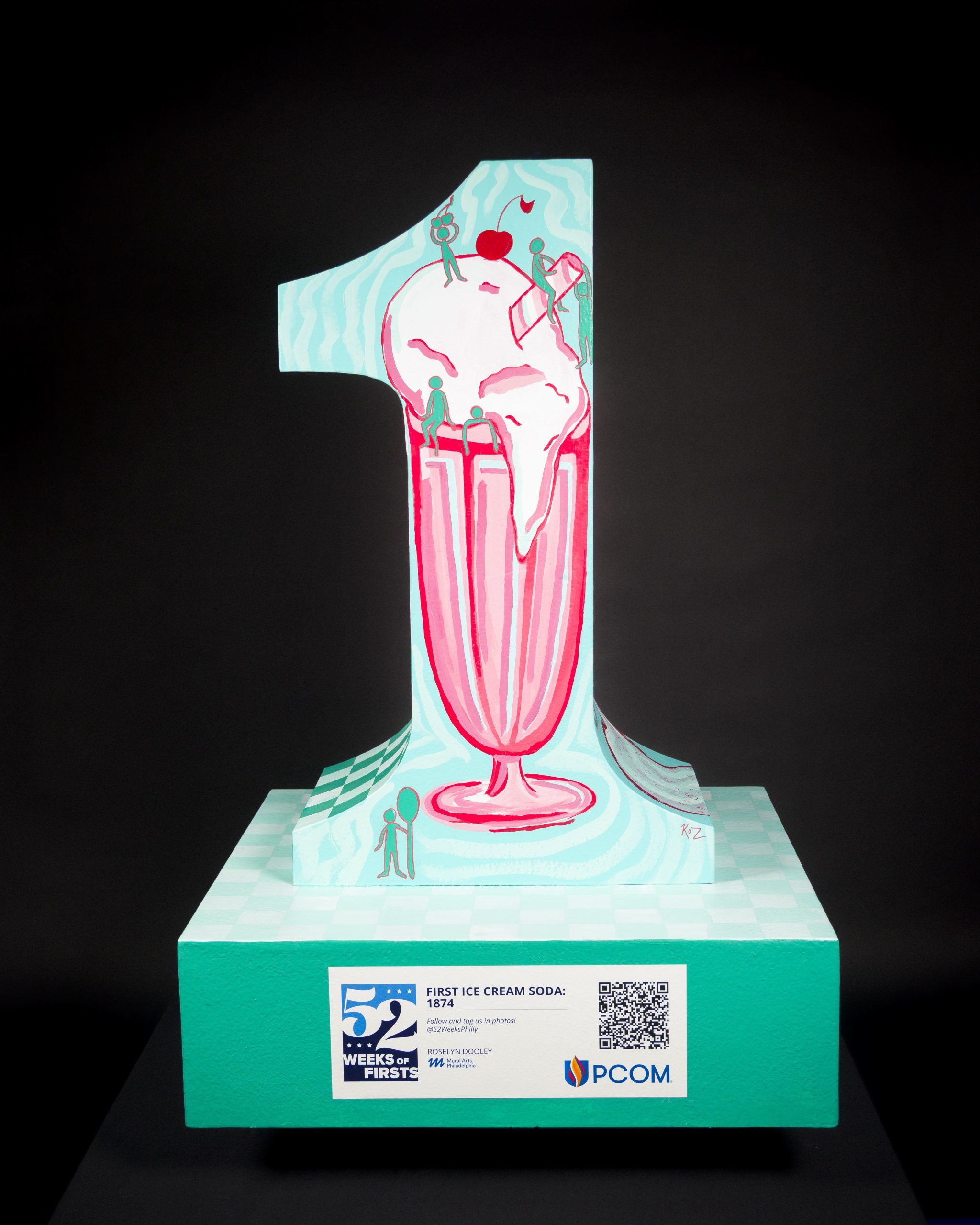
Artist Gwenn Seemel’s No. 1 captures many of the Philadelphia Zoo’s first milestones.Gwenn Seemel and Colibrà Workshop
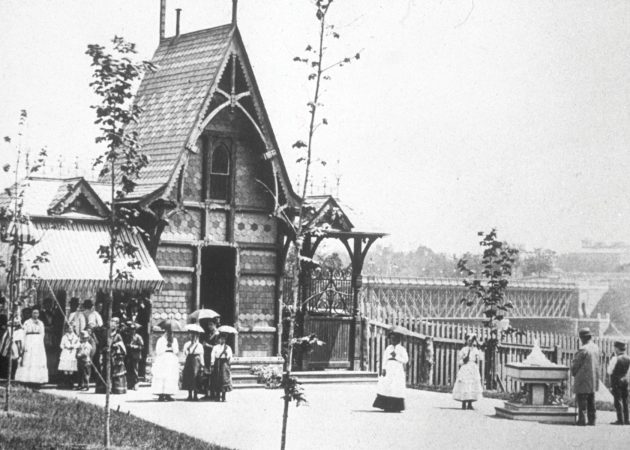
Organizers started building in earnest immediately, but the Civil War slowed down the process. (Camac served as a surgeon in the Union Army.) After the war’s end, in the late 1860s, the city granted the Zoological Society a lease to choose land. The society went with a 42-acre site in West Fairmount Park near the brand new Girard Avenue Bridge.
On July 1, 1874, America’s first zoo opened, in Philadelphia.
The Philadelphia Historical District will celebrate this moment Saturday at the Philadelphia Zoo. The party is part of the historic district’s weekly “Firstivals,” a yearlong recognition of places and events with Philly roots.
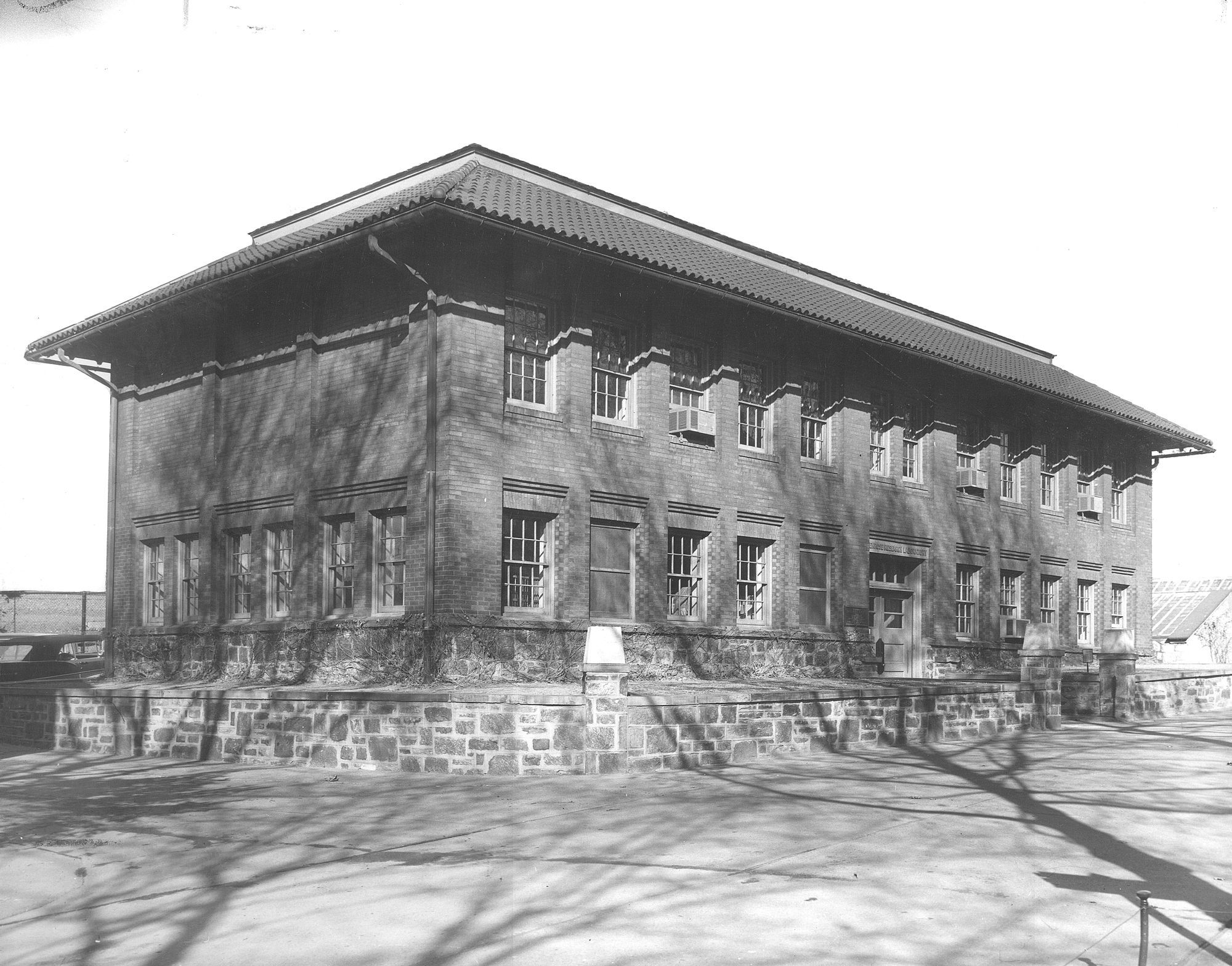
In 1901, the Philadelphia Zoo opened the Penrose Research Laboratory, the world’s first zoological research laboratory.Philadelphia Zoo
Admission to the Philadelphia Zoo on opening day was 25 cents for adults and 10 cents for children. The orchestra played as visitors strolled through the gardens.
Featured exhibits included a prairie dog village, that, according to a 1874 article in The Inquirer, “was not to be found in any other zoological garden in the world.” There was also a buffalo range, a beaver pond, alligators, and “five specimens of grizzly bears.”
More than 227,000 visitors arrived by foot, horse carriage, steamboat, and passenger train during the zoo’s first eight months.
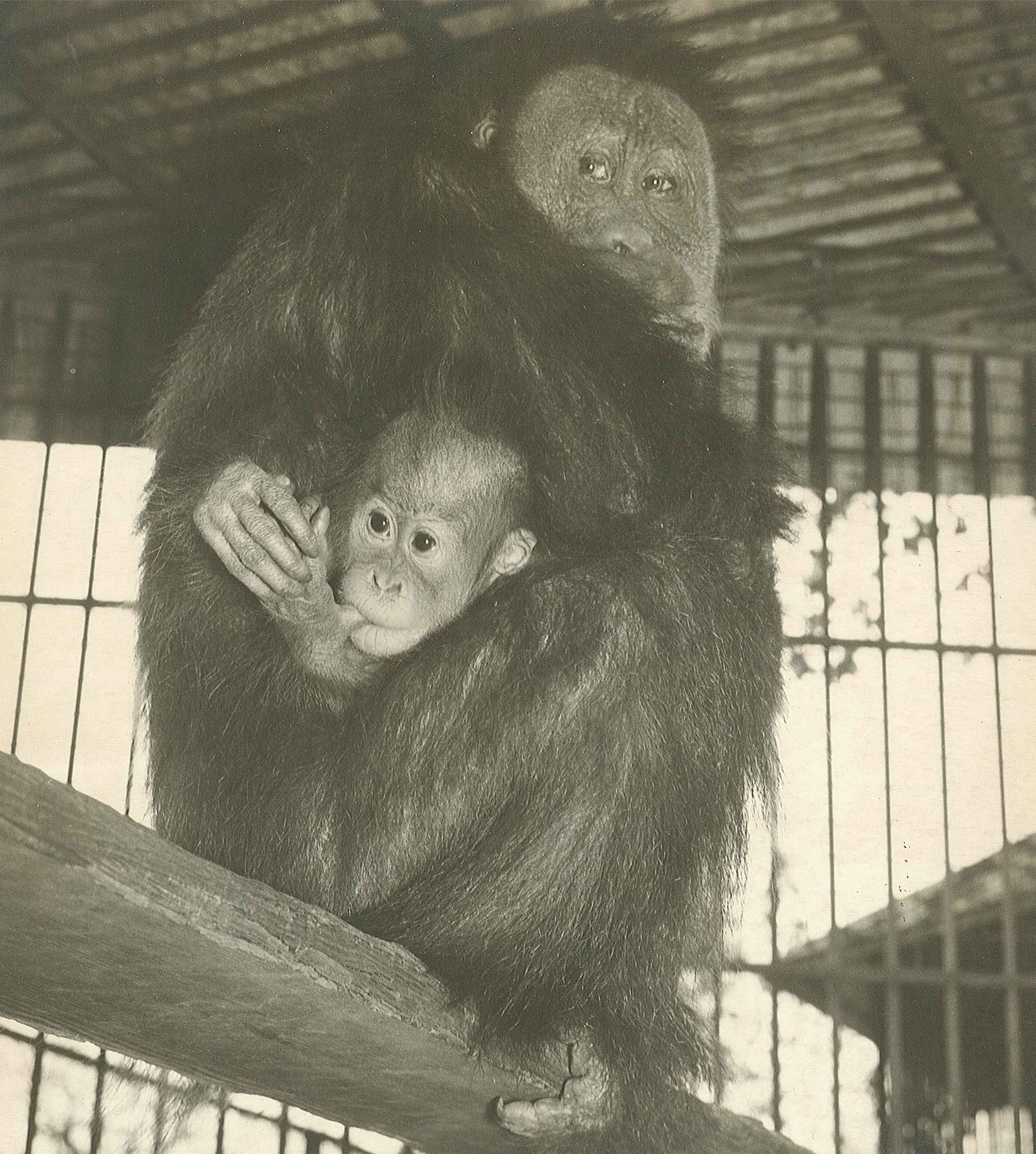
Momma Maggie and Baby Lucky, the first orangutan born in an American zoo, in 1928.The Philadelphia Zoo
Apart from being the first zoo, the Philadelphia Zoo boasts many of the nation’s other zoological firsts.
In 1901, the Philadelphia Zoo opened the world’s first-ever animal health research laboratory, where Charles B. Penrose pioneered the idea of giving zoo animals balanced diets.
In 1928, the first orangutan and the first chimpanzee to be born in an American zoo were born here.
In 1935, Ellen P. Corsen White formulated the first food for zoo animals, called Zoo Cake, which helped the zoo animals be less susceptible to disease.
In 1956, the first cheetahs to be born in an American zoo were born in Philadelphia.
In 1974, the Philadelphia Zoo and the Portland Zoo became the nation’s first officially accredited zoological gardens.
Even today, the Philadelphia Zoo continues to be run by the Zoological Society of Philadelphia. In 2009, it opened a state-of-the-art bird center, and in 2024, the Philadelphia Zoo celebrated its 150th birthday.
Galapagos tortoise Mommy (estimated to be 97 years ofd) eats a piece of pumpkin at the Philadelphia Zoo on Oct. 28, 2025.Tom Gralish / Staff Photographer
“The Philadelphia Zoo is a part of the fabric of this city,” said Jo-Elle Mogerman, president and CEO of the Philadelphia Zoo. “We have served as a window into the world of wildlife for generations.”
This week’s Firstival is Saturday, Aug. 8, 11 a.m.-1 p.m., at the Philadelphia Zoo, 3400 W. Girard Avenue.
Watching Maori Karmael Holmes’ 2006 documentary Scene Not Heard: Women in Philadelphia Hip Hop is a sweet throwback to the era of Questlove and Mike Nyce on the Tastytreats turntables at Fluid Nightclub.
It’s remembering what it was like seeing Jill Scott, Floetry, Kindred the Family Soul, and the Jazzyfatnastees at Black Lily.
It calls to mind open mic poetry at Crimson Moon coffee shop, the simplicity of Razr cellphones, and the ubiquity of the Honda Accord. Before there were Instagram stories and Facebook feeds, Megan Thee Stallion and Cardi B, Holmes made Scene, an authentically Philly exploration of the life of the lady emcee.
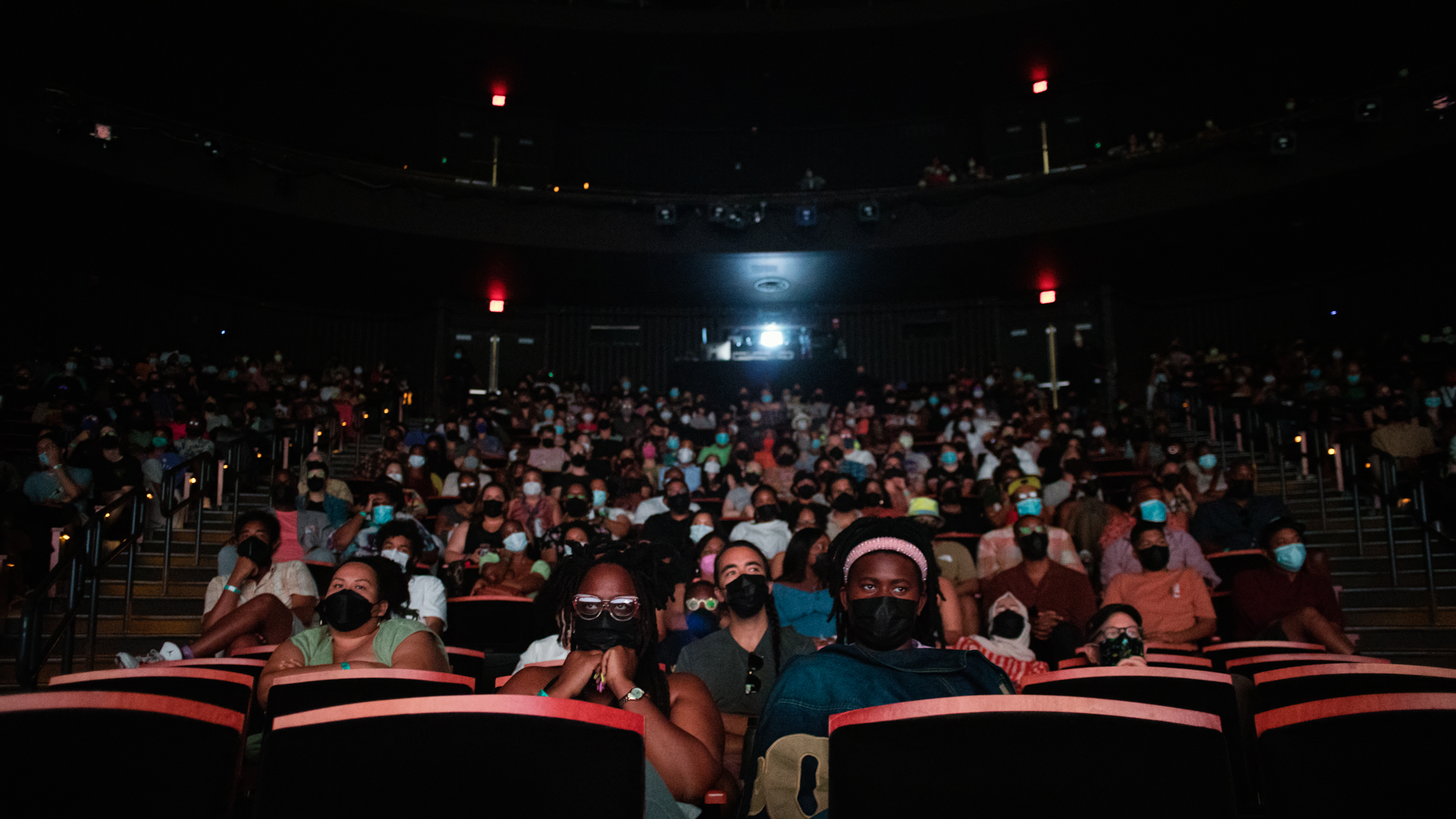
The 44-minute documentary, featuring legendary rappers Bahamadia and Monie Love, deejays Lady B and Dyana Williams, and poets Ursula Rucker and Lady Alma will screen again Friday afternoon at 4:30 p.m. during the 15th BlackStar Film Festival at the Suzanne Roberts Theatre.
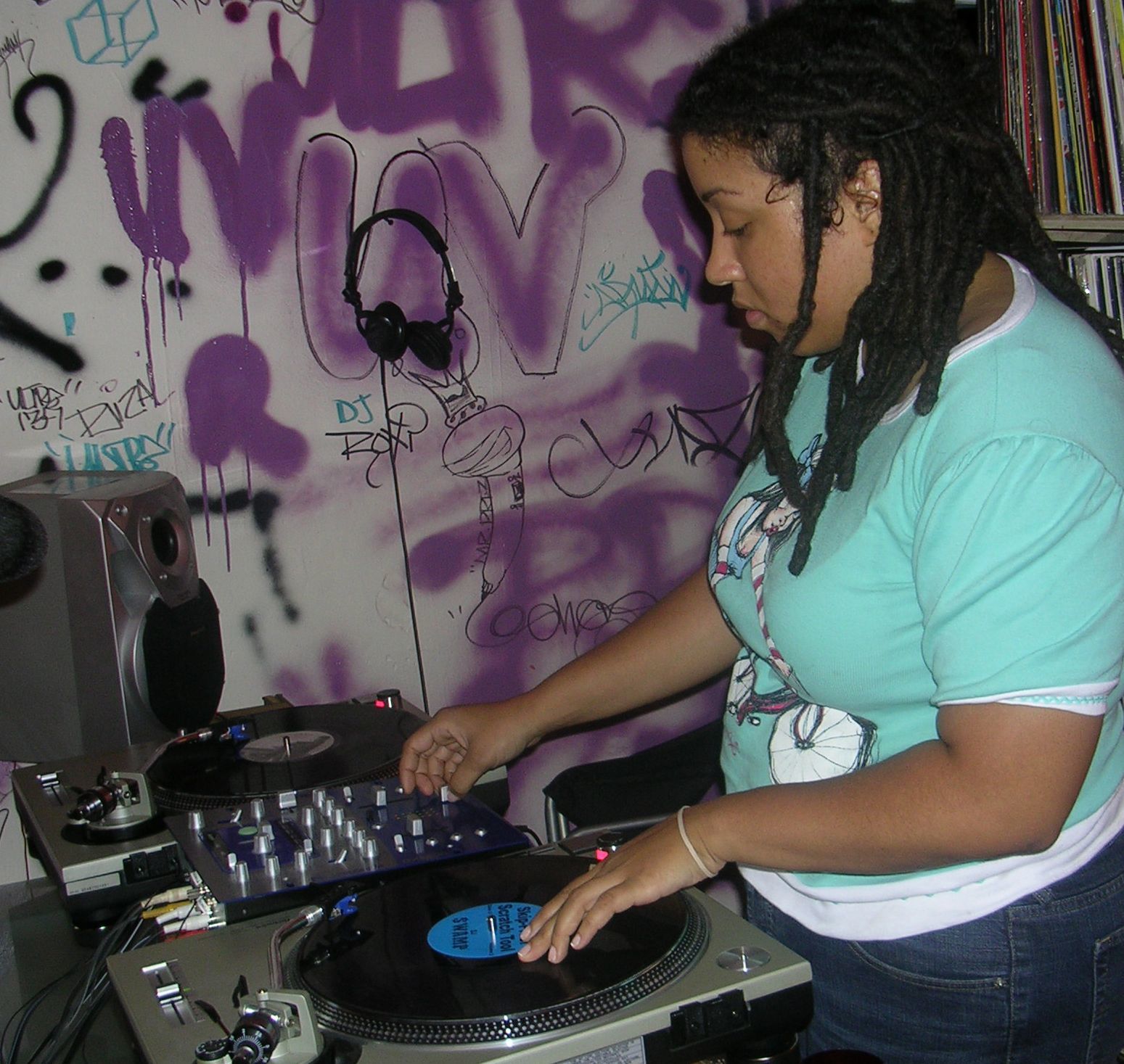
A still from Maori Karmael Holmes’ 2006 documentary “Scene Not Heard” centering the experiences of lady emcees in hip-hop. Pictured here is DJ Ultra Violet.Maori Karmael Holmes
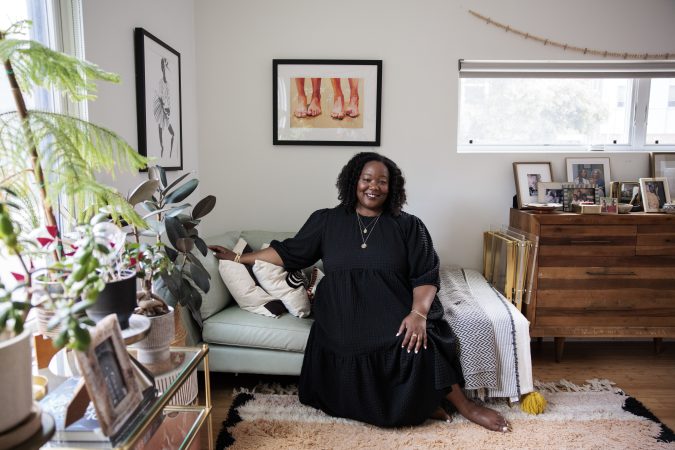
“Scene Not Heard is a part of the BlackStar origin story,” Holmes said in a video call last week. She didn’t know it back then but Scene — her thesis project for her Temple University MFA — would become BlackStar’s foundation.
It feels like a lifetime ago.
“There are so many people who identify me with BlackStar, but they have no idea that I’m a filmmaker. They see me as an arts worker,” said Holmes, who has since released several documentaries and directed the music video for India Arie’s 2018 single That Magic.
Friday’s screening is the first time Scene will be shown at BlackStar. Holmes is a little nervous about rereleasing Scene to a new generation of film festivalgoers, but she’s also curious about what they’ll think about watching the film she made when the festival itself was a distant dream.
For Scene, Holmes masters the art of being the silent observer. She gets more than a dozen women in Philly hip-hop to talk candidly about what it feels like to assume roughneck personas or bepressured to dress scantily to be seen on the scene. That couldn’t have been easy when the male gatekeepers at the time were as vindictive as they were entitled. The women talk about their love of hip-hop but don’t deny how the culture marginalized them.
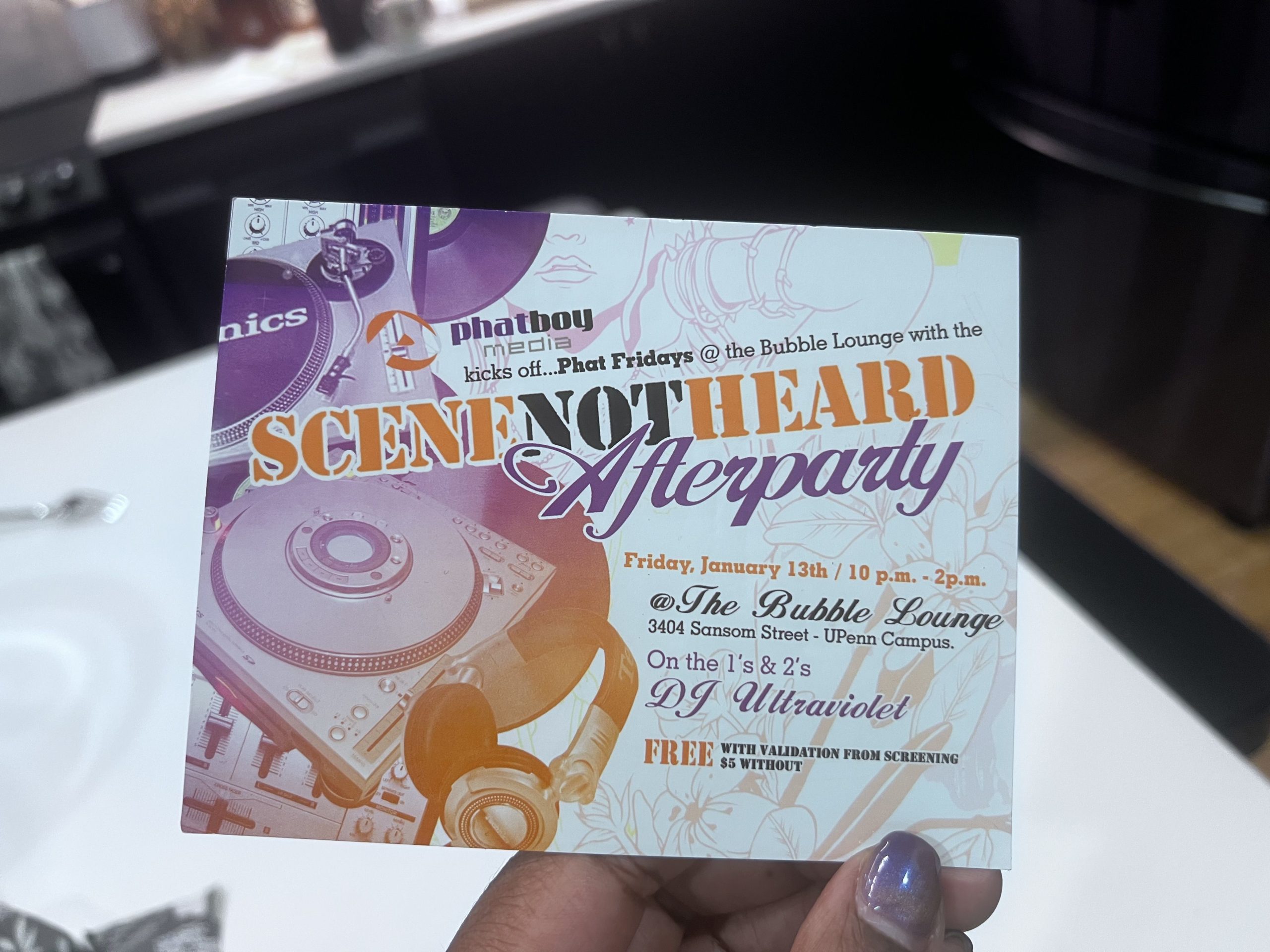
The flyer for the afterparty to the 2006 screening of Maori Karmael Holmes’ “Scene Not Heard” at the International House.Courtesy of Maori Karmael Holmes
Bahamadia cries, recalling how hard it was to break through and how in 2005 she was fighting to remain relevant.
That was 20 years ago. I wondered aloud how she felt now. Holmes wasn’t sure.
Bahamadia is invited to the screening but hasn’t RSVP’d yet. By the end of Scene, it’s clear that Philly B-girls of the late ’90s and early aughts made a way for Cardi, Megan, Tierra Whack, Latto, and Doechii to find their footing in the industry.
“There is so much more visibility for women in hip-hop now,” Holmes said. “It used to be you got one at a time. Nicki Minaj was the last of that era.”
The old and the new at the 15th BlackStar
Scene is one of 91 films from 43 countries featured in the 2026 BlackStar Film Festival, more than double the number of films shown at the first fest in 2012. The festival runs Thursday through Sunday.
This year’s standouts include The Keeper, a horror film by Tananarive Due and her husband, Steven Barnes, scheduled for Saturday, 8:30 p.m., at the Perelman Theater.
Ethiopian filmmaker Haile Gerima’s five-part documentary Black Lions – Roman Wolves: The Children of Adwa will be screened throughout the four-day fest, culminating into a closing-night showing.
“It is the corrective story of the Ethiopian resistance to Italian occupation in Ethiopia,” explained festival director Nehad Khader.
The Daily Jawn Morning Show will return to the Kimmel. BlackStar’s health and wellness program has grown more robust over the years, featuring daily yoga, acupuncture, and breathing sessions.
The Daily Jawn stage at the 2023 BlackStar Film Festival.Daniel Jackson for BlackStar Projects
Earlier this year, Scene went through a 2K restoration and was transferred to a digital file. Itis one of two retrospective films featured at the festival this year. Showing throwbacks, Khader says, pays homage to the independent filmmakers from previous generations.
The second is A Different Image, a 1982 film by Alile Sharon Larkin, exploring Black women’s beauty standards. It will be screened Sunday, Aug. 9, at the Wilma Theater. Like Scene, it speaks to how today’s generation of Black women’s mothers and grandmothers demanded to be seen on their own terms, setting the stage for their agency in this millennium.
“We have so many newcomers to BlackStar,” Khader said. “People of this generation may not know these stories. Scene Not Heard is a revival of Philly history, but it’s also Maori’s backstory.”
After its Philly run, Holmes screened the film at more than 40 hip-hop, women’s, music, and movie festivals between 2006 and 2007. Itwon best documentary at the Denver Pan African Film Festival and best short documentary at the Trenton Film Festival, among other awards.
The BlackStar Film Festival in Philadelphia puts Black, brown, and Indigenous artists center stage. Image is from 2022.Daniel Jackson for BlackStar Projects.
Scene, however, didn’t launch Holmes’ film career. She instead began building platforms for other artists to show their work. In 2007 and 2008, Holmes partnered with the Jazzyfatnastees Mercedes Martinez and Tracey Moore to create the Black Lily Film &Music Festival. It ran for two years.
“We launched with 40 films, from four continents over four days,” Holmes said.
BlackStar Film Festival founder Maori Karmael Holmes in 2021.Daniel Jackson
Today, BlackStar is the crown jewel under the BlackStar Projects umbrella. It operates with a $4 million budget and a staff of 15. It publishesthe biannual film journal Seen and hosts the William and Louis Greaves Filmmaker Seminar at Stanford University. BlackStar is a curation partner for programs at the Barnes Foundation and the Philadelphia Museum of Art.
Currently “Freedom Dreams,” a film exhibit Holmes cocurated at the Barnes with its Fleischner Family vice president for engagement of community engagement James Claiborne, is on view.
“The through line for me is curiosity,” Holmes said. “Everything I’ve done, from my exhibitions to my films, is because I’m curious about things. I want to figure out how to make things happen. Sometimes I’m teaching myself along the way. But that curiosity is what fuels me.”
Yesterday’s curiosity leads to today’s conversations.
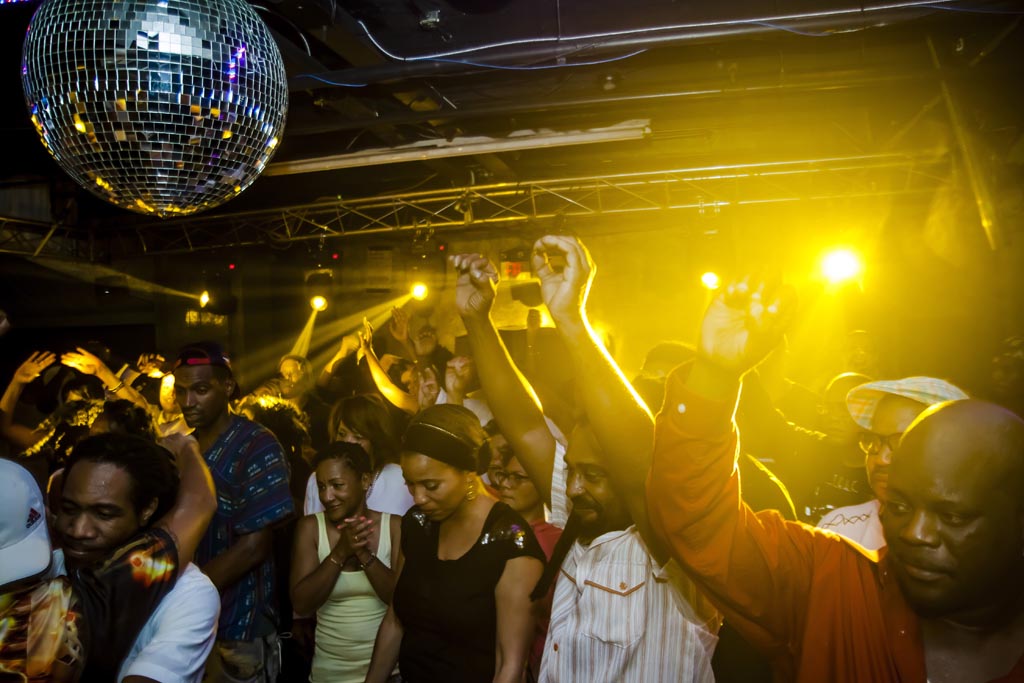
DJs Sonny James, Lee Jones, Matthew Law, Rich Medina, Ultraviolet, and Mike Nyce at a 2014 party at Fluid Nightclub ( Tim Blackwell / Philly.com )
Friday afternoon’s screening will be followed up Saturday with a panel featuring Holmes, Martinez, and filmmaker Tina Morton. The conversation is to be moderated by Deesha Dyer, Barack and Michelle Obama’s Philly-born former social secretary and author of Undiplomatic. Dyer was a mover and shaker in the scene back in the day, too.
Thanks to the screening of Scene, BlackStar promises to be a reunion of Philly’s hip-hop greats. There will be reminiscing. The scene has changed so much.
The Black Lily is no more. Tastytreats is over. Crimson Moon is closed.
“That film represents a time, the ending of a time, when people went to the culture,” Holmes said. “Now, culture comes to us on YouTube.”
This weekend, we can see the culture for ourselves at BlackStar.
The BlackStar Film Festival 2026 will screen movies throughout Philadelphia from Thursday, Aug. 6, through Sunday, Aug. 9. For a complete schedule, visit BlackStarProjects.org.
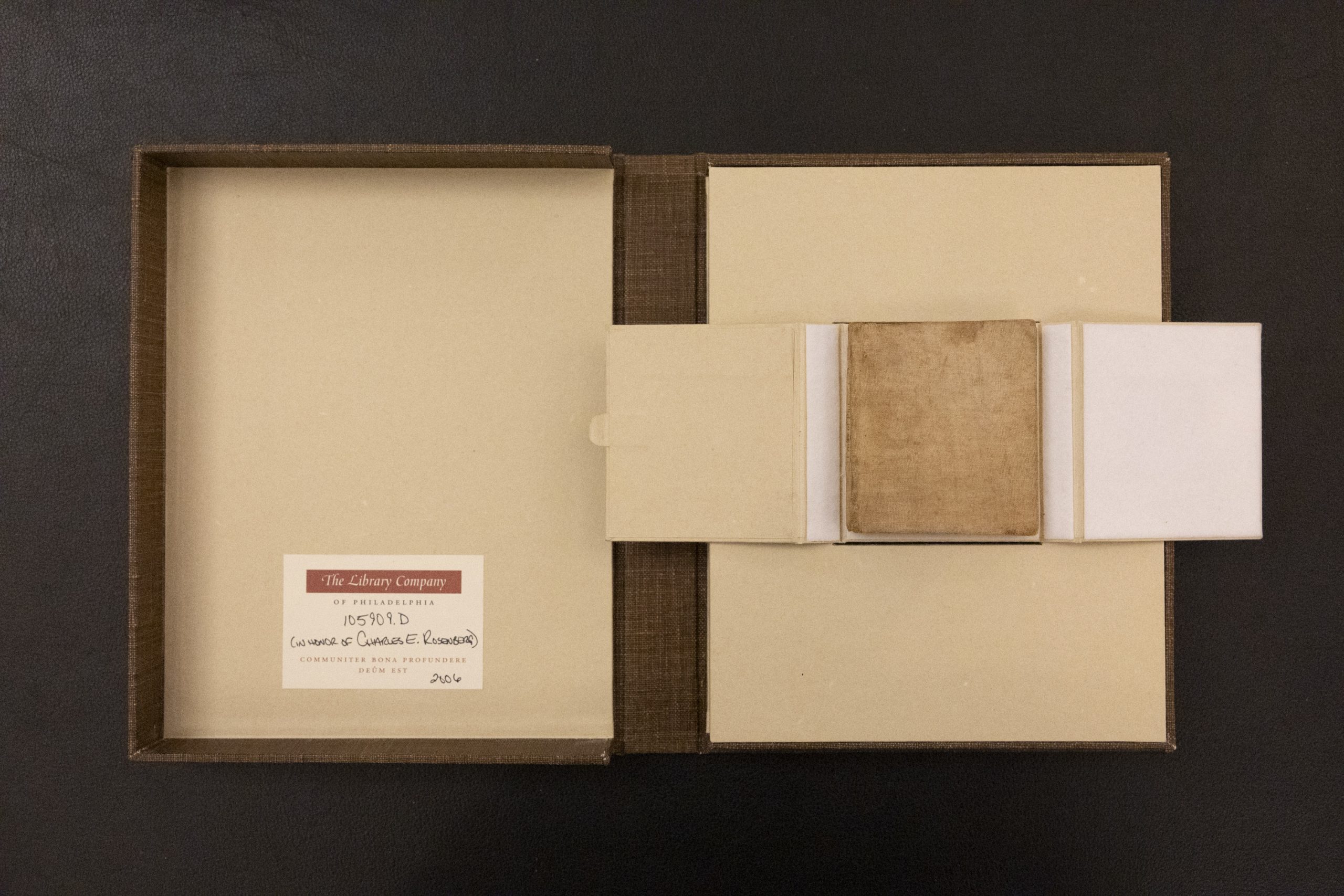
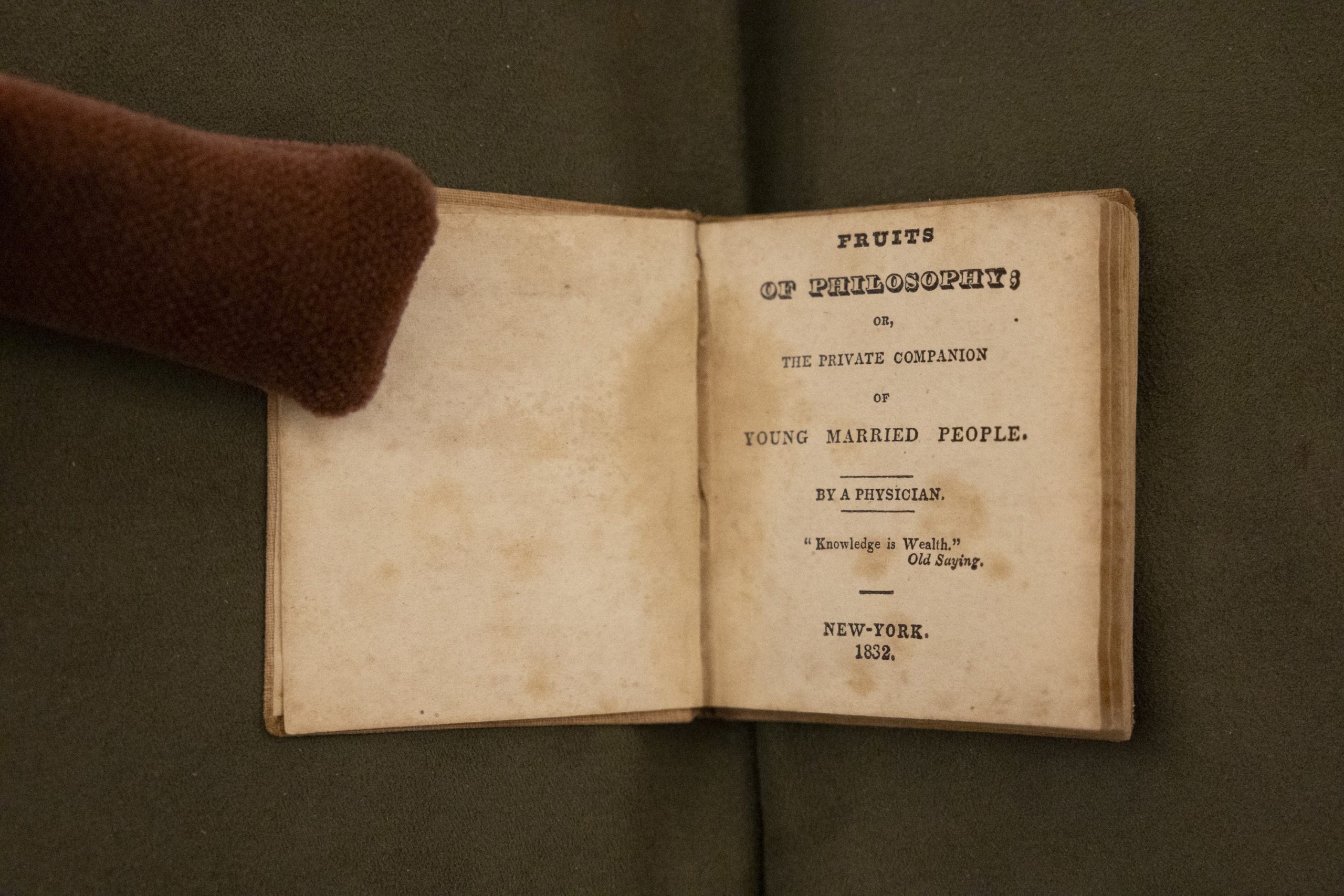
On a recent visit, the Library Company of Philadelphia’s curator of printed books, Rachel A. D’Agostino, gently removed the delicate 1832 edition of Charles Knowlton’s Fruits of Philosophy from a matchbox-size box within a box.
The two-and-a-half-inch-tall book’s exquisite packaging was like that of a 1.5 oz. bottle of vintage French perfume.
But unlike Chanel N°5, there were no fancy logos or recognizable typeface on the weathered encasing; just a small sticker with its title. Next to the first edition print were two additional volumes published in 1834 and 1839, respectively.
Both a tad bigger, yet small enough to fit discreetly on a chatelaine.
“Fruits of Philosophy is a 19th-century manual about birth control,” D’Agostino whispered like she was sharing a confidence, not simply using her inside-of-the-library voice.
“Fruits of Philosophy,” a 19th-century manual about birth control first written by Charles Knowlton in 1832. Tyger Williams / Staff Photographer
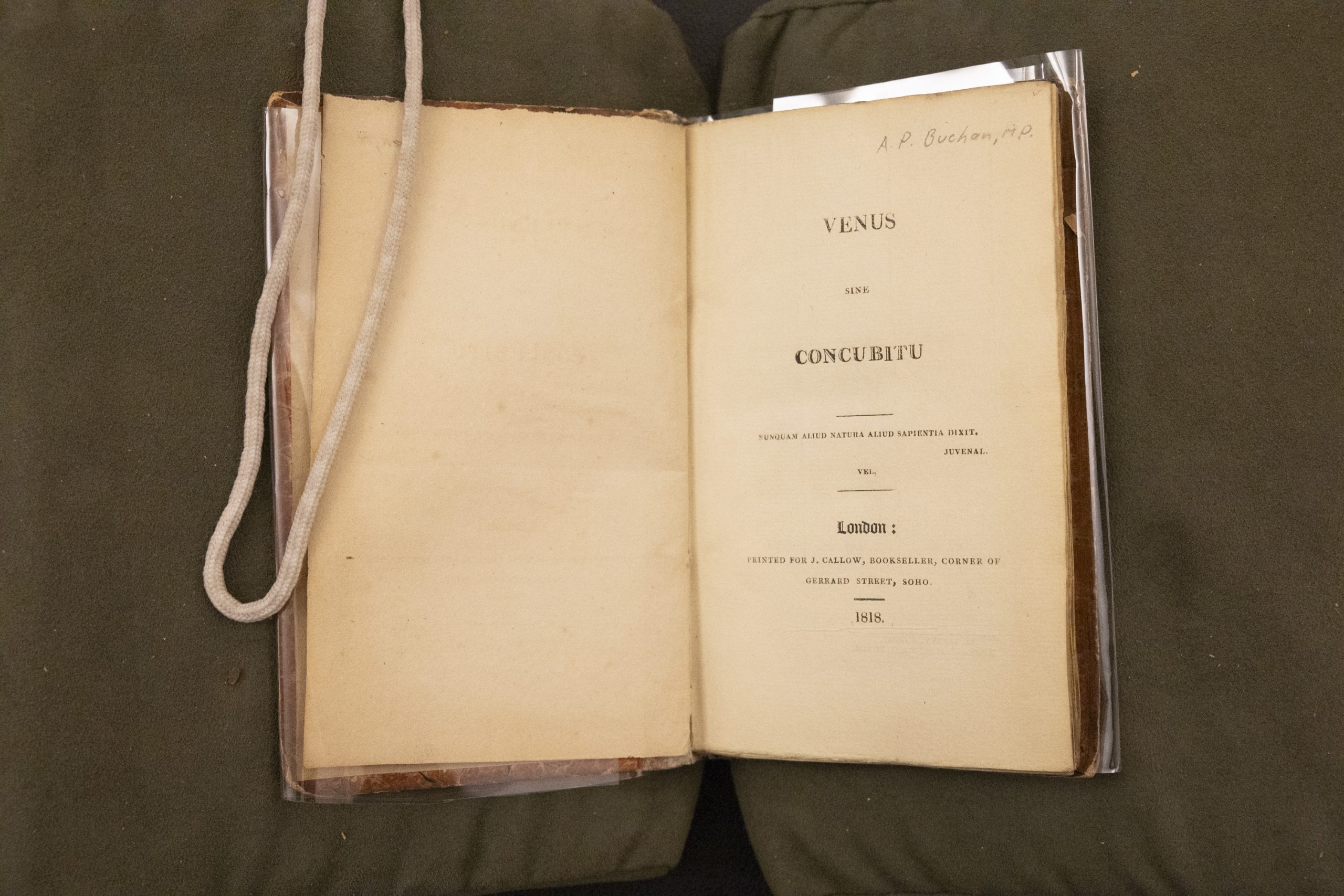
”Everything about it is meant to be hidden, a secret. There is no name of the printer, or publisher. Knowlton’s name is not even there. Everybody knows this book is a potential problem and they are saying, ‘We think this is important and at the same time we have to keep it hidden.’”
Fruits of Philosophy is one of 1,500 19th-century clandestine hardcovers that are part of the Library Company’s most recent set of acquisitions from respected medical historian, author, and avid book collector Charles E. Rosenberg. Over the last 40 years, he has donated more than 16,000 books to America’s first independent lending library.
Rosenberg’s own scholarly texts about cholera, mental health, and religion in science are widely read and referenced. However, these bound works donated by him were expected to be tucked away in secret compartments and buried in the bottom of bedroom drawers when they were first published upward of 200 years ago.
“Fruits of Philosophy,” an 19th century manual about birth control first written by Charles Knowlton in 1832. One of the various books on the science of sex from the 18th and 19th Century at The Library Company in Philadelphia, Pa., on Tuesday, July 21, 2026.Tyger Williams / Staff Photographer
Why? Because they are all about sex. The books taught denizens of centuries past about sex and their bodies.
Not scintillating, bodice-ripping sex, but scandalous enough.
Books about every conceivable unmentionable
Americans didn’t go to the doctor for regular checkups before the mid-20th century, let alone talk to their MDs about their sexual health. Discussions about sex — even between husband and wife — were taboo.
So, an entire underground economy of books and pamphlets printed to help people navigate their sexual lives emerged. They were naughty at best, scandalous at worst, and distributed through the kinds of secret channels we think of today as the dark web. Despite their nefarious nature, people sought them out even when the tips — especially the birth control hacks in Fruits — would be considered dicey by today’s standards,
“They helped people manage their bodies,” said Rosenberg, whose collection spans from the early 18th- to the mid-20th century. “Abortion, birth control, masturbation, anything involving sexual pleasure was controversial in polite company.”
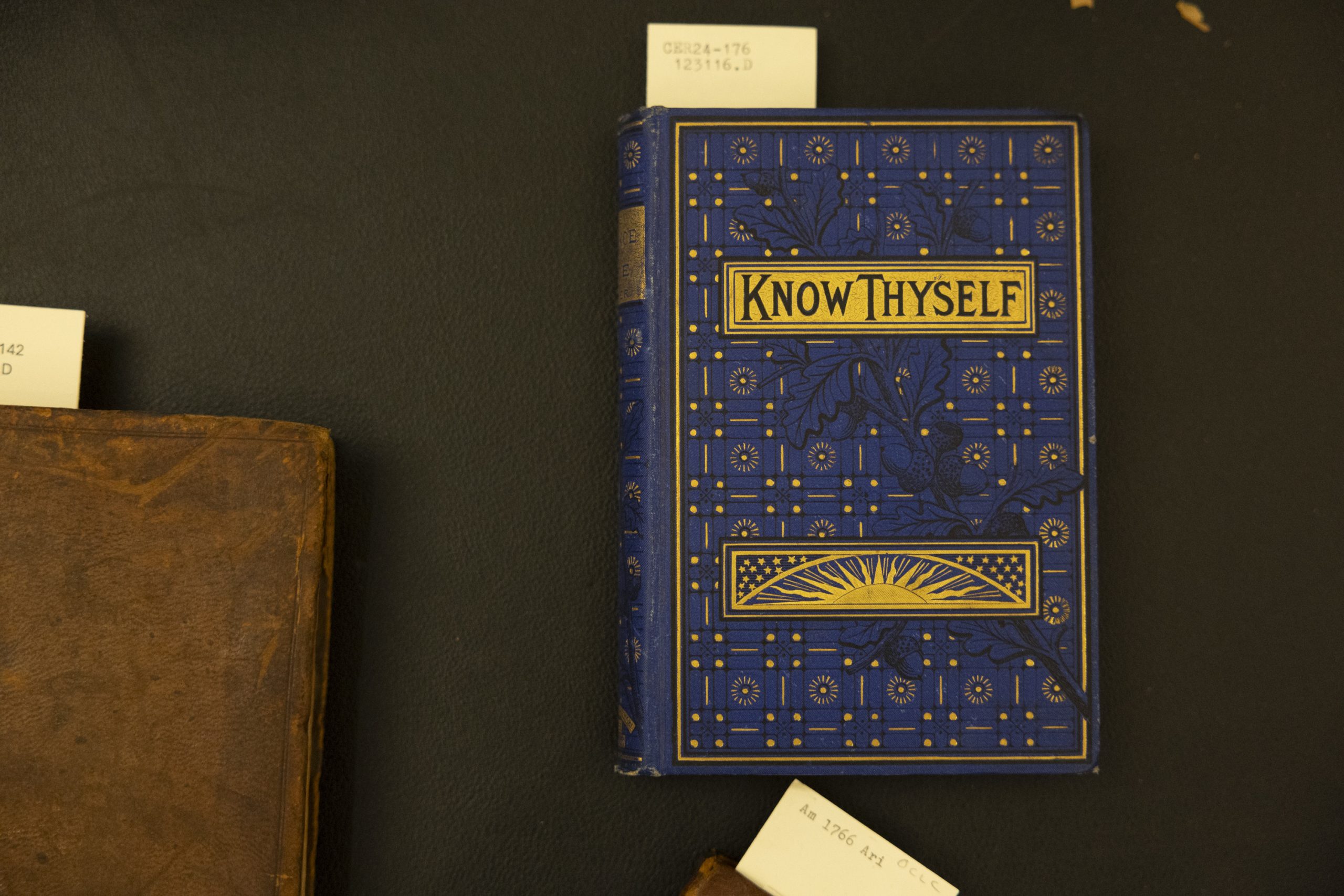
The title of this book appears to be, “Know Thyself” However, its true name is ‘The Science of Life, or, Self Preservation.” “Perhaps the biblical reference on the cover hints at what the book was really about without telling you directly that its about sex,” Rachel D’Agostino suggests.Tyger Williams / Staff Photographer
Rosenberg’s provocative collection covers every conceivable unmentionable from sterility to STDs.
Young wives learned what was expected of them in the marriage bed from sneaking reads of William H. Walling’s 1904 hardcover, Sexology. Men discovered why their virility might be waning through covert perusals of George Howard Jones’ 1881 manualThe Science of Life, or, Self-Preservation, whose cover hid the book’s real title and was labeled as Know Thyself.
“Perhaps, the biblical reference on the cover hints at what the book was really about without telling you directly that it’s about sex,” D’Agostino suggested.
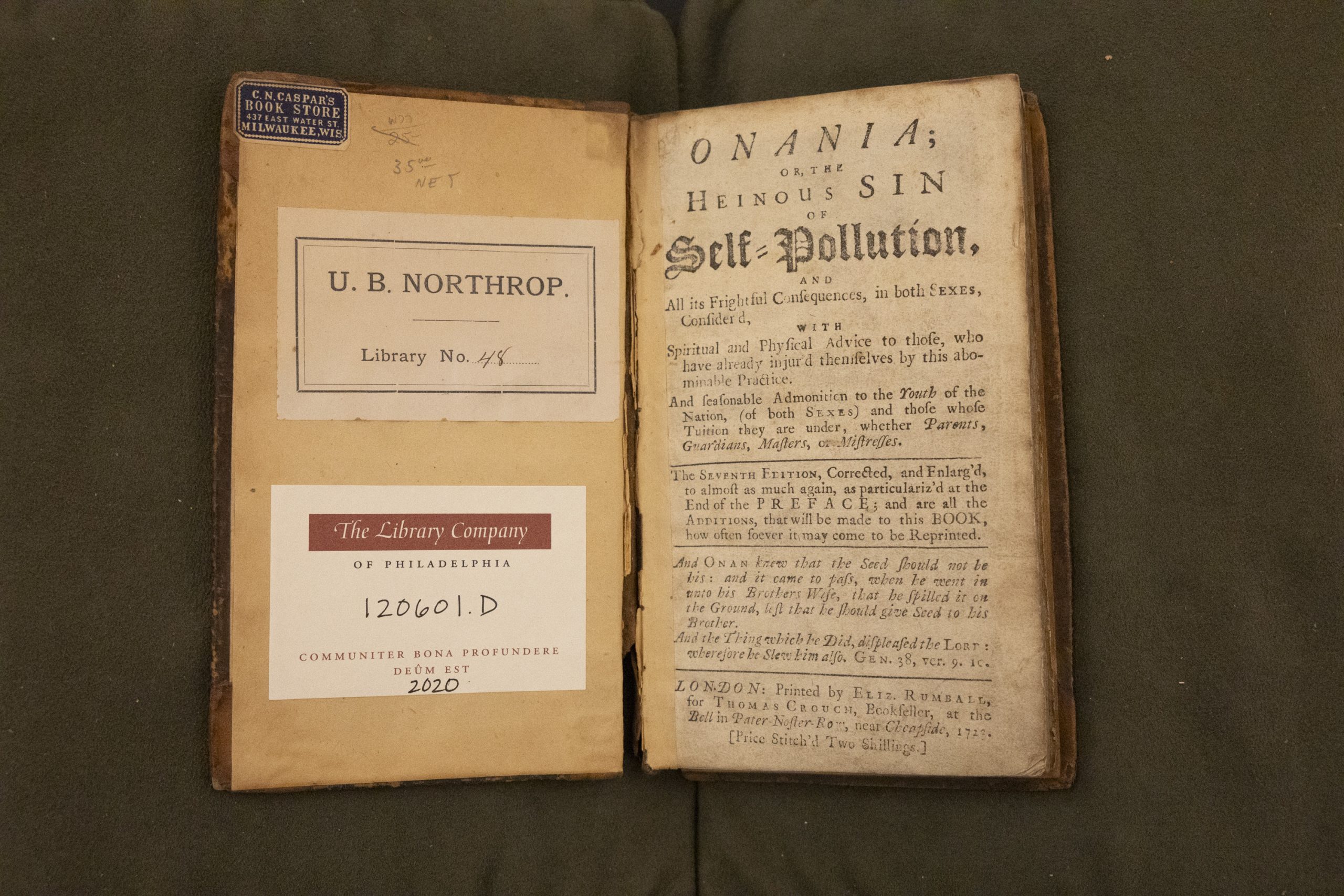
There are also several editions of the 18th-century masturbation treatiseOnania: Or, the Heinous Sin of Sexual Pollution in the Rosenberg donation. In keeping with the mores of the times, the anonymous pamphlet damns the act but also entertains questions from anonymous readers curious about their urges.
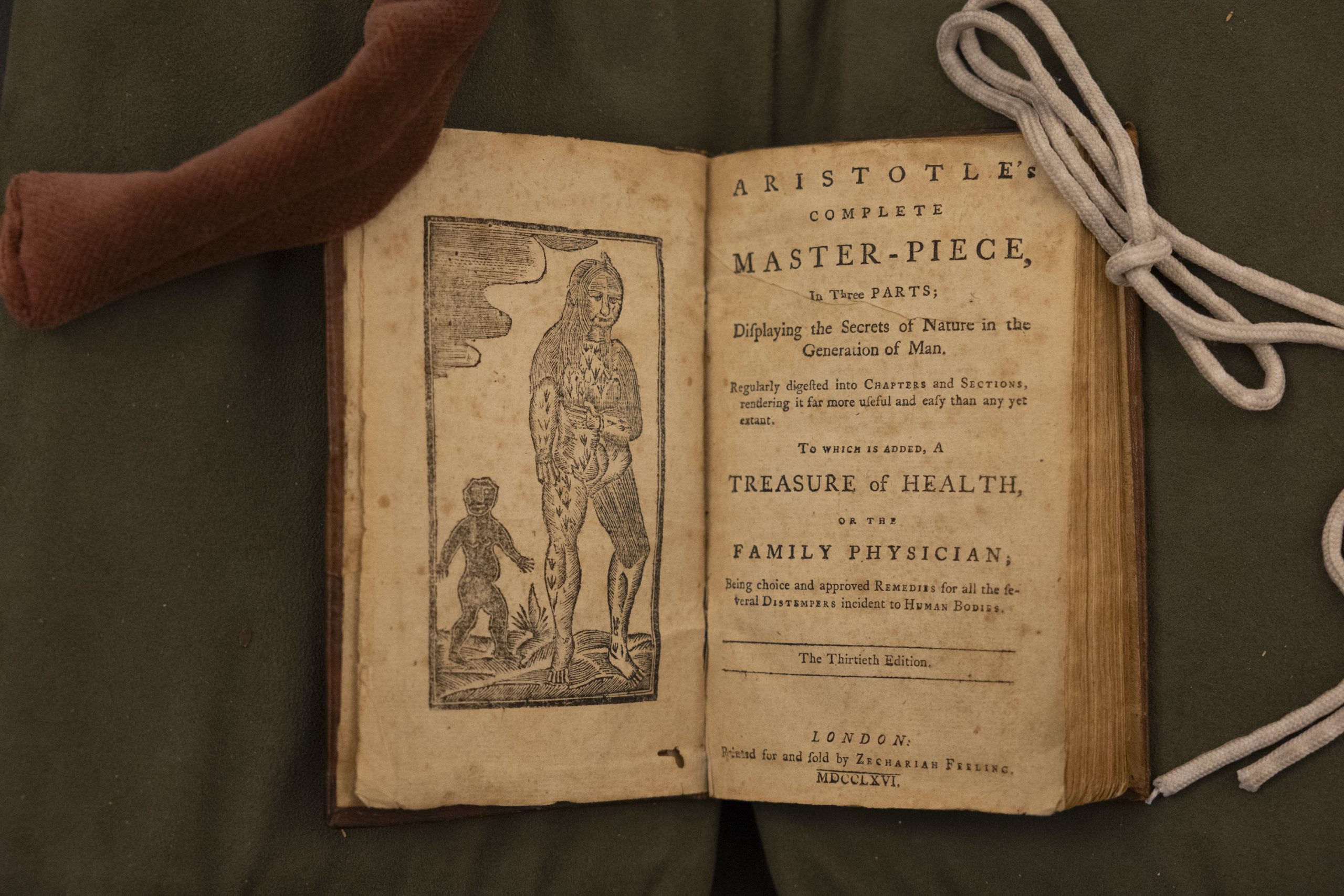
First published in 1684, “Aristotle’s Masterpiece” is a midwifery and sexual education manual that among other things acknowledged that women do enjoy sex. It’s the collection’s donator Charles Rosenberg’s favorite.Tyger Williams / Staff Photographer
“The conversations might have been forbidden, but people were still clearly talking,” D’Agostino said. “It really makes you wonder where these conversations started. Were people asking about themselves, or their teenage sons. … These books give us so many hints about what was important in society, what we shouldn’t talk about, but what was talked about anyway.”
Rosenberg’s favorite are the 35 copies of Aristotle’s Masterpiece. First published in 1684, Aristotle’s Masterpiece — which, by the way was not written by the Greek philosopher — is a midwifery and sexual education manual that among other things acknowledged that women do enjoy sex.
Illustrations, although rudimentary, firmly place the manual in the naughty category.
“I was very fascinated by Aristotle’s Masterpiece,” Rosenberg said. “There is just something very romantic about rare items.”
” Onania: Or, the Heinous Sin of Sexual Pollution,” an 18th century treatise on the perils of self-pleasure, is among the many books donated to The Library Company by Charles E. Rosenberg. Tyger Williams / Staff Photographer
A subset of ‘popular medicine’
Rosenberg’s donated sexual health primers from yesteryear are a subset of his larger collection of hundreds of books on “popular medicine,” a term he’s lauded in academic circles for coining.
Scientific discoveries made during the Age of Enlightenment challenged the belief that any ailment — whether a stomach ache or a sprained finger — was a punishment from God. As the study of medicine found its way to the halls of universities, a new genre of reading material, blending home remedies with the popular science of the day, came on the scene. Like the wellness gurus of today.
In the 19th century, such reading material teetered between blindly obeying the will of God and understanding the needs of everyday people.
Which is why the popular science in sex subset is the most radical part of Rosenberg’s collection.
“I wasn’t interested in the high culture of medicine,” he said. “I was interested in the questions ordinary people had about their bodies as it related to their health.”
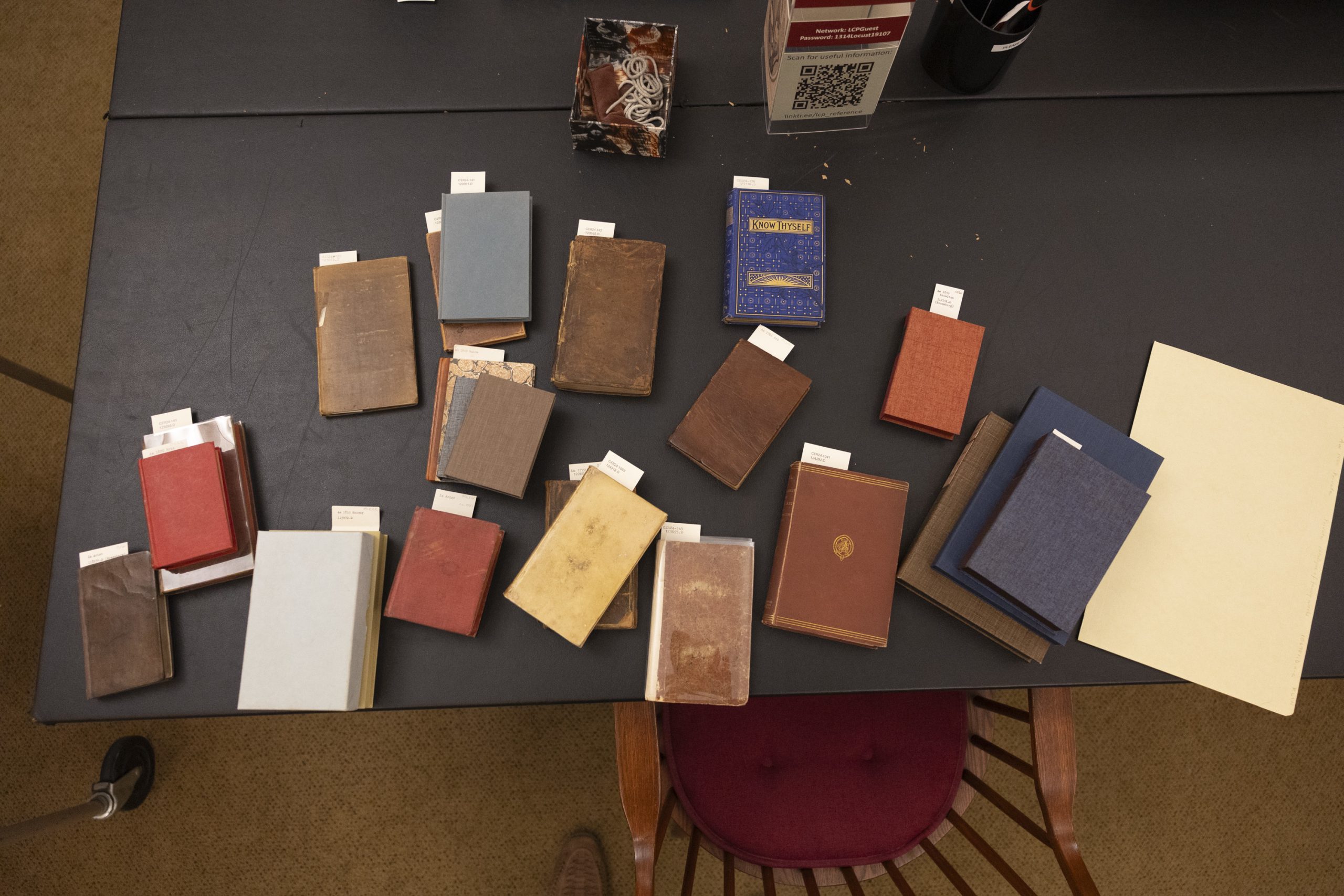
A view of respected medical historian Charles E. Rosenberg’s collection of “scandalous” 18th and 19th century books about popular medicine centering sex. Rosenberg donated these books to The Library Company of Philadelphia. Tyger Williams / Staff Photographer
In 1962, while a lecturer at the University of Wisconsin, Rosenberg’s most famous work, The Cholera Years: The United States in 1832, 1849, and 1866, was published by the University of Chicago Press. When the first cholera outbreak hit in 1832, people thought contracting the cholera bug, which caused diarrhea and dehydration, was a punishment from God.
During the 1849 cholera epidemic, physician John Snow determined the disease spread through contaminated drinking water. When cholera reemerged in 1866, it was treated as a public health issue. Rosenberg’s book examined the societal shift’s impact on medicine and personal hygiene.
“By this time I already had a great collection of popular science books that I accumulated through my research,” Rosenberg said. “I was a nutty collector.”
One of the various books on the science of sex from the 18th and 19th Century at The Library Company in Philadelphia, Pa., on Tuesday, July 21, 2026.Tyger Williams / Staff Photographer
Books, books, books
Rosenberg moved to Center City in 1963 to take a job as an assistant professor in the University of Pennsylvania’s history department.
Shortly after coming to Philadelphia, he befriended Edwin Wolf II, the rare book aficionado and bombastic director of the Library Company. Wolf is credited with breathing life into the struggling institution in the 1950s.
Rosenberg gave his first set of books to Wolf in the 1960s.
“I liked the notion of it being the oldest surviving colonial library that wasn’t a university,” Rosenberg, 89, said. “It was associated with Ben Franklin, the Declaration. … It was rich with American history.”
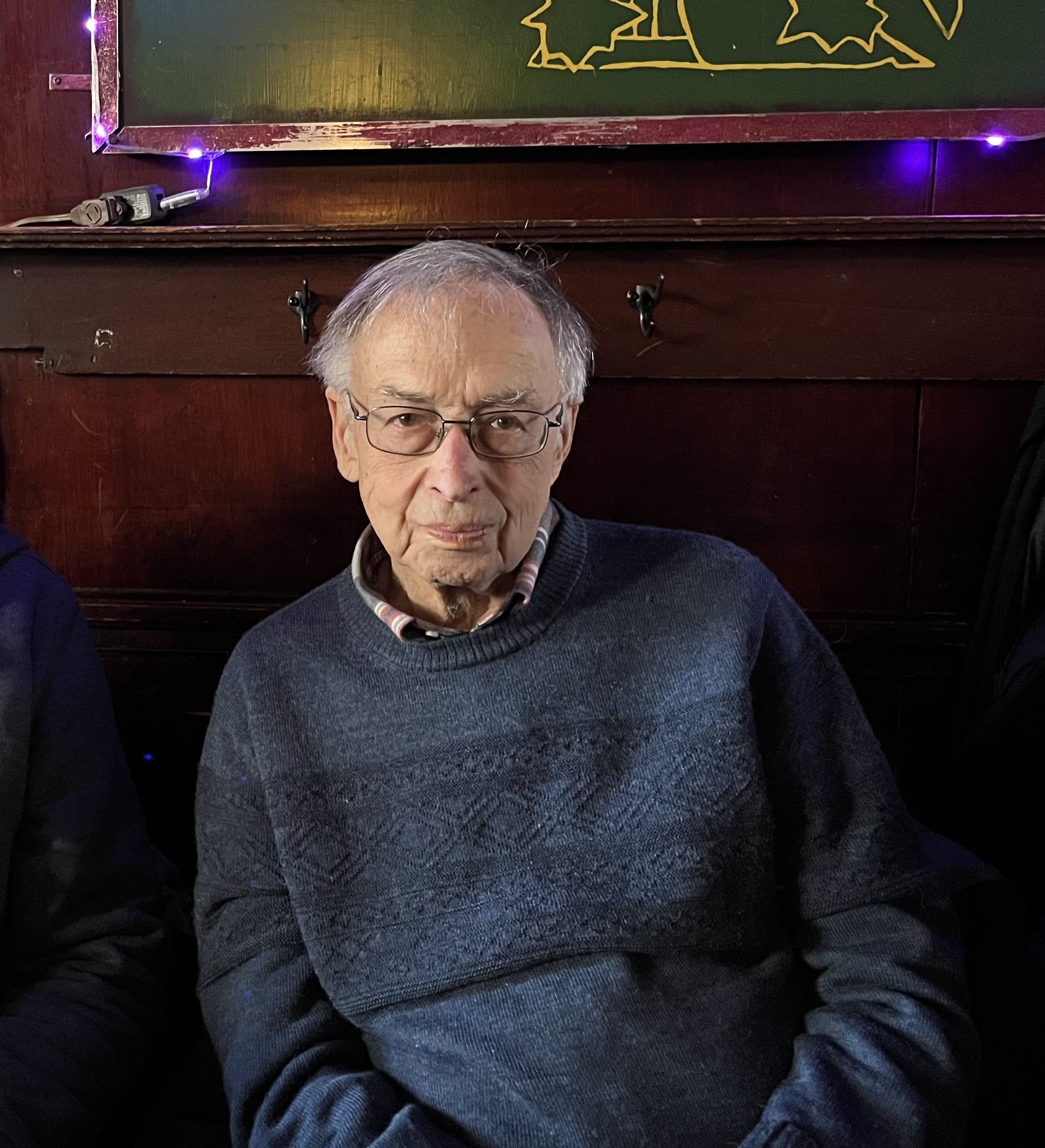
Charles E. Rosenberg, respected medical historian, author, avid book collector and Library Company Emeritus Trustee has donated more than 16,000 books to The Library Company of Philadelphia including, 1500 popular medicine titles centering 19th century sex.Charles E. Rosenberg
He spent the next 40 years of his life researching, collecting, writing, and giving away books about popular science.
Each book, essay, or paper he wrote meant he amassed books on a new genre of popular science, which would eventually make their way to the Library Company — usually after a major move.
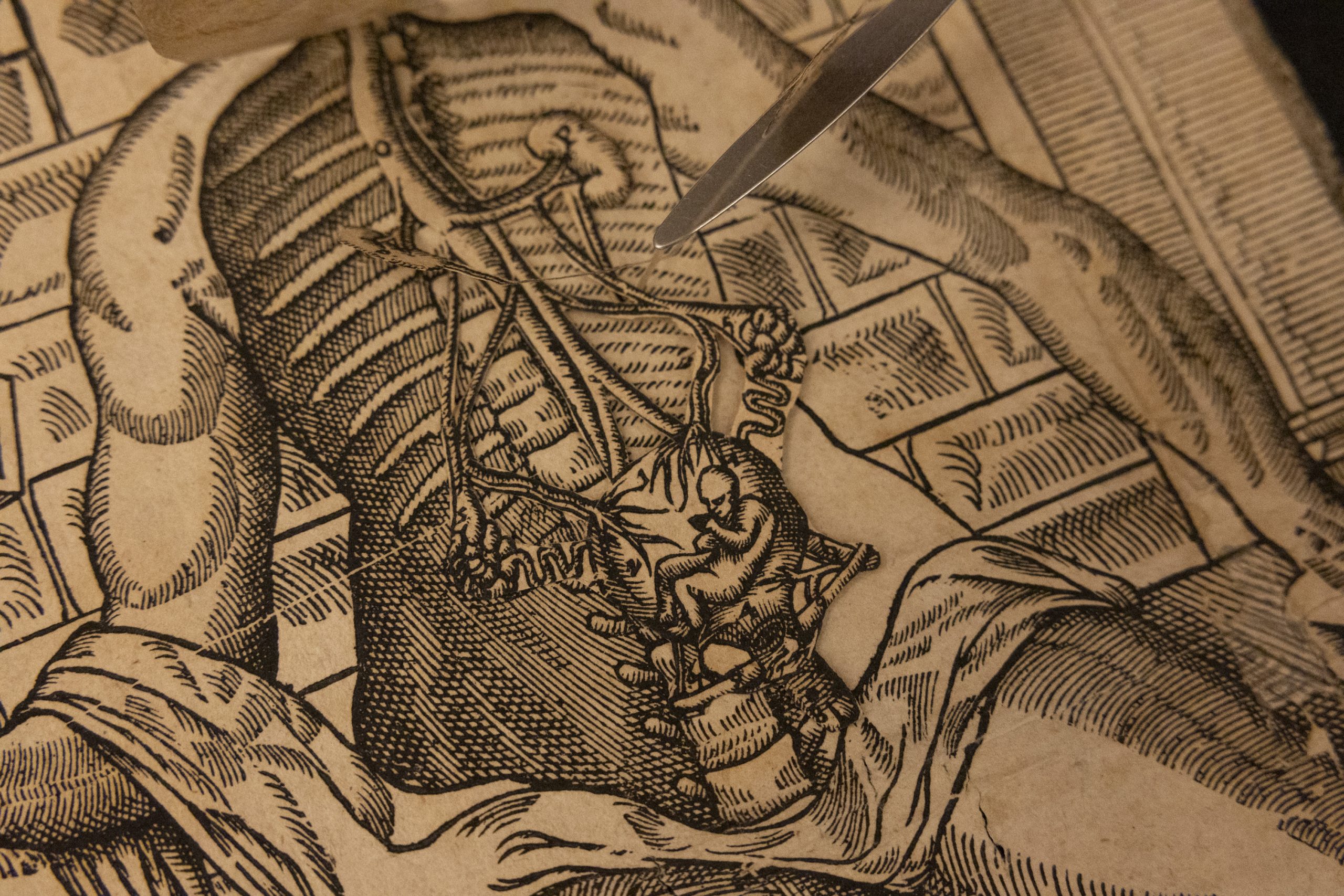
An example of a 17th century anatomical illustration that showing the insides of a woman carrying a child. Although not a part of Rosenberg’s collection these texts centering science rather than God’s will were not socially acceptable at the time. Tyger Williams / Staff Photographer
“When I moved from Center City to West Philly, I gave a bunch of stuff to the library,” Rosenberg, who became chair of the department of history and sociology at Penn in 1991, recalled. “Then I moved to Merion and gave even more books.”
In 2001, Rosenberg’s wife, Penn professor Drew Gilpin Faust, was appointed the first dean of Harvard University’s Radcliffe Institute for Advanced Study, prompting Rosenberg to donate a slew of books to the Library Company. (Faust became Harvard’s first female president in 2007 and served as its leader until 2018.)
Rosenberg kept donating books through his time on Harvard’s faculty and after his retirement in 2004. The popular sex collection donation, made in the spring of 2024, is his latest batch.
He held on to them the longest, he said, because he was toying with the idea of writing a book that looked at how sexual agency developed through the centuries and would discuss topics like abortion and masturbation.
“When I gave up on that project, I decided to part with the books,” said Rosenberg, who is now a Library Company emeritus trustee.
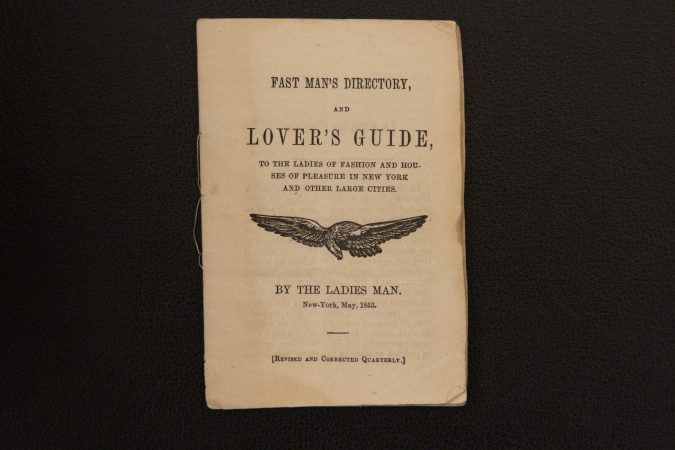
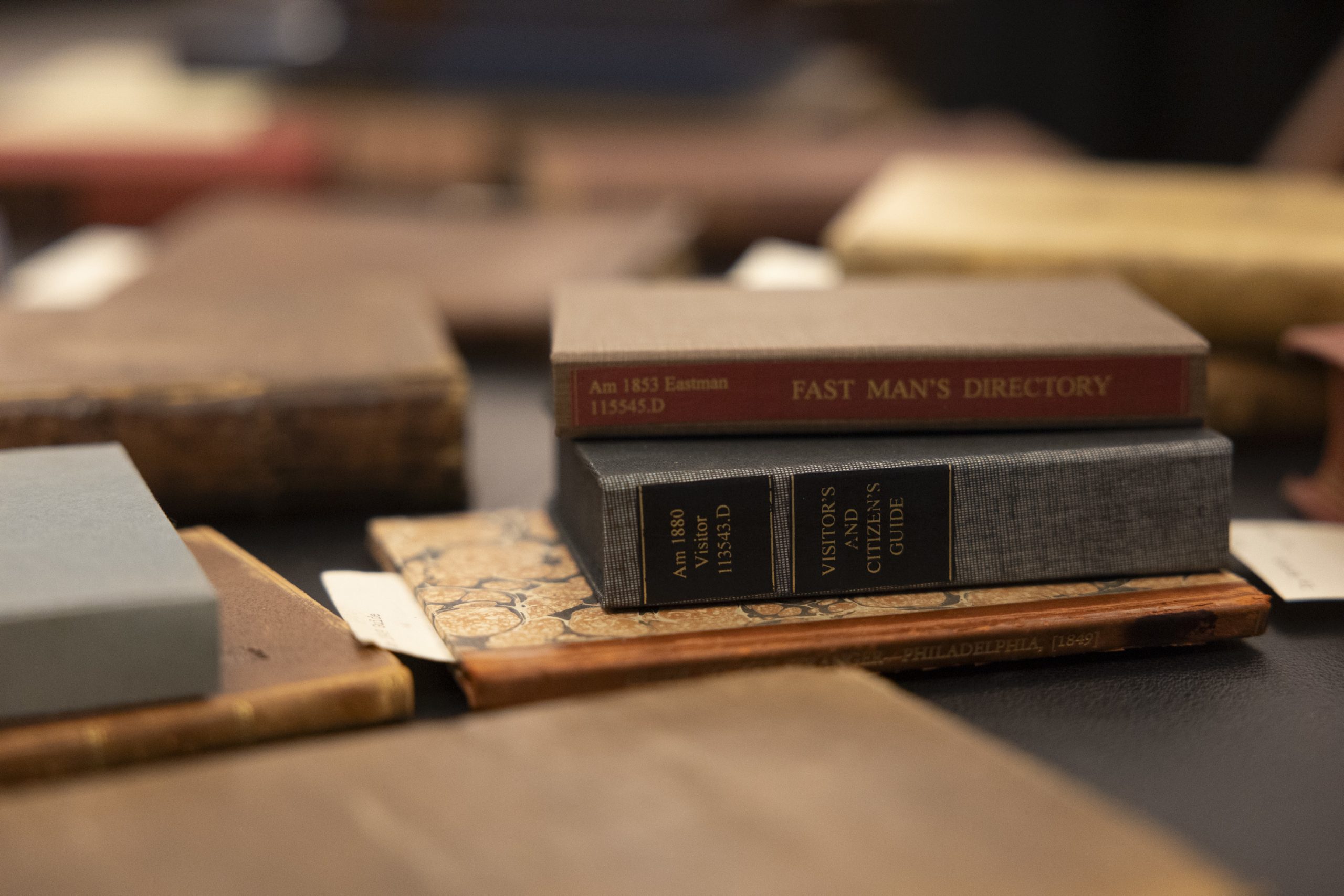
Pictured here are the “Visitor’s & Citizen’s Guide, of Pleasure and Amusement in the City of New York. New York, 1880. Anonymous. and “Fast Man’s Directory, and Lover’s Guide to the Ladies of Fashion and Houses of Pleasure in New York and Other Large Cities” New York, circa 1853. They are among the collection of books at The Library Company of Philadelphia illuminating the sexual habits of 19th century people.Tyger Williams / Staff Photographer
Sex in the stacks
The Rosenberg acquisitions are extra special, D’Agostino said, because they provide a glimpse into how people actually lived, thought about, and had sex.
“The Library Company didn’t acquire these books on their first run,” D’Agostino said. “We bought for the gentleman, the most upstanding people at the community. They would have come here looking for medical texts, but not books about managing their sex lives.”
Today, Rosenberg’s donations are nestled in the stacks on the top floors of the Locust Street building that smells of old leather.
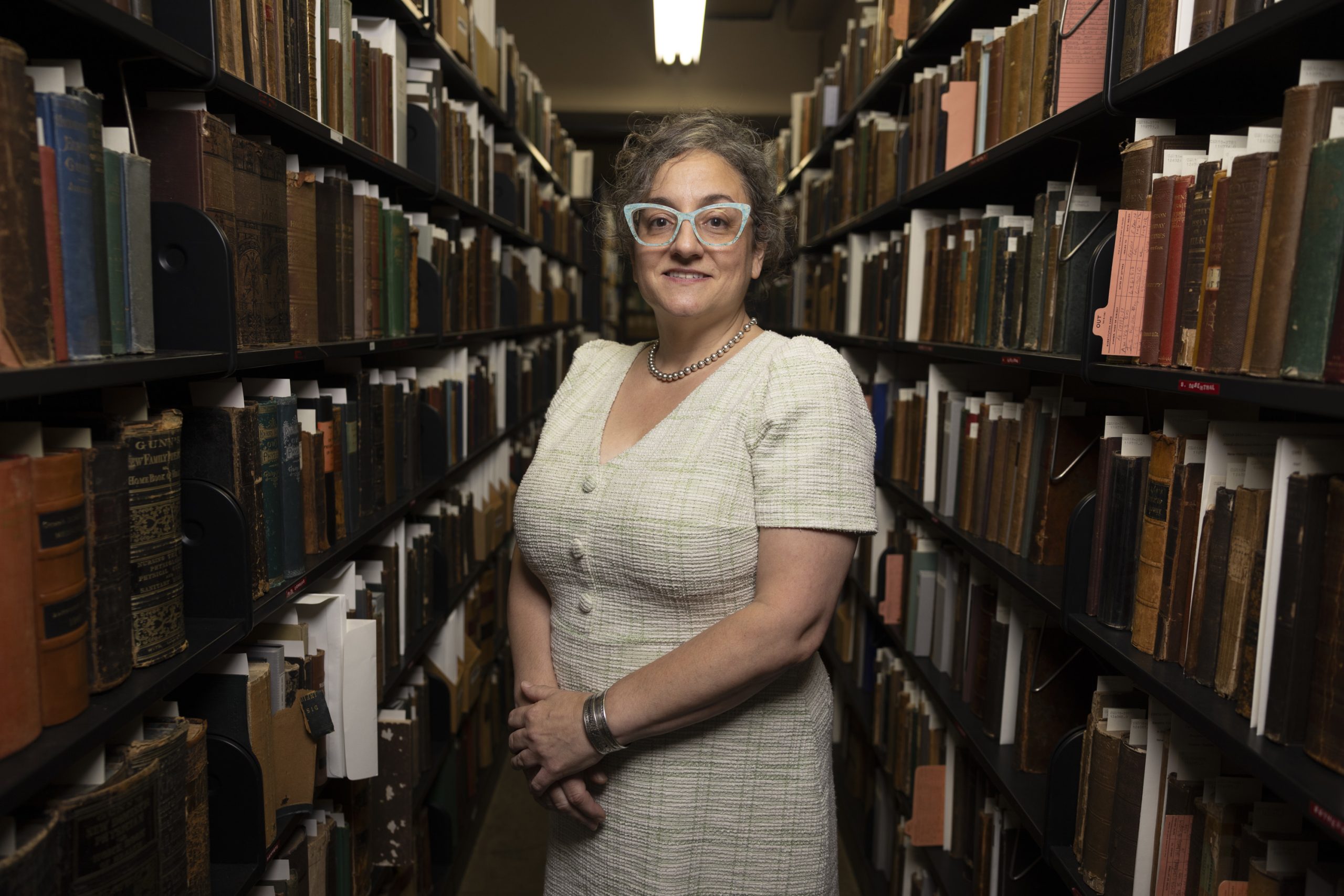
Rachel D’Agostino, curator of printed books at the Library Company of Philadelphia, in the stacks. Tyger Williams / Staff Photographer
They sit not far from the quack medicine pamphlets of the late Philadelphia-born collector William Helfand. If Rosenberg’s collection speaks to managing and understanding sexual desires, Helfand’s ephemera — a seemingly endless grouping of city directories telling where and how to cure venereal disease — is proof people were living out those desires.
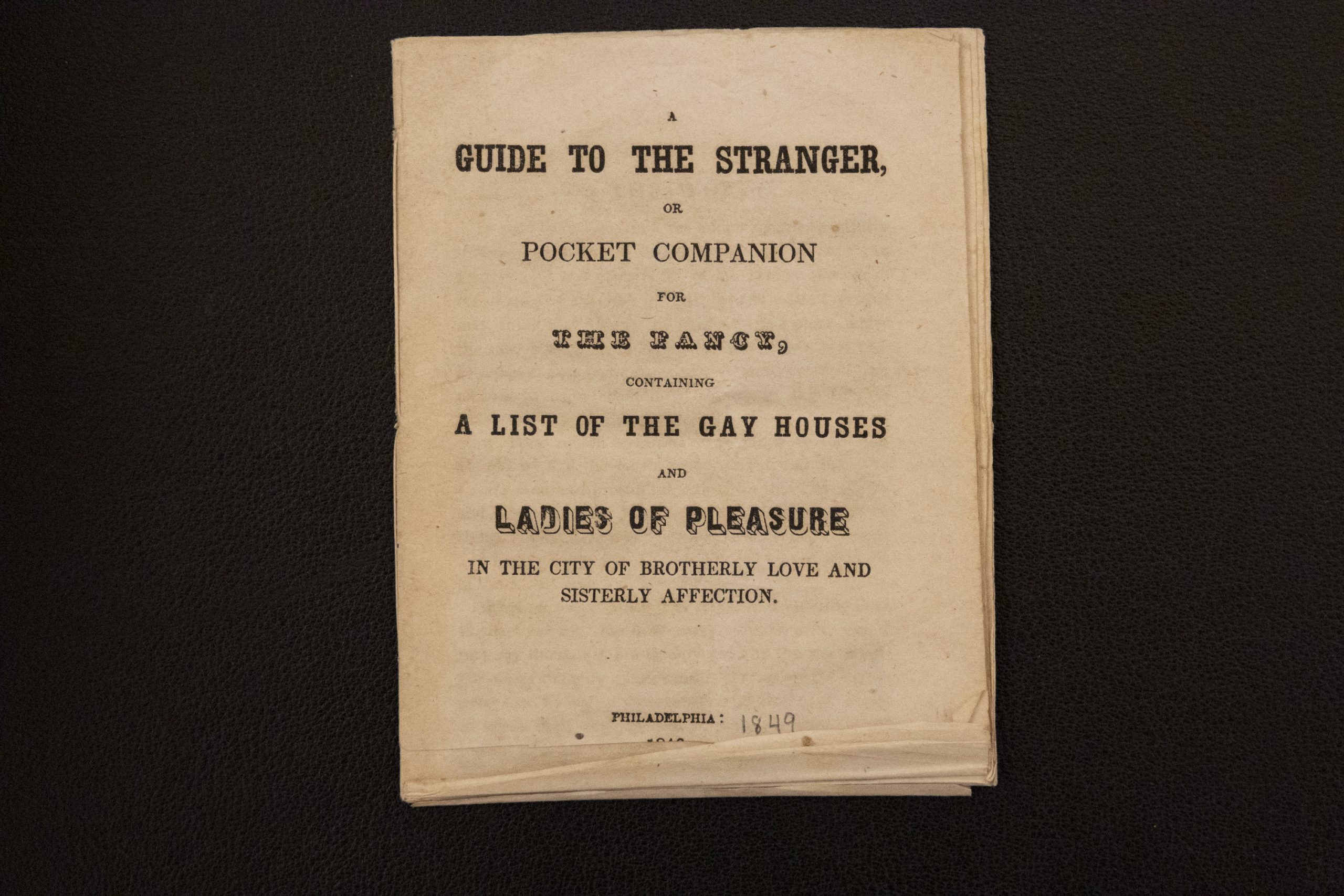
Also in the vicinity are several brothel directories including A Guide to the Stranger, or Pocket Companion for the Fancy, Containing a List of Gay Houses and Ladies of Pleasure in the City of Brotherly Love and Sisterly Affection from 1849. It reads like a Yelp review, rating things like cleanliness and performance.
“Look at how they are folded,” D’Agostino said, pointing to a centuries-old crease in one directory. “Proof that this was perhaps hidden in a man’s jacket pocket?”
Recently, D’Agostino purchased a 19th-century condom and corresponding advertising material.
“A Guide to the Stranger, or Pocket Companion for the Fancy, Containing a List of Gay Houses and Ladies of Pleasure in the City of Brotherly Love and Sisterly Affection” from 1849. This is a part of the Library Company’s growing collection about the sexual lifestyle of 19th-century Philadelphians. Tyger Williams / Staff Photographer
People like to romanticize the 19th and early 20th centuries as a time when only people on the societal margins were having sex outside of society’s rules of decorum. And that’s just not accurate, D’Agostino said.
She still works with Rosenberg to build collections designed to help researchers illuminate stories lost to the dark shadows of disrepute but which are important to America’s story.
“A market for this work always existed and always will exist,” D’Agostino said. “It’s just finding its way into formal history now.”
Charles E. Rosenberg’s collection at the Library Company of Philadelphia is available for perusal by appointment only. It is located at 1314 Locust St.
In the early 1800s, Philadelphia’s loose cohort of natural scientists became obsessed with learning all they could about the plants and animal species of the New World.
They shipped dried specimens to Britain for naturalists to identify and catalog. And when the American naturalists discovered a new species, the Brits named it and took the credit for the findings in their medical journals.
When the Crown enacted trade restrictions in 1807 — ultimately leading to the War of 1812 — American botanists, herbologists, and entomologists had enough with Britain’s interference.
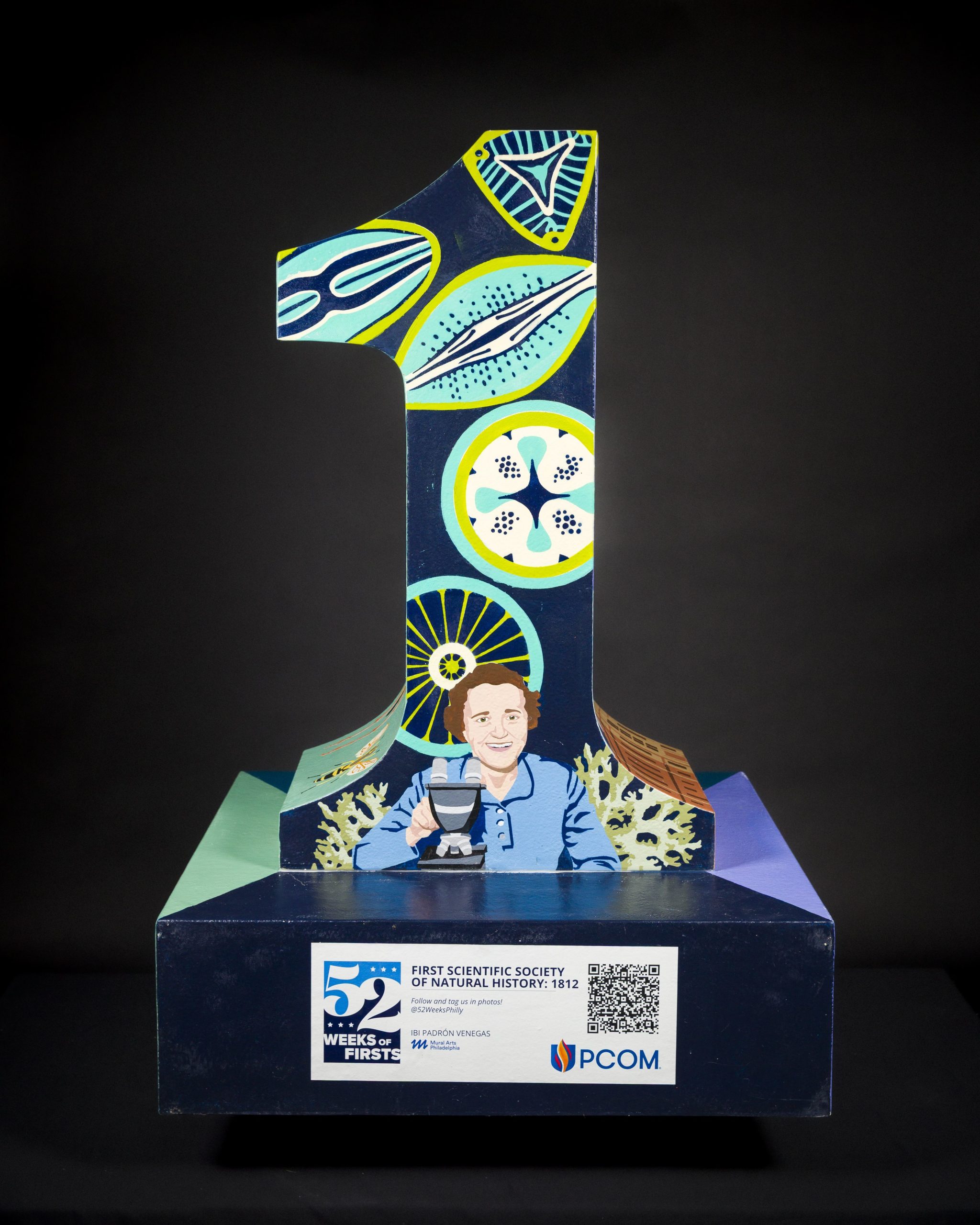
Artist Ibi Padrón Venegas’ Academy of Natural Sciences No. 1 translates his ideas of daydreams, everyday sensations, and the curiosity that comes with playing with science for his sculpture.Ibi Padrón Venegas for Colibrí Workshop
Six Philadelphia gentlemen and amateur naturalists — Gerard Troost, Nicholas S. Parmentier, Camillus MacMahon Mann, Jacob Gilliams, John Shinn Jr., and John Speakman — held a meeting Jan. 12, 1812, in Speakman’s Old City apothecary. Their goal: to map out a plan to be recognized as scientific experts on what grew on their own soil.
The Philadelphia Historic District will celebrate the academy’s beginnings at its Ben Franklin Parkway home on Saturday from 11 a.m. to 1 p.m. The party, or “Firstival,” is part of a series of yearlong fetes honoring events, places, and organizations with Philly roots in honor of America’s 250th birthday.
“Americans were doing the research and risking their lives to cull these specimens,” said Robert M. Peck, curator of artifacts and senior fellow emeritus at the Academy of Natural Sciences of Drexel University.
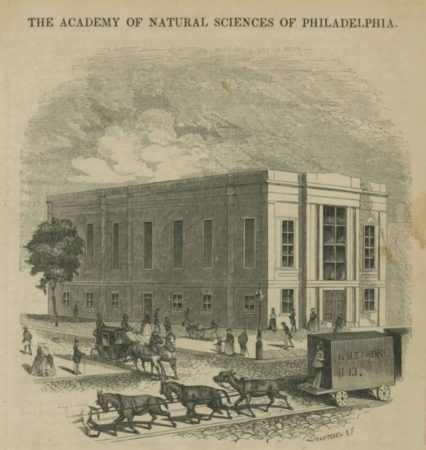
The Academy of Natural Sciences’ current home at 1900 Benjamin Franklin Parkway. This building opened in 1876 for the Centennial and stands through present day.Courtesy of the Journal of the Academy of Natural Sciences of Philadelphia
Thomas Say is listed as the seventh founder, though he didn’t attend the first meetings, Peck said. Still, Say is the most famous of the early members as he is the father of American entomology and conchology.
The academy was a private club in the beginning, opening its nature collections to the public in 1828 when it was housed at the Swedenborgian Church at 12th and Sansom.
By the mid-19th century, the academy was as important in Philadelphia’s science and education circles as Ben Franklin’s highbrow American Philosophical Society. In 1849, the society transferred Thomas Jefferson’s fossil collection to the academy, where it remains today. During the mid-19th century, the academy acquired the bird skins from John James Audubon’s collection, and the pressed plants gathered by explorers Meriwether Lewis and William Clark.
In 1868, the academy made paleontology history when Benjamin Waterhouse unveiled a 15-foot-tall complete dinosaur skeleton of Hadrosaurus foulkiibuilt from the bones of the plant-eating dinosaur excavated in Haddonfield 10 years before.
Samples of the Academy of Natural Sciences’ robust dinosaur collection as photographed in 2020. Courtesy of the Academy of Natural Sciences of Drexel University
“Before then, people didn’t understand what dinosaurs really were, how they really looked,” Peck said. “This is the first time the world had ever seen what a dinosaur really looked like and it shaped how we still see them today.”
In 1876, the academy moved to its present building on the Parkway, where, exactly 100 years later, the Please Touch Museum opened its 2,200-square-foot pilot. (It is now located in Memorial Hall on the Centennial campus in West Philadelphia.)
The academy went on to become a home base for scientists who study a wide range of climate-related topics, from global warming in Mongolia to avian bird flu in Vietnam.
The Academy of Natural Sciences in June 2020. HEATHER KHALIFA / Staff Photographer
In 2011, the Academy of Natural Sciences became a subsidiary of Drexel University, retaining its own board and legal status as a separate nonprofit organization. In April, The Inquirer reported Drexel was in discussions to sever ties with the academy unless it agreed to grant Drexel its building, endowment, and significant collections.
This week’s “Firstival” is Saturday, Aug. 1, 11 a.m.-1 p.m. at the Academy of Natural Sciences of Drexel University, 1900 Benjamin Franklin Parkway.
At the dawn of the 19th century, Philadelphia, having served as the nation’s capital, was well established as America’s founding city.
The city stood strong as the center of American commerce thanks to Alexander Hamilton’s insistence that the first federal bank open its headquarters here. It was a global hub of science and innovation too, thanks to the country’s earliest universities, medical schools, and hospitals laying down their foundations here.
Then in 1805, 71 of the fledgling country’s leaders started a movement to turn Philadelphia into a leading arts city, adding culture to our list of wonders.
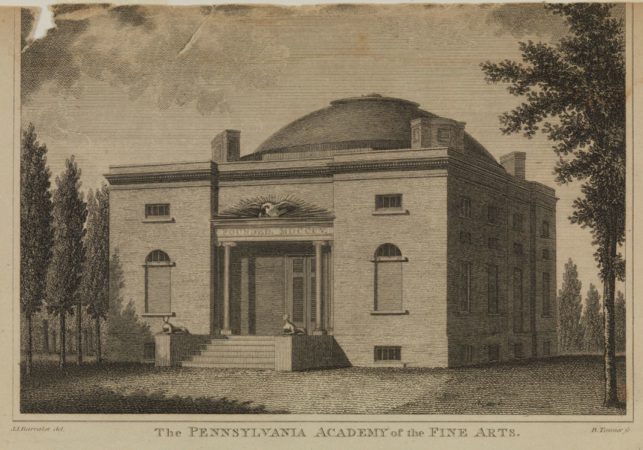
That group included Founding Father and signer of the Declaration of Independence George Clymer; businessmen Henry C. Pratt and Simon Gratz; and artists William Rush and Charles Willson Peale. On Dec. 26, the men signed a charter authorizing the creation of the Pennsylvania Academy of the Fine Arts, the nation’s first fine arts museum and art school.
Clymer was named its first president and Philadelphia’s arts and culture scene was born.
PAFA will fete their historic first status on Saturday, July 25 as part of the Philadelphia Historic District’s yearlong celebration of America’s 250th birthday. The birthday party, or firstival, will be from 11 a.m. to 1 p.m. at PAFA.
“As the young United States was finding its footing, a group of visionaries set out to give the new nation a cultural heart,” said Hoang Tran, PAFA’s director of archives, library, and collections.
PAFA opened to the public in the spring of 1806 on Chestnut Street between 11th and 12th. In 1845, that building was nearly destroyed by a fire. The museum and art school reopened in 1847.
By 1870, it had outgrown its space and leaders purchased land at Broad and Cherry Streets.
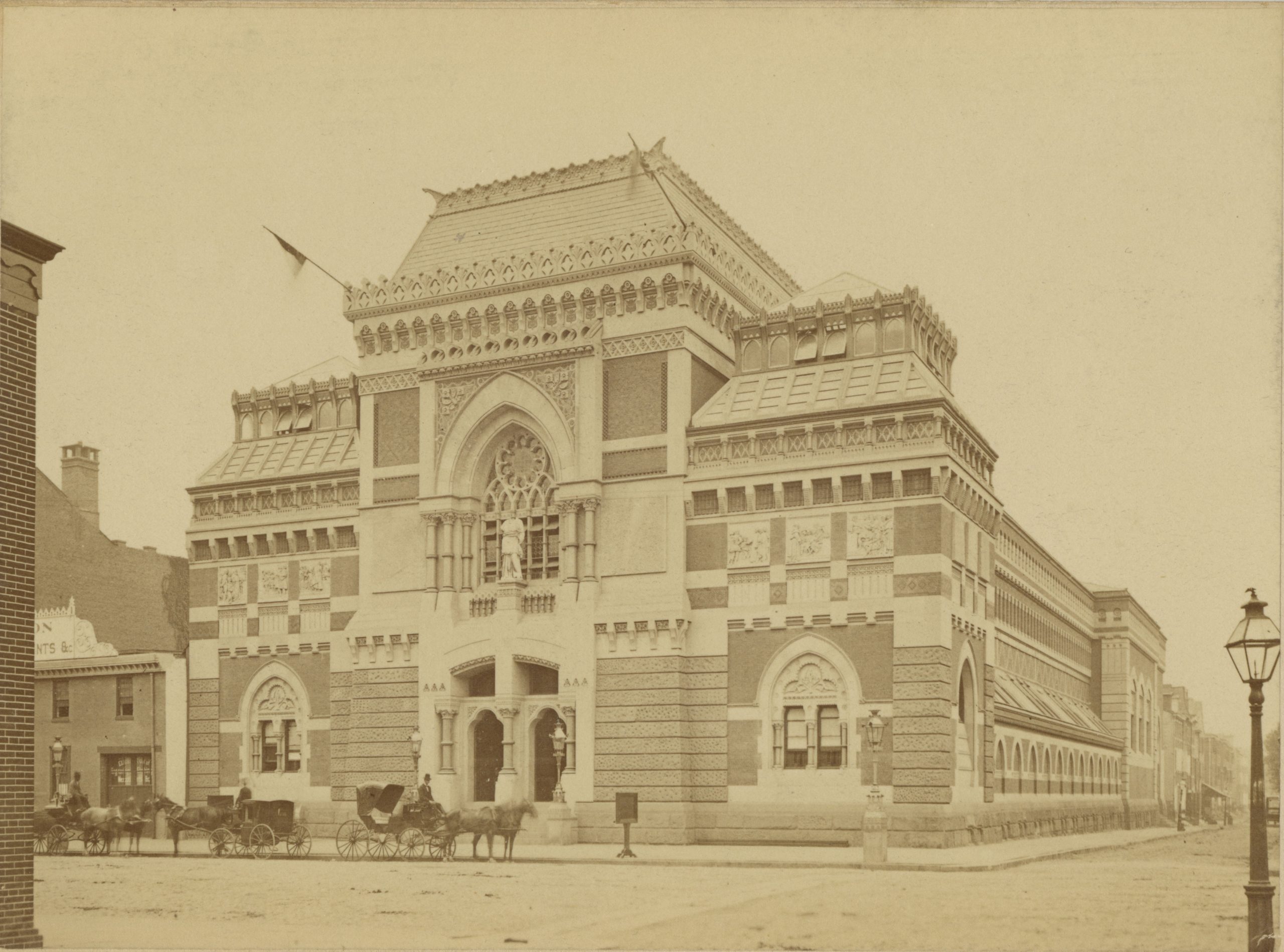
The Pennsylvania Academy of Fine Arts in 1876, shortly after it moved into its then new building at Broad and Cherry Streets.PAFA Archives
That building, designed by Frank Furness, opened in April of 1876, a month before America kicked off its centennial celebration. At the time, PAFA’s building was one of the city’s most ornate spaces and was touted as a centerpiece of the Center City landscape. (City Hall wouldn’t be finished until 1901.)
Newspapers reported that PAFA cost $400,000 to complete, $12.5 million in today’s money. Today, the Furness Building is also known as the Historic Landmark Building.
The Broad Street building increased PAFA’s shine. Early Americans often turned to Europe as their cultural North Star, but in the late 19th century, PAFA’s leaders began centering American artists like Thomas Eakins, Rembrandt Peale, and James McNeill Whistler in its galleries, forging and defining fine American art.
PAFA was groundbreaking in its inclusivity, allowing women students into its classes as early as 1844. In 1879, PAFA established the Mary Smith Prize, the first major American art prize established exclusively for women.
In 1855, eight years before President Abraham Lincoln signed the Emancipation Proclamation, PAFA welcomed Black visitors. And in 1880, African American painter Henry Ossawa Tanner exhibited paintings in PAFA’s annual show. Tanner soon became an international arts sensation.
“We certainly weren’t perfect but we were definitely progressive,” Tran said. “Today that is a point of pride for us.”
Nearly every notable American artist has attended, taught, or had their work exhibited at PAFA. That long list includes Mary Cassatt, Cecilia Beaux, Robert Henri, Louis B. Sloan, Barkley Hendricks. Jacob Lawrence, Andy Warhol, and Kehinde Wiley.
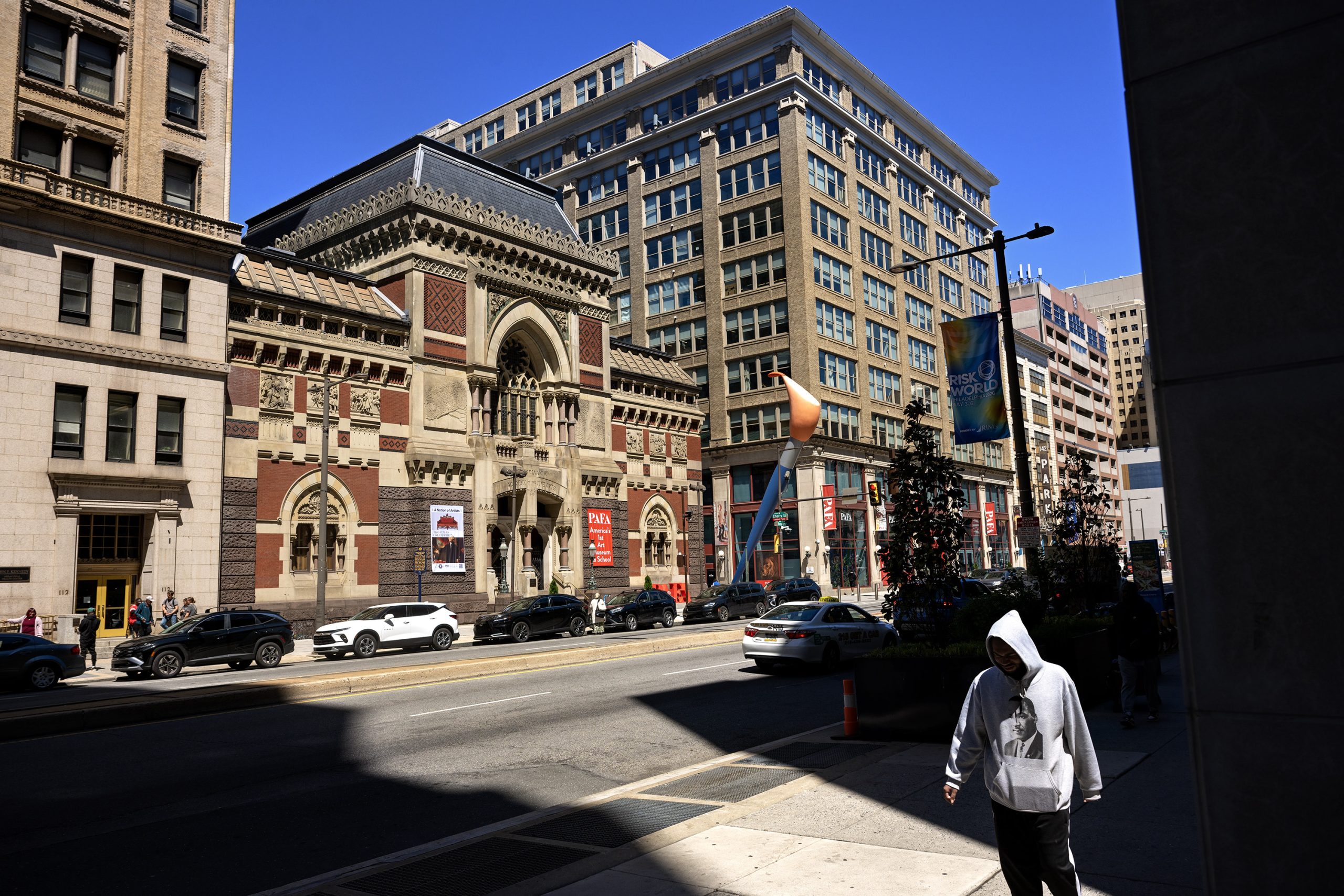
From left, the newly renovated Furness and Hewitt building, Lenfest Plaza and the Samuel M.V. Hamilton building at the Pennsylvania Academy of the Fine Arts Tuesday, May 12, 2026. “A Nation of Artists.”Tom Gralish / Staff Photographer
Vashti DuBois has removed all of the art from the first floor of the Colored Girls Museum. Its forest green and sunshine yellow walls now lay bare.
The living room couches, settees, dining room set, and bookcases are in storage. Hundreds of books have been boxed up and the ceramic vessels tucked away.
DuBois, TCGM’s founder and executive director, hired contractors to paint the Germantown museum’s galleries eggshell black and cover the hardwood floors with black carpet. Black curtains hang over the windows.
These changes were all made at the behest of renowned artist vanessa german. Her new show, “The House, The Oracle and the Table,” a sparkling three-piece exhibit and theatrical presentation in honor of the Colored Girls Museum’s 10th birthday,was unveiled June 20.
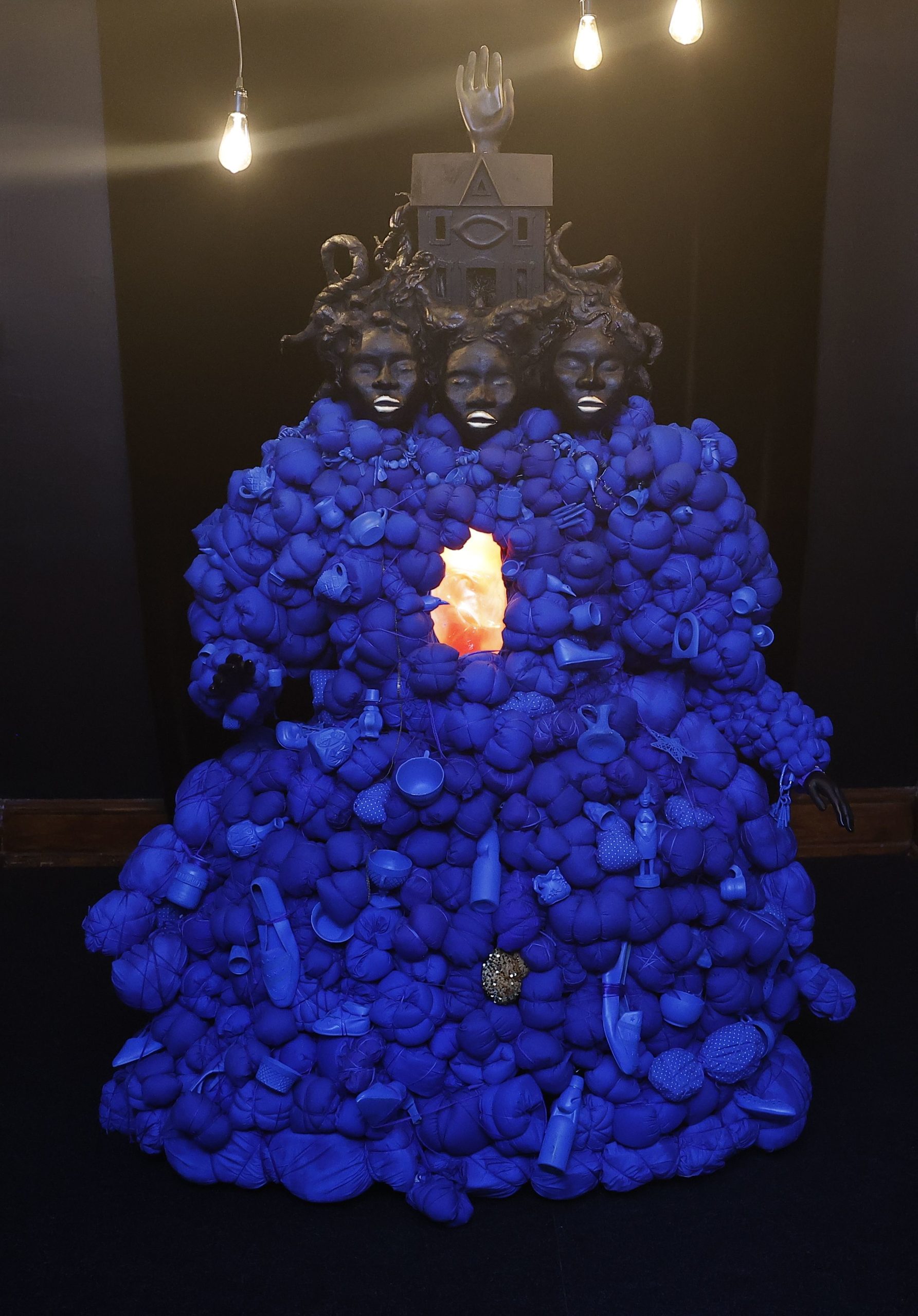
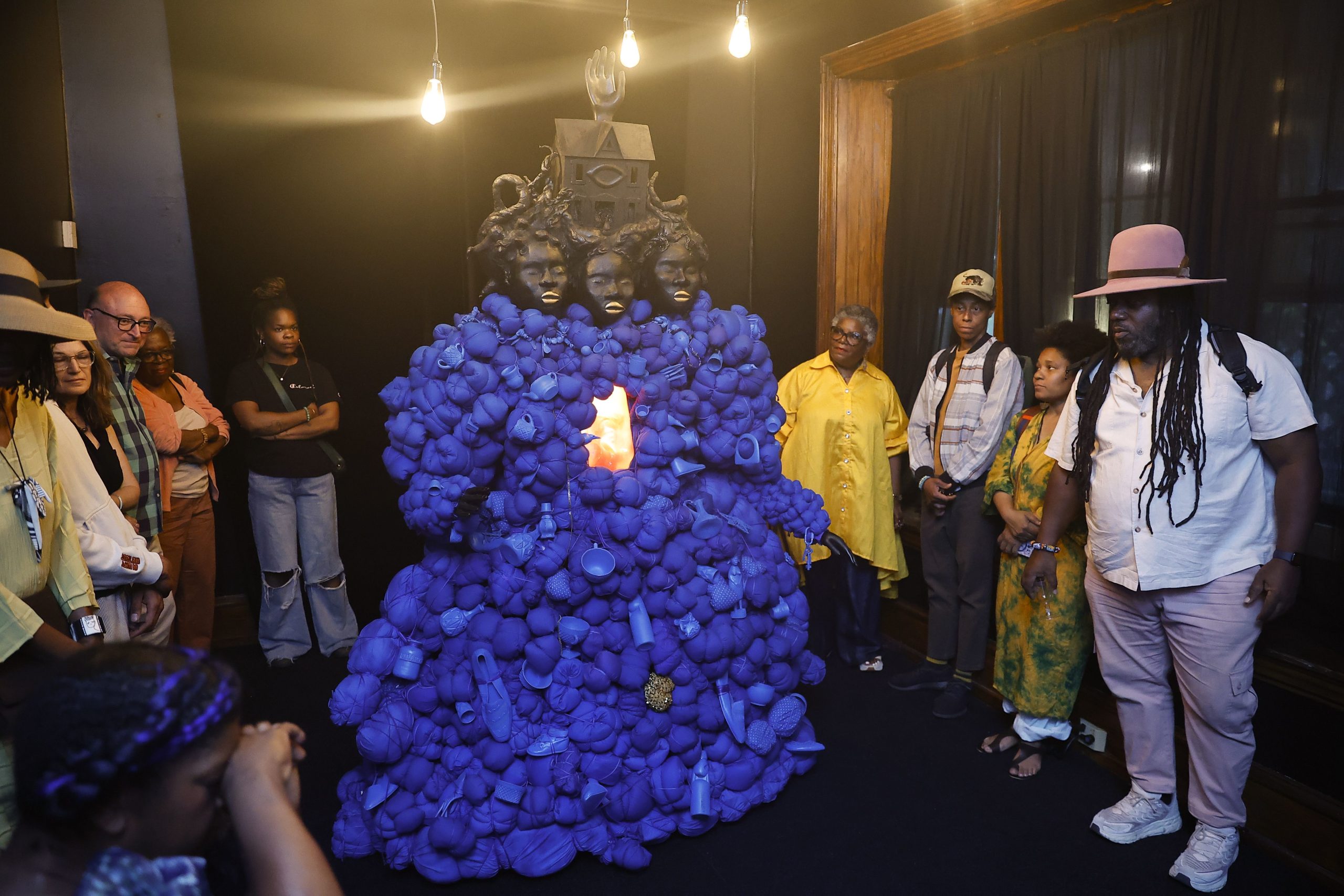
“The House,” the central character in “The House, The Oracle and The Table” by vanessa german, stands in the Colored Girls Museum’s living room gallery. The show runs through Dec. 30. Zamani Feelings
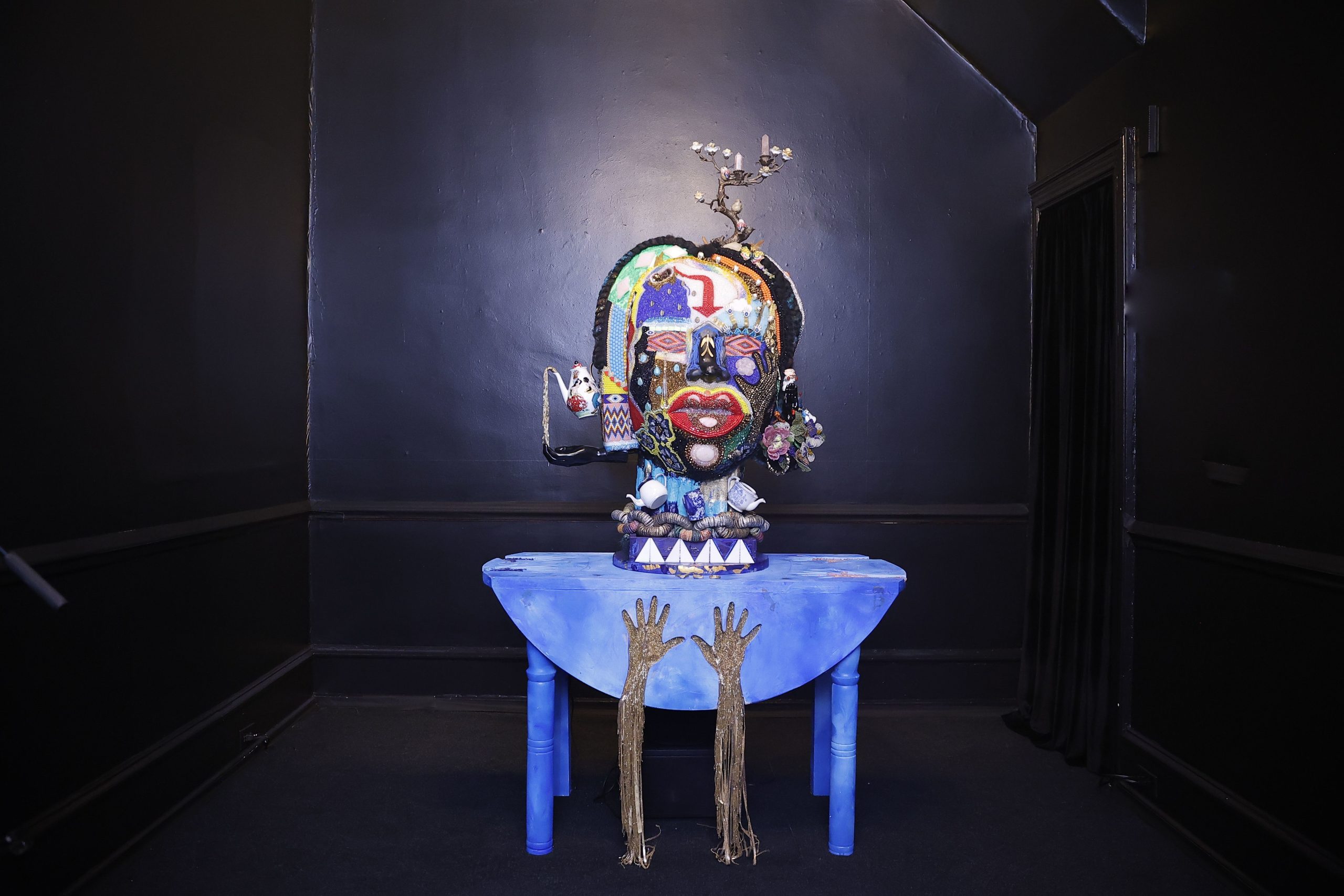
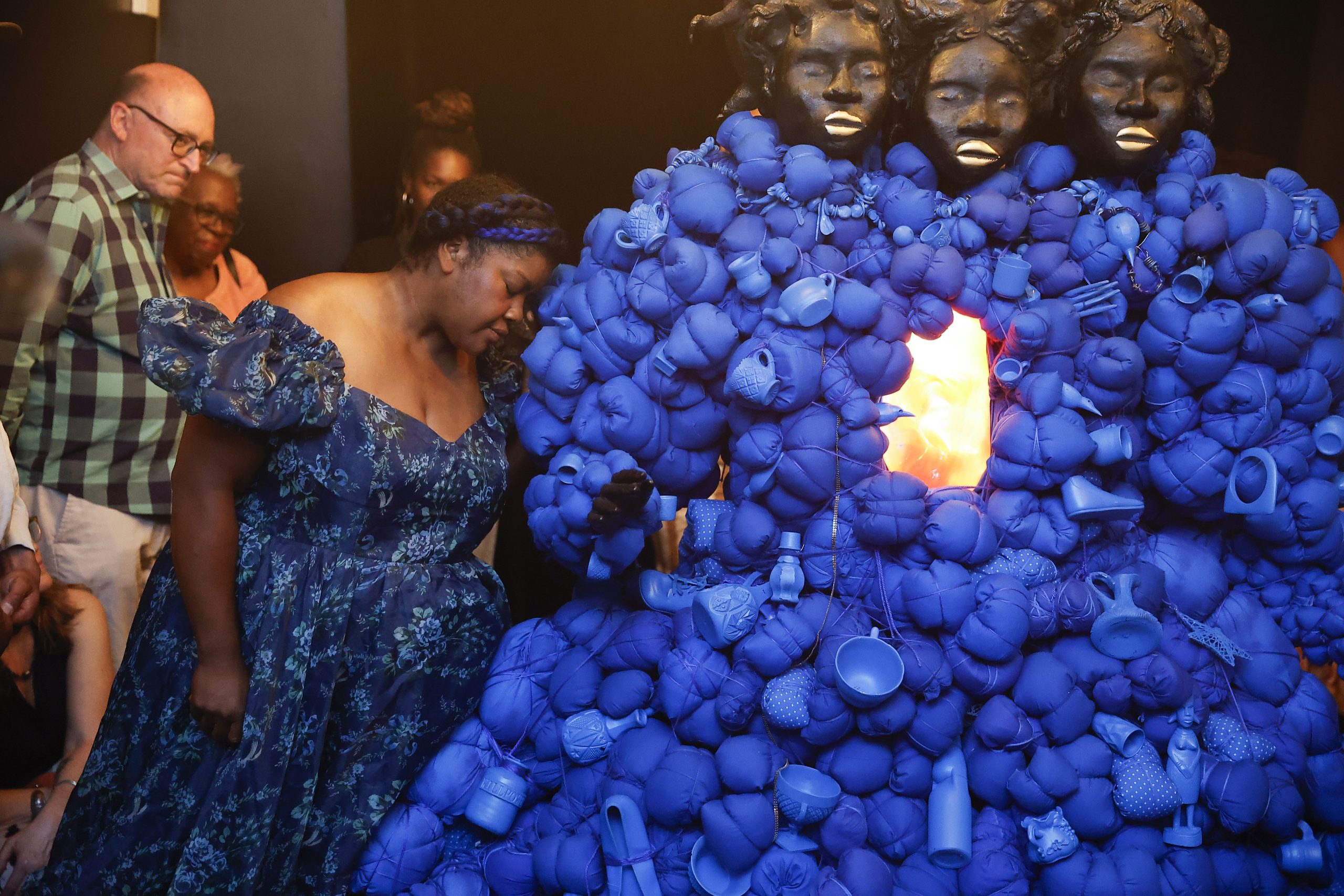
“The House, The Oracle and The Table” is comprised of three pieces. The House, a 7-foot towering talisman; The Oracle, a gem-studded bust; and The Table, an inviting drop-leaf surface with crystal-filled hand carvings. The show is german’s offering to the museum and DuBois.
“She’s one of a few artists I’d even dream of stripping the museum bare for,” DuBois said. “I released the old and I have so much more to show for it.”
‘Here the work is kinfolk’
A poet, spoken word artist, and self-taught sculptor, german is among the country’s most important contemporary artists of the moment.
Her work revels in the dynamism of the Black femme, reminding women that it’s OK to take up space with sequins — and lots of them. She’s best known for her “power figures,“ larger-than-life sculptures of Black women as sparkling, glittering, and magnificent spiritual and magical beings.
Her power figures and altars are in the permanent collections of the Museum of Contemporary Art Chicago and Pittsburgh’s Carnegie Museum of Art. In 2021, the Pennsylvania Academy of the Fine Arts acquired german’s Declaration of Independence altar. The 17-foot-long piece rejects the idea that Black women — specifically Prissy in Gone With the Wind — should be relegated to subservient roles.
German’s iconic Miracles and Glory Abound is presently on display at Doylestown’s Michener Art Museum as the centerpiece of its exhibit celebrating America’s 250th, “The Crossing: Picturing the American Revolution.”Miracles is a recreation of Emanuel Leutze’s famous 1851 oil painting Washington Crossing the Delaware. But in german’s sculpture, which features a life-size boat made from found objects, Washington and his soldiers are Black women.
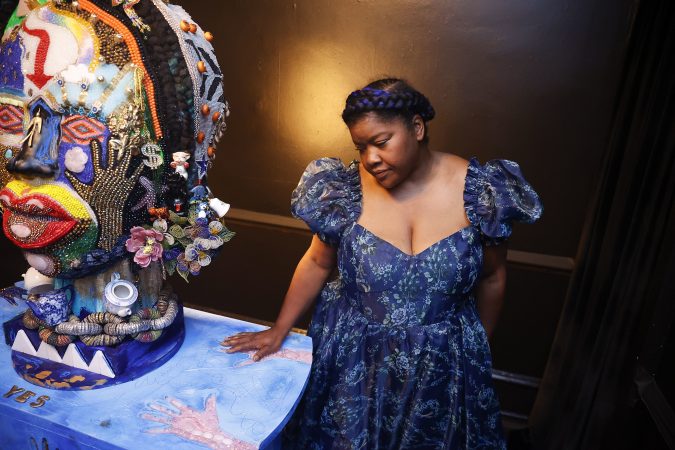
“The Table” and “The Oracle” are two of the characters in vanessa german’s show, “The House, The Oracle and The Table.”Zamani Feelings
“Her work allows Black women and Black queer women to take up space in a way we just can’t ignore,” said Laura Igoe, Michener’s Gerry and Marguerite Lenfest chief curator. “She’s creating a different awareness, imagining a new future, and creating a new narrative.”
It’s rare that an artist of german’s caliber creates a site-specific installation for a small community museum like TCGM, let alone makes the museum’s founder central to the show. This makes “The House, The Oracle and The Table” a big deal in local and national arts circles. TCGM is also of the community that inspires german’s art. Here, german’s work is not a spectacle or a teaching moment. It’s an understood and welcome family member.
“Here the work is kinfolk,” DuBois said.
Prayer pouches and healing monuments
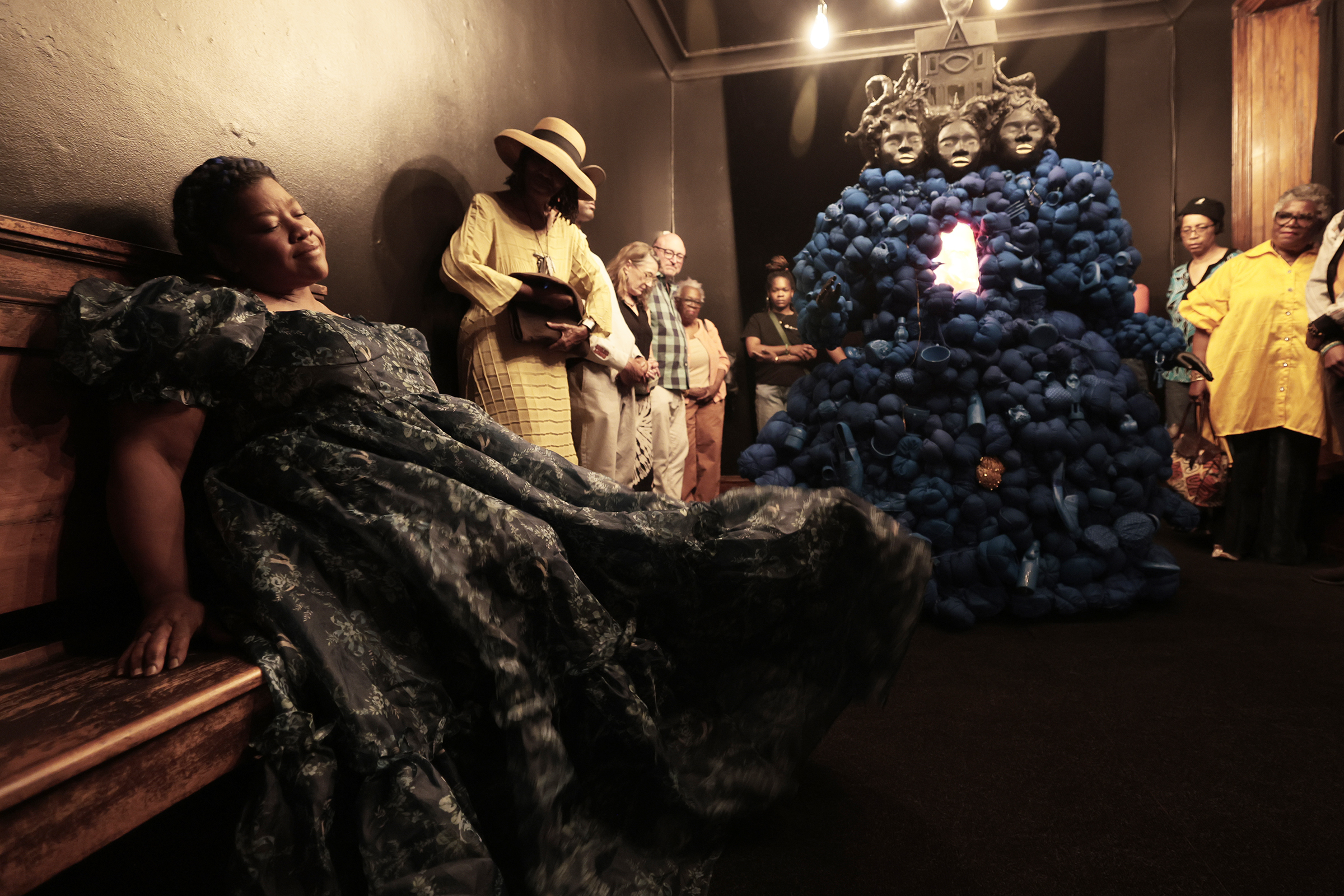
The House, a 7-foot-tall, three-headed sorceress — the personification of past, present, and future — stands in the center of the living room gallery turned black-box theater, alone under a labyrinth of Edison lights. Each woman has a head of flowing locks and lips of cowrie shells. Each face — carved from plaster, epoxy resin, and wood glue and treated with a metallic finish — is slightly different from the one next to it.
Artist vanessa german stands next to “The House,” one character in her three-piece show, “The House, The Oracle and The Table.” The three-headed sorceress resembles the Colored Girls Museum’s founder and executive director, Vashti DuBois.Zamani Feelings
They all resemble DuBois’ face.
“What’s really tender is that vanessa wasn’t afraid to see me: my past, my present, and my future,” DuBois said. “She didn’t look away. She installed the founder and executive director in this show.”
The House wears an oceanic blue dress fashioned from found objects like bottles, baby shoes, vases, and carafes. DuBois has a few items nestled in including a tea cup of her own, a carafe, and a 19th-century doll. Eventually The House will move on and when it does, it will have DuBois’ energy embedded in it.
Hundreds of quilted prayer pouches are sewn into the floor-length frock. German makes these building blocks of her assemblages by hand.
Making the pouches is monotonous work. She cuts each one out, sews it together, and fills it with beads and intention, before stitching it together. This work she said, redirects her energy from sadness, depression, and suicidal thoughts to purpose, forgiveness, and healing.
“It kept me from myself,” said german, who was born in Los Angeles, the daughter of the late quilter and fiber artist Sandra German. Her adolescence and early adulthood were filled with creative energy, but also melancholy.
The prayer pouches helped kick off her art career in the 2000s while she lived in Pittsburgh’s Homewood neighborhood. She began to build structures made of found objects and prayer bags. They grew so big she began leaving them outside, attracting neighborhood children.
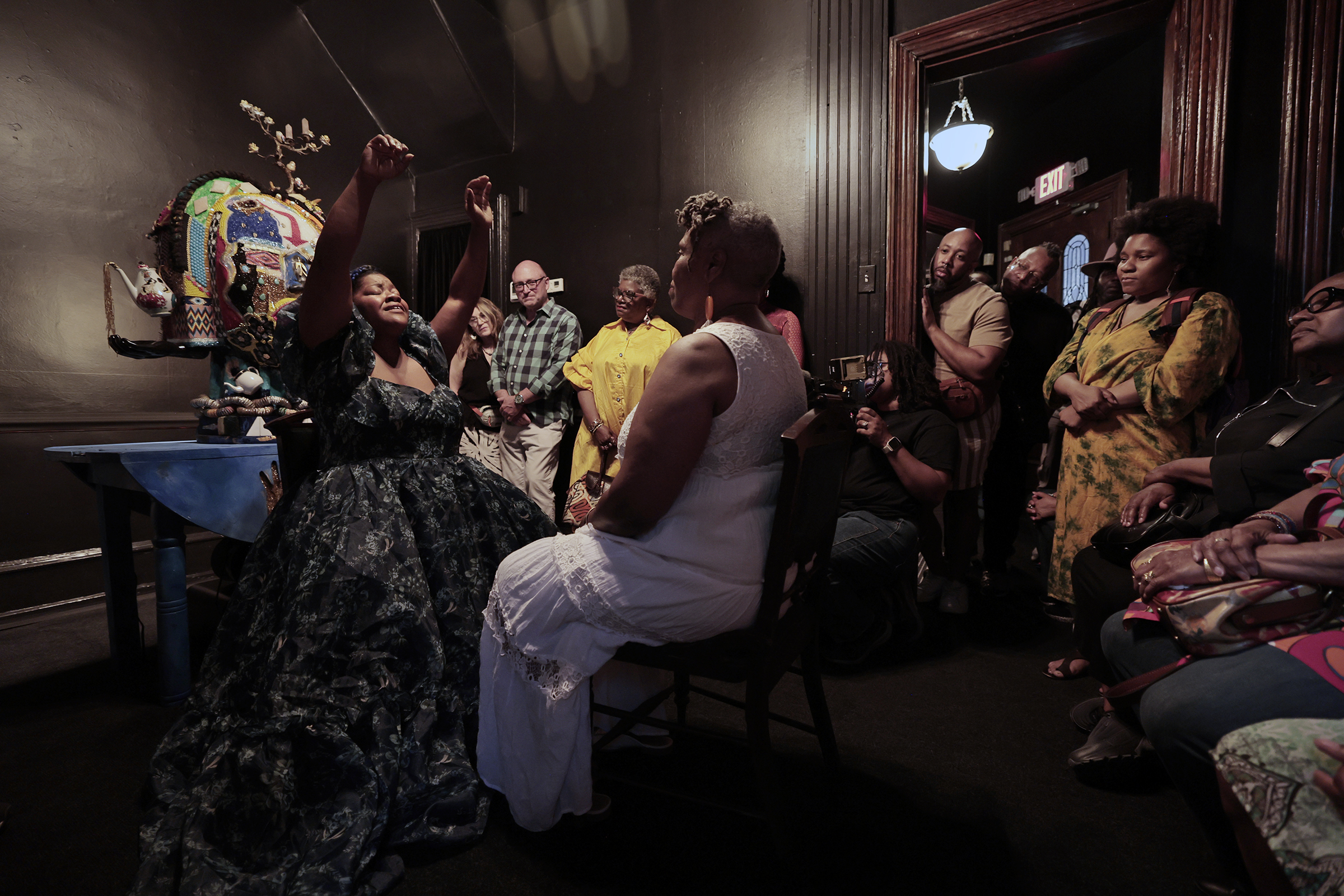
Artist vanessa german, during her theatrical performance.Elizabeth Robertson / Staff Photographer
ArtHouse, her community art space, was born and german began calling herself a citizen artist.
“My body went on autopilot,” said german, who now lives in Asheville, N.C. She spent a few days in June at TCGM building The House’s dress and body from pieces she’d already assembled.
“My hands would just do it and as my body repeated the task,” she said about the pouches, “I was able to make sense of things for myself. I began to heal.”
Kindred spirits
In the TCGM dining room are the exhibit’s two other pieces: The Oracle, a roughly 40-pound bust of a seer whose face is entirely made from crystals: clear quartz, turquoise, and rose quartz. Its ear, a found teapot pouring liquid gold.
Abundance.
“She is the soul of the house,” german said. “Her cup runs over.”
The Oracle sits atop The Table, whose dropped leaf features carved hand prints filled with lapis lazuli and rose quartz. The carvings represent women in the TCGM community.
Founder and executive director of the Colored Girls Museum, Vashti DuBois, watches as vanessa german blesses “The House, The Oracle and The Table” on opening night.Zamani Feelings
“In that moment I knew we were kindred spirits,” DuBois said. “I didn’t ask her to do anything new. I would have been happy to have a loan from her.”
That was out of the question for german, who said she had no intention of “phoning in the project.”
“I wanted to take my time, I did not want to be frivolous with this gift … this opportunity,” german said.
‘This house is holy’
German took the energy of all the things DuBois couldn’t say and infused it in her work.
TCGM’s inception followed the unexpected death of DuBois’ husband, Al Stewart, in 2013. She opened TCGM in 2016 to celebrate the lives of ordinary Black women. Along the way, she healed.
In the last 10 years, DuBois has stewarded the museum through more than a dozen shows and won awards and major grants. A tangle with the city of Philadelphia forced her to move out of her home in order to keep the museum open. So she moved out of the place, where for over 20 years, she raised her children and lived with her late husband.
“There is exquisite pain and exquisite beauty here,” DuBois said.
“The House” is the central character in vanessa german’s “The House, The Oracle and The Table.” German curated the show in honor of the Colored Girls Museum’s 10th birthday as an offering to the museum and its founder and executive director, Vashti DuBois.Zamani Feelings
Hours before the summer solstice on the third Saturday in June, german blessed “The House, The Oracle and The Table” in five separate performances, moving from gallery to gallery like a calm blue wave.
She prayed. she chanted. She sang. And many watched. Some even cried.
“This show will awaken something in people,” german said. “They will start to say things out loud they once held inside and know to be true.”
DuBois can testify to that.
“I turned myself inside out getting ready for the show,” she said. “I’ve always known that I am holy and this house is holy. Now I can say it.”
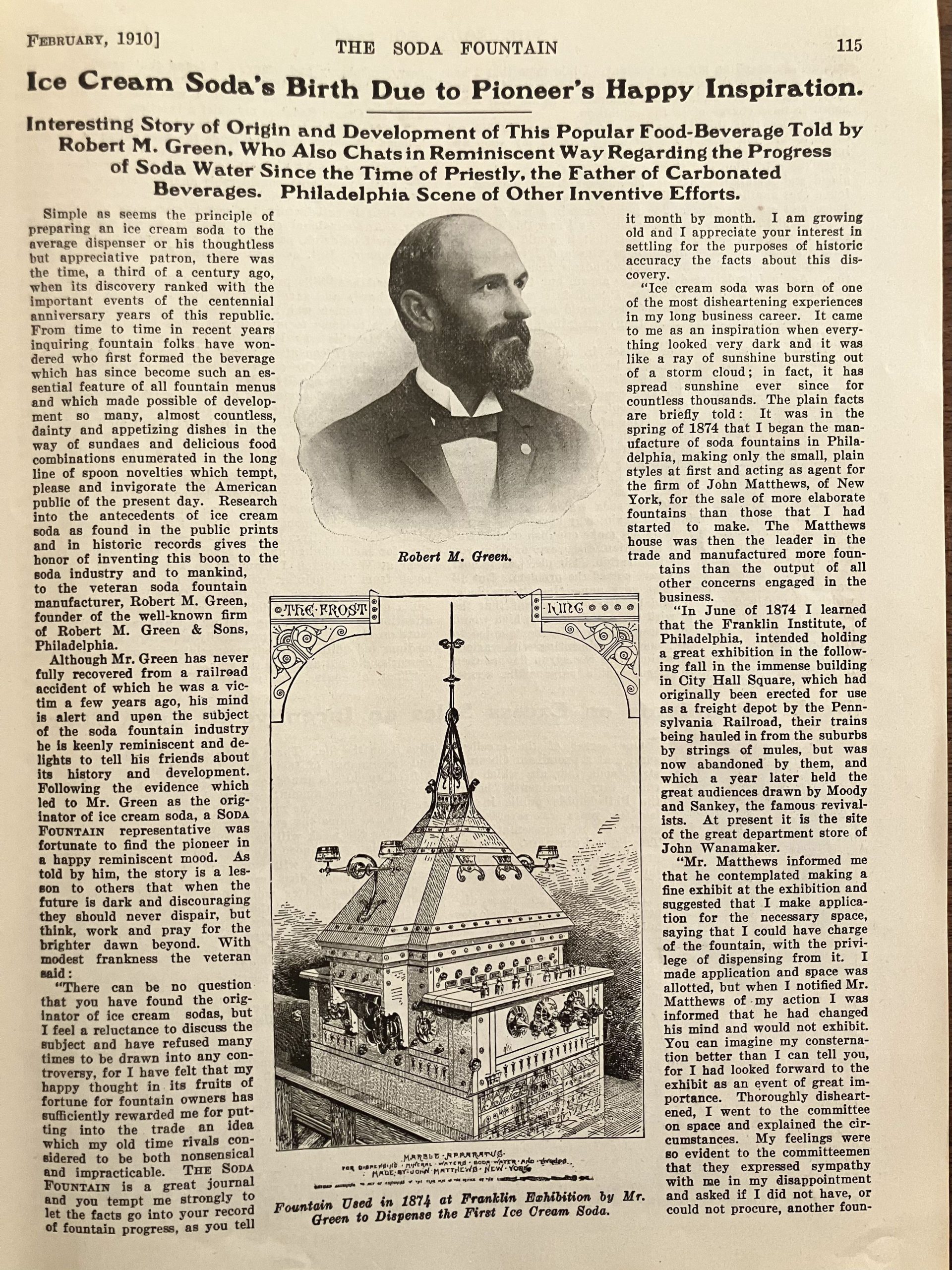
In the fall of 1874, Philadelphia entrepreneur Robert M. Green was looking to make his fortune selling soda fountains. So, he set up a stand at the grand exposition feting the Franklin Institute’s 50th birthday.
The monthlong fair — held near City Hall where Wanamakers would stand just two years later — drew hundreds of people a day. To Green’s dismay, another soda fountain manufacturer showed up to make his fortune, too.
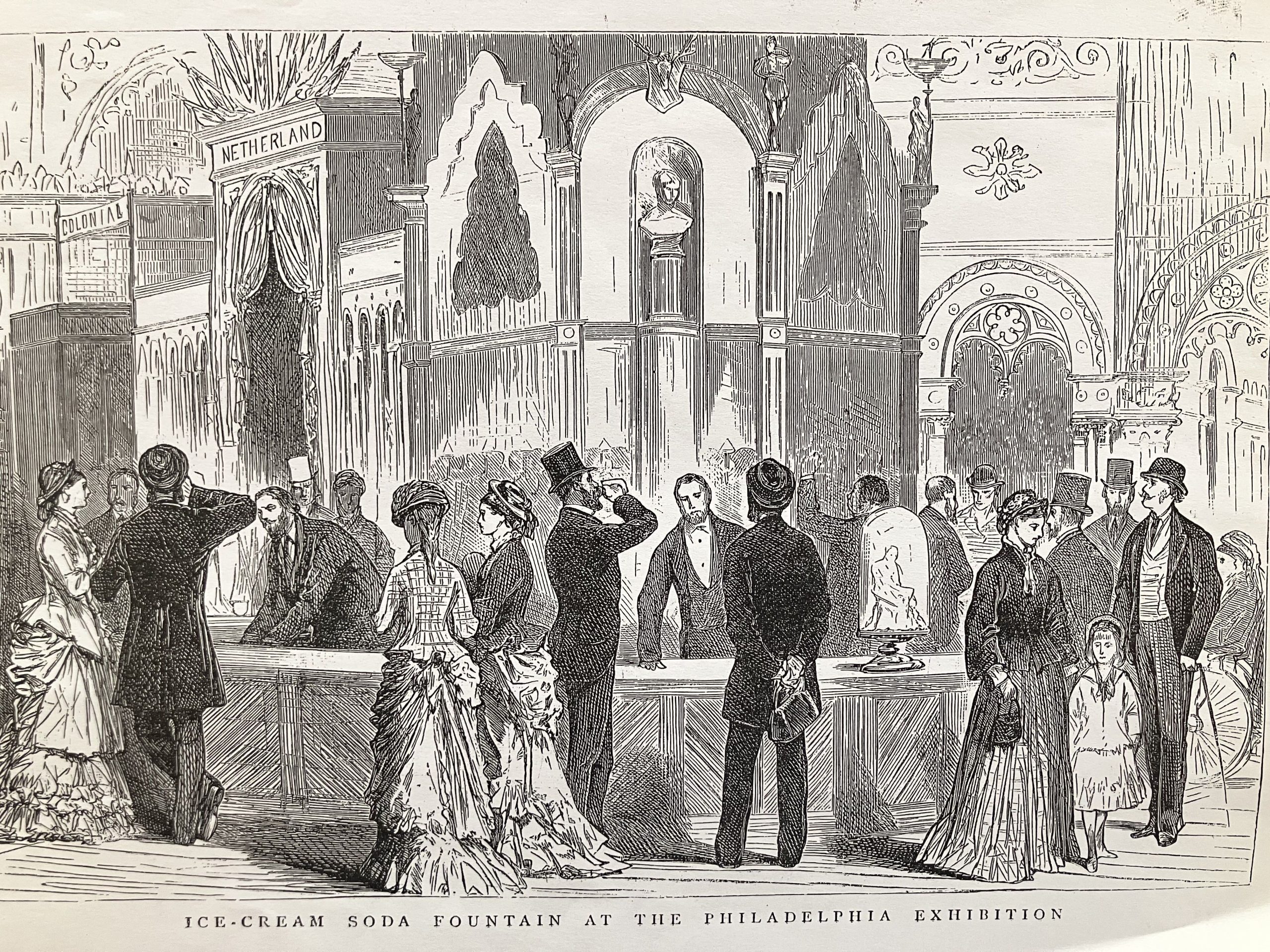
An ice cream soda fountain pictured at the Philadelphia World’s Fair.Colibri Workshop
To lure more fairgoers to the flavored soda water he was hawking at 10 cents a pop, Green added a dollop of vanilla ice cream. (Green purchased the ice cream from Henry Snyder, a confectioner at the corner of 13th and Vine.)
“The ice cream soda came out of a moment of desperation,” explained Eric Berley, self-anointed ice cream historian and owner of Franklin Fountain in Old City. “It started to fizz and bubble up creating a real 19th-century experience.”
The Philadelphia Historic District will honor ice cream soda’s effervescent beginnings at Franklin Fountain, Saturday July 18, from 11 a.m. to 1 p.m. It will be the district’s 29th firstival, part of a yearlong party celebrating America’s 250th birthday.
The first ice cream soda was served at the 50th birthday fete for the Franklin Institute back in 1874 by soda fountain salesman Robert M. Green.Colibri Workshop
Green made $8 that first day of ice cream soda sales. But he knew he could do better. According to a 1910 article in Soda Fountain, the next day he printed handbills advertising the creamy concoction. He gave teenagers free tastes and paid them to crowd around his booth to drum up interest.
By the end of the fair Green was pulling in $200 a day — $5,793 in today’s money.
Word of the sweet treat traveled throughout the country and ice cream sodas became a drugstore staple. Up until then, soda fountains were only used to make medicinal drinks like Alka-Seltzer. Ice cream helped turn drug stores into hot spots.
Ice cream sodas, according to an article in the 1920 Philadelphia Evening Ledger were the precursors to the “sundae, the banana split, and the various egg drinks and a score or more of the tasteful and appetizing things which are now offered to the public.”
Robert M. Green recounted how he made the first ice cream soda in a 1910 article printed in the trade magazine The Soda Fountain.The Berley Bros. Collection.
Green opened Robert M. Green & Sons, at Broad and Vine, in the late 19th century where he sold soda machines and made a fortune. He’s buried in West Laurel Cemetery in Bala Cynwyd where his tomb stone reads: “Here lies the originator of the ice cream soda.”
While it’s tempting to end the ice cream soda story here, there is more to this sweet saga.
At the 1876 Centennial, Philadelphia-based pharmacist Charles Hires introduced the temperance drink Root Beer, a spicy blend of 16 wild roots and berries.
Seventeen years later, Frank J. Wisner, owner of a Colorado-based brewing company, plopped in a scoop of vanilla ice cream, inventing the Root Beer float.
The terms ice cream soda and ice cream floats are used interchangeably these days, Berley said.
“But it’s clear without Philadelphia you wouldn’t have an ice cream soda or a root beer float.”
The Ice Cream Soda Firstvial will be held, Saturday is Saturday, July 18, 11 a.m.-1 p.m. at the Franklin Fountain, 116 Market St.
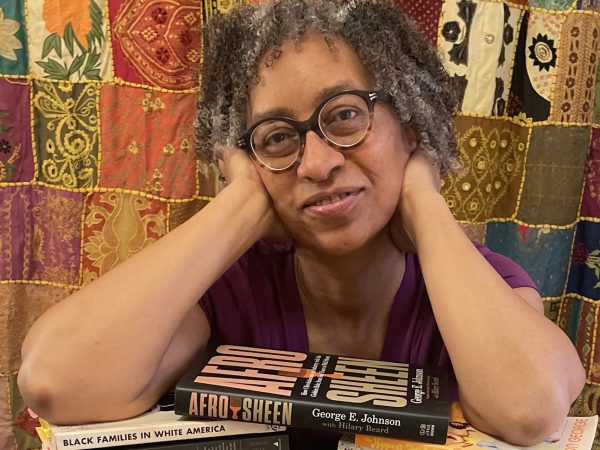
Like many Black children growing up in the ‘70s and ‘80s, Mount Airy author Hilary Beard had fond memories of Afros and Soul Train dancers.
“I was a little Black girl with braids who sat between my mother’s knees every day as she combed my hair and oiled my scalp with Ultra Sheen,” Beard recalled in a recent video chat. “When I was in the seventh grade and cut my hair into an Afro, I used Afro Sheen. I grew up watching Soul Train. I lived in a world created by this man.”
It wasn’t until 40 years later that she realized these hallmarks of Black culture had a common author, George E. Johnson, the father of modern Black hair care.
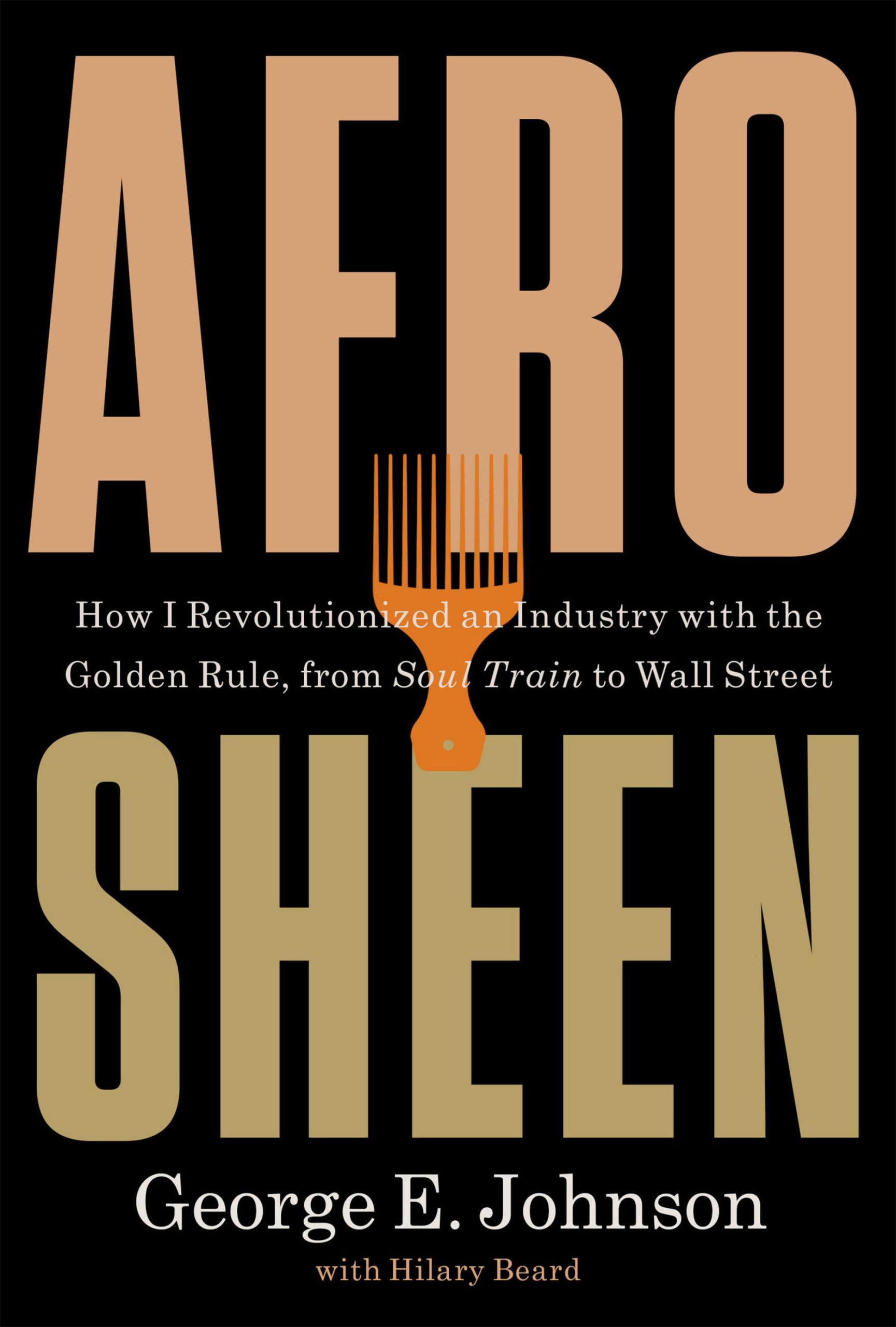
Three years ago, Beard teamed up with a then 94-year-old Johnson to cowrite his memoir. She combined her warm memories of plaits, kinky blowouts, Black power picks, and the Soul Train Line with more than 2,000 pages of interviews to write Afro Sheen: How I Revolutionized an Industry with the Golden Rule, from Soul Train to Wall Street,a 320-page story of entrepreneurship, civil rights, and Black culture, spanning nearly a century.
“Mr. Johnson’s story sweeps through the Cotton South, the Great Migration, the Jim Crow North, the Jim Crow South, World War II, and the civil rights of the 1950s and 1960s,” Beard said. “And it’s told through the perspective of an African American man. We know many of these stories have not been told, they have also been actively suppressed.”
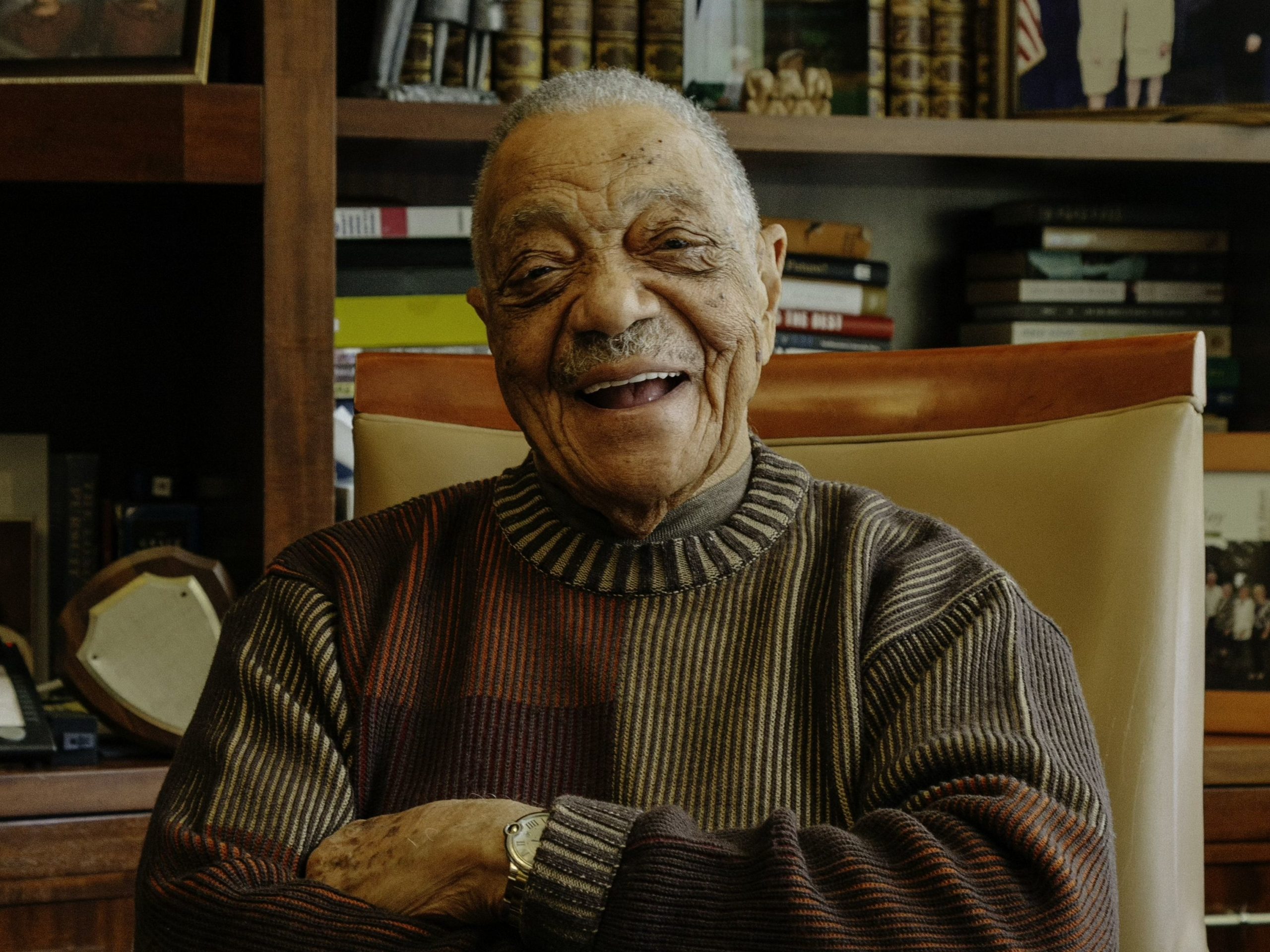
George Johnson, founder of Afro Sheen, in his Chicago study. Johnson is the founder of the first Black company to go public. He also funded the early episodes of Soul Train, for which the Sound of Philadelphia, Gamble & Huff, wrote the soundtrack.George Johnson
Johnson’s story begins in 1927 Richton, Miss., on a small sharecropping farm. His mother, Priscilla, left his father in 1929, and moved Johnson and his two brothers to Chicago’s South Side. In his early 20s, he worked as a production chemist at the Black-owned cosmetics company Fuller Products, owned by S.B. Fuller, the richest Black man in America at the time.
In the early to mid-20th century, many Black people’s grooming habits included straightening their hair to assimilate, often affording them better jobs in mainstream America. The hair straightening concoctions — a mix of potatoes, lye, and eggs — separated, were messy to apply, and burned.
While working at Fuller Products, Johnson developed Ultra Wave Hair Culture, a creamy emulsified product barbers applied to clients’ hair, giving them the slicked back look popularized in the 1940s by Little Richard, Nat King Cole, and Sammy Davis Jr.
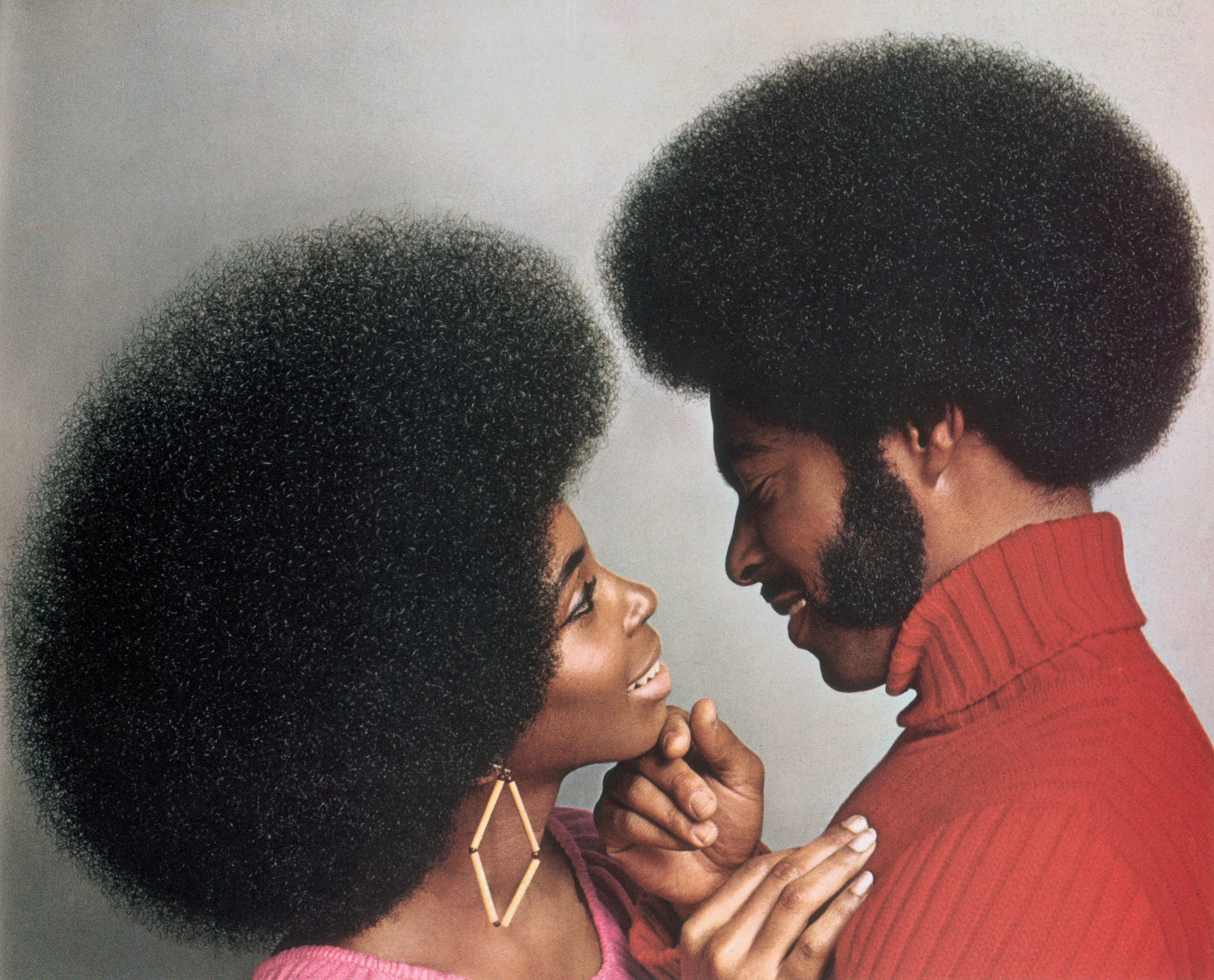
Ultra Wave Hair Culture marked Johnson Products Co.’s debut. In the next decade, JPC introduced Ultra Sheen Cream Satin Press, which hairdressers applied to Black women’s hair before pressing it straight with a hot comb; and Ultra Sheen Relaxer, a lye-based hair straightener for Black women. The “Black is Beautiful” movement birthed Afro Sheen, a spray that left Afros voluminous and glossy.
“A Natural Explosion! Afro Sheen® Blowout Creme Relaxer 1973/2007” from the series “Unbranded: Reflections in Black by Corporate America” by Hank Willis Thomas. MUST CREDIT: Rubell Museum
“The thing that moved my products forward was innovation,” said Johnson, who, at 97, still sounds like a salesman talking to potential customers. “We created something like a new mousetrap, it had never been done before.”
In 1971 — with sales of $12.1 million, or $94 million in today’s dollars — JPC became the first Black-owned company to be publicly traded on the American Stock Exchange, now known as the New York Stock Exchange. Although at the time it was a major achievement, Johnson said that with hindsight, he realized it was a big misstep as he was forced to answer to a board that didn’t understand the Black community.
Creating his lane
Johnson — not to be confused with John H. Johnson, founder of Ebony and Jet magazines — built his empire when banks did not loan money to Black startups, and groceries and drugstores did not stock Black hair care products, let alone place them on endcaps. Johnson remembers struggling to build his business when there were no federal laws to protect him from discrimination. He built his own manufacturing facility and created networks to distribute and advertise his products, and was among the first to sell Black hair care products in mainstream retail outlets.
To see companies like Target and Walmart — which up until recently had a stellar reputation of stocking Black hair care by Black-owned companies — cower under the Trump administration and roll back DEI initiatives is not only disheartening, but it also signals going back to a time when disenfranchisement of minority- and women-owned businesses was standard operating procedure. This reality, Beard says, makes Johnson’s story particularly timely, serving as a road map with young entrepreneurs of color.
“There is a widespread movement to make programs, books, and context that remind us of the bigotry in our nation’s history illegal,” Beard said. “Mr. Johnson is a witness to the overt racism many Americans would like to sweep under the rug. The irony is the very history they don’t want us to know is the reality they are attempting to create.”
JPC was among the first companies to advertise products to Black consumers using images of Black professionals — like doctors, lawyers, and teachers — instead of subservient characters like Aunt Jemima and Uncle Ben.
Johnson created Soul Train with Don Cornelius in 1971 so his advertising dollars could reach Black consumers directly. Soul Train — the hippest trip in America — was modeled after Dick Clark’s American Bandstand, and featured R&B acts, creating the community that bought Afro and Ultra Sheen products. In 1974, Kenny Gamble and Leon Huff wrote Soul Train’s iconic theme song, “T.S.O.P. — The Sound of Philadelphia,” performed by Philadelphia International Records’ The Three Degrees. Soul Train laid the cultural groundwork for MTV and Black Entertainment Television, and “T.S.O.P.” was the first TV theme song to reach No. 1 on the Billboard Hot 100. JPC’s profits nearly tripled to $37 million a year by 1975.
“That was tremendous growth,” Johnson said. “And in 1980, I gave Don my share with the stipulation he keep one minute of advertising time a show to JPC.”
Living history
Johnson never planned to write a book.
“I certainly wouldn’t have waited until I was 94 to do this,” he said. “But I had an epiphany, a real experience and I clearly heard five words, ‘You must tell your story.‘”
Afro Sheen: How I Revolutionized an Industry with the Golden Rule, from Soul Train to Wall Street by George E. Johnson, written with Mount Airy-based author, Hilary Beard.
Beard read 16 books about Black hair care culture and Chicago history. The two-year-long writing process became emotional, especially when Johnson recalled his infidelity and losing his first manufacturing facility to fire.
“When Mr. Johnson contacted me, I thought of the African proverb: when an elder dies, a library burns down,” Beard said. “So, I dropped everything to capture this piece of living history on the page.”
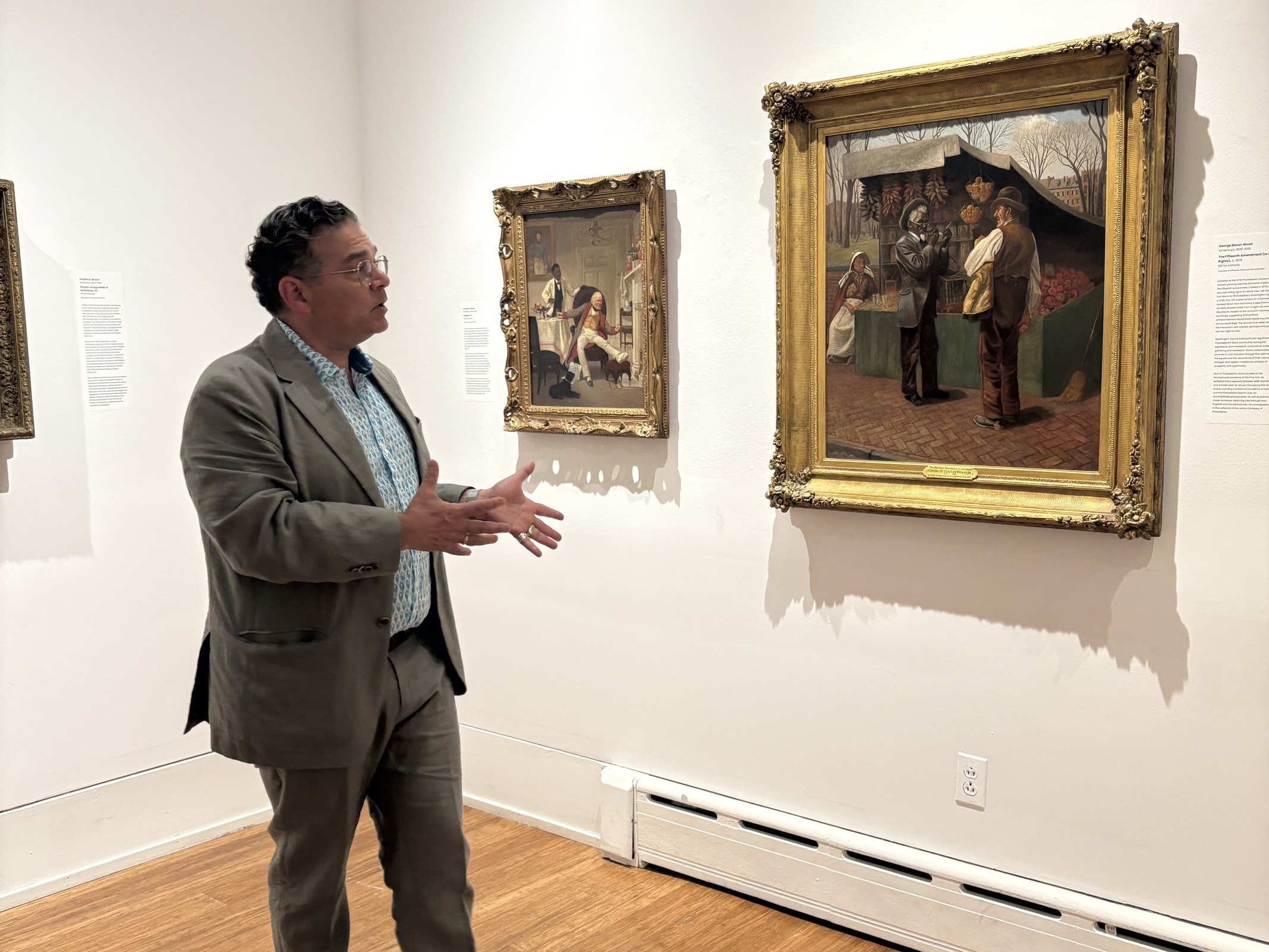
Last week, Woodmere director William R. Valerio stood in front of six vibrant works in Woodmere’s Charles Knox Smith Hall’s Antonelli Gallery.
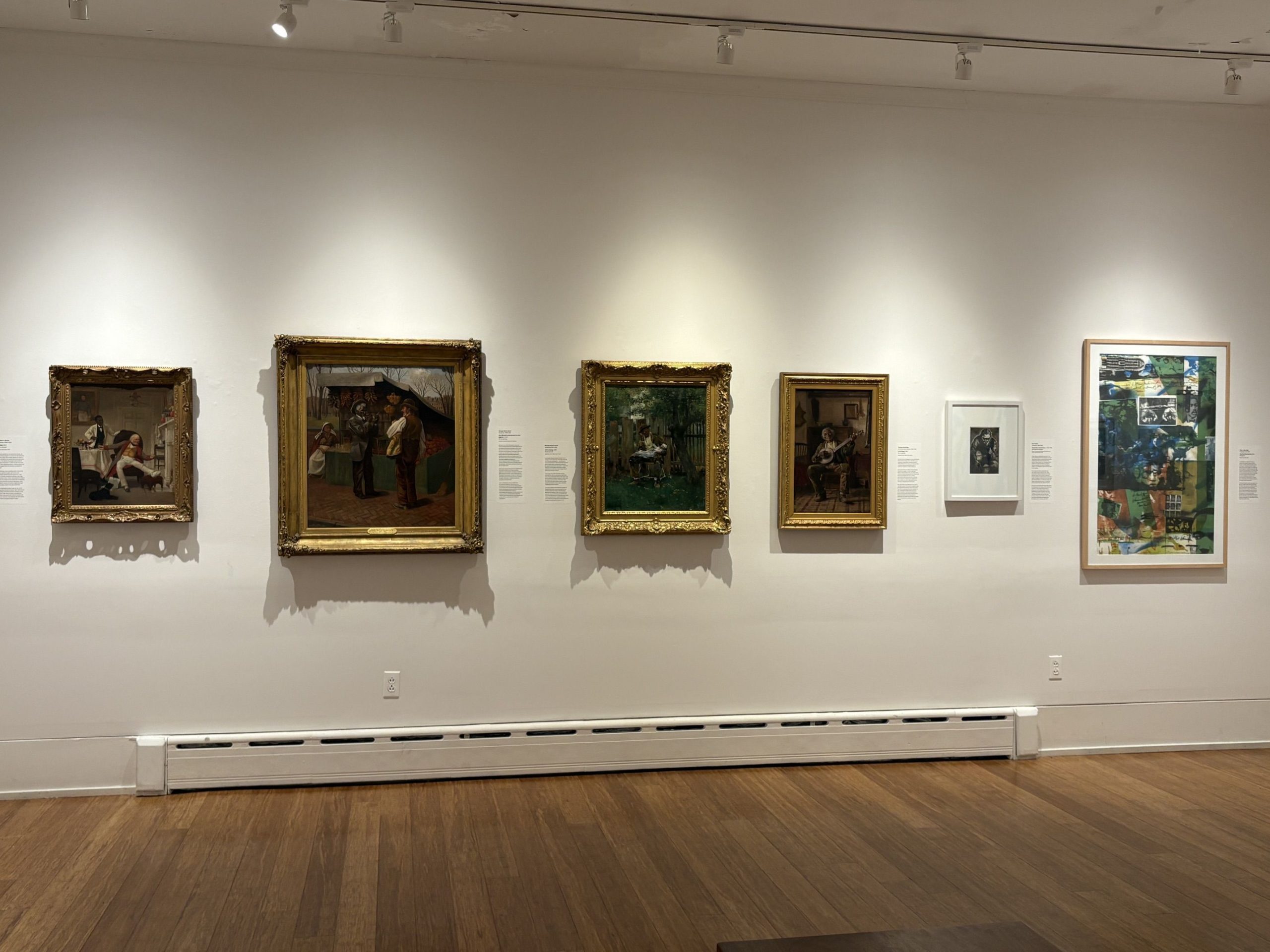
Behind him were two works by Philadelphia painters Francis Coates Jones and Thomas Hovenden, both depicting an elderly Black person named Sam, who lived in the Germantown/Chestnut Hill area, enjoying moments in nature. Another work, a Dox Thrash etching of a man holding a banjo, suggests he’s more than an entertainer; he’s also an introspective thinker.
Woodmere director William R. Valerio discusses the “Arc of Promise” exhibition, featuring the work of Philadelphia artists who portray Black people with humanity. A number of the works are from the Civil War era.Elizabeth Wellington
Contemporary artist Allan L. Edmond’s lithograph, America’s Bicentennial, features luminaries Frederick Douglass, Martin Luther King, and Barack Obama alongside scenes of African American struggle and achievement.
What if America in the 19th century — when many of these works were made — embraced Black men’s humanity? Valerio asked, sparking my own questions.
What if we came to terms with how unfair treatment of women, minorities, and immigrants in the past impacted our lives today?
Would America be a different place?
These questions find answers in every nook, cranny, and inch of Woodmere’s “Arc of Promise” exhibit. Each painting, ceramic, map, or mixed media collage speaks to how Philly artists — from the 17th century through today — envisioned the idea of America.
From left to right, “Untitled,” 1874; by Charles V. Brown; Francis Coates Jones; “The Fifteenth Amendment (or Civil Rights), George Bacon Wood, 1875; “Left in Charge,” 1882; Thomas Hovenden, “I’s So Happy,” 1882; Dox Thrash, “Played Out” c. 1937; “American Bicentennial,” Allan L. Edmunds. These photos show the humanity of Black men during an era when art didn’t portray them as such.Elizabeth Wellington
But there are also several important works on loan including protest photography by Harvey Finkle and a mixed-media necklace by Teri Hislop, a member of the Lenape Nation of Pennsylvania. Henry Bermudez’s Miss America, completed in 2019, offers a layered vision of America through migration, mythology, and identity. It sits next to sculptor Hiram Powers’ “America,” in which 19th-century America is depicted as a Greek goddess.
There is a lot of pomp, circumstance, and sparkle in this lively retrospective. The must-see gallery, however, is the Schnader Gallery Hall because it includes a pristine collection of refurbished American landscapes by local 19th-century artists Frederic Edwin Church and James Hamilton featuring many a Schuylkill waterfall. Think of this gallery as a place to retreat after a bustling Fourth of July weekend.
“Arc of Promise” takes its name from watercolor artist Jerry Pinkney, a longtime friend of the Woodmere who used the term as a way to speak to an America of unfolding potential, despite its past unequal treatment of Black people, immigrants, and women.
“Arc of Promise” runs through Nov. 2, 2026, Woodmere’s Smith Hall is located at 9201 Germantown Ave.
— Elizabeth Wellington
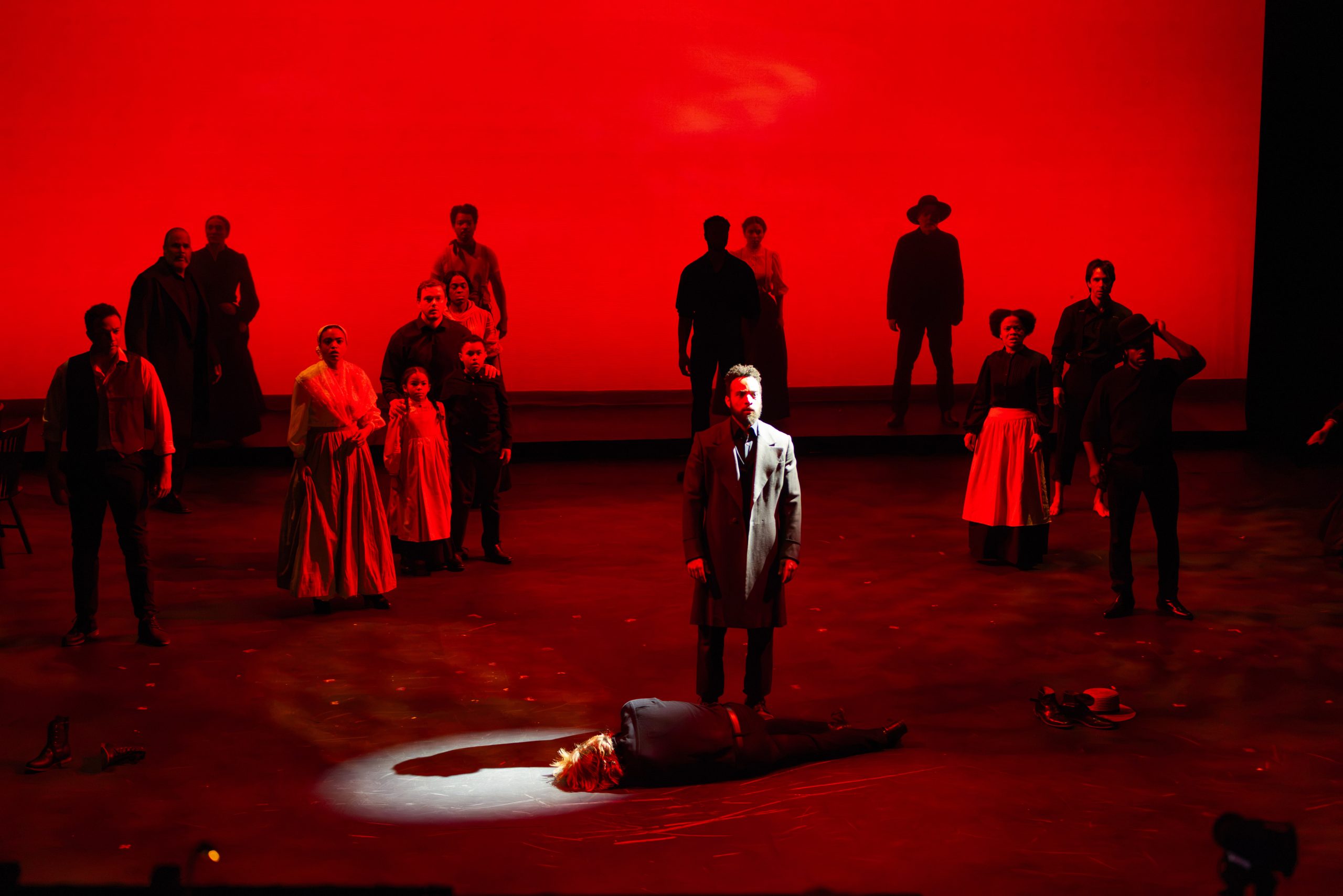
Actor John Clarence Stewart as the titular character in “Basil Biggs” at the Wilma Theater.REC Philly
Excavating history with ‘Basil Biggs’
There is something so powerful about seeing someone grapple with their personal experience of American history. As Semiquincentennial fanfare reached a fever pitch in Philadelphia, this workshop of a developing play by actor/playwright Anna Deavere Smith was a deeply moving performance about her great-great-grandfather, Basil Biggs, a conductor on the Underground Railroad. Smith learned of him in an episode of Finding Your Roots; even then, she knew his story was worthy of a play, though she didn’t start writing until a decade later.
Biggs was a veterinarian and farmer in Gettysburg during the Civil War, a free Black man who helped fugitives escape slavery and who buried the tens of thousands of soldiers who died in the war’s bloodiest battle. The Biggs family house still stands today, and Smith visited the grounds, as well as the Adams County Historical Society, while she researched the time period. There was little historical documentation about her family, so this work is narrative speculation, based on her research of the time period, much like groundbreaking scholar Saidiya Hartman’s critical fabulation: In the absence of records about African Americans, visionaries use archival materials to imagine the lives of those largely erased from written memory.
Smith crafted a riveting world that showcased fierce resilience, disarming humor, and profound empathy during a painfully divided time. The story is fueled by original music from actor/violinist Edward W. Hardy. It was an honor to experience one of the earliest presentations of this play, which will likely grow into a major production. It’s the kind of honest work about this nation’s bloody, conflicted history that feels like essential viewing for anyone who calls themself a patriot.
“Basil Biggs” ran June 26-28 at the Wilma Theater as part of ArtPhilly’s What Now: 2026 festival.
— Rosa Cartagena
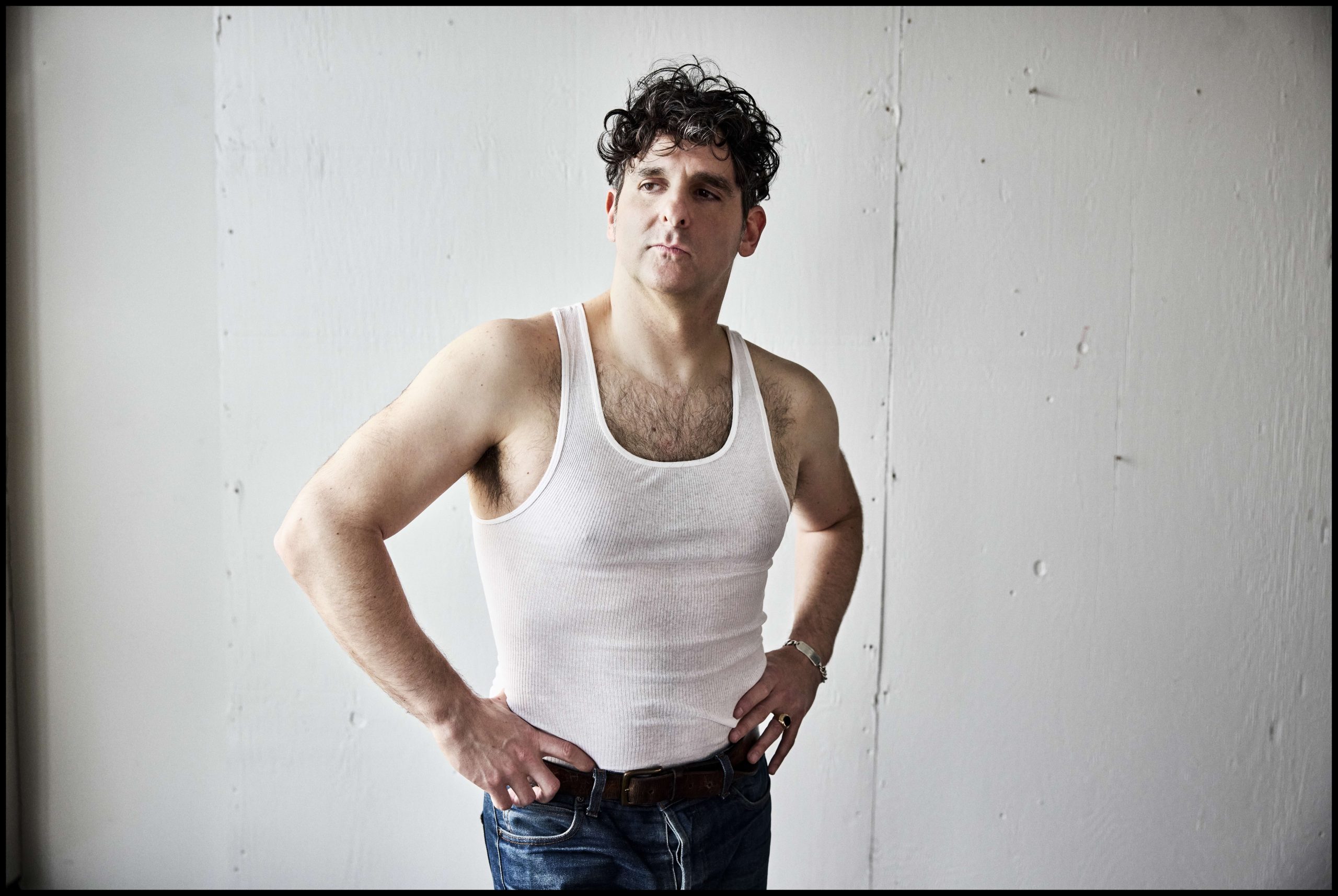
Adam Weiner of Low Cut Connie. The band’s new album is “Livin’ in the U.S.A.”Danny Clinch
Romping, stomping, piano-pounding resistance with Low Cut Connie
Adam Weiner of Low Cut Connie has stressed that the band’s eighth studio album, whose release is timed to America’s 250th birthday, is an act of resistance.
Shortly after becoming one of the first artists to cancel at the Kennedy Center after the Trump administration’s takeover of the D.C. institution in early 2025, Weiner recorded what became the title song.
As he explains in an explanatory note that accompanies the album, it addresses “the atrocity of ICE, authoritarianism, racism” and led to a full set of songs “about the times we are living through in America 2026.”
But while Weiner’s political stance is unequivocal — “I made this album to say f— you to this regime, to the brutality, and inhumanity of our tech leaders,” he writes — his music is much more subtle.
Many of the titles like “Oh Yeah” and “Get Down” on Livin in the USA are essentially party songs: romping, stomping, piano-pounding, and saxophone-wailing celebrations of diversity and sexuality that aren’t the slightest bit preachy or pedantic.
Singing a gospel of self-liberation, Weiner is accompanied by the touring LCC band, which includes singer Amanda “Rocky” Bullwinkel,” guitarist-sax player Kelsey Cork, and drummer Jarae Lewis. Occasionally, as in the grinding “Human Condition,” the songs are overt in their condemnation of life during Trump time, which he likens to “living in a house of detention.”
But in general, he heeds lessons learned from favorite albums like Bruce Springsteen’s Born in the USA and Sly and the Family Stone’s There’s a Riot Goin’ On. When delivering a heavy message, always keep the groove going and the rock rolling.
“Just because the world is collapsing,” Weiner writes in his Livin album note, “doesn’t mean we can’t go skinny dipping this weekend.” “Can’t Be Wrong” is perhaps the most grabby earworm in a tight, 10-song set whose energy never flags. In that song, the prospect of “gettin’ naked in the afternoon, or maybe later underneath the moon” leads to an obvious conclusion: “Oh babe, you know it can’t be wrong.”
“Livin in the USA” releases July 3
— Dan DeLuca
Remembering LGBTQ+ activists
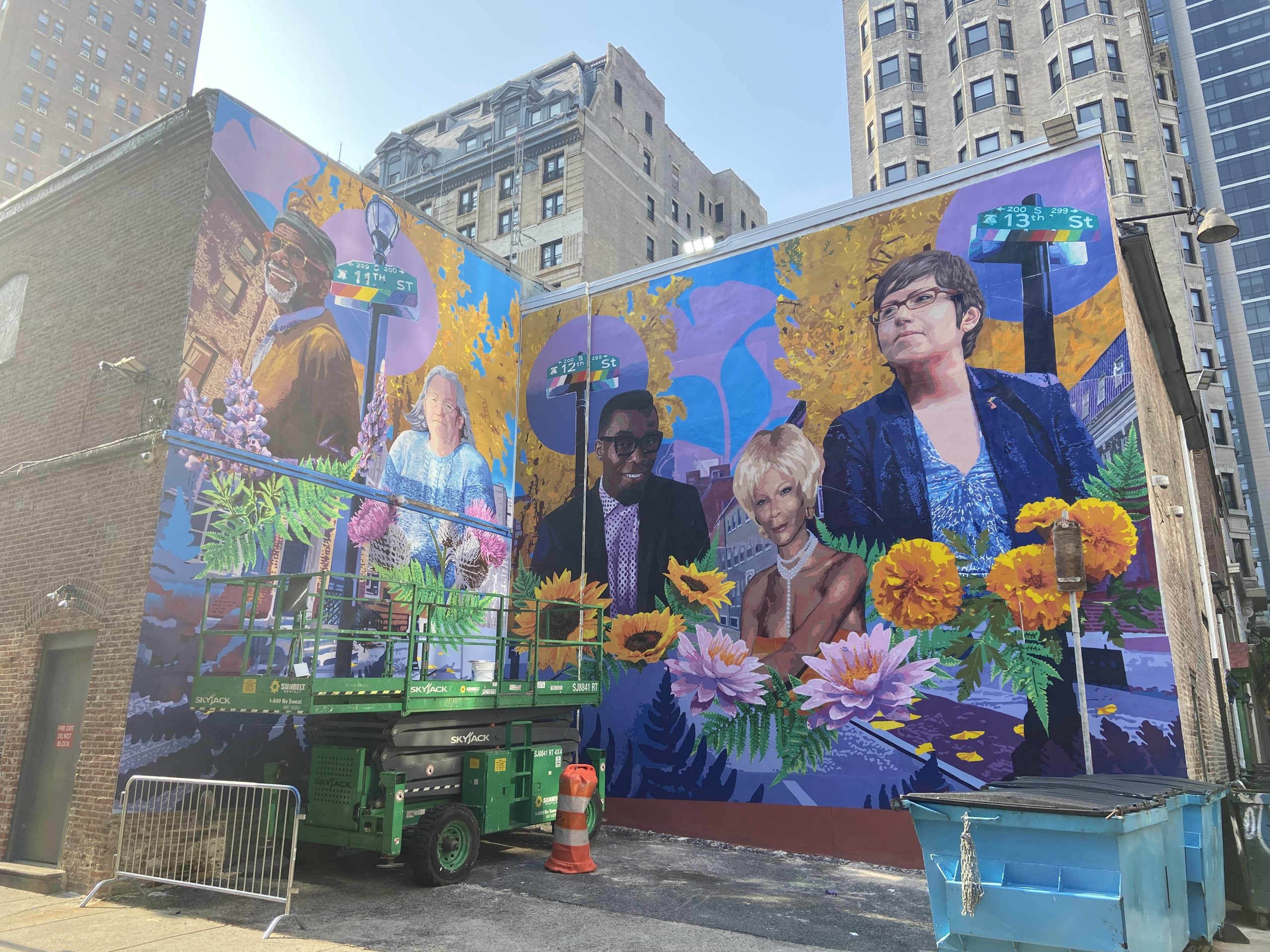
Resting in peace can also mean resting in pride and power. A new Gayborhood mural provides a tribute that does exactly that.
In Pride, In Power, In Memory is located on the side of Voyeur Nightclub at 1221 James St., a prominent spot amid Philadelphia’s queer nightlife.
The mural is located outside of Voyeur Nightclub in Philadelphia’s Gayborhood.Morgan Ritter
Painted by artist Santiago Galeas, the mural displays portraits of Gloria Casarez, Michael S. Hinson Jr., Tyrone Smith, Nizah Morris, and Dawn Munro; all LGBTQ+ activists who called Philadelphia home.
Each figure is accompanied by a flower symbolizing the person’s life and identity; Casarez’s portrait is adorned by Mexican marigolds, for example, as a nod to her heritage. The faces were all drawn referencing photos of them looking hopeful and optimistic.
The mural is strikingly bright, with vivid shades of purple and yellow illuminating the portraits.
These trailblazers pursued several kinds of activism in their lives, including AIDS awareness, trans rights, and community organization to rally for queer rights. Without them, the status of Philadelphia’s acceptance of the queer community may have looked completely different today.
“In Pride, In Power, In Memory”is located on the side of Voyeur Nightclub at 1221 James St.
The Revolutionary War ended in 1783, but when the 1790s rolled in, America was in an economic spiral. Citizens were broke. Businesses were going under. The government had little money.
So the first United States Treasurer Alexander Hamilton came up with a plan to create a national bank to serve as the primary fiscal agent for the federal government. It would issue paper money, pay America’s bills, provide loans to private citizens, and collect taxes so the country could fund itself.
“Hamilton had been studying the British banking system for decades,” said Lynn Nash, a park ranger at Philadelphia’s First National Bank that is managed by the U.S. National Park Service. “He did a deep dive and decided America needed a similar system to build more fiscal authority.”
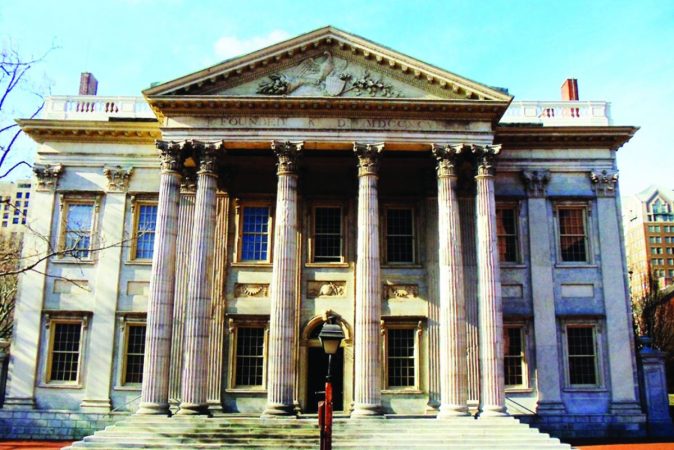
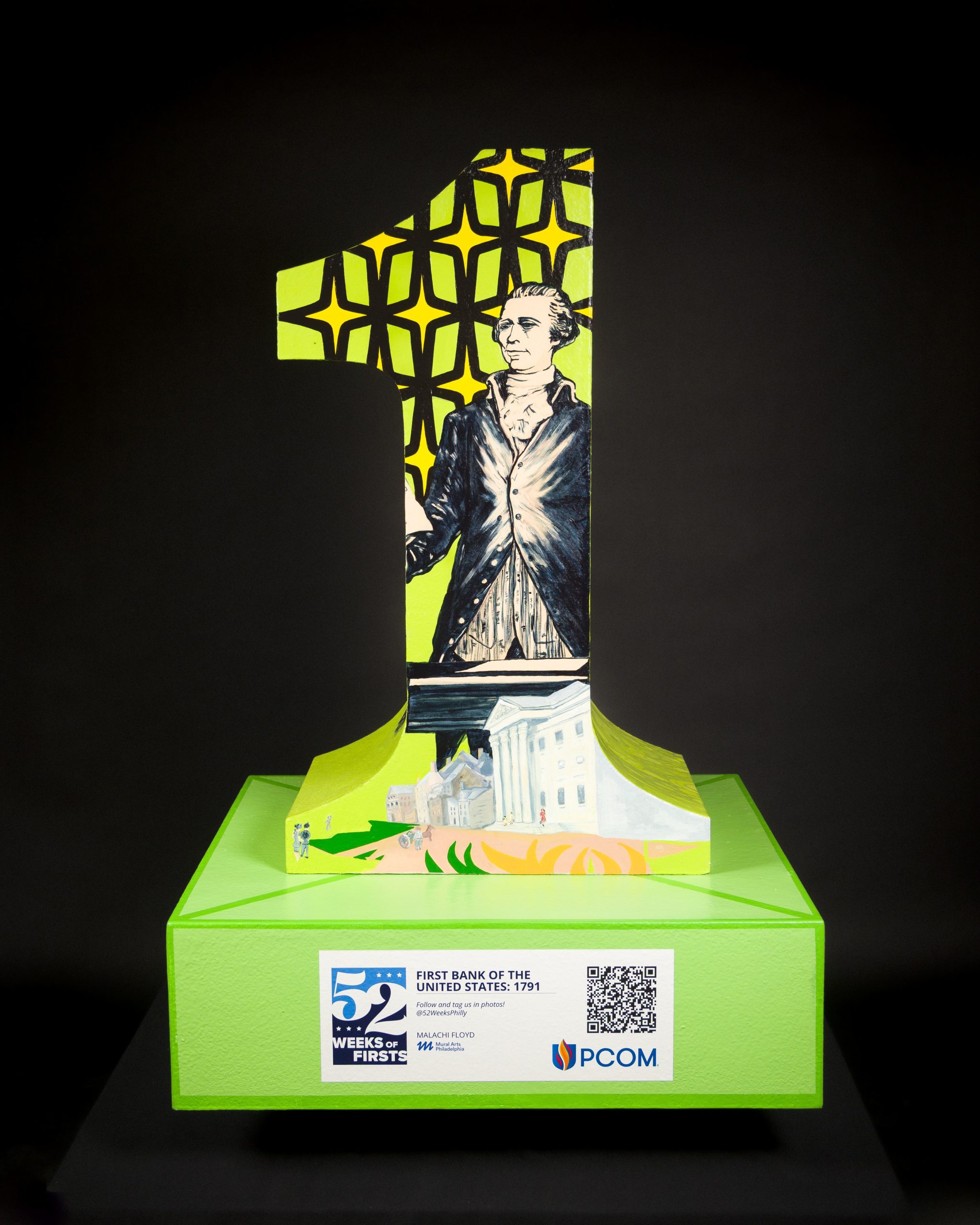
Malachi Floyd’s image of Alexander Hamilton, stacks of money, and the original First Bank of the United States’ building honors Philadelphia’s history as the seat of the federal banking system.Malachi Floyd for the Colibrà Workshop
On Feb. 8, 1791, Congress passed a law establishing America’s first federally backed bank, which was located inside Philadelphia’s Carpenter’s Hall.
In honor of the Semiquincentennial, the National Park Service will reopen the First Bank to the public on July 1, following a multiyear $43 million rehabilitation. The gleaming Greek Revival-style building will feature exhibits centering on the history of American banking.
America’s first commercial bank, the Bank of North America, was charted by the Continental Congress in 1781 to provide loans to colonists and fund the Revolutionary War. And some lawmakers, especially Thomas Jefferson, thought that was sufficient and that the Federal Bank overstepped the Constitution.
“He writes a letter to George Washington telling him how the bank needs to be housed in a large commercial seat,” Nash said. ”And that he knows Philadelphia will remain prosperous.”
The First Bank of the United States’ charter ended in 1811. Hamilton had died by then and President James Madison did not renew the charter. The next year, the building was purchased by Stephen Girard, who opened a private bank in the space.
“But the War of 1812 was hard on the economy again,” Nash said. On April 10, 1816, Madison signed legislation establishing the Second Bank of the United States at 420 Chestnut St., Nash said.
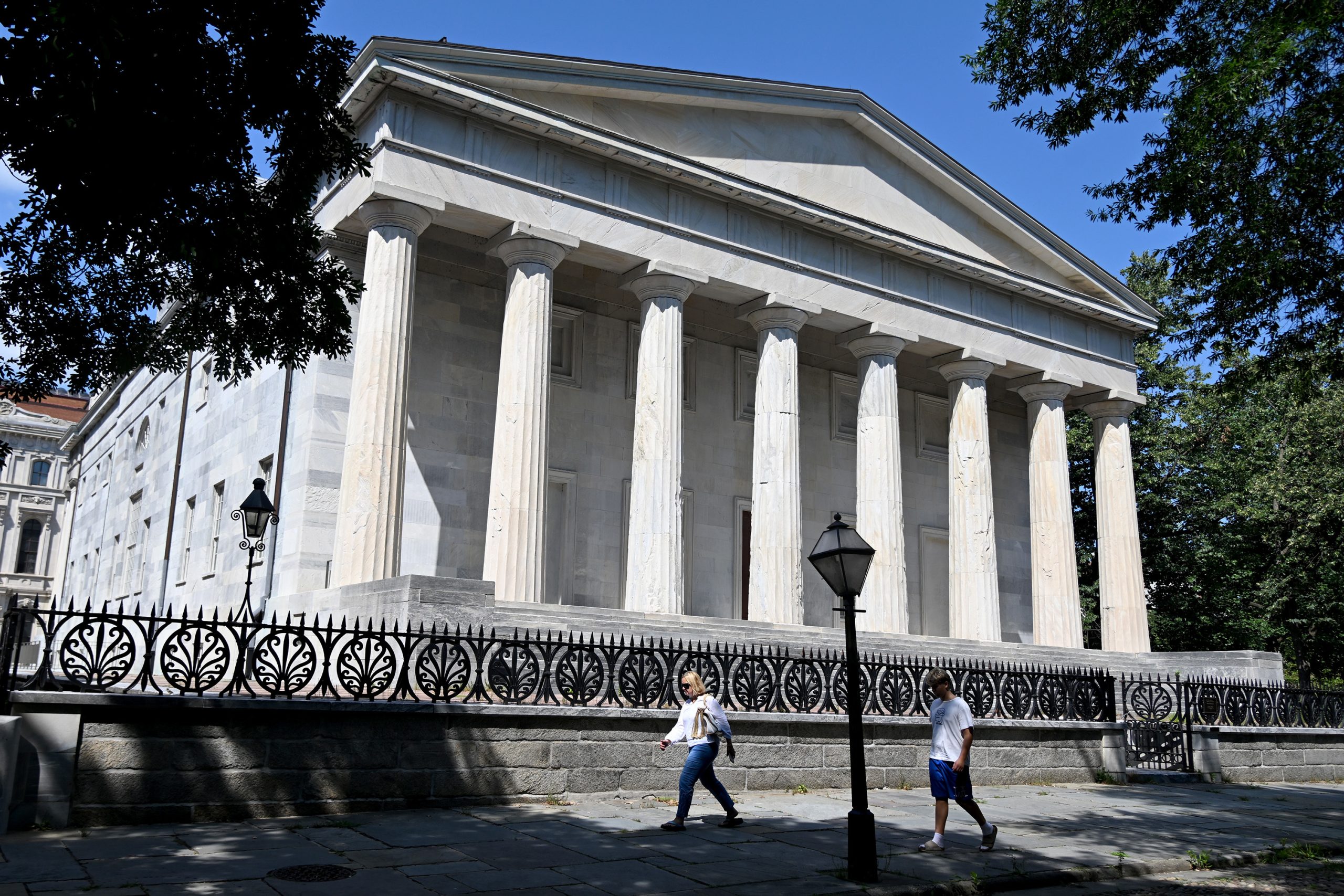
(Today that building is the Second Bank of the United States Portrait Gallery.)
Second Bank of the United States at 420 Chestnut Street. Today it is the Second Bank of the United States Portrait Gallery. Tom Gralish / Staff Photographer
Its charter expired in 1832; Andrew Jackson was president, and he, too, opposed the idea of a federal bank. The charter was not renewed and America didn’t have a federal banking system for 77 years.
In 1907, New York financier J.P. Morgan and a consortium of bankers stopped the American banking system from collapsing by extending a line of credit to banking institutions. Without a federal banking system, the government could not bail these institutions out, so government officials began discussing the establishment of yet another national bank.
Finally, President Woodrow Wilson signed the Federal Reserve Act in 1913, setting up the federal banking system we know today.
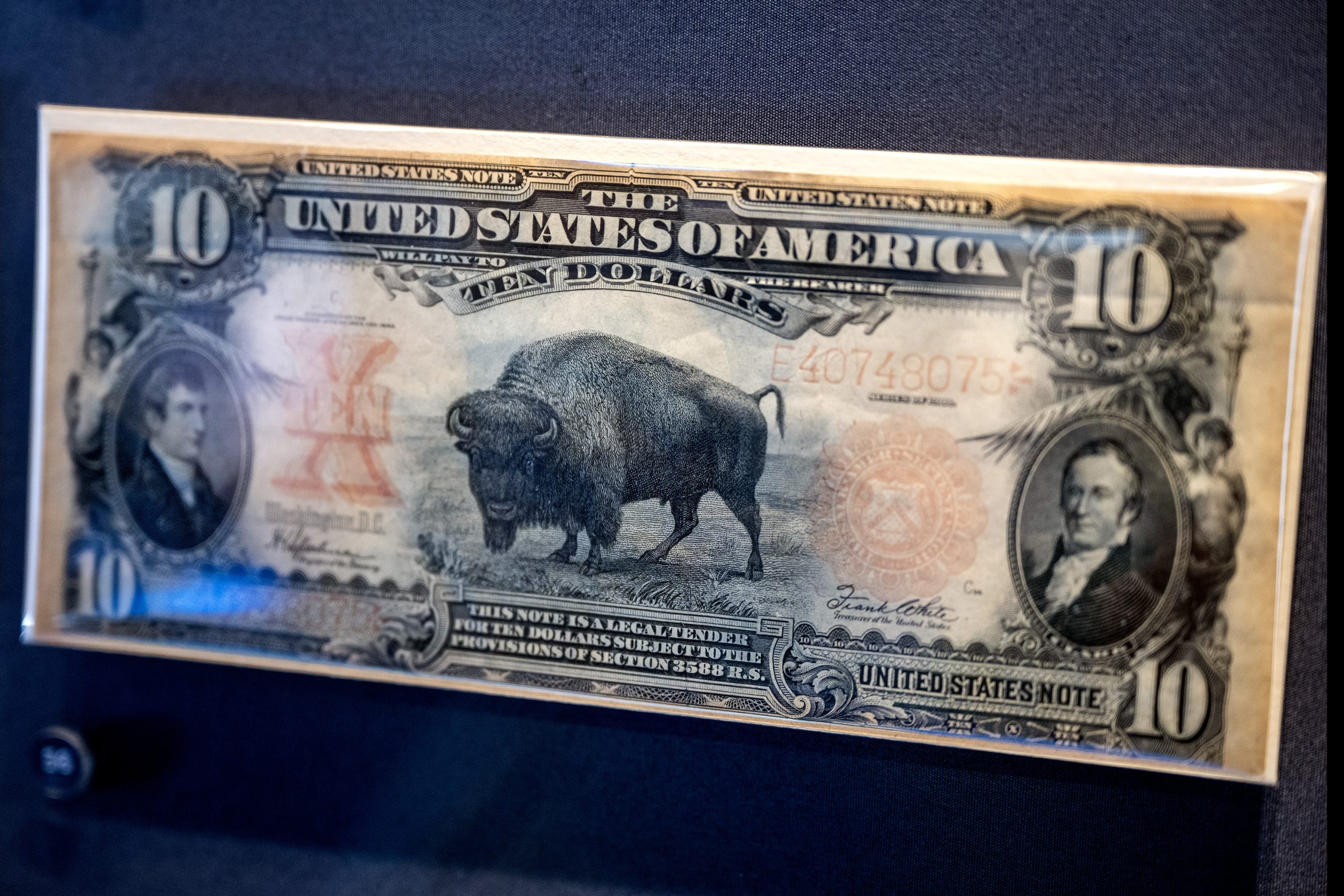
A 1901 $10 Bison Note on display at the Federal Reserve Bank of Philadelphia’s newly redesigned “Money in Motion” exhibit Thursday, May 7, 2026. The bill was issued during the 100 year anniversary of the Lewis and Clark expedition. The exhibit features nearly 400 historic artifacts and interactive installations that explore currency and the Federal Reserve’s mission.Tom Gralish / Staff Photographer
The Federal Reserve is headquartered in D.C., but there are 12 branches across the country; Philadelphia is home to one of them.
Today, the Federal Reserve acts as a fiscal agent for the U.S. Treasury, which issues paper money, collects taxes, and pays America’s bills. It does not offer private loans to businesses or individuals.
Like the national banks, the Federal Reserve also began with a 20-year-charter. But in 1927, Congress passed the McFadden Act, granting the Federal Reserve Bank perpetual succession.
“The government finally agreed that a federal banking system was something America needed,” Nash said. “It just took them more than 100 years to agree.”
America’s First National Bank Firstival will be celebrated on Saturday, July 4, from 11 a.m. to 1 p.m., the First Bank of the United States, 120 S. Third St.