Author: Brett Sholtis

  • After 9/11, these Pennsylvanians went to war. Here’s how their lives changed.

    After 9/11, these Pennsylvanians went to war. Here’s how their lives changed.

    Within weeks of the Sept. 11 terror attacks, the U.S. government launched airstrikes and sent American troops to Afghanistan. In March 2003, spurred by claims that Iraq possessed weapons of mass destruction, the U.S. bombed and invaded the country.

    In the two wars that followed, hundreds of thousands of Iraqis and Afghans died, with civilians making up a significant number of the dead.

    On the U.S. side, more than two million American military personnel served in Iraq or Afghanistan, and over 7,000 died in these conflicts. Hundreds of thousands more live with service-related disabilities, and according to Brown University research, more than 30,000 post-9/11 veterans have since died by suicide.

    Over 117,000 Pennsylvanians served in the military since 9/11, according to 2023 state data, and 295 died in Iraq and Afghanistan. At least 50,000 hailed from New Jersey, including 163 who died.
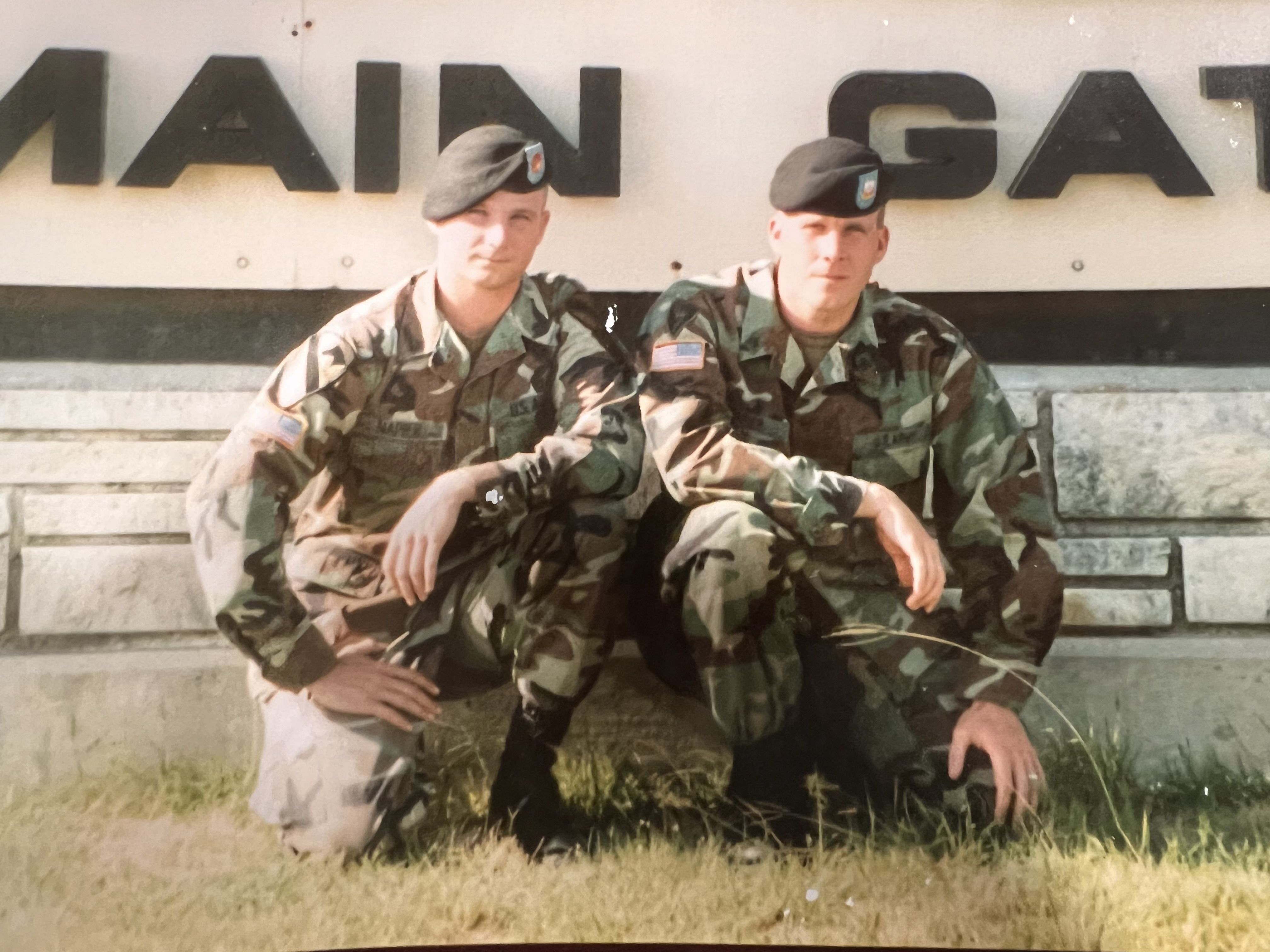
    Benjamin Napier (right) and Brian Napier crouch for a picture in front of the main gate at Fort Hood, an Army base in Texas, in 2005. The brothers enlisted two days after Sept. 11 and were deployed to Iraq in 2004.Courtesy of Benjamin Napier

    “I think it’s important, regarding the veteran population, to understand the diversity of experience,” said West Chester University historian Robert Kodosky, who has interviewed hundreds of post-9/11 veterans. “Some struggle. Some don’t. Some look back on their experience with pride. Some don’t want to talk about it at all.”

    As the nation marks the 25th anniversary of the Sept. 11 attacks, the stories of these four military veterans from the Philadelphia region offer a glimpse into the experiences of countless others whose lives have been shaped by the wars that followed.

    ‘I can’t believe I made it home’

    Benjamin Napier was 25 and living in Drexel Hill when 9/11 happened. The following evening, Napier and his younger brother, Brian, were gathered with friends in Upper Darby to attend a candlelight vigil, and Napier remembers noticing that the normally steady flow of air traffic had completely ceased. The skies were empty. That’s when he shared his thoughts with Brian.

    “And I kind of turned to him, and I was like, you know, I think I’m going to do it. I’m going to join. And he was like, if you do it, I’m going to do it,” Napier said.

    They enlisted in the Army on Sept. 13. Both were stationed at Fort Hood, Texas, and deployed to Iraq in 2004.

    After riding in a convoy for three days from Kuwait to Baghdad, Napier, whose specialty was setting up computer and telephone networks, was sent to Abu Ghraib Prison.

    The prison was not yet known for the horrific mistreatment of prisoners by Americans. But the squalid, cinderblock-walled compound, which had been a site of mass killings and torture under the Saddam Hussein regime, felt like “pure evil” to Napier.

    “The place just had a vibe to it,” Napier said. “And we’re thinking, we don’t have running water. We don’t have toilets. I’m sleeping on a cot. And you’re just thinking to yourself, what in the world is going on over there.”

    Soon, Iraqi insurgents began launching ferocious mortar attacks on the prison, Napier said.

    Only when the U.S. soldiers got access to a TV did they learn that Abu Ghraib had become infamous. Widely shared photos of tortured Iraqis, flanked by smiling American soldiers, had became a rallying cry for war opponents.

    The news also made the prison a target, and for the rest of Napier’s deployment, he said he witnessed sniper fire, shelling that killed and wounded prisoners, and the intervention of U.S. Apache helicopters that saved the prison from a hostile Iraqi takeover.

    “I can’t believe I made it home,” Napier said.

    It took him three years of intensive therapy to process his trauma, as well as extensive support from his wife and family, he said. Brian survived an improvised explosive device blast that left him disabled from the military due to post-traumatic stress disorder. The brothers now live in Delaware County and remain close.

    Napier said despite all that he and Brian went through, he’s still glad they enlisted.

    “A lot of the veterans that I talk to have that same sort of feeling. You raise your hand for something bigger than you. You’re kind of doing something for the greater good. And I think we still kind of feel that way,” Napier said.
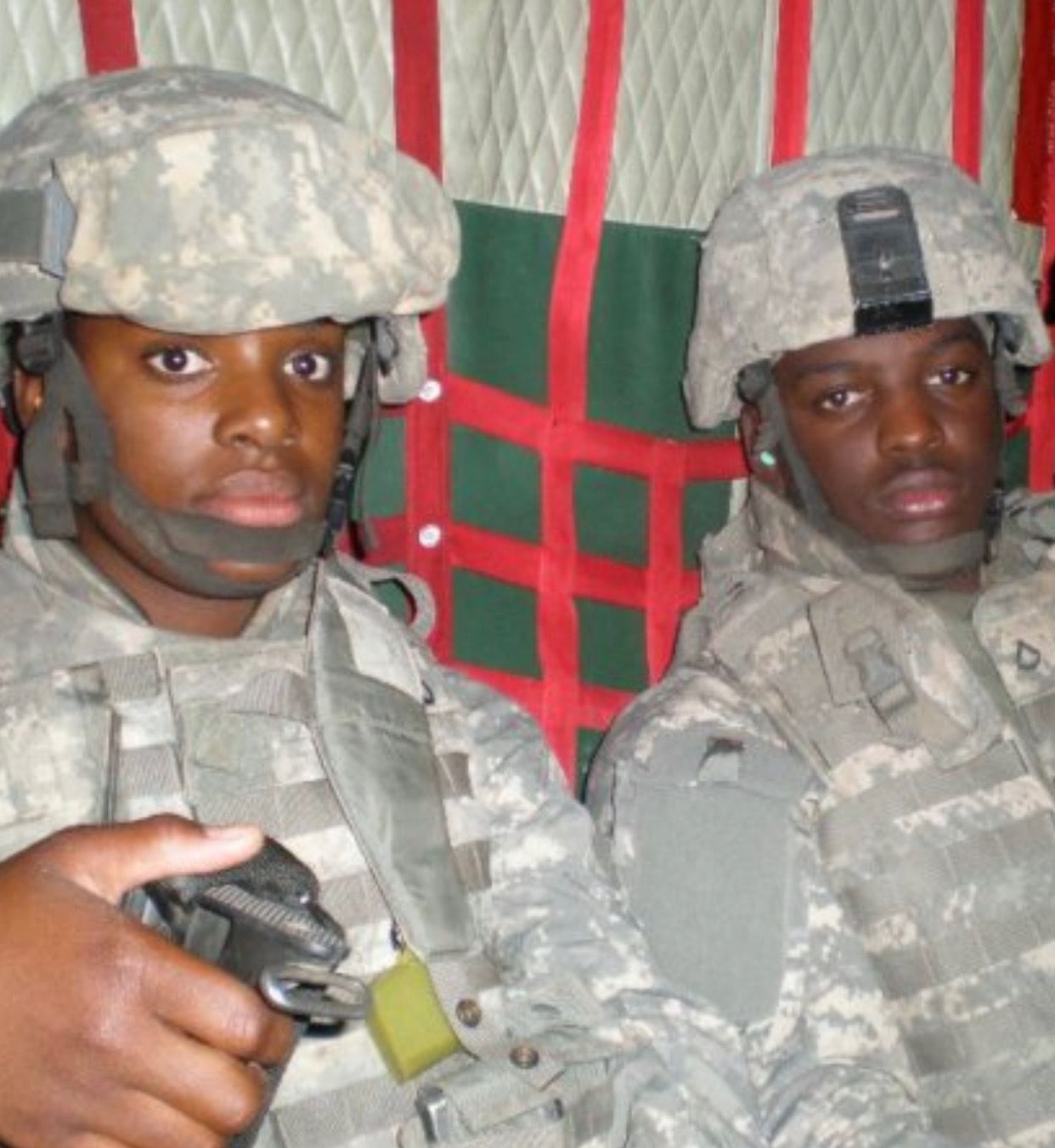
    Keshina Bouie (left) on board a C-130 aircraft, preparing to fly from Kuwait to Iraq in 2007. At right is her future husband, Anthony.Courtesy of Keshina Bouie

    ‘I wanted to do something positive’

    Keshina Bouie, 43, remembers being sent home from South Philadelphia High School on Sept. 11. Ironically, she said, her junior ROTC class is what got canceled.

    Bouie’s parents had been in the Air Force, but Bouie hadn’t planned to follow their path. However with no college scholarships lined up, she enlisted in the Pennsylvania Army National Guard to pay for school.

    “At that point in my life, I wanted to do something positive. And I wanted to get a degree and break generational cycles, and I was determined to be successful,” Bouie said.

    Bouie earned her degree at Cheyney University in 2007. One day before her college graduation ceremony, she received deployment orders to Iraq.

    Bouie was stationed at Balad Air Base, about 40 miles north of Baghdad. There, she guarded a secret Special Forces base that was embedded within the military installation. Exploding mortars and the rush of incoming wounded soldiers became part of her routine.

    “When I was in Iraq, I just wanted to focus on doing my job and getting home safe,” Bouie said.

    While on deployment, Bouie met Anthony, a soldier who grew up just blocks away from her Point Breeze home.

    A romance blossomed in the spare hours, though they remained separated by their jobs. When they returned home, they got married. They’ve since had two children.
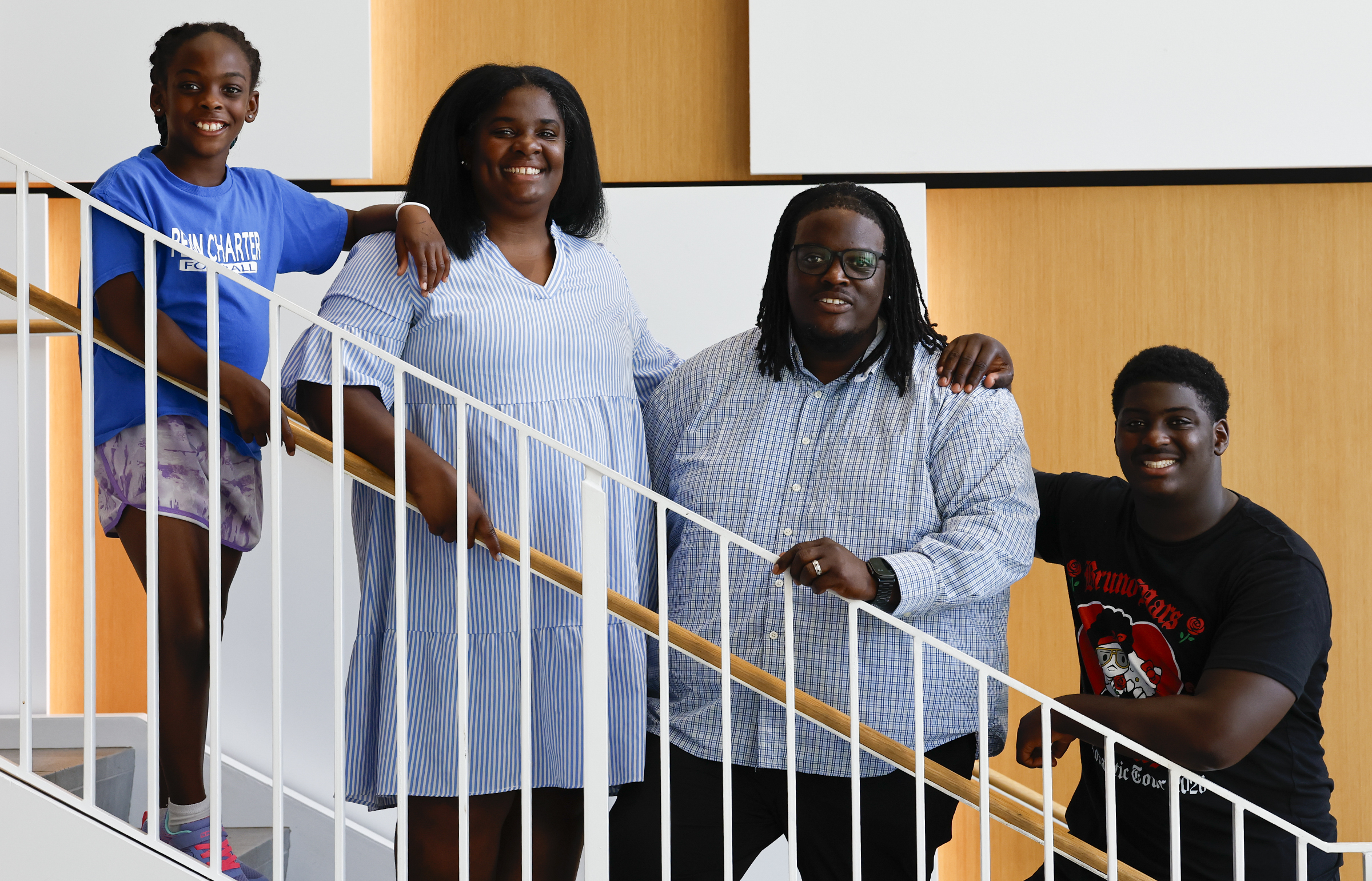
    The Bouie family (from left to right): daughter Savannah Bouie, mother Keshina Bouie, father Anthony Bouie Sr., and son Anthony Bouie Jr., at William Penn Charter School on Sept. 3. Army veteran Keshina Bouie grew up in Philadelphia and was in high school ROTC on Sept. 11, 2001. She joined the Army, which helped her reach personal educational goals and give her children a good life, and played a big role in her being who she is today.Yong Kim / Staff Photographer

    Bouie stayed in the Guard for 16 years, earned a master’s degree from La Salle University, and worked for the Department of Veterans Affairs and the Defense Logistics Agency. Her military service, she said, ultimately helped her provide a better life for her son and daughter.

    She said there are things she’s not proud of about her country, but she’s always proud of the people she served with in Iraq and glad she enlisted.

    “It was literally the best decision I made in my life. And I know not everyone can say that.”

    ‘What are we protecting?’

    Michael Miller, 52, grew up in City of Chester with seven brothers and one sister.

    “We grew up pretty poor. But being a child, you don’t know that you’re poor. We had fun. We did all the things that kids do,” Miller said.

    Already a father at 19, Miller joined the Marine Corps in 1994 to provide for his family. He returned home after eight years, but missed military life. He joined the Army National Guard in 2007 and deployed to Bagram Air Base, Afghanistan, in 2010.

    “For the first six months, it was like being on a weird vacation,” Miller said. “But let me tell you something: When the snow melted off those mountains, things totally changed.”

    Three of his comrades died in an IED blast that summer, and of the 370 people serving with him, about 300 returned home with Combat Action Badges, a designation given to soldiers involved in ground combat.

    Miller’s main job entailed driving a large truck known as a wrecker and using it to retrieve destroyed Army vehicles and cargo.

    But it was while on a mission delivering supplies that an IED detonated under his truck, launching it into the air “like it was a piece of paper.”
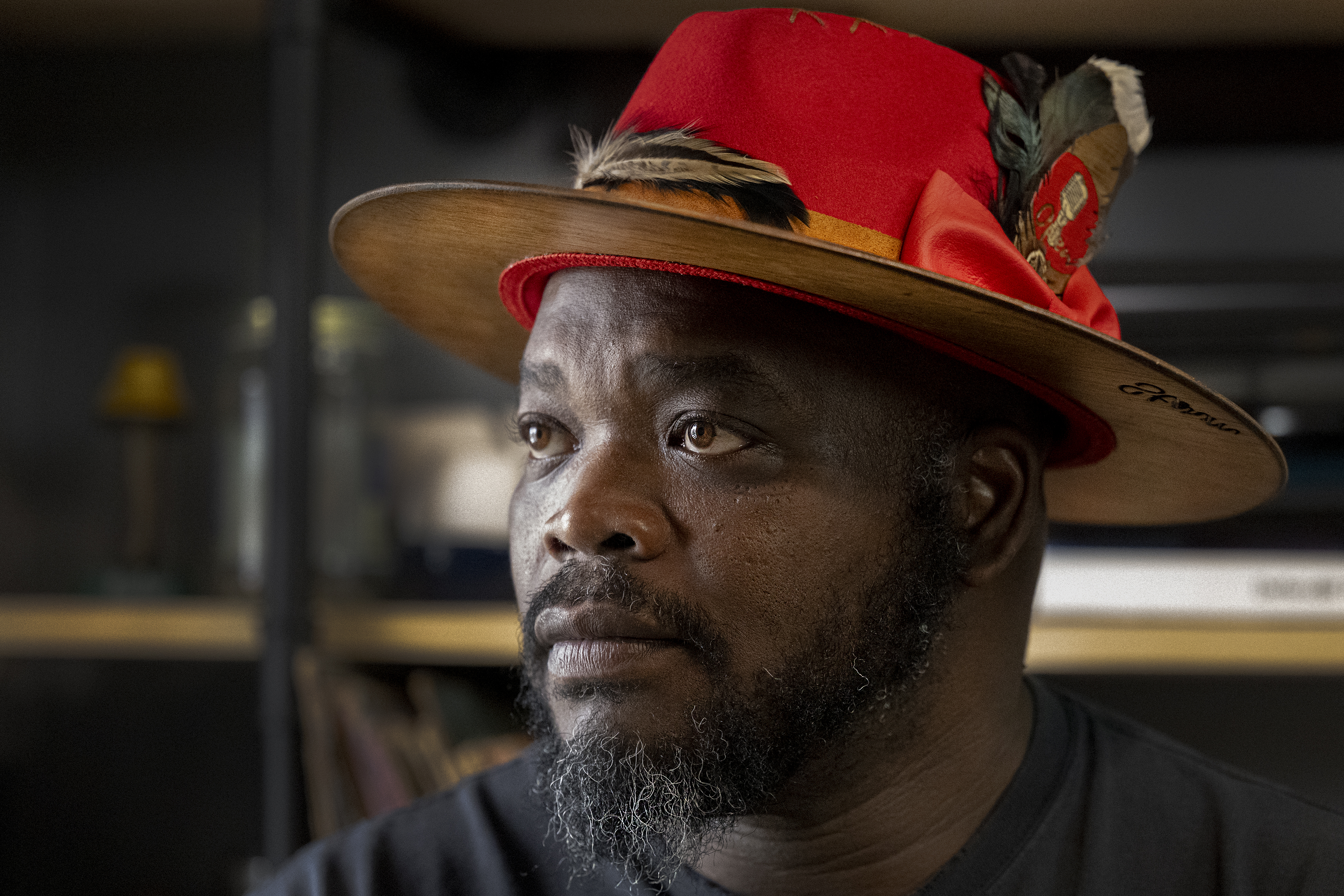
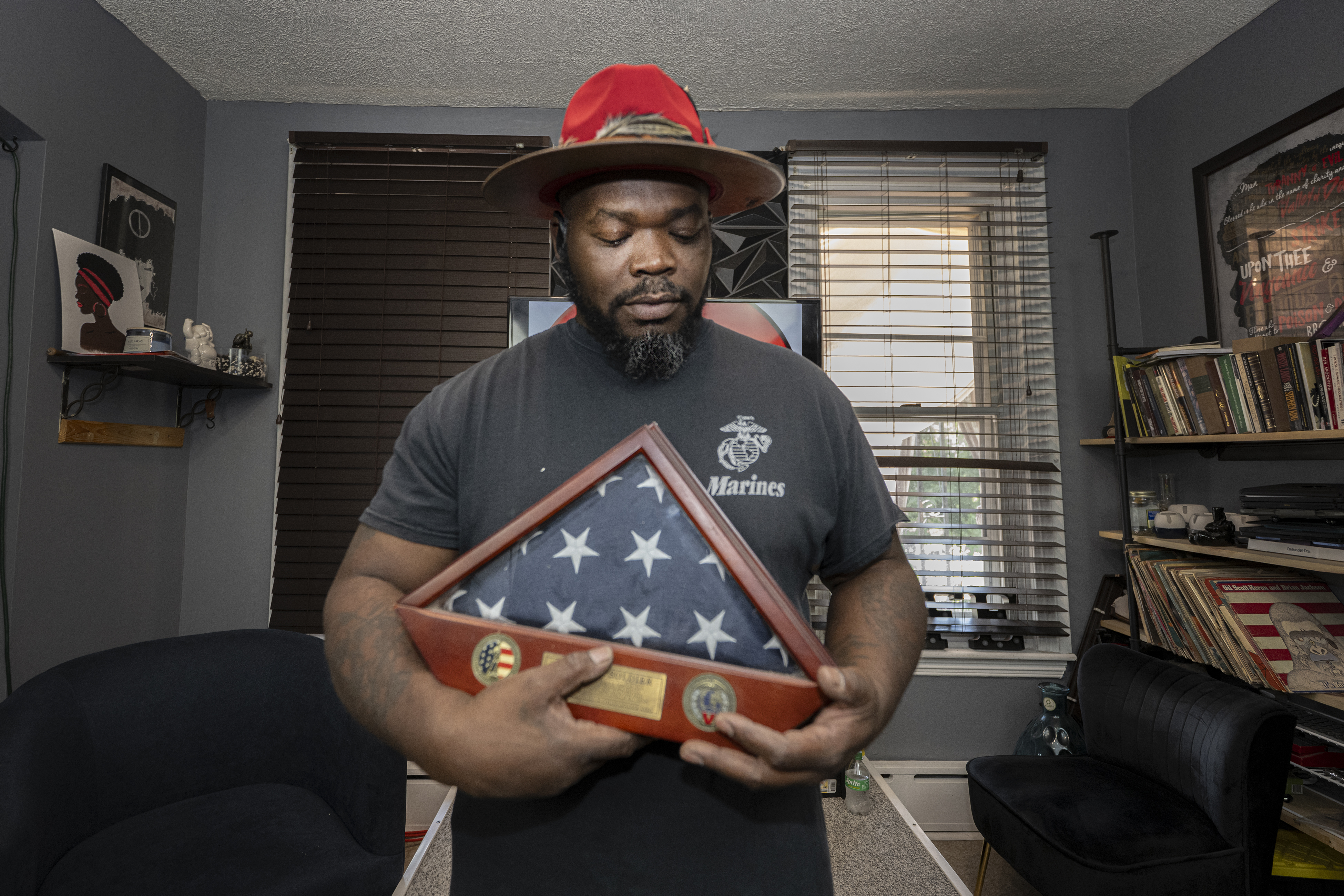
    Marine veteran Michael Miller holds an American flag given to him for his military service in Afghanistan as he poses for a portrait at his home in Chester on Aug. 31. Miller deployed to Afghanistan in 2010 and survived an IED blast that caused a traumatic brain injury. After returning home, he was diagnosed with PTSD and an anxiety disorder. Miller has turned to poetry, writing, and podcasting to help cope with his experiences and the loss of three comrades who died by suicide after returning home.Jose F. Moreno / Staff Photographer

    A doctor told Miller he had a concussion, he said, and he finished his deployment. It was only when he returned home that the extent of his traumatic brain injury and PTSD became clear. Panic attacks made him a “frequent flyer” at local emergency rooms.

    “I used to go to sleep fully dressed, because I wanted to make everything convenient for the paramedics, because I was sure I was dying,” Miller said.

    Miller joined Warrior Writers, a group of veterans who process their experiences through writing.

    “Honestly? I do poetry. I learned to express myself,” Miller said.

    What he struggles with now, Miller said, is that despite his efforts, three people he served with have since died by suicide. That’s left him feeling that the war wasn’t worth fighting.

    “Because, honestly, what are we protecting when the wealth gap gets so much larger? What are we protecting, when we have so many homeless? It’s a bunch of stuff that in the grand scheme of things wasn’t worth the blood that was left there.”

    ‘Shona ba shona’

    Milan Moncilovich, 62, said he learned about the Sept. 11 attacks while on duty at Methodist Hospital in South Philadelphia. By then, the pharmacist and hospital administrator was also a seasoned officer in the U.S. Navy Reserves.

    “My first thought was, this is the beginning of something that’s going to be big, and that’s going to take a while, and most likely I am going to be part of this, and be deployed at some point,” Moncilovich said.

    In 2010, the Navy sent him to Afghanistan to train Afghan medical personnel. He recalled seeing a stunning sunrise as his plane performed a tactical landing in Kandahar to avoid rocket attacks.

    “To me it was like a personal, spiritual kind of sign that said, ‘Hey, anything that’s going to come in the future, just take this in, take this beauty in, and remember where your inner soul is,’” Moncilovich said.

    In the northern Afghanistan city of Mazar-i-Sharif, Moncilovich and other American medical professionals worked closely with Afghan doctors and nurses, he said. As they got to know one another, their motto became “shona ba shona,” a Dari phrase that meant “shoulder to shoulder” or “together.”

    In this advisory role, Moncilovich’s team supervised treatment of Afghan soldiers and civilians who had been struck by IEDs or gunfire.

    “I can close my eyes at any time, and I can see those soldiers in that trauma bay and on those tables,” he said. “It’s not ever going to go away. I won’t say I’m OK with it. It’s just going to be there.”

    Moncilovich said he saw the positive side of the U.S. missions there, such as the construction of schools and medical facilities.

    The U.S. exit from Afghanistan in August 2021 angered him, he said.

    “Just to see 13 more American lives lost, it really, really upset me. That’s probably the only thing that really probably brought my rage up pretty high. Especially seeing everything we left behind,” he said.

    Moncilovich, who now works for Shriners Children’s hospital in North Philadelphia, said he would jump at a chance to return and get closure.

    “I know that it’s completely changed now, and I understand a little more how the Vietnam vets feel now. Time will kind of change things. I know how angry they were. But now, I know what our mission was, but at the end of the day, things kind of went back to the way they were.”
  • An SUV struck and killed a man near La Salle University early Saturday

    A man was killed early Saturday when he walked onto the road and was struck by an SUV in the Logan section of Philadelphia, police said Saturday.

    The Philadelphia Police Department said it is investigating the fatal crash, which happened at 20th Street and Belfield Avenue. The Y-shaped intersection is located near La Salle University.

    Around 1:50 a.m., a white Jeep Cherokee driven by a 41-year-old man was traveling south on 20th Street, police said.

    The Jeep was attempting to go around a stopped vehicle when a pedestrian stepped into the roadway, police said. It struck the 36-year-old man, “causing critical injuries.”

    Fire department medics took the man to Jefferson Einstein Philadelphia Hospital, where he was pronounced dead.

    Police have not released the name of the driver or the pedestrian. The police crash investigation division is leading the inquiry into the circumstances around the incident.

  • Post-absence, N.J. Congressman Tom Kean Jr. hit the campaign trail and took a TV interview in vulnerable House race

    Post-absence, N.J. Congressman Tom Kean Jr. hit the campaign trail and took a TV interview in vulnerable House race

    With the midterm election nearing — and months of inactivity behind him — New Jersey U.S. Rep. Tom Kean Jr. hit the campaign trail Friday, speaking to a few dozen people at a breakfast fundraiser held at a private golf club.

    It was one of Kean’s first known campaign stops since he returned to Congress at the end of June following a long absence, which he said was due to depression. Though the congressman at times has sought to avoid media attention, he attracted just that as someone at the event called police on a New York Times reporter.

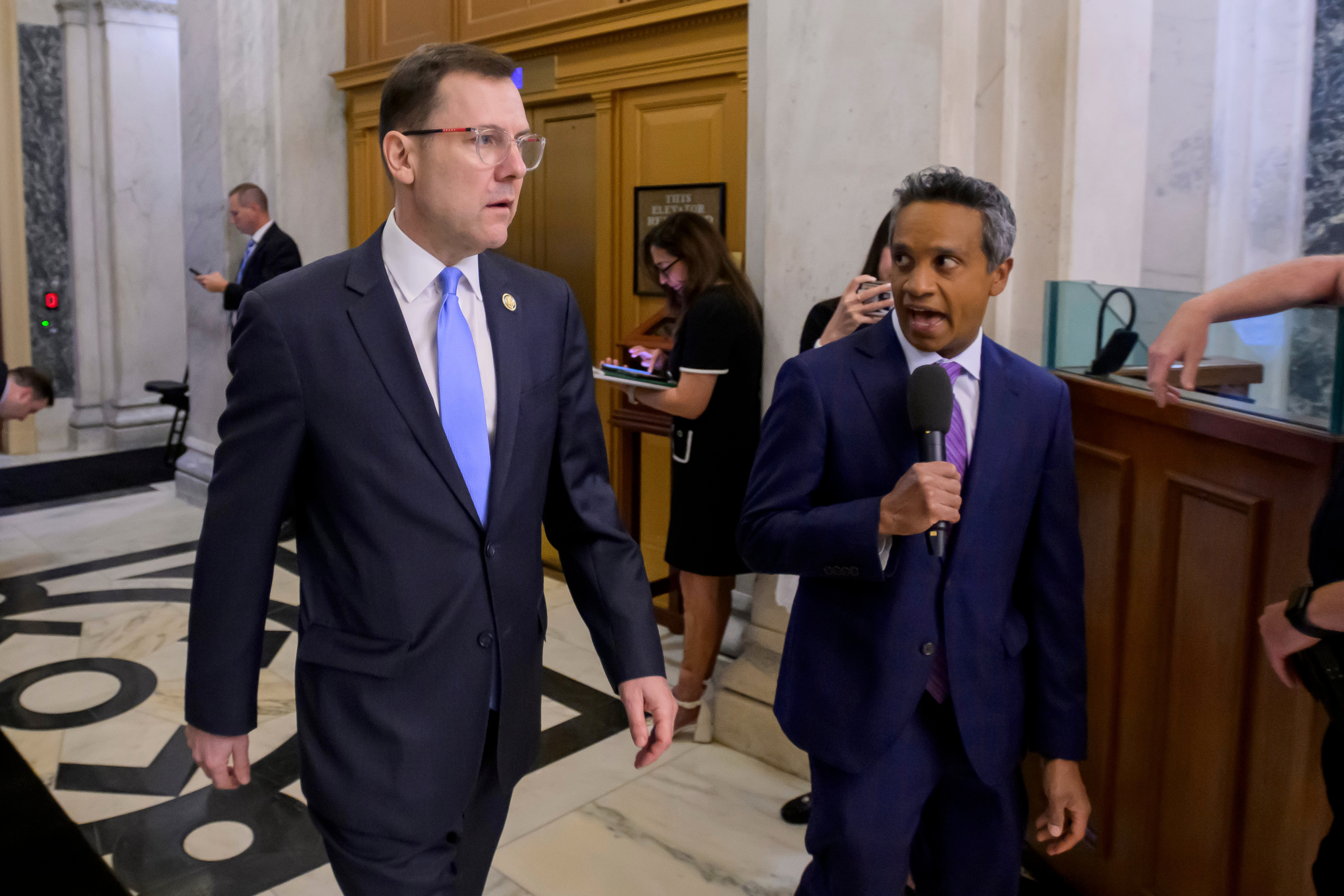
    Kean, a Republican, represents New Jersey’s 7th District, widely seen as a key race in the battle for control of the House of Representatives. House Speaker Mike Johnson (R., La.) attended the breakfast, seeking to boost support for the congressman.

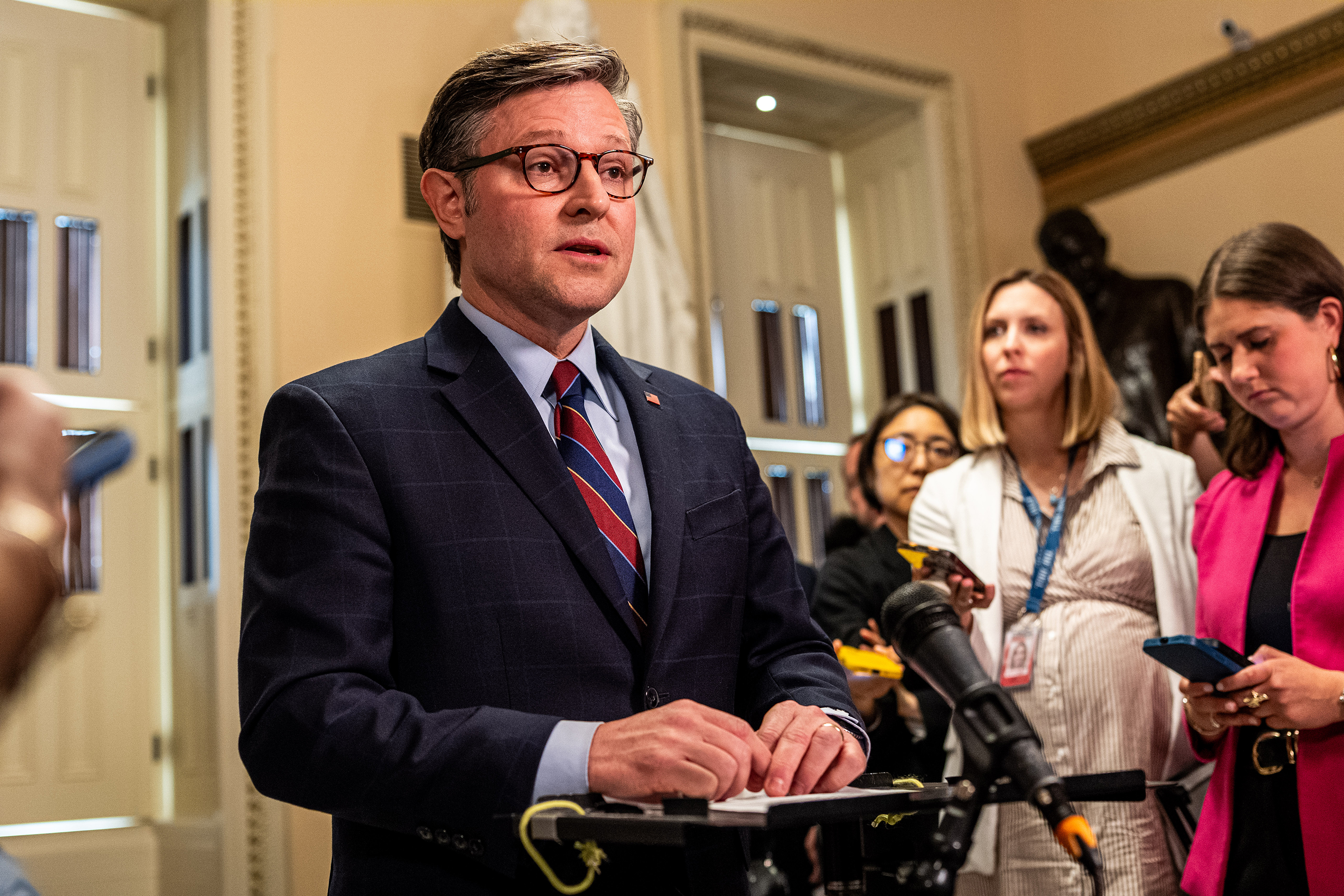
    FILE — House Speaker Mike Johnson (R-La.) speaks to reporters in Washington on July 22, 2026. Johnson joined Rep. Tom Kean Jr. (R-N.J.) on his campaign trail on Friday, Aug. 21, 2026. A reporter for the New York Times, trying to cover Kean’s fundraising event in New Jersey, was blocked at the door. (Alex Kent/The New York Times)ALEX KENT

    Kean’s reelection bid got a late start: Beginning in March, he was absent from Congress for 116 days and missed about 140 votes. As calls for an explanation mounted, Kean stated in a speech on the House floor in June that he had been seeking treatment for depression.

    Friday at the Hawk Pointe Golf Club in northwestern New Jersey, Kean talked about his issues with WFMZ-69, an Allentown, Pa.-based TV station.

    “I’m feeling great,” Kean said. “I had to focus on my mental health. I had depression. I’m back, feeling stronger than ever. And I’ve been helping people throughout the entirety of the year.”

    Police called on New York Times reporter

    WFMZ and Fox News each had a reporter present at the country club, according to the New York Times. However, Kean spokesperson Harrison Neely barred a Times reporter, Tracey Tully, from entering the event.

    Tully reported that as she waited in the parking lot for a chance to interview Johnson or Kean, she was approached by a local police officer.

    “Someone apparently had called the police from inside the club to report that there was a trespasser — this reporter — on the premises,” Tully wrote, adding that New Jersey State Police and Johnson’s security detail were already outside the venue.

    A police officer spoke with people inside the event and told Tully that it was OK for her to remain in the parking lot, the report states.

    Kean’s Democratic challenger, former Navy pilot and healthcare executive Rebecca Bennett, weighed in Saturday morning by email.

    “Tom Kean Jr. is doing what he’s always done: serving his D.C. party bosses and prioritizing his stock portfolio while hiding from anyone who wants to hold him accountable, whether that’s the press or his constituents,” Bennett said.

    Messages and calls to Kean’s office and spokesperson were not returned Saturday. On social media, Kean shared his TV appearance along with a message saying Bennett is hiding behind a campaign script.

    An important race

    While Democrats face an uphill battle in winning a majority in the Senate, they hold more favorable odds of seizing the House, according to pollsters.

    With all 435 House seats up for reelection, few are seen as more competitive than Kean’s district. Political analysis sites Cook Political Report and Sabato’s Crystal Ball each rated the race as a “toss up.”

    In 2022, Kean ousted Rep. Tom Malinowski, the district’s Democratic incumbent, and won reelection in 2024. In 2025, Democrat Mikie Sherrill won the district by 2% in her successful bid for governor.

  • A Cessna pilot who died in a crash with a Pa. State Police helicopter was an emergency room doctor

    A Cessna pilot who died in a crash with a Pa. State Police helicopter was an emergency room doctor

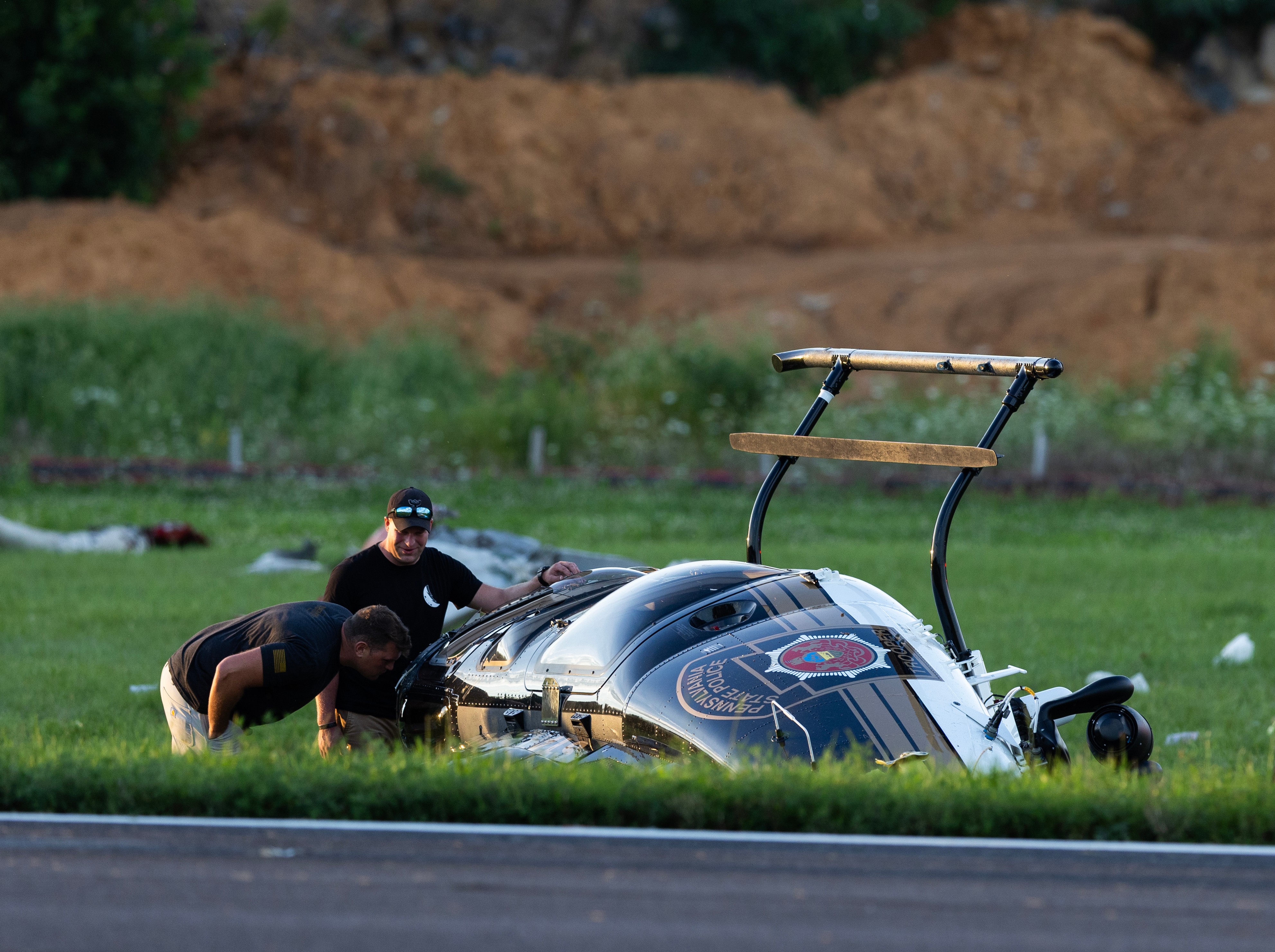
    Authorities have identified the pilot of a small plane who died Wednesday after colliding with a Pennsylvania State Police helicopter.

    Paul Sokoloski, 57, of Hershey, died in the crash, the Cumberland County Coroner’s Office said Thursday morning.

    Sokoloski was an emergency room doctor at Penn State Health, according to the health system, which described him in an emailed statement as a valued member of its team.

    “We are focused on supporting Dr. Sokoloski’s loved ones and the members of our care teams who worked alongside him and are grieving his passing,” the statement said.

    Sokoloski worked as an emergency physician since 1999, according to his LinkedIn profile. Since 2022, he had worked at three Penn State Health hospitals around Harrisburg and Lancaster. From 2017 through 2021, he was an assistant professor of emergency medicine at the Pennsylvania State University College of Medicine.

    The crash happened at Carlisle Airport, a small public-use airport about a half-hour southwest of Harrisburg.

    Pennsylvania State Police were conducting a training exercise in a helicopter when it was struck by the Cessna 150 airplane piloted by Sokoloski, state police said Thursday.

    “The Cessna 150 was attempting to land when, for an unknown reason, it veered off the north side of the runway and collided with the rear of the PSP helicopter, which was hovering in mid-air,” state police said in a statement.

    Sokoloski was the only person in the plane, state police said.

    Aaron McCarter, aviation accident investigator with the NTSB, confirmed at a Thursday afternoon briefing that a video clip circulating on social media did capture the collision. The video shows the helicopter hovering above a grassy area when the Cessna veers from the runway path and sheers off the top main rotor blade and the tail blades of the helicopter. The Cessna immediately breaks apart after contact.

    A witness saw the Cessna pilot, who was a certified flight instructor, earlier performing maintenance on his plane, McCarter said. The pilot earlier on Wednesday then flew south before returning to Carlisle Airport in the evening.

    McCarter said pilots who fly at small airports that do not have control towers, such as Carlisle, use a designated radio frequency known as CTAF, or common traffic advisory frequency.

    The pilot of the Cessna, who was a certified flight instructor, “was made aware” of the helicopter’s activity at the airport, McCarter said.

    On Friday, crews will transport the wreckage of the plane and the helicopter to a secure hangar in Clayton, Del., where investigators will work to find out “what brought those two vehicles together in such a violent way,” McCarter said.

    Two state police troopers in the helicopter, Cpl. Bryce Corman and Trooper Jason Mills, were airlifted to Penn State Health Milton S. Hershey Medical Center in Hershey, police said.

    Corman has since been released, and Mills remained hospitalized in stable condition, police said.

    Pennsylvania Gov. Josh Shapiro on Wednesday night called the injured state police troopers “heroes” and expressed his sympathy to their families.

    “They are people who are absolutely essential to the operations of the Pennsylvania State Police, and we are so grateful they are going to be OK,” Shapiro said.

    State police, the Federal Aviation Administration, and the National Transportation Safety Board are investigating the incident, police said.

    Staff writer Robert Moran contributed to this article.

  • Off-duty police officer killed in early-morning shooting in Southwest Philly

    Off-duty police officer killed in early-morning shooting in Southwest Philly

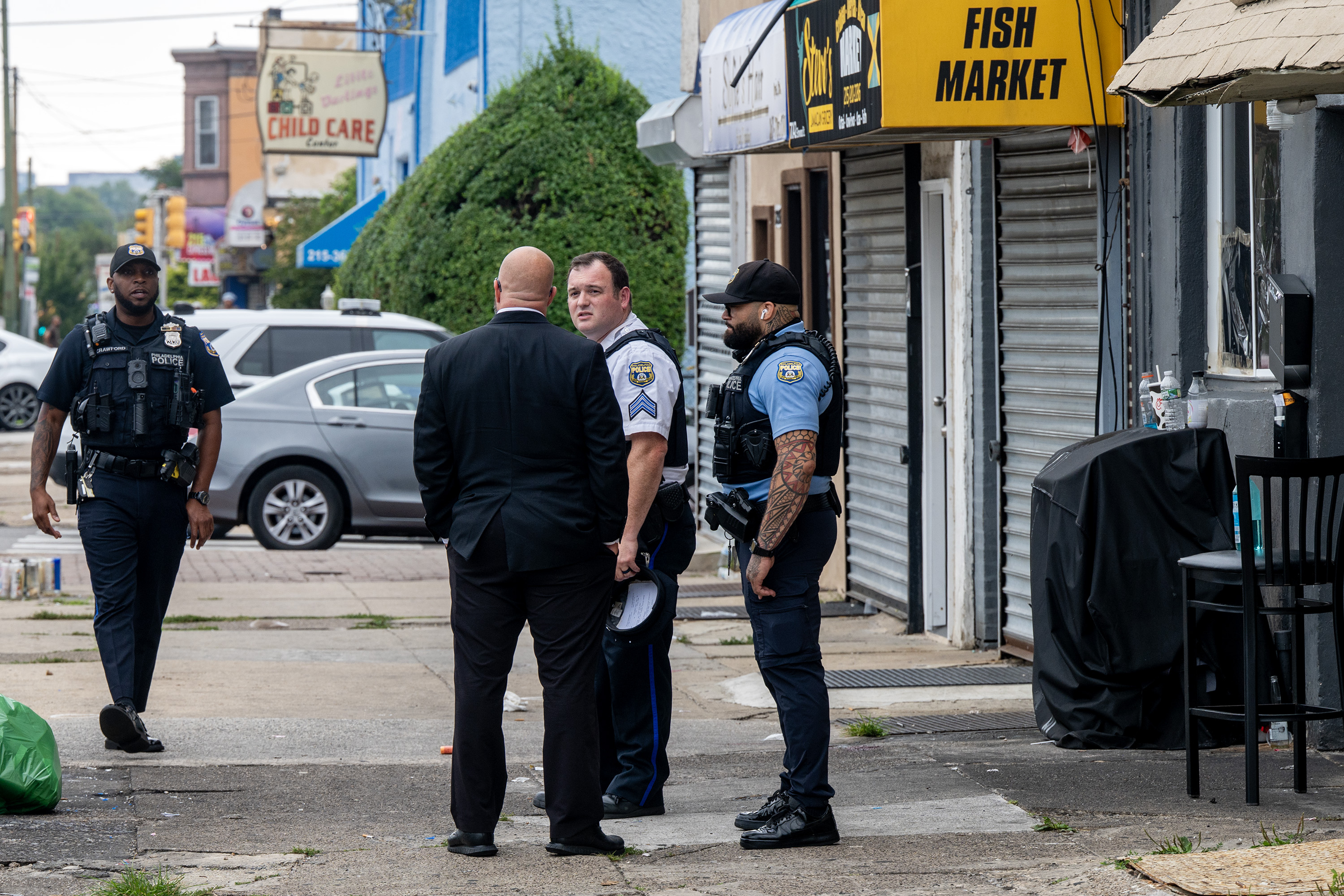
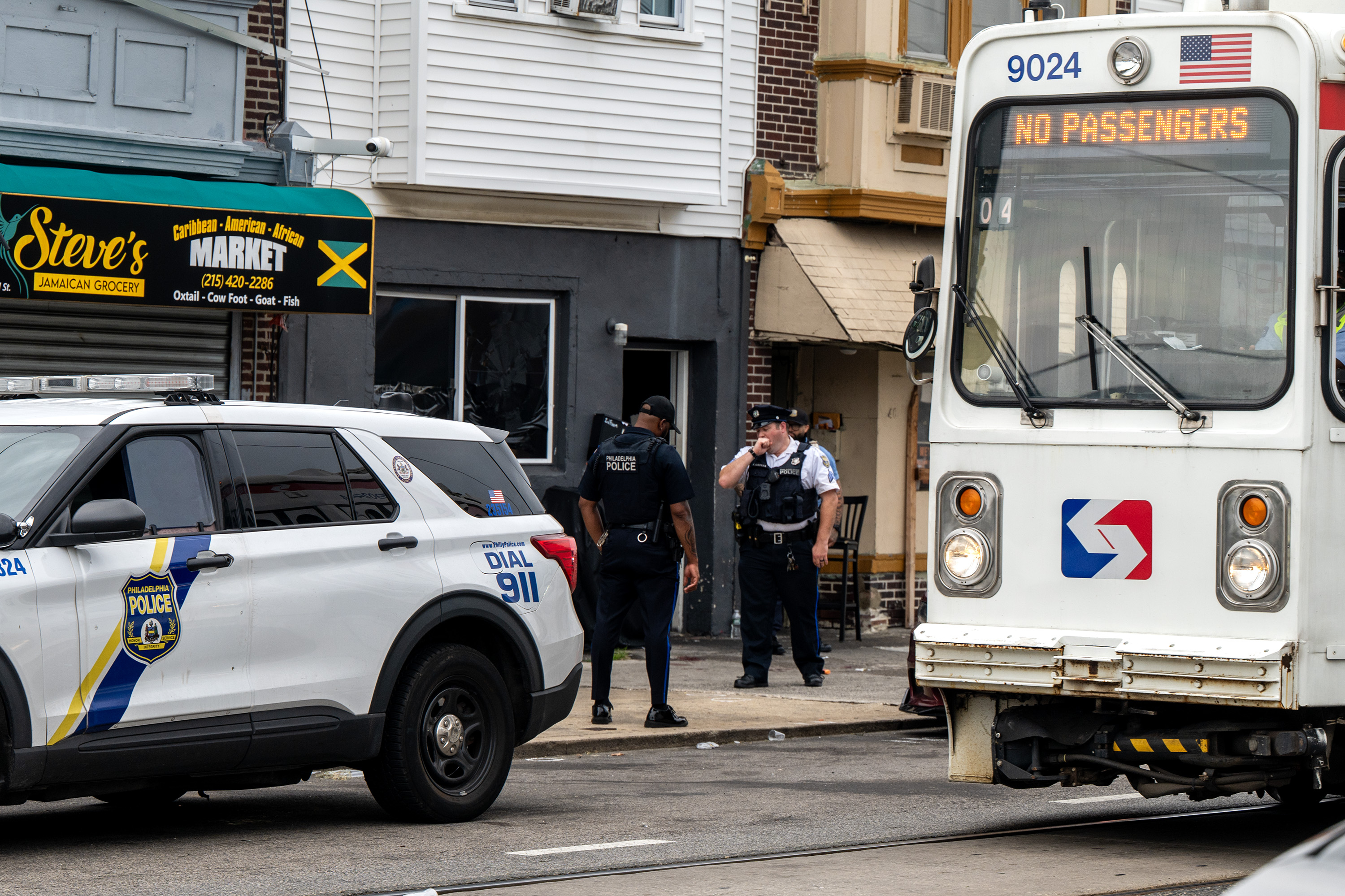
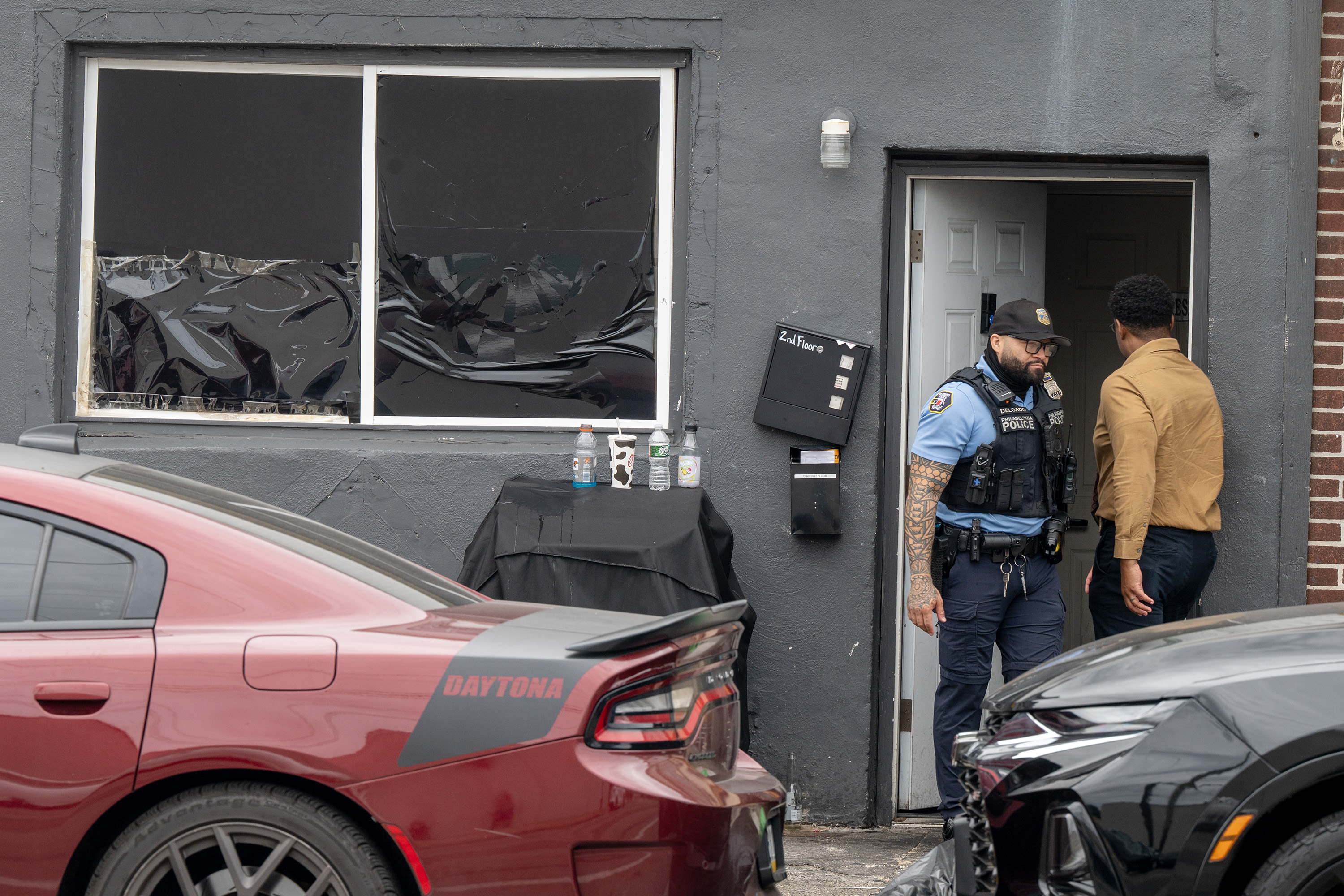
    An off-duty Philadelphia police officer, Alhassane Barry, 29, died after being shot early Sunday morning outside an after-hours lounge in Southwest Philadelphia, police said.

    Shortly before 4 a.m., police responded to a radio call reporting a shooting on the 7200 block of Elmwood Avenue, police said Sunday afternoon. Responding officers found Barry and another gunshot-wound victim at the scene, police said.

    Both victims were taken to Penn Presbyterian Medical Center, where Barry was pronounced dead around 8 a.m., police said. The other victim was in critical condition when he arrived at the hospital, said police spokesperson Sgt. Eric Gripp.

    No arrest has been made, and the motive for the shooting is unknown, police said.

    A funeral service for Barry is scheduled for Monday at a mosque in Southwest Philadelphia, about one block from where he was shot.

    Detectives and police officers remained on the scene Sunday morning at South 73rd Street and Elmwood Avenue.Tom Gralish / Staff Photographer

    The 29-year-old officer had been with the Police department for two years, police said Sunday, and was assigned to the 12th District, in Southwest Philadelphia.

    (function() {
    var l2 = function() {
    new pym.Parent(‘copshot_sw_philly’,
    ‘https://media.inquirer.com/storage/inquirer/projects/innovation/arcgis_iframe/copshot_sw_philly.html’);
    };
    if (typeof(pym) === ‘undefined’) {
    var h = document.getElementsByTagName(‘head’)[0],
    s = document.createElement(‘script’);
    s.type = ‘text/javascript’;
    s.src = ‘https://pym.nprapps.org/pym.v1.min.js’;
    s.onload = l2;
    h.appendChild(s);
    } else {
    l2();
    }
    })();

    This is at least the fourth Philadelphia Police Department officer to die in a shooting in the last decade, according to the Officer Down Memorial Page, a national site that tracks police deaths that occur while in the line of duty. Most recently, in September 2024, officer Jamie Roman died in the hospital nearly two months after being shot in the neck during a routine car stop.

    In the last three years, at least 18 Philadelphia police officers have been shot in 12 incidents.

    Sunday’s shooting occurred near a property neighbors and police have called an after-hours lounge. A social media account linked the address to a nightclub called “Nipsey’s Hookah Lounge.”

    A neighbor, Safiatu Keita, said while she was saddened to hear of the officer’s death, she was not totally surprised that a shooting happened there. Keita said loud parties at the property have kept her family awake until 5 a.m. and left garbage cans piled high with empty liquor bottles.

    “It’s not safe for us, because when people are drunk there, we can’t do anything,” Keita said.

    On Sunday morning, the door of the property hung open as police stood near yellow tape closing off the block. An officer pointed out a pool of blood in front of a cooking grill on the sidewalk. White chalk circles on the street and sidewalk marked places where evidence had been identified.

    “It’s a bad day,” one officer said, when a passerby asked what happened.

    Detectives and police officers remained on the scene of Sunday’s shooting in Southwest Philly.Tom Gralish / Staff Photographer

    As detectives in suits came and went, a police lieutenant on the scene said they were working to obtain footage from security cameras on the street, which should provide more insight.

    Mayor Cherelle L. Parker said she spent time with the family at Penn Presbyterian hospital to express her profound sorrow for their loss, and offer prayers for the 12th Police District.

    “Any loss to gun violence significantly impacts us all. We will never stop working to make Philadelphia a safer city,” Parker said.

    Outside Penn Presbyterian’s emergency room entrance late Sunday morning, police vehicles blocked off a segment of the street while officers stood outside. About a dozen people walked in a solemn procession to the front of the emergency department.

    As a gurney was wheeled out of the hospital and into an ambulance, the group broke into mourning. Police saluted, and the ambulance drove away from the hospital.

    “We continue to ask the community for their prayers, we continue to pray for his family,” Philadelphia Police Commissioner Kevin Bethel said

    Bethel said anyone with information should call 215-686-TIPS.

  • Delaware County helped identify 15 forgotten military veterans. Friday, they were laid to rest with honors.

    Delaware County helped identify 15 forgotten military veterans. Friday, they were laid to rest with honors.

    Joseph Richie was born in 1942 and served as a U.S. Marine in the Vietnam War. When he died in 2017 in Delaware County, no one claimed his body, and his cremated remains sat for nearly a decade in the county medical examiner’s office.

    But on Friday, Richie’s ashes were taken by motorcade to a national military cemetery about two hours away. Bagpipes played as a volunteer carried his remains. A bell tolled when his name was read. Rifles fired three ceremonial volleys to honor Richie and other veterans. A flag was presented to a volunteer as a sign of gratitude. A bugler played Taps. And although the people there did not know Richie personally, they saluted him.

    Richie was one of 15 military veterans from Delaware County belatedly laid to rest during the ceremony at Indiantown Gap National Cemetery, northeast of Harrisburg. Those who attended said it was a fitting honor for people who served their country in Vietnam and elsewhere, but never received a proper funeral.

    “They served their country. No one claimed them. It breaks my heart,” said James Augustin, a 74-year old Army veteran who attended the ceremony. Augustin said the ceremony righted that wrong.

    Many veterans qualify for military honors at their funeral. Usually, that process begins when a family requests the honors from a veterans service organization.

    What made this ceremony different is that no family members were around to do that for these people, said Kathleen Kenney, a staffer in the Delaware County Medical Examiner’s Office. So she and other volunteers took on that role instead.

    “My family has a military background, and I believe that everyone who has served should be laid to rest in a dignified manner,” Kenney said.

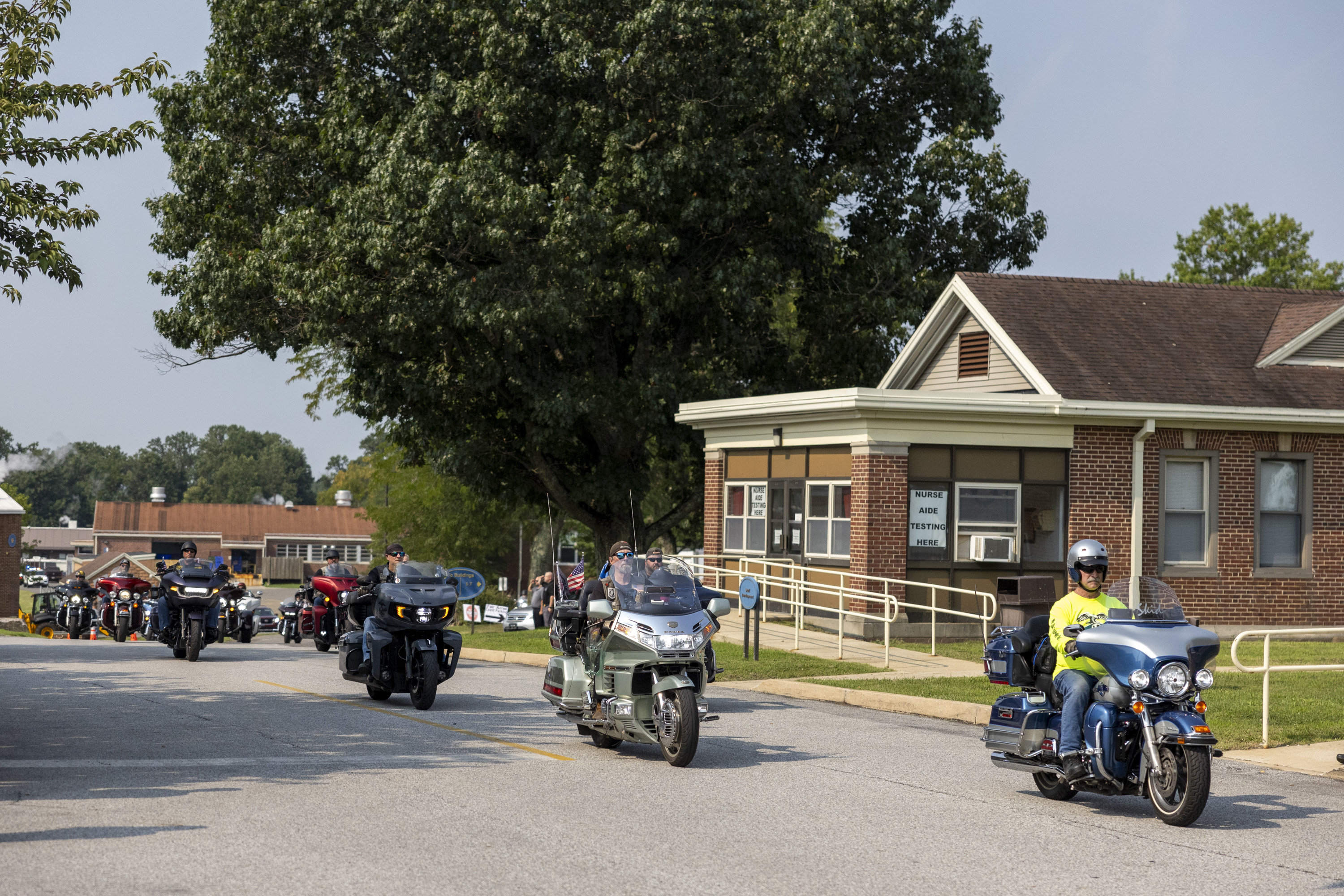
    A motorcade send off for 15 veterans whose remains that came into the county’s possession as part of the Missing In America project, is seen being escorted from the Delaware County medical examiner office in Media, Pa., on Friday, Aug. 14, 2026.Tyger Williams / Staff Photographer

    Kenney declined to discuss specific cases but said the county takes possession of a body when it cannot locate any living family members, or when the family declines to do so.

    As a result, by the time Kenney took her current role in the medical examiner’s office in 2025, she faced a backlog of names and human remains.

    “And I just said, I bet you we have some veterans here,” Kenney said.

    She took the list of names and biographical information to the U.S. Department of Veterans Affairs and the National Archives, which confirmed that 15 of the people on the list had been in the military.

    Kenney reached out to the Missing In America Project, a nonprofit that coordinates such veterans’ ceremonies. The organization has helped inter more than 41,000 previously unclaimed veterans, Forrest Lingenfelter, the group’s regional coordinator, said at the ceremony.

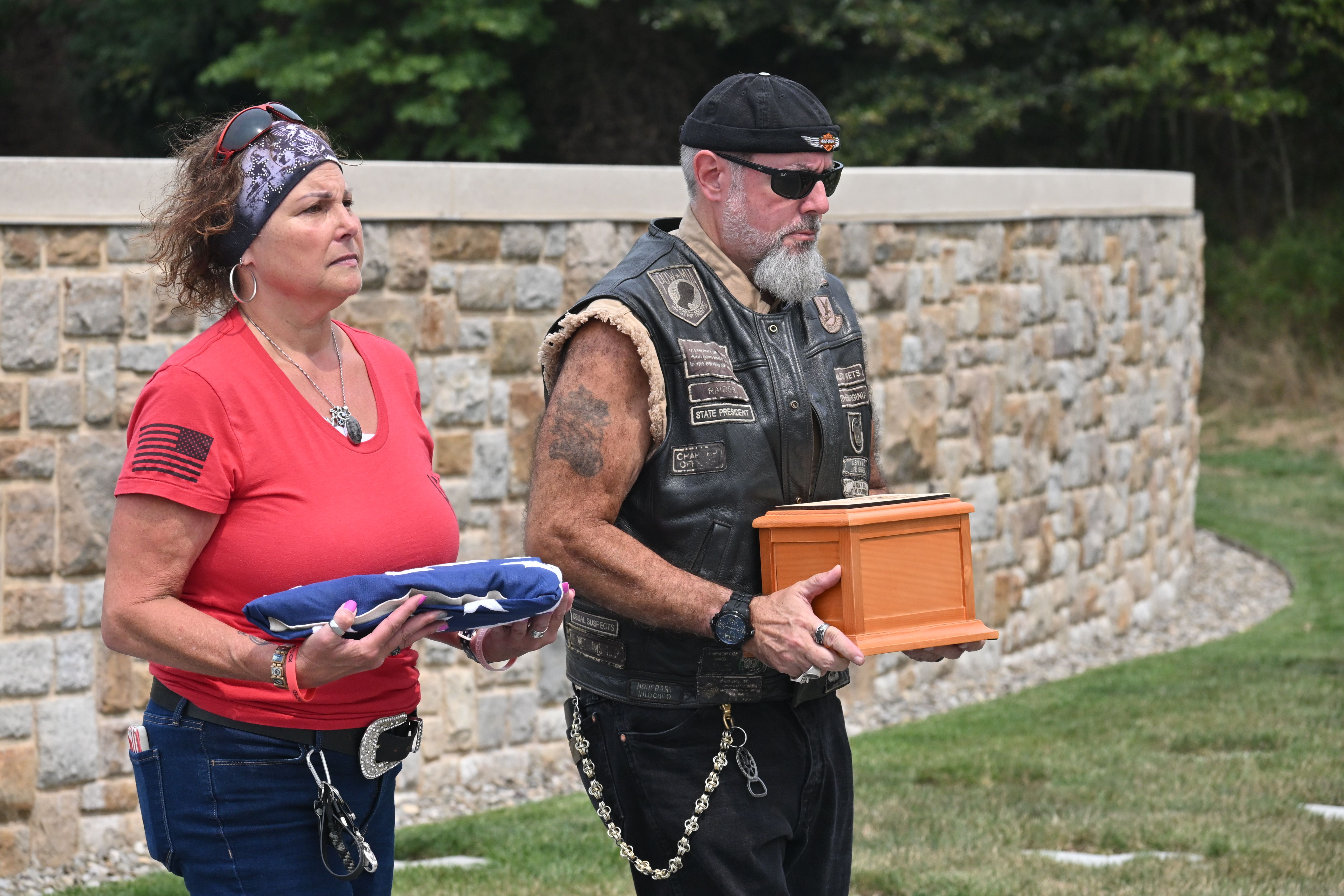
    Volunteers carry a flag and the remains of a U.S. military veteran who was interred at Indiantown Gap National Cemetery Friday, Aug. 14.Brett Sholtis / Staff

    Lingenfelter’s team put out the word to veterans organizations, and by Friday morning, more than a dozen vehicles and a pack of motorcycles were gathered at the Delaware County Medical Examiner’s Office in Media. With a police escort, the convoy traveled two hours west to the national cemetery.

    During the ceremony, an Army sergeant sang the national anthem, the crowd sang “Amazing Grace,” and American Legion Chaplain Karis Hagen asked God to consecrate the veterans’ final resting place.

    Lingenfelter, a retired Army master sergeant, read a poem from a soldier’s perspective that concluded: “I can’t forget a single name. Those men are with me still. If I don’t remember them, then I ask you, who will?”

    Then Lingenfelter told the crowd: “Your presence here today answers that question. We will remember those names.”

    The ceremony fell silent, other than the sound of flagpole cables clacking in the wind, as members of the military honor guard folded each veteran’s American flag 13 times — one time for each original colony.

    Typically, the flag would be presented to a family member as a sign of gratitude. But Friday, volunteer LuAnn Jahnke accepted one of the flags.

    Jahnke, a retired Army veteran from Wallingford, Delaware County, said she did not know exactly what these veterans went through, but she could imagine.

    “Vietnam veterans lived with secret wounds, hidden wounds from their service,” Jahnke said.

    Her husband, retired Army Col. Jeffery Jahnke, carried a flag for one of the dead veterans. He said Vietnam veterans were not always welcomed when they returned to the U.S.

    “I tell them, welcome home,” he said.

    Jimbo Ernst leads a chapter of Special Forces Brotherhood, a motorcycle club made up of former military special forces members.

    He said that ceremonies like this do not just pay tribute to the dead. They also bring together other veterans.

    In this case, these people are from all different branches of service and age ranges. Though there is always some rivalry between groups, they are like one big family.

    “It definitely helps keep the veteran community together,” Ernst said. “When push comes to shove, we’re always here for each other.”

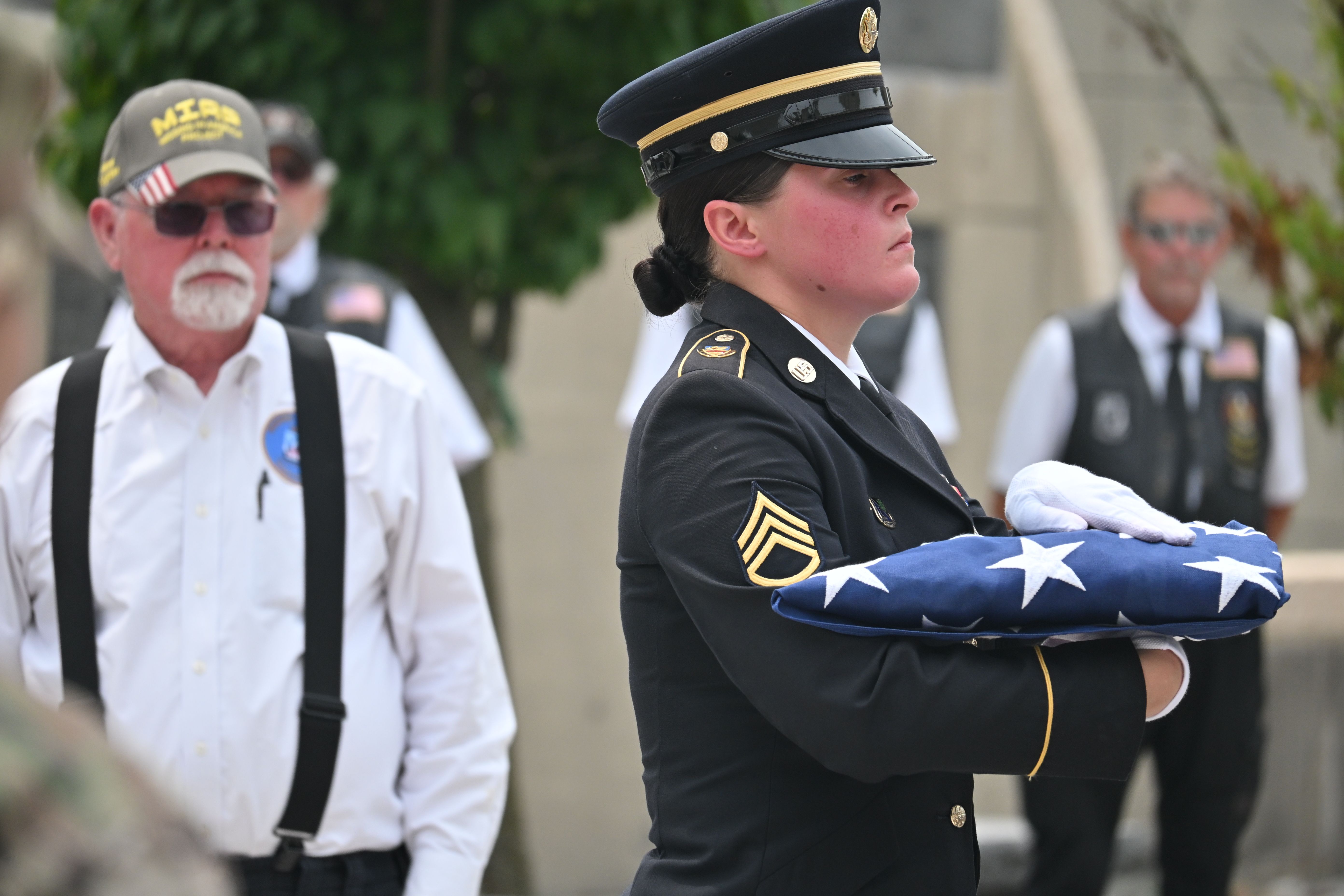
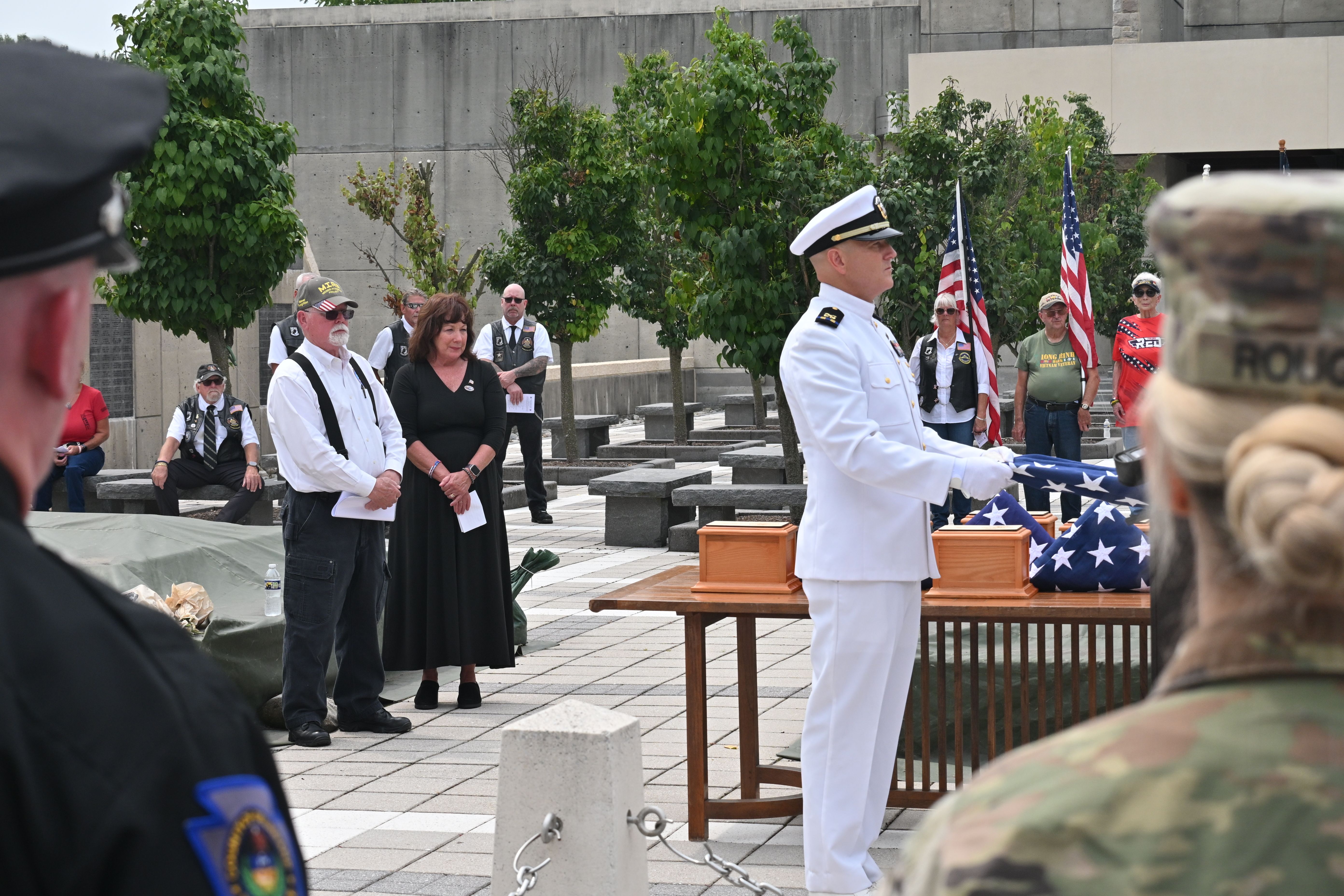
    At left, ceremony organizers Forrest Lingenfelter and Kathleen Kenney watch as a memberof the U.S. Navy honor guard folds an American flag.Brett Sholtis / Staff

    The veterans who were interred Friday will be placed in an above-ground structure for cremated remains at the cemetery known as a columbarium, Lingenfelter said. Their names and information will be on display along with a message: “You Are Not Forgotten.” Their names are:

    • Sgt. First Class Ronald D. Lewis Jr., U.S. Army, 1956-2024.
    • Spec. 5 Richard J. Catalano, U.S. Army, 1944-2022, Vietnam.
    • Spec. 5 Ronald C. Ramsue, U.S. Army, 1945-2023, Vietnam.
    • Cpl. Joseph B. Richie, U.S. Marine Corps, 1942-2017, Vietnam.
    • Spec. 4 Michael Y. Yellin, U.S. Army, 1941-2024, Vietnam.
    • Cpl. George L. Zechman, U.S. Marine Corps, 1947-2019, Vietnam.
    • Pfc. Francis M. Siple, U.S. Marine Corps, 1944-2024, Vietnam.
    • Pfc. John F. Snow, U.S. Marine Corps, 1951-2025, Vietnam.
    • Pfc. Samuel L. Williamson, U.S. Army, 1951-2020, Vietnam.
    • Airman First Class Raymond L. Vining, U.S. Air Force, 1939-2022, Vietnam.
    • Airman Second Class James L. Lemons, U.S. Air Force, 1942-2018.
    • Airman Third Class Stanley E. Kornafel, U.S. Air Force, 1940-2024.
    • Pvt. 2 Samuel L. Webb, U.S. Army, 1950-2023, Vietnam.
    • Pvt. Hayward J. Strange, U.S. Army, 1948-2025, Vietnam.
    • Seaman Robert J. Finkbiner, U.S. Navy, 1944-2017, Vietnam.
  • Two people are dead and three wounded in separate shootings in Philadelphia on Saturday

    Two people are dead and three wounded in separate shootings in Philadelphia on Saturday

    Two people are dead and three were wounded after a series of shootings in Philadelphia on Saturday.

    Police said they were investigating a potential murder-suicide after finding a man and woman dead in Port Richmond on Saturday afternoon.

    Around 1:35 p.m., officers responded to a reported shooting on the 2800 block of Mercer Street, police said. There, police said, they found a man and woman with gunshot wounds, and both were pronounced dead at the scene.

    “Preliminary information indicates the incident was domestic in nature and is being investigated as a murder-suicide,” police said.

    It was the third shooting of the day, according to police reports.

    Earlier, police said, two people were critically injured by gunfire in the Hunting Park section of the city.

    Around 12:30 a.m., officers responded to the 4300 block of North Fifth Street after receiving a radio call saying a man had been shot near a barbershop and another man had been seen with a gun, police said.

    Officers found two people who had been shot inside a gray Honda Pilot SUV, police said. The victims were taken to Temple University Hospital.

    Police said a 22-year-old man had been “shot multiple times in the upper torso” and was in critical but stable condition.

    A 17-year-old girl had been shot in the head and left leg and was in “serious-critical condition,” police said.

    Capt. Shaun Butts told reporters at the scene on Saturday that police found 25 spent shell casings, three projectiles, and “some money left on the scene and all throughout the car.”

    Separately, police said they were investigating another shooting on South Fourth Street that happened around 2 a.m. The circumstances around that shooting are unknown, police said. Police noted that a man with a gunshot wound walked into Thomas Jefferson University Hospital around 8:15 a.m.

    No arrests have been made, nor motive determined, in either overnight shooting, police said.

  • Delaware County district attorney says Aldan Borough police shooting of 23-year-old man was justified

    Delaware County district attorney says Aldan Borough police shooting of 23-year-old man was justified

    The Delaware County District Attorney’s Office said Friday that Aldan borough police were justified in fatally shooting a man last week.

    District Attorney Tanner Rouse called the shooting a “tragedy” at a news conference Friday but said the Aldan Borough police officer who shot him was justified, “not just legally, but as a person.”

    “What you will see is a young man who unfortunately seemed very intent on this outcome,” Rouse said.

    The Montgomery County Coroner’s Office identified the man police shot as 23-year-old Ugochukwu Ilodigwe.

    Police were responding to a “request for service” 911 call the morning of Aug. 7, Rouse said. Such calls are a public service in which residents request that police take them somewhere, Rouse said.

    The DA’s office played body camera footage that showed the chaotic, deadly incident.

    When the officer arrived, she was attacked and fell to the ground, video shows. Ilodigwe could be seen holding a “meat-cutting” knife in the footage, Rouse noted. He said the knife was about a foot long. Ilodigwe could be heard shouting, “shoot me, don’t shoot me” in the video.

    The officer shouted “Taser, Taser, Taser!” and shot Ilodigwe with the stun gun, video shows. He fell to the ground, and she repeatedly ordered him to put his hands behind his back. Rouse pointed out that Ilodigwe could be seen reaching for the knife as he lay on the ground. He also could be heard saying he had a gun, Rouse said.

    “She pleads with the decedent, pleads with him to stop. He makes no indication that he is going to relent,” Rouse said. “We have every reason to believe that he intended her grave bodily harm, life threatening bodily harm.”

    Eventually, Ilodigwe got up and was shot again with the Taser. When it did not stop him, the officer shot him twice, the video shows.

    The officer has been cleared to return to active duty, said Aldan borough Mayor Michael Ceci.

    “This was a tragic event all around. The conclusion of this investigation doesn’t change the fact that a family has lost a loved one, and we recognize the grief they are experiencing,” Ceci said.

    By Friday afternoon, Ilodiwge’s family had raised more than $4,500 for burial costs on GoFundMe. Contacted Thursday, Ilodigwe’s sister, Kenechukwu, declined to comment and did not respond to a request for comment Friday.

    “I am creating this fundraiser to help my family lay my brother to rest after his sudden and heartbreaking death. He was killed recently in a situation with the police, and our lives have been changed forever,” said a post attributed to his sister, Kenechukwu Ilodigwe.

    She said Ugochukwu was a “bright, giving person” who loved football, jokes, “and how big his dreams and aspirations were.”

    “He had the kind of heart that could brighten anyone’s day, and he would give to someone in need even if it meant going without himself. Losing him so abruptly has left us in deep pain, and it is especially hard knowing I did not get the chance to say goodbye.”

  • Haverford College has agreed to new policies opposing antisemitism to settle a lawsuit

    Haverford College has agreed to new policies opposing antisemitism to settle a lawsuit

    Haverford College has agreed to form an antisemitism committee and enact policies supporting Jewish, Israeli, and Zionist students as part of a settlement of a suit filed during a wave of protests against the Israel-Gaza war.

    The suit, filed in May 2024, months after Hamas’ attack on Israel, contended the college failed to protect the plaintiffs and allowed antisemitic harassment and bias to flourish on campus.

    “We’re very proud that Haverford College will be a welcoming place for everyone, including Jews and others that support a Jewish state,” said Lori Lowenthal Marcus, legal director for the Deborah Project, the law firm that took on the case.

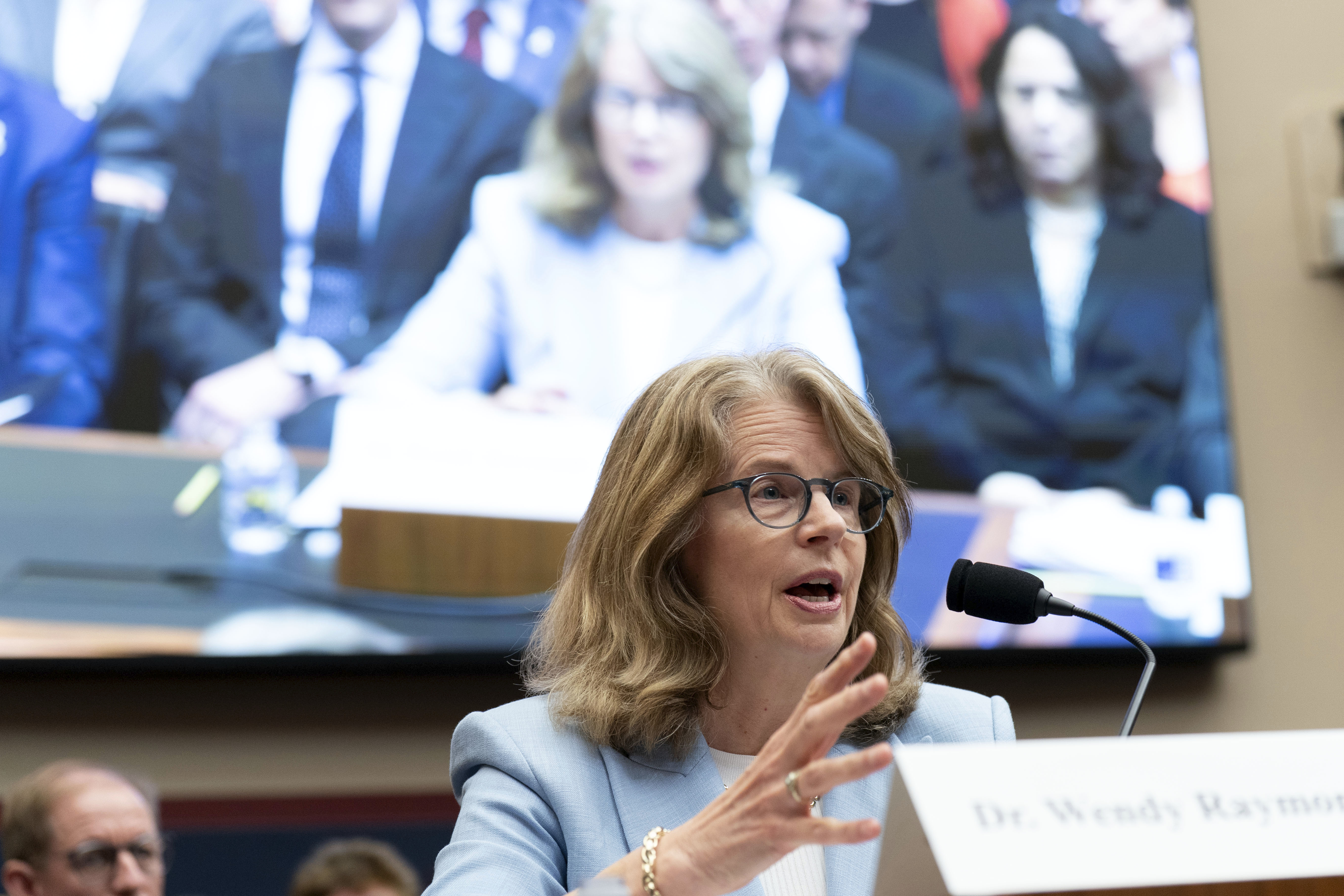
    Haverford College president Wendy Raymond released a public letter on Friday as part of the settlement in which she said the college supports students who are Jewish, Israeli, or supporters of Zionism.

    “In a community of learning, we may vehemently disagree with one another about the policies and actions of governments, but it is never acceptable to let those disagreements descend into the realm of discrimination, harassment, or bias,” Raymond said.

    The settlement aims to resolve injustices that students said they faced for supporting Israel while protests engulfed the small liberal arts campus, Marcus said.

    One student feared her in-class comments would reveal she was Jewish and put her at risk of discrimination from her professor, Marcus said.

    Others holding a meeting on antisemitism were interrupted by bullhorns, pots and pans, and cowbells.

    A plaintiff, former Haverford basketball player Ally Landau, was told she couldn’t promote antisemitism awareness at a game because the college couldn’t guarantee enough security to keep the game from being canceled.

    To address some of these issues, the college agreed that its new civil rights director would look into antisemitism claims, Marcus said.

    The civil rights director will work with an antisemitism committee made up of three Jewish community leaders, three people chosen by the plaintiffs, and three chosen by the school. The committee will advise the school president and provide an annual report to the college’s board of managers.

    “The committee and the civil rights director will look into whether anti-Israel sentiment is antisemitism,” Marcus said, and will rely on guidance from the International Holocaust Remembrance Alliance.

    Campus events hosted by Jewish Zionist or Israeli students are guaranteed security similar to what other events would get.

    People wearing masks or face coverings on campus will be required to show identification if asked by campus authorities.

    Professors who refuse to write letters of recommendation due to a student’s Jewish, Zionist, or Israeli identity will be in violation of the school’s anti-discrimination policy.

    And the college will mandate annual antisemitism awareness training and has added details on its anti-discrimination policies in its admissions documents. It also will publish a frequently asked questions document about antisemitism.

    Marcus declined to say whether the settlement included monetary compensation. She said the formation of the committee and new policies were the important changes.

    “It was a great resolution for what was a painful situation,” Marcus said.

    In her letter, Haverford president Raymond, who plans to step down in 2027, said the college is committed to doing better going forward.

    “It is our shared responsibility to create and maintain a community of belonging for all, where we each contribute to a learning environment and culture in which every person can thrive. Haverford College commits itself to ensuring such a future,” Raymond said.

    With the settlement, the court has dismissed all claims made by the plaintiffs “with prejudice,” permanently ending the legal action, a Haverford College spokesperson said.

  • Philadelphia Historic District’s ‘firstivals’ have drawn super fans who have traveled from the nation’s first circus to its first zoo

    Philadelphia Historic District’s ‘firstivals’ have drawn super fans who have traveled from the nation’s first circus to its first zoo

    Christine Barnabic had already run a 5K at Belmont Plateau on Saturday morning when, still in her running gear, she hopped on her scooter and headed from her home in Fairmount to the Philadelphia Zoo. Her purse held commemorative pencils and a tattered punch card.

    When she arrived, the punch card had 10 holes in it — one for each “firstival” she had attended so far this year. At the zoo, she got her 11th hole punched, and a hat to celebrate her attendance.

    “It’s just really neat to recognize these firsts in America,” Barnabic, 42, said.

    The Philadelphia Zoo, for its part, was the first public zoo to open in the United States, in 1874. It is just one stop along the Philadelphia Historic District’s “52 Weeks of Firsts” events that celebrate Philly’s history and cultural significance by showcasing things that happened here first.

    The series launched Jan. 3, commemorating the first balloon flight in America. Barnabic missed the first run of events, but once she attended an event marking the first circus performance in the U.S., she was hooked.

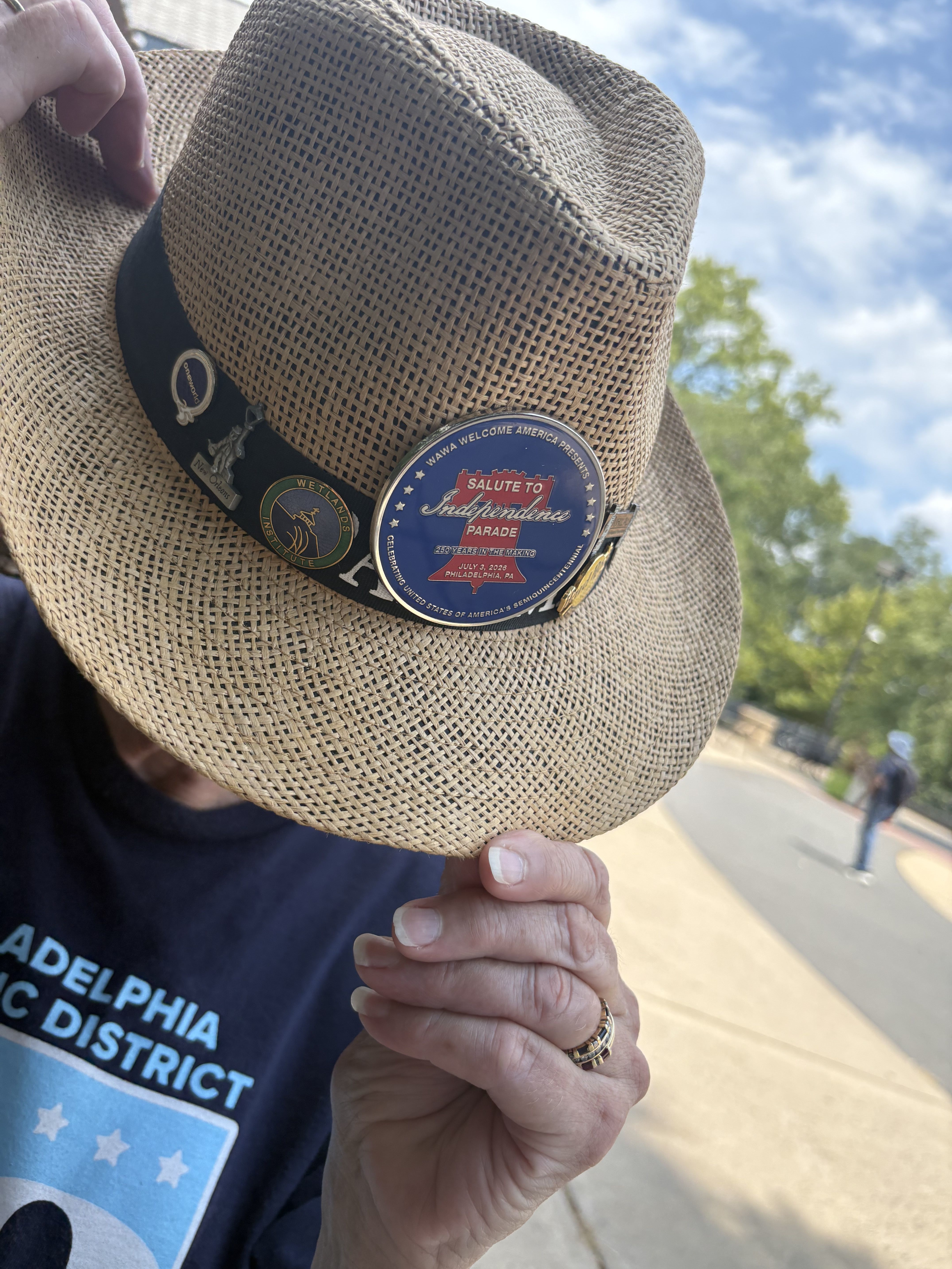
    Amanda Meiluch displays her hat adorned with pins for America’s 250th as part of the city’s 52 Weeks of Firsts celebrations Saturday, Aug. 8, 2026.Brett Sholtis

    She started posting selfies taken at each firstival and was stunned to learn she had won a prize pack including a Slinky, a record of old songs, tickets to the Betsy Ross House and Eastern State Penitentiary, and free admission to adult circus classes — each gift celebrating a historic milestone that happened in Philly.

    Barnabic said she is no history expert, but she is an enthusiast. She manages a company that does fitness tours for people who are in town for conferences or staying at hotels. To her, checking off the firstivals also boosted her knowledge.

    “And people are very friendly here,” she said.

    Todd Marcocci at Under the Sun Productions has been coordinating the events for the historic district. He said he knows at least four people who have attended all 32 events so far.

    The firstivals are often held at popular public locations, and many, like Barnabic, have been drawn in and kept coming back, Marcocci said. The zoo commemoration, for example, was held near the Ferris wheel, which is open to the public, no ticket required.

    “It’s been great, because each week there is variety. It’s beyond education. You think you know a lot about history, but everyone learns something here,” Marcocci said.

    Retired historian Lee Arnold agreed. In March, he attended the first flower show event at the Pennsylvania Horticultural Society and kept coming back.

    He has his own side quest: He is gathering commemorative items from all of the firstivals that he plans to give to the Historical Society of Pennsylvania for posterity.

    These days, Arnold leads history tours a couple of days a week for Grim Philly. He said he enjoys showing people the U.S. post office, the First Continental Congress, the first use of the phrase “United States of America,” and the invention of the Slinky, which can all be traced back to a four-block area in Old City.

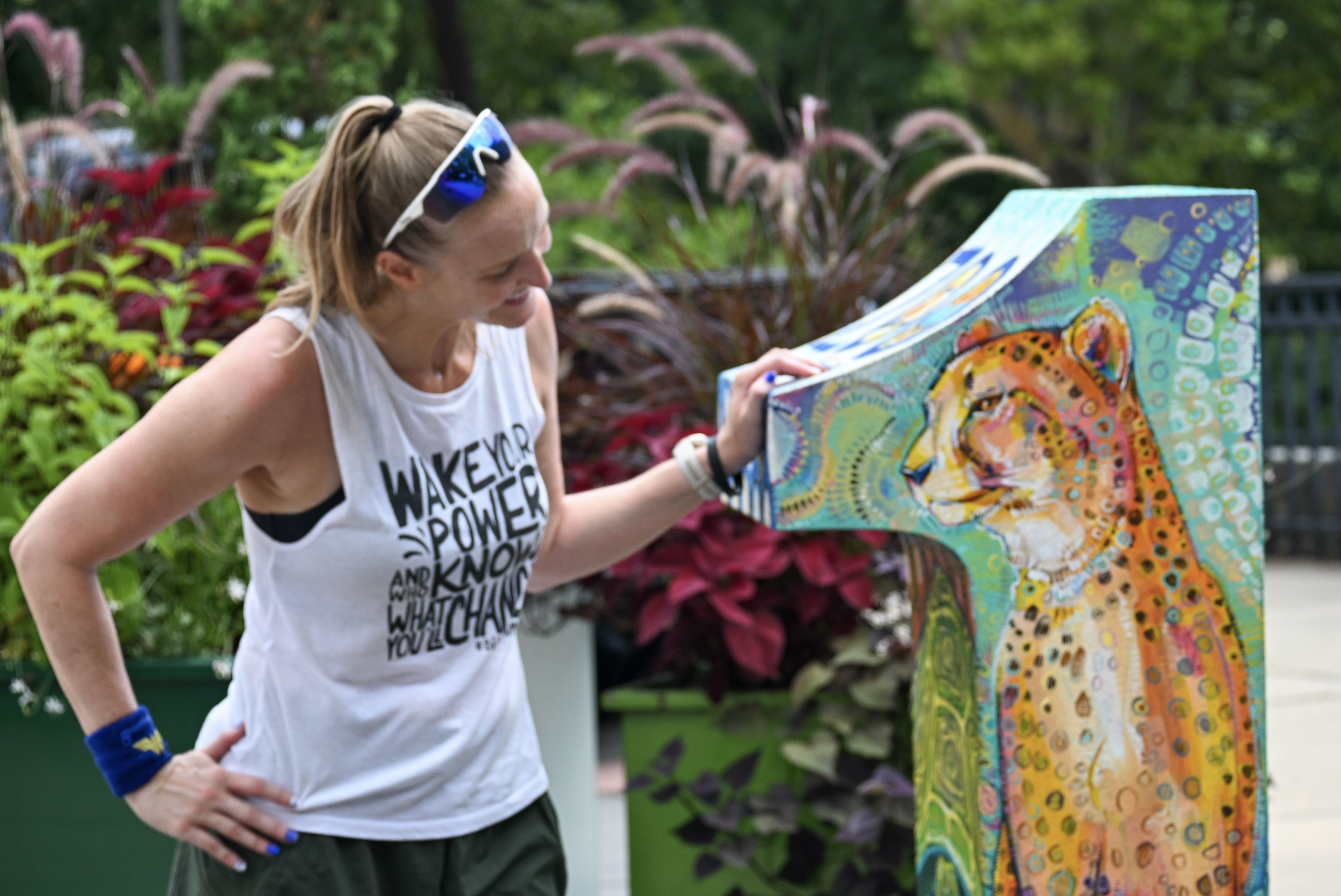
    Artist Gwenn Seemel’s No. 1 captures many of the Philadelphia Zoo’s first milestones.Gwenn Seemel and Colibrí Workshop

    “It’s just wonderful. As I say to my tourists, everything started here,” Arnold said.

    For anyone feeling left out, 20 more firstivals remain on the calendar. They highlight everything from the first people to live in the region (at Penn Museum’s new Native North America Gallery) to the first modern detective story, “The Murders in the Rue Morgue,” written in 1841 by then-Philadelphia resident Edgar Allan Poe.

    (And yes, Philly invented cheesesteaks and water ice, according to the historic district, and forthcoming food-themed celebrations are on the list, too.)

    For the firstival diehards, the weekly events have also fostered a kind of community, said Amanda Meiluch, who took the train in from Penndel to volunteer at the event.

    She did not start out as a volunteer, but after a few weeks, she decided to make it official.

    In the process, the retired accountant has befriended other regulars — one of whom gave her a hat after dealing with a particularly sunny day. A week later, they saw each other again, and her friend was delighted to see that Meiluch had adorned the hat with pins celebrating the city’s history.

    “She made me happy. And I made her happy. That’s all you can do in this world,” Meiluch said.