Author: Brooke Schultz

  • The USA Table Tennis Pennsylvania Open is coming to Phoenixville this month, with rankings and cash prizes — and community — up for grabs

    The USA Table Tennis Pennsylvania Open is coming to Phoenixville this month, with rankings and cash prizes — and community — up for grabs

    For Deepak Gupta, playing Ping-Pong is something of living out a childhood dream for him.

    Later this month, he’ll be taking that dream to the next level, as he makes his tournament debut at the USA Table Tennis Pennsylvania Open in Phoenixville.

    “I’ve never met two people who play the same … they have a unique style of playing, and every player has strengths and weaknesses, the way they spin the ball, the way they serve,” he said. “I’m looking forward to playing against more people whom I’ve never met, so that’ll be challenging.”

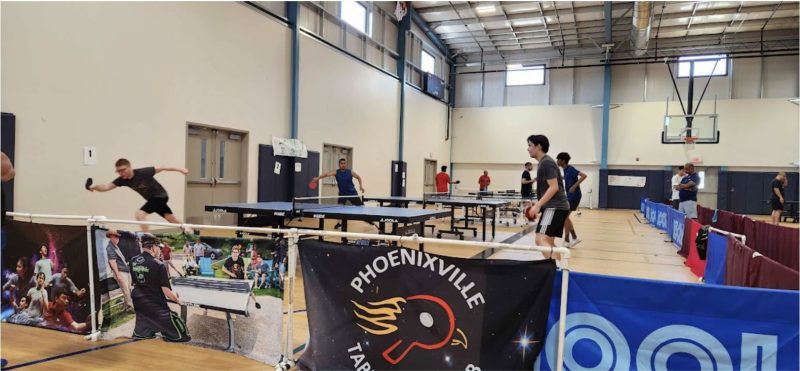
    Gupta, 52, will be among the 40 to 50 players from the region competing; the tournament has six events and will be held at the Phoenixville Recreation Center.

    Players will compete in women’s singles, juniors, over 40, the open, or skill-capped events. On the line: cash prizes, trophies, and national ratings points.

    It’s the fourth time the Phoenixville Table Tennis Club, established in 2009, is holding a USA Table Tennis tournament, and its second Pennsylvania Open.

    “We do have a lot of lower-level players participating in those events, and one, it gives them the opportunity to win trophy and money, but two, it gives them the opportunity to continue to compete … and get better in their games,” said Nick Flor, organizer and one of the founders of the Phoenixville club. “Say you come across your archnemesis that you play at the club in the tournament. … It’s going to give you that drive to learn to beat them, to learn to get better.”

    Gupta will be playing in the “under 1200″ event, for beginner to intermediate players whose rating is below 1200. A rating represents their skill level and determines where a player is seeded in an event. Low-level players would be rated around 900 or 1000, while high-level players approach 3000, Flor said. As players win matches and tournaments, up goes their rating. The tournament will have several events split by rating level.

    Players will also be competing for ranking points as part of the USA Table Tennis’ system. Depending on how many tournaments players win, they earn points. Top-point earners are considered for the Olympics, or the sport’s World Cup.

    Aside from rankings, players are drawn to the community the sport has given them.

    Serving up community

    Gupta loved the game passionately as a child, but it faded into the background after high school. Some 30 years later, he started playing against a couple of friends in the basement. He found out about the Phoenixville club, which meets twice a week at the recreation center, hosts a smattering of smaller tournaments and competitions, and provides support for new players. But it wasn’t enough; he ended up opening his own club in Exton, called Exton Table Tennis.

    The club is run by friends, for friends, he said. Before he started playing table tennis a few years ago, he had few of them. He met other parents in school groups, but those social interactions were limited to talking about their kids.

    “Once I started playing table tennis with some of the other dads, we started getting to know each other more as individuals and more as friends,” he said, “and then taking that spirit and … expanding it to a community.”

    Flor, 53, caught the bug in high school, when he’d play with his friends in the senior lounge. They started playing before and after school. They were “terrible,” Flor recalls. But they kept playing, deciding to enter a tournament. They got crushed and had the experience he’s seen in many players: the shock and awe at the level of gameplay, of technique, and skill it takes. The group began going to a club in Pottstown, getting tutelage from an older gentleman, and eventually opened their own club, he said.

    He’s seen the sport change over time, fluctuating in popularity. They see surges around the Olympics, and during the colder months. Marty Supreme drummed up excitement among players but didn’t seem to inspire a new generation. (Forrest Gump has probably done more for the sport, he noted.)

    A game for all

    Flor’s love of Ping-Pong has seeped into his marriage, as he slowly turned his wife, Janel Flor, into a convert. Now the two are evenly matched.

    It’s been a journey for Janel, whose first experience was in the place that makes or breaks anyone’s love of sport: gym class. It put her off table tennis for years. She was supportive of her husband but felt it was “kind of a dumb sport.” But, ever persistent, he coaxed her into a lesson. About a month later, she felt it sink in and sent the ball exactly where she wanted it to go. She was hooked.

    She was not very competitive until she was able to beat Nick. “Once I could do that,” she said, “I was like, you know what, I actually really like this game.”

    It’s been her goal to get more women into the game and to have fun doing it.

    “My goal is always to help build confidence and help get them playing, so that they’re not overthinking everything,” she said.

    Janel, 50, will compete in the women’s event in the upcoming tournament, against roughly six others. She has gotten over some of the initial fears of tournament play but said she still gets butterflies when she steps up to the table.

    Despite those butterflies, it’s often an encouraging, but still competitive, game, she said.

    For Gupta, it’s a game where people of all ages, genders, and abilities can thrive. The clubs welcome kids, whom they have watched level up over time.

    “Table tennis is one game where it evens everything out. It doesn’t matter,” he said. “If you have skills, you can become really good, that’s one thing that I really love about this game. … I think now I’m finally trying to live my childhood dream, and I hope other kids can enjoy the same passion that I had as a child.”

    This suburban content is produced with support from the Leslie Miller and Richard Worley Foundation and The Lenfest Institute for Journalism. Editorial content is created independently of the project donors. Gifts to support The Inquirer’s high-impact journalism can be made at inquirer.com/donate. A list of Lenfest Institute donors can be found at lenfestinstitute.org/supporters.
  • Five Chester County centenarians, ranging from 99 to 104, give their life secrets

    Five Chester County centenarians, ranging from 99 to 104, give their life secrets

    From horses giving way to cars and the invention of television, to the election of more than a dozen presidents, World War II, and even the sale of sliced bread — the 45 Chester County centenarians who gathered for an annual luncheon this week have watched the world remake itself time and time again.

    “I saw a lot of things. A lot of wars, and a lot of popes. There’s a lot of good things,” said Anne Caporale, who will turn 100 in July. “I got married, had a family. I had a good life.”

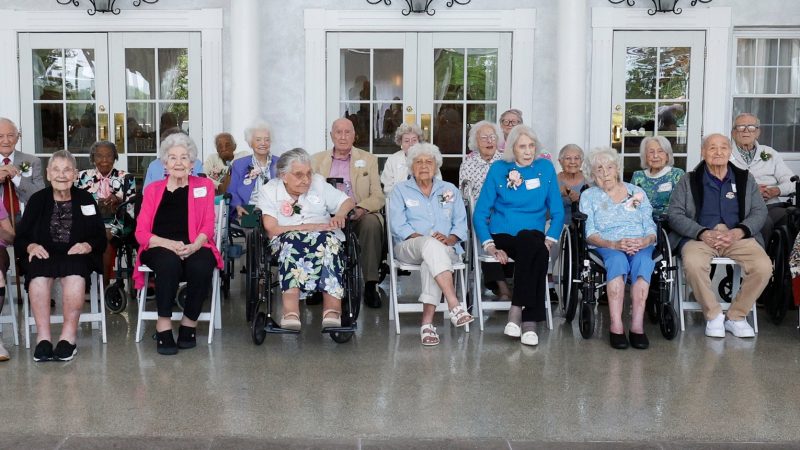
    The annual luncheon celebrated Chester County’s group of centenarians — a total of 57 residents reaching or surpassing the milestone. Tuesday’s celebration saw a dozen who would turn 100 this year, plus quite a few returning attendees, including 108-year-old Evelyn Fair, who still writes poetry.

    “You are the builders, the teachers, the parents, the neighbors, and the foundation of the Chester County community,” Josh Maxwell, chair of the board of county commissioners, told attendees. “Every single comfort and freedom we enjoy today is a direct result of the hard work, sacrifice, and grace you poured into the world decades and decades ago. We are walking today on paths that you have all cleared.”

    Meet some of Chester County’s longest residents.

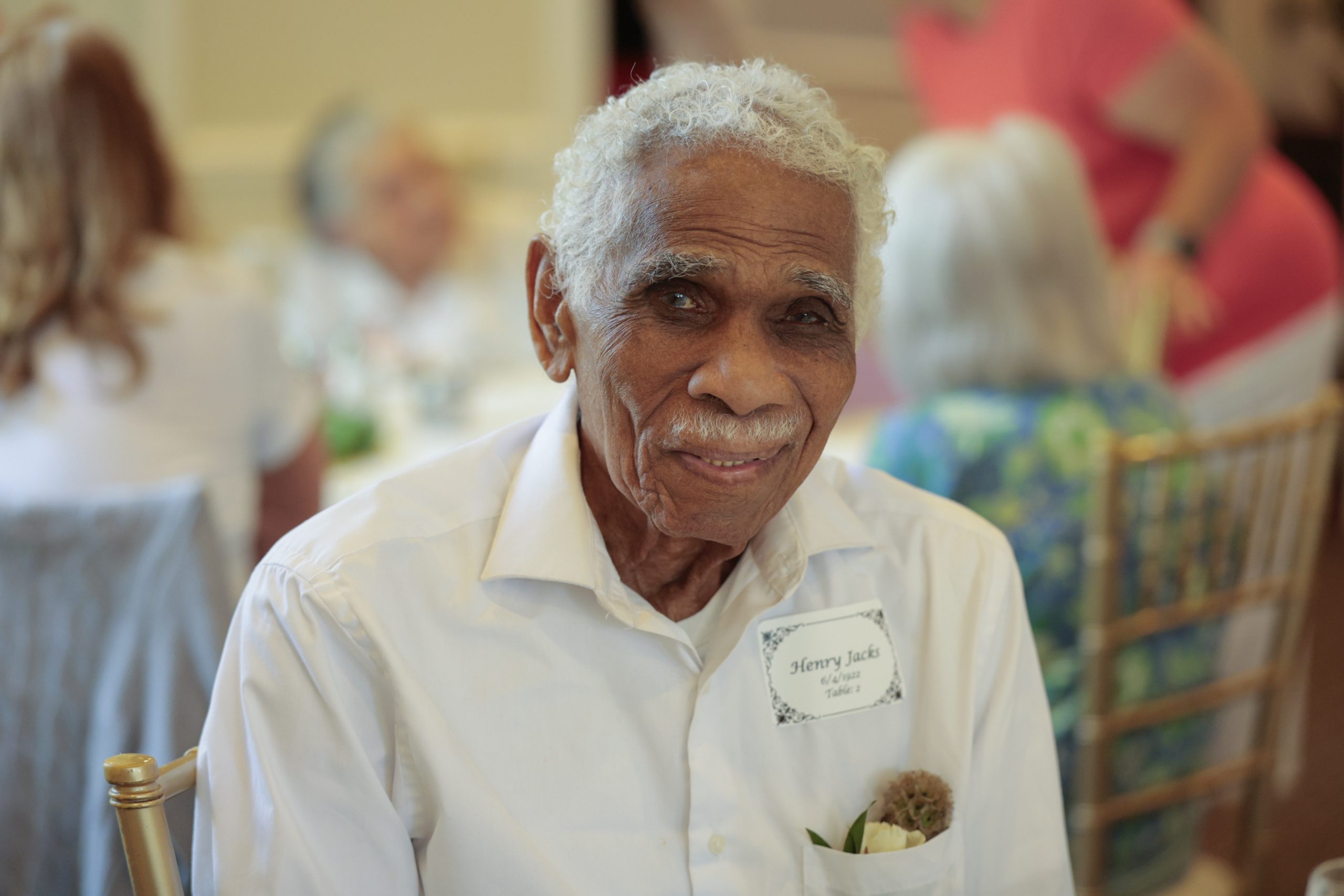
    Henry Jacks, 104

    Henry Jacks, 104, enjoys the annual centenarian luncheon hosted by the Department of Aging. Steven M. Falk / For The Inquirer

    Henry Jacks moved to South Coatesville when he was 4 years old, and has called it home ever since. He’s witnessed “quite a bit of change.”

    He remembers watching deliveries come by horse and wagon and recalls the hard days of the 1930s during the Great Depression (“cost of living wasn’t as bad as it is now,” he noted). Jacks joined the Army in 1940 during World War II, serving in the 92nd Engineers Regiment, and was stationed in Africa and Italy. He came back home to have three children, a boy and two girls.

    He was a Boy Scout leader, the first Black mail carrier in Coatesville, a city council member, and a judge of elections. He still sings in the church choir. (His advice: “Treat people right. Go to church.”)

    “So many changes that I’ve seen in the days,” he said. “I remember when I first saw TV; one of the neighbors had one, and all of the kids used to watch through his window. I’ve seen from the horses, to the cars, to the jet airplanes. And it’s been a wonderful life.”

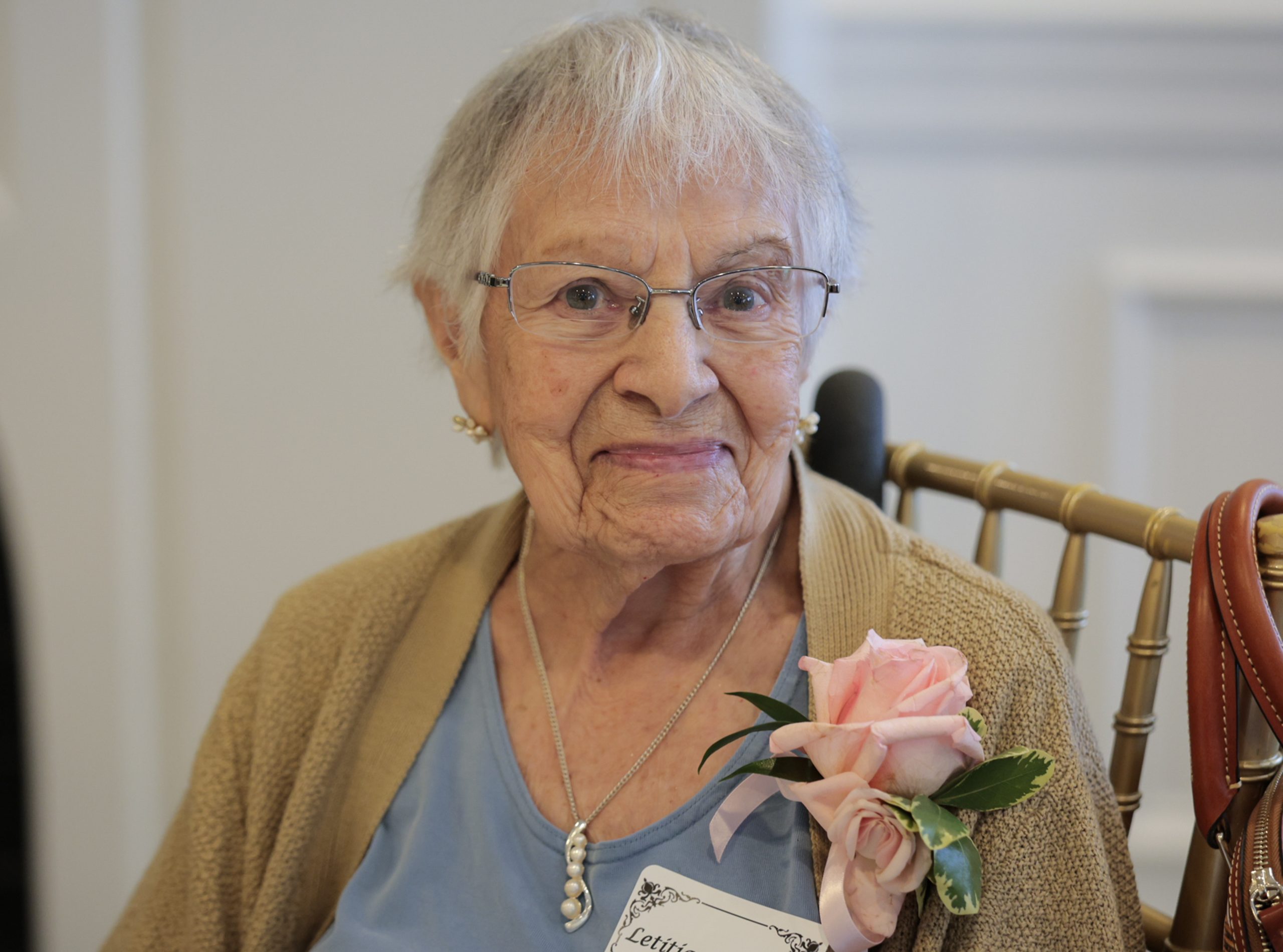
    Letitia Hemphill, 103

    Letitia Hemphill, 103, at Tuesday’s luncheon. Steven M. Falk / For The Inquirer

    Letitia Hemphill started her working life at the candy counter at the former F.W. Woolworth’s five-and-dime in her hometown of West Chester. Though her father remarked she wasn’t good at math, she’d go on to have a long career using her skills while filling the registers and doing the end-of-day count in a department store and later at the treasurer’s office.

    She retired in 1986 but had trouble sitting still.

    “I got bored of not working,” she said.

    She started cleaning houses. It was something she’d always done: help her mother clean in the morning, and then go to the park in the afternoon. She kept up the tradition with her two grandkids and her two great-grandkids, whom she babysat for 14 years.

    An active life has been key to Hemphill, who did 10 years of ballroom dancing and more than 20 years at the gym.

    “Keep your body moving and keep your mind moving,” she said.

    She keeps her mind active by painting landscapes in watercolor, a hobby she took up in 1995.

    Hemphill was born in West Chester to a stonemason father and a stay-at-home mother. Once, someone asked Hemphill if she had a lot of friends. With 11 brothers and sisters, she remarked she didn’t need any.

    When she journeys through West Chester, she points out all the stores that have changed over time.

    Still, Chester County is “beautiful,” and much of her family is still around to keep her moving: two children, two grandchildren, and two great-grandchildren.

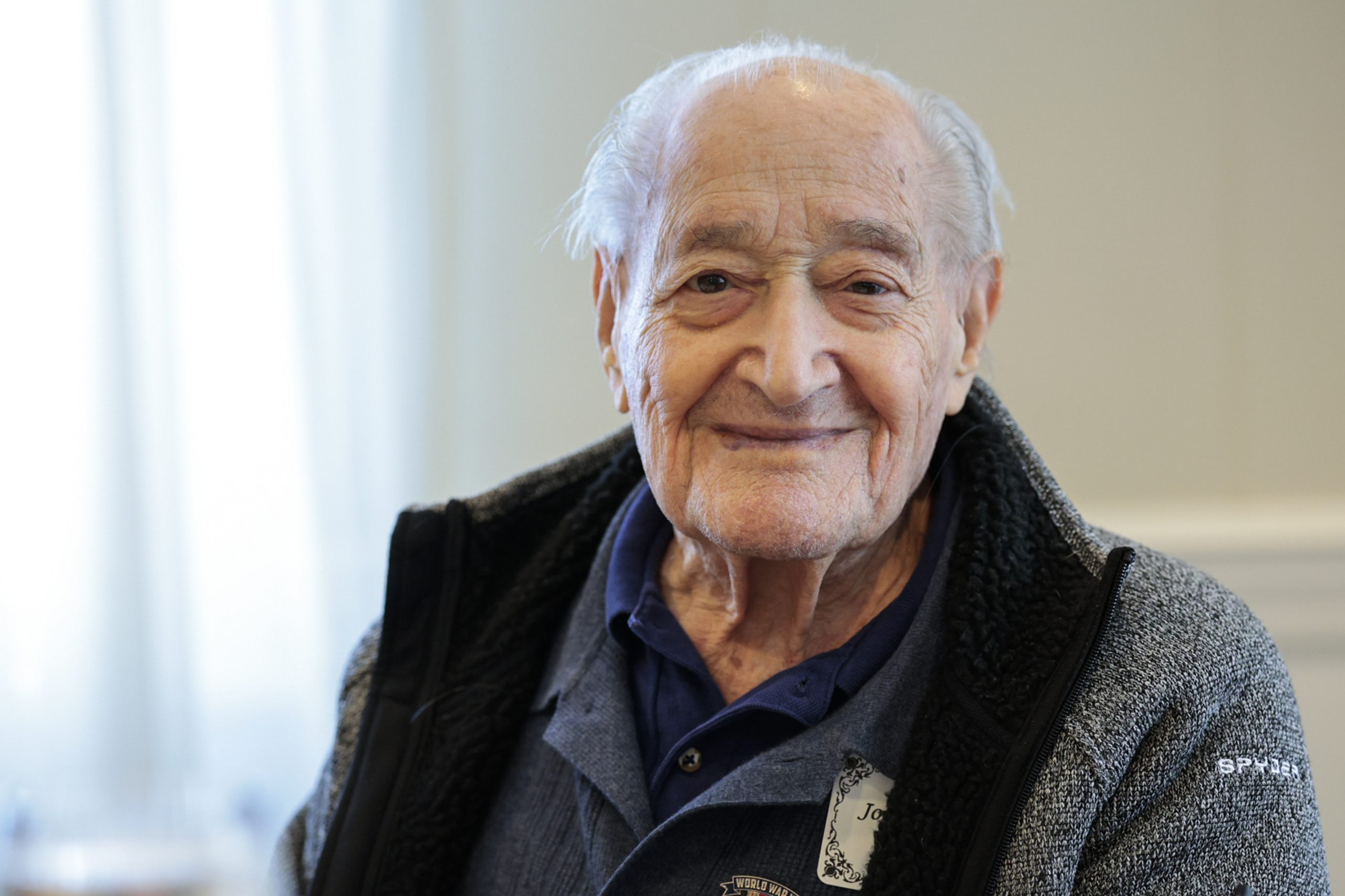
    Joseph Donia, 100

    Joseph Donia, 100. There were 45 centenarians in attendance at Tuesday’s luncheon.Steven M. Falk / For The Inquirer

    Up until last year or so, Joseph Donia’s hobby was building boats. He constructed a 20-foot wooden cabin cruiser from scratch. He had it for 40 years.

    “The only reason I sold it — my wife couldn’t get on it anymore,” he said.

    He had a lifelong love of boats, and spent five years at sea for the U.S. Merchant Marine in World War II. His time in service was the only time he wasn’t living in West Chester, where he bought a house and raised three kids. He also has six grandkids and three great-grandkids.

    His most recent project was a 35-foot sailboat. It’s still sitting behind his West Chester home, but he’s given it to his son to finish.

    It kept the 100-year-old active — something he advises.

    Eleanor Hammond, 101

    Eleanor Hammond, 101, enjoys Tuesday’s annual luncheon. Steven M. Falk / For The Inquirer

    Eleanor Hammond has always been a fan of creative pursuits: a voracious reader who knitted and sewed. She stitched her daughter’s wedding gown, and, perhaps more memorably, a jacket for her husband.

    “He insisted I make him a jacket because I sewed for everyone else. He picked out the material; looked like Liberace. It was horrible,” she said. “I wouldn’t go out with him when he wore it.”

    A graduate of Coatesville High School, Hammond would go on to work there until she was 81, in the principal’s office. She was once a disciplinarian, and truancy officer. She’s watched the county change over time, marveling at the amount of development. And, less positively, the traffic.

    “The way to get here, I used to zip here,” she said. “But I can’t do that now.”

    Still, she likes it, and the changes that have come with time.

    “I’ve been here a long time. Everything about it is beautiful. The people are friendly, and it’s a beautiful place,” she said.

    And as much as she loves home, she recommends travel. If you don’t know the language, be nice, smile, and “use your arms” to convey your meaning.

    Anne Caporale, 99

    Anne Caporale, who turns 100 in July.Steven M. Falk / For The Inquirer

    Anne Caporale graduated alongside Hammond at Coatesville High School. She went on to raise six kids, and has 10 grandchildren, 27 great-grandchildren, and three great-great-grandchildren.

    “We have quite a group,” she said. “I love them.”

    She has found Chester County to be a good place to live and “wouldn’t want to live anywhere else.”

    She lives at home, right by one of Downingtown’s high schools, which she loves because “the kids are great.” She still does her laundry and cooks every day. The luncheon Tuesday was a treat for her. “Let somebody else do the cooking,” she said.

    Keeping active is the secret, she said.

    “I know we’re here for a reason, but I don’t know it. I don’t question it,” she said.

    This suburban content is produced with support from the Leslie Miller and Richard Worley Foundation and The Lenfest Institute for Journalism. Editorial content is created independently of the project donors. Gifts to support The Inquirer’s high-impact journalism can be made at inquirer.com/donate. A list of Lenfest Institute donors can be found at lenfestinstitute.org/supporters.
  • Kennett Square’s The Creamery will host weddings in a new event space starting next year

    Kennett Square’s The Creamery will host weddings in a new event space starting next year

    First came love.

    Over the course of a decade, the community has made The Creamery in Kennett Square part of their routine, from its community center to its beer garden. Some even met their future spouse there.

    Then came marriage. Or, at first, wedding inquiries.

    “I think the community tells us what they want us to be, and we were just getting so many inquiries about weddings and people love the space as it is,” said Michael DePaolo, managing director of hospitality at Square Roots Collective, an organization that creates businesses and invests its proceeds back into the community. “It just made sense.”

    The Creamery is no stranger to private events; it’s even hosted weddings in the past. But this new venture scales up what it’s able to offer.

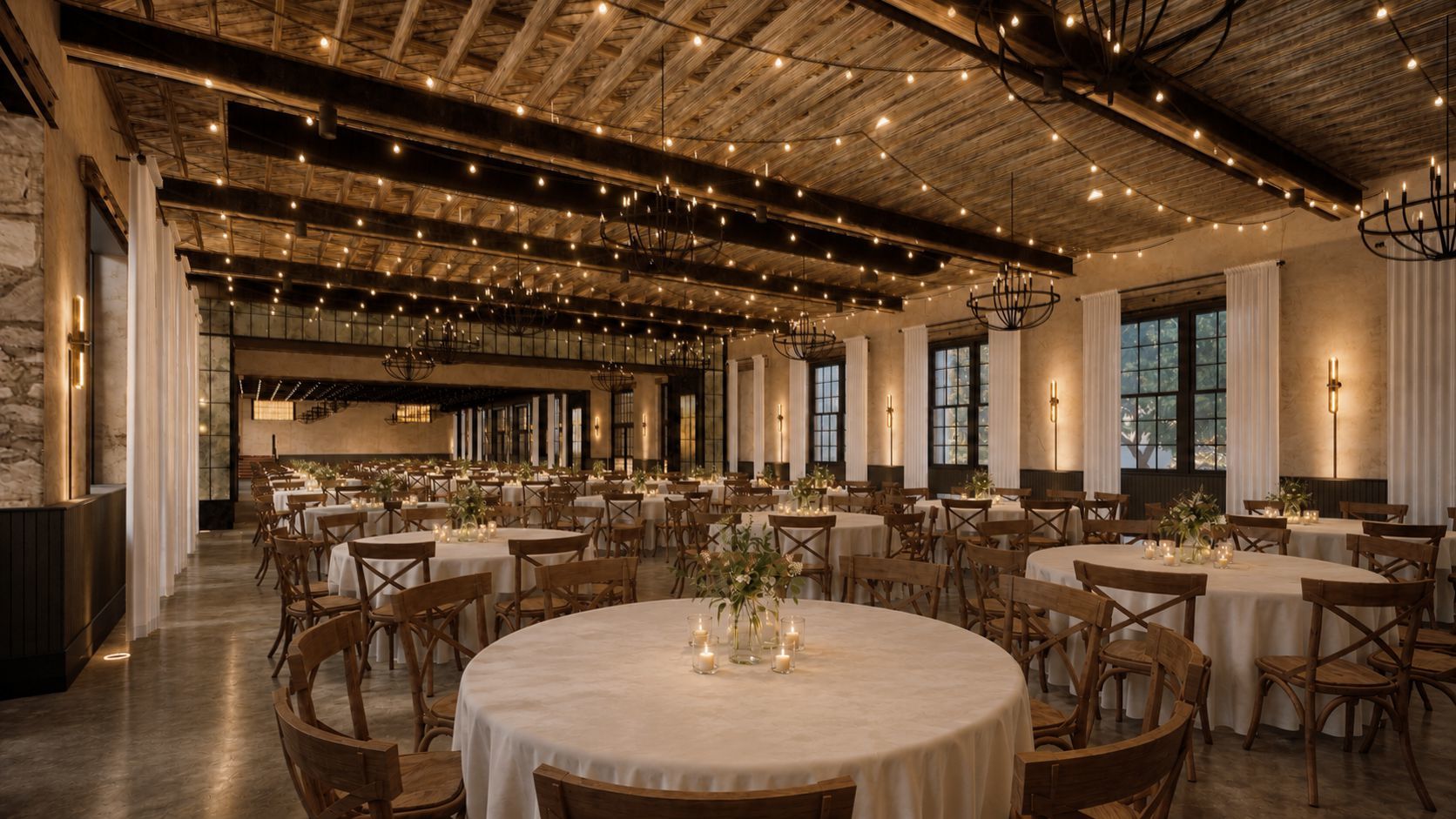
    The space, which will be adjacent to The Creamery, will soon take bookings for 2027. It will have its own identity — a website, a different name, and branding. It will be “slightly elevated” from the feel of The Creamery’s beer garden, said Shelby Deskin, director of brand and design at Square Roots Collective.

    “It is a stunning backdrop for any ceremony or event, and we have the capacity to invite people in, and the ability to renovate it and keep the historic aspects of it,” she said. “Just the size of the space lends itself to an event.”

    The new venue will accommodate up to 300 people in a historic structure on the site, and will serve a “middle of the market” crowd, DePaolo said. The price point would range from $100 to $175 per guest, depending on the scope of the event.

    Square Roots Collective is working with a local design firm and National Park Services to maintain the existing stone and preserve the historic nature of the building, Deskin said.

    The event space — a name is forthcoming — will open for bookings in 2027.Courtesy of Boxwood Architects

    It will be a fairly open venue — 6,341 square feet — that they want to make feel comfortable and cozy. They’ll have an outdoor ceremony space, with the ability to add tents or move inside in inclement weather. There will be a cocktail reception spot, separate from the event and ceremony areas, and a primary and secondary suite for getting ready, Deskin said. The venue will be one level, with a ramp to the ceremony and event spots, and they’re building an elevator tower to make it accessible, she said.

    Their goal is to keep The Creamery open to the public, so they had to navigate designing a venue that has the look and feel of The Creamery, but the privacy of an event space, DePaolo said.

    All food and beverages will come from The Creamery, but they’ll outsource to vendors on items like wedding cakes and upgraded china and glassware, said DePaolo, who has spent 25 years working in weddings.

    “It’s been really beautiful seeing the space come together,” he said. “There’s a lot of really talented people that have touched it and made sure that it was being done appropriately and intentionally, and I think it’s going to be one of the better halls in the area.”

    And the new venture comes as they’ve created a network along Birch Street to support the effort: Opus, which opens in late August, will offer a space for an engagement party or rehearsal dinner. Their two hotels, Artelo and The Francis, are within walking distance.

    “We’re really fortunate to be able to offer the total package, where you could bring your guests into town, stay, have different events in different locations, and ultimately have the big game with us also,” DePaolo said.

    It’s been a goal in the last 10 years to renovate the building on the site, said Stephanie Almanza, co-CEO of Square Roots Collective.

    “It’s a natural extension of our heart for hospitality, and we can’t wait to host celebrations for people from our community and beyond,” she said.

    This suburban content is produced with support from the Leslie Miller and Richard Worley Foundation and The Lenfest Institute for Journalism. Editorial content is created independently of the project donors. Gifts to support The Inquirer’s high-impact journalism can be made at inquirer.com/donate. A list of Lenfest Institute donors can be found at lenfestinstitute.org/supporters.
  • Judge denies challenges to a 1.5 million-square-foot East Whiteland data center project

    Judge denies challenges to a 1.5 million-square-foot East Whiteland data center project

    Calling it “frivolous,” a Chester County judge on Thursday quashed a land use appeal seeking to halt the construction of a 1.5 million-square-foot data center proposed for East Whiteland Township.

    It’s the second time this week Court of Common Pleas Judge Anthony Verwey has denied appeals challenging approvals of the controversial data center project, proposed for a Superfund site near a residential development and the popular Chester Valley Trail.

    “None of the four ‘errors’ complained of by the Appellants constitutes a decision subject to review by this Court,” Verwey wrote in his order denying the challenge to East Whiteland elected officials’ approval of the development plans. “… Appellants are attempting to collaterally attack an approval, that had ‘no deficiencies.’ The appeal, filed well out of time, is frivolous.”

    The appeals challenged the zoning hearing board’s 2018 decision to permit for a data center at 13 S. Bacton Hill Rd., and the board of supervisors’ 2024 approval of the development plans.

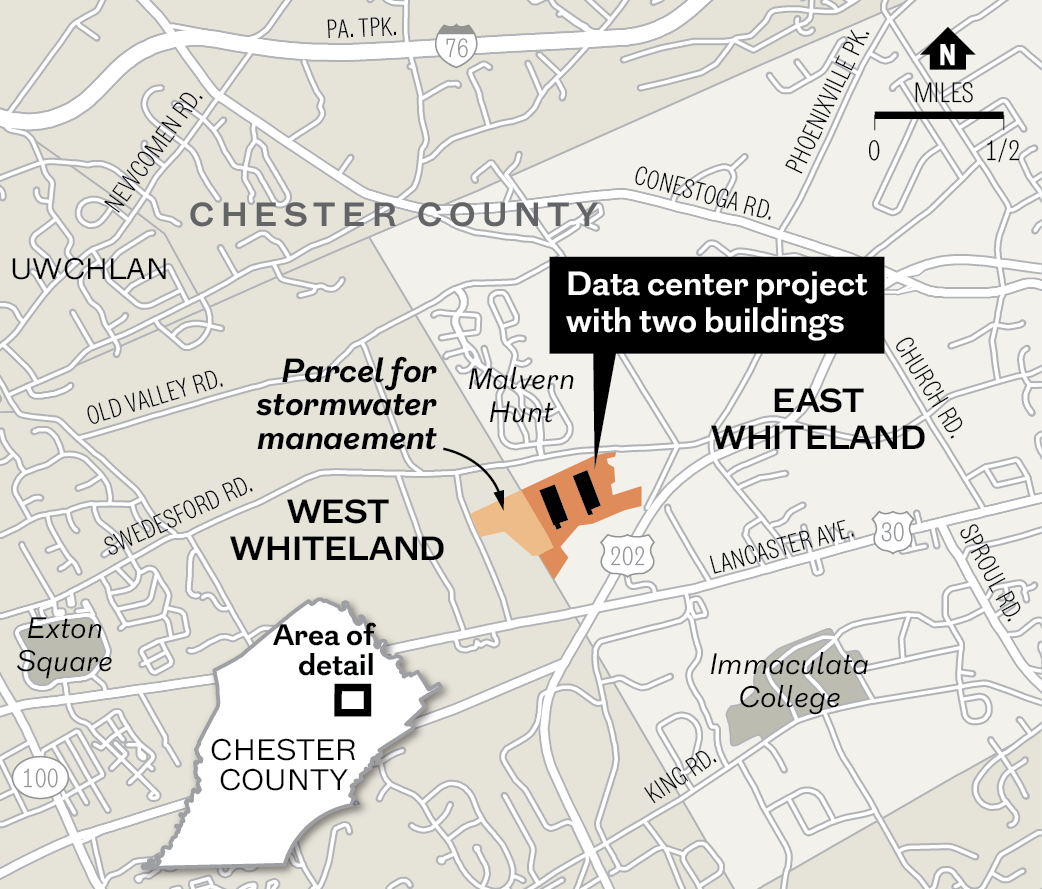
    Lou Colagreco, an attorney representing the developers Green Fig LLC and Sentinel Data Centers, said they “are pleased that the court acted quickly and decisively in dismissing” both appeals. Colagreco said work is underway for the project’s stormwater management facilities in adjacent West Whiteland, and that the developers are securing the perimeter of the East Whiteland site in advance of construction.

    The location of the two-building data center project in East Whiteland, Chester County.John Duchneskie

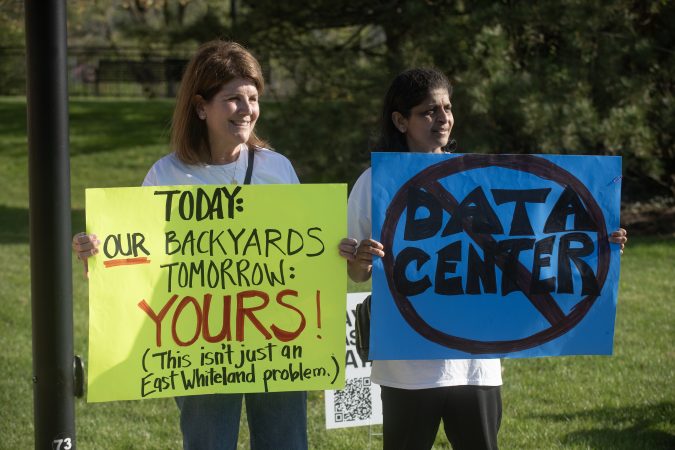
    The judge’s denial is a hit for residents who have for months shown up adamantly against the data center.

    Attorney Andrew Schneider, a resident of the nearby development Malvern Hunt who argued on behalf of other neighbors, said he “respectfully disagree[d] with the Court’s decisions.” Schneider has another case filed in opposition to the data center project.

    The data center project has been through a winding saga, after it secured initial approvals years ago with little community fanfare. But when it approached the township to amend its original plans — at first requesting to scale up the project by 600,000 square feet — it kicked off a slew of contentious public meetings. When too many people showed up to one planning commission meeting in February, officials had to postpone it.

    Developers Green Fig LLC and Sentinel Data Centers abandoned attempts to amend the plans when “it became apparent to us … that it was simply data center vs. no data center,” Colagreco said previously.

    During a hearing last week challenging the board’s approval of the project, Schneider argued that the township had erred in its decision to approve the plans, saying that the final plan was deficient and didn’t meet conditions the municipality initially laid out. Allowing the construction would cause irreparable damage to the health of the community, he said.

    Colagreco dismissed those arguments, saying the residents hadn’t produced enough evidence to support their allegations. But delaying the project was a threat to the developers being able to complete the data center on time and risked them losing approvals, he said.

    Colagreco and an attorney representing the township argued that the appeal came too late, and the township’s decision shouldn’t come before the court.

    Verwey ultimately agreed.

    “Appellants cite not a single case to support the proposition that any of the four ‘errors’ are appealable,” he wrote in Thursday’s order. “This is likely because no such citations exist.”

    Verwey wrote in his order regarding the 2018 zoning decision that the appeal, “filed 8 years after issuance, is out of time and must be quashed.”

    As data centers are beginning to populate Pennsylvania and surrounding states, residents have become stauncher opponents. In nearby East Vincent, the community saw an early victory when supervisors denied a proposed data center at the historic Pennhurst State Hospital and School site last month. It will also likely end up before a judge, as the developer there plans to appeal the decision.

    This suburban content is produced with support from the Leslie Miller and Richard Worley Foundation and The Lenfest Institute for Journalism. Editorial content is created independently of the project donors. Gifts to support The Inquirer’s high-impact journalism can be made at inquirer.com/donate. A list of Lenfest Institute donors can be found at lenfestinstitute.org/supporters.

  • Punch Buggy Brewing’s new Chester County taproom will open this week

    Punch Buggy Brewing’s new Chester County taproom will open this week

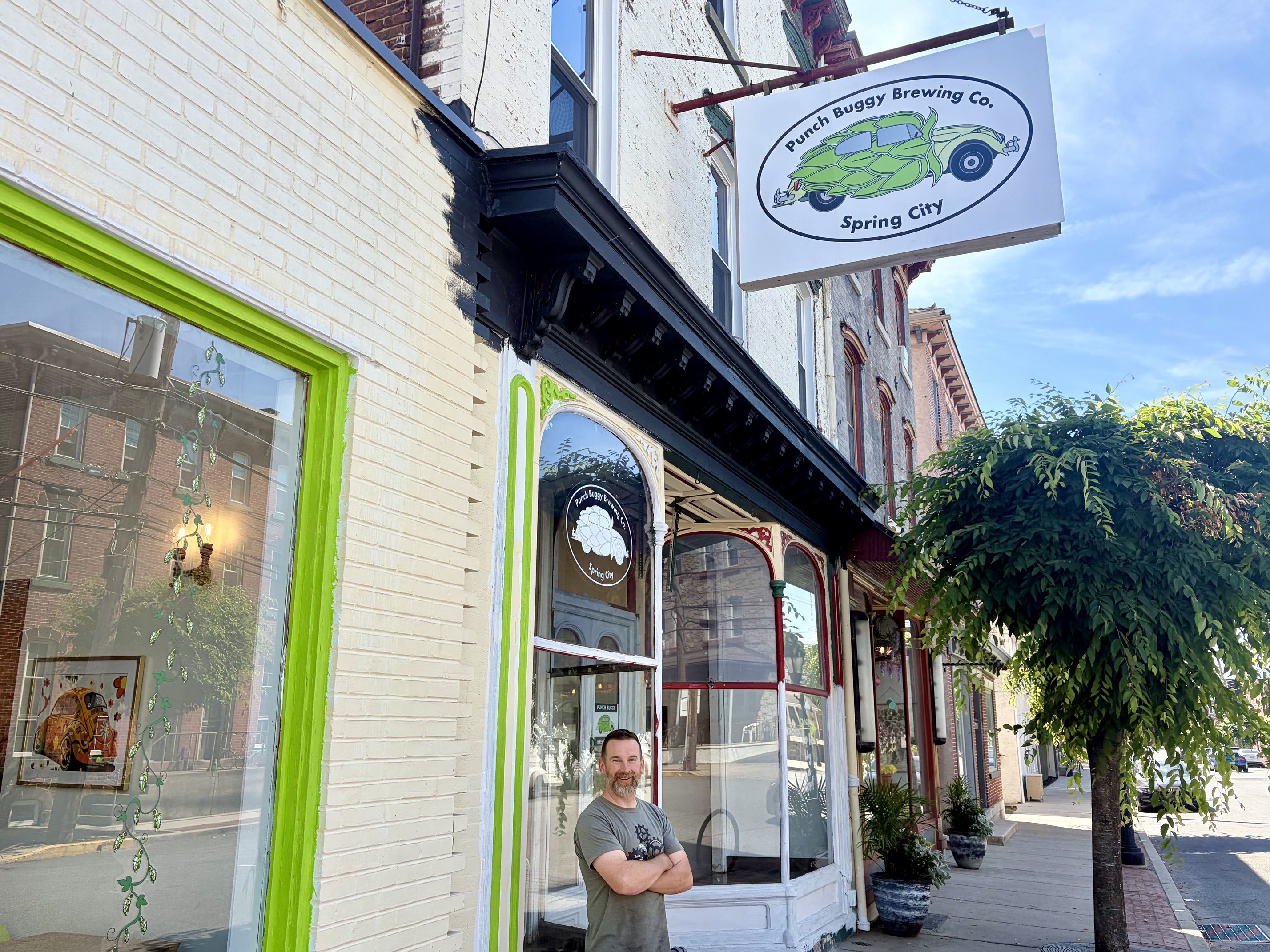
    Punch Buggy Brewing Company is bringing its artisan brewery to the suburbs, with its second location opening in Spring City later this week.

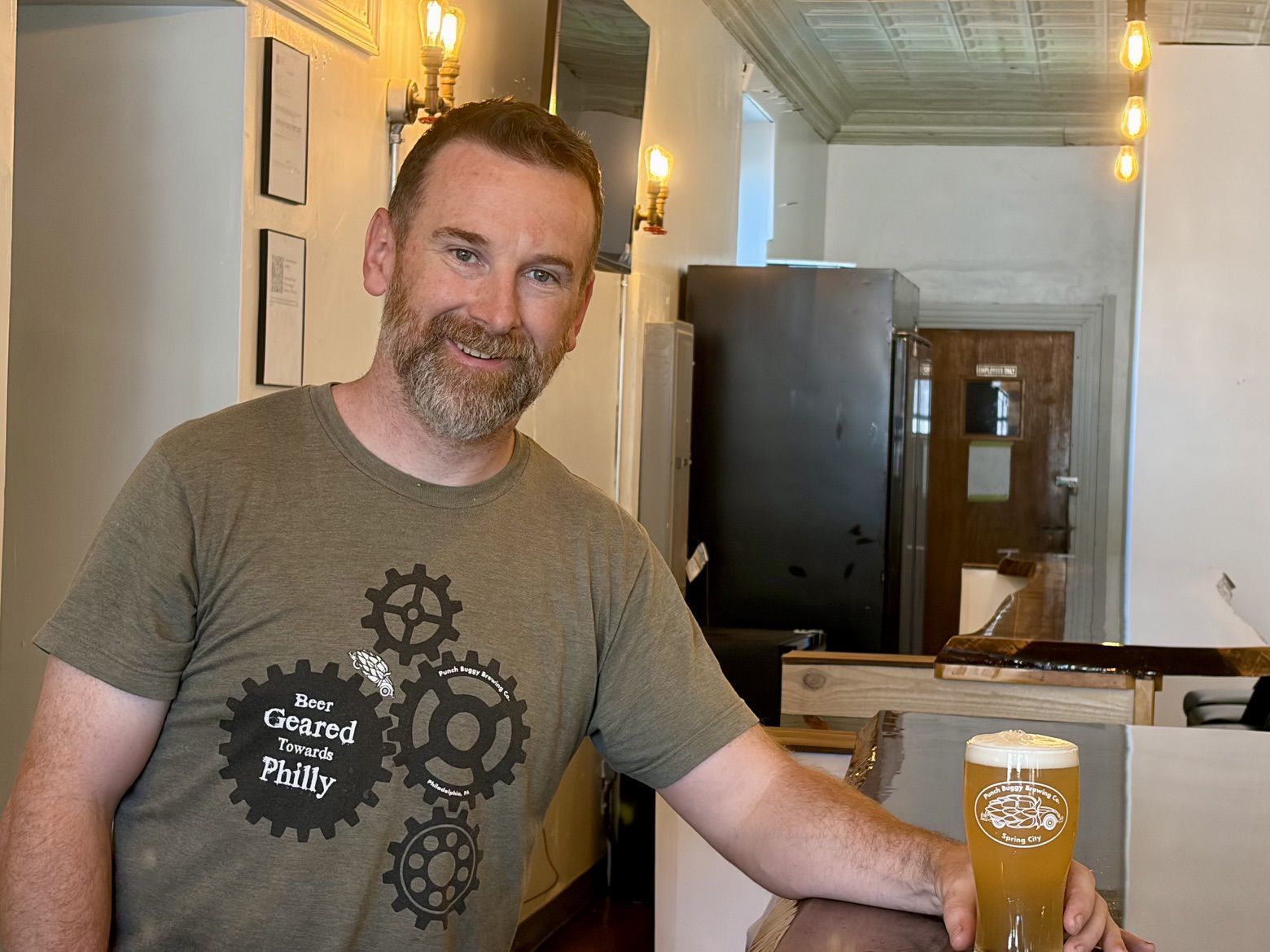
    “I think it’s going to be fun to see [the business] grow and thrive with the growing of Spring City right now, and the growing of the beer community,” owner Patrick Coyne said.

    The brewery’s latest endeavor, which has been about a year in the making, will open its doors at its new Main Street location on Saturday. And Coyne, 42, is no stranger to the Chester County borough: He and his family moved there five years ago, and Punch Buggy has been a presence at the farmer’s market for more than two years, learning what the crowd likes and wants.

    In North Philadelphia, where the brewery’s first location opened seven years ago on American Street, it’s “all IPAs all the time; lagers also,” Coyne said. But Spring City’s crowds are appreciating Punch Buggy’s sours and dark beers more than their Philly counterparts, Coyne said.

    The brewery released a Spring City Lager last year — its can featured local landmarks — to announce their venture into the suburbs.

    Over the past year, they have renovated an old hardware store for the brewery, refinishing its old pub-style floors, working with a local woodworker to build a live-edge wood bar, and “just adding our own little flair to every little piece,” Coyne said.

    Deezy’s Famous Cheesesteaks will join the brewery to serve food. The space will have three large TVs for sports fans and a small stage to host local musicians, like during their popular Friday music nights in Philly.

    “Piece by piece, the whole thing coming together has been pretty cool,” he said.

    Expansion has come with its challenges, Coyne said. They’re increasing the canning of their IPAs, lagers, sours, saisons, and more. They’ve paused distribution temporarily, to make sure they have enough beer at both locations and while they get a sense of demand.

    Punch Buggy Brewing is no stranger to Spring City, as owner Patrick Coyne lives there with his family. His wife runs the flower shop next to their Main Street location.John McGuire

    Coyne is looking forward to being “part of the beginning for Spring City,” where the population grew by more than 11% over the past five years.

    “It’s definitely an up-and-coming city,” he said. “There’s things opening every couple weeks, it feels like.”

    It doesn’t hurt that the new spot is near Coyne’s home, and next to his wife’s flower shop, Wild Blooms Florals. It’ll join a swath of new businesses that have come to the area in recent months — including Tuned Up Brewing on the same block, as well as The Gem, a speakeasy, plus more robust public parking.

    “People from in town could just walk and hit three places right now,” Coyne said. “People from out of town can come and they can park and they can go to three spots and spend a whole night there in Spring City.”

    This suburban content is produced with support from the Leslie Miller and Richard Worley Foundation and The Lenfest Institute for Journalism. Editorial content is created independently of the project donors. Gifts to support The Inquirer’s high-impact journalism can be made at inquirer.com/donate. A list of Lenfest Institute donors can be found at lenfestinstitute.org/supporters.

  • Developers revert to 1.5M-square-foot data center proposal in Chesco after months of fiery opposition

    Developers revert to 1.5M-square-foot data center proposal in Chesco after months of fiery opposition

    Following months of fiery opposition from residents that saw protests and halted municipal meetings, the developers of an East Whiteland data center called their own bluff, telling the township that they will scrap their revised plans and instead build a previously approved 1.5 million-square-foot version.

    The decision takes a smaller plan, proposed last month, off the table — but it also eliminates a much bigger version that residents vehemently opposed.

    It comes after the developers — Green Fig LLC and Sentinel Data Centers — defiantly pressed the township last month to move quickly on their revised application, which, in one last-minute iteration, could have scaled back the project’s footprint significantly, by around 74% to 85%.

    Limited plans were submitted and were sent to consultants for review, officials said. The developers told the board that it was a concession they’d make only if the township’s three elected officials moved quickly on an approval.

    The board of supervisors were expected to vote on the amended project in late May, after pushing the meeting back from the end of April. The township canceled the meeting following a letter from developers on Monday withdrawing the pending application.

    In an email, Lou Colagreco, an attorney representing the developers, said that the decision to withdraw the project was partly due to the timeframe from the board, but “the larger factor was that it became obvious that no accommodation which our client offered would be acceptable.”

    “We thought that our offer to pivot to a much smaller data center together with enhanced landscaping, sound attenuation, diminished water usage and other modifications would be well received,” he said. “It became apparent to us, however, that the real issue had little to do with these factors. It was simply data center vs. no data center.

    Colagreco described the current proposal “a good plan” that developers “are anxious to build.”

    Residents considered the downsized project — smaller than one of the amended plans that would have increased square footage by roughly 60% — a win. They’re still pursuing legal action, arguing that the initial approvals have now expired.

    The project will sit on about 100 acres at 13 S. Bacton Hill Rd., on a Superfund site near a residential development and the popular Chester Valley Trail.

    It has been a winding saga for the project, which saw its first approvals back in 2018 by the zoning hearing board before receiving a final greenlight from the supervisors in 2024.

    But outrage over data centers has been growing since, sparking large attendance at local meetings in and surrounding Chester County.

    In response to pushback, developers approached the township about shrinking the site’s footprint, but the changes still didn’t appease residents. It resulted in a string of impassioned meetings and prompted the supervisors to consider undoing the zoning language that allowed the project to proceed.

    The developer has maintained that the project would be built in some capacity but argued that the newer plans would have a lower impact on the community.

    Under the original 2024 plans they said they’ll move forward with, the project — which is 1.5 million square feet across two buildings — would include antenna yards, microwave towers, and cooling towers that rely on evaporating 3 million gallons of water a day.

    “We’ve been accused of bluffing. This is not bluffing,” Sentinel Data Centers CEO Josh Rabina told the supervisors and residents in April when presenting plans to shrink the facility. “The approved plan is less desirable for us and for our customers, is less elegant and less efficient of a design, but it’s functional, it’s profitable, it’s vested, and it gives us certainty.”