Author: Jess Rohan

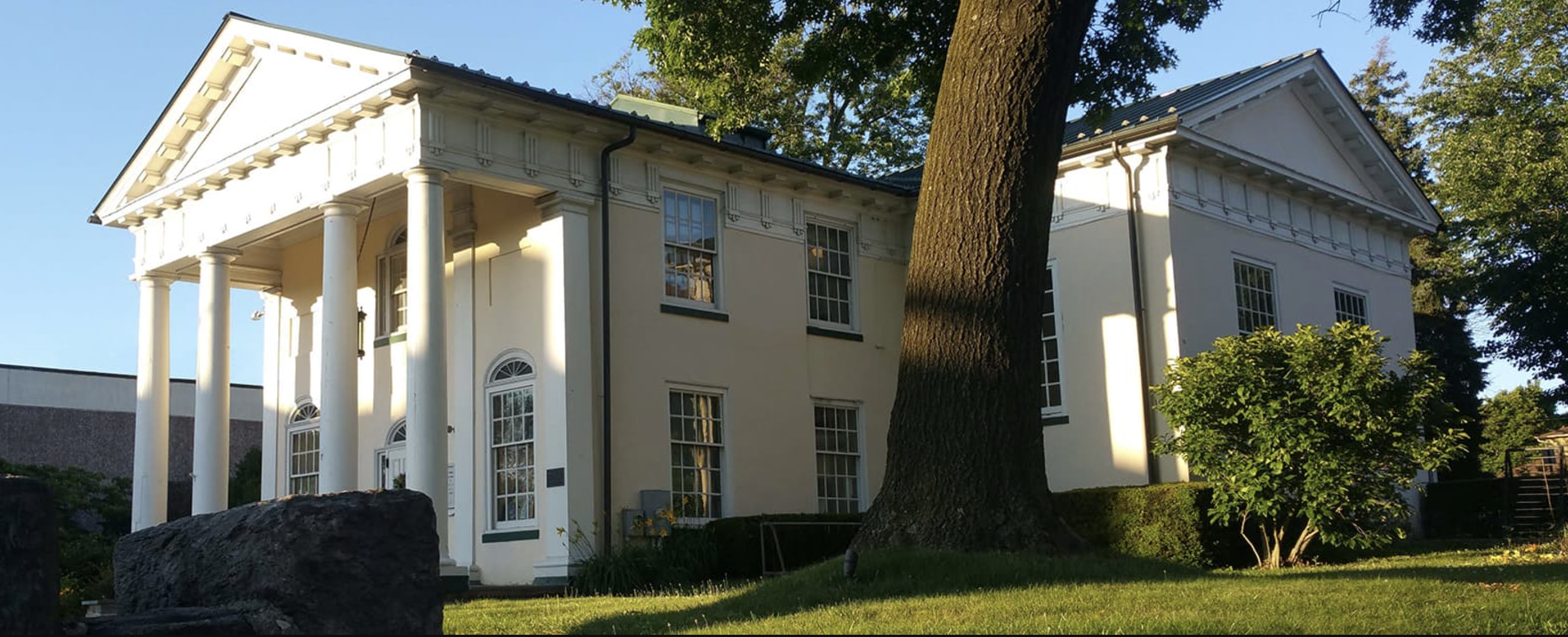
  • Jenkintown might expand its historic, 187-year-old library

    Jenkintown might expand its historic, 187-year-old library

    Jenkintown Borough is seeking a design and engineering consultant to help decide whether to expand or reorganize its historic library.

    Library use is booming, according to Jenkintown’s request for consultant proposals: Almost a third of the borough’s residents are active patrons, owing in part to new apartments within walking distance, borough officials wrote. Visits from Philadelphia residents are also up 28% from last year.

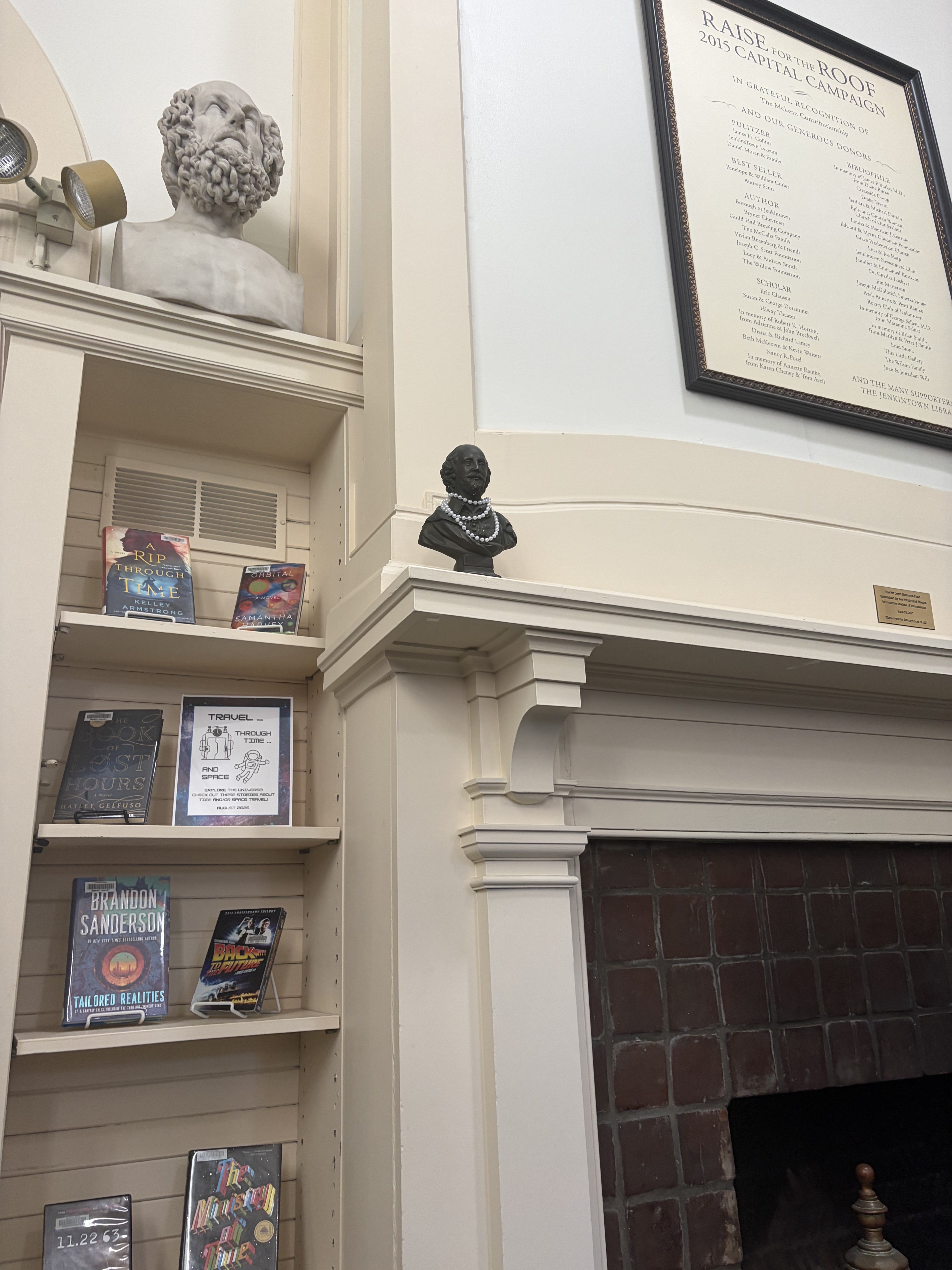
    Busts by the fireplace at Jenkintown Library, a pre-Civil War building listed on the National Register of Historic Places.Jess Rohan

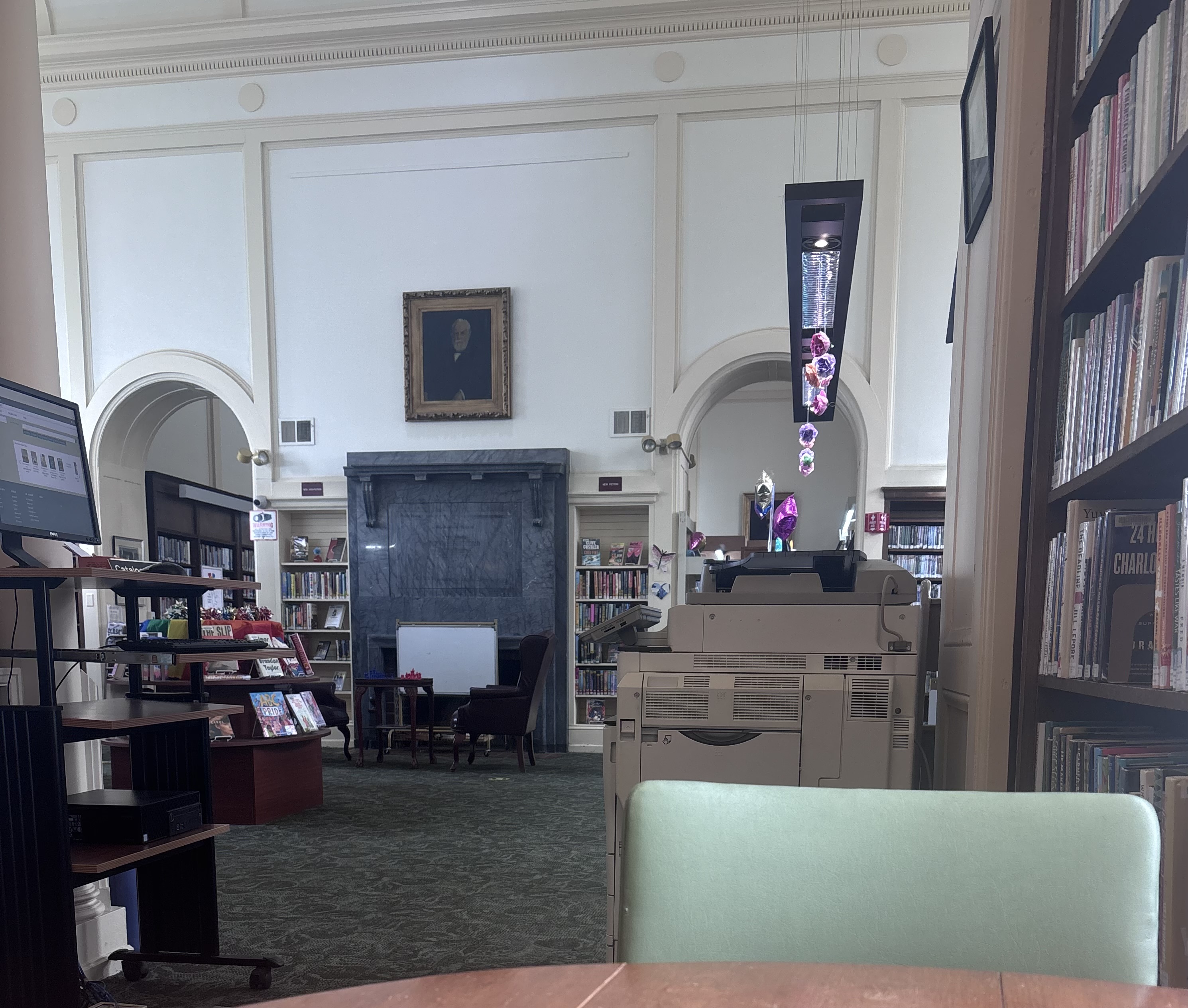
    But the 187-year-old building, which is on the National Register of Historic Places, is not suited to the needs of modern library users. The building, which includes additions from 1909 and the 1970s, has just six computer stations and no quiet study areas. Originally designed as a lecture hall, the library also lacks energy efficiency and accessibility.

    “These spaces were designed for a very different era,” borough officials wrote.

    Jenkintown won a state grant for $81,900 to fund the master plan process, which the borough will match with its own money under the grant requirements.

    Jenkintown Borough plans to either reorganize or expand its historic library, which has only six computer stations and no quiet study room.Jess Rohan

    The consultant will assess all of the library’s facilities, including fire code compliance, the electrical system, and architectural elements, and identify short- and long-term facilities needs.

    The community would then be presented with the consultant’s recommendations for two options: either expanding the library or reconfiguring the existing space. The consultant would use the community feedback to create the final master plan.

    This suburban content is produced with support from the Leslie Miller and Richard Worley Foundation and The Lenfest Institute for Journalism. Editorial content is created independently of the project donors. Gifts to support The Inquirer’s high-impact journalism can be made at inquirer.com/donate. A list of Lenfest Institute donors can be found at lenfestinstitute.org/supporters.
  • Abington is voting on a surveillance system to replace Flock this week

    Abington is voting on a surveillance system to replace Flock this week

    Abington Township commissioners are set to vote Thursday on a contract to replace the police department’s controversial Flock Safety surveillance system.

    The new, five-year contract with Axon Enterprise would cost $6,576.50 per year and includes two cameras with accessories, installation fees, two licenses for Axon’s automated license plate recognition tool, and warranties for accidental damage or vandalism.

    Both Flock and Axon systems aim to store photos of every vehicle that passes their cameras, along with the plate number and other details, for a set period of time. The systems also allow police to search camera data from other jurisdictions, which Abington police say helps solve crimes.

    But Flock’s network design and vulnerabilities are leading Abington police to let their Flock contracts expire over data security concerns after the department’s searches on the company’s nationwide network leaked, along with searches by other police departments across the country.

    “Flock had told us before that we own the data. Somehow, that turned out not to be the case,” Lt. Joe Blei said Monday.

    Abington police will still have access to Flock’s network until the township’s second Flock contract expires in 2028, Blei said, and Abington cannot terminate it early. Its other contract expired this month.

    “It’s the terms and conditions,” Blei said. “We can’t get out of it.”

    Blei said the department fulfilled The Inquirer’s request for Abington’s Flock contracts last week, but the newspaper still had not received those records from the township by Monday. The township’s Right-to-Know officer did not return calls and emails.

    The Axon cameras are set to arrive in mid-September, if approved, and access to Axon’s ALPR tool would begin on Oct. 15, according to the pending contract.

    How Abington plans to use new ALPR cameras

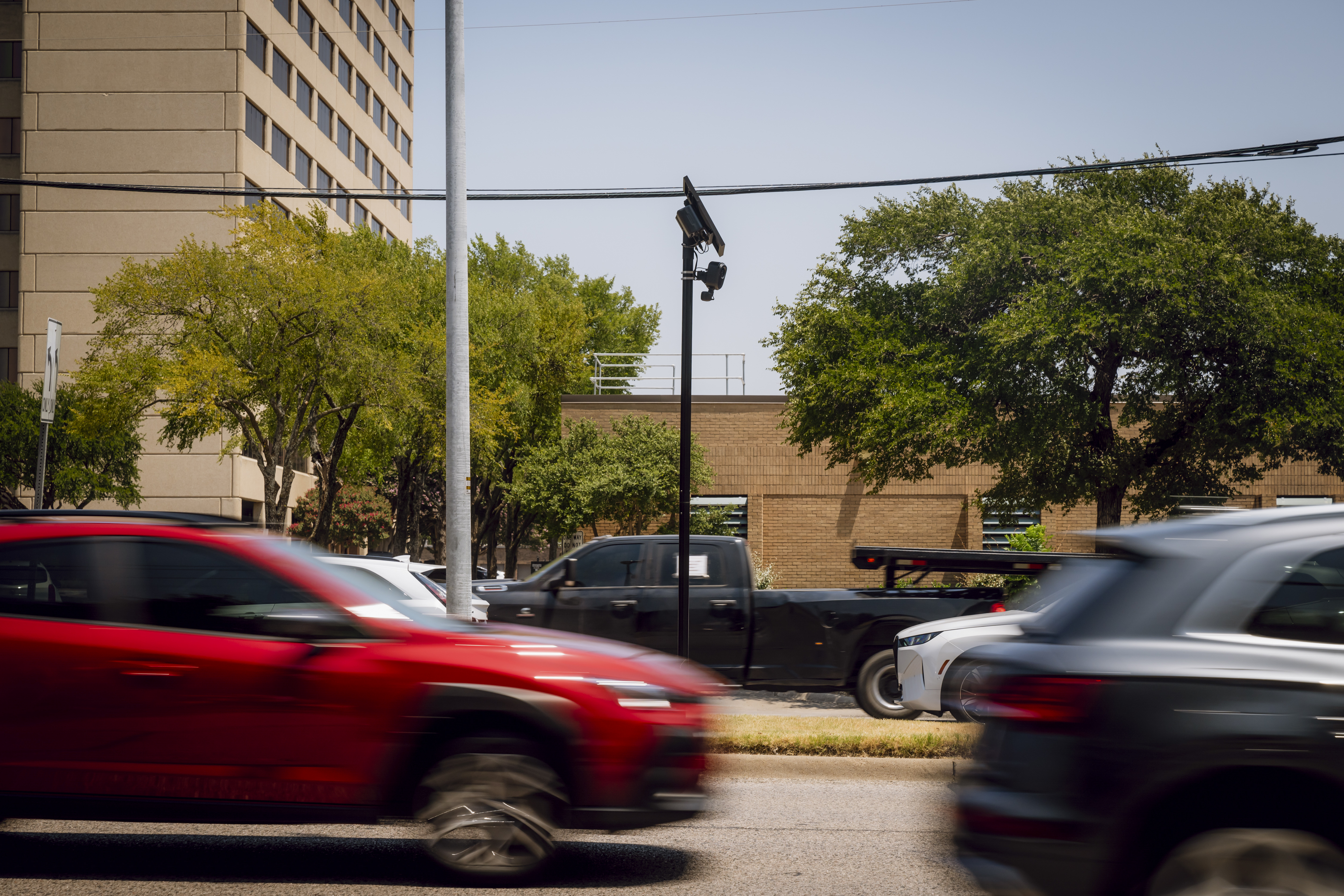
    The new Axon camera system, known as Axon Outpost, would not connect to Flock’s network. That is part of the appeal, Blei said: “Axon has a much clearer structure for how that data continues to belong to us.”

    Axon puts more limits on data sharing so that Abington’s data are not duplicated in the systems of law enforcement agencies that Abington shares information with, Blei said. One of the ways that Abington’s Flock data had leaked was through records requests to police in other states.

    The new cameras would also integrate well with the department’s existing Axon technology, officers wrote in an agenda memo for Thursday’s commissioners’ meeting.

    Although the Outpost system has a livestream feature, Abington police will not be monitoring feeds in real time, Blei said. Instead, police will search data associated with a specific criminal investigation, as the department has done with Flock.

    The department would check officers’ Axon searches randomly, Blei said, and Abington is considering instituting scheduled audits in addition to the random checks.

    Oversight is critical, Abington officer says

    Police departments in New York, Arizona, and Colorado in recent months have begun swapping Flock for Axon, a company that already supplies body cameras and Tasers for many departments.

    But civil liberties groups have continued to raise concerns that without adequate regulation, other systems like Axon still present privacy risks.

    Abington will prevent overreach by continuing to log, audit, and limit the department’s searches, Blei said.

    “We are not doing generalized surveillance,” he said. “We are only accessing information for very specific reasons.”

    The American Civil Liberties Union has criticized the data retention settings on some ALPR systems because of how much information long-term storage could reveal about private citizens, and recommends a 48-hour cap for mass data retention.

    Abington police are about to implement a data retention limit of 30 days, Blei said, for data that are not being used in a criminal investigation.

    While storing large quantities of accurate information has raised concerns, collecting erroneous data has also caused problems: An analysis by a California police department found that alerts Flock sent their officers in 2023 and 2024 about vehicles that were stolen or used in a crime were wrong more than 70% of the time.

    Faulty ALPR readings can lead to unrelated cars getting flagged repeatedly, as happened in the California department. In Florida, a woman spent almost two weeks in jail this year after a Flock camera wrongly tied her car to a fatal hit-and-run.

    Abington does not yet have accuracy data from Axon, Blei said, but township police would not act on a camera notification without manually checking the photo of the plate themselves.

    “These cameras are not probable cause for us,” Blei said.

    This suburban content is produced with support from the Leslie Miller and Richard Worley Foundation and The Lenfest Institute for Journalism. Editorial content is created independently of the project donors. Gifts to support The Inquirer’s high-impact journalism can be made at inquirer.com/donate. A list of Lenfest Institute donors can be found at lenfestinstitute.org/supporters.
  • This secluded, charming Jenkintown alleyway is having a moment

    This secluded, charming Jenkintown alleyway is having a moment

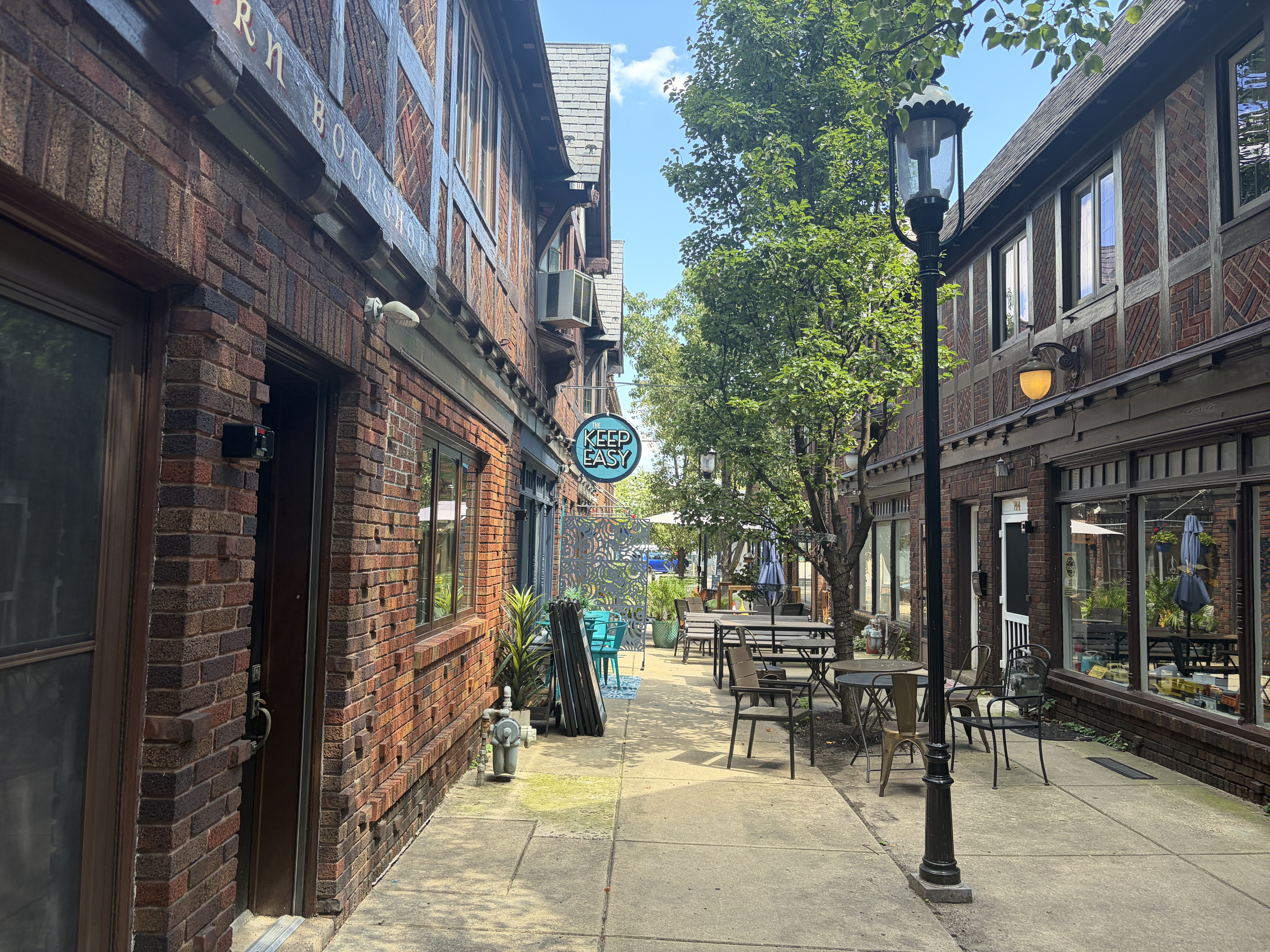
    It looks like a street that belongs in its namesake English city, but the secluded, bricked Yorkway Place instead sits near the heart of Jenkintown, Pa.

    For years, locals say, the pedestrian walkway drew few pedestrians: Offices and empty storefronts offered little reason to stroll along the 1930s Tudor-lined path, which runs into Route 611.

    “I still meet people today who don’t even realize it’s there,” said Ross Abel, a Jenkintown resident who bought a Yorkway Place building this year that now hosts a cafe.

    Unusual bar concept sparks alley renaissance

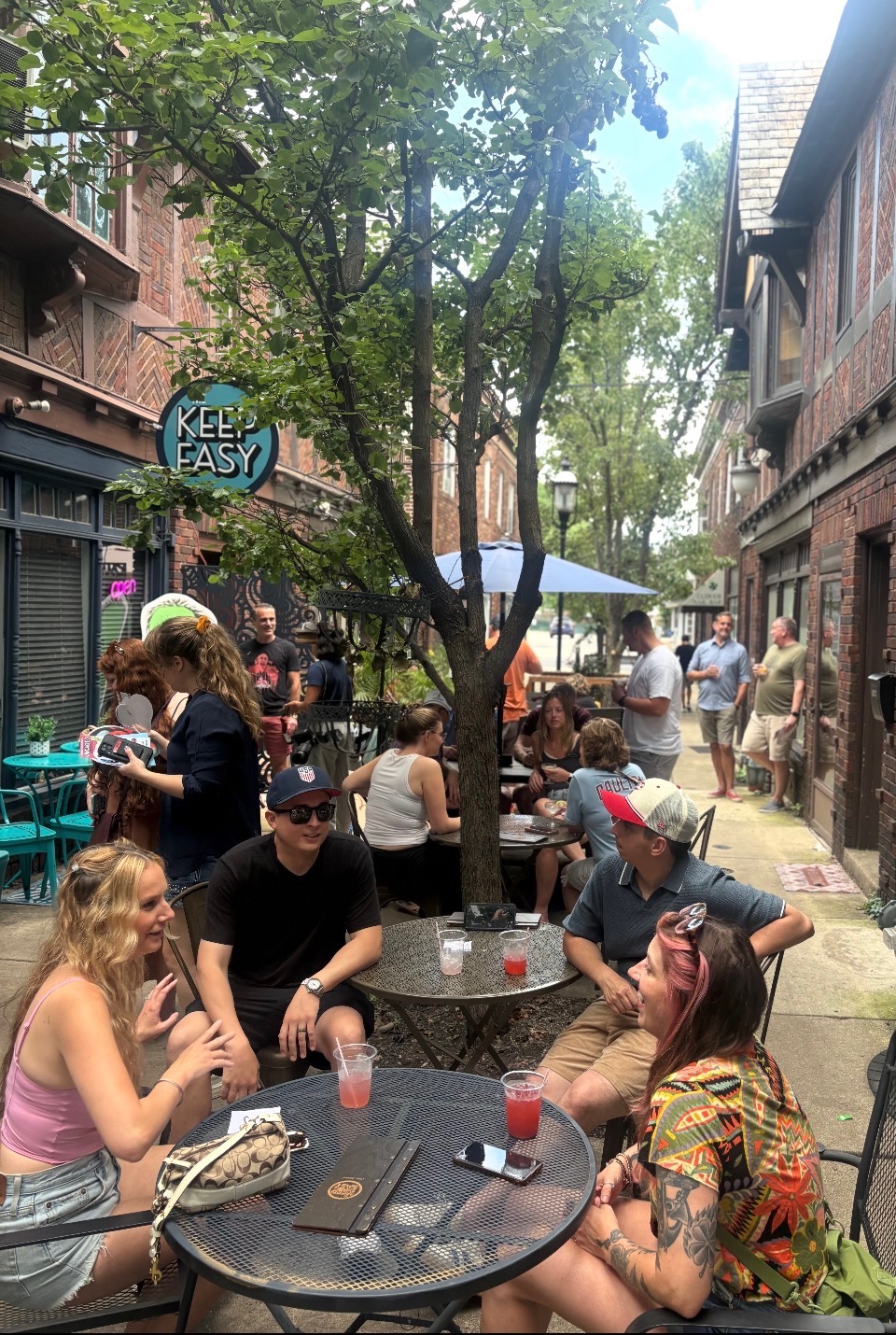
    The tide began turning in 2023 when Melissa Hager turned her herb and tea store into a meadery, the Keep Easy, with her partner, Mike O’Donnell. While the Herb Shop had struggled, the bar took off.

    Yorkway Place in Jenkintown, June 2026.Mel Hager

    “That might’ve been the catalyst,” said Borough Manager George Locke. “The secret was getting that foot traffic in there.”

    After the Keep Easy came Carminati Creamery, a gelato shop from Glenside, bringing a kid-friendly option to the alley.

    The ice cream store “is the first thing that drew us in,” said Jenkintown Mayor Gabe Lerman, who has school-aged children. “Whatever we do for dinner, we can just walk up to Carminati’s.”

    The Lore Café, an upscale, all-day coffee shop, added morning visitors to the scene. That’s what gave Jackie Botto the confidence to move Capricorn Books into Yorkway Place.

    “We took a gamble,” Botto said. “I did not plan for it to be so busy.”

    A custom jeweler and haberdashery and a nail salon round out the alley’s shops.

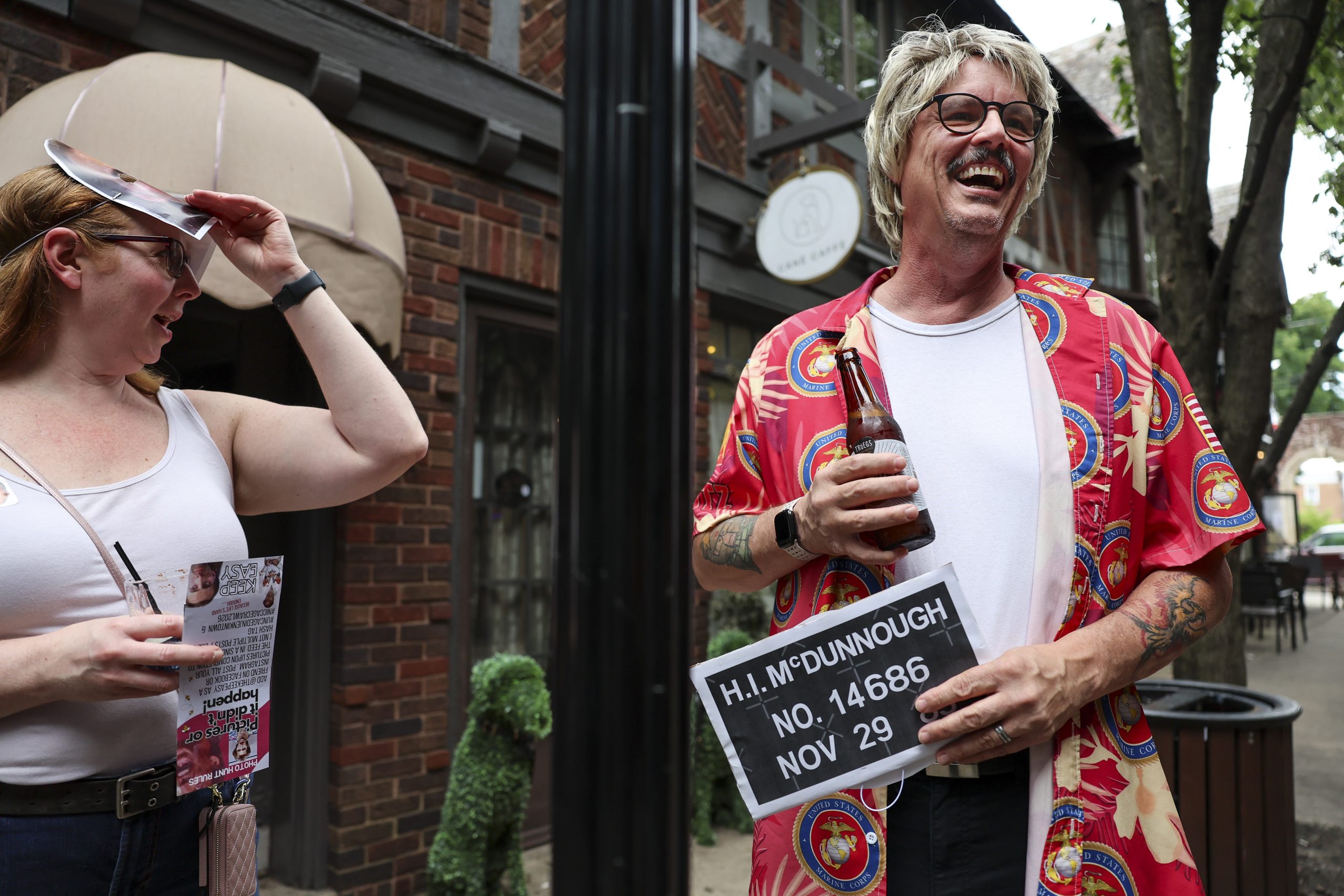
    Themed events have attracted more newcomers, from a Nic Cage bar crawl to Jenkintown Festivus. Capricorn participated in the annual Philadelphia Bookstore Crawl, typically the store’s biggest day of the year, at their new Yorkway Place location for the first time this past weekend.

    Vicky Hutz and Mike Hutz, of Huntington Valley, speak with a reporter at the Keep Easy during the Nic Cage cocktail crawl on Sunday, June 28, 2026, in Jenkintown, Pa. Participants gathered to celebrate actor Nicolas Cage with Cage-themed cocktails, movie screenings, and “Cage matches.”

    Personalized support helped local businesses

    Personalized, direct support has helped bring more small businesses to Jenkintown, locals say.

    The borough started helping owners secure sewer permits from the state several years ago, Locke said. Each permit is “20 to 40 hours of my time.”

    “It’s a tough process,” he said.

    As for filling Yorkway Place, “It’s been Mel,” Botto said, who’s been reaching out to potential owners about vacancies.

    “I was texting everyone I know,” Hager, the meaderist, said.

    Lerman said Jenkintown also recently added free 20-minute parking spots, which helped stores throughout the town.

    And many of Yorkway Place’s business owners live in the borough, the mayor said: “They’re all invested in being good stewards and in having a place you can feel good about sending your kids with a few bucks to get a gelato, or a book.”

    Jenkintown alley to see new stores in 2026

    Several more businesses are set to arrive in Yorkway Place in the coming months.

    In September, insect taxidermist Kat Smith is opening an art supply, stationery, and craft cafe.

    A game room and bottle bar is slated to open above Keep Easy in October.

    And a record store, Smelly’s Vinyl Vibes, is also coming this fall.

    “This is such a cool little street,” Abel said. “All these new shops are helping people to discover it.”

    This suburban content is produced with support from the Leslie Miller and Richard Worley Foundation and The Lenfest Institute for Journalism. Editorial content is created independently of the project donors. Gifts to support The Inquirer’s high-impact journalism can be made at inquirer.com/donate. A list of Lenfest Institute donors can be found at lenfestinstitute.org/supporters.
  • New plans for Cheltenham redevelopment with controversial $4.5M pool project show more houses than first proposed

    New plans for Cheltenham redevelopment with controversial $4.5M pool project show more houses than first proposed

    A county review of a revised plan for the former Melrose Country Club shows more than two dozen more houses than in earlier versions.

    The mixed-use development proposal, set on about 115 acres on the southern end of Cheltenham Township, includes townhouses, a medical office, traumatic brain injury care living units, and commercial space. The project would also feature walking trails and a controversial public pool complex.

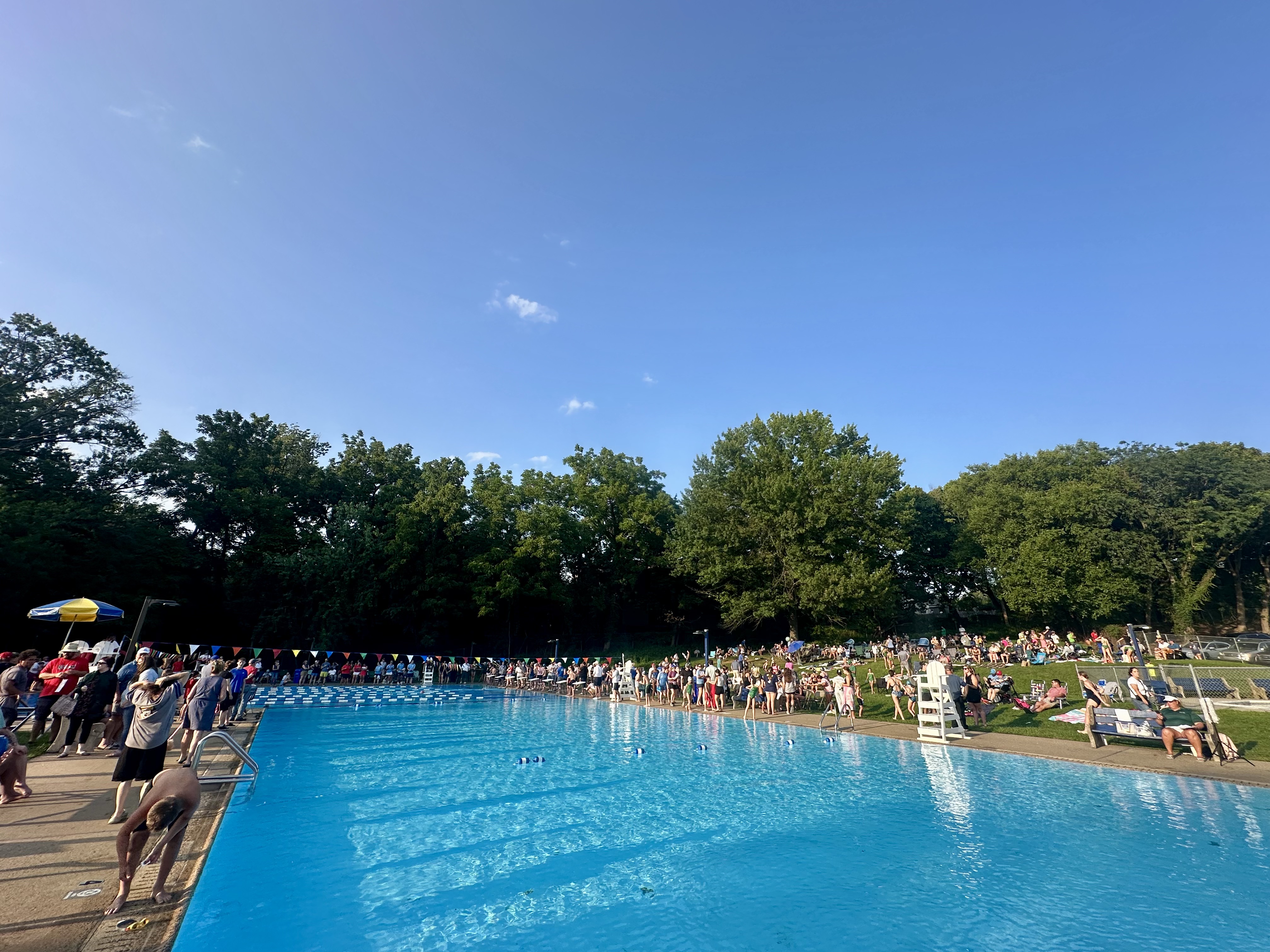
    The pools have drawn a lawsuit and criticism from some residents, who argue that the plan, which could cost up to $4.5 million and would also replace the existing Conklin Pool, moved too quickly, lacked transparency, and evaded public bidding rules.

    The president of the township’s board of commissioners has acknowledged that the contract with the private developer gives Cheltenham less input on the pool design, and officials have said they cannot answer some questions about the deal due to the lawsuit.

    But the agenda for the township planning committee’s forthcoming meeting includes extensive attachments about the Melrose project, including a February fiscal analysis estimating that the project would net about $1.8 million per year for the township and about $5.9 million annually for the Cheltenham School District.

    The Montgomery County Planning Commission reviewed the latest version of the plan in a letter Thursday to the township that notes about 443 homes and recommends several changes to the developer’s proposal.

    What’s in new Melrose redevelopment plan

    The plan that county officials received Aug. 6 has more townhomes and eliminates apartments, according to the planning commission’s letter, adding about 33 homes.

    There are 351 townhomes and 12 twins in the new plan. Some of the townhouses will be age-restricted. A 2024 version of the plan had included only 306 townhouses, 24 age-restricted apartments, and no twins, Thursday’s letter notes.

    The Melrose plan also includes 80 assisted living apartments, 30 traumatic brain injury care living units, two retail spaces, and three public pools. It’s unclear whether the TBI units would be long-term residences.

    The single-family homes along with the assisted living apartments total about 443 residences.

    Montco recommends changes to Melrose plan

    County planners recommended changes to the Melrose plan and criticized the removal of apartments and some commercial space.

    The township and the developer did not immediately respond to requests for comment on the county’s recommendations or the plan changes.

    “We are sorry to see the loss of the previously proposed small apartment building on this site. Housing variety benefits communities by providing more options for price points, size, and configuration of dwelling units,” the planners wrote, and the reduction in retail space “conflicts” with Cheltenham’s goal of boosting its commercial tax base.

    “A stronger commercial area would make the proposal an even better fit with the future land use vision from Cheltenham’s new comprehensive plan,” planners wrote.

    Carl Freedman, who sits on Cheltenham’s planning commission, has previously criticized the loss of commercial space in newer Melrose plans for similar reasons.

    The county review also addresses pool parking in more detail than in its fall 2025 review, noting that a public pool might require more spaces for cars and recommending an analysis of parking at Conklin Pool to inform needs at Melrose.

    The county also recommended adding more trees around the public pools to cool and shade the area, which will be mostly paved, and revising the stormwater plan behind a set of townhouses to prevent flooding.

    Planners praised the developer’s inclusion of a path along Ashbourne Road and a circuit trail along Tookany Creek, which could connect to a longer trail network underway in the Philadelphia area.

    The chair of Cheltenham’s transportation committee said Wednesday he believes the project’s walkability aligns with the town’s goal to build a more connected community.

    This suburban content is produced with support from the Leslie Miller and Richard Worley Foundation and The Lenfest Institute for Journalism. Editorial content is created independently of the project donors. Gifts to support The Inquirer’s high-impact journalism can be made at inquirer.com/donate. A list of Lenfest Institute donors can be found at lenfestinstitute.org/supporters.
  • Cheltenham residents feel blindsided by its $4.5M pool deal with a private developer

    Cheltenham residents feel blindsided by its $4.5M pool deal with a private developer

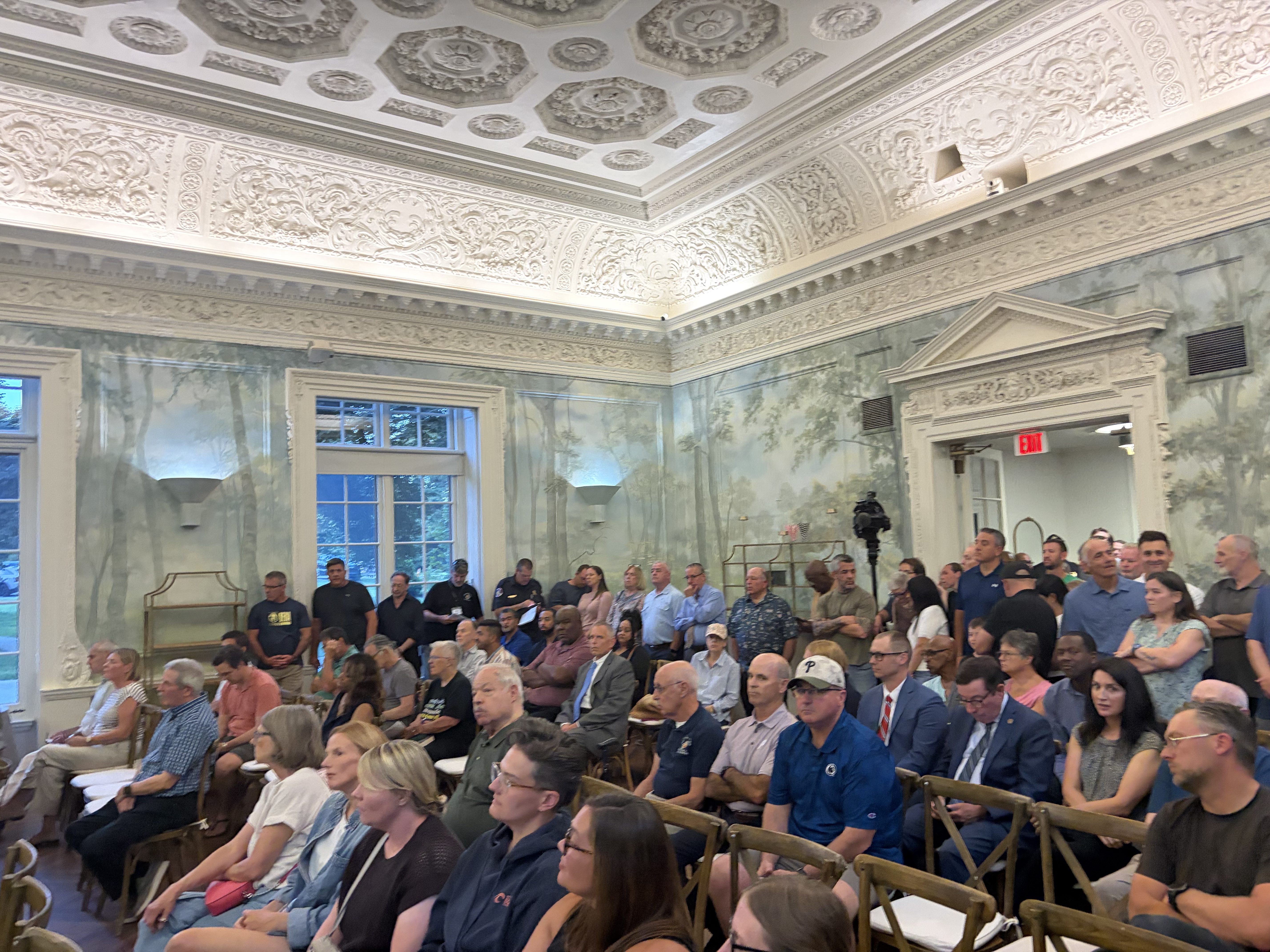
    Cheltenham’s new pool wasn’t on the agenda, but that didn’t stop residents from bringing up their concerns about it in a marathon four-hour commissioners’ meeting Wednesday night.

    Board President Matthew Areman paused at every agenda item to allow input from residents in a boisterous meeting that included the swearing in of Cheltenham’s new police chief, Richard Schaffer.

    But many of the remarks concerned a topic residents say they haven’t been given a chance to discuss: The Melrose pool project, which the township secured by leasing 2.7 acres for $10 per year to a private developer, who agreed to build a public pool complex for up to $4.5 million next to a new housing and commercial development.

    The township had received those acres for free last winter from the same developer, an LLC associated with BG Capital, for the purpose of building the pool, Cheltenham’s solicitor, Ed Diasio, said at a July committee meeting.

    Areman said at the commissioners’ meeting last month that Cheltenham would have limited input on the pool design, since a private company is building it. The pool is slated to open in 2027.

    That lack of input isn’t sitting right with some residents. While they’d long known the Conklin Pool that Melrose is replacing needed work, the agreement with a private developer to build a public pool next to new apartments came too quickly and too quietly.

    “I remember when we first were discussing the Glenside and the Conklin pools. The conversation felt open,” said Jessica Tkacs of Glenside, adding that she’s worried about the town’s image.

    “If we do not handle these issues right now as democratically as possible, we will continue down the path of being looked at as a slimy township that covers up things,” she said.

    Sam Thacker, who is suing the township because he believes the contract violates Cheltenham’s bidding rules, spoke multiple times on Wednesday and also shouted out from the crowd, which was standing room-only at the start of the 7:30 p.m. meeting before dwindling to a handful near 11 p.m., with more on Zoom.

    Several residents said that although they trust the commissioners and their intentions, they could’ve handled the Melrose project better.

    “Accessibility, walkability, connectedness is being built into the Melrose redevelopment plan. Its location will provide significant value to the community,” said John Raisch, who chairs the town’s transportation committee. “I personally trust you, and other residents also trust you. That doesn’t mean we’re perfect, though.”

    The commissioners offered new details about the pool project. Both Areman and the finance committee chair, Daniel Norris, said they aim to pay for the pools in full once finished rather than up to $382,500 per year in rent, which is another option in the contract. The two also clarified that the township has already budgeted for the pools in Cheltenham’s capital fund.

    But they left other questions unanswered. The developer was required to submit a final pool plan last week to the township, which has two weeks to approve it under the contract. Township officials said they couldn’t disclose whether Cheltenham had the final plan in their possession this week because of Thacker’s lawsuit.

    Cheltenham has until Friday to submit their legal argument in that suit, which a Montgomery County judge could rule on as early as next week.

    Attendee Amy Fried pointed to a petition Thacker started demanding the township halt the project over transparency and legal concerns as evidence that the worry is widespread.

    “You have a fiduciary duty to the township. You also have a duty to the historic value of the township, and the green beauty of the township,” Fried said. “And you have almost 600 people who have signed a petition who are telling you you’re shirking that duty.”

    This suburban content is produced with support from the Leslie Miller and Richard Worley Foundation and The Lenfest Institute for Journalism. Editorial content is created independently of the project donors. Gifts to support The Inquirer’s high-impact journalism can be made at inquirer.com/donate. A list of Lenfest Institute donors can be found at lenfestinstitute.org/supporters.
  • Abington police end Flock surveillance network contracts after thousands of the department’s searches leaked

    Abington police end Flock surveillance network contracts after thousands of the department’s searches leaked

    The Abington Township Police Department is ending its contracts with the fast-growing surveillance start-up Flock Safety over data security concerns, officials said this week.

    “We’re sensitive to the issues surrounding Flock,” Lt. Joe Blei said, but the cameras also “bring a lot of value to what we do.”

    The suburban police department is seeking a supplier to replace Flock, a network of private and public surveillance cameras that log the license plates and other vehicle features, like bumper stickers, of every car that passes them.

    Abington has one permanent Flock camera up in the township and a few cameras the department keeps at the station and deploys as needed, Deputy Chief Ed Quinn said.

    One of the department’s two contracts expired this month, and Abington will let the second contract expire in February 2028.

    The contract expiring this month cost the township $9,225 per year for two years, Blei said, and the three-year contract ending in 2028 costs $10,500 annually.

    The department is currently negotiating with other vendors to replace Flock, Blei said Wednesday, and a future contract would need approval from the township commissioners.

    Abington concerned about Flock camera data

    Flock has raised privacy concerns with civil liberties groups because the network captures every vehicle that passes its cameras, and police can access data from cameras outside their jurisdiction.

    The network also uses artificial intelligence to identify cars that frequently drive together, and allows officers to search for vehicles by behavior, rather than plate number.

    Officers in other states have been accused of using Flock to track romantic interests.

    Unredacted search logs have also been released to the public through information requests and data leaks.

    Thousands of Abington search records leaked

    Thousands of Abington’s searches have appeared in public data dumps on sites like HaveIBeenFlocked.com, which is sponsored by the nonprofit Alternative Newsweekly Foundation, and 404 Media, which reported on a large dataset that anonymous researchers gleaned from a records request to Danville, Ill., police.

    Searches from other local departments, including Cheltenham, appear in some of the same datasets. Lt. Joseph O’Neill said Cheltenham has no contracts with Flock, but can access the national network through subscriptions held by businesses in the township with their permission for investigations.

    Though Abington’s Flock search logs are legally available through Right-to-Know requests, details of criminal investigations would normally be redacted.

    “We don’t want anybody’s personal data getting out into the public without their knowledge or permission,” Blei said. “The privacy concerns of American citizens are also of concern to us.”

    Abington has guardrails and oversight in place to prevent officers from misusing the cameras, Blei said.

    How Abington police use Flock cameras

    The network-connected cameras have been credited with tracking cross-county crime in Pennsylvania.

    Last year, a Berks County township’s camera flagged a stolen Bucks County license plate on a vehicle that was tied to a Montgomery County bank robbery.

    “They still are a great investigative tool,” Quinn said. “We can link together crimes we wouldn’t otherwise have known were linked.”

    That includes stalking and missing persons cases, Blei and Quinn said.

    “We have multiple cases of violent crime — shootings, armed robberies,” Quinn said. “It’s helped us make arrests.”

    All Abington officers who search Flock data have their own ID, Blei said. Flock keeps logs of officers’ searches that the department can audit as needed, though the department does not have a set schedule for auditing searches. Abington officers can search the cameras only for specific investigative purposes, Quinn and Blei said.

    Other police departments nationwide with Flock contracts also had access to Abington’s Flock cameras, the officers said, but the department no longer approves those requests now that it has become aware of the data risks.

    Abington does not have agreements in place with businesses to access private Flock cameras, Quinn said.

    The department approves access only for criminal investigations, Blei said, and would not allow access for civil matters, such as an immigration-related request from the Department of Homeland Security.

    This suburban content is produced with support from the Leslie Miller and Richard Worley Foundation and The Lenfest Institute for Journalism. Editorial content is created independently of the project donors. Gifts to support The Inquirer’s high-impact journalism can be made at inquirer.com/donate. A list of Lenfest Institute donors can be found at lenfestinstitute.org/supporters.
  • Cheltenham’s new police chief is a longtime crisis negotiator and played a key role in the Bill Cosby case

    Cheltenham’s new police chief is a longtime crisis negotiator and played a key role in the Bill Cosby case

    Cheltenham’s new police chief is a longtime crisis negotiator who led one of the township’s most famous criminal investigations.

    Richard Schaffer will be sworn in as Cheltenham’s new police chief next week to replace John Slavin, who is retiring after 37 years with the department. The salary range for the new chief was listed as $180,000 to $195,000 in the township’s job posting.

    Schaffer has led a variety of community policing efforts in his 26 years at Cheltenham, spending more than two decades as a crisis negotiator and heading the township’s gun violence task force.

    In 2024, he embedded a county mental health worker into the police department to assist in cases with behavioral health concerns.

    Schaffer, who holds a master’s degree in criminal justice from St. Joseph’s University, made the case for community policing in a speech at a school board meeting this week.

    The new chief takes the reins at a tumultuous time for Cheltenham School District, which has faced a range of safety concerns in recent years — most notably two alleged assaults in a high school locker room last year that led to criminal charges for four football coaches and six players.

    “We have not lived up to our shared ideals. We must acknowledge the victims from recent cases, and we must promise to do things better not only for them but for future students,” Schaffer said.

    “I would urge parents and the board to commit to a greater partnership with the police department.”

    Some Cheltenham residents have advocated for removing a physical police presence from schools in recent years.

    Schaffer pledged at the meeting to “push back on some of those who sought to drive the police from the schools.”

    “Police interacting with students, faculty, and staff is a good thing,” Schaffer said. “We want to be proactive by leveraging information and our relationships to get ahead of problems.”

    District spokesperson Kevin Kaufman did not answer questions Friday about the current status of security programs at Cheltenham schools.

    Schaffer also led the 2005 investigation into allegations that Bill Cosby drugged and assaulted Andrea Constand at his Cheltenham home.

    Although the Montgomery County district attorney declined to press charges at the time, the case was reopened in 2015, and Schaffer was eventually called to testify.

    He testified in 2018 that he had believed Constand’s allegations at the time, and still did.

    Cosby’s conviction was overturned in 2021 on procedural grounds.

    This suburban content is produced with support from the Leslie Miller and Richard Worley Foundation and The Lenfest Institute for Journalism. Editorial content is created independently of the project donors. Gifts to support The Inquirer’s high-impact journalism can be made at inquirer.com/donate. A list of Lenfest Institute donors can be found at lenfestinstitute.org/supporters.
  • Cheltenham is starting a new school year just weeks after locker-room assault charges. Parents and kids are nervous.

    Cheltenham is starting a new school year just weeks after locker-room assault charges. Parents and kids are nervous.

    Some Cheltenham families are anxious about the new school year that begins Aug. 31, because it feels like the last year, marked by uncertainty and pain for many, hasn’t ended.

    After a 15-year-old football player was allegedly assaulted twice in the locker room last August and September, the community hung in limbo for months, with no punishments for anyone involved while district and county investigations rolled out.

    Now, Cheltenham is heading into what would have been a fresh start just as a flurry of conclusions finally arrived: criminal charges for four coaches and six players, a grand jury report finding the district mishandled the assaults, and the superintendent’s resignation.

    Five of those charged are set to appear at a preliminary hearing on Aug. 27.

    “We are coming to school in the next three weeks. What is the plan for the morale of all the kids that have been affected?” Francis Brown, the parent of a senior, asked at a school board meeting this week. “Should the seniors expect to come and sit on the lawn for Senior Sunrise and see news cameras in their face?”

    Some families are afraid to say they’re from Cheltenham, residents said at Tuesday’s board meeting, which was the first public forum for the school community since the charges were brought.

    “Half our parents don’t want to wear anything that says Cheltenham on it, because they’re embarrassed,” Shelley Gaither, the president of Cheltenham Elementary’s parent-teacher association, said at the board meeting. “Because they get asked questions, they get looked down upon.”

    And the interim superintendent Chris McGinley, whose selection was announced at the meeting, will lead an administration that many families say has repeatedly failed to address safety concerns across grade levels.

    This year’s staff may include three people referred to the Montgomery County grand jury report as Employee #1, #2, and #3, one of whom texted about dissuading the victim’s mother from visiting the school. Texts also downplayed the assault allegations, according to the grand jury report.

    The district has not answered questions about the status of the three employees.

    Officials emailed parents on Aug. 13 that Vice Principal Mark Hoff — to whom the victim’s mother said she first reported the assault allegations — will be staying at the high school, instead of moving to Wyncote Elementary as planned, for continuity during a turbulent time.

    The school board said Tuesday an outside attorney will be reviewing all safety policies and the board will review all sports programs in the district in the coming weeks.

    The district has also enlisted the Bucks County Intermediate Unit to audit the human resources department, and Cheltenham is checking that all staff have current child abuse and criminal history clearances after the grand jury report found five of the coaches weren’t up to date last year.

    But families are still worried what the school climate will be like in September.

    “I asked [my kids] how they felt about going to school, and they’re nervous,” a member of the high school’s parent-teacher association said at the Tuesday meeting. “Not just for safety concerns, but for the environment of the school … My oldest said ‘I’m worried the teachers will be upset.’”

    A coalition of parent groups presented a list of joint demands at the meeting that includes a town hall on school safety, first-day assemblies on sexual assault, hazing, and bullying by age group, and a community-wide survey assessing district leadership.

    And the Saturday before schools starts, the Cheltenham African American Alliance plans to hold a “Together We Can Change Their Tomorrow” march at 8 a.m. from the administration building to the high school, president Ikysha Dearry announced Tuesday.

    “We have to take back our power as people,” Dearry said. “We have kids who will be coming through these doors in the next two or three weeks.”

    Staff writer Maddie Hanna contributed to this article.

    This suburban content is produced with support from the Leslie Miller and Richard Worley Foundation and The Lenfest Institute for Journalism. Editorial content is created independently of the project donors. Gifts to support The Inquirer’s high-impact journalism can be made at inquirer.com/donate. A list of Lenfest Institute donors can be found at lenfestinstitute.org/supporters.
  • Cheltenham made a deal with a developer to build a $4.5M pool complex. A lawsuit alleges they’re breaking bidding rules.

    Cheltenham made a deal with a developer to build a $4.5M pool complex. A lawsuit alleges they’re breaking bidding rules.

    Cheltenham Township is buying a pool complex from a private developer for up to $4.5 million, which a resident’s lawsuit alleges violates public bidding rules.

    The township commissioners approved a contract last month to lease 2.7 acres by Ashmead Road and Front Street to Melrose Pool LLC for $10 per year. Cheltenham agreed to pay up to $4.5 million for three public pools and a 5,000-square-foot building that Melrose Pool will build under the lease agreement.

    Matthew Areman, president of the seven-member Cheltenham commissioner board, vowed this week that the township would share additional details in the “coming weeks and months,” but a lawsuit filed July 22 in Montgomery County Court by Cheltenham resident Sam Thacker alleges the agreement is illegal. He claims it bypasses competitive public bidding laws that would normally apply to a town’s public pool, and wants a county judge to void the contract and issue an injunction to halt the project.

    A Montgomery County judge has given Cheltenham and Thacker until Aug. 21 to file their legal arguments, but time is short: Under the lease, the township has to decide on a final pool plan by the end of August.

    What the suit alleges

    Areman said last year the pool parcel is worth several million dollars, according to the commissioner board’s meeting minutes.

    If the township is leasing that land to the developer for just $10 per year, Thacker said, he believes the lease agreement also violates Cheltenham’s township code, which requires the use of “a system for obtaining independent appraisals … to assure that the township is obtaining adequate compensation” when skipping bidding on real estate leases. Thacker told The Inquirer he was unable to find a fiscal assessment for the pool project through Right-to-Know requests or a town spokesperson.

    Township officials declined to explain the legal reasoning behind the leaseback agreement with Melrose Pool.

    But in an FAQ posted this week, officials wrote Cheltenham had “received estimates from multiple pool consultants indicating that constructing a comparable standalone replacement pool would cost approximately $6-8 million.”

    Holly Fishel, the policy and research director for the Pennsylvania State Association of Township Supervisors, who did not comment on Cheltenham specifically, said she had heard of leaseback agreements with townships before but was not sure of the legal mechanisms. In situations where a township is doing construction work on land it owns, “you would need to be doing the bid,” Fishel said.

    But in this case, a private company is doing the work on land it has leased.

    “That can’t be right that you can just evade public bidding requirements by saying something is a lease when it’s clearly a public construction project,” Thacker said.

    Cheltenham is paying up to $4.5 million for three pools

    A preliminary plan for the Melrose plot includes three pools of different sizes, but the July 15 lease notes that the developer is to provide a final plan by this week.

    The township will then have two weeks to approve or deny the final pool plan.

    Upon completion of the work, Cheltenham would pay up to $4.5 million for the new pools, or pay an additional rent up to $382,500 per year until the township comes up with the $4.5 million.

    The two-week timeline for the township to approval a final pool plan is what led Thacker to file his lawsuit.

    “The contract is structured essentially to rush this forward as quickly as possible,” Thacker said. “We have no idea if $4.5 million is a good price.”

    The figure is cheaper than the $6.1 million estimated in 2023 to redo the Conklin Pool, which the Melrose pools would replace in 2027. The township has one other public pool, in Glenside.

    But other residents have questioned whether it is even possible to build three public pools for $4.5 million, given the Conklin pool estimate.

    Private development planned beside pool

    The pool is part of a larger redevelopment of the former Melrose Country Club — at 116 acres, one of the largest properties in Cheltenham — that includes new townhouses and commercial space.

    The lower price tag for the new Melrose pool comes in part from construction efficiencies, Cheltenham wrote this week, since the property will already require site preparation, grading, and utilities for the new buildings.

    The property’s developer, an LLC associated with BG Capital, gave the township the 2.7 acres for free last December to advance public welfare and for an unspecified “advantage” to the developer.

    BG Capital and the LLC’s attorney did not respond to a request for comment, but court filings Tuesday for Melrose Pool LLC argued that the bidding process Thacker cited under the state’s procurement code does not apply “to the landlord/tenant relationship” between Cheltenham and the LLC because the code applies only to state agencies.

    Melrose Country Club project changed

    Some residents, including Carl Freedman, have raised concerns at public meetings about the larger project. An earlier plan included both a pool and a community center, Freedman said, and would have allowed more much-needed commercial space.

    Cheltenham’s recently approved long-term township plan calls for bringing in more business to bolster the struggling tax base.

    Freedman, an architect who sits on the Cheltenham Planning Commission, said the panel no longer supports the project and is sending the township a letter to that effect.

    “The loss of the community center is what is making the retail unmanageable,” Freedman said, because the center would have drawn potential shoppers to the site. “This project has taken a left turn.”

    Chloe Mohr of the Montgomery County Planning Commission, which reviews local development projects and offers recommendations, said the county commission plans to release a new review of the revised plans late next week.

    This suburban content is produced with support from the Leslie Miller and Richard Worley Foundation and The Lenfest Institute for Journalism. Editorial content is created independently of the project donors. Gifts to support The Inquirer’s high-impact journalism can be made at inquirer.com/donate. A list of Lenfest Institute donors can be found at lenfestinstitute.org/supporters.
  • How could Cheltenham look in 2040? The township calls for more businesses, community spaces, and may adopt a lesson from Ardmore

    How could Cheltenham look in 2040? The township calls for more businesses, community spaces, and may adopt a lesson from Ardmore

    Cheltenham Township’s latest long-range plan, approved last month, provides a glimpse of how the township of 38,000 could look by 2040.

    The Montgomery County Planning Commission, alongside officials and volunteers from the township — one of Philadelphia’s oldest suburbs — spent several years on the plan, said Carl Freedman, a Cheltenham planning volunteer.

    “Communities like Cheltenham have a difficult time, being so developed, that being given an opportunity to direct where new development goes is helpful,” Freedman said.

    The comprehensive plan, which exceeds 200 pages, lays out challenges and recommendations, ranging from streetlights to denser housing, for the township’s homes, businesses, transportation networks, community services, and historical assets over the next 10 to 15 years.

    More business, more tax money

    Many of Cheltenham’s residents still commute to Philadelphia, but more people are working from home after the pandemic, creating opportunities to welcome new restaurants and other businesses, planners wrote.

    Which is sorely needed, because Cheltenham wants more tax money without a ton of new residents.

    One of the challenges for the township, which has very little undeveloped land remaining, is its large proportion of institutional properties — universities, churches, and other nonprofit entities — that do not pay property tax, planners wrote: “Institutions such as non-profits or higher education have taken over many of the large estates in the township. This supports the preservation of these historic and beautiful places but at the same time has real impacts on the tax revenue of the township.”

    Plans to attract business include reviewing rules for home-based enterprises, identifying opportunities to convert some of the parking spaces at large shopping centers into sites for new shops, and piloting a program to bring more food trucks to major commercial streets.

    More main streets, more trees, slower traffic

    The comprehensive plan identifies several neighborhood hubs with potential for more development that Cheltenham could encourage by slowing traffic with road narrowing and other measures, and adding decor to draw foot traffic into town centers.

    Glenside and Elkins Park East top the list for main street revitalization, according to the plan. Wider sidewalks on Glenside Avenue and decorative lighting on Wesley and East Glenside Avenues could be part of the solution, planners wrote.

    Public art and infrastructure marking the entrances to the downtowns could also help to give these neighborhoods a sense of place.

    Tree cover is also key, the planners wrote — both preserving existing foliage and planting new trees in hotter, exposed areas, like the parking lot at the Elkins Park Square mall.

    Denser housing, more pedestrians

    Cheltenham has plenty of multifamily apartments compared with other Montgomery County towns, making up about a third of residences.

    But putting additional dense housing in the right locations could liven up Cheltenham’s downtowns without adding too much traffic, planners wrote, by encouraging public transit use.

    Putting more apartments above existing storefronts would create taller buildings that balance out some of the township’s wider streets, encouraging pedestrian traffic and patronage of local businesses, the comprehensive plan notes.

    Planners pointed to a similar approach Ardmore took in the 1990s as a model: “Through the Downtown Ardmore District’s work and an increase in multifamily residences in the vicinity of the business district, the neighborhood has experienced increased redevelopment and economic vitality without sacrificing its historic character.”

    Cheltenham could build more attractive bus shelters and benches to further encourage mass transit, and add bike parking at SEPTA Regional Rail stations.

    The township is also considering encouraging more accessory dwelling units, allowing residents to add in-law suites and other small homes to their existing property.

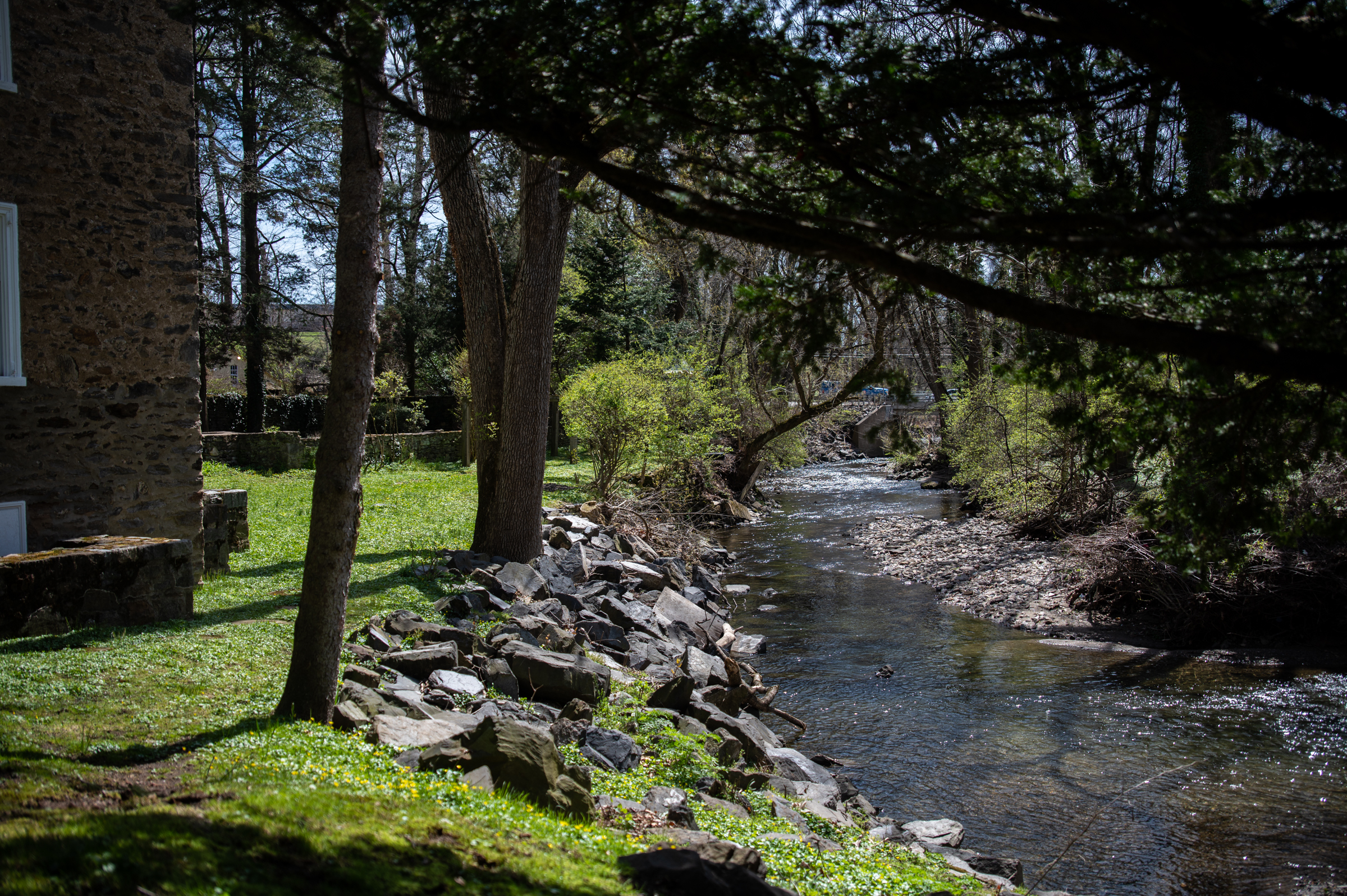
    Tookany Creek in Elkins Park, PA pictured on Monday, April 11, 2022.

    Fresh community spaces

    Cheltenham’s municipal buildings are old: In 2022, the average age of township facilities was 117.

    The township’s administrative building is located in the former home of the Breyer’s ice cream family, Freedman said — and it was built during World War I.

    Cheltenham closed two of its libraries several years ago after boilers failed in both buildings, but plans to renovate only one, La Mott Free Library. The document does not mention plans to rehab the second, East Cheltenham Library.

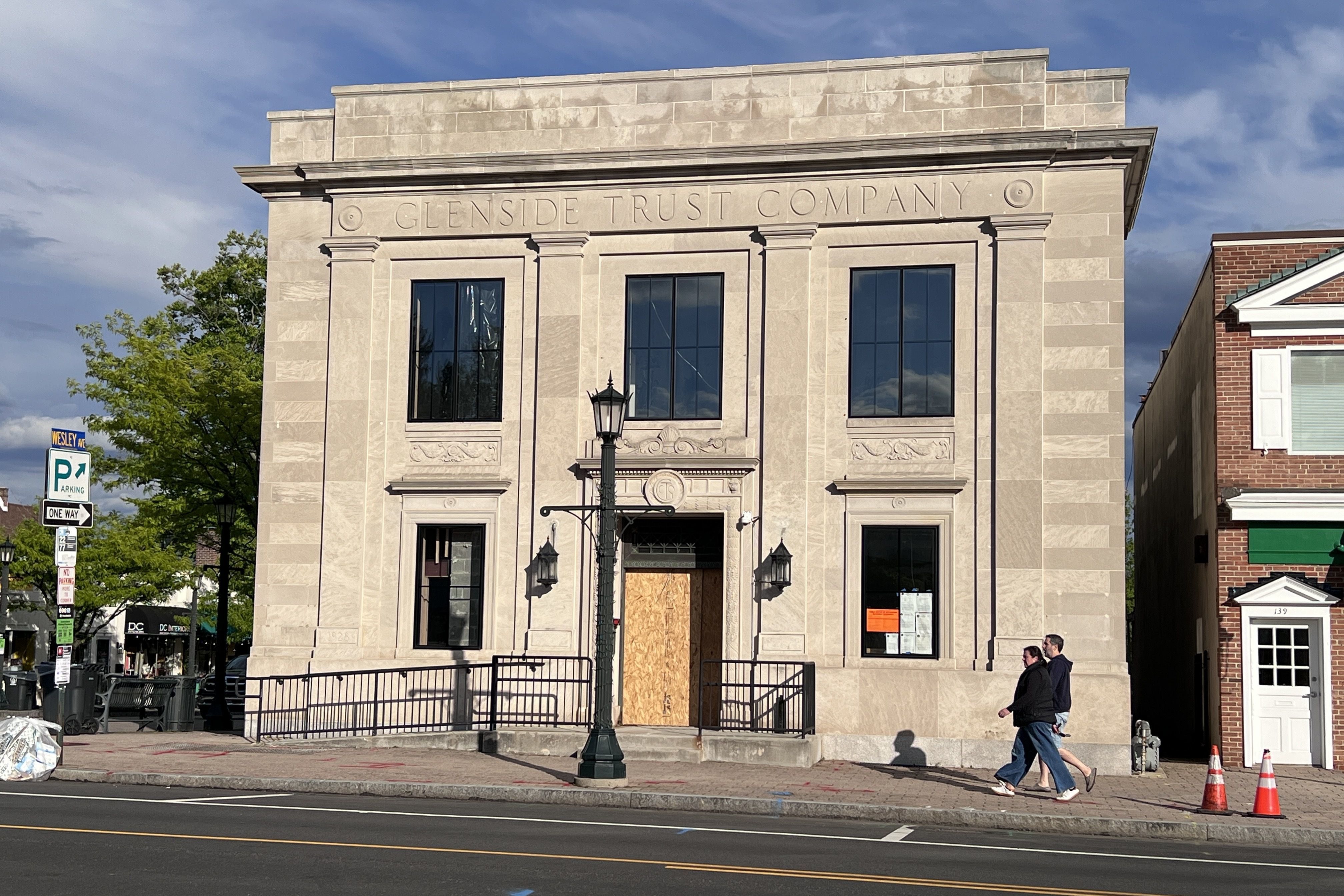
    The township also plans to continue connecting trails along Tookany Creek and making those trails bike-friendly, and to consider preserving more historic buildings, such as Glenside National Bank.

    This suburban content is produced with support from the Leslie Miller and Richard Worley Foundation and The Lenfest Institute for Journalism. Editorial content is created independently of the project donors. Gifts to support The Inquirer’s high-impact journalism can be made at inquirer.com/donate. A list of Lenfest Institute donors can be found at lenfestinstitute.org/supporters.