Cheltenham’s commissioners will consider terminating a controversial public pool contract at a special meeting Tuesday, the township announced Friday morning.
The commissioner board had approved the $4.5 million contract earlier this year as a ground lease to Melrose Pool LLC, a new business entity affiliated with a developer who’s building houses, shops, and a medical center at the former Melrose Country Club.
The ground lease was signed in July by the cofounder of BG Capital, which is developing the country club property, on behalf of Melrose Pool LLC. But no LLC under that name appears to have been registered with Pennsylvania until September, according to state records.
Resident Sam Thacker sued in July, arguing the ground lease is really a construction contract that should’ve been subject to bidding rules.
The special meeting announcement came as the township faces a Commonwealth Court appeal process that Thacker’s lawyer, Christopher McCabe, has estimated could take a year.
“The Special Meeting of the Board was called due to concerns that the delays already being caused by the litigation could ultimately prevent successful completion of the pool project under the agreed upon terms,” Cheltenham’s spokesperson Lauren Walter wrote in an email Friday.
It was not immediately clear whether the township would be on the hook for any money the developer has already spent toward constructing the Melrose pools.
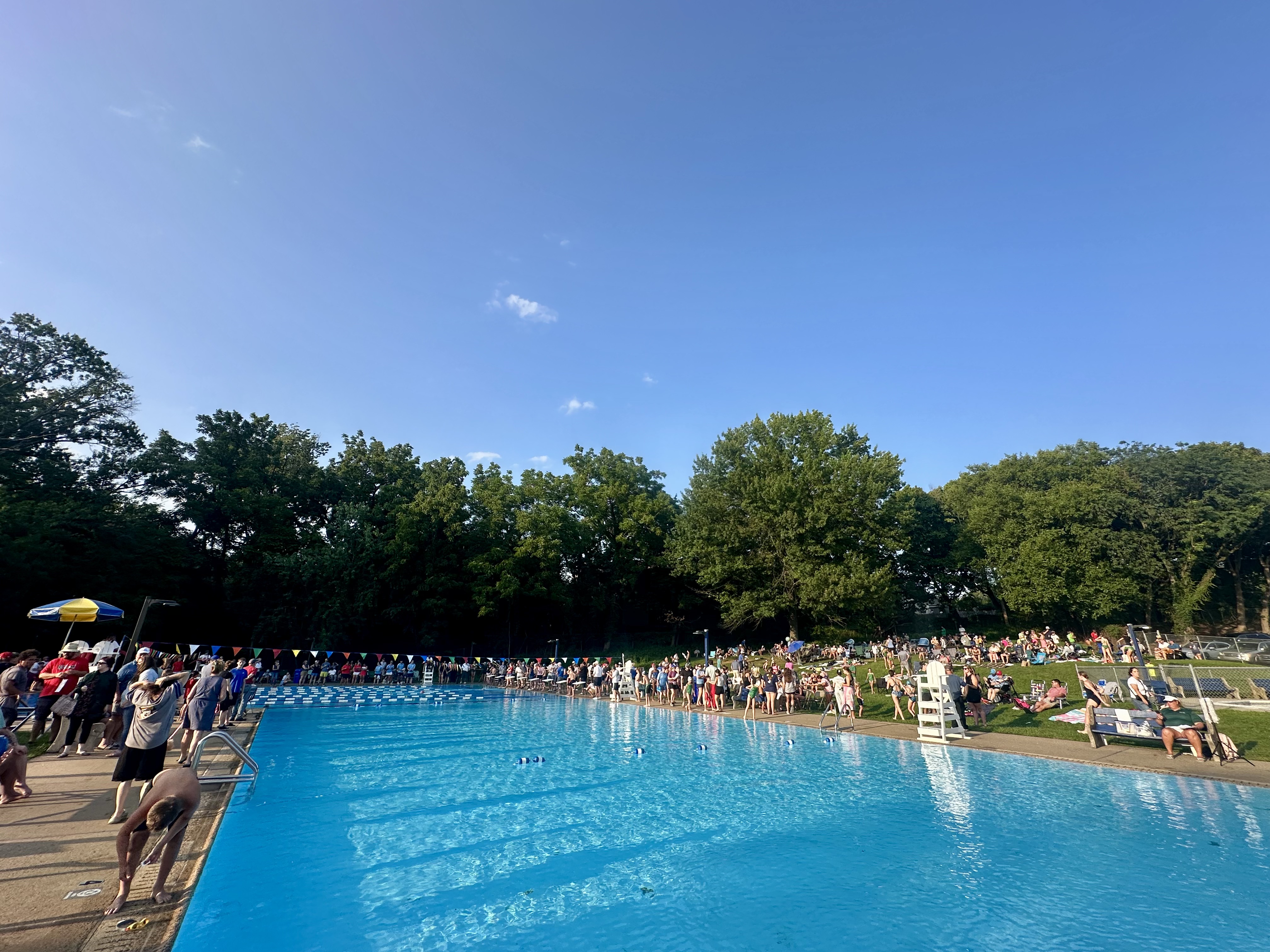
The Melrose project would put three public pools next to the new development to replace Conklin Pool, which would close. The township says it would cost more than $4.5 million to sustainably replace Conklin.
“I’m encouraged that they are listening to their constituents in bringing the issue before the public,” Thacker texted Friday. “Terminating the lease and moving forward with a transparent bidding process would bring a welcome end to the costly legal proceedings.”
The meeting is scheduled for Oct. 6 at 5:30 p.m., online and at the township administration building.
This suburban content is produced with support from the Leslie Miller and Richard Worley Foundation and The Lenfest Institute for Journalism. Editorial content is created independently of the project donors. Gifts to support The Inquirer’s high-impact journalism can be made at inquirer.com/donate. A list of Lenfest Institute donors can be found at lenfestinstitute.org/supporters.
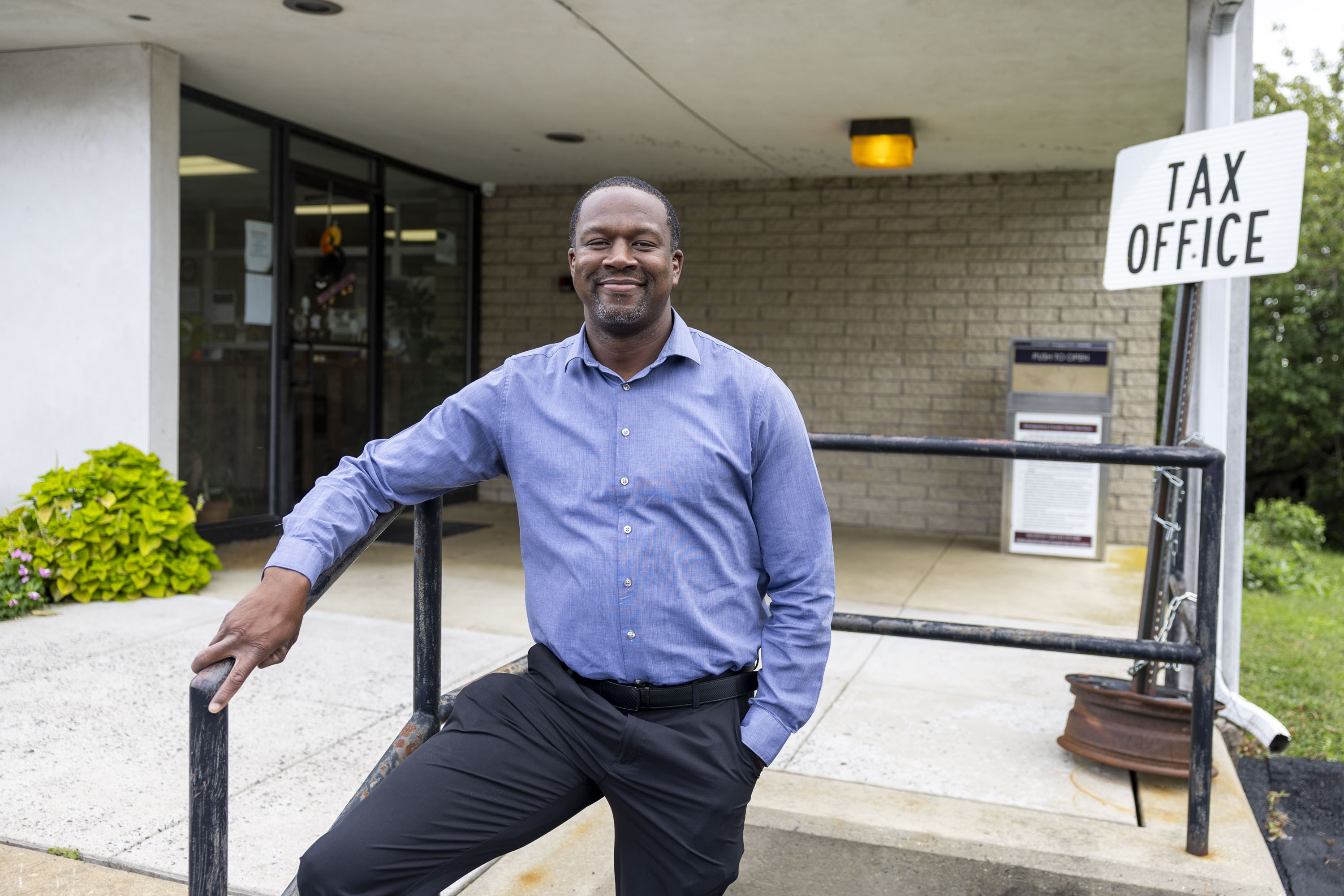
Cheltenham Township plans to take over part of the independently run tax office amid a dispute with its finance officer over business data.
The disagreement over data privacy began shortly after Melvin Pitts took office in January, according to Pitts and emails obtained by The Inquirer. Cheltenham plans to amend the township code and reassign one of Pitts’ duties to help resolve the impasse.
Dispute over business licenses
Cheltenham’s tax office is independent from the township and collects county, school district, and municipal taxes for a flat fee from each entity. The tax collector, under the township code, also doubles as Cheltenham’s finance officer and issues the town’s annual $15 business licenses.
Shortly after Pitts and the township commissioner board’s new president, Matthew Areman, began their terms this year, Areman asked Pitts for a list of licensed businesses. Then in August, Pitts was asked for similar data to fulfill a Right-to-Know request.
Pitts refused both requests because, he said, he sees the information as confidential taxpayer information. Tax professionals who violate confidentiality rules can face jail time under state law.
“It’s very sensitive data,” Pitts said in an interview.
But the township argues that a list of licensed businesses does not qualify as tax information and should be public.
“I agree with you that information related to tax … is not subject to public access,” township solicitor Ed Diasio wrote to Pitts in February, “but there is no provision … that a list of businesses that the township has licensed in the township is not subject to public access.”
Two lawyers specializing in public records told The Inquirer that although the tax office is exempt from sharing certain records, the tax collector is required to provide other records as an officer of the township.
Cheltenham has no list of businesses
Without the business license data, Cheltenham has little way to confirm which businesses are operating in the township, spokesperson Lauren Walter said — especially more discreet enterprises like rental properties, which the township has to inspect every three years.
“Township Administration does not currently have a defined list of businesses within the Township, making communication with our business community a challenge,” Walter wrote in a statement. When the township began regulating plastic bags, for example, the environmental committee went door to door to help inform proprietors of the changes.
Cheltenham officials are also keen to build the township’s business tax base as part of its most recent comprehensive plan.
Rental inspector confronted tax collector
The conflict between the tax office and the code enforcement department came to a head in August, after Pitts learned that the township’s rental inspector, Michael Bluestein, had access to the tax office’s data portal. In August, after Pitts moved to cut off Bluestein’s access, Bluestein confronted Pitts.
Pitts recalls Bluestein telling him: If you take away my portal access, “I’ll crush you.”
Bluestein wrote an apology to Pitts after the incident that does not specify what he said. “I did not realize in that moment that my tone sounded aggressive or threatening,” Bluestein wrote in part. “While I was previously approved to have access, [I] honestly did not know that you did not want me to have access to that information.”
Walter, the township spokesperson, said that she conferred with Bluestein and that he had access in the system only to business contact information, not to financial data.
Township to do business licensing in-house
Now, the township is planning to transfer business licensing applications to someone who will handle accounts receivable, a now-vacant role. Information on newly licensed businesses would then be shared with Pitts’ office for tax collection purposes.
Moving the licensing process from the tax collector’s office to the township would require Cheltenham to amend the town code, which currently specifies that the collector handles it.
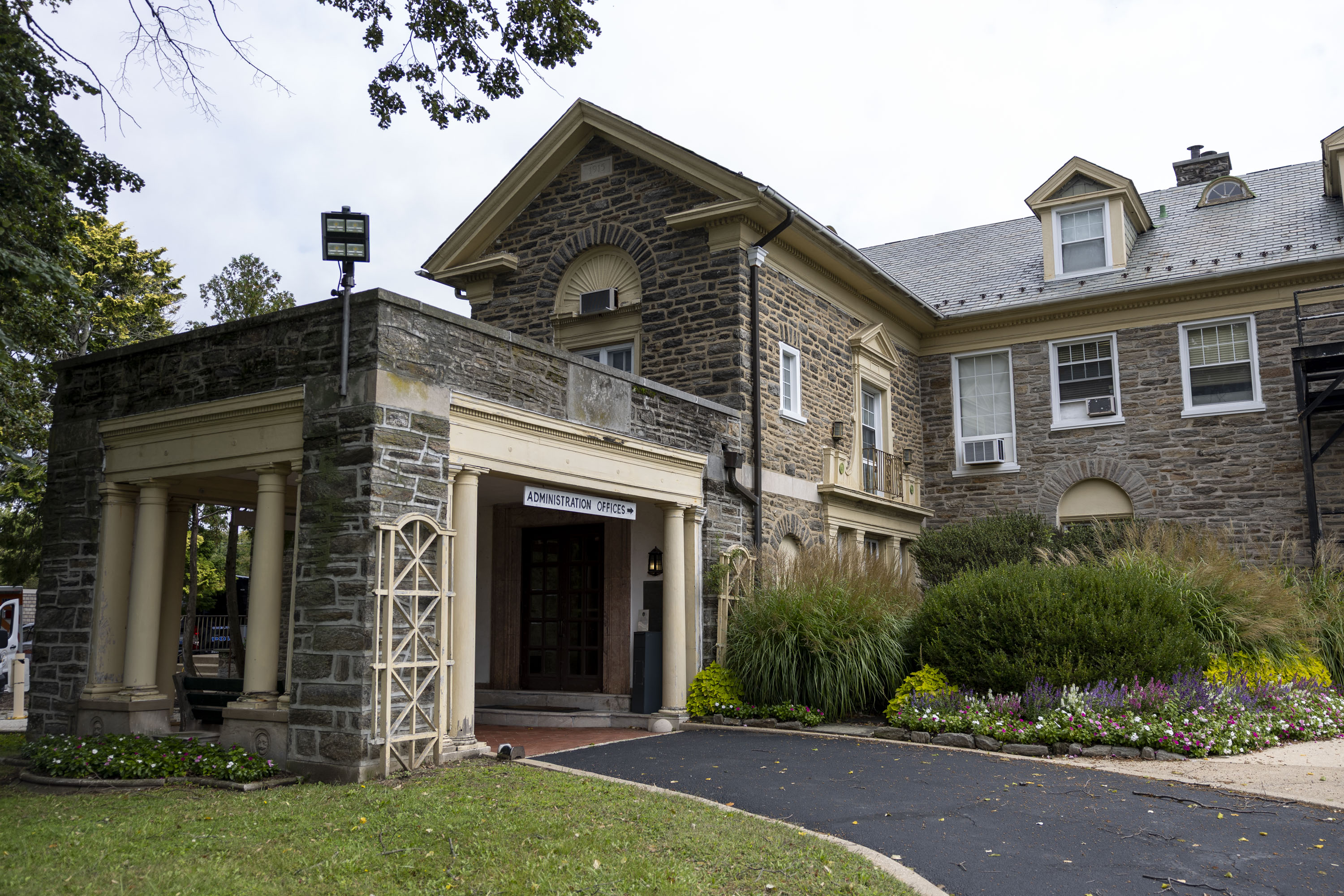
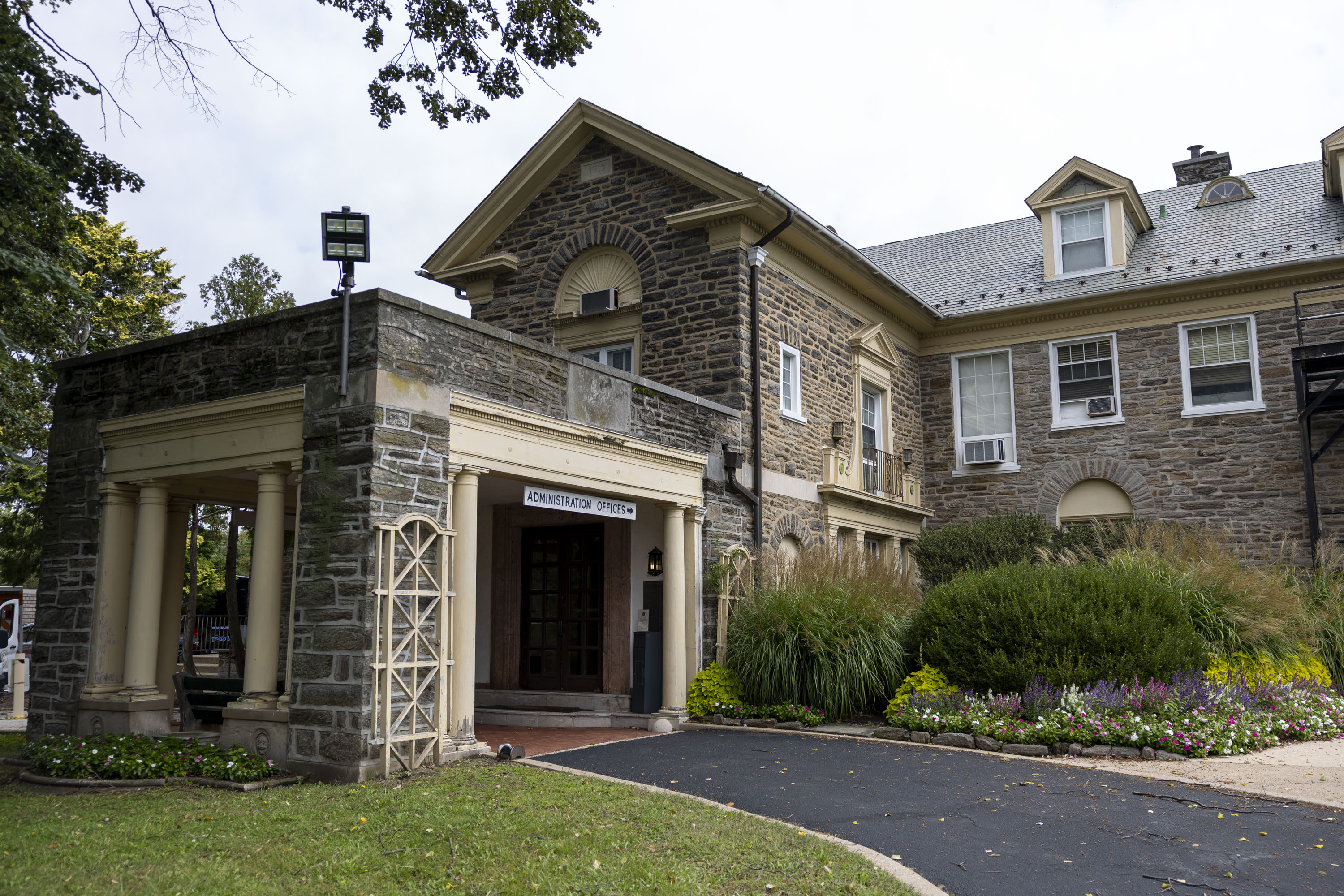
The Administrative Office Building on Tuesday, Sept. 29, 2026, in Cheltenham, Pa.Tyger Williams / Staff Photographer
Cheltenham plans to post the accounts receivable position within weeks, new township manager Jonathan Altshul said, and would not move to amend the ordinance until sometime after tax day 2027.
Pitts would have to remove business licensing from a new system his office is rolling out to allow online tax payments, he said, and he worries that the licenses will become delayed by code enforcement.
That is what had led to a $30,000 backlog in licenses that Pitts inherited, he said, and has since cleared.
“We’ve been getting stuff done so quickly,” Pitts said. “I just want to do my job, and do it under the law.”
Areman, the commissioner board president, said Cheltenham “looks forward to working closely with the tax office throughout the transition” to ensure it is “seamless for the business community.”
Clarification: This story was updated to clarify the tax office’s status under the Right to Know Law.
Correction: This story was updated to correct Michael Bluestein’s name.
This suburban content is produced with support from the Leslie Miller and Richard Worley Foundation and The Lenfest Institute for Journalism. Editorial content is created independently of the project donors. Gifts to support The Inquirer’s high-impact journalism can be made at inquirer.com/donate. A list of Lenfest Institute donors can be found at lenfestinstitute.org/supporters.
Jenkintown’s zoning board denied its first short-term rental request on Thursday after residents complained about noise and visitors.
Resident Elvira Lindgren and her husband bought and renovated a twin in hopes of renting out rooms, she said in an interviewFriday. The couple began hosting almost a year ago, according to their Airbnb.com listing. But the business has led to tension with some neighbors, who urged the board to deny the request for an official rental license.
The tiny Montgomery County town’s code did not permit short-term rentals until spring 2025, when the borough created an ordinance that allows property owners to open the small businesses with permission from the zoning hearing board, which typically only meets once per year.
Jenkintown now requires a rental license under the new ordinance, which lays out policies on location, parking, safety, and fines, among other things.
Lindgren said she didn’t know about the licensing process when she first started, but when a neighbor reported her, the borough said she could continue operating until Thursday’s hearing.
First Airbnb request draws neighbor dispute
Lauren Davis, whose family shares a wall with the Lindgrens, said Friday that the twins aren’t suited to Airbnb rentals — partly because they share attic access — and that she and other parents are upset to see older men walking on the property, rather than medical students as Lindgren had told her to expect.
“The level of activity they have going on there is better suited to a standalone home,” Davis said.
The borough was mindful of Jenkintown’s already-dense residential development while working on the new short-term rental rules with the county planning office, borough manager George Locke said Wednesday, before the hearing.
“We wanted to have it, but we wanted it in certain locations,” Locke said, “and to make sure it was safe for everybody and didn’t become a nuisance.”
Reached by phone Friday, board solicitor Noah Marlier wouldn’t comment on why the board denied the license.
Lindgren said she was “shocked” by the pushback at Thursday’s meeting from Davis and two other neighbors, adding that seven neighbors had signed a document before the meeting attesting they had no problems with her business.
Davis argued at the hearing that problems during renovation, including a gas leak that forced her family to evacuate, showed the short-term rental would not follow rules.
But accidents can happen during any renovation, Lindgren said Friday, so it’s unfair to count the incident against the business itself.
Lindgren also defended her guests, who she said have included medical students, World Cup visitors, and an out-of-state dad who stays monthly to visit his daughter. While she understands their concern for their children’s safety, complaints are one-off incidents that the neighbors falsely portray as a pattern, she said, and she doesn’t hesitate to remove the rare guest who causes problems.
“I’ve met so many people from abroad, so many countries,” Lindgren said. “Quite a few people became friends.”
She’s disappointed that the board’s decision means visitors coming to Jenkintown to see loved ones or work at Jefferson Abington Hospital will lose a housing option in the area, Lindgren said.
Some Jenkintown Airbnbs may run without approval
But Jenkintown does have a few other short-term rentals, according to postings on Airbnb — including two that appear to have operated for several years.
Locke wouldn’t say whether he’s aware of any unlicensed short-term rentals, but he encouraged any property ownersoperating one to seek approval.
The borough’s solicitor is expected to write a written opinion on Lindgren’s case within 45 days, and she could appeal after that.
But Lindgren plans to consider options for longer-term renters instead, like traveling nurses. The short-term ordinance only applies to properties that offer stays of fewer than 30 days and accept guests for fewer than 120 days total in the year. Properties that book more than 120 days a year are considered hotels in Jenkintown.
“I just feel bad for those who won’t get to stay with me,” she said.
This suburban content is produced with support from the Leslie Miller and Richard Worley Foundation and The Lenfest Institute for Journalism. Editorial content is created independently of the project donors. Gifts to support The Inquirer’s high-impact journalism can be made at inquirer.com/donate. A list of Lenfest Institute donors can be found at lenfestinstitute.org/supporters.
Jenkintown School District will hold homecoming festivities around a coed varsity soccer team game next week after ending the football season early over low participation.
School leaders announced a new homecoming schedule on Friday, days after the football season cancellation.
The homecoming soccer game will start at 11 a.m. on Oct. 3 at the Jenkintown stadium, and homecoming court celebrations will be at halftime. Snack shack proceeds will benefit the senior class.
This coming week will be spirit week for Jenkintown’s upper grades, principal Tom Roller wrote in the announcement to families, ending in a pep rally on Friday.
The teams postponed the match originally planned for Tuesday, according to the charter school’s soccer schedule.
“We appreciate [MaST] Community Charter agreeing to change our game with them so that we could play a Homecoming match,” Roller wrote. “We hope that our community comes out to support our Homecoming court and our Varsity Soccer squad.”
This suburban content is produced with support from the Leslie Miller and Richard Worley Foundation and The Lenfest Institute for Journalism. Editorial content is created independently of the project donors. Gifts to support The Inquirer’s high-impact journalism can be made at inquirer.com/donate. A list of Lenfest Institute donors can be found at lenfestinstitute.org/supporters.
The Jenkintown School District is cancelingthe rest ofits varsity football season over safety concerns from low participation, officials announced this week.
The high school team in Montgomery County’s smallest school district had played two games so far this season and was set to play Lower Moreland on Friday.
There were not enough players on the team, nor enough active participation, to safely play a whole season, high school principal Thomas Roller and athletic director Aubrie Breisblatt wrote in a letter to the school community Tuesday, and the team had already been forced to forfeit games.
“Continuing to compete under these circumstances would place significant physical demands on a limited number of players,” the school leaders wrote, adding that the decision had come at the head coach’s recommendation.
While the team will not play any more games this year, the program will continue to hold practices, and officials hope to rebuild the program in the future.
“Sports participation, especially at a school as small as Jenkintown, ebbs and flows over time depending on students’ interests,” school board president Carolyn Riley wrote in a text Wednesday.
”We remain very supportive of our students committed to playing football.”
A legal battle over Cheltenham Township’s pool contract has bred tension at meetings and divided some neighbors, but a township official and the suing resident’s lawyer agree on one thing: It could take a while.
The dispute centers on Cheltenham’s lease of land to a private developer for $10 per year to build a pool complex — the same land that the developer had given Cheltenham for free in December 2025.
The agreement requires the township to pay up to $4.5 million for three public pools that a new entity, Melrose Pool LLC, will construct on that land, or rent the pools from that entity. The township had hoped to open the new complex at the former Melrose Country Club by 2027 to replace the aging Conklin Pool across town. The developer, meanwhile, is building houses and a medical facility next to the new pools.
But Cheltenham resident Sam Thacker sued in July, and he argues that the ground lease was in fact a public construction contract and should be subject to a bidding process to determine the best provider.
Cheltenham has argued that the township received estimates for replacing pools on other properties, and therefore determined that $4.5 million is a good deal for the Melrose project.
The litigation has reached a stage that could take a year to resolve, Thacker’s lawyer said. And whether construction continues alongside the suit may depend on whether a court grants an injunction Thacker filed last week to halt the project. A long delay may scuttle the entire pool project, a township official said.
Where the suit stands
Thacker’s injunction request was denied by a judge last month who found he lacked standing, but he has appealed to Commonwealth Court.
It could take six months to hear the case, said Thacker’s lawyer, Christopher McCabe, who specializes in construction and government contracts, and a year to get a decision.
Thacker, who was representing himself until he hired McCabe this month after raising more than $6,000 from dozens of donors in a GoFundMe campaign, also filed a new injunction with the higher court to halt pool construction in the meantime.
A long delay could mean the new pools do not happen, Township Commissioner Emily Cheramie Walz wrote in a social media post last week after delivering the same remarks at the Sept. 16 commissioner meeting.
“There is a real risk that continued litigation could jeopardize the funding and timeline for the Melrose project,” Cheramie Walz wrote. “Families across the township who were excited about having a new pool could lose that opportunity.”
Cheramie Walz’s comments echoed part of Cheltenham’s legal defense in the case, that halting the project would cause more harm to township residents than allowing the project to proceed — an argument the lower court judge agreed with.
But McCabe asserted in the emergency injunction request filed last week that that logic does not hold up, because the Melrose agreement is a no-bid construction contract disguised as a land rental.
“Then every municipality would simply argue that the object of an illegal contract will be greatly beneficial to their residents and the taxpayers,” McCabe wrote, and residents would be unable to stop an illegal contract.
When the developer, an entity associated with BG Capital, gave 2.7 acres to the township last winter, the document referred to an unspecified “advantage” that the developer would receive by gifting the land to Cheltenham.
Amee Farrell, a lawyer for the developer and a former chair of the township’s zoning board, has not answered questions about what the developer expected to gain from the land gift.
“If [Cheltenham] owns the land free and clear, what prevented them … from putting out a request for bids?” McCabe said Monday. “You don’t know whether there was corruption here because you don’t know what the discussions were.”
An ongoing topic at public meetings
Although the township has repeatedly declined to comment on the details of the ground lease because of the lawsuit, Cheramie Walz addressed the subject of the suit directly in her post last week.
“There is no secret no-bid deal,” she wrote. “We have spent an embarrassing amount of time and public resources dealing with this litigation — resources that could be going toward the work residents actually expect us to be doing.”
Some residents have also expressed frustration over the suit and the controversy.
“We want new centers for community to grow and businesses to develop and thrive,” resident Nick Steever said. “The bidding process isn’t what certain people are upset about, but rather the fact that [Conklin] Pool is closing.”
Thacker and the township commissioners have exchanged tense words during public comment. When Thacker spoke at a Sept. 14 committee meeting, Cheramie Walz asserted that Thacker’s lawyer had told officials they should not speak directly to Thacker, so they would not.
McCabe said Monday that he had told Cheltenham’s lawyers to communicate with him, not Thacker, now that he had legal representation, and was not referring to all township officials.
Thacker said Monday that any delay or waste is on the township.
“They are the ones who executed a no-bid construction contract,” he said. “I do not bear any responsibility for the costs incurred as they dig deeper into defending it.”
Correction: This story was updated to reflect the status of Thacker’s case.
This suburban content is produced with support from the Leslie Miller and Richard Worley Foundation and The Lenfest Institute for Journalism. Editorial content is created independently of the project donors. Gifts to support The Inquirer’s high-impact journalism can be made at inquirer.com/donate. A list of Lenfest Institute donors can be found at lenfestinstitute.org/supporters.
A sprawling brick Glenside building that last held an optometrist’s office is returning to its roots as developer Kevin Burke looks to build community hubs around his native Glenside.
The building at 2256 Mt. Carmel Ave. was once home to a bowling alley and billiards hall. The alley closed in 1971, and a family of eye specialists ran a glasses store there for decades.
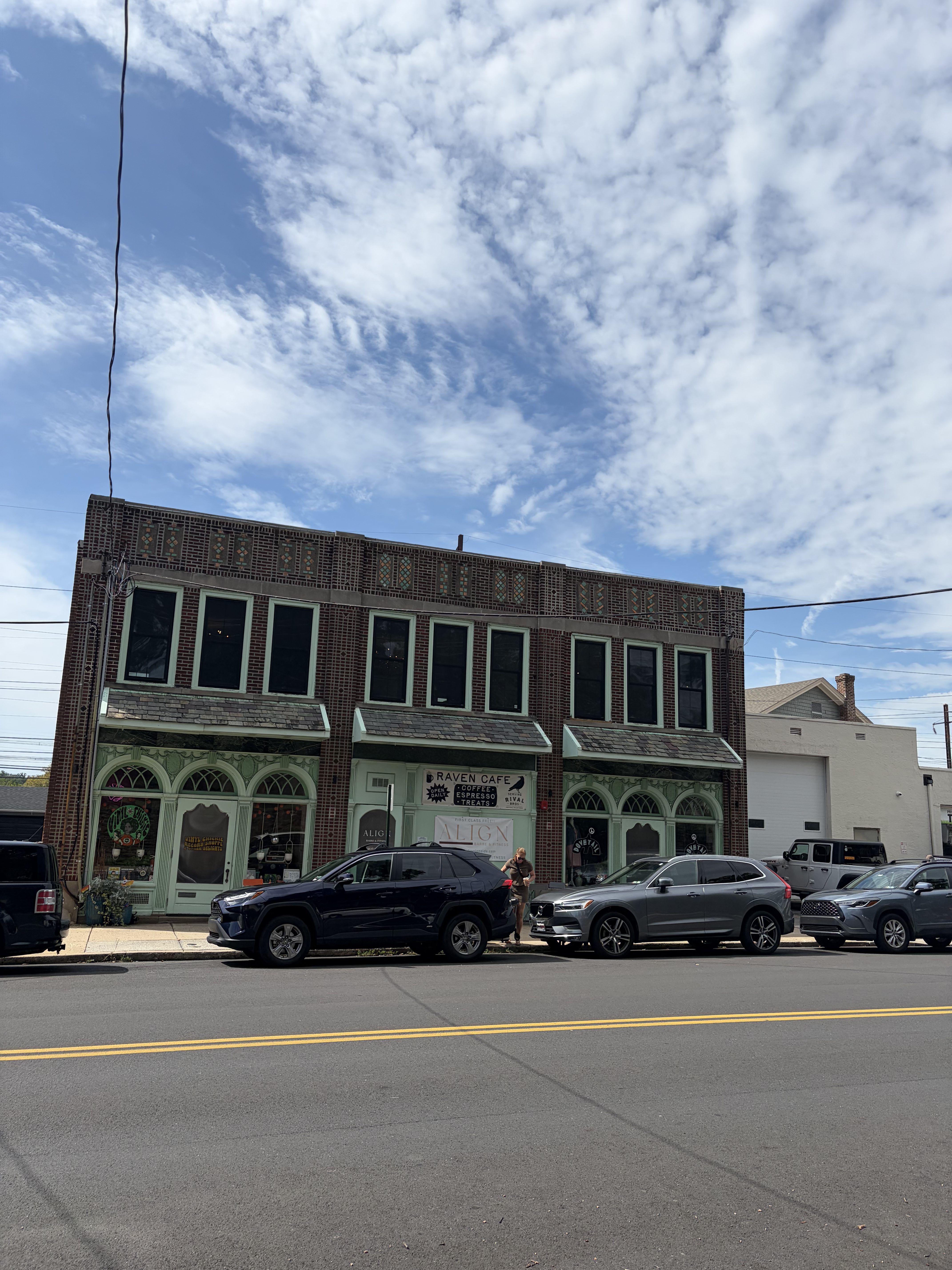
Burke bought the 1920s structure, dubbed Glenside Lanes, in 2024. The micro-mall, which officially opened in May 2025, is now home to a barre and yoga studio, a coffee shop, a record store, and a gift shop, with plans for a music venue in the back.
Like the newly bustling Yorkway Place in Jenkintown, Glenside Lanes balances traditional retail with experiential businesses. The Montgomery County venues are part of a nationaltrend, as investors look to fill commercial space hollowed out by online shopping and post-pandemic consumer shifts.
“I think it’s the way to keep a brick-and-mortar going,” said Rhiannon Punzo, a Glenside Lanes tenant. “It’s like your community mall where you’re coming to one building that you can walk to, that isn’t corporate.”
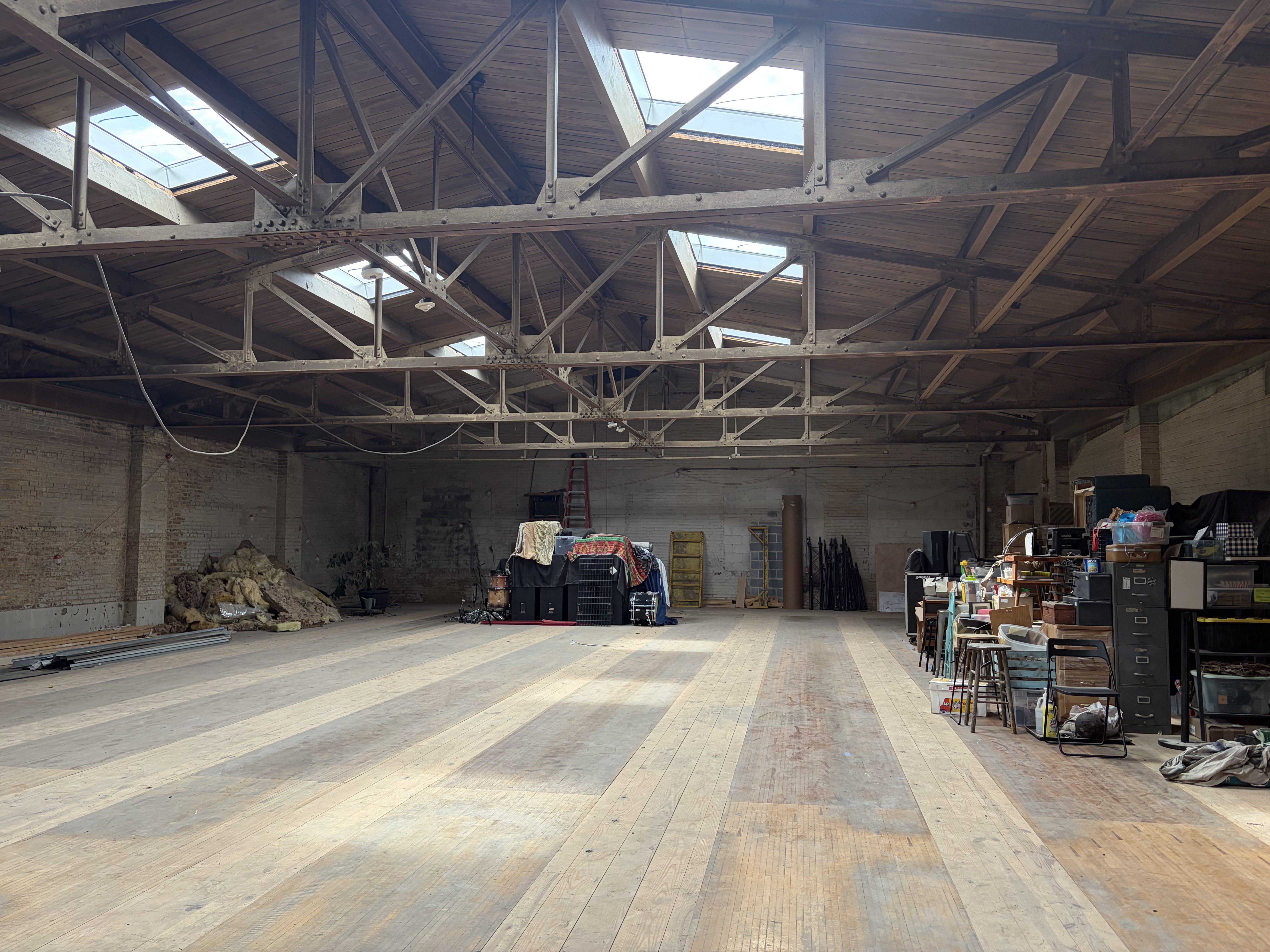
Burke is preserving most of the bowling lane flooring — including lane guides and the alternating wooden plank style demarcating the gutters — in the back of the building, which will serve as a concert and event space as early as November. He plans to develop a similar multiuse site in Wyndmoor.
The lanes from a former bowling alley are still visible in a section of Glenside Lanes under construction on Sept. 3, 2026.Jess Rohan
But to make Glenside Lanes a success, Burke needed the right business partners.
First, he found Punzo, who runs the Dovetail shop of local artist-made gifts, and cofounded the art events company CO Lab.
Punzo connected with longtime music photographer Lisa Schaffer, who had planned to open a record store in about five years. Within months, Schaffer was opening Vinyl Chickie at Glenside Lanes.
“I want you to speed up your retirement plan,” Punzo recalls telling Schaffer.
Former professional ballet dancer Alyson Pray Ward used to park outside the building and walk down the street to her barre and yoga business, Align Studio.
“I would always look up to the second floor and think, ‘That would make a gorgeous ballet studio,’” Pray Ward said. She moved Align into Glenside Lanes last year.
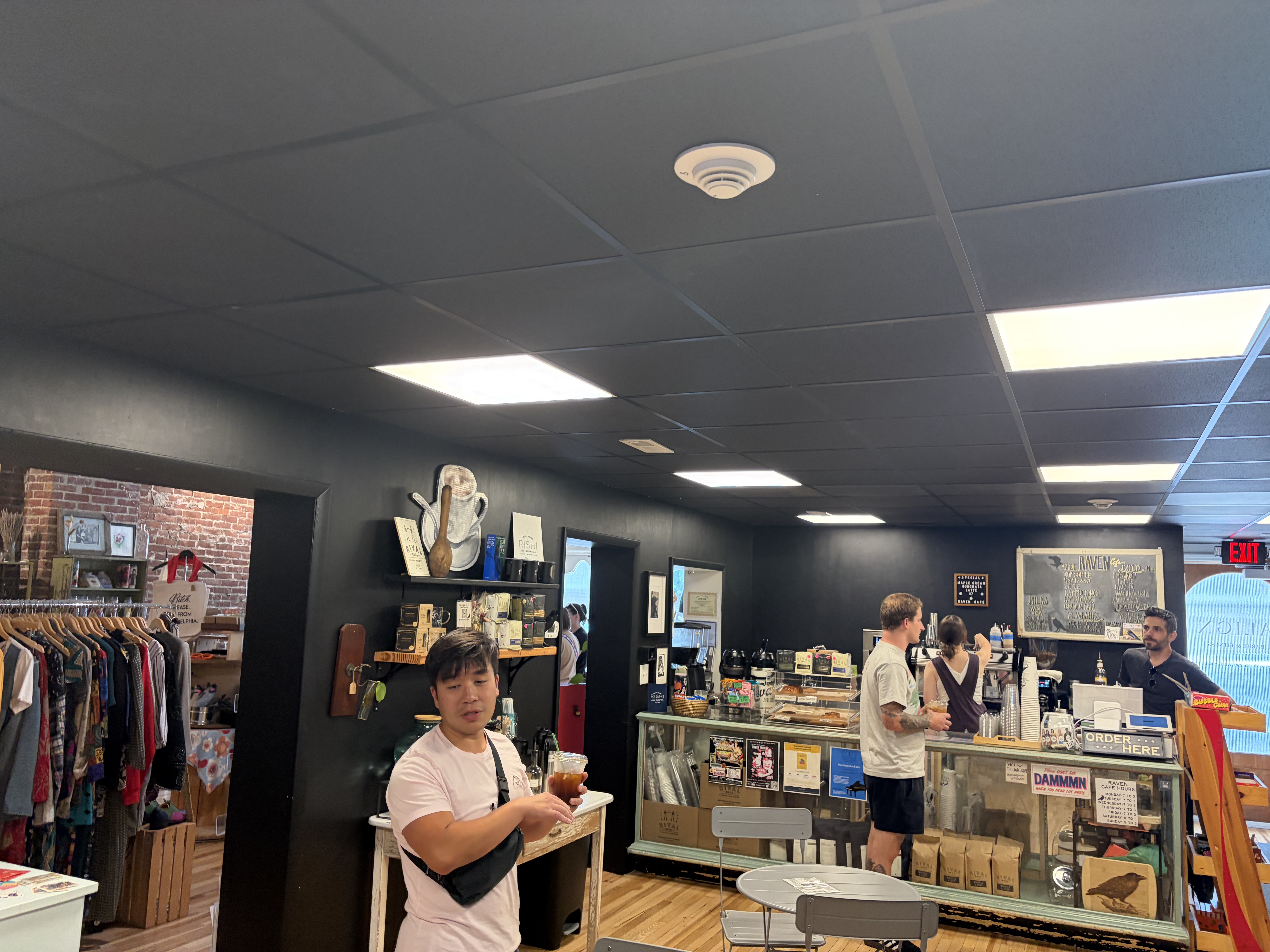
This summer, Raven Cafe began serving Rival Bros. Coffee on the ground floor between Punzo and Schaffer’s stores. The stores flow into one another, making it easier to linger, owners and workers said: Yogis might pick up a teacher gift downstairs at the Dovetail after class, and music lovers grab coffee at Raven before browsing vinyl.
Raven Cafe opens into the Dovetail gift shop at Glenside Lanes. The stores flow into one another, making it easier for customers to linger, owners and workers said.Jess Rohan
“People can honestly show up and see familiar faces,” said Christine Collins, who teaches at Align. “I’m meeting adult friends there.”
The clutch of complementary businesses is exactly what Burke had hoped for.
The goal “was definitely to bring in different businesses that would help the community,” Burke said. “I always thought the bowling alley would be a perfect spot for that, and now we’re almost there.”
The final business partner Glenside Lanes needed, Punzo said, was Glenside itself.
“The community said, ‘We want this, if you build more we’ll come,’” Punzo said. “They could’ve been just talking, but everyone who said it showed up.”
Correction: This story has been updated to reflect where developer Kevin Burke may plan a future micro-mall.
This suburban content is produced with support from the Leslie Miller and Richard Worley Foundation and The Lenfest Institute for Journalism. Editorial content is created independently of the project donors. Gifts to support The Inquirer’s high-impact journalism can be made at inquirer.com/donate. A list of Lenfest Institute donors can be found at lenfestinstitute.org/supporters.
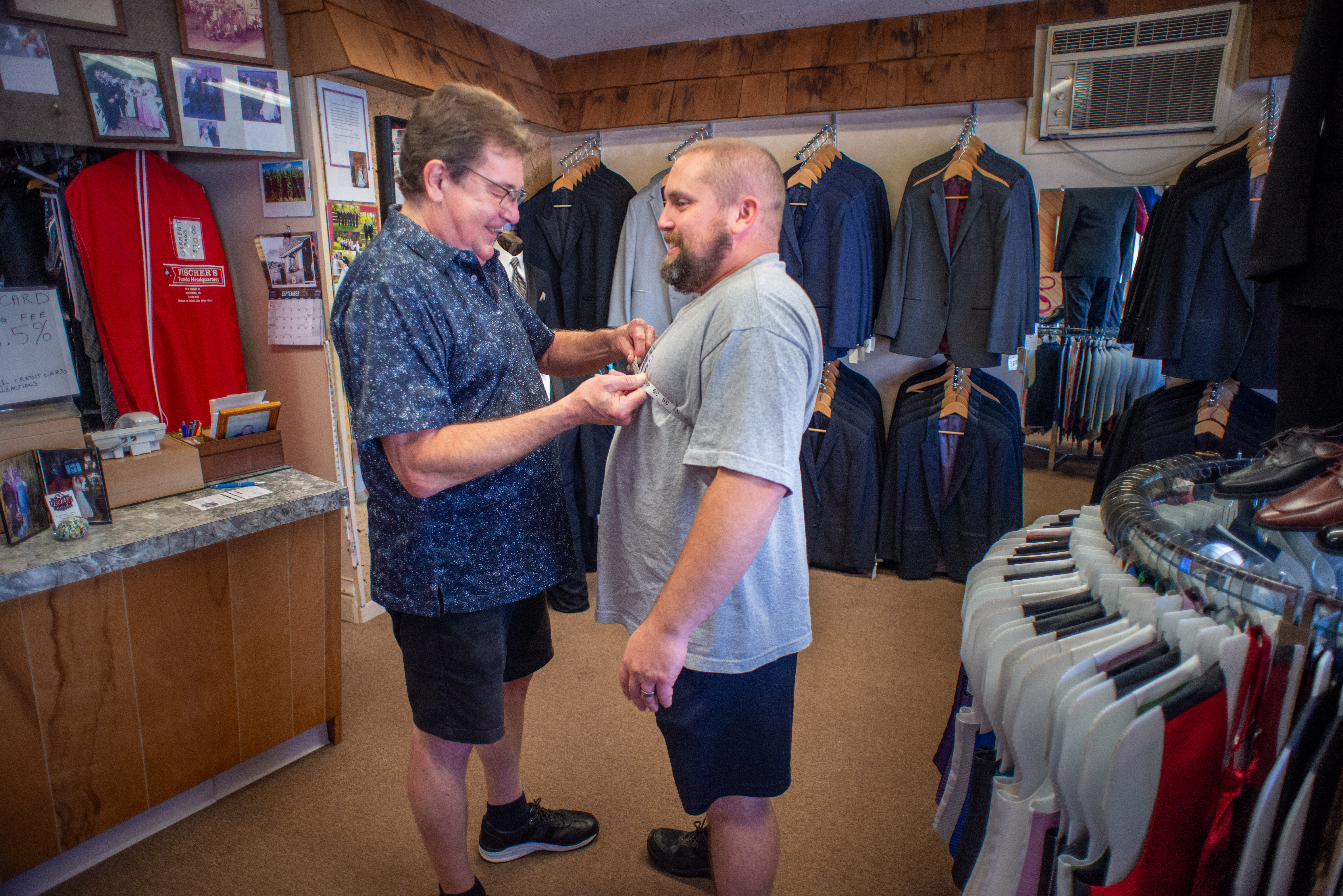
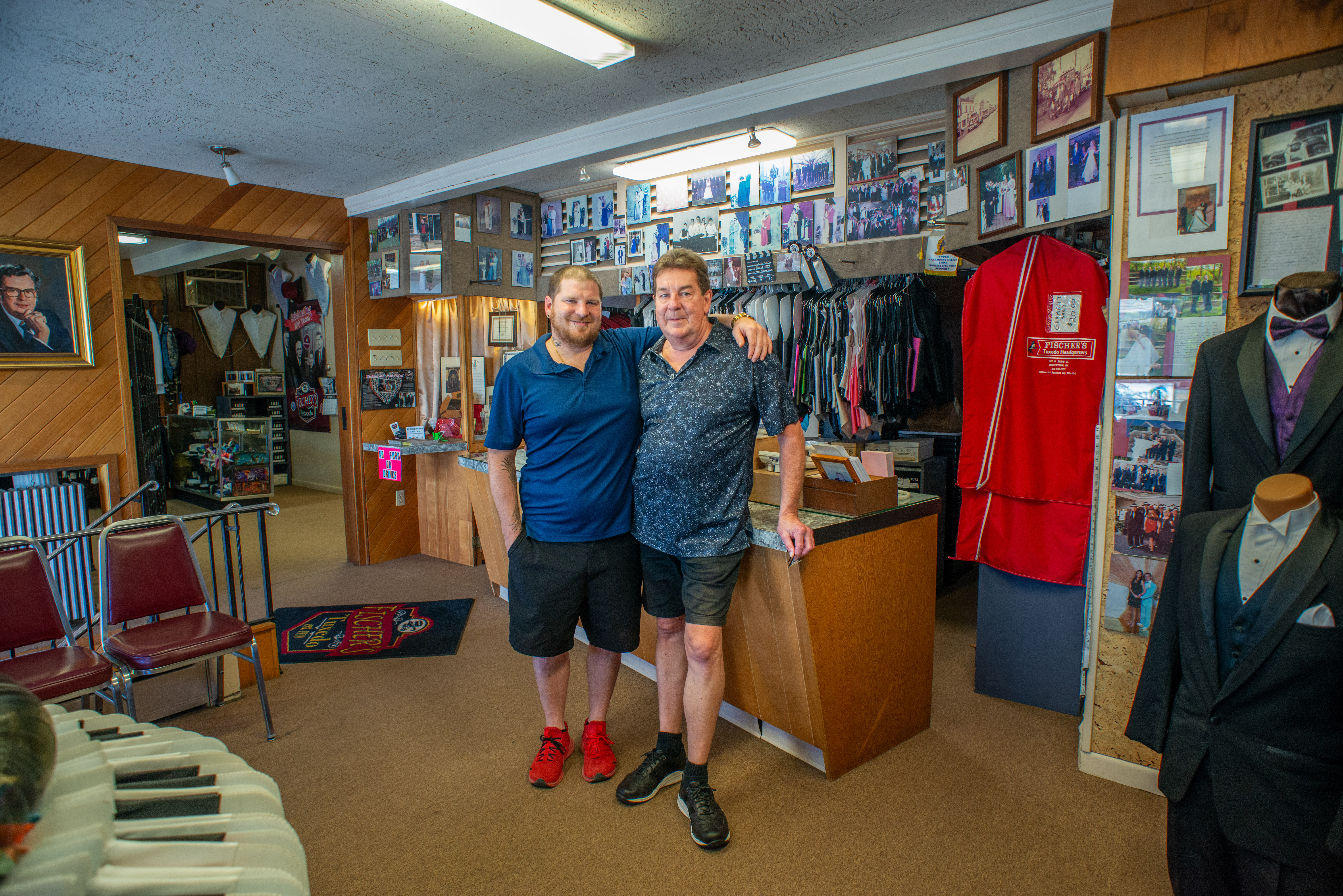
Brett Fischer of Fischer’s Tuxedo in Quakertown learned tailoring as a kid, when his dad owned the store. Now, Brett runs the tailor and dry cleaning business with son Dustin, who learned from Brett.
Dustin started out “shining shoes in the back, and then you know, little by little … sew a button on, shorten sleeves, just easy things,” Brett said.
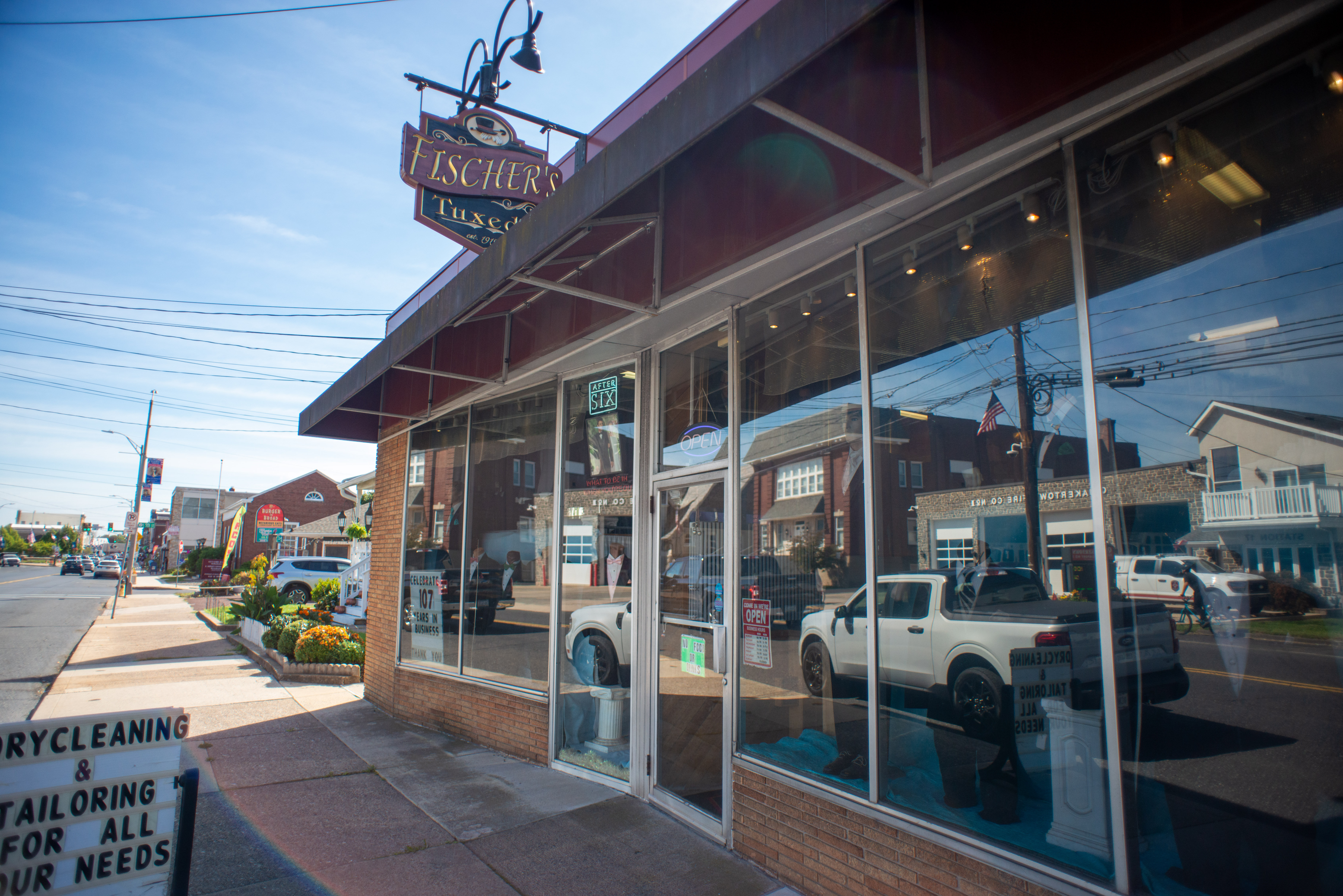
Dustin is the fifth generation to run Fischer’s, started over a century ago by his German-Romanian great-great-grandfather in the same Broad Street location the family operates today.
Owner Brett Fischer (right) and son Dustin Fischer pose for a photo in their store Saturday, Sept. 19, 2026, at Fischer’s Tuxedo in Quakertown. Tailors are disappearing, but this Upper Bucks shop is set to pass to a fifth generation.William Thomas Cain / For The Inquirer
That’s “extraordinarily uncommon,” said Cindi Husbands, CEO of the American Tailors and Sewing Association.
Across the country, tailors are disappearing as business owners reach retirement without anyone to replace them.
Fischer’s offerings have changed over time. Services once included seasonal clothing storage because many home closets were too small to hold them, Brett said. His grandfather used to send clothes on the train to Philadelphia for dry cleaning, before he brought that service in-house.
Fischer’s Tuxedo is seen Saturday, Sept. 19, 2026, in Quakertown, Tailors are disappearing, but this Upper Bucks shop is set to pass to a fifth generation.William Thomas Cain / For The Inquirer
The store grew with it.
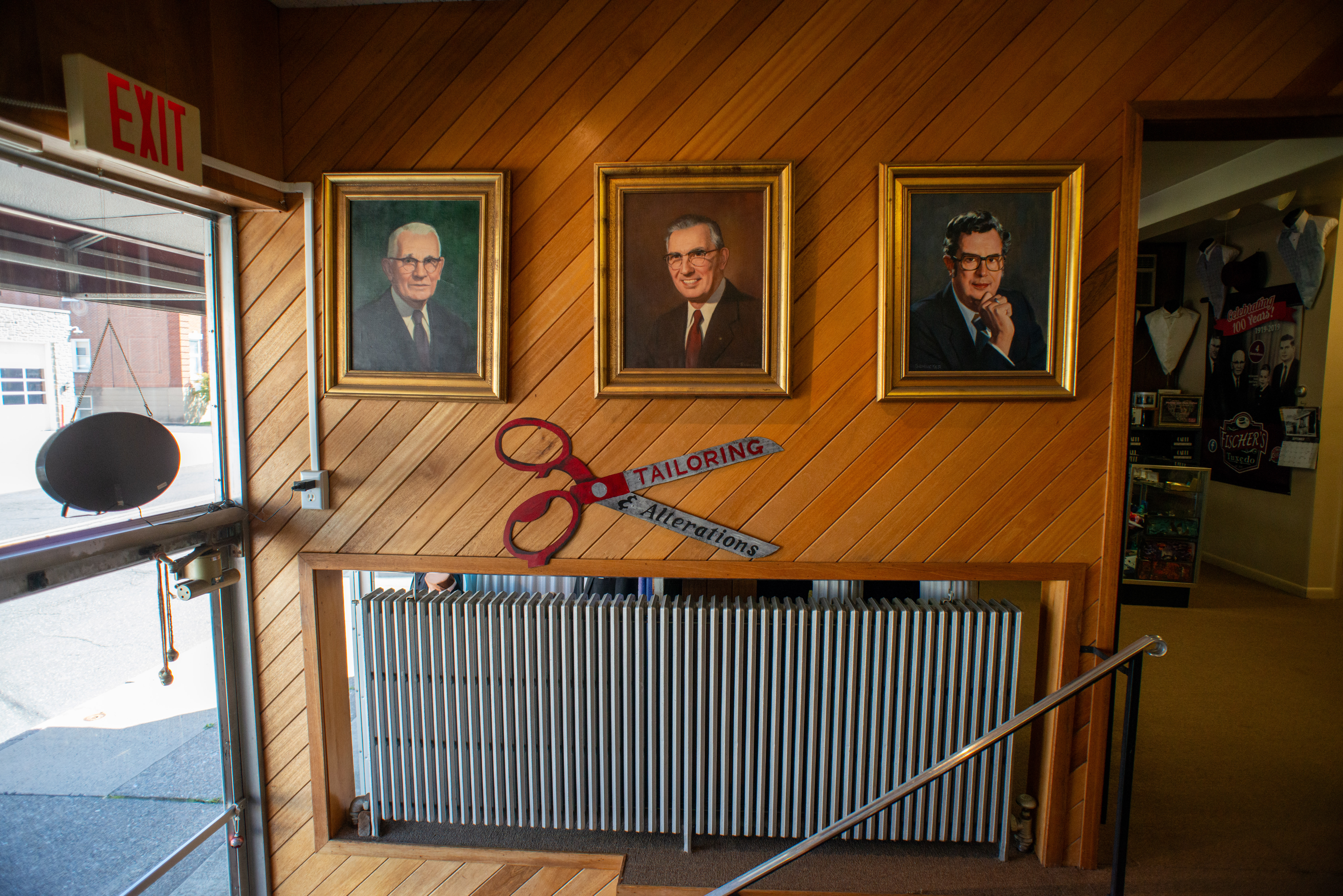
Originally built as a twin home, the front porch is now an indoor reception area. The upstairs apartments became storage. On the wall by the entrance hang painted portraits of Brett’s father, grandfather, and great-grandfather.
The generational wall of portraits is seen Saturday, Sept. 19, 2026, at Fischer’s Tuxedo in Quakertown, Pa. Tailors are disappearing, but this Upper Bucks shop is set to pass to a fifth generation.William Thomas Cain / For The Inquirer
Today, weddings and other formal events are the heart of the business. There are 10,000 suits stored in the 5,900-square-foot shop, Dustin said. But, weddings are smaller than they used to be, he said, and people buy less formal clothing in general.
“It’s a very dressed-down society. … They just wear what we’re wearing,” Dustin added, pointing to his blue polo shirt. “You can wash it in your laundry machine.”
In towns without tailors, other businesses like bridal shops have absorbed some of the demand, Husbands from the trade association said, but it’s difficult to replace the skills and experience of a professional, full-service tailor.
Her organization, along with major retailers like Nordstorm, are investing in tailor training programs to rebuild the workforce.
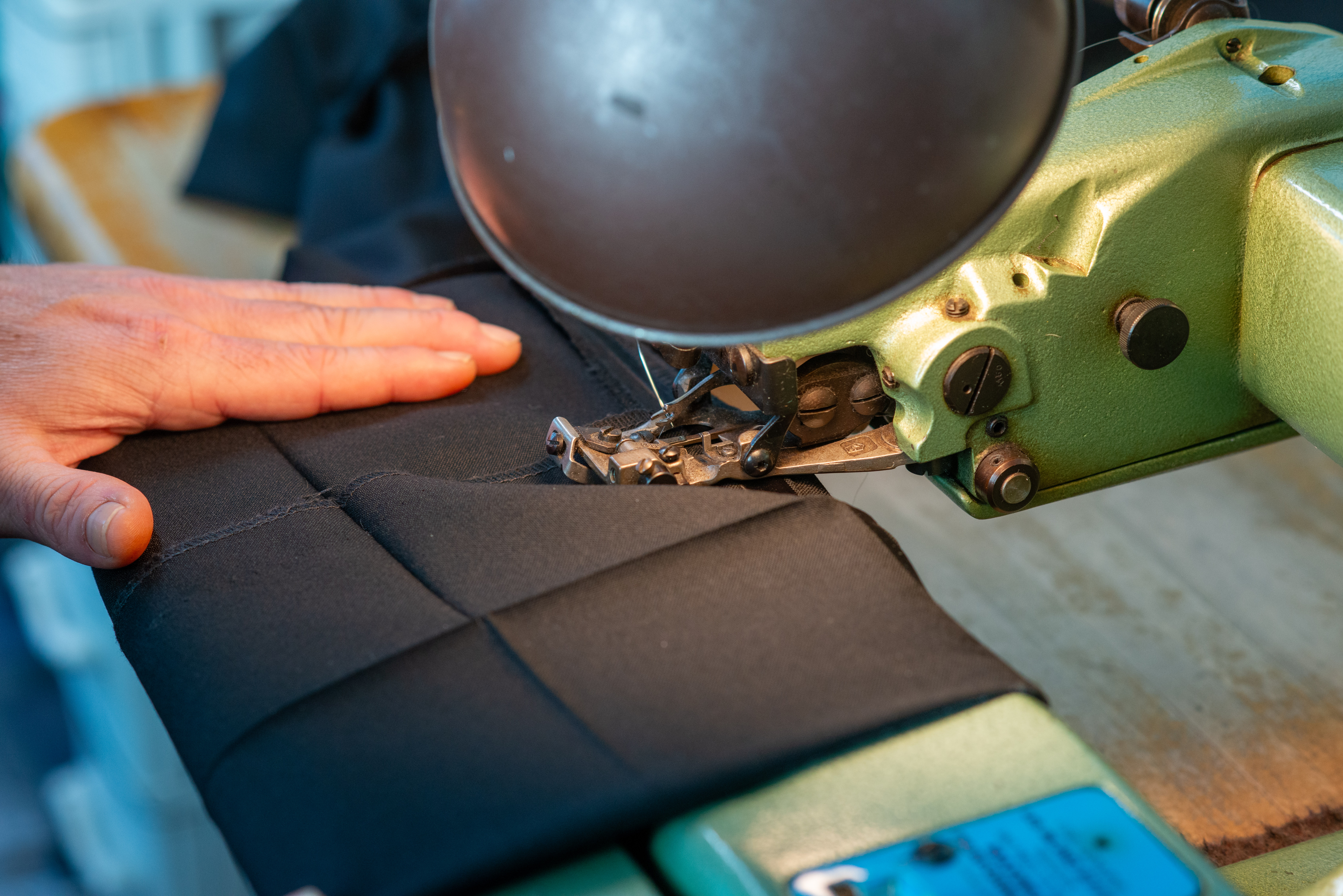
Dustin Fischer hems pants Saturday, Sept. 19, 2026, at Fischer’s Tuxedo in Quakertown. Tailors are disappearing, but this Upper Bucks shop is set to pass to a fifth generation.William Thomas Cain / For The Inquirer
With fewer tailors, Dustin expects to see higher costs and lengthier pants.
“They’re going to charge you an arm and a leg for a simple job,” he said. “Or you just won’t get it done. You’re going to wear your pants, and they’re going to be nice and long.”
Brett attributes his family’s long success to word of mouth, good customer service, and providing “a great product at an extremely fair price.”
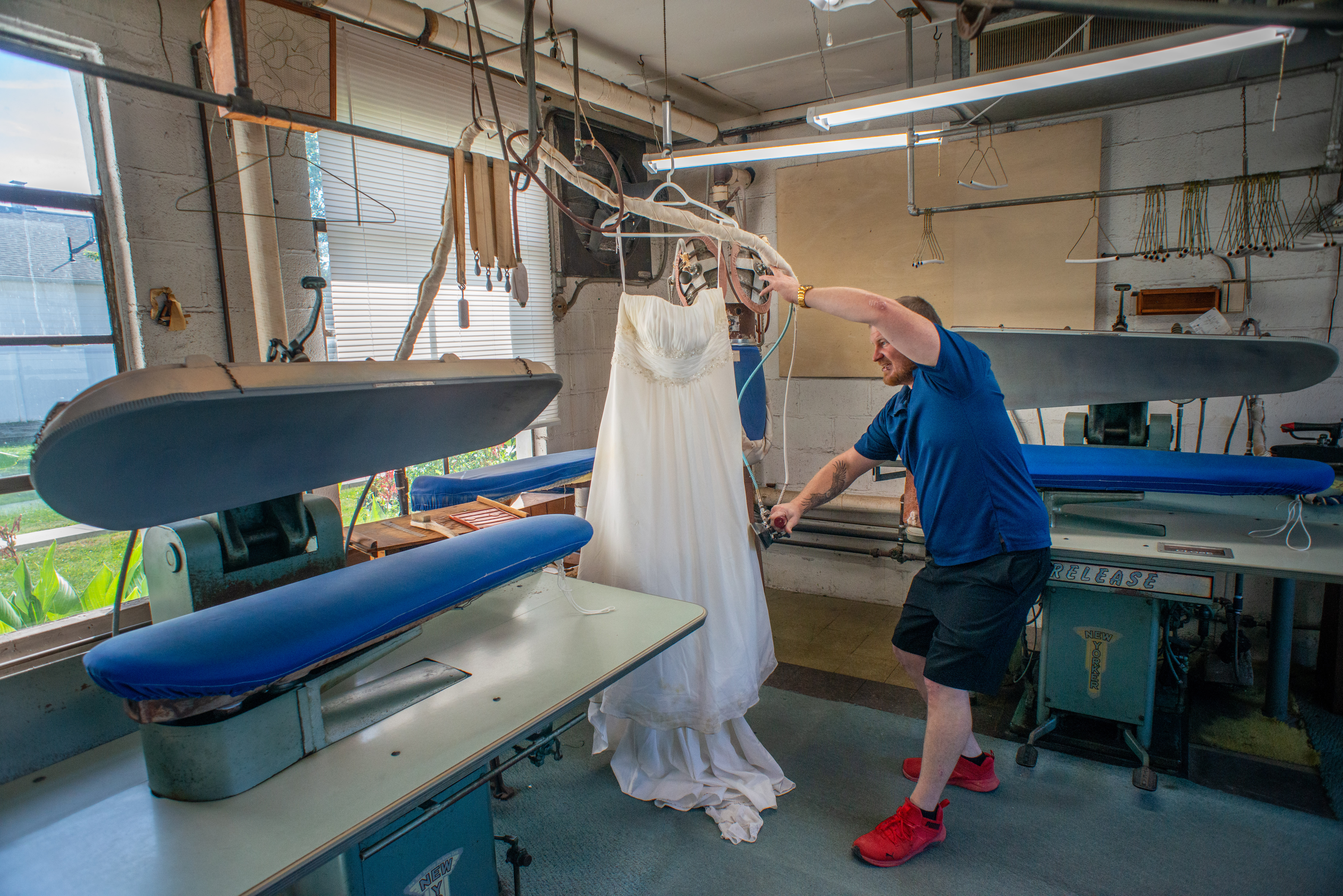
Dustin Fischer sews, irons, and presses clothing Saturday, Sept. 19, 2026, at Fischer’s Tuxedo in Quakertown. Tailors are disappearing, but this Upper Bucks shop is set to pass to a fifth generation. William Thomas Cain / For The Inquirer
Father and son both worked other jobs before joining the family business full time. Brett made office furniture, and Dustin worked in restaurants, a car wash, and a chocolate factory.
After 34 years at the helm, Brett is not sure when he’ll retire: “I’m probably gonna wake up one day and say ‘I’m just done.’”
And Dustin doesn’t know yet whether he’ll keep the store running himself, though he expects someone in the family will.
“But you never know,” he added. “Life’s weird.”
This suburban content is produced with support from the Leslie Miller and Richard Worley Foundation and The Lenfest Institute for Journalism. Editorial content is created independently of the project donors. Gifts to support The Inquirer’s high-impact journalism can be made at inquirer.com/donate. A list of Lenfest Institute donors can be found at lenfestinstitute.org/supporters.
Books are back, in Greater Philadelphia and around the country.
The industry saw modest revenue growth the last four years in a row, an Association of American Publishers report found. Brick-and-mortars saw more than twice the growth of online retail in 2025, and hardcovers outpaced ebooks.
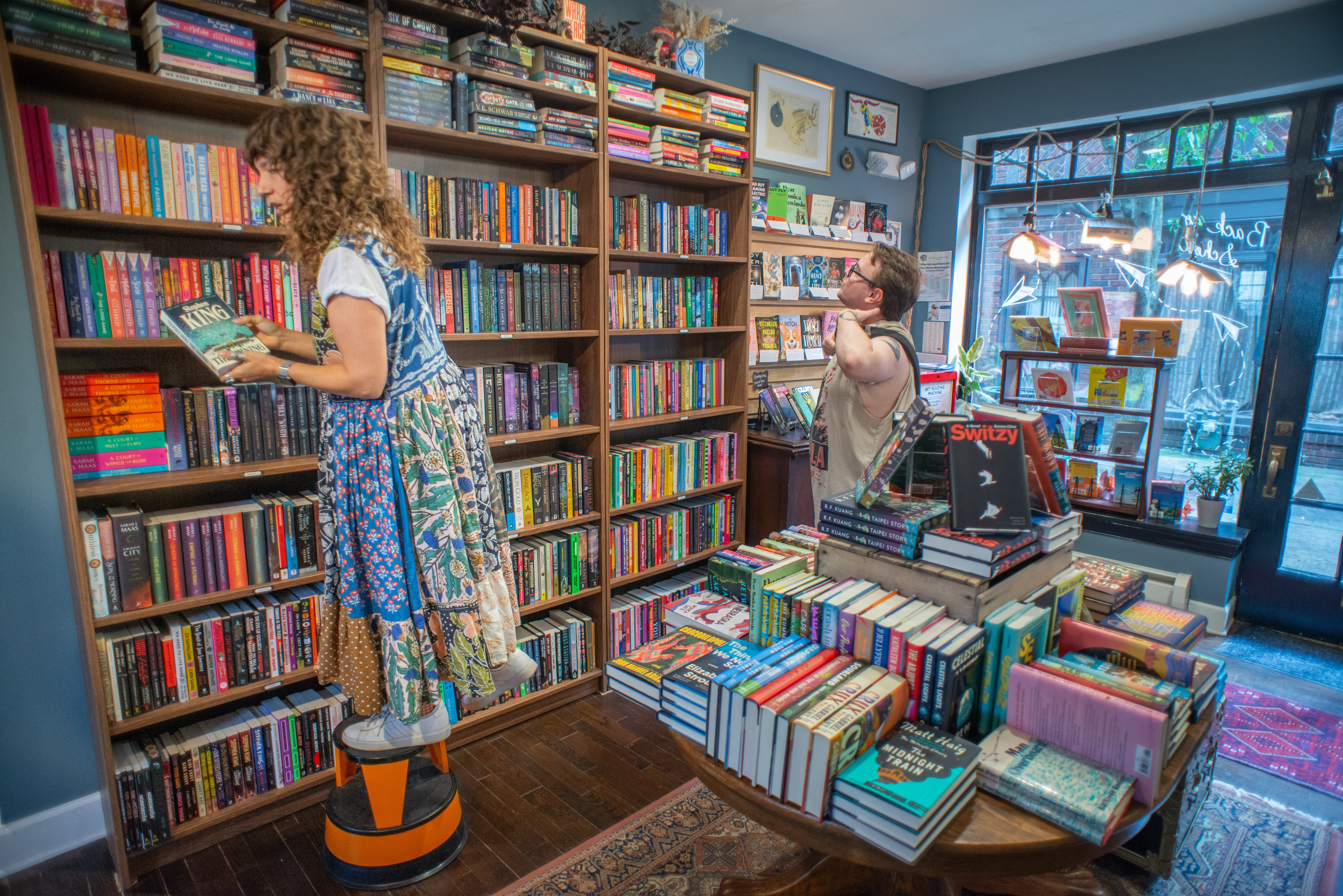
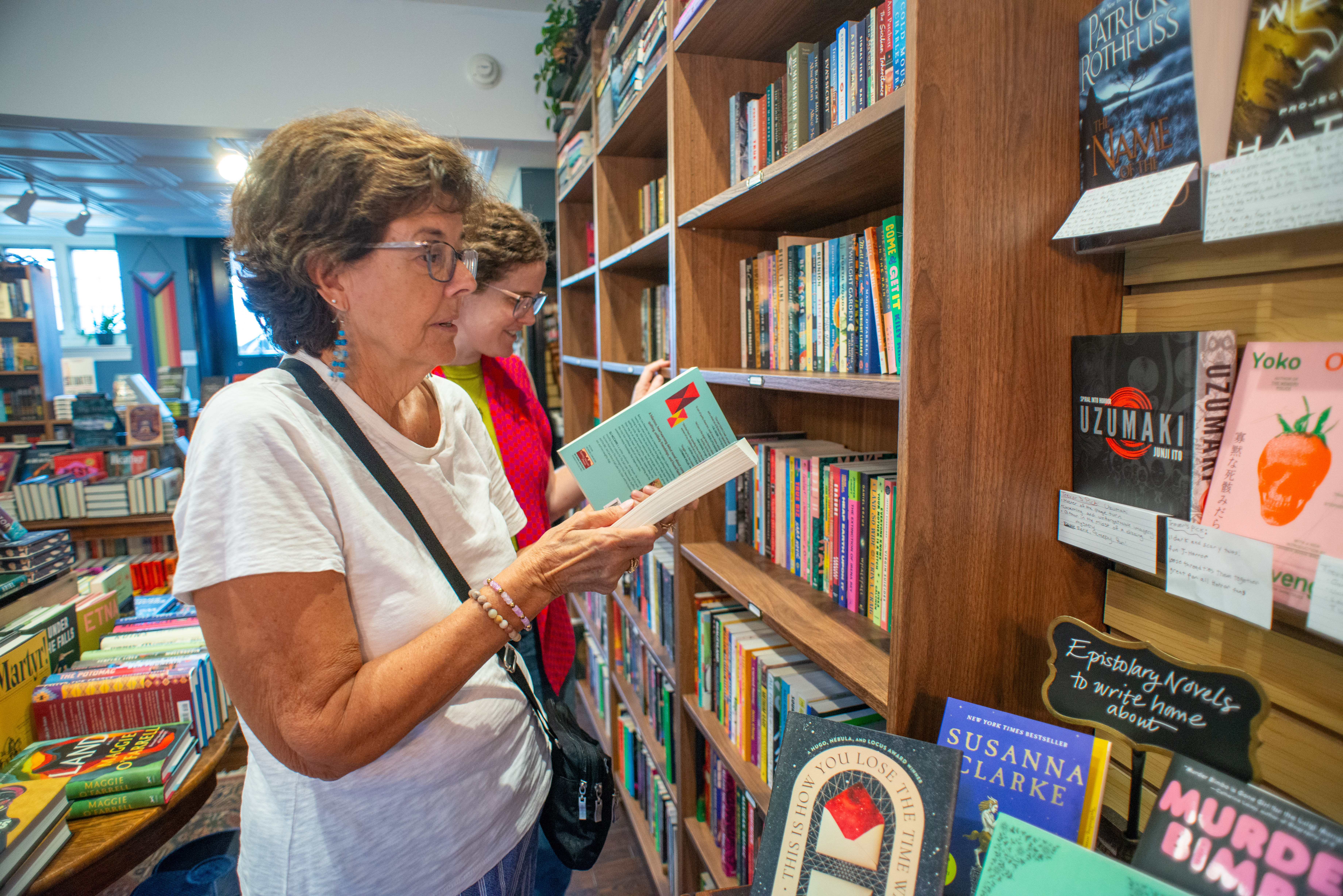
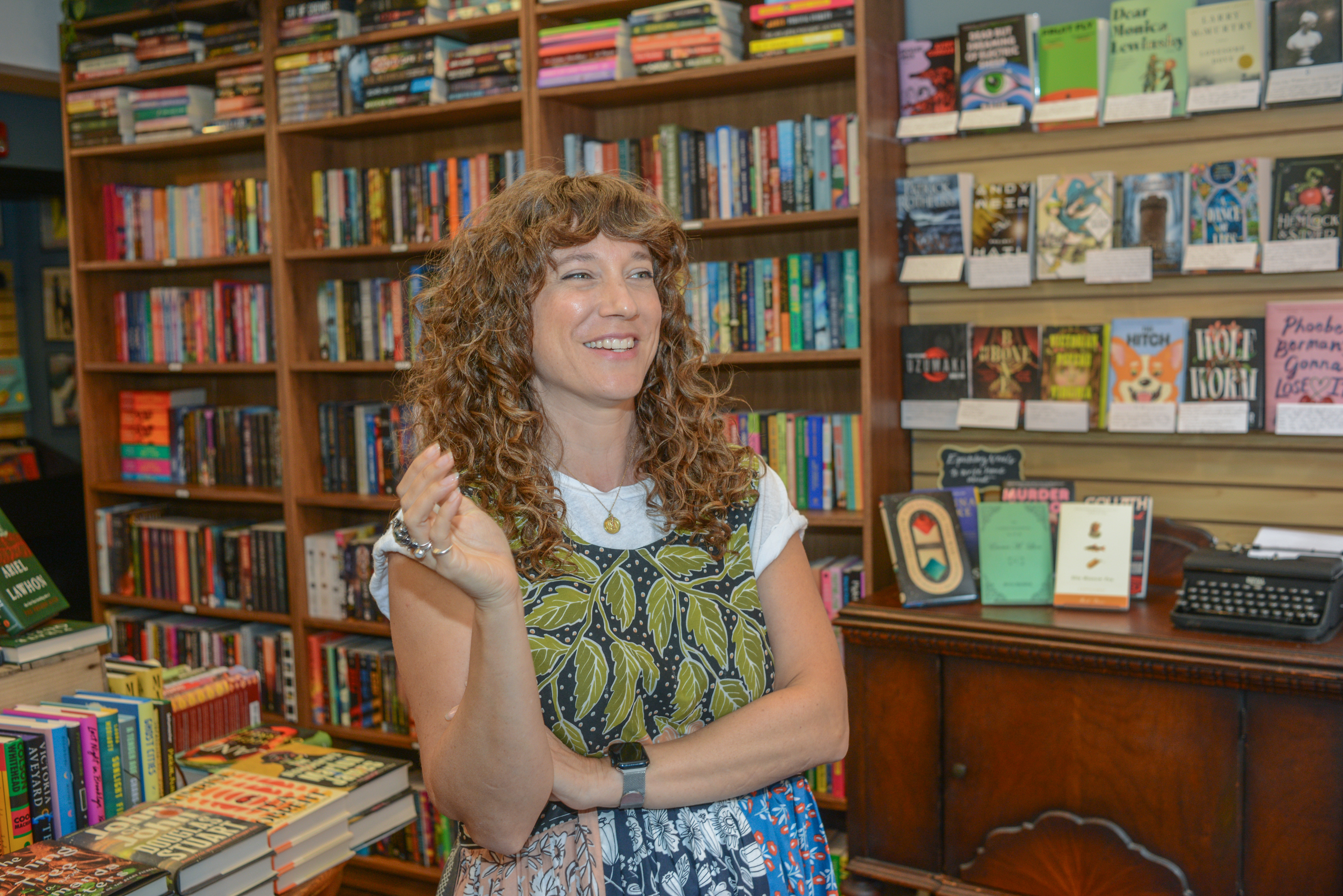
Jackie Botto looks for a book on the shelves while chatting with a customer at Capricorn Books in Jenkintown.William Thomas Cain / For The Inquirer
Many Philly-area booksellers said they’re feeling the surge.
But what are they reading? Sixteen booksellers told us their favorites of 2026 so far.
Angel by Elizabeth Taylor and The Princess of 72nd Street by Elaine Kraf — Ariel Censor, Little Yenta Books in South Philly
Back for Blood: Never Whistle at Night Part II edited by Shane Hawk and Theodore C. Van Alst Jr.— Alex Schneider, A Novel Idea in East Passyunk
Discipline by Larissa Pham — Richard De Wyngaert, Head House Books in Queen Village
Exit Party by Emily St. John Mandel — Jackie Botto, Capricorn Books in Jenkintown
Message to the Blackman in America by Elijah Muhammad — Shaykh Anwar Muhammad, The Black Reserve Bookstore in Lansdale
Most Ardently Yours by Freya Sampson — Charity Herndon, Austen’s Shelf in Bordentown
Partita by Barbara Kingsolver — Elizabeth Young, Commonplace Reader in Yardley
This suburban content is produced with support from the Leslie Miller and Richard Worley Foundation and The Lenfest Institute for Journalism. Editorial content is created independently of the project donors. Gifts to support The Inquirer’s high-impact journalism can be made at inquirer.com/donate. A list of Lenfest Institute donors can be found at lenfestinstitute.org/supporters.
Fishtown Books opened last weekend, the neighborhood’s fifth bookstore. In Manayunk, one couple opened two bookstores on the same street. The August opening of a West Chester fantasy shop wrapped a line around the building, ending early when the shelves were nearly emptied.
Across Greater Philadelphia, bookstores are back.
And despite the growing competition, many sellers said sales are up, mirroring national trends: The Association of American Publishers found the number of books sold via physical retail grew almost 34% over the past five years, outpacing online retail.
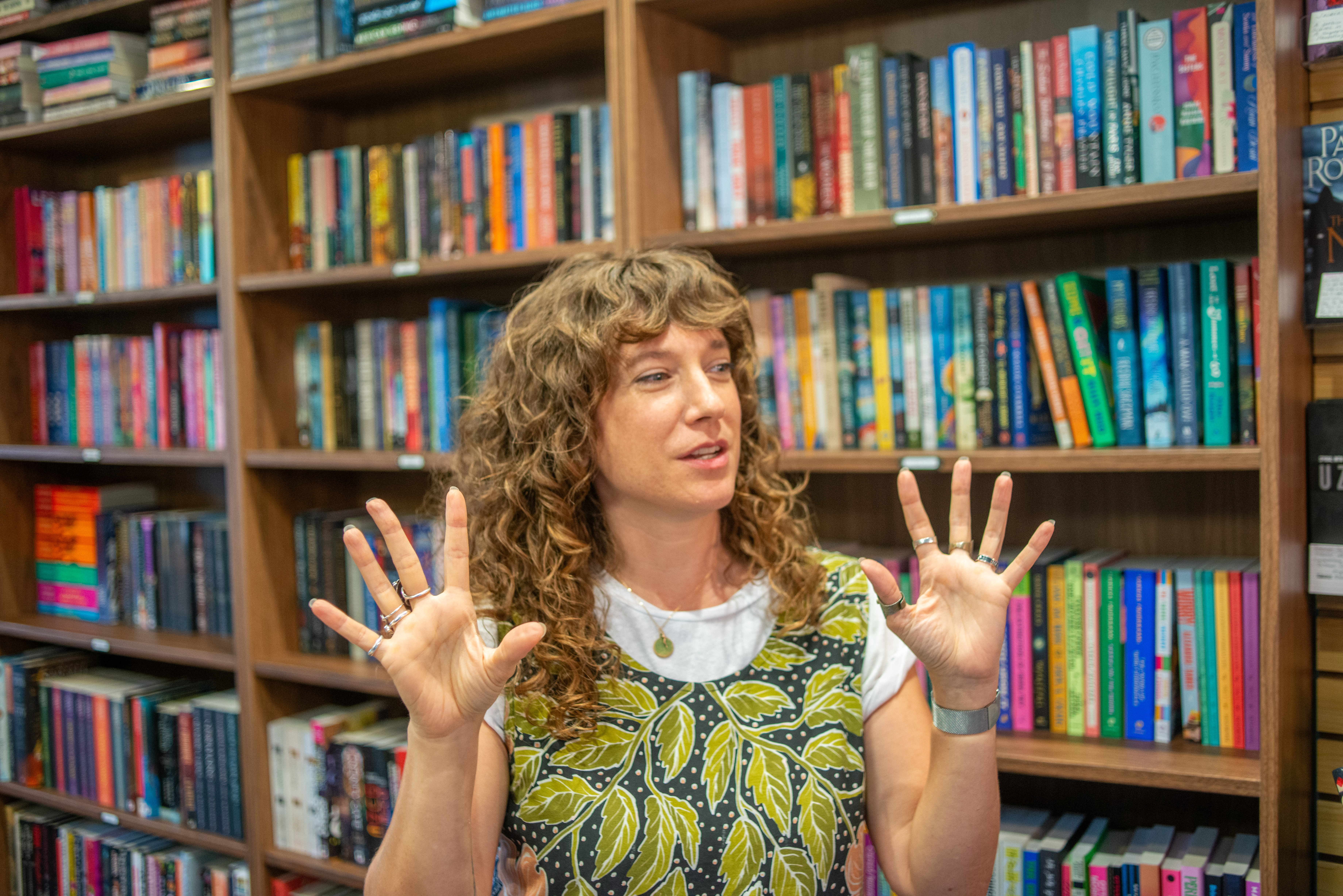
“I did not plan for it to be so busy,” said Jackie Botto, 41, of Capricorn Books, which expanded its Jenkintown storefront in July. “We’ve almost doubled our business.”
Capricorn Books owner Jackie Botto chats about the books and customers’ love of reading on Sept. 17 in her Jenkintown bookstore.William Thomas Cain / For The Inquirer
Screen fatigue, a hunger for community, and a desire to support local businesses are fueling the surge, said sellers — many of whom are investing in niche genres and hosting creative events to meet their customers’ needs.
Readers are reading, book people say
The reading boom isn’t limited to stores. At Jenkintown and Abington libraries — which sit along the same corridor as Capricorn and a newBarnes & Noble — patronage is growing, and bothlibraries are mulling expansion.
Adult print circulation is up 10% in Abington, and children’s circulation is up 50% since last year. “People are consuming more literature and media in general,” said Abington’s head of circulation, Marcus Palm.
And parents are prioritizing reading for themselves and their kids, said the Abington library director, Elizabeth Fitzgerald: “There is a bit of backlash to the doomscrolling.”
At Bookmarks in West Chester, some customers have tried ebooks and are returning to print.
“They spend all day working on the computer,” owner Lisa Strohl said. “They’re tired of being on the screen.”
But some apps like TikTok — and its algorithmic niche known as BookTok — are also driving readers to the stacks.
BookTok and tailored offerings draw young readers
“The screen is helping them get back into reading,” said Charity Herndon,ownerof Austen’s Shelf in Bordentown. “[BookTok] was the only way to reach the younger generation of readers.”
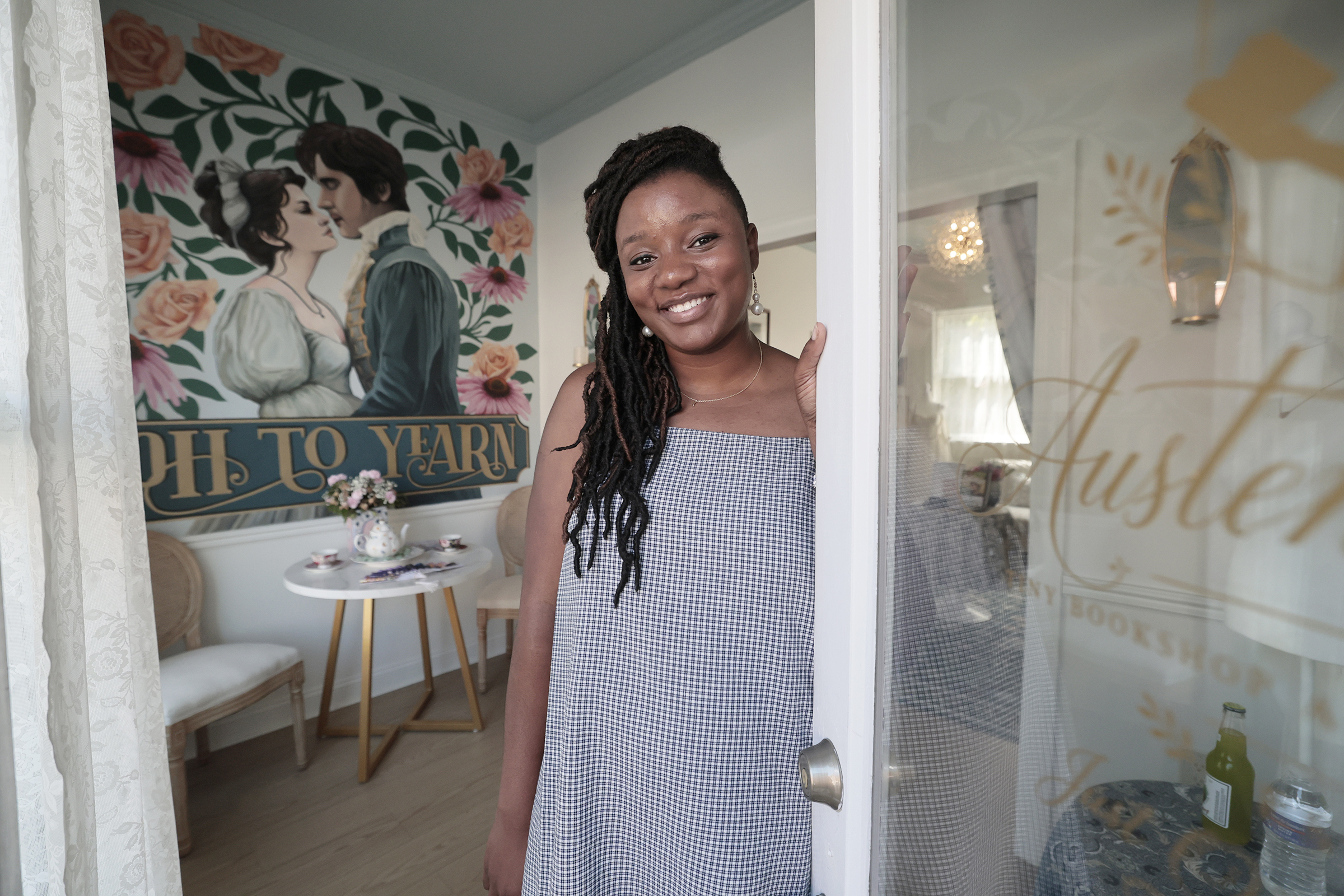
Charity Herndon, owner of Austen’s Shelf, stands in the entrance of her shop in Bordentown on June 13.Elizabeth Robertson / Staff Photographer
Sellers like Herndon and Anthony Long — who opened Thrillerdelphia in Manayunk last year after helping his wife open romance-focused Cupid’s down the street — are using both digital and analog strategies to turn new customers into loyal fans by delivering the community hubs they crave.
In a recent Instagram reel, a Thrillerdelphia staffer played a guitar riff to match each book cover he displayed. In November, the store is hosting the horror punk band Blitzkid, a member of which is also an author.
“I know my customers,” Long said. “You can get the eyeballs, but you have to build the intrigue and make people want to come in.”
Active support from local residents is key, many sellers said. Literary agent Eric Smith decided to start the Philadelphia Book Crawl a few years ago. It’s become a kind of Black Friday for bookstores; several said it’s their best day of the year.
“I’m terribly invested in how things go for our local indie bookstores,” Smith said. “I want to see them thrive.”
(function(){function e(){window.addEventListener(`message`,function(e){if(e.data[`datawrapper-height`]!==void 0){var t=document.querySelectorAll(`iframe`);for(var n in e.data[`datawrapper-height`])for(var r=0,i;i=t[r];r++)if(i.contentWindow===e.source){var a=e.data[`datawrapper-height`][n]+`px`;i.style.height=a}}})}e()})();
“[BookTok] was absolutely a key point, especially during COVID,” said Barnes & Noble vice president Janine Flanigan. “I’ve never seen the conversations around books the way we see them now.”
The chain has taken notice of successful indies: A news release for the new store in Abington — where a Barnes & Noble had closed more than a decade ago — highlighted plans for local author events and book clubs.
The Abington store’s stock will be selected more locally, Flanigan said. “The store managers are deciding what to put in front of their customer.”
The private equity-owned company’s shift to localized control only highlights the value of independent sellers, said Buffy Hastings, a co-owner of Farley’s Bookshop in New Hope.
“They got beat by us,” he said.
Botto, who owns Capricorn Books near the new Abington Barnes & Noble and has fond childhood memories of the chain, is optimistic that there’s room for everyone.
“Looking at our numbers we have no reason to be worried, which is great,” she said.
People buying books despite affordability crisis
Richard De Wyngaert, whose Queen Village store Head House Books opened during the online and big-box-bookstore boom of the early aughts, said those initial customers would always compare him to online vendors.
“Price was all that mattered,” he said. “That two-dollar savings.”
But a few years ago, he noticed a shift — “a new generation who wasn’t raised to think you had to match Amazon,” De Wyngaert said. “By then, we all knew the horrors.”
Mila Panchev (center), 9, and her father, Nikolay Panchev, look at the book “The Scroobious Pip” by Edward Lear and illustrated by Charles Santore and Nicholas Santore before a reading by Nicholas Santore at Head House Books in the Queen Village neighborhood on Jan. 25, 2025. Nicholas Santore finished the illustration started by his father, Charles Santore.Yong Kim / Staff Photographer
Sellers say book prices have shot up in recent months, but the customers keep coming.
The relative price hike for other consumer luxuries like airfare may be part of the reason: The consumer price index for “recreational books” has yet to return to its 30-year peak in 2009.
“I have seen this summer someone who’s like, ‘I can’t go on vacation, so I’m going to read about Italy,’” Herndon of Austen’s Shelf said.
Readers want to ‘escape’, booksellers say
The genres driving much of the growth in stores with broad selections, sellers said, are romance — especially when mixed with fantasy, a subgenre known as romantasy — and horror.
There are also the blockbuster books they can’t keep in stock, like the sci-fi fantasy series Dungeon Crawler Carl, and a return to the classics.
What these books have in common, sellers said, is they’re totally disconnected from everyday life — or, as Hastings put it, “the realities of living in America in 2026.”
The bestsellers at Austen’s Shelf are “books that allow people to escape,” Herndon said. “People just want to tuck themselves into a different world.”
When Head House Books opened in 2005, “people thought I was nuts,” De Wyngaert said. “Today you see bookstores … springing up everywhere.”
It’s “good news,” he added, “for a world that needs some good news.”
This suburban content is produced with support from the Leslie Miller and Richard Worley Foundation and The Lenfest Institute for Journalism. Editorial content is created independently of the project donors. Gifts to support The Inquirer’s high-impact journalism can be made at inquirer.com/donate. A list of Lenfest Institute donors can be found at lenfestinstitute.org/supporters.