Author: Jess Rohan

  • Cheltenham police will use AI-enabled surveillance cameras at a construction site, and could expand use around town

    Cheltenham police will use AI-enabled surveillance cameras at a construction site, and could expand use around town

    Cheltenham police will soon use AI-enabled cameras to deter crime at a construction site, and may use them in the future for crime hot spots and community events.

    The $35,000 contract with Packetalk, a New Jersey technology company, that township commissioners approved Wednesday includes artificial intelligence-enabled camera technology with motion detection and software that allows police to both review live feeds and search recorded footage for license plate numbers and vehicle characteristics.

    Packetalk is smaller than the more widely known Flock Safety, but the company is not without controversy.

    In 2023, Packetalk’s current CEO, Tamer Zakhary, was charged with allegedly selling Chinese surveillance equipment banned under the National Defense Authorization Act as his own product, asking a manufacturer to change the color and logo to hide it, and lying to public safety clients about compliance.

    The federal charges were dropped in 2024 without explanation or prejudice, meaning prosecutors are allowed to charge Zakhary again for the same thing in the future.

    Township Manager Jonathan Altshul said Friday he had not been aware of the case.

    The Packetalk cameras will initially be used at the La Mott Community Center construction site, but police will keep the cameras for use at crime hot spots and community events, IT director Michael Rubin said at a Tuesday committee meeting. The contract includes five years of maintenance.

    Packetalk also allows police to create a surveillance network using both public and private cameras with owners’ permission. The township already has Packetalk cameras at Wall Park, Rubin said.

    Cheltenham officials, in an interview Friday, characterized the existing Wall Park technology as more akin to conventional surveillance cameras. Though the department may access the cameras through the same Packetalk monitoring platform, the Wall Park cameras are not integrated with other surveillance systems and do not use AI-powered tools.

    The Packetalk systems can help solve crime, Police Chief Richard Schaffer said at the Wednesday meeting where commissioners approved the AI surveillance contract: “These cameras don’t get tired, they don’t leave … they don’t sleep.”

    Schaffer added Friday that camera technology was critical to solving cases like the 2023 homicide of Rachel King.

    “For any investigation, we would take any legal avenue for trying to solve a case,” Schaffer said. “That would include if we identify cameras.”

    Several Cheltenham commissioners also emphasized that the camera contract was well worth the cost to protect the more than $8 million investment the township is making in the community center.

    Flock cameras have raised questions across the country — including in neighboring Abington, where both police and residents became concerned about data security and privacy.

    Like the Flock cameras, the Packetalk system can flag wanted vehicles, according to the company’s website.

    But unlike Flock cameras, which can be connected to a nationwide network where other agencies can request access, the data from the Packetalk system will be stored by the township, and only Cheltenham will have access, Schaffer said.

    Cheltenham does not have its own Flock cameras, but has access to Flock’s surveillance network via private companies within the township, police previously said.

    The new cameras have not yet arrived, but in general, the police department retains video for a minimum of 60 days, officials said.

    The township originally planned to order two surveillance trailers from Packetalk for $35,000 each, but commissioners amended the agenda item to approve just one, which will be paid for via Cheltenham’s capital fund.

    Packetalk was significantly cheaper than other vendors, a township memo noted.

    This suburban content is produced with support from the Leslie Miller and Richard Worley Foundation and The Lenfest Institute for Journalism. Editorial content is created independently of the project donors. Gifts to support The Inquirer’s high-impact journalism can be made at inquirer.com/donate. A list of Lenfest Institute donors can be found at lenfestinstitute.org/supporters.

  • Philly’s top Tibetan restaurant was set to expand to Montco. Then its building caught fire.

    Philly’s top Tibetan restaurant was set to expand to Montco. Then its building caught fire.

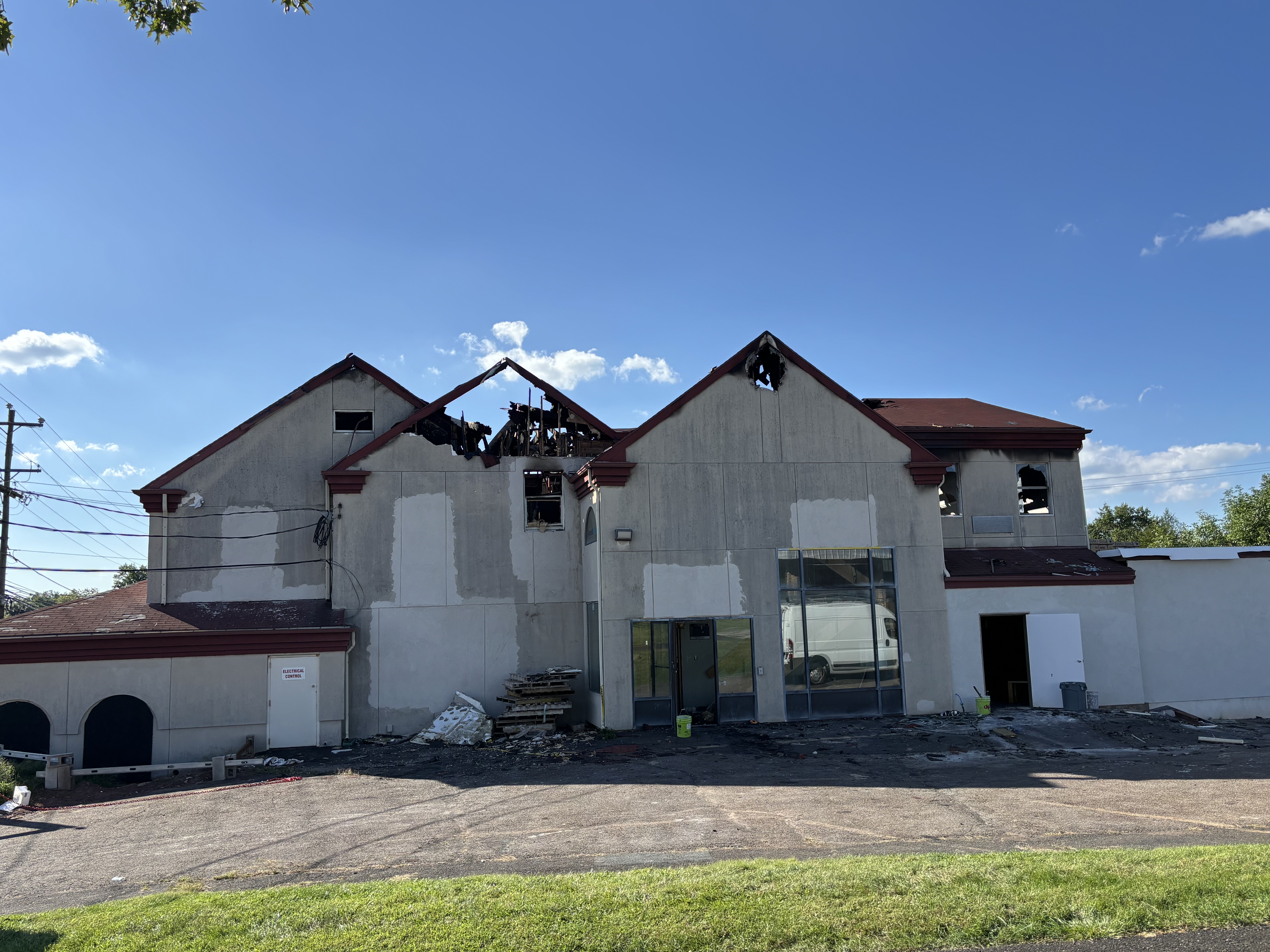
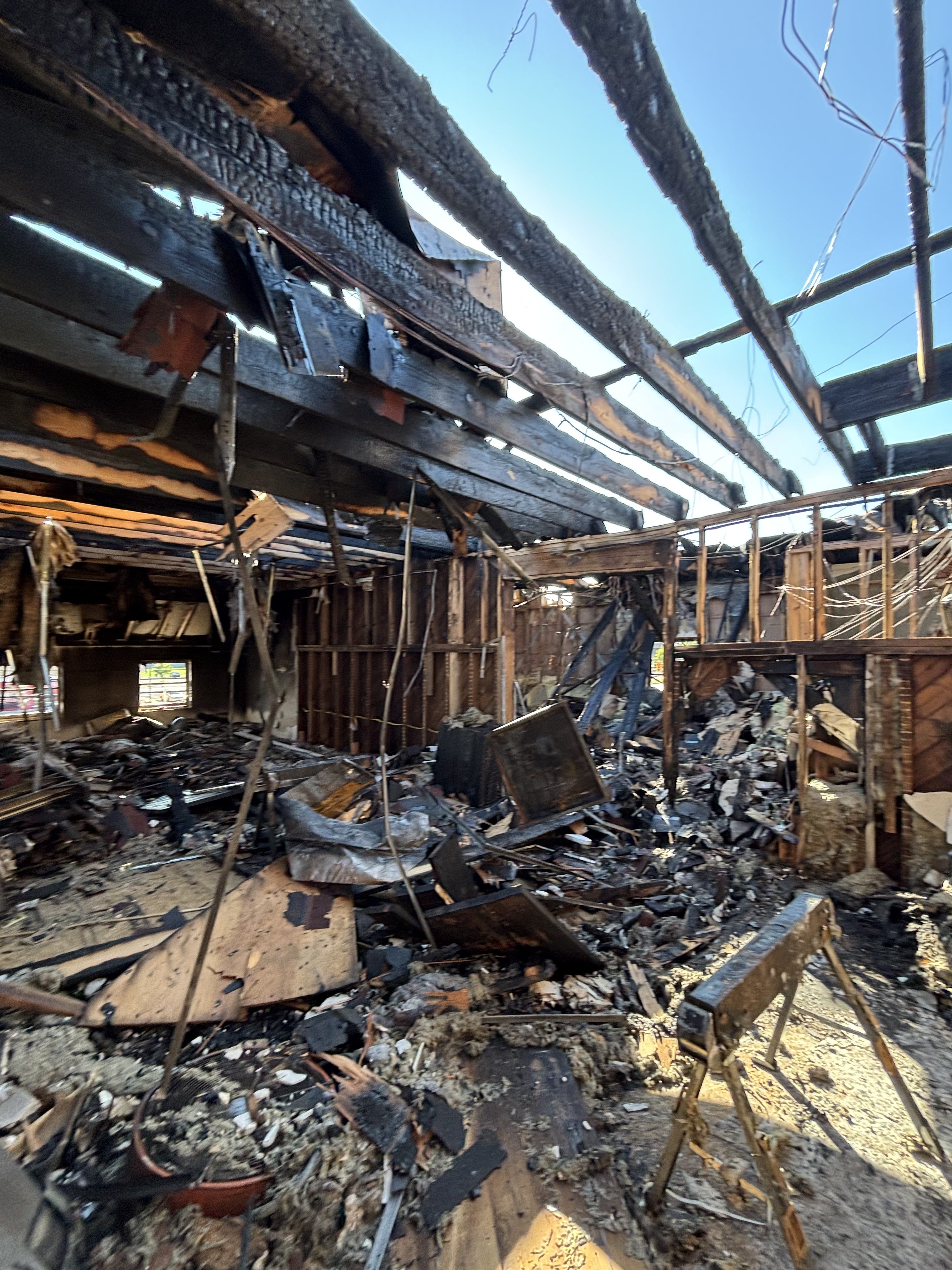
    The dining tables were already inside the East Norriton building where the owners of White Yak Restaurant planned a second location when a fire ripped through the roof earlier this month.

    Chef-owner Treley Parshingtsang’s husband, a contractor by trade, made the tables by hand. The couple was about six weeks from opening what would have been Montgomery County’s only Tibetan restaurant.

    “I have so many packages that my brother shipped all the way from Tibet for the decorations,” she said through tears.

    White Yak Restaurant’s Roxborough location has drawn a loyal following and critical acclaim for its spicy momo dumplings, hand-ripped noodles, and house-made sausage. It’s been a regular on The Inquirer’s 76 best restaurants in the region.

    Co-owners Tsering Parshingtsang (left) and Treley Parshingtsang spoon out Thenthuk soup with beef and hand-ripped noodles at White Yak, the Himalayan Tibetan restaurant in Roxborough Nov. 26, 2019.TOM GRALISH / Staff Photographer

    Opening the first restaurant, at 6118 Ridge Ave., took six and a half years of work, Parshingtsang said, and her family had been working on the East Norriton location for four. The couple bought the building in 2021, property records show.

    The fire broke out Sept. 5 at the 123 W. Germantown Pike building, White Yak Restaurant wrote on social media last week. Images show flames pouring from the roof of the 6,000-square-foot structure across from Friendly’s.

    Though insurance and fire inspectors have surveyed the damage, the cause of the fire is still unknown, Parshingtsang said in an interview. The electricity wasn’t turned on, and the doors were locked.

    The top floor of 123 W. Germantown Pike, razed by fire on Sept. 5, 2026.Tsering Parshingtsang

    Parshingtsang is hopeful they can save the basement and first floor, but she’s worried about the rain pouring in from the open roof.

    “That building is very special for us,” she said. “We have a lot of memories.”

    The news drew messages of support, including from Montgomery County Commissioner Neil Makhija.

    “[I] was so excited to welcome the White Yak Restaurant,” Makhija wrote on social media. “Their Roxborough restaurant is a favorite for our family.”

    It’s too early to tell when White Yak will be ready to resume expansion plans, Parshingtsang said, but her family wrote in a statement on the restaurant’s social media page that they’re determined to move forward: “The building may be gone, but our dream is not.”

    This suburban content is produced with support from the Leslie Miller and Richard Worley Foundation and The Lenfest Institute for Journalism. Editorial content is created independently of the project donors. Gifts to support The Inquirer’s high-impact journalism can be made at inquirer.com/donate. A list of Lenfest Institute donors can be found at lenfestinstitute.org/supporters.
  • The King of Prussia building home to the Netflix House has sold for $60 million

    The King of Prussia building home to the Netflix House has sold for $60 million

    The King of Prussia building that hosts Netflix House has sold for $60 million to a developer aiming to invest in experiential business properties.

    The more-than-100,000-square-foot building at 180 N. Gulph Rd. has been up for sale since 2024 — a year before the streaming company’s first immersive entertainment venue opened inside it last fall.

    The 2024 listing noted that Netflix had already signed a 10-year lease to begin Dec. 31 of that year, according to the Philadelphia Business Journal.

    Executives of buyer EPR Properties indicated after the sale in June that the tenancy of Netflix House, which offers activities like mini golf and virtual reality games inspired by its shows, including Stranger Things and Squid Game, was part of the appeal.

    “We are pleased to welcome Netflix as a new partner through our acquisition of Netflix House in King of Prussia, Pennsylvania,” EPR’s CEO Gregory Silvers said on a July earnings call.

    Missouri-based EPR Properties has aimed to expand its portfolio of experiential business properties, according to its website, amid a broader national shift toward experience-based commerce.

    EPR bought the property from an LLC associated with the former owner of Lord & Taylor, a department store that long occupied the two-story building, but closed during the COVID-19 pandemic.

    This suburban content is produced with support from the Leslie Miller and Richard Worley Foundation and The Lenfest Institute for Journalism. Editorial content is created independently of the project donors. Gifts to support The Inquirer’s high-impact journalism can be made at inquirer.com/donate. A list of Lenfest Institute donors can be found at lenfestinstitute.org/supporters.

  • Cheltenham’s new manager wants to fix aging amenities while ‘holding the line’ on taxes

    Cheltenham’s new manager wants to fix aging amenities while ‘holding the line’ on taxes

    Jonathan Altshul started this week as the new manager of Cheltenham, an ethnically and economically diverse township of about 38,000 people divided into historic neighborhoods like Elkins Park, Wyncote, and Laverock.

    As he gets down to work on the township’s biggest priorities, including revamping facilities and boosting the tax base, Altshul wants to hear from them all, he said in an interview.

    “That’s what we sign up for as municipal managers,” said Altshul, who will receive an annual salary of $225,000. “How do you get people with different viewpoints, different walks of life, to come to the table?”

    It is a skill he mastered growing up as one of seven kids, Altshul said — “trying to make sure your voice is heard while respecting there’s also six others of you in the house.”

    One of his first priorities is improving Cheltenham’s facilities — some of which are century-old relics of the township’s past as a playground for the wealthy.

    “We are facing aging facilities and aging infrastructure,” Altshul said, and part of his job will be addressing that to attract new residents and businesses.

    He hopes to do so while “holding the line on tax increases as much as possible,” Altshul said. Cheltenham residents — who are the most property tax-burdened in Montgomery County — “have high expectations about the services that they receive, so there’s not, generally speaking, a whole lot of fat to cut.”

    In tackling the building challenges, Altshul’s penchant for hard conversations may be crucial. Township officials in recent years have discussed the possibility of closing facilities, raising worries from some residents in neighborhoods that stand to lose amenities.

    Two community centers — La Mott and Rowland — have been largely closed to the public for several years, and renovation plans have been confirmed only for La Mott.

    Adding to Cheltenham’s infrastructure challenges is the tax base itself. The township has less commercial space than nearby towns, but a larger proportion of institutional land, according to its recent comprehensive plan. Institutional land typically includes churches, universities, and hospitals that may not pay property taxes.

    Encouraging those entities to pay fees in lieu of property taxes may be part of the solution, Altshul said. He plans to take a pragmatic approach.

    “There are no silver bullets with public finances,” Altshul said. “It’s just listening and rolling up sleeves, getting your hands dirty, and thinking through problems.”

    It is the kind of work that led Altshul to public administration in the first place: He got a graduate degree in public policy and finance, taking federal and county-level government jobs in the Washington area before moving to Chester County to work in local government.

    His last job stint — two years as a suburban township manager — took him back to his native Connecticut while he helped his widowed father with a life transition, but his “heart is in the Delaware Valley,” Altshul said. “I raised my kids here.”

    That is why he takes seriously the emotional and financial investments Cheltenham residents have also made, Altshul said:

    “We’re talking about home.”

    This suburban content is produced with support from the Leslie Miller and Richard Worley Foundation and The Lenfest Institute for Journalism. Editorial content is created independently of the project donors. Gifts to support The Inquirer’s high-impact journalism can be made at inquirer.com/donate. A list of Lenfest Institute donors can be found at lenfestinstitute.org/supporters.

  • Bennett Fairorth, a prolific writer and beloved Council Rock teacher, has died at 99

    Bennett Fairorth, a prolific writer and beloved Council Rock teacher, has died at 99

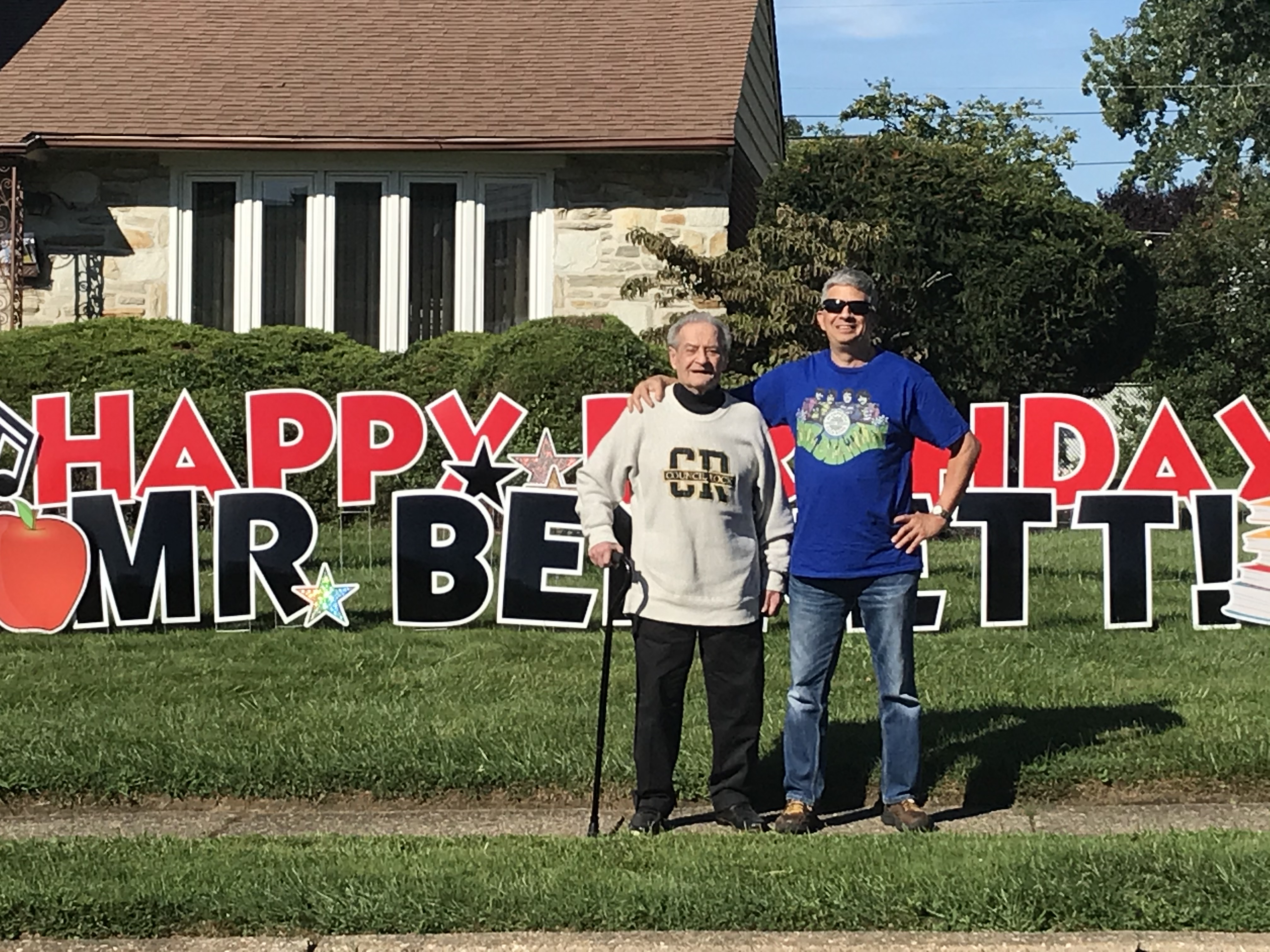
    Bennett Fairorth, a prolific writer and longtime Council Rock School District teacher, died Thursday, July 9, at a Rydal retirement home after falling in his Abington home of 64 years.

    Mr. Fairorth had been looking forward to celebrating his 100th birthday with former students this month, his brother, Leonard Fairorth, said.

    A high school English teacher of more than 30 years, Mr. Fairorth regularly heard from students for decades after his retirement, despite never owning a cell phone, a computer, or an answering machine.

    His death sparked a flood of remembrances on social media from former students — who recalled reading The Odyssey and French philosopher Jean-Paul Sartre, seeing plays, and attending events for the student newspaper he advised — including several who became teachers and writers themselves.

    “Freshman year in college English I was told not to come back to class after handing in my first paper,” one former student wrote. “The professor said I already knew how to write.”

    “I have never laughed as hard as I did during those classes,” another wrote.

    Mr. Fairorth’s curriculum included books that some considered controversial in the foment of the era, 1967 graduate Allen Hengst said, including The Sound and the Fury by William Faulkner.

    “It was a controversial time. A lot was changing,” Hengst said. “Here was a teacher who was on our side.”

    Mr. Fairorth was oldest of five children born to a business owner and a homemaker. He and his sister were the only Jewish students at his North Philadelphia elementary school, Mr. Fairorth said in a podcast interview in 2023 with a former student and her husband, and had to switch schools after other kids attacked them.

    Mr. Fairorth studied English at Pennsylvania State University, though his education was interrupted when he was drafted into the Navy during World War II and tasked with keeping mechanical records in Manila. He returned and got a master’s degree in business from the University of Pennsylvania, hoping to write for the Wall Street Journal, he said in 2024, but found he could not support a family on a reporter’s salary. Mr. Fairorth raised three children with his wife, Ruth, who ran a uniform store.

    Instead of writing, Mr. Fairorth worked for several years putting new rock and roll records into jukeboxes around town and leaving the old ones at home for his youngest brother, Leonard Fairorth said. Bennett Fairorth, who preferred classical music, would drive to New York on Saturdays, squeezing in both a matinee and an evening performance at the opera houses.

    He took a pay cut to teach for a few years at Abington Senior High School and struggled financially until the English department at Council Rock heard of his success preparing seniors for college and recruited him in 1964, Mr. Fairorth said in 2024.

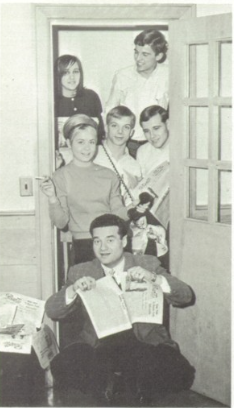
    Bennett Fairorth with journalists from Council Rock’s student newspaper, The Indianite, in the 1966–1967 school year.Council Rock School District

    Mr. Fairorth was a lifelong fan of newspaper puzzles. He wrote weekly letters to a relative about The Inquirer’s crosswords, his brother said. In 1936, at age 9, he sent in the correct answers to an Inquirer kids’ challenge and won a prize, according to newspaper archives.

    In retirement, Mr. Fairorth found more time for hobbies, self-publishing more than a dozen novels, often in a diaristic style chronicling holiday dinners and trips abroad.

    As a teacher, Mr. Fairorth was known as a firm but thorough grader, his brother said — a trait that led to conflicts with some parents in the tony suburban district toward the end of his career.

    “Parents would come in and [complain] about their kid not getting an A,” Leonard Fairorth said, and go to the principal after Mr. Fairorth refused to change it. “Some of them would be really nasty. … That’s one of the things that really discouraged him at the end.”

    Although Mr. Fairorth maintained decades-long correspondence with some students, there was one letter that took more than half a century to arrive, he wrote in a 2020 essay for the Chestnut Hill Local.

    In the 1960s, Mr. Fairorth had failed a senior who refused to submit a research paper. Though he was class president, he could not attend graduation and instead went to summer school.

    “It was a tense situation,” Mr. Fairorth wrote.

    The student, Bill Proser, went on to earn an English degree, become a teacher, and found a charter school in Idaho.

    “Yesterday, after 55 years of his getting an F in my class, I received a letter in Bill’s handwriting,” Mr. Fairorth wrote. “‘Thank you for what you did for me.’ I suppose that if you wait long enough, who knows what magic will come to pass?”

    In addition to his brother, Mr. Fairorth is survived by children Nancy, Mark, and Laurel, as well as grandchildren, nieces, and nephews.

    Services and interment were private, according to a notice by the Philadelphia Cremation Society.

    This suburban content is produced with support from the Leslie Miller and Richard Worley Foundation and The Lenfest Institute for Journalism. Editorial content is created independently of the project donors. Gifts to support The Inquirer’s high-impact journalism can be made at inquirer.com/donate. A list of Lenfest Institute donors can be found at lenfestinstitute.org/supporters.
  • Abington is trying to break its 2028 contract with Flock amid data concerns, police chief says

    Abington is trying to break its 2028 contract with Flock amid data concerns, police chief says

    Abington Township is trying to exit its Flock Safety agreement early for breach of contract over data leaks, Police Chief Patrick Molloy said at a recent meeting, as officials implement a new surveillance system and draft new policies for the replacement system.

    The township board of commissioners approved a contract for Axon cameras at its regular meeting on Aug. 27 that would replace the Flock system, which police say helped solve crimes but were rife with unexpected data security issues.

    The Flock cameras, known as automated license plate readers, or ALPRs, can collect not only plate numbers but also details about vehicles and driving habits. Police can search the footage to track a specific car across time and jurisdictions, which Abington officials say helps to solve missing persons, theft, and other cases.

    The Flock contracts are currently under review at the township solicitor’s office, Molloy said Tuesday. Abington still has a Flock camera turned on in the township, Molloy said, because it is in use for an active investigation.

    Abington is trying to exit its contract with Flock early

    Now the township is exploring ways to exit its remaining Flock contract early, officials said at the meeting. The three-year agreement, which costs $10,500 annually, would otherwise end in 2028.

    A second contract with Flock that cost $9,225 per year for two years expired last month.

    The township’s solicitors did not return requests for comment on the plans.

    Lt. Joe Blei previously indicated that the department’s Flock data were shared in ways Abington police had not expected. While Abington thought the township would retain sole discretion over its data, search logs from Abington police were released via public records requests to a police department in Illinois.

    Flock’s current terms allow customers to cancel if the company “defaults in performance of any material provision of the Agreement” and does not solve the issue within 30 days.

    The new system the township approved last month from Axon keeps data in a server that only the township has access to, officials said at the meeting, and prevents external agencies from duplicating Abington’s data.

    Abington police can access the server via evidence.com, the same website police use to access body-camera footage, officers said.

    Axon logs are also audited by external bodies, and the results of those audits will be made available to the commissioners for review, police said.

    Abington is implementing new policies for surveillance cameras

    The police department is implementing new policies of its own for the automated license plate reader systems, including scheduled audits of officer searches and a 30-day retention period for data that are not part of a criminal investigation.

    The 30-day period is longer than the new default period of seven days that Flock recently adopted, and the 48 hours recommended by the ACLU.

    But Molloy said that his department needs the extra time in order to make sure officers can gather all of the relevant data once a criminal investigation is opened.

    Abington accesses the data only for criminal investigations, and would allow external agencies, such as the federal government, to access Abington’s data only for crimes and not for civil offenses such as immigration violations, officials have said.

    Molloy said after August’s commissioners meeting that the policy also applies to fusion centers like the Delaware Valley Intelligence Center.

    The center, which shares information and intelligence among local police, federal agencies, and private companies, has a broad law enforcement remit, including monitoring social media for what it views as potential domestic terror threats, such as anti-data center sentiment.

    Police at the meeting reiterated that ALPR systems are useful in solving crimes. Abington used the Flock cameras to help solve a string of robberies that officials said involved a theft ring using Wi-Fi jammers and hidden cameras to burglarize 13 homes in Pennsylvania, Molloy said.

    “It’s probably one of the most effective tools that I’ve seen in my whole 30-year career,” Molloy said.

    This suburban content is produced with support from the Leslie Miller and Richard Worley Foundation and The Lenfest Institute for Journalism. Editorial content is created independently of the project donors. Gifts to support The Inquirer’s high-impact journalism can be made at inquirer.com/donate. A list of Lenfest Institute donors can be found at lenfestinstitute.org/supporters.
  • Cheltenham’s controversial $4.5M pool project can proceed despite bidding rules allegations, judge says

    Cheltenham’s controversial $4.5M pool project can proceed despite bidding rules allegations, judge says

    A judge has denied a Cheltenham resident’s injunction request over allegations that the township violated public bidding rules to build a multimillion-dollar public pool complex.

    Sam Thacker filed for an injunction to halt the controversial project in July, alleging that the township had violated public bidding rules by taking 2.7 acres from a private developer for free and leasing the land back for $10 per year for that developer to build a pool complex for up to $4.5 million.

    The pool would be part of a larger development of the former Melrose Country Club that includes townhouses, a medical center, and commercial space.

    The written denial Judge James Bucci issued Wednesday did not include his reasoning, but Thacker said he recalled the judge saying in court that he rejected the injunction because Thacker did not have standing to sue.

    “I’m extremely disappointed,” said Thacker, 41, who is representing himself in the case. “Taking off of work is really burdensome.”

    He plans to appeal.

    “I feel very strongly that going to trial, I will win,” Thacker said.

    He had hoped an emergency injunction would stop the project before the township’s deadline to approve a final plan for the pool project at the end of this month under the terms of the ground lease.

    “We are pleased with the court’s rulings … based on the plaintiff’s lack of standing and on a number of additional substantive grounds,” Cheltenham’s commissioners said in a statement Thursday. “We remain focused on securing a modern, accessible pool and pool house within a fiscally responsible budget.”

    In court filings, Cheltenham has pointed to financial assessments for other township projects, such as renovations to Conklin Pool — which the Melrose pool is replacing — as evidence that the township has satisfied the exception to bidding requirements.

    Christopher McCabe, a construction and public contracts lawyer who has been following the case but is not involved in the litigation, said he was surprised by the result.

    “There’s a long line of cases saying the taxpayer has standing to challenge an irregularity in the bidding process,” McCabe said.

    And although Melrose Pool LLC is building the public pool under the terms of the ground lease with the township, “the lease is nothing more than a contract for construction of a public work disguised as a lease,” the lawyer added.

    “The whole transaction has the appearance of collusion, impropriety, and favoritism, which is what the public bidding laws are designed to prevent.”

    Although some Cheltenham residents have said they are happy at the prospect of a new pool, the larger Melrose project has also drawn scrutiny.

    A unanimous letter from the township’s planning commission dated July 27 expressed strong disapproval of changes to the project that eliminated a planned community center and some retail space, calling the alterations “a huge surprise.”

    “We cannot emphasize enough how poor these modifications are,” the five members wrote. “The Planning Commission does not support this development in its current configuration.”

    This suburban content is produced with support from the Leslie Miller and Richard Worley Foundation and The Lenfest Institute for Journalism. Editorial content is created independently of the project donors. Gifts to support The Inquirer’s high-impact journalism can be made at inquirer.com/donate. A list of Lenfest Institute donors can be found at lenfestinstitute.org/supporters.

  • A coyote killed in Cheltenham had rabies, police say

    A coyote killed in Cheltenham had rabies, police say

    A coyote killed by Cheltenham police last week was rabid, the police department announced Wednesday.

    Cheltenham police responded to reports of an aggressive coyote in the Wyncote area but were initially unable to find the animal, until someone reported a coyote attacking a resident and their dog at Curtis Dog Park on Friday.

    Cheltenham Township Police Chief Richard Schaffer said the animal was “humanely dispatched” but declined to say how.

    Police are advising township residents who have had contact with a coyote to seek medical or veterinary care.

    The incident marks the fifth rabies case in Montgomery County this year, according to the state’s rabies tracking dashboard, and the first in a coyote.

    The other four cases were identified in two raccoons, a skunk, and a cat.

    Cheltenham officers will continue to work with the Pennsylvania Game Commission to monitor the area, and advised residents who see wildlife acting erratically to call 911.

    This suburban content is produced with support from the Leslie Miller and Richard Worley Foundation and The Lenfest Institute for Journalism. Editorial content is created independently of the project donors. Gifts to support The Inquirer’s high-impact journalism can be made at inquirer.com/donate. A list of Lenfest Institute donors can be found at lenfestinstitute.org/supporters.

  • Jenkintown might expand its historic, 187-year-old library

    Jenkintown might expand its historic, 187-year-old library

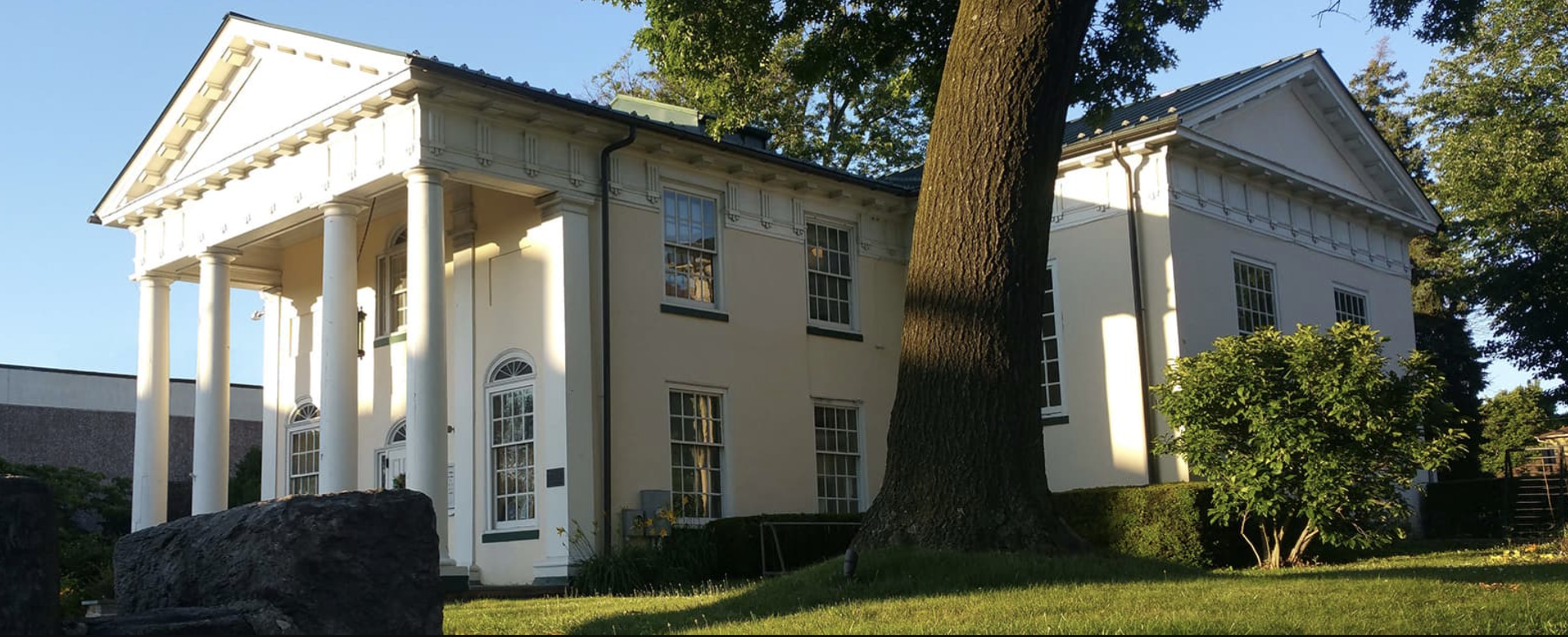
    Jenkintown Borough is seeking a design and engineering consultant to help decide whether to expand or reorganize its historic library.

    Library use is booming, according to Jenkintown’s request for consultant proposals: Almost a third of the borough’s residents are active patrons, owing in part to new apartments within walking distance, borough officials wrote. Visits from Philadelphia residents are also up 28% from last year.

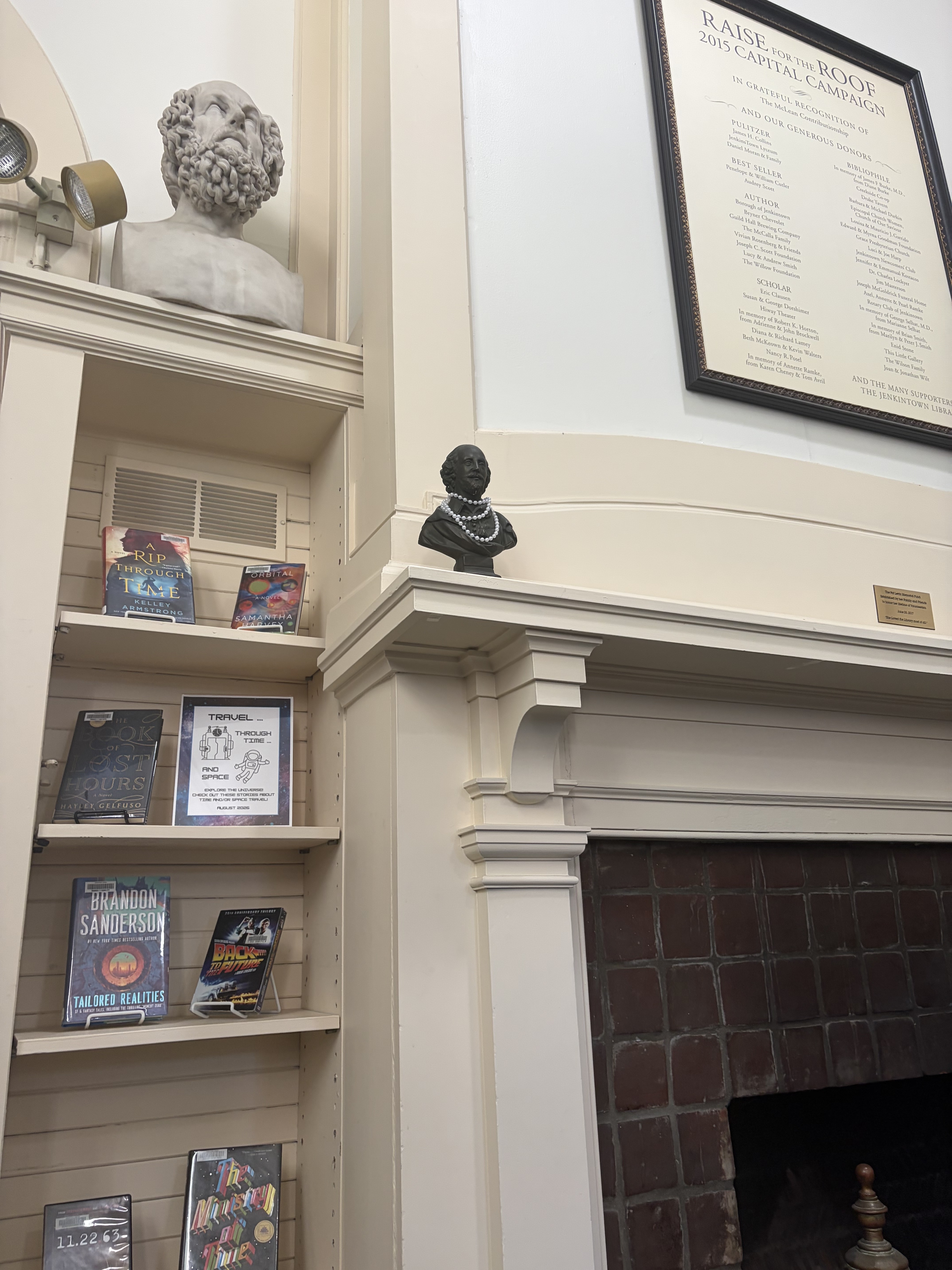
    Busts by the fireplace at Jenkintown Library, a pre-Civil War building listed on the National Register of Historic Places.Jess Rohan

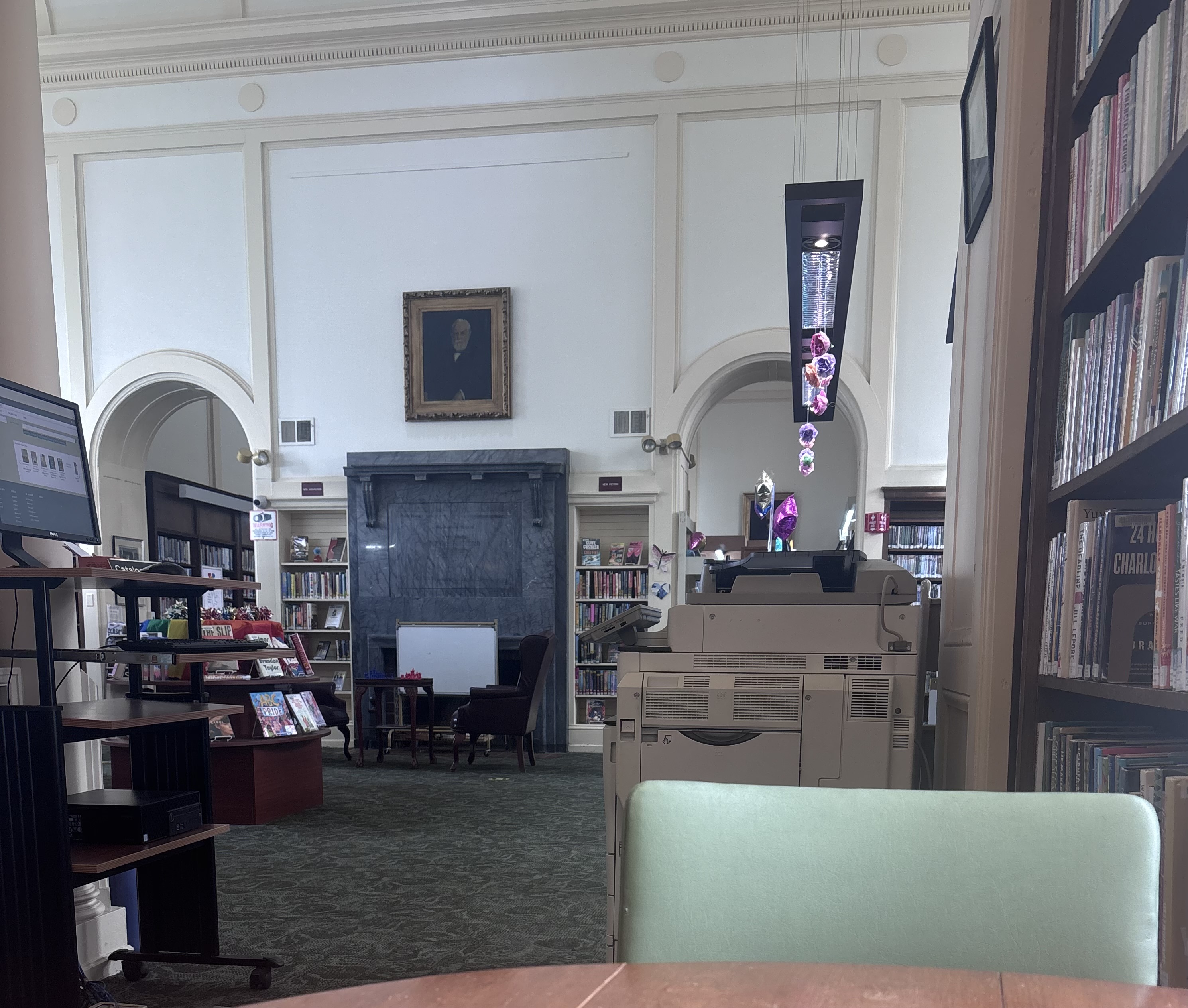
    But the 187-year-old building, which is on the National Register of Historic Places, is not suited to the needs of modern library users. The building, which includes additions from 1909 and the 1970s, has just six computer stations and no quiet study areas. Originally designed as a lecture hall, the library also lacks energy efficiency and accessibility.

    “These spaces were designed for a very different era,” borough officials wrote.

    Jenkintown won a state grant for $81,900 to fund the master plan process, which the borough will match with its own money under the grant requirements.

    Jenkintown Borough plans to either reorganize or expand its historic library, which has only six computer stations and no quiet study room.Jess Rohan

    The consultant will assess all of the library’s facilities, including fire code compliance, the electrical system, and architectural elements, and identify short- and long-term facilities needs.

    The community would then be presented with the consultant’s recommendations for two options: either expanding the library or reconfiguring the existing space. The consultant would use the community feedback to create the final master plan.

    This suburban content is produced with support from the Leslie Miller and Richard Worley Foundation and The Lenfest Institute for Journalism. Editorial content is created independently of the project donors. Gifts to support The Inquirer’s high-impact journalism can be made at inquirer.com/donate. A list of Lenfest Institute donors can be found at lenfestinstitute.org/supporters.

  • Abington is voting on a surveillance system to replace Flock this week

    Abington is voting on a surveillance system to replace Flock this week

    Abington Township commissioners are set to vote Thursday on a contract to replace the police department’s controversial Flock Safety surveillance system.

    The new, five-year contract with Axon Enterprise would cost $6,576.50 per year and includes two cameras with accessories, installation fees, two licenses for Axon’s automated license plate recognition tool, and warranties for accidental damage or vandalism.

    Both Flock and Axon systems aim to store photos of every vehicle that passes their cameras, along with the plate number and other details, for a set period of time. The systems also allow police to search camera data from other jurisdictions, which Abington police say helps solve crimes.

    But Flock’s network design and vulnerabilities are leading Abington police to let their Flock contracts expire over data security concerns after the department’s searches on the company’s nationwide network leaked, along with searches by other police departments across the country.

    “Flock had told us before that we own the data. Somehow, that turned out not to be the case,” Lt. Joe Blei said Monday.

    Abington police will still have access to Flock’s network until the township’s second Flock contract expires in 2028, Blei said, and Abington cannot terminate it early. Its other contract expired this month.

    “It’s the terms and conditions,” Blei said. “We can’t get out of it.”

    Blei said the department fulfilled The Inquirer’s request for Abington’s Flock contracts last week, but the newspaper still had not received those records from the township by Monday. The township’s Right-to-Know officer did not return calls and emails.

    The Axon cameras are set to arrive in mid-September, if approved, and access to Axon’s ALPR tool would begin on Oct. 15, according to the pending contract.

    How Abington plans to use new ALPR cameras

    The new Axon camera system, known as Axon Outpost, would not connect to Flock’s network. That is part of the appeal, Blei said: “Axon has a much clearer structure for how that data continues to belong to us.”

    Axon puts more limits on data sharing so that Abington’s data are not duplicated in the systems of law enforcement agencies that Abington shares information with, Blei said. One of the ways that Abington’s Flock data had leaked was through records requests to police in other states.

    The new cameras would also integrate well with the department’s existing Axon technology, officers wrote in an agenda memo for Thursday’s commissioners’ meeting.

    Although the Outpost system has a livestream feature, Abington police will not be monitoring feeds in real time, Blei said. Instead, police will search data associated with a specific criminal investigation, as the department has done with Flock.

    The department would check officers’ Axon searches randomly, Blei said, and Abington is considering instituting scheduled audits in addition to the random checks.

    Oversight is critical, Abington officer says

    Police departments in New York, Arizona, and Colorado in recent months have begun swapping Flock for Axon, a company that already supplies body cameras and Tasers for many departments.

    But civil liberties groups have continued to raise concerns that without adequate regulation, other systems like Axon still present privacy risks.

    Abington will prevent overreach by continuing to log, audit, and limit the department’s searches, Blei said.

    “We are not doing generalized surveillance,” he said. “We are only accessing information for very specific reasons.”

    The American Civil Liberties Union has criticized the data retention settings on some ALPR systems because of how much information long-term storage could reveal about private citizens, and recommends a 48-hour cap for mass data retention.

    Abington police are about to implement a data retention limit of 30 days, Blei said, for data that are not being used in a criminal investigation.

    While storing large quantities of accurate information has raised concerns, collecting erroneous data has also caused problems: An analysis by a California police department found that alerts Flock sent their officers in 2023 and 2024 about vehicles that were stolen or used in a crime were wrong more than 70% of the time.

    Faulty ALPR readings can lead to unrelated cars getting flagged repeatedly, as happened in the California department. In Florida, a woman spent almost two weeks in jail this year after a Flock camera wrongly tied her car to a fatal hit-and-run.

    Abington does not yet have accuracy data from Axon, Blei said, but township police would not act on a camera notification without manually checking the photo of the plate themselves.

    “These cameras are not probable cause for us,” Blei said.

    This suburban content is produced with support from the Leslie Miller and Richard Worley Foundation and The Lenfest Institute for Journalism. Editorial content is created independently of the project donors. Gifts to support The Inquirer’s high-impact journalism can be made at inquirer.com/donate. A list of Lenfest Institute donors can be found at lenfestinstitute.org/supporters.