President Donald Trump administration’s doesn’t have the legal authority to demand the “highly sensitive” information, wrote Cathy Bissoon, Pittsburgh’s federal court chief judge. And while the Justice Department couldn’t articulate the “basis and purpose” for its request, Bissoon said, the administration has been “say[ing] the quiet parts out loud.”
“Public statements from government officials reveal its intentions: to create a nationwide voter-database, for potential weaponization in future elections; as a ‘fishing expedition,’ hoped to advance unsubstantiated claims of non-citizen voting; and as a tool for immigration enforcement,” the Barack Obama-appointed judge wrote.
The Justice Department sued more than half of the states in the union for their voter-related records. Bissoon’s ruling marks the Trump administration’s 10th defeat in a district court, which the judge notes with a positive spin.
“The administration’s demands have yielded one unexpected benefit, namely, bipartisan agreement,” Bissoon said. “Five of the district judges are Trump appointees.”
The Justice Department did not immediately respond to a request for comment.
“No matter what the Trump Administration tries next, we’re going to stand up to protect Pennsylvanians’ right to privacy — and our fundamental right to vote,“ Gov. Josh Shapiro said in a post on X.
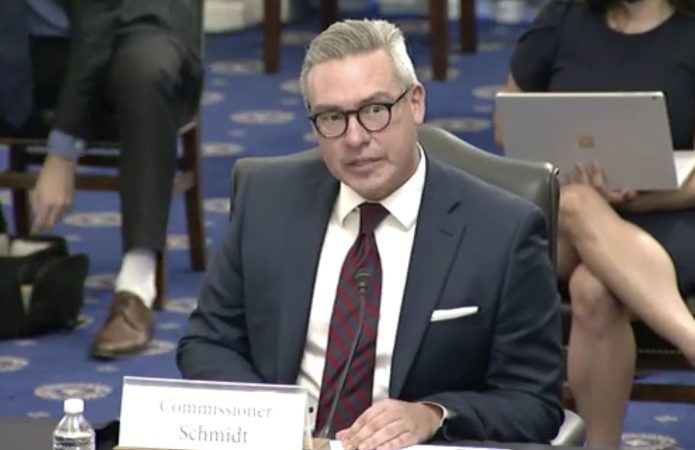
The Trump administration sued in September after Pennsylvania Secretary of State Al Schmidt refused to turn over all voter-registration data — which includes sensitive information such as Social Security numbers — from the November 2022 election through the 2024 presidential election.
“This request, and reported efforts to collect broad data on millions of Americans, represent a concerning attempt to expand the federal government’s role in our country’s electoral process,” Schmidt said in his response to the DOJ.
The federal government sued Schmidt, invoking federal voter election law and “ironically,” according to Bissoon, the Civil Rights Act of 1960.
“Every state has a responsibility to ensure that voter registration records are accurate, accessible, and secure — states that don’t fulfill that obligation will see this Department of Justice in court,” then-Attorney General Pam Bondi said in a statement announcing the suit.
The Trump administration’s push to obtain the unredacted voter rolls has alarmed multiple civil rights groups, including the American Civil Liberties Union, National Association for the Advancement of Colored People, and the League of Women Voters.
Far from boosting the public’s confidence in election integrity, the request seems like an attempt to undermine it, Lauren Cristella, the president of the Committee of Seventy, a Philly-based civic engagement group, previously told the Inquirer.
“They are insinuating that there’s something wrong,” Cristella said. “Even though there is no credible evidence.”
Others raised privacy concerns over sharing sensitive information of millions of voters nationwide.
The Trump administration’s argument hasn’t found much traction in federal courts throughout the country so far. Bissoon joins district judges in Arizona, California, Maine, Maryland, Massachusetts, Michigan, Rhode Island, Oregon, and Wisconsin in dismissing the lawsuits, according to the Brennan Center for Justice, a legal nonprofit affiliated with New York University.
Bissoon opened her opinion by saying limiting the federal government’s power has been among the “bedrock principles of conservative political ideology” and quoting former President Ronald Reagan’s commitment to states’ rights.
Noted in the feds’ lawsuit: When the ordinance was making its way through the legislative process, City Solicitor Renee Garcia advised the mayor it would be “inaccurate” to suggest the city can “legally and practically enforce the Bill.”
The city responded Thursday afternoon to the Trump administration’s request for an injunction preventing the ordinance from taking effect next month by arguing the federal government doesn’t have standing until the city attempts to enforce its provisions.
Even if the administration had standing to sue, the bill’s provisions don’t interfere with the federal government’s work and “at most imposes an incidental burden,” the city’s response said.
Additionally, the filing contended the Trump administration can’t show irreparable harm because of exceptions that allow officers to conceal their identity. The city, meanwhile, has “a significant interest in protecting its residents and law enforcement officers,” it said.
“The Bill was enacted in response to the confusion and fear generated by the federal government’s deployment of large numbers of federal agents who subsequently applied aggressive enforcement tactics behind the mask of anonymity, undermining public safety and trust,” the city said.
The defendants in the case — the city, Parker, Garcia, and District Attorney Larry Krasner — are represented jointly by attorneys from the law firm Ballard Spahr.
“In essence, the city’s argument, which we have joined, is that this ain’t the right time,” Krasner said in an interview. “The City Council ordinance is not in effect yet. There has been no enforcement by the Philadelphia Police Department yet. You don’t even have a real case to consider.”
Krasner added that while he was in lockstep with the Parker administration on Thursday’s filing, further developments could necessitate his office to seek separate representation.
The Department of Justice declined to comment on the new filing.
A city Law Department spokesperson did not immediately respond to a request for comment.
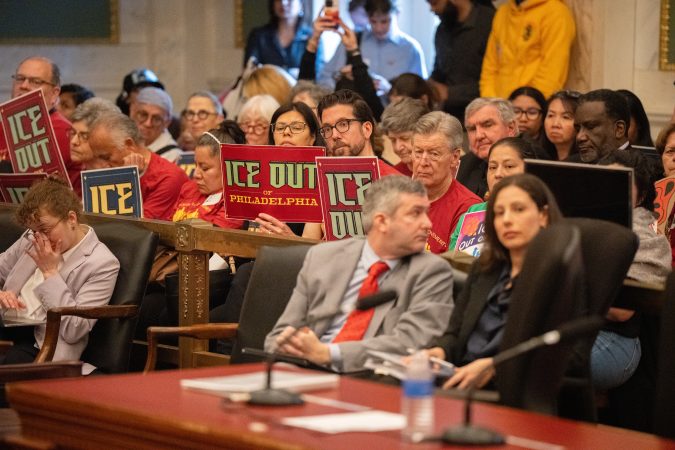
The ordinance at the heart of the litigation makes it a crime for law enforcement officers, including Immigration and Customs Enforcement agents, to wear face coverings or conceal personal identifiers like badges and nameplates while carrying out their official duties in Philadelphia, and requires officers to identify themselves. It also prohibits the use of unmarked vehicles.
The bill includes exceptions allowing officers to wear masks in certain circumstances, such as medical emergencies or SWAT operations.
An officerwho violates the ordinance could be prosecuted, and risks up to 90 days in jail plus a fine.
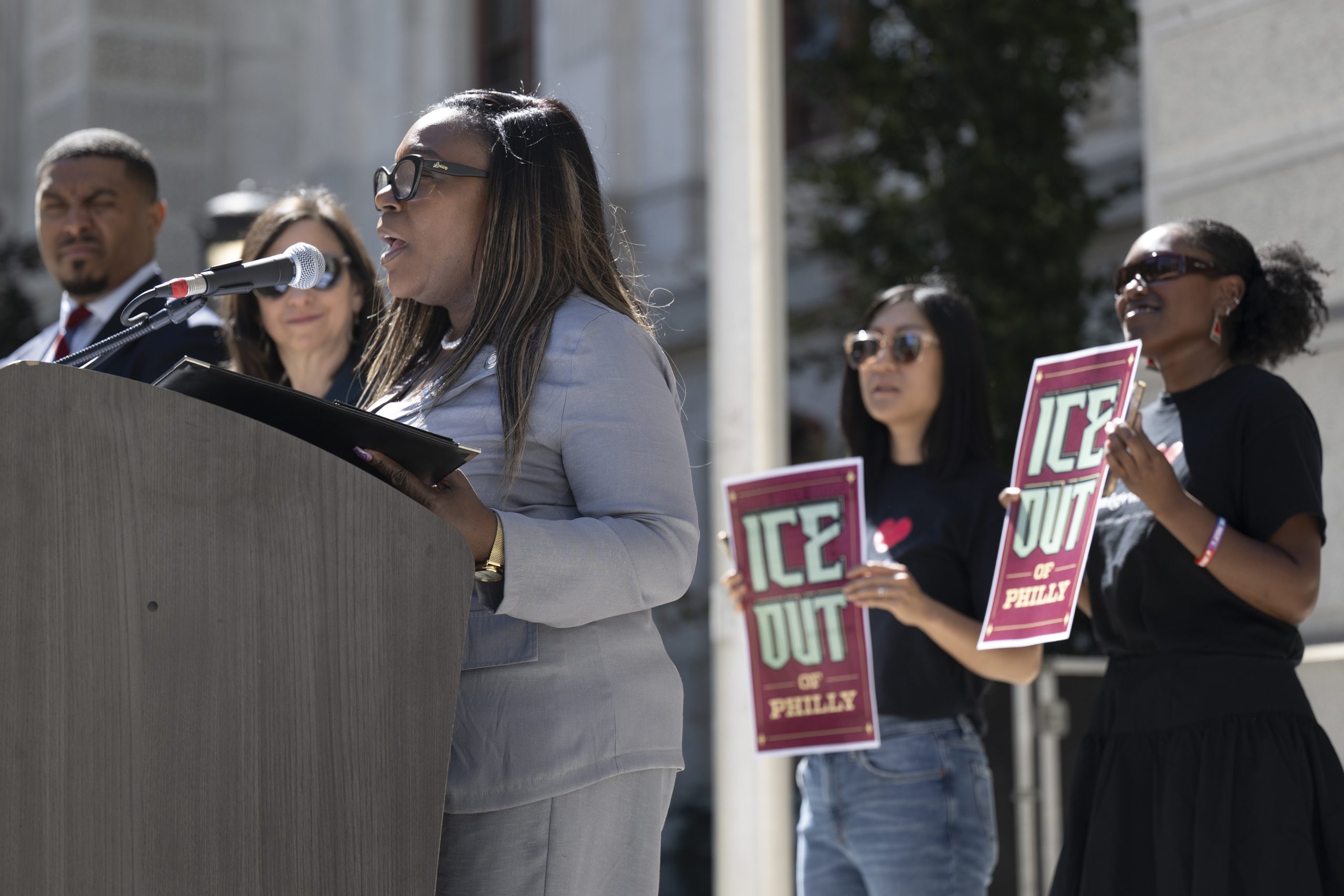
The ICE Out package, including the mask law, goes into effect July 7.
The Trump administration has sued other jurisdictions, including New Jersey, over similar requirements. In April, the U.S. Court of Appeals for the Ninth Circuit found that a California bill requiring agents to “visibly display identification” violated the U.S. Constitution’s supremacy clause, which bars states from regulating federal government activities.
An awkward position for Parker
Defending the bill puts Parker and her administration in an awkward position.
Councilmember Kendra Brooks speaks during a news conference outside Philadelphia City Hall, Wednesday, June 3, 2026, in Philadelphia. Organizers called on local and state officials to restrict U.S. Immigration and Customs Enforcement involvement in public safety operations during the FIFA World Cup.Jose F. Moreno / Staff Photographer
Brooks said she did not want the lawsuit to hold up the Parker administration’s implementation of the law.
“There is nothing in the lawsuit stopping the administration from implementing our ICE Out package on time,” she said.
Brooks had good reason to question the administration’s commitment to the legislation given Parker’s handling of it.
After the bills’ passage, Garcia advised Parker not to sign the bill banning law enforcement officers from concealing their identity, saying doing so “would send an inaccurate signal to the public that the Administration can legally and practically enforce the Bill.”
Parker followed her solicitor’s advice, signing six bills and allowing the seventh to become law without her signature.
As for Garcia’s concerns about the bill, the new filing from the city only notes that her letter advising Parker didn’t address the issue of standing or whether the issue is ripe for litigation.
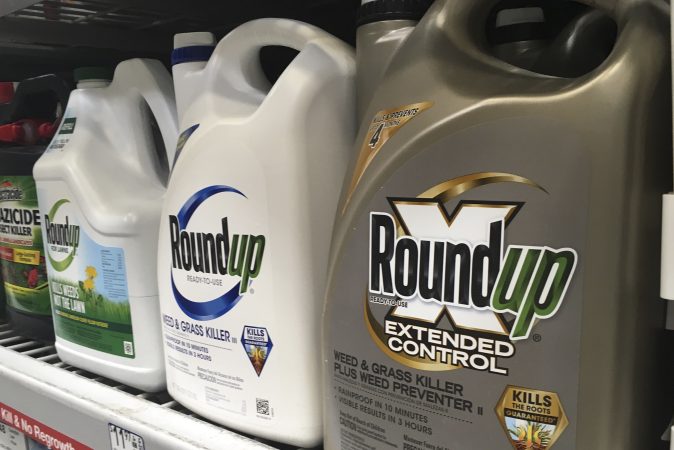
The largest verdict issued by a Philadelphia jury in recent years came out of a trial in which a Pennsylvania man accused agricultural giant Monsanto’s weedkiller, Roundup, of causing his blood cancer.
The Lycoming County man was not the only one who has sued the German company. Thousands of cases are pending against Monsanto nationwide, including 462 active lawsuits in Common Pleas Court in Philadelphia alone.
But on Thursday, the U.S. Supreme Court limited the types of claims that people who believe they developed cancer because of Roundup can argue in state courts.
Here is what you need to know about the Monsanto Co. v. Durnell ruling and how it will affect Monsanto litigation in Philadelphia.
What did the Supreme Court decide in ‘Monsanto v. Durnell’?
In a 7-2 ruling, the Supreme Court held that lawsuits against Monsanto in state courts cannot include a failure-to-warn claim.
The case arose out of Missouri, where a state court jury found that Roundup use caused John Durnell’s cancer, and that Monsanto should have included a cancer warning on the product’s label. Durnell was awarded $1.25 million for the company’s failure to warn him.
Monsanto appealed, arguing that the Environmental Protection Agency had concluded that glyphosate — the main chemical in Roundup — is not cancer-causing, so the label did not need a warning.
The case went all the way to the highest court in the land, which decided that states cannot force Monsanto to add anything to the EPA-approved label. So failure-to-warn claims cannot proceed in state courts, the Supreme Court said.
“In sum, federal law requires Monsanto to sell Roundup with the label that EPA approved at the initial registration and that EPA has subsequently reapproved on multiple occasions — that is, the label without a cancer warning,” Justice Brett M. Kavanaugh wrote for the majority.
When it comes to pesticide labeling, Kavanaugh said, federal law preempts any state labeling requirement because it would force companies to deviate from the EPA-approved label.
Not all justices agreed. Justice Ketanji Brown Jackson wrote in a dissent, which Justice Neil M. Gorsuch joined, that adding a cancer warning would be in line with the federal law’s prohibition on misbranding.
What does the ruling mean for lawsuits in Philadelphia?
The ruling does not erase the 462 lawsuits in Philadelphia overnight.
Lawyers usually included multiple claims in each lawsuit in an attempt to advance different theories that could convince a jury a company is liable.
In the $2.25 billion case, the jury found that Monsanto did not adequately warn McKivison of Roundup’s cancer risk. But jurors also found that the company was negligent and that it sold a defective product.
While the ruling prohibits failure-to-warn claims from moving forward, Monsanto can still face lawsuits under other claims.
The Supreme Court ruling “narrowed the playing field,” said Tom Kline, the Kline & Specter attorney who represented McKivison. But “it’s not the end. It’s not lights out. It’s not game over,” he said.
Juries will have to answer fewer questions moving forward, Kline said.
Whether the ruling affects trial outcomes remains to be seen. So far Monsanto has lost four of the seven Roundup trials held in Philadelphia.
“I think it’s part of a larger part of an industrywide strategy to piece-by-piece dismantle the tort liability for defective products,” Kline said.
What is Monsanto saying about the ruling?
The company said that the ruling would result in a dismissal of failure-to-warn claims, which according to Monsanto make up the “vast majority” of the litigation.
Bill Anderson, the CEO of Monsanto’s parent company, Bayer, said in a statement that the decision provides “regulatory clarity” and brings “overdue justice on an issue that should have been clarified much earlier.”
“This litigation has enormous costs for the company and has impacted public trust,” Anderson said.
The executive affirmed the company’s commitment to a proposed nationwide class-action settlement of up to $7.25 billion as part of the company’s “multi-pronged containment strategy” on Roundup lawsuits.
How does ‘Monsanto v. Durnell’relate to the MAHA movement?
The case has put President Donald Trump’s administration in an uncomfortable position with the Make America Healthy Again movement.
After the ruling, MAHA influencers expressed anger at the administration.
Kelly Ryerson, who is known online as Glyphosate Girl, posted Thursday on X that “never in history has an administration so blatantly and willingly sold out our fertility, vitality, and health to corporate interests.”
Vani Hari, another MAHA influencer who posts to millions of followers as the Food Babe, said on Instagram she was “devastated” by the ruling.
“We will remember who fought with us and who didn’t.”
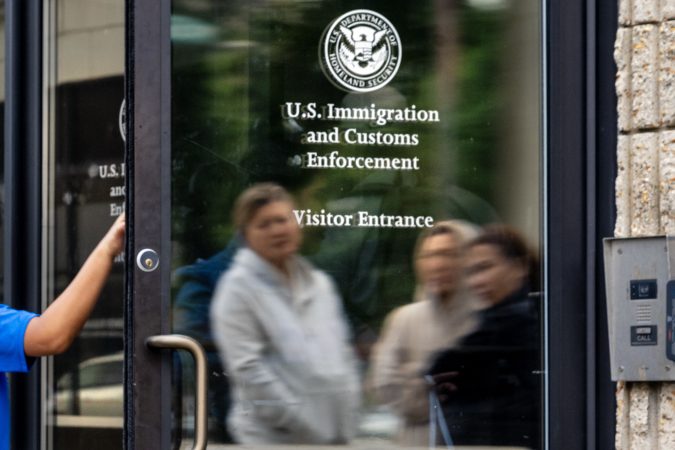
A 36-year-old survivor of slavery said he has tried to follow all the rules since fleeing Mauritania, a mostly desert land in West Africa, and seeking asylum in the United States in 2023.
But when Ousmane Soumare arrived at the U.S. Immigration and Customs Enforcement office in Philadelphia in November for a routine check-in, he was detained by officers.
Now Soumare, who was released by a federal judge’s order, and two other immigrants who fear a similar fate in their forthcoming appointments are suing ICE and the Department of Homeland Security over the policy change that led to such arrests.
The Philadelphia ICE field office violated federal law when it “unlawfully rescinded” a longstanding policy that largely allowed immigrants to pursue their immigration cases without fear of rearrest, the suit says. ICE then “began re-arresting and re-detaining people previously determined to pose no risk of flight or danger to the community and still in full compliance with all conditions of their release,” the suit says.
Soumare, Lassana Dianifaba, and a third immigrant, who was not named in court documents, filed the lawsuit Wednesday in federal court in Philadelphia.
“When the government releases a person from custody, there is an implicit promise that their liberty will be honored as long as they follow what is asked of them,” said Vanessa Stine, senior staff attorney with the ACLU of Pennsylvania, which represents the immigrants. “These rearrests disregard a decades-old policy and sow fear and chaos.”
ICE does not comment on pending litigation, a spokesperson said.
‘Unheard of’
In Philadelphia, ICE arrests of people who arrive for what they thought would be routine check-ins and appointments have gone from rare to common.
That is because “sometime toward the middle of 2025,” the suit says, the local ICE office rescinded its policy that required individualized evaluation of new circumstances that would indicate an immigrant is a danger or flight risk.
Each year thousands of people report to ICE or related immigration agencies for the mandatory check-ins. Some immigrants are required to appear every couple of weeks, some once a month, others once a year.
The appointments help immigration officials keep track of people who in the past have been low priorities for deportation, allowed to live freely as they pursue legal efforts to stay in the United States. Now that landscape has shifted.
The changes have put immigrants in risky positions, making every visit to the ICE field office a gamble, because they have little choice but to show up.
Six immigration attorneys filed affidavits in support of the new proposed class-action lawsuit that detail an explosion of cases. Christopher Casazza estimated his firm has represented roughly 190 people who were detained at ICE check-ins since September.
Before 2025, it was “unheard of” for a law-abiding immigrant to be detained at a routine check-in, Casazza said.
Steven Morley, who served as an immigration judge between 2010 and 2022, said in an affidavit that he could not recall “any circumstance” of people being re-detained unless they had committed a crime.
Philadelphia federal judges responding to the flood of lawsuits by immigrants challenging their detention have also taken notice of the shift.
In February, U.S. District Judge Gail A. Weilheimer wrote that ICE had set a “trap” for “thousands of noncitizens” by arresting immigrants who were following instructions.
ICE offices in other cities have similarly reversed course on requiring a material change in circumstance to re-detain released immigrants, and federal judges in California and New York found the lack of individual assessment unlawful.
The proposed class action in Philadelphia asks a federal judge to certify the class, and declare the rescission of the changed circumstances policy unlawful.
Soumare’s next check-in is scheduled for July, and he is anxious about visiting the ICE office again.
“When I think of the risk of being re-detained at my next check in, it scares me,” he said in a court filing. “But I will still attend because I want to follow all the necessary steps to stay here.”
Visa holders and green card applicants
Even people who are seeking legal status through lawful government processes are in danger of arrest.
Green-card applicants, asylum seekers, and others who have ongoing legal or visa cases to stay in the United States have been unexpectedly taken, part of a Trump administration strategy, lawyers and advocates say, to boost the number of immigration arrests and to deport anyone who can possibly be deported.
Arrests have occurred not just at ICE offices, but also at U.S. Citizenship and Immigration Services and at private offices of federal contractors.
ICE says that all immigrants who do not hold legal immigration status may be subject to arrest and removal. They say that arrests undertaken at federal agencies are safer for officers, because visitors have been screened for weapons when they enter the buildings.
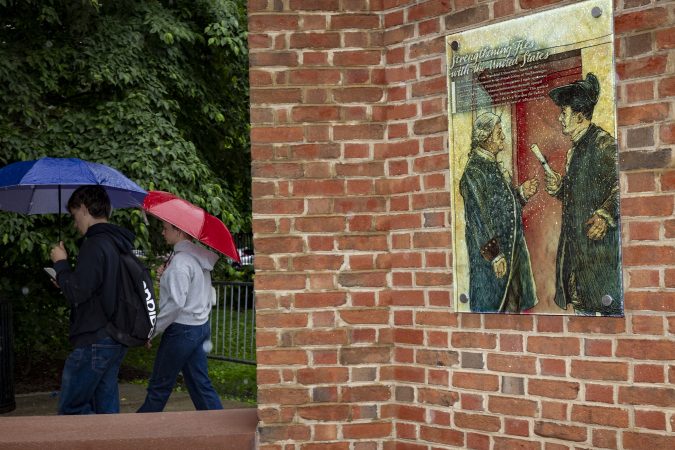
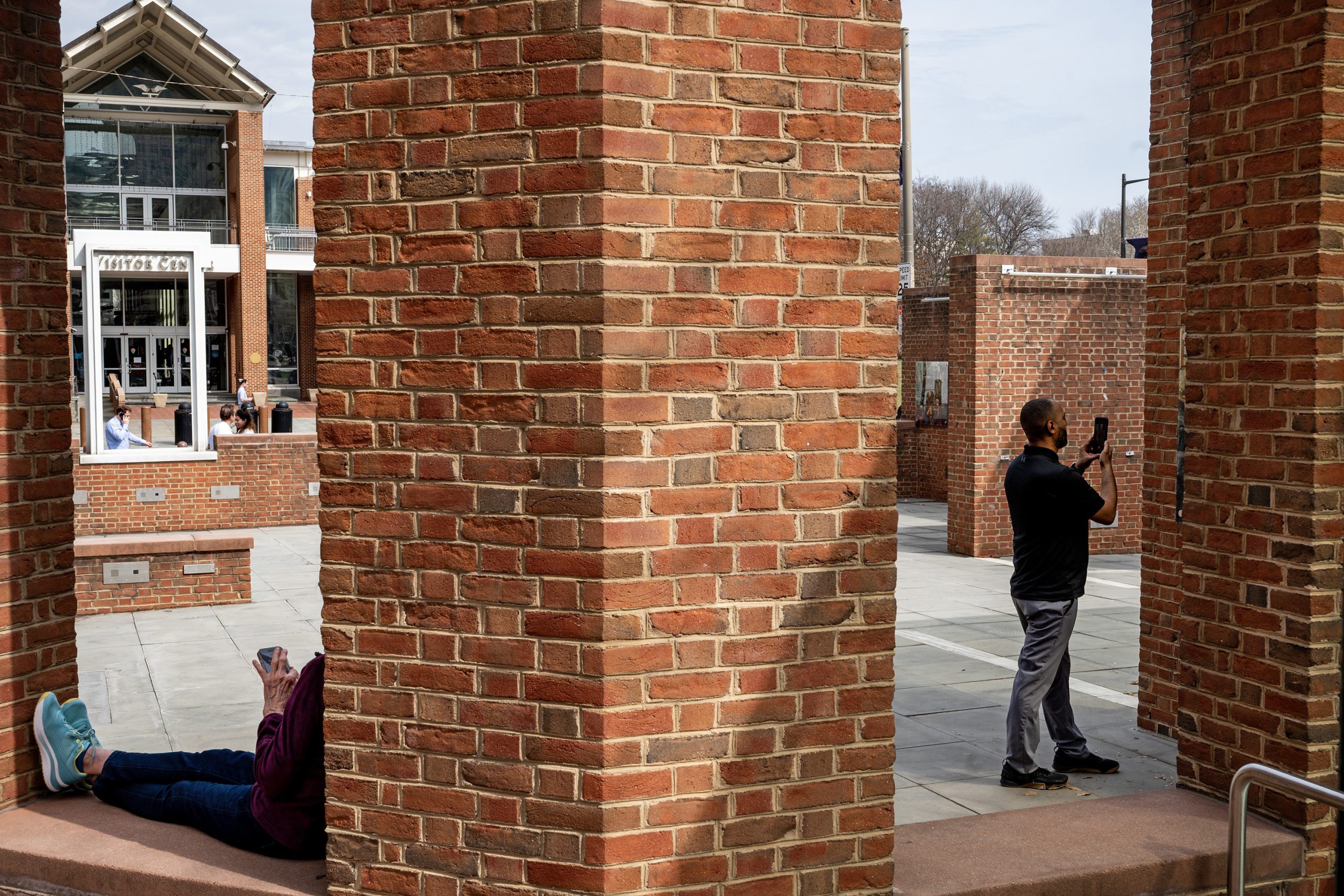
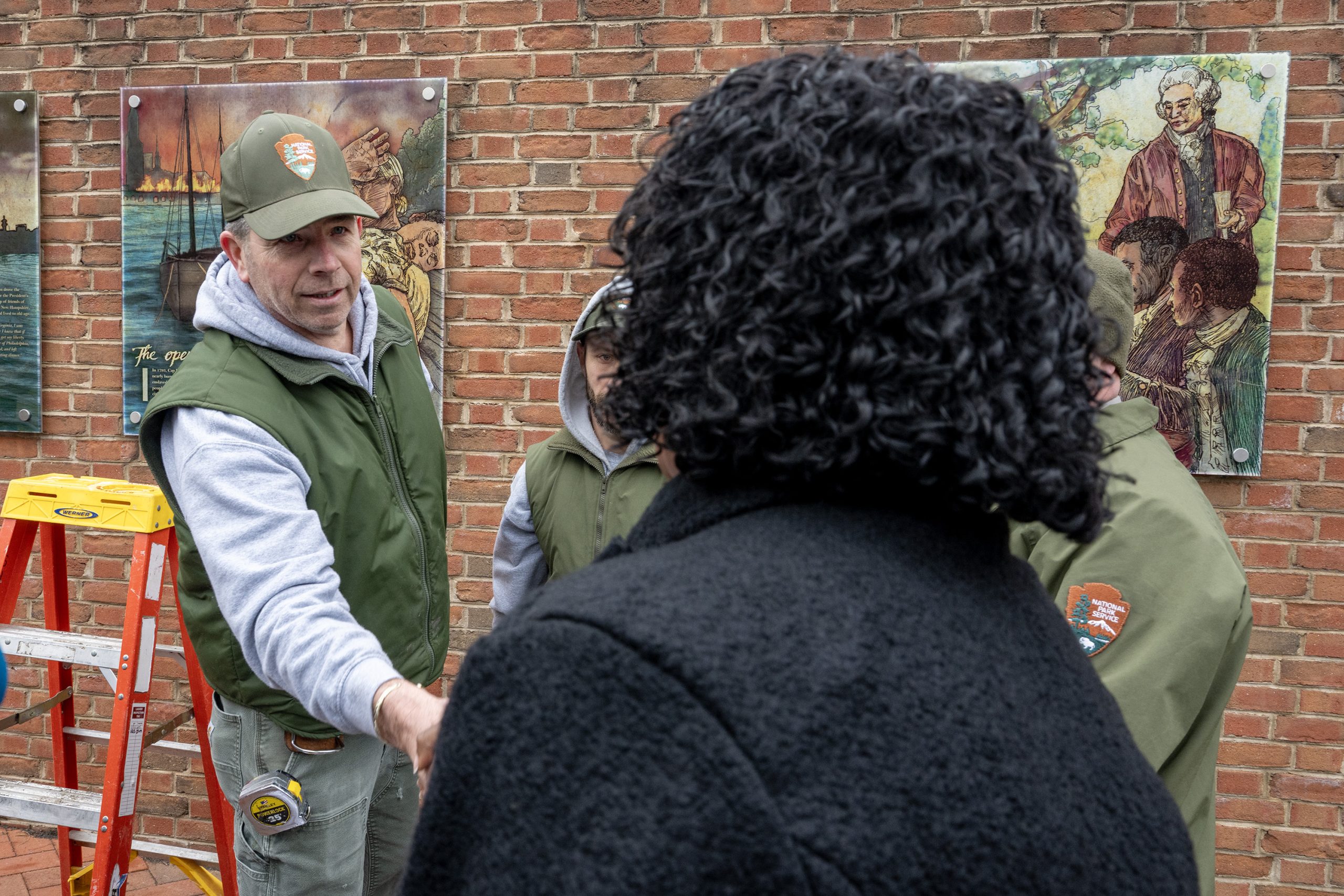
President Donald Trump’s administration is closer to getting its way after a Boston-based appeals court said it doesn’t have to restore exhibits it removed — at least for now.
The Boston-based U.S. Court of Appeals for the First Circuit ruled the National Park Service does not have to restore all exhibits it removed as part of its “restoring sanity to American history” push before the nation’s 250th anniversary celebration, issuing an administrative stay on a lower court’s order.
In a statement, the Department of the Interior responded: “We are confident that as this inferior ruling from an activist lower court judge receives further scrutiny, they will be further restrained.”
Administrative stays are common steps federal courts take to buy time while judges assess the arguments.
The First Circuit judges intend to rule “promptly” on a request for a more permanent stay during the appeal, the order says.
Either way, the ruling marks a second blow in a week to the City of Philadelphia and stakeholders who developed the President’s House Site.
Michael Coard, attorney and founder of Avenging the Ancestors Coalition, which is leading efforts to protect the President’s House, emphasized that the First Circuit action was not a final decision.
“The stories of enslaved African descendants and other historically marginalized communities are American history and deserve to be preserved and told truthfully,” he said.
Here is what you need to know about the status of the President’s House exhibits.
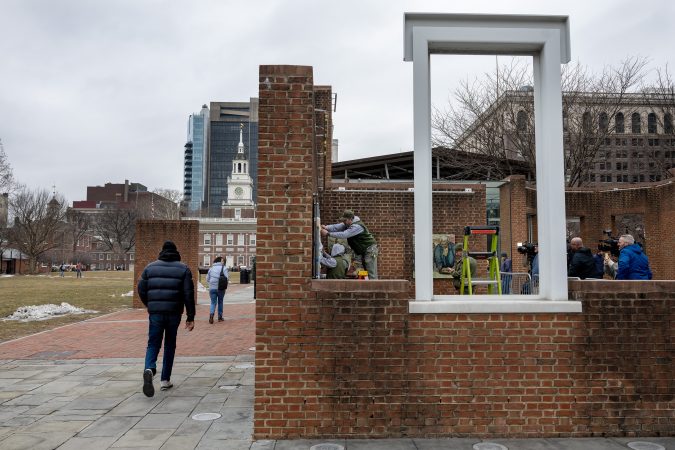
The President’s House in Independence National Historical Park March 11, 2026.Tom Gralish / Staff Photographer
What do Boston-based courts have to do with the President’s House?
Earlier this year, conservation groups sued the Trump administration in federal court in Massachusetts challenging Interior Secretary Doug Burgum’s 2025 order implementing the president’s directive to ensure that no displays at national parks “inappropriately disparage Americans past or living.”
The Trump administration’s changes to exhibits “seek to rewrite the Nation’s history with a white-out pen,” wrote Kelley, a nominee of former President Joe Biden.
Justice Department attorneys appealed the ruling to the First Circuit and asked the higher court to issue an administrative stay or a stay for the duration of the appeal.
The three judges assigned to the case — Chief Judge David J. Barron, appointed by Barack Obama, and Biden appointeesGustavo A. Gelpí Jr. andJulie Rikelman — issued the administrative stay Tuesday pausing the majority of Kelley’s order, including the directive to restore sites such as the President’s House.
The order is not explicit on whether the National Park Service can make changes to sites, but administrative stays are viewed as a way to preserve the status quo while the appeals court can review the facts and arguments in a case.
“The administration’s decision not to reinstall and reinstate censored materials, particularly in advance of our nation’s upcoming 250th anniversary, is a disservice to every park visitor this summer and to the broader American public,” the conservation groups, represented by Democracy Forward, said in a statement.
What did the Third Circuit rule?
The First Circuit rulingcomes on the heels of the Third Circuit’s reversal of a February order entered by a Philadelphia federal judge.
A three-judgepanel disagreed with Rufe, finding that Philadelphia gave up its rights over the President’s House when it donated the site to the National Park Service. The judges further said the federal government’s proposed replacement panels were “full of historical context.”
Mayor Cherelle L. Parker thanks workers as the President’s House site in Independence National Historical Park Thursday, Feb, 19, 2026 during a brief visit to the site as they began to return the slavery displays.Tom Gralish / Staff Photographer
What are the city’s options?
After the Third Circuit ruling, Mayor Cherelle L. Parker said she would “pursue every legal action possible in efforts to reverse this decision.”
The city has a few options, but time is running out for a favorable ruling before July 4.
The city could ask for a rehearing in front of the same three judges who unanimously ruled to overturn the injunction. It can also ask for a hearing in front of the full Third Circuitcourt, known as en banc, or ask the U.S. Supreme Court to intervene.
Philadelphia Law Department attorney Anne Taylor argued at the Third Circuit hearing that the federal government’s attack on these exhibits has caused irreparable harm as the city tries to tell its story ahead of next month’s 250th celebrations.
Philadelphia is expecting a flood of visitors for the Semiquincentennial celebration, Taylor said, adding: “The President’s House is at the doorway to the Liberty Bell. That history is not being told to all the people who are expected to come here.”
It could be challenging, or even impossible, to get a new panel ofcircuit judges or the Supreme Court justices briefed on the case to get a ruling in less than two weeks, legal experts said.
President Donald Trump’s administration sued Philadelphia and some of its top officials Thursday over a new ordinance that bars law enforcement officers from concealing their identities and effectively bans federal immigration agents from wearing masks.
The law, part of City Council’s recently adopted “ICE Out” package of legislation imposing some of the nation’s toughest local restrictions on immigration agents, is “blatantly unconstitutional,” the lawsuit said.
“Such an ordinance also undermines the principles of federalism that underlie our entire constitutional order by seeking to prevent effective federal law enforcement within Philadelphia,” according to the complaint.
The ordinance makes it a crime for any law enforcement officer, including Immigration and Customs Enforcement agents, to wear face coverings or conceal personal identifiers like badges and nameplates while carrying out their official duties in the city, and it requires officers to identify themselves. It also prohibits the use of unmarked vehicles.
The bill includes exceptions allowing officers to wear masks in certain circumstances, such as medical emergencies or SWAT operations.
An officerwho violates the ordinance could be prosecuted, and risks up to 90 days in jail plus a fine.
The suit, filed in the Eastern District of Pennsylvania, names as defendants the city, Mayor Cherelle L. Parker, District Attorney Larry Krasner, and City Solicitor Renee Garcia. It asks a federal judge to find the bills unconstitutional, warning that federal agents could suffer irreparable harm if the policy remains in place.
“Protecting officers’ personal identities is particularly important during high-risk enforcement operations involving individuals with violent criminal history, gang affiliations, transnational criminal organizations, and known or suspected terrorists,” the suit says.
The lawsuit marks the Trump administration’s most significant action targeting Philadelphia’s immigrant-friendly policies to date.
“Today we regrettably had to sue the birthplace of this great Nation,” Associate Attorney General Stanley Woodward said in a statement. “But we will not sit by while Philadelphia flagrantly violates our Constitution, seeking to criminally punish our Nation’s law enforcement heroes merely for doing their job.”
Philadelphia has long been known as a sanctuary city primarily because it does not comply with ICE-issued detainers, in which federal agents ask local jails to facilitate the arrest of undocumented immigrants in their custody.
But Parker has largely avoided direct confrontation with the White House over the issue, a reversal from the combative stance of her predecessor, former Mayor Jim Kenney.
Parker’s supporters credit her with careful, crafty management of the city’s relationship with Trump, noting Philadelphia has been spared from the surges of federal agents the president has sent to other cities. But immigration advocates say Parker has backed away from a fight at a time when strong action is most needed.
The tension surfaced when Parker decided to let the mask bill became law without her signature, after Garcia warned the mayor that the provisions might not be legally enforceable.
Council members, however, wanted to take a more proactive stance against Trump’s nationwide deportation campaign. And they seem to have gotten his attention.
Councilmember Kendra Brooks, who coauthored the “ICE Out” package, said she “will not back down from this fight.”
“Philadelphia doesn’t like bullies. And we certainly don’t like masked PPD officers or ICE agents terrorizing our neighbors,” Brooks said in a statement. “The people of this city expected our leaders to fight back against Trump’s invasion. That’s what we did when we passed ICE Out.”
Brooks noted that the lawsuit cites the Parker administration’s publicly aired concerns about the bill, and said other jurisdictions targeted by Trump after they passed legislation restraining ICE have not had to deal with that dynamic.
“Other lawsuits aren’t dealing with the City’s own words about the laws being used against them,” Brooks said.
The Parker administration declined to comment.
The Pennsylvania Immigration Coalition condemned the lawsuit as a political effort to undermine local policies that keep families safe, strengthen public trust, and ensure city resources serve Philadelphians.
“Once again the Trump administration is using the courts to wage a political campaign against immigrant communities, instead of addressing the real needs of our country,” coalition executive director Jasmine Rivera said in a statement. “Pennsylvanians have been clear, they do not want more immigration enforcement and detention centers, they want affordable education, healthcare, and housing.”
Councilmember Rue Landau, the legislation’s other coauthor, criticized Trump for “targeting Philadelphia because our city dared to stand up and say that masked federal agents should not be able to operate in our communities and target our vulnerable neighbors without accountability.”
‘We will arrest you’
In addition to banning officers from concealing their identities, the “ICE Out” package, which in April passed Council with a veto-proof supermajority, prohibits federal immigration agencies from staging raids on city-owned property, bans discrimination on the basis of citizenship status, and prohibits the city from engaging in most forms of information-sharing with ICE.
The legislation also codified some of Philadelphia’s long-standing sanctuary city policies that had been established only through executive order — most notably a ban on city jails honoring ICE detainers not accompanied by judicial warrants.
Parker did not sign the bill after Garcia expressed concern about the ban’s “significant legal and operational challenges,” the suit notes. The mayor’s signature would signal the Parker administration’s intent to enforce the requirement, the solicitor said, and would send an inaccurate signal that the prohibition was enforceable.
While Parker might have attempted to distance herself from the requirement by not signing the bill, the lawsuit quotes Krasner threatening federal agents with prosecution.
“We will arrest you. We will put handcuffs on you. We will close those cuffs. We will put you in a cell,” Krasner said in January. “We will do everything in our power to convict you and we will make sure you serve your entire sentence because Donald Trump has no power whatsoever to pardon you.”
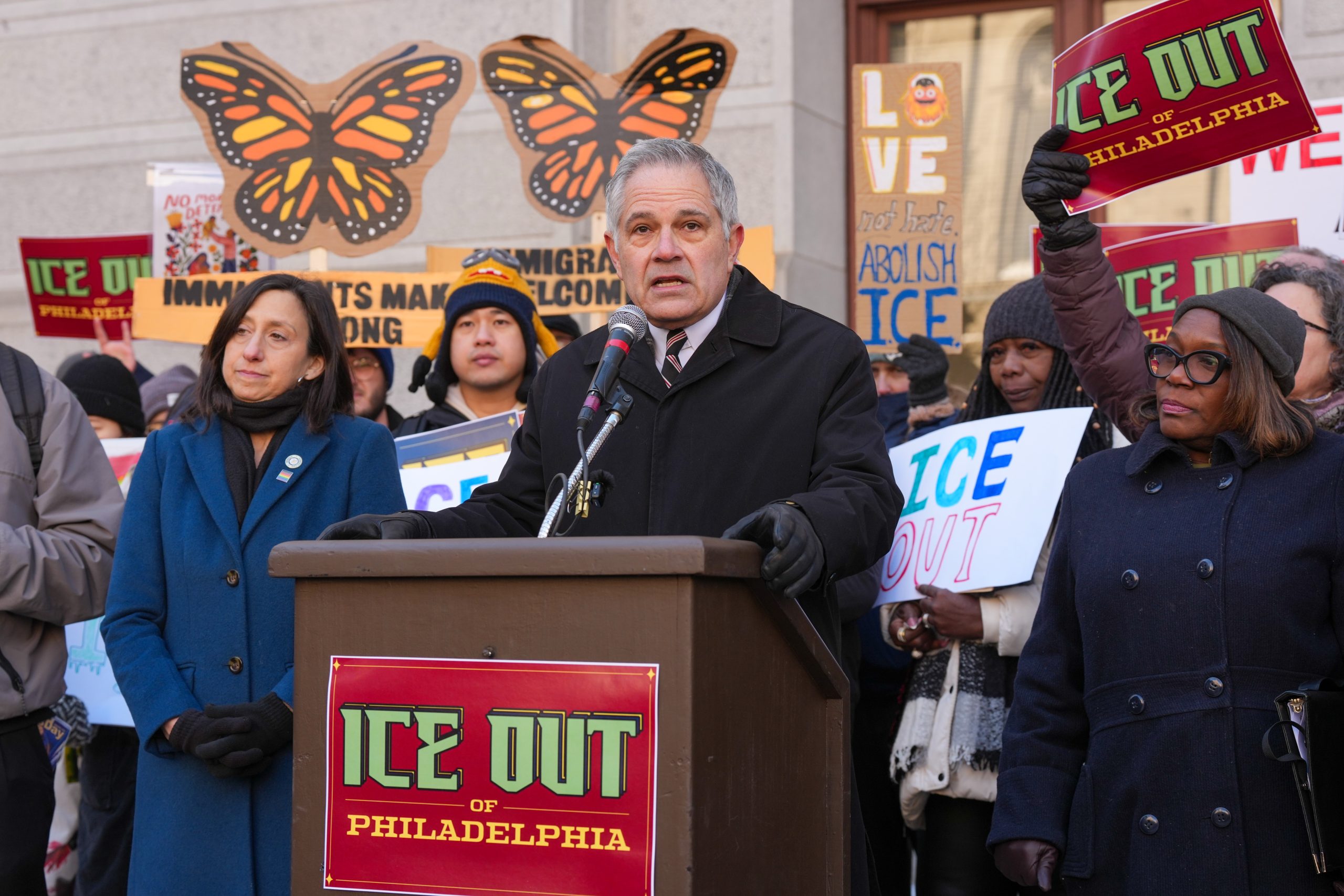
Larry Krasner shown here during a press conference at City Hall to announce a package of bills aimed at pushing back against ICE enforcement in Philadelphia, January 27, 2026.Jessica Griffin / Staff Photographer
Philly case could have national stakes
The complaint makes clear that by bringing this lawsuit, the Department of Justice is not closing the door on challenges to other ICE Out ordinances.
Around the country, more and more Democratic-led communities are attempting to regulate what ICE can and cannot do within their jurisdictions. And doing so with the support of immigrant communities.
“In all the ways that ICE agents terrorize and violate the rights of our community, masked kidnappings are ones we consistently see and hear about,” said Erika Guadalupe Núñez, executive director of Juntos, the South- Philadelphia-based immigrant advocacy organization.
She said, however, that “we’re part of a strong local movement organized to fight back, and we all embody the spirit of this city, we will not back down easily.”
In March, the Montgomery County Board of Commissioners passed a resolution that restricted the agency from using county property or resources for civil investigations.
Issues around masks and identification have been particularly contentious.
Activists in Philadelphia and elsewhere say ICE arrests often look like kidnappings or muggings, where men in ordinary clothes, with no visible identification, suddenly descend on their target. The people being arrested may think they are being attacked by criminals.
Several states, including New Jersey and New York, have passed laws to ban law enforcement officers, including ICE, from wearing facial coverings while on duty.
In April, the U.S. Court of Appeals for the Ninth Circuit upheld a lower court’s injunction on a California law that required federal agents to “visibly display identification.” The unanimous three-judge panel ruled that the requirement violated the Constitution’s supremacy clause, which bars the states from regulating federal government activities.
New Jersey Gov. Mikie Sherrill signed bills in March that essentially banned ICE agents and police from wearing masks on the job, drawing pushback from Republican lawmakers. The Trump administration sued New Jersey in federal court in April, and the New Jersey Monitor and others reported that ICE agents continued to cover their faces during recent clashes with demonstrators outside the Delaney Hall immigrant detention center in Newark.
The Trump administration says federal immigration officers wear face coverings to protect themselves and their families from anti-ICE activists who may seek to identify and harm them. Assaults and death threats are on the rise, the administration said.
The city does not have a right to dictate the content of the panels, the court found.
The judges further found that the federal government’s proposed replacement panels, which historians say whitewash Washington’s role in slavery, “are full of historical context.”
The proposed panels “highlight the momentous events that took place in the President’s House and the other sites at Independence National Historical Park,” Judge Thomas M. Hardiman, a President George W. Bush appointee, wrote in the opinion. “They acknowledge the evil of slavery, including its injustices and hypocrisies, and, by telling the story of the nine slaves that Washington kept in the President’s House, remind us of their essential humanity.”
It was not immediately clear what would happen next at the site. The federal government did not immediately outline its next steps, and there are conflicting court rulings over the Trump administration’s push to remove displays from national parks that “inappropriately disparage Americans past or living.”
But the ruling does bring to a close a chapter in the President’s House litigation, the first courtroom clash between Trump and Mayor Cherelle L. Parker’s administration. Any further review of the injunction is at the discretion of the three judges, the full Third Circuit, or the Supreme Court and is not guaranteed.
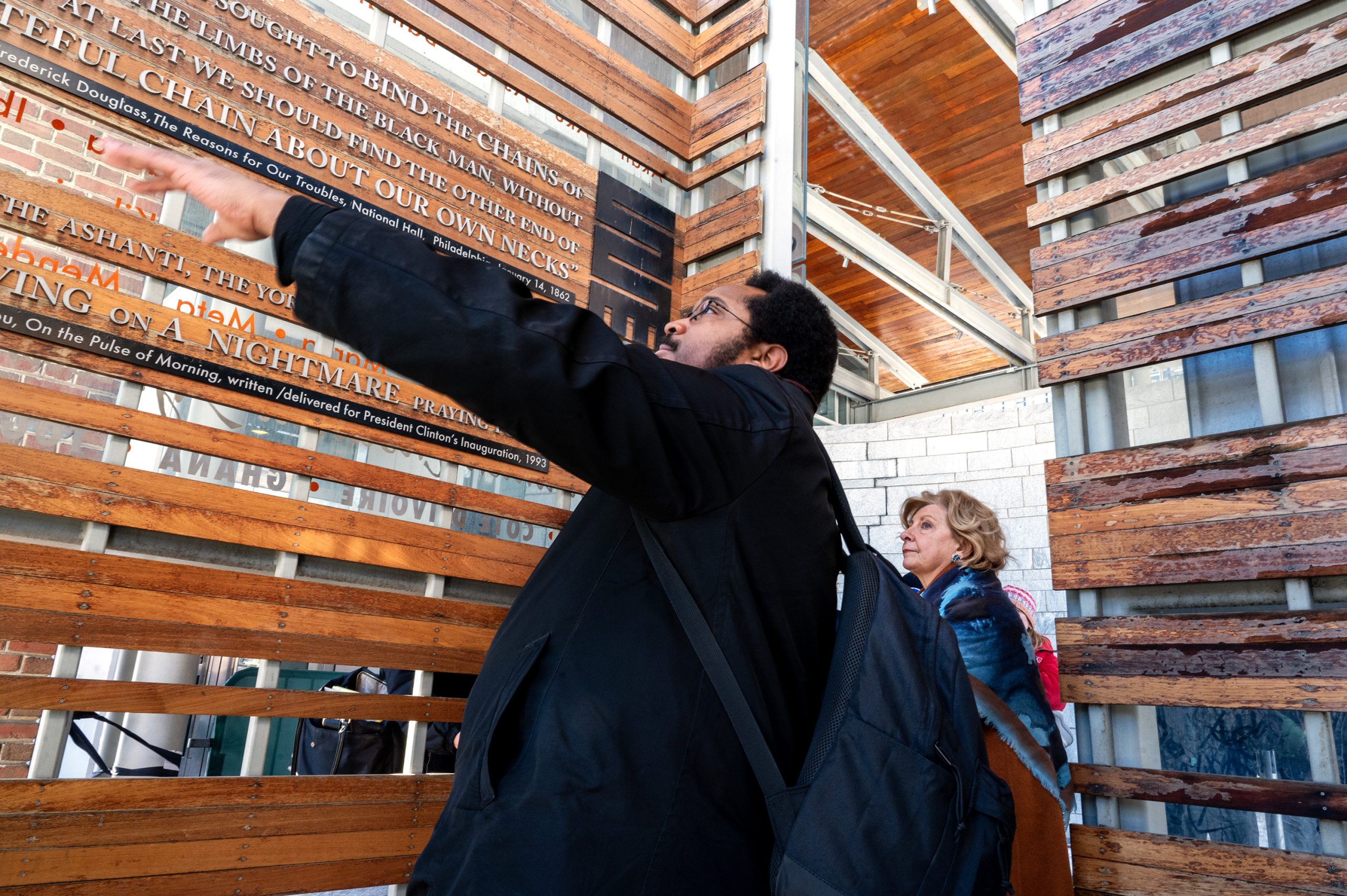
Mijuel Johnson, a guide with The Black Journey: African-American Walking Tour of Philadelphia, leads District Court Judge Cynthia Rufe (right) as she visits the President’s House in Independence National Historical Park in February.Tom Gralish / Staff Photographer
The city was unable to convince the Third Circuit panel it has joint decision-making power with the federal government over the entirety of Independence National Historical Park because of the local ownership of Independence Hall.
Philadelphia has standing to argue in court that the federal government violated the contract signed when the city donated the President’s House to the National Park Service, Hardiman wrote. The agreement included a guarantee the federal agency would maintain the site.
But the city had to prove it could win based on that argument to keep the injunction alive, and the judges disagreed.
“The duty to ‘maintain’ is better understood as a general management obligation that accompanies ownership, not a promise that the exhibits will forever remain in place regardless of the owner’s wishes,” the opinion said.
The city’s claim that the removal was “arbitrary and capricious” under the Administrative Procedure Act also did not find purchase. The federal law allows challenges only to “final” agency actions, but the newly proposed panels show the January removal was not the Trump administration’s “last word on the matter,” the opinion said.
Avenging the Ancestors Coalition, one of the advocacy groups leading efforts to protect the President’s House, said in a statement that the group was disappointed by the decision but would persevere. The coalition was consulting its legal team to consider potential next steps.
“This is definitely not the end of this fight, nor does it diminish the importance of ensuring that the full truth of our nation’s history is preserved and presented accurately,” the organization said.
In a video statement Thursday, Parker said, “I will pursue every legal action possible in efforts to reverse this decision.”
A spokesperson for the U.S. Department of the Interior simply said: “Trust in Trump.”
Debate over history
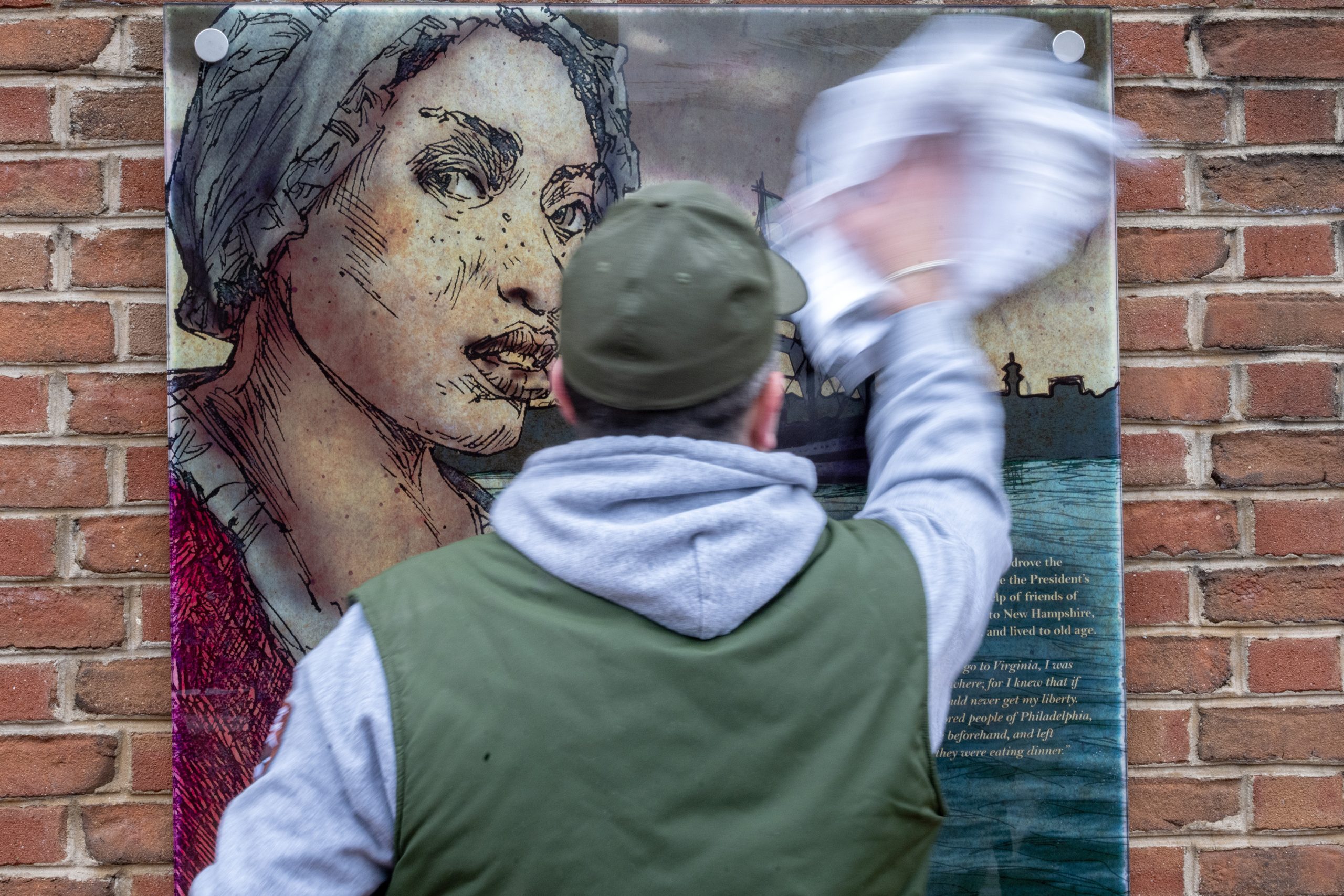
A worker cleans the glass on the panel for Oney Judge after re-hanging it at the President’s House in Independence National Historical Park in February.Tom Gralish / Staff Photographer
The ruling is an inflection point in the tumultuous legal saga over whether the federal government has power to determine which version of U.S. history is displayed for public viewing — an issue even more salient ahead of the country’s 250th birthday on July Fourth.
The Trump administration ordered the removal of the President’s House exhibits in January after almost a year of scrutiny of the site. Months later, the government offered its own vision for how those panels would be replaced, quietly uploading them to the National Park Service website in April.
An Inquirer review of the panels found that the federal government had softened Washington’s role as an enslaver.
For instance, one proposed panel argues the people who were enslaved at the President’s House “experienced a greater modicum of autonomy than elsewhere in the South such as to explore the city and sometimes even attend the theater, with Washington buying the tickets.”
Historians argued the original panels were accurate, well-researched, and site-specific. The development of the site in the early 2000s was the product of collaboration across various disciplines including historians, artists, architects, and advocates.
But Thursday’s ruling says the Trump administration’s proposed displays offer a nuanced view on Washington’s and John Adams’ roles in or opinions on slavery, adequately highlight the stories of the nine people enslaved at the President’s House, thoroughly acknowledge the horrors and brutality of slavery, and uplift key figures in Black history.
“One panel … explains that Washington ‘often expressed discomfort with the institution and a desire to see it abolished,’ but, ‘as a Virginia plantation owner, his wealth and livelihood were deeply tied to it,’“ Hardiman wrote. ”Other panels provide an even broader overview of slavery and the struggle to extirpate it.”
The ruling landed just less than three weeks before the 250th anniversary celebrations, and one day before Juneteenth. Attorneys for the federal government said the new panels had been manufactured and were ready to be installed.
U.S. Rep. Brendan Boyle (D., Philadelphia), whose district includes Independence Park, said in a statement that Thursday’s ruling highlighted the urgency of passing his Protecting American History Act, which would shield historical displays at the park from government censorship.
“Just a block away from where our nation was founded, Donald Trump is choosing the path of tyrants who rewrite history instead of learning from it,” Boyle said. “As we approach America’s 250th anniversary, we must tell the full truth of our nation’s history — the good and the bad.”
The administration has appealed to the U.S. Court of Appeals for the First Circuit.
There is not a prescriptive way to resolve such conflicting rulings, which is why some legal scholars argue against so-called universal injunctions, in which one district judge’s ruling affects the entire country. The Supreme Court signaled its discomfort with those types of orders last year.
Conflicting rulings have become more prevalent during Trump’s tenure, as his administration has issued drastic measures that take immediate effect, said Michael Foreman, a professor at Penn State Dickinson Law.
Which order ends up prevailing will depend on whether the Massachusetts ruling is stayed, or if the issue escalates to the Supreme Court.
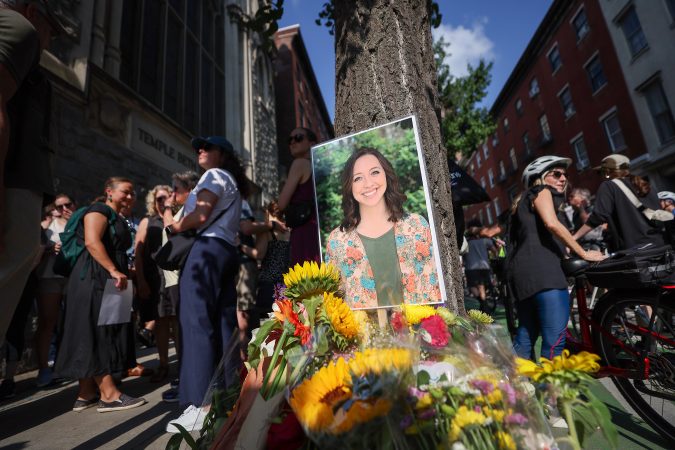
A white bicycle marks the spot on Spruce Street where a drunk driver struck and killed Barbara Friedes in July 2024. The 30-year-old doctor’s death led to an outpouring of grief from her loved ones, Children’s Hospital of Philadelphia colleagues, and the cyclist community.
Two years later, the driver is in prison but the pediatric resident’s parents are still seeking justice.
John and Mary Dietrick have sued Michael Vahey, who was driving his Volkswagen intoxicated at roughly 60mph in a 25-mph zone when he hit Friedes as she was riding her bike near Rittenhouse Square. His blood alcohol limit exceeded the legal threshold for intoxication.
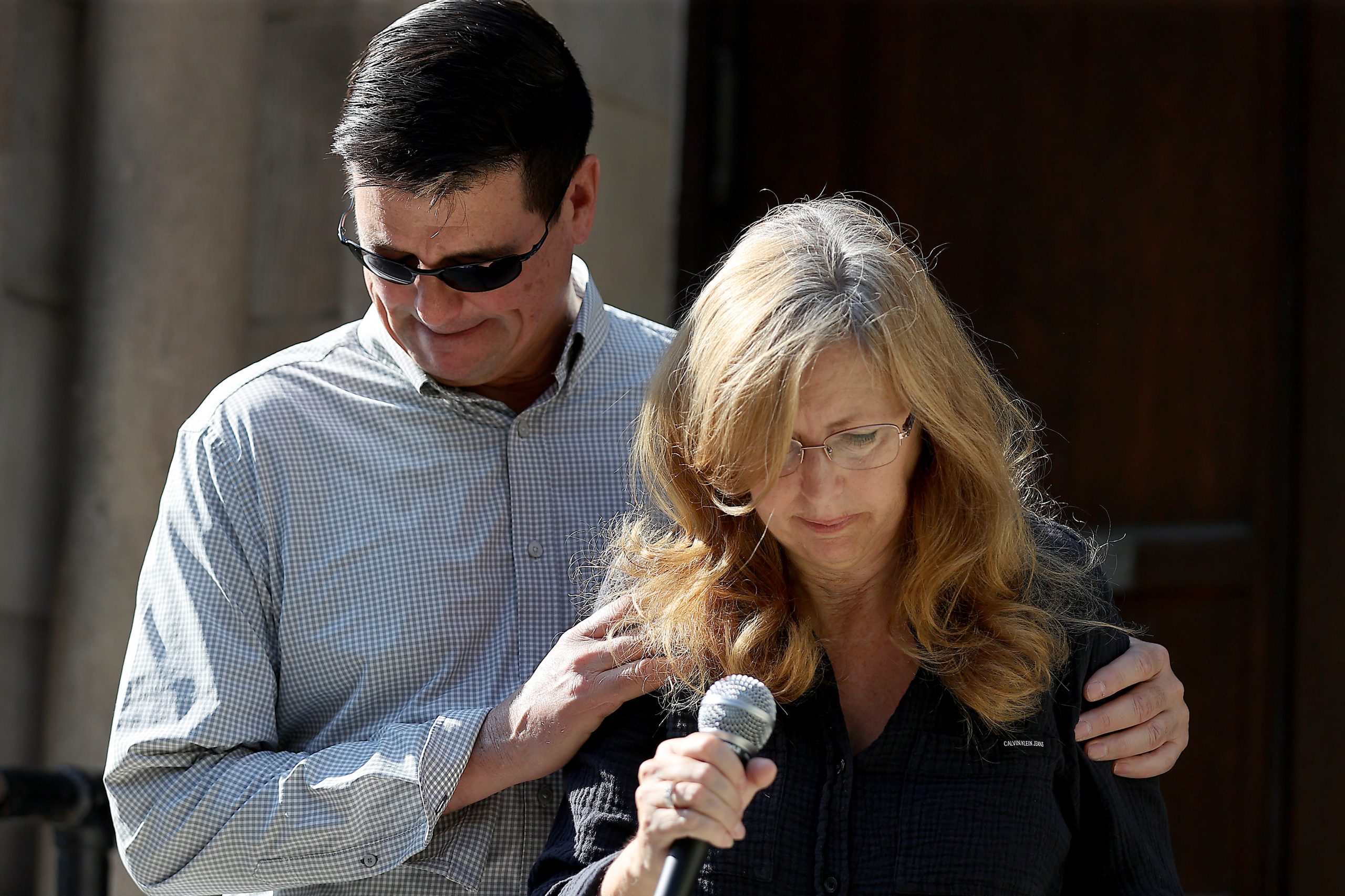
Mary Dietrick (right) is embraced by her husband, John Dietrick, as she speaks about her daughter Barbara Friedes at a vigil in 2024.David Maialetti / Staff Photographer
The lawsuit seeks “the full measure of damages available under Pennsylvania law for Vahey’s negligent, reckless, and outrageous conduct causing her death and the immeasurable loss to Barbara’s family,” according to the complaint, which was filed Monday in Common Pleas Court.
Friedes was riding her bicycle on the 1800 block of Spruce Street in the designated bike lane on the evening of July 17, 2024. Intoxicated, Vahey sped through Center City at an “outrageous speed,” the suit says.
“His foot never left the accelerator of his car as he struck Barbara,” according to the complaint.
Amato Sanita, an attorney who represented Vahey in his criminal case, said in a statement that his heart goes out to all parties involved in the tragedy.
Friedes was a chief resident physician at CHOP and applied for fellowship training in pediatric oncology. She was remembered by her colleagues for her kindness and compassion.
Barbara Friedes was killed when a man driving a Volkswagen hit her from behind while she was riding her bike in the bike lane on the 1800 block of Spruce Street.Courtesy Cole Friedes
Her husband, Cole Friedes, said his wife of three years loved children, devoted her career to them, and longed to be a mother.
“She was the kindest person I’ve ever met in my entire life,” he told The Inquirer after her death. “She taught me the true meaning of kindness.”
Mayor Cherelle L. Parker joined a symbolic ride of unity later that summer with activists who criticized her administration for not taking action to make bike lanes safer.
The parents’ lawsuit does not name any defendants except Vahey and stays away from the debate over bike lane infrastructure.
“The primary purpose of this lawsuit is to establish full accountability under the civil justice system,” said Tom Kline, a Kline & Specter attorney representing the Dietricks. “It is the second half of the equation.”
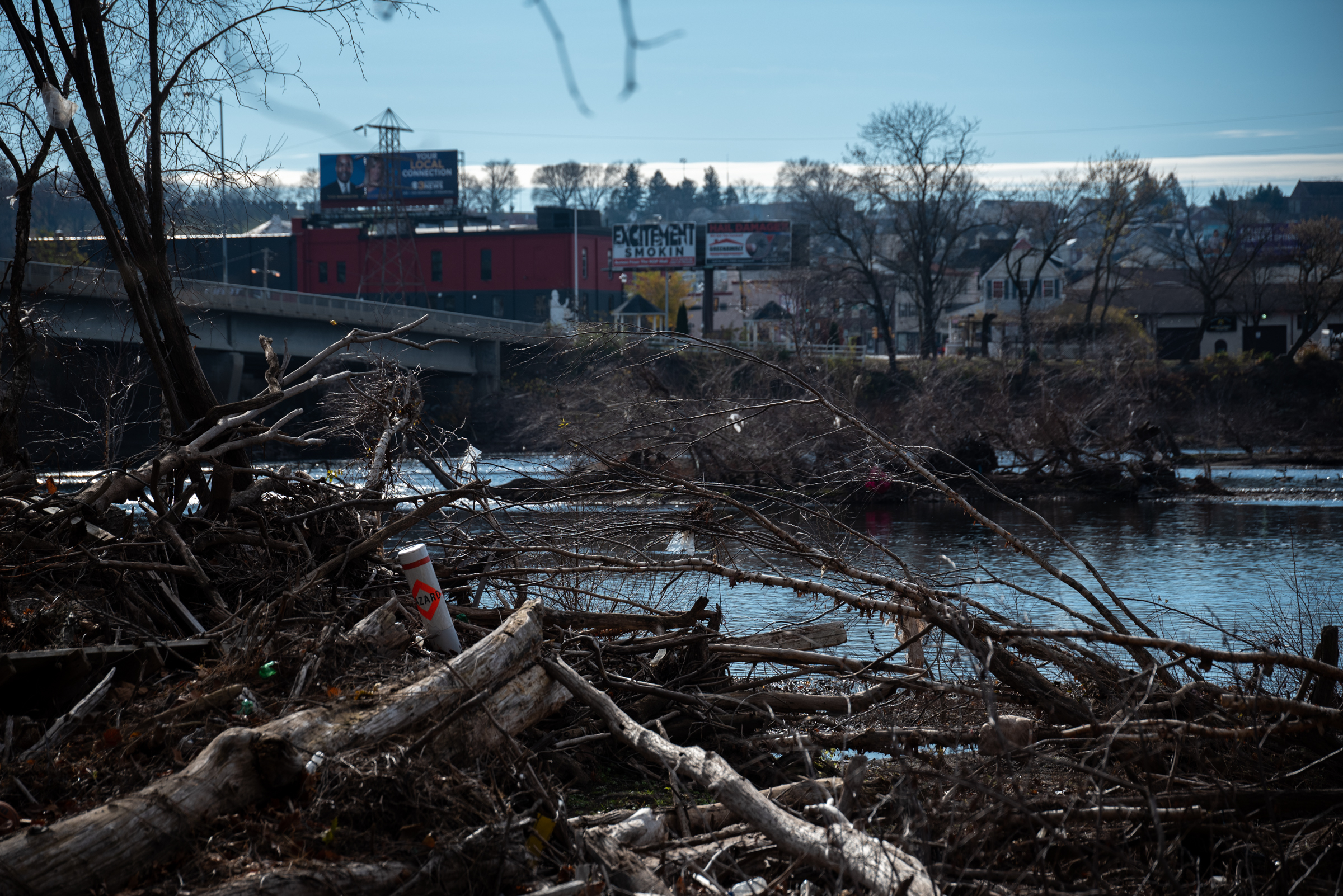
Montgomery County sued to get back $7.5 million it paid two disaster debris companies that engaged in “overzealous clearing” that harmed the environment in the aftermath of Hurricane Ida in 2021.
Mississippi-based DebrisTech and Texas-based DRC Emergency Services billed Montco for $14 million worth of cleanups, the suit said, but the federal government deemed more than half the removals “unnecessary” and declined to reimburse the county for it.
“Their overzealous clearing of County lands not only resulted in over half of the County’s reimbursement request getting denied, but it also caused environmental harm that requires extensive remediation,” the complaint said.
The lawsuit, which was initially filed in the Montgomery County Court of Common Pleas last month but moved to Philadelphia’s federal court this week, is a step to hold two vendors accountable for harm they caused, county spokesperson Megan Alt said in a statement.
“The Montgomery County Commissioners take their responsibility as stewards of the taxpayers’ money and natural resources very seriously,” Alt said.
DRC is committed to providing disaster recovery services that meet the instructions of its clients, Kristy Fuentes, the company’s vice president of administration and compliance, said in a statement.
“DRC looks forward to presenting all relevant evidence during the court proceedings regarding its disaster recovery work in Montgomery County,” Fuentes said.
DebrisTech did not respond to a request for comment.
DRC and DebrisTech came into Montgomery County days after Ida to assist in the recovery, the suit says. The vendors were required to engage only in clearings that are eligible for reimbursement by the Federal Emergency Management Agency, according to the complaint.
Montco relied on the companies’ expertise to determine FEMA eligibility but “instead of protecting the County’s interests,” the suit said, the vendors “overcut trees,” “mismanaged” oversight responsibilities, and “failed” to comply with FEMA regulations.
DRC and DebrisTech also cut down at least two Montgomery County-owned nature preserves, according to to the complaint. An 11-acre wooded preserve in Whitemarsh Township is “no longer,” the suit says, and Audubon Park turned into a “mud pit.”
All told, the companies billed Montgomery County $14,028,597.81 for the cleanup, the suit says. FEMA reimbursed just less than half, finding that the vendors removed debris that didn’t pose an “immediate threat.”
The federal agency denied multiple appeals by the county, leaving taxpayers on the hook for the remaining $7.5 million.
The suit asks a judge to require the vendors to reimburse the county for the $7.5 million FEMA found ineligible, restore the Whitemarsh site and Audubon Park, and pay damages and attorneys fees.
“Service providers hired for their claimed expertise are not free to accept public funds and then fail to perform, divert resources, or withhold services while retaining payment,” the lawsuit says. “To permit such conduct undermines fiscal accountability, erodes public confidence, and converts taxpayers’ dollars into a risk-free subsidy for contractual non-performance — an outcome the law cannot tolerate.”
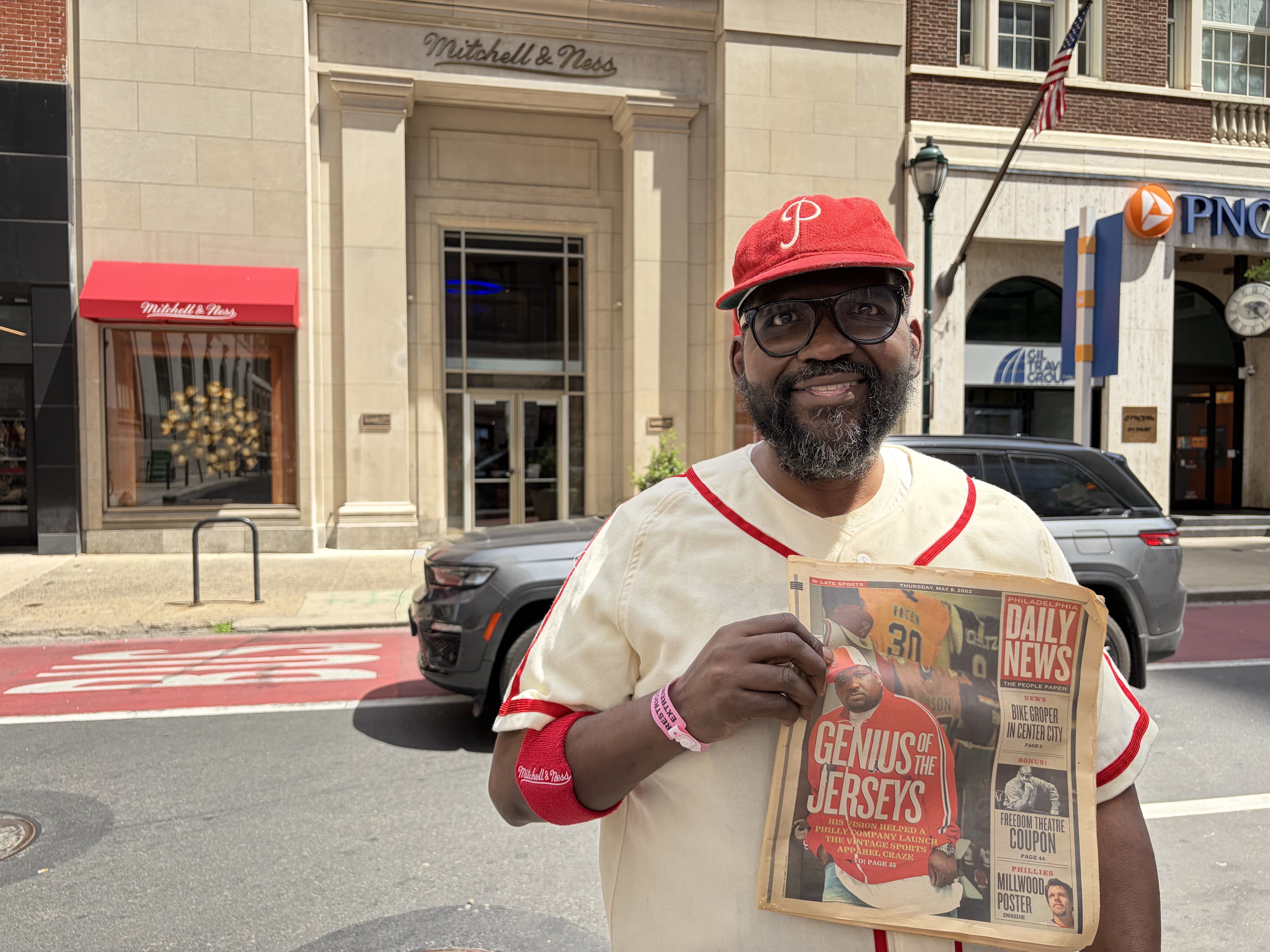
Big Rube was an influencer before influencer was a job description. And in the early 2000s, he influenced athletes and hip-hop artists to wear Mitchell & Ness’ vintage jerseys, which can cost more than $300 a pop. Celebrities started wearing throwbacks and business was booming.
But Mitchell & Ness didn’t fulfill their side of the deal, according to the lawsuit, which was filed Thursday in the Philadelphia Court of Common Pleas.
The brand, which Fanatics bought in 2022, is obligated to pay Harley an unspecified commission for sales attributed to his marketing efforts, the lawsuit says. But it has refused to even calculate how much that commission might be, the suit says.
“They’re not in this location for nothing,” Harley said Friday across from the new Mitchell & Ness store. “I created that and I want what’s mine.”
A spokesperson for Fanatics said the company hadn’t been served the lawsuit and was unable to comment.
Reuben “Big Rube” Harley standing outside the new Mitchell & Ness flagship store on Walnut Street. June 5, 2026.Abraham Gutman
Harley became a Mitchell & Ness customer in the early 1990s, purchasing throwback Negro League baseball jerseys and caps, the complaint says. A decade later, in 2001, he approached then-Mitchell & Ness owner, Peter Capolino, with a vision of marketing the throwbacks to hip-hop artists and athletes.
Harley and Capolino entered into a “partly written and partly oral” agreement, the suit says, in which Mitchell & Ness would pay Harley commission based on sales attributable to his promotional efforts. The suit does not include a copy of the written part, say whether the commission was in perpetuity, or specify the percent of sales Harley claims he is owed.
Mitchell & Ness also made Harley the company’s marketing director with a salary.
“I got paid, but the agreement was a piece of the pie,” he said.
As the new marketing director, Harley contacted athletes, celebrities, and artists in his network, the suit says. The throwbacks trend caught fire. Just a few months later, now-disgraced musician Sean “Diddy” Combs co-hosted the 2002 American Music Awards wearing a rotation of vintage jerseys.
Mitchell & Ness’ annual sales rose from $2.2 million in 1999 to roughly $25 million in 2002, the suit says.
The new owners must respect the agreement with Harley, the suits says, and pay him his share of the sales that he is owed. The complaint does not specify a percent or amount.
“Big Rube did his part,” said attorney Emeka Igwe. “Mitchell & Ness’ part was to give him a percentage of the sales from all the revenues that they were getting. And that was never done.”
After parting ways with Mitchell & Ness in the mid-2000s, Harley continued to reinvent himself. He launched an apparel line, wrote a Philadelphia Daily News column, and became a chef.
He decided to bring the lawsuit now because he is battling stage-four prostate cancer. Harley said he has been assessing his life and wants to leave a legacy for his 22-year-old daughter.
Standing across the street from the new flagship store in Center City, about a dozen friends expressed their support.
“We ain’t gonna stop until they build you a statue out here,” Simon Carr said. “You deserve it.”