Author: Kiki Aranita

  • Do we kick a neighbor out of our HOA group chat?

    Do we kick a neighbor out of our HOA group chat?

    This week’s question (Have your own? Submit it here.):

    I am in an HOA. We are all in one group chat and are friendly to one another. One of the women in our chat, who is very nice in person, uses the chat to complain, almost weekly.

    She thinks the kids are too loud playing outside on a Saturday afternoon. She says one of us put our trash out 20 minutes before we’re technically allowed to. She says one of us closes our front door so hard that it shakes the whole building. She constantly asks for us to get her Amazon packages and if we say we’re not home she says, “ANYONE ELSE?” Yes, in caps.

    So yeah, we don’t like her. We’ve tried! So there are some ideas floating around, the main one being: Do we mute that group chat and start a new one without her? Or do we just tell her what the deal is?

    Kiki Aranita, Food & Dining Reporter

    100% mute that chat and start a new one.

    Elizabeth Wellington, Features Columnist

    I agree with Kiki.

    But, we are trying to be helpful here and it’s a horrible thing when someone ignores the group chat. Have you established any ground rules in the chat? If not, maybe it’s time?

    Kiki Aranita

    Yeah, was this a chat established for getting packages for one another?

    Elizabeth Wellington

    I think at the very least you send a message out that starts with “No complaining.”

    My apartment complex had a similar group chat on WhatsApp. After a month, I opted out. I’d rather not be in the know then hear about all of these people’s incremental problems.

    Kiki Aranita

    I’m not in an HOA but I live on a block where I know my neighbors and we’re all super active in grabbing one another’s packages and super appreciative of one another.

    That said, we don’t complain in our group chats. Complaints are for friend group chats, not neighbor group chats.

    Elizabeth Wellington

    There are ways to keep people informed and, in this world, we need to be informed.

    So my suggestion in drawing up ground rules is: no complaining. Informing is not complaining.

    Kiki Aranita

    Create a mini version of a neighborhood Facebook group, which has established ground rules, and is actively monitored by admins.

    By the way — that last question of “do we tell her what the deal is?” I would not do this.

    Elizabeth Wellington

    I might though. People need to know when they are getting on your last nerves.

    Maybe she doesn’t know how annoying she is. Maybe telling her is the first step.

    Kiki Aranita

    I’m not scared of confrontation in general, but I think confrontation like this can make it difficult to live with someone in such close proximity.

    Elizabeth Wellington

    You don’t have to curse her out, just a gentle nudge… “Like, girl… some of your group chat messages have been off-putting. We try not to complain. We are solutions oriented.”

    Kiki, should we come up with a list of ground rules to help these folks out?

    Kiki Aranita

    First, no shouting/all caps.

    Elizabeth Wellington

    No making fun of people. No cursing. No complaining about things, especially other people. No gossip.

    Kiki Aranita

    Establish a motto like “to support and inform.”

    I also like the idea of multiple group chats for neighbors (because I have them). They’re like slack channels. One is just for packages. Another one of my friends also has multiple group chats. Unfortunately, one of them is “the rat chat” — it only deals with rats.

    Elizabeth Wellington

    It’s fine if neighbors want to splinter off to talk about other things like packages and other such things, but the HOA group chat should be accessible to everyone in the HOA and it should have guidelines and rules.

    You may not like old girl, but she lives there too.

    Just set ground rules going forward.

    Kiki Aranita

    With a positive motto.
  • Would you try this cheesesteak-flavored olive oil? We did.

    Would you try this cheesesteak-flavored olive oil? We did.

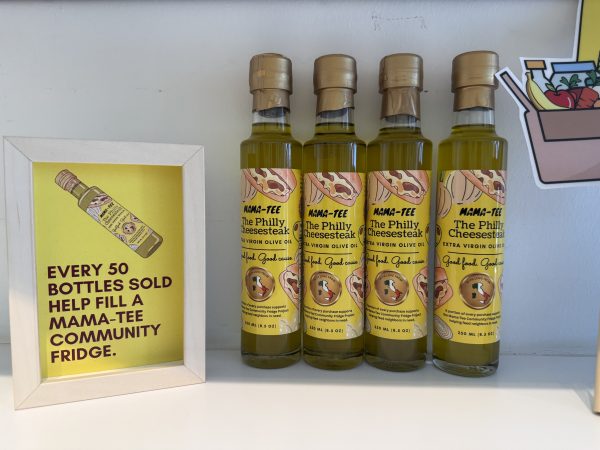
    “It tastes like oil from a real cheesesteak wrapper,” proclaims the slogan of Mama-Tee’s Philly cheesesteak-flavored extra virgin olive oil.

    Mama-Tees are community fridges, notable for their bright yellow paint jobs, that are scattered around Philadelphia. The cheesesteak oil ($19) is part of a fundraiser to combat food insecurity locally, along with three other flavored oils: Basil Bliss, Truffle Love, and Pepper Pleaser. Proceeds go to helping fill the fridges with food. So if the oil prompts cheesesteak-flavored burps, it would do so in the name of a noble cause.

    We at The Inquirer had to do a taste test.

    Is this merely a novelty or could it have legitimate culinary applications?

    The ingredients of the Philly cheesesteak-flavored oil intriguingly are only “extra virgin olive oil” and “onion flavor.” How could these two ingredients, neither of which involves cheese nor steak, encompass the nuanced experience of consuming an actual cheesesteak? The Inquirer sought to get to the bottom of these questions.

    The first round of cheesesteak experts was summoned.

    “It smells like a deli case,” said food editor Margaret Eby. “There is a cheesiness to it. It’s like that cheese oil that gets trapped in a charred, upturned pepperoni cup on your pizza.”

    “I think it should be called ‘hoagie oil,’” said food reporter Beatrice Forman.

    “It is like unwrapping a hoagie,” agreed critic Craig LaBan. “When you get the vinaigrette soaking through the wrapper. And it tastes like French’s fried onions, but burnt.”

    “I don’t know what it could be used for,” said food reporter Michael Klein.

    “It tastes like old fryer oil,” grimaced reporter Ryan Briggs. “It’s gravitating toward capturing that cheesesteak shop smell when they’re frying all the onions.”

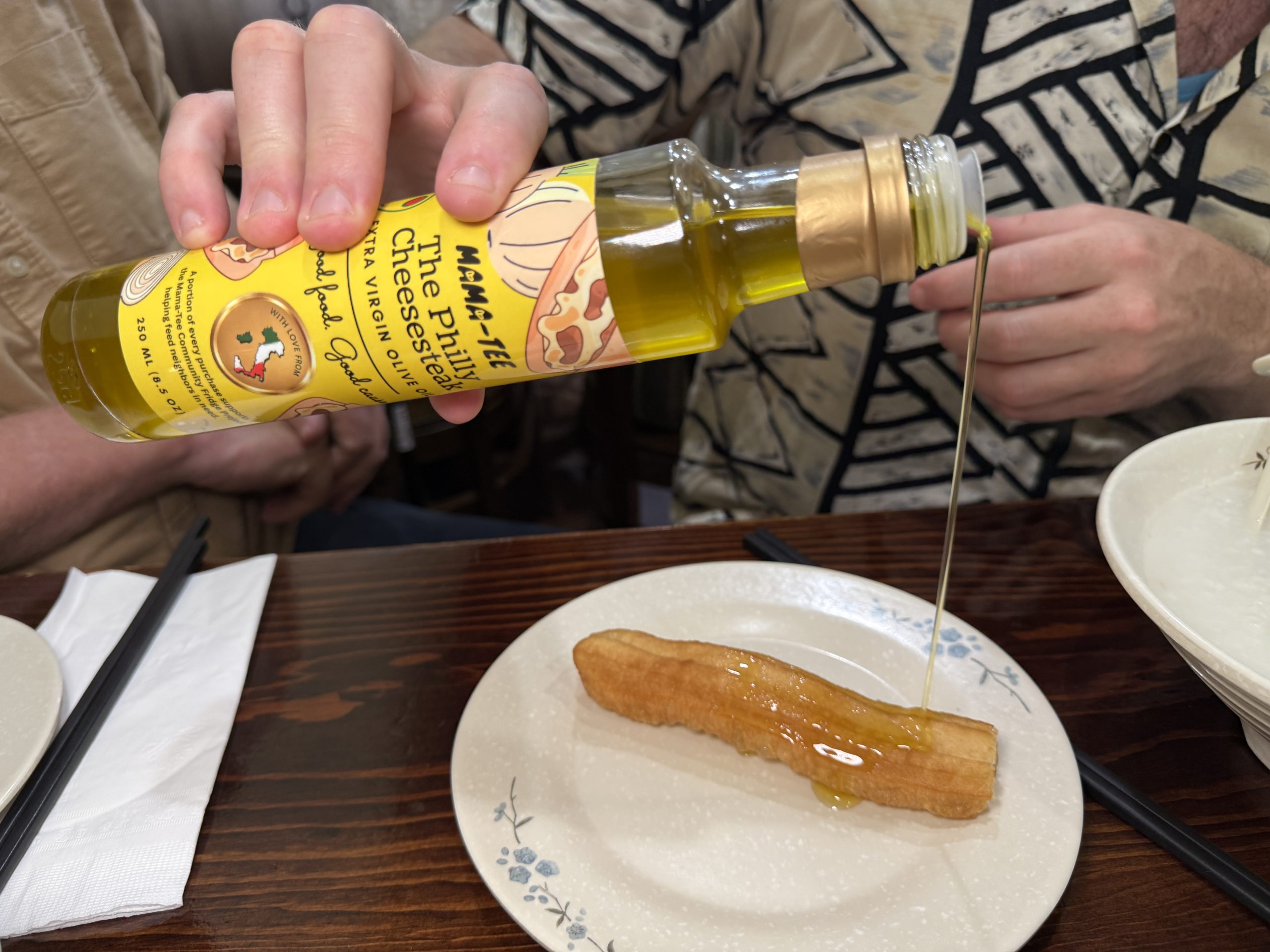
    Reporter Max Marin poured the oil over his youtiao, a savory Chinese cruller, while at lunch at Lau Kee in Chinatown. “It’s got a chemical taste that makes me think there’s a number in one of its ingredients.” But does it make the youtiao taste like a cheesesteak? “It does not.”

    Inquirer reporter Max Marin pours Mama-Tee’s Philly cheesesteak-flavored oil on his youtiao at Lau Kee.Kiki Aranita

    Various Philly chefs were more open-minded in the cheesesteak oil’s applications.

    “I think the flavor is great,” said Juan De Ocampo, sous chef at Fairmount’s Manong, as he poured the oil onto a pile of fried shrimp chips.

    “I kind of like the cheesesteak oil,” said dancerobot’s Justin Bacharach. “It’s pungent and although I don’t cook with olive oil, I would use it to add a little funk and fat to a dish, like to dress an antipasto with South Philly vibes like sharp provolone and soppressata, and in the Japanese canon, I think it would be fun drizzled on top of a gyudon (beef and onions over rice) where you’d normally use mayu (a Japanese scorched black garlic oil).”

    “It feels really heavy,” said Melissa Fernando, the chef behind long-running pop-up Sri’s Company. “In Sri Lankan food, we mostly use coconut oil to cook, but I suppose I’d use this to sauté onions and garlic.”

    That perceived “heaviness” is easily addressed, according to 637 Sushi Club’s Kevin Yanaga, no stranger to unusual pairings. “I just need a lemon or something acidic with it. I could then use it on a fluke crudo. It’s rough and funky on its own, but salt and acid would help.”

    After careful consideration of these diverse opinions, the Mama-Tee cheesesteak oil had only one test remaining to undergo: a side-by-side comparison between it and the oil from an actual cheesesteak wrapper.

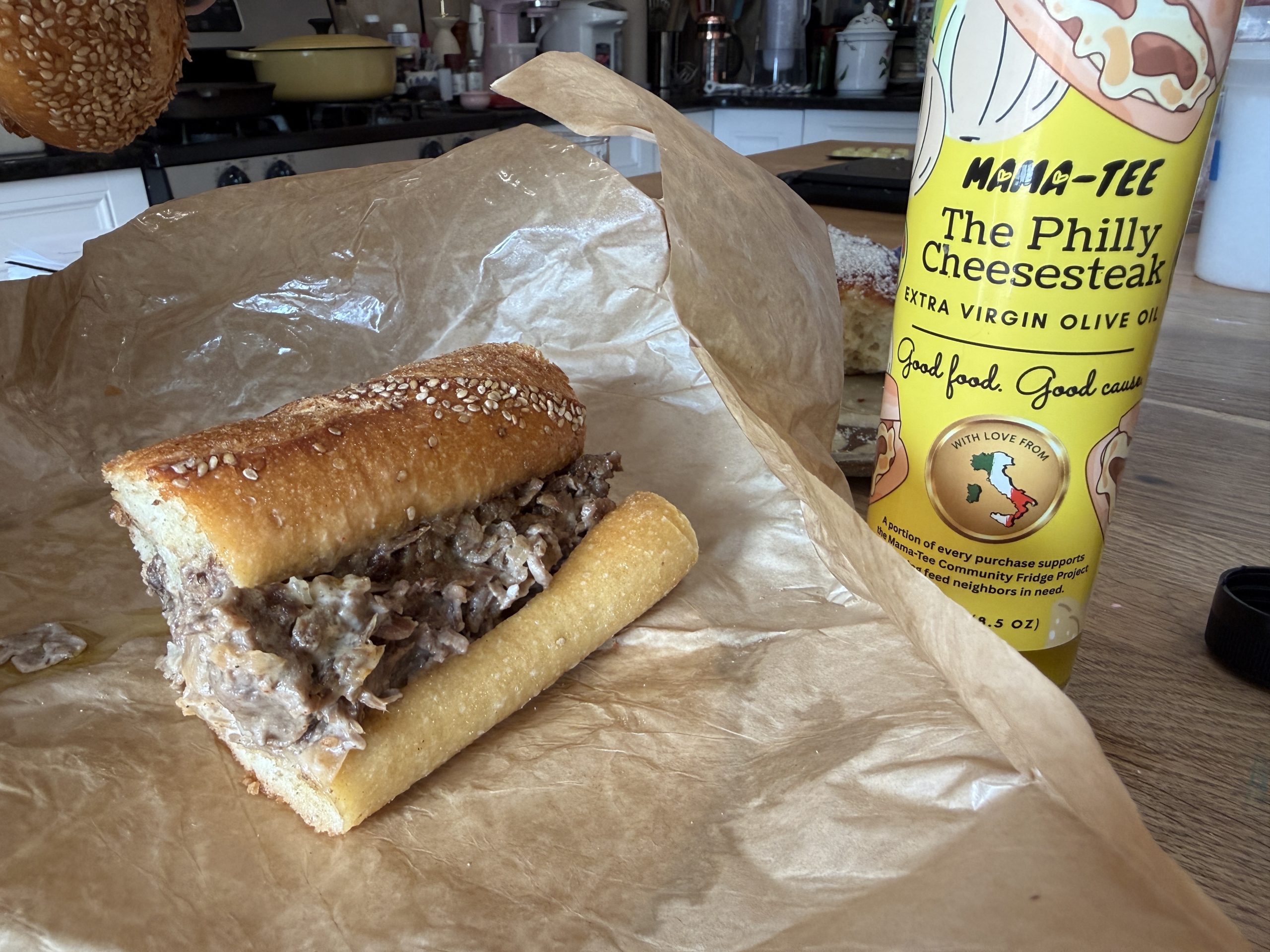
    A Del Rossi’s cheesesteak (wit onions, of course) was summoned. A wrapper was licked. A shot of cheesesteak oil was taken. The wrapper had the distinct advantage of beefiness. When applied directly to the cheesesteak, the oil oddly enhanced the cheesesteak’s flavor. And another thing the oil had in common with a real cheesesteak? Real cheesy, oniony burps after consumption.

    A Del Rossi’s cheesesteak and Mama-Tee’s cheesesteak oil, consumed in unison.Kiki Aranita

    Mama-Tee’s Philly cheesesteak oil ($19) can be purchased at Wegmans in King of Prussia, though more locations may be added soon.

  • James Beard, 50 Best, Michelin, and so on. What do all these restaurant awards mean?

    James Beard, 50 Best, Michelin, and so on. What do all these restaurant awards mean?

    While the city’s attention may be mostly tuned to the World Cup games, we are also in the midst of another cutthroat period where only a few can be named the best.

    Hearts will be broken. Medals will be hoisted in the air. It’s restaurant awards season.

    Publications grant restaurants awards, with major ones being Bon Appetit, the New York Times, Food & Wine, and of course, The Inquirer’s own annual list, The 76. But none are quite as prestigious as Michelin stars, the 50 Best’s rankings, and the James Beard Foundation Awards, which were doled out in Chicago on Sunday.

    (Philly took home two, including the much-coveted outstanding restaurant, a little like the best picture accolade at the Oscars).

    What’s the difference between all these lists? Michelin and 50 Best are internationally renowned awards-granting institutions, whereas the James Beard Foundation is strictly American. North America’s 50 Best Restaurants list is a 2-year-old subsidiary of 50 Best, which judges restaurants from the United States, Canada, and the Caribbean. Michelin only reviews restaurants that fall into the geographic confines of its specific guide.

    These awards follow different criteria (though it often seems like the same chefs are being decorated, with little variation in lineups of nominees) and operate independently of one another. Michelin is the most secretive of the three major awards, as its inspectors are anonymous Michelin employees. 50 Best and JBF draw judges from the restaurant and food media industries.

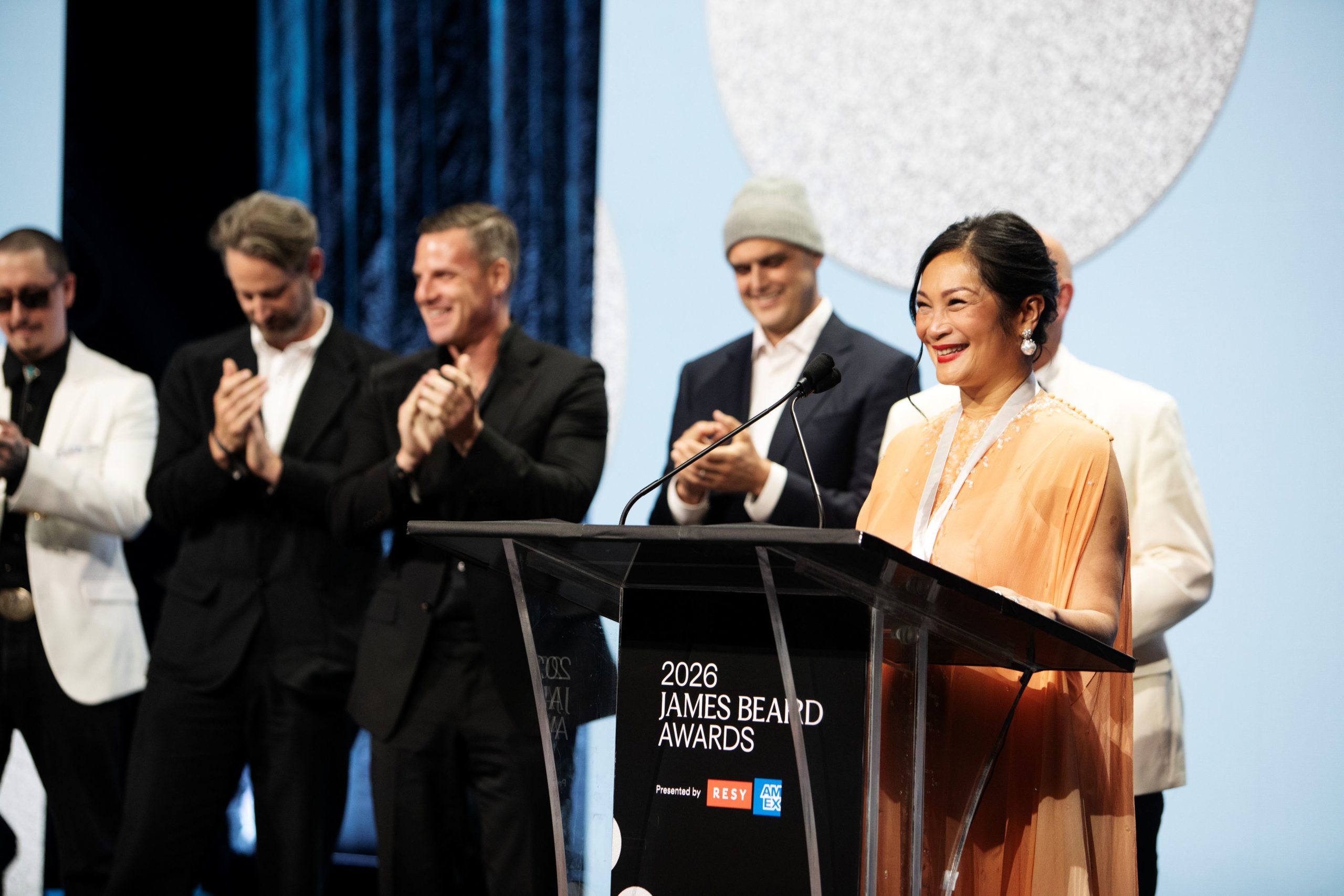
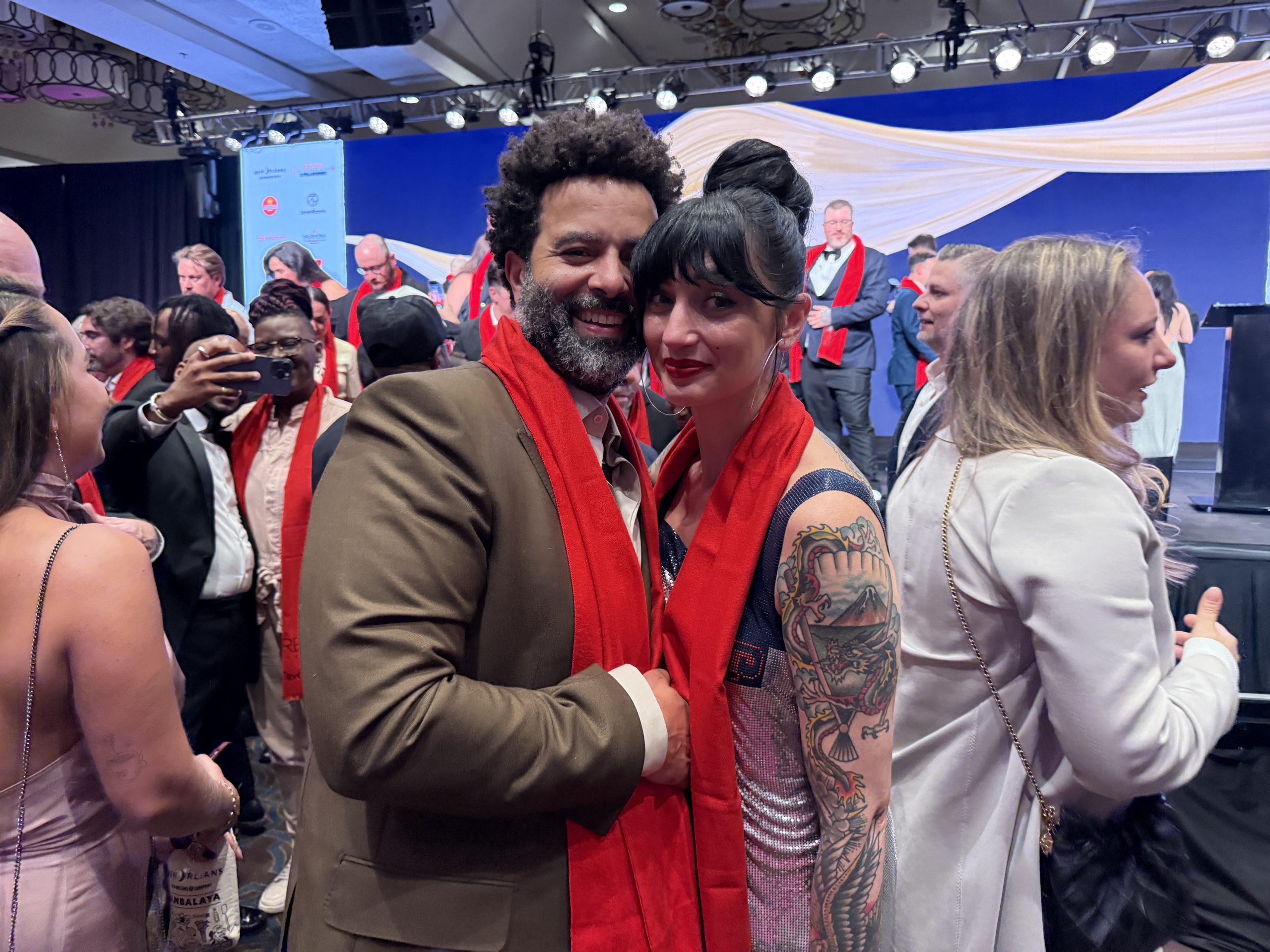
    Chef Chutatip “Nok” Suntaranon and her Kalaya partners on Sunday accepting the 2026 James Beard Award for outstanding restaurant. The award is akin to the best picture accolade at the Oscars.© Eliesa Johnson / James Beard Foundation

    Last month, Kalaya and Friday Saturday Sunday celebrated their placements on the North America 50 Best Restaurants list. These were the hometown restaurant heroes up for national JBF awards: Kalaya for outstanding restaurant, Friday Saturday Sunday’s Lover’s Bar for best bar, and Emmett for best new restaurant. As for chefs, Fiore’s Justine MacNeil was a contender for outstanding pastry chef or baker.

    MacNeil had a steep hill to climb — Washington’s Susan Bae of Moon Rabbit took home the prize, and she, like Kalaya’s Chutatip “Nok” Suntaranon, has been a darling of national and international awards. After nine nominations, Philly’s Jesse Ito finally took home the award for best chef, Mid-Atlantic.

    You’d be forgiven for experiencing déjà vu from scanning this list and celebrating the recent wins of restaurants from North America’s 50 Best Restaurant, as well as those from Michelin’s inaugural Northeast Cities edition in November. It can feel like the same handful of Philadelphia chefs and restaurants receive the majority of the national attention from food media.

    Suntaranon, Chad and Hanna Williams, and Jesse Ito are at every awards ceremony. They each have compelling narratives, making food storytelling incredibly easy.

    Suntaranon and Kalaya have been on a tear, topping lists and gaining national recognition. The JBF outstanding restaurant title comes as little surprise. Until Sunday night, Jesse Ito was among the most nominated of chefs without a win in the Foundation’s history. (In comparison, Jose Garces had seven finalist nominations before winning the same award in 2009. Nobu Matsuhisa, whose eponymous restaurant won best new restaurant in 1995, was subsequently nominated for outstanding chef nine times and has not won yet).

    Chad and Hanna Williams of Friday Saturday Sunday.Kiki Aranita

    Both Suntaranon and Ito are iconoclasts. They’re making world-class Thai and Japanese food in a city that is not known for either (Philly has seen no significant immigration from either Thailand or Japan). They’re an immigrant and the child of immigrants, excelling and winning awards at a time when anti-immigrant policies are upending the restaurant world.

    And awards do matter. They can (but not always) bolster business. They bring attention to our city. And they bring other restaurateurs to Philly, weaving them into a food scene that continually becomes more diverse, interesting, and excellent.

    In recent years, Philly chefs, especially the ones who have received these awards, have been part of a larger national conversation. These awards, and the communities their ceremonies foster, expand Philadelphia’s culinary borders.

    To be sure, the chefs who are garnering these awards — stars, scarves, and medals — are hardly the only ones making excellent food, treating their employees decently, and sourcing ingredients that benefit our food systems. In fact, the latter has little to do with any of these awards, especially given Michelin’s retirement of its green star designation. Benefiting the food system and sourcing sustainably often has little to do with chefs being granted any of the most-coveted awards.

    May this be a reminder that awards aren’t everything. But it sure is nice to win.

    Disclaimer: Members of The Inquirer Food Team have been part of the James Beard Foundation Awards’ voting body.

  • The Philly bars that keep secret stashes of Chartreuse

    The Philly bars that keep secret stashes of Chartreuse

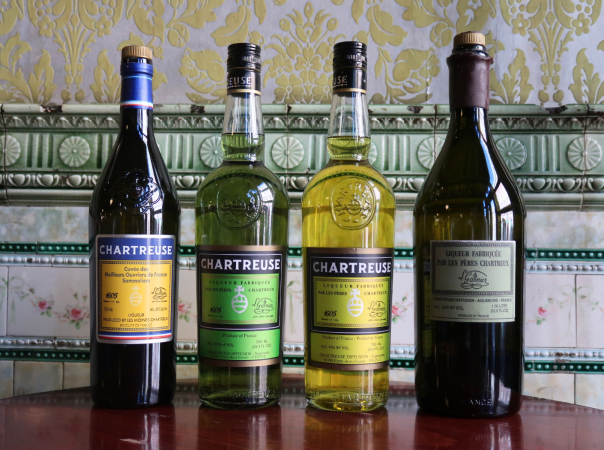
    As global supplies of Chartreuse dwindle, its mystique only deepens and its popularity increases. Luckily, Philadelphia bars have concocted not merely ways to get their hands on the spirit, a botanical liqueur produced by Carthusian monks in the Chartreuse Mountains in southeastern France, but even their own, Philadelphia-made versions.

    In 2021, the monks of the Carthusian order, an extremely secluded Roman Catholic order founded by Saint Bruno of Cologne in 1084 who adhere to a life of absolute silence and solitude, announced a cap on the production of their cordial, which they had been making since the 18th century. The recipe is culled from an ancient manuscript on the “Elixir of Long Life.”

    The iconic green liqueur is made of 130 plants— there is also a Yellow Chartreuse that is milder and sweeter due to the inclusion of honey and saffron —and is the base for several famous cocktails, including the Prohibition-era Last Word and the Naked and Famous (a classic cocktail from New York’s Death & Co.). With robust alpine notes, it is also commonly served neat. It’s also a favorite of bartenders and mixologists nationwide.

    “It adds depth and character to cocktails,” said Neill Laughlin, a partner and manager at Old City’s Sassafras.

    With the rise of the craft cocktail movement in the early 2000s and then drinking habits during the pandemic, which drove people to start shaking up more cocktails at home, Chartreuse has only gotten increasingly more popular.

    The monks’ decision to limit their production has had a trickle-down effect for Philadelphia’s cocktail programs, like the one at Sassafras, run by Laughlin and Donal McCoy. Philadelphia’s bars already struggle with obtaining specialty liqueurs due to Pennsylvania’s Liquor Board restrictions. But Sassafras, who maintains its own long history (almost 50 years in business), doubled down on Chartreuse-based cocktails, adding four to their new bar program (which changes quarterly). It’s no easy feat: a search of the PLCB’s Fine Wine and Good Spirits site shows no bottles of Chartreuse in stock at all.

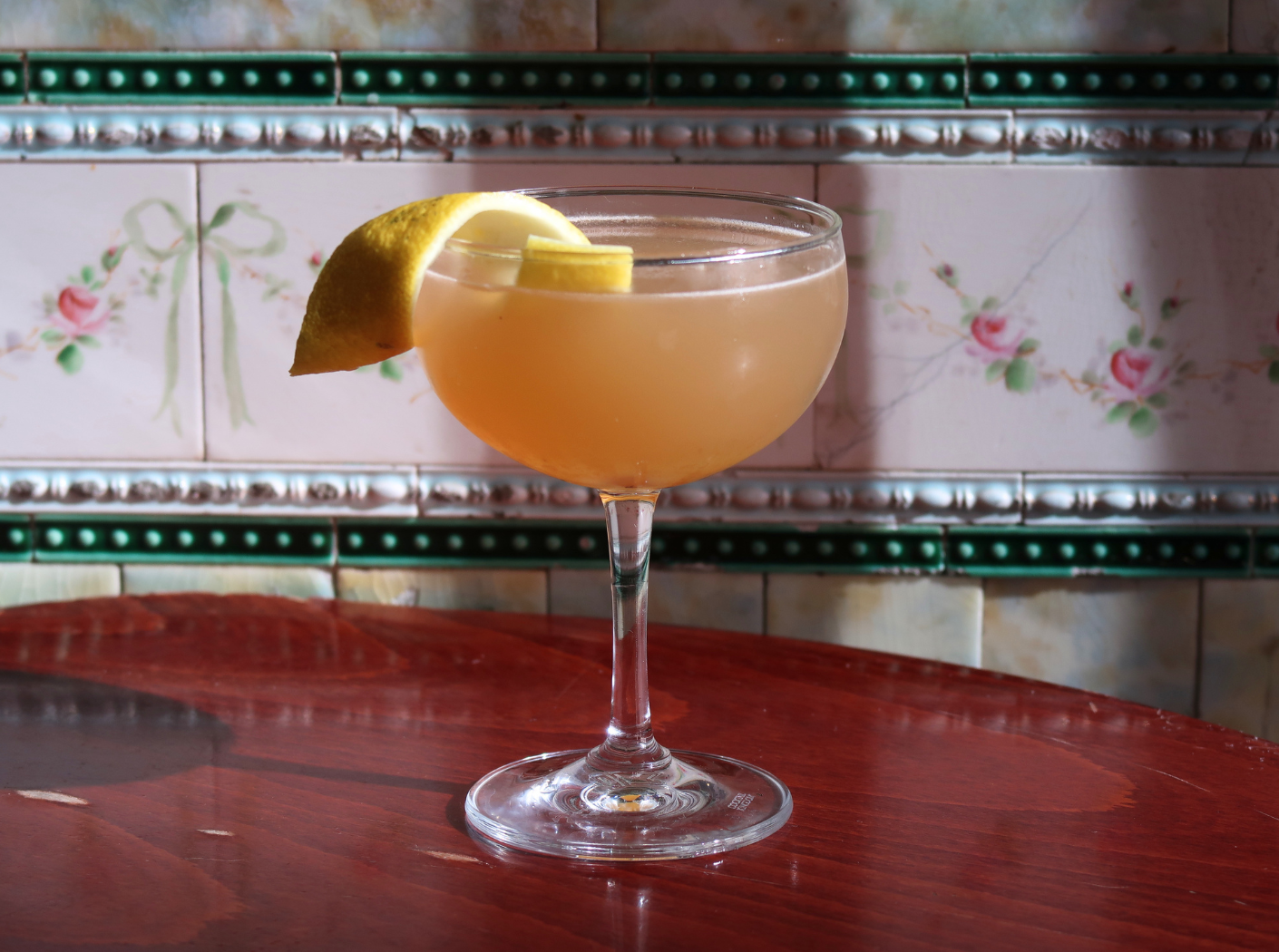
    Champs-Elysees at Sassafras ($16) with St-Rémy VSOP, Green Chartreuse, lemon juice, Angostura bittersSassafras

    “You need to have contacts within the PLCB,” explained Laughlin. “Certain [liquor] portfolios are broken down to different vendors and it’s a lot of homework to discover who has what products and how to get them. The liquor control board took it away from the stores and allocated Chartreuse to certain bars and restaurants — but you have to buy it in bulk.”

    And so, Sassafras has been stocking up on Chartreuse for years. Supply is never regular. “There’s no warning when the ship [from France] comes in and how much you’re going to get,” said Laughlin, who just two weeks ago, managed to obtain four cases each of Green and Yellow Chartreuse.

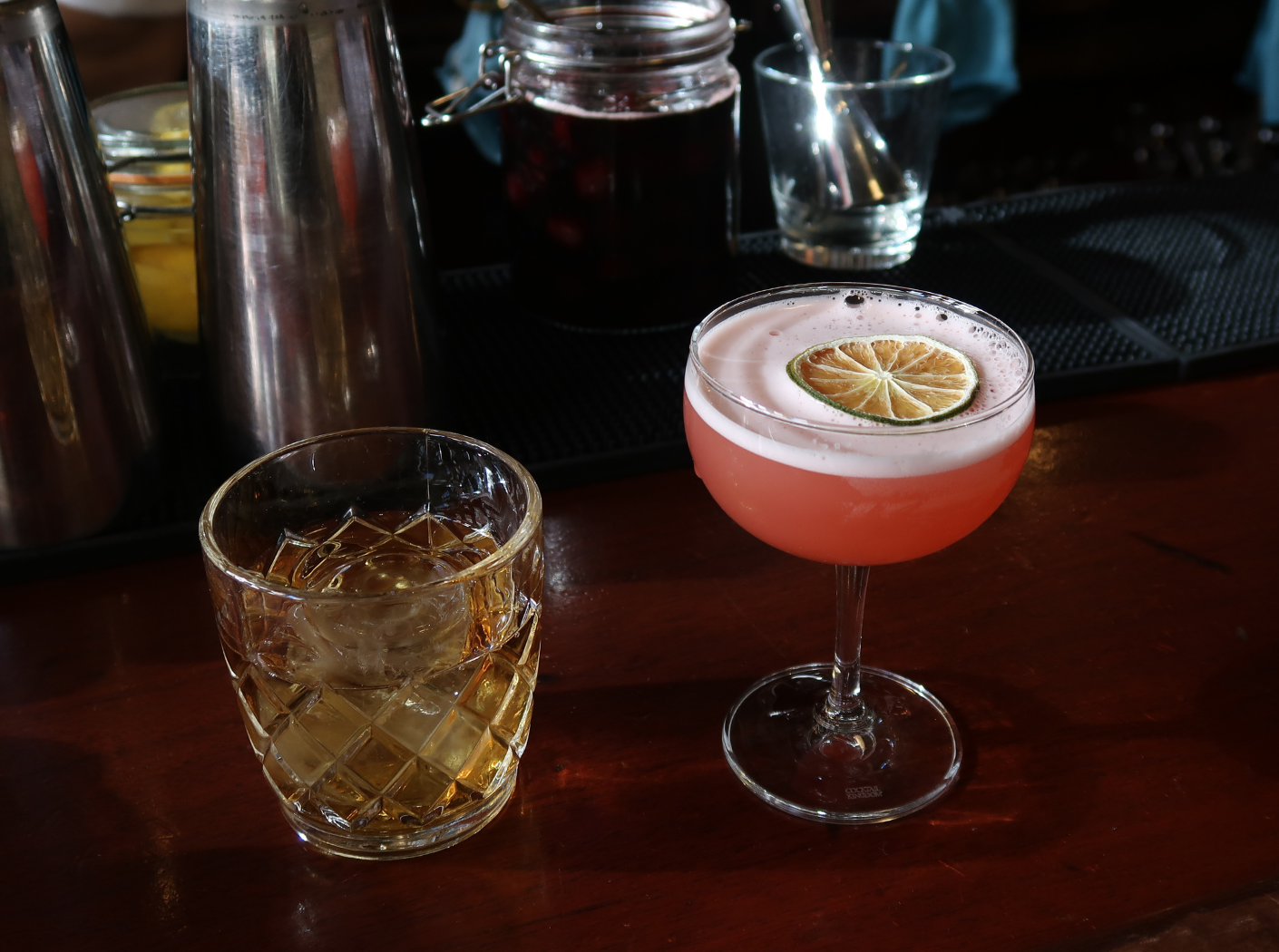
    “We’re comfortable offering six cocktails at Sassafras that use it,” said Laughlin. The newest cocktails at Sassafras include the 1904 ($65) featuring Yellow Spot Irish whiskey, Chartreuse VEP, and Antica Formula, Naked and Famous ($17) made with Catedral Espadin Mezcal, Aperol, Yellow Chartreuse, and lime juice, the Champs-Elysees ($16) with St-Rémy VSOP, Green Chartreuse, lemon juice, Angostura bitters. And for high rollers, the bar has also debuted one Chartreuse-based cocktail that costs $115 The Àrd-Rìgh (Irish Gaelic title meaning “High King”) is crafted with The Macallan Rare Cask, alongside Chartreuse VEP and Chartreuse MOF — “two exceptionally rare and highly coveted expressions of the French liqueur,” said Laughlin.

    The Àrd-Rìgh (Irish Gaelic title meaning “High King”) at Sassafras is crafted with The Macallan Rare Cask, alongside Chartreuse VEP and Chartreuse MOFSassafras

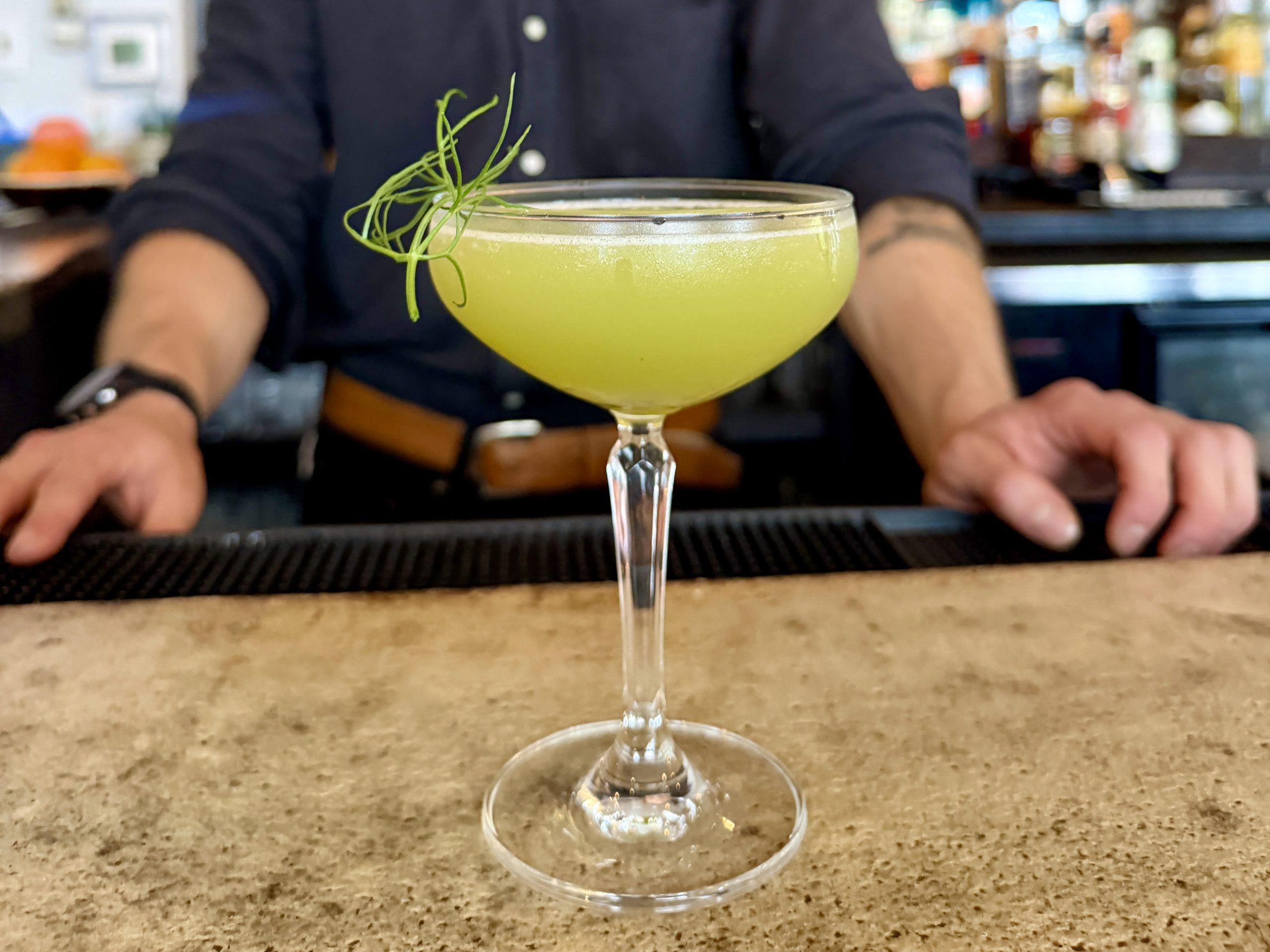
    Chartreuse has also entranced newer cocktail programs, like the one at chef Scott Calhoun’s Ember and Ash. Calhoun also recently put a Chartreuse cocktail on his menu: “Our Herb Your Enthusiasm ($19) is a play on a gimlet with Green Chartreuse, gin, charred fennel and cucumber syrup, and lime,” he said.

    Herb Your Enthusiasm from Ember and Ash on East Passyunk. The cocktail is a play on a gimlet with green chartreuse, gin, charred fennel and cucumber syrup, and lime.Lulu Calhoun

    “When we start to get low on either and our purveyor is out, I scour the PLCB online system to have bottles shipped to my local store for pick up,” said Calhoun.

    The dearth of Chartreuse has also inspired Chris Fetfatzes of Grace and Proper and Sonny’s Cocktail Joint, establishments known for crafting their own spirits like amari. Fetfatzes’ liqueur, dubbed the “Green Monk” is made with about forty botanicals and is inspired by the forty Kelpius monks of the Wissahickon, a doomsday cult that inhabited Wissahickon Valley Park in the 1690s.

    “Green Monk has a hint of chamomile, a hint of mint, and a hint of génépy with a little bit of a menthol burn,” said Fetfatzes.

    And given that it’s produced in Philadelphia and not by actual monks, a shortage is unlikely. .

  • Herr’s debuts three new limited-time flavors, inspired by Philly

    Herr’s debuts three new limited-time flavors, inspired by Philly

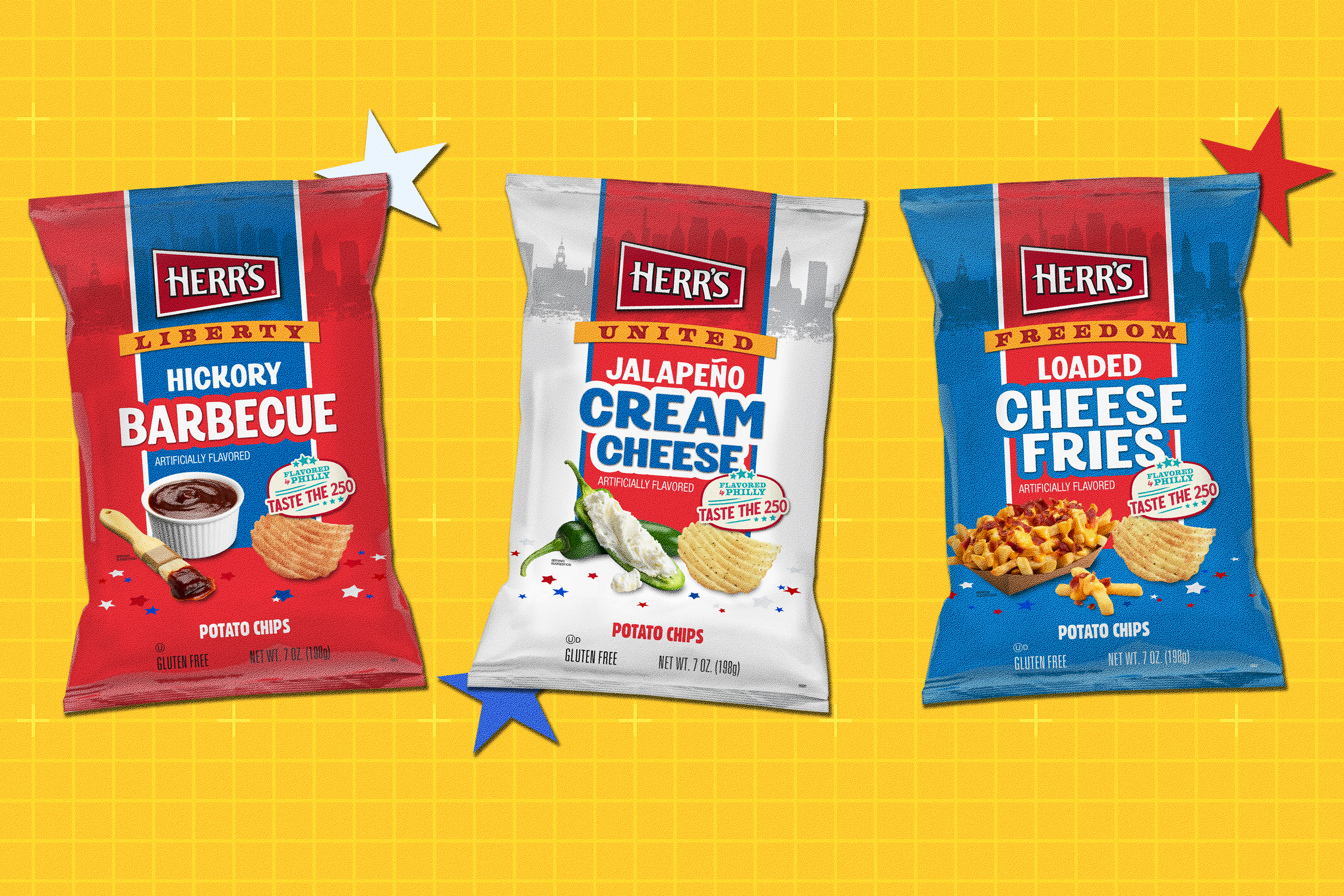
    Between celebrating the World Cup and gearing up for America’s 250th birthday, Philly is awash in limited-edition, patriotic foods, and the potato chip aisle is no different.

    Herr’s beloved Flavored by Philly campaign is now in its fifth year. The Chester County company collated nearly 100,000 votes for flavors that best represent American ideals.

    The winners are: Freedom Loaded Cheese Fries, Liberty Hickory Barbecue, and United Jalapeño Cream Cheese. They’ll be available through the summer.

    “America’s 250th is an amazing time to be able to share potato chip flavors made by the people for the people,” said Ed Herr, executive chairman of the board of Herr’s, in a statement. “Flavored by Philly: Taste the 250 is our way of honoring the city that continues to inspire our flavors and our fans.”

    The Inquirer conducted two taste tests: sending the chips around the newsroom and consulting several local chefs.

    Here’s what the newsroom thought.

    “On this hot day, hickory barbecue wins for me. It tastes like your regular grocery store barbecue sauce, which is weirdly refreshing,” said deputy features editor Evan Weiss.

    Features reporter Earl Hopkins agreed. “The hickory barbecue one is the top dog. It has that perfect hint of smokiness that brands like Lay’s wishes they could duplicate.”

    The jalapeño cream cheese also found superfans in the newsroom. “Jalapeño cream cheese is my favorite!” said intern Morgan Ritter. “Loaded cheese fries tastes like a hotdog to me. I don’t love it.”

    Arts and entertainment editor — and self-professed sour cream and onion fan — Bedatri Choudhury said, “This flavor takes the best (sour cream) part and adds heat to it, which I loved.”

    Food reporter Beatrice Forman said, “I had like 10 loaded cheese fry chips trying to discern whether or not I liked them, and I actually still don’t know. I love cheesy chips, but there’s a burnt aftertaste that I’m assuming is to mimic the bacon bits on loaded fries, but bacon shouldn’t taste burnt.”

    As for the hickory barbecue, Forman said, “What makes this different than regular barbecue? This is lazy. I did not deign to try it because doing so would dignify it as a chip worthy of our country’s 250th birthday.”

    Philly chefs also weighed in.

    Amy Rivera-Nassar of Amy’s Pastelillos said, “Where’s the spice? Philly represents a melting pot of culture. I wish we could have seen a flavor that represents the exciting, ever-growing, and diverse culinary landscape that we’ve become. And the jalapeño cream cheese just tastes like sour cream and onion.”

    Wichittra Phansaeng of Dara liked all three flavors. “The loaded fries chips are just like eating cheesy fries with bacon, and I like that the jalapeño cream cheese is a little spicy.”

    Freya Joy and Dane DeMarco, the chefs at Gass & Main, devoured the chips. “The jalapeño cream cheese is like an angry sour cream and onion, but don’t you tell me a jalapeño was at all involved in this,” Joy said.

    “I’m digging the loaded cheese fries. It’s like a TGI Friday’s loaded potato skin if the bacon was crispy — which it never was,” said DeMarco. “I want to put all of these chips on a turkey sandwich.”

    “These are all beach chips. Or poolside chips,” said Joy.

    “Definitely chips to eat outside,” added DeMarco.

  • An American cheese shortage has Tokyo’s cheesesteak lovers in a bind

    An American cheese shortage has Tokyo’s cheesesteak lovers in a bind

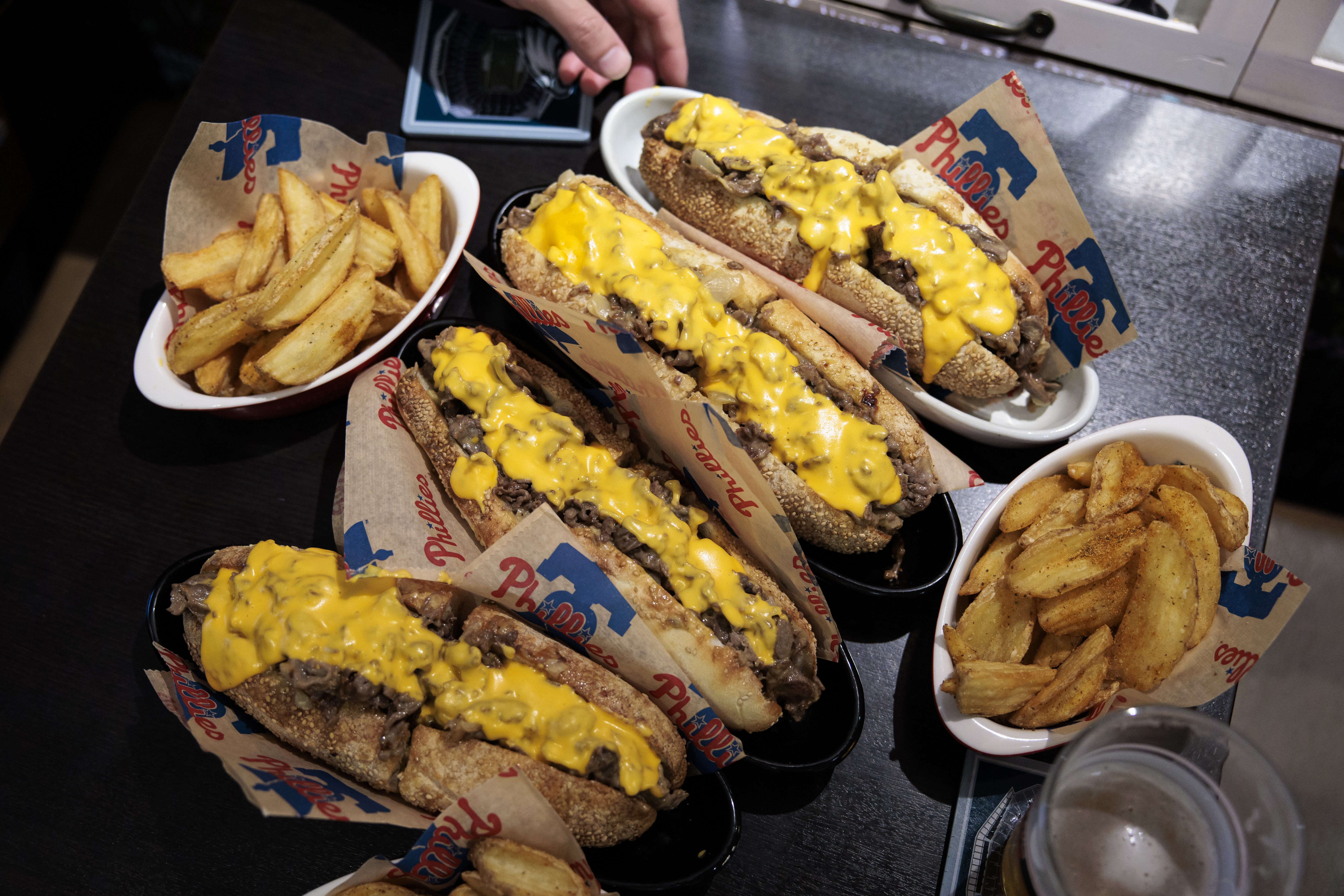
    “American cheese is all gone from Japan,” read Nihonbashi Philly’s frustrated post to Instagram on May 30. Going forward, the restaurant would be using Whiz and provolone only.

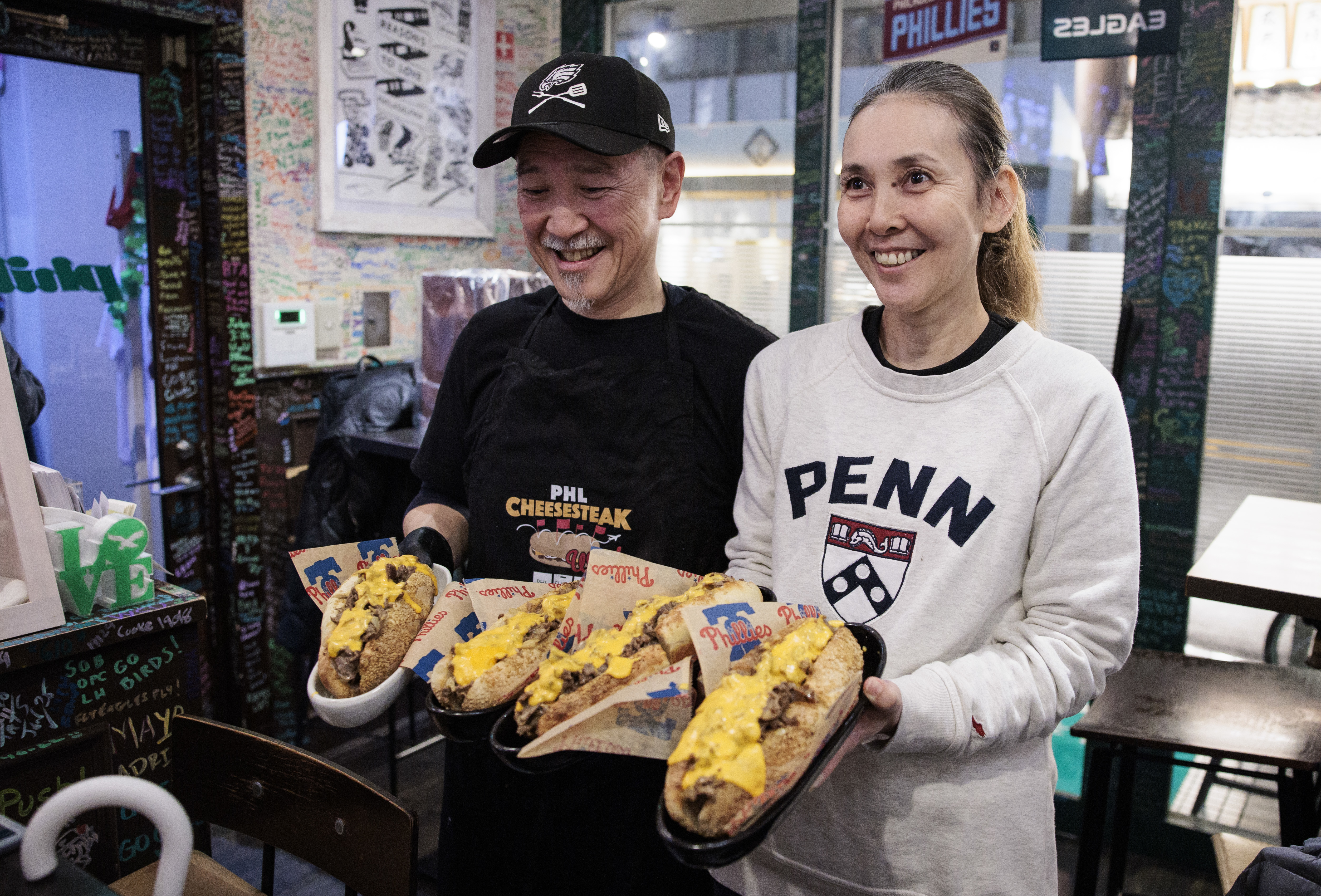
    Tomomi and Kosuke Chujo own and operate Philadelphia’s unofficial embassy in Tokyo’s Nihonbashi neighborhood, a restaurant named Philly that serves cheesesteaks, house-made pretzels, and Tastykakes. They’re ambassadors of the cheesesteak and have become semi-regular fixtures in Philadelphia’s dining scene since their first trip to Philadelphia in 2020.

    Their post was met with hundreds of comments of support, ranging from “American cheese is terrible anyway” to offers to smuggle in Cooper Sharp for them.

    But while Cooper Sharp has become the preferred cheese on American cheesesteaks (at least, those that aspire to the level of Angelo’s) in recent years, the Chujos have long had a love for the Kraft-esque Kirkland American cheese they found at Japan’s Costcos.

    Kosuke Chujo and his wife, Tomomi, posed for a portrait with cheesesteaks at Nihonbashi Philly on Sunday, Nov. 9, 2025, in Tokyo, Japan.Monica Herndon / Staff Photographer

    American cheese has long fallen out of favor for cheesesteaks, and the Costco version has even been named among the “Biggest Kirkland Signature Flops in Costco History” by the Takeout.

    For the Chujos, Kirkland brand Deluxe American Cheese has been their go-to cheese since 2021. When they did taste tests before they opened the restaurant, it won by a large margin over any other cheeses available to them, (though when Craig LaBan went to visit last year, the cheese was his only complaint, writing, “It was a satisfying cheesesteak, even if the cheese was not quite right — slices of American cheese that lacked the creamy flow and piquant savor of the now-standard Cooper Sharp, currently unavailable in Japan.“)

    Nihonbashi Philly normally goes through 60 pounds of American cheese every week. Despite it being a relatively stable product, it still requires refrigeration. Tomomi Chujo has never been able to stock up in large quantities because of how small her restaurant is, and because she does not have a walk-in cooler.

    So when Tomomi went to restock, she was startled to find the cheese missing.

    “I went to Costcos in three other prefectures and bought what they had,” she said. “I check every day now, but they don’t have any more,”

    The Inquirer reached out to Costco Japan and was told in an e-mailed statement that “this item has been discontinued and is no longer available at Costco locations in Japan.” The company declined to provide a reason for the change.

    There are other options — Japan has a specialty dairy culture of its own, headquartered in Hokkaido, which is world-renowned for its milk. And Kraft cheese is also manufactured in Japan by Morinaga, a dairy conglomerate.

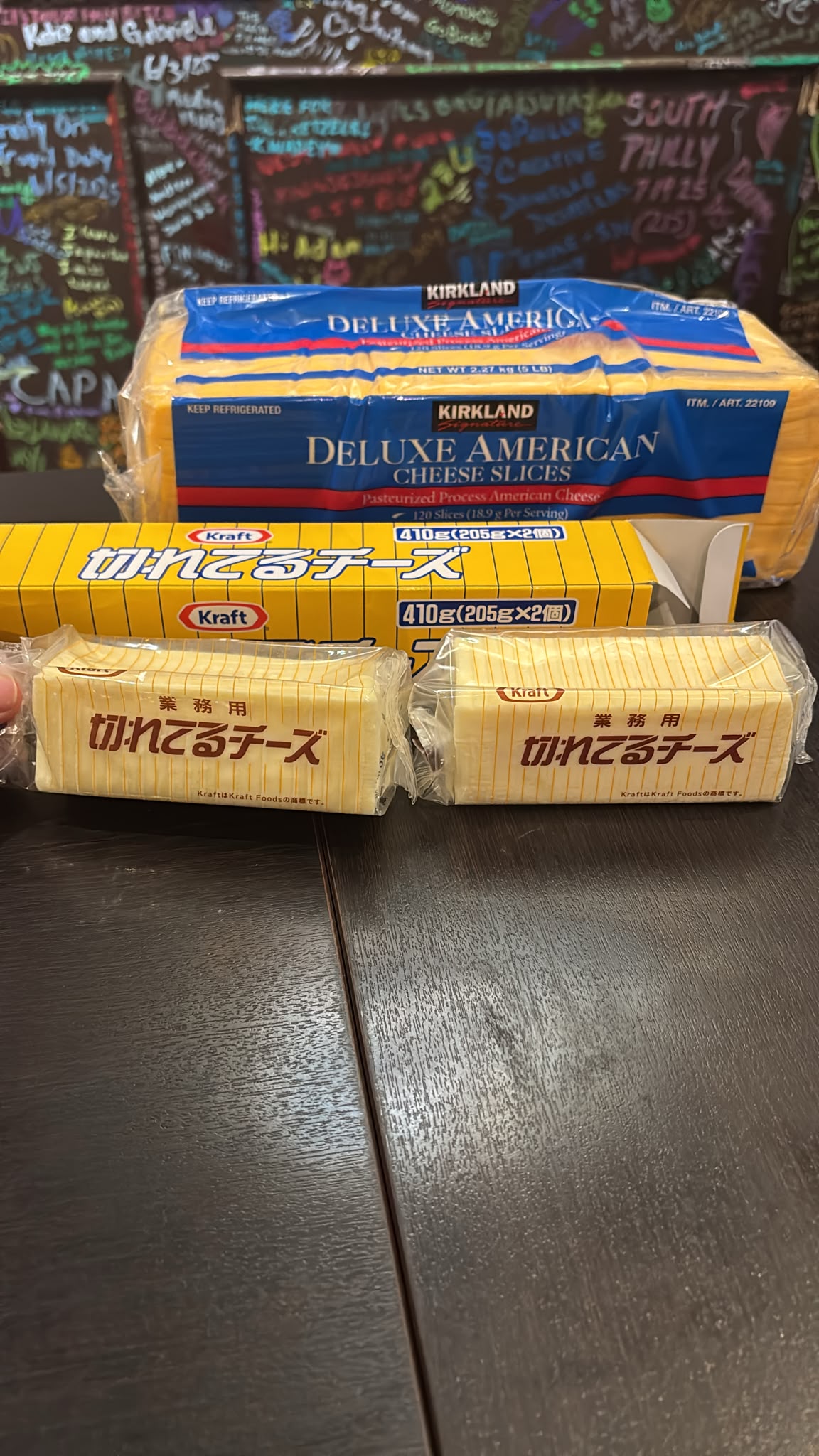
    “The Kraft cheese made by Morinaga costs much more and it’s not that tasty,” explained Tomomi Chujo, who also e-mailed photos of Kirkland and Kraft Morinaga blocks illustrating their extreme differences in size and color. The Kirkland cheese melts better and costs significantly less.

    “Cheese from Japan tastes like dairy and cream. It’s milkier and bland,” said Tomomi Chujo.

    Morinaga American cheese in bulk is about half the size of the Kirkland package but twice the price. The Chujos say using Japanese cheese would make their cheesesteaks, which currently cost about $18, far too expensive for the average Japanese consumer.

    A comparison of Kraft cheese manufactured by Morinaga in Japan and the Kirkland brand of American cheese.Nihonbashi Philly

    With the American cheese gone for now, they Chujos are still committed to making Japan’s best cheesesteaks. And they’re open to other cheeses.

    The Chujos occasionally bring Cooper Sharp back to Japan to use at Nihonbashi Philly.

    “But there’s nothing like Cooper Sharp [for sale] in Japan,” she said.

    On the Chujos’ most recent trip to Philly in May, they served their version of the cheesesteak at the Philly Opener and to the Eagles.

    They flew with Japanese flour, Tomomi baked the loaves at Lost Bread’s bakery, and they made their cheesesteak with Cooper Sharp cheese, which is readily available in Philly.

    The Chujos should be able to restock their Cooper Sharp supplies and make a few Costco runs for American cheese again this summer when they’re in Philly, though of course, they can only bring so much back to Japan.