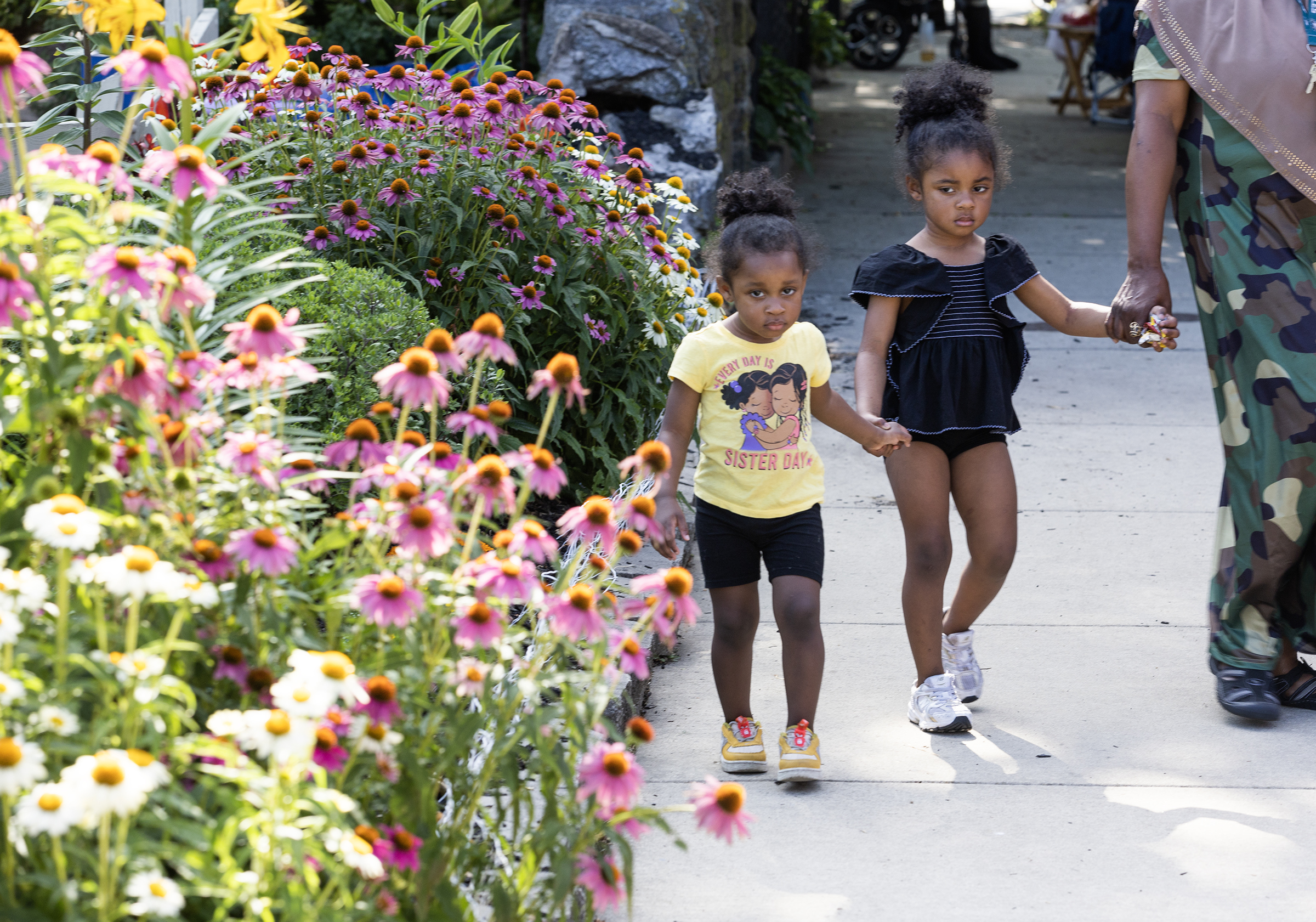
The Pew Charitable Trusts has awarded $1.15 million over the next four years to the Pennsylvania Horticultural Society to support the next phase of its greening plan in Philadelphia’s Nicetown and Tioga neighborhoods.
The grant will continue funding the horticultural project, including placing more plants, trees, and flowers, and programs aimed at building community connections. Those initiatives will include front porch beautification, adding solar lighting, signage, fence improvements, and more in the neighborhoods.
The funding will also be used to study outcomes from the greening plan, and to continue collecting resident feedback.
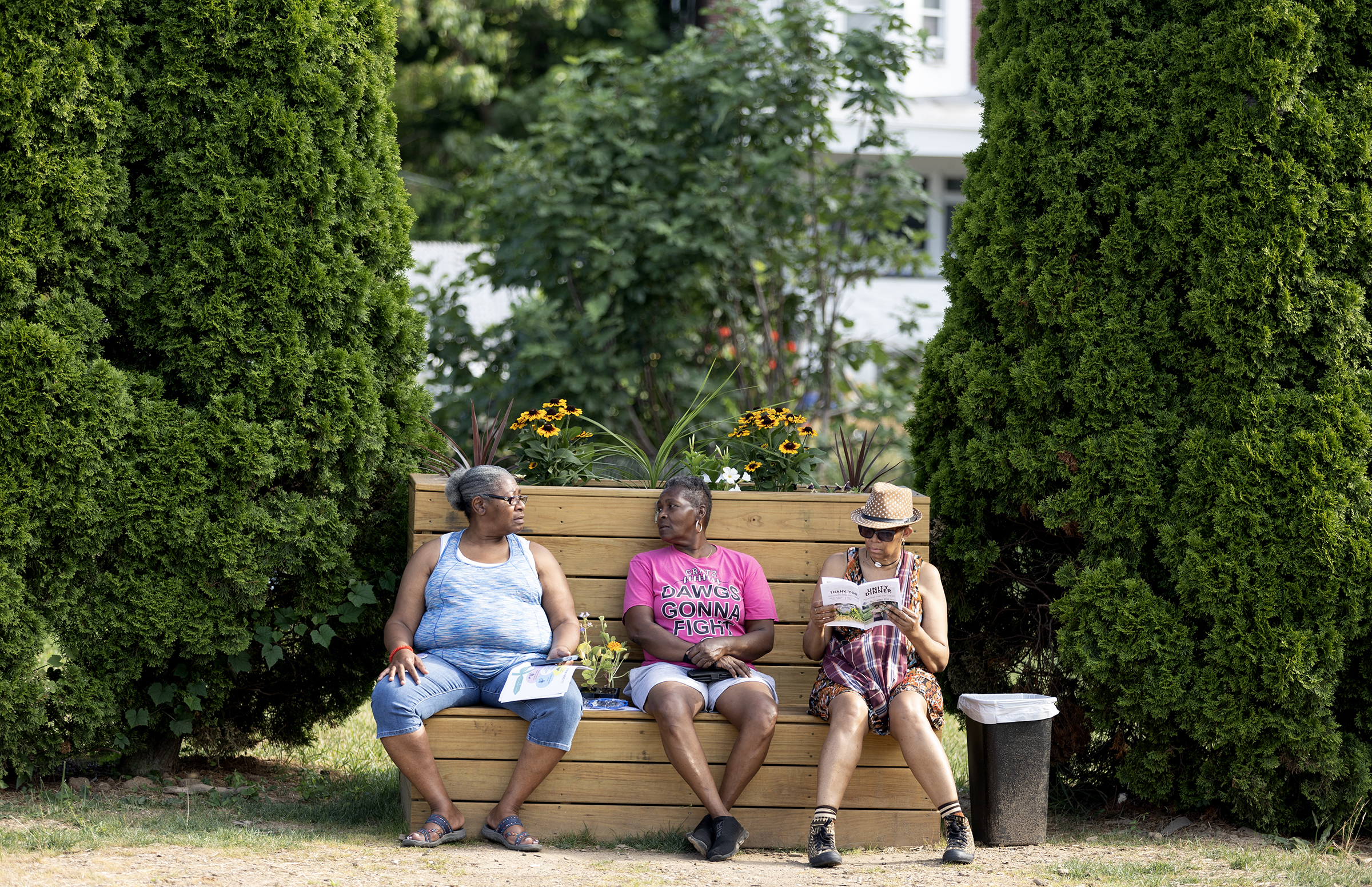
“We believe that Philadelphians need to be able to meet their basic needs, feel safe in their neighborhoods, and have access to public and community spaces and cultural enrichment. Only when these needs are met can people begin to think about gaining skills and finding quality jobs that lead to economic advancement,” said Donna Frisby-Greenwood, Pew’s senior vice president for Philadelphia and scientific advancement in a statement.
PHS president and CEO Matt Rader said the greening plan began in earnest about a decade ago, when the nonprofit shifted its focus toward using horticulture to influence well-being.
“Our core thesis, our core strategy as an institution, is to put horticulture to work to transform the social determinants of health, so that everybody yields a healthier life,” he said.
After researching which Philadelphia neighborhoods could benefit most from a greening plan, in 2019 PHS connected with Nicetown and Tioga residents who were enthusiastic about greening. PHS and community groups Nicetown CDC and Tioga United then collectively engaged with more than 400 residents. Those residents identified reducing trash and crime in the neighborhood and increasing access to healthy food and job opportunities as priorities.
The groups developed a plan based on how greening could address those concerns. Beginning in 2022, they focused on cleaning and greening vacant lots, restoring the neighborhood tree canopy, supporting residents’ gardening and beautification efforts on their blocks, helping residents get green jobs, and mobilizing neighbors and local businesses to build healthy food access.
“It’s not really about [greening]. It’s about how it changes the social, economic, and social environment of the neighborhood,” Rader said. He gave the example of the program’s curbside appeal challenge, which was a contest for residents to develop the best gardens and porches in front of their homes.
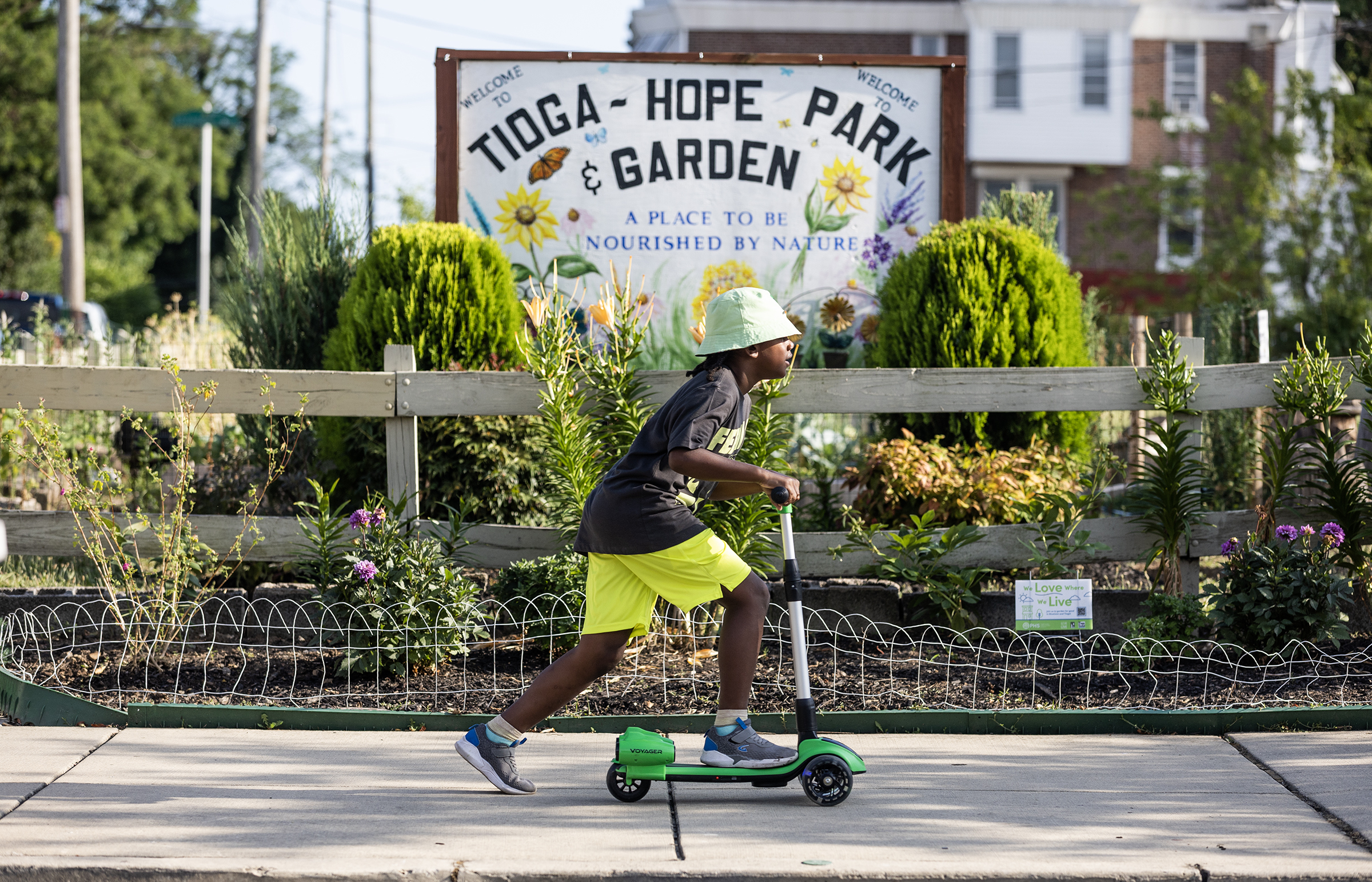
“You have whole blocks that have organized themselves by participating. … You have people that have gotten to know each other across the neighborhood by trading ideas,” he said. “… It really has helped build a social fabric around gardening and greening.”
Pew and PHS’s strategy is informed by research that suggests greening and connective programming can have wide-ranging benefits, from reducing violence to improving neighborhood mental health and sense of community. A 2018 University of Pennsylvania study found a 29% reduction in gun violence in Philadelphia neighborhoods below the poverty line where vacant land was restored or greened.
Rader said it was critical to build sustainability and longevity for the social and greening impacts. Far too often, he said, nonprofit programming drives positive change that gets eroded as the formal programs end and the funding stops.
“We approach this as a long-term investment in Nicetown and Tioga, to support the residents there to do what they want,” he said.
Estelle Vaughn, 63, lives in the same Tioga home her parents carried her into as a baby. Her mother and their neighbors always maintained some kind of garden along West Tioga Street, but she never got very involved herself until her son was playing baseball at a field across the street, where she noticed there were some underutilized garden planters.
“I’m kind of fidgety, so I was like, well, we got to make this park look good,” she said, and began planting flowers.
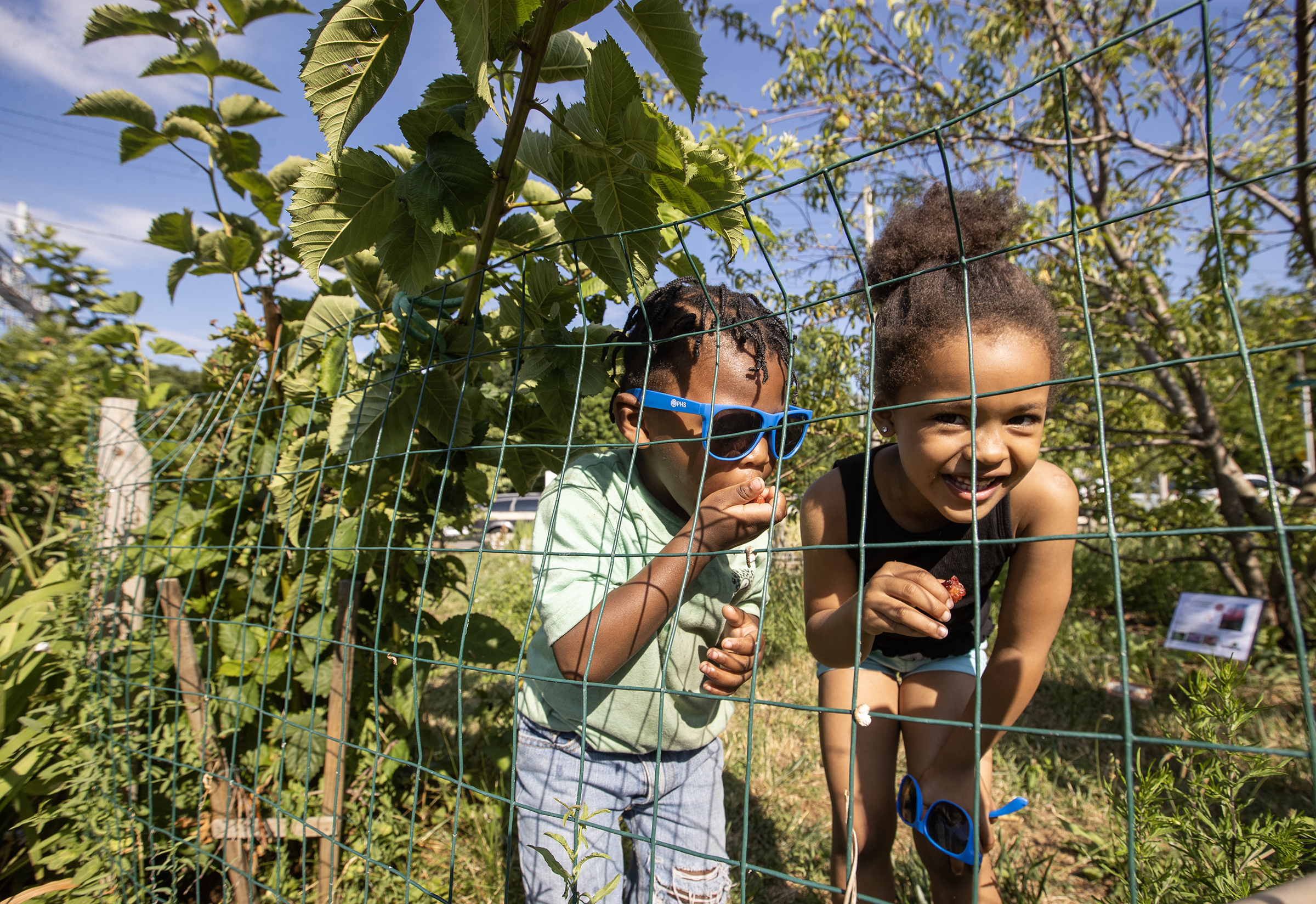
Now, she is a member of the Green Team, the community-led steering committee for the greening plan, and an avid gardener. Vaughn said the horticultural society has “been our saviors.” She has appreciated the organization’s willingness to let residents’ concerns drive the plan strategy, particularly since she said she recalls visiting the beautiful horticultural work at the Philadelphia Flower Show over the years, but not feeling like that was something for neighborhoods like hers.
The program has already made positive changes in Tioga, Vaughn said. When PHS hands out new flowers, pots, and soil, her neighbors are so excited “they’re like children,” she said. When Canadian wildfires worsened Philadelphia’s air quality earlier this year, Vaughn went out into the Tioga Hope Park and Garden that was a focus of the first phase of the plan, and said the air felt cooler and cleaner.
“I think that people are just generally happier … it brings our communities together,” she said.
Leave a Reply