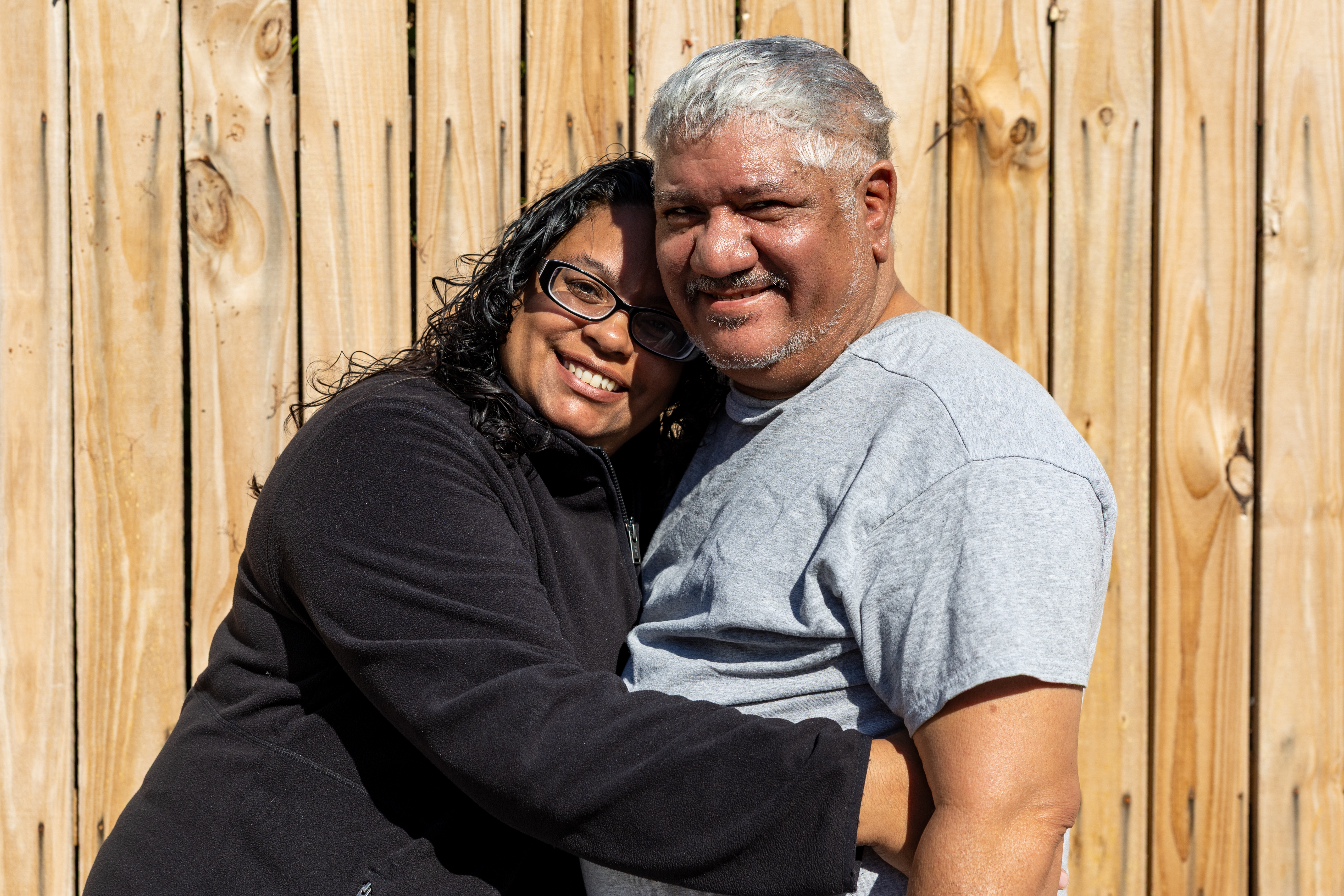
What does it take to make homeownership affordable for people with low and moderate incomes?
Creativity, according to the folks behind a pilot initiative that’s trying to make a Philly first-time homebuyer program accessible to people who make less money.
The hope is that the pilot can become a model.
Keep scrolling for that story and more in this week’s edition:
- Another go: A developer is on its third attempt at redeveloping Germantown’s historic YWCA.
- Slow going: Philadelphia has only spent a fraction of the $278 million City Council approved for the first phase of Mayor Parker’s housing initiative.
- Defiant sheriff: At a contempt hearing, Philly Sheriff Rochelle Bilal’s lawyer said she won’t allow a forensic audit of property auctions.
- Full house: Peek inside a former vintage store owner’s Sharswood rowhouse, which he’s filled with finds.
— Michaelle Bond
If someone forwarded you this email, sign up for free here.
New initiative uses vacant homes
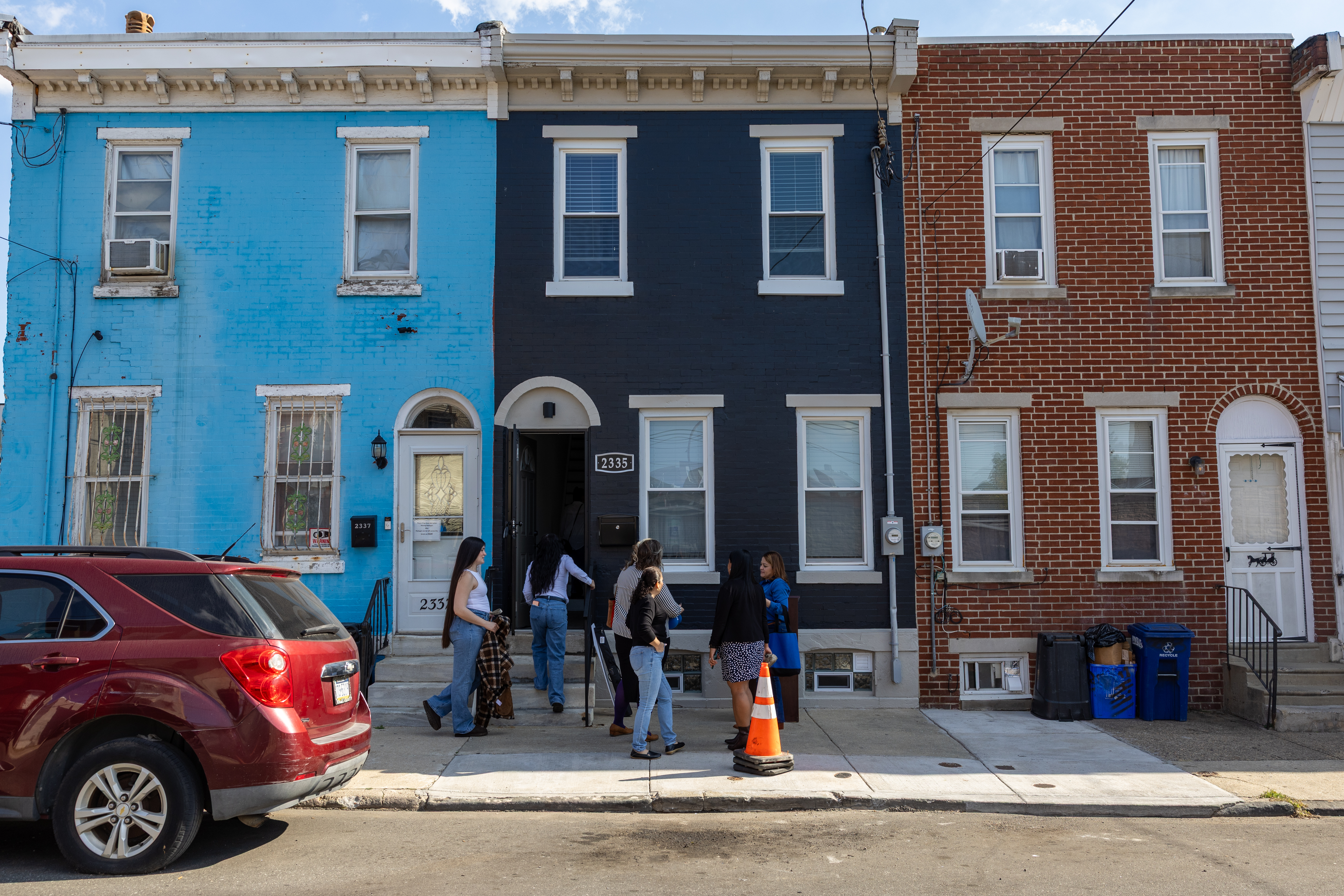
Inarvis Ramos and her 23-year-old son make about $45,200 per year. But next month, they’re closing on a newly renovated rowhouse for them and Ramos’ two children under 10.
Their monthly mortgage payment will be around $1,000, which is less than their current rent.
And it’s all because of a pilot initiative through the city’s Turn the Key program for first-time homebuyers. The program essentially donates city-owned vacant land to developers so they can build new homes at a lower cost and offer below-market-rate sale prices.
Through the pilot, Turn the Key has expanded to include rehabilitated existing homes that are affordable for households with lower incomes.
HACE, a North Philly-based community development corporation, has kicked off the initiative by renovating uninhabitable houses and selling them for $160,000. It’s partnering with the city of Philadelphia, the Philadelphia Housing Authority, and a community development support nonprofit to make Turn the Key homes more affordable.
Keep reading to learn more about the pilot and see what Ramos’ formerly vacant house looks like now.
Another redevelopment attempt
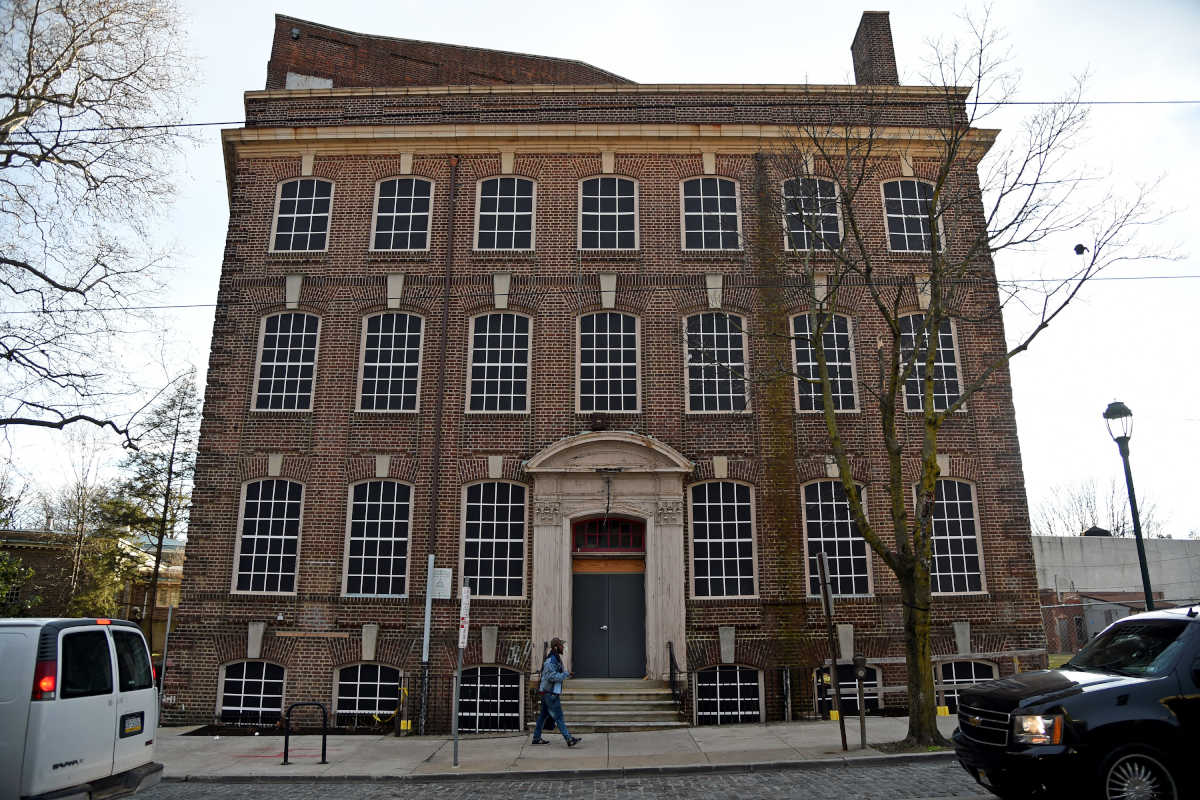
Is the third time the charm for a builder looking to redevelop Germantown’s historic YWCA?
The four-story brick building that’s more than a century old has sat vacant for decades, awaiting its next act.
Over the last decade, KBK Enterprises, a developer based in Ohio, tried twice to give the city-owned building new life. Both attempts fizzled.
Now, the developer is back with attempt No. 3. It wants to add affordable senior apartments to the building, a plan similar to one proposed by a different group 12 years ago.
Key funding for the project is still up in the air, and no one knows when or if plans will materialize. But the developer has the support of the local City Council member, who handpicked the company years ago to redevelop the YWCA.
Keep reading to learn more about this saga.
The latest news to pay attention to
- City Council approved $278 million for the first phase of Mayor Parker’s H.O.M.E. initiative. The city has only spent $38 million so far.
- At a contempt hearing, Philly Sheriff Rochelle Bilal’s lawyer said she won’t allow a forensic audit of property auctions.
- Developers have revealed options for the Wanamaker Building’s interior.
- The Diocese of Camden has built almost 200 affordable senior housing units in Pennsauken.
- Philly plans to lease 21 acres of city land to a building trades union for $1 a year.
- Cheltenham is locked in an 11-year legal battle with the Archdiocese of Philadelphia over property taxes.
- The Aramark headquarters building is aiming for a $240 million sale, as other office buildings go for far less.
- Lower Merion could restrict data centers to a specific formerly industrial corridor.
- House of the week: For $312,999 in Old City, a one-bedroom loft with views of the Ben Franklin Bridge.
Home tour: A full house in Sharswood
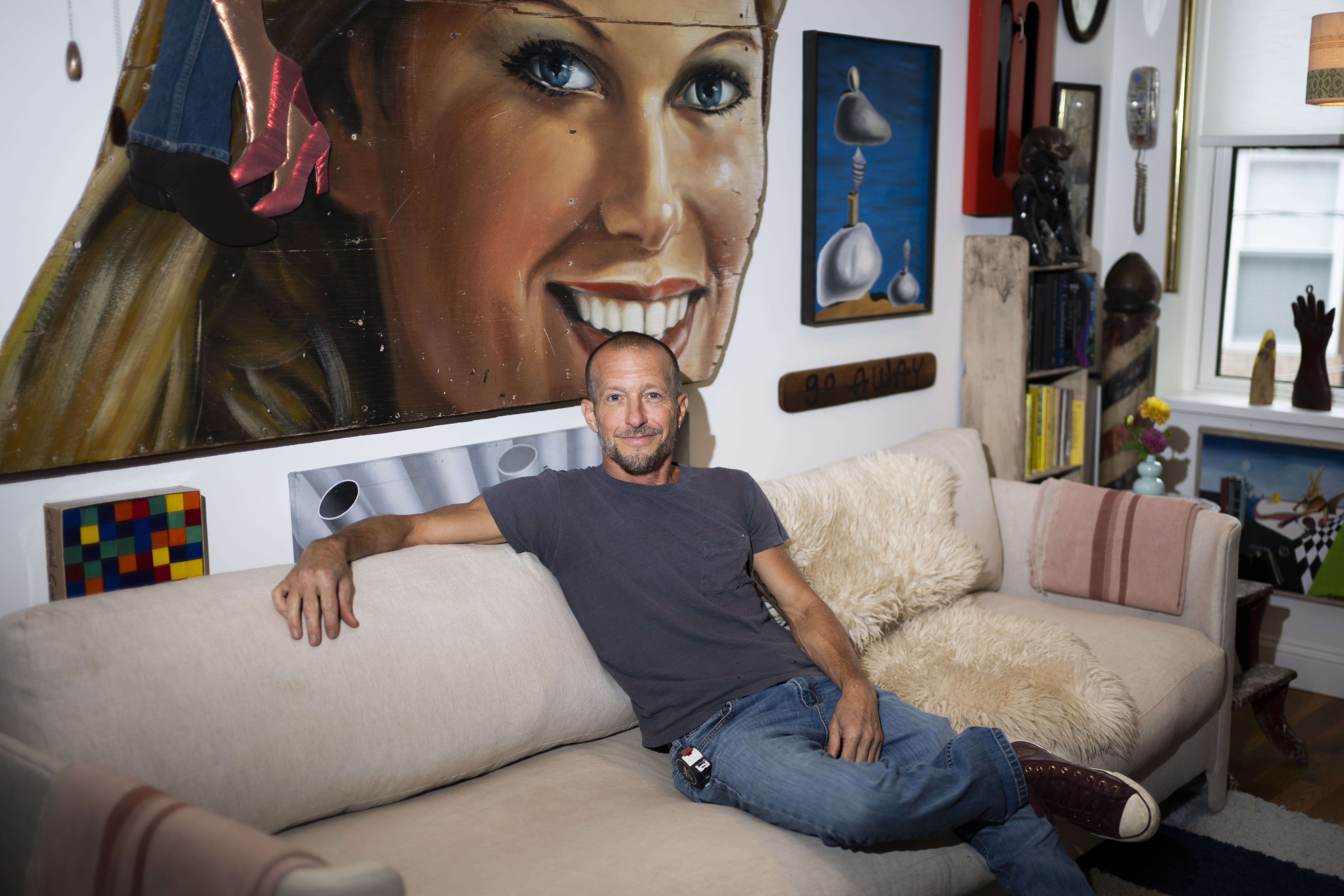
There’s a lot going on in Jeremy Olsen’s rowhouse in Sharswood.
I’m not surprised. Olsen was the owner of the former Queen Village vintage store RareCo.
His home’s walls are covered in art, mirrors, and vintage signs. A shiny yellow toilet seat is decor. A pig sculpture hangs from the ceiling in a doorway.
Olsen comes from a family of collectors and has picked up items from markets, auctions, and the street.
He said he had about 250 pieces removed from his home before The Inquirer came to visit. He’s constantly bringing items in and out to keep things fresh.
Something he won’t change? The wooden man that hangs above the entrance to his powder room. Even though it falls on his head when he opens the door.
Olsen said that sometimes he likes “to have things that are precarious.”
Peek inside this home that’s full of surprises.
📷 Photo quiz
Do you know the location this photo shows?
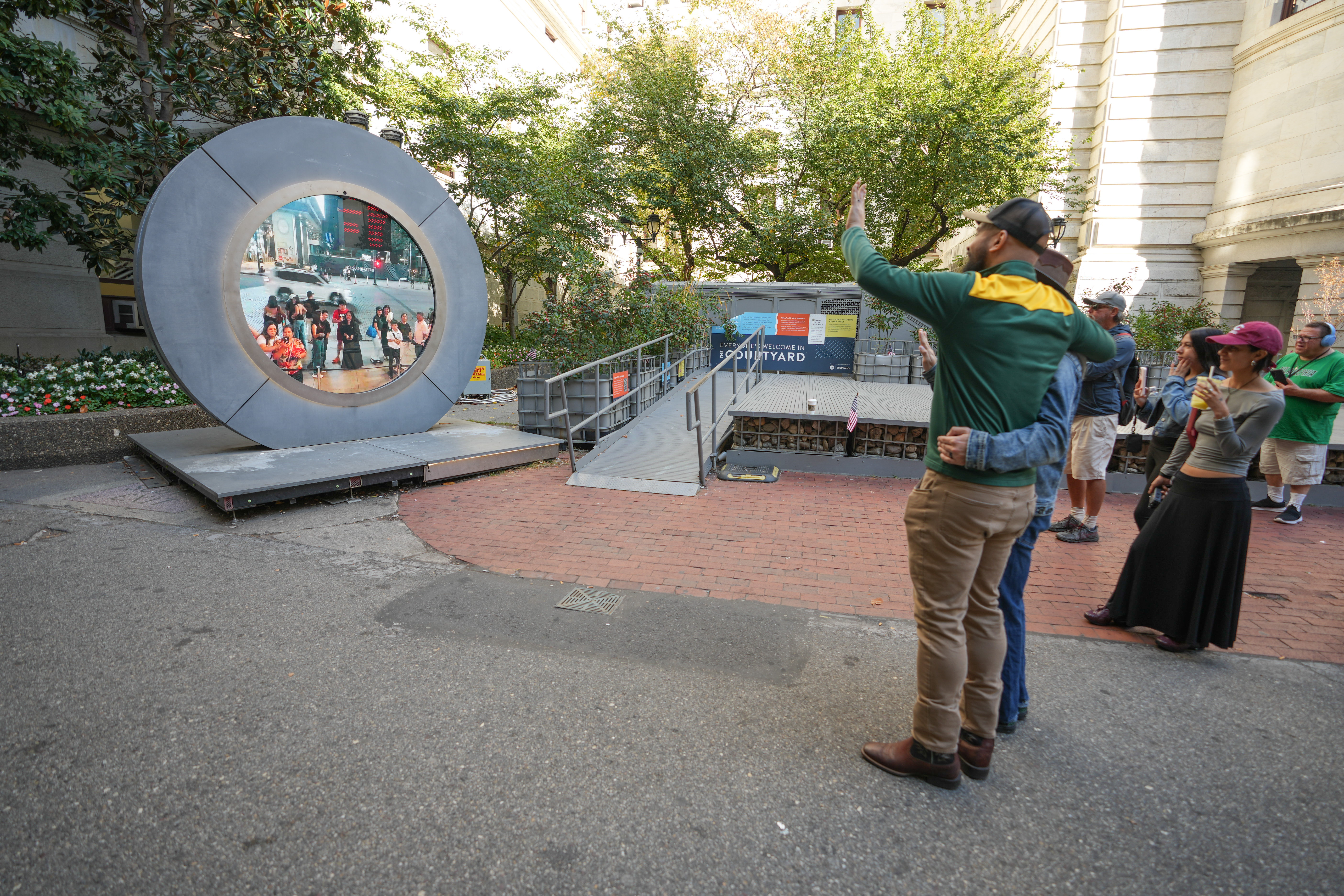
📮 If you think you do, email me back. Your memories of visiting this spot might be featured in the newsletter.
Last week’s quiz featured a photo taken at Bob’s Diner, the Roxborough institution on Ridge Avenue.
Shout-out to Janet P. and Mark B. for getting that right.
―
If you’re into reading about dying malls, check out my colleague Erin McCarthy’s story about the final days of the Neshaminy Mall in Bensalem, which closed for good last weekend. She found that the 1-million-square-foot complex was empty but full of memories.
Enjoy the rest of your week.
By submitting your written, visual, and/or audio contributions, you agree to The Inquirer’s Terms of Use, including the grant of rights in Section 10.
Leave a Reply