Author: Michaelle Bond

  • Mortgage rates reached 7.28%. If you have to move right now, here are some tips.

    Mortgage rates reached 7.28%. If you have to move right now, here are some tips.

    The average interest rate for the popular, fixed-rate 30-year mortgage shot up to 7.28% this week, the highest it’s been since November 2023.

    Elevated mortgage rates and high home prices are making homebuyers cautious about entering the market in the Philly area and beyond.

    “They’re not jumping in with two feet,” said Patrick Lopez, a Philadelphia-based mortgage banker at Quaint Oak Mortgage.

    At the same time, some people need to move. They’re driven by personal factors such as job relocations, growing households, and plans for the future.

    Mortgage rates are unlikely to slide back down to pandemic-era levels of 3% or lower. And waiting for rates to drop significantly is often a losing game, Lopez said.

    While interest rates fluctuate, home prices overall have historically moved in one direction: up.

    “What I tell people is if you can afford it and you can buy, the least expensive the property is going to be 99% of the time was yesterday or today, because prices keep trending higher,” Lopez said.

    When aspiring homebuyers tell him they are waiting for interest rates to drop into the 5% range, for example, he asks, “Do you also understand how many other people are waiting for that?”

    A significant drop in rates would likely flood the market with buyers, increasing competition for properties.

    Here’s what real estate pros are telling buyers now.

    Don’t assume your rate

    Individual mortgage rates depend on a bunch of factors, including credit scores and participation in homebuyer assistance programs.

    “The good news is that people have more power over interest rates than they think they do,” said Matt Schulz, chief consumer finance analyst at LendingTree, an online loan marketplace.

    Taking steps to get a lower rate, he said, “can make a really unaffordable situation a little less so.”

    One of the first steps a homebuyer should take is to shop around to compare loan offers from several lenders, he said.

    “People would be surprised how much difference there can be,” Schulz said. And even a slight difference in the interest rate can mean tens of thousands of dollars in savings over the life of a mortgage.

    Get your credit score in shape

    Buyers with higher credit scores get lower mortgage rates, so improving those scores can help a lot.

    “There’s very little in life that’s more expensive than having crummy credit, and that’s especially true when you’re buying a home,” Schulz said.

    Jeffrey Ruben, the Bryn Mawr-based president of WSFS Home Lending, said that “first and foremost,” homebuyers should make credit card payments on time. They also need to control their credit card debt, so they’re not carrying over large balances from month to month.

    They should cap how much they spend on a card to maximize how much credit they have available at any given time. Keeping total outstanding charges under 30% of the card limit gives people better credit scores, Ruben said.

    Do your homework

    Before buyers start looking at homes, they should sit down with a professional to determine how much they’re comfortable spending up front and monthly, said Peter Buchsbaum, manager of the mortgage brokerage Good Cents Financial, which is based in Bucks County and does most of its business in Philadelphia.

    “Start the process earlier than you want to,” he said. “And it should begin with the financial piece.”

    Schulz said homebuyers should factor in elevated mortgage rates when they calculate “what they can afford and what sort of homes they should be looking at and whether they should be in the market, period.”

    An increase in mortgage rate from 6.5% to 7% on a $300,000 home in Philadelphia would mean a monthly payment that grows by about $130, Buchsbaum said.

    “If that’s stopping me from buying a house, I probably shouldn’t be shopping for houses,” he said.

    Buyers should also look into assistance programs they may qualify for.

    First-time homebuyer programs, such as those offered through the Pennsylvania Housing Finance Agency, can come with lower rates.

    Make a down payment plan

    Households should go into home buying with a plan for making their down payment, which can include saving more of their own money or getting grants or loans from governments, lenders, and nonprofits.

    “The down payment is a challenge for many buyers,” Ruben said. “There’s no question about that.”

    But buyers who can make bigger down payments get lower mortgage rates.

    Be flexible, if possible

    Rates can vary by location, so buyers with more flexibility in where they live can get lower rates.

    Rates also can vary by loan type. Mortgages backed by the Federal Housing Administration and the U.S. Department of Veterans Affairs come with slightly lower interest rates than conventional loans.

    Rates also vary by property type. Condos and duplexes come with higher interest rates than single-family homes, Lopez said.

    Be prepared to compromise

    With mortgage rates elevated, buyers should also keep in mind that a home they purchase now might not be their forever home, Schulz said. They may need to dial back their expectations and their budget in order to purchase.

    First-time buyers, especially, can get on the first rung of the market ladder and start building home equity with the understanding that they can buy another home later that checks all their boxes.

    “Tough times require compromise sometimes,” Schulz said.

    The rate doesn’t tell the whole story

    Homebuyers shouldn’t jump on a low interest rate without question.

    Recently, a homebuyer asked Buchsbaum whether he could match an interest rate of 6.5% for a mortgage the buyer saw online. But in the fine print, the buyer would have had to pay discount points, or up-front fees to a lender, to buy down the rate to that level.

    The buyer didn’t know about that caveat.

    Buyers can get mortgage rates down fairly low if they pay enough points, Buchsbaum said, but “the juice isn’t worth the squeeze” in many cases. Buyers have to weigh whether they’ll stay in their home long enough that savings will make up for the up-front expense.

    You don’t have to be stuck with one rate

    Buyers who purchase homes now and get an elevated mortgage rate can pay to refinance their mortgage later if rates drop.

    Also, more borrowers now are opting for adjustable-rate mortgages (ARMs) to get into homes, according to the Mortgage Bankers Association. These loans come with lower initial interest rates than fixed-rate loans. After a period of time, rates adjust up or down based on the market.

    Ruben said seven-year ARMs for 30-year periods are currently popular among WSFS’s mortgage borrowers. The interest rate stays the same for seven years and can adjust twice a year after that.

    There’s a reason borrowers get a better initial rate: “They are assuming the risk of potentially higher rates in the future,” Ruben said.

    But Ruben said WSFS is hopeful that rates will drop over the next several years to pre-pandemic norms. Rates in the high-4% to low-5% range for 30-year fixed-rate loans weren’t uncommon, he said.

    Don’t expect mortgage rates to drop

    Mortgage rates aren’t likely to drop significantly anytime soon, thanks to surging energy prices, government debt, and inflation.

    “It’s a really unfortunate situation because home buying was already really unaffordable for an awful lot of people,” Schulz said.

    WSFS tells mortgage borrowers “there are things they can control and there’s things that they can’t,” Ruben said. They can change their financial standing to some extent, but they can’t change broader market forces.

    Buyers have to be realistic about their financial situations and the rates they’re likely to get, he said.
  • Asking your pastor for a home | Real Estate Newsletter

    Asking your pastor for a home | Real Estate Newsletter

    Asking your pastor for prayers is one thing. Asking them for a home is another.

    But that’s what members of the Church of Christian Compassion in West Philly did almost 10 years ago. Seniors said they and their homes were aging, and they needed safe, affordable homes that didn’t require so much upkeep. Could the pastor help them in any way?

    The church stepped up.

    This year, it opened an apartment building for seniors, who pay rent based on their income.

    Keep scrolling for that story and more in this week’s edition:

    — Michaelle Bond

    If someone forwarded you this email, sign up for free here.

    This church built apartments

    Many Philly seniors struggle to afford basic costs. More than a third of residents 65 and older live below or near the poverty line.

    And as housing costs rise, finding an affordable apartment as a senior can be difficult.

    So the Church of Christian Compassion built a 38-unit apartment building to keep older residents from being pushed out of West Philly. And this week, the church and government officials celebrated the building filling with residents.

    Rents are meant to be affordable for households making 20% to 60% of the area median income — roughly $17,200 to $51,540 for a single-person household.

    A new resident told me she waited more than five years for a chance to get into the building. People told her she was crazy for waiting that long, but she said it was worth it.

    W. Lonnie Herndon, the church’s senior pastor, said he hopes the homes can be “a place where our seniors don’t simply reside, but where they continue to live, laugh, flourish, share their wisdom, and impact the next generation.”

    Keep reading to learn more about the apartment building and how it fits into the church’s mission.

    One of the few seller’s markets

    Across the country, homebuyers have the upper hand. But it’s a seller’s market in Montgomery, Chester, and Bucks Counties.

    That’s because buyers outnumber sellers, which gives sellers an advantage as more people compete for their properties.

    Last month, the combined market that the real estate brokerage Redfin calls Montgomery, Chester, and Bucks Counties was one of only five seller’s markets out of the 49 most-populous U.S. markets that Redfin analyzed.

    The distinction reflects the region’s strong demand for homes and a housing supply that isn’t keeping up.

    Keep reading to learn more about trends in the region and to compare housing markets.

    The latest news to pay attention to

    Home tour: Mount Airy wish-list house

    The real estate gods may have been looking out for Devin and Taylor Lashbrook.

    They got desperate in their search for a home in Mount Airy and tried to buy more than 10 properties without success. But Devin admitted they put offers on houses that he’s glad they didn’t get.

    The Lashbrooks ultimately bought a 19th-century farmhouse next door to a house they’d bid on. But this one checked all their boxes.

    They think they got lucky this time because they found the house over Labor Day weekend in 2020 and the roof needed to be replaced, which may have scared off buyers who weren’t down the Shore.

    The Lashbrooks have tried to preserve the home’s history as they’ve made the property their own.

    Peek inside the couple’s home, which has its quirks.

    📷 Photo quiz

    Do you know the location this photo shows?

    📮 If you think you do, email me back.

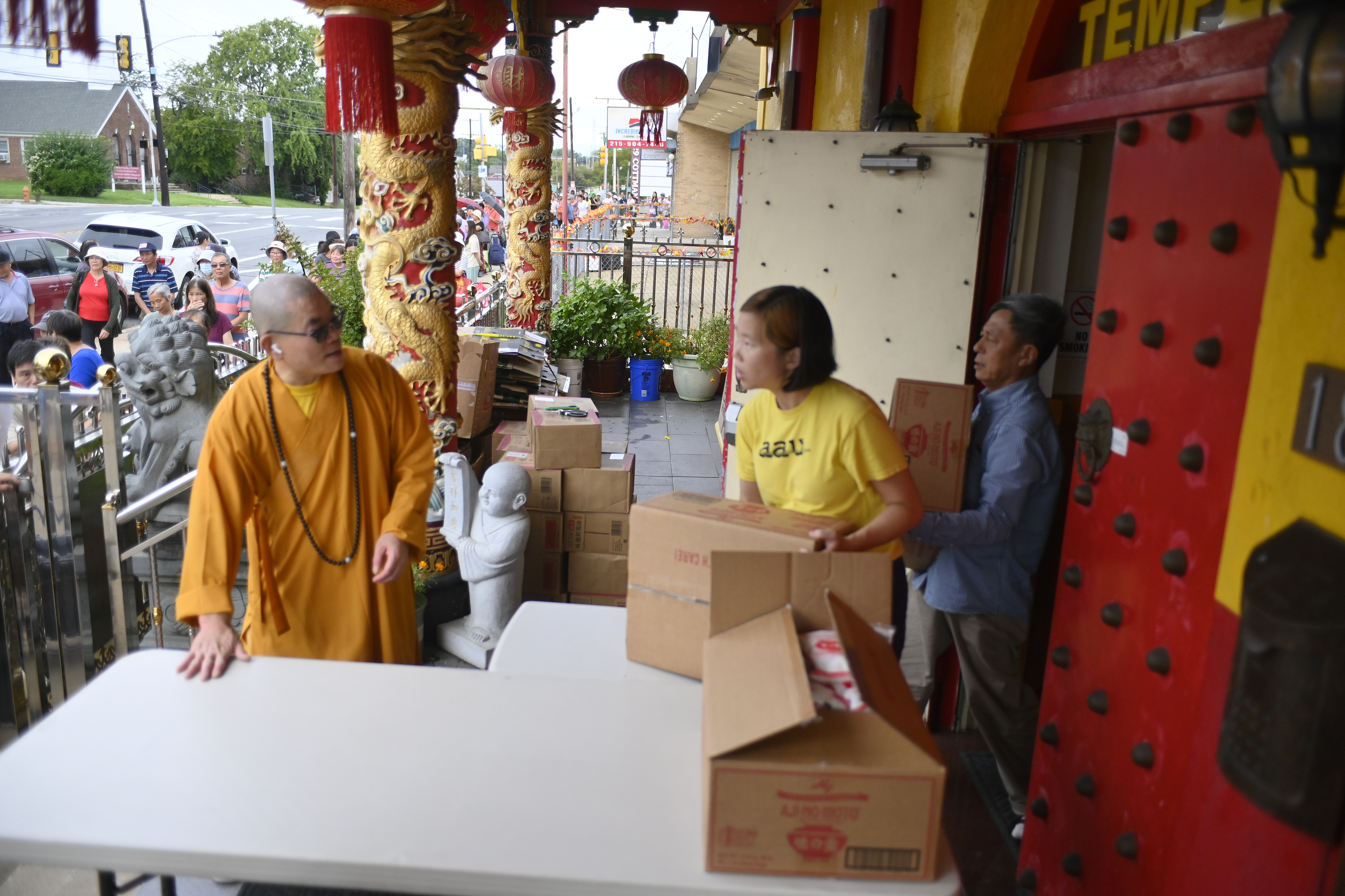
    Last week’s quiz stumped you. That was a photo taken at the Kai Yuan Temple on Cottman Avenue in Rhawnhurst.

    ―

    Lynnewood Hall, the formerly abandoned Gilded Age mansion, is back in the news. The historic Elkins Park property will open to the public for the first time in more than 80 years.

    For a limited time, the 100,000-square-foot building is hosting a floral exhibition.

    Let me know if you go. And enjoy the rest of your week.

    By submitting your written, visual, and/or audio contributions, you agree to The Inquirer’s Terms of Use, including the grant of rights in Section 10.

  • Seniors asked their pastor for help finding affordable homes. So their West Philly church built apartments.

    Seniors asked their pastor for help finding affordable homes. So their West Philly church built apartments.

    Nearly a decade ago, seniors asked the pastor of their West Philadelphia church for help.

    They were getting older and so were their houses, and they needed safe, affordable homes that weren’t such a burden to keep up with. They wanted to stay in their community, too.

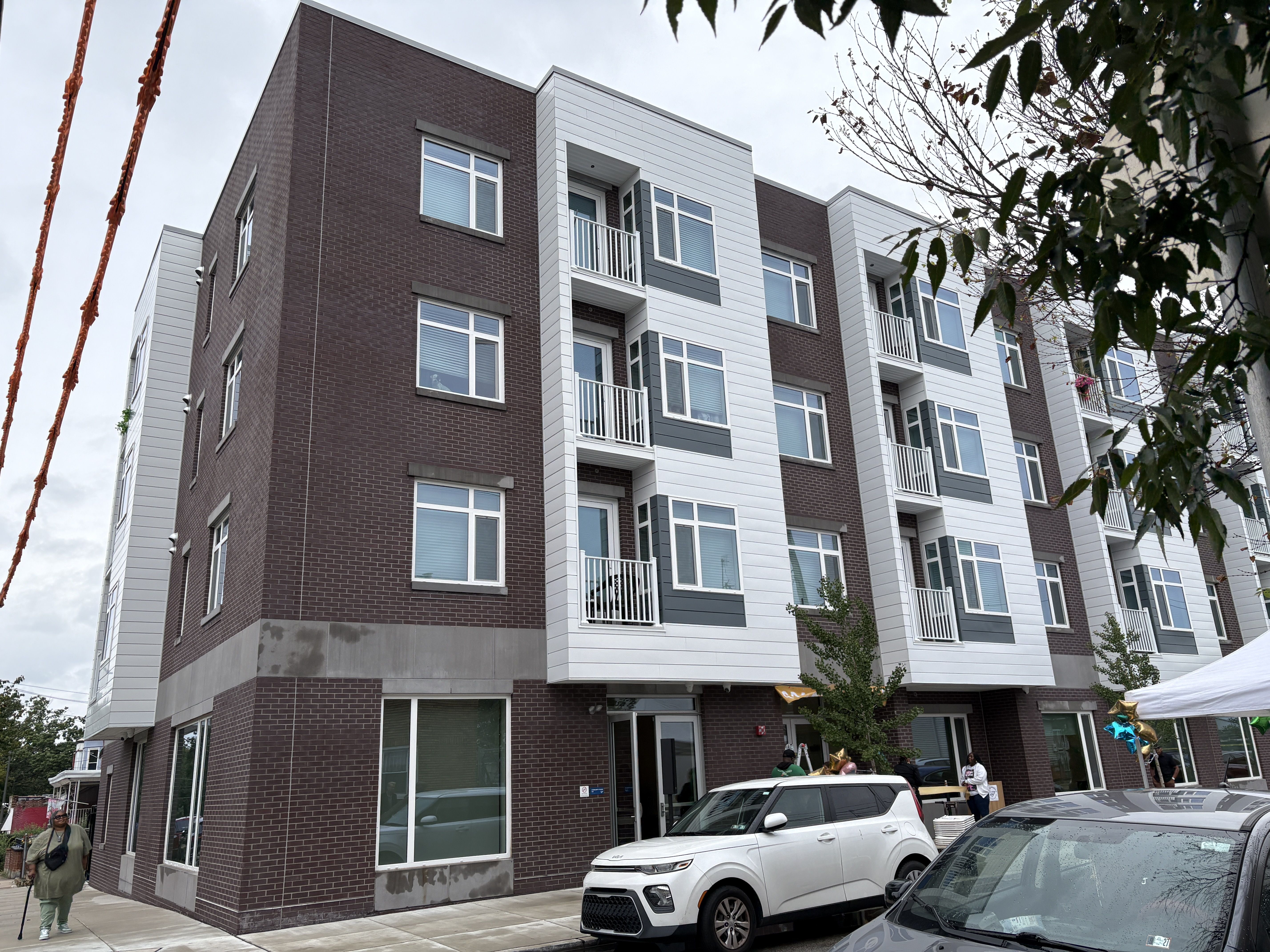
    In the beginning of this year, on the site of what was once a dilapidated house and vacant lots filled with trash and rodents, the Church of Christian Compassion opened Compassion Senior Living, a new 38-unit subsidized apartment building in Cobbs Creek.

    W. Lonnie Herndon, the church’s senior pastor, said the congregation “believe[s] ministry must extend beyond the walls of the church.”

    “We’re called not only to preach about love and compassion but to demonstrate it in practical ways that strengthen people’s lives,” he said Tuesday during an event celebrating the building filling with residents.

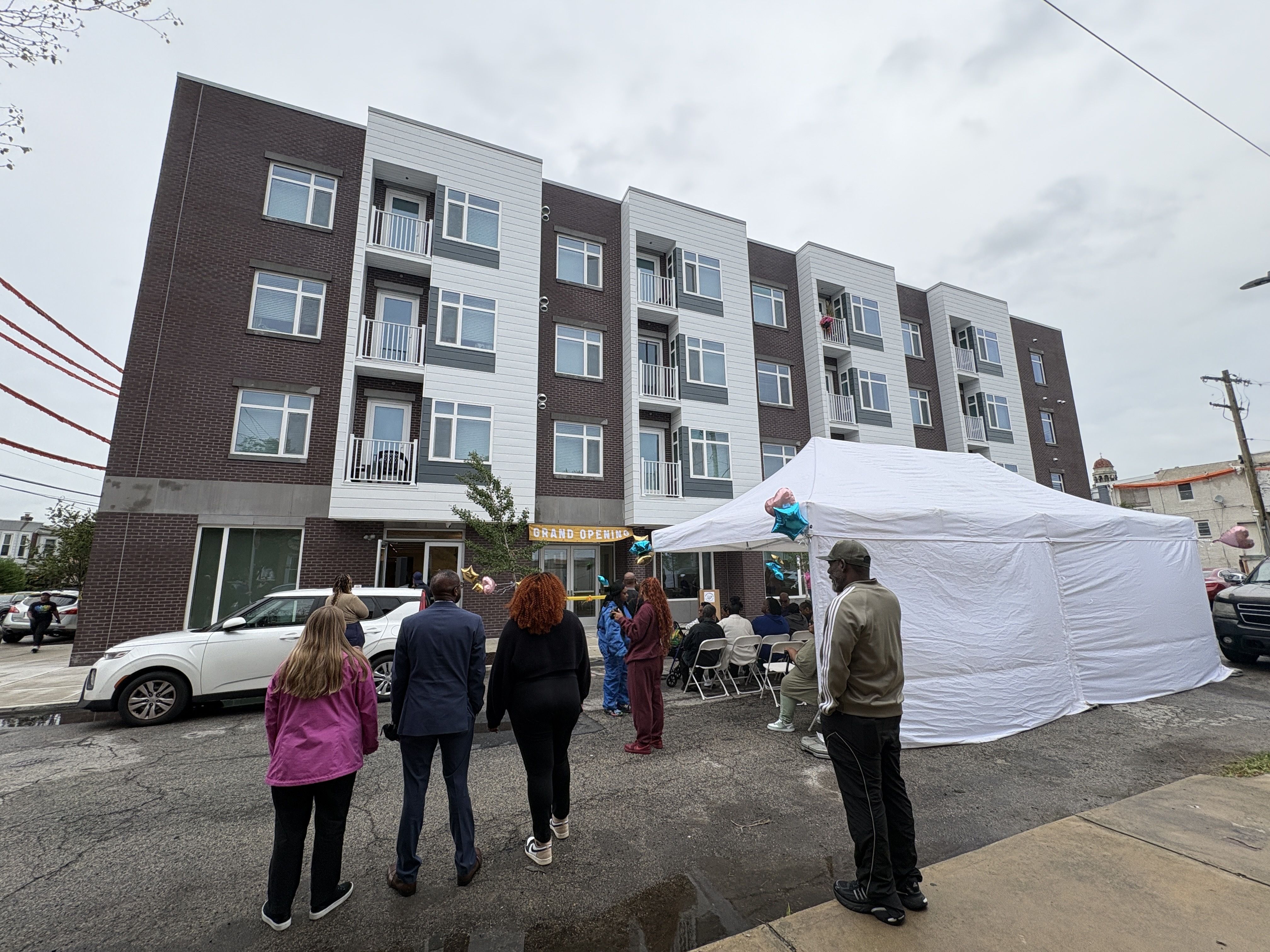
    People gather Tuesday for a grand opening ceremony at the Compassion Senior Living apartment building in Cobbs Creek.Michaelle Bond / Staff

    Philadelphia’s 65-and-older population is growing, and more than a third live below or near the poverty line, according to a 2025 Pew Charitable Trusts report. As housing costs rise, finding an affordable apartment as a senior can be difficult.

    Since 2001, the Church of Christian Compassion has owned a 10-unit, market-rate apartment building across from the new development. But the new apartments fill a specific need.

    Compassion Senior Living accepts people 62 and older who make between 20% and 60% of the area median income. That’s roughly $17,200 to $51,540 for a single-person household, which most of the building’s residents are. Four apartments are reserved for people who were formerly homeless.

    Rents for the complex’s one-bedroom apartments are based on tenants’ income and range from $900 to $1,300.

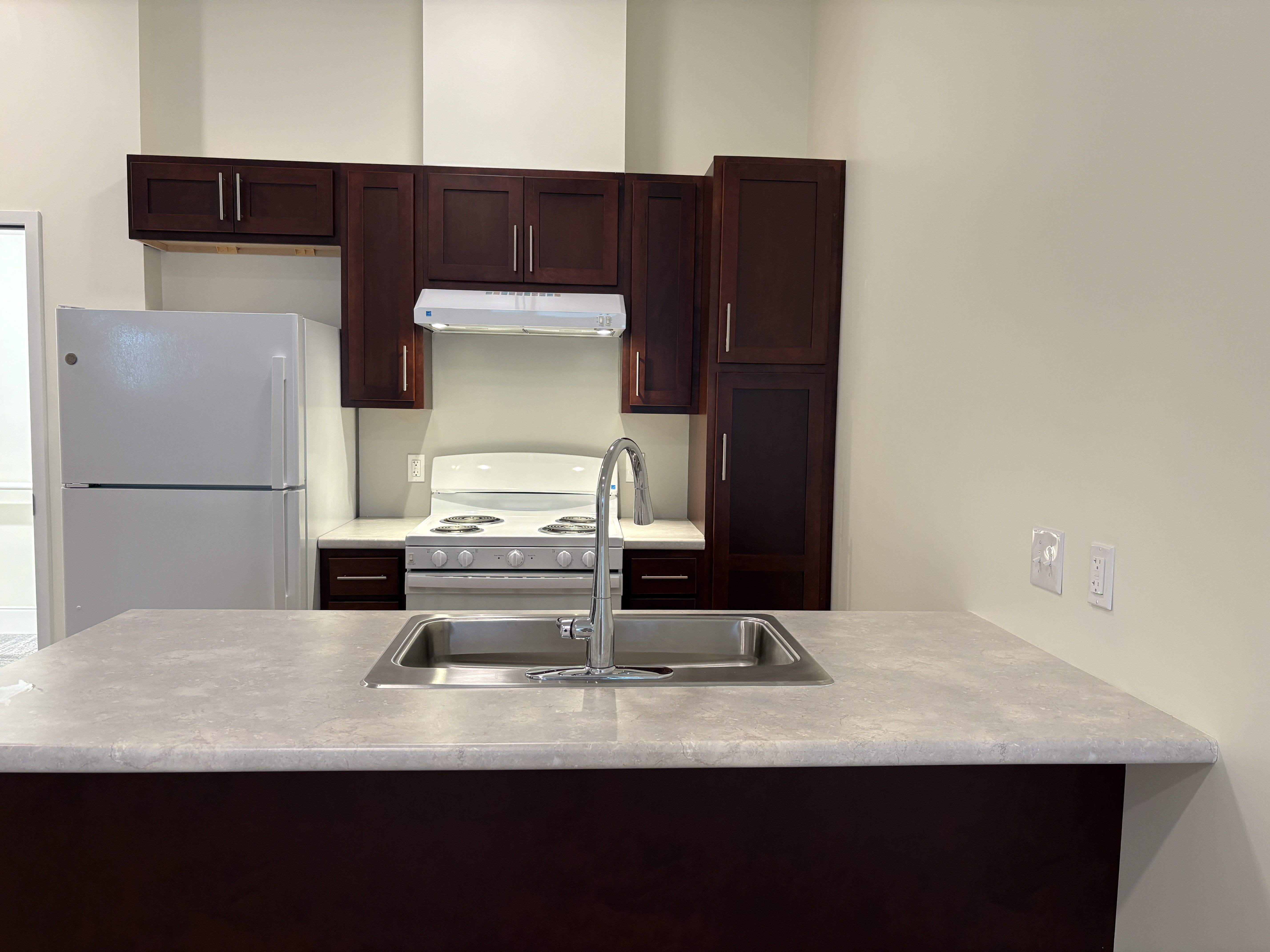
    This is the kitchen in a model unit in the Compassion Senior Living apartment building.Michaelle Bond / Staff

    Evelyn Norris, who declined to give her age but said she is older than she looks, moved into her apartment in early August from another West Philadelphia building. She is a member of the Church of Christian Compassion and called the pastor “a jewel” who “looks out for everybody.”

    Norris is thrilled to live in a newly constructed building where residents have formed a tight-knit community. She said everyone’s friendly and keeps an eye on each other.

    “This place is wonderful,” she said. “God is all in this.”

    More than three in five tenants were already residents of West or Southwest Philadelphia.

    That includes Angela Cook-Boyd, also a member of the Church of Christian Compassion, who turns 70 on Sunday. She was tired of climbing the steps at the West Philadelphia house she had been renting and said her legs told her it was time to move to a building for seniors.

    She had told the church she was interested in living at the property about five years ago when it was still in the works.

    “It was truly worth waiting for,” she said. “It just has been a blessing.”

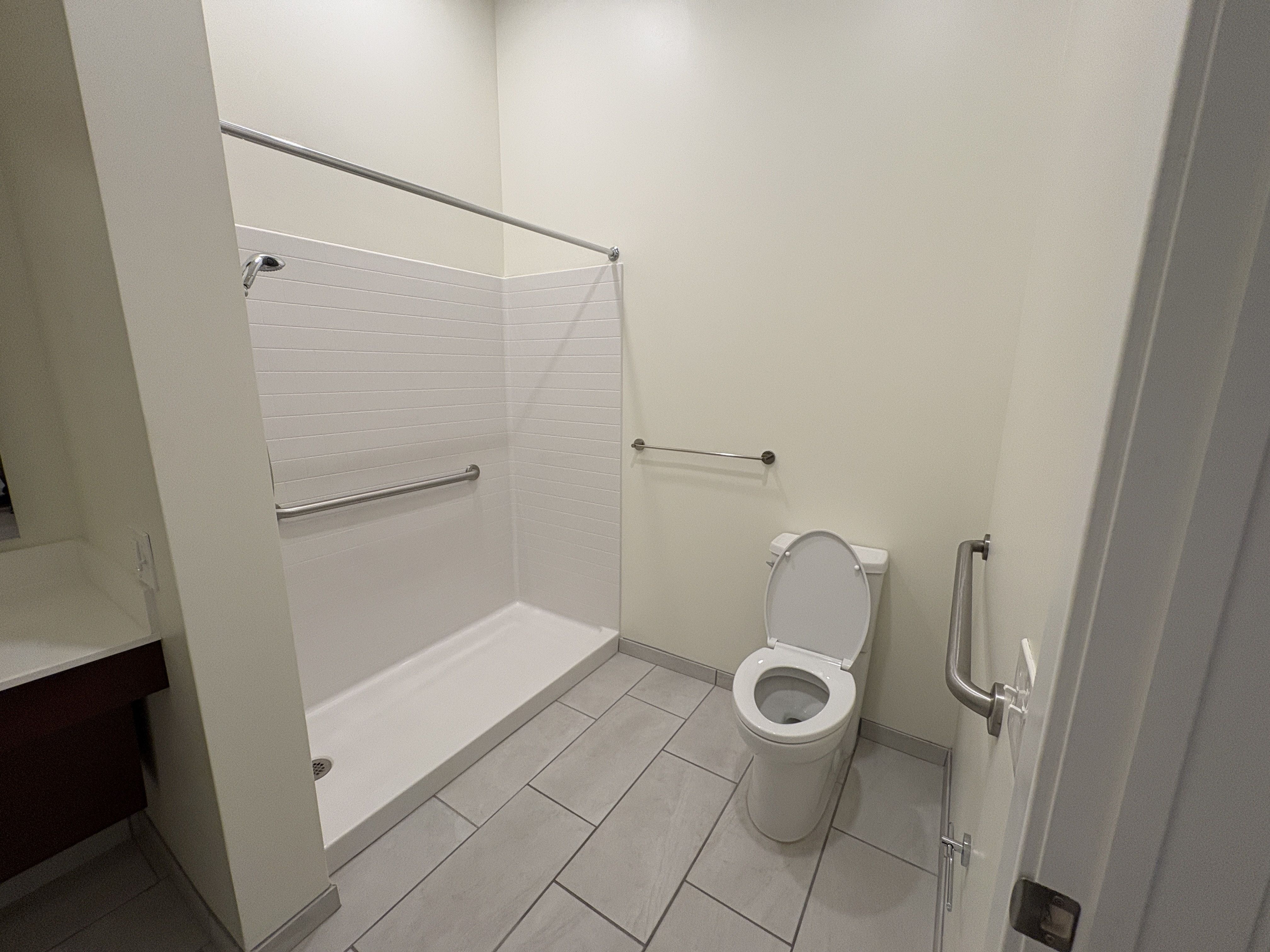
    This is the bathroom in a model unit in the Compassion Senior Living apartment building.Michaelle Bond / Staff

    The independent living community cost about $20 million, with millions coming from city, state, and federal funding.

    City Councilmember Jamie Gauthier, whose 3rd District includes the apartment building, said one of her first meetings after she was elected in 2020 was with the church’s pastors and now-Pennsylvania House Speaker Joanna McClinton (D., Philadelphia). They talked about the importance of finding funding for the project.

    “It is no secret that Cobbs Creek, like many of our neighborhoods, is being gentrified, and our wisest neighbors are the ones being hit the hardest,” Gauthier said. “Our seniors deserve to stay in the communities they’ve called home for decades, the communities that they’ve built into the desirable places that they are today.”

    Compassion Senior Living offers on-site social services and plans to partner with a healthcare provider in the future. The building includes a laundromat, a library, a multipurpose room, and a community center. It has a green roof, low-flow faucets, and energy-efficient heating, cooling, and ventilation systems.

    The building was designed by Philadelphia-based CICADA Architecture & Planning and built by Ardmore-based TN Ward Co. Builders. BFW Group, a construction project management agency, led the charge to raise money for the project.

    Pastor Terrilynn Donnell, who is also the executive director of the church’s community development corporation, the Community of Compassion CDC, called the completion of the senior apartments “a relief” after so many years. She said the church wants to build more homes.

  • Across the country, homebuyers have the upper hand. But it’s a seller’s market in Montco, Chesco, and Bucks.

    Across the country, homebuyers have the upper hand. But it’s a seller’s market in Montco, Chesco, and Bucks.

    In most of the country’s largest housing markets, more people are selling homes than buying them, giving buyers more chances to get a home.

    But in most of Philadelphia’s collar counties, buyers outnumber sellers, which gives sellers an advantage as more people compete for their properties.

    In August, the combined market that the real estate brokerage Redfin calls Montgomery, Chester, and Bucks Counties was one of only five seller’s markets out of the 49 most-populous U.S. markets that Redfin analyzed. There were about 5,800 sellers and almost 7,300 buyers in the market last month.

    The area’s place in Redfin’s list reflects strong demand for homes and a housing supply that isn’t keeping up.

    “You actually have increasing demand,” said Chen Zhao, head of economics at Redfin. And “your supply is actually decreasing rather than increasing, which is what you see in most parts of the country.”

    But the region is more buyer friendly than it used to be. In the years after the start of the pandemic, the gap between the shares of sellers and buyers was twice what it was this August. Only last year did the gap start narrowing significantly as more sellers entered the market, Zhao said.

    Redfin used a model to estimate the number of homebuyers and home listing data to estimate the number of sellers.

    (function(){function e(){window.addEventListener(`message`,function(e){if(e.data[`datawrapper-height`]!==void 0){var t=document.querySelectorAll(`iframe`);for(var n in e.data[`datawrapper-height`])for(var r=0,i;i=t[r];r++)if(i.contentWindow===e.source){var a=e.data[`datawrapper-height`][n]+`px`;i.style.height=a}}})}e()})();

    A lot of buyer’s markets

    Almost three-quarters of the major metros Redfin looked at — 36 of 49 — were buyer’s markets in August, meaning sellers outnumbered buyers. (One of the country’s 50 biggest metros, Fort Lauderdale, Fla., did not have enough data for the analysis.)

    Homebuyers in buyer’s markets tend to have the upper hand in negotiations, because they have more choices, and sellers compete for them instead of the other way around. Housing supply has increased as homes hit the market that builders started constructing years ago and homeowners who didn’t want to give up their low mortgage rates are forced by life circumstances to sell, Zhao said.

    But the picture isn’t all rosy for the country’s buyers. Home prices and mortgage interest rates continue to climb, pricing some people out of the housing market. Nationally, home-buying demand has dropped slowly and steadily over the last few years, Zhao said.

    But there are opportunities for those who can afford to purchase a home, whether with household wealth or homebuyer assistance programs.

    The combined market that Redfin defines as Philadelphia and Delaware County is a buyer’s market. It had about 5,900 buyers and about 8,900 sellers in August.

    But because of continuing demand, it’s still one of the five markets where sellers were least likely to give concessions to buyers in August, according to a separate Redfin report. These buyer incentives include covering closing costs and paying for repairs.

    Comparing markets

    The Nashville area had the strongest buyer’s market in the country in August, according to Redfin. It had more than double the number of home sellers compared to buyers.

    That was also true in the metros of Miami, Orlando, and Las Vegas, and the Texas metros of Houston, San Antonio, Austin, and Dallas.

    In the Nashville metro, the market turned more strongly in favor of buyers last month, because the number of home listings rose 4% from the previous month, while the number of buyers dropped by only 0.4%.

    Redfin considered eight housing markets to be balanced, with roughly the same number of buyers and sellers in August. Balanced markets include New Brunswick, N.J.; New York; and Baltimore.

  • A ‘magical’ 15-acre property called Willow Lake Farm is for sale for almost $7 million in Chester County

    A ‘magical’ 15-acre property called Willow Lake Farm is for sale for almost $7 million in Chester County

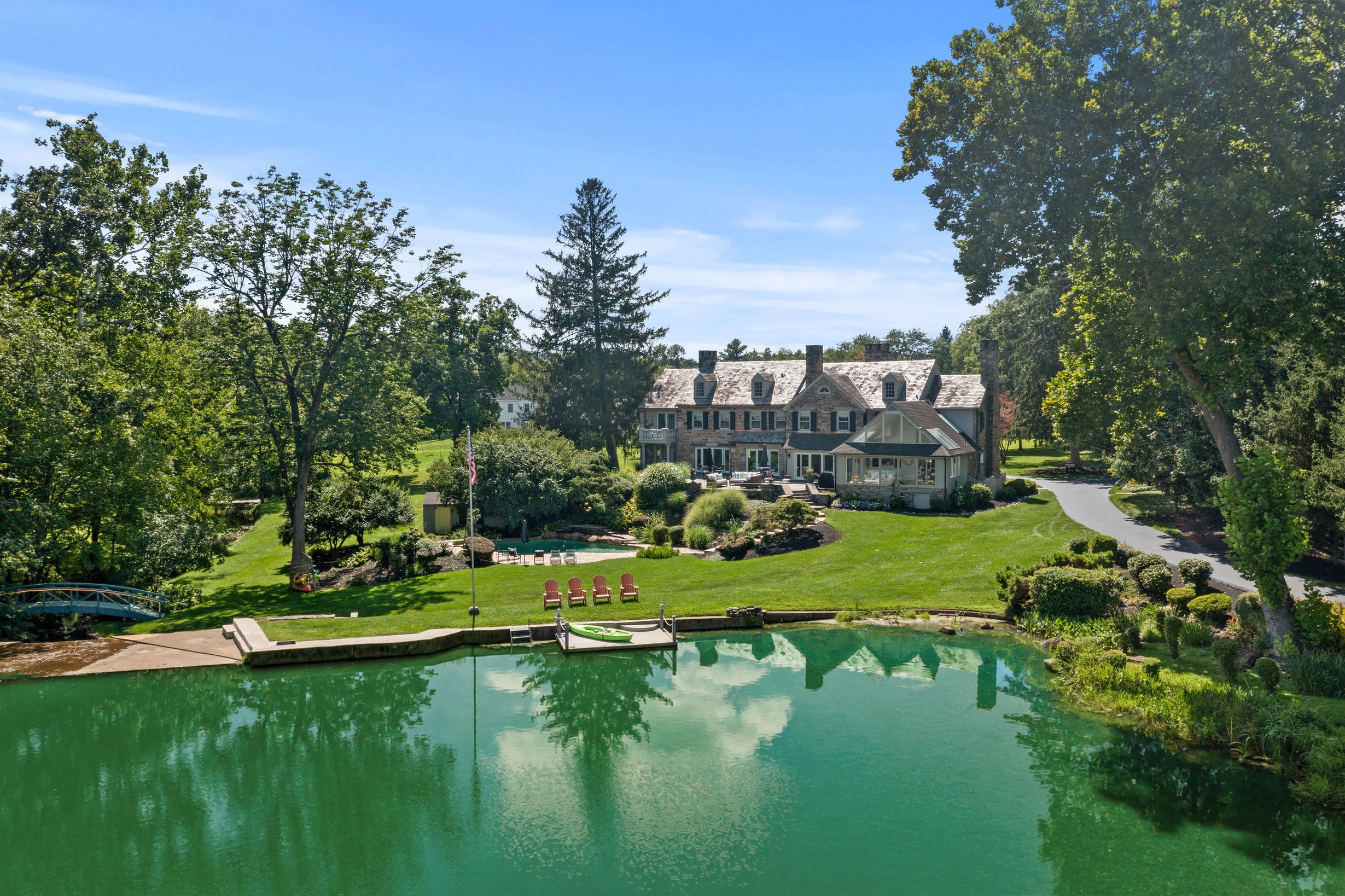
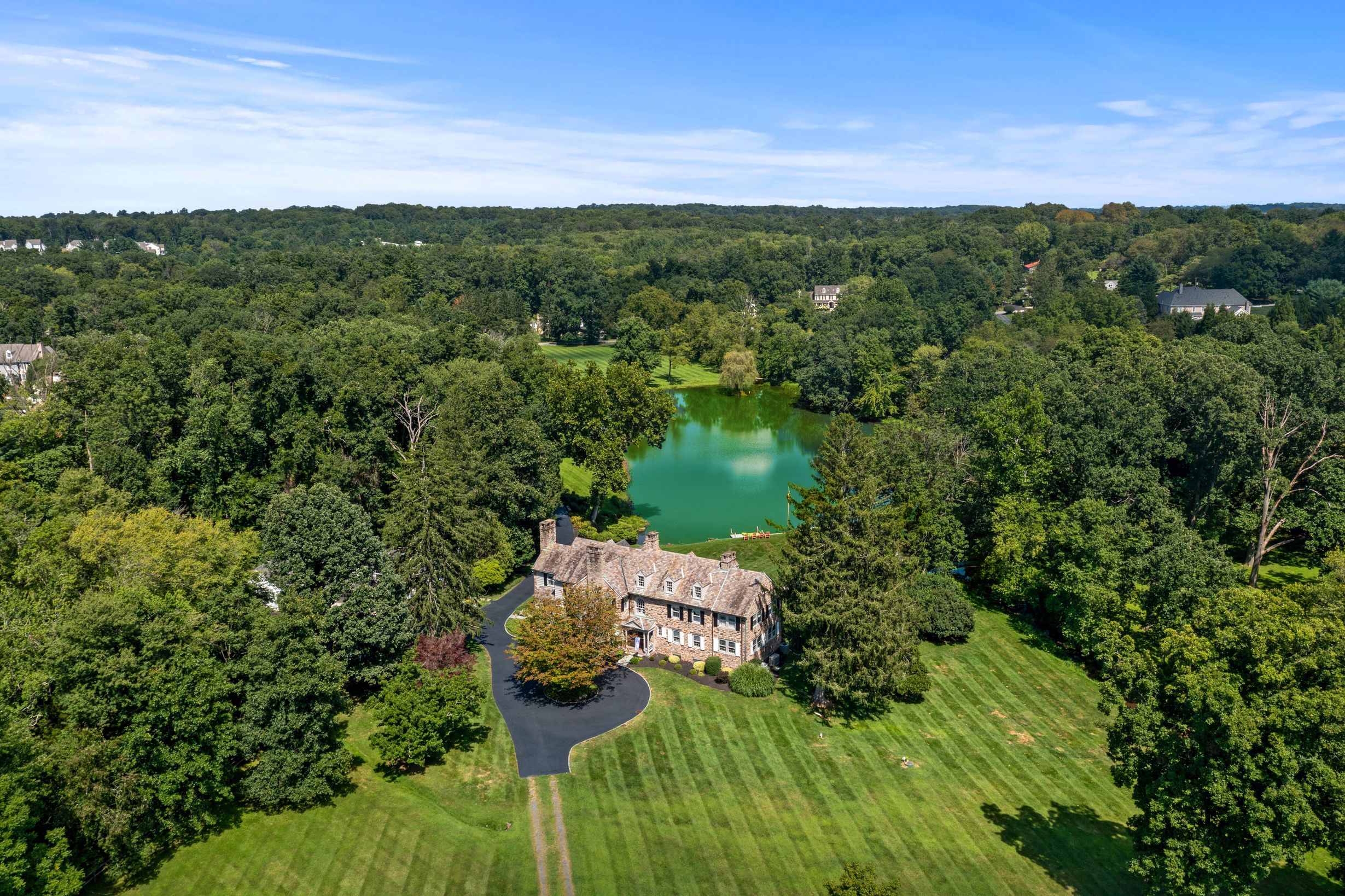
    The 15-acre Willow Lake Farm includes walking paths, a stream and waterfall, a meditation garden, an arched bridge, extensive lawns, and a pond. It’s also a private residence.

    And the Chester County property is for sale for $6,990,000.

    “It’s one of the most beautiful properties within Willistown” Township, said listing agent Meghan Chorin, leader of the Meghan Chorin Team with Compass Real Estate. She called it “magical.”

    This Willistown Township home is listed for sale for $6,990,000.Colin Burkhart of CdB Real Estate Photography

    “It’s just special. There’s nothing else like it,” she said. Along the Main Line, “having a house where you have a water view is rare.”

    The home’s creek-fed private pond spans three of the property’s 15 acres. The owners use it year round to swim, fish, kayak, and ice skate.

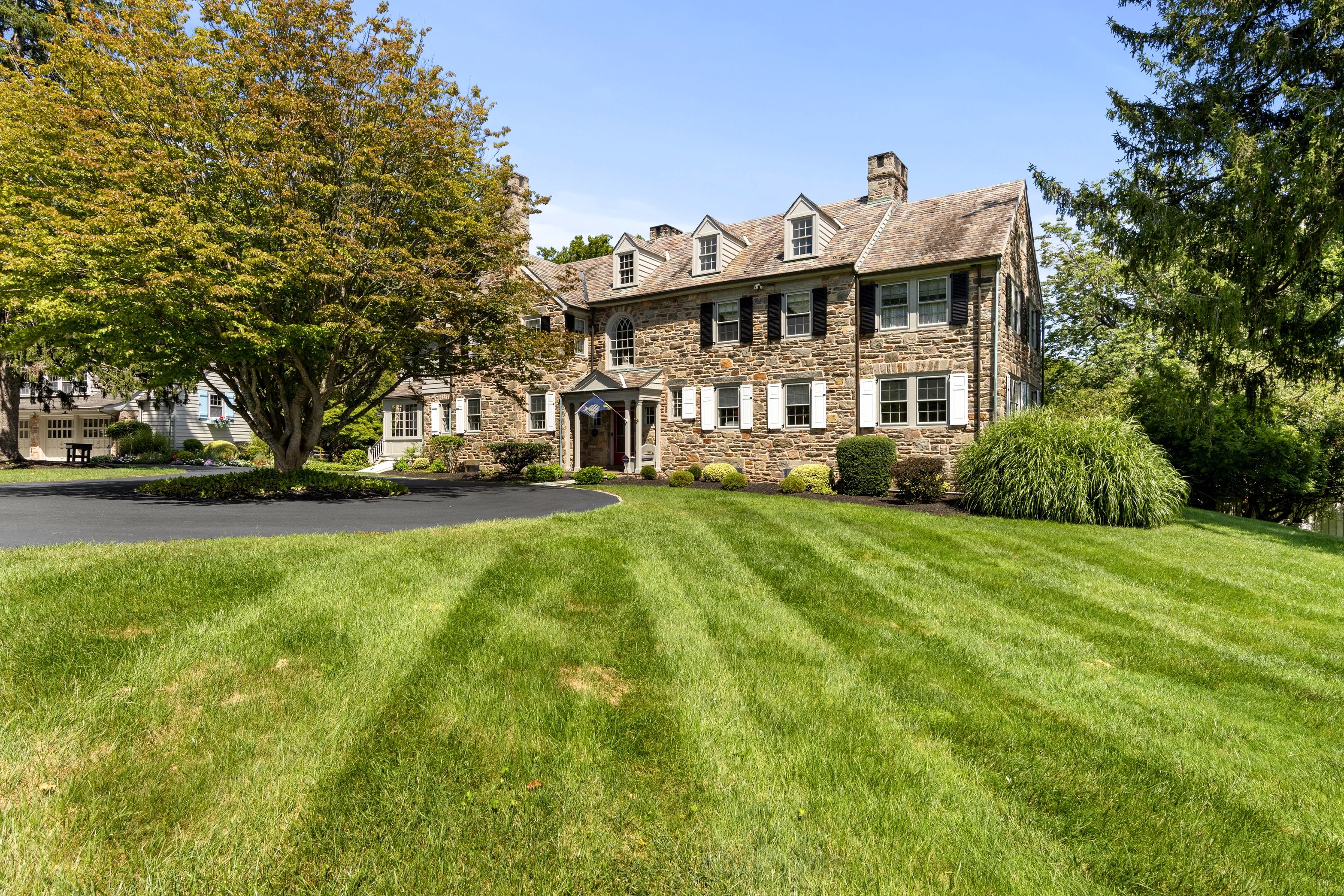
    A long driveway snakes through trees and leads to the 6,050-square-foot fieldstone house, constructed in 1935 by builder Albert H. Jacobs Jr.

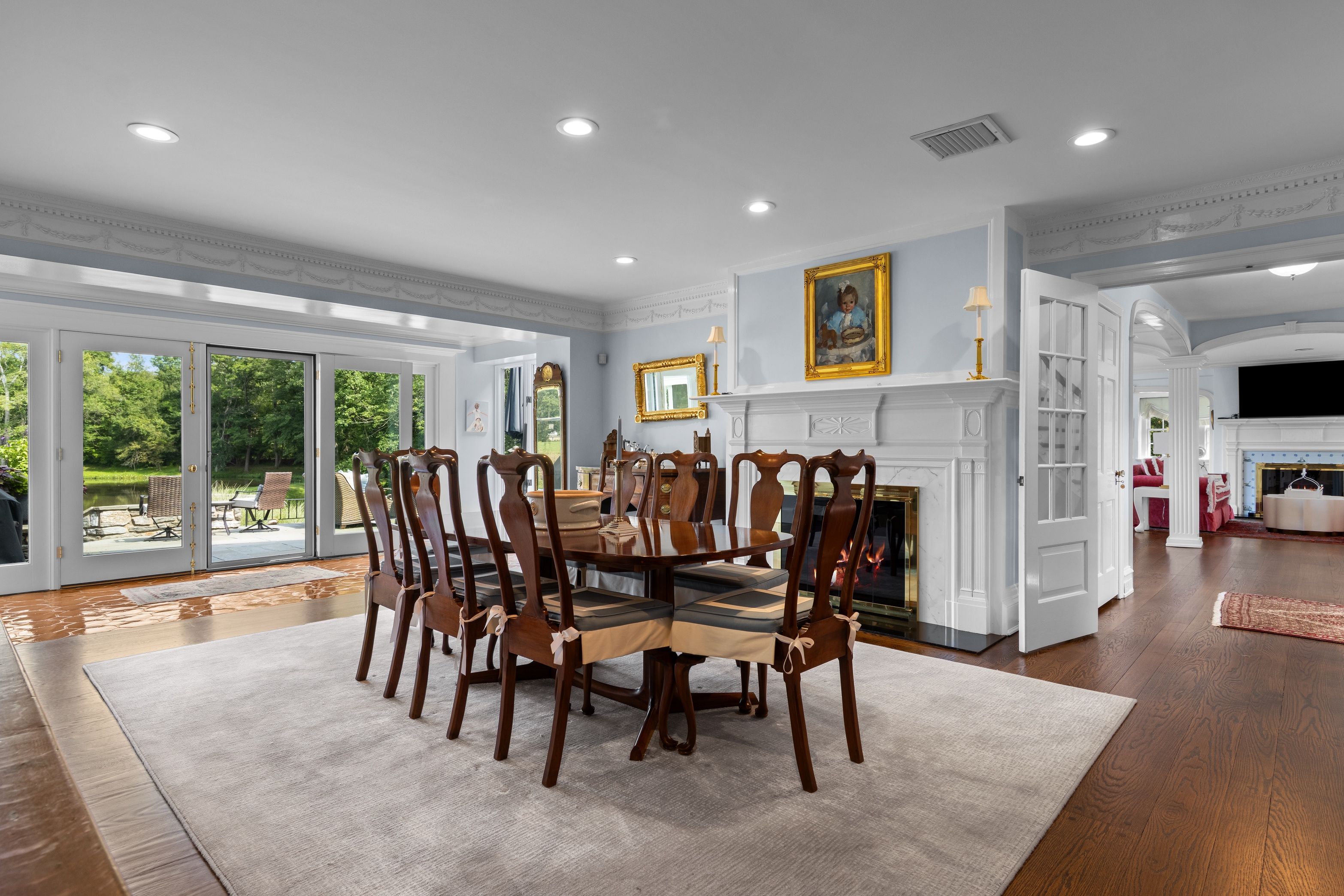
    The formal dining room includes a fireplace and looks out on the back terrace and grounds.Colin Burkhart of CdB Real Estate Photography

    The house has four bedrooms, three full bathrooms, and three half bathrooms. It features custom woodwork, oak floors, and eight fireplaces, including one in the formal dining room.

    Off the family room sits a private study with a built-in desk and bookcases.

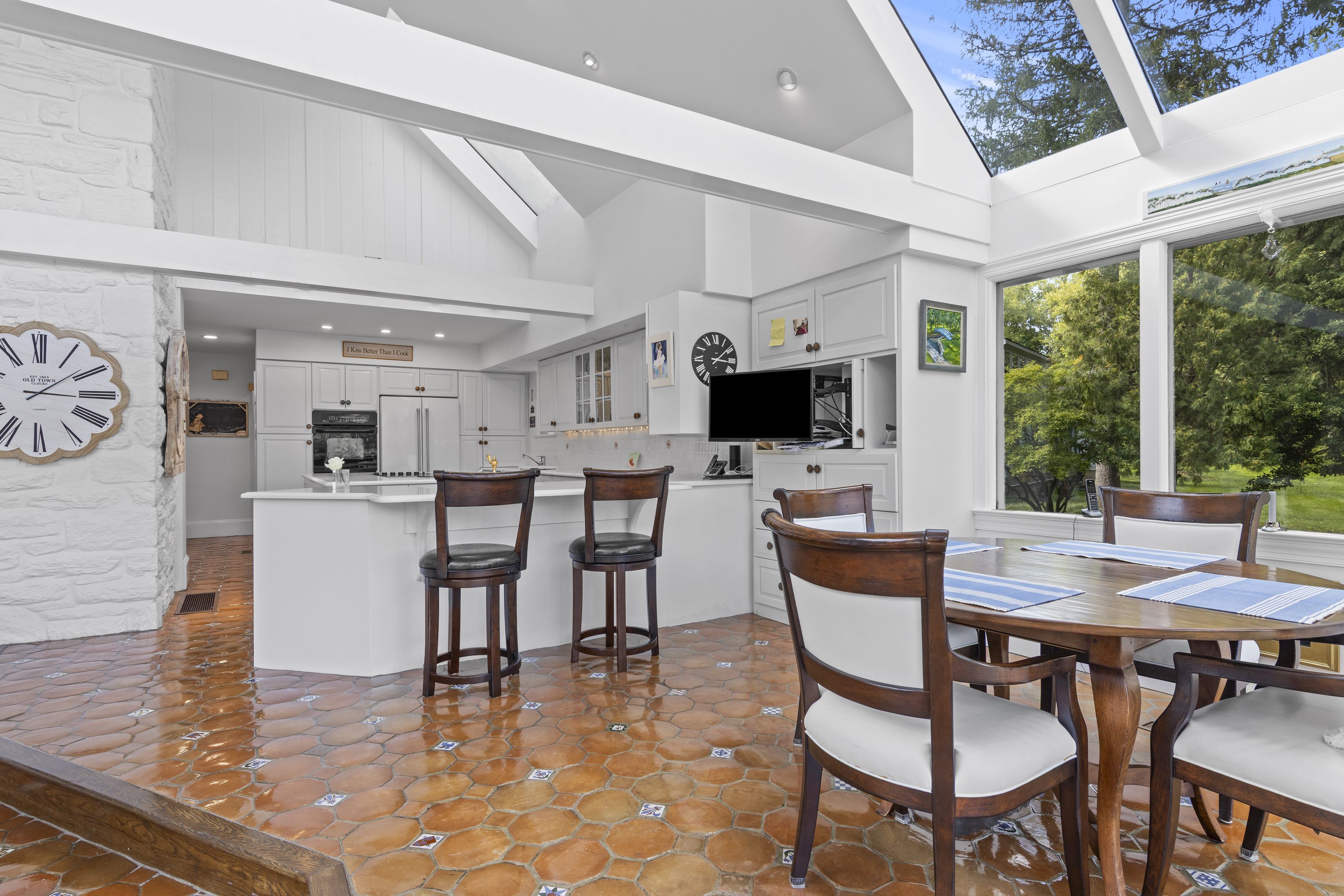
    The home’s kitchen features exposed stone walls, a vaulted ceiling, custom white cabinets, and floors of handmade Mexican tile. It has double ovens, two sinks, and a large center island with storage and a range. A butler’s pantry off the kitchen includes a wet bar, wine cooler, and dishwasher.

    Large windows effectively turn a dining and living area beyond the kitchen into a sunroom with views of the backyard.

    The kitchen includes double ovens, a large island, and seating at the peninsula.Colin Burkhart of CdB Real Estate Photography

    The primary suite includes a balcony with views of the grounds and a walk-in closet with its own washer and dryer.

    At the rear of the house, a line of French doors open to a flagstone terrace that overlooks an in-ground pool and the pond beyond.

    “It’s a great entertaining house,” Chorin said.

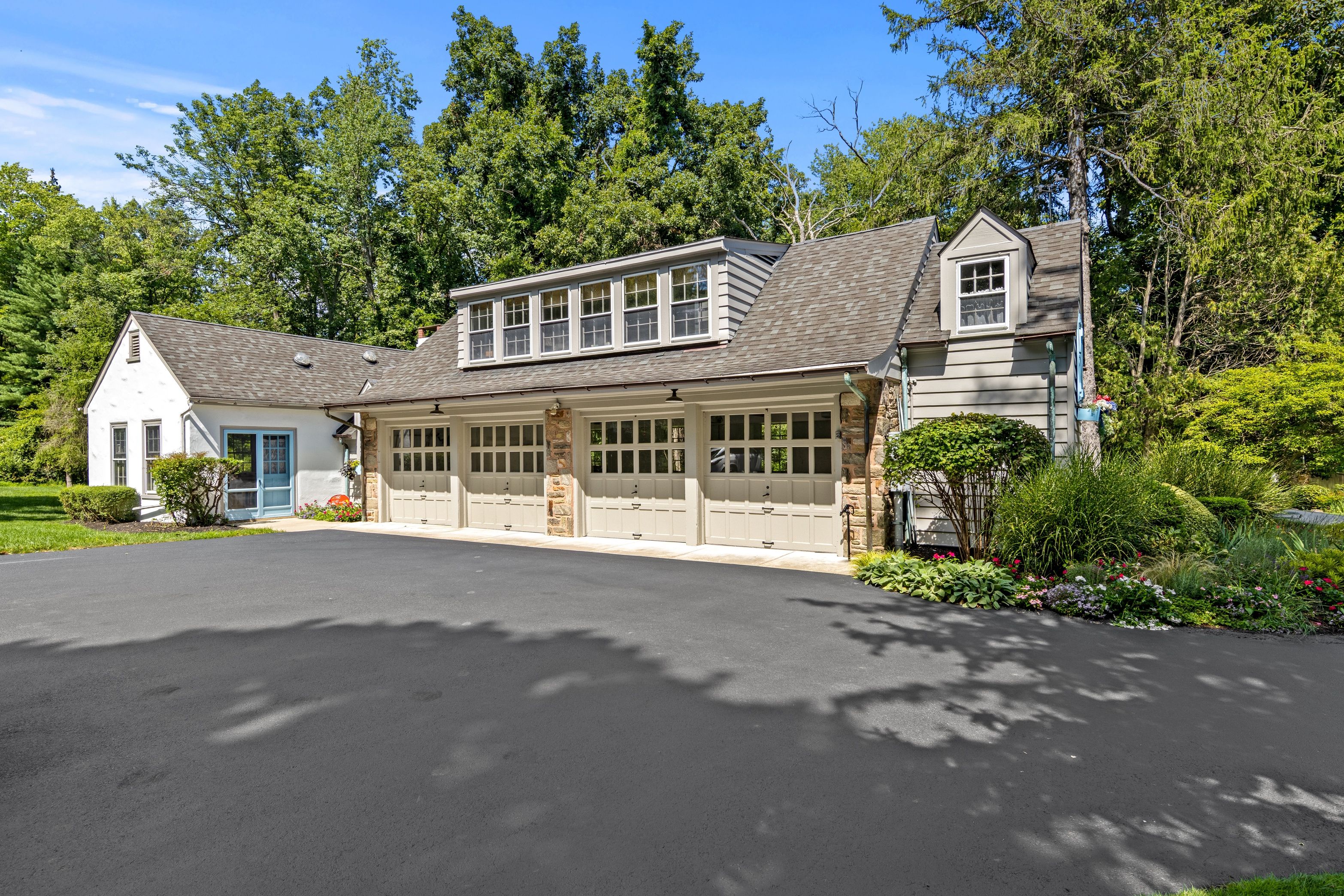
    A detached four-car garage has a large adjoining space that the property owner, an artist, uses as a studio. Above the garage is a studio apartment.

    The detached has a studio apartment above it and an adjoining art studio.Colin Burkhart of CdB Real Estate Photography

    The home is close to Mill Park and Malvern Borough and is a few minutes’ drive from the Paoli SEPTA station.

    Chorin said the property presents a rare opportunity for buyers.

    In Willistown, she said, “there’s not a lot of supply and a lot of demand.”

    The property was listed for sale on Aug. 24.

    The property spans 15 acres and includes a three-acre pond.Colin Burkhart of CdB Real Estate Photography
  • Reparations for a down payment | Real Estate Newsletter

    Reparations for a down payment | Real Estate Newsletter

    Charmira and Quincy Pilgrim had wanted to become homeowners for a decade. But saving money was impossible with a growing family, job losses, and jobs that didn’t pay enough.

    The Pilgrims were finally able to start saving at the end of last year and found a home they wanted to buy in West Oak Lane this spring. But they were thousands of dollars short for their down payment and closing costs.

    What finally turned their homeownership dream into a reality was an assist from a Quaker congregation in Germantown.

    Keep scrolling for that story and more in this week’s edition:

    • Downtown housing boom: Center City is a major driver for Philadelphia housing, with room to grow, report says.
    • Home renos gone wrong: A contractor who’s accused of defrauding homeowners in three local counties is a former South Philly cop with a history of citizen complaints and lawsuits.
    • Cozy but dated: This first-time homebuyer bought a “granny special” in South Philly.
    • Property revival: Peek inside this Doylestown property that has two homes.
    • Market update: Scroll to see what local homebuyers and sellers were up to last month.

    — Michaelle Bond

    If someone forwarded you this email, sign up for free here.

    Reparations for homebuying

    When Charmira and Quincy Pilgrim bought their home, the money they got to help cover their down payment and closing costs came from an unusual source.

    Most first-time homebuyer grants are funded by governments, mortgage lenders, or nonprofits. But the Pilgrims’ grant was funded by a group of Quakers in Germantown.

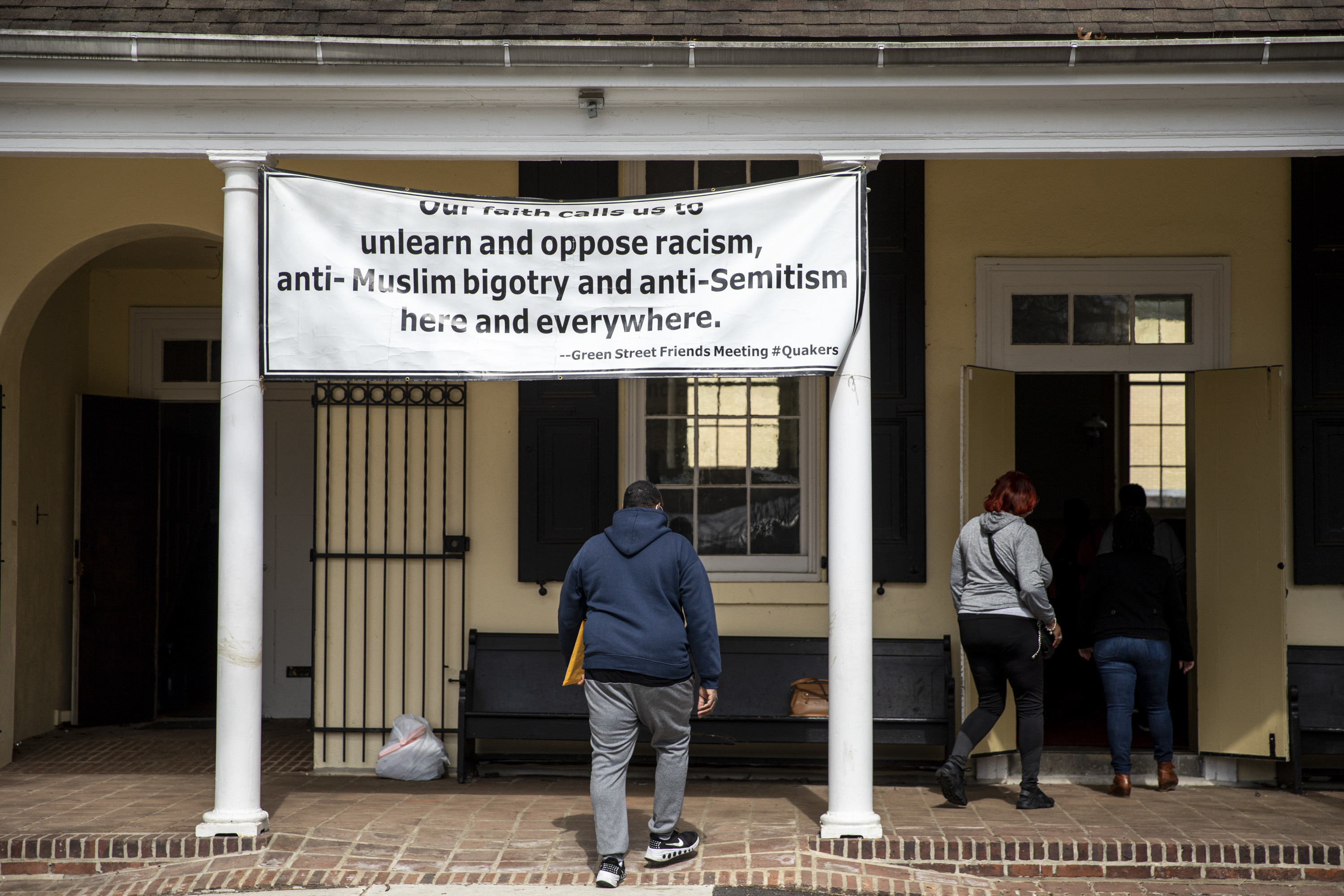
    Green Street Friends Meeting is helping Philadelphians become homeowners with $10,000 grants to overcome a common barrier to homebuying: the up-front cost.

    The grants are part of the congregation’s racial justice plan to redistribute wealth to Black residents in the Germantown area as a form of reparations.

    In 2021, Green Street pledged to spend $50,000 a year for 10 years as part of its reparations work. Members said they were spurred by a moral calling and the realization of just how much money the congregation had sitting in unrestricted reserves.

    Keep reading to learn more about the Quakers’ housing work.

    Center City drives housing

    Downtown is a hot spot for home construction in Philly.

    Two in five homes built in a recent 18-month period were built in greater Center City, according to Center City District, a business improvement organization.

    More than 4,000 homes were completed in greater Center City — defined as the area from Girard Avenue to Tasker Street and from the Schuylkill to the Delaware River — last year and in the first half of this year.

    Center City District says there’s still plenty of room to build a lot more homes on properties in the area. Parking lots, for example.

    Greater Center City remains a destination for newcomers and established Philadelphians alike. One in eight Philly residents lived there last year.

    Keep reading to learn why home construction in Center City matters for the rest of Philadelphia.

    The latest news to pay attention to

    Home tour: Two homes in Doylestown

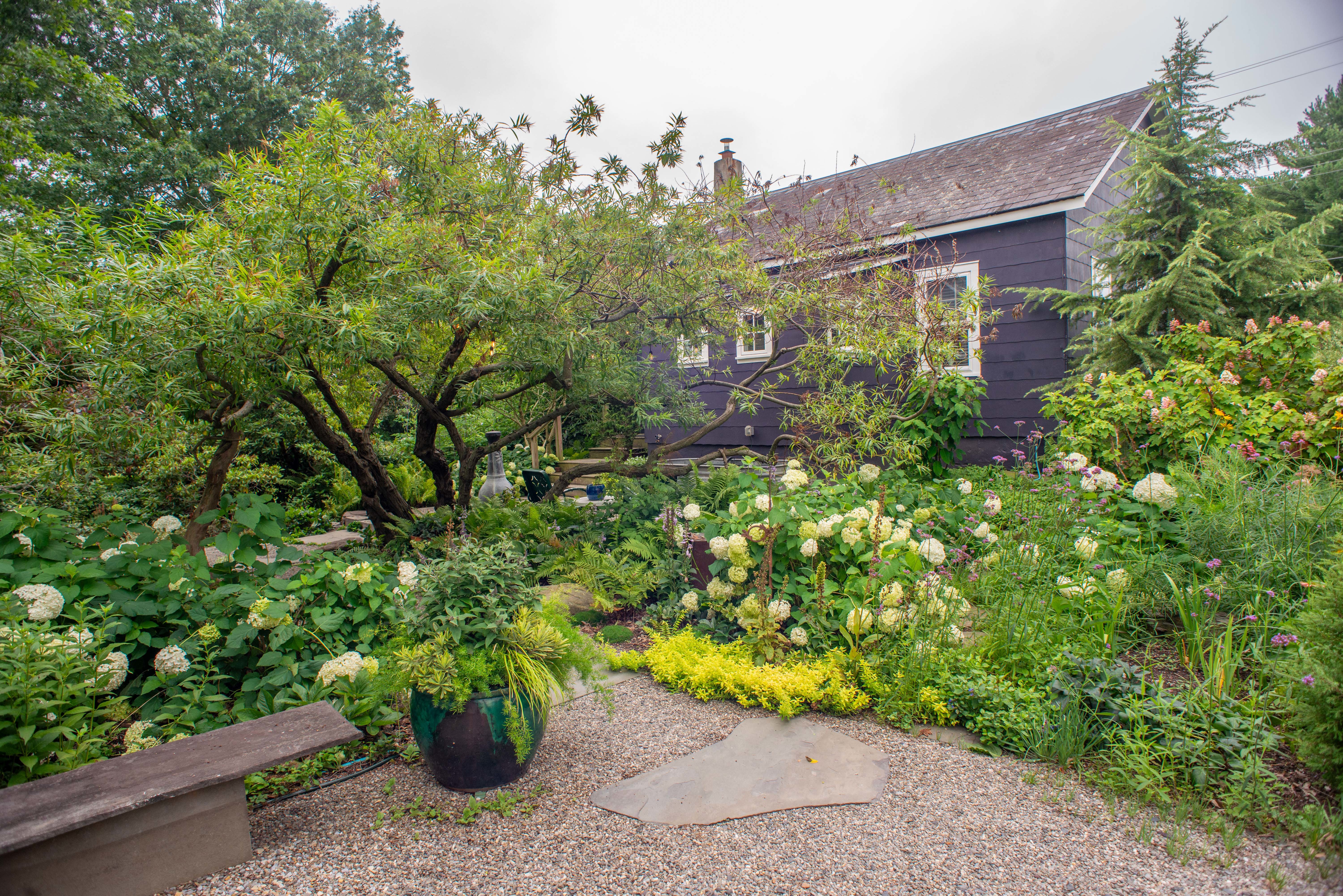
    Nate Reuther has two homes on his 1.3-acre property in Doylestown: a purple Cape Cod that spans 1,200 square feet, and a tiny home in the form of a 13-by-6-foot tractor trailer.

    He lives in the tiny home when he rents the main house as an Airbnb for part of the year.

    Reuther has spent years renovating the house. He’s gutted most of the rooms, replaced the roof, and created a bedroom with a plant nook.

    Reuther is a landscape designer and built the garden behind the house from scratch. That included tearing down an existing deck and creating a sculpture garden.

    Beyond a meadow of native wildflowers sits the tiny home, which Reuther picked up from a Camping World store in Virginia.

    Peek inside the property Reuther revived.

    📊 The market

    In August, homebuyers in the Philly region had more choices than last year. New home listings and the overall supply of homes on the market were up.

    But those increases didn’t do much for sales or affordability, especially since mortgage interest rates “have remained persistently high this summer,” said Lisa Sturtevant, chief economist at the multiple listing service Bright MLS.

    “With home prices still rising in most markets, some homebuyers are simply hitting an affordability ceiling,” Sturtevant said in a statement. “Others are waiting for more certainty in both the economy and the housing market.”

    In the Philadelphia metro last month, according to Bright MLS:

    🔺The median sale price was $425,000 — up about 5% from the same time last year.

    🔻New pending home sales were down 3% from last year.

    🔺The market added 6,500 new listings, up roughly 5% from last August.

    🔺The number of active home listings was up about 14% from the same time last year.

    📷 Photo quiz

    Where was this photo taken?

    📮 If you think you know, email me back.

    A lot of you were confident but wrong in your answers to last week’s photo quiz. I wasn’t trying to trick you, but two neighboring buildings on the Parkway do look similar.

    The quiz featured a photo not of the Free Library but of the former Family Court building.

    Shout-out to Jay S. and Susan T. for knowing that. As they noted, the building has been empty for a while, and several plans for redevelopment have fizzled.

    ―

    A project that actually happened was the construction of the Philadelphia Ballet’s new home on North Broad Street. The organization is celebrating the grand opening over the next three days.

    But architecture critic Inga Saffron says she’s frustrated with the new building. She said the ballet has repeated “the architectural mistakes of an earlier generation of cultural venues.”

    Keep reading to see what she means.

    And enjoy the rest of your week.

    By submitting your written, visual, and/or audio contributions, you agree to The Inquirer’s Terms of Use, including the grant of rights in Section 10.

  • Why isn’t the Academy of Natural Sciences building historically protected? No one ever nominated it.

    Why isn’t the Academy of Natural Sciences building historically protected? No one ever nominated it.

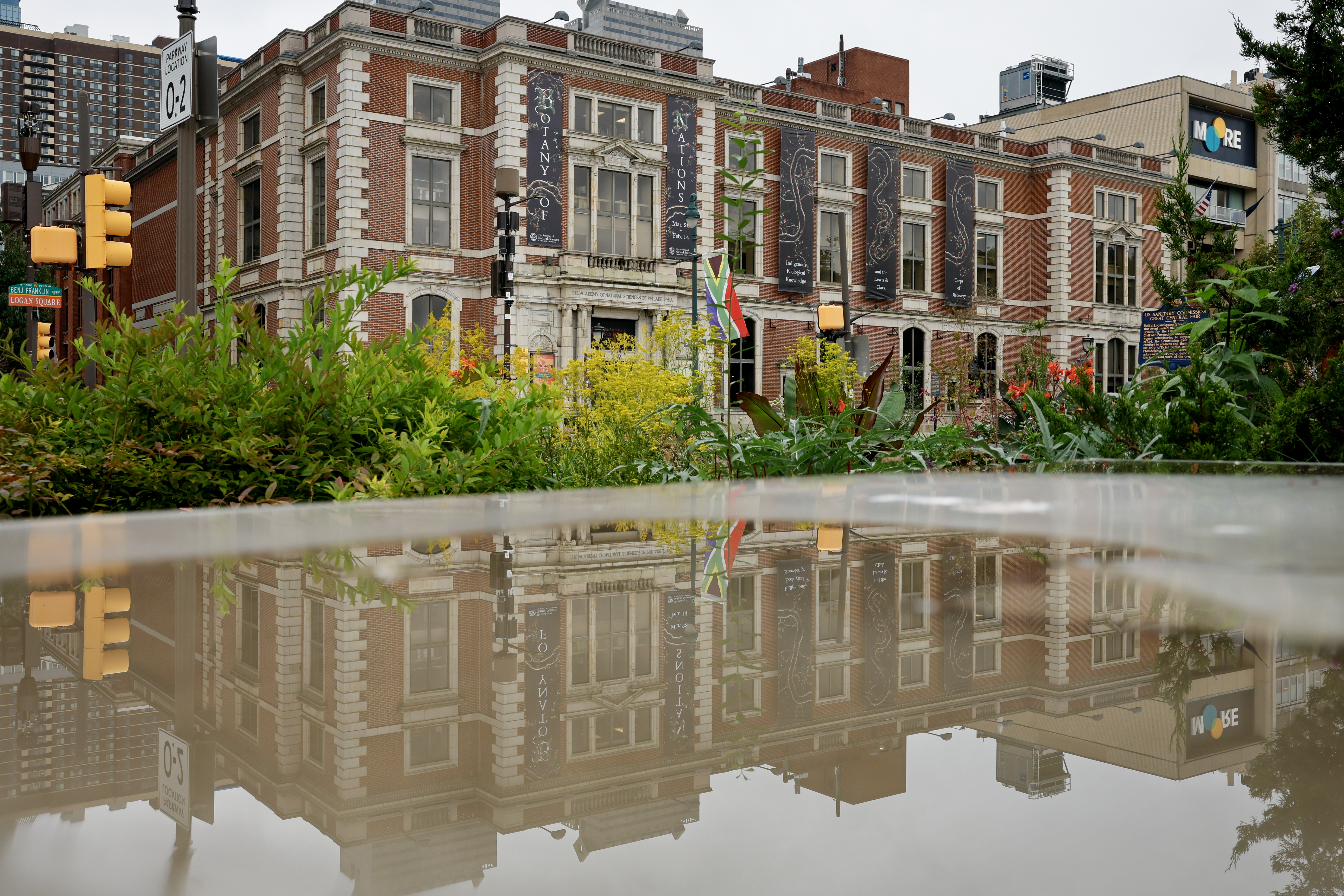
    Even the Preservation Alliance for Greater Philadelphia was surprised that the Benjamin Franklin Parkway building that houses the Academy of Natural Sciences of Drexel University is not historically protected.

    It learned after the academy announced its museum was closing that the building is “alone among the historic cultural institutions on the Parkway” as not designated historic by the city, said Paul Steinke, executive director of the Preservation Alliance.

    The academy’s 150-year-old building houses the country’s first natural history museum. But it is not listed on the Philadelphia Register of Historic Places, a status that comes with protections against major alterations and demolition.

    The museum is scheduled to close at the end of the month, and the academy plans to eventually relocate its collections and sell its building. The property’s zoning allows for low-rise, low-density residential buildings, such as townhouses or small apartment buildings. According to city records, the property’s assessed value is more than $28.7 million.

    According to the Philadelphia Historical Commission, the academy considered pursuing historic designation for the building in the late 1980s but ultimately did not. On Wednesday, a spokesperson for the commission said it does not have a nomination from anyone in hand.

    City Councilmember Jeffery Young Jr., whose 5th District includes the academy, said his office is looking into possible zoning changes to “protect and preserve that Parkway district,” including the academy’s building.

    “We want to be able to utilize every tool we have available if necessary” to “preserve that public good in that area,” Young said.

    Why hasn’t the building been designated historic yet?

    “It wasn’t thought to be threatened, for one,” Steinke said. Designation happens only when someone takes the initiative to submit a nomination to the city, he noted, and that is commonly spurred by threats of redevelopment.

    He pointed to another iconic Philadelphia spot that most people assumed was historically protected until a developer made plans to redevelop it: Jewelers Row, the oldest diamond district in the country.

    In late 2019, Toll Bros. demolished several buildings on the 700 block of Sansom Street to build a 24-story housing tower that did not materialize. Developer Pearl Properties, which later took over the site, started making visible progress on its own housing tower this summer following years of delays.

    For the academy’s building, Steinke said, the Preservation Alliance is looking into what it would take to do the necessary research, write and submit a nomination, and take it through the city’s historic designation process, which includes review by historical commission staff and public consideration by the commission and its committee on historic designation.

    “We think it clearly qualifies for local designation,” Steinke said.

    The start of Philly’s museum mile

    The academy moved to its current location on the Parkway in 1876, when the building opened for the Centennial. The building was designed by James Hamilton Windrim, an architect most famous for designing the Masonic Temple across from City Hall.

    In the early 1900s, the academy building’s facade was redesigned in the Georgian style by the well-known Philadelphia firm Wilson Brothers & Co. Defining features of this architectural style include heavy use of red brick, symmetrical facades, centered entrances, and simple decorative elements, according to Steinke.

    The academy said financial pressures and low attendance drove its decision to close the museum after nearly two centuries.

    But Steinke said he hopes the outpouring of love and support people have been showing the museum since the closure was announced can help keep it where it is. When he visited on Sunday, he said, he “was heartened by the crowds of people, the families enjoying it.”

    “It would be a real loss to lose that museum at the start of the museum mile,” Steinke said, referring to the section of the Parkway that hosts institutions such as the Rodin Museum, Calder Gardens, and the Philadelphia Museum of Art.

    On Thursday, Councilmembers Young and Nina Ahmad plan to introduce a resolution that calls for Council hearings on the museum’s closure. They are also planning a rally to protest the closure at City Hall that morning.

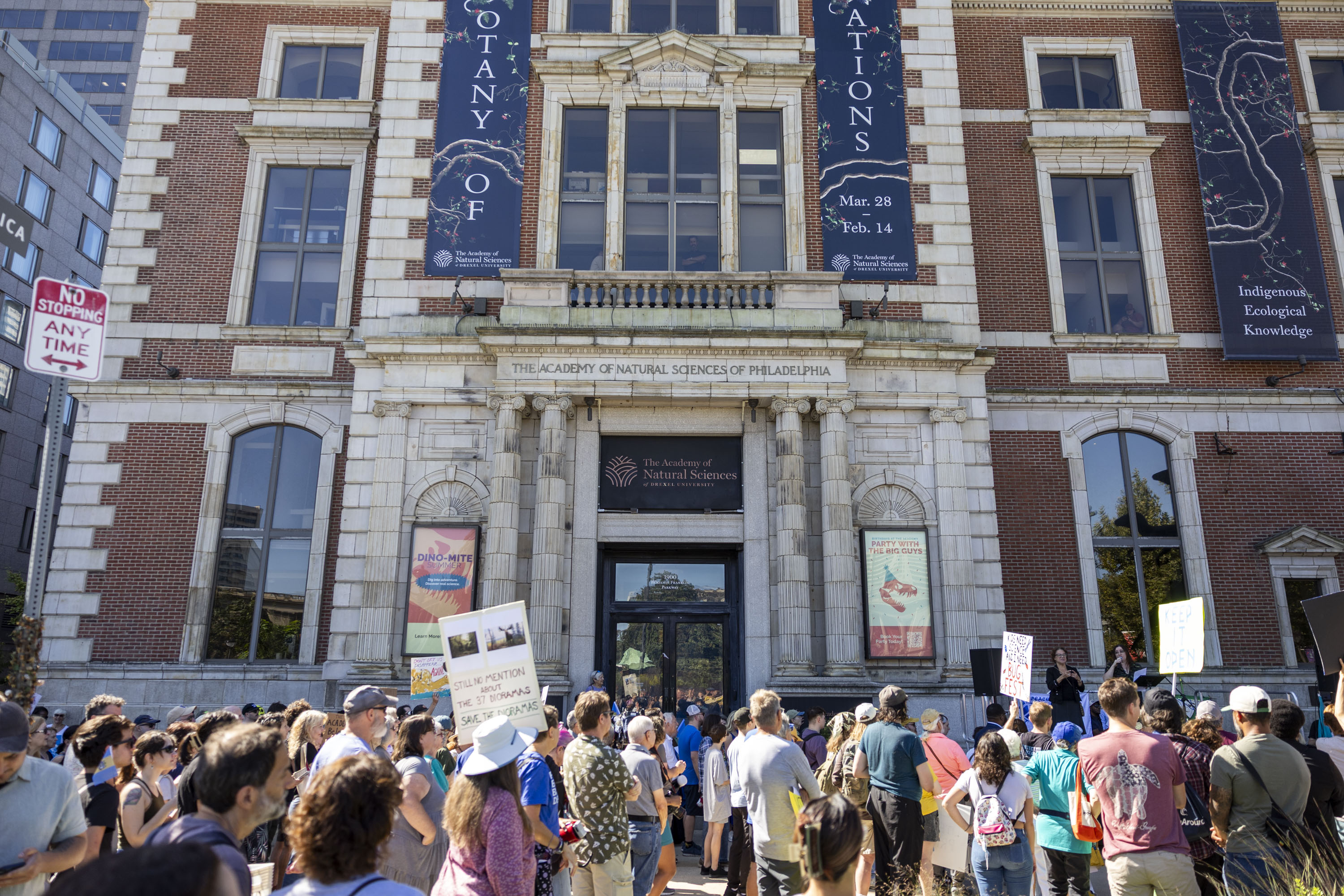
    People came out to support and rally outside the Academy of Natural Sciences of Drexel University on the Benjamin Franklin Parkway on Sept. 8.Tyger Williams / Staff Photographer
  • Center City is a major driver for Philadelphia housing, with room to grow, report says

    Center City is a major driver for Philadelphia housing, with room to grow, report says

    Downtown remains a hot spot for home construction in Philadelphia.

    Two in five homes recently built in the city were constructed in greater Center City, according to Center City District’s analysis of 18 months of data from the Philadelphia Department of Licenses and Inspections. The report was released Monday.

    More than 4,000 homes were built in greater Center City — defined by the business improvement district as the area from Girard Avenue to Tasker Street and from the Schuylkill to the Delaware River — between Jan. 1, 2025, and June 30. Over this period, more than 10,000 homes were completed citywide.

    (function() { var l = function() { new pym.Parent( ‘cc-housing__graphic’, ‘https://media.inquirer.com/storage/inquirer/ai2html/cc-housing/index.html’); }; if(typeof(pym) === ‘undefined’) { var h = document.getElementsByTagName(‘head’)[0], s = document.createElement(‘script’); s.type = ‘text/javascript’; s.src = ‘https://pym.nprapps.org/pym.v1.min.js’; s.onload = l; h.appendChild(s); } else { l(); } })();

    Greater Center City represents 6% of Philadelphia’s land area. But one in eight Philadelphians — more than 206,000 — lived there in 2025.

    “It’s not an accident,” said Prema Katari Gupta, Center City District’s president and CEO. She said the area’s concentration of housing reflects deliberate policy choices, the development industry’s willingness to build there, and strong demand for walkable and transit-accessible communities.

    “This matters for the whole city, not just for the downtown,” she said. “When Center City and the neighborhoods around it keep adding supply, it takes pressure off rents elsewhere.”

    The city’s housing, especially downtown, “has been a source of strength and resilience since the pandemic and beyond and has allowed our city a recovery and renewal that I think a lot of other cities would envy,” she said.

    Recent housing construction was spurred by Center City’s flexible land-use code and developers’ desire to start projects before the full 10-year tax abatement for new construction ended.

    And the area has the capacity for much more housing to be built, said Clint Randall, Center City District’s vice president of economic development.

    “Center City still has the potential to continue to be this real engine of housing production for the city at large,” he said.

    New homes built

    Last year was the second-most productive year for housing construction this decade, behind record-breaking 2024. In 2025, 3,175 homes were completed, compared with 3,811 in 2024.

    (function(){function e(){window.addEventListener(`message`,function(e){if(e.data[`datawrapper-height`]!==void 0){var t=document.querySelectorAll(`iframe`);for(var n in e.data[`datawrapper-height`])for(var r=0,i;i=t[r];r++)if(i.contentWindow===e.source){var a=e.data[`datawrapper-height`][n]+`px`;i.style.height=a}}})}e()})();

    Since the start of Mayor Cherelle L. Parker’s administration in 2024, greater Center City has added more than 7,800 homes — 26% of the mayor’s goal to build or preserve 30,000 homes during her first term.

    More than 1,300 homes currently have active construction permits in greater Center City.

    Housing construction has slowed as interest rates remain elevated, costs for labor and materials remain unpredictable due to federal policies, and developers complete projects that were part of the flood of permits issued before the end of the full 10-year tax abatement for new construction.

    Most of the housing construction in core Center City, defined as Vine Street to Pine Street, were units in office-to-residential conversions.

    The L&I data used in Center City District’s report does not distinguish between homes built as rentals and those for ownership. But downtown, most homes constructed last year and the first half of this year were in multifamily buildings, where renting is common.

    More housing supply helps moderate rent growth and keep wealthy residents from pushing into more affordable sections of the city.

    Compared with downtown Boston, for example, core Center City added a higher share of apartments over the last decade, and rents didn’t grow as much. Rents grew more slowly in greater Center City than in Philadelphia and the region.

    Future housing growth

    Randall said “the most meaningful thing Center City can do” to make housing more affordable for residents “is just be a place where as much housing gets built as possible.”

    Core Center City has a concentration of the city’s highest-density zoning districts, but many parcels don’t have as much housing as allowed or don’t have any housing, including surface parking lots.

    Center City’s core could accommodate 15,000 to 25,000 more housing units in areas where construction is already allowed, according to Center City District.

    The report says: “The density that makes certain pockets of Center City so vibrant and lively can be extended to underutilized and sometimes barren blocks, allowing more people to live in amenity-rich and walkable areas.”

    The business improvement district celebrated recent legislation that eliminated parking minimums — a major cost barrier to development — in high-density mixed-use zoning districts.

    Downtown demand

    Core Center City’s population grew by roughly 5% in 2025, according to anonymized cell phone data from Placer.ai. In the zip codes immediately to the north and south, the population grew by just over 3%. By comparison, Philadelphia’s population grew by 1.7%.

    Center City’s population density of more than 24,500 residents per square mile is more than double the citywide average density.

    (function(){function e(){window.addEventListener(`message`,function(e){if(e.data[`datawrapper-height`]!==void 0){var t=document.querySelectorAll(`iframe`);for(var n in e.data[`datawrapper-height`])for(var r=0,i;i=t[r];r++)if(i.contentWindow===e.source){var a=e.data[`datawrapper-height`][n]+`px`;i.style.height=a}}})}e()})();

    Households in greater Center City are smaller and make more money than households across Philadelphia or in the Philadelphia metropolitan area.

    A Center City District survey of apartment residents last year found that 44% of respondents moved to Philadelphia’s downtown core from outside the region, and 41% moved downtown from other parts of the city.

    Strong demand has helped fill the influx of homes that have hit the market in recent years. In core Center City, 92% of homes are occupied. In the zip codes directly to the north and south, 88% of homes are occupied.

  • A Philly family bought their first home thanks to reparations from Quakers in Germantown

    A Philly family bought their first home thanks to reparations from Quakers in Germantown

    Charmira and Quincy Pilgrim wanted to become homeowners a decade ago when they got married.

    But over the years, job losses, jobs that didn’t pay enough, children, unpaid maternity leave, and rising costs of living made saving for homeownership impossible.

    They were finally able to start putting money away late last year. And this spring, they found a $315,000 house they wanted to buy in West Oak Lane. But they were short thousands of dollars for their down payment and closing costs.

    What got them and their five children into their new home was a $10,000 first-time homebuyer grant funded by a group of Quakers in Germantown.

    “It was a blessing that I ended up getting the grant because money was tight,” said Charmira, a 32-year-old special-education teacher and case manager.

    Up-front cost is a common barrier to homeownership for renters in Philadelphia and across the country. Grants for down payments and closing costs can help aspiring homeowners get in the door. Governments, mortgage lenders, and nonprofits are common funders.

    That’s what makes the Pilgrims’ grant stand out. It’s one of five $10,000 grants that Green Street Friends Meeting, a Quaker congregation in Germantown, is funding to help people buy their first homes. It’s part of the congregation’s racial justice plan to redistribute wealth to Black residents in the Germantown area as a form of reparations.

    When Green Street announced the homebuyer grants in March, it said it sees reparations as “economic and spiritual repair for the intergenerational harms of slavery, Jim Crow, and their afterlives.” Reparations, it said, are “intended to address the theft and pillaging of Black wealth” for hundreds of years through systemic discrimination.

    Lucy Duncan, a member of Green Street, said the homebuyer grants are “a redistribution of wealth that’s about fairness and equity.”

    The goal is to keep Black residents from being priced out of their communities and “provide resources to help maintain Black Germantown,” she said.

    Rebecca L. Grant, a Black member of Green Street’s reparations committee who has been a Germantown homeowner for 22 years, said the committee wanted to eliminate a hurdle to homeownership and the wealth it can create for Black residents.

    “We knew these grants wouldn’t undo generations of discrimination,” Grant said, ”but we thought we could make a difference one family at a time.”

    How the homebuyer grants work

    To distribute the grants, Green Street partnered with birdSEED, a Washington-based nonprofit that aims to reduce racial wealth gaps in the Washington and Philadelphia areas. As part of its work, the nonprofit helps members of historically disadvantaged communities buy their first homes.

    The Quaker congregation contributed funds to birdSEED’s Housing Justice Grant Program and required that its money go to Black homebuyers purchasing in the 19144 or 19138 zip codes.

    West Oak Lane is one of the communities where homebuyers can use grants from Green Street Friends Meeting to purchase properties.Michaelle Bond / Staff

    In the Philadelphia area, birdSEED typically awards grants of between $5,000 and $10,000 for down payments and closing costs. An advisory board reviews applications and interviews top candidates. The board scores applicants based on their readiness to purchase a home and the impact the grant would have, said Leslie Case, birdSEED’s co-executive director.

    Candidates need to have lived in the area in which they are buying for at least three years. They cannot have purchased a home before. And their household can make up to $150,000 a year. Preference is given to populations who have historically faced barriers to homeownership.

    Homebuyers can apply for the current round of birdSEED’s housing justice grants until Sept. 30.

    The nonprofit has awarded about 40 homebuying grants so far in the Philadelphia region, which includes surrounding counties in Pennsylvania and New Jersey.

    Maegan Scott, birdSEED’s co-executive director, said the grants funded by Green Street represent “momentum” as the nonprofit seeks to expand its presence in the Philadelphia area.

    A majority of the nonprofit’s housing justice grants have gone to first-generation homebuyers. But a common thread ties all applicants together.

    “Everyone’s looking for stability,” Scott said. “Everyone is looking ahead to the next generation, the generation after that.”

    Green Street’s reparations initiative

    In June 2021, Green Street pledged to spend $50,000 a year for 10 years as part of its reparations work, spurred by a moral calling and the realization that the congregation had a large pot of money in unrestricted reserves.

    The following year, the congregation partnered with attorneys to help Black Germantown residents make wills and straighten out legal ownership of their properties.

    In about a year and a half, clinics to resolve and prevent tangled titles preserved more than $11.3 million in housing wealth for more than 85 families by protecting homes that might otherwise have been lost because of unclear legal ownership, according to Green Street. It was a massive return on the $25,000 the congregation spent on fines and legal services for families who didn’t qualify for free legal help.

    Green Street Friends Meeting in Germantown welcomed neighborhood residents to its meetinghouse in April 2022 to get help with tangled titles and estate planning at a legal clinic it hosted.TYGER WILLIAMS / Staff Photographer

    Over the last few years, Green Street’s reparations work has included music education for Black youth, funds for Black midwives in Germantown and a new birthing center in Mount Airy, estate planning services, and additional housing support.

    “We didn’t want the reparations to just be about acknowledging a painful history,” Grant, the reparations committee member, said. “We want it to be about what we can do now.”

    She said she used to think that reparations for Black Americans would never happen.

    “But it’s so wonderful to see and understand that, ‘Oh, this has to happen on a local level,’” she said.

    The Pilgrims and one other family have bought homes using Green Street’s grants so far.

    Duncan, at Green Street, said that when birdSEED sent her the first pictures of the families, “I almost started to cry.”

    “It’s such tangible and long-term impact for these families,” she said. “And hopefully, generational impact.”

    A home of their own

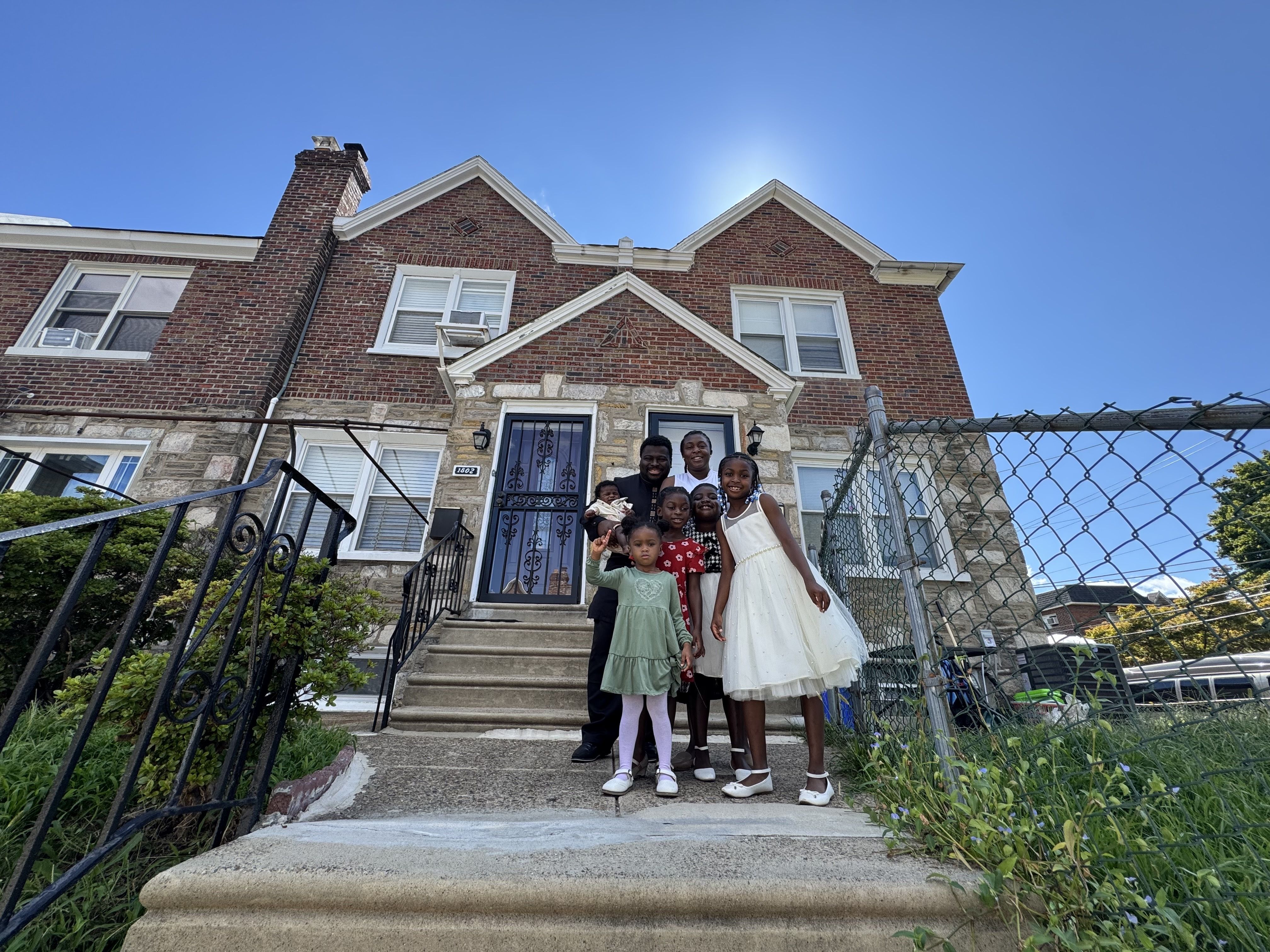
    Charmira and Quincy Pilgrim closed on their three-bedroom house at the end of May, about a month before their fifth child was born.

    The children, the oldest of whom is 8, love playing in the side yard, backyard, and finished basement. Charmira loves to cook, and she now has a big kitchen. The house is close to biological family and church family.

    Charmira said being a homeowner “means freedom.” She has started planning future upgrades for her home.

    “It feels good to have ownership. It feels good to be in a space I can create a vision for,” she said. “I see this as an opportunity for my kids to have a legacy.”

  • Compare million-dollar homes for sale | Real Estate Newsletter

    Compare million-dollar homes for sale | Real Estate Newsletter

    It’s not often that you see a home for sale around here that’s priced at $1 million or more.

    As of last week, roughly 1,070 homes across the Philadelphia metropolitan area were for sale at this price point, according to Bright MLS. That was about 8% of all active home listings.

    This week, we’re going inside three million-dollar homes for sale in Burlington County, Bucks County, and Philadelphia for the latest in the Price Point series.

    Keep scrolling for that story and more in this week’s edition:

    — Michaelle Bond

    If someone forwarded you this email, sign up for free here.

    What $1 million can buy in our area

    What kind of home would you buy if you had a million dollars to spend?

    Listings in this segment of the market typically have some of the same features. Soaking tubs in the primary bedroom’s en-suite bathroom. Granite or quartz countertops in the chef’s kitchen. Room to spare.

    Location, outdoor spaces, and special features make million-dollar homes stand apart.

    In the latest Price Point story, I highlight three homes across our region that are listed for sale for $1 million:

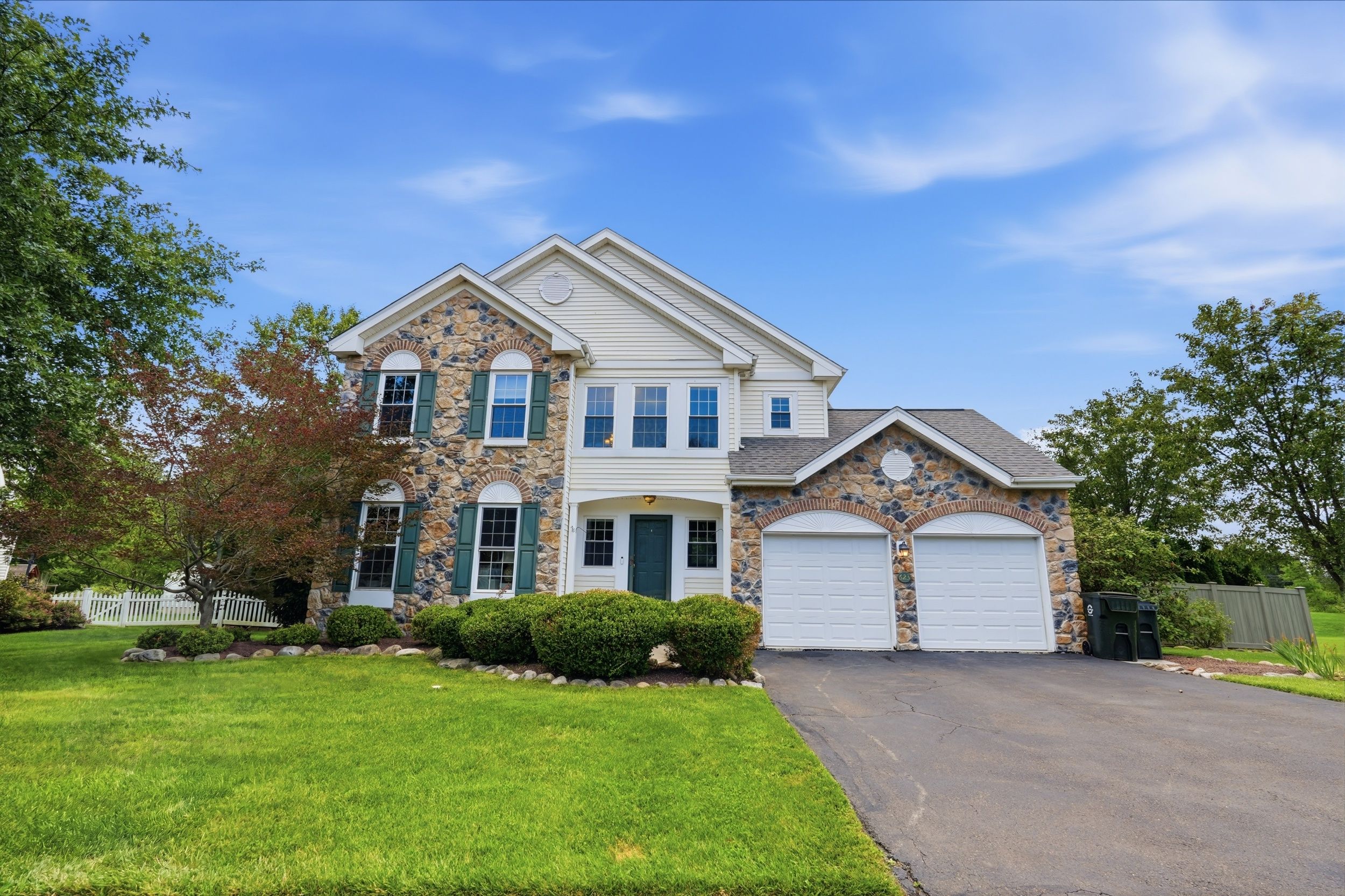
    🏊🏾‍♀️ A Bucks County home on a large lot with a pool in an award-winning school district.

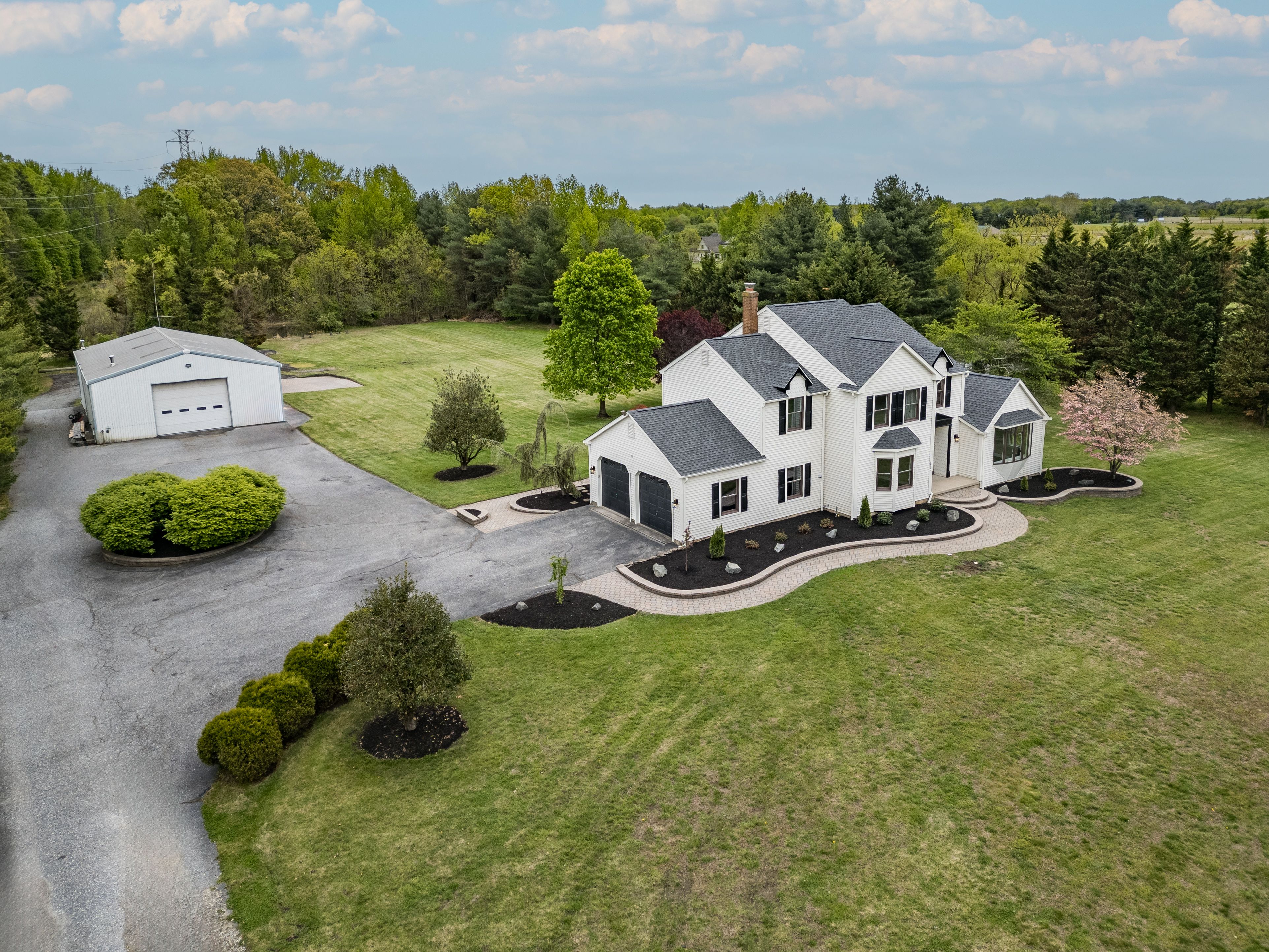
    🚗 A newly renovated Burlington County home on more than four acres with a pond and a 2,400-square-foot detached garage.

    🌇 A newly built townhouse in Philly’s Queen Village neighborhood with heated floors and a roof deck that offers unobstructed city views.

    Take a look inside these million-dollar homes.

    Building luxury at the Shore

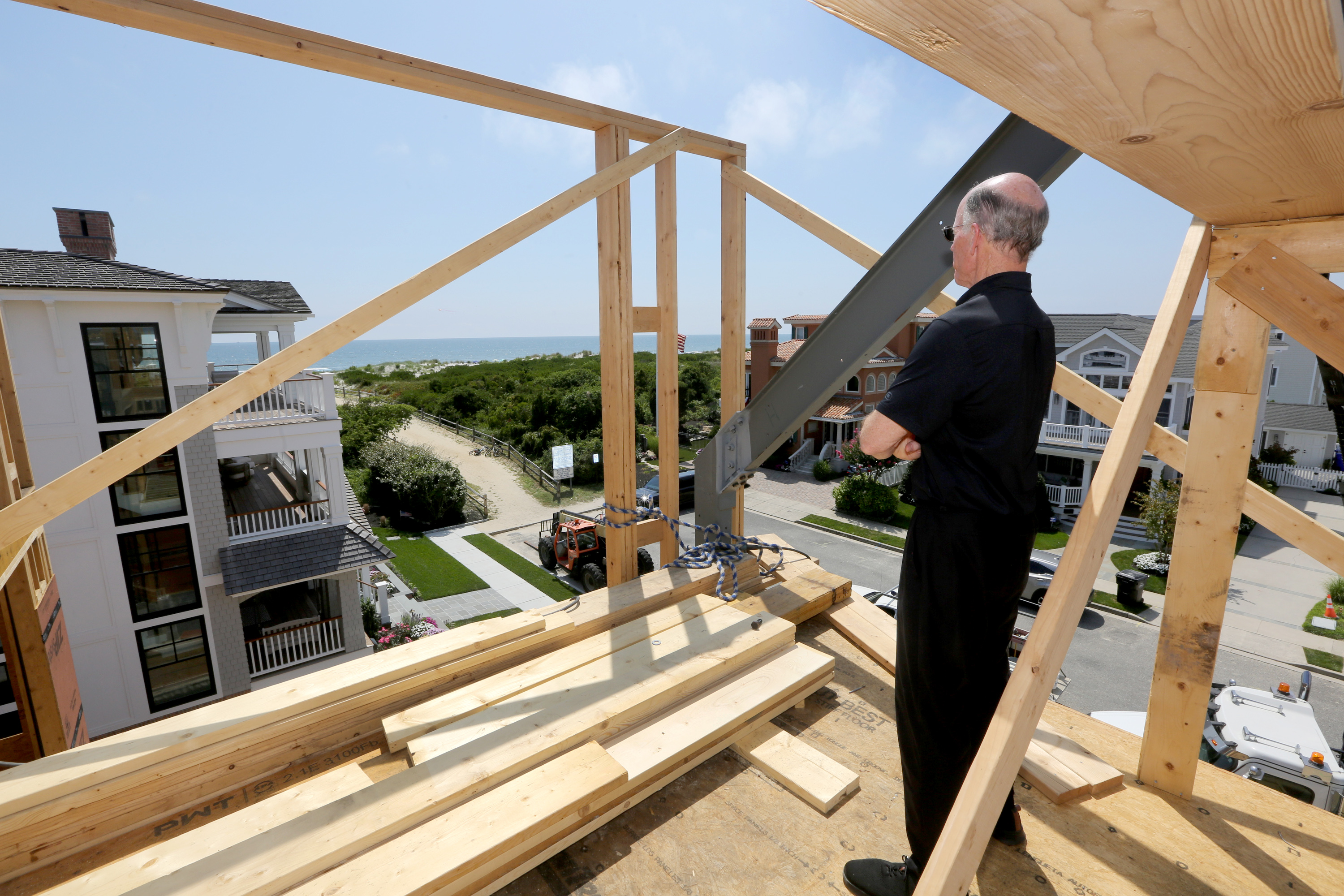
    Eustace Mita has invested hundreds of millions of dollars in luxury homes and hotels at the Jersey Shore.

    One of this companies, Achristavest, builds multimillion-dollar waterfront houses, including a mansion he’s planning that would be the biggest residential property in Avalon.

    Two decades ago, Mita was knocking down small Shore hotels to build condo complexes. Then the 2008 financial crisis hit, and business dried up. He said he “backed into” the hotel industry.

    Now Mita, founder of Icona Resorts, has seven luxury hotels and is planning to build more. He wants to spend $200 million to bring a resort to the site of the closed Gillian’s Wonderland Pier in Ocean City.

    Keep reading to learn more about how this real estate developer changed the Shore.

    The latest news to pay attention to

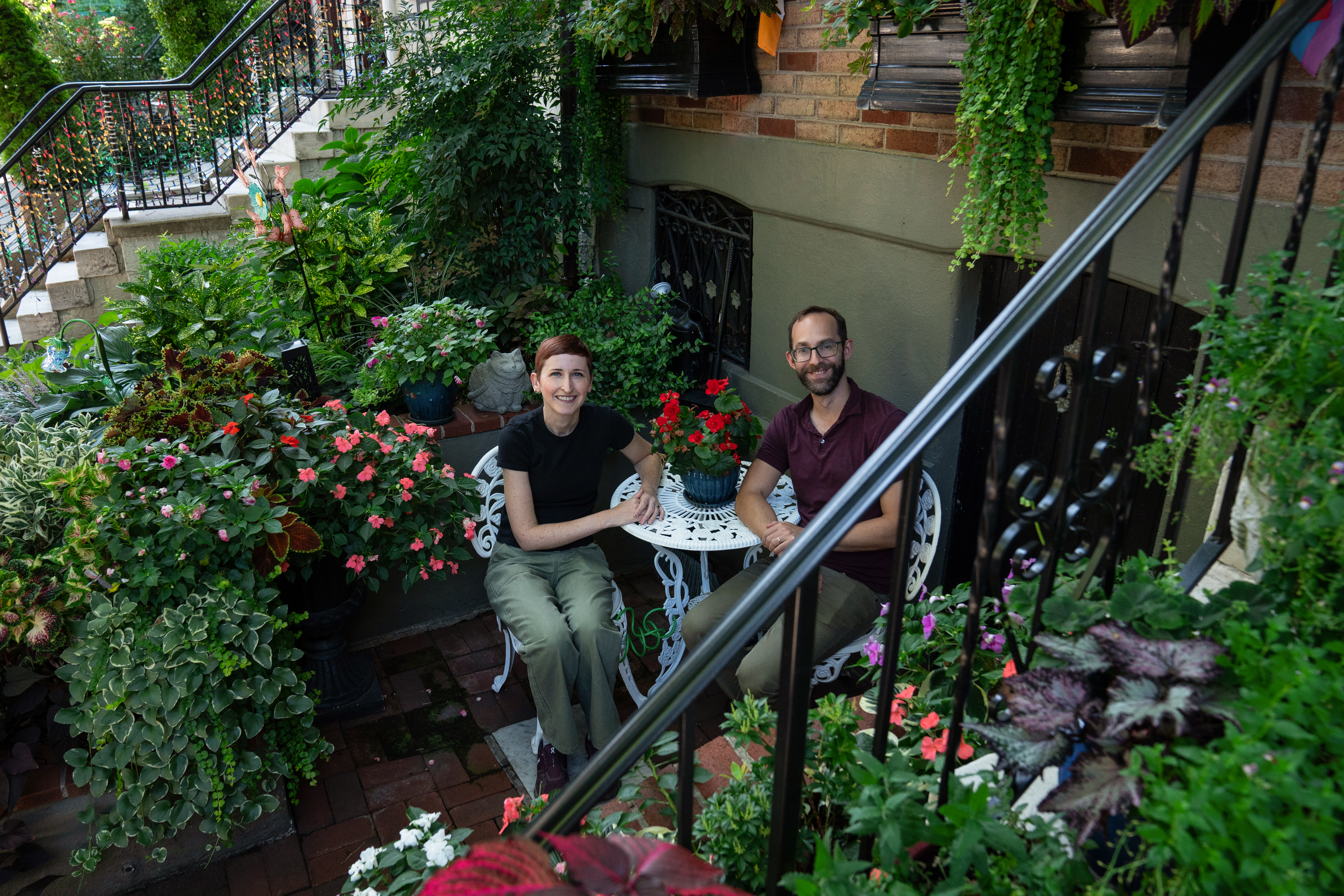
    Home tour: Fairmount gardens

    My favorite thing to do on walks in the Fairmount area is to admire the gardens that homeowners without front lawns have created. So I’m selfishly glad that this week’s tour goes behind the scenes of some of them.

    I’ve stopped to stare at a mural on a garage wall that recreates a famous Claude Monet painting. Now I know it was painted by Brian Augustine, who lives next to the garage and is an amateur artist. (The mural looks professionally done to me.) Augustine planted vines in his garden that play off the mural’s water lilies.

    Charlotte Burns has won local gardening accolades for her plants in the ground, in window boxes, and in ceramic pots.

    Peek inside Burns’ garden and learn about the block that Fairmount residents call Centennial Boulevard, known for its cherry trees and rowhouse gardens.

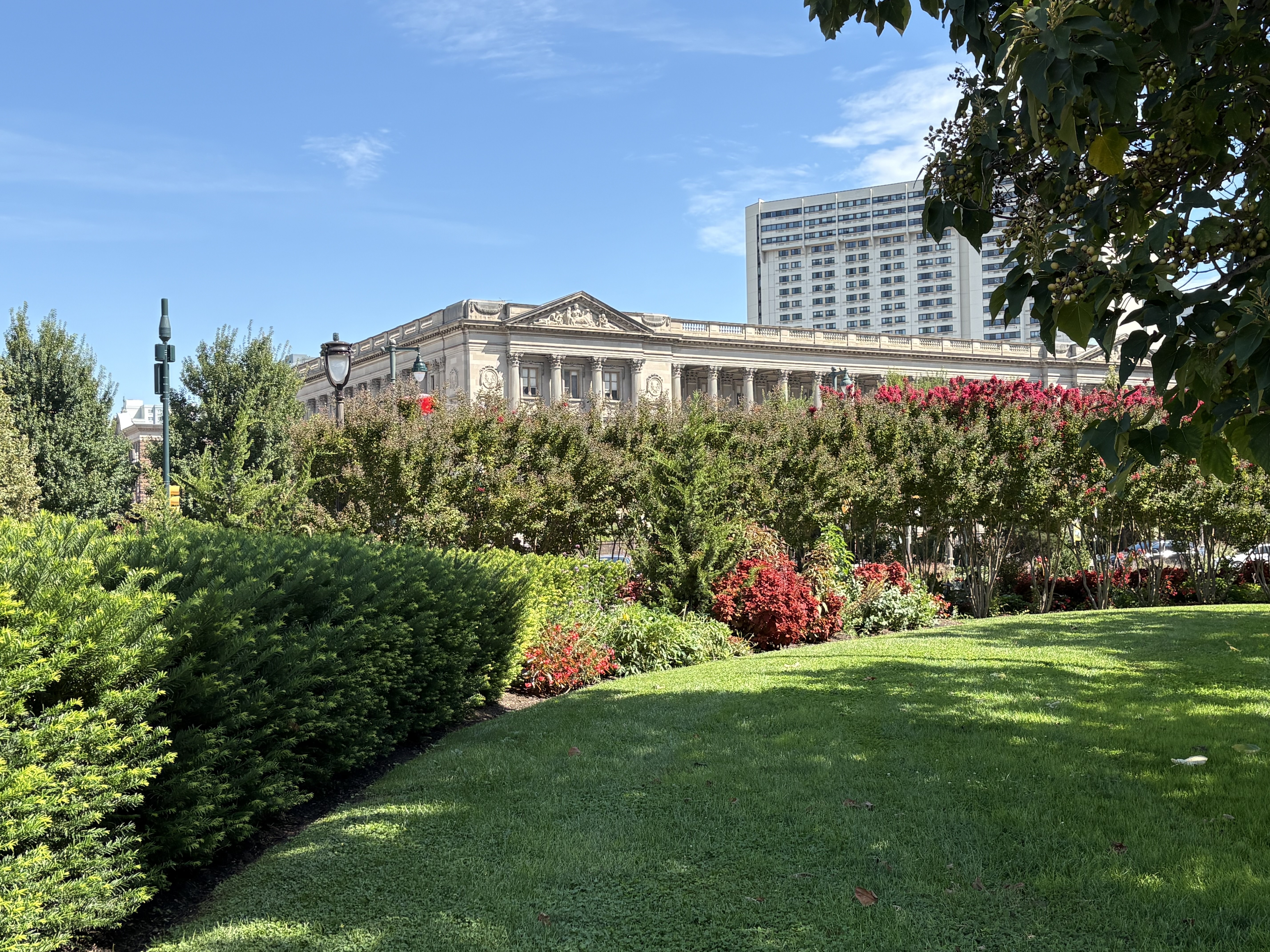
    📷 Photo quiz

    What building is this?

    📮 If you think you know, email me back.

    A bunch of readers recognized the Masonic Temple in Center City in last week’s quiz, even after I tried to throw you off a little by cropping a picture of it.

    Good job. Shout-out to Sean R. for being the first reader to answer.

    🏡 Your real estate experience

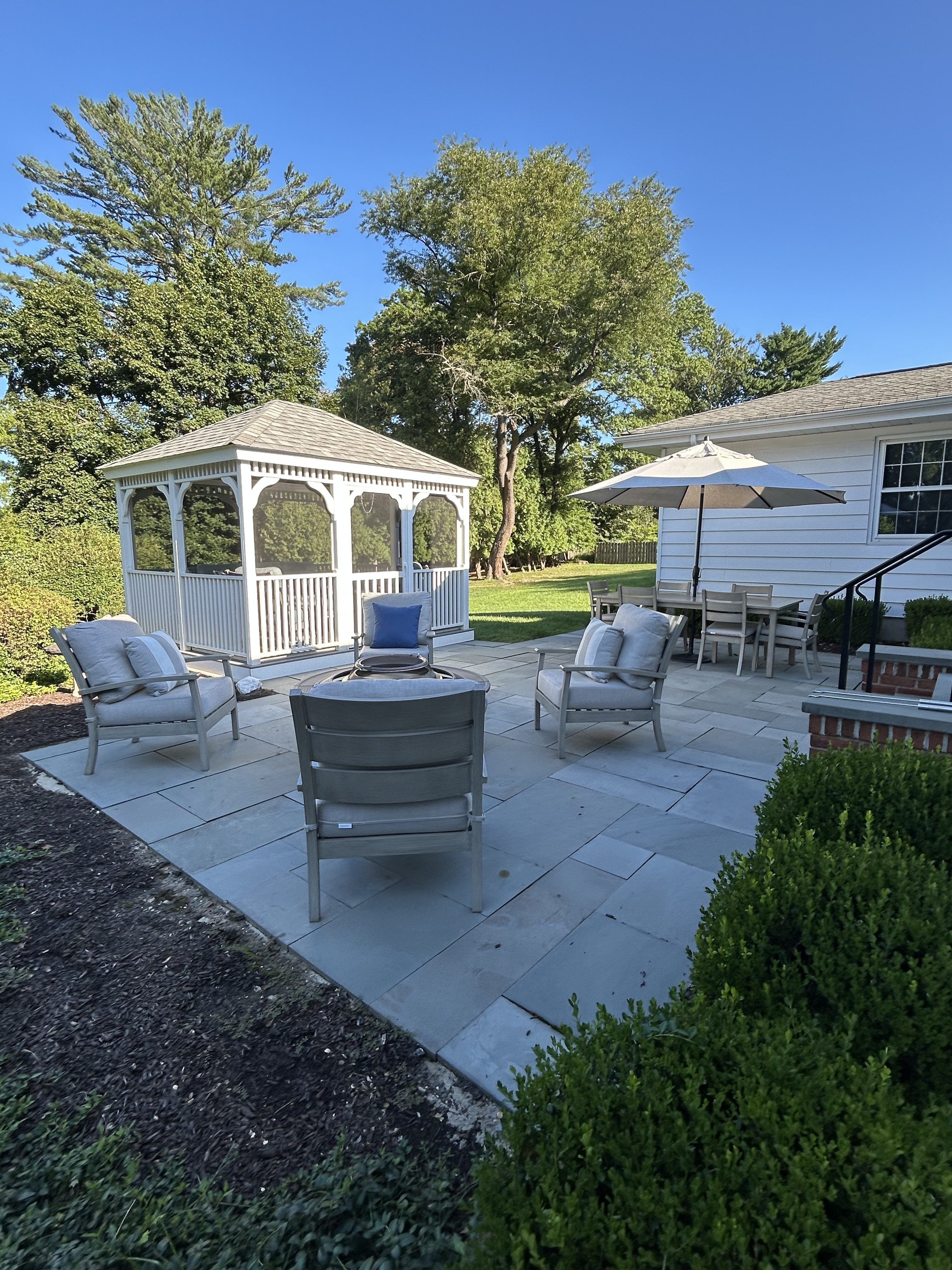
    Last week, I asked how you’ve enhanced your outdoor space to make it a place where you want to be.

    Reader Bill G. in Trenton said he furnished his front porch with cushioned chairs. And after enjoying that space, he decided to install a patio and gazebo in the backyard.

    Thanks for sharing, Bill.

    📹 On the street

    Philadelphia is at risk of losing thousands of subsidized rental homes during the next decade as agreements to keep them affordable expire.

    Affordability agreements between the federal government and the owner of 925 rentals in West and Southwest Philly have started to expire. And the owner wants to sell the properties.

    Renters are afraid they’ll be forced out of their homes. Mayor Cherelle L. Parker’s administration has committed to being “part of the solution” to preserve the homes, but the details still have to be hammered out.

    With the help of reporting from me and my fellow real estate reporter Jake Blumgart, our colleague Erin Reynolds made an easy-to-follow video explaining what’s going on. Join the conversation on YouTube.

    And enjoy the rest of your week.

    By submitting your written, visual, and/or audio contributions, you agree to The Inquirer’s Terms of Use, including the grant of rights in Section 10.