Tag: World Cup

  • FIFA World Cup players who hit their heads too hard will see this Temple neurologist

    FIFA World Cup players who hit their heads too hard will see this Temple neurologist

    Daniel Feinberg can’t recall ever holding a soccer ball, but he’s ready to aid the pros playing this month at the FIFA World Cup games in Philadelphia — should one take a hard hit to the head.

    Feinberg, a neurologist and concussion specialist at Temple University Hospital, is part of a team of doctors on call to help injured players, coaches, and others in town for the games.

    The Inquirer spoke to Feinberg, who also serves as chief medical officer for Temple University Hospital Inc., in an interview lightly edited for length and clarity about his upcoming role, and what people should know about concussions.

    How did you get involved with FIFA?

    When the World Cup [medical team] was being put together, it was done under the guidance of Dr. PJ Brennan, the chief medical officer of University of Pennsylvania Health System. I was the chief medical officer of Pennsylvania Hospital until mid-March, and then I transitioned to Temple on April 1. PJ, who is my mentor and friend, said we’d still like you to be part of the medical consultative group for the World Cup coverage.

    What is your background in neurology for athletes?

    When I came to Philadelphia, I practiced at Pennsylvania Hospital for many years, and they had a large sports medicine presence. I was on the medical staff of the Flyers and the Eagles for many years. I was never on the sidelines watching all the games, but I was the one seeing them the day after. In very rare situations, I would have to meet them in an emergency room setting. I also took care of players’ families and friends, if someone had another neurological problem.

    What will your role be during the World Cup?

    I will be available to consult with trainers on the field, team physicians who are accompanying the groups, and I will see patients as necessary. Dr. Brennan will call me and say, “Dan, I need you to see player X for this problem.“ It will likely be a concussion or concussion-type symptoms, but it could be other neurological symptoms. I would see them at Temple University Hospital.

    What happens when you get a concussion?

    The brain is inside of the skull, and it’s floating in the skull — it’s not actually packed into the skull. Around the brain is fluid that communicates from around the brain all the way down the spine to the tailbone. It serves as a buffer for the brain and the spinal cord to make sure that they don’t literally push up against the bone.

    What happens when someone has a concussion is the brain actually shifts — whether it’s a neck movement, like whiplash, or a direct head hit — and the brain literally will push up against the bone or smack up against the bone.

    The severity of that impact will dictate how severe the concussion is. If there’s not much movement of the brain in the skull, it’ll produce mild symptoms, headaches, nausea, light sensitivity, sound sensitivity, maybe some balance trouble.

    If it smacks up against the skull harder, that’s when people have word-finding difficulty, memory trouble, concentration trouble, along with those other things that happen with the milder concussions.

    What do you want people to know about concussion treatment?

    People are very nervous — the parents of the high school athletes, particularly, and maybe even the college athletes — when they come in with their kids to these visits.

    They ask questions like, is my kid going to get Alzheimer’s disease earlier? Is my kid going to get a neurodegenerative disease earlier? And there’s no real proof that’s the case. A lot of what I do in these visits, especially when I’m seeing someone for the first time, is alleviating anxiety and putting to rest some of the myths.

    The vast majority of concussions only have symptoms for a few hours to a few weeks with proper guidance — which is usually rest, avoiding screen time, and staying really well hydrated. When kids or adult athletes are less symptomatic or asymptomatic, they can resume physical activity slowly.

    Is it bad to fall asleep after a concussion, or is that a myth?

    That concern comes from the idea that if someone falls asleep, they could be unconscious. And that could be a sign that a bad thing is happening, that there is bleeding in the brain, or pressure in the brain — and you wouldn’t want to miss something like that.

    The other danger signs that would go along [with risk of unconsciousness] are things you would go to an emergency room for — a bad headache, sick to their stomach, a lot of light or sound sensitivity. Those things would make me say get evaluated at an emergency room.

    When bad things happen, they’re going to happen in the first few hours. When I talk about getting a good night’s sleep, I’m talking about after they’ve been cleared.
  • Ten years into life as a star, Christian Pulisic arrives at the World Cup he has long dreamed of

    Ten years into life as a star, Christian Pulisic arrives at the World Cup he has long dreamed of

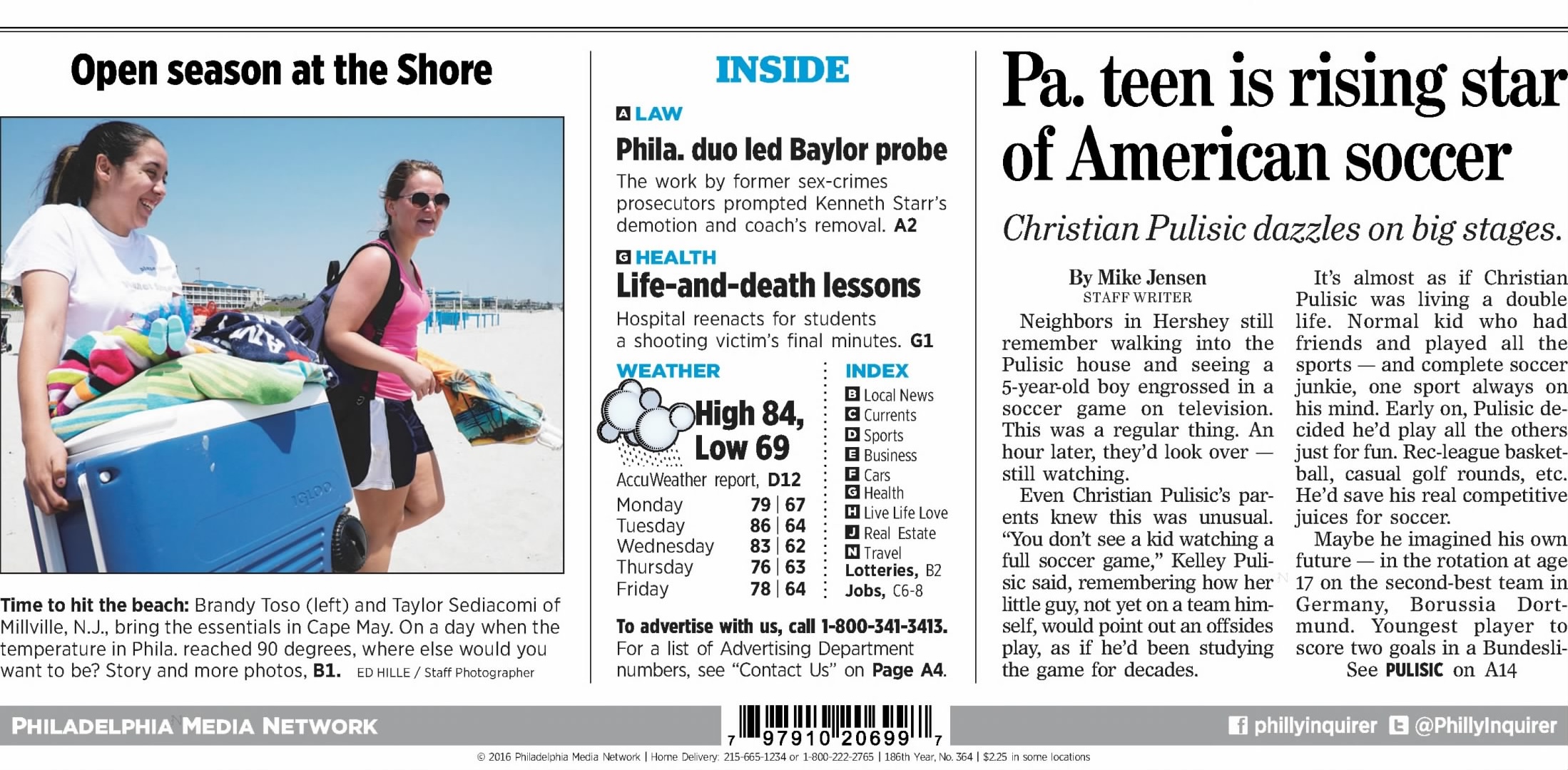
    FAYETTEVILLE, Ga. — A decade later, the headline from the front page of The Inquirer back then still stands out.

    “Pa. teen is rising star of American soccer,” it said — and yes, we mean the actual newspaper, not just the internet. “Christian Pulisic dazzles on big stages.”

    A few weeks after that, a then-17-year-old phenom born in Hershey came to Philadelphia as a U.S. national team player during the Copa América Centenario. He didn’t play in the Americans’ game here, but his presence alone was enough to draw attention and another round of headlines.

    How many have there been since then? Too many to count, no doubt. But another from along the way still resonates now.

    A clipping from the front page of The Inquirer on May 29, 2016, the first time Christian Pulisic was featured in the newspaper.Inquirer Archives

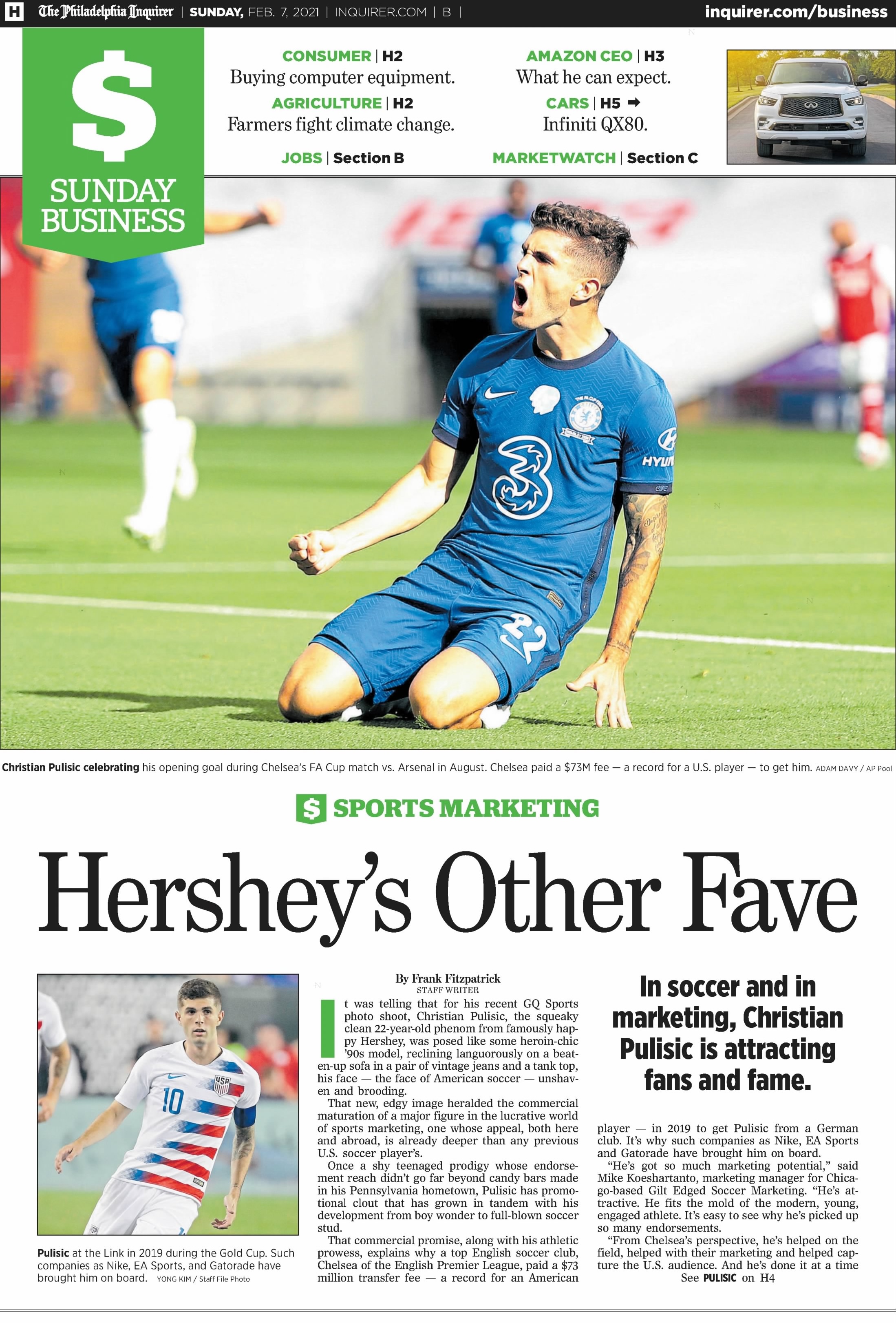
    It was five years ago, this time in the business section — a feat of its own kind, along with his goals and assists.

    “In soccer and marketing, Christian Pulisic is attracting fans and fame,” the big type declared, for a feature noting how rare this was for an American men’s soccer player.

    Now here he is at age 27, on the cusp of one of soccer’s rarest privileges: playing in a World Cup on home soil. Pulisic is still very much an American poster boy, even as the sport has grown so much that he’s no longer the only one.

    There are so many ways to measure the time that has passed. But doing so keeps bringing the mind back to the word decade.

    How has it been that long already?

    A clipping from the front page of The Inquirer’s business section on Feb. 7, 2021, putting Christian Pulisic in the spotlight again.Inquirer Archives

    “I think of that every once in a while, and it is pretty crazy,” he told The Inquirer in an interview earlier this month, when he had a rare moment to not be as rushed as he is after games or in news conferences. “In some ways I still feel like I’m a young player. And then I realize, you see guys playing now born in [2006], and it makes you think: ‘like, wow, I really have been around for a while.’”

    Not that he is old, for the record. His age is a soccer player’s prime, right on time for the biggest stage of his life.

    “I still feel like I have a long road ahead of me,” he said. “It is crazy, though, that I’ve been doing this for so long. It’s not easy to maintain this level and to keep going, and I’m happy and I’m just so blessed that this is what I get to do.”

    A national star, but still a hometown hero

    The arrival of this World Cup has brought Pulisic a new round of endorsement deals, joining what was already a long list. They’re all on his Instagram page if you want to see them, and some are even on that old-fashioned platform called television commercials.

    There sometimes feels to be a contrast between seeing him in so many ads and knowing he isn’t much of a talker on camera. He never has been, and though he has opened up more with age, he’s still never going to be the most chatty. He admitted as much again in this interview.

    “I’m obviously in this position, and I think in some ways, it’s important to give my opinion on some things, and I get it,” he said, “People want to hear from me at times, and I’ve gotten more comfortable with it. But no, I haven’t changed really much, I would say.”

    He added that for “people that know me and have spoken to me, it’s definitely not how people view me, and I’m OK with that. I think there’s a lot of athletes like that.”

    And though these times seem oversaturated with commerce, some of Pulisic’s deals genuinely pull at the heartstrings — including his own. When a Hershey native gets his name and likeness on the city’s world-famous chocolate bar, that counts for something extra, and the company’s ads nailed the tone.

    “I think I’ve officially made it,” Pulisic says in one of them, a staged phone call with his mother. “Happiness is knowing home is already rooting for you,” a chocolatier says in another, as he ships a box of bars to Milan, the player’s club soccer home. On arrival, a doorman delivers them to Pulisic, and he looks genuinely moved.

    Even the biggest food conglomerate imaginable has a genuine place in Pulisic’s heart. He was one of countless kids who’d go to McDonald’s after a game. Now he’s one of nine global soccer stars on the fast food chain’s soda cups and combo meals, along with legends David Beckham, Ronaldinho, and Thierry Henry, and four big names who’ll play this summer: Canada’s Alphonso Davies, Mexico’s Santi Giménez, South Korea’s Son Heung-Min, and Spain’s Lamine Yamal.

    “Driving home from soccer tournaments, the amount of times stopping at McDonald’s and picking up a nice meal there,” he said, “to now be a part of this, have this FIFA World Cup meal, have a chance to win one of my cups — obviously it’s something I just never expected.”

    Even though Pulisic was speaking on the sponsor’s behalf, you can take a moment to say there’s significance in an American being in such company. Some years ago, longtime Inquirer writer Mike Jensen got a chance to interview Pelé when offered by one of the Brazilian legend’s sponsors. That was news on its own, as Pulisic’s turn is now.

    ‘Exactly where I’m meant to be’

    Though Pulisic spends most of his days abroad, and his family moved to Florida a few years ago, he still says Hershey “will always be home.”

    He spoke of “that house I grew up in,” and how “when I think of home, that’s what it is. That’s where I grew up and spent most of my life.”

    He knew who he was speaking to, for sure, and for how long The Inquirer has chronicled his career. But these words also sounded genuine.

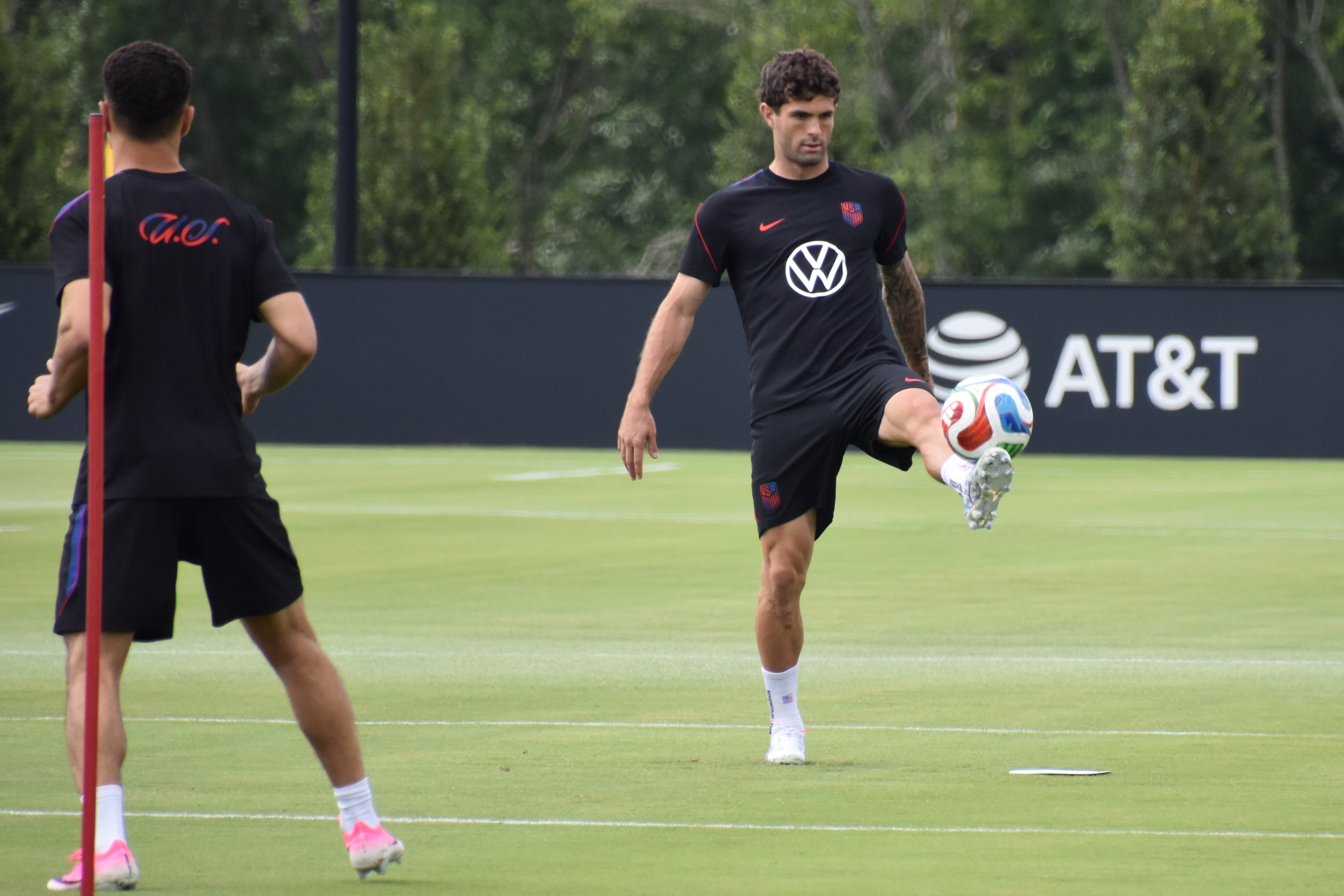
    Christian Pulisic (right) has 33 goals and 20 assists in 85 games for the U.S. men’s soccer team.Jonathan Tannenwald

    “I’m really proud to be from there, and that’s it,” Pulisic said. “It’s kind of sad that I don’t get to go back as much as I’d like to, with such a busy schedule during the year. But Pennsylvania, whenever my friends always talk about who they rep, Pennsylvania, that’s me. I rep Pennsylvania, central and eastern PA — it’s always a big part of my life.”

    That includes being a 76ers fan, albeit casually these days; and it is, he admitted, “the only Philly team I really do support.” But that has rarely been a secret. His longtime allegiance to the NFL’s New York Jets, in particular, has been written about plenty.

    (Pulisic has a small tie to the Union, too, having played for one of the club’s youth teams in a tournament in 2012. Asked if any photos exist somewhere, he said they probably do, but he doesn’t have them.)

    On the field, he arrives at this World Cup in the company of teammates who are also longtime friends, especially Tyler Adams, Weston McKennie, Haji Wright, and Alejandro Zendejas.

    “It just feels like this is exactly where I’m meant to be,” Pulisic said. “I’ve known some of these guys for so long, and so now to share the biggest stage with them, it’s incredible. We talked about it, we dreamed about this together.”

    He described the moment as “everything we could have imagined and more, and we’re just thankful that this is what we get to do.”

    Their World Cup opener is nearly here, which almost feels hard to believe after so long.

    “The American fans are excited,” Pulisic said, “and that just gives us such a boost. It can really carry us through games.”

    He knows as well as anyone could.

  • Somali referee won’t officiate in World Cup after being denied entry into the United States

    Somali referee won’t officiate in World Cup after being denied entry into the United States

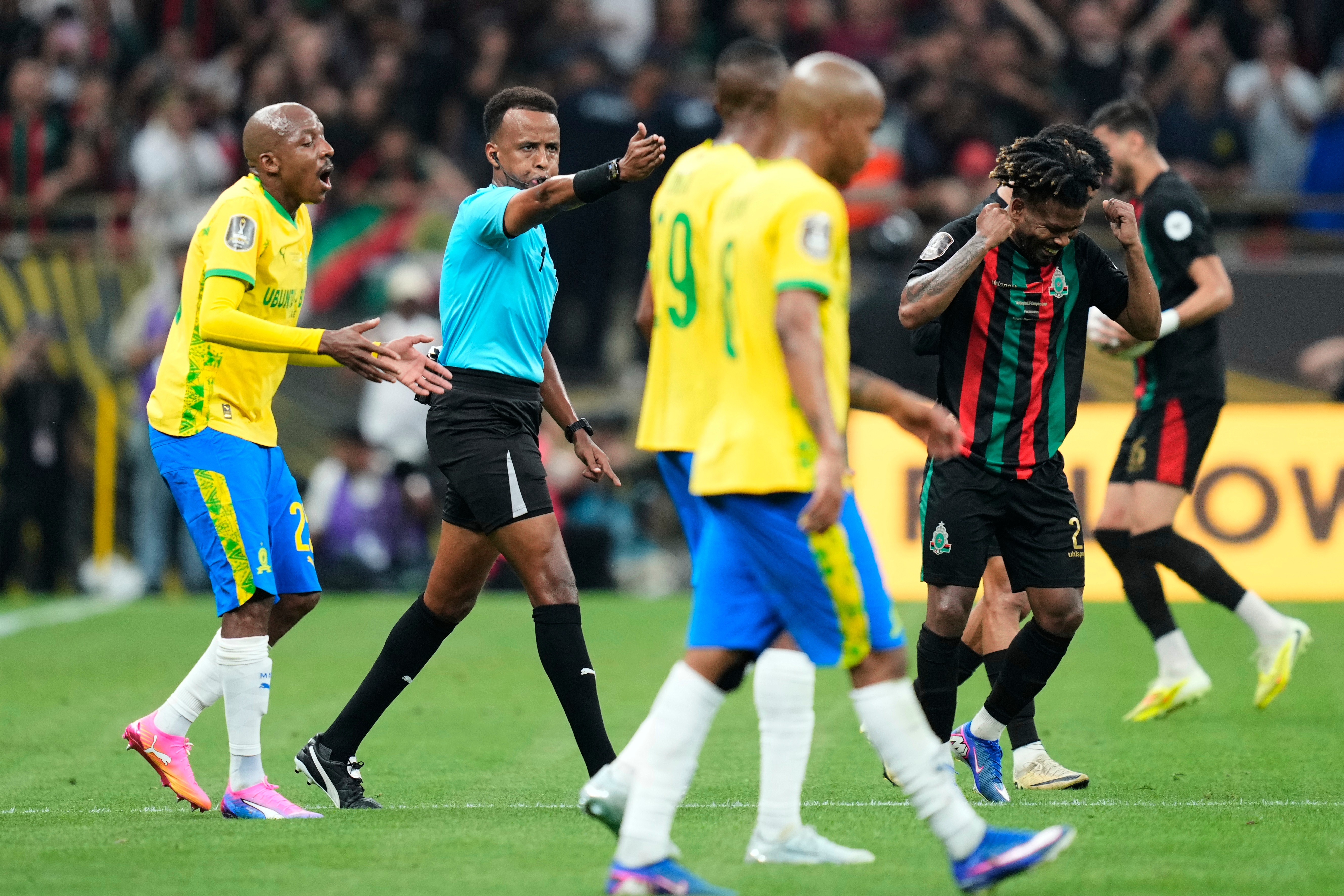
    Somali referee Omar Artan won’t officiate in the World Cup after being denied entry into the United States.

    U.S. Customs and Border Protection said Monday that a Somali national who was planning to referee in the World Cup had been denied entry after arriving to Miami International Airport from Istanbul on Saturday. While the CBP statement didn’t mention the person by name, Artan is the only World Cup referee from Somalia.

    FIFA confirmed later Monday that Artan wouldn’t be able to train and officiate at the World Cup.

    “FIFA is not involved in host country immigration processes, including visa adjudications, and has been informed by authorities that Mr. Artan’s status will not be changed at present,” soccer’s governing body said in a statement. “In line with previous FIFA events, a host government ultimately determines who receives a visa and who is admitted into their country.”

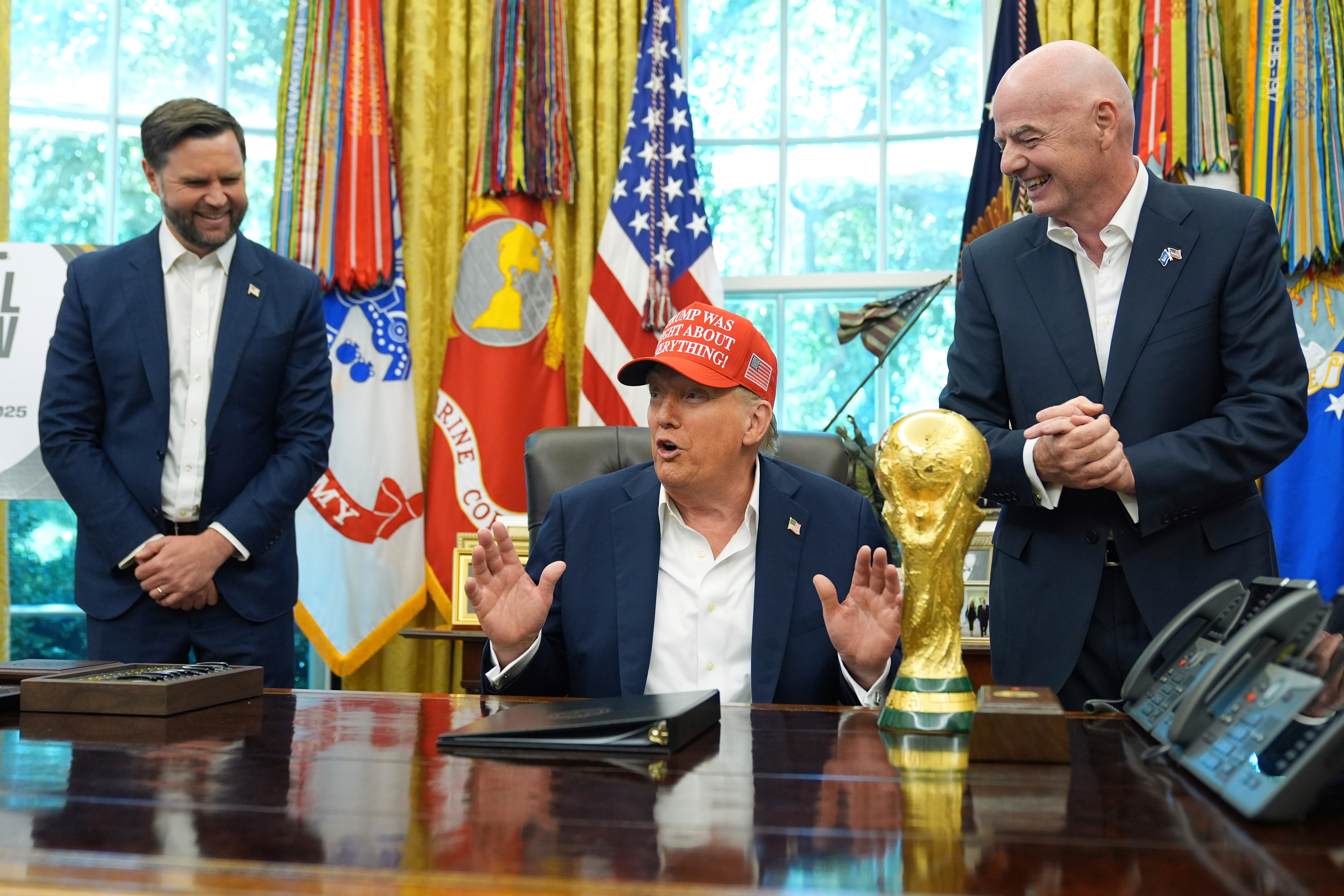
    FIFA president Gianni Infantino (right) with U.S. president Donald Trump, vice president J.D. Vance, and the World Cup trophy in the Oval Office last year.Jacquelyn Martin

    CBP issued a release explaining why Artan was denied entry.

    “During processing, the traveler underwent additional inspection, a routine part of CBP’s inspection process when officers need to verify information or determine admissibility,” CBP said in its statement. “Following inspection, the traveler, a referee for the FIFA World Cup, was determined to be inadmissible due to vetting concerns and was denied entry.”

    CBP said all travelers seeking entry into the U.S. — including athletes, coaches, and staff — are subject to CBP inspection and vetting.

    “Admissibility determinations are made on a case-by-case basis using law enforcement, national security, and immigration information available at the time of inspection,” the CBP statement said. “CBP officers have the authority to question travelers, conduct inspections, and determine admissibility consistent with U.S. law.”

  • Duke Lacroix’s soccer career has taken him from Penn to Haiti’s World Cup team

    Duke Lacroix’s soccer career has taken him from Penn to Haiti’s World Cup team

    Here is another of the kind of story that the World Cup is so good at creating.

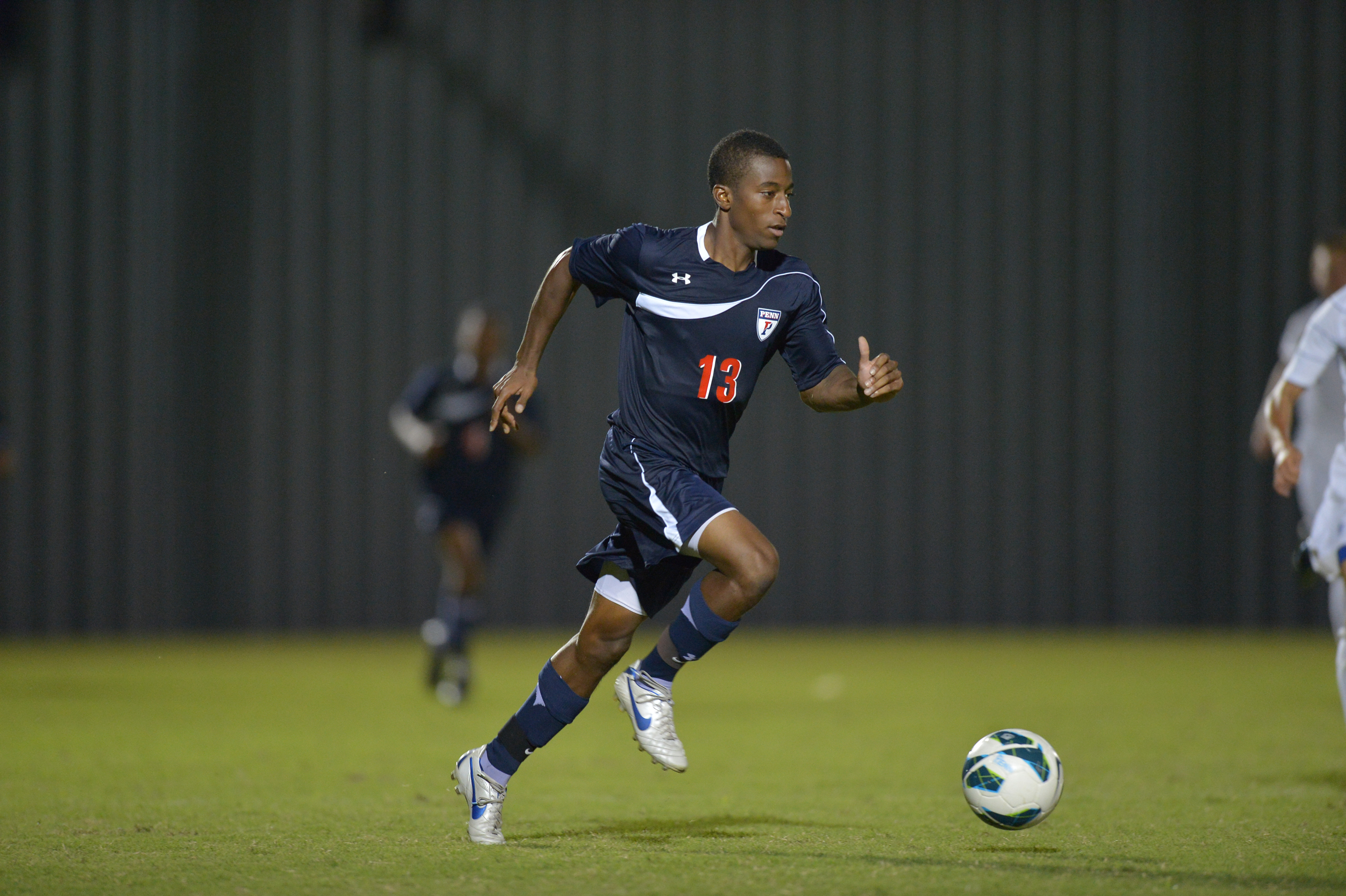
    Fifteen years ago, Markhus “Duke” Lacroix arrived at Penn from New Egypt, N.J., a small town in Ocean County near Fort Dix. He had 25 goals and 15 assists in 68 games for the Quakers, earning All-Ivy League honors in all four of his varsity seasons.

    He earned a pro career from that, but not in MLS. Instead, he has spent a decade grinding through a series of lower-division American clubs: first in the former North American Soccer League, then in the USL Championship since 2017. His sixth team, the Colorado Springs Switchbacks, has been his home since 2023.

    It’s rare for that resumé to open a door to a national team career. But Haiti, the country of Lacroix’s ancestors, scouted him and offered him an opportunity in 2019. Though it didn’t work then because of passport issues amid the pandemic, he remained interested.

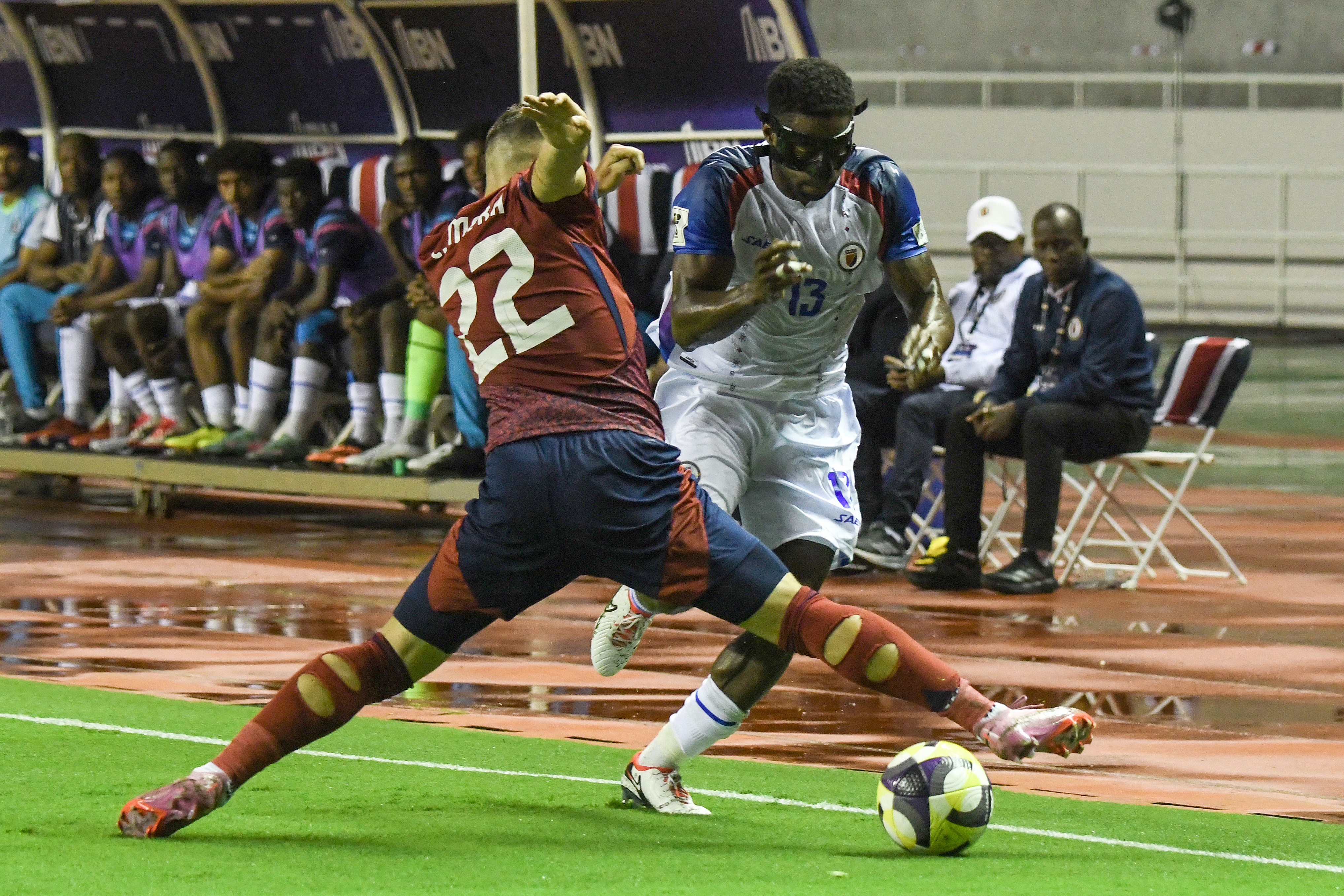
    In 2023, the time was right, and everything came together. Lacroix now has 16 caps for Les Grenadiers as a left back, including five last year in a run to their first men’s World Cup qualification since 1974. He has three goals for the team, including one last Tuesday in a World Cup warmup game vs. New Zealand.

    Earlier this month, he earned a place on Haiti’s tournament squad, meaning a return to Philadelphia is in the works. But it won’t just be to potentially play against mighty Brazil in South Philadelphia.

    Haiti is also expected to use Penn’s Rhodes Field soccer facility as a game-day eve training site, which means Lacroix will get to return to his old college stomping grounds.

    What a way to come full circle.

    “To be there representing Haiti, part of my identity, part of who my parents are, and my family, friends, loved ones, being Haitian, and to be able to represent that national team is truly special,” he told The Inquirer. “And to be a part of the group that’s got us there, and then have the opportunity to play in the World Cup, is amazing.”

    On a personal level, he said, “It’s a dream. Every professional player who plays this game wants to play in front of the largest crowds, in front of the biggest stadiums, at the highest level, and the World Cup is the epitome of that for this sport.”

    Lacroix also happily embraces the unlikeliness of his path.

    “I think if you were to tell me at the outset upon graduating that this would be kind of the trajectory or a possible destination, I would have chuckled a little bit and been really happy,” he said. “But to make it happen, a lot of things have to go right. Very, very fortunate to be in this position where I’m at now. A lot of people who supported, helped, and guided along the way to make it happen — none of it was explicitly my own.”

    His sociology degree has come in handy plenty over the years, but it’s especially useful now. The U.S. government’s ban on Haitian citizens entering the country means they can’t come for the World Cup. Even though Haiti has a big diaspora in the U.S. and Canada that will attend (pending the exorbitant ticket prices, of course), the situation matters to Lacroix.

    “A cliché about this in soccer, or sport, is there’s certain things that are bigger than sport, and what we do can be a connector at times, even though it’s such a simple game,” he said. “I think this is a moment where what is being done on the pitch, the sentiment and the support and the sensation from the Haitian fans around what this team has done, has kind of been a unifying and rallying thing for the Haitian country given what is going on, where the World Cup is being hosted, and the restrictions being placed on our supporters and on our people to come and watch the matches.”

    People who watched Lacroix in his youth and college days have enjoyed watching his career since then.

    “I don’t think any of his success and impact, on or off the field, is surprising to those that coached or played around Duke at at any point in his career,” said his Penn coach, Rudy Fuller. “As an undergrad, he was very driven and focused and serious and mature, and it was reflected in our team and the success we had. … There’s no question that we would never have won the Ivy League title and played in the NCAA Tournament [in 2013] and achieved the success we achieved without Duke — his leadership, his impact on the field, and just his overall approach as a human being.”

    Fuller was happy to “take very little credit” for Lacroix’s success, “because he has really worked hard to develop himself as an athlete, as a leader, as a man, and he’s been paid dividends for that.

    Kevin Nuss of the semipro Ocean City Nor’easters coached Lacroix with the USL League Two club for a few summers during his college years. He recalled a player who “was extremely successful on the field, but I also think set the tone in terms of the type of person that we wanted at the club.”

    Duke Lacroix had 25 goals and 15 assists in 68 games for Penn.Drew Hallowell

    Nuss added that Lacroix plans to visit the current Nor’easters during Haiti’s pre-World Cup training camp at Stockton University in Galloway Township, not far up the road.

    “Kids, especially for us at the Nor’easters, at our academy level, are able to see a guy that went through all of the levels and made it real,” he said. “The fact that it’s Duke is the perfect vessel, the perfect person, the most humble guy that you can walk right up to, shake hands, have a conversation with.”

    Both coaches also praised Lacroix’s work with the USL Players Association, of which he has been the president for two years.

    So, what about that return to Rhodes Field? It doesn’t look like much, wedged between the Schuylkill Expressway and the Amtrak tracks, but it happens to be the Big 5’s only soccer venue with natural grass. The pitch has been used by a lot of visiting pro teams over the years, from U.S. national squads to David Beckham’s Los Angeles Galaxy back in the day.

    It was no surprise that Penn and the city put the venue forward as a World Cup practice site. But it’s still a long-shot tale that a former Quaker will train there as a tournament player.

    “To walk on that ground again as an international footballer,” Lacroix said, “I’ve been back a couple times, obviously. But to be able to walk back in to wear the Haiti jersey at the same time — the last time I was wearing a jersey was the Penn jersey.”

    He said it will be “a really special, full-circle moment for me,” even compared to the other big one in town.

    “I mean, playing Brazil at Lincoln Financial [Field], few moments will ever elevate above that,” he said. “But on a smaller, personal note, to have that moment back on Penn’s campus will be special.”

  • The USMNT has momentum going into the World Cup, even after a loss

    The USMNT has momentum going into the World Cup, even after a loss

    CHICAGO — The big crowd was buzzing, the fireworks were rising, and local legend Jim Cornelison was belting out the national anthem in his famous way.

    But the mood lasted barely 43 seconds after the U.S. men’s soccer team’s last World Cup tuneup kicked off.

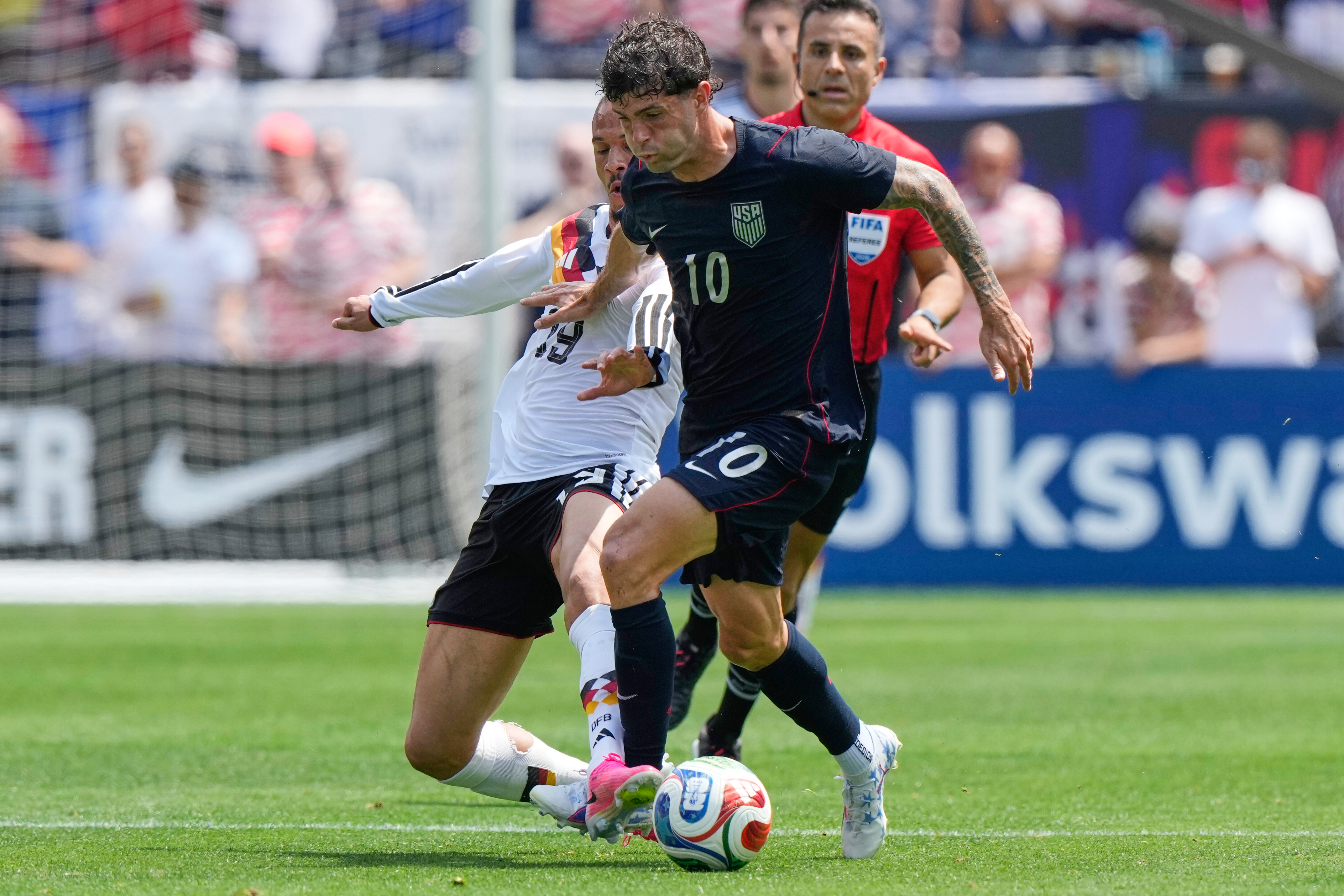
    That’s what the clock read when midfielder and longtime locker room leader Tyler Adams tripped up Felix Nmecha just outside the Americans’ 18-yard box. Joshua Kimmich of German club superpower Bayern Munich took the free kick, then Kai Havertz of newly crowned English Premier League champion Arsenal raced past Miles Robinson for an open header past a frozen Matt Freese.

    Just like that, the good vibes were down the drain.

    “I think we all looked at each other and said, ‘Well, it just got a lot more difficult, but we need to battle,’” Adams said.

    “I think instantly, it was frustration,” said left back and fellow locker room leader Antonee Robinson, who scored the equalizer later in the half. “You could see that we don’t know how we’ve let quality players and quality opposition just get a free header in our box — that shouldn’t really be possible.”

    U.S. manager Mauricio Pochettino was upset, too. But he quickly realized that he had a measuring-stick moment on his hands, and he started to relish it.

    “I was thinking that we were lucky,” he said. “Because to face a situation — conceding a goal against a team [like] Germany is, with top players, was an amazing challenge for us. To see how we react, how we show character, how we show togetherness, how we start to play under pressure.”

    More than a few recent U.S. teams might have folded. This one, though, took the game right back to the four-time World Cup champions and had the better play for much of the rest of the first half. The payoff came in the 37th, when Antonee Robinson belted in a highlight-reel strike from just outside the 18-yard box.

    “The reaction was amazing, was really positive,” Pochettino said. “And that’s why it’s good, you know, that something not so good happened: to see the reaction and to create that atmosphere that we can deal with this type of situation that we can find in the future, and during the competition in the World Cup.”

    Antonee Robinson added: “I think that response shows that when things are going against us, which in tournament football is bound to happen, that we can come back from anything.”

    Germany ended up winning, 2-1; Leroy Sané scored the winner just before both managers started making mass substitutions. For the casual fans just tuning in before the World Cup, the final score might be all that matters. But if you’re one of them, know that many U.S. diehards were pleased with the performance.

    “I don’t think any of us are fazed by playing Germany,” Adams said. “To play a top team like that though, going into the World Cup. I think increased our confidence tenfold. I think for us, we already have a confident team, but to go toe-to-toe with one of the best teams in the world, [it] shows that we’re ready and capable.”

    The stats and the eye test backed that up. The Americans outshot their star-studded opponents, 16-12, with both teams registering four shots on target. Christian Pulisic had a double chance in the 48th minute that he should have converted, and Brenden Aaronson forced a big save out of Oliver Baumann in the 87th.

    “I don’t think this game is about the result,” Adams said. “This game is about again showing the character, the mindset, what we’re trying to be, what we’re trying to become.”

    Perhaps if the U.S. had tied or pulled off an upset, Adams would have said something different. This was a moment for big-picture thinking, though, and he provided some.

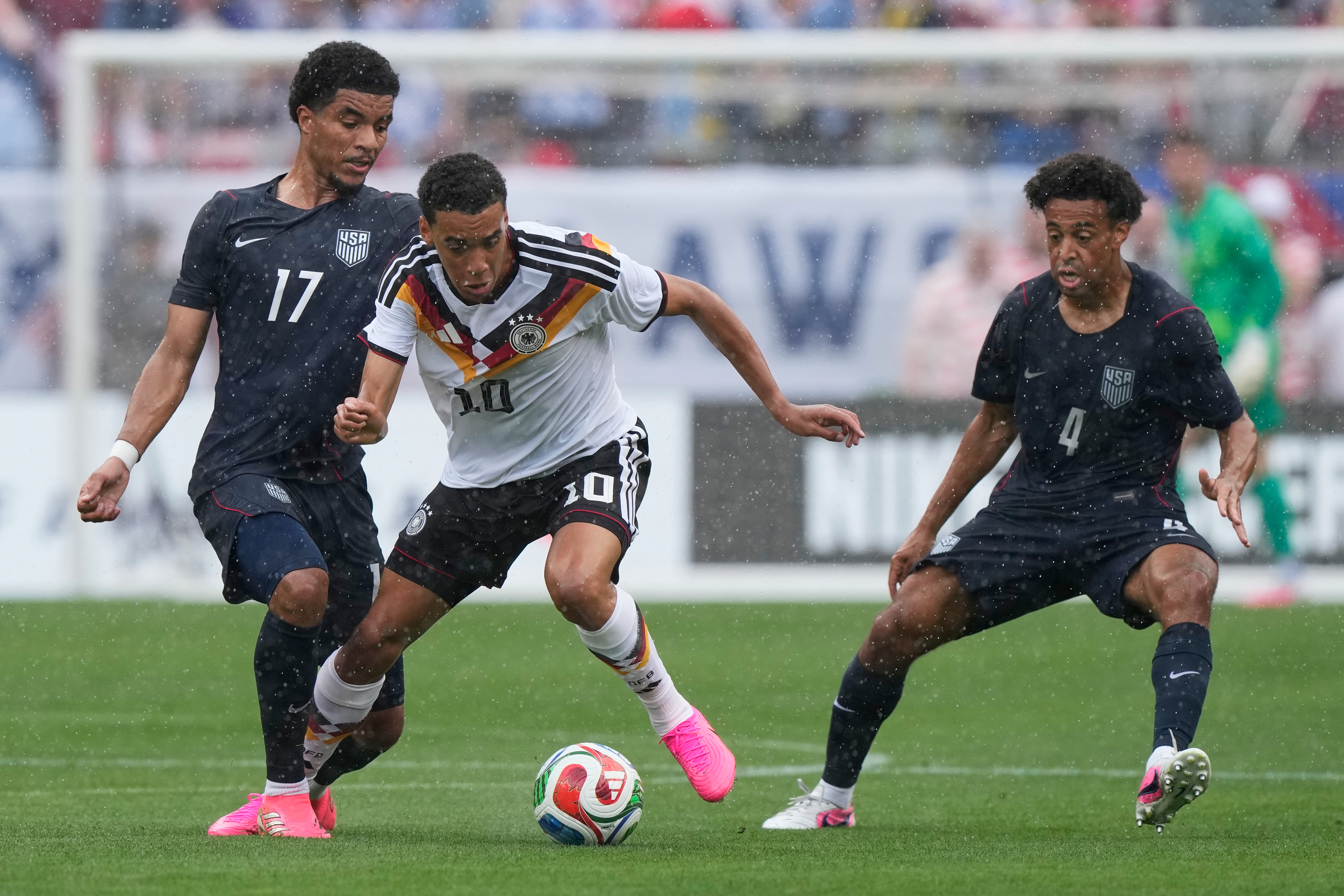
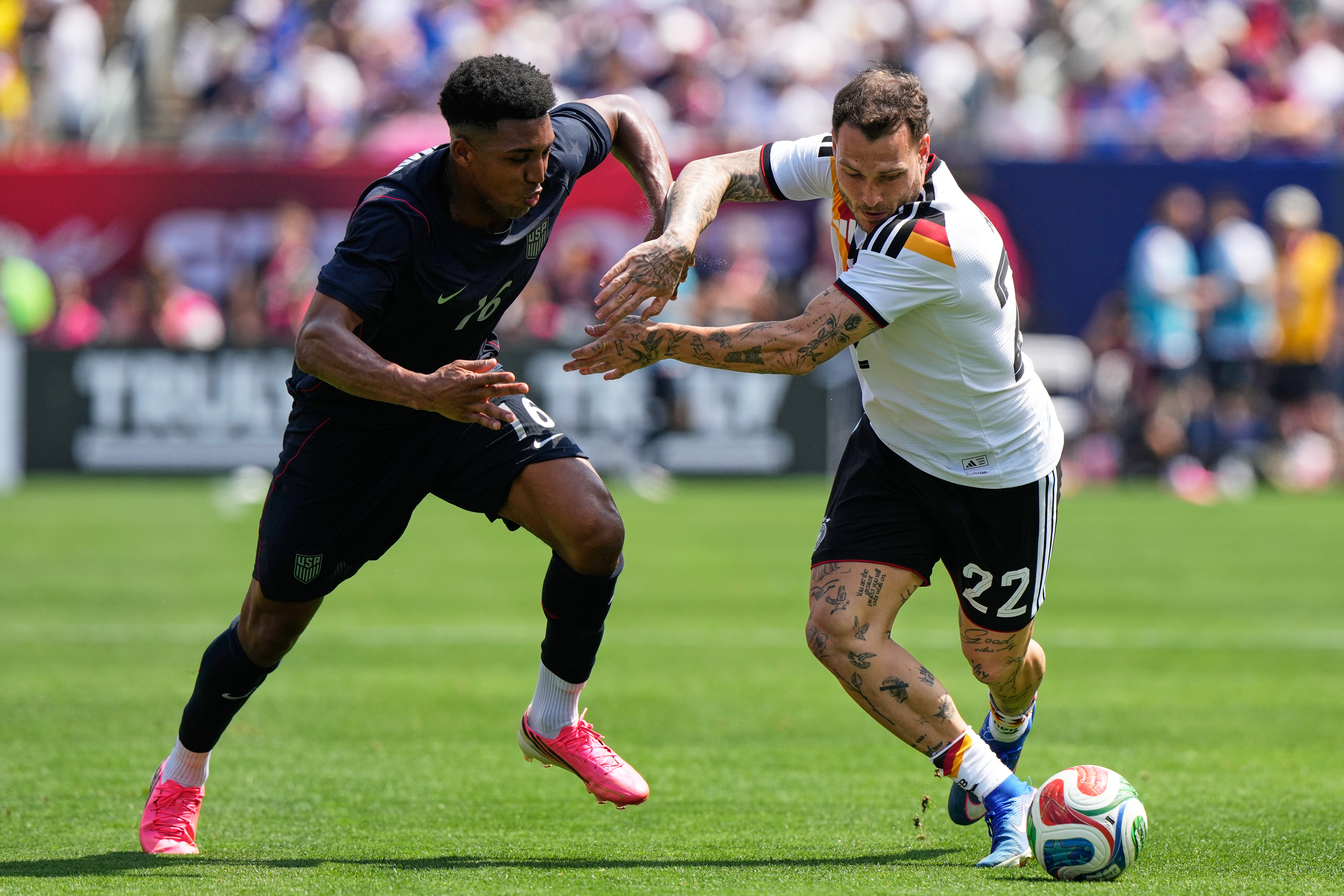
    Germany and Bayern Munich star midfielder Jamal Musiala (center) dribbling between the U.S.’ Malik Tillman (left) and Tyler Adams during the first half.Nam Y. Huh

    “The final product and the result matters next week, obviously first and foremost,” he said. “But that being said, we showed our character. And we showed that we’re able to create a high volume of chances [and] not concede a high volume of chances against a really good team.”

    With all due respect to Paraguay and Australia, the first two teams the U.S. will face at the World Cup, their attacks don’t have the firepower of Germany’s. Havertz scored in the Champions League final the previous weekend, and the starting playmakers behind him were Florian Wirtz of England’s Liverpool, Jamal Musiala of Bayern Munich, and Sané of Turkey’s Galatasaray (and formerly Bayern and England’s Manchester City).

    If that quartet clicks in the World Cup, they can carry the Mannschaft a long way — including a potential round-of-16 game in Philadelphia, which a lot of local fans hope for.

    The U.S., meanwhile, will have to have everyone clicking to make that round, and to a quarterfinal that is the bar for a successful run. These two warmup games have shown that they can do it, but the requirements are clear.

    U.S. defender Alex Freeman (left), who’s been one of the team’s best players in the last two games, dueling with German counterpart David Raum.Nam Y. Huh

    “We have to do it when it comes down to it for sure, when the World Cup starts and we have the big games,” Pulisic said. ”But it definitely helps us and makes us feel good. I feel like the last performances have been really good and absolutely it should keep us in high spirits.”

    One of them is the return of centerback Chris Richards. Pochettino picked what might be 10/11ths of his World Cup starting lineup on Saturday, with the remaining one, Miles Robinson. It didn’t take long to see how that turned out.

    Still, the signs are there overall. If they were not, you’d see that said here.

    Now it’s on to California, where the U.S. team’s World Cup base camp opens Monday with the lone open practice of the run in Irvine. The moment really has arrived, and at last, it really feels that way.

  • You don’t need a ticket to experience the World Cup in Philly

    You don’t need a ticket to experience the World Cup in Philly

    So you can’t afford an astronomically priced ticket when the World Cup arrives in Philly this summer?

    Not to worry.

    While the six World Cup games at Lincoln Financial Field from June 14 to July 4 will certainly get top billing, the city will be humming with soccer-related programming, offering numerous ways for residents and visitors to feel connected to the action.

    “Not everyone in our city, unfortunately, is going to get to go to the games,” said Elizabeth Clinton, development manager at Safe-Hub, a Kensington-based youth soccer organization and a board member for the CASA Soccer Leagues. “But there are going to be so many ways we as a community can enjoy the World Cup.”

    From watch parties to soccer camps to a LEGO World Cup trophy replica, here’s how to feel the energy when the world’s largest sporting event comes to town.

    The city’s biggest gathering spaces

    Lemon Hill will no doubt be the beating heart of the city’s soccer action this summer, with a high-profile fan fest running from June 11 to July 19 in East Fairmount Park. But there are plenty of places that are likely to see fan gatherings throughout the city.

    At Union Yards and Reaney Street, outside of Subaru Park, the Philadelphia Union will host what the team is calling “Soccer Celebration.” There, you’ll find dedicated viewing areas for select World Cup matches, interactive fan activities, giveaways, and live music — while food offerings will rotate to include menu items specific to competing nations. Entry is free with advanced registration.

    Additionally, the Union will offer a pair of chances to watch the Côte d’Ivoire men’s national team up-close during its preparations for the World Cup tournament — first in a friendly match against Union II on June 8 at 7 p.m., and again during a community training session on June 12 at 6:30 p.m. Both events are free but require advance tickets, which can be secured at the Union website.

    For the theatrically inclined, select AMC Theatres locations — including Cherry Hill and Bensalem — will be showing Telemundo’s live Spanish-language broadcasts of certain games, with advance tickets available through the AMC website.

    Officials are also expecting various neighborhoods across the city to be hubs of action depending on the matchups. When Brazil plays on June 19, for instance, there figures to be a good amount of energy along Castor Avenue in Northeast Philadelphia, home to a sizable Brazilian population.

    Where to play, not just watch

    If you feel like pulling on a pair of boots and hitting the pitch yourself, you’ll find no shortage of options.

    CASA Soccer Leagues — the region’s largest independent amateur soccer league — will host a World Cup-style adult soccer tournament from May through July at various sites across the city, from South Philadelphia to the campuses of Temple University and Drexel University.

    The group also hosts regular pickup games, as well as beginner programs for those hoping to learn the sport.

    “Adults who want to try a new sport and get involved and learn a little bit,” said Clinton. “Every week, you’ll come, a coach will kind of teach the group the basics of soccer, [and] you can just come in your sneakers.”

    (For those looking to socialize without all the running, the organization is also planning a slew of watch parties.)

    Down the road in Chester, the WSFS Bank Sportsplex boasts a number of playing fields and is a regular hive of activity.

    “There’s soccer there almost every day of the week,” said Mike Blankemeyer, travel director for Sons of Ben, an independent supporters group for the Philadelphia Union. “I go over the bridge a lot for work, and there’s always somebody out there on the pitches.”

    World Cup for kids

    What Lemon Hill is for adults, Safe-Hub Philadelphia hopes to be for kids.

    The Kensington-based organization, which uses soccer to create safe spaces to the community, is planning a number of youth-focused events throughout the course of the World Cup festivities — among them, the Grassroots Cup on June 13-14, a youth tournament featuring more than 300 kids.

    “We really want to use the World Cup as a way to get kids in the door,” said Clinton. “To experience a love of the game and be in a safe space that’s really soccer-centered.”

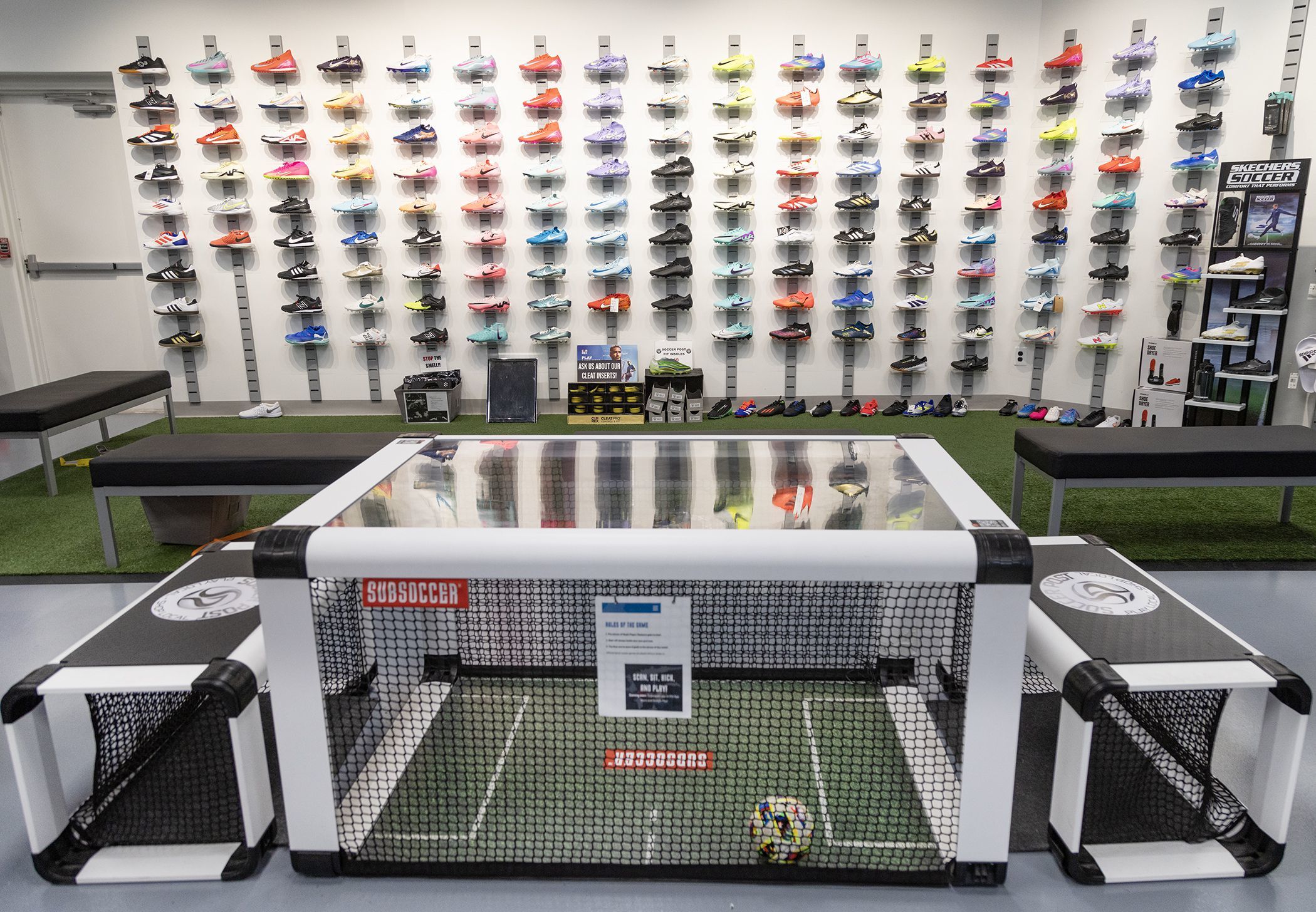
    In addition to being a mecca of soccer gear and merchandise — including a LEGO replica of the World Cup trophy — Soccer Post Cherry Hill has seven TVs that will be tuned to the World Cup.

    The site will also host a four-day soccer camp for kids ages 8-11, running from Aug. 24-27, that will include various forms of training and conclude with a mock-World Cup tournament.

    The wall of cleats at Soccer Post Cherry Hill, which will be hosting a World Cup-themed youth soccer camp this summer.Photo courtesy of Soccer Post Cherry Hill

    And for the more bookish young fan, the Free Library of Philadelphia is slated to offer soccer-themed programming throughout the spring and summer.

    Choose your own adventure

    If being on the fringes of the action isn’t quite enough, there’s always the option of simply wading into the eye of the storm.

    “Even if I don’t get tickets, I’ll probably head down to the [Lincoln Financial Field], just to experience what it’s about,” said Chris Turk, 54, of Fairmount, a contributor to the Philly Soccer Page, a website devoted to the city’s soccer scene.

    “I think Philadelphia is really gonna put on an awesome showing,” he added. “[And] I think people who come here this summer for soccer are going to be amazed by how cool Philadelphia is.”