Tag: West Philadelphia

  • Five Philly men who committed 60 carjackings and 2 murders were sentenced to decades in prison

    Five Philly men who committed 60 carjackings and 2 murders were sentenced to decades in prison

    Five men who were part of one of the most violent and prolific carjacking crews in recent Philadelphia history were sentenced this week to at least several decades in federal prison, capping a criminal rampage that victimized dozens of people.

    Over the course of about four months beginning in 2021, prosecutors said, the men — along with several other coconspirators — committed about 60 carjackings and two murders across the region. The crimes were relentless and random, with members of the conspiracy ambushing unsuspecting drivers at gunpoint nearly every day, then stealing their keys, wallets, phones, and cars, often forcing them to send money over digital payment apps, and, in some cases, shooting at them.

    One victim was attacked after leaving a birthday party. Another, an immigrant, said that after his car and wallet were stolen, he had fraudulent bank accounts opened in his name — and couldn’t get a passport for two years because his green card was also stolen, making it impossible for him to fly home to visit his children.

    The crime spree also led to killings: In early 2022, several crew members looking to steal a Toyota attacked 60-year-old George Briscella in Northeast Philadelphia, then fatally shot him. Briscella, a Marine Corps veteran, had been driving the SUV to visit his mother.

    Days later, the crew killed Aiah Gbessay — a locksmith who helped create a key for Briscella’s car after it had been stolen. Crew members were worried Gbessay might talk to the police.

    U.S. District Judge John F. Murphy said the group’s actions — which were laid out in remarkable detail during a two-month trial earlier this year — were “outlandish” and “completely intolerable.”

    “It was a multimonth, appalling reign of terror that destroyed people’s lives, and ended two people’s lives, and had the worst consequences on their families,” Murphy said.

    Relatives of Briscella and Gbessay spoke at sentencing hearings this week for the defendants: Mikal McCracken, Amin Muse, Aleem Abdul-Hakim, Kavon Coleman, and Dean Fosque.

    Briscella’s wife and one of his sons said he was a devoted husband, son, father, and grandfather — someone who worked every day to take care of his relatives and was kind to a large group of friends and even strangers.

    “He was an everyday guy: ordinary in every way, but special in so many ways,” said his oldest son, Tony.

    Gbessay, meanwhile, was an immigrant from Sierra Leone who his relatives said was doing honest work in West Philadelphia. They said his death has significantly affected his son and wife, who had only emigrated to the city a few months before he was killed.

    “He was a great brother, a great dad,” said his brother, Komba, later adding: “He was a hard-working man. He will be missed.”

    The defendants had a range of reactions to their fates.

    Fosque apologized to the victims, saying he wished he could take away their pain.

    “I can take responsibility for the choices I’ve made to move forward and work every day to become a better person,” he said in court Friday.

    McCracken, however, denied being involved in the killings of Briscella or Gbessay, and said the evidence against him — including cell phone records, surveillance videos, and testimony from a key coconspirator — was unreliable or even false.

    “I promise to God: I did not murder your family member,” he said. “The worst feeling in this world is knowing the type of person you are, but people not seeing that when they look at you.”

    Murphy sentenced McCracken, Muse, and Abdul-Hakim to life in prison plus additional terms of several decades. All were convicted of participating in the attack on Briscella, and McCracken was found guilty of ordering Gbessay’s killing.

    Coleman and Fosque — who were convicted of participating in some of the carjackings but not the murders — received prison sentences of 35 and 86 years, respectively.

    Three other defendants have cases that have not yet reached the sentencing phase, including a man who served as a star witness at trial, Jonathan Akubu.

    Akubu was the first member of the crew to get arrested: In 2022, police used ballistics evidence and cell phone records to tie him to the murders of Briscella and Gbessay.

    Shortly after being taken into custody, authorities said, he started talking — telling investigators about the dozens of crimes he and other crew members committed, often in striking detail.

    He recalled episodes with unusual precision, authorities said, outlining who was involved in each incident and how the crimes unfolded. Beyond linking dozens of incidents to the same group of participants, he also gave investigators something of a motive, saying his crew would sell the stolen cars to other men who would ship them to unspecified countries in Africa to be resold.

    Much of what Akubu said was later corroborated by additional evidence, including cell phone records connected to his coconspirators. Authorities also recovered one of the cars Akubu mentioned in a shipping container headed overseas, further bolstering the notion that his group was fueling a trans-Atlantic market for stolen vehicles.

    Earlier this year, Akubu became a central figure at the trial for his five co-defendants, spending more than a day on the stand recalling his role in the violent conspiracy — including by describing how he’d lured Gbessay into West Philadelphia, then repeatedly shot him to death.

    Akubu pleaded guilty but has not yet been sentenced. Prosecutors said as part of his plea deal and cooperation agreement, he will receive a sentence of at least 35 years in prison, though it could be much more.

    Murphy, the judge, said the scale of the group’s actions was difficult to fathom. In addition to killing Briscella and Gbessay, he said, the men committed crimes so often that they actually carjacked one man twice — and shot him in the same leg both times.

    The group’s wrongdoing will affect victims for years to come, Murphy said, which is why, he said, the penalties needed to be significant.

    “The whole scheme together speaks to a real disregard for our fellow man,” he said, “and trying to live together in a civilized way.”
  • You are working two jobs. One of them is invisible.

    You are working two jobs. One of them is invisible.

    Kiplee Bell is a clinician, gerontologist, and care leadership strategist practicing in Cherry Hill and Pennsylvania. She is the founder of Impactful Caregiving, author of “The Work of My Mother’s Hands: A Caregiver’s Journey,” and originator of the double shift — a framework for understanding the collision of professional and caregiving labor in the longevity era.

    The morning I came home from a 12-hour hospital shift wearing a Lidoderm patch for back pain and found my mother unable to stand, I did what I have been trained to do. I assessed her. Checked her stability. Made a plan.

    As a clinician, responding to crises is familiar territory. But what no institution prepared me for was doing it twice in the same day, indefinitely, without relief. There was no transition between the two roles. There rarely is.

    And I am not alone in this. I am not even unusual.

    For years, we have talked about burnout as if it were the defining workforce crisis of modern life. But I have begun to wonder whether burnout is sometimes the wrong diagnosis — not because people are not exhausted, but because we have become remarkably skilled at measuring symptoms while ignoring the condition creating them.

    Millions of Americans are carrying what I call the double shift: professional labor and unpaid caregiving labor performed simultaneously, without institutional recognition, structural support, or meaningful recovery.

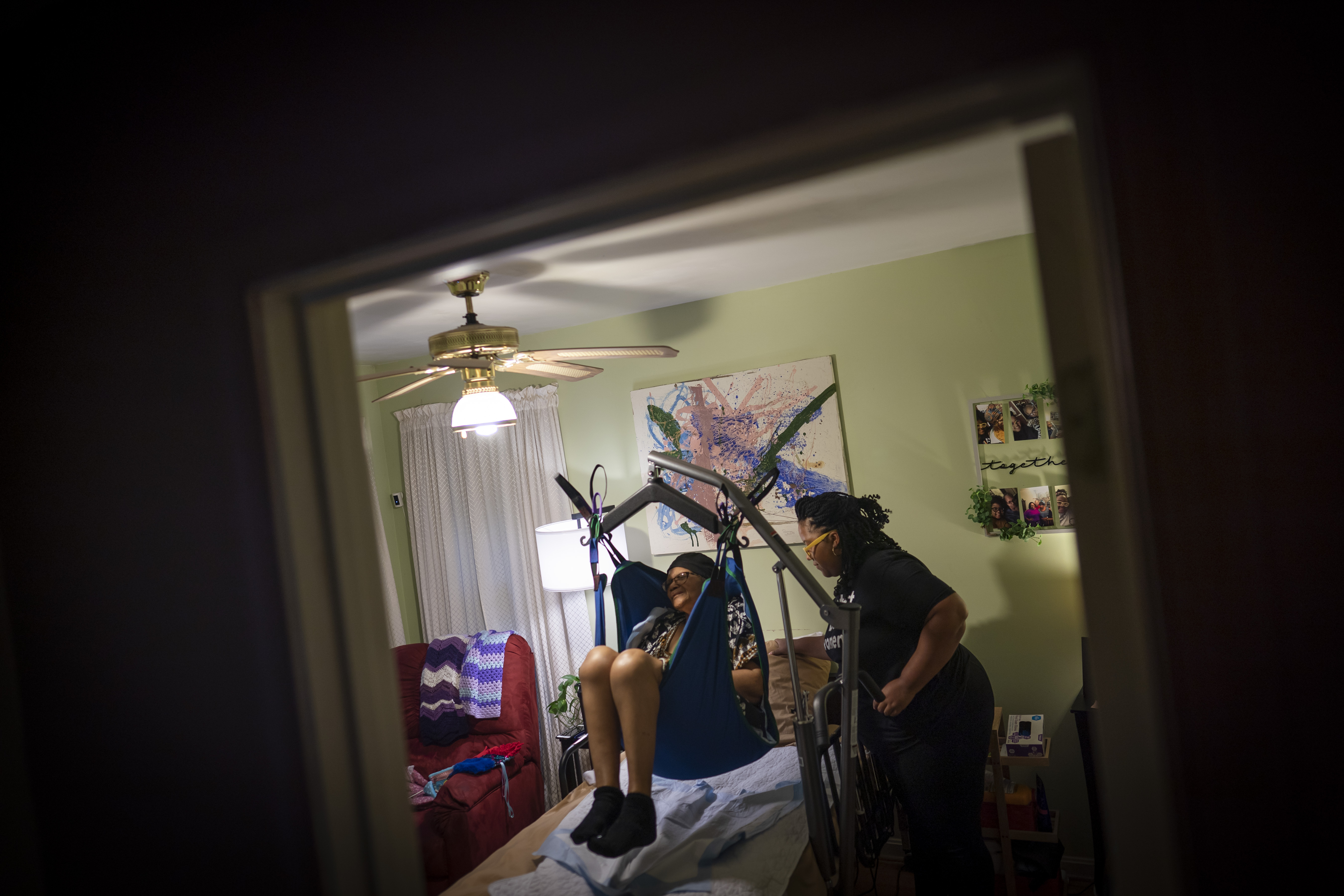
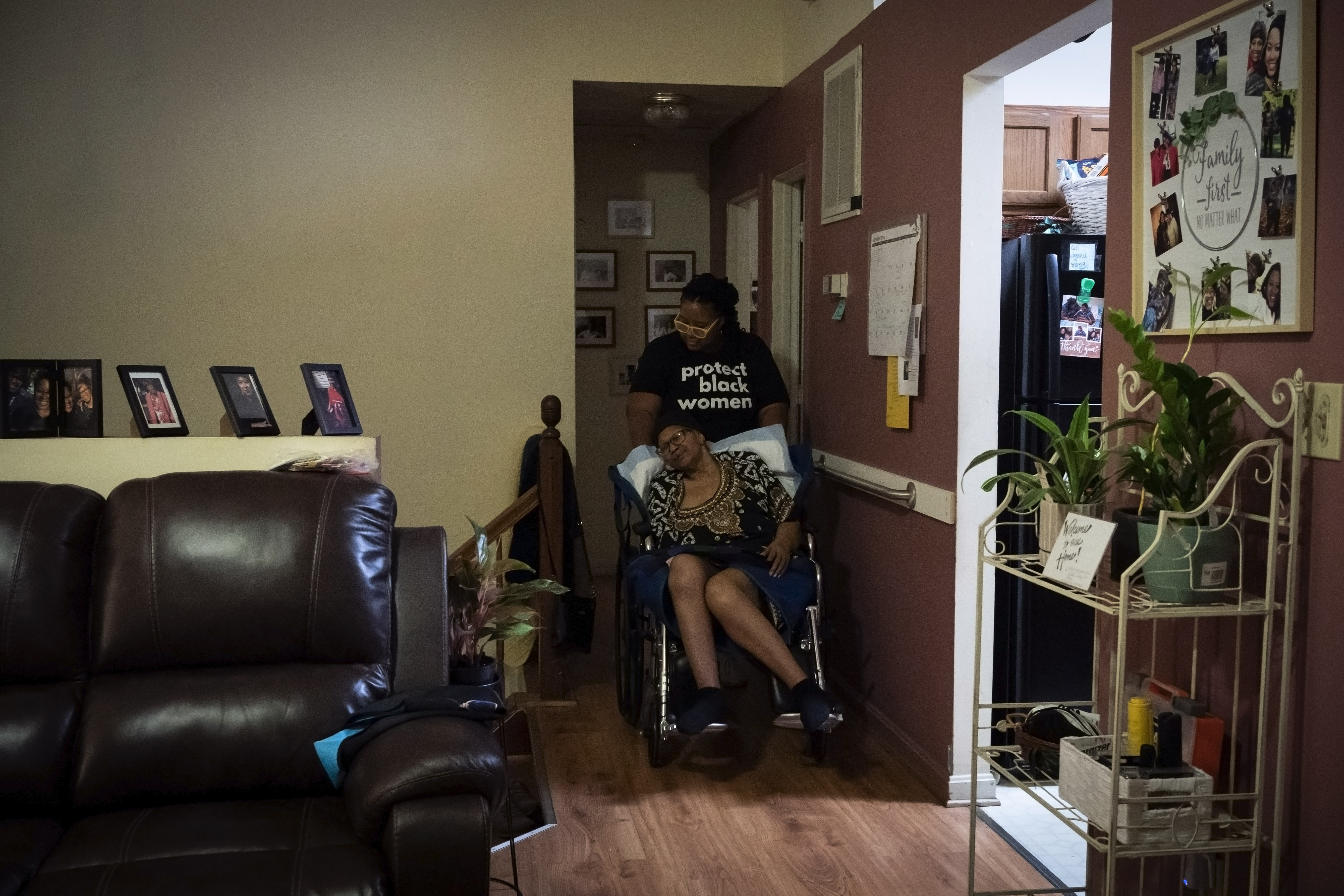
    The nurses, physicians, therapists, and social workers holding together our hospitals and community health systems are going home to aging parents, writes Kiplee Bell. In this photo from 2022, Jessica Guthrie wheels her mother, Constance, back to her bedroom after dinner in Fredericksburg, Va.Wong Maye-E

    The clinician managing a patient’s dementia while coordinating home aides for her own mother. The only son — a chief executive — monitoring his mother’s vitals between trading calls, learning to bathe and groom the woman who raised him, insisting on her dignity when no one else is left to. The teacher grading papers after spending the evening navigating a father’s cognitive decline.

    Different professions. Different circumstances. The same collision.

    We often describe these stories as personal situations. I believe that is our first mistake. They are workforce conditions.

    This collision has a particular weight in the Philadelphia region. The nurses, physicians, therapists, and social workers holding together our hospitals and community health systems are going home to aging parents in Cherry Hill and Bala Cynwyd, in West Philadelphia and Camden.

    The workforce our region depends on for its own care is the same workforce quietly absorbing the caregiving crisis at home.

    The economic value of unpaid caregiving in the United States exceeds $600 billion annually — more than total Medicaid spending. Yet, most employers know their turnover rates, their productivity metrics, their engagement scores, and cannot tell you how many members of their workforce are simultaneously functioning as unpaid caregivers.

    The absence of that data is itself a leadership decision.

    One colleague, a cardiologist, is simultaneously navigating Parkinson’s disease in one parent and Alzheimer’s disease in another while continuing to care for critically ill patients. Another physician quietly schedules her father’s chemotherapy around clinic hours because reducing her workload would jeopardize a trajectory she spent decades building. Neither would describe herself as extraordinary. Neither would describe herself as a caregiver first.

    Both would simply say they are doing what needs to be done.

    That may be the most dangerous part of all. When people normalize carrying unsustainable burdens, institutions stop noticing them. Employees leave. Organizations call it burnout. Or disengagement. Or personal reasons.

    But many of those departures are evidence of a structural reality: We have built workplaces around a worker who no longer exists — someone whose life outside work is administratively manageable and professionally irrelevant. No aging parent. No disabled spouse. No caregiving responsibilities competing for time, energy, and resources.

    That worker does not exist. And yet, countless systems continue to operate as if they do.

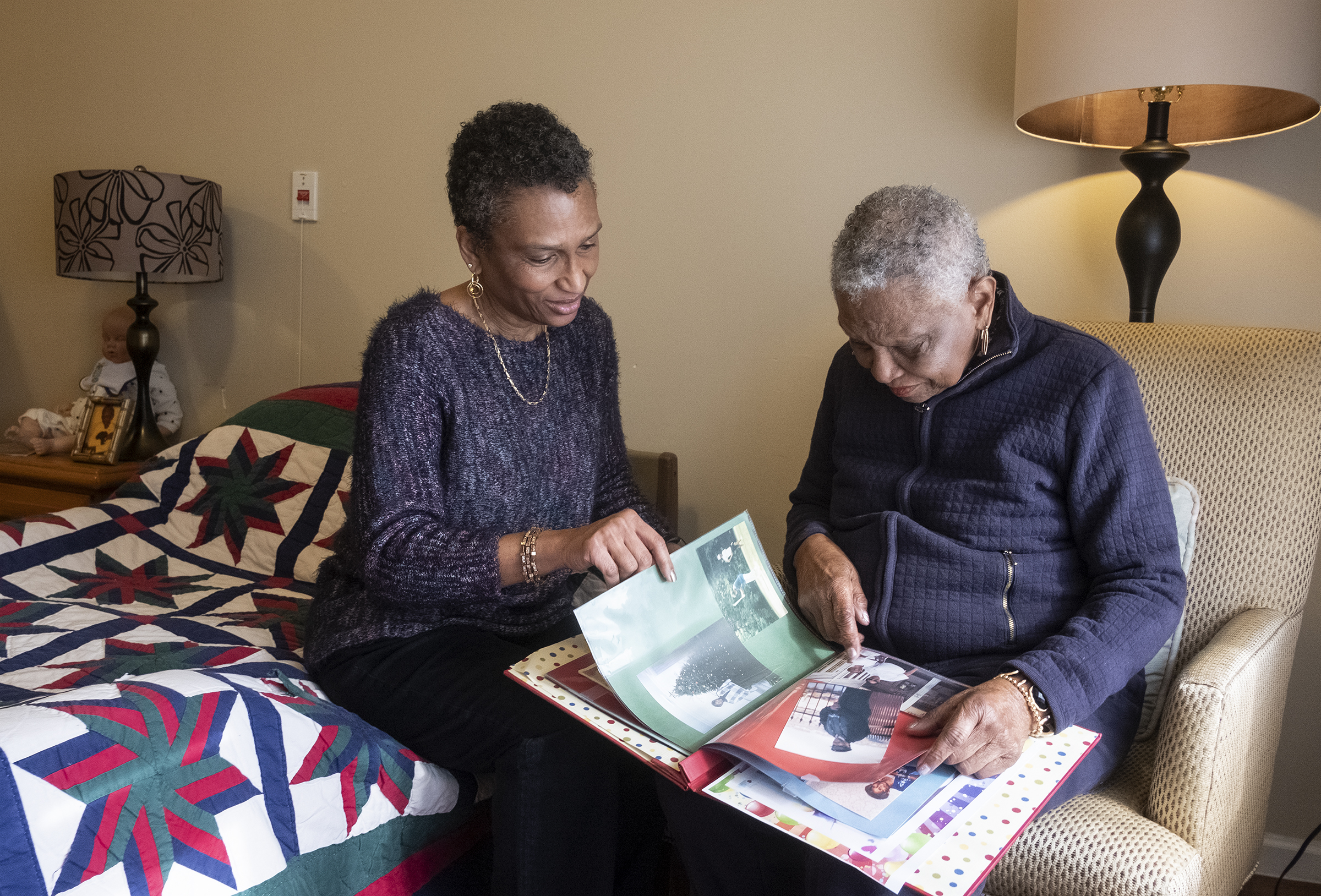
    We have built workplaces around a worker who has no caregiving responsibilities competing for time, energy, and resources, writes Kiplee Bell. In this photo from 2019, Kim Boddy (left) and her mom, Marguerite Forbes, look through an album of family photos in North Wales.Ed Hille

    What is needed is not empathy programming. It is architecture. Caregiver-aware leave policies distinct from parental leave. Protected flexibility that does not permanently derail advancement. Leadership training capable of identifying caregiving strain before it becomes a resignation letter.

    This is not a caregiving issue. It is a workforce issue. A leadership issue. An economic issue.

    And in a region whose economy runs on healthcare, education, and public service, it is, increasingly, a Philadelphia issue. The clinician helping her mother stand after a 12-hour shift is not an exception. The son bathing his mother between trading calls is not an exception. The teacher managing a parent’s dementia after school is not an exception.

    They are not failing to balance work and life. They are carrying two jobs. America has simply decided to count only one of them.

  • Slow down: Speed cameras go live on Route 13, including Baltimore and University Avenues

    Slow down: Speed cameras go live on Route 13, including Baltimore and University Avenues

    Drivers going through West Philly might want to slow down.

    Eleven speed cameras operated by the Philadelphia Parking Authority went live Friday along state Route 13.

    Route 13 includes Baltimore, University, West Girard, and Ridge Avenues, as well as three numbered streets, in West Philadelphia.

    The cameras are part of an expansion of automated cameras that began in 2025 along Broad Street and Roosevelt Boulevard where cameras were installed to reduce speeding.

    The PPA says there has been a large decrease in violations since the cameras went live in major corridors.

    Across both corridors, the most common violation involved vehicles traveling 11 to 19 miles per hour above the posted speed limit.

    Pennsylvania-registered vehicles accounted for the largest share of violations, with Philadelphia residents representing approximately 56% of Roosevelt Boulevard violations and 59% of Broad Street violations.

    Now it’s Route 13’s turn where the cameras are going live in two phases.

    The first phase in Northeast Philly went live after completing a warning period in June, impacting Frankford Avenue and Levick and Robbins Streets.

    Blocks where speed cameras go live

    • 6000 Baltimore Ave.
    • 5600 Baltimore Ave.
    • 4900 Baltimore Ave.
    • 4300 Baltimore Ave.
    • 4200 Baltimore Ave.
    • 300 S. University Ave.
    • 200 N. 38th St.
    • 400 N. 34th St.
    • 3300 W. Girard Ave.
    • 2000 N. 33rd St.
    • 3400 Ridge Ave.

    Fines for driving over posted speed limits

    $100 for 11 to 19 mph

    $125 for 20 to 29 mph

    $150 for 30 m.p.h. or more.

    No license points will be accessed because it is a nonmoving civil violation.

    The cameras capture license plates through the PPA’s vendor, Verra Mobility.

    Some motorists try to circumvent the cameras by obstructing license plates and trying to make them unreadable, according to the PPA. So the automated system is on the lookout for vehicles with fake plates that aren’t in a standard format, don’t have a plate on the rear, and fabricated temporary paper plates.

  • Philly’s school board just approved $200M in school renovation projects

    Philly’s school board just approved $200M in school renovation projects

    The Philadelphia school board on Thursday night greenlit spending up to $200 million on modernization projects at four city schools.

    The board voted to award a contract to the Philadelphia Authority for Industrial Development, which will handle selecting firms to run the projects, deemed the district’s highest-priority renovations.

    The district has budgeted spending $68 million on Bache-Martin Elementary in Fairmount, $48 million at Catharine Elementary in Southwest Philadelphia, $53 million at Patterson Elementary in Southwest, and $12 million at F.S. Edmonds in East Mount Airy.

    The renovations will add 700 seats and affect 2,400 students, district officials said.

    The board vote marks the first steps forward on the district’s $3 billion facilities master plan, approved in April. And while much of the public’s attention has been focused on 17 school closures — which are still being bitterly opposed by several City Council members, key district unions, and affected school communities — district officials are seeking to refocus attention on the renovation projects.

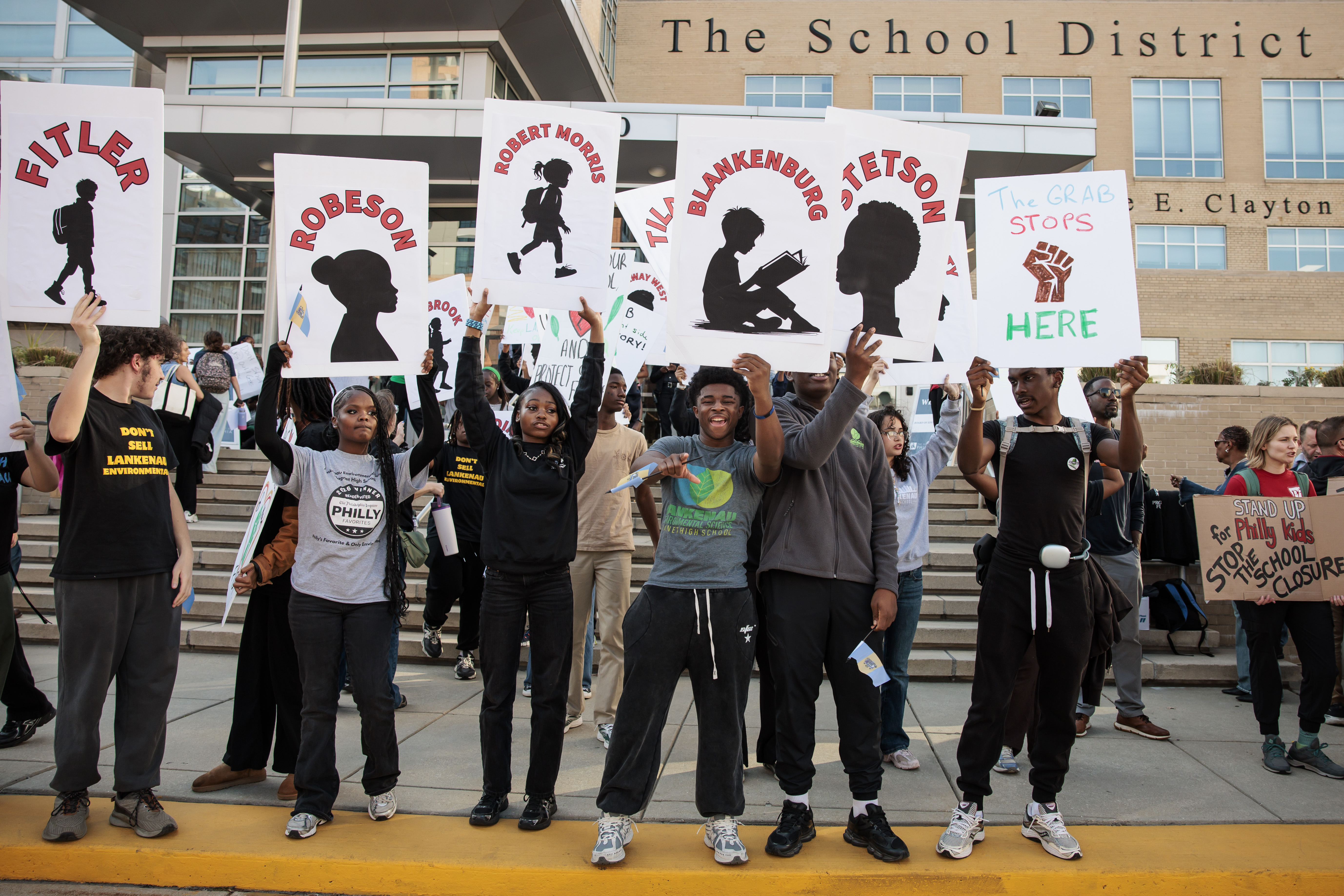
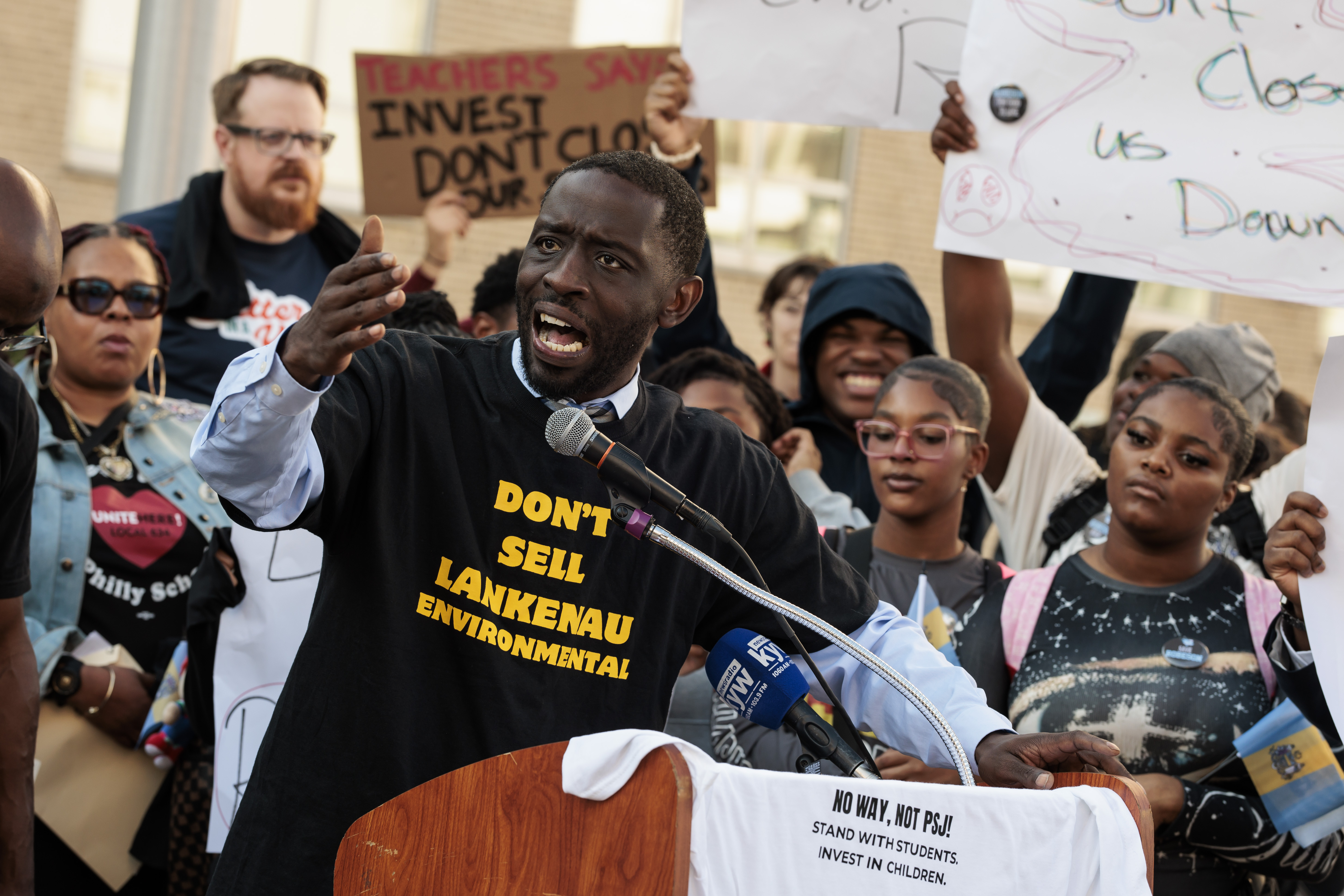
    Students hold posters naming the schools slated for closure outside of the School District of Philadelphia headquarters on Thursday, Oct. 29, 2026 in Philadelphia. Students, City Council members and other community members gathered to voice their displeasure with the board’s unwillingness to negotiate on school closings.Monica Herndon / Staff Photographer

    “This represents an important step in Accelerating Opportunity, our 10-year facilities master plan, from planning to implementation,” Superintendent Tony B. Watlington Sr. said at the board meeting. “It also reflects our commitment to making meaningful investments that ensure students have access to safe, healthy, and modern learning environments.”

    It’s not the first time the district has used PAID for major projects. In the recent past, it’s used this kind of arrangement to build new schools at Cassidy Elementary in West Philadelphia, AMY at James Martin in Port Richmond, and Thomas Holme Elementary in the Northeast.

    “The intergovernmental arrangement with PAID is expected to provide additional oversight and assistance to the school district, with the anticipated outcome of newly renovated school buildings constructed at a reasonable cost, through greater construction efficiency, and on time,” the board resolution said.

    PAID will issue requests for proposal, select developers, and enter into agreements with them. It will receive administrative fees not to exceed 1% of the total paid to construction firms — up to $2 million total for all projects.

    Planned at Bache-Martin are a new gym, cafeteria, and classrooms, as well as HVAC upgrades, new roof and windows, electricity, and classroom modernization. Bache-Martin is set to absorb students from two closing schools, Robert Morris and Waring.

    Catharine will get a new gym and classrooms, updated heating and air-conditioning systems, restroom renovations, and more. Catharine is adding grades to accommodate for the closing of Tilden Middle School.

    Patterson, which is also adding grades to account for Tilden’s closure, is getting an addition, a new gym or cafeteria, an elevator, and other modernizations.

    F.S. Edmonds is getting an addition, restroom renovations, and accessibility improvements.

    The PAID resolution passed six to one, with board member Whitney Jones dissenting.

    Jones asked how the district arrived at these four projects as their first priorities, and expressed concerns about what would happen if the district does not get its full plan funded — it can pay for $1 billion of the $3 billion price tag, and is counting on state and philanthropic help for the rest.

    “Our needs are so great, we’ve got to start somewhere,” Watlington said. “These are not just random projects. These are well-thought-out projects with detailed timelines.”

    ‘Save Our Schools’

    The board vote on the projects came hours after key City Council members, students, leaders of the district’s teachers’ and principals’ union, and others rallied outside of Philadelphia School District headquarters.

    Waving signs, banging drums, and chanting “Save Our Schools,” dozens again asked the district to reconsider closures, the first of which are supposed to take effect at the end of the 2026-27 school year.

    Councilmember Isaiah Thomas speaks outside of the School District of Philadelphia headquarters on Thursday, Oct. 29, 2026 in Philadelphia. Students, City Council members and other community members gathered to voice their displeasure with the board’s unwillingness to negotiate on school closings.Monica Herndon / Staff Photographer

    City Councilmember Isaiah Thomas, chair of Council’s education committee, and Councilmember Jamie Gauthier, who helped organize the rally, have pushed hard to spare three schools in particular: Lankenau and Robeson High Schools and Overbrook Elementary School.

    Thomas has said he wants the board to negotiate on closures, and publicly implored Mayor Cherelle L. Parker to get involved. The board has said if changes are necessary to its facilities plan, they will happen through public channels.

    Parker has said on multiple occasions that she believes closures are necessary in Philadelphia — especially if officials expect the state to come up with more funding for schools.

    Thomas later attempted to calm the waters with the board, whom he publicly screamed at, threatened to sue, and told “you’re done” when the board took its vote to close schools. He and other members of Council promised civil disobedience and shut down that meeting multiple times.

    “I would also like to apologize to anybody who feels like they’ve been disrespected by members of City Council or any other legislators who’ve been passionate about the facilities issue,” Thomas said on Thursday. “This is a city of neighborhoods, and we’re really connected to our schools. This is a really emotional issue.”

    Thomas said he had recently personally appealed to several board members and city officials to attempt to move the needle on closures.

    “If we’re serious about saving these schools and the young people that are here today, we need to make this decision now,” Thomas said. “What we do know is this, if we go forward with this decision, things will get worse. When we close schools, children die.”

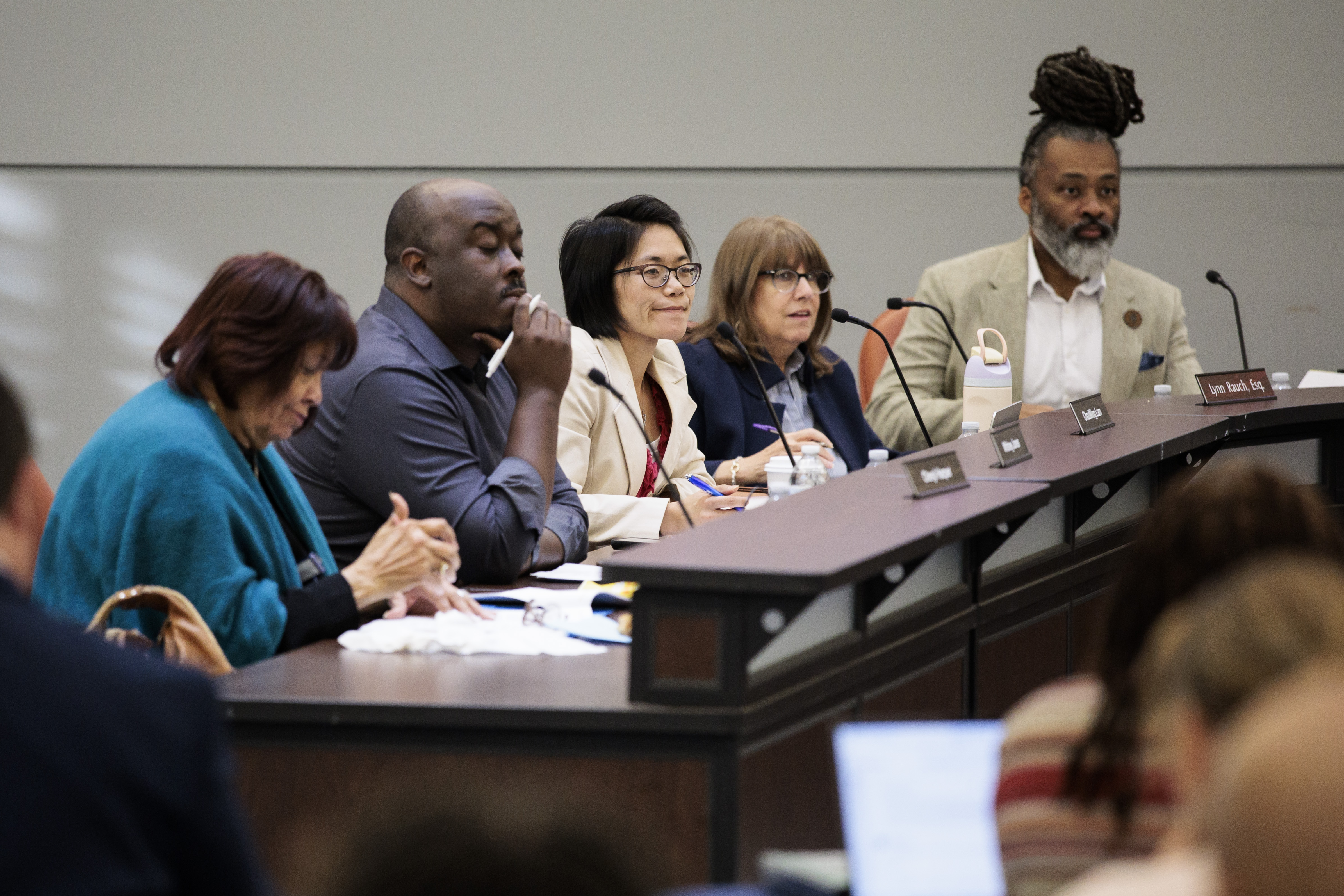
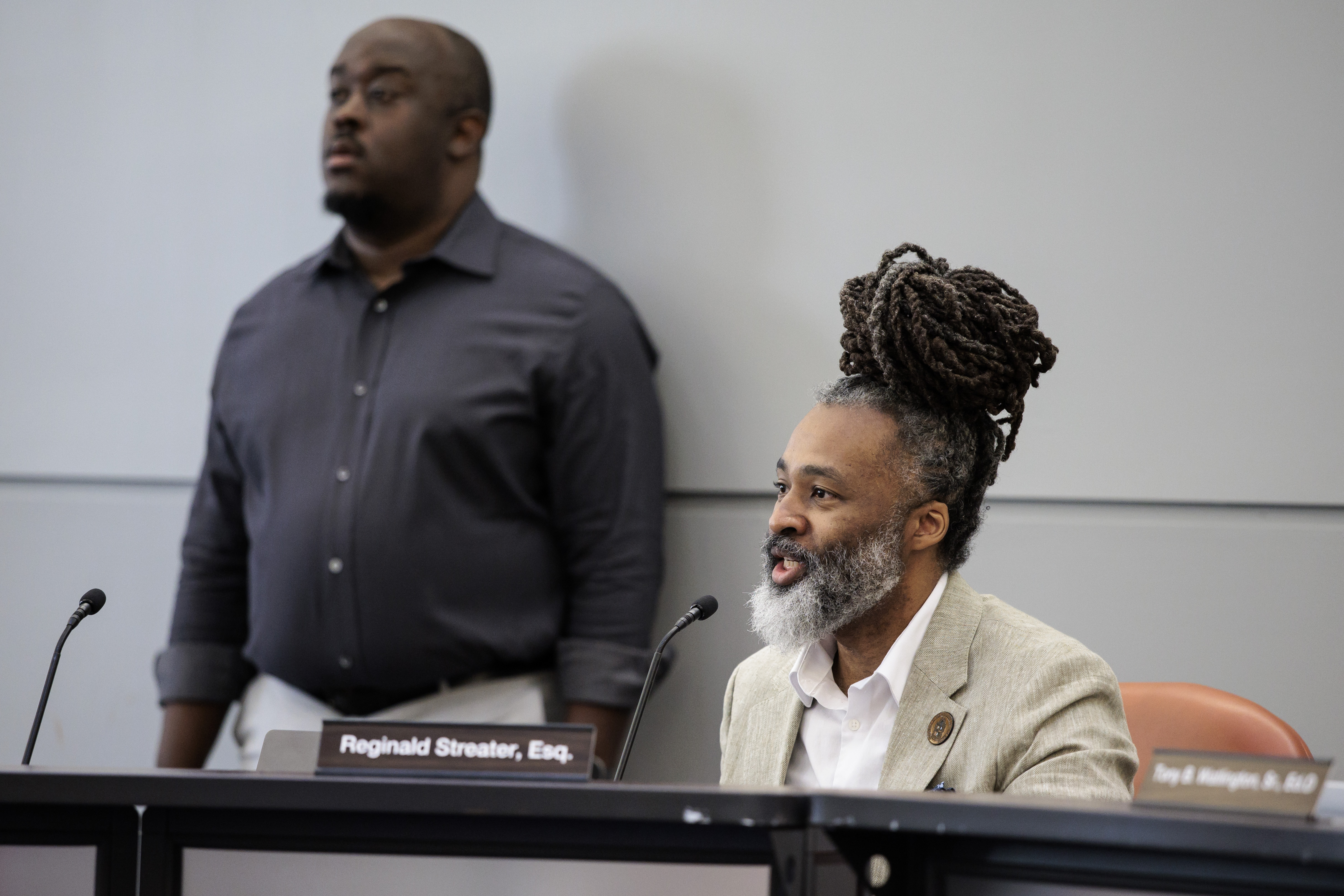
    Board Member Whitney Jones (left) and Board President Reginald L. Streater attend the School Board Meeting at the School District of Philadelphia headquarters on Thursday, Oct. 29, 2026 in Philadelphia.Monica Herndon / Staff Photographer

    Ostensibly addressing the decision to move forward with the 17 closures, board president Reginald Streater said the board stands “for uncompromising transparency and unyielding commitment to putting students’ outcomes above politics. Whether managing our district’s long-term physical health, modernizing our school facilities, or conducting fair, data-driven oversight of our schools, our responsibility to Philadelphia’s taxpayers and families, and more important to our children, is nonnegotiable.”

    What advances students’ academic growth and health is the board’s North Star, Streater said, “and we will hold to that commitment no matter how complex the road may be ahead for us.”

  • Maida Odom, trailblazing Black Inquirer reporter and retired assistant professor of journalism at Temple, has died at 73

    Maida Odom, trailblazing Black Inquirer reporter and retired assistant professor of journalism at Temple, has died at 73

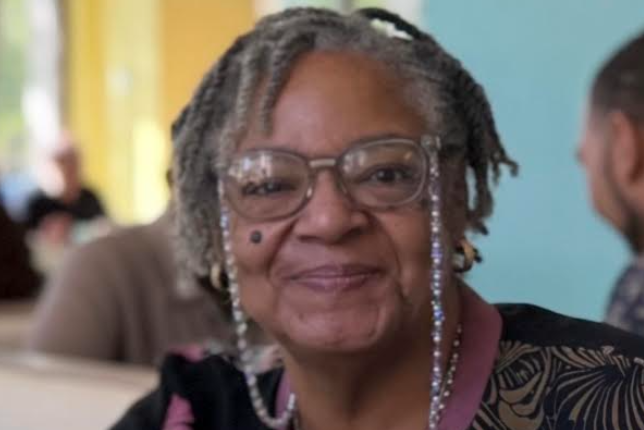
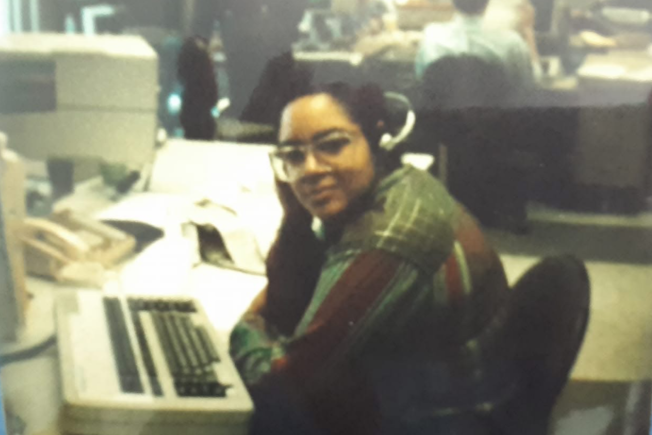
    Maida Odom is believed to be the second Black woman to work as a reporter for The Inquirer. She joined the staff in 1978 and, by all accounts, was a trailblazing firecracker of a journalist.

    Former Inquirer colleagues called her “tough” and “intimidating,” and she covered all sorts of stories until she left the paper in 2000 to pursue other opportunities. She reported on school desegregation in Wilmington in 1978, on a spectacular armored truck heist in Philadelphia in 1981, and on a visit from South African politician and social activist Winnie Mandela in 1997.

    She also wrote stories about AIDS, the NAACP, the Nation of Islam, the death of former U.S. Rep. Barbara Jordan, how local businesses employed ex-offenders, and dozens of other topics.

    Most notably, in May 1985, Professor Odom spent 20 hours secretly reporting from a nearby house during the two-day confrontation between police and members of the MOVE group on Osage Avenue in West Philadelphia. She and a colleague were eventually discovered by police and escorted from the area shortly before police dropped a bomb on the MOVE house, and 61 homes in West Philadelphia were destroyed.

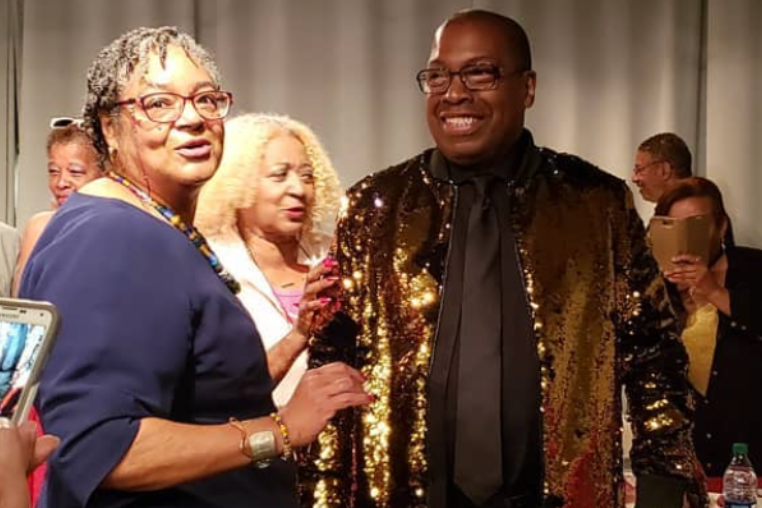
    Professor Odom was one of the few Black reporters in The Inquirer newsroom the 1970s.Maida Odom

    For the next year, Professor Odom was a key member of The Inquirer’s reporting team on MOVE that was a finalist for the 1986 Pulitzer Prize for general news coverage. “She was an exacting journalist,” former Inquirer colleague Annette John-Hall said. “She knew how to get past the first layer of a story and get under the second layer.”

    In The Inquirer on Dec. 6, 1985, Professor Odom wrote: “There were no flowers, no hymns, no sorrowful tears. MOVE co-founder John Africa and his nephew, Frank James Africa, were laid to rest in Whitemarsh Memorial Park in eastern Montgomery County yesterday with bitter tears and angry words.”

    On Saturday, Oct. 24, Professor Odom died of complications from metastatic breast cancer at Pennsylvania Hospital. She was 73.

    “She was a genuine person,” Sandra Long Weaver, former vice president of newsroom operations for The Inquirer and Daily News, said. “She was interested in promoting people of color and seeing people succeed.”

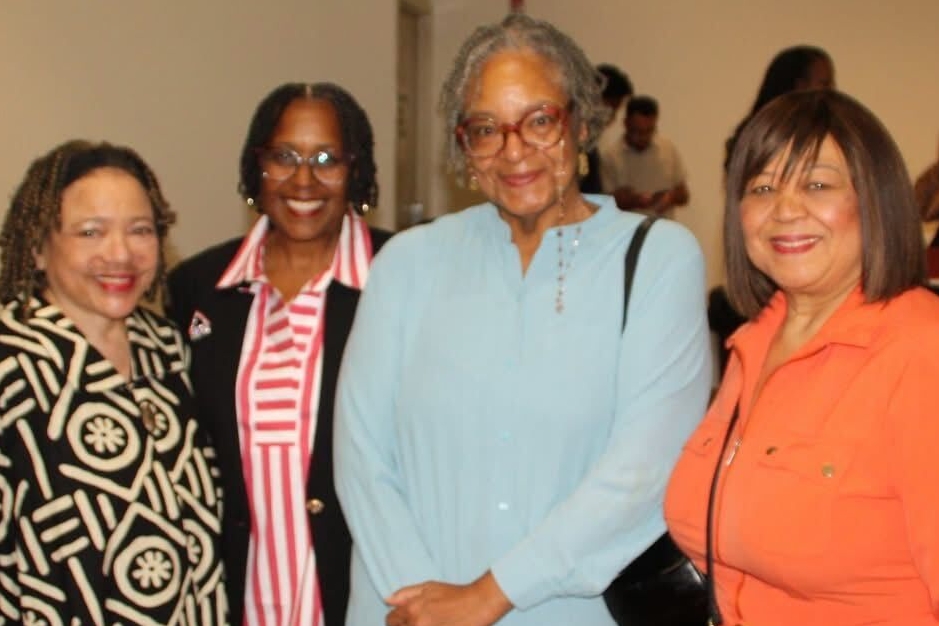
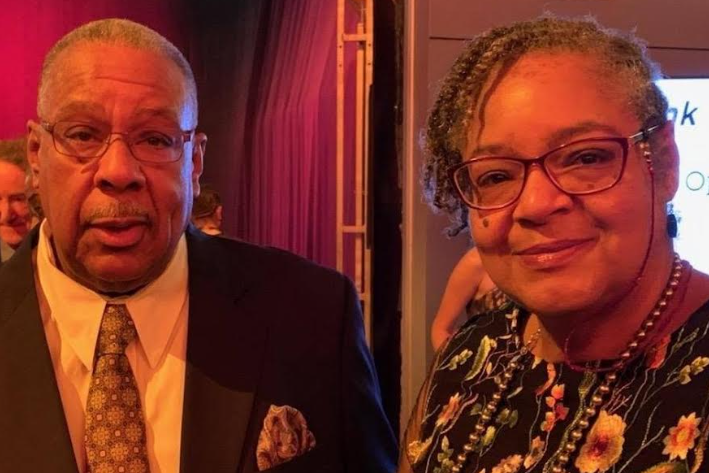
    Above, Professor Odom celebrates her retirement from Temple in 2019. Below, she (second from right) attends an event with colleagues for the National Association of Black Journalists.Germaine Edwards

    Arlene Notoro Morgan, former assistant managing editor at The Inquirer, said: “She certainly was fearless in covering the streets.”

    After leaving The Inquirer, Professor Odom spent 13 years, from 2005 to her retirement in 2019, as an assistant professor in the Department of Journalism at Temple University. She was also a playwright, a documentary filmmaker, and, according to David Boardman, dean of Temple’s Klein College of Media and Communication, “a champion of diversity and opportunity.”

    “Maida … was a passionate advocate for the integrity of journalism,” Boardman said in a tribute, “in both the newsroom and the classroom.”

    At Temple, Professor Odom connected with students and forged relationships between the university and local high schools and other organizations. She taught public affairs reporting and elements of writing, was director of internships, and created Temple’s high school journalism workshops.

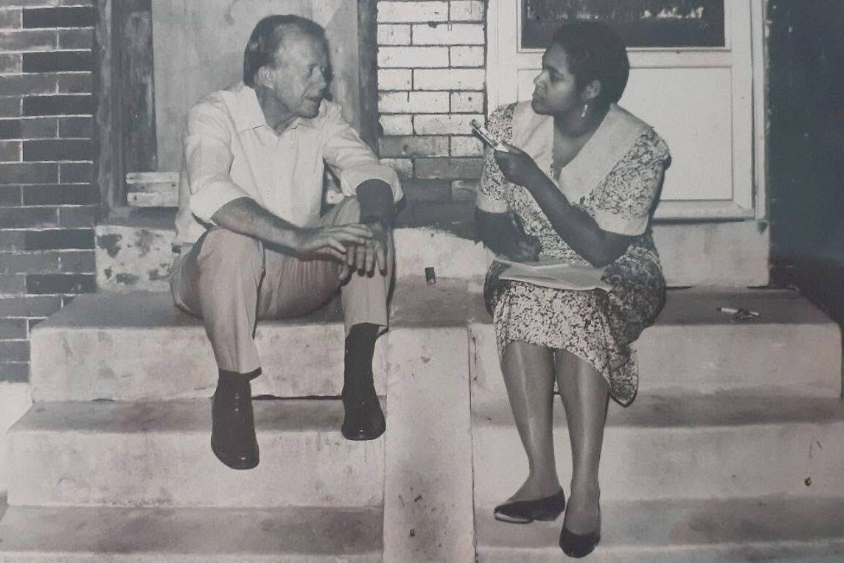
    Above, Professor Odom interviews Jimmy Carter in the 1970s. Below, she wrote a local column for the Akron Beacon Journal in 1976.Maida Odom

    “It’s part of an overarching notion of community-based education where a lot of your learning doesn’t take place in the classroom,” she told the Temple News in 2014 about the high school workshops. “And I think that’s very important, particularly for journalists.”

    In 2025, Professor Odom was featured in a six-part podcast called MOVE: Untangling the Tragedy that was produced by Temple and The Inquirer. She also wrote a play, MOVE Mocks Us All, about the bombing and told The Inquirer in 2025: “What I learned most from all of this is when you sow seeds of hatred, you can’t control how they grow.”

    She coproduced 1199 at 25: The Power of Collective Action, a 2002 documentary about the labor struggles of the National Union of Hospital and Health Care Employees in Philadelphia. She mentored young people wherever she worked and was active with the Philadelphia chapter of the National Association of Black Journalists.

    Before The Inquirer, Professor Odom covered Jimmy Carter and the 1976 presidential election for the Dayton Daily News in Ohio. Before that, she wrote about community news for the Akron Beacon Journal. She followed Charyn Sutton, the first Black woman reporter at The Inquirer, and also worked in public relations and as a newsletter editor, and was on the board at Scribe Video Center.

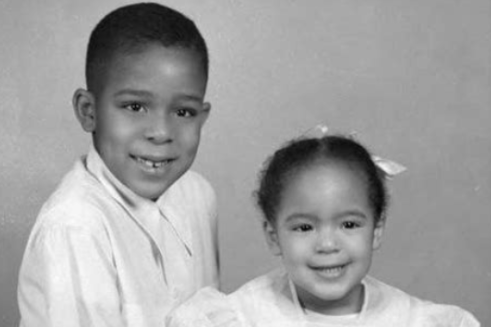
    Professor Odom was close with her brother, Vernon.Courtesy of the family

    Friends and colleagues called her an “extraordinary woman,” “a delightful person,” a “great journalist,” and “an exceptional teacher” in Facebook tributes. One colleague said on Instagram: “She was a no nonsense truth teller, a brave, fearless journalist who refused to look away.”
    Her brother, Vernon, said: “She was intense.” Longtime Inquirer colleague Roy H. Campbell said: “She had a low tolerance for BS.”

    Maida Cassandra Odom was born Dec. 12, 1952, in Louisville, Ky. She grew up in Akron, Ohio, and was a talented writer and straight-A high school student.

    She was inspired to engage in social activism and academia by her parents, and she earned a bachelor’s degree in journalism at Northwestern University in Illinois. Later, she did extensive graduate work in Africana studies and other topics at the University of Pennsylvania.

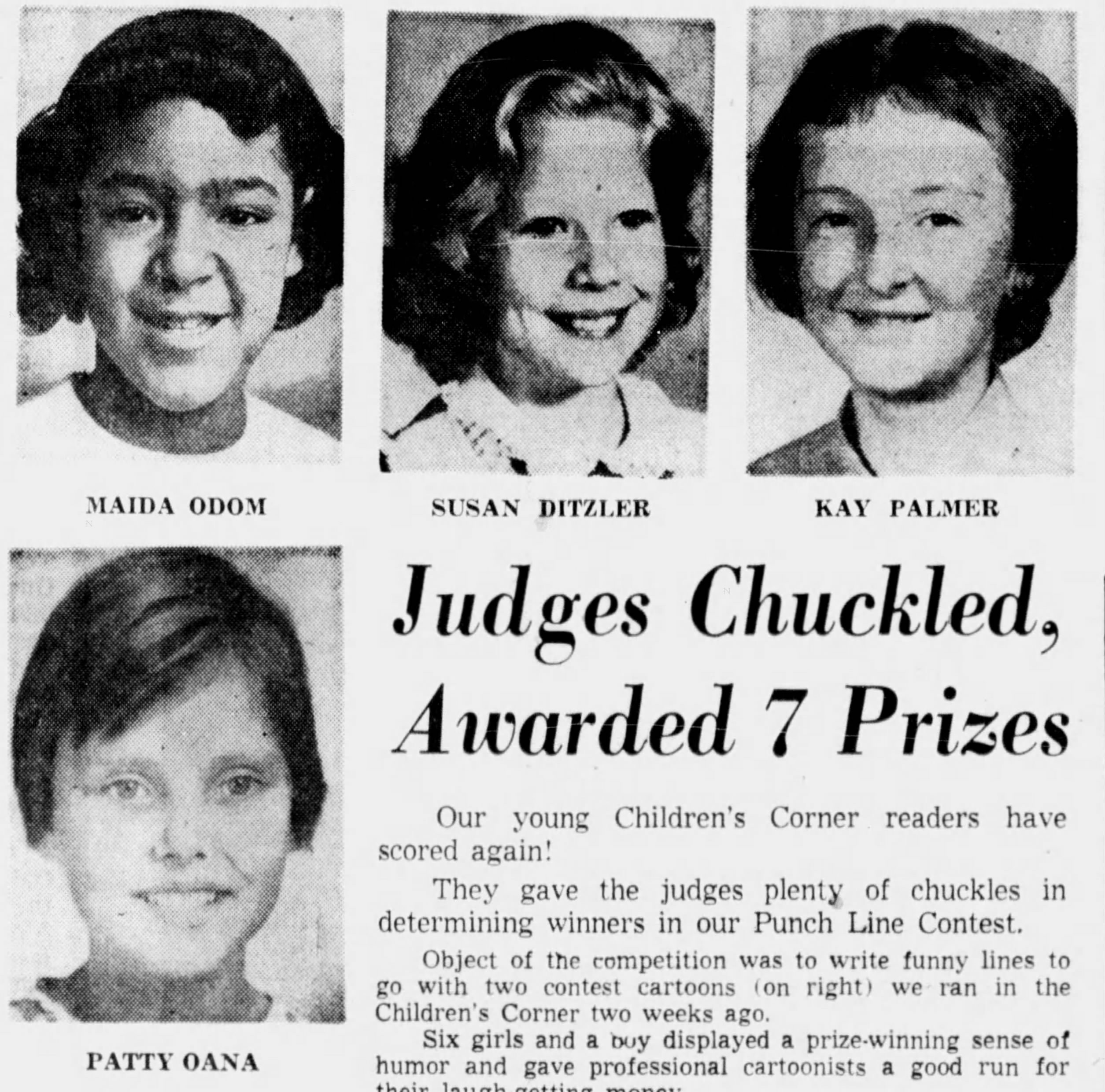
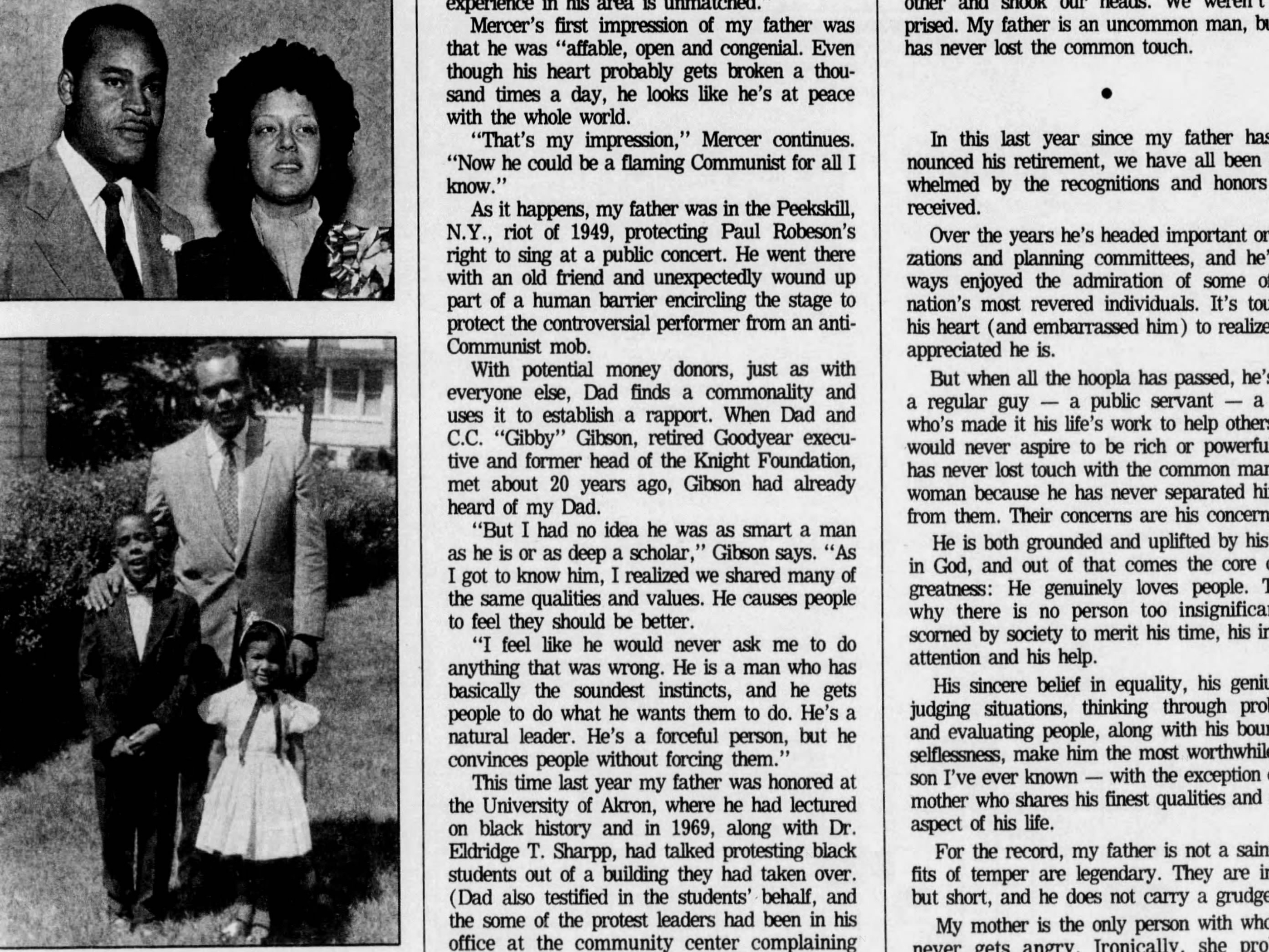
    Professor Odom (top left) appeared in the Akron Beacon Journal in 1963 as a 10-year-old for winning a caption-writing contest. Below, she stands with her father and brother in a photo that appeared with her 1992 story in the Beacon Journal about her family. The top photo below is of her father and mother. Newspapers.com

    Professor Odom enjoyed reading and traveling, especially to the beach in Jamaica. She was a member of Alpha Kappa Alpha Sorority Inc. and taught Sunday School and was on the board of trustees at St. Matthew AME Church.

    “Maida’s reach was far,” her brother said. “Maida’s reach was wide.”

    In addition to her brother, Professor Odom is survived by other relatives.

    Services are to be at 11 a.m. Wednesday, Nov. 11, at St. Matthew AME Church, 215 N. 57th St., Philadelphia, Pa. 19139.

    Professor Odom, right above and rear left below, enjoyed time with her friends and family. Melanie Burney
  • West Philly’s favorite pizza shop is back

    West Philly’s favorite pizza shop is back

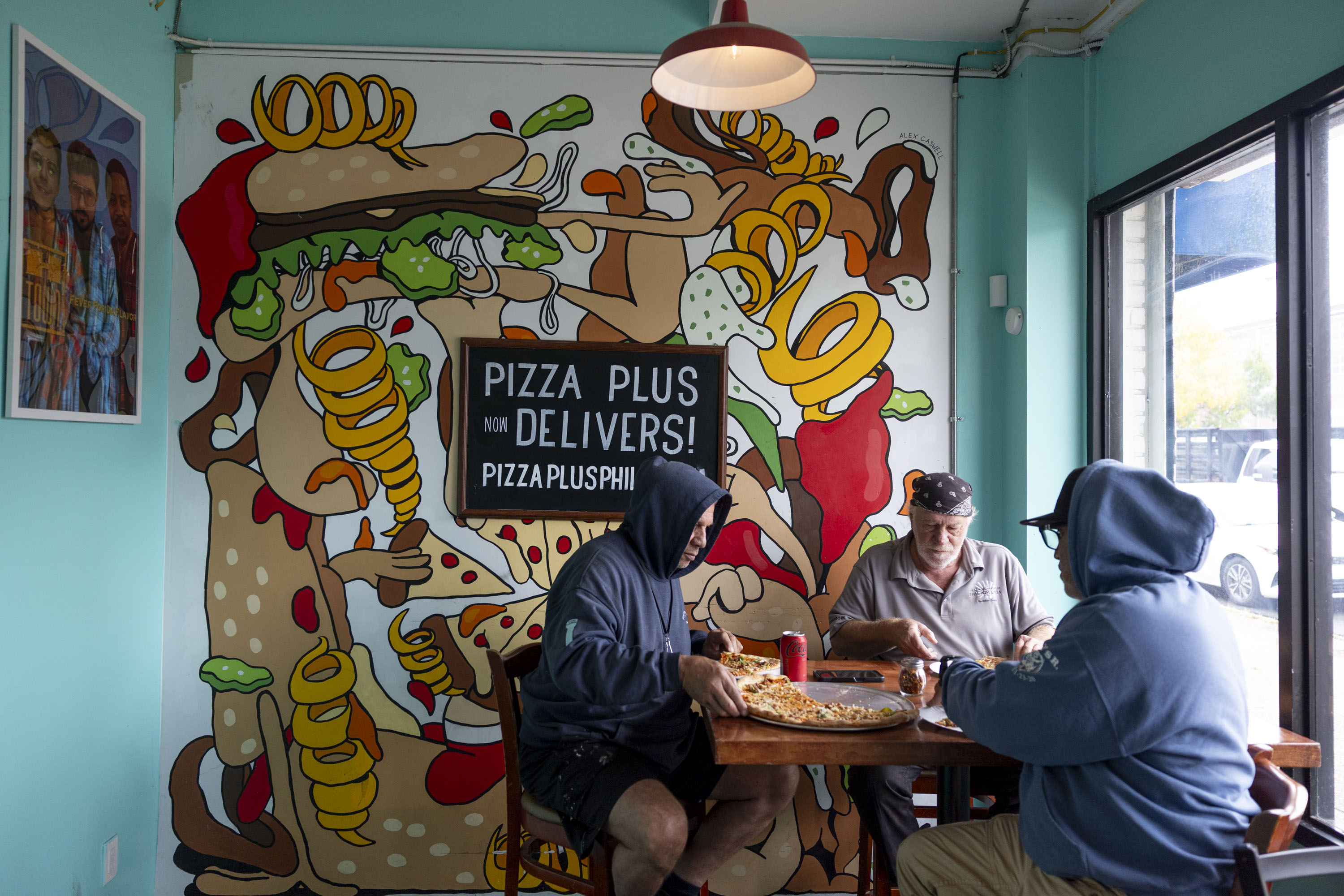
    After a botched sale and a three-month pause, the pizza oven is fired up again at 4814 Spruce St. in West Philadelphia.

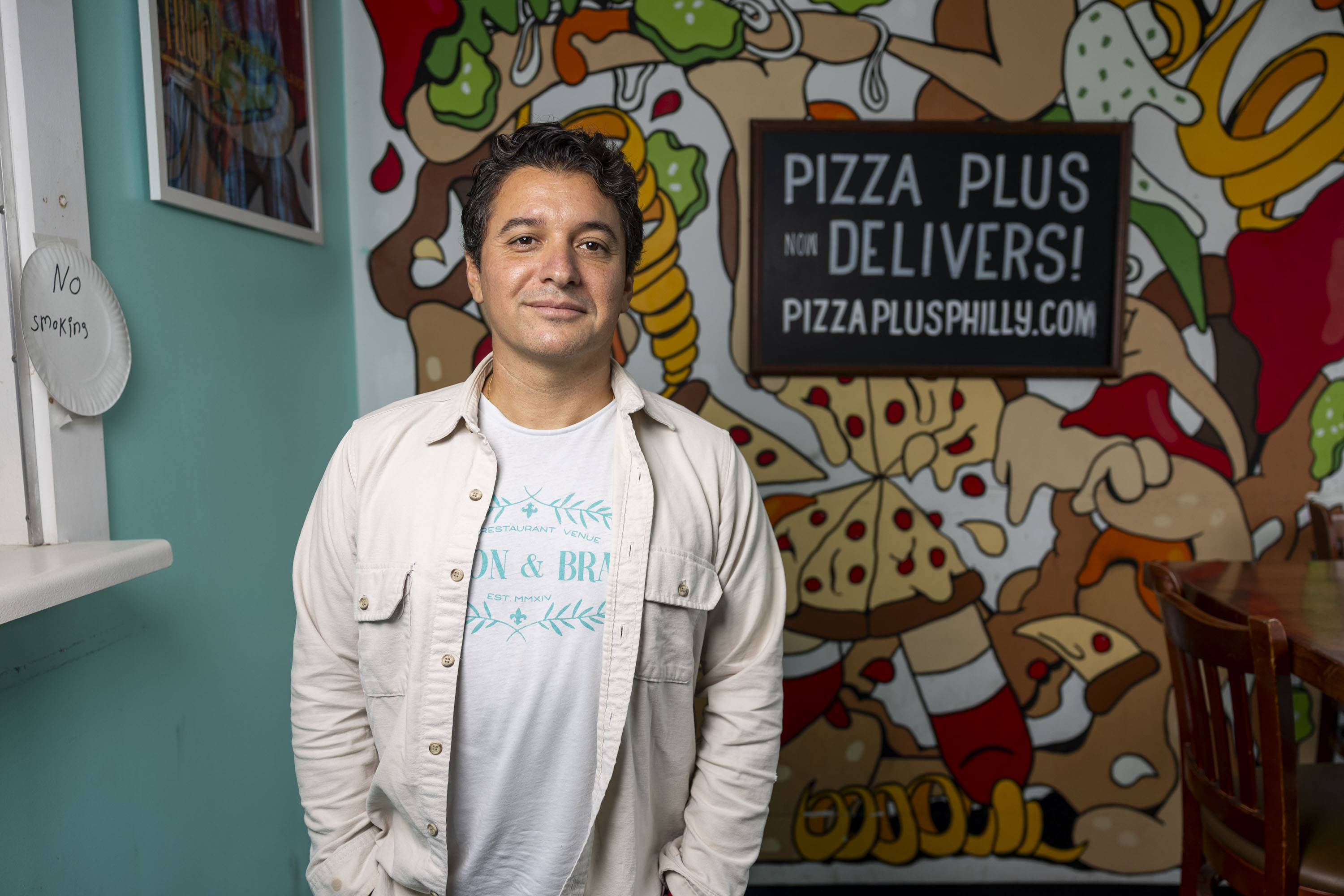
    Pizza Plus West reopened earlier this month — in the same location and under its original owners — bringing pizzaiolo Daniel Gutter’s experimental pies back to a neighborhood that some say lacks good delivery pizza.

    Gutter, known as @pizza_gutt on Instagram, and business partner Alex Carbonell opened Pizza Plus West in 2021 as the fourth shop in their growing restaurant empire, which includes Circles and Squares in Kensington, the Northern Liberties gastropub Bourbon & Branch, and the original Pizza Plus at 1846 S. 12th St. in South Philly.

    Pizza Plus started as a way for Gutter to branch out from his signature Detroit-style squares into other realms: 16-inch New York-style pies and pan pizzas, plus delivery staples like wings and cheesesteaks.

    The partners sold Pizza Plus West in April 2026 to focus on other projects that demanded their full attention, Carbonell said. He and Gutter are working on transforming the long-closed Mount Airy dive bar the Mermaid into a three-story restaurant set to open next spring. They also recently rebranded Bourbon & Branch as a Southern restaurant, now helmed by former Middle Child Clubhouse sous chef Brooke Alan.

    “We were at the top of our game at Pizza Plus West, doing better than ever,” Carbonell said. “But we also felt like we were being torn in too many different directions.”

    The Honey Roni Pizza at Pizza Plus West is topped with mozzarella, ricotta, pepperoni, hot honey, and pickled jalapenos.Tyger Williams / Staff Photographer

    To take something off their plate, Carbonell and Gutter made arrangements to sell Pizza Plus West to a new owner who hoped to gradually turn the shop into a Guyanese fried chicken joint that also sells pizza. They started a handoff in April, but by July, the shop was doing less than half its usual sales, Carbonell said.

    Soon after, he said, the new owner ghosted Carbonell and Gutter and defaulted on a two-year bridge loan from them negotiated as part of the sale. The shop closed that same month.

    “It was very depressing,” said Carbonell, declining to name the other owner. “Neither of us really wanted to sell [Pizza Plus West]. We just felt like we didn’t have any other choice at moment.”

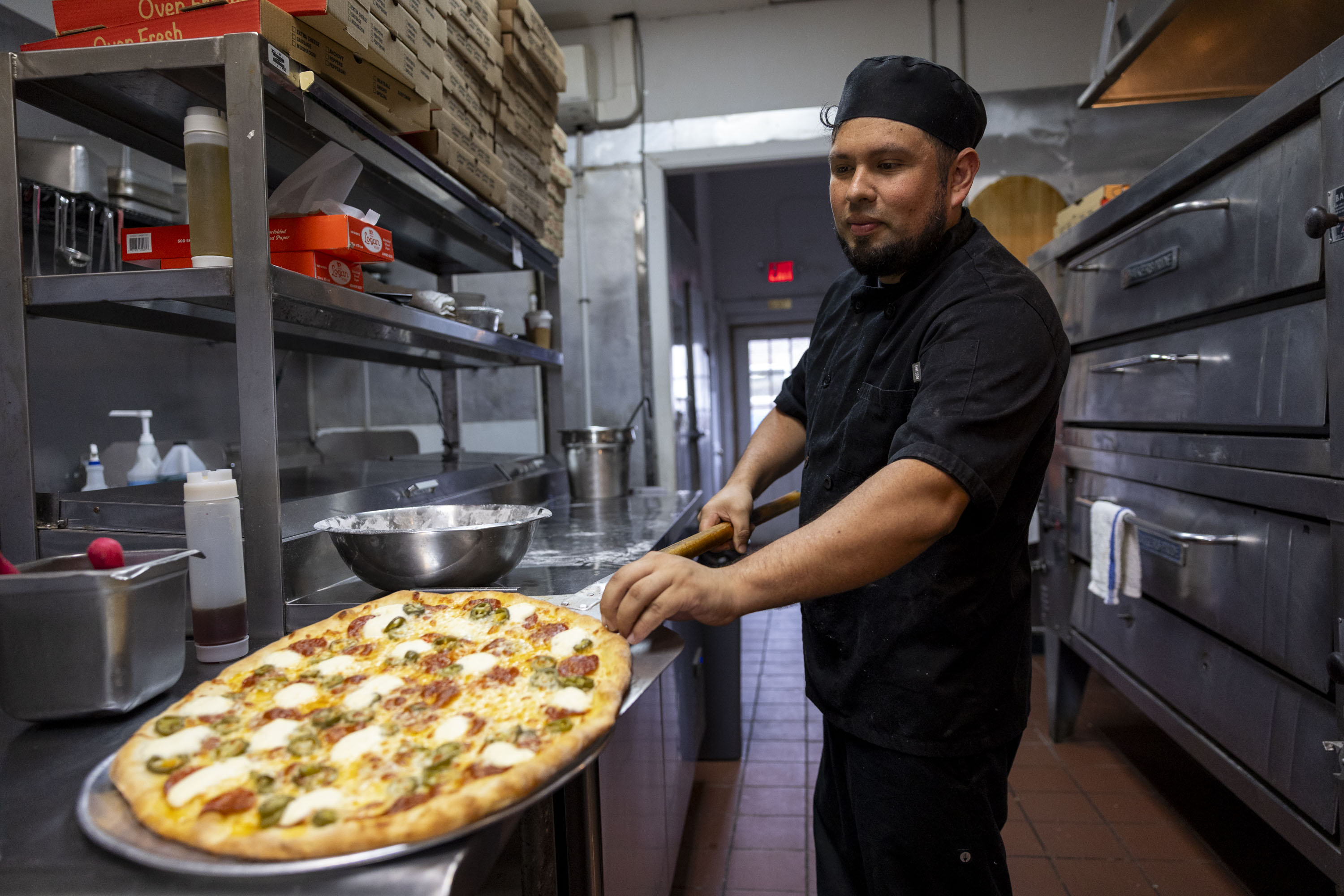
    Chef and partner Pedro Vasquez pulls a fresh Honey Roni Pizza out of the oven at Pizza Plus West.Tyger Williams / Staff Photographer

    (The Inquirer was unable to identify Pizza Plus West’s previous owner via public records to reach out for comment.)

    After a month of deliberation, Gutter and Carbonell reclaimed the business, announcing via Instagram that Pizza Plus West was reopening in early October. Their first day back was Oct. 12.

    “It was so great to have old faces coming back in,” Carbonell said. “That first day, people were just walking by with their dogs and fist-bumping, just so excited to have us back.”

    Goodbye pan pizzas, hello fried chicken

    The new, old Pizza Plus West is not without changes.

    Carbonell and Gutter brought on Saul Pineda and Pedro Vasquez as new working partners to the Spruce Street shop in September, where they will be in charge of manning the pizza ovens. Both of them have worked with Carbonell for more than a decade at It’s Nutts, the beloved roadside family restaurant in Titusville, N.J., that Carbonell has owned since 2005.

    With the new partners comes one addition: It’s Nutts’ famous fried chicken, sold by the piece. The chicken soaks in a top-secret brine for 24 hours before getting dredged and fried.

    Pizza Plus West now serves fried chicken by the piece, a holdover from co-owner Alex Carbonell’s roadside restaurant, It’s Nutts, in Titusville, N.J.Tyger Williams / Staff Photographer

    Carbonell estimates It’s Nutts goes through 1,000 pounds of chicken a week. Pizza Plus West will be a success if it does a fraction of that, he said.

    The shop is also doing away with pan pizzas, which Carbonell said are “too labor-intensive” to maintain since they require a dedicated baker just to work on the focaccia crust. They have been swapped out for 12-inch personal-size New York pizzas, which Carbonell said are already selling well.

    Otherwise, the menu is the same. Pizza Plus West’s calling card remains its 16-inch pizzas. They range from classic red, white, and vodka-sauced pies to less conventional offerings such as the General Tso’s chicken and broccoli to the chicken Caesar — literally a Caesar salad with fried chicken spread on top of a white pie.

    Alex Carbonell, a co-owner of Pizza Plus West, inside the West Philadelphia shop.Tyger Williams / Staff Photographer

    Cheesesteaks and burgers (and their vegan counterparts) are also available, as are Pizza Plus’ gut-busting “snack boxes” — a single pizza box stuffed with a personal pie, two cheeseburgers, wings, fries, and onion rings.

    Pizza Plus West, 4814 Spruce St., 215-207-0391, pizzaplusphilly.com. Hours: 11:30 a.m. to 9 p.m. Sunday through Thursday. 11:30 a.m. to 10 p.m. Friday to Saturday. Closed Tuesday.

  • Two Council members opt out of Parker’s plan to add apartments in commercial areas

    Two Council members opt out of Parker’s plan to add apartments in commercial areas

    Mayor Cherelle L. Parker’s latest effort to boost housing production in Philadelphia advanced at a City Council hearing Tuesday, part of her larger push to add 30,000 homes to the city over her tenure.

    The bill allows properties with zoning that mostly applies to corner stores — known as CMX-1 — to allow additional apartments, depending on a building’s size.

    The idea is to allow multiple apartments in larger buildings — where often only one is allowed now — and housing on the ground floor as well, especially in areas where commercial vacancy is high.

    “We have a lot of vacant first-floor commercial that just can’t be occupied,” Paula Brumbelow Burns, director of legislation at the Philadelphia City Planning Commission, said at City’s Council’s Rules Committee hearing Tuesday.

    “This … can create more housing opportunities and use that space so we don’t have that vacancy at street level,” said Brumbelow Burns.

    But two City Council members plan to opt their districts out of this part of the mayor’s housing plan.

    Councilmembers Brian O’Neill, who represents Far Northeast Philadelphia, and Cindy Bass, who represents much of Northwest Philadelphia, said they didn’t see Parker’s bill as a good fit for their districts.

    “It’s really about community control,” Bass said after the hearing. “We’re hesitant to preemptively provide developers with this large development opportunity without having community input.”

    Although the mayor’s bill considered Tuesday was transmitted to Council in March and officially introduced in May, it was not signed into law like Parker’s other zoning changes before the summer recess.

    It has been delayed by concerns from Bass and O’Neill, who needed time to draw up plans to exempt their districts.

    Philadelphia City Councilmember Cindy Bass on the chamber floor inside City Hall in June.Aidan T. Gallo / Staff Photographer

    The opposition to a change like this in the city’s land use laws exemplifies why the politics of housing can be difficult to navigate and slow to generate results.

    Parker’s zoning proposals are likely to create fewer units than hoped for and on a timeline long enough to do little to add to the mayor’s promised 30,000 new units during her term. Many other municipalities face similar challenges.

    How many units will be created by this change?

    Parker’s team initially said the changes to the CMX-1 category would create the capacity to add 7,000 to 12,000 units across the city.

    However, an analysis from the pro-development think tank Build Philly Now put the estimate at 17,018 across the city — with 5,863 units allowed in O’Neill’s district alone.

    That’s because of an earlier effort by O’Neill to limit housing construction in his district. In 2022, he changed much of the neighborhood commercial zoning in his district to CMX-1, reducing the number of units that could be added along commercial corridors in the Far Northeast.

    That also means that much larger properties have CMX-1 zoning in his district than in any other part of the city, and far more housing would be allowed on these mixed-use commercial properties under Parker’s bill discussed Tuesday.

    “Councilmember O’Neill has a [CMX-1] property that is 16 acres, and it would allow a remarkable number of units” under the administration’s bill, said Brumbelow Burns.

    Philadelphia Mayor Cherelle L. Parker takes podium for opening remarks and budget presentation to City Council on March 12.Alejandro A. Alvarez / Staff Photographer

    The long-standing tradition of councilmanic prerogative — in which district members are allowed wide latitude over zoning in their territory — means that the mayor has little power to fight O’Neill’s and Bass’ exemptions.

    The City Planning Commission endorsed both exemptions, as part of larger changes to zoning overlays in the two Council districts.

    Brumbelow Burns said the exempted districts generally have larger properties with CMX-1 zoning, which would allow a lot more housing than in other parts of the city under the mayor’s change.

    “As we move farther out into other districts, the lots sometimes get bigger,” Brumbelow Burns said. “So we’ve been working with Councilmember Bass and Councilmember O’Neill [because they] have the larger properties that could have a negative impact.”

    The exemptions raised questions from other Council members.

    “There are other districts that have similar makeup, and I’m thinking immediately of my community in Wynnefield as an example,” said Katherine Gilmore Richardson, an at-large Council member. “This continues to be a challenge for us as well.”

    Councilmember Jamie Gauthier, who represents much of West Philadelphia, tried to steer the debate back to the administration’s original intent, which is to add one or two more apartments to former commercial buildings that would otherwise be vacant.

    “This just allows us to make use of the property in a way that reflects how our blocks and our communities actually function,” she said.

    Parker’s bill and the legislation exempting O’Neill’s and Bass’ districts were passed by the Rules Committee on Tuesday. The bills could be voted on by the full Council and sent to the mayor as soon as Nov. 12.

  • Racial justice advocate and chair of Police Oversight Commission charged with witness intimidation, bribery

    Racial justice advocate and chair of Police Oversight Commission charged with witness intimidation, bribery

    The chair of Philadelphia’s Citizens Police Oversight Commission was arrested Tuesday after prosecutors accused him of obtaining and selling confidential information about a witness in an attempted murder case.

    Hassan Bennett then gave the information to a man who had threatened to hunt down and kill the witness, prosecutors said.

    Bennett, 43, faces charges of witness intimidation, bribery, conspiracy, and related crimes. The arrest marked a dramatic turn for Bennett, who became a prominent criminal justice advocate after spending nearly 13 years in prison for a murder he said he did not commit. His conviction was overturned in 2017, and he was acquitted at a retrial in 2019.

    In addition to his role with the oversight commission, Bennett works as a bail navigator for the Defender Association of Philadelphia. Prosecutors declined Tuesday to say whether Bennett used his position with the commission or the defenders to obtain the information he shared, including unredacted copies of police reports that contained the witness’ full name.

    They also declined to provide details of the underlying attempted murder case, citing the need to protect the witness.

    Bennett sold photos of those reports for $500, prosecutors said, to Thomas Scott, the man accused of trying to silence a key witness in the case. Scott, 45, is charged with witness intimidation and criminal use of a communication facility and is being held on $2 million bail.

    Prosecutors announced Bennett’s arrest at a news conference Tuesday afternoon, where they credited a monthslong investigation by the Gun Violence Task Force with foiling Scott’s efforts and linking Bennett to the leaked information.

    The investigation began after prison officials contacted the district attorney’s office about a series of suspicious calls between an incarcerated man and Scott, said William Fritze, chief of the task force.

    Digital records uncovered threats made against the witness on social media accounts linked to Scott, Assistant District Attorney Joseph Lanuti said. The social media posts, Lanuti said, were an attempt to “prevent witness from coming to court.”

    In one, he said, Scott threatened to “blow down the witness in broad day.”

    And among the many recorded calls provided by prison officials, investigators found one that captured Bennett’s voice as he read information from the report and shared the witness’ name, Lanuti said. Scott, he said, also possessed photos of the documents.

    Investigators found that Bennett and Scott were connected on social media, Fritze said. But prosecutors said they were still working to determine how Bennett and Scott had come to know one another and the extent of their relationship.

    Fritze said the investigation of Bennett is ongoing. “We will continue to do our due diligence and look into any other incidents Bennett may have been involved in,” he said.

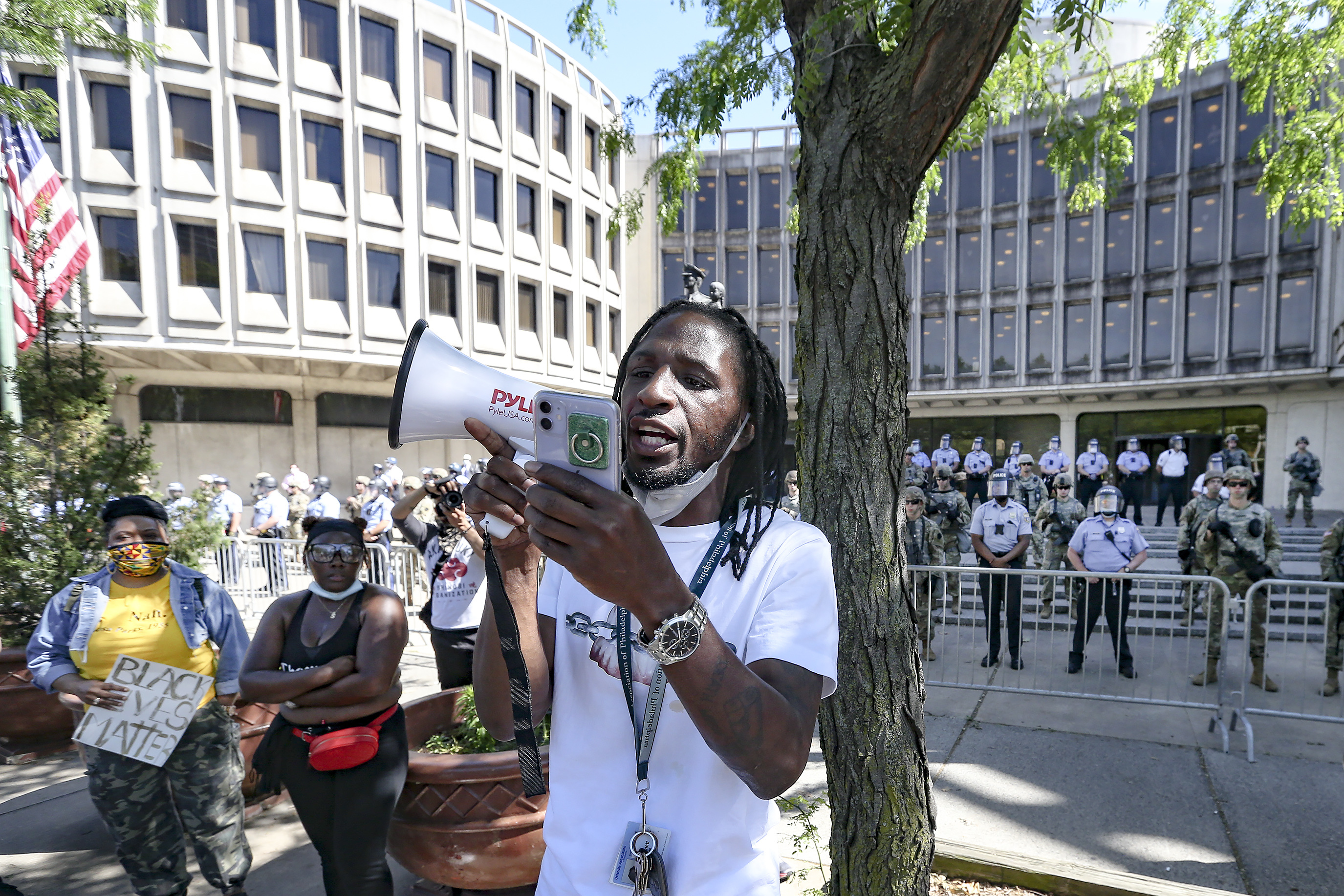
    Hassan Bennett speaks to protesters in front of Police Headquarters in June 2020.STEVEN M. FALK / Staff Photographer

    Bennett’s bail has been set at $1 million, Lanuti said.

    Bennett had served as chair of the oversight commission since 2024 and held various leadership roles since its formation four years ago. He had worked for the Defender Association for about six years, following his acquittal and release from prison on murder charges.

    In a statement, a spokesperson for the Defenders said the “allegations in this matter are exceptionally serious, and we are treating them with the urgency they demand.”

    The spokesperson, George Jackson, added that Bennett is “entitled to the same due process afforded to anyone who is accused of a crime,” and is considered innocent until proven otherwise. The association is cooperating with law enforcement as their investigation continues, Jackson said.

    Bennett, a union employee, will be terminated effective Thursday, Chief Defender Keisha Hudson said.

    Tonya McClary, the oversight commission’s executive director, said in a statement that the group would not comment on the allegations against Bennett this early in the case.

    “Our responsibility to the people of Philadelphia remains unchanged,” she said. “We will continue our work to strengthen police accountability, promote transparency, and build public trust.”

    The commission was formed by City Council — and later approved by Philadelphia voters — in 2020 amid nationwide protests over police brutality and racism after the killing of George Floyd in Minneapolis. It was meant to serve as an independent civilian oversight agency that, with subpoena powers, could take complaints from the public against officers and run investigations into police misconduct alongside the Police Department’s Internal Affairs Division.

    But the commission, which has been allocated millions in taxpayer funds, has drawn scrutiny for accomplishing little since its inception in 2022. Staff turnover and political infighting have also plagued the group, former staffers have said, as has pushback from the police department and police union that the group said has made it difficult to conduct independent investigations.

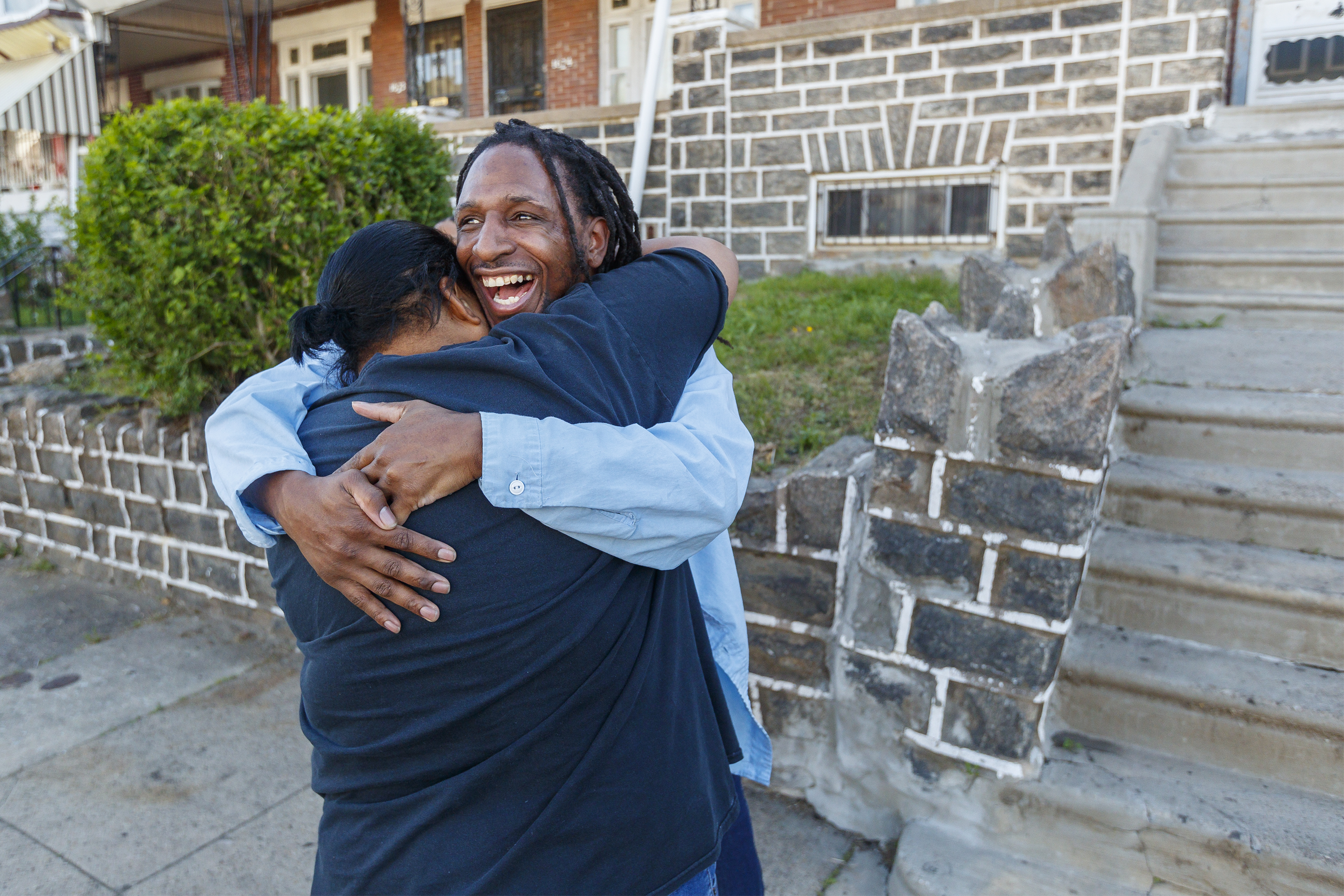
    Hassan Bennett hugs his grandmother in 2019 following his release from prison.MICHAEL BRYANT / Staff Photographer

    Bennett, of West Philadelphia, has been a face within the city’s racial and social justice movements since his release from prison in 2019 — a case that drew national attention and acclaim because Bennett represented himself in a successful retrial.

    He served nearly 13 years in prison for the 2006 murder of Devon English — a crime he maintained he did not commit and a case that went to trial four times.

    Bennett’s first trial ended in a mistrial. But prosecutors retried him in 2008, and he was convicted and sentenced to life in prison without the possibility of parole.

    The conviction was later overturned due to mistakes by his lawyer, and in 2017, he was granted a new trial, which began in 2018.

    After studying the law during his time behind bars, Bennett represented himself in the third trial and wore his blue prison uniform in court. The jury deadlocked, and jurors later acknowledged that all but one wanted to acquit him.

    The district attorney’s office under Larry Krasner moved to try him a fourth time. Bennett again represented himself. The jury acquitted him of the charges and he walked free.

    Krasner said Tuesday that he believed Bennett had committed that murder but that the case was tainted by the problematic behavior of former Philadelphia homicide detective James Pitts, who was later convicted of fabricating evidence and lying on the stand in a separate case and sentenced to 2 ½ years in prison.

    In February 2020, Bennett was hired by the Defender Association as a client advocate to link pretrial defendants with social services, like drug and alcohol counseling. He was most recently working as a bail navigator. It was not immediately clear Tuesday if Bennett remained employed with the association.

    Staff writer Jesse Bunch contributed to this article.

  • Philadelphia Food as Medicine Coalition wants to improve health through nutrition

    Philadelphia Food as Medicine Coalition wants to improve health through nutrition

    When Kennett Square entrepreneur Mike Cangi attended an event exploring the relationship between food and health in Greater Boston last year, he found himself sitting with two Philadelphia-area neighbors whom he had never met before.

    One led The Community Grocer, a nonprofit grocery store in West Philadelphia, while the other led the Food Trust, a nonprofit that operates regional farmers markets.

    Cangi’s own Northern Liberties-based company, FareRx, provides medically appropriate groceries to people with chronic conditions.

    “Guys, why are we meeting for the first time in Boston, when we’re doing all of this work in Philly?” he recalled thinking.

    That inspired him to create the Philadelphia Food as Medicine Coalition, which officially launches on Tuesday at its first annual Food First Health Summit at WHYY-NPR Studios in Center City.

    The coalition will promote the importance of food and nutrition in health — a concept known as food as medicine — while fostering collaboration among local nonprofits, policymakers, insurers, health experts, and farmers.

    Temple University’s College of Public Health is one of the founding members of the coalition, alongside Food Tank, a global nonprofit aiming to build a more sustainable food system. Cangi graduated from Temple University and has a longstanding relationship with Food Tank.

    David Sarwer, the director of the Center for Obesity Research and Education at Temple, sees the food-as-medicine movement as “a little bit of applied nutrition.”

    Education is one aspect: helping people understand the importance of healthy eating in a society where ultra-processed foods are often more accessible than fresh produce.

    It also includes making the food system more equitable.

    The coalition will bring together a working group of stakeholders to meet regularly, identify community needs, and explore clinical programs, research, and funding opportunities that could support them.

    “How do we ensure that all members of our communities have access to the healthiest foods possible?” Sarwer said.

    Deaver Wellness Farm at Main Line Health’s Lankenau Medical Center in Wynnewood is among the programs recognizing the role of food in health. The farm provides fresh fruits and vegetables to some hospital patients, as shown here in a 2024 photo.Monica Herndon / Staff Photographer

    What is “Food as Medicine”?

    “Food as medicine is sort of the oldest medicine,” said Danielle Nierenberg, president and co-founder of Food Tank.

    Traditional Chinese medicine, for example, emphasizes the role of the diet in supporting health and restoring balance to the body.

    In many Indigenous cultures, plants such as echinacea and elderberry play medicinal roles.

    The food-as-medicine movement has seen a boost in recent years, with more hospital programming, nonprofit efforts, and policy initiatives emphasizing the role of food in preventing and managing disease.

    “Modern healthcare is finally paying attention to food as medicine in a way that they never have,” Nierenberg said.

    The Make America Healthy Again movement led by U.S. Health Secretary Robert F. Kennedy Jr. has pushed healthy eating as key to combating chronic disease.

    Some recommendations in Kennedy’s new dietary guidelines released earlier this year — including his promotion of saturated fats and the vague guidance on drinking alcohol — have drawn criticism. But his crackdown on ultra-processed foods echoes what many health organizations and consumer advocacy groups have been saying for years.

    And some medical schools have pledged to President Donald Trump’s administration that they will offer 40 hours of nutrition education.

    As a founding member of the new coalition in Philadelphia, Nierenberg looks forward to promoting legislative action at the state and city level.

    She pointed to recent federal cuts to the Supplemental Nutrition Assistance Program (SNAP) that could threaten food access in low-income communities.

    Members of Congress and state leaders are slated to speak at the coalition’s inaugural summit, alongside Pennsylvania Human Services Secretary Val Arkoosh, and Philadelphia Health Commissioner Palak Raval-Nelson.

    “We rarely get to hear from congressional members about food and agriculture policy, so I’m really excited about being able to talk to them,” Nierenberg said.

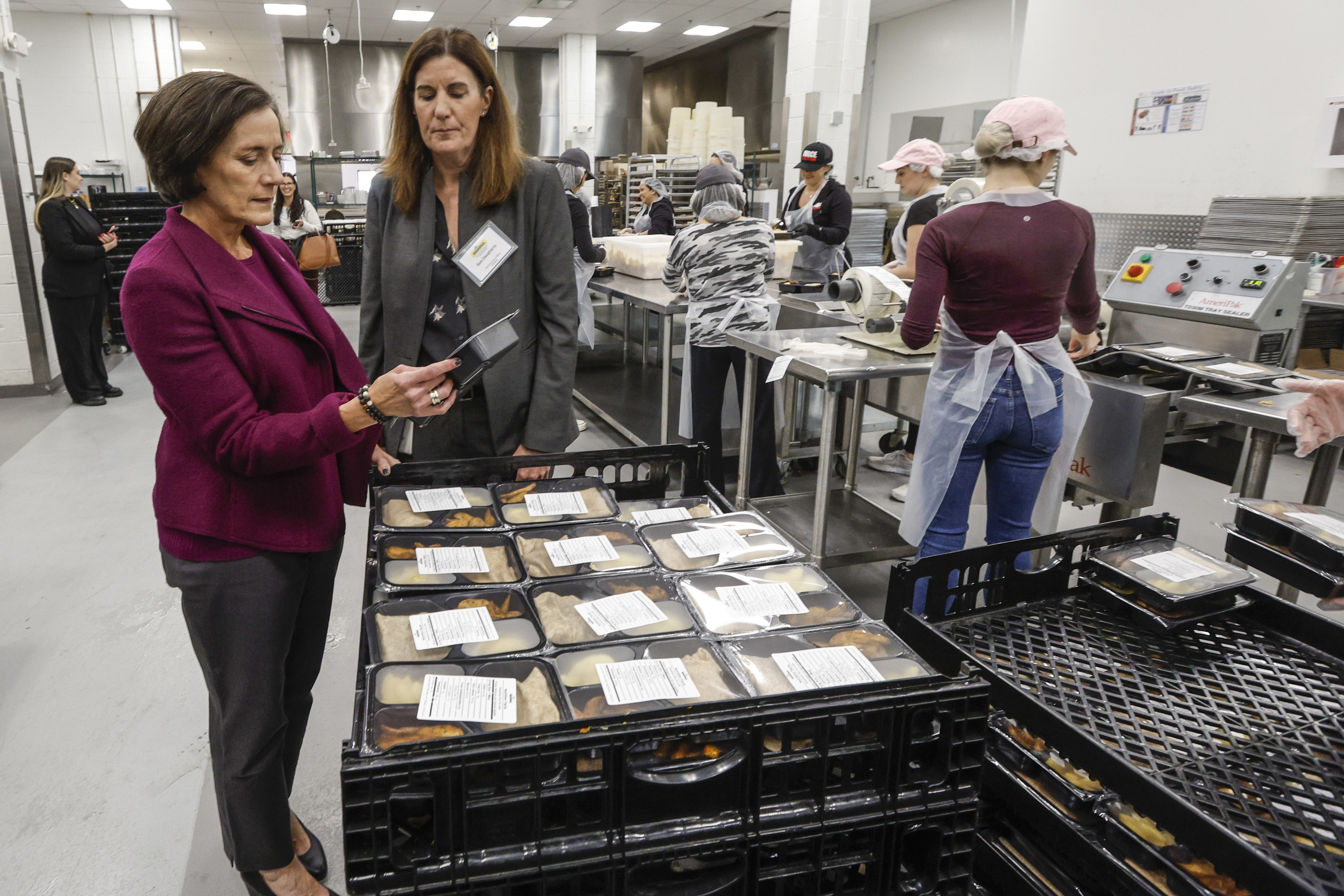
    Pennsylvania Human Services Secretary Val Arkoosh (left) looks over packaged breakfast meals with MANNA CEO Sue Daugherty in a visit discussing the nonprofit’s medically tailored meals for chronically ill patients on Medicaid in November 2023.Steven M. Falk / Staff Photographer

    ‘Food as Medicine’ in action

    Cangi was determined to bring the food-as-medicine conversation back to Philadelphia — a city with “some serious challenges when it comes to health disparities,” he said.

    People who are Black and from low-income households have higher rates of chronic disease, lower-than-average life expectancy, and limited access to healthy food in the city.

    Cangi saw how important nutrition was to managing chronic illnesses.

    His company FareRx launched in 2022 as a grocery delivery program tailored to its members’ medical needs. It has since expanded to offer teaching kitchens in Philadelphia where people can receive hands-on nutrition education, including how to portion and prepare food.

    For members with diabetes, dietitians may focus on introducing lower-carbohydrate foods and healthier alternatives. Some arrive drinking only sugary beverages, such as soda or sweetened tea.

    “I don’t like water,” Cangi recalls hearing.

    This is a problem for people with diabetes, a condition characterized by high blood sugar levels, since sugary drinks can cause sharp surges in blood sugar.

    FareRx’s dietitians suggest ways to make water more appealing, such as adding lemon, sugar-free sweeteners, or other flavorings. For members who regularly eat refined carbohydrates, such as white bread, pasta, or cereal, they may suggest less-refined alternatives like whole-grain pasta.

    Refined carbohydrates can cause blood sugar spikes and are stripped of most of their fiber and nutrients during processing.

    Many members also eat few or no fruits and vegetables.

    “We’ve had members that have never seen or never eaten an eggplant in their life,” Cangi said.

    Rather than asking members to overhaul their diets, dietitians start with incremental changes. They may begin by identifying fruits and vegetables members have eaten before and would be willing to eat more often, including options that require no preparation.

    Over time, Cangi said, members begin to feel better and gain confidence in the effect food can have on their health. That can make them more willing to try unfamiliar foods.

    “It oftentimes takes changing habits that have existed for years prior and kind of rewiring what their plate can and should look like,” Cangi said.

    Teaching people how to read nutrition labels is another important step.

    Labels are based on a very standardized individual and may not apply to someone with a health condition.

    For example, the amount of sodium in one canned soup may be listed as 40% of the daily value. But for someone with high blood pressure, it could be more than they should have for the entire day, he said.

    “Nutrition labels exist on everything, but that doesn’t mean that people understand what those labels mean,” Cangi said.

  • A man who Philadelphia police shot Friday has died

    A man who Philadelphia police shot Friday has died

    A man who was shot multiple times by Philadelphia police officers has died, police said Saturday.

    About 5:20 p.m. Friday, officers responded to a 911 call about a man with a gun in West Philadelphia, police said.

    When police arrived at the 5100 block of Funston Street in the Mill Creek section, they encountered a man holding a handgun to his head, Deputy Commissioner John Stanford said Friday at a news conference. Police secured the area while additional officers arrived.

    Police attempted to talk with the 37-year-old man for about 15 minutes, Stanford said. But when the man pointed his gun at them, seven officers, including three supervisors, shot at him.

    “Responding officers discharged their firearms, striking the male multiple times,” police said Saturday. The man was taken to Penn Presbyterian Medical Center, where he was pronounced dead.

    Police had responded earlier Friday to a domestic dispute involving the man and his significant other, Stanford said.

    Police did not release the man’s name.

    The responding officers will be placed on administrative duty while an internal investigation takes place, police said.

    Staff writer Robert Moran contributed to this article.