First Bank’s independence from presidential authority was cited as precedent on the first page of Monday’s’s 5-4 Supreme Court decision that backed the independence of the Federal Reserve.
The long-departed central bank also remains a center of controversy: A dissenting opinion challenged the First Bank’s actual role, as did hostile Democrats back in its day.
The First Bank — along with the partly government-owned original Bank of the United States and the Second Bank of the United States — was cited by Chief Justice John Roberts and a bare majority in the decision that blocked President Donald Trump from firing Fed governor Lisa Cook.
“The United States has a long tradition of independent central banking,” Roberts wrote, noting that Philadelphia-based central banking enjoyed “independence from the federal government,” even though its job was maintaining a sound U.S. dollar.
After President Thomas Jefferson ended the First Bank and President Andrew Jackson refused to recharter the Second Bank, 80 years of “ruinous financial panics” convinced Congress to protect “public and private interests at times when they were imperiled” by setting up today’s Federal Reserve, Roberts wrote for the majority.
The resulting system of independent Federal Reserve Banks in Philadelphia and 11 other cities shares control of the system with the presidentially appointed Federal Reserve Board of Governors. The governors are appointed to 14-year terms, stretching across three or four presidential terms. They can be fired only “for cause.”
Calling the court’s ruling an early Independence Day for the Fed, Michael Reynolds, vice president at Glenmede, a $50 billion investment firm based in Center City, said the court majority “are carving out a special place for the Fed,” and it’s not by accident.
The Fed “is a distinct case,” and its “unique historical lineage” tracing back to the First and Second Banks of the United States in Philadelphia provided legal justification to the court for preserving its independence, he said in an interview.
The Cook decision contrasts with the court’s 6-3 Slaughter opinion, posted the same day, which allows Trump freer rein to fire staff at the Federal Trade Commission and other “independent” federal agencies.
First Bank’s independence echoes in Fed
Trump tried to fire Cook, a Fed governor appointed by President Joe Biden in 2024, alleging falsehoods in her mortgage application. Lower courts said Trump lacked the power to fire her that way. As Roberts put it, the president can fire a Fed governor “for cause” but subject to court review as to whether the president’s target has committed a fireable offense.
“The Federal Reserve operates at a deliberate remove from the ordinary political process, including a budget free of congressional control and policies set not only by governors, but also by representatives of the private regional banks,” Roberts wrote.
If a president could cite or make up any reason for firing a Fed official, “any perceived or alleged misstep, past or present, could provide a ready pretext for a governor’s removal,” Roberts wrote — and “nothing could be more corrosive of the independence that Congress sought” than for Fed leaders to know the president could fire them on any pretext, while pushing them to ratify his favored policies.
Trump didn’t allow Cook to challenge her firing. She “was entitled notice and some opportunity to respond,” which Trump denied her, Roberts wrote.
Liberal-leaning Justices Sonia Sotomayor, Elena Kagan, and Ketanji Brown Jackson concurred, along with Roberts’ fellow conservative Brett Kavanaugh.
Kavanaugh added that letting a president fire Fed leaders at will would “expose the Federal Reserve to political influences and jeopardize the efficacy of U.S. monetary policy,” sparking “political upheaval” and “turmoil in the U.S. and world economies. I would not go down that road. I would not risk destabilizing the U.S. economy.”
Justice Clarence Thomas in his solo dissent disparaged Philadelphia’s First and Second Banks as “short-lived corporations.” He noted that Paul Warburg, one of the bankers who helped found the current Federal Reserve System in 1913, had sought to distance the planned Fed from the Philadelphia central banks, “ridiculing” them as no more advanced than banks of medieval Italy or even ancient Mesopotamia.
Justices Samuel Alito, Neil Gorsuch, and Amy Coney Barrett in separate dissents argued that Roberts wrote too sweeping an opinion in a case that should have been reviewed at greater length in the lower courts.
The Fed’s Independence Day
“Central bank independence is not an abstraction,” Glenmede’s Reynolds wrote in a letter to investors Tuesday. “The premise that monetary policy is set by long-term price stability, rather than near-term political pressure, underpins the credibility of the dollar, the anchoring of inflation expectations,” and the yield on Treasury debt.
“A Fed perceived as subject to political direction” would hurt the dollar’s value, he added. Removing that risk “is a quiet but meaningful positive for the stability” of U.S. interest rates.
Reynolds said in an interview that the court’s Slaughter decision, allowing the president wider powers to fire leaders of other agencies, is pro-business — even though its conclusion freeing Trump to fire Federal Trade Commissioners seems at odds with the Cook case.
Greater presidential control of regulatory agencies should “accelerate deregulation efforts, which is a priority of both the president and his Treasury secretary,” Reynolds added.
But Reynolds predicted that it will be a few years until such changes are likely to significantly reshape U.S. business rules.
For now, he’s more interested in the Fed’s next jobs report, due Thursday.
Editor’s note: This story has been updated to correct the day of the Supreme Court’s decision.
The Philadelphia area restaurant boom continues into the summer, with newcomers including a neighborhood cocktail bar, bakery/cafes, a suburban brewpub, a $2 million pizzeria, a vegan cafe, a destination dining room, and a fusion sandwich shop.
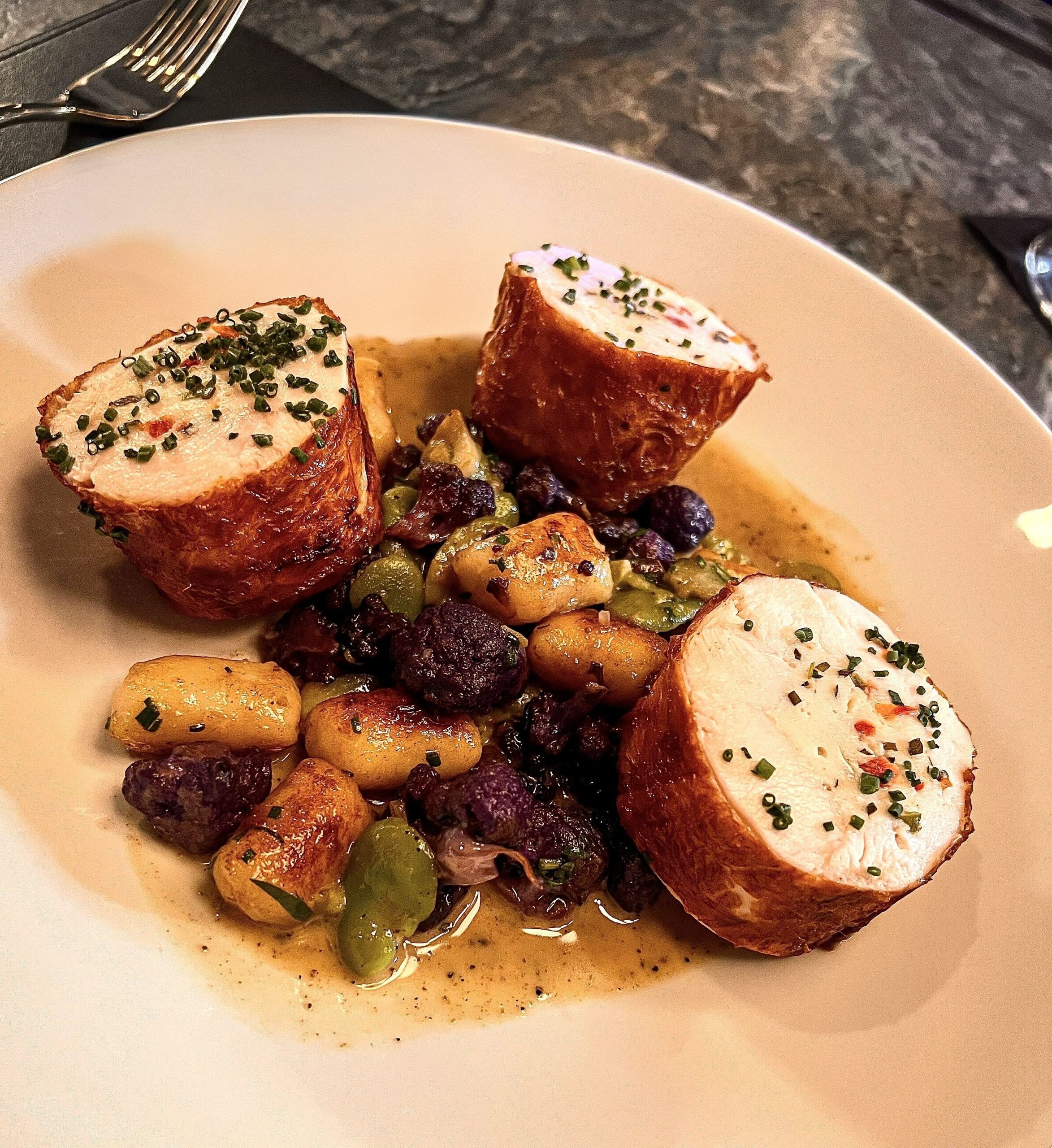
Chicken roulade with fava beans, gnocchi, and cauliflower at Academy Grill in Fort Washington.Michael Klein / Staff
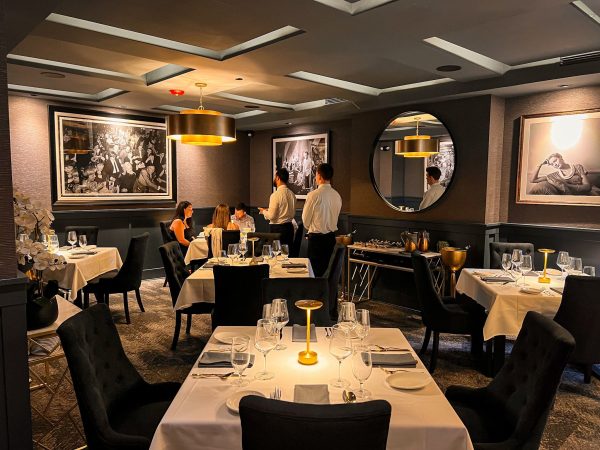
Academy Grill(424 S. Bethlehem Pike, Fort Washington): Fine Line Dining’s next project, an Italian-inspired, white-tablecloth restaurant, will serve seafood, steaks, and pastas in the former Cantina Feliz space near Germantown Academy (hence the name). Chef Jeff Power, formerly of Dettera in Ambler, is leading the kitchen. Owners Mike Sloane and Jay Rosenthal, who also own the casual Fort nearby and Jasper’s Backyard in Conshohocken, plan to open July 7 for dinner, July 9 for lunch, and then operate Tuesday to Saturday for dinner.
Banjara Indian Bistro (689 Berlin-Cross Keys Rd., Sicklerville): Vaneet Chopra, whose family owns Cross Culture in Haddonfield and previously operated Banjara in Chestnut Hill, is behind this Indian restaurant due to open soon in the strip center that also houses Gouldsburger’s, the Breakfast Nook, and Saladworks. Owners told 42Freeway that it was awaiting final inspections.
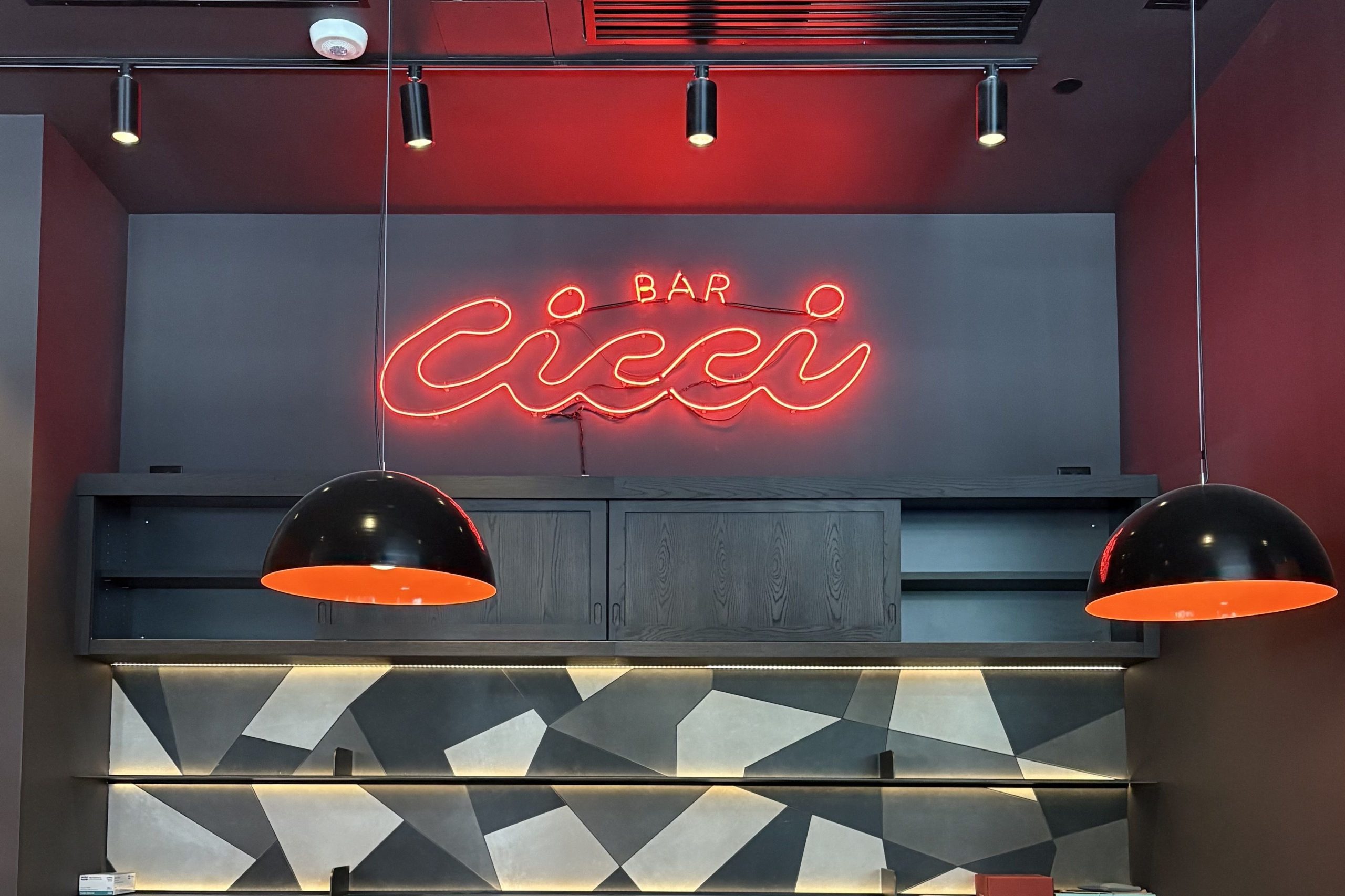
Bar Cicci is due to open in late July at 1620 Sansom St.Courtesy of Bar Cicci
Bar Cicci (1620 Sansom St.): Ellen Yin and High Street Hospitality Group are behind this Italian cafe-bar next to Uchi near Rittenhouse Square. Pronounced “chee-chee,” it is positioned as an all-day salon for espresso, pastries, panini, cicchetti, wine, and aperitivi. It’s due to open later this month.
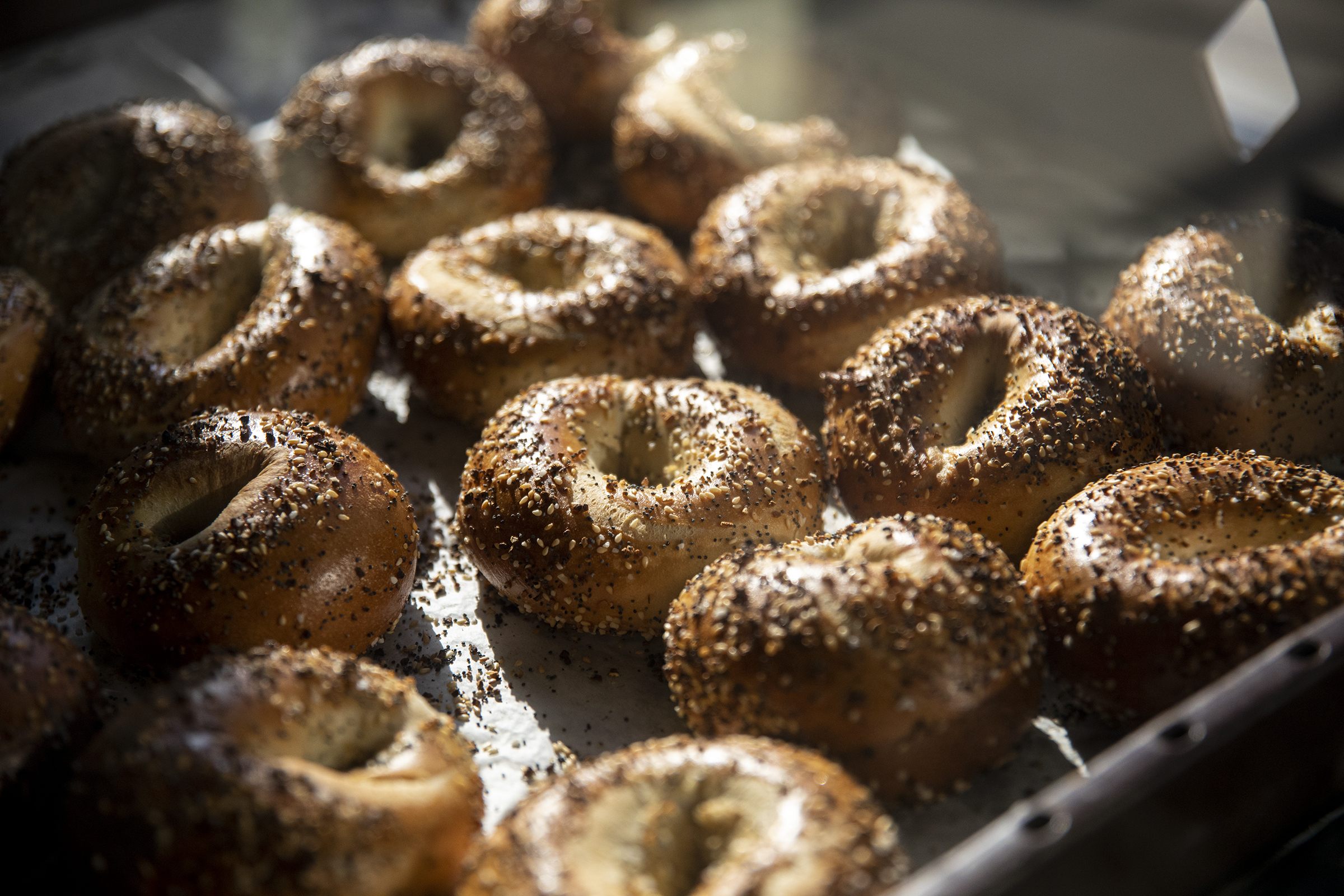
Bart’s Bagels’ first shop opened in 2020 in the Powelton section of West Philadelphia.Tyger Williams / Staff Photographer
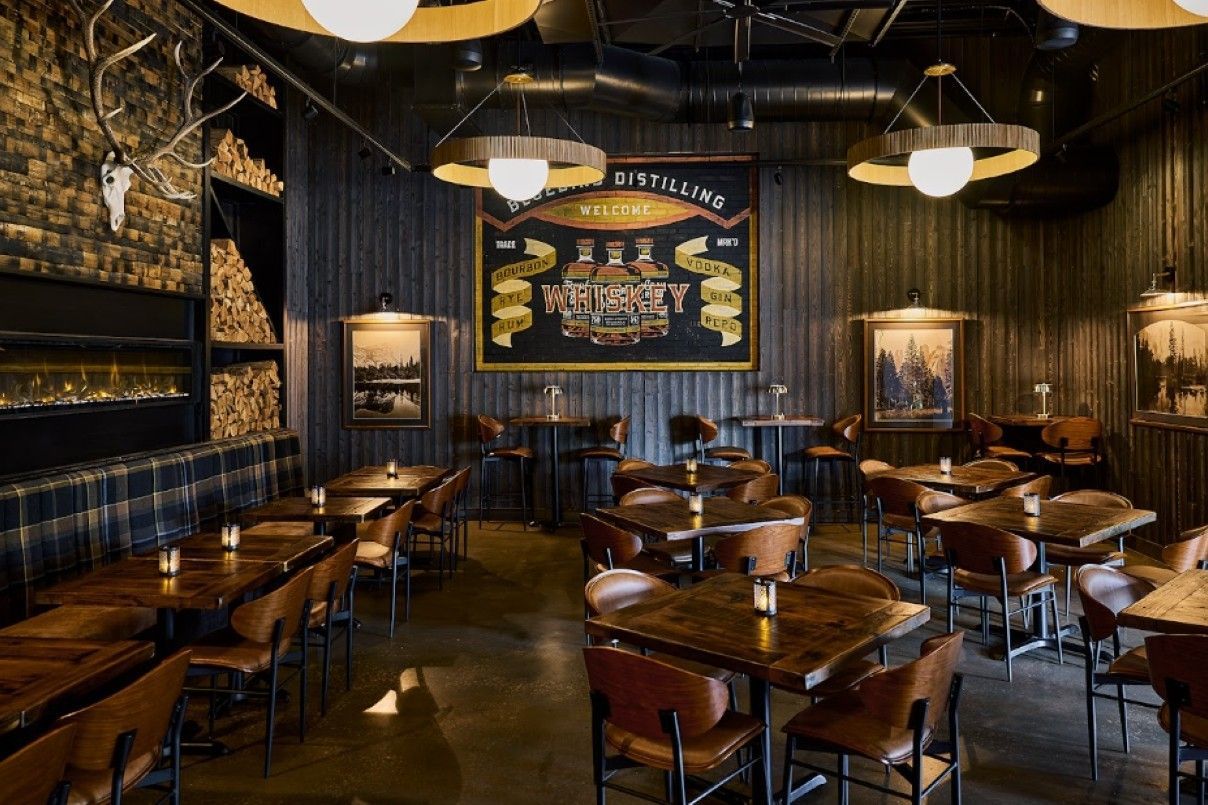
Bluebird Distilling & Dough House is a $2.2 million expansion and renovation of the popular Phoenixville destination.Ed Newton
Bluebird Distilling & Dough House(100 Bridge St., Phoenixville): Bluebird’s $2.2 million expansion, Dough House, arrives July 7. It’s a neo-Neapolitan pizzeria and restaurant inside its downtown Phoenixville distillery, and adds an expanded cocktail bar, a 50-seat dining room, a chef’s counter, and an enlarged retail shop. Executive chef Devon Migeot, formerly of Zahav, Laser Wolf, Rosalie, and Tresini will serve naturally fermented pizzas, house-baked breads, and shareable small plates alongside the distillery’s cocktails.
Cheezy Vegan by Chef Reeky (1216 S. 17th St.): Now in soft-opening mode at 17th and Manton Streets in Point Breeze, this plant-based concept from Tarik “Chef Reeky” Ryant and Erin Mignogna-Dougherty (previously in Woodlyn, Delaware County) serves a full menu — breakfast, lunch, appetizers, coffee drinks, milkshakes, and smoothies — from a counter, with coffee beans roasted on-site. A sidewalk cafe is planned.
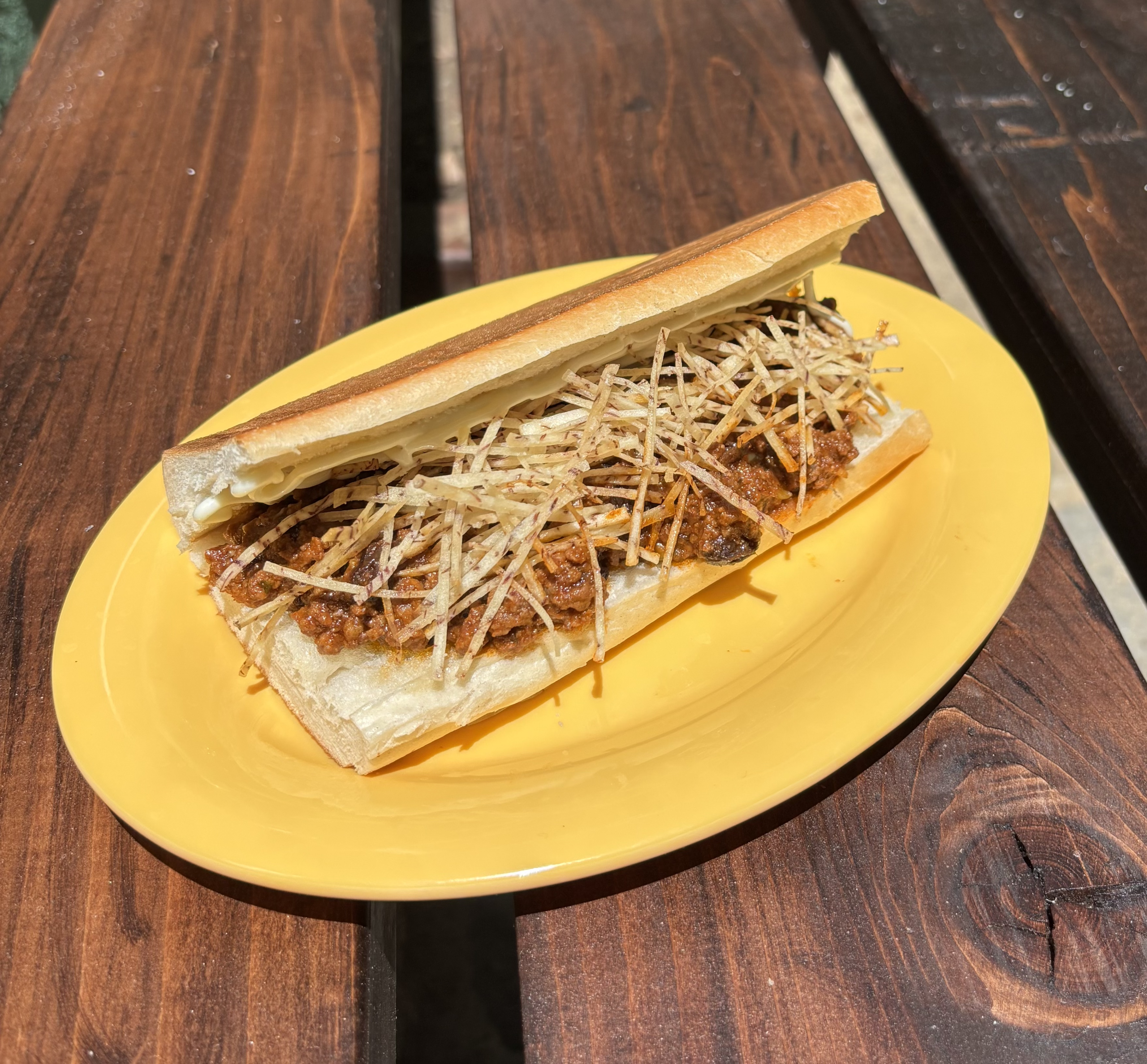
The pica pica sandwich at Chibanos, which comes with picadillo, Swiss cheese, mayo, and crispy taro sticks.Aya Iwatan
Chibanos(1127 Pine St.): Opening today at 8 a.m., this casual sandwich shop in Effie’s former Washington Square West building is an ode to owner Evan Jaroff’s multicultural upbringing, blending Chinese and Cuban flavors for a tight fusion menu. Breakfast sandwiches are made on Dodo Bakery bolo baos, there are pressed sandwiches like the pica pica (picadillo, swiss, mayo, crispy taro sticks) and mima frita (Chinese sausage croquetas, Swiss, mayo, cabbage, mojo vinagrette), plus salads, sides, and a robust drink list that offers both colada and black milk tea.
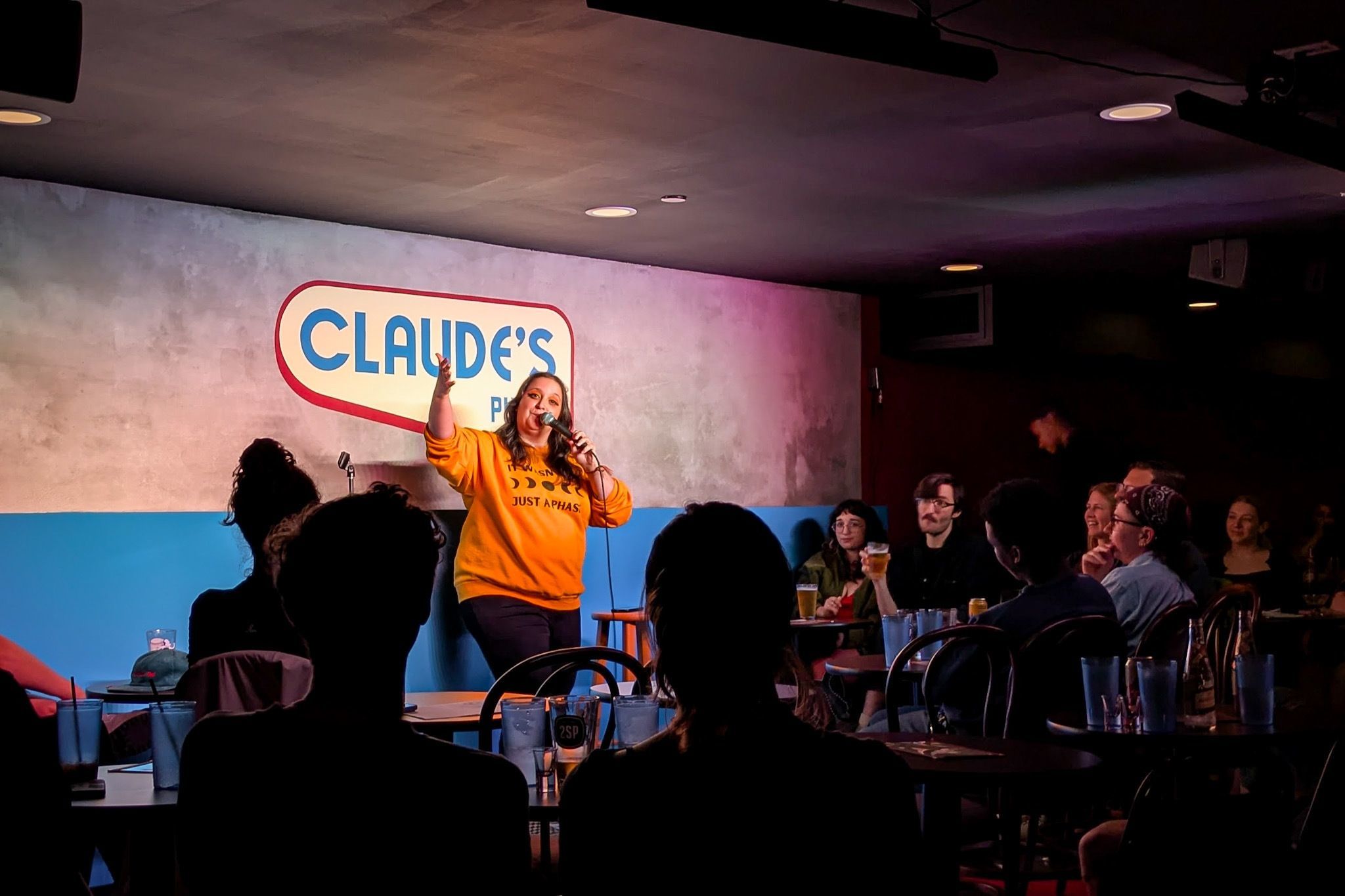
Comedian Meg Goetz entertains at a preview of Claude’s Comedy Club & Bar, 1123 S. Broad St.Reid Benditt
Claude’s Comedy Club & Bar (1123 S. Broad St.): Reid Benditt’s intimate South Philly venue for stand-up, in its opening days, sits alongside a bar serving cocktails, beer, and casual fare from 4 p.m. daily. He’s positioning this as an affordable alternative to larger comedy clubs, with modest ticket prices, no two-drink minimum, and a mix of touring performers and local comics.
Dublin Brewing Co., Brendan FitzGerald’s Irish pub, in Downingtown.Tyger Williams / Staff Photographer
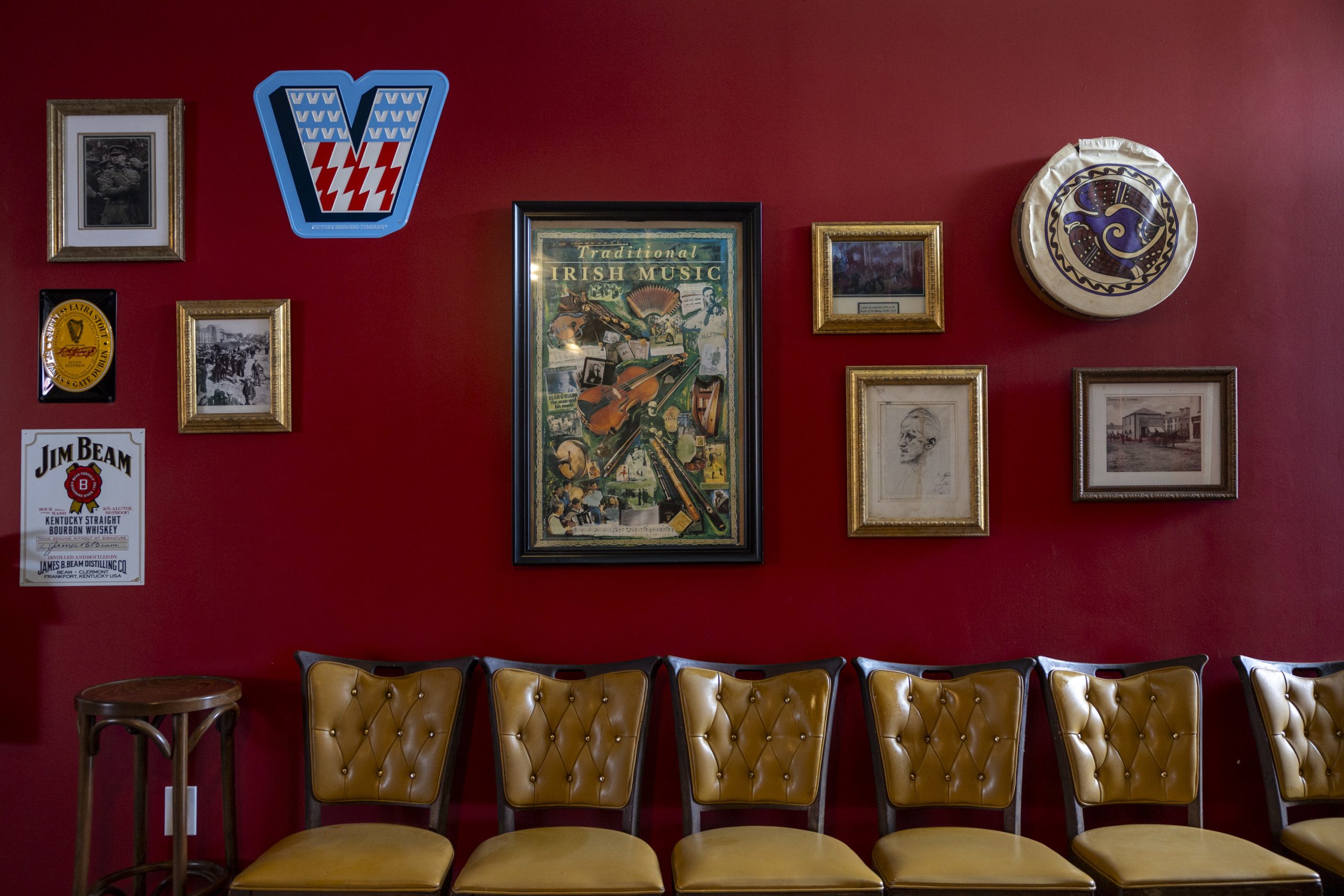
Dublin Brewing Co. (137 Wallace Ave., Downingtown): Irish-born homebrewer Brendan FitzGerald’s decade-in-the-making brewpub is designed as an authentic Irish pub, with an Irish dry stout, Irish red ale, IPAs, pale ale, Pennsylvania wine and spirits, and bar food. FitzGerald built the pub himself while continuing his day job, borrowing design cues from pubs in Howth and Dublin’s Temple Bar. It’s open for special events (check Instagram) while FitzGerald awaits final permitting.
Home Team Tavern (267 S. Black Horse Pike, Mount Ephraim): The short-lived Mount Ephraim Bar & Grill has been flipped into a compact, sports-minded neighborhood tavern from Greg Carta, who previously managed North Bowl and South Bowl in Philadelphia. He told 42Freeway that he’s aiming for an early July opening with a menu built around tavern pizzas, burgers, starters, and other game-day food.
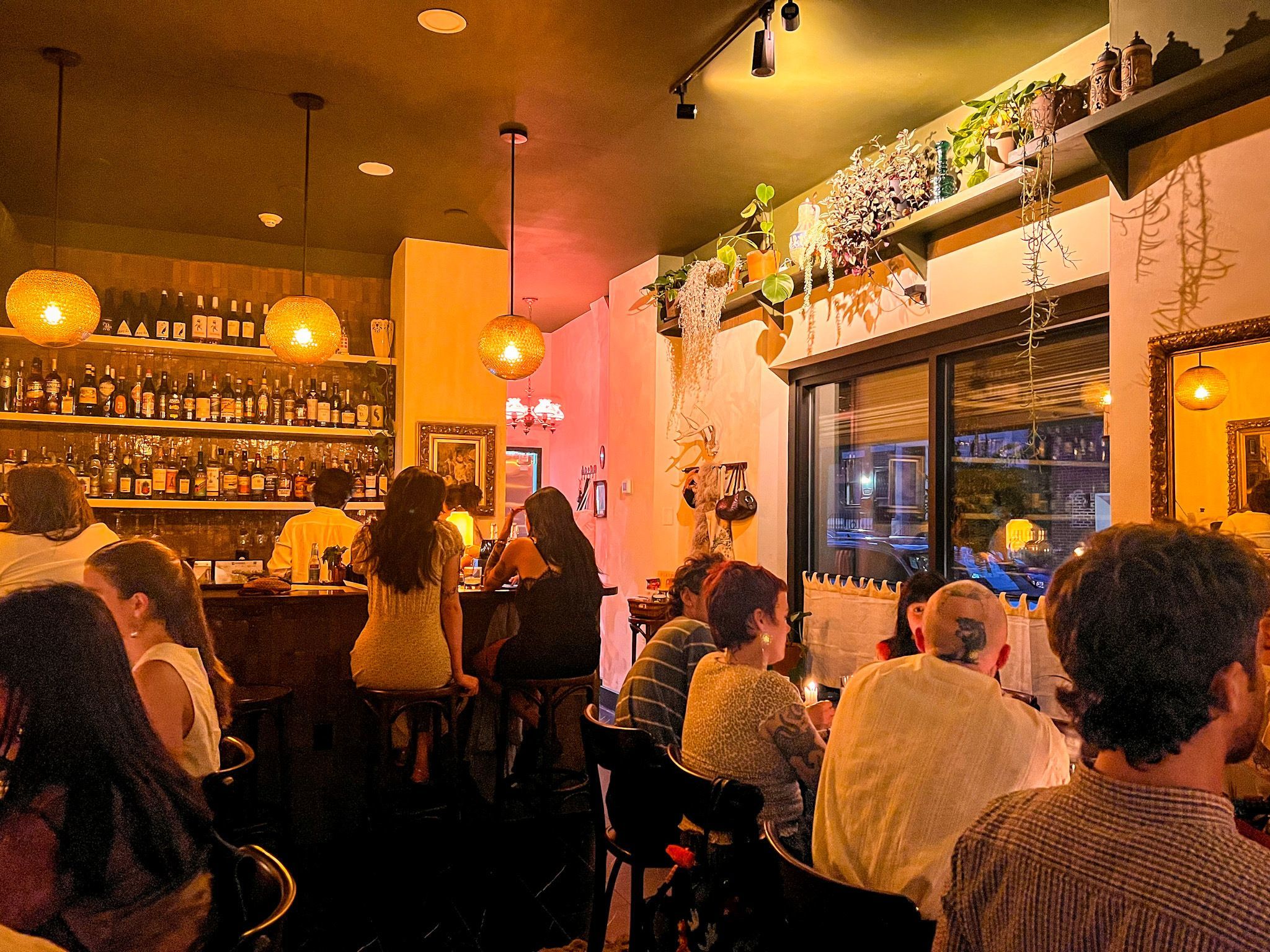
Lillian’s, 1900 S. 19th St., during a preview on June 25, 2026.Michael Klein / Staff
Lillian’s Bar (1900 S. 19th St.): This week, Point Breeze got a cozy neighborhood cocktail bar at 19th and Mifflin Streets with an evolving kitchen concept from Sam Ahern, a former bar manager at Fabrika who also worked at Cicala at the Divine Lorraine and Fitler Club after hosting backyard supper clubs during the pandemic. Ahern has brought in chef Alejandro Martín Sánchez (Mesona) to set up the concise menu of Mediterranean-leaning bistro fare, including sandwiches, salads, tinned fish, charcuterie, and cheese boards with kitchen operations overseen by Isobella “Izzy” Ioffreda. Guest chefs will take over for weekend or monthlong runs. First will be Miled Filianos of Habibi Supper Club, whose six-course dinners and happy hours are scheduled for July 9-11, 17-18, and 23-25. Cocktail program is led by Fitler Club alum Avdo Babic. Opens at 5 p.m. Tuesday through Saturday.
Luna at the Luxe (1705 N. American St.): Sarah Varisano expects to open her relocated Luna Cafe on Monday in the Luxe apartment complex in Old Kensington. The reboot keeps Luna’s familiar brunch, breakfast, and coffee-to-go identity, while adding a larger bar and beverage program, evening hours, and courtyard seating.
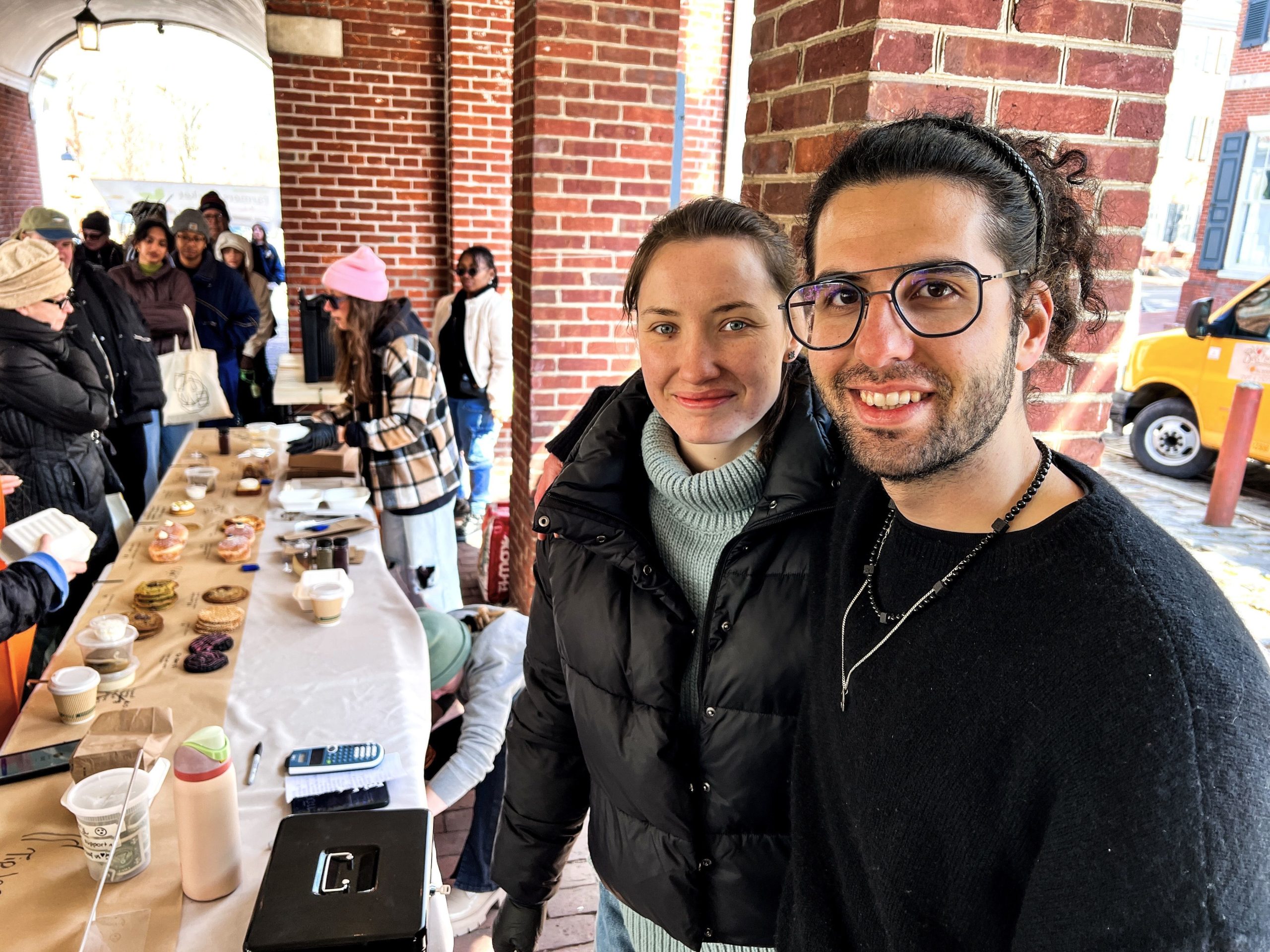
Bakery owner Saif Manna and his wife, Stefaniya Surikova, at their table at Headhouse Farmers Market.Michael Klein / Staff
Manna Bakery (110 W. Berks St.): Baker Saif Manna, shifting from pop-ups to a brick-and-mortar at the former Essen in Kensington, is looking for a late-month soft opening of his 50- to 60-seat bakery/cafe specializing in Levantine and Palestinian wares. It will initially open for daytime service, in addition to his farmer’s market stops. The menu expands to include individual manakish made in the style of Manna’s grandmother, rotating savory buns led by a chicken-sumac version, airy Palestinian-style brioche filled with seasonal fruit and creams, cookies, cakes, and gluten-free desserts such as a flourless chocolate cake and whipped rice pudding created in honor of Manna’s late father. The space also will host baking, cooking, coffee, and arts workshops with visiting chefs, bakers, artists, and baristas, and monthly supper clubs.
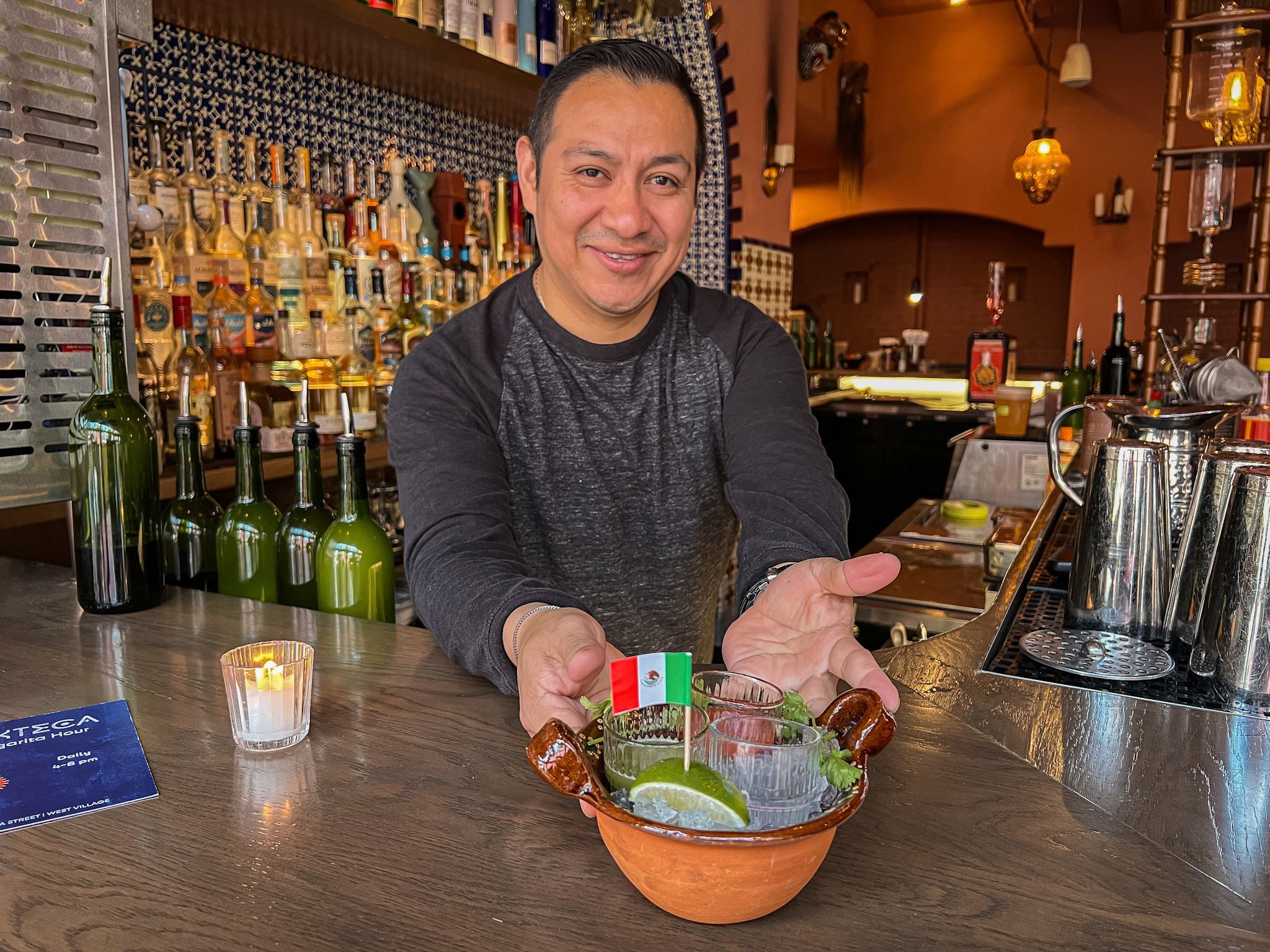
Bartender Euclides “Victor” Lopez behind the bar at Mixteca in New York City on June 4.Michael Klein / Staff
Mixteca (2113 E. York St): This agave-focused Mexican cocktail bar from New York’s Jeff Bell and Euclides “Victor” Lopez is taking over the former Martha in East Kensington. The Philly location, expected later in the month, marks the local debut for Mixteca and Apres Cru Hospitality. The plan includes tequila, mezcal, Mexican drinking culture, indoor-outdoor seating, and a reworked layout with an expanded bar and lounge.
Philly Po Boy Co. (102 W. Berks St.): Brothers Chris and Greg Lynch are looking for late month for their New Orleans-inspired sandwich shop under the Berks El stop, with po’boys, gumbo, jambalaya, beignets, and coffee from Applied Arts Coffee in New Orleans. Chris spent years cooking in New Orleans, while Greg’s Philly resumé includes Starr Restaurants and LMNO.
Sandpiper Cafe (1640 South St.): This all-day breakfast-and-lunch spot is due to soft-open Thursday at 1640 South St. It’s the latest from Gunawan Raharjo, who owns the West Passyunk Indonesian gem Indo Spice (noted in our list of Philly’s 76 most influential restaurants). Sandpiper’s American menu, served from 7 a.m. to 5 p.m. daily, will expand upon the menu at Raharjo’s other restaurant, Cafe Olivier in Old City. At Sandpiper, Raharjo is partnered with Deddy Pornomo.
Stella’s Ice Cream (1832 N. Front St.): This Idaho-based chain of ice cream shops planted its first East Coast location on June 27 in Kensington/Fishtown on what reporter Beatrice Forman has dubbed Ice Cream Row, mere blocks from Sweet 45 and 1-900-ICECREAM. Franchisee Shay Marlin had no prior ties to Idaho or the ice cream biz, but was drawn to Stella’s inclusive and family-friendly vibe. The shop offers 24 flavors of ice cream — including eight nondairy options — plus gluten-free waffle and sugar cones, sandwiches made on hulking brownies baked in-house, and yogurt-peanut-butter popsicles for pups.
Thirsty Turtle Tavern(270 White Horse Pike, Barrington): Just days old, this Camden County taproom in the former Chuck Lager/Wild Wing Cafe building near I-295 is the brand’s second, after Whitehall, Pa., and 42Freeway says it features a refreshed dining room, open kitchen, wood-fired pizza oven, sushi station, and patio.
333 Belrose Bar & Grill (333 Belrose Lane, Radnor): A slow-moving top-to-bottom renovation will add a larger bar, expanded kitchen, redesigned dining rooms, upgraded private-event spaces, and refreshed outdoor dining to this Main Line landmark, whose new American menu is overseen by chef Ross Esner.
Staff writer Beatrice Forman contributed to this article.
I’ve driven across the Ben Franklin Bridge countless times but until last week I’d never walked across it, and I walked across the Brooklyn Bridge once, so I’ve quietly carried that shame with me for years.
When I received a news release about the bridge turning 100 on July 1 and a subsequent anniversary party on July 11 that will close it to vehicles for public use for the first time since Pope Francis’ visit in 2015, I wanted to finally check walking across it off my Philly bucket list before the event.
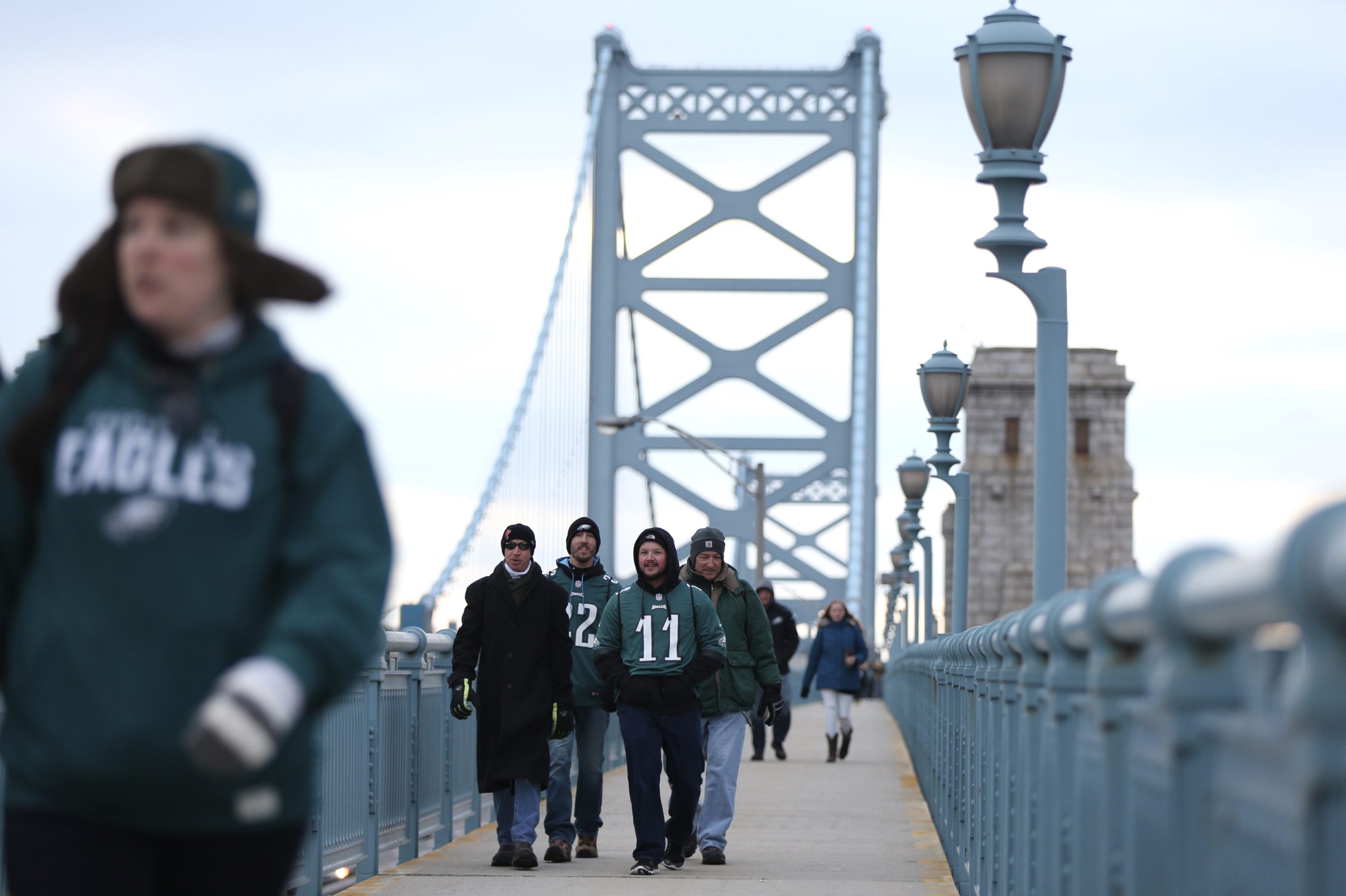
Fans cross the Ben Franklin Bridge into Philadelphia on the morning of the Eagles’ Super Bowl parade in 2018.TIM TAI / Staff Photographer
I was going to go it alone, but I decided to reach out to Mike Williams, spokesperson for the Delaware River Port Authority (DRPA), which manages the bridge, and he offered to schedule a walkway tour of it for me with DRPA principal engineer Michael Howard.
I met both men at Fifth and Race Streets at the base of the bridge on the Philly side, but as luck would have it, we showed up on opposite sides of the heavily-trafficked span. We waved at each other across the cars and as I tried to figure out how to Frogger my way over to them, Howard and Williams disappeared.
The men popped up out of a stairwell right next to me, having used the Fifth Street pedestrian tunnel under the bridge.
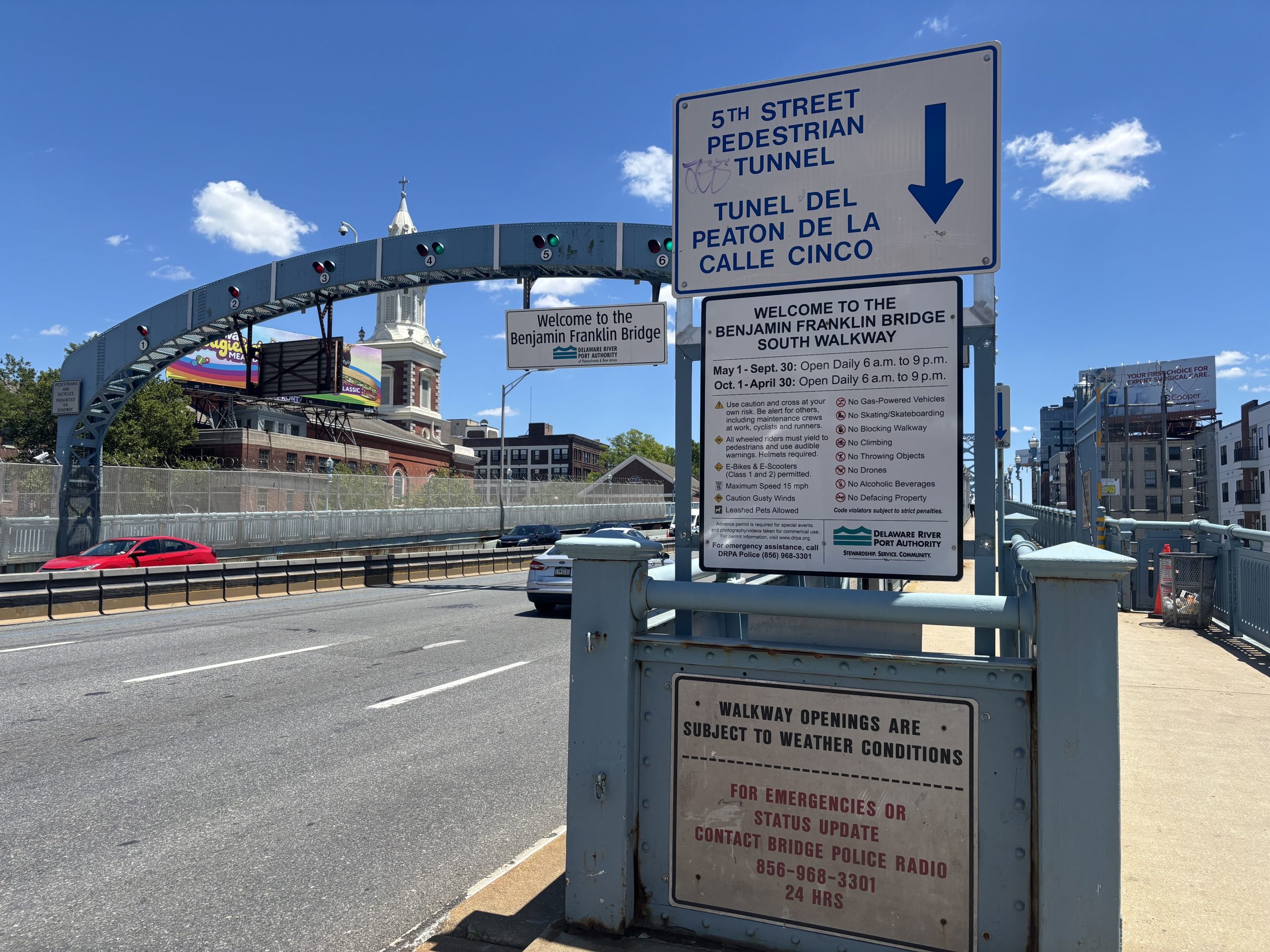
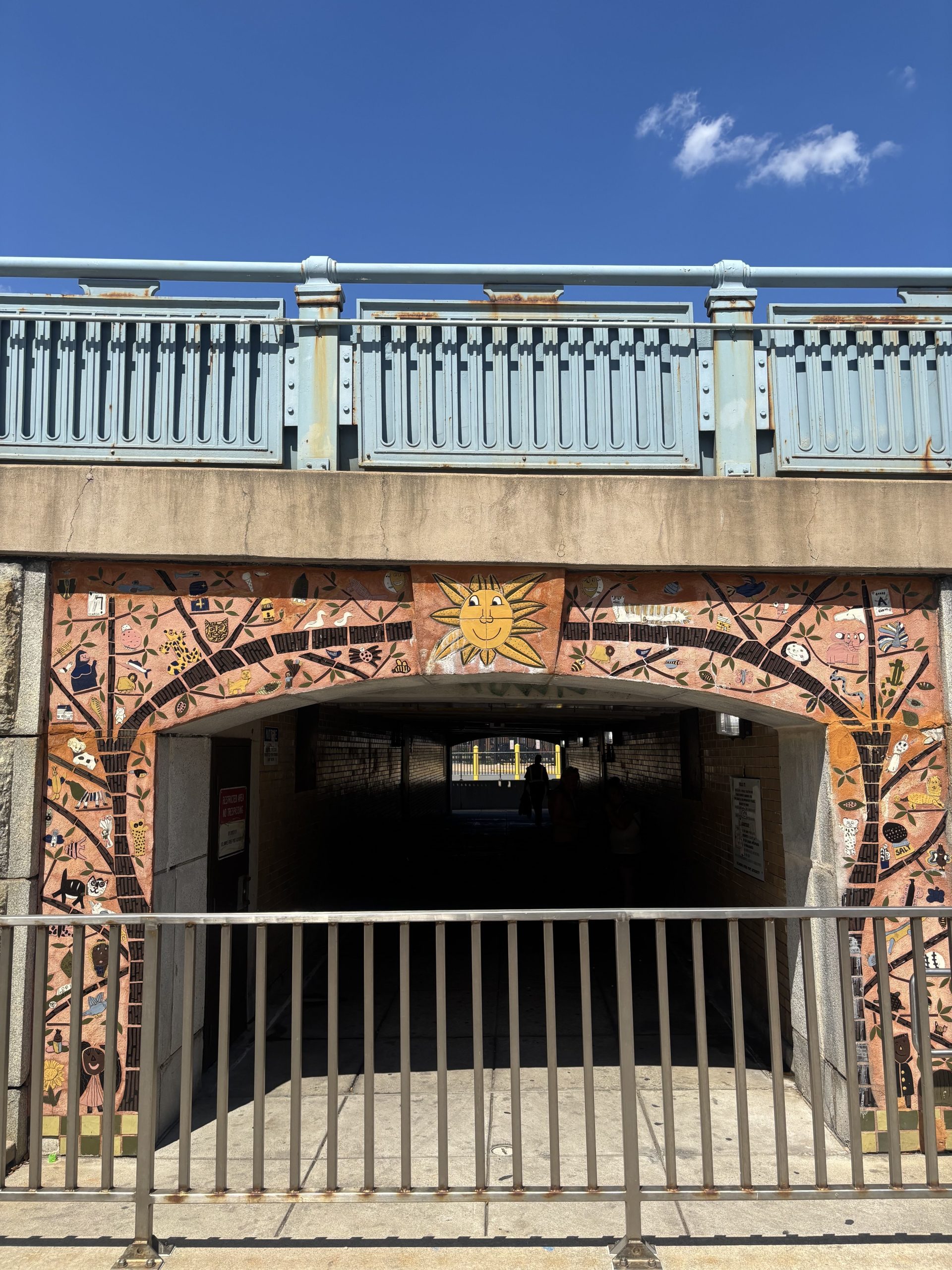
The entrance to the Fifth Street pedestrian tunnel on the south side of the Ben Franklin Bridge in Philadelphia.Stephanie Farr / Staff
“This was one of the original things that we incorporated into the bridge because we didn’t want people to try to walk across the traffic — because they would, you know,” Howard said, and I agreed.
Obviously, it was the first place I wanted to check out.
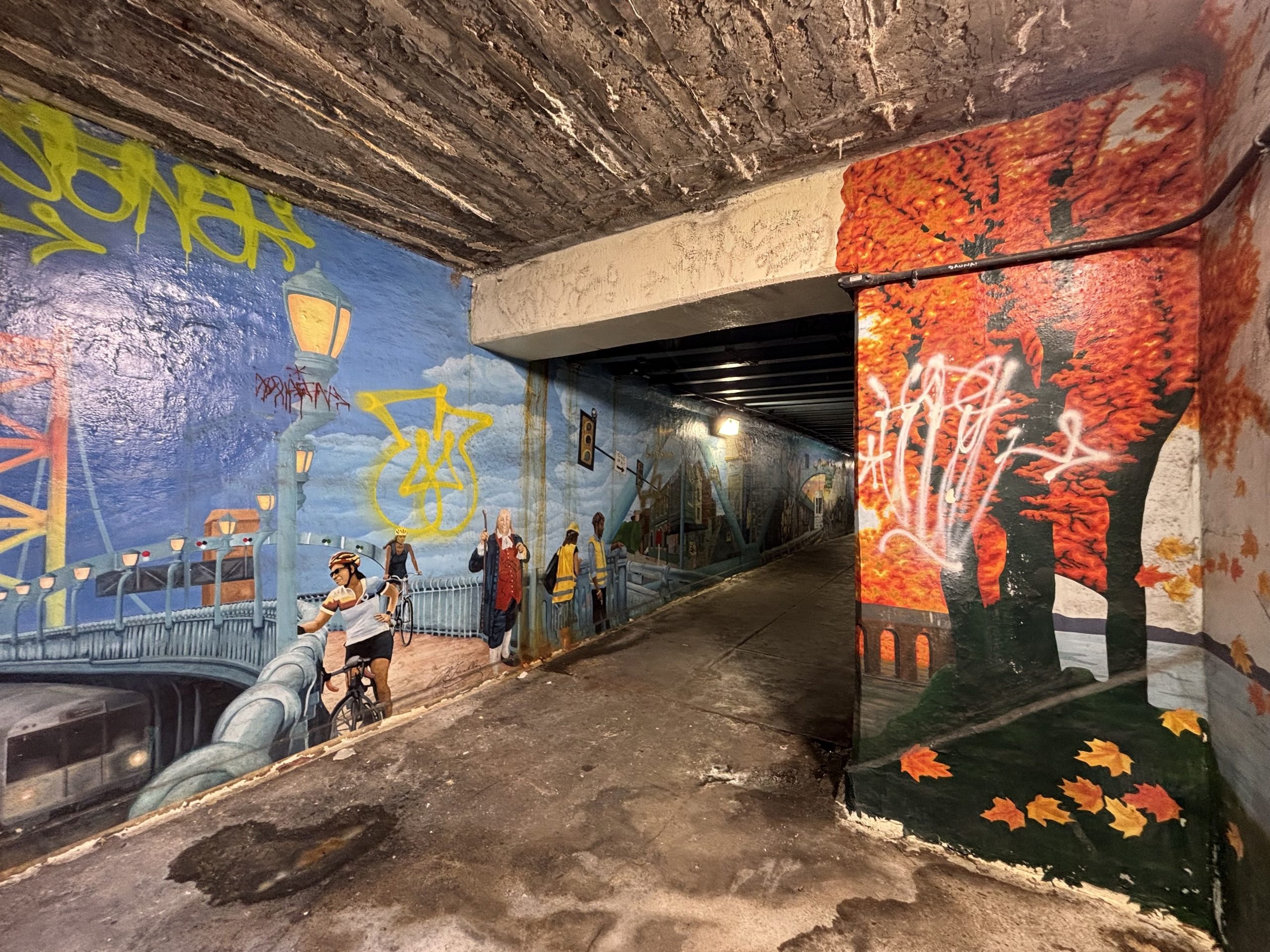
The “Building Connections through Time” mural inside of the Fifth Street pedestrian tunnel on the Philadelphia side of the Ben Franklin Bridge.Stephanie Farr / Staff
The entire length of the 91-foot-long tunnel was painted with a vibrant Mural Arts Philadelphia work by Brad Carney and Melissa Mandel. Created in 2018, Building Connections through Time shows people using the bridge, the building of it, and images of its early years. There are also paintings of Independence Hall, Benjamin Franklin, and other bridges that span the Delaware River.
Finding one of the city’s most secluded murals felt like finding one of those wonderful Philly secrets the city gives sometimes, if you never stop exploring it.
Come along with me as I explore one of Philly’s most secluded murals.
Back on the surface, Howard said that while the bridge has two pedestrian walkways, for operational reasons, only one side is open at a time and it’s usually the south side. The walkway has restricted hours, so be sure to check the signs (currently, it’s open from 6 a.m. to 9 p.m.).
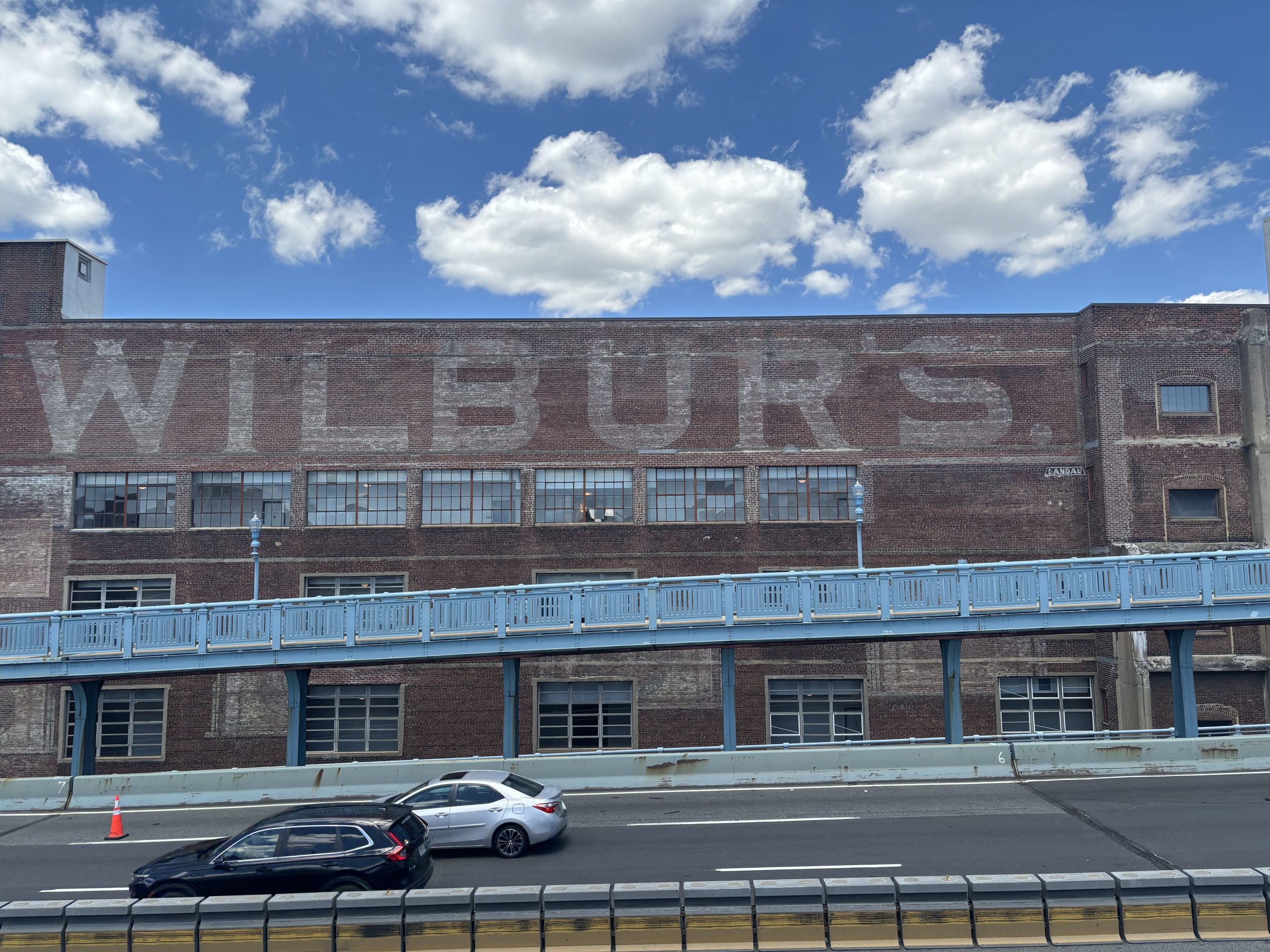
Howard pointed out the old Wilbur Chocolate factory on Third Street and explained that a part was sliced off to make way for the bridge.
“One of the things that we had to do when we were constructing was kind of take a surgeon’s scalpel to the area because you know with Old City, everything’s tightly packed and we wanted to make sure we took the bare minimum of structures,” he said.
A piece of the former Wilbur’s Chocolate Factory had to be sliced off to make way for the Benjamin Franklin Bridge.Stephanie Farr / Staff
Also under threat when the bridge was built was nearby St. George’s United Methodist Church on Fourth Street. Opened in 1769, it’s the country’s oldest Methodist church in continuous service.
“Luckily, the engineers were able to just adjust the angle of the approach ever so slightly to avoid encountering the building,” Howard said.
I marveled as I looked at the mere 14 feet that still separates St. George’s from Philly’s big Ben. The engineers left just enough room for the Holy Spirit.
‘Bridge angels’
As we began our journey across the bridge, Howard said it took about four-and-a-half years to build and it was designed by architect Paul Philippe Cret, who also designed Philly’s Rodin Museum. The bridge was constructed with eight lanes — six for traffic and two for trolleys, as well as two tracks for heavy rail.
But in the time it took to build it, trolleys went out of fashion and buses came in. The trolley tracks sat unused until the 1940s, when they were paved over. A vast, empty space for a never-opened trolley station remains under the Bolt of Lightning sculpture near the base of the bridge.
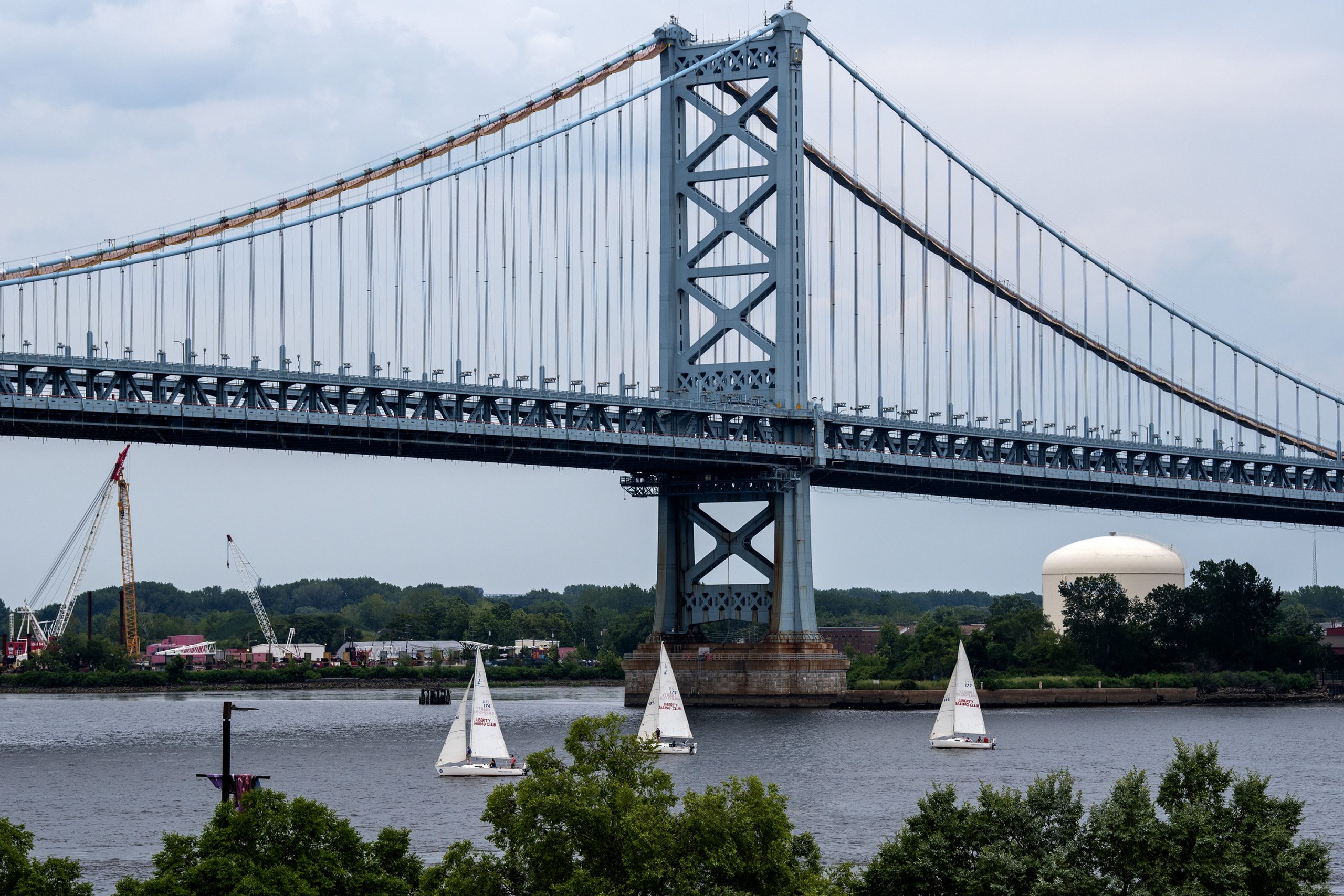
Sailboats pass under the Ben Franklin Bridge in 2020.TOM GRALISH / Staff Photographer
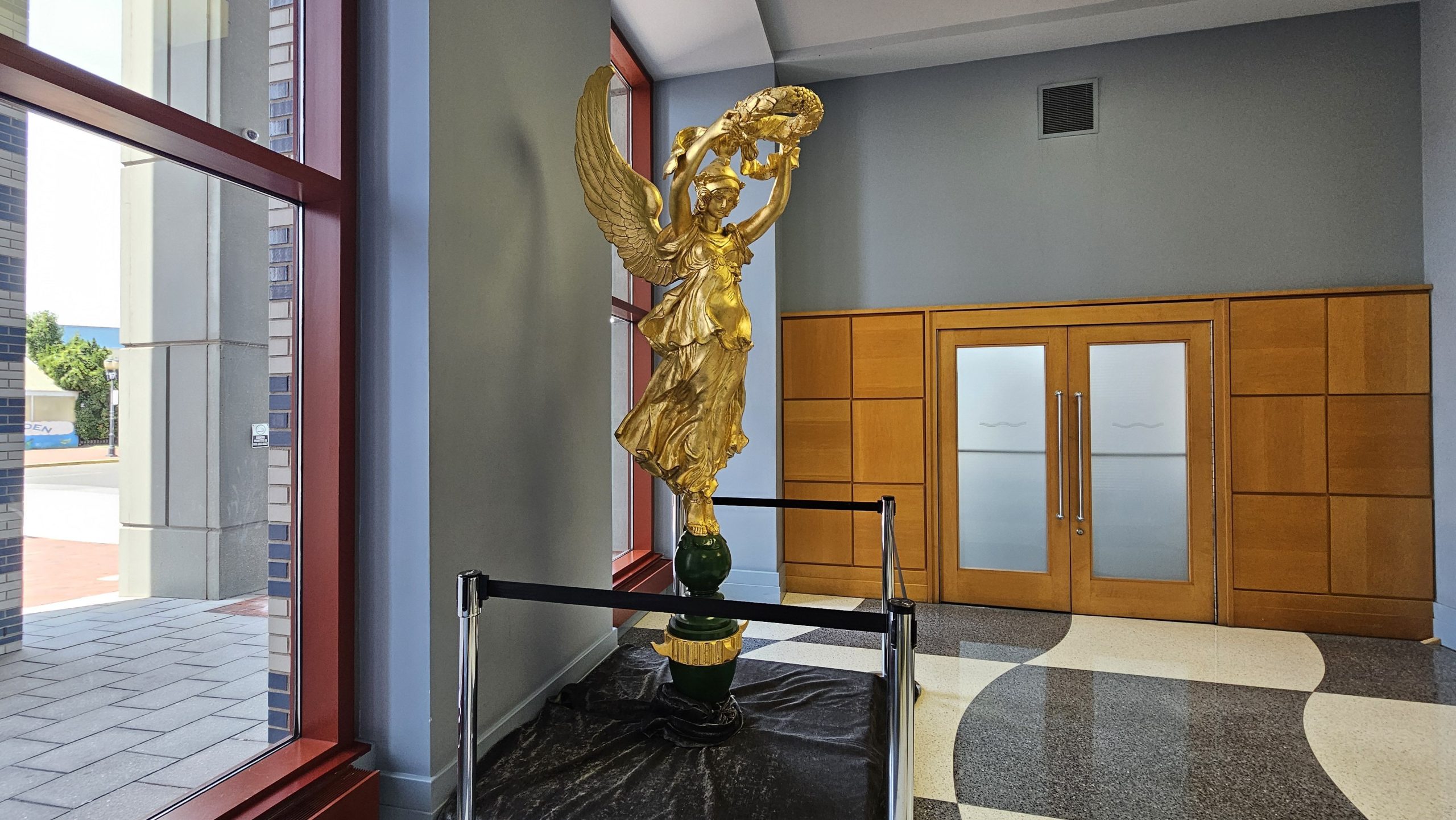
Another original component lost when the trolley tracks were paved over were four 75-foot-tall pylons — two on either side of the bridge — that were topped with bronze angel statues called Winged Victory.
One of the angel statues is in the lobby of DRPA’s headquarters and three are in storage, but one will be displayed at the upcoming 100th anniversary celebration, according to Williams.
One of the four “Winged Victory” statues that used to decorate the Ben Franklin Bridge is now on display at the Delaware River Port Authority’s headquarters.Courtesy of the Delaware River Port Authority
‘A living beast’
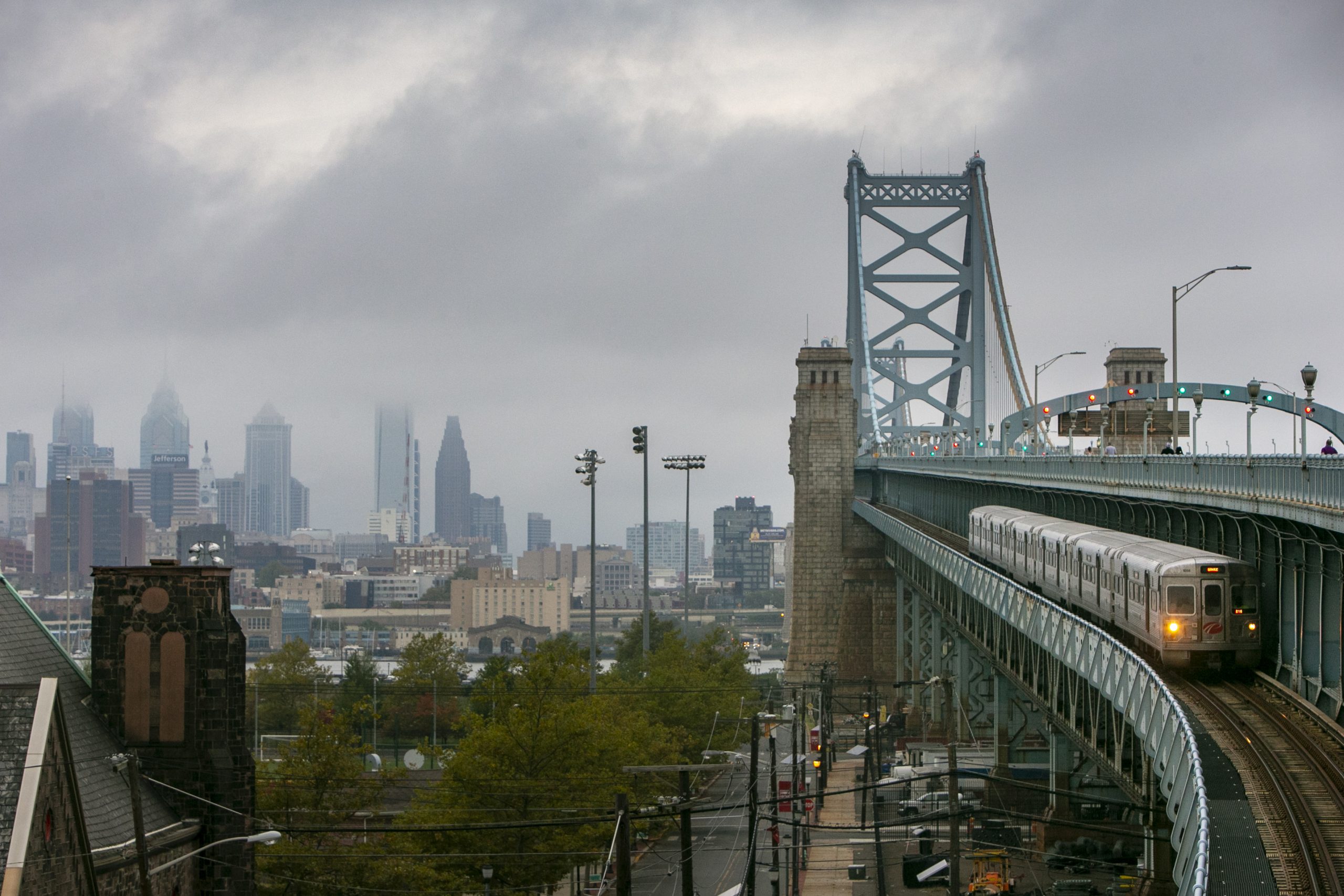
Shortly after we began our trek on the 1.3-mile walkway, I felt a PATCO train speeding beneath my feet and the bridge move ever so slightly.
“The bridge is dynamic, almost like a living beast because the steel expands when it gets warm out and with traffic, it bounces,” Howard said.
A PATCO train travels from Philadelphia to Camden underneath the pedestrian walkway of the Ben Franklin Bridge. ALEJANDRO A. ALVAREZ / Staff Photographer
I got used to the sensations within minutes. That being said, I’m not afraid of heights. It could be unnerving if you are.
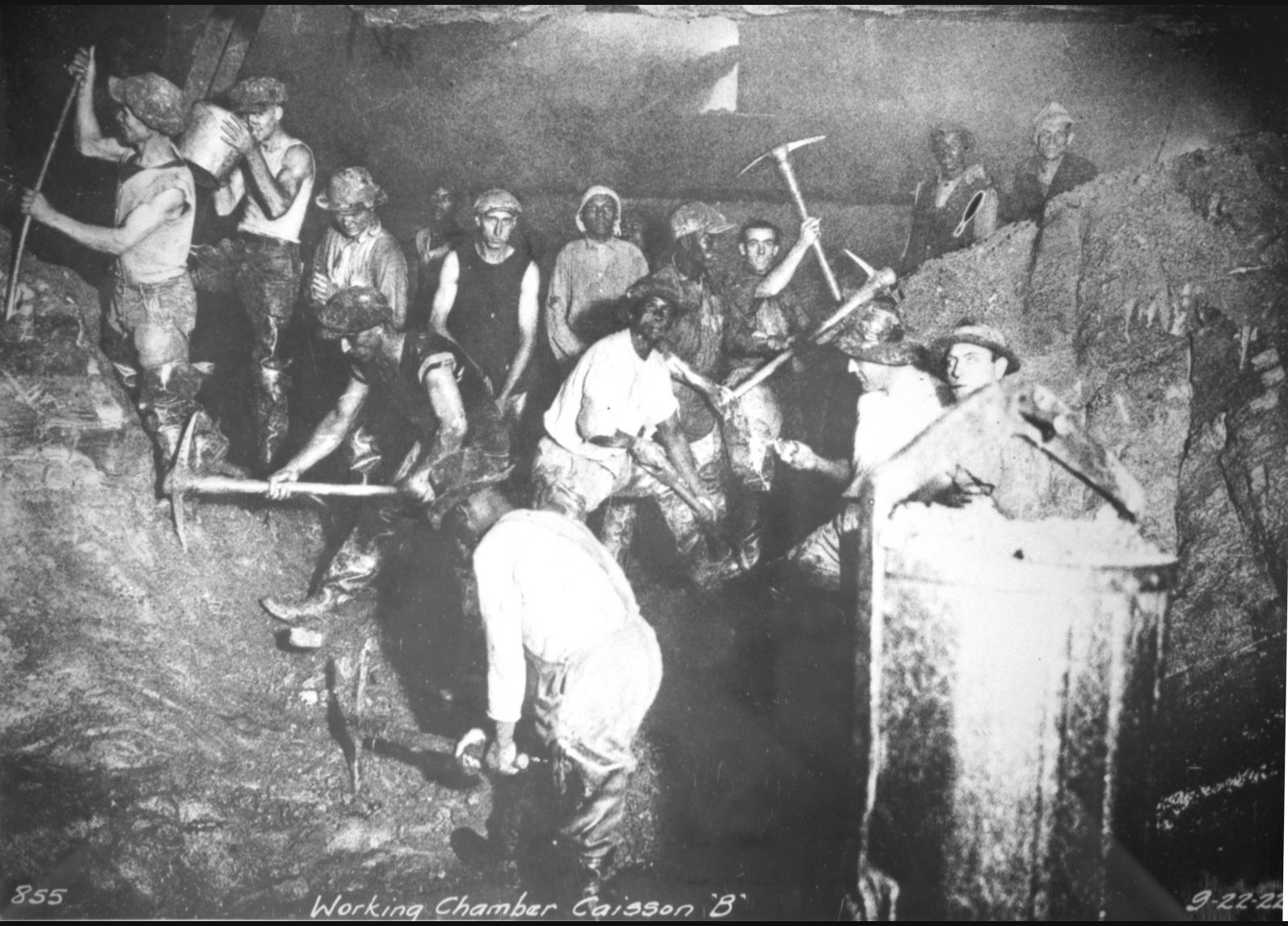
It took $36 million and 1,300 people to build the 376-foot-tall bridge that extends an additional 100 feet or so below the river, Howard said. Guys known as “sand hogs” worked in submerged watertight structures called caissons where temps sweltered into the 90s, even in winter, to dig down to the bedrock of the Delaware River.
In a photo dated 1922, men known as “sand hogs” work in a submerged watertight structure called a caisson to dig down to the bedrock of the Delaware River during the construction of the Benjamin Franklin Bridge.Courtesy of the Delaware River Port Authority
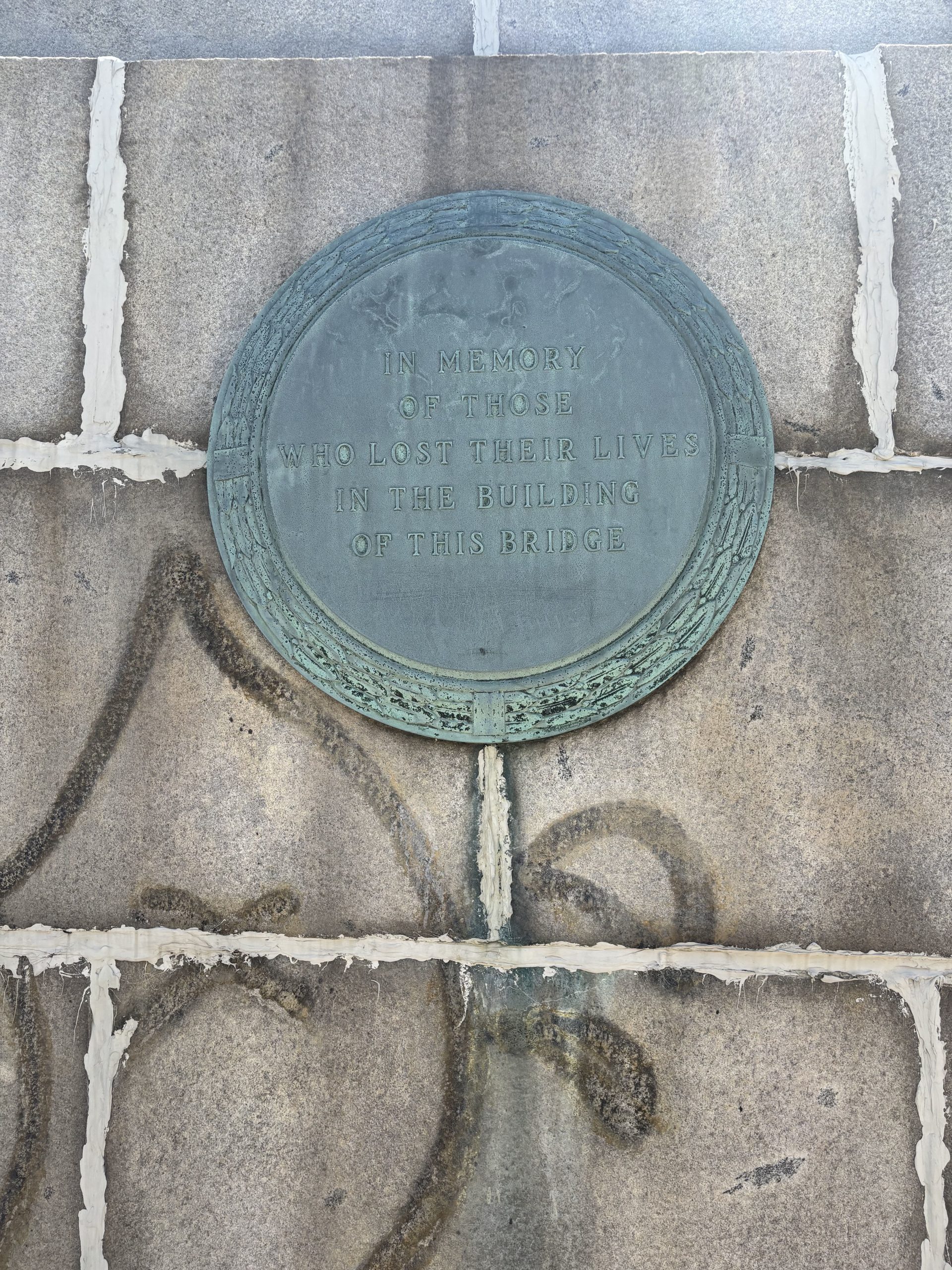
Fifteen workers died in the construction of the bridge. We passed a circular plaque in their memory as we walked. I wondered who they were, how they died, and how they lived.
“Unfortunately, the rule of thumb at the time was for every million dollars you’re spending, you expect to lose a life … so by that rationale you could have had 36 fatalities.” Howard said. “Nowadays, you know, one injury is unacceptable.”
A plaque on the Benjamin Franklin Bridge is dedicated in memory of those who lost their lives while building it.Stephanie Farr / Staff
Unique elements
Our pace was a steady stroll, so we were often passed by runners, walkers, and cyclists. Some appeared to be having a good time, and others looked like they were going through tough times. Some talked to themselves and some stopped to take photos. It was a microcosm of Philly and Camden, suspended high above the river.
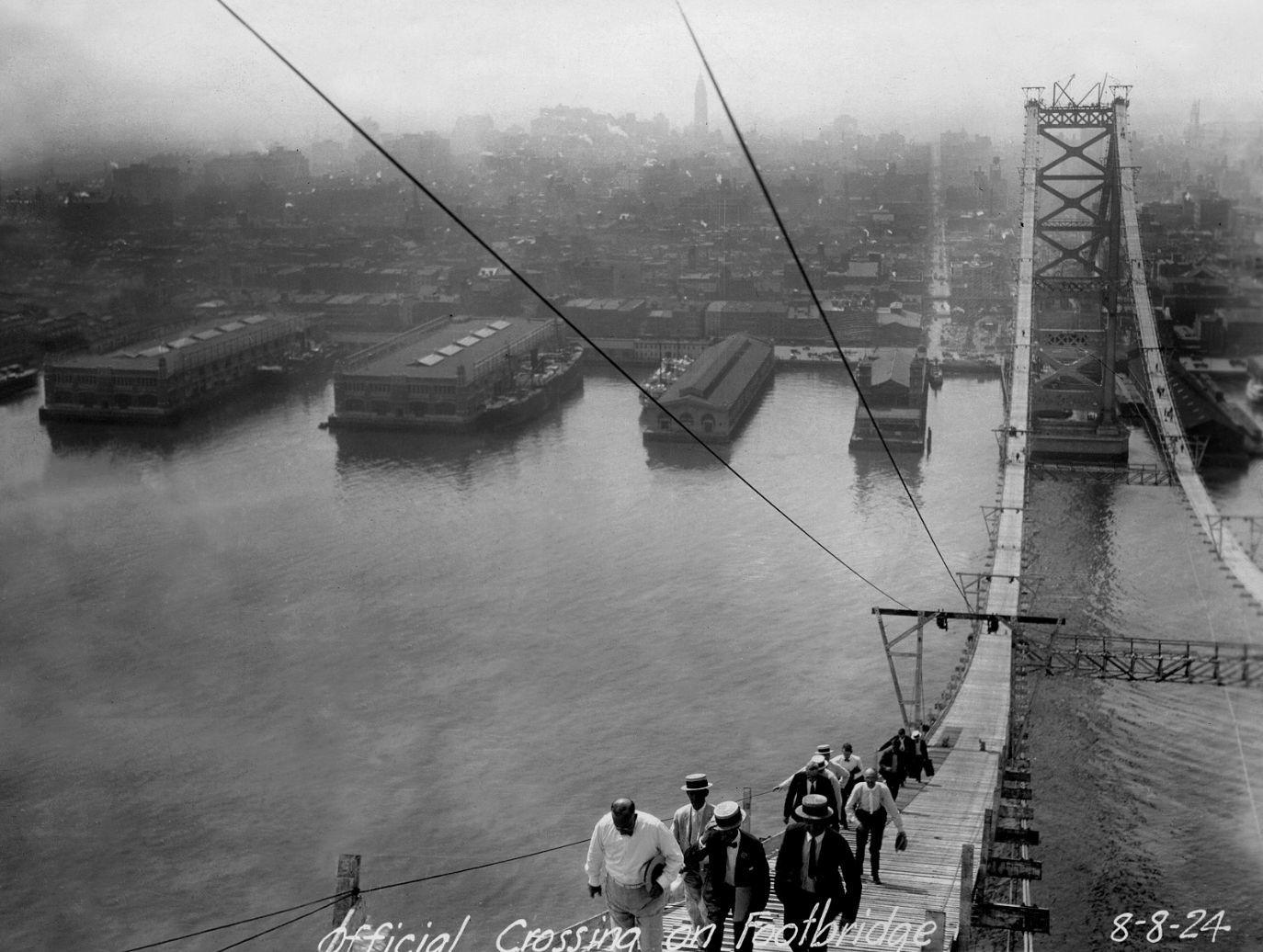
Howard said when the bridge was built, its chief engineer believed the walkways wouldn’t be used “in an increasingly or completely motorized age.”
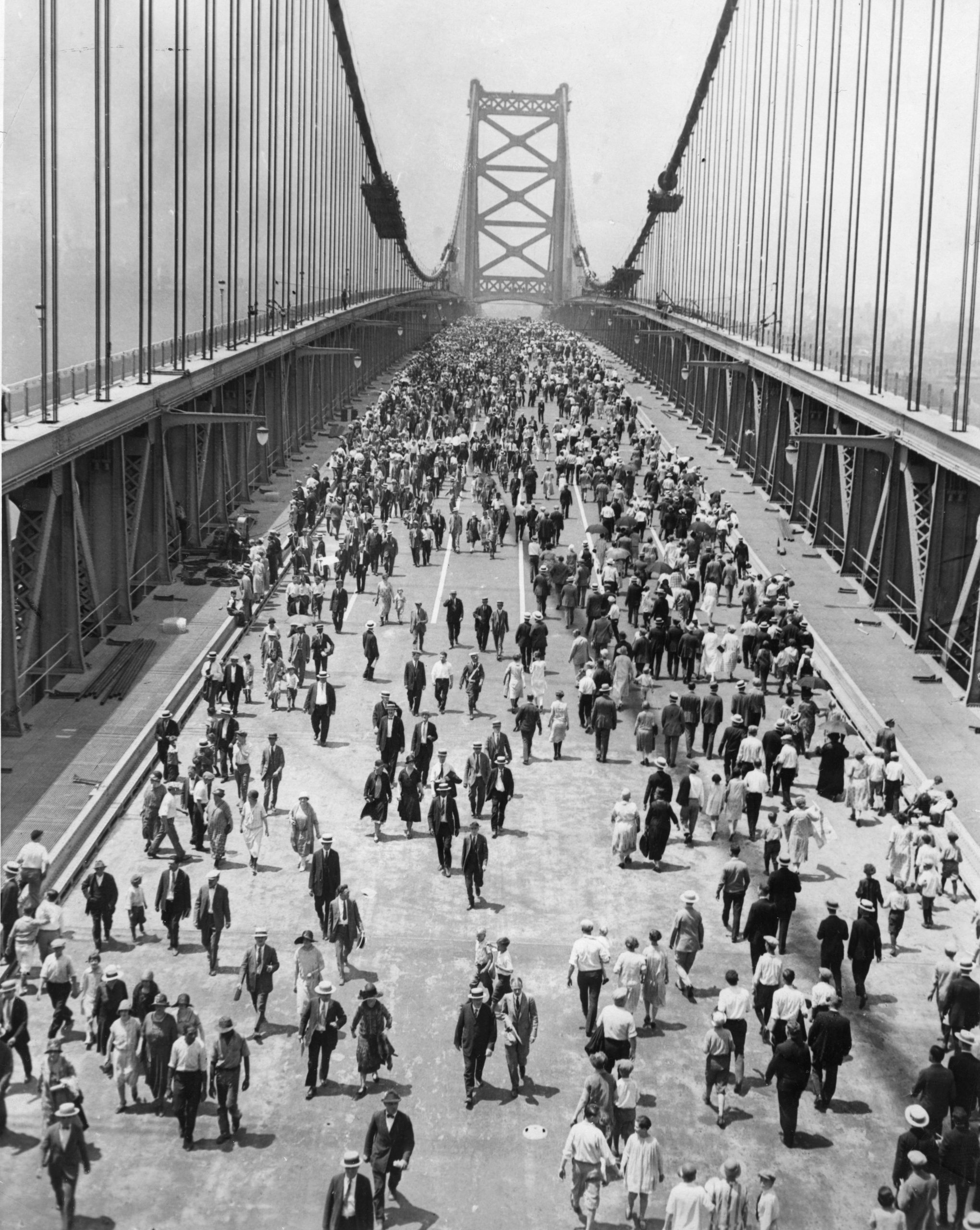
A photo dating from 1924 shows the first official crossing of the Benjamin Franklin Bridge’s pedestrian walkway prior to the 1926 opening of the bridge.Courtesy of the Delaware River Port Authority
“But you see today the amount of people that are using this walkway and it’s one of the unique elements of this bridge,” he said.
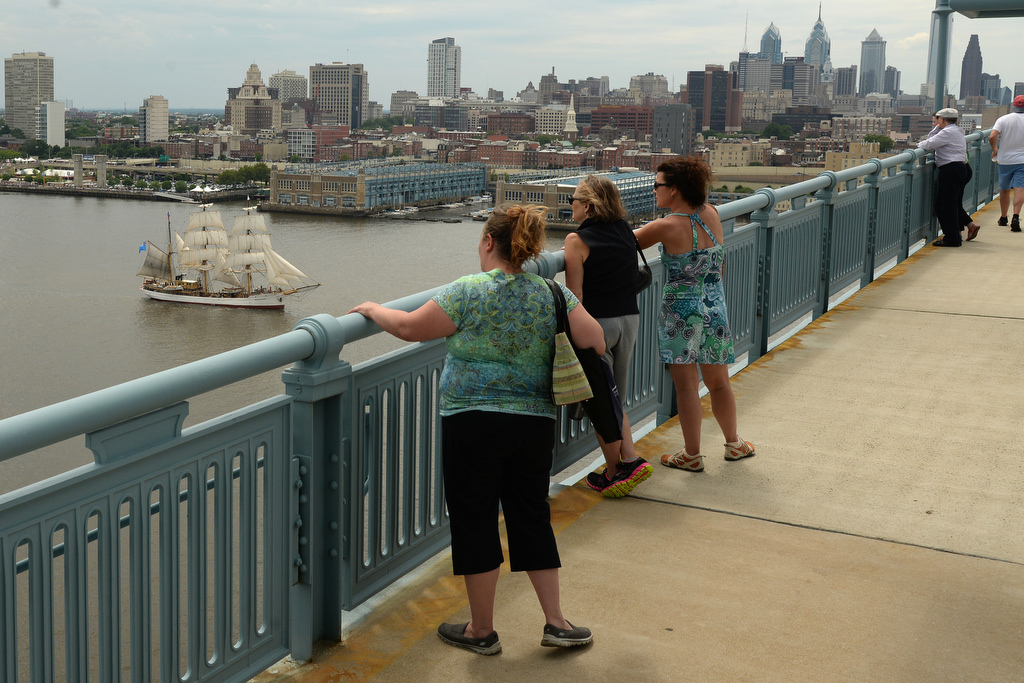
I looked ahead to Camden and then back to Philly. I was so grateful for this walkway and this view. I couldn’t imagine not having it and I couldn’t believe it took me so long to see the city from this new perspective.
Spectators watch from the Ben Franklin Bridge pedestrian walkway as the Picton Castle sails up the Delaware River in 2015 during the Parade of Tall Ships.
The only thing I found worrisome and the thing that kept all three of us looking over our shoulders, were the e-bike and e-scooter riders we didn’t always hear zooming behind us. Skateboards and rollerblades aren’t allowed, but certain classes of e-bikes and e-scooters are. Gas-powered vehicles are also prohibited on the walkway, but a guy on a dirt bike definitely zoomed by at one point.
In the bridge’s early days, horses and carriages were allowed on the main span alongside cars, according to Howard, but their slow pace proved dangerous and their excrement, troublesome, so they were banned in the 1940s.
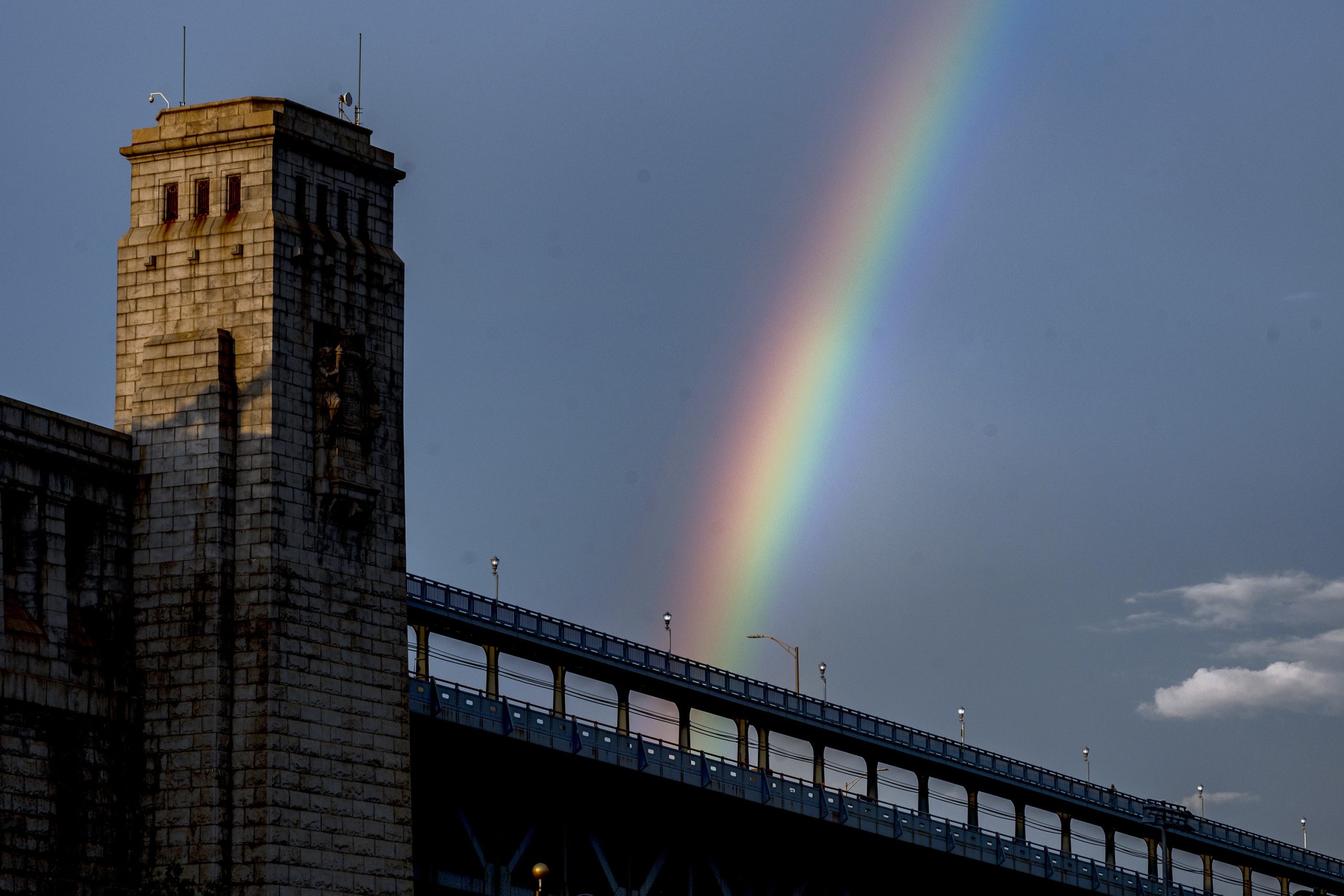
A rainbow appears behind the Camden anchorage of the Ben Franklin Bridge after an early evening rainstorm passes through.TOM GRALISH / Staff Photographer
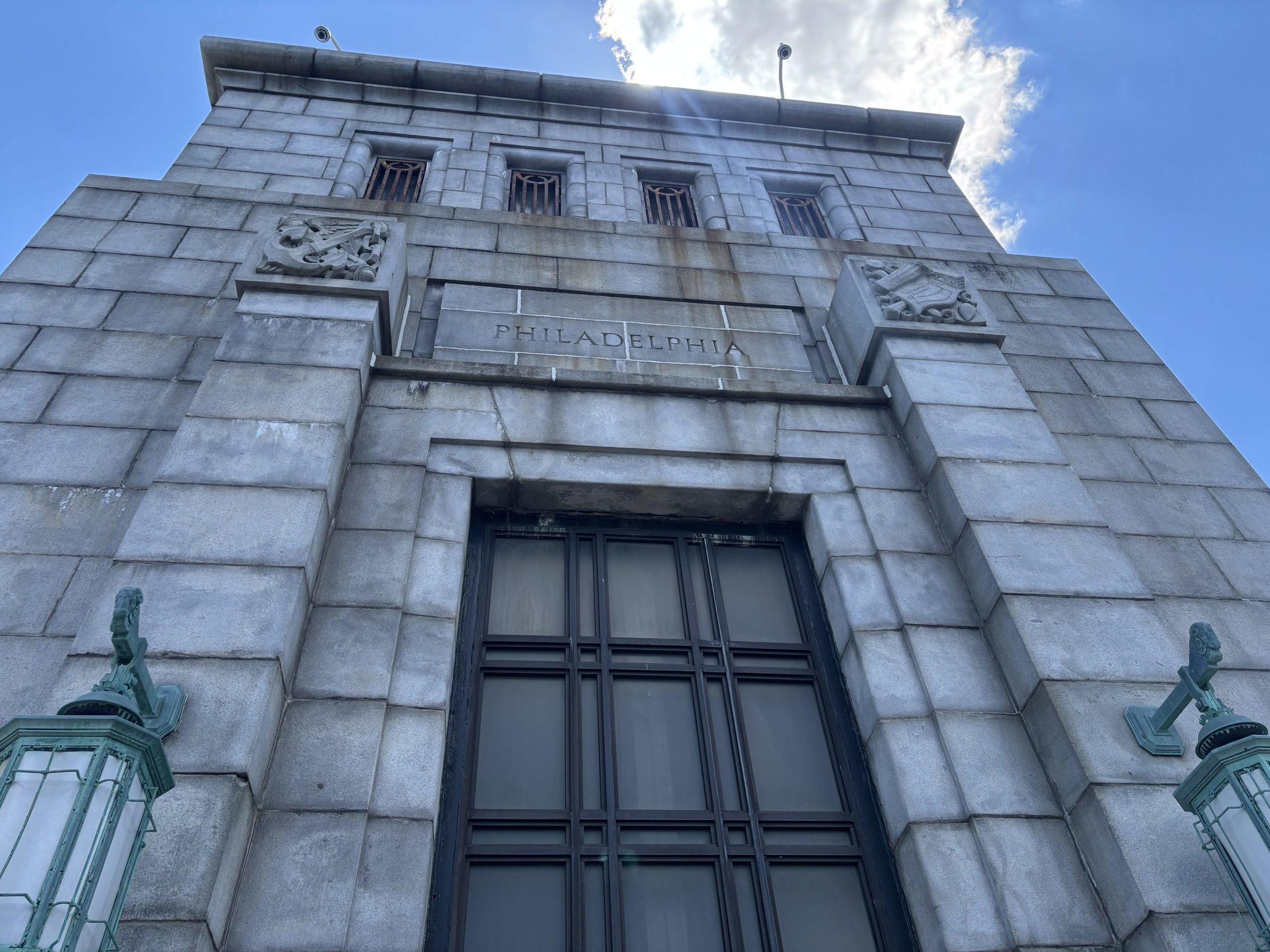
We stopped at one of the Philadelphia anchorages, the massive concrete-and-granite structures where the bridge’s cables are anchored.
These structures were made to house elevators for the trolleys. Alas, the anchorages are off-limits spaces, but Howard told me that each of the four have the same seven artistic tiles inside commemorating milestones in transportation, from one of a Conestoga wagon to one of the USS Shenandoah, the ill-fated dirigible that crashed before the bridge even opened.
One of the anchorages on the Philadelphia side of the Benjamin Franklin Bridge as seen from the pedestrian walkway.Stephanie Farr / Staff
Another name
The Ben Franklin Bridge was the longest suspension span in the world, with a distance of 1,750 feet between the two towers, when it opened on July 1, 1926.
In a front-page Inquirer report, journalist Richard J. Beamish noted 250,000 people crossed the bridge on foot opening day and that the structure was “beautiful as gossamer web and seemingly as frail.”
Pedestrian cross the Delaware River Bridge on its opening day in 1926. Philadelphia Inquirer archive
Howard, who quoted that report to me, then asked: “When do you think our first accident was?”
I guessed July 2, 1926. I guessed wrong.
“It was the day it opened,” he said. “People were jockeying to be one of the first to cross the bridge, and over in Camden, you had a fender bender.”
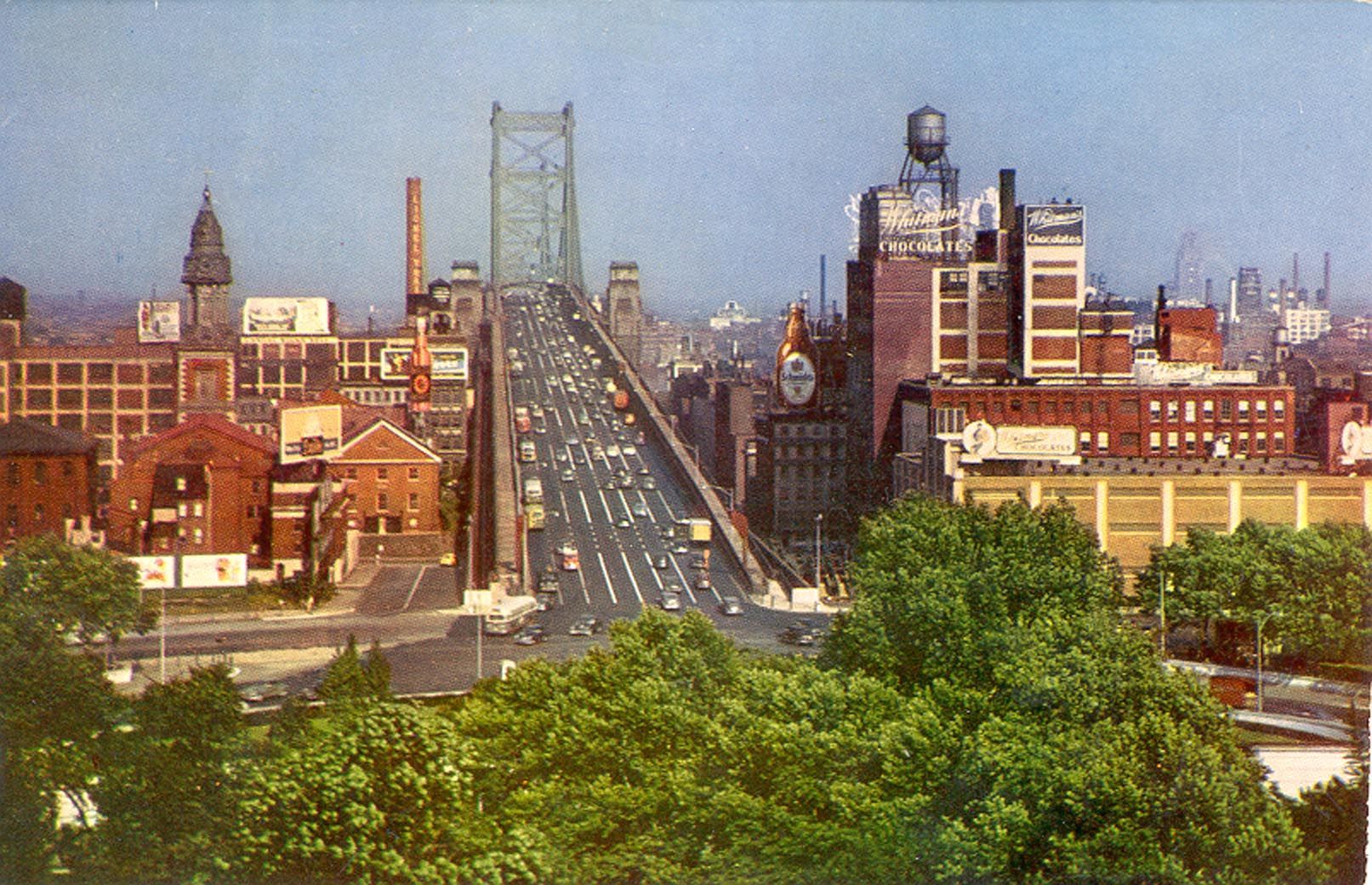
Back then, the span also had a different name — the Delaware River Bridge. It was rechristened in 1956 to avoid confusion when the Walt Whitman Bridge was also built over the Delaware River.
A view of the Benjamin Franklin Bridge in the 1950s.Courtesy of the Delaware River Port Authority
The Ben Franklin Bridge wasn’t always blue, either. It was originally gray and was repainted to its current color just ahead of the Bicentennial, Howard said.
‘Calm and serene’
As we stood talking, a man jogging by in Rocky Run T-shirt asked if we’d take a photo of him with the Philly skyline.
Jim Bach of Voorhees works in Camden and likes to run the bridge during his lunch break.
“It’s fantastic. I mean the views that you get when you’re up here, it’s just calm and serene,” he said.
I too felt serene. It was quiet and peaceful on the bridge and being atop it helped me see the city I love in a new way.
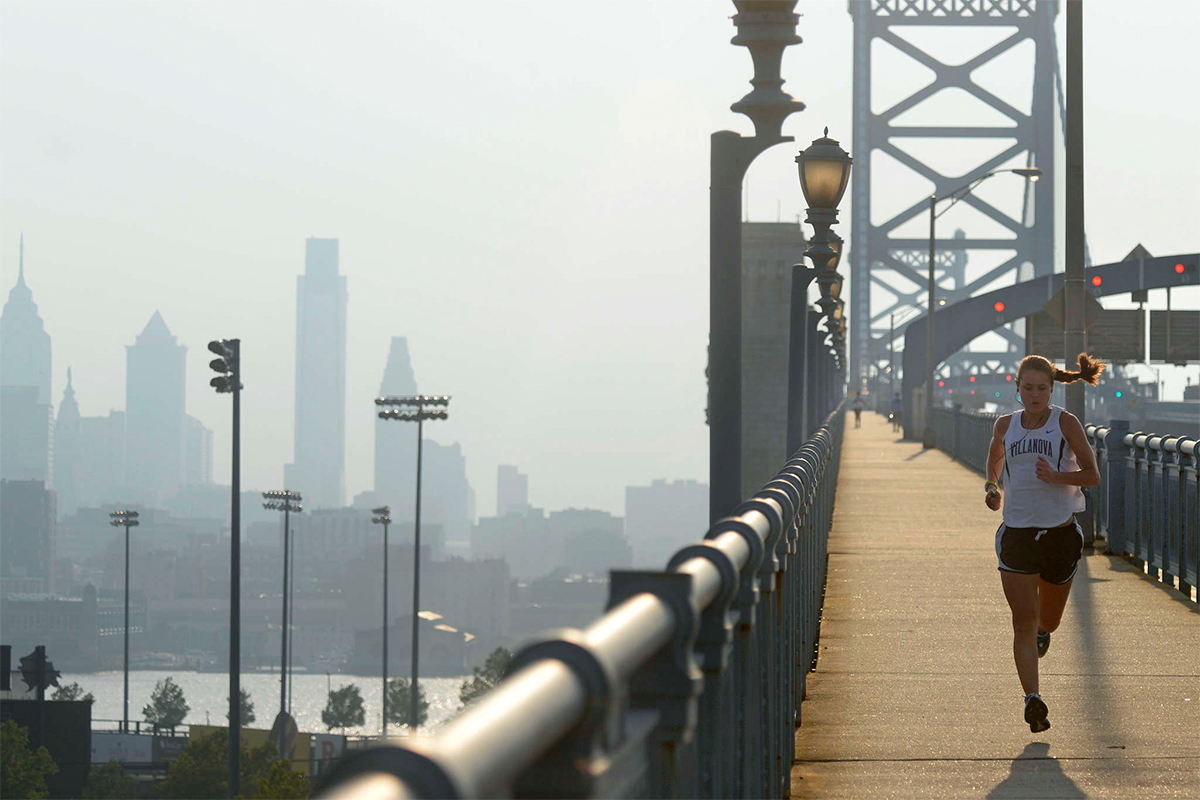
A jogger runs across the Ben Franklin Bridge in an Inquirer file photo.TOM GRALISH / Staff Photographer
Howard also helped me to see something else — the Betsy Ross, Walt Whitman, and Commodore Barry Bridges are all visible from the top of the Ben Franklin.
“All bridges essentially become monuments to the area,” he said. This was most true of the one we were standing on.
We talked about the Ben Franklin’s many appearances in television and movies, from Blow Out to 12 Monkeys.
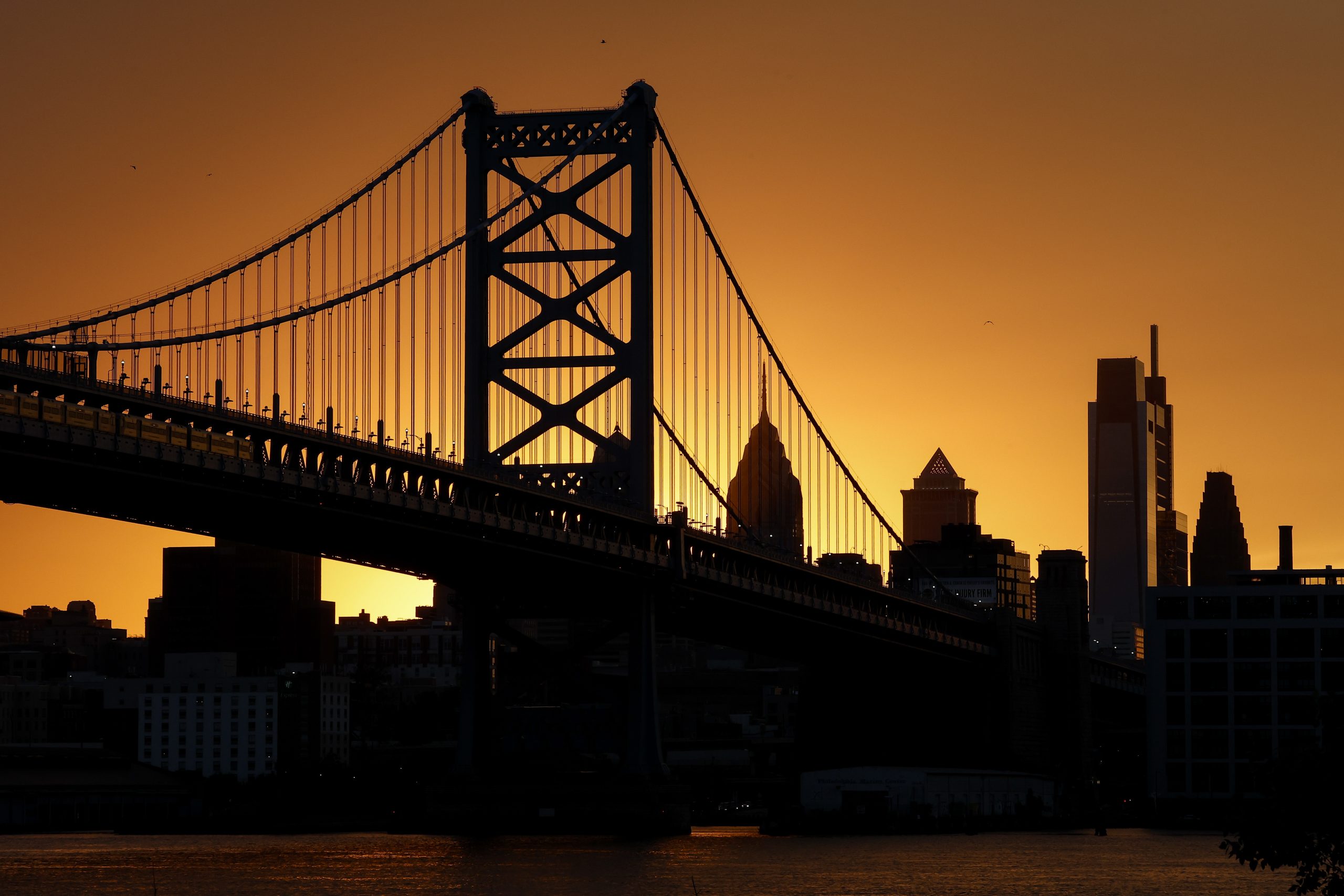
The sun sets behind the Ben Franklin Bridge, seen from Cooper’s Poynt Park on Tuesday, Sept. 30, 2025 in Camden, NJ.Monica Herndon / Staff Photographer
“Last year they kept coming back from commercial breaks during Monday Night Football and they showed one of three things — the Liberty Bell, someone making cheesesteaks, or the bridge,” Howard said.
In its 100 years, the bridge has become a visual touchstone for the region. You see it and you know you’re in Philly, whether you’re watching a movie or coming back from a road trip. It’s given Philly its sense of place as much as the LOVE sculpture or Independence Hall.
A great connector
When we got to Camden, we walked through the pedestrian tunnel on that end, too. It doesn’t have a mural, but the exterior is decorated with a bright mosaic of birds and animals created by Camden schoolchildren in the early 2000s.
A mosaic created by Camden schoolchildren decorates the exterior of the pedestrian tunnel on the Camden side of the Benjamin Franklin Bridge.Stephanie Farr / Staff
On our return walk, I asked Howard if he had a moment on the bridge that’s stuck with him. He said a few years ago, while he was leading a tour, there was a commotion on the Philly side. A kitten found its way onto the bridge and police were called. The feline then crawled into the engine compartment of a police cruiser, which had to be taken apart to get it freed.
“I was like, ‘Yeah, so I gotta go adopt it,’” Howard said.
And so he did, and he named the furry little girl Beanie.
I thought of a poignant moment I had once on the bridge. I was a passenger in a vehicle years ago, when I looked over and saw that the car I was in was traveling at relatively the same speed as the PATCO train next to us.
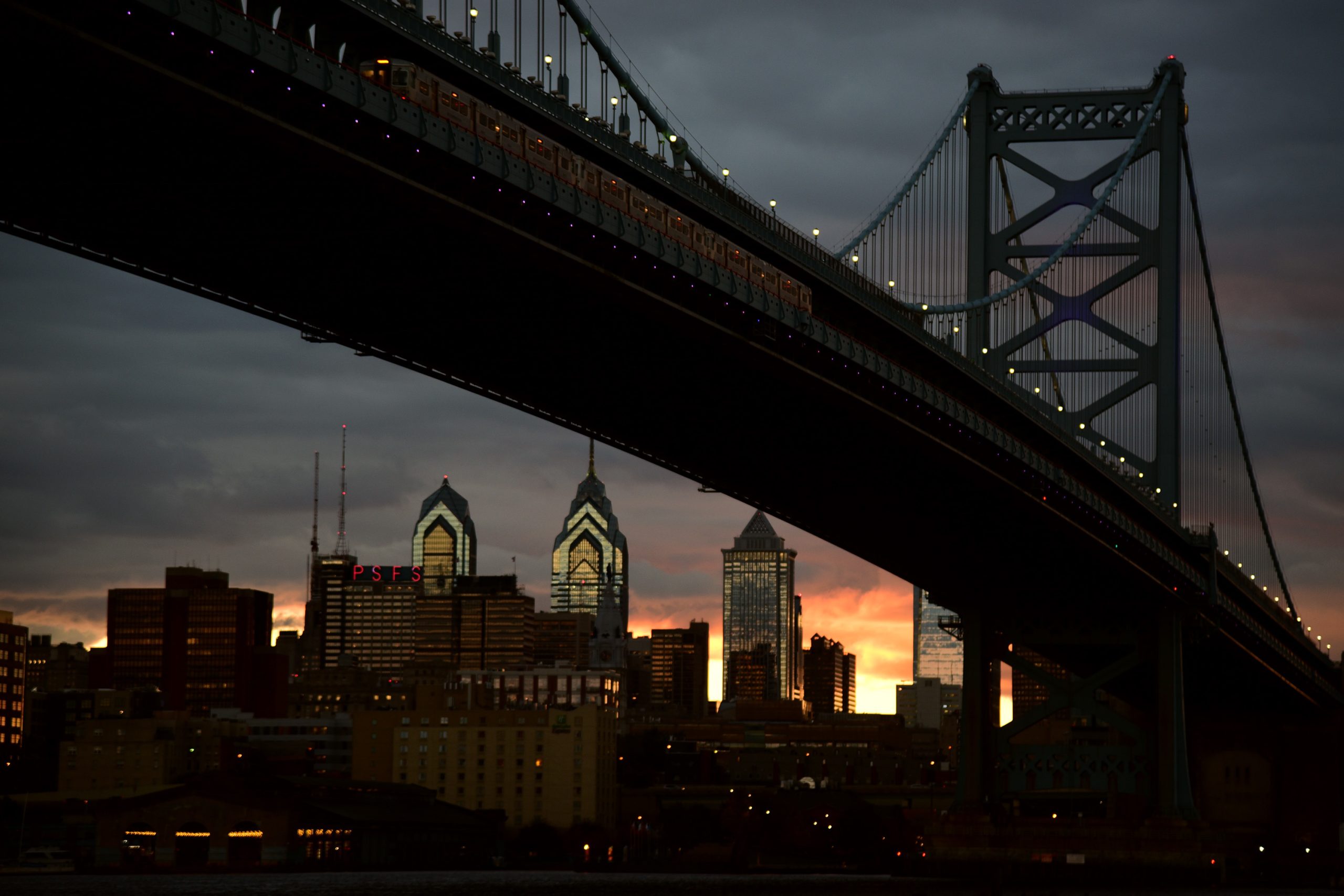
The sun sets over the Philadelphia Skyline behind the Benjamin Franklin Bridge looking southwest from Cooper’s Point Waterfront Park in Camden in this Inquirer file photo.Tom Gralish
I locked eyes with a woman on the train, who looked a lot like me. We smiled at each other and I waved and she waved back. It’s a brief moment that’s always stuck with me. Maybe it’s because I felt like I could have been her in another life, or she could have been me.
Walking the bridge and hearing its stories, I realized that it connects so much more than just Camden and Philly. It connects all of us to each other — in big and small ways — and it connects our future with our history.
Today, I have a new story about the Benjamin Franklin Bridge, the day I walked across it. If you haven’t done so yet, I encourage you to walk it, too, and make a new memory with one of Philadelphia’s great old structures.
A man walks across the Ben Franklin Bridge towards Camden in an Inquirer file photo.ELIZABETH ROBERTSON / Staff Photographer
The anniversary celebration for the Ben Franklin Bridge will take place from 10 a.m. to 2:30 p.m. July 11. Details can be found at drpa.org/bfb100/.
As soon as international soccer fans arrived in Philadelphia for the World Cup, they continued a time-honored tradition of gathering en masse at the foot of the Philadelphia Museum of Art steps, thrusting their fists to the sky as Sly Stallone did 50 years ago, and rallying for their team to victory.
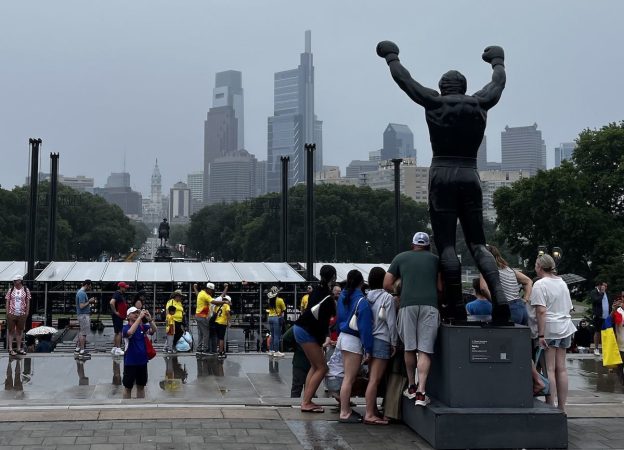
From the thousands of Ecuadorian fans draping soccer jerseys on the Rocky statue, inadvertently cursing the Ecuador national team before it lost to Ivory Coast, to Brazilian fans staging security guards to deter fans from doing the same, and Iraqi fans waving their flags at the top of the steps — Rocky and its picturesque views of the Benjamin FranklinParkway have been a staple of Philly’s World Cup.
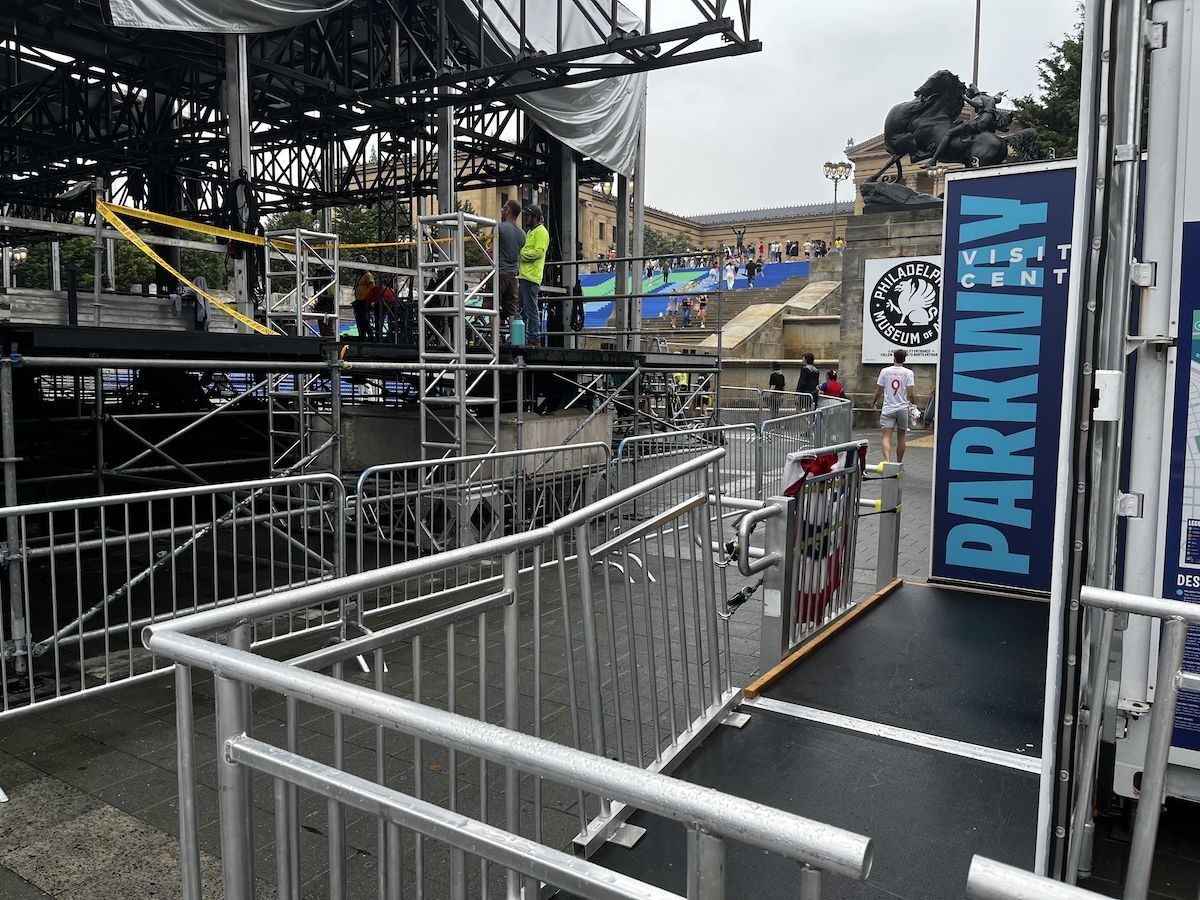
Temporary fenced walkways were erected for tourists to access the Philadelphia Museum of Art steps and Rocky Statue while the One City: Unity Concert for America stage is under construction on Saturday, June 27, 2026. Some World Cup fans and tourists have remarked on its inconvenience, but are enjoying the Parkway anyway.Henry Savage / Staff
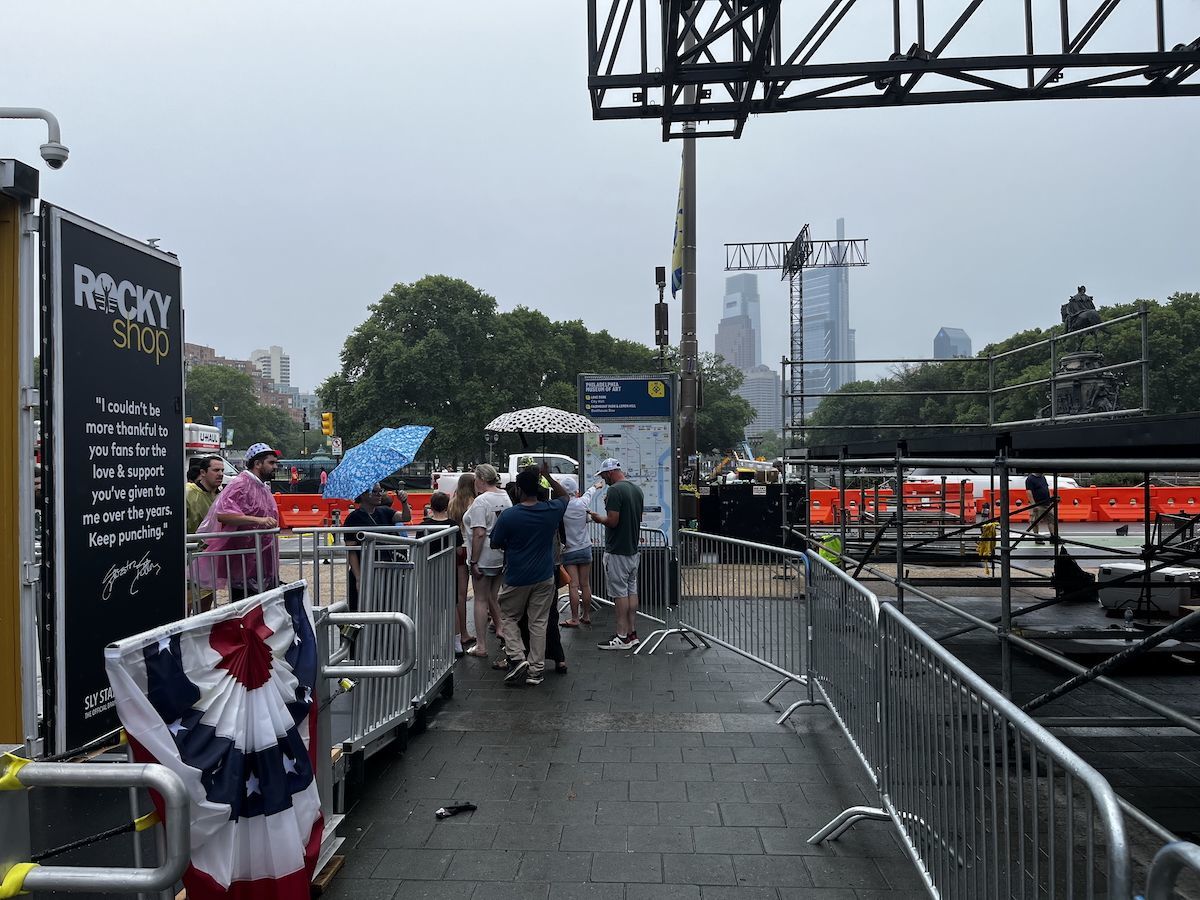
However, last week, a stage spanning the width of the steps was erected in front of theRocky statue, leaving two narrow walkways to access the iconic landmark. Metal fencing ushers tourists through a walkway behind the under-construction stage, which will soon host the One Philly: Unity Concert for America on July 4 — the city’s revamped Fourth of July concert, which had been known as the Wawa Welcome America July 4th Concert for more than a decade.
“Because of the magnitude of this year’s event, organizers needed to properly position the stage back to where they’ve done large scale events before at the Art Museum,” a spokesperson for the Mayor’s Office of Communications said about the placement of the stage.
Additionally, a spokesperson for the Office of Special Events said Croatia was the only fan meetup that was asked to relocate so far, as it planned to transport a 300-foot Croatia flag through the area which would prove difficult in the narrow walkways.
For most, this is a minor inconvenience. For Croatian fans, it forced them to relocate their pre-game rally and march.
“People did want to start the parade at the Rocky steps, and some people were upset by it,” said Croatia supporters organizer Daniel Pedisich. “But some of our fans went to Rocky on their own, and in some ways, maybe we avoided that Rocky curse?”
Croatia fans cheer outside Con Murphy’s Irish pub along Benjamin Franklin Parkway on Friday, June 26, 2026. A plan to gather at the Rocky statue turned out to be logistically impossible.Aidan T. Gallo / Staff Photographer
Before the Croatian fan delegation would go on to cheer the checkered-clad team to a win against Ghana on Saturday, Pedisich said the city encouraged them to relocate their parade elsewhere along the Parkway. They settled for Con Murphy’s Irish Pub on 17th Street.
Before the fan parade Friday, Bosko Katic, known to friends as “Coach Bosko,” was sporting red-and-white checkered overalls and a Croatia-themed cowboy hat as he waited for the fan parade to start at the new location. Croatians know how to bring joy to everyone they meet, Katic said, so while the delegation didn’t begin their march with Rocky, they still found ways to make memories — including crashing a wedding photo shoot at City Hall.
Bosko Katic cheers while waving the Croatia national flag outside of Con Murphy’s Irish pub along the Benjamin Franklin Parkway on Friday, June 26, 2026.Aidan T. Gallo / Staff Photographer
“We couldn’t gather at Rocky because there is something happening there, so we changed the parade route,” Katic said. “But it does not matter anyway — we always bring party, happiness, and love to everybody who is around us.”
Later that weekend, as tourists made their way to the Art Museum steps, squeezing by each other in the walkways, El Salvadorian World Cup fan Stephanie Rodriguez took photos of the steps while standing behind the stage. While Rodriguez admits she’s never seen a Rocky film, the site is “one of those things in pop culture that’s so iconic that you have to see it — like you can’t go to Philly and not see the Rocky steps,” she said.
Tourists shuffle by each other in the temporary fenced walkways erected for near the Philadelphia Museum of Art steps and Rocky Statue while the One City: Unity Concert for America stage is under construction on Saturday, June 27, 2026.Henry Savage / Staff
While the large stage perplexed her, she said she was able to eke out some great photos with Rocky, as the statue itself was accessible and not blocked from view.
“I mean it was surprising because I wasn’t expecting to see such a big stage in front of the Rocky steps, but I think the photos are coming out great,” Rodriguez said.
The concert will turn the Parkway into a festival on July 4 from 3 p.m. until midnight, when a fireworks finale caps the night. Some of Philadelphia’s most prized musical acts will headline, from The Roots and Jill Scott to Will Smith and DJ Jazzy Jeff, plus Meek Mill, Beanie Siegel, and Freeway are scheduled to perform starting at 5 p.m.
In the early 1780s, Revolutionary War era Jewish patriot and Philadelphian Lt. Col. David S. Franks had a desperate work situation in hand.
He had served as one of Benedict Arnold’s high-ranking personal assistants, and after Continental militiamen discovered Arnold’s intentions to sell America out to the British in 1780, it became nearly impossible for Franks to find ajobwith the United States government.
Franks was cleared of wrongdoing. But working with Arnold made the Founders wary of employing Franks.
But not Thomas Jefferson, who hired Franks as his secretary. By the time the Treaty of Paris ending the Revolution was ratified in January 1784 in Annapolis, Md., then America’s capital, Franks had been Jefferson’s secretary for almost a year.
It was Franks who carried at least one official copy of the finalized treaty to Benjamin Franklin — who was in Paris at the time — and other officials in Britain and France.
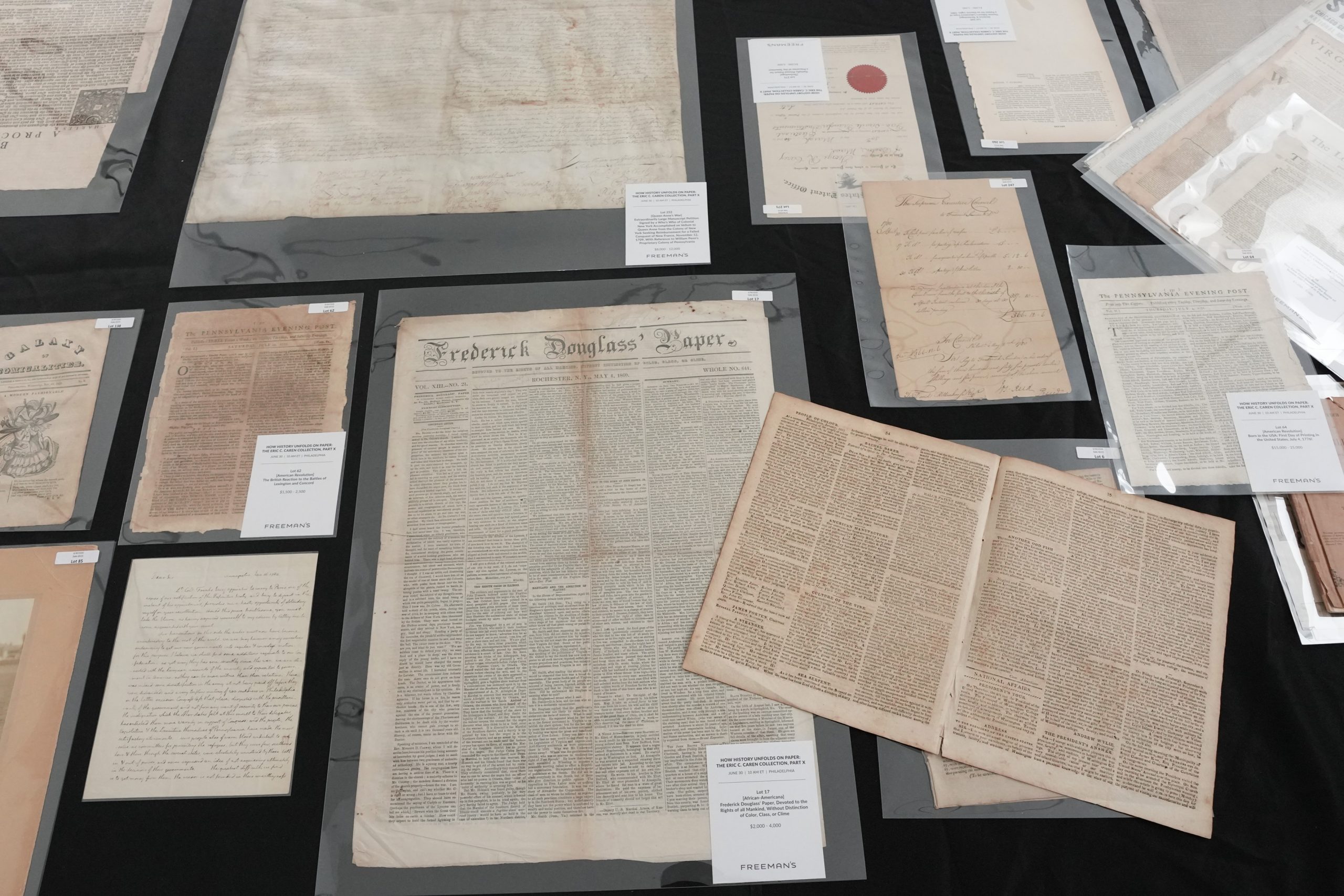
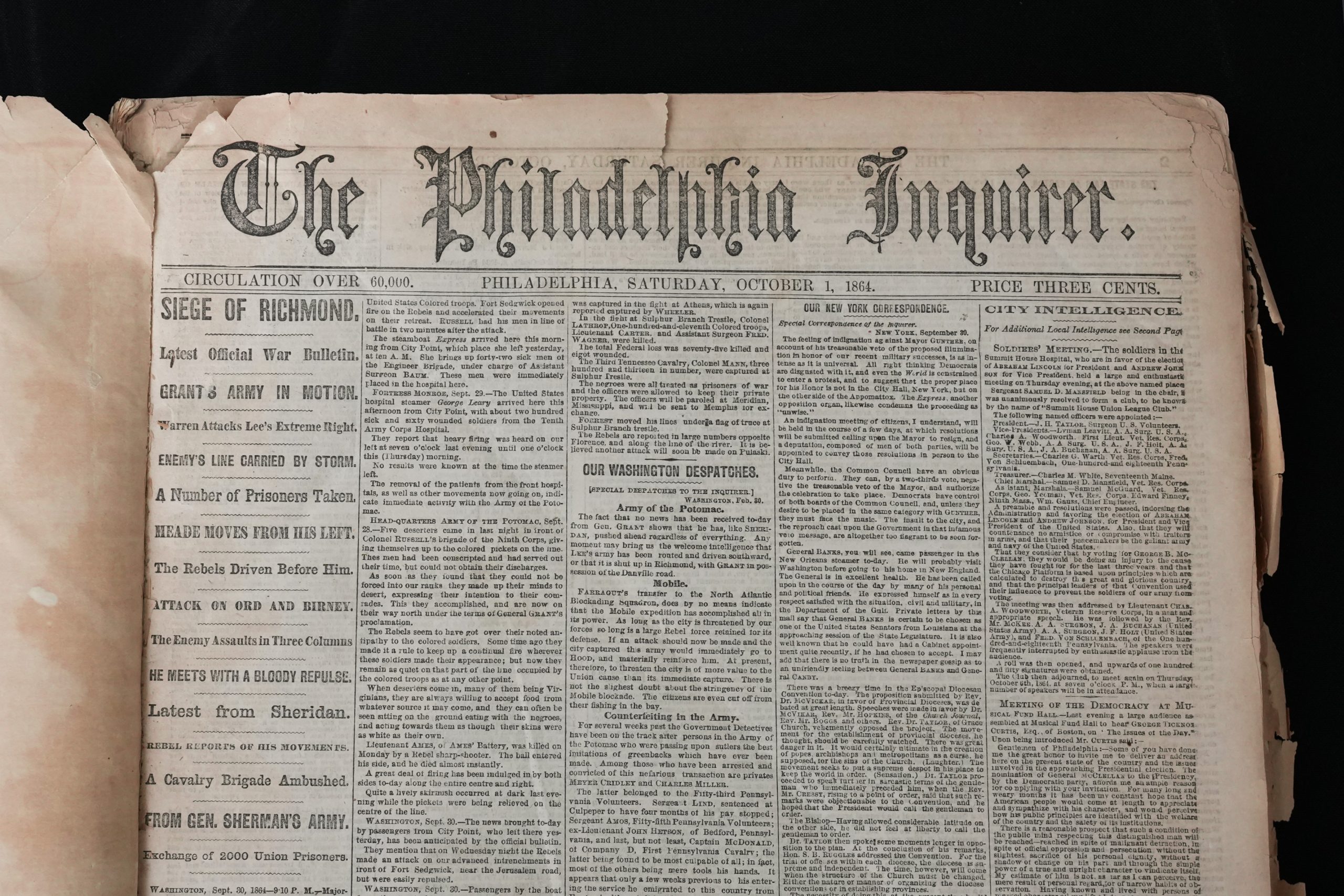
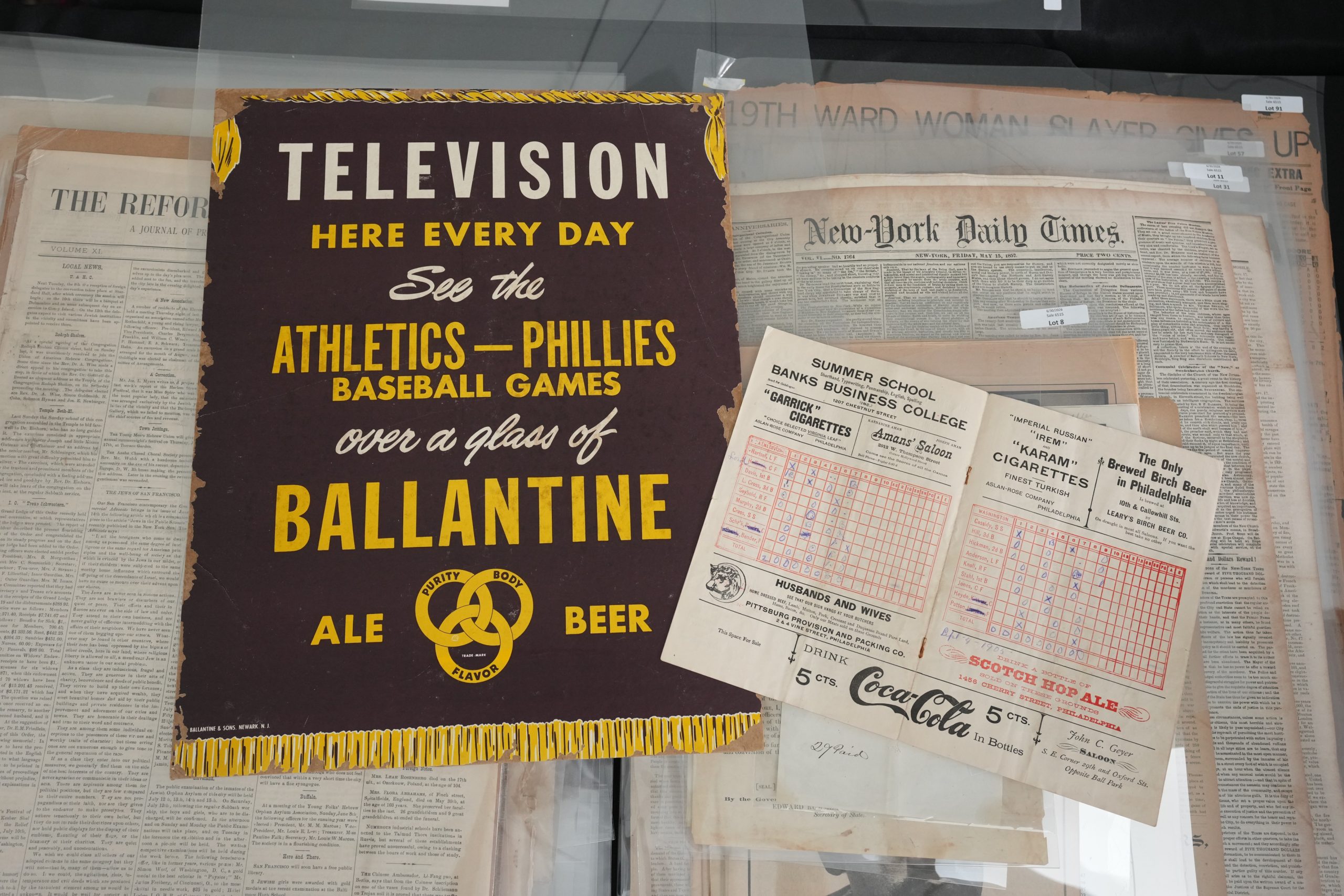
Frederick Douglass’ Paper (front center) and other documents, part of the collection “How History Unfolds on Paper: Important Americana from the Eric C. Caren Collection,” which boasts more than 320 rare newspapers, books, pamphlets, and ephemera tracing the development of printing and publishing in America, an enterprise that started in Philadelphia in1690 with the first paper mill.Jessica Griffin / Staff Photographer
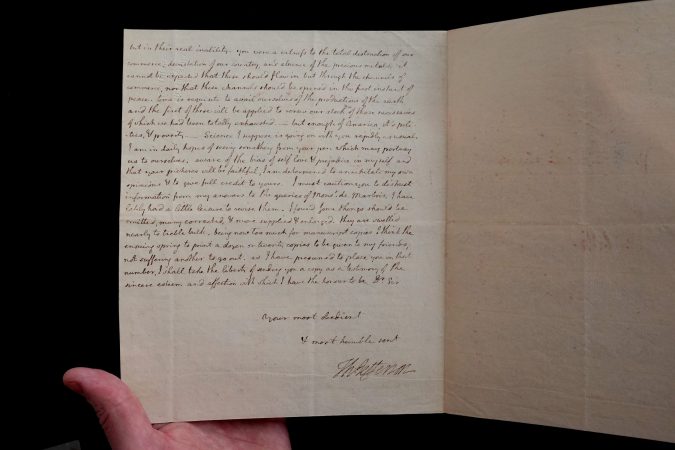
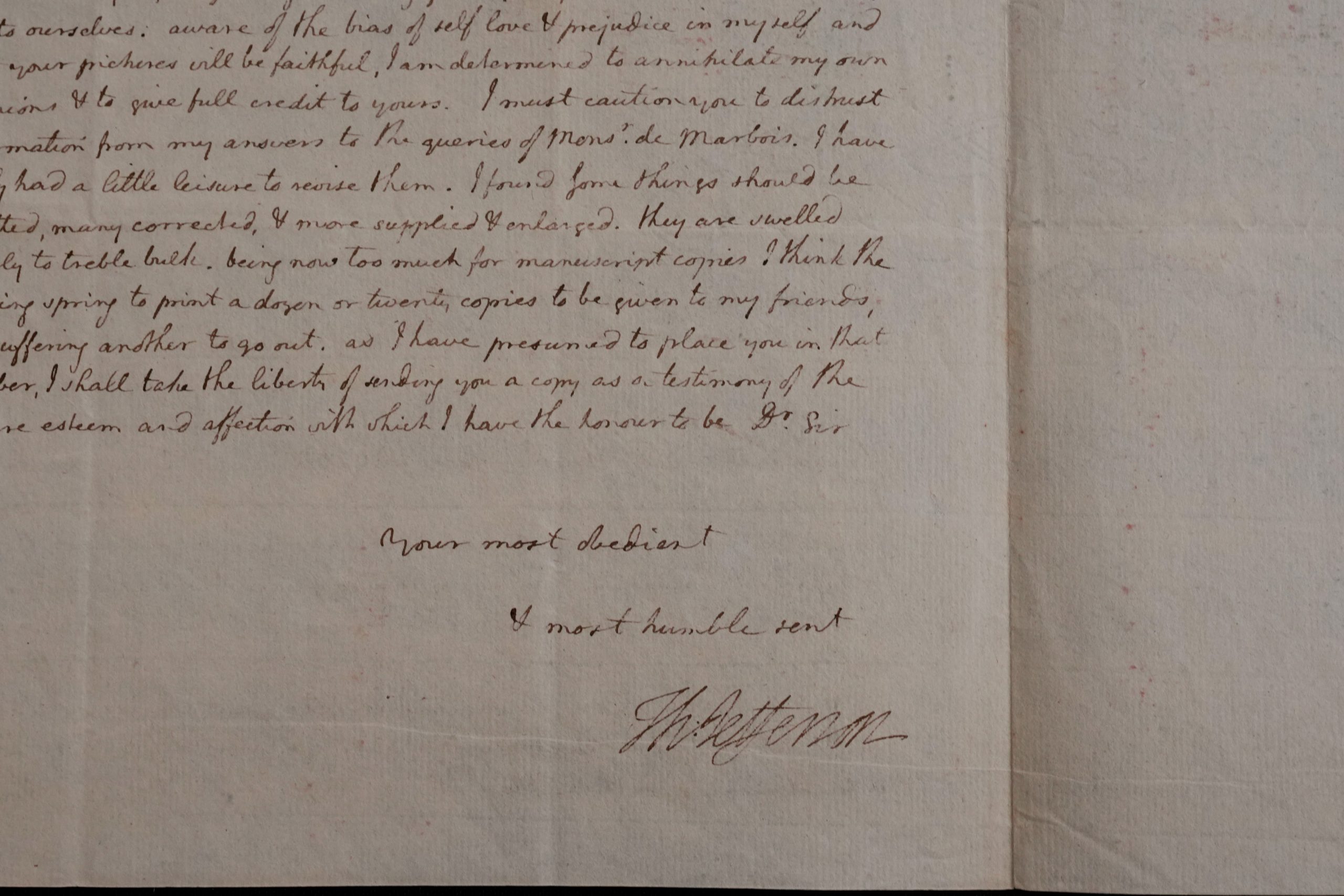
Franks also carried a two-page letter written in Jefferson’s customary neat hand for Francois Jean de Beauvoir, Chevalier de Chastellux. It was a friendly message between the longtime acquaintances, in which Jefferson wrote to the French noble about how America was progressing as a sovereign nation and about his forthcoming book Notes on The State of Virginia.
That letter sold for $108,000 Tuesday as part of an online and in-person auction presented by Philadelphia’s Freeman’s auction house.
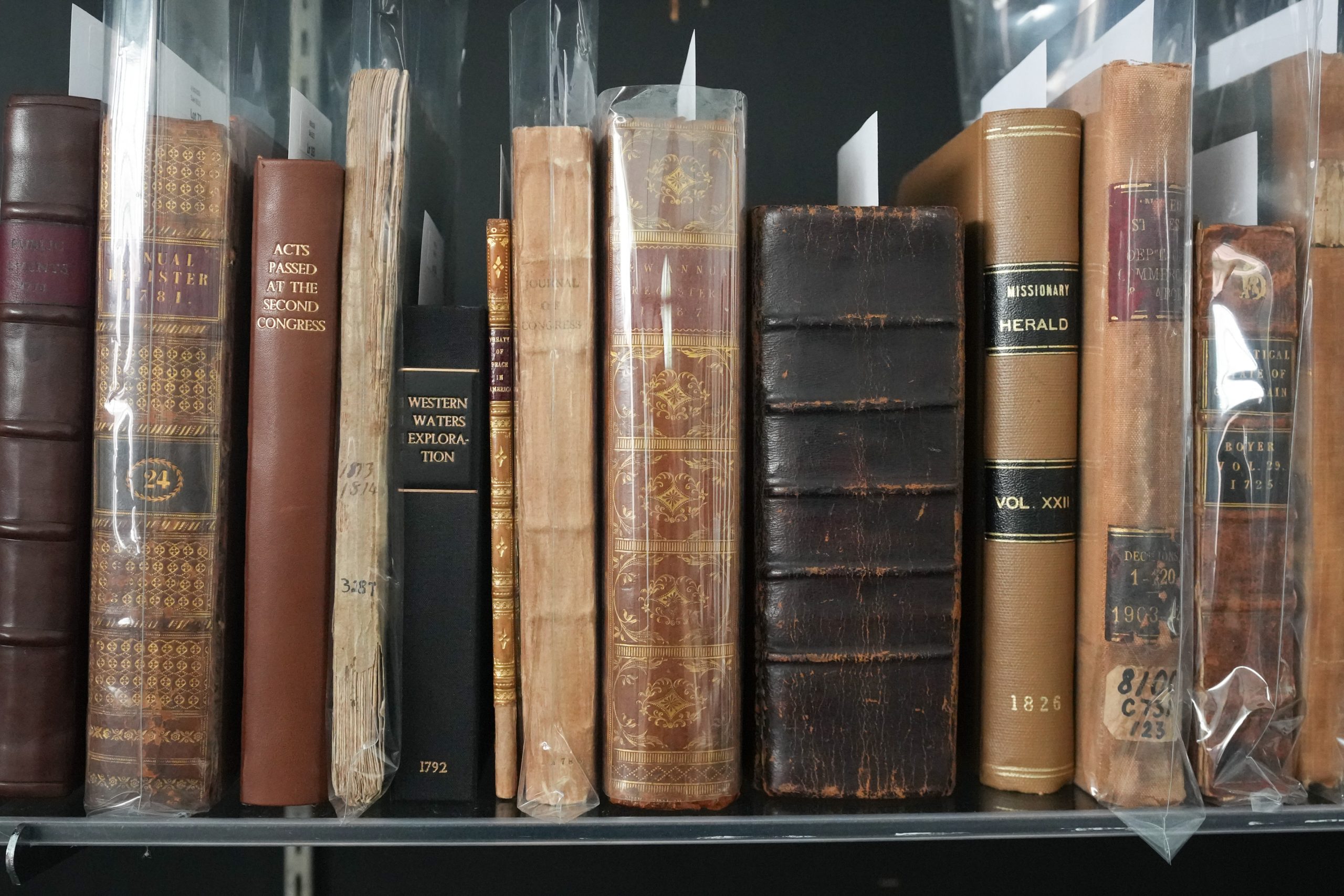
Books from the collection “How History Unfolds on Paper: Important Americana from the Eric C. Caren Collection,” which boasts more than 320 rare newspapers, books, pamphlets, and ephemera tracing the development of printing and publishing in America.Jessica Griffin / Staff Photographer
“Caren goes where the history leads him. His collection reflects that,” said Darren Winston, Freeman’s senior vice president and head of the books and manuscripts department. “When he asked us to host a sale in honor of the 250th, we immediately said yes.”
18th century news treasures
The vast sepia-hued collection of aged newspapers and bound volumes was heaven sent for primary-source junkies who can afford to plop down a few hundred or several thousand dollars for the kinds of historical gems usually found only on microfilm. It’s also a gold mine for those who think hundred-year-old newspapers in near mint condition are frame-worthy.
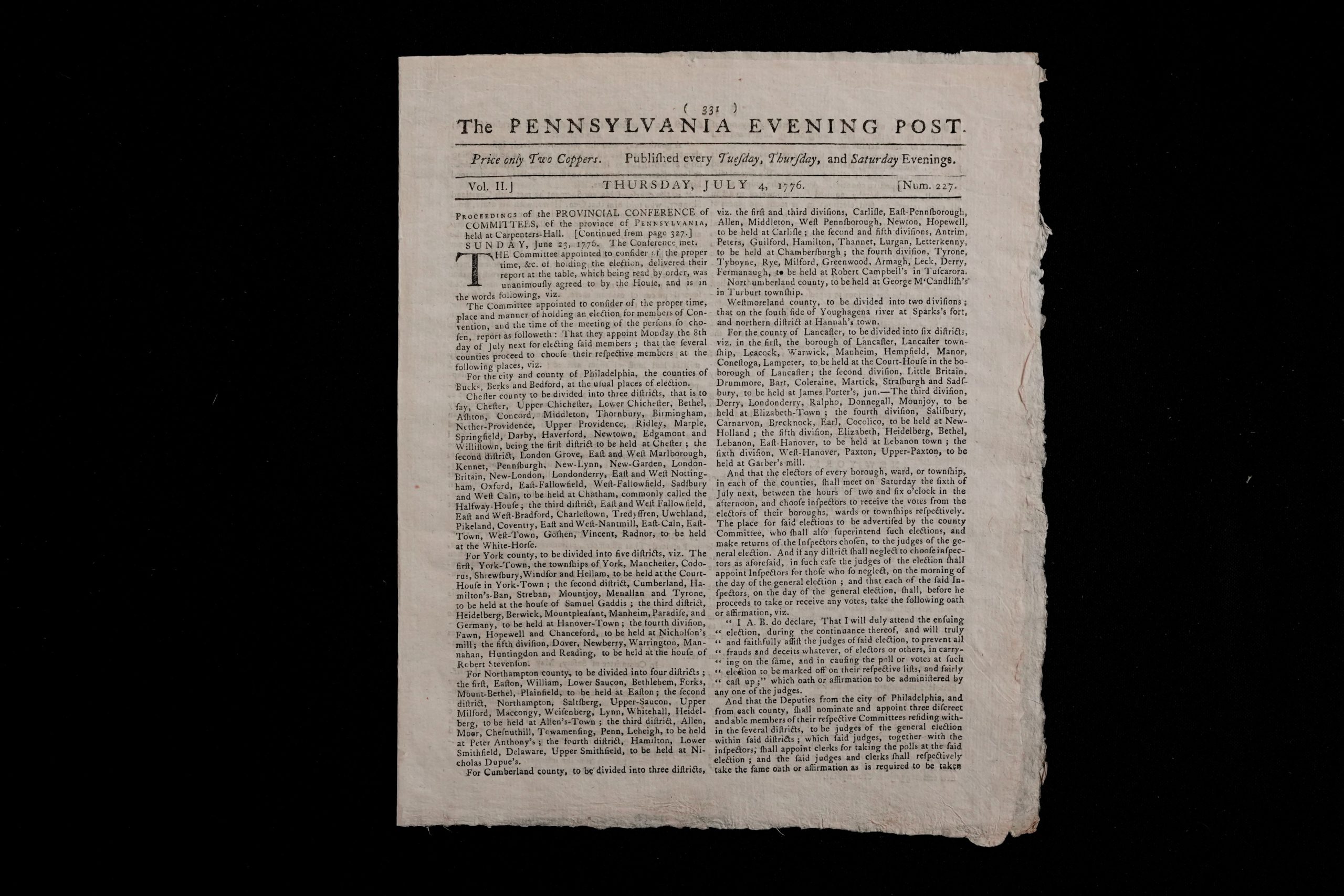
A four-page Pennsylvania Evening Post printed on July 4, 1776, believed to be the first daily newspaper printed on North American soil just declared free of the monarchy.Jessica Griffin / Staff Photographer
The Evening Post, founded by printer Benjamin Towne in 1775, was published just a few blocks from the Pennsylvania State House on Tuesday, Thursday, and Saturday evenings.
The July 4 edition contains a short mention that the Continental Congress declared the United Colonies free and Independent States earlier in the day. And “the day before, we had a King in charge,” Winston said.“How History Unfolds on Paper” included five 18th century newspaper editions, including one printed in Scotland, that published the Declaration of Independence in full.
Other archival gems included a copy of the Frederick Douglass Paper from 1860; copies of the Emancipation Proclamation as they appeared in the Daily Globe, the New York Tribune, the Evening Journal Almanac, and The Philadelphia Inquirer; Abraham Lincoln’s second inaugural address as printed in the New York Times in 1865; and more than 70 issues of Civil War-era Philadelphia Inquirers.
A copy of the Philadelphia Inquirer, part of the collection “How History Unfolds on Paper: Important Americana from the Eric C. Caren Collection,” which boasts more than 320 rare newspapers, books, pamphlets, and ephemera tracing the development of printing and publishing in America, an enterprise that started in Philadelphia in 1690 with the first paper mill.Jessica Griffin / Staff Photographer
But Caren’s collection is more than weathered newspapers.
The auctioned collection bubbled with relics, collectibles, and keepsakes that speak to the economy, such as a note signed by first director of the U.S. Mint, David Rittenhouse — for whom Rittenhouse Square is named — ordering payment of 350 pounds to a doorkeeper employed at the Pennsylvania State House. (That’s about $107,000 in today’s money.)
“Freeman’s is America’s oldest auction house, and Philadelphia is the birthplace of the United States,” Caren said. “So for the 250th anniversary [of America], I thought this sale would be quite fitting.”
Some of the sports memorabilia featured in “How History Unfolds on Paper: Important Americana from the Eric C. Caren Collection” Jessica Griffin / Staff Photographer
50 years of collecting
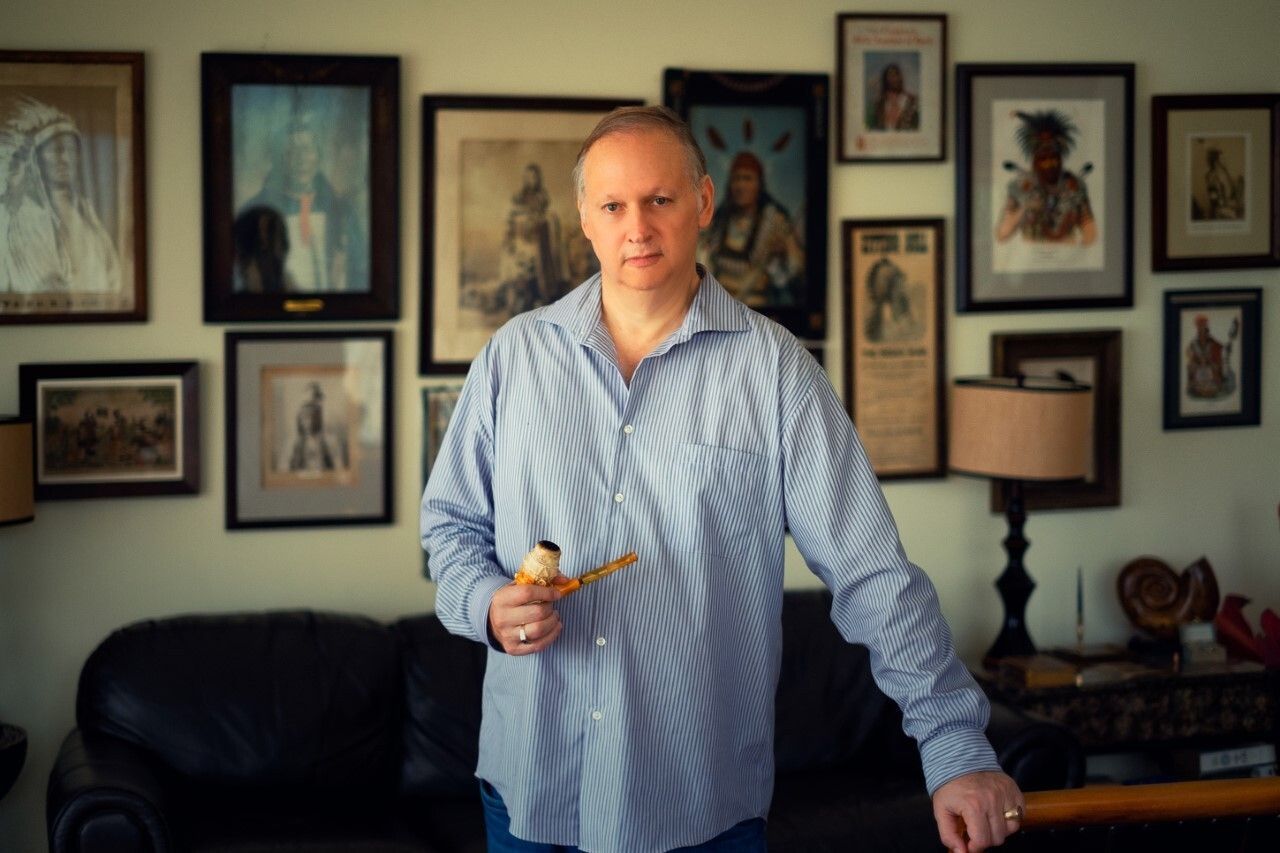
Caren, 66, is a New Yorker and said he came out of his mother’s womb collecting — starting with comic books, stamps, coins, and baseball cards.
In 1970, he learned that a few of his friends were going rummaging through an abandoned house in Rockland County and that they had found newspapers from the turn of the 20th century.
“I asked them to try and find me a sports page with Babe Ruth, and they brought me one from 1913 and I was mesmerized,” Caren said.
After some cajoling, Caren convinced his friends to reveal their secret treasure trove. There, he discovered periodicals going back to the 1890s and was hooked.
Caren spent the next 50-plus years collecting the printed and written word. He has traveled the world to estate sales, garage sales, rare book shops, and antique shows. He’s one of the founders of the Ephemera Society of America and a member of the American Antiquarian Society and the Grolier Club.
He owns hundreds of thousands of paper items, and pieces of his collection have been sold at the auction houses Christie’s and Sotheby’s. “How History Unfolds on Paper” was his 10th auction and first in Philadelphia.
“If ever there was a Philadelphia item, this is it”
In his travels, Caren has come across many of Jefferson’s letters. The one written to Chastellux, he says, is particularly noteworthy because Jefferson wrote it himself, as opposed to dictating it to a secretary, like Franks.
Long-time ephemera collector Eric C. Caren, his collection “How History Unfolds on Paper: Important Americana from the Eric C. Caren Collection, Part X” went to auction at Freeman’s in Philadelphia.courtesy of Freeman Auction House
The letter had been in the Chastellux family for centuries before landing at an auction a few years ago. Caren passed it over a few times before recognizing Frank’s name in the first paragraph.
“It was a great example of how even great things can slip by,” Caren said.
The Treaty of Paris was signed in September 1783. The following January, legislators ratified it in Annapolis.
Dated Jan. 16, 1784, Jefferson’s letter reads like a chatty blog of late 18th century American happenings. In the five months since the war’s end, news traveled to Europe that Americans were behaving badly. One of the reasons Jefferson penned this missive, Caren said, was to “dispel [this] fake news.”
“There was indeed some dissatisfaction in the army at not being paid off before they were disbanded and a very trifling mutiny of 200 souldiers in Philadelphia,” Jefferson wrote, playing down the Pennsylvania Mutiny of 1783, during which a few Continental Army soldiers rioted in Philadelphia streets when they weren’t paid.
Thomas Jefferson’s signature on a letter to Francois Jean de Beauvoir, Chevalier de Chastellux, a part of the auction at Freeman’s.Jessica Griffin / Staff Photographer
He also mentions his yet-to-be published book Notes on The State of Virginia and encouraged Chastellux to write one of his own. He did.
Voyages de M. le Marquis de Chastellux dans l’Amerique septentrionale, published at theturn of the 20th century, is what rare book dealer Wright Howes described as “the first trustworthy record of life in the United States.”
He spent years trying to restore his name. During his first term, President George Washington helped Franks secure a job as an assistant cashier at the Bank of the United States of America, but Franks was no longer accepted in the Founding Father’s circle.
He died in 1793 during Philadelphia’s yellow fever epidemic.
“If ever there was a Philadelphia item, this is it,” Caren said. “This letter is the intersection between the history of Philadelphia and the history of our nation.”
The headline and article have been updated to include the winning bid at the auction on Tuesday morning.
McKaylin Peters, a 24-year-old Native American graduate student at Johns Hopkins University, still recalls when she first heard the words “merciless Indian savages.”
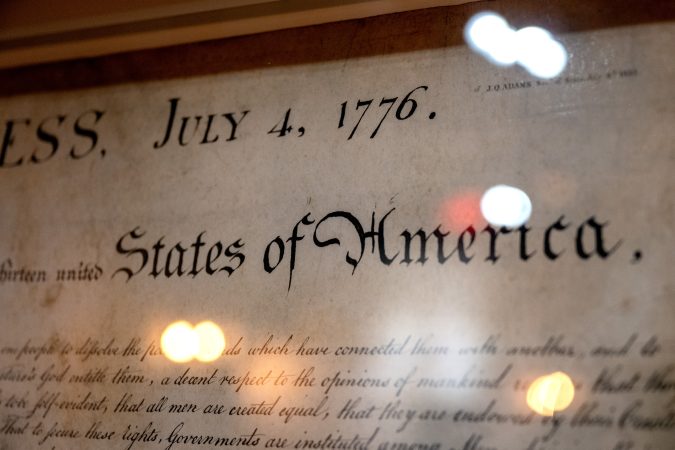
Sitting in social studies class at her predominantly White middle school near Green Bay, Wisconsin — a school that once used an image of an Indian as its mascot, she cringed when the teacher read a passage deep in the Declaration of Independence: “He has excited domestic insurrections amongst us, and has endeavoured to bring on the inhabitants of our frontiers, the merciless Indian Savages, whose known rule of warfare, is an undistinguished destruction of all ages, sexes and conditions.”
Peters said she and the six other Native students in the class looked quietly at one another.
“I was upset. It just rolled off her tongue very easily,” recalled Peters, a citizen of the Menominee Nation who is getting her master’s in organizational leadership. “It seemed like no one else was shocked except for us, the Indigenous students in the classroom. We were like, ‘Did she really just say that?’”
As the United States marks the 250th anniversary of the Declaration — a document fundamental to the nation’s founding and still revered — Peters and other Native American scholars and tribal leaders are reflecting on the Founding Fathers’ use of the derogatory description for Indigenous people in 1776. Many note that while the Declaration promises that “all men are created equal,” its ideals were not extended to everyone.
The document’s portrayal of Indigenous people helped establish a moral and legal framework that justified decades of devastating U.S. policies toward Native communities, according to historians. Celebrations of the 250th anniversary of the Declaration’s signing come amid a striking contrast: Native tribes are working to reclaim ancestral lands, revive lost languages and preserve cultural traditions, while the Trump administration has sought to remove or downplay references to slavery, Native dispossession and other dark chapters of U.S. history in parks and museums and on government websites.
“It’s not just a line in an old document,” Peters said. “It’s a reminder that this country was built by declaring us less than human. When the Declaration of Independence calls us that, it’s a message that Native youth sadly still hear today in classrooms, policy debates and in how society talks about us.”
Many historians and Indigenous historians say the term “savages” did more than reflect 18th-century attitudes. It helped perpetuate stereotypes of Native Americans and contributed to their marginalization; centuries later, it adds to feelings, especially for Native youths, of being excluded from America’s national story. A 2022 study by Texas A&M University researchers found that the Declaration’s pejorative reference to Native Americans helped normalize a view of them as threats rather than as sovereign nations and peoples with rights.
For many Native people, the meaning — and impact — of the phrase is emotional and complicated.
Some discover the wording as adults and are appalled. Others see it as a reminder of racist attitudes and centuries of broken treaties, land theft and forced assimilation. Some young people have reclaimed the epithet, debating it on social media and displaying it on T-shirts and tattoos as a symbol of resilience and empowerment. An Indigenous-led heavy metal band intentionally used the phrase as its name.
“It’s become sort of an ironic touchstone,” said Kevin Gover, the Smithsonian Institution’s undersecretary for museums and culture. A citizen of the Pawnee Tribe of Oklahoma, Gover said he did not encounter the term until middle age. After his initial outrage, Gover said, he responded as many Native people do: by mocking it.
“Even we, on the side of the descendants of those who were victimized, have to take a nuanced view,” said Gover, who is also the former director of the National Museum of the American Indian in D.C. “In many respects, it’s a badge of pride that our ancestors had the wherewithal to survive and allow us to be alive in this time.
“We can acknowledge the wrong,” he said, “and be grateful for our ancestors’ fortitude.”
Hartman Deetz, an enrolled member of the Mashpee Wampanoag — the Massachusetts tribe that famously helped the Pilgrims survive their first Thanksgiving in 1621 — said the wording reflects the opposite of how Indigenous people treated White settlers.
“They were fed when they were starving, given hospitality by us, but they treated us in a way that was savage and merciless in the dispossession of our homelands,” said Deetz, who served as a consultant for an exhibition at the Museum of the American Revolution in Philadelphia about the Declaration and the history behind it. “It was framed in a way that justified the treatment they brought upon us, and it continues to this day in attempts to sell our sacred sites for copper mines and to drill for oil and mining on our lands.
“The colonial enterprise hasn’t stopped,” he said. “There’s such a disregard for Natives to exist or have rights of where we do exist. That’s the legacy of these words.”
The words originated in an early draft of the Virginia Constitution written by Thomas Jefferson, who later included it in the Declaration of Independence, which Congress adopted.
Ironically, some historians say, the characterization of Native people contradicts Jefferson’s own views. In “Notes on the State of Virginia,” a book Jefferson wrote that laid out many of his views on race, government and religious freedoms, he was “very sympathetic to Native people,” said Kevin Butterfield, a historian at the Library of Congress. Jefferson described Indigenous people as just, honorable and noble — a sharp contrast to the widespread European belief that Indigenous people were inferior.
But Jefferson understood the Declaration was political rhetoric — a kind of “public relations piece,” said Butterfield, who is the acting chief of the Manuscript Division at the Library of Congress. He placed it near the end to bolster the case for independence.
“He’s trying to paint the worst possible picture of how the king is approaching his interactions with the American colonists,” Butterfield said. “So he’s laying out horrible wartime atrocities from the Revolutionary War.”
The description reflected colonial attitudes and the realities of frontier warfare, scholars say. Colonists were hostile toward Native Americans, who were powerful political and military figures and, just like other nations, protecting their sovereignty. Some Native nations had allied with the British — a move that many settlers resented — and many colonists also opposed King George III’s Proclamation of 1763, which barred settlement west of the Appalachian Mountains.
Repeated violence between Indigenous people and settlers also helped shape the ideology behind the description, including the French and Indian War and Dunmore’s War in 1774, when Virginia colonists fought the Shawnee and Mingo to expand into the Ohio Valley, according to historians. In the summer of 1776, as the Declaration was drafted and adopted, a lesser-known conflict unfolded when Cherokee warriors attacked frontier settlements across parts of Virginia, North Carolina, South Carolina and Georgia. Colonists responded by burning more than 50 Cherokee towns and driving Native people from their homes.
By 1776, the Founding Fathers “understood their need to accuse the king of what they considered the ultimate crime — partnering with Indigenous peoples and arming them,” said Ned Blackhawk, a Native American author and Yale University historian. “So they created this vilification in the Declaration that, in many ways, was at odds with their experience of living alongside Natives for generations.”
The rhetoric was part of a broader racial ideology taking shape during the Revolutionary era, said Blackhawk, an enrolled member of the Te-Moak Tribe of Western Shoshone Indians of Nevada.
“They were deeply committed to Enlightenment principles, but those were restricted to people similar to themselves,” he said. “Native Americans became a foil in simplified and racialized ways.”
Tracy L. Canard Goodluck, executive director of the Center for Native American Youth at the Aspen Institute, said she is disappointed the term is either glossed over or not taught in many school curriculums, its impact not discussed.
It wasn’t until she was a student at Dartmouth College, she said, that she fully understood the context of the description. She was angry, but the new knowledge also awakened in her a passion for educating others about Indigenous history and mistreatment. Goodluck, a member of the Oneida Nation who is also Mvskoke Creek, said in her previous work as a teacher in Seattle and Albuquerque she taught about Indigenous people and the harsh characterization in the Declaration.
“It shouldn’t just be about White history,” she said. “It should be about all history — the good, the bad and the ugly.”
She said it’s also important to educate the public, so every Fourth of July, she wears a T-shirt emblazoned with the phrase from the Declaration.
“Those words served the purpose back then as a way to dehumanize Native people in this country,” said Goodluck. “We need to change that narrative. We’re still here. We’re doctors, lawyers, teachers and political leaders.
“I am that merciless Indian savage who my ancestors prayed for to do great things.”
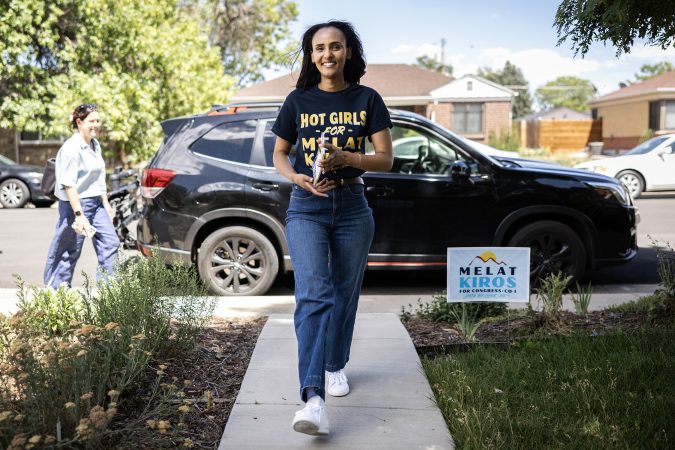
Melat Kiros was fresh out of Notre Dame Law School in 2023 when she was fired by her New York law firm after publishing a lengthy letter sharply criticizing Israel’s government, raising questions about its historical legitimacy and challenging the firm’s response to law students engaging in pro-Palestinian activism.
In Tuesday’s Democratic primary in Colorado, under the banner of the Democratic Socialists of America, Kiros, 29, is again challenging the establishment. This time, she hopes to defeat Rep. Diana DeGette, 68, a liberal Democrat who was elected to her Denver-area seat a year before Kiros was born.
The showdown is the latest between the mainstream Democratic Party and its ascendant, youthful left wing, but Kiros represents more than the DSA. She is one of several Generation Z candidates this year fueled by the generational frustrations of their pandemic-marred youth, social media-fueled isolation, artificial intelligence and the war in the Gaza Strip.
The upset pulled off by Darializa Avila Chevalier, 32, a socialist doctoral student, over Rep. Adriano Espaillat, 71, in last week’s New York Democratic primary may have only set the stage for the generational and ideological fights to come — on both sides of the political aisle.
Melat Kiros, right, who is running for Congress and hopes to defeat Rep. Diana DeGette (D-Colo.), who was elected to her Denver-area seat a year before Kiros was born, records a video with Eric Cheng of the podcast “Wait, Say More” while campaigning in Denver, June 27, 2026. Kiros is one of several Gen Z candidates this year fueled by the generational frustrations of their pandemic-marred youth, social media-fueled isolation, artificial intelligence and the war in Gaza. (Chet Strange/The New York Times)CHET STRANGE
“When you’re living through these kinds of moments on such a regular basis, it feels impossible to be able to change course and believe your vote actually makes a difference,” Kiros said.
But, she added, “we’re seeing just how broken the system is, and we’re seeing that no one’s coming to save us but us.”
DeGette sees lawmakers of all ages working together as important, citing her work with younger members of Congress like Alexandria Ocasio-Cortez, 36, and Jake Auchincloss, 38, on “Medicare for All” legislation. But DeGette still believes experience and community involvement are tantamount to age.
“What voters look at in these races is they look at who they think is going to most effectively represent them and who can have the power and leadership to fight against Donald Trump,” she said.
For Generation Z voters, youth and recent history have shaped their views. They did not experience the exhilaration of Barack Obama’s hope-fueled 2008 campaign or George W. Bush’s calls to service after the attacks of Sept. 11, 2001. Instead, they have weathered a decade of Trump’s “American carnage” narrative and the gerontocracy of Joe Biden. Their beefs tend to be less with the other party than their elders.
Generation Z voters express higher levels of party alienation than any other generation; two-thirds of Generation Z respondents in a recent New York Times/Siena poll expressed dissatisfaction with both Democrats and Republicans. Among Generation Z Democrats, 68% said they were unhappy with their own party.
But the rise of Generation Z and young millennial candidates demanding change is not limited to Democrats.
Joe Mitchell, the founder of Run GenZ, an organization aiming to elect young conservatives, is vying to fill the seat of Rep. Ashley Hinson of Iowa, a Republican running for Senate. Mitchell, 29, who runs a real estate development company, represents a brand of young male Republicans inspired by Charlie Kirk, the slain conservative activist, and driven by their Christian faith and by values aligned with Trump’s political movement.
“Everything I do is going to be America first,” said Mitchell, a former state representative. “Everything we do should be focused on, ‘how can we help the American worker?’”
Brendan Trachsel remembered celebrating his 16th birthday as he watched election results come in for Trump’s first presidential win in 2016. Although he grew up in a conservative household in the San Diego suburbs, he said he was in “utter shock that someone who is completely OK with treating people so horribly would get into office.”
After starting at Northern Arizona University in 2019, he registered with the Green Party. Now 25, Trachsel is running for the Arizona House of Representatives in a Democratic-held district near Flagstaff, focusing on labor organizing, data center moratoriums and tighter protections for online privacy.
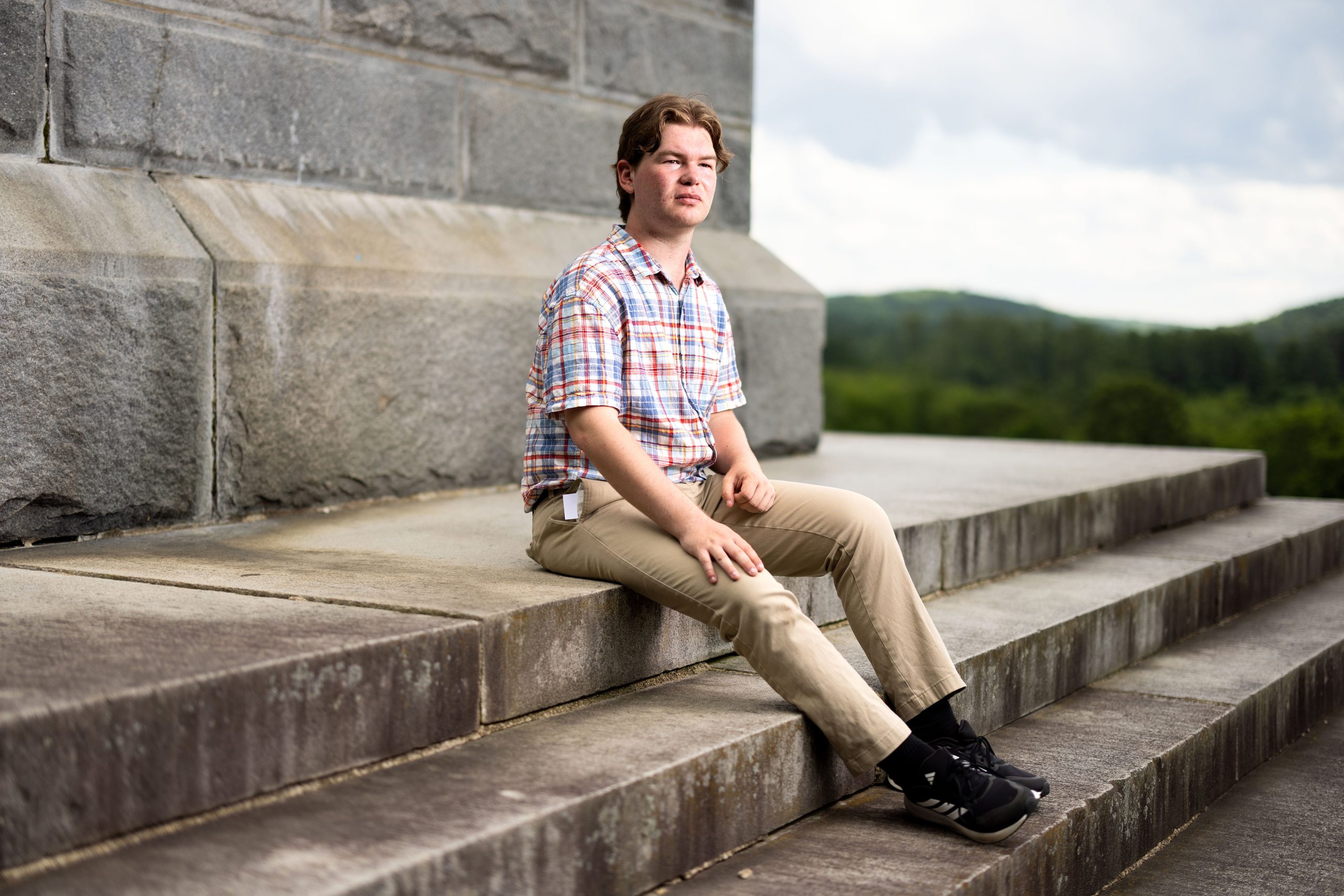
James Thibault, a state representative in New Hampshire, in Northfield, N.H., June 27, 2026. For Gen Z voters, youth and recent history have shaped their views. (Veasey Conway/The New York Times)VEASEY CONWAY
If he wins, Trachsel would be the first third-party official in the Arizona Legislature. He cited Zohran Mamdani’s mayoral campaign in New York as an inspiration.
“It was just so people-focused, so intent on just shutting up and hearing what people needed and want,” Trachsel said.
Startled by Trump’s return in 2024, Leila Staton, 22, and her mother formed the Insufferable Wenches of Iowa, a progressive group designed in part to link like-minded but socially isolated rural residents. No Democrat had filed to run this year against the two-term Republican state legislator representing her district, so Staton, who lives in Stout, population around 200, decided to run herself.
College graduates from rural Iowa tend to leave the state. Staton pointed to a state Legislature, where in 2023 the average age was 54, as unrepresentative of her generation.
Staton has focused her campaign on public education, which has been drained of cash by a new school voucher program; family farms struggling with rising costs and corporate pressure; drinking water that is contaminated with nitrates; and Iowa’s rapidly rising cancer rates.
“There’s a lack of opportunity, prices are rising, wages are stagnant,” she said, “and our cancer crisis has no clear solution.”
Generation Z politicians are also the first largely born after the Columbine massacre in 1999 and raised amid the drumbeat of school shootings that followed.
Tyler Smith, 26, was in a Los Angeles high school when, in 2018, a gunman killed 17 people at Marjory Stoneman Douglas High School in Parkland, Florida. He joined school walkouts and watched as a young breed of activists emerged from Parkland.
While working for a gun control group, Smith decided to run as a Democrat for a Texas House seat this year in the Houston area held by a staunch conservative, insisting, “People right now are sick and tired of the same old, same old.”
Braxton Mitchell, a 26-year-old Montana state representative, also became involved in political activism in 2018. But for him, the gun control walkouts that followed Parkland did not represent his “way of life,” so he spearheaded a counter walkout, against gun control, at his high school in Columbia Falls, Montana. After graduation, he got on a plane for the first time and flew to Washington to meet Kirk, who had been sending him messages of support.
A year and a half later, the state Republican Party chair, Don Kaltschmidt, encouraged Mitchell to run for his local legislative seat, then held by a Democrat. He won and is now running for reelection.
“We need all generations at the table, especially in places like the state legislature, because the decisions being made are going to impact my generation the most,” Mitchell said.
He’s working on a school safety bill to put panic alert systems in rural schools across the state — without gun control.
COVID-19 is another shared experience. James Thibault, the son of a landscaper and a nursing assistant in New Hampshire, had no political aspirations until the pandemic shut down schools. Then politicians reopened them with mask mandates that Thibault, a high school freshman at the time, found onerous and not conducive to learning.
He protested at school board meetings. He was appointed to a youth legislative council. Then he filed to run for state representative before he graduated from high school. He was elected at 18 as a Republican, becoming the youngest state legislator.
“COVID was a wake-up call,” said Thibault, 20, who is running for reelection this year.
In Denver, Kiros also cited the pandemic as consequential to her own politics. “Stagnant” cultural norms that demanded working in offices suddenly gave way to acceptance of remote work, she said. The burning of fossil fuels plunged. Then those social benefits went in reverse.
Her frustrations with current representatives have only grown deeper.
“I don’t know if it’s ego,” Kiros said. “I don’t know if it’s recklessness. There really is just no sense of preparing or leaving the world better than where they found it.”
The First Bank of the United States in Philadelphia, one of Alexander Hamilton’s signature achievements, has undergone a $43 million renovation and will be open to the public for the first time in more than 20 years starting Wednesday.
The ribbon cutting at the building on the west side of Third Street near Chestnut comes just in time for 250th anniversary of the Declaration of Independence this weekend.
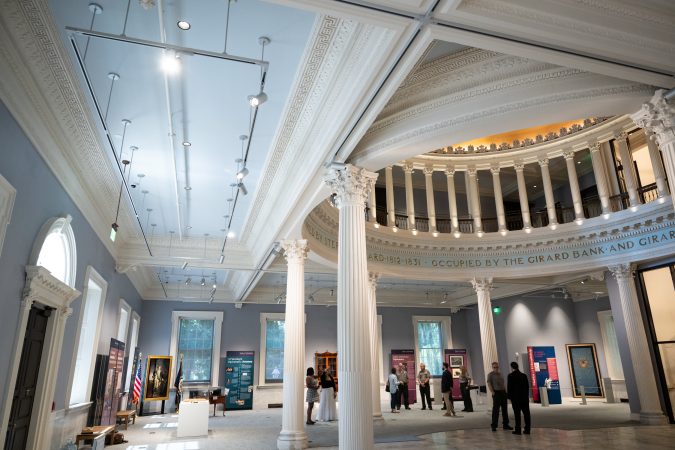
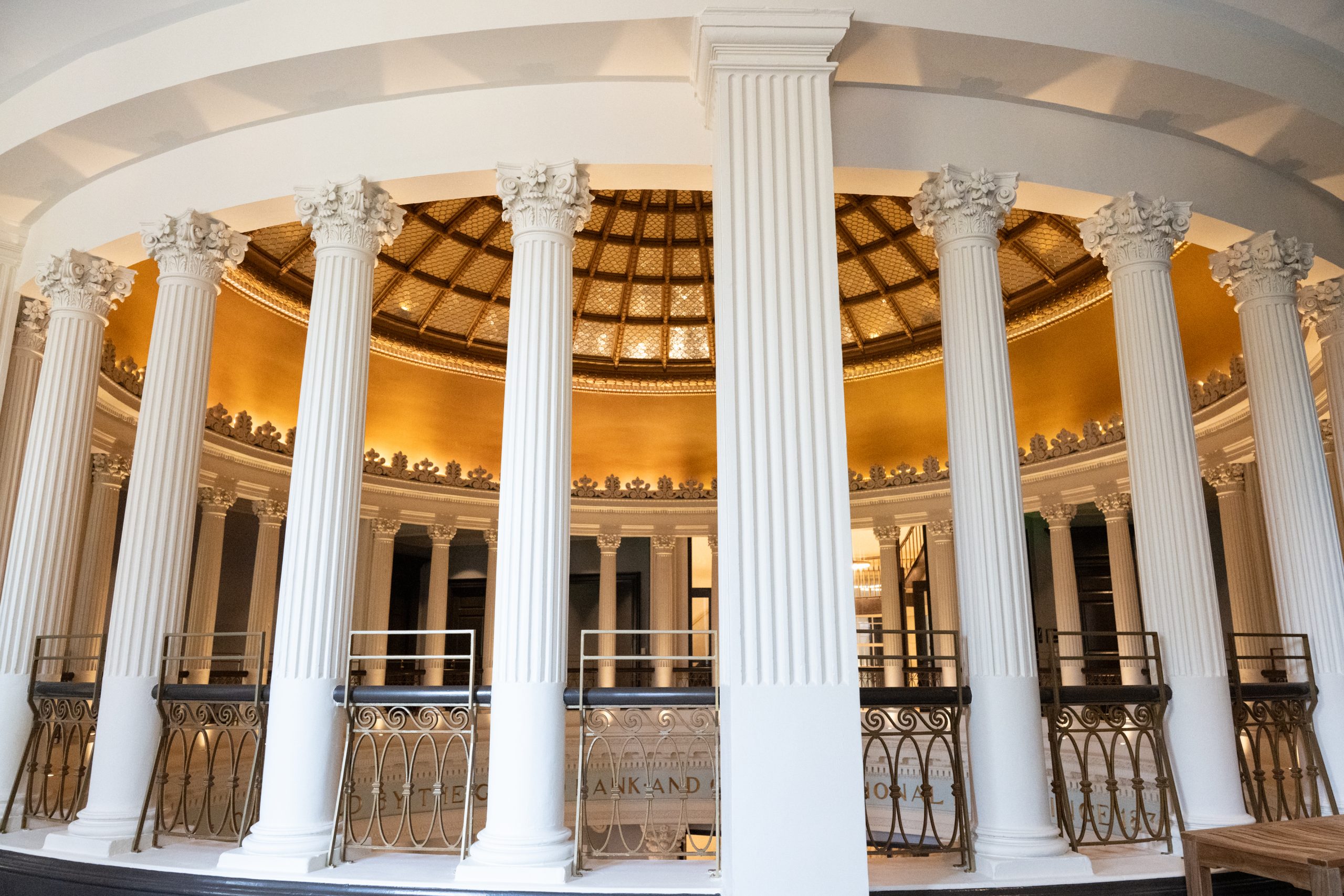
Visitors will be able to walk through the grand rotunda and look up at the barrel-vaulted golden ceiling, lit by 240 painstakingly cleaned panes of glass around a central skylight.
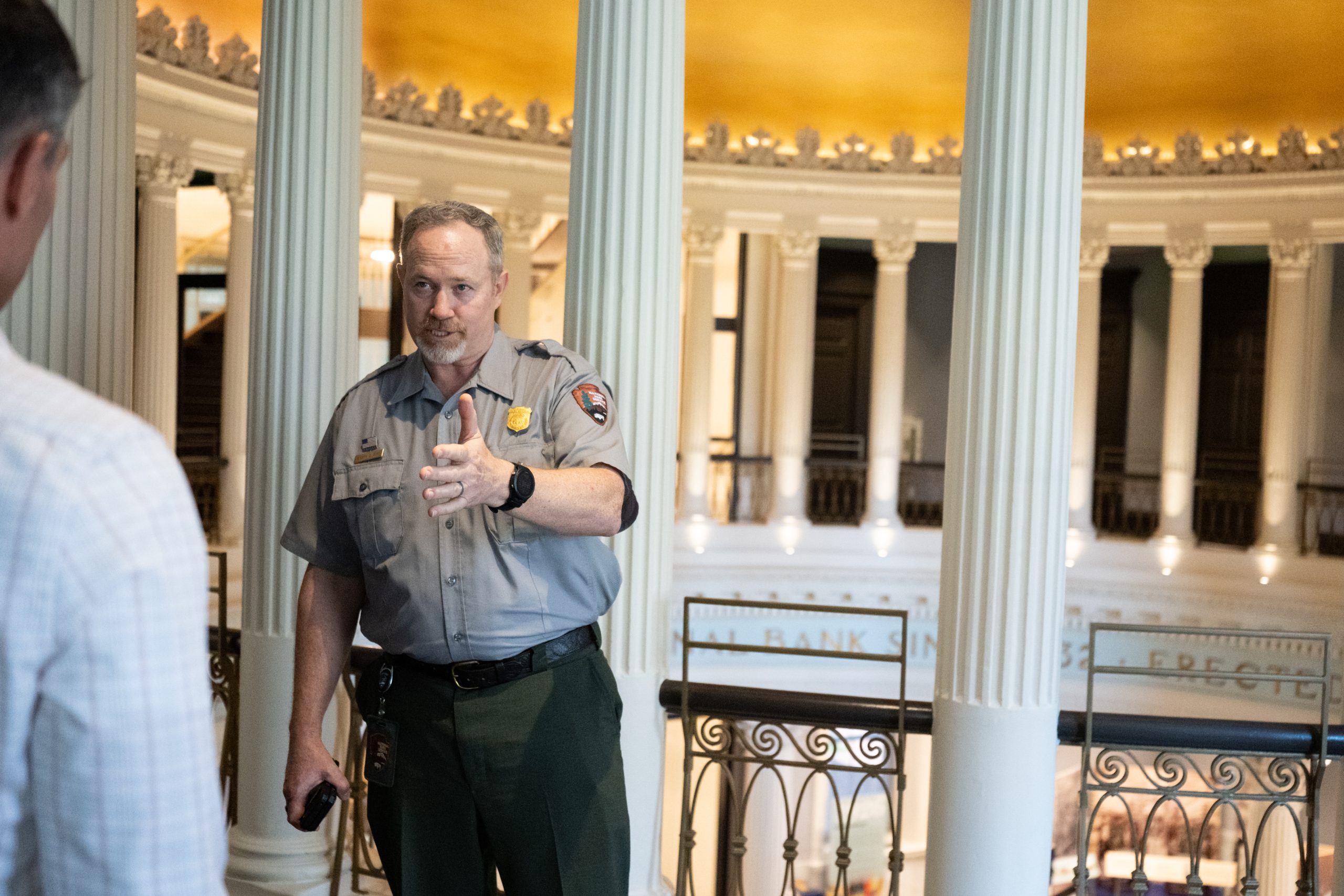
“I’m excited to see how visitors connect to the space,” said Steve Sims, superintendent of Independence National Historical Park. “The National Park Service can talk about what’s important all day long, but what really matters is what’s relevant to our visitors.”
Simms said the interior before the renovation was dark and dingy, marred by an old carpet that covered the marble floor. The entire interior has been painted and the ceiling restored.
Steven Sims, superintendent of Independence National Historical Park, shows off the interior of the newly renovated First Bank of the United States. Erin Blewett / For The Inquirer
The air-conditioning, electrical, lighting and other systems had to be replaced and brought up to code.
The National Park Service also built an addition on the back, which serves as a public entrance. It includes an elevator and modern bathrooms, complying with the Americans with Disabilities Act.
The original budget for the restoration was about $30 million. But higher asbestos levels, issues with soil borings, and installation of a new stormwater management system so roof drainage would be filtered caused that total to rise.
Jonathan Burton, director of development for the trust, said Chadds Ford-based John Milner Architects reimagined the interior of the First Bank, bringing it more in line with the vision held by Philadelphian Stephen Girard, who took over the bank in 1812. West Chester-based Bedwell Co. was the contractor.
“This national historic landmark is now pristine,” Burton said. “It’s completely updated, with all new mechanical systems. It’s absolutely gorgeous.”
Rare artifacts on display
Two temporary exhibits, containing rare artifacts, will fill the interior until a permanent exhibit on the bank’s mission — to create a national financial system for the United States — is finished.
Rosalind Remer, Drexel University’s senior vice provost for collections and exhibitions, said the temporary exhibit from the Atwater Kent Collection at Drexel is designed to focus on souvenirs and art collected from the 1876 Centennial Exposition in Philadelphia and the Bicentennial.
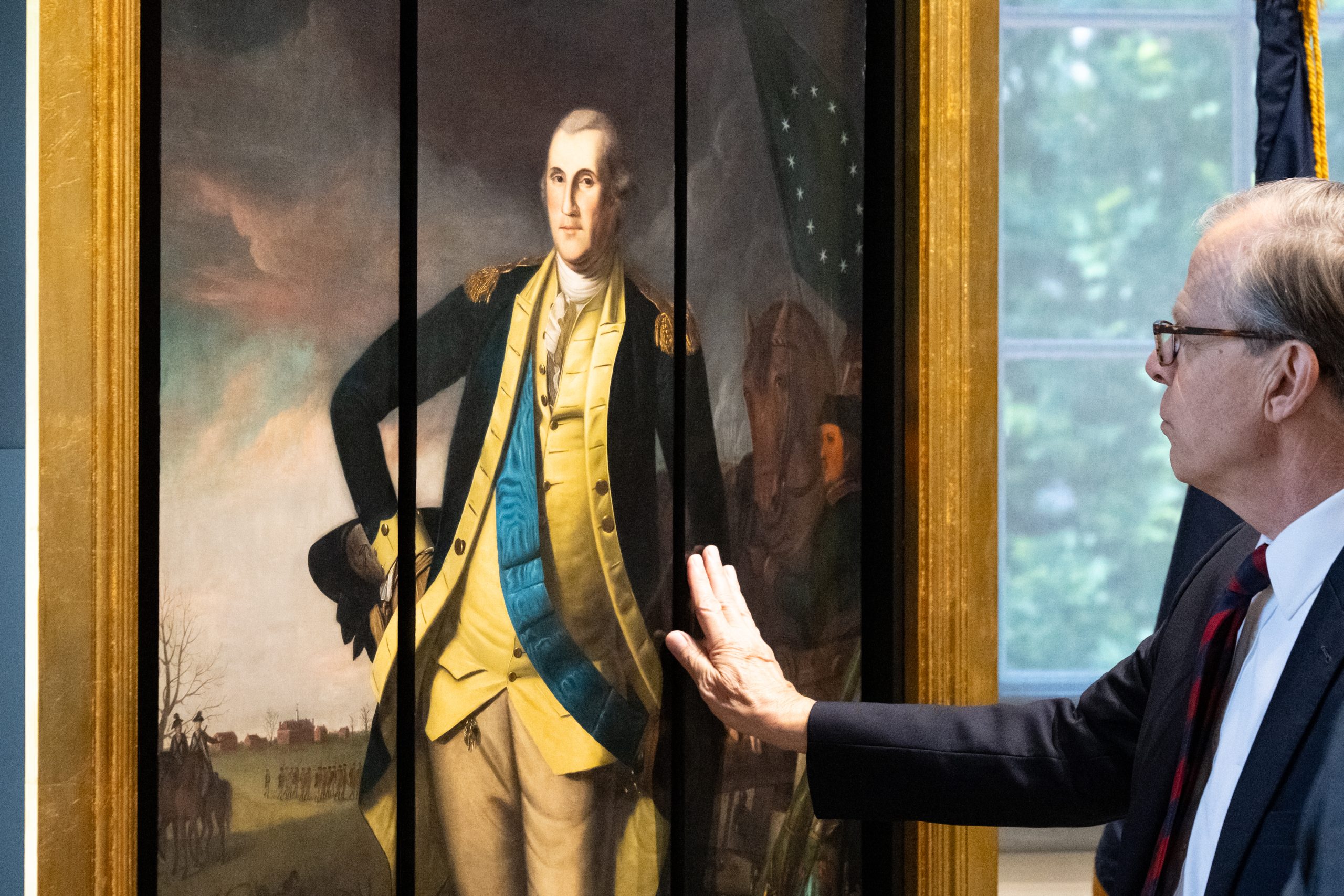
Glyn Davies, a retired U.S. diplomat and senior Foreign Service officer, points out details of a replica of a portrait of George Washington at the First Bank of the United States. Erin Blewett / For The Inquirer
The America on the World Stage exhibit includes two chairs from the Chinese Pavilion at the exposition and a Bicentennial lamp with glass panes of the American flag and Liberty Bell.
Glyn Davies, a retired U.S. ambassador and a consultant to the U.S. State Department, said the Marks of Friendship exhibit commemorates250 years of U.S. diplomatic treasures.
The exhibit includes an ornate Louis XVI-style mantel clock gilded in bronze from the U.S. embassy in Paris anddated to about 1725,as well as Philadelphia painterCharles Willson Peale’s 1779 portrait ofGeorgeWashington in Princeton.
First Bank’s historic design
The bank was key to Alexander Hamilton’s push to give the fledgling federal government authority to handle its poor financial situation.
It’s one of the nation’s first notable examples of Classical monumental design, which contains proportions and geometries of ancient Greece and Rome on a grand scale.
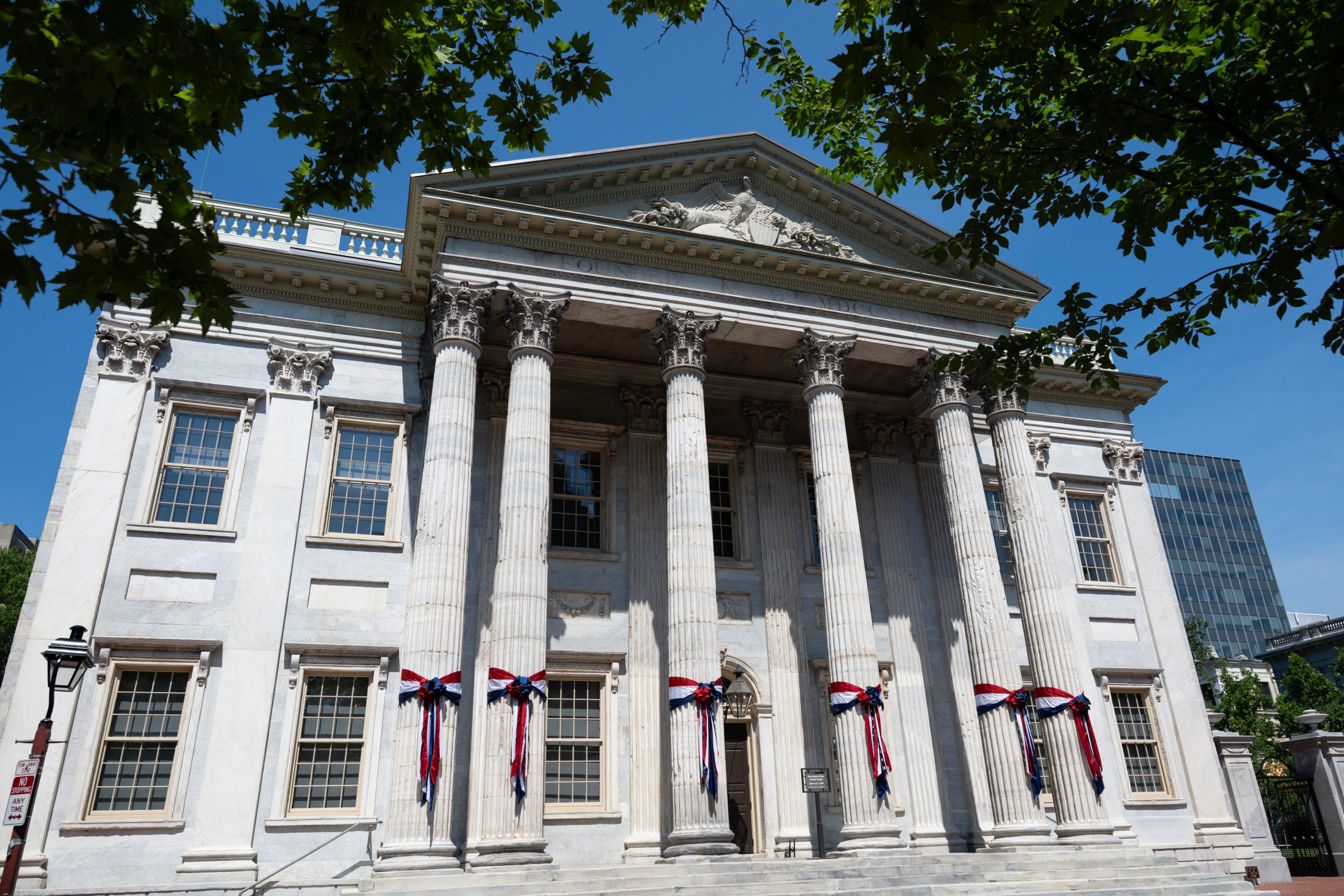
The three-story brick structure features a marble front and trim has a seven-bay marble facade.Erin Blewett / For The Inquirer
Completed in 1797, the three-story brick structure with a marble front and trim has a seven-bay marble facade, built by Claudius F. LeGrand & Sons, stone workers, woodcarvers, and guilders. The builders used Pennsylvania blue marble quarried from Montgomery County.
The decorative entrance, restored in 1983, contains elaborate mahogany carvings of an eagle grasping a shield of 13 stripes and stars and standing on a globe festooned with an olive branch.
The entrance is topped by a marble keystone that depicts Mercury, the Roman god of commerce, finance, and merchants.
The entire exterior has been repointed and damaged areas were fixed. The eagle sculpture also had to be repairedas part of the new renovations.
Inside, the center is defined by a circular Corinthian columned rotunda on the first and second floors.
The original cellar retains its 1795 stone-walled and brick-vaulted rooms, some still having their original sheet iron vault doors.
Alexander Hamilton’s lasting legacy
First Bank has a long and storied history for both the U.S. and Philadelphia.
Visitors to the First Bank will be able to walk through the grand rotunda and look up at the barrel-vaulted golden ceiling, skylit by 240 panes of glass around a central skylight. Erin Blewett / For The Inquirer
At the time of Hamilton’s push for a bank, the U.S. had no national currency, and banks issued their own notes. The notion of a national bank ignited a heated national debate.
Thomas Jefferson, who penned the Declaration of Independence just a few blocks away, was originally against the bank but later used it to finance the Louisiana Purchase. The bank’s initial 20-year charter lapsed in 1811.
Philadelphia merchant Girard bought the bank in 1812. After Girard’s death, another bank purchased the building in 1832 and called itself Girard Bank to capitalize on its namesake’s financial fame.
In 1902, the Girard Bank hired architect James Windrim to remodel the interior. He removed the original barrel-vaulted ceiling and installed a skylight over a glass-paned done to give tellers more light.
The bank was vacated in 1929 and languished until the National Park Service purchased it in 1955 as part of Independence National Historical Park.
The building served as the park’s visitor center until 1976, underwent some restoration, and was open in time for the Bicentennial in 1976. It was open off and on until being closed in 2002 — until now.
Editor’s note: This story has been updated to correct the spelling of Steven Sims, superintendent of Independence National Historical Park.
An unsuspecting property in north Camden that had a front-row seat to the American Revolution has become a multimillion-dollar museum.
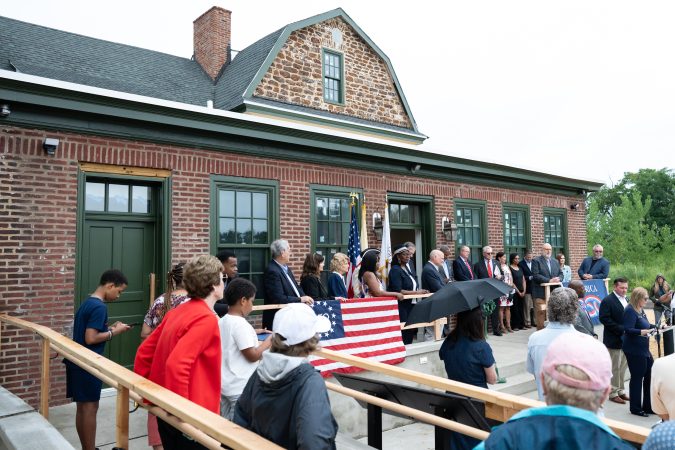
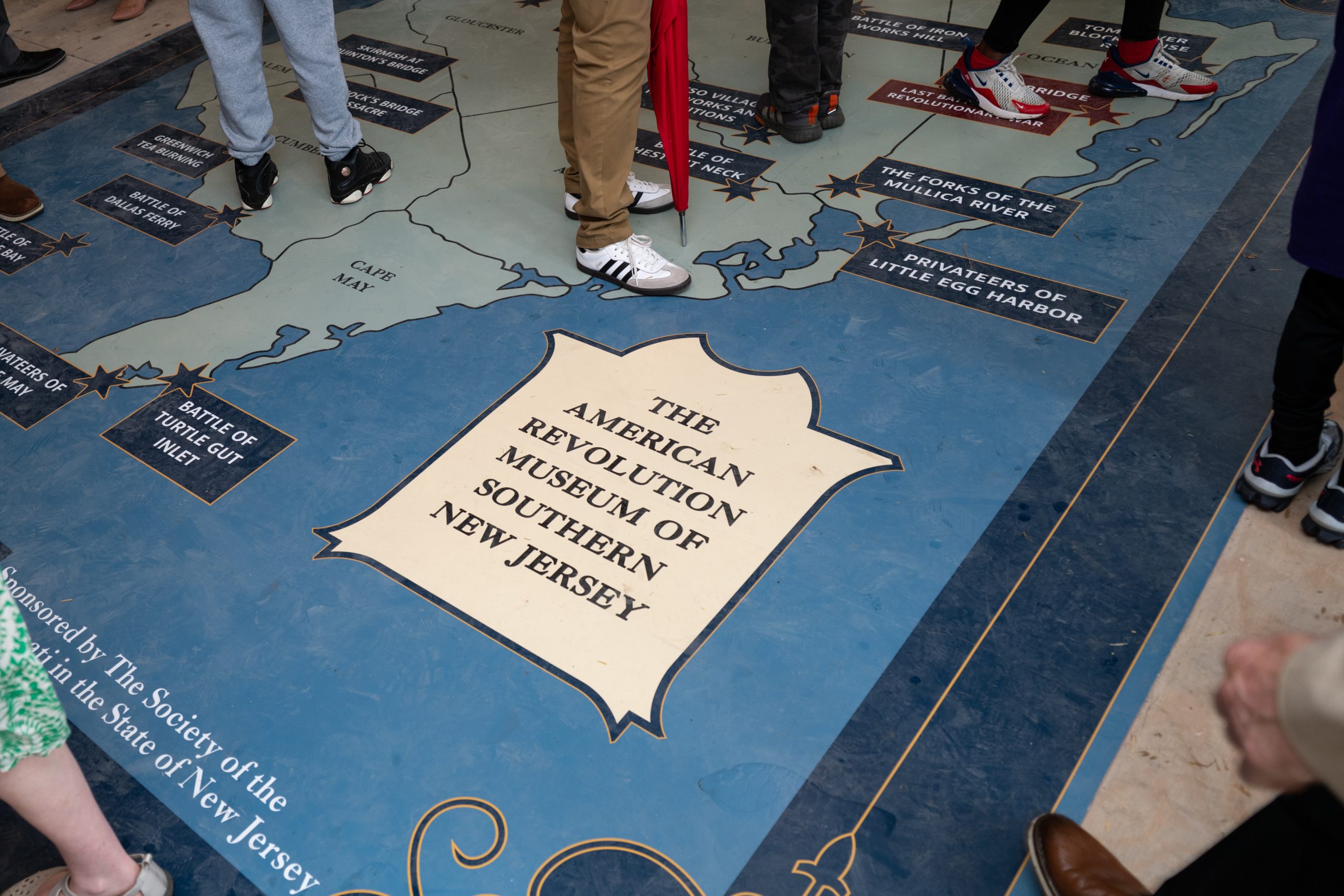
Elected officials, history buffs, and local organizers gathered at the Benjamin Cooper Inn at 75 Erie St. on Saturday to celebrate the soft opening of the American Revolution Museum of Southern New Jersey. The project was funded by $4.6 million in grants from federal, state, and local sources, with the largest amount coming from the New Jersey Historic Trust.
The 18th-century stone building has taken on many identities, including a private residence, tavern, British Army outpost, shipyard, luxury yacht building site, storage unit, and dumping ground for toxic materials. In the 1760s, the land was witness to the mass auction of enslaved people. Until recently, the building was abandoned.
The museum hasn’t fully opened to the public and likely won’t for at least a little while, but leaders of the Camden County Historical Society, which has a 30-year lease with the building’s private owner, wanted to give people a taste of what the museum will be when it does. Right now, the museum is open for limited tours by appointment only.
The Inn still needs work. The building has a temporary roof installed after a 2012 fire. The floors aren’t finished, and bathrooms have no doors. The second floor, currently sectioned off, hasn’t undergone any renovations, which will require fundraising of hundreds of thousands of dollars. Dirt piles and overgrown foliage block any view of the Delaware River.
Visitors explore the exhibits at the soft opening of the American Revolution Museum of Southern New Jersey in Camden on Saturday.Erin Blewett / For The Inquirer
For the past six years, the society has planned to unveil the museum before America’s 250th, said Jack O’Byrne, the society’s executive director, but they kept running into obstacles. The project’s success came years after the society lost the Hugg-Harrison-Glover House, a Bellmawr home that survived the Revolutionary War, to a highway construction project after a preservation battle.
“It’s been a race to the end,” said O’Byrne, who will retire from his role on July 4. “The project probably died like 13 times.”
Zed Fox, the incoming executive director, and the society’s board will determine the future official opening date, hours, and cost. Fox said Monday that the board will meet on Wednesday to discuss those options, but he expects the museum to ready to open at full capacity by fall.
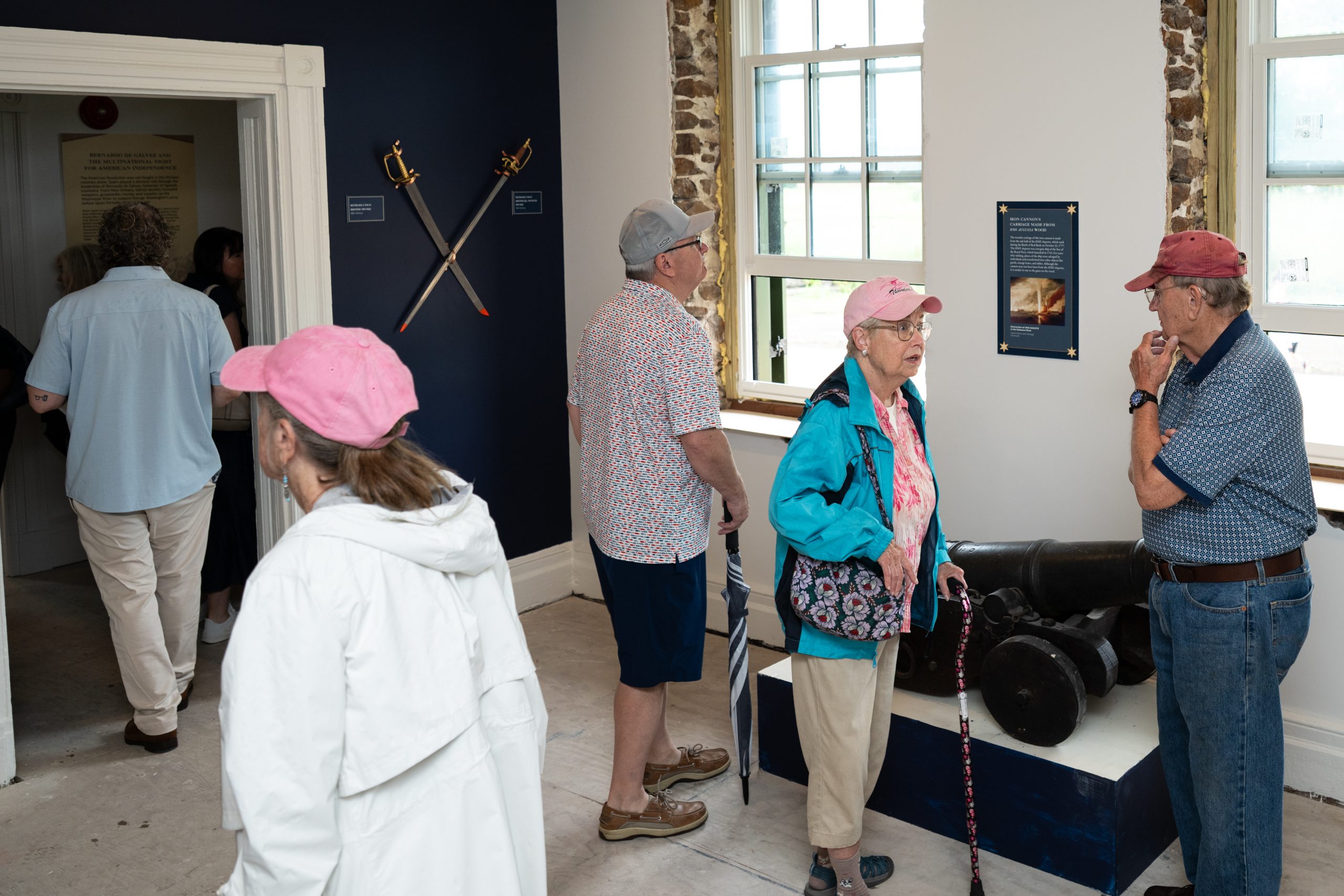
The new museum doesn’t showcase many historic artifacts. Many gems kept in the society’s archives, such as a letter written by George Washington at Valley Forge and a dozen other Revolutionary War-era items, wouldn’t fare well at the Inn with the sunlight streaming through the windows.
But scattered amid walls of weapon replicas and educational text are hints of the real thing.
There’s some 19th-century furniture originally owned by the Cooper family, a British cannon featuring wood blown off an 18th-century Royal Navy ship in Gloucester City, framed New Jersey bank notes from the 1760s and 1770s, and a front door key from when the Inn was a saloon called the “Old Stone Jug.”
A bell hanging in one room rang to announce ferries landing at Cooper Street Ferry in 1800, and a cheval-de-frise, a sharp wooden log, once blocked British ships from sailing the Delaware River.
In the same room, there’s a mantel from Hugg’s Tavern in Gloucester City, salvaged in 1929 before the building was demolished. Betsy Ross married her first husband, John Ross, in front of the fireplace at the tavern in 1773, though the mantel at the museum isn’t the original.
Visitors explore the exhibits at the opening of the American Revolution Museum of Southern New Jersey in Camden on Saturday.Erin Blewett / For The Inquirer
But local historians say the displays aren’t the main attraction.
“The building itself is an artifact,” O’Byrne said. “You know, it’s the most historic building in Camden.”
Before the house was built, a teenage Benjamin Franklin was said to have slept at the property while traveling from Boston to Philadelphia.
In 1734, Joseph Cooper, a Quaker, built a 2½-story Dutch Colonial stone home for his son and daughter-in-law, Benjamin and Hannah Cooper, at what became the historic building. Benjamin Cooper, a ferryman, also used the residence as an inn and a tavern.
In 1777, the Benjamin Cooper Inn was used as a outpost for British Col. Robert Abercrombie. Hessian troops, German auxiliaries to the British Army, marched through Cooper Point during the war, and at one time, local historians say Benjamin Cooper’s sons, Samuel and Joseph Cooper, were jailed in Haddonfield in 1778 on suspicion of being American spies.
But the property has a more troubling past.
In the 1760s, the site was used for the auction of enslaved people. Though some who were forced to stay on the Cooper’s property until being sold managed to escape, “all were pursued and re-captured,” according to the Inn’s 2021 historic preservation plan.
O’Byrne said the museum is working to educate people about that history. One of the museum’s few rooms, which the society has titled “The Declaration’s Promise,” informs visitors about how immigrants, Black people, and the Lenape, who lived in the region before white settlers arrived, shaped South Jersey’s history.
“What we’re trying to do is make this a balanced history and not just about, you know, white people,” O’Byrne said.
Camden’s ‘most historic building,’ under threat
When demolition crews tore down the Hugg-Harrison-Glover House in 2017, the Camden County Historical Society viewed the outcome as a huge injustice to historic preservation.
“That was a gut punch,” said Chris Perks, board president. “We had invested a tremendous amount of time and the community’s time into that site.”
Then, in 2018, a private company, 75 Erie St. LLC, purchased the Benjamin Cooper House from Agathon Realty for $1.1 million without knowing the building’s history. The house was in poor condition and graffitied. The windows were boarded up. It was difficult from the street to even know the building was there, because the house faces the river instead. The waterways were the real highways back then, O’Byrne said.
“When we heard this just got purchased, we were like, ‘Oh, my God, we can’t let Camden’s most historic house go under,’” O’Byrne said. “It took me two years, and I was able to get a 30-year lease.”
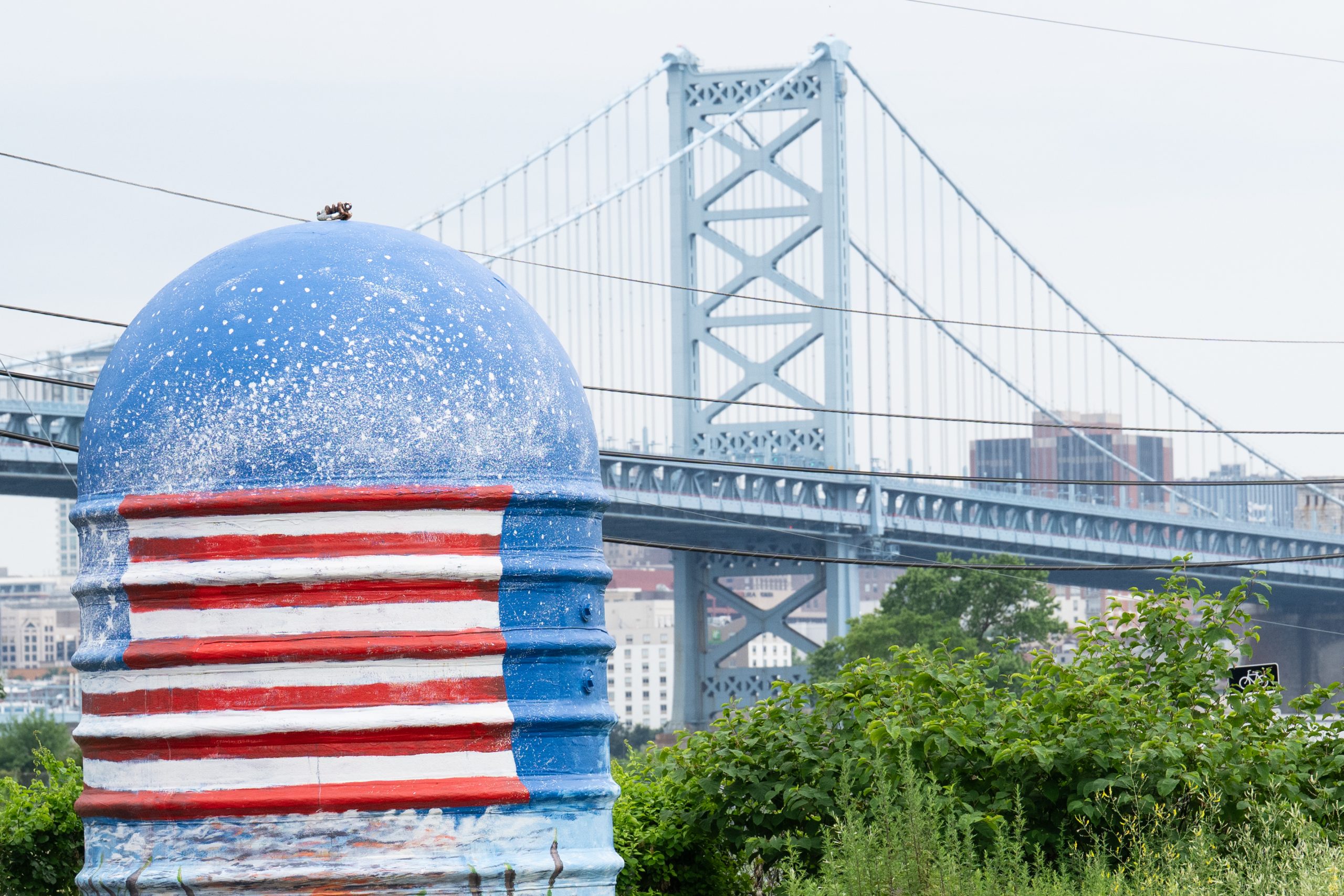
A view of the Benjamin Franklin Bridge from the newly opened American Revolution Museum of Southern New Jersey in Camden on Saturday.Erin Blewett / For The Inquirer
That lease will last at least through 2051. Perks declined to share how much the historical society will pay monthly.
The 2021 historic preservation plan for the building estimated that if the building opened in 2025 as originally projected, museum operations would have required an operating budget of $300,000 full time, or $132,000 part time.
While several organizations came together to fund the Benjamin Cooper Inn’s restoration, O’Byrne said the society will require more revenue beyond the funding for the restorations to maintain operations. O’Byrne applied for an operating support grant from the state and is working to raise $750,000 to match a New Jersey Historic Trust grant to restore the tavern’s upper level.
“We opened this thing, and it’s a minor miracle that we were able to pull all the funds together and make it in time,” O’Byrne said. “But in some respects, capital fundraising is easier.”
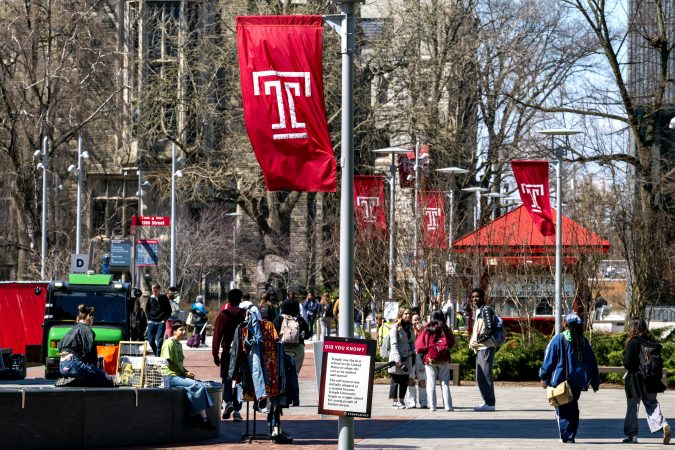
Temple University has asked its schools, colleges, and administrative units to cut a total of $60 million to help offset a projected deficit for 2026-27.
President John Fry shared the plan in a message to the campus community Friday and said a reduction in employees is “inevitable.”
The message did not reveal how many layoffs the university is considering as it attempts to close the $85 million projected gap. The board of trustees’ executive committee is scheduled to meet next week to consider the proposed budget. The university’s current budget is $1.3 billion, excluding the health system.
“Unfortunately, some reduction in force is inevitable, given that nearly 70% of Temple’s operating budget is spent on compensation and benefits,” Fry said in the message. “It is my promise that any employee’s separation from the university will be handled equitably and compassionately.”
He noted that a faculty retirement incentive program this year drew 77 takers — 3% of full-time faculty — andwill lessen the need for layoffs. Those faculty are scheduled to leave by the end of this month and their departuresultimately will save $15 million annually. The elimination of vacant faculty and staff positions also hashelped, he said.
Fry did not detail the cuts that are planned but said that colleges, schools, and administrative units each received a budget reduction target.
Units were asked to make a 5% cut last year, but this year there is a range of percentages among schools, colleges, and administrative units, a university spokesperson said. The spokesperson declined to say how many layoffs will occur.
Some potential cuts that have stirred discussion include a reduction in adjunct professors and a pause in doctoral student admissions by some programs.
Jeffrey Doshna, president of the Temple Association of University Professionals, said Fry’s message seemed to address some of the issues the union has been raising, but said more information is needed, including how many people will lose their jobs and from what areas.
“Hopefully, they will continue to respond to what we are calling for,” he said, including greater transparency, participation in decision-making, and no job cuts.
Temple has been trying to cope with lost revenue from a precipitous slide in enrollment and uncertainty around federal funding. Fry has been warning since early April that the university “must act decisively and with a sense of urgency” to address the projected deficit. An internal Temple report obtained by The Inquirer in April said layoffs were coming.
Fry reported to the board of trustees last week that this year’s fall enrollment looks promising, with deposits by first-year undergraduate and transfer students up over last year at the same time.
He said in his campus message that making the $60 million in cuts is “an important first step toward returning the university to a balanced budget over the next three years.”
Fry acknowledged that the budget reductions “can create uncertainty and anxiety.” But he said the administration has attempted to be transparent and has held meetings with faculty senate, deans, and schools, colleges, and administrative units.
“Navigating through this stark financial reality is not easy,” Fry said. “I recognize the difficulty of this present moment. We will emerge from this process stronger and on a more sustainable path moving forward.”