Church bells rang out from one of Philadelphia’s oldest cathedrals, echoing off downtown parking garages and office buildings, while one of the city’s newer Catholics tried to explain his conversion.
Daniel Yesilonis, 32, grew up evangelical in the Harrisburg area and converted to Mormonism while studying at Temple University. He said his Mormon mission to Colorado Springs, Colo., was deflating, though, and after he came out as gay during the COVID-19 pandemic, he officially left that church.
Like millions of Americans, Yesilonis figured he would try his best to be decent, to be spiritual without a label or building attached to it. But he soon felt a sense of loss.
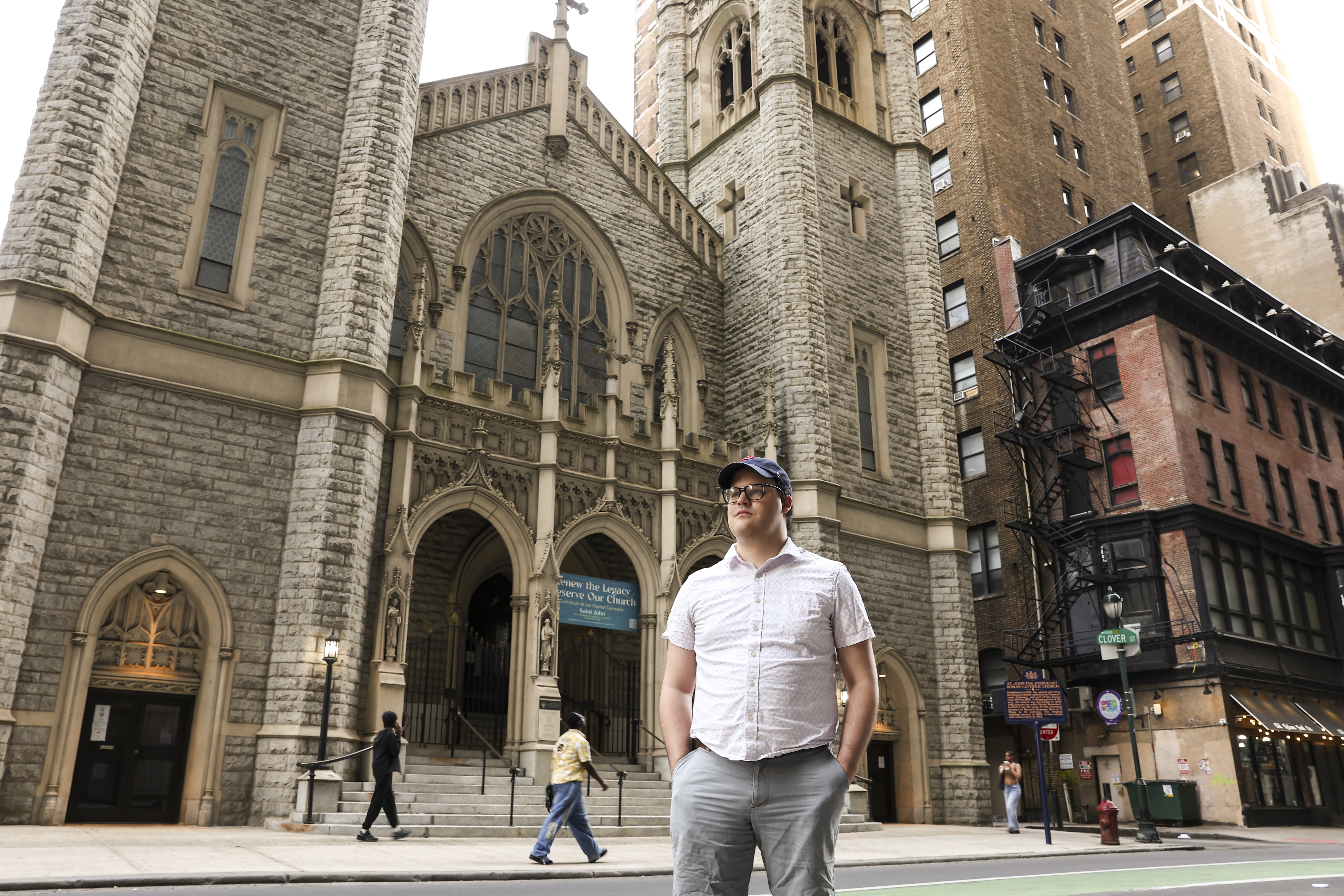
“It was like something was missing, maybe a sense of community or something,” Yesilonis said outside the church in April.
Daniel Yesilonis posed for a portrait outside of St. John The Evangelist Church on Wednesday, April 15, 2026 in Philadelphia.Monica Herndon / Staff Photographer
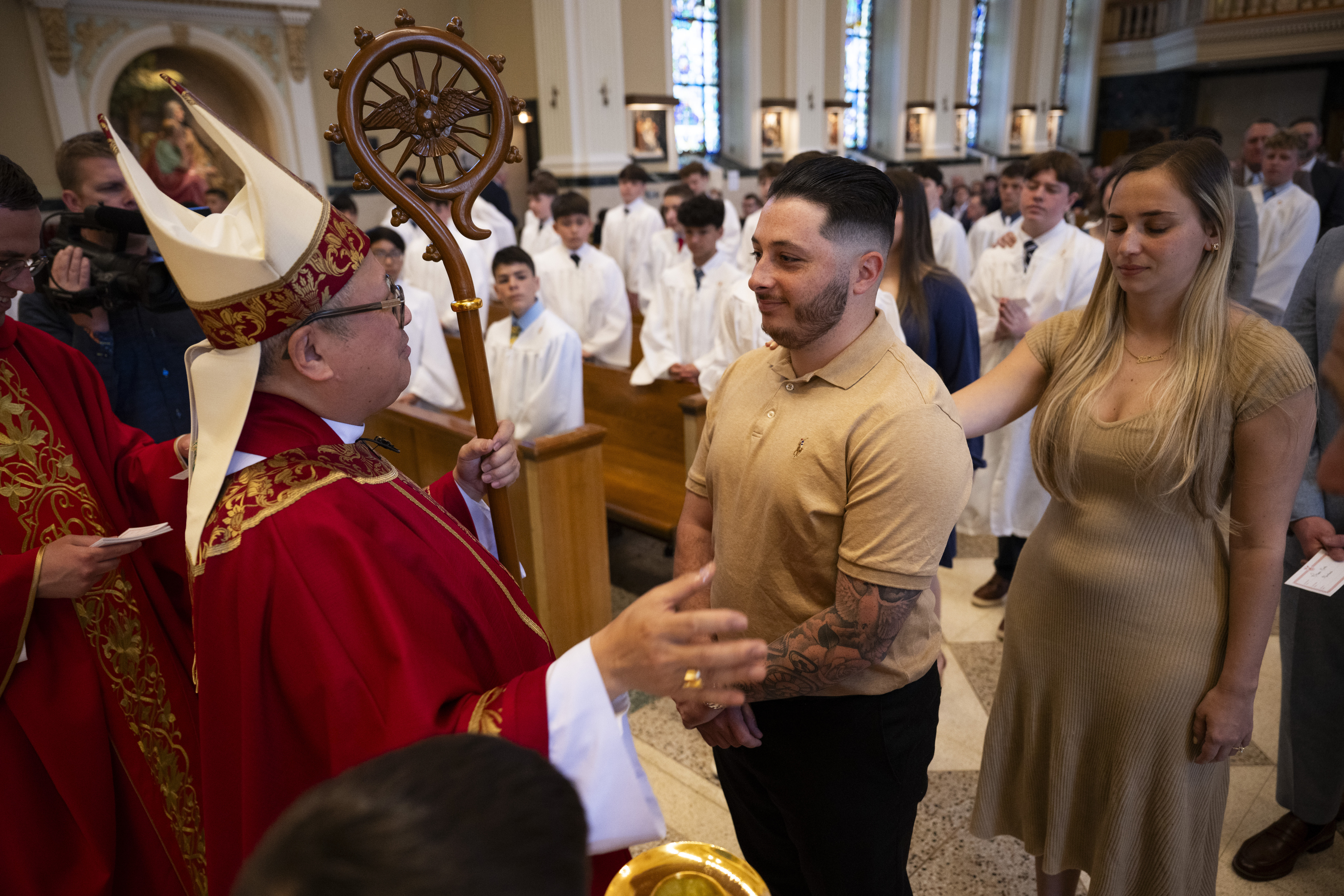
So, at an Easter vigil Mass in 2024, Yesilonis was among a group of candidates (people who were already baptized) and catechumens (those who were never baptized) who became Catholic and joined St. John the Evangelist on 13th Street.
Converts like Yesilonis are on the rise at churches all over Philadelphia and New Jersey, diocese officials said, a conversion boom that is being reported globally, including large spikes in Canada and France. In Philly, there have been 1,162 candidates and catechumens this year, which is a 60% increase since 2025 and a 100% increase since 2017.
Researchers and religious scholars said it was too soon to say much about the recent spike, but noted that a rise would be bucking long-term trends. Earlier this year, the Pew Research Center found that Catholicism has lost more people than it has gained in 24 countries it surveyed, including the United States. A 2025 Pew study found that Christianity’s long-term losses were starting to “level off,” but according to the Archdiocese of Philadelphia, two high schools closed in 2021, and the last time a new Catholic school and parish opened was back in 2010.
Since 2012, 34 Catholic churches have closed in the archdiocese. So the trend, while noticeable, is still a small change.
“There would have to be a huge swing, something dramatic would have to happen, for the church to start gaining huge numbers,” said Patricia Tevington, a Pew Research assistant who lives in Philadelphia.
There is no one reason for the recent increase, diocese officials said.
In the Philadelphia Archdiocese, the Rev. Gerald Dennis Gill said, many new devotees were baptized as children but did not grow up with Catholicism because their parents or other elders had stopped practicing. He believes they are experiencing a vacuum in their life and are seeking to fill that.
“Our culture is not offering something objectively good and true and beautiful, but it’s within all of us to seek that out,” he said. “People of all ages are finding the need to have a relationship with the Lord, for meaning and the promise of heaven.”
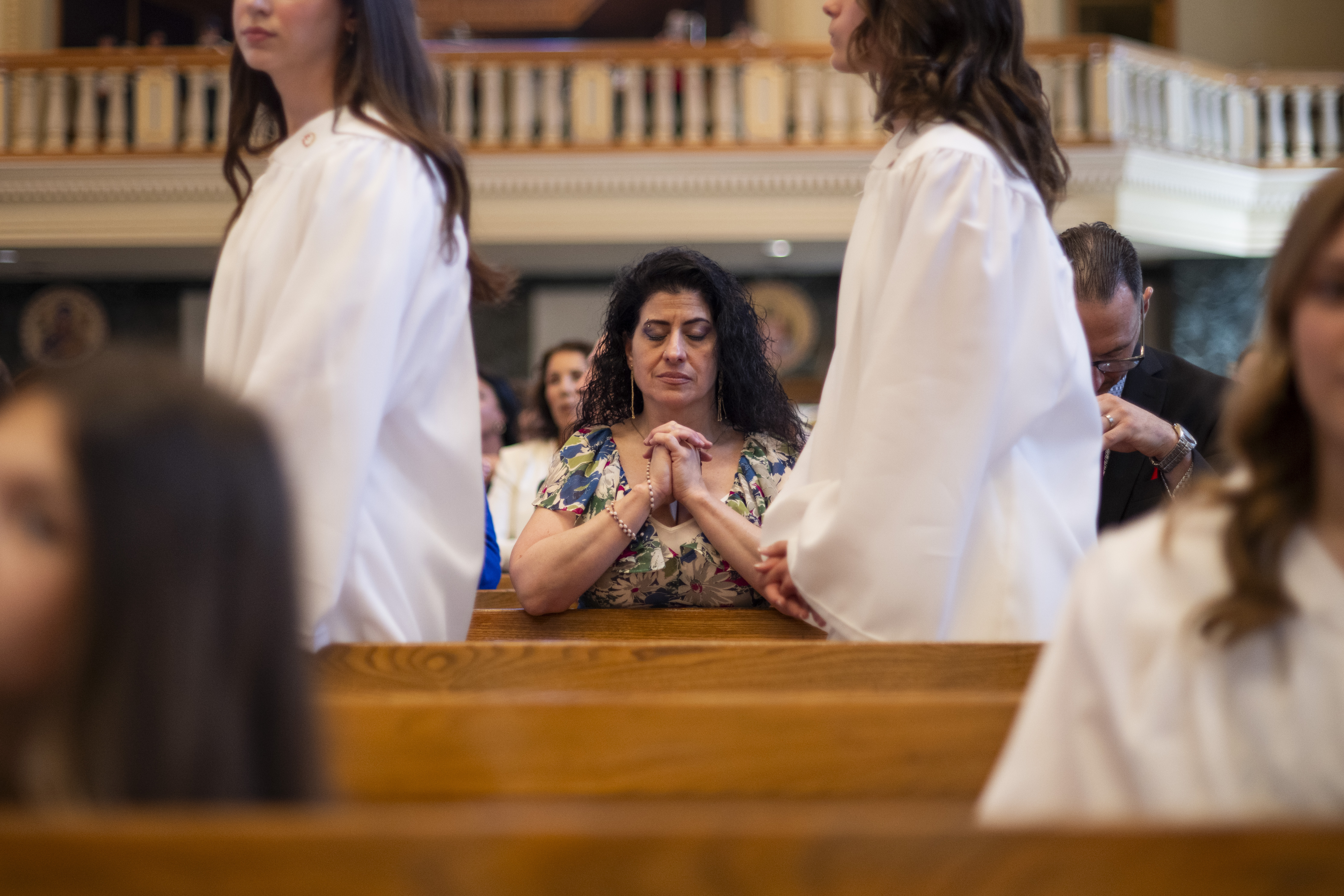
A confirmation mass is held at St. Monica Roman Catholic Church in Philadelphia on Saturday, April 18, 2026.Joe Lamberti / For The Inquirer
Across the river in the Camden Diocese, spokesperson Michael Walsh said, the number of catechumens grew from 194 last year to 238 in 2026, a nearly 23% increase.
Catholics are not knocking on doors the way Yesilonis had to in Colorado, but members of St. Agatha-St. James Parish had an “Ask a Catholic” tent at West Philly’s 68th annual Spruce Hill May Fair in Clark Park on May 9.
Newer Catholics whom The Inquirer spoke to in recent months (including this reporter’s adult son) cited a slew of different personal reasons for their decision.
“We’re all looking to God to help us, to save us. For me, it was time,” said Jana Muhammad, a “middle-aged” candidate who received the sacrament of confirmation at St. Monica’s in South Philly earlier this spring. “It’s really a rough, rough time out there right now. There’s no peace right now, and people are really looking for peace, and it’s not there right now. For me, personally, when it gets really rough, I absolutely pray to God.”
There is, however, a litany of theories being tossed around online and in the media about the increase in Catholicism that are sometimes at odds with one another.
The trend has been attributed to increasing conservatism in young men. Catholicism has also been offered up as an antidote to the so-called red pill, a “manosphere” belief that society now caters to women. Some say the increase is a Gen Z response to the isolation of the pandemic. Others say that technology burnout is fueling it. There have been stories about the rise of Catholic social media influencers and the popularity of the prayer app Hallow, which has been downloaded 32 million times since it debuted in 2018.
Actor Mark Wahlberg, a partner in Hallow, is a proud Catholic, but so is Shia LaBeouf, a recent convert who reportedly yelled, “I’m a Catholic,” while allegedly shouting homophobic slurs in New Orleans earlier this year.
The middle-ground, welcoming approach taken by the late Pope Francis and his successor, Pope Leo XIV, who has been vocal against President Donald Trump’s war on Iran, has also pulled people closer to Catholicism.
“Pope Francis inspired my decision,” Yesilonis said.
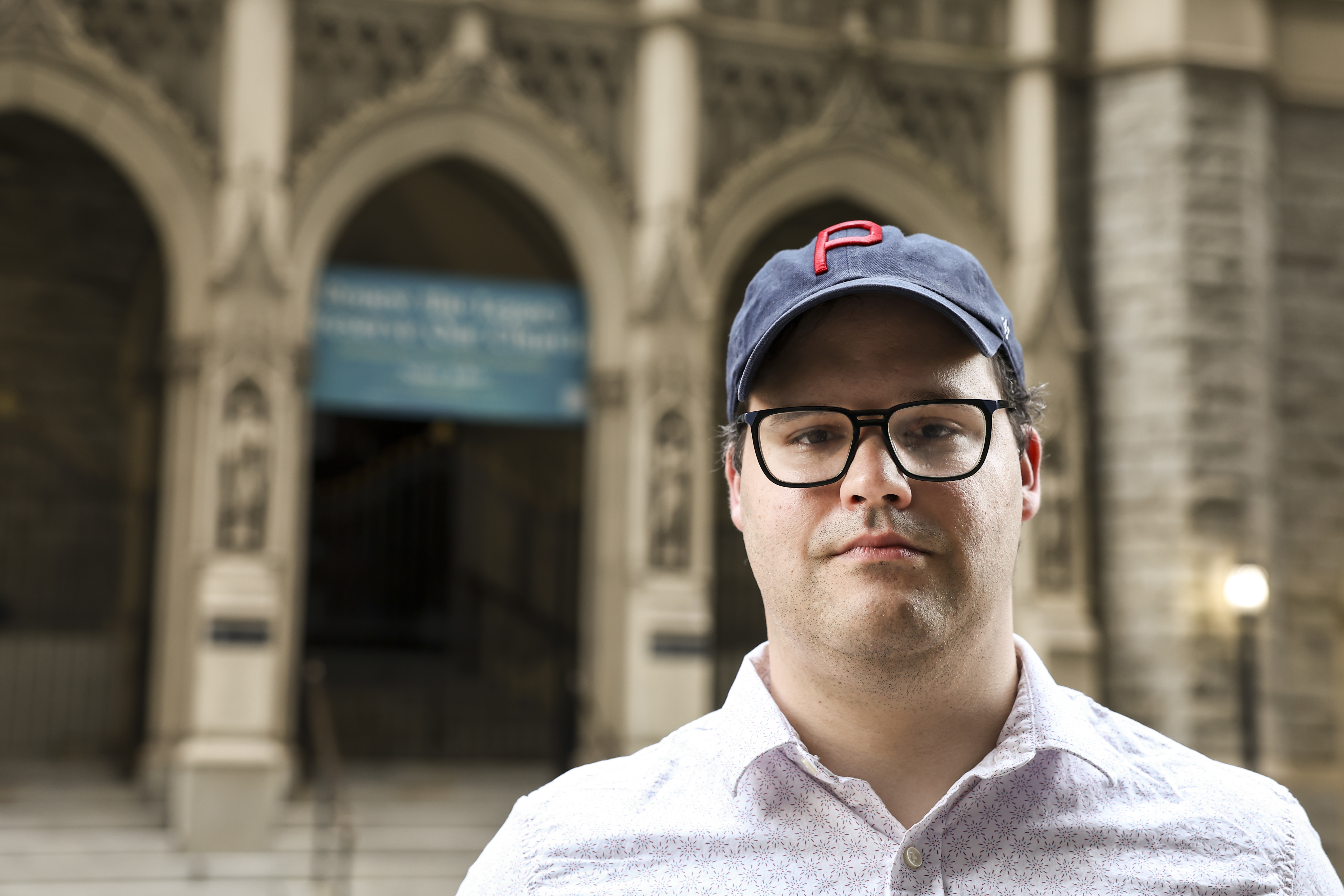
Daniel Yesilonis posed for a portrait outside of St. John The Evangelist Church on Wednesday, April 15, 2026 in Philadelphia.Monica Herndon / Staff Photographer
Yesilonis said he knows he could never marry a man in the Catholic Church, but he has found solace among the LGBTQ+ parishioners at St. John the Evangelist.
“I found a community as much as I found a church,” he said.
The Rev. Thomas Betz, of St. John’s, said the church “teaches and believes” the same tenet as the wider church, but has been open.
“St. John, by its very nature, is in the heart of the city and open to different races, and people who think differently, politically,” he said. “Everyone is welcome.”
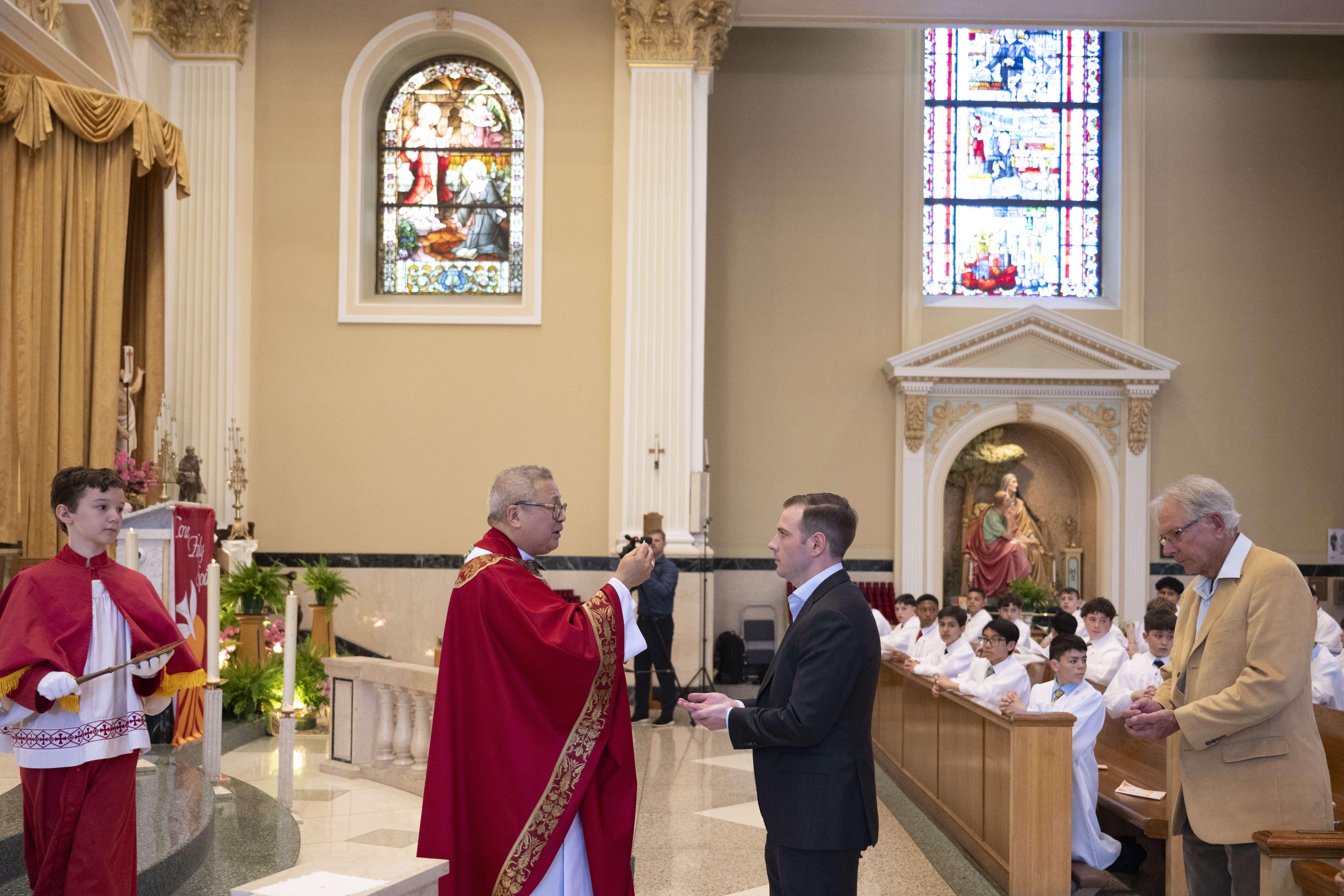
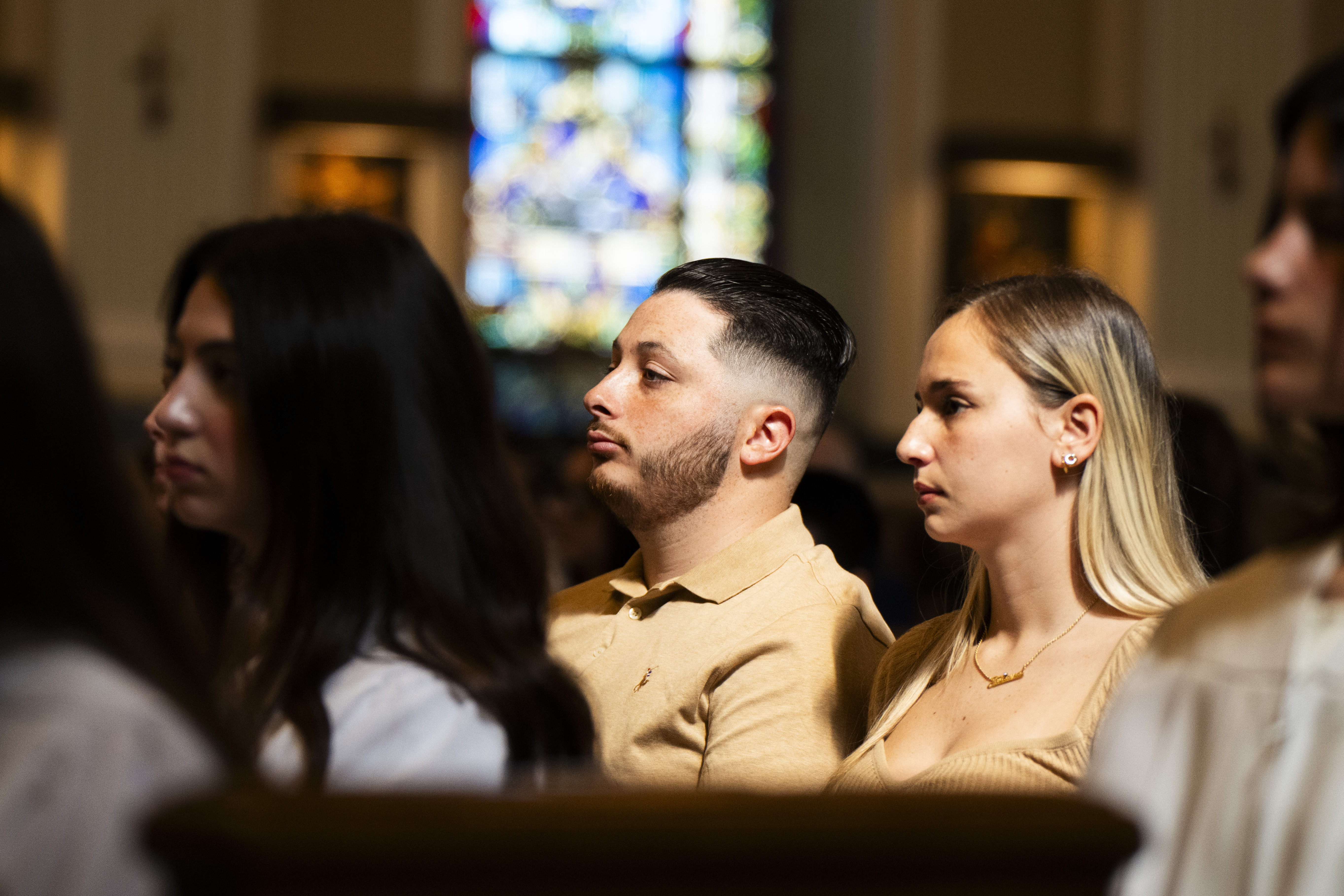
Mark Schiavo, 26, waits to be confirmed at St. Monica Roman Catholic Church in Philadelphia on Saturday, April 18, 2026.Joe Lamberti / For The Inquirer
Down in Cape May, Sara Kelly said she grew up in a family that gave up on formal religion, but still held on to a strong spiritual sense of right and wrong. Her father, Kurt, suffered from head and neck cancer for years, and after he died in 2019, she constantly wondered about the afterlife.
Kelly and her husband went to some nondenominational churches in Philadelphia, where she lived at the time, but did not find the answers she was looking for. The couple moved to the Shore and struggled with finances.
One day, while walking on the Delaware Bay beach, she fell to her knees and asked God for help.
“I’ve never done anything like that before,” she said.
At the advice of a relative, Kelly began sitting in a Catholic church in 2025, and later downloaded the Hallow app. She bought a rosary, too, and began going back to church multiple times a week, and eventually signed up for Order of Christian Initiation of Adults (OCIA) classes.
“I know for me, it was really enjoyable to go to a place where the focus is only on love and trying to help others,” she said. “At every Mass, we’re praying for people caught up in war, people in Gaza and Ukraine.”
On a breezy April morning in South Philly, hundreds of people filed into St. Monica’s for the Rite of Confirmation Mass. A few dozen teens in white filled the front pews, but just behind them were a handful of adults, like Jana Muhammad, there to receive their final sacrament and take the name of a saint.
Muhammad chose Angelica.She was baptized as a child and grew up going to church. She said her stepmother did not want to “force” religion on her and gave her the choice to make up her own mind as an adult.
“And it was just time,” she said.
The Rev. Edward Town led the Christian initiation processes there and said the reasons adults come back vary from simple to profound.
“People want stability in their lives,” he said. “To young people, the world seems very unstable, and there’s a lot of uncertainty. I think our faith gives us a little hope, right?”
When the Mass was finished, the Rev. Efren V. Esmilla, auxiliary bishop of Philadelphia, extended an invitation to any other seekers sitting in the church.
“Come find us,” he said. “Our door is always open.”
Mark Schiavo, 26, is confirmed at St. Monica Roman Catholic Church in Philadelphia on Saturday, April 18, 2026.Joe Lamberti / For The Inquirer
The house: a 2,219-square-foot townhouse with three bedrooms and three bathrooms in Wynnefield.
The price: listed for $499,000; purchased for $499,000.
The agent: Nora DeCristofano, Compass
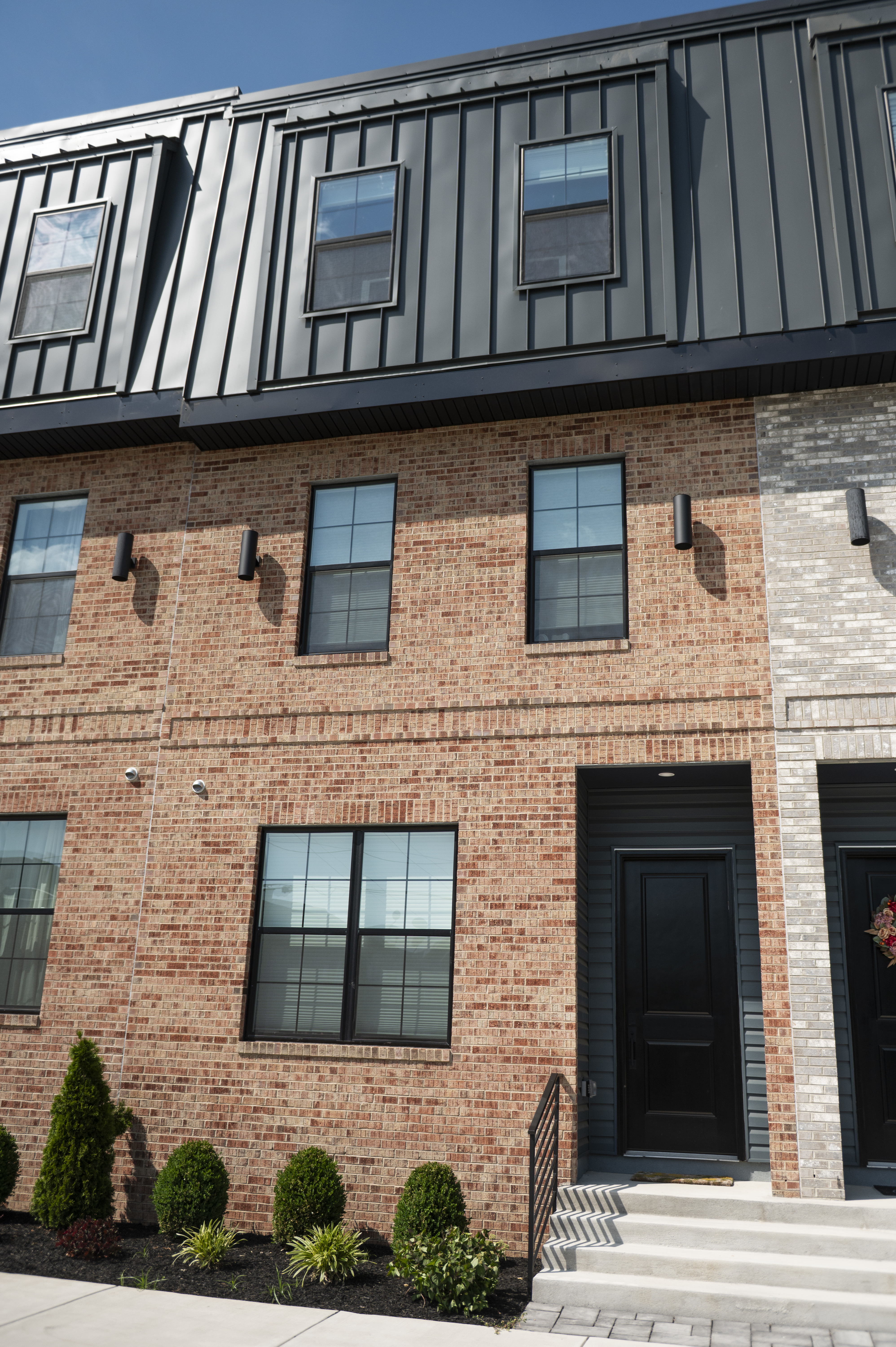
The exterior of Heather Ong’s home in Wynnefield.Allie Ippolito / For The Inquirer
The ask: Heather Ong did not move back to Philadelphia expecting to live with her parents for two years. The plan was to stay with them temporarily — six months at most — just long enough to save money and buy a house.
“What started as a six-month search turned into a two-year search,” she said.
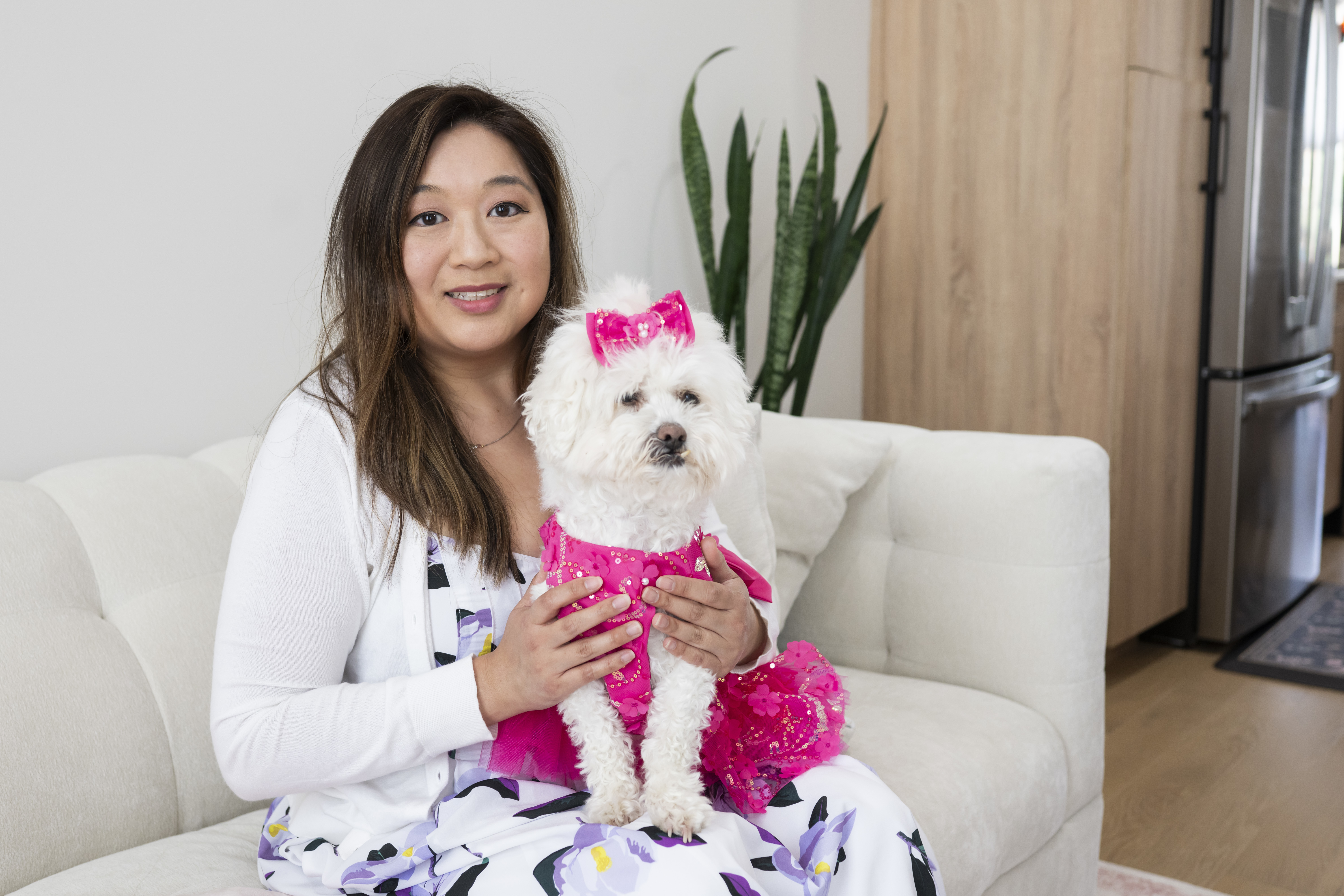
Ong wanted to be in the city but not downtown. She was open to any place that was quiet and had outdoor space for her dog. She also wanted something move-in ready with three bedrooms and at least two bathrooms, and she wanted it for less than $600,000. That combination turned out to be hard to find.
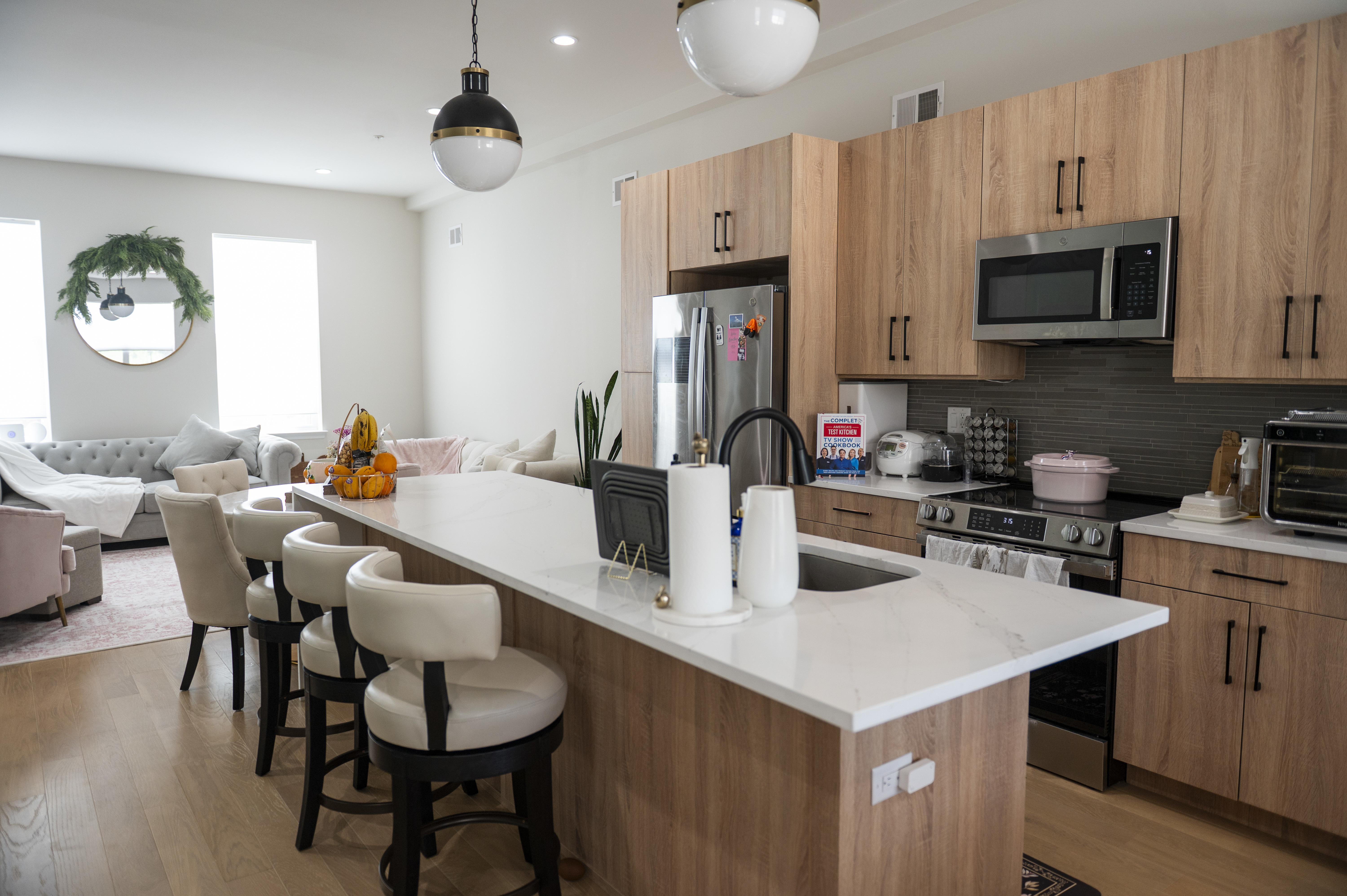
Ong liked the house’s modern, open-concept kitchen. Allie Ippolito / For The Inquirer
The search: Ong started looking seriously in October 2023. She looked everywhere except Center City. In Point Breeze and Brewerytown, she kept running into the same problem. The houses were expensive, and many still needed work. “I refused to spend $600,000 on a home that I’d have to fix up,” she said.
Housing inventory was low at the time. Very few of the listings she saw on Zillow met her criteria, so eventually she stopped checking the site. She did deep dives on local Reddit real estate threads instead. That’s where she saw a link to an Inquirer article about a new development near City Avenue.
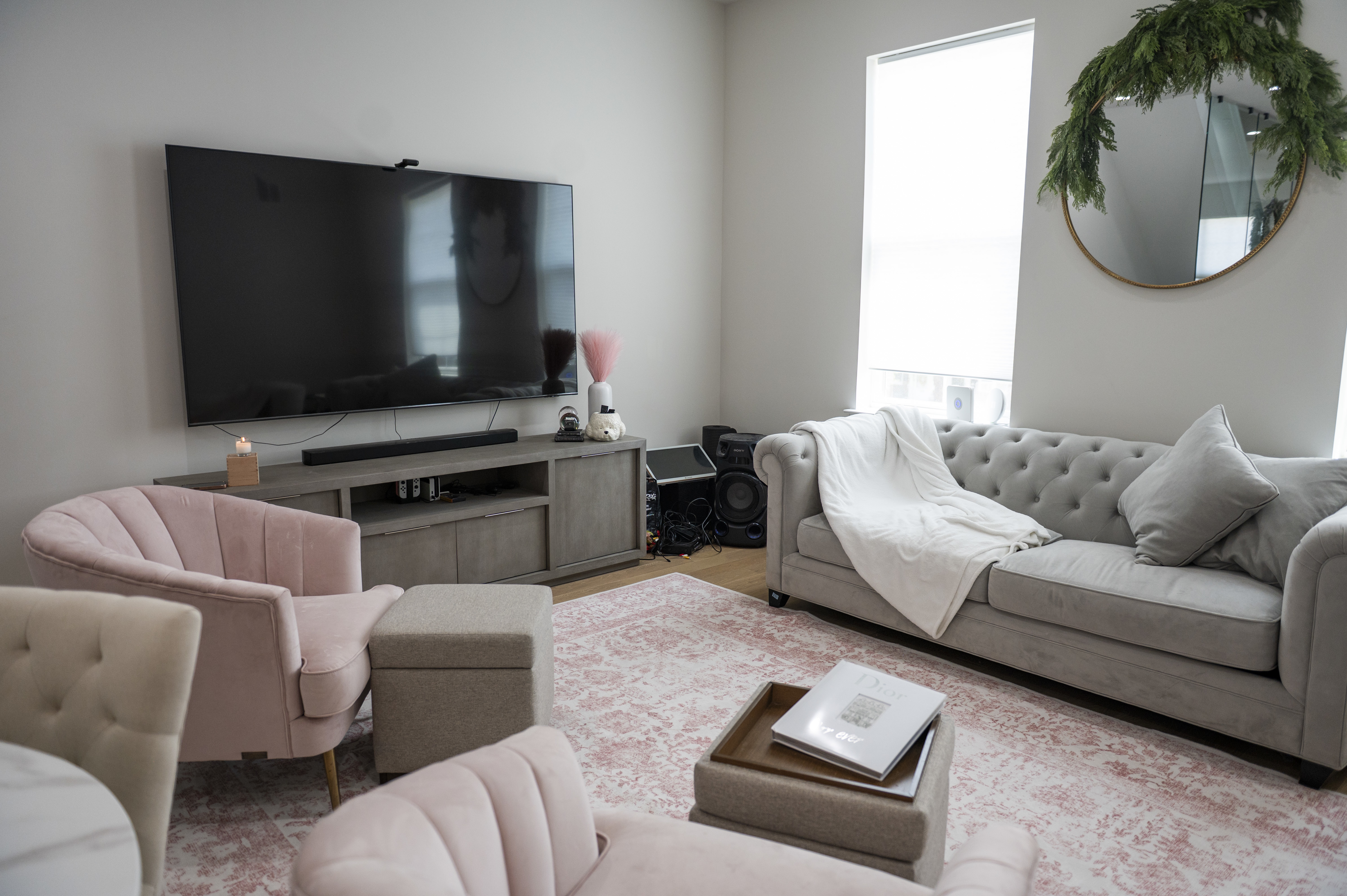
The living area in Heather Ong’s home.Allie Ippolito / For The Inquirer
The location was close to where she wanted to be, and the price was close to what she wanted to spend, so she e-mailed the developer. She visited the site, but the townhouses were still under construction. She walked through a few model homes that were almost done to get a feel for the space.
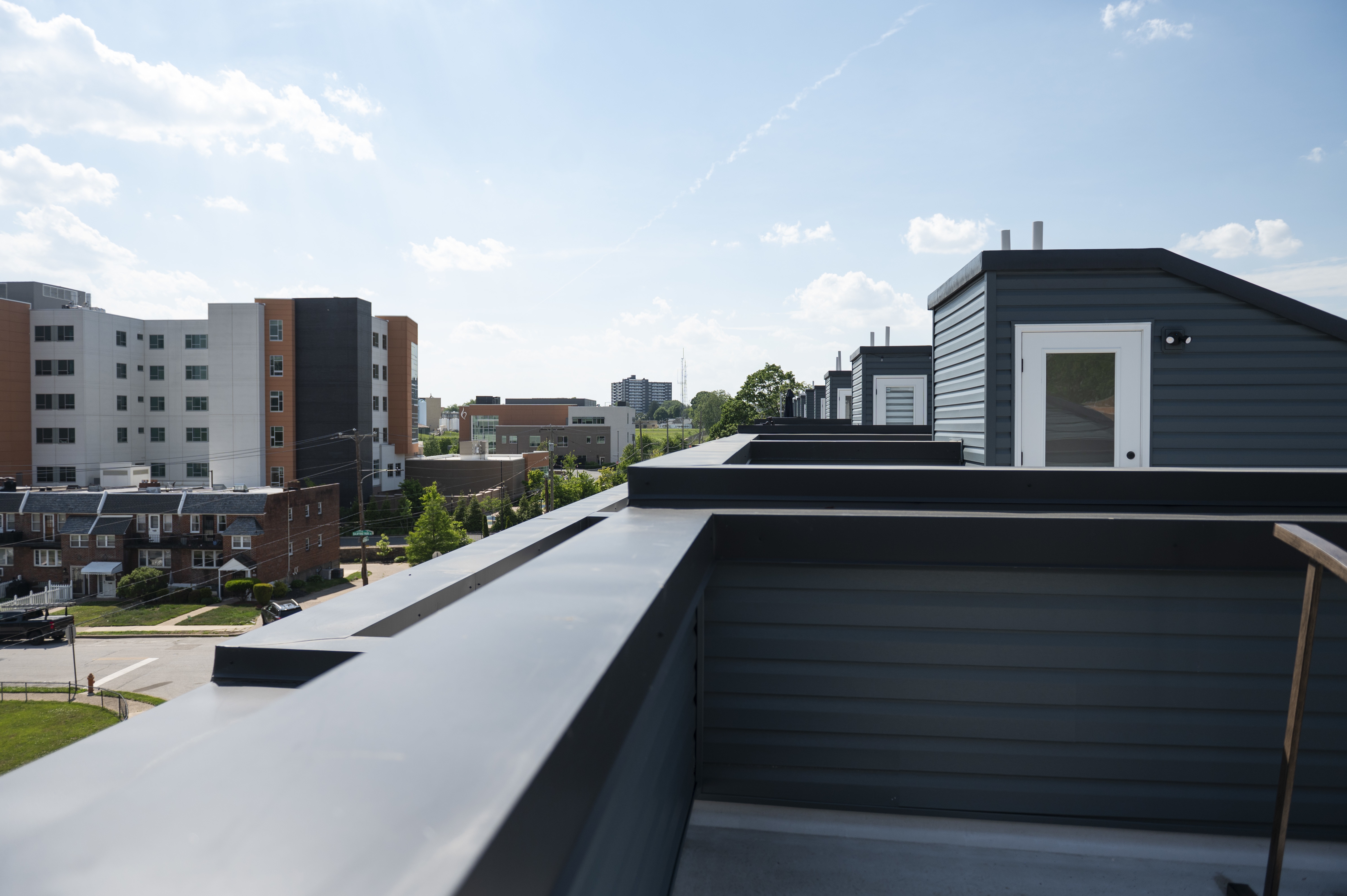
The appeal: The house she saw was a “typical Philly townhome,” Ong said. It had 10-foot ceilings and a roof deck. She liked that it had three full bathrooms and that it was close to I-76 and Martin Luther King Jr. Drive. “Location-wise, it’s very convenient,” Ong said.
And while she didn’t think the neighborhood was very exciting, she saw potential.
“I feel like there are a lot of changes coming to the area,” she said.
Plus, the house offered her more space than she could find elsewhere for the price.
The house is a “typical Philly townhome,” Ong said. Allie Ippolito / For The Inquirer
”I got a bigger bang for my buck out here,” she said.
The deal: The home was listed for $499,000, which is what Ong offered. There wasn’t much to negotiate. The builder was firm on price and told her she couldn’t customize any part of the house. “They said, ‘What you see is what you get,’” Ong recalled.
She did, however, get the builder to agree to a mortgage contingency so that if they didn’t finish the house as promised, she could back out.
Ong hired an independent inspector, who she said was incredibly thorough. “He came back with 100 things that needed to be fixed,” Ong said. The builder addressed all of them. He also installed larger vanities in the bathrooms per her request. The original ones were “barely larger than airplane bathroom sinks,” Ong said.
The money: Ong put 10% down. Between the down payment and closing costs, she spent about $70,000. That included $4,000 to buy down her interest rate from 7% to 6%.
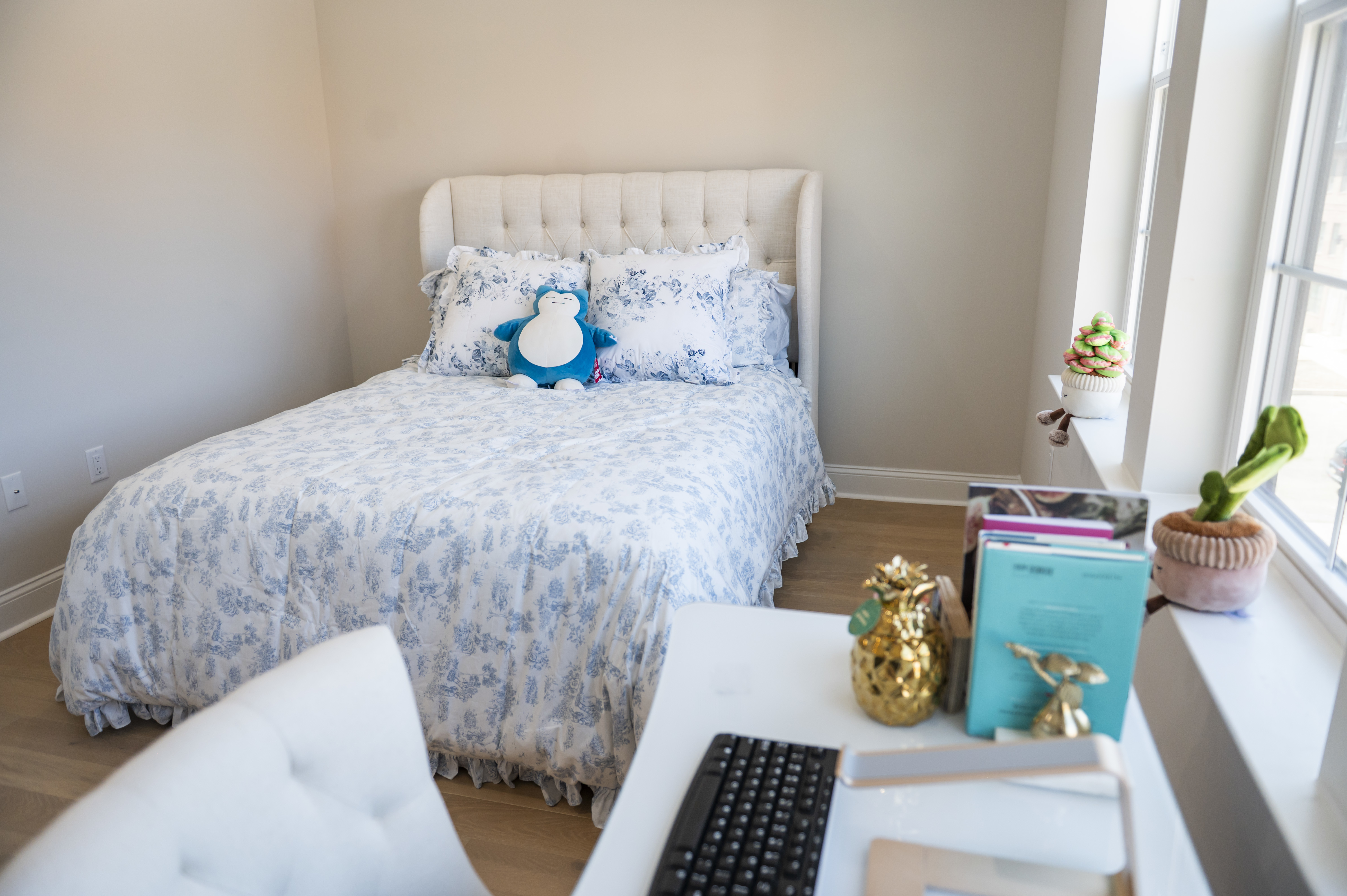
The house has three bedrooms and three full bathrooms, plenty of space for Ong to host family and friends. Allie Ippolito / For The Inquirer
The $70,000 came from her personal savings. She was able to put away a lot of money when she lived with her parents. She also had stock from her job at Zoom Info Technologies, which had vested by the time she was buying. It was worth about $25,000. Without it, she would not have been able to buy.
“If that didn’t happen, I would still be stuck,” Ong said.
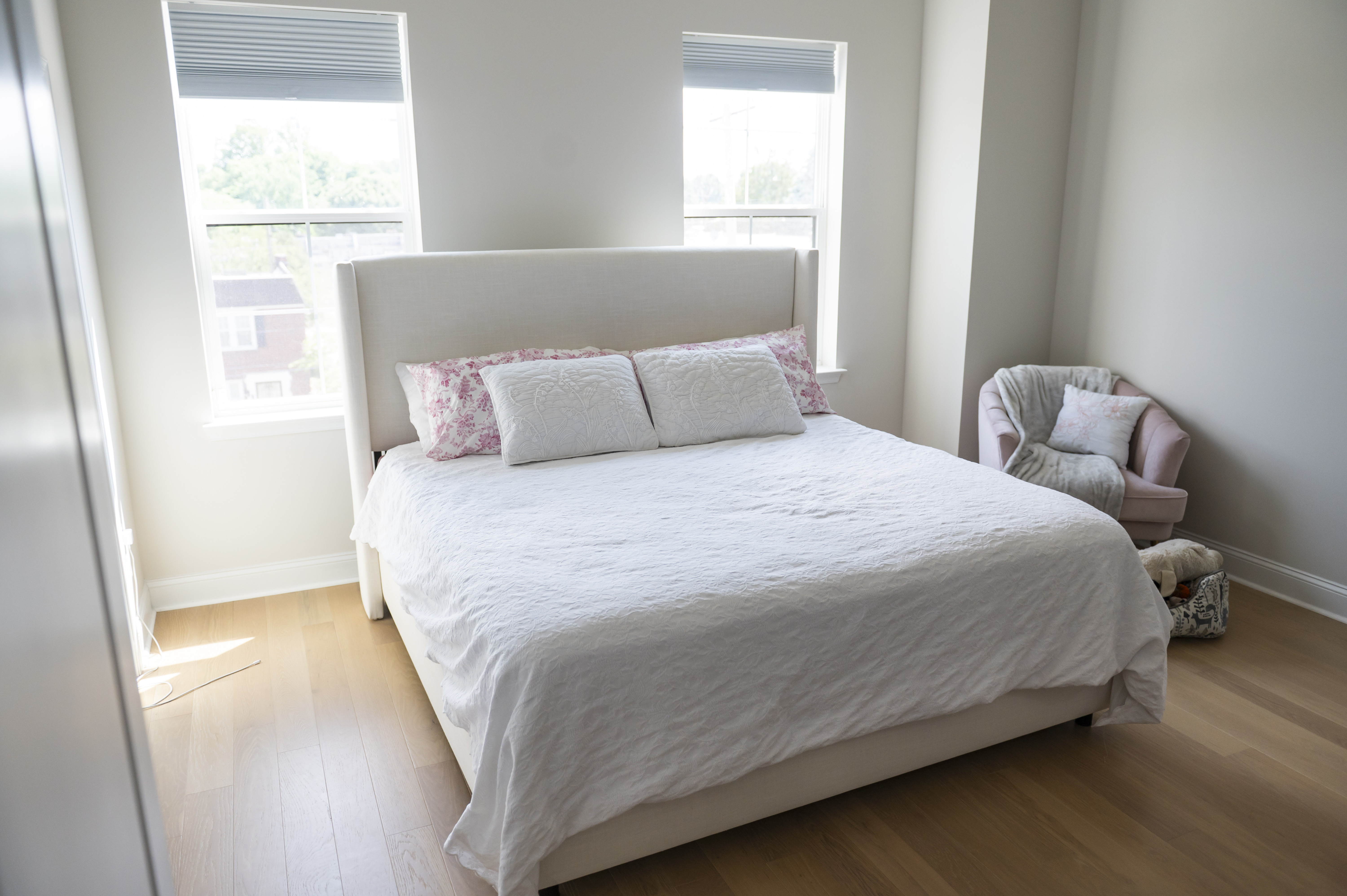
The primary bedroom in Heather Ong’s home in Wynnefield. Allie Ippolito / For The Inquirer
The move: Ong closed on May 1, 2025, and moved in on May 22, a rainy, thunderous day. The move itself was quick — most of her things were in storage. But settling in took months. The development was so new that Google Maps didn’t recognize her address yet, so her deliveries kept getting lost.
“That was a nightmare,” she said.
She also didn’t have internet for the first month.
Life after close: After a year in the house, Ong has learned that new construction can still come with plenty of repairs.
There have been nail pops, cracks, leaks, electricity issues, a microwave that keeps breaking, and a brand-new dryer that did not work. The constant repairs have made it harder for Ong to enjoy the house. Still, she does not regret buying it.
“These are first-world problems that I’m dealing with,” she said.
Did you recently buy a home in the Philadelphia area or South Jersey? Share the story of how you did it. Email Inquirer real estate reporters at properties@inquirer.com.
Editor’s note: This story has been updated to clarify the name of Ong’s employer and the specifics of her down payment.
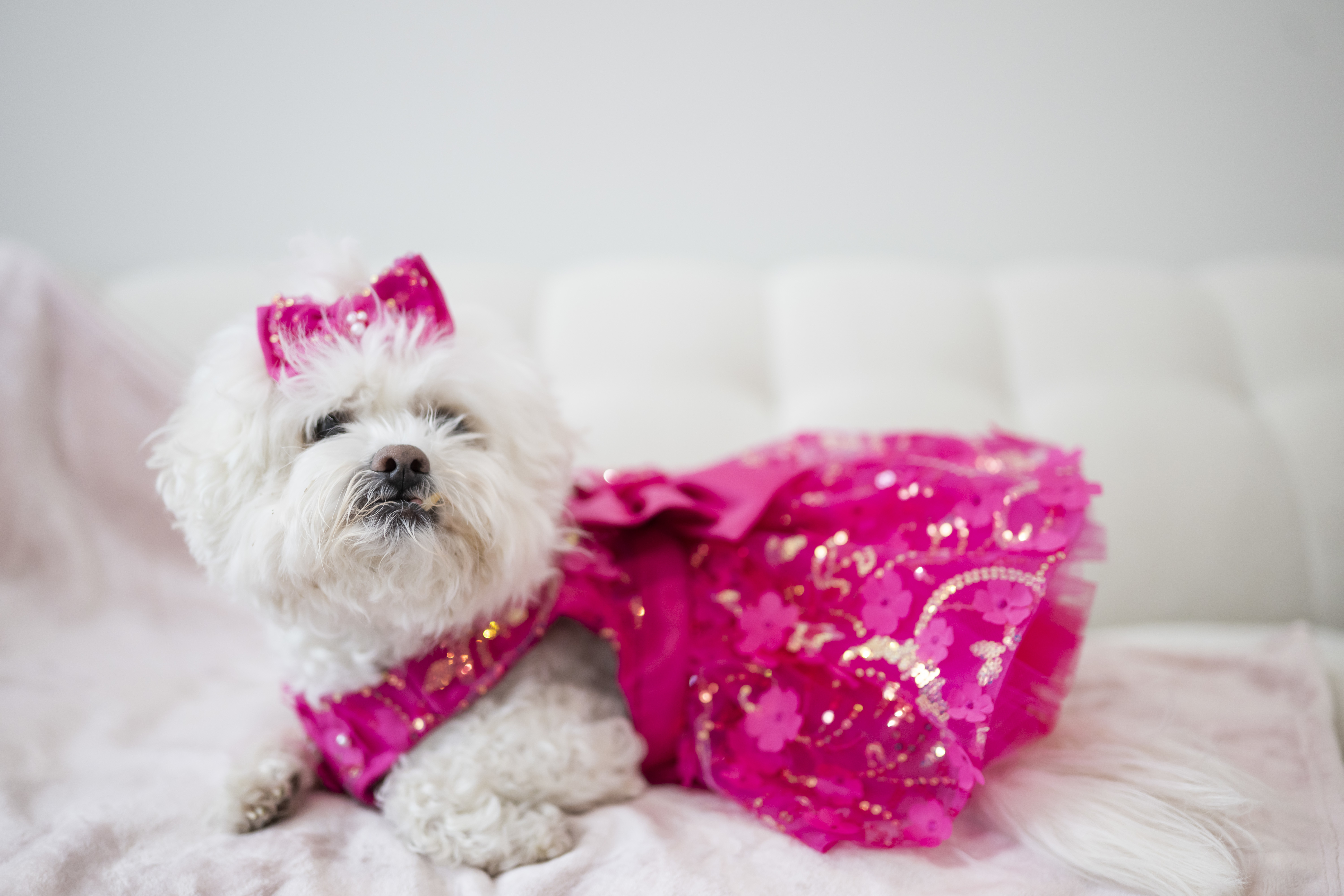
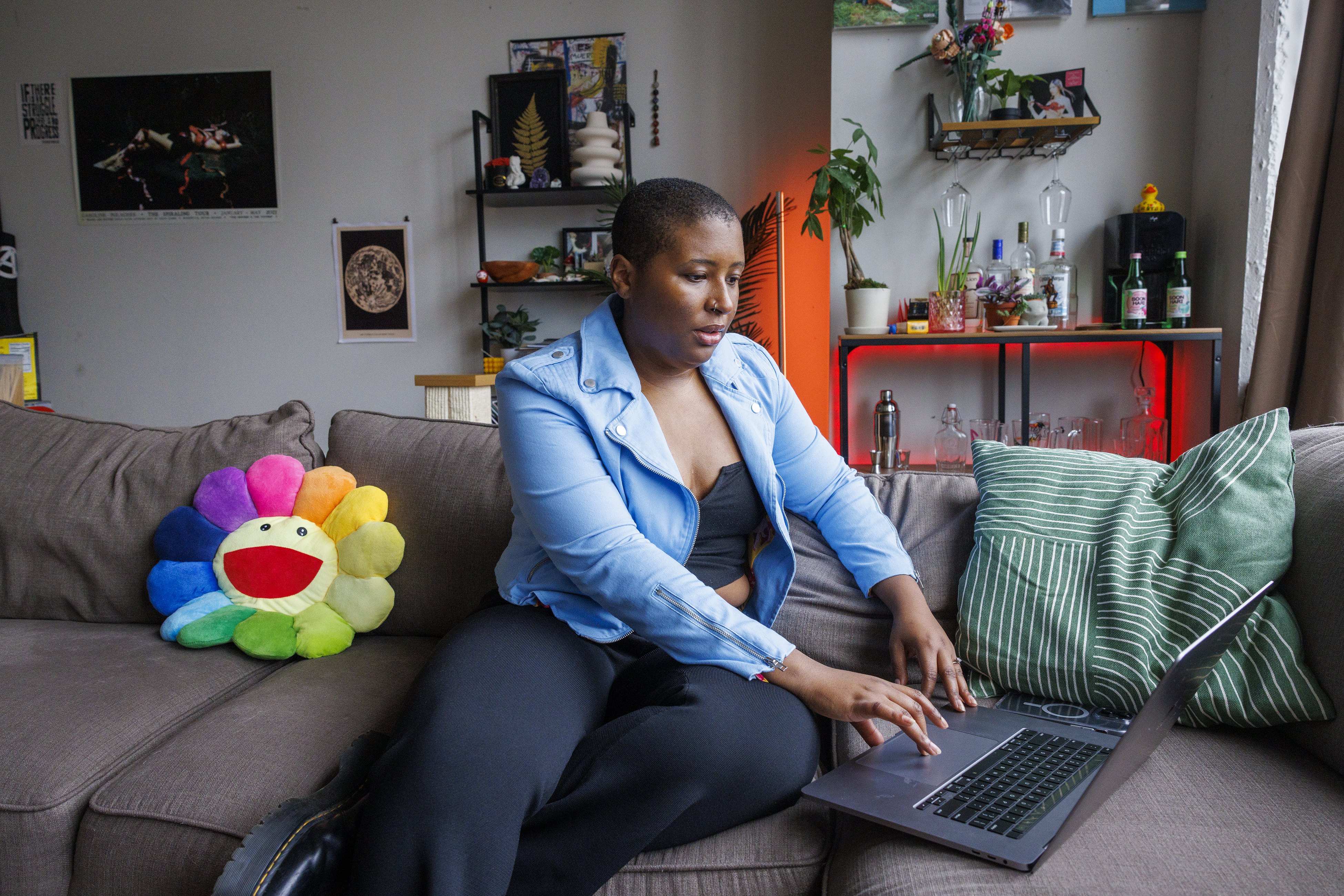
Lilly, age 13, sits on the couch.Allie Ippolito / For The Inquirer
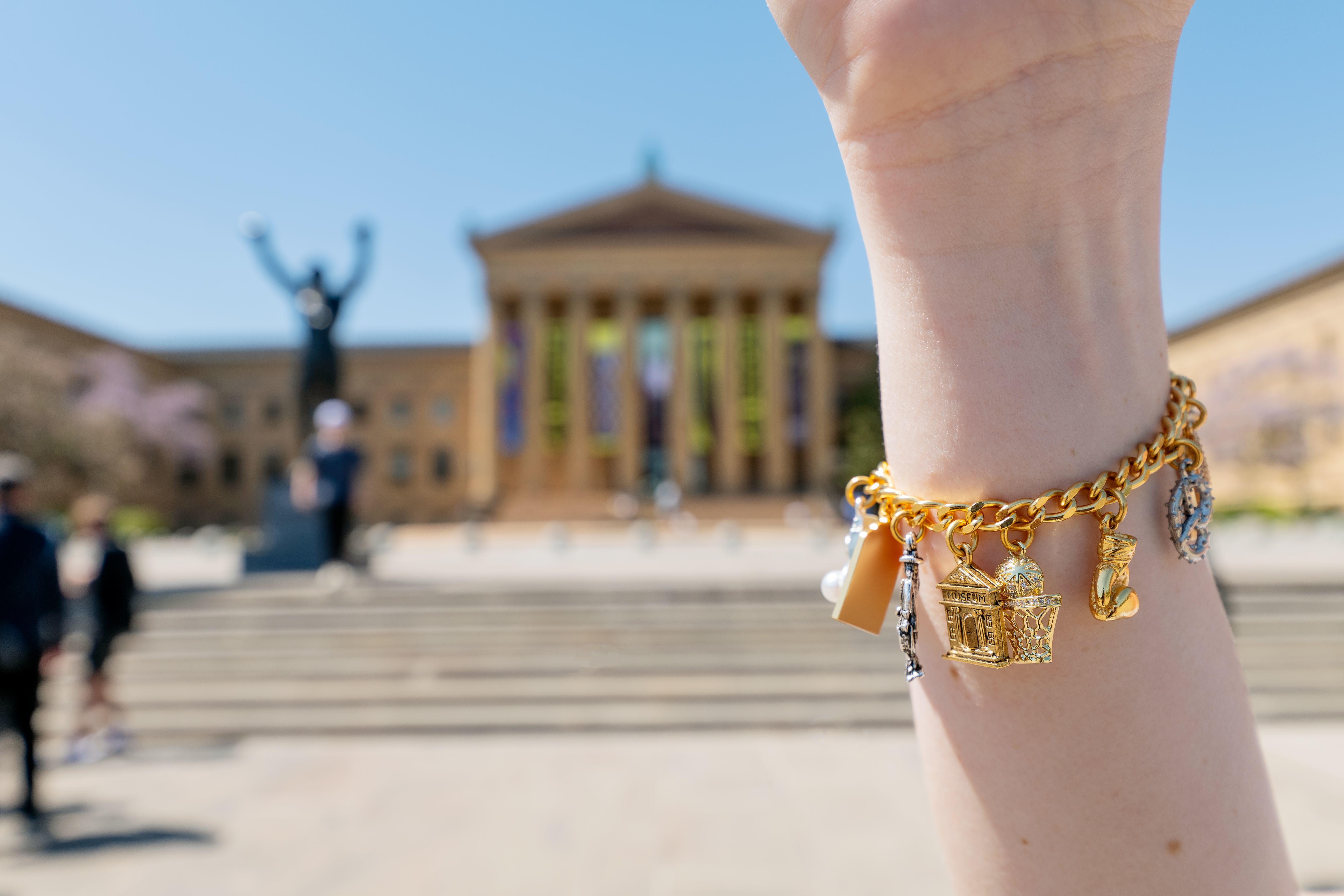
My John Wind charm bracelet featuring a salty soft pretzel, the LOVE statue, and a nattily dressed William Penn is one of my favorite pieces of Philly-centric jewelry.
In honor of our nation’s 250th birthday, Wind is giving the charms some more brotherly love. A proud Philadelphian, Wind has partnered with the Philadelphia Visitor Center for a six-piece commemorative jewelry collection featuring four necklaces, one bracelet, and a key chain/bag fob.
A commemorative John Wind charm bracelet available at the Philadelphia Visitor Center in honor of America’s 250th birthday.Nicole Vassallo for the Philadelphia Visitor Center
The soft pretzel, the LOVE statue, and William Penn remain a part of the jeweled tableau, and Wind has added a few knickknacks to the Semiquincentennial mix, like a boxing glove as a shout-out to Rocky; a soccer ball for World Cup afficionados, a star with red, white, and blue stripes for patriots, and a Liberty Bell.
Wind, who has been making charm jewelry since he started his business in the 1980s, has turned some of his tiny amulets into giant pieces of public art.
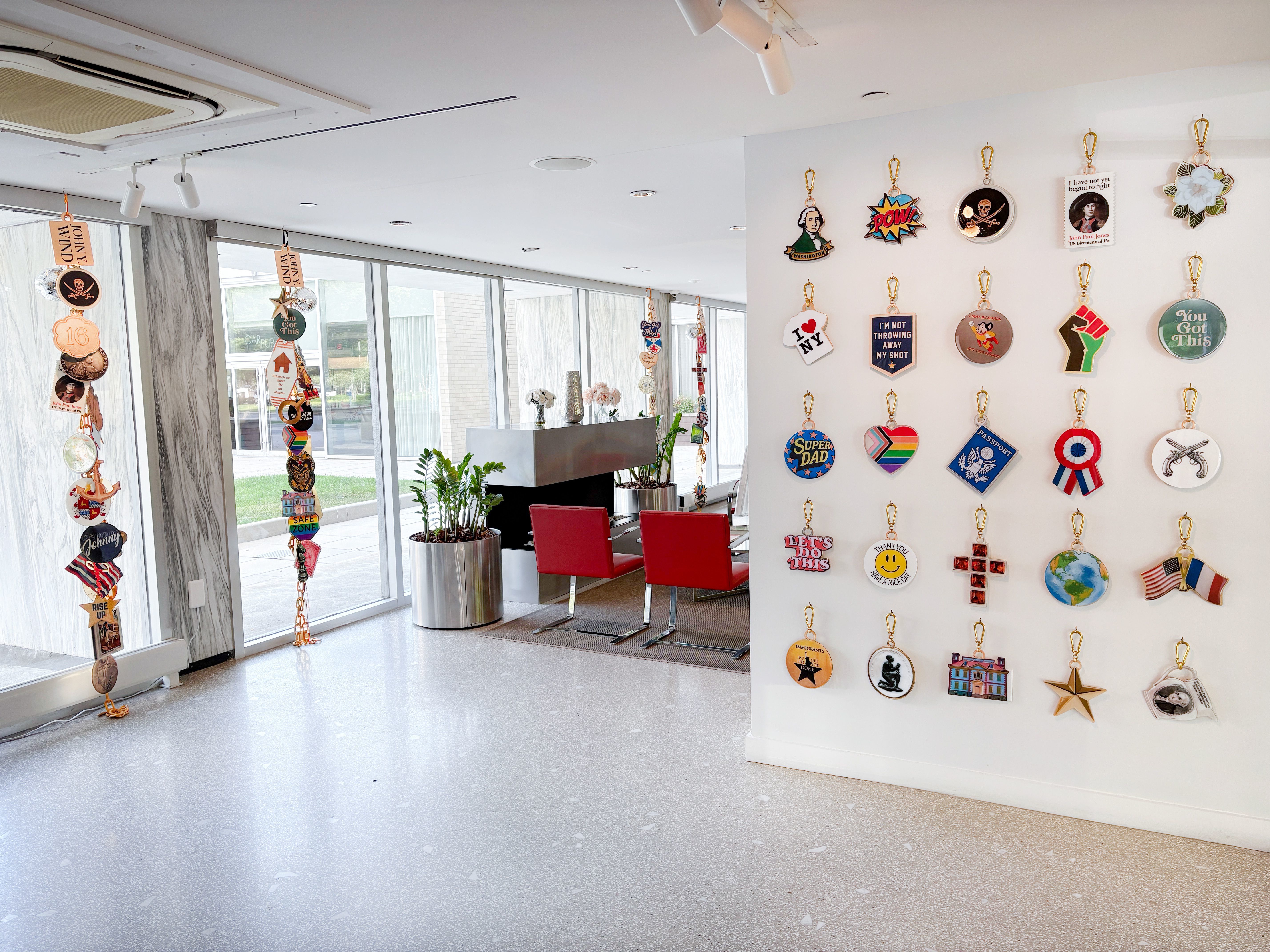
John Wind’s exhibition at Park Towne Place, a collaboration between the Philadelphia artist and InLiquid.John Wind
Earlier in the week, Wind unveiled an installation of Philadelphia, patriotic, and social justice charms as wall art at Park Towne Place. The show, “Charm Offensive @ Reilly Memorial” will be up through Oct. 6. It is a joint project between Wind, InLiquid Art, and Park Towne Place. All of the wall charms are for sale at $150 each.
The John Wind x Philadelphia Visitor Center Collection is available at select Philadelphia Visitor Center locations and at johnwind.com. Prices range from $48 for the key chain/bag fob to $108 for the necklace.
— Elizabeth Wellington
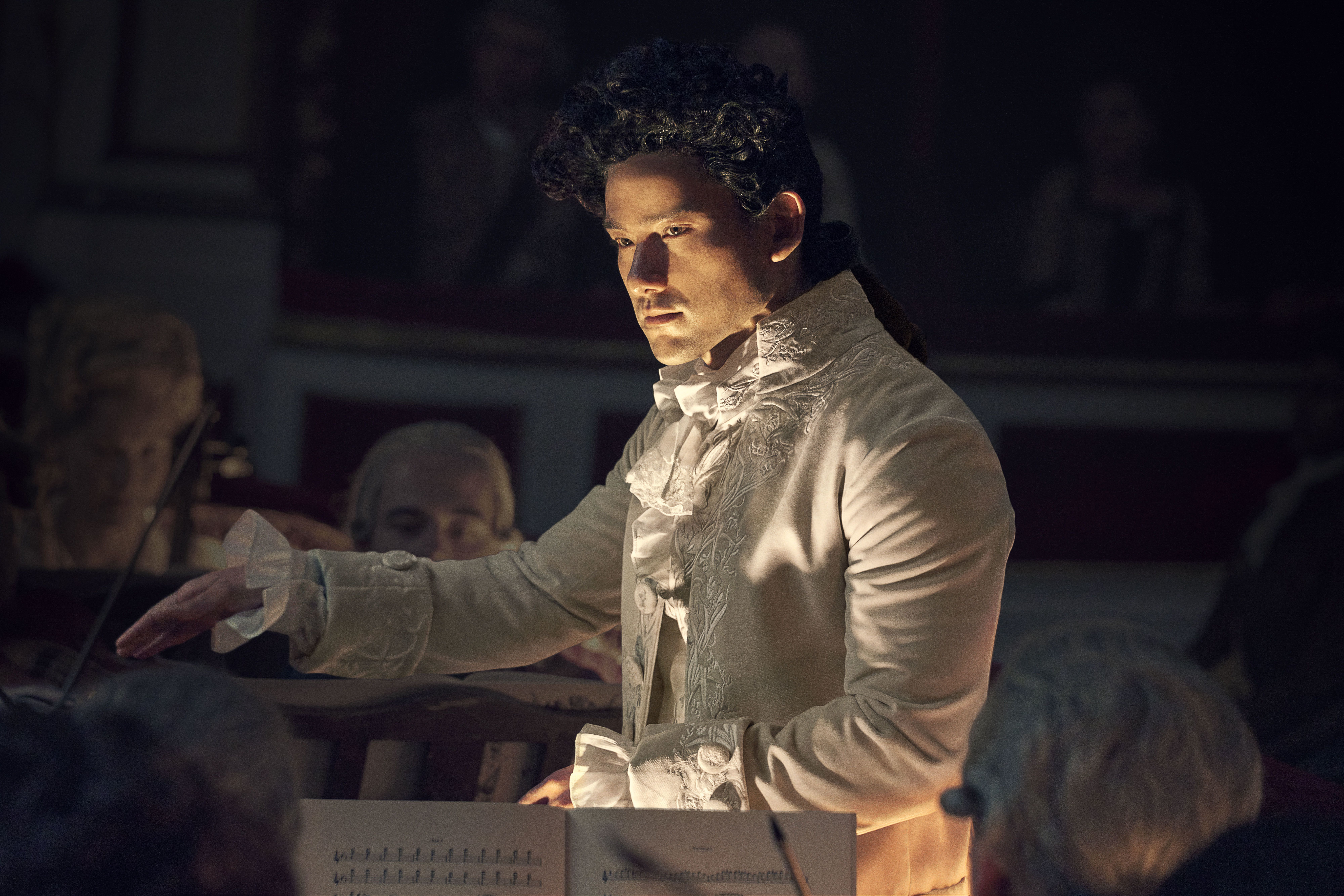
Will Sharpe as Mozart in “Amadeus,” the miniseries on Starz.Courtesy Starz
A new, hunky ‘Amadeus’
We’ll leave the notes on Amadeus, now streaming on Starz, to the film and TV critics — mostly. The miniseries based on Peter Shaffer’s play about Mozart and his less-than-genius jealous rival Antonio Salieri doesn’t have half the atmosphere or humor of the 1984 Milos Forman film.
That said, a hunky Mozart (Will Sharpe) seems like the update our age demands.
But we can offer a few notes on, well, the notes — the ones written by Mozart. Snippets of his music woven through the show last only a few seconds each, leaving a thirst to hear the rest of the musical works in recordings.
Mozart wrote only two piano concertos in minor keys, and one of them, the dark D Minor, K. 466, is heard in the opening credits. Annie Fischer’s 1959 recording with Adrian Boult and the Philharmonia Orchestra is exactly the storm you want.
Three pieces flicker by in Amadeus in the scene where Mozart’s wife, Constanze, shares Mozart’s scores with Salieri — The Sinfonia Concertante for Violin, Viola and Orchestra, ‘Gran Partita’ Serenade, and the Symphony No. 25. Each one of such beauty and invention there’s no mystery about why Salieri was undone by envy. A fun recording rabbit hole awaits listeners in each: the discovery that a particular interpretation can fundamentally alter the character of a piece.
A number of Mozart piano sonatas find their way into the miniseries, and Walter Gieseking’s recordings of crystalline tone and exquisite phrasing explain the kind of truths that are revealed when a composer finds his or her ideal interpreter. A form of genius, really.
“Amadeus” is streaming on Starz.
— Peter Dobrin
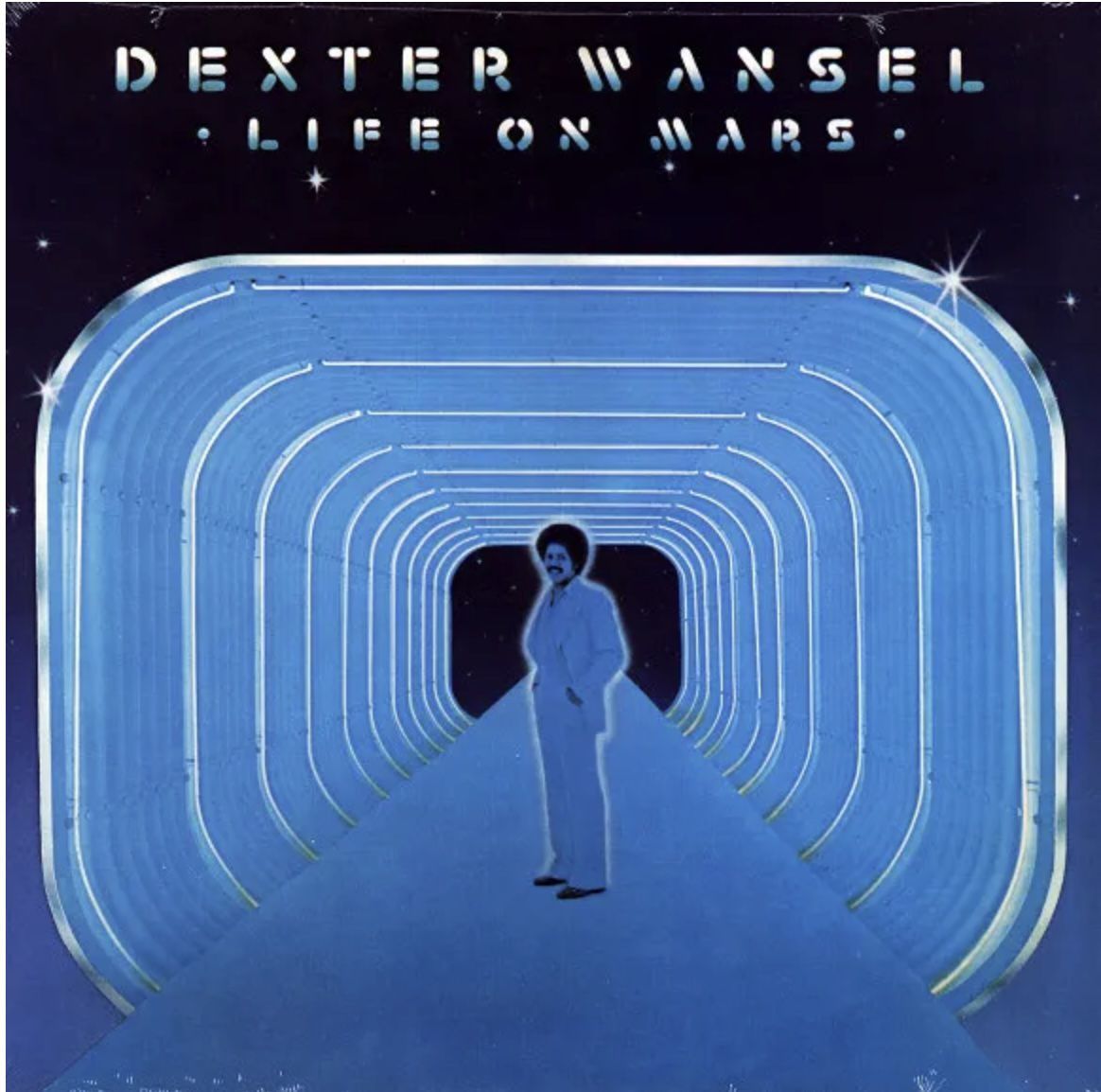
The cover image to Dexter Wansel’s 1976 album “Life on Mars.”Philadelphia International Records
Remembering a Philly jazz legend
Dexter Wansel was the player par excellence during the latter stage of Philadelphia International Records run of excellence in the late 1970s and 1980s. He wrote and produced for the Jacksons, Patti LaBelle, Teddy Pendergrass, the Jones Girls, and more.
As Kenny Gamble and Leon Huff said in a statement after Wansel’s death on May 31 at 75, he “brought a new age sound” to PIR. “Dexter’s synthesizer and keyboard sounds were iconic.”
As great a behind-the-scenes player as he was, Wansel was also a solo artist whose music pushed PIR forward, blending old school R&B with futuristic sounds and the kinds of sci-fi adventures that were au courant in the ’70s, with the work of artists like David Bowie and George Clinton.
Wansel’s 1976 space-funk album Life on Mars is the place to start looking into his legacy. It was partly inspired by Bowie’s 1971 song “Life on Mars,” but Wansel’s track of the same name is a different song. His use of the ARP 2600 synth was innovative, and Wansel expanded the interstellar theme with song titles like “Stargazer” and “Rings of Saturn.”
But the album, which points forward the silky soul Quiet Storm format, remains connected to funky, earthly pleasures and structured songwriting. “One Million Miles from the Ground” is actually about lovemaking, not planet exploring. Life on Mars also opens with a tribute to Gamble, Wansel’s PIR employer, with a horn-powered instrumental called “A Prophet Named K.G.”
On June 24, as part of Art Philly, DJ-producer King Britt will honor Wansel and Life on Mars with a live performance at Johnny Brenda’s as part of his weeklong “Blacktronika: Philadelphia Now and Then” event series. The Blacktronika Icon Award that was planned to be presented to Wansel at the show will be given posthumously.
“Blacktronika: Philadelphia Now and Then” at Johnny Brenda’s, 1201 N. Frankford Ave., June 23-29. johnnybrendas.com
— Dan DeLuca
A hotel full of art
I know where the cool kids were Wednesday night — crowding into Yowie for the launch of Elsewhere, an art fair produced by Blah Blah Gallery and hosted within the rooms of the boutique hotel.
The premise: a blend of Philly and international artists taking over hotel rooms and inviting guests into their suites. The result was three floors of contemporary art curated by some of today’s most exciting, thoughtful, and sustainable artists and galleries from around the world.
Qualeasha Wood in her apartment in Philly in 2023 after making the move from New York City.Alejandro A. Alvarez / Staff Photographer
There’s something extremely approachable and exciting about getting to hear about art while sitting on a couch with a gallery curator, sipping white wine together, being greeted by a piece of pop art inside a bathroom shower, or a Tadashi Adamson sculpture of toast with eyes staged on the hotel room’s kitchen counter.
I also spotted pieces by Philly-tied textile artist Qualeasha Wood in the hallway of an area on the second floor curated by DARLA out of New York. We love to see it.
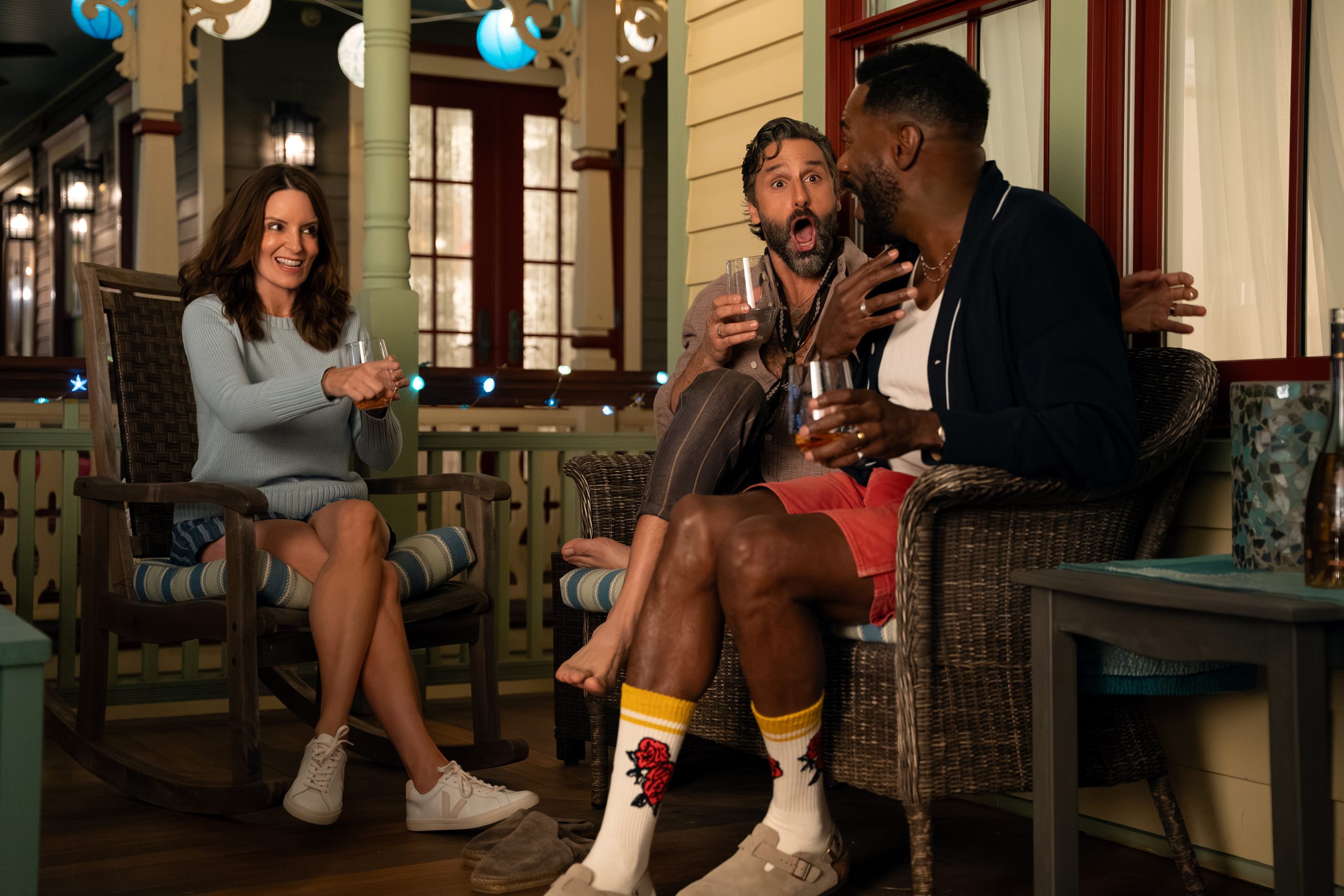
Tina Fey as Kate, Marco Calvani center) as Claude, and Colman Domingo as Danny in Season 2 of “The Four Seasons.”Emily V. Aragones/Netflix
Shore laughs
It’s always a good time when Philly stars collab for big projects, and that’s especially true with Tina Fey and Colman Domingo in the second season of their Netflix comedy, The Four Seasons. As a cocreator and writer of the show, Fey decided that the show’s cast of vacationing couples should take a trip to the Jersey Shore, where she used to visit for many summers as a kid.
Those two episodes — filmed in Ocean Grove and Point Pleasant Beach — are some of the funniest in the season, and offer a chance for Fey’s and Domingo’s characters (Kate and Danny) to bond as they dream of opening a B&B.
One part that really had me cackling was when Will Forte, who plays Fey’s husband, makes a beach friend. Kate knows he’s been searching for a guy friend to talk sports or play games. There’s a moment when Kate and Danny see the two dudes talking and they start making fun of what topics they might be discussing (the Mets, TV sales, Gatorade flavors?) and then the camera cuts to the guys, who are actually talking about deep trauma and grief.
It’s a sweet and authentic portrayal of the Shore that feels like an excellent way to start the summer. There are so many laughs in this season I’d argue it might be better than the first. Plus, not to give anything away, but there’s even a brief trip to Philadelphia in the final episode, complete with a Wawa shout-out.
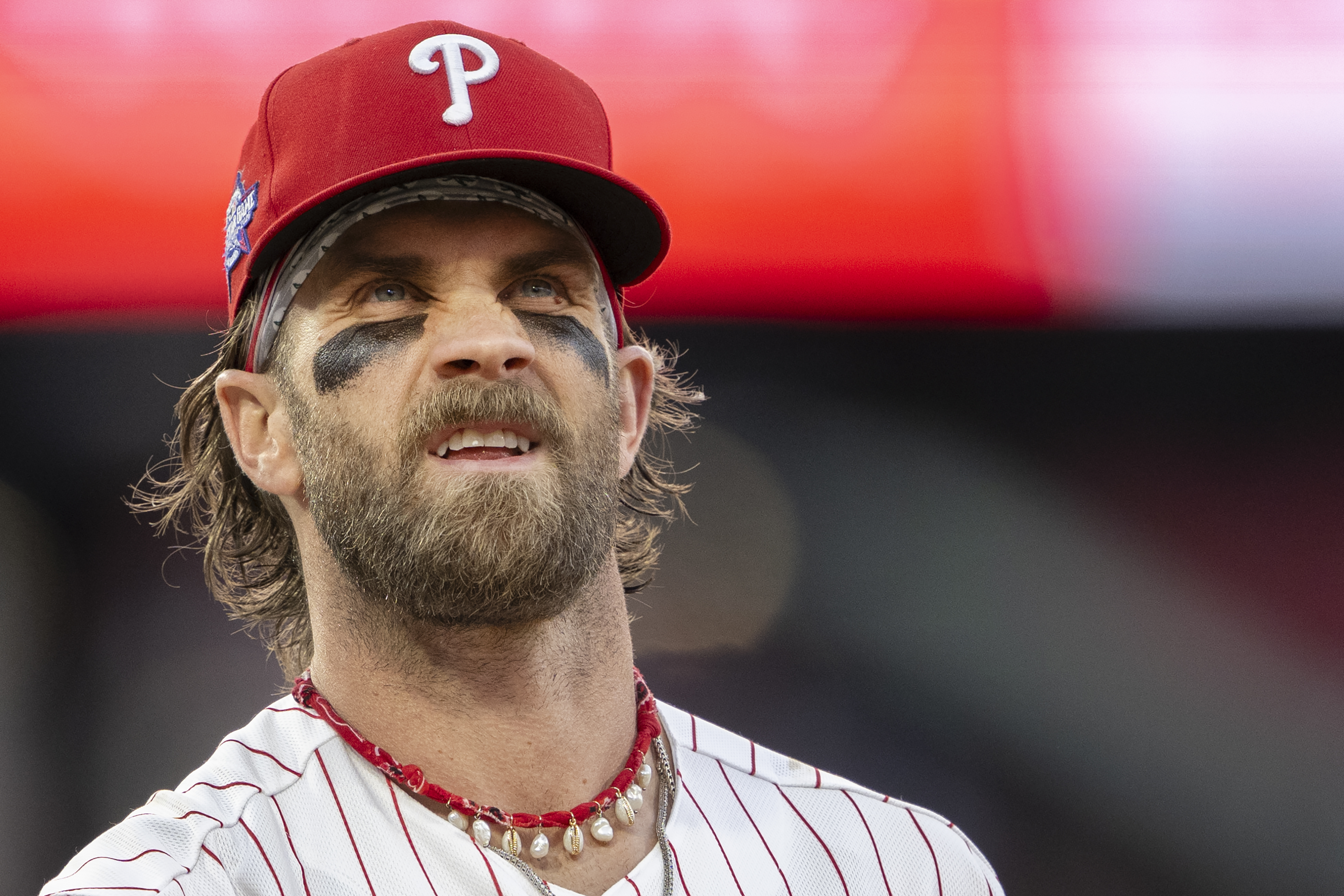
The revelation was so unsettling that the Padres put it on the videoboard, dentists weighed in, and millions of people suddenly found themselves evaluating the oral hygiene habits of the Phillies’ first baseman.
The funniest part is that Harper seemed genuinely confused by the backlash. “I’ve done it forever,” he said, which somehow makes it worse.
What elevates this from ordinary internet nonsense to a true Philly sports story is that Harper is currently one of the best players in baseball, and yet this became a legitimate multiday discussion.
For the record, dentists do not recommend the technique. But Harper has two MVPs, hundreds of home runs, and apparently very clean teeth, so hard to argue with the results.
Sean Reifel (left), Melanie Moreno (middle), Sincere Rhea (right) are contestants of Love Island USA 2026.Ben Symons/PEACOCK
Three Philly-area contestants on ‘Love Island’? The Eagles agenda is spreading: B+
And within one episode, Philadelphia had already established diplomatic relations.
North Philly’s Melanie Moreno and Cape May’s Sincere Rhea immediately bonded over the Eagles, with Moreno declaring, “Literally cut me and I’ll bleed green.”
The funniest part about Philly representation on reality TV is that contestants from here almost never ease people into it. Within minutes, viewers knew Moreno was from Philadelphia because she announced it the same way most Philadelphians do: loudly and with complete confidence.
Meanwhile, Rhea seems genuinely wholesome enough that the producers will almost certainly try to create problems for him by Episode 3.
The real winner, though, may be Philadelphia itself. The city somehow landed three contestants on one of the biggest reality shows, ensuring that for at least the next few weeks, viewers will get Eagles fandom and blunt honesty on their screens.
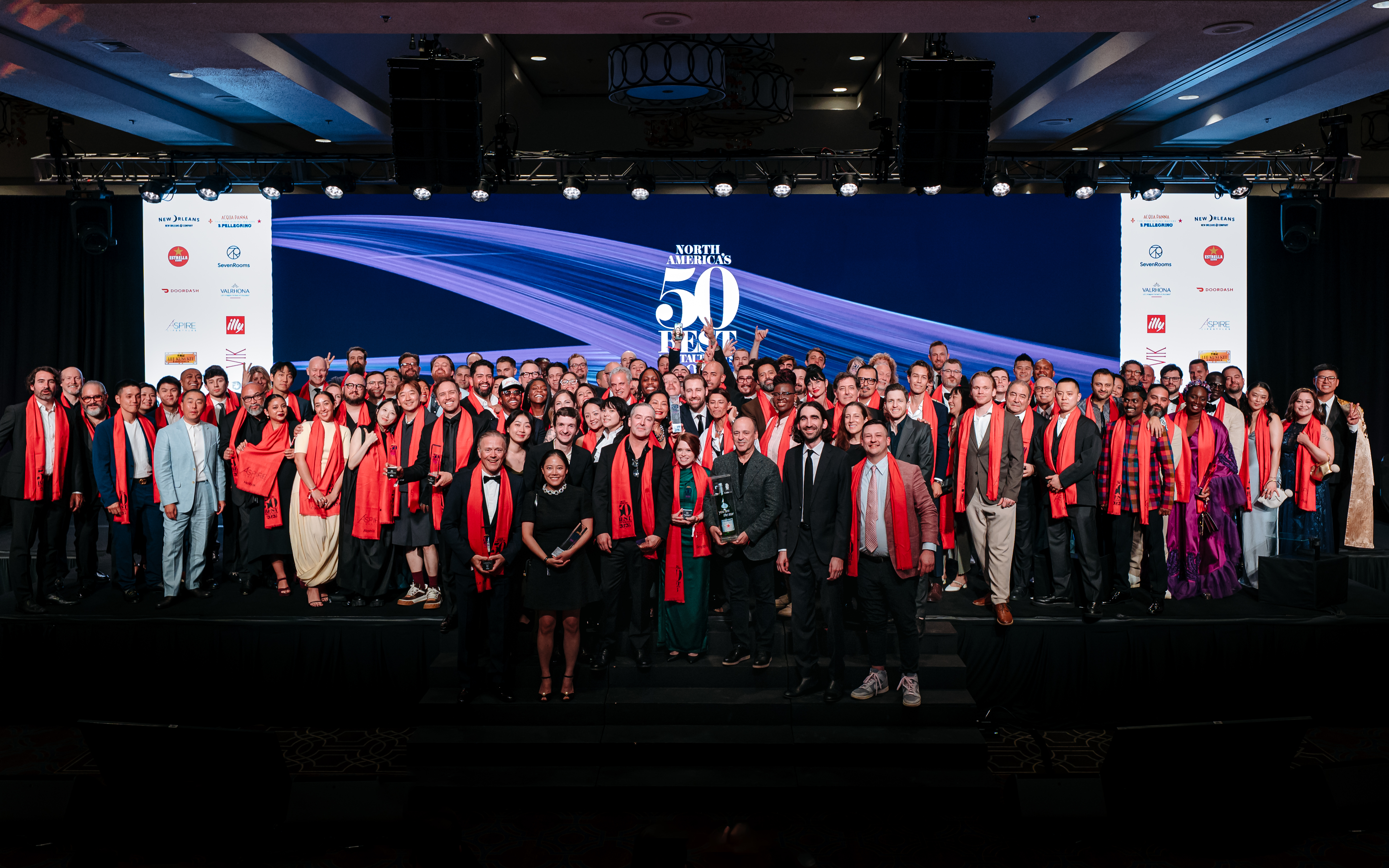
Winners at the North America’s 50 Best Restaurants announcement.50 Best
Philly restaurants keep collecting national awards like it’s normal now: A
The funny thing is that Philly food fans have become almost spoiled by this stuff.
A few years ago, getting one restaurant on a list like this would have triggered a citywide victory lap. Now the reaction is more along the lines of: “Only two? What happened to Royal Sushi?”
To be fair, both restaurants dropped in the rankings this year. But they also remained on a list featuring just 50 restaurants across the United States and Canada, which is a pretty good reminder of how much Philly’s dining scene has changed.
Not that long ago, national restaurant conversations about Philadelphia basically began and ended with cheesesteaks.
Now we’re arguing about Michelin recommendations, international rankings, tasting menus, and whether a restaurant fell from 7th to 11th … that’s a good problem to have.
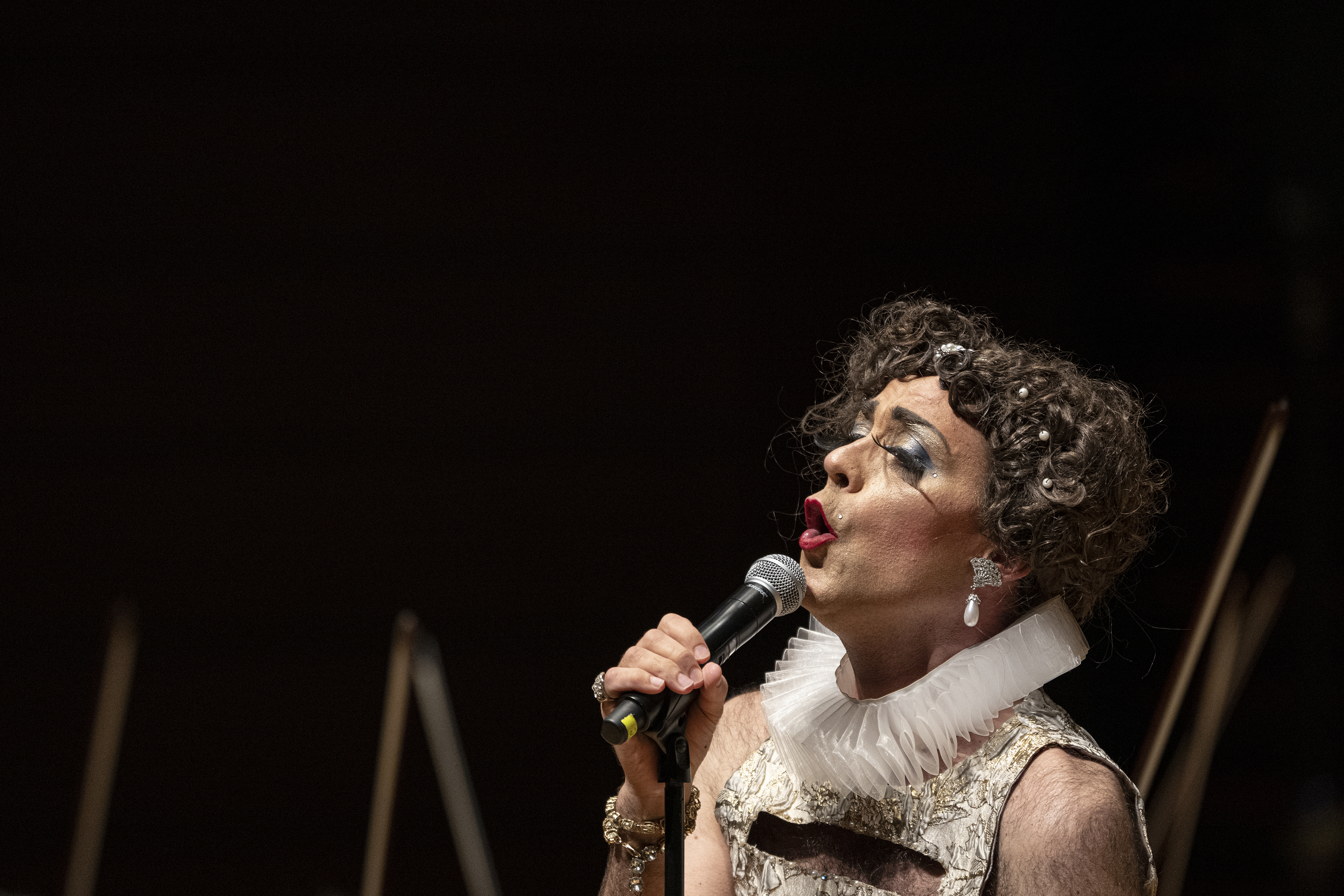
Local drag royalty Martha Graham Cracker sings during the Philadelphia Orchestra’s Pride Concert on June 4, 2025, at the Kimmel Center in Philadelphia.Jose F. Moreno / Staff Photographer
Philadelphia gave Martha Graham Cracker a fitting farewell: A+
The tributes poured in from every corner of the city — theater, music, drag, dance, politics — which says a lot about the rare place he occupied in Philadelphia culture.
But one detail from the obituary stood out. David Devan, the former head of Opera Philadelphia, was at the hospital when van Reigersberg died June 1, the first day of Pride Month. Leaving afterward, he watched the city’s Pride rainbow lights come on across Philadelphia.
“It was the first day of Pride Month, and our greatest queer Philadelphian died,” Devan said.
For a performer who spent decades making people laugh, feel welcome, and feel seen, it’s difficult to imagine a more fitting image than Philadelphia lighting up in rainbows on the night he died.
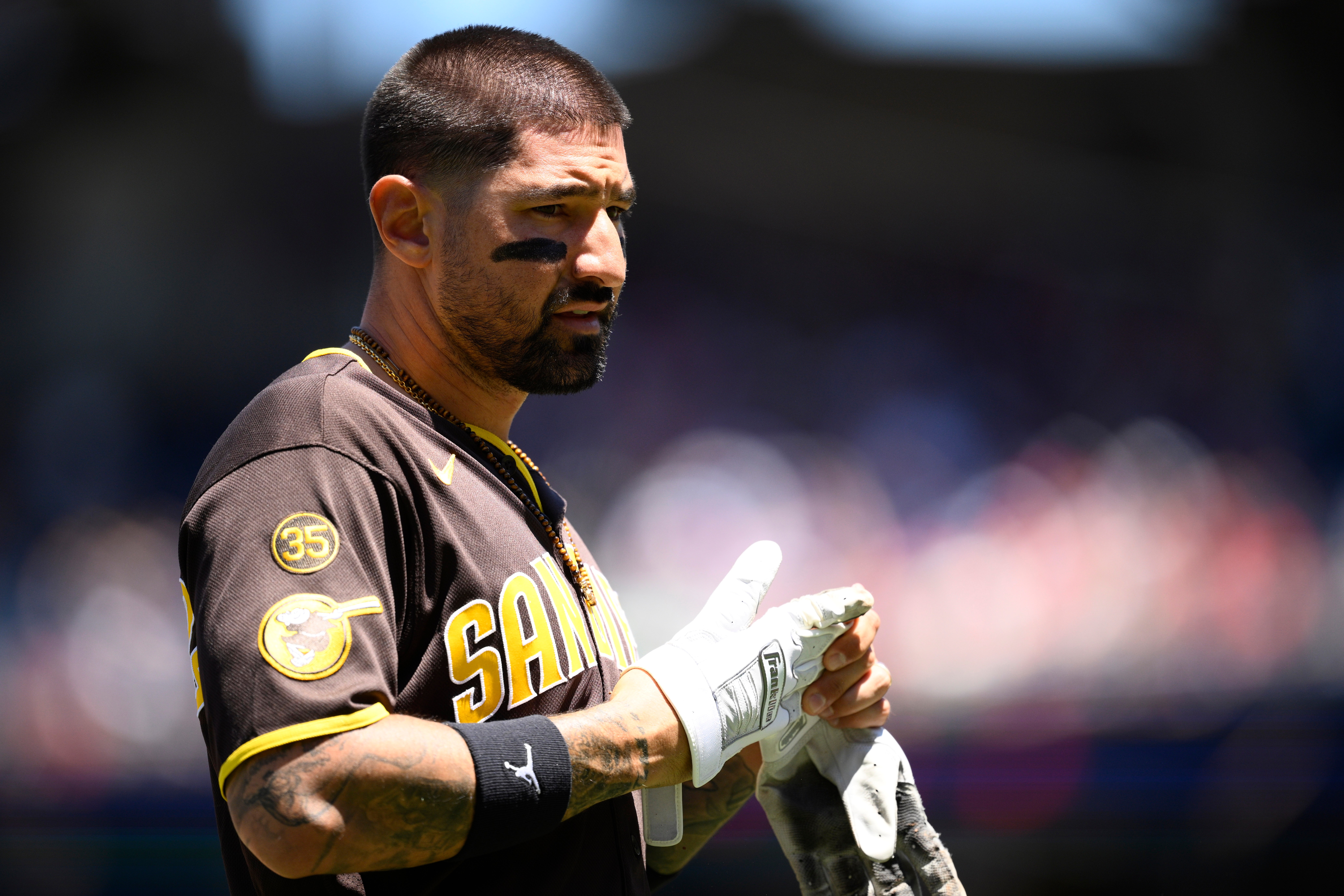
San Diego Padres’ Nick Castellanos looks on during the third inning against the Washington Nationals, on May 31, 2026, in Washington. (AP Photo/Nick Wass)Nick Wass
The Nick Castellanos reunion tour lasted about as long as expected: C
When Nick Castellanos returned to Citizens Bank Park this week, the Phillies played a scoreboard tribute featuring some of his memorable moments from the 2022 postseason. Twenty-four hours later, the Padres designated him for assignment. The timing was brutal.
Castellanos hit .191 in a part-time role with San Diego after the Phillies released him in spring training. Still, there’s something oddly fitting about the whole thing happening in Philadelphia.
For all the frustration that came with the final year of the Castellanos era, he was also part of some genuinely great Phillies moments: The standing ovations, the postseason homers, the absolute certainty that if something weird happened in a game, Castellanos would somehow be involved.
Now, he’s looking for another opportunity at age 34. And if this is the end of the road, at least Philadelphia got one last chance to tip its cap before the baseball gods immediately delivered one final, extremely Nick Castellanos plot twist.
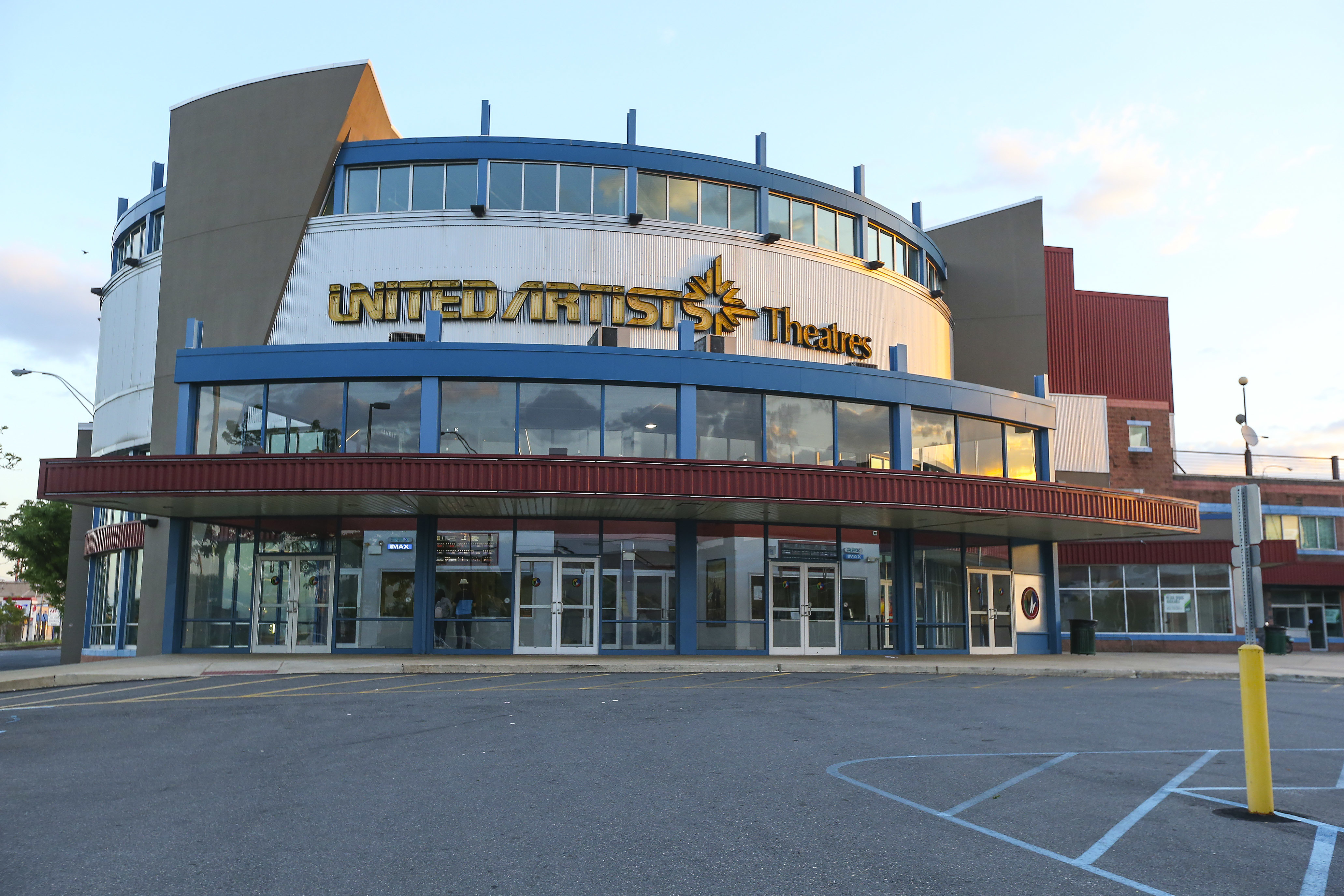
Apple Cinemas has scrapped plans to reopen the former Riverview Plaza theater in South Philly, closed since 2020. Photo taken May 6, 2019.STEVEN M. FALK / Staff Photographer
And what makes it sting is that people were genuinely excited about this one.
The plan included bringing movies back to a theater that’s been dark since 2020, adding an IMAX screen, and giving Philly something it currently doesn’t have: a true IMAX theater. Instead, the project collapsed amid a dispute between Apple Cinemas and property owner Bart Blatstein over the condition of the building and lease obligations.
The result is that the giant empty theater remains a giant empty theater.
Cristopher Sánchez gets a Standing Ovation for giving up a run. 👏👏👏
That’s not just a Phillies record. That’s an MLB record.
By reaching 45⅔ scoreless innings, Sánchez passed Hall of Famer Carl Hubbell and moved into sixth place on the all-time list, regardless of handedness.
What’s remarkable is how quickly this has gone from surprising to expected.
Bryce Harper probably summed it up best when he said it feels normal now. A pitcher is doing things that haven’t been done in generations, and the reaction has become, “Yep, that’s Sánchez.” A few nervous moments, a bunch of awkward swings at changeups, seven scoreless innings, and another historic number attached to his name.
The streak will end eventually, but right now, Philadelphia is watching one of the best stretches of pitching in baseball history unfold every fifth day.
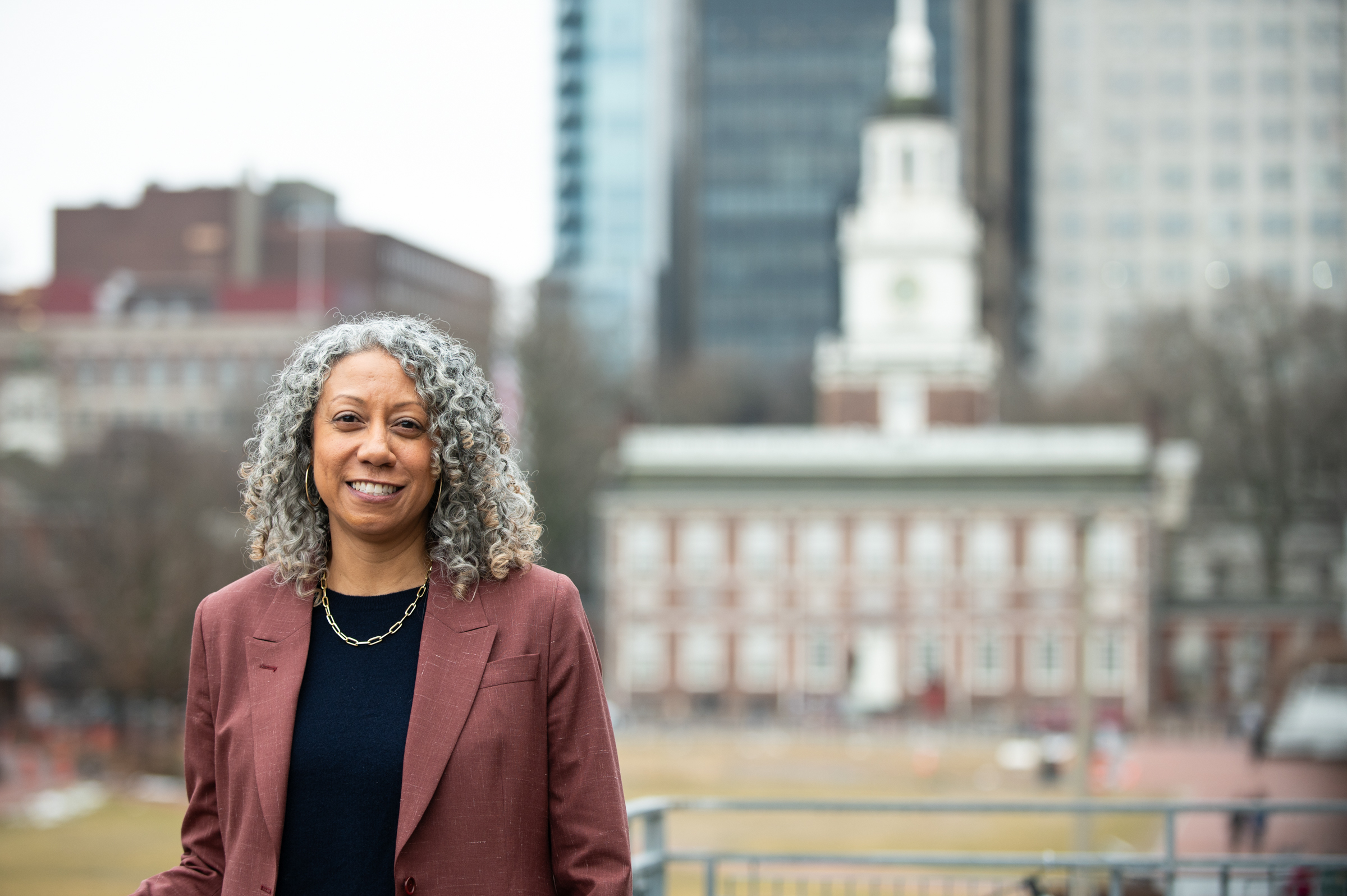
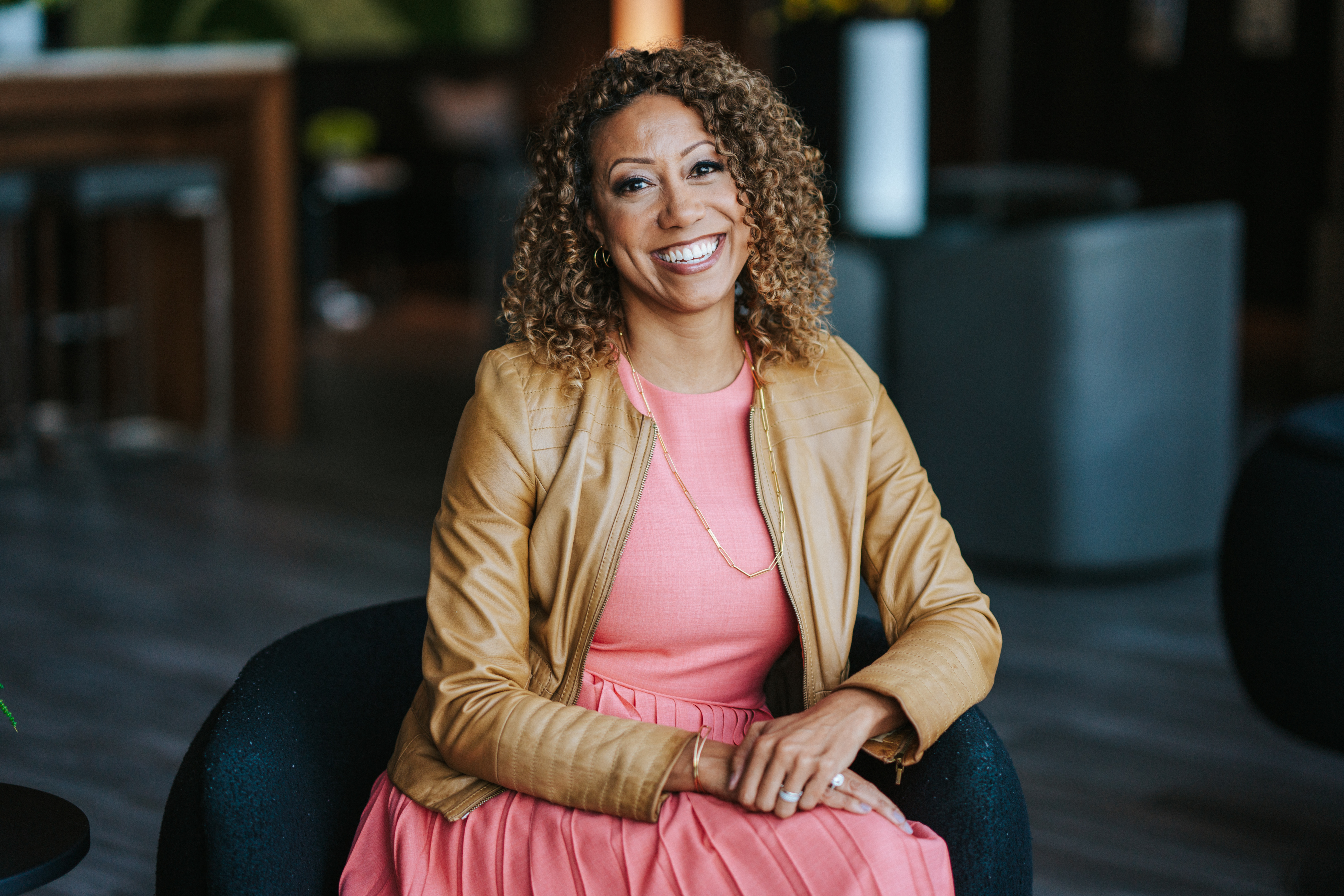
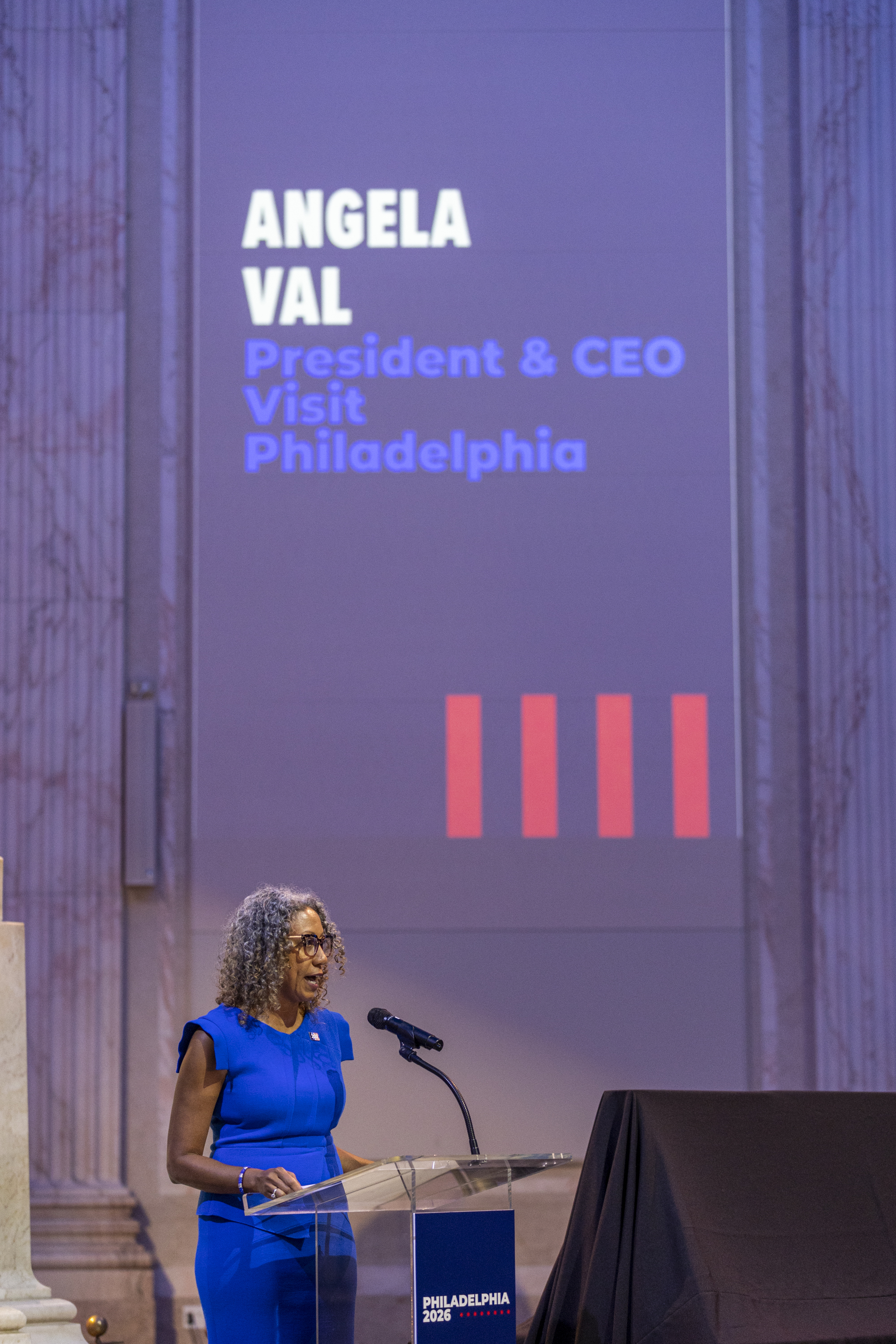
For Angela Val, experiencing the charms of Philadelphia is far more than just a personal pastime. It’s part of her job.
President and CEO of Visit Philadelphia, the nonprofit that serves as the city’s official leisure-tourism marketing agency, it falls to Val to sell the city’s many allures to the wider world. Especially this year, as Philadelphia prepares to ascend the global stage for America’s 250th anniversary.
“It’s exciting for it to be here,” said Val, who has led Visit Philadelphia since 2022, after a prior 17-year stint at the agency, when she worked her way from a receptionist to vice president. “I have been preparing for this year with lots of different people, and to see it come to fruition — to be in the implementation stage — is really thrilling.”
Angela Val, president and CEO of Visit PhiladelphiaRachel Rosenstein
A native of Rockville, Md., Val fell in love with Philly’s rising potential after earning a degree in hospitality management from Drexel University in 1994.
Starting out working hotel front desk and catering jobs, Val first joined Visit Philadelphia in 1998, amid Center City’s long awaited renaissance.
“I just felt like I was going to be part of a city that’s going to have a great deal of growth over the next 10 years,” she said.
Now, Val helps spearhead that growth.
For the 250th, Visit Philadelphia has rolled out a series of marketing campaigns and events, including TED Democracy, a daylong symposium of broadcast TED talks exploring modern day democracy scheduled for June 13 at the Kimmel Center.
Val, who lives in Point Breeze with her husband, and her dogs, Dash and Bailey, who are Mi-Kis, said her perfect Philly day would include a rooftop sunset, a killer workout, sweets before dinner, lots of great Philly food, and some late-night hanging with neighbors.
7 a.m.
We always start off with my dogs. We have two puppies. They’re about a year old. I take them to the deck to run around very early in the morning. We have a skyline view. We took all of our COVID refund and renovated the deck. I do like to sit on the deck with a cup of tea. The Random Tea Room sells a great loose mint tea that I love.
I usually go back to bed. I am not a morning person. I am somebody who likes to hit the snooze button. So I’ll do that — just chill out in bed a little bit longer and catch the news.
Angela Val, President and CEO of Visit Philadelphia, Speaks to guests and press about the announcement of TED Talks focus on democracy leading up to 2026 in Philadelphia, Pa., on Tuesday, May, 21, 2024.Tyger Williams / Staff Photographer
9 a.m.
I usually head to the gym. I have a trainer. I belong to the Bellevue Sporting Club. I am all about strength training these days. As you get older, the doctor recommends less cardio, more strength. I had never really lifted weights before. Thus, I got a trainer, and I have to say, I do love it. Emily’s fantastic. I usually try to get that in two or three times a week, if possible. It always makes me feel better.
11 a.m.
I get a good walk there and a good walk back. I’m pretty ravenous afterward. Joe and I will usually meet up at Enswell. It’s just so pretty in there. They have this awesome egg sandwich — it’s so buttery and delicious. If that’s not available, I get the omelet, which is also delicious. Always with a side salad..
1 p.m.
In the afternoon, we just pick an activity to do. I love to walk so we usually walk some place — go see some exhibit or gallery. If this is a day in 2026, I’m going to want to check out “The Declaration’s Journey” at the Museum of the American Revolution. They have rare copies of the Declaration of Independence but also an advanced copy of Martin Luther King Jr.’s speech “I have a dream.” And the bench on which he wrote “Letter from a Birmingham Jail.”
And [I’d go to] Calder Gardens. It’s small, but so different for Philly. It’s so modern and beautiful.
4 p.m.
[Then I’m] headed to the Bread Room — from High Street Hospitality and Ellen Yin — to get a couple sweet treats. And I would love to be able to take one of the baking classes there. They have this scone with orange blossom frosting. It is delicious. They also have a chocolate chip cookie that has a little bit of sea salt on the top, which I also think is delicious. And it’s a big boy, so you can share it, and not have to eat the whole thing, like I do.
6 p.m.
We would honestly come home and take a nap and play with the dogs. But we would definitely go back out.
8 p.m.
We do eat out a lot. It’s just the two of us. We would go to Sao. That is one of the places that I would love to try. We’ve been to Mawn many times and it’s delicious. But we heard Sao was really great too. Fresh seafood. I am a seafood lover. I don’t eat meat regularly. For me to find a great seafood place, especially one that’s close by, I’m in.
We go to Alice a lot. I like their artichoke salad there. We like to sit at the bar there at the very end. Also American Sardine Bar, which is right down the street from our house. I eat so often downtown during the week because of work. So I try really hard on the weekends to hit neighborhood spots. I don’t eat sardines. But what I wish they would bring back is their fried bologna sandwich. I will tell you that at two o’clock in the morning, if you’ve had a few drinks, it’s delicious. Always a cocktail. I’m old school. I’m always going to love the Cosmo (very light pink, not too sweet). But I was also was recently introduced to the Paper Plane. It seems just like a Cosmopolitan, but it has a whiskey base. It’s not too sweet.
11 p.m.
A perfect end is actually going next door to see our neighbors. We’re very good friends. And they have a beautiful patio with a pergola up top, so we’d just hang around with them around the firepit and listen to records. The soundtrack is probably Leon Bridges. That’s a perfect night.
The conversation has been edited for clarity and brevity.
Consider yourself warned: This weekend itinerary in Mystic, Conn., contains no pizza. Not that you can’t find a great slice in this New England seaport town, but Mystic offers so much more than nostalgia from the 1980s cult movie classic. Eccentric boutiques, hearty breakfasts, and stylish inns pile onto the nautical charm of the village, which is divided between Groton and Stonington by the Mystic River.
It’s pretty much a straight shot up 95, clocking a little over four hours from Center City. Start the car.
Start the trip with a Mystic tradition: breakfast at Kitchen Little, the second-floor cafe at the Mystic River Marina on Mason’s Island. The huge menu features blueberry-jeweled buttermilk pancakes, omelets stuffed with corned beef hash, and nine different types of eggs Benedict, including one piled with hunks of fresh lobster. Ask for a table on the deck for views of the boats drifting through the harbor.
Composed of a series of historic buildings constructed between 1865 and 1920, the Whaler’s Inn sits at the end of Mystic’s famous Main Street Bridge, an ideal location for exploring the town. The property fits the weekend’s nautical theme with its whitewashed facade, navy shutters, slate woodwork, and two seafood restaurants. Room categories are spread across multiple buildings, from adults-only luxury suites with buttercream sofas and sleek integrated kitchenettes to family rooms with built-in bunks and a children’s library. The experience is super customizable depending whether you’re traveling solo or with children.
📍 20 E. Main St., Mystic, Conn. 06355
Shop: Olde Mistick Village
More than 40 boutiques comprise Olde Mistick Village, a model colonial-era New England town originally opened in 1973. The shops, arranged around a meetinghouse, run the gamut, from Salt Life-type souvenirs to rare manga volumes (Arisu), Murano glass jewelry (Gineva), and eerie Victorian oddities (Alice’s Little Haunted Book Shop). And if the weather isn’t cooperating during your visit, the village also hosts Mystic Luxury Cinemas, where the recliners are heated and the popcorn comes topped with real butter.
📍 27 Coogan Blvd., Mystic, Conn. 06355
Sun: Bluff Point Beach
Just west of Mystic, the Poquonnock River meanders down into Long Island Sound, shimmying around the tip of Bluff Point Beach. This tranquil, undeveloped stretch of sand at the end of Bluff Point State Park arcs into the water like a slingshot, making it a relaxing place to sunbathe, stroll, and plane-spot the occasional jet taking off at Groton-New London Airport just across the river. Park in the state park lot; the beach is the end of the marked trial, a little over a mile south.
Lobster is not Southern Connecticut’s only historic industry. The region was also a leading producer of velvet in the 1800s. That craft takes center stage this summer in “Luxe CT: Velvet Mills to Modern Runways,” opening June 26 at Mystic Museum of Art. If painting is more your medium, the museum’s white farmhouse-style building houses a stunning collection of American impressionist and tonalist works from the early 1900s to the early 2000s, including Henry Ward Ranger’s Connecticut landscapes.
📍 9 Water St., Mystic, Conn. 06355
Learn: Mystic Seaport Museum
Also on the weekend of June 26, the Mystic Seaport Museum’s 34th annual WoodenBoat Show goes down with more than a hundred styles of wooden vessels on display at the riverfront institution’s wharf. Besides the show, this is the place to learn about Mystic’s maritime culture, home to four national historic landmark vessels you can board and explore, as well as the Henry B. duPont Preservation Shipyard, the nation’s first preservation yard dedicated to wooden ships. If you love boats, or better yet, have kids that love boats, you should not miss it.
Perched along the river, Red 36 glows as bright as a lantern once the sun goes down in Mystic. Heading here for dinner means shorts and a T-shirt and a table on the wide waterfront deck or under the barnlike wood-beam ceiling inside — extremely chill. Order a spicy marg made with jalapeño-infused tequila and mezcal or an ice-cold Allagash, along with one of two types of clam chowder; we say the creamy over the clear. Entrees include fish and chips splashed with malt vinegar, seafood paella, and the mac-daddy whole steamed lobster served with Mexican street corn, coleslaw, and Old Bay fries.
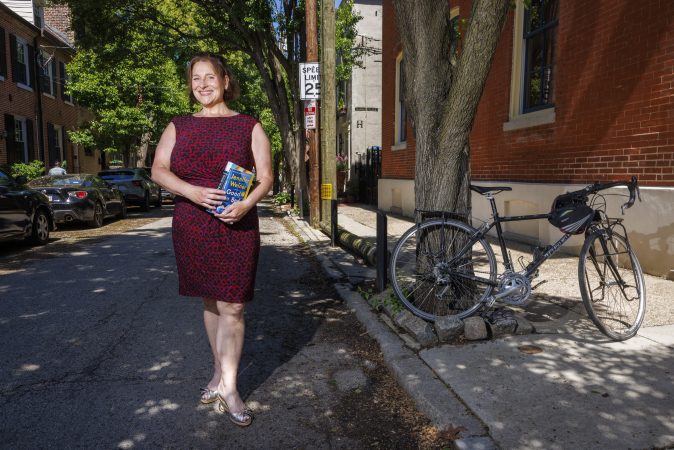
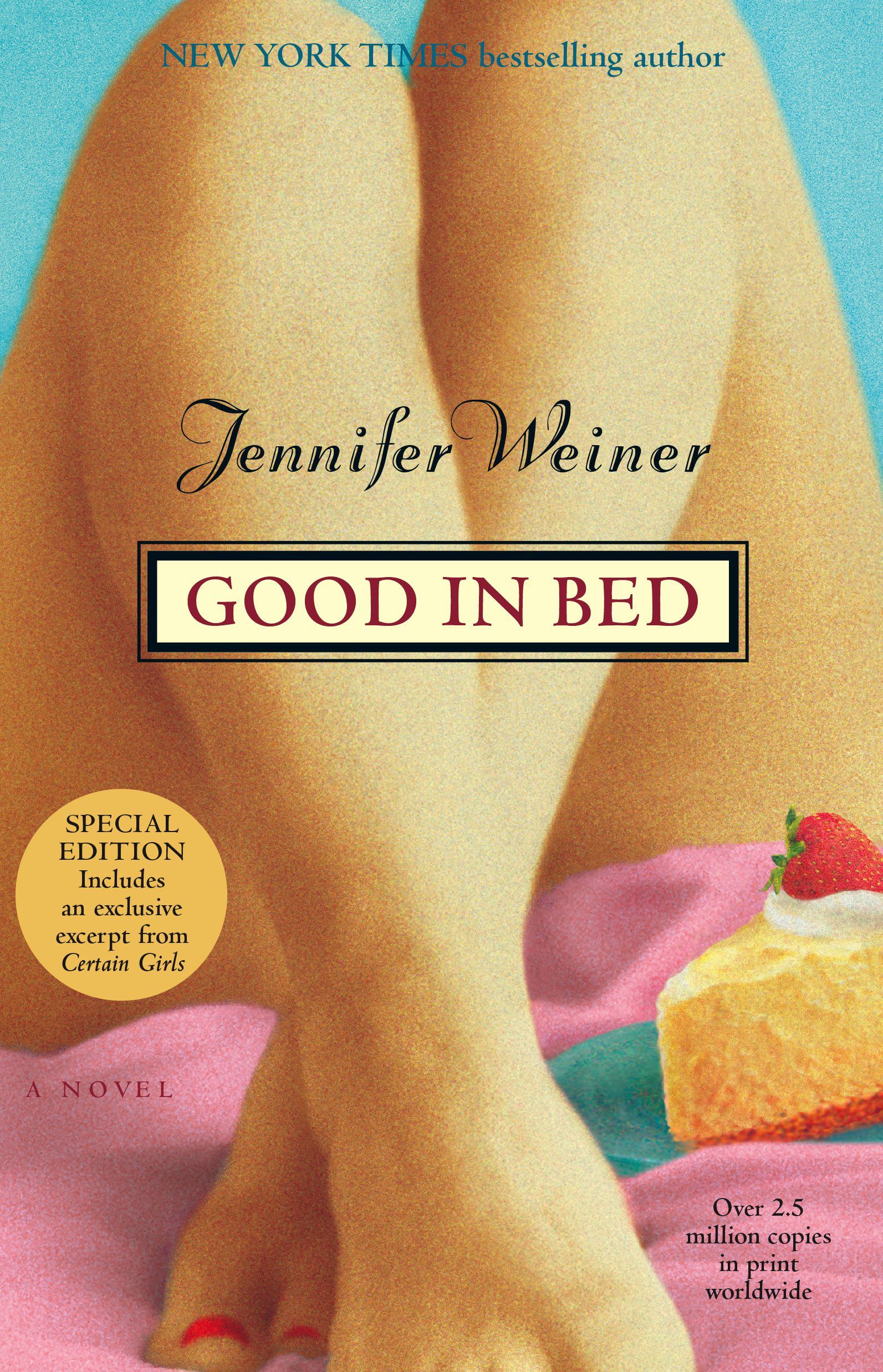
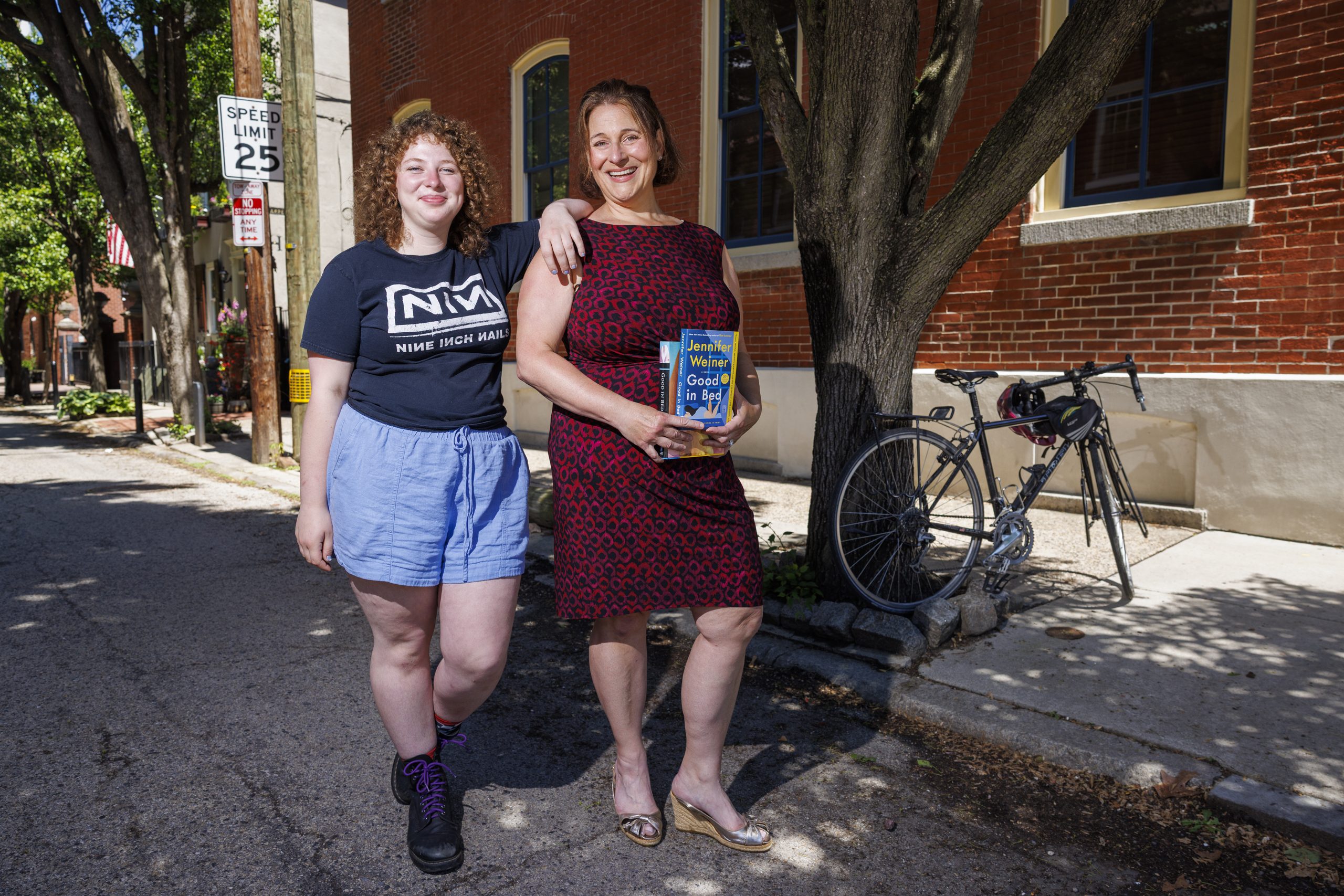
In the 25 years since Jennifer Weiner’s first book Good in Bed debuted, much has changed.
Considered the first chick lit novel centering women with imperfect bodies — basically all of us — Good in Bed is a fictional story about Connie Shapiro, a plus-size Philadelphia journalist, coming to terms with her body image.
Good in Bed spent almost a year onthe New York Times Best Seller list and was part of the early aughts’ pop-culture body positivity arsenal that gave curvy girls the courage to demand to be seen on the red carpet and in shopping haunts.
Cover of Jennifer Weiner’s first book “Good in Bed.”Simon & Schuster Books
Then came Ozempic and the rash of weight loss drugs.
“It’s kind of inevitable there would be a pendulum swing back,” Weiner said. “It’s always one step forward, two steps back. But I’m glad I wrote that first book and have written many books since that give women a chance to see themselves.”
Weiner, who was single when she wrote Good in Bed,has gone through her fair share of life changes.She married, had two daughters — Lucy and Phoebe — and divorced, married again, this time to her “second and final husband.”
Lucy graduated from college. Phoebe is on her way to college.
Weiner, who grew up in Connecticut and moved to Philadelphia in 1994 for a job at The Inquirer, has written 20 adult novels, a collection of essays, and three novels for middle grade students.
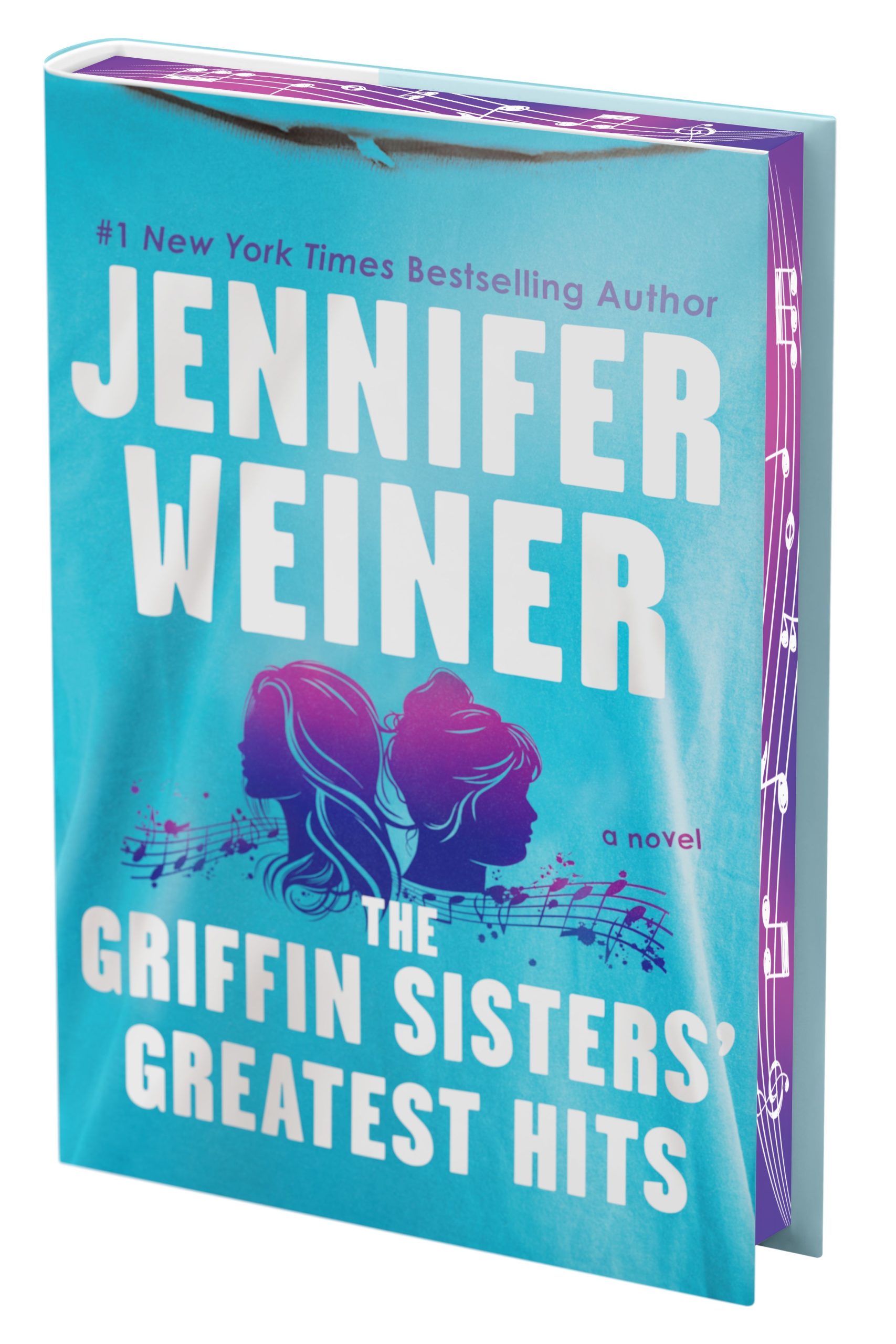
Jennifer Weiner’s “The Griffin Sisters’ Greatest Hits” was optioned by Universal Pictures in 2026. Amy Sherman-Palladino will write and direct.HarperCollins
Her second novel, In Her Shoes, was turned into a 2005 movie starring Cameron Diaz. Earlier this year, Universal Pictures optioned the rights to develop her 2025 book TheGriffin Sisters’ Greatest Hits. Amy Sherman-Palladino will write and direct.
The Queen Village resident has gone from telling stories about 20-something Gen X women seeking relationships and falling in love with their authentic selves, to telling stories about 50-something Gen X women seeking relationships and falling in love with their authentic selves.
“I feel really, really lucky that I’ve gotten to do this for this long,” Weiner said on a recent video call. She was sitting at her desk, sipping iced coffee from a mason jar that her Instagram feed influenced her to buy.
“My readers stayed with me, I’ve picked up new readers. I feel really fortunate the characters I created along the way, and the questions I have asked them, have resonated.”
Here is Weiner’s idea of a perfect Philly day.
The conversation has been edited for clarity and brevity.
8 a.m.
I wake up. My husband and I do [the New York Times’] Wordle, Connections, and the Spelling Bee together. We usually win, but when we don’t, we know it’s going to be a bad day.
We take our dog Levon, third in our series of terriers, out for a walk at Mario Lanza Park in our Queen Village neighborhood.
Mario Lanza Park, in a photo from October 2022.Michelle Myers
Now, I would go to Fiore Fine Foods in Queen Village. Because it’s my perfect Philly Day, they have not moved [to Kensington] from our neighborhood. I’d order an iced coffee and theSaltie, a breakfast sandwich with scrambled eggs and ricotta cheese. It’s just the perfect breakfast sandwich.
10 a.m.
Next, I’m going to get some exercise. You know I’m a middle-aged woman. I try to sweat every day because it’s helpful when you are sitting at a desk all of the time. I lift weights atG-Strength. It’s funny, the same women who were doing step aerobics in the 1990s and aughts, and transitioned to yoga and Pilates, are now lifting weights. It’s like we all read the same health articles.
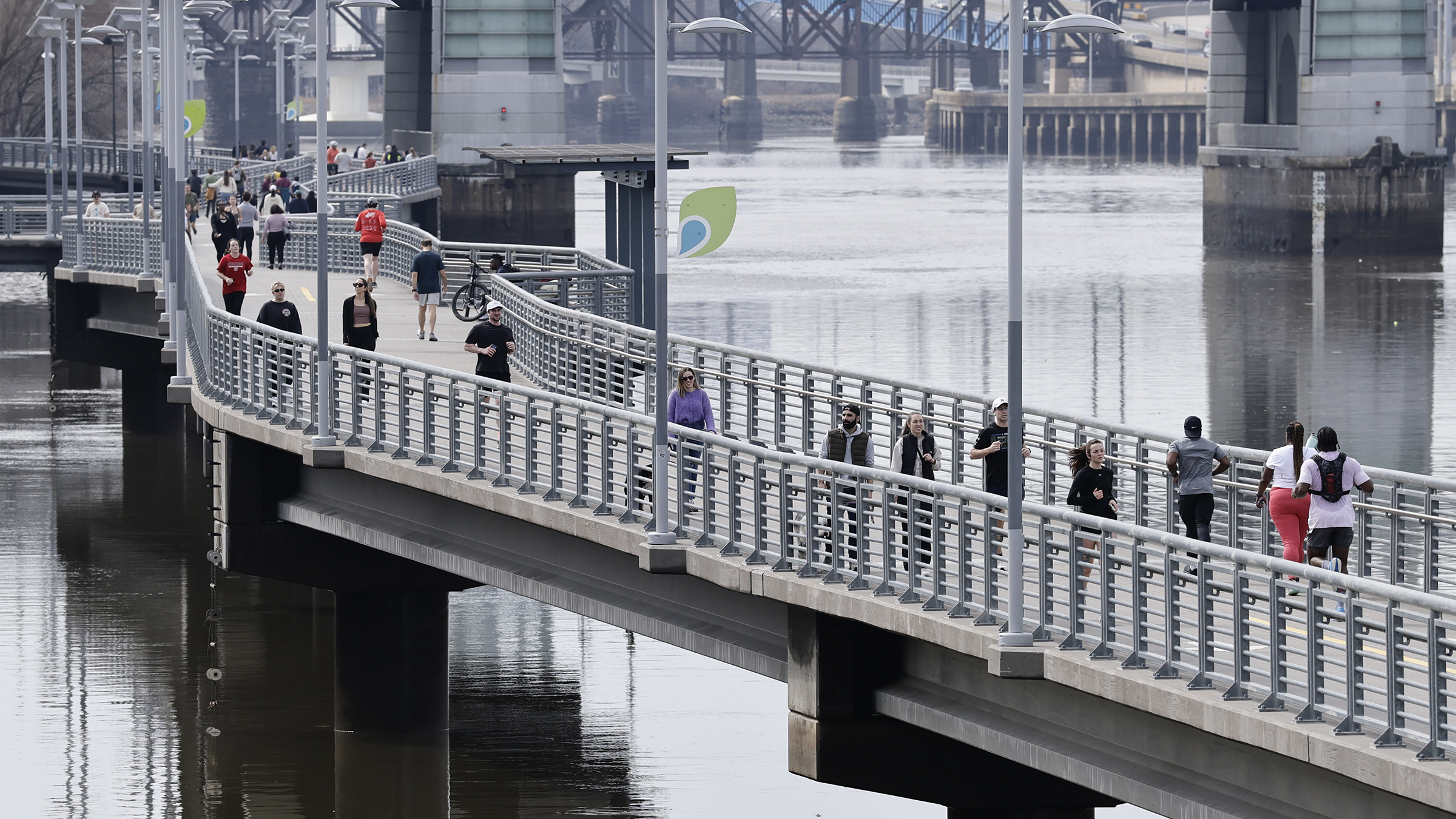
Joggers and walkers move along the Schuylkill Banks Boardwalk on March 8.Yong Kim / Staff Photographer
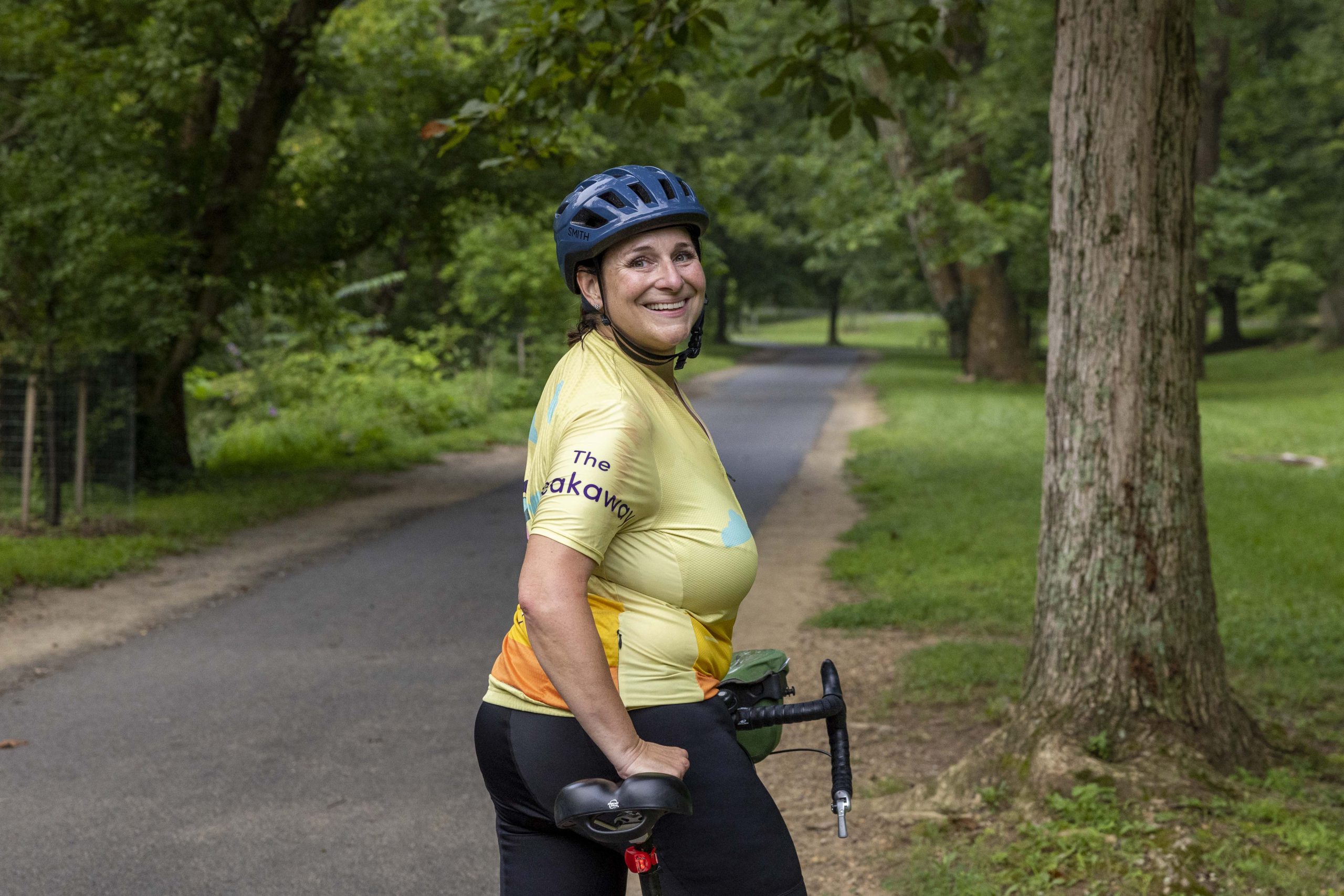
And because I have so much energy, I’d then ride with the Bicycle Club of Philadelphia. Since it’s a perfect day, the weather is great, there aren’t any cars parked in the bike lane, and people go around me without honking. I’d make my way up 26th Street, along the Schuylkill Banks,and meet at the Philadelphia Museum of Art or Cosmic Cafe and ride through Manayunk up to Narberth. We’d stop at GET Caféand Little Blue Owl Baking Company. The joke at the bike club is we are riding for coffee and a croissant.
Jennifer Weiner with her bike in Rock Creek Park in August 2023. Amanda Andrade-Rhoades
2 p.m.
When I get home, my daughter Phoebe would be there and we’d go to Forîn Cafe on South Street for a matcha. That’s my daughter’s thing, she loves matcha.
We love thrifting, so we might wander over to ACE Coffee Outpost, a vintage clothing shop and cafe, and B-Bop, a shop that sells plus-size clothes. There is a chance I’ll go to Merrygold Shop and Wall Flower Paper & Party where they have cute baby things, presents, and beautiful cards.
Philadelphia author Jennifer Weiner at her home in Queen Village on April 27. Going on the 25th anniversary of her book “Good in Bed,” Weiner is seen here with her daughter Phoebe Bonin, 18.Alejandro A. Alvarez / Staff Photographer
3:30 p.m.
Then I’ll take a shower and a nap. And I’ll write till about 6.
6 p.m.
Because it’s the perfect Philly day, I have the opportunity to bend the rules of time and space. So, now it’s 10 a.m. again and my husband and I are walking to places that would still be open at this time of day like the Mighty Bread Companyor Machine Shop Boulangerie in the Bok. Then we’d walk to Superétteon Passyunk.
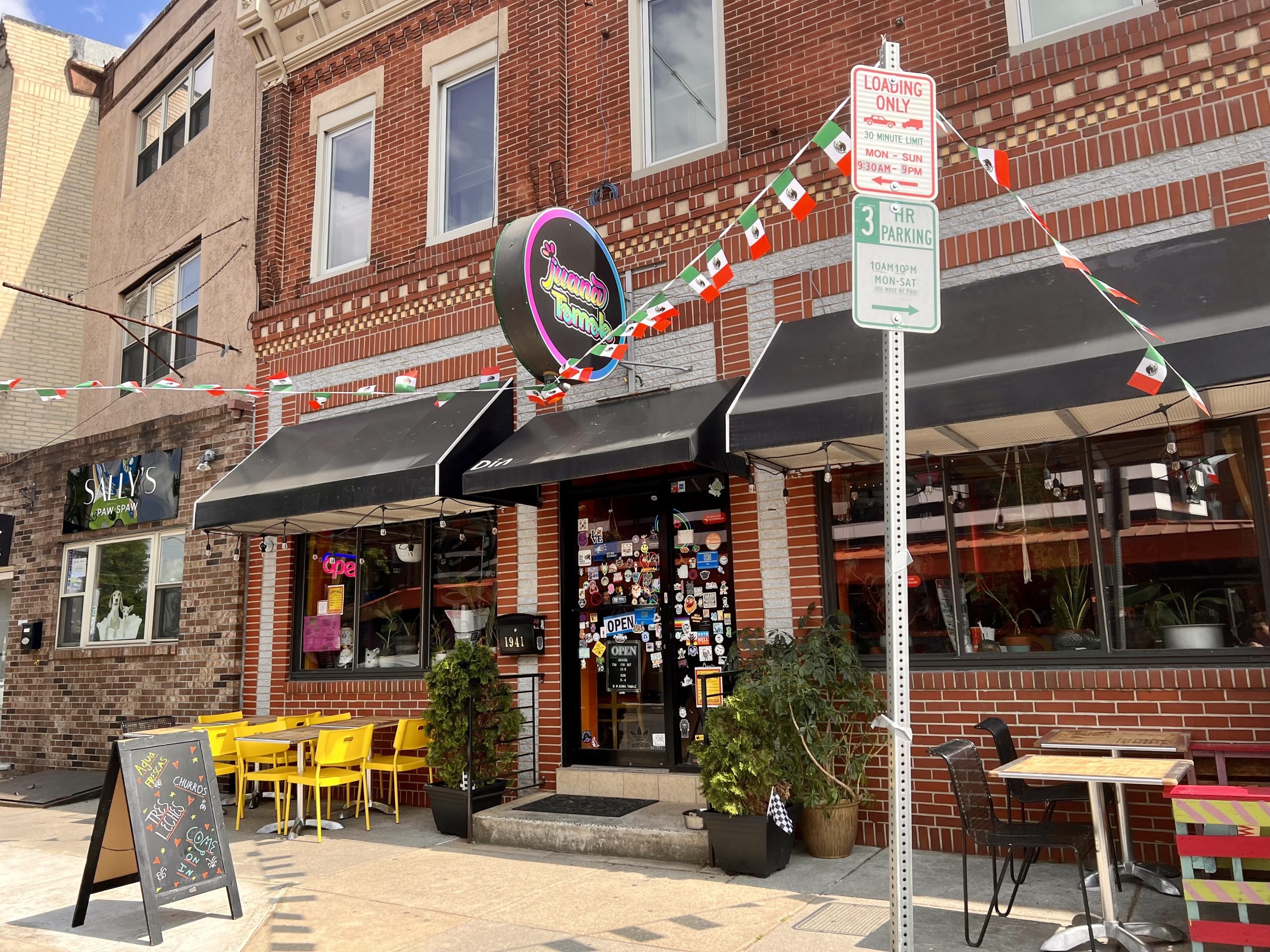
Now since I’m on Passyunk, I’d fast forward to evening and have dinner at Juana Tamale. My favorite is the birria quesadilla.
Juana Tamale, 1941 E. Passyunk Ave., on May 18, 2023.Michael Klein / Staff
8 p.m.
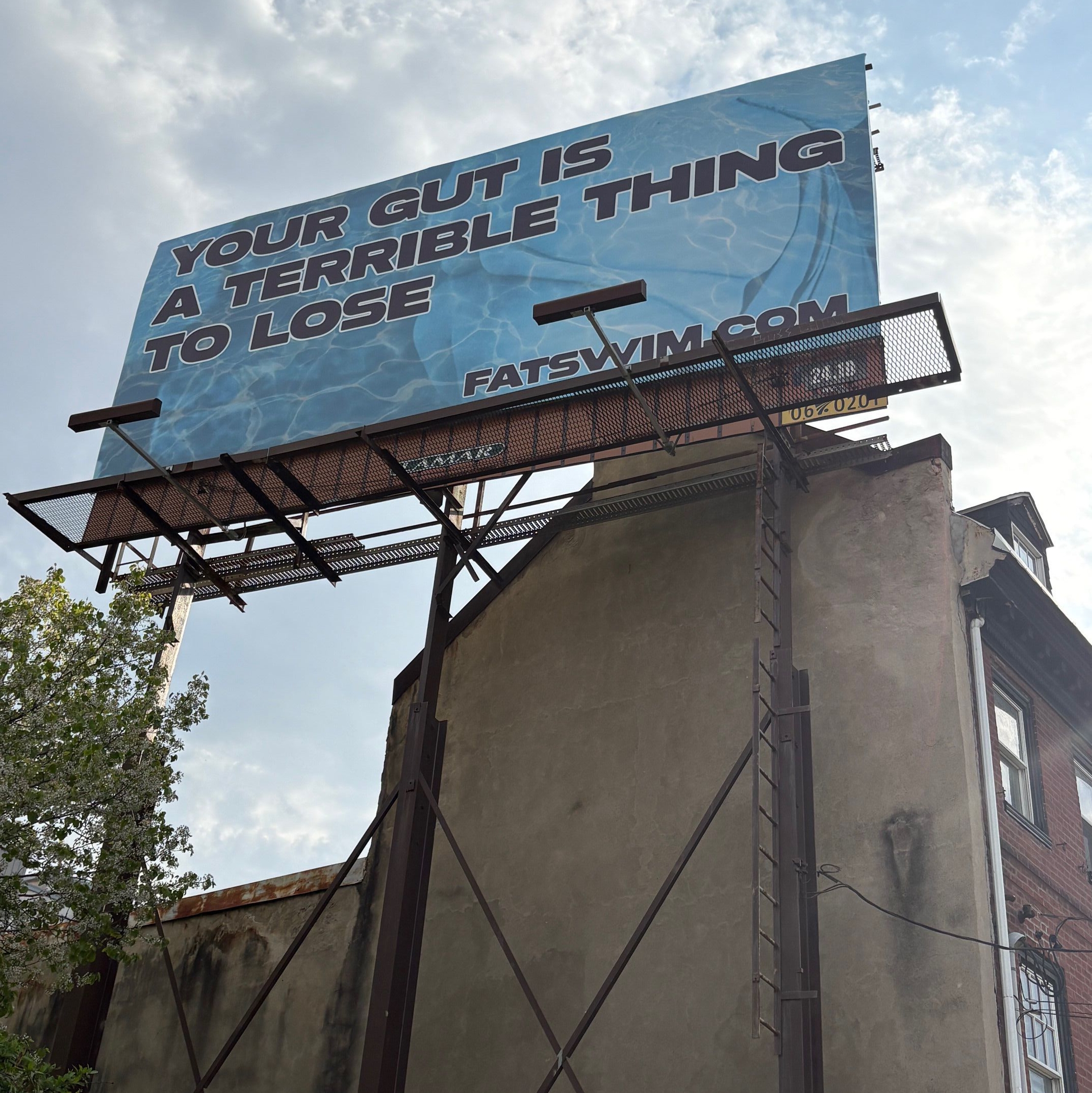
I’d end my perfect Philly day with a reading at a local bookstore, like Head House Books to support Philadelphia authors like Emma Copley Eisenberg, who might be reading from her new book, Fat Swim. I went to see the billboard the first day it was up. I work with her at Blue Stoop.
It’s important I end my Philly day trying to help the next generation of writers.
Emma Copley Eisenberg’s billboard touting the website that announces her newest collection of short stories, “Fat Swim.” The billboard is visible from I-95 right before you get to the Girard Avenue exit.Elizabeth Wellington
Weiner is celebrating the 25th anniversary of her debut novel “Good in Bed” all year. She is currently working on her next novel.
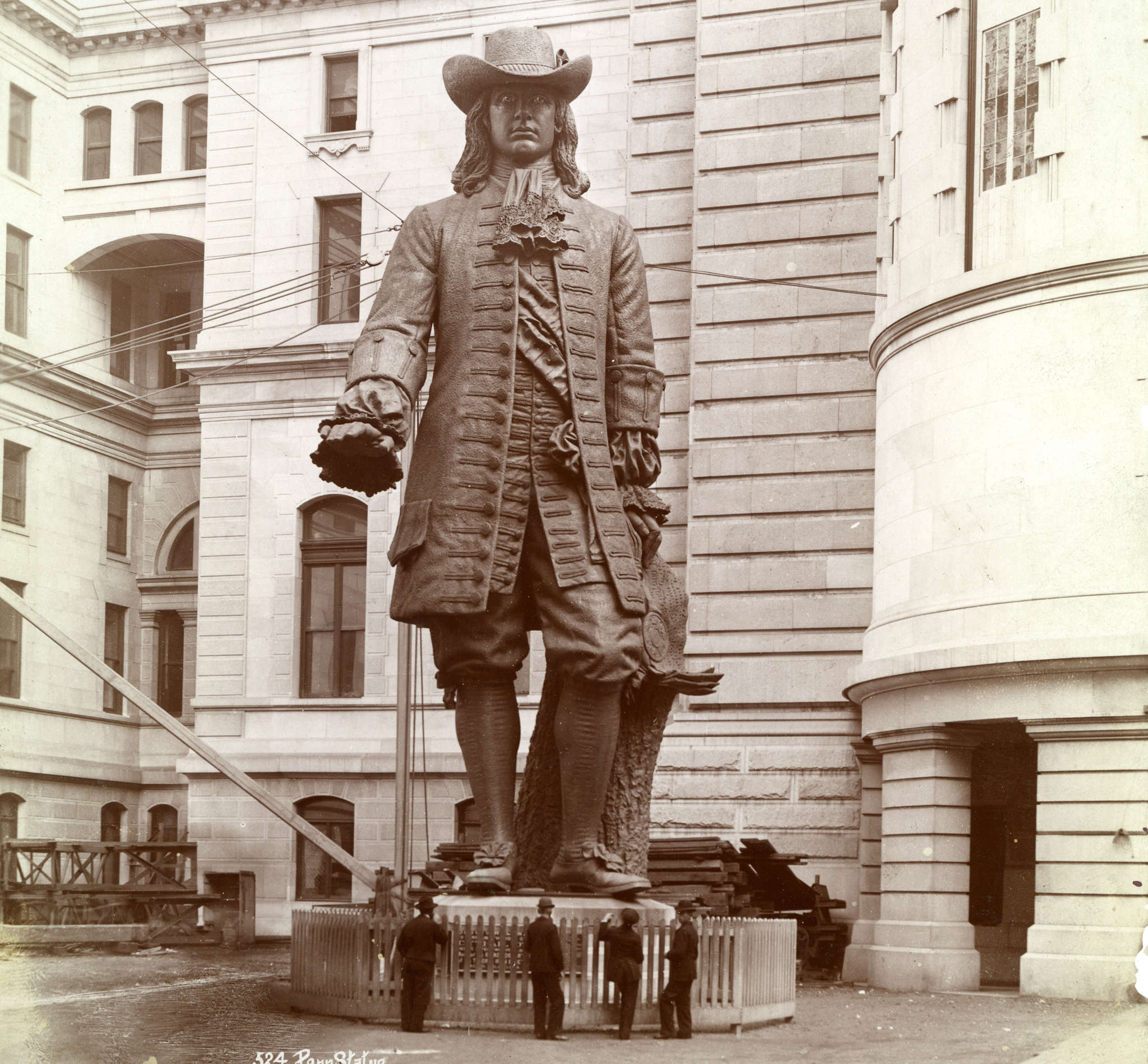
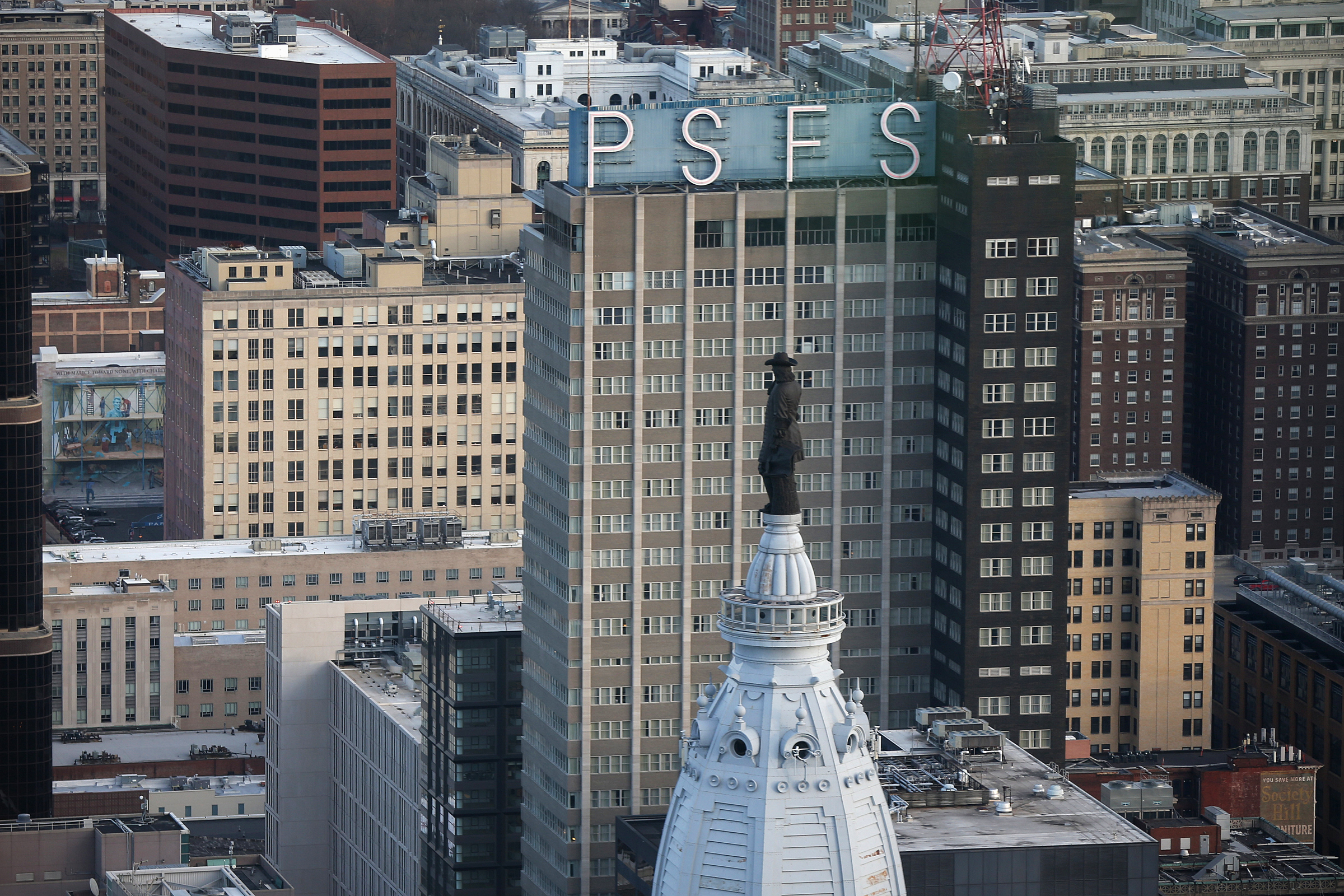
For more than quarter century, Greta Greenberger ended her tours of Philadelphia City Hall at the tower, just below the bronze buckled shoes of William Penn (1892), the shady colossus that Alexander Milne Calder sculpted.
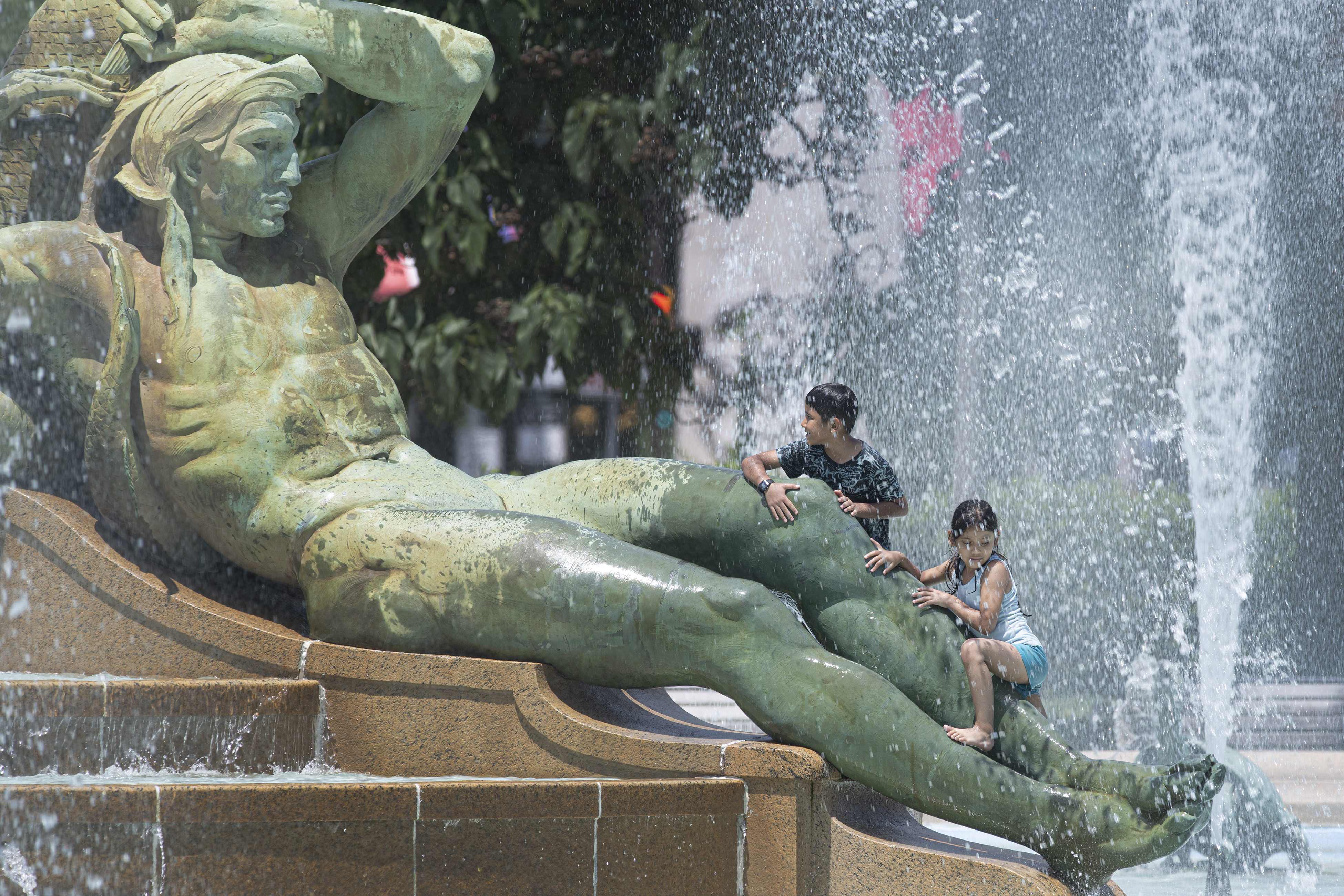
From there, she’d point up the Parkway to Logan Square, where on hot days children sneak into The Fountain of Three Rivers (1924), created by Calder’s son, Alexander Stirling Calder, to honor the Schuylkill, the Delaware, and the Wissahickon.
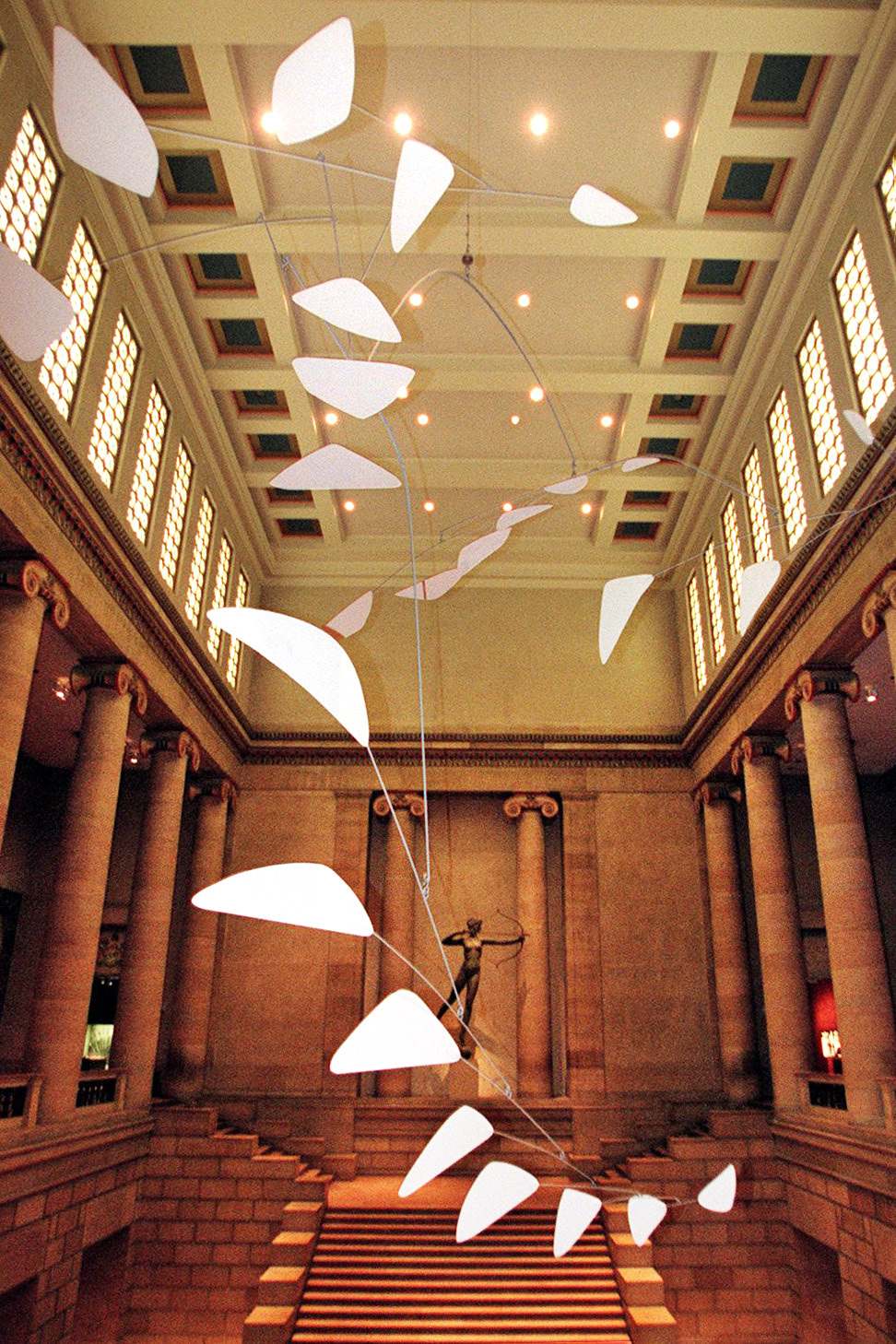
She’d finish her lesson at the Philadelphia Art Museum, where an unearthly, white mobile, Ghost (1964), designed by the third generation of Alexander Calders, Sandy, sways ever so slightly in the Great Stair Hall.
“Sometimes, I’d refer to this as ‘The Father, the Son and the Holy Ghost,’” she says. “It tells such a wonderful story.”
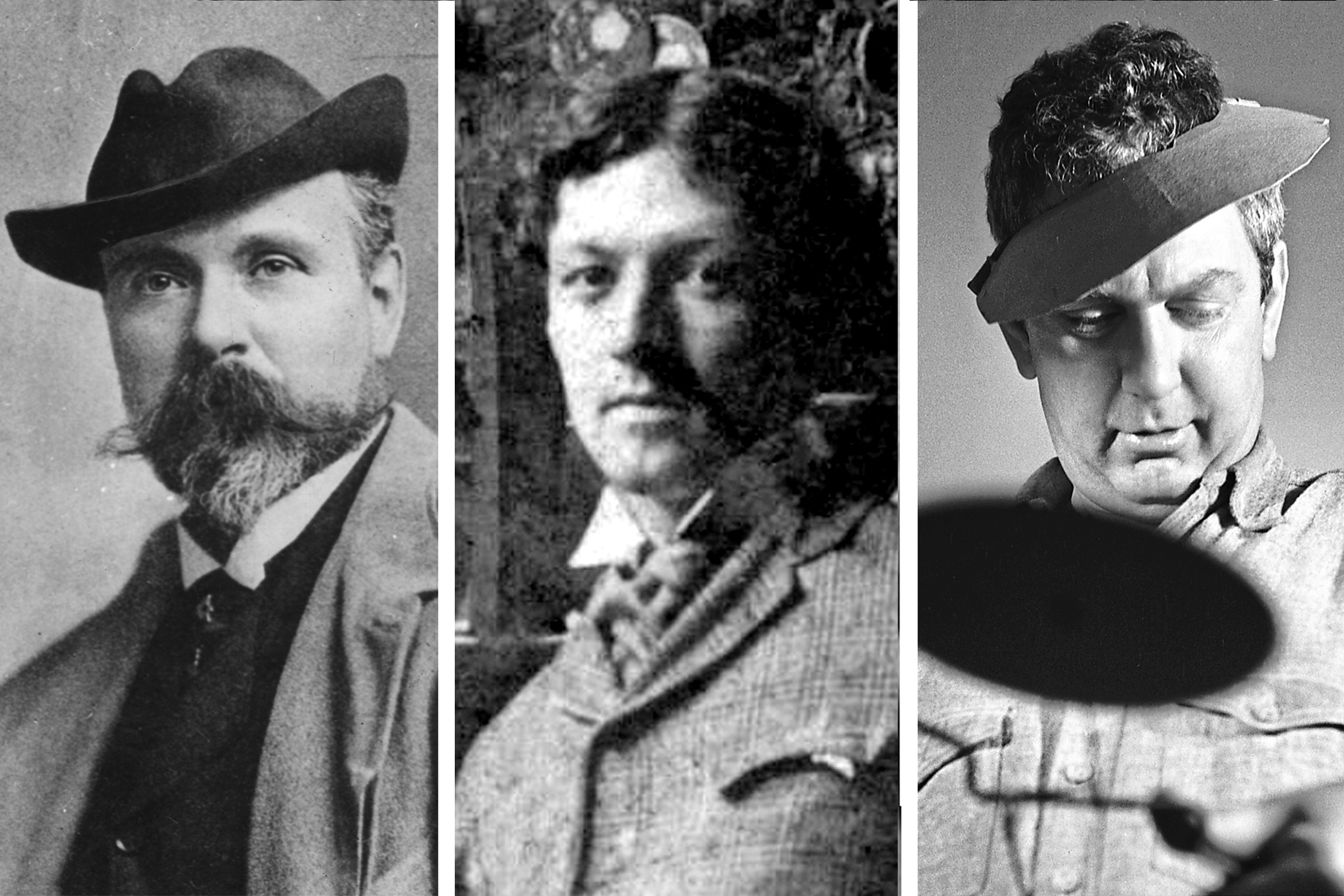
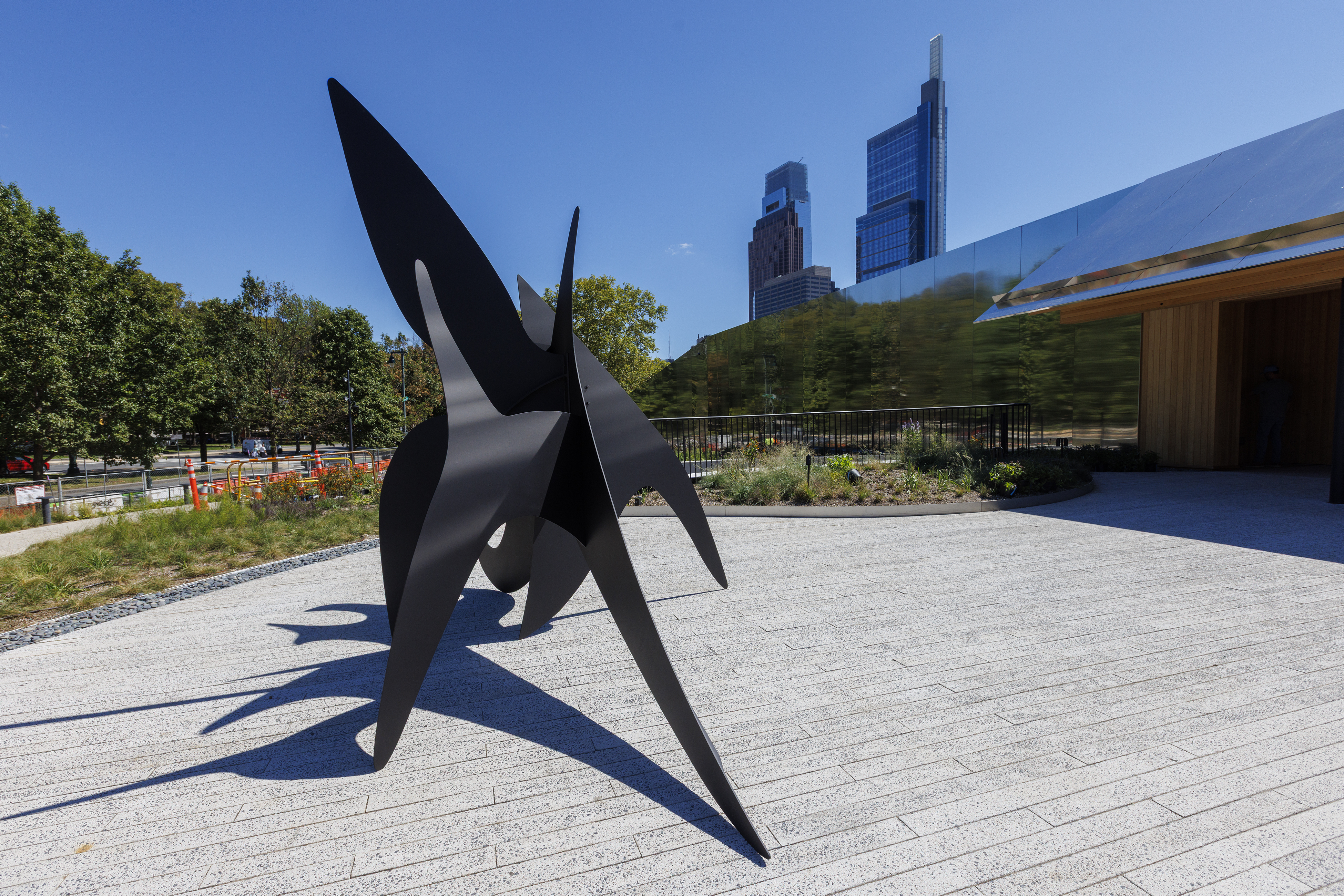
That story will be easier to tell now, with the opening of Calder Gardens at 21st Street and the Ben Franklin Parkway. The Gardens, focused on the work of the youngest Calder, known asSandy, brings another opportunity to celebrate the family dynasty’s in Philadelphia: three sculptors named Alexander Calder who have shaped the look of the city and beyond.
Exterior of the new Calder Gardens on the Ben Franklin Parkway.Alejandro A. Alvarez / Staff Photographer
“The Calder family is incredibly important to Philadelphia,” said Anna O. Marley, the former chief curator at the Pennsylvania Academy of Fine Arts (PAFA), where so many Calders studied. “They tell us so much about what it means to be an artist in the United States and how an American artistic identity was created in Philadelphia.”
And their work here offers “a pocket history of art,” in the view of Kathleen A. Foster, the Art Museum’s senior curator of American art.
“Between the three of them, you really go from the academic realism of the grandfather through kind of shift into Art Deco and modernism in the `20s with Stirling Calder, and then all the way into modern forms, completely abstract shapes and bright colors.”
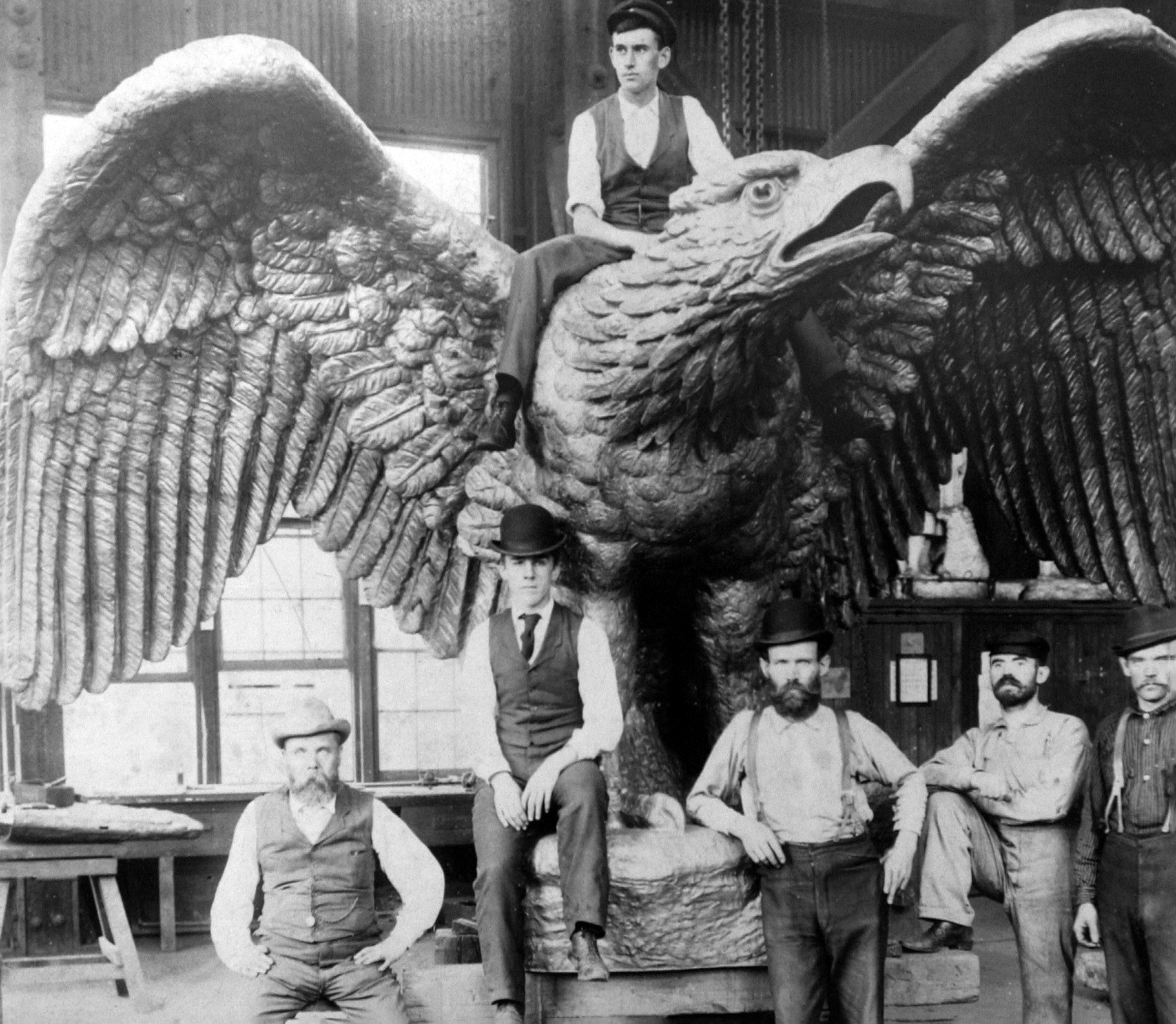
A photograph of workers and an Alexander Milne Calder eagle sculpture before installation around 1894, on display in the tower at City Hall. Calder created the statue of William Penn atop Philadelphia City Hall — and over 250 other works of sculpture on the exterior and interior of the building — from 1871-1901.Inquirer archives
‘One of the greatest’
The Philadelphia that Alexander Milne Calder, a Scottish stonecutter’s son from Aberdeen, first saw in 1868 was sorely in need of a makeover. The sprawling metropolis was known for building big things like ships and rail engines and a wealth of small manufacturers that earned it the nickname “Workshop of the World.”
It was also filthy.
“It’s clear that there is no future for a city that is just increasingly based on its industrial might, on the dirt-producing, noise-producing, the squalor,“ says David Brownlee, emeritus professor of the history of art at the University of Pennsylvania.
The boundaries of Fairmount Park had just been established the year before and plans would soon begin for a giant celebration of the country’s 100th birthday, the 1876 Centennial, which would show the world the city’s cultural achievements. The Benjamin Franklin Parkway was unfolding, a broad boulevard lined by art and leading to what Brownlee calls “one of the greatest monumental ensembles of sculpture ever created.”
That would be City Hall, the émigré Calder’s workplace for 22 years as he presided over the creation of more than 250 sculptures from his first floor office in the building’s southwest corner — and the towering figure of the colony’s founder.
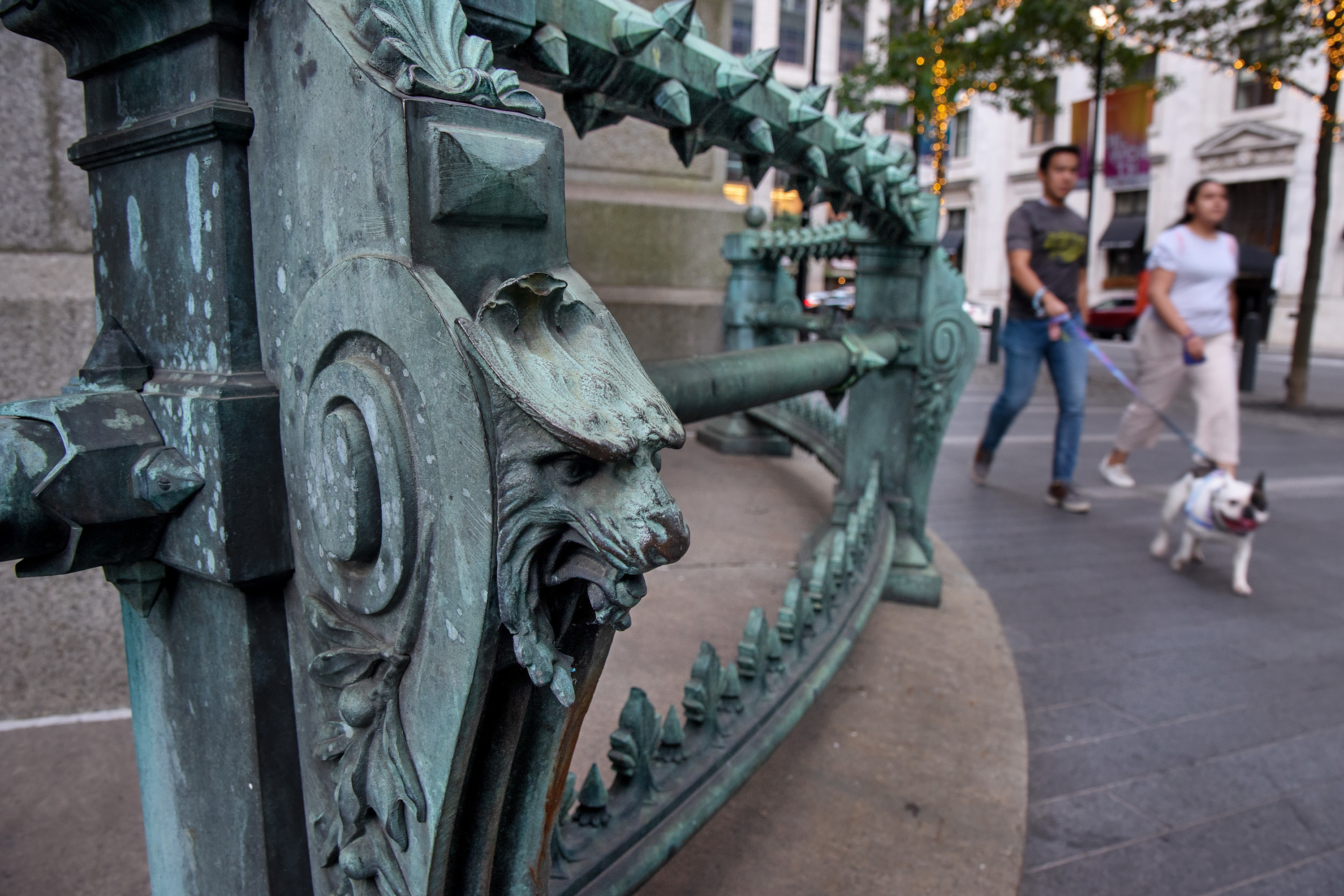
There were once almost 150 small lion heads on the ornate bronze spiked railing that surrounds City Hall. They, like most of the statuary on the building — including the big one of William Penn — were designed by Alexander Milne Calder. Less than two dozen of the lions remain after 100 years. TOM GRALISH / Staff Photographer
Calder had worked at the Royal Academy in Edinburgh and on the Albert Memorial in London before sailing to America. He stopped in New York, but chose Philadelphia, armed with a letter of introduction to the city’s most eminent sculptor, Joseph A. Bailly, and to the scion of a monument business, William Struthers. Calder was 22.
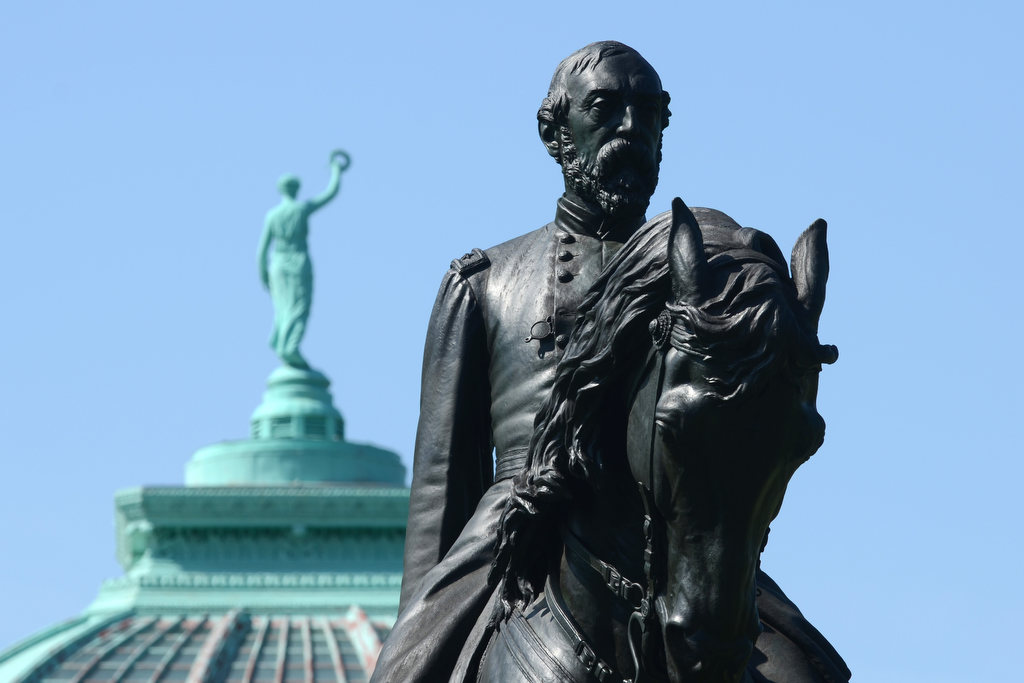
He registered that year at Pennsylvania Academy of the Fine Arts, the nation’s first art school and museum, and studied “antiques,” drawing from plaster casts of classic sculptures. It was not long before Calder won a prized commission over one of his instructors, to sculpt the likeness of Major Gen. George G. Meade atop his horse, Baldy. Meade, who’d defeated Robert E. Lee at Gettysburg, later designed many of the paths and drives of Fairmount Park. His statue stands now behind the Please Touch Museum on Lansdowne Drive.
Alexander Milne Calder’s Meade Equestrian Monument in the rear of Memorial Hall. It was cast using captured Confederate cannon for the bronze. Calder rendered Gen. Meade reining in his horse at a moment of crisis during battle.
When Greenberger gives tours of City Hall — though retired, she still volunteers one day a week — she likes to start in the north portico, where one can sample his expansive vision. Look up to the south, and there are Africans, surrounded by tobacco leaves, a lion. To the east, people from China, Japan, India, and an Asian elephant. West are the Native Americans and pioneers, and a bear. And north is Europe, people from Germany, England, France, maple leaves, and cattle. (She isn’t sure why cattle.)
Calder started on the Penn sculpture in 1886. The iconic figure, now visible from miles away, was the fourth version of the colony’s founder that the sculptor created. Calder’s models were one-tenth the size of the 37-foot high statue. His goal, according to an article at the time in The Inquirer, was to create “William Penn as he is known to Philadelphians; not a theoretical one or a fine English gentleman.”
The William Penn statue on display in the City Hall courtyard in 1893, the year before it was hoisted, bit by bit, to the top.Historical Society of Pennsylvania
Four teams of horses drew massive plaster sections of the statue up Broad Street to the Tacony Iron & Metal Works. It wasn’t until Thanksgiving 1894 that the head was lifted onto the statue atop the tower, completing Calder’s colossus.
He was not happy with the result.
For most of the day, William Penn’s face is shadowed. That was not the artist’s intent. Calder had wanted Penn facing south, where the sun would light his youthful face and the intricate detail of his garb would be visible for all to admire.
But members of the Public Buildings Commission wanted Penn facing northeast, toward Penn Treaty Park, the site of the 1683 peace agreement with the Lenni-Lenape.
In a letter quoted in the Dec. 14, 1894 Inquirer, Calder wrote “I think that you will agree that is very disappointing from every point of view.”
Calder’s William Penn statue atop City Hall as seen from the Comcast Technology Center in Center City.TIM TAI / Staff Photographer
While Calder lived in a number of homes around the city — a home at 2020 Bainbridge St. and a studio at 337 Broad — when he registered at PAFA, the address listed was 1903 N. Park Ave., now on Temple’s campus. Decades later, his granddaughter, Margaret Calder Hayes, would remember the North Philadelphia house as “gloomy” — four floors with Empire furniture, a long dark hallway leading to a parlor where children were not welcome unaccompanied.
Calder had met his wife, Margaret Stirling, soon after his arrival in Philadelphia and married her after a brief courtship.
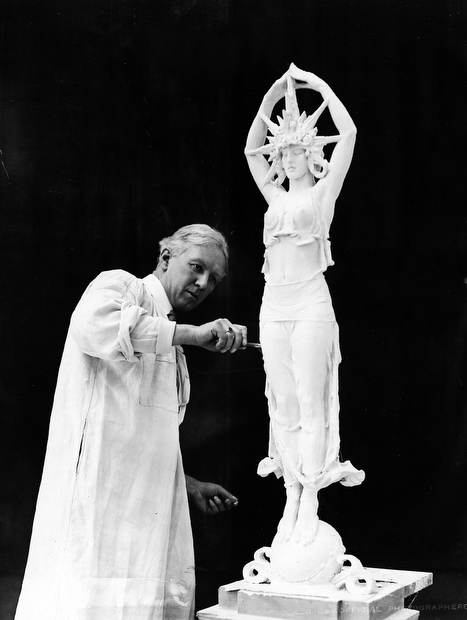
Three of their sons would study at PAFA and become artists — Ralph Milne Calder, and Norman Day Calder, and Alexander Stirling Calder. But it was “Stirling,” the eldest who left the biggest mark on Philadelphia.
A portrait of A. Stirling Calder.
‘An idealist, somewhat withdrawn’
In a remembrance kept in the PAFA archives, Alexander Stirling Calder describes art as a fallback. Ever since he was 6 and saw the great Edwin Booth play Hamlet, Stirling Calder wanted to be an actor. But he was too shy. In 1885, he enrolled in art classes at the academy’s new building at Broad and Cherry, and years later recalled the first criticism of his teacher, the artist Thomas Eakins: “Attack all of your difficulties at once.” Eakins urged sculptors to paint, painters to sculpt, and to dissect cadavers to learn anatomy.
After studying at the École des Beaux-Arts in Paris, he returned home and won a commission to immortalize Samuel Gross with a statue that first stood on the National Mall in Washington, D.C. (It’s since been moved to the Center City campus of Thomas Jefferson University). At 25, he married a fellow PAFA student, Nanette Lederer, a painter.
To the critic Malcolm Cowley, Stirling Calder was “an idealist, somewhat withdrawn, wholly impractical, creating symbolic figures while brooding on the cruelty of nature.”
Foster says that looking at the allegorical figures in Logan Square’s Swann Fountain, you can see how Stirling inherited his father’s traditions.
Children cool off at the Swann Memorial Fountain in 2023.Jose F. Moreno/ Staff Photographer
“But the figures have a kind of sleek, modern simplicity to them,” she said. “They’re more stylized. So by the 1920s the Swann Fountain represents a kind of moving from the academic past into a more expressive and abstract style.”
The fence came off the Swann Fountain on a hot July day in 1924. The next evening, 10,000 revelers danced to tangos from a police band. Not everyone was pleased — some wondering if the average Philadelphian would grasp the significance of all that Calder had created.
He was unbothered.
“The meaning of works of art is just as mysterious as life itself. It can be explained in many ways by people of different philosophies. …,” he was quoted in the Evening Bulletin as saying. “There are lots of things in life we do not understand; art is no exception.”
Alexander “Sandy” Calder installs his “Big Spider” mobile at New York’s Museum of Modern Art in 1943.The Evening Bulletin / Temple Urban Archives
‘A big child’
In his autobiography, Sandy Calder included a photograph of the sprawling mansion in Philadelphia where he says he was born. He called the place Lawnton. In 1898 when Calder was born, Lawnton was a neighborhood in East Oak Lane, served by the Reading Line and lined with grand homes where the wealthy went to escape the summer heat.
It’s unlikely Calder was born there. David Brownlee has dug into the mystery of the third and most famous Calder’s birthplace. While his family doctor lived in Lawnton, and it is possible that his mother delivered her son nearby, more likely, he was born near the edge of the growing city, at 1203 East Washington Lane in Germantown. City records showed that Stirling Calder rented that country place, while the family still owned a home on North Park Avenue.
In Margaret Calder Hayes’ memoir, she described how Sandy, two years younger, went to school in Buster Brown suits his mother had sewn and by 8 had built a Noah’s Ark of animals. He enrolled in Germantown Academy, when it was still in the city, but left at age 9 before moving to Croton-on-Hudson, N.Y.
“We love to claim him, but he only went to school here as a child,” Foster said of the youngest Calder’s time in Philadelphia.
Yet in some ways, he’s the essence of the city he was born in: practical, playful, unpretentious, no pushover.
He worked as a fireman on a steamer bound for San Francisco, spent a year keeping time in a Washington state logging camp. Trained as an mechanical engineer, he moved to New York City at age 25 to paint.
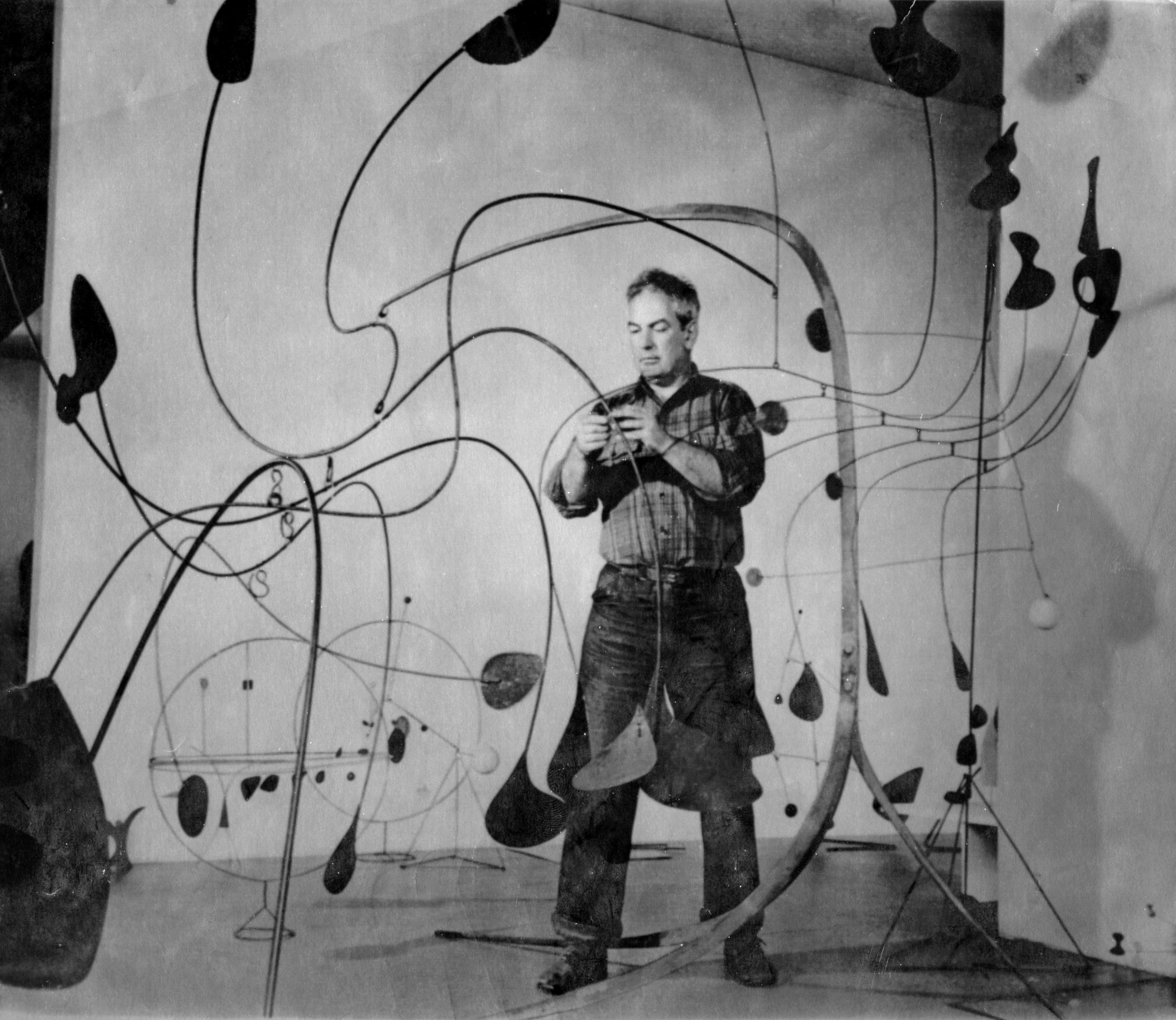
Calder with Mobile in his Roxbury, Ct., studio in 1941.Herbert Matter
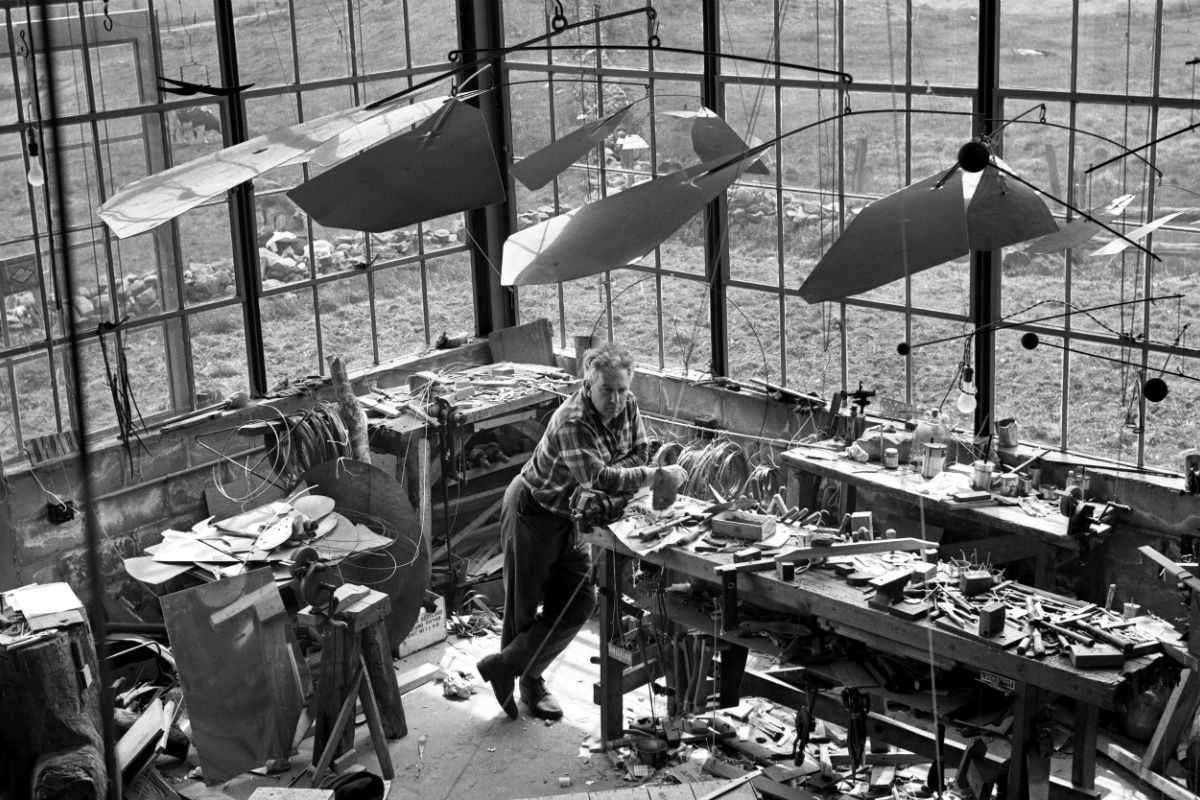
He is known as a 20th century modernist, the artist who put sculpture in motion.
After visiting Calder’s Paris studio in 1931 and marveling at his sculptures that relied on little motors, Marcel Duchamp coined the word “mobiles” for these kinetic marvels.
Parisians took to him, while they scoffed at other American artists. Cowley, in an introduction to Hayes’ Three Alexander Calders had a theory:
”Of course his work in itself, continually inventive, playful, and enchanting, was his ticket of admission.” But Sandy and his wife Louisa, “a beauty,” Cowley wrote, entertained generously and simply. Calder was in the tradition of the Noble Savage, “who disregards social conventions and judges everything by his instinctive standards.”
“A big child,” as his friend the playwright Arthur Miller once put it.
Sandy Calder created Ghost in 1964 for a retrospective at the Guggenheim in New York City, that included 400 examples of his mobiles, stabiles, toys, jewelry, carvings, tapestries, etc. The Art Museum bought the 34-foot-long showpiece a year later and brought it to the city of his birth.
Ghost, in the Great Stair Hall at the Philadelphia Museum of Art (now, Philadelphia Art Museum). It was created to hang in the center of the Guggenheim Museum in New York for Calder’s exhibition there in 1964.Steven M. Falk / Staff Photographer
“It’s a colossal example of the mobile and it’s majestic,” Foster said. “When it moves, it’s just breathtaking, because it, it almost moves like a giant dinosaur or something. In other words, it’s got long spines and fins, and it moves very slowly and grandly in the air currents in the Great Stair Hall. … It’s delightful.”
“When every baby has a mobile hanging over their crib, you don’t think about Calder as being the genesis of this. I think he would be delighted to know that … because he was such a child at heart. He managed to keep that imagination.”
Now, Philadelphia will be home to an institution that celebrates that imagination. It’s a fitting homecoming for an artist whose life and legacy was so shaped by his family, who in turn both shaped and were shaped by Philadelphia.
The weight of a name
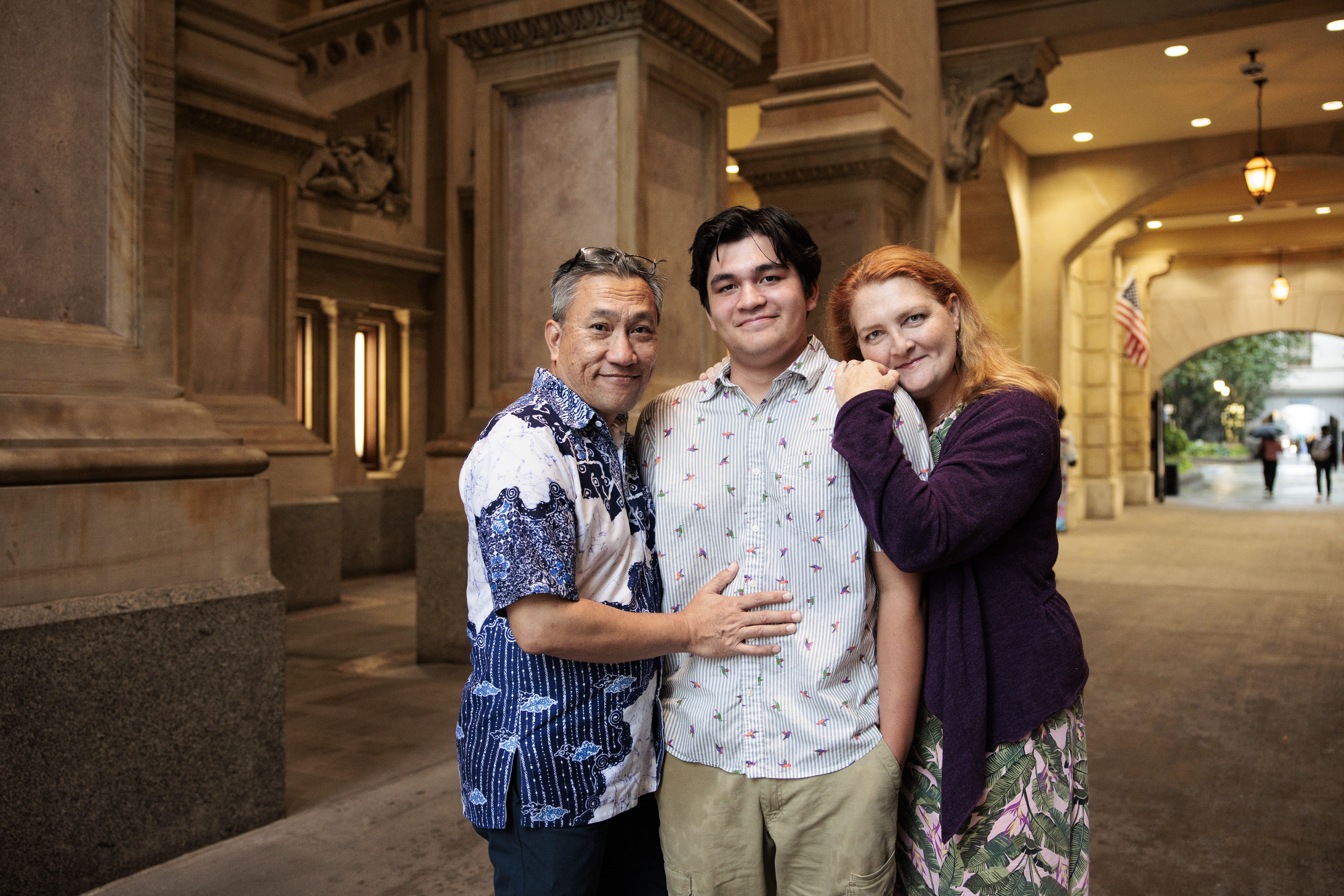
Tú Huynh was working at the National Gallery of Art in Washington, D.C., when he told a job applicant to look for him under the giant Calder mobile that hangs in the East Building.
That was in 1997. The applicant,Kaleo Bird, landed the job — and later, his heart. Three years later they moved as a couple to Philadelphia, where she started grad school. Soon they married.
In 2008, when their son was born, they didn’t take long to decide on a first name:
Calder.
He’s now 17, a senior at Penn Charter School.
Tú Huynh, Calder Huynh, 17, and Kaleo Bird at Philadelphia City Hall where more than 250 of Alexander Milne Calder’s sculptures adorn the building, topped by his statue of William Penn. Monica Herndon / Staff Photographer
“I have yet to meet anyone my age who knows who the whole Calder family was, which is a shame because I feel they’ve had such an impact here, particularly with City Hall,” said the teen. “So many people think Ben Franklin is atop City Hall and don’t know anything about these beautiful sculptures.”
His father now runs the Art in City Hall program.
“I tell people that the true art of City Hall belongs to Alexander Milne Calder,” says Tú Huynh. “This was his Sistine Chapel. There are over 250 sculptures, leafs, busts all over this building. And that’s an homage to his ideal of what this city, state and country is supposed to be about. And he doesn’t sugarcoat anything. There are enslaved Africans, Indigenous populations, Europeans. It tells you the folks who’ve contributed to this extraordinary country.”
Calder Huynh says he feels the weight of his name — in a way that the two generations named after Alexander Milne Calder must have felt.
He paints, draws in charcoal, creates his own comic books — exploring themes with super heroes and Westerns, always with an eye on his father’s works that line the walls of their home.
“Naming me after them is such a big thing to put on someone. For me, it is a weight that Alexander Sandy Calder must have felt. A weight to achieve and create something that differs from what his family members had created, which is kind of cool. … Put something in this world that hasn’t been done yet.”
“The Magic of Calder Gardens” is produced with support from Lisa D. Kabnick and John H. McFadden. Editorial content is created independently of the project’s donors.
To support The Inquirer’s High-Impact Journalism Fund, visit Inquirer.com/giving
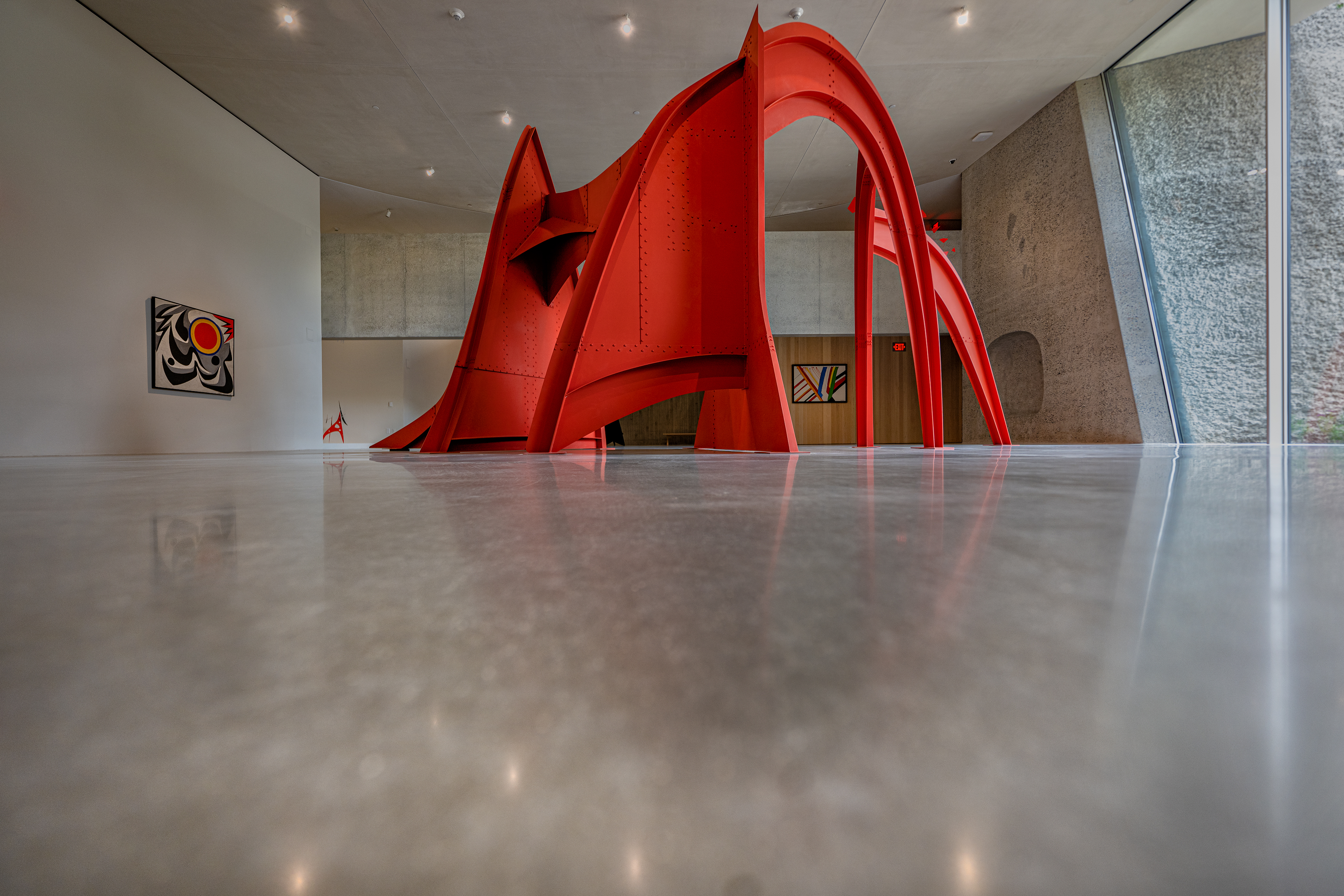
Jerusalem Stabile II, 1976 by Alexander Calder is shown on display at the Calder Museum in Philadelphia.Jose F. Moreno / Staff Photographer