Tag: Weekend Food

  • EMei owner leases Bookbinder’s space in Old City, his fourth landmark restaurant acquisition in a year

    EMei owner leases Bookbinder’s space in Old City, his fourth landmark restaurant acquisition in a year

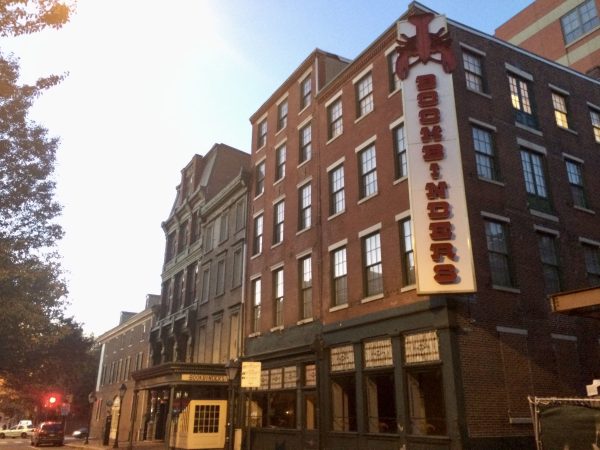
    Dan Tsao, the owner of the Chinatown Sichuan restaurant EMei, has leased the former Olde Bar at Second and Walnut Streets in Old City. It’s the fourth landmark restaurant property he has taken on in the Philadelphia area in the last year.

    The building, home to Old Original Bookbinder’s for generations before becoming Olde Bar in 2015, joins the former John Henry’s Pub in Ardmore, Marra’s in South Philadelphia, and Irish Pub in Rittenhouse in Tsao’s portfolio.

    Tsao said this deal marks the end of an expansion plan driven by the long lines and limited capacity of the basement kitchen at his restaurant at 915 Arch St. EMei is one of Philadelphia’s most acclaimed Chinese dining rooms, earning a spot on The Inquirer’s 76 list of essential restaurants in 2024.

    “People see Bookbinder’s as another restaurant,” Tsao said. “I see it as the large production kitchen we’ve been dreaming about. We’ve insisted on making everything from scratch — our chili oil, dumplings, egg rolls, scallion pancakes, sauces — you name it. We’ve never wanted to cut corners. This gives us the space to keep doing things the way we’ve always believed they should be done.”
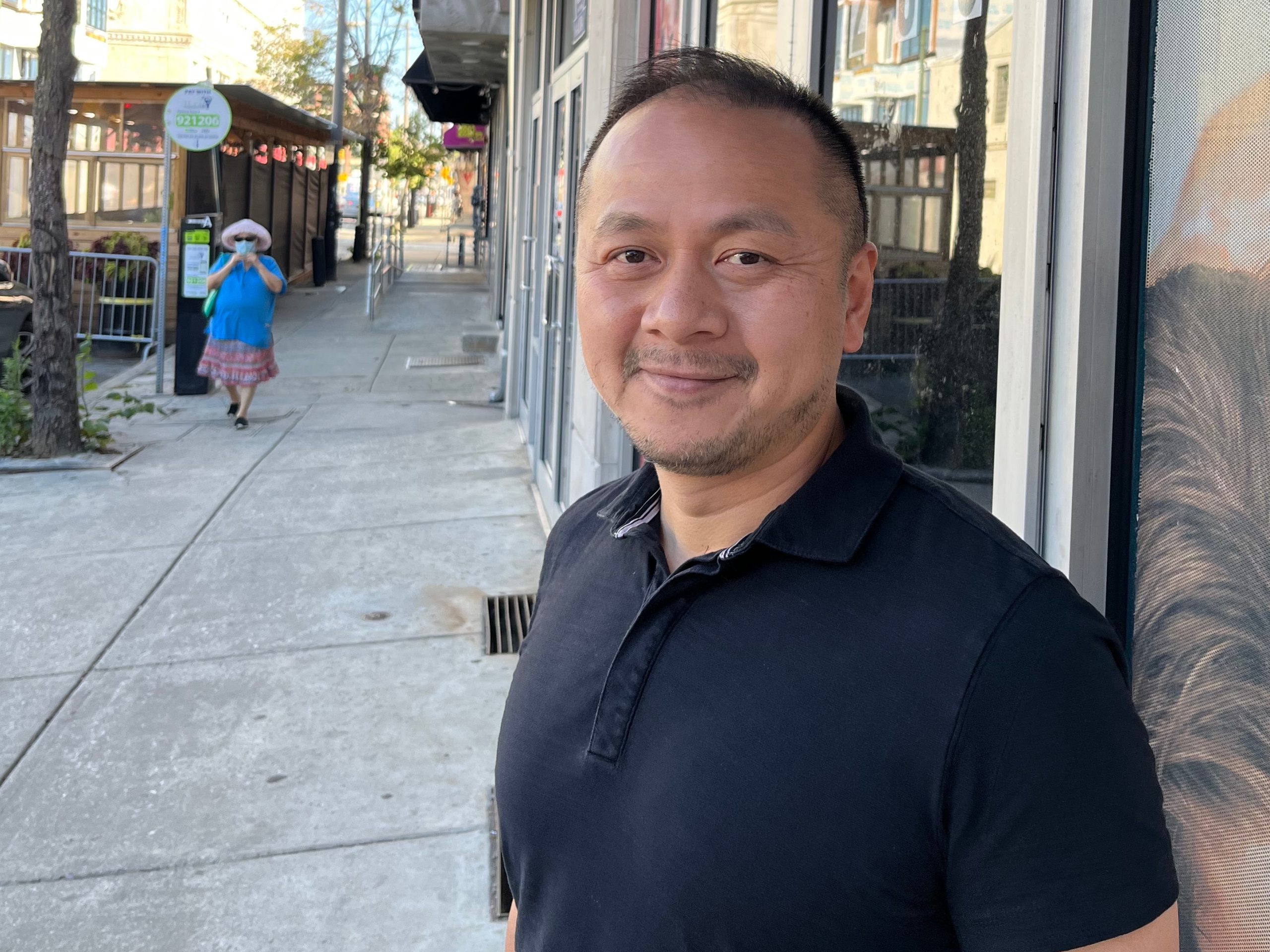
    Dan Tsao, publisher of Metro Chinese News and other publications, and owner of EMei, in 2022.Joseph N. DiStefano

    “From the outside, it may look like we’ve been on an acquisition spree, but that really wasn’t the goal,” Tsao told The Inquirer. “Our focus now is opening these locations one at a time and making sure each one succeeds before we think about anything else.”

    Each property will have a different role, Tsao said. The former John Henry’s, on Cricket Avenue, and Marra’s, on East Passyunk Avenue, are both destined to become future EMei restaurants. Old City will first serve as a commissary kitchen before adding a dining room, bar, and event venue, while the former Irish Pub — a mixed-use building spanning 2007-11 Walnut St. — is being developed as a broader hospitality concept rather than another EMei location.

    Tsao, who emigrated from China in the 1990s and graduated from Pennsylvania State University in 1999, owns EMei and nearby TingTing’s Cafe, along with New Mainstream Press, publisher of Metro Chinese Weekly and Metro Viet News. His mother-in-law, Jinwen Yu, and chef Yongcheng Zhao opened EMei in 2011; Tsao and his wife, TingTing, took over the business in 2019. (Zhao is still the chef.)
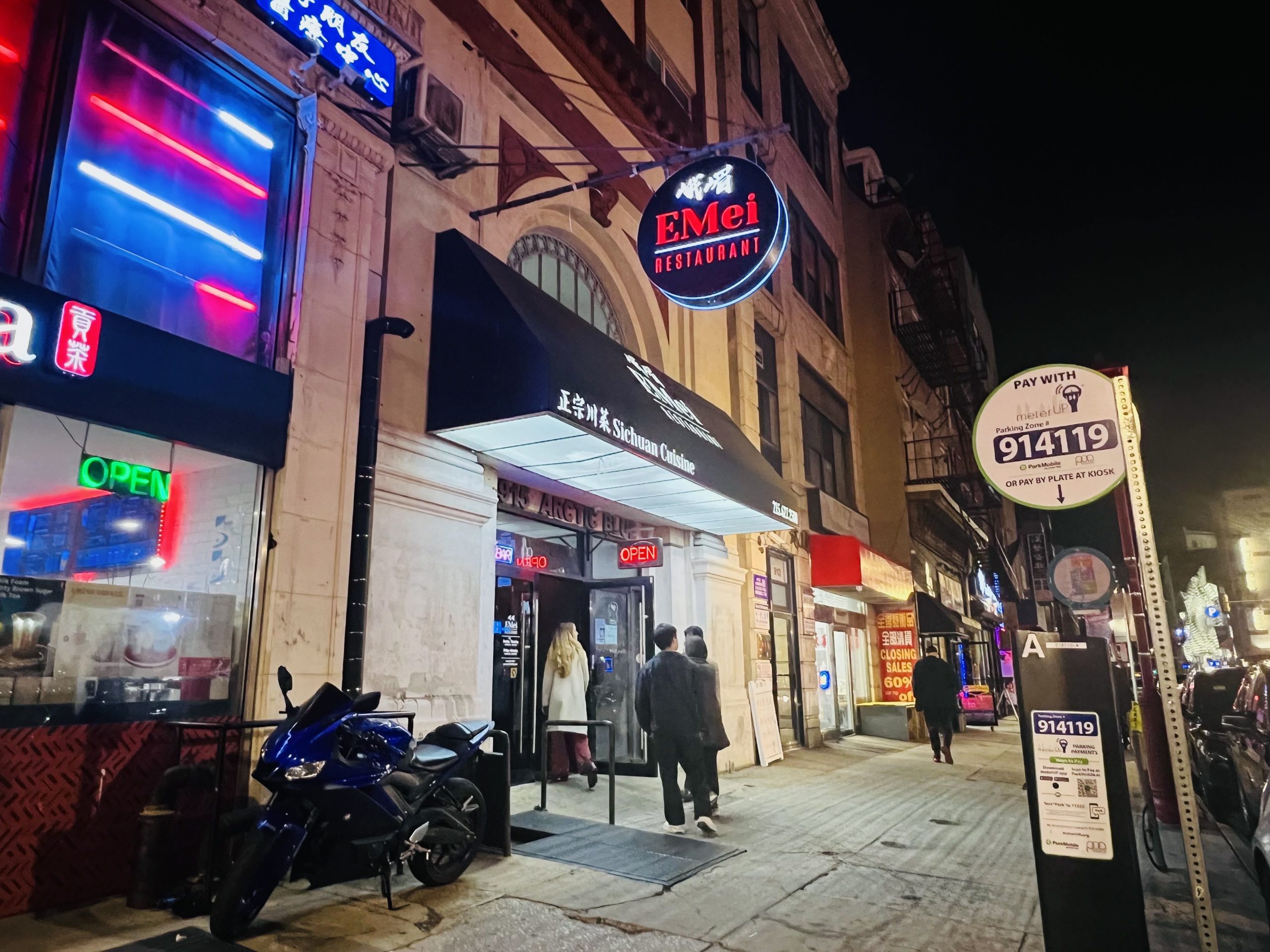
    Dan Tsao’s restaurant EMei at 915 Arch St. in Chinatown in 2025.Michael Klein

    Tsao said the acquisitions were never intended to happen simultaneously — several independent opportunities simply surfaced within a short period. “It may look like we’re expanding quickly, but internally we’re actually slowing down,” he said.

    “The way I look at these projects is that I’m buying them partly as a long-term real estate investor and partly as an owner-operator,” he said. “That gives us the flexibility to move at our own pace, take the time to figure out each space, and make sure we do it the right way instead of rushing to open.”

    A kitchen too good to pass up

    The Olde Bar/Bookbinder’s property is different from the others: Rather than purchase the condominium space outright, Tsao signed a lease with an option to buy. The Philadelphia Business Journal first reported EMei’s application for a liquor license at the address.

    The biggest draw wasn’t the stained glass and landmark dining rooms, decked out in late-19th-century furnishings — it was the kitchen. Spanning nearly half the ground floor, it includes five walk-in refrigerators and freezers and two 32-foot cooking lines beneath exhaust hoods, allowing Tsao to begin operations without the extensive demolition and rebuilding required at his other properties.

    “If not for the kitchen space, I would not consider it,” Tsao said. “It is very hard to find such a large kitchen in Center City.”

    The property, at 125 Walnut St., includes about 13,000 square feet on the ground floor, plus 5,000 square feet of basement storage. The first phase will be largely behind the scenes: Tsao plans to use the building as a commissary kitchen to relieve pressure on the Chinatown restaurant, while also running takeout and delivery as EMei Old City. Later, he expects to open a roughly 60-seat dining room and bar, followed by an event venue. He’s considering calling the overall complex the Bindery and the bar the Publisher Bar — nods to both the building’s Bookbinder heritage and his own nearly two decades in publishing.

    The vertical neon Bookbinder’s sign on the east corner of the property “has to stay,” Tsao said.

    Work has begun at all four properties, but Tsao said they will open one at a time. Because the kitchen is largely intact, the Old City site may be the first of the new locations to begin limited operations, with dining and event spaces to follow as renovations continue in Ardmore, on Passyunk, and in Rittenhouse.

    A building with many lives

    Old Original Bookbinder’s traces its roots to an oyster saloon that Samuel Bookbinder opened in 1893 at 525 S. Fifth St. before moving to 125 Walnut St. in 1898. Over the next century, it became one of Philadelphia’s signature restaurants, drawing presidents, politicians, celebrities, and generations of diners for oysters, lobster, and its famed snapper soup. For many, it was their first ritzy dining experience in the days when people dressed up for dinner.

    It also spawned a crosstown rival after a family split. Bookbinders Seafood House opened in 1935 at 215 S. 15th St. and closed in 2003. It was later an Applebee’s, which ran from 2005 to 2020, and is now a music bar called Vinyl.

    After a major renovation and condominium conversion in the early 2000s, Bookbinder’s struggled financially and closed in 2009 amid bankruptcy. The Taxin family, who bought the original Bookbinder’s in 1945, still owns an Old Original Bookbinder’s restaurant in Richmond, Va., which opened in 1999.

    Chef Jose Garces revived the landmark in 2015 as the Olde Bar, preserving much of the historic architecture while reimagining it as a contemporary oyster house and cocktail bar.

    The restaurant filed for Chapter 11 bankruptcy protection in 2018 and later was acquired by investors. The restaurant closed for public dining in 2024 but continued as an events venue and served as headquarters for Garces Events, the catering company founded by Garces and owned by Compass Group USA. Compass closed both Garces Events and the Olde Bar last year.
  • South Philly’s newest cafe has a home-run breakfast sandwich and lines out the door

    South Philly’s newest cafe has a home-run breakfast sandwich and lines out the door

    All Jeremy Asch and Abby Armstrong wanted was a good breakfast sandwich close to their Point Breeze home.

    “At some point, you say, ‘Screw it, I’ll do it myself,’” Asch said. “If we want it, I’m sure somebody else wants it, too.”

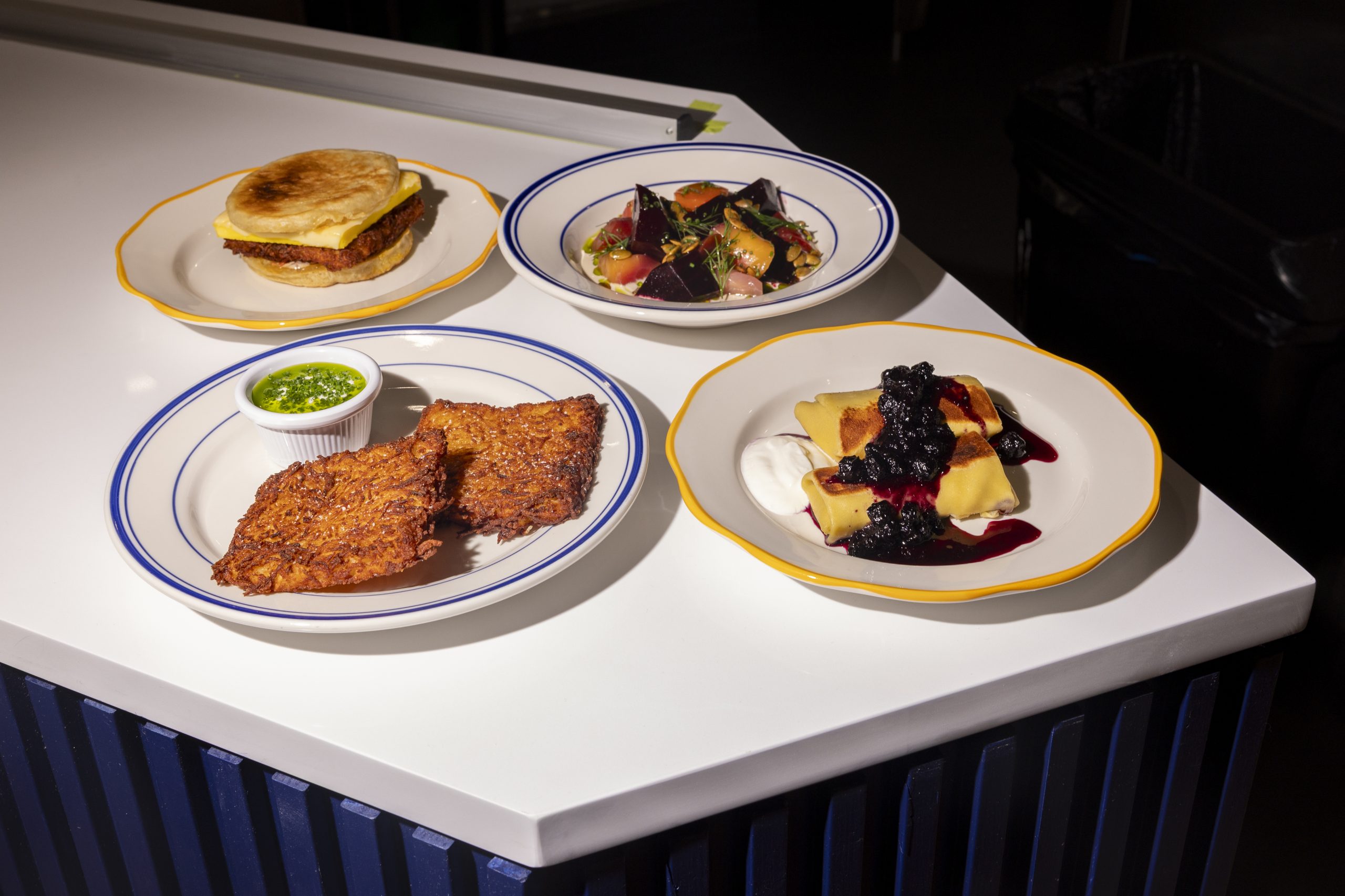
    The result is Schmaltz, a new breakfast-and-lunch café at 18th and Wharton Streets serving a deliberately tight menu of latkes, blintzes, and egg sandwiches on house-baked English muffins. Since opening earlier this month, it has drawn lines during its Friday-through-Monday service.

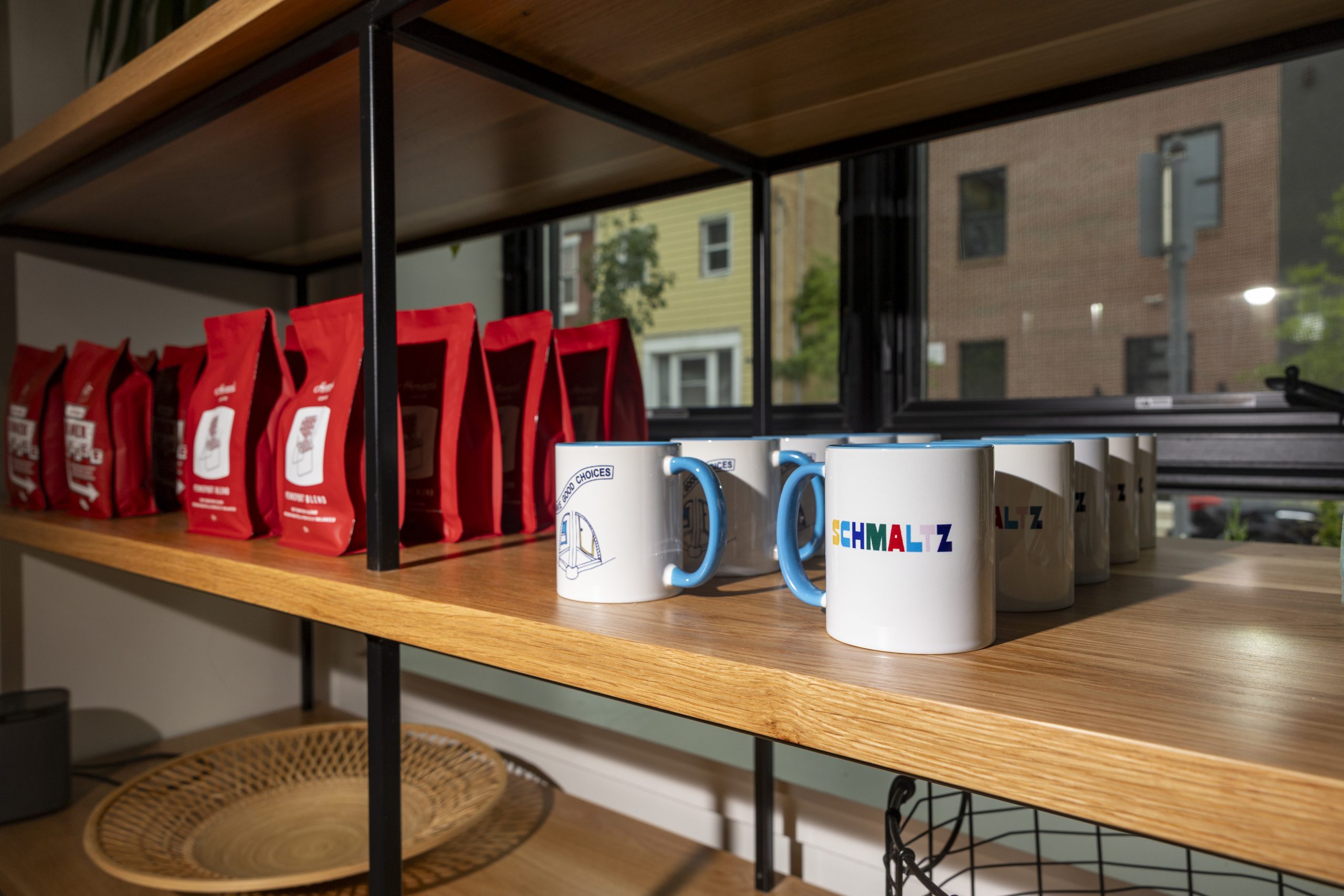
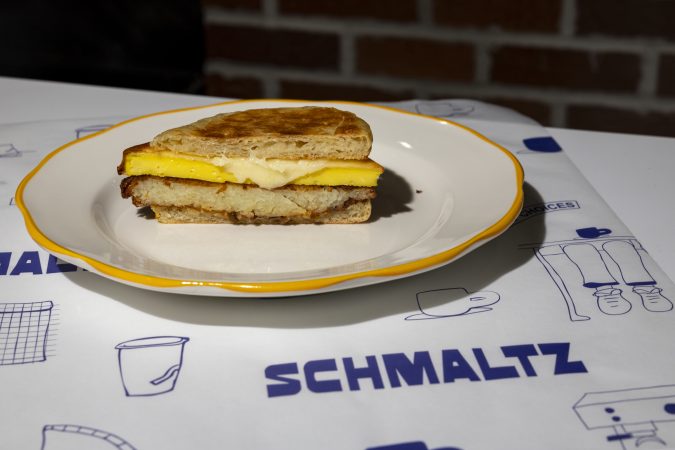
    Cheese blintzes, latkes, beet salad, and breakfast sandwich make up most of Schmaltz’s menu.Aidan T. Gallo / Staff Photographer

    The sandwich that Asch and chef Sam Chertock devised satisfies that craving with an oniony potato pancake perched atop a slow-baked egg, whose firm texture helps the sandwich hold together. Tallarico’s hoagie spread, blended with seasoned mayo, supplies a Philadelphia accent.

    “Are we breaking culinary boundaries? No,” Asch said. “It’s a latke on an egg-and-cheese sandwich.” Customers can also add gribenes — chicken-skin cracklings — and have the English muffin slathered with schmaltz, or rendered chicken fat.

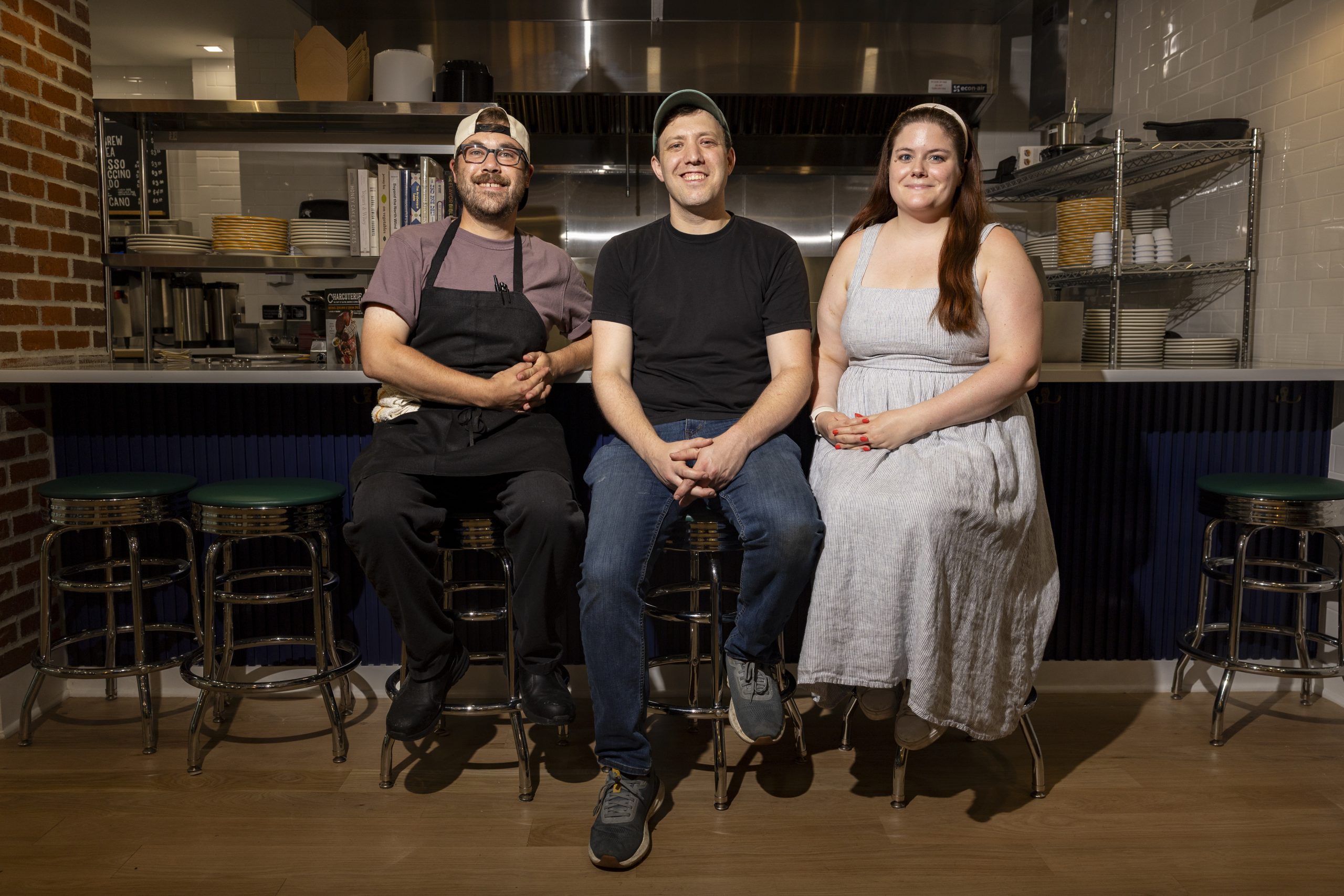
    Chef Sam Chertock (left) and owners Jeremy Asch and Abby Armstrong at Schmaltz’s kitchen counter.Aidan T. Gallo / Staff Photographer

    Schmaltz joins newer neighborhood arrivals including Little Susie’s Coffee & Pie and Hannah K Cafe. American Sardine Bar, which opened in 2011, is about two blocks north.

    The couple bought the building at 1300 S. 18th St. in 2023, creating a wide-open room with an espresso station and order counter, six stools facing the kitchen, six more along the window, table seating, and a small merchandise counter. The couple built a ramp leading toward the rear of the dining room, which toddlers have happily treated as a runway while their parents wait for food.

    The building previously housed the Pharmacy, a DIY music venue, art gallery, and coffee shop. Before that, it was the medical practice of Walter Lomax Jr., a pioneering Black physician.

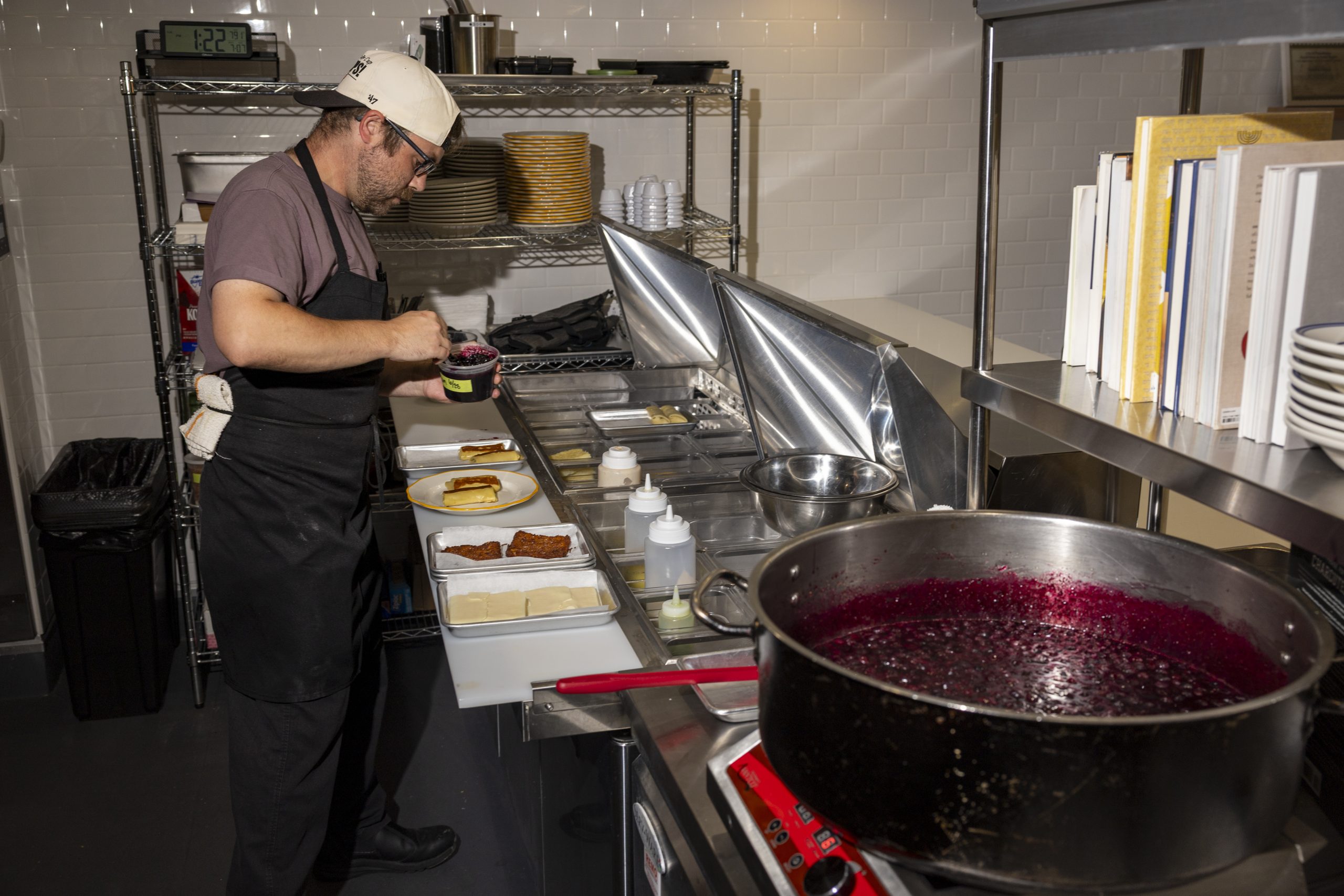
    Chef Sam Chertock works at Schmaltz. A pot of jam is on the stove as a side for the blintzes. Aidan T. Gallo / Staff Photographer

    That neighborhood accessibility is central to Schmaltz’s approach.

    It’s a casual counter, not a full-scale Jewish restaurant or deli, Asch said. The opening menu is deliberately small. Besides the signature sandwich, cheese blintzes, and latkes, there’s a roasted beet salad and a shawarma-spiced chicken salad sandwich on rye, plus coffee, cold brew, espresso drinks, teas, and soda.

    But no bagels.

    “I will die on this hill,” Asch said. “There’s a lot more to Jewish restaurants than the bagel.”

    Selling bagels, he said, can quickly define a restaurant, requiring staff and equipment to produce large quantities while pushing the rest of the menu into supporting roles. Schmaltz may eventually serve a locally made bagel as part of a specific dish, but Asch does not want it to become a bagel shop.

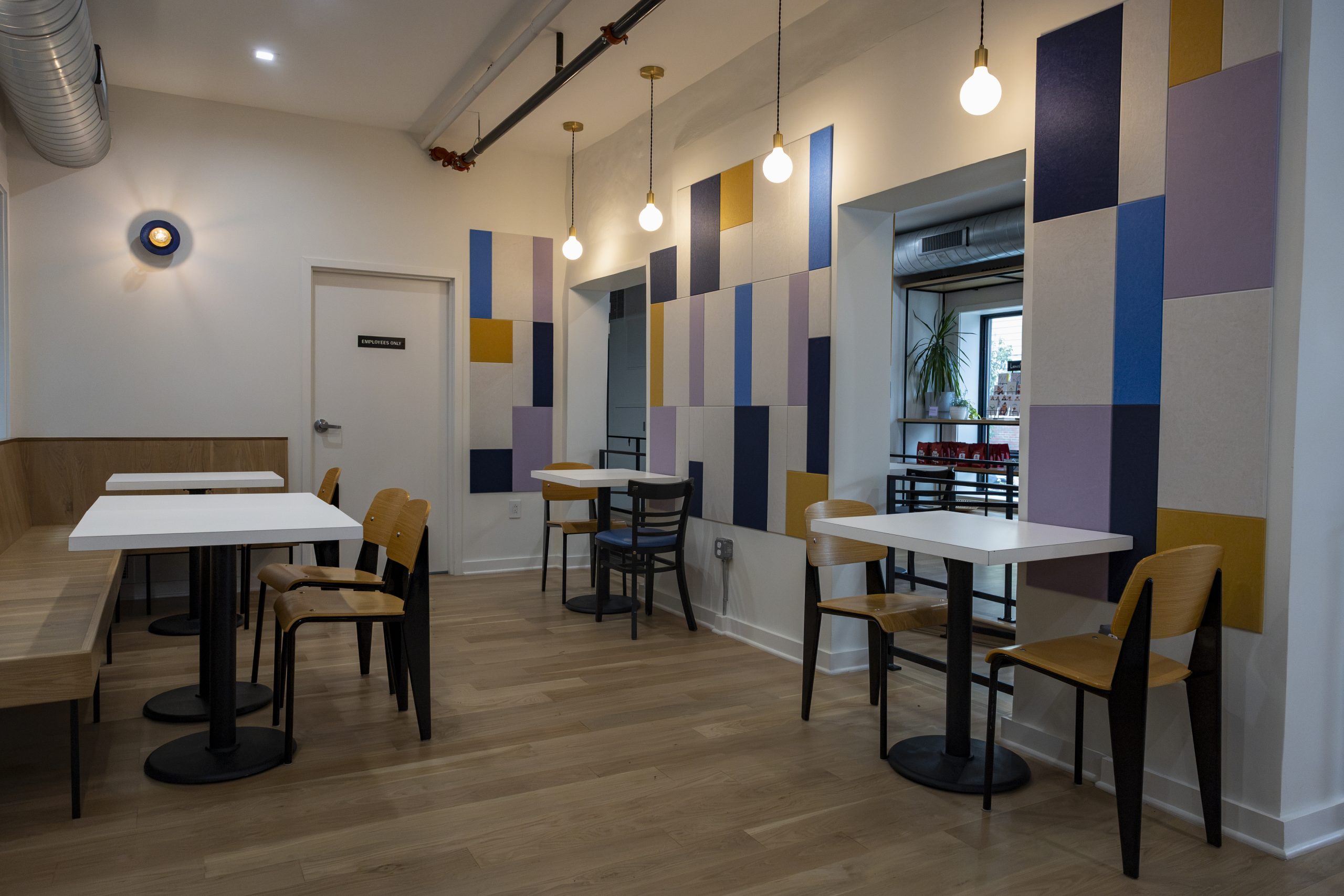
    Table seating at Schmaltz.Aidan T. Gallo / Staff Photographer

    Instead, the cooking draws broadly from the Ashkenazi and Eastern European food Asch and Chertock grew up eating. The blintzes, made from Asch’s recipe, are filled with lightly sweetened farmer’s cheese and served with Chertock’s jam.

    Asch, who grew up in Bryn Mawr and attended Episcopal Academy, did not initially plan a restaurant career. After graduating from Brandeis University, he returned to Philadelphia in 2015 and spent several years working in clinical research at Penn Medicine.

    Around the start of the pandemic, he left research and began cooking professionally, first at Grace Tavern. He later worked at Baology with Judy Ni and Andy Tessier before joining a.kitchen.

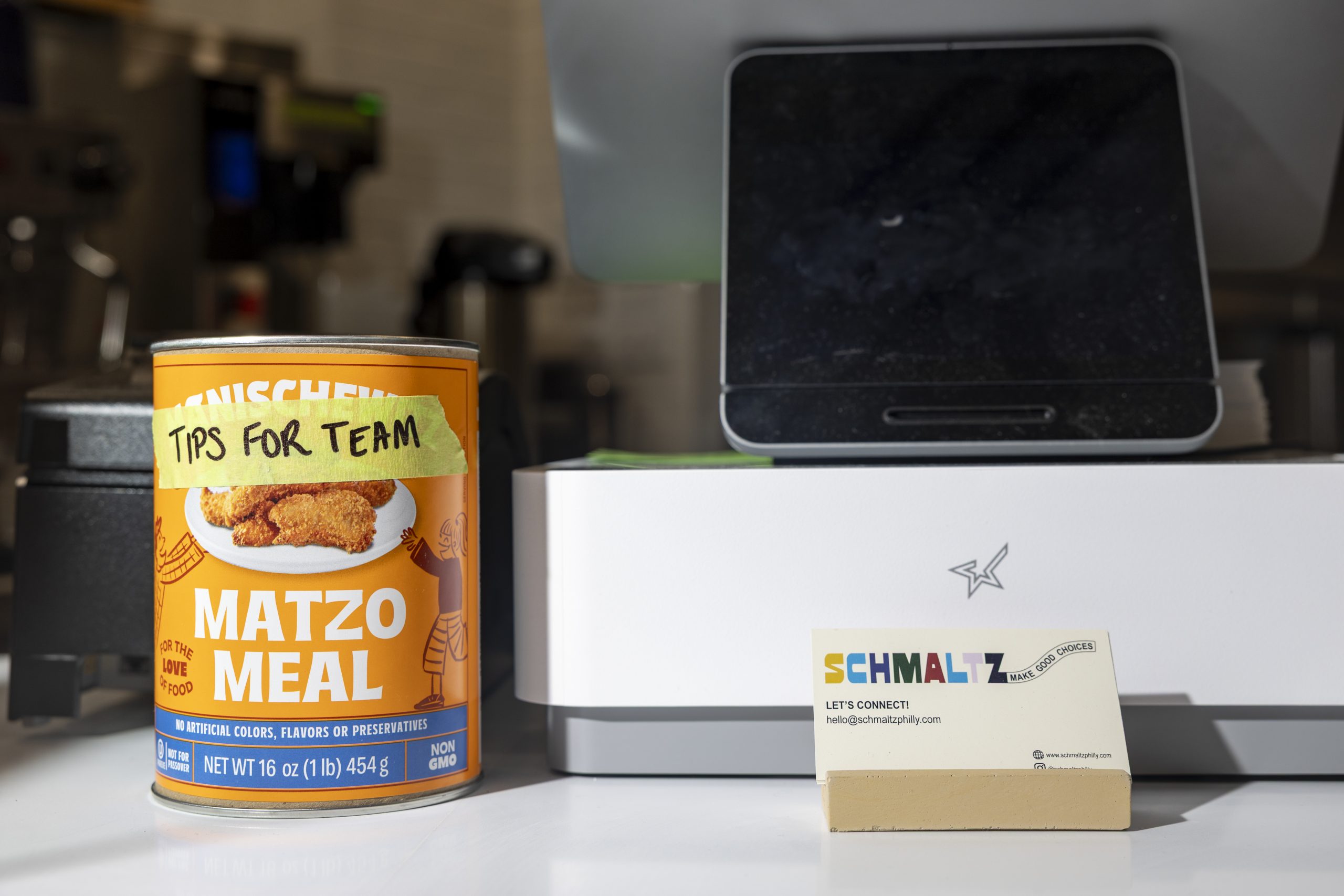
    The tip jar and business cards at Schmaltz.Aidan T. Gallo / Staff Photographer

    Ni and Tessier became mentors as Asch and Armstrong navigated zoning, vendors, construction, and the operational details that cannot be learned on the line.

    “They took a huge weight off my shoulders of that knowledge burden,” Asch said. “They’re the reason we were able to do this.”

    Armstrong, who grew up in Portland, Maine, studied theater at Brandeis before moving into investment and wealth management. She later earned an MBA at the Wharton School. Her work included chief-of-staff and operations roles, experience she likens to staging a complicated production.

    “How do we make this whole orchestra, this whole production, work?” she said.

    Chertock brings the deepest restaurant résumé of the trio. Trained as an architect at Syracuse University, he worked at a Lambertville firm while cooking nights at Charcoal BYOB in Yardley, his home town. He later joined the opening team at K’Far Cafe, worked his way up to sous chef, and went on to Zahav and Vernick Food & Drink.

    Schmaltz merchandise has its own counter.Aidan T. Gallo / Staff Photographer

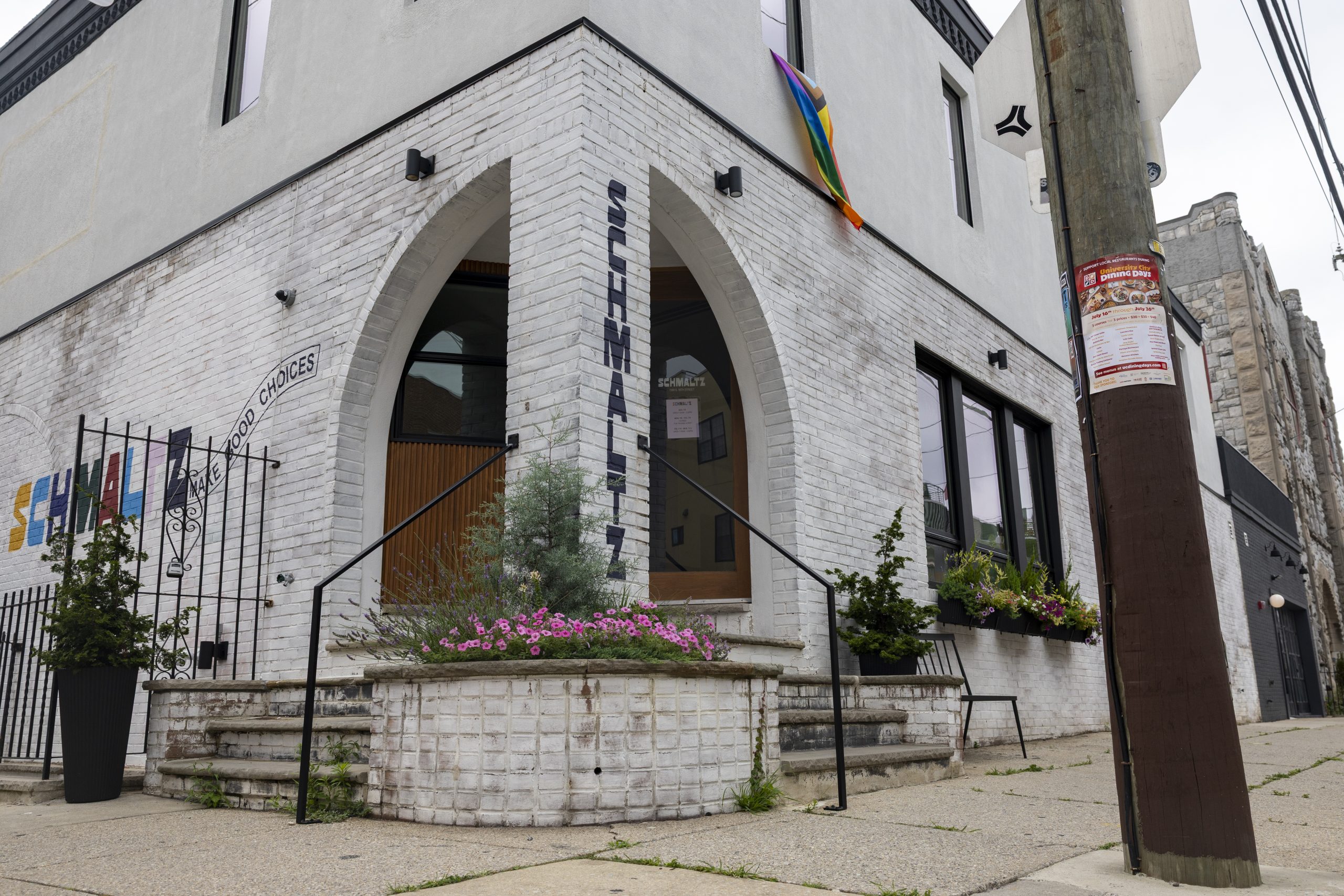
    He found Schmaltz almost by accident. Chertock, who once lived nearby, was biking through South Philadelphia when he noticed the restaurant name on the freshly painted building.

    “‘Schmaltz’ immediately caught my attention,” he said.

    Despite the term’s cultural focus, Asch said Schmaltz is neither kosher nor intended as a political statement. Asch said his parents worried that openly identifying the restaurant as Jewish might invite problems, but he said the response has been overwhelmingly supportive.

    Schmaltz at 18th and Wharton Streets.Aidan T. Gallo / Staff Photographer

    “We make food,” Asch said. “Maybe calling it Schmaltz is in itself a statement, but we can’t live in fear about what might happen.”

    For now, the more immediate challenge is keeping up with the crowd outside. Asch expects most regulars to come from within a few blocks rather than from Center City.

    That suits the couple, who bought the building with the idea of investing in the neighborhood where they live.

    “We want to nourish it,” Armstrong said. “We want to be a part of it.”

    Schmaltz, 1300 S. 18th St., schmaltzphilly.com. Opening hours: 7 a.m. to 2 p.m. Friday to Monday.

    A previous version of this article incorrectly described the ramp in the restaurant. The owners added it to comply with ADA requirements.

  • Philly’s kitchen professionals endure one heat wave after another

    Philly’s kitchen professionals endure one heat wave after another

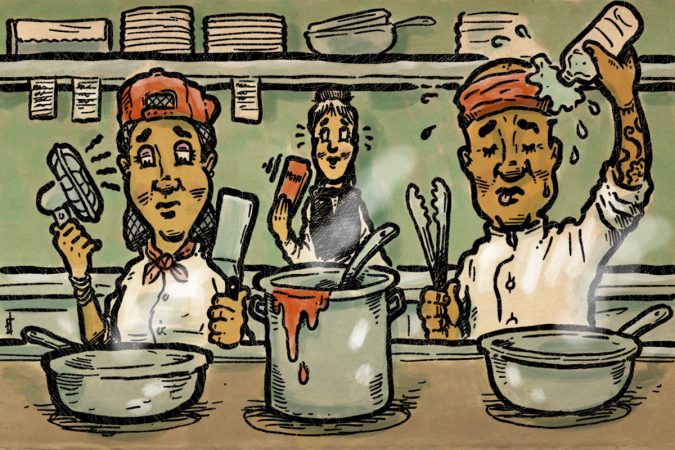
    Even on 100-degree days, Philly’s chefs and cooks are still in the kitchen. For the most part, they only call it quits when the food they’re making can’t take the heat.

    How do they make it through their stifling shifts? The answer comes down to preparedness, hydration, and lots of icy treats to lower body temps and boost morale.

    Restaurant kitchens can easily run 10 or 20 degrees higher than whatever the temperature is outside, abetted by hot fryers and stoves, plus wood-fired grills and ovens that hover around 500 degrees.

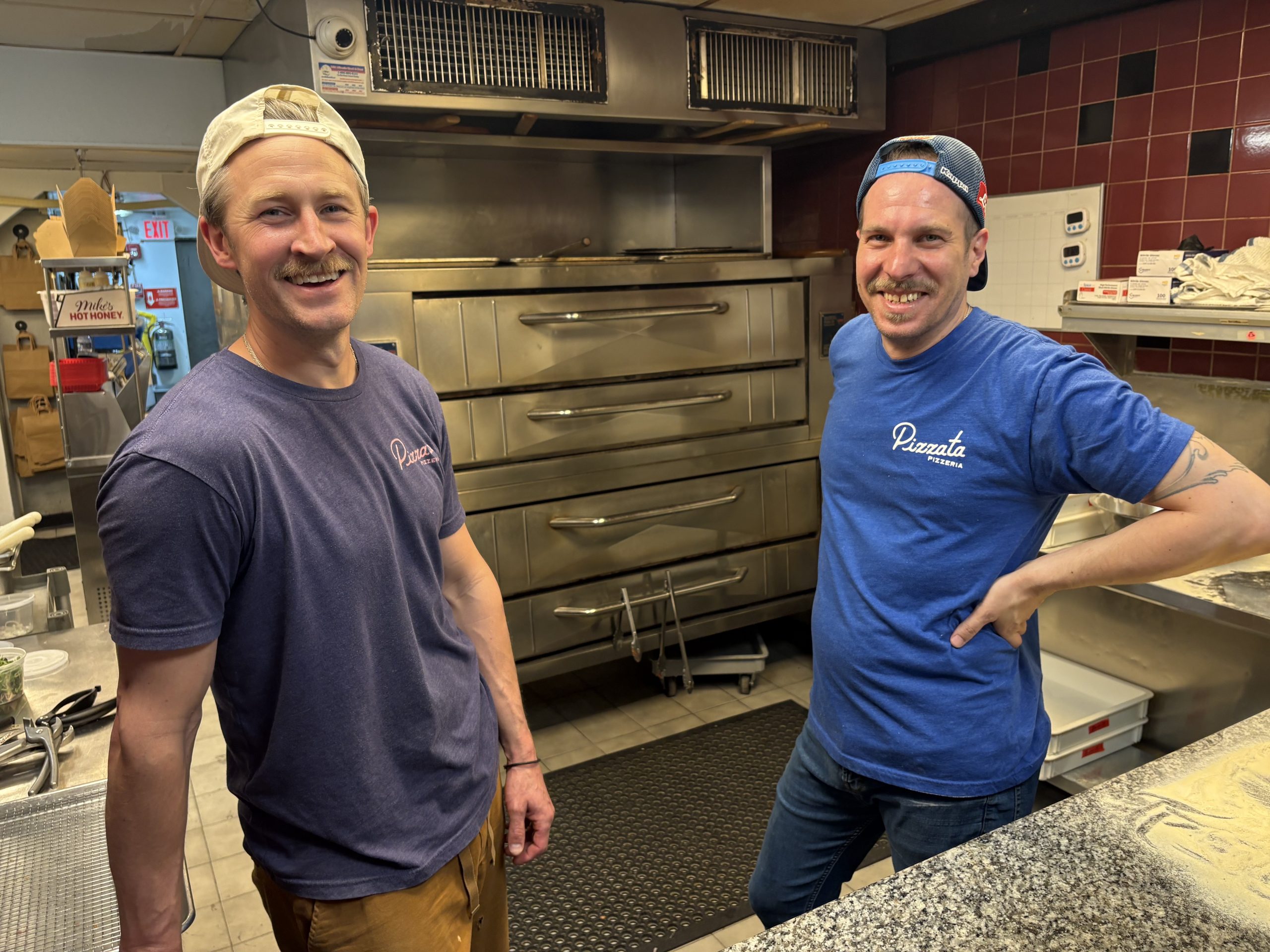
    The planning for heat waves starts long before the mercury rises. At Pizzata Pizzeria‘s South Philly location, recently added split-unit air conditioners and commercial kitchen fans have kept temperatures moderate. “They have been tremendously beneficial and helpful to our staff,” said owner Davide Lubrano Lavadera. “For our Rittenhouse spot, we didn’t have a chance to install these units, so we added an evaporative air cooler there.”

    Pizzata Pizzeria co-owners and chefs Vinny Gallagher and Davide Lubrano Lavadera pose in the kitchen of their original pizzeria location on 22nd Street near Fitler Square.Craig LaBan / Staff

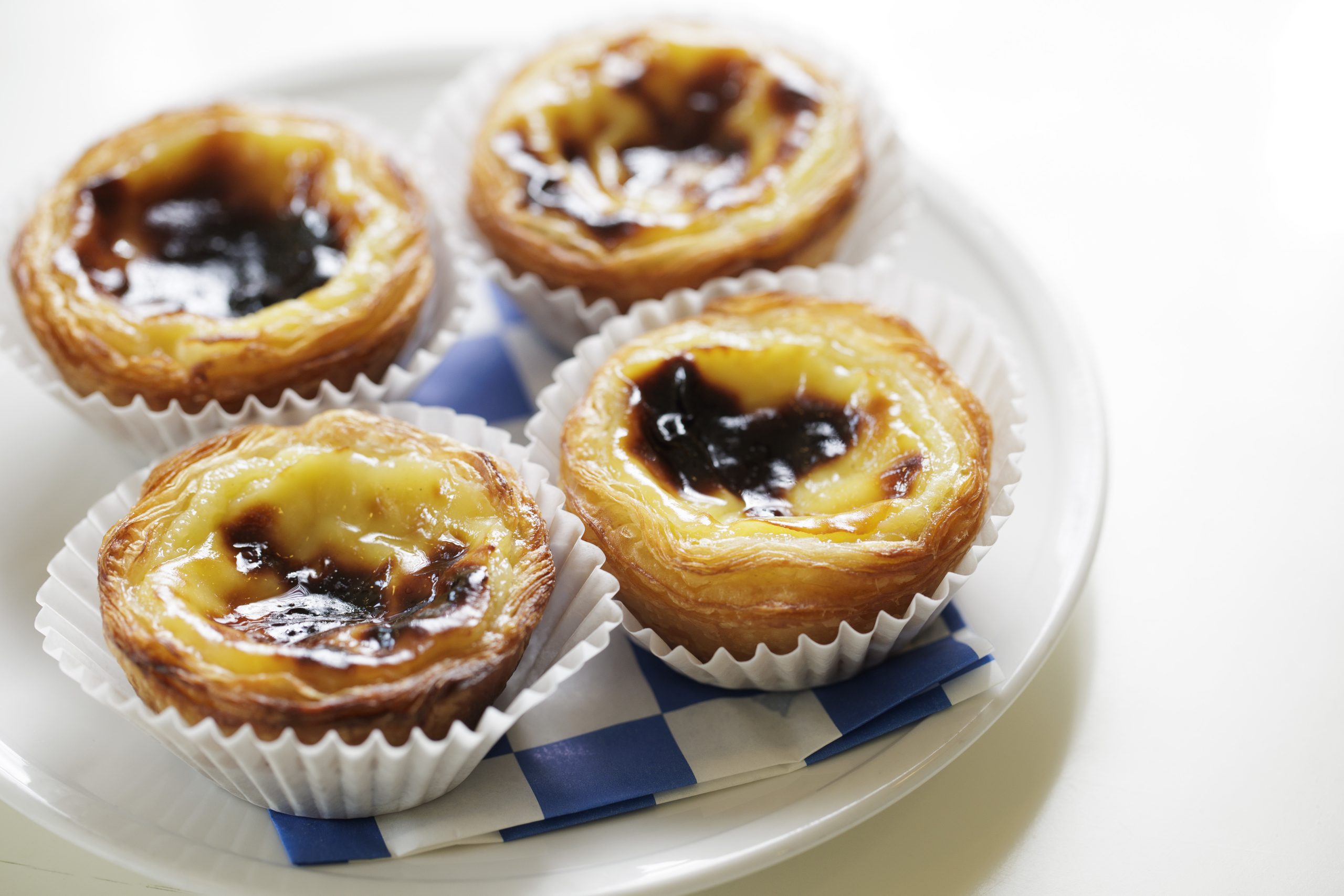
    Two weeks ago, when temperatures spiked over 100 degrees three days in a row, Gilda chef-owner Brian Mattera warned customers on social media that the cafe would close if the heat tipped above 120 degrees in the kitchen — besides being uncomfortable, it would compromise the cooking. The flaky, laminated dough for Gilda’s signature pastéis de nata is notoriously temperamental, Mattera said.

    “Our pastry chef, Sophia Fiorenza, is the star of the show. When she comes to me and says the temperature is one or two degrees up, she’s not being dramatic,” Mattera said. “The dough is tacky and difficult to work with. It’s unfortified and it can feel like papier mache.”

    When the kitchen temperature is too high, the dough expands and falls off the sheeter, the machine that folds the dough into its many layers. “We say the dough is angry with us,” Mattera said.

    The pastéis de nata at Gilda get harder to make in hot weather. Monica Herndon / Staff Photographer

    Even in Gilda’s diminutive space, with just six gas burners and a flat-top, Mattera needs five separate HVAC units to maintain the perfect temperature for the dough, around 70 degrees. They weren’t enough to keep the kitchen open during early July’s heat waves: Gilda’s crew called it a day when the temperature behind the line reached 137 degrees.

    When the heat’s that intense, Mattera has a trick. “I’ll get a deli container of ice water, bring it into the bathroom, pour it over my head, and go back on the line.”

    Chefs in nontraditional kitchens also battle the heat. Josh Broder owns Root to Fruit, a vegan meal-delivery service that operates out of the Culinary Collective commissary space in the Bridesburg neighborhood. “We’ve basically become professional heat dodgers. We start cooking earlier, pack our delivery bags like they’re headed to the Arctic with insulated bags and extra ice packs, and everyone’s usually carrying a water bottle in one hand and a spatula in the other,” he said.

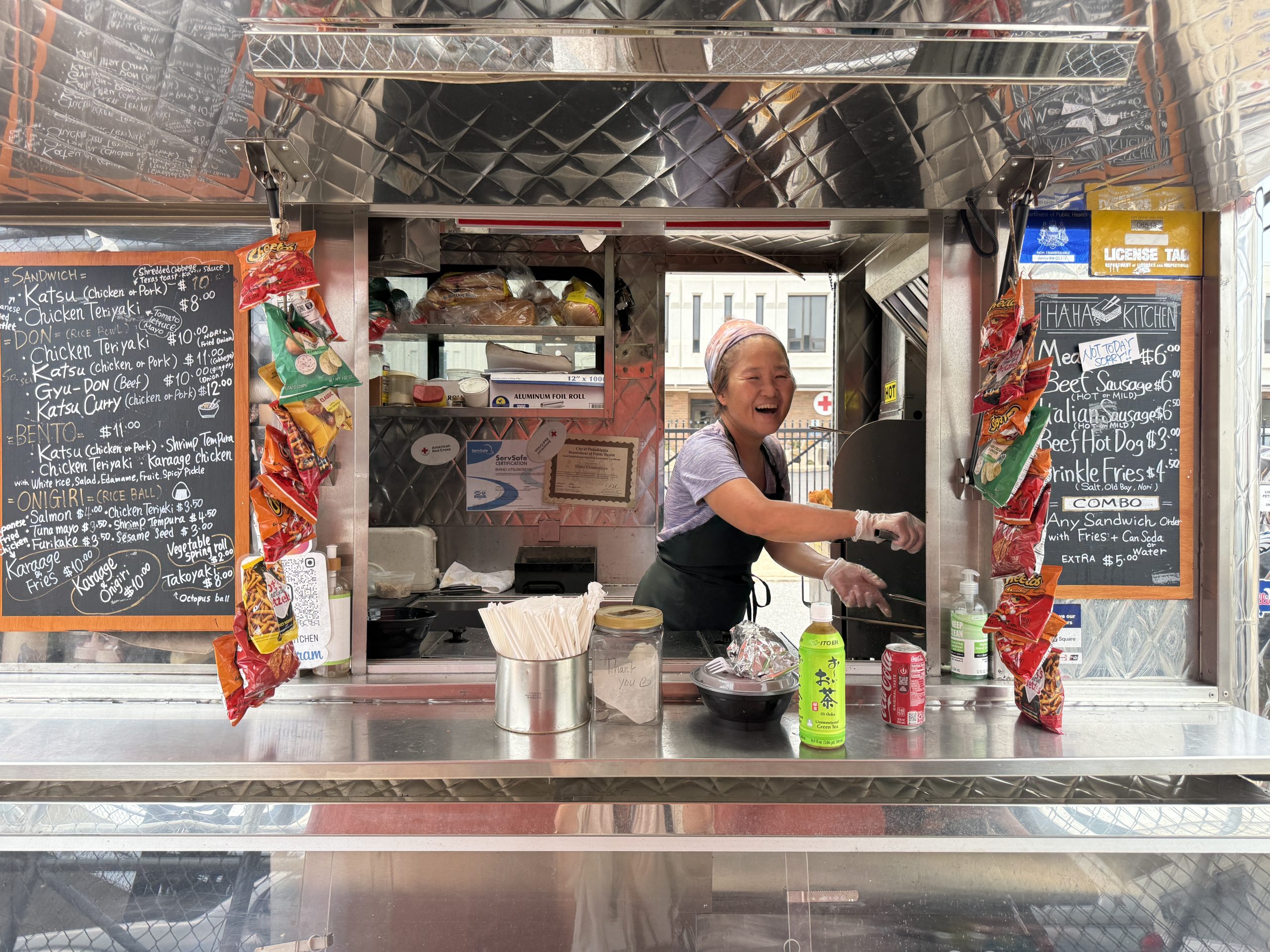
    Shiho Utsonomiya, the chef operator of Haha’s Kitchen, rarely closes the tiny food cart she has operated at the corner of Seventh and Spring Garden Streets since 2018. But she was forced to break for a few days leading up to July 4 this year, when the heat became unbearable. She closed the cart Wednesday for the same reason.

    Shiho Utsunomiya in her food cart during a heat wave.Kiki Aranita / Staff

    “It’s been getting hotter every year,” she said. “Winter, I don’t mind! Minus 17 degrees, no problem. But the heat just kills me.” She’s surrounded by a burner, steam tables, a fryer, and rice cooker. She’s enhanced her setup this year with a rechargeable fan with a mister.

    Utsonomiya’s location has a significant benefit: free ice from her best customer. United Refrigeration’s offices are nearby and her cart is popular with their workers.

    Extreme heat also prompted Little Walter’s — where the wood-fired grill casts off 120-degree heat, according to chef-owner Michael Brenfleck — to close in early July. Brenfleck said reservations were light during the holiday weekend, but the same could not be said of the following Friday, when the restaurant was nearly fully booked. That presents a challenge in itself: The busier the restaurant, the hotter it is inside.

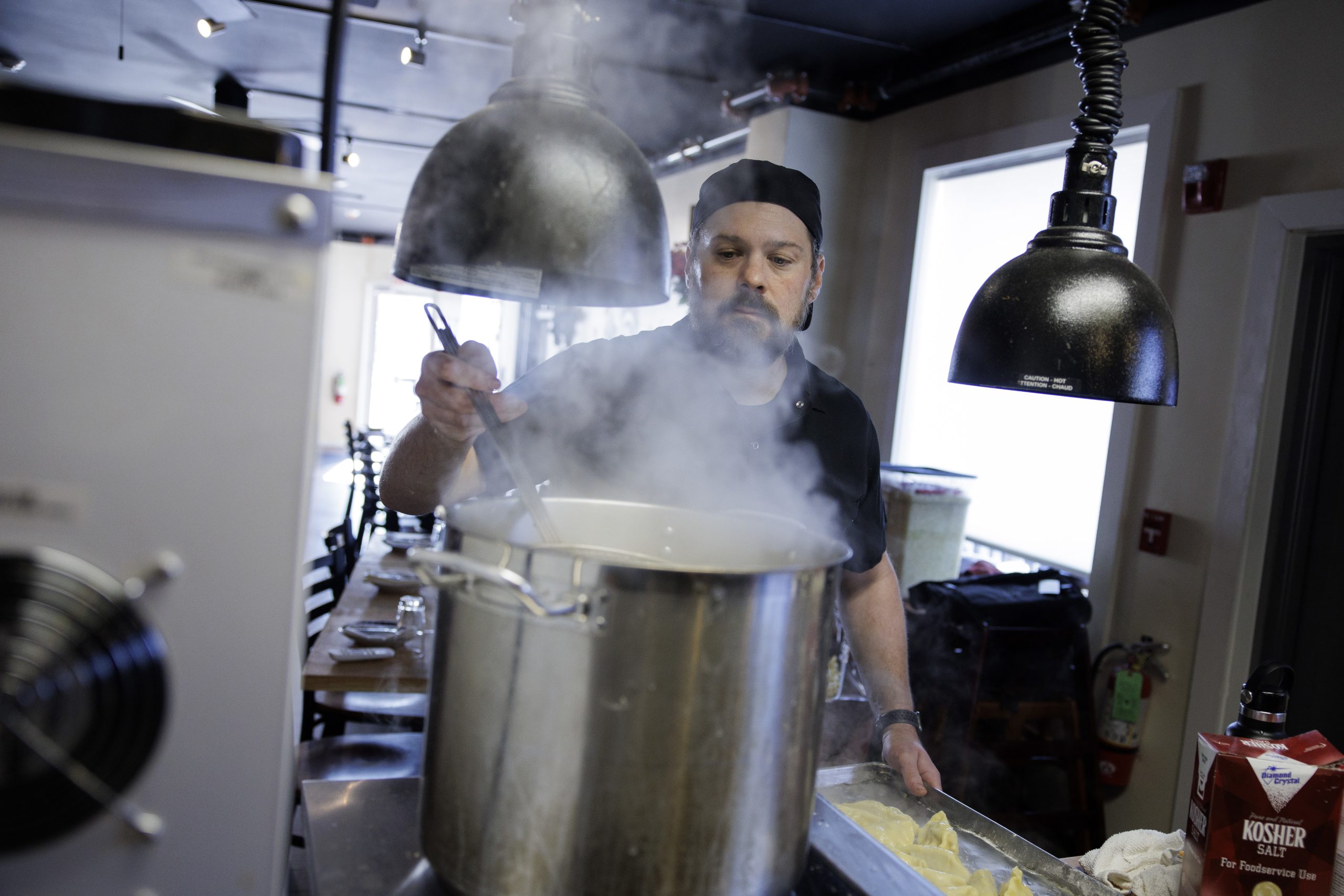
    Chef Michael Brenfleck cooks pierogi at Little Walter’s in Philadelphia on Wednesday, Sept. 4, 2024.Monica Herndon / Staff Photographer

    “Every person’s body radiates a certain number of BTUs, both in the kitchen and in the dining room,” said Brenfleck. His solution: “We’re going to put some cold specials on the menu, like a chilled pickle soup.”

    Brenfleck and Phila Lorn, the chef-owner of Sao and Mawn, were both amazed their respective staff endured the heat without complaint.

    “The real ones plan for these times and problem-solve,” Lorn said. “It amazes me to see my chefs in the kitchen crushing it. They’re eating popsicles, [mopping themselves with] cold wet towels, using Gatorade powder, but I swear to you, not one complaint from the back of house.”

    Liberty Kitchen staff trades tomato pie for soft serve on hot days. Monica Herndon / Staff Photographer

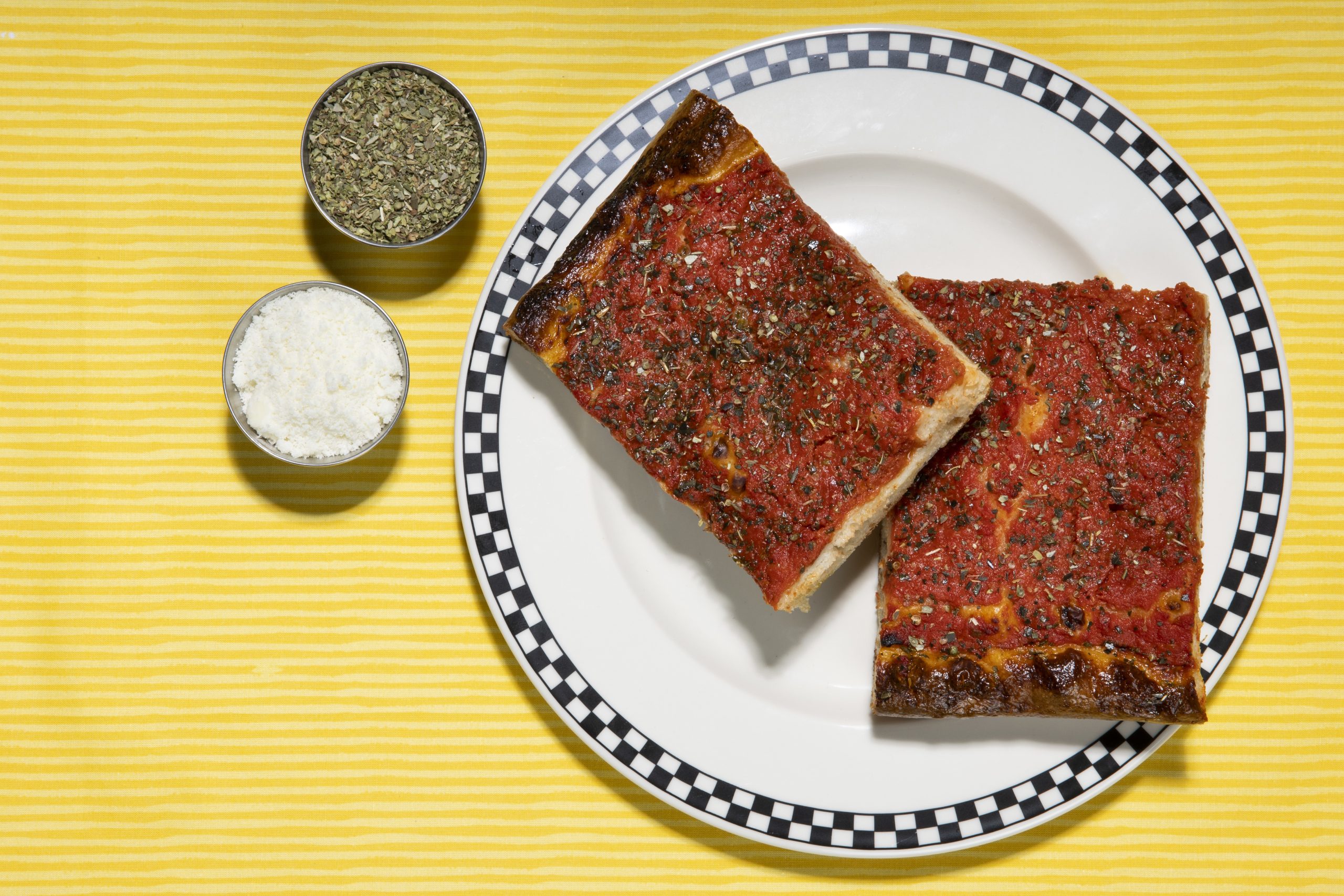
    Heat waves tend to foster community among restaurants — especially when there’s an ice cream shop involved. On the hottest days, the staff at Liberty Kitchen trades boxes of tomato pie with 1-900-ICE-CREAM, according to Liberty Kitchen chef Beau Neidhardt. “They’ll give us individual cups of soft serve for our staff. It’s very neighborly.”

    For many restaurant workers, it’s just part of the job.

    “We aren’t doing anything that needs to be applauded,” said Mattera. “At the end of the day, we’re all professionals. This is what we do. We can handle the heat.”

  • The internet’s toughest food critic loves Philly cheesesteaks

    The internet’s toughest food critic loves Philly cheesesteaks

    Few content creators have turned food criticism into entertainment quite like @ChefReactions.

    Instead of cooking on camera, the chef dissects viral recipe videos with professional-kitchen know-how, dry sarcasm, and the occasional compliment. His split-screen reactions have attracted more than 6 million followers across TikTok, Instagram, and YouTube over the last four years.

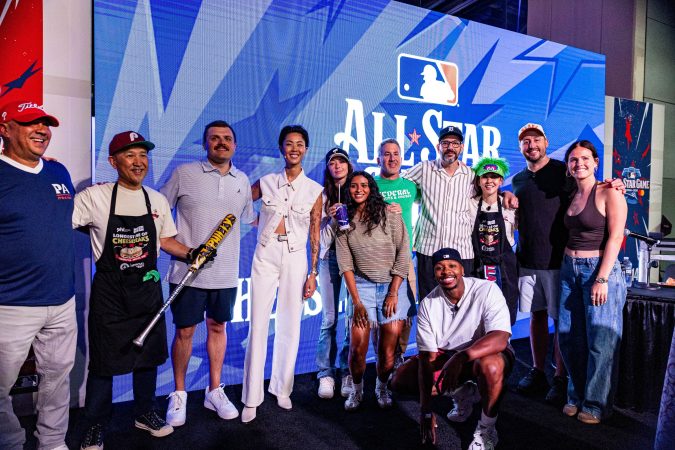
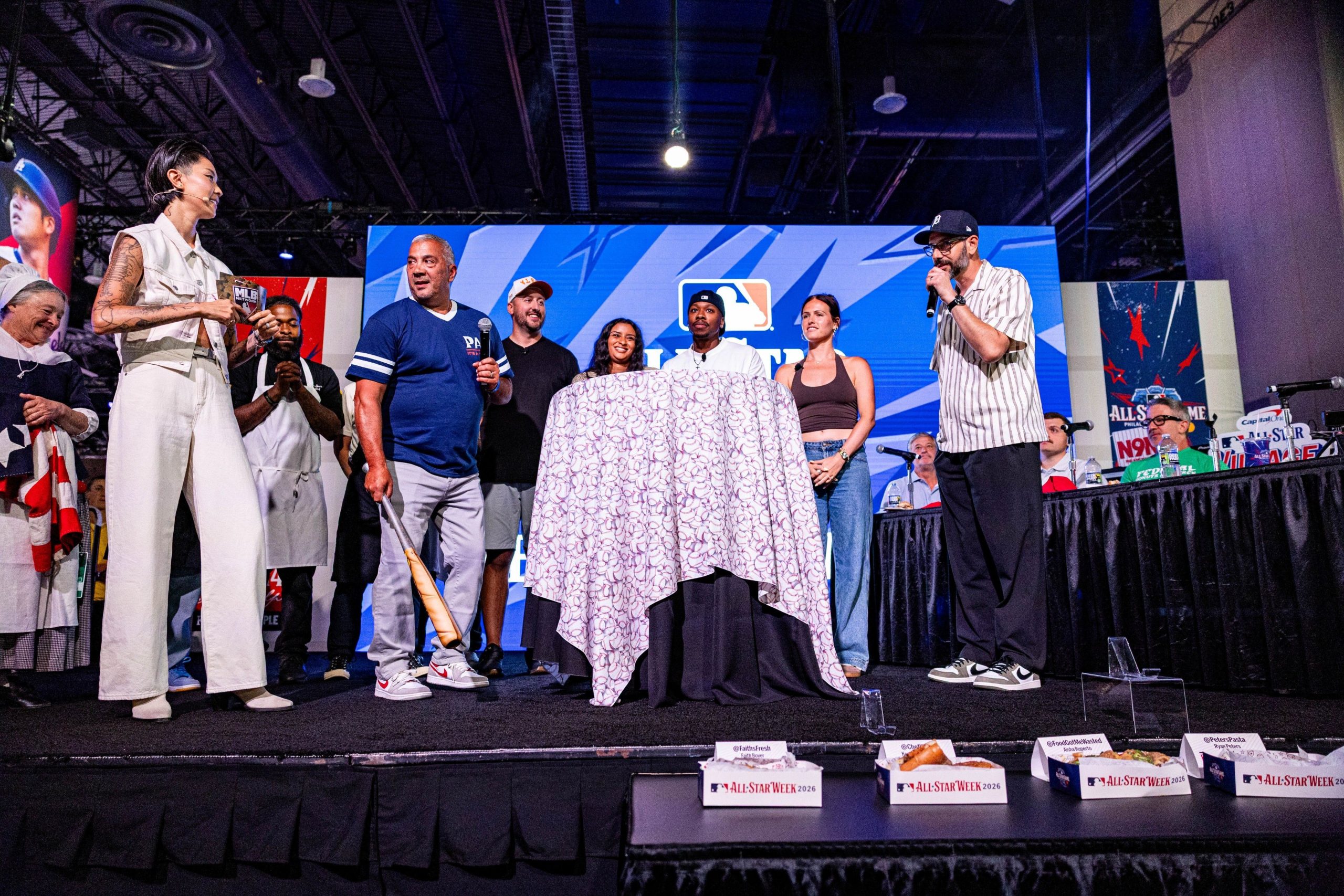
    Chefreactions (right) is introduced by host Kristen Kish (left) at the Cheesesteak Challenge on July 12, 2026, at All-Star Village.Courtesy of MLB

    This week, ChefReactions brought his famously deadpan commentary to Philadelphia, where Major League Baseball enlisted him to judge a cheesesteak competition during All-Star festivities.

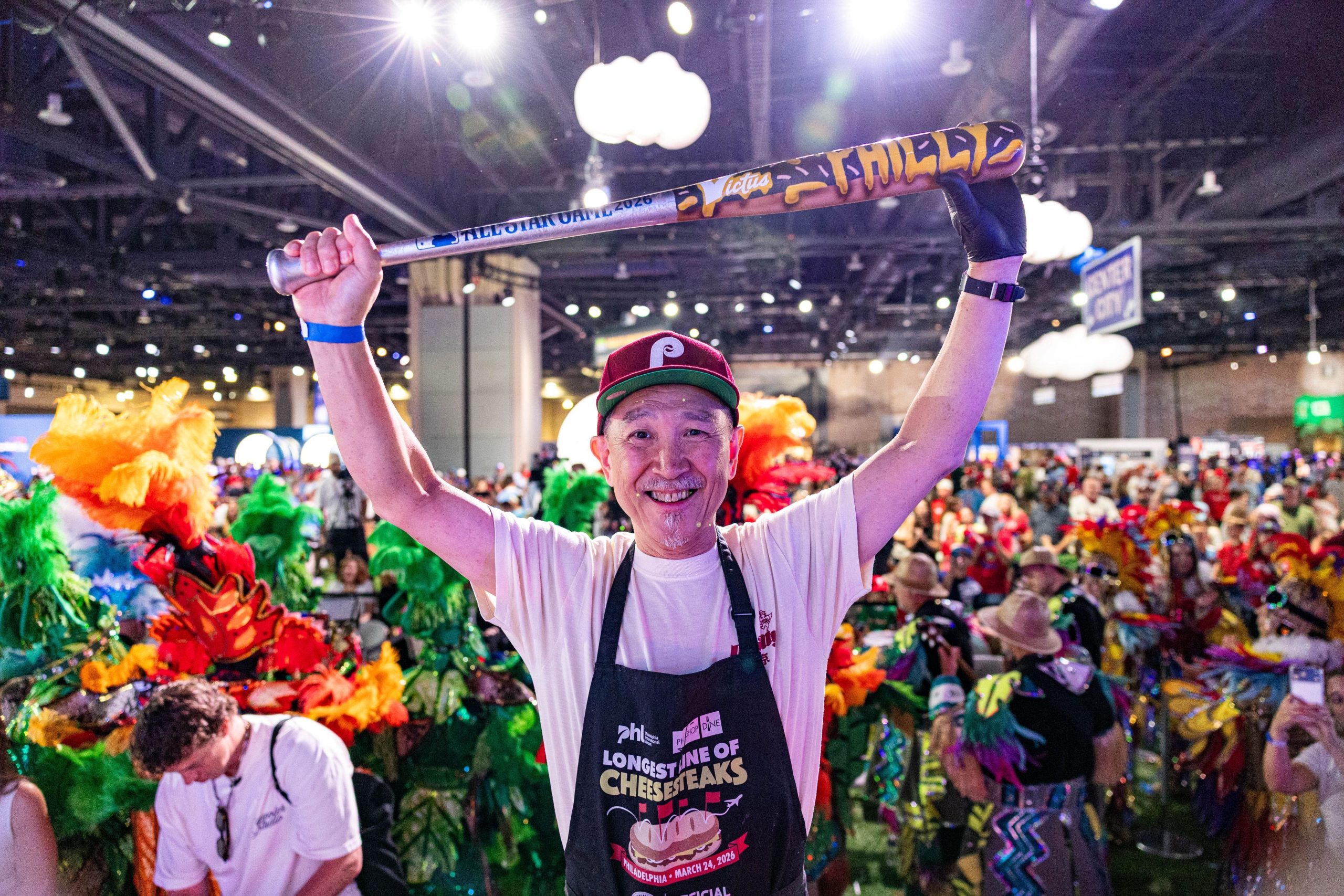
    ChefReactions joined chef Michael Solomonov, former Phillies pitcher Jamie Moyer, and fellow TikTok stars Dylan Reese of @shelbanddyl and chef Olivia Tiedemann of @livforpasta in awarding top honors to Kosuke Chujo, co-owner of Nihonbashi Philly in Tokyo, whose cheesesteaks have earned acclaim from Inquirer critic Craig LaBan.

    Chujo’s prize: a cheesesteak-shaped Victus bat.

    ChefReactions, who started making videos during his work breaks as a way to blow off steam, guards his real name about as closely as Coca-Cola guards its formula.

    Nihonbashi Philly owner Kosuke Chujo exults as the winner of the Cheesesteak Challenge at All-Star Village on July 12, 2026.Courtesy of MLB

    But he was game to answer a few questions about his obsession with baseball, his impressions of Philadelphia’s food scene, and whether he felt any pressure critiquing one of the city’s most iconic foods.

    Tell me about your new-found love of baseball. What started it?

    I liked baseball as a kid but it was never really my thing. As an adult, I worked in kitchens, mostly between the hours of 12 p.m. and whatever o’clock a.m. Midday double headers meant something different in my world. Fast-forward to me making videos on the internet, leaving the restaurants and caring for my grandma full-time and actually having some free time to figure out what I like that wasn’t in a restaurant.

    A year ago, I was on a plane to Iowa to shoot some content and I randomly decided to watch a baseball documentary on Netflix. Then another. When I got to my hotel room? Field of Dreams.

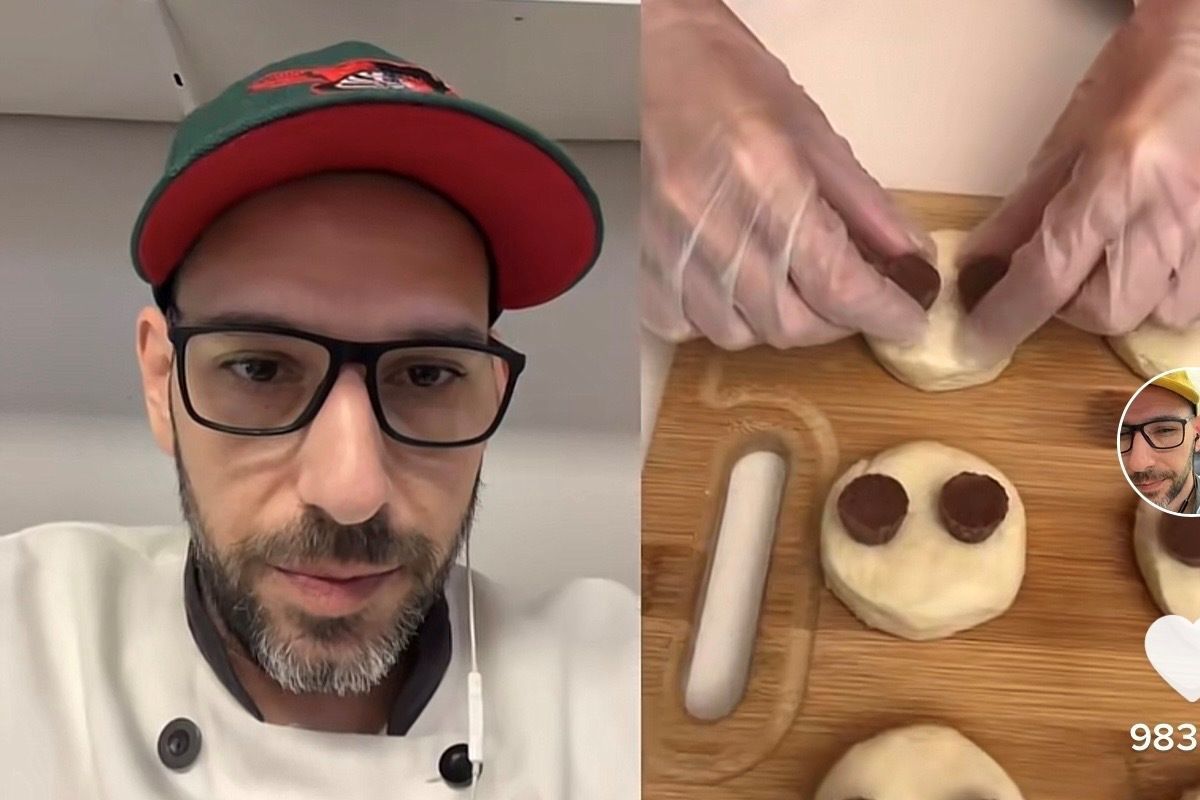
    The chef who calls himself @chefreactions, as he narrates a duet with a food video.Screenshot via TikTok

    During that trip, I met someone who had the literal Field of Dreams built in their backyard. It was serendipitous. I had also quit smoking cigs six months prior, so maybe I was looking for a new addiction.

    A year later, I’ve been to six ballparks (itching to see more), watched Ken Burns’ Baseball four times (not exaggerating), and consume baseball every day. It’s a big part of what little personality I have. I truly love it.

    What were the high points of your trip to Philly?

    The people, and the food.

    People that watch my videos online and meet me in public are usually very nice because they (typically) like my videos. I’m very lucky for that, and it wasn’t any different in Philly.

    What stood out to me was that it wasn’t just the people that recognized me as that guy from the internet [who were nice] — everyone was friendly, pleasantly sarcastic, and funny, and very proud of their city.

    @chefreactions #duet with @Li’l Judy Fun Fun nacho, nacho man #chef #chefreactions #fyp ♬ Civil and Ann – Li’l Judy Fun Fun

    It was cool to experience as a guest.

    The food is made with the same pride, and it shows through the flavors and vibrancy of the food culture. Everyone talks about cheesesteaks (which are fantastic, obviously) but Philly has a diverse and underrated food scene that I can’t wait to explore more of when I come back.

    You’ve built a huge following by giving honest reactions. Did you worry about criticizing an iconic regional food like the cheesesteak?

    I think the goal of MLB’s Cheesesteak Challenge was to allow creators to pay homage to the icon that is the cheesesteak by having some fun and cooking their interpretation of a Philly classic. To that end, I think they all did a great job of showcasing their food and their personalities. Cooking competitions are hard work. The judges had it easy. We just had to eat.

    I’ve gotten the impression that, in Philly, honesty earns you respect, and I’m very much the same way. I call it like I see it, and so does Philly.

    Also, what’s there to criticize about a cheesesteak?

    It’s got beef, cheese, bread and, in my case (wit) onions. It’s perfect. 10/10. I kinda want one right now.

  • Looking for affordable wines with big flavors? Buy from Chile

    Looking for affordable wines with big flavors? Buy from Chile

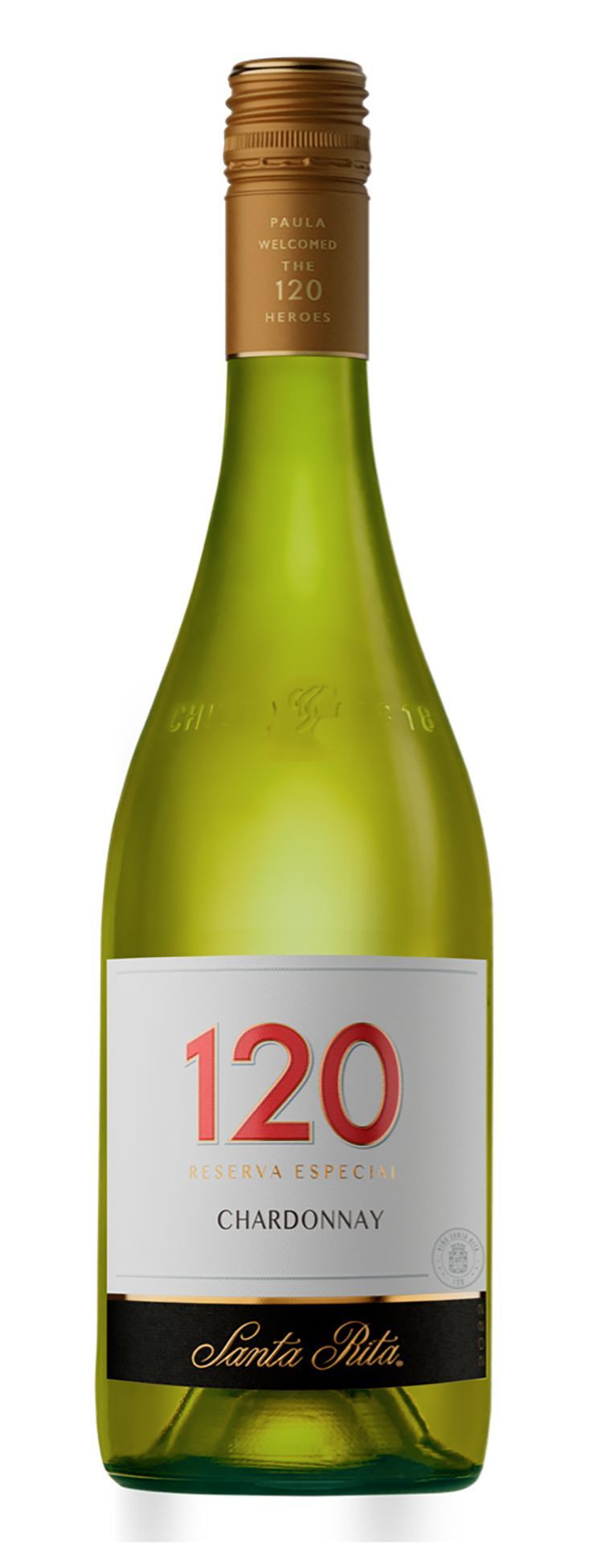
    Chile is among the world’s leading exporters of fresh fruit, and grows outstanding wine grapes as well. But here in the United States, the country’s top wines don’t get much attention. What we do see, however, is that bottles in the Chilean section of the wine store perform well in the value-oriented tier. This chardonnay is a perfect example, delivering far better quality and more finesse than anyone has a right to expect nowadays from a $10 bottle — and with slightly less alcohol than usual for this style, too.

    This wine is made in Chile’s Valle Central, or Central Valley, a vast wine appellation anchored by the capital city of Santiago. Think of it as the equivalent of California in the U.S., or Mendoza in neighboring Argentina. Every facet of this region’s geography seems tailored to boost the quality of its wines. Its terrain is made up of a series of four short-but-scenic valleys sandwiched between the snow-capped peaks of the Andes to the east and the chilly Pacific to the west. These dueling influences are a natural form of refrigeration at night, slowing how long it takes for grapes to ripen while preserving the freshness of flavor.

    Best of all, the region’s Mediterranean climate rarely sees rain during grape growing season, which reduces risks from both insect pests and fungal disease. These ideal conditions allow vintners to make balanced wines that have great ripeness and preserve the acidity necessary for refreshment. It also allows them to do so at very low cost.

    This easy-drinking chardonnay is lightweight in texture but vibrant and surprisingly concentrated in flavor. It tastes of fresh-picked apricots and honeydew melons, but with the zingy finish of a good homemade lemonade. Plus, it has a great synergy with summer salads and shellfish.

    Santa Rita 120 ChardonnayCourtesy of Viña Santa Rita

    Santa Rita 120 Reserva Especial Chardonnay

    Chile; 12.9% ABV

    PLCB Item #100056915 — regularly priced at $9.99

    Also available at: Wine Warehouse in Voorhees ($6.79; winewarehousenj.com), WineWorks in Marlton ($6.98; wineworksonline.com), and the Original Canal’s Discount Liquor Outlet in Glassboro ($8.99; canalsofglassboro.com).

  • We can thank Philadelphia for ice cream sodas and root beer floats

    We can thank Philadelphia for ice cream sodas and root beer floats

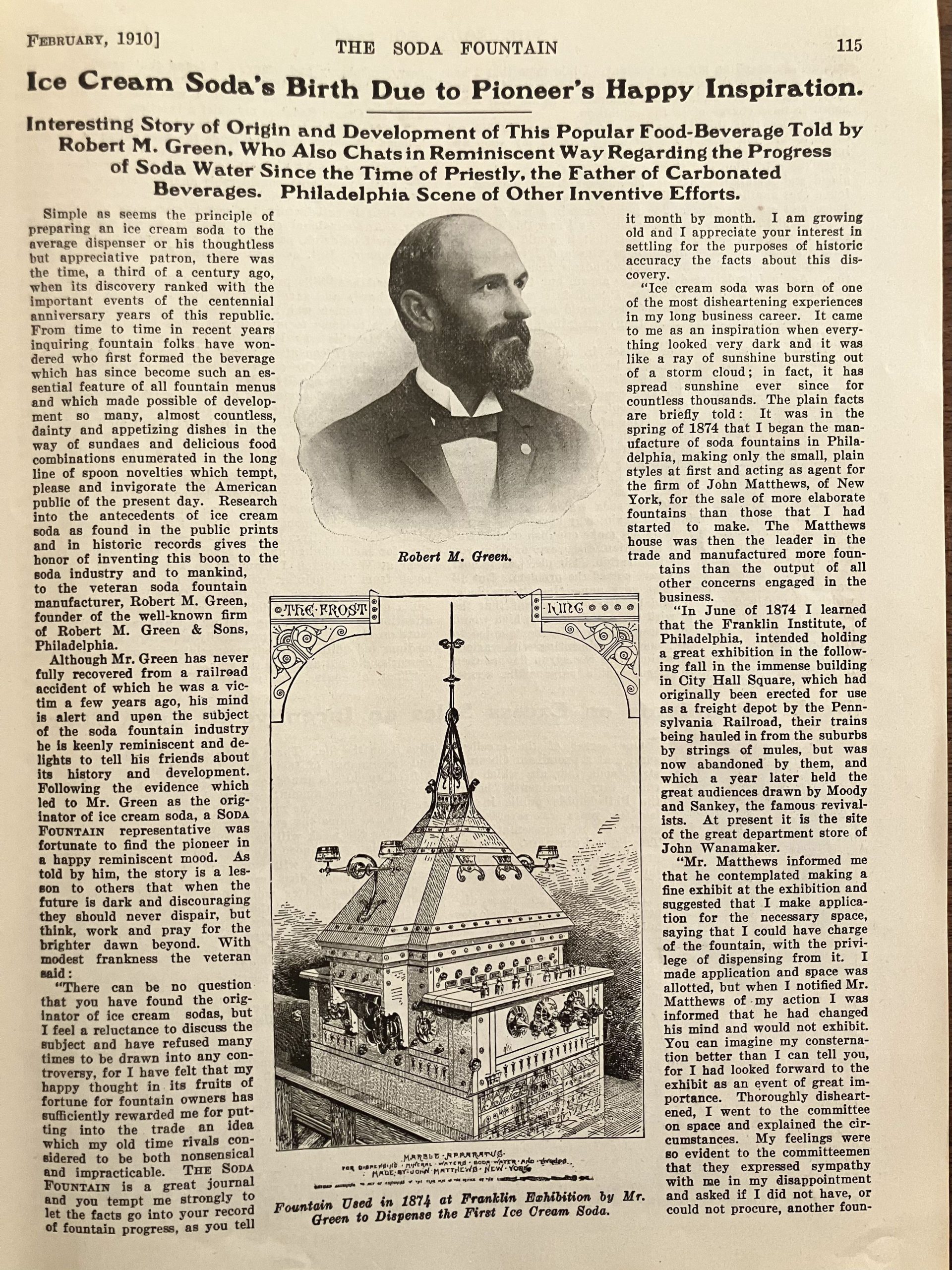
    In the fall of 1874, Philadelphia entrepreneur Robert M. Green was looking to make his fortune selling soda fountains. So, he set up a stand at the grand exposition feting the Franklin Institute’s 50th birthday.

    The monthlong fair — held near City Hall where Wanamakers would stand just two years later — drew hundreds of people a day. To Green’s dismay, another soda fountain manufacturer showed up to make his fortune, too.

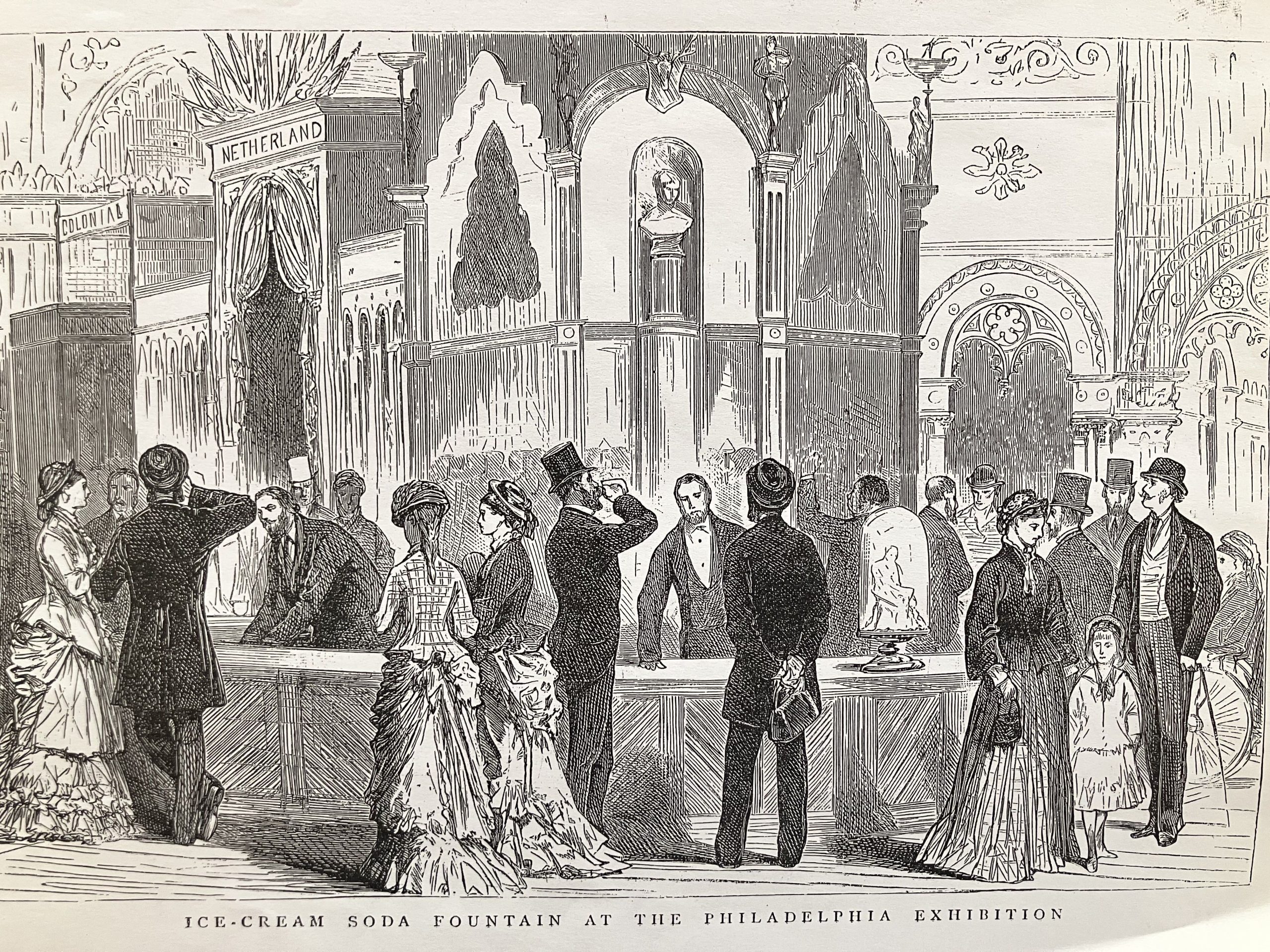
    An ice cream soda fountain pictured at the Philadelphia World’s Fair.Colibri Workshop

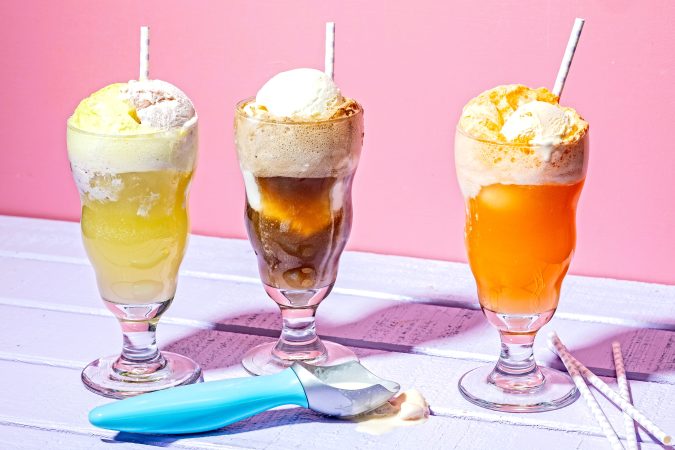
    To lure more fairgoers to the flavored soda water he was hawking at 10 cents a pop, Green added a dollop of vanilla ice cream. (Green purchased the ice cream from Henry Snyder, a confectioner at the corner of 13th and Vine.)

    “The ice cream soda came out of a moment of desperation,” explained Eric Berley, self-anointed ice cream historian and owner of Franklin Fountain in Old City. “It started to fizz and bubble up creating a real 19th-century experience.”

    The Philadelphia Historic District will honor ice cream soda’s effervescent beginnings at Franklin Fountain, Saturday July 18, from 11 a.m. to 1 p.m. It will be the district’s 29th firstival, part of a yearlong party celebrating America’s 250th birthday.

    The first ice cream soda was served at the 50th birthday fete for the Franklin Institute back in 1874 by soda fountain salesman Robert M. Green.Colibri Workshop

    Green made $8 that first day of ice cream soda sales. But he knew he could do better. According to a 1910 article in Soda Fountain, the next day he printed handbills advertising the creamy concoction. He gave teenagers free tastes and paid them to crowd around his booth to drum up interest.

    By the end of the fair Green was pulling in $200 a day — $5,793 in today’s money.

    Word of the sweet treat traveled throughout the country and ice cream sodas became a drugstore staple. Up until then, soda fountains were only used to make medicinal drinks like Alka-Seltzer. Ice cream helped turn drug stores into hot spots.

    Ice cream sodas, according to an article in the 1920 Philadelphia Evening Ledger were the precursors to the “sundae, the banana split, and the various egg drinks and a score or more of the tasteful and appetizing things which are now offered to the public.”

    Robert M. Green recounted how he made the first ice cream soda in a 1910 article printed in the trade magazine The Soda Fountain.The Berley Bros. Collection.

    Green opened Robert M. Green & Sons, at Broad and Vine, in the late 19th century where he sold soda machines and made a fortune. He’s buried in West Laurel Cemetery in Bala Cynwyd where his tomb stone reads: “Here lies the originator of the ice cream soda.”

    While it’s tempting to end the ice cream soda story here, there is more to this sweet saga.

    At the 1876 Centennial, Philadelphia-based pharmacist Charles Hires introduced the temperance drink Root Beer, a spicy blend of 16 wild roots and berries.

    Seventeen years later, Frank J. Wisner, owner of a Colorado-based brewing company, plopped in a scoop of vanilla ice cream, inventing the Root Beer float.

    The terms ice cream soda and ice cream floats are used interchangeably these days, Berley said.

    “But it’s clear without Philadelphia you wouldn’t have an ice cream soda or a root beer float.”


    The Ice Cream Soda Firstvial will be held, Saturday is Saturday, July 18, 11 a.m.-1 p.m. at the Franklin Fountain, 116 Market St.

    The Inquirer is highlighting a “first” from the Philadelphia Historic District’s 52 Weeks of Firsts program each week. A “52 Weeks of Firsts” podcast, produced by All That’s Good Productions, drops every Tuesday.

  • Bagel chain Call Your Mother signs a third Philly location before the first two have opened

    Bagel chain Call Your Mother signs a third Philly location before the first two have opened

    Call Your Mother, the Washington, D.C.-based bagel sandwich shop, has signed for a third Philadelphia location, before its first two have spread a single schmear.
    The chain, founded eight years ago by husband-and-wife team Andrew Dana and chef Daniela Moreira, will open at the Jessup House apartment building at 12th and Sansom Streets in Washington Square West. The new shop will join under-construction locations in the former Metropolitan Bakery space at 262 S. 19th St. near Rittenhouse Square, and in a new building at 1500 Frankford Ave., across from El Chingón Fishtown.

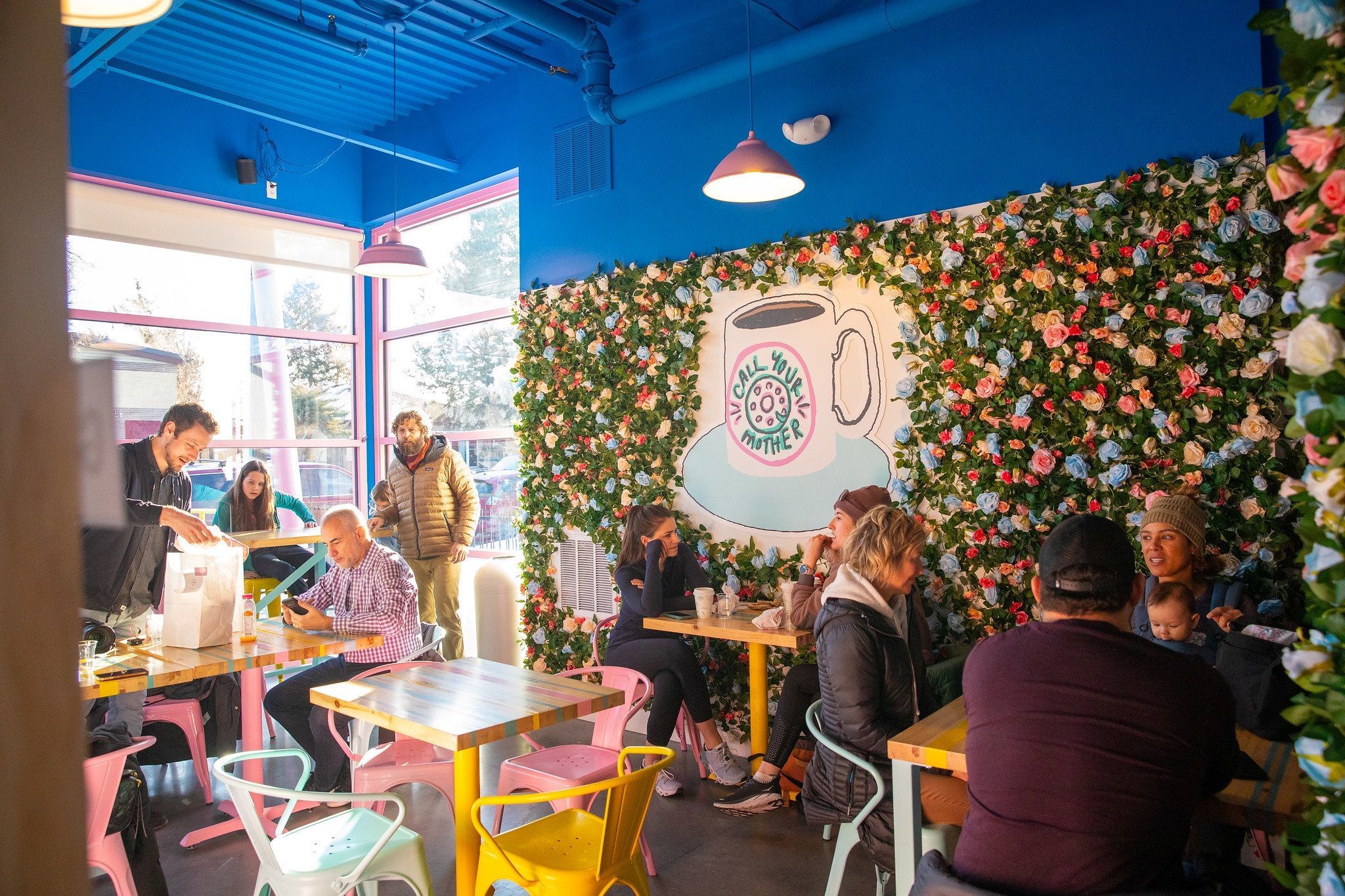
    Call Your Mother bagel sandwich shops have a subtropical feel.Courtesy of Call Your Mother

    Fishtown is expected to open first, around Aug. 31, followed just weeks later by Rittenhouse Square, Dana said. Washington Square West likely will open in early 2027.

    Dana told The Inquirer that Call Your Mother committed to a third Philadelphia location before opening the first two because of “simple math” and confidence in the market.

    Three locations in one city would justify hiring an area manager to oversee general managers at each shop. Just as important, he said, is the company’s belief that Philadelphia will embrace the concept. “We’re just that bullish on Philadelphia,” he said. The strategy echoes that of other fast-growing regional chains entering the market, including New York-based 7th Street Burger, which has signed four Philadelphia-area leases before opening its first restaurant.

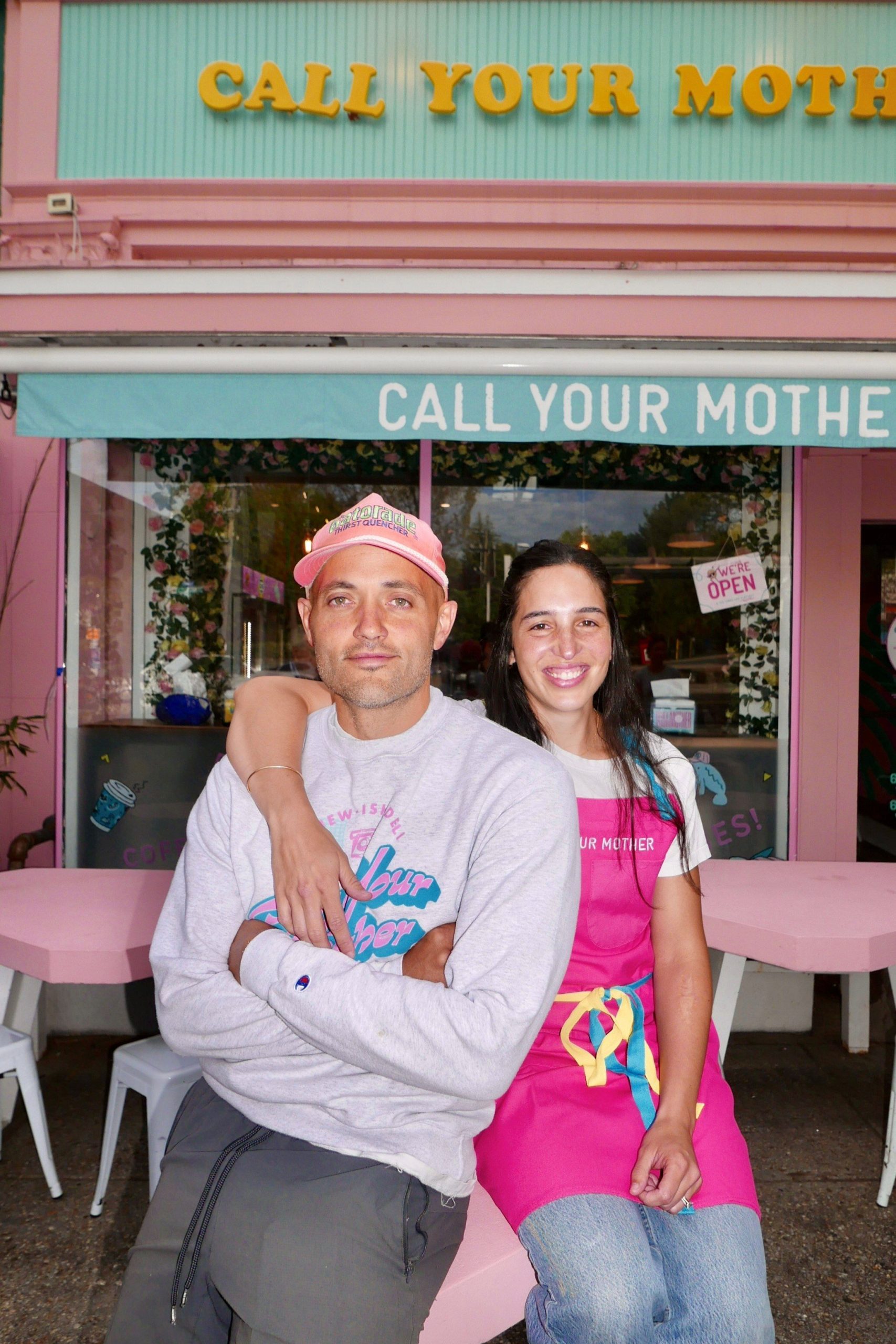
    Andrew Dana and Daniela Moreira founded Call Your Mother in 2018.Courtesy of Call Your Mother

    The chain has grown rapidly since Dana, a former pizza food-truck operator whose mother grew up in Germantown, and Moreira, an Argentine-born chef, opened the original Call Your Mother in Washington in October 2018. The couple met while haggling over the last carton of eggs at a Washington farmer’s market. They eventually became business partners before marrying.

    The restaurant’s name came after months of brainstorming. Looking for something that captured the playful spirit of Jewish deli culture, Dana asked friends, “What’s something funny our Jewish moms or grandmothers would say?” The answer “was like fireworks went off in my brain,” Dana said. “I said, ‘Oh my God, that’s it.’”

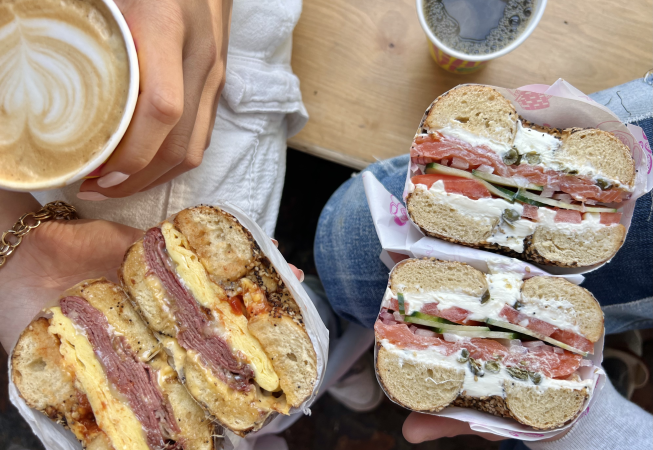
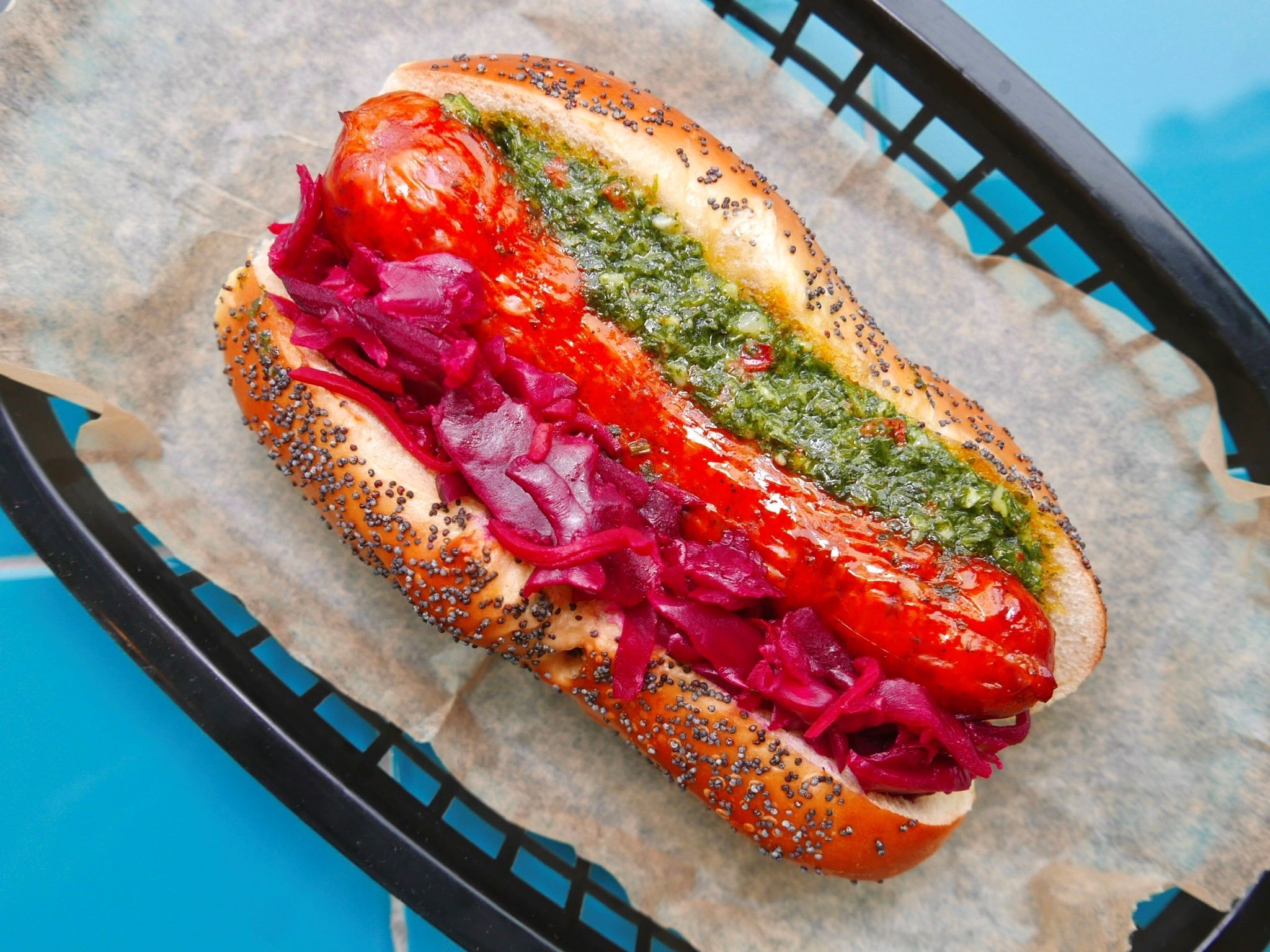
    Dana envisioned a brand inspired by the bright colors and easygoing vibe of the South Florida delis he visited while spending time with his grandparents in Boca Raton. Moreira’s upbringing in Argentina brought a fresh perspective to the menu, which pairs hand-rolled bagels with inventive sandwiches and toppings. (Example: the Alta Gracia Choripán, which layers smoked Argentine chorizo, chimichurri, and pickled vegetables on a poppy seed Hawaiian bagel bun.)

    Call Your Mother’s Alta Gracia Choripan is an Argentine-inspired sandwich featuring a smoked Argentine chorizo, chimichurri, and pickled vegetables on a poppy seed Hawaiian bagel bun.Courtesy of Call Your Mother

    Today, Call Your Mother operates 23 locations, with an additional six to eight in development, including the three in Philadelphia. Beyond Philadelphia, new stores are planned for the Washington suburbs, Colorado, and Chicago.

    The company’s expansion accelerated after it sold a majority stake in January 2025 to New York investment firm Invus, an early investor in Cava. Dana said the deal was less about fueling rapid expansion than finding a long-term partner that would provide additional resources while allowing the founders to continue running the business.

    “We didn’t need outside capital, so we were only going to do it if we found the right partner,” Dana said. “There’s no mandate that says we have to open a certain number of stores. If food quality or the guest experience starts slipping, we can take our foot off the gas and strengthen the foundation.”

    The 12th Street shop will occupy ground-floor space in Jessup House, whose other commercial tenants include Rival Bros Coffee and Solidcore. Dana expects it to seat about 20 people. Like the chain’s other locations, it will offer counter service for dine-in and takeout.

    Dana said the neighborhood appealed because it has a dense residential population, strong daytime foot traffic, and nearby hospitals, creating the kind of all-day customer base the company enjoys at several Washington-area stores.

    The restaurants, open from 6:30 a.m. to 2 p.m. on weekdays and until 3 p.m. on weekends, position themselves as bagel sandwich shops rather than breakfast restaurants. Breakfast and lunch draw roughly equal business, though sandwiches account for the bulk of sales, Dana said.

    Philadelphia has become a hot bagel market, but Dana welcomes the competition.

    “We’re big believers that all boats rise with the tide,” he said. “We’re always looking for ways to create great bagel sandwiches, and we think Philadelphia is the kind of city that appreciates that.”

  • What’s behind Margate’s $1.1 million ‘cocktail’? A speedboat

    What’s behind Margate’s $1.1 million ‘cocktail’? A speedboat

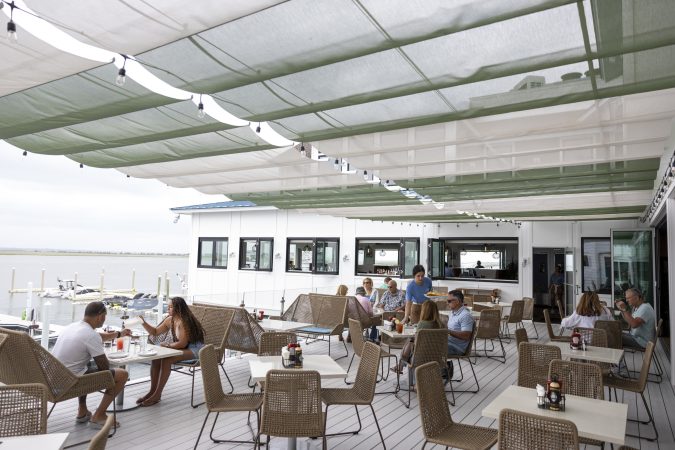
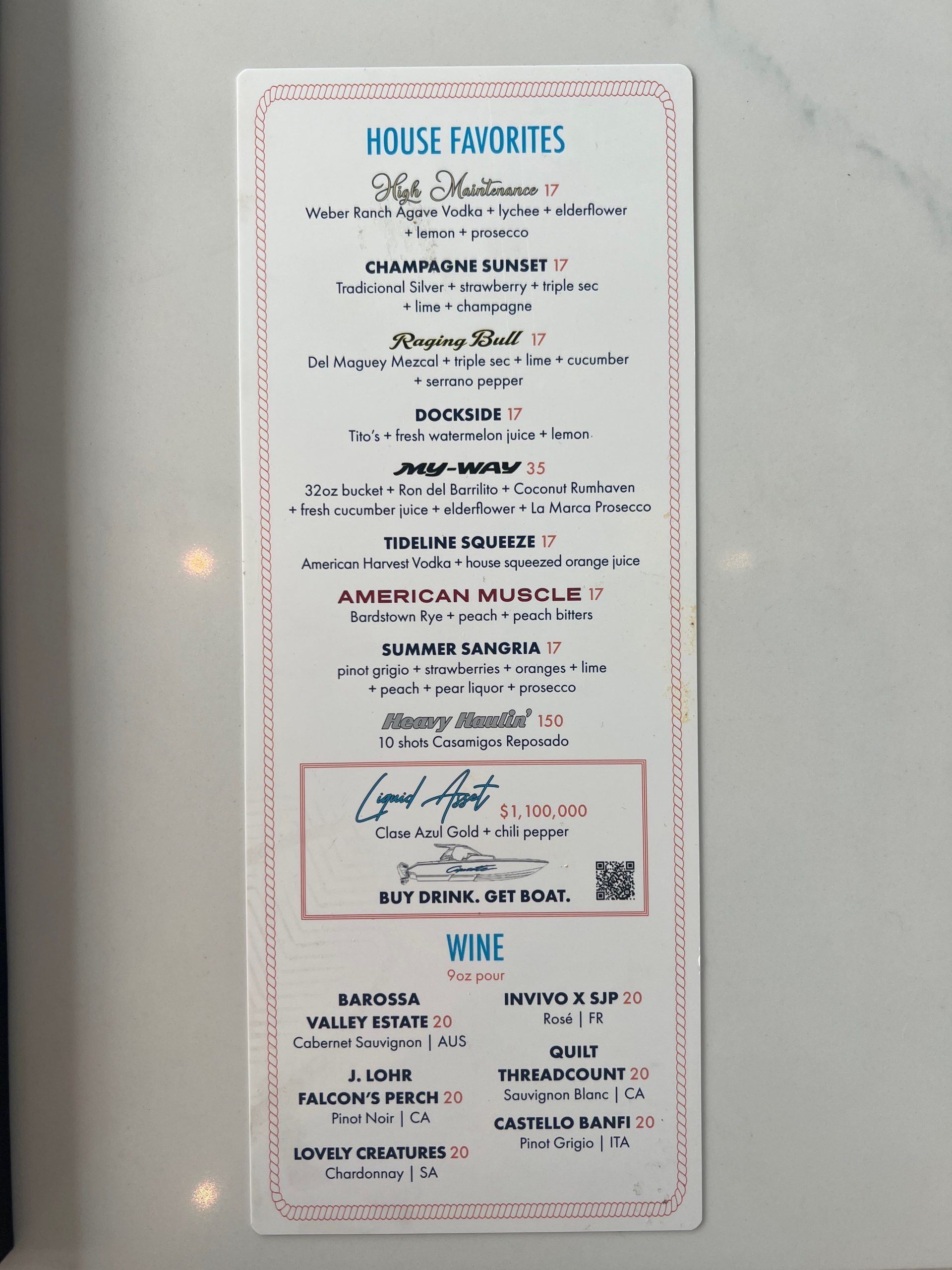
    Earlier this year, restaurant owner Ray Leotta decided to add an eyebrow-raising cocktail to the “House Favorites” drink menu at Tideline, Margate’s latest bayside restaurant. The drink would befit the splashy 240-seat restaurant, which spans multiple floors and offers stunning sunset views and full service to the boats and Jet Skis parked in its slip.

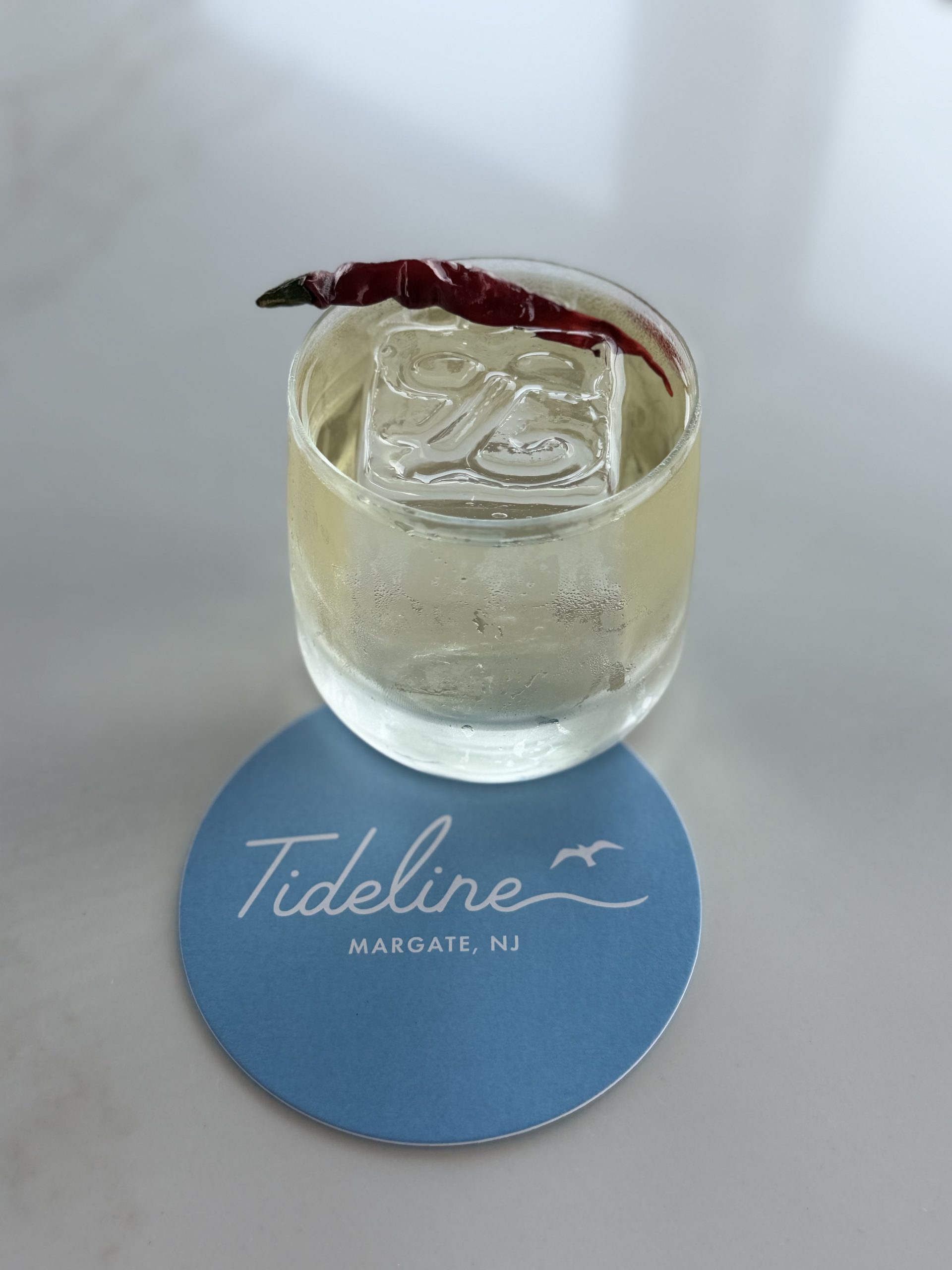
    Called the Liquid Asset, the drink consists of top-shelf tequila, a big ice cube, and a red chili pepper — for the hefty price of $1.1 million.

    The menu has a QR code for interested buyers to see renderings of the boat.Craig LaBan

    That’s because this summer sipper comes with a custom-built 39-foot speedboat.

    “Everybody reads the menu and goes, ‘Oh wow, $1,100. What kind of drink is this?’ And we’re like, ‘No, that’s $1.1 million.’ And then, they freak out for a minute,” Leotta said.

    The cocktail-and-a-boat idea was a 3 a.m. musing, said Leotta. Given the Shore’s bustling market for the boats, he thought the combo would be fun for local buyers. If he gets any takers, Leotta plans to offer the option every summer.

    No one has purchased the Liquid Asset yet, but five regular customers have expressed interest in the unusual pairing so far, Leotta said.

    “These boats are all custom-tailored, so they do take over a year and a half to make,” he said. “That’s another reason people are interested, because you can skip the line and you don’t have to wait.”

    A rendering of the speedboat from Cigarette Racing company.Cigarette Racing

    A year ago, Leotta reached out to Cigarette Racing, a Miami-based boat builder that specializes in luxury cigarette boats, who put him in touch with a New Jersey dealer to commission the speedboat. The boat, which will sport the restaurant’s blue-and-gray color scheme, is currently in production, with delivery anticipated for mid-August. Customers can use a QR code on the drink menu to view renderings.

    If someone buys the “cocktail,” they’ll be presented with a contract to sign off on the purchase price, the boat, and all its features — plus a special engraved bottle of Clase Azul Gold tequila and the cocktail itself.

    The Liquid Asset at Tideline costs $1.1M and comes with a custom speedboat.Tideline

    Because the boat is still in production, the buyer would be on the hook for a $400,000 deposit now, with the remainder owed once the boat is completed. If someone buys it after delivery, it’s $1.1 million at signing.

    Despite the spicy pricing, Leotta is optimistic the Liquid Asset will find a buyer.

    And if it doesn’t sell?

    “It’s mine,” Leotta said. “And the cocktail will remain on the menu.”

  • Several Federal Donuts and Goldie locations in Philadelphia are closing amid a slowdown in fast-casual lunch business

    Several Federal Donuts and Goldie locations in Philadelphia are closing amid a slowdown in fast-casual lunch business

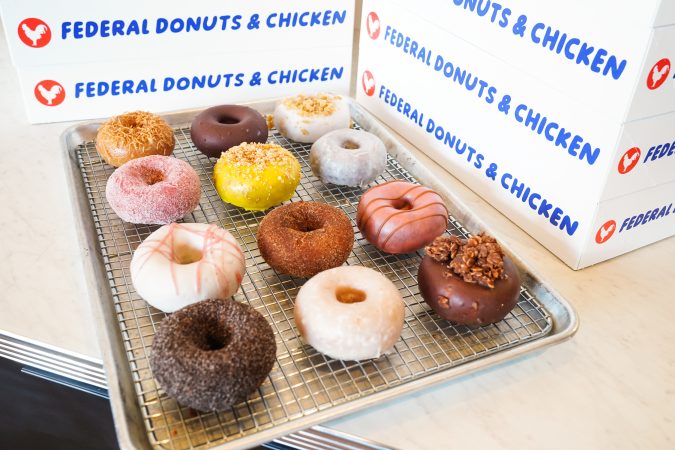
    Restaurant group CookNSolo will close three Center City Federal Donuts & Chicken locations and shrink its Goldie falafel chain from four shops to one as owners Steve Cook and Michael Solomonov retrench, citing weakened demand for fast-casual dining, particularly at weekday lunch.

    Federal Donuts’ shop at 1909 Sansom St. — designated only months ago as the company’s flagship after the South Philadelphia location closed in February — shut down after business Sunday. Locations at 21 S. 12th St. and 18th Street and Benjamin Franklin Parkway are expected to close by July 31, although Cook said staff departures could accelerate the timetable.

    Of Federal’s 45 employees, 27 will be laid off, Cook said. Eighteen employees will be retained to staff the two remaining Philadelphia stores, on Fairmount Avenue and on South Street. Federal launched in 2011 in South Philadelphia with a menu of fried chicken, coffee, and hot doughnuts from a robotic fryer.

    Federal Donuts founders (from left) Tom Henneman, Michael Solomonov, and Steve Cook at the Federal Donuts & Chicken location at 1776 Ben Franklin Parkway in 2022.Michael Klein / Staff

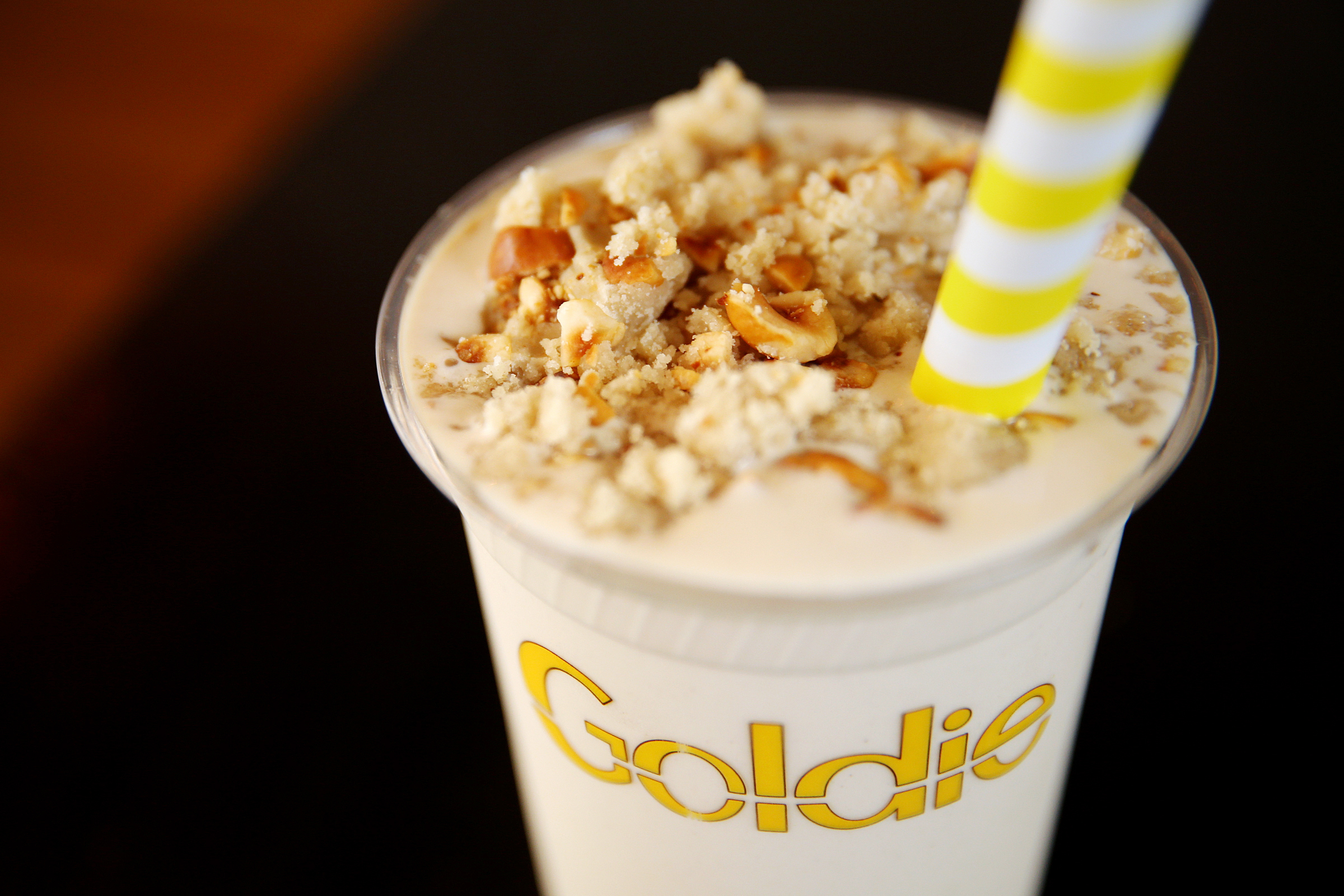
    Goldie, which debuted in 2017 with a menu of falafel, fries, and tehina shakes, will close its restaurants at 1218 Sansom St., Franklin’s Table food hall at 34th and Walnut Streets, and the Whole Foods Market at 2101 Pennsylvania Ave. in late July or early August. The lone remaining Goldie, at 1911 Sansom St., will absorb the chain’s delivery, takeout, and catering business.

    Eighteen of Goldie’s 36 employees will lose their jobs. Cook said the company is working to help find former Federal Donuts and Goldie workers other roles. Hourly staffers will not be given severance, Cook said, as is standard industry practice.

    Cook said the closures reflect a restaurant landscape that has changed dramatically since the pandemic.

    Dozens of fast-casual and quick-service restaurants have opened in recent years. “We feel like we’re oversaturated in the city, given the economy right now and the demand for fast-casual restaurants,” he said. Federal Donuts has experienced “significant” year-over-year same-store sales declines, he said. He hopes the closures stem the losses.

    “We have two great brands here that are worth saving, and we feel like economically this is the best way to preserve those brands.”

    Falafel from Goldie.Craig LaBan / Staff

    The company’s full-service restaurants — including Zahav, Dizengoff, K’Far Cafe, Jaffa Bar, and Laser Wolf — are unaffected by the shutdowns.

    ‘A mixed bag’

    Cook cited both the lingering decline in Center City office workers and inflation as contributing factors to the closures.

    “Post-COVID, while we’ve seen really good rebounds in the dinner, more fine-dining side of our business, weekday lunch traffic has never really returned to full strength,” he said. “The $10-to-$15 lunch is an easy thing to kind of do without.”

    Cook’s assessment reflects broader industry trends.

    Tehina shakes are a signature product at Goldie.Tim Tai / Staff Photographer

    While some national fast-casual brands such as Chipotle and Cava continue to post strong results, many regional chains are struggling as consumers increasingly choose prepared foods from grocery stores and convenience stores instead of restaurant meals, according to R.J. Hottovy, head of analytical research at Placer.ai, a location analytics and foot-traffic company.

    While fine-dining restaurants have generally continued to gain traffic through much of 2026, “fast-casual has been more of a mixed bag,” Hottovy said.

    Placer.ai’s findings show visits to grocery stores, convenience stores, and wholesale clubs increasing from a year earlier while overall restaurant visits have declined. “Middle-income consumers are increasingly substituting restaurant visits with meals at home,” Hottovy said.

    Restaurants also continue to battle rising labor costs while customer traffic softens as menu prices rise. “Price increases are increasingly showing up as lost visits,” he said.

    A sharp reversal

    The Federal Donuts closures mark a sharp reversal from its expansion ambitions after Radnor-based NewSpring Capital acquired a controlling interest in 2022.

    Federal then operated 11 locations and arena concessions, and executives envisioned a franchise system that eventually could reach 150 stores.

    The company’s largest franchisee later closed its restaurants in Radnor, Conshohocken, and Willow Grove and returned several Philadelphia stores to the company. In April, Cook and Solomonov announced plans to regain control of those city locations, simplify operations, and improve execution.

    At the time, the Sansom Street restaurant was designated as the flagship to redevelop menu items. “I thought we would get a significant bounce in sales [there] and it just didn’t happen,” Cook said.

    Cook said NewSpring remains the majority owner of Federal Donuts, while he and Solomonov retain a significant ownership stake and seats on its board. Representatives of NewSpring did not respond to requests for comment.

    Under the restructuring, two Philadelphia stores will remain. CookNSolo will take over the location at Seventh Street and Fairmount Avenue, now owned by the company, as a franchisee around Aug. 1.

    Federal cofounder Tom Henneman confirmed that he was in talks to operate the location at Sixth and South Streets as a franchisee.

    Cook said those stores were chosen because of their historical performance and geographic separation. Consolidating delivery and takeout in two locations instead of five should improve profitability, he said.

    Besides the two city stores, Federal will continue operating independently owned franchises in Marlton, Lancaster, and the Hard Rock Hotel & Casino in Atlantic City, along with its licensed airport and stadium locations.

    Goldie, unlike Federal Donuts, is owned entirely by CookNSolo.

    CookNSolo has also been the focus of pro-Palestinian demonstrations and boycott campaigns since the start of the Israel-Hamas war on Oct. 7, 2023. Activists have criticized the restaurant group for raising money for an Israeli emergency medical nonprofit as well as Cook’s and Solomonov’s outspoken support for Israel. The chefs have said their support for Israel was “not unqualified” and have criticized the Netanyahu government’s efforts to thwart a two-state solution.

    A group with the Instagram handle @boycottcooknsolo on Monday reported word of the store closings, contending that the boycott had softened sales.

    Cook disagreed. “Any time there’s been a protest, it’s always resulted in a short-term increase in business,” Cook said. “This is really an economic decision that goes back many years at this point.”

    (function(){function e(){window.addEventListener(`message`,function(e){if(e.data[`datawrapper-height`]!==void 0){var t=document.querySelectorAll(`iframe`);for(var n in e.data[`datawrapper-height`])for(var r=0,i;i=t[r];r++)if(i.contentWindow===e.source){var a=e.data[`datawrapper-height`][n]+`px`;i.style.height=a}}})}e()})();