Tag: University of Pennsylvania

  • Penn helped test a promising mRNA cancer vaccine. Here’s what the trial means for the field.

    Penn helped test a promising mRNA cancer vaccine. Here’s what the trial means for the field.

    Denise Fitzsimmons knew that removing the fast-growing lump above her eyebrow in 2024 didn’t eliminate the possibility that her melanoma could return.

    But a clinical trial at Penn Medicine offered the 63-year-old grandmother from Birdsboro, Pa., hope of a more enduring remission. It tested a novel vaccine, based on Penn’s groundbreaking mRNA research, that trains the patient’s immune system to find and kill cancer cells.

    That technology has become the first mRNA cancer vaccine to succeed in a late-stage clinical trial, according to preliminary findings released last month by Merck and Moderna, the pharmaceutical giants developing it.

    The vaccine extended the time a patient survived without their cancer returning or spreading, according to the companies, which announced Monday that they will share the full trial results next month at the 2026 European Society for Medical Oncology meeting in Spain.

    The drugmakers merely said that the results were positive. Without knowing the exact numbers involved, or how long the benefit lasted, it’s still unknown if the results will prove clinically meaningful for patients. The companies also have not announced a commercial price tag for the therapy, called intismeran autogene, though similar immunotherapies can cost hundreds of thousands of dollars.

    The trial could mark a turning point for mRNA technology, which has proven useful against infectious diseases but hadn’t had the same success in cancer.

    Melanomas typically contain thousands of genetic mutations due to sun damage, making them an ideal target for the approach, which teaches the immune system to respond to unique markers on cancer cells.

    “It’s a very big step forward after many negative studies in the last few years,” said Ravi Amaravadi, the lead investigator of the Penn trial site, one of more than 100 around the globe.

    mRNA vaccines gained widespread attention in 2020 when used to develop the first immunizations for COVID-19. These shots used the mRNA platform developed by Nobel Prize winners Katalin Karikó and Drew Weissman, a University of Pennsylvania professor. Since then, mRNA vaccines for RSV and the flu have gained approval.

    “This was kind of the wake-up call that RNA vaccines in cancer have an enormous future,” said Weissman, who was not involved in the trial and has no financial stake in Merck or Moderna.
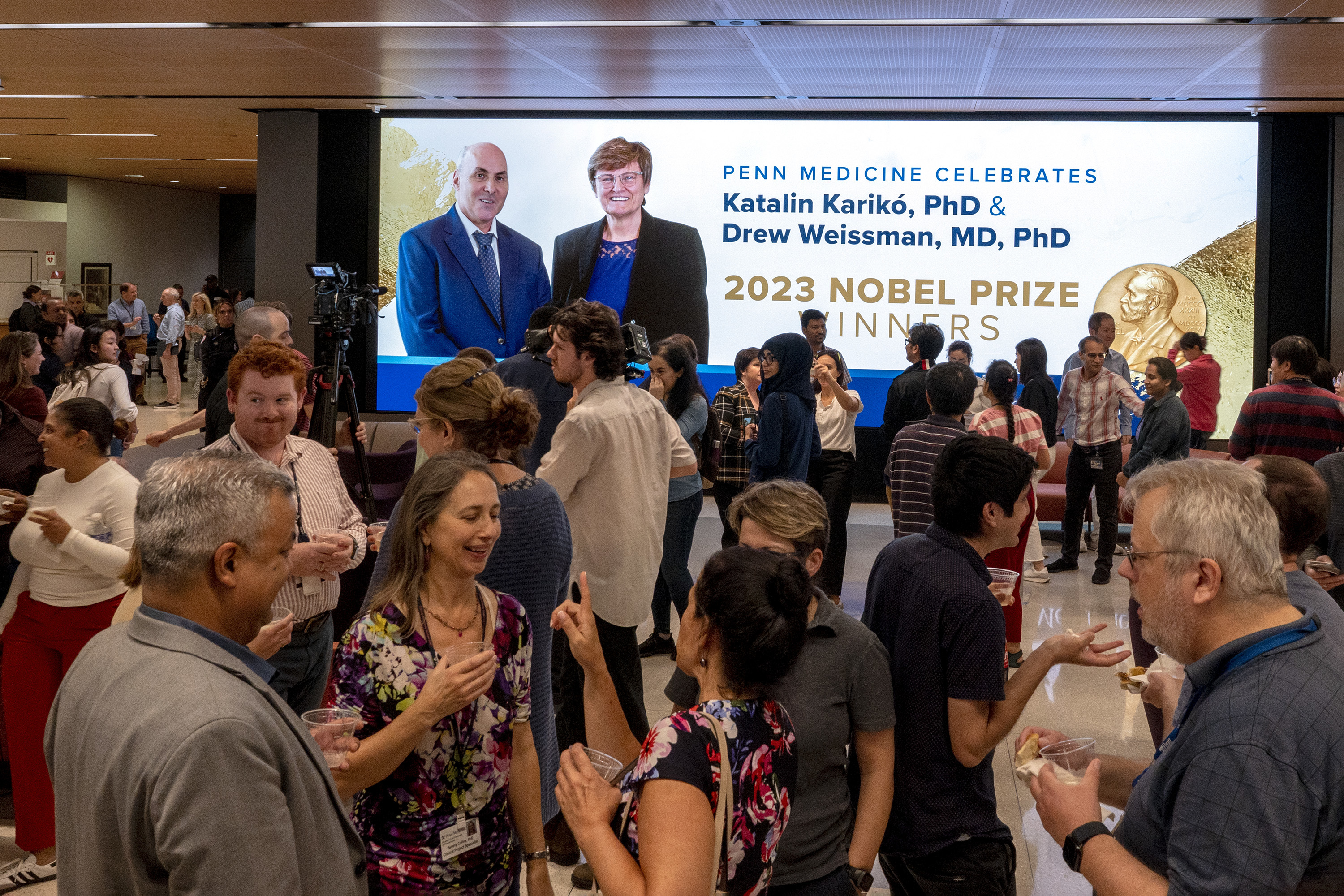
    Katalin Karikó and Drew Weissman were named winners of the 2023 Nobel Prize in Physiology or Medicine. The messenger RNA pioneers worked years to unlock an understanding of how to modify mRNA to make it an effective therapeutic – enabling a platform used to rapidly develop lifesaving vaccines amid the global COVID-19 pandemic.Tom Gralish / Staff Photographer

    How the vaccine works

    Melanoma is a serious type of skin cancer that develops when melanocytes — the cells that give skin its color — grow out of control.

    This trial tested the vaccine in patients whose melanomas had already been removed through surgery. The goal was to destroy any remaining cancer cells and prevent the disease from returning or spreading to other parts of the body.

    “It’s the deadliest form of skin cancer because it can metastasize,” Amaravadi said.

    Detail of a person with a malignant melanoma, which is a malignant skin tumor that involves the skin cells that produce pigment. (American Cancer Society/Getty Images/TNS)Getty Images / MCT

    Penn’s site was one of the first trial locations to open in the United States.

    Scientists personalized the vaccine for each patient by analyzing their tumor samples for unique genetic mutations. That enabled them to design mRNA — a molecule that carries genetic instructions — that would encode bits of protein that look like the tumor.

    When the immune system encounters those proteins, it learns to recognize the cancer and attack it.

    It’s similar to vaccines for the flu or COVID-19, which train the body to identify and fight off specific viruses.

    If the immune system is trained in this way, it could produce a long-lasting memory against the cancer, Amaravadi said.

    “We are now able to train the immune system to look for the tumor, arguably for the first time, in the most effective way,” Amaravadi said, referring to the mRNA platform.

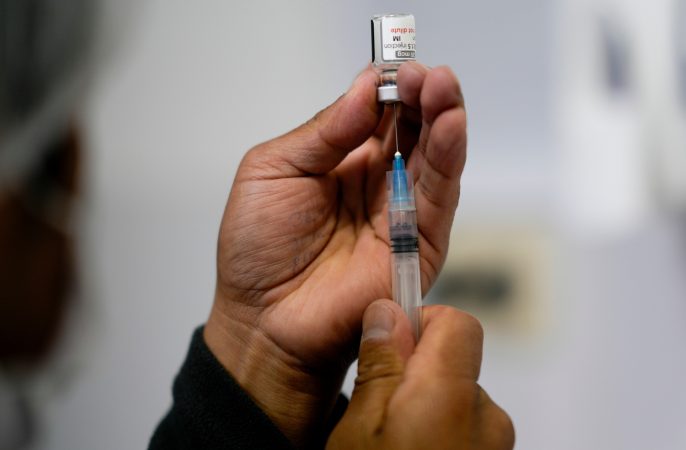
    That mRNA was loaded into a nanoparticle (which acted like a delivery truck hauling cargo) and injected into the arm as a shot.

    Two-thirds of the 1,137 participants were randomly chosen to receive the vaccine in combination with Keytruda, a standard-of-care immunotherapy, while the remaining third received Keytruda alone.

    The trial
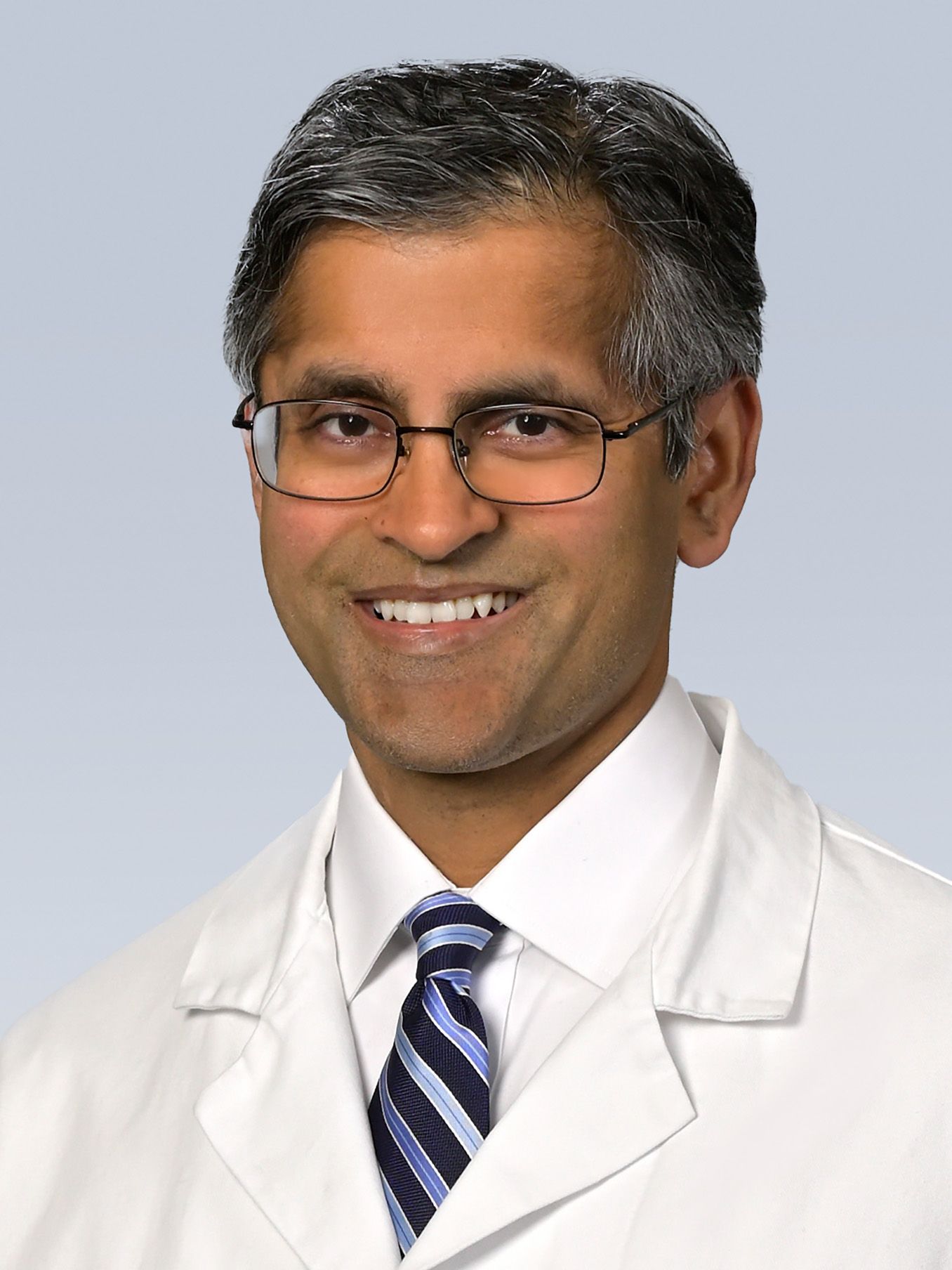
    Ravi Amaravadi led the trial site at Penn.Courtesy of Penn Medicine

    Trial participants who received the vaccine had fewer metastases compared to patients who got the immunotherapy alone, Amaravadi said.

    However, the company has only announced that the results were positive. Without knowing the data, it is hard to say whether the results are also clinically meaningful, Amaravadi said.

    “We are hopeful we’re going to see the same absolute benefit when we see the data published,” he said.

    Amaravadi also wants to see whether there were any unexpected side effects that patients should consider before taking the therapy.

    Another data point of interest: How many patients agreed to receive the treatment but ultimately couldn’t receive it. In some cases, patients’ tumor samples were too small, didn’t contain enough usable genetic material, or were of too poor quality to actually make the treatment.

    If this were a consistent problem, the technology used to analyze tumors’ genetic makeup would need to improve.

    “It’s still a little bit of a bottleneck for some patients to get access to the treatment,” he said.
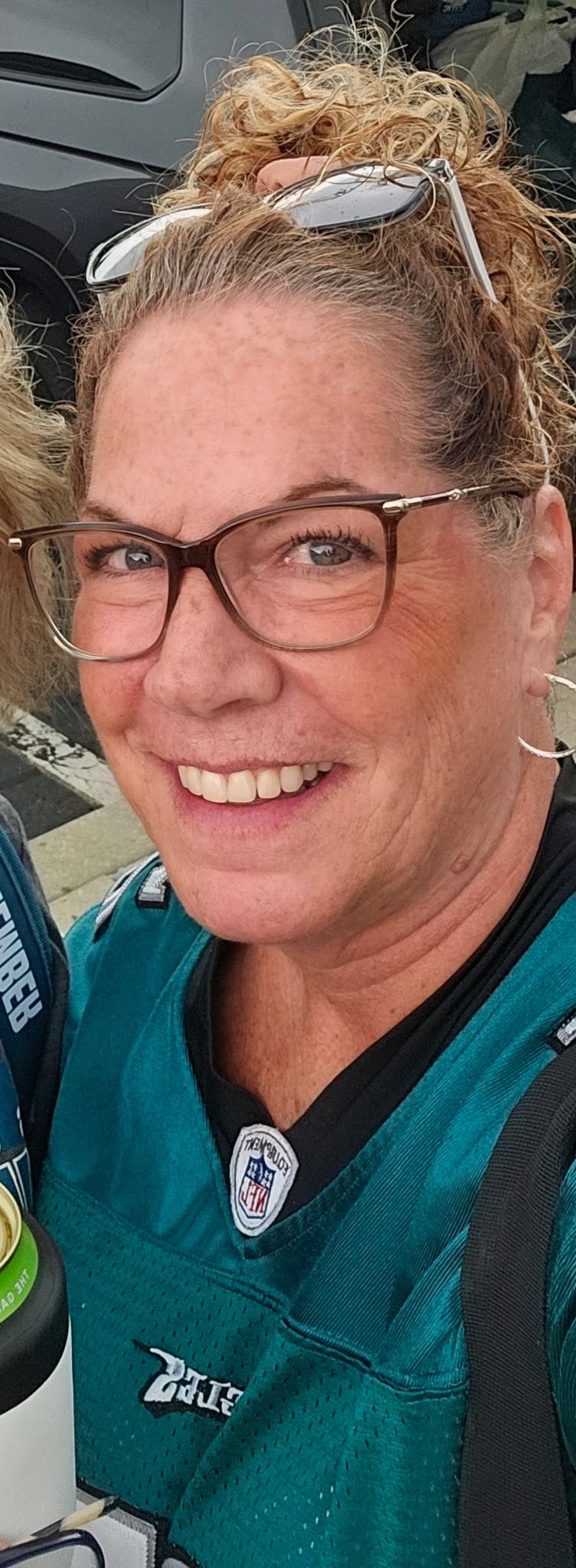
    Denise Fitzsimmons of Birdsboro, Pa., is one of the participants at Penn’s trial site.Courtesy of Denise Fitzsimmons

    Fitzsimmons, a grandmother living in the small Berks County town of Birdsboro, participated through Penn’s site. She doesn’t know whether she received the treatment or a placebo (that information is kept secret from both patients and researchers to avoid bias.)

    But she recalls feeling flulike symptoms the day after each shot — including body aches and sweats — making her speculate that she may have received the vaccine. COVID-19 mRNA shots often prompt similar reactions.

    Fitzsimmons has been cancer-free for the last two years.

    “My fifth granddaughter is on her way,” she said. “So I have a lot to live for.”

    The future of mRNA

    RNA offers a few key advantages as a treatment.

    Its effects are transient and controllable. The material lasts only a couple of days in the body before it degrades and disappears.

    It’s also relatively easy to make.

    “We made billions of doses of the COVID vaccine within a year. No other vaccine or therapeutic can be expanded that quickly,” Weissman said.

    He believes RNA vaccines could benefit people with genetic mutations that put them at higher risk of cancer, such as BRCA carriers.

    If people receive the vaccine before their tumors form, it could kill off any early cancer cells that arise.

    “That way you prevent the cancer from ever forming, instead of trying to treat it after it’s already there,” Weissman said.

    Conversely, he doesn’t think RNA vaccines would work well in someone whose advanced cancer cannot be removed. The immune system has a hard time killing large tumors, he explained.

    This trial tested the vaccine as a follow-up to surgery, targeting leftover tumor cells.

    Other ongoing trials are testing mRNA vaccines in pancreatic, breast, colon, lung, prostate, and other cancer types.

    Outside of cancer, clinical trials are testing mRNA vaccines for herpes viruses, malaria, tuberculosis, Zika, chikungunya, and norovirus. Scientists are also exploring whether mRNA technology could be used to treat allergic and autoimmune diseases.

    This work has continued to advance, even as Health and Human Services Secretary Robert F. Kennedy Jr. last year slashed $500 million designated for mRNA vaccine development.

    “The potential for RNA to treat many different diseases can’t be ignored,” Weissman said.

  • Penn endowment increases 27.4%, or more than $6 billion. It’s the largest dollar jump in the university’s history.

    Penn endowment increases 27.4%, or more than $6 billion. It’s the largest dollar jump in the university’s history.

    The University of Pennsylvania’s endowment jumped 27.4% or $6.3 billion in the year ending June 30, 2026, university officials said Thursday.

    The university’s endowment, which supports financial aid, research, teaching, patient care, and other projects, increased from $24.8 billion in 2025 to $31.1 billion, said Mark Dingfield, Penn’s executive vice president.

    “The major story here was our exceptional endowment performance,” Dingfield told members of the university budget and finance committee Thursday, “… which leads to significant growth in our total net assets.”

    It’s the largest one-year dollar jump in the university’s history and compares to 12.2% or $2.5 billion in 2025. The largest percentage increase in the endowment was 50% in 1983, followed by 41.1% or $5.6 billion in 2021, a university spokesperson said.

    Dingfield noted that much of the endowment is restricted for specific uses, and that some of the gains will be absorbed by an increase in the federal excise tax on Penn’s endowment earnings. The tax rate increased on July 1 from 1% to 4%.

    “So even though the endowment performance is exceptional and we’re celebrating, some of that will need to be going to paying off that tax liability under the new tax policy,” he said.

    The endowment’s performance capped an overall strong fiscal year for the university, Dingfield said. That follows an earlier period of fiscal uncertainty. The university in January made another round of budget cuts in response to President Donald Trump’s administration’s actions that threatened future federal funding and revenues, and because of rising legal and insurance expenses.

    Penn’s schools and centers were directed to cut 4% from certain expenses and keep in place financial cutbacks instituted the prior year, including a staff hiring freeze and freezes on midyear adjustments in staff salaries.

    But the financial report on Thursday was bright.

    “The bottom line here is that we ended the year with really strong, both balance sheet and operating performance, which does give us some flexibility heading into FY27,” Dingfield said at the meeting.

    Yet, he said, “we are very much still focused on managing the risks that exist in our current environment.”

  • Penn Medicine and IBX form new company to open Philly-area ambulatory surgery centers

    Penn Medicine and IBX form new company to open Philly-area ambulatory surgery centers

    The University of Pennsylvania Health System and Independence Blue Cross, the Philadelphia area’s largest insurer, have formed a new company with plans to open at least 18 regional surgery centers.

    The for-profit company announced Thursday is part of an effort by Penn and IBX to bring lower-cost procedures closer to patients, while maintaining quality and safety, officials said.

    For Penn, the venture represents a financial leap, because it means the nonprofit health system will intentionally accept significantly lower payments for part of its business.

    “We need to work on affordability in healthcare. It’s too expensive. It’s bankrupting families,” Penn health system CEO Kevin Mahoney said.

    Medicare and private insurers like IBX who pay the healthcare bills “want to move to less costly settings,” he said, and Penn needs to be ready to capture that business.

    IBX’s CEO Kelly Munson emphasized the importance of partnerships to tackle rising healthcare costs. She noted that shifting care to ambulatory surgery centers from hospital departments can generate as much as a 50% discount.

    “The healthcare affordability crisis won’t be solved alone,” Munson said.

    A third investor in the company is Regent Surgical, a Tennessee firm with private equity investors that will manage the local centers. Its tasks include forcing efficiency. Regent already manages 40 sites in 15 states. Penn clinicians will provide services.

    Regent’s CEO, Travis Messina, called the new company the first of its kind nationally. “I’ve yet to see one that has involved both a payer, a provider, as well as a management company,” he said.

    Key details — such as the for-profit company’s name, the ownership percentages, and the time frame for opening the anticipated facilities — were not disclosed.

    The first local facility is expected to open next year, but officials did not say where.

    The Penn-IBX initiative doesn’t fit into the typical playbook for ASCs, said Dan Grauman, a healthcare consultant based in the Philadelphia area.

    Usually, physicians are also involved as owners. “They’re part owners of these surgery centers, and they drive the volume,” said Grauman, a managing director at VMG Health, a national healthcare consulting firm.

    Asked if non-Penn doctors could be involved in or be investors in the new centers, Penn and IBX said they are evaluating all options for future growth.

    The case for more ASCs in the Philadelphia region

    Southeastern Pennsylvania already has more than 100 ambulatory surgery centers, many of them specialized in gastroenterology and mainly focused on colonoscopies, state heath department data show.

    Yet the region lags the nation in the shift to lower-cost surgery centers.

    Data provided by Regent show that in 2023 and 2024 only 33% of ASC-eligible procedures in the Philadelphia region had migrated to the ASCs, compared to 56% nationally. Regent uses data from Kythera Labs, a company that analyzes health insurance claims.

    Messina attributed the slower adoption of surgery centers to the concentration of physicians employed by local health systems. “That tends to limit the amount of ASC availability in markets across the country,” he said.

    Historically, Philadelphia-area health systems tended to concentrate services in their hospitals, which have expensive fixed overhead, and in facilities that charge hospital rates. Executives focused on protecting revenue, so they could maintain broad hospital offerings, rather than on offering lower-cost options.

    Healthcare trends now increasingly are pushing care into the community. Mahoney noted that half of Penn’s chemotherapy and infusion services are provided in patients’ homes. Close to two thirds of Penn’s $13.6 billion in revenue is from outpatient care, he said.

    “We’ve been trying to deconstruct away from hospitals for a long time, and this is a natural step on that continuum,” he said.

    Penn previously invested an undisclosed amount of money in the Ambulatory Cardiovascular Center of Pennsylvania near King of Prussia. That facility is a partnership that also includes Cardiology Consultants of Philadelphia, Cardiovascular Logistics, and SCA Health.

    To incentivize more surgery centers and reduce costs for employers, IBX introduced a policy this year that it will only pay for certain procedures if they are done in a low-cost ASC. At the same time, IBX does not force patients to change doctors if their provider does not have privileges at an appropriate ASC.

    How Penn could go about opening centers

    Mahoney called the initial target of 18 locations the start.

    “Eighteen is half of what I want to do. These are not mega hospital buildings,” he said. “They’re going to be convenient. They’re going to be spread throughout the five counties, easy for people to get to, close to their homes.”

    The new centers won’t always require new construction, as is typically the case for Penn’s large outpatient centers, such as the one going up in Montgomeryville.

    The new ASC company could also acquire existing ASCs or change the billing practice at a Penn surgery center that currently charges higher hospital rates, Messina said.

    A surgery center on the campus of Penn’s Doylestown Hospital closed last year. Penn could relaunch it under the new company.

    New Jersey could also see new surgery centers from the Penn expansion.

  • Penn picked first three faculty spinouts for early stage StartUP investments

    The University of Pennsylvania picked the first three faculty-founded companies for early stage investments from its newly established $10 million StartUP fund, the university said Wednesday.

    The three companies are working in maternal health, advanced radio-frequency filtering technology, and AI-powered drug discovery.

    Each is receiving the maximum investment of $250,000 from the fund launched in December to make seed investments in companies founded by university researchers.

    “Penn researchers are developing technologies with the potential to address some of the most important challenges facing society today, and many of these solutions have the potential to create entirely new markets,” John Swartley, Penn’s chief innovation officer, said in an announcement.

    Here are some details on the three companies:

    • Vasowatch is developing a non-invasive monitoring system to predict the risk of maternal postpartum hemorrhage, a leading cause of maternal death. Its cofounders are Penn Nursing adjunct professor Stefanie Modri and former Penn Engineering faculty James Weimer. The company will use the money to fine-tune the product and to pay for a clinical trial anticipated to start next year.
    • OneFiltr, cofounded by Troy Olsson, a professor in the School of Engineering and Applied Science, has a compact device designed to allow a cell phone to isolate and process specific frequencies. The company will use its investment to further development of its device for evaluation by aerospace and defense companies.
    • Peptaris Inc. has an AI platform for evaluating and developing drugs based on peptides, which are building blocks for proteins. Cofounders are César de la Fuente and Marcelo Der Torossian Torres. The StartUP investment is part of a larger seed round that Peptaris is using refine its model and evaluate its first candidates. Peptaris said in an SEC filing June that it raised $4 million from investors.
  • Sen. Dave McCormick calls for increased NIH funding, breaking with Trump in Washington Post piece

    Sen. Dave McCormick calls for increased NIH funding, breaking with Trump in Washington Post piece

    U.S. Sen. Dave McCormick called for doubling the National Institutes of Health budget and prioritizing “merit-based science” in a Washington Post opinion piece published Wednesday.

    The column emphasized the Pennsylvania Republican’s disagreement with decisions made under President Donald Trump’s administration over the last year and a half that have disrupted billions in scientific funding, prompting lawsuits and court reversals in certain cases.

    “I’m a Republican senator. America needs more science, not less,” read the headline on McCormick’s column.

    He opened with a reference to KJ Muldoon, a Philadelphia-area child whose life was saved by a personalized gene-editing therapy. NIH funding helped researchers at Children’s Hospital of Philadelphia and the University of Pennsylvania develop the treatment. This work represents how federal investment can drive breakthroughs in American medicine, McCormick noted.

    “Meanwhile, the U.S. is underinvesting in discovery,” he wrote, highlighting how the NIH budget has declined by more than 10% since 2003, adjusting for inflation.

    Though McCormick has largely supported Trump’s agenda, he has repeatedly pushed back on cuts to research funding.

    His office last week publicized a letter authored alongside Sen. John Fetterman (D., Pa.) in which the senators issued a bipartisan call for the federal government to explain recent cuts to healthcare research grants affecting Pennsylvania.

    CHOP and Penn are among the institutions that had to shut down programs after the Agency for Healthcare Research and Quality stopped funding more than 100 grants nationwide, totaling hundreds of millions of dollars, in July.

    In his commentary, McCormick cited examples of NIH funding “saving lives and lowering the cost of disease.” Although less than 1% of federal spending goes toward NIH research, he said, the investment delivers outsized returns.

    The nation’s leadership in scientific innovation could slip if federal funding continues to fall, he added.

    “Conservatives should recognize that basic research, like national security, is a public good that private capital rarely funds,” he wrote.

    At the same time, he echoed some of the Trump administration’s criticisms of research funding, which it says overemphasizes diversity, equity, and inclusion.

    The federal government has canceled nearly 1,400 grants midstream, many due to language referencing diversity, he said.

    In the Philadelphia area, research on LGBTQ+ health and health disparities — how social factors like race, income, and living conditions affect health — has been particularly targeted by cuts.

    “While some of these grants deserved to be canceled, some were legitimate research with buzzwords inserted to get approval from the Biden administration,” McCormick wrote.

    A federal judge had ruled that some of the cuts targeting diversity-related grants were unlawful and discriminatory, after researchers and institutions pushed back through lawsuits.

    McCormick said he has urged the government to let scientists revise their applications to continue their work, rather than wasting the investment in those canceled grants.

    He also called for the government to double the NIH’s $48 billion budget within five years, rather than cut it by nearly 40% as the Office of Management and Budget had proposed last year. The proposed cuts were rejected.

    “If we dare, KJ’s story can be the beginning of a new golden age of American science,” he concluded in the op-ed.

  • A Philadelphia teacher pretended to be Black and Palestinian, ‘a betrayal’ of the activists she supported

    A Philadelphia teacher pretended to be Black and Palestinian, ‘a betrayal’ of the activists she supported

    A Philadelphia teacher is being called the “Palestinian Rachel Dolezal” after being caught lying about her background — a deception that has stirred strong emotions in education and racial justice organizing circles.

    Hannah Gann, a veteran Philadelphia School District educator, has claimed at times to be Palestinian and Black, and was so outspoken a mobile billboard once parked outside her school calling her “Philadelphia’s Leading Antisemite.”

    But Gann, it turns out, is white and Jewish, and lied about her identity for years.

    “Members met with Hannah and questioned her about her background on Thursday and after an hour of discussion, Hannah finally admitted she lied,” the Racial Justice Organizing Committee and Philly Educators for Palestine said in a statement. Gann had been a visible member of both groups. “We asked her to publicly acknowledge that she is a white woman of Jewish heritage and an Israeli settler family.”

    The groups are “stunned, saddened and angered by this betrayal,” their statement said. They said they have permanently cut ties with Gann.

    Gann, in an Instagram post, admitted the yearslong fabrication. She said she was “a white woman of significant privilege and wealth.”

    “I hid the truth or outright lied about my background to everyone in my life,” Gann said in a video post. “There is not a single person on this planet, no friend, no fellow organizer, no one in my family, no professional connection, no secret op or handler who knew what I was doing. I hid my family’s background from everyone in Philly and also hid from the people in my own family what I was doing.”

    Gann said she “allowed half-truths and obfuscations to grow into outright lies,” but that she “genuinely wanted to commit to the work I was doing in spite of those lies.”

    Gaining the trust of youth and activists

    Gann, who teaches at the Workshop School, a project-based Philadelphia School District high school, was front and center in education activism work after the Oct. 7 Hamas-led attacks on Israel.

    In 2024, for instance, Gann participated in a West Philadelphia “teach-in” on “scholasticide” — the destruction of educational infrastructure — in Gaza. Her biography for that event identified her as a Palestinian American.

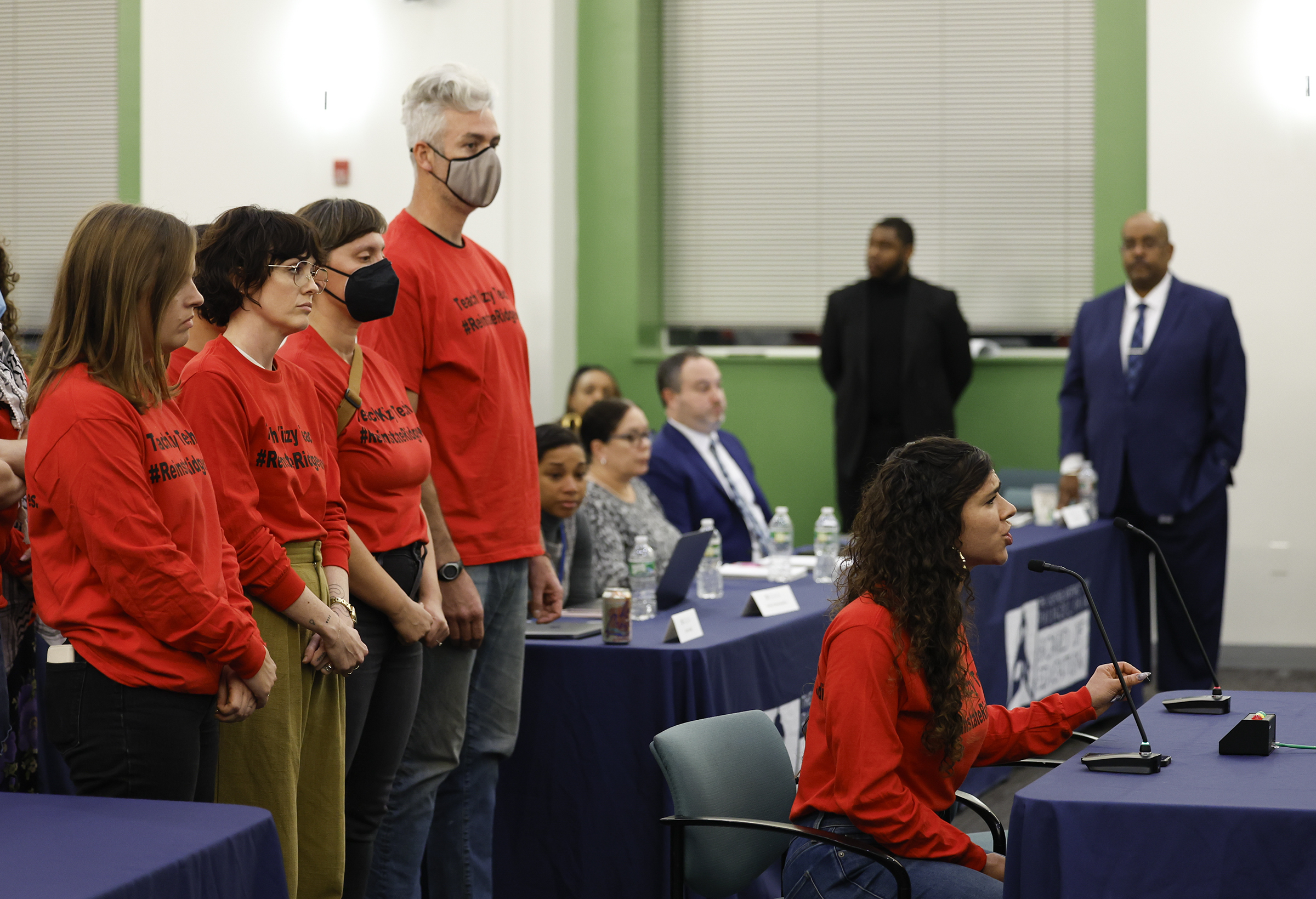
    And Gann was a leading voice in defending Keziah Ridgeway, a fellow Philadelphia teacher who was disciplined by the district over her private, pro-Palestinian social media posts. (Ridgeway has since sued the district, alleging anti-Islamic bias.)

    According to a document compiled by the Philly Palestine Coalition and obtained by The Inquirer, Gann has made frequent references to Palestinian family, including a Palestinian-born grandfather whom the PPC found was actually born in Baltimore, citing historical draft records and her great-grandfather’s U.S. naturalization papers. Her family abroad live in Israel, according to the group’s extensive, footnoted research.

    Gann told people she was low on money because she was sending cash to family in Palestine, according to the PPC document. Some people sent her money as a result. A University of Pennsylvania classmate of Gann’s said she was known in college “as a self-proclaimed white Jewish woman with family in the occupied West Bank. I watched her sudden transformation after she returned to Philly from the Peace Corps [in Rwanda]. She was clearly making herself look darker using makeup and fake tan, and speaking using [African American Vernacular English.]”

    The PPC research document noted that Gann “is a teacher of predominately Black youth. She has gained the trust of young people on the basis of a sense of shared oppression. She has served as a mentor to at least one young white person who was manipulated by Hannah on the basis of a fake identity. Her access to vulnerable young people, especially Black youth, is deeply concerning, given her pattern of lying and manipulation.”

    Monique Braxton, a district spokesperson, said the school district was “aware of social media posts concerning a district employee and her involvement with an outside advocacy organization. These posts reference the employee’s involvement in an external group.”

    The district is making support available to any affected Workshop School staff and students, Braxton said. As for possible consequences for Gann, Braxton said she could not comment on personnel matters.

    Gann’s “deception has compromised the safety and security of our movement, with disproportionate harm caused to Palestinians involved in this coalition. This pattern of deceit has rattled many organizers across PPC and allied groups, especially Palestinians, fellow teachers, and individuals who have been engaging with her closely under false pretenses.”

    ‘Aggravating, infuriating, and enraging’

    Sharif El-Mekki, a prominent Philadelphia educator and founder of the Center for Black Educator Development, said a person doesn’t have to be Black or Palestinian to support those groups.

    “But honesty is the price of entry,” El-Mekki said in a social media post. Gann’s lies are “aggravating, infuriating, and enraging,” El-Mekki said, in part because “she gets to apologize after being exposed and, eventually, return to the privilege she had all along. Actual Palestinians, Muslims, Arabs, Black people, and African people do not get to put down their identities when the consequences arrive. They cannot opt out of the suspicion, surveillance, hostility, or professional consequences attached to who they really are.”

    Gann’s misrepresentations will have real consequences for Black and Palestinian people, El-Mekki said — they’re likely to face more scrutiny because of her lies.

    “They will be asked to prove themselves again,” El-Mekki said. “Their grief will be questioned. Their politics will be treated as suspect. Their criticism of the Israeli government may be distorted into antisemitism. Their opportunities may be threatened because someone else chose to use their identities as a costume.”

    Gann acknowledged these realities in her video message.

    “The fact that I lied about who I was does not mean anyone else who speaks up for Palestine is lying and does not erase the urgency of listening to voices on the ground … This also extends to the genocide and humanitarian crisis in Sudan that far too many are ignoring, the genocide in Congo, the mortally urgent need to address ICE and police brutality here as well as the prison industrial complex, imminent Philly school closings, and more. It probably has little value to hear me say this, but please do not disengage from any of these vitally urgent causes or others you care about based off my dishonesty.”

    Local social media has been abuzz about Gann’s deception.

    “Is this the first Palestinian Rachel Dolezal?” a poster asked on Reddit, invoking the name of a white former NAACP president who lied about being Black.

    “I first and foremost express deep empathy for the Palestinian people and this violation of security and trust,” one observer said on Instagram. “I reject this level of wretched disrespect and trivialization.”

  • Penn receives $22.5 million gift for endowed scholarship, professorships

    Penn receives $22.5 million gift for endowed scholarship, professorships

    The University of Pennsylvania’s College of Arts and Sciences received a $22.5 million gift for an endowed scholarship for undergraduates and endowed professorships across history, political science, and economics, the university announced Tuesday.

    The gift comes from Gabriel Gilinski, a 2008 graduate, and his wife, Stephanie Gilinski.

    It will help more students afford a Penn education and advance academics, university officials said.

    “Penn is at its best when we bring talented students together with outstanding faculty and give them the opportunity to learn from one another,” Penn president J. Larry Jameson said in a statement. “Gabriel and Stephanie’s generous commitment expands access to a Penn education while investing in the scholars whose outstanding teaching and research enrich our academic community.”

    The gift specifically will support undergraduate students financially, including those educated in Latin America, and it will establish two professorships and a visiting professorship, the school said.

    Gilinski, who obtained his degree in political science with a minor in economics, chairs the board of Grupo Nutresa, a Latin America food company with more than 50,000 employees and 45 factories in 17 countries. Gilinski and his wife live in Miami.

    “Across Latin America, access to education creates lasting change for families, and I’ve seen the ripple effect it can have, shaping not just one life but an entire community,” Gilinski said in a statement. “Penn gives international scholars a place to bring their own perspectives and experiences, and they leave shaped by everything they’ve learned from the classmates around them. That’s part of what makes a Penn education so special to me.”

    He also emphasized the importance of the liberal arts and critical thinking skills he acquired at Penn.

  • Swarthmore College renames hall for two prominent Black scholars with Philadelphia ties

    Swarthmore College renames hall for two prominent Black scholars with Philadelphia ties

    Swarthmore College has renamed the former Trotter Hall and its adjacent lawn for two Black scholars who feature prominently in its history: the school’s first African American professor and an alumnus who served as a policy adviser to several U.S. presidents and formerly led the University of California, Berkeley School of Law.

    The move comes after the college last year stripped former professor Spencer Trotter’s name from the hall after the school learned Trotter had dug up a Native American burial ground in Chester County in 1899 and displayed human remains on campus.

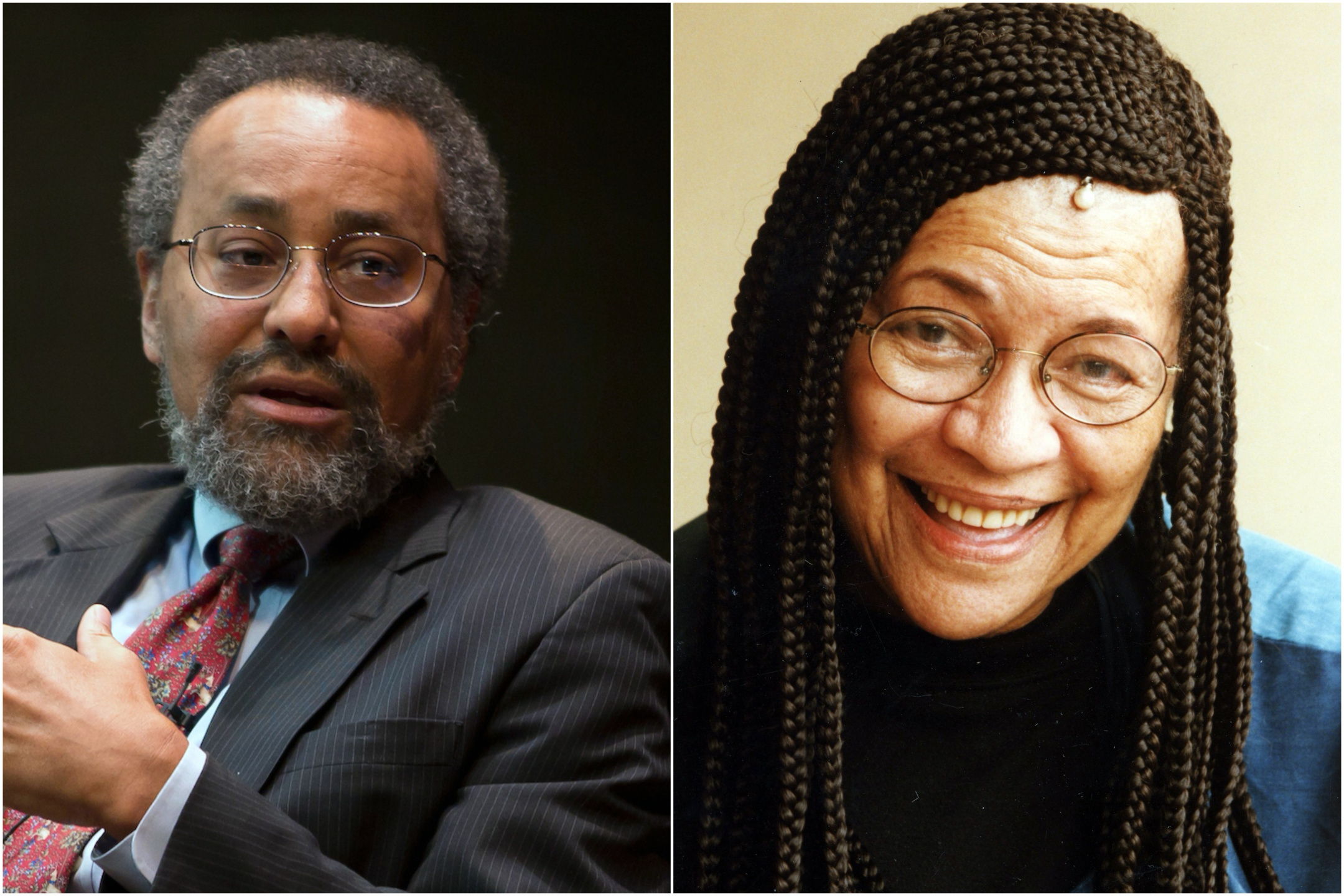
    Effective immediately, the hall and its adjoining lawn will be known as Edley-Morgan Hall and Edley-Morgan Lawn, named for Kathryn L. Morgan, the late Swarthmore professor emerita of history, and Christopher F. Edley Jr., the late legal scholar and proponent of affirmative action who worked closely with three Democratic presidents and with six presidential campaigns.

    “This renaming is an important milestone, but not the end of this work,” Swarthmore president Valerie Smith said in a message to campus Monday. “Our further efforts will also ensure that this reckoning with the past is appropriately documented and acknowledged so our community can continue to learn and heal.”

    The late Christopher F. Edley Jr. is a legal scholar and Swarthmore College alumnus. Swarthmore announced it is naming the former Trotter Hall and its adjoining lawn for Edley and Kathryn L. Morgan, the late Swarthmore professor of history, who was the college’s first African American professor.Courtesy of Swarthmore College

    The college undertook an extensive process that included input from more than 500 students, faculty, and staff through a campus survey, a panel discussion with other college leaders who had gone through renaming processes after controversies, a session with a leader of the Delaware Tribe of Indians, and research on potential new namesakes.

    Through the process, the community concluded the new namesake or namesakes should be someone with a direct connection to the college and honor departments based in the building — history, political science, classics, and the writing associates program. The community also wanted the new namesake or namesakes to be “consistent with or expand the diversity of representation on campus.”

    When the process began, of Swarthmore’s 70 primary buildings, 67% were named for people, and of those, 53% were named for one or more men, 26% for one or more women, and 21% for both, the college had said. All but two of the namesakes were white and about half were Quakers.

    More than 75 names were considered for the hall, which initially opened in 1882, the college said.

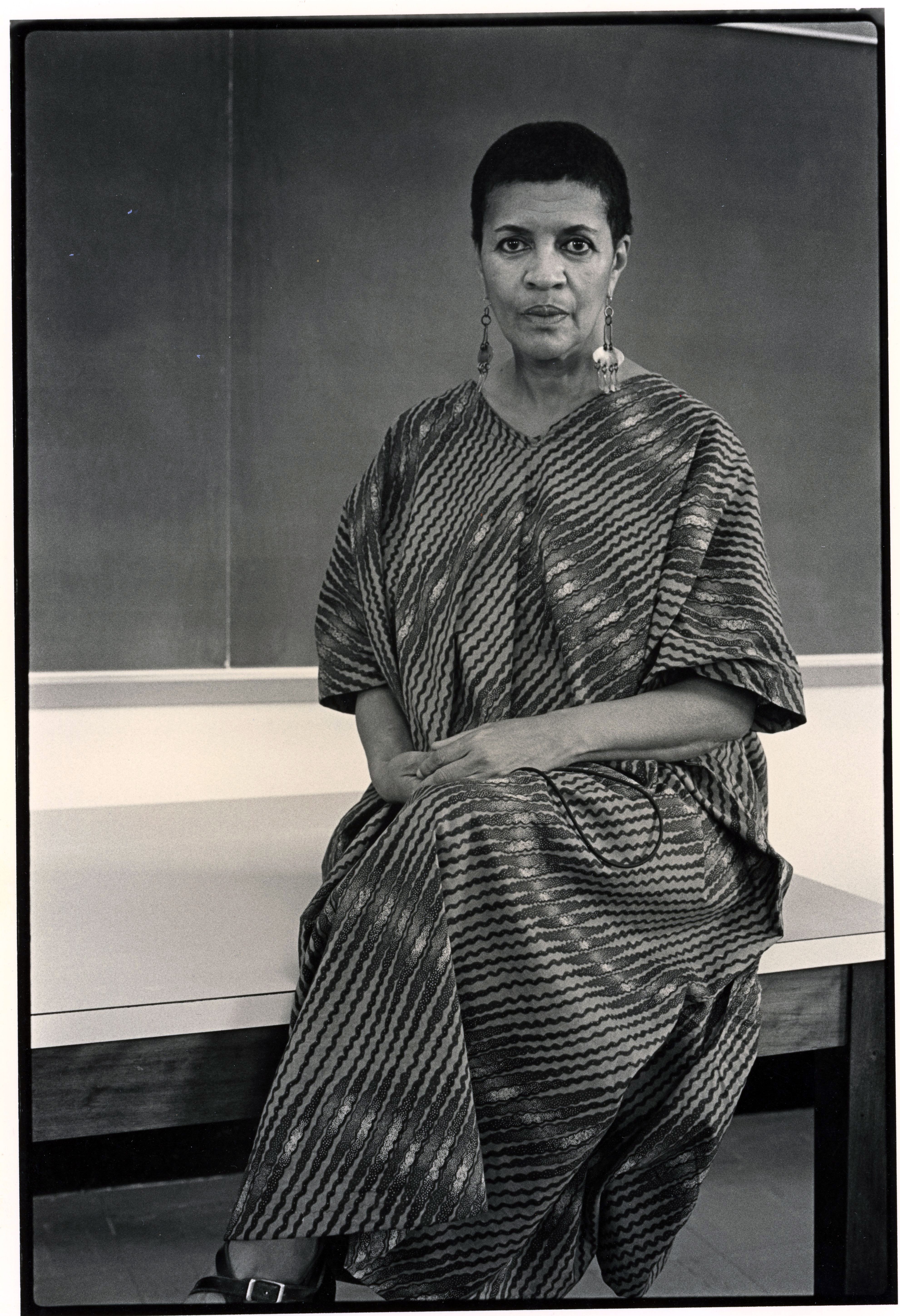
    Swarthmore hired Morgan in 1970, and she joined the history department as its first folklorist, according to a 2011 Swarthmore story about her passing in 2010. She got her bachelor’s degree from Virginia State University, a master’s degree from Howard University and another master’s degree and doctorate from Penn.

    She taught classes including Folklore and Folklife Studies, History through Folklore and Literature, Black Women in Historical Perspective, and Black Culture and Consciousness, according to the college. Though she initially was denied tenure, she eventually became the first Black woman to get it at Swarthmore and talked about tensions in her department in a 2000 Swarthmore College Bulletin interview, the college said in its piece.

    Her work Children of Strangers: The Stories of a Black Family (1980), was the first work of African American family folklore by a folklorist.

    In 2000, a scholarship was established in her name and a poetry festival in her name was held in 2009.

    “One of the first things I tell my students,” Morgan said, according to the Swarthmore piece, “is to go home, look to your families, to the stories you were told as children. They’re the most important stories in the world.”

    Morgan, who was born and raised in Philadelphia, was described in the Swarthmore piece as “a wise, charismatic woman who intellectually bridged the gap between W.E.B. Du Bois and Malcolm X, a militant yet gentle soul who embraced everything of interest with intensity, and a radiant presence who drew on lessons learned from her ancestors as others draw breath.”

    The late Kathryn L. Morgan, professor emerita of history at Swarthmore College, was the first African American professor at the school. The college is renaming the former Trotter Hall and its adjoining lawn for Morgan and legal scholar Christopher F. Edley Jr., a Swarthmore alumnus.Courtesy of Swarthmore College

    Edley, who died in 2024 and spent part of his youth in Philadelphia, got a degree in mathematics and economics from Swarthmore in 1973 and later a master’s in public policy and a law degree from Harvard. Before serving as law school dean at Berkeley from 2004 to 2013, he was a professor at Harvard. He served on Swarthmore’s board of managers from 1982 to 1993.

    He worked for the White House domestic policy staff in the 1970s when Jimmy Carter was president, advising on issues including food stamps, child welfare and disability, according to an article on the Swarthmore website. During Bill Clinton’s administration, he worked in the Office of Management and Budget and served as special counsel to the president. And in 2008, he worked on Barack Obama’s successful presidential campaign and served on his presidential transition board. Obama had been a student of Edley’s at Harvard, according to Edley’s obituary in the Washington Post.

    When he received an honorary degree from Swarthmore in 1999, Edley talked about what he learned at the school.

    “I learned to face the limits of my intelligence, without fear,” he said, according to the Swarthmore piece. “I learned what it means to really understand something hard, only to realize that I was dead wrong, or that there was another, perhaps better way to understand it … And I learned that when there is trouble, find a grove of lilac bushes, lie down, get drunk on the fragrance, and think about important things.”

    Swarthmore’s renaming process started after a 2022 article in The Inquirer that mentioned how a former Swarthmore professor and student had dug up a burial ground and moved a skeleton and objects buried with it to the college.

    Swarthmore researched and discovered the professor was Trotter. The college first checked to make sure there were no remains from Trotter’s collection being improperly handled at the school; there were not. Officials found a collection of unidentified human bones that the college likely had obtained legally — but probably were initially acquired unethically — and moved them into storage.

    The college renamed the building Old Science Hall last December when Smith named a task force of students, faculty, and staff members to consider the next steps.

  • Penn launches mobile eye clinic to detect disease early and help prevent blindness

    Penn launches mobile eye clinic to detect disease early and help prevent blindness

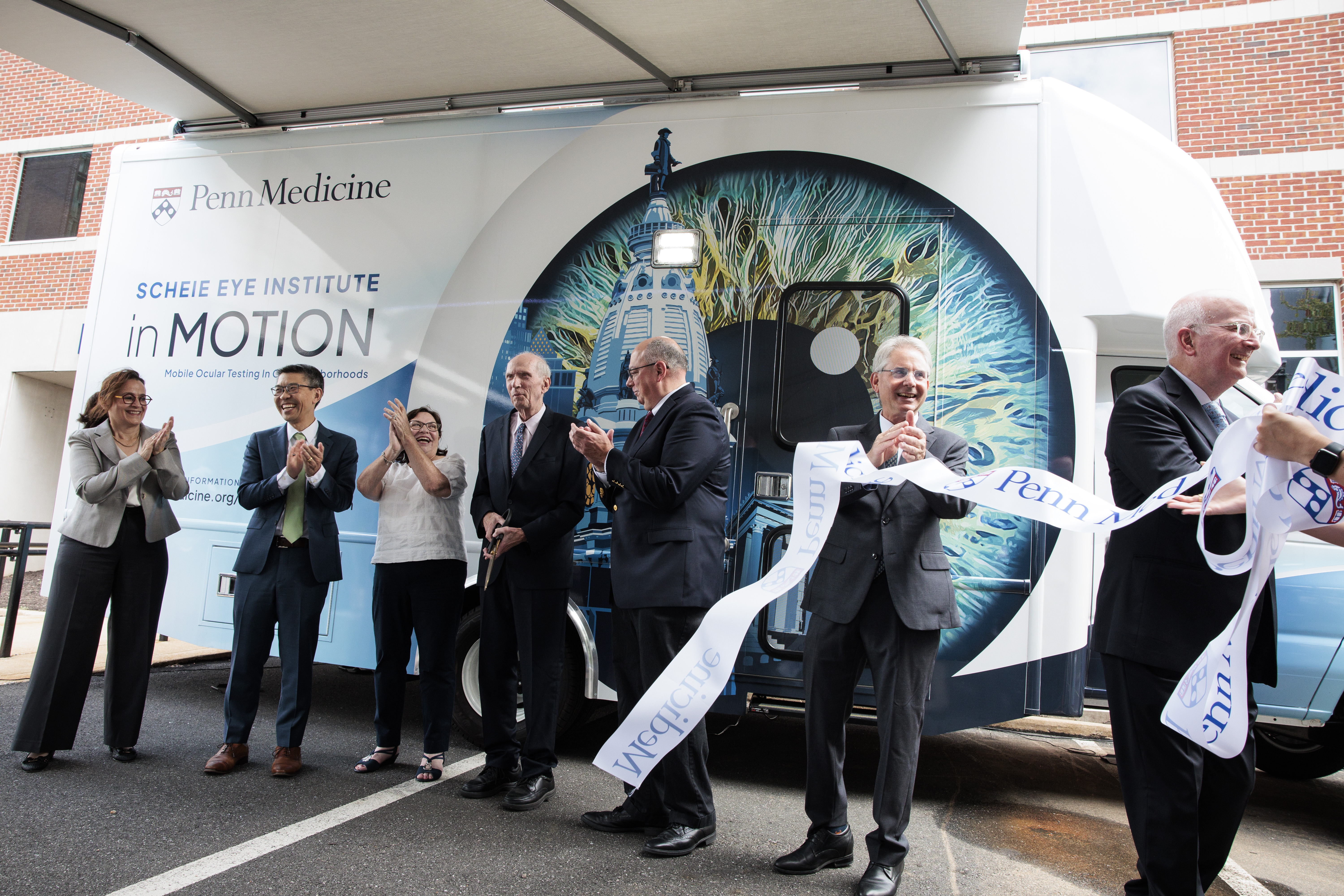
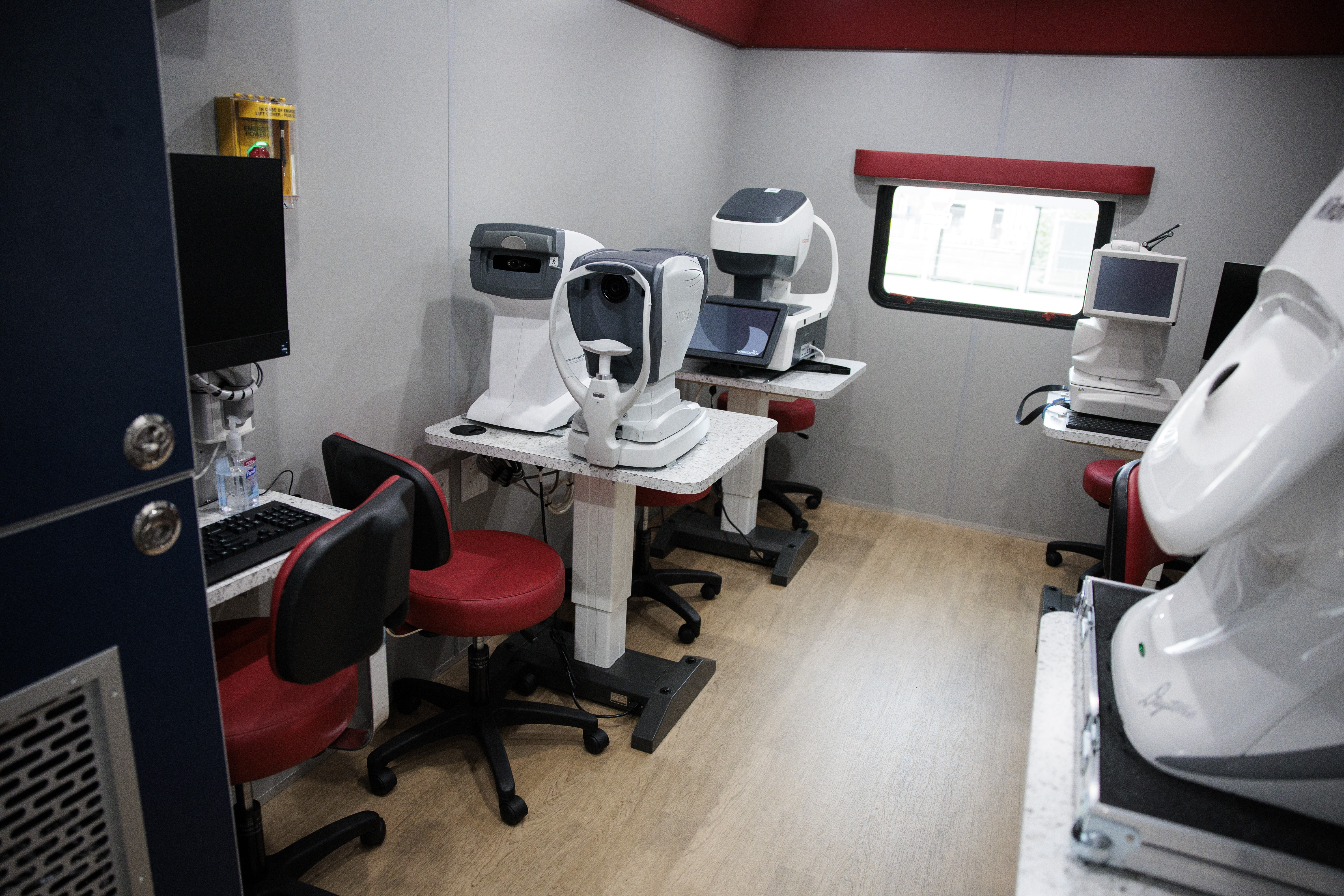
    Penn Medicine’s newest mobile medical van features a giant mural of Philadelphia’s City Hall set against a bright, colorful eye.

    It’s right on theme: the 26-foot-long van will travel around the city, offering free eye exams and education services to underserved communities. The project is led by Penn ophthalmologist Lama Al-Aswad, whose vision is to prevent blindness by improving access to eye care.

    Called the Scheie Eye Institute In MOTION, the van will screen adults for the four major causes of blindness: glaucoma, macular degeneration, diabetic retinopathy, and cataracts.

    The goal is to detect eye diseases early, so they can be treated before progressing to blindness. Half of an estimated 2.2 billion cases of visual impairment worldwide could have been prevented or still haven’t been properly treated, according to the World Health Organization.

    Lama Al-Aswad is the lead physician behind the new Scheie Eye Institute in MOTION mobile unit.Monica Herndon / Staff Photographer

    Al-Aswad had previously launched a similar effort in New York City that screened more than 8,500 people for glaucoma. She found more than half of them had never seen an eye doctor before.

    By teaching community members about eye diseases and expanding access to care, she hopes they can avoid worse outcomes.

    “By the time we say [patients] have a disease, we are improving their eye health literacy, so they understand the impact and the need to follow up,” Al-Aswad said.

    Those who cannot afford follow-up care can receive services for free, thanks to donations from Philadelphia native Rick Campbell and family, and the New York-based organizations, Save Vision Foundation and Envision Health Technologies.

    The van made its first appearance at Saunders Park in West Philadelphia in mid-September. The unit aims to run at least two to three times a week and see 25 patients at each event.

    The Inquirer spoke with Al-Aswad about the new mobile screening van in an interview lightly edited for length and clarity.

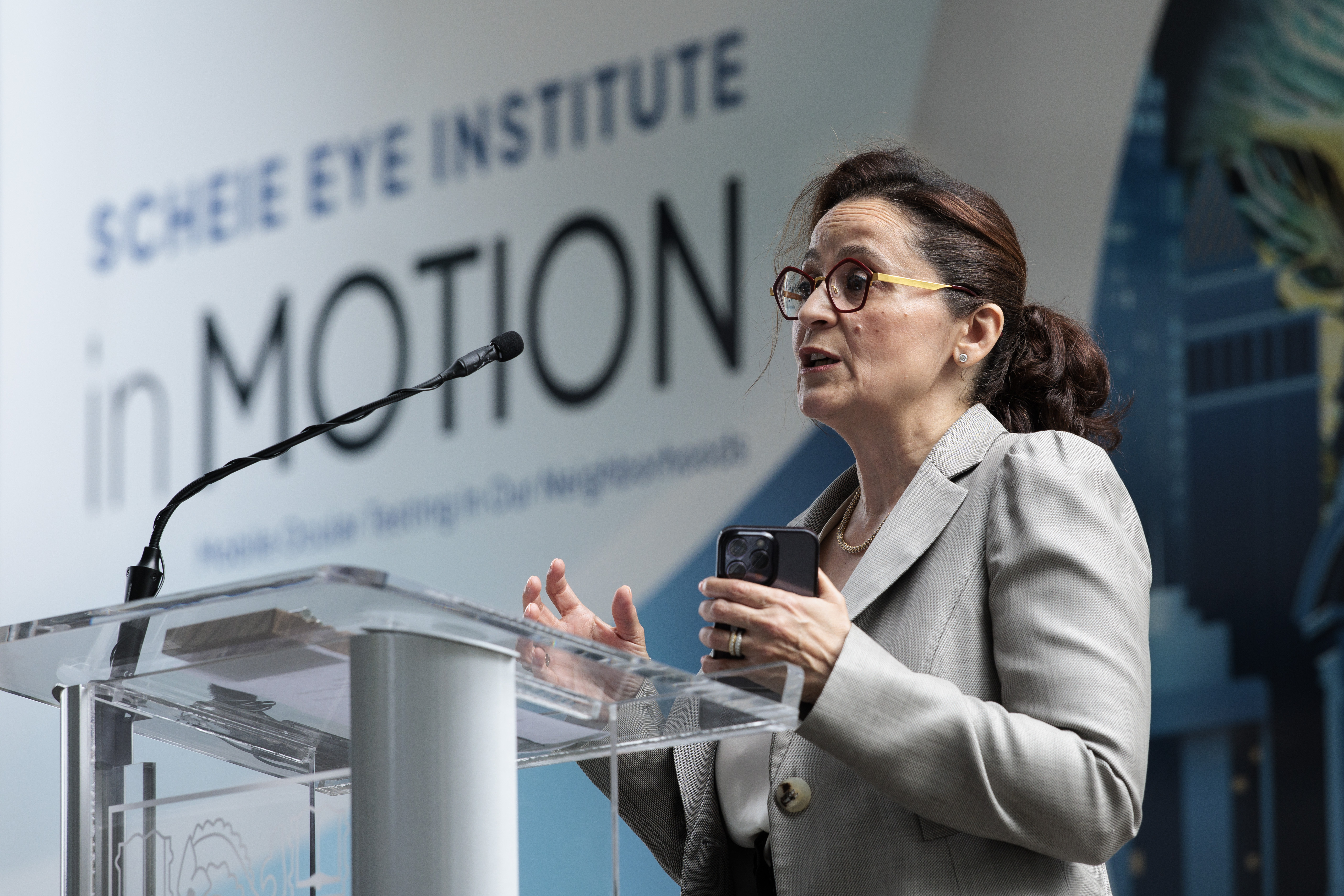
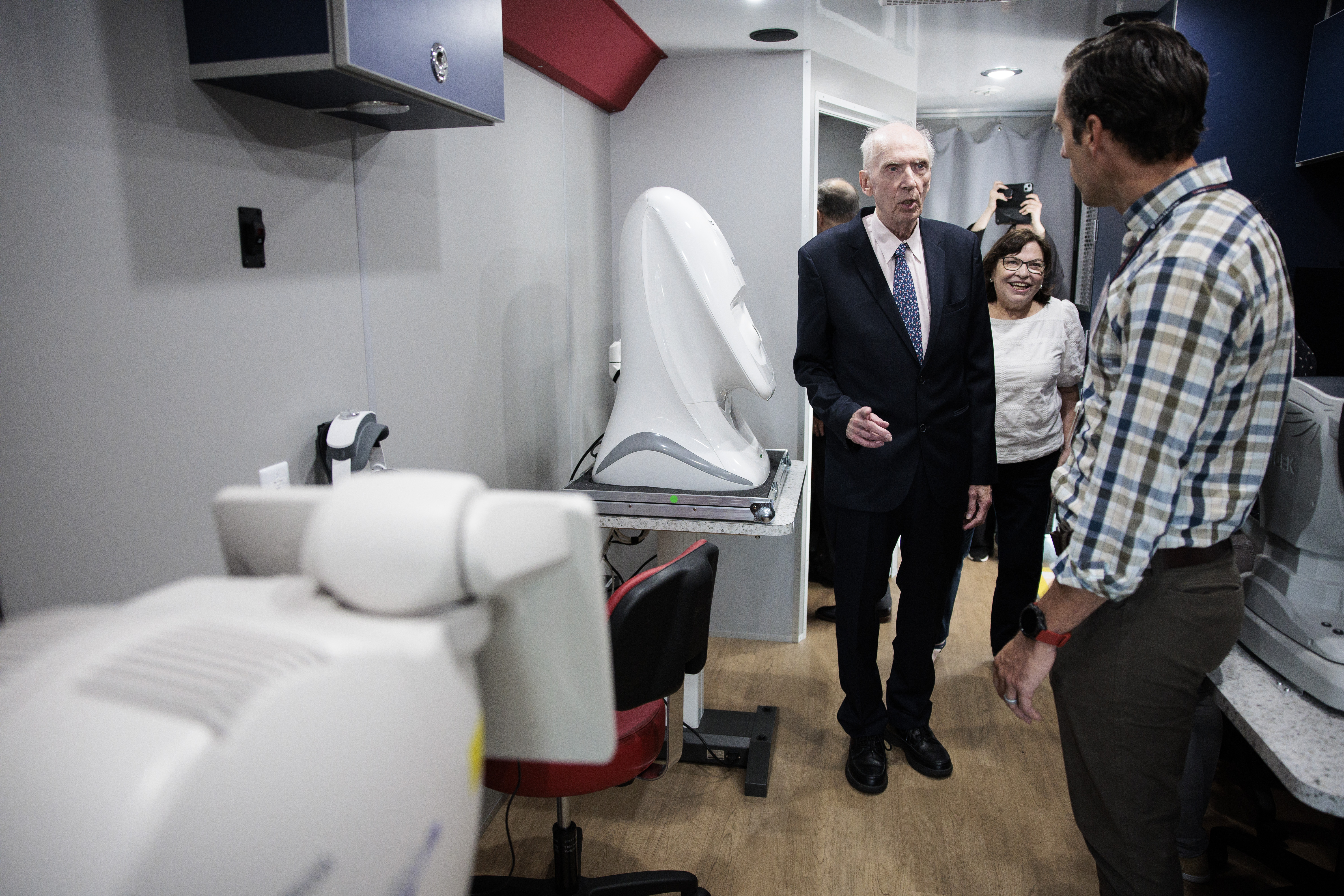
    Lama Al-Aswad speaks during an event introducing the Scheie Eye Institute in MOTION mobile unit.Monica Herndon / Staff Photographer
    What should the public know as part of eye health literacy?

    The four leading causes of blindness: That includes cataracts, which are reversible. People who have cataracts slowly lose vision, but once we do cataract surgery, it goes back to your baseline vision.

    Glaucoma is the leading cause of irreversible blindness. It’s called the silent thief of blindness because it’s asymptomatic until the end.

    Diabetic retinopathy is another leading cause of blindness. That’s preventable too, if there is annual evaluation for it and better control of diabetes.

    Macular degeneration is a disease that affects the macula and, with aging, slowly over time can affect vision. That can be treated with injection and monitoring.

    A lot of eye diseases can be blinding. But, in general, if we catch it early and take care of it continuously, we can prevent blindness.

    What communities are you hoping to reach?

    We are hoping to reach the underserved or vulnerable communities in West Philly, North Philly, and other places. We are even targeting the unhoused community with this mobile unit.

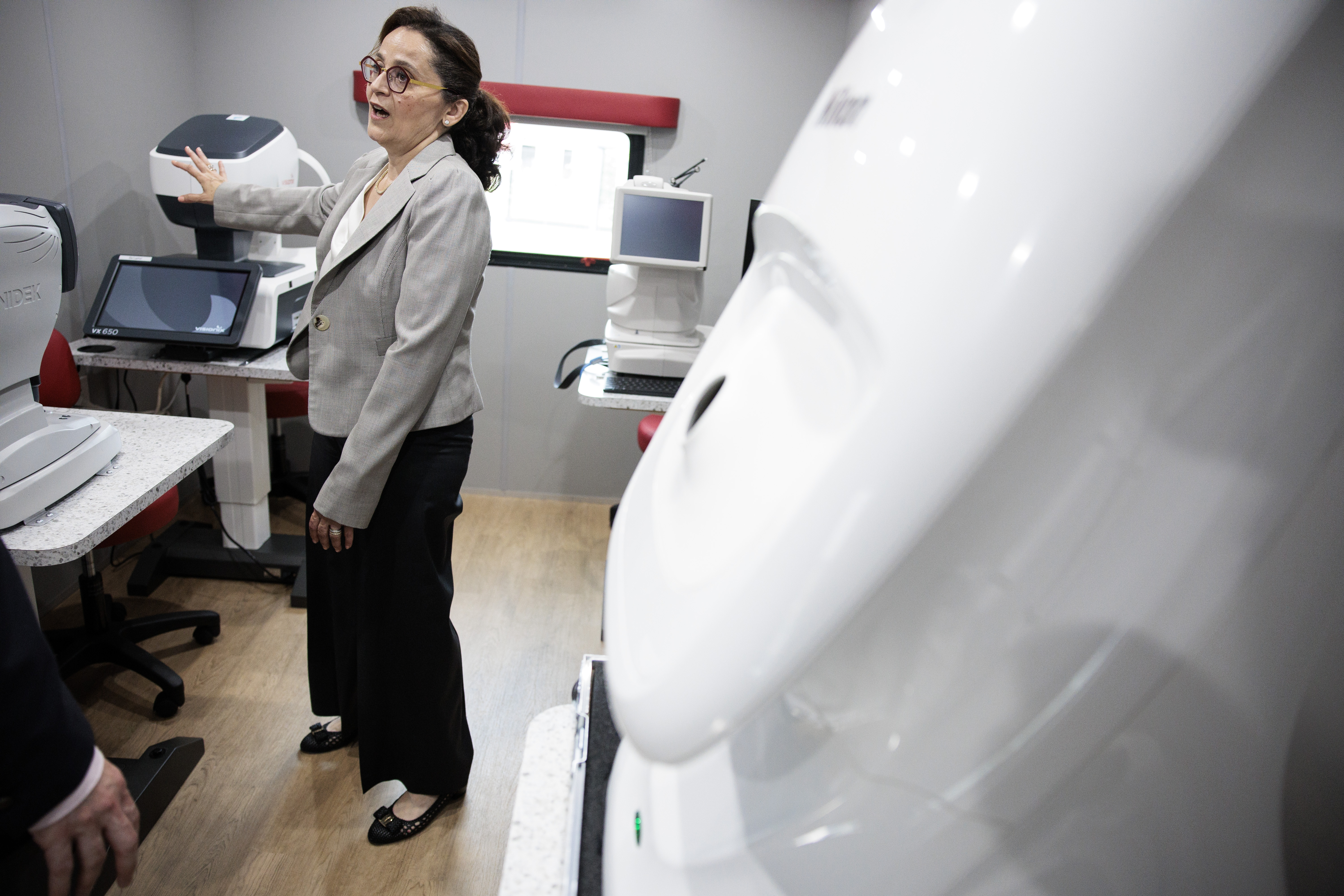
    The inside of the mobile unit.Monica Herndon / Staff Photographer
    What are some lessons that you learned in New York that will be guiding your new effort at Penn?

    One of the lessons that I learned is how to close the loop.

    Let’s say you go out to the community and you screen. But what happens after that? You tell the patient they have a disease. If you’re lucky, 50% follow up.

    When we did a lot of the screening in New York, I did an analysis of the people who followed up and people who didn’t follow up. A couple of things came up:

    It’s hard for individuals with mid- to low-socioeconomic status to take time off work. Second, eye health literacy is very, very important for blindness prevention. A good number of patients didn’t understand the need to follow up.

    We would call them and they would say, “I have no problem, I don’t feel anything, and I have other priorities.” The other thing is how to target populations at a higher risk.

    How will you help patients who require follow-up care after screening?

    If we identify disease, we refer them to our practices to be seen in person by one of our physicians. If they are uninsured, we see if we can help them access insurance, and if they cannot access insurance, we can provide care for them for free, thanks to Mr. Campbell and his family’s generous support for this project.

    Why is it important to catch eye diseases early?

    People go to their internists or other doctors, but the last thing that they think about is their vision.

    That’s because eye diseases most of the time are asymptomatic early on, so patients only go when it’s advanced. That’s a problem in itself because a lot of the vision loss we cannot reverse.

    It’s really important to identify disease early and manage it for blindness prevention.

    Donor Rick Campbell and his wife Marie Campbell walk into the Scheie Eye Institute in MOTION mobile unit.Monica Herndon / Staff Photographer
    How do you feel about the launch?

    Closing the loop is going where patients are, providing screening and diagnosis, providing education, and providing care to the uninsured. This is a dream come true to be able to do all of this together.

  • The busiest ambulatory surgery centers in the Philadelphia region

    The busiest ambulatory surgery centers in the Philadelphia region

    The two busiest surgery centers in the Philadelphia region last year were operated by Penn Medicine in Radnor and Jefferson Health in Center City.

    Such facilities have grown increasingly popular as a cost-saving option for procedures that do not require intensive hospital resources or overnight stays.

    While they offer convenience, the facilities operated by Penn and Jefferson both count as hospital departments for billing purposes, which means they cost more than surgery centers operated by independent physicians or other companies.

    Penn Medicine Radnor Surgery Center operates within a large outpatient facility near the intersection of I-476 and Route 30. It logged 12,464 surgical visits in 2025, up from 8,961 the year before, according to data published last month by the Pennsylvania Department of Health.

    Penn attributed the growth to the addition of new gastroenterologists in Radnor to perform colonoscopies, upper endoscopies, and other procedures. Colonoscopies, in particular, account for a large portion of the overall volume in surgery centers outside hospitals.

    Jefferson Surgery Center was close behind, with 12,261 surgical visits, up from 2,639 in 2024. It sits within the Honickman Center, which opened in 2024 at 1101 Chestnut St. in Philadelphia. Jefferson has gradually expanded the array of surgical services offered there.

    “Growth has been driven by both increasing patient demand and the strategic transition of services from other Jefferson locations, allowing us to provide care in a state-of-the-art outpatient environment,” Jefferson said in an email.

    Other fast-growing surgery centers include two independently operated facilities focused on orthopedics, Premier at Exton Surgery Center in Exton and Restore Orthopaedic Surgical Institute in Chadds Ford.

    (function(){function e(){window.addEventListener(`message`,function(e){if(e.data[`datawrapper-height`]!==void 0){var t=document.querySelectorAll(`iframe`);for(var n in e.data[`datawrapper-height`])for(var r=0,i;i=t[r];r++)if(i.contentWindow===e.source){var a=e.data[`datawrapper-height`][n]+`px`;i.style.height=a}}})}e()})();

    Surgery center ownership matters

    Even though the Penn and Jefferson outpatient facilities are not in hospitals, their ownership by large hospital systems enables providers to get paid as if they were located inside the Hospital of the University of Pennsylvania or Thomas Jefferson University Hospital.

    Hospital outpatient department billing rates are sometimes twice as much as the rates paid to independent surgery centers.

    For example, surgery to remove torn cartilage from a knee can cost $7,190 when performed on an outpatient basis in a hospital, nearly three times the $2,477 cost in ambulatory surgery centers (ASCs), according to Philadelphia-area commercial insurance averages from Turquoise Health.

    Health insurers Independence Blue Cross and Highmark have implemented policies this year seeking to save money for employers and patients by moving care out of hospitals and into ambulatory surgery centers or ASCs. Both insurers say they will only pay for certain procedures if they are done in an ASC.

    But it’s not enough to move surgeries to a setting outside a hospital, given the hospital-like billing status of certain surgery centers.

    “The cost savings from an ASC depend on the facility’s ownership, licensing, and billing model,” Richard Snyder, IBX’s chief operating officer, said in a email to The Inquirer.

    IBX would like to see more ASCs in its Southeastern Pennsylvania market and is “prepared to help catalyze growth through continued value-based arrangements, strategic partnerships, and investments,” Snyder said.

    Litigation over ASCs and other policies

    In a July lawsuit against IBX, Jefferson claimed that the insurer’s ASC policy amounted to a change to the financial terms of their contract that needed to be negotiated.

    The lawsuit said that ASC mandate will cost the health system $35.4 million, but doesn’t specify over what time period.

    IBX filed a motion last week to dismiss the lawsuit, which was moved to U.S. District Court in Philadelphia from the Philadelphia Court of Common Pleas.

    The insurer says that the lawsuit was premature because Jefferson filed it before completing a contractual process designed to resolve such policy conflicts.