For years, Graduate Hospital — the Center City neighborhood roughly bounded by South Street and Washington Avenue, and Broad Street and the Schuylkill — has been sorely lacking in places to stop in for a snack, pastry, or ice cream cone.
It didn’t seem to matter: Rittenhouse was so close that residents’ desires for little treats were generally met by walking a couple blocks north, where “little treats,” the culture of which has been surging worldwide, abound. On the 200 block of 20th Street alone, between Walnut and Spruce, you’ll find 1-900-Ice-Cream, which opened in 2022 and sees relentless lines down the block; All Aboard Candy, which opened last year and is one of two places you can buy adorable gummy candies; and Biederman’s, a seafood-centric “appetizing” shop that opened earlier this year.
Now, Grad Hospital is seeing its own treat boom. In recent months, the neighborhood has seen an influx of treat sellers that shows no sign of stopping.
The openings have been concentrated on South Street between 15th and 17th Streets, but other parts of the neighborhood are changing as well.
Winners Ice Cream, Ange Branca’s jacket potato and creamsicle-driven operation Mod Spuds, Sandpiper Cafe (where you can get trendy matcha lattes), and Sweet Mousse (which sells even fancier beverages and mousse cakes) all opened within two blocks of one another on South Street between May and July this year. They are all Asian-owned — a notable aspect of little treat culture, as Asian flavors like matcha and ube have been extremely popular at little treat retailers. (Demand for both ingredients has been so high, both have seen global supply chain shortages.)
The market for little treats, also known as treatonomics, is propelled by Gen Z but not at all restricted to that generation, as spending on “pick-me-ups” generally increases in recessions and in uncertain economic conditions, economists have found.
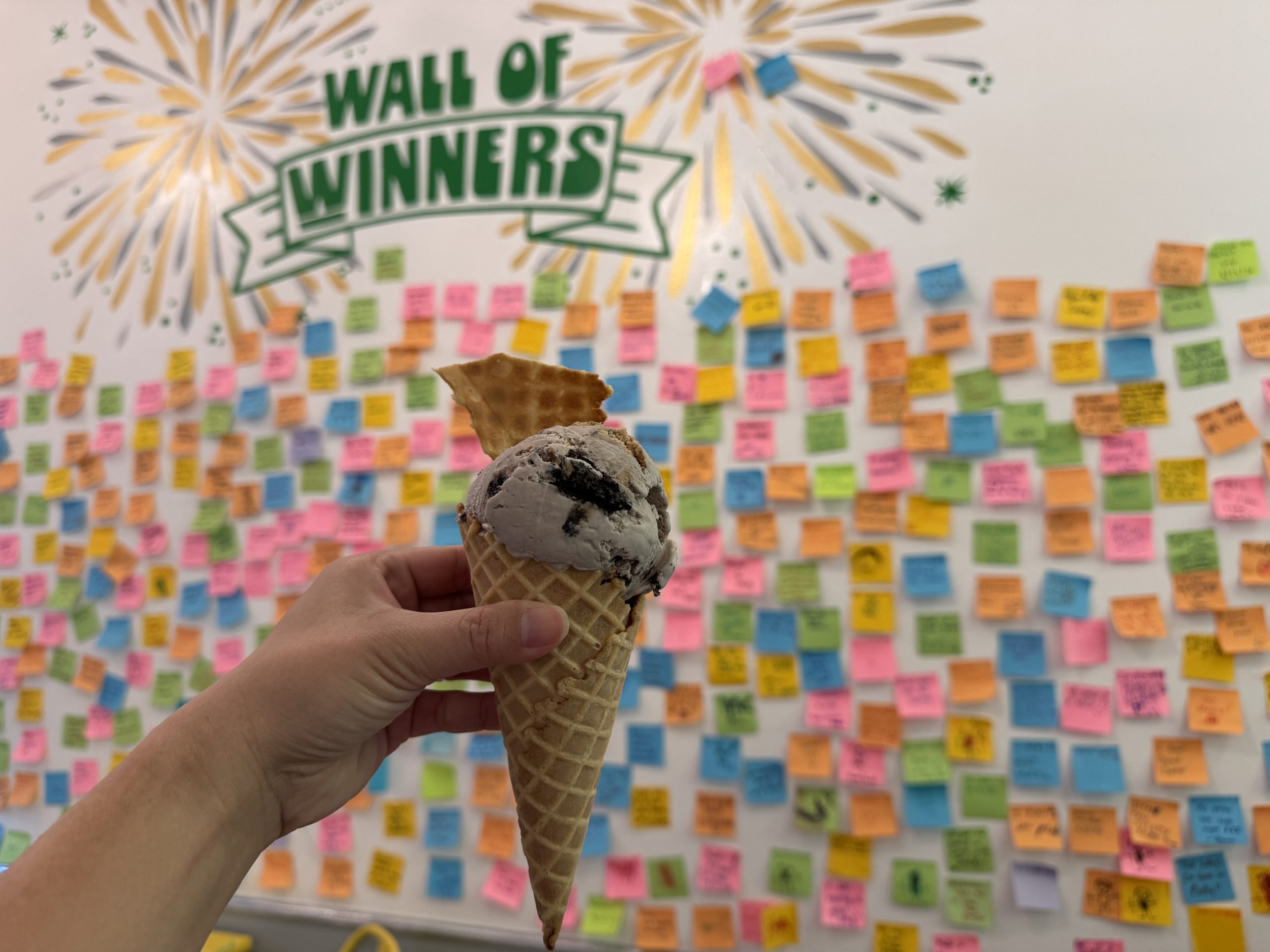
Cookies and cream dream in a waffle cone at Winners Ice Cream in Graduate Hospital.
The Grad Hospital boom is powered by nimble operators with no need for the ventilation systems required at most full-service restaurants. Thus, they are able to launch after footing comparatively light construction costs.
“We’re two months in and it’s been awesome,” said Anh Nguyen, the owner of Winners. “Many are saying Grad Hospital needed an ice cream shop, so I’m happy we opened here.”
Nguyen’s clientele consists mostly of neighborhood residents and families. He hopes to attract more customers from outside the area. “My aim is to win the block, then win the city. I love being the neighborhood ice cream parlor — somewhere for families to go celebrate and make memories.”
Though Nguyen currently lives in Roxborough, he hopes to move. “I’ve fallen in love with Grad Hospital since being here and everyone I’ve met has been so welcoming and encouraging.”
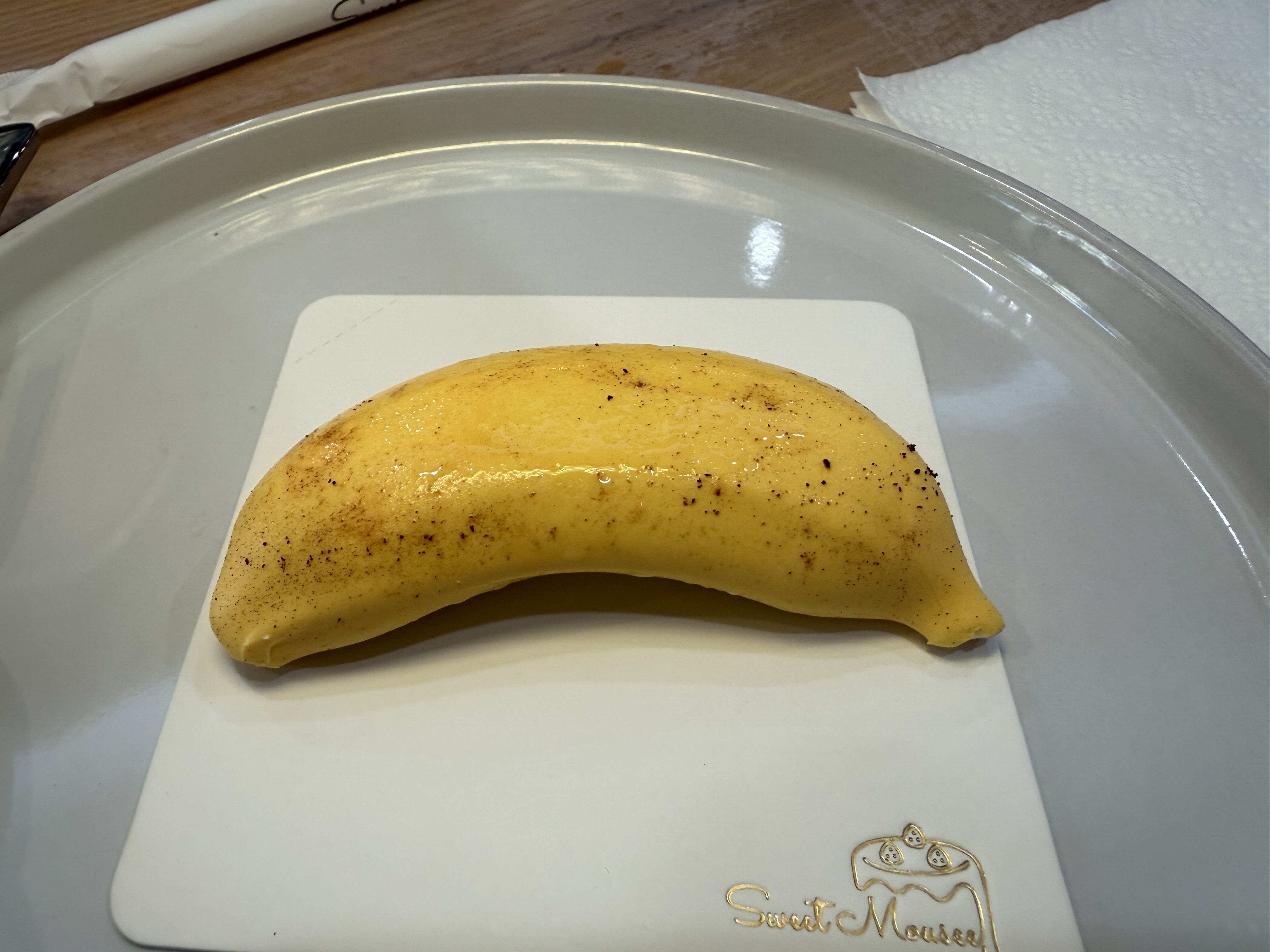
The dark chocolate banana mousse cake from Sweet Mousse in Graduate Hospital.Kiki Aranita / Staff /
Little treats are massively impacting a neighborhood that, until this year, was stalled in gentrification. Once primarily home to working-class Black residents, Grad Hospital fell into disrepair when the manufacturing industry declined in Philadelphia. The neighborhood gentrified rapidly between the late 1990s and early 2010s due to city tax abatements and proximity to University City and Center City. According to a study by Pew Charitable Trusts, Graduate Hospital experienced the most dramatic changes in racial composition in Philadelphia in the early aughts: “[Graduate Hospital’s] total Black population fell from 7,793 in 2000 to 3,450 in 2014. During the same period, the number of white residents more than tripled in the neighborhood.”
The wave of redevelopment, new construction, and gentrification brought comparatively few small businesses and restaurants. Unlike South Philly and Fishtown, Grad Hospital has no established restaurant corridor.
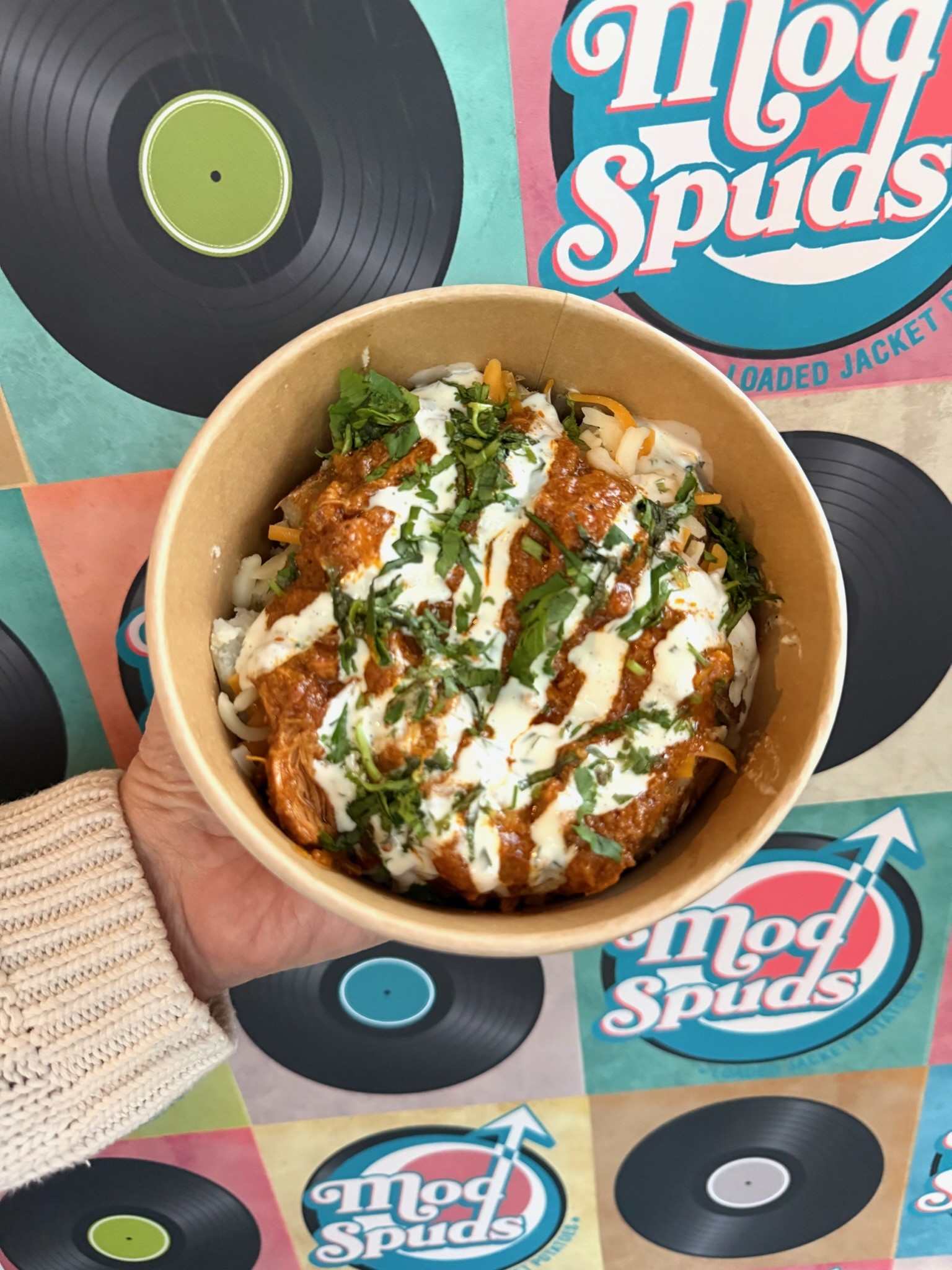
A Malaysian spud from Mod Spuds.Courtesy of Mod Spuds
“Mod Spuds [on the 1400 block of South Street] needed a place that is a fine balance between good traffic, neighborhood-y, and affordable,” said Branca, who said that the location was perfect despite (or even because of) being a “less desirable block.” Its limited kitchen space, which does not allow for an exhaust hood, kept her rent down. It was only after Mod Spuds opened that Branca realized she was right on Grad Hospital residents’ commute home from jobs in Center City.
The neighborhood has also beckoned “empanada queen” Jezabel Careaga, who had left as a business owner, but not as a resident, in 2018. Technically, Careaga’s original Argentine bakery, Jezabel’s, was in Fitler Square, but now she is reopening it at 617 S. 24th St., right on the cusp of Grad Hospital. Careaga’s empanadas and alfajores helped define Philly’s little treat scene long before the culture acquired its tagline.
“Graduate Hospital has changed so much since I first came to this neighborhood, but what is really special to me is seeing the generations grow up here,” said Careaga, who has lived in the neighborhood since 2010. “It feels like I’m creating a little piece of the memory I had with my grandmother, right here in my own neighborhood.”
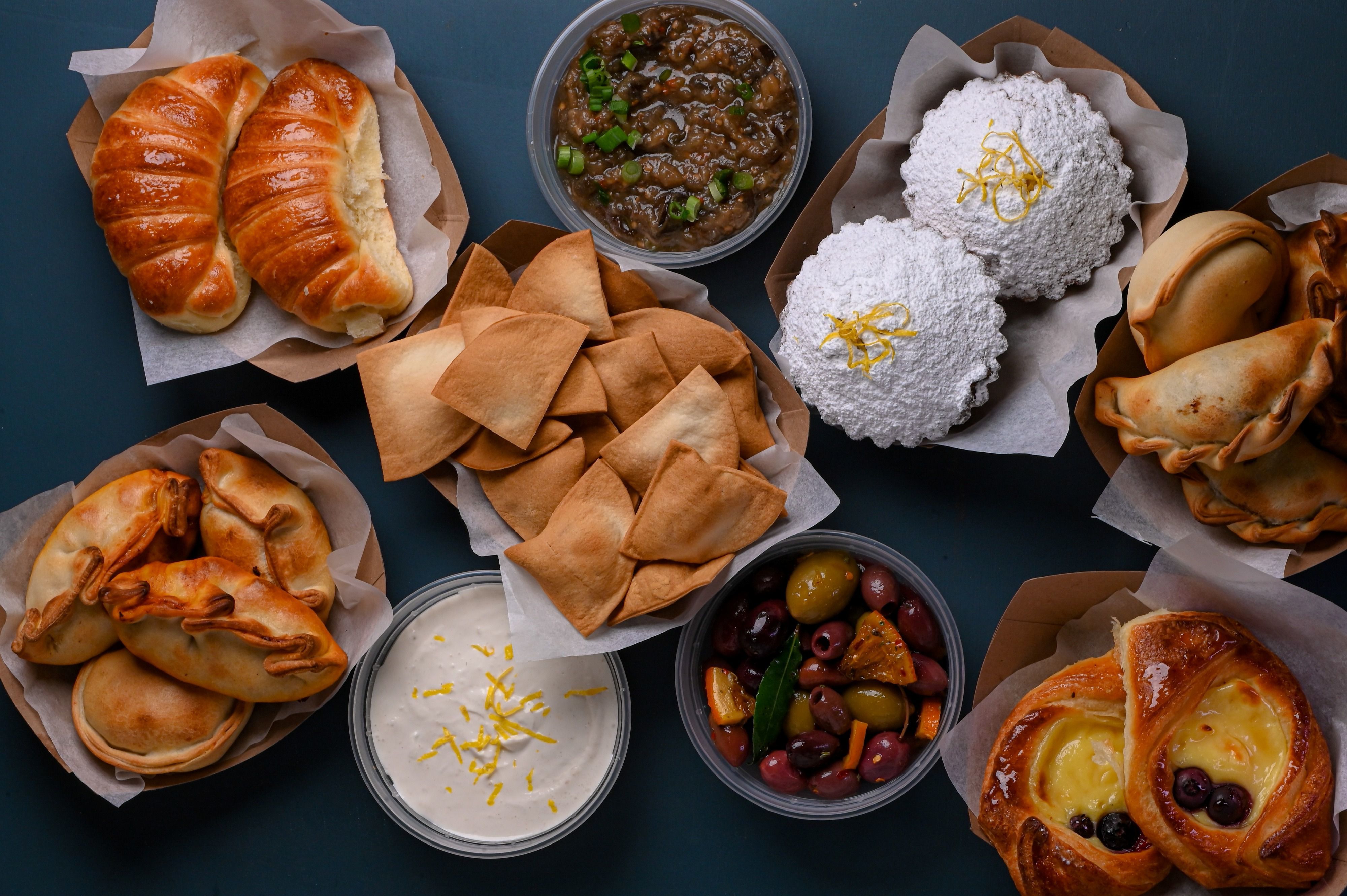
Assorted dishes from Jezabel Careaga, including empanadas, medialunas, escabeche, ricotta cake, facturas, olive oil crackers and preserved lemon labneh.Lucas Careaga / Innprodev Agency
The same children who would stop at her bakery after school are now grown up — some have even asked her for jobs. “And now I’m seeing them with children of their own, stopping by our bake sales with their little ones,” said Careaga. “It makes me so happy to think that the traditions we started years ago can continue with another generation.”
The first phase of SEPTA’s bus network overhaul begins Aug. 23, and Brandon Miller is mobilizing hundreds of employees for a final push to meet face-to-face with riders in the days leading up to the changes and during the first week after they take effect.
“It’s a blitz,” said Miller, manager of planning programs at SEPTA, describing discussions at “pop-ups” as an effective way to help people navigate the new network.
Unlike some transit agencies, SEPTA has not done a comprehensive redesign of its bus network in its 58-year history. The agency has publicly pushed to do so since 2021, but change was delayed by opposition, political wrangling, and, later, a two-year fiscal crisis.
Originally the “Bus Revolution” was supposed to happen all at once, but SEPTA ultimately decided to phase in changes to routes.
“I think there’s more willingness to accept the fact that … we need to make the bus network a little bit more efficient,” Nemiroff said. “We need to make the system more attractive for people.”
Some routes with low ridership or that duplicate nearby service will be eliminated. Others will be extended or run more frequently, and two new routes will be added.
What routes will change?
New and expanded routes: Route 72, a new crosstown bus running along Cheltenham Avenue, and the new Route 76 bus from Columbus Commons to Rising Sun and Olney. Route 45 will be extended to provide service to the Navy Yard, and Route 79 will be extended from South Philadelphia into University City.
Eliminated routes: 35, 47M, 62, 78, 80, 89, and 106.
Riders can call SEPTA customer service at 215-580-7800 or email specific questions to planning@septa.org.
I want to talk to someone in person.
Beginning Monday, street teams will conduct “pop-up” visits at key transit hubs at various times between 6 a.m. and 8 p.m.
Next week, visits will include South Broad Street and Snyder Avenue, Cedarbrook Plaza, Hunting Park Station for changes to Route 53, Spring Garden Station, and Willow Grove Mall.
Staff are also attending community events.
When will changes happen?
The majority of changes will take effect Sunday, Aug. 23, followed by the Route 105 extension and elimination of Route 106 on Monday, Aug. 24.
Phase 3 changes are planned to begin in June 2027.
Phase 4 changes are planned to begin in Fall 2027. Many details are still being worked out.
Why redesign the bus network?
SEPTA launched its bus redesign efforts in earnest after ridership declined 13% from 2013 to 2019, a drop attributed to slow speeds, reliability problems, and competition from ridesharing companies. And that was before the COVID-19 pandemic.
Bus ridership rebounded faster than it did on other transit services, but SEPTA’s thinking is that simplifying the network will make it easier to use, with more frequent service on fewer or shorter routes.
Will bus stops be changed?
Stops will disappear during the first phase on routes that are eliminated, but there will be no wholesale changes yet.
Having more stops per mile provides access to more people, but closely spaced stops can also slow buses and make them less reliable.
Early plans for Philadelphia’s bus network redesign aimed to “rebalance” stops by spacing them farther apart to improve speed. But the idea has been unpopular.
SEPTA may revisit the issue later.
More questions about the New Bus Network?
Email transportation reporter Thomas Fitzgerald at tfitzgerald@inquirer.com.
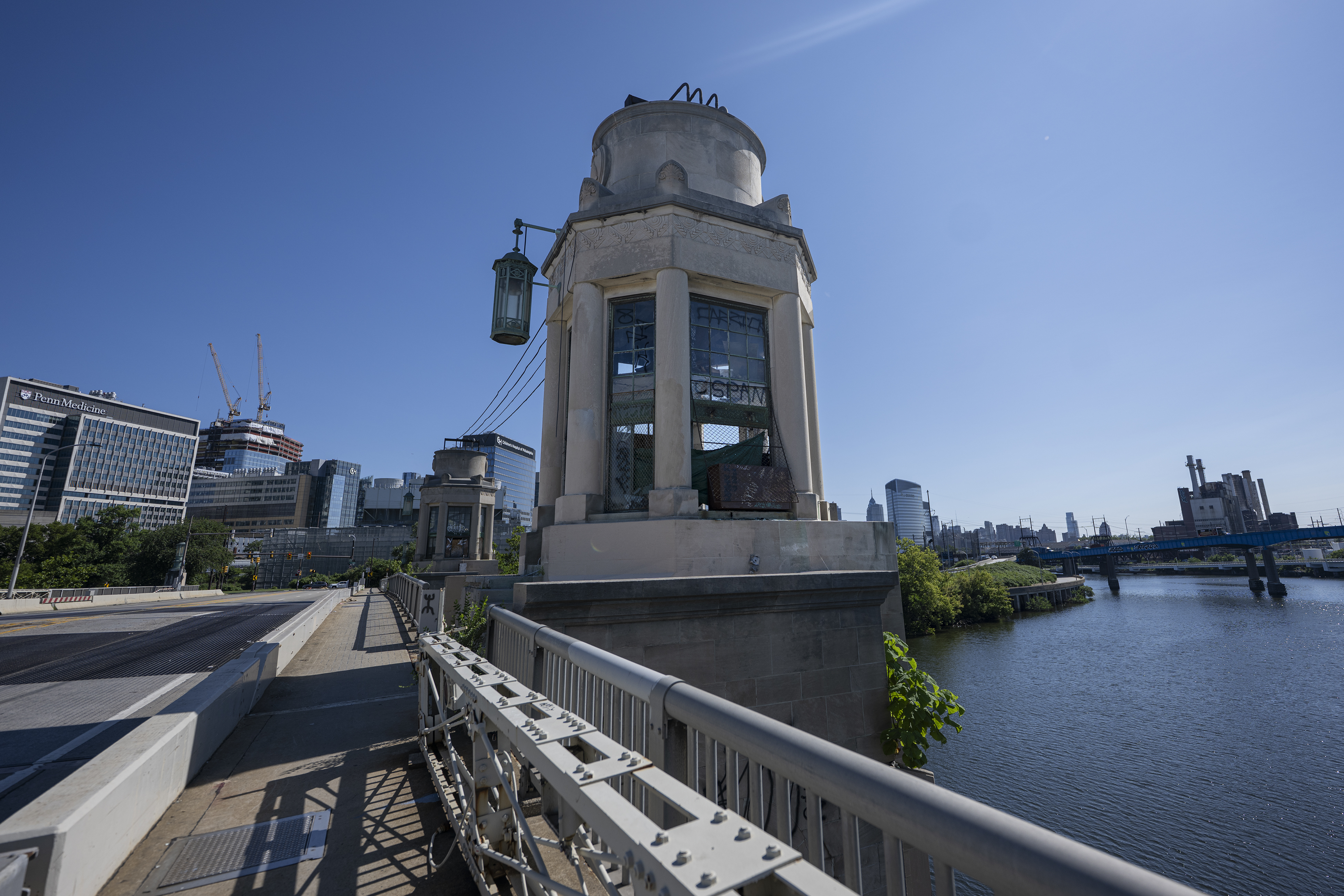
The University Avenue Bridge will soon receive structural repairs, and some of its architectural details will be secured from further vandalism, but a full-scale restoration of the historic span isn’t happening anytime soon.
PennDot is slated to begin work on the drawbridge Aug. 17, the agency announced Monday. Pedestrian and vehicular traffic will be partially impeded for the duration of the job.
A routine inspection in March of the Paul Philippe Cret-designed structure turned up deterioration in some of the steel members, said PennDot assistant district executive for assets Kerri Cutright, “and we were a little concerned, and so that’s why we’ve initiated these repairs.”
The goal is to move the drawbridge from “poor” to “fair” condition, said Cutright.
In addition, plans call for the installation of 8-foot-tall chain-link fencing in front of the two operator’s houses on the east side of the bridge to deter vandals.
Work is expected to continue through Dec. 15.
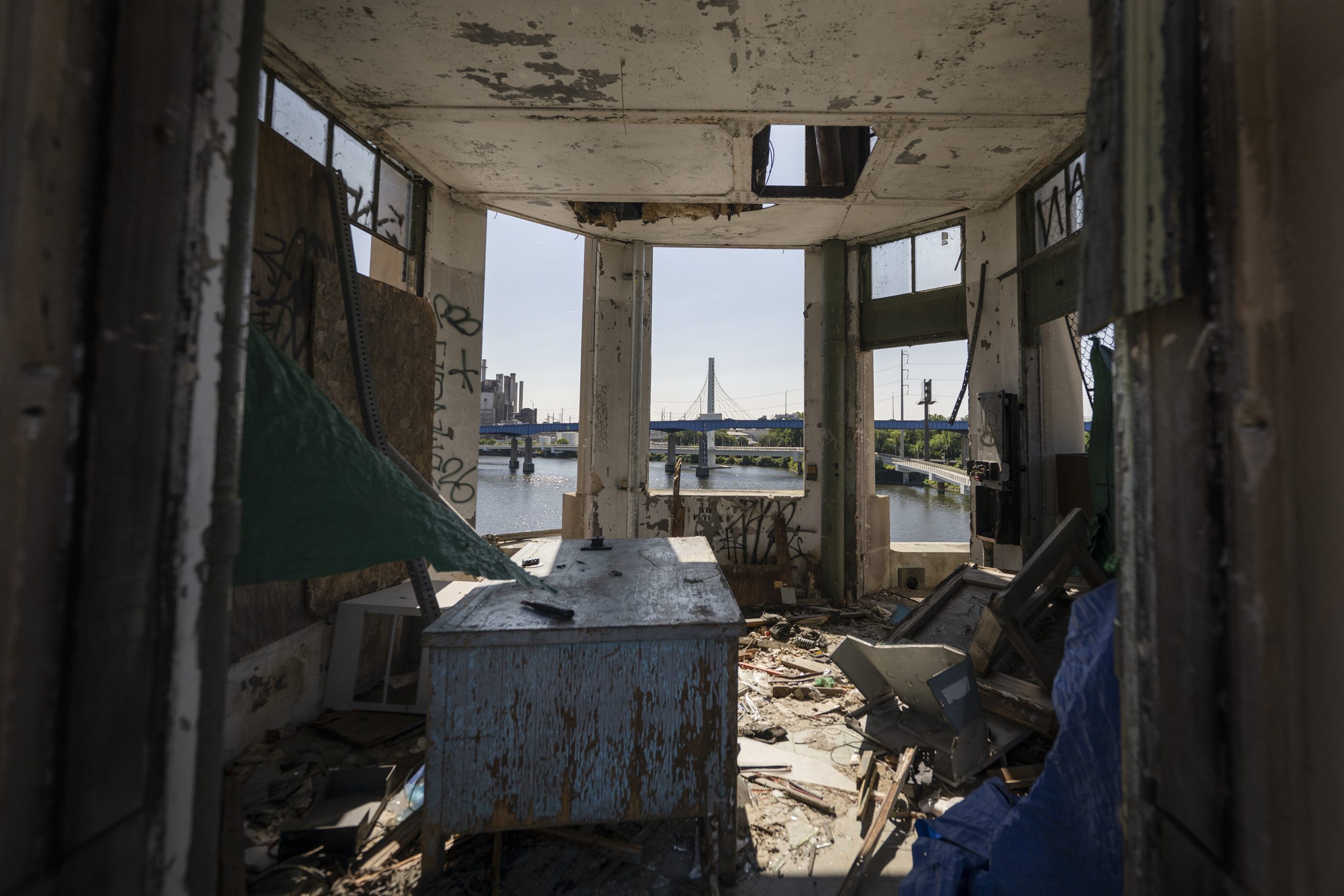
Broken windows and vandalism are visible inside one of the operator’s houses on the University Avenue Bridge on July 23.
The project, estimated to cost about $2 million, leaves unaddressed the needs of some major features of the bridge, which was built around 1930. It will not bring back the bridge’s ability to raise its leaves, though the work won’t prevent restoration of that function in the future. The 10 elaborately detailed lighting fixtures will not be returned to working order as part of the job.
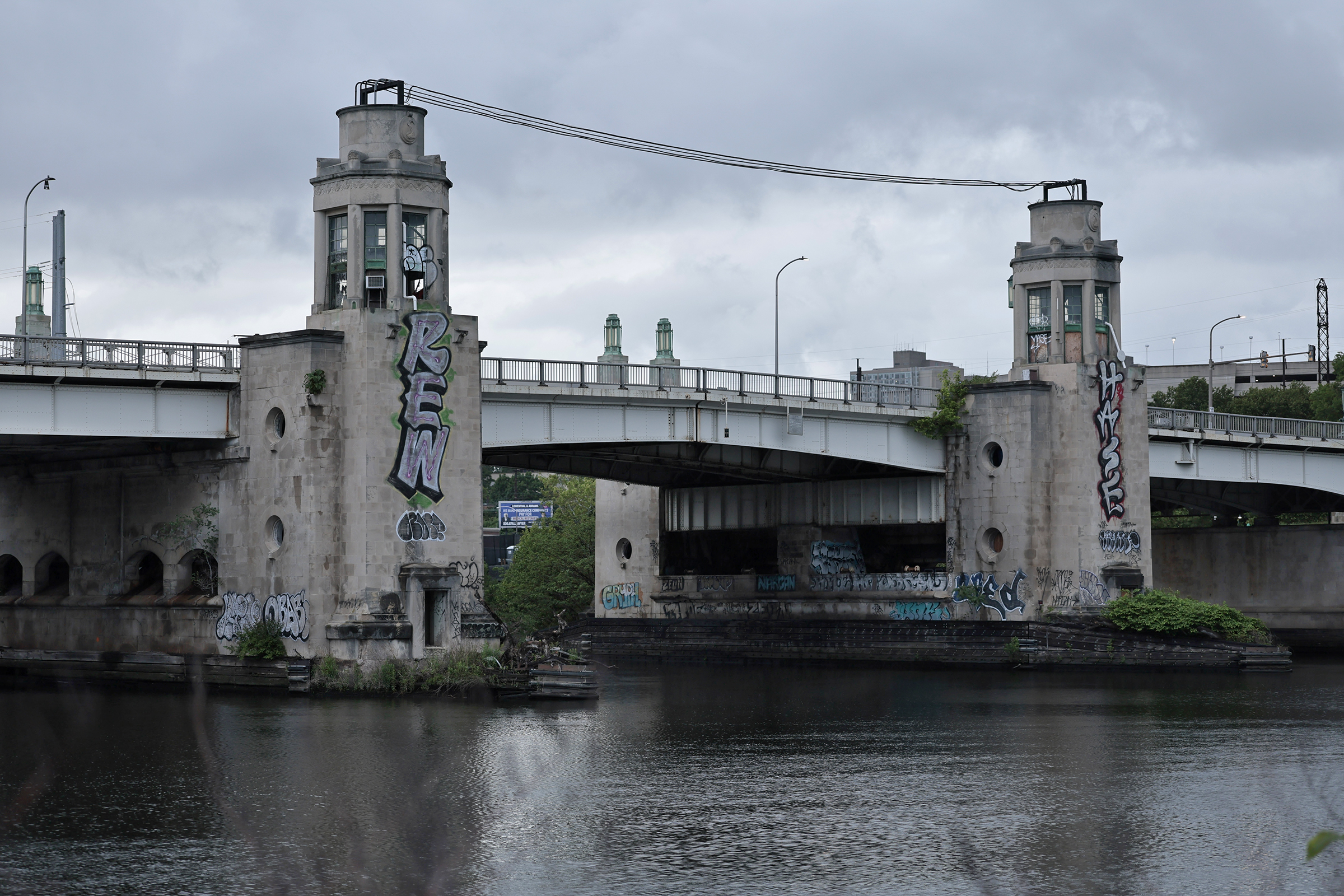
Graffiti has marred the bridge in several places, most noticeably on the Center City-facing sides of the operator’s houses, but there is no immediate plan to clean up the scrawls.
“At this time, graffiti removal is not in the scope, but it is being explored in the near future,” said PennDot spokesperson Brad Rudolph.
Graffiti on the University Avenue Bridge, seen from the Schuylkill River Trail, on May 21.Elizabeth Robertson / Staff Photographer
Vandalism and deterioration on the bridge linking West Philadelphia and Grays Ferry have attracted sporadic public attention for decades. The Inquirer highlighted the conditions last September, with another article in June, and other news outlets have called for the bridge’s stabilization and restoration. A recent change.org petition advocating that it be protected from further damage collected hundreds of signatures.
“Without intervention, these unique design elements risk permanent loss,” the Preservation Alliance for Greater Philadelphia wrote in its magazine, which lists the bridge as one of the city’s places to save.
“We welcome PennDot’s attention to the University Avenue Bridge and the planned work to address some of its most urgent deficiencies. This is a positive first step, especially after years of visible deterioration, but it should not be the end of the effort,” said Paul Steinke, executive director of the Preservation Alliance for Greater Philadelphia. “The bridge is one of Philadelphia’s most distinctive historic spans, and it deserves a broader rehabilitation plan that addresses its historic features, long-term condition and role as a public gateway between neighborhoods.”
The repairs at hand will address the structural elements beneath the bridge’s deck. The bridge uses a girder floor beam stringer system to carry the load, said Cutright, and the deterioration will be addressed with plating, cleaning, and repainting, and some steel members may be replaced.
Vandalism and the elements have damaged the two operator’s houses on the Center City-facing side of the bridge. They will be cleaned out and sealed, and a chain-link fence will be installed in front of the two structures to deter trespassers.
Lane closures will reduce vehicular access to one lane in each direction during construction. Two of the bridge’s four lanes will be closed all day every day, with two lanes left open (one in each direction) through mid-December. The work will begin with closing the two lanes closest to the operator’s houses, and moving all traffic to the other side. Then, in a couple of months, the closure pattern will flip.
The bridge carries more than 36,000 vehicles per day, according to PennDot, and the agency expects significant backups during construction. Pedestrian access will be permitted on the side of the bridge opposite from where work is being conducted.
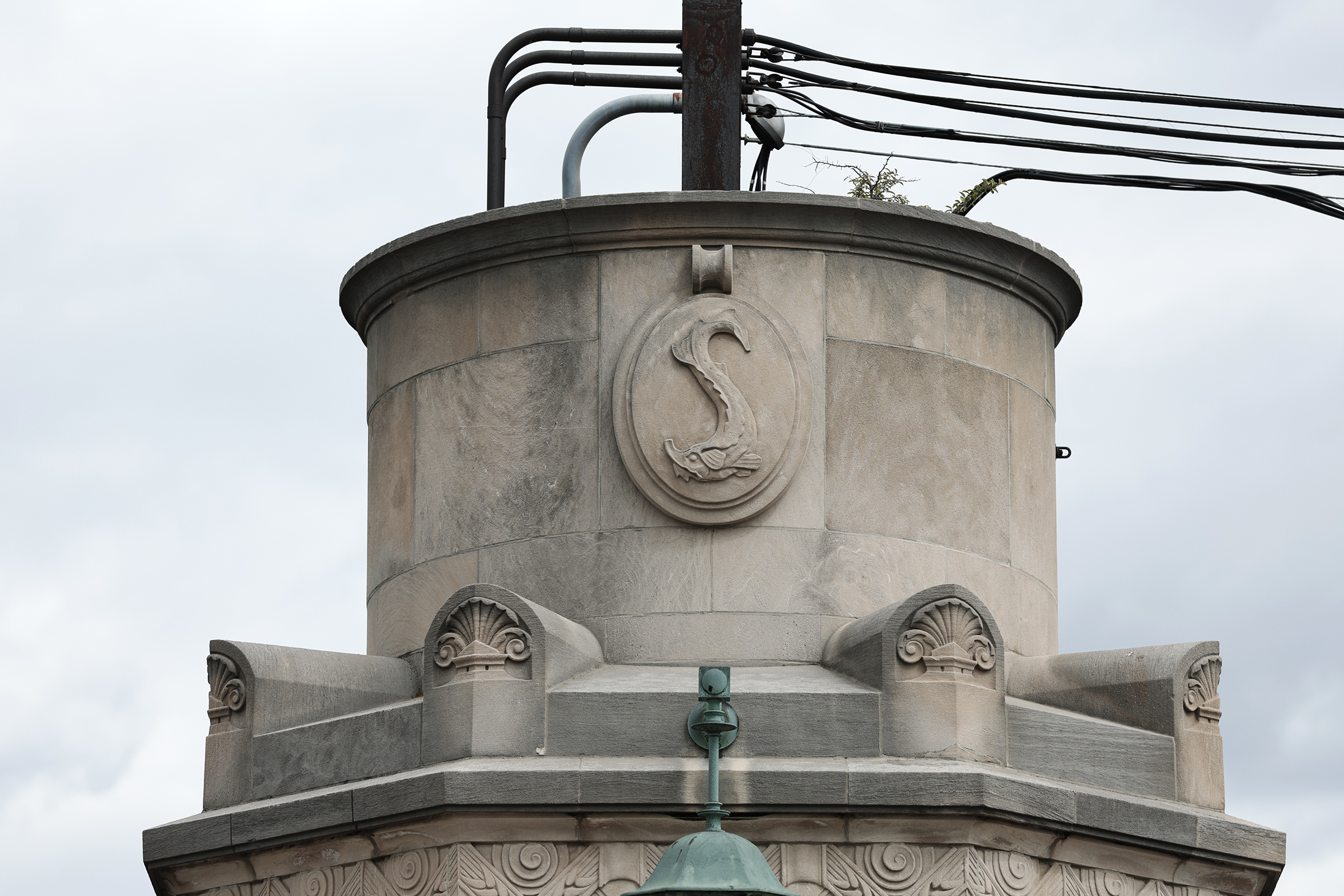
A fish and other details adorn the operator’s houses on the University Avenue Bridge.Elizabeth Robertson / Staff Photographer
Cutright said that while PennDot would like to restore the bridge, the cost is estimated around $50 million, and no funding is currently lined up for an effort on that scale.
Even if funding were in place now, a major rehabilitation would be a long way off. Planning and construction would take five years or more, she said.
“It’s a beautiful bridge, and I would imagine that if we were to do a major project that we would want to restore it to its former glory.”
It’s been a long time since Samantha and Mike Garbose have been able to truly enjoy the same pizza together. Ever since Mike discovered an intolerance to gluten in 2019, their pizza dates have resulted in this married couple ordering a “his” and “hers” situation with separate pies.
Being relegated to the gluten-free alternative is not a fate Mike begrudges: “We both agree that each of us is totally entitled to the food that our diets and preferences warrant.” Then again, the contrast in quality between standard wheat-flour crusts and those made with gluten-free ingredients can be hard to ignore.
“At places that have both gluten [-full] and gluten-free pizza,” says Samantha, “usually I get something that looks phenomenal and Mike gets something that looks like a cardboard circle — and then I feel guilty about that.”
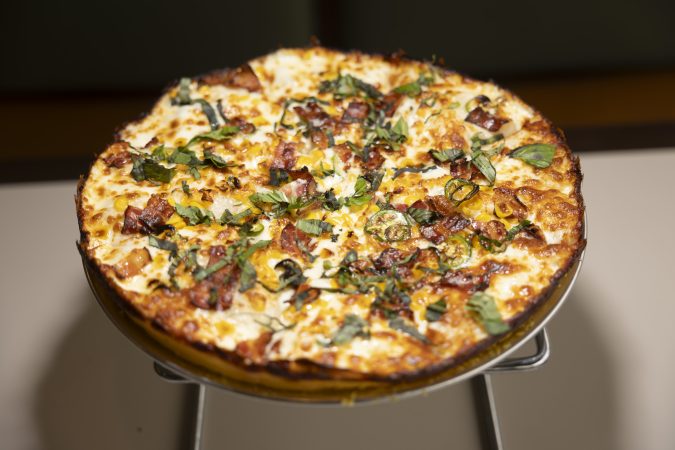
Gluten-free pizza with summer corn at Barclay Pies in Cherry Hill.Tyger Williams / Staff Photographer
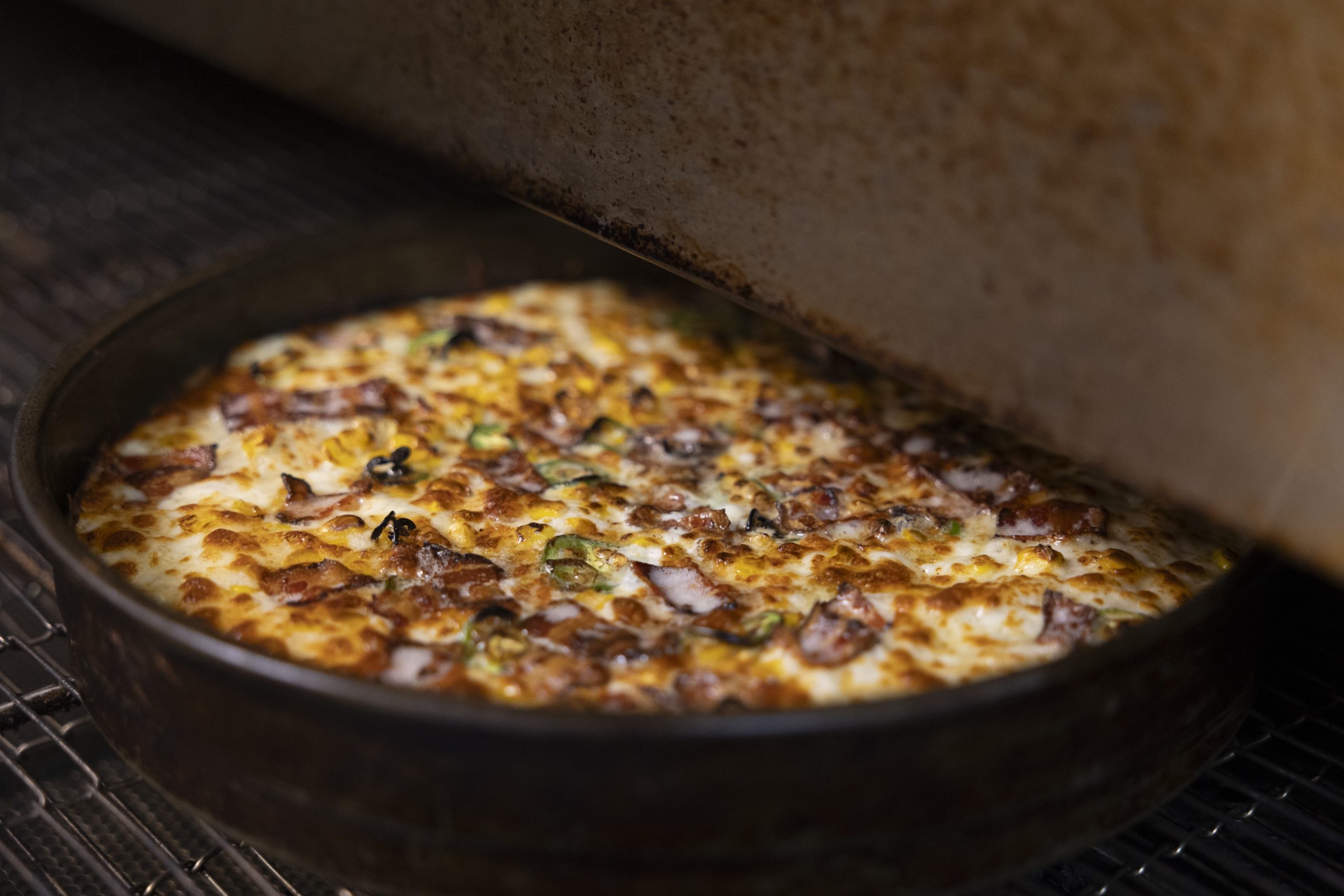
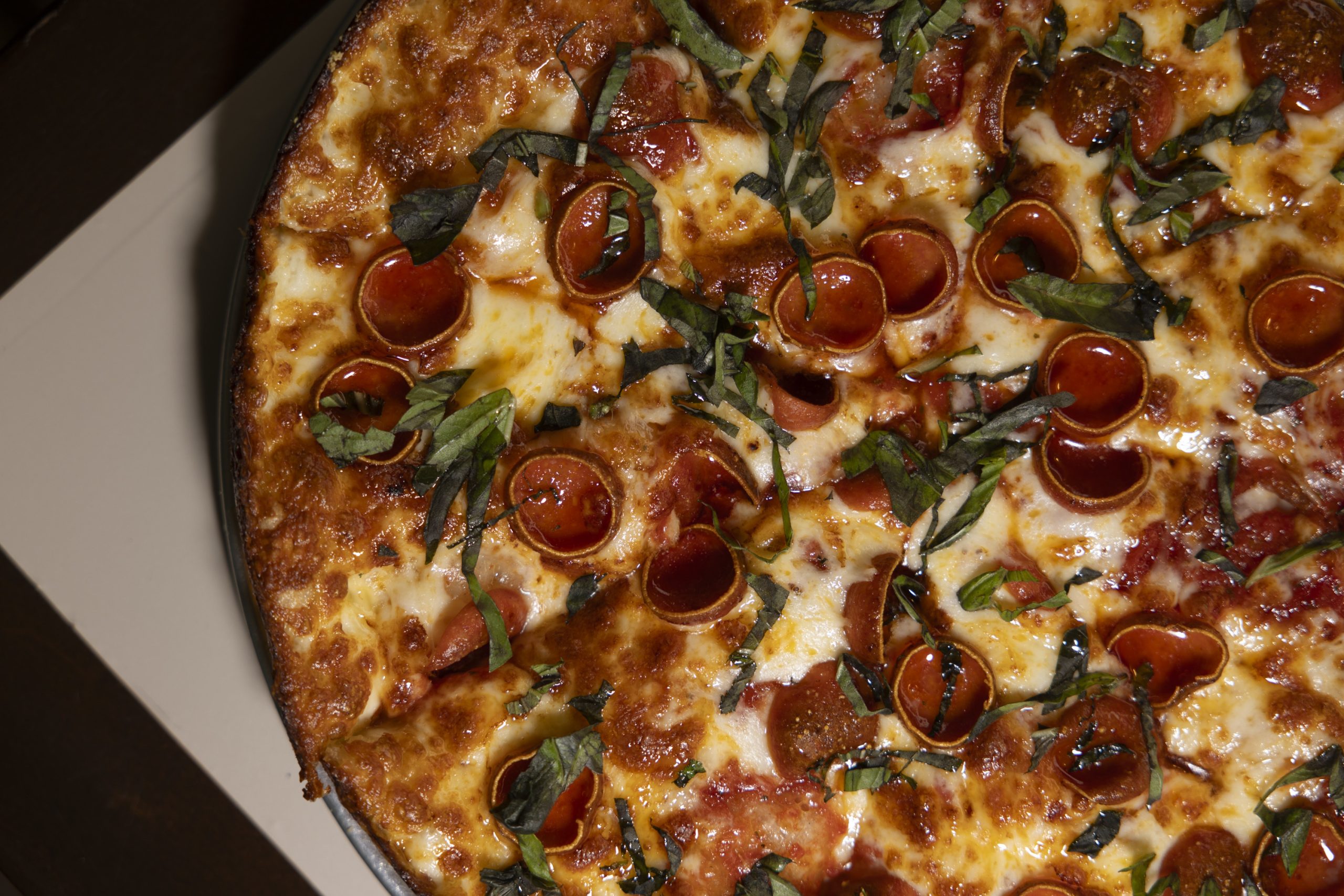
But there would be no guilt tonight at Barclay Pies. Not once the first gluten-free pizza arrives at our table, its airy puff of a crust crisped around the edges to a tawny snap that beckons from under a crown of molten mozzarella topped with sweet summer corn, bacon, and chile peppers. Another pie arrives, this one zesty with a layer of red sauce bursting with bright California tomatoes and a whiff of oregano;fistfuls of cup-and-char pepperoni rounds arescattered over the top, then finished with honey and freshly ripped basil.
“Oh wow, that does not even look gluten-free!” says Samantha.
That’s been my exact reaction every time I’ve visited this pizzeria in Cherry Hill, initially with my daughter, Alice, who has celiac disease. Barclay also makes standard pizzas with glutinous flour, but it has generated a serious buzz within the gluten-free community over the course of its first year — for good reason.
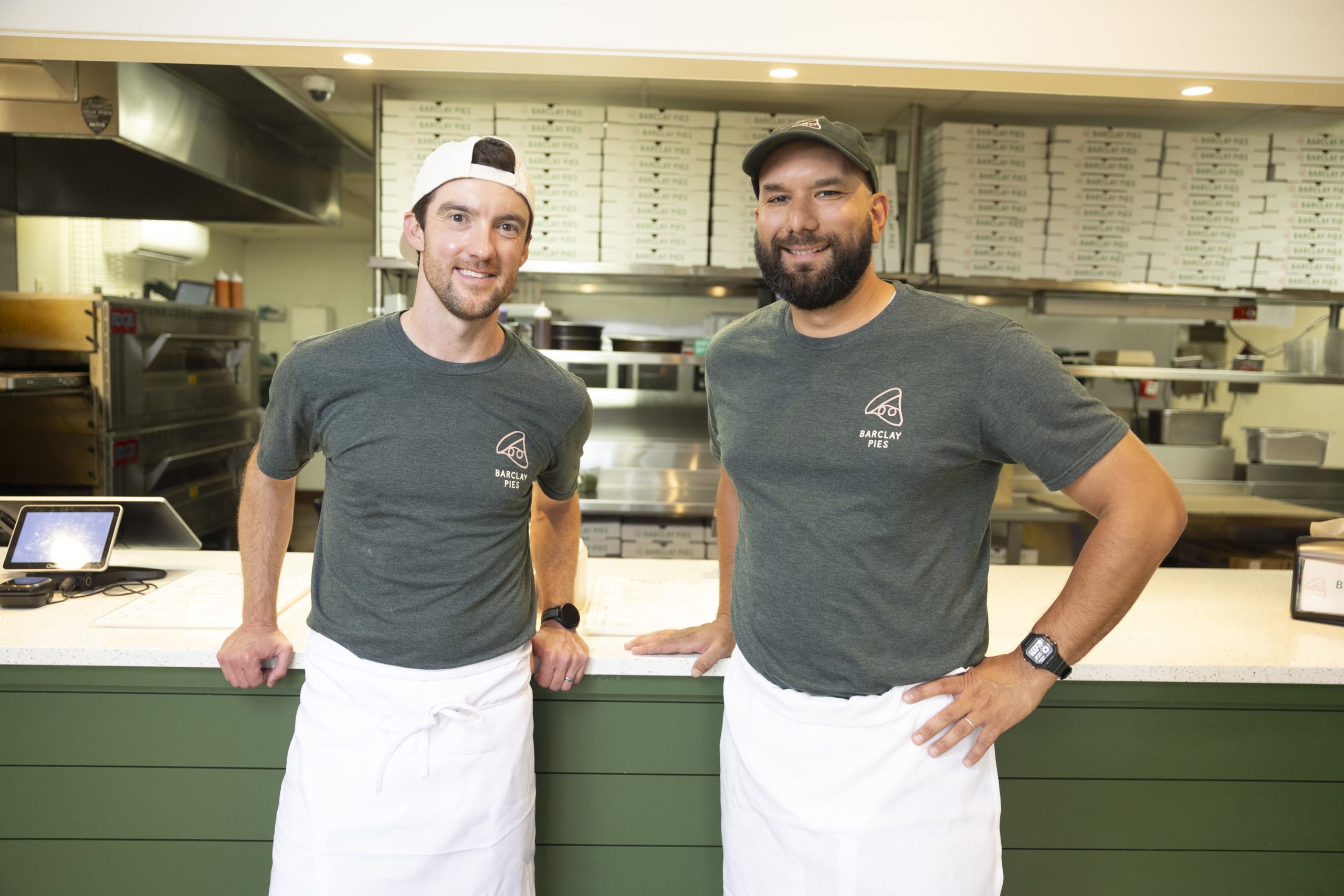
Gluten-free pizza with pepperoni at Barclay Pies in Cherry Hill.Tyger Williams / Staff PhotographerCo-owners Thomas “TJ” Hunton (left) and Daniel Romero at Barclay Pies in Cherry Hill.Tyger Williams / Staff Photographer
Barclay Pies was launched last summer by friends Thomas “TJ” Hunton, a regional director of operations for Shake Shack, and Daniel Romero, a vice president in engineering for Aramark. Its remarkably good pizzas, careful protocols to avoid cross contamination, and outgoing hospitality have helped change the narrative about what’s possible in a fast-casual setting with gluten-free options that go beyond just the pies.
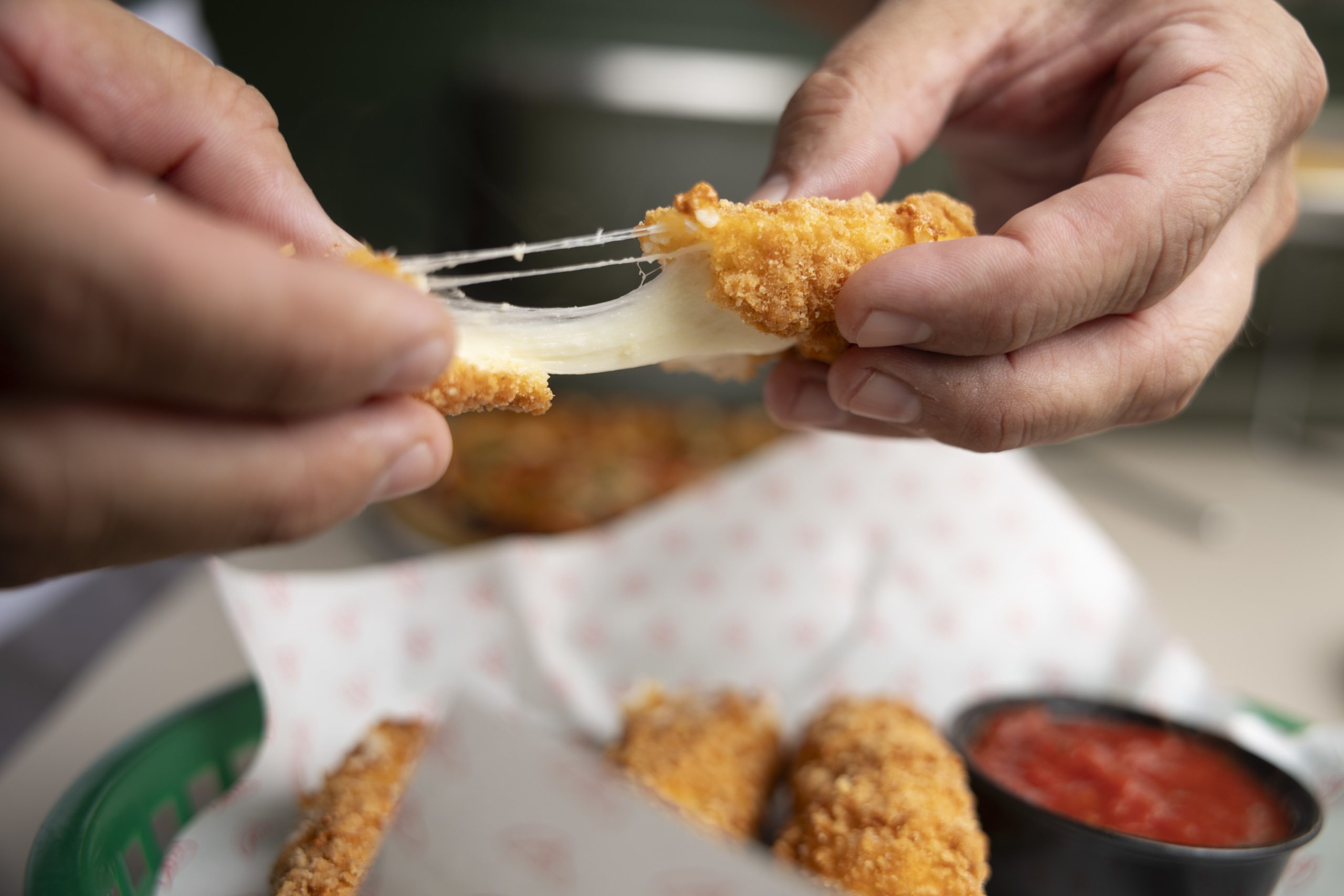
Indeed, a mozzarella stick was the first bite to turn heads at our table. A safe-to-eat mozzarella stick is rare and coveted in the gluten-free community because deep fryers are common culprits for cross contamination. Not only are Barclay’s fryers completely gluten-free, these delicately hand-breaded sticks encrusted in potato starch, rice flour, and gluten-free panko crumbs are perfectly crisped. There is also a hunk of milky fresh mozzarella inside (another rarity: most use standard low-moisture varieties) that offered hot cheese-pull satisfaction from one side of the table to the next.
Gluten-free mozzarella sticks at Barclay Pies in Cherry Hill.Tyger Williams / Staff Photographer
The chicken wings were also superb, tender and juicy from a dry brine and par-bake, sealed inside a sheer crust of egg whites and rice flour, available in several good flavors, from punchy Buffalo sauce shaded with the richness of brown butter to lemon-pepper that sparkled in its craggy breading.
My encounters on previous visits with boneless chicken tenders were far less inspired, including some overly brined meat so rubbery they gave me a refund. But I was heartened by a 360-degree turnaround on this latest visit. The team recently reworked their recipe, and the final results — expertly verified by Hunton’s 6-year-old daughter, Amelia — are stellar: a perfectly tender baton of meat in a flavorful crust ready for various house-made dips. The tangy ranch with buttermilk and fresh herbs was a favorite, though classic honey mustard also did the trick.
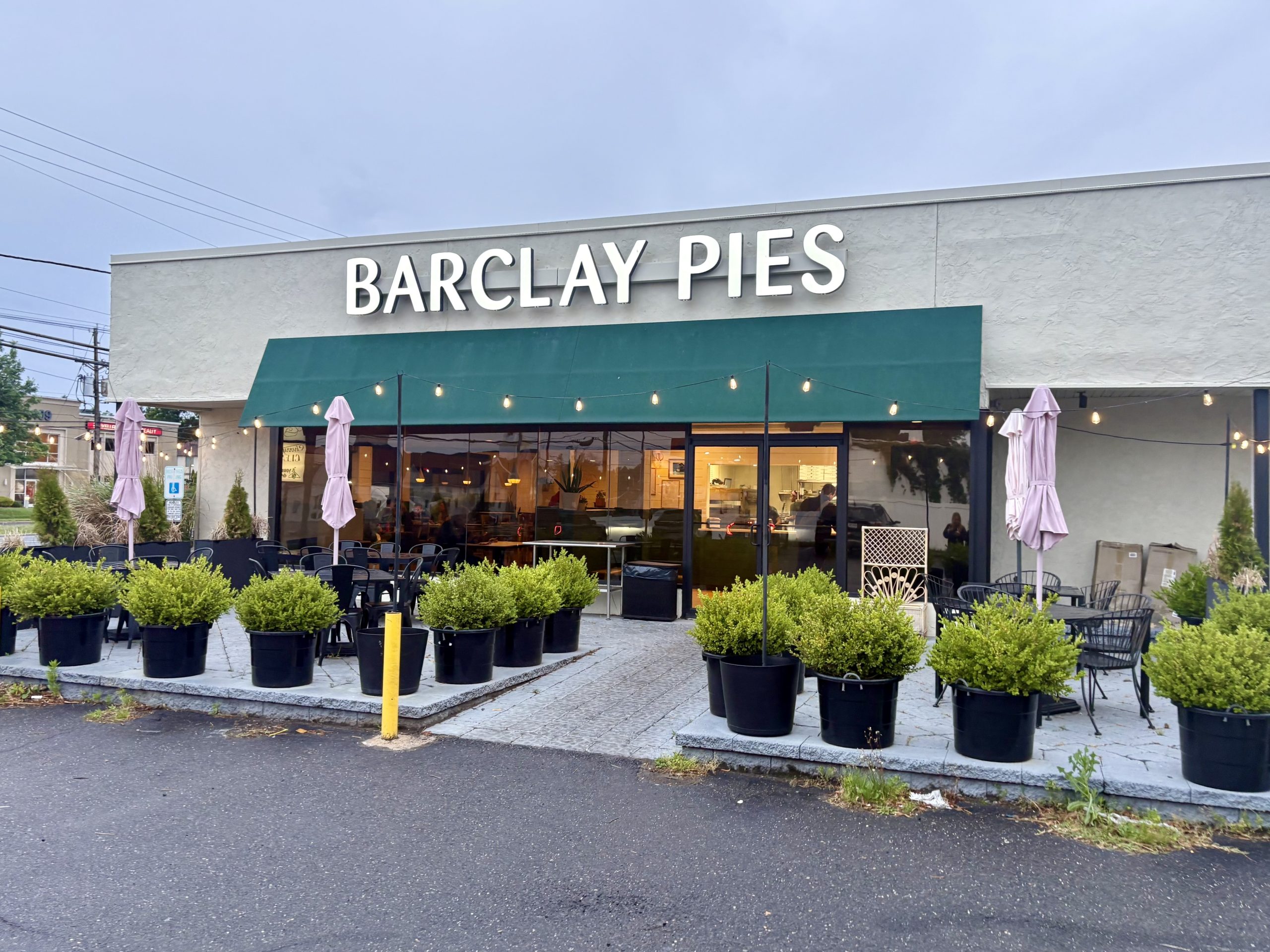
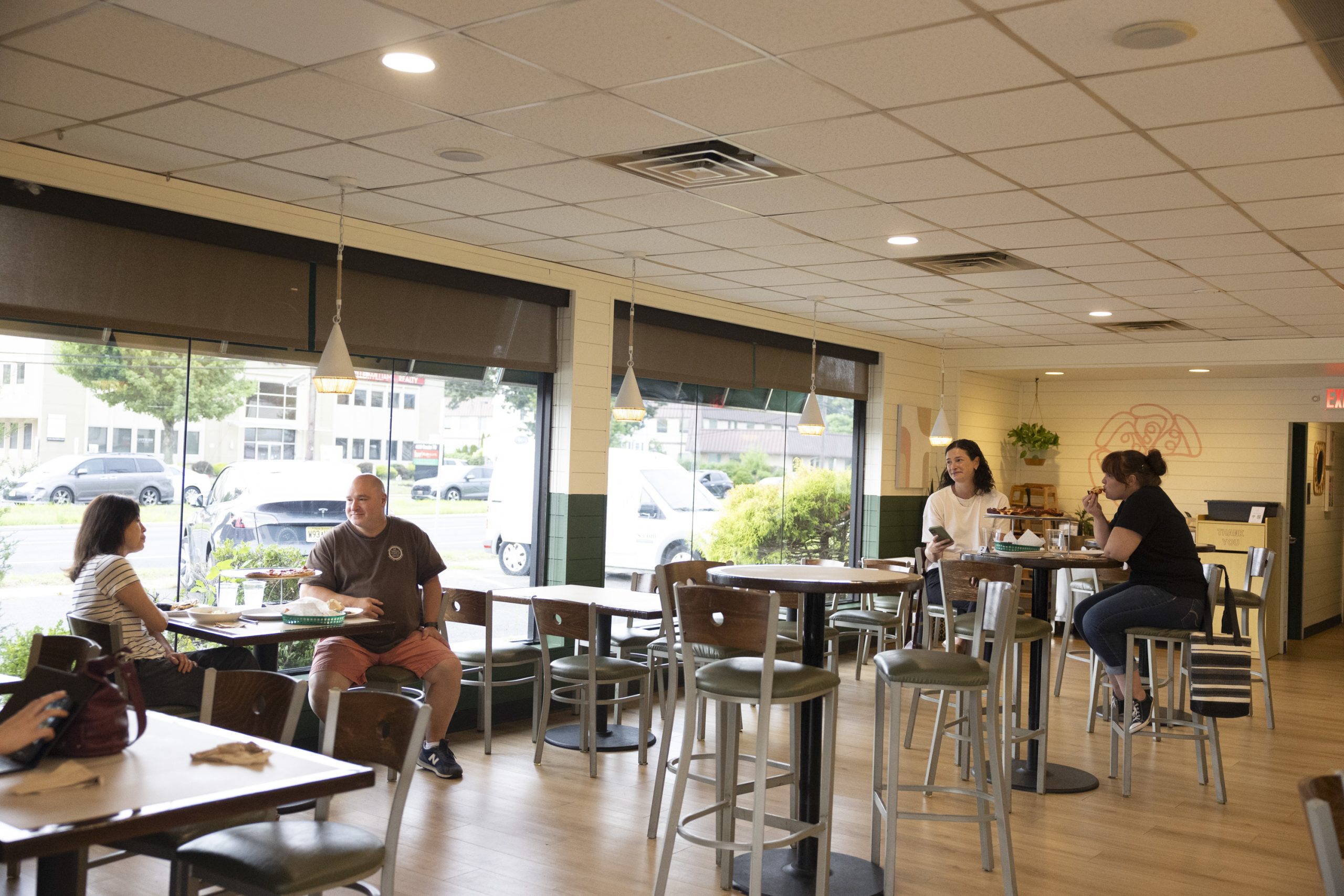
Barclay Pies, located along Route 70 in Cherry Hill, has become known for its gluten-free pizzas.Craig LaBan / StaffJulie Romero (center right), of Cherry Hill, and Claire Ryder, of Collingswood, are enjoying some gluten-free pizza at Barclay Pies in Cherry Hill on July 21.Tyger Williams / Staff Photographer
But pizza, of course, is the restaurant’s prime magnet. The duo decided to tackle the daunting gluten-free genre because Romero’s wife, Julie, has celiac disease. Making a gluten-free pizza worth the trouble is a major challenge. Gluten is a key protein found in certain grains — namely wheat, barley, and rye — that provides the structure to hold gas bubbles during fermentation and fosters a chewy, complex crust. Until recently, most GF versions of pizza I’ve tasted, whether made from alternative flours or cauliflower — and commonly outsourced in restaurants to avoid cross contamination — have been less than exciting, with textures ranging between pressboard and Styrofoam.
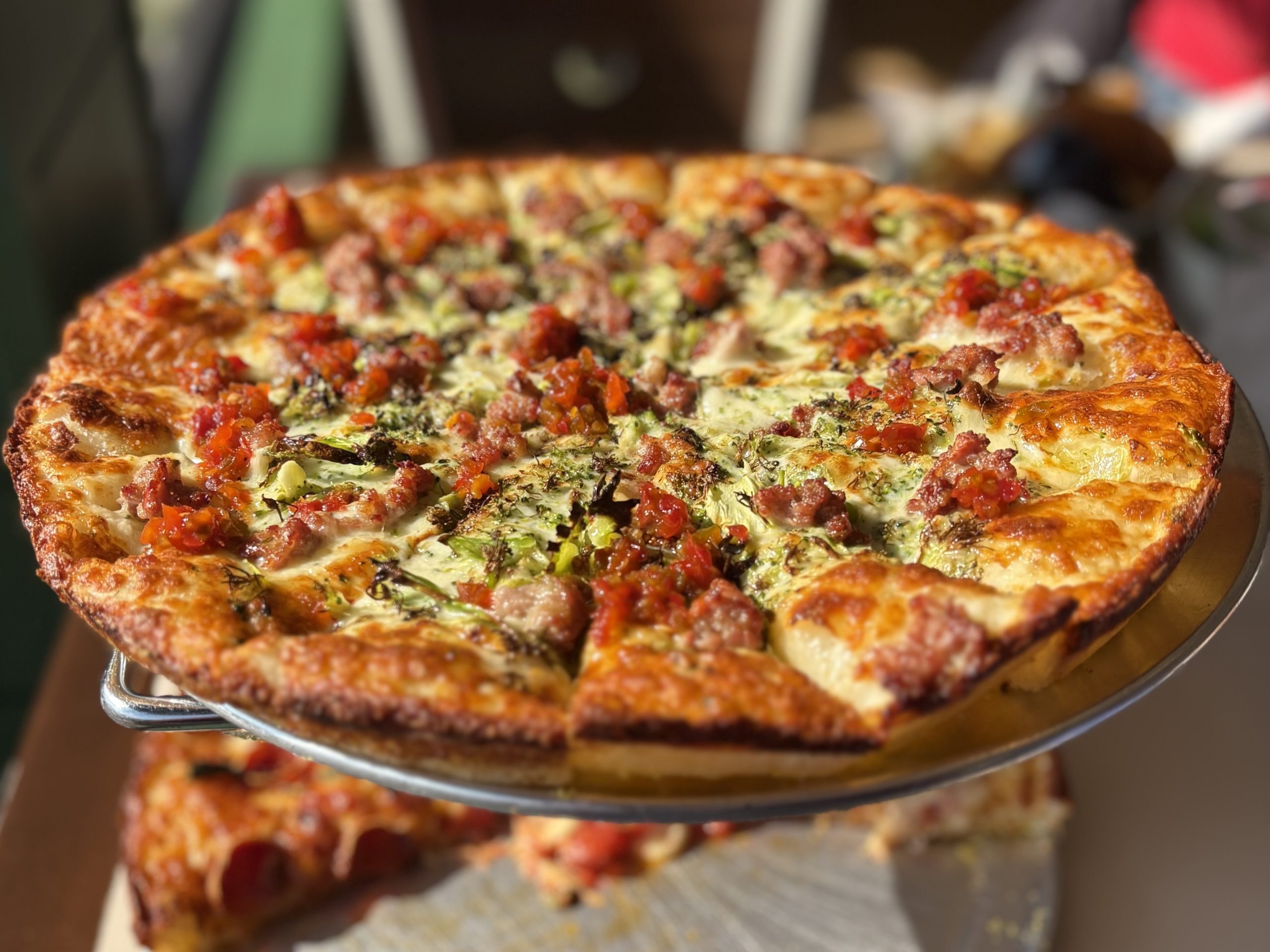
Barclay’s gluten-free pies are not that. The Romeros worked for nine months to perfect a high-hydration crust that puffs like a supple focaccia. With a light dusting of cornmeal adding a delicate bottom crunch and the Detroit-style crispy frico cheese band around the edges, the pie achieves textural contrasts this gluten-free dough itself would not otherwise form. The pan-based format is helpful to prevent cross contamination, but having grown up in the Midwest, where deep-crusted pies are common, I found these to be completely satisfying platforms for Barclay’s toppings. I was impressed by the mushroom pie that blends thin-shaved creminis with caramelized onions over a white base of seasoned heavy cream and mozzarella. I also enjoyed the locally inspired combo of fennel sausage, broccoli, and zesty cherry pepper hoagie relish, the addition of Cooper Sharp lending the base of molten mozzarella some extra South Philly flow.
The gluten-free broccoli and sausage pizza at Barclay Pies in Cherry Hill also comes topped with hoagie pepper relish.Craig LaBan / Staff
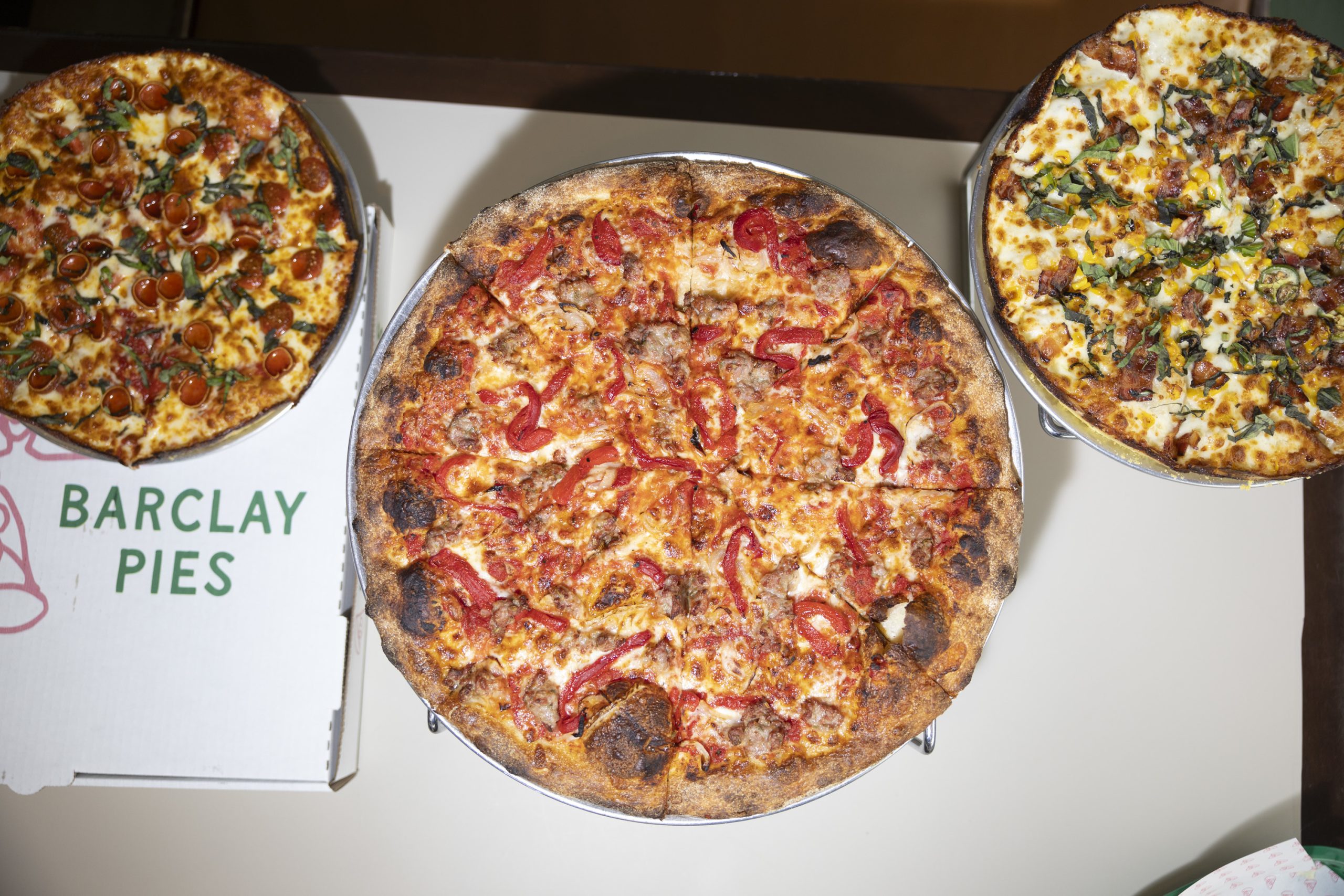
I appreciate that Barclay is continuously tweaking its recipes, increasing the size of its fresh sausage chunks from the dried-out crumbles I found early on to the porky nuggets that dotted the roasted pepper-sausage pie we ordered on a traditional gluten-full round. That pizza had a perfectly fine, well-developed crust that was solid by neighborhood pizzeria standards. But the gluten-free pies are the draw, special enough to merit a regionwide pilgrimage.
Samantha Garbose agreed: “Usually when we get gluten-free food together, I’m pretending it’s good, but I actually thought [Barclay’s] gluten-free pizza was better than the one that had gluten.”
Standard gluten-full pizza with sausage and peppers at Barclay Pies in Cherry Hill.Tyger Williams / Staff Photographer
Barclay’s sales numbers are starting to bear this out. Hunton says they initially anticipated selling only 10 gluten-free pies a day to supplement their traditional pizza sales. But gluten-free pies now account for a third of the pizzas they bake.
“By the end of the first month we realized we’d really struck a chord,” says Hunton. “There’s a market need for a pizzeria that was truly inclusive.” Barclay also offers vegan pizzas with a cheese substitute made in-house from oat milk and tofu, deliberately avoiding nuts, an allergen ingredient commonly used in vegan cheese.
There’s still a catch. One reason this dough is so good is because it uses Caputo Fioreglut, an Italian gluten-free flour blend that contains wheat starch whose gluten proteins have been removed. Fioreglut performs closer to wheat flour than most GF blends and is considered safe for most celiacs, but not for those who have an allergy to wheat.
“We need to be pizza for everyone and we’re not fully there quite yet,” concedes Romero. “But that’s our North Star.”
The gluten-free broccoli and sausage pizza at Barclay Pies in Cherry Hill also comes topped with hoagie pepper relish.Craig LaBan / Staff
The past few years have been a vibrant era for local experimentation with better gluten-free pizza alternatives, though few compare to Barclay Pies’ crust. Emmy Squared has long made gluten-free versions of its standard Detroit pies in Queen Village. Corio in University City has been working on a potato-based dough for thin-crusted counterparts to its Neapolitan-style pizzas. Gluten-free pasta specialist Settantatré has mastered an airy gluten-free focaccia base for the tomato pies it sells at local farmers market stands and its Berwyn market-cafe. Perhaps the best gluten-free pizza I’ve ever eaten was created by 13th Street Cocktails caterer Aaron Gordon for the exceptional pan pies at his Agricola in Passyunk Square, but this quirky corner pizza atelier is not a reliable source for frequent orders, limited now to only private charity events (but perhaps reopening to the public this fall).
Hunton and Romero have drawn on their professional experiences to quickly build Barclay Pies into the region’s most accessible hub for gluten-free pizza satisfaction. With its 50 indoor seats, 25 on its patio, and a bright pink-and-green makeover for the former Seasons Pizza, they’ve created a pleasant dining space with user-friendly systems for a cheerful and well-trained staff to operate efficiently while the owners, who are frequently there, also retain their day jobs. (Hunton, a Garces alum, still oversees operations at 70 Shake Shacks from New York to Virginia.)
Most importantly, gluten-free customers can take comfort in knowing protocols have been put in place to minimize risks of cross contamination. The gluten-free dough is mixed first thing each morning in a separate GF-only mixer, prepped at a separate station, run through a dedicated conveyor belt oven, and finished at a separate station with color-coded cutters and spatulas. The gluten-free pies are also proofed and cooked in round pans to clearly distinguish them from the gluten-full Detroit pies that are cooked in square pans.
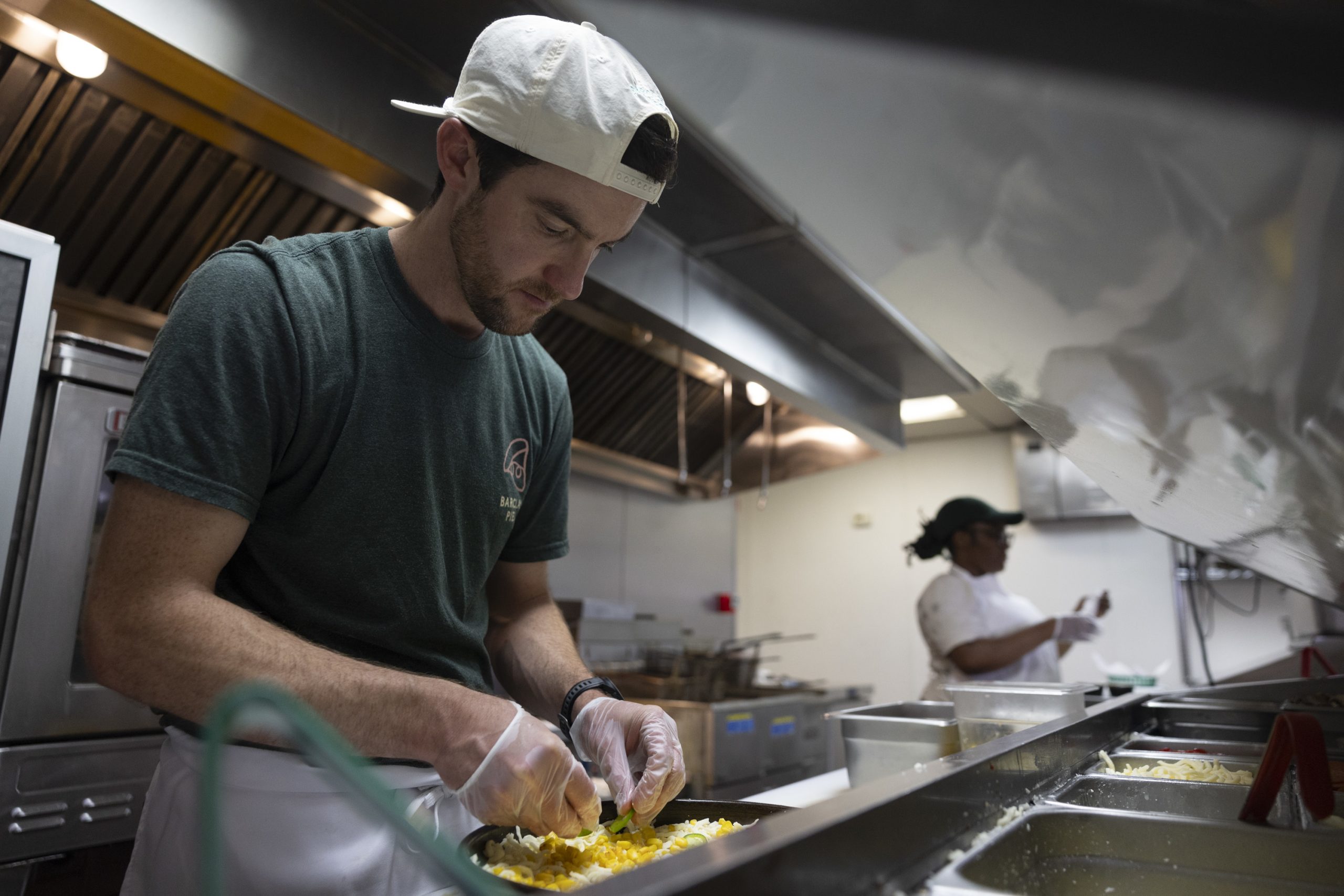
Co-owner Thomas “TJ” Hunton making gluten-free pizza with summer corn at Barclay Pies in Cherry Hill.Tyger Williams / Staff Photographer
While there will never be 0% risk as long as products with gluten are made in-house, and that may not suit those who are especially sensitive, my daughter ate there three times without incident. Hunton and Romero also strongly believe there is a broader community benefit to offering both options, as opposed to being entirely gluten-free. This way groups of diners with diverse needs and preferences can feel seen and safely served together without being singled out.
This works especially well for the Garboses.
“We’d prefer to go to a restaurant that has great options for both of us,” says Mike. “Life is too short for either of us to eat bad food.”
But in the case of Barclay Pies, their “his and hers” pizza night had a different, guilt-free twist: “It’s been so long since Mike and I got to actually enjoy the same pizza,” says Samantha. “This was really a thrill.”
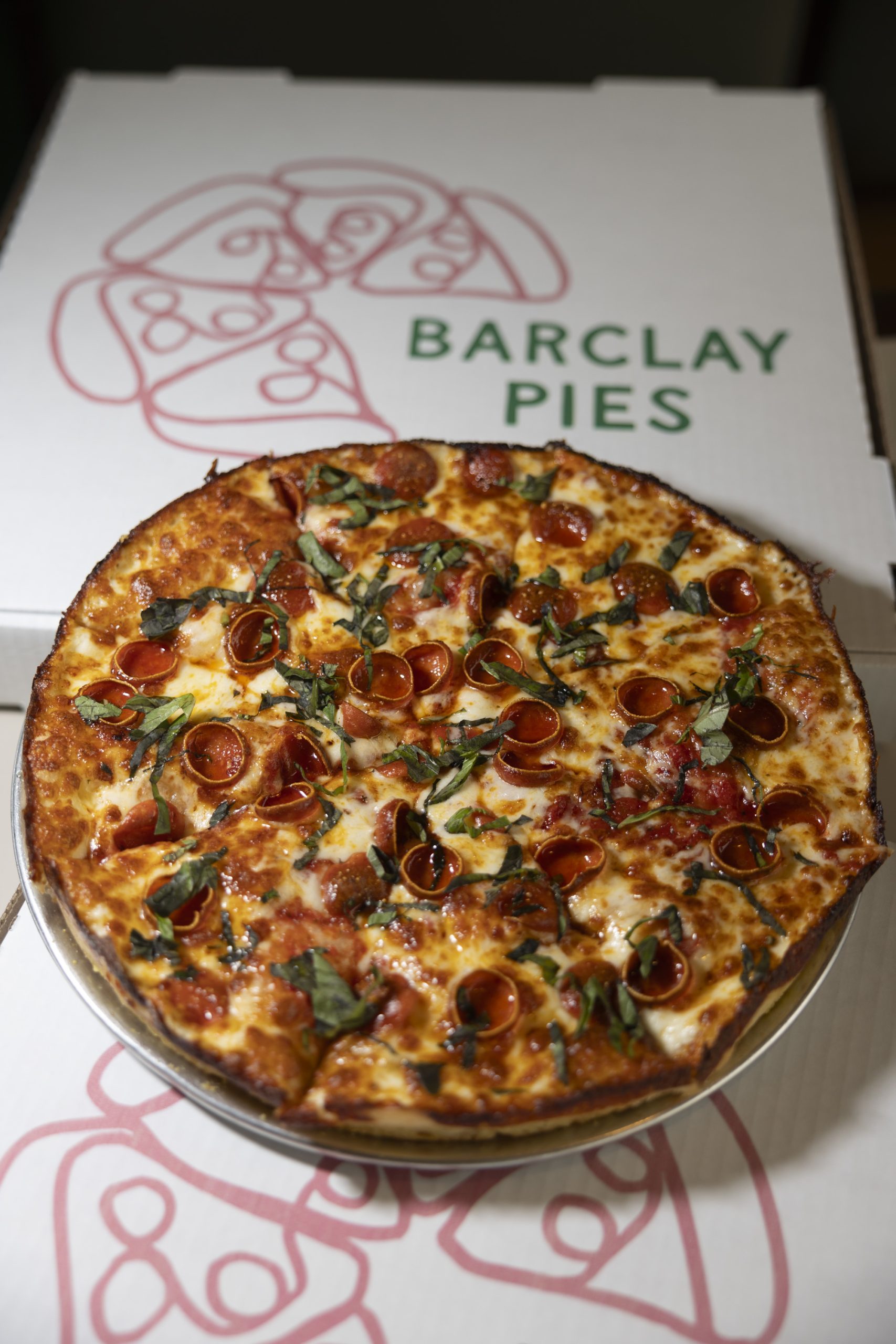
Gluten-free pizza with pepperoni at Barclay Pies in Cherry Hill, N.J., on Tuesday, July 21, 2026.Tyger Williams / Staff Photographer
Barclay Pies
450 Marlton Pike, Cherry Hill Township, N.J. 856-712-1900; barclaypies.com
Open Sunday to Thursday, 11 a.m. to 9 p.m.; Friday and Saturday, until 9:30 p.m.
Pizzas, $19-$24 (plus $4 for gluten-free crust).
Wheelchair accessible.
Menu is almost entirely gluten-free. Standard pizzas with gluten-full flour are made in the same facility but extreme care and protocols are taken to prevent cross contamination.
BYOB. There are several excellent liquor stores nearby. The restaurant also provides good-quality stemless plastic drinkware.
Menu Highlights: Gluten-free pizzas; mozzarella sticks; wings; chicken tenders.
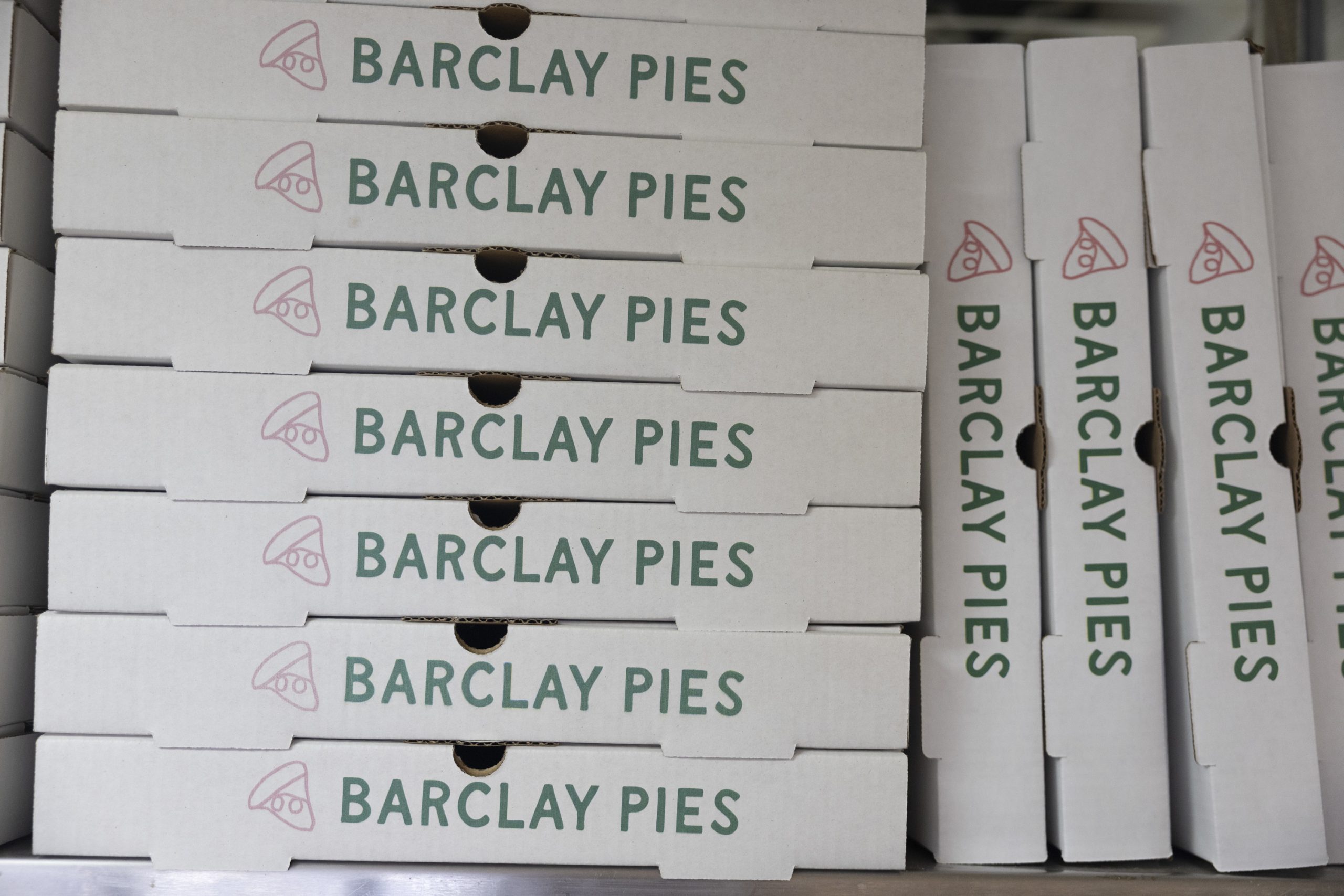
Barclay Pies boxes in Cherry Hill.Tyger Williams / Staff Photographer