Tag: topic-link-auto

  • Planned protest against Jewish-owned Philly restaurants draws ire, security, and feelings of unease

    Planned protest against Jewish-owned Philly restaurants draws ire, security, and feelings of unease

    Philadelphia business leaders and elected officials are condemning a planned bike-ride protest against half a dozen eateries owned by Jewish restaurateurs, days before the cyclists are set to gather in Center City.

    The “Boycott Ride” has drawn ire internationally in recent days, as many have denounced the anticipated action — planned for the eve of Kristallnacht on Sunday — as antisemitic and hateful. In response, city, state, and congressional leaders have called for increased security, and Philadelphia’s Jewish community have rallied behind the businesses.

    “Everyone has the right to peacefully protest and express their political views,” Philadelphia Mayor Cherelle L. Parker said in a statement. “But singling out businesses because their owners are Jewish is unacceptable and has no place in our city.”

    It’s unclear how many people will participate in the bike ride or how the organizers plan to express their dissent. An Instagram post promoting the demonstration had less than 800 likes as of Saturday morning. Meanwhile, a counter, “community food crawl” has galvanized, encouraging people to patronize the targeted businesses this weekend.

    Philadelphia police said Thursday they were monitoring the protest and will “take appropriate measures to maintain public safety,” and a spokesperson for Gov. Josh Shapiro said his administration and state police were working with local authorities ahead of Sunday.

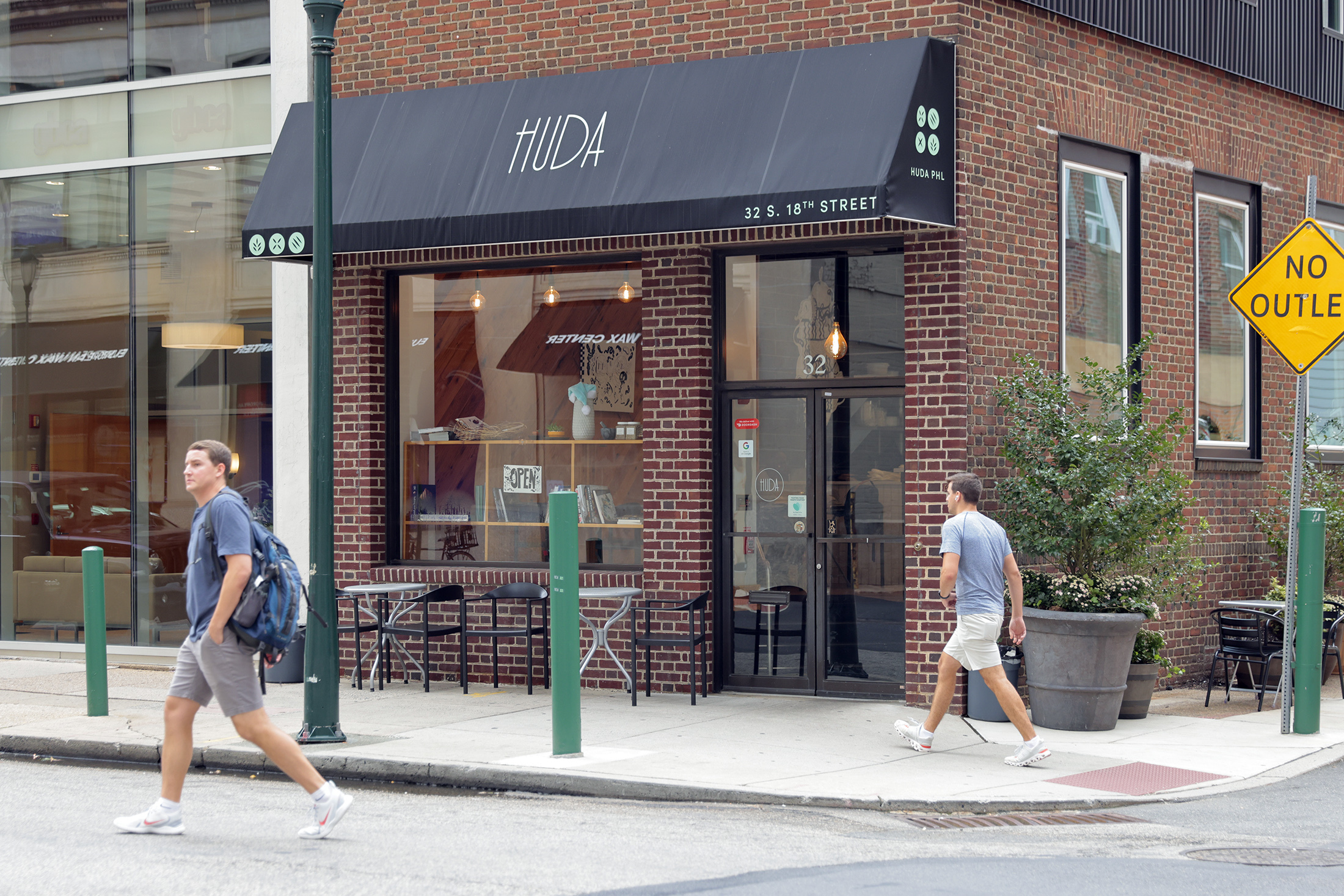
    Organizers of the “Boycott Ride” said on Instagram the cycling demonstration was intended to show pro-Palestinian solidarity and protest six businesses they say are “Zionist establishments”: Mac Mart, K’Far Cafe, Huda, Goldie, Dizengoff, and Schlesinger’s Deli. A widely circulated flier reads, “No business for Zionists! These Zionist Establishments must go! Not in our city!”

    Allan Domb, owner of Schlesinger’s Deli and a former Philadelphia city councilmember, called the boycott “unsettling.”

    “This group wants to see our businesses shut down because we’re Jewish,” he said in a phone interview. “Imagine if this was another group that was being targeted — everybody would be up in arms.”

    In a statement, the Jewish Federation of Greater Philadelphia denounced the bike ride as an attempt to “intimidate Jewish businesses or drive them out of Philadelphia.” The federation, and others, have also taken issue with the boycott’s timing: The protest is planned for the eve of the 88th observance of Kristallnacht, an organized attack on Jewish businesses, homes, and synagogues in Nazi Germany in 1938. During Kristallnacht, Nazis assaulted and killed Jewish people, imprisoned about 26,000 Jewish men in concentration camps, and burned more than 1,400 synagogues, according to the U.S. Holocaust Memorial Museum.

    “Publicly identifying Jewish-owned businesses and declaring that they must go sends a message to Jewish Pennsylvanians that they are unwelcome in the economic and civic life of their own communities,” said Andrea Martin, commissioner of the Pennsylvania Human Relations Commission.

    “Such efforts to intimidate, marginalize, and exclude Jewish business owners should concern every Pennsylvanian who believes in equal rights and the dignity of all people,” Martin said.

    On Saturday, the ride’s organizers — a group called Philly Bike On Your Left — posted a statement to Instagram that said in part, “our ride has been grossly misrepresented.”

    “We firmly stand with indigenous Palestinians in their struggle for freedom and justice,” the statement read. “Let us be clear: the reason we are calling for a boycott of these businesses is because of their support for Israel.”

    The statement also addressed the protest’s timing: “We plan rides around people’s schedules. Palestinians need our support now. Any suggestions about the timing of our ride are simply false.”

    Another group, Boycott CookNSolo — a movement protesting the restaurant group that owns Goldie, K’Far Cafe, and Dizengoff, among others — came to Philly Bike On Your Left’s defense, writing on Instagram that all the restaurants’ owners “have made statements and/or raised funds” in support of Israel in the war. Since the Oct. 7 Hamas attack on Israel, when Hamas militants killed 1,200 people and took 251 hostages, Israel has responded with an offensive that has killed more than 74,000 Palestinians, according to Gaza’s Health Ministry.

    Boycott CookNSolo called the social media fury and attention a “coordinated campaign to discredit and villainize the organizers,” while “disingenuously conflating Zionism with Judaism and invoking Kristallnacht.”

    “Hate has no place in our community or directed at small businesses working hard to feed their families and bring joy to others,” Mac Mart owner, Marti Lieberman, said in a statement. “Since day one, Mac Mart has welcomed everyone, regardless of background, culture, religion, or beliefs.

    “Our mission has always been simple: Make people happy with delicious comfort food. That’s what we’re going to continue doing.”

    A spokesperson for CookNSolo — co-owned by Israeli-born chef Michael Solomonov — did not immediately respond to emails seeking comment. Solomonov and CookNSolo have previously come under scrutiny for fundraising for an Israeli nonprofit.

    Tensions escalated in December 2023 when pro-Palestinian protesters chanted, “Goldie, Goldie, you can’t hide, we charge you with genocide” outside of the falafel shop. Those chants drew rebukes from local leaders up to the White House.

    Huda’s owner, Yehuda Sichel, was not immediately available for comment.

    Both Domb and Lieberman said they’ve received an outpouring of support.

    “Right now, it’s just meant to be a bike ride, but there’s a lot of attention,” Domb said. “We want to keep it peaceful, calm.

    “And I actually think the noise might be greater than the reality.”

  • Flash flood warnings are posted for South Jersey as the region’s 18-day dry spell ends

    Flash flood warnings are posted for South Jersey as the region’s 18-day dry spell ends

    Flash flood warnings were up Friday morning for portions of Burlington, Camden and Gloucester Counties, where up to 3 inches of rain have fallen.

    Heavy rains fell around daybreak in Philadelphia, but totals were considerably more benign west of the Delaware River, where no flooding was anticipated, the National Weather Service said. The warning for South Jersey was in effect until 10:15 a.m..

    Although patches of blue were making cameos, more showers were expected during the day.

    Of note: At 7 a.m. Thursday, officially a mighty 0.01 inches had been measured at Philadelphia International Airport, ending Philly’s longest dry spell in two years.

    And after that long dry run, before the rains come to end on Friday, the region’s motorists may be contending with a hazard more common to Californians.

    The rain was likely to continue through the Friday morning peak commuting period, he said, and raindrops won’t be the only thing falling.

    With the end of the peak foliage season comes the peak leaf-fall seasons, and officials warn that wet leaves could be a nuisance for motorists and Regional Rail commuters.

    In addition, storm drains are prone to clogging with wet leaf-fall, which can lead to road ponding.

    Pennsylvania Department of Transportation staff in Philly and the neighboring counties “have been clearing drains, inlets, and debris on interstates and major routes,” spokesperson Brad Rudolph said.

    For its part, SEPTA was advising Regional Rail commuters to expect delays.

    “The main issue customers may notice is a bit of a slowdown from top speeds — about 10 mph,” spokesperson Andrew Busch said. ”It typically does not result in canceled trips, and as long as there are no other issues impacting service, the slippery rail delays are usually kept to a few minutes or so.”

    He added: “We have had our track-cleaning train out regularly in recent weeks and that will continue tonight, so we think we are in pretty good shape.”

    On the roads, the wet leaves can become “almost like ice out there,” said Isaac Longley, senior meteorologist with AccuWeather Inc.

    After experiencing a California-like dry spell, drivers may get a taste of a common problem in the heavily trafficked areas of the Golden State when rains have broken a dry spell.

    In dry times, “you get a lot of oil building on roadways,” Longley said. “Once you see that first rain in a while, that can cause some slippery spots.”

    The rains were being generated by a slowly approaching cold front, and some part of the region is going to get a serious soaking. Downpours were likely to be confined to a “narrow corridor,” Longley said.

    The weather service said it was possible that up to 3 inches could fall in areas that receive the heaviest rains. Cooper said those areas likely would be to the south and east of the city.

    Thursday’s precipitation ended a stretch of 18 days without measurable rain in Philadelphia, the longest dry run since the rainless October of 2024.

    The weekly interagency U.S. Drought Monitor report Thursday noted “abnormally dry” areas in parts of Bucks, Montgomery, and Burlington Counties, but overall the region remained drought-free.

    After the rains shut off Friday, “the weekend is looking really good,” Longley said. Saturday and Sunday should be sunny with afternoon temperatures in the low 60s, just a shade above the normals for the date.

  • Villanova takes its three-game winning streak into a critical Patriot League game vs. Richmond

    Villanova takes its three-game winning streak into a critical Patriot League game vs. Richmond

    After entering its bye week at 2-4, Villanova has course corrected to win three straight games and put the Wildcats back in the conversation for a Patriot League football title.

    Wins over Fordham, No. 11 Lehigh and Lafayette have Villanova (5-4, 4-2 Patriot League) tied for second in the conference behind the Mountain Hawks. Saturday’s matchup against Richmond (6-3, 4-2 Patriot), one of two teams Villanova is tied with for second place in the conference, is at Villanova Stadium (1 p.m., ESPN+).

    The Wildcats lead the all-time series against Richmond, 9-6. The Spiders defeated Villanova in their last matchup in 2022.

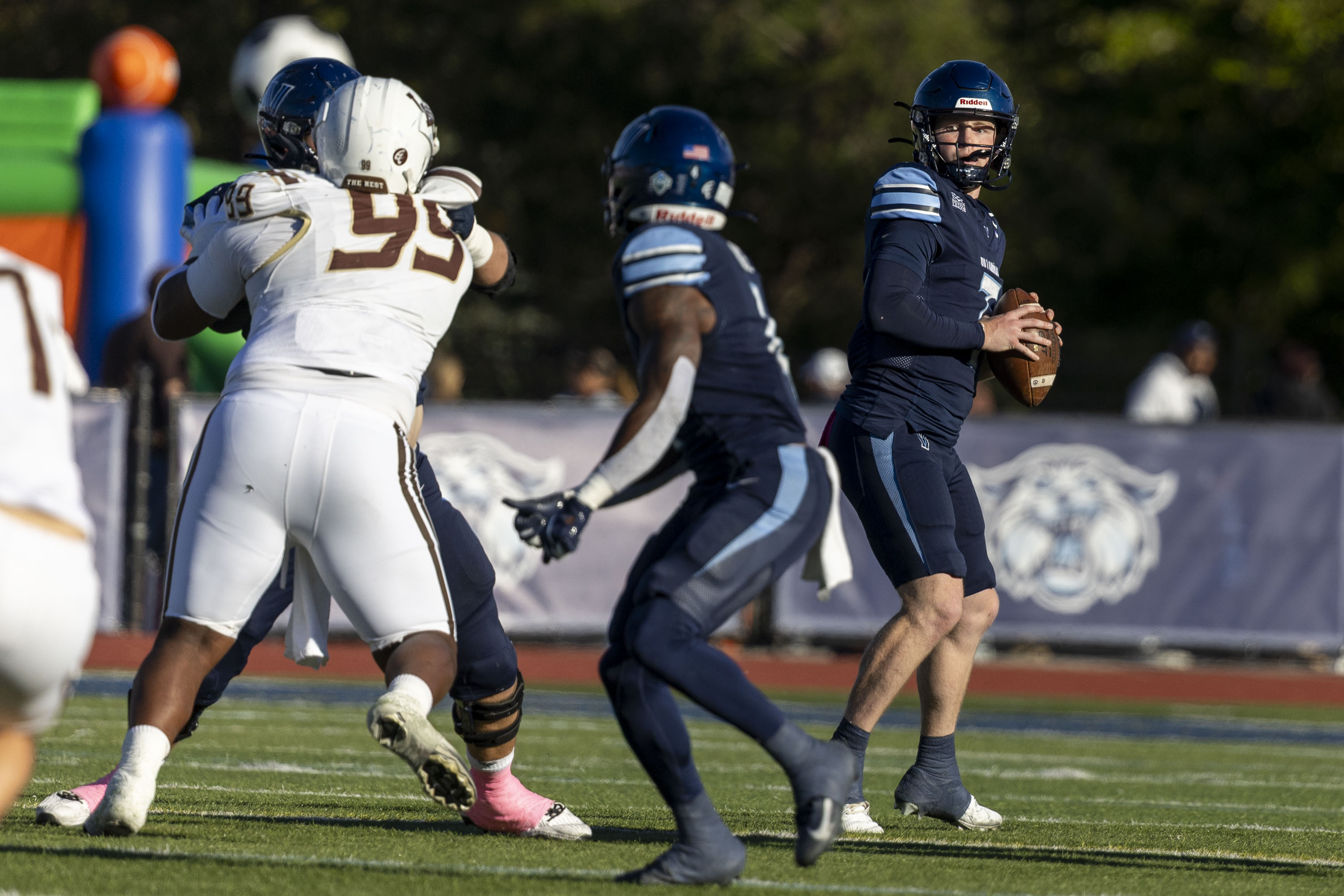
    Graduate quarterback Pat McQuaide said the bye week happened at a good time, allowing the Wildcats to put the disheartening start to the season behind them.

    “The guys handled that really well in terms of taking that extra week to really look in the mirror and [dive] into what we do and what we need to do better,” McQuaide said. “From there, [it] allowed us to build some more confidence and then fortunately, we’re able to get a good win at Fordham and keep it rolling from there.”

    The positive results since that bye week (3-0, 106 points scored, 56 allowed) have spoken for themselves. McQuaide’s performance has improved, with 729 passing yards and six touchdowns (four passing, two rushing) in that time frame.

    “When you’re not winning games, everybody’s gonna be frustrated,” McQuaide said. “I thought the guys have done a good job, learning from it and saying we made some mistakes that ultimately cost us some games. But it’s in the past, we talk about all the time having a next-play mentality.”

    Villanova will look to defend its home turf on Saturday vs. Richmond.Tyger Williams / Staff Photographer

    McQuaide’s uneven start to the 2026 campaign could be attributed to the protracted conflict and legal battles surrounding his eligibility. The Ohio native got a late start to the preseason with new pieces on offense to work with. McQuaide threw three interceptions in the Wildcats’ opening game, an epic meltdown against William & Mary that received national attention. Villanova held a 10-point lead with 55 seconds remaining only to lose 35-32.

    “You can’t just turn it on and be a good team player with 10 other guys on the field at the same time when you haven’t been working with those 10 guys for six months,” head coach Mark Ferrante said. “[Returning wide receiver] Braden Reed, yes, [tight end] Nolan Clayton a year ago yes, the backfield yes, but just about everybody else, the other wideouts were gone. … I think [McQuaide] is now getting back in the groove of where he left off last year, but with a [hiatus], it’s going to take a little time to get it back for sure.”

    Coming off a trip to the FCS semifinals a season ago, Villanova’s sloppy play to open the season was not the start anyone on the team desired, especially Ferrante.

    “I think they are playing better together the more reps they get together, in game-like situations obviously always helps,” Ferrante said. “Especially the older guys [realized] that prior to the bye, we weren’t putting out the product we anticipated on being. … We’ve hurt ourselves less, we’re playing better and I credit that to leadership on the team, obviously our coaching staff keeping the guys going in the right direction.”

    After averaging eight penalties per game in their first six games, the Wildcats have cut the infractions down to five per game across their last three games. Villanova has also gotten off to hot starts, putting points on the board on their first possession in each game since the bye.

    The offense has eclipsed at least 100 yards rushing and 200 yards passing across their three-game win streak. Their plan of attack has been aided by a rock-solid defense, which has held their previous three opponents to 155 or fewer passing yards.

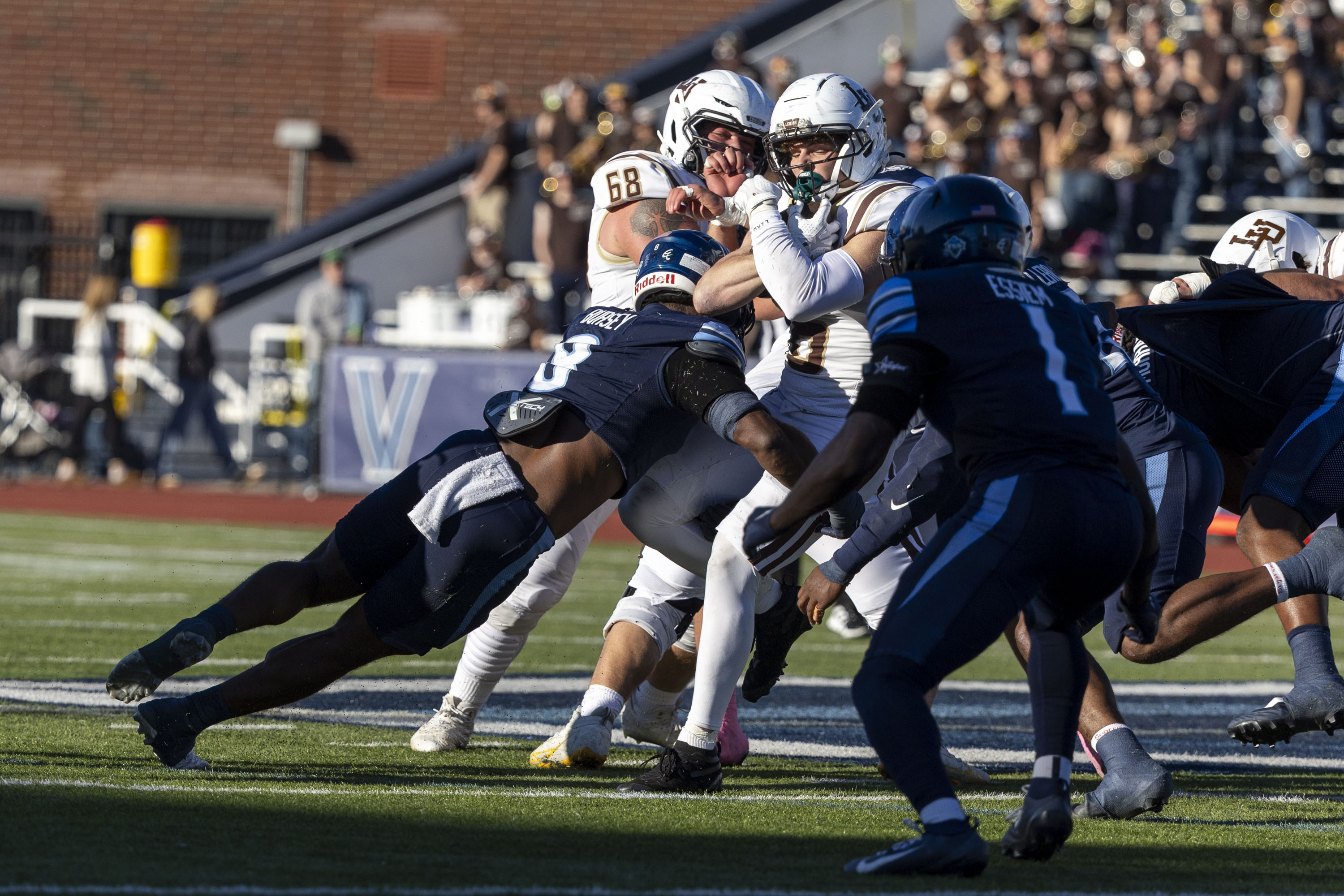
    Villanova’s defense has tightened up during its three-game win streak.Tyger Williams / Staff Photographer

    “We have gotten to the quarterback a little more lately and gotten a few more sacks under our belt,” Ferrante said. “Putting pressure on a quarterback and getting the ball out of his hands a little earlier than maybe he wants definitely plays into it. But the guys are doing better, [they’re] starting to get comfortable with each other.”

    A big help on defense has been linebacker Omari Bursey, who leads the Patriot League in tackles (99), is tied for second in tackles for loss (10½) and fourth in sacks (4½).

    “He’s just a really good player, he works really hard,” Ferrante said. “He’s our green dot, so he’s the one that gets the calls in from the sideline [and] lines everybody up. He’s the quarterback of the defense and he’s had some good mentors along the way and some good coaches as well.”

    For McQuaide, the battle-tested veteran on the team, the message to the team is clear, this Saturday against Richmond and beyond.

    “It’s about us, we can’t control anything that happens in the conference or with teams we’ve already played or who we’re going to play next week,” McQuaide said. “It doesn’t matter what everybody’s saying outside of here, what the Patriot League says or the rest of the country. It’s about us, finding a way to win every Saturday.”

  • Càphê Roasters launches a pastry program celebrating Asian American flavors

    Càphê Roasters launches a pastry program celebrating Asian American flavors

    Since Càphê Roasters opened in Kensington in 2021, it has been an epicenter of Asian American flavors, from its robust Vietnamese coffee drinks to assembling some of Philly’s most beloved banh mis and soul-warming rice porridges. It was at the forefront of the local matcha movement and has hosted many pop-up bakers, such as those peddling mooncakes around Mid-Autumn Festival.

    But Càphê Roasters has never really had a pastry program. On the cusp of expanding into South Philly, it’s finally launching one.

    “Our chefs would test out some desserts, but then just not have the time to continue researching and developing them,” said CEO and co-founder Thu Pham, 33. “And they also didn’t have pastry background. It takes time and talent, but also hunger.”

    Pham found both those qualities in pastry chef Zoe DeLay, 23, who moved to Philly from St. Louis to work at the now-closed Fleur’s as George Sabatino’s sous chef and head pastry chef.

    “We struggled with getting a dessert on the menu that incorporated our espresso beans really well. But Zoe came up with cà phê sữa brownies that have been a major hit, and they’re very different from any other brownie in town,” said Pham.

    DeLay’s brownie creations are fudgelike without being dense, generously dusted with flaky sea salt and infused with the deep, robust fragrance of Vietnamese coffee. It mirrors Càphê Roasters’ cà phê sữa in dessert form. Rich, nuanced, precise, and most importantly, not too sweet. They’re now selling about 60 cà phê sữa brownies every weekend (as many as DeLay can make in Càphê Roasters’ current kitchen).

    “Balancing pastry is so important because my least favorite thing is to bite into a pastry and think, ‘Oh my God, that is so sweet,’” said DeLay. “But flavors like black sesame [and coffee] add depth and personality.”

    A selection of pastries from new pastry menu at Càphê Roasters. A kabocha squash cheesecake with a gingersnap brown butter crust that is currently being workshopped by pastry chef Zoe Delay, a cà phê sữa brownie that uses coffee roasted by Càphê Roasters, and hand pies filled with kimchi jjigae.Kiki Aranita / Staff /

    DeLay is also workshopping a kabocha squash cheesecake with a gingersnap brown butter crust, a sweet interpretation of the squash porridge that has been a staple of Càphê Roasters’ fall and winter menus. Along with the brownie and a savory pastry stuffed with kimchi jjigae that hearkens to DeLay’s Korean American upbringing, the cheesecake will soon be found during the week at Càphê Roasters in Kensington and at the cafe’s new location in South Philly.

    DeLay’s kimchi jjigae hand pie takes a classic Korean stew and stuffs it into a pastry. “I braise pork shoulder like carnitas with all the traditional kimchi, onions, gochujang, then add green onion and white cheddar,” said DeLay. She is also working on developing American classics like muffins and yeasted breads, “but adding some of my own personality to them.”

    Her yuzu honey cake, the base of a dessert with black sesame brittle, has echoes of cornbread, a nod to DeLay’s Midwest upbringing. “I wanted to bring in the multiple aspects of my identity into a cake,” she said. She’s playing with ingredients like Korean konggaru (soybean powder) in making sweet creams for pies. “They feel really nostalgic, but also like they haven’t existed yet.”

    Incorporating DeLay into the fold has meant that Pham and her beverage team can tell more widely inclusive stories through food. “As long as she incorporates some Southeast Asian and, for her, Korean-inspired pastries onto the menu, I’m happy,” said Pham.

    Yuzu honey butter cake with salted vanilla cream, yuzu curd, and black sesame brittle.Mike Prince

    An exploration of nostalgic flavors that speak to Asian American third-culture kids are happening all over Philly and the rest of the country. Small bakeries and restaurant pastry programs dedicated to celebrating ingredients like matcha, kimchi, ube, pandan, black sesame, and banana milk in never-before-seen ways are cropping up continually, in many different neighborhoods. Seaforest Bakeshop in Graduate Hospital has a similar approach, as do Manong in Fairmount’s new pastry offerings, which have now gone far beyond bibingka waffles.

    With Càphê Roasters’ expansion, “We’ll be able to have a pastry program in all our locations, but keep welcoming in pop-up bakers,” said Pham.

    “What I love most about pastry is being able to re-create sensory memories through food,” said DeLay. “And maybe become part of what one day will be their own nostalgia.”

  • Americans hate data centers. But they might not actually be raising prices.

    Americans hate data centers. But they might not actually be raising prices.

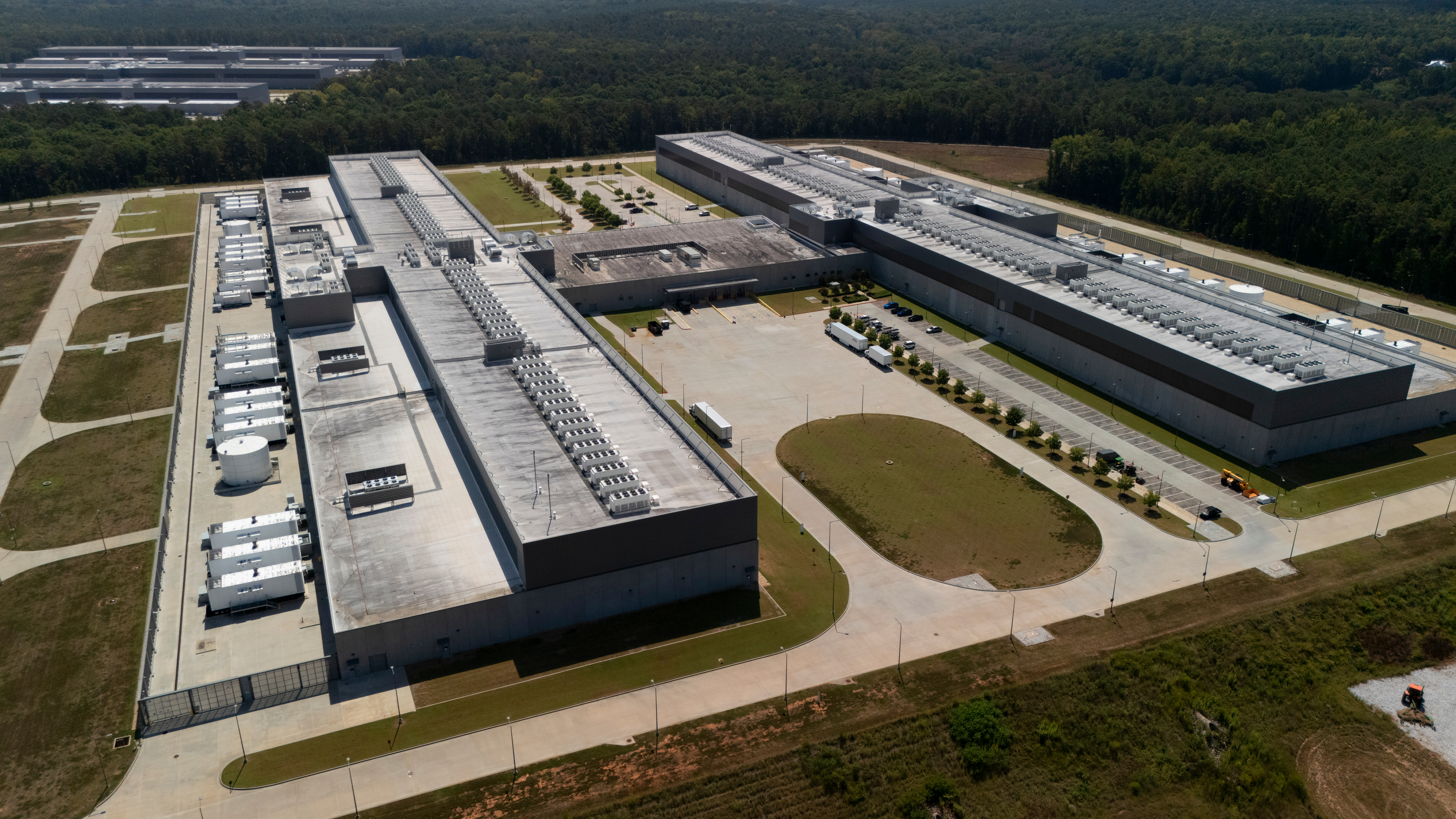
    On Tuesday, Americans voted overwhelmingly against data centers and artificial intelligence growth. In 40 of 41 local ballot races around the country, many in the state of Ohio, voters opted to restrict or prohibit new data center constructions in their areas.

    Much of the growing opposition to data centers has come from rising electricity prices, which are squeezing Americans in a time of already high prices and cost of living.

    But, according to a new study by researchers at Harvard University and the University of Pennsylvania, data centers are probably having only a small effect on residential electricity prices. The researchers calculated that these operations were responsible for just 4% of the utility rate increases over the last five years.

    “Even to me it was somewhat surprising,” said Serguei Netessine, professor at the Wharton School at the University of Pennsylvania and one of the study’s authors.

    In the run-up to the elections, Democrats pointed to data centers — and Republican support for their development — as key drivers of electricity price increases. In one campaign ad, Democrat James Talarico, now senator-elect of Texas, said that Texans were “paying the price with skyrocketing utility bills.” Sherrod Brown, Democratic senator-elect of Ohio, similarly argued that state residents were facing higher electricity bills due to the build-out of energy-hogging data centers.

    There are certainly some areas — like in Pennsylvania, Virginia, Ohio, and other states covered by grid operator PJM — where data centers have skyrocketed demand, pushing some costs onto residential customers.

    But multiple studies by different researchers and organizations have failed to find a strong connection between data centers and the overall trajectory of U.S. electricity prices in recent years. Another analysis earlier this year by researchers at the Massachusetts Institute of Technology found that, between 2010 and 2024, data centers increased average electricity prices for residential customers by just 2.1%.

    Last year, research from the Brattle Group and Lawrence Berkeley National Laboratory found that data centers were actually decreasing costs in certain regions. And another study by the Electric Power Research Institute found that a doubling of data center capacity between 2019 and 2024 resulted in a 4% drop in home electricity prices.

    “Depending on which techniques you use, you can identify a slight increase or decrease in prices historically” due to data centers, said Ryan Hledik, principal at the Brattle Group. “None of these are the kind of earth-shattering rate impacts you hear about.”

    The new Harvard and Penn study found a slightly higher impact on industrial electricity prices — the price paid by manufacturers and large facilities. For those customers, data centers were responsible for 15% of the price increase between 2020 and 2025. But for ordinary Americans, Netessine said, the changes simply were not substantial.

    “So far we have no evidence that data centers increase prices all that much,” Netessine said. Instead, he said, prices are rising due to more quotidian factors: rising gas prices, an aging electricity grid, and wildfires and hurricanes requiring improvements to the grid and recovery after disaster.

    Most of the cost of generating and delivering electricity is based on large, up-front capital costs, such as the costs to build power plants, wires, and transmission lines to carry that power into homes. Some areas of the United States also have excess “capacity” in the grid — meaning that the grid is overbuilt for the actual demand. In those areas, adding a data center means that large fixed grid costs are spread over more consumers. That could lower prices.

    Of course, that’s not the case everywhere. PJM has had booming data center growth that has also required additional build-out of the power grid. This has raised prices at power capacity auctions, and states like Maryland have seen increasing residential prices that are at least in part from this boom.

    If the number of data centers continue to boom, experts say, residential prices could be affected more down the line. Data center electricity demand is expected to increase steeply over the next few years, requiring new power generation — wind, solar or natural gas — to be put onto the grid.

    And residents have issues with data centers that go beyond the price of electricity. The new developments have been singled out for loud noise, polluting power generation, and for disturbing residential neighborhoods and natural landscapes. According to the Pew Research Center, more than half of Americans say that data centers are mostly bad for the environment. Others feel that the AI race — which could ultimately leave many Americans out of work — is being forced upon them.

    “I think generally what we’re seeing is a broader range of reasons the public has opposed data centers,” Hledik said. “Concern about AI leading to loss of jobs — all of that is getting packaged together.”

  • 12 planes in 12 days: Pope begins major Latin America tour, weeks after surgery

    12 planes in 12 days: Pope begins major Latin America tour, weeks after surgery

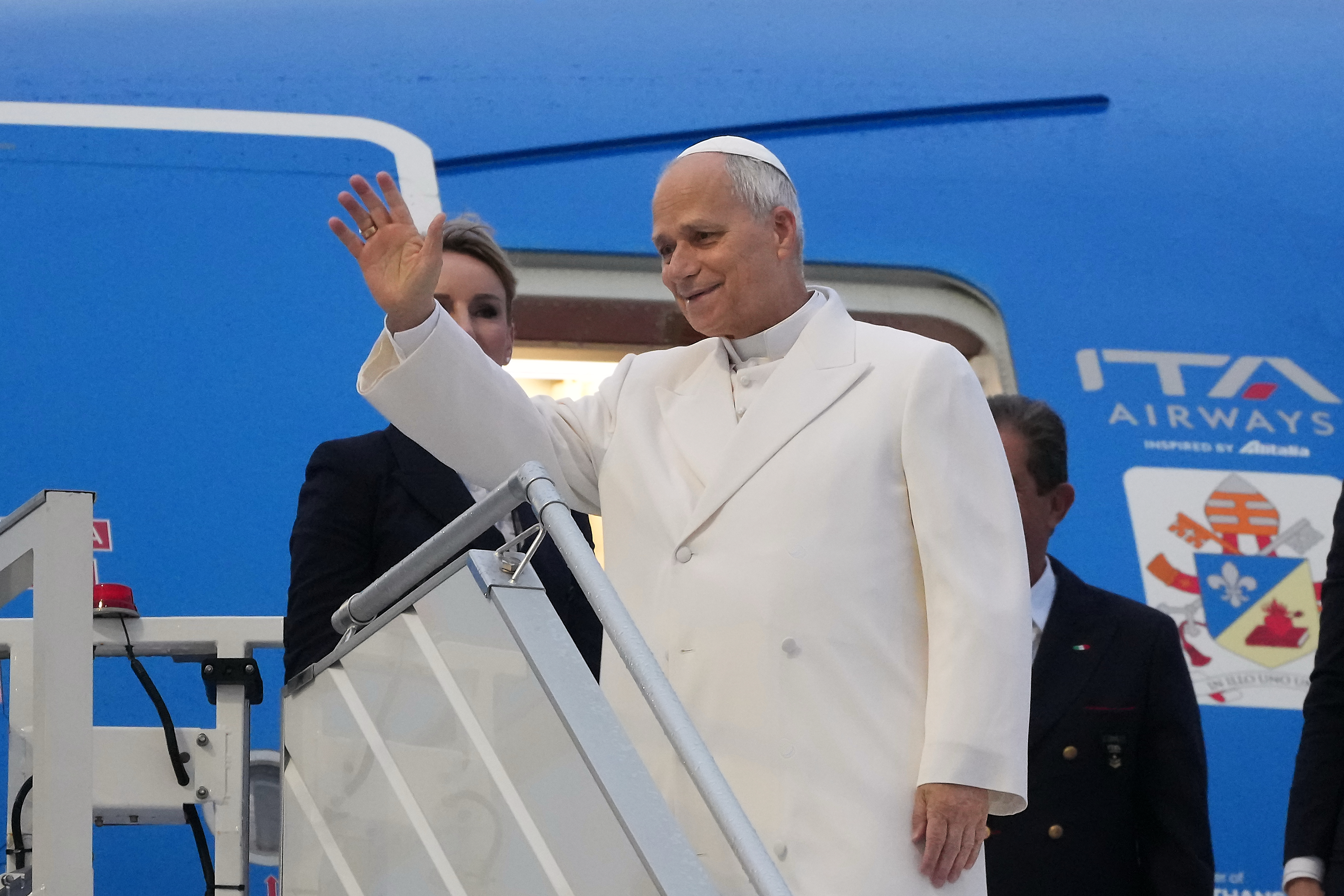
    ROME — Twelve days, 12 plane flights, two helicopter rides. Nine Masses and 36 speeches. In one six-hour stretch, a flight to a city more than 11,000 feet above sea level to conduct a prayer and blessing service, and another to the Amazon jungle to celebrate Mass.

    It’s a schedule that would tax anyone, let alone Pope Leo XIV, 71, who less than four weeks ago was diagnosed with lung cancer and underwent surgery to remove a lobe of his right lung.

    Yet this is the itinerary that awaits Leo as he embarks Friday for Latin America, where he will meet with dozens of politicians, diplomats and bishops as well as visit a prison, universities and facilities for the elderly and disabled. Strong rains connected to the El Nino phenomenon could pummel some of his destinations.

    Leo will start his journey in Uruguay, a largely secular country where ambivalence about Catholicism may foreshadow that of Latin America, where participation in the church is declining. On Sunday, he will visit Argentina, the homeland of his predecessor, Francis, who never once returned home as pope. Finally, on Wednesday, he will make a kind of homecoming to Peru, where he spent half his priestly life — and became a naturalized Peruvian citizen — before being elected pontiff last year.

    But perhaps the most closely watched aspects of the trip will be the pope’s health and stamina, and how he holds up under the intense schedule.

    Leo left the hospital days after his surgery and appeared robust during prayers above Rome’s St. Peter’s Square a day later. Since then, he has held daily meetings, appeared at general audiences in the square and even briefly dribbled a basketball while meeting the basketball teams from his alma mater, Villanova University, and their rivals from the University of Notre Dame, which were all in Rome last weekend.

    In the days immediately following the pope’s diagnosis, the Vatican Secretary of State, Cardinal Pietro Parolin, suggested the pope might need to “reshape” the journey. But late last month, the pope’s doctor said Leo would not need further treatment and cleared him to travel without any alterations to the planned schedule. In a statement, citing Dr. Luigi Carbone, the pope’s personal physician, the Vatican said “the Pope is following medical recommendations with great care and diligence.”

    Friends of the pope said he did not want to postpone the trip.

    “When he commits to it, he commits to it,” said the Rev. Arthur Purcaro, a theologian at Villanova University who served as an Augustinian missionary in the Andes region of Peru with Leo before he was pope.

    Leo was probably aware of how much hosts invest in planning papal visits, according to the Rev. Peter M. Donohue, president of Villanova, who has been a friend of the pope since they were students at the university. “Knowing the kind of person he is, I think he would be, like, ‘I don’t want to let them down,’” Donohue said.

    Vatican officials said there would be no special accommodations for the pope’s health, though he will be accompanied by his usual international entourage.

    “He’ll have plenty of medical care on board should something happen,” said Maria Montserrat Alvarado, who heads the Vatican’s communications department. “But we don’t see that in his prognosis or even the way that he’s acting.”

    In Peru, Juan José Dioses, a spokesperson for the archdiocese of Lima, said local officials were scheduling Leo’s rides in the so-called “popemobile” — the vehicle from which the pope greets the faithful on the streets — so that he would not have to stand for long. And in at least one location in Lima, Dioses said, the pope can take an elevator rather than climbing stairs.

    Although the pope’s official schedule has not changed since his surgery, his handlers might try squeezing in extra rest time for him during the trip, said Francesco Facciolo, former president of the Italian Society of Thoracic Surgery. “Instead of resting for a quarter of an hour, he can take 25 minutes or half an hour,” said Facciolo, who is not part of the pope’s treatment team.

    Fears about Leo’s health on the trip may stem from stereotypes about the severity of his illness. “I think that there is a false impression that if you’re diagnosed with lung cancer, you’re a goner,” said Dr. Lecia Sequist, a thoracic oncologist at Mass General Brigham Cancer Institute and a professor at Harvard Medical School. But “when cancers are caught early,” as the pope’s was, she said, it is quite common “to get back into activities, to get into work and to be able to be active within a few weeks.”

    Sequist said that although high altitudes could put stress on the heart and lungs, “there’s certainly nothing just across the board where we would say, ‘well, if you’ve had lung cancer surgery, you shouldn’t go to high altitudes.’” Leo’s itinerary includes a stop in Cusco, a Peruvian city more than 11,000 feet above sea level.

    By visiting more far-flung locales, the pope is showing his care for “people who are on the margins of the economic revolution,” said Natalia Imperatori-Lee, an expert in Latin American theology at Fordham University in New York.

    The pope has issued a major teaching document about the need to protect the most vulnerable people from the biggest disruptions caused by artificial intelligence.

    In Peru, said Imperatori-Lee, “nobody who is coming out to see Leo is a tech bro or AI giant.”

    Leo’s highest-profile meetings will be with two allies of President Donald Trump — President Javier Milei in Argentina and President Keiko Fujimori in Peru. Both encounters could be tense: Milei has championed unregulated AI, diverging from the pope. And while serving as a priest in Peru, Leo protested violence associated with Fujimori’s father, Alberto, who led the country for a decade and was later convicted of rights violations, including murder.

    But away from these meetings, the papal voyage will be about showing the faithful that the pope cares about them and is making an effort to reach them, even in far-flung places.

    In scheduling Leo’s stops in Peru, Vatican planners included not only places where the pope could reunite with old friends and associates but also areas that rarely receive papal visits, or where he could show the Church’s efforts to collaborate with local cultures. He will go to Pucallpa in the Amazonian rainforest, for example, to meet with missionaries and representatives from local Indigenous communities.

    By refusing to cancel any part of the trip, the pope may be trying to remind people that even if he is simply human, he can persist, experts said.

    Before his illness, “there was a temptation to think here we have superman, super pope,” said Archbishop Paul Gallagher, the Vatican’s foreign minister, in a meeting with journalists last month. “The fact that he has fallen ill with, in many ways, one of the most common illnesses of our age, means that he is a poor mortal like the rest of us.”

    This article originally appeared in The New York Times.

  • Democratic gains could advance an alternative to the Electoral College

    Democratic gains could advance an alternative to the Electoral College

    Democrats’ midterm victories may raise the chances that enough states sign onto a mechanism that, in theory, could elect the next president effectively by popular vote instead of through the typical rules of the Electoral College.

    The party’s surge in Tuesday’s elections included gaining a hold on the governor’s office and both statehouse chambers in at least four states, Michigan, Nevada, Pennsylvania and Wisconsin. Those states could join an agreement called the National Popular Vote Interstate Compact, which promises that participants would give all their electoral votes to the presidential ticket that wins the national popular vote.

    But the agreement, which has been more popular among Democrats, takes effect only once signed by states representing a majority of the Electoral College, or at least 270 electoral votes, the amount needed to win the presidency. Eighteen states and the District of Columbia have adopted the compact so far, representing 222 electoral votes.

    If all four of the states that just won total Democratic control were to join the agreement, it would tip the group over the 270-vote threshold. Arizona, which is allotted 11 electoral votes, was also projected to have a blue trifecta, though not all of its races had been called by Thursday evening.

    Lawmakers in key states said on Thursday that they had already begun having conversations this week about introducing legislation to join the agreement in the next session, and were hopeful that they would succeed ahead of 2028. But broadening the compact could present a mighty political lift.

    “The time is right,” Carrie Rheingans, a Democrat in the Michigan House of Representatives, said in an interview. “This blue tsunami is really going to help push this forward across the whole nation.”

    Still, Democratic lawmakers “can be apprehensive” with a new majority, said Mattie Daughtry, the Democratic president of Maine’s state Senate. She worked on the compact issue for over a decade before her state joined in 2024.

    “The biggest roadblock is convincing them to use these majorities to do big things,” Daughtry said.

    In 2019, Nevada’s Democratic governor vetoed a bill to join the agreement, saying it could diminish smaller states’ influence in presidential elections.

    Now, it is unclear whether lawmakers will prioritize passing the compact after running campaigns dominated by other concerns, like easing high costs and imposing guardrails on the Trump administration.

    “Time will tell,” said Clinton Anderson, a Democratic state Assembly member in Wisconsin, adding that he planned to reintroduce a compact bill. “I want to make it a priority, but it’s not the thing I heard on the doors I knocked.”

    Kelda Roys, another Democratic lawmaker in Wisconsin, said that her initial attempt to get her state to join the compact in 2009 had been met with hesitancy among people who were unsure exactly what it was. Now, she said, there is a broader public understanding of what problems the Electoral College could present.

    “National popular vote will be something that we’ll prioritize early in the session,” Roys said.

    The idea for a compact among states to bypass the Electoral College gained traction among legal scholars and supporters after 2000, when George W. Bush won the presidency while losing the national popular vote. Momentum grew in 2016 after a second Republican candidate, Donald Trump, won despite losing the popular vote.

    Supporters of the compact said they view the Electoral College as a less democratic mechanism than the popular vote. A YouGov poll conducted in June showed that 56% of American adults supported choosing the president via popular vote.

    The compact is also more practical than amending the Constitution and popular among voters, supporters said.

    Opponents and legal experts said the compact would face a slew of court challenges. One obstacle is that compacts traditionally require the approval of Congress and the president, said Derek Muller, an election law expert at Notre Dame Law School who has written about the agreement.

    “It’s a very real possibility that enough states join this compact,” he said. “There will be a lot of challenges.”

    This article originally appeared in The New York Times.

  • Why Pa. Attorney General Dave Sunday is challenging corporate mergers

    Pennsylvania Attorney General Dave Sunday had a decision to make.

    The federal government and dozens of states, including Pennsylvania, had sued Ticketmaster and parent company Live Nation, accusing them of violating competition laws in the live events market.

    But just days into the closely watched civil trial this spring, the U.S. Justice Department cut a deal with the companies — at the direction of President Donald Trump, the Wall Street Journal later reported.

    Several Republican-led states joined the settlement, which critics viewed as inadequate. But Sunday, a Republican elected in 2024, chose not to settle and continued to try the case, along with some 30 other states.

    “We chose to stay in and fight it out in the jury trial,” Sunday said. “And thank God we did.”

    A New York federal jury in April found the biggest U.S. concert ticket seller held an illegal monopoly over big concert venues, a verdict that came after fans and artists including Taylor Swift had criticized the companies. A judge still has to weigh potential penalties, while the companies are hoping to overturn the verdict.

    The episode marked Sunday’s foray into the world of antitrust at a time when the Trump administration has at times been at odds with states over how best to enforce competition law.

    Since then, Pennsylvania’s top law enforcement officer has sued to block a media merger that had been endorsed by Trump over the deal’s potential to “knock out the Fake News,” challenged a playground equipment merger that Sunday says could increase costs for taxpayer-funded projects, filed a complaint that sought to protect competition in the asphalt market, and sued drugmakers and pharmacy middlemen for allegedly inflating insulin prices.

    Sunday spoke with The Inquirer about his approach to these cases and whether he agreed with a senior Justice Department official’s assessment that antitrust law has “become a battlefield for political resistance to the Trump administration.”

    The interview has been edited for length and clarity.

    How did antitrust become a priority for your office?

    The whole purpose of antitrust is to make sure that illegal monopolies don’t exist. When you have an illegal monopoly, it negatively impacts consumers because when they control all the things that an illegal monopoly controls, it impacts innovation. It drives prices up, and it’s just not lawful.

    We have seen, since I was elected, a flurry of potential mergers, potential acquisitions that we felt were in flagrant violation of our antitrust laws that prohibit illegal monopolies, and so that’s how we got into this.

    In the Live Nation case, why did you decide to continue at trial, as opposed to settling?

    When we conduct analyses on these different issues, the question very simply is, ‘What is the impact on Pennsylvania?’ And as a result of an understanding of that impact, what should the correct course be?

    Live Nation-Ticketmaster — that materially impacted, disproportionately, Pennsylvania, in particular the Southeast Philadelphia region, the collar counties, some areas in Northeast [Pennsylvania], and in Harrisburg, the Hershey Amphitheater.

    I felt that I would be not doing my job if I would have just walked away from that and not pressed forward, considering the impact of the Live Nation-Ticketmaster merger and the inflation of prices, and concert tickets, and sporting events.

    Do you think DOJ was wrong to settle?

    I was not part of their decision-making. It was very unusual and unexpected for another partner in longtime litigation like that to very quickly — and without notice — walk away from a case.

    But going back to the bipartisan relationships amongst attorneys general across the country, we were able to very quickly adapt and move forward, and that’s just what we did.

    Earlier this year Pennsylvania and several other states sued to unwind the merger of broadcast TV companies Nexstar and Tegna, even though the Justice Department approved the deal. Why did you take that action and what’s at stake in this case?

    We have two very large media markets that would have been directly impacted by the merger, and that would be the whole Harrisburg-Central Pa. area, and also up in the Northeast region in the Wilkes-Barre-Scranton area as well.

    We look at this from a Pennsylvania perspective, and sometimes looking at it from a Pennsylvania perspective can reasonably differ from a national analysis, and that’s what we saw here.

    What’s at stake is a lack of competition with regard to media, and that obviously is something that’s really important. Competition amongst media outlets is a foundational element to the First Amendment and to the way that we communicate with each other, and the way that news media communicates with us.

    Nexstar says the combined company is a fraction of the size of the Big Tech companies it competes against like Meta’s Facebook and Instagram, Google’s YouTube, and TikTok. Why should broadcasters face constraints on growth that don’t apply to the tech platforms, especially when so many people get their news and information from those tech companies?

    The analysis as to how people get their news in their media is different based on location, and you know there’s a lot of people in those media [markets], older Pennsylvanians, older adults that rely on broadcast media for their news.

    And that being said, just because you have one technology where that might be the case, you have to look deeper than that again at the actual usage and what news platforms these individuals are utilizing to get their information. That’s what we did here.

    President Trump endorsed the merger in a Truth Social post earlier this year. Did that give you any pause in deciding whether to challenge the merger?

    I actually didn’t even see the post, but [my office has] the same analysis for every legal issue that comes through. And I have a very robust, thoughtful, smart team of lawyers in the office and investigators, and they’ve been doing this for a long time through many different administrations.

    We process it through the lens of what is the right thing to do for Pennsylvanians.

    Associate Attorney General Stanley Woodward — the DOJ official who oversees antitrust matters for the Trump administration — recently criticized state attorneys general who have sued to block corporate mergers that had already been approved by the federal government. With regard to the Nexstar case, why not defer to the Justice Department, which approved the merger?

    With all respect to the Justice Department’s legal analysis, there will be times where there will be disagreement. We are a sovereignty here in Pennsylvania, and we have the right to take actions that may deviate from those actions taken by the federal government, that we believe are the right thing to do to make sure that Pennsylvanians are protected under the law.

    Woodward also said, “It seems antitrust enforcement, like many areas of American law, has become a battlefield for political resistance to the Trump administration.” Have you seen evidence of that?

    There obviously in this world are partisan actions that some people take. From my experience, the AGs that I work with all the time across the country and our staffs, they literally look at the facts and the law and the impact on their states.

    These are professionals that focus on doing the right thing for the right reason. And I can tell you that political consideration has never been part of our conversation in literally anything that we’ve done.

    Colorado Attorney General Phil Weiser, a Democrat, said in September that “the federal government has become an unreliable and inconsistent partner in antitrust enforcement.” Have you seen any evidence of that?

    We have an outstanding relationship with the Federal Trade Commission. The Federal Trade Commission has been a consistent partner with us. As you know, under federal law, the DOJ and the FTC both have powers to enforce antitrust law.

    I’ve been in office for a year and eight months at this point. Phil Weiser has been doing this for a long time. He’s going to be leaving his office soon. He’s running for governor, and so you know he would have a longer time period to pull from.

    I don’t have as much of a time period to pull from, but what I can say is that the FTC certainly has been more active with us on these issues than the DOJ.

  • Tangled up in blue | PA 2026 Newsletter

    Tangled up in blue | PA 2026 Newsletter

    📅 It’s 3 days after Election Day.

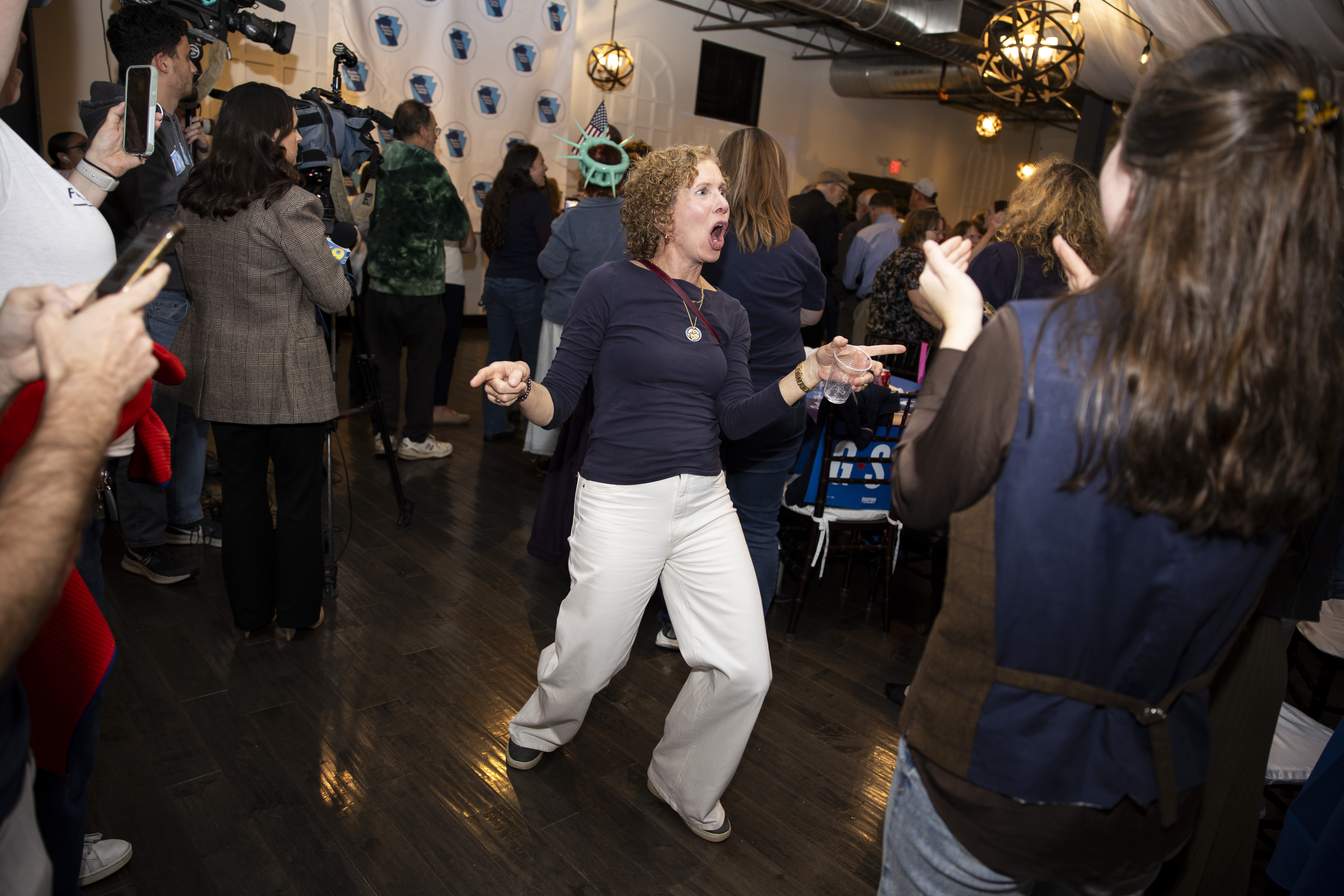
    A crowd of boisterous Democrats in a Newtown event hall screamed with joy on Tuesday night when the blue wave washed over races in South Carolina, Georgia, and Texas.

    Those states are hundreds of miles away.

    So can you imagine how loud supporters — full of adrenaline and pizza — roared when their homegrown Bucks County Democrat, Bob Harvie, walked in and declared victory over Republican incumbent Rep. Brian Fitzpatrick in one of the toughest races this cycle?

    🎤 I’m Fallon Roth, The Inquirer’s suburban politics reporter, bringing you our final PA 2026 newsletter, and I can personally tell you the answer to that question is: very loud.

    I’ve spent the better part of the past year covering the 1st Congressional District race in Bucks County, and on Tuesday night, Harvie achieved something no one else has — defeating Fitzpatrick, a five-term incumbent.

    And when January comes, Harvie will be the first Democrat to represent Bucks County in Congress since 2011.

    But that’s hardly the only win Democrats notched in Tuesday’s “blue tsunami.” Key seat flips in Bucks County helped expand Democrats’ majority in the state House and won the party’s control of the state Senate, delivering a Democratic trifecta for Gov. Josh Shapiro (who coasted to reelection) for the first time since 1993.

    In this edition:

    🗳️ Complete control: Democrats score a trifecta in Harrisburg for the first time since 1993, giving Shapiro a lot more power.

    🗳️ Staying put: Philly’s Rep. Brendan Boyle won’t seek Sen. John Fetterman’s seat in 2028 as he prepares to take a House chairmanship instead.

    🗳️ Big swing: Bucks County Democrats tried for years to unseat Brian Fitzpatrick. Here’s how Bob Harvie finally did.

    — Fallon Roth, Sam Janesch, Gillian McGoldrick, Michelle Baruchman (pa2026@inquirer.com)

    If someone forwarded you this email, sign up for free here.

    The latest

    Data dive

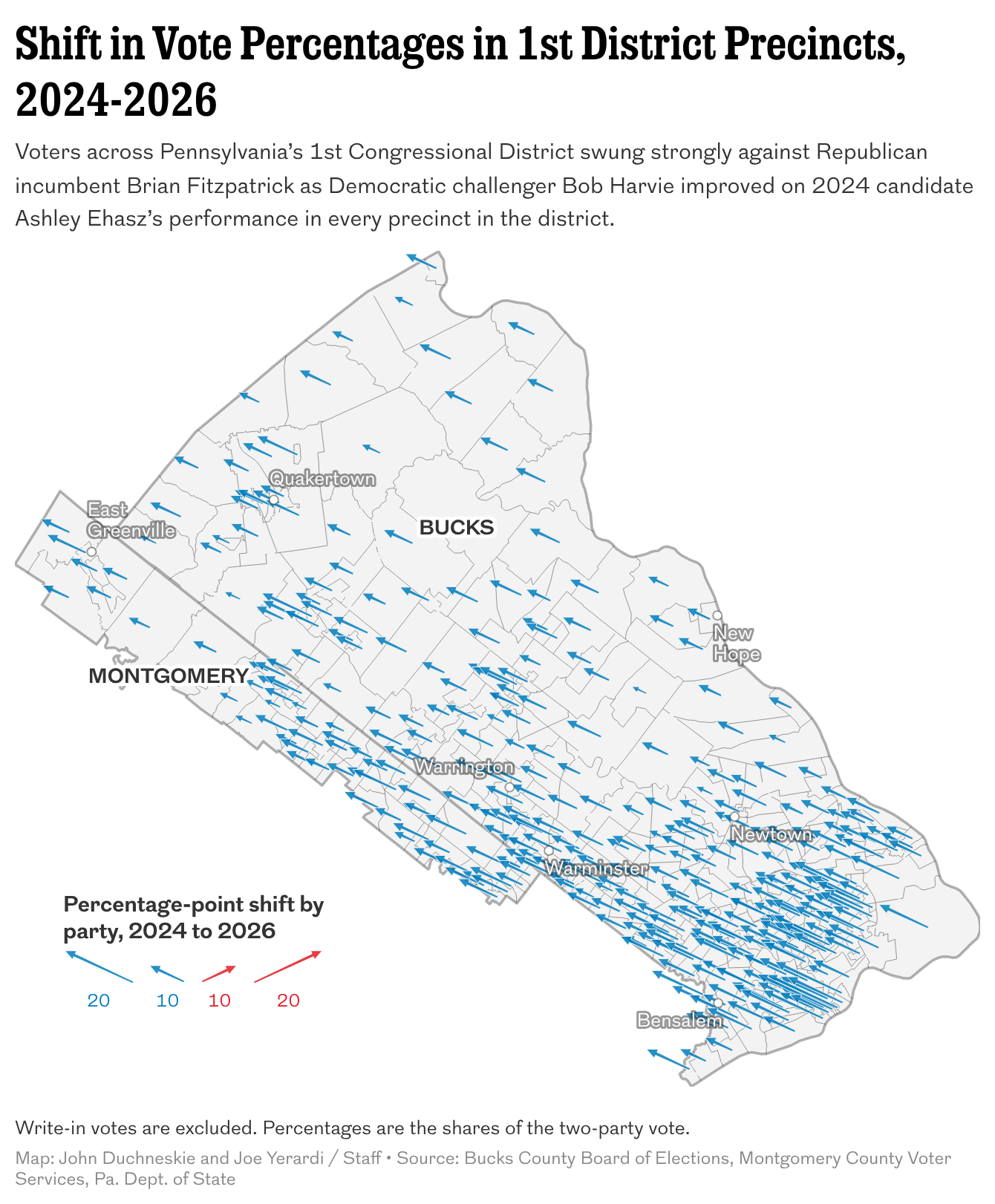
    Every precinct in the 1st Congressional District shifted toward Democrats Tuesday in comparison to 2024.

    Every single one.

    Shift in vote percentages in 1st district precincts 2024-2026.John Duchneskie

    Harvie significantly improved on the performance of Ashley Ehasz, the party’s 2024 nominee, in a year when Fitzpatrick comfortably won reelection by 10 points even as the district went for Democrat Kamala Harris in the presidential race.

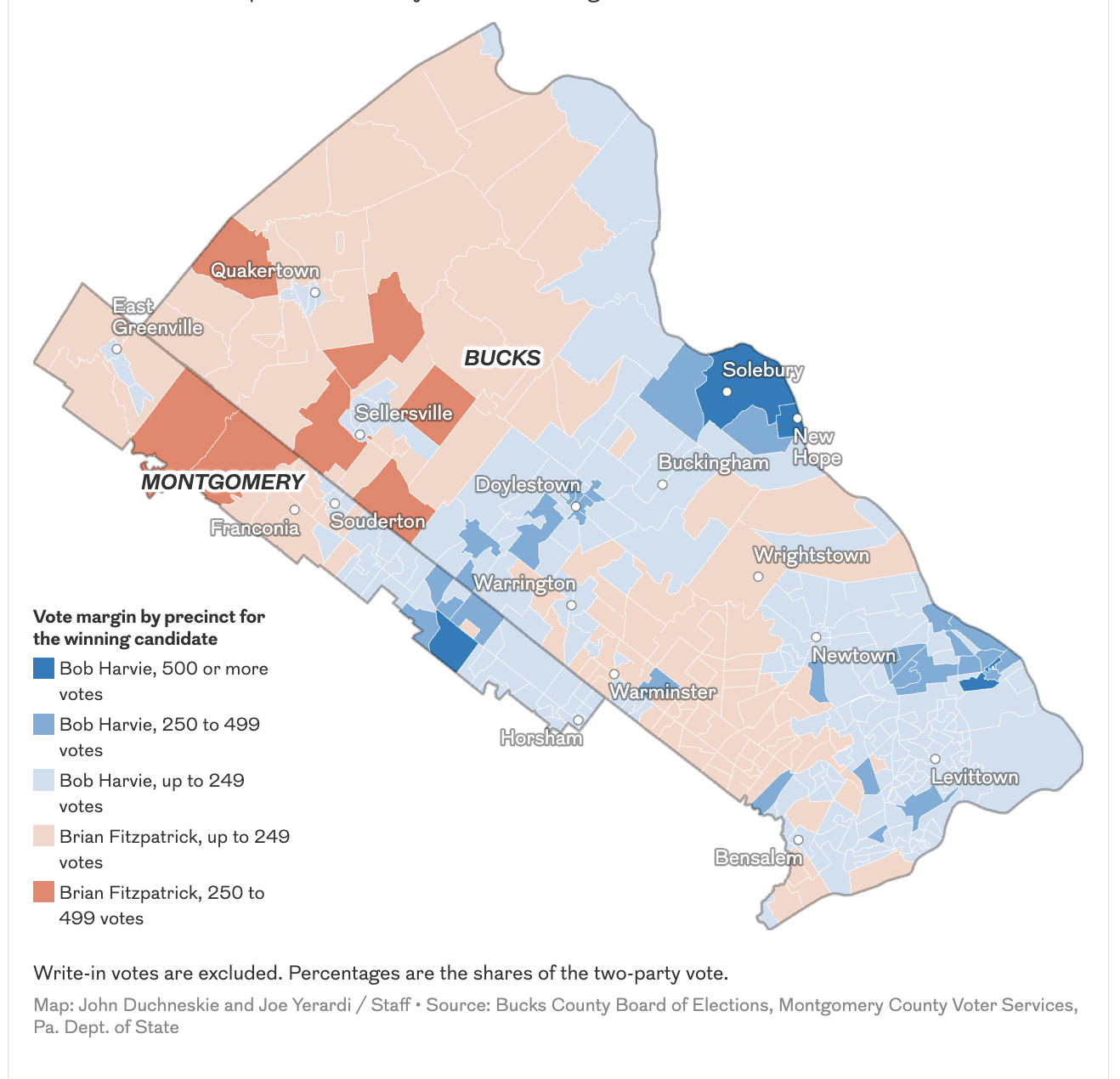
    The district covers all of Bucks County and a portion of Montgomery County. Harvie saw his highest vote margins in a precinct in Solebury Township, New Hope Borough, a precinct slightly north of Horsham in Montco, and in a precinct in Falls Township, Harvie’s stomping grounds.

    Bob Harvie received about 52.7% of the two-party vote in his 2026 election victory over Republican incumbent Brian Fitzpatrick in Pennsylvania’s 1st Congressional District.John Duchneskie

    Most of Lower Bucks — a populous part of the county where both candidates are from — went blue, as did most of Central Bucks and the district’s portion of Montgomery County.

    Upper Bucks, a more rural part of the county, leaned red and Fitzpatrick had his largest precinct win margin in a part of Hilltown Township.

    Campaign Scrapple

    • Culture clash: Our colleague Al Lubrano caught an exchange between two voters in Carlisle in the 10th District. Republican Robert House, 57, a beekeeper who said he owns 175 firearms, said he voted for Republican Rep. Scott Perry because he “agrees with the Bible” and opposes abortion. That prompted Adrienne Cedro, a 21-year-old college student, to say she voted to oust Perry and anyone “who’s against the rights of women, LGBTQ, and trans people.”
    • Name that tune: After Republican gubernatorial nominee Stacy Garrity concluded her concession speech Tuesday, she walked off to Fleetwood Mac’s “Don’t Stop” — a song famously associated with Democrat Bill Clinton’s 1992 presidential campaign. Shapiro, for his part, walked off the stage from his reelection victory speech to Tom Petty’s “I Won’t Back Down,” previously associated with George W. Bush’s 2000 presidential campaign until Petty’s team demanded Bush stop using it.

    📸 Behind the scenes snapshot

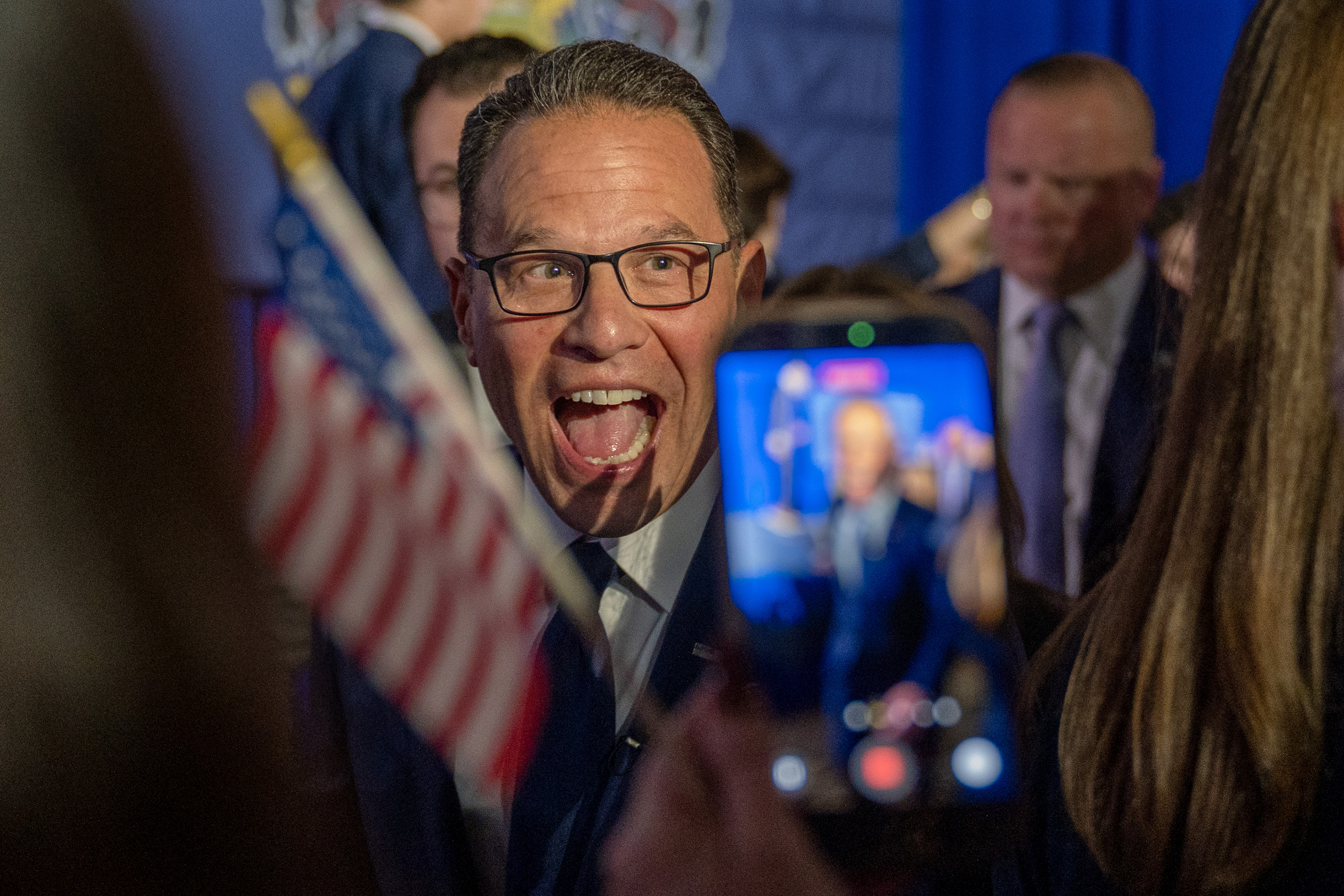
    Gov. Josh Shapiro greets supporters after making his victory speech at his Election Night party in Camp Hill, Tuesday Nov. 3, 2026.Tom Gralish / Staff Photographer

    Rarely do we get to see Shapiro giddy or animated, but our photographer Tom Gralish was able to capture him authentically gleeful on Tuesday evening at his reelection party in Camp Hill. Shapiro went on to bring a similar excitement about Pennsylvania Democrats’ major wins to national network news, as he boasted about his own role in Tuesday’s “bluenami.”

    👀 What we’re watching

    The historic midterm results didn’t just answer massive lingering questions about the limits of Trump’s enduring stranglehold on American politics. It raised countless others — transforming the range of possibilities for the rest of Trump’s time in the White House and far beyond it.

    How will Democrats unite — or butt heads — as they wield their new majorities in Congress amid their own ideological battles? How will Republicans, both in Pennsylvania and Washington, handle the repudiation of a president who’s molded their party in his image over a decade?

    By mid-2027, we’ll also likely — finally — get answers to critical questions about 2028.

    Will Josh Shapiro launch a long-rumored campaign? And, if so, how will his record in the nation’s largest swing state match up against what’s almost certainly going to be a huge field of other Democratic governors, senators and outsiders?

    The other big prize on the 2028 ballot for both parties will be John Fetterman’s seat in the U.S. Senate. Fetterman’s decisions about his own future are a mystery that may not be answered any time soon.

    But Democrats who’ve been promising for months to oust him are already preparing to run (check out our coverage of Rep. Chris Deluzio here) or deciding against it (Rep. Brendan Boyle is taking his talents to the Budget Committee chairmanship).

    Quote of the week

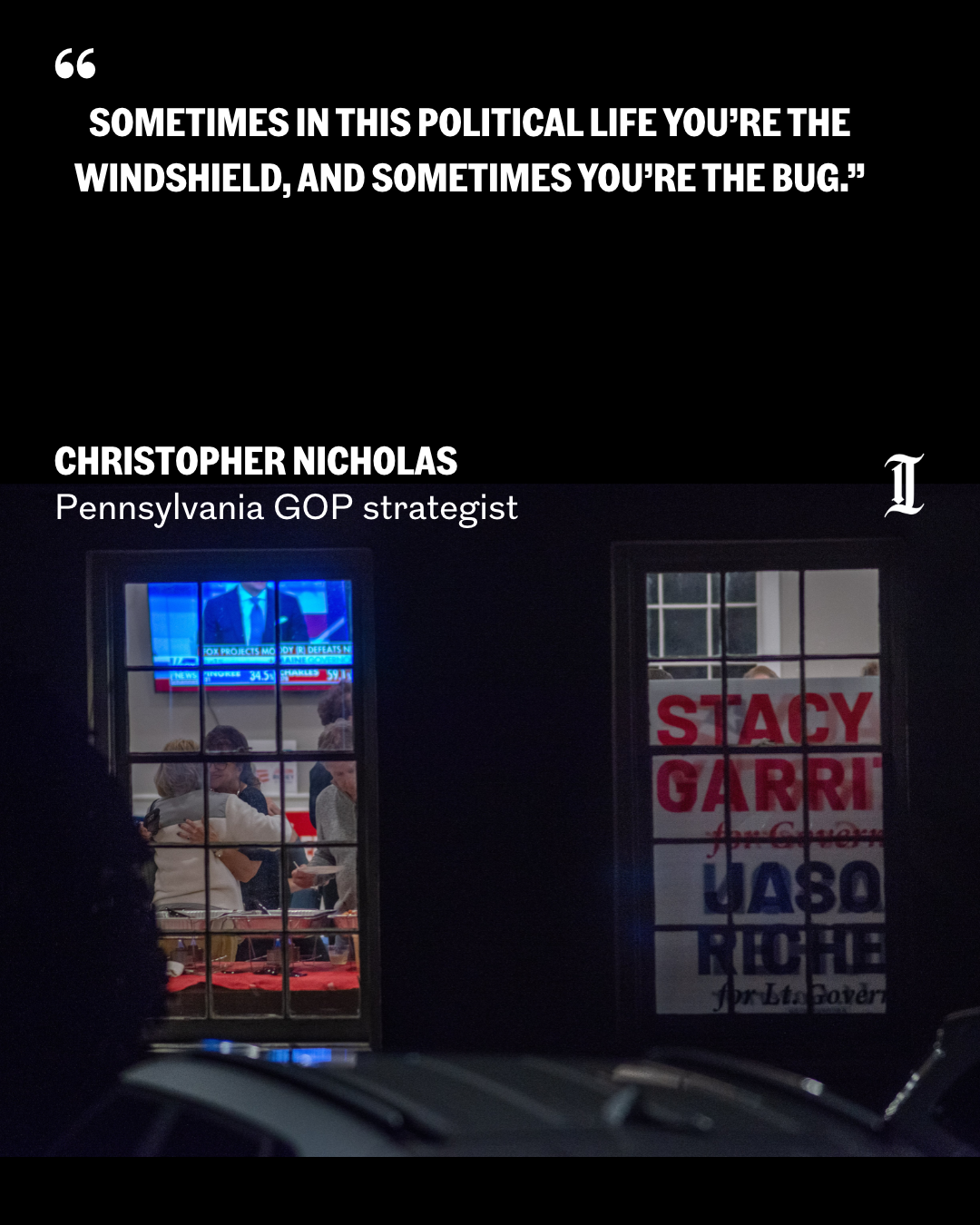
    Christopher Nicholas, a GOP consult, described the reality for Pa. Republicans.William Thomas Cain / For The Inquirer

    Nicholas, a veteran strategist who grew up in Bucks County, captured the reality for Republicans after their wipeout across the state and country.

    It happens.

    Democrats were the bug just two years ago when they lost every statewide race and two congressional seats. But this year, they were the windshield, and Republicans went splat.

    The contrast in mood between the two parties was stark.

    Harvie held his election night party at a massive wedding venue while Fitzpatrick watched in private and Bucks County Republicans kept a small watch party closed to the media. And up in Wyoming County, the AP called Garrity’s loss a minute after polls closed, as people were still filtering into her party.

    👋 Thank you for following along on our journey through the homestretch of this chaotic, exciting, and unpredictable midterm cycle. This may be our last PA 2026 newsletter, but you can always find our in-depth reporting here.

    And see you in 2028? 😎

    By submitting your written, visual, and/or audio contributions, you agree to The Inquirer’s Terms of Use, including the grant of rights in Section 10.

  • European air traffic targeted by new threats in at least 3 incidents

    European air traffic targeted by new threats in at least 3 incidents

    COPENHAGEN, Denmark — Police in Denmark and the Czech Republic investigated threats to air traffic on Friday, while a Romanian plane received a bomb threat following a string of hoaxes that have targeted flights and disrupted travel across Europe this week.

    A flight from Prague to Bucharest operated by Romanian carrier Tarom received a bomb threat. The plane landed at its intended destination, and airport administration officials said the bomb threat proved to be false.

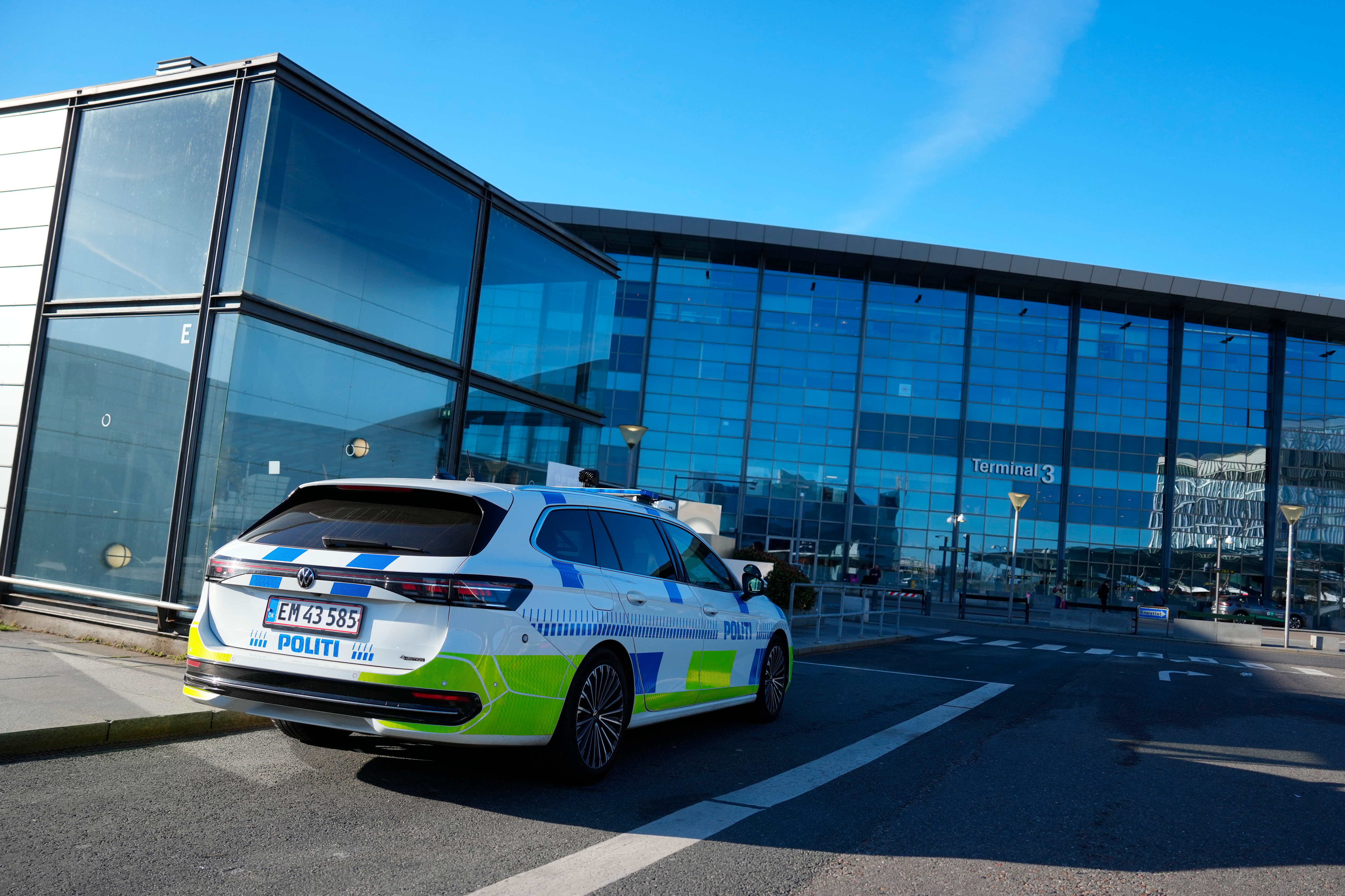
    In the Danish capital, Copenhagen, police said Friday they were present at the airport for a second consecutive day “in connection with threats directed at air traffic.” They said their immediate assessment was that there had been no danger to passengers or to others at the airport. It added that air traffic was proceeding safely and without disruption.

    Czech police also said they were again dealing with threats against planes on Friday. They said necessary security measures have been taken in cooperation with Prague’s Vaclav Havel Airport that have “a minimal impact on the normal operations at the airport.”

    Meanwhile in Ireland, the Dublin headquarters of national broadcaster RTE was evacuated Friday after a bomb threat, and live broadcasts were replaced with pre-recorded programs.

    Ireland’s police force, An Garda Síochána, said it was ”aware of a threat made against media organisations here and in Europe.” It said that it has been liaising with Irish media organizations and the threat will be investigated.

    More than two dozen flights were affected by threats earlier in the week, with some diverted as authorities scrambled to rule out any danger.

    Europe has experienced a slew of other disruptions recently, such as attacks on supermarket refrigeration systems, drone incursions and mysterious triggers to alert apps.

    Fake bomb threats are relatively common but it is unusual to see so many in such a short period. They come at a time of increased geopolitical tensions and warnings from authorities that Russia may be ramping up so-called hybrid threats in Europe.