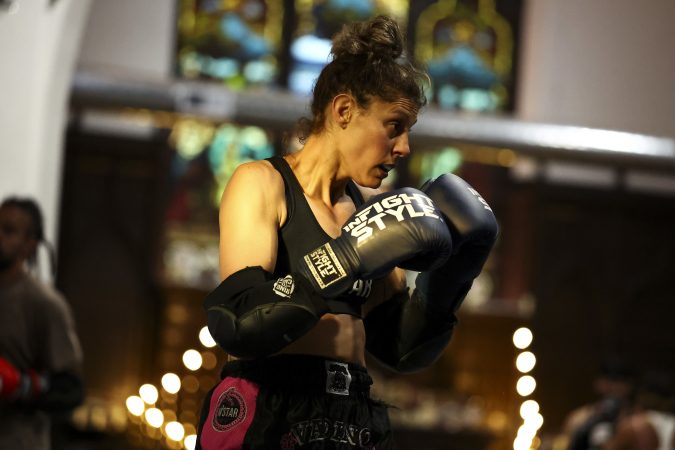
Nearly 9,000 miles from home, Gianna Vadino’s Philly presence could still be spotted in the middle of the ring.
Last month, Rajadamnern Stadium in Bangkok, one of Thailand’s oldest and most famous Muay Thai arenas with a capacity of 8,000, was full of mostly Thai fans rooting for their nation’s fighter, Petchmai Sor. Pracha.
But from the crowd, a few Americans cheered for the underdog Vadino, a 35-year-old Philly resident making her professional debut.
“It was very comforting because I was waiting to walk out, and I was getting super nervous,” said Vadino, who was born in Washington Township but has lived in Philly since 2009. “I’m not from here. I’m from America. Everybody’s betting against me. And then random Americans would walk by and tap me on the shoulder like, ‘You got this.’ And as silly as it is, I was way more comfortable knowing that there were actually people who were rooting for me.”
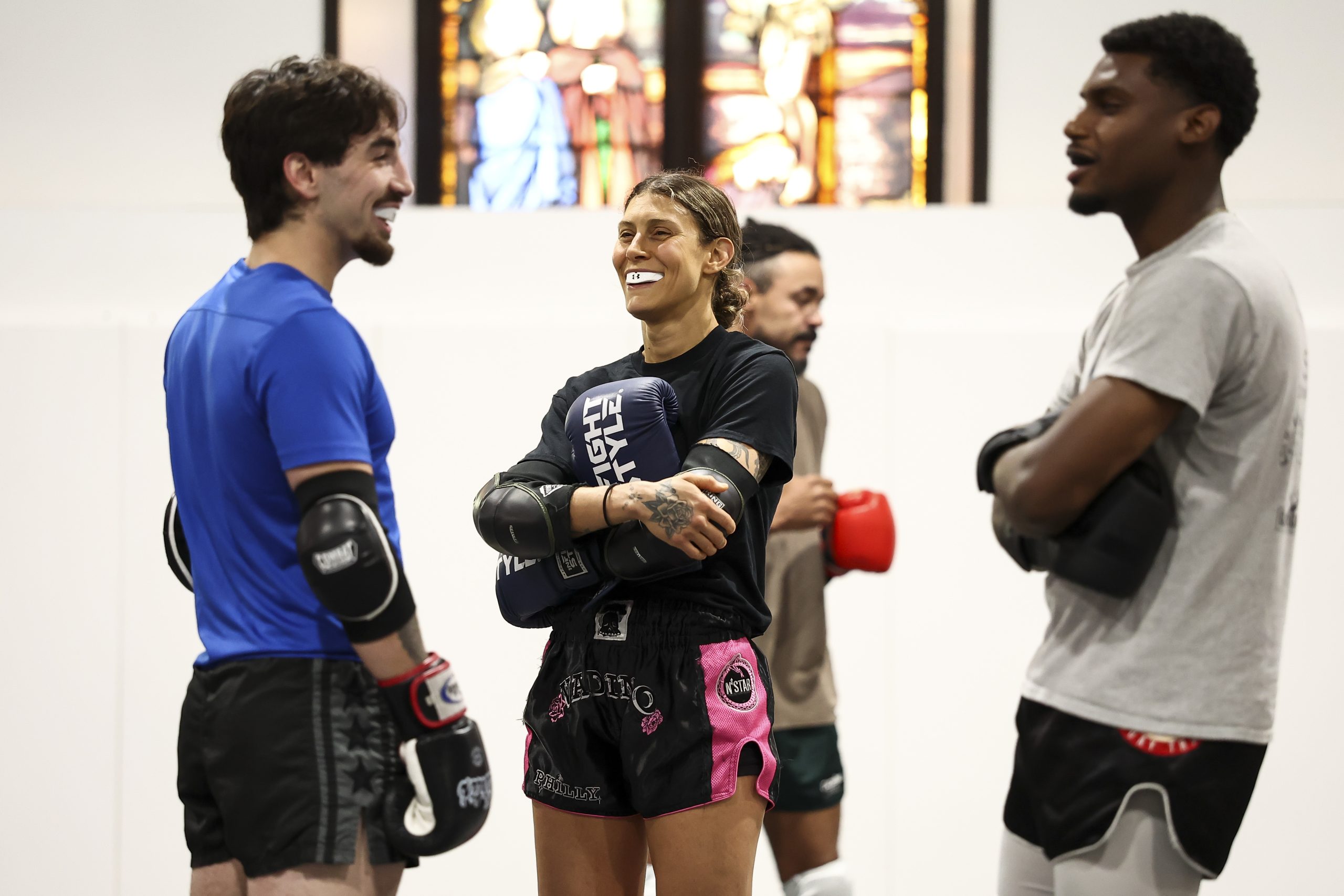
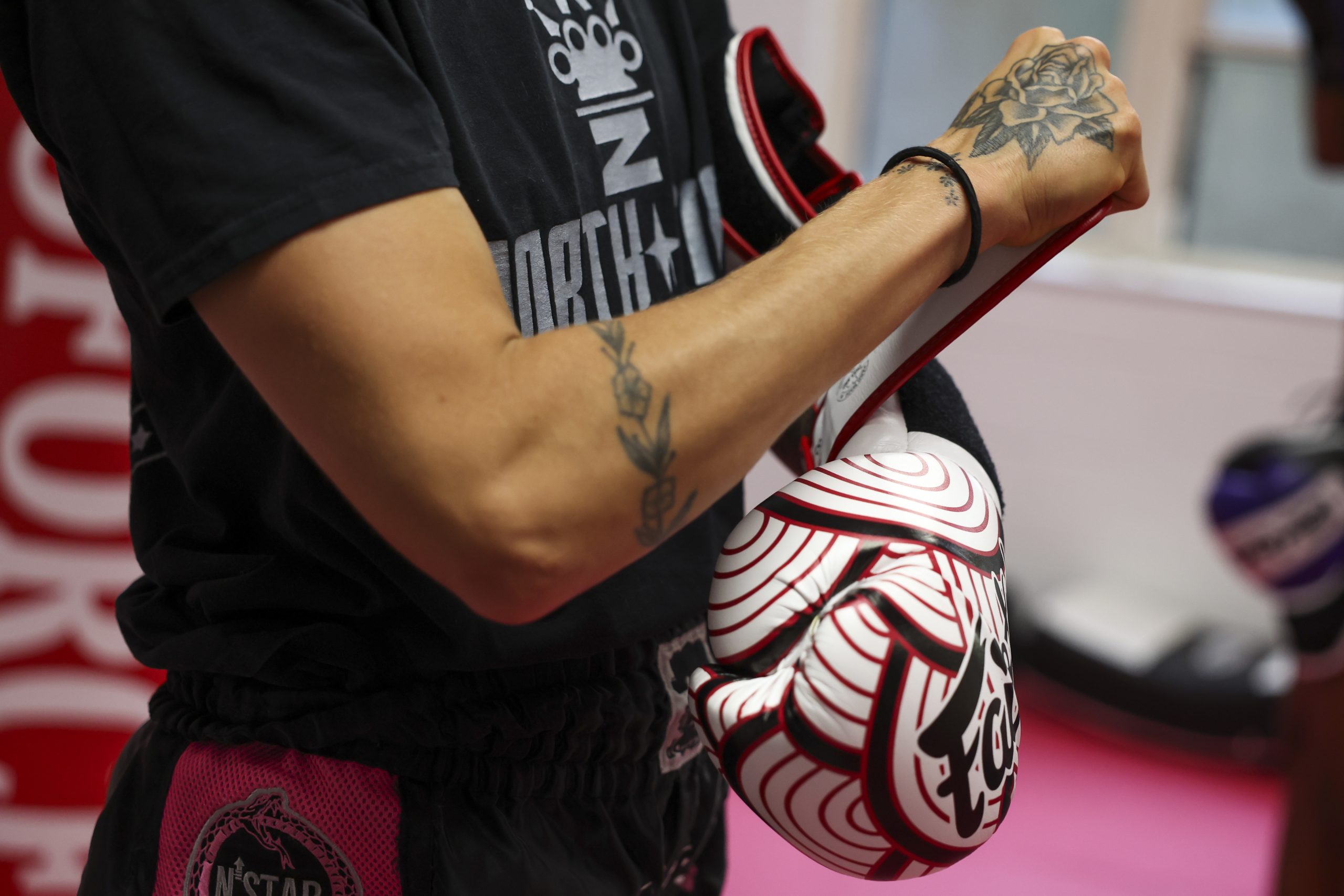
Muay Thai fighter Gianna Vadino (center) laughs during a workout Tuesday at the North Star Academy.Monica Herndon / Staff Photographer
Vadino ended the night with a win, improving to a 26-2 overall record — and, more importantly, 1-0 as a professional — after defeating Petchmai by decision. Following her win, some of the American fans who were cheering for Vadino made their way over to congratulate the Philly underdog.
“I was standing outside of the stadium after I fought, and this family was like, ‘Are you from Philly?’ And I was like, ‘Yeah, why?’” said Vadino, who now lives in Roxborough after 15 years in South Philly. “They were like, ‘We’re from South Philly.’ I was like, ‘That is so weird. Like, why are you guys here?’”
Apparently, it’s not hard for Philly to spot its own — especially when it comes to fighting.
“The way that I fight is very — I’m kind of like a bully,” Vadino said. “I put a lot of pressure on people. I brute-force my way through things if technique isn’t working. … It’s not always the best idea. But that’s what I do. So I do feel like there’s some South Philly in that for sure.
“I’m not going to deal with people’s s—. I’m just going to get the job done no matter what I need to do.”
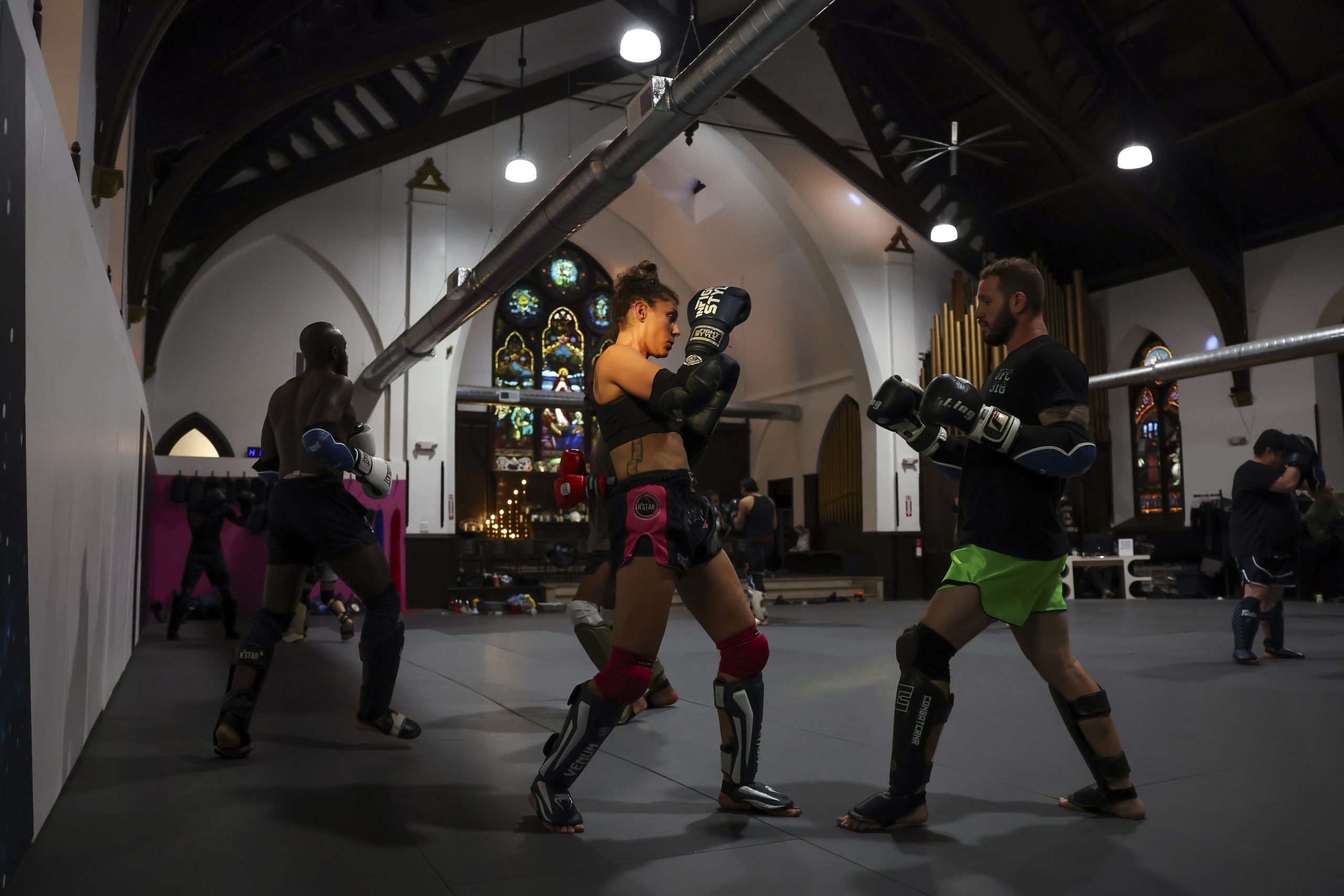
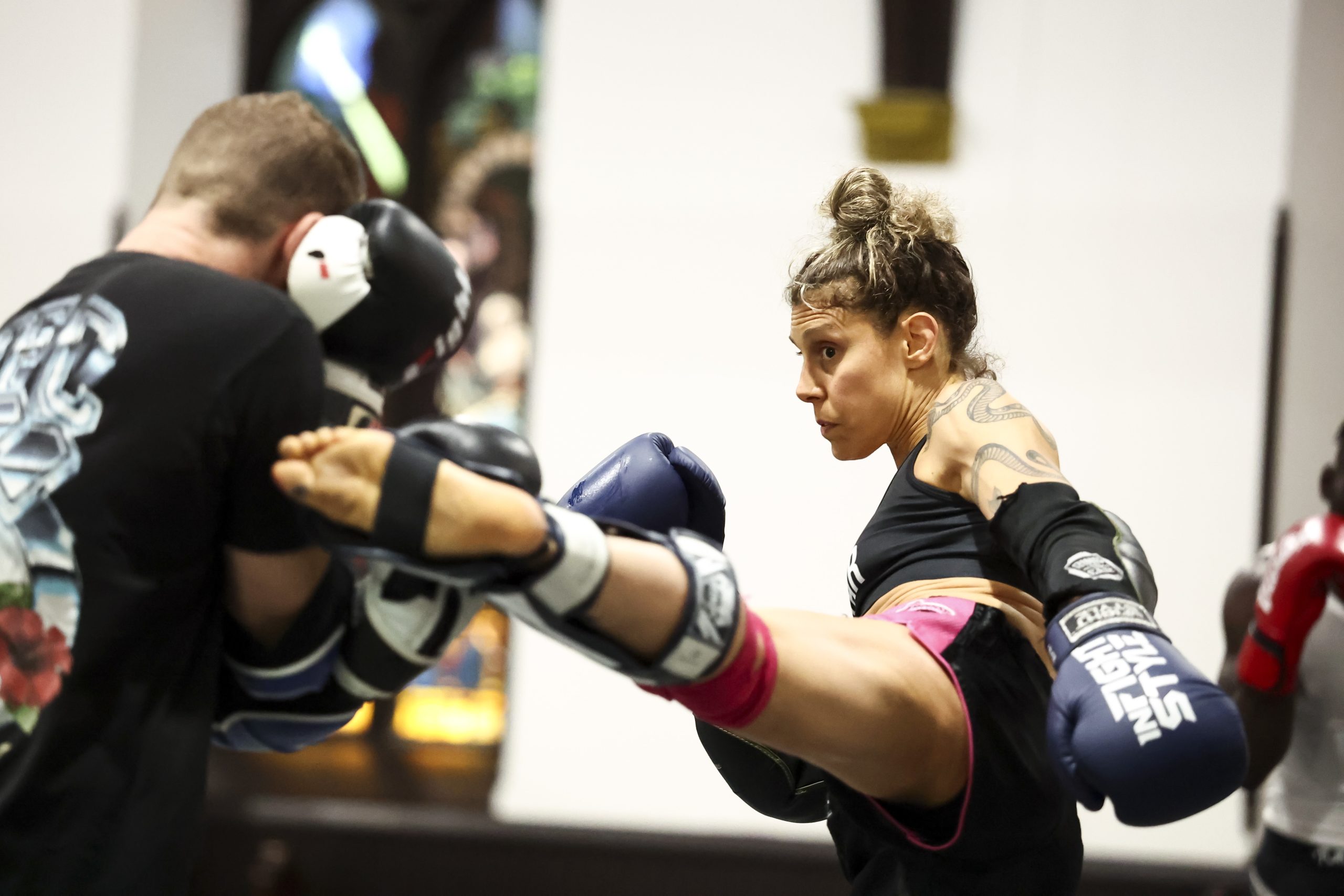
Muay Thai fighter Gianna Vadino spars with Timmy Green (right) at the North Star Academy.Monica Herndon / Staff Photographer
‘Unbreakable consistency’
That mindset has stayed with Vadino since her days playing soccer, basketball, and lacrosse as a child. But once she enrolled in the University of Arts, her active side took a bit of a backseat.
“I was like, ‘I guess I’ll start running,’” Vadino said. “And then I just subconsciously craved that team aspect, and I didn’t really know it. And then once I started doing Muay Thai, I kind of got that fix.”
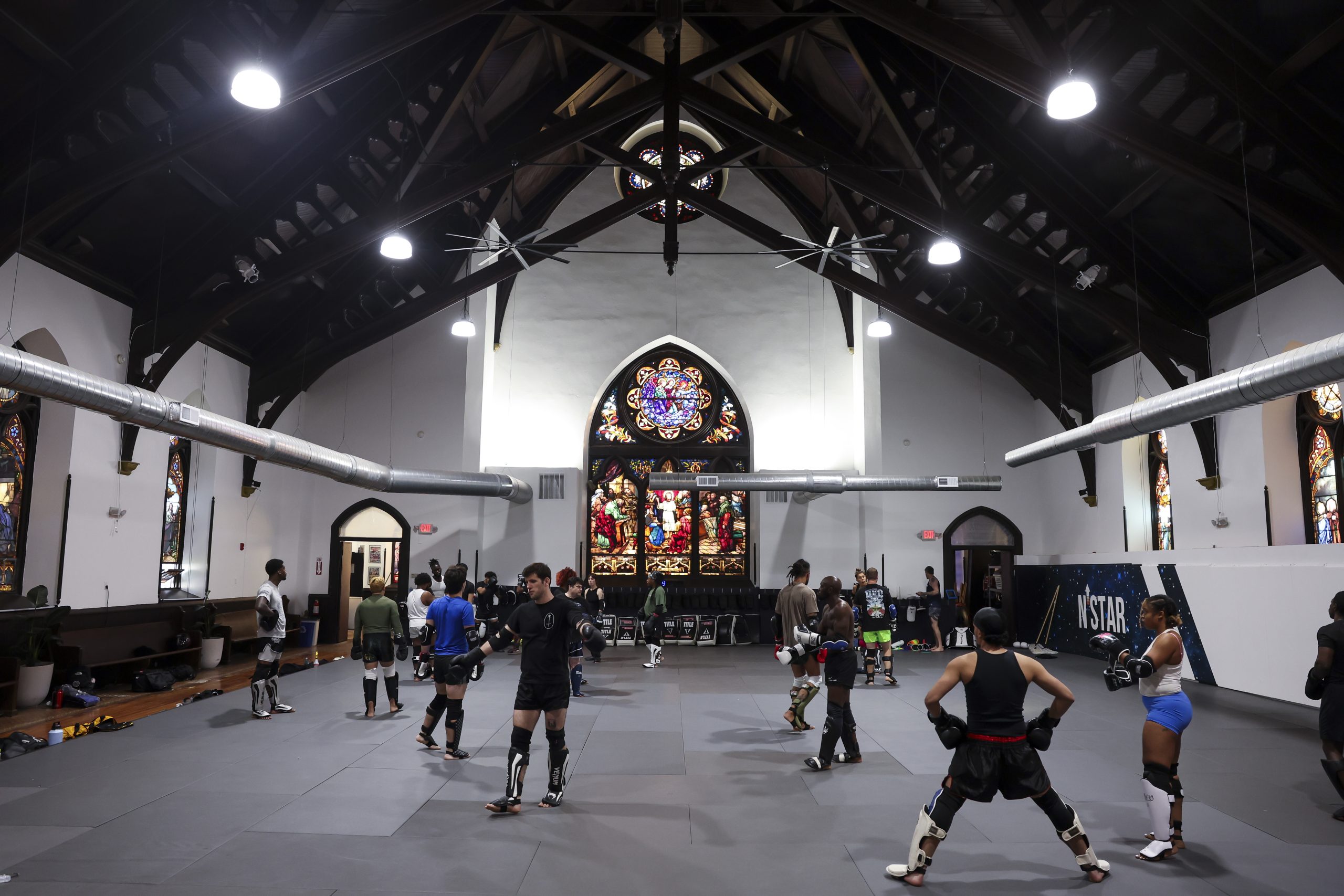
Vadino started practicing Muay Thai in 2017 at 27 years old. Four years later, she began to compete, fighting out of Germantown’s North Star Academy. From the gym run out of the former St. Michael’s Evangelical Lutheran Church, she has gone on to become a five-time international champion and a 13-time national champion as an amateur.
“The one thing that makes her exceptional is that she just normalizes things that are pretty extreme,” said Jackson Galka, her Muay Thai coach and the owner of North Star Academy. “And I think that’s the secret to her success. It’s just a solid routine and unbreakable consistency.”
Some of Muay Thai fighter Gianna Vadino’s championship belts on display at the North Star Academy on Tuesday.Monica Herndon / Staff Photographer
Despite her success, a defining moment in another discipline shaped Vadino into the fighter she is today. Before devoting herself full-time to Muay Thai, Vadino made her MMA debut in 2024. After suffering a knockout loss, she reevaluated her career.
“I think that was the biggest [setback],” Vadino said. “A lot of people were hopeful that MMA was the path for me. It was just a s— experience. I felt depressed. And I decided MMA wasn’t for me. It wasn’t just because of the knockout. It was the environment and the air around it and the culture. It’s very cutthroat. It’s more mean and showy. And Muay Thai is just a very respectful sport. You look at your opponent as if you’re thankful for them. There’s just an incredible level of respect.”
But competing strictly in Muay Thai came with its own issues. For one, Vadino had a hard time finding pro fights in the U.S.
“I’ve been trying to get a professional fight for a couple years in the U.S.,” Vadino said. “And it’s really tough because there’s not a lot of women doing it in general. And there’s not a lot of women doing it at a professional level. So it tends to be that you have to just go abroad in order to fight professionally.”
Muay Thai fighter Gianna Vadino wants to fight a pro bout in the U.S. but her discipline isn’t very common here.Monica Herndon / Staff Photographer
‘She hunted the competition to extinction’
As Vadino continued to search for a pro fight in the United States, Galka recommended that she return to Thailand. She briefly competed there nearly two years ago, following her MMA debut, in an International Sports Kickboxing Association tournament.
“There’s not a huge pool of women at her weight and experience in the United States,” Galka said. “So she kind of like mounted the heads of everyone on her wall. She’s hunted the competition to extinction in the United States. So it’s like, ‘All right, well, what are we going to do?’”
To help with the booking, Derek Kenney, the owner and head coach of Burning Spirits, a gym in Fishtown, put her in contact with a coach from Sityodtong Muay Thai Camp in Thailand. Eventually, they booked her first pro fight.
She trained in Thailand for two weeks, taking a break from her job as a creative studio manager at Ollie.
“Thailand is like a whole other level,” Vadino said. “The main difference is the structure of classes and conditioning. In Thailand, they do much more conditioning, and everything is outdoors. It’s like 100 degrees, you’re running miles, and you’re drenched in sweat.
“But Thailand has the best fighting culture. They just have a different outlook on fighting. In America, people worry about their records, they say no to fights, or hear, ‘We need eight weeks to prepare’ for something. But, in Thailand, they’re like, ‘Whatever. I just fought; I’ll fight again in two weeks.’ The attitude is different.”
After two sessions a day, training nearly six hours for six days a week, Vadino was ready for her fight at the Rajadamnern Stadium.
“It’s the biggest stadium in Thailand, and I feel like it’s just a dream for anybody to be able to fight there,” Vadino said. “So the fact they got me on a card that was in that stadium was just like nuts in itself. So I think I was more excited and nervous over that aspect vs. the pro aspect of it.”
Muay Thai fighter Gianna Vadino trained in Thailand for two weeks before her first pro fight.Monica Herndon / Staff Photographer
‘Muay Thai is an art’
Ahead of her win in Thailand, Vadino decided to add some new ink to her collection: a bamboo tattoo of two tigers on her back.
“I find myself always wanting or getting something new after I’ve had a fight,” Vadino said. “I feel like there’s something there, some sort of transformation that I go through both mentally and physically. And getting a tattoo is a bit of an outlet. It signals the end of that fight journey. It’s just like a collection of art on my body.”
Vadino has 20-30 tattoos, including a snake, designed by her husband Dan Kelso, a tattoo artist, on her upper arm. As an alumna of the University of Arts, which abruptly closed in 2024, and former photography intern at The Inquirer (2011), Vadino has always stayed in touch with her artistic side.
“Before I started doing martial arts on the side, I would do photoshoots for myself or I was into bookbinding stuff,” Vadino said. “And once I started fighting, I didn’t feel the need to do it. And I feel like that’s because Muay Thai is an art. It’s a martial art; there’s a creative outlet in there and I feel like that’s kind of scratching that itch for me.”
Vadino isn’t alone in making the transition from art school to professional fighter. Former UFC lightweight and current commentator Paul Felder is a 2008 UArts graduate who replaced his love of the theater with an octagonal stage. Later in his career, however, the South Philly native returned to acting, including a cameo in It’s Always Sunny in Philadelphia and, more recently, a recurring role on HBO’s Hacks, in which he brought his UFC skills to the screen.
What’s next for Muay Thai fighter Gianna Vadino? Here, she spars with Timmy Green (left).Monica Herndon / Staff Photographer
What’s next?
Typically in Thailand, most fighters are ending their Muay Thai career at around 27 years old. But for Vadino, 27 was just the start. Now, nearly 10 years later, she’s won her first professional fight and plans to continue her journey.
“I want to fight for as long as I can,” Vadino said. “As long as my body will allow me to. I feel great right now, so, hopefully, that keeps going. I’ve technically fought pro and probably shouldn’t fight any amateur fights anymore. But Freedom [Fighter] Promotions asked me to defend my belt in Philly in September. So I might do that. Ideally, the goal is to only fight pro. But I just don’t know how realistic that is.”
Vadino defeated Jordan Smelker by TKO in December 2025 to win the promotion’s lightweight USA championship. September would be Vadino’s first time defending that title.
“To be honest, I’ve gone further than I ever thought that I would in this sport,” Vadino said. “I had no idea that I would even be able to call myself a professional Muay Thai fighter. That’s insane. So I should just be happy with where I’m at.”
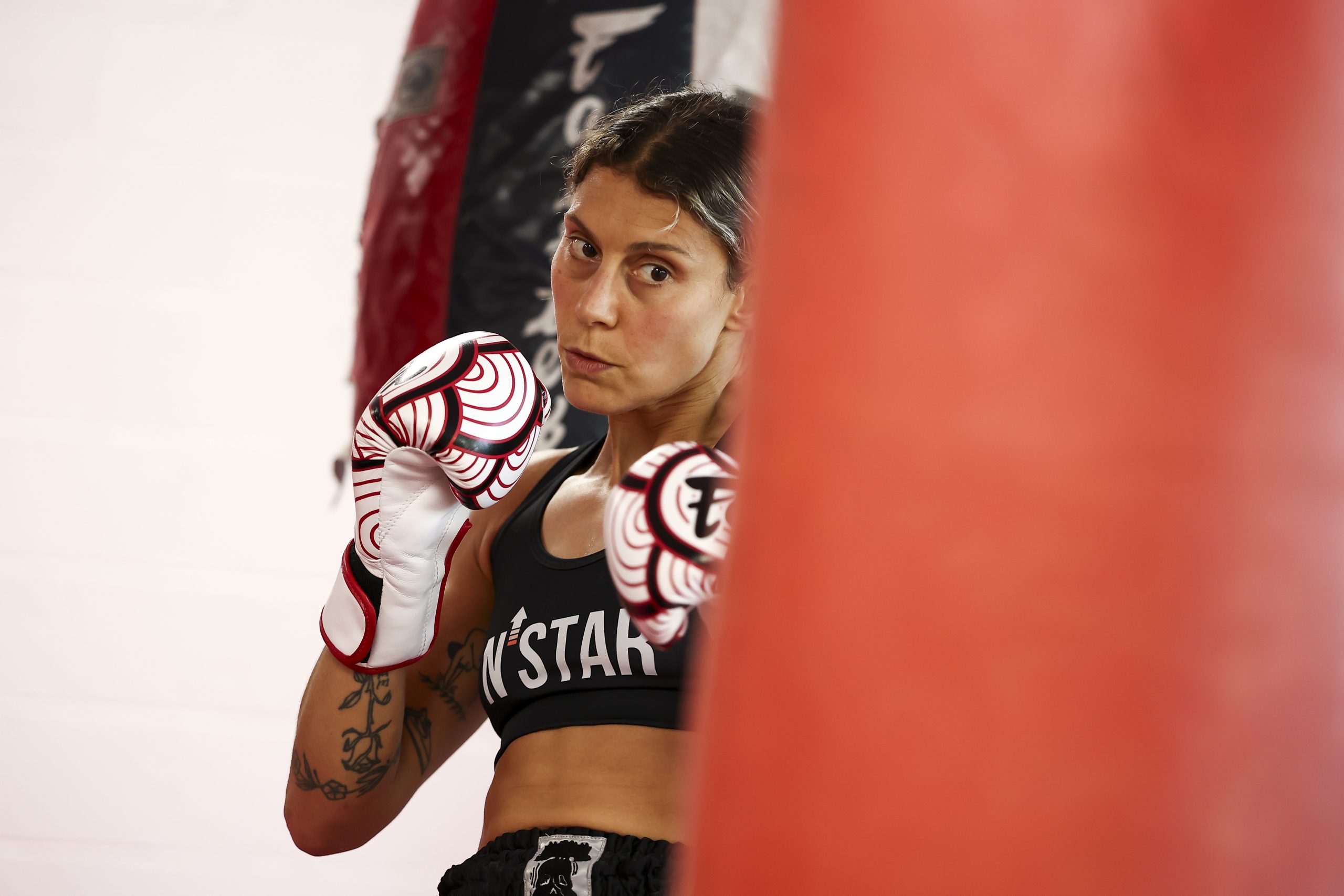
Gianna Vadino sees Muay Thai as a creative outlet.Monica Herndon / Staff Photographer
“Johnny Cash singing Nine Inch Nails.” That was Fred Mogul’s shorthand for the restaurant he had long wanted to build: familiar but surprising, rooted in tradition, yet willing to scramble expectations.
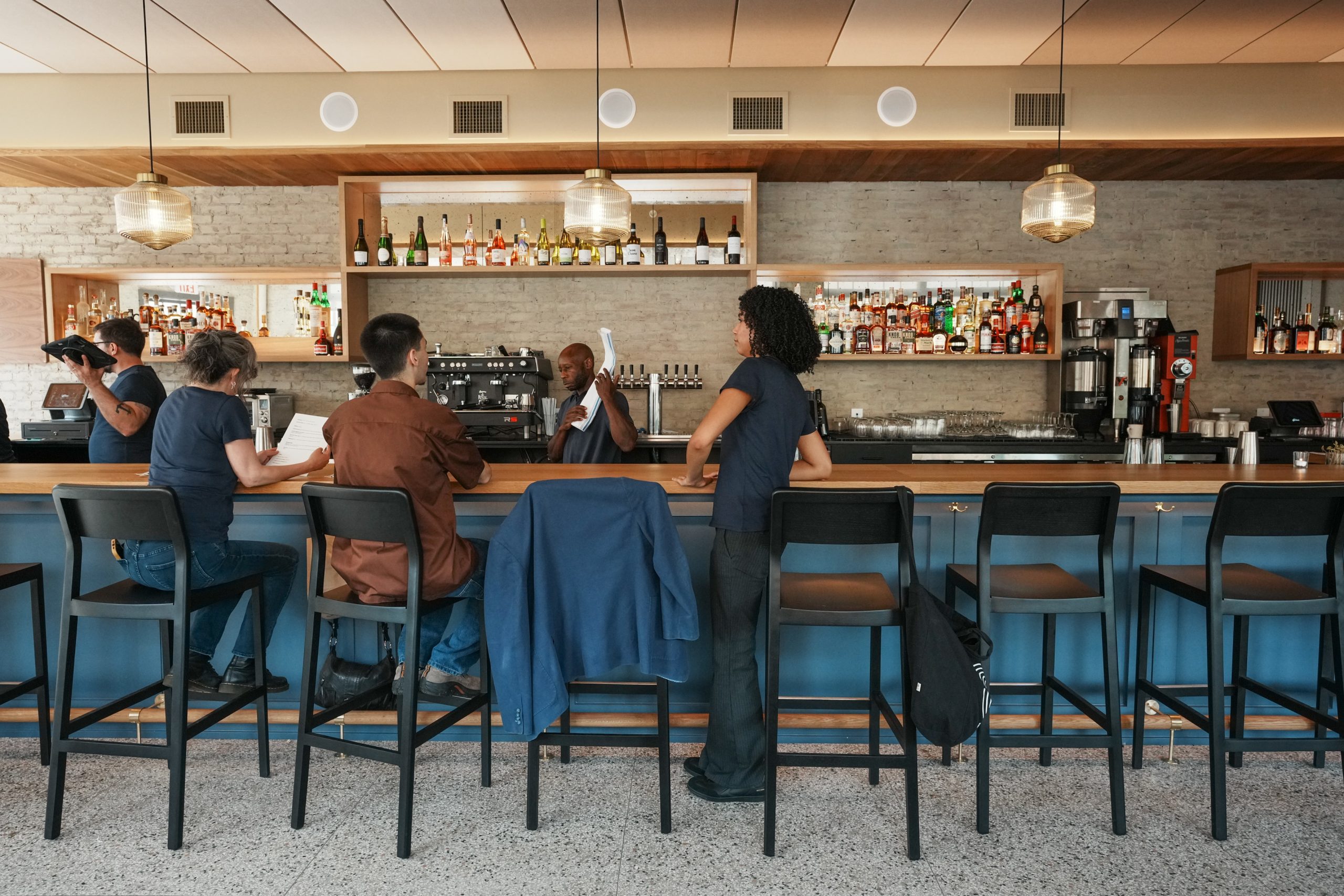
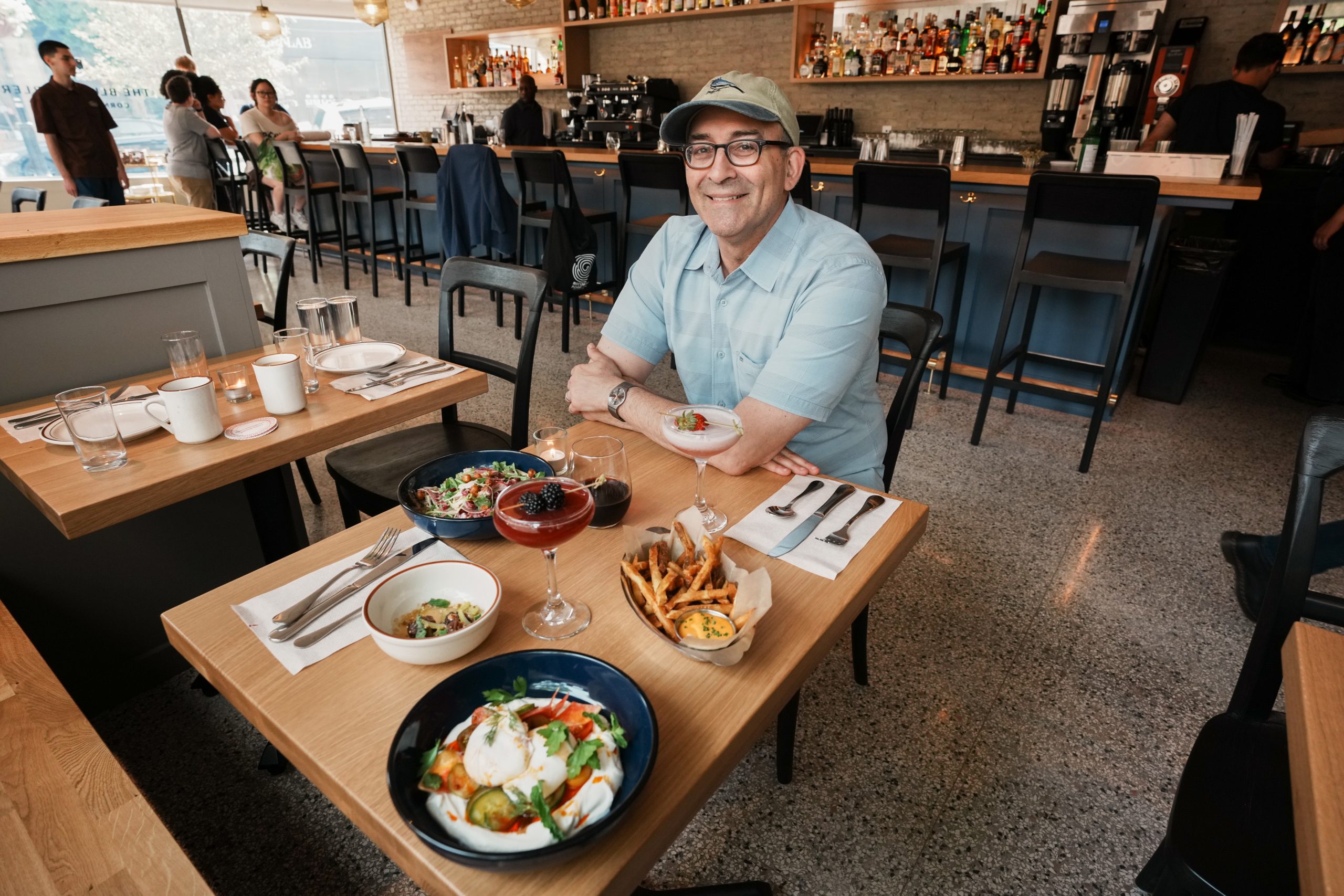
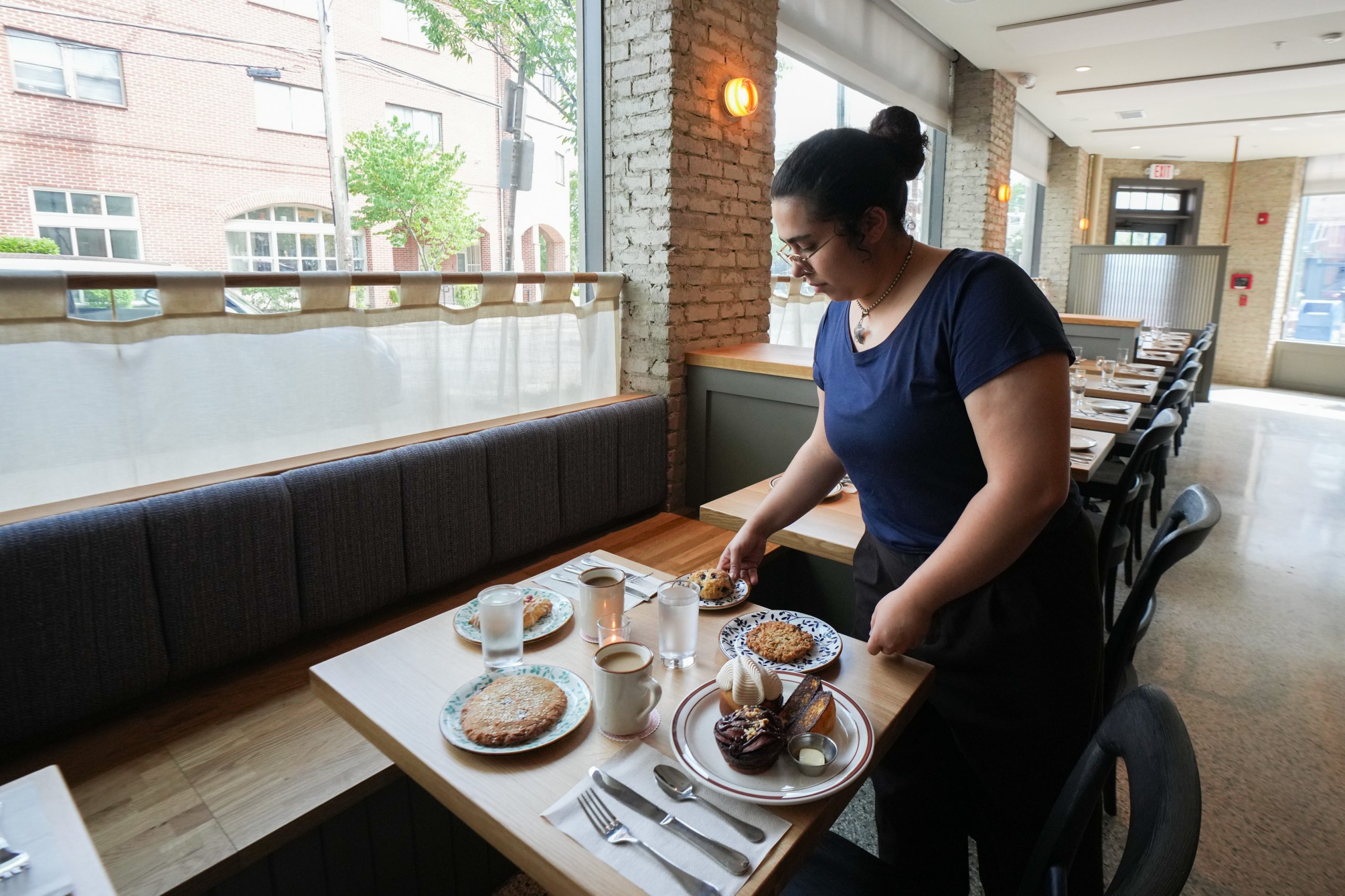
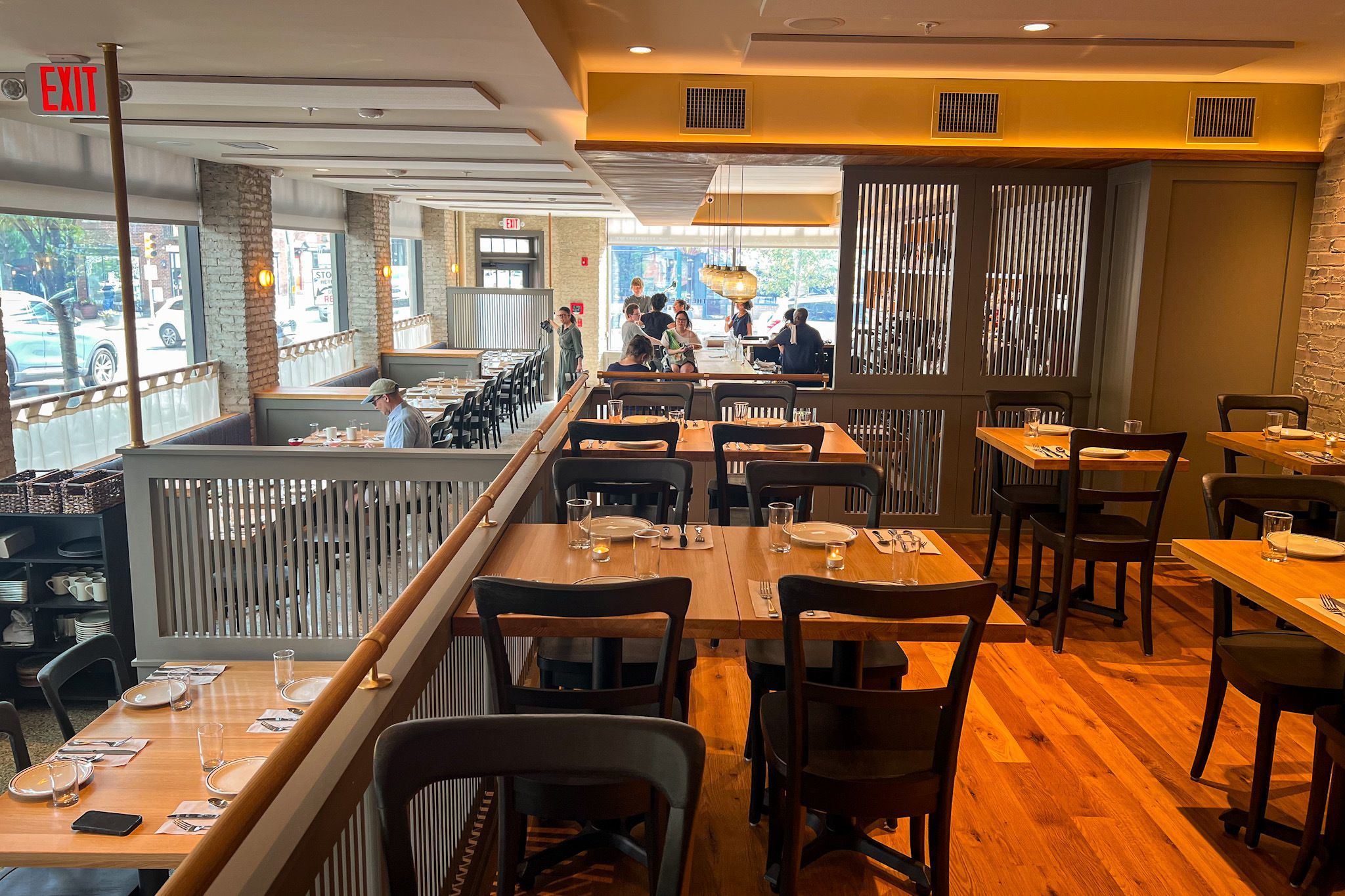
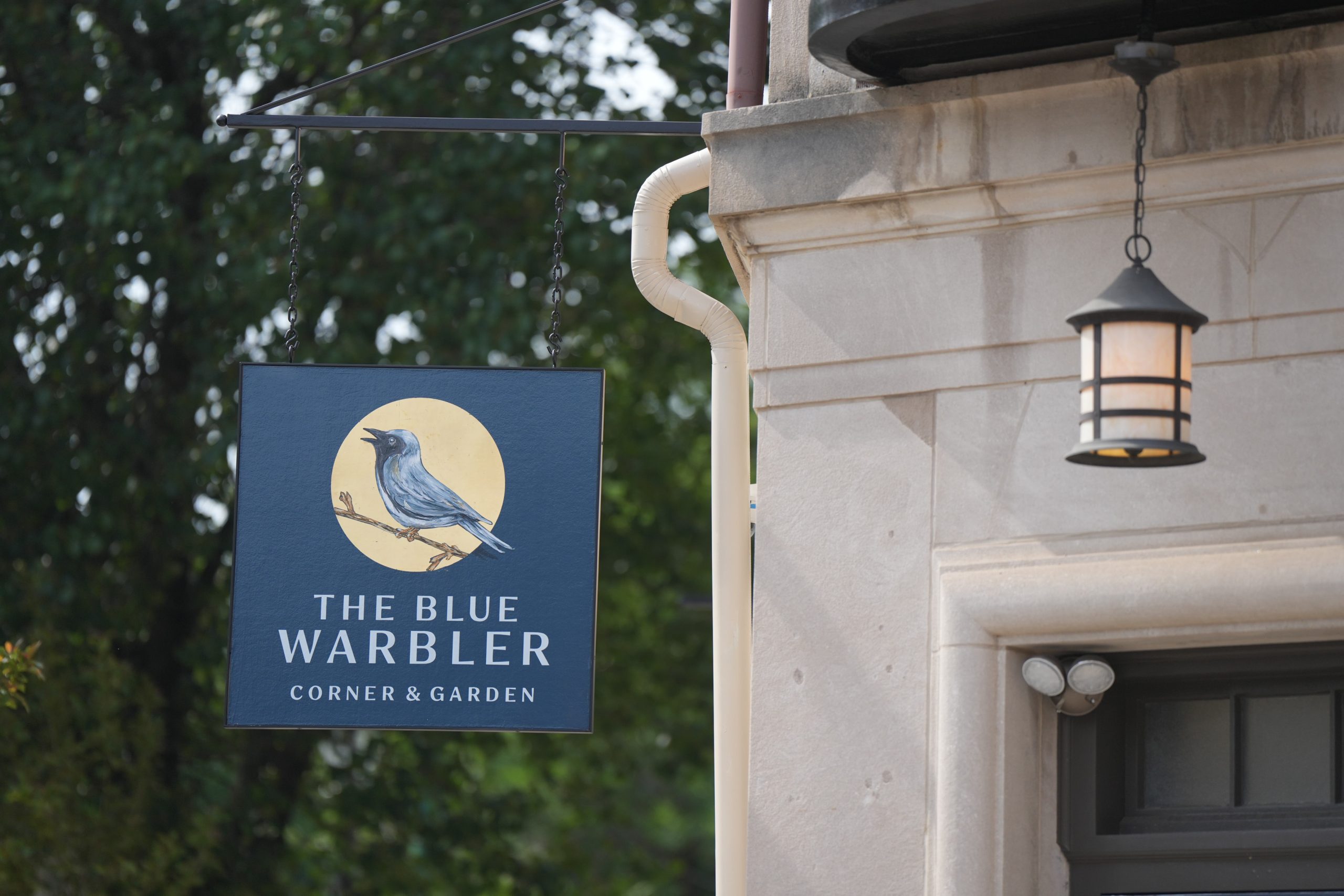
On Monday, that vision arrived at one of Chestnut Hill’s most prominent corners with the opening of the Blue Warbler at Germantown and Willow Grove Avenues. The all-day operation combines a bakery, café, bar, and restaurant, drawing from Mediterranean, Jewish, Persian, Balkan, and American influences.
The bar at the Blue Warbler during staff training on June 11.Jessica Griffin / Staff Photographer
Although the menu is entirely vegetarian, vegan, and pescatarian, Mogul does not want the restaurant defined by what it lacks. “I don’t want to be ‘that vegetarian place,’” he said. “There’s so much you can do without meat.”
The Blue Warbler arrives as Chestnut Hill’s dining scene shows fresh signs of life, despite last year’s closing of Iron Hill Brewery. Earlier this year, Lovat Square opened as a wine shop and gathering place on Germantown Avenue; it is a few weeks from starting its full dinner menu and opening its patio. New restaurants are planned for the former Campbell’s Place and Petit Matines spaces, while former employees of Fiesta Pizza III are planning to reopen the neighborhood institution that closed in 2024.
Owner Fred Mogul at the Blue Warbler.Jessica Griffin / Staff Photographer
Against that backdrop, the Blue Warbler is arguably the neighborhood’s most ambitious restaurant project in years.
Its day begins at 7 a.m. with house-baked pastries and coffee before expanding into breakfast, lunch, brunch, and dinner. Dishes include a shakshuka-inspired “shakshukaccia” with labneh and house focaccia, a Turkish breakfast plate, and the Full Emilio — named for the building’s developer, Emilio Lorenzon — featuring eggs, a latke, mushroom bacon or Santorini sausage, salad, and bread.
Dinner offerings include bacalao with green yogurt and lemon relish, halloumi-stuffed dates with hazelnuts, grilled branzino, pan-fried lemon tofu, and smoked eggplant schnitzel over a tomato-Thai basil salad.
Mogul envisioned the Blue Warbler as a place where different influences could coexist comfortably through unexpected combinations that somehow feel natural. Playlists jump between genres and decades, as you can see from its Spotify (Jimmy Cliff, the Roots, the Cranberries, Aretha Franklin). Artwork, poetry, and design elements pull from a range of traditions and references.
“The idea is to constantly surprise people,” he said, “and bring together things that are a little removed from what they’re familiar with.”
Ara Nasari at the Blue Warbler.Jessica Griffin / Staff Photographer
That vision required a top-to-bottom renovation of a space that had never before housed a restaurant. Industry veterans repeatedly advised Mogul to take an easier path and retrofit an existing dining room for his first restaurant. His reply: “We fell in love with it,” he said.
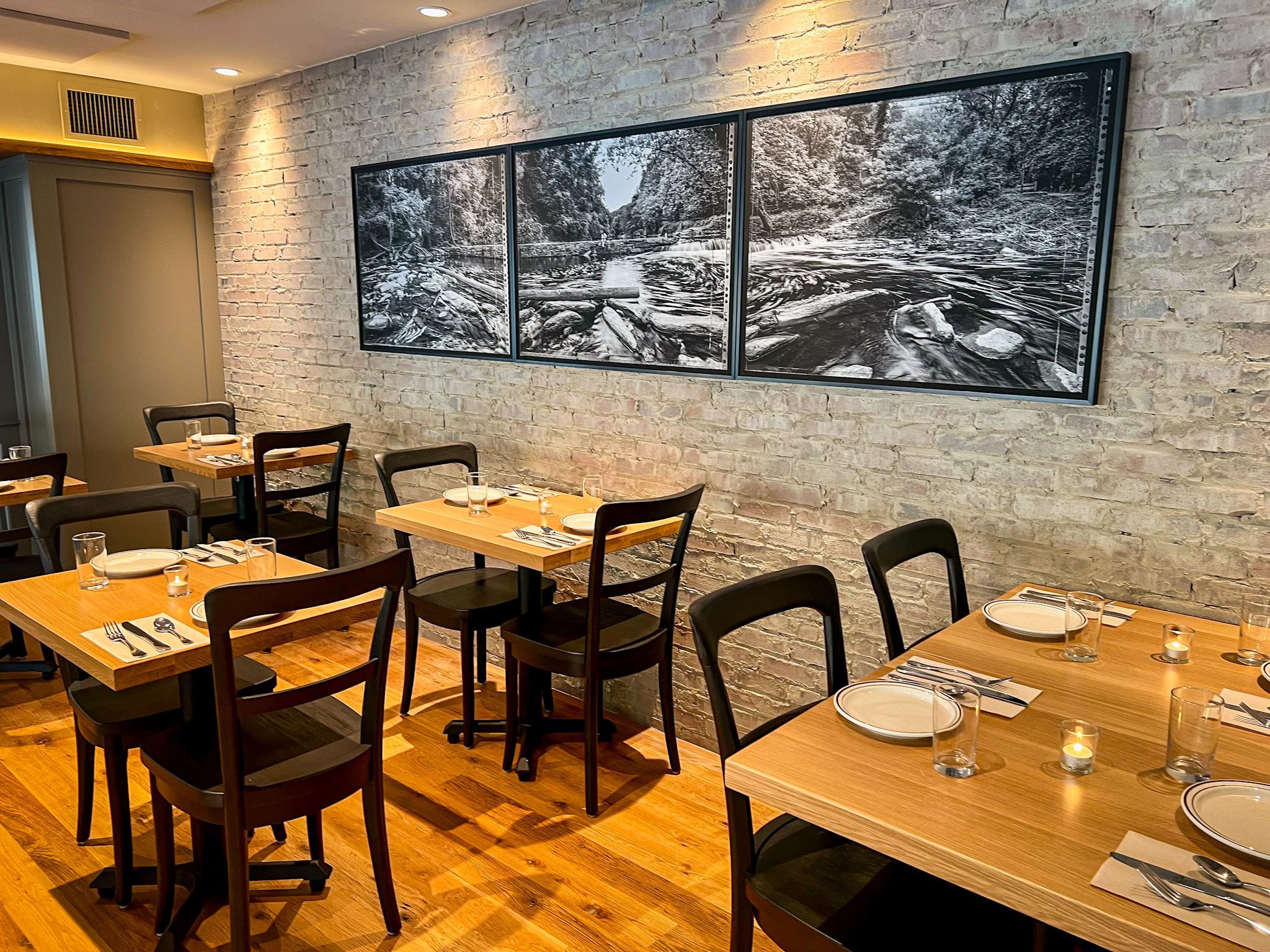
The restaurant occupies the century-old Lorenzon Building, which was Foster’s Drugstore for decades. (The gray-beige terrazzo floor is a tipoff.) More recently, it housed the photography gallery of Wendy Concannon. Mogul said landlord Richard Snowden shared his belief that the space could become a neighborhood gathering place.
An out-of-the-way seating area at the Blue Warbler.Michael Klein / Staff
Inside, Ambit Architecture and In House Studio transformed what Mogul described as a stone- and glass-heavy interior into a warmer environment defined by reclaimed oak floors, quarter-sawn oak tabletops, walnut accents, custom millwork, and locally selected artwork. The restaurant seats 71 guests, including 15 at the bar, and includes a patio and a private-event room known as the Perch.
For Mogul, the opening marks an unlikely second act.
A longtime journalist, he worked at newspapers in Kansas and Nebraska before moving to Philadelphia in 1999. He freelanced for WHYY radio and television, contributed to NPR, worked as a stringer for The New York Times and Time magazine, and produced historical documentaries before later joining WNYC in New York, where he covered public health, politics, education, and government.
His 18-year tenure there ended in 2021, after the newsroom’s new manager accused him of using Associated Press copy without attribution, sparking a station-wide uproar and petition drive. Mogul sued the station for defamation and received a settlement whose terms he would not disclose, except to say that the Warbler rose from the ashes of tumult at WNYC.
The idea of opening a restaurant, however, had been percolating for years.
A view from the elevated dining room seating to the bar at the Blue Warbler.Michael Klein / Staff
“I like being a reporter because I like telling people’s stories, schmoozing, having a deadline, and producing something tangible,” Mogul said. “Restaurants felt like another version of that — feeding people, creating a place, making something every day.”
After considering locations in other cities, he settled on Philadelphia. “Opening a restaurant in Brooklyn felt like starting a podcast,” he said. “There are so many, and how do you get heard above the fray?”
Mogul assembled a team of restaurant veterans for the project, which was originally known as AM/FM, a nod to his radio career. After he and his family settled in Chestnut Hill, they were workshopping names of birds to connect with the nearby Wissahickon: “There were two weeks where it was ‘the Purple Finch.’ Then someone said, ‘There’s Spice Finch [restaurant near Rittenhouse Square]. I said, ‘Oh, I think there’s only room for one finch.’” They settled on Blue Warbler. One day, Mogul said, he hopes to see one in the wild.
Executive chef Daniel Berret most recently worked at the Study at University City and previously helped develop the menu at Chestnut Hill Brewing Co. Chef de cuisine Renee Rowlett’s résumé includes Picnic, Society Hill Hotel, and Eva in Kensington. General manager Andy Boyask has worked at Tria, Parc, Johnny Brenda’s, PYT, and Zahav, while restaurant consultant Arthur Cavaliere, a Starr Restaurants alumnus who operated In Riva in East Falls for more than a decade, helped shape the project.
The Blue Warbler, in Philadelphia, June 11, 2026.Jessica Griffin / Staff Photographer
Weekdays begin with walk-up breakfast and lunch service, while dinner is initially offered Wednesday through Sunday. Additional nights will be added. Weekend brunch shifts to full table service. Among the dishes Berret is most excited about are smoked Arctic char served over sourdough bagels, salt-cod fritters, house-made pastries, and a mushroom-focused dinner dish.
The bar program includes a balanced draft and canned-beer list with an emphasis on local breweries, including a dedicated line for nearby Attic Brewing. The wine list was built around the restaurant’s vegetable- and seafood-focused menu, leaning toward acid-forward bottles, lighter reds, island wines, rosés, orange wines, and whites. Cocktails are intended to be approachable rather than fussy, with riffs on classics such as a Mai Tai made with fresh orgeat and a frothy Clover Club. The restaurant also plans to build out its nonalcoholic offerings.
The Blue Warbler, 8001 Germantown Ave. Opening hours: 7 a.m. to 3 p.m. Monday and Tuesday, 7 a.m. to 9 p.m. Wednesday and Thursday, 7 a.m. to 10 p.m. Friday, 9 a.m. to 10 p.m. Saturday, and 9 a.m. to 9 p.m. Sunday.
Each week, The Inquirer takes readers into a different home in the Philadelphia area, and its residents share what makes the place special.
They may mention the neighborhood, their custom renovation, or their antiques and thrifted treasures. Sometimes it’s the backyard where they cultivate life or the kitchen where they cook for family.
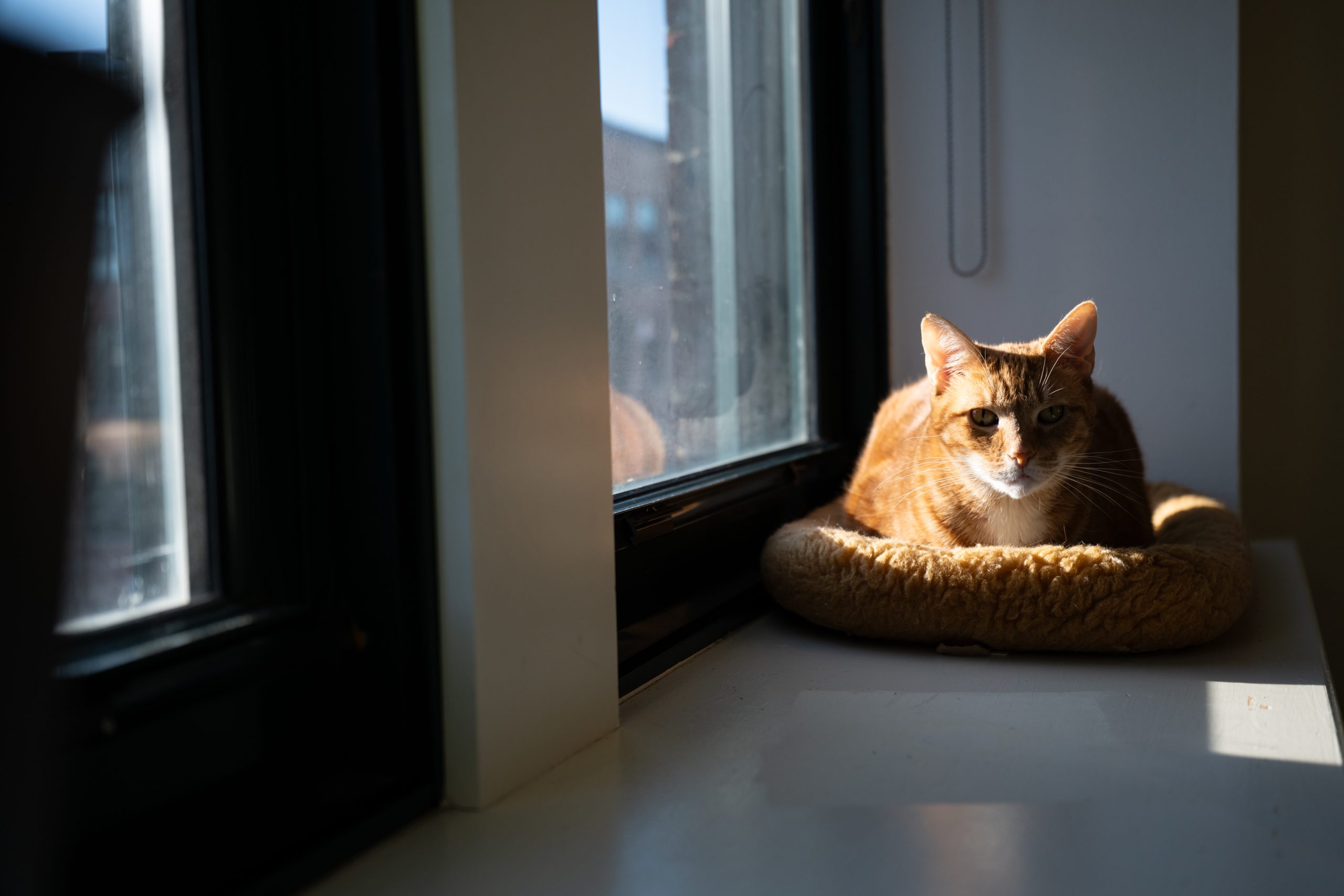
As our photographers work to capture the essence of these houses, apartments, condos, and gardens, they often come across the cats and dogs who live there, too. So this week, we’re going back to some of our Philly-area havens from the past year and taking a look through the eyes of the pets who live there.
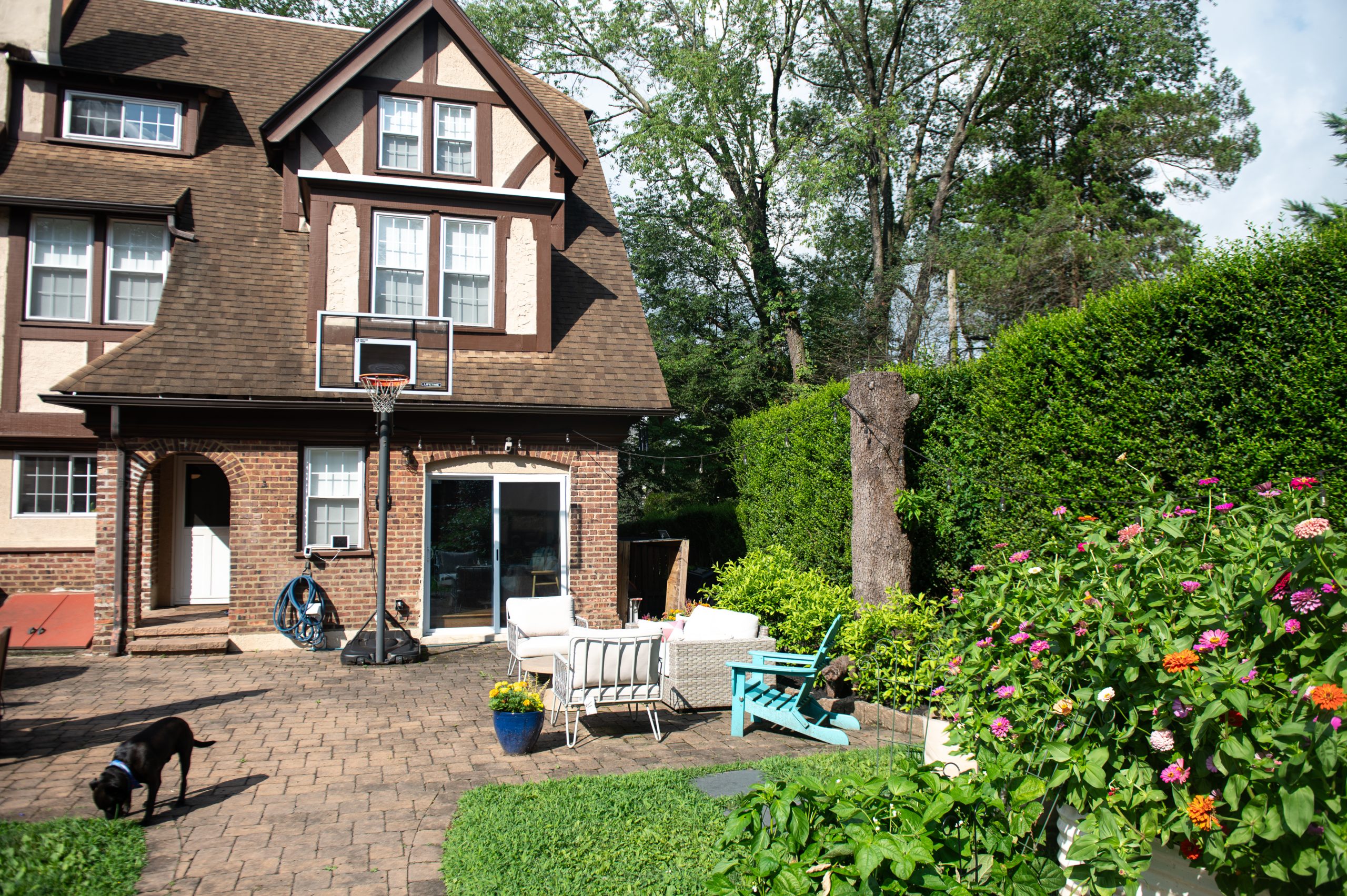
Dipplin the dog plays with a toy in his Fishtown home’s living area, soaking in the sun despite the chill of the January day outside.Allie Ippolito / For The InquirerMark Paulson and Allison Langer’s cat, Frankie, rests in the living room of the couple’s Fairmount-area apartment.Erin Blewett / For The Inquirer
Any city dweller, animals included, will tell you natural light is a coveted commodity. Dipplin the dog, who lives with Hunter Pippin and Kedzie Teller in Fishtown, has mastered the art of finding the sunspot. But his favorite part of the apartment, of course, is its two balconies ideal for people- and dog-watching, Pippin said.
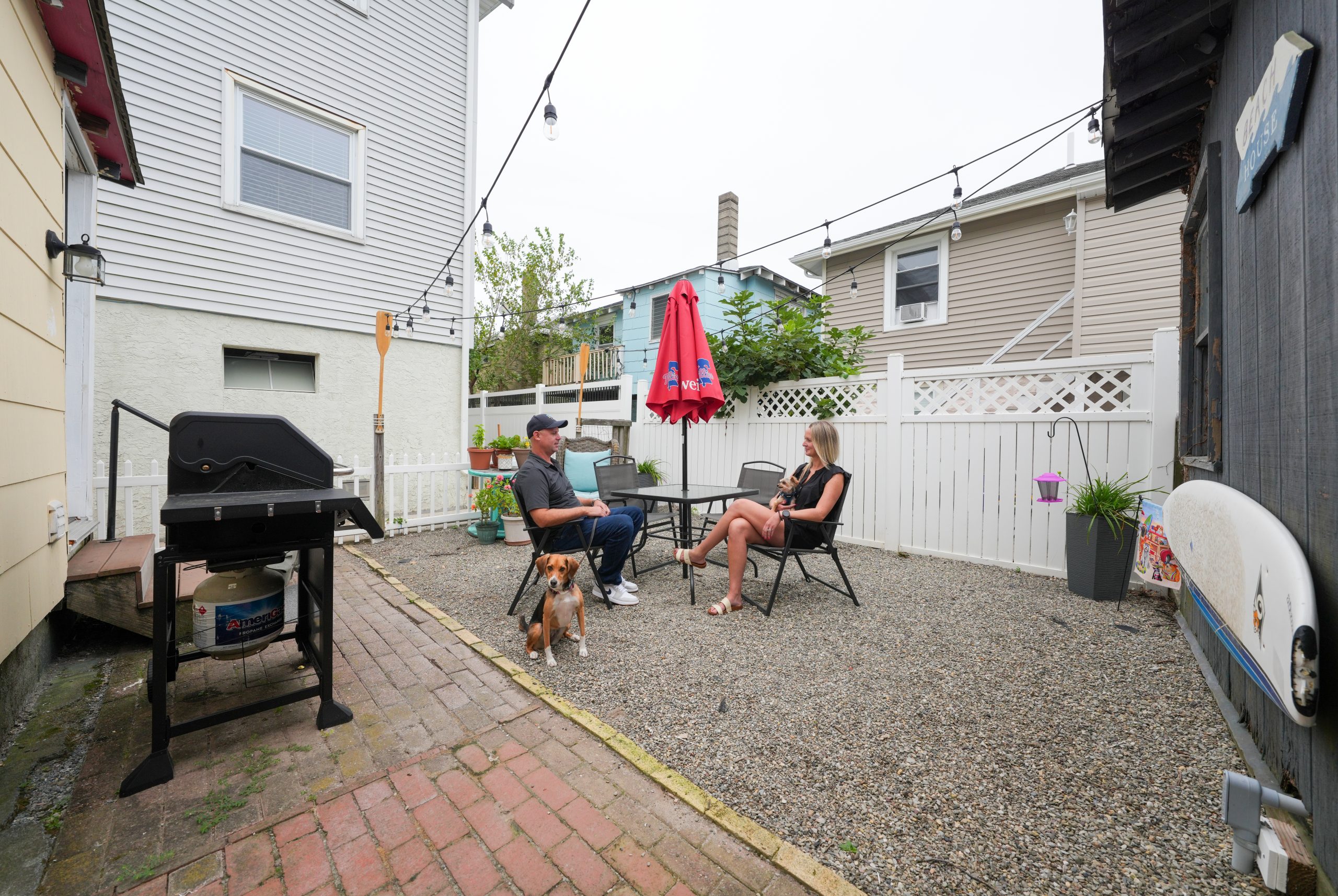
For Claire the beagle and Conrail the teacup Yorkie (aka Connie), sunny days are even better at the Shore. Behind their bungalow in Ventnor, Amy and Zachary Bell added a fence so the two pooches can romp in the backyard. They also recently added a deck with a bay view, where the two dogs enjoy watching the sunset.
Sunbathing is a favorite pastime for Cruz, a pitbull-black Lab mix who lives in East Falls with Caroline Patten. The back patio is Cruz’s favorite place to be, Patten said.
Amy and Zachary Bell of Hammonton sit in the backyard of their Ventnor beach home with Claire, a 3-year-old beagle, and Connie, a 14-year-old Yorkshire terrier.Tim Hawk / For The InquirerCaroline Patten’s dog, Cruz, sniffs the patio behind her home in East Falls, where he loves to relax in the sun.Erin Blewett / For The InquirerDanielle and Jonah Abrams’ cat, Paloma, walked over a decorative rug in the couple’s South Philly backyard last September.Erin Blewett / For The Inquirer
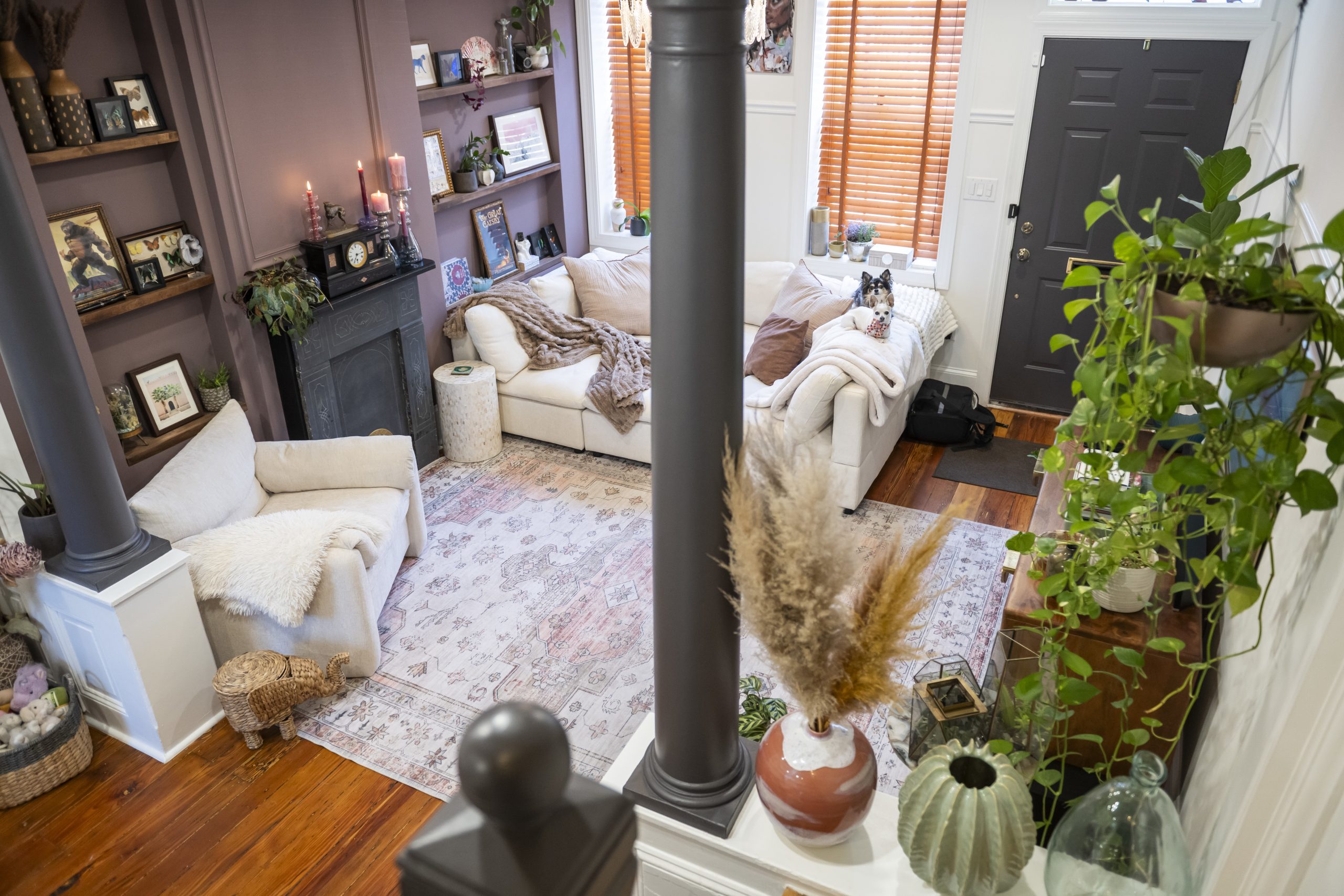
Paloma the cat, who lives with Danielle, Jonah, and Miriam Abrams in South Philadelphia, also enjoys backyard living. But she’s just as comfortable on the ivory sectional in their living room, which they chose in part for its pet-proof fabric and ability to hide cat hair.
And why not splurge on a pet-friendly piece of furniture? After all, some say the couch is the heart of the home.
These comfort-loving dogs couldn’t agree more.
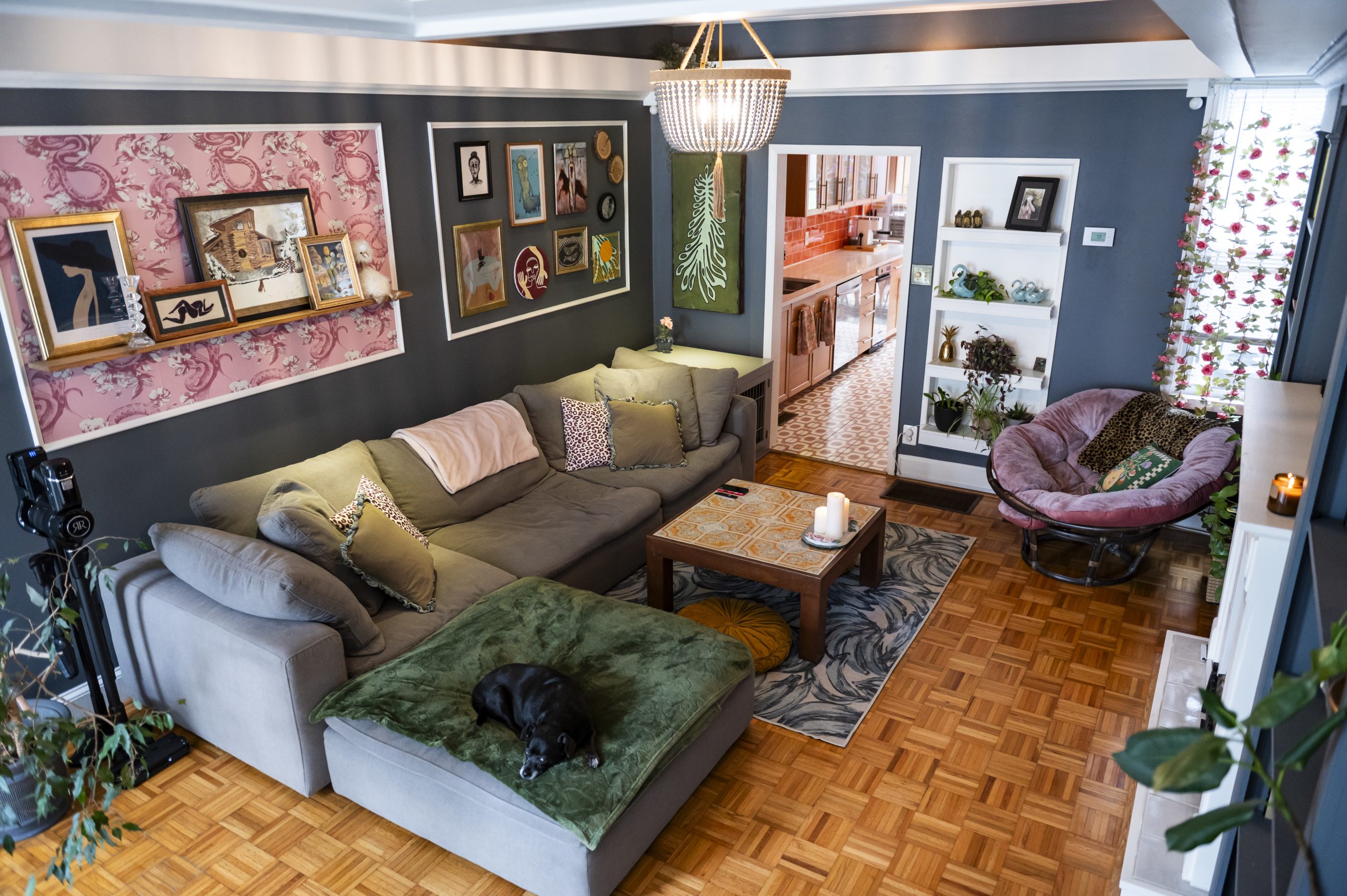
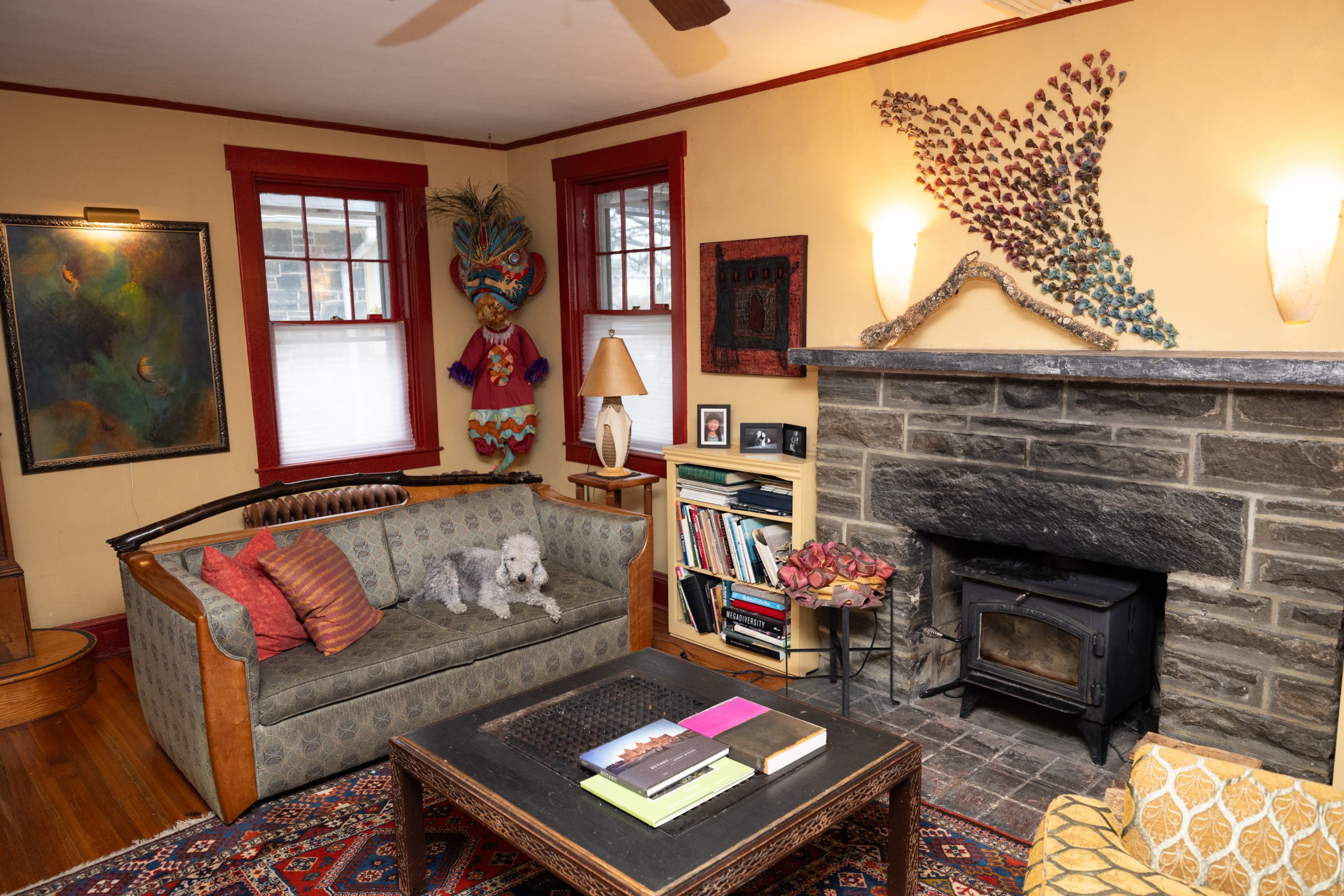
Mya and Sage have plenty of space to recline on the plush couch in Nicala La Reau’s home in Fishtown.Allie Ippolito / For The InquirerCruz the dog sits on a quilt draped over the couch in Caroline Patten’s East Falls home.Erin Blewett / For The InquirerSophia Khan’s 12-year-old chihuahua mix, Paolo, lounges on the sectional in her colorfully designed living room in Kensington.Allie Ippolito / For The InquirerCarla Krash’s dog, Farfel, feels right at home on the couch in the art-filled living space of their Narberth home.Erin Blewett / For The Inquirer
For feline family members, sometimes the best place to relax is where they can hide in camouflage.
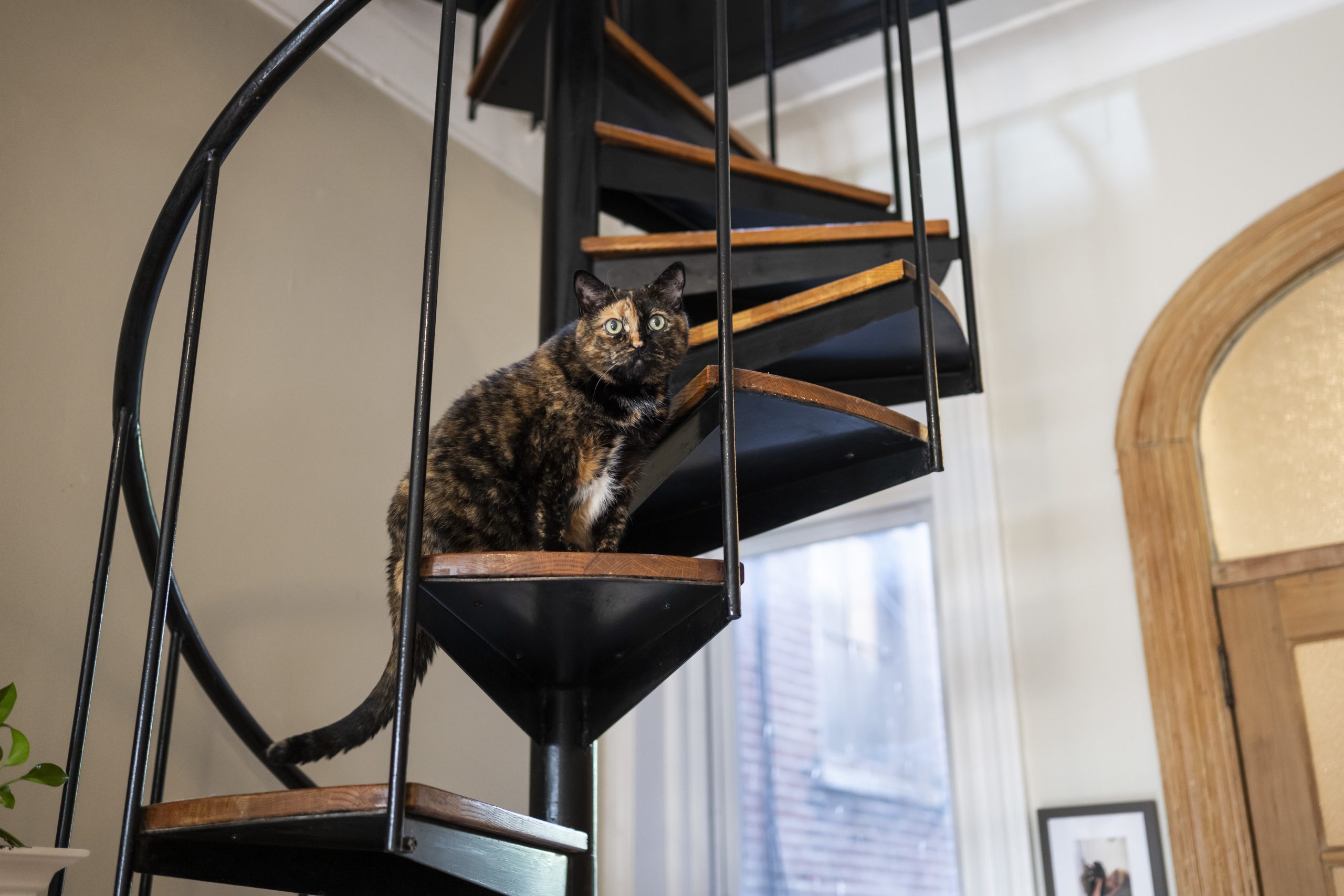
The spiral staircase in Billie’s Fitler Square Victorian almost perfectly matched her coloring. It also served as a perfect vantage point for watching over the home that Billie, who recently died at the age of 16, shared with Natalie LaBossier.
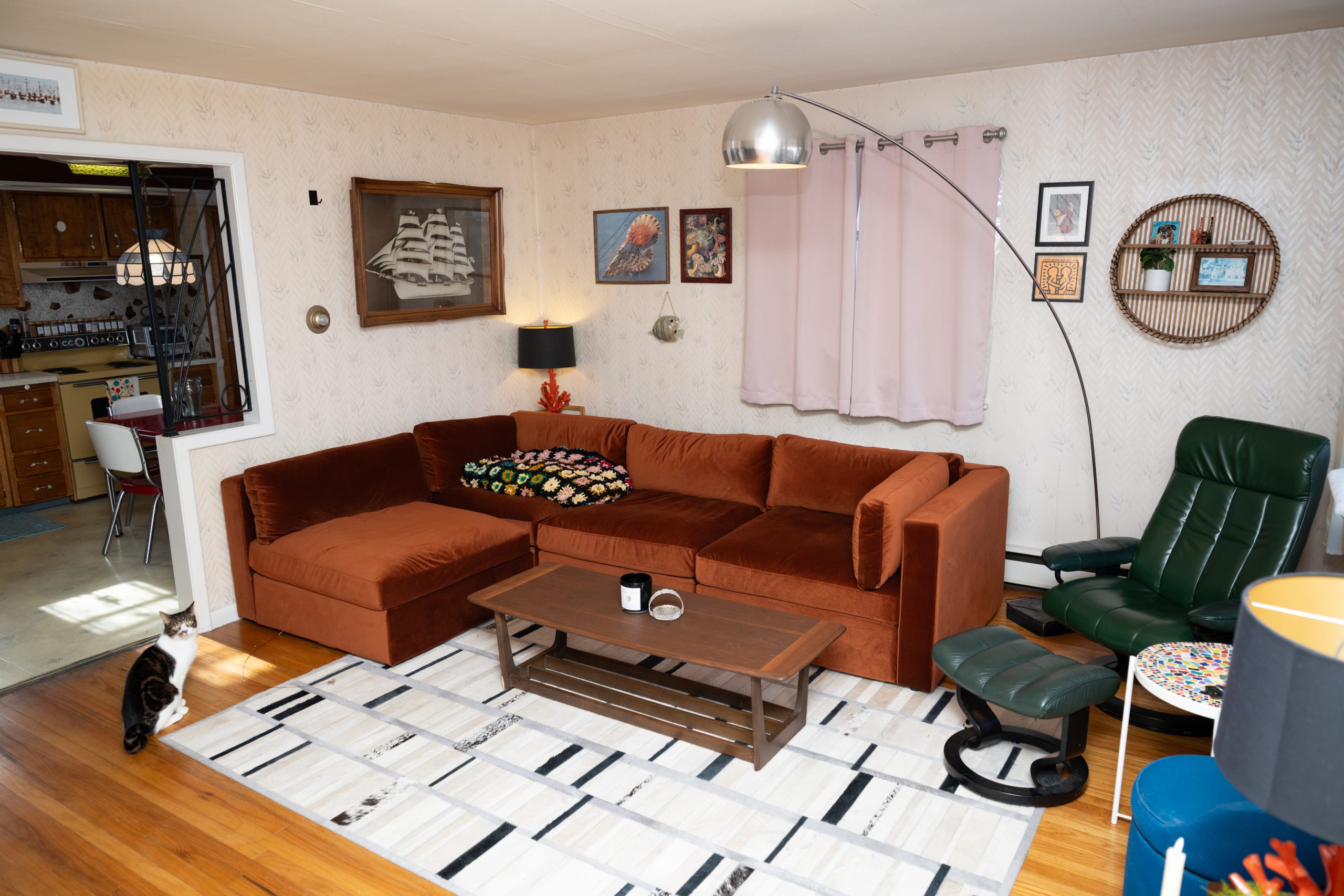
For Frogbert the cat, it would be easy to go unnoticed on the black, white, and gray patterned rug in his mid-century modern living space. It really ties the room together at his home in Clifton Heights, where he lives with Genevieve DeChellis and Jesse Blankschen, as well as Ladybug the cat and Carl the turtle.
Billie the cat, who lived in Fitler Square with Natalie LaBossier, on the a spiral staircase. LaBossier said 16-year-old Billie died several weeks after their home was featured in The Inquirer and “after a lifetime of being the center of attention at dinner parties.”Allie Ippolito / For The InquirerGenevieve DeChellis’ cat, Frogbert, coordinates perfectly with a black and white rug at her home in Clifton Heights.Erin Blewett / For The Inquirer
But not all cats like to blend in.
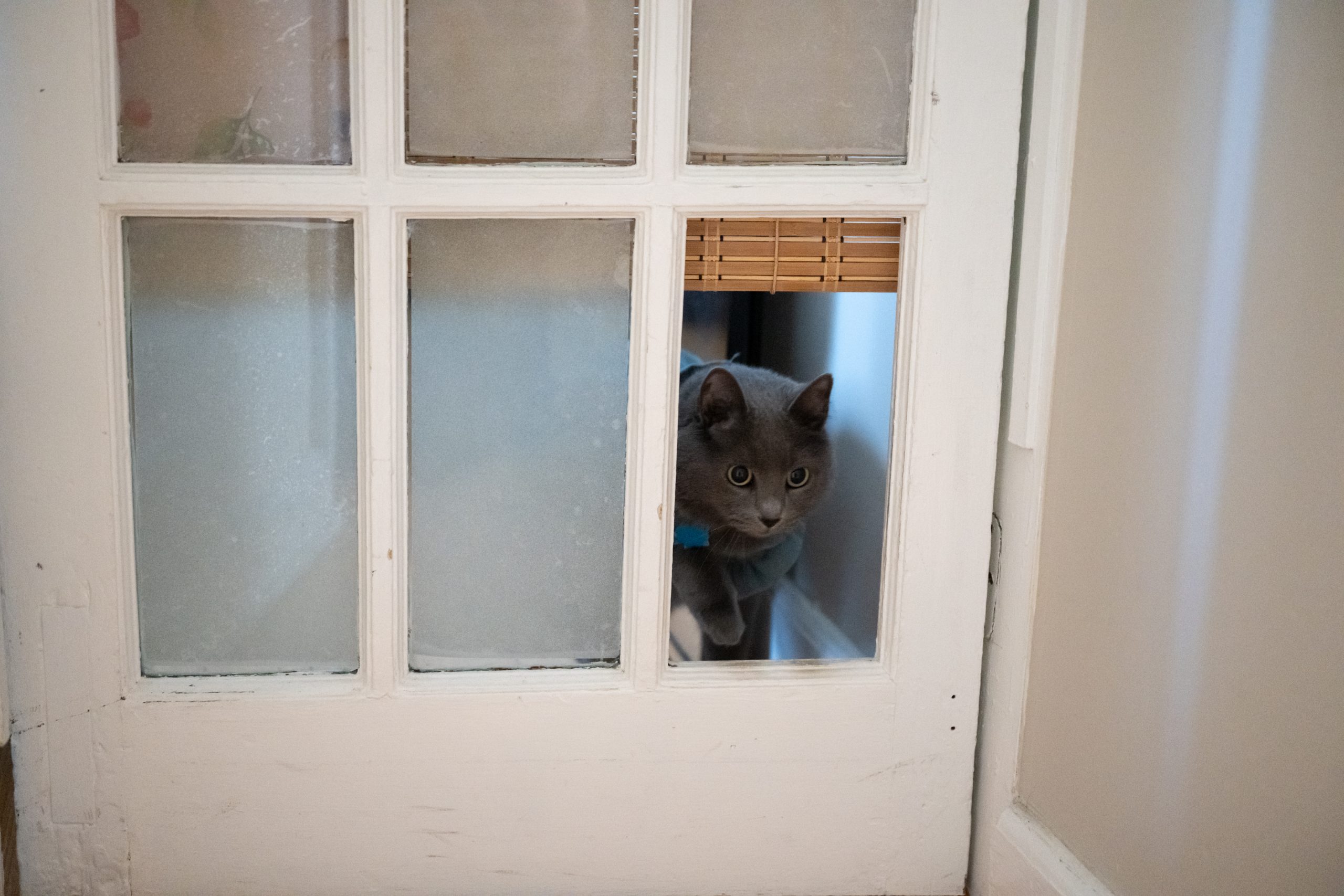
Olive, who lives in a Bella Vista apartment with Allie Osipov and Claire Borgerding, enjoys the small luxuries of her home that, like her wardrobe, allow her to stand out from the crowd.
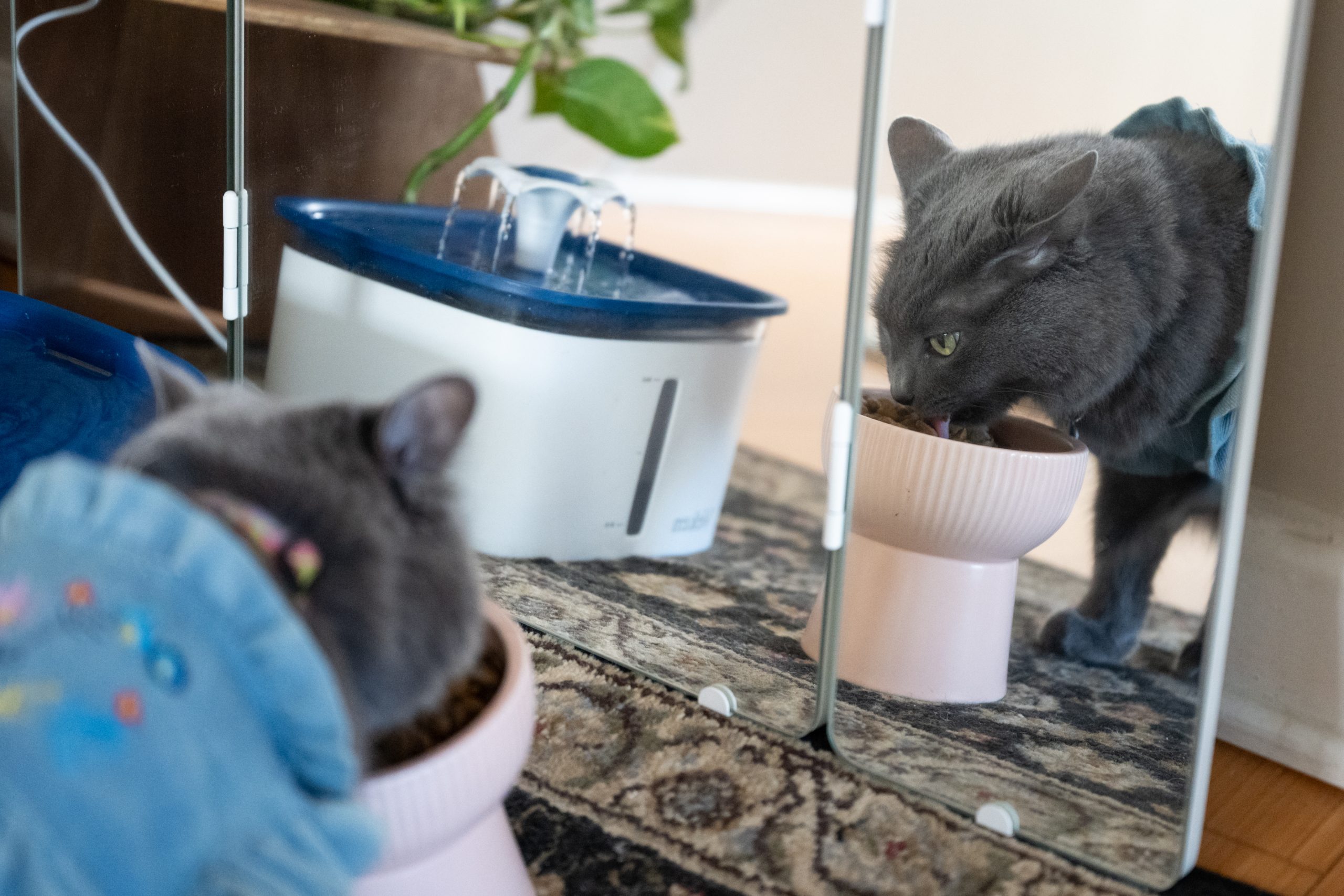
This city cat has a dining space outfitted with a drinking fountain, a dish elevated on a pedestal, and a mirror to make the area feel even more abundantly bright and spacious.
It’s snack time for Olive the cat, who lives with Allie Osipov and Claire Borgerding in Bella Vista.Erin Blewett / For The InquirerA missing glass panel on the door to Osipov’s bedroom is no flaw at all — it provides the perfect portal for Olive to come and go.Erin Blewett / For The Inquirer
Pets don’t get to choose where they live — if they ever find a way, sign me up to watch that House Hunters spin-off series.
But they often spend more time at home than the people they live with. So perhaps they’re the experts on what makes it just right.
Is your house a Haven? Nominate your home by email (and send some digital photographs) at properties@inquirer.com.
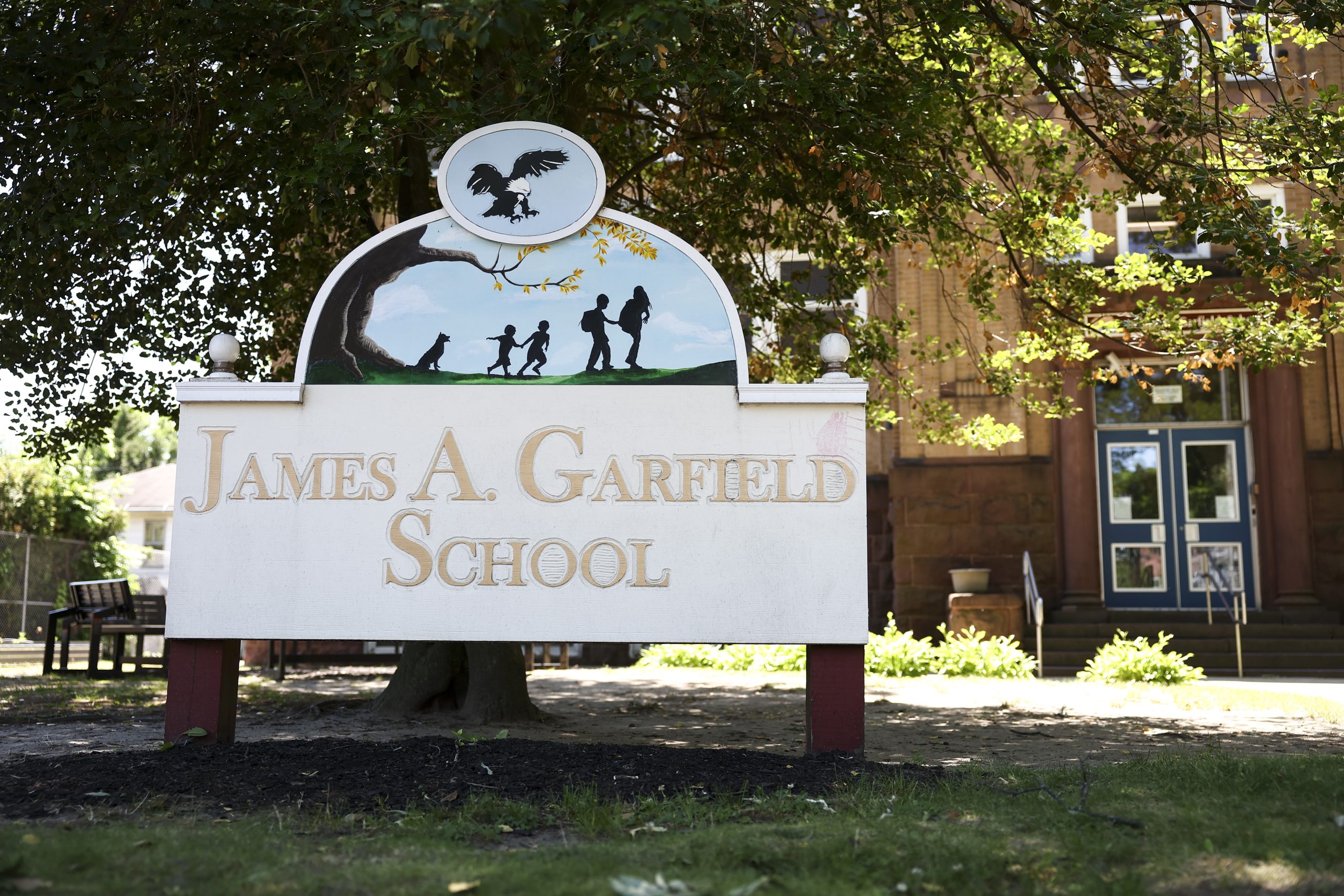
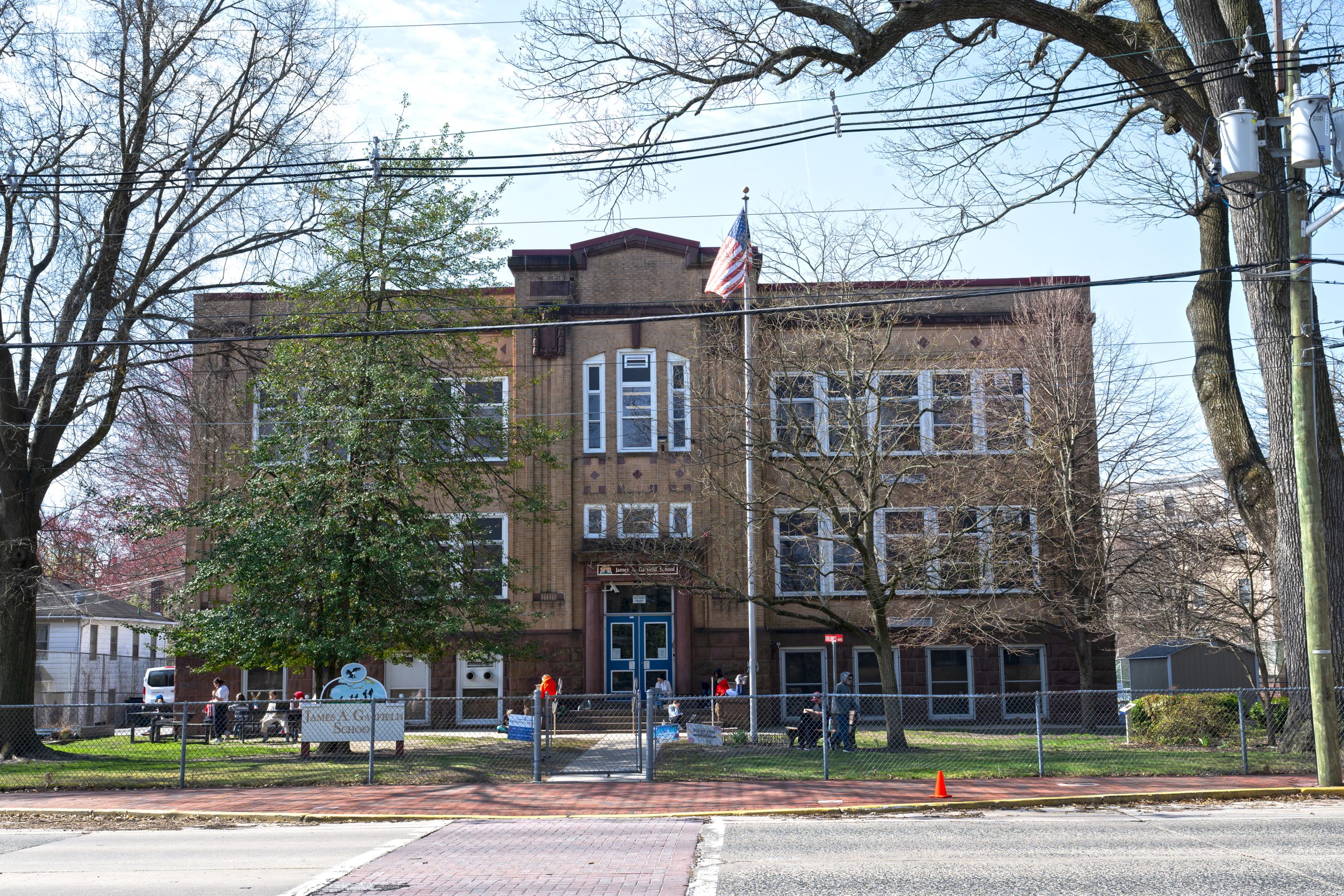
Tucked away on a bustling tree-lined Collingswood street, James A. Garfield Elementary has been the center of its South Jersey neighborhood for more than a century.
Built in 1915, it is the second-oldest public school in Collingswood and has educated generations of families. Passersby stop in the front yard to reminisce under two giant trees or sit on a century-old bench.
Garfield enrolls about 128 students in kindergarten through fifth grade. The teachers know every student by name and parents love the sense of community.
It will come to an end next week when Garfield closes its doors.
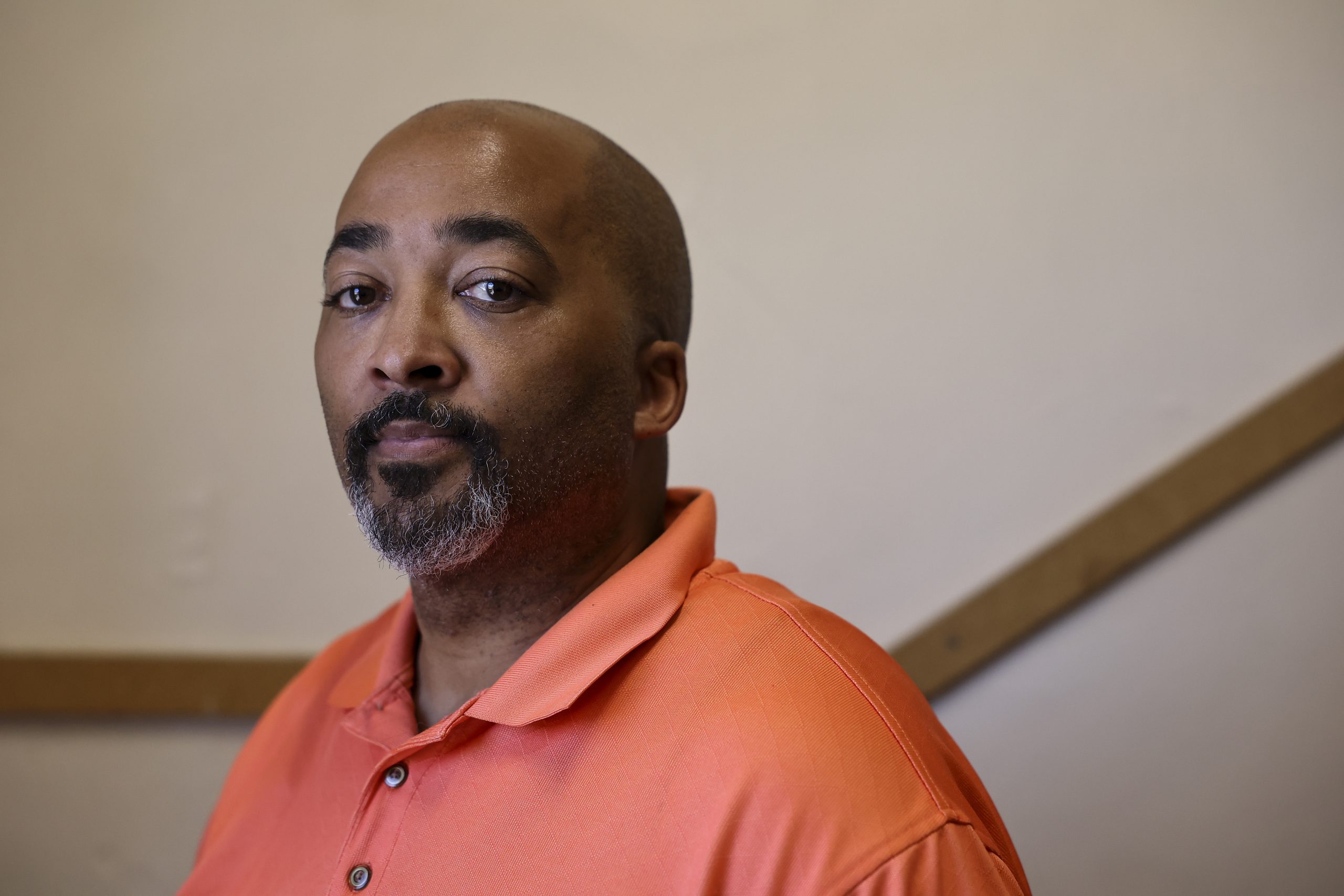
“It’s been the best 13 years of my career,” said principal Mark Wiltsey. “Is it sad? Of course. I was all about it. It’s who I am.”
The exterior of James A. Garfield Elementary School in Collingswood.Monica Herndon / Staff Photographer
Facing a $3.3 million budget deficit for the 2026-27 school year, Superintendent Fred McDowell made the difficult decision to close Garfield and transfer students and staff to other schools. With operating costs exceeding available revenues, the district also cut 33 positions and programs.
“No one ever wants to make reductions to staff,” McDowell said in an interview this month. “It has become necessary. It’s just not sustainable.”
Collingswood Public Schools Superintendent Fredrick McDowell at James A. Garfield Elementary School earlier this month. He said budget issues forced him to close the school, which his own child attends.Monica Herndon / Staff Photographer
Collingswood’s state aid for the coming year was reduced by $305,000, while expenses have increased by $4.8 million. The district increased property taxes by 6.4% but still had a budget hole.
The Garfield closing and other cuts struck a nerve in Collingswood, which currently enrolls about 2,500 students in nine schools. The district plans to consolidate its high school and middle school operations, shut down its high school wellness center, and impose fees for some extracurricular activities.
The Collingswood Education Association criticized the decisions and took a no-confidence vote against McDowell. Saying there was an “urgent need for a change in the leadership direction,” the union implored the school board to relieve McDowell of his duties.
The union, which represents about 230 teachers and support staff, said 150 staff members have left since McDowell became schools chief in 2021. Morale has dropped and fiscal decisions have impacted the classroom, the union said.
Garfield Elementary in Collingswood is preparing to close.Jose F. Moreno / Staff Photographer
McDowell, whose contract expires in 2027, defended his record and blasted the union for finger-pointing during a budget crisis. Staff turnover follows post-pandemic nationwide trends, and Collingswood’s structural budget deficit has been years in the making, he said.
McDowell will be affected personally by the Garfield closing. His 9-year-old daughter is a fourth grader and a son would have been a kindergartner in the fall.
“In what world does a father want to close his own child’s school, unless there’s no other way,” the superintendent said.
‘Heartbroken’ to lose an elementary school
There were tears and high emotions as word spread that the two-story neighborhood school would close, affecting about 100students and about 15 teachers and support staff. The fifth graders will move to middle school, and the remaining students will be sent to the district’s four other elementary schools with larger class sizes to accommodate more students.
“I feel heartbroken. I feel angry,” said Elizabeth Vukovic Gartlan, whose youngest, Liam, is a fourth grader at Garfield. “It’s such a wonderful school and a beautiful community.”
Gartlan said Liam asked: “Why can’t we have a bake sale” to save the school? He will go to Newbie Elementary in the fall. His mother worries that more cuts could come.
Teacher Samantha Nash Rovner talks with a reporter at James A. Garfield Elementary School on this month. Garfield is closing at the end of the school year.Monica Herndon / Staff Photographer
The closing has been bittersweet for teachers, too, as they pack up years of materials. Fourth-grade English teacher Samantha Nash Rovner will have third graders at Zane North.
“It’s very mixed emotion,” Rovner said. “It’s really sad that Garfield is closing.”
McDowell said no employees will lose their jobs, although some staff may be put in different positions.
Located on Haddon Avenue, Garfield is a hub in Collingswood, known for its quintessential Main Street aura. The schools and the downtown district are walkable, making its quaint shops and restaurants popular destinations.
“It’s just a special place,” said Julie Donato, the mother of two Garfield students. ”Our entire life revolved around this school.”
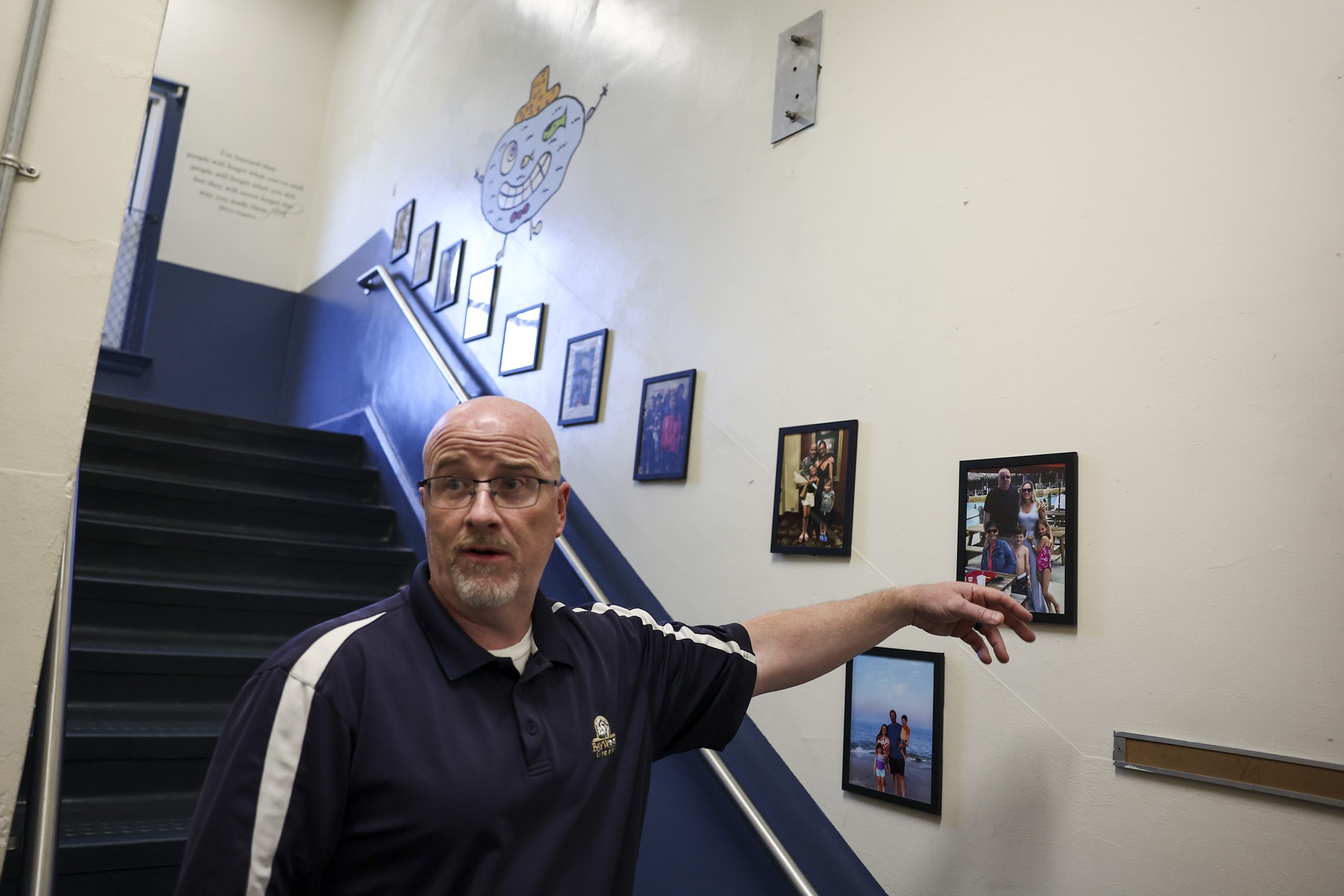
The school is decorated with colorful murals and inspirational quotes. Framed pictures of students and their families line the walls. A memorial garden out front pays tribute to Michael Jubb, a student killed in an accident, and a sign honors Dolores Bobb, a beloved crossing guard.
Donato said her husband’s grandmother attended Garfield. When his grandmother came to the United States from Italy, Garfield students taught her English, she said. And Donato’s children were especially fond of visiting senior citizens who live next to the school at Collingswood Manor.
Most students are unaware of the school’s history, Wiltsey said. Because the school is often referred to as Garfield, they believe the name comes from the comic strip about a cynical orange tabby cat with the same name, he said with a laugh.
Fifth grade students work in English class at James A. Garfield Elementary School in Collingswood this month. The school is closing at the end of the school year.Monica Herndon / Staff Photographer
Wiltsey said the school receives letters from former students sharing memories of their time at Garfield. They are archived in an album with old photographs.
For a Garfield history project that has been saved at the school, Bonnie Brown Saunders of Colorado recalled enrolling as a kindergartner in 1948. She recalled memories for every year, including first grade when a pretty girl transferred in.
“All the boys liked her — a lot. I learned about two emotions — boys and jealousy. I also learned how to read and become the picture of health,” she wrote.
A photograph of the seventh grade class at James A. Garfield Elementary School on April 24, 1922.Monica Herndon / Staff Photographer
Wiltsey, who will move to the middle school complex as a supervisor, said school officials began preparing students last month for the closing. Tatum Elementary will get the biggest chunk, about 52 students.
There have been walking tours and activities to meet new classmates and teachers, he said. Siblings were assigned to the same school.
Wiltsey compared preparing for the last day of school — June 22 — to the grief process and has experienced a range of emotions. Teacher Jessica Harbridge said the reality will hit in September.
“I’ve accepted it,” Wiltsey said. “We’re all moving on to new challenges.”
Principal Mark Wiltsey talks about the family photographs that line the walls at James A. Garfield Elementary School.Monica Herndon / Staff Photographer
Philadelphia School District bus drivers, maintenance workers, cleaners, and tradespeople are entering contract season.
Leaders of 32BJ SEIU District 1201, which represents 2,000 workers, are scheduled to begin talks with Philadelphia School District officials Thursday. Their current contract expires Aug. 31.
The bottom line for members of 32BJ SEIU District 1201 is higher pay, officials said.
Members’ current pay scale varies, from bus attendants, who are paid $30,762 annually, to building engineers, whose pay rate starts out at $51,155 and tops out at $77,832. The union’s highest-paid workers are its building construction workers, whose salary maxes out at $77,832.
Tradespeople — bricklayers, HVAC mechanics, electrical mechanics, plumbers, and roofers — are paid $62,899 at the top of the pay scale.
“We are the foundation of this district, and we’re not asking for the world here. We’re asking to not live in poverty, and we’re asking to help maintain our health insurance,” said Tim Finucan, 32BJ’s Pennsylvania state director.
Wages are not the only issue. Union leaders are also fighting for “a more clear ladder of opportunity for our membership to advance within the school district,” Finucan said. 32BJ also wants to codify ways it can work with the district to fill vacant jobs in a system that struggles to find qualified engineers and trades workers, including partnering with community organizations, clergy, and others to spread the word about open jobs.
“We want people to know if you can get into the school district, you know you’re going to have a good check, you know you’re going to have access to good health insurance, we know you’re going to have access to a pension,” Finucan said.
Naima DeBrest, a district spokesperson, said in a statement that officials “deeply value” 32BJ members and “will diligently engage in good faith negotiations with the hope of securing a new contract as soon as possible.”
‘We got there’
If you want to know what 32BJ workers mean to the district, think back to February, when a major winter storm dumped more than a foot of snow on Philadelphia, said Ronald Smith, a longtime district building engineer and member of the union’s bargaining committee.
“The whole city was encased in snow and ice, and the engineers still had to be there, and we got there,” Smith said.
Building engineers — who are in charge of the operations of district facilities, with responsibilities from keeping up with schools’ heating and cooling systems to making sure schoolyards are maintained — are still waiting for the extra pay they are contractually owed for working in those conditions, Smith said.
“It was a slap in the face when we had to fight to get paid for that,” Smith said. “A lot of engineers are leaving the district — they feel disrespected. Some of the fights that we have to fight, we shouldn’t have to.”
A too-small workforce affects the district and its workers in myriad ways, Smith said.
“We’re bringing in new guys without the trainees having enough time to really learn the basics of the trade,” Smith said. “It’s not really fair to the trainee, it’s not fair to the schools. A lot of these buildings don’t have adequate staffing.”
Despite friction in some areas, union officials are approaching talks with the district as partners, Smith and Finucan said. Officials are well aware of the district’s looming $300 million deficit, they said; 32BJ members have advocated for more funding for Philadelphia schools in City Hall and Harrisburg, and will continue to do so.
But union member Sherrie Gordan said it is tougher and tougher to feed and house her three kids on what she earns as a cleaner in the district.
“Even when I work overtime, so much gets taken out for taxes that it’s still not enough,“ Gordan said in a statement. ”Grocery prices keep going up, and my kids eat more every week. I spend $500 on groceries, but it’s gone in just a week. It’s not like it used to be when you could actually afford it.”
After a10-week shutdown and over three years of operating without a food license, Roxanne is ready to open — this time with a license to operate, a passed health inspection, and a new lunch menu.
The Department of Licenses and Inspections shut down the Queen Village restaurant in April. By May, the restaurant was quietly taking reservations for mid-June via Resy. Now, chef-owner Alexandra Holt has confirmed that Roxanne’s first seating will be tonight.
Roxanne had been operating without a required food preparation and serving license since it first opened at 912 Christian St. in 2022, and again when it moved to its current location, at 607 S. Second St., at the end of 2024, L&I confirmed after an Inquirer search of city records.
The restaurant had also never received a health inspection during the years it operated at either location, the Department of Public Health confirmed after a separate search of health inspection records.
“Roxanne’s was never inspected [by the health department] because it was never legally operating,” Department of Public Health Department spokesperson James Garrow previously told The Inquirer.
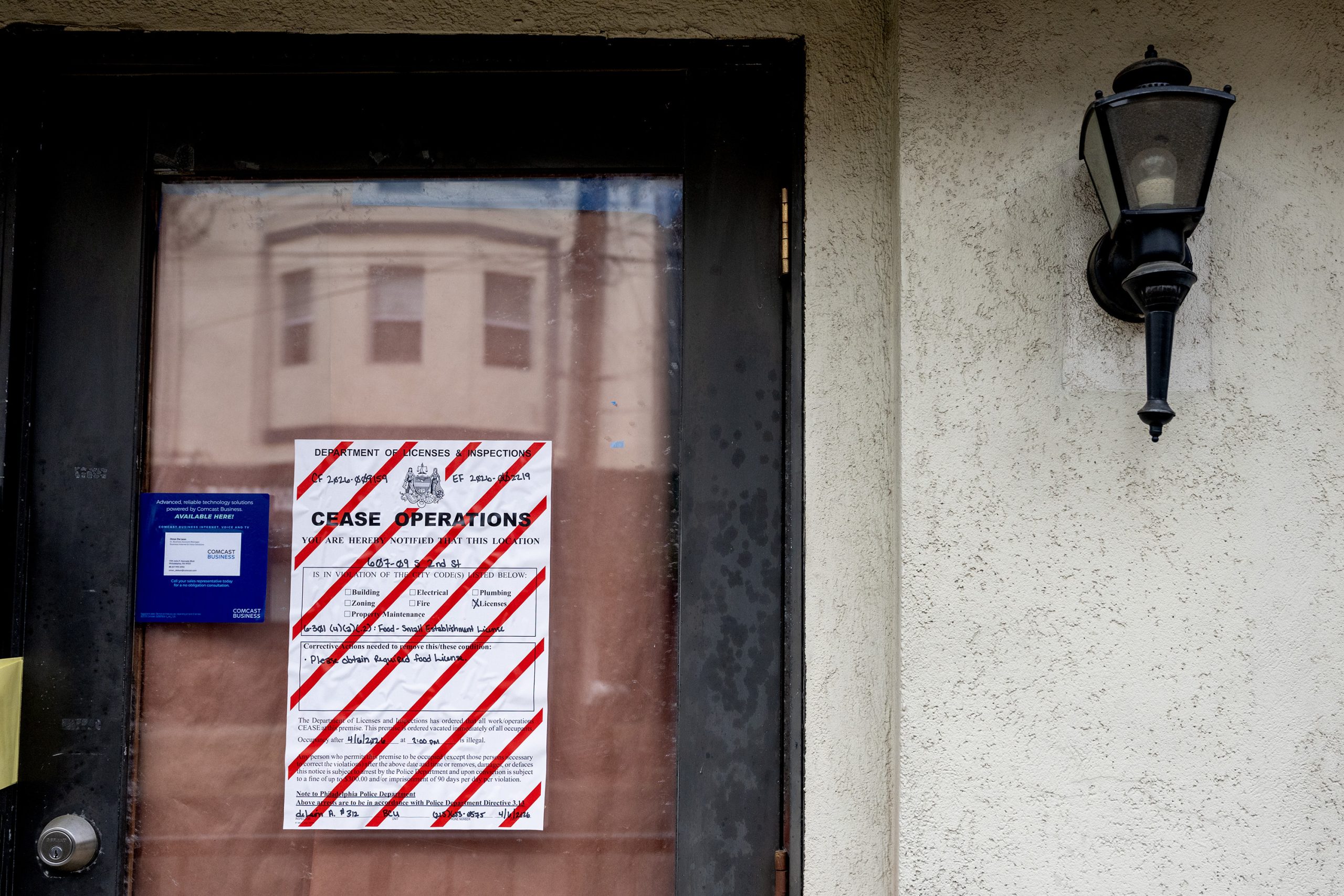
A cease operations notice posted on the restaurant Roxanne’s front door on May 21, 2026, at 607 S. Second St. The Michelin-recommended Queen Village restaurant has now passed a health inspection and obtained a food license.Tom Gralish / Staff Photographer
Garrow now confirms that Roxanne’s license plan of review, a crucial step to getting proper permitting, had been approved in May. The restaurant passed a health inspection on June 11, based on department records. That same day, Roxanne received a food preparation and serving license from L&I, according to records obtained by The Inquirer. The license expires June 12, 2027.
The city has yet to fine Roxanne for any violations, and it is unclear if it plans to do so. Representatives for L&I and the city’s law department did not immediately respond to requests for comment.
L&I’s inspections, safety, and compliance division fines businesses up to $300 per day for operating without a license after receiving a citation. “Cases involving businesses that never obtained a license are handled by the court, with penalties determined during legal proceedings,” L&I spokesperson Shemeka Moore previously told The Inquirer.
Holt — Roxanne’s chef and owner — did not respond to repeated requests for comments regarding the restaurant’s opening plans or any changes it made during the licensure process.
L&I initially issued Roxanne a cease operations order on April 6. The restaurant first covered it with pink construction paper and painter’s tape, an act that is against the law in Philadelphia and carries a $2,000 fine.
“I operate with a really small team, so all mistakes are definitely my mistakes,” Holt told The Inquirer in April. “I’m not the best at this [business] stuff.”
The raw cheesesteak at Roxanne in Philadelphia, which is one the first restaurants in the city recommended by the Michelin Guide.Tyger Williams / Staff Photographer
A search of Pennsylvania Liquor Control Board records did not return a liquor license for Roxanne at 607 S. Second St. While some restaurants are permitted to serve alcohol through partnerships with in-state wineries, breweries, or distilleries, “the PLCB’s review of its records did not immediately reveal an apparent connection between any licensee” and Roxanne, a spokesperson for the PLCB previously told The Inquirer.
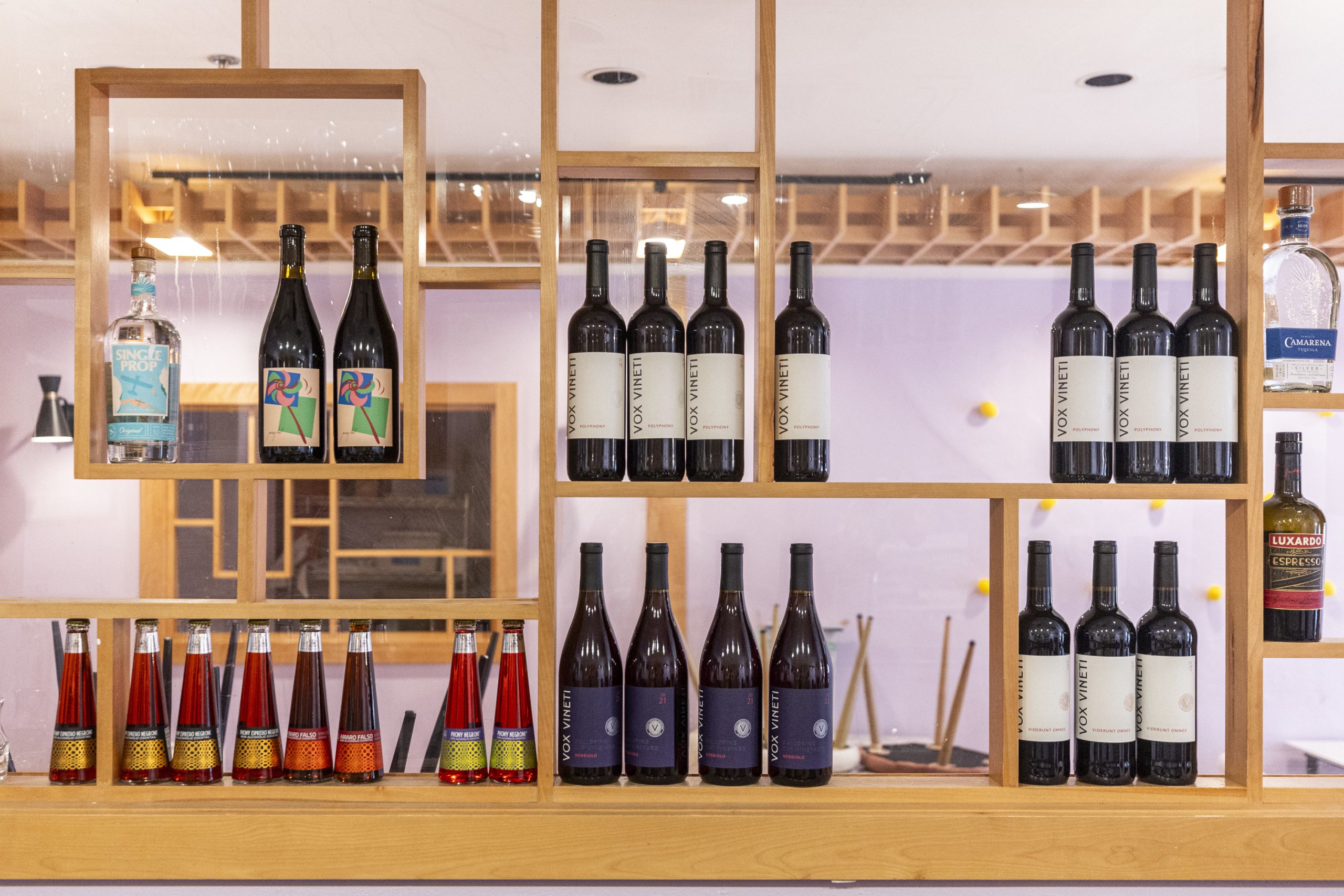
Wine and spirits displayed by the bar at Roxanne on May 1, 2025. The restaurant is now a BYOB.Tyger Williams / Staff Photographer
Now, the restaurant serves a trio of non-alcoholic cocktails in flavors that include toasted cinnamon and yuzu, and lemon marmalade and hibiscus.
Also new: The restaurant now has a lunch menu with items that span $8 for curly fries to $40 for an omelet 😉 with crab and sungold tomatoes. Other new additions include a tuna melt on challah bread, a “pretty big” sticky toffee waffle with soft serve ice cream, and spaghetti with meatballs.
It is unclear how and when Roxanne plans to serve lunch. The restaurant has long functioned with Holt working alone in the kitchen and three front-of-house employees. Roxanne also has no lunch hours posted to its website yet. Its Google Business profile lists hours operation as 6 to 10 p.m. Thursday through Saturday.
The cheeseburger dessert with a chocolate sundae at Roxanne.Tyger Williams / Staff Photographer
This is not the first time Roxanne has undergone a major transformation.
When Holt opened Roxanne it 2022, its eight-course tasting menu functioned like a dinner theater, with shifting offerings that allowed Holt to process emotions like grief and political disillusionment through what she once described as “blob” food.
Two years later, Holt relocated Roxanne to Queen Village, where it hit its stride with a pared-down tasting menu of raw cheesesteaks, dessert cheeseburgers, and fancy deli meats. Suddenly, LaBan loved it. So did the storied Michelin Guide, which recommended the restaurant on its first trip to Philly.
“Restaurants could learn a thing or two from this eccentric spot in Old Town [sic],” the guide said of Roxanne. “Chef Alexandra Holt just wants to cook — and cook she can.”
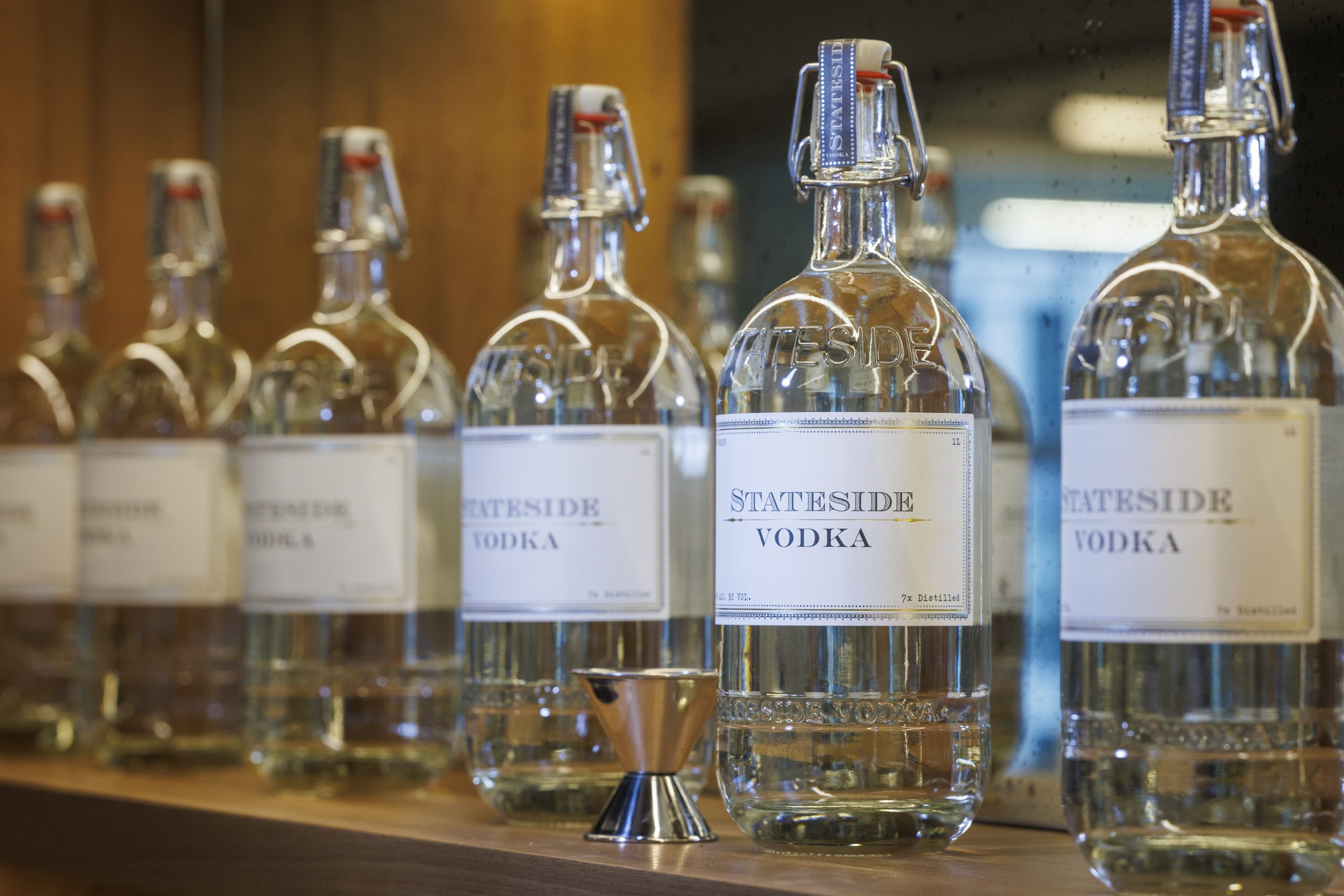
At a grand-reopening celebration at Stateside Live!, Stateside Vodka president Matt Quigley’s wife, Megan, grabbed his arm and beckoned to the crowd around them in disbelief.
“It was just such a prideful moment of like … we’re here to stay,” Quigley said.
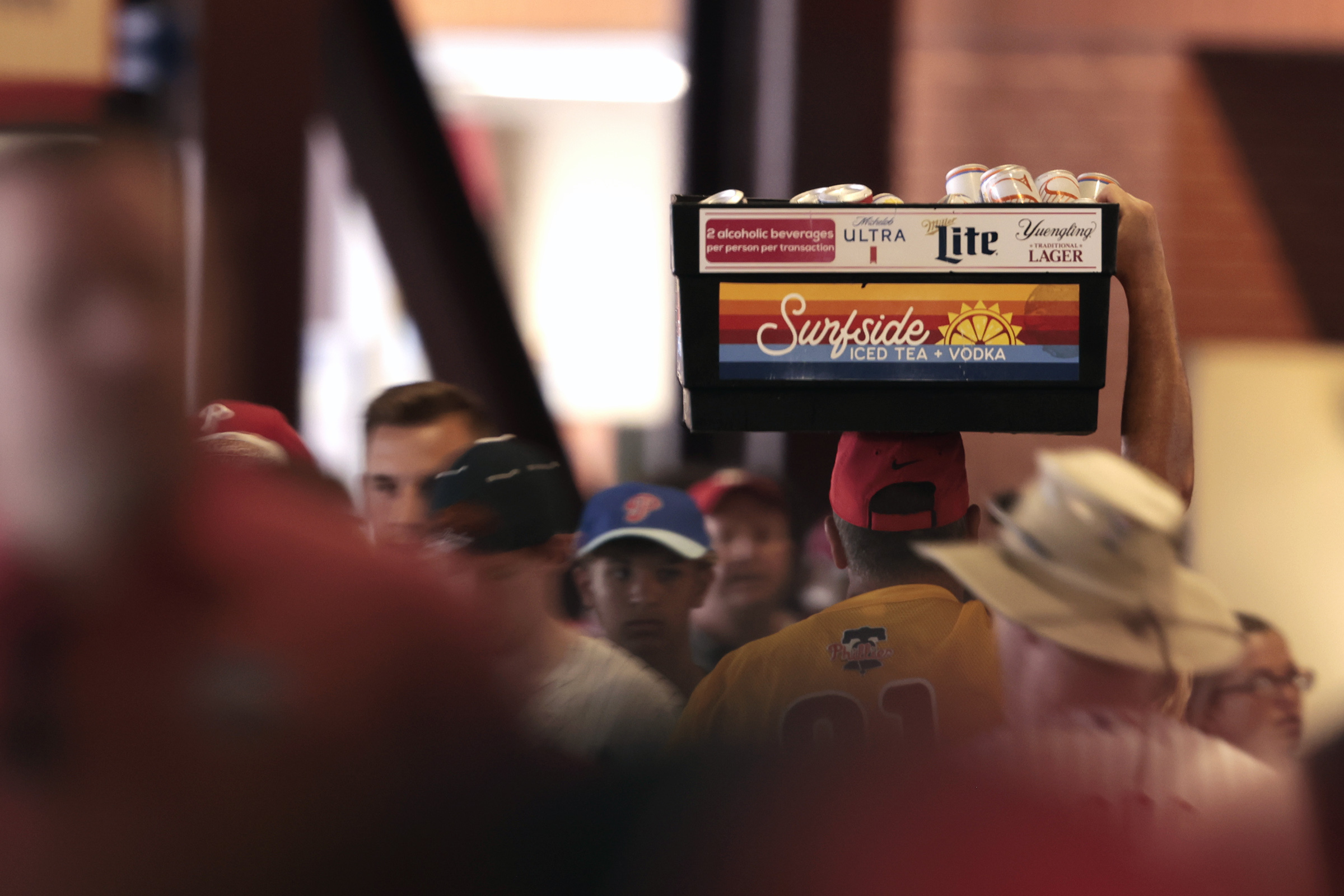
Just a couple years earlier, fellow cofounder and CEO Clement “Clem” Pappas looked around Citizens Bank Park to see as many Surfsides as Miller Lites in the hands of Phillies fans: “Holy s —, this is happening,” Pappas recalled thinking at the time.
At their massive new Center City headquarters last week, Pappas and Quigley said Surfside’s astronomical rise still feels surreal.
In 2015, the area natives founded Stateside Vodka in a distillery near Kensington with their brothers, Zach Pappas and Bryan Quigley. The company started selling canned vodka sodas in 2021. But they launched into a different stratosphere when they debuted their spiked teas and lemonades in 2022.
Stateside Vodka’s taproom near Kensington is pictured in 2017, when it was called Federal Distilling. TOM GRALISH / Staff Photographer
Branded as lower-calorie, better-for-you booze, the Surfside cans took off. The cofounders said they sold 200,000 cases in the first year, then 1.3 million in 2023, nearly 5 million in 2024, and a whopping 11.1 million cases last year.
The “slammable” 4.5% ABV cans, as Matt Quigley describes them, are particularly popular in the summertime, a three-month period that accounts for about half the beverage company’s retail sales.
So far this year, Stateside is on track for 70% growth in overall sales, and a 65% growth in Surfside sales, according to the company. That comes after a record year in which the company recorded 111% overall sales growth.
(function(){function e(){window.addEventListener(`message`,function(e){if(e.data[`datawrapper-height`]!==void 0){var t=document.querySelectorAll(`iframe`);for(var n in e.data[`datawrapper-height`])for(var r=0,i;i=t[r];r++)if(i.contentWindow===e.source){var a=e.data[`datawrapper-height`][n]+`px`;i.style.height=a}}})}e()})();
As a private company, Stateside does not have to publicly disclose earnings, and executives declined to share specific sales figures.
While Surfside has accounted for about 90% of sales in the past year, the top executives are bullish on their latest invention, a sports-drink-inspired canned cocktail called Super Lyte. They said the new beverage had sold nearly 400,000 cases in three months, meaning it could outpace Surfside’s early growth.
“The initial response is way beyond our expectation,” Clem Pappas said. “It feels like another hit.”
The company has achieved this success without the backing of an alcohol giant like Anheuser-Busch InBev or Molson Coors, which together manufactures hundreds of brands.
Quigley, 42, and Pappas, 52, said they’ve been approached by nearly every big beverage company, but they have no interest in selling anytime soon.
“As long as you’re still having fun, I see no reason to hang up the metaphorical cleats,” Quigley said.
“I don’t want to sit on the bench. I want to be in the game,” Pappas said. “We still think it’s early days.”
Stateside keeps Philly at its heart amid national growth
A wall at Stateside Vodka’s new Center City headquarters shows a handful of Surfside’s 170 partnerships.Alejandro A. Alvarez / Staff Photographer
In Stateside’s earliest days, Quigley recalled confiding in Pappas about a pipe dream: “If we ever get super successful, I want a sick office in a high-rise in Center City.”
More than a decade later, they have moved from a temporary office in Feasterville-Trevose, Bucks County, to a chic new headquarters at 11th and Ludlow Streets in Market East.
The company plans to stay put for at least 10 years, the cofounders said. For now, about 80 employees work there four days a week with room to grow.
On a recent day, the office was humming during a new-hire orientation. While everyday operations include the same mundane tasks required of any business, the top bosses pride themselves on keeping the vibes light. “We’re not selling, like, car insurance,” Quigley said.
The bright industrial-style space occupies 34,200 square feet across two floors. It is centered around a long bar with a backlit Stateside marquee, a replica of the one at the tasting room. Nearby, there’s an open lounge with couches, underneath a miniature Jumbotron. Ads for Surfside, Super Lyte, and Stateside rotate on the screens.
Office happy hours are a given.
“That’s part of the special sauce,” Pappas said. “We’re in the drinks business.”
Philadelphia has always been at the heart of the company. It’s where they landed their first partnership with the Phillies, which fueled Surfside’s rise. At Citizens Bank Park, the cans have been the top-selling spirit since 2023, according to Stateside executives, citing figures from concessions provider Aramark.
Across the city, the cofounders still run the 7,500-square-foot Kensington-area tasting room and distillery, the latter of which they hope to turn into an event venue.
The distillery has been outgrowing its space for a while. But the need intensified in the past year as the vodka’s retail sales increased 120%.
They attribute the boost in part to greater name recognition thanks to Stateside Live! They said they hope to move vodka production to a larger facility somewhere in the Northeast.
Sales of the original Stateside Vodka, displayed at the company’s office bar, have grown 120% year over year.Alejandro A. Alvarez / Staff Photographer
The cofounders have also stayed local: Quigley, a Fort Washington native, lives in Kensington, and Pappas, originally of Vineland, is in Haddonfield.
Stateside’s reach, meanwhile, has expanded far beyond the region. The company employs about 340 nationwide, up from around 30 in 2022, executives said, and they sell in all 50 states through a network of more than 200 distributors.
Across the country, Surfside has racked up 170 partnerships, including with MLB teams, music festivals, and colleges. Super Lyte has already acquired more than a dozen partnerships, too, including at Penn State, where they said it will be sold at Beaver Stadium this fall.
A hawker carries drinks, including Surfsides, around the concourse at Citizens Bank Park in 2024. The brand now has 170 partnerships at venues nationwide.Elizabeth Robertson / Staff Photographer
In many ways, the cofounders said, they’re trying to replicate the strategy that proved successful with Surfside at Citizens Bank Park: Connect with consumers somewhere where it feels only natural to grab a refreshing, familiar-tasting beverage.
“You’re at a hot baseball game,” Pappas said. “You got a hot dog. You got a soft pretzel. You got an iced tea” — or, rather, a Surfside.
Compared to seeing a new canned cocktail at a beer distributor, he added, “It’s more of an authentic, emotional connection.”
A beverage hawker sells Surfside cans during a Phillies game at Citizens Bank Park in 2024. Surfside has been the stadium’s top-selling spirit since 2023.Elizabeth Robertson / Staff Photographer
Surfside succeeds with familiar tastes
When customers first sip a Surfside or Super Lyte, the taste is likely familiar, perhaps even comforting. It’s similar to iced tea, lemonade, tea cooler, or Gatorade, drinks that for many have been staples since childhood.
That’s intentional, Pappas and Quigley said, and is one of the reasons they think their products have become so popular.
“If you remember your first beer, it was like, ‘Oh God, who wants that?’ It’s bitter. It’s foreign,” Pappas said. “It’s an acquired taste.”
But when it comes to these canned cocktails, “these are not acquired tastes,” he added. “They’re light. They’re easy.”
Quigley said he got the idea for Super Lyte after years of mixing vodka into Gatorade and throwing the bottles into beach bags on summer vacations. He recalled thinking: “I can’t be the only person in America that’s been doing that for a long time.”
The initial uptake of Super Lyte confirmed that, he said.
Super Lyte launched in March with four flavors: fruit punch, orange, lemon-lime, and blue chill.
Surfside now has 16 variations of iced tea, lemonade, iced tea-lemonade, and green tea. A 12-ounce Surfside contains 100 calories, 2 grams of sugar, and no carbonation, while a 12-oz Super Lyte contains 90 calories, no sugar, and no carbonation.
Stateside Vodka’s new product line, Super Lyte, is displayed at the company’s new Center City headquarters.Alejandro A. Alvarez / Staff Photographer
In the alcohol industry, “we’re meeting what was previously an unmet demand,” he said. It’s “all the convenience and the alcohol level of [a light] beer, where you can drink a few of them and you’re not getting sloshed.”
Even younger consumers — who are least likely to drink alcohol, according to recent surveys — are gravitating toward Stateside products, with high sales in some college towns.
Pappas and Quigley said they don’t see drinking rates declining much farther. Instead, they predict an evolution in the market, with an even greater focus on ready-to-drink cocktails.
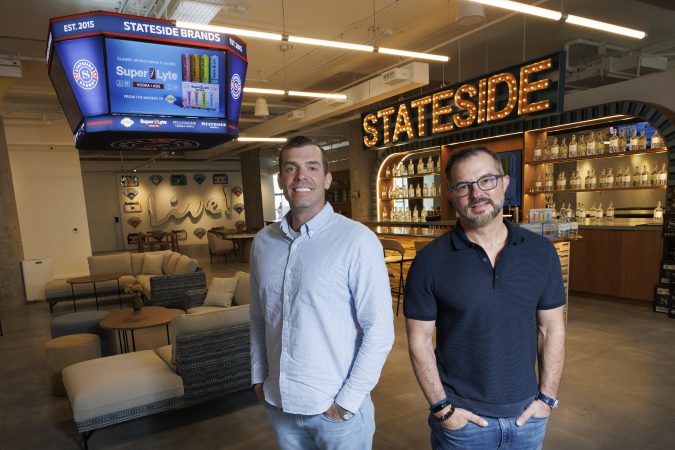
Matt Quigley (left), Stateside’s president and cofounder, talks about the company’s products with fellow cofounder and CEO Clement Pappas.Alejandro A. Alvarez / Staff Photographer
So Stateside’s leaders plan to keep crafting new products, they said, which is one of the reasons they have turned down acquisition offers.
“Big, publicly traded multinational companies just aren’t great at innovating,” Pappas said.
Stateside has now established “enough of the back-end capabilities to really compete pretty effectively,” he said, without losing “that entrepreneurial spirit” and the drive “to innovate and disrupt.”
At the moment, he said, they are working on several beverage ideas, none of which are ready for publication.
But it seems unlikely they’ll dabble in nonalcoholic drinks. As Quigley noted, “then it would just be iced tea.”
Say this for the Phillies: They are, more or less, who we thought they were.
It wasn’t the path that everyone expected. But after a 9-19 start that got the manager fired, they are back in possession of a wild-card spot in the National League with a relatively soft schedule until the All-Star break.
And they’ve done it on the strength of their pitching.
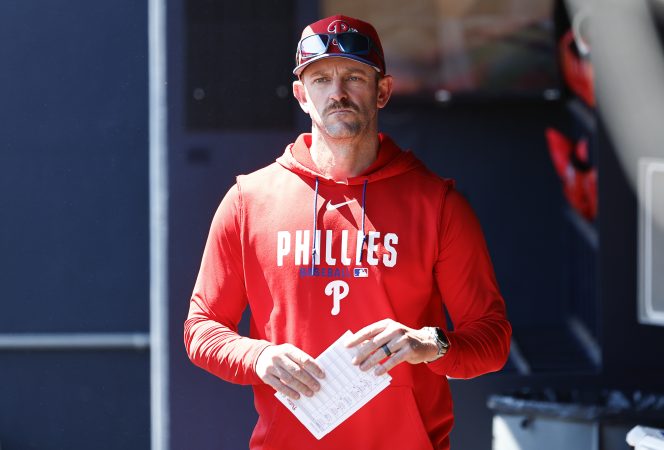
Caleb Cotham is in his sixth season as pitching coach. He recently joined Phillies Extra, The Inquirer’s baseball podcast, to discuss Cristopher Sánchez’s emergence as the best lefty in the National League, Zack Wheeler’s wildly successful return from thoracic outlet syndrome, Andrew Painter’s rookie-year struggles, and more.
Watch the full interview below and subscribe to the Phillies Extra podcaston Spotify or Apple Podcasts.
Q: Cristopher Sánchez recently went 50⅔ innings without allowing a run, the longest streak by a left-handed pitcher since at least 1893. How much did you actually talk about the scoreless streak with him? And what was it like going through it with him?
A: Yeah, we never talked about it. I think that probably sums him up as good as anything. I never noticed a difference [in him] from my perspective. Because it’s so good in his work; it’s so good in catch play; it’s so good in how he interacts with his teammates, how he shows up on non-start days in the dugout — he’s engaged in the game; how he treats his bullpens; how he treats his pregame; the routine on the table in the training room, the weight room. I never noticed a difference.
So, I think that it was kind of ho-hum for me. It was business as usual. And in the back of my head you know that that’s something, especially once it becomes pretty real. But I think the most impressive part of that for me — obviously not giving up runs for that length is the most impressive thing — but from a process standpoint, not even sniffing out a difference. Yeah, there’s a little bit [of a difference], just kind of [how] he fought to finish innings here and there. OK, that’s a little different for a third inning in this game. But for the most part, it was just kind of Sánchy doing Sánchy, and it got to a point where I didn’t know if he’ll ever give up a run.
Zack Wheeler has a 2.01 ERA through his first 10 starts of the season.Yong Kim / Staff Photographer
Q: If I told you in the offseason that we’d be sitting here in the second week of June and Zack Wheeler would be pitching like this after what he went through last season with the thoracic outlet syndrome and the surgery and everything else, what would your reaction have been?
A: I’d be pretty thrilled. Zack knows himself so well, and he knows his game, he knows what his kind of shortcomings are, what his strengths are. He’s got [catcher] J.T. [Realmuto] back there. I think there’s now six years where I know Zack, and there’s a catalog of cues and feels and things we’ve talked about and worked on. So, I think you know that’s all thrown into kind of the cauldron. But Zack’s the linchpin.
It doesn’t surprise me that he’s back to kind of the [pre-surgery] competition level. It is very impressive that the stuff is where it’s at. I think the velocity is one thing, but also just the pitch shapes, like the splitters. The splitter is arguably as good as it’s ever been, movement-wise. The sweeper has been very good. He’s thrown last couple starts some of the better curveballs he’s thrown. The cutter was kind of a pitch he didn’t quite have early in the year; it’s gotten better lately, even though he threw a really good one [last week in Toronto] that a guy put a good swing on. But just the skill of the pitch shapes and controlling movement, I think that, to me, is incredibly impressive because the feel aspect and him not walking guys. His walk rate right now is as low as it’s been. Last year was a really good year, and it’s low again.
I still think there’s another level for him. I think he has another level he can go to, which happens every year anyways. But I think the people around him and his dedication — he has a very high desire to be really, really good; it bothers him to not be good. So, from that aspect, I’m not surprised. But it’s still very, very impressive, and it’s not easy. He makes it look very easy, and it’s not.
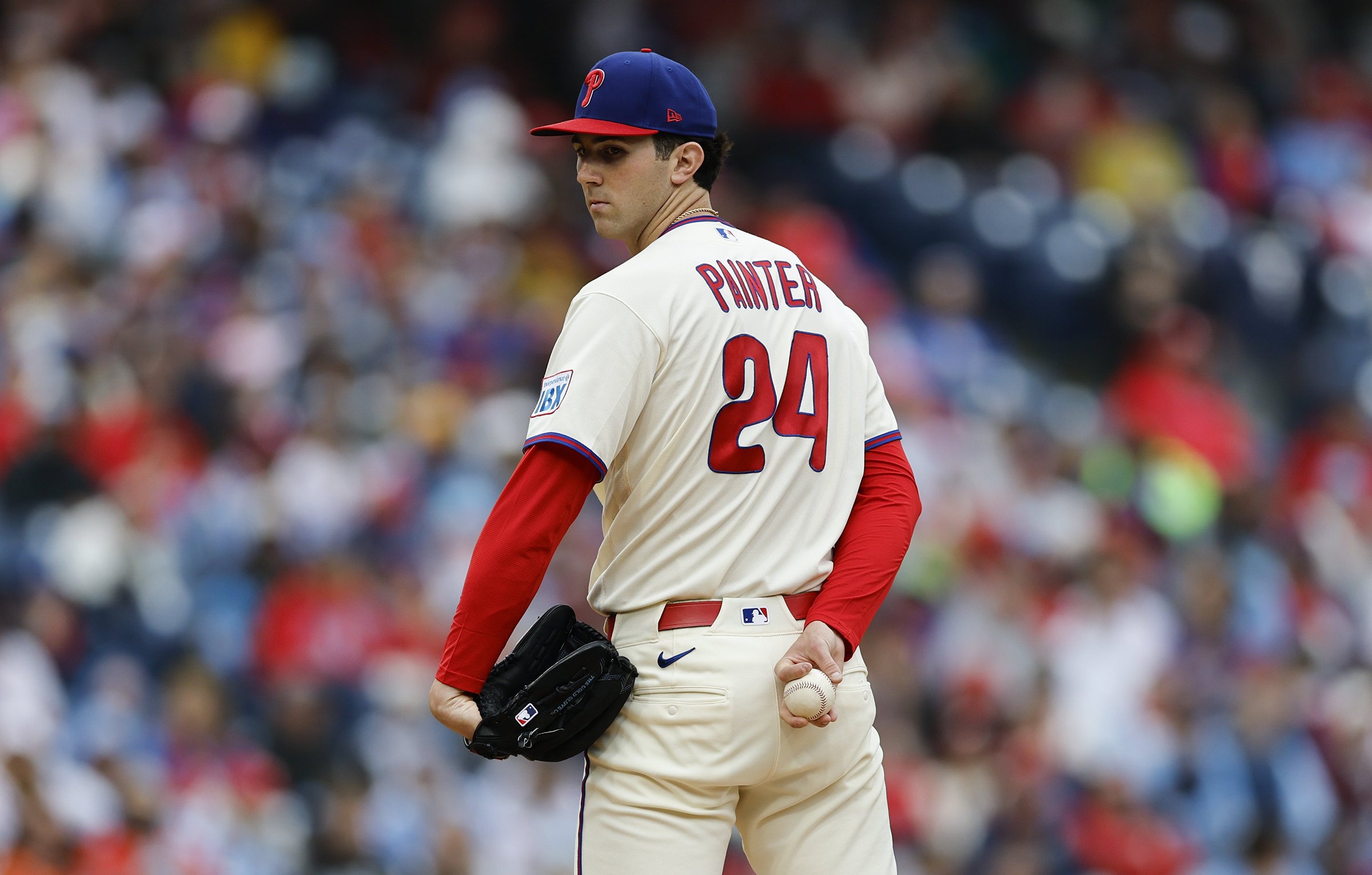
Caleb Cotham says he’s impressed with Andrew Painter’s ability to throw strikes as a rookie.Yong Kim / Staff Photographer
Q: What’s the message to Andrew Painter right now? Because it sounds like the focus with him is really just on throwing strikes.
A: It might not feel that way, but he has thrown strikes. I think he’s 80th-percentile [in] walk rate, breaking into the big leagues this year with ABS [the automated ball-strike system]. To me that’s very impressive. It would be way easier to walk more guys … it’s easier now than it ever has been to throw balls. The zone’s very small. There’s a way hitters can turn those borderline pitches that are called [strikes] into balls, so I think from that perspective he’s done pretty good. He’s held the zone.
His superpower is he can land a bunch of offspeed for strikes, but it’s kind of just inside that, what’s the level 1.5? I think being out of the zone with two strikes is something we’ve talked about a lot. That speaks to the K-rate. I think he’s getting a lot of opportunities at striking guys out, he’s just not quite finishing them. And it’s not always about the swing and miss on the heater. Sometimes it’s just bouncing a breaking ball when you need to. I think if you do that, you pose a little bit bigger problem to the hitter. Then, they’re a little more apt to miss the first fastball. But I think, specifically to the fastball, his ability to pitch down in the zone, throw strikes at the bottom, to not show them the up [above the zone] quite as much will maximize his chance to get a swing and miss when he needs to go up.
… if you throw the fastball up, up, up, up, up, their eyes have seen it, the foul ball turns maybe into a ball in play, and kind of cascades up the damage hierarchy. And that foul ball might turn into whiff if it’s the first time they saw it. So, I think just a little bit of hiding the ball from the hitter, not showing them the best location, and to me that’s control of the zone and control of height. But I think he has thrown strikes, he’s not walking them, but he’s not [striking them out] as much as we think he can, and I think he will. That just comes from a little bit of experience.
I think he’s held his own. There’s been games where he’s lost his zone, and the feeling on the mound where you don’t quite know where it’s going a little bit at times. That’s a pretty lonely feeling. And what I know about Paint is that he has fought through those outings. He threw 40-42 pitches in the first inning the other day [in Toronto], and he found a way to get into the fifth. That’s impressive to me, and that’s going to be something that’s going to help him long term.
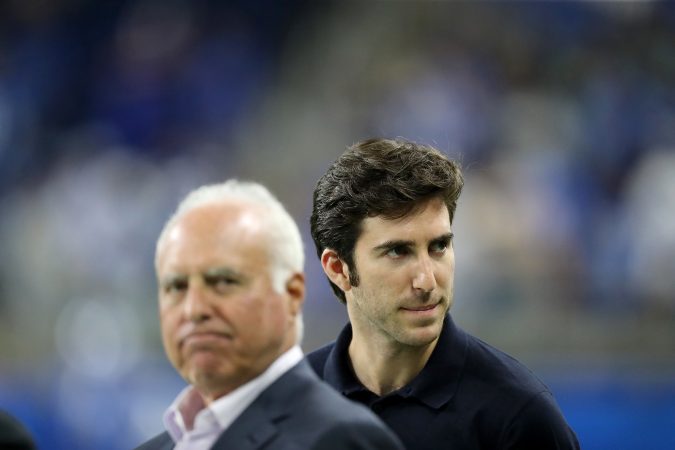
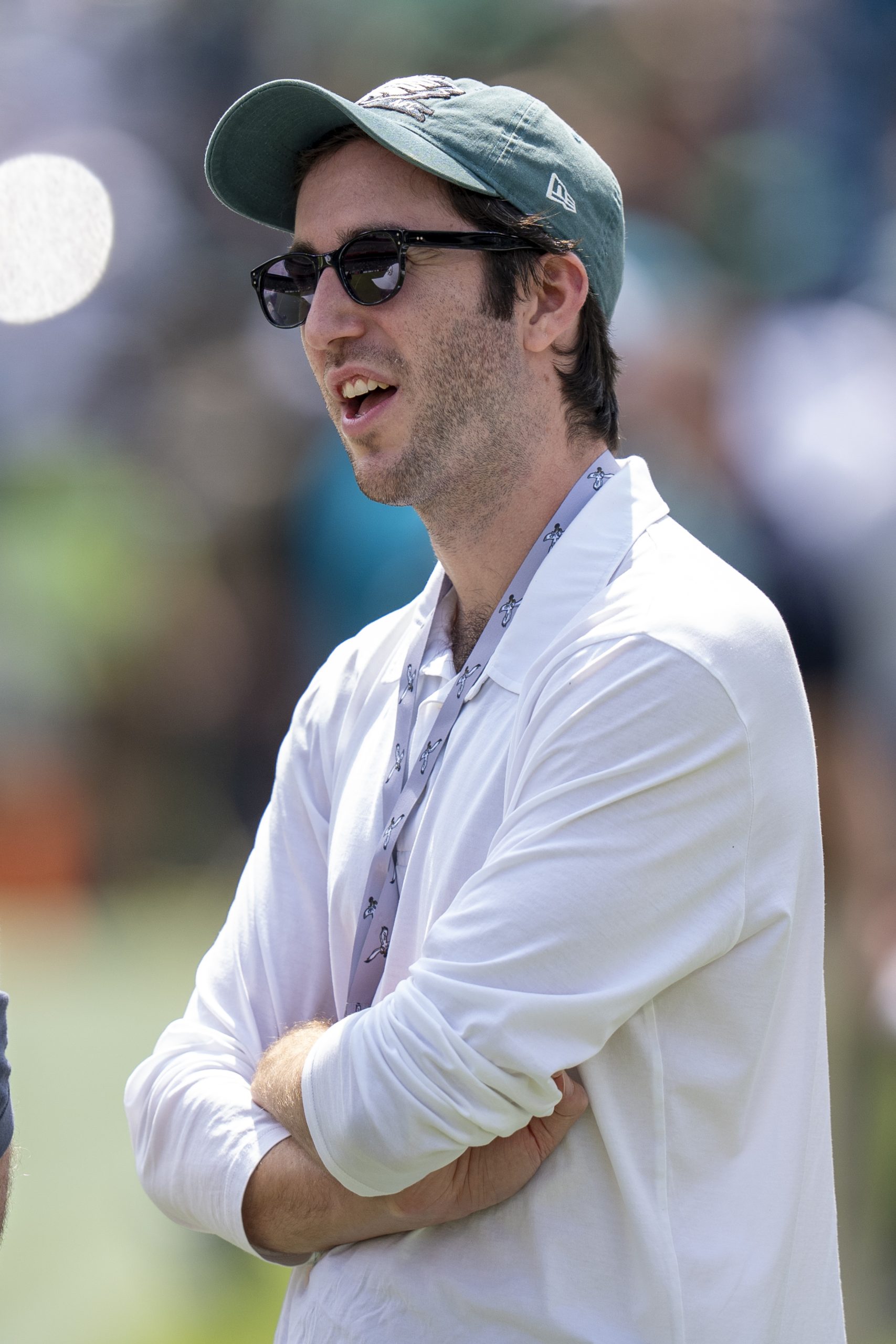
Julian Lurie wanted to push the Eagles beyond their normalities. Two years into his nebulously titled role in “business and football operations strategy,” the owner’s son had immersed himself in all facets of the team, but he had taken particular interest in — and authority over — original content and social media.
For NFL teams’ multimedia departments, schedule release day is their Super Bowl, and the Eagles’ creators had come up with a concept that was off-color by team standards. There would be censored curse words and jokes made at the expense of opponents.
Lurie loved the idea — which called for passionate Eagles fans to undergo psychological evaluations — and saw it as cutting edge. But a few senior leaders weren’t comfortable with the swearing and ridicule and liked it even less after watching the first cut. Lurie still advocated for the video, but he listened to counterarguments, and edits were made.
“There was a compromise,” a senior leader told The Inquirer.
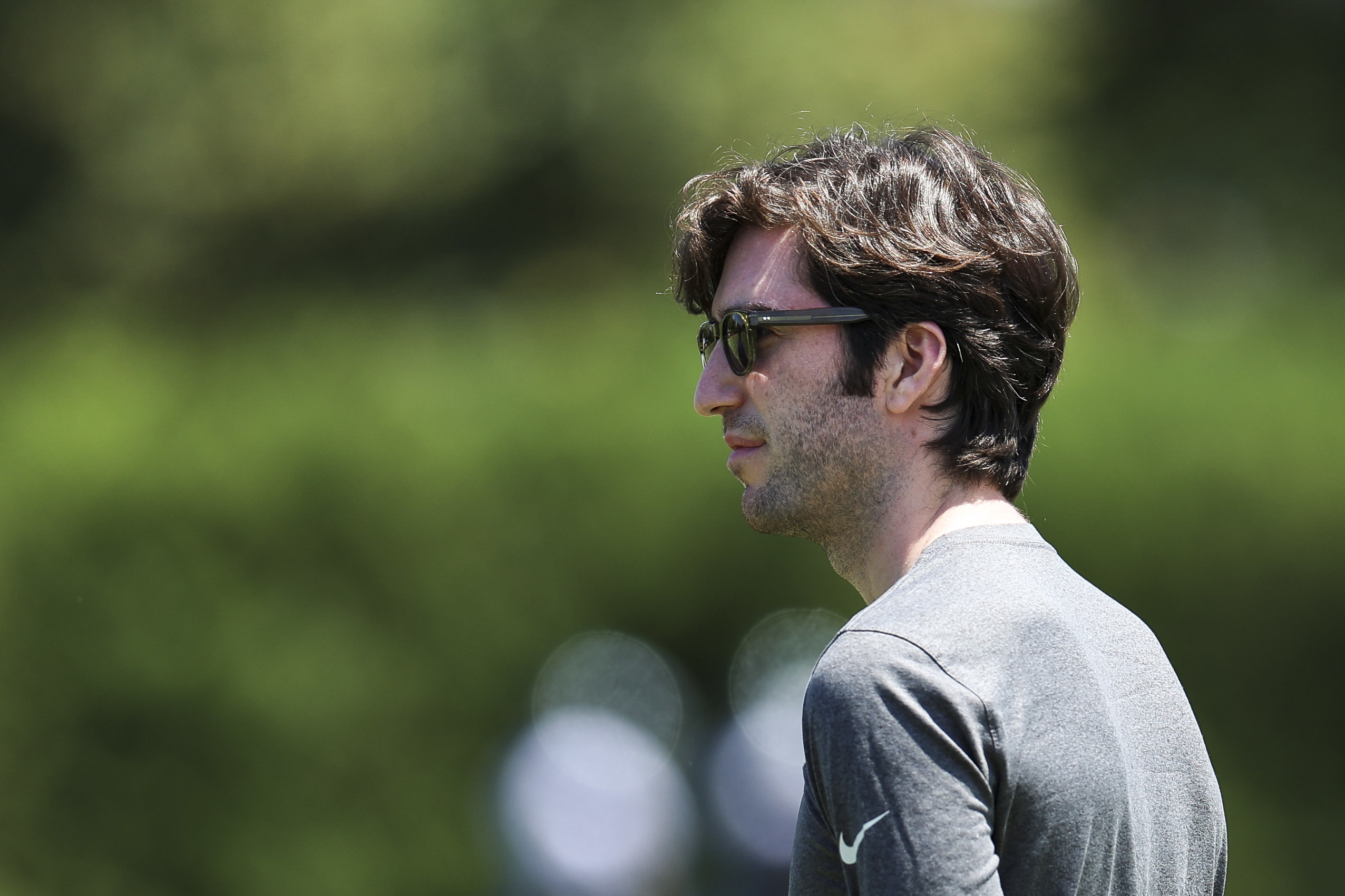
Julian Lurie’s title with the Eagles is “business and football operations strategy.”Chris Szagola
Obscenities and insults were taken out — but not all of them. Asked how Lurie could hold that much sway without having an official executive role, a high-ranking team source gave the following explanation:
“His last name.”
Lurie is not just Eagles owner Jeffrey Lurie’s only son, he is his successor. And while that reality has caused occasional challenges since he took a formal role in the family business four years ago — and as management navigates his increasing influence — many key figures within the organization believe the younger Lurie already has been an asset.
“He is really smart. He’s very creative. He’s very empathetic,” an Eagles source said. “He’s really good at putting himself in other people’s shoes. He’s fair, and he listens and is making a real attempt to understand everything about the organization.”
The Inquirer spent the last several months talking with nearly two dozen Eagles sources, past and present, as well as other NFL sources familiar with the team’s inner workings, about the 31-year-old Lurie. Many sources requested and were granted anonymity because they were not authorized to speak publicly on the subject or felt they couldn’t speak freely if named.
The Eagles declined interview requests for the Luries and other key members of the organization for this story.
The interviews with sources revealed Julian’s already considerable prominence. They also depicted an intense but thoughtful young man who was born not only into great privilege, but with a shared civic passion for the football team his father bought in 1994, the year before Julian was born.
“If I lived in Philadelphia and I was an Eagles fan, I would feel really good about him as a steward of the franchise in the future,” a team source said. “I really do think he cares about the team and the city and the players.”
To prepare for his eventual birthright, Julian has delved into the nuts and bolts of operations. From affairs as expansive as spending on the business and football sides to matters as minute as the strains of grass on the practice fields, he has asked the “why” behind the “what.”
His 74-year-old father remains chairman and CEO and has said he has no plans of ceding control, even if he now spends less time in Philadelphia than previously. But Julian has been a part of decision-making for some time now, which may come as a surprise to outsiders who know next to nothing about the Eagles’ future owner.
Inside the Jefferson Health Training Complex, his standing — if not his title — is clear.
“I didn’t even know he had one,” an Eagles staffer said about the younger Lurie’s job description. “To everyone here, he’s an owner.”
And as an owner, Julian can sit in on every high-level meeting. On the business side, it might be about the exploration of a new stadium concept or corporate sponsorships. On the football side, he may be present for team meetings or sit-downs on free agency and the draft. And he’s often in the building.
Jeffrey Lurie has final say and still exerts control when it comes to major decisions. But he has longtime direct reports in team president Don Smolenski and general manager Howie Roseman, whom he has empowered. The same applies to sixth-year coach Nick Sirianni.
In his first few years with the Eagles, Julian might have sat in the corner and said nothing. But as his understanding of the team has grown, so has his voice. Like his father, he is a questioner.
“He likes to ask the opinions of people,” a high-ranking team source said of the younger Lurie. “Some people here don’t like to be questioned. But he’s a smart guy, and he doesn’t think he has all the answers. He’s willing to change his mind.
“He says, ‘I’m not right all the time, but I want people to be real and be honest with me.’”
The initial ambiguity about his role and his relatively speedy inclusion into decision-making, however, led to an adjustment period and occasional bumps in the road. The biggest sticking point, according to several sources close to the situation, was over the budget.
“When you add another dynamic to that, there’s always growing pains,” a team source said, “but not to the point where relationships have suffered.”
The Eagles have been one of the most successful NFL franchises over the last decade, having won two Super Bowls and gone to the playoffs in eight of the last 10 seasons. Smolenski, who has overseen business operations since 2012, and Roseman, who was given full authority over football in 2016, have built a robust enterprise.
That growth has mirrored the increase in wins. But there has been some bloat, and Julian took it upon himself to examine the Eagles’ expenditures. Some of that was for his own knowledge in preparation for when he succeeds his father.
But the Harvard graduate also wanted to explore more efficient ways to allocate spending, team sources said. “Honest conversations” were had, according to one source close to the situation, and Julian eventually came to appreciate much of the existing process. He also was credited with making suggestions that contributed to on-field success.
“From where he’s started to now,” a team source said, “it’s like night and day.”
His more significant contributions have come in presiding over fan-facing parts of the franchise, like original content and image and likeness. Julian spent two years working for Overtime, a sports media company based in New York, before joining the Eagles. And before that, he was a member of the NFL’s Junior Rotational Program, a two-year undergraduate internship.
His bosses at both outlets said Julian was serious-minded, hardworking, and brought zero entitlement to the job.
“He’s quiet, but he has a sense of humor and he laughs, and he’s willing to use that constructively,” former Overtime CEO Dan Porter said. “It’s not like he fits hardcore into some archetype like that. He’s honestly just a young person wanting to add value and learn in the world.
“And he also just happens to, a) be really smart, and, b) his dad owns the Eagles.”
Jeffrey Lurie is widely considered one of the NFL’s best owners after his three-plus decades in the league. His son will have big shoes to fill when the time comes. Julian is an outside-the-box thinker like his father, but he also wants to bring a younger sensibility to the Eagles — as he did with the schedule release video — sources close to him said.
He’s also become the more visible Lurie at team headquarters. But the elder Lurie, who spends most of his time at his West Palm Beach, Fla., estate, said his absences aren’t representative of a loosening of the reins.
“Maybe I still have a lot of gray hair, but I am probably more involved than ever, ironically,” Jeffrey Lurie said in March. He added, “It’s not that it’s behind the scenes. It’s very overt. But I will talk to my executives more often and probably with more intensity because I have a son that’s growing and learning everything.
“And, so, he can both watch how focused and intense I am still and yet, at the same time, learn from all the executives we have.”
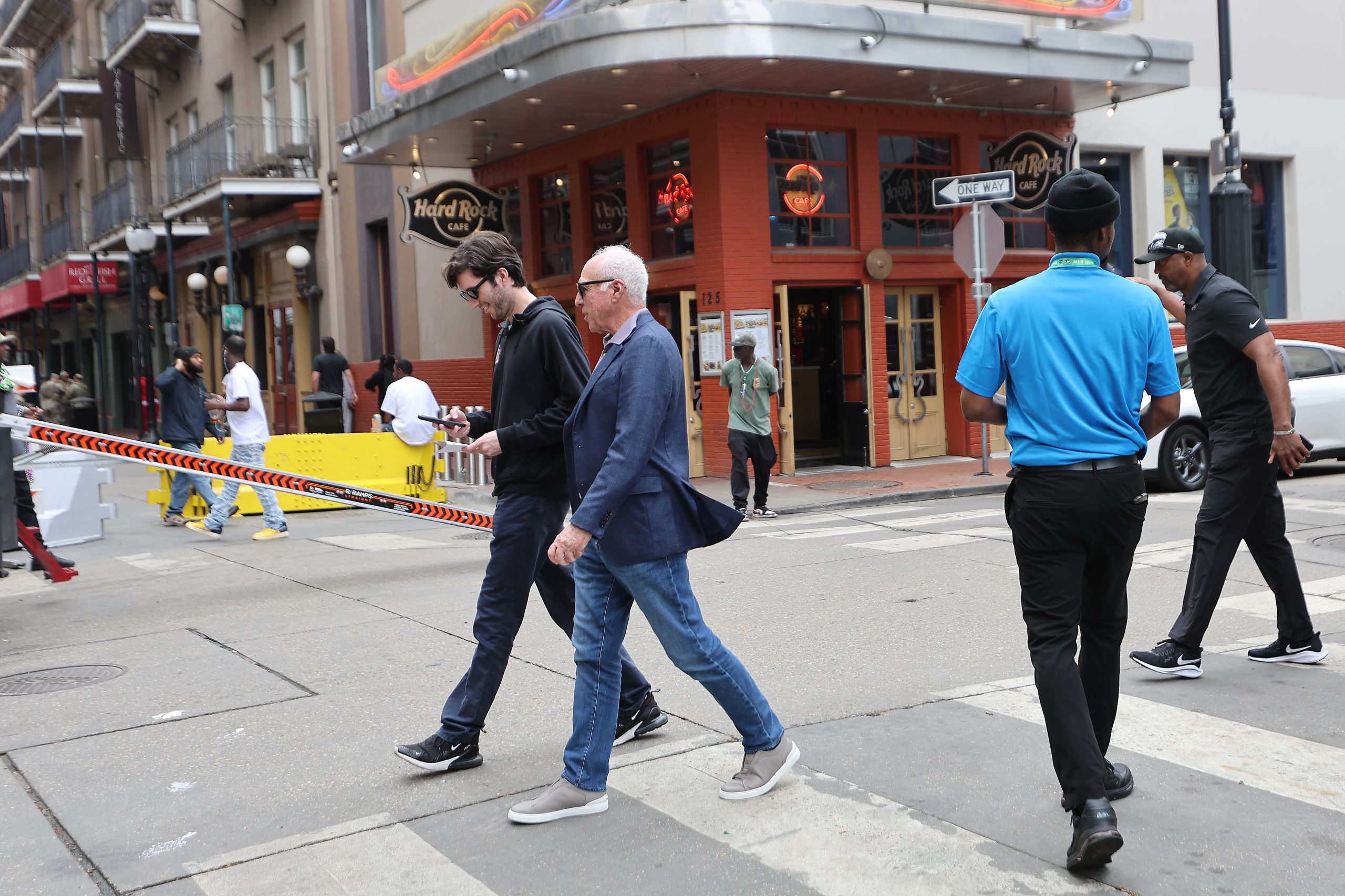
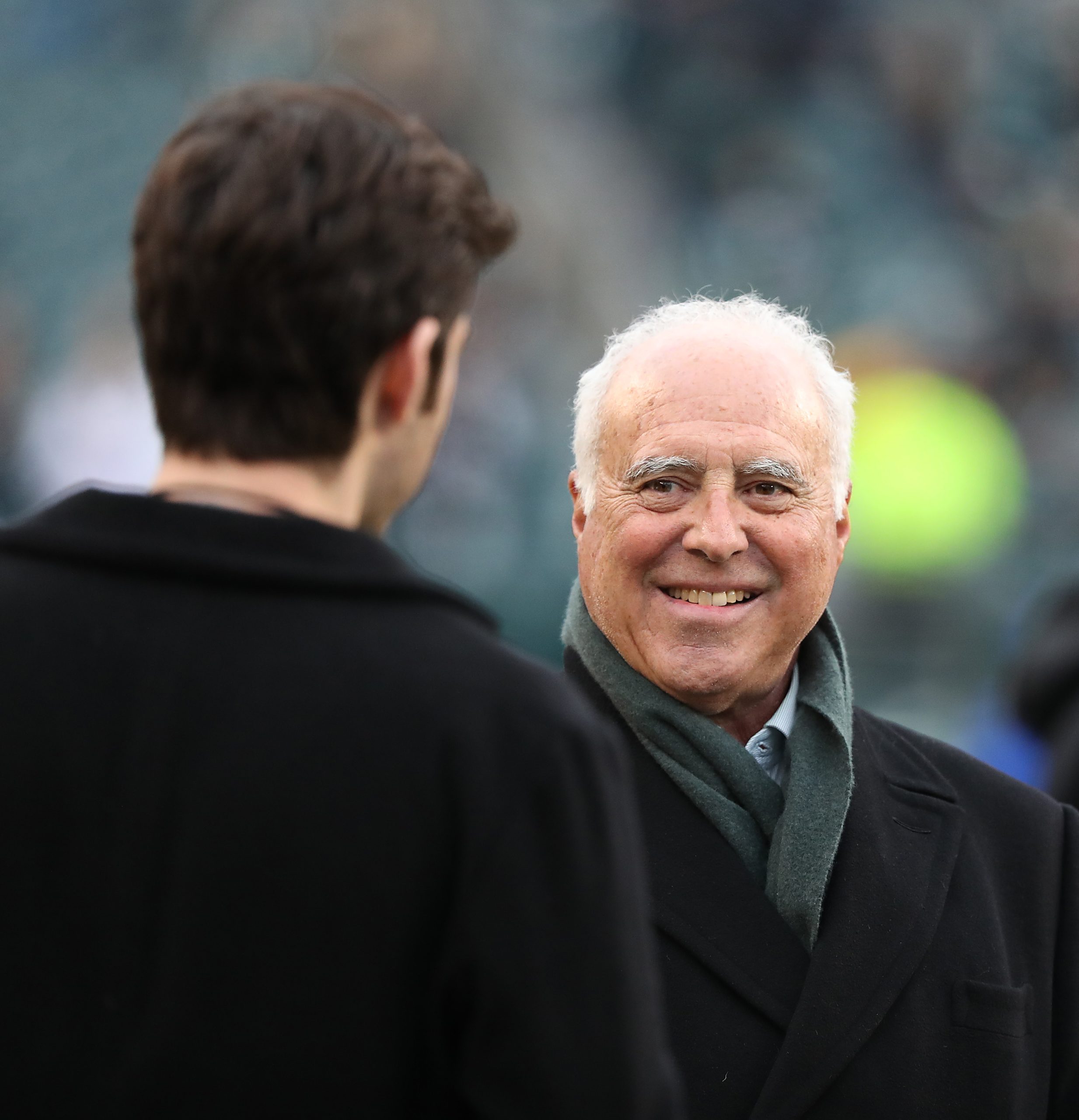
Julian Lurie (left) and his father, Eagles owner Jeffrey Lurie (right), walk across Bourbon Street during Super Bowl week in 2025.David Maialetti / Staff Photographer
Be a learner
Jeffrey said he has no plans to retire soon. When he talks about his good health in private, he often mentions his mother, Nancy Lurie Marks, who recently turned 99. But that hasn’t stopped some team leaders from wondering about a timeline regarding Julian’s succession.
“There’s no timeline, but I love the way it’s been going,” Lurie said three months ago at the league meetings in Phoenix. “He’s quite involved in the business operations, the football operations, philanthropic operations, marketing. He’s getting a great, great sort of feel for everything, and that’s the best way to do it.
“It’s not to speed it up.”
NFL owners recently approved succession plans for two teams. Last year, the Colts transferred Jim Irsay’s ownership to his three daughters following his death. And in March, the league affirmed the plan for Raiders owner Mark Davis, who doesn’t have children, to give a minority owner, Michael Meldman, the option to purchase a majority stake.
NFL ownership has long been a family enterprise. More than half the league’s 32 teams remain under family control, with prominent last names like the Rooneys, Maras, and Hunts having owned prosperous franchises for 60-plus years.
There also have been family-run teams that haven’t thrived or experienced generational decline.
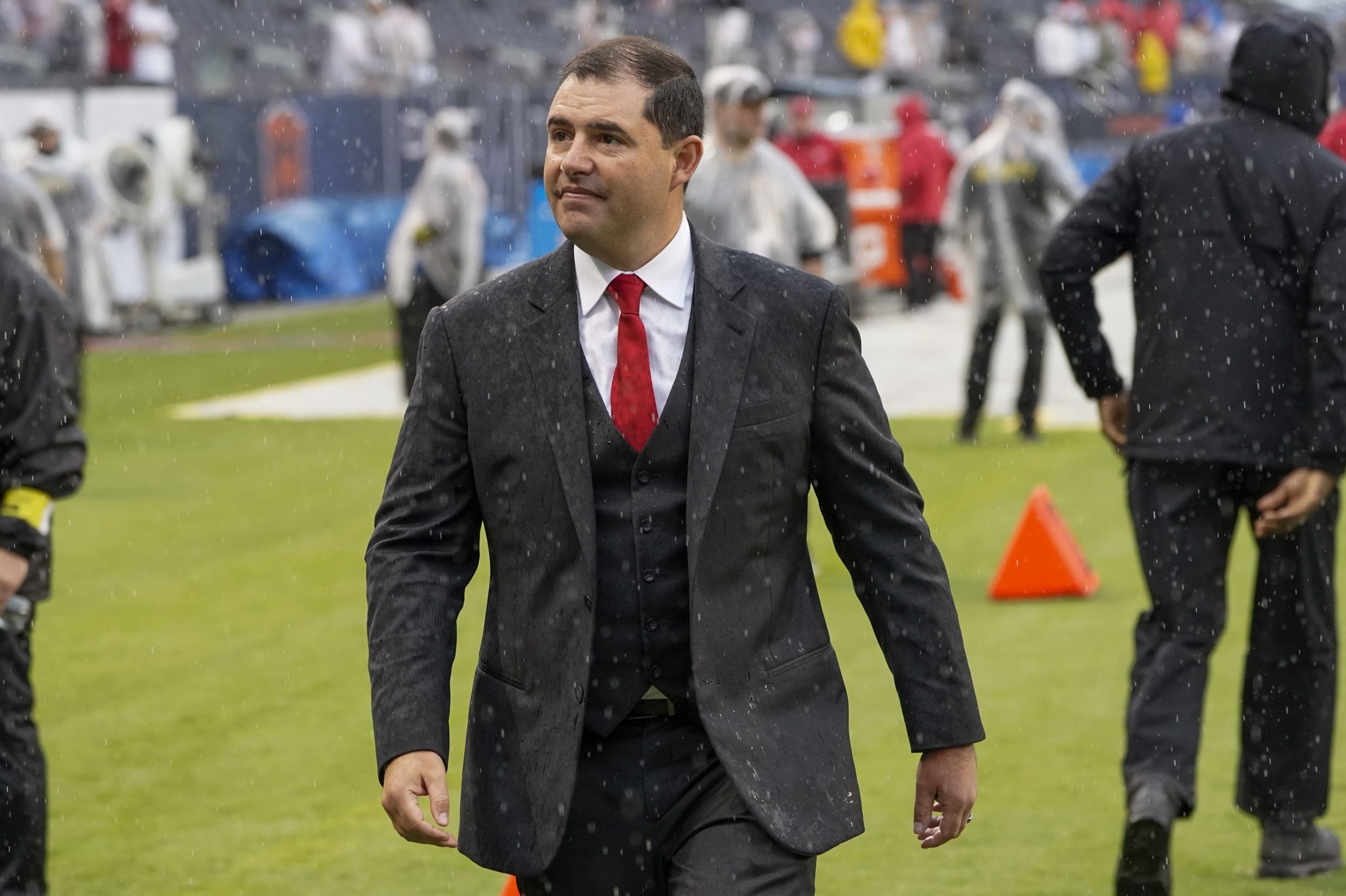
The 49ers have not been one of them. Team owner Jed York, like Julian Lurie, was brought into the fold of his family’s franchise in his mid-20s. As “special projects manager,” he worked in every department of the 49ers and recalled that one of his first stints was in the equipment room, where he helped sew players’ names on jerseys.
By age 30, York had become CEO. While his Ohio-based parents, John and Denise York, remained principal owners until 2024, he effectively ran the organization.
“It was Undercover Boss without the undercover part,” York said.
He said his transition to power happened organically.
“I think the organization sort of accepted it and sort of dictated when it was going to happen more so than me or my parents,” York said in an interview with The Inquirer. “Like, it just became clear when people started coming to me for answers and not necessarily waiting until my parents came out from Ohio to be able to make decisions and move forward.”
Jeffrey may not be in Philadelphia as often, but he still returns for games, favorite events like the draft, and various other days. He was present for most of the workouts that were open to reporters this spring — at a much higher rate than last season.
Either way, team employees still look at the elder Lurie as being the boss.
“Julian is here every day, so we do see him more,” a team source said. “But Jeffrey is still viewed as the owner.”
Julian’s office at “the Jeff” is situated near his father’s and Smolenski’s. That is by design. Among senior leaders, he spends most of his time with Smolenski. But he has conversations with many staff members, even if he is described as naturally introverted.
He’ll drop into any office, not necessarily with a purpose, but just to chat, often about every staffer’s favorite team. Some sources consider his way with people one of his strengths.
“You got to be a learner,” said Porter, who recently stepped down as Overtime’s CEO. “You have to understand that as soon as I am the CEO, I’m in a bubble. I only know what the people who talk to me tell me, right? You [have to] make people feel seen and heard because you want them to give their all to an organization.
“But you also don’t want your experience of the company to be in a very small echo chamber.”
So while Smolenski continues to make final decisions on the nonfootball side, Julian will gather intel on his own. That might include talking to facility manager Chris DeBellis about operations at Lincoln Financial Field or vice president of grounds Tony Leonard about how to install heaters under the practice surfaces so they no longer freeze.
The Eagles’ practice facility, previously known as the NovaCare Complex, is undergoing renovations with an expansion of the training room and eventually the locker room. Julian has been a part of planning, but he’s also explored other possible changes like a full-length indoor field.
Many of his inquiries have been about the Eagles’ expenses.
“I don’t see what he’s been doing as any different to anyone whose dad said, ‘Here are the keys. Go in there. See what you think,’” a team source said. “This is going to be his team someday. He wants to understand how it works from a fundamental level.”
Julian Lurie has a way with people, some of his colleagues say.Monica Herndon / Staff Photographer
Productive conversations
While it’s unclear if Julian’s budget analysis was a Jeffrey directive or not, some staffers felt the team’s accounting could have benefited from a fresh set of eyes. In some cases, spending was cut. It could have been something sizable like the budget for food and beverage or something less significant like the number of hats ordered for employees.
The money often was then redistributed into other resources, such as the facility expansion. But other sources for revenue were explored as well, like selling naming rights to the cafeteria.
“I don’t think the goal was necessarily to cut costs. I think it was to understand what we’re spending on,” a team source said. “NFL teams — we’re not perfect in our spending. Things can get distorted over time. They can get out of whack. I think it’s healthy to evaluate that.”
The Eagles are always looking to be prudent. Jeffrey has long entrusted his lieutenants with fiscal responsibilities. But his son’s increased involvement and “probably being more into the bottom line,” according to one source, faced resistance from some staffers.
“The easiest way to impact the bottom line is by cutting expenses. And that is great in the short term, and you definitely improve margin,” an NFL source familiar with the Eagles said. “But if you have unlimited resources and the business is successful on the field, off the field, is that really a common-sense approach?”
Some of the excess could have been people. For instance, why have X number of full-time employees in the ticket office when it’s mostly a seasonal job? Did the Eagles really need to send as many staffers to the Senior Bowl and the NFL combine as they had for years?
On the football side, the Eagles have had considerable growth. That’s not exclusive to them among teams in the booming and hypercompetitive NFL. But Roseman has constructed a multifaceted operation that has depth in many departments.
Julian’s new oversight meant that staffing and salaries were questioned, like having three highly paid senior advisers in personnel when the Eagles brought back former Jets general manager Joe Douglas last year.
But Roseman’s modus operandi has been to have a deep bench in case there are departures. When former senior adviser Dave Caldwell left for the University of Florida in December, Douglas already was in the fold. Just recently, he was promoted to senior vice president of player personnel.
Last month, assistant general manager Alec Halaby stepped away from the Eagles, and the well-regarded Adam Berry was promoted into his position. Two years prior, vice president of football administration Jake Rosenberg left the Eagles, and Roseman had Bryce Johnston waiting in the wings to manage the salary cap.
Rosenberg sought other opportunities after seemingly reaching his ceiling with the team, but some Eagles sources wondered if his exit was precipitated by Julian’s deconstruction. The Atlanta Falcons poached Johnston in May. His replacement, Grant Reiter, is a relative unknown with far less experience.
Two sources compared staff reductions to playing Jenga.
“If there’s a high headcount, it’s hard to pull it apart and say, ‘This is responsible for this, this is responsible for that,’” one of the sources said. “You never know which thing you pull is going to be the thing that causes it to fall down.”
Rosenberg declined to comment. Johnston didn’t respond to an interview request.
It’s hard to argue with Roseman’s approach, considering the Eagles’ success, which has come with multiple head coaches and starting quarterbacks. Roseman hasn’t been perfect, of course, but Jeffrey Lurie has given him ample room to take big swings and make corrections when there are misses.
Julian made inquiries based partly on the Eagles’ staffing vs. other organizations. There was an acclimation phase with some give and take, and ultimately an understanding of Roseman’s process that has improved over time, team sources said.
“I think they have a productive relationship,” one source said. “I think they can walk into each other’s office and have productive conversations.”
The Eagles’ largest expense is on player contracts. There’s a salary cap, but no team has spent more on their roster over the last decade. According to Jeffrey Lurie, that aggressive mindset won’t change.
“This is where the emotional part probably gets in the way. I can’t help myself,” Lurie said in March. “Try to have every edge you can and willing to spend the cash. And I think we have a chance to win multiple more Super Bowls. There’s nothing I want more than that third Lombardi.”
Jeffrey remains integral to Roseman’s major roster decisions. After years together, the two can communicate in shorthand. The general manager still has his direct line to the owner, and their process is “overall, similar,” a team source said. There’s just now an additional layer.
“When it comes down to final decisions, I still feel like that’s totally Jeffrey,” a team source said. “But Julian has been a part of all of it.”
“Julian is here every day, so we do see him more,” a team source said. “But Jeffrey is still viewed as the owner.”David Maialetti / Staff Photographer
Roll up sleeves
When Jeffrey Lurie purchased the Eagles in May 1994, he was 42 and a longtime New England Patriots fan. He had tried to buy his boyhood team just the year before. But the Hollywood executive, who had worked for his family’s movie theater company, shifted his attention to the franchise located roughly 300 miles south of his native Boston.
Jeffrey and then-wife Christina Weiss Lurie, married for two years, arrived in Philly with daughter Milena when he bought the team. Julian was born the following year. When Jeffrey was first publicly asked about his son in March 2022, he focused on Julian’s inherited passion for the Eagles.
“Obviously, he grew up in the family that owns the team,” Jeffrey said then. “He’s an avid Philadelphia sports fan. He loves the Eagles, loves the NFL. He really has a great feel for many aspects of the sport.
“He’s going to have so much more going into it than I ever did if he chooses to want to someday own and run the team.”
Jeffrey had exposed his son to various aspects of the family business for years, but in January 2021, he had him participate in interviews for a new head coach. Julian handled questions related to analytics.
While it might have seemed peculiar at the time that he would be involved despite not having a formal role with the Eagles, associates describe Julian as an “analytical thinker.” At the league’s junior program, he rotated through four groups focused on strategy and development.
Grace Senko, currently vice president of media strategy and business development at the NFL, was one of Julian’s managers. They worked closely on the league’s licensing of media rights and spent time tracking performance in the burgeoning digital streaming of games. It sometimes was menial work.
“There was a lot of nights the two of us were here, the only people working to pull together very large amounts of data,” Senko said. “Because of how much we were pulling in together, we made a lot of mistakes. And Julian — he has a lot of integrity. If something is wrong or he makes a mistake, he owns it. … He is willing to roll up his sleeves.”
After the completion of the two-year rotation, Julian went to Overtime, a media company that says it “builds disruptive” content “at the next generation of sports fans and athletes.” The company is perhaps best known for Overtime Elite, its developmental basketball league for high school-age players. Porter, the former Overtime CEO and a Philly native, heard through an intermediary that Lurie was interested in his startup.
“Julian’s very intense, but he’s also very reserved,” Porter said. “He’s just very deliberate. And so, in our first conversation, I was like, ‘Oh, he’s clearly extremely smart and very, very focused, but he’s not that kind of person in an interview who’s going to, like, talk for 10 minutes straight.’”
Julian reported to Porter as senior manager of business strategy. He focused on analytics and helped create, for instance, a free-to-play app that took aspects of betting apps and was designed for consumers under 21, Porter said.
All told, Julian spent four years working in New York. Senko, who also had gone through the NFL’s junior program, said she worked with other family heirs and that Julian, like many who had connections, overcompensated to avoid claims of nepotism.
Porter said Julian was unassuming at Overtime’s Brooklyn office.
“He’s got a different burden, maybe, than most people,” Porter said. “He’s a serious guy, but he’s not unfriendly. Smiles. He’s just serious about his job. He was integrated in the culture. He wasn’t like some weird guy in the corner. He was a part of the company.”
Julian was in some ways shielded by his protective parents. When The Inquirer did a feature on Weiss Lurie in 2010, the names of her children were withheld from the story at her request.
Milena and Julian attended the Shipley School in Bryn Mawr. One teacher, in a school website post, recalled a junior-senior football rivalry game in which Julian and other seniors wore fake bushy mustaches like then-Eagles coach Andy Reid as Jeffrey watched from the sideline.
When Julian attended Harvard to study philosophy, he watched Eagles games at the Baseball Tavern, a local bar whose owner had been a fan of new coach Chip Kelly. Julian might have been among the progeny of one-percenters who went to the elite university, but he didn’t carry himself that way, a fellow student said.
“You’re around a lot of kids from billionaire families that are out of touch and act like their s— don’t stink,” a former Harvard classmate, who asked not to be named, said. “That wasn’t Julian. That card never got played.”
Dan Porter, Julian Lurie’s supervisor at Overtime, said: “He’s a serious guy, but he’s not unfriendly. Smiles. He’s just serious about his job.”David Maialetti / Staff Photographer
Going to the Eagles
Julian’s destiny was different from most, though. In early 2022, he decided to leave Overtime for an official post in the family business.
“One day he just called me and he said, ‘Thanks, it’s been amazing. It’s time to move on. I’m going to the Eagles,’” Porter said. “And I was like, ‘Yeah, of course.’”
Julian already had been spotted at offseason NFL events like the Senior Bowl in Mobile, Ala., that January, but the Eagles didn’t announce his role until June of that year. His listed title, which reads more like a department — “business and football operations strategy” — reflected the duality of his position as he went about learning both arms of the organization.
It took Julian some time to find his footing, team sources said. He initially latched onto the decade-older Halaby, a fellow Harvard graduate who oversaw the analytics department at the time. It was a natural entry point considering his mindset and experience.
But Julian also took an active interest and lead in Eagles media content. He began to flourish.
“He’d come in, sit in the corner, not say anything, so a few people felt uncomfortable,” a team source said. “But the more that he got comfortable, the more he got involved, he started to throw out ideas and people saw it.”
Julian oversaw promotional videos that captured the local zeitgeist. He heard quarterback Jalen Hurts use the phrase, “It’s a Philly thing,” and made that a rallying cry for the 2023 playoffs. And he was behind the “Yo” hype video ahead of the 2024 opener in Brazil.
He has become, in some ways, the point person for the Eagles’ social media team.
“He wants it to be a really good fan experience. He wants people to enjoy using the Eagles app or seeing their posts on Instagram,” a source close to Lurie said. “Social media is a big part of an NFL footprint these days. It’s how a lot of fans connect with the team.”
He is, after all, one of them. Porter, also an Eagles fan, said he knows not to text Julian after losses. Like his father, Julian also has a passion for football. Last season when the Eagles played the Packers at historic Lambeau Field, he opted to watch from the bleachers rather than in a suite with team executives.
“He wanted to experience the game from that vantage point,” a team source said.
Julian watches a lot of games and has an interest in all its intricacies. He’s a part of strategic meetings when it comes to personnel and scheme. He might ask why a certain draft prospect has a red flag for character concerns, for example, or why the Eagles have made certain schematic choices, sources who have been in those meetings said.
Julian has a keen eye for X’s and O’s and he will query coaches. He often does his own research and he comes prepared, a team source said.
“It’s never like, ‘I have answers,’” a coach said. “It’s like, ‘I want to understand this.’”
During interviews with offensive coordinator candidates this offseason, Julian handled questions pertaining to player performance. His father has allowed him to sit in on head coach interviews dating back to 2016, knowing how important that responsibility is for an owner.
But for some in the organization who have been around since Julian was young and may have viewed him through that lens, there was apprehension about his presence. Although most have appreciated his development, a few believe he’s overstepped at times.
“There’s growth that still needs to occur,” a source said.
Not only does Julian have to balance his increasing involvement with any perception that he’s meddlesome, but he also has to walk the delicate line between his long-term goals and the shorter-term thinking of current leaders.
There is a generational strain that can exist in succession plans. York said he had a mentor in Patriots president Jonathan Kraft, son of owner Robert Kraft, who has been his father’s right-hand man since 1994. York said he has spoken to Julian on occasion and wants to be a sounding board for him, like Kraft was for him.
“I know there aren’t many people in these positions that can help you think through, ‘Well, how do you tell your dad or your mom that you want to do something a little different than they did, and do it in a way that’s respectful?’” York, 46, said. “How do you handle those things?
“How do you see something as a younger person in the NFL that you want to take the league in a different direction than … a bunch of guys that are in their 60s or 70s or 80s?”
San Francisco 49ers owner Jed York, an example of a family generational transfer of power that has succeeded, already has a good relationship with Julian Lurie. Charles Rex Arbogast / AP
Own path
Julian, like his father, is willing to push boundaries to gain advantages. Jeffrey likes having different perspectives in a senior leadership team that now includes his son. Jeffrey still mostly defers to Smolenski and Roseman in major decisions. He often just wants to see the finished product.
But Julian has been more hands-on than his father when it comes to details, for instance examining the blueprints of the practice facility expansion into the former NovaCare rehab center.
“He has a mindset for how he wants to lead and that’s going to be different in some ways,” a team source said. “He’s not trying to be exactly like his father because that’s not entirely his personality. He is his own person.”
Julian is a foodie and avid golfer like his father, but he does not flout his privilege, those who have observed him say. He might have the second-best parking spot at the “Jeff,” but he doesn’t ask for police escorts or special accommodations on game days, sources said.
He may engage in “casual conversation” with players before or after games, a veteran said, but he isn’t overly chummy. That is in part deliberate. He knows his limitations. But it’s also Julian being true to himself. He’s not as outgoing as his father.
“You can’t read Julian as well,” a team source said.
That can make more unsure members of the organization at times uneasy. Many value his brevity.
“I think he has a very kind of quiet confidence around him and when he says things they have a lot of weight to them,” Senko said, “because he’s not one of those people that just like speaks to be heard. He speaks when he has something important to say.”
His voice carries weight because he’s viewed as an owner, even if he’s not yet the Eagles’ principal owner. Some senior leaders expect Julian to eventually have an executive role in the front office.
The 59-year-old Smolenski could stay aboard until the next stadium deal is in place. There are other internal candidates to succeed him, like former Eagles player Connor Barwin, who currently is head of football development and strategy.
It doesn’t matter what title Julian is given. He already is involved at a senior level. And while the Eagles have absorbed his inclusion — and won a Super Bowl in the process — there is some question of the future as Julian advances.
“It remains to be seen how that goes,” a team source said.
If he were to become president, would he, like Smolenski, stay exclusively on the business side? Would he cross over into football, like predecessor Joe Banner did during his roughly 20-year tenure? Would the title matter?
Jeffrey signs off on all major football decisions. He has, on rare occasion, pushed for his preferences in the draft, sometimes with great results (e.g. Hurts), sometimes not (J.J. Arcega-Whiteside). But he has by and large delegated to Roseman.
For years, Jeffrey and his general manager standing together on the sideline before games or at practices conveyed their abiding partnership. They still strike that image, but Julian might also be in the picture, or alone with his father.
Few Eagles sources expect the dynamic at the top to change as long as the Eagles keep winning. Jeffrey has given the 50-year-old Roseman as much autonomy as any general manager. But if that power were to be curtailed, the two-time NFL executive of the year would have obvious options elsewhere if he wanted to leave.
“We’ve been successful. We’ve done things the right way. Sometimes maybe not in the most traditional way,” a team source said. “But as long as Jeffrey’s in charge and likes the direction of the team, he’s going to think, ‘If it’s not broke, we don’t need to fix it.’”
And Jeffrey has no apparent plans of abdicating his power. There may be some uncertainty about how often he’ll be in Philly once work is completed on a yacht he is having built near his Florida home, but he has been more present this spring, team sources said.
“If you want to live a long time, I was always told don’t ever retire and keep that intensity going,” Lurie said in March. “I love owning the Eagles. I love trying to make us even better in every way and that’s what I’m focused on.
“That’s why my energy’s high.”
But Julian, as the NFL-approved heir, remains only a heartbeat away from the throne.
There will be no Succession-like maneuvering for future control among family members. Weiss Lurie stepped down as director of the Eagles Charitable Foundation in 2019 — seven years after the Luries’ divorce — although she remains a minority owner. Jeffrey married Tina Lurie in 2013, but she has no official role in the organization, nor does the 32-year-old Milena.
Few, if any, within the franchise believe it will suffer the decline that can occur when families bequeath assets. Julian himself is unmarried and without children.
His devotion, for the time being, is to the Eagles.
“I respect the way he’s grinding and going about it,” York said. “It is not easy to be in his position, in his situation, especially with how successful his father has been. He’s trying to make his own path, and he’s working as hard as he can, and I respect the heck out of that.”
His ownership is written, if not his future. But Julian continues to show maturation. In the Eagles’ most recent schedule release, senior leaders again didn’t like the direction of the video. Alternative ideas were offered, one of which Lurie agreed was better.
“He is open to listening,” a team source said, “open to evolving.”
There was cursing from players in the video that wasn’t bleeped out, but it generally was wholesome entertainment. It wasn’t as inoffensive as the 2023 version that predated the controversial psych evaluation concept, though.
The 2023 video featured an Eagles employee listed directly above Julian, deep into the staff directory, and the only one other than the leader of “business and football operations strategy” to work in his own department:
“Director of joy” — mini goldendoodle and team pet — Reggie White Lurie.
Former Villanova star and current Washington Mystics guard Lucy Olsen has picked up a lot of experience with different teams.
Moving around so much means she’s learned numerous systems during her years in college and the pros, which is keeping her adaptable as her role shifts in the WNBA.
“Going from Villanova to Iowa, that was a big jump, system-wise, trying to learn how to fit the system, but also keep your own game,” Olsen said. “That was pretty hard, and then I got another chance at it, coming to the Mystics. Then I feel like just going to another team, you just learn how to adapt faster.”
In college, Olsen was the primary ballhandler at point guard and took on most of the scoring responsibility. But in the pros, she often has come off the bench and plays as an off-ball guard, shifting her focus away from scoring to the other things she can do on the floor.
“Run the play, but also keep looking for the different avenues so that you can be aggressive and then dish it off to someone else,” Olsen said. “I’m reading the defense a little more, and I think [playing in] Australia [in 2025-26] helped with that, being able to see different types of defenses and work on just getting more reps of pick-and-rolls, and how the pros play.”
Lucy Olsen (center) averaged 23.3 points per game in her final season at Villanova before transferring to Iowa in 2024-25.Charles Fox / Staff Photographer
After three years at Villanova, the Collegeville native and Spring-Ford alumna transferred to Iowa for her final season. Shortly after her lone season with the Hawkeyes, Olsen was drafted in the second round by the Mystics.
After her rookie season in Washington, she moved to Australia to play in the Women’s National Basketball League, where she won Sixth Woman of the Year and a WNBL championship with the Townsville Fire.
Now, she’s back with the Mystics for her sophomore season, and even with just one year of experience, she’s something of a grizzled vet on a roster with eight rookies.
“Everyone’s so young and eager, and they want to learn,” Olsen said. “I think that helps with the environment and getting better.”
Olsen is working to find her role in Washington and mostly comes off the bench in late-game situations.
But there’s never been a better time for development in the WNBA. Previously, players had to come to the league fully formed. With extremely limited roster space — entering this season, the maximum number of players hadn’t been higher than 12 per team since 2008 — only a few draft picks each year would make a WNBA roster. Second-round picks like Olsen rarely got a chance.
Between 2009 and 2024, when the Golden State Valkyries tipped off, there were 12 teams in the WNBA. The league then added the Portland Fire and Toronto Tempo this year. With three more teams entering the WNBA in the next four years — including the Philadelphia team set to begin play in 2030 — that’s six more full teams’ worth of roster spots as compared to the league in 2024. The roster maximum remains at 12 players, but the new collective bargaining agreement created two optional “developmental” roster spots per team.
“How young our team is, I feel like that doesn’t happen a lot,” Olsen said. “There is so much opportunity, and there’s so much room for growth. There are more roster spots, so you can learn and actually build your game around the team.”