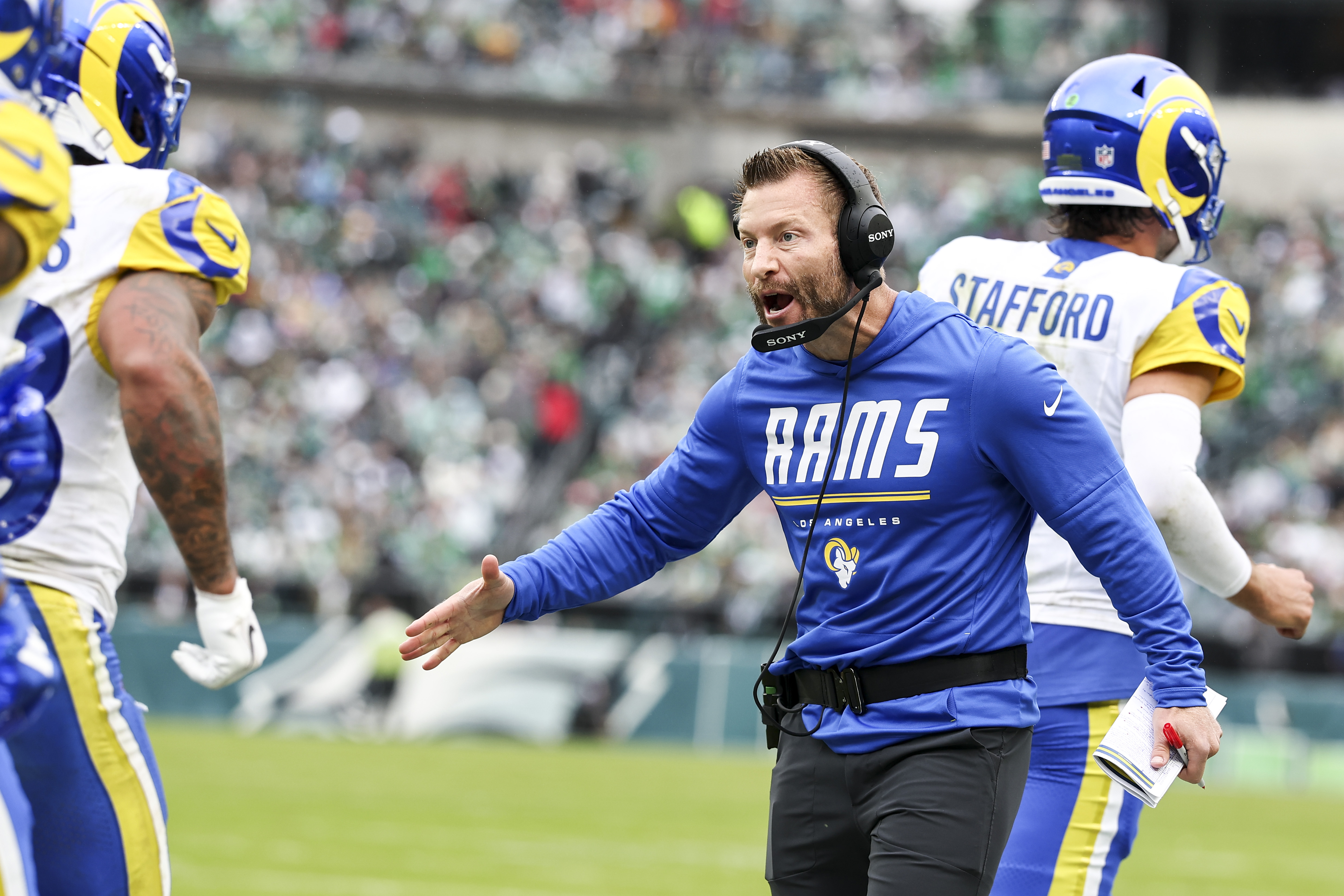
Following the Eagles’ 24-20 home loss to the Los Angeles Rams, multiple videos showing Rams assistant coaches taunting Eagles fans went viral on social media.
The videos, posted by @RBPhillyTake on X, show Rams coaches banging on the glass barrier of the coaching box and making obscene gestures directed at fans below. One video appears to show fans throwing a cup and a water bottle at the box. Rams coach Sean McVay acknowledged his staff’s behavior on Monday, promising “we’ll be better.”
“Those fans are really into it”
— Sean McVay addressed the viral video of a Rams coach giving angry Eagles fans the finger from their box
“We'll be better. Those fans are really into it, but I know that we want to make sure that we're representing [with] class” pic.twitter.com/XMLumPNCRC
“We’ll learn from that,” McVay said. “We’ll be better. Those fans are really into it, but I know that we want to make sure that we’re representing the class and just the calm steadiness that we want to have while also being emotionally into it.”
The viral moment came following Rams running back Kyren Williams’ go-ahead touchdown with 1 minute, 10 seconds left in the fourth quarter. The Rams battled back from a 10-point halftime deficit and scored 14 unanswered points in the fourth. The Eagles were held scoreless after the break and went 0-for-12 on third down on Sunday.
McVay also acknowledged that his staff had an internal conversation about Sunday’s incident, noting that “we did talk about it, and that won’t be an issue moving forward.”
The Eagles (2-2) will travel to London to take on the Jacksonville Jaguars (3-1) on Sunday (9:30 a.m., NFL Network).
We’ve heard all of these demands over the past few weeks, after a former Cornell University student sued the university and seven men who allegedly gang-raped her at a fraternity house in 2024. I’m in full agreement with the calls for change. Sexual assault is rampant on American campuses, and we need much better systems for preventing and prosecuting it.
But here’s one thing you probably haven’t heard: If we want to reduce sexual assault at our colleges, we’ll also have to bring down student drinking.
There, I said it. So did eight of 10 college students responding to a 2015 Washington Post-Kaiser Family Foundation survey, who agreed that consuming less alcohol would be “an effective way to prevent sexual assault.”
And research since then has shown that half of campus sexual assaults involve alcohol use by the victim, the perpetrator, or both.
Alcohol can increase aggression and decrease inhibition. It makes it harder to interpret social cues. And it makes victims less capable of giving sexual consent and resisting sex they don’t want.
But if you look at most campus websites about sexual assault prevention, alcohol is barely mentioned. And on the sites about drug and alcohol abuse, there isn’t much discussion of sexual violence.
That’s because we don’t want to blame the victims. If we caution students about the link between drink and sexual assault, the argument goes, we’ll teach them that drinkers are responsible if they get assaulted.
So let me be absolutely clear: They’re not. In every sexual assault, the sole responsibility lies with the perpetrator. Period, full stop.
But we shouldn’t let that fact blind us to another one: that if one or more partners are drunk, they’re more likely to do something the other one doesn’t want. That’s not victim-blaming. It’s common sense.
And alcohol runs through the Cornell story like a bloody river.
At least one of the men accused in the assault had been drinking, and the victim had, too. Investigators said the fraternity member who acknowledged drinking said he had “a pretty solid recollection” of the evening because — in his view — he hadn’t drunk very much. He had consumed six beverages: three beers and three vodka and Hawaiian Punch mixed drinks.
That tells you more than any set of binge-drinking statistics about the culture of alcohol on our campuses. If six drinks seems like a small amount, we have a big problem.
At the University of Pennsylvania, where I teach, administrators have crafted a comprehensive policy regarding the use of alcohol. Yet students chat knowingly — and, often, humorously — about “getting MERTed.” That’s Penn-speak for being so blackout drunk that someone calls the Medical Emergency Response Team to assist you.
There’s nothing funny about it. Over 1,500 college students die each year from alcohol-related injuries or alcohol poisoning, which took the life of Penn State freshman Timothy Piazza at a fraternity hazing in 2017. About one in five women at college experience sexual assault, which too often is fueled by — yes — excessive drinking.
But in New York and 18 other states, so-called voluntary intoxication laws say that a person can only be considered incapacitated — and, therefore, unable to consent to sex — if they could not communicate or if they were given alcohol or drugs against their will. Neither condition applied to the Cornell victim, the local district attorney has said, so he declined to press charges in her case.
The episode has spawned widespread calls to revise New York’s law so prosecutors could enter sexual assault charges when a victim was under the influence of alcohol or drugs and an assailant should “reasonably” have known that. That’s what the law says in at least two dozen other states, including California and Virginia. (Under Pennsylvania law, a victim is considered incapacitated only if they were administered alcohol or drugs without their knowledge.)
I hope New York follows their lead and changes its sexual assault measure, so it becomes easier to hold assailants accountable. And if state Attorney General Letitia James — appointed last week as a special prosecutor in the Cornell case — finds sufficient evidence that the accused men engaged in sexual assault, I hope she seeks the highest possible sentence for them.
But no matter what happens at Cornell, we already know what will happen on college campuses next weekend. Thousands of students will get drunk, impairing their judgment and self-control. And with that, the chances that sexual assaults may occur vastly increase.
So let’s get real, once and for all. Every college should put up signs across campus, declaring a simple fact: More Drinking Means More Sexual Assault. Every university president should work that into their convocation speech. Every professor should share it with their students. Shout it from the hills and valleys. Do whatever it takes to get the point across.
Again, that doesn’t mean we should blame victims or exonerate perpetrators. But if we shrink from telling the truth about alcohol and sexual violence, we will all share the blame for whatever comes next.
Jonathan Zimmerman teaches history and education at the University of Pennsylvania. His next book, “Schooling Citizens: How Education Can Save Our Democracy,” will be published in the spring by the American Philosophical Society Press.
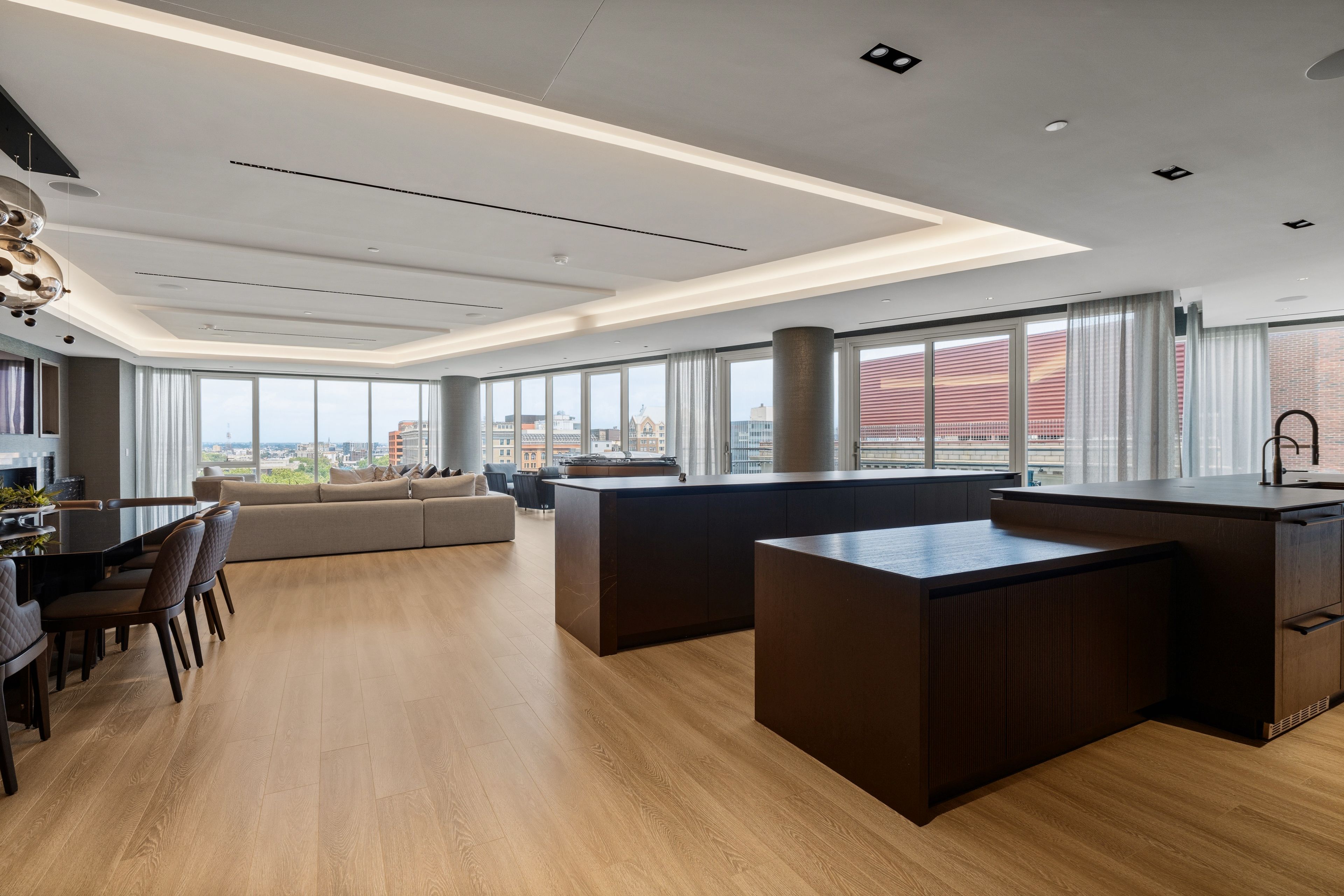
One of Philadelphia’s most expensive condos is on the market for $16,995,000 in the luxury residential tower 500 Walnut.
A private elevator opens into the 6,200-square-foot condo, which spans the entire 11th floor and has one of the largest footprints among Philadelphia condos, said listing agent Mike Fabrizio of Mike Fabrizio Luxury Real Estate with RE/MAX Access.
500 Walnut is a 26-story condo building across from Independence Hall. It has only one or two units per floor. Fabrizio called the property one of “the more private buildings and boutique-style condos” in the city.
A condo is for sale for almost $17 million in the 500 Walnut luxury residential tower.Donkin Media
The owner of the condo for sale combined two units that were empty shells and built a custom space that was completed last year. The seller intended to live in the condo but put it on the market a month ago after plans changed, Fabrizio said.
The home has six bedrooms and 6½ bathrooms. It comes with five parking spaces and three storage lockers. It has two offices, a theater, and two gas fireplaces, including one in the primary suite.
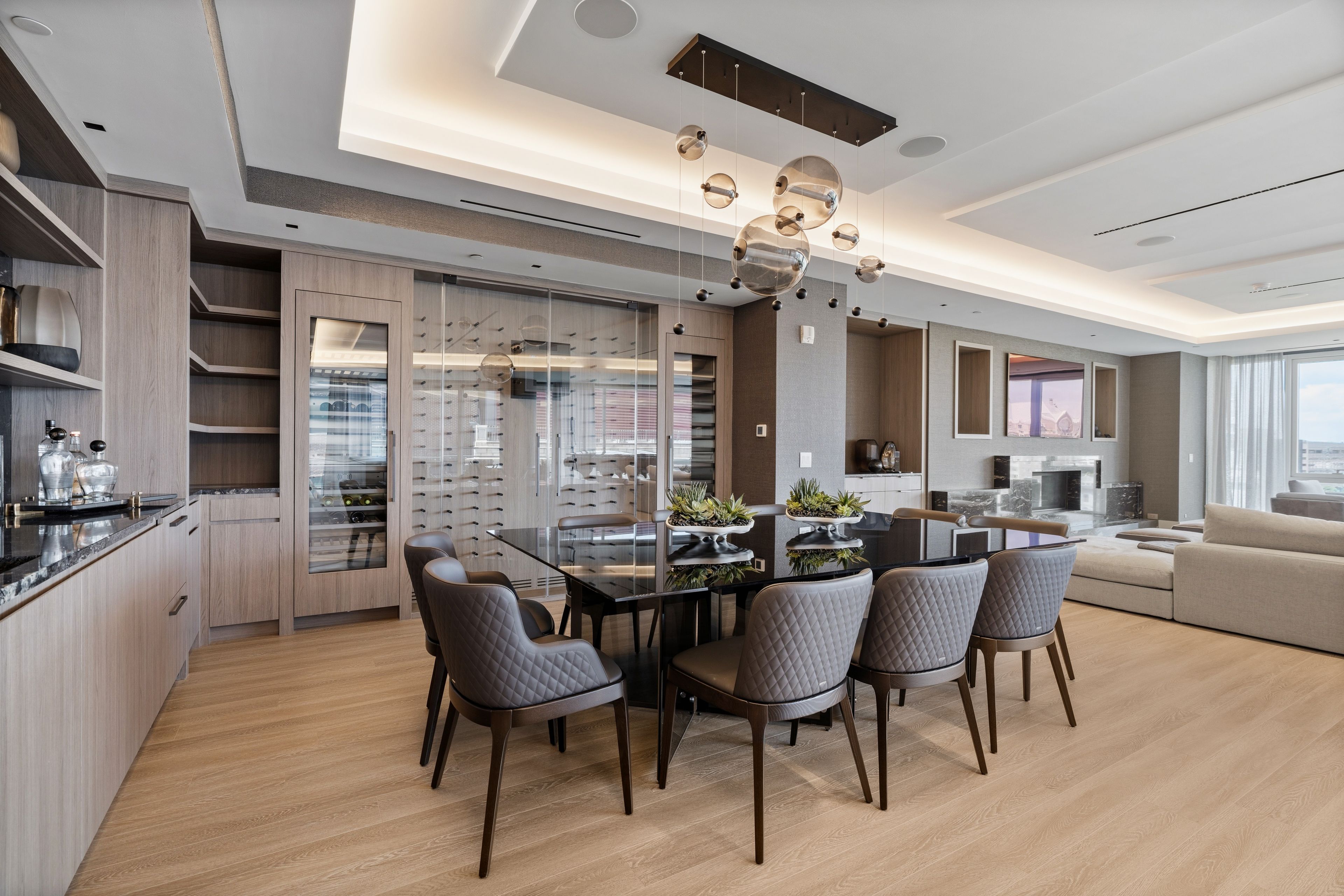
The condo features a hidden room with a built-in humidification system that could serve as a cigar lounge, wine or whiskey tasting room, or a space for collectors’ items.
The kitchen has two oversized islands.Donkin Media
The kitchen includes two oversized islands, two ovens, and two Sub-Zero refrigerators. There’s a breakfast area and a walk-in pantry.
The formal dining area has a bar and a temperature-controlled wine display wall.
The condo includes wide-plank wood flooring, integrated lighting, custom wood and glass doors, and Italian porcelain tile.
The formal dining area has a bar and a temperature-controlled wine display wall.Donkin Media
Bathrooms have digital shower controls. And smart toilets have heated seats, lids that open automatically, and bowls that clean themselves.
The primary suite includes a custom king bed, a bar with a refrigerator, and two dressing rooms. The suite’s marble bathroom features a steam shower, a soaking tub that gets its water from the ceiling, and two separate toilets.
The primary bathroom includes a soaking tub and a steam shower.Donkin Media
The home has two balconies. One off the main living area and kitchen looks out to Independence Hall and the Ben Franklin Bridge. The balcony off the primary suite offers sunset views and looks out to the Walt Whitman Bridge and South Philadelphia.
The home’s floor-to-ceiling windows also show off the views.
The primary suite includes a bar, a gas fireplace, and a balcony.Donkin Media
The condo can be purchased fully furnished, which includes custom window treatments, high-end Italian furnishings, and designer lighting.
A full property tax abatement runs through 2028.
Community amenities at 500 Walnut include a 50-foot lap pool, a fitness center and spa, a 4,000-square-foot open-air terrace that overlooks Independence Hall, and a boardroom with a catering kitchen.
Tocchet was asked why: “It’s hard. It’s hard to do it consistently. So, starts with me. This team is way too comfortable, and it did not compete tonight.”
Joseph Woll has a .929 save percentage across his two starts, and, after a rusty performance in the season opener, Dan Vladař posted a .914 save percentage on Monday, stopping 32 of 35 shots.
The goalies are doing their part to hold everything together but, unfortunately, aren’t getting enough help.
“End of the day, it doesn’t matter. We lost,” Vladař said when asked about his game. “I think overall, as a group, we’ve got to be better. Obviously, starts with me and Joe. We’ve got to be even more dialed in now. Hopefully we are going to turn this thing around because obviously this is not fun and this is not us.”
It may not be fun for the goalies, but they are not to blame when the team is averaging 19 shots a game and allowing 39.5, a slight tick down from over 40 entering Monday’s game. Through their four games, the Flyers are allowing the most shots on goal, almost seven more than the next team, and are averaging the second-fewest offensively.
According to Natural Stat Trick, Vladař faced 13 high-danger shots from the Lightning, with 11 coming at five-on-five, and seven rebound shots across all strengths. By comparison, Lightning goalie Andrei Vasilevskiy faced one high-danger shot, zero rebound shots, and eight from low-danger areas.
Compared to opening night, Vladař moved incredibly well and tracked the puck. His first save was not easy, but he kicked out the pad on a Jake Guentzel backhand shot from atop the crease on a power play.
He also made an authoritative glove save on Brandon Hagel, stopped Gage Goncalves’ redirect attempt on the doorstep, made a stretch save on Guentzel during a two-on-one, and made two diving saves on shots by Max Crozier and Pontus Holmberg in the third period.
“Our game is not at the level that it should be. So, starts with us goalies, and [we’re] the backbone of the team, so we’ve got to be better, and then hopefully we can bring even more confidence for the players in front of us,” Vladař said.
“And then they can just focus on offense because we have a lot of talent in the front and lots of really good guys that want to win, but we just got to find a way to start winning.”
18 feet
During a John Tortorella-like, 62-second postgame interview, Tocchet said his team had “not enough compete” and looked “too comfortable.”
When asked why there is such a disconnect, especially heading up ice, Tocchet replied: “Eighteen-foot pass. … When you’re an NHL player, you’ve got to execute some passes. So we got to keep continuing to work on that.”
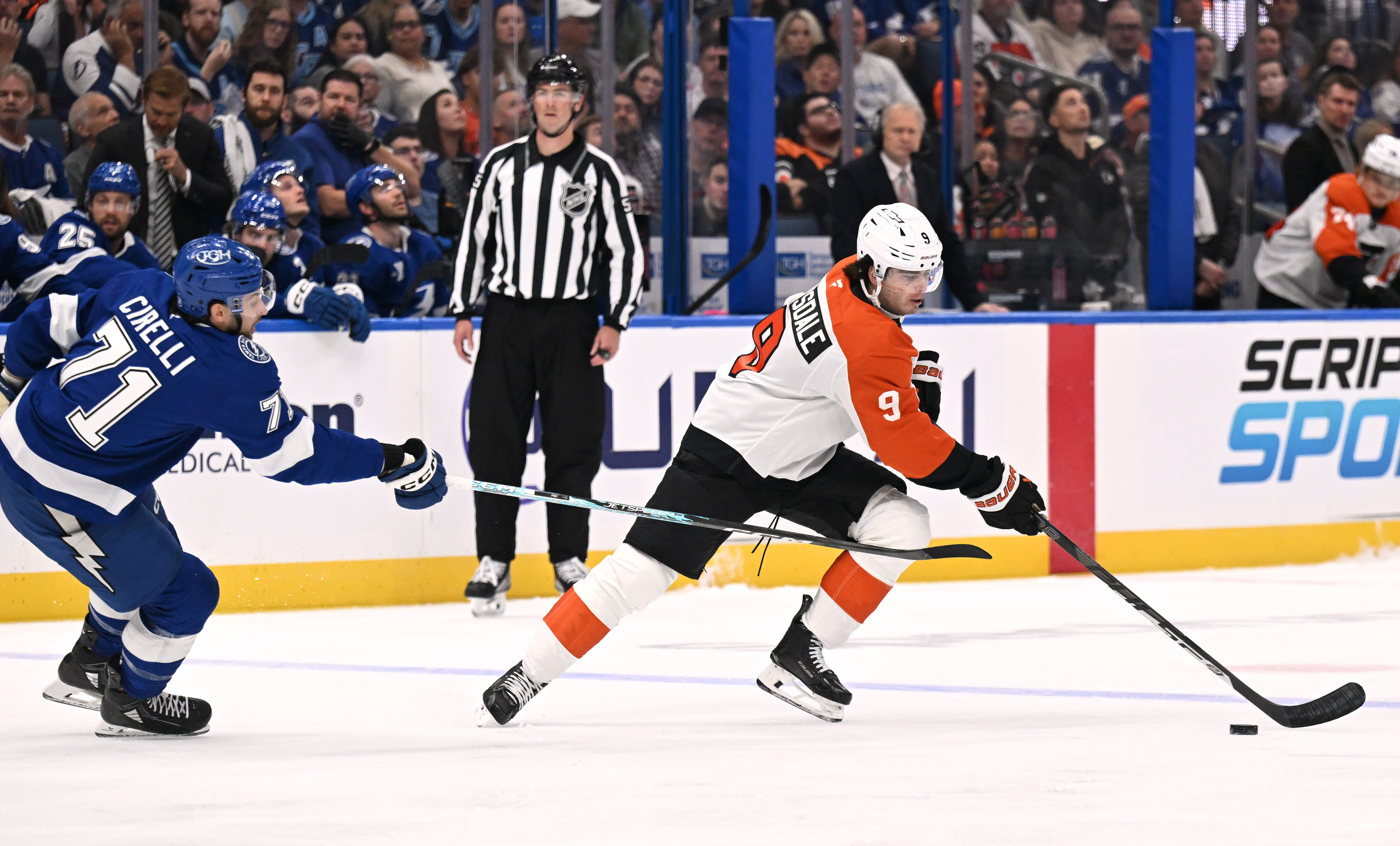
The Flyers have curiously struggled to string basic passes together this season.Jason Behnken
The Flyers’ passing is a mess. Several times they looked like they were either sustaining pressure or ready to set up a play, but instead the passes were either intercepted or missed connecting.
In the first minute and 39 seconds of the game, the Flyers iced the puck twice, with the second coming after a Travis Sanheim pass went by its intended target. On a penalty kill, Tyson Foerster went for a pass that didn’t work instead of shooting.
Despite the roster being the same — Noel Acciari was the only new forward skating against the Lightning — they don’t have the same cohesiveness as last season.
One of the most egregious miscues came off the rush when Travis Konecny opted to drop the puck to Jamie Drysdale, who didn’t appear prepared to receive it. Typically, the trailer calls for the drop pass. The Lightning went the other way on an odd-man rush, forcing Vladař to make that stretch save on Guentzel. A few minutes later, Matvei Michkov played with the puck too much just inside the Tampa blue line and lost it.
In the second period, 2:35 after the Flyers made it 2-1, Porter Martone drew the Flyers’ first power play. But on the man advantage, Michkov gave the puck away; Konecny lost it along the end boards; Foerster had a giveaway that the Lightning took the other way; and Trevor Zegras dumped the puck in, but the Flyers failed to get it back.
That Flyers power play had zero shot attempts and, across a total of six minutes on the night, the man-advantage generated seven shot attempts and three shots on goal.
“I think going back to just executing,” said forward Denver Barkey, who made his season debut. “Obviously, yeah, we look a little disconnected, but I think it just comes back to being ready from the puck drop and executing the game plan that the coaches have in place.
“And figuring out amongst ourselves too; talking to your linemates, talking to the D, just communicating, working through things. It’s a long season. We’re only four games in, but definitely got to start figuring some things out here.”
The third period didn’t get much better as Cam York, who seemed to struggle all night alongside his old defensive partner Sanheim, with Rasmus Ristolainen out due to injury, lost the puck to Goncalves, who skated in for a snap shot Vladař had to stop. David Jiříček and Zegras had a miscommunication in the neutral zone, and later on, Zegras tried to center the puck to Foerster, but it didn’t work.
For the fourth straight game, Tocchet tweaked his lines — albeit Monday was because Barkey returned from a lower-body injury. And for the fourth straight game, they didn’t generate much.
Natural Stat Trick tracked every line that played more than a minute together as allowing more shot attempts than they took. The line of Michkov, Konecny, and Christian Dvorak had two shots on goal and gave up seven across a little more than seven minutes. They did not create a high-danger chance, while the Lightning had five when they were on the ice. The Bolts outchanced the Dvorak line, 9-2.
“Honestly, no. I mean, we’re all smart hockey players. We can play with anyone. We play in the NHL for a reason, and the coaches got to do what they got to do to get us ready and make lines. And it’s for us to be able to adjust on the fly,” said Martone, who easily had his best game of the season.
“So, I think this is [more] the blame’s on us right now. We’ve got to be better. We’ve got to show up, and we’ve got to do what we got to do.”
Paramount closed its deal to acquire Warner Bros. Discovery on Tuesday, putting tech scion David Ellison in control of a vast media empire that oversees many of Hollywood’s most valuable properties.The deal immediately catapults the combined company, now called Skydance, to the front rank of competitors with streaming titans like Netflix and YouTube, just behind giants like Disney and Amazon.
“Today is a historic day, not just for Skydance but for our entire industry,” Ellison said in a statement Tuesday. “We couldn’t be more excited to get to work,” he added.
The new company is a hard-fought prize. Ellison wrested Warner Bros. Discovery from a rival bidder, Netflix, after a monthslong tug-of-war that prompted him to make nine offers for the company. It was created over the objections of a coalition of state attorneys general who sued to block the deal on antitrust grounds.
That lawsuit was ultimately settled after the attorneys general extracted a series of concessions, including the establishment of an editorial independence board to safeguard the integrity of CNN and a promise from Ellison to spend an additional $1.5 billion on movies over the next five years. Hundreds of Hollywood insiders said the deal would sharply consolidate corporate power, leading to job losses and further stagnation in Hollywood. Skydance has argued the merger is a necessary counterweight to Big Tech.
Ellison now controls:
Movie studios
Paramount Pictures
Warner Bros.
Skydance
Streaming services
Paramount+
HBO Max
Pluto TV
News organizations
CBS News
CNN
TVN24 (One of Poland’s most-popular news channels)
Cable networks
Comedy Central
Nickelodeon
TNT
TBS
HBO
MTV
Food Network
Major franchises
DC Universe (including characters like Batman, Superman and Wonder Woman)
The Wizarding World of Harry Potter
“Star Trek”
“Mission: Impossible”
Now, he just has to manage it all.
The new company is making its debut in an industry navigating profound change. Cable television, one of the biggest cash cows in media, is still profitable but in terminal decline. Streaming still hasn’t replaced those profits. Trust in the news business is in the basement. And tech companies like Amazon and Apple are muscling in on movies, TV shows and sports rights, driving up content costs.
Those challenges will pose a major test for Ellison, 43, who until last year had never run a public media company. He and his team must convince Wall Street that the new company can manage those challenges while it pays down $82 billion in debt, a staggering sum for a traditional media company. He must also rally tens of thousands of employees at Warner Bros. and Paramount; both companies have undergone nearly annual layoffs in recent years.
Further complicating the situation is Ellison’s relationship with President Donald Trump, which has unsettled some employees at CNN. This spring, Ellison held a dinner “honoring the Trump White House” before the annual White House Correspondents’ Association dinner and later joined Trump at an Ultimate Fighting Championship bout at the White House. (Paramount holds media rights for the UFC.)
Ellison has assuaged some of those concerns by keeping Mark Thompson, the chair of CNN, in place. In a memo to employees Monday, Thompson said he had spoken to Ellison and came away convinced that executives at Skydance would support the “independent news that CNN has always stood for.”
Another of Ellison’s biggest challenges will be winning over Hollywood’s creative class in an era of shrinking box office receipts, artificial intelligence and algorithmic personalization. He has pledged to invest in content, promising to release at least a combined 30 theatrical films annually. After two years, that number would rise to 32 films. He has also promised to overhaul the company’s technological capabilities.
But he must do all of that while delivering $6 billion this year in cost-cutting over the next three years — a target he will likely hit, in part, by eliminating thousands of jobs.
Some of those cuts are likely to come from combining parts of the company that have overlapping functions. CNN and CBS News are possible targets, as are some administrators at Paramount and Warner Bros. That process is already well underway: David Zaslav, CEO of Warner Bros. Discovery, opted to leave in the transaction, as did Cindy Holland, Paramount’s top streaming executive.
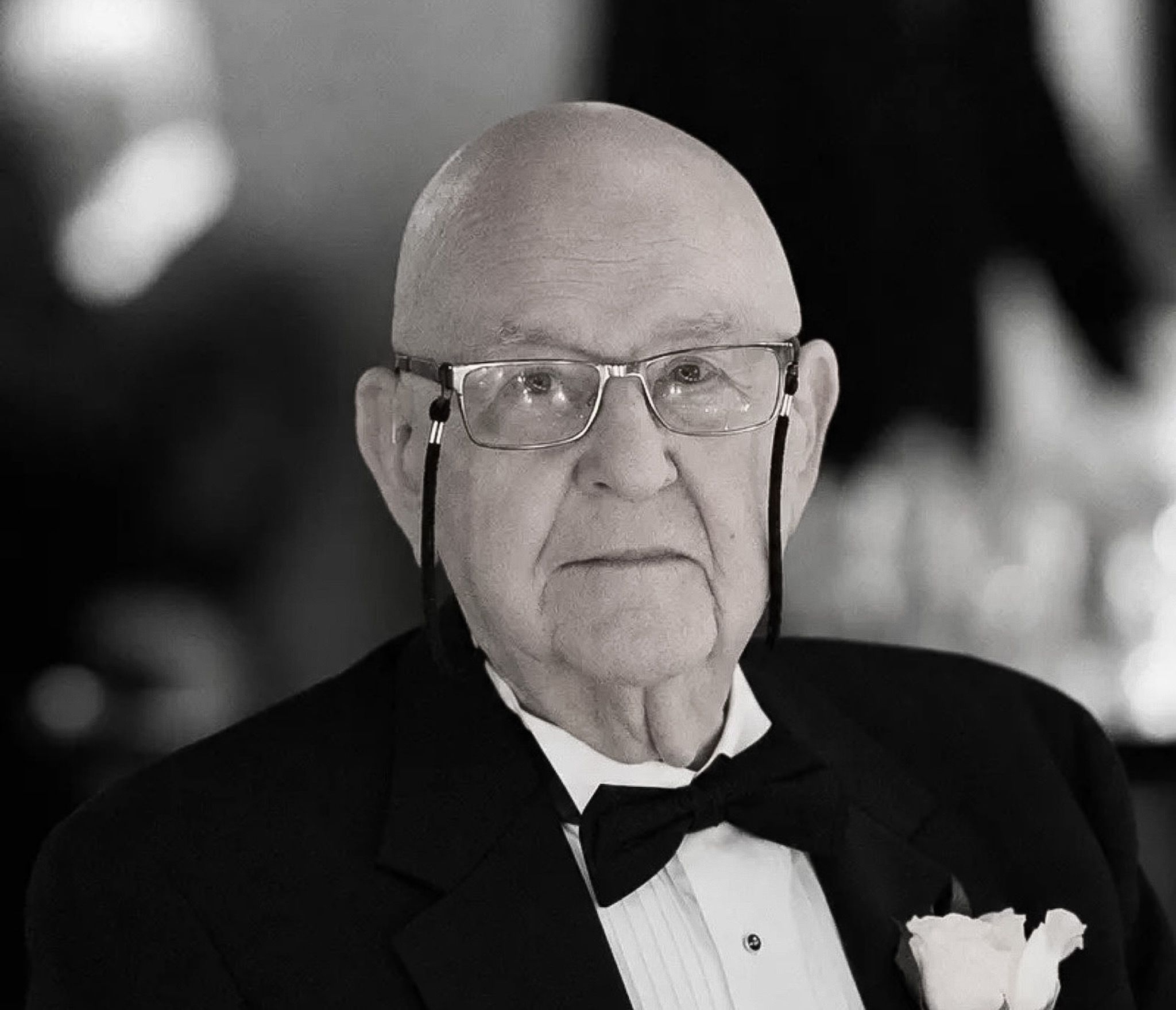
If you’ve eaten at a Philadelphia-area restaurant in the last six decades, there’s a good chance that Terry O’Reilly and his family had a hand in cleaning the dishes you used and the glasses you drank from.
Mr. O’Reilly, 88, who cofounded Termac Corp., which leases and services dishwashing equipment used by hundreds of restaurants and other commercial kitchens, died Thursday, Oct. 1, of natural causes.
Mr. O’Reilly, who lived in Holland, Bucks County, started Termac in February 1963 with a partner, using a red Volkswagen bus to shuttle among their stops. Termac, a family-owned supplier in a business dominated by conglomerates, now operates dozens of white-service vans throughout the region.
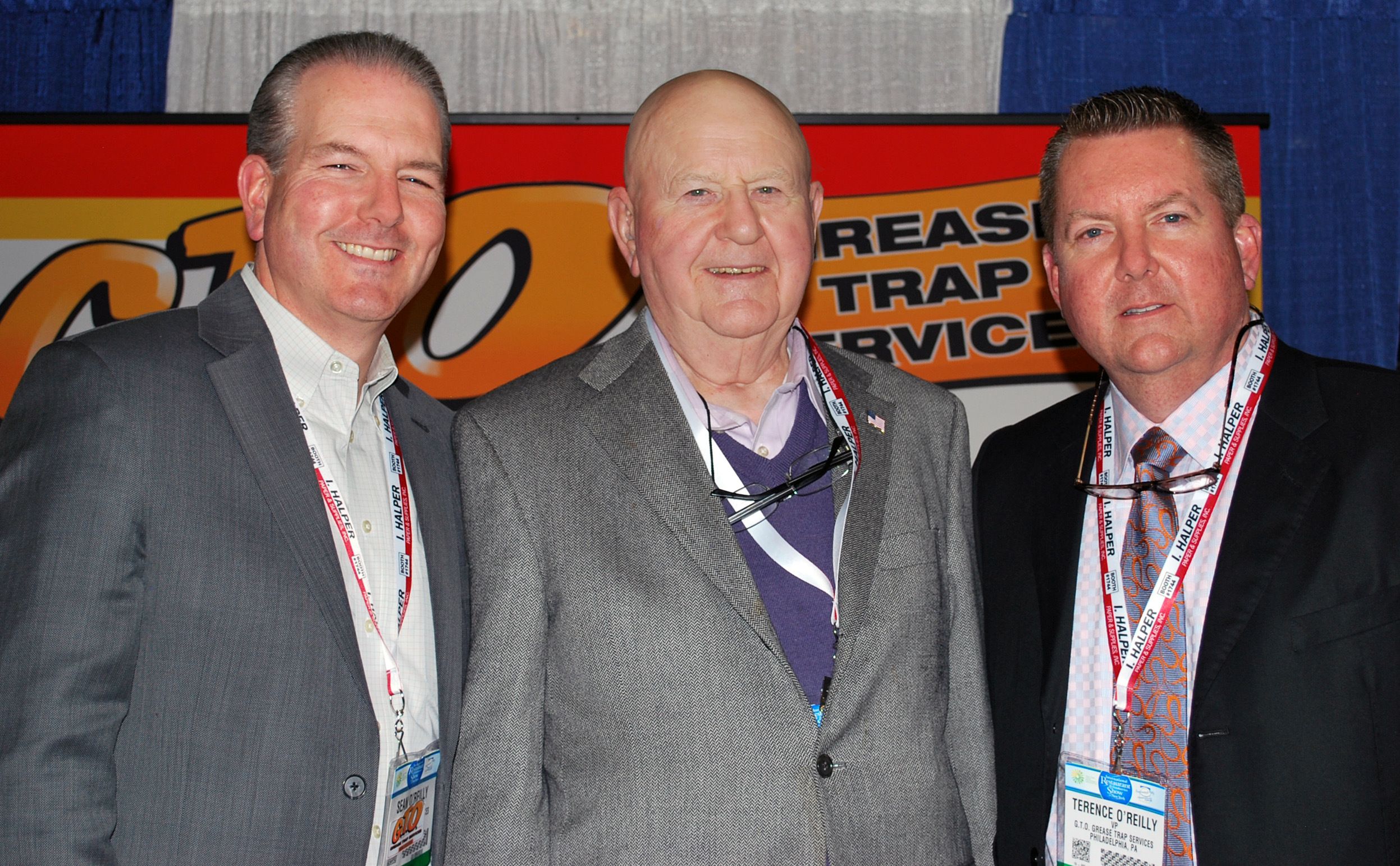
Terence J. O’Reilly Sr. (center) with his sons, Sean (left) and Terence Jr.Courtesy of the O'Reilly family
“When he was young back in Ireland, he always envisioned having a fleet of lorries, although he didn’t know what kind of business they would be used for,” his son Sean said. “It ended up being a restaurant-service business.”
Terence J. O’Reilly Sr. was born Feb. 27, 1938, in Kinawley, County Fermanagh, Northern Ireland. At 18, he left his family and sailed to the U.S. on the Britannic. He worked wherever he could find employment and attended La Salle College at night.
On Aug. 28, 1958, two years after his arrival, Mr. O’Reilly and a cousin visited a nearby family to meet an 18-year-old woman who had flown in from Ireland that day.
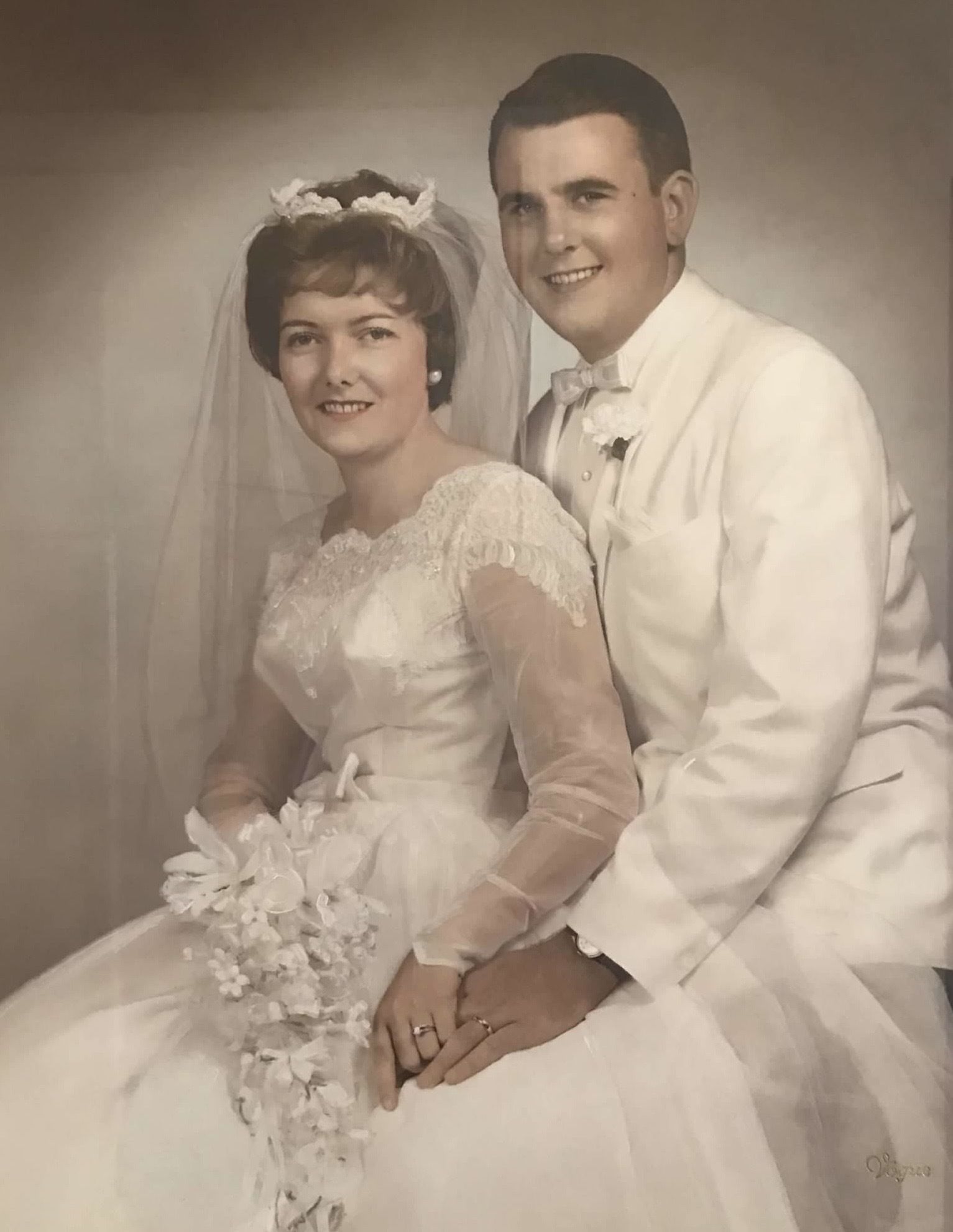
Terence and Maureen O’Reilly on their wedding day, Sept. 7, 1963.Courtesy of the O'Reilly family
Hanna “Maureen” O’Shea had come to live with an aunt and uncle who were friends with Mr. O’Reilly’s relatives. She and Mr. O’Reilly quickly became a couple, marrying in September 1963 and having four children.
“I always told my children, ‘I have to tell you — the first day I came here and saw your father, America was looking pretty good to me,’” Maureen O’Reilly said.
She said they likely would never have met in Ireland. He was from the north and she was from the south, more than eight hours away by car at the time. Their older son, Terence Jr., said his parents later drove between their hometowns, prompting his father to joke, “If I ever get married again, I’m going to marry someone closer to home.”
Terence J. O’Reilly (rear, center) with his family on the day in 1956 that he set sail for the United States.Courtesy of the O'Reilly family
Seven months before the O’Reillys were married, Mr. O’Reilly and Joe McAveety founded Termac, combining “Ter” from Terry with “Mac” from McAveety. After the men ended their partnership in the 1970s, Mr. O’Reilly expanded the business by emphasizing low-energy dishwashing machines during the energy crisis.
Termac, long based in Holmesburg, later launched related businesses that service commercial-kitchen grease filters and traps, install and maintain fire-suppression systems, and perform metal fabrication.
His sons, Terence Jr. and Sean, eventually joined the company. Working in the family business was less an invitation than an expectation, his older son said.
“We had no choice,” Terence Jr. said. “You know how it is with an immigrant family coming to America: You work for the family. That was the philosophy and the mentality.”
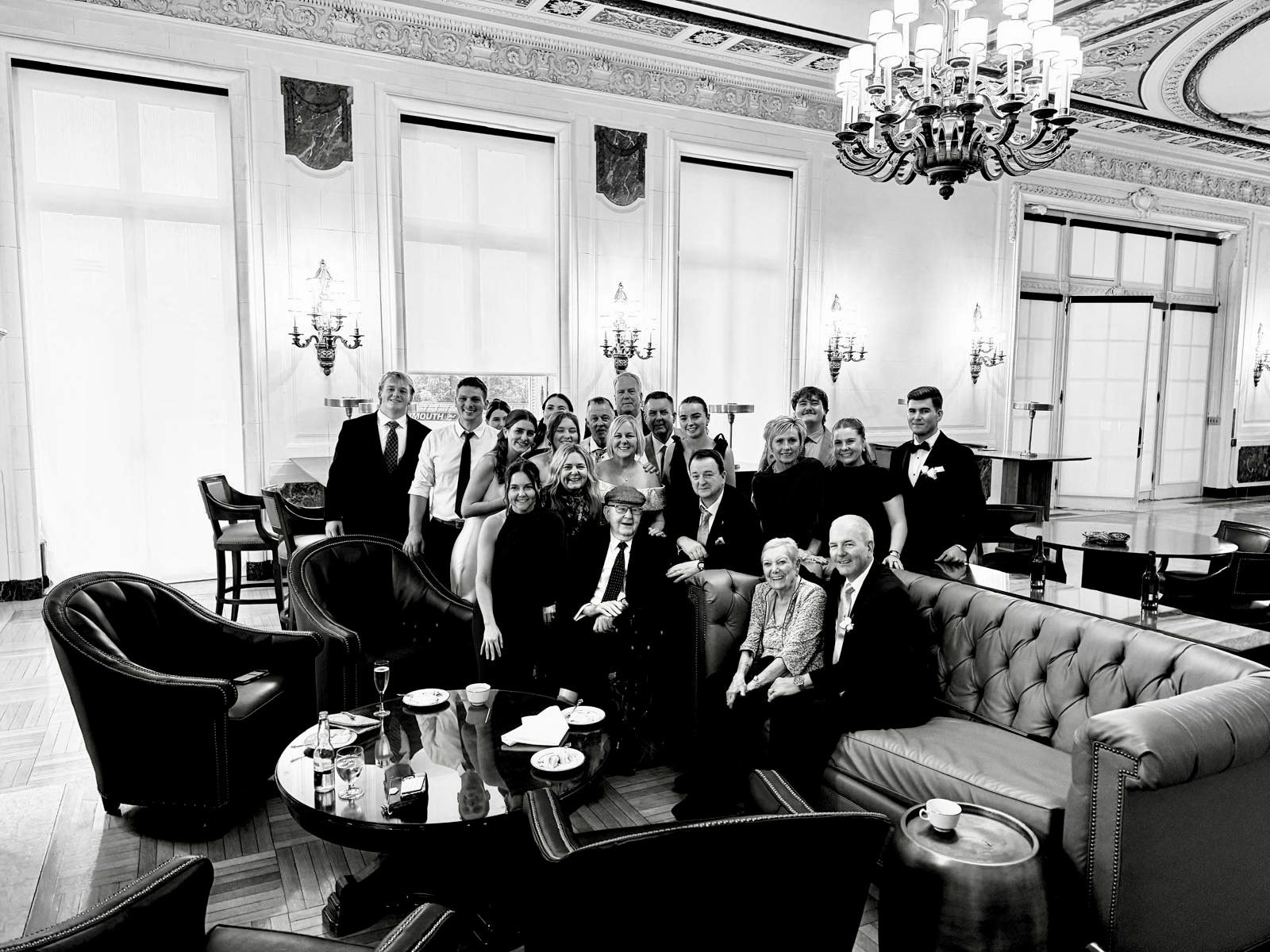
With the addition of grandchildren, Termac now is in its third generation. Five days before Mr. O’Reilly died, he attended the wedding of his grandson Terence in Long Branch, N.J.
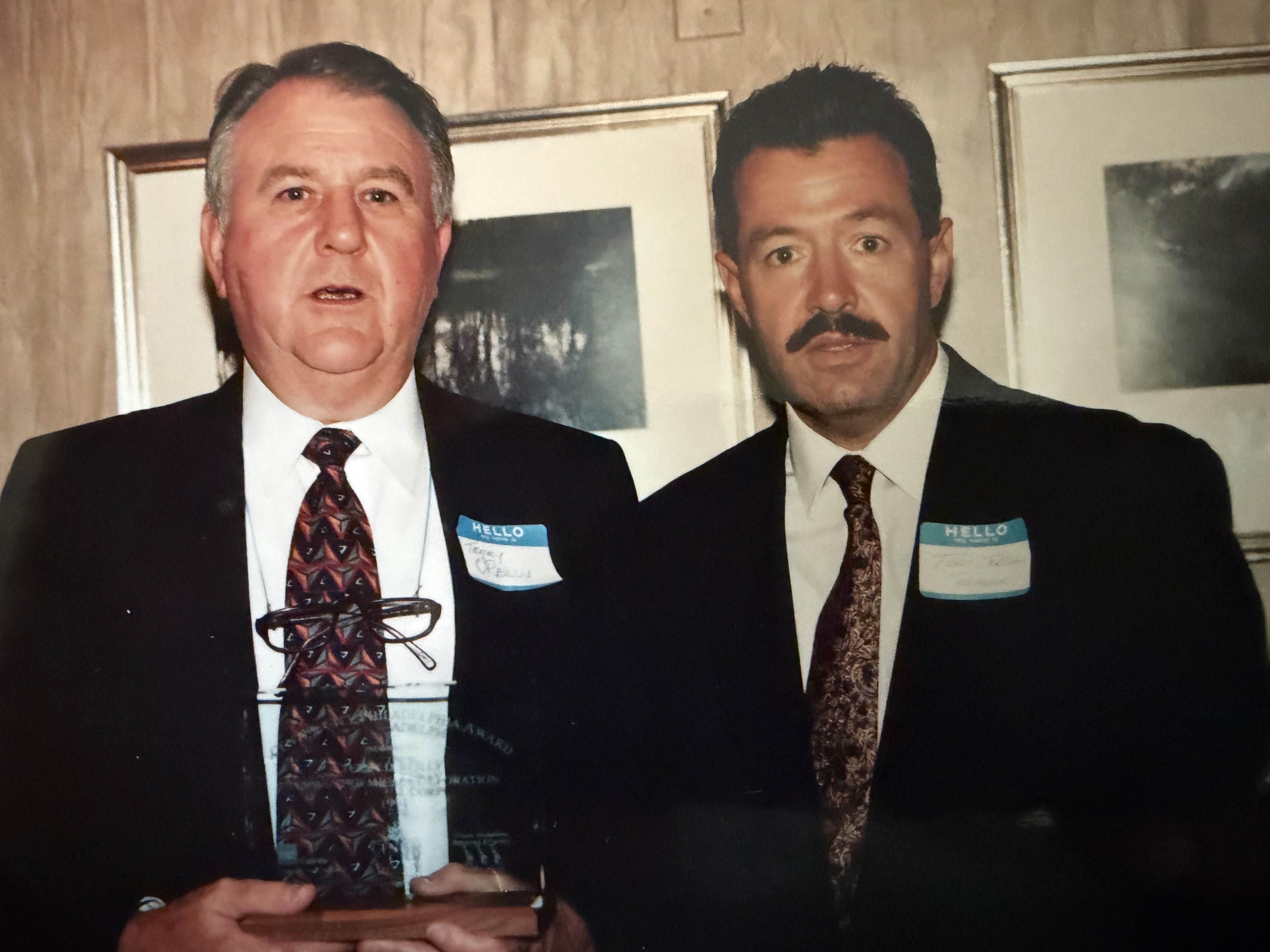
The sense of family extended to longtime employees. Termac salesman Tom Jordan worked for Mr. O’Reilly for 46 years. “When I started, there were maybe four or five people in the company,” Jordan said. “You felt like family from the first day. Realistically, how often does someone work for a company and, when his child is born, ask his boss and his wife to be the child’s godparents?”
Termac founder Terence O’Reilly Sr. (left) with longtime worker Tom Jordan.Courtesy of Tom Jordan
Mr. O’Reilly could be demanding as both a father and a boss, his children said. His youngest child, Patricia Onzik, joked that she received a softer version of him than her older siblings had. She was allowed to wear makeup in high school and attend school dances — privileges denied to the older children.
But beneath the toughness, his children said, was a father on whom they could depend.
“If you had any issue, if anything was going on, you could go to him,” Terence Jr. said. “You could tell him what was happening, and he would help you.”
Growing up, the family said, Mr. O’Reilly had limited opportunities. In America, he sought every opportunity to educate himself. He was extremely well read and enjoyed engaging in meaningful conversations with friends and family.
Terence J. O’Reilly Sr. (seated, in cap) with his family at the wedding of his grandson T.J. O’Reilly on Sept. 26, 2026, five days before his death.Courtesy of the O'Reilly family
His generosity extended beyond his family. Growing up poor in Ireland, he was particularly disturbed by hunger. His children recalled occasions when he visited a food bank, saw that its shelves were nearly bare, and returned with food.
Mr. O’Reilly was a longtime member of St. Bede the Venerable Church, served in the Army National Guard, coached his children’s soccer teams, and served as a Scout leader. He traveled extensively, practiced fly-fishing, carved wood, and belonged to the Delaware Valley Woodcarvers. He also enjoyed weekends in Ocean City, N.J., and spending time with his grandchildren.
Looking back at their life together, Maureen O’Reilly recalled sometimes asking her husband if he realized what he had accomplished.
“I used to say, ‘Oh, my God, Terry, look at this. You worked so hard. Look what you did,’” she said. “He would always say, ‘You think so?’”
In addition to his wife, Maureen, sons Terence Jr. and Sean, and daughter Patricia Onzik, he is survived by his older daughter, Eileen Norton; 13 grandchildren; and sisters Breda Rudden and Bronagh Reilly.
A visitation will be held from 6 to 9 p.m. Wednesday, Oct. 7, at Joseph A. Fluehr III Funeral Home, 800 Newtown-Richboro Rd., Richboro. A second visitation will begin at 10 a.m. Thursday, Oct. 8, at St. Bede the Venerable Church, 1071 Holland Rd., Holland, followed by a funeral Mass at 11 a.m. Burial will be at All Saints Cemetery in Newtown.
Donations may be made to the Legacy of Life Foundation, 25 S. Main St., Suite 217, Yardley, Pa. 19067, or legacyoflifefoundation.org.
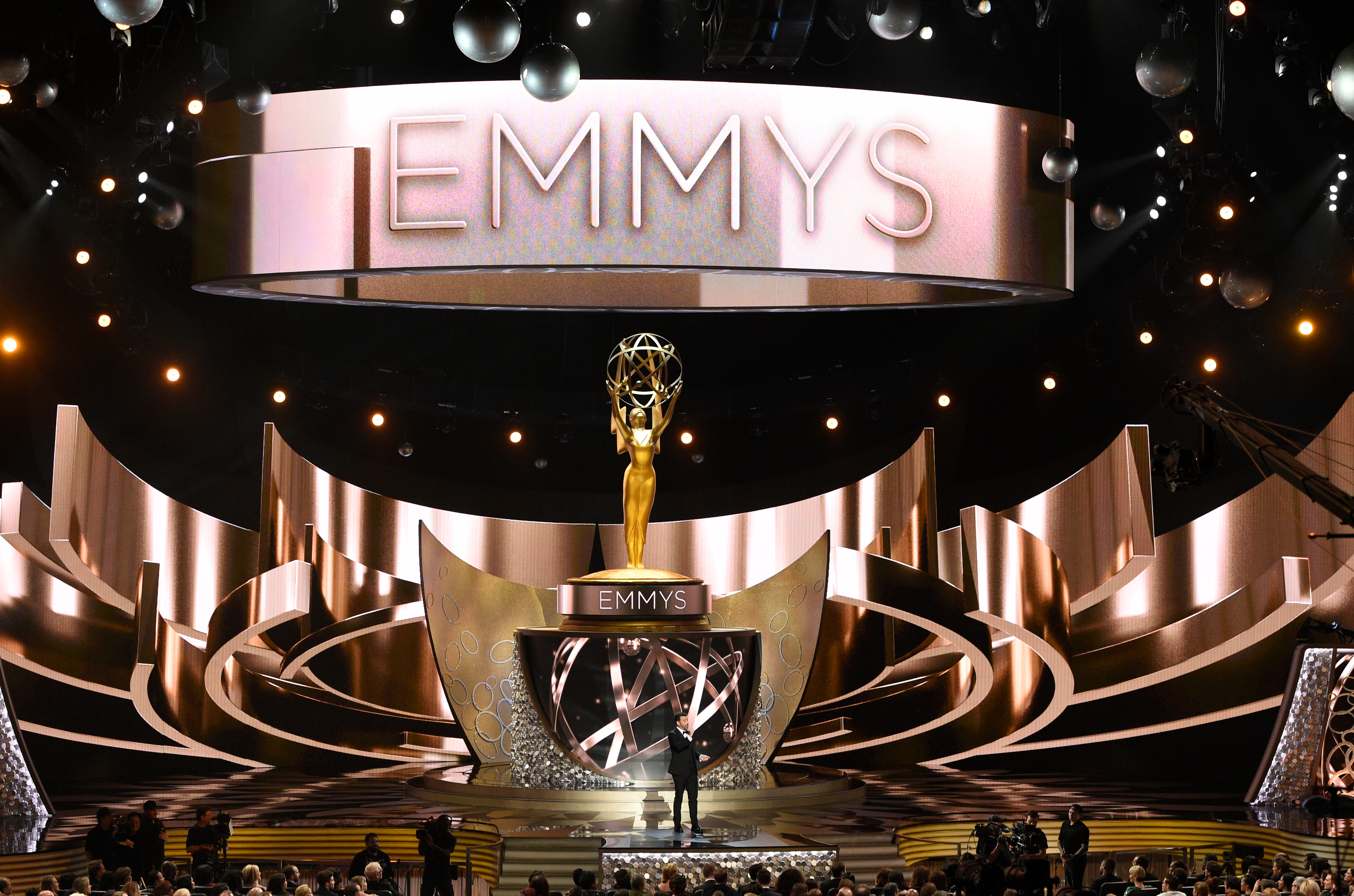
LOS ANGELES — The Emmy Awards are moving to Prime Video starting in 2027 in a six-year deal struck between Amazon and the Television Academy that ends a seven-decade run of broadcast networks airing the ceremony honoring the best in TV.
The agreement announced Tuesday means a shift to the streaming services that have come to utterly dominate the prestige categories at the Emmys.
The show has aired on one of the four broadcast networks every year since 1955. NBC was first to air it nationally, and was the last to host it last month. For the past three decades it has been in a yearly rotation between ABC, CBS, Fox and NBC in what was known as the “Wheel Deal.”
Having a single, long-term home starting with next September’s 79th Primetime Emmy Awards may be the biggest change.
“Continuity is a big part of what we’re looking for because the rotating part of it basically meant in many ways that we were starting over every year,” Cris Abrego, chairman of the Television Academy, told The Associated Press. “With one partner over six years, we can really learn together and build from year to year together.”
The Emmys will continue to air free of charge as it always has, a demand the Academy made from the start to its suitors. No Prime Video subscription will be required to watch.
The move echoes the Oscars’ deal announced in December sending them to YouTube and ending their own, just-as-long relationship with broadcast networks. But unlike that agreement, announced in 2025 and starting in 2029, this one is effective immediately.
“We’re on the clock, we gotta get rolling,” Mike Hopkins, head of Prime Video and Amazon MGM Studios, told the AP.
Nearly all awards shows have seen steep drops in viewership in a more segmented culture, and the Emmys have consistently lagged behind the Oscars, Grammys and Golden Globes even as the acclaim for the shows they honor has grown. At its peak, the show drew more than 20 million viewers. The figure now hovers around 7 million.
Both the Academy and Amazon said Prime Video might be in a position to change that as a place where so much of the Emmys programming can be viewed, whether it’s a Prime production or a streaming partnership. The biggest winners at the last two Emmys, “Widow’s Bay” and “The Studio,” can both be watched on Prime Video through its partnership with Apple TV.
“I think we’re going to be able to increase the viewership over time on this show, age it down, actually bring in a younger audience, which I think is a catalyst to growing,” Hopkins said. “We will have the opportunity throughout the year to be promoting Emmy nominees to our customers as a way of saying ‘Hey, watch these shows, but also watch the Emmys.’”
Abrego said this approach, and Prime Video’s role as a television hub, was a major consideration in taking the show there.
“They really support all television,” he said. “We want reach, we want access, and we felt Amazon was in line with that.”
And while Abrego acknowledged the significance of the move to streaming and its implications, he said the content is far more important than how it’s delivered.
“The Academy has never defined television by how it reaches your screen or even which screen it reaches,” he said. “The goal is to consistently want to recognize excellence wherever it comes from.”
Live events on Amazon have not been a novelty for a long time. It’s been nearly a decade since it first aired an NFL game and many other major sports and other events have followed.
“We look at our service as something that’s a hybrid between live and on-demand, and we’ve made live a real priority,” Hopkins said.
Football has always been a problem for the Emmys. Its time slots on Sunday or Monday nights in September nearly always lead to a clash with the rating monolith of the NFL.
The ceremony will stay in September in 2027, but that doesn’t mean it is set for the run of the agreement.
“We had conversations with Amazon, if we wanted to change that date moving forward with time, we could explore it and we would be open to it,” Abrego said, acknowledging that it would have repercussions with deadlines and voting.
California leaders condemned President Donald Trump on Monday night after he appeared to suggest that Iran could “take out” Los Angeles and San Diego if it develops a nuclear weapon.
Speaking at a Republican political rally in Nebraska, the president sought to justify the Iran war as necessary for “keeping the world safe.” He then suggested there could be strikes on the United States, including the Democratic-led Californian cities.
“They could take out a city,” he said. “Let them take — Let them take out Los Angeles. Let them take out San Diego.”
It was not immediately clear what Trump meant, but his comments were met with anger from officials in California, including Gov. Gavin Newsom, who called the president “deranged and dangerous.”
“After sending the National Guard and Marines to occupy California, Donald Trump is now saying our foreign enemies should ‘take out’ Los Angeles and San Diego,” Newsom posted on social media.
Mayor Todd Gloria of San Diego wrote on social media that his city was not “collateral damage” and not “expendable.”
“Keep our city out of your reckless war talk,” he added.
In Los Angeles, Mayor Karen Bass said the president’s comments were “dangerous” and could “potentially compromise” the city’s safety.
“The role of a president is to protect the country, not to actively threaten it and encourage attacks on American lives,” she said in a social media statement.
The White House did not immediately respond to a request for comment on Trump’s remarks.
In his speech Monday, Trump also suggested the war with Iran was “going to end very soon” but did not provide any information as to how. Among his key justifications for launching the war in Iran this year was to prevent it from developing a nuclear weapon.
Last week, Trump turned down Iran’s latest ceasefire proposal to reopen the Strait of Hormuz and restart talks on the country’s nuclear program in exchange for U.S. concessions.
Growing up on the other side of the state in West Homestead, Pa., Jeff Goldblum didn’t have much occasion to venture eastward to Philadelphia. But over the phone from his home city earlier this week, where he was due to perform with the Pittsburgh Symphony Orchestra at Heinz Hall on Tuesday, he did recall one brush with Philly from those early years.
On Saturdays, Goldblum attended the famed Tam O’Shanter art classes at Pittsburgh’s Carnegie Museum of Art. Former students included Andy Warhol.
“We would dress up,” Goldblum recalled. “It was very adult, a little bit formal and high-minded. My dad would drive me there, and one Saturday we were having breakfast at the counter at Webster Hall [Hotel]. It was only us and one other guy at the end of the counter, and my dad said, ‘You see that guy over there? That’s Sonny Jurgensen.’ He was the star quarterback for the Philadelphia Eagles, who were in town to play the Steelers. That’s a little bit of a Philadelphia connection.”
Actor/pianist Jeff Goldblum and his Mildred Snitzer Orchestra kick off Ensemble Arts Philly’s 2026-27 jazz season at the Miller Theater on Wednesday, Oct. 7.Christian Coppola, Courtesy: Madison Militello, Allied Global Marketing
Goldblum will make some new Philadelphia connections on Wednesday night when he leads his band, the Mildred Snitzer Orchestra, at Miller Theater to kick off Ensemble Arts Philly’s jazz season.
The actor has played piano for most of his life and launched the band 30 years ago as a side project between acting jobs.
It’s become a much more serious endeavor over the last decade. It has released five albums, including the latest, Night Blooms, which features vocal appearances by Melody Gardot, Scarlett Johansson, Charlie Puth, and Goldblum’s Wicked costars Ariana Grande and Cynthia Erivo.
He spoke to The Inquirer about his music, his acting, and his music-acting.
This conversation has been edited for brevity and clarity.
Actor/pianist Jeff Goldblum and his Mildred Snitzer Orchestra kick off Ensemble Arts Philly’s 2026-27 jazz season at the Miller Theater on Wednesday night.Christian Coppola, Courtesy: Madison Militello, Allied Global Marketing
When we last spoke in 2018, did you have any idea that this band was going to become such a major part of your life?
JG: No, it was still in its seedling stage. I’d been doing it since I was a kid, and I’d get jobs in Pittsburgh at cocktail lounges as a lark. But I wanted to be an actor. Then 30 years ago, Peter Weller and I did this movie, Buckaroo Banzai, together, and he said, ‘Let’s play at each other’s houses.’ He had a pal, believe it or not, Miles Davis, who said, ‘Instead of just going through the fake books at your houses, you guys should get a gig and play with some real musicians. It’ll be fun and you’ll get better.’I kept it going in between jobs, and I think we’re getting better and better, and I’m enjoying it more and more.
You’re singing now as well as playing the piano. Much of your repertoire consists of American Songbook standards, which tend to be story or character songs, much of it from movies or musicals. Do you apply your acting talents to interpreting those songs as a singer and as an instrumentalist?
JG: Certainly when I’m singing, I’m trying my best to tell the story and be newly inspired and informed by the words and what I’m singing about. But yes, as you say, when I’m playing an instrumental and there are lyrics that we’re not using, sometimes I like to think of those as I’m trying to make the piano sing.
Actor/pianist Jeff Goldblum and his Mildred Snitzer Orchestra kick off Ensemble Arts Philly’s 2026-27 jazz season at the Miller Theater on Wednesday night.Christian Coppola, Courtesy: Madison Militello, Allied Global Marketing
After so many years of playing characters, is it strange for you to be on stage as yourself — or is there still a persona that you’re playing with the band?
JG: Well, two things can be true at the same time.I try to be as authentic as possible. I’m not trying to arrange myself in any way that will have a particular effect. On the other hand, I do like to be very kind of specific with how I dress these days.I get excited about working with [stylist] Andrew Voterro, who collaborates with me on that kind of stuff. So it’s not the whole story, but it’s a bit of a characterful part of me.
Beyond the classic material that you’re playing with the Orchestra, what music have you been digging into lately?
JG: We recorded “Misty,” and I’ve talked about my love of Erroll Garner, who was my dad’s favorite piano player.My band recommended [Garner’s 1955 live album] Concert By the Sea, and I’d never heard some of that stuff. It’s on my phone right now as I work out, and that’s a whole bushel of music that I’m crazy about.
I was just listening to Glenn Close talk about The Big Chill, and how we used to get together and listen to Michael McDonald, who had an album out right then, and I’ve come upon some yacht rock stuff that I get a kick out of. And of course, we’ve (Goldblum and his wife) got these two kids, River and Charlie, who have some passions of their own. We have dance parties and they play all kinds of things.MC Hammer’s “Can’t Touch This” was one of River’s favorites, so I put on Tower of Power, but they turned up their noses at that.
Actor/pianist Jeff Goldblum and his Mildred Snitzer Orchestra kick off Ensemble Arts Philly’s 2026-27 jazz season at the Miller Theater on Wednesday night.Christian Coppola, Courtesy: Madison Militello, Allied Global Marketing
There will inevitably be people in the audience who might not typically go to a jazz concert, who are there because they’re fans of your films. How do you approach the performance with that in mind?
JG: That’s occurred to me. I’m particularly thrilled by it because it’s my delight and responsibility to sometimes introduce people to some of these classic songs and this kind of music.In fact, just recently I’ve taken to making a little primer to what they might expect, a couple of words that might enhance their appreciation of what they’re about to see that’s noncondescending and nonpatronizing — nothing that sounds like Jeffsplaining.
Jeff Goldblum & the Mildred Snitzer Orchestra, Oct. 7, 8 p.m., Miller Theater, 250 S. Broad St., Phila., ensembleartsphilly.org
If you have hourly employees who split their time between home, the office and customer locations, you should take another look at when their workday actually begins.
The U.S. Department of Labor clarified these rules in July, and your business could be impacted.
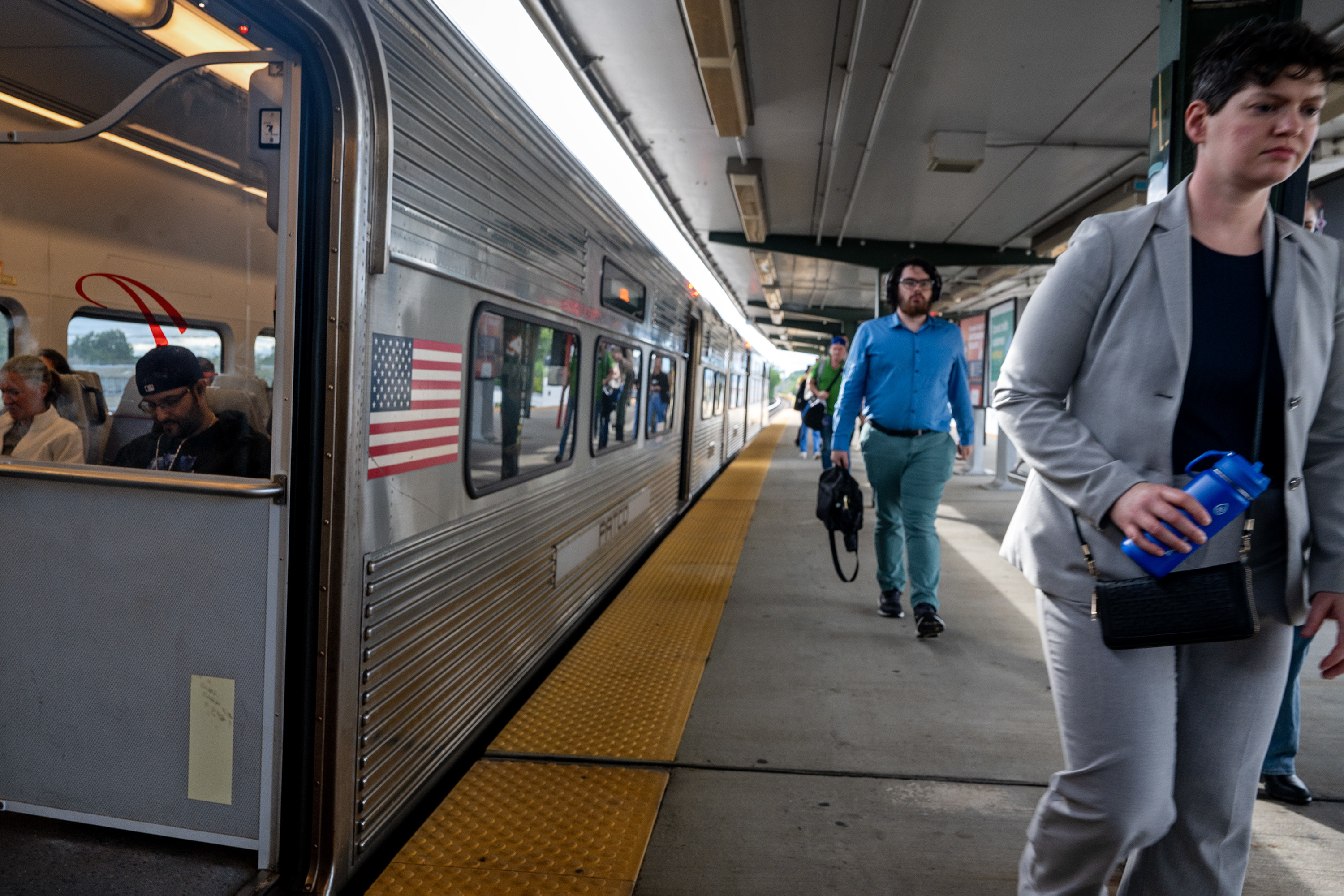
Under the Fair Labor Standards Act (FLSA), “commute time” is the time an employee spends in ordinary travel between their home and their regular place of work. Under the FLSA, employers generally do not have to pay employees for ordinary travel between home and work. But travel undertaken as part of the job generally must be paid.
For example, travel between job sites during the workday is compensable, and so is travel for certain unusual one-day assignments away from an employee’s regular workplace.
An ordinary commute does not become compensable work even if the commute occurs in the middle of the day, said James Boudreau, an employment attorney at Reed Smith.
“For employers concerned that hybrid-work arrangements could inadvertently convert commuting time into paid work time, the opinion provides meaningful reassurance,” he said.
The Labor Department’s recent opinion letter is more of a clarification than a major change in the law, Media-based lawyer Trevor Serine said. Still, it’s important that employers understand the rules around compensation for commute time.
What’s the law say about commute time?
Employers generally do not have to pay employees for their normal commute between home and their regular workplace under the FLSA. But they do have to compensate workers for the cost of traveling beyond their normal commute — for example, a special assignment. In addition, compensation may be required if the employee is asked to perform work along their normal commute, such as picking up supplies, transporting other employees, or performing other work-related duties.
A federal law called the Portal-to-Portal Act amended the FLSA and narrowed what kinds of time employers must compensate for, Serine noted.
A real-world example of compensable travel time
The challenge is, especially in today’s workplace, coming into the office at 9 a.m. and leaving at 5 p.m. has become less common. Workers are coming and going, depending on their job.
Boudreau gives the example of a typical small plumbing company:
If a plumber leaves home and drives 20 minutes to the office, that time is not compensable. If that same plumber drives 20 minutes to a job site, that’s also not compensable. However, if the plumber drives first to the office and then to the job site, the time driving from the office to the job site (and any other job sites after that) is compensable.
The issue is what’s an “ordinary” commute. If that plumber drives 50 minutes to a job site when it would normally take 20 minutes to drive to the office, do they get paid for the additional 30 minutes? That depends on whether that trip was for a special assignment or is a recurring, ordinary commute.
What if the employee is working during the commute?
Boudreau says “it’s easy” to imagine real-world scenarios where answering a phone call or responding extensively via email during a commute would be compensable.
Employees can get paid for work during their commute if the task “is actually connected to fulfillment of the employee’s job responsibilities” and it will “primarily benefit the employer.”
But “brief interruptions … are generally deemed incidental and not compensable,” he said.
With so many businesses now allowing employees to work hybrid schedules, compensating for commuting time is increasingly subject to debate.
Serine says the Labor Department’s recent opinion letter aims to end that debate. Though, Boudreau noted, opinion letters are not binding and are meant to be taken as guidance.
“Anytime you’re going from your home to a static place of employment, nine times out of 10, it’s going to be considered a commute, and it’s not payable,” Serine said. “If you’re required to leave your house and go to a job site, they’re going to say that that’s obviously part of your job, and that’s payable.”
A clear policy
The rules can be confusing and are always subject to change. So both Boudreau and Serine recommend having a written travel and work-time policy that’s consistent with federal and state wage-and-hour laws.
Clear policies and documented training are “key” to educating both managers and employees as to what time is compensable, Boudreau said.
He says employers “need to establish clear guidelines and expectations for managers” such as not sending emails or soliciting responses after standard work hours “unless absolutely necessary.” And, Boudreau said, employees similarly need to understand that they are not expected to work outside the normal work day.
It’s important to communicate clearly where your employees are expected to report, define what counts as work during travel, require all compensable time to be recorded, and put those rules in writing.