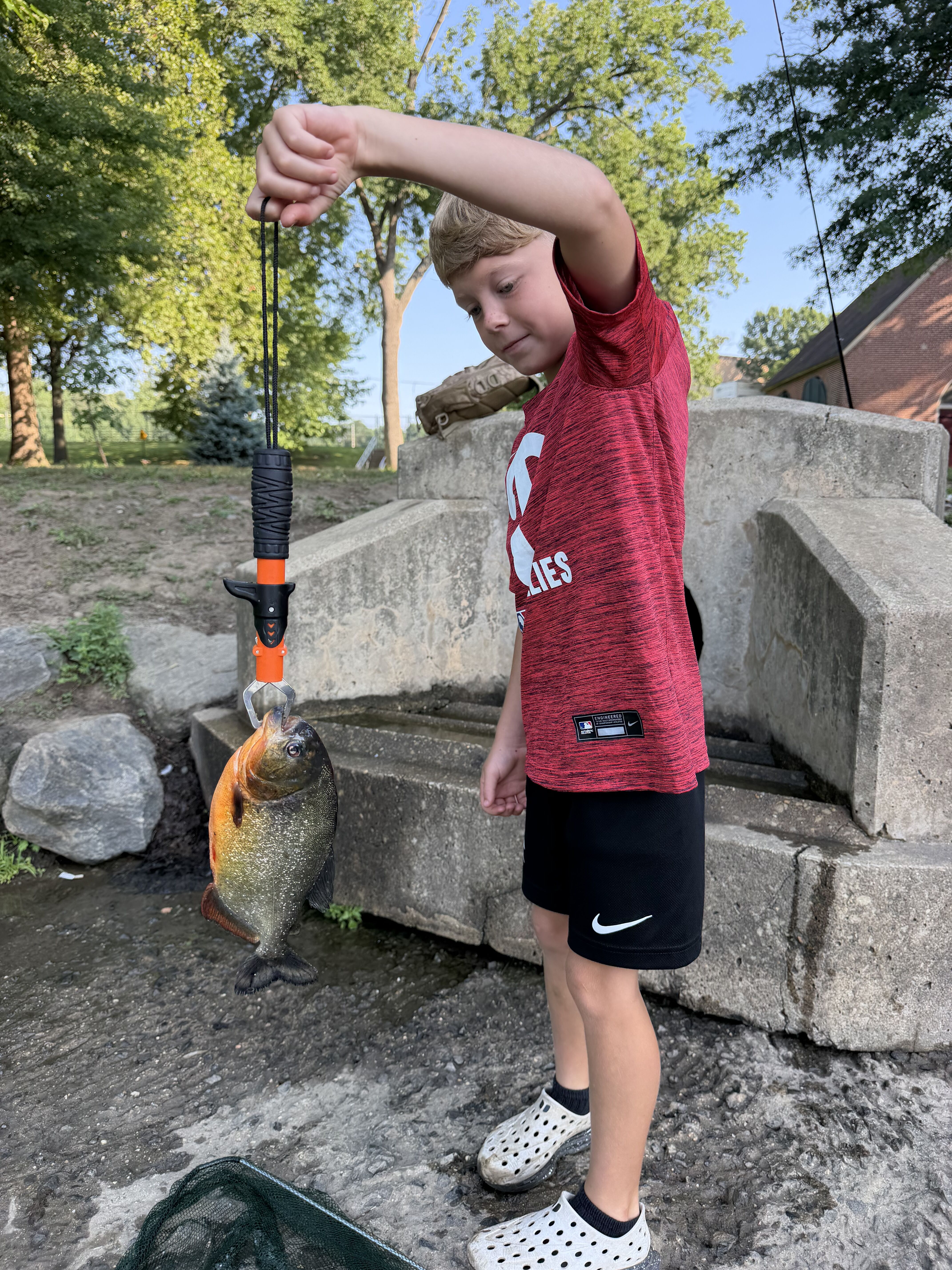
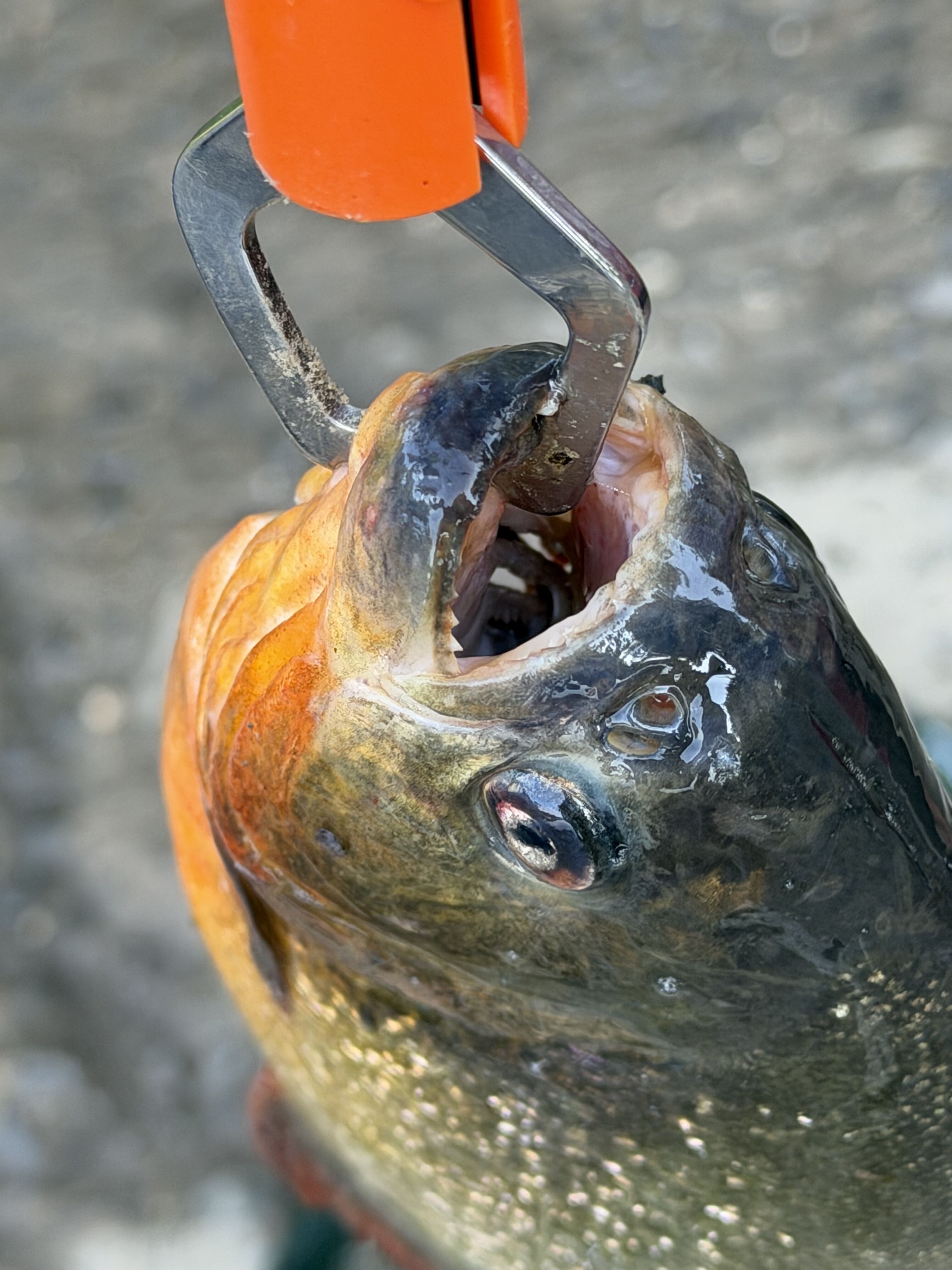
When 8-year-old angler Seamus Coffey reeled in a 2-pound, red-bellied creature with menacing teeth last weekend, he knew exactly what he had caught.
“That’s a piranha!” Mike Coffey recalled his son screaming on the banks of Ridley Park Lake.
Surely, his father thought, Seamus was mistaken — this must just be a bluegill or sunfish or a bass. A quick reverse image search confirmed Seamus’ hunch.
“No, Dad,” Seamus, who loves watching fishing videos on YouTube, insisted, “that’s a piranha.”
Pictured here, the piranha at the center of Seamus Coffey’s recent virality.Courtesy of Mike Coffey
Now, Seamus is a budding influencer and wannabe YouTuber. Brands are sending him fishing gear, according to de facto manager and agent Mike, who is fielding media requests and running a GoFundMe for filming equipment. Their new Instagram persona, @ReelTalkPiranha, bills them as the “father-and-son duo who took down the infamous Delco Piranha.”
“I understand it’s an extremely, extremely rare circumstance to catch the fish that we did, but we did not expect anything like this,” Mike Coffey said of their virality.
Seamus, meanwhile, has not quite internalized his newfound fame. His bashful TV appearances have been clipped for social media — “I’m everywhere,” Coffey recalled his son saying while scrolling on the couch — but he “doesn’t really understand how big it is.”
Saturday, Aug. 8, started as a normal day of fishing for the Coffeys. Armed with frozen shrimp, they cast their reels hoping to maybe catch a catfish. After a little more than an hour, Seamus pulled in the piranha.
Mike Parker, spokesperson for the Pennsylvania Fish and Boat Commission, said biologists visually confirmed it was a “species of piranha.” No other piranhas have been reported at the lake.
The South American tropical fish was likely a pet whose owner dumped it in the Delco lake — a crime punishable by misdemeanor charges or fines, according to Parker.
“If you have one of these exotic pets and you can no longer take care of it … you have to understand you’re responsible for that animal,” Parker warned. “Releasing it isn’t only illegal, but it’s really cruel.”
While the catch was concerning and unusual, Parker said, his agency does not believe this is a serious or ongoing threat. Frankly, he said, tropical fish cannot survive a Pennsylvania winter. (Mike Coffey said he killed the fish humanely and threw it back into the water.)
“A lot of things happen for a reason,” Coffey said. Seamus “had a lucky catch that day and it took off.”
Editor’s note: This story was updated to include information from an interview conducted with Michael van der Veen and William Brennan after the story was published. van der Veen, Brennan, and their attorney, George Bochetto, did not responded to multiple interview requests in the days leading up to publication.
A newly formed local group sued the Gayborhood’s Bar X this month, alleging it is a public nuisance. The group wants to shutter the decade-old business, whose clientele is largely Black.
The lawsuit asks a Philadelphia Common Pleas Court judge to order the Camac Street bar to cease operations. It arrives at a time of increased police presence on the nightlife strip and heightened tension between the city’s Black LGBTQ+ community and police.
Bar X has “repeatedly generated excessive noise, disorderly conduct, disturbances, violence, public intoxication” and requires a constant police presence, the complaint says. It also claimed neighbors have observed “public displays of drunkenness and sexual activity” outside the bar.
The city failed by maintaining the establishment’s business license, the suit says, urging a judge to revoke it.
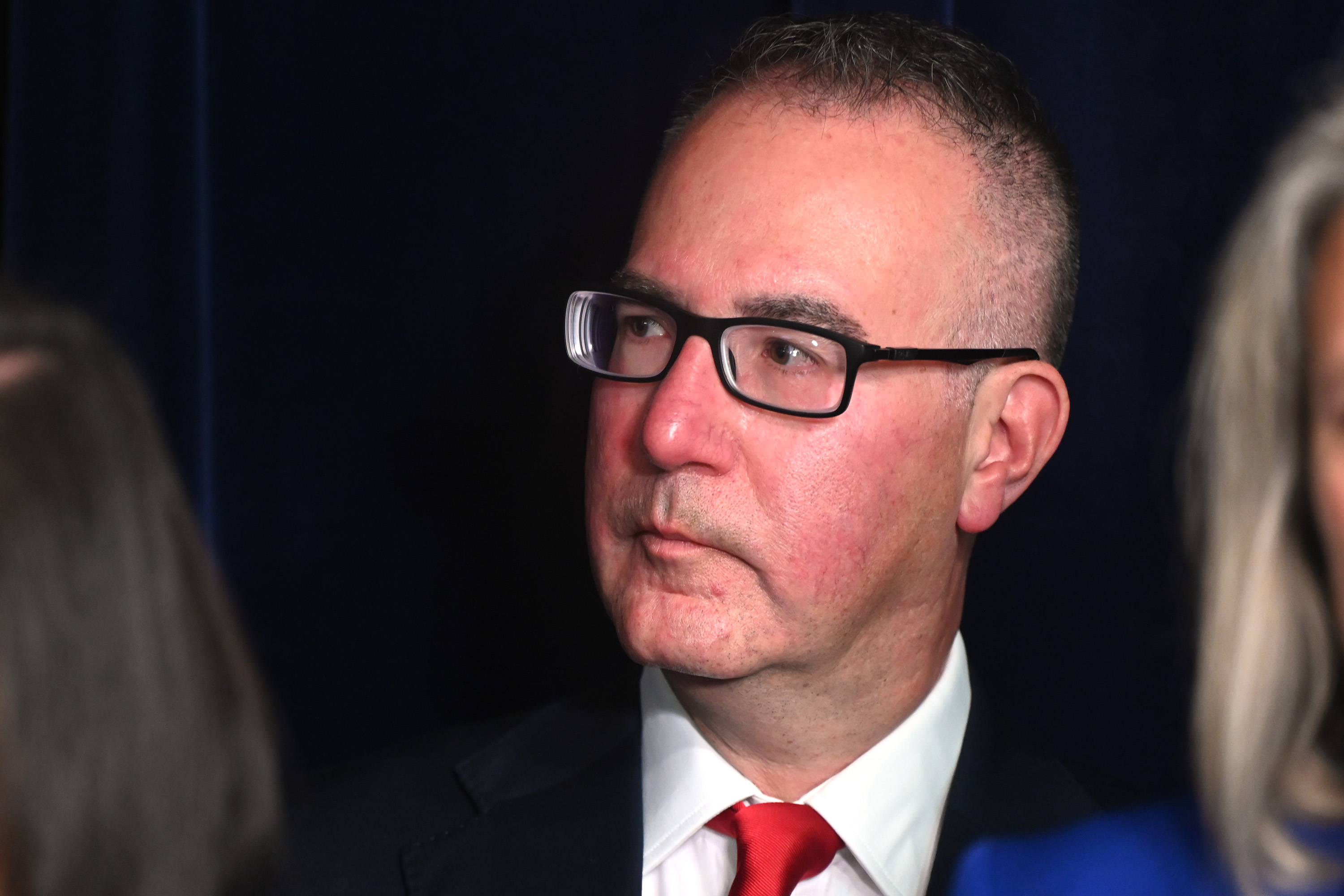
Behind the lawsuit is Michael van der Veen, a 62-year-old high-profile Center City lawyer whose office is in the building across from Bar X on Camac Street.
The bar has been using the office’s parking spot for years, van der Veen said, despite repeated requests to remain off the lawyer’s private property.
But things escalated in July when, according to van der Veen, he was assaulted while leaving his office around 9 p.m. at night.
“When I got jumped from behind and got coldcocked, I was done,” he said.
Days later, veteran criminal defense lawyer William Brennan incorporated Save Our Neighborhood for Tomorrow Inc., the group that filed the lawsuit against “the dive bar of the Gayborhood,” as Bar X pitches itself.
“This changed when passive-aggressive behavior became assaultive-aggressive behavior,” Brennan said. “It can’t be tolerated.”
Save Our Neighborhood for Tomorrow does not appear to have a website or social media presence.
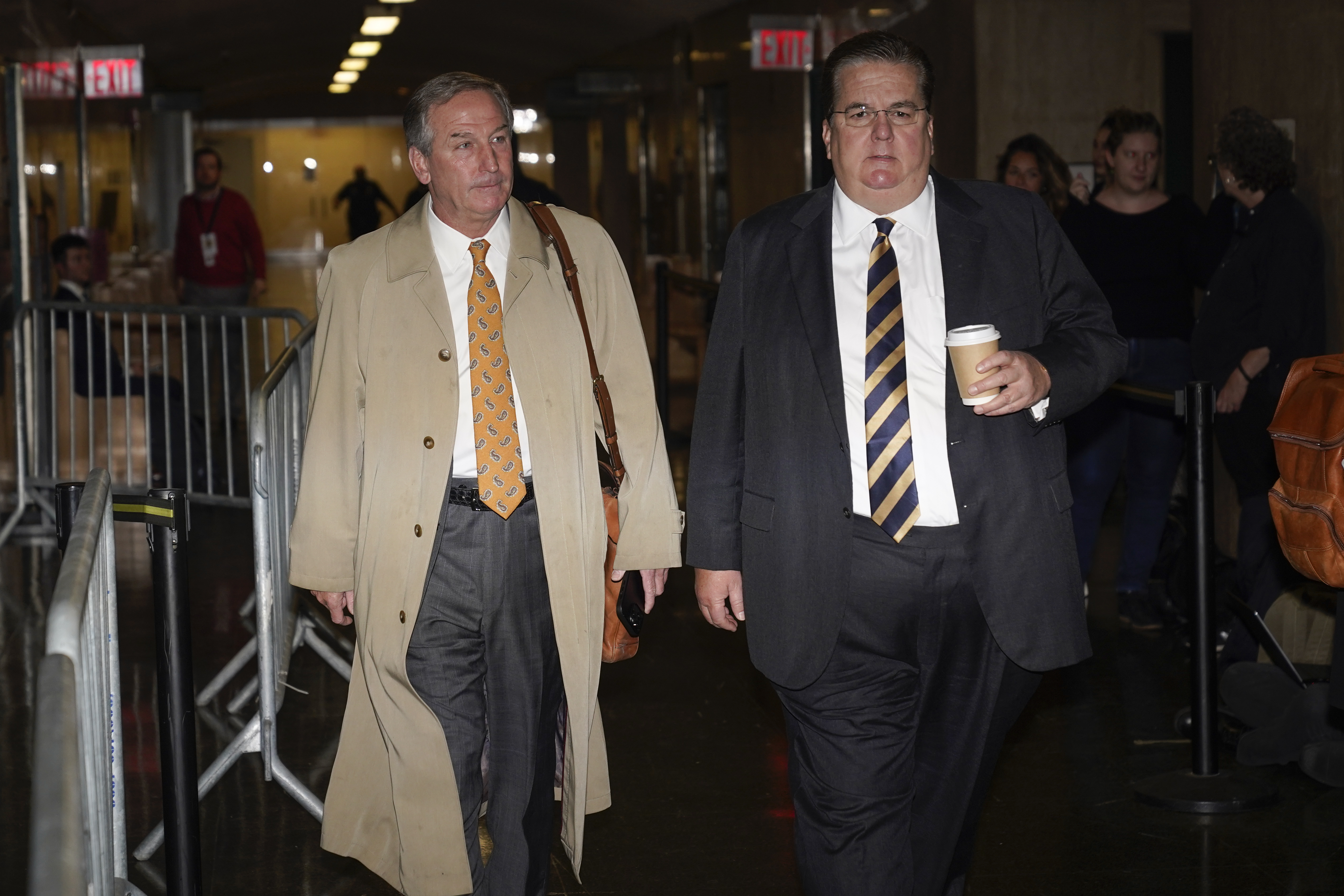
Defense attorneys Michael van der Veen, left, and William Brennan arrive to criminal court in New York in 2022 for Trump’s tax fraud case. Seth Wenig
George Bochetto, the attorney who filed the lawsuit on behalf of the newly formed group, did not respond to repeated requests for an interview. Bochetto is also representing a different group of Pine Street and Spruce Street residents who won an injunction to pause safety upgrades to bike lanes.
The lawsuit against Bar X names owner Tony Tsang, business entities associated with the bar, the city, and the commissioner of the Philadelphia Department of Licenses and Inspections, Bridget Collins-Greenwald. The city did not respond to requests for comment.
Tsang disputed the allegations of public drunkenness and sexual activity and said the bar is a longtime fixture of the block.
“You don’t like it, you like it quieter, how come you don’t move out of the city?” Tsang, 59, said in a recent interview at the bar. “One block, three bars, how come they’re only complaining about us?”
A ‘very homey’ gay bar
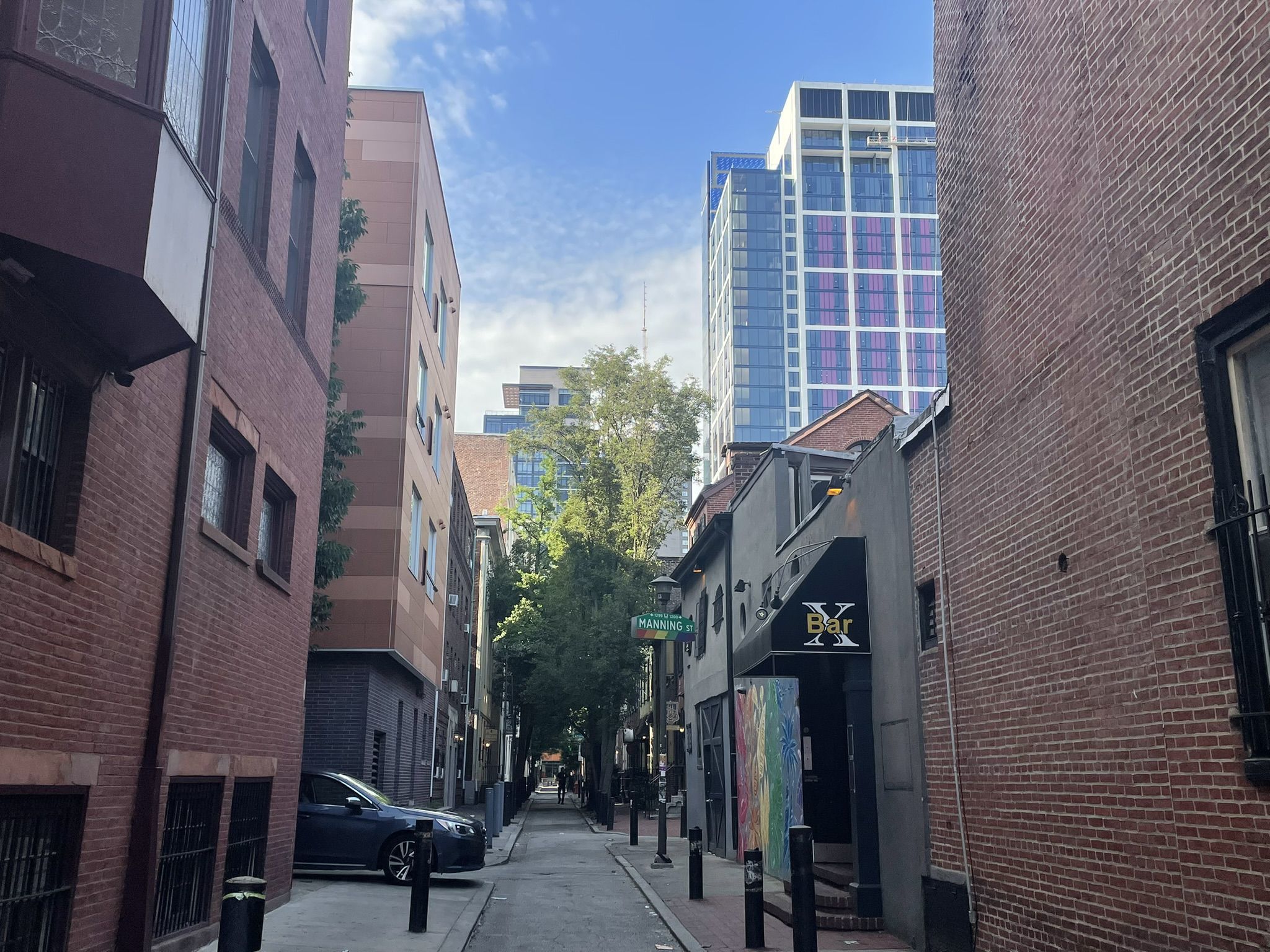
Bar X sits between Locust and Spruce on Camac, a narrow, 200-year-old street that is home to two other gay bars, Tavern on Camac and UBar. It is also around the corner from the bar 254, which replaced Tabu. Those three bars are all owned by the Tavern Group.
Tsang said the majority of his clientele is Black and suggested that the lawsuit had more to do with his identity and that of his patrons than the noise or disturbance allegations.
“To me, it’s the color. I’m Asian. My English isn’t too good. They want to play a game with me,” Tsang said.
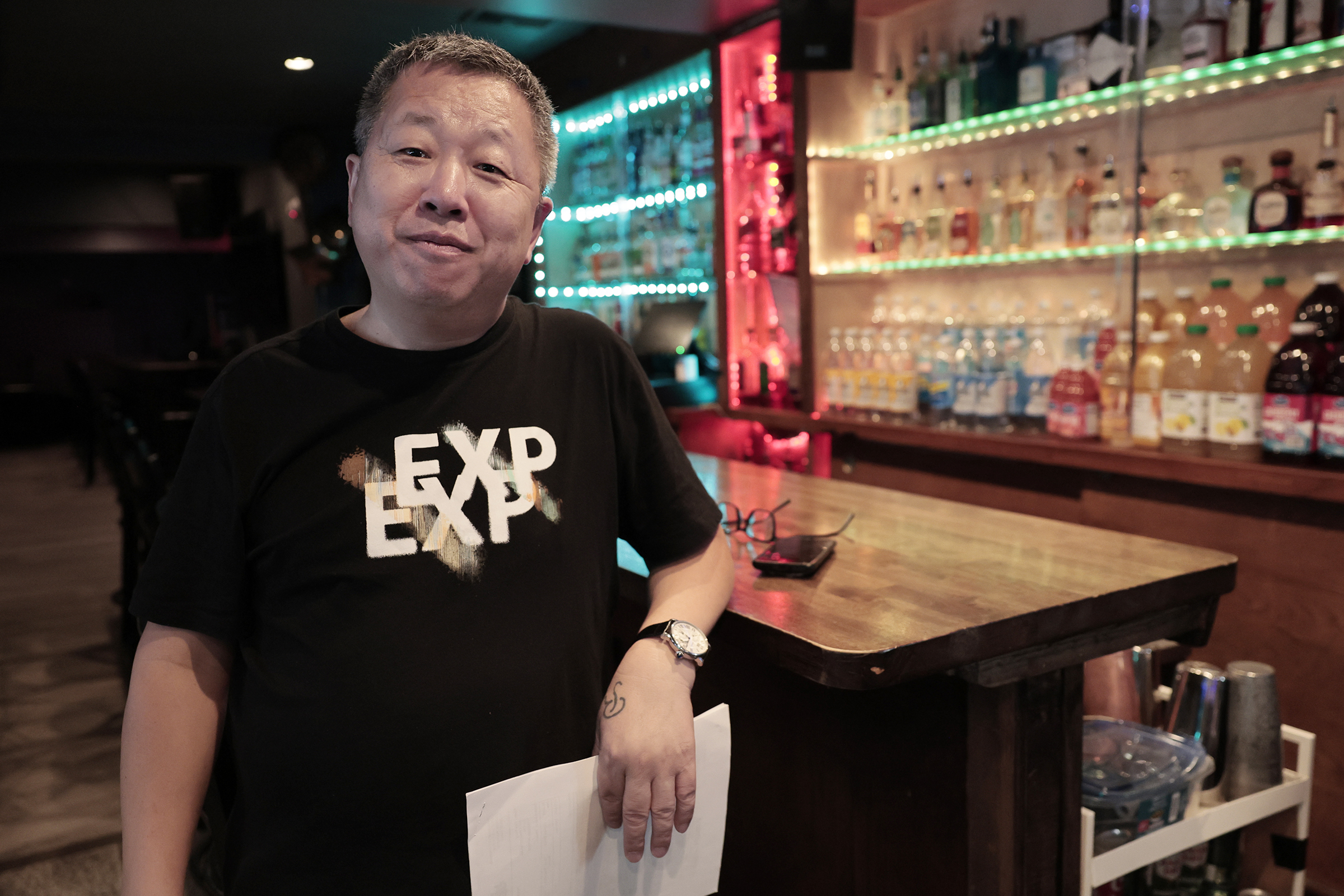
Tsang opened his bar in 2016, naming it Bar X so it would be easy for people to remember. The bar’s exterior features a rainbow mural of tropical leaves; inside Tsang hung Ikea posters of Audrey Hepburn and James Dean. He said he stocks the bar himself, buying whatever club soda is on sale at the supermarket.
The bar has a large dance floor and a DJ booth that abuts the alley.
Joseph Ward, a part-time bartender at Bar X who also runs its social media and marketing, said the bar stands out because it’s “very homey,” with Taco Tuesdays and twice-weekly karaoke. (There’s also a male revue every Thursday night.)
Bar X owner Tony Tsang said he stocks the bar himself with whatever club soda is on sale at the supermarket.Elizabeth Robertson / Staff Photographer
“You [can] just chill and not have to worry about the hustle and bustle of a nightclub,” Ward, 36, said. He said the bar is one of the last minority-owned clubs in the Gayborhood and hosts a largely nonwhite crowd.
The lawsuit cites negative Google reviews from people purporting to be Bar X customers, including accounts of stolen phones and allegations that a bartender gave patrons drinks containing sedatives.
The remedy to the situation, the suit says, is for the city to shut down the bar.
Ward said that rumors of drugged drinks at the bar had gained traction online earlier this year, but that staff had not been able to verify any crimes, despite reaching out to those making the accusations. In response, the bar ordered covers for customers’ drinks.
“We take pride in it being a safe place in the Gayborhood,” Ward said, “so we obviously want to keep it that way.”
A new police deployment
Bar X’s block has seen an increase in crime incidents this year, according to Philadelphia Police Department public data.
The lawsuit claims that since last summer there have been nearly 70 crime incidents at the property, including “multiple reports of a person with weapons, assaults, robbery, and disorderly conduct.”
<iframe title="Crime Incidents On Bar X's Block" aria-label="Column Chart" id="datawrapper-chart-LCiYX" src="https://datawrapper.dwcdn.net/LCiYX/1/" scrolling="no" frameborder="0" style="width: 0; min-width: 100% !important; border: none;" height="477" data-external="1"></iframe><script type="text/javascript">(function(){function e(){window.addEventListener(`message`,function(e){if(e.data[`datawrapper-height`]!==void 0){var t=document.querySelectorAll(`iframe`);for(var n in e.data[`datawrapper-height`])for(var r=0,i;i=t[r];r++)if(i.contentWindow===e.source){var a=e.data[`datawrapper-height`][n]+`px`;i.style.height=a}}})}e()})();</script>
In April, the Washington Square West Civic Association hosted a meeting with residents, city officials, and Tsang in an attempt to address neighborhood complaints. Councilmember Mark Squilla, who represents the area and attended the meeting, estimated that more than 40 people attended.
In response, the city experimented with one-off street cleanings of Camac to address litter, Squilla said. Police also began clearing the street of people on weekend nights after 2 a.m., when the bar closes.
“We’ll continue to work on compliance and whatever else is needed there,” Squilla said.
A Philadelphia Police Department spokesperson confirmed there is currently a “bar/nightclub” deployment in the bar’s general area. The department has used similar deployments throughout the city for decades to respond to community concerns and public safety needs, Sgt. Eric Gripp said in a statement.
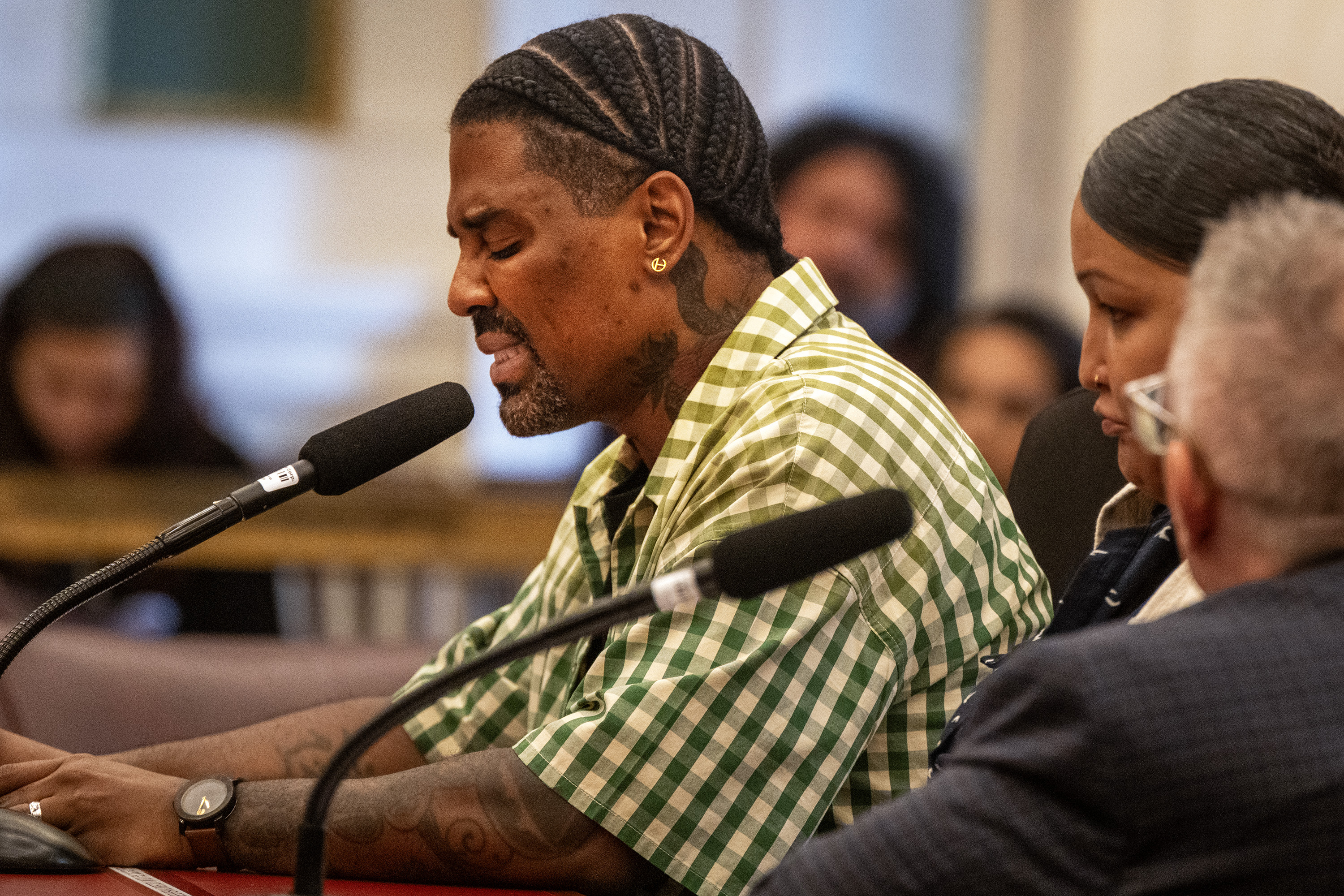
Jacen Bowman, president of Philly Black Pride, testified earlier this month at a City Council Committee on Legislative Oversight hearing into the Philadelphia Police tactics used during Pride celebrations in June.Tom Gralish / Staff Photographer
“Black and brown LGBTQ+ people are watched differently. We are approached differently. We are policed differently,” Jacen Bowman of Philly Black Pride said at the hearing. “Too often we are made to feel like visitors in a neighborhood that is promoted as the heart of Philadelphia’s LGBTQ+ community.”
Cheltenham’s new police chief is a longtime crisis negotiator who led one of the township’s most famous criminal investigations.
Richard Schaffer will be sworn in as Cheltenham’s new police chief next week to replace John Slavin, who is retiring after 37 years with the department. The salary range for the new chief was listed as $180,000 to $195,000 in the township’s job posting.
Schaffer has led a variety of community policing efforts in his 26 years at Cheltenham, spending more than two decades as a crisis negotiator and heading the township’s gun violence task force.
In 2024, he embedded a county mental health worker into the police department to assist in cases with behavioral health concerns.
Schaffer, who holds a master’s degree in criminal justice from St. Joseph’s University, made the case for community policing in a speech at a school board meeting this week.
The new chief takes the reins at a tumultuous time for Cheltenham School District, which has faced a range of safety concerns in recent years — most notably two alleged assaults in a high school locker room last year that led to criminal charges for four football coaches and six players.
“We have not lived up to our shared ideals. We must acknowledge the victims from recent cases, and we must promise to do things better not only for them but for future students,” Schaffer said.
“I would urge parents and the board to commit to a greater partnership with the police department.”
Some Cheltenham residents have advocated for removing a physical police presence from schools in recent years.
Schaffer pledged at the meeting to “push back on some of those who sought to drive the police from the schools.”
“Police interacting with students, faculty, and staff is a good thing,” Schaffer said. “We want to be proactive by leveraging information and our relationships to get ahead of problems.”
District spokesperson Kevin Kaufman did not answer questions Friday about the current status of security programs at Cheltenham schools.
Schaffer also led the 2005 investigation into allegations that Bill Cosby drugged and assaulted Andrea Constand at his Cheltenham home.
Although the Montgomery County district attorney declined to press charges at the time, the case was reopened in 2015, and Schaffer was eventually called to testify.
He testified in 2018 that he had believed Constand’s allegations at the time, and still did.
Cosby’s conviction was overturned in 2021 on procedural grounds.
This suburban content is produced with support from the Leslie Miller and Richard Worley Foundation and The Lenfest Institute for Journalism. Editorial content is created independently of the project donors. Gifts to support The Inquirer’s high-impact journalism can be made at inquirer.com/donate. A list of Lenfest Institute donors can be found at lenfestinstitute.org/supporters.
This story contains references to suicide. If you or someone you know is thinking of suicide, call or text 988.
Whether they’re seeking treatment for a sprained ankle, stomach pain, or a panic attack, teenagers who come to the Children’s Hospital of Philadelphia emergency department are handed a 10-minute health survey with questions about depression and self harm.
About one in three reports symptoms of depression or suicidal thoughts that may otherwise have gone unnoticed.
Asking all patients aged 12 to 19 about mental health challenges has improved CHOP’s early detection of needs, especially among teens and adolescents being treated for physical ailments.
“There’s this tension of we don’t want to ask a 12-year-old these questions, these are grown-up questions,” said Polina Krass, a pediatric emergency medicine attending physician at CHOP, who helped develop the survey. “But then we miss the mark and are getting kids the help they need only when they’re already in crisis.”
CHOP’s screening initiative, launched in 2011, targets a problem hospitals across the region and country are facing: Mental health issues account for about one out of every eight emergency department visits, according to the Centers for Disease Control and Prevention. Yet hospitals are often ill-prepared to respond to these patients’ complex needs, which can put patient and staff safety at risk.
Safety experts say that one of the most meaningful solutions is for hospitals to treat suicide risk and mental health issues as a core patient safety issue that all staff are trained to recognize, akin to postpartum hemorrhage, heart attack, or stroke.
“This isn’t just a behavioral health issue — this is a system-wide patient safety priority,” said Shannon Kooker, vice president of clinical excellence and patient safety at ECRI, a patient safety organization in Fort Washington.
Suicide risk in emergency departments
Patients at risk of suicide often turn to emergency departments for care, according to a new ECRI report.
ECRI analyzed patient safety incident reports from hospitals, outpatient clinics, and behavioral health programs between 2021 and 2025, looking specifically at suicide deaths and attempts, and instances in which patients expressed having thoughts of killing themselves.
Nearly three-quarters of the 406 incidents ECRI analyzed occurred in emergency departments. That’s partly because hospitals have established protocols for reporting incidents, whereas urgent care and ambulatory centers may be less likely to self-report, Kooker said.
People experiencing a mental health crisis may also be more likely to seek care at hospitals, which typically have specialized behavioral health workers on staff, she said.
Deaths were rare, accounting for just 2.7% of cases analyzed by ECRI. Much more common were cases in which a patient tried to kill themselves or expressed a desire to — a sign that providers have an opportunity to intervene before harm occurs, if they can identify risks quickly, ECRI analysts found.
A system-wide approach to mental health safety
Improving safety for patients at risk of self harm should be a hospital-wide effort, Kooker said.
That can mean changing the emergency room environment, such as installing breakaway doors that open upon impact to reduce the risk of patients harming themselves and using paper scrubs that can’t be knotted into ropes.
More importantly, hospitals should make suicide prevention part of their safety culture, emphasized at the highest leadership levels, she said.
She urged hospitals to standardize policies for responding to mental health emergencies.
That starts with training all staff to recognize warning signs, such as being extremely agitated or anxious, acting erratically or withdrawn, or expressing feelings of being a nuisance or burden to others.
Not every patient needs to be screened for suicide risk, but staff should quickly call for help when they recognize troubling behaviors, Kooker said.
“It shouldn’t be a question mark to the staff — it should be standardized and tested,” she said.
CHOP targets youth mental health
At CHOP, about 10% of emergency department visits involve patients whose primary concern is a mental health issue.
Krass worries about the many more teens and adolescents whose mental health needs may go unnoticed in emergency departments because no one thought to ask.
The optional behavioral health screening survey — now taken by some 600 patients a month at CHOP’s Philadelphia and King of Prussia emergency departments — is designed to better identify those individuals, said Krass, a research scholar at CHOP’s Center for Violence Prevention.
When a patient’s survey answers indicate anxiety, depression, or other mental health concerns, doctors connect them with a behavioral health specialist or social worker for follow-up care.
Patients can complete the 37-question survey on their phone or on a tablet provided by the hospital. Krass and her colleagues have found that youth are more likely to share details about their mental health through this quasi-private format than if doctors ask questions directly.
One of the survey’s final questions is whether it’s a good idea for CHOP to probe so deeply into their young patients’ mental health.
Almost all answer yes.
Editor’s note: This story has been updated to correct the year CHOP began its behavioral health screening initiative.
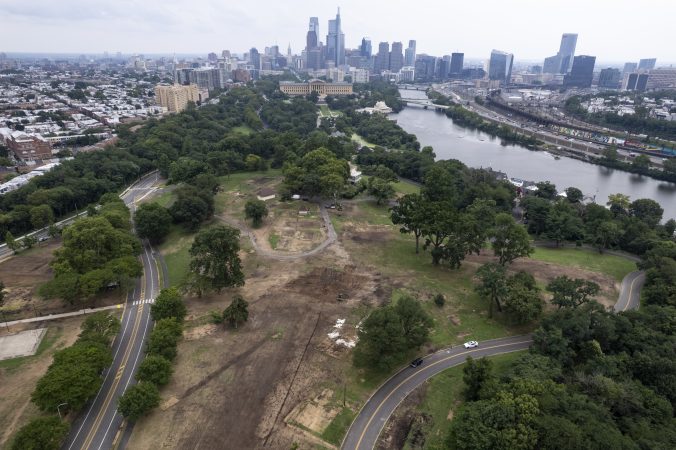
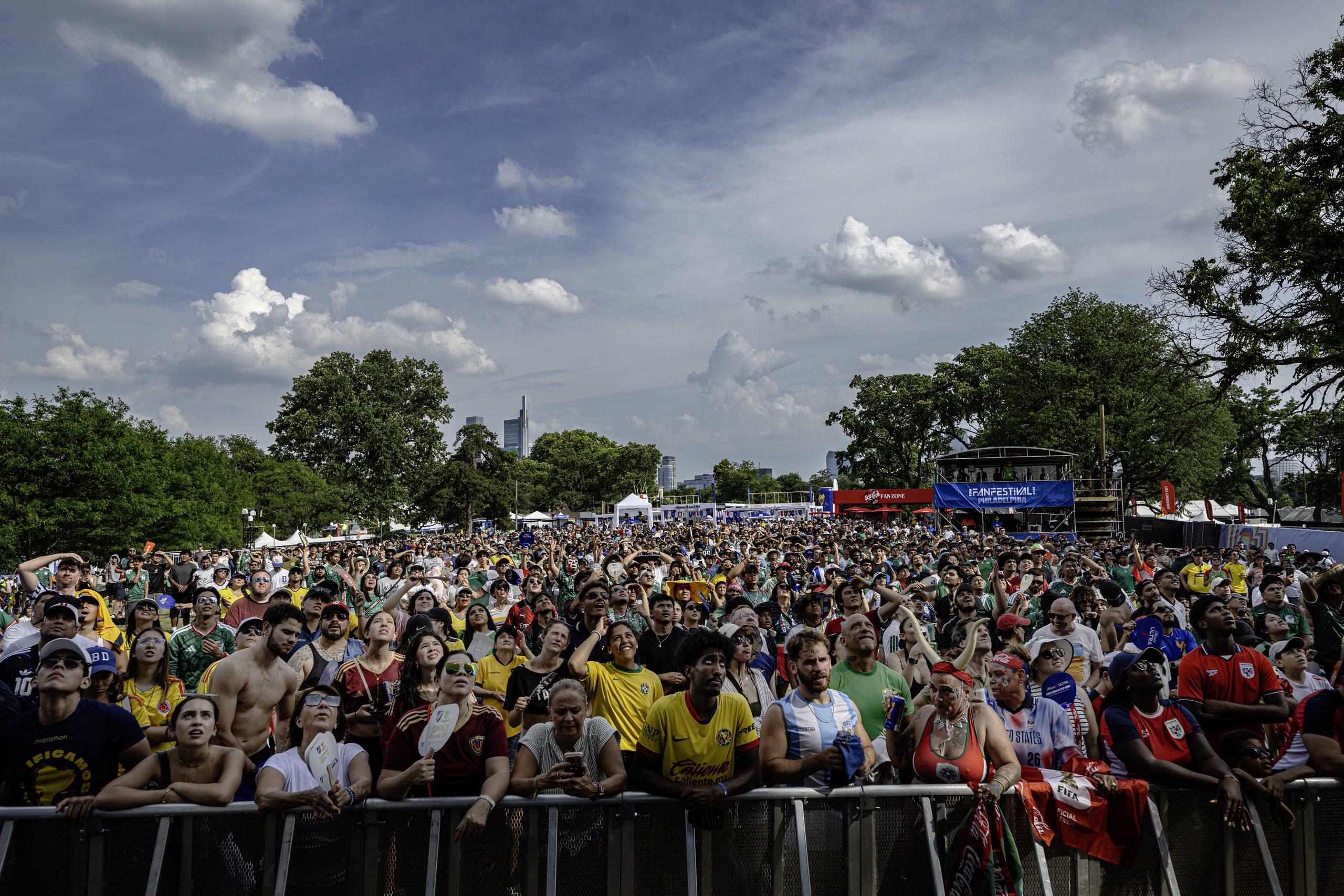
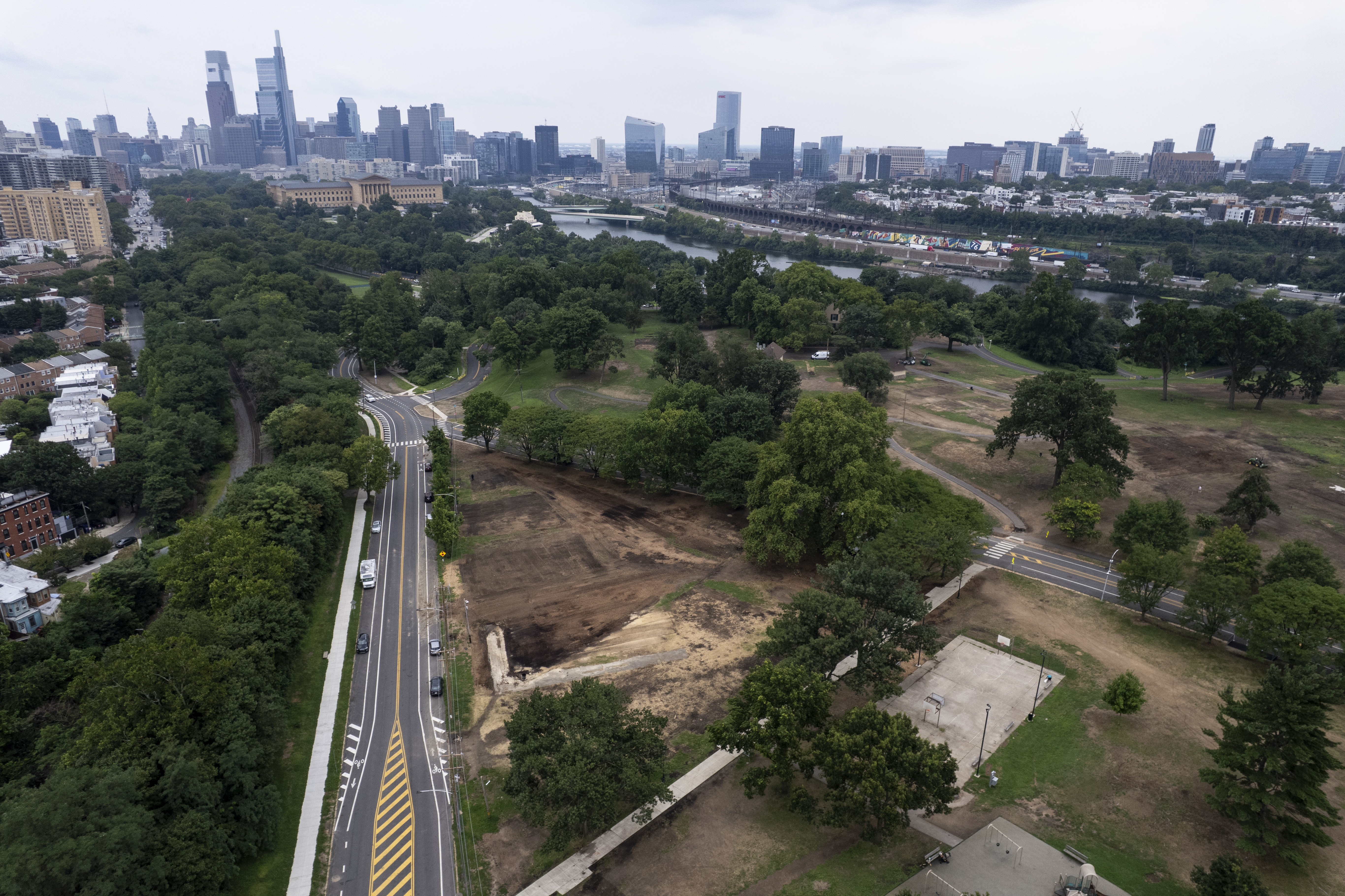
The marred fields of Lemon Hill Park are the remaining signs of the longest summer party the city has ever seen. Half a million people gathered in the park for 39 days straight, dancing to the All-American Rejects, cheering on World Cup matches, and sharing meals on blankets across more than a million square feet of the Fairmount park.
The FIFA Fan Festival, by most accounts from the city, tourists, and residents, was a resounding success, offering a premium World Cup experience at a sliver of the cost of attending a game. Philly’s fan experience was considered one of the most affordable and popular in the country.
Soccer fans gather to watch Mexico play South Africa on a giant screen during the opening day of the FIFA Fan Festival at Lemon Hill on June 11.Jose F. Moreno / Staff Photographer
Now that the party is wrapped, the caretakers of Lemon Hill and nearby residents are hoping the city makes good on a promise to restore the park to its former glory, if not better.
Philadelphia Soccer 2026, organizer of the FIFA Fan Festival, committed $4 million to park upgrades, from new picnic pavilions and a playground to safer sidewalks and traffic-calming measures at intersections. Additional funding will come from the city, but when asked, a city spokesperson declined to reveal the total budget and said more details will come during a groundbreaking celebration in September.
The city gathered input from the community across nine public engagement sessions beginning in 2024 that netted 350 comments from 200 participants that helped shape which improvements would be prioritized.
While residents and caretakers welcome park improvements, it is not lost on them that financial backing comes only after large companies use the space, though locals have been requesting help for years, said Shaun Cerborino, a co-organizer of Lemon Hill’s volunteer parks group. What’s more, without long-term maintenance funding, the upkeep of the park and its new upgrades will fall to caretakers once again.
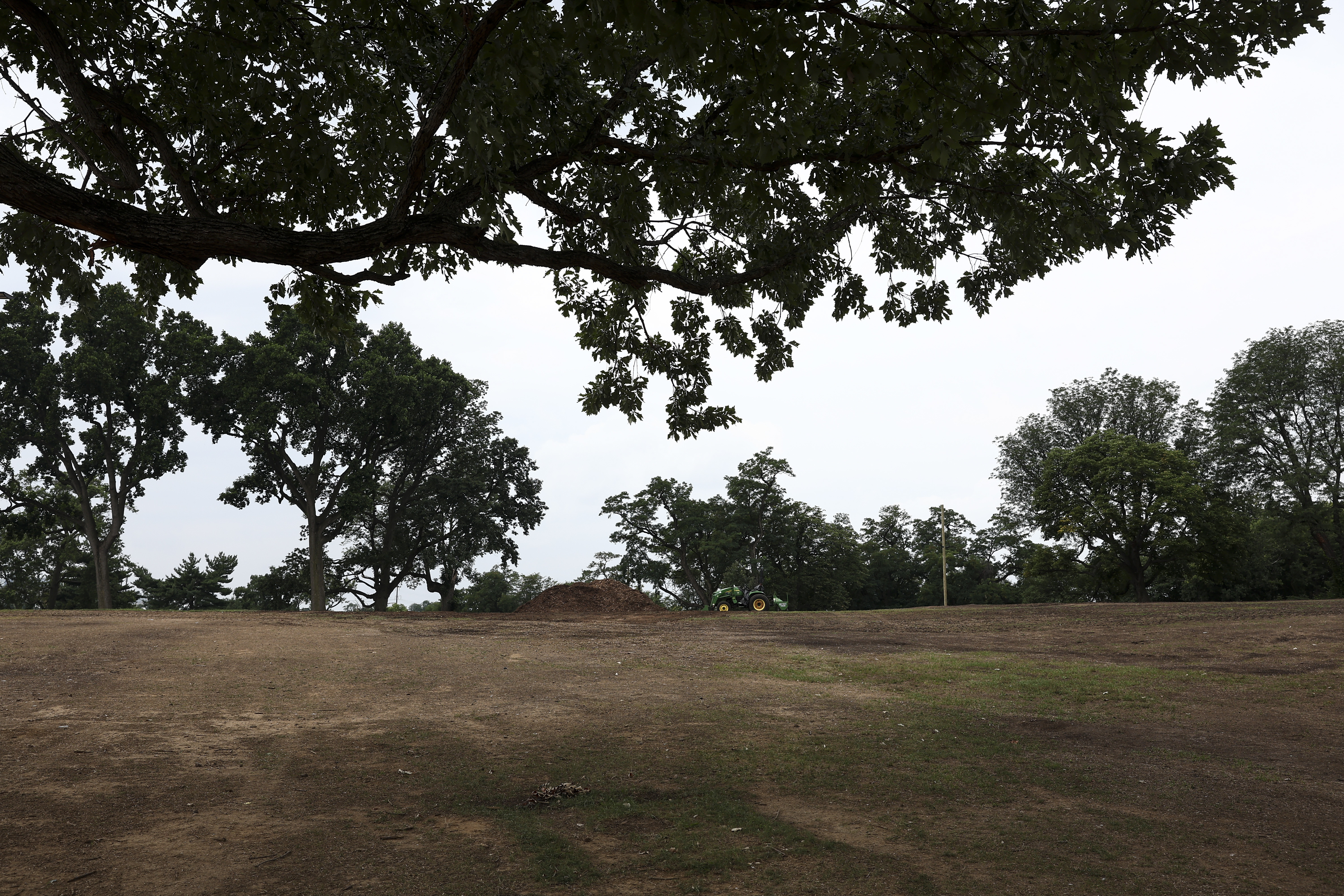
Large grass-less sections remain following FIFA Fan Festival at Lemon Hill on July 28. Fan Fest wrapped up on July 19.Monica Herndon / Staff Photographer
Deferred maintenance billed as ‘legacy projects’
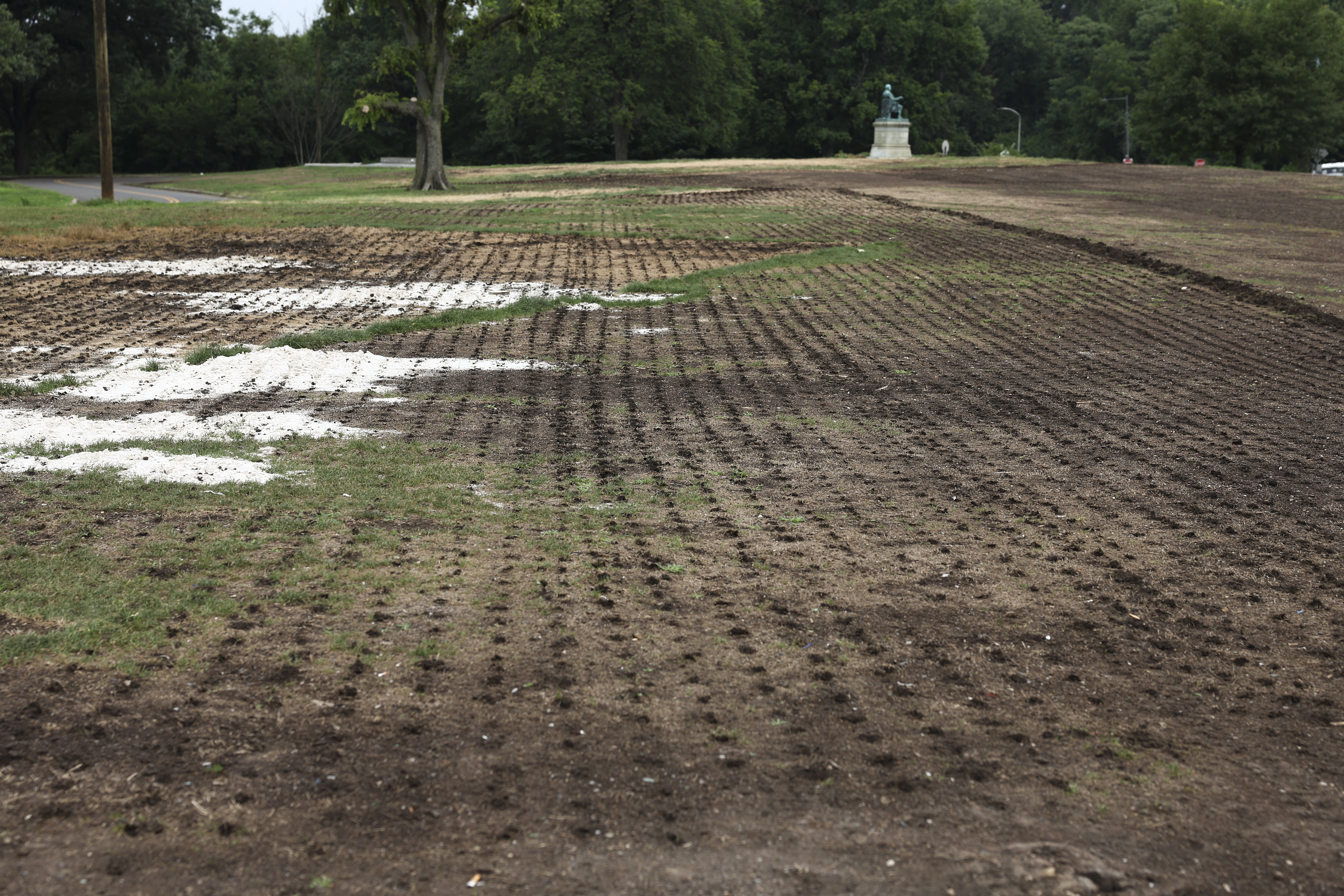
A month after the World Cup ended, the largest Lemon Hill field thatstaged the festival is still mostly filled with dirt, patches of wilting grass, and the occasional leftover screw and other small construction waste. The city began aerating and preparing the soil for regrowth in July.
The grass will grow back, said Cerborino and Nissa Eisenberg, Fairmount residents and co-organizers of the Lemon Hill Neighbors Association, which provides regular volunteer maintenance to the park. But what caretakers truly are concerned about is long-term support after the city finishes its upgrades months from now.
Additionally, many of the improvements considered legacy projects are really “deferred maintenance” that had been requested for years, and came about only when corporations needed to use the park, Cerborino said.
Large grass-less sections remain following FIFA Fan Festival at Lemon Hill on July 28. Fan Fest wrapped up on July 19.Monica Herndon / Staff Photographer
“Instead of properly funding Parks and Recreation, the city looks toward private ventures to help keep the lights on and generate enough money to maintain — which we’re barely doing anyway,” Cerborino said.
In Philadelphia, there is no dedicated budget for parks and open space; instead, the city and volunteers rely on the Philadelphia Parks and Recreation budget to maintain parks. They also look to grants, private nonprofits, and thousands of volunteers who weed, fix, and maintain trails and park space as part of “Friends” groups. Philadelphia relies on volunteers at more than twice the national average.
Since taking office, Mayor Cherelle L. Parker has raised the parks and recreation department’s budget each year, doubling its spending from $53 per resident on parks in 2024 to $110 per resident in 2026. And while 97% of Philadelphians can walk 10 minutes and find a park, far exceeding the national average, Philadelphia still spends about half as much on its parks as the national average, according to the Trust for Public Land.
Improvements like upgraded sidewalks, lighting, signage, and recreation areas are standards that should already be met by the city, which is home to some of the highest-ranked parks in the country, Cerborino said.
Small holes line sections of the park, possibly following aeration, after FIFA Fan Festival at Lemon Hill on July 28. Fan Fest wrapped up on July 19.Monica Herndon / Staff Photographer
Residents may have their park back, but restoration is far from over
Fairmount residents are all but back to their usual park routines after the festival equipment was removed, but they say it is still a long way before Lemon Hill is back to normal.
Last month,Samantha Tartaglino was walking her German shepherd, Marley, through the flattened fields. Marley sprinted through swaths of dead, brown grass, unfazed by the patches. Tartaglino said Marley was just happy to be back in wide-open spaces, as the dog had to make do with a smaller park nearby for weeks.
Lemon Hill’s open fields are a key reason for why many move to this part of Fairmount, Tartaglino said, but even before the fan festival, residents felt the park was not being supported to its fullest potential.
“I feel like FIFA and World Cup put the city under pressure and kicked them into gear,” Tartaglino said.
The city has already put into place many of its legacy commitments, like new ADA-compliant sidewalks and ramps along Sedgley Drive, traffic-calming measures at the intersection of Sedgley and Poplar Drives, and additional lighting fixtures.
But the community’s request for permanent bathrooms, water fountains, and portable water stations has gone unanswered, Eisenberg said. The city says those things can happen only if there is an on-site park staffer due to concerns about maintenance and vandalism.
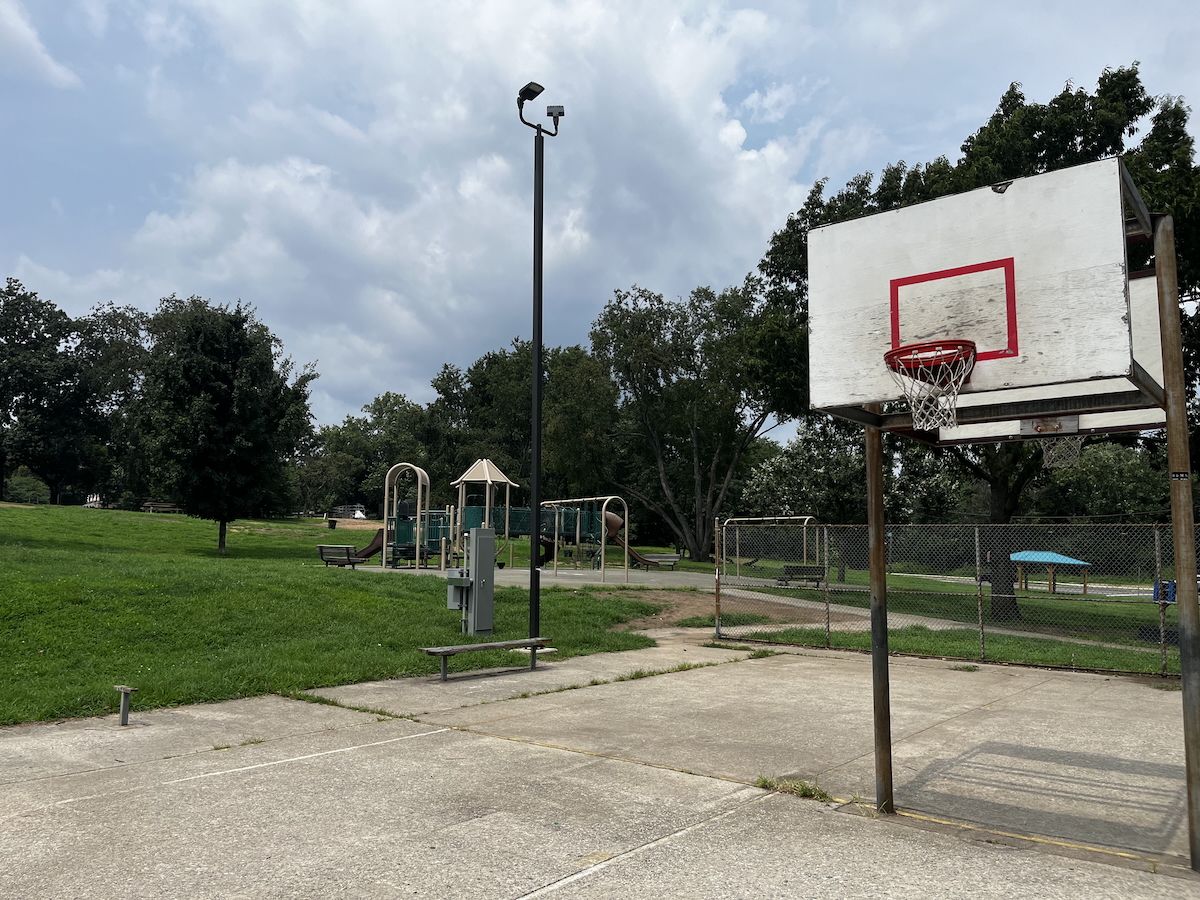
A project with a longer timeline will be a new 43,500-square-foot playground, with construction expected to stretch into April 2027, according to Philadelphia Soccer 2026 and the city. And while construction is underway, the playground and basketball courts will be closed.
Eisenberg lamented that. What was once presented as a plan for residents to give up park space for two months during the World Cup will now last much longer, she said, as grass fields will need to grow back and other amenities are closed for renovation.
“The basketball court is one of the most heavily used assets of the park, but they’re planning to use the court as a staging area for the construction,” Eisenberg said. “Which I get because it’s conveniently located, but you just put on this multimillion-dollar event; I’m sure you can find another area to stage construction materials so that at least the basketball court isn’t offline all winter.”
City officials say the plan is worth the wait.
“We expect the legacy improvements to be completed next spring and are excited for neighbors and future visitors to enjoy a renewed Lemon Hill … that builds on the excitement of this summer while serving Philadelphians for years to come,” acity spokesperson said.
The playground and basketball courts at Lemon Hill Park in the Fairmount neighborhood of Philadelphia. Since the 2026 World Cup has ended and the FIFA Fan Festival staged at the park has left, restoration efforts are underway with funding from various private and public stakeholders.Henry Savage / Staff
Lack of long-term maintenance funding
While projects such as renovating the playgrounds, basketball courts, and baseball fields are welcome, the Lemon Hill Neighbors Association fears that once city crews finish the work, the caretakers will be right back where they started — working off “love and duct tape” with little financial support.
This means park improvements come only after long periods of push and pull between Philadelphia Parks and Recreation staffers and volunteer park caretakers, leaving long-termmaintenance to fall to volunteer groups that dedicate their time and money to keeping parks usable.
“We understand that a lot of times Parks and Recreation is understaffed or underfunded, but then that means we’re going to have to pick up that role,” Eisenberg said. “We need help, and the Parks and Recreation budget needs to reflect it.”
Earlier this week, Temple graduate student Kyle McCurly was lounging in the undamaged grass surrounding the large field that just housed the festival. Having grown up in rural Georgia and recently back from a trip to Austin, Texas, McCurly said Philly’s parks could be so much more with long-term maintenance, and not just at Lemon Hill. Henoted that Austin invests twice as much money as Philadelphia does in its parks per resident, according to the Trust for Public Land.
“Everyone’s going to have different opinions on how the funding itself is created,” McCurly said. “But I think that it’s worth consistent investment to make green spaces more accessible and enjoyable in the city.”
It’s not exactly must-see TV, but that’s where the Eagles will be Saturday night to kick off their preseason schedule against the Baltimore Ravens (7 p.m., NBC10).
Count the Eagles among the teams that rarely let their offensive stars take the field before the start of the real season. The last time Jalen Hurts took a preseason snap was 2022, and even then he was on the field just one series.
On top of that, teams often use limited playbooks to avoid advance scouting and rely on joint practices to run plays and evaluate players. That might allow “talent to show,” as Green Bay Packers defender and Philly native Zaire Franklin recently told reporters, but it tends to make an already meaningless game way more boring.
“That’s just the nature of preseason these days,” said Ross Tucker, who will call Saturday’s game. “Fortunately I follow the Eagles year-round and follow their backups closely exactly for these three weeks.”
None of that will stop Eagles fans from tuning in. Last season’s first preseason game on NBC10 garnered 1.06 million viewers and aired in 669,000 households, according to Nielsen numbers shared by the station. That’s roughly 21% of the entire Philly TV market tuning in to watch a meaningless Eagles game. Not too shabby.
“I grew up a big-time Eagles fan. Ninety-five percent of my friends and family are Eagles fans,” Tucker said. “I get a bunch of texts doing Eagles preseason games from all sorts of people, including my fourth-grade teacher. … It’s really neat to get feedback from people.”
How to watch the Eagles-Ravens preseason game
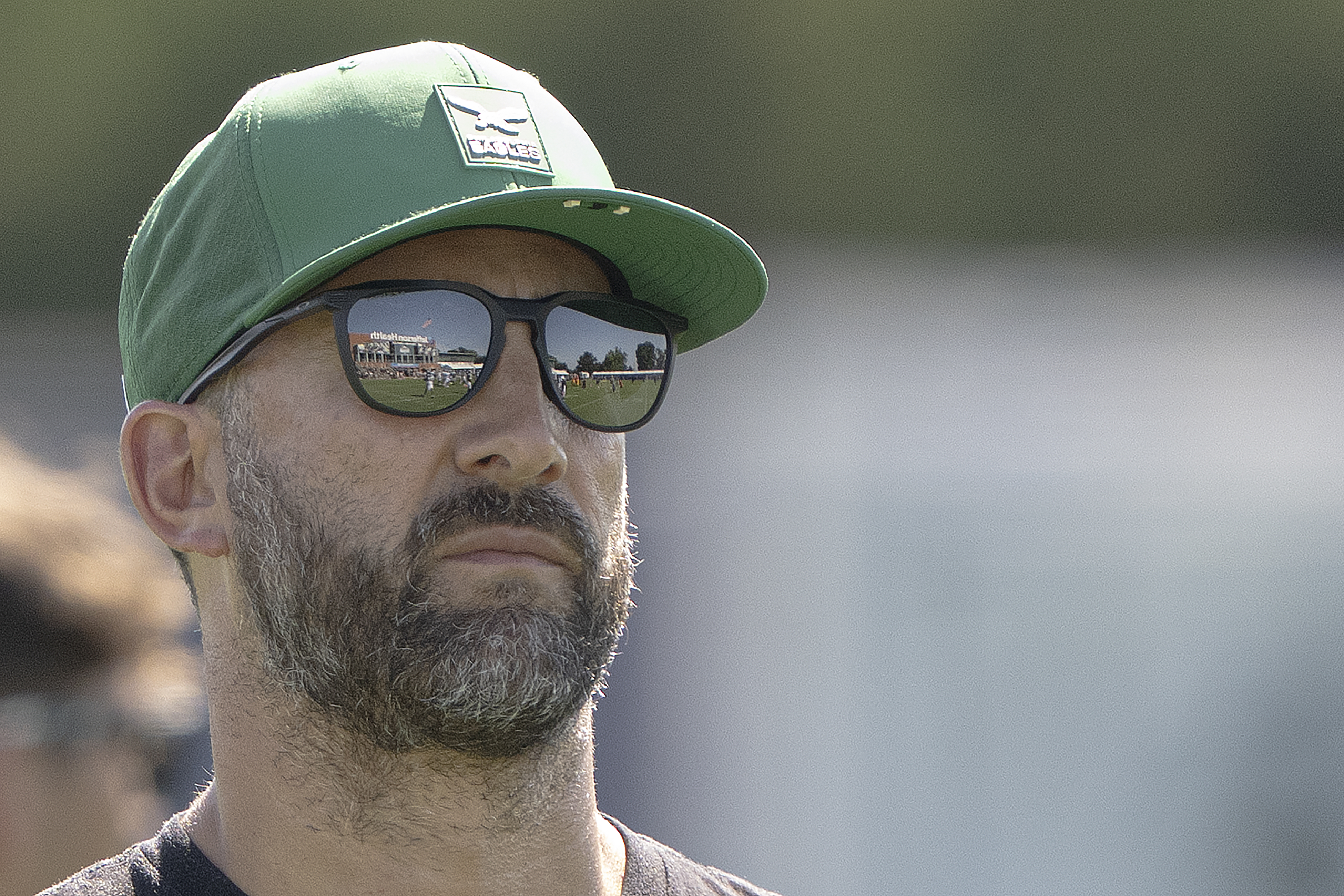
Nick Sirianni is entering his sixth season as Eagles head coach. Jose F. Moreno / Staff Photographer
The Eagles’ first preseason game will air in and around Philly on NBC10, with Tucker calling the game alongside former Phillies announcer Scott Graham. But that’s not the only spot you’ll find it.
Regionally, the preseason game will air on a number of local stations, including:
Elsewhere, the game will also be available on WBAL-TV in Baltimore, WLKY in Louisville, Ky. (due to Lamar Jackson’s collegiate connection to the region), and KHII in Honolulu, Hawaii (whose parent company is airing 13 NFL preseason games).
Fans can also listen to the game on 94.1 WIP, where beloved Eagles announcer Merrill Reese is entering his 50th season calling Birds games. He’ll once again be joined by longtime partner and former Eagles wide receiver Mike Quick.
The game can also be heard nationally on SiriusXM NFL Radio.
Where can I stream the Eagles-Ravens preseason game?
Tonight’s game will be free to stream on the Eagles app and PhiladelphiaEagles.com if you live in the Philadelphia or Baltimore TV market.
The game will also stream in the Philadelphia market on any so-called skinny bundle that carries NBC10, including YouTube TV and Hulu + Live TV. Most offer a free trial. You can also stream it on the NBC app, but a cable login is required.
You can also watch NBC10 for free using a digital antenna if you live in and around Philadelphia.
Fans living outside the Philadelphia market can stream the game on NFL+, the league streaming service. It’ll set you back $6.99 a month, though there is a free seven-day trial.
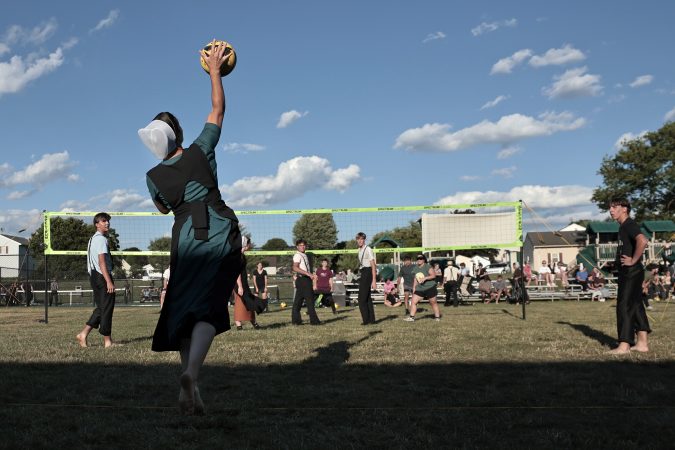
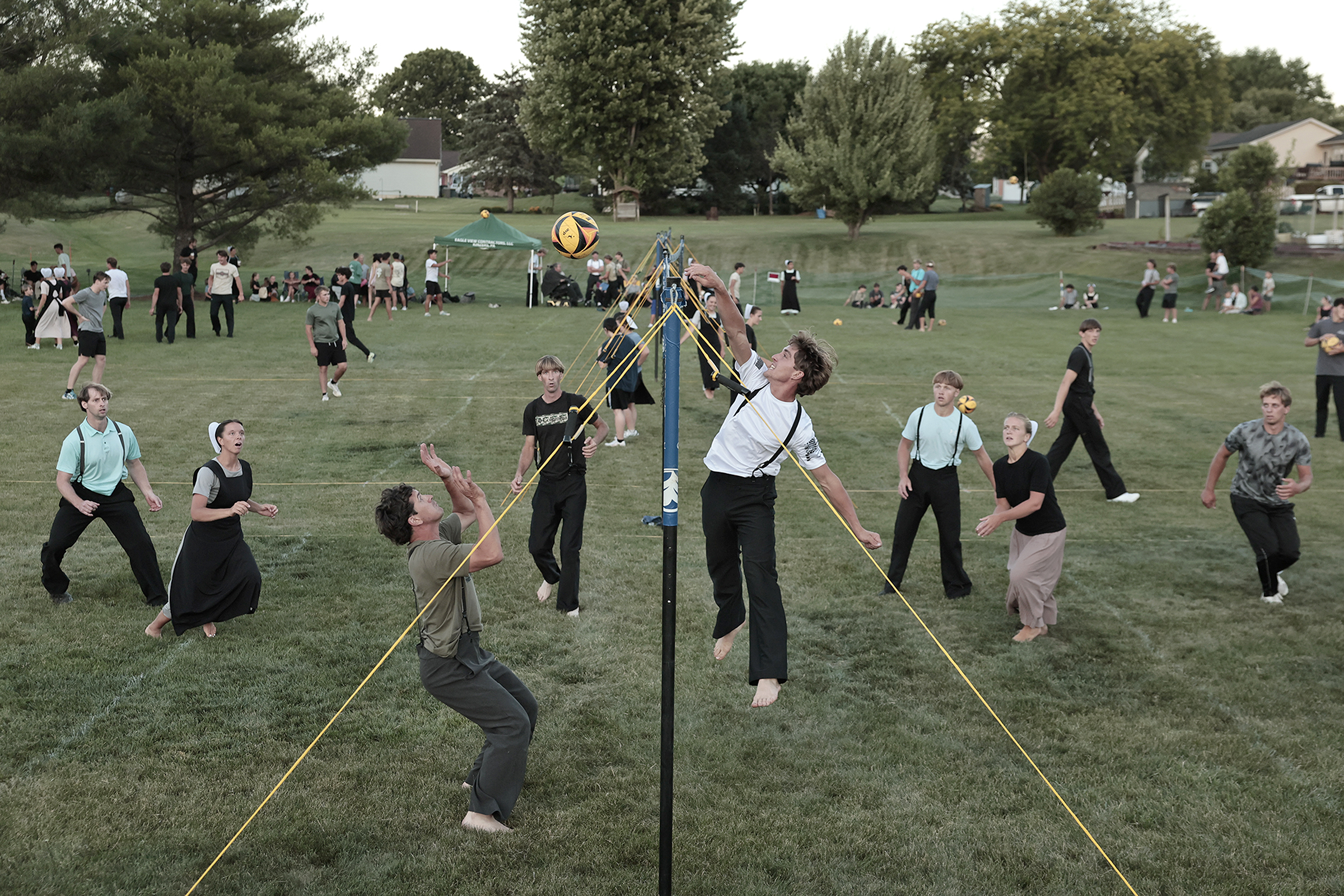
INTERCOURSE, Pa. — A young Amish woman stood barefoot in the back right corner of a grassy volleyball court, spinning a ball in her hands.
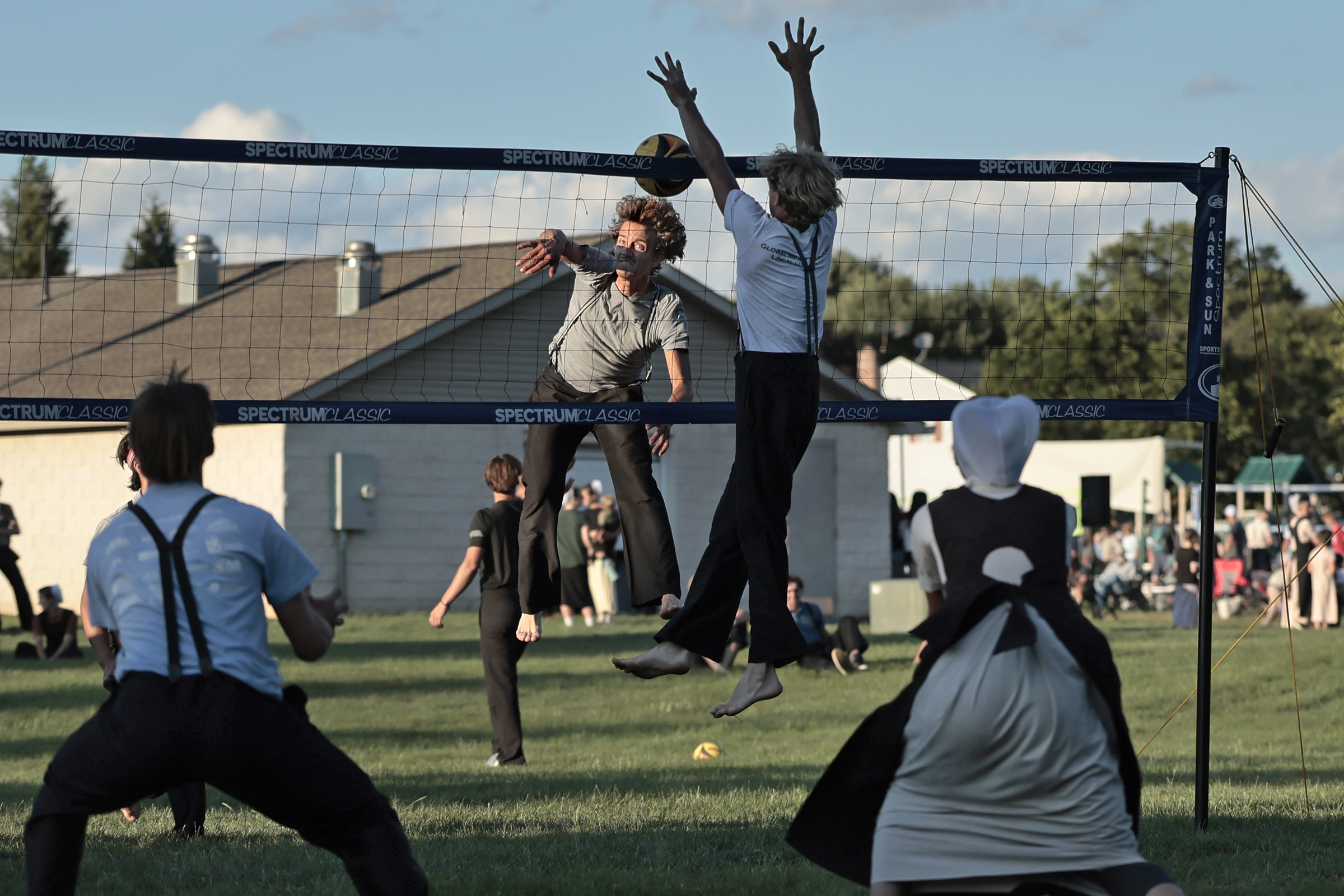
She wore a simple green dress with a black apron, and when she leapt and hammered a serve over the net with a grunt, her prayer covering looked as white as the passing clouds.
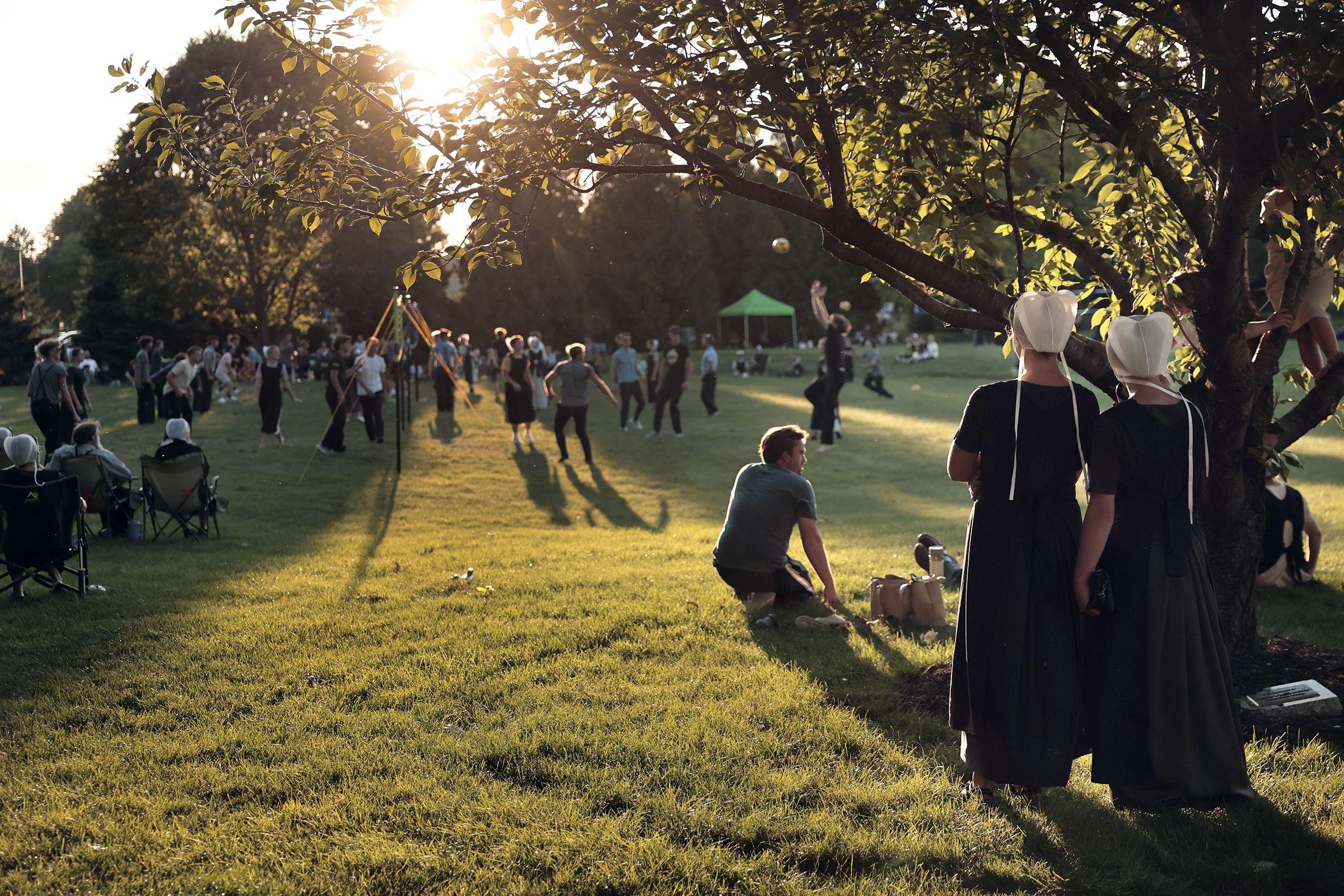
On this beautiful afternoon in late June, the coed competitors were among the hundreds of young Amish players from Pennsylvania, Ohio, and other states who converged on Intercourse Community Park, about 60 miles west of Philadelphia, in Lancaster County, for the annual volleyball tournament. Hundreds gathered around the courts in lawn chairs to watch, including Amish men with long beards alongside “English” children in sneakers and sports jerseys.
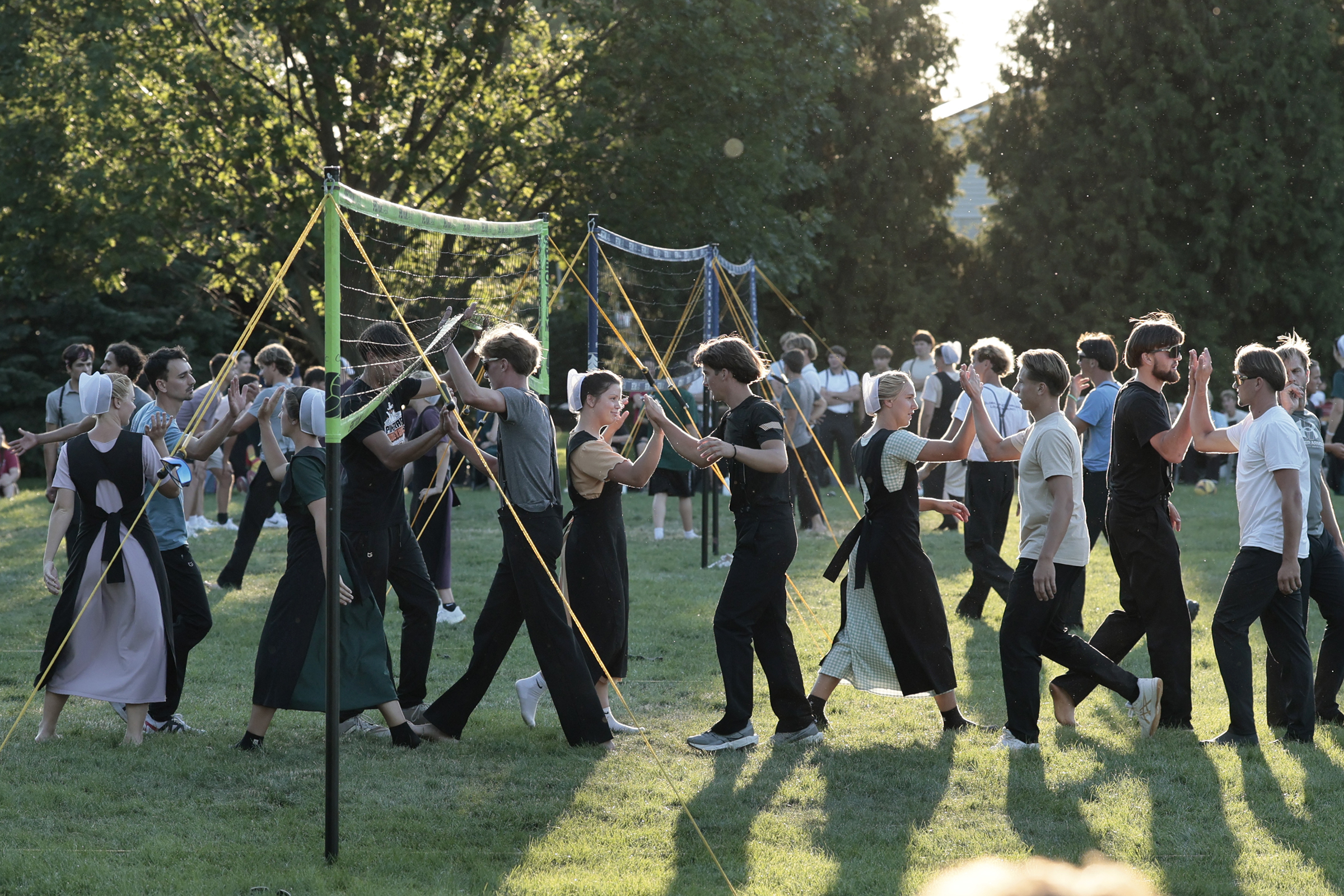
Teams high-five each other after a volleyball match during the first day of the Heritage Days Volleyball Tournament at Intercourse Community Park in Gordonville, Pa., on June 19.Elizabeth Robertson / Staff Photographer
The Amish in Pennsylvania, for reasons few could fully explain, love competitive volleyball. Some simply shrugged their shoulders when asked why. Others said they play volleyball because previous generations played too, a skill they learned just by watching, much the same as shoeing buggy horses or baking whoopie pies.
“I guess it’s just part of our culture,” said Ray Beiler, the tournament’s organizer. ”Competition-wise, though, it’s slow-pitch and volleyball, but volleyball is probably the biggest.”
The Amish also dabble in ice hockey when ponds freeze, Beiler said, and, in Indiana, they play basketball, of course. In Intercourse, the sharp pop of pickleball paddles on this Friday afternoon revealed another growing sport among the Amish.
Volleyball, it seems, has always been there, some said.
Ray Beiler updates the scores and standings during the Intercourse Heritage Days and Heritage Days Volleyball Tournament at Intercourse Community Park in Gordonville, Pa., on June 19.Elizabeth Robertson / Staff Photographer
“I grew up with it,” said competitor Irv Beiler, 18, of Christiana, Lancaster County. “It’s a team game.”
One older Amish man said he grew up playing softball, but reckoned volleyball was a new phenomenon. When asked his name, the man spoke to his wife in Pennsylvania Dutch, and declined to answer.
The Amish do have a traditional game called cornerball, or “eck balle” in Pennsylvania Dutch, that looks like a cross between baseball and dodgeball, but is played in a cow pen. According to AmishAmerica.com, the sport was originally played with homemade balls made by “wrapping a quarter-sized steel nut in twine and covering it with black tire tape.”
According to the website, eck balle is a disappearing sport.
Erik Wesner, founder of AmishAmerica.com, said the purpose of volleyball and other sports in Amish communities is mostly about socialization, not competition.
“This is a game that’s played commonly at the Sunday youth group gatherings or meetings at church members’ houses for dinner,” he said. “It’s a way for teens and young adults to interact.”
Older Amish in Intercourse didn’t know much about the rise in popularity, but, ever efficient and resourceful, said volleyball takes up little room, compared to say, soccer, and can keep a lot of children busy at a gathering.
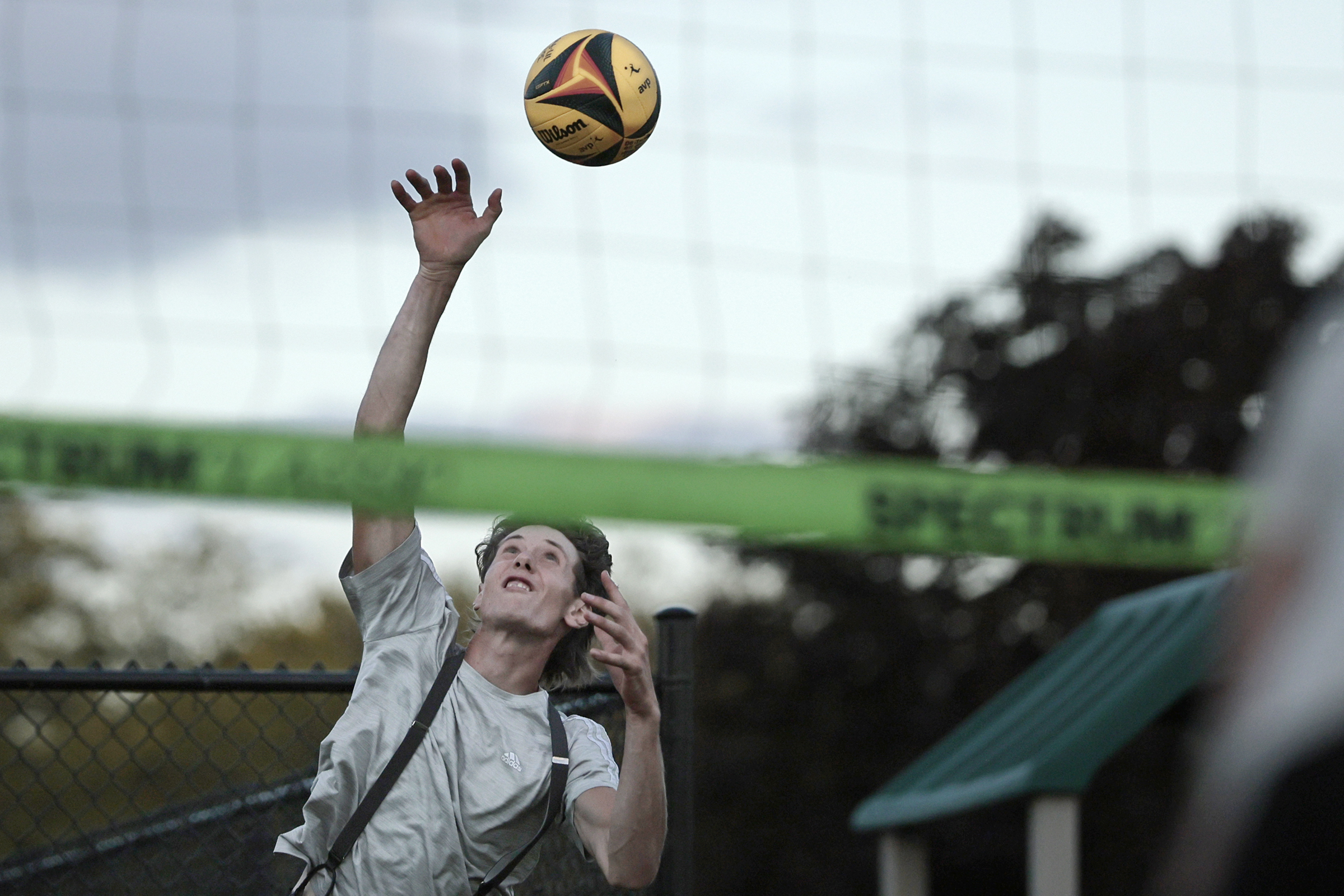
Irv Beiler serves the ball during the Heritage Days Volleyball Tournament at Intercourse Community Park in Gordonville, Pa., on June 19.Elizabeth Robertson / Staff Photographer
John Lapp, 51, of Gap, Lancaster County, said there are “volleyball barns” in the area where the more serious players gather in the winter.
“I played softball,” he said. “Volleyball was just a sport that took hold, I suppose.”
There doesn’t appear to be much trash talk in the competitive world of Amish volleyball, unless you understand Pennsylvania Dutch, but the talent is plain as day. That makes sense, locals said, if you consider the day-to-day life of Amish youth. They’re wrangling calves, riding kick scooters, and lifting hay, building muscle and balance the whole time.
“I used to play too,” said Simon Stoltzfus. “I just can’t jump as high as I could or stay up there as long.”
Wesner said sports tend to be more prevalent in progressive Amish communities, like in Lancaster County, and less so in more conservative areas, like Mifflin and Clearfield Counties.
Serious play during the Heritage Days Volleyball Tournament at Intercourse Community Park in Gordonville, Pa., on June 19.Elizabeth Robertson / Staff Photographer
Last year, The Inquirer spoke to Melvin Byler, who grew up Amish in Western Pennsylvania, after he won the Professional Bull Riding event in Reading. Byler had to leave his Amish community to pursue bull riding as a profession.
“I didn’t even see bull riding until I was 14, and when I told my parents I wanted to do it, they said it was a phase,” Byler said.
Steven Nolt, an Elizabethtown College professor who has researched and written about the Amish extensively, said situations like Byler’s are rare. Ray Beiler said a college coach came to one of the Intercourse tournaments and said many of the competitors could play at higher levels, but Nolt said it’s unlikely that even the most talented volleyball players would pursue the sport more competitively.
“It would be hard to imagine,” Nolt said. “They’d be making a choice not to join the Amish.”
Chris Haley oversaw the pickleball tournament at the Intercourse Heritage Days, where there are new courts. He said the Amish quickly took up that sport, too, and some have makeshift courts at their house.
“They are talented and determined,” Haley said.
They compete in sports for the fun of it, not for the prospects of future scholarships, and, at a tournament as big as Intercourse, the socializing was front and center. Young Amish slipped off their black leather boots and Crocs for sneakers or went barefoot, dozens chatting up one another in both English and Pennsylvania Dutch.
“This tournament is most definitely for the fun of it,” said Wilmer Stoltzfus, 20.
Friends and family watch the play during the Heritage Days Volleyball Tournament at Intercourse Community Park in Gordonville, Pa., on June 19.Elizabeth Robertson / Staff Photographer
The players took big gulps from jugs of water and walked onto one of several courts spread out over several acres in the park. Some of the men wore thick, black work pants with suspenders, but others wore shorts. When one young Amish man dove for a dig and missed, his teammates rushed to help him up.
“Good job,” they said.
By Saturday night, only one net would remain, and a few thousand spectators would be crowding the court for the finals. The winners would get tall trophies housed in an exhibition room, with silver and gold volleyballs fastened to the tops.
They’d also get bragging rights until next year, maybe.
“Not bragging, no,” said Wilmer Stoltzfus. “We don’t really brag.”
Serious play during day one of the Heritage Days Volleyball Tournament at Intercourse Community Park in Gordonville, Pa., on June 19.Elizabeth Robertson / Staff Photographer
Move over, Florida, California, and New York City. There’s a new golf mecca, same as the old golf mecca.
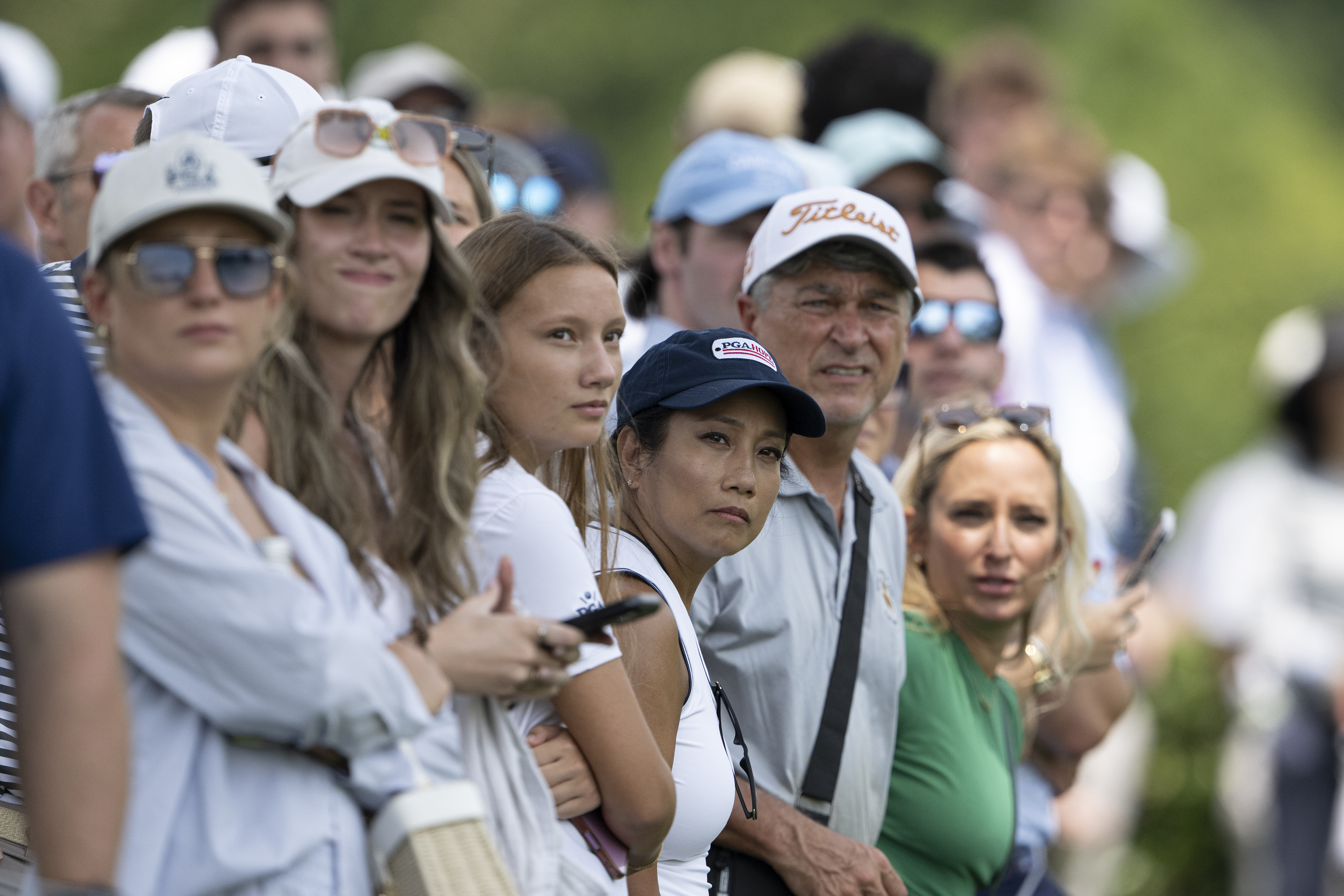
More than 2,700 fans made their way to the lush fairways at Merion Golf Club on Friday, making it the best-attended single day in U.S. Amateur history, according to a United States Golf Association spokesperson. By the time the Am ends Sunday evening, as many as 20,000 fans are expected to have entered the main gate at the iconic, tiny par-3 13th hole, blowing away the record of 14,000 set last year at The Olympic Club in San Francisco.
An hour after the final putt dropped, more than 200 fans waited in line to buy U.S. Am gear at the pro shop.
Line at the Merion pro shop An hour after the last putt dropped at the U.S. Amateur. pic.twitter.com/puEWhg63Uk
At the turn of the 20th century, Philadelphia was the epicenter of the golf explosion in the United States, where Donald Ross and A.W. Tillinghast and Merion architect Hugh Wilson carved masterpiece after masterpiece. As the PGA Tour migrated ever more south and west, the game’s biggest names and tournaments were absent, and fans’ attention turned to arenas, stadiums, and ballparks. The golf industry has seen the error of its ways, and now given the chances, Philly fans are representing again — especially when they get a chance to see how the other half lives.
Pine Valley in Camden County often is ranked No. 1 in the world, but you’ve got a better chance of seeing the Shroud of Turin than of walking Pine Valley’s fairways. Merion, meanwhile, consistently ranks among the world’s top 20 courses, and Philadelphians take advantage of rare opportunities to visit.
Rosey and Phil and Captain Keegan aren’t at Merion this weekend, but the next Rosey or Phil or Keegan just might be.
For most golf fans, when they hear “Merion” and “Aronimink” and “Cricket,” they equate these sites with places like the Taj Mahal, only far less accessible … unless there’s a tournament. It takes $70,000, some serious connections, and proper breeding (shirt tucked in, hat faced forward, and no loud swearing) to access membership at Merion. However, for less than 40 bucks and a SEPTA pass for the Paoli/Thorndale train, they can get off at the Haverford station and crash this billionaire’s haven for a day.
Since play began Monday with 312 qualifiers, thousands have done just that. As play continued with quarterfinals on Friday, hundreds of those thousands had found a local Cinderella to support. Briefly.
Michael Lugiano, a native of Jackson Township, Pa., roughly 40 miles southwest of Scranton, is ranked 335th among the world’s amateurs, but for four days he played the best golf of his life. He finished tied for 16th in stroke play to earn one of the 64 match-play spots, then won his first three matches.
Day 6 was different, through no fault of Lugiano’s. His opponent, Logan Reilly, shot 6-under in the first 14 holes to advance, 6 and 4 (ahead by six holes with four to play). Lugiano didn’t play badly. Reilly was just too good. How good? Lugiano was 1-under after the first nine holes but two down in the match.
He just finished his sophomore year in college. In the past few months, Reilly sank the putt that won his Auburn Tigers the NCAA title; he qualified for and played in the U.S. Open at Shinnecock Hills; and he finished top five in his last two tournaments.
Those Philly fans appreciated Reilly, but they loved Lugiano. He’s a rising junior at Liberty, the first from his school to qualify for the NCAA Tournament, and he played in last year’s U.S. Am, but he still couldn’t believe all the love.
Inspired by Pro Football Reference’s “Cups of Coffee” database, The Inquirer identified more than two dozen living players who appeared in just one NFL game — and played that game as an Eagle. We’re seeking to tell some of those stories in our semiregular Cups of Coffee series.
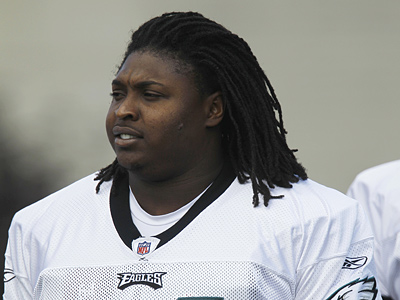
Former Eagles defensive tackle Jeff Owens played his first NFL game on Dec. 28, 2010. A gruesome knee injury made it his last.
“It looked that bad when you watched it,” Owens said.
His NFL debut came in Week 16 vs. the Minnesota Vikings, which was played on a Tuesday night at the Linc in bizarre circumstances. A snow emergency that had been forecast for the area meant the game was moved from Sunday Night Football, and it became the NFL’s first scheduled Tuesday contest since 1946.
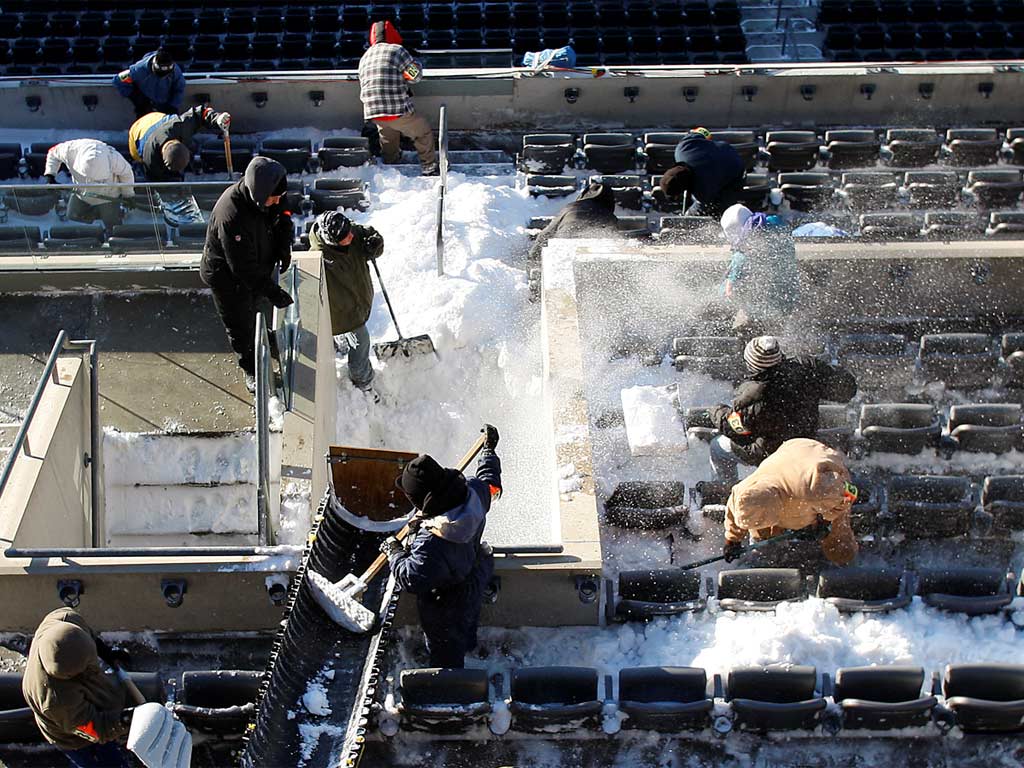
Workers at Lincoln Financial Field clear snow from the upper stands on Dec. 27, 2010, a day after a game against the Vikings was postponed.
The Vikings were 5-9 and playing out the string behind a quarterback, Joe Webb, who was a converted wide receiver.
The heavily favored Eagles were 10-4 and had already clinched the NFC East, but needed the win to stay in the hunt for a first-round playoff bye. They wouldn’t get it.
Owens, a seventh-round draft pick out of Georgia who had spent the season on the practice squad, was helping to fill in on the front seven for rookie Brandon Graham, who had torn his ACL and meniscus two weeks prior.
While the snow subsided, the temperatures remained frigid. Cold winters were somewhat foreign to Owens, who spent his childhood in the Fort Lauderdale, Fla., area and played college football in the SEC. Now 39, Owens thinks the weather played a massive role in his injury.
“I’m trying to warm up, get in the hot tub before the game and all that; we got the benches warm … and it’s a big difference when you’re trying to go full speed, 100 miles per hour in that kind of weather and stopping on a dime. My body just wasn’t used to it,” Owens said.
Late in the third quarter, Owens fell backward while trying to chase Webb out of the pocket. He remained down and immobile for minutes before being carted off the field. He was placed on injured reserve the next morning, with a ruptured left patellar tendon. The injury itself was devastating for Owens, but the injury’s timing made the situation worse.
“You don’t have surgery till January/February, and the expectation is you’re not going to be ready to play when training camp comes back,” Owens said. “Then when I came back … that first day, I didn’t pass my physical because I wasn’t ready.”
Jeff Owens was promoted to the Eagles’ active roster in December 2010.
To add insult to literal injury, the Eagles lost the game, 24-14. They didn’t win again that season, falling to the Green Bay Packers 12 days later in what became the final playoff game of the Andy Reid era.
There was more working against Owens after the injury. An NFL lockout spanning from late March to late July 2011 prevented him from entering the team facility to rehab. Once it finally opened back up following the signing of the collective bargaining agreement, the Eagles didn’t have the patience to wait for Owens’ return and released him on the first day of training camp.
“Maybe if I was a third-rounder, second-rounder, I would’ve had more leeway, but I was a seventh-rounder,” Owens said.
Before entering the NFL, the Plantation (Fla.) High School alumnus had surgeries on both knees. Despite a successful career at Georgia, his medical record likely played a role in a draft slide. Owens believed he would be picked earlier, and was told on draft weekend that the Kansas City Chiefs considered drafting him in the third round, as did the Chicago Bears in the fifth round. Neither materialized.
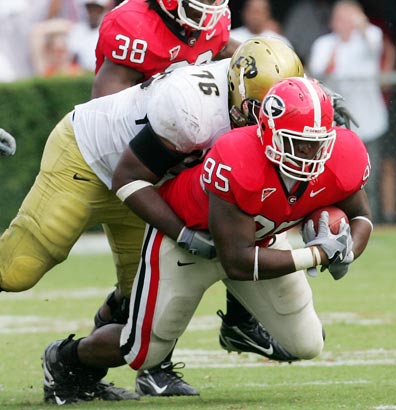
Jeff Owens (95, intercepting a pass against Colorado) was a decorated defensive lineman at Georgia but was burdened by his medical history.
The injury also was his biggest reason for hanging up the cleats after getting released by the Eagles.
“I could have tried to fight to come back, but I already had my degree from Georgia, so it’s like, ‘Might as well start working,’” Owens said.
But work didn’t take the former Eagle far from football. Owens quickly landed a job as an assistant coach at West Forsyth (Ga.) High School. Fifteen years later, he still works in coaching and is now the defensive line coach at NAIA Campbellsville University in Kentucky. What’s kept Owens in the profession so long is the impact he’s had on his players.
“Taking a kid who really didn’t have a direction, then see the kid graduate, see the kid become a husband, see the kid become a dad, and then years later, I have guys I’ve coached … [who] reach back out,” Owens said. “So that’s what’s impactful, is knowing that it doesn’t go in vain.”
That’s the number of times UFC has held a sanctioned main event bearing its name inside what is now Xfinity Mobile Arena.
Saturday will be the fourth, and just the second numbered event when UFC 330 comes to South Philly with two massive title fights.
Any MMA enthusiast knows its arrival is a big deal.
But for anyone who has known Philly as a fight town — one with legendary boxers and mixed martial artists, rubber-stamped by a fictional boxer who has personified the culture — realizing that Philadelphia hasn’t been considered fruitful for the MMA giant is surprising.
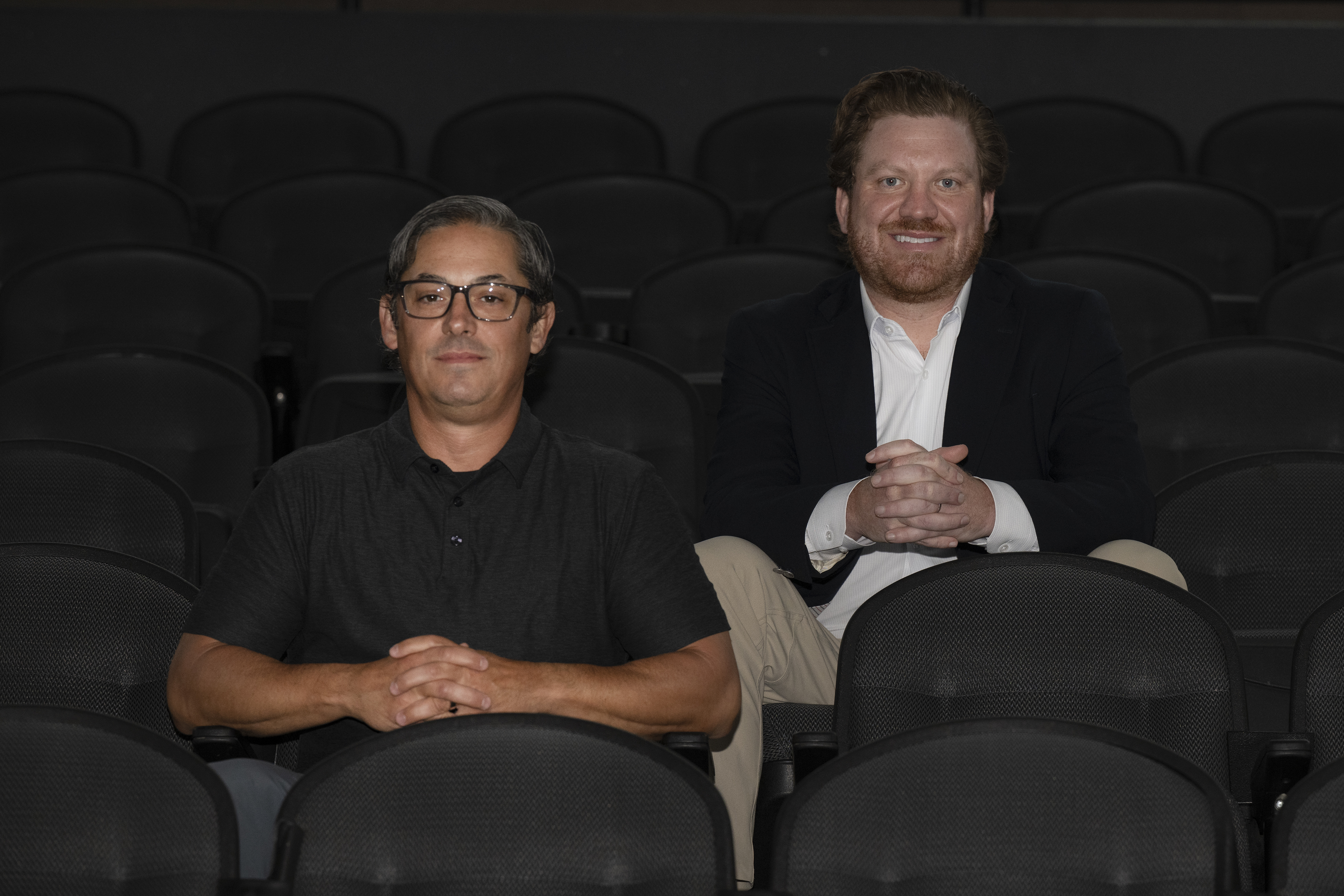
It’s not for lack of trying to get more UFC events, and combat sports in general, to choose the city’s largest arena. For over a decade, that fight has been fought by two main people: Xfinity Mobile Arena senior vice president and general manager Mike Sulkes and Brett Reopell, who has been the venue’s chief booker of talent and events since 2022.
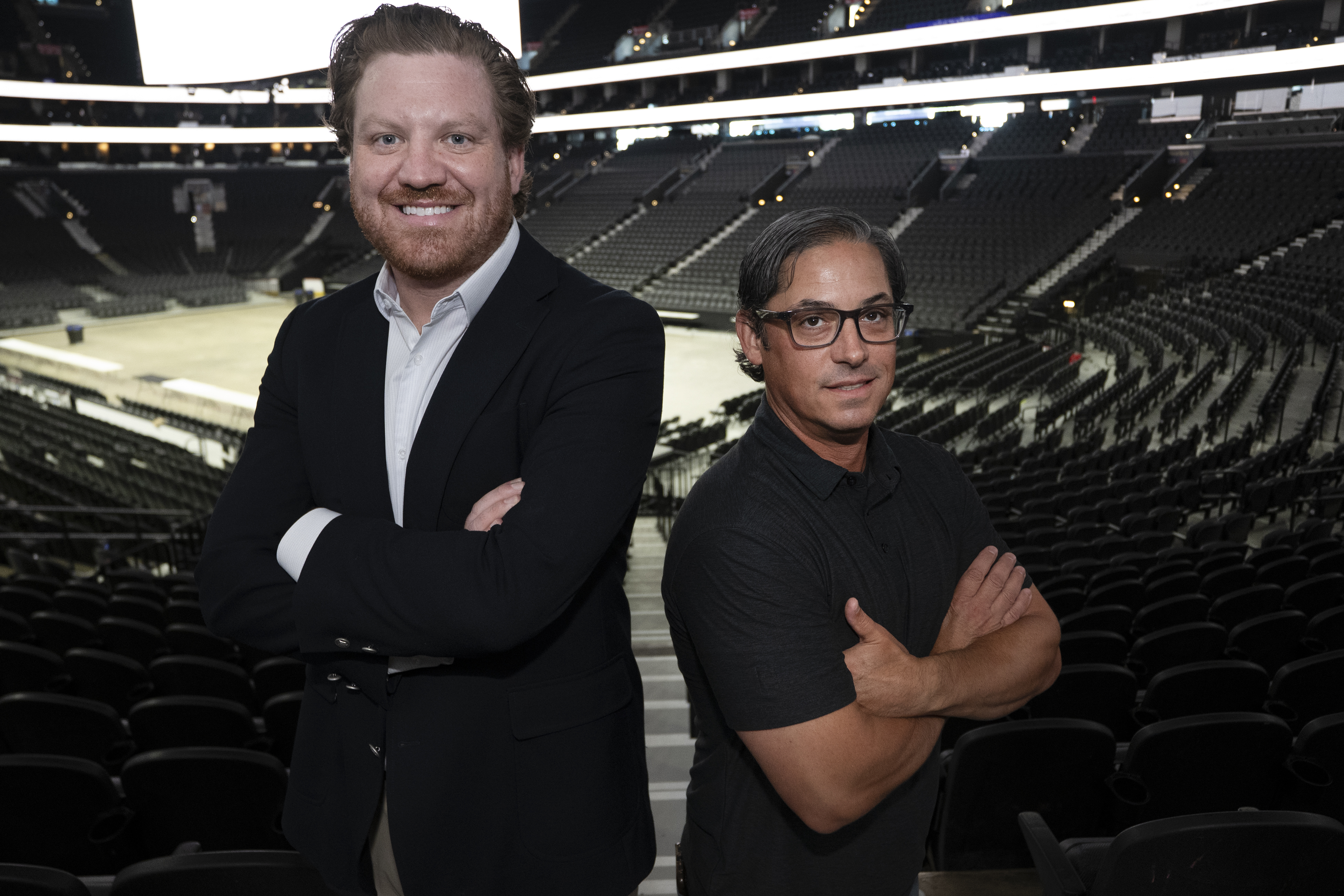
Brett Reopell (left) and Mike Sulkes say that winning the right to host major events is an ongoing and sometimes arduous process. Jose F. Moreno / Staff Photographer
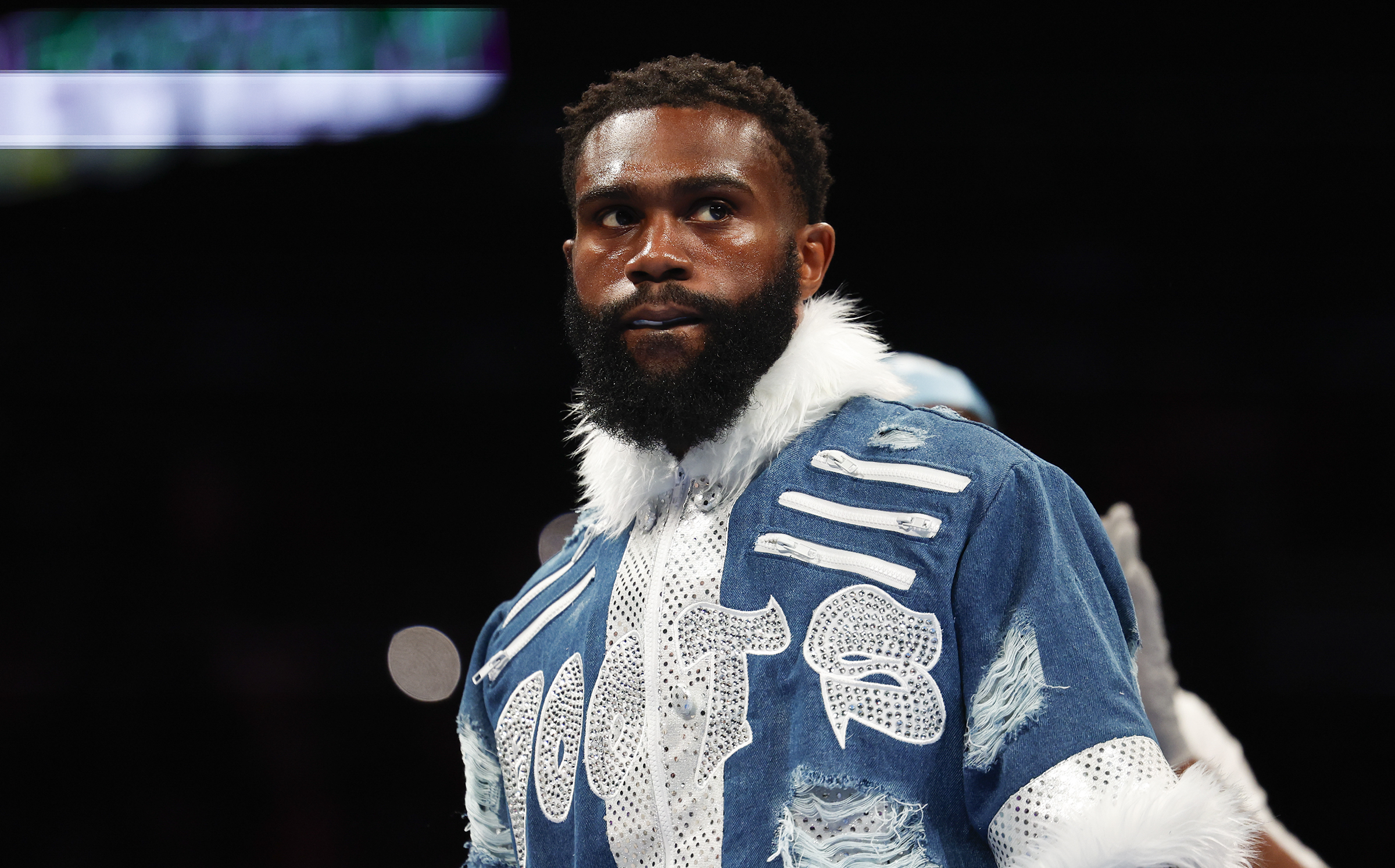
This UFC event is the latest highlight, but it’s been a steady progression of combat sports events flooding the arena since Philly’s own Jaron “Boots” Ennis decided to host multiple title fights at the venue when it was known as the Wells Fargo Center in 2024. He has had three title fights since, including a first-round TKO of Uisma Lima last October.
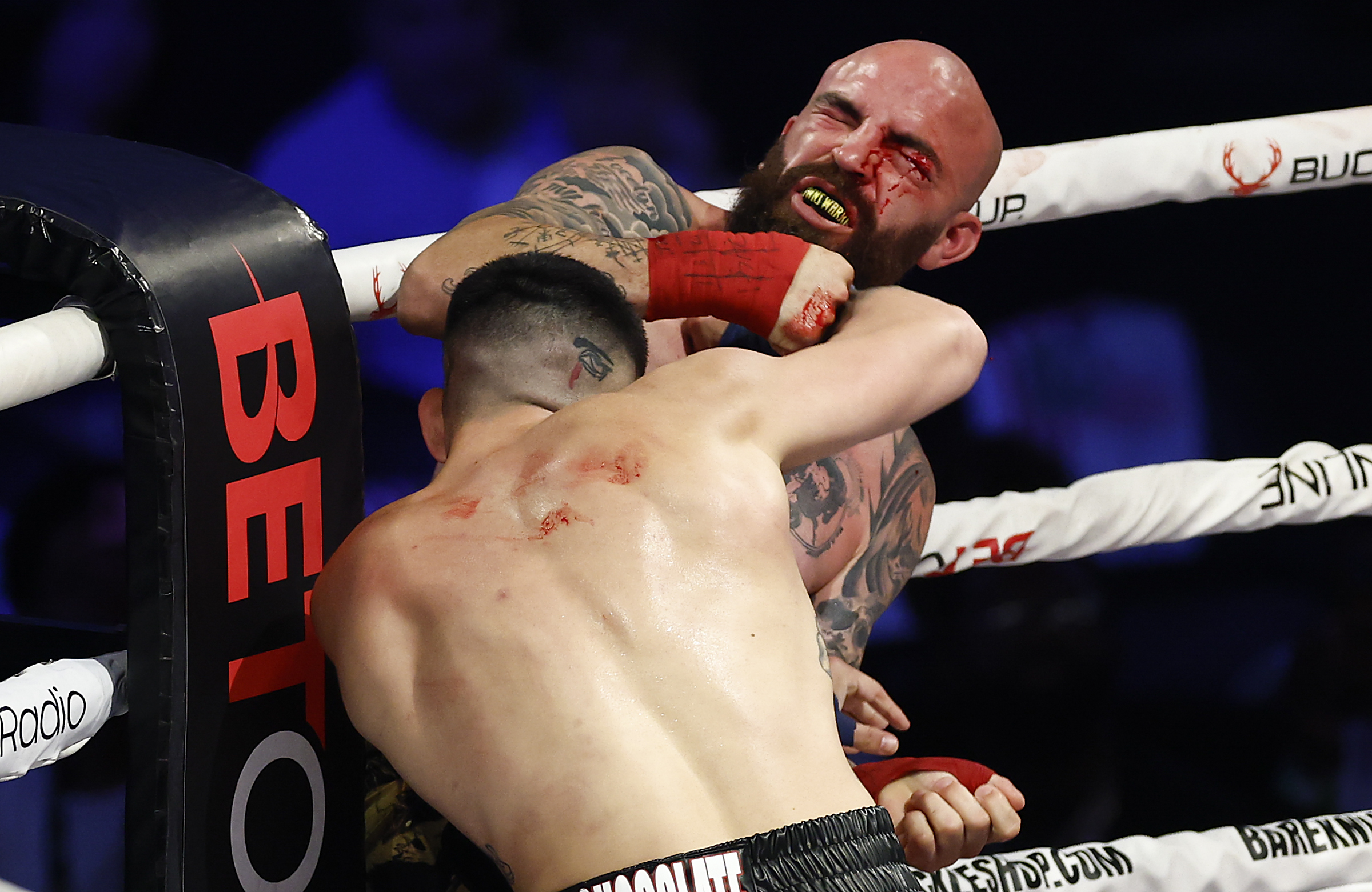
Lately, the arena also has been the home of David Feldman’s Bare Knuckle Fighting Championships, which has considered making its main events a quarterly fixture at the arena.
Brandon Honsvick (right) takes a hit from Matt Turnbull in a lightweight BKFC Liberty Brawl fight at Xfinity Mobile Arena on July 3. Turnbull beat Honsvick by technical knockout.Yong Kim / Staff Photographer
To Sulkes and Reopell, UFC and combat sports historically have been a chase. But that hasn’t stopped them from trying.
They noted conversations with Matchroom Boxing, the promotion company associated with Ennis. Having the Philly fighter choose Xfinity Mobile Arena to host his title fights alongside other notable fighters on Matchroom cards felt serendipitous.
“A lot of it was timing,” Reopell told The Inquirer this summer. “We’ve always been chasing boxing and UFC, but there are a couple of factors with that. UFC has a limited amount of events that they do outside of Vegas and internationally. So it doesn’t leave much for the rest of the domestic arenas to fight over.
“With boxing, you really just need a draw, and with Boots being local, that was the hook. We’ve been in conversations with Matchroom before, and it was just that nothing really made sense. But when they landed [Boots], it was an easy [choice] for us here.”
Philly native Jaron “Boots” Ennis before his fight against David Avanesyan at the then-named Wells Fargo Center in July 2024.Yong Kim / Staff Photographer
Since Ennis’ initial fight in 2024, Xfinity Mobile Arena has hosted seven combat sports events in less than two years.
Make that eight, courtesy of UFC 330.
Additionally, UFC parking its caravan outside Xfinity on Saturday keeps the Philly area at the epicenter in a summer of world-class sporting events. From the PGA Championship to the MLB All-Star Game to six FIFA World Cup matches, there has been no shortage of major events that have come through the region.
But getting UFC to consider Philly is no easy task, Sulkes said. Stakeholders to get 330 to come to Xfinity Mobile Arena included not just organizations, arenas, and promoters, but politicians.
“It’s an extensive process,” Sulkes said. “We are constantly pitching our arena and pitching the city of Philadelphia to promoters. We’re always out there, whether it’s [conversations at] industry conferences, traveling to meet with them in person where they’re at. The pitch never really stops for us. [In the case of UFC], these are contacts that we’ve had for many years. It was a long road to convince them to come back with an event of this size and magnitude.
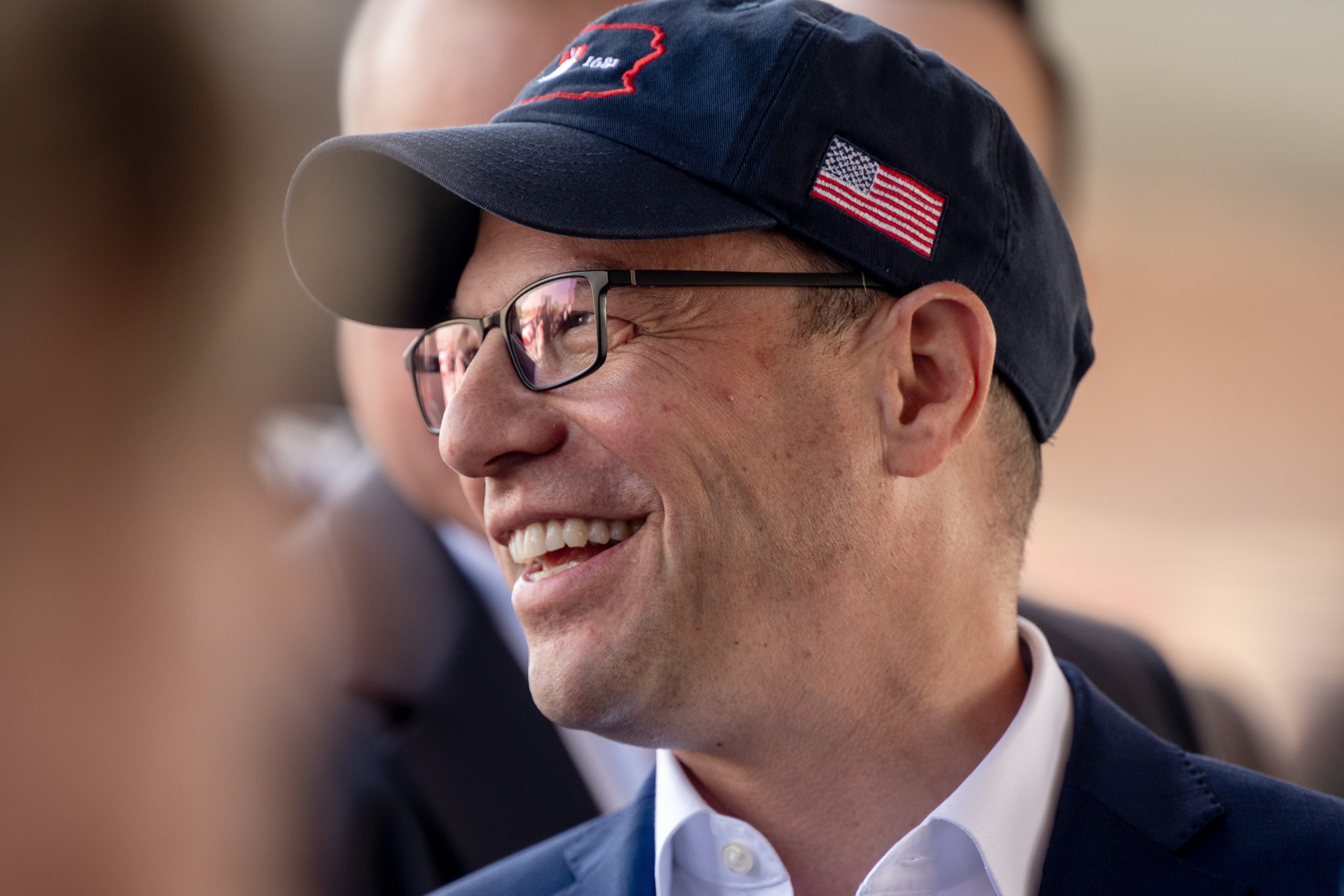
“We had tremendous support from Gov. [Josh] Shapiro as well with his desire to add this to all the USA 250 celebrations. That was a big part of getting this major UFC fight; Philly is really going to be the epicenter of the sports world this summer, and landing a UFC event just felt like a natural hook.”
Gov. Josh Shapiro, seen here at Citizens Bank Park earlier this year, has been a key figure in pulling for more events to come to South Philly, including fundraising for infrastructure improvements to reduce congestion on event days. Tom Gralish / Staff Photographer
Both said discussions are ongoing with BKFC to keep Xfinity as “their home base,” according to Reopell, who noted that the promotion is growing rapidly. Earlier this year, BKFC revealed plans to host smaller events at 2300 Arena and fight camps in the area.
A source also revealed to The Inquirer that Xfinity Mobile Arena could play host to another World Wrestling Entertainment event later this fall.
Sources have told The Inquirer that the next combat event at Xfinity could be hosting a WWE main event this fall.Monica Herndon
Reopell and Sulkes did not confirm the timeline but told The Inquirer that they have agreed to be on a “regular cycle with WWE, doing 2-3 events a year.” The last event was held across the street at Lincoln Financial Field when WWE’s marquee event, WrestleMania, held its 40th battle royale in Philly in 2024.
“Philly is such a great fight town, and it has been for generations,” Sulkes said. “It just felt natural to lean in at this time and host these big events. So it really goes back to our mindset that we’re always looking for great content for the Delaware Valley, and right now, combat sports are having a great moment, specifically here in Philadelphia.”