Tag: topic-link-auto

  • Philly judge imposes six months of outside supervision for sheriff’s auctions

    Philly judge imposes six months of outside supervision for sheriff’s auctions

    A Philadelphia judge on Wednesday took the rare step of imposing six months of outside supervision of sheriff sales after years of dysfunction in processing deeds and distributing money from the auctions.

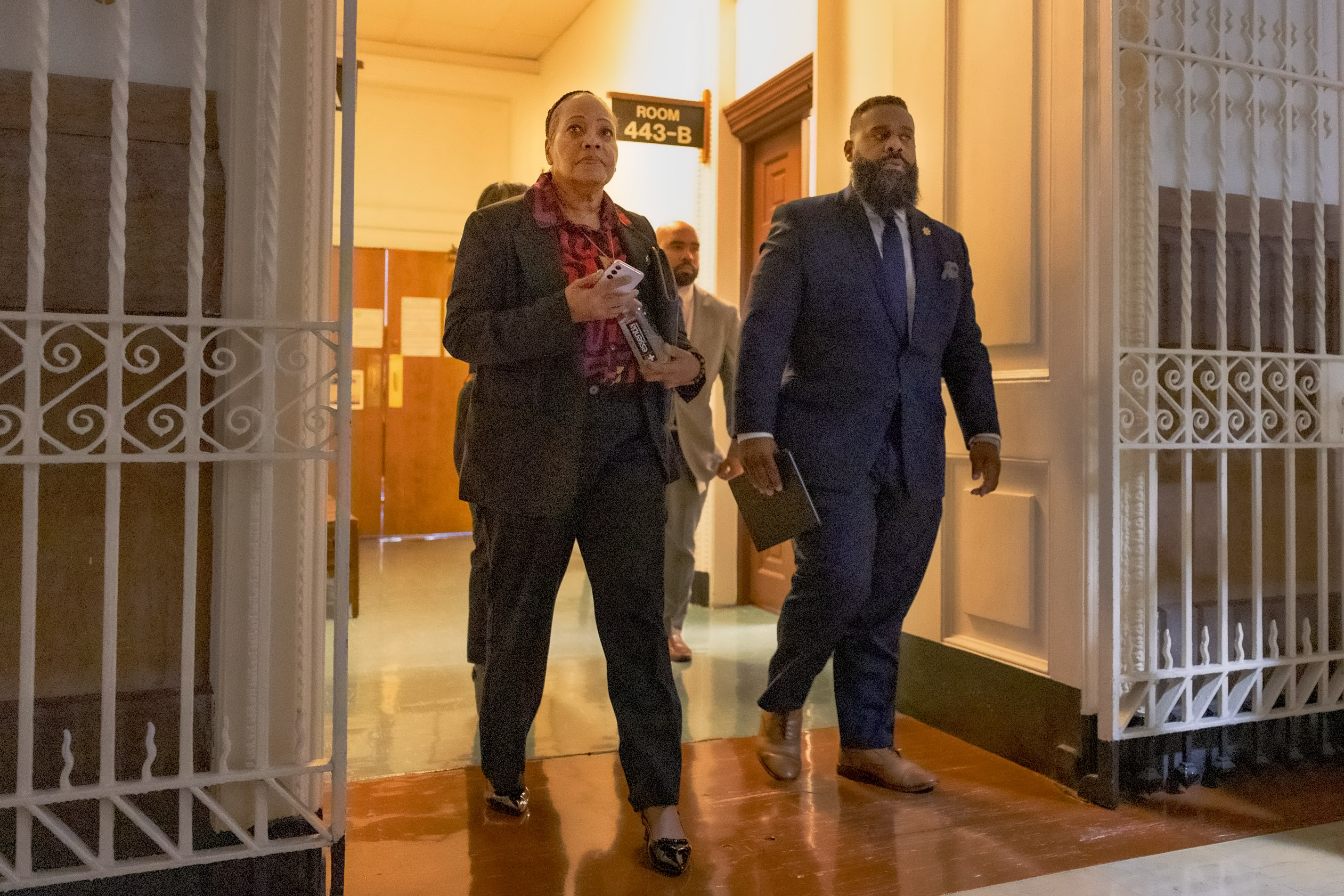
    The decision came after a hearing in City Hall in which a top aide to Sheriff Rochelle Bilal acknowledged withholding thousands of pages of documents the judge had previously requested.

    Common Pleas Court Judge Paula Patrick grilled representatives of Bilal’s office over the surprise revelation, which followed a Monday Inquirer report noting that many of the requested records were missing.

    “My order,” the judge said, “was very specific.”

    Patrick, supervisor of the court’s commerce division, had requested the documents in May and scheduled Wednesday’s hearing following years of complaints about chronic delays in processing deeds and distributing funds from sheriff sales.

    Since at least mid-2024, winning bidders at property auctions have been paying the sheriff, then waiting a year or more for the office to process deeds of sale.

    The courts have been bombarded with petitions for those deeds, which prompted Patrick to take action. She required Bilal to produce, among other things, “a detailed accounting of all sales proceeds received and disbursed” since she took office in January 2020.

    In July, the office submitted thousands of pages of records to an official court docket along with a statement indicating it had resolved many of the deed delays and complied with all terms of the order.

    When The Inquirer asked Friday why none of the submitted records detailed sale revenues distributed after 2023, Bilal and her staff declined to comment.

    Bilal’s representatives admitted in the hearing Wednesday that the records were not submitted.

    On Tuesday afternoon, following the publication of The Inquirer’s report, an attorney for Bilal dropped in excess of 5,000 pages of sales records into the court docket.

    Steven Wakefield, a former city tax attorney appointed in June as deputy undersheriff to clean up the troubled sheriff sale process, said in the hearing that his initial representation to the court, based on assurances from staff that all sales had been pulled, “was not accurate.”

    Wakefield said that after the news organization’s inquiry Friday morning, he immediately followed up with staffers about the missing post-2023 sales records.

    “They said, ‘Oh, yeah, we didn’t do that,’” Wakefield recounted.

    It was unclear Wednesday whether all the records from that time period would ever be turned over.

    “Some of the information the court asked for did not exist,” said Jonathan Rardin, an attorney appointed by the city to represent Bilal.

    Later Wednesday afternoon, Bilal’s staff agreed to allow an outside person or group to monitor how auctions are conducted, then report back to the court in six months. The judge did not name the overseer or say when the outside supervision would begin.

    “This is in essence exactly what we were asking for,” said Daniel Bernheim, a lawyer for JSB Property Group, a real estate investment company that filed a lawsuit in March alleging that Bilal had breached the terms of a 2003 consent order requiring the office to issue deeds within 40 days of settlement.

    Bernheim said Patrick’s order will “have somebody independently come in, take a hard look at what’s going on, ask a lot of the questions that still need to be asked, and make recommendations.”

    Bilal, in civilian dress, sat before the judge silently during the hearing and did not respond when asked by an Inquirer reporter for comment.

    After the hearing, Bilal told a group of reporters that she supported the court supervision.

    “It’s better that we come together and make an agreement so we can continue working together and moving forward,” she said. “That’s all it is.”

    Bilal’s attorney had filed a last-minute motion on Friday seeking to protect the sheriff from having to testify at the hearing, writing that it involved “matters outside her unique personal knowledge.” Patrick denied the motion. But, in the end, Bilal was not called to testify.

    The hearing offered other insights into the sheriff’s office, which has struggled in recent years to perform many of its core functions under Bilal.

    Wakefield blamed the deed delays on a single person: Melissa Simpson, Bilal’s former director of real estate. He said Simpson had been manually filing documents and became overwhelmed when auctions picked up in the aftermath of the pandemic.

    In a certification filed last month, Wakefield claimed Bilal was not even aware of the deed backlog.

    “Simpson was telling everyone it was fine,” Wakefield said Wednesday. “One person can’t do the whole job.”

    Simpson could not be reached for comment. But three current sheriff’s office employees, who were not authorized to speak publicly, disputed that Simpson was solely to blame for the problem.

    Even when more staffers were hired, Wakefield said, the office could process only 40 or 50 deeds a day at most.

    Wakefield also said the slow pace of deed filings was eclipsed by even more serious problems with the issuance of legally mandated distribution sheets, which detail how money from each auction is divided.

    “The distribution backlog is worse than the deed backlog,” he said. “There was a period of time where distribution sheets were not being uploaded.”

    Even so, Wakefield presented a picture of an office that has now been reformed. He said it was moving to automate large parts of the deed process.

    However, he acknowledged that despite his July statement to the court that the outstanding backlog had been cleared, there are still some that must be processed.

    Wakefield told the judge that a recently hired staffer, William A. Brownlee Sr., is conducting an audit to find any sales that were inadvertently passed over.

    One real estate agent told The Inquirer last week that he was still waiting on deeds from auctions that occurred in late 2024.


  • Lower Merion has issued more than 600 violations from red-light cameras since mid-July

    Lower Merion has issued more than 600 violations from red-light cameras since mid-July

    Lower Merion’s automated red-light cameras have captured hundreds of violations since they went into effect last month.

    As of Monday, red-light cameras installed at the intersection of Lancaster Avenue and Remington Road had led to 663 citations, according to Andy Block, Lower Merion’s superintendent of police.

    The cameras went live on May 13, kicking off a 60-day warning period before the police department began issuing tickets on July 13.

    Lower Merion’s cameras capture photos and videos of drivers apparently running red lights. Video and photo evidence is sent to the police department, which reviews each case and determines whether to send a citation to the vehicle’s owner. Red-light violations come with a $100 fine and can be contested at an in-person municipal hearing.

    The intersection of Lancaster Avenue and Remington Road was chosen as the first site for the automated red-light enforcement cameras, and officials have said they hope to expand the program to other high-traffic intersections. Other locations being considered for red-light cameras include the intersections of Montgomery Avenue and Airdale Road and of Lancaster Avenue and Haverford Station Road.

    The township has estimated that if cameras are placed at all three high-traffic intersections, around $24 million in annual revenue could be captured initially, with revenue dropping to around $8 million annually as compliance improves.

    The township, however, will not collect revenue from the automated red-light tickets. Collected funds will cover administrative costs, with the rest going to a state fund that supports transportation enhancement projects across Pennsylvania. Municipalities that participate in the automated red-light enforcement program receive priority status when applying for transportation grants from the state.

    The township has stated that the program is, first and foremost, about traffic safety. Residents have long complained of dangerous conditions for drivers and pedestrians traversing the township’s roads. Nearly 3,800 vehicle crashes were reported in Lower Merion between 2019 and 2023.

    Block said in an email that traffic enforcement is a priority for the police department and that using the automated cameras “provides additional safety for our motorists traveling in the township.”

    Under the township’s ordinance, the cameras must be used strictly for red-light violations, not general surveillance. Photo and video evidence taken by red-light cameras must be destroyed within 30 days of a violation being settled and cannot be released under Right to Know requests.

    This suburban content is produced with support from the Leslie Miller and Richard Worley Foundation and The Lenfest Institute for Journalism. Editorial content is created independently of the project donors. Gifts to support The Inquirer’s high-impact journalism can be made at inquirer.com/donate. A list of Lenfest Institute donors can be found at lenfestinstitute.org/supporters.

  • Flyers to feature on national broadcasts 19 times during 2026-27 season

    Flyers to feature on national broadcasts 19 times during 2026-27 season

    When Danny Brière and Keith Jones took over the Flyers on a full-time basis back in May of 2023, they vowed to “lead this team back to the winning tradition that everyone knows it can, and should be.”

    Slowly but surely.

    Fresh off a first playoff appearance in six years, the Flyers are relevant again, with the latest sign coming Wednesday via the NHL’s national television schedule release. The Flyers will be part of 19 national broadcasts this season, a considerable uptick from the 14 they appeared on in 2025-26. This includes being part of TNT’s season-opening broadcast lineup on Sept. 30 when they will take on the rival Pittsburgh Penguins at Xfinity Mobile Arena (7:30 p.m.). Only the Boston Bruins (20) and Penguins are pegged for more national broadcasts this season.

    On-ice improvement naturally leads to more national attention, and the presence of budding stars Porter Martone and Matvei Michkov surely adds further intrigue to the rebuild in South Philly. The rekindling of the rivalry with the Penguins after last year’s playoff series doesn’t hurt either.

    In all, the Flyers will be featured exclusively on ABC or ESPN six times, including weekend bouts with the Penguins on Jan. 31 (noon) and April 3 (8 p.m.). The Flyers will also have four games on ESPN+/Disney+/Hulu, the first coming on Oct. 1 against Metropolitan Division rival New Jersey (7 p.m.). As part of ESPN’s fourth annual “Frozen Frenzy” whiparound show featuring all 32 teams on Oct. 13, the Flyers will play the Seattle Kraken at 7 p.m.

    The Orange and Black will be televised nine times on TNT, including a pair of contests against the Washington Capitals — Oct. 28 at 7:30 p.m. and April 1 at 7:30 p.m. — in what figures to be all-time leading goal scorer and Flyers nemesis Alexander Ovechkin’s final NHL season. The Flyers’ final game of their 84-game season on April 10 at Xfinity Mobile Arena, which will likely double as Ovechkin’s regular-season swan song, will also be nationally televised on ABC (12:30 p.m.)

    Full Flyers national broadcast schedule

    Flyers games with updated start times

    Thurs., Oct. 15 @ Detroit 7:30 p.m. ET (Little Caesars Arena)

    Thurs., Dec. 3 vs. NY Islanders 7:30 p.m. ET (Xfinity Mobile Arena)

    Thurs., Jan. 28 vs. Los Angeles 7:30 p.m. (Xfinity Mobile Arena)

    Thurs., Feb. 18 @ Dallas 9 p.m. (American Airlines Arena)

    Sat., Feb. 20 vs. NY Rangers 12:30 p.m. ET (Xfinity Mobile Arena)

    Mon., Feb. 22 vs. Montreal 2 p.m. ET (Xfinity Mobile Arena)

    Sun., March 7 vs. St. Louis 3:30 p.m. ET (Xfinity Mobile Arena)

    Thurs., March 25 @ Tampa Bay 6:30 p.m. ET (Benchmark International Arena)

    Thurs., Apr. 1 vs. Washington 7:30 p.m. ET (Xfinity Mobile Arena)

    Thurs., Apr. 8 @ Columbus 7:30 p.m. ET (Nationwide Arena)

    Sat., Apr. 10 vs. Washington 12:30 p.m. ET (Xfinity Mobile Arena)

  • Victory Brewing’s Parkway taproom closed after failed health inspection

    Victory Brewing’s Parkway taproom closed after failed health inspection

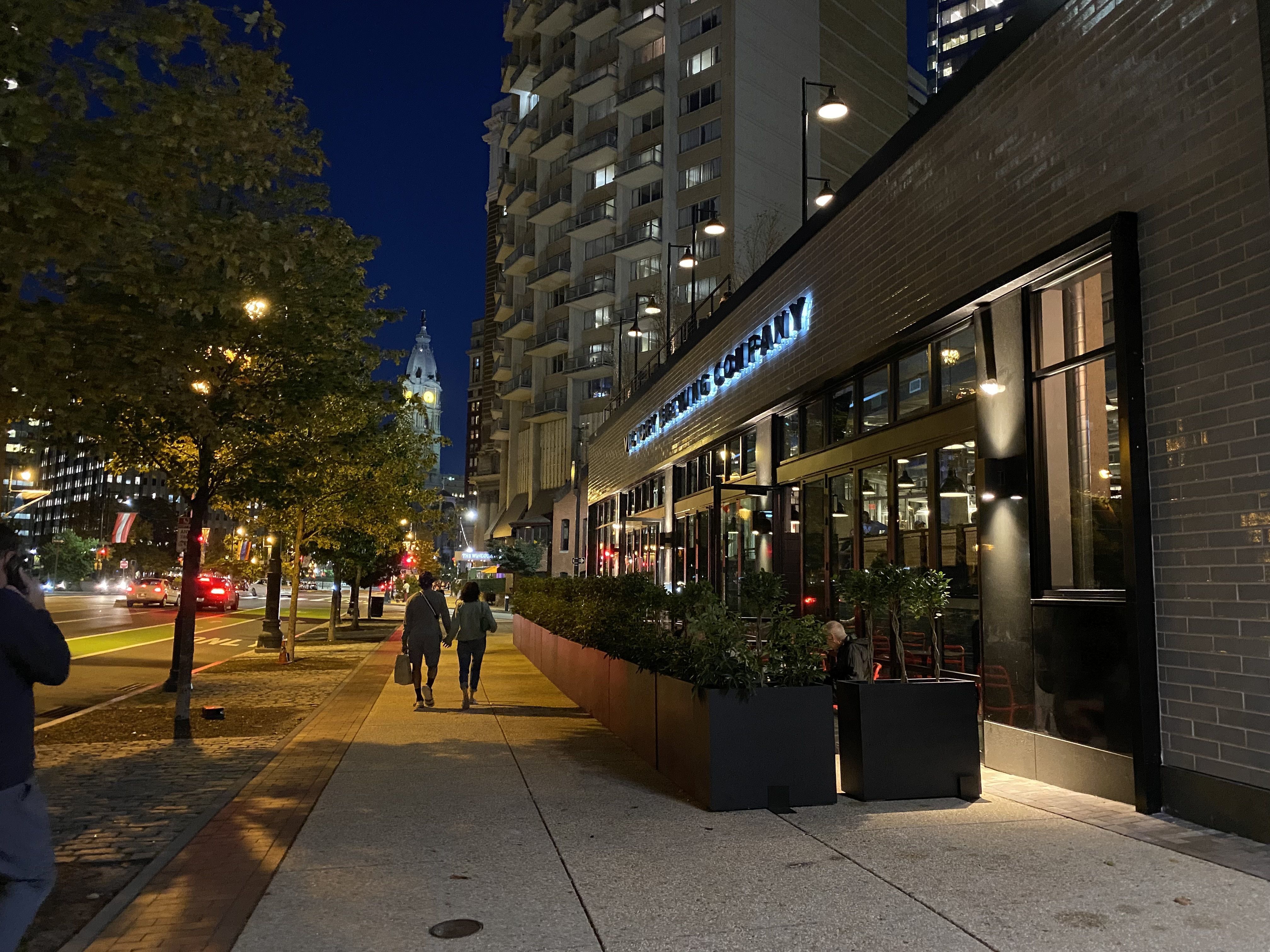
    Victory Brewing Company’s Philadelphia taproom was ordered to cease operations over a series of “imminent health hazards” following a Department of Public Health inspection Tuesday.

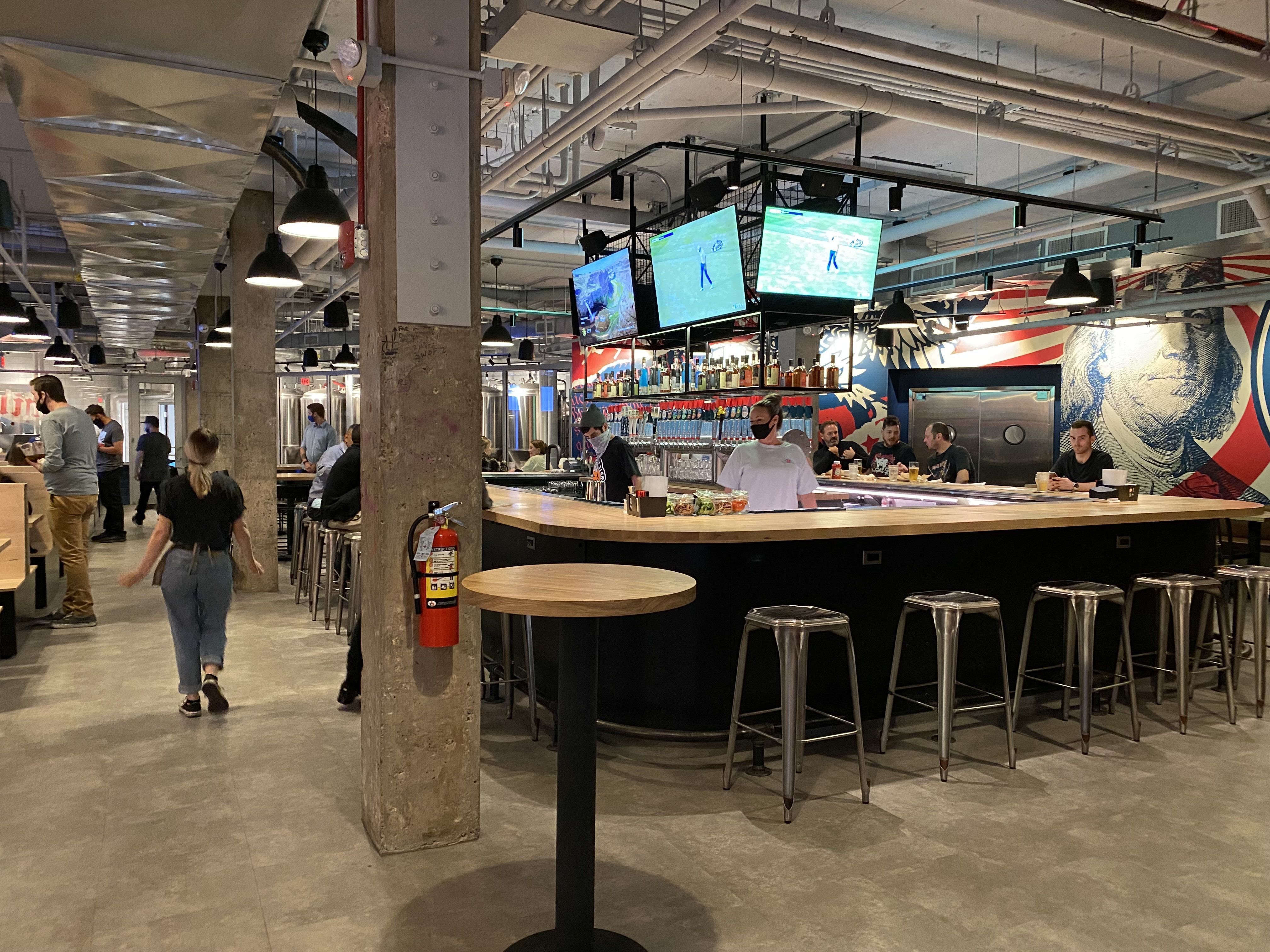
    The Downingtown-based brewery’s three-level bar at 1776 Benjamin Franklin Parkway was ordered to close at 3:20 p.m. Tuesday after a health inspector documented 26 health-code violations.

    Among the findings: live roaches, flies, and mice in the first floor bar and prep areas alongside mouse droppings littered throughout the nearly 14,000-square-foot space.

    Victory Brewing Co.’s taproom replaced the TGI Friday’s at 1776 Ben Franklin Parkway.Michael Klein / Staff

    No soap was available at several sinks throughout the brewery at the time of the inspection, the report stated, and employees were observed working without washing their hands. Black specks and orange residue had accumulated inside the ice machine, while several soda guns were “not clean to sight,” the report said.

    Victory Brewing must remain closed for at least 48 hours and cannot reopen until it pays a $315 fine and passes a new health inspection. The bar announced via Instagram that it would be closed Wednesday with plans to reopen Thursday.

    “The cleanliness and safety of our taproom are of paramount importance to us. They are ingrained in our daily routines and reinforced by the professional partners we work with. We have always been in compliance with the health department since opening, which is why we take this week’s report extremely seriously,” Matt Reimold, the area operations manager for Victory Brewing, wrote in response to an Instagram comment asking about the closure. “We are taking immediate action to resolve all issues and will reopen only when they have been fully addressed.”

    A pest control service is “on site” to address the vermin-related violations, Reinhold wrote. Victory Brewing has maintained regular pest control service throughout doing business, Reimold wrote in the comment.

    Health inspections are typically viewed as snapshots in time and may not necessarily reflect an establishment’s day-to-day conditions. That hasn’t stopped at least one corner of the internet from fixating on Victory Brewing’s violations — which, to some, feel like taproom sins.

    The first floor bar at the center of Victory Brewing Co.’s Philadelphia taproom, which opened on the Benjamin Franklin Parkway in 2021.Michael Klein / Staff

    “A brewery not cleaning their own lines. What a trip,” read one Reddit comment on a post about the cease operations order in the popular subreddit R/PhiladelphiaEats.

    Cofounded in 1996 by Bill Covaleski and Ron Barchet in the old Pepperidge Farm factory in Downingtown, Victory Brewing has grow into a national craft beer brand known best for its IPAs and easy-drinking Golden Monkey tripel.

    The brewery opened its sole Philadelphia location on the Parkway in 2021, and runs two other taprooms in region in Downingtown and Kennett Square. Those remain open.

  • Frank Spagnuola, original ‘American Bandstand’ dancer and longtime interior designer, has died at 85

    Frank Spagnuola, original ‘American Bandstand’ dancer and longtime interior designer, has died at 85

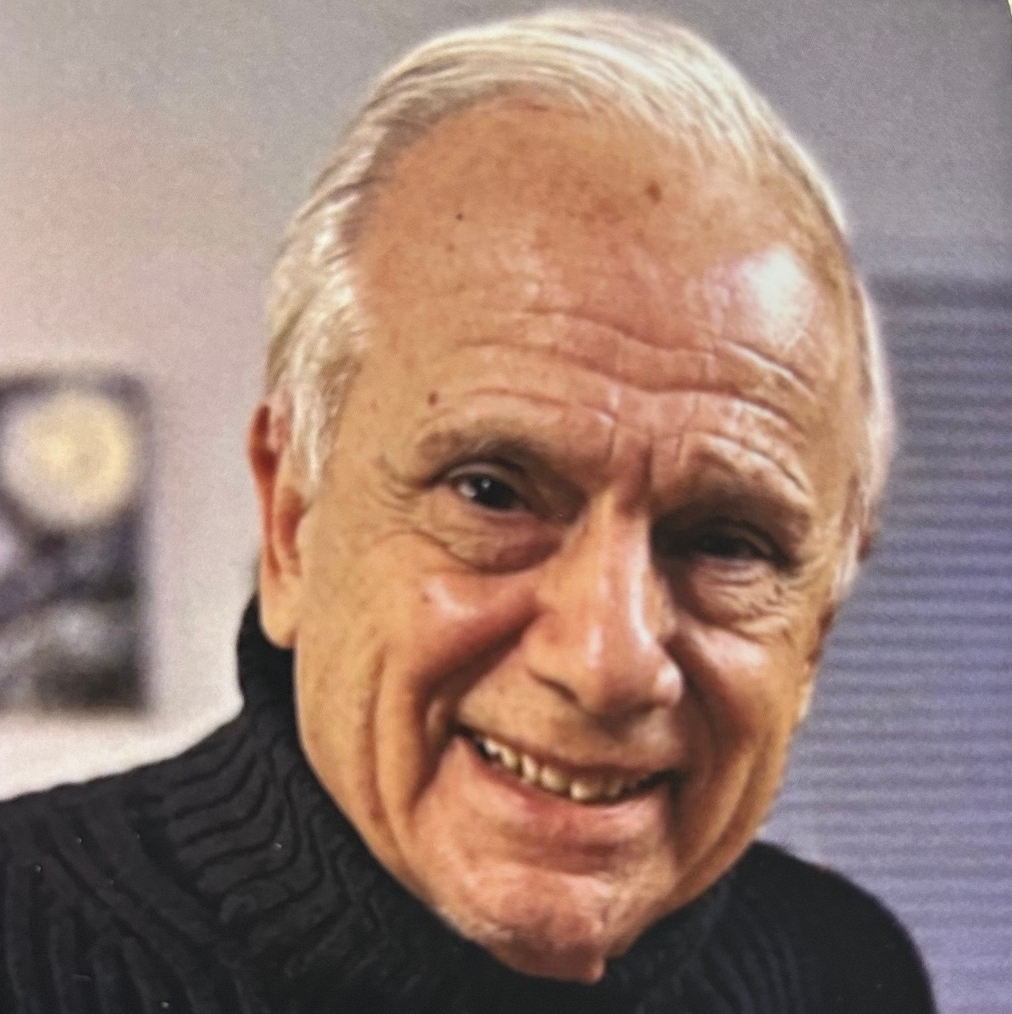
    Frank Spagnuola, 85, formerly of Philadelphia, one of the original American Bandstand dancers, 1957 Chalypso dance champion, longtime interior designer, and gourmet home cook, died Monday, Aug. 17, of congestive heart failure at the Complete Care at Court House nursing center in Cape May Court House.

    Born and reared in South Philadelphia, Mr. Spagnuola was lifelong friends with performers Bobby Rydell, Frankie Avalon, Fabian Forte, James Darren, and Jerry Blavat, and dozens of other singers, dancers, musicians, and disc jockeys from the neighborhood. He enjoyed socializing as well as music and dancing, and, at 15, became one of the original dancers when the old WFIL-TV station hosted Bandstand and then American Bandstand in the 1950s and ’60s.

    The TV station invited local teens to dance to the latest hits in its Studio B on Market Street in West Philadelphia, and Mr. Spagnuola did just that on many afternoons from 1955 to 1963. In 1957, he and partner Dottie Horner finished first in American Bandstand’s first Chalypso contest, spotlighting an original Philly dance that combines the cha-cha and the calypso.

    “We would cut classes” to dance on Bandstand, Mr. Spagnuola, a graduate of the old Bishop Neumann High School, said in a 2017 video interview. “We had eight or nine classes, and we would leave, like, the sixth class. Father would say, ‘Where are you going?’ Well, you know where we’re going, Father. The priests watched the show. I mean, everybody watched the show.”

    Mr. Spagnuola graduated from the old Bishop Neumann High School in 1958.Courtesy of the family

    It was downstairs at Studio B, Mr. Spagnuola said, that he encountered Bandstand guest stars Pat Boone, Bobby Darin, and Sal Mineo. As a teen in the neighborhood, he performed in local skit shows with Rydell and played football and double-dated with Fabian.

    On Facebook, Fabian called Mr. Spagnuola “a gentleman and talented dancer,” and said: “Frank Spagnuola was one of the most popular and beloved regular dancers on Dick Clark’s American Bandstand during the show’s iconic Philadelphia era.”

    Mr. Spagnuola is profiled at history-of-rock.com and bandstand.cafex.biz, and he and Dottie Horner are on the cover of the 1997 Dick Clark’s American Bandstand souvenir collectors’ magazine. He is featured in the 1997 New Jersey Network documentary Bandstand Days and called the show “part of American history.”

    Over the years, as Bandstand’s popularity ebbed and flowed, he routinely reconnected with other original dancers — they were called the Bandstand Regulars — at reunions, public events, and celebrations in the region. American Bandstand went off the air in 1989.

    Mr. Spagnuola and his dance partner, Dottie Horner, were on the cover of this 1997 souvenir collectors’ magazine. Courtesy of the family

    “Everybody loved Frank,” said longtime disc jockey and music director Tommy McCarthy. “He had an infectious smile. He was a guy you just liked.”

    Friends on Facebook called Mr. Spagnuola “movie star handsome,” “a rock & roll soldier,” “a Bandstand pioneer,” and “one of the nicest gentleman you could ever meet.” One said: “Wonderful dancer, wonderful person, wonderful friend.”

    After graduating from Bishop Neumann in 1958, Mr. Spagnuola worked in a high-end carpet store, studied interior design, and earned an associate’s degree at the old Philadelphia College of the Arts. He became an interior designer, worked for Sears at the Moorestown Mall for 25 years, and was active with the American Society of Interior Designers.

    On his own, he did private design work for Muhammad Ali, former Eagles assistant coach Jon Gruden, and other local notables. “He cultivated an eye for beauty and design,” his family said in a tribute, “shaping spaces with elegance and functionality.”

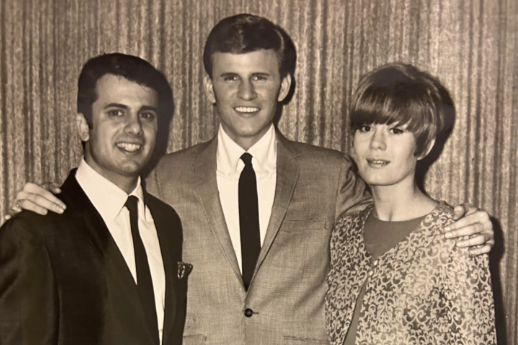
    Mr. Spagnuola (left above) stands with his wife, Janet, and Bobby Rydell. Below, he is flanked by Fabian (left) and Frankie Avalon.Courtesy of the family

    Francis Michael Spagnuola was born Nov. 2, 1940. The oldest of three brothers, he liked to hang out at the Jersey Shore and dine on Italian food.

    He married Janet Moretti, and they had a son, Stephen, and a daughter, Carrie, and lived in South Philadelphia and Center City. His wife died in 2005.

    Mr. Spagnuola moved to Cape May later, became an accomplished home cook, and was known for his crab salad dip. He was passionate, upbeat, and funny, everyone said, and his children called him “a steadfast anchor and a lifelong source of support.”

    His family said: “He leaves behind a memory as warm and enduring as the summer shore and the Wildwood days he so dearly cherished.”

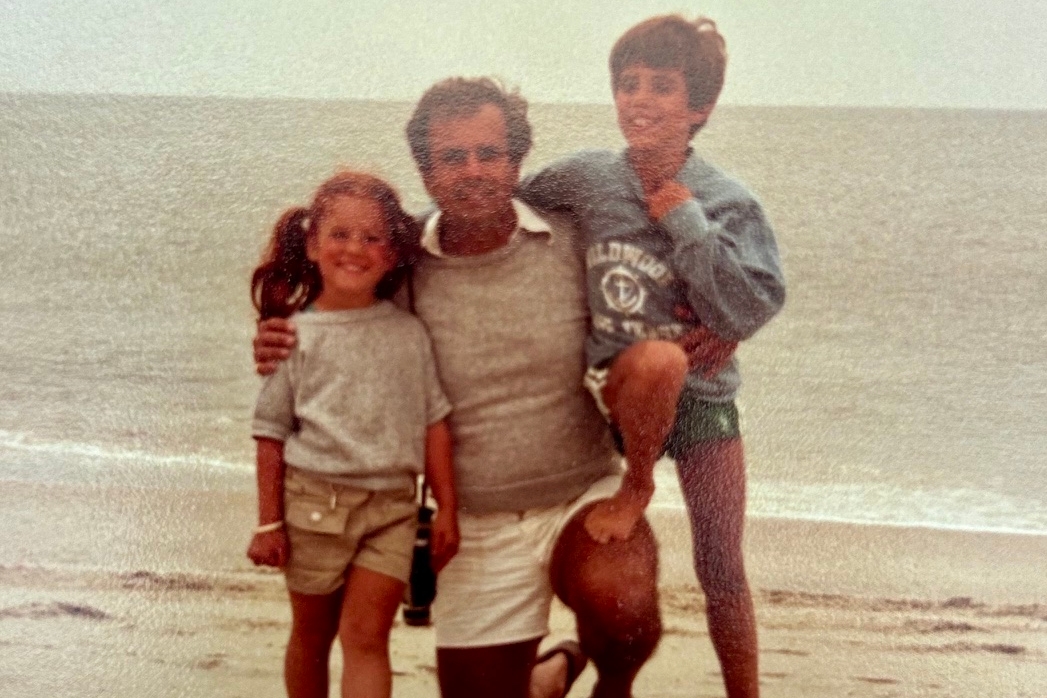
    Mr. Spagnuola enjoyed time with his children (above) and grandchildren (below).Courtesy of the family

    His son said: “He loved life. He loved people. He loved characters.”

    In addition to his children, Mr. Spagnuola is survived by three grandchildren and other relatives. Two brothers died earlier.

    Services were held earlier.

    Donations in his name may be made to the American Heart Association, Box 840692, Dallas, Texas 75284.

    Mr. Spagnuola “loved life. He loved people. He loved characters,” his son said.Courtesy of the family
  • Top Trump official blasts Larry Krasner over comments about blowing up White House ballroom

    Top Trump official blasts Larry Krasner over comments about blowing up White House ballroom

    Philadelphia District Attorney Larry Krasner drew a rebuke Wednesday from Attorney General Todd Blanche after he said President Donald Trump’s White House ballroom, which is currently under construction, should be blown up and pieces of debris sold as paperweights.

    Krasner, a progressive Democrat who has centered much of his political identity on opposing Trump, made the initial comments Tuesday during an event at the President’s House Site, George Washington’s Philadelphia home. The Trump administration this year removed educational panels about slavery from the site and replaced them with an exhibit that experts say sanitizes history.

    According to NBC Philadelphia, the district attorney said during his remarks at the annual Slavery Commiseration ceremony on Tuesday that “there is a beautiful time coming [when] the memorial will be here.”

    “Let me tell you what will not be here: There will not be a ballroom,” Krasner said, referring to the ballroom and military bunker that Trump wants to replace the demolished East Wing of the White House. “What is going to be happening is that, in about 10 or 15 years … I’m gonna have a paperweight sitting on my desk. You know what that paperweight’s going to be? It’s gonna be a piece of the ballroom after we all blow it up.”

    Krasner paused, then added: “In an official ceremony, just so we’re clear. In an official ceremony, we’re gonna blow it up, and we’re gonna give the taxpayers their money back by selling all the pieces as paperweights.”

    The remarks by the Philadelphia district attorney, a third-term prosecutor who has recently flirted with running for higher office, were the latest in a long line of provocative comments he has made about Trump and other GOP officials. Earlier this year, the White House press secretary and Republican members of Congress ripped Krasner after he called federal immigration enforcement agents “wannabe Nazis” and said Trump’s administration is orchestrating a “fascist takeover” of the country.

    And last month, Krasner rallied with protesters in Washington and slammed House Republicans after they subpoenaed documents from his office related to the city’s immigration policies.

    Video of Krasner speaking at the event in Independence National Historical Park rocketed around social media this week, drawing condemnation from prominent supporters of the president, some of whom said his comments were inciting violence.

    The White House’s “rapid response” account wrote Tuesday on X that Krasner’s comments were “sick” and that “Democrats are the party of violence.”

    Attorney General Todd Blanche listens as President Donald Trump speaks at the David Mack Center for Training and Intelligence, Friday, Aug. 14, 2026, in Garden City, N.Y. (AP Photo/Julia Demaree Nikhinson)Julia Demaree Nikhinson

    On Wednesday, Blanche, who was confirmed earlier this month, appeared on Fox News’ America’s Newsroom to discuss a range of issues. Host Dana Perino asked him about Krasner’s comments and the timeline for the controversial ballroom, which had been briefly on hold amid litigation contending the Trump administration needs congressional authorization for the project. The Supreme Court this week allowed construction to proceed while justices consider the case.

    “The ballroom is being built,” Blanche said. “And it’s disgusting that a district attorney in Philadelphia, who, by the way, has a city with its own problems, is so focused on what the president is doing in the White House.”

    In an interview Wednesday, Krasner said he stands by his initial comments about the ballroom “100%” because “when you demolish a building, you do it with explosives and/or wrecking balls.”

    Krasner added that he sees Blanche’s opposition to his rhetoric at the Slavery Commiseration event as part of the Trump administration’s broader project of stripping historical sites like the President’s House of references to slavery.

    “I support the permanent existence of this historically important memorial in Philadelphia. I know that may be disturbing to white supremacists, but too bad,” Krasner said. “Philly is going to stand up for its history, and Philly understands that being an elected official is not about making everybody your friend. It’s about having the right enemies.”

  • HBSE president Bob Myers calls LeBron’s choice to pick the Sixers his ‘hardest path’

    HBSE president Bob Myers calls LeBron’s choice to pick the Sixers his ‘hardest path’

    Did choosing Philadelphia mean LeBron James chose the hardest path for his final decision in the NBA?

    Bob Myers, Harris Blitzer Sports Entertainment president of sports, said he believes so on the Cousins podcast with Vince Carter and Tracy McGrady. If James had returned to Miami or Cleveland, there would have been minimal expectations, Myers said, pointing out that the Sixers star already achieved at the highest level in those stops.

    Instead, Myers argued, he opens himself up to more scrutiny by heading to a new destination for a shot at winning.

    “He goes back to Cleveland, he’s made, man,” Myers said. “There’s only one reason [to come to Philadelphia]. It’s to win. It wasn’t because I played there before, or I grew up there, I want to play with my friend. It was because I want to win. So, I’m going to go where I want to go because it gives me the best chance to win.”

    Brett Brown

    James’ decision to come to Philadelphia is an “endorsement” of where the Sixers are and the roster they have built, after over a decade of The Process, said Brett Brown, who was part of the Sixers’ last chase for James in 2018.

    The only Sixer remaining from Brown’s time coaching the team is Joel Embiid, the centerpiece of The Process. Brown coached perhaps the Sixers’ most competitive championship team, the 2017-18 squad that ultimately fell to the Raptors in Game 7 of the 2019 Eastern Conference semifinals, following Kawhi Leonard’s miracle buzzer-beater.

    Brown was fired by the Sixers in 2020. He never managed to acquire the third star he felt the squad needed alongside Embiid and Ben Simmons after Jimmy Butler’s departure. After the team’s huge summer, which included the acquisition of James and Jaylen Brown, he said the upcoming years will be “fantastic” for the city.

    “And you know what?” Brown told Liberty Ballers. “Down deep, I’m really happy for Joel. It’s an opportunity, maybe the last, that he can do what I know down deep he wants to do — and that’s to be remembered as a champion. There’s a side of me that thinks like that as it relates to my old days with Philadelphia, and Joel especially.”

  • Pa. and N.J. will each get more than $500 million from landmark Meta settlement over child protections

    Pa. and N.J. will each get more than $500 million from landmark Meta settlement over child protections

    As part of a settlement involving almost every U.S. state, Pennsylvania and New Jersey will each receive more than $500 million from Meta, the parent company of Facebook and Instagram, after a multistate coalition sued the tech giant for failing to protect kids from becoming addicted.

    The two states’ shares are part of a larger payout of the $12.1 billion to $17.1 billion Meta will be required to make over the next 10 years to the states and U.S. territories involved in the suit. The exact figure will depend on other social media companies agreeing to make similar changes.

    Pennsylvania is expected to receive at least $516 million and up to $729 million, while New Jersey is expected to receive at least $525 million and up to $752 million, according to statements from each state’s attorney general.

    “We can’t simply tell parents to do better while allowing technology companies to design platforms that are engineered to addict children,” Pennsylvania Attorney General Dave Sunday said during a news conference Wednesday. “Parents deserve better. Children deserve better, and today shows that Big Tech can do better — some just chose not to. Today is the first step in forcing Big Tech to do better.”

    Earlier this week, Sunday announced a lawsuit against Snap Inc., owner of Snapchat, and earlier this month he announced a lawsuit against TikTok over similar child protection issues.

    Meta did not immediately respond to a request for comment.

    In addition to the monetary payments, the tech giant will also be required to make changes to satisfy the states’ concerns over child safety.

    “As a parent, protecting your kids is always your North Star,” New Jersey Attorney General Jennifer Davenport said in a statement. “This agreement achieves critical protections for our children today.”

    Neither attorney general commented on how the settlement funds would be used.

    Instagram and Facebook will have to implement a combined two-hour daily time limit for child users with a mandatory pause after 15 minutes of continuous use and again at 60 and 90 minutes. These time limits will be in effect for five years. If Snapchat, TikTok, and YouTube — social media apps owned by other companies — agree to adopt similar terms, the daily limit on each platform would drop to 60 minutes and last for 10 years.

    Child users also will not be able to access the websites from midnight to 6 a.m., will have limited access during school hours, and will not receive push notifications on weekdays between 8 a.m. and 3 p.m. during the school year.

    The company will be required to bolster its age-assurance measures to more accurately verify the age of users. It will also need to improve its age-appropriate content controls to better shield child users against bullying, content promoting eating disorders, and content related to suicide and self-harm.

    Meta will have to limit its social comparison features, including beauty filters and visible tallies of likes on posts, and will be required to make parent controls stronger and more user-friendly.

    “These are changes that matter because they directly address how young people interact with these platforms, how long they use them, when they use them, what they are exposed to on these platforms, and the role that parents can play in keeping them safe,” Sunday said.

    These changes, which are required to be enacted in the next six months, will be regularly assessed by an independent auditor and the settling parties.

  • DA Larry Krasner asks victims of Chucky-style mask incidents to come forward

    DA Larry Krasner asks victims of Chucky-style mask incidents to come forward

    A day after U.S. marshals captured the man accused of menacing pedestrians in Center City while wearing a Chucky-style mask, Philadelphia District Attorney Larry Krasner urged victims to come forward, saying prosecutors are eager to pursue additional charges against the man whose antics terrorized people and went viral.

    Zymire Hughes, 22, was taken into custody on Tuesday night in Las Vegas by marshals who tracked him across the country. Authorities said Hughes wore a frightening mask to harass and scare more than a dozen people, including a woman he approached while she was jogging near City Hall earlier this month and asked, “Are you ready to die?”

    As the 40-year-old woman ran from him, Krasner said, she fell and suffered injuries that required hospitalization and weeks of recuperation.

    Hughes faces aggravated assault and other charges in connection with that incident, the district attorney said, and prosecutors are reviewing as many as 15 other reported incidents involving the masked man that same morning.

    “If more victims are identified,” Krasner said, “we look forward to prosecuting him in other cases as well.”

    He added: “Who’s scared now?”

    Authorities have not identified most of the people who appear to have been confronted or frightened by the masked man. But in a widely publicized incident, Jameka Wilson, a 25-year-old actress, told several news outlets that a man wearing a similar mask approached her on her way to an exercise class near City Hall and that she kicked him in the chest.

    Philadelphia police said that Hughes did not display a weapon during the incidents and that the woman who fell was the only person known to have been injured. Investigators have said they believe he may have been frightening people to create social media content.

    On Wednesday, Krasner dismissed the idea that Hughes could characterize the crimes as online entertainment.

    “You can’t just say, ‘I’m an influencer,’ and commit crimes,” he said. “You can’t just terrorize people, terrorize a community, because the reaction of someone who believes she might die at any second, you find funny.”

    Hughes remained in custody Wednesday in the Clark County Detention Center in Las Vegas, court records show, and was scheduled for a court hearing Thursday.

    After Hughes is extradited to Philadelphia, prosecutors will seek “very high bail” in an effort to keep him in custody while the case proceeds through court, Krasner said.

    “One of the questions that bail answers is: Will this person run?” Krasner said. “I mean, yes. Obviously, he already has. … Running away is the ultimate way to high bail.”

    Hughes’ extradition could take as little as a week or stretch into months, depending largely on whether he contests his return, Krasner said.

    Hughes’ flight from Philadelphia took him from New Jersey to Florida and then Nevada, authorities said.

    He left the Philadelphia area Aug. 19 from Trenton-Mercer Airport in Ewing, N.J., according to the U.S. Marshals Service. He flew to Orlando and then to Las Vegas.

    Philadelphia and Las Vegas deputy marshals began working together Friday, said Robert Clark, a supervisory deputy U.S. marshal, and spent the weekend trying to locate him.

    Investigators eventually tracked Hughes to an apartment complex in southeast Las Vegas, where they believe he had been staying for about five days, Clark said.

    Marshals arrested Hughes about 8 p.m. Tuesday. Clark said Hughes tried to pull away from his handcuffs and had to be subdued by deputy marshals.

    Hughes’ arrest followed a week of intense public attention after Philadelphia police released images of him and asked residents for help in finding him. The case had already gone viral because of photographs and videos showing a man wearing a cracked, baby-faced mask resembling the horror character Chucky from the movie Child’s Play.

    Prosecutors are continuing to review evidence, Krasner said, and “will be pursuing all charges that apply.”

    Anyone who was approached or menaced by the masked man can contact the district attorney’s office at 215-686-8000.

  • A principal who lost her job is suing a Deptford tech school. So is the principal who replaced her.

    A principal who lost her job is suing a Deptford tech school. So is the principal who replaced her.

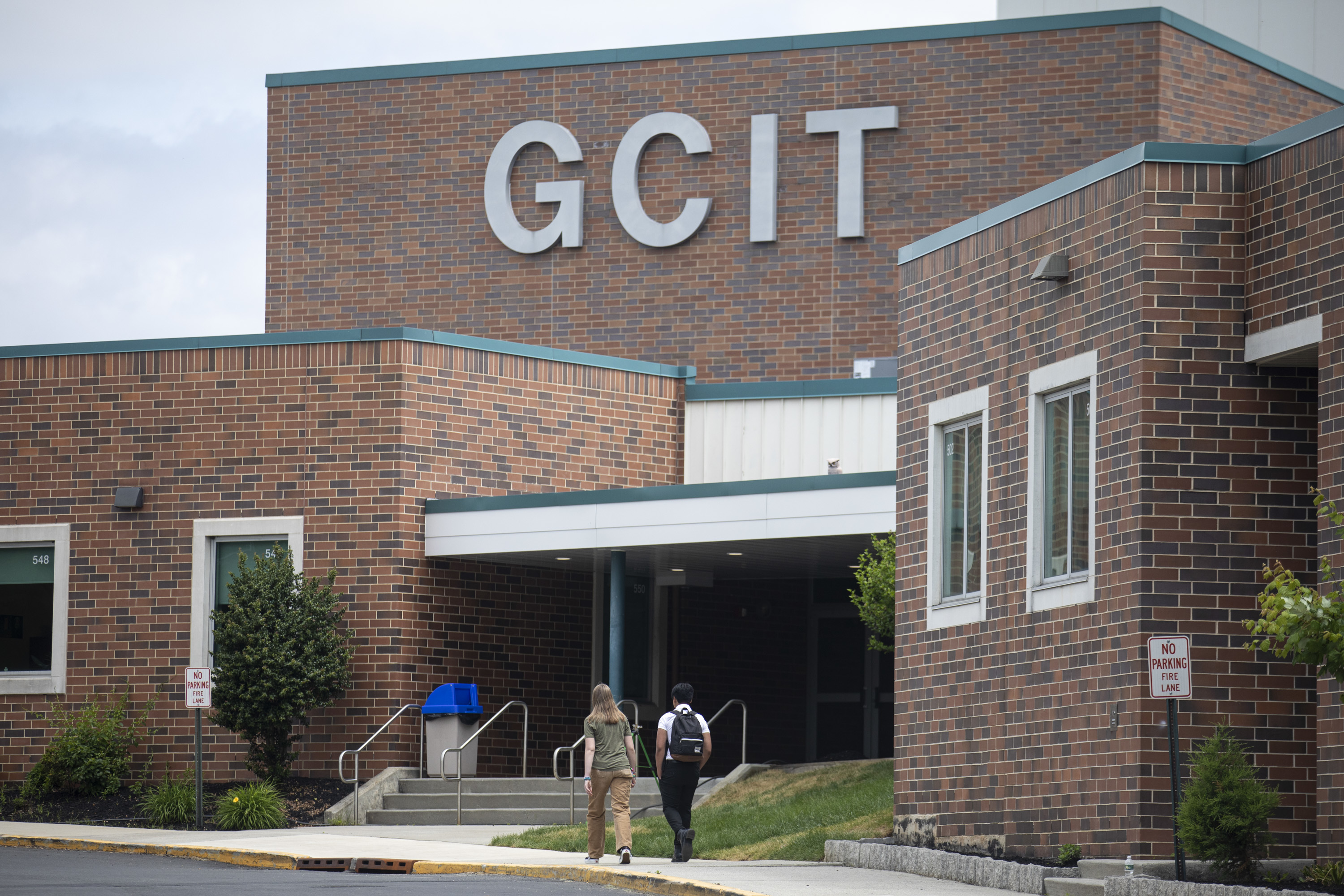
    The Gloucester County Institute of Technology and its superintendent are facing multiple lawsuits after the school’s former principal and the administrator who replaced her filed complaints alleging the school discriminated against them and mishandled its recent staff cuts.

    Two lawsuits, filed in June weeks after GCIT first voted on the cuts, are the latest in a series of legal actions against GCIT alleging retaliatory and discriminatory behavior.

    GCIT, the sole school in the Gloucester County Vocational-Technical School District, did not renew the contract of former principal Sybil Girard and two teachers. The school also cut the positions of former vocational education director Gina Mateka, another teacher, and the aquatics coordinator in a reduction of force.

    The cuts, a response to a $500,000 budget shortfall that was only partially supplemented by the county, came down in a unanimous vote first in May and then again in August, according to meeting minutes approved last week. They follow budget struggles across South Jersey school districts.

    Girard, who was hired in 2020 and was the district’s only Black administrator as well as the first Black principal in GCIT’s 55-year history, according to the complaint, sued the Deptford tech school and its superintendent, Susan Heiken, about four weeks before the school first voted not to renew her contract. She alleged racial- and gender-based microaggressions, negative performance reviews, and exclusion from staff hiring processes.

    In a separate lawsuit filed in June, Girard alleged the school board voted not to renew her contract without providing the 48-hour notice required by New Jersey’s Open Public Meetings Act.

    That case closed in state court Thursday, after GCIT’s school board hosted a special meeting, only two minutes long, to redo the personnel vote with proper notice.

    Mateka, meanwhile, alleged in another June lawsuit that the district cut her administrative position and demoted her to principal to retaliate against a suit she filed last year alleging age and gender discrimination.

    Mateka’s position was the only administrator role cut by August’s reduction in force, and the only tenured administrator position eliminated, according to her lawsuit.

    Both Girard and Mateka declined to comment due to ongoing litigation. Heiken did not return repeated requests for comment, nor did Assistant Superintendent Amy Capriotti, who sits on the GCIT school board. Two board members also did not return requests for comment.

    Students and others in the district community have spoken out against the staff reductions by defending the impact Girard and their teachers have had on their lives.

    “For us GCIT students, our teachers and staff serve as parental figures, inspirations, support systems, and outlets; it would be a grave disservice to them, the students, the school, and morale to let them go,” former student Serena Smith wrote in a Change.org petition to call for the protection of staff. The petition garnered more than 1,600 signatures.

    At board meetings leading up to the cuts, dozens spoke in defense of Girard and other employees at risk. At one March meeting, 58 people spoke, according to meeting minutes, and those comments took up more than 2½ hours.

    A longtime district employee, who declined to be named for fear of retaliation, said recent actions taken by Heiken have hurt staff morale.

    “Nobody is feeling secure,” they said.

    Mounting complaints

    Mateka’s beef with Heiken and the Gloucester County Vocational-Technical School District began in 2022.

    The district had long shared its school board and administration with the Gloucester County Special Services School District, which educates children with disabilities, down the street.

    But county officials restructured the district in 2022 and split the Deptford education campus back into two separate entities, meaning each school had to find its own staff.

    Heiken became the temporary superintendent at the special services district while the school sought a permanent option.

    According to an April 2025 complaint, Mateka saw herself as that option. She worked for the vocational technical school district since 1997 and became a shared chief academic officer in 2014.

    With her teaching and administrative experience, Mateka applied for the superintendent opening at the special services school district, but the district’s board of education chose to hire James Dundee, a principal at GCIT, instead. Dundee is still superintendent.

    Mateka sued GCSSSD, its school board, Dundee, and Heiken. She claimed the district did not handle the hiring process equitably, due in part to her age — she was 66 years old when she applied — and gender.

    She alleged that Dundee did not have teaching experience, had never been a superintendent or assistant superintendent, and was not certified by the state to be a school administrator. That lack of experience, the complaint alleges, meant Dundee required a mentor when he was hired.

    The same day, Brian Shakespeare, who held several roles at GCSSSD since 1992, also filed a lawsuit alleging age-based discrimination, since Shakespeare — 10 years Dundee’s senior — had applied for the position and lost out, too.

    Both lawsuits are ongoing in state court.

    Girard’s discrimination lawsuit came in April 2026, about a year after the complaints by Mateka and Shakespeare.

    In its 20 pages, Girard alleges Heiken sought “dirt” on her and another Black administrator (who had her own racial discrimination lawsuit seeking $300,000 against GCSSSD, Heiken, and Dundee until the case was settled this summer), demoted Girard but not her white colleagues, refused to call her by her professional title, and constantly left Girard out of the loop.

    After she first reported Heiken’s discrimination to the district’s human resources department, the complaint alleges, Heiken began to try to force Girard out of her position, including cutting Girard’s speech from the 2025 GCIT graduation program.

    When GCIT did investigate Girard’s discrimination allegations, no one ever asked why she felt discriminated against, the lawsuit reads, and GCIT’s counsel notified Girard that her complaints were “unsubstantiated.”

    This is the second consecutive year that GCIT had to pursue a reduction in force due to rising costs and cuts to state education funding, Heiken said during a spring budget hearing.

    “[The rising costs are] primarily everything that we need to run a school,” Heiken said in the meeting recorded by the Woodbury Warbler. “Our energy costs, our medical infrastructure costs have risen double digits.”

    Carl Heil, GCIT’s teachers union president, said in an interview that the district was ”going through tough waters.”

    “My hope is that we navigate it together rather than someone just making decisions and us just dealing with it,” Heil said.