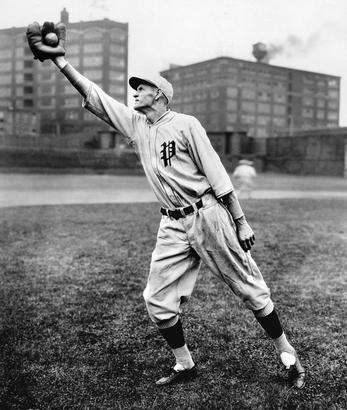
More than 100 years later, record-keepers call it baseball history.
The game
On Aug. 25, 1922, a windy-day matchup between the visiting Philadelphia Phillies and the Chicago Cubs accounted for 49 runs, the most ever recorded in a Major League Baseball game.
That record remains unbroken.
“Cubs and Phillies hooked up in what was advertised as a baseball game,” The Inquirer noted, “but which turned out early to be a comic opera to the tune of base hits.”
More than 7,000 fans turned out for the Friday matinee, which started well enough: The Cubs jumped to a one-run lead, but a series of Cubby errors put the Phils up by three in the second inning.
But the Phillies would not lead again for the rest of the game.
The Cubs scored 10 runs in the second inning, and 14 in the fourth.
The Phillies put up six runs between the third and fifth innings, eight runs in the eighth inning, and six more in the ninth, but could not fully catch up.
When the basepath dust had settled, the two teams accounted for 51 hits, and 49 runs, “which established a new world’s mark for modern baseball,” The Inquirer noted.
The teams also set records for most runs in one inning (14), number of at-bats by one player in one inning (3), number of hits by a team in one inning (11), and the season record for number of runs scored by one team over nine innings, besting the previous record of 19.
The Philadelphia baseball club got some measure of revenge more than 50 years later, beating the Cubs in a 10-inning slugfest at Wrigley Field, 23-22, on May 17, 1979. Their combined 45 runs counts as the second-most runs ever scored in a game.
Get your lances and chain mail ready — it’s time, once again, for the Pennsylvania Renaissance Faire.
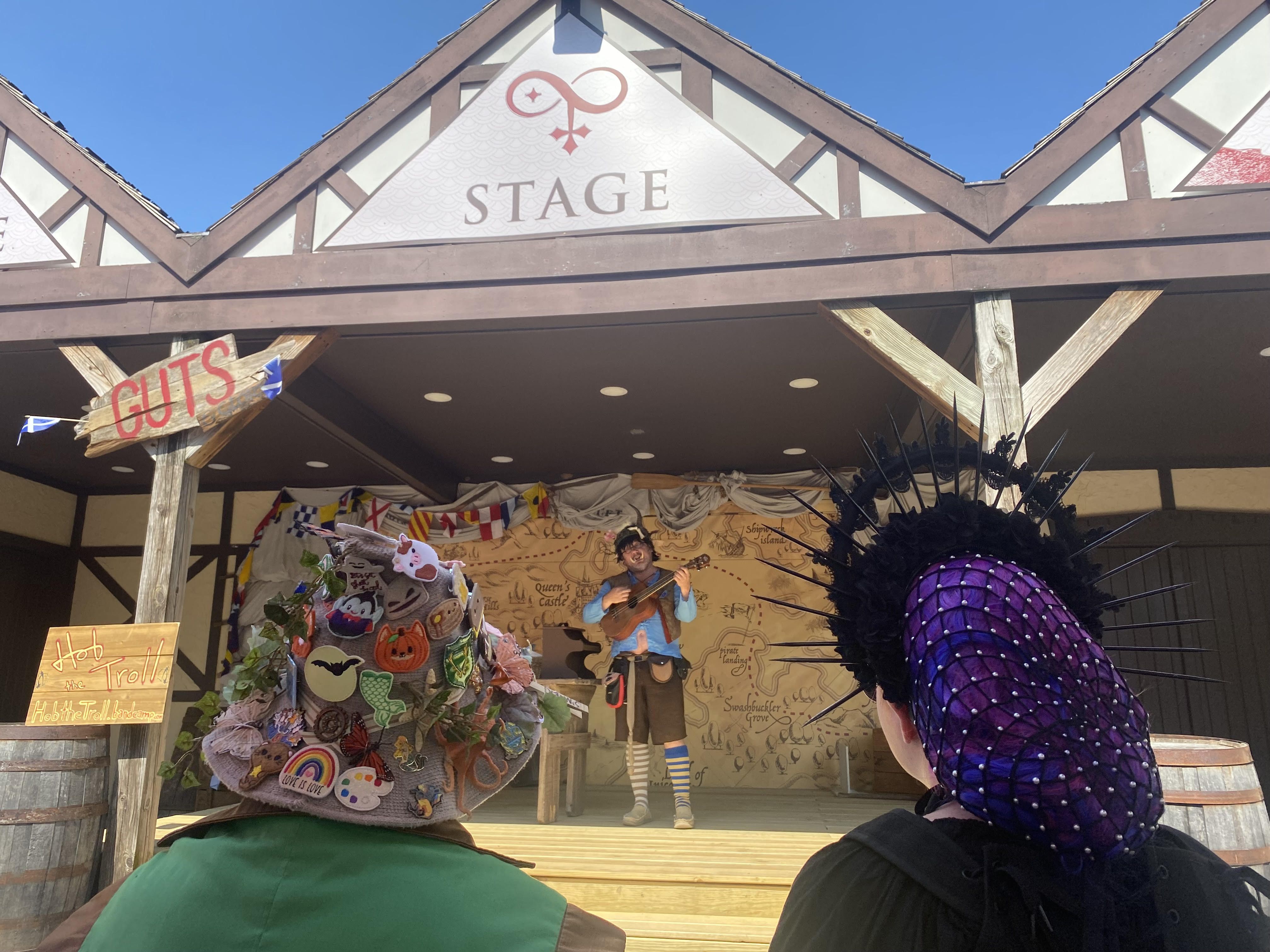
Spanning 35 acres of the Mount Hope Estate and Winery in Manheim, the faire draws around 200,000 guests annually and features dozens of costumed cast members, loads of era-specific food and drink, and enough drama to fill a scroll or two.
The faire is open Saturdays and Sundays from through Oct. 25, with tickets on sale now.
This year’s storyline centers on Queen Elizabeth, whose journey to Mount Hope has made waves in that it’s expected to conclude with a decision: Who will the queen take as a spouse?
As the faire’s website teases, “candidates are put forward, choices are made, sides are taken, [and] conflicts, resolutions, and hijinks ensue.”
Here’s everything you need to know before making the trek to Lancaster County:
Dates & times for the 2026 Pennsylvania Renaissance Faire
The faire is held Saturdays and Sundays through Oct. 25, rain or shine. Gates open at 11 a.m. and close at 8 p.m. — though merchants close at 7 p.m.
📍 2775 Lebanon Road, Manheim, Pa. 17545
🕒 Aug. 16–Oct. 26, Saturdays and Sundays, 11 a.m.–8 p.m.
Schedules for the 2026 Pennsylvania Renaissance Faire
“Daily Writs” — or individual weekend schedules — are available on the festival website.
A series of special events — including a pub crawl, a “Bard’s Breakfast,” and a pair of escape rooms — are also scheduled, though additional tickets are required.
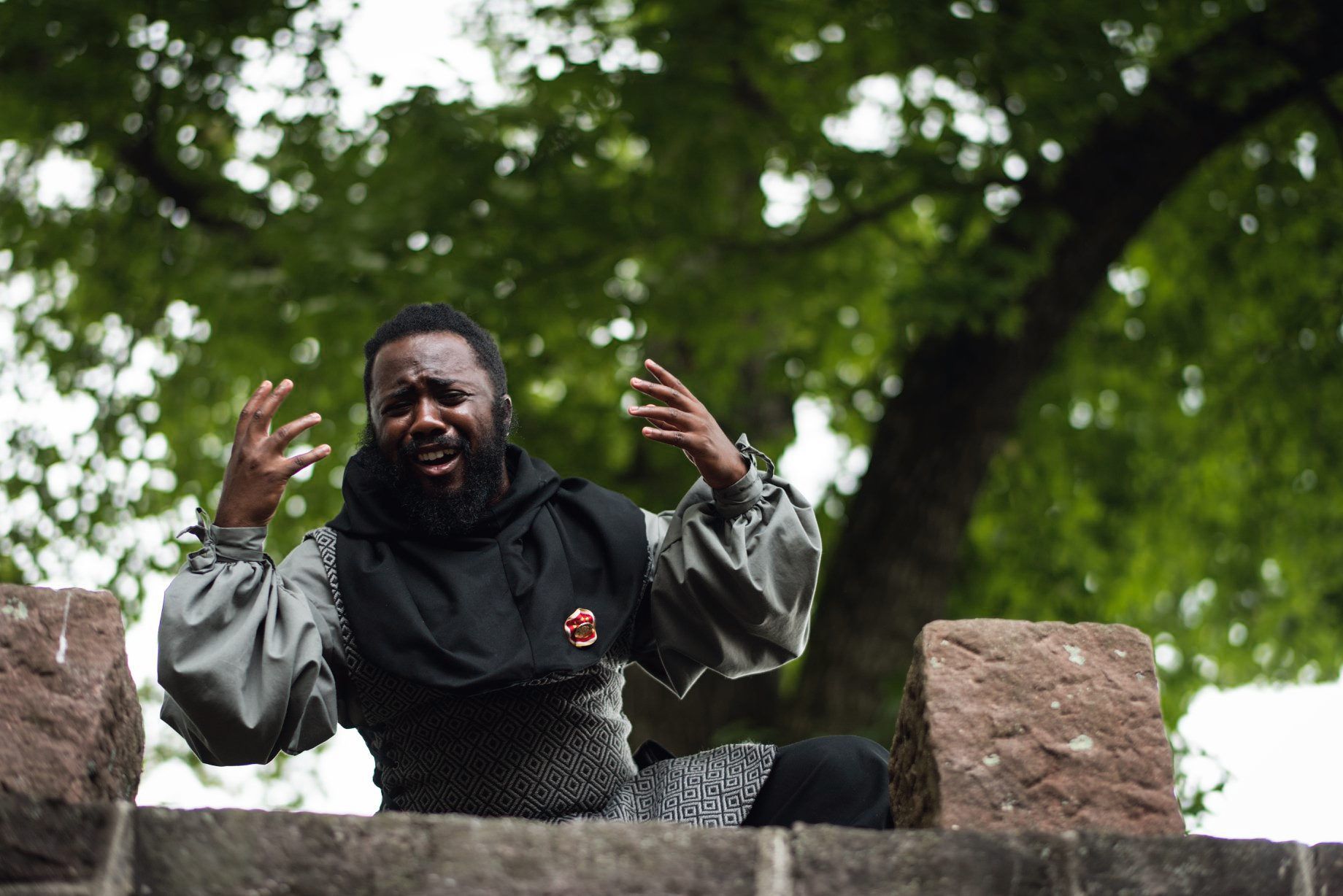
Joe Penn portrays Sheriff Jacob Perry at a previous iteration of the annual Pennsylvania Renaissance Faire.Ron Fary
Tickets to the 2026 Pennsylvania Renaissance Faire
Tickets are available through the Renaissance Faire’s online ticket sale website, parenfaire.com. Prices vary by age and date.
Through Sept. 13: $38.95 for ages 12+; $21.95 for ages 5-11.
Sept. 19-Oct. 25: $42.95 for ages 12+; $23.95 for ages 5-11.
Children 4 and under are free.
Discounted tickets are available for those in the military, law enforcement, fire and EMS, medical workers, government employees, and educators. Discounted “sunset tickets” — with admission after 4 p.m. — are also available.
“Royal Hound” tickets, which admit dogs pending the approval of registration, are $8 per animal.
Tickets can only be purchased through the event’s website.
The Pennsylvania Renaissance Faire runs on Saturdays and Sundays from now until Oct. 25 in Lancaster County.
Themed weekends at the Pennsylvania Renaissance Faire
Each weekend features a different theme, a schedule is found here, with a activities ranging from costume contests to scavenger hunts to trick-or-treating.
When the Eagles host the Cincinnati Bengals on Friday night for the preseason finale, neither team will likely send out its starters. But Philly fans will get a glimpse of two of their own on the opposite sideline.
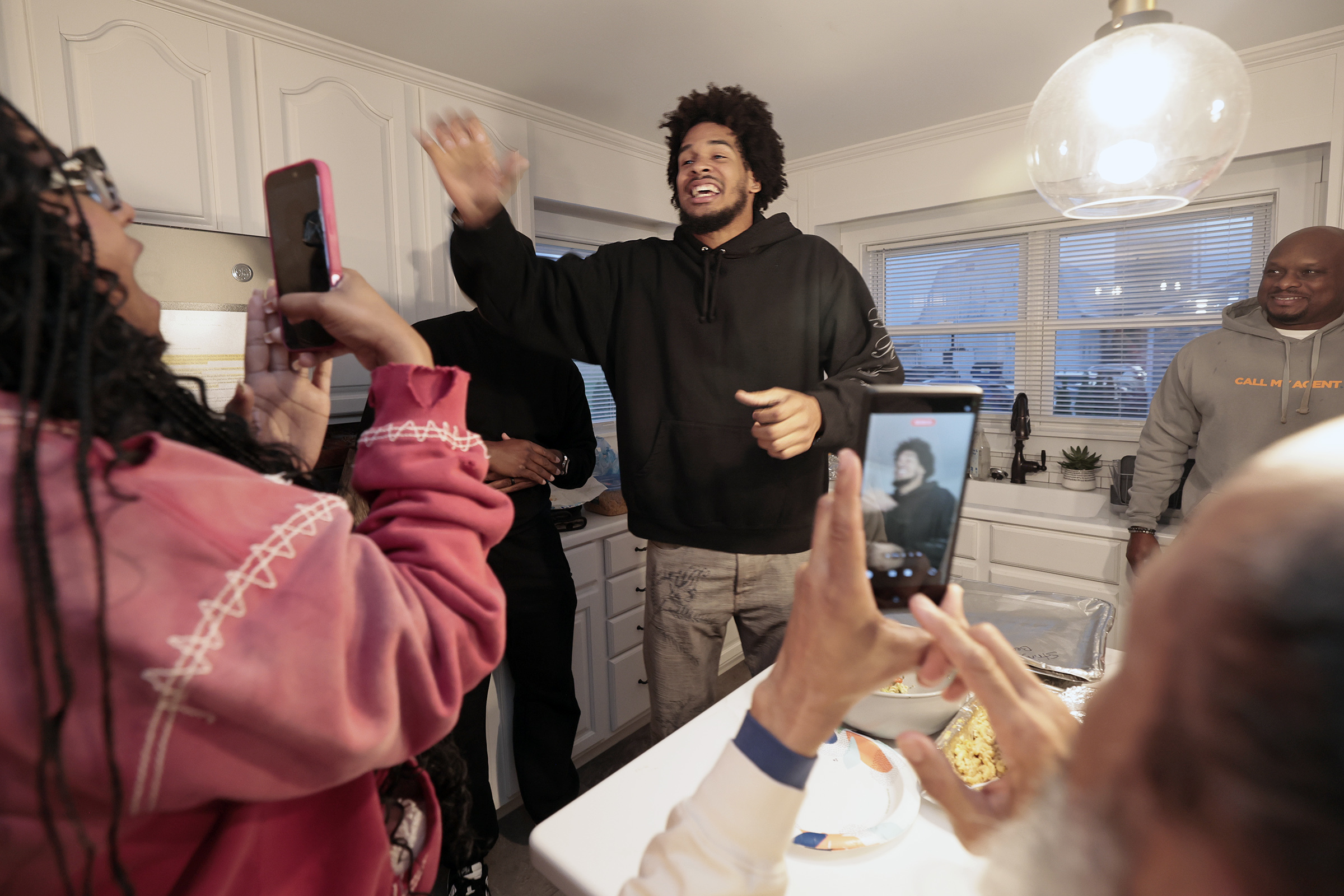
Wide receiver Ke’Shawn Williams and linebacker Eric Gentry, both of whom grew up and played their high school ball in Philadelphia, will return to the city that helped mold them into professional football players.
Gentry, who starred at Neumann Goretti and then Southern Cal, says returning “feels very much like a full circle moment” after being signed by the Bengals as a free agent following the 2026 NFL draft.
“I’m really happy for this opportunity to be able to showcase my talent, especially in front of my hometown. Most importantly, in front of my hometown,” Gentry told The Inquirer by phone. “Being able to be in the city and have family be able to come out there and see me, and I think more importantly, this being the last preseason game, so being able to get more opportunities than I may have gotten before. I just want to make myself be prepared and work as much as I can this week, just to put in the time and effort.”
Williams and Gentry, beyond both being from the Philly area, share another commonality: They played for the North Philly Blackhawks Pop Warner team together, with the 6-foot-7 Gentry noting that “our coach always said [Williams] was the best player on the field.”
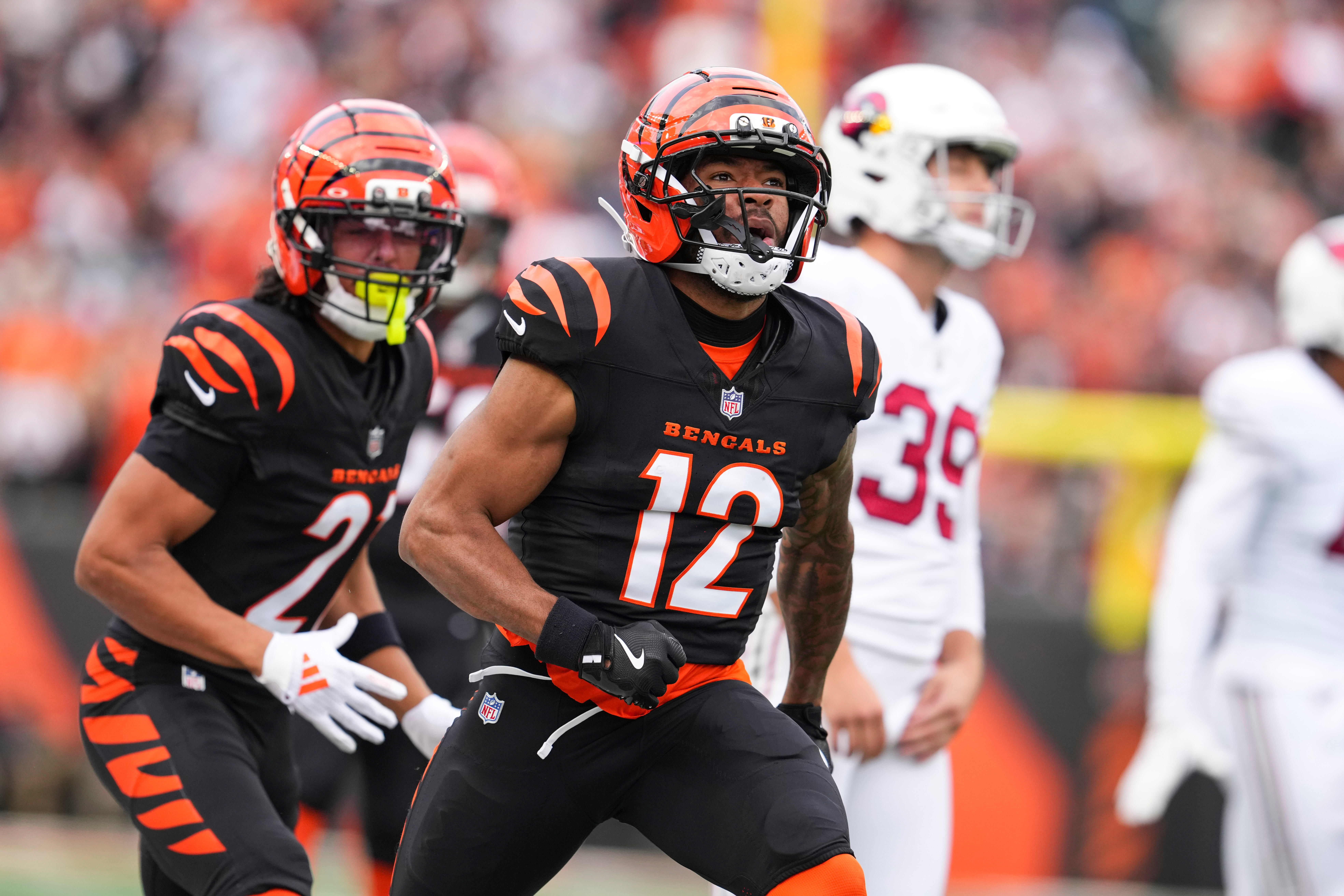
Bengals wide receiver Ke’Shawn Williams (12), who played locally at Chestnut Hill Academy, was on Cincinnati’s active roster at the end of last season. Jeff Dean
“It shows that other guys you’re competing with — all the work that they put in was worth it. You got to that end result,” said Williams, a former Springside Chestnut Hill Academy standout. “[Gentry’s] still fighting, of course. He’s not satisfied just getting here, but it’s cool to see a guy from the same background, from a similar background and similar upbringing, to also make it here and see him compete at this level as well.”
While Gentry is experiencing his first training camp and preseason, Williams is in his second season after initially signing with the Pittsburgh Steelers as an undrafted free agent last year. Williams didn’t make the initial 53-man roster, but ended up on the practice squad.
He was elevated to the active roster in October, playing eight games in Pittsburgh primarily as a return specialist. He returned 11 punts for 112 yards, and 18 kickoffs for 425 yards, before being claimed off waivers by Cincinnati last December.
He appeared in three games for Cincinnati to close the season, also primarily in a returner role, but caught his first NFL pass in a Dec. 28 win over the Arizona Cardinals. Now, he’s trying to make the Bengals’ roster out of training camp. He racked up 95 yards on nine punt returns with the Bengals and another 203 yards on eight kick returns.
“When you go out there and compete in the preseason, you’re not only competing for the team that you’re currently on, but also all other 31 teams in the league that are watching, and it’s just a reminder to go out there and you know not to add any extra pressure on yourself, but to go out there and put your best stuff on tape because that becomes your resume,” Williams said. “Coming into this training camp, coming into this preseason, understanding that the opportunities may be limited, but you know when they come around, it’s like ‘What do you do with them?’
“And if you have a couple of splash days, a couple of teams around the league are also watching.”
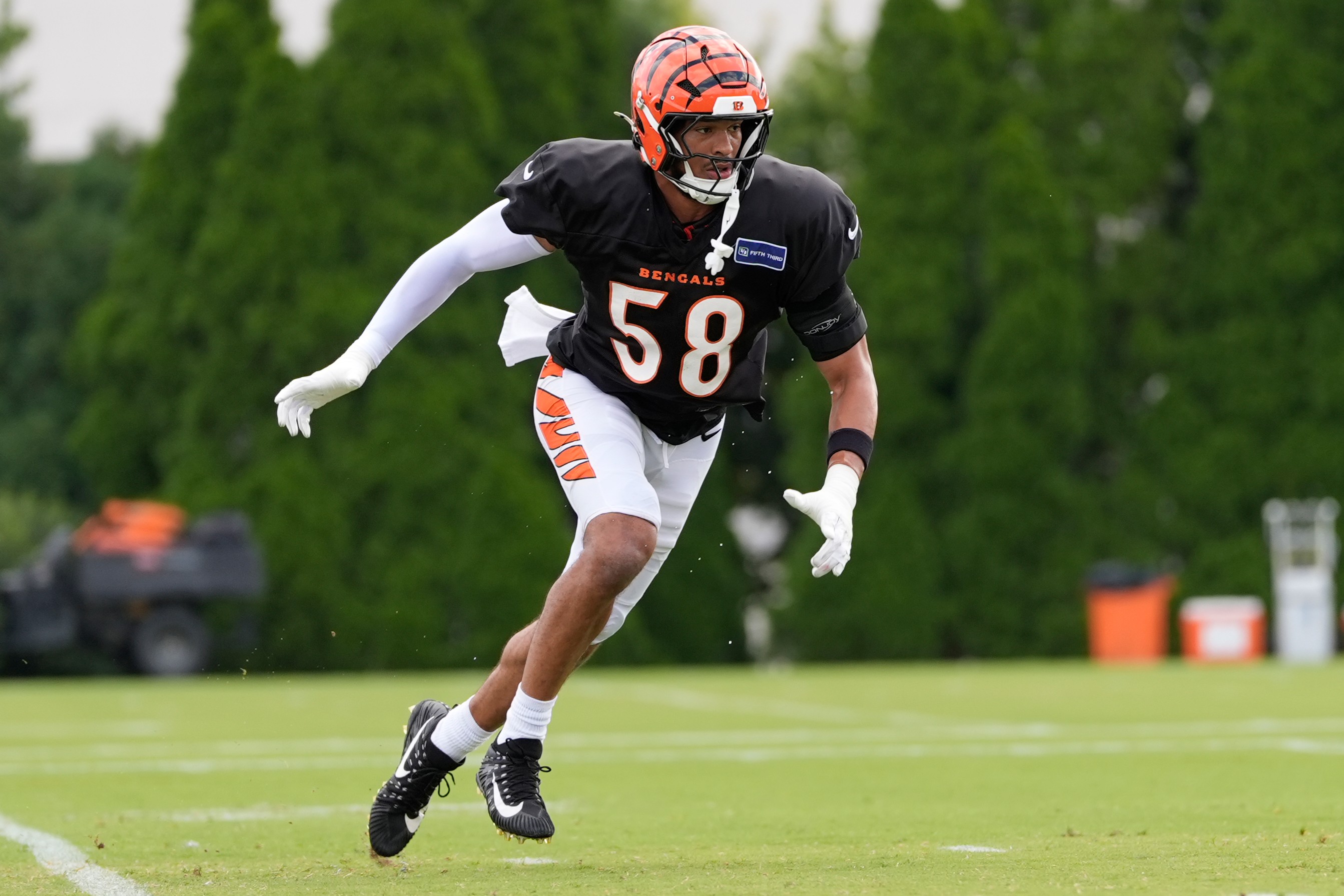
Cincinnati Bengals linebacker Eric Gentry runs a drill during training camp earlier this month. Carolyn Kaster
Gentry, who added that he’s been “grinding and learning” this summer, noted that the biggest difference between college and the NFL is “understanding a lot of the stuff that goes outside of football that helps with on-the-field [matters].” A conversation last week with Chicago Bears running back D’Andre Swift, a fellow Philadelphian , helped put in perspective the importance of “keeping a routine and keeping your head on right.”
Leaning on Williams has also been part of Gentry’s education to the NFL.
“He don’t talk too much. He just puts his work in. Never complain. Never gets too up. Never gets too down or anything. Just stays mellow and just worry about himself,” Gentry said.
Williams, meanwhile, has soaked in the opportunity to work alongside Ja’Marr Chase and Tee Higgins, one of the top wideout duos in the NFL. The second-year player says he’s been observing “their IQ for route running and savviness of playing the ball in the air,” and noting the “tips and tricks” he can apply to his game.
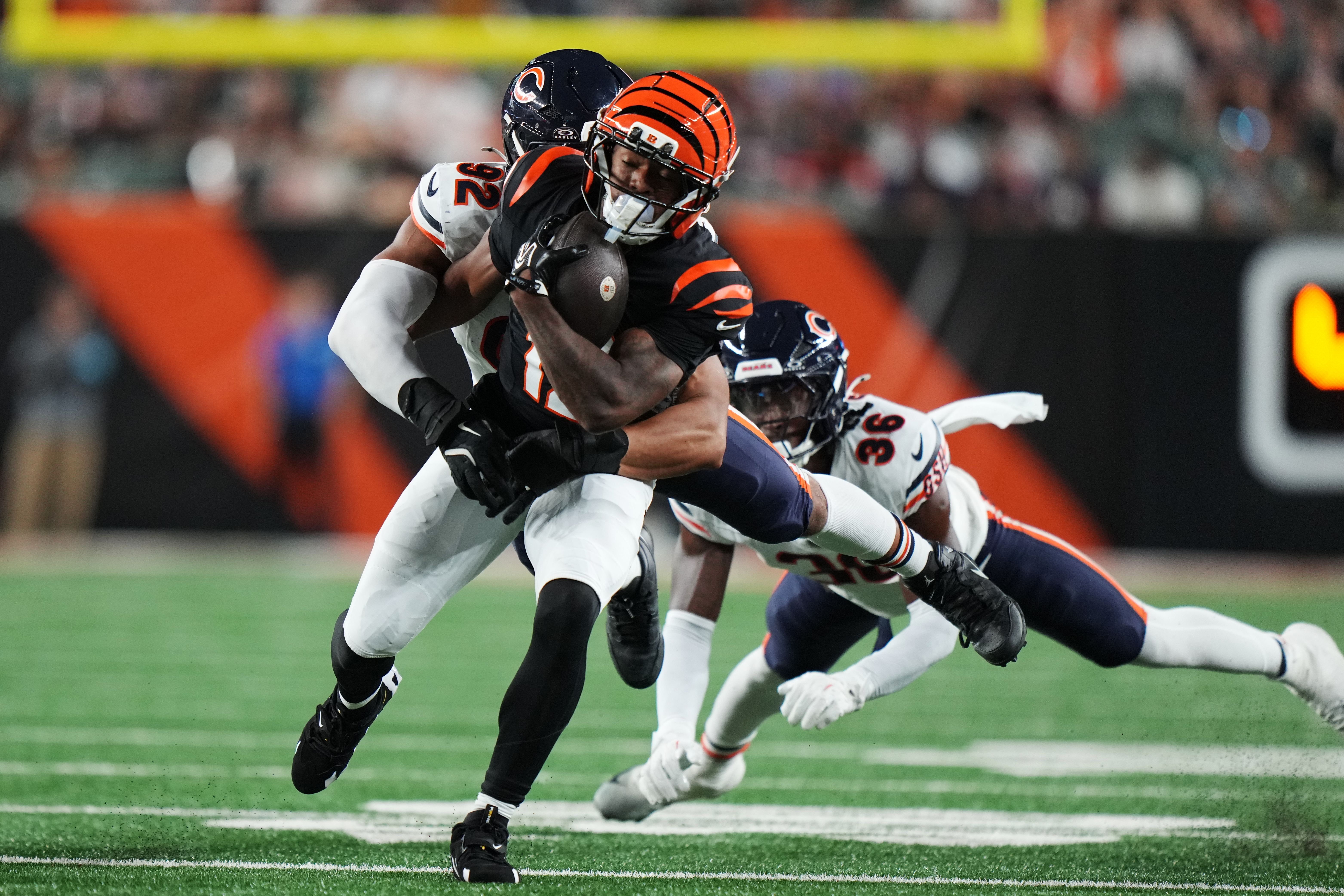
Ke’Shawn Williams (12) is trying to stick as a return man and make inroads into a talented wide receiver depth chart headed by Ja’Marr Chase and Tee Higgins. Joshua A. Bickel
They will be put to the test Friday night with Williams and Gentry expected to get extended playing time. Gentry, who has mainly played special teams in preseason, will likely play more defensive snaps, specifically at weakside linebacker.
While there may not be many Bengals fans in the crowd, expect a large presence representing Gentry and Williams. Beyond their families, many who knew them growing up will be in the stands, watching them play in the city for the first time since high school.
“I don’t know nobody who isn’t trying to see what’s up for this week,” Gentry said with a laugh. ”I’ve been happy though because it shows a lot of support from the city, and it was so many people — even at [my draft party] that you know said they couldn’t make it, but wanted to be there, and was texting me before the draft. … Just always having people who always supported me, who is going to be there.”
Added Williams: “It’s a special occasion. I don’t want to make it bigger than it is … but in the back of my mind, you could never get over the full fact that you get to come home and play in front of your loved ones. I’m hoping I get out there and make a couple of plays. That is something worthwhile seeing.”
If home course advantage is a thing, Kim Stoveld has it ahead of Sunday’s Philadelphia Cycling Classic.
The only Philadelphia cyclist competing in the women’s race, which starts at 8:30 a.m., Stoveld used to watch the race on Lemon Hill with her friends from 2013, when she moved to Philly, until 2016, the race’s last year prior to its return this year.
Stoveld, now 37 years old, started competing in road races in 2021, winning four of her six events that year.
A former Division I swimmer at the University of Buffalo, Stoveld took two years off from athletic competitions after graduating before she struggled not having sports in her life. Trying to find her fit, she picked up marathon running and did some triathlons before switching to cycling around the pandemic due to her husband’s involvement with the sport.
“I was tired of just watching him race,” Stoveld said. “He gave me his bike when he upgraded, and I got on that bike and started racing, and I had a really good time. That was in the end of 2021, and then by 2022, got pretty serious with bike racing and raced 40 to 50 times a year, and here we are, a couple years later.”
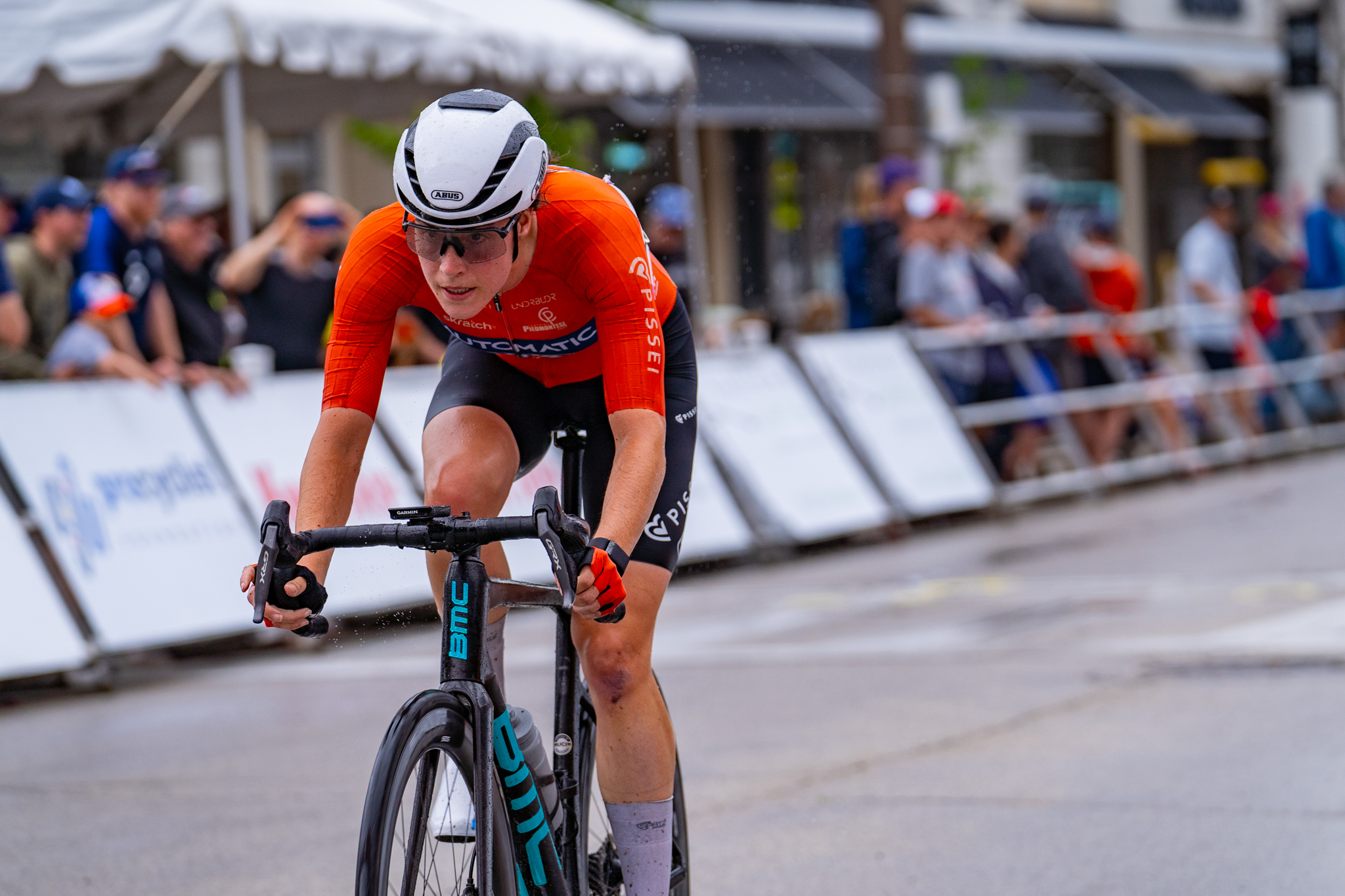
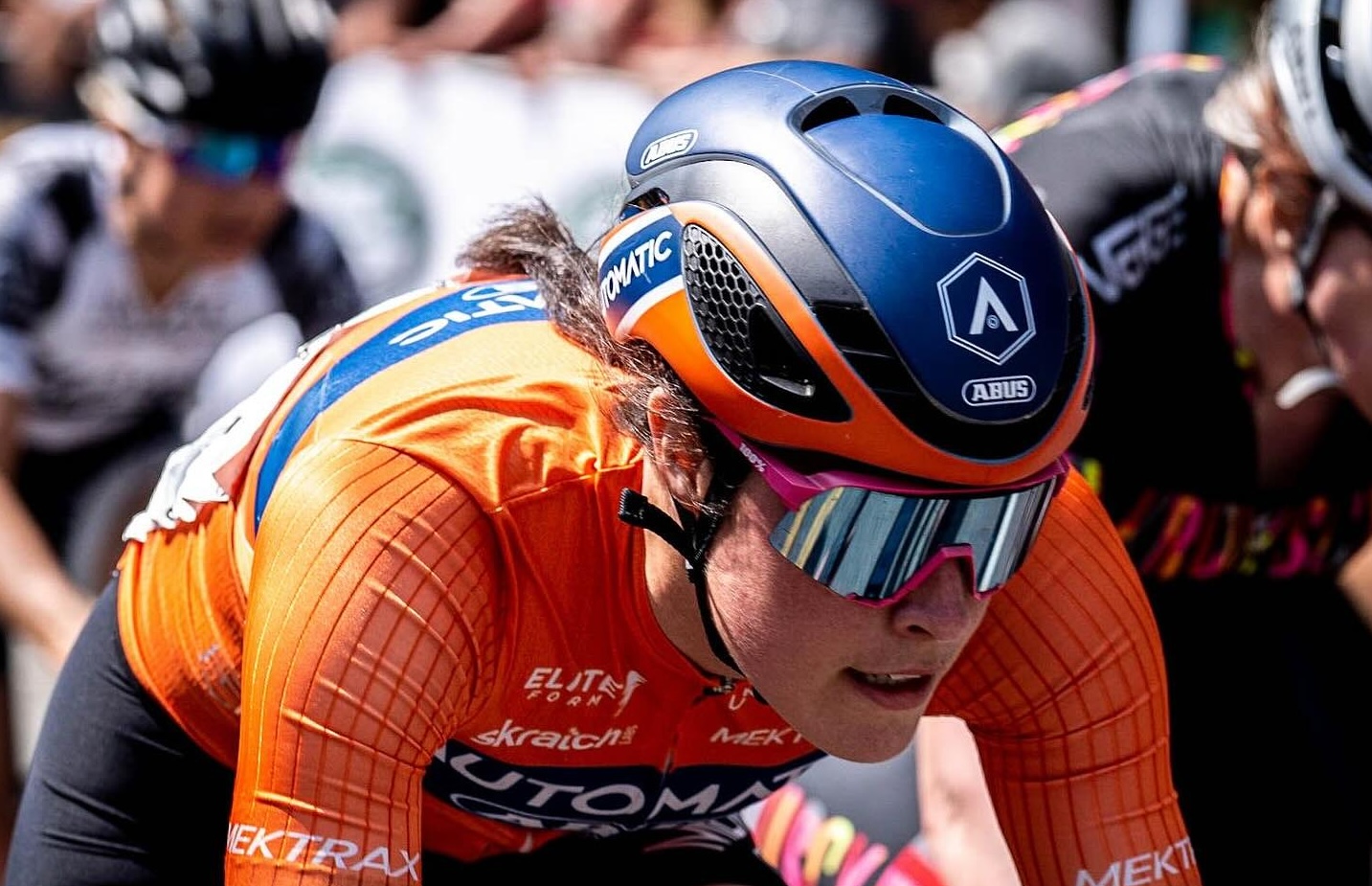
By 2022, Stoveld earned a spot on the Automatic Racing team, racing alongside former Olympians and professionals.
Stoveld, however, does not have the distinction of a “professional,” per the Union Cycliste Internationale. Still, she will be racing against professionals and UCI World and UCI Continental teams, and likes her chances.
“We’re just really excited as a team to be there,” Stoveld said. “On paper, probably, we are a smaller, maybe less competitive team, but I’ve talked to all the girls on the team, and all six of us are all trying to win.”
By 2022, Stoveld earned a spot on the Automatic Racing team, racing alongside former Olympians and professionals. Courtesy / Automatic Racing Team
Two of the six women who make up Automatic Racing with Stoveld are Arielle Verhaaren and Ivanie Blondin. Verhaaren was the first American woman to win an elite UCI BMX World Cup, and the first UCI WC series champion. She was selected as a member of the 2012 USA BMX Olympic team before a crash prevented her from competing. Blondin, a two-time Gold- and silver-medal speed skater for Team Canada who competed in the 2026 Milan Olympics, is in her second year with Automatic Racing.
Tom Gibbons, one of the co-founders of Automatic Racing, said Stoveld is “a big part” of why they’re competing with the team.
“We punch above our weight when it comes to recruitment,” Gibbons said. “Kim is really well liked in the bunch and in the community, and people see her and the attitude that she brings to racing and how deep she can dig and they want to be a part of that.”
With a smaller team, Gibbon said there are a few difficulties that come with the operation, including financing. Since the team’s inception in 2019, Gibbons said he and Lauren Dodge, the other co-founder, have built a network, including sponsorships, but some of the financial burden does fall back on the riders.
Stoveld works full-time as a nurse at Thomas Jefferson University Hospital, which helps support her passion for the sport. But it also offers challenges like finding a way to balance her commitments.
Kim Stoveld picked up bike racing in 2021, when the Philly Cycling Classic was no longer running.Courtesy / Automatic Racing Team
An early riser, Stoveld will ride her bike into work before an eight-hour workday. After a ride home, she will spend anywhere from an hour and a half to four hours training before eating dinner and going to sleep.
On weekends, Stoveld said she gets to sleep in and ride all day, sometimes with four to five hour rides.
“It’s difficult to balance. The nursing is hard because yeah, you’re on your feet and you’re dealing with different kinds of unpredictable days. Kind of similar, maybe to racing and training, where things are pretty unpredictable and challenging,” Stoveld said. “When you’re working, that’s all you can do, and when you’re cycling, that’s all you can do, right? So it’s nice to have closure from the end of the day with nursing, and then be able to focus on something else.”
Stoveld credits her background in swimming with giving her early training habits, discipline, and motivation. Some of those skills also translate to cycling.
In the 1990s and early 2000s when Stoveld was competing, her coaches were focused on fatigue resistance. Her longest event in college was the mile, which is on average a 17½-minute race. Bike races, she said, can take anywhere from one to three hours, which she said was the biggest transition she had to learn to make. But interval training, top-end sprinting, and threshold training came naturally to Stoveld.
On Sunday, she hopes those skills translate to the course, including what she said will be “the biggest challenge,” the Manayunk Wall. Fortunately for Stoveld, as a Philly-based rider, she’s been able to ride the 17%-grade climb regularly leading up to the race.
“Philly sports are no joke,” Stoveld said. “The fans here are crazy, and I am one of the crazy Philly fans, and I am happy to be able to race as a Philly athlete here in Philadelphia. It’s really special.”
The Summer of Philly Sports is finally nearing its conclusion … but it’s not over yet. This week saw the city host its first professional women’s tennis tournament in two decades, and on Sunday, the Philadelphia Cycling Classic returns after a 10-year absence. But before those riders — from all over the globe and, yes, from Philly — attempt to summit the Manayunk Wall, let’s take a look back at a busy week that also included the Eagles’ only open practice of the summer and the Phillies’ first walk-off home run in three years.
As they do each Friday, Inquirer photo editors picked the best sports images from the last seven days to help give you the Big Picture …
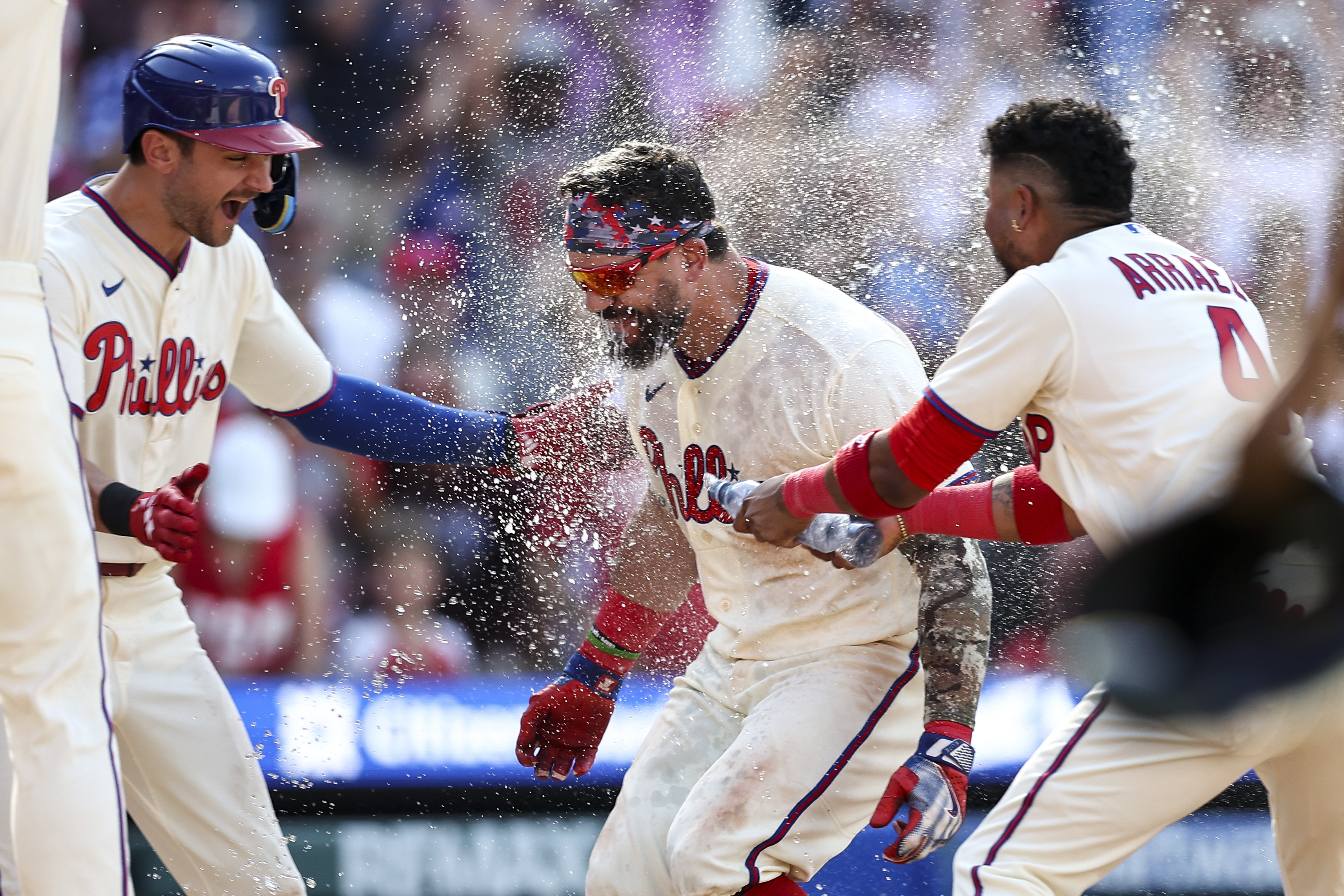
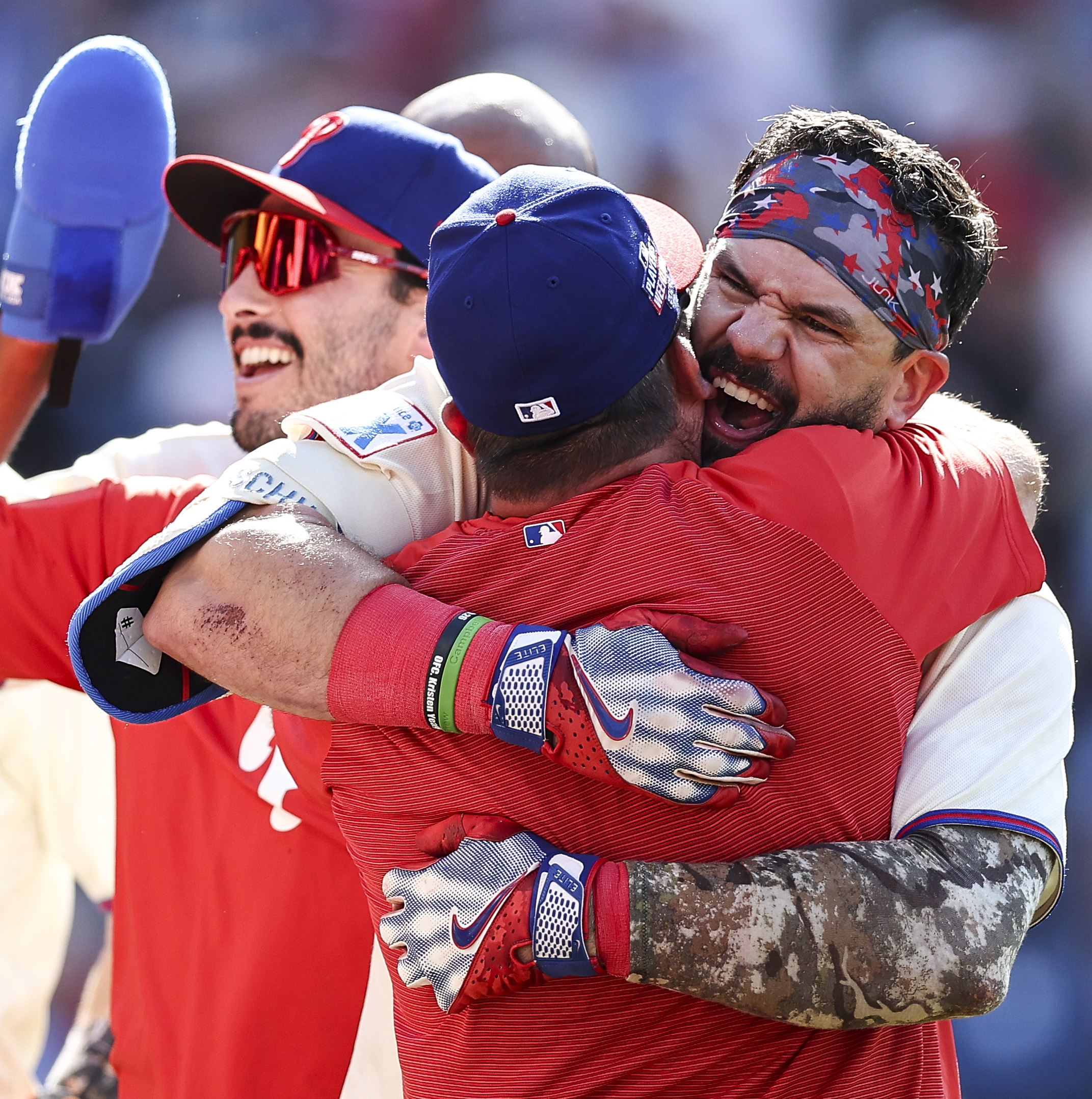
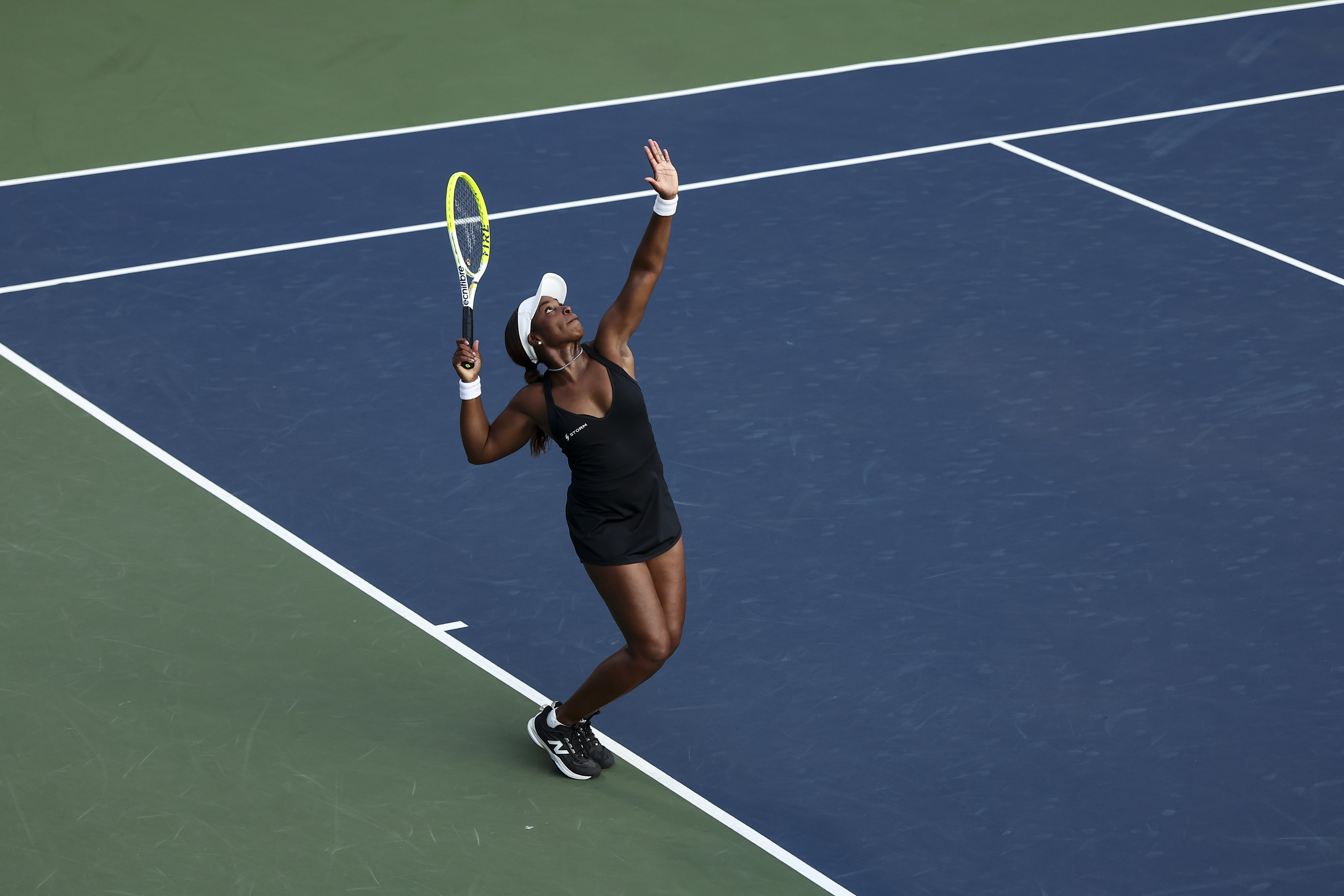
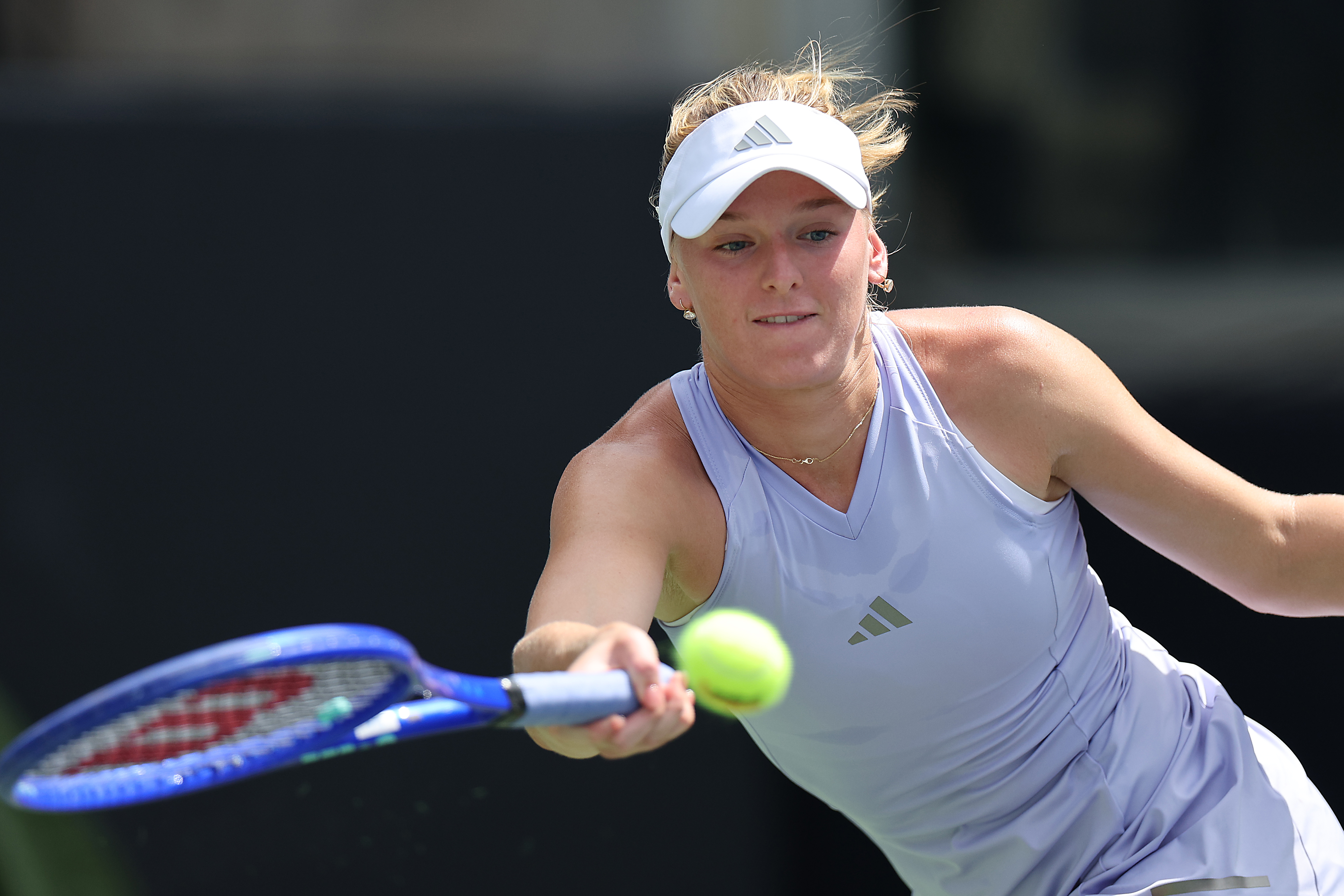
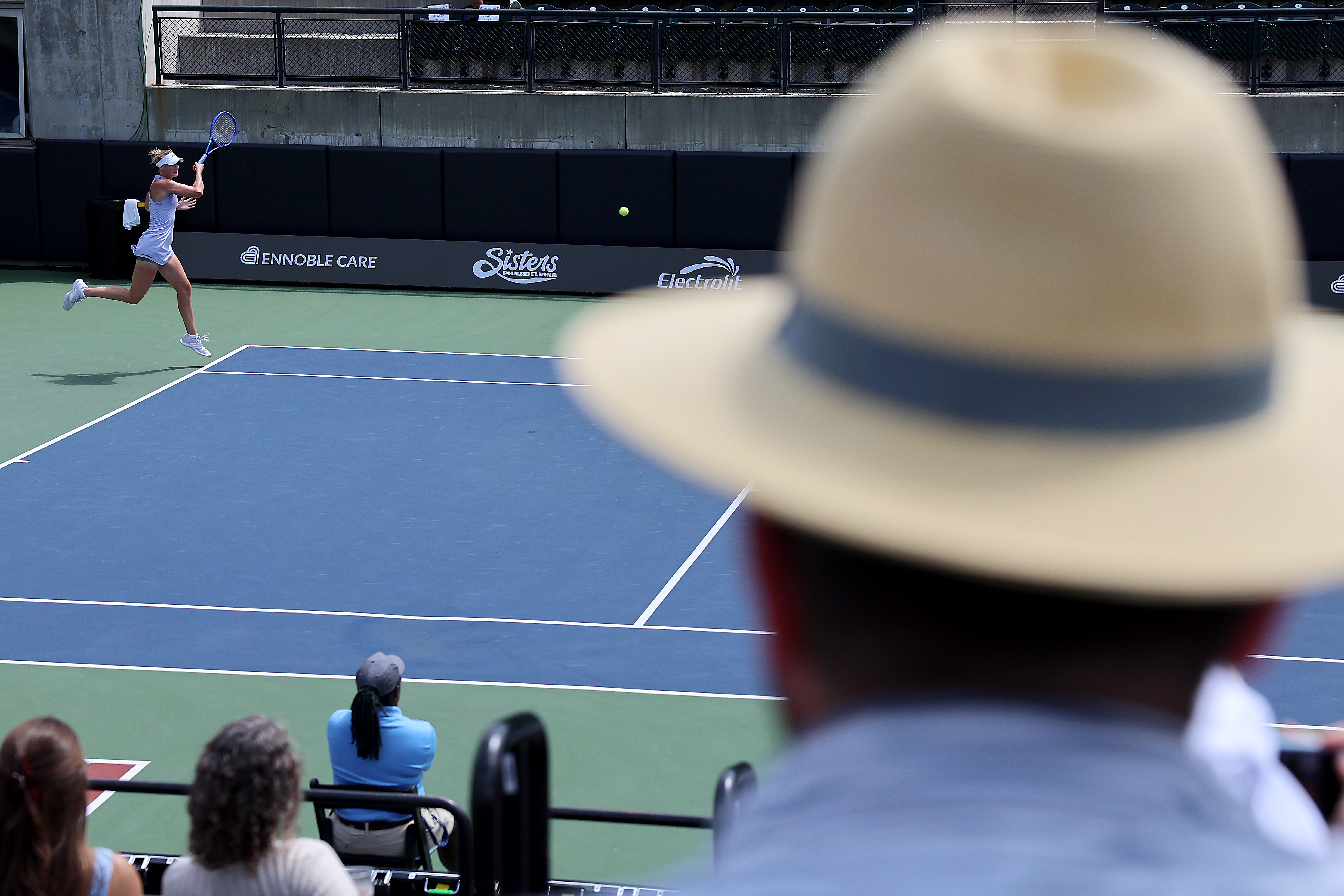
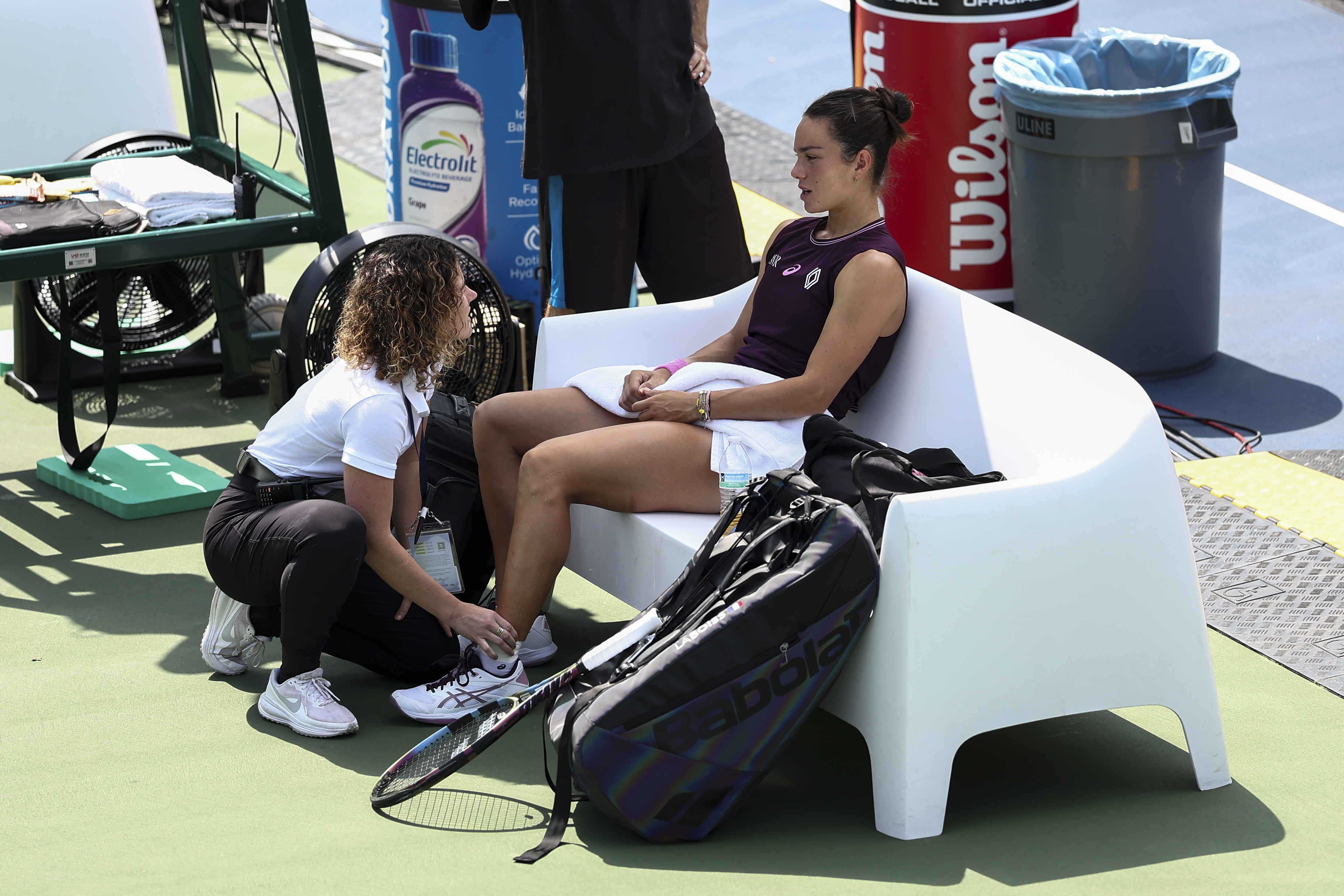
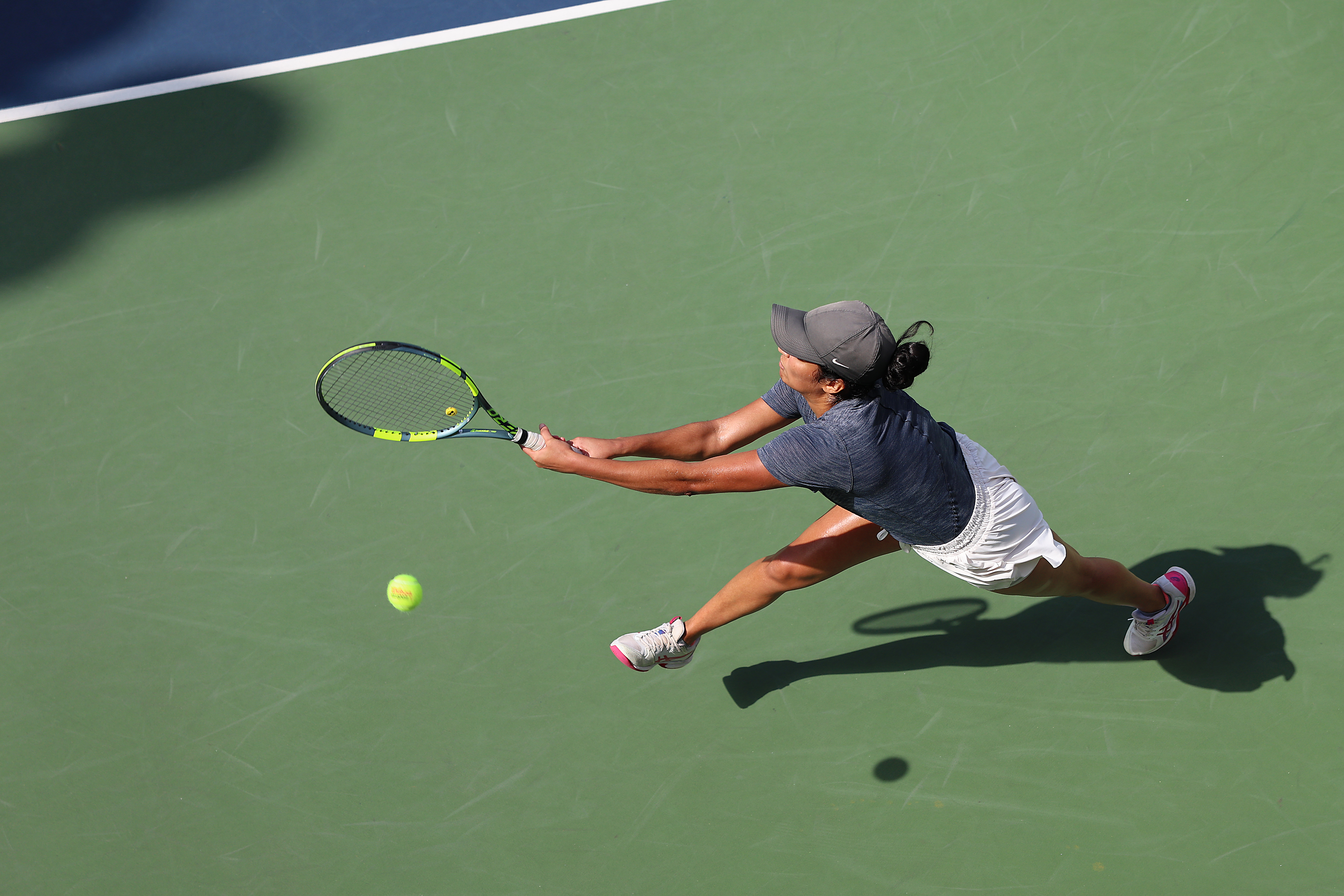
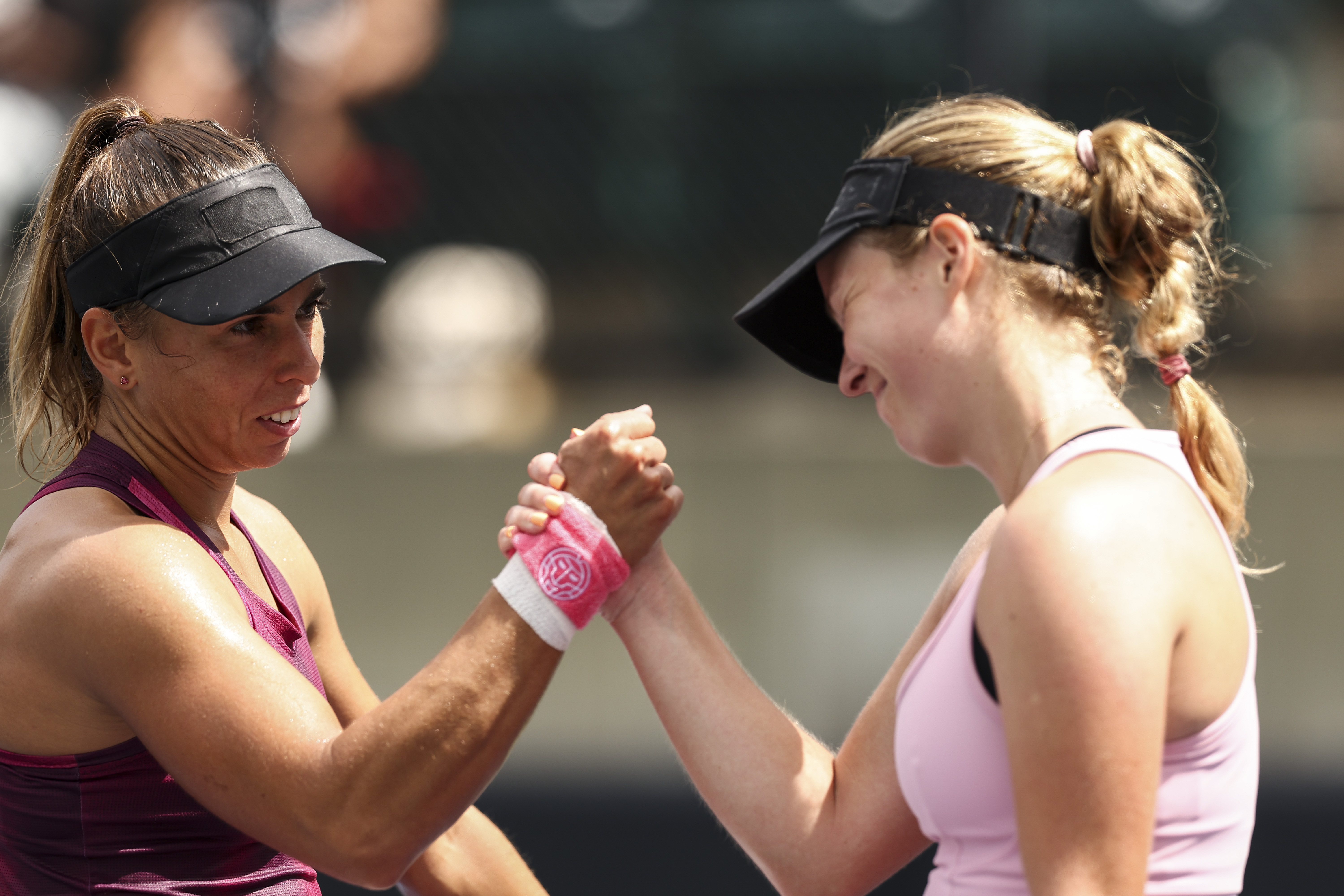
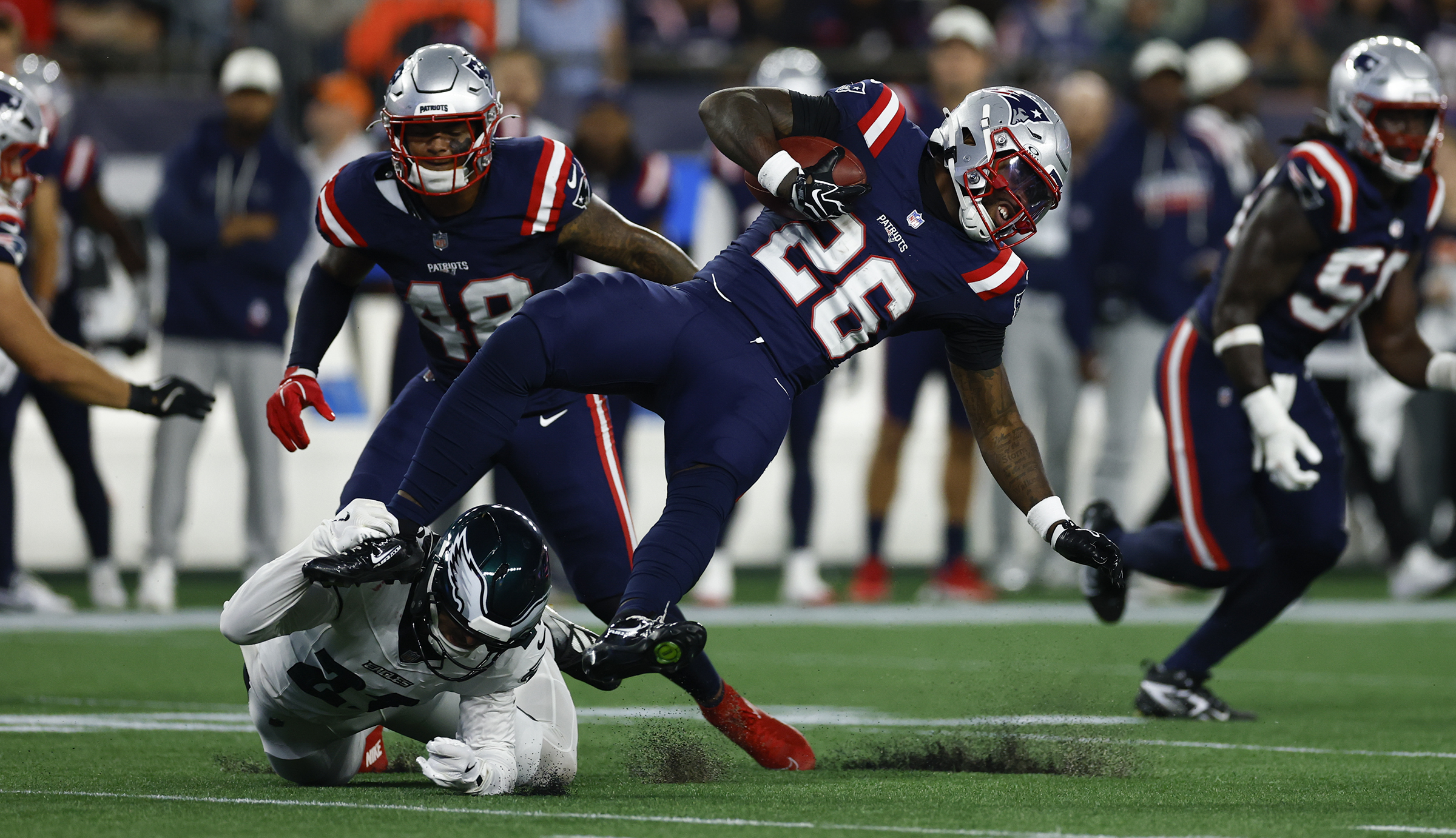
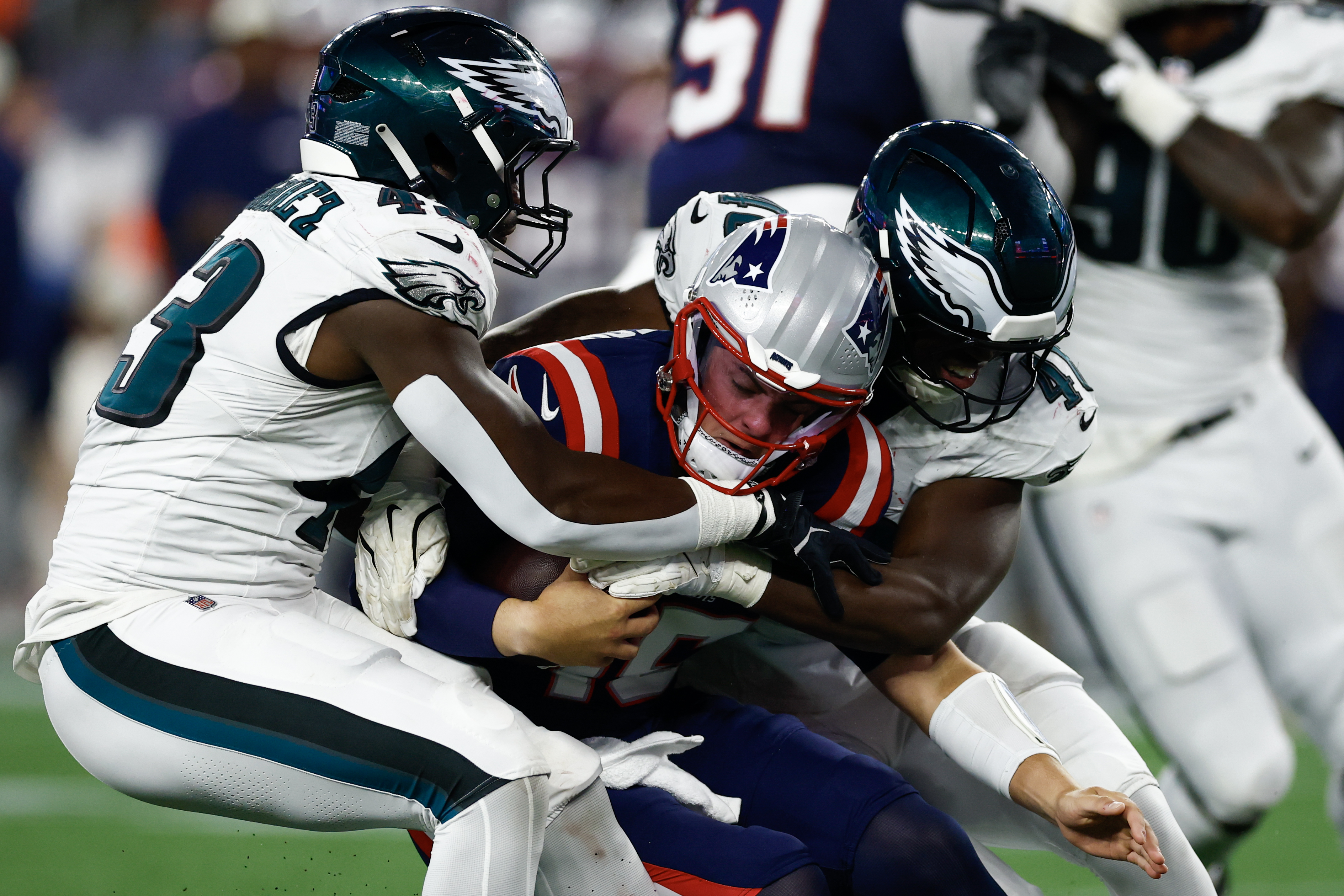
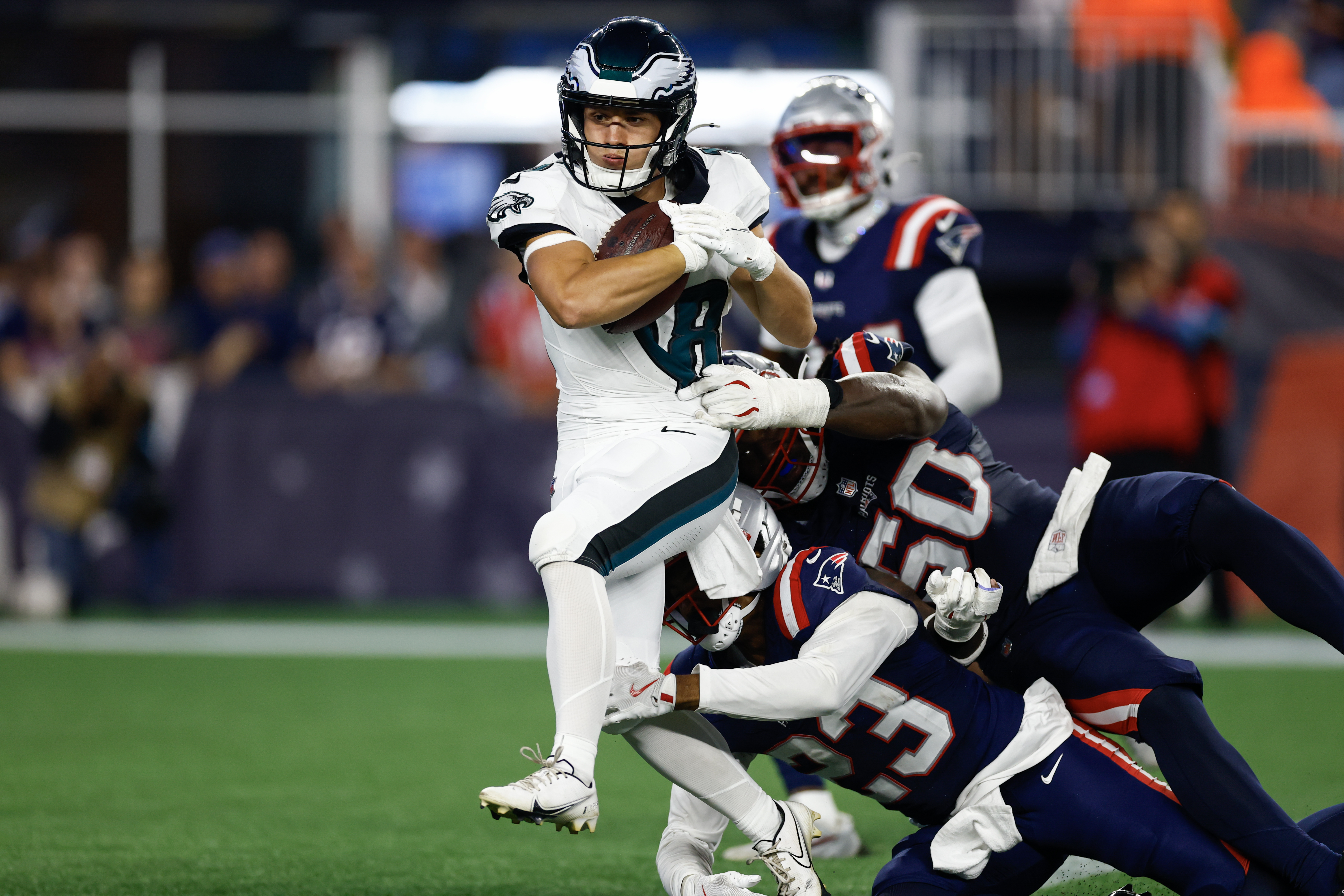
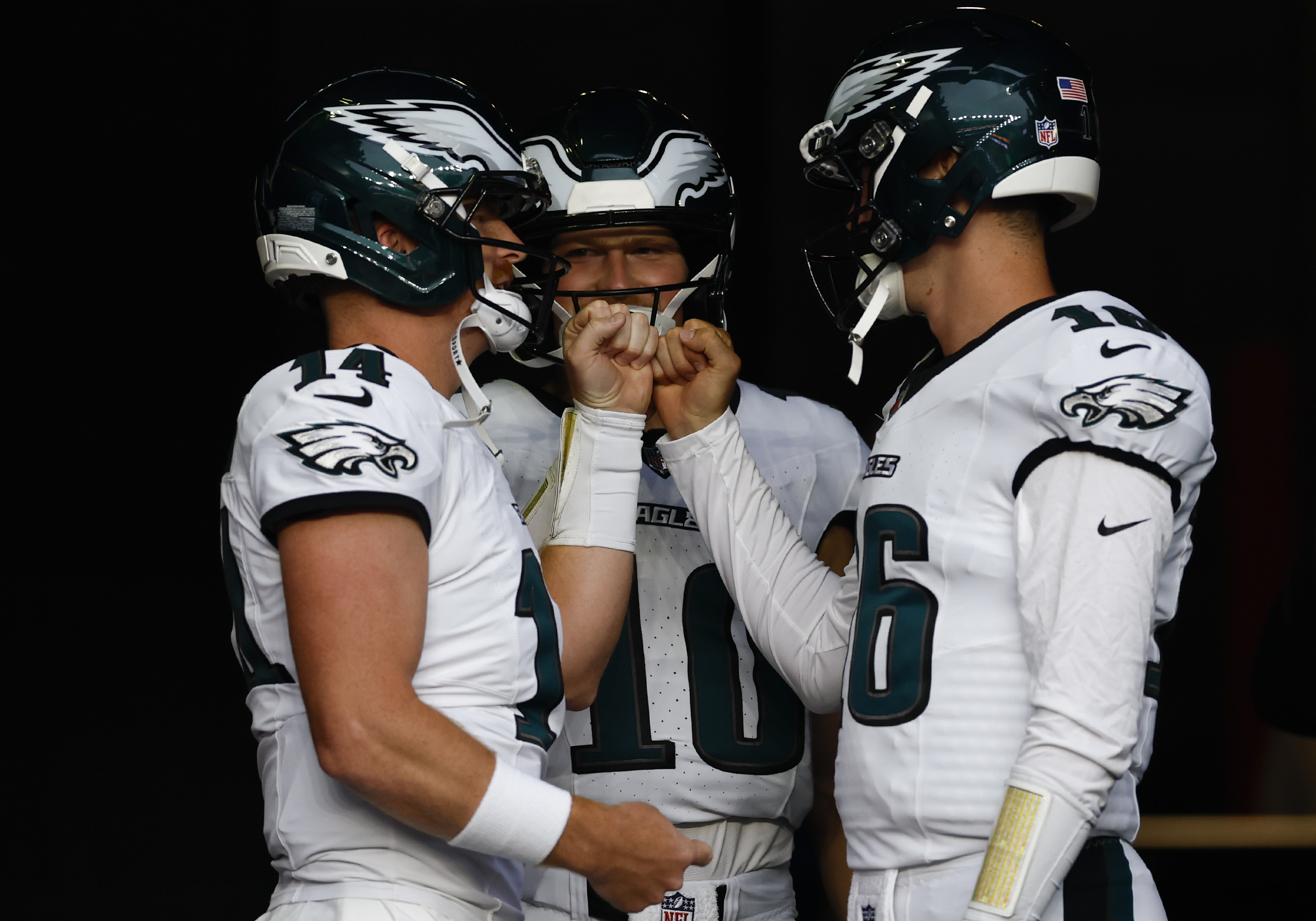
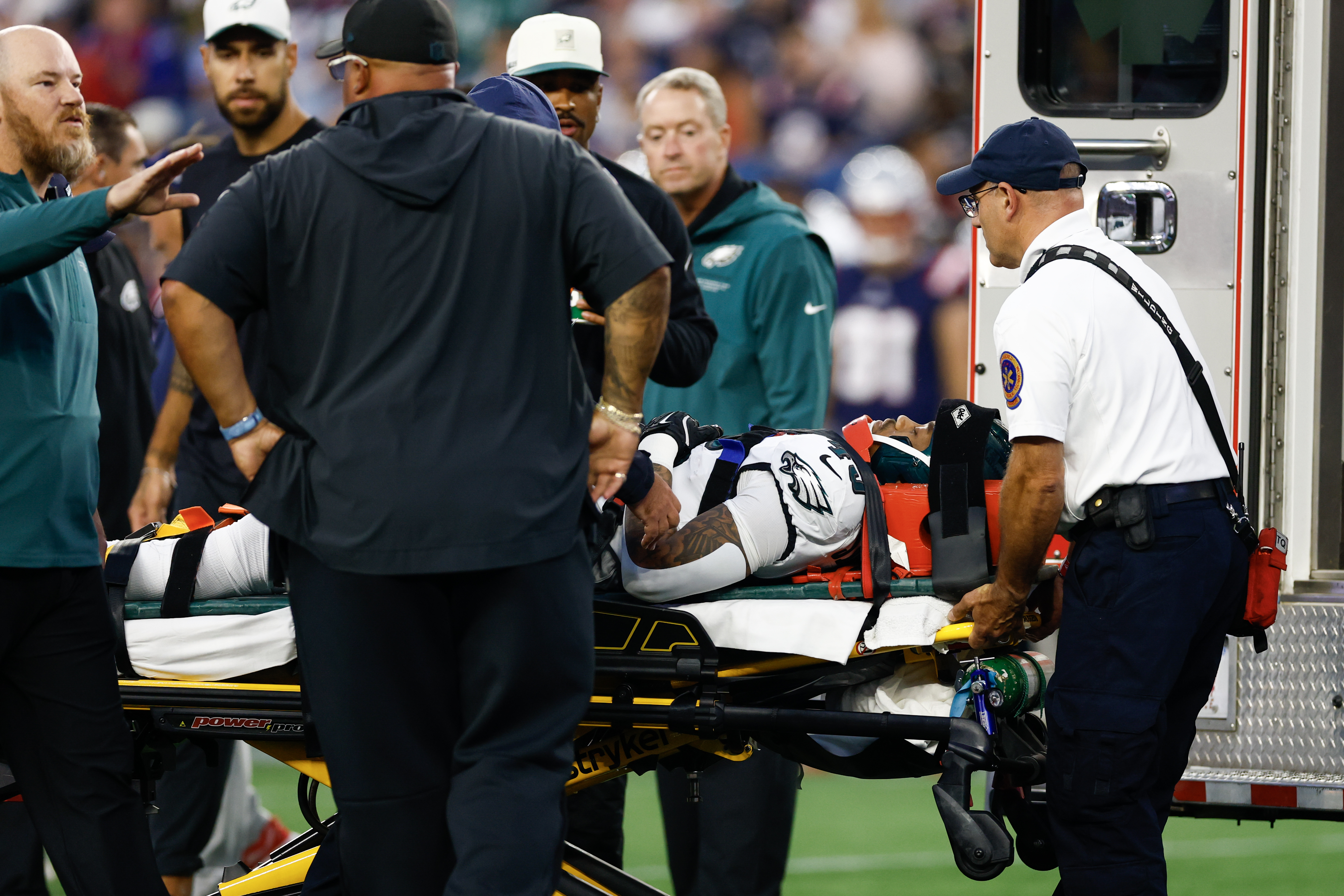
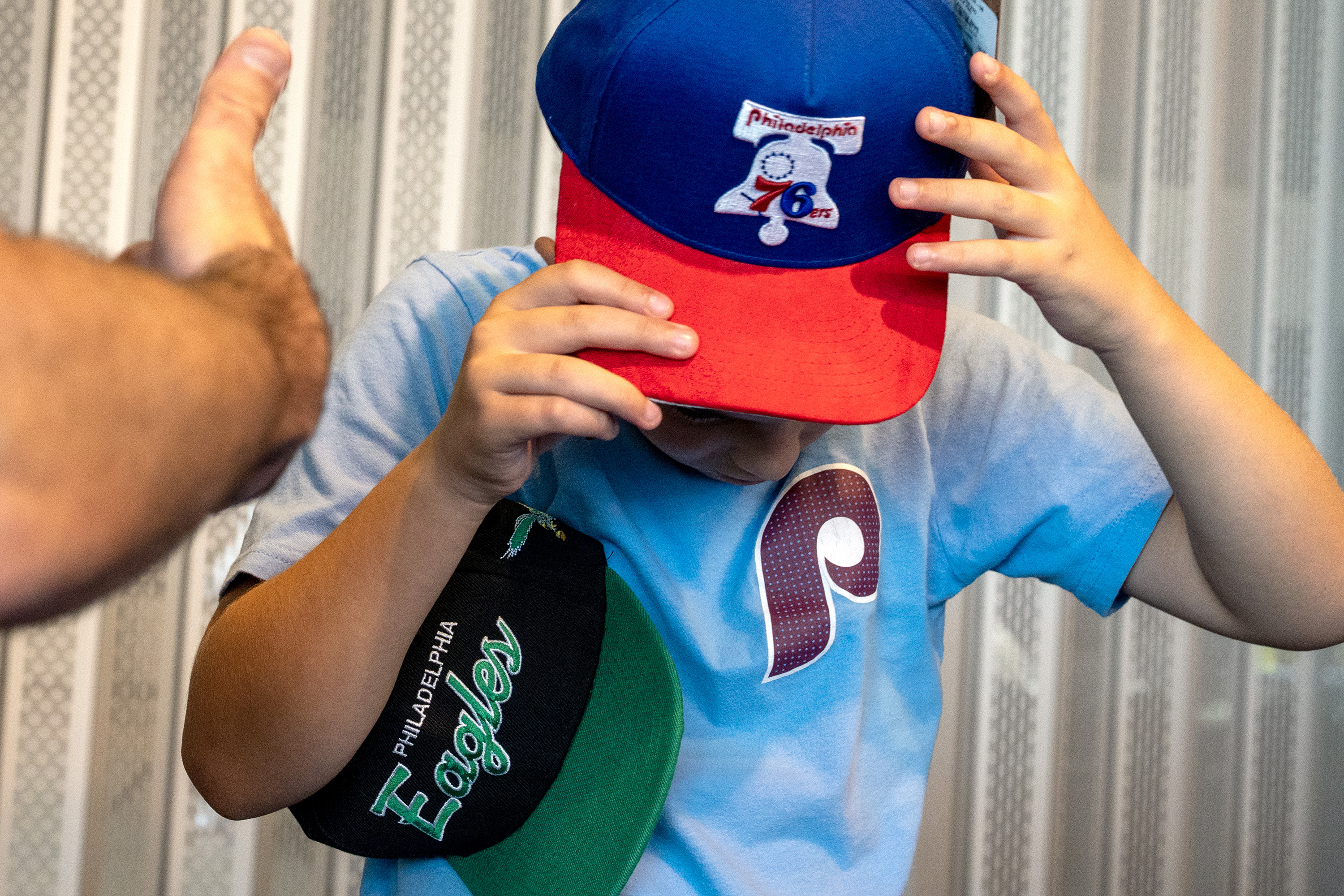
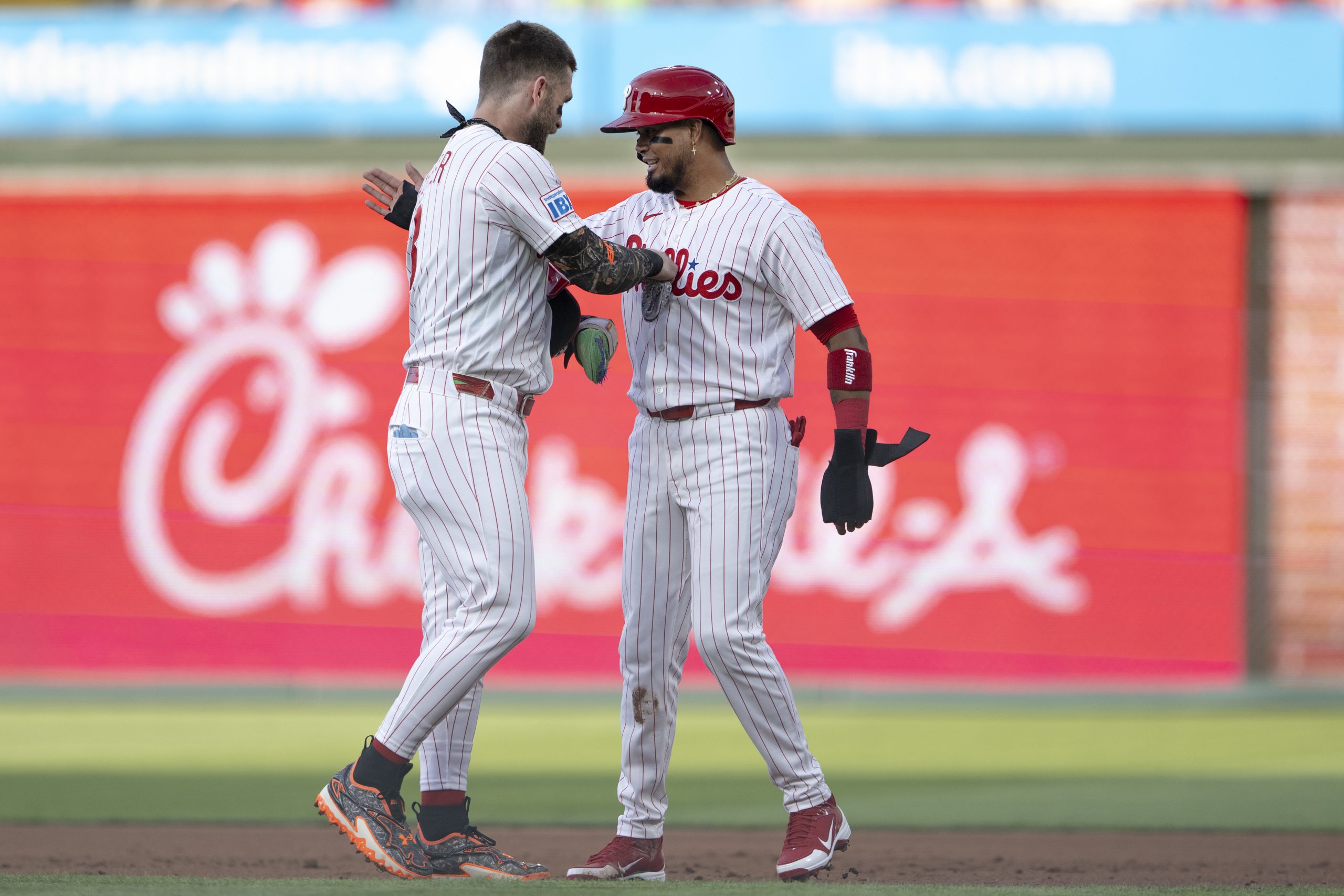
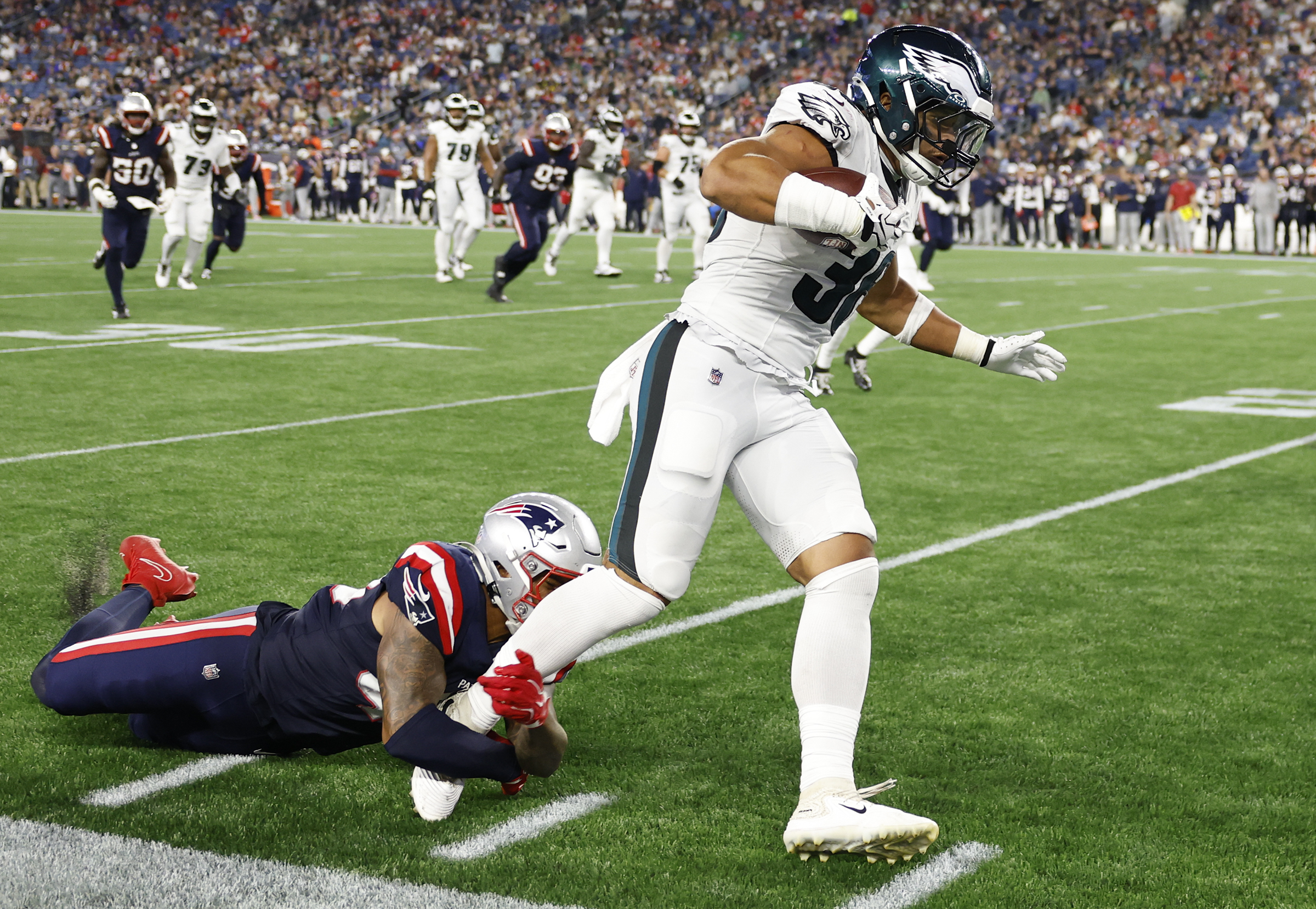
Kyle Schwarber (center) celebrates his walk-off home run against the St. Louis Cardinals at Citizens Bank Park on Sunday with teammates Trea Turner (left) and Luis Arraez (right). The Schwarbomb was the team’s first walk-off homer since June 2023 — also hit by Schwarber.Monica Herndon / Staff PhotographerThe Phillies were trailing the Cardinals, 4-0, in the ninth inning before rattling off six straight runs — capped by Schwarber’s walk-off — to complete the comeback and win, 6-4.Monica Herndon / Staff PhotographerCardinals outfielder Nathan Church avoids the tag by Bryson Stott at second base — but the Cardinals could not avoid being swept by the Phillies.Elizabeth Robertson / Staff PhotographerIt wasn’t the final hit, but fans still wanted to get their hands on this foul ball during the first inning of Sunday’s Phillies game.Monica Herndon / Staff PhotographerFormer U.S. Open champion Sloane Stephens lost to Mananchaya Sawangkaew (not pictured) during the round of 32 at the Ennoble Care Philly Open at the Penn’s Hamlin Tennis Center on Monday.Monica Herndon / Staff PhotographerAshlyn Krueger defeated Anna Frey (not pictured) in straight sets in the Round of 32 but lost in the Round of 16 at the Philly Open.David Maialetti / Staff PhotographerAfter the Philly open, Ashlyn Krueger’s next match is scheduled for Sunday against Amanda Anisimova — in the first round of the U.S. Open.David Maialetti / Staff PhotographerLois Boisson gets checked by a trainer during her first-round match against Capucine Jauffret. Boisson later retired from the match.Monica Herndon / Staff PhotographerPenn senior Esha Velaga, who took the MCAT two days earlier, tries to return a ball against Ekaterina Ovcharenko in her first professional match.David Maialetti / Staff PhotographerJulia Grabher, left, greets Veronika Erjavec after beating Erjavec on Monday at the Philly open.Monica Herndon / Staff PhotographerEagles safety Cole Wisniewski trips up New England Patriots running back Terrell Jennings during Saturday’s preseason game at Gillette Stadium. The Eagles lost, 24-21.Yong Kim / Staff PhotographerEagles linebacker Jose Ramirez (left) and linebacker Joshua Weru (right) sack Patriots quarterback Behren Morton during the third quarter. The Eagles’ final preseason game is Friday night against the Bengals.Yong Kim / Staff PhotographerEagles wide receiver Britain Covey scores a touchdown during the second quarter. Covey, who is in his second stint with the Birds, is fighting for a roster spot.Yong Kim / Staff PhotographerEagles quarterbacks Andy Dalton (from left), Cole Payton, and Tanner McKee prepare for pregame warmups before facing the Patriots. Dalton and McKee are battling for the backup QB position.Yong Kim / Staff PhotographerEagles running back Ja’Quinden Jackson was carted off the field after suffering a scary neck injury against the Patriots. He went to the hospital, but was released in time to travel back to Philly with the team. Earlier this week, however, the Eagles waived Jackson.Yong Kim / Staff PhotographerSixers fan Anthony Capelli, 10, gets a thumbs up from his father, Chris Capelli of South Philadelphia, as they shop for Sixers merchandise.Tom Gralish / Staff Photographer
Bryce Harper banged an opposite-field two-run homer in the first inning Wednesday and doubled off a tough lefty reliever in the fifth.
Yet he fixated on what happened in between.
In his second at-bat of a 6-0 Phillies victory in Seattle, Harper lined out to left field on a full-count sinker below the strike zone from hard-throwing Mariners righty Bryan Woo.
“He was really upset that he swung at it,” hitting coach Kevin Long said later. “That’s something he would do last year, the last year and a half, two years, where it really wouldn’t be that big of a deal. But now he’s back to where he’s making a conscious effort to make sure he’s taking what the pitcher gives him.
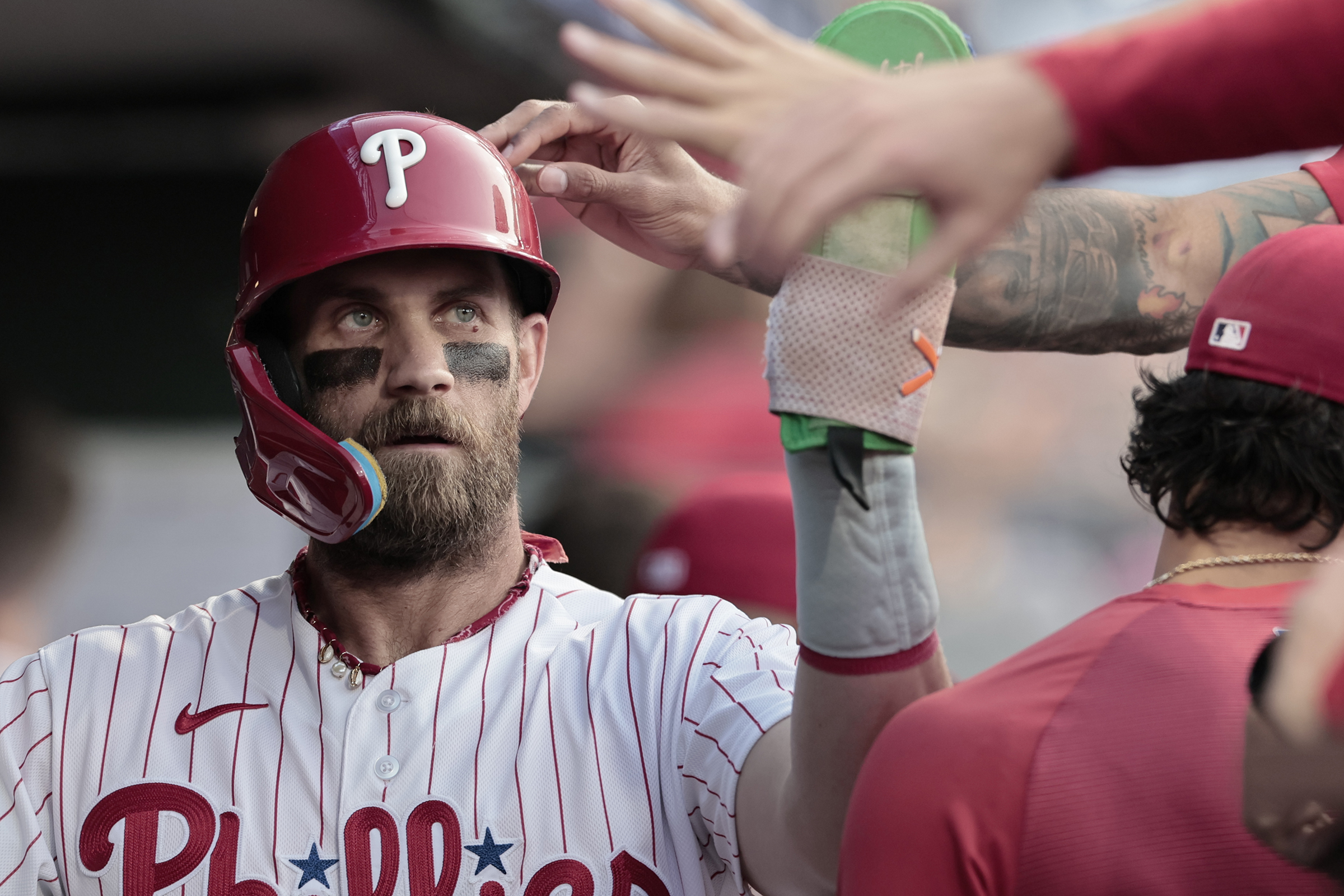
Objectively, without a trace of recency bias, Harper is having his best month in seven years with the Phillies. Entering play Friday, with four games left in August, he has gotten on base in 55 of 108 plate appearances, a mind-bending .509 clip, and reached in 29 consecutive games, the longest streak of his career.
Some context: Guardians outfielder Steven Kwan has the second-highest on-base percentage among qualified hitters in August … at .463. Harper, fifth among active players with a .387 career mark, has only once carried a .500 OBP through a full calendar month — and not since April 2017 with the Nationals (.509).
Harper has drawn 28 walks this month for a majors-leading 25.9% walk rate. But it’s not like he’s being overly passive at the plate. He’s batting .338 (27-for-80) and slugging .600 with six doubles, five homers, and an 1.109 OPS.
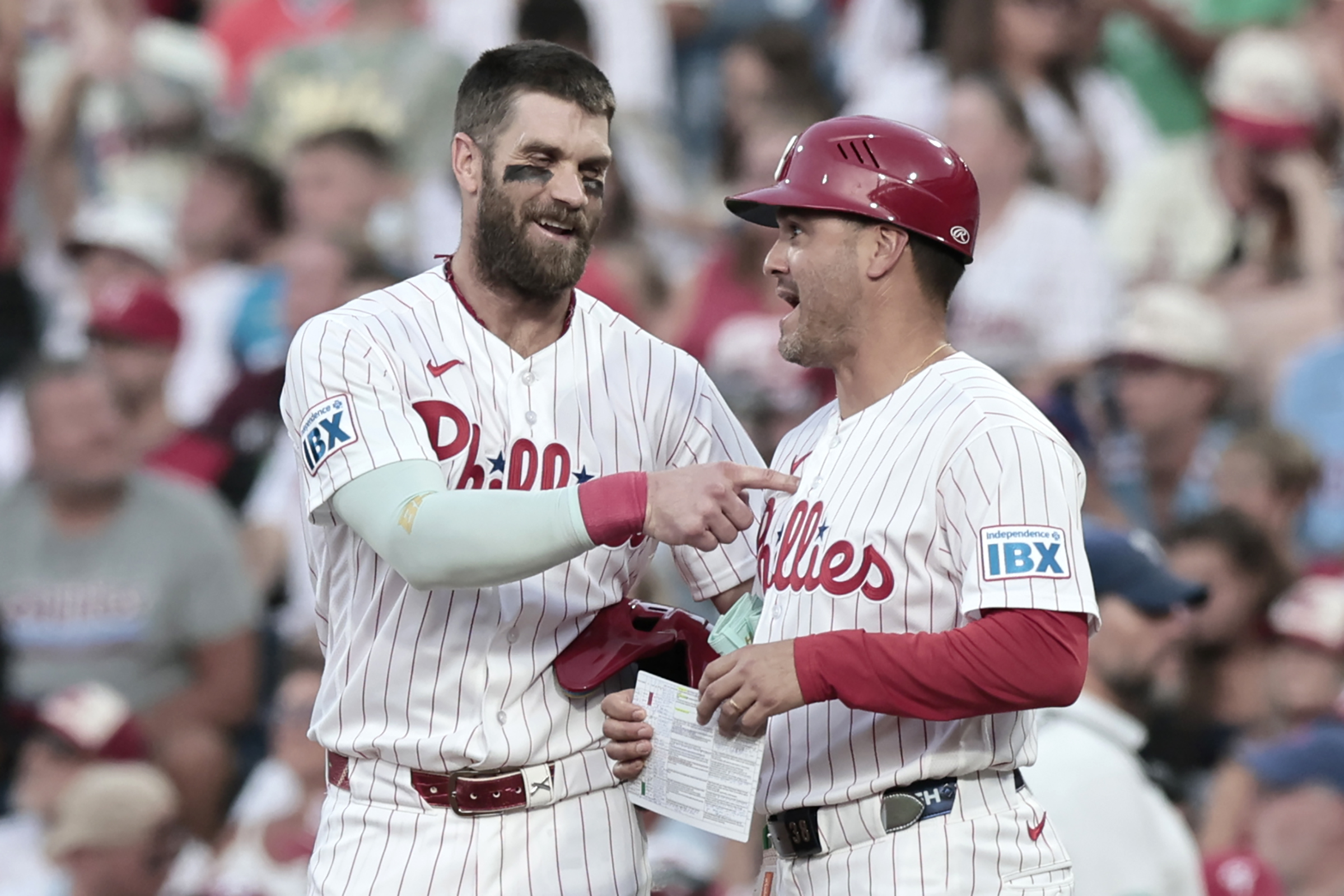
Entering the weekend, Bryce Harper (left) reached base in 55 of 108 plate appearances this month, which means he’s seen a lot of first-base coach Paco Figueroa.Elizabeth Robertson / Staff Photographer
Even Long, who has worked with Harper since 2018 in Washington, recently asked him how he’s doing it.
“And I couldn’t really give him an answer,” Harper said before a game this week in Seattle. “He was just like, ‘Why are you doing what you’re doing right now?’ I just haven’t really thought about it. Obviously the walks have come in bunches the last three weeks. It’s a lot of walks. I’m not trying to walk. I’m not trying to do those things. I’m just trying to play the game, and if I’m walking, I’m walking.”
Harper chuckled.
“K-Long’s kind of stopped asking me about it,” he said, “because I haven’t really given him a great answer.”
Long has some explanations, and we’ll explore those shortly. But Harper’s surge — he’s fifth in the majors with a .971 OPS since the All-Star break — coincided with his move back to right field, which enabled the Phillies to pull off a deadline trade for contact-hitting second baseman Luis Arraez. Harper has also started every game despite a sore left knee.
And so, although the Cubs’ Pete Crow-Armstrong has emerged as the favorite in the National League MVP race over even Shohei Ohtani, it’s appropriate to wonder if Harper should be entered into the conversation given his value to the Phillies.
OK, so maybe that’s a September question.
But with a few days left in August, no less than a former MVP and .307 career hitter who was known as “The Hitman” is marveling at Harper’s combination of patience and aggressiveness this month.
“I don’t think I’ve ever seen a guy that does what he does,” Phillies interim manager Don Mattingly said. “The base on balls, the attack with the swing, and being able to control the zone is something that’s rare.”
Bryce Harper leads the majors with 94 walks entering the weekend.Yong Kim / Staff Photographer
Walk this way
Harper’s dad always tells him he’s at his best when he accepts his walks. The logic: Teams don’t want him to beat them, so they walk him or try to get him to swing at non-strikes.
It’s been that way since he was a kid.
“I was 10-11 years old, and a coach would try to play mind games of like, ‘Hey, we’re not going to pitch to you today,’” Harper said. “Whack, they’d throw a pitch right down the middle and freeze me a little bit. I never want that feeling. I always want to be prepared to hit.”
And because he never knows when that strike will come, Harper tends to guard against being overly passive by chasing more pitches that he should lay off. It’s a delicate dance.
Last season, Harper saw a lower rate of strikes (43%) than any hitter in the majors, though it was consistent with his previous six seasons with the Phillies (42.6%). But his out-of-zone swing rate climbed to 35.6% last season from 31% from 2019-24, while his walk rate dipped to 12.1% last season from a six-year mark of 14.4%.
So, Harper went to spring training with a renewed aim to improve his plate discipline and only “hit that ball in that box.” He even set a goal to “walk 140 to 150 times.” It was ambitious. In the last 10 years, only Juan Soto walked that often in a season (145 times in 2021).
But Harper’s intentions were clear.
“I just need to make sure I walk and not just want to get hits all the time,” he said in March. “I want to hit. I want to be a hitter, obviously. I want to hit homers and hit doubles and all those things. But sometimes it’s better for me if I walk. I can do that a little bit more this year.”
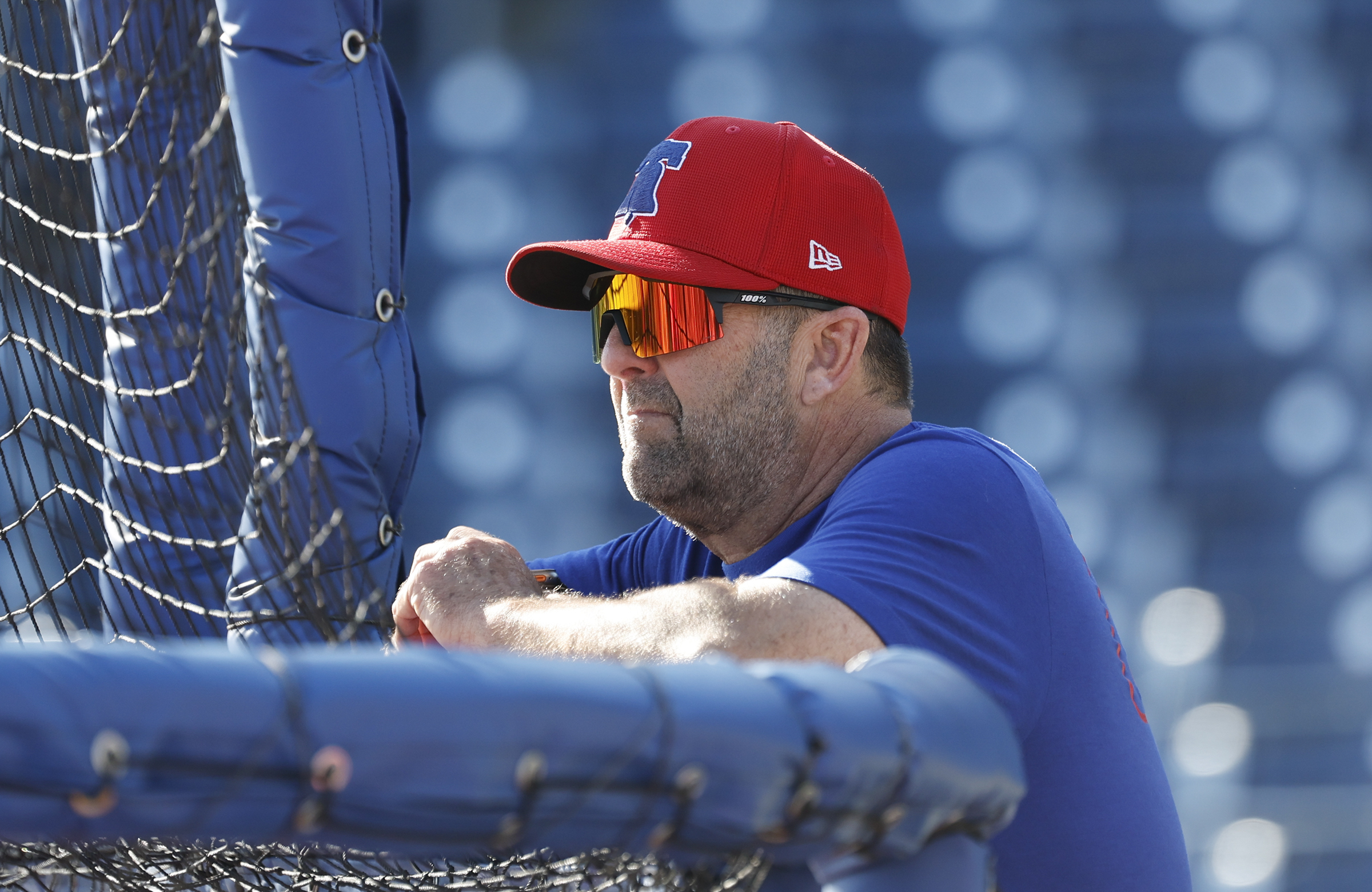
Phillies hitting coach Kevin Long has worked with Bryce Harper since 2018 with the Nationals.Yong Kim / Staff Photographer
Through the end of July, not much had changed from 2025. Harper was still seeing a low rate of strikes (42.2%) and swinging a high rate of non-strikes (34.6%), according to Statcast, and walking at only a slightly higher rate (13.4%).
But this month, at last, Harper is doing exactly what he intended to. He has swung at only 23.3% of pitches out of the zone and walked at a 25.9% clip.
It’s hitting nirvana.
“He’s doing it exactly how you should,” Long said. “It’s not taking away his aggressiveness. He’s still being ultra aggressive, especially in the zone. But the ones out of the zone, it’s almost like he’s not auto-swinging. He’s really making a conscious effort to make sure that the pitch is where he wants it.”
It’s not like Harper hasn’t hit like this before. In 2021, when he won his second NL MVP award, he controlled the strike zone with a 24.9% out-of-the-zone swing rate and a 16.7% walk rate.
To Harper, the road back to achieving those marks was adjusting his mindset.
“[It’s] me just giving a crap about it, right?” he said in spring training. “Just making sure I do it. That’s a big thing for me. … It’s just buying in.”
Said Long: “I’ve seen him take several borderline pitches where he goes, ‘Man, I just didn’t think that was a strike.’ Well, that’s what good hitters do, and that’s what he’s doing.”
There’s another explanation, too, and it can be found in the on-deck circle when Harper bats.
Luis Arraez (right) has batted behind Bryce Harper since the Phillies traded for him on Aug. 3.Jose F. Moreno / Staff Photographer
The Arraez effect
Even though Harper feels most comfortable in the No. 3 spot in the order, the Phillies didn’t add a cleanup hitter in the offseason.
And Harper came to camp with lineup protection on his mind.
“Whoever’s in that four spot,” he said in February, “is going to have a big job to do.”
But after all these years, Harper uniquely understands that he’s the guy opponents will always pitch around, no matter the situation. Unless the Phillies summon the ghosts of peak Mike Schmidt and Ryan Howard to hit behind Harper, he’ll never get pitched differently.
So, no, Harper isn’t suddenly seeing more strikes since the Phillies traded for Arraez on Aug. 3 and put him in the cleanup spot. Never mind that Arraez’s ability to put the ball in play is unrivaled in the sport. The rate of in-zone pitches to Harper with Arraez behind him (40%) is actually lower than the overall season rate (41.8%).
“I think teams are going to pitch me the way they want to pitch me,” Harper said, “no matter who’s behind me.”
Probably. But just because teams approach Harper with similar caution doesn’t mean that Harper’s mindset isn’t wildly different.
To wit: In spring training, Harper noted that the Phillies’ “numbers in the four spot weren’t very good last year.” On some level, then, the implication was that he felt a burden to drive in runs ahead of Alec Bohm, J.T. Realmuto, Nick Castellanos, and others.
Bryce Harper is having the best month of his Phillies career in August.Yong Kim / Staff Photographer
Now, here’s how he talks about Arraez, who has struck out only three times in 89 plate appearances for the Phillies:
“Having a guy like that behind me is definitely a different aspect just because I can kind of put all the faith in him to get the job done,” Harper said. “He’s going to put the ball in play; he’s going to have great at-bats; he’s going to see pitches.
“It’s just a different type of baseball that he plays comparatively to a lot of the game nowadays. He’s an asset to our team completely just because of those reasons.”
Surely, then, it’s easier for Harper to holster his bat and accept a walk rather than chasing after pitches off the plate and getting himself out.
It isn’t perfect. Harper concedes he must be more productive against lefties (.207 average, .657 OPS). And Long said Harper “was concerned for a minute” over an 11-game stretch with only one extra-base hit. He has three doubles and two homers in his last five games.
“I’m like, ‘This is really what you want. You’re getting on base every single day, two or three times, you’re making really good decisions,’” Long said. “I told him, ‘I’ve got to believe that the extra-base hits will come with all this — and they have. But it’s really about just making a conscious effort to hit better pitches.”
For more than a month, Harper has done that as well as ever, maybe even at an MVP level.
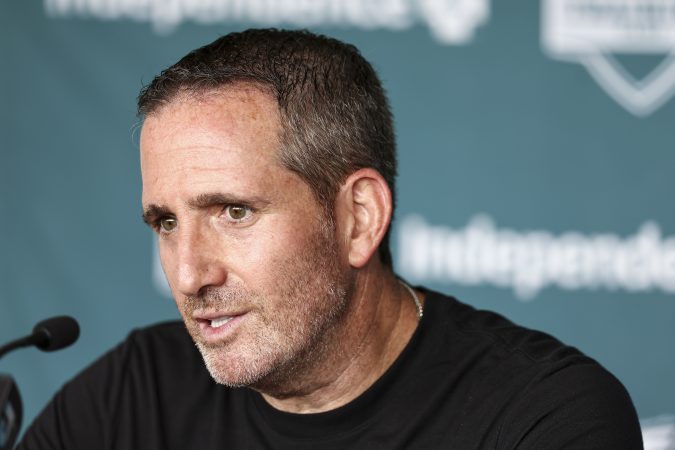
Howie Roseman has all the pieces laid out in front as he whittles the Eagles’ 91-man roster down to 53 players ahead of Sunday’s 6 p.m. deadline.
Most of the team is in place, but it isn’t like some piece of furniture from IKEA with specific parts. Roseman will build his makeshift roster by balancing the Eagles’ immediate needs with the long-term, while also factoring in injury variables, the salary cap, and other potential moves.
The general manager is scanning the rest of the NFL for upgrades at positions in question. He’s yet to make any trades since camp started, but no one likes to wheel and deal as much as Roseman. C.J. Gardner-Johnson and Jahan Dotson are just two of the players Roseman acquired in and around this time.
Wide receiver, tight end, and safety are among potential areas that could be addressed.
The 16-man practice squad will also afford the Eagles a landing spot for vested veterans, players they will taxi up on game days, or prospects they hope to develop. So while only 53 will make the initial cut, Roseman considers his roster a 69-man outfit (70 if they have an international prospect).
It is an ever-evolving list that will likely change ahead of the season opener vs. the Commanders on Sept. 13. But for one fleeting moment there will be those who make it, and those who don’t. Here’s one beat reporter’s predictions:
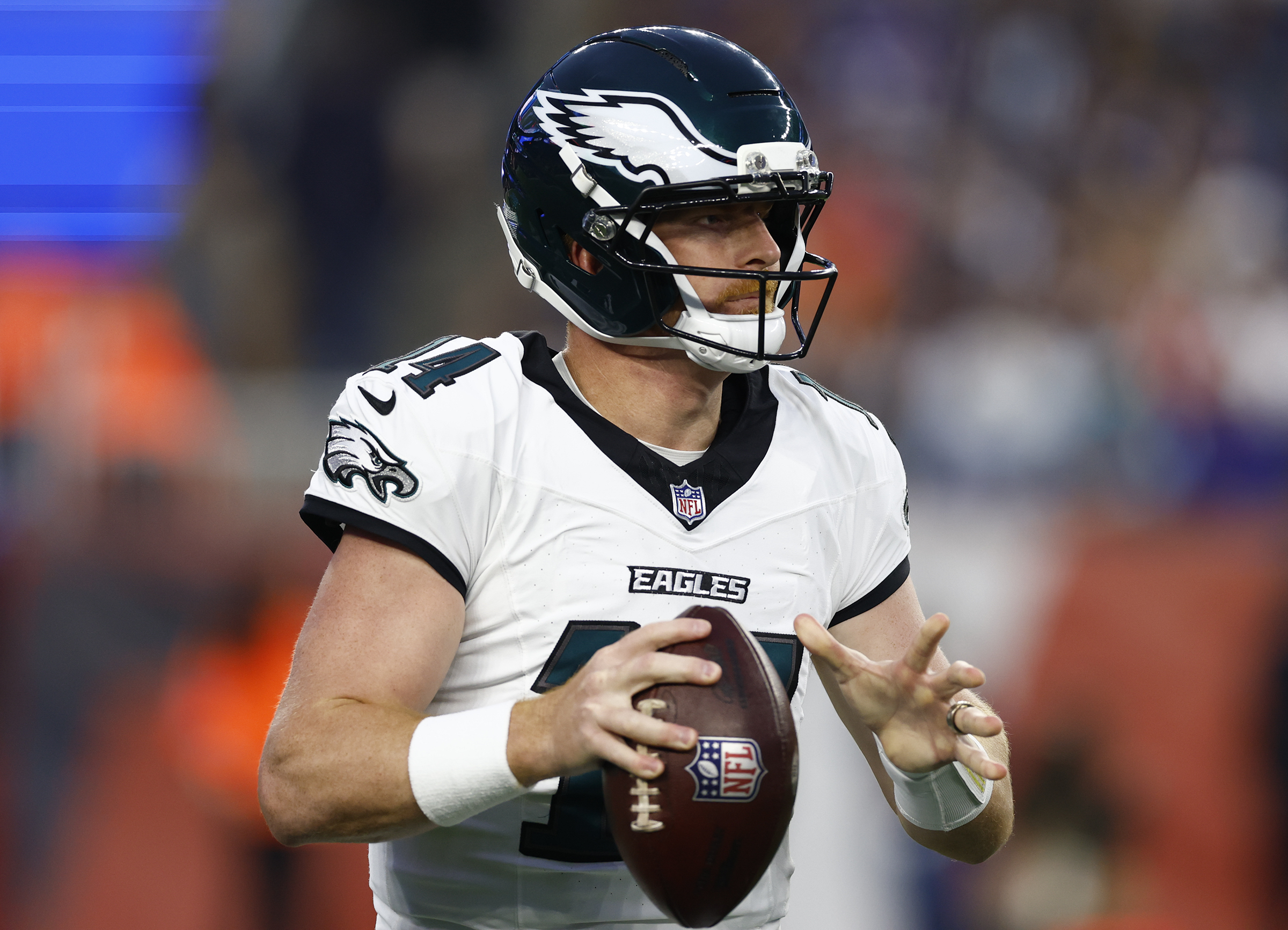
Andy Dalton is a candidate to be moved, which would slot Tanner McKee in as the No. 2 quarterback. Yong Kim / Staff Photographer
Dalton’s play this summer hasn’t earned him the No. 2 job. McKee has been only marginally better, but has shown improvement. The best man doesn’t always win. But the educated guess here is that Roseman will trade Dalton to a backup-needy team — of which there are many. He may need to keep all four quarterbacks past Sunday’s deadline to get what he wants in return, however.
Payton has displayed more than last year’s rookie project — Kyle McCord — and probably wouldn’t pass through waivers if the Eagles consider stowing him on the practice squad.
Running backs (3): Saquon Barkley, Tank Bigsby, Will Shipley.
Cut: Dameon Pierce, Carson Steele, Jordan Mims.
Practice squad: Steele.
A position of strength, the top three running backs have virtually been locked into place since the start of camp. Shipley’s development made Pierce expendable. Steele’s preseason film could make him a waiver claim. His fullback experience — which he never got to show in camp — makes him a versatile practice squad possibility.
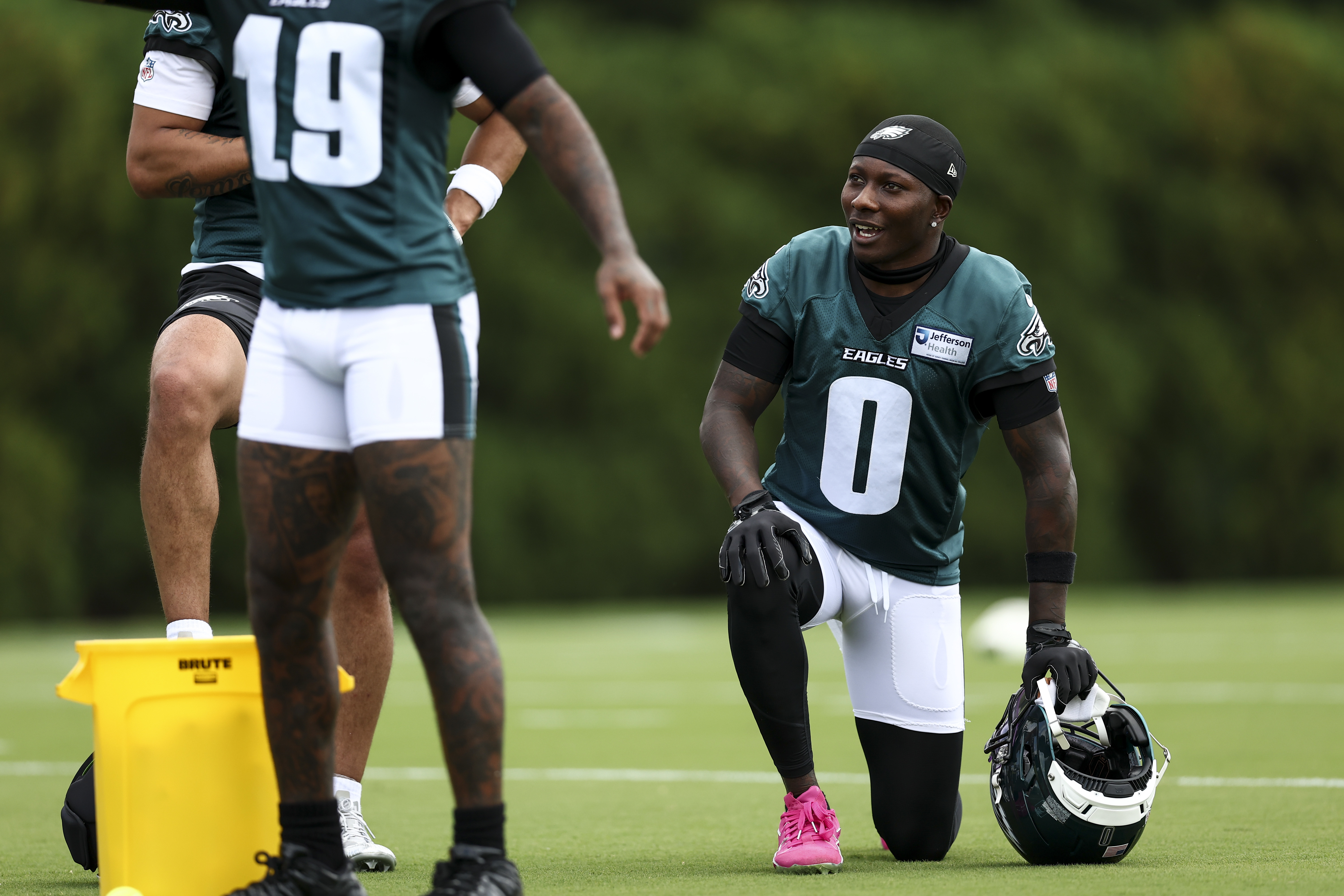
Hollywood Brown (0) did not have the best training camp but the guess is that he stays.Monica Herndon / Staff Photographer
Wide receivers (5): DeVonta Smith, Makai Lemon, Dontayvion Wicks, Hollywood Brown, Darius Cooper.
Injured reserve: Johnny Wilson.
Cut: Elijah Moore, Britain Covey, Quez Watkins, Danny Gray, Samori Toure, Erik Ezukanma, Tahj Washington.
Practice squad: Moore, Covey.
There was little chance the Eagles could replace A.J. Brown with just one player, so Roseman went the by-committee route with Lemon as the biggest investment. A nagging hamstring injury has stunted the first-round draft pick’s early development. Wicks solidified the No. 2 outside spot, but there’s a significant dropoff after Smith. That Cooper, who cooled off after a hot summer start, is the only receiver with some size could also be of concern.
Moore performed better than Hollywood Brown in camp, but the latter is guaranteed $5 million. He also has a proven track record. Moore is also primarily a slot and that job belongs to Lemon — for better or worse. Maybe he’s an early-season practice squad call-up to offset the rookie’s expected learning curve. Covey’s been down this road before and could stick on the practice squad, unless Lemon can field punts right away.
Tight end Cameron Latu’s ability to play fullback could help him stick on the roster. Yong Kim / Staff Photographer
Tight ends (4): Dallas Goedert, Johnny Mundt, Eli Stowers, Cameron Latu.
Cut: Grant Calcaterra, E.J. Jenkins, Stone Smartt.
Practice squad: Calcaterra, Jenkins.
Tight end has overtaken safety as the most likely area Roseman might address via trade or by some other means. The Eagles were probably expecting Stowers to need time, especially when it came to blocking. But he rarely practiced with Hurts, if at all, and recently suffered a setback with his hamstring. Redshirting the second-rounder would set off alarms, so it’s unlikely Roseman takes that route.
But a swap — or signing a veteran like Zach Ertz off the street — would also speak volumes. Goedert is still a competent “Y” receiver, while Mundt will shoulder some of the “F” blocking responsibilities. But tight ends often need to be dual-purpose within Sean Mannion’s new Kyle Shanahan-style scheme and neither is as competent in the opposite discipline.
If Stowers isn’t healthy by the opener, or is unable to contribute on special teams in the early going, Latu seems the likely fourth option. He can also fill the fullback role if Mannion adds that wrinkle to the offense.
Offensive linemen (10): Lane Johnson, Jordan Mailata, Landon Dickerson, Cam Jurgens, Tyler Steen, Markel Bell, Drew Kendall, Willie Lampkin, Micah Morris, Fred Johnson.
Cut: John Ojukwu, Jake Majors, Michael Jordan, Cameron Williams, Myles Hinton, Zeke Correll.
Practice squad: Ojukwu, Majors, Williams.
The starting five — among the best units in the NFL when healthy — has long been predictable. In question entering camp was if the youngsters would be viable backups. The answer appears to be a provisional yes after a promising summer of Bell, Kendall and Lampkin working with Jeff Stoutland replacement Chris Kuper. Ultimately, they have to go out there and do it against actual starters when called upon.
And that time will most likely come. Jurgens has looked more nimble than he did a year ago after back surgery. But Dickerson may be put together by Scotch tape and chewing gum after multiple injuries, while the 36-year-old Lane Johnson is entering his likely final season. Bell may have beat out Fred Johnson for the swing tackle spot, but the latter has helped the Eagles through multiple injuries the previous two seasons. He’s the last guy on here, but may not survive.
There also isn’t an obvious second reserve tackle with Williams and Hinton still not close to ready.
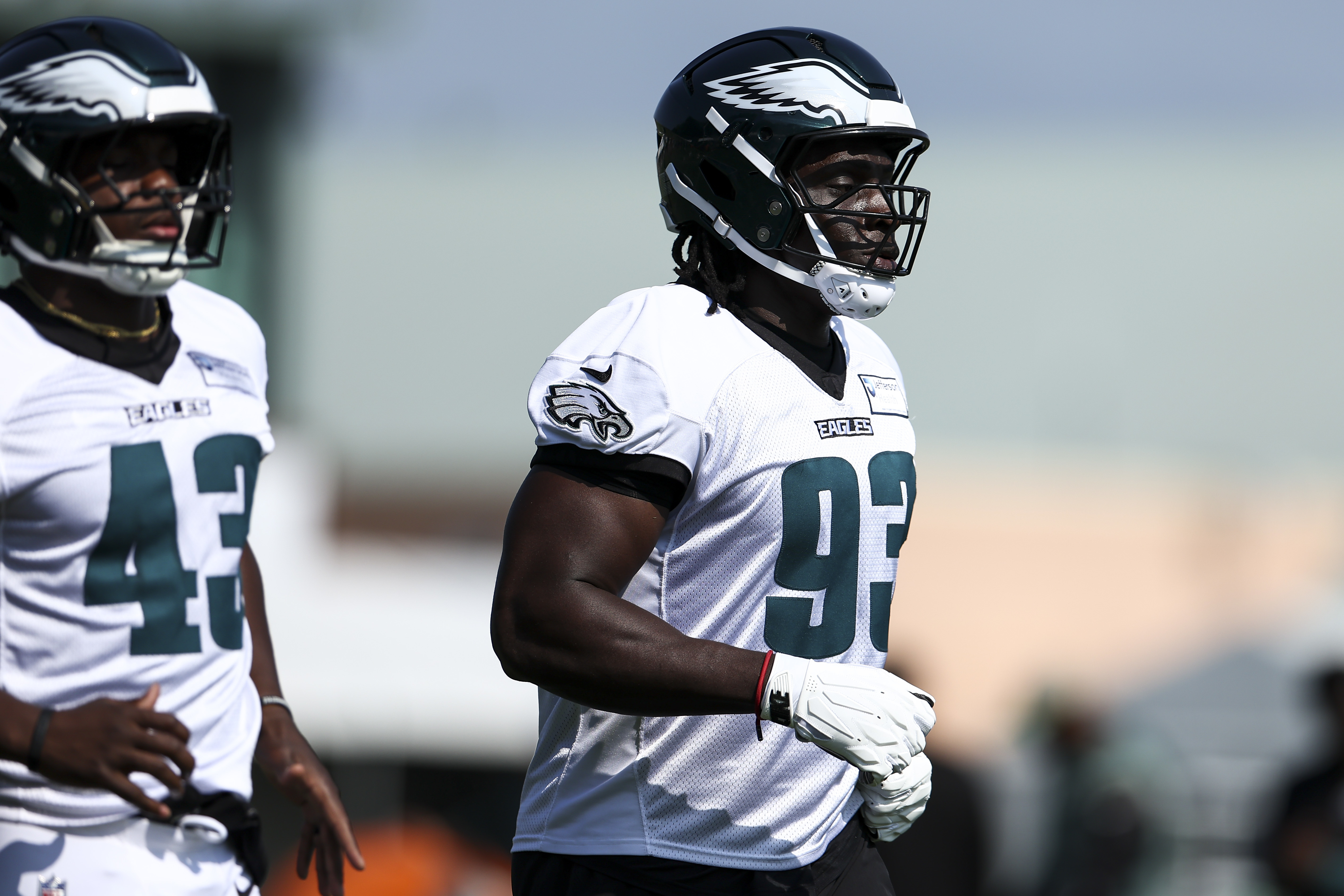
How the Eagles will handle International Player Pathway program Uar Bernard’s (93) case bears watching. Monica Herndon / Staff Photographer
Defensive tackles (6): Jalen Carter, Jordan Davis, Moro Ojomo, Byron Young, Ty Robinson, Uar Bernard.
Cut: Gabe Hall, Zion Wilson, David Blay.
Practice squad: Hall, Wilson.
Roseman has balanced winning in the short term vs. building for the long term better than most franchises (see: Mailata). Bernard has a ways to go before he sees the field in the regular season. But the Eagles have that luxury with significant depth at defensive tackle.
Carter, Davis and Ojomo give defensive coordinator Vic Fangio a formidable interior. Young and especially Robinson have taken steps forward in the offseason. Bernard, the International Player Pathway (IPP) program project the Eagles drafted in the seventh round, could befall injury and save a roster spot. But he wouldn’t be able to practice with the team while on injured reserve.
Edges (6): Jonathan Greenard, Jalyx Hunt, Nolan Smith, A.J. Epenesa, Arnold Ebiketie, Joshua Weru.
Cut: Keyshawn James-Newby, Jose Ramirez, Tarron Jackson.
Practice squad: James-Newby.
Roseman’s continued investment in the trenches influences the roster makeup. Fangio has said he can get away with just a three-man rotation on the edge, which would theoretically not make it necessary to stockpile at the position. But Greenard’s pectoral muscle tear and Weru’s potential ceiling should make keeping as many as six here a necessity.
Fangio has hinted that Greenard may not suit up for Week 1, but if the veteran edge is going to be out for significantly longer he’ll likely stay on the Physically Unable to Perform (PUP) list. That would open a roster spot. Hunt and Smith, meanwhile, appear better equipped to start than they were a year ago.
Epenesa was a solid late spring addition. Ebiketie hasn’t stood out, and could be a surprise cut. But Weru, like Bernard an IPP project, needs polishing and strengthening. There’s little doubt another team would be willing to snatch the undrafted rookie off waivers.
Zack Baun (left) and Jihaad Campbell are linchpins of the defense. Monica Herndon / Staff Photographer
Fangio has openly touted his depth at off-ball linebacker. He still harps on Jihaad Campbell’s mental inconsistency, but the former first-rounder has all the tools to thrive alongside Baun. Trotter has starter capabilities. He and Mondon will be core special teams performers.
Chance Campbell has put solid preseason film out there. Could he or Mondon be trade bait for a tight end or safety?
Cornerbacks (6): Quinyon Mitchell, Cooper DeJean, Riq Woolen, Jonathan Jones, Kelee Ringo, Mac McWilliams.
Mitchell, DeJean and Woolen — provided the latter keeps ascending — give the Eagles an impressive trio. If the outside guys were to get injured, DeJean would likely be the replacement. Fangio might want his third corner to come off the bench, but no one has made a claim to that spot. Jones was the best candidate. He has 78 career starts. But a shoulder injury got in the way and he wasn’t all that impressive before the setback.
Ringo can be a frustrating player on defense. But he has talent and length and ably fills the gunner role on special teams. McWilliams gets the benefit of being a former draft pick, but the second-year former fifth-rounder isn’t guaranteed anything. The same could be said for Bennett, who has also missed time to injury, and hasn’t justified the trade that sent Thomas Booker IV to the Raiders.
Michael Carter II acquitted himself well in the starting safety competition but fell just short. Tyger Williams / Staff Photographer
Safeties (3): Andrew Mukuba, Marcus Epps, Michael Carter II.
Cut: Cole Wisniewski, Maximus Pulley, Andre Sam, Kapena Gushiken, Jaylen Mahoney.
Practice squad: Wisniewski, Pulley, Sam.
DeJean will play safety in base personnel, while Epps has all but won the nickel spot. Carter gave him a run for his money and may end up there at some point. But his versatility has been a blessing and a curse. He’s had to learn multiple spots in the secondary and never got the chance to major at safety. Carter allows Fangio the luxury of moving DeJean to outside corner if needed.
Wisniewski has just been hurt too much to warrant a roster spot at this point. Pulley and Sam have done enough to sneak in, but extra safeties are what the practice squad is for.
Specialists (2): Jake Elliott, Braden Mann.
Cut: Rocco Underwood.
Practice squad: Underwood.
Elliott faced no competition in camp after successive down seasons. The Eagles believe he will return to form, but how long could his leash be if he continues to miss key kicks? He had a decent camp, but wasn’t as automatic as in years past.
The flexibility of the practice squad has made it a more suitable spot for most long snappers. Underwood hasn’t made any glaring snafus, but experts can see he’s not yet elite. So the Eagles won’t have to worry about losing him to waivers and can scour the wire after teams with two long snappers get to 53.
President Donald Trump says he’s holding Canada accountable for “ripping off” the United States through unfair trade practices.
But by imposing new tariffs on Canadian goods and prompting retaliation from one of America’s largest trading partners, U.S. businesses and consumers could face higher costs, analysts said — including in key electoral battlegrounds like Pennsylvania.
Pennsylvania sold $13.4 billion in goods last year to Canada — its largest export market.
About $2 billion worth of those goods, or 16%, will be subject to higher tariffs — some as high as 50% — starting Sept. 8 after Canada this week announced new levies, according to an Inquirer analysis of trade data. Some of the state’s top exports facing new tariffs include raw aluminum, lumber, and passenger vehicles.
(function(){function e(){window.addEventListener(`message`,function(e){if(e.data[`datawrapper-height`]!==void 0){var t=document.querySelectorAll(`iframe`);for(var n in e.data[`datawrapper-height`])for(var r=0,i;i=t[r];r++)if(i.contentWindow===e.source){var a=e.data[`datawrapper-height`][n]+`px`;i.style.height=a}}})}e()})();
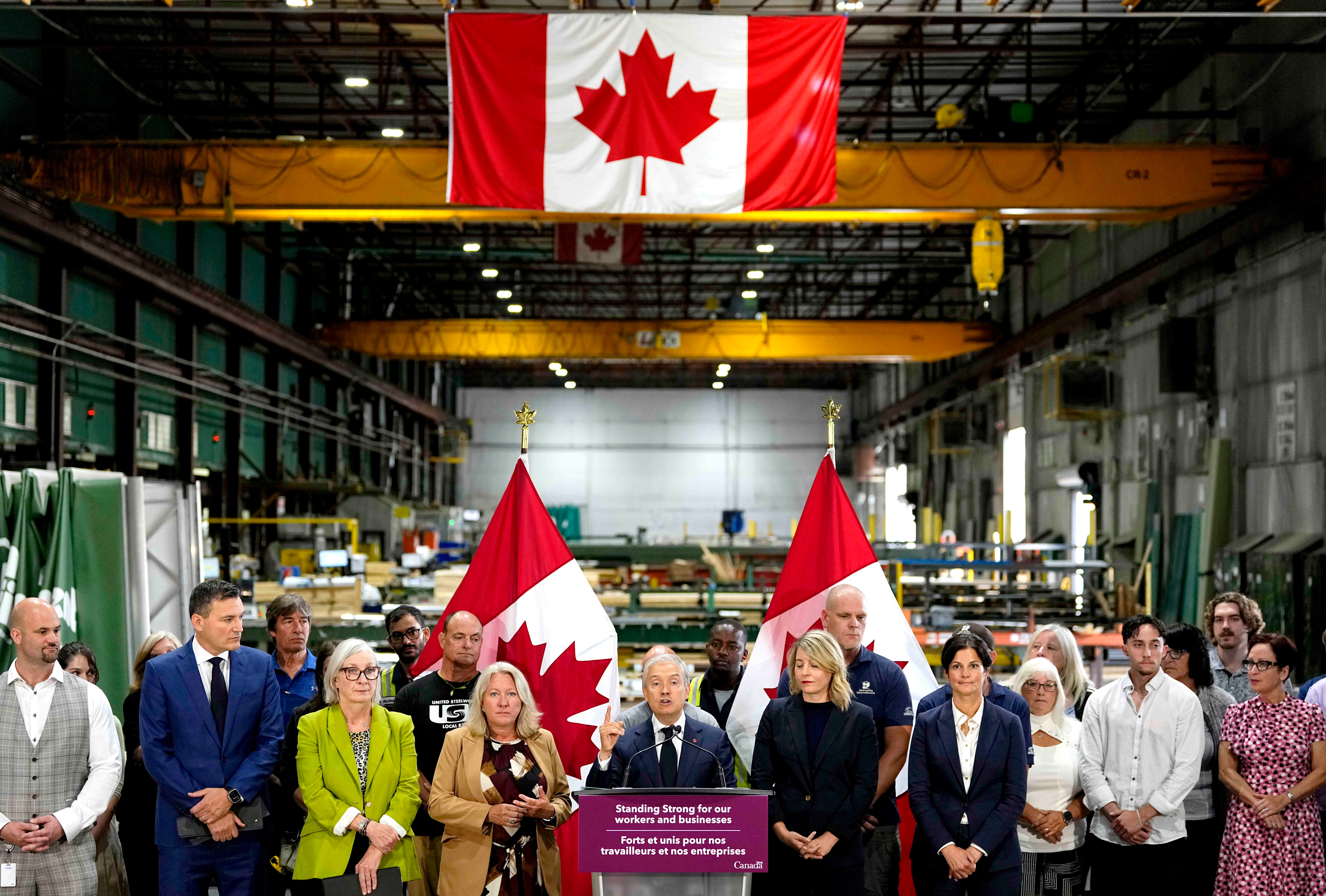
Canadian officials said the tariffs on hundreds of U.S. goods worth a total of $20 billion are meant to protect its workers in response to increased U.S. levies on the same amount of Canadian imports. That affects a relatively small share of trade between the two countries, but analysts said the situation is still evolving.
“There’s so many things that go back and forth, some of it multiple times. The effect and the amplification of these tariffs, we’ll definitely feel,” said Lauren Swartz, CEO of the nonprofit World Affairs Council of Philadelphia. “When we think about what that means for Pennsylvania, it’s going to be loud.”
“My sense is the rhetoric that we’re hearing, and the fact that it’s already being labeled a trade war, is that both countries are reserving the right to escalate the level, the percentage of tariffs, as well as the scope of goods that will fall under the new trade war,” she said. “So it will expand.”
Steel, dairy, electronics impacted
The new tariffs came after talks between the U.S. and Canada over a trade deal fell apart last weekend. Trump imposed 50% tariffs on goods such as hockey sticks, national flags, and building materials.
“Canada has been ripping off the United States for decades — and President Donald J. Trump is done letting them get away with it,” the White House said on Tuesday. It said the U.S. had offered Canada “the most preferential market access of any country on Earth” but that the country chose “unreasonable demands, walk-backs, and flat-out rejection.”
Canadian officials said the country’s counter tariffs would protect the country’s workers and businesses. They said the levies on U.S. goods targeted sectors such as appliances, steel, dairy, and electronics.
(function(){function e(){window.addEventListener(`message`,function(e){if(e.data[`datawrapper-height`]!==void 0){var t=document.querySelectorAll(`iframe`);for(var n in e.data[`datawrapper-height`])for(var r=0,i;i=t[r];r++)if(i.contentWindow===e.source){var a=e.data[`datawrapper-height`][n]+`px`;i.style.height=a}}})}e()})();
Influence on midterms?
The trade dispute could inject new uncertainty into the economy less than three months before the U.S. midterm elections decide control of Congress and statehouses around the country. Republicans are seeking to retain control of the U.S. House and Senate. Pennsylvania has several competitive House races in which Republican incumbents are seen as vulnerable.
Pennsylvania Gov. Josh Shapiro, a Democrat who is running for reelection against Republican state Treasurer Stacy Garrity, has repeatedly criticized Trump’s tariffs.
“Donald Trump’s reckless tariffs are a tax on Pennsylvanians — and Gov. Shapiro has been fighting back against them from day one,” said campaign spokesperson Manuel Bonder.
“This President has raised costs for families, screwed over our farmers, and shut down markets for businesses — all with Stacy Garrity’s 100% support,” Bonder said in a statement.
Garrity’s campaign didn’t respond to requests for comment. She has in the past said Trump’s tariffs could result in some “short-term pain” but would ultimately bring jobs to America. “It’s going to be fantastic,” she said in a clip that Shapiro’s campaign has highlighted. More recently, Garrity told reporters in July she would “do the tariffs a little bit differently.”
Canadian officials appeared to target some goods that are important in electoral battlegrounds, such as seafood in Maine, the Wall Street Journal reported.
Analysts said Pennsylvania didn’t appear to be a principal target. “But unfortunately, it’s one of the states that does a lot of goods transfer with Canada, and unfortunately, they’re hit in the crossfire,” said Kyle Peacock, a trade expert and founder of Peacock Tariff Consulting.
Peacock said that after previous rounds of tariffs, many businesses were able to absorb the costs.
But now that some products face 50% levies, that will likely change, he said. “Not a lot of industries or products have 50% margin that you can just eat,” he said. “So I think you’re going to see that this time, unfortunately, that’s going to be passed on to the consumer.”
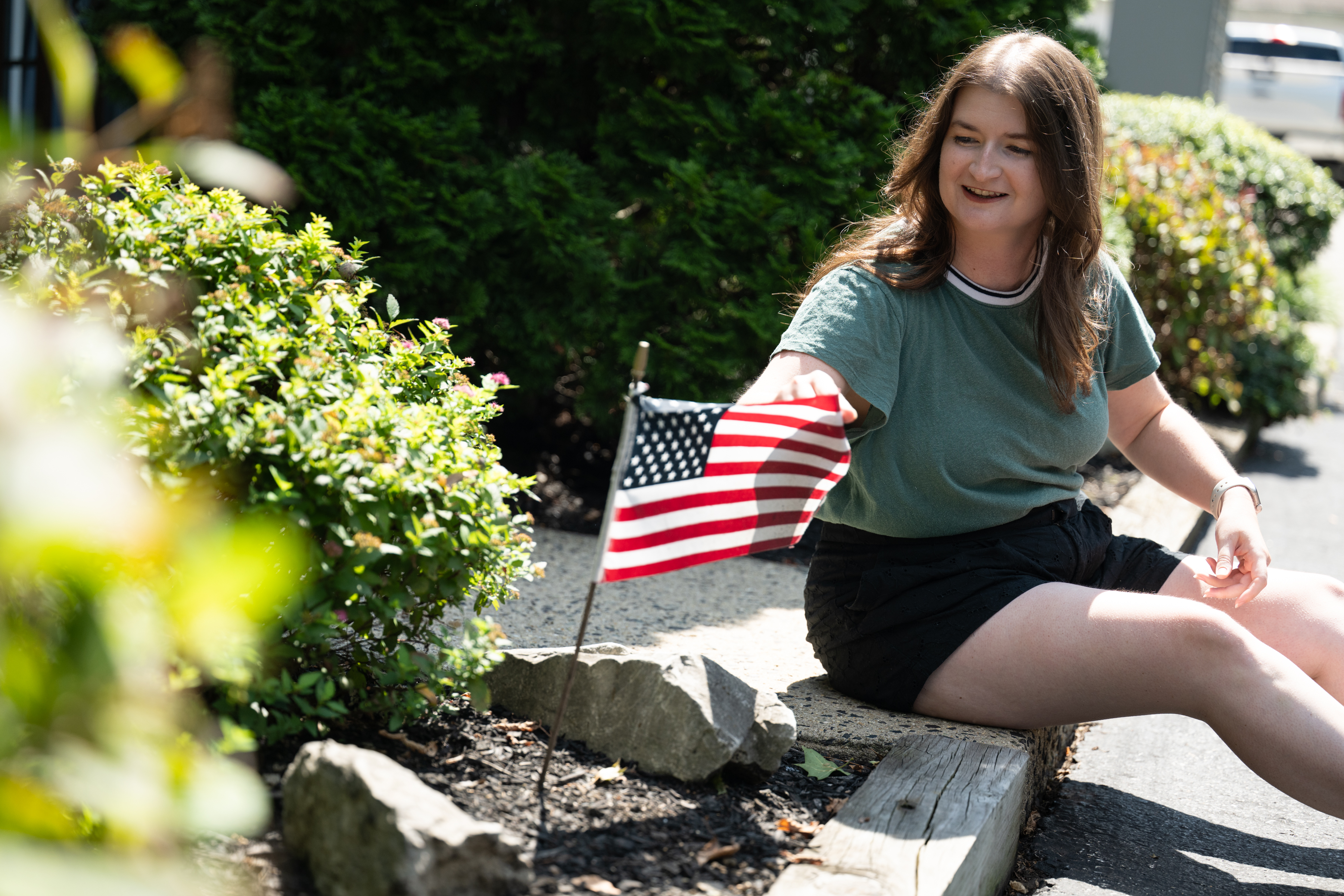
The 29-year-old Conshohocken resident recently got laid off from a local, financially struggling real estate company and is now trying to find work in a grueling job market for young workers where many of her applications are getting intercepted by AI bots, instead of a person.
That is a higher percentage than any in other age group in the poll, which found 58% of all Pennsylvania likely voters disapprove of the president.
Though 80% of young voters said they are satisfied with their own life, they overwhelmingly gave Trump low marks on his handling of the economy and other major issues in the United States.
Young people are overwhelmed by rising costs in what they see as an unstable economic and volatile international landscape with ramifications that they will one day have to shoulder.
“It feels like things are going downhill in a way that we don’t know how to recover, and our generation is going to be responsible for picking up the pieces environmentally,” said Harrington, a Democrat. “Also, politically, there are many things that have been done that are going to be hard to take back or that we have to figure out how to undo in the future.”
The poll, which surveyed likely voters in Pennsylvania between Aug. 17 and 21, underscores how deeply unpopular Trump is among the generation that came of age during his foray into politics and could foreshadow where the state’s politics are headed beyond November’s high-stakes midterm races.
“Young people are feeling as though they simply don’t have the same level of opportunity as do older people,” said Don Levy, director of the Siena Research Institute.“They are dissatisfied,” he added, and contending with housing expenses, the prices of goods and services, and how much it costs to get married.
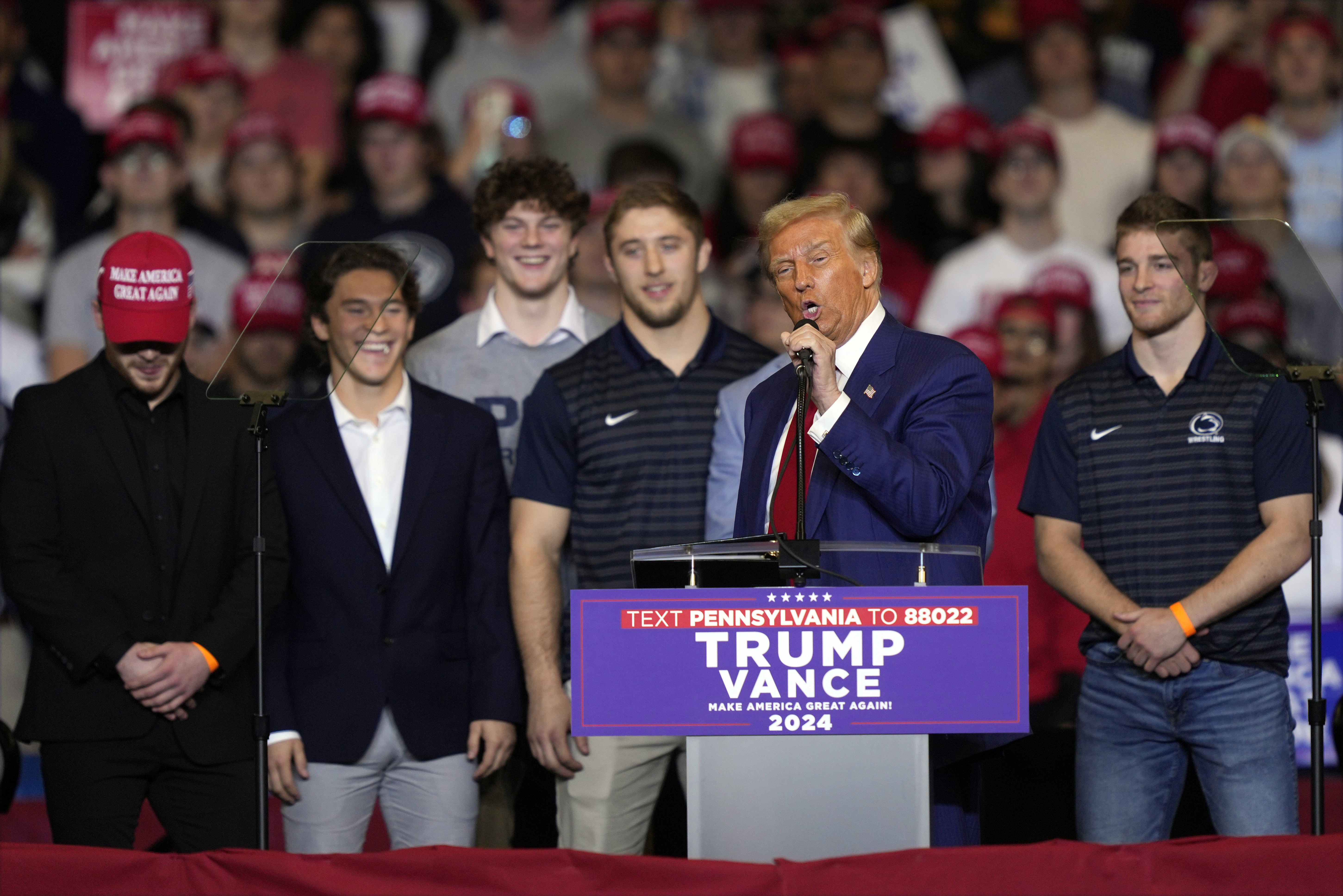
President Donald Trump speaks as members of the Penn State wrestling team listen at a campaign rally at the Bryce Jordan Center in State College in October of 2024. Trump went onto win the state. Matt Rourke
‘The cost of continuing to exist’
Sophie Showers, 19, wants kids, a stable job as a psychologist, and to one day be married.
But now that vision is getting hazier as costs rise, including at the grocery store and at the gas pump, which she needs for her 45-minute commute to school — what the Mechanicsburg resident and first-time voterrefers to as “the cost of continuing to exist.”
Trump, according to the poll, is most underwater with young voters on the cost of living: Only 9% approve and 90% disapprove of his handling of the issue.
That disapproval includes a quarter of voters under 30 who cast ballots for Trump in 2024, including a young voter from the Philadelphia area who asked not to be identified due to his role in his local Republican Party.
He supported Trump in 2024, but he has become disappointed with what he says is Trump’s ignorance of the country’s biggest problems, namely inflation.
“He wants to lower taxes. He wants to cut regulation. I agree with all those things,” he said. “But actually making major changes to people’s pricing, I don’t think he’s taking it that seriously.”
On the economy, 19% of young people approve of Trump’s handling and 81% disapprove, according to the poll.
“The current state of our country is that young people feel as though they have less opportunity economically than their parents or grandparents,” Levy said. “That’s a clear statement on dissatisfaction with the economy.”
(function(){function e(){window.addEventListener(`message`,function(e){if(e.data[`datawrapper-height`]!==void 0){var t=document.querySelectorAll(`iframe`);for(var n in e.data[`datawrapper-height`])for(var r=0,i;i=t[r];r++)if(i.contentWindow===e.source){var a=e.data[`datawrapper-height`][n]+`px`;i.style.height=a}}})}e()})();
“If the cost of living keeps increasing, whether it be due to gas prices … or tariffs increasing the costs of groceries, I don’t want to be in a world where I have to worry about those kinds of things for the family that I want to have or will have, and I personally don’t really see things getting better,” said Showers, an independent voter.
Miles Balfour, a graduate student pursuing a degree in human interaction at Carnegie Mellon University, is feeling similarly pessimistic.
“When it comes to the financial and economic goals that I have for myself — wanting to own a home, wanting to be able to help provide financially for my family — I don’t know, honestly. I wish there was a better sense of confidence or assurance that these things are much more likely to actually happen,” Balfour, 25, said.
According to a survey earlier this year from CIRCLE, a Tufts University program that studies youth civic engagement, many young people ages 18 to 29 are barely making ends meet, and nearly 60% said they struggle to meet their basic financialneeds.
“Young people’s personal situations are also really coloring their view of politics and of what’s happening in the country,” said Alberto Medina, CIRCLE’s communications manager.
Ben Hummer, 28, of Pittsburgh, said though he is new to his career in recruiting, raises have slowed down while expenses like rent have gone up. His auto insurance for his Hyundai skyrocketed to roughly $3,000 a year, and his favorite sneakers — for a race he will be running later this year — have jumped from $120 to about $170.
“My ability to afford my lifestyle comfortably has become more challenged,” Hummer, a Democrat, said.
Young voters grapple with international conflicts
Beyond struggles at home, young voters are also wrestling with questions about the U.S. role in overseas conflicts.
After the deadly Oct. 7, 2023, terror attack against Israel by Hamas, the country launched a military campaign against the insurgent group in Gaza. And with the death toll of Palestinians climbing to more than 70,000 over the last three years, the debate over U.S. support for Israel has become a defining issue for many young people in Pennsylvania and elsewhere.
As encampments and protests in support of Palestinians roiled university campuses ahead of the 2024 election, the issue hung over former President Joe Biden’s reelection campaign before his withdrawal and may have contributed to Vice President Kamala Harris’ loss.
Trump repeatedly vowed during his 2024 campaign to end the war. But fighting has continued, and now only 16% of likely young voters in Pennsylvania approve of Trump’s handling of the conflict, the poll found.
Hummer, the 28-year-old from Pittsburgh, disapproves of the president’s approach and said the U.S. “needs to balance its approach” in the Middle East.
(function(){function e(){window.addEventListener(`message`,function(e){if(e.data[`datawrapper-height`]!==void 0){var t=document.querySelectorAll(`iframe`);for(var n in e.data[`datawrapper-height`])for(var r=0,i;i=t[r];r++)if(i.contentWindow===e.source){var a=e.data[`datawrapper-height`][n]+`px`;i.style.height=a}}})}e()})();
“It doesn’t necessarily have to be pro-Palestinian by any means, but the United States has allies in the region outside of Israel that are being negatively impacted by the conflict, and we often just throw them under the bus,” Hummer said.
Many young people have coupled their anger about the economy with Trump’s decision to join Israel in striking Iranian nuclear facilities and military sites. The Iranian regime retaliated by blocking a key water channel where oil tankers flow, spiking the price of gas throughout the spring.
Among 18- to 29-year-old Pennsylvania voters, only 17% approve of Trump’s handling of the war in Iran, while 82% disapprove (it is also his least popular issue among all likely voters in the state). The war — which the president originally promised would go on for only a few weeks — has now lasted for six months.
“I’m concerned about the United States’ ability to extract itself from the war in Iran without taking some kind of loss — whether it’s loss of influence, loss of life, or loss of financial resources,” and the prospect gets worse the longer the U.S. remains involved, Hummer said.
Young voters are also more critical of Pennsylvania leaders’ positions on Israel than are respondents overall.
Nearly half, 47%, of respondents said Pennsylvania’s third Jewish governor, Josh Shapiro, has been just “about right on support of Israel,” with 14% saying he has been too supportive, despite his vocal opposition to the country’s leader, Prime Minister Benjamin Netanyahu. But among young voters, 40% said he was too supportive.
And more than half, 51%, of young voters said Pennsylvania U.S. Sen. John Fetterman, a frequent defender of Israel who has said he would leave the Democratic Party if anti-Israel sentiment grew too strong, is too supportive of Israel — compared with 30% overall.
‘Willing and ready to vote in 2026’
Young voters are now figuring out what to do next.
Darlene Jimenez, 19, of Philadelphia, said she is grappling with what she can feasibly do as a young person who cares deeply about many issues, including immigration (on which Trump has a 25% approval rating among young voters) and climate change.
“There’s so many times where I find myself thinking like, ‘What am I to do?’” said Jimenez, a Democrat and college student. “Like, I’m 19 and I have so many opinions, and it’s like, what am I supposed to do to actually make a change?”
Medina, communications manager for CIRCLE, said that while there is a sense of hopelessness among young people, “many of them are paying attention, and they say that they’re willing and ready to vote in 2026.”
“Often, precisely because they don’t like the way things are going, and they would like things to change, and they see themselves as having a role in bringing about that change,” Medina said the organization has found in its research.
In Pennsylvania, the youth vote has the potential to make a “decisive impact” on the four key competitive congressional district races this fall — in Bucks County, the Lehigh Valley, the Scranton area, and the Harrisburg region — according to CIRCLE’s 2026 Youth Electoral Significance Index.
(function(){function e(){window.addEventListener(`message`,function(e){if(e.data[`datawrapper-height`]!==void 0){var t=document.querySelectorAll(`iframe`);for(var n in e.data[`datawrapper-height`])for(var r=0,i;i=t[r];r++)if(i.contentWindow===e.source){var a=e.data[`datawrapper-height`][n]+`px`;i.style.height=a}}})}e()})();
But at the same time, young people are still trying to find their political home and historicallyhave been less likely to vote than other age groups, including in 2024, when there was a 54% turnout rate among Pennsylvanians ages 18 to 24 compared with 70% for the overall electorate, according to census data.
Others are a little more sure of where they stand. For instance, young women are the demographic most disapproving of Trump among likely voters in the Inquirer/New York Times/Siena poll. Fourteen percent of young women approve of his job performance, and 83% disapprove.
(function(){function e(){window.addEventListener(`message`,function(e){if(e.data[`datawrapper-height`]!==void 0){var t=document.querySelectorAll(`iframe`);for(var n in e.data[`datawrapper-height`])for(var r=0,i;i=t[r];r++)if(i.contentWindow===e.source){var a=e.data[`datawrapper-height`][n]+`px`;i.style.height=a}}})}e()})();
While a gender gap still exists among young voters, young men — who helped catapult Trump to the White House in 2024 — now disapprove of the president by a nearly 2-1 ratio: 33% approve of his job performance, compared with 64% who disapprove.
Will, a Democrat from Bucks County who works in academia, crossed the aisle to vote for Trump in 2024 because he — “a loyal Joe Biden guy” — vehemently disagreed with how Harris was nominated without a primary after Biden’s withdrawal and also believes Democrats have focused too much on identity politics.
The 27-year-old, who asked to be identified only by his first name because of concerns about workplace retaliation, has mixed feelings about Trump’s handling of the issues and called the Iran war “ridiculous.” But he does not fully regret his vote, citing Trump’s handling of Israel as one reason.
“My impression is that the Democrats have been moving further left to kind of compensate for the fact that MAGA and the tea party moved the Republicans further right, so it kind of leaves people in the middle stranded. … I would prefer the Democrats kind of bring things back to the center,” said Will, who supports Shapiro for governor and would back him for president in 2028.
And Luke Averill, 19, a registered Republican from Delaware County who voted for Harris in 2024, said he thinks he can make the most impact on the direction of the country by voting for moderate candidates in Pennsylvania’s GOP primaries, but he does not see himself as a “diehard for one party in particular.”
But for many young voters, the elected officials they are gravitating toward are indicative of what is most important to them.
Several young respondents to the poll said they findNew York City Mayor Zohran Mamdani’s style of politics and focus on affordability to be refreshing.
“He’s the inspiration for myself and many people in my generation and all around the country,” Balfour, the 25-year-old at Carnegie Mellon, said. Mamdani brings “a sense of hope and optimism” and the ability to see government “make our lives much more meaningful.”
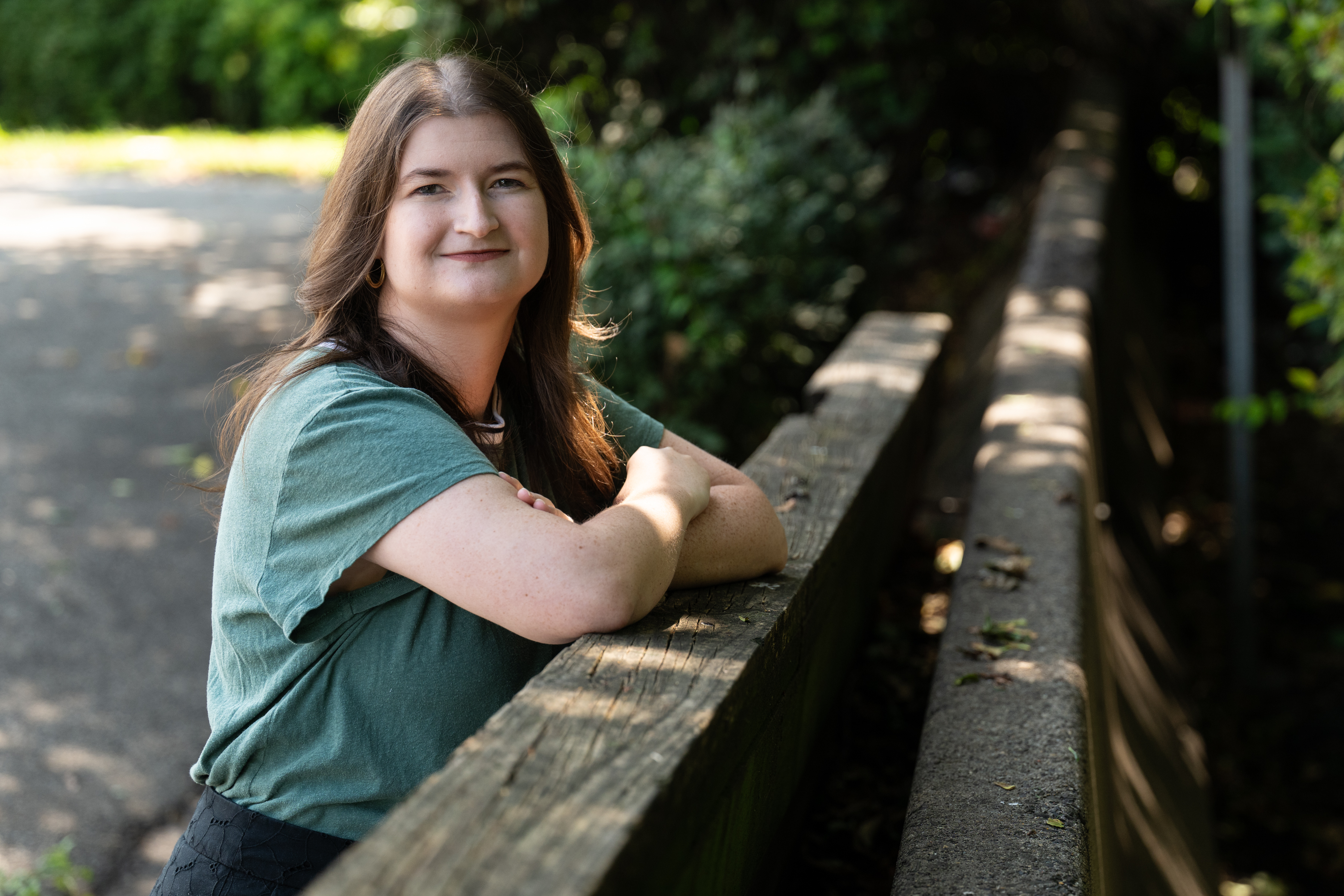
Kelly Harrington, 29, poses for a portrait near her home in Conshohocken, Pa., on Monday, Aug. 24, 2026.Erin Blewett / For The Inquirer
And as for Harrington, the 29-year-old from Conshohocken, she said though she feels “frustrated and sad about the state of the world,” she believes it is important to take those emotions to the ballot box.
“Politics is in every aspect of life,” Harrington said. “It affects you directly in almost every way, and if you get involved, you can make real change.”