The first of the five $300 million-plus, 525-foot-long ships built at Hanwha Philly Shipyard has been reassigned to U.S. Navy duties for about six months.
It also comes as shipbuilder Hanwha and construction supervisor Tote Services, which has overseen construction of the five National Security Multi-mission Vessels (NSMVs) in South Philly since 2021, have been seeking contracts to build more of the ships, as work on the lastone draws toward a close next year.
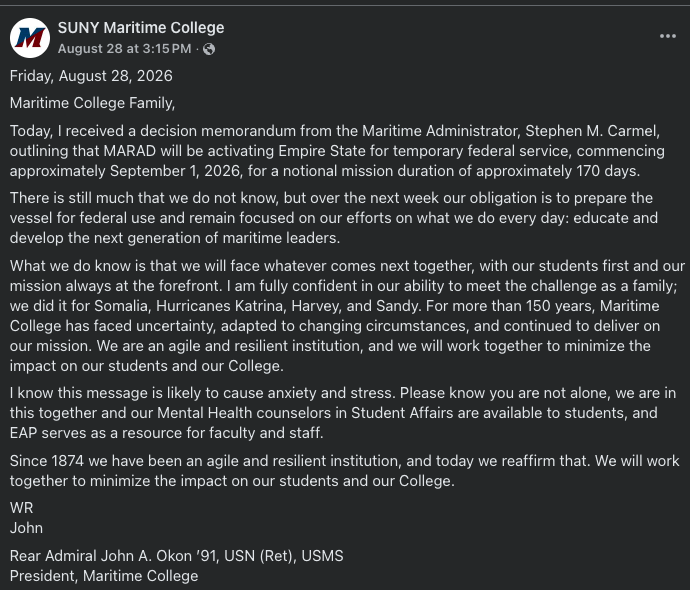
TS Empire State will be sent over Tuesday for 170 days of “temporary federal service,” retired Rear Admiral John A. Okun, president of the Bronx-based Maritime College of the State University of New York, told faculty and staff in a memo Friday, confirming earlier reports from shipping and government sources.
“There is still much that we do not know” about how the ship, which normally carries hundreds of cadets on training voyages, will be used by the government, Okun said.
The memo posted by retired Rear Admiral John A. Okon, president of State University of New York Maritime College, informing faculty and students that their Philadelphia-built training ship, TS Empire State, has been moved to “temporary federal service” starting Sept. 1. Maritime College, State University of New York
‘They should be up for it’
Military commenters linked the move to the U.S. military’s efforts to shuttle supplies to and from its base on Diego Garcia in the Indian Ocean and other far-flung stations, after stations in Bahrain and other Arab countries were damaged by Iran earlier this year in retaliation for U.S. and Israeli attacks.
The Navy’s Sealift Command, which carries military equipment and supplies, asked for Empire State and said no other available ship has its capabilities for an undisclosed strategic mission, according to an article Monday in GCaptain, published by merchant marine Capt. John A. Konrad V.
“The ship is likely headed to Diego Garcia,” according to Salvatore Mercogliano, a maritime historian at Campbell University in North Carolina, who reported in social media posts in mid-August that the move was likely.
The Empire State and its sister ships are oceangoing vessels, and “they should be up for it,” said Gary Kim, a shipbuilding and industrial scholar, reserve officer, and Wharton graduate student who as an active-duty Navy lieutenant worked for the unit that manages the base at Diego Garcia, among other installations.
The ship’s removal “is likely to cause anxiety and stress” at the academy, so mental health counselors have been made available to midshipman cadets to help them cope, academy president Okun said in his note.
He pointed out that a previous Empire State training ship — there have been six of that name before the current one — had supported U.S. forces in Somalia in the 1990s, as well as aiding relief work for Hurricane Sandy, which ravaged the Jersey Shore in 2012, among other storms.
“We will face whatever comes next together,” he said.
On time and on budget
Empire State was delivered to the Maritime College in the Bronx in 2023. The next ships in its class were sent to academies in Massachusetts and Maine. TS Lone Star was scheduled to leave Philly Shipyard for its new Texas home on Monday.
Empire State’s success on deployment could help determine the future of the construction program, which has kept many of Philadelphia’s workers busy since 2021. The yard now employs around 2,000, which Hanwha hopes to double.
Tote has noted that the program has run modestly overbudget due partly to much higher steel costs added and other factors. Federal officials said it is far closer to target than recent Navy-run shipbuilding programs.
Hanwha’s expansion goals
Hanwha has sought additional contracts to build similar vessels for other federal civilian agencies and as potential replacements for the Navy’s aging hospital ships, USNS Mercy and USNS Comfort.
Hanwha has said it is losing money on the yard and that it will turn a profit only if it can expand ship construction from the current one ship every eight months or so to at least one every few weeks. Its shipyard on Geoje Island, South Korea, produces almost one ship a week, assembly line-fashion in contrast with the expensive ship-by-ship style that has characterized U.S. ship construction in recent decades.
Tote officials have said Hanwha needs more space if it is going to build more government ships in Philadelphia. Officials of the Philadelphia Industrial Development Corp., the city/Chamber of Commerce partnership that finds city properties and public financing for industrial users, say they have been helping Hanwha look for expansion sites nearby. In March, the company canceled a plan to add facilities in Paulsboro, Gloucester County, after it could not reach an agreement with port operator Holt Logistics.
Hanwha last year pledged to invest $5 billion in Philadelphia shipyard facilities. It has so far spent around $200 million, according to company officials.
Hanwha in August offered to spend over $1 billion for Australia-based Austal’s shipyards in Alabama, amid a boom in public and private military shipbuilding fueled by a record U.S. defense budget.
Besides finishing the last of the NSMVs, Hanwha is building three liquefied natural gas-fueled cargo ships for the Matson shipping line, which operates between the U.S., Hawaii, other U.S possessions, and China.
The company has said it would build its own cargo ships if necessary to keep the yard running.
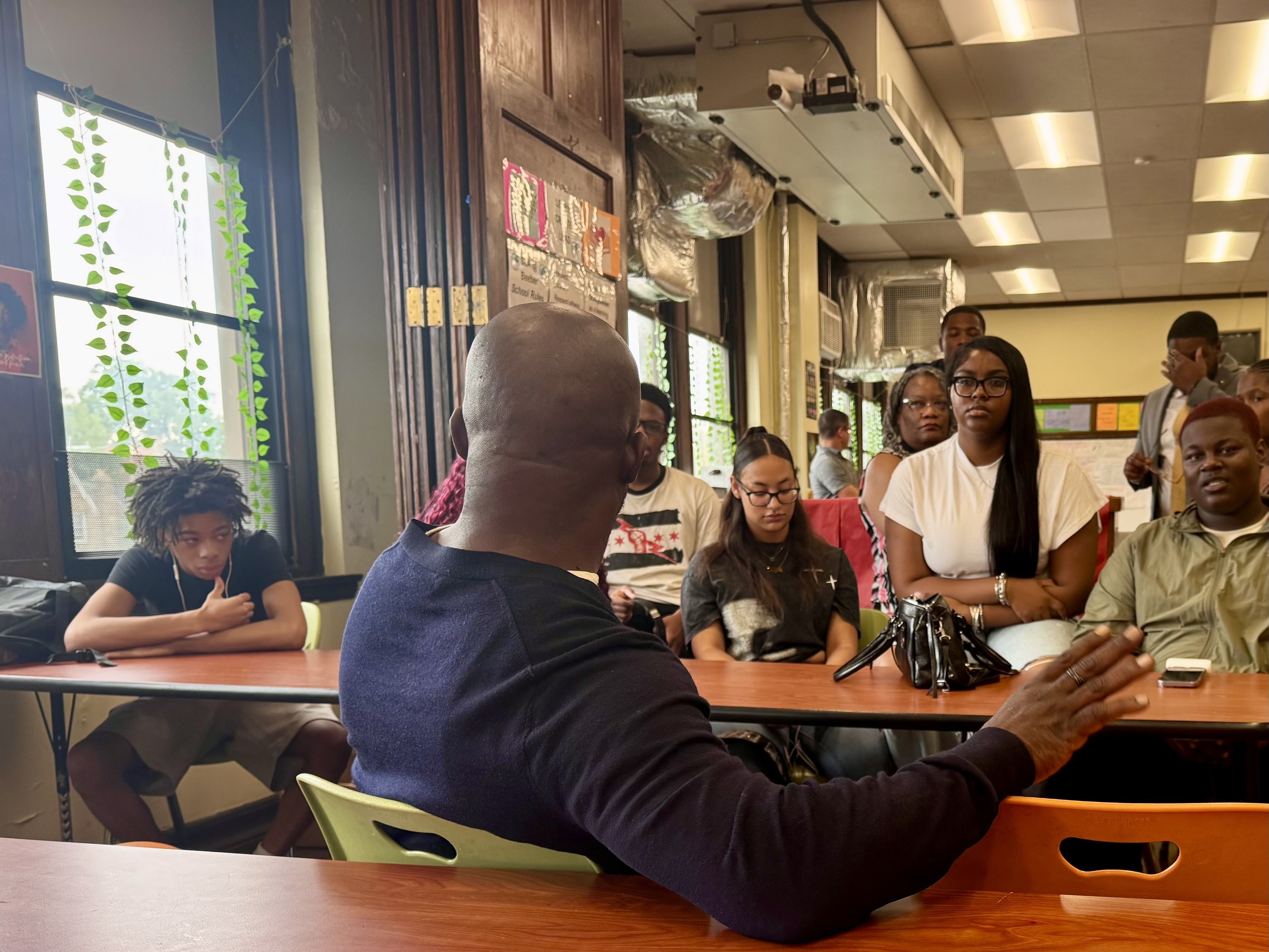
Chris Johnson, principal of Science Leadership Academy at Beeber, looked at the students in front of him — 10th and 11th graders at Parkway West, a school that’s closing in June.
“What’s coming up for you?” Johnson asked them.
“Division,” one student said plainly.
SLA Beeber won’t be doing that, Johnson said. On the first day of school last week, Johnson told his students if they were going tohave issuesaccepting the Parkway West kids coming next year, they could leave.
“We don’t do stepbrothers, stepsisters. We do family. Ain’t no division. We’re family,” said Johnson.
The conversation came as Philadelphia School District officials toured SLA Beeber to tout a new process for managing school closings.
Applications opened Monday for transition teams that will affect how changes will happen at 50 schools that will be closed or beginning phaseouts at the end of the 2026-27 school year, and those receiving students from those schools in 2027-28.
Ten Parkway West students traveled to SLA Beeber Monday to get a preview: tours of the school, a sit-down with Johnson, shaking hands with Superintendent Tony B. Watlington Sr., school board members, and others.
“We’ve got to do some things differently in Philadelphia to address the fact that we have a 65% occupancy rate across the district, which means 35% of our seats in our buildings in the district-operated schools are empty,” Watlington said at a news conference in a third-floor classroom.
“We understand that for some communities this is very hard, but we want to make sure that we are hearing them and we’re providing as much support as we can,” Warthen-Canty said. “The red carpet, white-glove treatment Dr. Watlington talked about, that’s what we want to make sure our principals, our staff, our students, and our families have.”
Each transition committee will have about 20 members. Applications, available through the district’s website, will be open through Sept. 18. Those who are selected to sit on committees will be notified by Oct. 1, with work expected to begin the week of Oct. 12.
‘There’s a lot of uncertainty’
When Parkway West first showed up on the list of possible school closings, principal William Brown and Johnson of SLA Beeber began meeting regularly, they said.
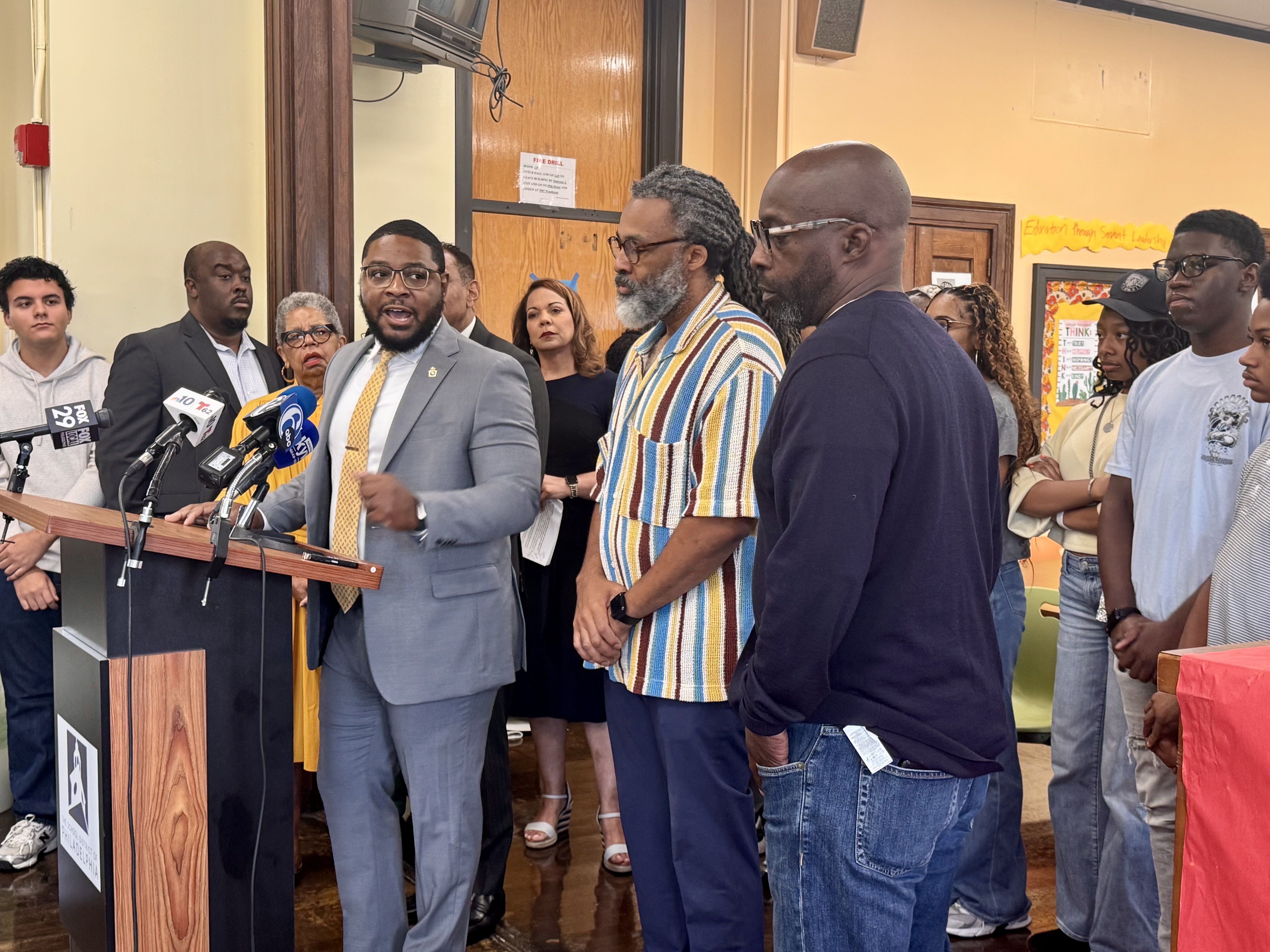
William Brown (center, speaking at podium), principal of Parkway West, speaks at a news conference at SLA Beeber. Brown’s school is closing at the end of the school year, and its students will be sent to SLA Beeber.Kristen A. Graham / Staff
“I’d be lying if I said this was an easy time for the Parkway West community,” Brown said Monday. “There’s a lot of uncertainty out there for the people involved.”
SLA Beeber enrolled 533 students in grades 5 through 12 last year; Parkway West had 151 students in grades 9 through 12.
While Parkway West students will have the opportunity to go to SLA Beeber, most staff will be force transferred to other schools, without a chance to follow their students. Still, Brown said, the focus is on children.
“These are our young people, we really have to make sure they’re OK,” said Brown, who said the SLA Beeber and Parkway West communities “are united” around that goal.
Later, SLA Beeber students Mohamed Ali, 15, and Sebastian Delgado-Colón, 16, showed Watlington, board president Reginald Streater, board member Whitney Jones, and others around their school. Other SLA Beeber classmates took Parkway West students on a tour.
What do you think of the coming changes, the dignitaries asked Ali and Delgado-Colón.
“I can’t imagine what they’re feeling, going into a completely new environment,” said Delgado-Colón.
At first, Ali said, he thought about what the change would mean for SLA Beeber students.
“Our teachers are very one-on-one with us. Is this going to change that? But we’re going to make the best of it,” said Ali.
“We were looking at it in more of a tense way — now we’re looking at it as a net positive,” said Delgado-Colón.
“It can build on community,” Ali added.
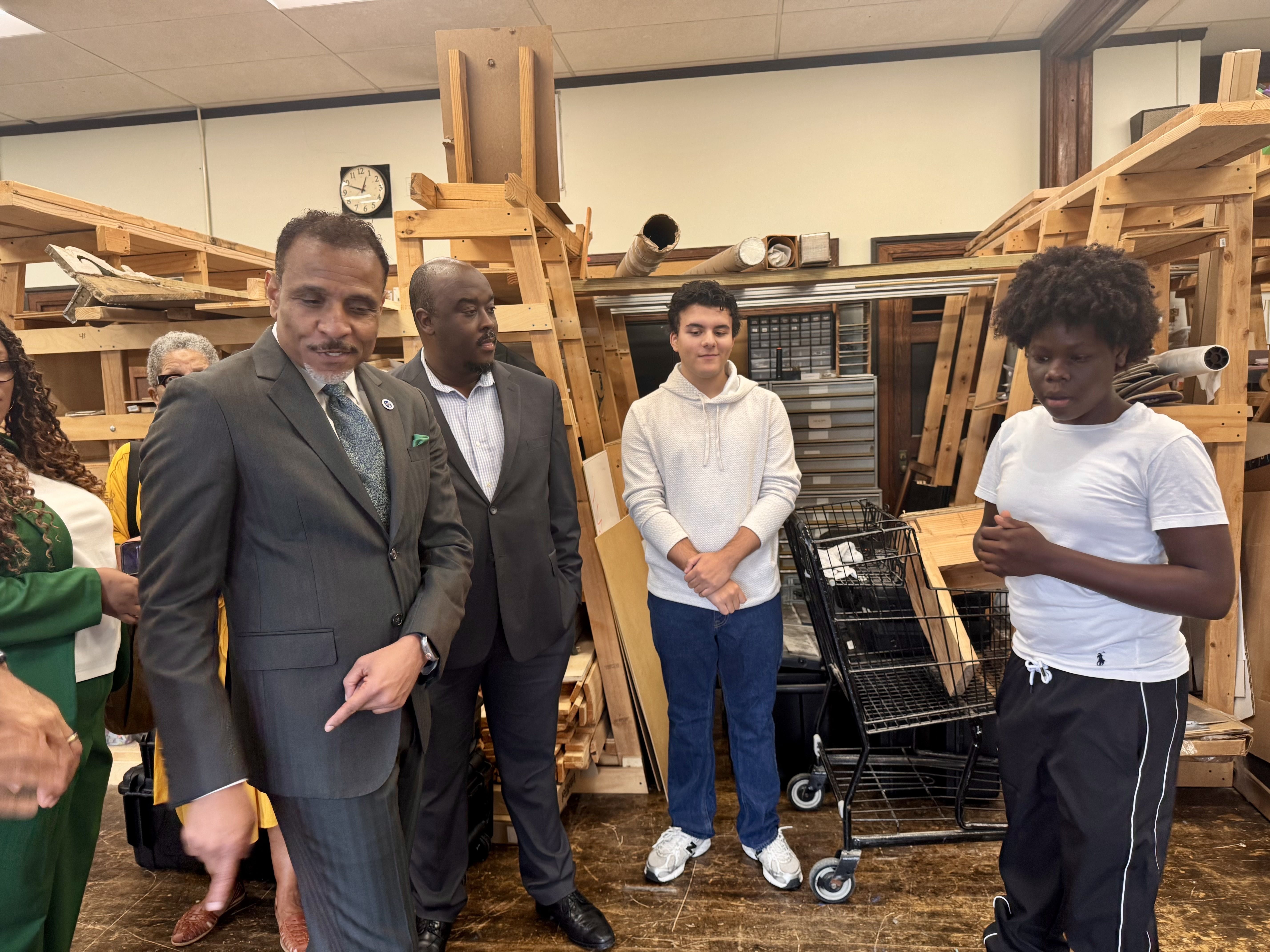
Philadelphia Superintendent Tony B. Watlington Sr., school board member Whitney Jones, and Science Leadership Academy at Beeber students Sebastian Delgado-Colon and Mohamed Ali look at SLA Beeber’s engineering lab. Delgado-Colon and Ali gave Philadelphia School District officials a tour of the school, which will receive students from Parkway West after Parkway West closes at the end of the school year.Kristen A. Graham / Staff
District officials have stressed that closing schools will enhance resources citywide.
The cooperation between Parkway West and SLA Beeber, Watlington said, is a hopeful one.
“It shows that we can make tough decisions and we can do it in a way that all of us absolutely can become winners and not losers,” the superintendent said. “Our gain doesn’t have to necessarily come at anybody’s expense.”
Less than 24 hours after the Eagles announced their 2026 roster, The Inquirer’s Jeff Neiburg conducted an AMA (ask me anything) session with Eagles Reddit users, discussing topics including the quarterback plan, the possibility of general manager Howie Roseman making a deal or two, and what’s going on at tight end (including the possible return of fan favorite Zach Ertz).
The following has been edited for length and clarity.
What do you think of the roster? Any mistakes? Many concerns? How much are we winning the Super Bowl by?
Neiburg: Well, I’m both surprised and not surprised. In my final 53-man roster prediction that I submitted Friday night when the game went final, I had the Eagles keeping four quarterbacks. Just didn’t see a trade materializing over the weekend.
Mistakes? Howie Roseman has won two Super Bowls and I’m, well, me. So I can’t say there are any mistakes.
That being said, I did find a few things surprising. I didn’t expect both IPP players to get waived. I had both on my final 53, and I thought Joshua Weru was basically a lock. I don’t expect either to be claimed when waivers process today (Monday), but I thought the Eagles would avoid the risk, especially with Weru. (Editor’s note: Neither player was claimed and have been listed on the practice squad.)
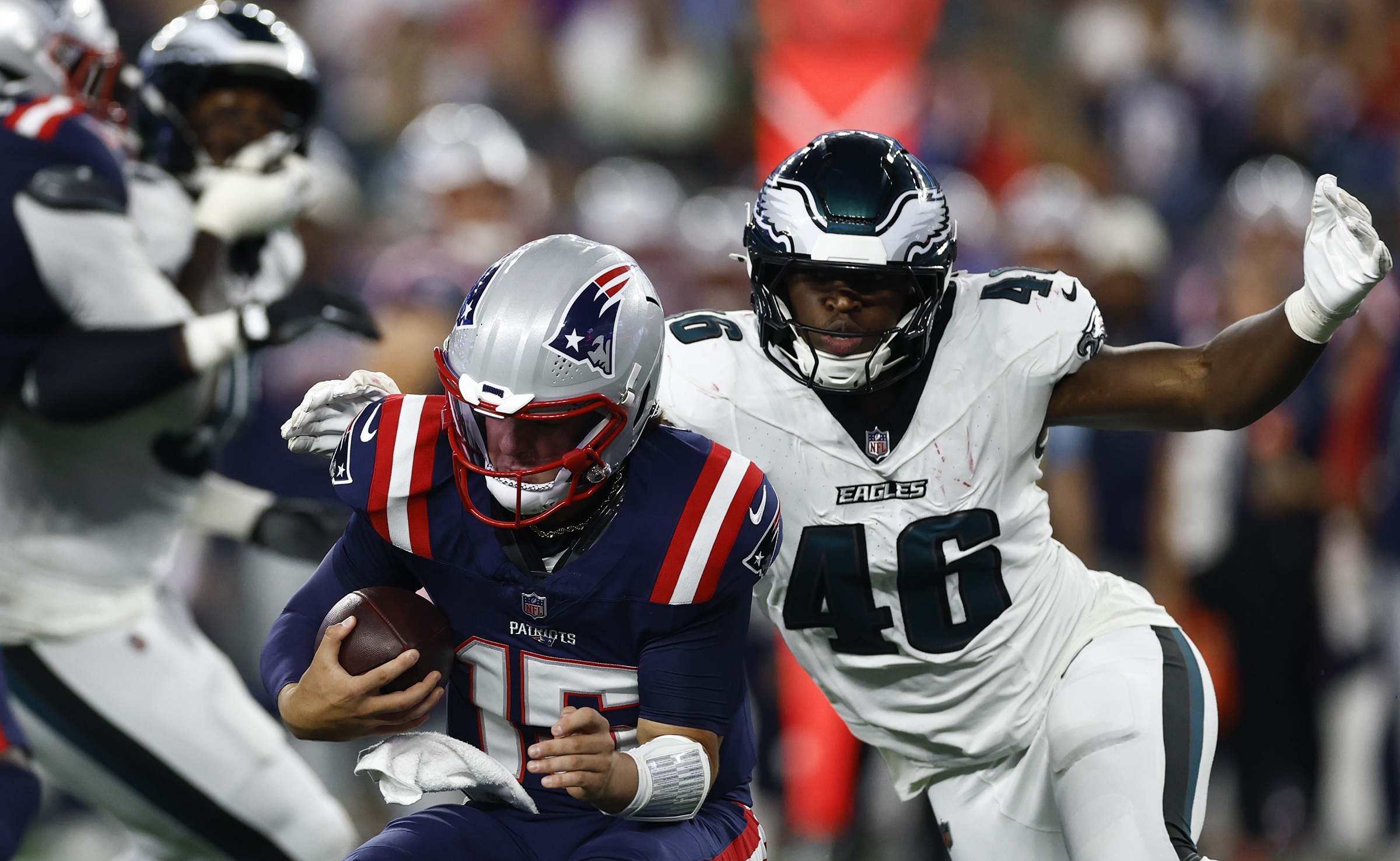
Joshua Weru (46) being exposed to waivers was a mild surprise. Yong Kim / Staff Photographer
I know EJ Jenkins is a great blocker, and Eli Stowers is a bit behind, but I didn’t expect Jenkins to be on the roster.
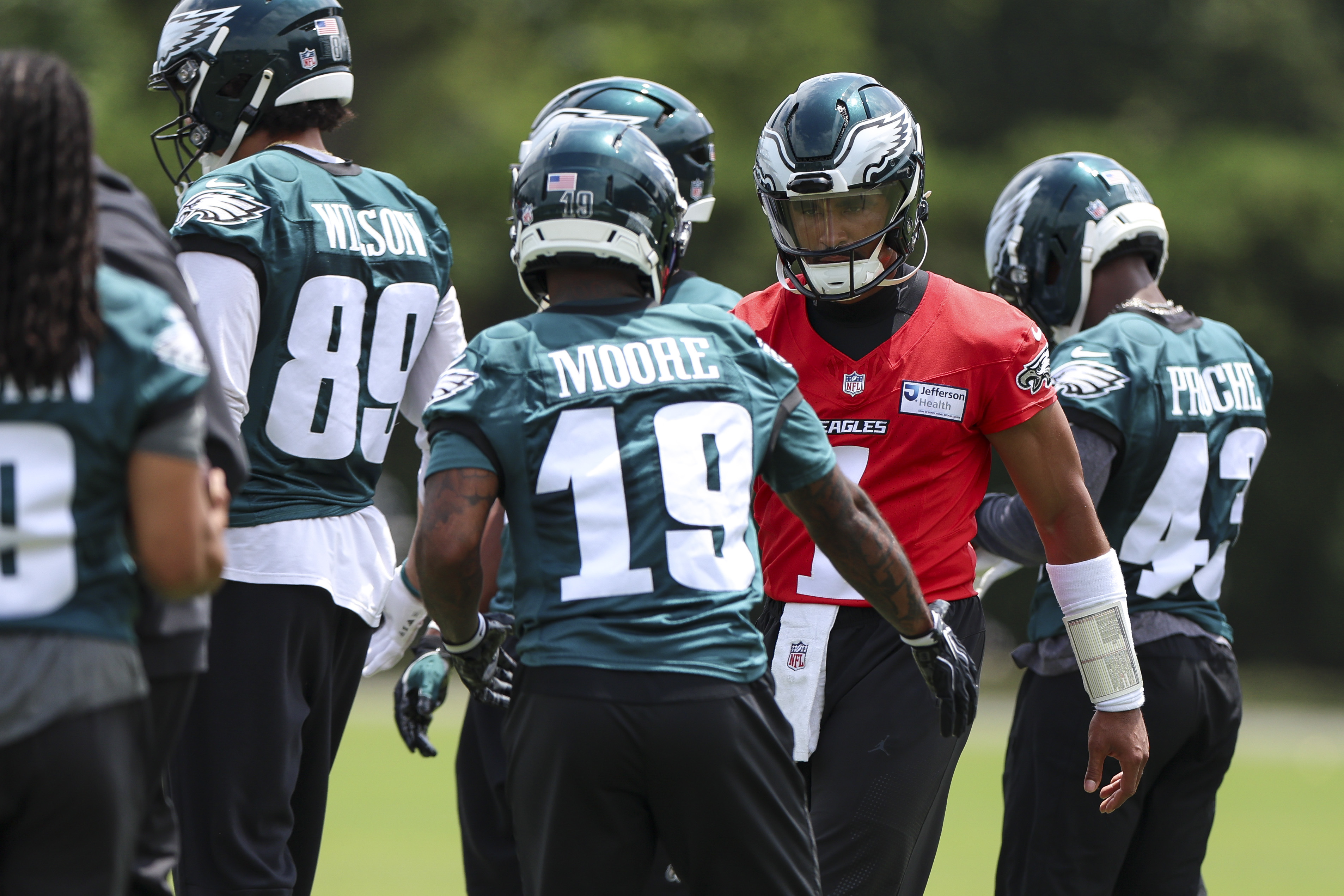
I will say I’m pleasantly surprised Elijah Moore made the team. I had them cutting him simply because he’s a vested veteran that wouldn’t have needed to clear waivers, and they could have brought him on the practice squad and promised him a gameday elevation. But Moore outperformed Hollywood Brown during camp and good camps deserve to be rewarded. Plus, he could’ve signed anywhere else if the Eagles released him, too, and given their question marks in a world without A.J. Brown, keeping six makes some sense.
Re: the last question … I wouldn’t be shocked if the Eagles won the Super Bowl. The defense is that good. But — spoiler alert — I’ll have them losing in the NFC title game to the Los Angeles Rams when our season preview comes out.
Which cut surprised you the most based on what you saw day to day throughout training camp?
Neiburg: I was a little bit surprised by the IPP guys just based on the risk and whatnot. But that’s not really the spirit of your question. Besides them, I’m not really sure. I did nail 50 of the 53 in my final projection. I guess I’ll say Cameron Latu being cut in favor of EJ Jenkins was a bit surprising, but Jenkins is a really good blocker.
Any positions you see the team adding someone at before opening day or do you think the roster is set?
Neiburg: I do not think the roster is set. And I wouldn’t be surprised if they brought in players at two or more positions between now and opening day.
Let’s list some spots.
Tight end: Eli Stowers doesn’t look ready to play NFL football right now. That’s not to say the pick is a bust. It’s way too early to say that, and anyone who believes he is a bust right now is being hyperbolic. But besides Dallas Goedert, there’s not another reliable weapon in the passing game in the room right now. Johnny Mundt and EJ Jenkins are block-first tight ends. Those are important in this new offense, but what good is 12 or 13 personnel if the defense knows one or two of the tight ends isn’t a real threat in the passing game?
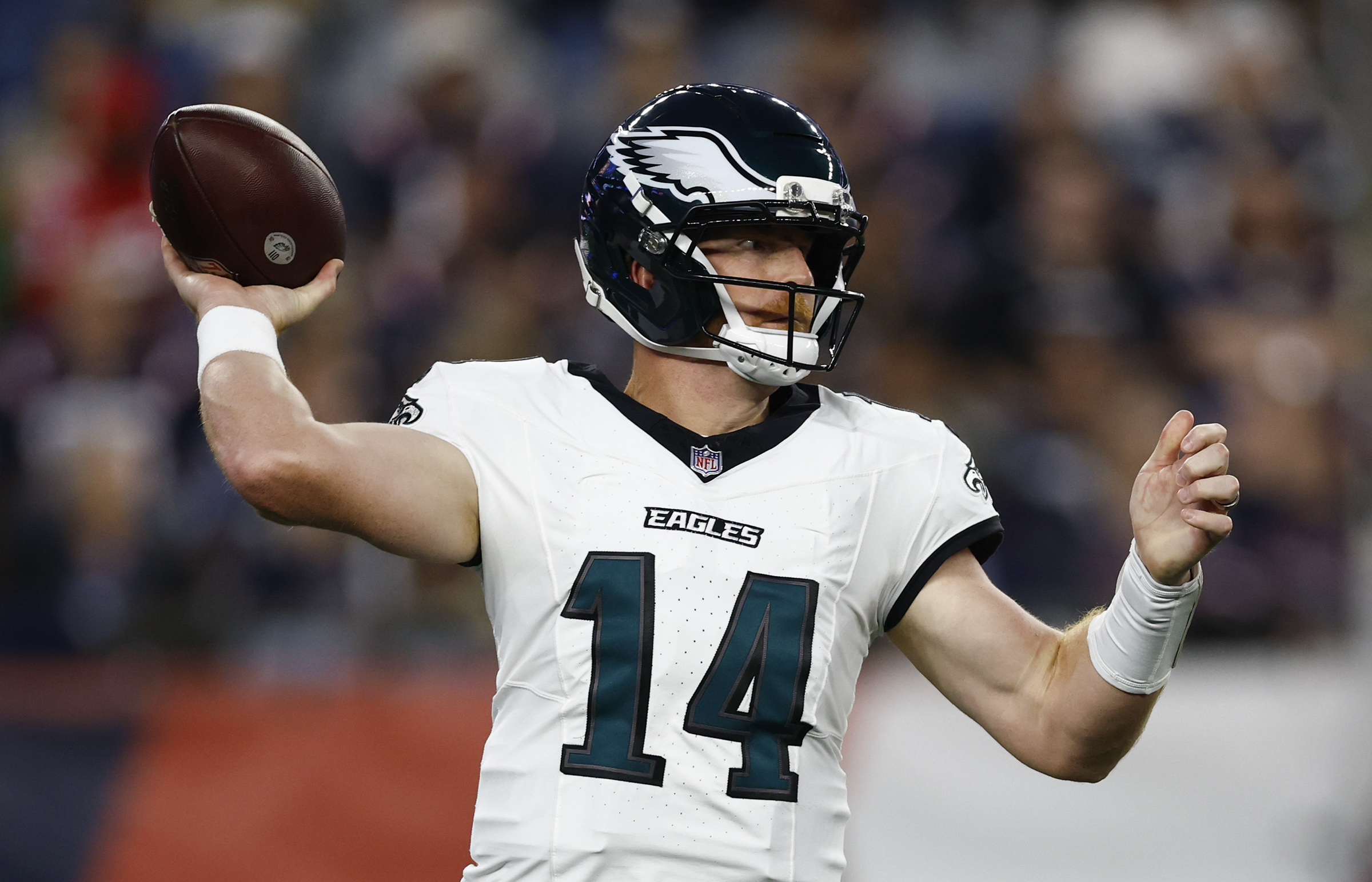
Could Andy Dalton (14) still prove expendable?Yong Kim / Staff Photographer
Quarterback: Is it possible the QB2 isn’t on the roster right now? I think so. Not saying it’s likely the Eagles trot out on opening day with a quarterback not named [Andy] Dalton or [Tanner] McKee backing up Hurts, but there’s definitely a chance. It’s easy to overreact to preseason games. But they are relatively meaningless and only one small part of the evaluation process. Fans don’t get to watch practice. I can tell you, though, that everything you’ve read about practice is true. Neither player was that good. If I’m the Eagles, I’m not sure I want to enter a season with Super Bowl aspirations and have either one of those dudes as my primary backup.
Safety: It’s still the thinnest position on the roster. They kept only three guys on the initial 53. But because Cooper DeJean will be on the field there at base, the need for multiple reserves isn’t really there. Still, besides 30-year-old Marcus Epps, there’s a dearth of experience at that spot. Drew Mukuba played 11 games last year as a rookie and is coming off a season-ending injury. Michael Carter II has primarily been a slot corner. DeJean might be an all-world defensive back, but he hasn’t really played safety at the NFL level.
Who was the ‘Camp MVP’ that stats or preseason games might not have fully captured, but who consistently stood out in practice drills and scrimmage situations?
Neiburg: Jalyx Hunt probably was the most consistent performer in camp (and you definitely didn’t see him play in a preseason game). Moro Ojomo was also a wrecker, and Jalen Carter, too. Based on what else was going on around him, Elijah Moore had a really good camp, too. Darius Cooper gets a lot of love, but Moore was super consistent throughout camp I thought, and he was deserving of a roster spot.
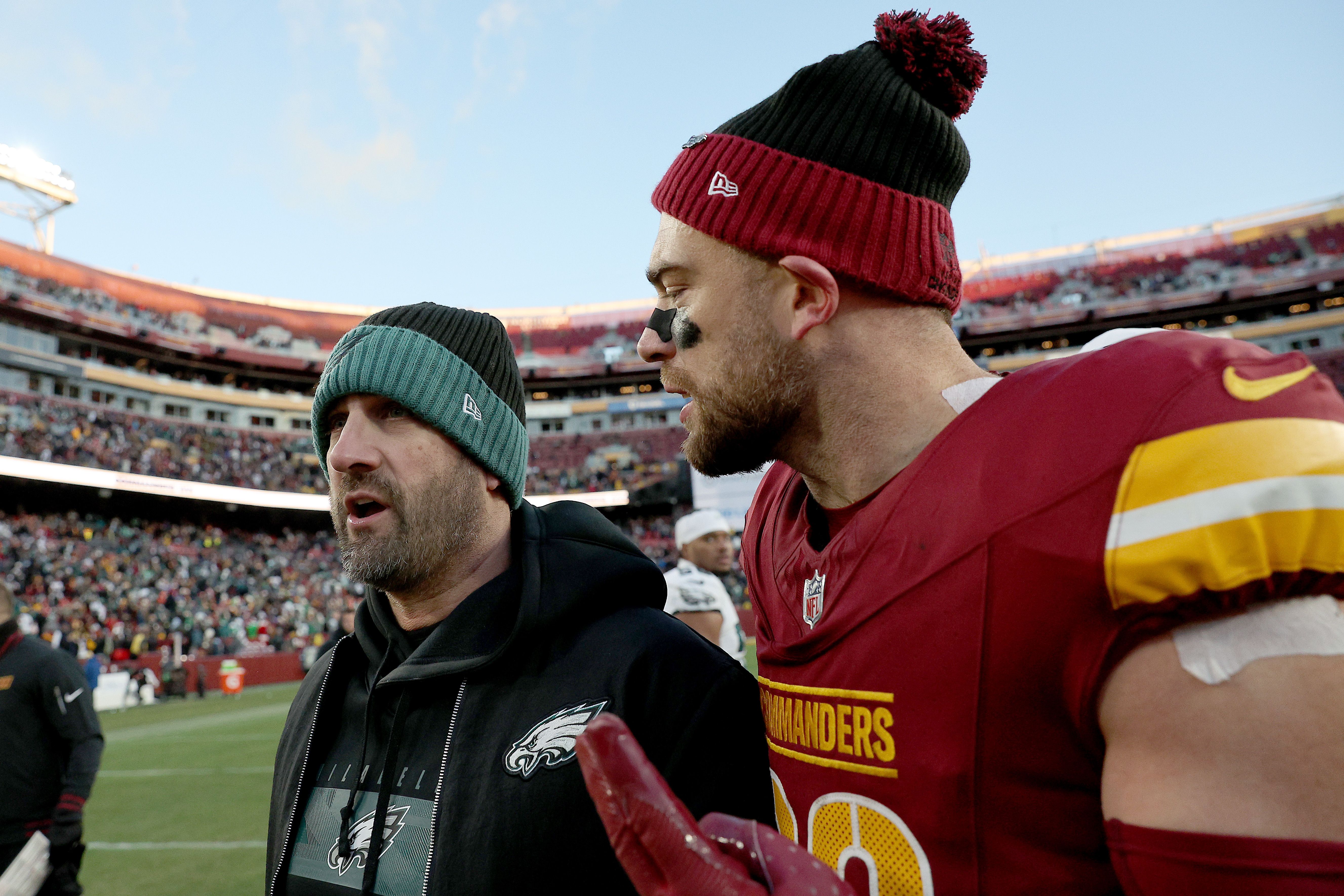
Is a Nick Sirianni and Zach Ertz reunion in the offing?David Maialetti / Staff Photographer
Is there a world where Zach Ertz ends up on this roster, maybe after Week 1? What are the implications for the other tight ends if it happens?
Neiburg: There is definitely a world. My former Inquirer colleague EJ Smith, who now works at PHLY, reported that a return to the Eagles is possible.
If it happens, my guess is it happens after Week 1. Why? The Eagles wouldn’t need to guarantee his salary if he’s not on the roster for Week 1. If Ertz doesn’t work out, it’s not a waste of resources. Plus, this scenario allows them to play a game and see where they’re at, too.
I do think there’s a need for a second reliable pass catcher at the position given that Eli Stowers needs some more seasoning. The implications of signing Ertz or trading for a tight end for the others would be one of them gets cut (looking at you, EJ Jenkins).
Which wide receivers will be on the field most frequently for Jalen Hurts?Monica Herndon / Staff Photographer
What is the expected WR depth chart? We know Devonta [Smith] is locked at WR1, [Dontayvion] Wicks seems to be 2. Has [Makai] Lemon done enough yet to get WR3?
Neiburg: Good question. I’m not sure there’s a firm answer yet, but I’d guess the depth chart looks like: Smith, Wicks, Lemon, Brown, Cooper, Moore. Not sure there’s a need to distinguish between WR2 and WR3 for Lemon, who will mostly line up in the slot. I don’t see him being on the field often in two-receiver sets.
Do you think Uar Bernard or Joshua Weru will provide any long term value to the team? What’s your record prediction? I say 12-5
Neiburg: The odds say no. But they both have athletic profiles worth trying to develop, and I think the Eagles would be thrilled if both cleared waivers and they had a chance to keep working with them. That’s the most likely outcome. It’s hard to imagine another team bringing either into their building on signing them to their 53, knowing they aren’t ready to play and won’t be for a while.
But the Eagles will only be able to designate one of them as their IPP player and theoretically will only be able to control one of them that way.
If I had to guess, I’d say Weru has the better chance at playing NFL snaps than Bernard.
I’m with you at 12-5, and I think the season ends in a conference title game loss to the Rams.
Will Jonathan Greenard be ready to make his Eagles debut in Week 1?David Maialetti / Staff Photographer
Any concern at linebacker with the final number that made the roster?
Neiburg: If we’re talking off-ball linebacker? Absolutely not. Arguably the best position group on the team. Jeremiah Trotter Jr. would start on some teams, and Smael Mondon is progressing nicely and is a reliable special teamer (like Trotter). I didn’t see a reason for the Eagles to keep five off-ball linebackers, no matter how much Vic Fangio professed his love of Chance Campbell. Plus, UDFA Deontae Lawson might’ve been the one pushing for that fifth spot anyway.
If we’re talking outside linebacker/edge rusher, I do think there’s some concern entering the season. Jonathan Greenard may not be ready for Week 1, but since the Eagles didn’t put him on PUP/IR, they do expect him back within the first four games. Good sign. And Jalyx Hunt had an excellent camp and may reach double-digit sacks this year.
But beyond the top two, I think there’s some question marks. Nolan Smith Jr. is coming off another injury and has been passed on the depth chart by Hunt. Arnold Ebiketie is on a sort of prove-it one-year deal. A.J. Epenesa was signed off the street in June after things didn’t work out when he tried to sign with Cleveland. There’s some upside overall in the room, but there’s a low floor, too.
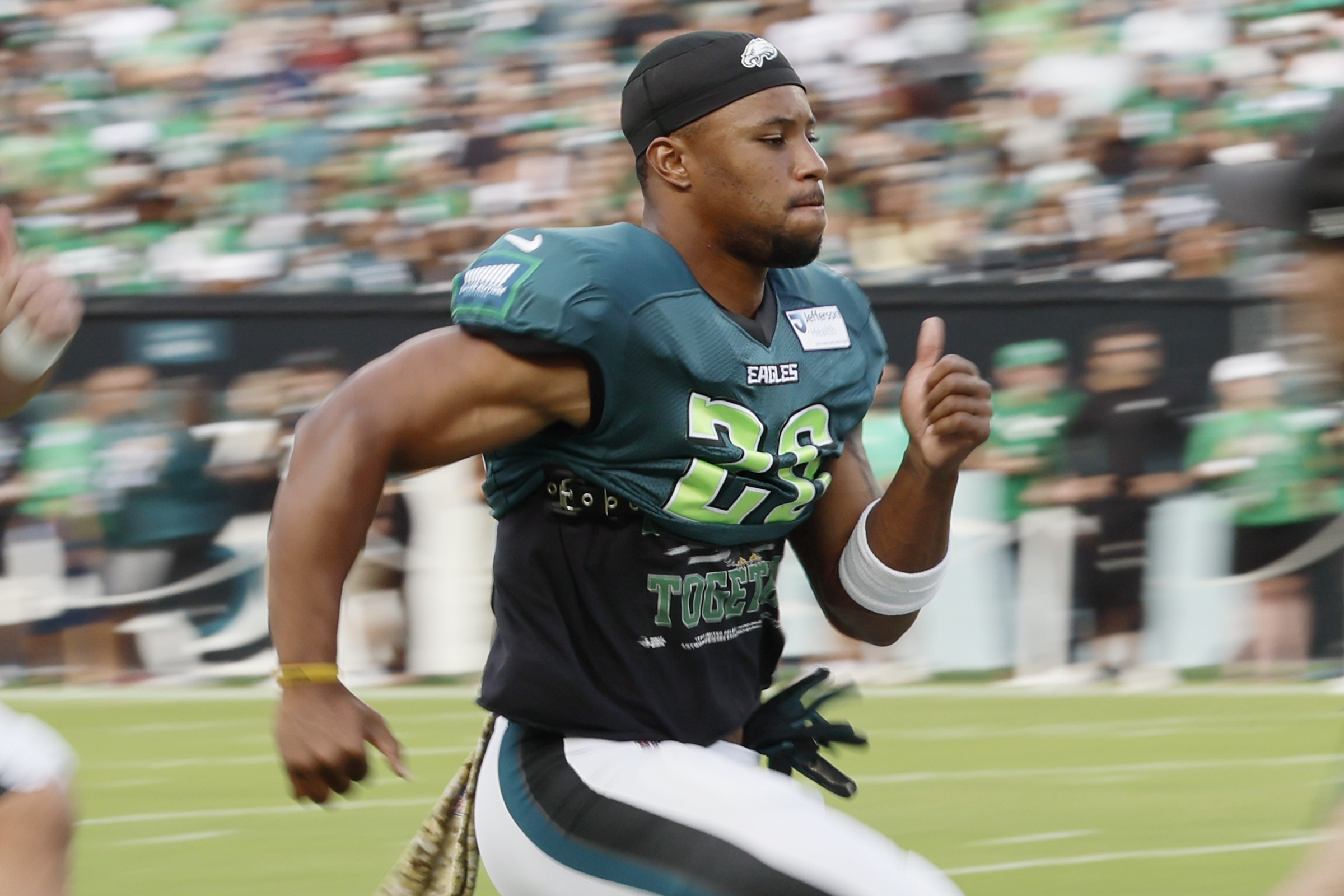
Saquon Barkley’s evolution in the Sean Mannion offense is worth watching. Elizabeth Robertson / Staff Photographer
Do you think the run game will improve this year? If so why?
Neiburg: Yes. If only because it can only go up?
Joking aside, the offensive line seems to be healthier right now. Cam Jurgens is moving around great and says he feels much better after getting his stem cell treatment in the offseason. Lane Johnson looks good, too. I still would be concerned about Landon Dickerson getting through the season if I were the Eagles, and they’re probably thrilled Drew Kendall is progressing well.
Besides the health of Saquon Barkley’s blockers, the wide zone blocking scheme should favor him and most of the linemen. The Eagles have an athletic bunch up front. They have some capable blockers at tight end in Johnny Mundt and EJ Jenkins and even Dallas Goedert.
It’s hard to imagine Barkley not having more holes to run through this year, and given the wider nature of some of these running plays, he should find himself in more advantageous situations with the ball in his hands.
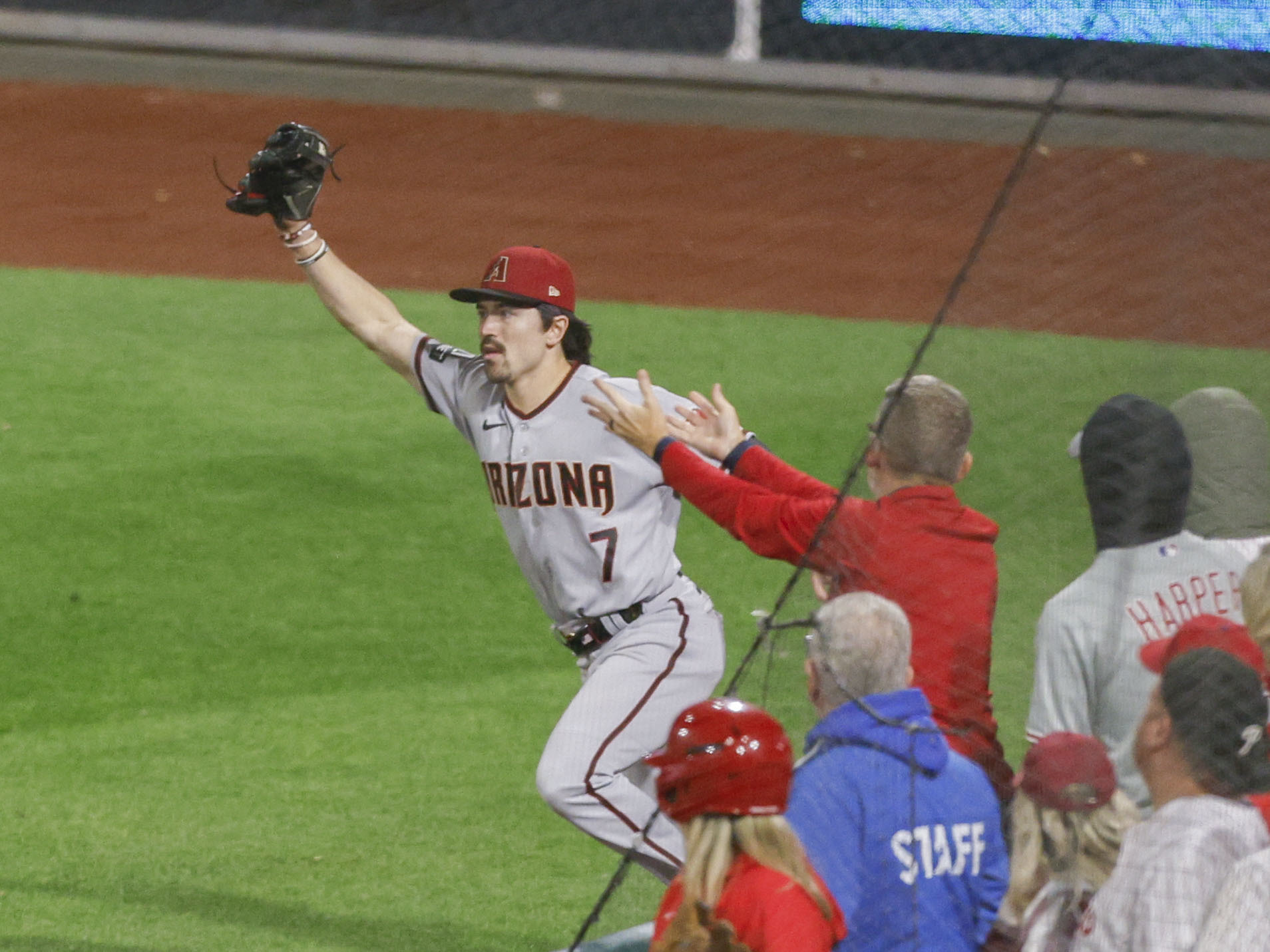
A pivotal week for the Phillies begins in the desert with three games against the Diamondbacks that will have implications in the National League wild-card race.
It’s a good time, then, to check in with Arizona general manager Mike Hazen.
Hazen, nearing the end of his 10th season at the helm of the Diamondbacks, joined Phillies Extra to discuss several topics. Among them: the situation involving star second baseman Ketel Marte, who unexpectedly left the team a few weeks ago, went on the injured list with an inflamed knee, and was spotted at a Phoenix-area casino.
The Phillies begin the week with a 4½-game lead over the Diamondbacks in the wild-card race. And Marte is expected to return to Arizona’s lineup, spicing up a series that already has plenty of sizzle.
Hazen also recalled the Diamondbacks’ upset of the Phillies in the 2023 NL Championship Series, playing in the same division with the Goliath Dodgers, and more.
Watch the full interview below and subscribe to the Phillies Extra podcaston Spotify or Apple Podcasts.
Q: The Phillies still have scars from the 2023 NLCS because not only did the Diamondbacks demystify that home-field advantage by winning Games 6 and 7 in Philly, but I think your scouts and your pitching people at that time also provided maybe a little bit of a blueprint for how to attack that lineup. I wonder about the effect of that series on your organization in terms of setting a course for going for it every year. How much did that series and that run shape you guys?
A: Not a ton. That’s been our mindset since we’ve been here. I mean, we won 52 games in 2021, and we were trying to compete that year. I think that sort of puts the exclamation point on how bad we were that season. We’ve never rebuilt since we’ve been here. We went for it in Year 1, made the playoffs in ’17. We were in first place in September of ’18, and just missed the playoffs in ’19. And then, obviously, kind of the world shut down for a couple years, and things kind of went into chaos there for a little bit for us.
We’ve gone for it every single year. That’s not going to change. We try to position ourselves to do that every year with regard to having enough young talent coming through to be able to use the payroll how we need to. Been very fortunate to get the money we have, but that series didn’t really change a ton for us. And with all due respect, I’m not sure that we had any sort of blueprint. We just had a bunch of guys that went out and played really good baseball and knocked off the Phillies that one time, and it was amazing. We still talk about it everyday because it was definitely a shining [moment]. We know what it was like to go into that stadium and be able to take two games from them — nearly impossible. I know nobody was giving us even a chance, and we respect what we were able to do.
The Phillies are perennially a great team, always have been for as long as we’ve been here. And they’re always going to be. They have superstar players — I don’t really know how you get Kyle Schwarber out. I’m not sure we have any type of blueprint to do anything like that. And now with [Brandon] Marsh and [Alec] Bohm and those guys starting to rake, that lineup is incredible. It always has been incredible, and they have incredible pitching, and they’re just a really talented team. … They’re well run, and they were built well. So they’re going to be as formidable as anybody in the race. We understand our challenges. We know where we stand in the pecking order, but we’re going to go out and fight right until the very end.
Ketel Marte is expected to return to Arizona’s lineup this week.Daniel Kucin Jr.
Q: There’s never a good time to have to deal with anything involving one of your best players, and frankly, one of the best players in the National League when he’s at his best. But how tricky is the timing of all of this coming with Ketel Marte as we hit the stretch run, and you’re jockeying for a wild card, and now you’ve got to navigate questions about some off-field stuff?
A: … I’ve spent a lot of time down there. I spend every minute with [manager] Torey [Lovullo] talking through a lot of these things. Again, we talk to the players. I think we all are resolved to focus on playing and winning baseball games. This team has dealt with … we’ve lost four of our five starting pitchers to start the season for the better part of the entire year. We’ve had enormous amounts of injuries of players being out. We’ve relied on half of our team on a given night as guys that started the year in triple A we had no intention of putting on our team. The guy that hit a walk-off jack last night [Ryan Waldschmidt] was in triple A starting the season with no real intention of not having him develop in triple A for the season, and that’s just the way the season’s kind of gone for us.
I’m not sure that there’s a lot that this team hasn’t had thrown at it that it’s not going to be able to respond to. I actually see it as a huge strength of what I’ve watched. I think Torey has kept the car in between the lines on the road, even though [there] have been constantly some errors — some unforced errors — some injury-related things that you just have to deal with, and every team has to deal with adversity. You don’t know about all the adversity all the other teams are dealing with. What were the Phillies dealing with when they made the managerial change? They were terrible. Now look at them. Every team has to deal with those types of things during the course of a season.
The teams that are able to respond to those things are the teams that are going to be able to … when the lights shine the brightest in the playoffs, those are the teams I think that have the most resiliency. And you remember back in ’23, we glorify it now in our walls … When we walked out of Philadelphia after Game 1 and 2, getting trounced in Game 2. I don’t think anyone was looking at that series like the Phillies had their backs against the wall and didn’t look like an unbelievable team. And you see how those things change. So those things happen. We had to go down 2-0 and face getting blown out in Game 2 and then recovering. It’s that type of resiliency that allows you to figure out ways to win in October, and we’ve had a lot thrown at us, so we’ll see where that takes us.
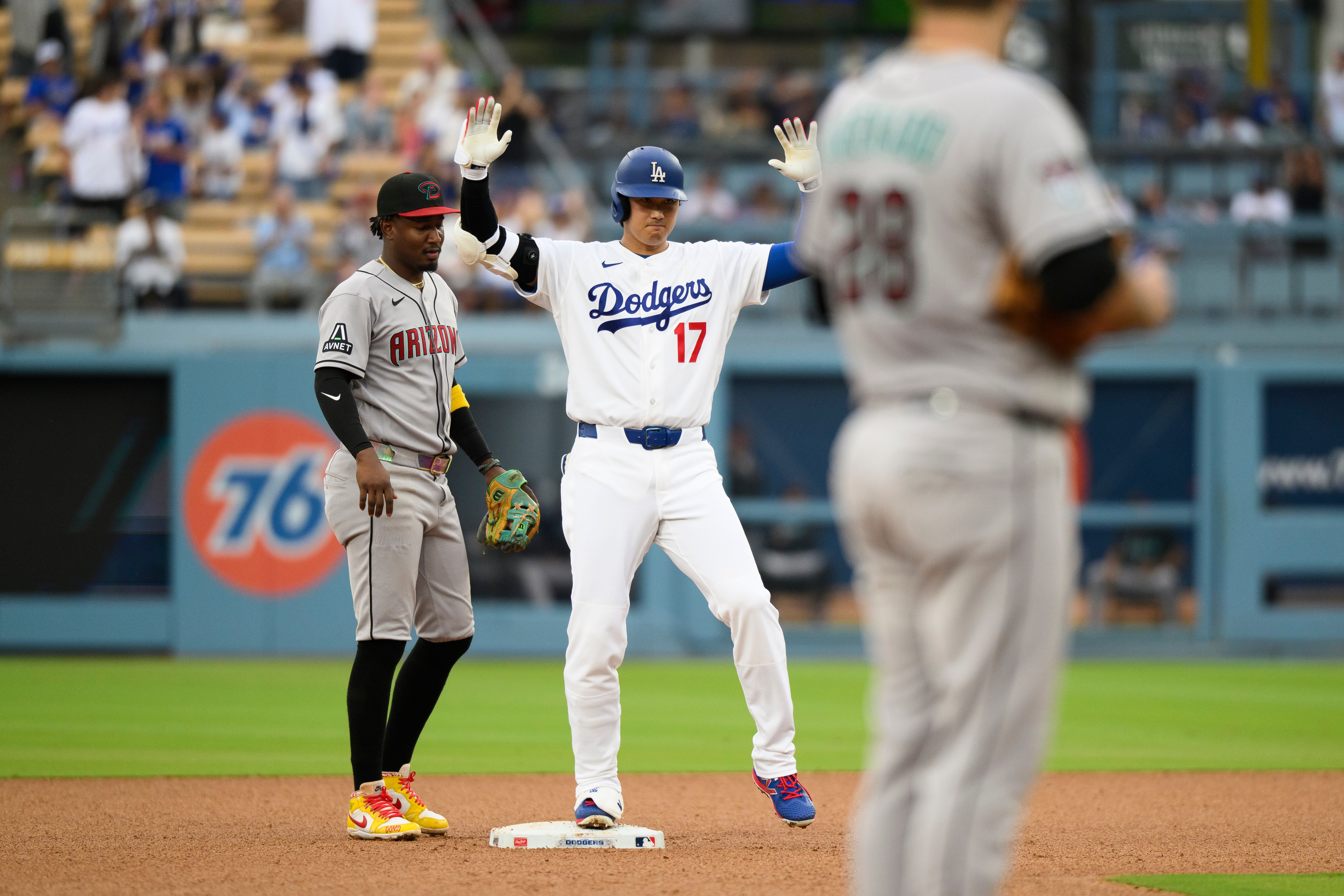
Mike Hazen says he embraces the challenge of competing against Shohei Ohtani and the mega-payroll Dodgers in the National League West.Kyusung Gong
Q: Can you describe the challenge of going into every season looking up at the Goliath of our sport, the Dodgers, and knowing that you’ve got to go through them just to get out of the NL West?
A: I’m grateful for it, frankly. I don’t think you can truly understand the type of team that you can be until you have to go toe to toe with them all the time. We’re fortunate to have to do that. And the Padres as well. We’re fortunate to play in the division we do … people talk about getting to the playoffs. Fine, you want to win in the playoffs. I think you have to be able to go into Dodger Stadium and not get rattled. That you have to be able to do that. You have to be able to walk into Philly and not get rattled. Those people were standing for four straight games, never sat down, up or down, and you have to be able to deal with that. And if you don’t think that plays psychologically on players, not all the players, but some of the guys that you will be counting on in October, you’re crazy. It does. That effect is real.
And I think that you have to be able to handle those things in the most critical situations when things don’t bounce a certain way, and you have to be able to recover from that unfortunate event that happens. I feel like we get tested year in and year out, and there’s no excuses, and I like that. And I think ultimately, if we’re going to be successful and someday win the World Series, that’s going to be one of the reasons we do. … Yeah, it’s very challenging. I understand it. We understand it. The payroll disparities are the payroll disparities. There are some hidden advantages. It’s not a unilateral advantage. It doesn’t mean we can’t win, and we know that. So we go out there every day to compete, and we’re not going to back down from anybody.
With temperatures expected to get close to 90 degrees later this week, some Philadelphia schools will dismiss early Tuesday.
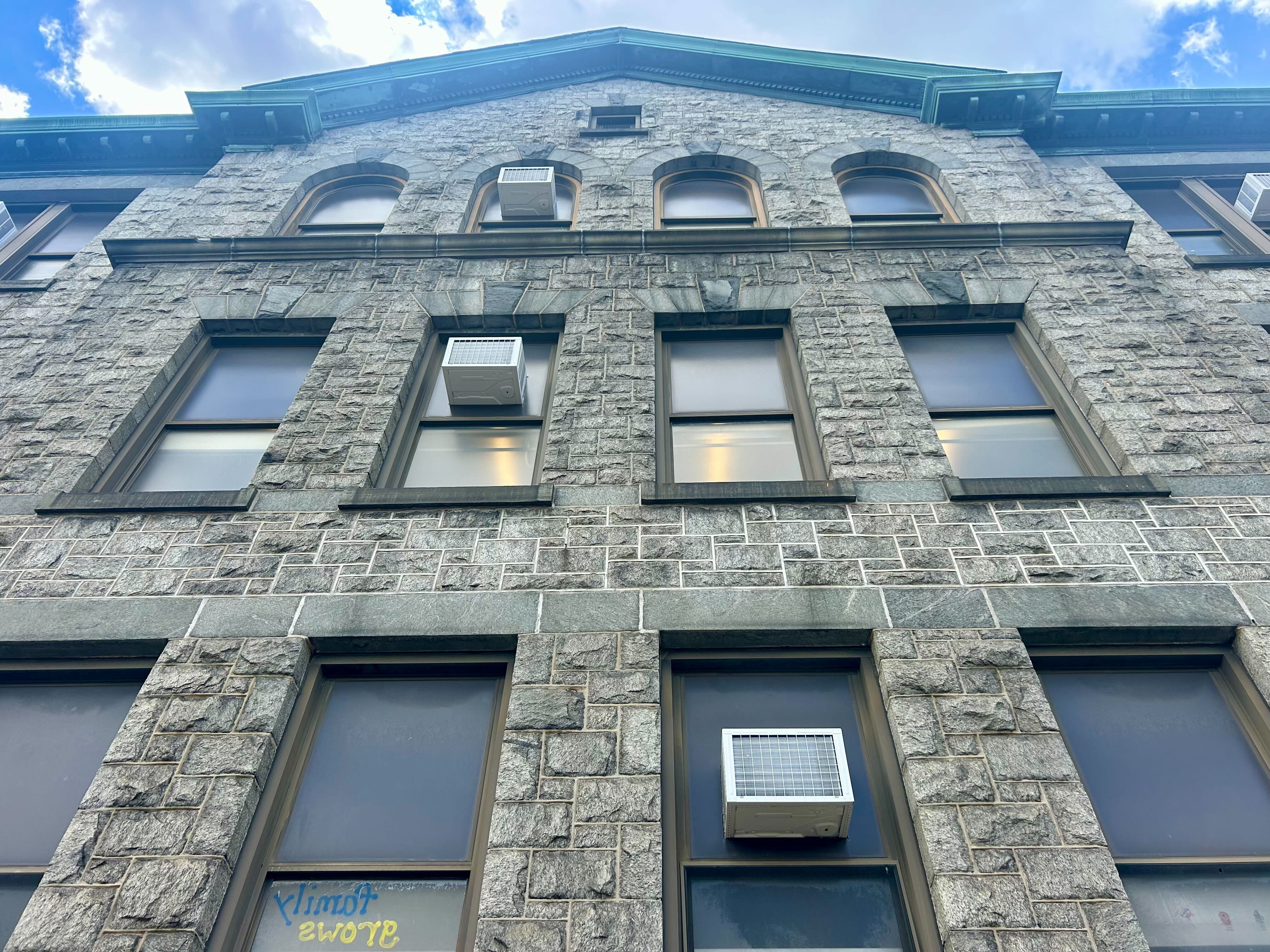
Fifty-two schools still lack air-conditioning.
“The Philadelphia region is experiencing higher-than-normal temperatures, and while the district has made significant progress toward ensuring our schools are adequately cooled to provide safe and comfortable learning environments, some schools still have inadequate cooling systems,” Oz Hill, the deputy superintendent of operations, wrote in a letter sent to families Monday.
The Philadelphia School District’s extreme-weather protocol means that if temperatures are forecast to reach or exceed 85 degrees by noon, those schools dismiss early; if it hits 85 degrees by 9 a.m., the call is for remote learning.
That means an unequal experience for students across the system, with students in some schools not missing any instructional time when it’s hot, and those in a quarter of schools subject to interrupted schedules.
“While we know that in-person learning is the best environment for students, the safety and well-being of our students, staff, and families remains our top priority,” Hill wrote. “Thank you for your flexibility and partnership. Please take care, stay cool, and stay safe.”
The holdup in air-conditioning all district schools is not related to the cost of air-conditioning units, but rather upgrading old electrical systems in the 52 schools.
Such upgrades are tricky. An HVAC project at Kensington High went awry this summer, triggering asbestos issues that forced students and staff to relocate for the rest of the calendar year.
School officials said in 2022 they aimed to have all district schools fully air-conditioned by 2027. But on the cusp of that cutoff, that goal seems unlikely.
Which schools will dismiss early?
The 52 schools that will have a half day Tuesday are:
Philadelphia-area health systems have been moving swiftly to pull offline web links that publicly revealed the daily work schedules and cell phone numbers of healthcare workers, information that hospitals traditionally do not make available online.
The information for thousands of medical workers at Penn Medicine, Children’s Hospital of Philadelphia, ChristianaCare, and dozens of hospitals nationwide was published online through a popular scheduling service, QGenda.
Experts said the online availability of internal information raises serious security and privacy concerns at a time when healthcare workers increasingly face the threat of workplace violence and doxing.
The Philly-area health systems took down the schedules in late August after The Inquirer alerted them that the information was publicly available. Penn and CHOP did not respond to questions about whetherthey were aware the link was accessible without a log in.
A spokesperson for ChristianaCare said the system “recently became aware” the pages were public, and “immediately” worked with the QGenda to “eliminate the vulnerability.”
“We are not aware of any impact to caregivers, clinicians, patient care, or operations,” Christiana’s statement said. “Protecting the privacy and security of our caregivers, clinicians, patients, and information systems remains a top priority.”
Other Philadelphia-area systems did not appear have publicly available links.
The web pages managed byQGenda, an Atlanta-based workforce management software company, exposed months of schedules of physicians, nurse practitioners, social workers, and other hospital employees.
The links don’t appear on Google searches, but anyone with access to basic AI chatbots could pull up live schedules showing the hours and assigned hospital service for on-call doctors andother providers.
“That’s very concerning,” said Lane Kantor, a fourth-year medicine-pediatrics resident at Penn and CHOP, explaining that healthcare providers’ work “sometimes comes with patients who can harass and threaten us.”
Kantor, a leader at Penn’s resident union, said the public information of providers who work with undocumented immigrants or in the areas of gender-affirming or abortion care was especially concerning.
QGenda is used by more than 4,500 organizations, according to the company’s website, including many hospitals that use the software as a one-stop source of information about providers who are on-call and available for consult at any given moment.
It is not clear how the schedules became public, how long the information was available online, to what extent hospital administrators knewthe information was not safeguarded with a log in requirement, or whether anyone — let alone someone wishing to inflict harm — accessed the information.
QGenda did not respond to multiple requests for comment.
The Hearst-owned company offers “QuickLinks” to allow “any staff member without a QGenda account” to easily access the schedule, according to the company’s website. The site also notes that “on-call schedules may contain sensitive information” and that there is risk of “unauthorized access or data breaches” without proper safeguards.
The platform also enableshealthcare systems to restrict access,“so that only devices on your practice’s secure network can access schedule data on the public-facing landing page,” the company’s site says.
Health systems in the Philadelphia area and across the country have taken steps in recent years to minimize doctors’ publicly available information in response to the growing politicization ofmany health services, especially those involvingdiversity, equity and inclusion, abortion, and gender-affirming care.
CHOP, for example, removed provider names from the webpage of its gender and sexual development program in 2022 as the clinic received threats because it provides gender-affirming care for teens. But information on clinic’s providers was available through the now-removed public schedule.
Security experts say releasingpublic work times and locations alongside cell numbers leaves providers vulnerable to being targeted by dissatisfied patients, or individuals who disapprove of the type of medicine a doctor practices.
“This is really alarming,” said Will Owen, a spokesperson for Surveillance Technology Oversight Project, a New York-based privacy nonprofit. “Hospitals must scrutinize the platforms they work with in their data collection to minimize information that can be weaponized.”
Live hospital schedules exposed
After receiving a confidential tip that three East Coast health systems had public QGenda web pages, The Inquirer identified public landing pages for nearly 50 health systems or hospitals nationwide, including Veterans Affairs hospitals, using OpenAI’s Codex.
For some, like Penn and CHOP, the landing pages for the entire system were public. For other hospitals, schedules for only one department or service surfaced.
Some of the United States’ largest and most prestigious institutions had public QGenda links, including Johns Hopkins Medicine and the University of California-San Francisco.
The Inquirer attempted to reach out to each hospital or system for which it found schedules before publication. At least 10,including Hopkins and UCSF, have removed the public link completely or added a password requirement.
A spokesperson for Cedars-Sinai Medical Center in Los Angeles said it was “unaware” that its anesthesia department’s schedule was public. The schedule has since been removed.
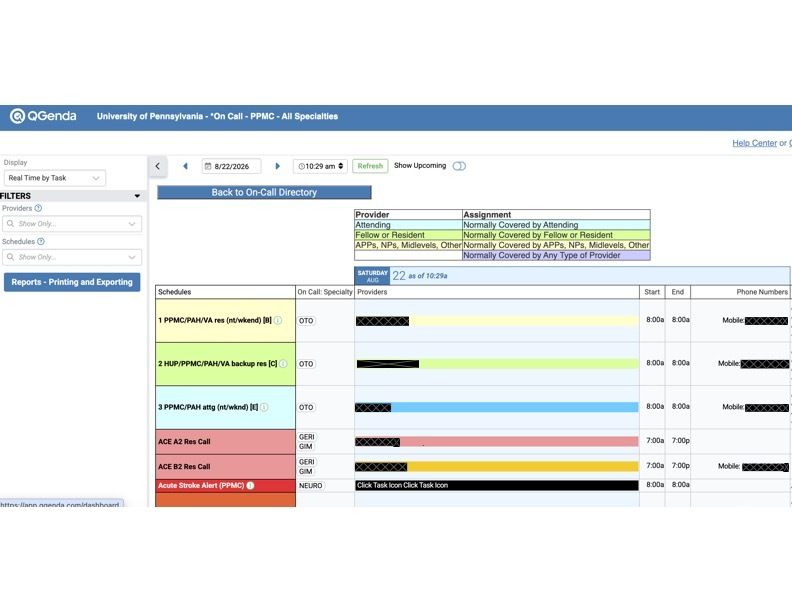
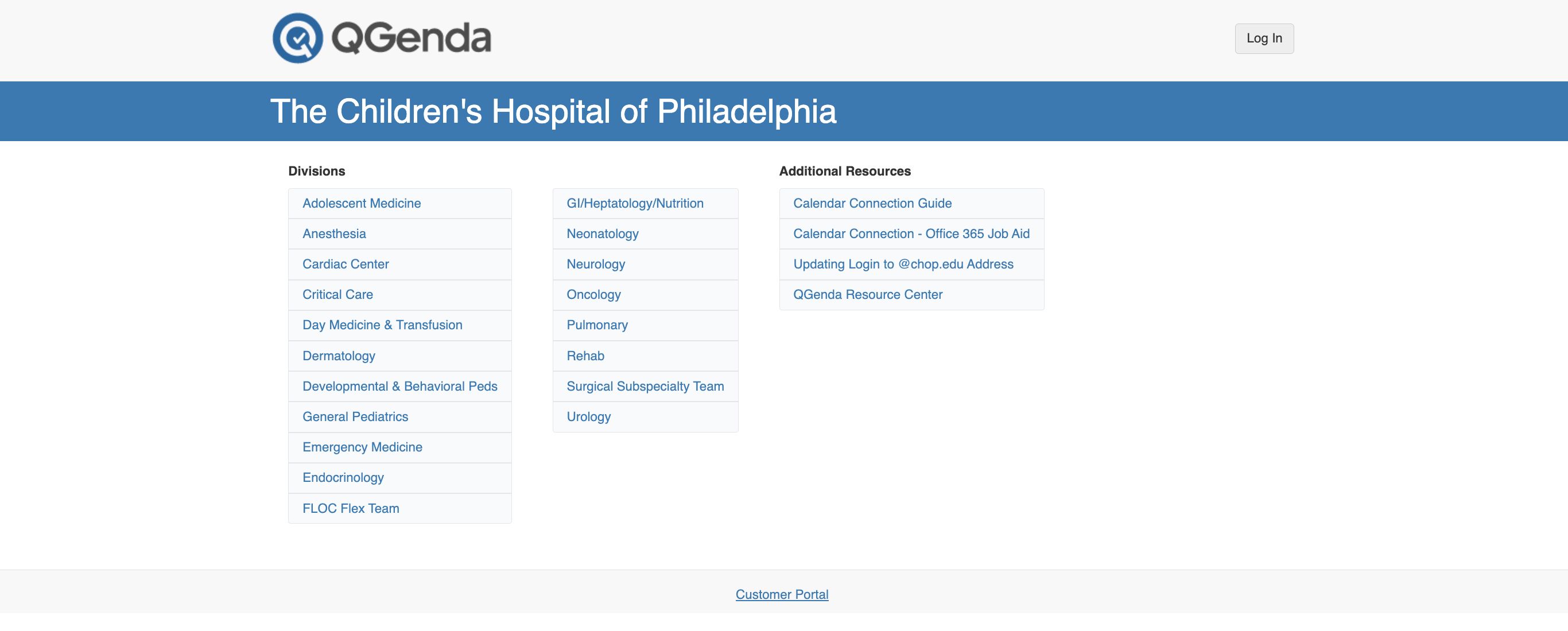
The call schedule for the Children’s Hospital of Philadelphia, and dozens of hospitals nationwide, was available online through a public QGenda link. CHOP updated the web page’s permissions to require a login after being alerted by The Inquirer.Screenshot
CHOP informed hospital staff last week about security updates made to QGenda “out of an abundance of caution.”
“We are taking a precautionary step to update access to the QGenda platform used to display CHOP on-call schedules,” CHOP said in an email to staff obtained by The Inquirer.
QGenda’s platform does not contain patient information, and CHOP “continually assess our systems, processes, and technologies with an eye toward privacy, security, and operational needs,” a CHOP spokesperson said in a statement.
Penn said it uses QGenda to support communication among care teams.
“We continually monitor the risk environment surrounding online information and, as it continues to evolve, we are adding controls that both preserve appropriate protection and provide reliable access for those who need the information to coordinate patient care,” Penn said in a statement.
Gennadiy Ryklin, a hospitalist at ChristianaCare, was surprised to learn a colleague had done a work-hour analysis for ChristianaCare’s attending union using an AI model.
“I asked him, ‘well, how’d you do that without having Claude get access to our private schedules?’ And, well, it’s not private, there’s a public link here,” Ryklin said.
Privacy and data security are principles are drilled into physicians through policies, procedures, and training courses, Ryklin said.
“We understand that patient information in the wrong hands can cause a lot of harm,” the doctor said. “Where’s that same concern for us?”
A June shooting that killed one IT intern and left another injured in ChristianaCare’s Wilmington Hospital underscored for Ryklin the threat of violence within health systems. Law enforcement charged a third intern in connection to the incident.
He reached out to hospital administrators and last week the hospital began removing the public web pages.
Employee privacy exists in a legal gray area, with protections often dependent on institutional policies, said Matthew Bodie, a law professor at the University of Minnesota.
Publicly sharing schedules and cell numbers does “feel invasive,” Bodie said, “especially if employees didn’t know about it.”
The combination of cell numbers and work schedules could be used to cause harm, whether by patients, politically motivated individuals, or stalkers, said Sharona Hoffman, a co-director of the Law-Medicine Center at Case Western Reserve University.
The lack of any sweeping federal employee privacy requirements makes the online availability of the information, “not surprising though very disturbing,” the professor said.
Pearl Jam’s concert at the Wells Fargo Center in April 2016 is legendary among fans because the band played its 1991 debut album Ten in its entirety.
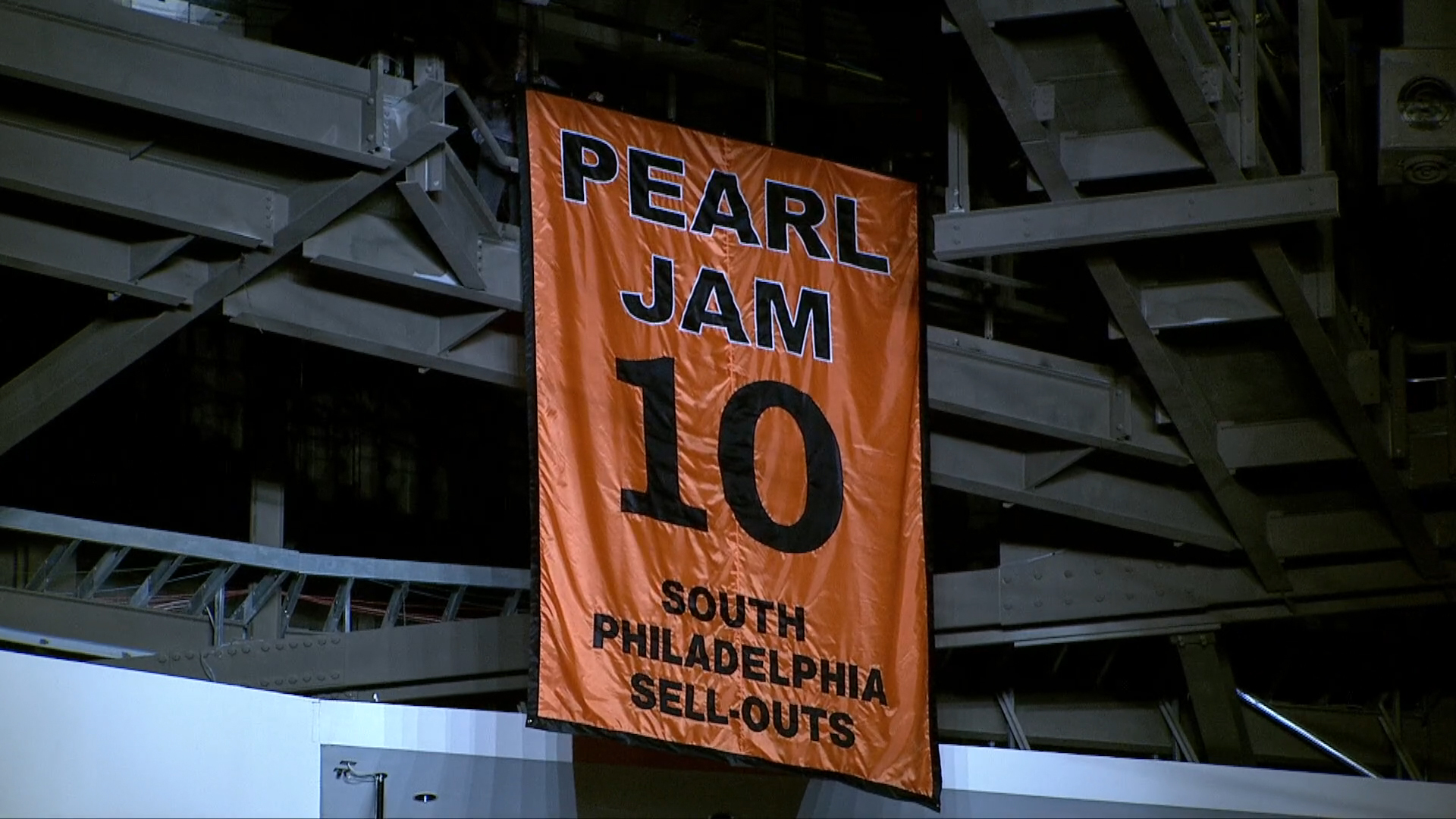
The performance happened after Eddie Vedder was struck by the idea during the sound check for the show. The venue had surprised him by hanging a Flyers-style banner made by Native Colors Flag Co. in Haddonfield marking the band’s 10th sold-out performance in a South Philly arena.
“I saw that number, and it was like, ‘I think we gotta do it,’ ” Vedder said with a smile that night, after the band had finished playing Ten from start to finish for only the second time in its career.
Now, Pearl Jam is releasing Ten Live, a three-sided vinyl LP that captures live versions of the 13 songs on the album, which includes songs that have long been centerpieces of the band’s repertoire, such as “Even Flow,” “Alive,” and “Jeremy.”
The live album recorded April 29, 2016, in the building that is now known as Xfinity Mobile Arena comes out Nov. 27. That’s Record Store Day Black Friday, the holiday season day on which music retailers put limited-edition vinyl exclusives on sale in shops in Philly and around the U.S.
In 2020, Pearl Jam made a video stream of the entire 32-song 2016 concert available through Philly-based music platform nugs.net. That release was timed to promote PJ Votes, a voter mobilization initiative ahead of the 2020 presidential election.
At the time, Pearl Jam guitarists Stone Gossard and Mike McCready spoke to The Inquirer about the band’s special relationship with Philadelphia. That dates back to a 1991 show at J.C. Dobbs on South Street (now Nikki Lopez), and the final four shows at the Spectrum in 2009 before that venue was demolished the next year.
“I remember playing Dobbs, and it was the strangest stage I’ve ever been on,” McCready recalled. An oversize column on one side of the stage made it difficult to see an entire band at the defunct South Street club. “I’ll never forget that.”
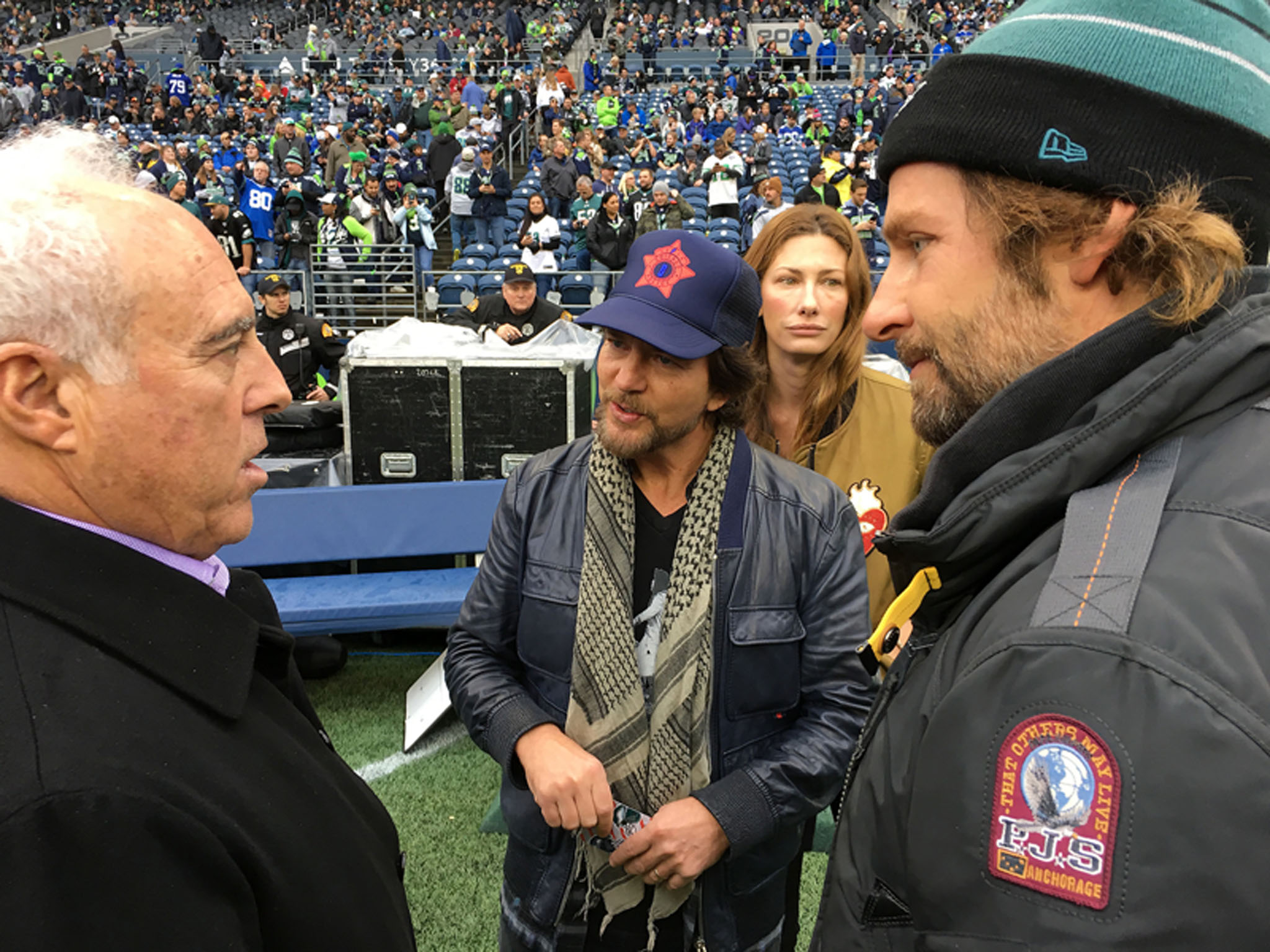
Eagles’ owner Jeffrey Lurie (left) talks with Eddie Vedder (center) of Pearl Jam, and Bradley Cooper (right) before the Philadelphia Eagles play the Seattle Seahawks in Seattle, on Nov. 20, 2016. David Maialetti / Staff Photographer
During the October 2009 Spectrum shows, which ended on Halloween with the band dressing up like Devo and playing “Whip It,” McCready said “in four nights, we tried to play every song we’ve ever written.”
“There’s something about Philadelphia,” Vedder said during the Ten show.
“It seems tough, and intense. I get the City of Brotherly Love. But I also know brothers beat the [stuffing] out of each other! So to see all these intense people … release themselves and open up and celebrate and seem to love each other, it’s really powerful.”
The Pearl Jam banner at the Wells Fargo Center on April 29, 2016.nugs.tv
At one point in the show, Vedder looked up to see the Bruce Springsteen banner in the rafters with a number 56 much larger than Pearl Jam’s 10. He then did an impression of the Boss: “Hey Ed, I hear you’ve got a little banner up there. You’ve got some catchin’ up to do. Call me in 20 years.”
”I think there really is a tangible difference in the level of engagement. I mean, since we started playing Philadelphia and over into New Jersey, it’s … insane. Things are generally sort of twice as big there.
“Some of it has to do with the longevity, I think. There’s a consistency with talking to fans, and then having them turn their kids on to the music. It’s magical, and I don’t want to know too much about it. I just want to honor it. It feels real.”
A version of the 2016 Ten show, which includes covers of Pink Floyd, Wayne Cochran, the Dead Boys, Neil Young, and the Who, can be streamed on YouTube. And a pro-shot video of the concert can be rented or purchased on PearlJam.com, where the Ten Live vinyl can be preordered.
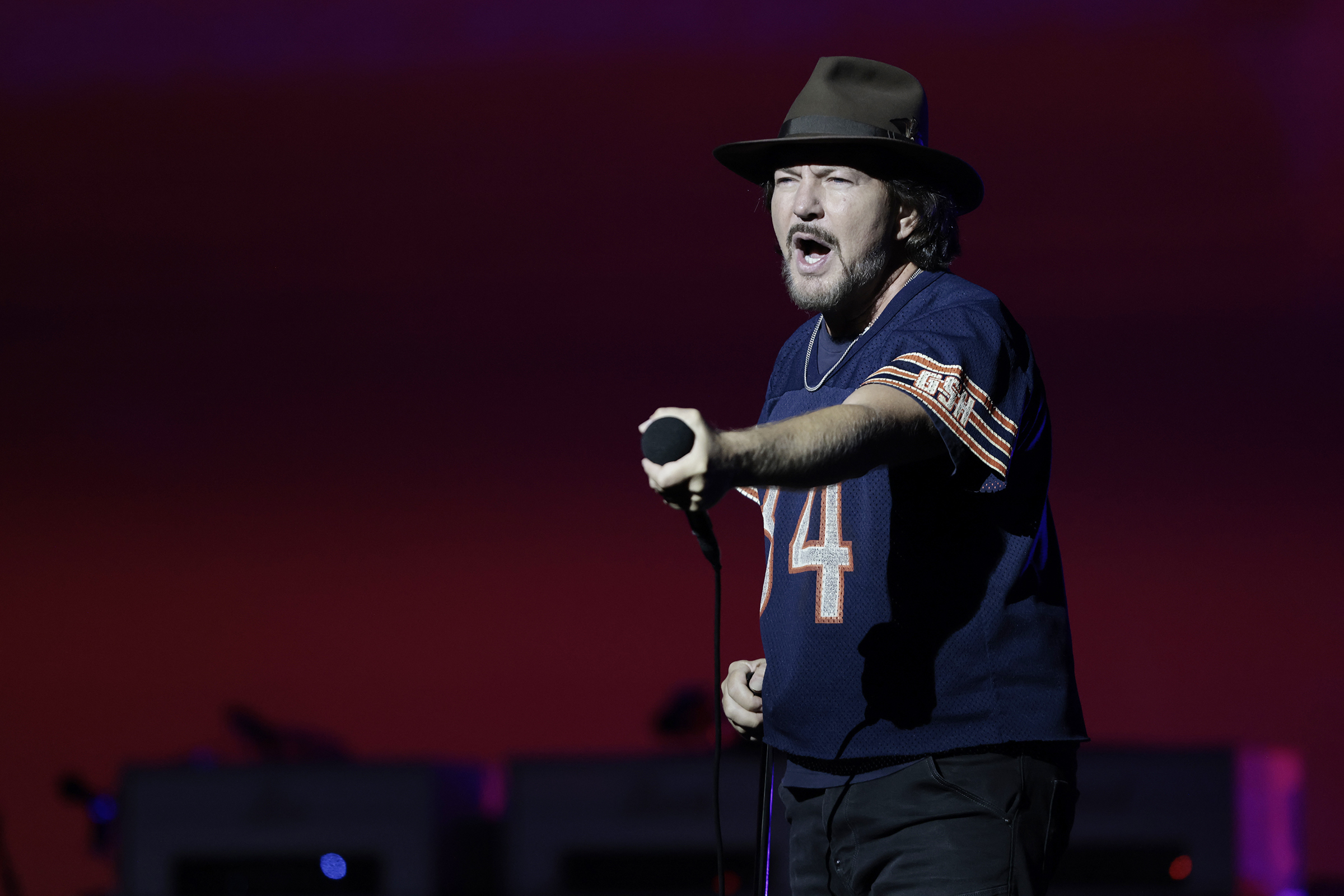
Eddie Vedder and Pearl Jam perform during their Dark Matter World Tour stop at the Wells Fargo Center in Philadelphia on Saturday, September 7, 2024.Elizabeth Robertson / Staff Photographer
Sixty-one years ago, the U.S. Supreme Court decided Griswold v. Connecticut — striking down a state law that banned married couples from using contraception. The court recognized what should have been obvious: that the most intimate decisions people make about their bodies, their families, and their futures belong to them, not to the government. That ruling established the constitutional right to privacy, and laid the foundation for modern reproductive healthcare.
Today, those rights are not as secure as they once seemed.
The political landscape has shifted. Forces that once operated at the margins of American politics are now driving policy — and contraception is squarely in their sights, along with access to in vitro fertilization (IVF) and even vaccines.
Lab staff prepare small petri dishes, each holding several 1- to 7-day-old embryos, for cells to be extracted from each embryo to test for viability, at the Aspire Houston Fertility Institute in vitro fertilization lab in 2024 in Houston.Michael Wyke
The legal landscape has also shifted, with the Supreme Court a standout case in point when it issued its decision in Dobbs v. Jackson Women’s Health Organization and took away women’s hard-fought right to abortion care.
In his concurring opinion, Justice Clarence Thomas went even further in his endeavor to strip women of their bodily autonomy. He wrote that the court should “reconsider” earlier rulings, specifically naming Griswold. The right to contraception has been settled law for more than half a century, and this was not an offhand comment. It was a sitting Supreme Court justice signaling that, in his view, the constitutional protection for birth control could be reconsidered next.
Those of us in Harrisburg cannot wait for that to happen.
That is why I introduced legislation to ensure everyone in Pennsylvania has a clear statutory protection to the right to contraception and fertility treatment, no matter what the Supreme Court does. If Washington will not protect this right, Pennsylvania will.
The same constitutional principles Griswold recognized — privacy, autonomy, and freedom from government interference in personal medical decisions — deserve protection under state law, so no court ruling can strip them from Pennsylvanians overnight.
We have already seen how quickly long-established rights can disappear. We watched Roe v. Wade fall in Dobbs. We have seen misinformation about birth control spread — false claims that common forms of contraception are abortifacients — designed to create legal grounds to restrict them.
Contraception and fertility treatment are a part of everyday life for millions of Americans. People use birth control to plan their families, pursue their education and careers, and manage health conditions like endometriosis and polyendocrine metabolic ovarian syndrome (PMOS). These are deeply personal decisions that belong to individuals and their doctors — not politicians.
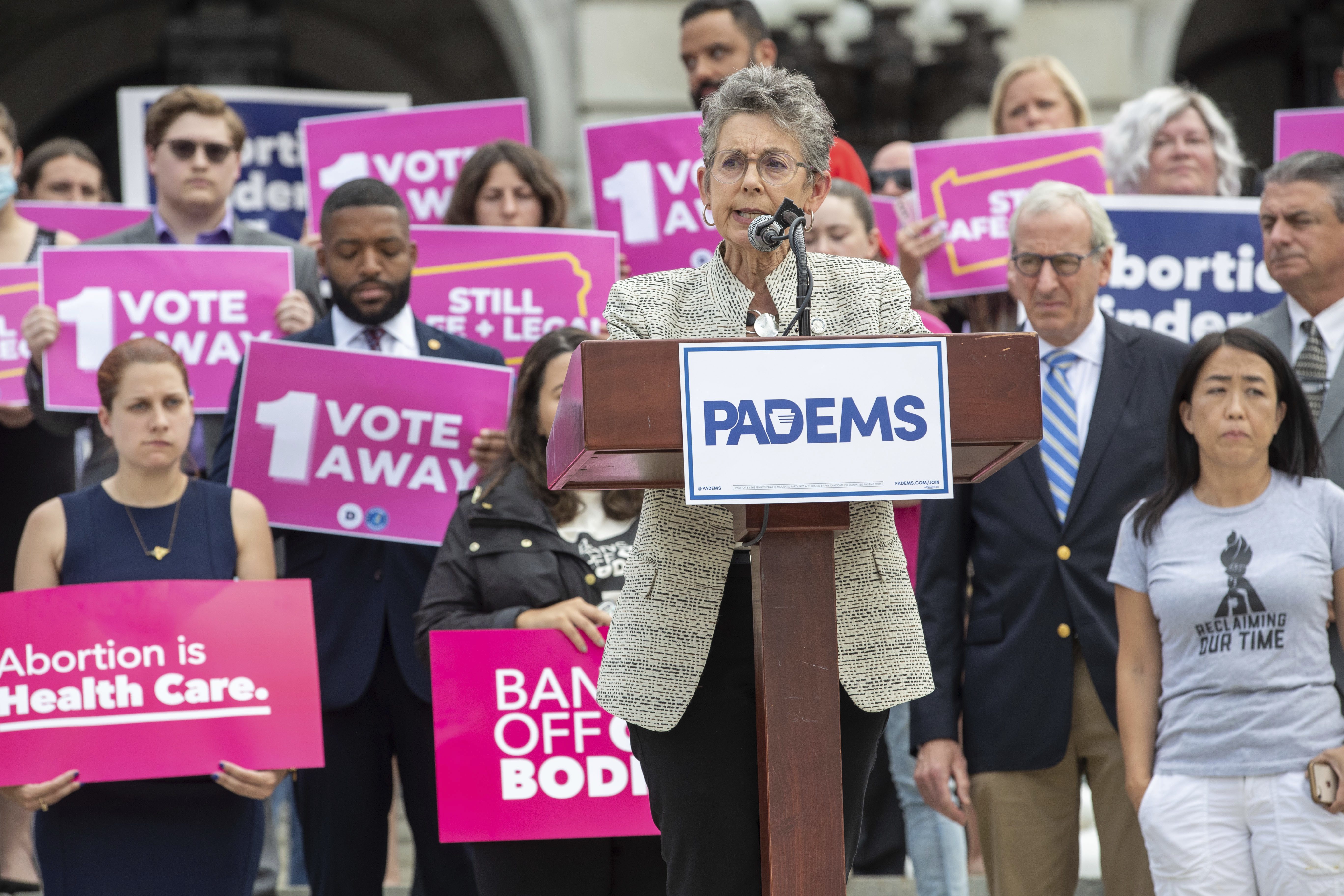
Supporters of abortion access listen to Democratic State Rep. Mary Jo Daley speak in 2022 in Harrisburg.Mark Pynes | pennlive.com / AP
Yet, there remains a gap between what the public supports and what some lawmakers set out to personally and politically accomplish. That is why action by states matters.
The lesson of Dobbs is that rights cannot be taken for granted.
Pennsylvania has an opportunity to act before another right comes under attack. The question is not whether contraception and fertility treatments deserve protection. The question is whether we are willing to protect them.
I am. And I hope my colleagues are, too.
State Rep. Mary Jo Daley (D., Montgomery) represents the 148th Legislative District. She is cochair of the Pennsylvania Women’s Health Caucus.
The U.S. Supreme Court this summer overturned limits on how much money political parties can spend in coordination with their chosen candidates — the latest in a series of decisions by the conservative majority that have unleashed a flood of money into national politics.
How that will play out in Philadelphia remains to be seen. But local elections lawyers said last week it could boost the power of the city’s political parties to influence the outcome of elections.
“It will be disruptive to city elections,” Adam Bonin, a Philadelphia-based Democratic elections attorney, said of the case, National Republican Senatorial Committee v. Federal Election Commission. “It will give parties more power, and it will give incumbents more power.”
The Philadelphia Board of Ethics, which enforces the city’s campaign finance rules, plans to consider the potential impacts of the Supreme Court’s 6-3 ruling this fall, said board chair Ellen Mattleman Kaplan. That would ensure any changes would take effect before next year’s municipal elections, when Mayor Cherelle L. Parker and all 17 Council members are up for reelection.
In deep-blue Philadelphia, where most local elections are effectively decided by Democratic primaries, two key questions will determine the case’s impact: Does the ruling apply to local elections, and does it apply to primaries?
Both are legally thorny issues that could require lengthy court battles to sort out. But if the answer to both questions ends up being yes, the NRSC ruling has the potential to give significant advantages to candidates who are endorsed by the Democratic City Committee.
For instance, in crowded Democratic primaries for mayor or City Council, the party-endorsed candidates would be the only ones who could effectively circumvent the city’s limits on the size of political donations — currently $3,700 per year for individual donors — by directing deep-pocketed supporters to give additional money to the party, which is not subject to those limits.
The party could then work directly with its endorsed candidates on how to spend that money, including decisions on the messaging and timing of TV ads or door-knocking efforts.
To be clear, experts said, there are many uncertainties about how, and even if, the ruling would apply to Philadelphia municipal elections, where political money is more tightly regulated than in state and federal races.In the immediate future, the ethics board could take the position that the ruling applies only to federal races, not the city races it regulates.
“We haven’t come to any conclusions yet,” said J. Shane Creamer Jr., the ethics board’s executive director. “We’ve got to keep in mind that the federal law in that case is a little different than Philadelphia’s laws, including different rules designed to prevent circumvention of contribution limits.”
Additionally, the Supreme Court opinion did not specify whether its ruling applies to local elections, a question that could be addressed by subsequent federal court cases. The NRSC case before the justices centered on limits on coordination between parties and candidates in federal law that apply only to general elections.
But Philadelphia elections lawyer Kevin Greenberg said the underlying philosophy in the decision — that limiting political parties’ coordination with their candidates constituted a violation of the constitutional right to free speech — would likely extend to primary elections.
“There is nothing about the Supreme Court’s logic that inherently applies only to general elections,” said Greenberg, who has done legal work for the Pennsylvania Democratic Party. “What any judge and any lawyer thinking about how to implement this … would and should do is apply the Supreme Court’s opinion to what the next set of facts are, and under the Philadelphia law, this will be problematic for the existing [campaign finance] statue.”
The ruling directly applies to general elections for U.S. House and Senate races, meaning that federal party committees can now coordinate with — and spend freely on behalf of — candidates running for Philly congressional seats and Pennsylvania’s U.S. Senate seats.
But the two outstanding questions, about local elections and primaries, would likely have to be sorted out in court because the city is unlikely to voluntarily change its system, said Matthew Haverstick, a Philadelphia elections lawyer who often works with Republican clients. Such a case would require a candidate or, more likely, a political party suing the city, he said.
“Given the way the Philly ethics board and the city regulates elections, they’re not going to do anything unless they’re told to do it by a court,” Haverstick said. “Whether this decision has a direct impact on the Philadelphia rule is unclear. … You could argue that political parties can coordinate in primaries — there are good arguments that it could — but it would have to be considered in court.”
Haverstick is representing 2023 mayoral candidate Jeff Brown in a lawsuit against the ethics board. During that campaign, the ethics board alleged that a super PAC backing Brown coordinated with him in violation of campaign finance rules. A judge later threw out the case.
With Haverstick as their attorney, Brown and the PAC have since sued the ethics board, alleging in part that it unfairly targeted him during the campaign. The Commonwealth Court in March ruled against Brown and the PAC. They have appealed the decision to the Pennsylvania Supreme Court, where it is pending.
A potential opportunity for Philly’s Democratic establishment
The local Democratic establishment’s influence in recent years has been waning as insurgent candidates backed by progressive groups have notched key victories, oftentimes with the backing of deep-pocketed outside spending groups supported by organized labor.
Depending on how it is applied, the court’s decision could create an opportunity for the Democratic City Committee to reassert itself by giving its preferred candidates, who are typically more centrist or conservative Democrats, access to a major financial advantage over their rivals.
The Democratic City Committee did not respond to a request for comment.
Currently, candidates for city offices are subject to strict limits on the size of donations they can collect: $3,700 per year for individual donors, and $14,800 for organizations. Outside groups known as super PACs can raise money in unlimited amounts — but they are prohibited from coordinating with campaigns over fundraising, strategy, and spending.
If applied to city elections, the ruling could create an exception to those rules for one type of outside group — political parties — allowing them to raise money in unlimited amounts and spend as much as they want while working hand in glove with their endorsed candidates. And in a primary election, where there is only one party involved, that could give the establishment-backed candidate a major advantage.
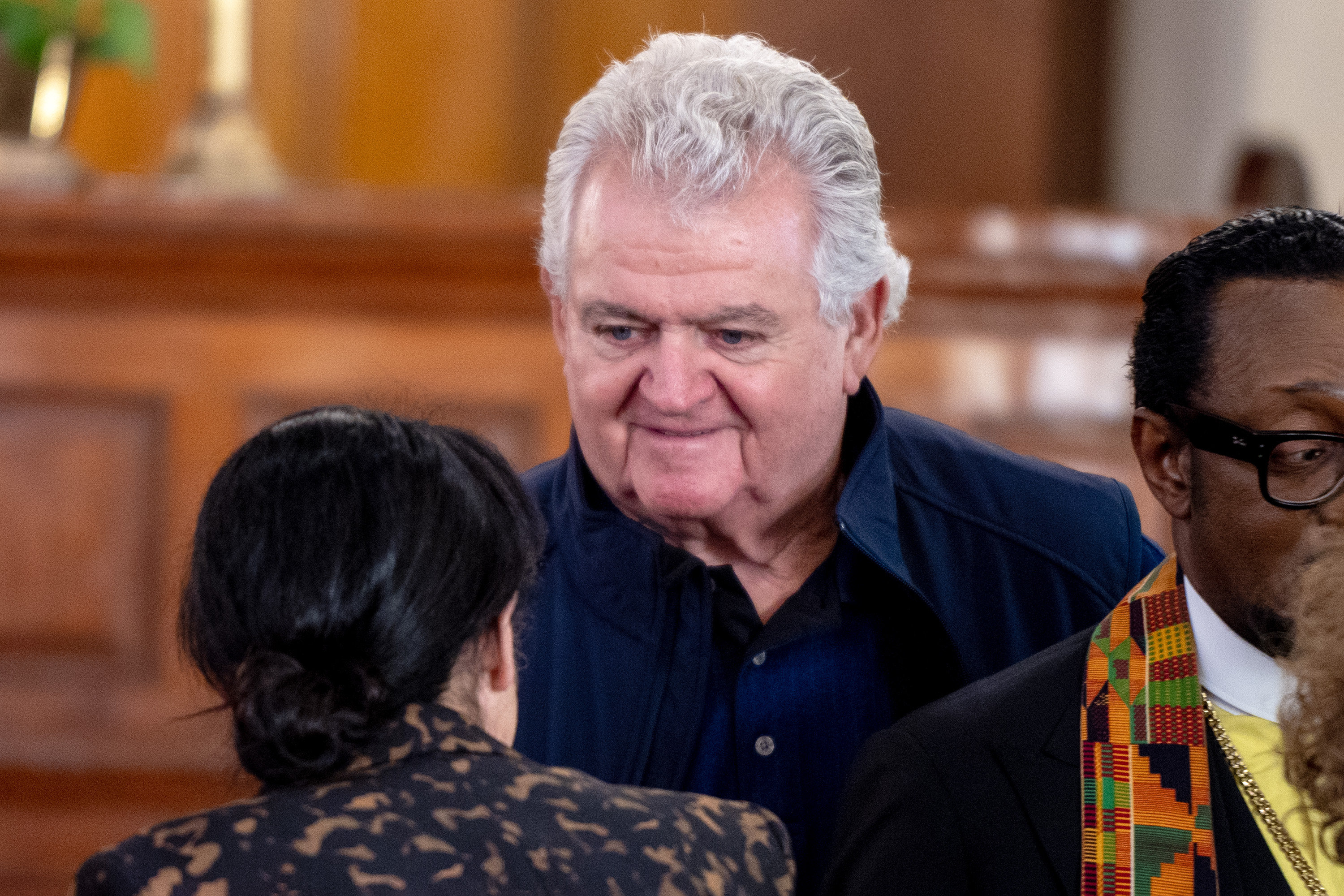
Chairman of the Democratic City Committee, former U.S. Rep. Bob Brady, at Mother Bethel AME Church Nov. 2, 2025.Tom Gralish / Staff Photographer
But there is reason to doubt that scenario will become the norm in high-profile Philadelphia elections. In addition to legal questions about the NRSC case’s applicability, there are political obstacles that could prevent candidates from taking advantage of the court’s ruling.
To be endorsed by the city committee, candidates must receive the support of a majority of the 69 Democratic ward leaders, who often fail to reach that level of consensus in crowded races. And even if a candidate wins the endorsement, there is no guarantee they would have the donor network to be able to take full advantage of coordinating fundraising with the party.
Lastly, the party may differ with a candidate’s campaign on strategy decisions, or it could decline to raise money beyond the limits applicable to other candidates to avoid the appearance of tipping the scales.
Bonin said he opposes the current Supreme Court’s campaign finance rulings, such as the 2010 Citizens United decision that helped usher in the dominance of super PACs. But in light of those rulings, he said, the NRSC decision may be a positive development.
“If we’re going to live in a world where super PACs exist, we are better off strengthening political parties, which are more accountable,” he said.
A new twist in Council election races for the GOP and Working Families Party?
There is another arena in which the decision could have a major impact in Philadelphia: the general election races for the two seats on City Council that are reserved for independent or minority-party candidates.
Republicans held those seats for about 70 years until Councilmembers Kendra Brooks and Nicolas O’Rourke of the progressive Working Families Party won them in the two most recent city election cycles, a major factor in Council’s recent shift to the left.
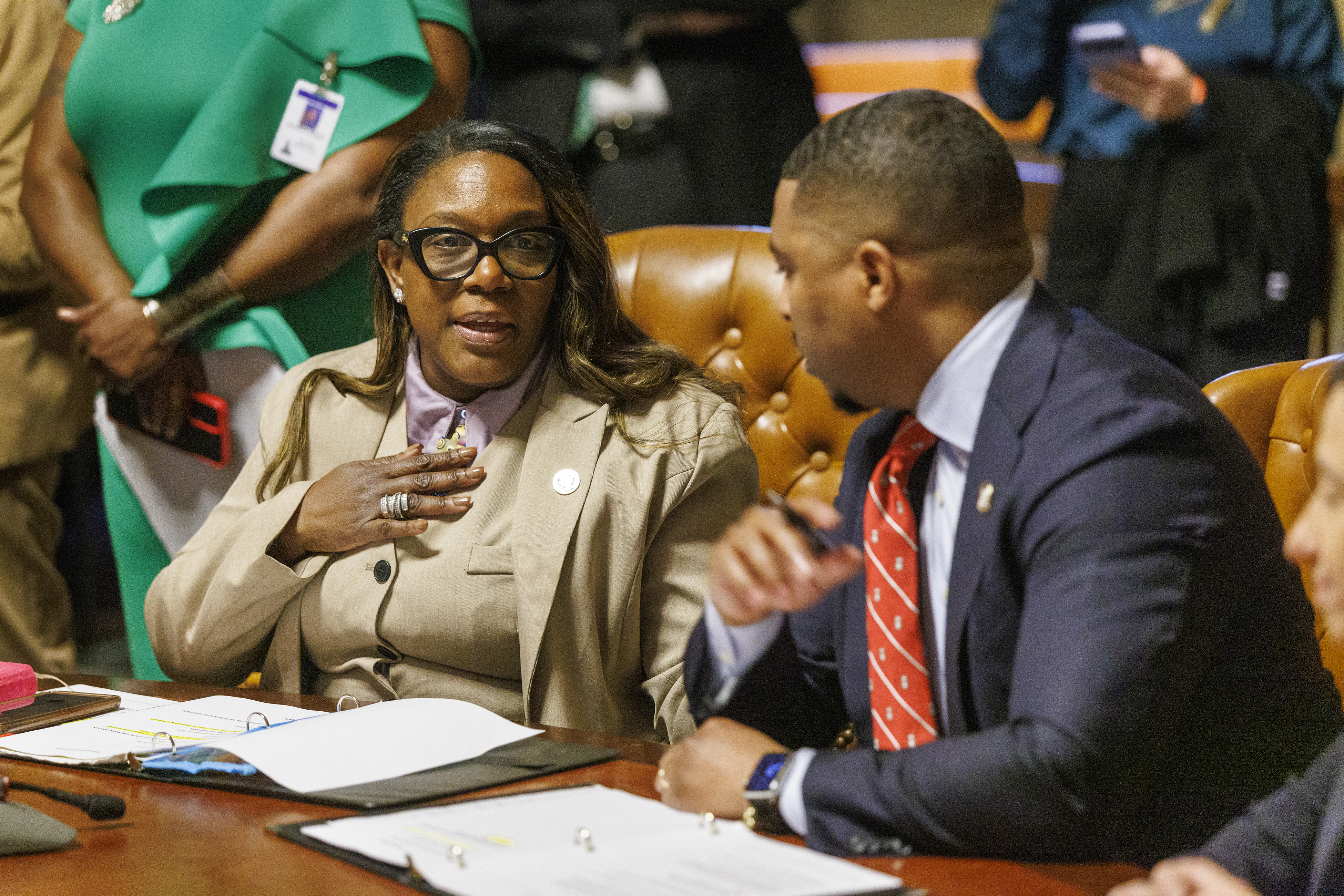
At left is Kendra Brooks speaking with colleague Nicholas O’Rourke during caucus session. Philadelphia City Council gathered today for the budget address from Mayor Cherelle L. Parker in chambers, Thursday, March 12, 2026. .Alejandro A. Alvarez / Staff Photographer
The Philly GOP has seen anemic fundraising levels and dismal results in recent years. If applied to local primaries, the NRSC ruling could potentially help the party gain traction with the help of just a handful of major donors — especially given that it is less clear the Working Families Party, without a primary election, would be able to take advantage of the change.
If the NRSC ruling is applied to city elections, the Philly GOP would undoubtedly be able to coordinate with its nominees in those Council races. Vince Fenerty, who chairs the Republican City Committee, said he is seeking legal advice on that question.
“We’re hopeful that there could be a chance for us to help our City Council candidates next year and everyone else who runs [as a Republican],” he said.
It is unclear whether the ruling would benefit the smaller Working Families Party, which under Pennsylvania law is not a major political party. (Pennsylvania’s Commonwealth Court is currently deciding an unrelated case on the Green Party that could affect the legal standing of groups like the Working Families Party.)
At left is attorney Matt Wolfe and Vince Fenerty, chair of the Philadelphia Republican Party attended the hearing for Working Families Party candidates. Hearing in courtroom 443 Philadelphia City Hall for Working Families Party candidates on Friday, August 11, 2023.Alejandro A. Alvarez / Staff Photographer
In a statement, Working Families Party spokesperson Nick Gavio lamented the direction of the U.S. Supreme Court’s recent rulings on campaign finance law.
“Anyone who has knocked a door in Philadelphia knows that regular voters are not pushing to give billionaires and the ultra-rich more power to influence our elections,” he said. “WFP has no interest in overturning existing campaign finance regulations that act as guardrails against political and corporate insiders buying elections. We will of course continue to follow all campaign finance rules that are on the books.”
A new quandary for the ethics board
In stark contract to the increasingly unregulated world of federal elections, Philadelphia has some of the tightest campaign finance restrictions in the country, and the ethics board has aggressively enforced the city’s rules.
Critics, including Greenberg, believe the board has already overextended itself by sticking to Philly’s rules as the Supreme Court increasingly takes a wrecking ball to federal campaign finance law. And for Greenberg, the NRSC case is the latest decision that shows Philly is overdue for a full redo that “addresses these issues in light of the [Supreme Court’s] clear direction.”
“City Council needs to write appropriate rules, and the board of ethics needs to rescind almost all of its existing regulations and readopt them in law,” he said.
It is unlikely the ethics board would lead the charge in demolishing the campaign finance system it helped to create — one that has been widely credited with limiting the influence of corporate interests and super-wealthy individuals since it was implemented in 2005.
In an interview, Creamer, the ethics board executive director, referenced differences between the federal law in question in the NRSC case and Philly’s system — an indication the board could determine the decision has no bearing on local elections.
“We don’t have a similar structure to our law. So it may impact our law somehow; it may not,” Creamer said. “We’re still analyzing it.”
There are several important differences the board could point to. In federal law, for instance, there are limits on how much individuals can give to political parties, but in Philadelphia there are none.
In addition, the majority opinion in the NRSC decision, which was authored by Justice Brett M. Kavanaugh, discusses at length how rules around “earmarked” donations — in which donors give money to political parties and direct them to spend it on specific candidates — provide a “prophylaxis” against corruption that could result from eliminating limits on coordination with political parties. Philly does not have an earmarking process.
If the ethics board stands pat, candidates or political parties seeking to take advantage of the NRSC ruling could challenge the board’s regulations in court. Politicians in heavily Democratic cities like Philadelphia, however, face strong disincentives from taking that step, which would allow them to be painted as supportive of moneyed interests playing a greater role in local politics.
Bonin, who has been less critical of the ethics board’s approach to campaign finance than Greenberg, said resistance to the NRSC case would be difficult.
“Whether they like it or not, they have to allow it,” Bonin said, referring to coordination between candidates and parties.
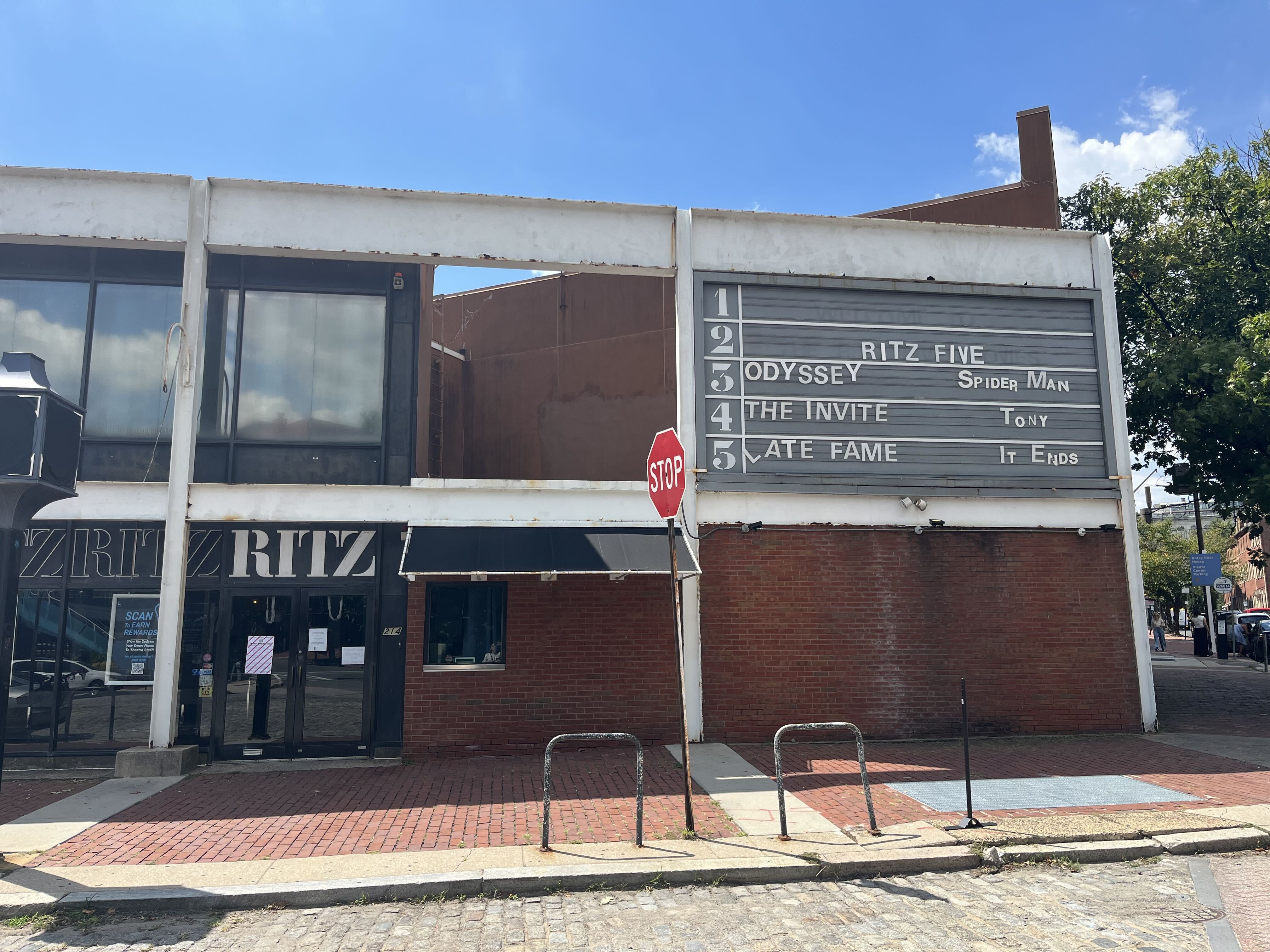
The Landmark Ritz Five movie theater could reopen soon, after shuttering abruptly this month because it failed city inspections.
Landmark Theatres’ parent company, Cohen Media Group, said “we are actively working with the local authorities to address certain requirements related to the theater and are committed to completing the necessary work as quickly and thoroughly as possible,” in a statement shared by spokesperson Daniela Sapkar.
The Philadelphia Department of Licenses & Inspections ordered the movie theater to close last week after two failed inspections. Violations, noted in a March inspection, included failure to obtain a permit to install a fire alarm system, share documentation that fabrics are flame retardant, ensure that exit doors fully “self-close and latch,” and certify emergency lighting. The theater was also found to be missing a valid food license.
The theater, located at 214 Walnut St., failed a subsequent inspection on Aug. 11. By Aug. 26, the movie theater was closed, and a cease operations order was plastered on its doors.
“We understand the importance of this theater to the Philadelphia community and greatly appreciate the patience and support of our guests,” the Cohen Media Group statement said. “We look forward to an imminent reopening.”
Sapkar said Monday that a reopening date has not yet been decided, “but we’re hopeful it will be as quickly as possible.”
On Monday morning, the theater’s website still listed that it was temporarily closed “due to administrative issues.” No showtimes were listed for Monday or Tuesday.
Tickets appeared to be available to purchase online for Wednesday viewings of The Odyssey, The Invite, and Spider-Man: Brand New Day, among other movies.
Landmark Theatres was purchased by Cohen Media Group in 2018. The Landmark Theatres brand has locations across the country, including theaters in Arizona, California, and Florida.